
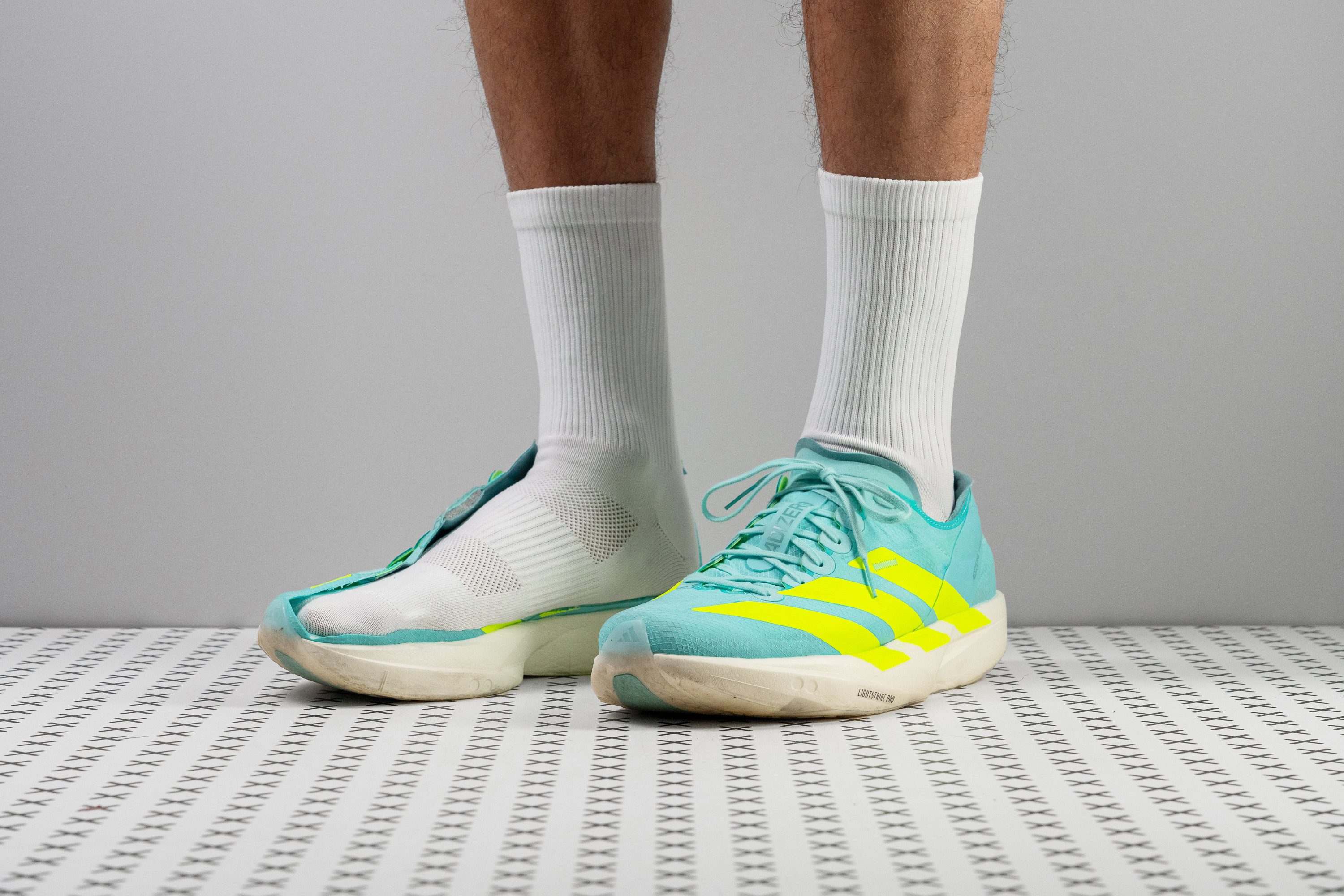


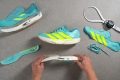

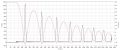

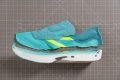

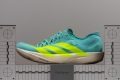



















Our verdict
- Daily running 41
- Tempo 92
- Race 91
- Stability 38
Pros
- Exceptionally fast feel
- Perfect for 5K and 10K races
- Elite-level energy return
- Excellent upper durability
- Competitive price
- Stays true to the Takumi Sen DNA
- Great match for lightweight runners
- Outstanding grip
Cons
- Very limited heel stability
- Not for beginners
- Low breathability
- Maybe a bit heavy for 2026 standards?
Awards
- Top pick in best adidas running shoes
- Top pick in most comfortable running shoes
- Top 27% in road running shoes
- Top 30% in adidas running shoes
Comparison
The most similar running shoes compared
+ + Add a shoe | |||||
|---|---|---|---|---|---|
| Our score | 86 Great | 86 Great | 85 Great | 85 Great | |
| Price | $180 | $140 | $130 | $135 | |
| Pace | TempoCompetition | Daily runningTempo | Daily runningTempo | TempoDaily running | |
| Shock absorption | Moderate | High | High | Moderate | |
| Energy return | High | High | Moderate | Moderate | |
| Traction | High | High | High | High | |
| Arch support | Neutral | Neutral | Neutral | Neutral | |
| Weight lab Weight brand | 6.5 oz / 184g 6.5 oz / 184g | 7.8 oz / 220g 7.9 oz / 225g | 8.6 oz / 245g 8.4 oz / 238g | 7.7 oz / 217g 7.6 oz / 215g | |
| Lightweight | ✓ | ✓ | ✓ | ✓ | |
| Drop lab Drop brand | 6.9 mm 7.0 mm | 6.3 mm 6.0 mm | 8.2 mm 9.0 mm | 5.9 mm 5.0 mm | |
| Strike pattern | Mid/forefoot | Mid/forefoot | HeelMid/forefoot | Mid/forefoot | |
| Size | True to size | True to size | Half size small | Half size small | |
| Midsole softness | Soft | Soft | Balanced | Balanced | |
| Difference in midsole softness in cold | Small | Small | Small | Small | |
| Toebox durability | Good | Bad | Bad | Bad | |
| Heel padding durability | Good | Good | Good | Good | |
| Outsole durability | Decent | Good | Decent | Decent | |
| Breathability | Warm | Moderate | Breathable | Breathable | |
| Width / fit | Medium | Medium | Wide | Wide | |
| Toebox width | Medium | Medium | Medium | Wide | |
| Stiffness | Moderate | Flexible | Moderate | Moderate | |
| Torsional rigidity | Flexible | Flexible | Moderate | Stiff | |
| Heel counter stiffness | Flexible | Moderate | Flexible | Moderate | |
| Rocker | ✓ | ✓ | ✗ | ✗ | |
| Heel lab Heel brand | 30.6 mm 32.0 mm | 33.0 mm 35.0 mm | 34.9 mm 35.0 mm | 32.8 mm 34.5 mm | |
| Forefoot lab Forefoot brand | 23.7 mm 25.0 mm | 26.7 mm 29.0 mm | 26.7 mm 26.0 mm | 26.9 mm 29.5 mm | |
| Widths available | Normal | NarrowNormalWideX-Wide | NormalWide | NormalWide | |
| Orthotic friendly | ✓ | ✓ | ✓ | ✓ | |
| Season | All seasons | All seasons | SummerAll seasons | SummerAll seasons | |
| Removable insole | ✓ | ✓ | ✓ | ✓ | |
| Ranking | #96 Top 24% | #84 Top 21% | #123 Top 31% | #119 Top 30% | |
| Popularity | #238 Bottom 40% | #34 Top 9% | #194 Top 49% | #131 Top 33% |


Who should buy
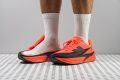
We reviewed the Adizero Takumi Sen 11 from top to bottom and found that it's:
- A solid choice for long-time fans of the Takumi Sen line.
- Perfect for midfoot and forefoot strikers doing track workouts, short intervals, and fast road sessions.
- An excellent super shoe option for lightweight runners, especially women, who do not need or want a max-stack racing shoe.
Who should NOT buy
We think the Takumi Sen 11 is not the best choice for marathon runners because of its low stack height. From our testing, shoes like the PUMA Fast-R Nitro Elite 3 or ASICS Metaspeed Edge Tokyo offer more cushioning, more shock absorption... and lower weight too!
We also believe the low airflow can be a problem for some runners. We noticed in the lab that the upper traps heat, so we do not recommend it if your feet get hot easily. In this case, the Nike Streakfly 2 makes more sense thanks to its very airy upper.
Cushioning
Shock absorption
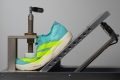
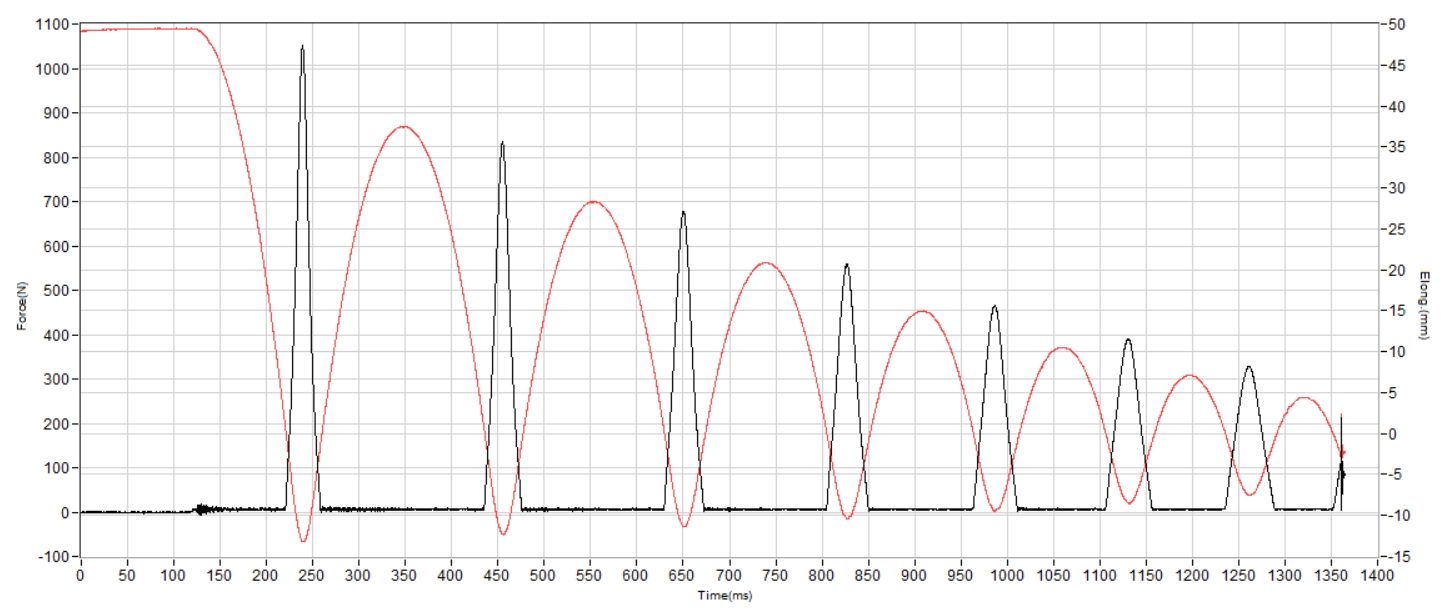
Lightstrike Pro is an excellent foam, and thanks to its new formulation the adidas Adizero Takumi Sen 11 delivers shock absorption similar to running shoes with higher stack height. As a result, it performs strongly not only for short-distance racing but also for half marathons, and possibly even marathons if you are a very lightweight runner.
In our lab, we measured 129 SA in the heel, which is a very solid result, while 95 SA in the forefoot provides good protection despite the thin stack height.
| Adizero Takumi Sen 11 | 129 SA |
| Average | 131 SA |
Energy return
Once again, the updated formulation of Lightstrike Pro stands out. It remains a TPEE foam, yet it feels softer and more energetic than before, reaching elite-level numbers with 74.0% bounce in the heel and an impressive 79.5% in the forefoot.
| Adizero Takumi Sen 11 | 79.5% |
| Average | 61.4% |
Heel stack
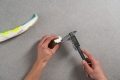
We're glad to find that the Adizero Takumi Sen 11 keeps its low-stack design, as we found exactly the same 30.6 mm from the Adizero Takumi Sen 10.
In a market dominated by max-stack super shoes, a model like this remains important because many runners prefer a nimble option for short races and track workouts.
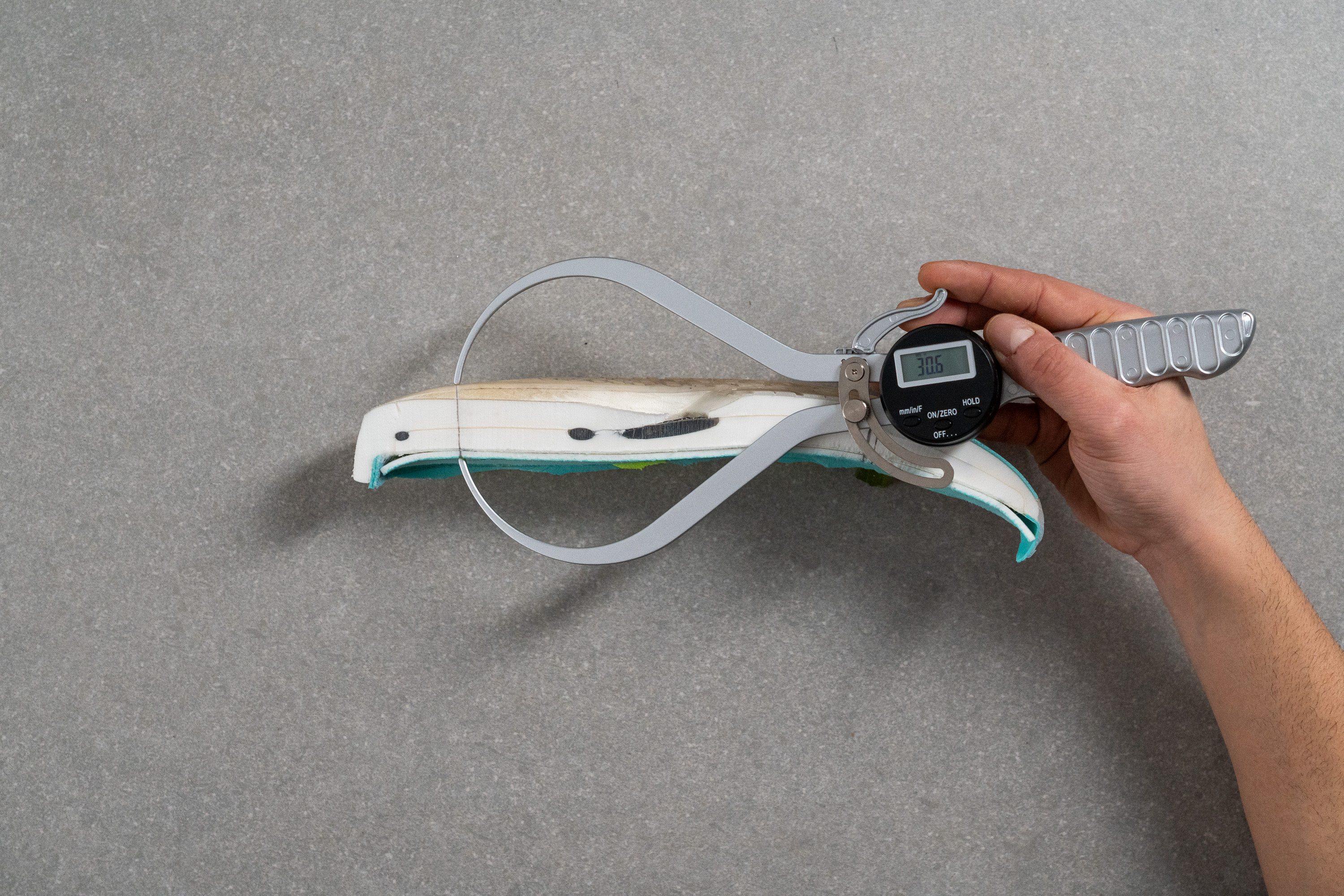
| Adizero Takumi Sen 11 | 30.6 mm |
| Average | 35.6 mm |
Forefoot stack
The forefoot strengthens the low-stack character of the shoe, with only 23.7 mm between your foot and the ground. Therefore, you should expect a raw, feedback-rich ride from the shoe—and that’s exactly what we experienced during our runs!
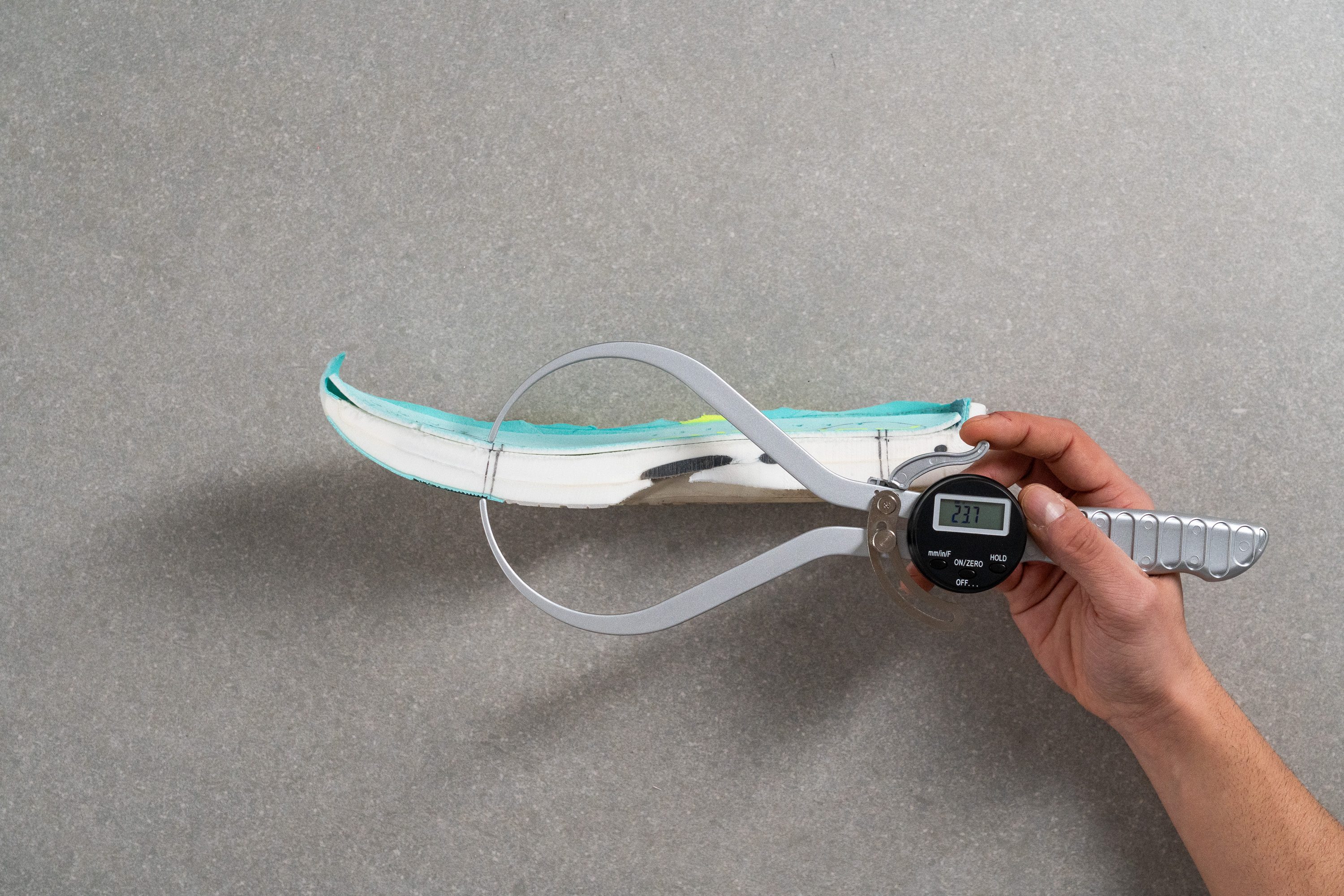
| Adizero Takumi Sen 11 | 23.7 mm |
| Average | 27.1 mm |
Drop
We have to applaud adidas here, as they delivered a 6.9 mm heel-to-toe drop that is extremely close to the stated 7 mm. We often see larger gaps, so it is great to confirm through our lab testing that runners get exactly what they expect in this area.
At the same time, the Takumi Sen 11 stays true to its roots, offering a medium drop that works very well for running fast and landing confidently on the midfoot or forefoot.
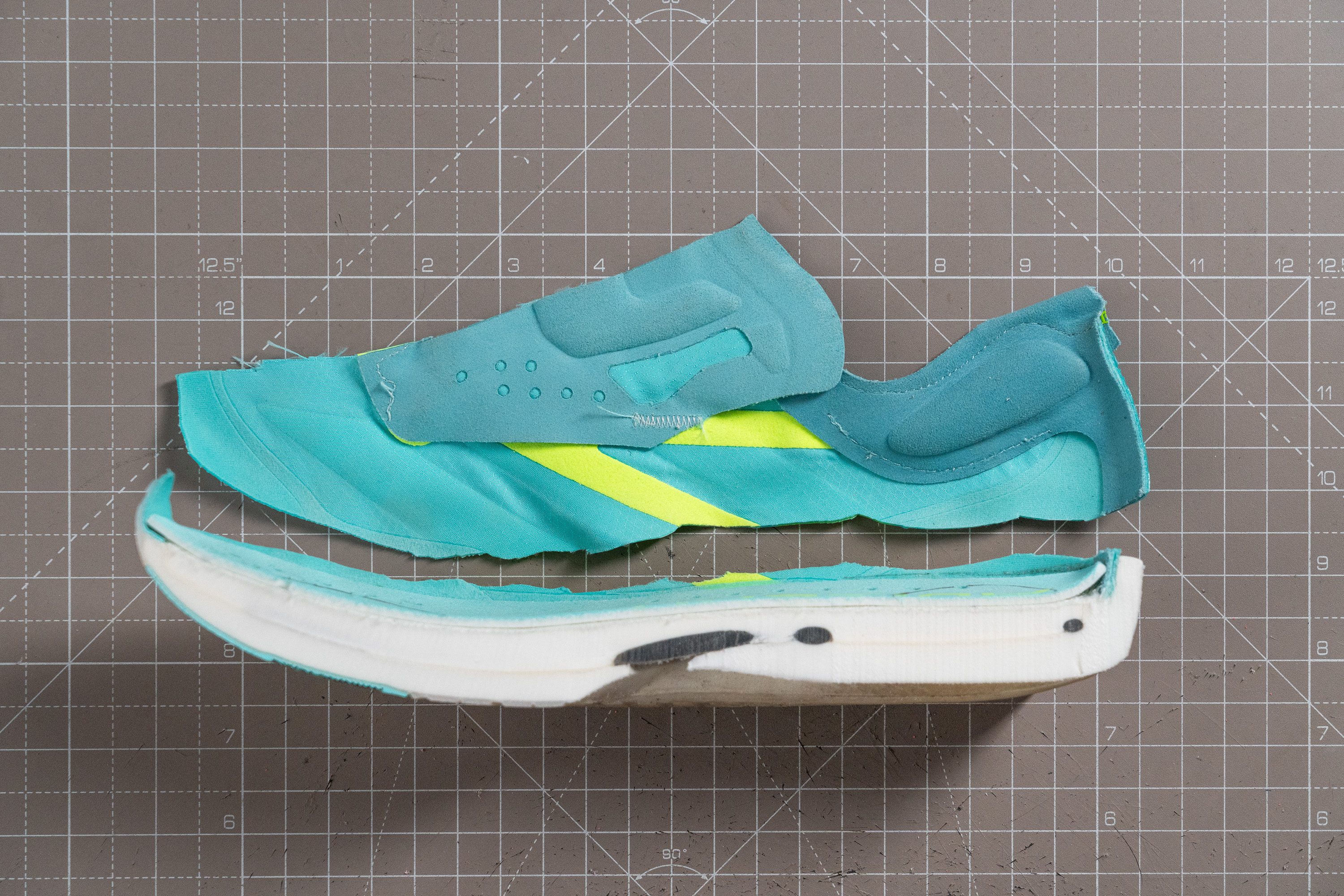
| Adizero Takumi Sen 11 | 6.9 mm |
| Average | 8.4 mm |
Midsole softness
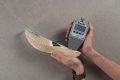
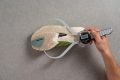
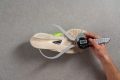
The TPEE-based Lightstrike Pro feels really soft underfoot. In our durometer test, we found it to be slightly softer than an average shoe, recording only 28.9 AC.
So, how does this translate to the actual ride of the shoe? With the relatively low stack of the Takumi Sen 11—especially when compared to most super shoes—this setup works very well. It feels soft enough to avoid a firm sensation, while remaining dense enough to prevent bottoming out on every stride.
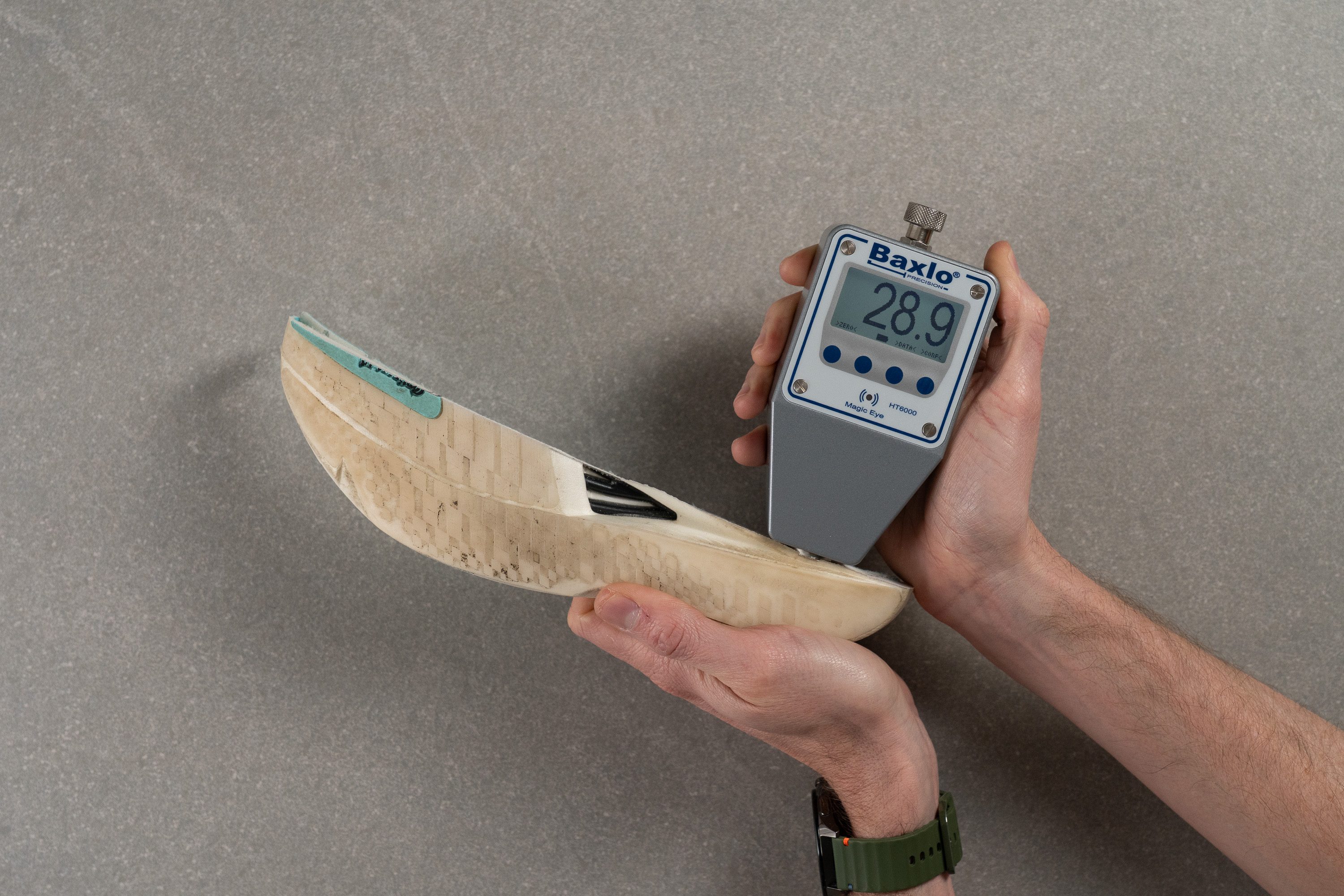
| Adizero Takumi Sen 11 | 28.9 AC |
| Average | 35.5 AC |
Rocker
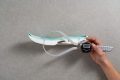
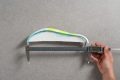
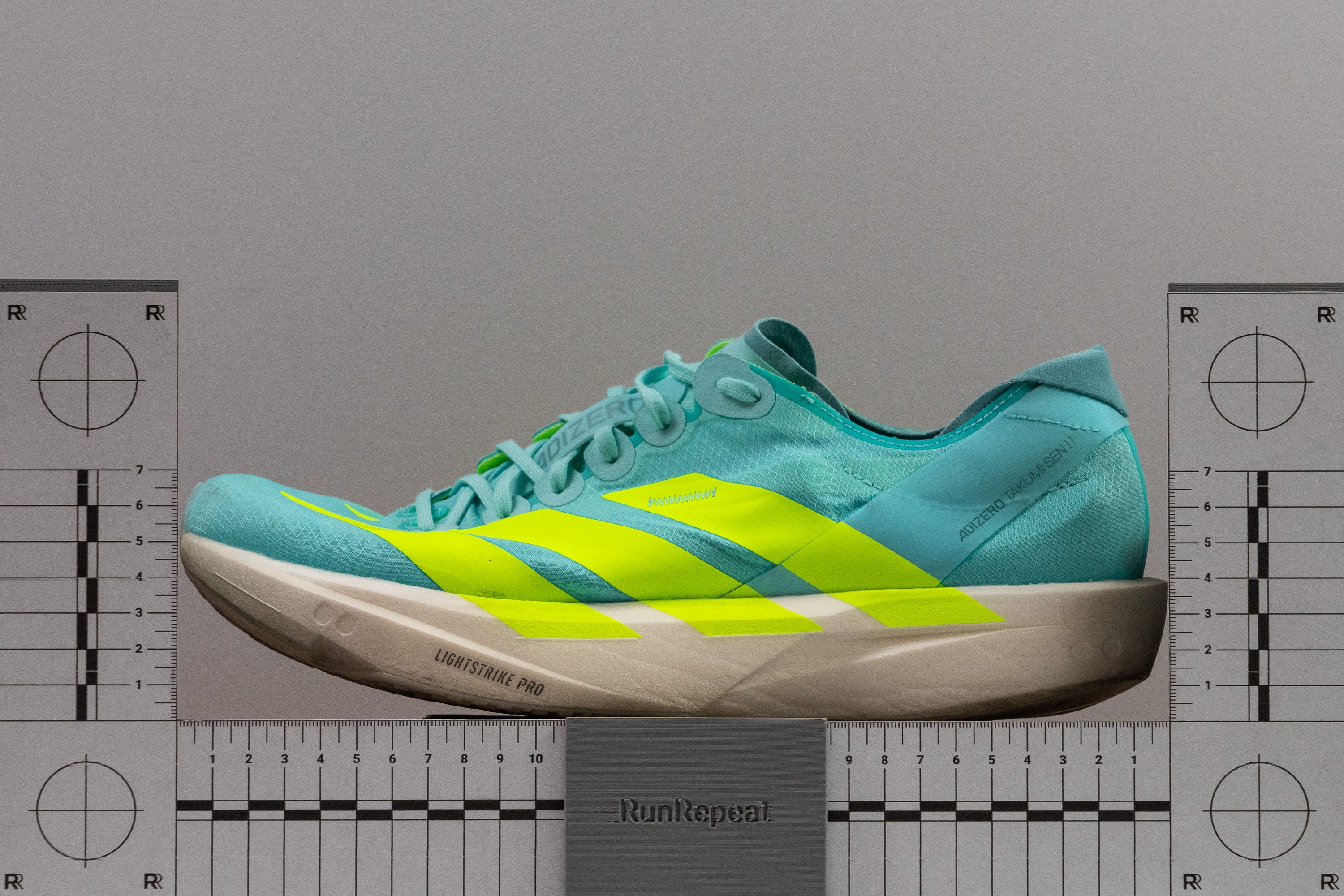
With every iteration, adidas keeps pushing the Takumi Sen 11 toward a more rockered geometry. In previous versions, we still saw a more classic shape that did not feel very curved, but this time it is different—the rocker is clearly noticeable.
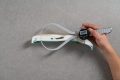
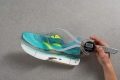
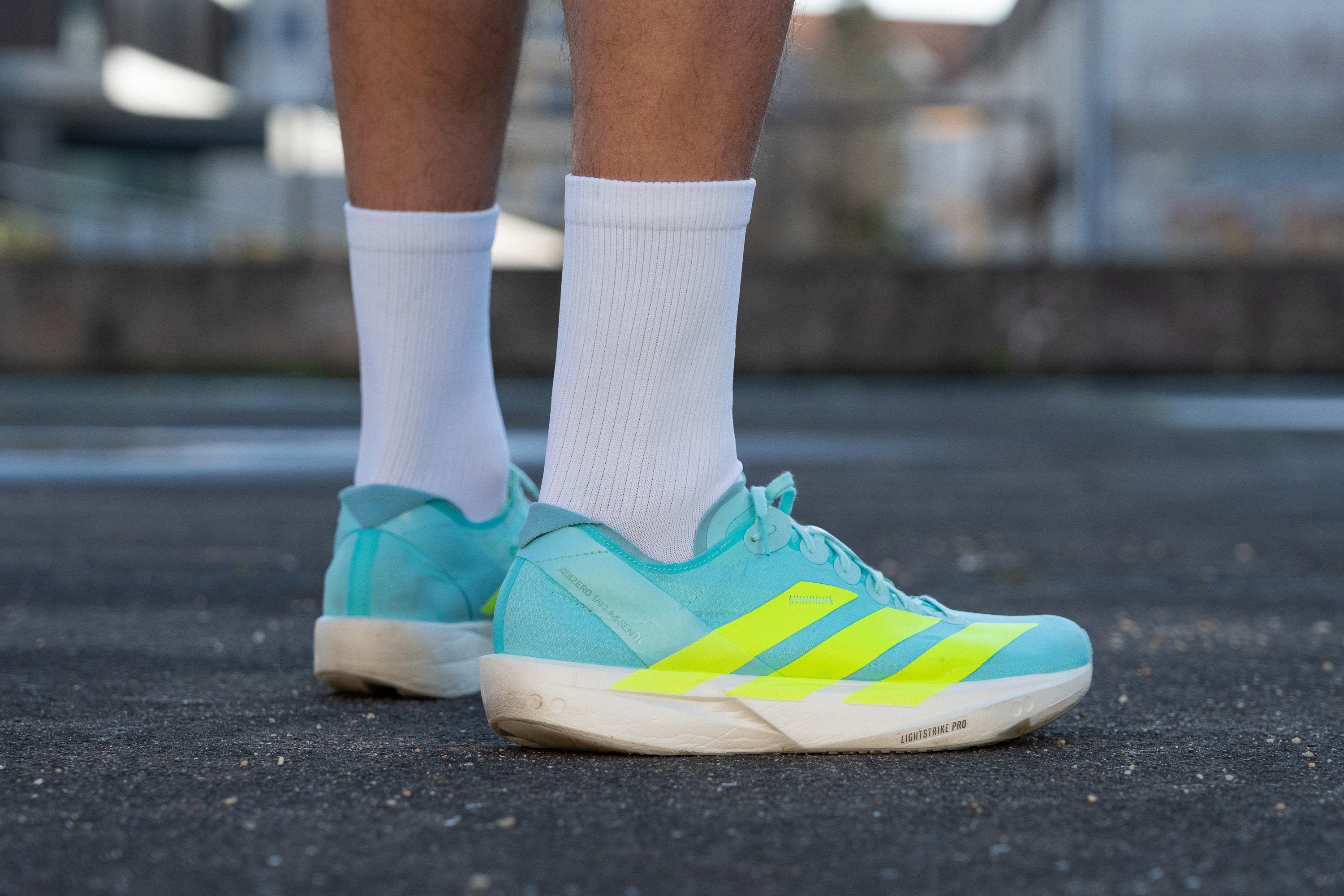
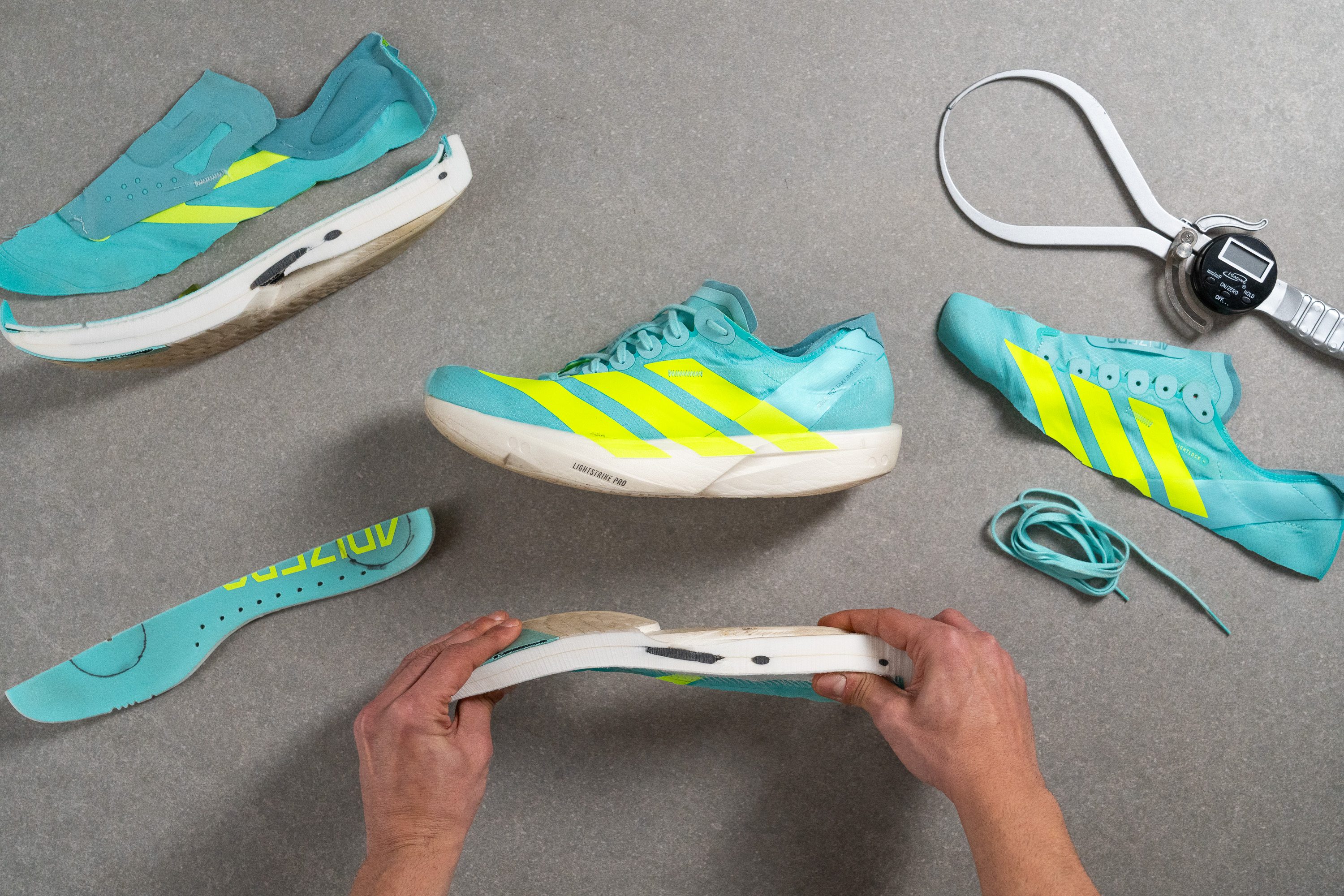
Just by looking at our photo, it is easy to see that adidas uses a geometry similar to other super shoes, with a toe spring that rises close to 5 cm. This is new for the Takumi Sen series and may not appeal to everyone.
Plate
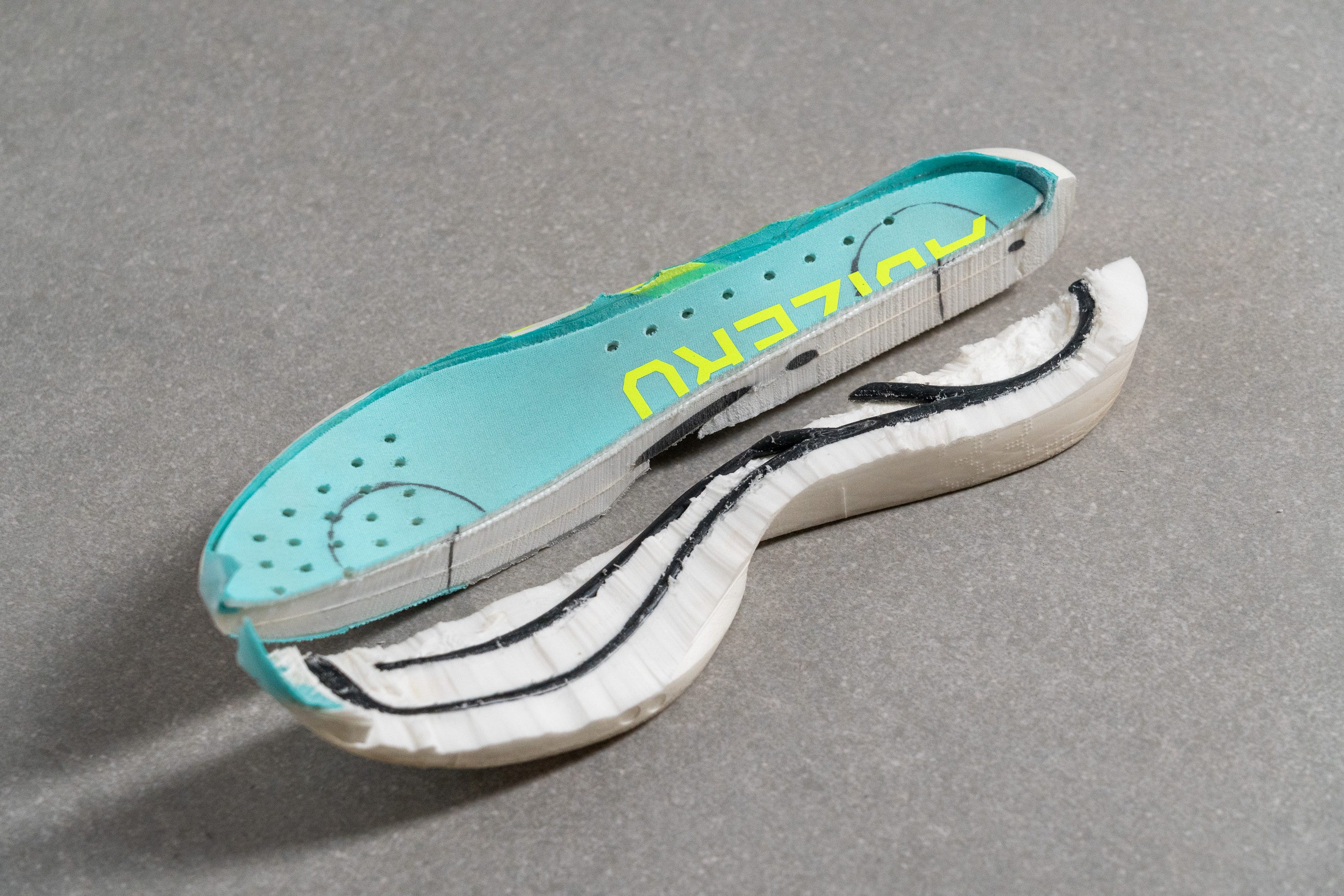
Those of you who prefer adidas EnergyRods over a classic plate will be pleased, as we confirmed that the Takumi Sen 11 continues to use this distinctive adidas solution.
However, it is important to note that unlike the Adios Pro series, these rods are made from glass fiber rather than carbon fiber. As a result, the shoe feels clearly less stiff underfoot. That may be good or bad news, depending on your preferences.
Size and fit
Size
adidas Adizero Takumi Sen 11 fits true to size (25 votes).
Internal length
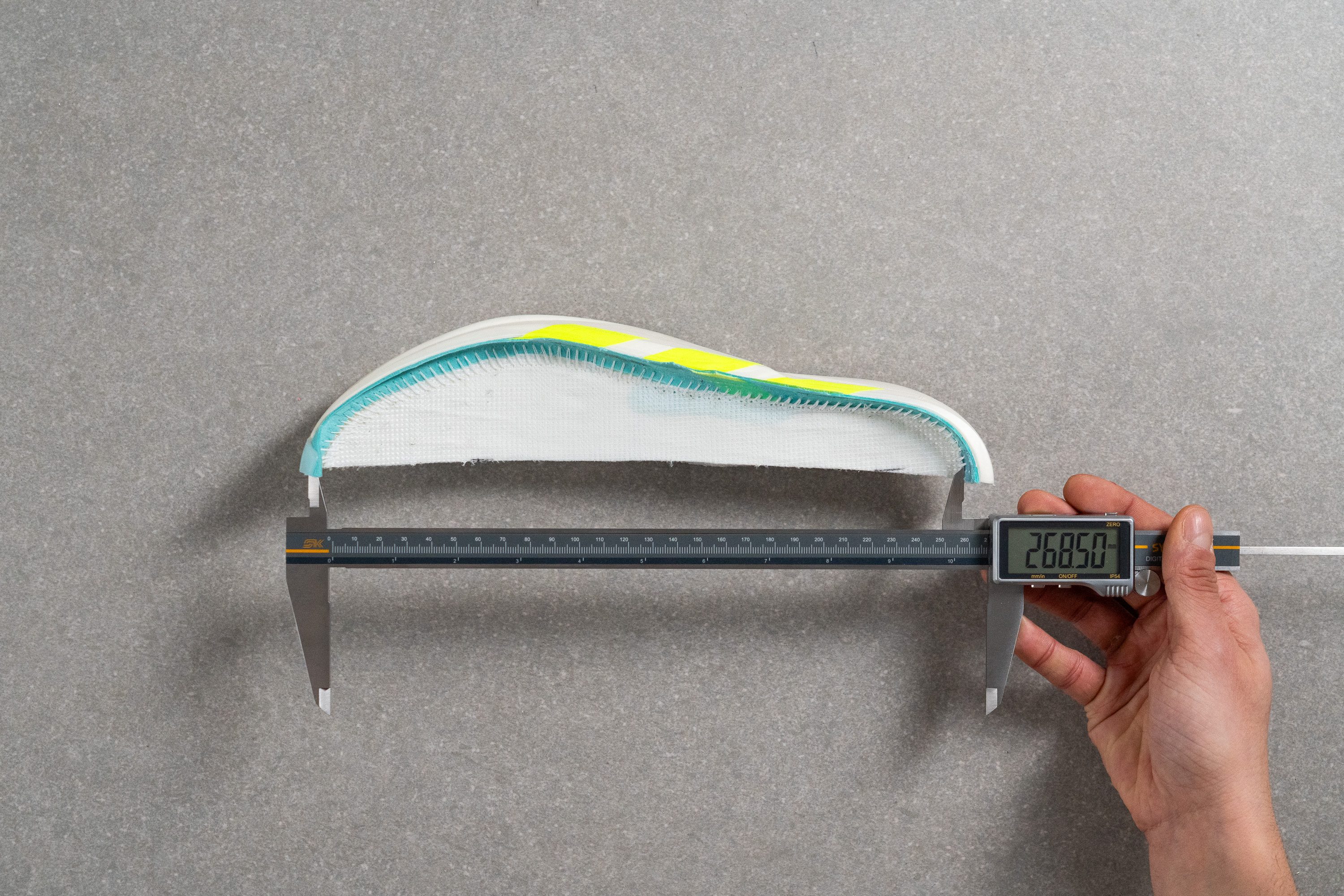
| Adizero Takumi Sen 11 | 268.5 mm |
| Average | 269.3 mm |
Width / Fit
Since its first release in 2013, this shoe has always been known for a performance-focused feel, which also meant a tight fit with very little extra comfort, much like a race car.
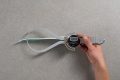
Version 11 clearly keeps that DNA, and to show it, we created a gel mold of the shoe and compared it with hundreds of models we have tested, where the 93.4 mm reading already highlights the clear and narrow character of the Sen.
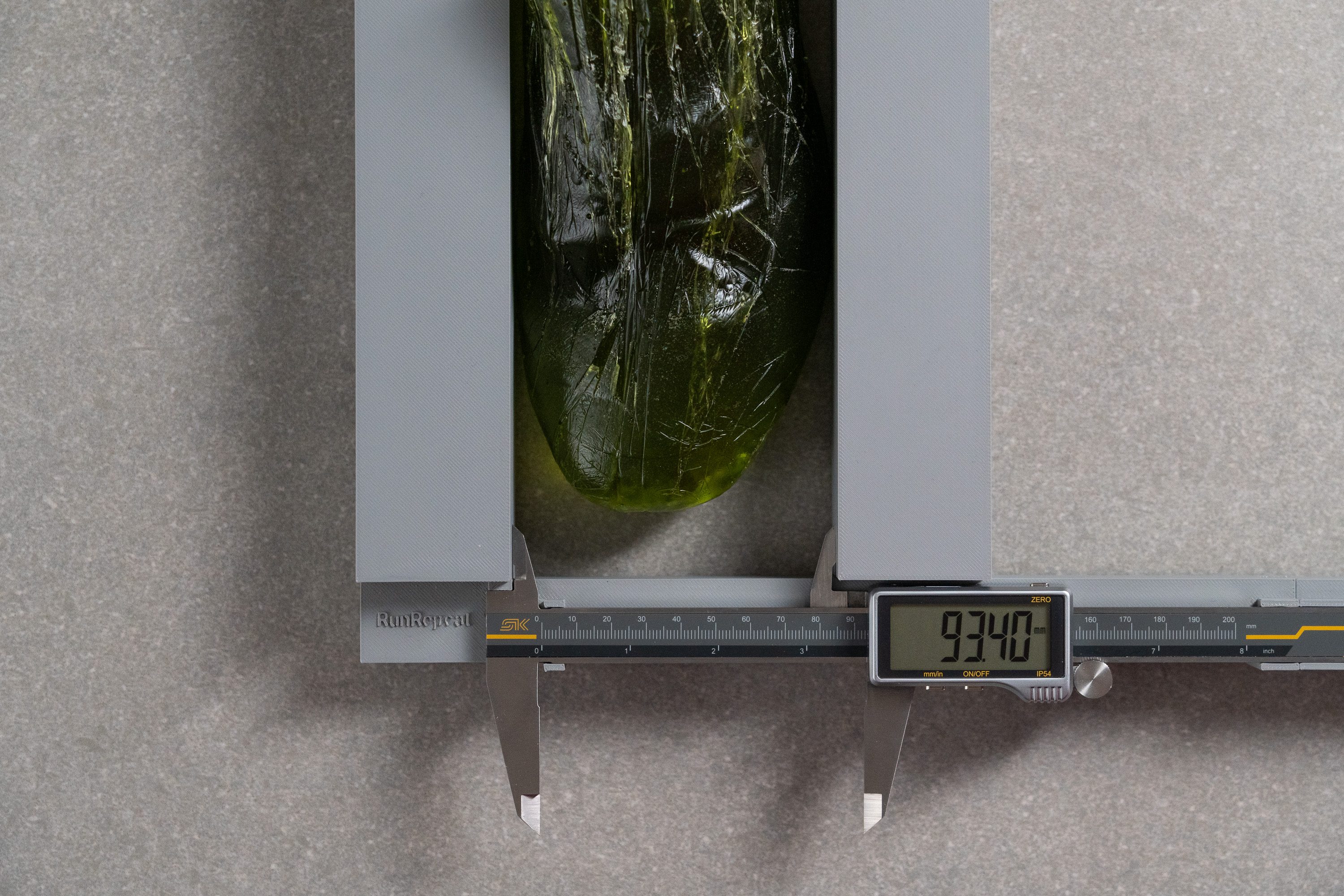
| Adizero Takumi Sen 11 | 93.4 mm |
| Average | 95.2 mm |
Toebox width
The same design trend continues in the toebox, where we measured a width of 71.4 mm. It does not feel ultra-snug and remains suitable for half marathons, yet it is clearly less roomy than the average shoe.
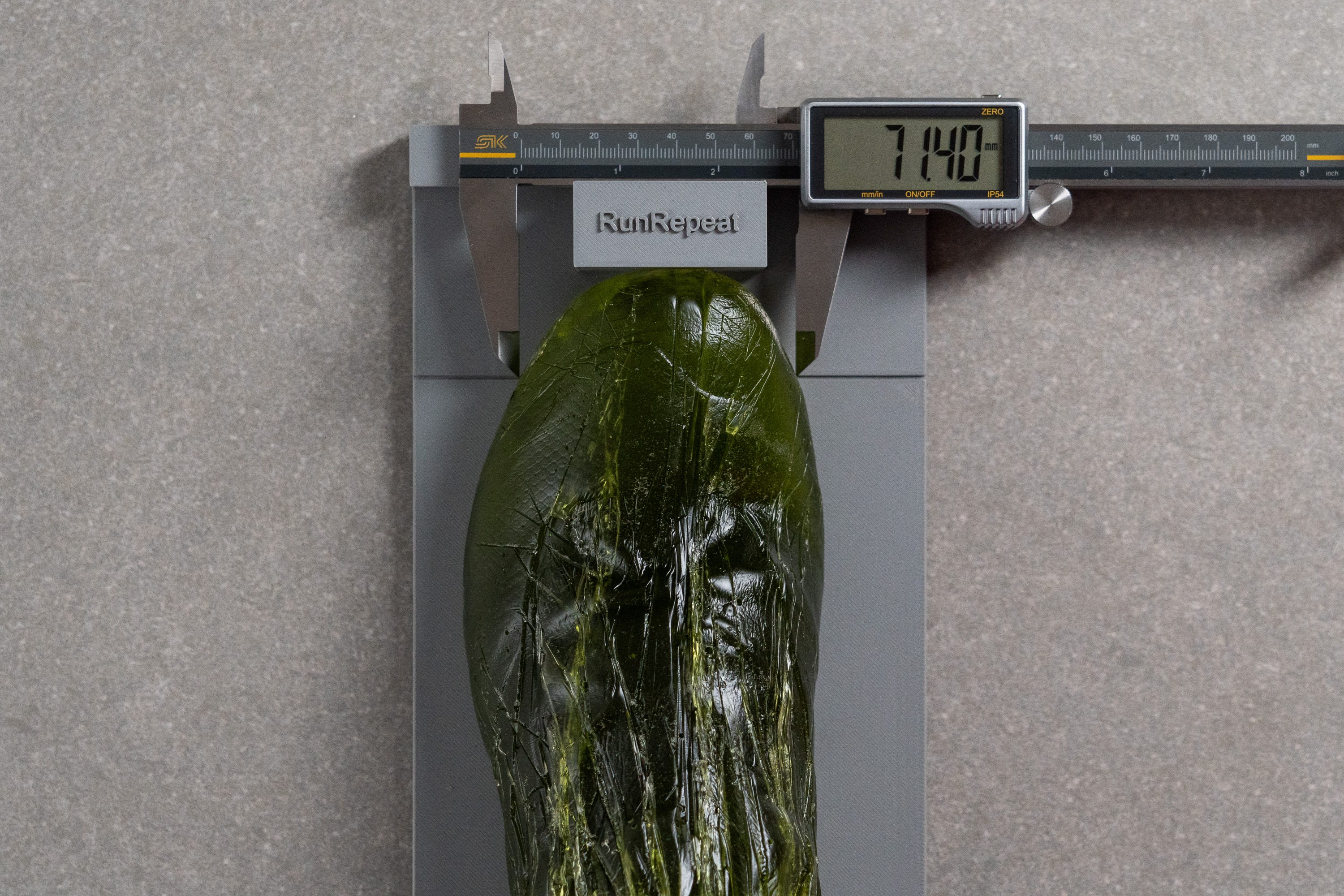
| Adizero Takumi Sen 11 | 71.4 mm |
| Average | 73.2 mm |
Toebox height
We did not find any issues with the height of the Takumi Sen 11, as we measured 27.3 mm.
However, there is one thing to keep in mind. The LIGHTLOCK upper does not stretch at all and is fully focused on performance, so it feels more restrictive than other shoes with the same measurement.
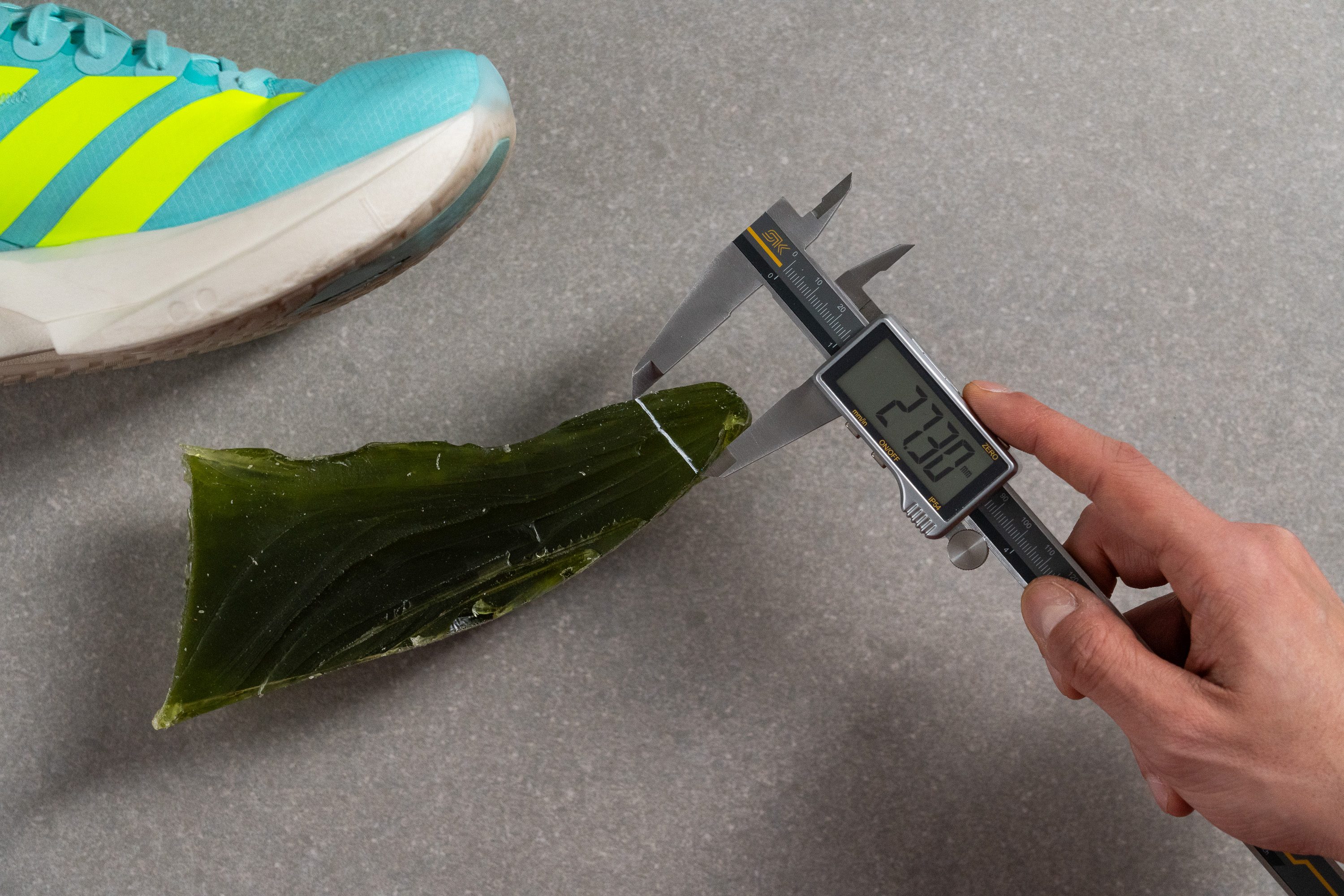
| Adizero Takumi Sen 11 | 27.3 mm |
| Average | 27.0 mm |
Traction / Grip
Traction test
Adidas continues to deliver excellent outsoles, and seeing the Adizero Takumi Sen 11 reach 0.70 in our test and outperform most shoes was no surprise.
The mix of LIGHTTRAXION (GCPU) with a touch of Continental rubber works extremely well and delivers top-level grip on dry and wet surfaces alike, whether on the road or the track. And look, based on our testing, we think it can even handle the occasional easy and dry XC course.
| Adizero Takumi Sen 11 | 0.70 |
| Average | 0.53 |
Outsole design
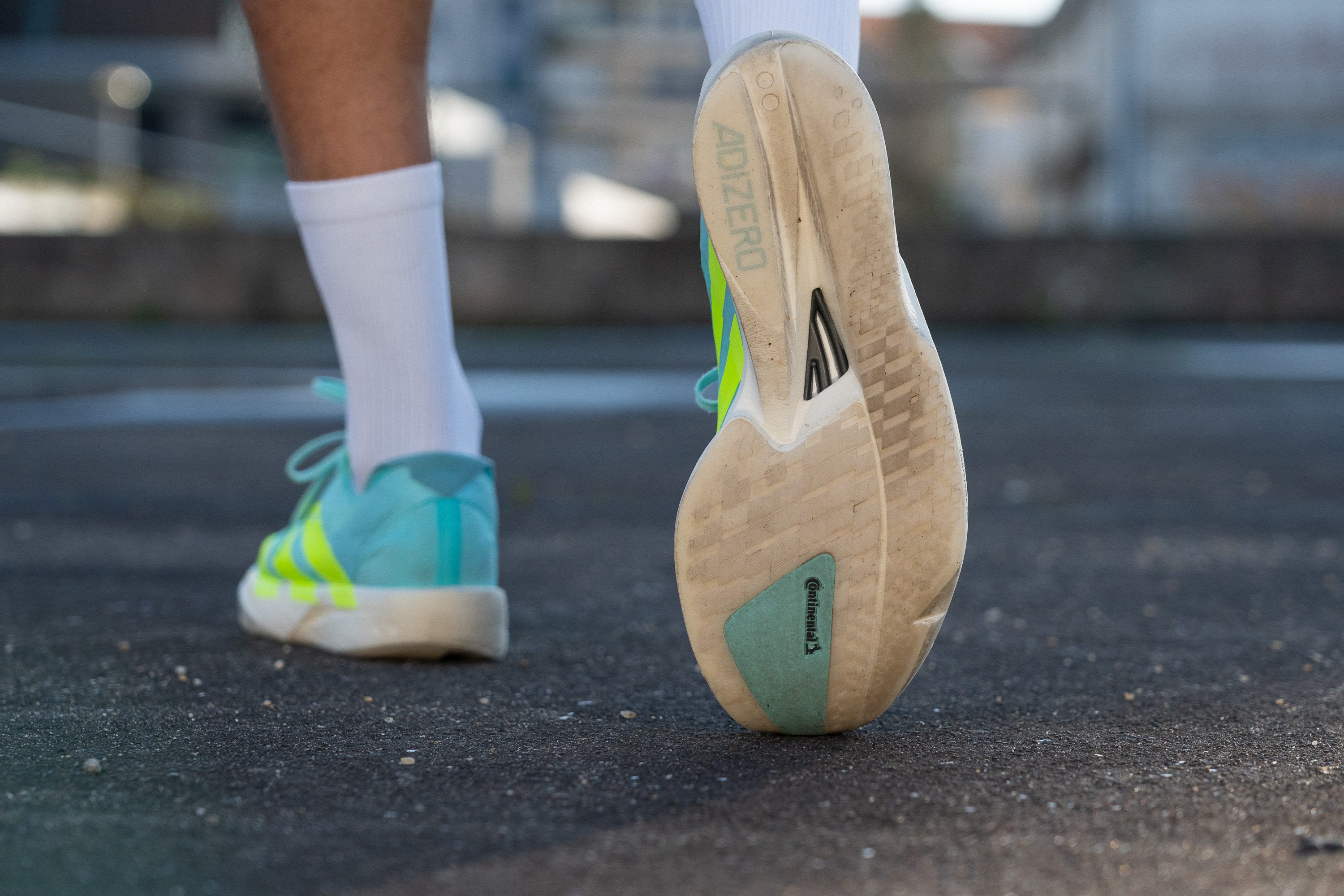
The outsole of the Takumi Sen 11 is directly carried over from the Adios Pro 4, almost as if it were copy-pasted. And we can't blame adidas at all.
We observed broad LIGHTTRAXION coverage running from heel to forefoot, paired with a small Continental rubber pod placed right under the toe. This setup adds extra bite at toe-off and nicely finishes the outsole design.
Flexibility / Stiffness
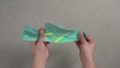
By using glass fiber instead of carbon fiber, the Takumi Sen 11 avoids feeling overly stiff. Many runners will appreciate this choice for the added versatility it brings, especially for daily workouts, although those who enjoy the high stiffness of the Adios Pro line may find the Takumi lacking for race day.
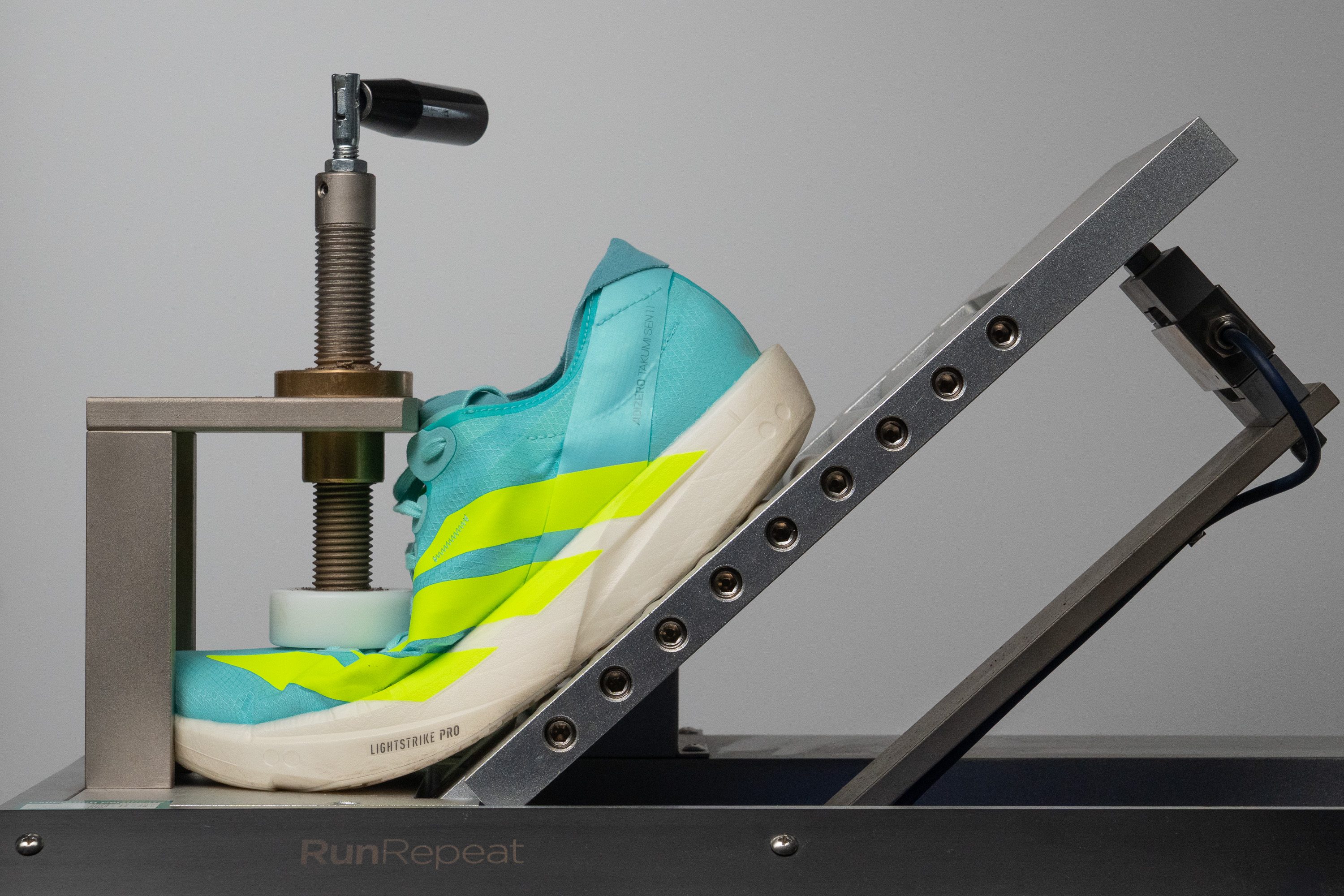
| Adizero Takumi Sen 11 | 16.4N |
| Average | 15.5N |
Weight
Another key feature of the Takumi Sen 11 is its low weight, as it tipped our scale at just 6.5 oz or 184g. This is a very solid result, although it feels less impressive today after testing hyper shoes like the adidas Adizero Adios Pro Evo 2 in the lab.
For version 12, adidas may want to trim a bit more weight to keep the Takumi clearly lighter than marathon-focused super shoes.
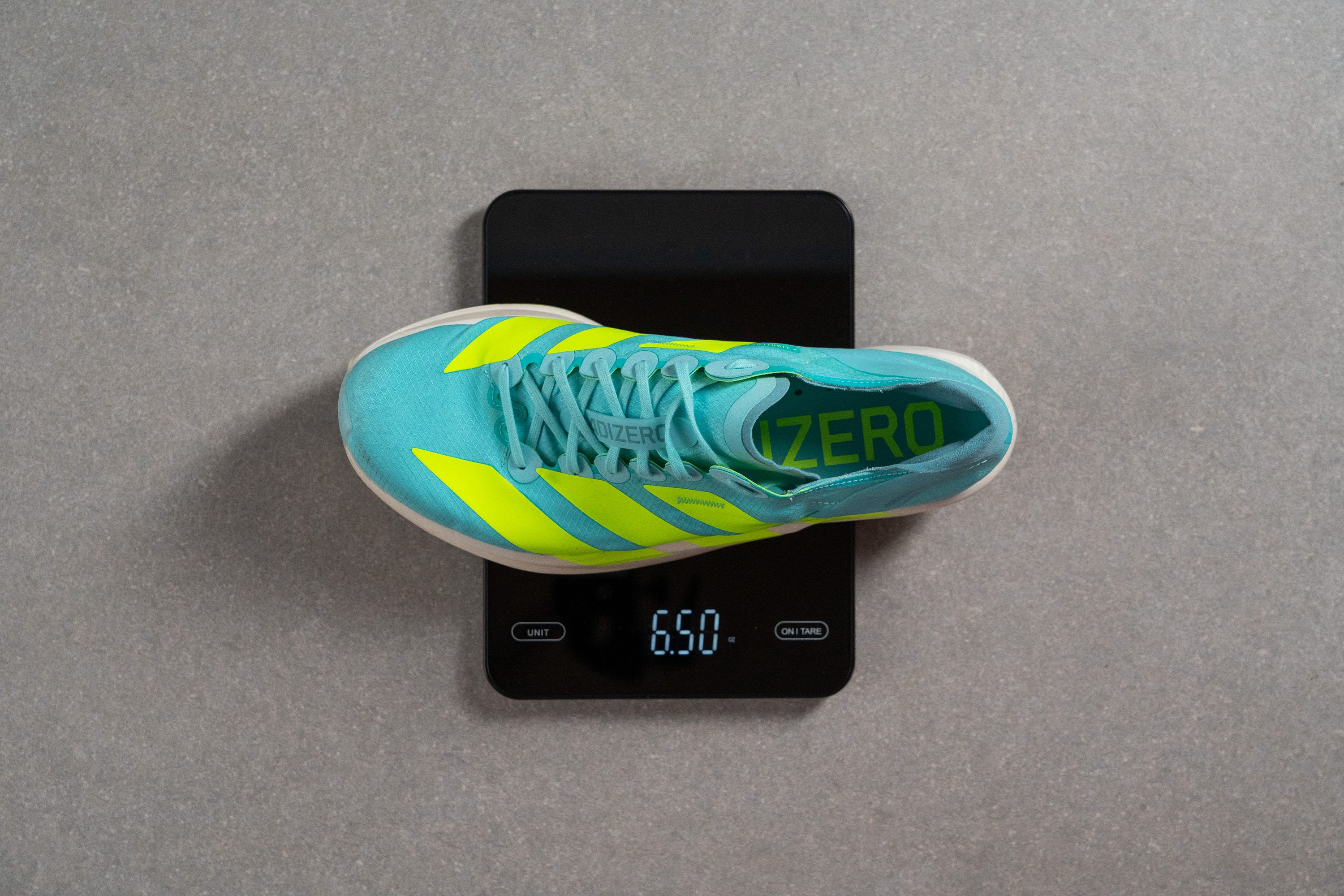
| Adizero Takumi Sen 11 | 6.5 oz (184g) |
| Average | 9.2 oz (261g) |
Breathability
Breathability test
Adidas took a bold step with the LIGHTLOCK woven mesh that debuted on the Adios Pro 4, but it does not work for everyone. The main drawback here is the limited airflow.
In our lab, it earned a 2/5 for breathability. This may not be a major issue since most races take place in cool or mild conditions, but runners who struggle with hot feet could notice it.
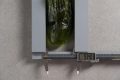
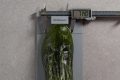
And it's true that from the very first look, this material did not appear breathable. It has no visible ventilation holes, and the gaps are so small that even under our microscope they are hard to see, giving off strong Gore-Tex-like vibes.
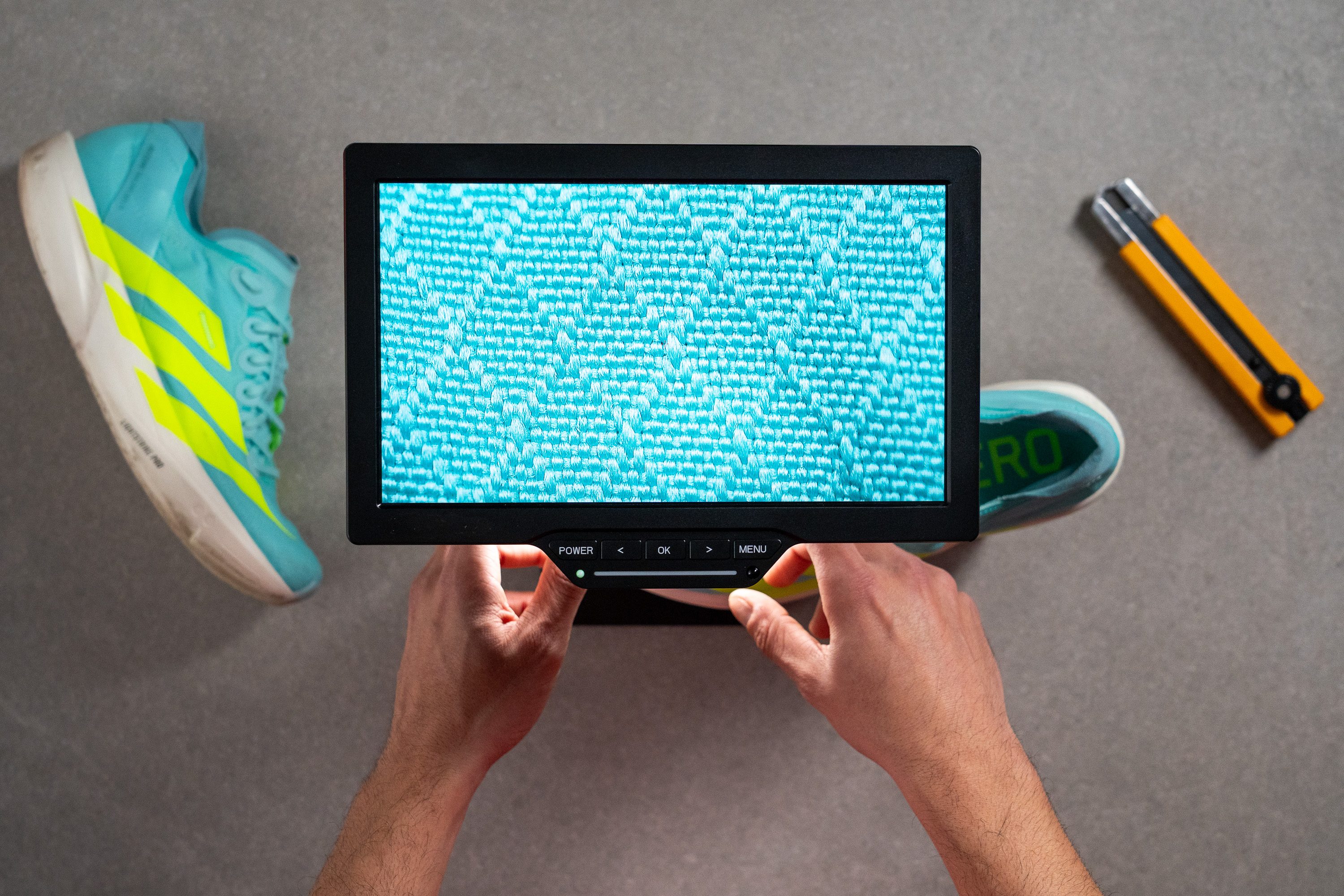
That dense structure clearly explains the airflow results and reinforces the focus on structure and durability rather than ventilation.
But hey, it's cool to see adidas experimenting with new ideas, and this upper will work well for many runners. Just keep in mind that if breathability is your top priority, this is probably not the right shoe for you.
| Adizero Takumi Sen 11 | 2 |
| Average | 3.6 |
Stability
Lateral stability test
The Takumi Sen 11 is not a stable shoe, and it is not meant to be one.
A big part of its appeal comes from the raw and fun ride created by its compact midsole, so adding high sidewalls or an extra-wide base would go against its character.
Torsional rigidity
The fiberglass EnergyRods do not make the shoe as stiff as a full carbon-fiber setup, which is one of the main reasons why the Takumi Sen 11 works so well as a training partner. In fact, we measured only 9.9 Nm in our torsional rigidity test.
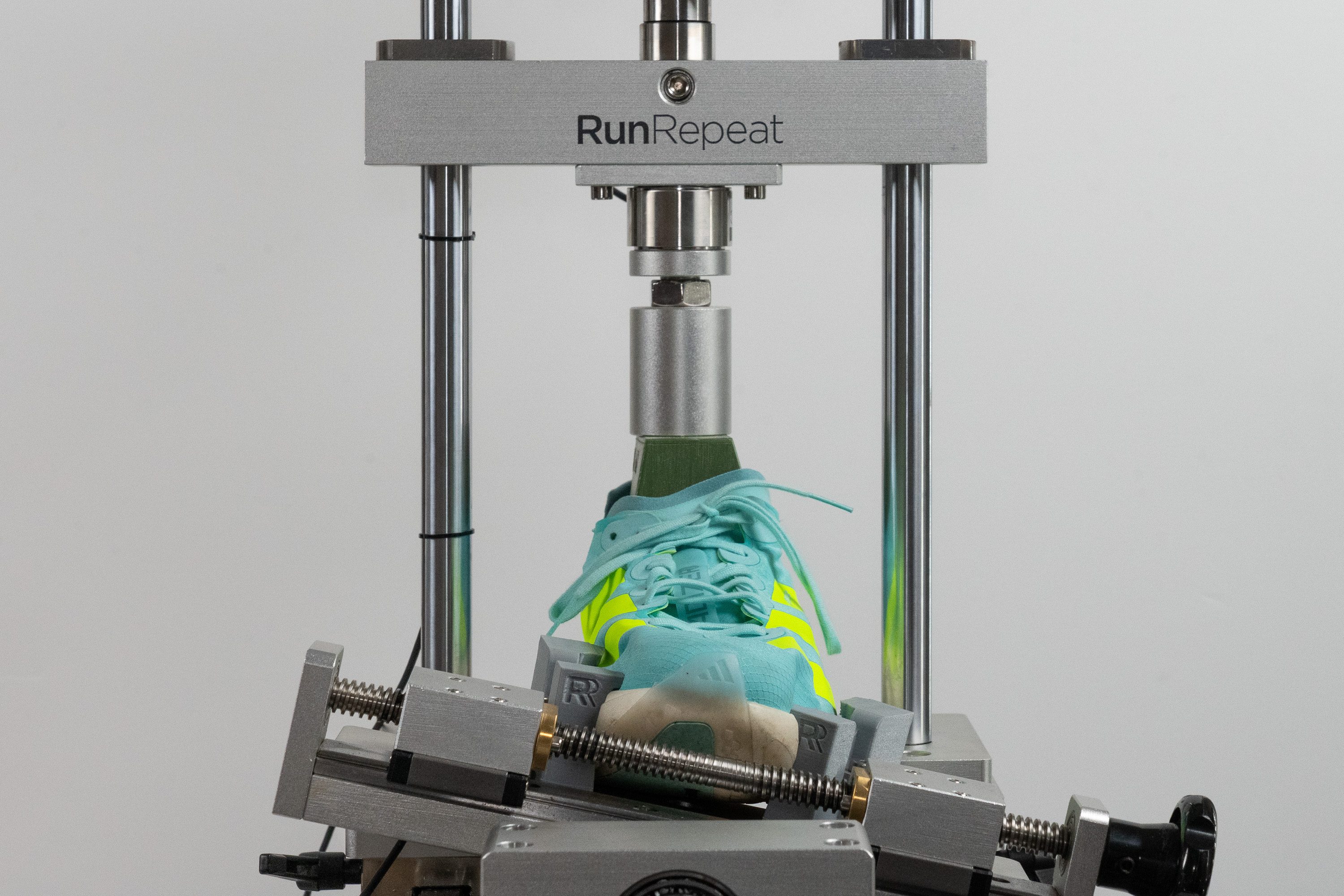
| Adizero Takumi Sen 11 | 9.9 Nm |
| Average | 14.3 Nm |
Heel counter stiffness
The heel counter is exactly what we expect from a Takumi Sen, with almost no structure, very high flexibility, and a barely-there feel that earns a 1/5 in this test. And yes, that also means zero stability.
| Adizero Takumi Sen 11 | 1 |
| Average | 3 |
Midsole width - forefoot
The forefoot delivers a nimble and agile ride, measuring just 112.5 mm, which is below the lab average and further explains why this shoe is not meant to feel stable.
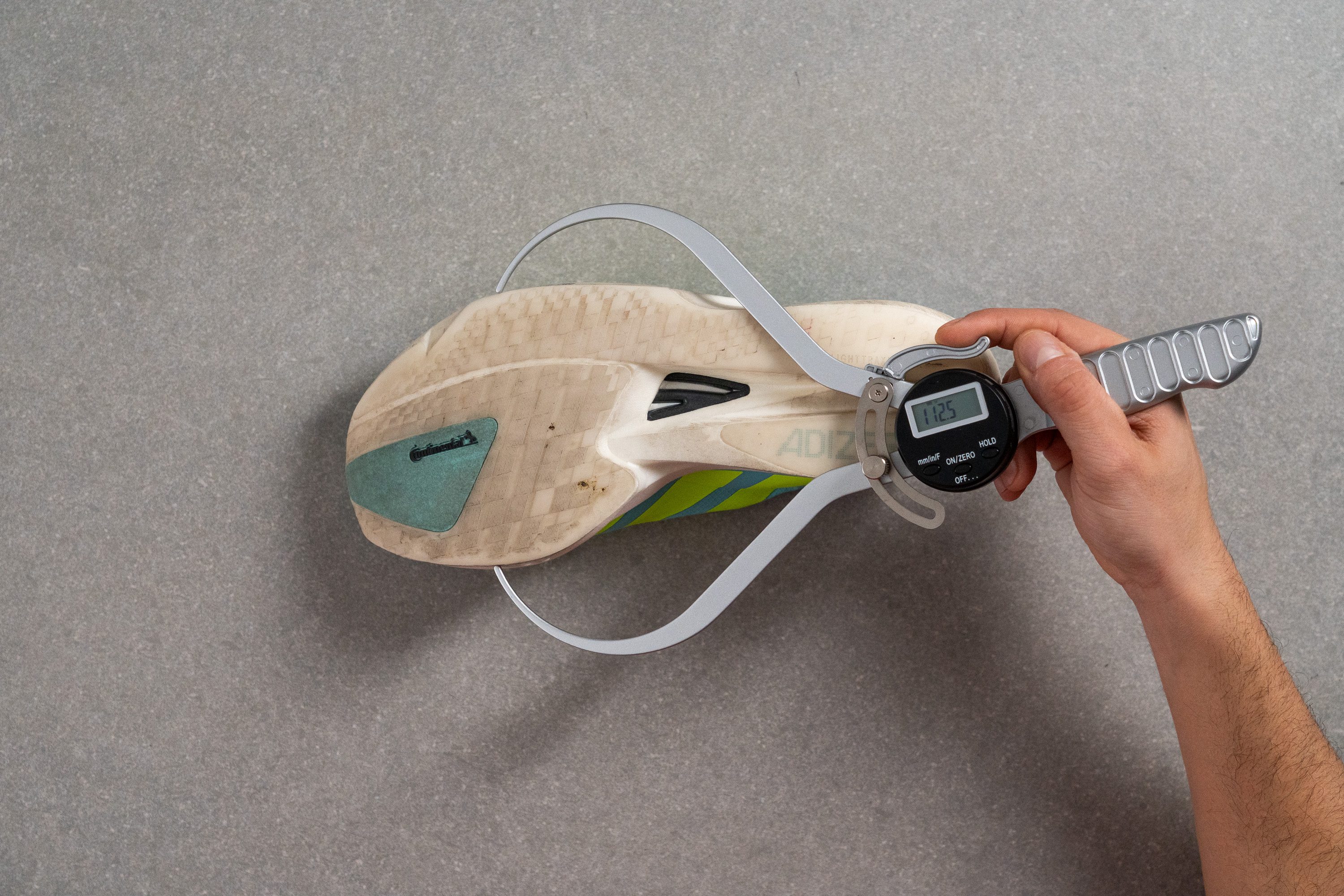
| Adizero Takumi Sen 11 | 112.5 mm |
| Average | 115.1 mm |
Midsole width - heel
The heel felt very similar to a track spike, as it measured just 72.6 mm. That may sound extreme, but in a shoe designed to shine at 5K and 10K races, it is likely a smart trade-off for most runners. Just keep in mind that heel striking is clearly not recommended.
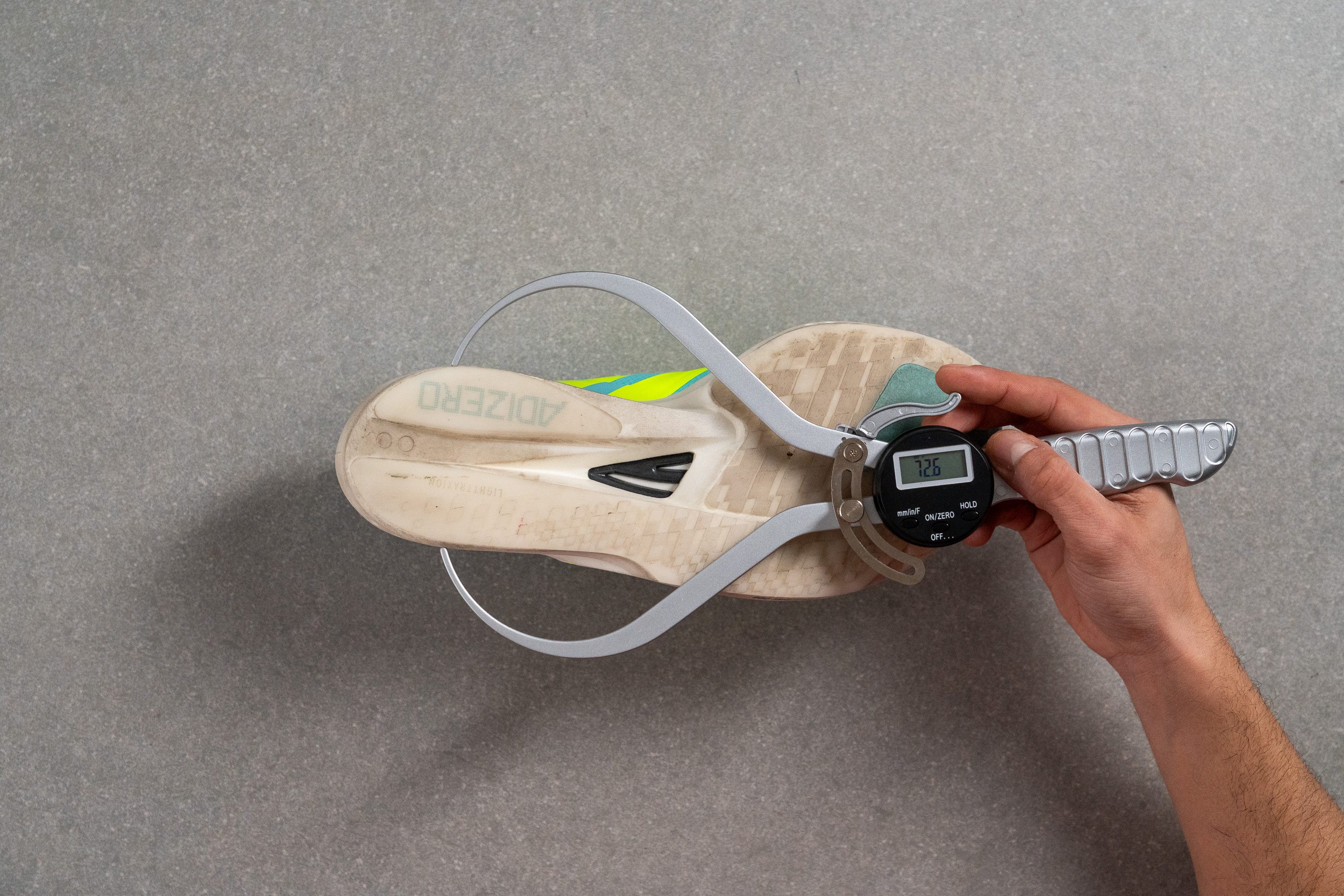
| Adizero Takumi Sen 11 | 72.6 mm |
| Average | 91.1 mm |
Durability
Toebox durability
The LIGHTLOCK upper is not very breathable, but it delivers a clear advantage with strong durability. Scoring 4/5 in this test is rare for a lightweight running shoe, and the Takumi Sen 11 truly achieved it.
| Adizero Takumi Sen 11 | 4 |
| Average | 2.6 |
Heel padding durability
More good news here, as the heel padding also performed very well and earned another 4/5.
| Adizero Takumi Sen 11 | 4 |
| Average | 3.4 |
Outsole durability
The LIGHTTRAXION outsole did not match the upper’s performance, but it still delivered a solid result with only 1.1 mm of wear after the Dremel test. And hey, many super shoes perform much worse in this area.
| Adizero Takumi Sen 11 | 1.1 mm |
| Average | 1.1 mm |
Outsole thickness
Adidas clearly prioritized weight savings over durability with the TS11, using just 1.1 mm of thickness. And honestly, that choice makes sense, as this is a shoe where speed is more important than anything else.
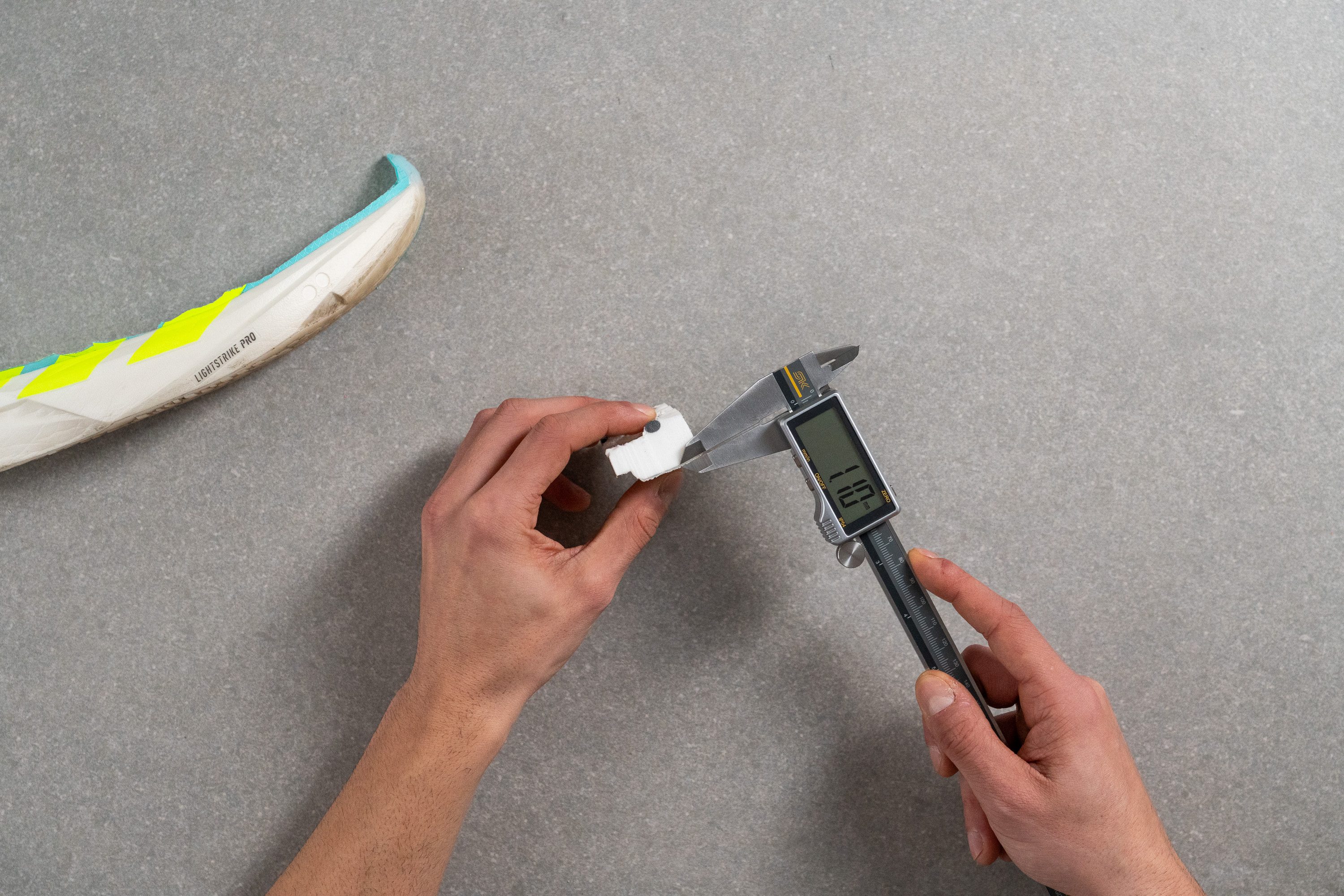
| Adizero Takumi Sen 11 | 1.1 mm |
| Average | 3.1 mm |
Misc
Insole thickness
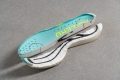
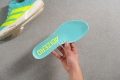
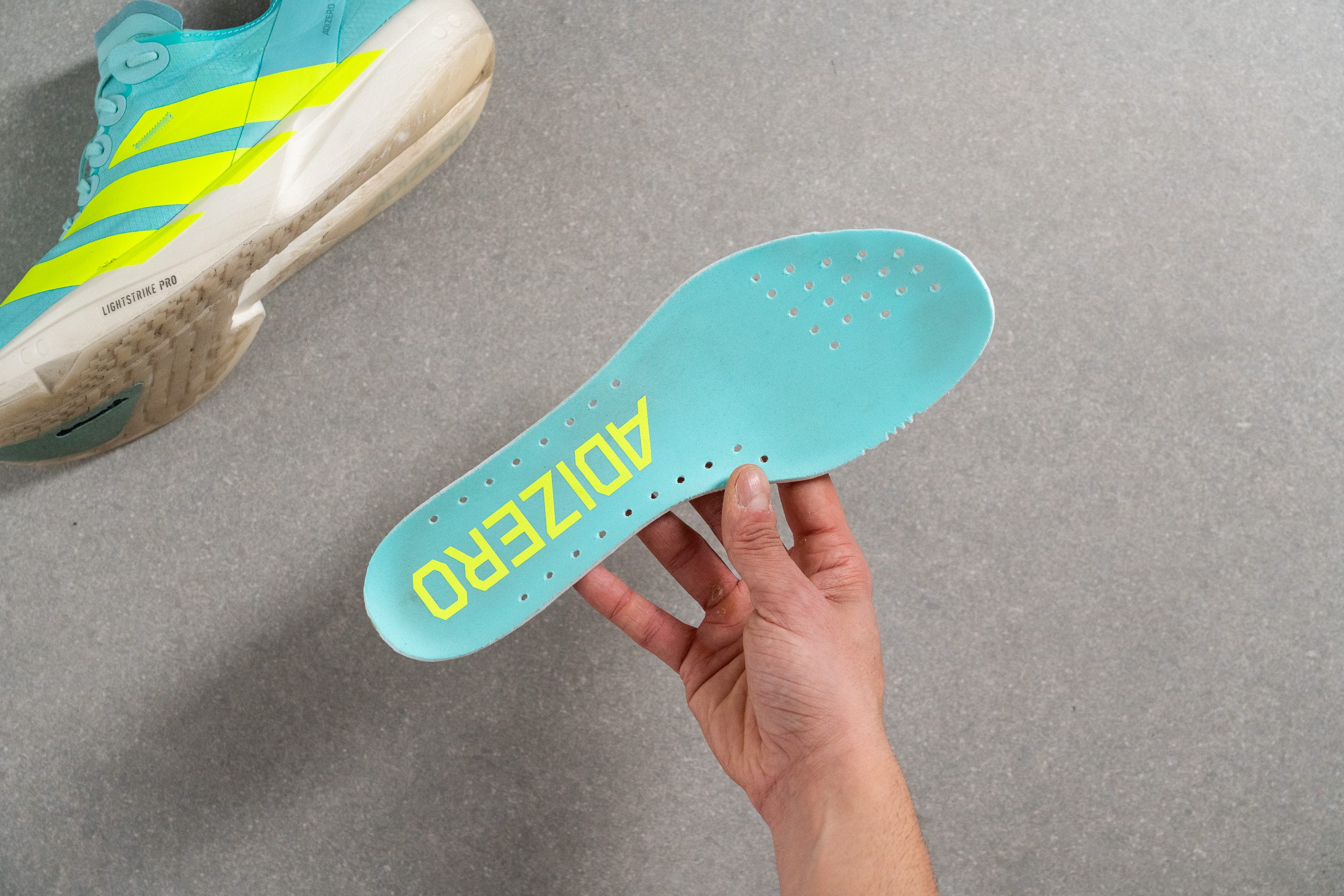
The insole fully matches the character of the shoe and features a very thin profile. We measured just 2.2 mm of thickness.
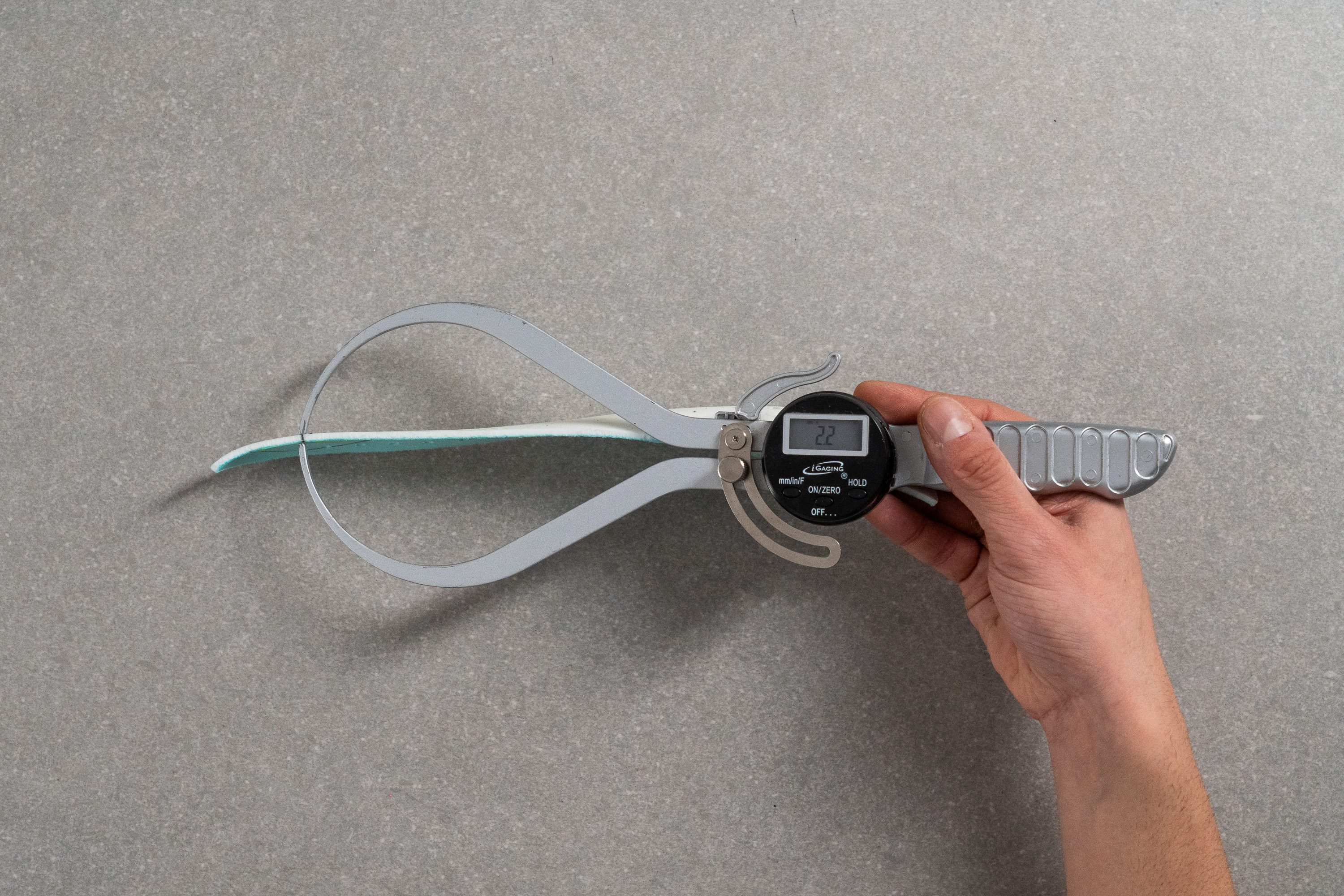
| Adizero Takumi Sen 11 | 2.2 mm |
| Average | 4.4 mm |
Removable insole
The insole is fully removable, which is not always the case in super shoes. However, it is so narrow in the heel and so thin that finding a suitable replacement may be difficult.
| Adizero Takumi Sen 11 | Yes |
Reflective elements
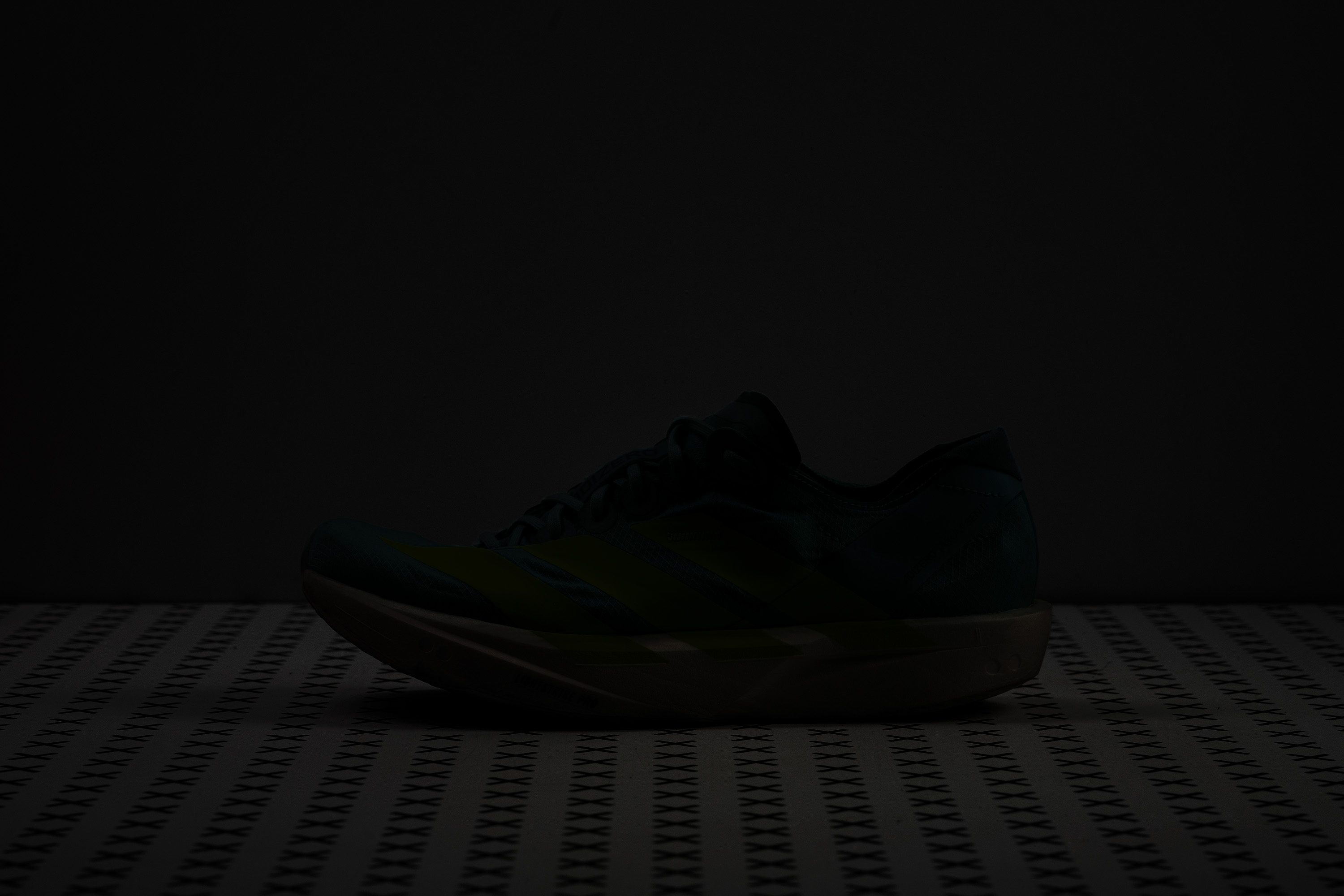
There are no reflective elements on the Takumi Sen 11. Maybe next time.
| Adizero Takumi Sen 11 | No |
Tongue padding
Adidas keeps things safe with the lacing system, using the same setup found on its other super shoes and the omnipresent EVO SL. And yes, the Takumi Sen still skips serrated laces, which may disappoint some... like us.
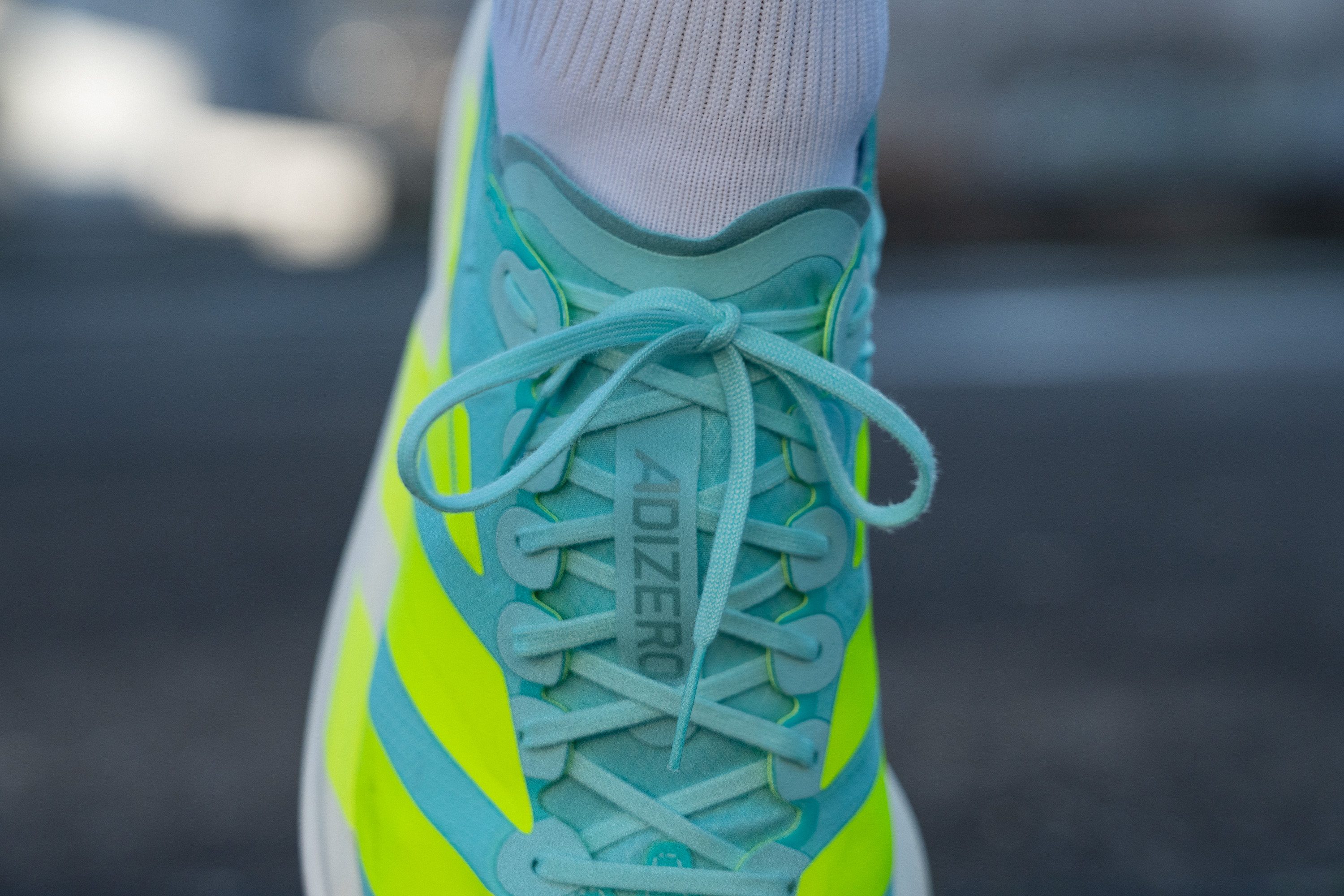
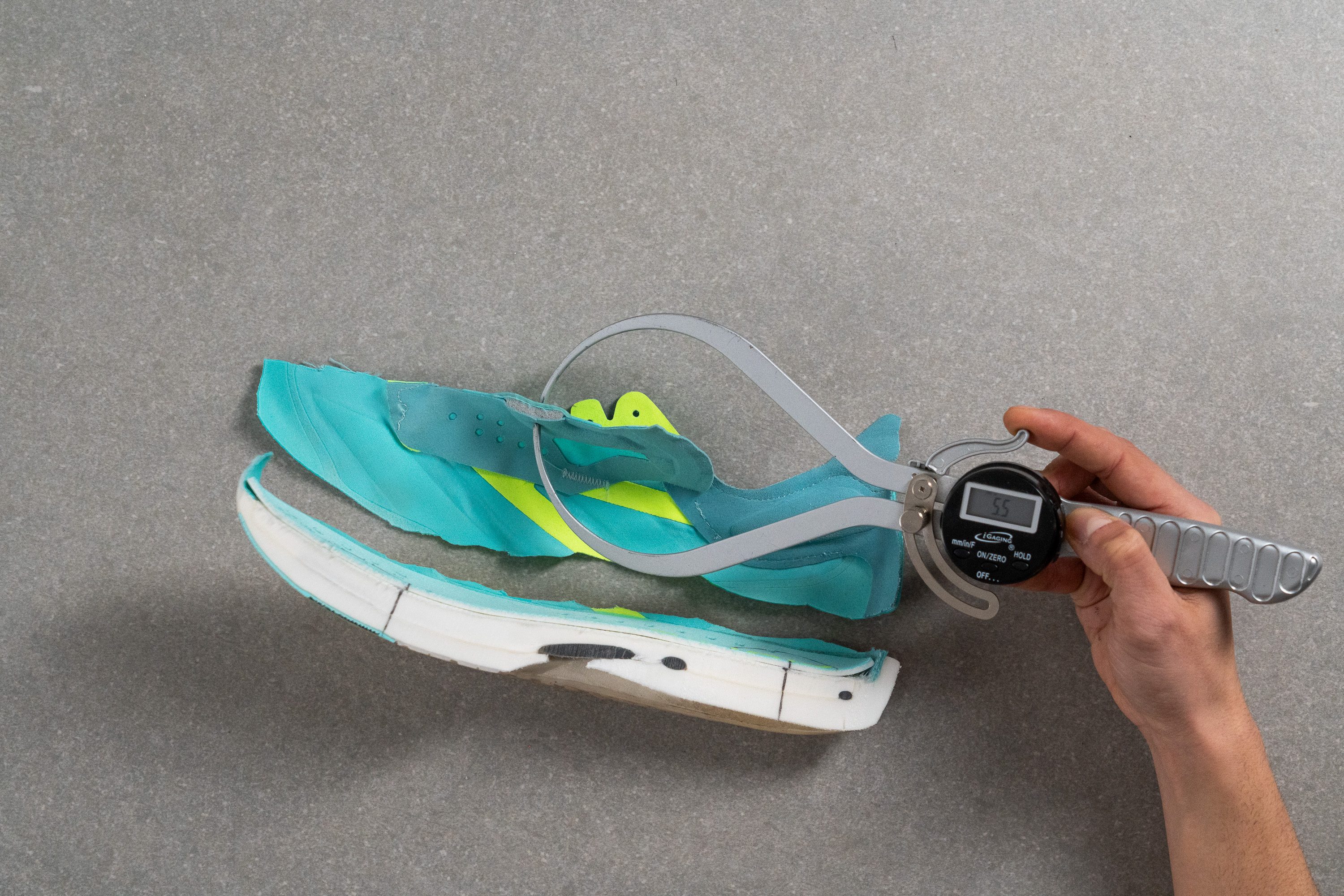
The tongue design is more interesting. It is extremely thin overall, except for one specific spot where adidas added a thick foam pad that reaches 5.5 mm. This likely comes from internal testing, targeting the exact area where pressure tends to build up in this shoe.
| Adizero Takumi Sen 11 | 5.5 mm |
| Average | 5.8 mm |
Tongue: gusset type
Following the design of the latest Adios Pro, the Takumi Sen 11 also features a tongue that is directly stitched to the sides. And yes, that is the unusual stitching you can see from the outside of the shoe.
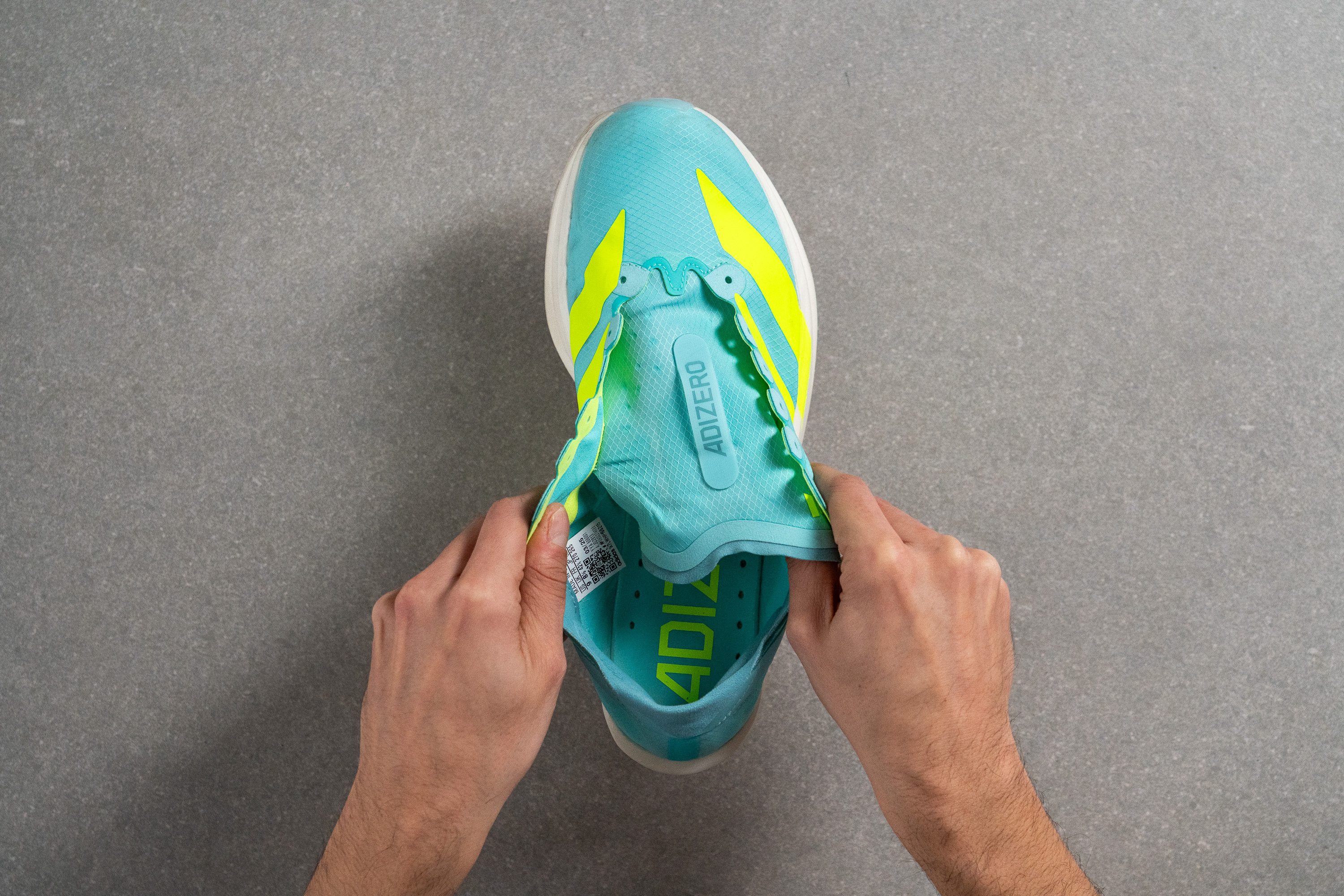
| Adizero Takumi Sen 11 | Both sides (semi) |
Heel tab
The Takumi Sen 11 retains the familiar flap-style heel tab seen across the Adizero line, but adidas adds a thoughtful visual touch here. As shown in the image, the heel features a kanji symbol that represents victory or success, giving the shoe a subtle and fun nod to the Japanese origins of the shoe.
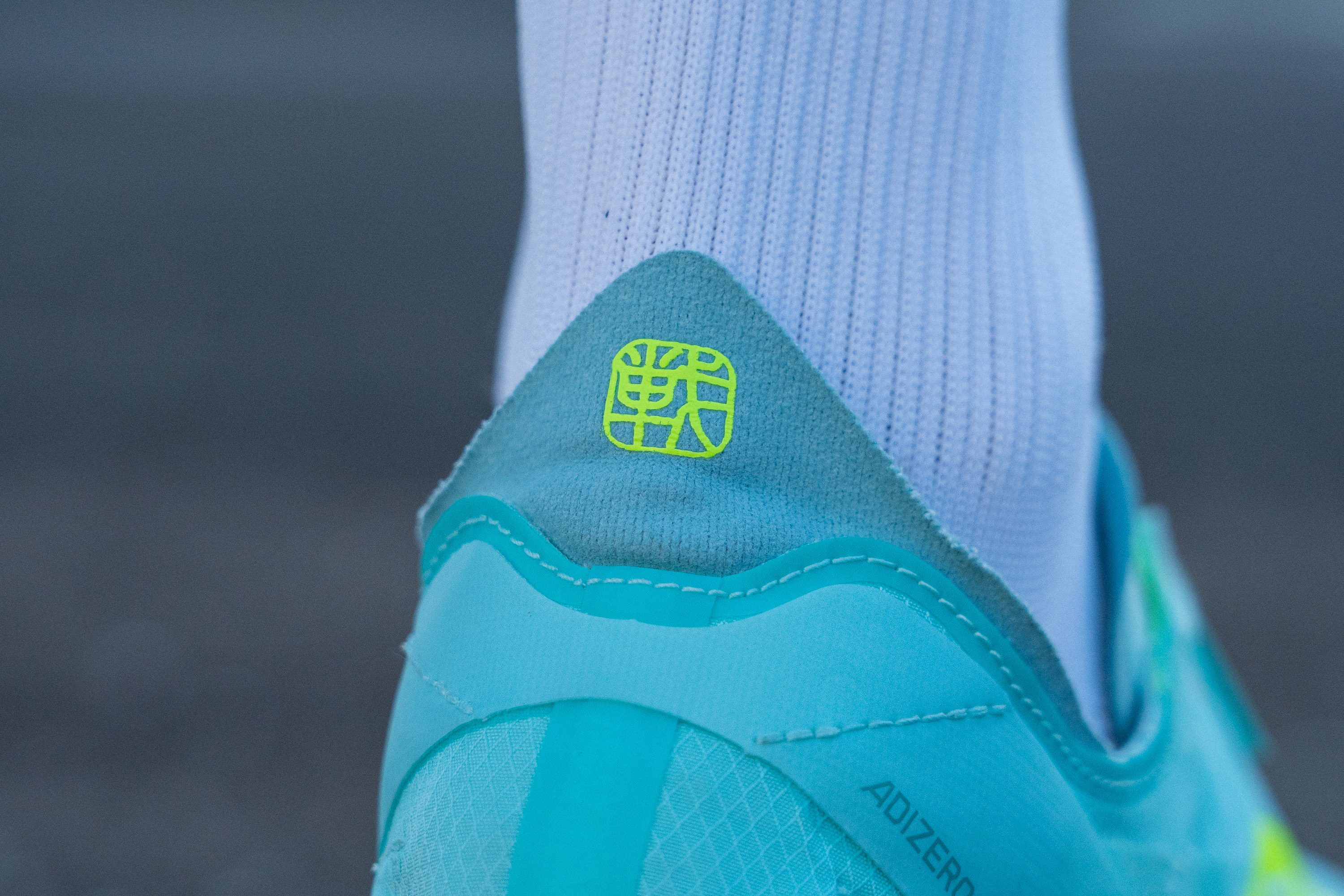
| Adizero Takumi Sen 11 | Extended heel collar |
Price
One of the main strengths of the Takumi Sen 11 is its price. It comes in cheaper than most super shoes, yet it delivers a true superfoam, a fantastic outsole, and strong performance for fast workouts and short races, making it one of the best values among competition shoes.
| Adizero Takumi Sen 11 | $180 |
| Average | $158 |