

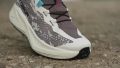





Our verdict
- Gravel 93
- Versatile 55
- Technical 20
Pros
- Incredible energy return
- Ideal for long gravel runs or flat ultras
- Excellent road-to-trail versatility
- Stable despite maximalist stack height
- Outstanding outsole durability
- Perfect for winter running
- Smooth ride on paved surfaces too
- Terrific value for the performance
- Updated Quicklace Neo lacing system
Cons
- Fit can be a bit too snug
- Oversized tongue may bother some
- Hard to put on
Awards
- Top pick in best trail running shoes
- Top pick in best running shoes for hiking
- Top 9% in trail running shoes
- Top 15% in Salomon running shoes
Comparison
The most similar running shoes compared
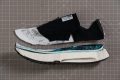
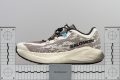
+ + Add a shoe | |||||
|---|---|---|---|---|---|
| Our score | 88 Superb | 88 Superb | 79 Good | 83 Great | |
| Price | $160 | $140 | $250 | $150 | |
| Trail terrain | Gravel / Road-to-trail | Gravel / Road-to-trail | Gravel / Road-to-trail | Gravel / Road-to-trail | |
| Shock absorption | High | High | Moderate | Moderate | |
| Energy return | High | High | Moderate | Moderate | |
| Traction | High | High | High | High | |
| Arch support | Neutral | Neutral | Neutral | Neutral | |
| Weight lab Weight brand | 9.7 oz / 275g 9.7 oz / 276g | 8.5 oz / 241g 8.7 oz / 247g | 10.8 oz / 305g 10.2 oz / 290g | 10.4 oz / 295g 10.6 oz / 300g | |
| Lightweight | ✗ | ✓ | ✗ | ✗ | |
| Drop lab Drop brand | 9.2 mm 8.0 mm | 9.3 mm 8.0 mm | 7.2 mm 6.0 mm | 11.5 mm 8.0 mm | |
| Strike pattern | HeelMid/forefoot | HeelMid/forefoot | Mid/forefoot | Heel | |
| Size | Slightly small | True to size | - | Slightly large | |
| Midsole softness | Balanced | Firm | Balanced | Balanced | |
| Difference in midsole softness in cold | Small | Small | Small | Small | |
| Toebox durability | Decent | Decent | Good | Decent | |
| Heel padding durability | Decent | Good | Good | Good | |
| Outsole durability | Good | Good | Good | Good | |
| Breathability | Warm | Breathable | Warm | Moderate | |
| Width / fit | Medium | Medium | Narrow | Medium | |
| Toebox width | Medium | Medium | Medium | Medium | |
| Stiffness | Moderate | Moderate | Stiff | Moderate | |
| Torsional rigidity | Stiff | Moderate | Moderate | Moderate | |
| Heel counter stiffness | Moderate | Flexible | Moderate | Stiff | |
| Lug depth | 2.3 mm | 2.3 mm | 3.2 mm | 2.7 mm | |
| Heel stack lab Heel stack brand | 40.9 mm 41.0 mm | 35.5 mm 35.0 mm | 41.0 mm 41.0 mm | 38.3 mm 36.5 mm | |
| Forefoot lab Forefoot brand | 31.7 mm 33.0 mm | 26.2 mm 27.0 mm | 33.8 mm 35.0 mm | 26.8 mm 28.5 mm | |
| Widths available | Normal | Normal | Normal | NormalWide | |
| For heavy runners | ✓ | ✗ | ✗ | ✓ | |
| Season | Winter | SummerAll seasons | All seasons | All seasons | |
| Removable insole | ✓ | ✓ | ✓ | ✓ | |
| Orthotic friendly | ✓ | ✓ | ✓ | ✓ | |
| Ranking | #53 Top 14% | #59 Top 15% | #261 Bottom 34% | #159 Top 40% | |
| Popularity | #136 Top 34% | #254 Bottom 36% | #387 Bottom 3% | #91 Top 23% |

Who should buy
After testing the Salomon Aero Glide 4 GRVL, we concluded that:
- Runners searching for a bouncy trail shoe will enjoy the impressive energy return.
- Fans of the Aero Glide lineup wanting a winter-friendly version should strongly consider this model.
- Those who like Salomon’s Quicklace system and train in colder weather can confidently use the GRVL version for both gravel and road runs.
- Marathon runners piling up long miles on dirt roads, city parks or smooth gravel paths should go for it now!
Who should NOT buy
We found in the lab that the Aero Glide 4 GRVL delivers a snug, locked-in fit that may not work for every runner. If you prefer a bit more room without going overboard, we suggest checking out the adidas Adizero EVO SL ATR.
We also think this winter-ready upper is not the best match for hot-weather gravel running. The mesh feels overly heat-trapping in summer, so we suggest the ASICS Metafuji Trail or the HOKA Challenger 8 for better airflow.
Cushioning
Shock absorption
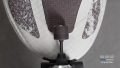
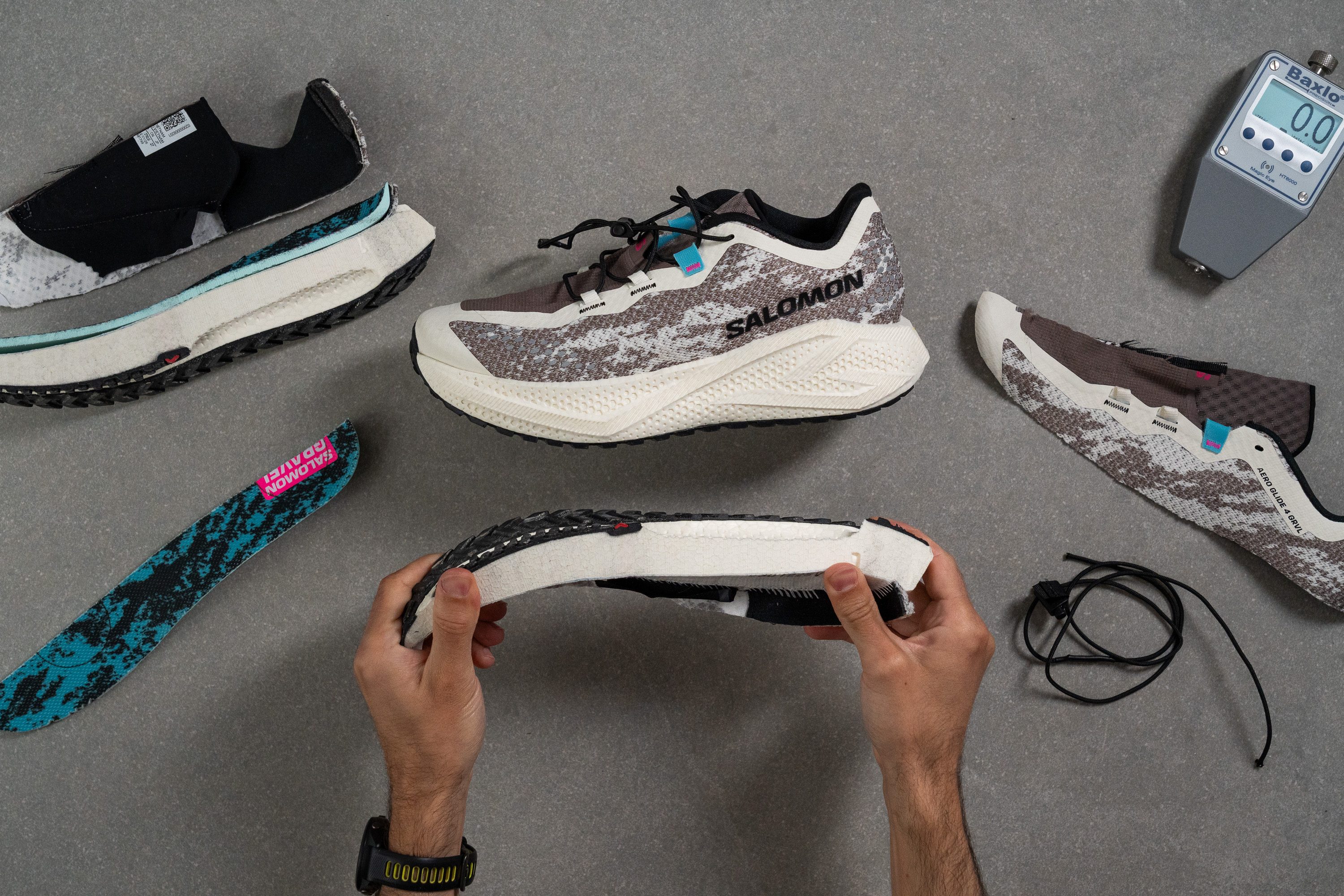
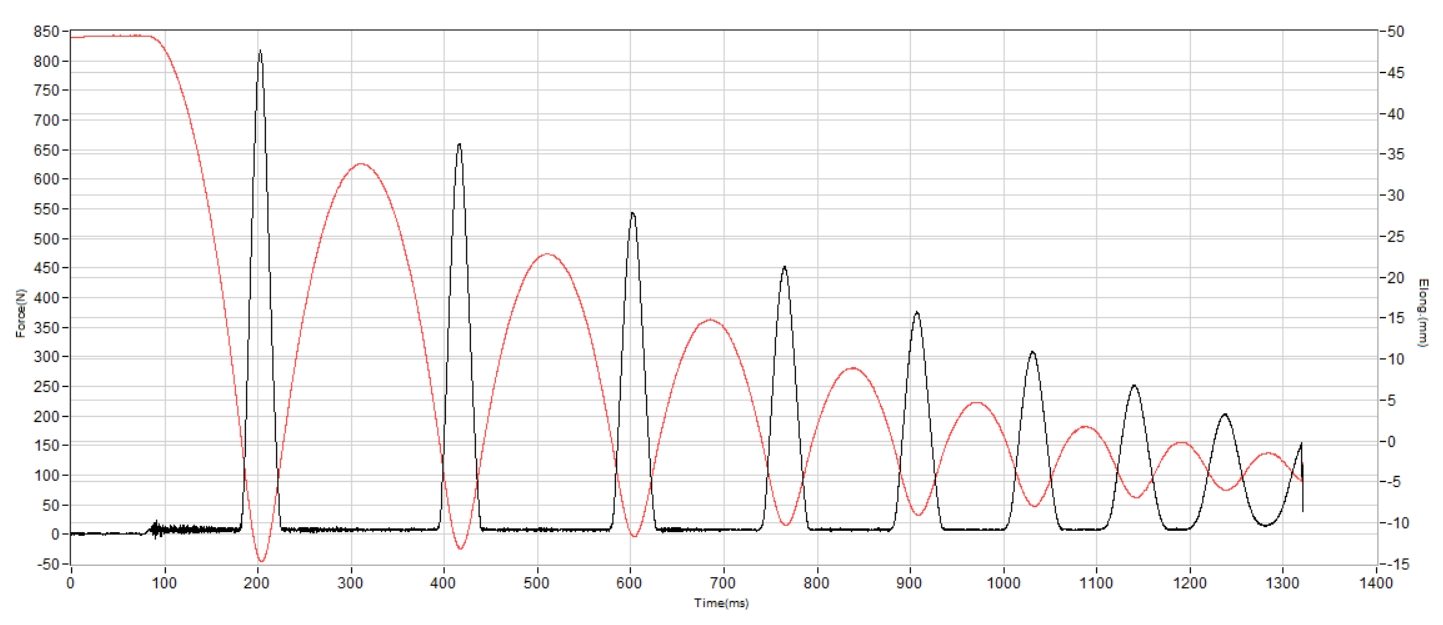
Shock absorption is absolutely not a concern in the Aero Glide 4 GRVL. With 146 SA in the heel and 122 SA in the forefoot, it delivers elite-level protection that easily supports long runs extending onto dirt roads and smooth gravel routes.
| Aero Glide 4 GRVL | 146 SA |
| Average | 123 SA |
Energy return
We knew something special was coming based on our test runs and the lab results from the road-focused Salomon Aero Glide 4.
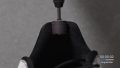
And indeed, the GRVL version keeps the same fantastic bounce from optiFOAM² that nearly reaches super shoe territory, with 73.6% in the heel and 73.2% in the forefoot. Simply incredible!
| Aero Glide 4 GRVL | 73.2% |
| Average | 59.7% |
Heel stack
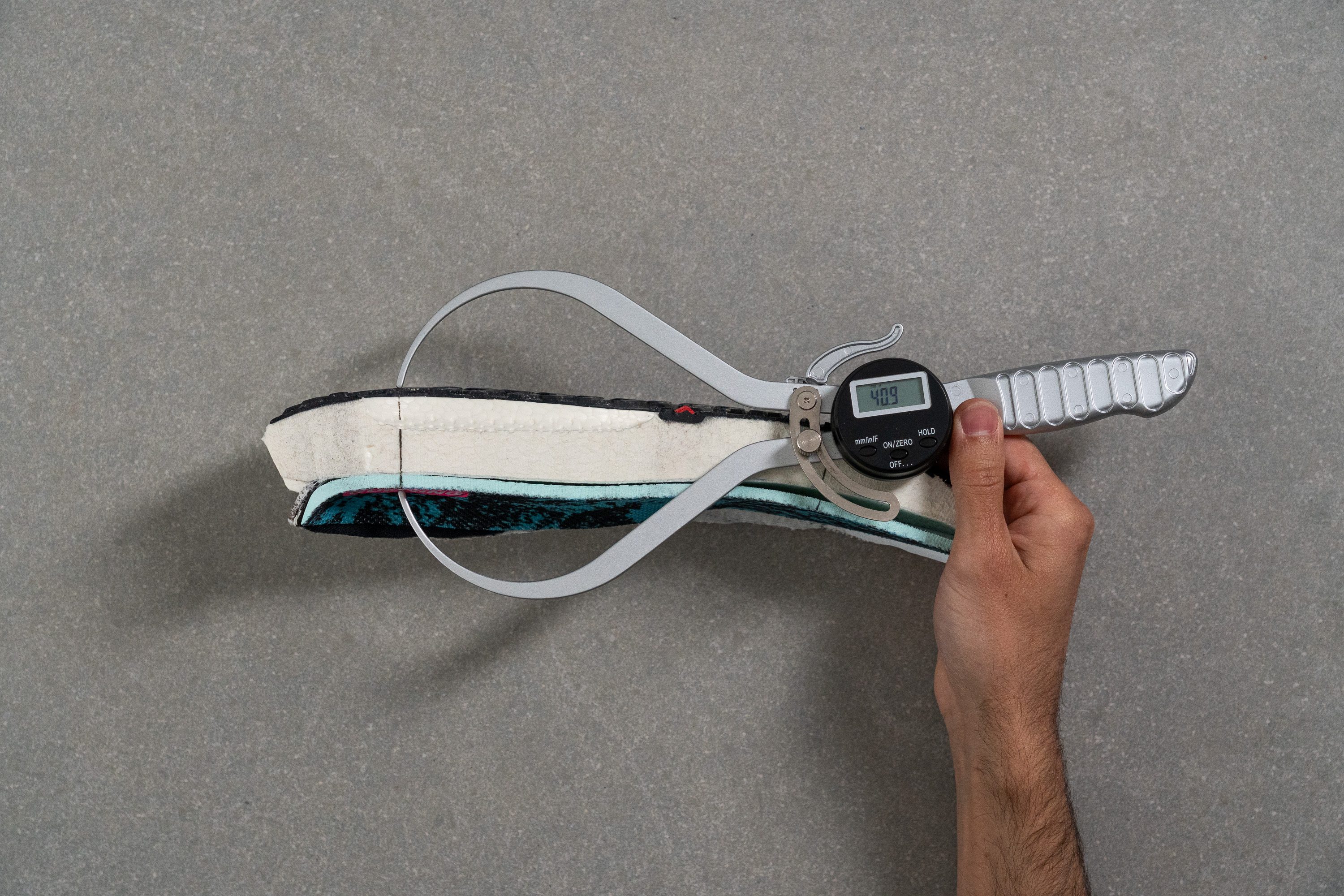
This shoe delivers so much shock absorption because it combines an excellent eTPU foam with a massive stack height. In fact, at 40.9 mm, it firmly belongs to the maximalist category for a trail shoe.
| Aero Glide 4 GRVL | 40.9 mm |
| Average | 33.1 mm |
Forefoot stack
Despite sitting notably lower than the heel, the forefoot still offers a seriously cushioned ride. With 31.7 mm beneath the foot, this level of protection is a guarantee for midfoot and forefoot strikers alike.
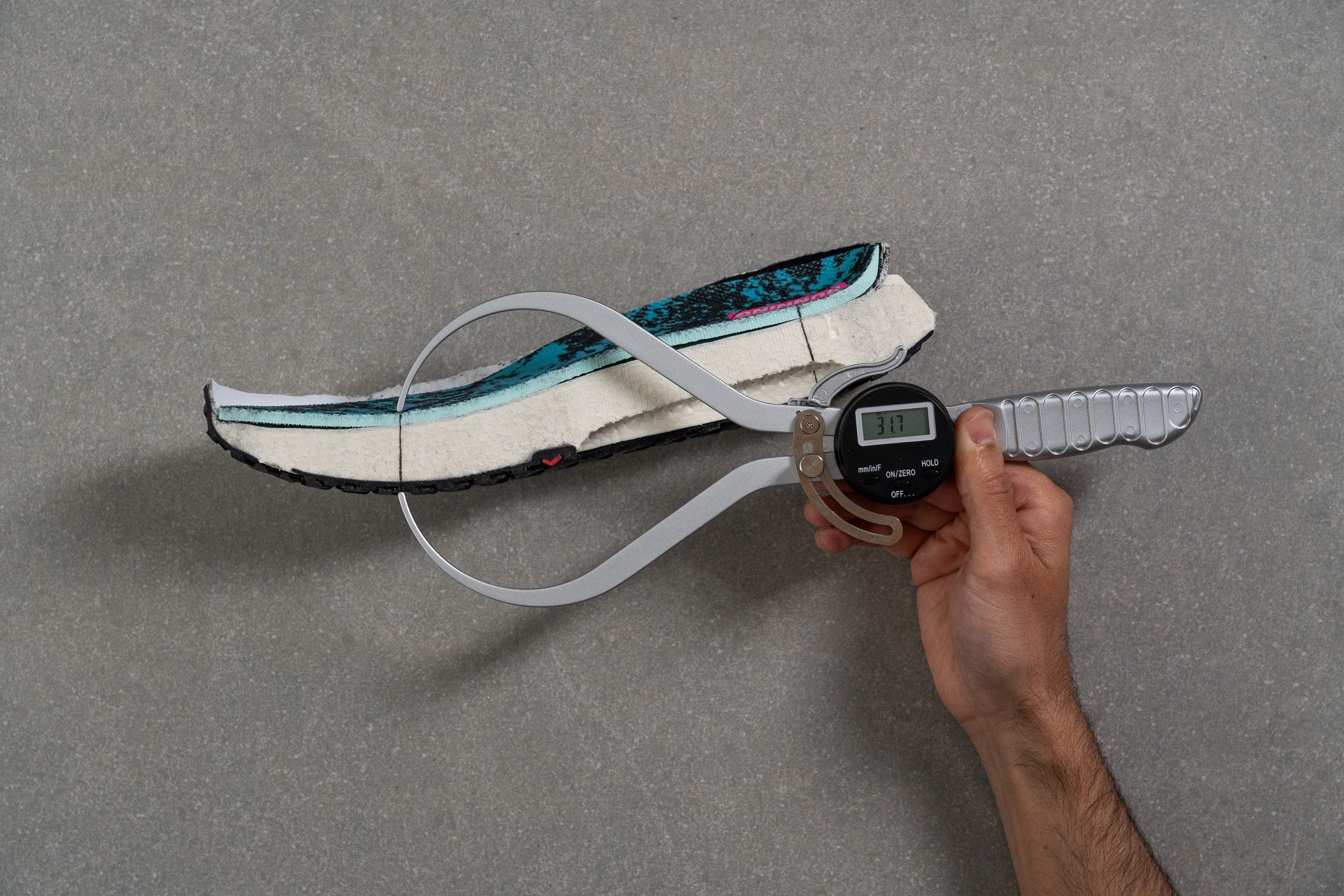
| Aero Glide 4 GRVL | 31.7 mm |
| Average | 25.8 mm |
Drop
We measured a heel-to-toe drop of 9.2 mm, which is very close to the 8 mm claimed by the French brand. This setup works well for all footstrike patterns, although it slightly favors heel strikers.
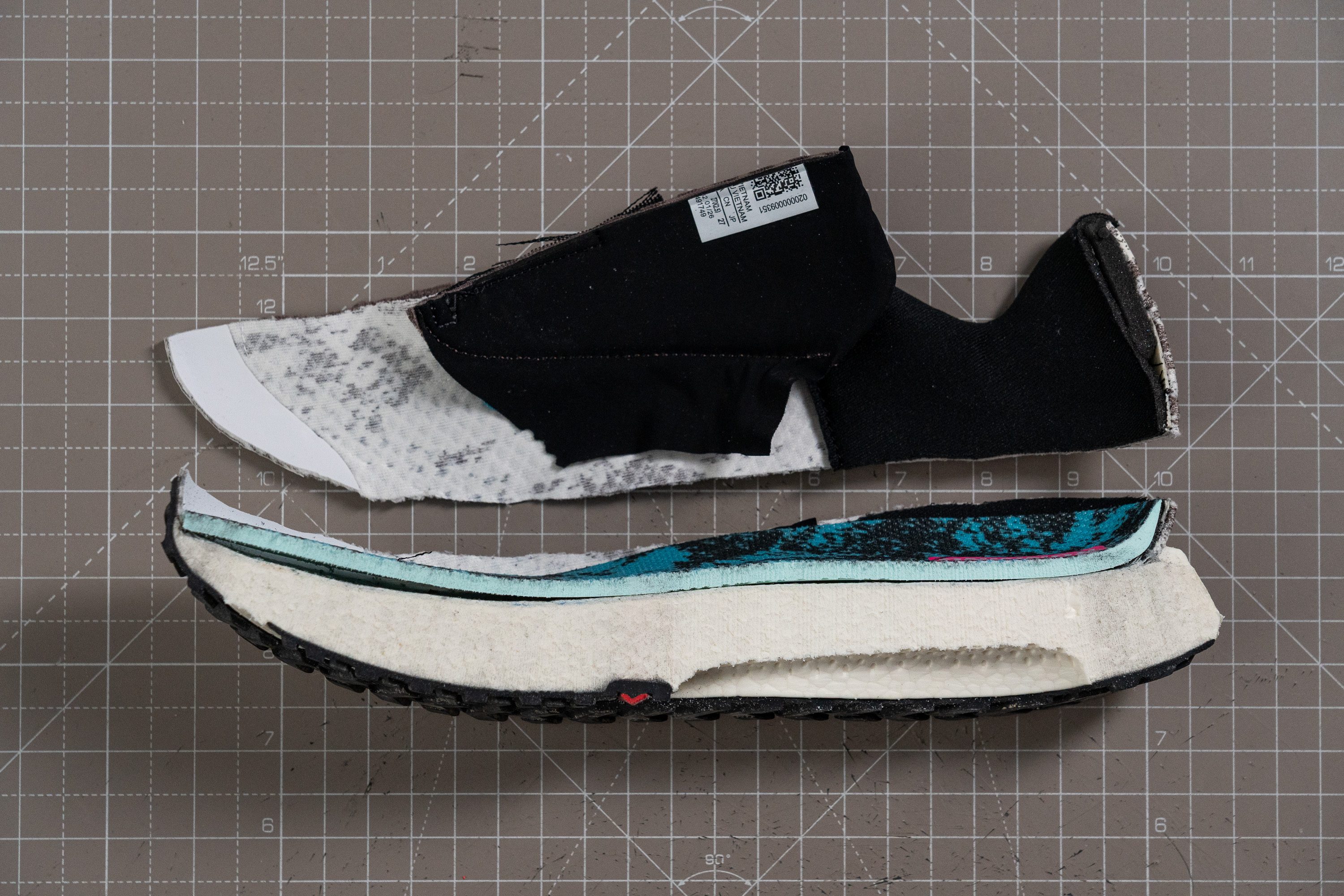
| Aero Glide 4 GRVL | 9.2 mm |
| Average | 7.3 mm |
Midsole softness
The optiFOAM² compound felt controlled enough during easy runs yet still responsive during faster sessions, without crossing into unstable or overly plush territory. And that's a good approach for a trail shoe, even if it's focused on easy and flat terrain.
Our Asker C durometer measurements also showed that the GRVL version stays extremely close to the road model. We recorded 40.9 AC here versus 38.5 AC in the standard Aero Glide 4, which is such a minor gap that it falls comfortably within normal manufacturing tolerances and is impossible to notice while running.
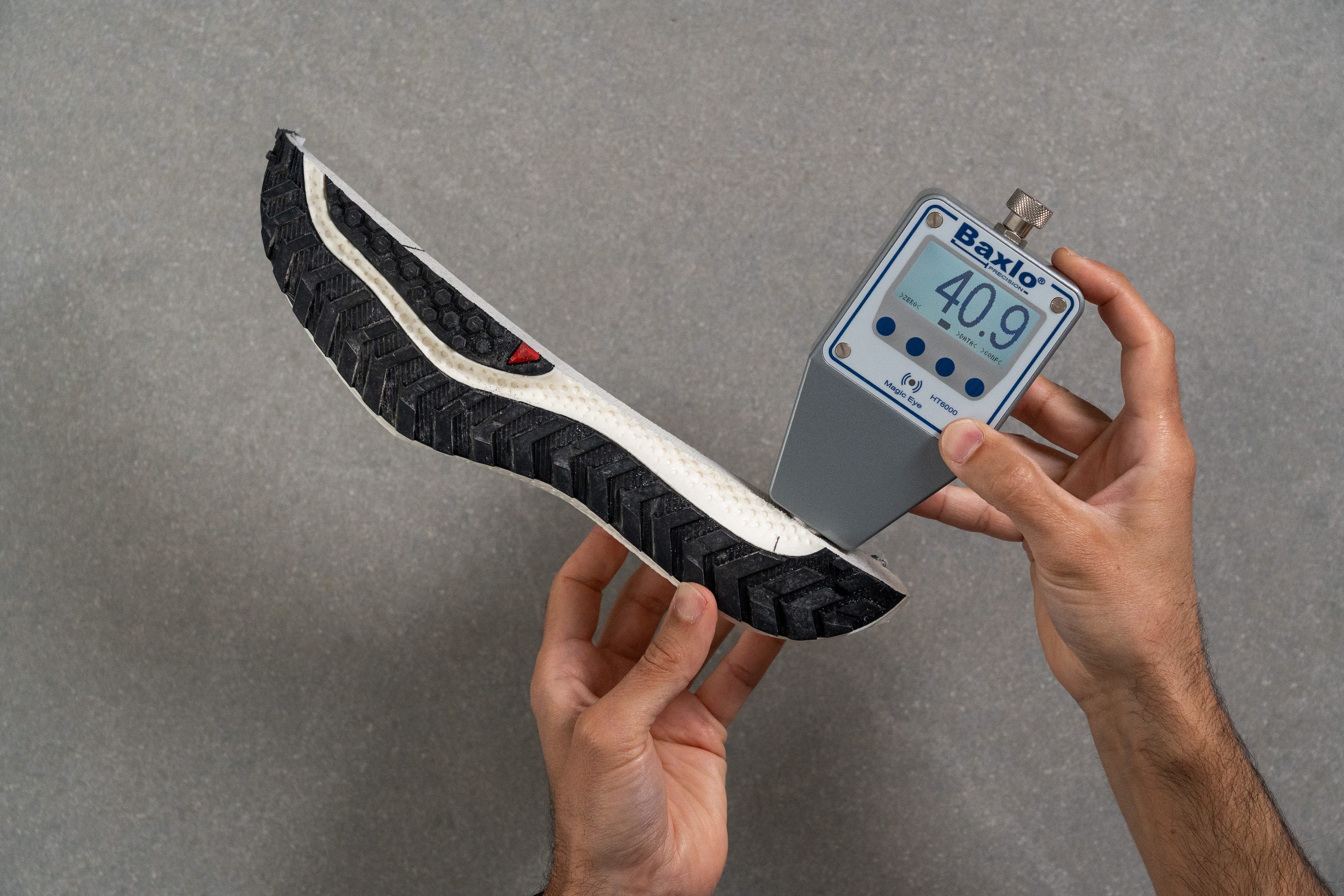
| Aero Glide 4 GRVL | 40.9 AC |
| Average | 38.3 AC |
Rocker
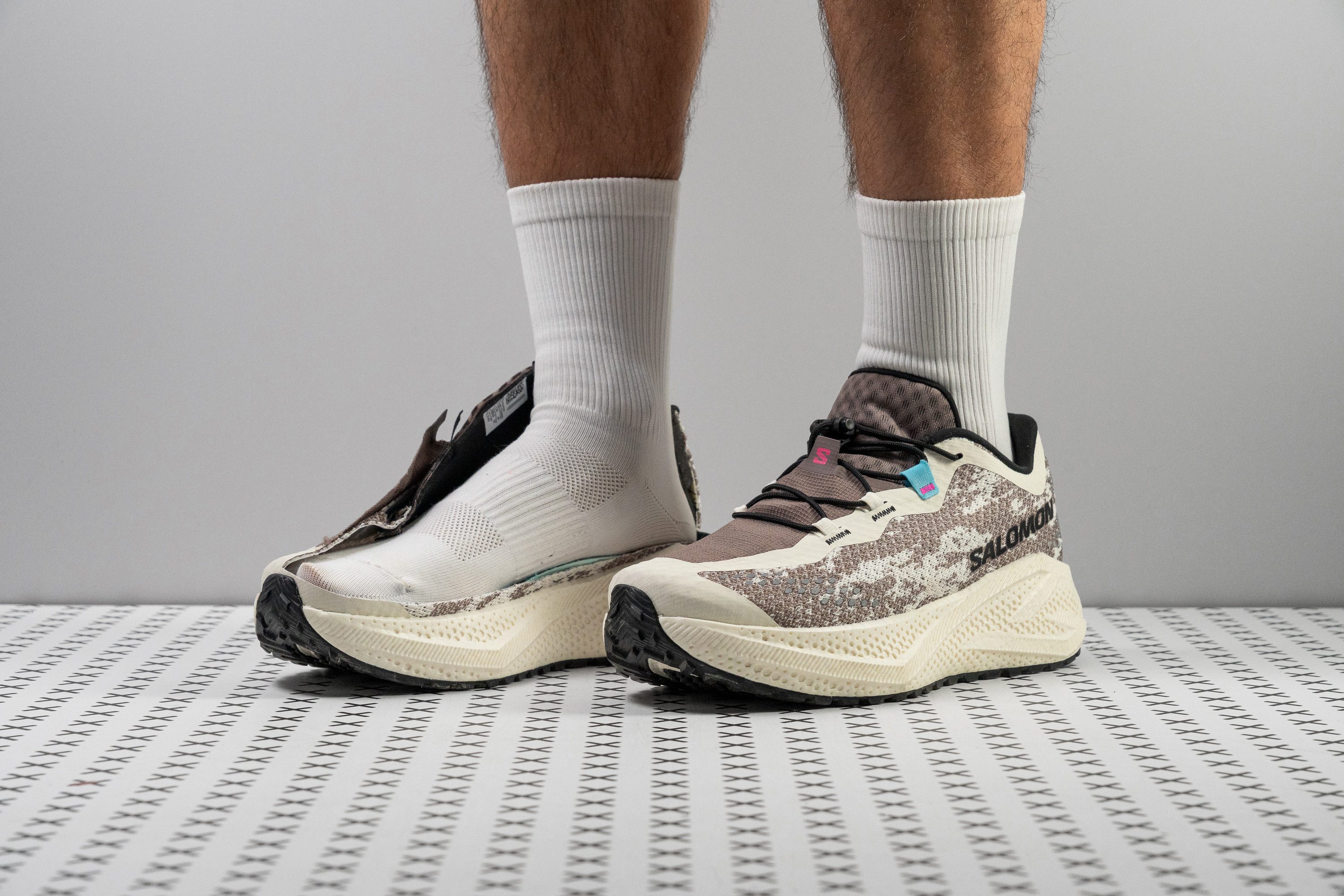
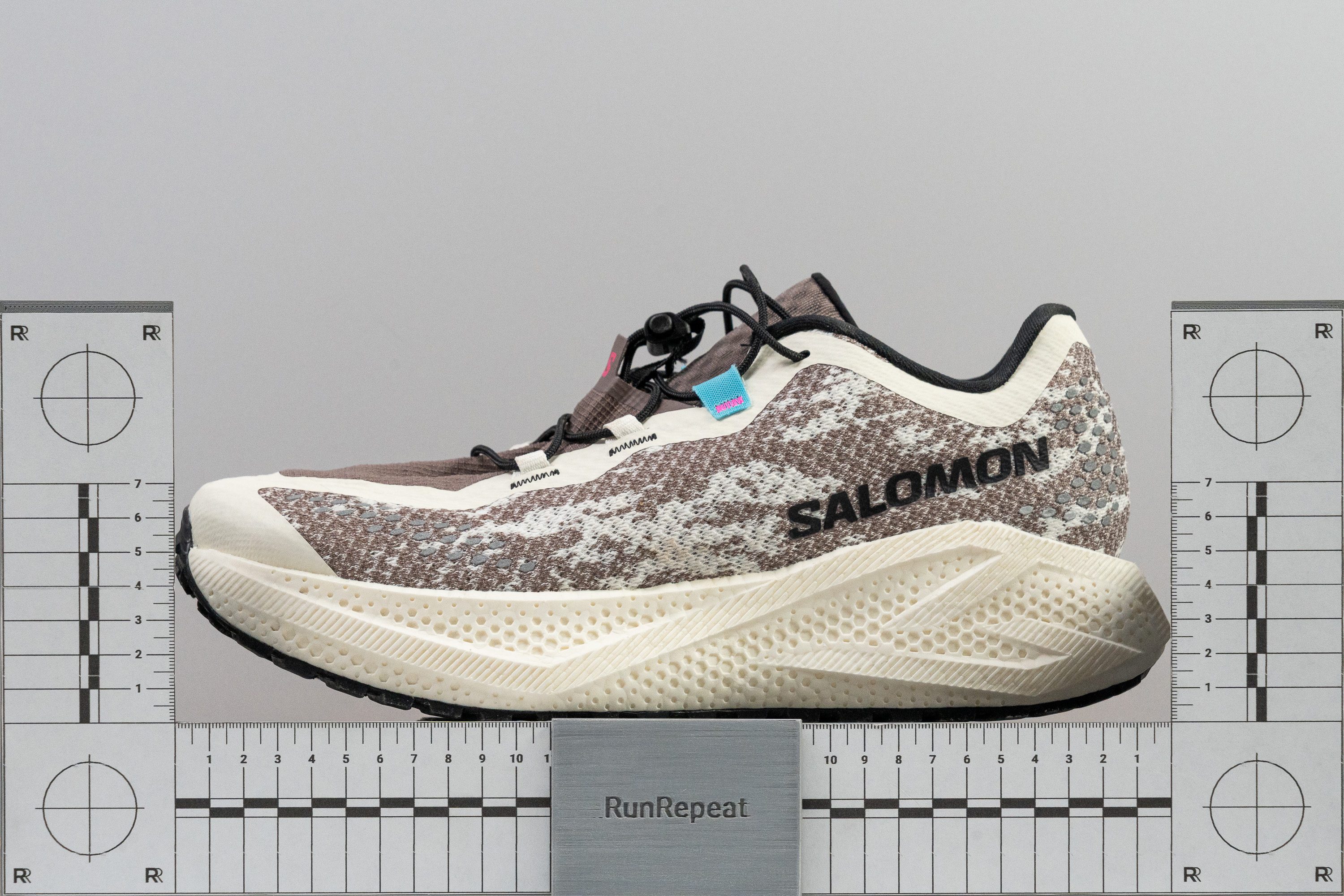
Salomon avoided using the aggressive rocker designs that dominate many high-stack trail shoes like the ASICS Trabuco Max 4. There’s a slight curvature in both the forefoot and heel that works nicely, but if you’re expecting that aggressively rolling, highly-assisted sensation found in some modern trainers, you won’t get it here.
Size and fit
Size
Salomon Aero Glide 4 GRVL fits slightly small (48 votes).
Internal length
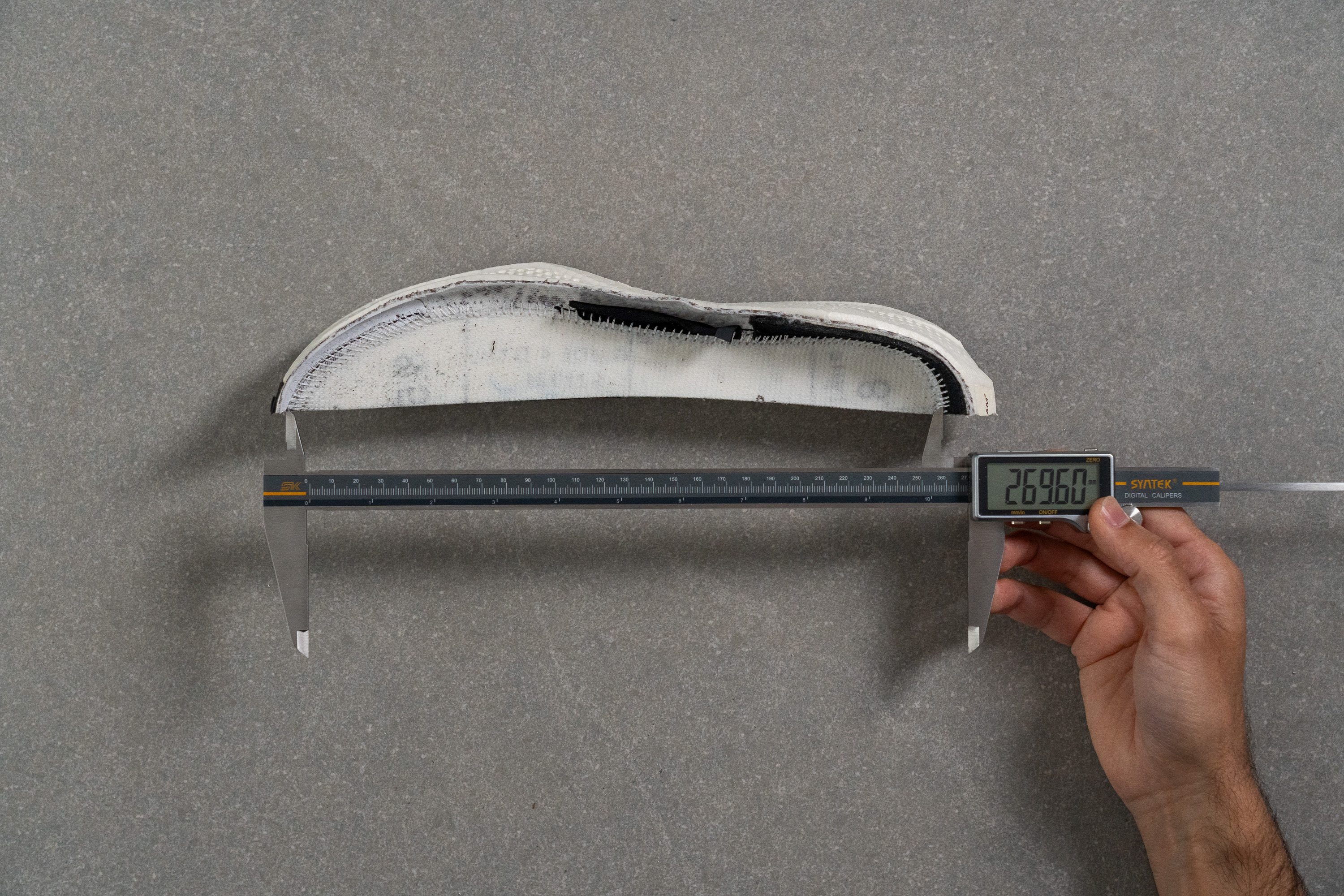
| Aero Glide 4 GRVL | 269.6 mm |
| Average | 269.2 mm |
Width / Fit
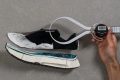
We found two key things about the fit: first, it offers nearly identical room to the road version despite using a completely different upper; second, it follows the classic Salomon approach of prioritizing a secure and snug fit over a spacious interior.
Our first measurement already came in below the current lab average at 93.7 mm.
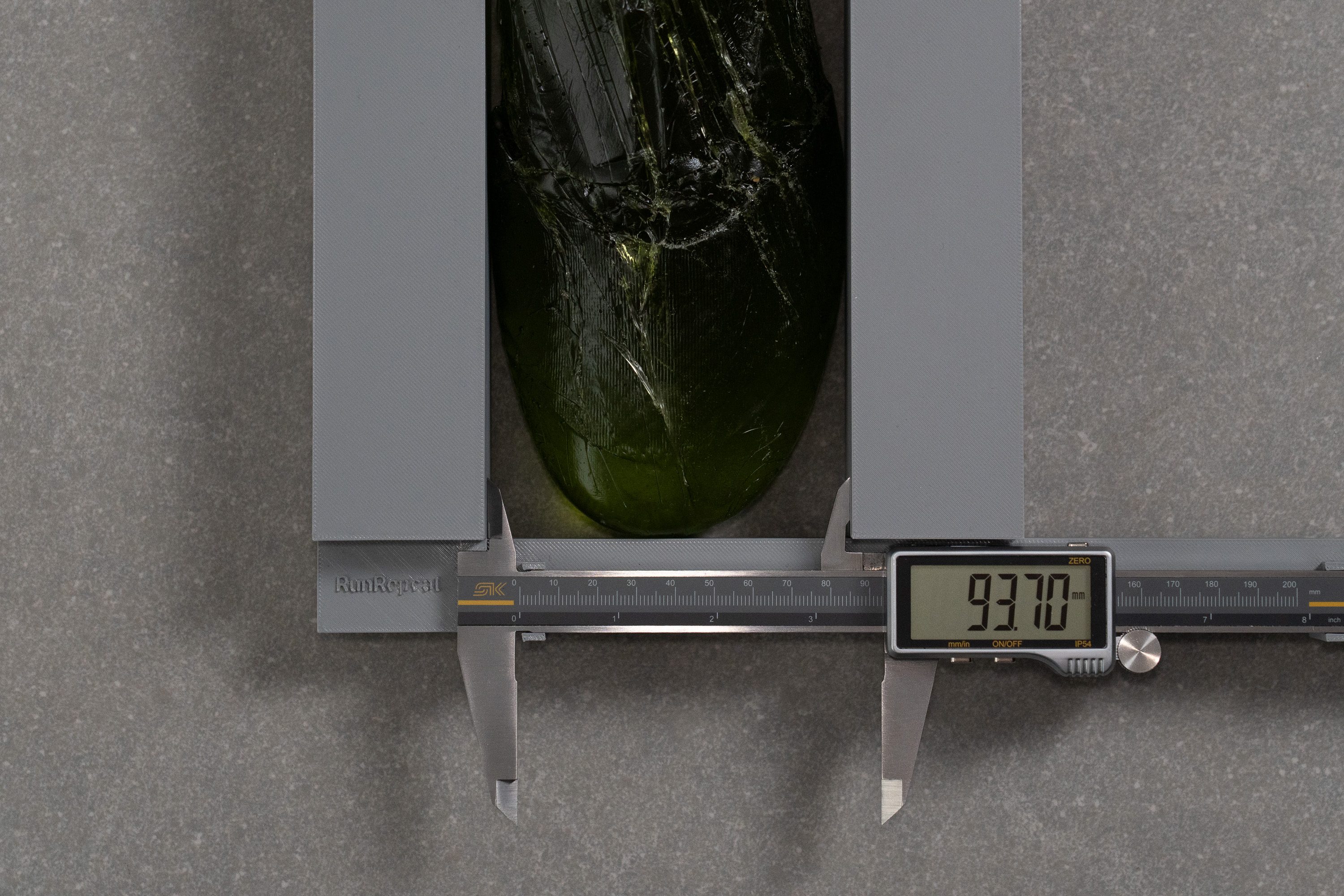
| Aero Glide 4 GRVL | 93.7 mm |
| Average | 95.7 mm |
Toebox width
The Salomon Aero Glide 4 GRVL truly reveals its design philosophy here, measuring just 71.4 mm in the toebox. That creates a notably tapered shape that will not suit runners wanting extra room for natural toe splay.
On the other... foot, runners with narrower feet or those who enjoy a highly locked-in sensation will likely appreciate this fit.
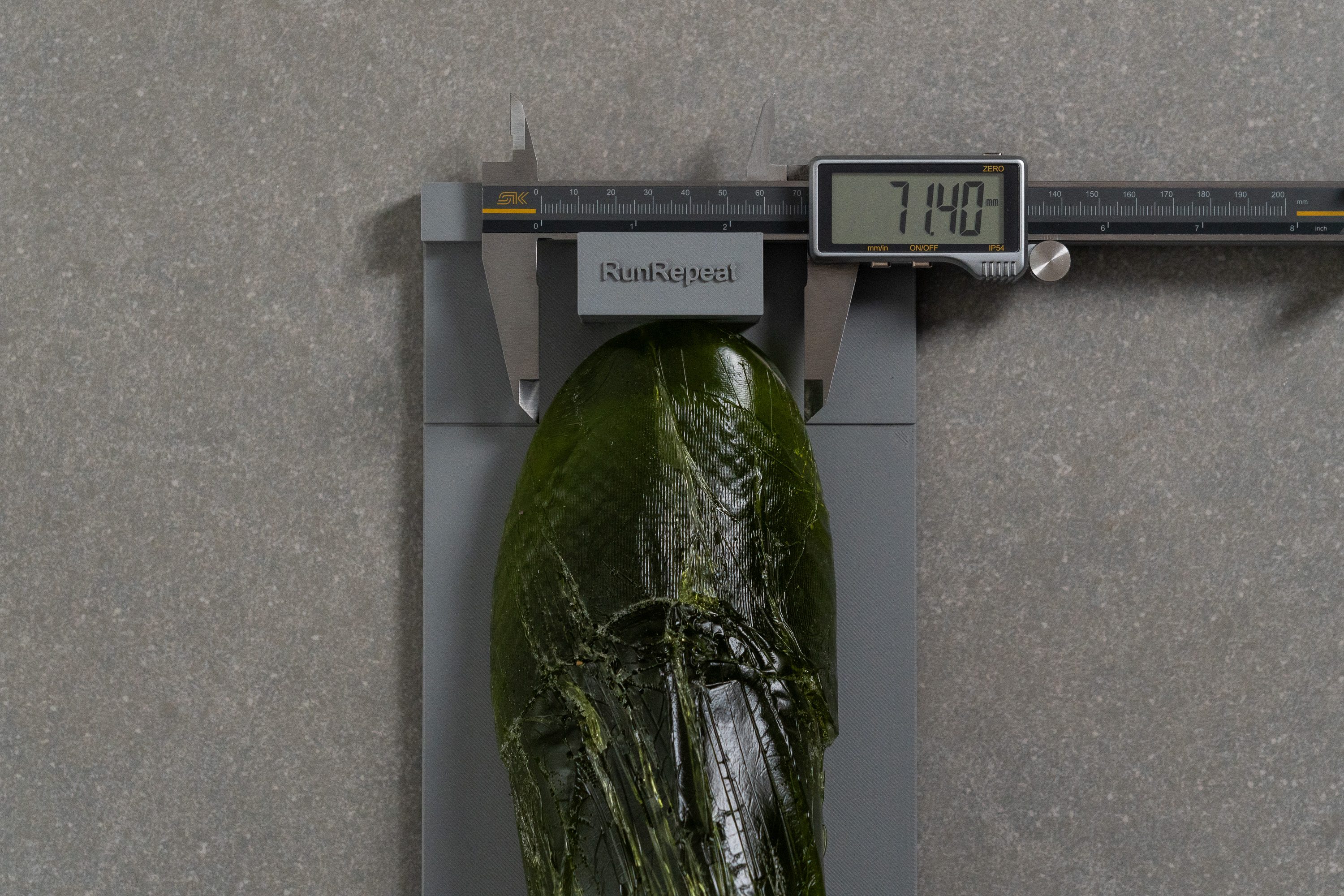
| Aero Glide 4 GRVL | 71.4 mm |
| Average | 74.3 mm |
Toebox height
We did not find any restrictions when it came to toebox height.
With 28.2 mm of internal clearance, there is enough vertical space to avoid pressure points, even for runners who naturally point their toes upward.
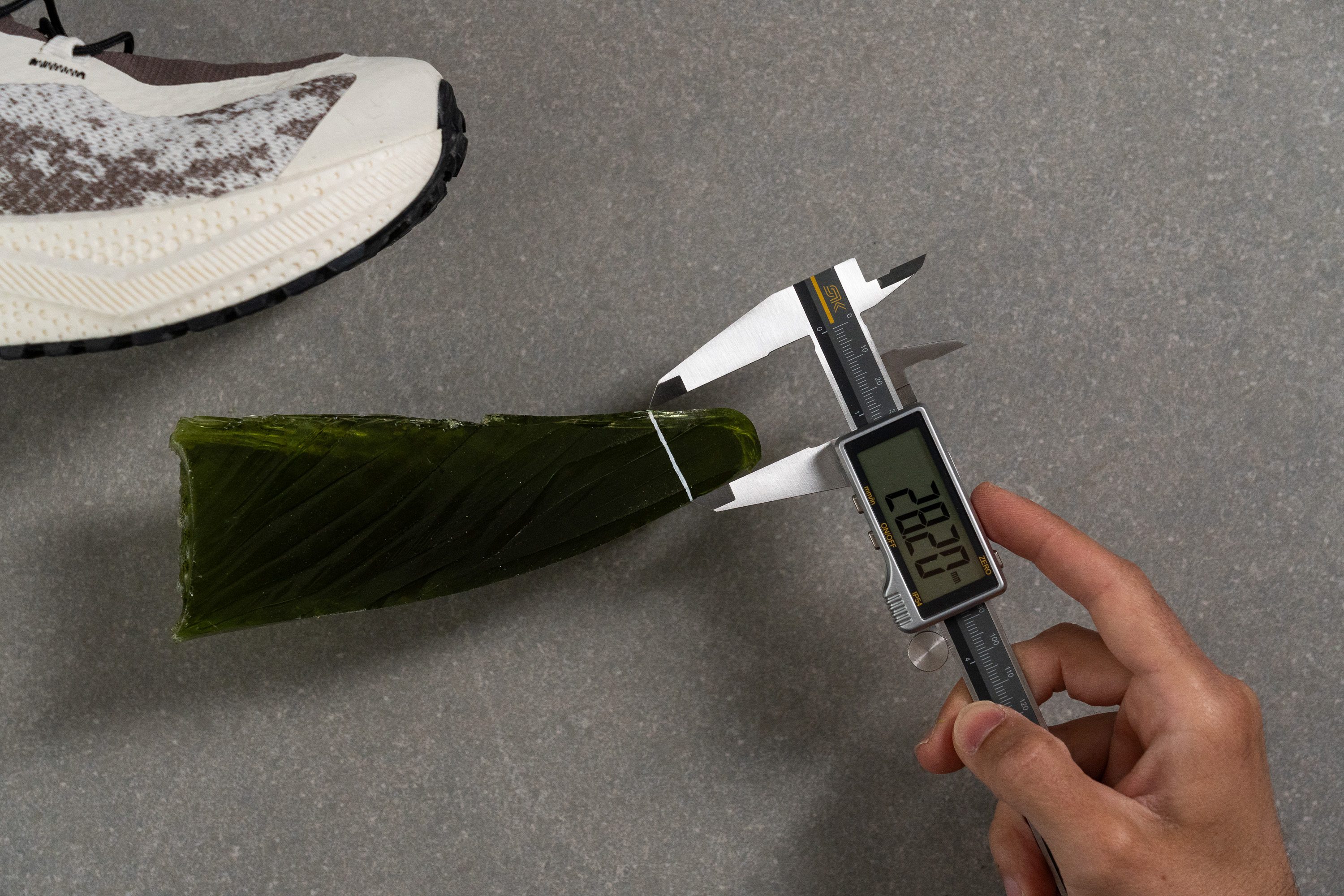
| Aero Glide 4 GRVL | 28.2 mm |
| Average | 26.9 mm |
Traction / Grip
Traction test
The new Gravel contaGRIP outsole is a variation of the standard contaGRIP compound used by Salomon in its trail lineup, and it delivered a good result in our SATRA TM144 test over wet concrete. With a score of 0.54, it showed enough grip for the surfaces typically associated with a road-to-trail shoe.
| Aero Glide 4 GRVL | 0.54 |
| Average | 0.68 |
Lug depth
With only 2.3 mm lugs, the Salomon Aero Glide 4 GRVL fully lives up to its name, offering a depth best suited for gravel roads and easy terrain. It also performs remarkably well on paved surfaces.
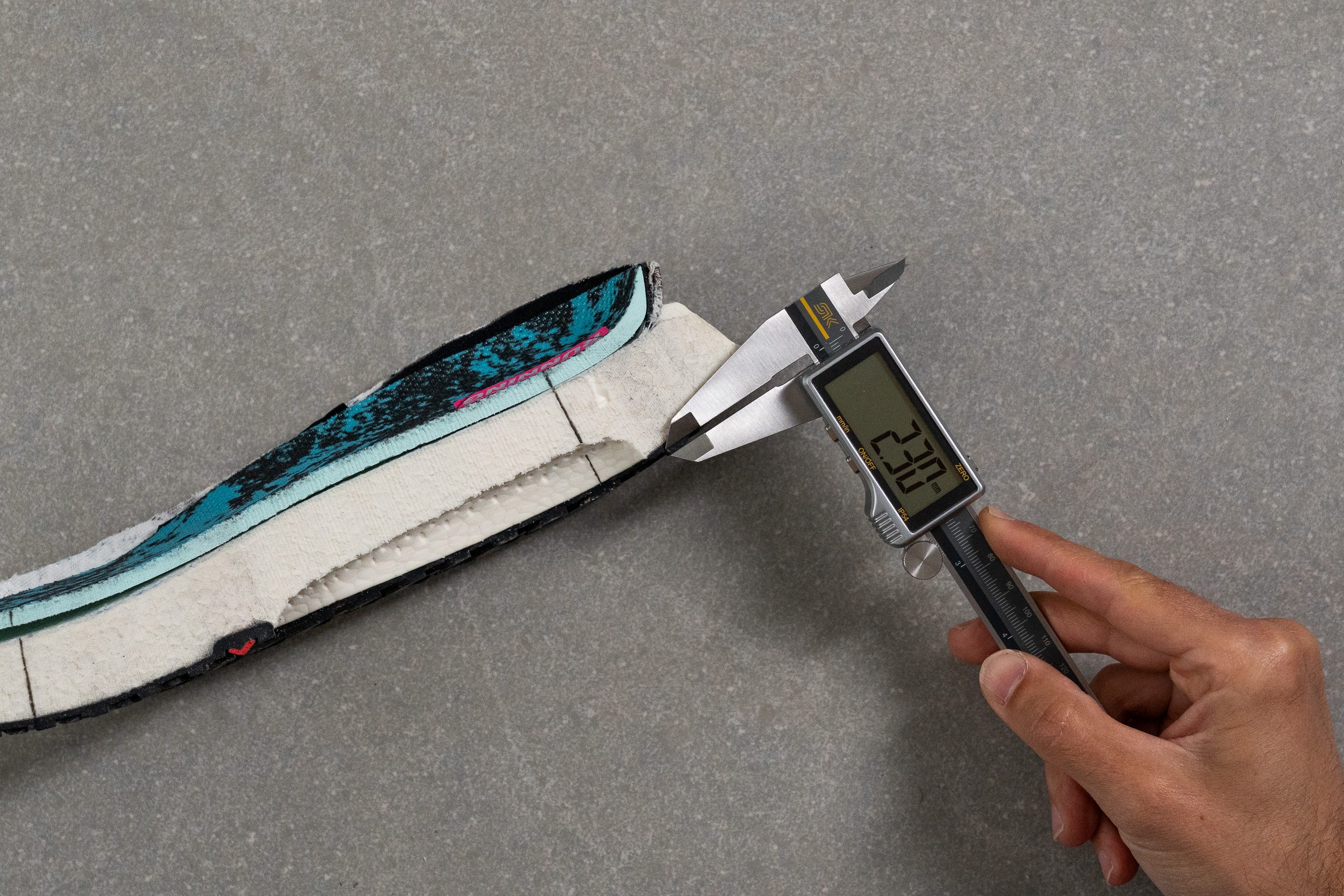
| Aero Glide 4 GRVL | 2.3 mm |
| Average | 3.5 mm |
Outsole design
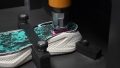
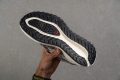
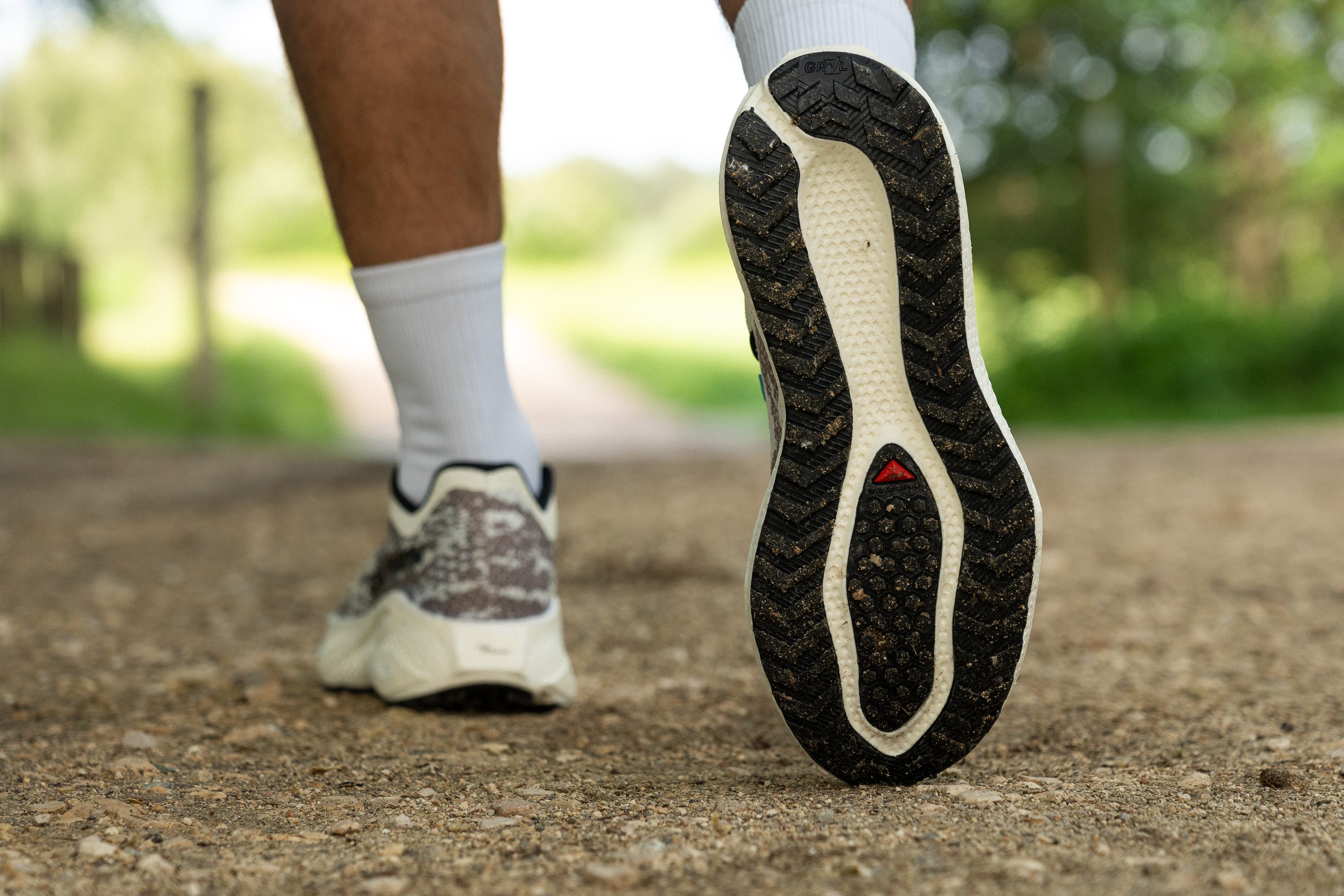
The outsole of the Salomon Aero Glide 4 GRVL uses the same perimeter rubber layout found in the road version, but with one important difference: the forefoot now includes central rubber coverage with dozens of hexagonal mini-lugs, greatly improving toe-offs on loose dirt and gravel roads.
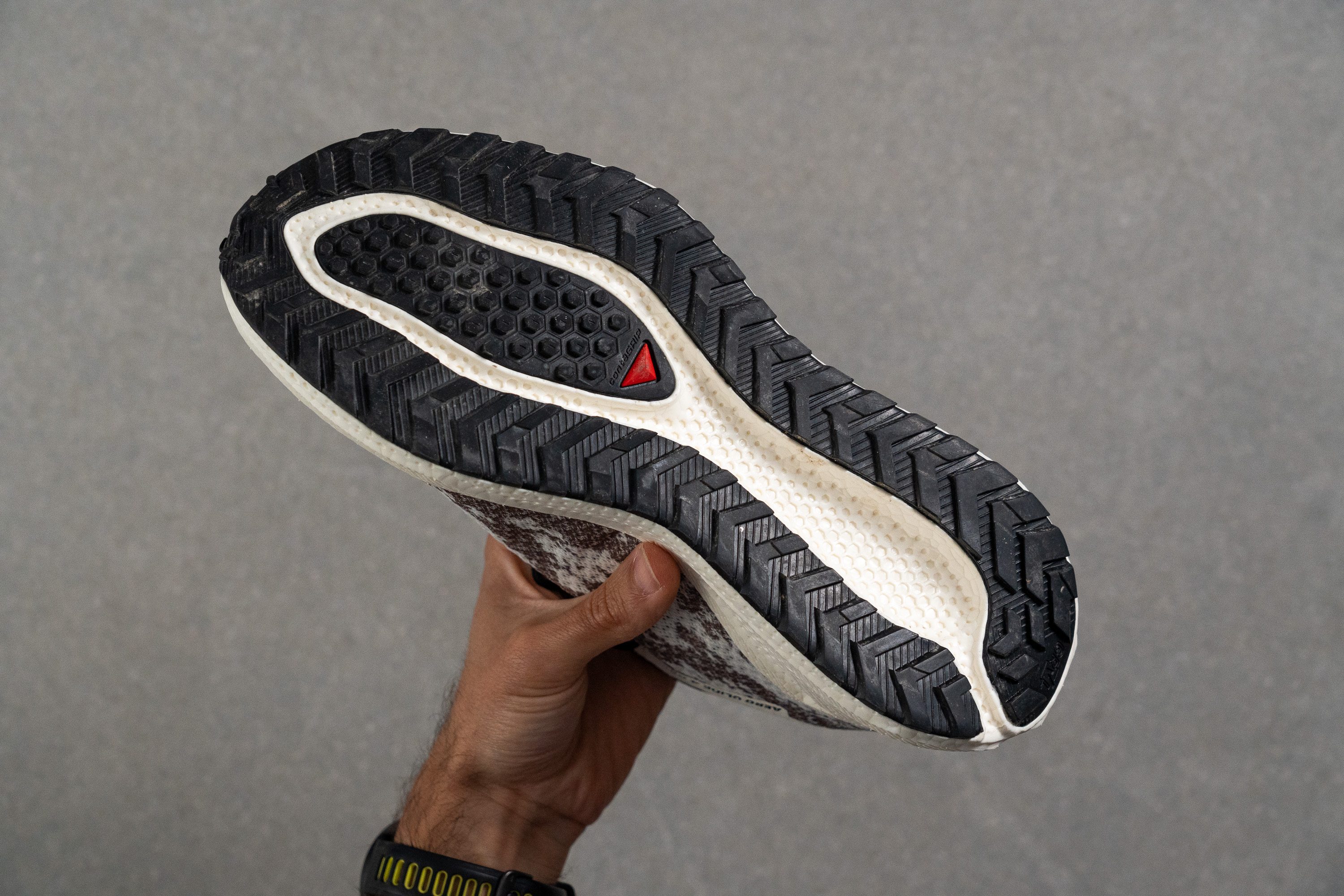
Beyond that, the perimeter rubber also features large chevron-shaped lugs from heel to toe that clearly promote forward momentum. This design further reinforces that the shoe is intended for smoother gravel terrain rather than steep trails or heavy braking situations.
Flexibility / Stiffness
Considering the tall stack height and rugged outsole design, it was not surprising to see this test produce an above-average result of 16.8N. Even so, during our runs the Aero Glide 4 GRVL felt perfectly natural for a shoe of this size and never came across as excessively stiff.
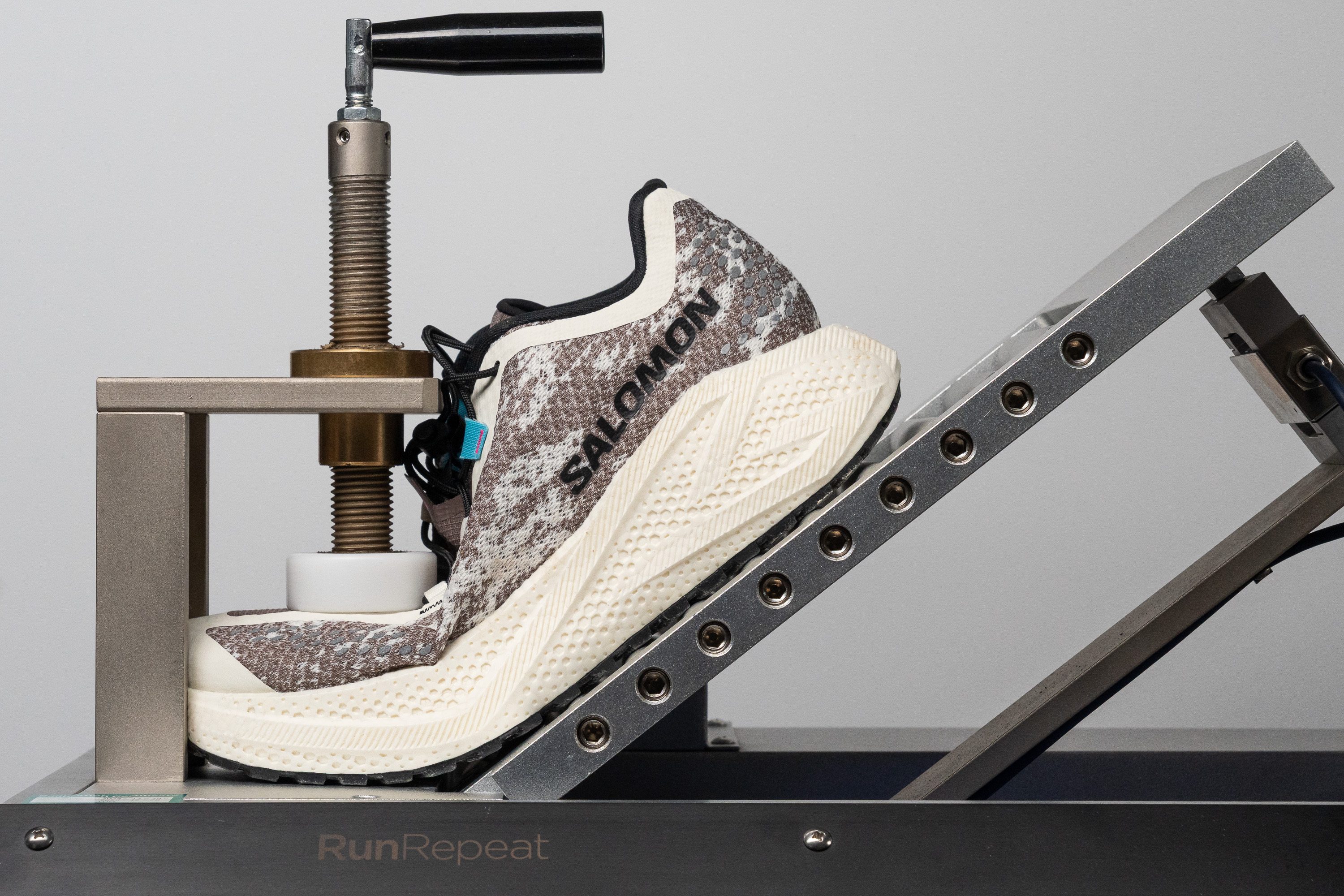
| Aero Glide 4 GRVL | 16.8N |
| Average | 14.8N |
Weight
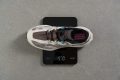
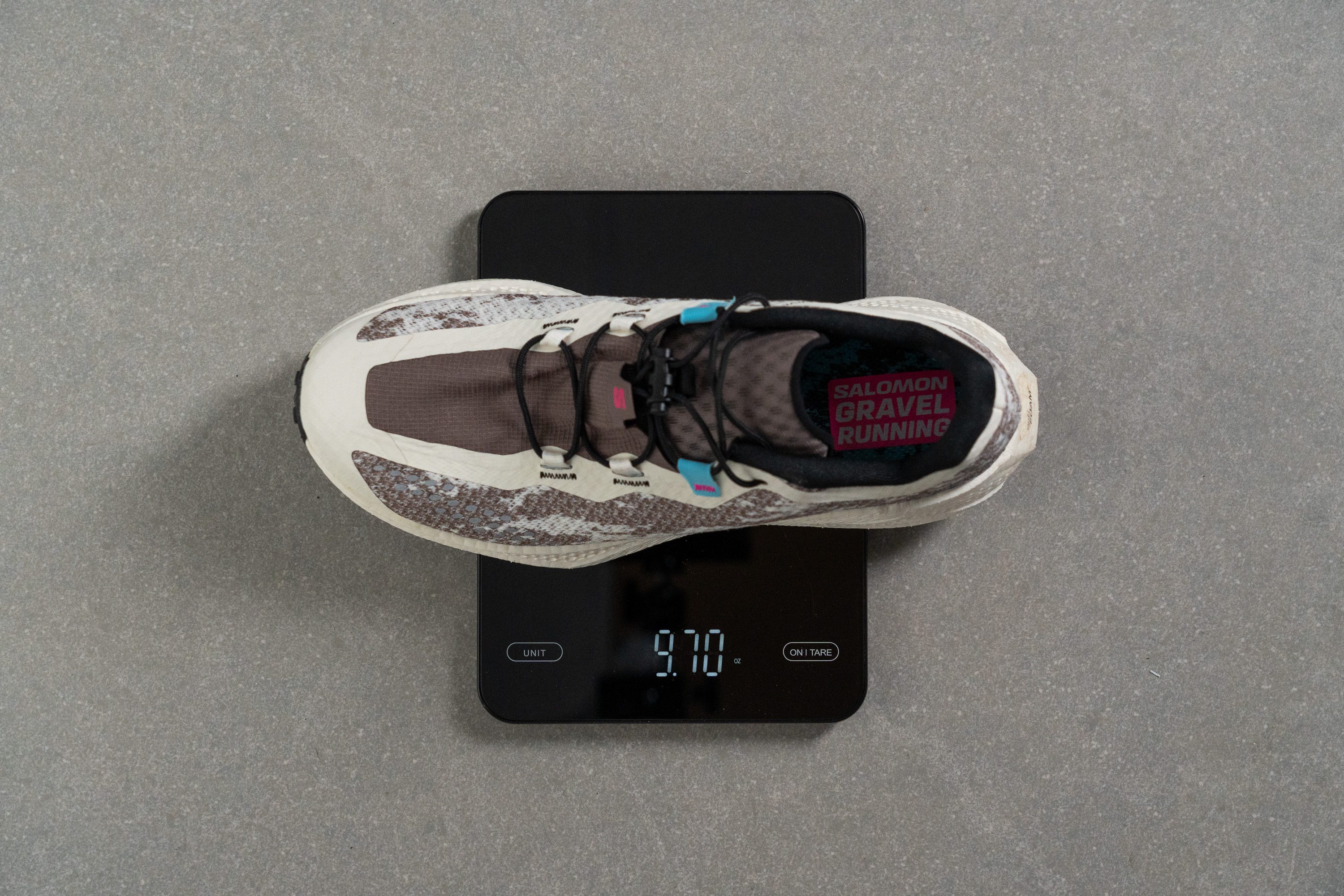
There is a small weight penalty for the GRVL treatment, but nothing that feels problematic.
At 9.7 oz (275g), it still delivers a reasonable weight for its category while coming in just 8% heavier than the road version. Considering the added rubber, reinforced upper, and other small changes, we’re more than satisfied with this result.
| Aero Glide 4 GRVL | 9.7 oz (275g) |
| Average | 10.1 oz (285g) |
Breathability
Breathability test
UpdatedThe Aero Glide 4 GRVL reminded us that appearances can be misleading when it comes to breathability. When we first unboxed the shoe, we expected a weaker performance in this area. However, our lab test told a different story, returning a respectable result of 67 BR.
A figure like this shows that the Aero Glide 4 GRVL does a solid job of pulling sweat away from the foot, helping maintain a drier and more comfortable environment inside the shoe by moving moisture away from the skin at a steady rate.
| Aero Glide 4 GRVL | 67 BR |
| Average | 71 BR |
Drying potential
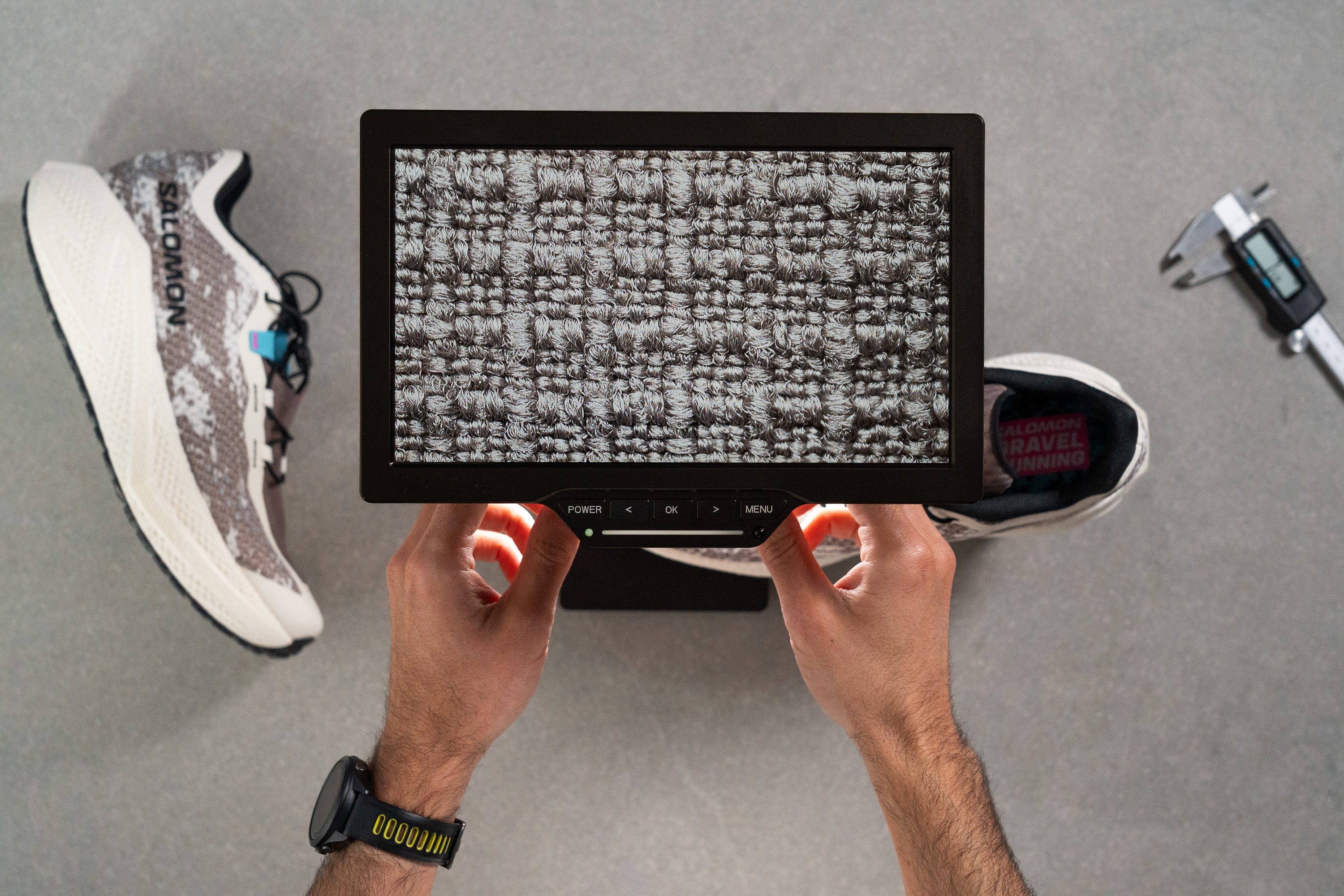
NewWe also found a satisfactory result in our drying potential test, with the shoe evaporating 52% of the accumulated moisture during the 3-hour protocol.
With an outcome like this, we proved that the Aero Glide 4 GRVL releases moisture at a steady pace, helping prevent it from building up too quickly inside the shoe and keeping the upper, insole, and other components from becoming excessively damp.
| Aero Glide 4 GRVL | 52% |
| Average | 51% |
Stability
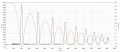
Lateral stability test
There is perhaps a slightly stronger foothold in this version thanks to the more structured upper, but we keep the same recommendation as with the road-specific model: this shoe feels stable during the run for neutral runners, while those with moderate pronation can still give it a try, although without any guarantees.
Torsional rigidity
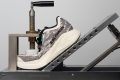
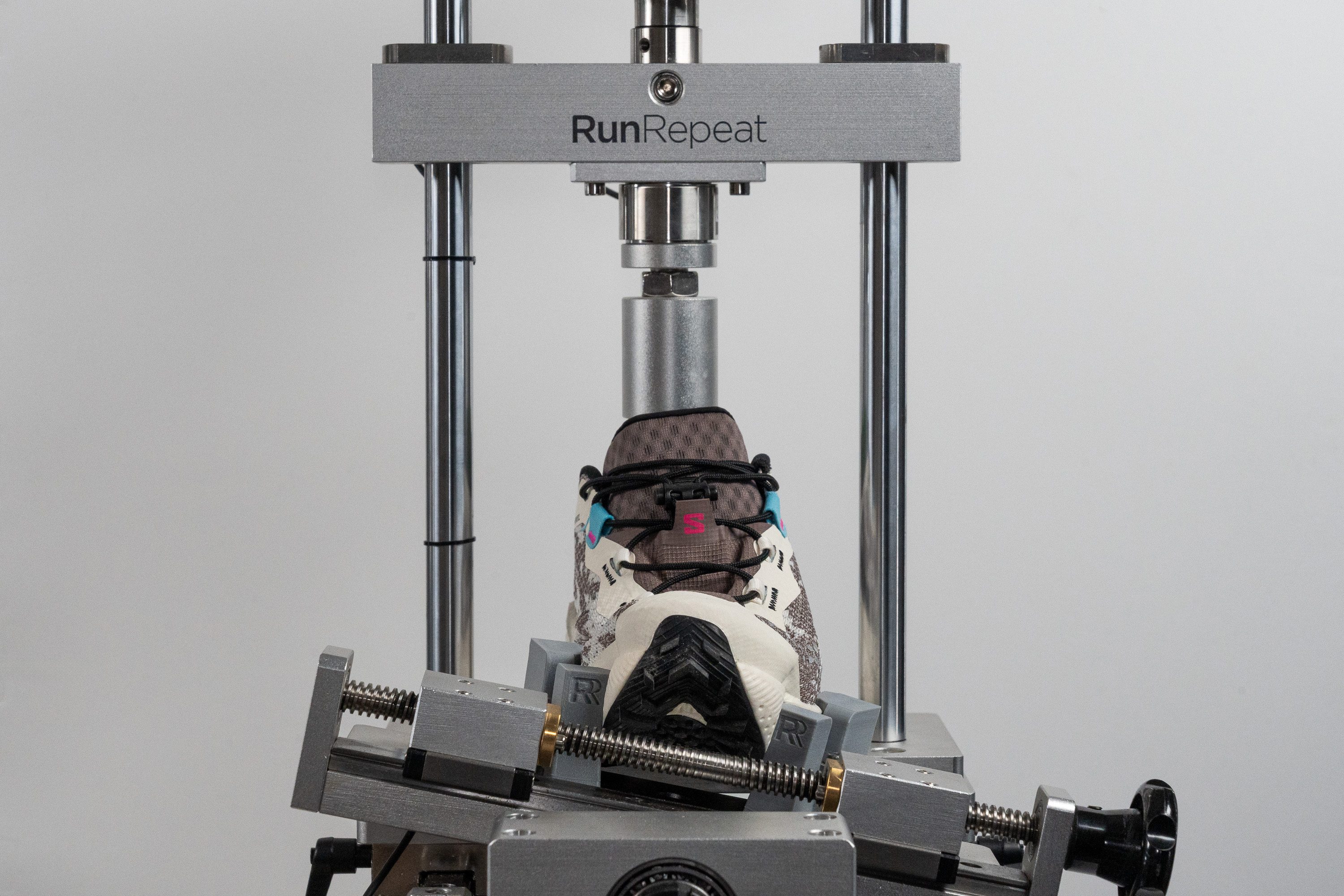
The torsional rigidity test also produced an above-average result of 18.1 Nm, which is hardly surprising considering the two biggest factors here are the outsole design, with no dedicated flex cutouts, and the tall stack height.
| Aero Glide 4 GRVL | 18.1 Nm |
| Average | 15.8 Nm |
Heel counter stiffness
The heel counter in this version also helps explain the slightly more supportive feel, as we rated it a 3 instead of a 2.
| Aero Glide 4 GRVL | 3 |
| Average | 3 |
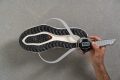
Midsole width - forefoot
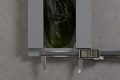
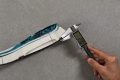
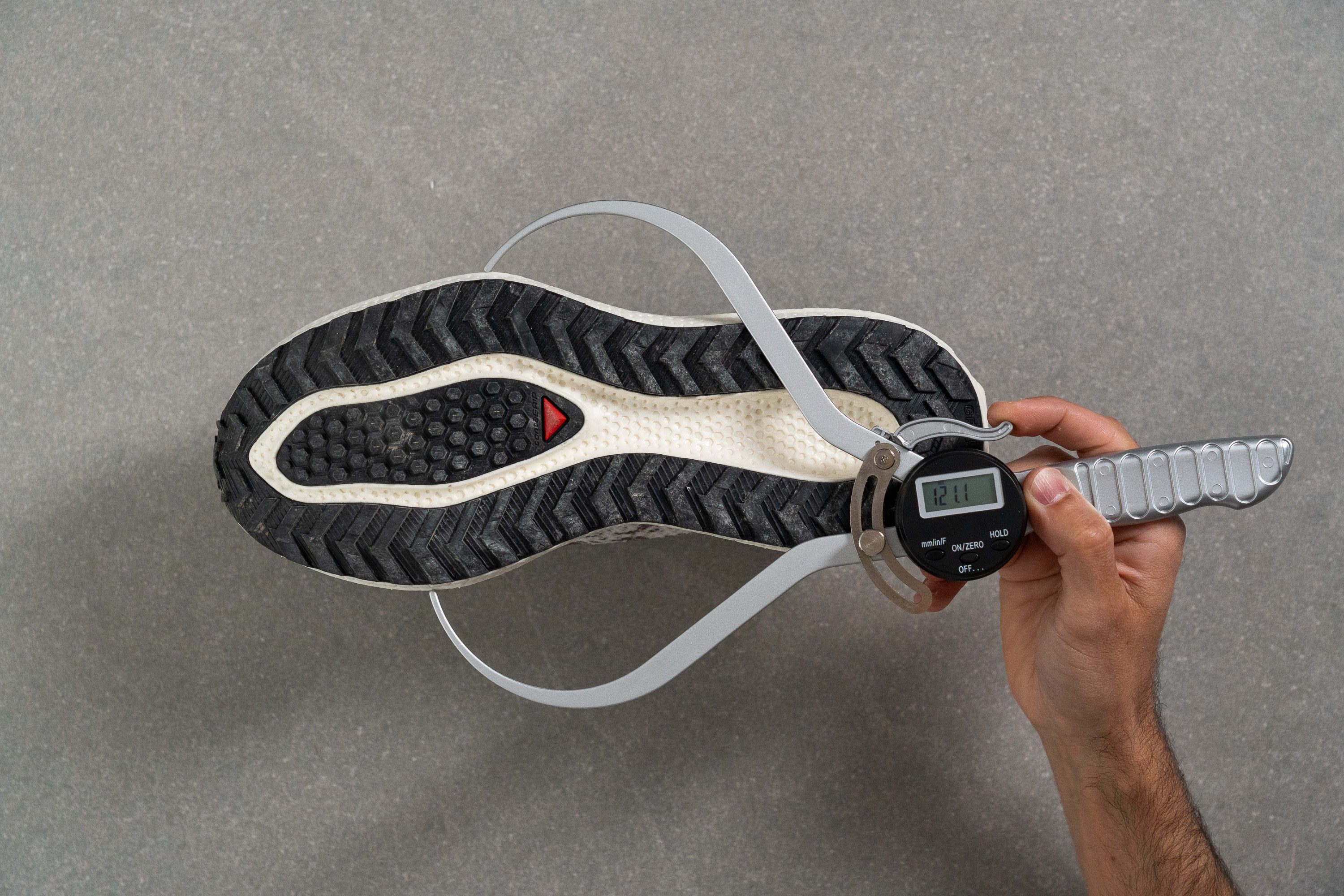
Our 121.1 mm forefoot measurement confirms that the Aero Glide 4 sits on a very wide platform.
However, it doesn't feel bulky, something that comes from the more streamlined forefoot shape, which uses a narrower midfoot with a forefoot that tapers aggressively toward the toe area.
| Aero Glide 4 GRVL | 121.1 mm |
| Average | 114.3 mm |
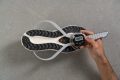
Midsole width - heel
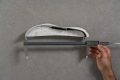
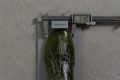
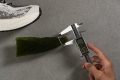
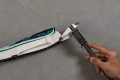
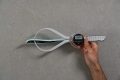
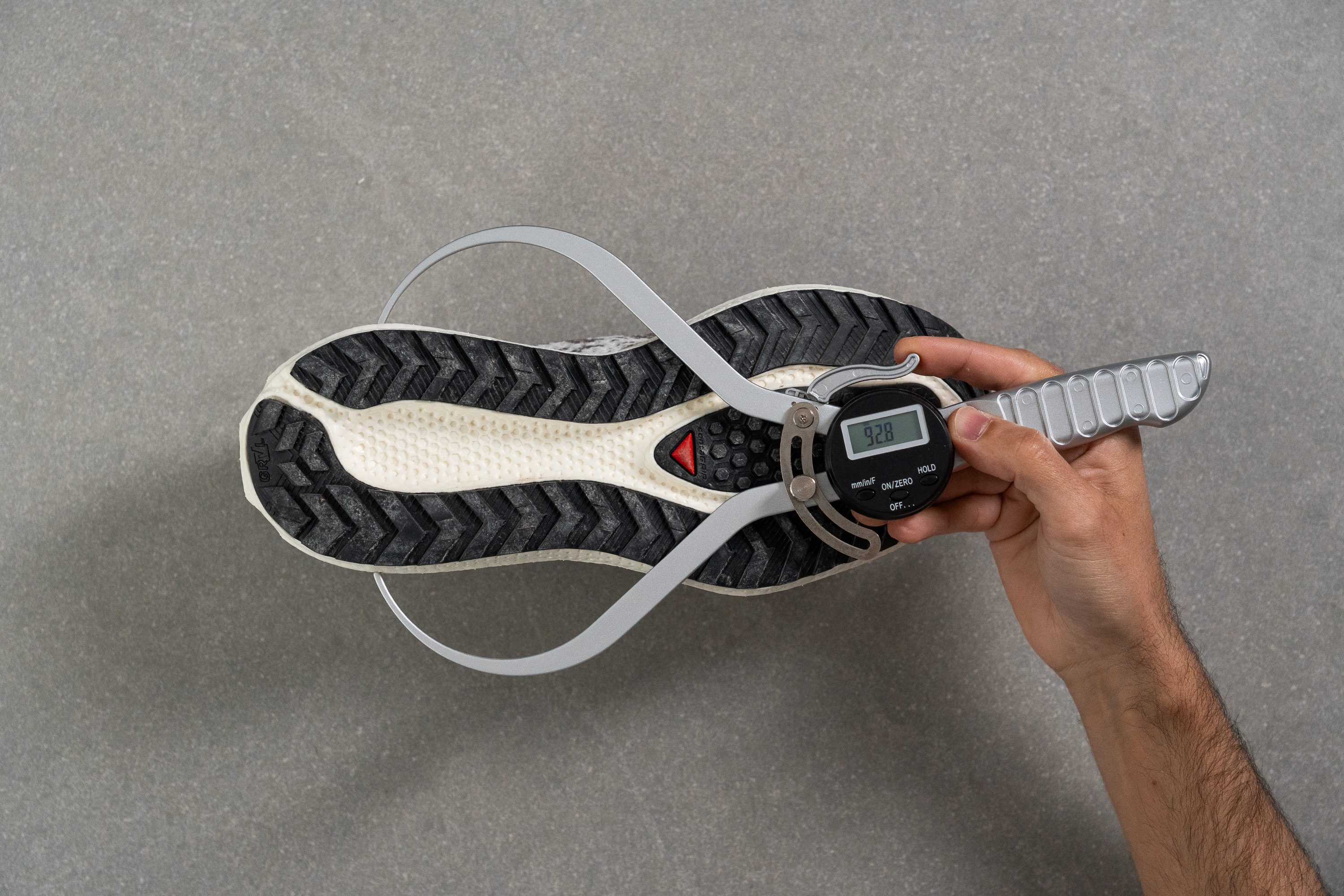
We also measured the heel with our digital calipers and recorded 92.8 mm.
This dimension further explains why the shoe feels highly cushioned without crossing into the oversized or clumsy sensation found in some max-stack models.
| Aero Glide 4 GRVL | 92.8 mm |
| Average | 90.5 mm |
Durability
Toebox durability
The upper of the Aero Glide 4 GRVL uses a wide mix of materials and includes plenty of reinforcement to prevent small rocks from gravel roads from damaging the shoe too quickly. In that context, the 3/5 result we recorded here is also a positive outcome.
| Aero Glide 4 GRVL | 3 |
| Average | 3.1 |
Heel padding durability
The heel padding also earned a solid 3 out of 5, suggesting that premature wear should not be an issue for most runners.
| Aero Glide 4 GRVL | 3 |
| Average | 3.1 |
Outsole durability
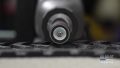
We found the Gravel ContaGRIP outsole more durable than its road counterpart, as our Dremel test left only a 0.7 mm dent once we lifted the tool. That’s an excellent result and further supports the idea that this version is likely the better choice for runners prioritizing durability.
| Aero Glide 4 GRVL | 0.7 mm |
| Average | 0.9 mm |
Outsole thickness
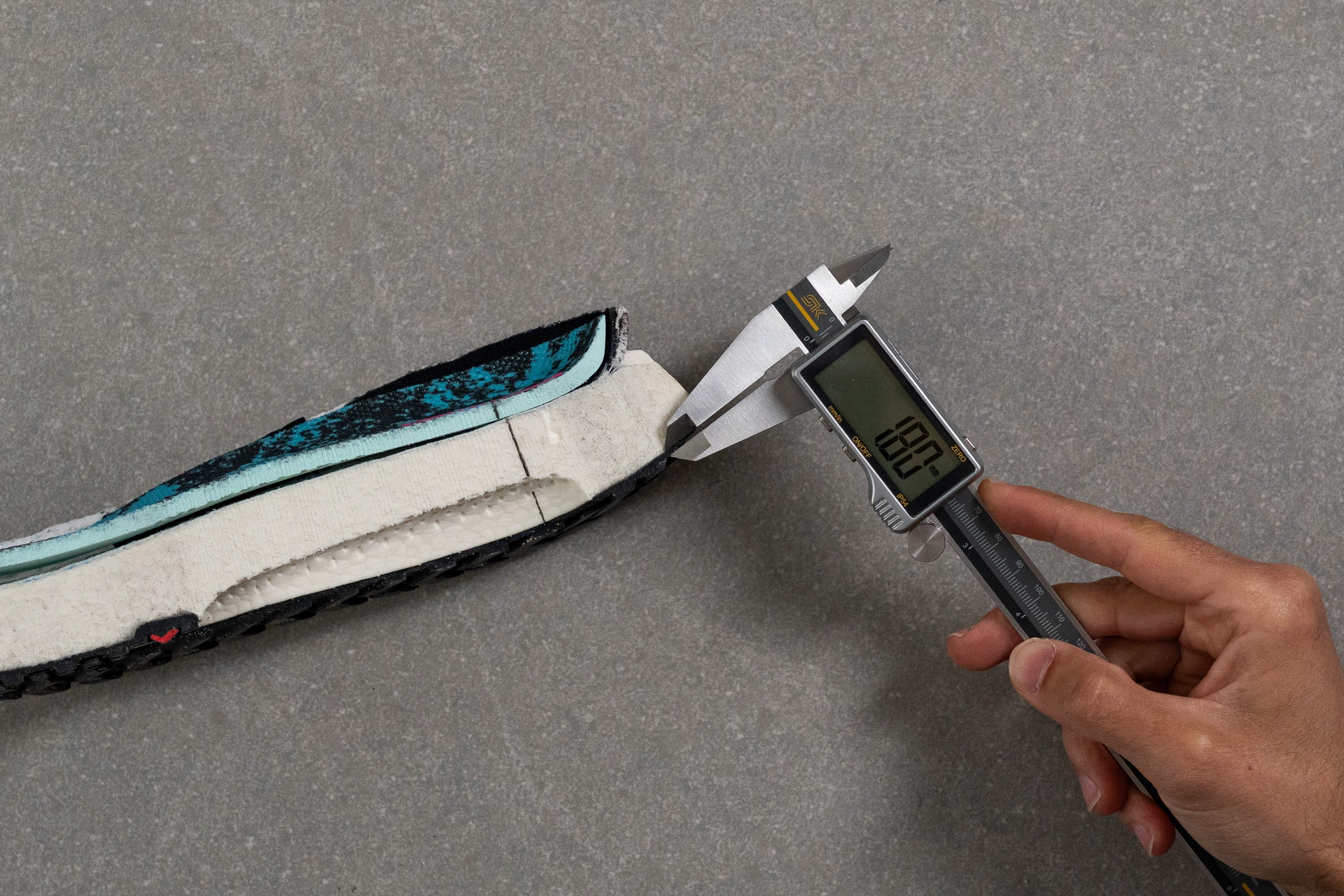
The outsole measures 1.8 mm thick, which is below average, but it makes sense considering this shoe sits between traditional trail models and road-focused options, fully embracing its road-to-trail identity.
| Aero Glide 4 GRVL | 1.8 mm |
| Average | 1.9 mm |
Misc
Insole thickness
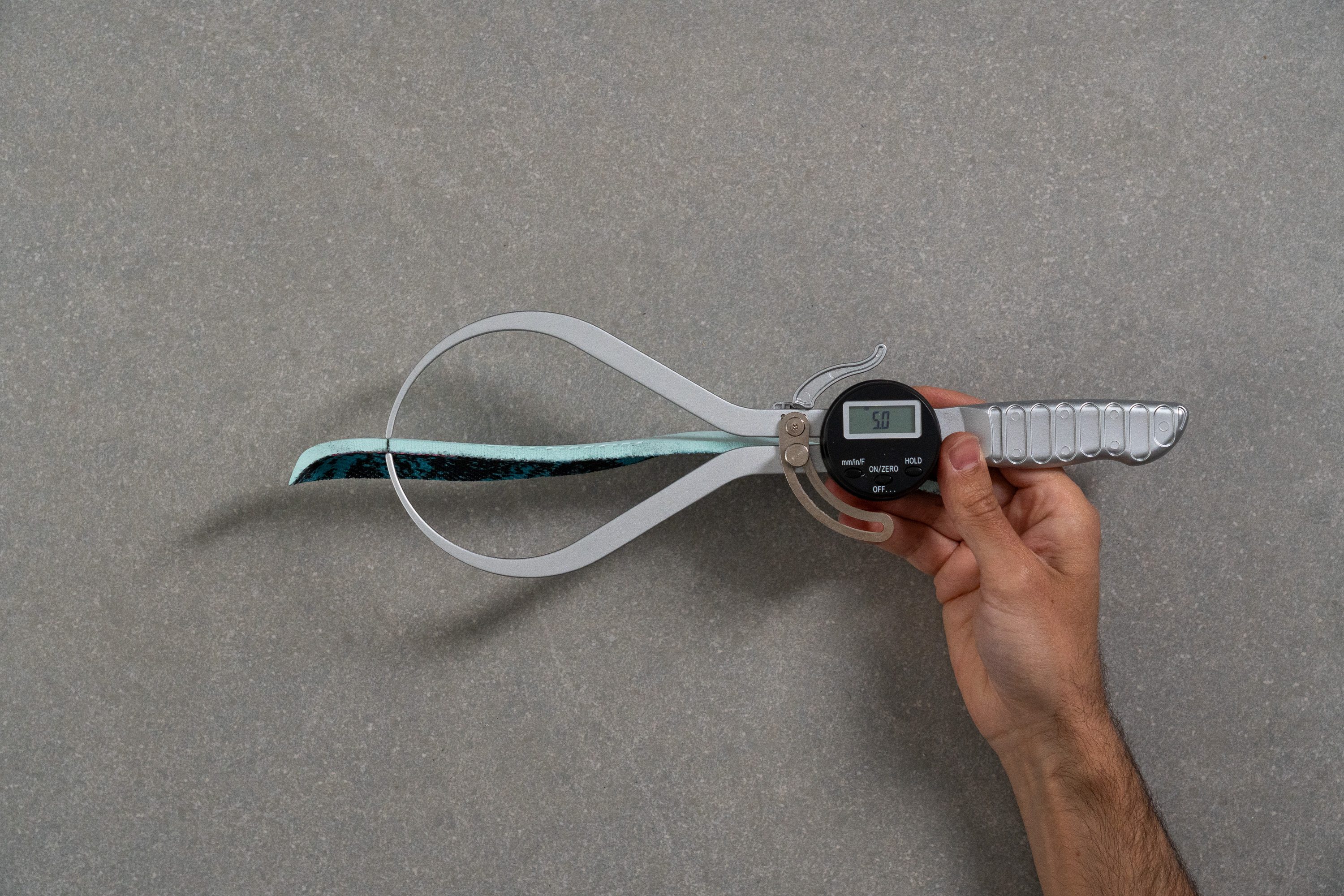
At 5.0 mm, the included insole is slightly thicker than average, although only by a very small margin.
| Aero Glide 4 GRVL | 5.0 mm |
| Average | 4.6 mm |
Removable insole
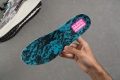
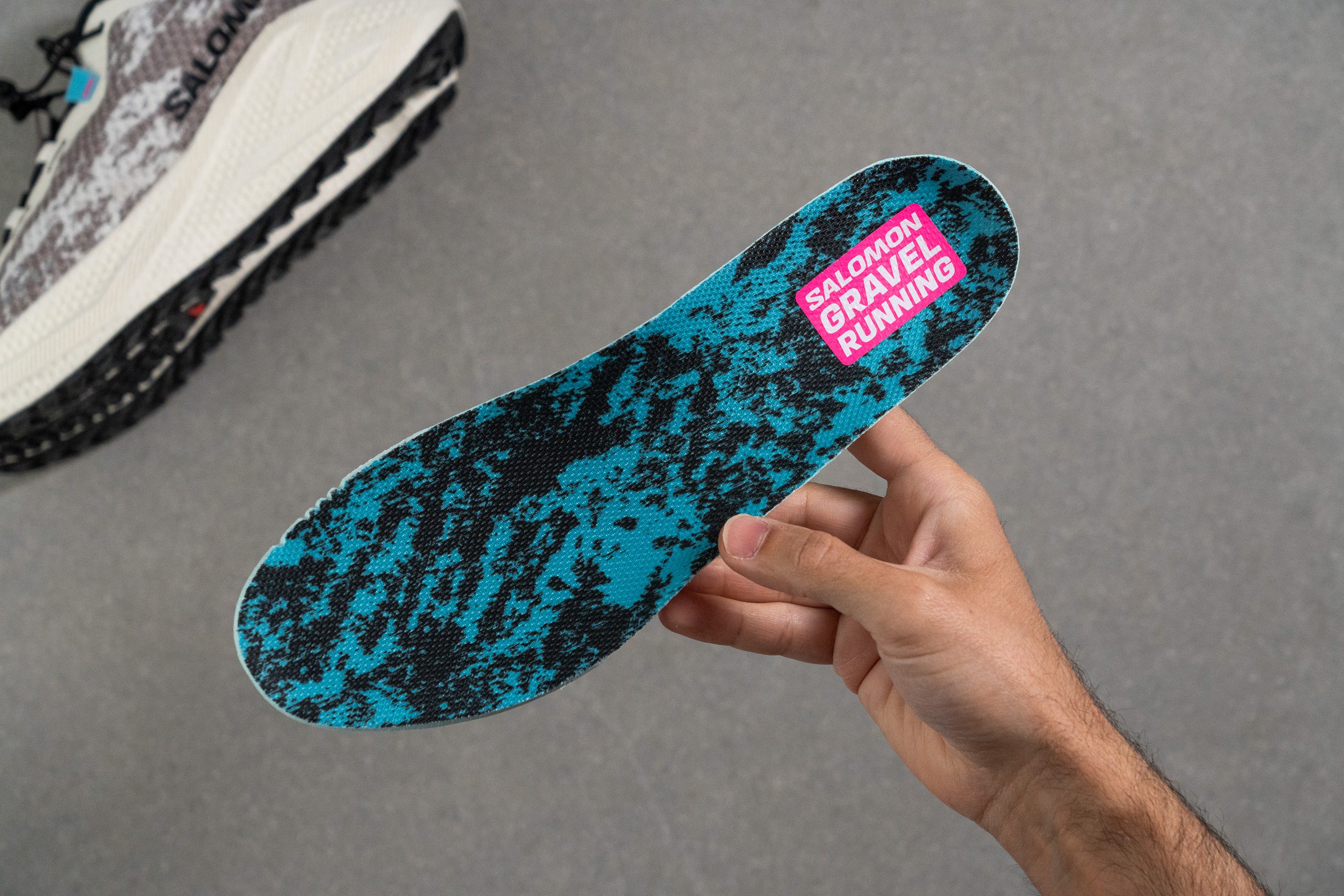
The insole makes it very clear that Salomon is fully embracing the gravel category, and it can also be easily replaced if needed.
| Aero Glide 4 GRVL | Yes |
Reflective elements
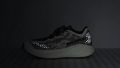
The Salomon Aero Glide 4 GRVL delivers excellent 360-degree reflectivity for improved visibility in low-light conditions.
| Aero Glide 4 GRVL | Yes |
Tongue padding
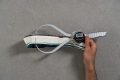
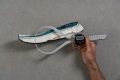
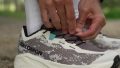
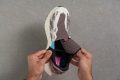
The Aero Glide 4 uses the new Salomon’s QuickLace Neo system, clearly reinforcing its trail-focused identity within the brand’s lineup. It also includes the usual lace garage, as shown in our video.
We found that the tongue features light padding (3.8 mm) that adds a bit of comfort without increasing weight too much. However, just like in the road version, we noticed that the tongue feels quite oversized, which may not work well for every runner.
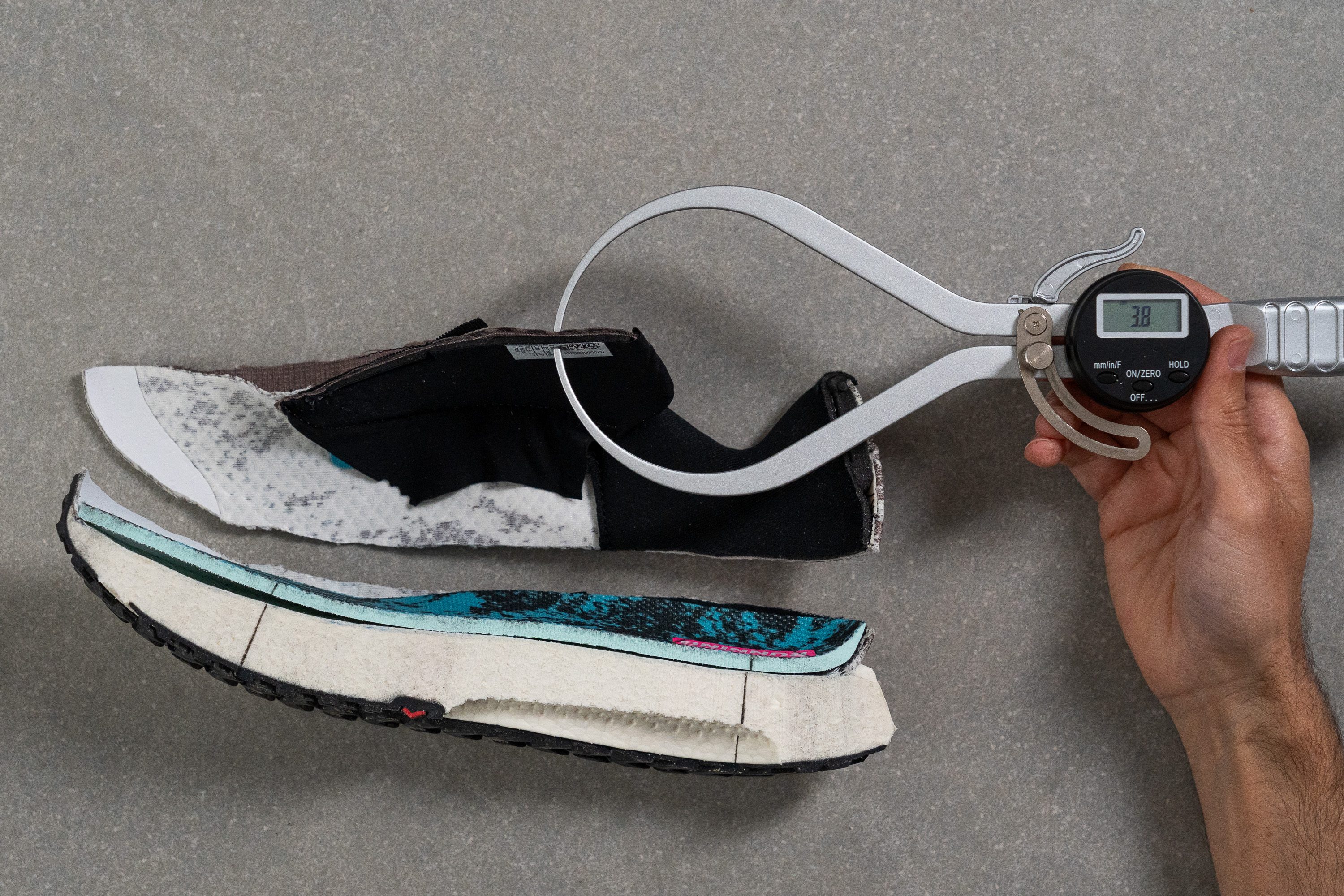
| Aero Glide 4 GRVL | 3.8 mm |
| Average | 6.4 mm |
Tongue: gusset type
The tongue features an unusual design that does an excellent job blocking debris, although it allows a slight amount of movement in the top section.
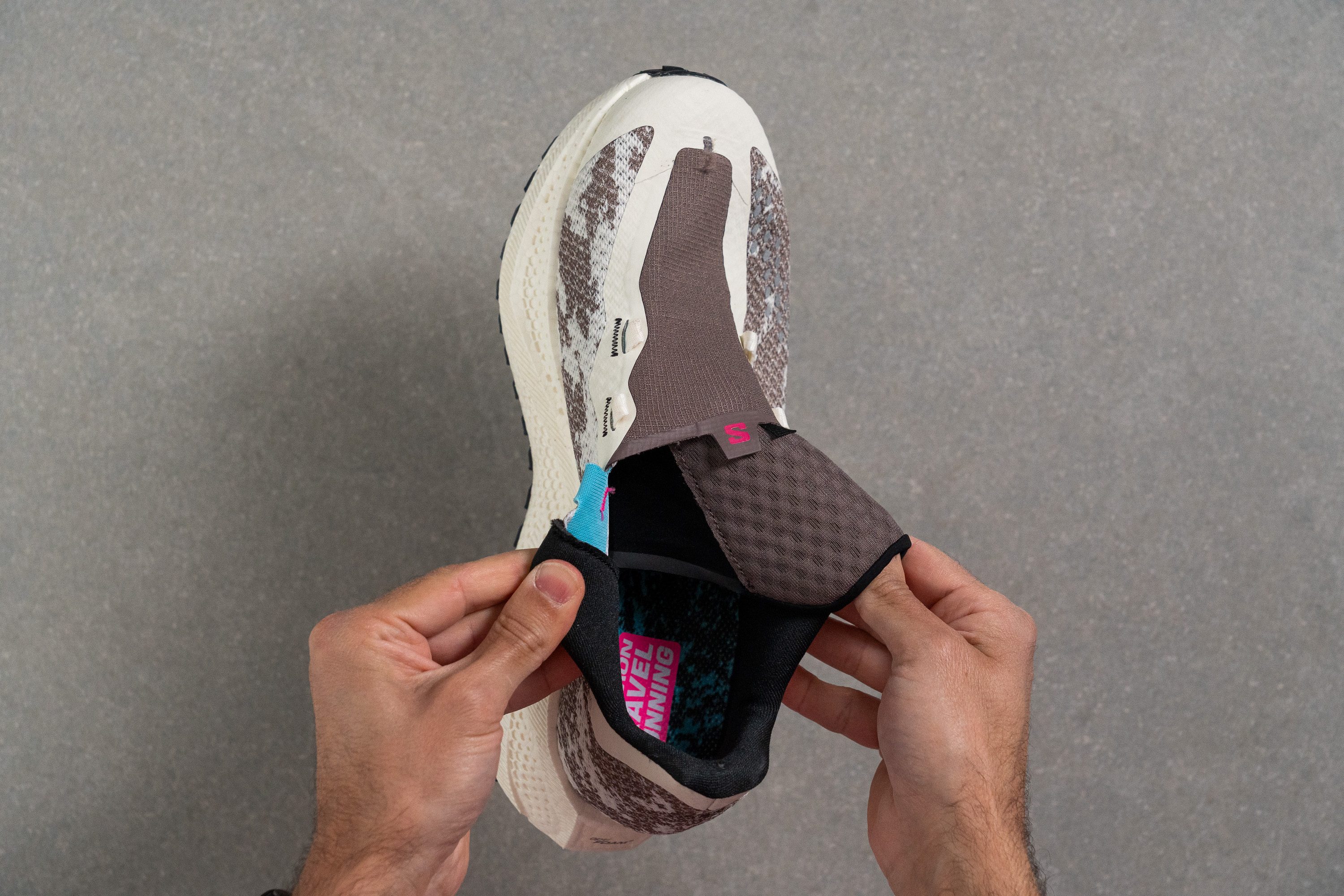
| Aero Glide 4 GRVL | Both sides (semi) |
Heel tab
Salomon opted for a simple heel design that skips both a finger-loop tab and the inside-out stitching found in the road version.
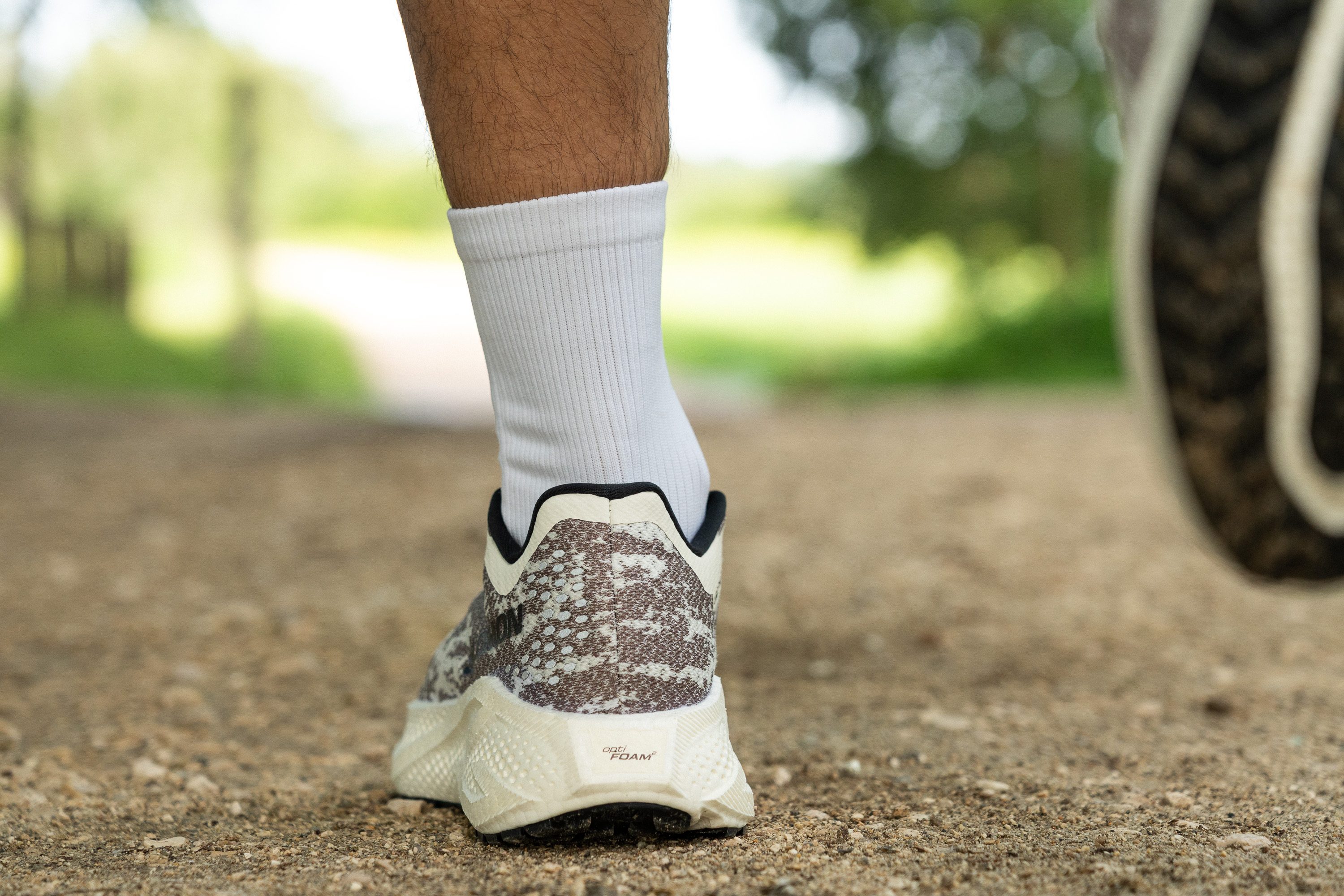
| Aero Glide 4 GRVL | None |
Price
If you value performance and an exciting ride, the Salomon Aero Glide 4 GRVL has very few true competitors right now. Its outstanding energy return and fair price make it one of the best-value gravel shoes currently available.
| Aero Glide 4 GRVL | $160 |
| Average | $160 |