













Our verdict
- Gravel 77
- Versatile 84
- Technical 60
Pros
- Stable for a max-stack trail shoe
- Smooth, rockered ride
- Excellent comfort
- Premium upper
- Solid traction results
- Versatile lug design for mixed terrain
- Easy-to-adjust Quicklace system
- High forefoot shock absorption
- Unique aesthetics
Cons
- Low energy return dulls the ride
- Pointy toebox
- Slightly heavy versus modern rivals
- Breathability should be better
Awards
- Top pick in best Salomon trail running shoes
- Top pick in best Salomon running shoes
- Top 29% most popular running shoes
Comparison
The most similar running shoes compared
+ + Add a shoe | |||||
|---|---|---|---|---|---|
| Our score | 79 Good | 83 Great | 83 Great | 79 Good | |
| Price | $160 | $155 | $145 | $135 | |
| Trail terrain | Gravel / Road-to-trailVersatile / Moderate terrain | Gravel / Road-to-trailVersatile / Moderate terrain | Gravel / Road-to-trailVersatile / Moderate terrain | Gravel / Road-to-trailVersatile / Moderate terrain | |
| Shock absorption | Moderate | High | High | High | |
| Energy return | Low | Moderate | Moderate | Moderate | |
| Traction | High | High | High | High | |
| Arch support | Neutral | Neutral | Neutral | Neutral | |
| Weight lab Weight brand | 10.4 oz / 295g | 9.5 oz / 269g 9.7 oz / 275g | 11.1 oz / 315g 11.9 oz / 337g | 10.2 oz / 289g 10.1 oz / 286g | |
| Drop lab Drop brand | 7.5 mm | 10.1 mm 8.0 mm | 7.0 mm 6.0 mm | 8.0 mm 6.0 mm | |
| Strike pattern | Mid/forefoot | Heel | Mid/forefoot | HeelMid/forefoot | |
| Size | True to size | True to size | - | - | |
| Midsole softness | Balanced | Soft | Soft | Balanced | |
| Difference in midsole softness in cold | Small | Normal | Big | Small | |
| Plate | ✗ | ✗ | Rock plate | ✗ | |
| Toebox durability | Good | Good | Good | Decent | |
| Heel padding durability | Decent | Good | Good | Good | |
| Outsole durability | Good | Good | Good | Good | |
| Breathability | Moderate | Breathable | Moderate | Moderate | |
| Width / fit | Medium | Medium | Medium | Wide | |
| Toebox width | Medium | Medium | Medium | Medium | |
| Stiffness | Stiff | Moderate | Moderate | Stiff | |
| Torsional rigidity | Moderate | Flexible | Stiff | Moderate | |
| Heel counter stiffness | Stiff | Stiff | Stiff | Moderate | |
| Lug depth | 3.9 mm | 3.7 mm | 3.8 mm | 3.5 mm | |
| Heel stack lab Heel stack brand | 38.6 mm | 40.2 mm 42.0 mm | 37.2 mm 33.5 mm | 38.3 mm 36.5 mm | |
| Forefoot lab Forefoot brand | 31.1 mm | 30.1 mm 34.0 mm | 30.2 mm 27.5 mm | 30.3 mm 30.5 mm | |
| Widths available | NormalWide | NormalWide | Normal | Normal | |
| For heavy runners | ✓ | ✗ | ✗ | ✓ | |
| Season | All seasons | SummerAll seasons | All seasons | All seasons | |
| Removable insole | ✓ | ✓ | ✓ | ✓ | |
| Orthotic friendly | ✓ | ✓ | ✓ | ✓ | |
| Ranking | #240 Bottom 40% | #157 Top 39% | #172 Top 43% | #259 Bottom 35% | |
| Popularity | #116 Top 29% | #51 Top 13% | #215 Bottom 46% | #349 Bottom 13% |

Who should buy
In our view, the Salomon Ultra Glide 4 is a great choice for:
- Forefoot strikers looking for a max-cushioned trail shoe with a bold design and enough versatility for mixed terrain.
- Those with narrow feet who want a secure fit and a comfortable ride for long trail runs.
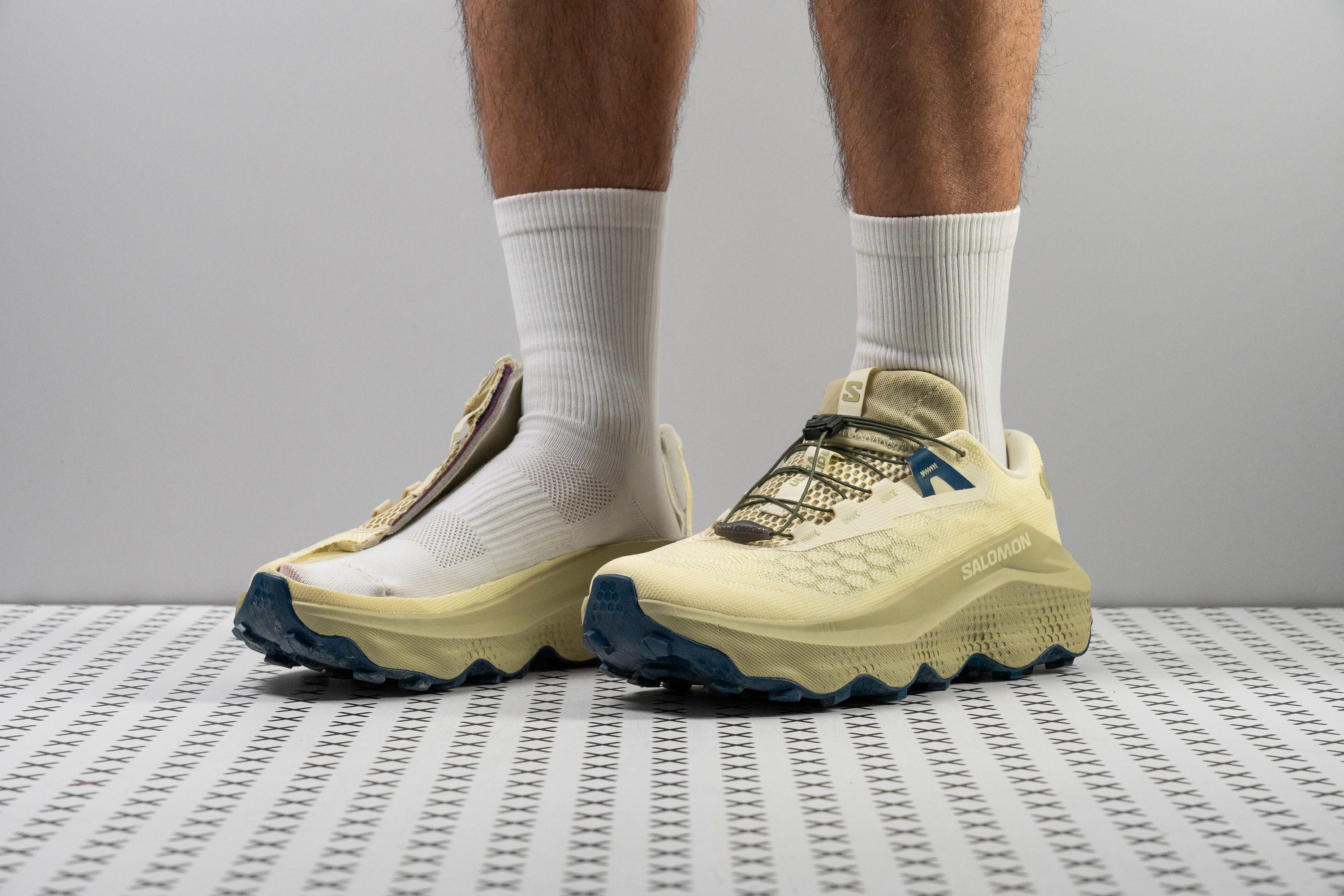
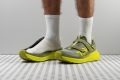
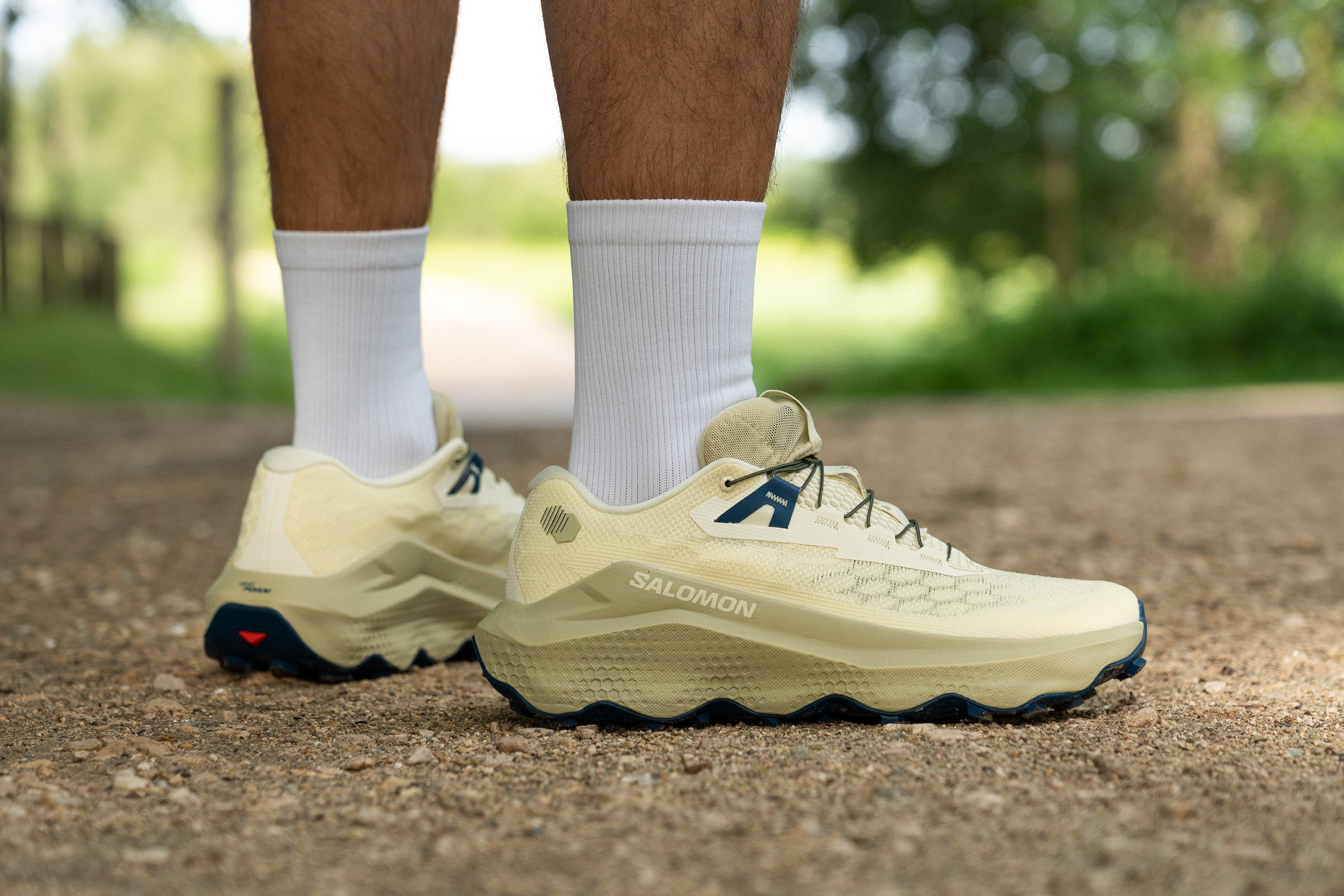
- Trail runners who enjoy bold, standout designs that look completely different from most shoes on the market.
- Salomon fans searching for a high-stack model that keeps the brand’s signature Quicklace system.
Who should NOT buy
Runners chasing a fast ride may end up disappointed with the Ultra Glide 4. We found in the lab that its Energy Foam midsole lacks rebound, so we believe better choices exist for a similar price—like the KIPRUN Kipsummit Max or Salomon Aero Glide 4 GRVL.
We also think this shoe favors runners with narrow feet due to its sharply-tapered forefoot shape. In our experience, those needing extra toe splay will likely feel restricted, and we recommend considering the Altra Olympus 6 or Nike Zegama 2 instead.
Cushioning
Shock absorption
Here in the lab, we usually find noticeably higher shock absorption in the heel than in the forefoot, but the Ultra Glide 4 completely breaks that pattern. We measured 122 SA in the heel, which sits around our current average, while the forefoot reached an impressive 121 SA.
| Ultra Glide 4 | 122 SA |
| Average | 122 SA |
Energy return
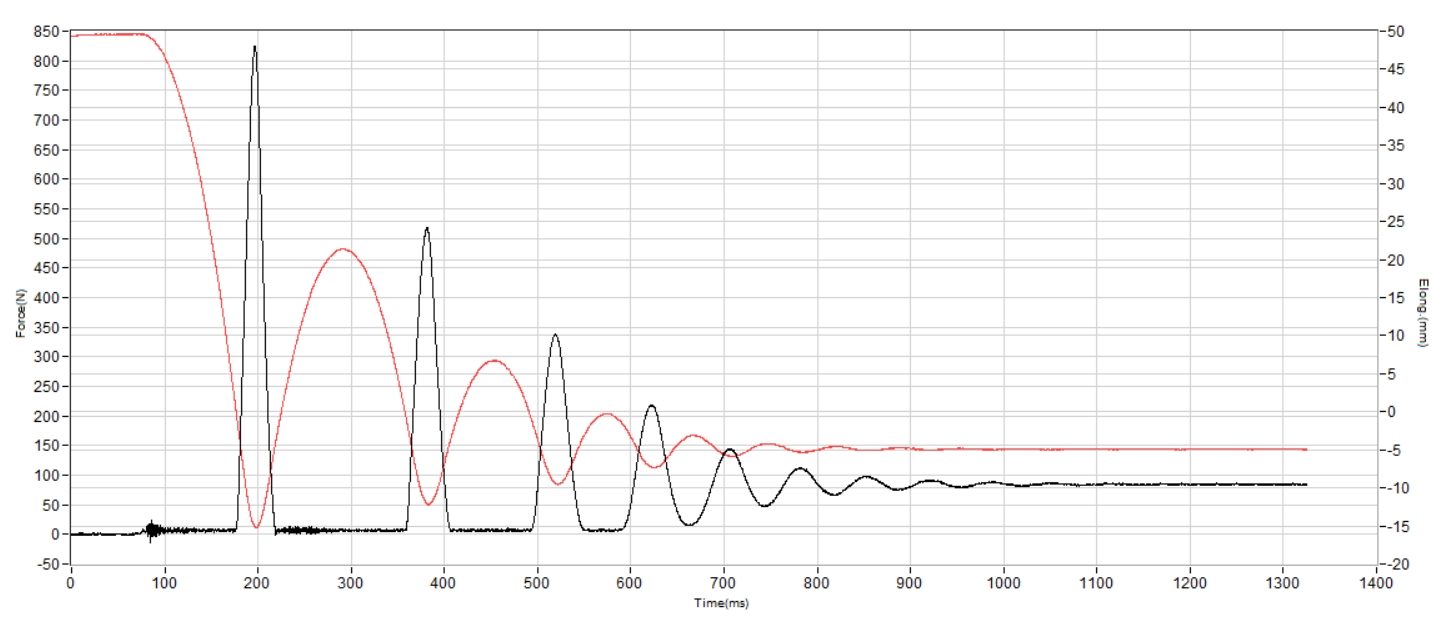
Where we found truly disappointing results was in energy return. In fact, the numbers were quite poor, as the Ultra Glide 4 managed only 47.6% in the heel and 51.6% in the forefoot during our testing.
Those figures point to one clear issue: the Energy Foam midsole feels outdated and needs to be replaced with a more modern, higher-rebound compound.
| Ultra Glide 4 | 51.6% |
| Average | 59.7% |
Heel stack
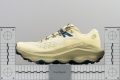
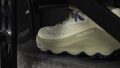
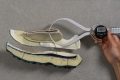
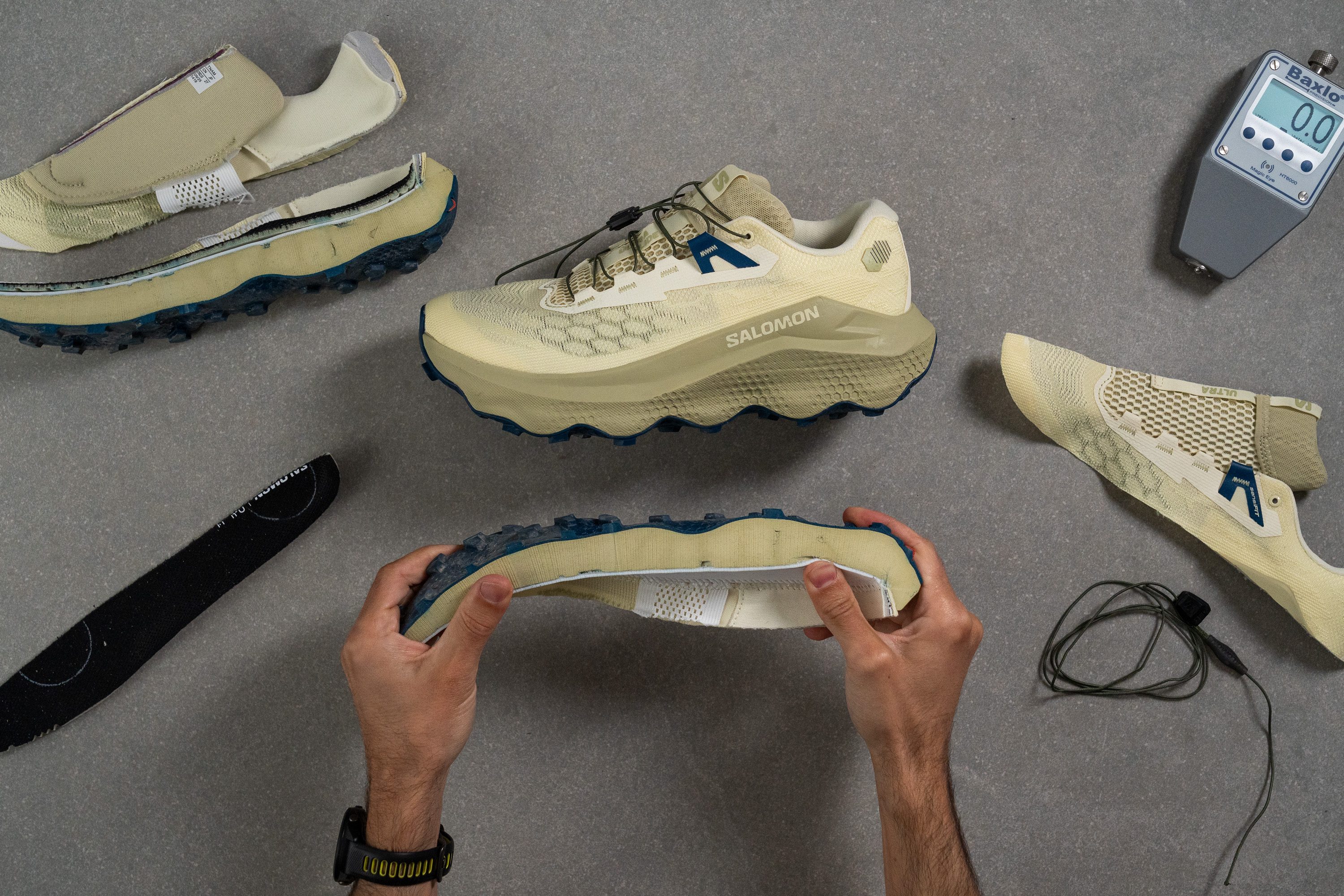
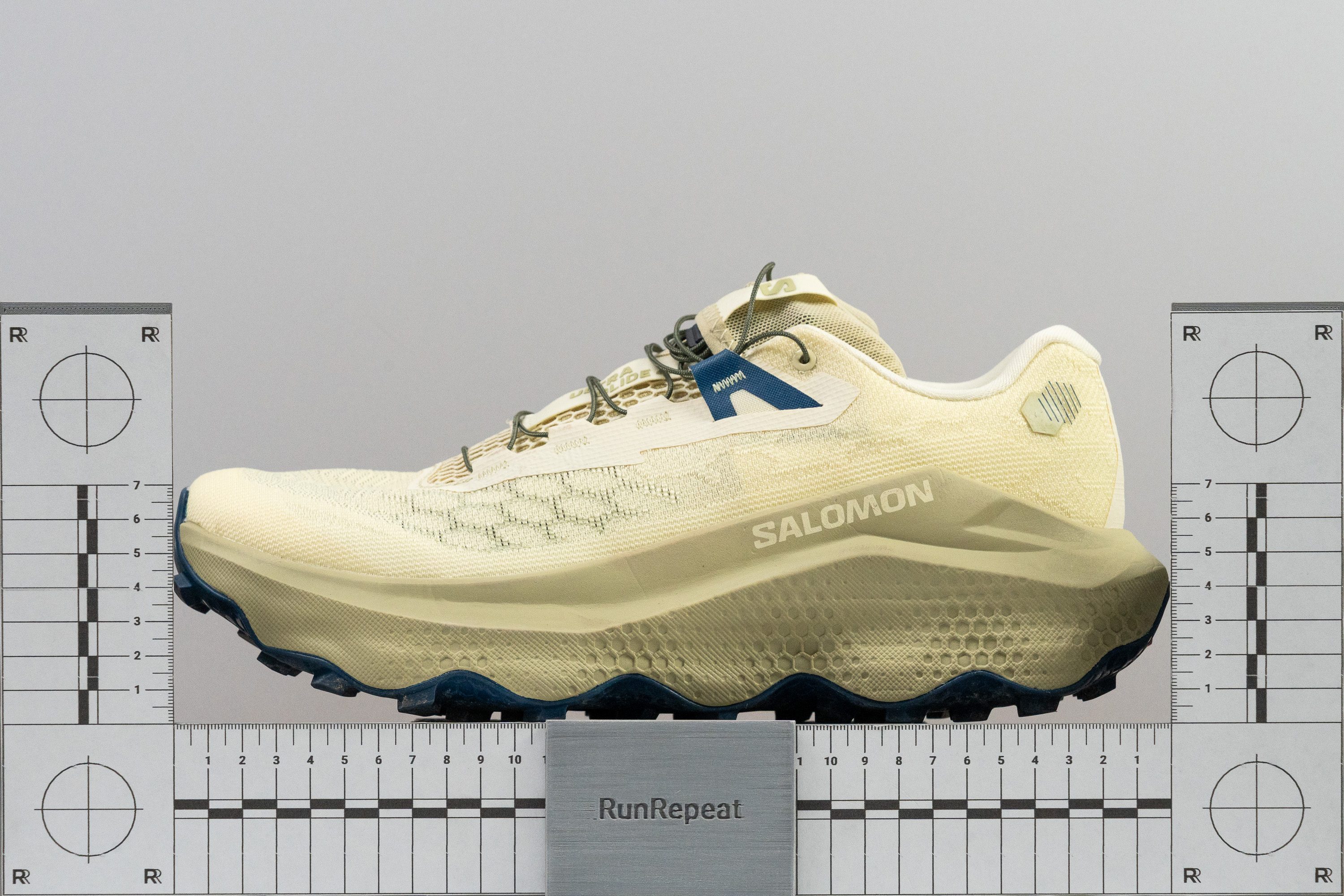
In our photo, you can clearly spot Salomon’s relieveSPHERE geometry, visible through the wave-like curves sculpted into the midsole. And we also proved that the Ultra Glide 4 reaches a towering 38.6 mm in the heel, confirming its max-stack design for a trail shoe.
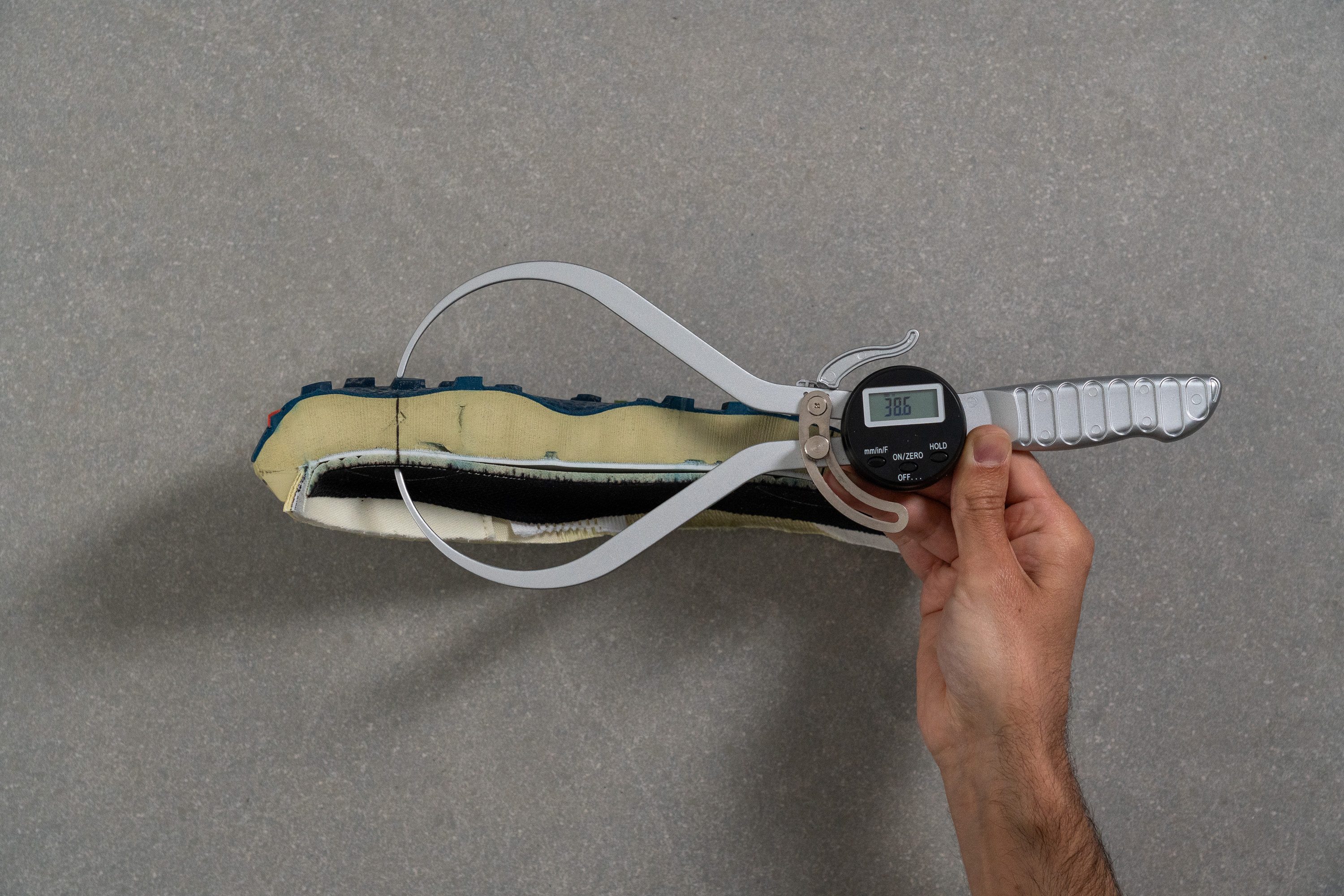
| Ultra Glide 4 | 38.6 mm |
| Average | 32.9 mm |
Forefoot stack
The forefoot is also impressively tall for a trail shoe, reaching 31.1 mm in our measurements and creating a highly-protective ride for runners who enjoy feeling isolated from the terrain. However, those seeking a more ground-connected experience should definitely look elsewhere.
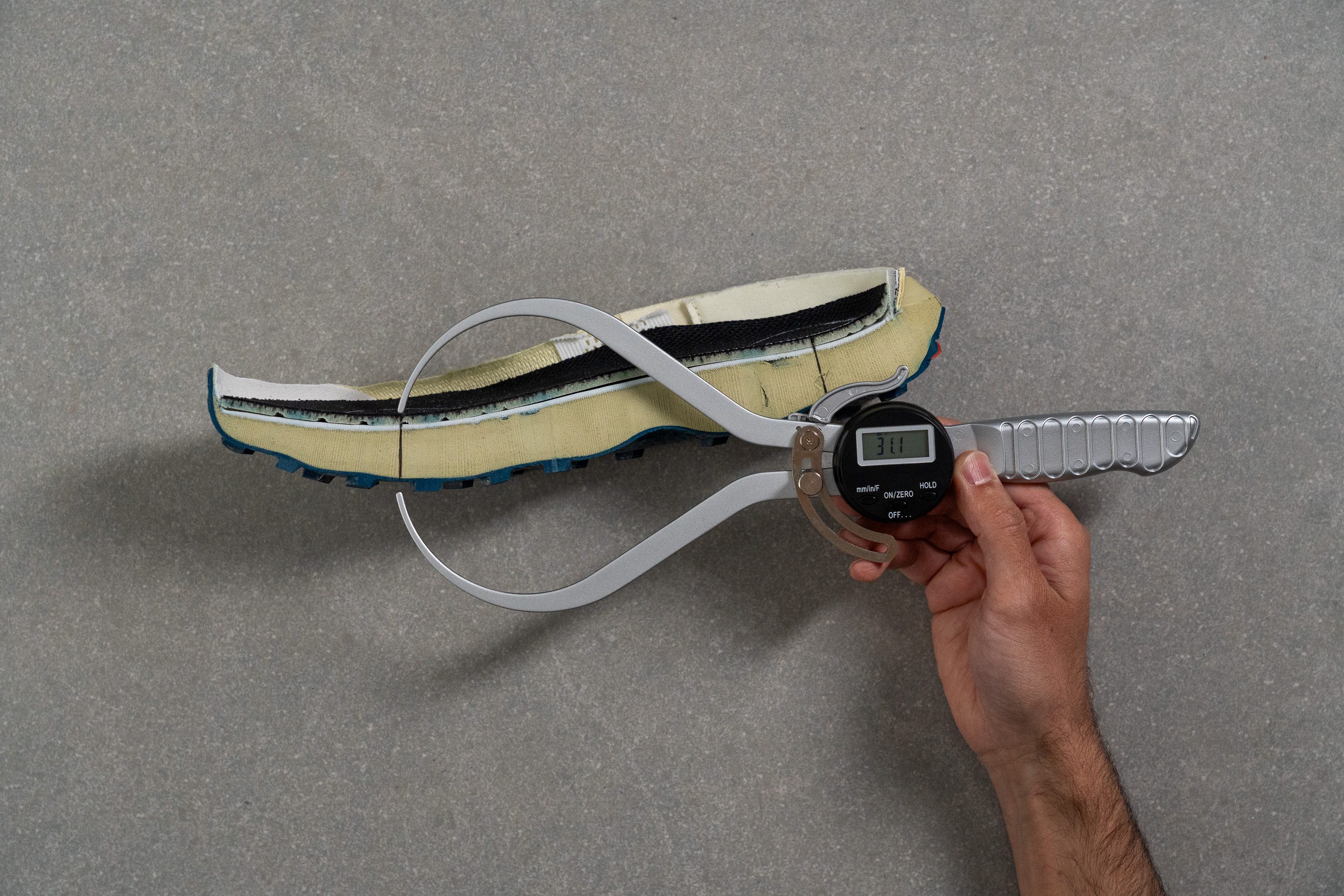
| Ultra Glide 4 | 31.1 mm |
| Average | 25.7 mm |
Drop
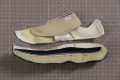
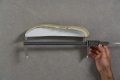
Salomon states a 6 mm drop, and during our test runs we had no reason to seriously question that claim. However, once we sliced the shoe in half and measured it in the lab, we recorded an actual drop of 7.5 mm.
That difference is simply too small to notice while running, and if you doubt it, grab a measuring tape and see just how tiny 1.5 mm really is.
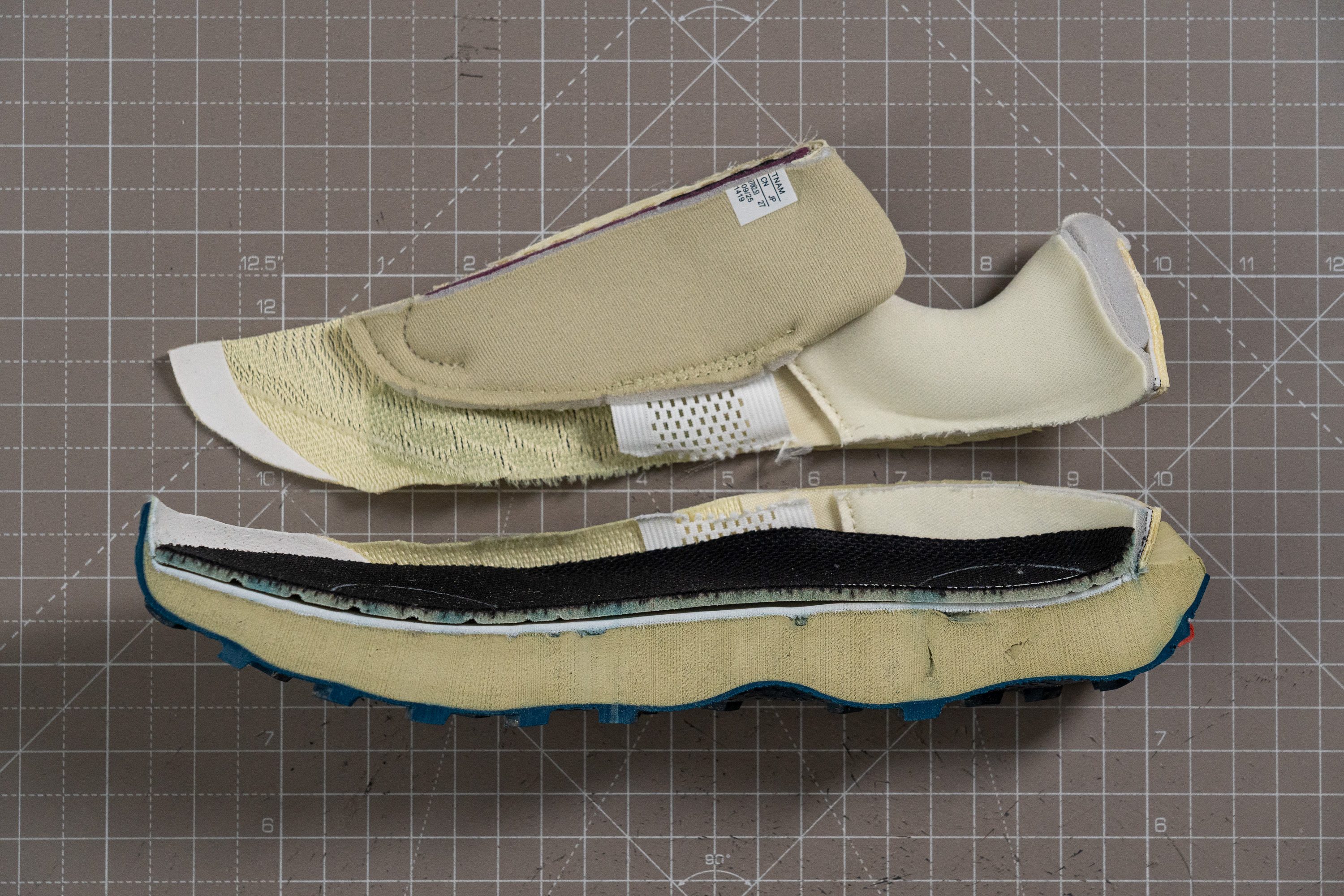
| Ultra Glide 4 | 7.5 mm |
| Average | 7.2 mm |
Midsole softness
The Salomon Ultra Glide 4 clearly targets runners who dislike classic, old-school trail shoes. Its aggressively-rockered midsole with unusual shapes pairs with a softer-than-average foam that scored 33.1 AC in our lab.
The ride is heavily comfort-focused, and the plush Energy Foam further highlights the lack of rebound. However, if speed is not a priority for you, this setup may still feel quite enjoyable.
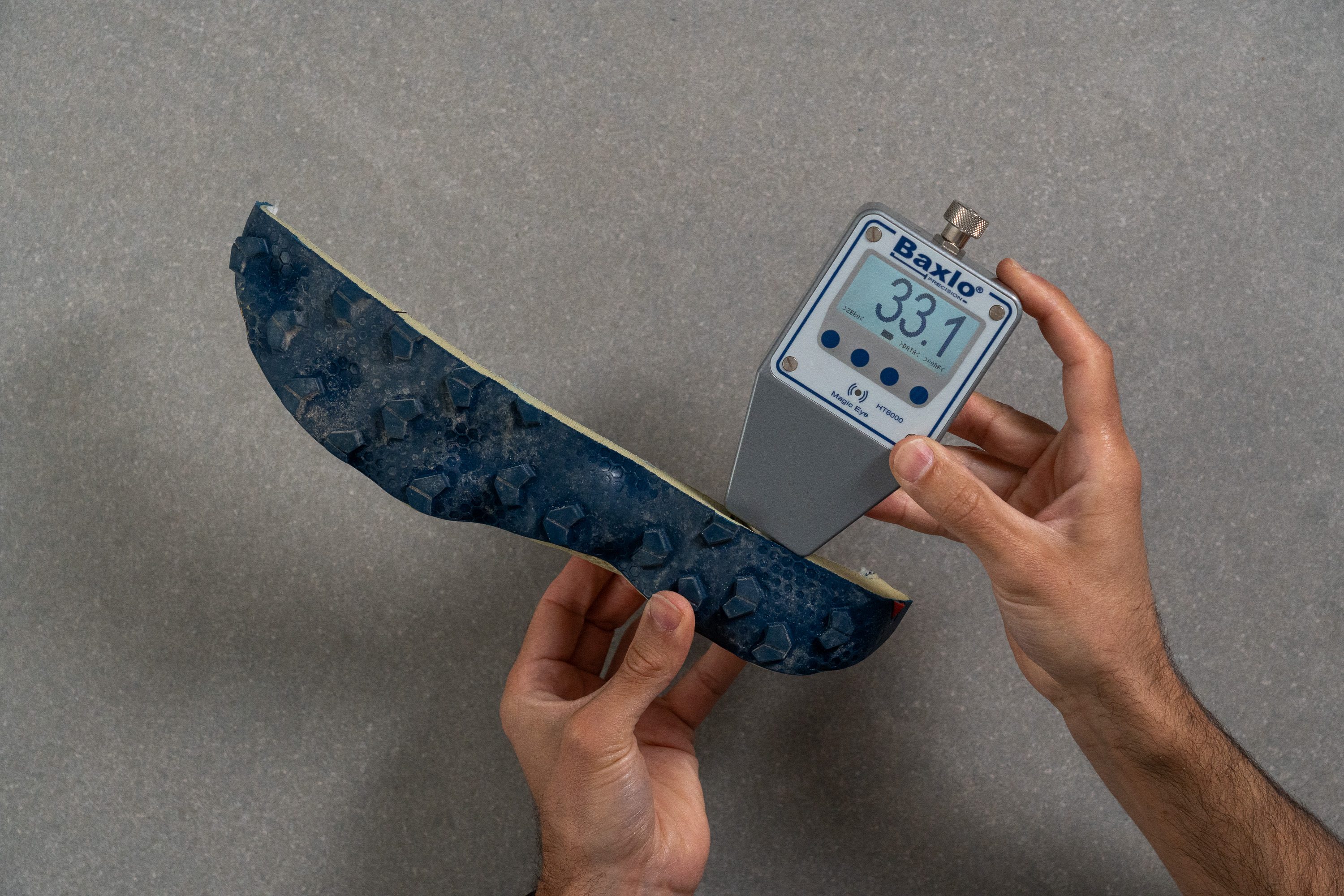
| Ultra Glide 4 | 33.1 AC |
| Average | 38.3 AC |
Rocker
Salomon equipped the Ultra Glide 4 with its distinctive relieveSPHERE technology, pairing a deeply-rockered platform with wave-like sculpting along the lower section of the midsole where it merges with the outsole.
The brand claims that this unusual design helps reduce fatigue-related hot spots during long runs. It may offer some benefit, but we wouldn’t expect dramatic results, and in our view, a better foam with improved shock absorption would have made a far bigger difference.
Size and fit
Size
Salomon Ultra Glide 4 fits true to size (17 votes).
Internal length
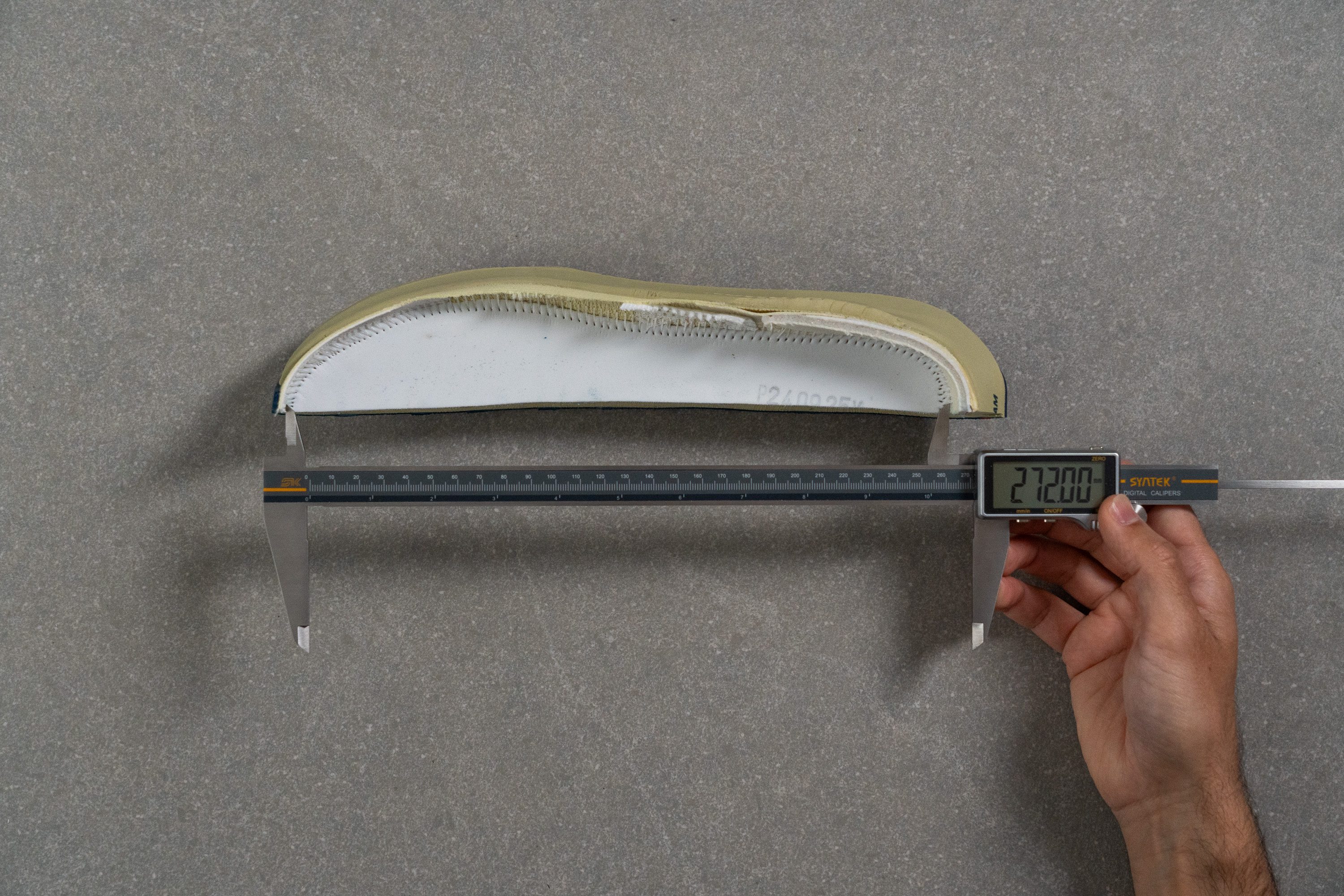
| Ultra Glide 4 | 272.0 mm |
| Average | 269.1 mm |
Width / Fit
Anyone who has tried Salomon shoes before already knows that the brand usually favors snug, narrow-fitting designs, making them a strong choice for runners with slim feet.
With the Ultra Glide 4, we found that Salomon stayed very close to that formula, offering limited room for toe splay alongside a highly-secure wrap around the arch and first MTP joint. In our first measurement, we found 94.0 mm.
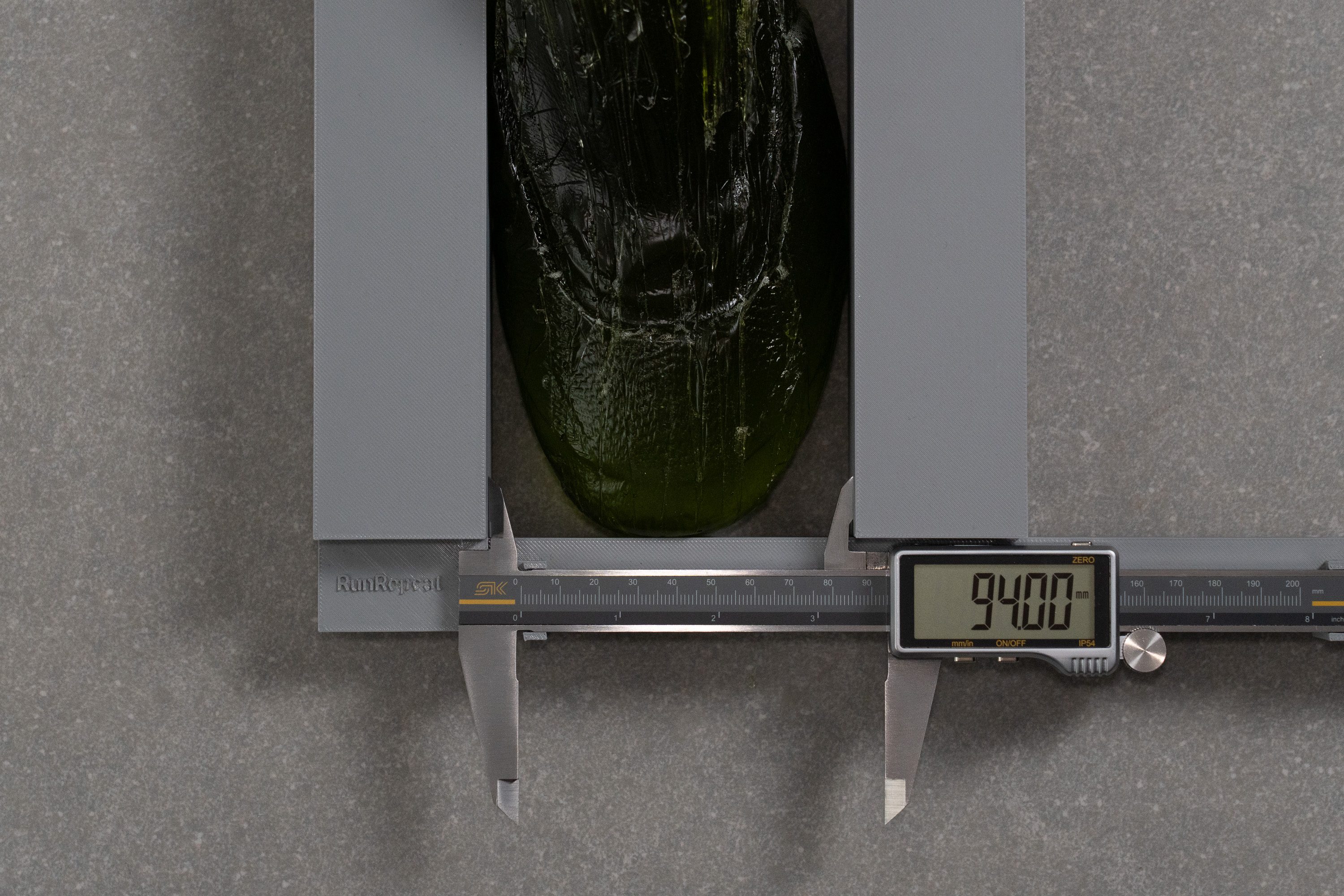
| Ultra Glide 4 | 94.0 mm |
| Average | 95.7 mm |
Toebox width
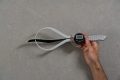
However, the second toebox measurement is the one that truly reveals the shape of the forefoot. At just 71.4 mm, the Ultra Glide 4 features an unmistakably pointy design, so you really need to be comfortable with that fit, especially for long-distance runs or ultras.
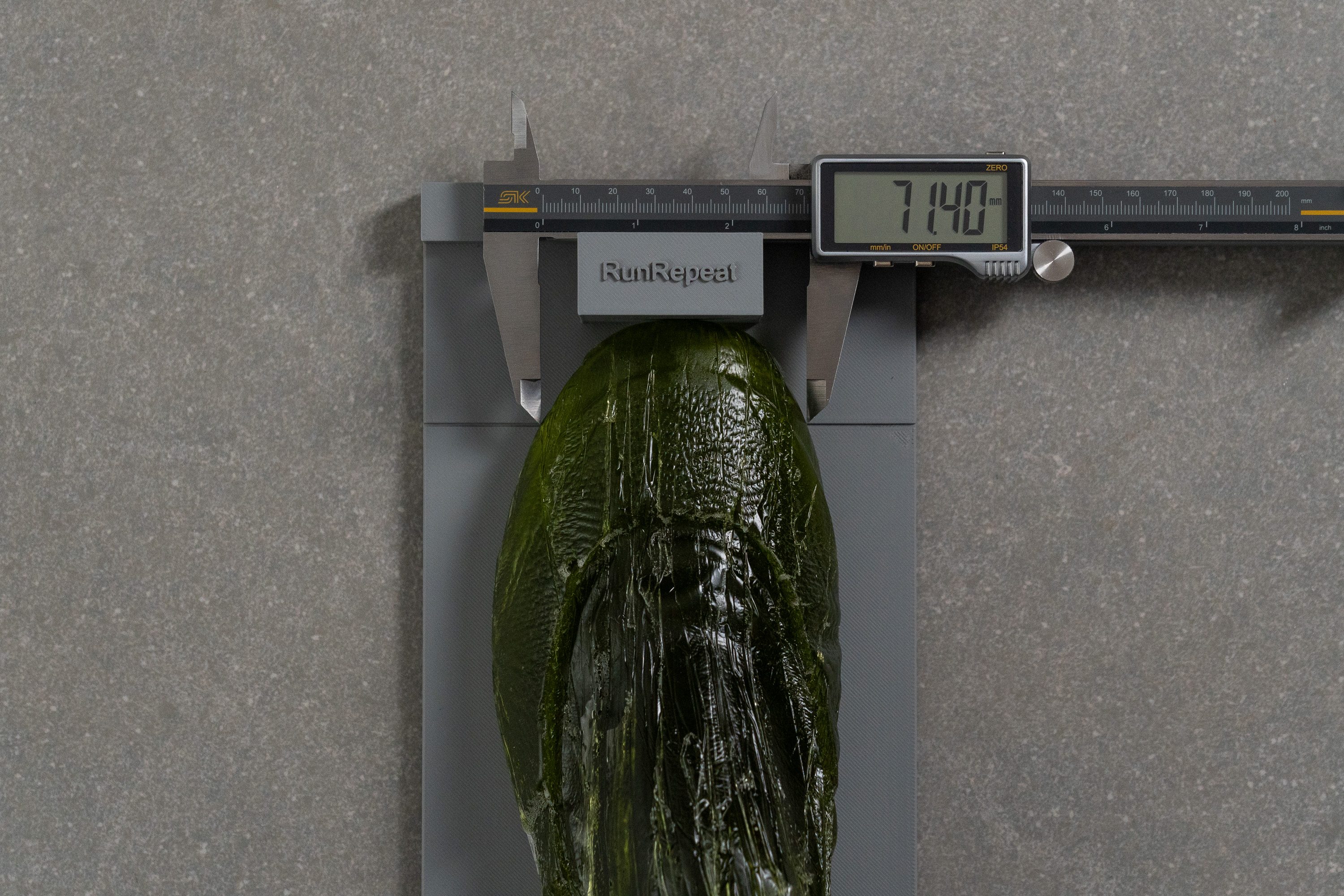
| Ultra Glide 4 | 71.4 mm |
| Average | 74.3 mm |
Toebox height
Where we found absolutely no restrictions was in toebox height.
The Ultra Glide 4 offers a massively-generous 28.8 mm of vertical clearance, a sky-high result that should create comfort issues for virtually no one.
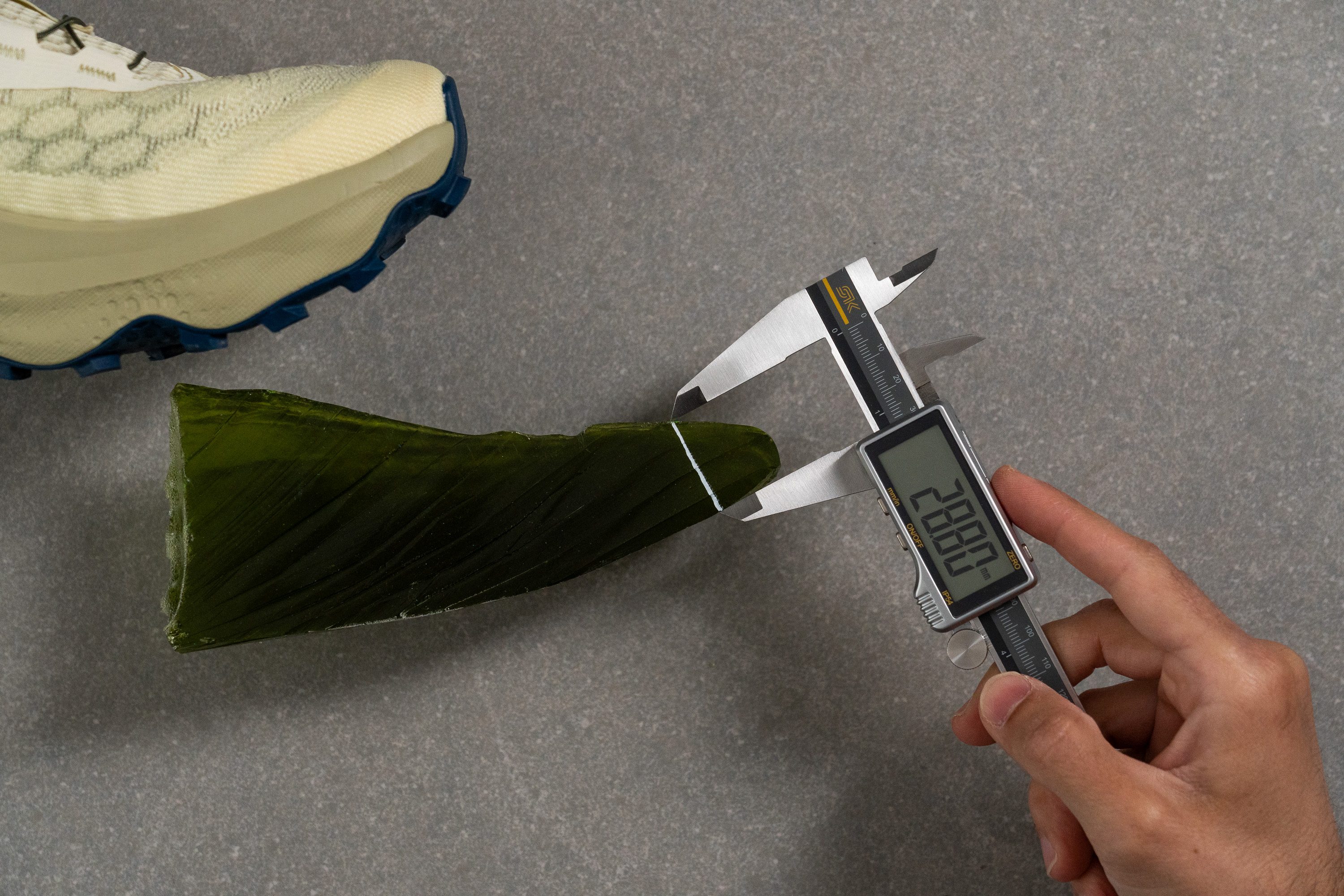
| Ultra Glide 4 | 28.8 mm |
| Average | 27.0 mm |
Traction / Grip
Traction test
Salomon remains one of the major brands that prefer to avoid partnering with Vibram and relying on the Italian brand’s Megagrip rubber. That decision likely helps reduce costs, although the final performance still falls short of Vibram’s top-tier compounds.
Even so, the contaGRIP outsole used in the Ultra Glide 4 delivered respectable results in our SATRA TM144 wet-traction test over concrete, scoring 0.68. It’s far from class-leading, but still good enough to comfortably pass our benchmark.
| Ultra Glide 4 | 0.68 |
| Average | 0.68 |
Lug depth
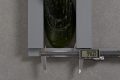
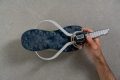
We measured a lug depth of 3.9 mm, clearly showing that Salomon aimed for a highly-versatile setup capable of handling a wide range of terrain types.
It won’t feel as smooth as a gravel-focused shoe on easier surfaces or as confidence-inspiring as more aggressive options in technical terrain, but this lug depth strikes an excellent middle ground for runners seeking one shoe that can do a bit of everything.
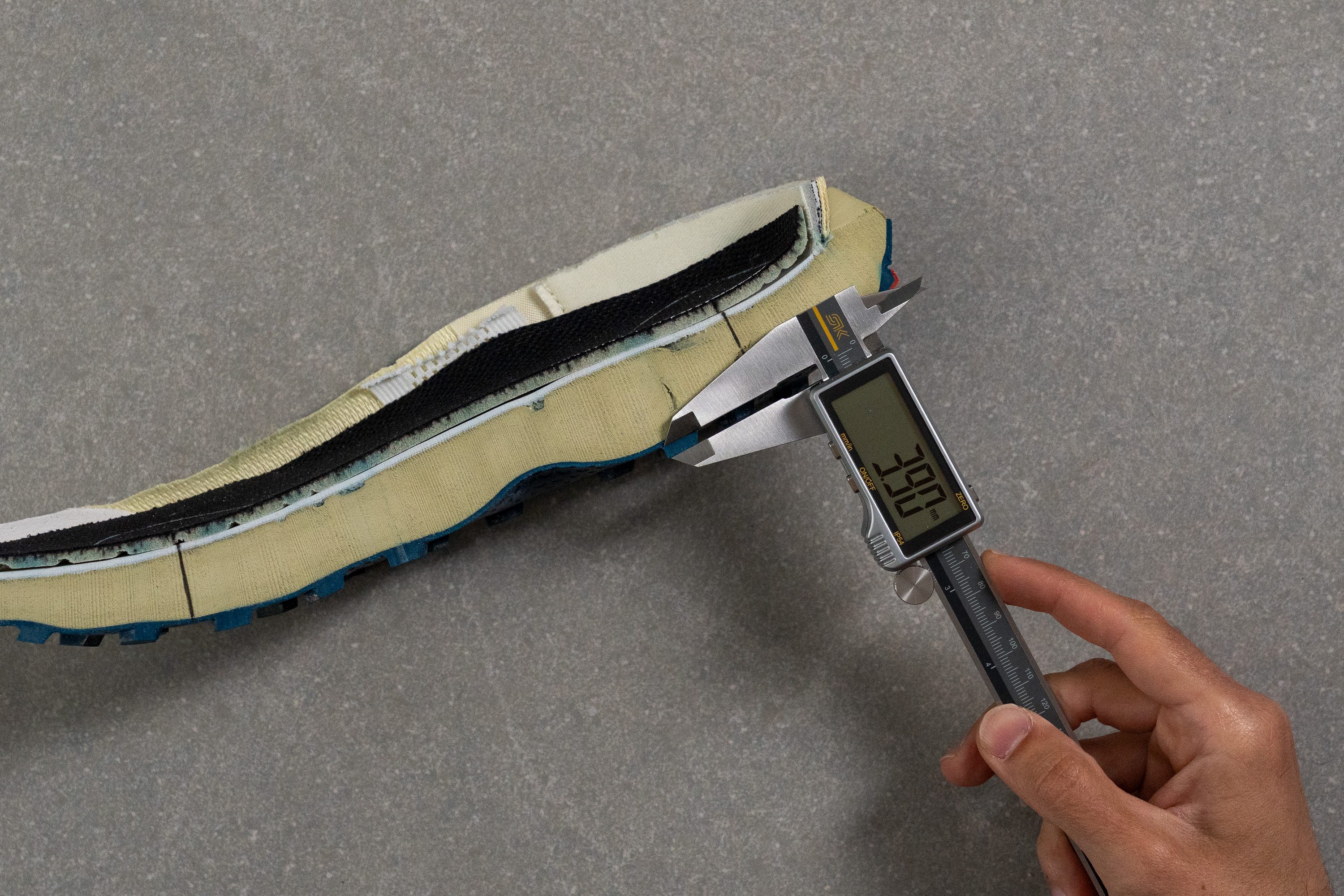
| Ultra Glide 4 | 3.9 mm |
| Average | 3.5 mm |
Outsole design
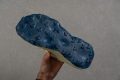
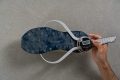
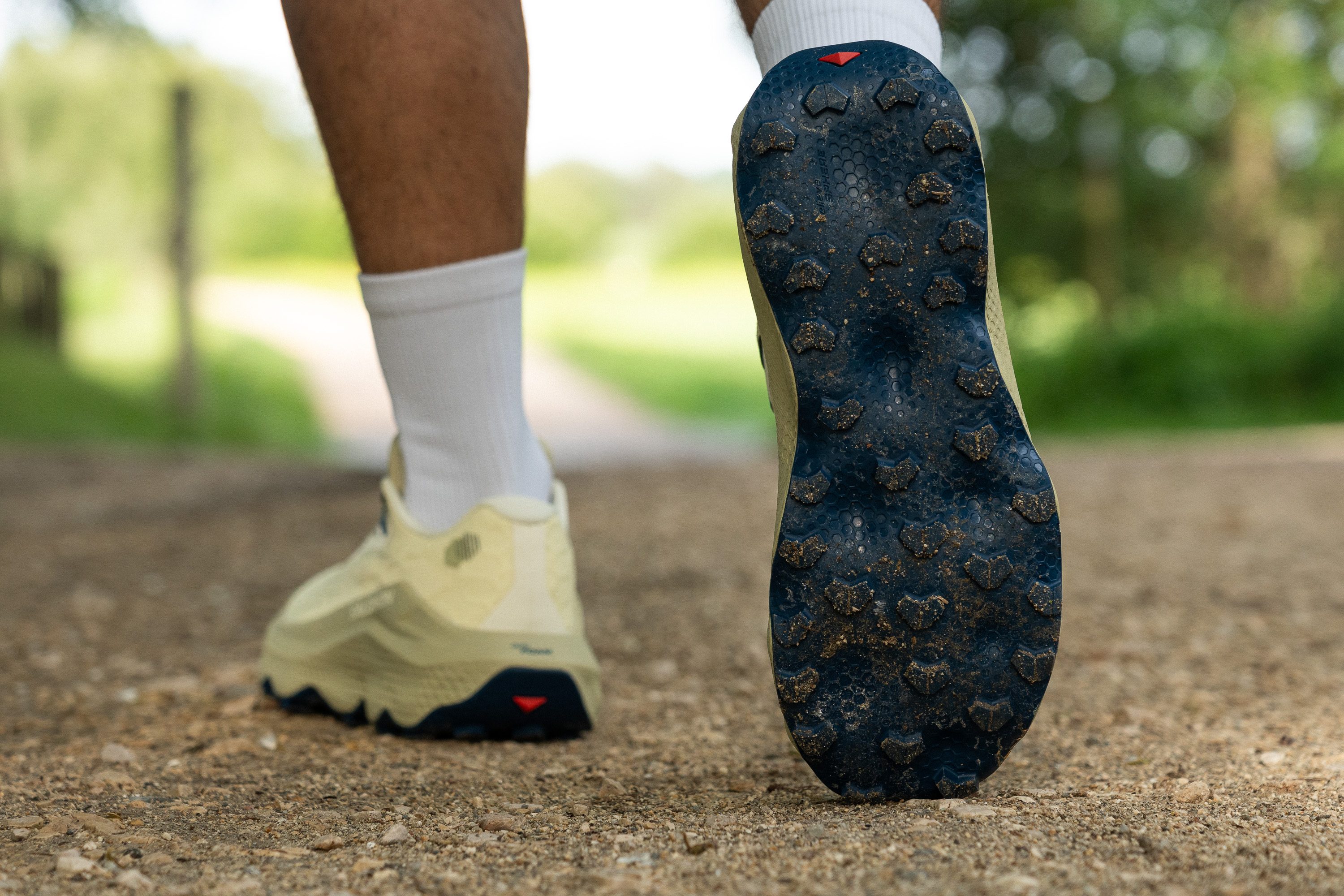
Another detail that reinforces the versatile nature of the Ultra Glide 4 is the aggressive spacing between the lugs. As this photo clearly shows, Salomon left large open areas throughout the outsole, a design choice that helps shed mud and maintain traction on wet terrain.
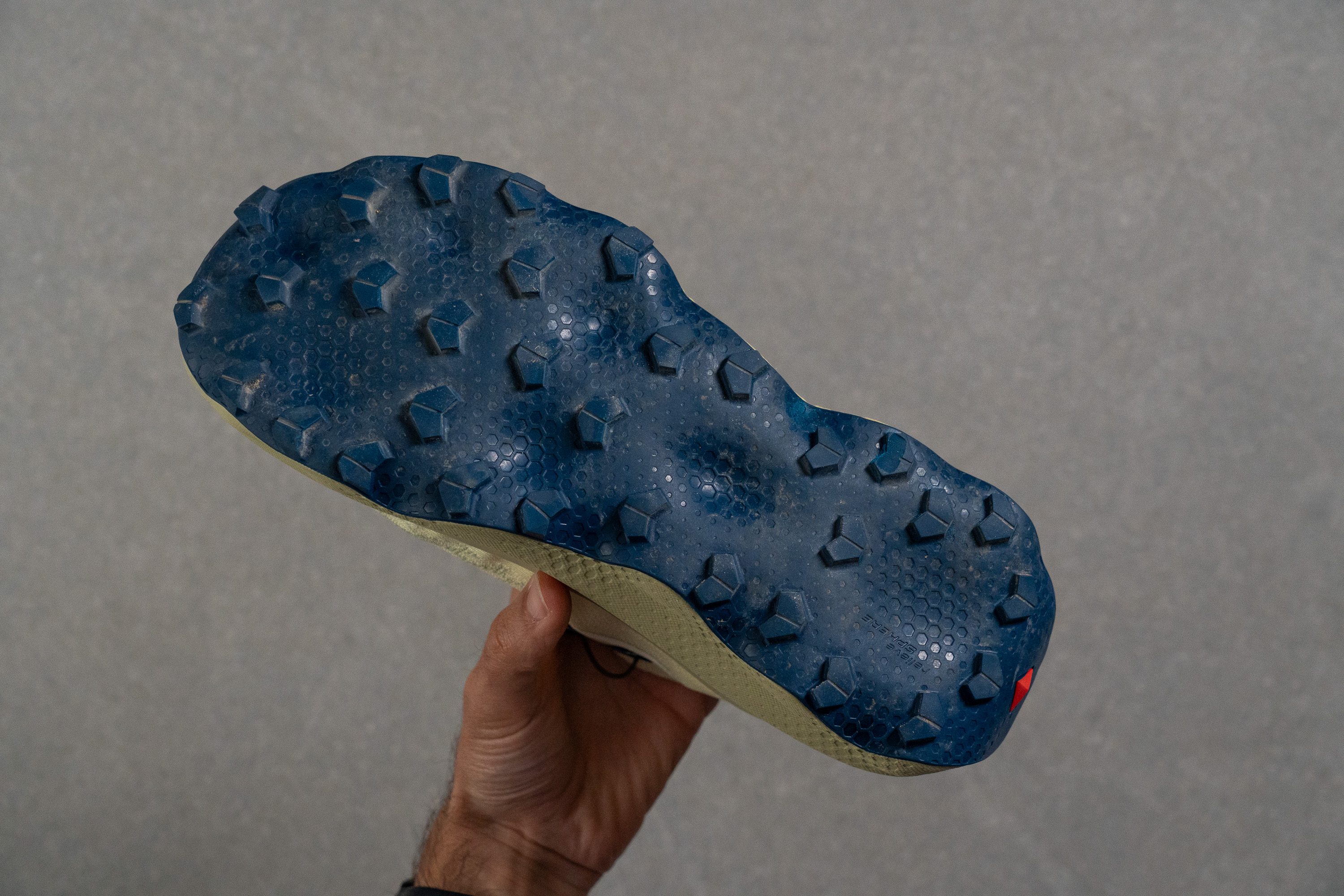
It’s also fascinating to see how the outsole integrates the relieveSPHERE concept, with those distinctive concave cavities spread across the platform. We’ve never seen anything quite like this from another trail shoe brand, but as we said before, we're unsure if it's actually a gimmick or a feature that brings real benefits...
Flexibility / Stiffness
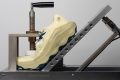
The towering stack height of the Ultra Glide 4 already made us expect above-average longitudinal stiffness, and our lab tests fully confirmed that suspicion. Even without any kind of plate, the shoe reached a substantial 19.7N in our custom-built machine that bends shoes to 30 degrees.
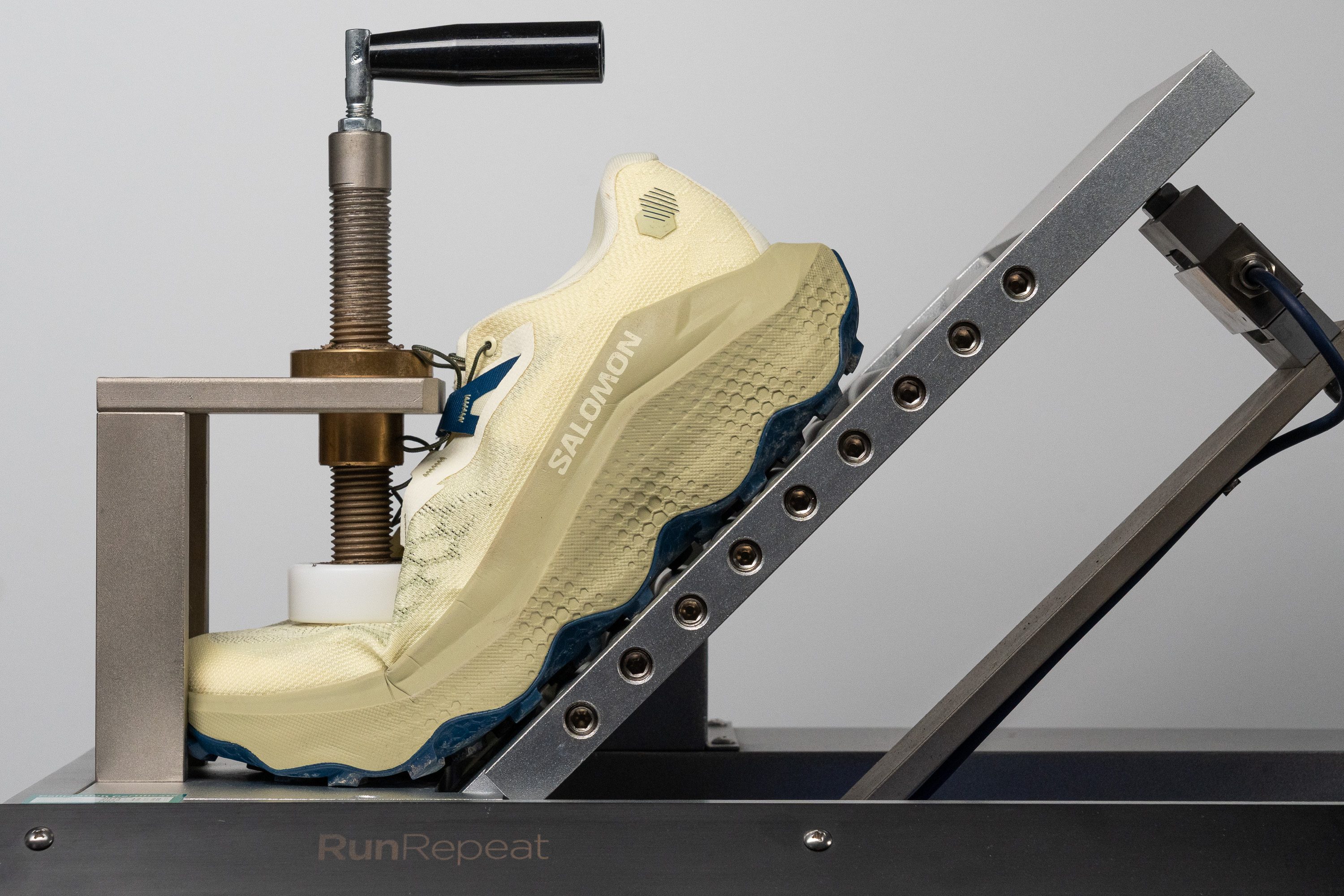
| Ultra Glide 4 | 19.7N |
| Average | 14.8N |
Weight
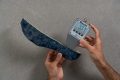
The Salomon Ultra Glide 4 is definitely not a lightweight shoe, tipping our scale at 10.4 oz or 295g.
However, once we consider the full-length outsole coverage and the massive amount of cushioning underfoot, we think that this result feels fairly reasonable and far from being a major drawback.
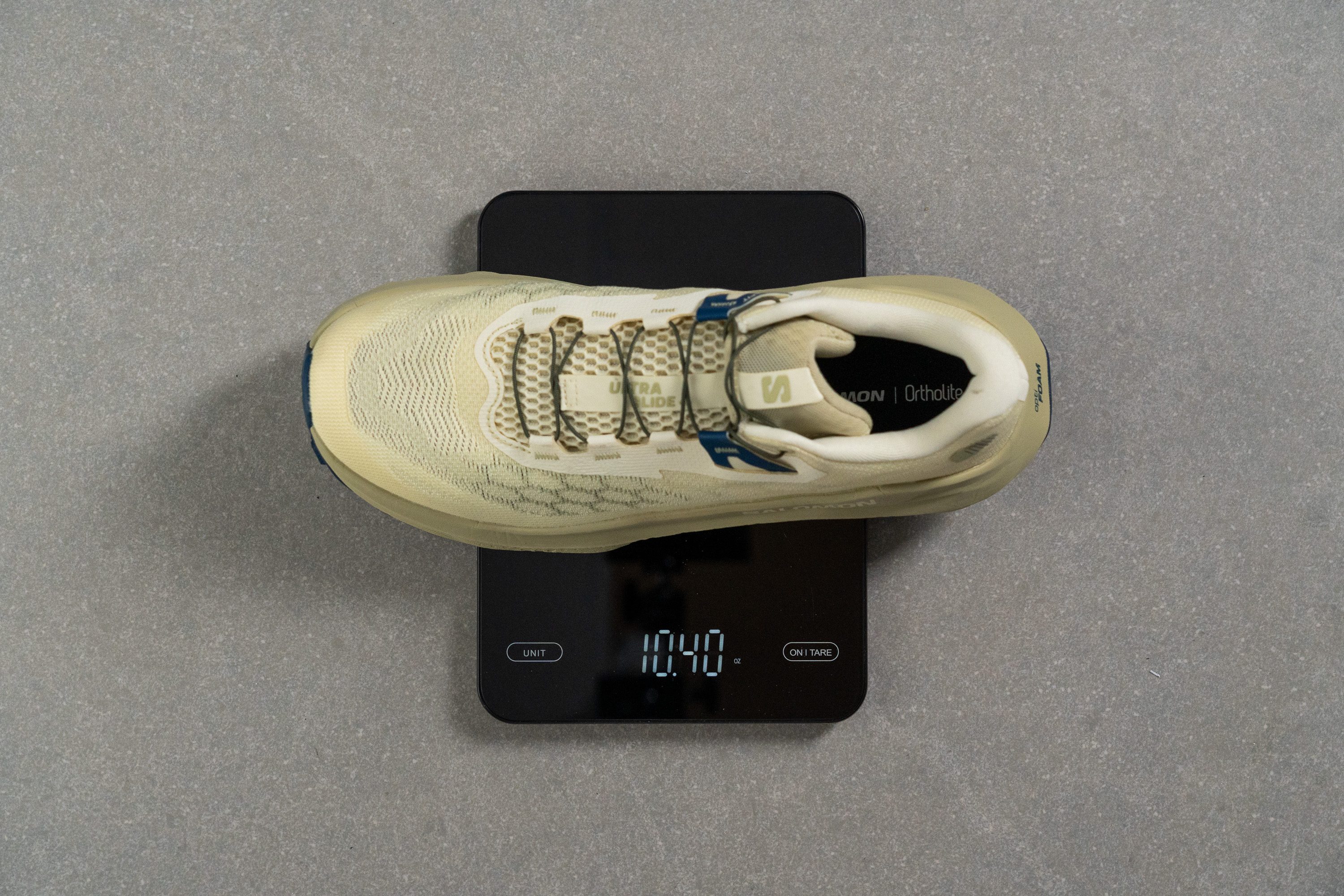
| Ultra Glide 4 | 10.4 oz (295g) |
| Average | 10.1 oz (285g) |
Breathability
Breathability test
The Ultra Glide 4 failed to impress in our breathability evaluation. Throughout our 3-hour test, which uses a heated footform at 38°C inside a climate-controlled chamber to simulate real sweating, the shoe achieved a result of just 53 BR. Because of this, we think the Ultra Glide 4 is less suited to hot-weather use.
| Ultra Glide 4 | 53 BR |
| Average | 71 BR |
Drying potential
NewThe drying potential was slightly better, although it still left us wanting more.
After 3 hours inside our chamber, the Ultra Glide 4 managed to evaporate just 47% of the accumulated moisture, a result that still falls short of many competitors and proves that the shoe tends to retain sweat for longer than we'd like.
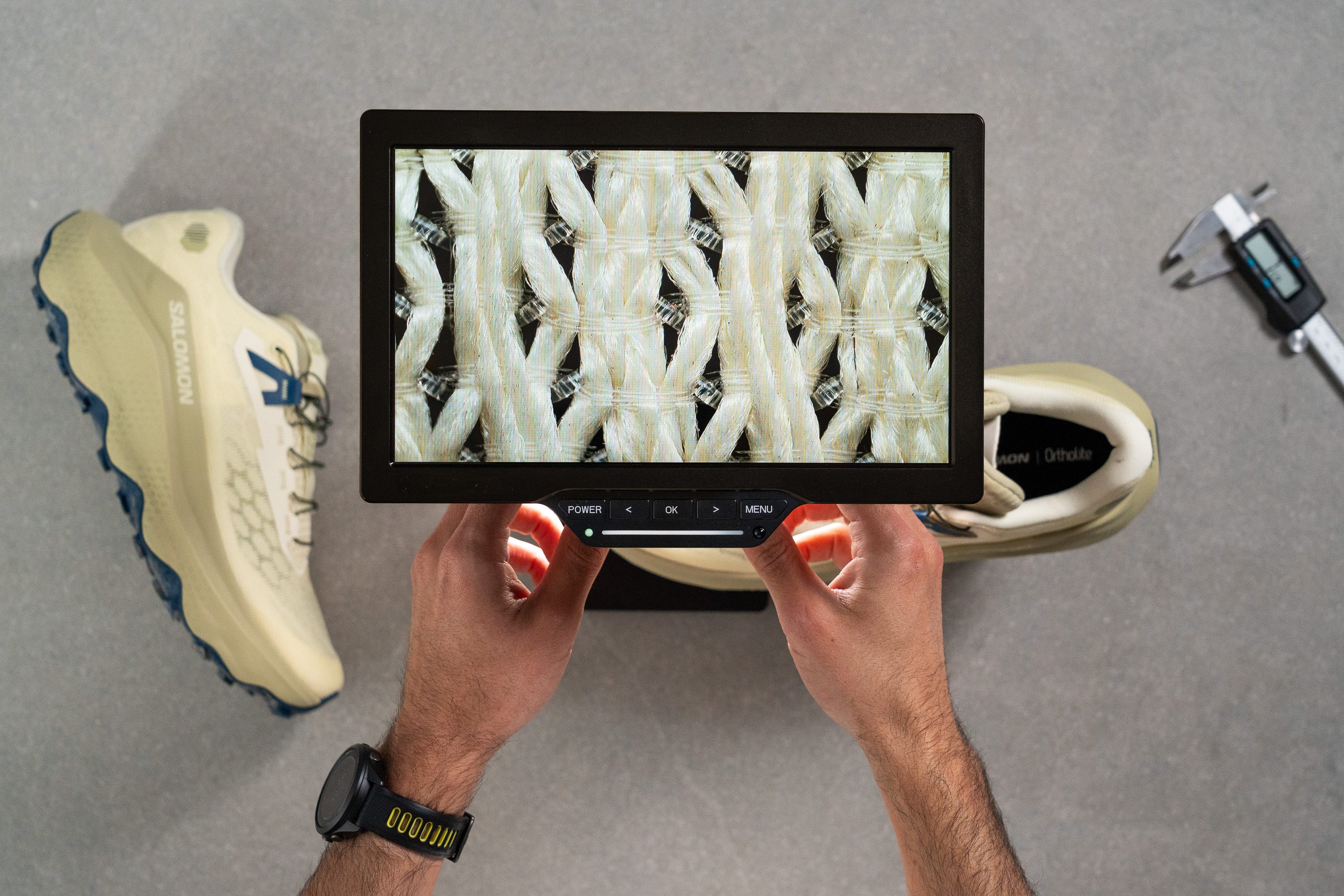
| Ultra Glide 4 | 47% |
| Average | 51% |
Stability
Lateral stability test
In terms of stability, the Ultra Glide 4 feels somewhat unusual for a trail shoe. It borrows several ideas more commonly seen in road models, including massive midsole sidewalls and a highly-pronounced heel-to-toe rocker, and together they help create a surprisingly stable ride.
However, we still can’t ignore the plush foam and towering stack height, which is why we believe this shoe works best for runners with neutral mechanics.
Torsional rigidity
We found that the Ultra Glide 4 delivers moderate torsional rigidity at 15.6 Nm, a result that helps enhance stability and reduce excessive lateral collapse during uneven trail landings.
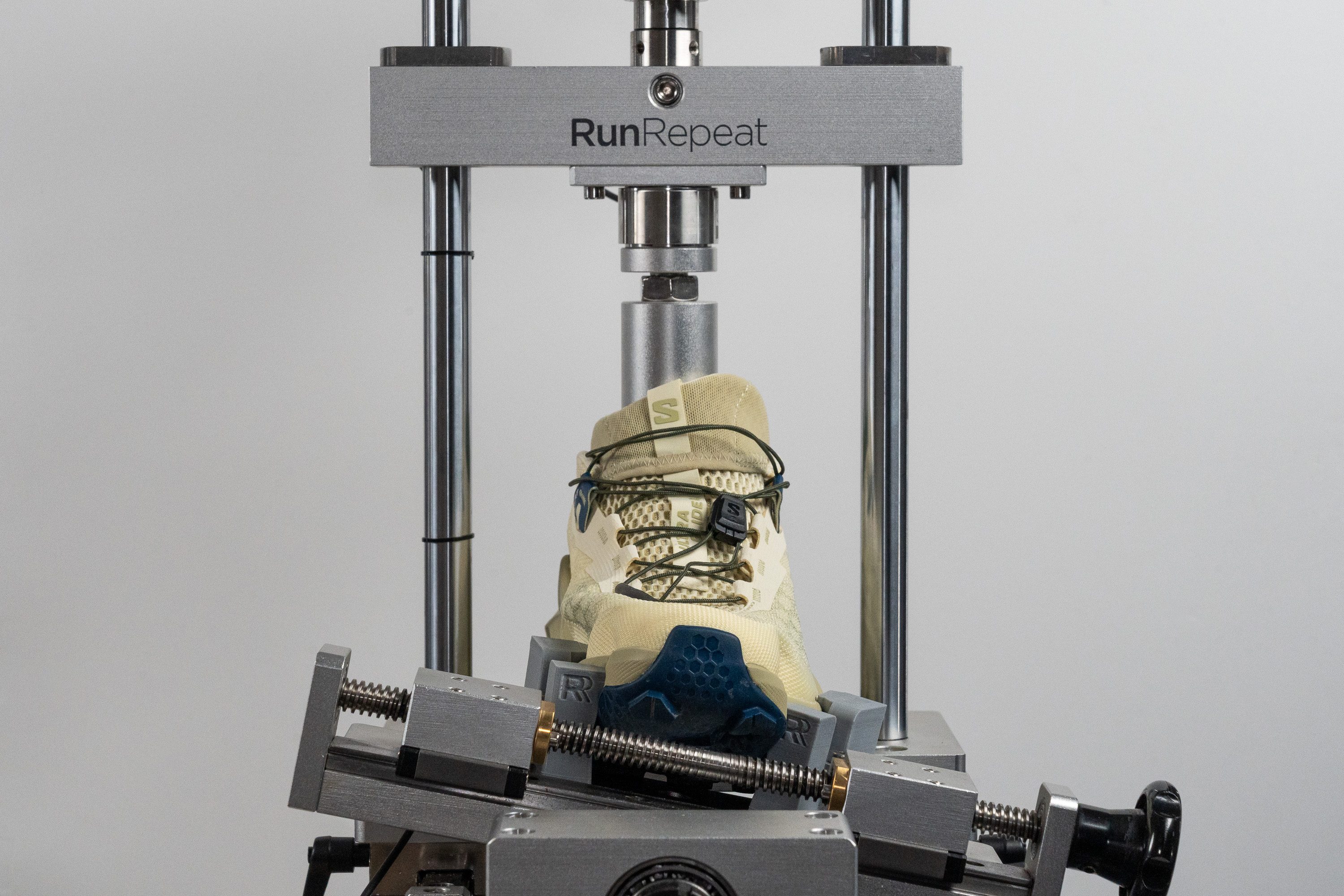
| Ultra Glide 4 | 15.6 Nm |
| Average | 15.7 Nm |
Heel counter stiffness
The heel counter also adds more support than we usually find in this category, earning a firm 4/5 in our assessment. Thankfully, Salomon balanced that rigidity with a generous amount of foam around the heel to keep comfort levels high.
| Ultra Glide 4 | 4 |
| Average | 2.9 |
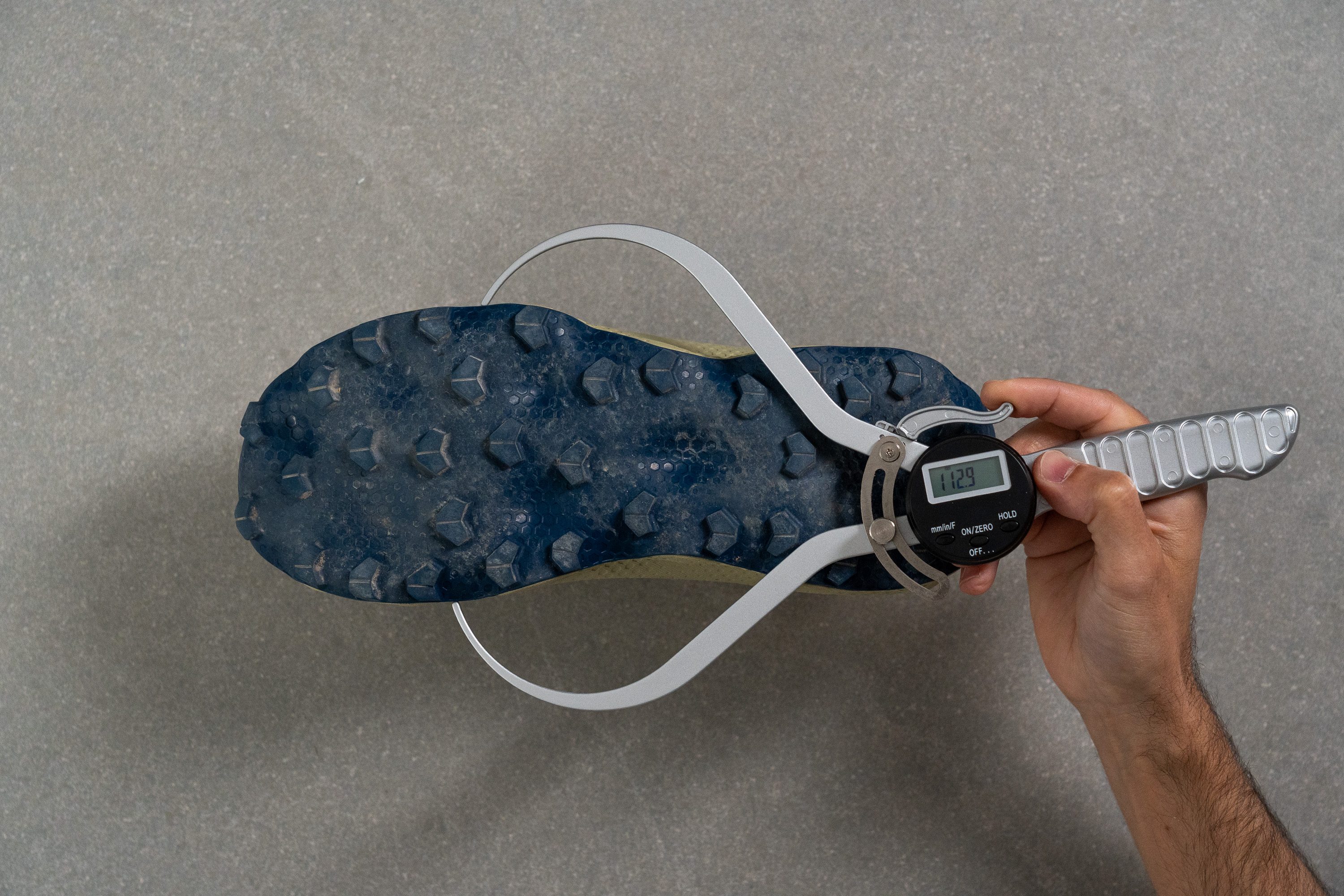
Midsole width - forefoot
Where the Salomon Ultra Glide 4 may leave stability-focused runners wanting more is in the platform dimensions, as the midsole remains fairly average for a trail shoe and the midfoot stays relatively narrow, preserving a more classic and agile geometry.
In our first midsole measurement, we recorded a width of 112.9 mm.
| Ultra Glide 4 | 112.9 mm |
| Average | 114.2 mm |
Midsole width - heel
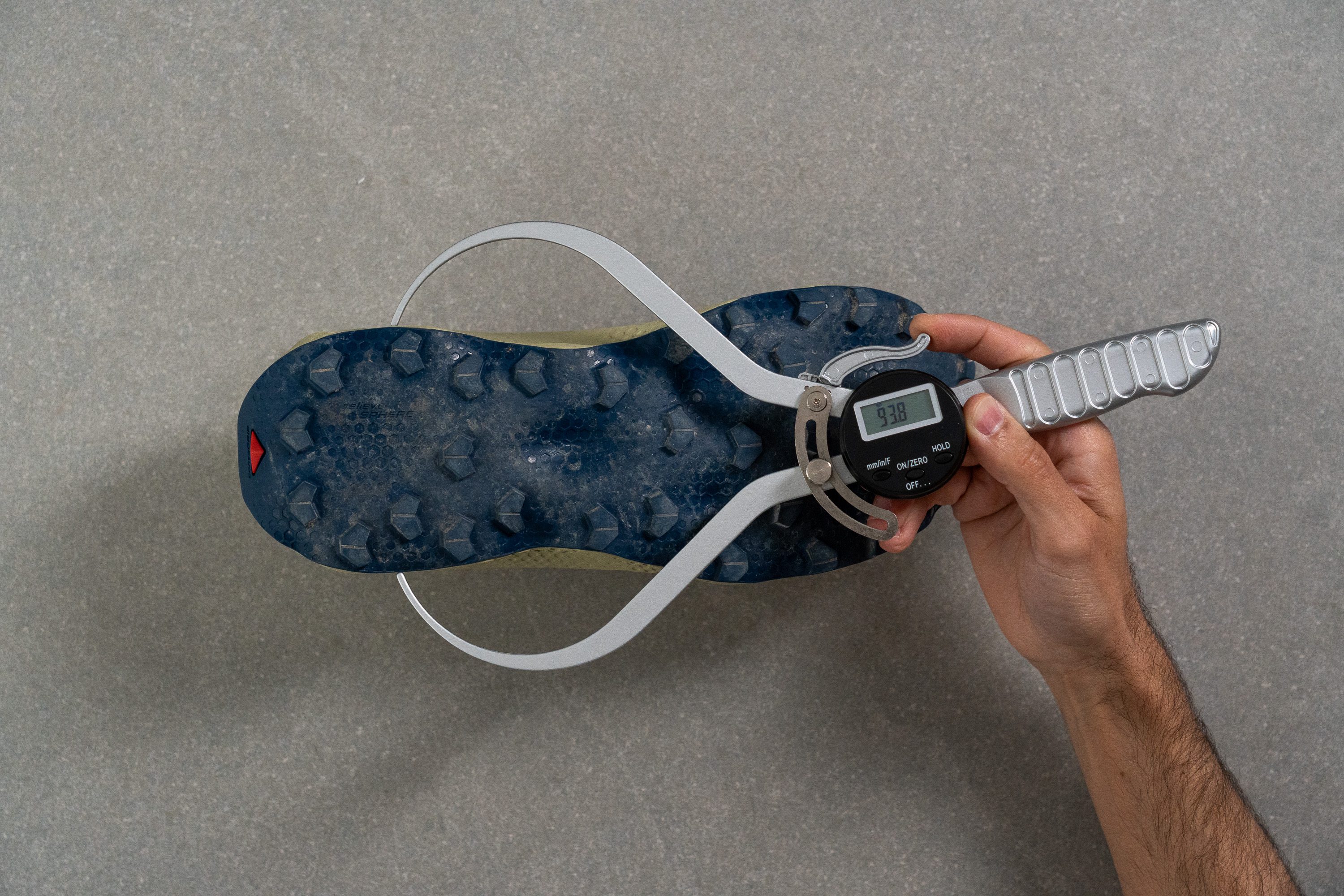
The second measurement, taken in the heel, came in at 93.8 mm. That’s slightly above average, but as we mentioned earlier, we still believe this shoe is best suited for neutral runners regardless of their footstrike pattern.
| Ultra Glide 4 | 93.8 mm |
| Average | 90.4 mm |
Durability
Toebox durability
The upper is easily one of the standout features of this shoe, combining an elegant design with solid trail-ready breathability and an impressively strong 4/5 durability score in our testing.
| Ultra Glide 4 | 4 |
| Average | 3.1 |
Heel padding durability
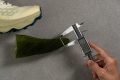
On the other hand, the ultra-plush heel padding struggled badly against our Dremel test and earned just 2/5 for durability. This area clearly needs some reinforcement in the next Ultra Glide update.
| Ultra Glide 4 | 2 |
| Average | 3.1 |
Outsole durability
Returning to the positive results, we found excellent durability from the contaGRIP outsole.
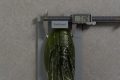
Our Dremel created only a tiny 0.7 mm dent, a result that strongly suggests long-lasting rubber performance, especially important here since the shoe uses fewer lugs than some competitors and therefore has less rubber in contact with the ground.
| Ultra Glide 4 | 0.7 mm |
| Average | 0.9 mm |
Outsole thickness
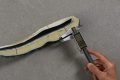
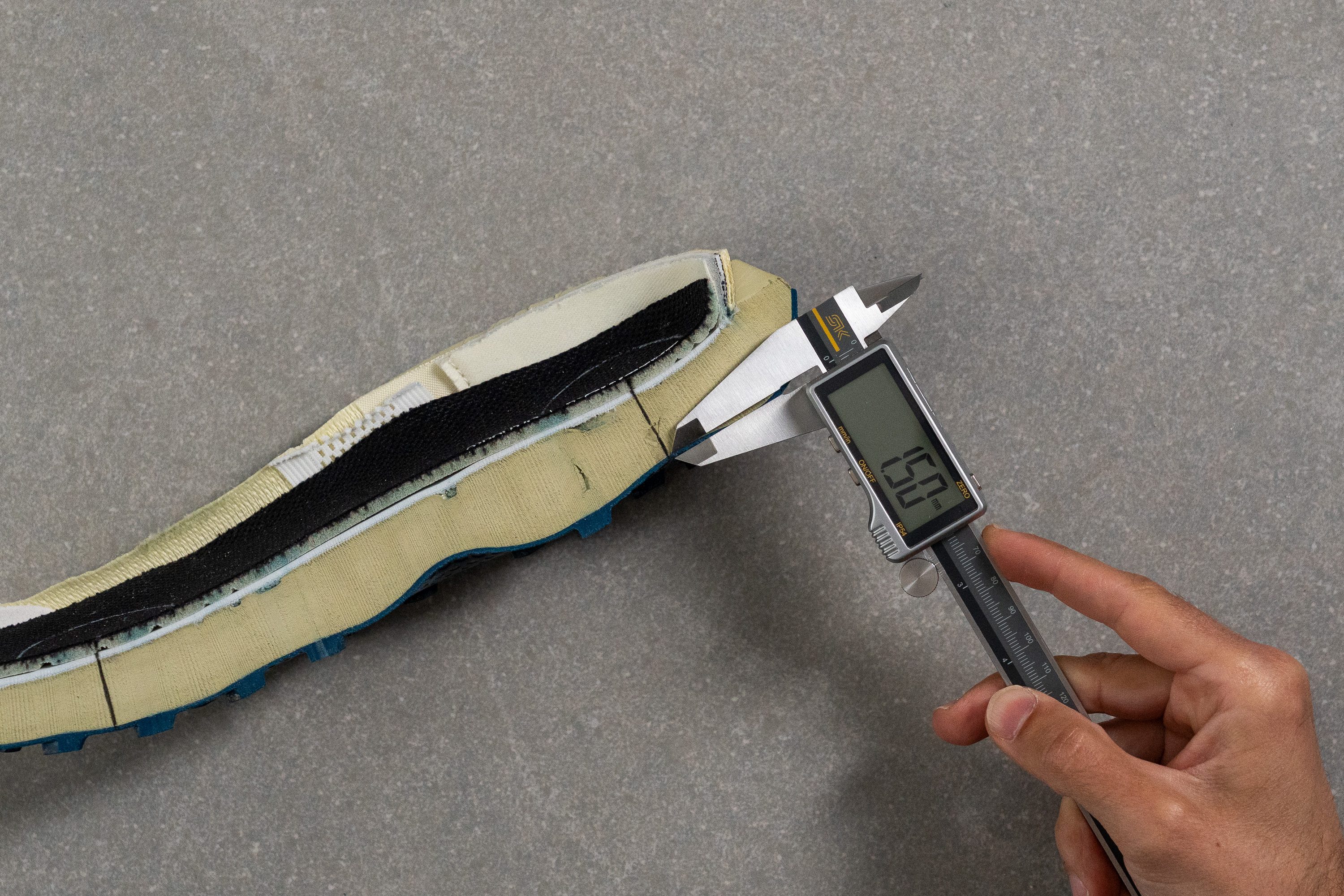
The outsole measured 1.5 mm in thickness, which sits below our current average. However, that was probably the smarter choice for a shoe that already leans toward the heavier side.
| Ultra Glide 4 | 1.5 mm |
| Average | 1.9 mm |
Misc
Insole thickness
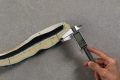
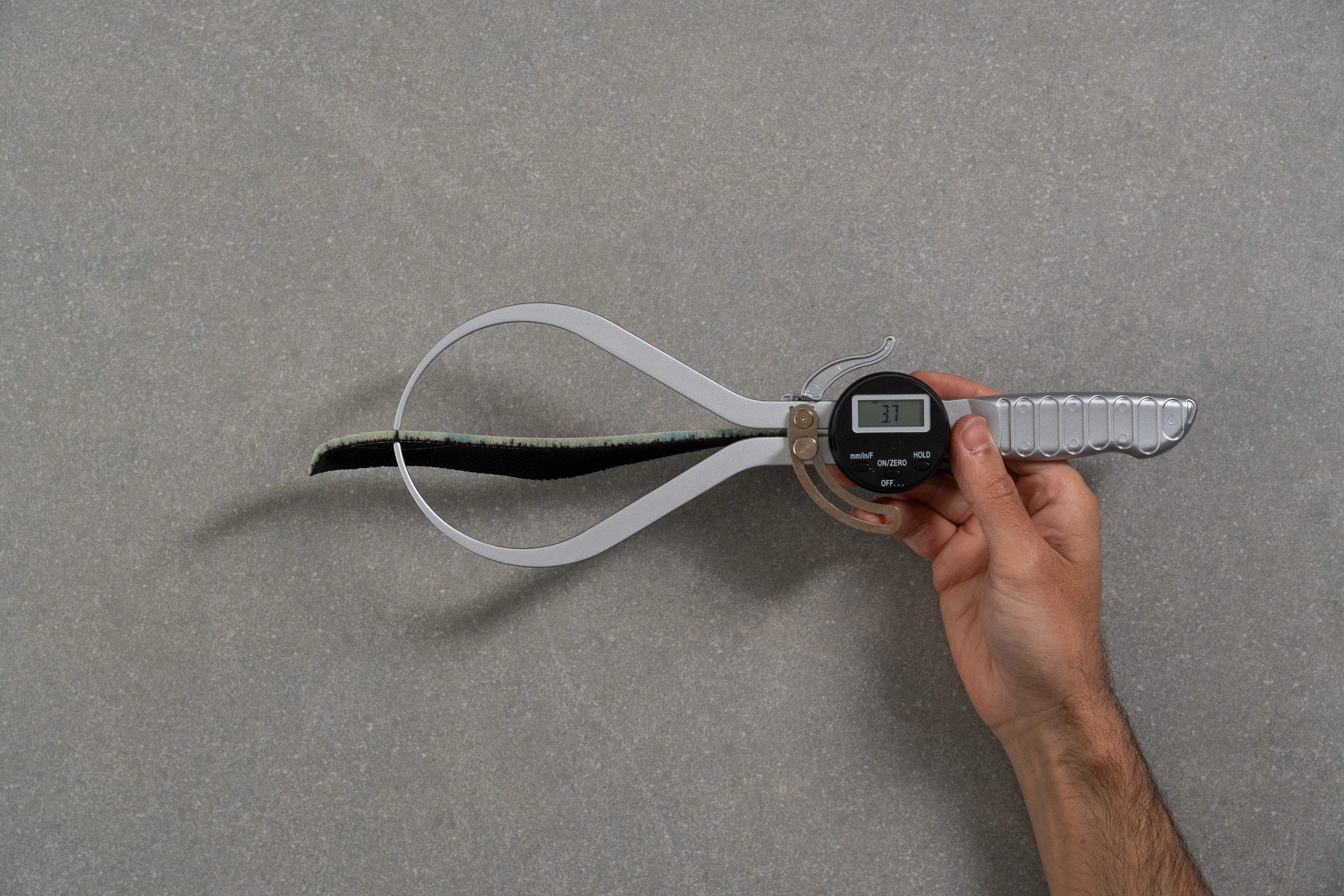
The insole came in slightly thinner than our current lab average, measuring 3.7 mm in thickness.
| Ultra Glide 4 | 3.7 mm |
| Average | 4.6 mm |
Removable insole
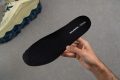
Salomon partnered with Ortholite for the insole, and the branding is impossible to miss. Still, if you prefer using your own aftermarket insole, swapping it out should be easy.
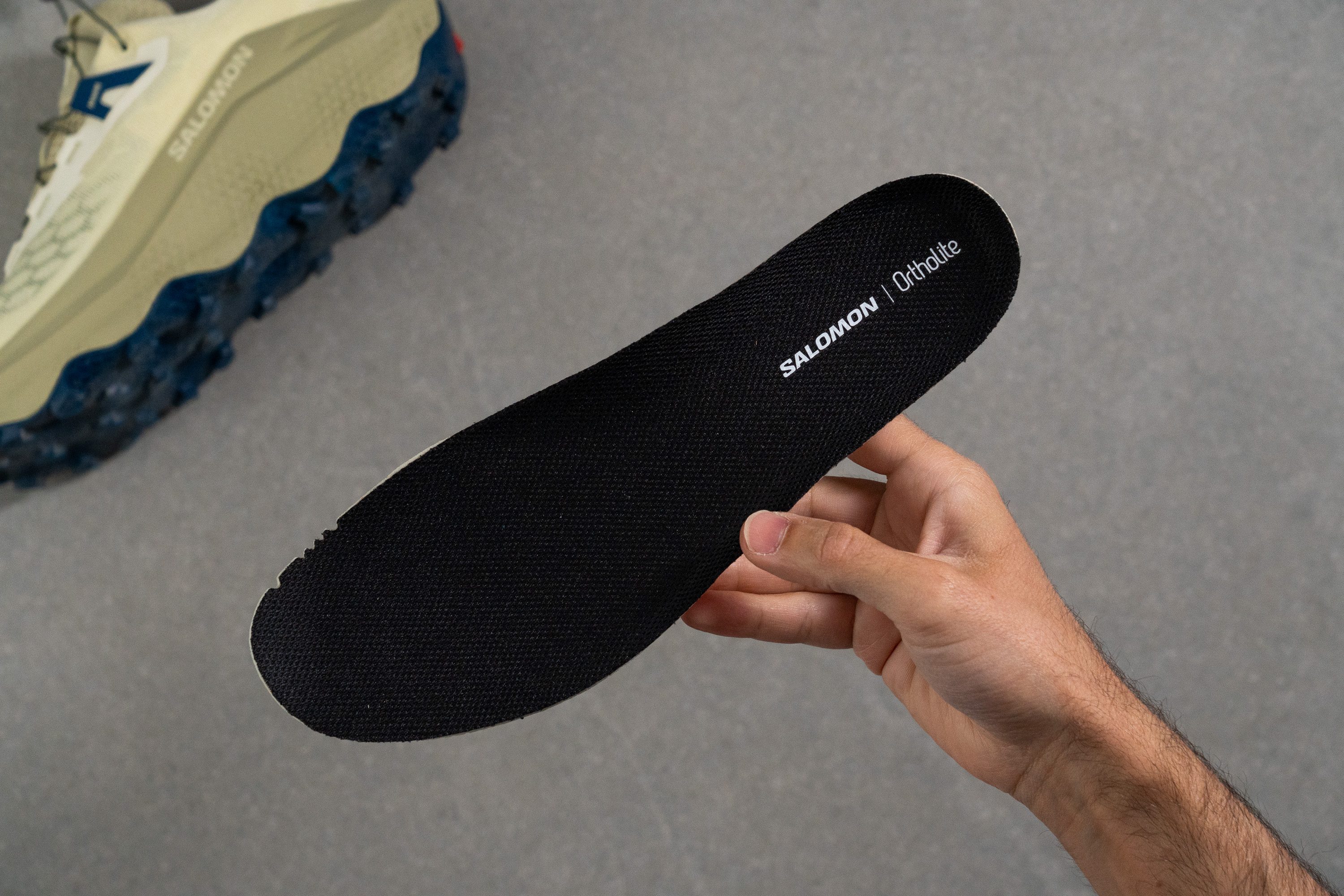
| Ultra Glide 4 | Yes |
Reflective elements
We found absolutely no reflective elements anywhere on the shoe, and that feels like a clear oversight. Adding one or two reflective details on the sides or heel would have been incredibly easy and inexpensive.
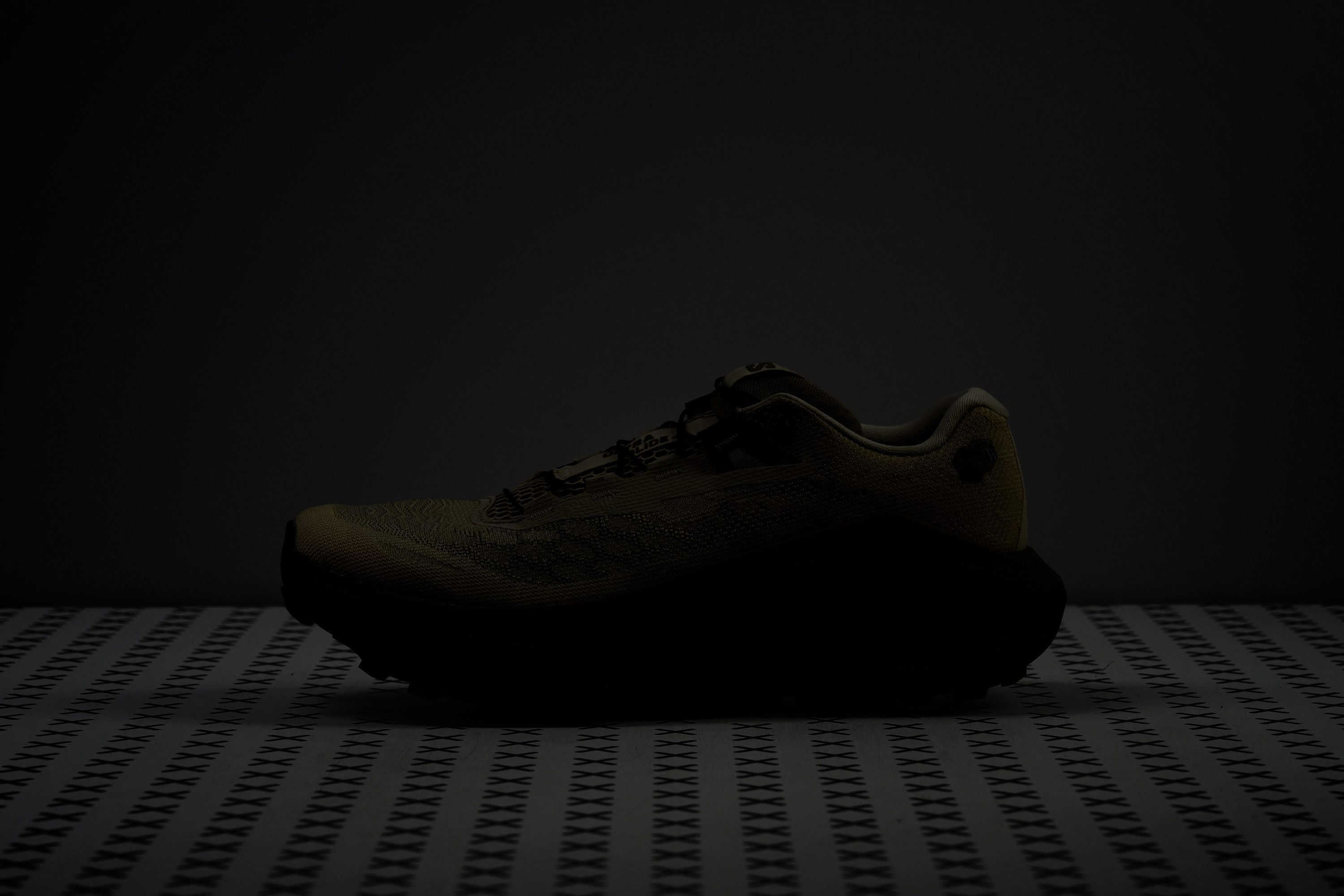
| Ultra Glide 4 | No |
Tongue padding
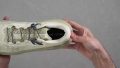
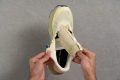
The Salomon Ultra Glide 4 ditches traditional laces in favor of the brand’s signature Quicklace system, making adjustments incredibly fast and effortless. We also appreciated the lace garage placement on the top of the tongue, which keeps everything easy to access while maintaining a clean overall design.
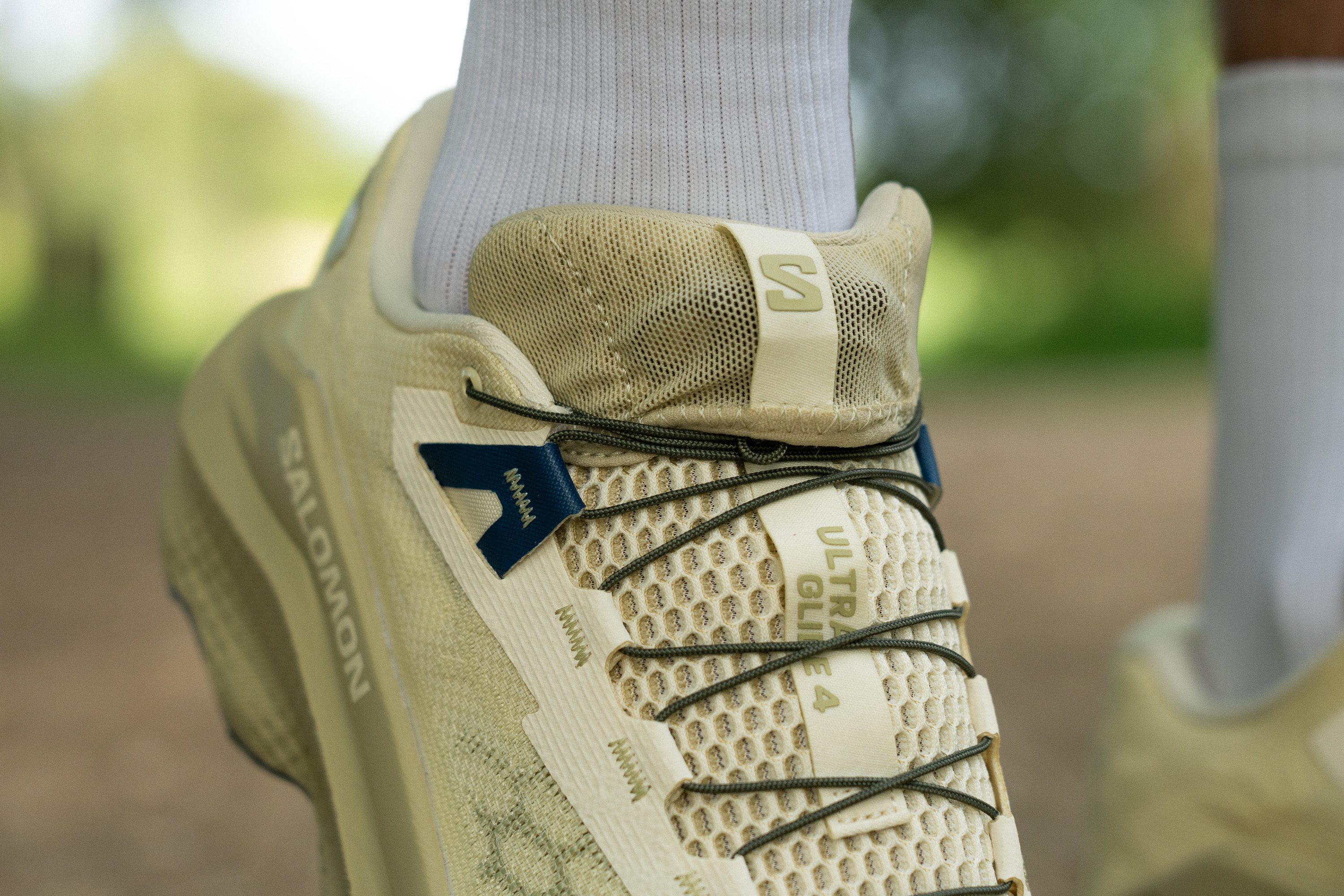
We found the tongue exceptionally comfortable too, packing a generous 7.8 mm of padding. To us, that makes it obvious that Salomon prioritized long-distance comfort far more than any kind of lightweight or performance-focused setup here.
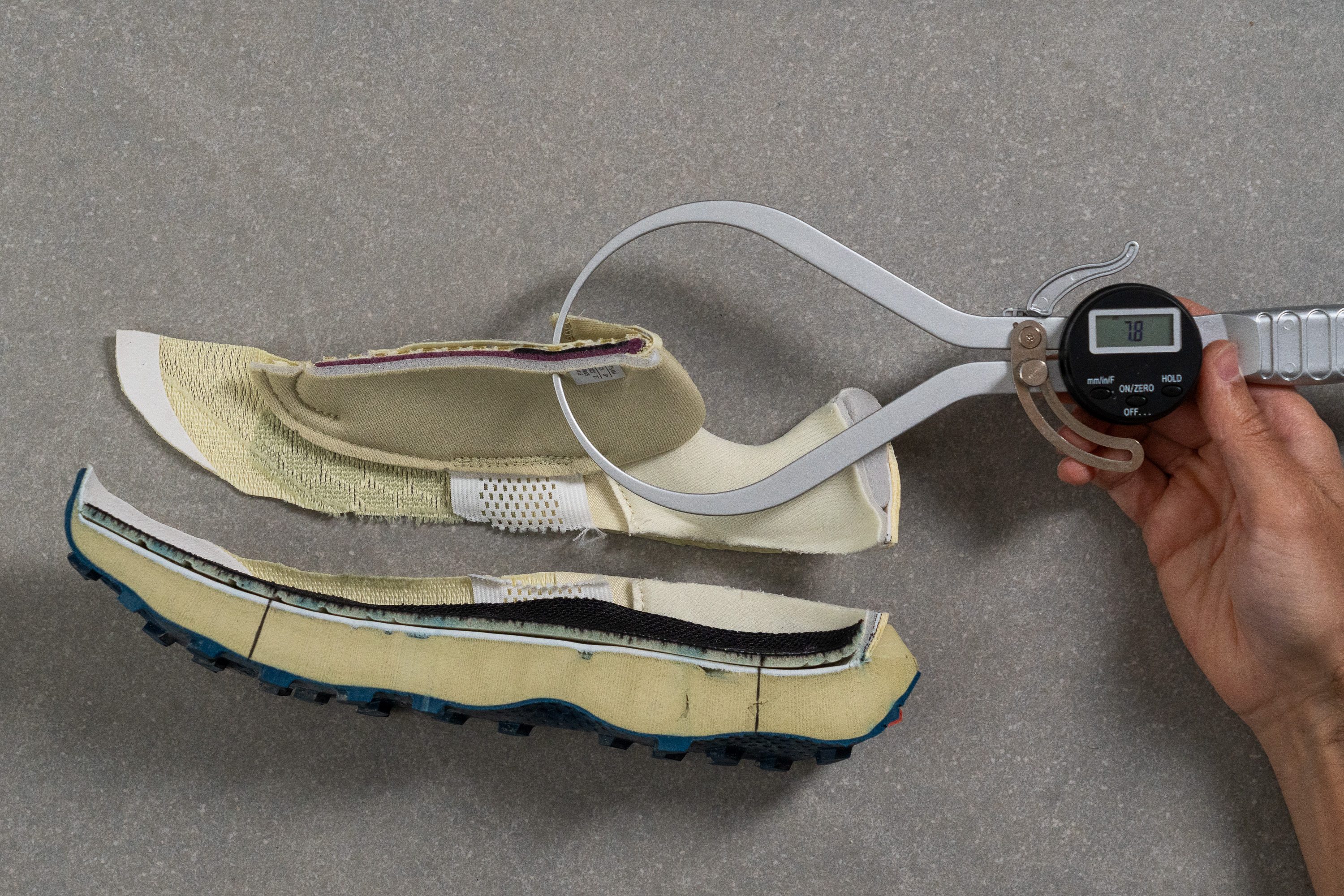
| Ultra Glide 4 | 7.8 mm |
| Average | 6.4 mm |
Tongue: gusset type
The tongue uses a semi-gusseted construction clearly inspired by modern road running shoes, connected through a thin and highly-breathable fabric panel.
It’s not the ideal setup for technical terrain or dusty environments where a tighter seal helps prevent debris from entering the toebox, but in most other situations it works extremely well.
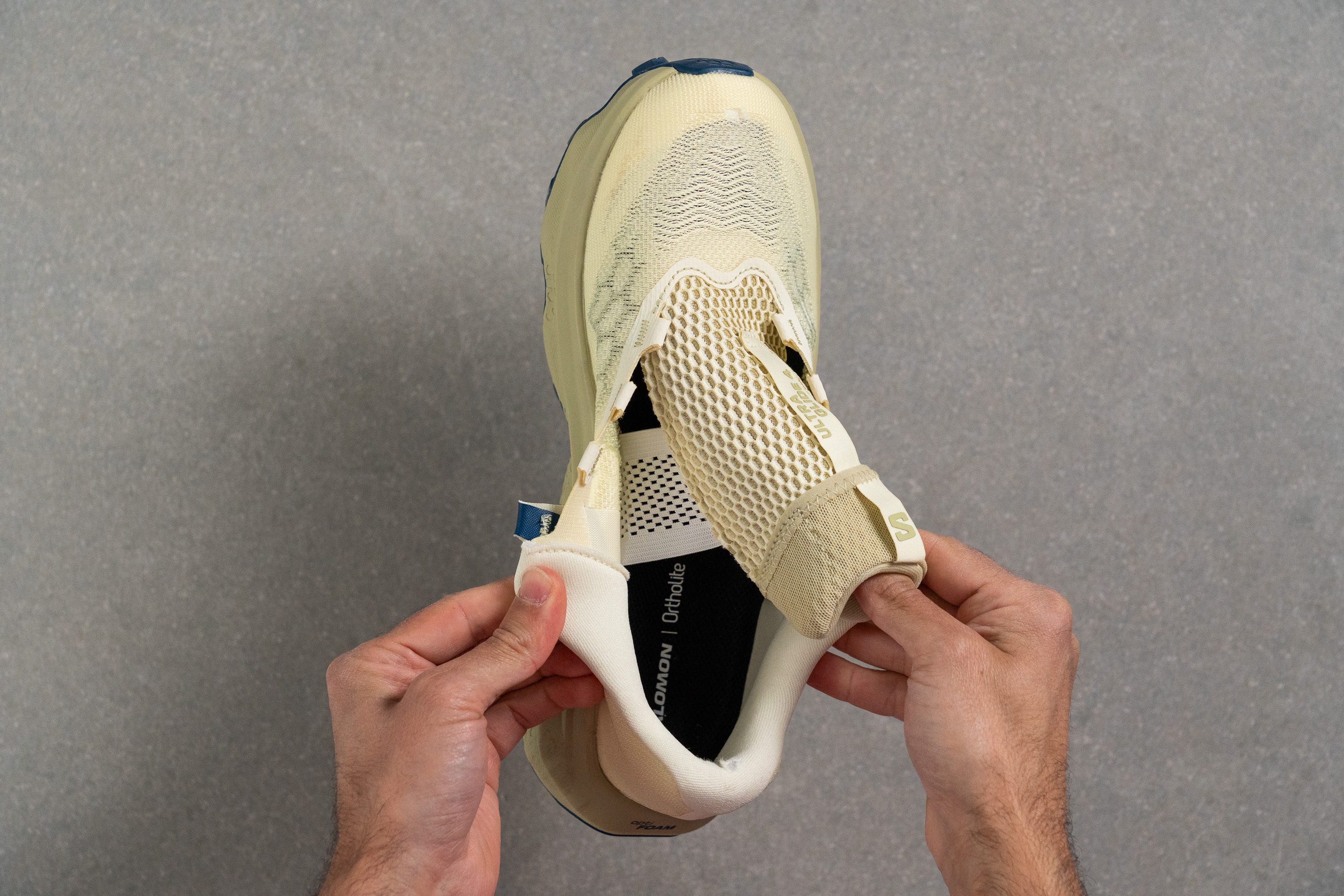
| Ultra Glide 4 | Both sides (semi) |
Heel tab
Salomon kept the heel design clean and straightforward, skipping any finger-loop tab and instead relying on a small TPU overlay to cover the upper stitching while maintaining a sleek look.
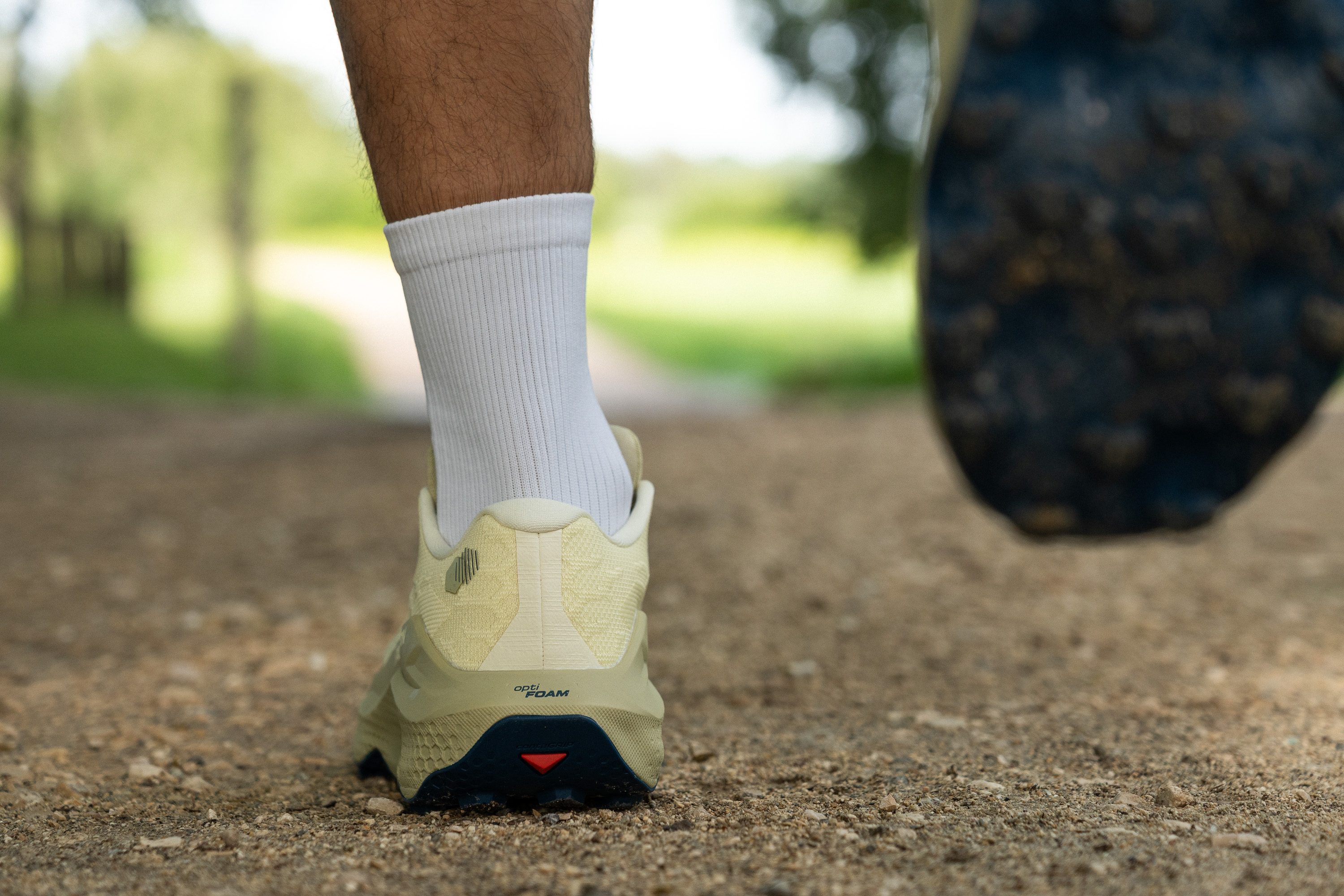
| Ultra Glide 4 | None |
Price
There’s a small price increase here that doesn’t really feel supported by a meaningful technology upgrade, although we also can’t pretend this comes as a surprise given how aggressively most brands have been raising prices lately. Even so, from a value standpoint, we believe this shoe needs a modern foam update to truly stand out.
| Ultra Glide 4 | $160 |
| Average | $160 |