


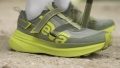
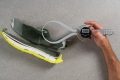
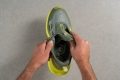

Our verdict
- Gravel 80
- Versatile 83
- Technical 58
Pros
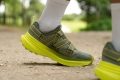
- Unique design and fit system
- Ready for long-distance trail running
- Versatile drop suits most footstrikes
- High-quality materials
- Durable outsole rubber
- Impressive stability despite high stack height
- Debris-blocking tongue design
- Excellent durability
Cons
- Feels heavy underfoot
- Strap-based fit won't suit everyone
- Foam firms up too much under cold temps
Awards
- Top 23% in sustainable running shoes
Comparison
The most similar running shoes compared
+ + Add a shoe | |||||
|---|---|---|---|---|---|
| Our score | 83 Great | 79 Good | 89 Superb | 83 Great | |
| Price | $145 | $160 | $170 | $155 | |
| Trail terrain | Gravel / Road-to-trailVersatile / Moderate terrain | Gravel / Road-to-trailVersatile / Moderate terrain | Gravel / Road-to-trailVersatile / Moderate terrain | Gravel / Road-to-trailVersatile / Moderate terrain | |
| Shock absorption | High | Moderate | Moderate | High | |
| Energy return | Moderate | Low | High | Moderate | |
| Traction | High | High | High | High | |
| Arch support | Neutral | Neutral | Neutral | Neutral | |
| Weight lab Weight brand | 11.1 oz / 315g 11.9 oz / 337g | 10.4 oz / 295g | 11 oz / 312g 10.9 oz / 309g | 9.5 oz / 269g 9.7 oz / 275g | |
| Drop lab Drop brand | 7.0 mm 6.0 mm | 7.5 mm | 6.5 mm 6.0 mm | 10.1 mm 8.0 mm | |
| Strike pattern | Mid/forefoot | Mid/forefoot | Mid/forefoot | Heel | |
| Size | - | True to size | True to size | True to size | |
| Midsole softness | Soft | Balanced | Balanced | Soft | |
| Difference in midsole softness in cold | Big | Small | Normal | Normal | |
| Plate | Rock plate | ✗ | ✗ | ✗ | |
| Toebox durability | Good | Good | Decent | Good | |
| Heel padding durability | Good | Decent | Bad | Good | |
| Outsole durability | Good | Good | Decent | Good | |
| Breathability | Moderate | Moderate | Moderate | Breathable | |
| Width / fit | Medium | Medium | Medium | Medium | |
| Toebox width | Medium | Medium | Medium | Medium | |
| Stiffness | Moderate | Stiff | Moderate | Moderate | |
| Torsional rigidity | Stiff | Moderate | Moderate | Flexible | |
| Heel counter stiffness | Stiff | Stiff | Stiff | Stiff | |
| Lug depth | 3.8 mm | 3.9 mm | 3.5 mm | 3.7 mm | |
| Heel stack lab Heel stack brand | 37.2 mm 33.5 mm | 38.6 mm | 37.6 mm 36.0 mm | 40.2 mm 42.0 mm | |
| Forefoot lab Forefoot brand | 30.2 mm 27.5 mm | 31.1 mm | 31.1 mm 30.0 mm | 30.1 mm 34.0 mm | |
| Widths available | Normal | NormalWide | Normal | NormalWide | |
| For heavy runners | ✗ | ✓ | ✓ | ✗ | |
| Season | All seasons | All seasons | All seasons | SummerAll seasons | |
| Removable insole | ✓ | ✓ | ✓ | ✓ | |
| Orthotic friendly | ✓ | ✓ | ✓ | ✓ | |
| Ranking | #173 Top 43% | #242 Bottom 40% | #42 Top 11% | #157 Top 39% | |
| Popularity | #203 Bottom 49% | #122 Top 31% | #147 Top 37% | #53 Top 14% |
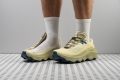
Who should buy
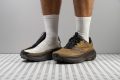
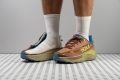
In our view, the Teva Aventrail works best for runners that:
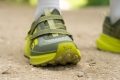
- Want a trail shoe that stands out from the crowd with a unique design and fit system.
- Need a highly cushioned trail shoe with impressive stability.
- Already enjoy Teva hiking sandals and want a trail running option from the same brand.
Who should NOT buy
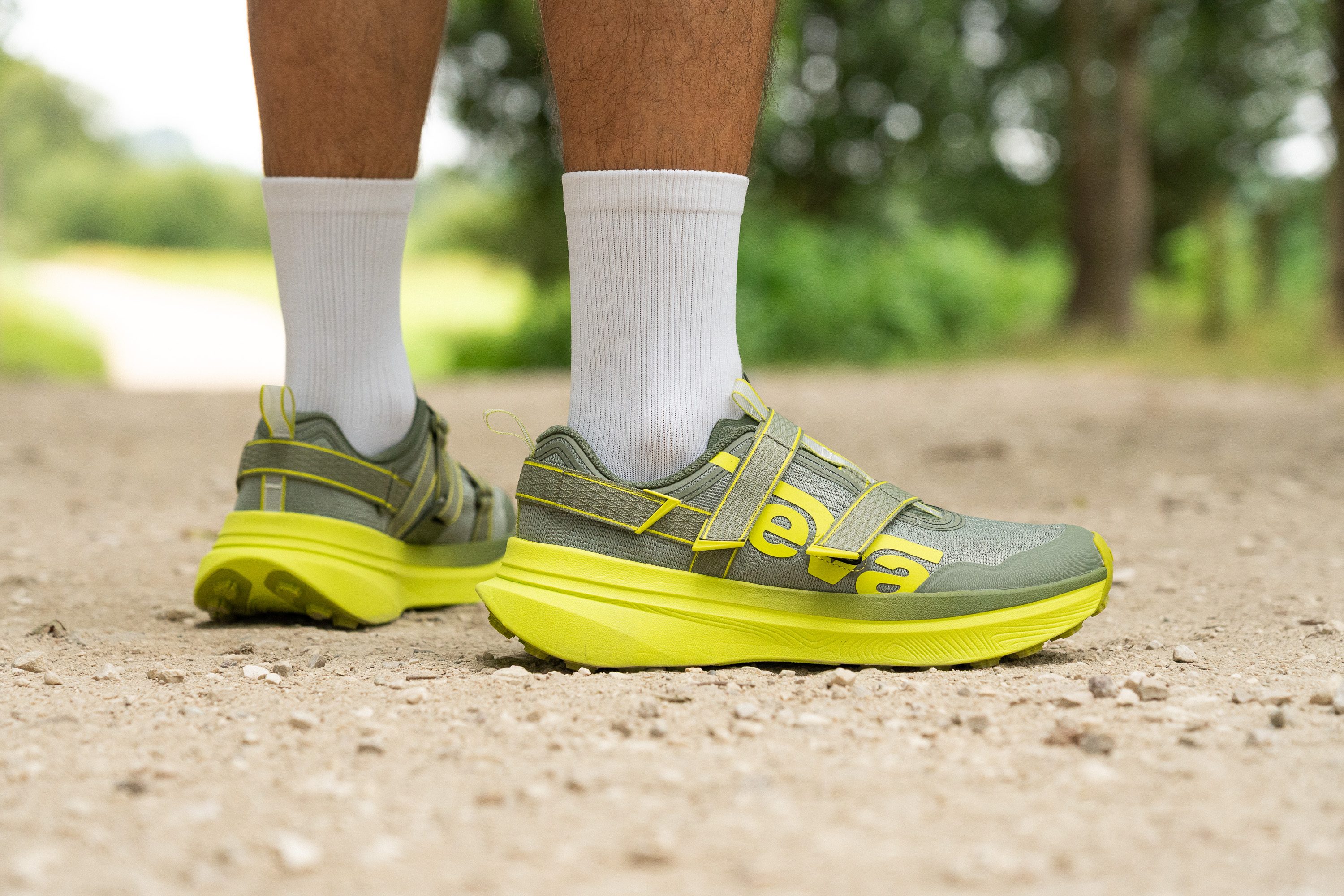
If you prefer a shoe that feels light and agile underfoot, the Teva Aventrail is unlikely to be the right match. In that case, we'd recommend looking at the adidas Terrex Agravic Speed or the Mount to Coast H1 instead.
We also believe that runners who strongly prefer traditional laces may struggle to get along with the Aventrail's strap-based fit system. For a more conventional setup, the HOKA Speedgoat 6 is a better choice.
Cushioning
Shock absorption
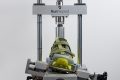
With 133 SA in the heel and 118 SA in the forefoot, the Teva Aventrail delivers impressive protection underfoot for nearly any trail adventure. Both results landed comfortably above our current lab average.
As we move through the rest of this review, we'll find out whether the shoe falls short in other areas, but cushioning certainly isn't one of them.
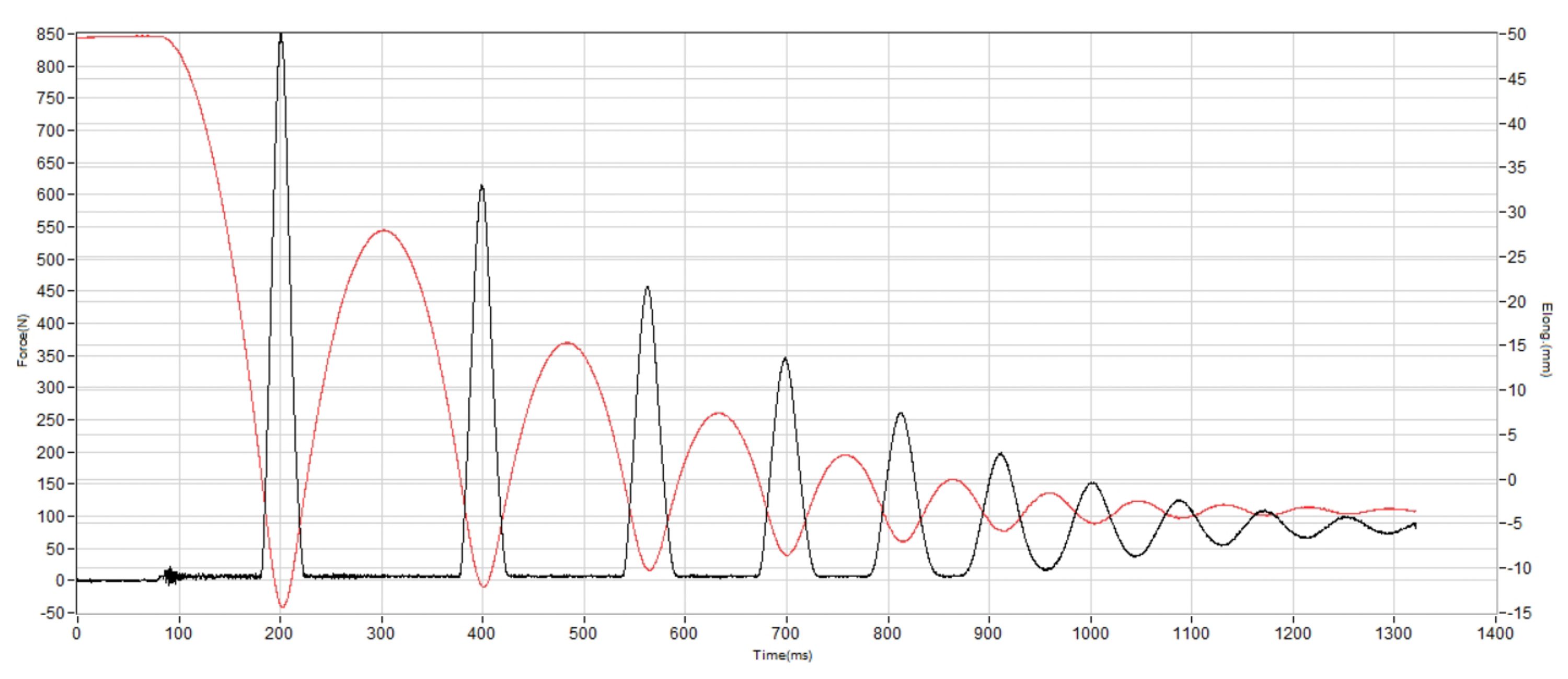
| Aventrail | 133 SA |
| Average | 122 SA |
Energy return
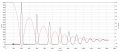
We found the energy return to be perfectly respectable, measuring 57.0% in the heel and 62.4% in the forefoot. These aren't class-leading numbers, but they land close to the current lab average and feel entirely appropriate for a shoe in this price range.
| Aventrail | 62.4% |
| Average | 59.7% |
Heel stack
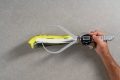
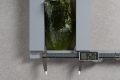
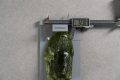
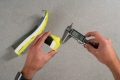
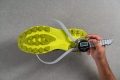
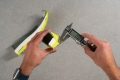
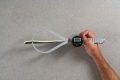
Based on the shock absorption results, we weren't surprised at all to find a substantial amount of foam underfoot when measuring the Aventrail with our digital calipers.
Our first measurement revealed 37.2 mm of height in the heel, placing the shoe firmly near max-stack territory.
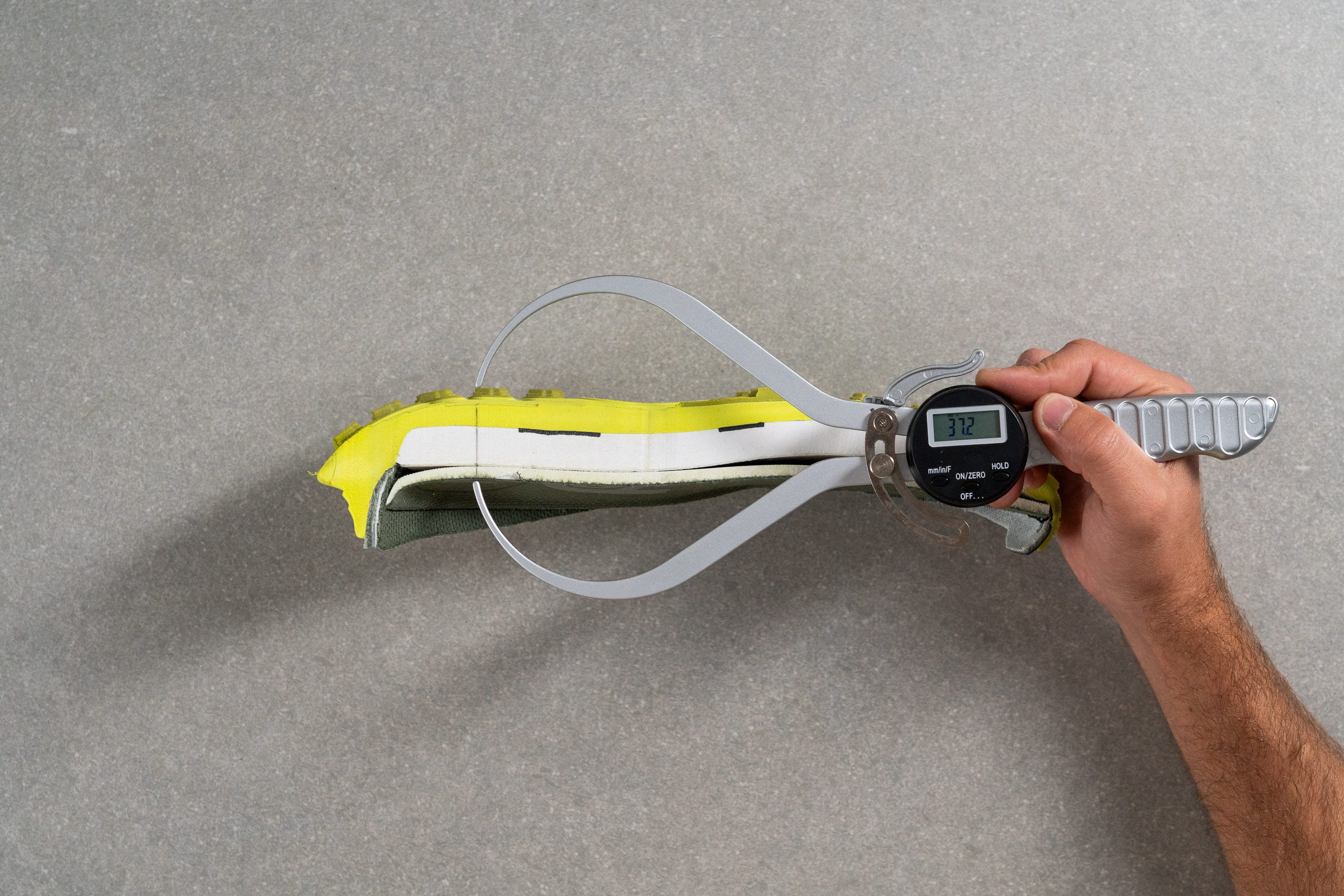
| Aventrail | 37.2 mm |
| Average | 33.0 mm |
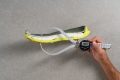
Forefoot stack
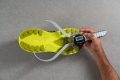
The forefoot also sits comfortably above the current average and even clears the 30 mm mark, although only by the slimmest of margins. We measured exactly 30.2 mm, making the Aventrail a highly protective choice for forefoot strikers as well.
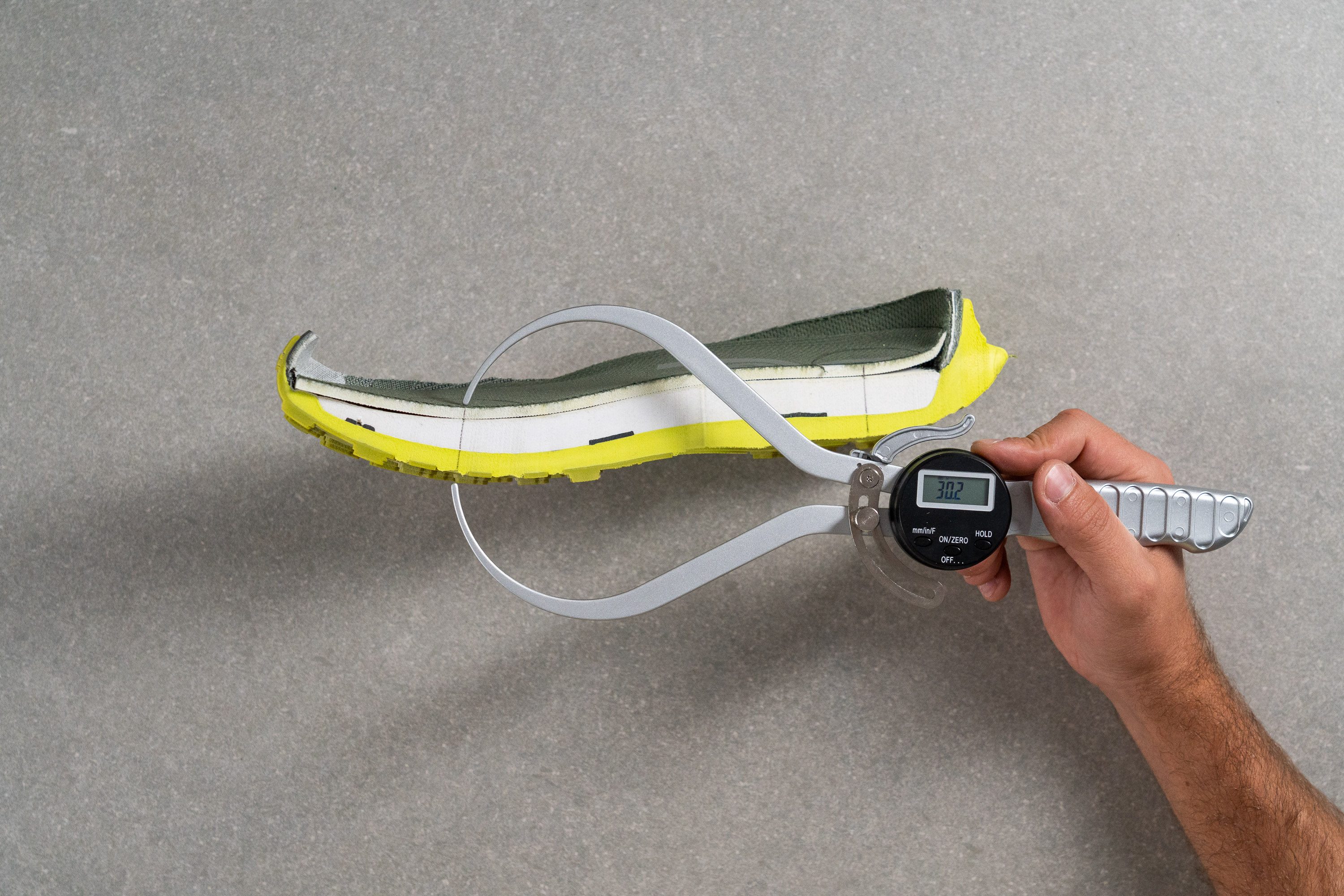
| Aventrail | 30.2 mm |
| Average | 25.7 mm |
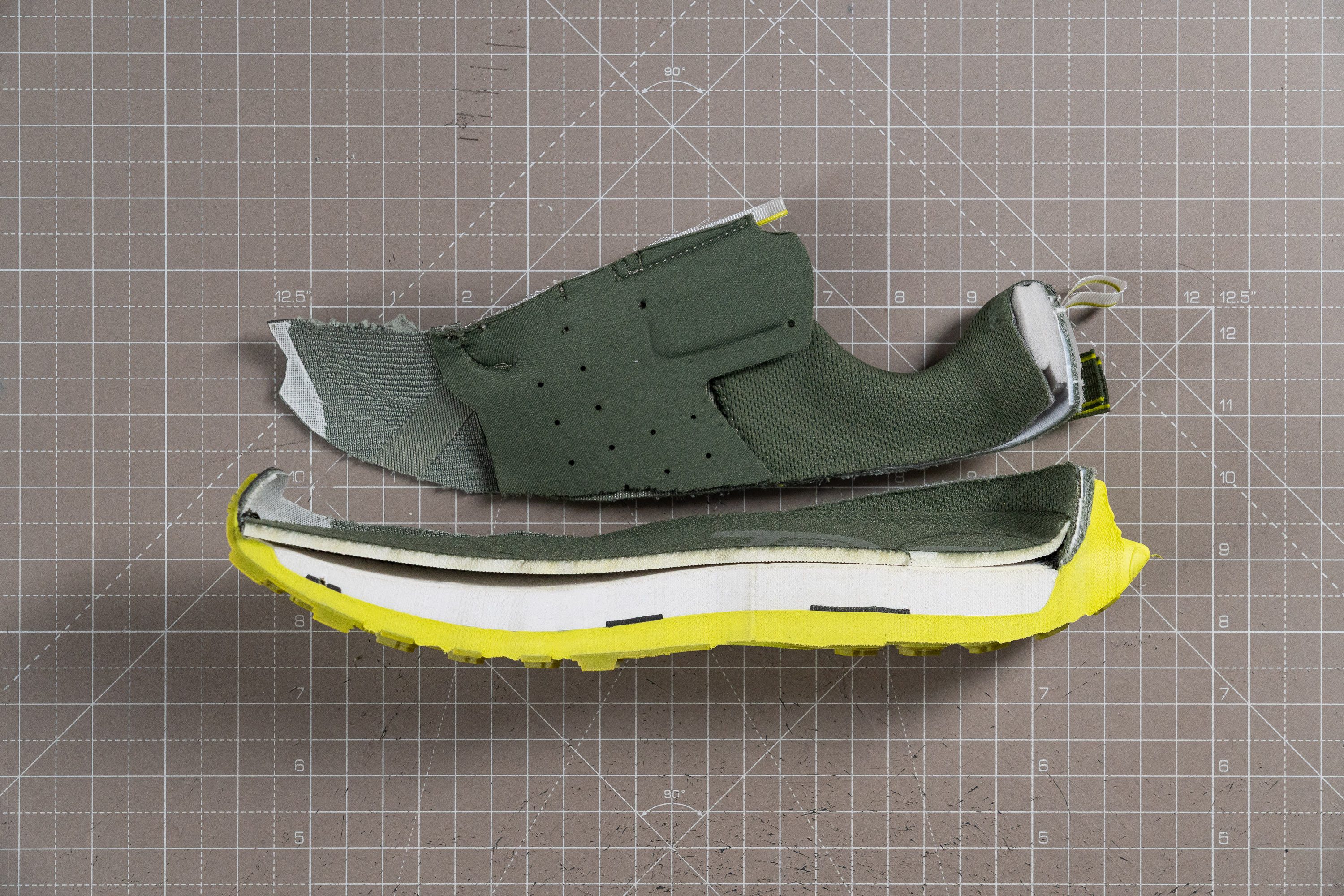
Drop
Teva lists the Aventrail with a 6.0 mm drop, and our measurements came in at 7.0 mm. That's a tiny difference that won't meaningfully affect the ride, as the shoe remains versatile enough to accommodate all footstrike patterns.
While we often consider 8 mm the most versatile drop for road running shoes, in trail running we'd place that sweet spot closer to 6-7 mm. That's exactly where the Aventrail lands.
| Aventrail | 7.0 mm |
| Average | 7.2 mm |
Midsole softness
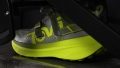
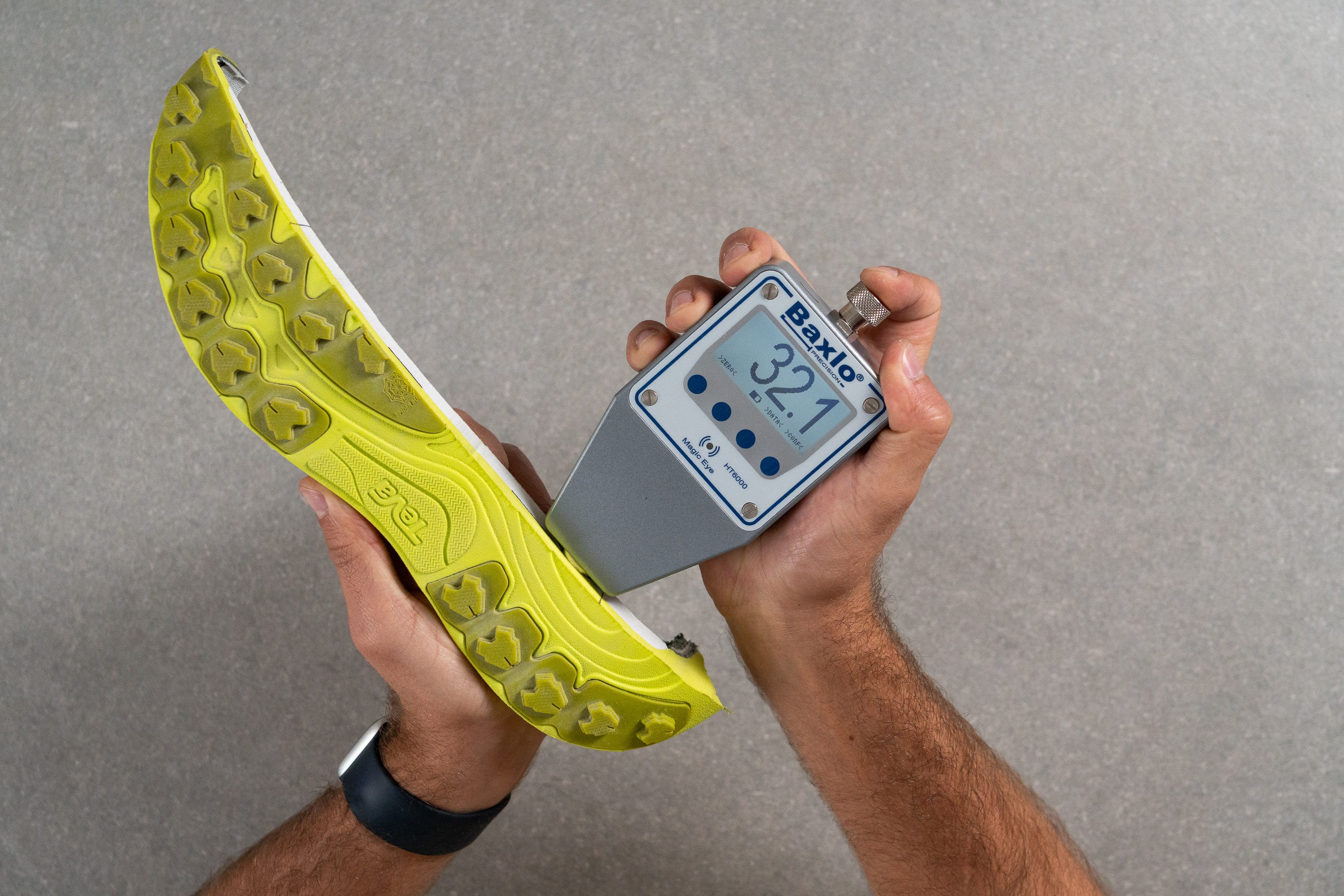
The Teva Aventrail uses an interesting dual-density setup called HYPER-COMF, pairing a supercritical foam in the main layer with a more traditional EVA compound underneath for added durability and stability.
Using our Asker C durometer, we measured the main foam at 32.1 AC, making it softer than the current average. However, the ride feels noticeably firmer than that number suggests because the secondary EVA layer plays a major role in the overall underfoot experience.
| Aventrail | 32.1 AC |
| Average | 38.1 AC |
Rocker
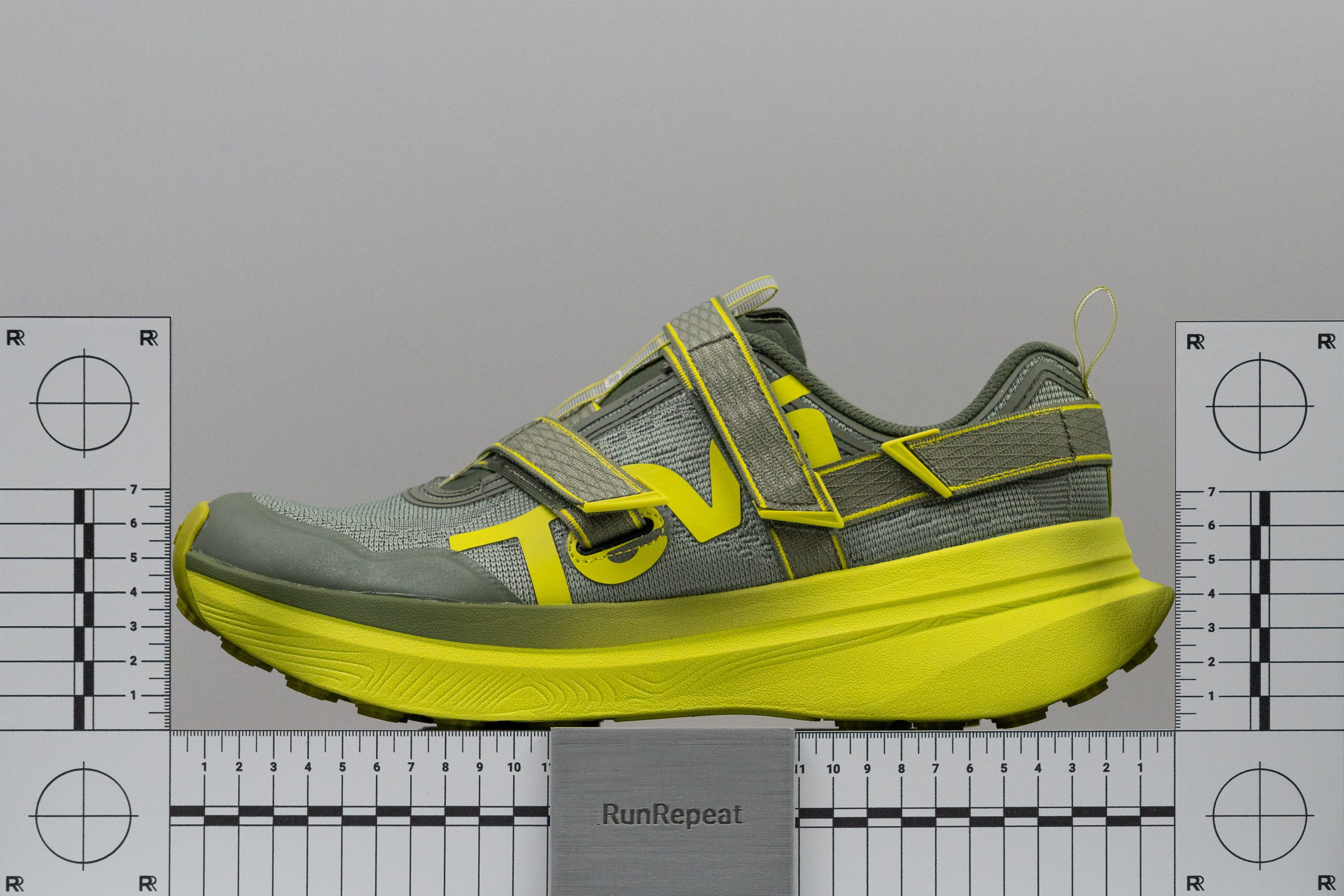
Due to its tall stack height and moderate drop, the Teva Aventrail features a rockered geometry that helps heel strikers transition smoothly through each step. However, we appreciated that the forefoot rocker remains fairly restrained, as overly aggressive designs often feel awkward and unnatural on the trails.
Plate
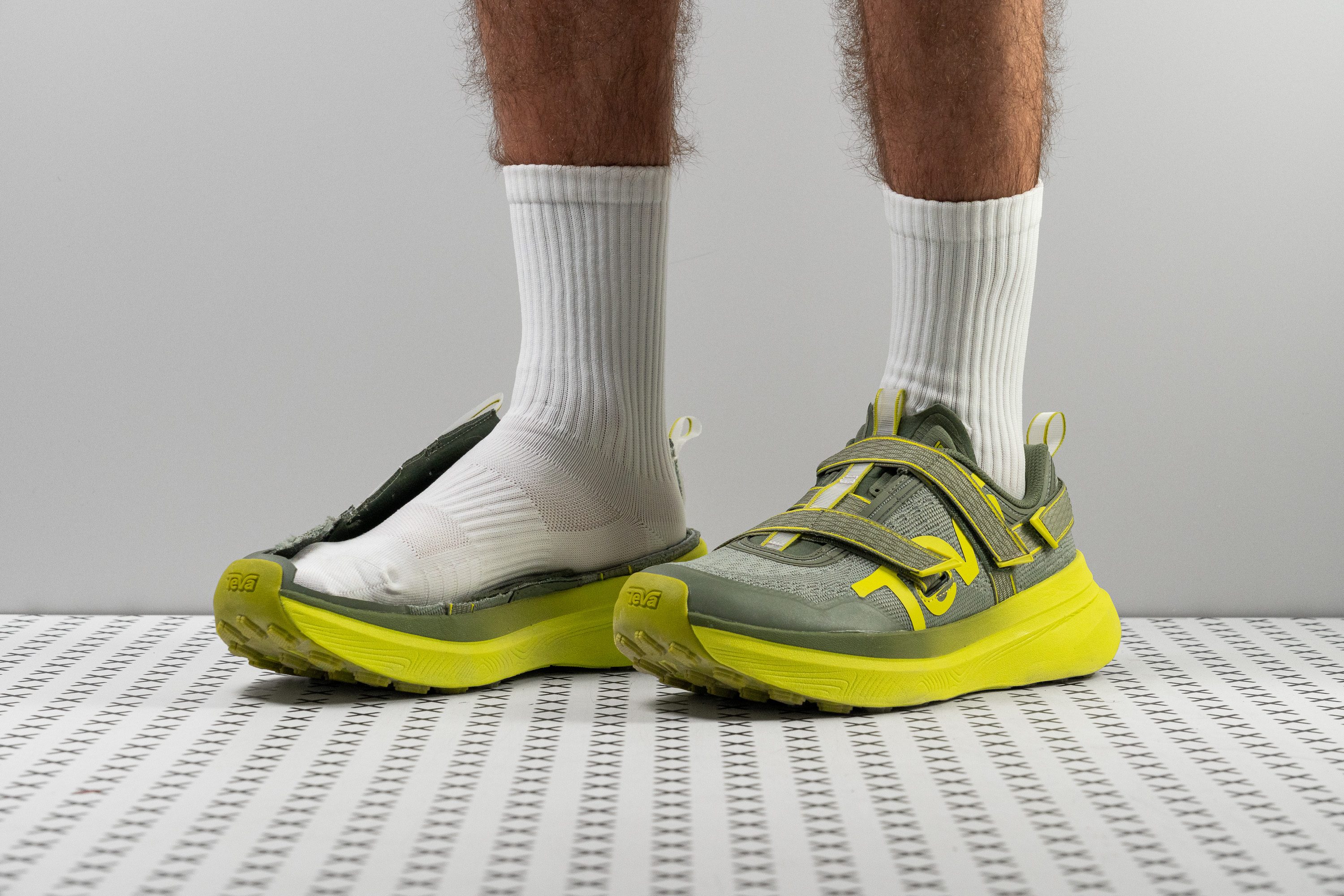
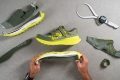
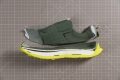
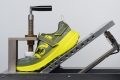
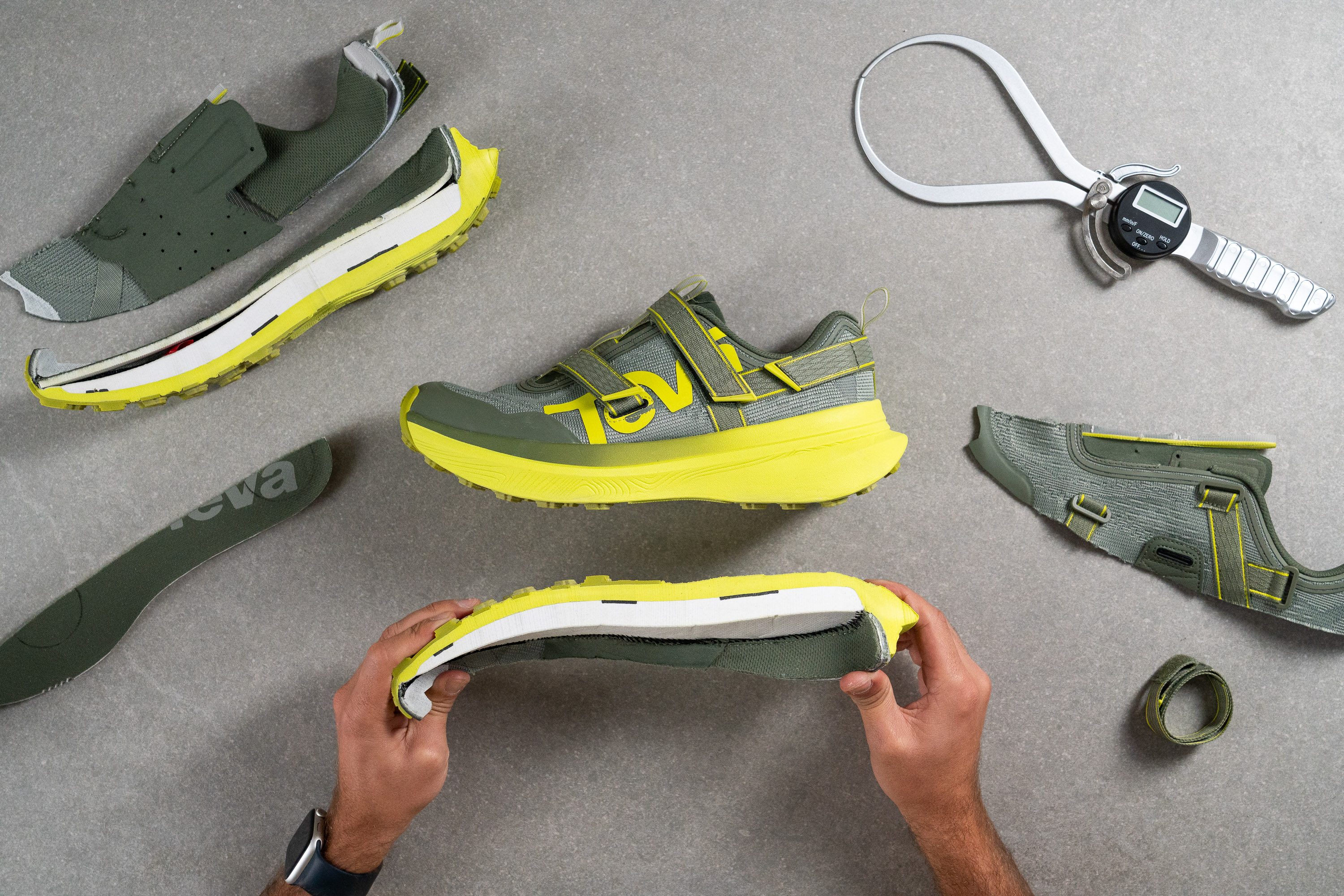
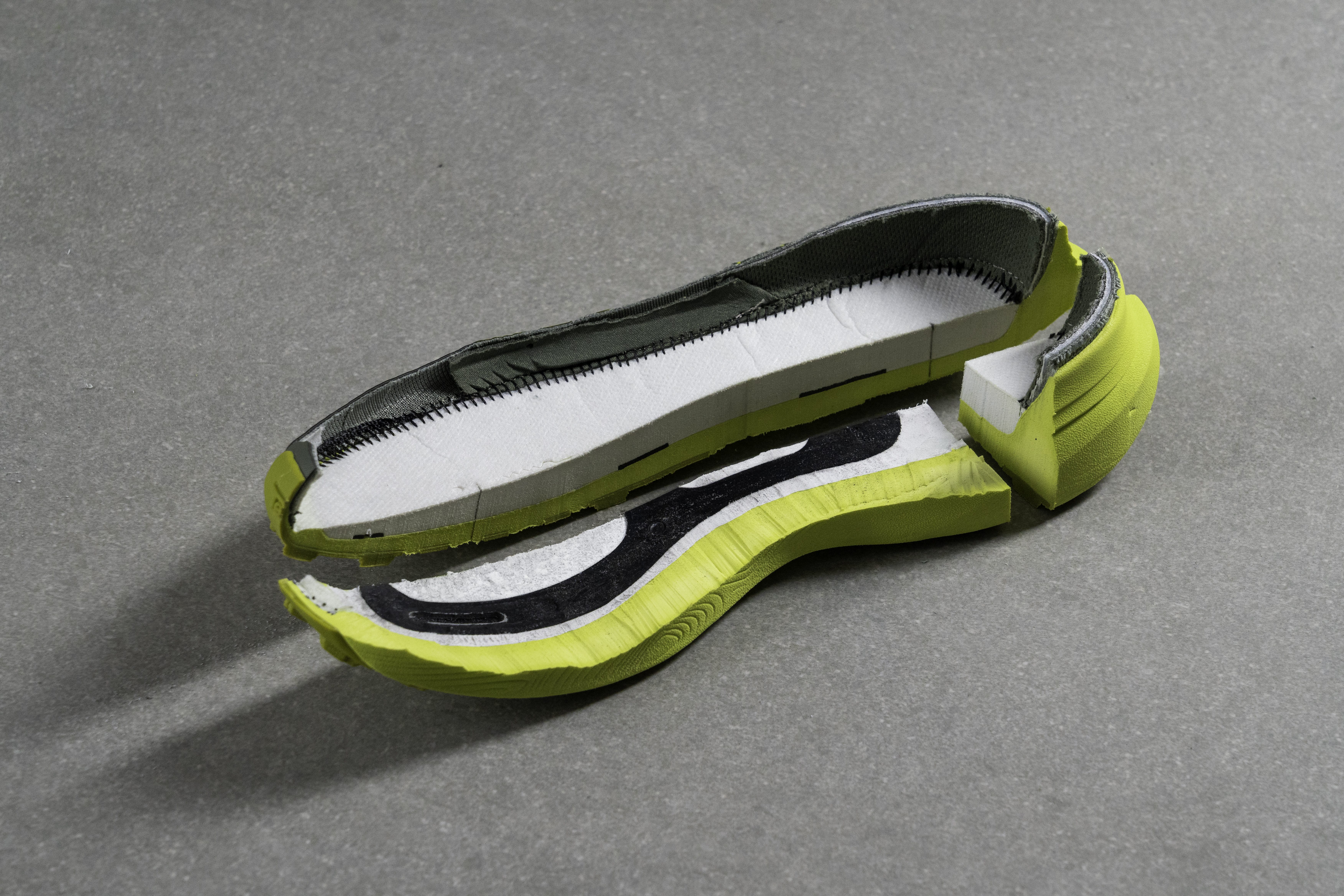
But there's even more going on inside the Teva Aventrail's midsole. Teva also added a nylon plate that extends from the midfoot all the way to the toe area, featuring several cutouts to reduce weight and improve flexibility.
To give you a better look at the design, we dug through the foam and exposed the plate.
Size and fit
Size
Internal length
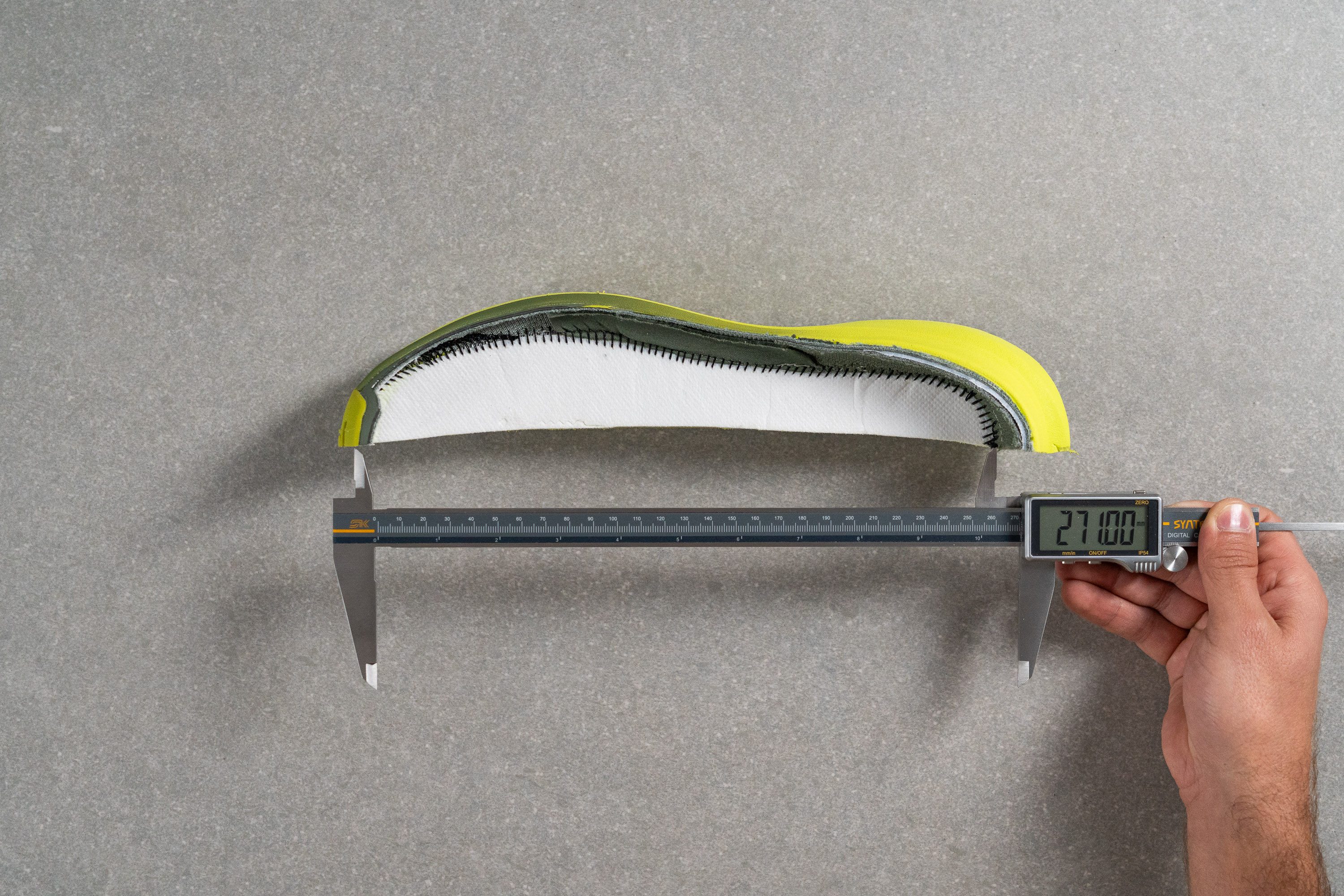
| Aventrail | 271.0 mm |
| Average | 269.2 mm |
Width / Fit
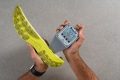
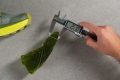
We poured gel into the Aventrail and placed it in our fridge, allowing it to cool until it became solid enough for us to remove and measure accurately.
Our first fit measurement came in at 95.2 mm. Since Teva doesn't offer the Aventrail in wide sizes, we weren't surprised to find a shape that lands almost exactly at the current average.
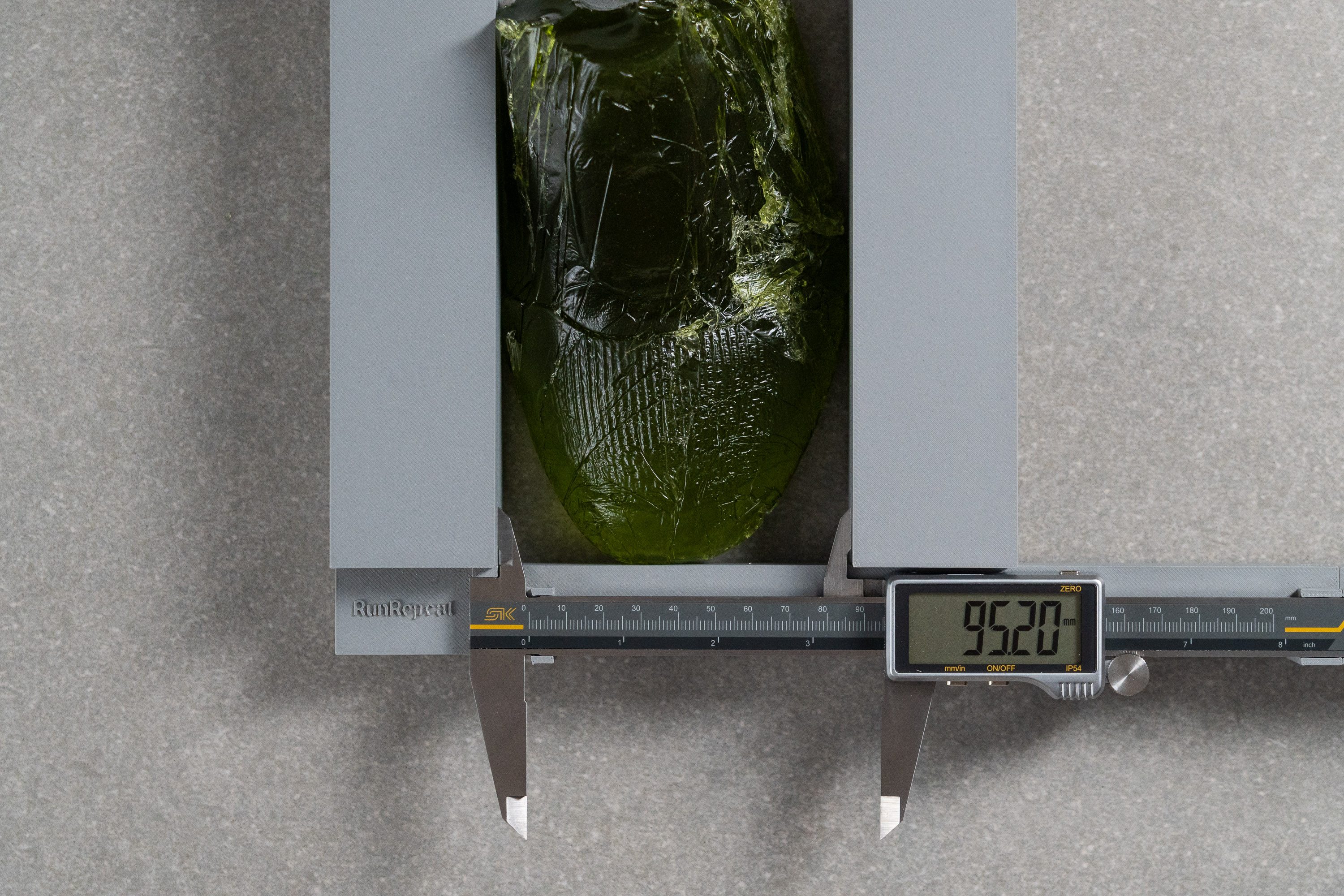
| Aventrail | 95.2 mm |
| Average | 95.7 mm |
Toebox width
The toebox is slightly more tapered than average, measuring 72.3 mm in width, but we still think it should accommodate most runners comfortably.
And considering the Aventrail's tall stack height, the added security that comes from a more dialed-in fit could be actually a welcome design choice.
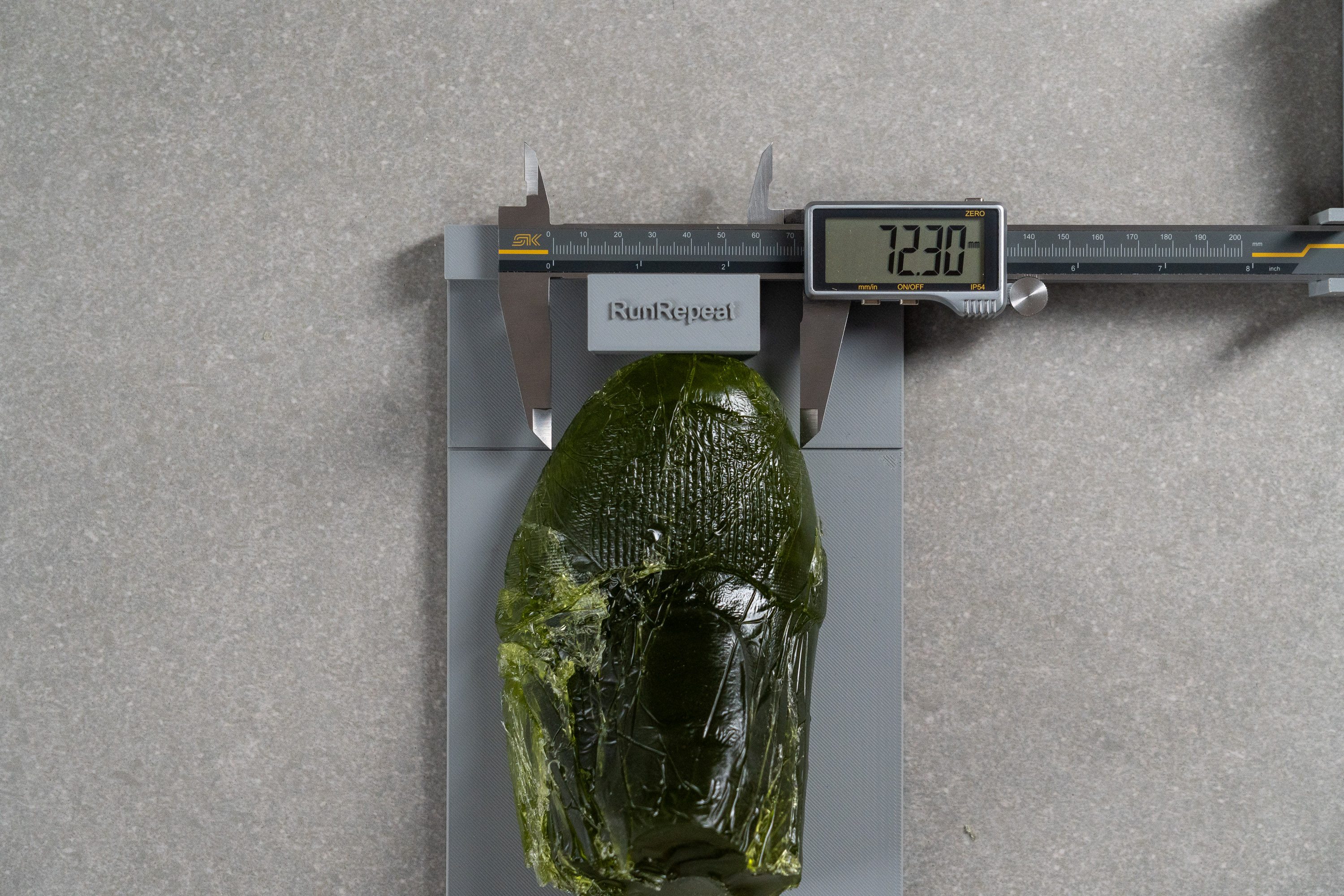
| Aventrail | 72.3 mm |
| Average | 74.3 mm |
Toebox height
We also found the Aventrail to offer a slightly more snug and secure fit in terms of vertical space above the toes.
We measured here a toebox height of 25.7 mm.
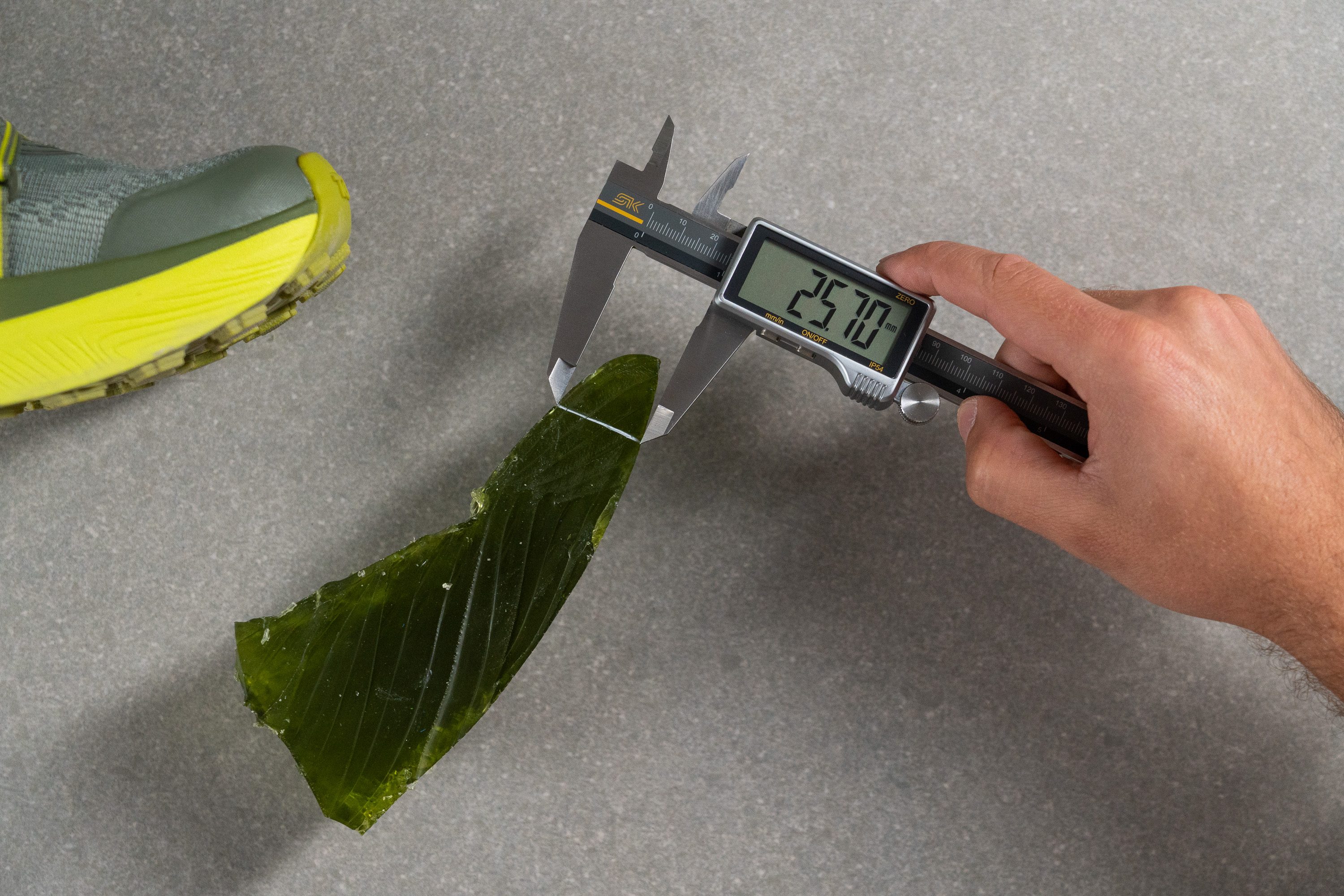
| Aventrail | 25.7 mm |
| Average | 27.0 mm |
Traction / Grip
Traction test
The Teva Aventrail outsole performed well in our lab, delivering a CoF of 0.62, although it fell slightly short of the average. Nonetheless, we found that the grip is reliable in most conditions, just don’t expect the outsole to deliver the bite of Vibram Megagrip.
| Aventrail | 0.62 |
| Average | 0.68 |
Lug depth
The Aventrail features 3.8 mm lugs, which makes it a solid choice for easy and moderately challenging trails. However, we don't think it's the best option for highly technical terrain, partly because of the outsole design, which we'll examine next.
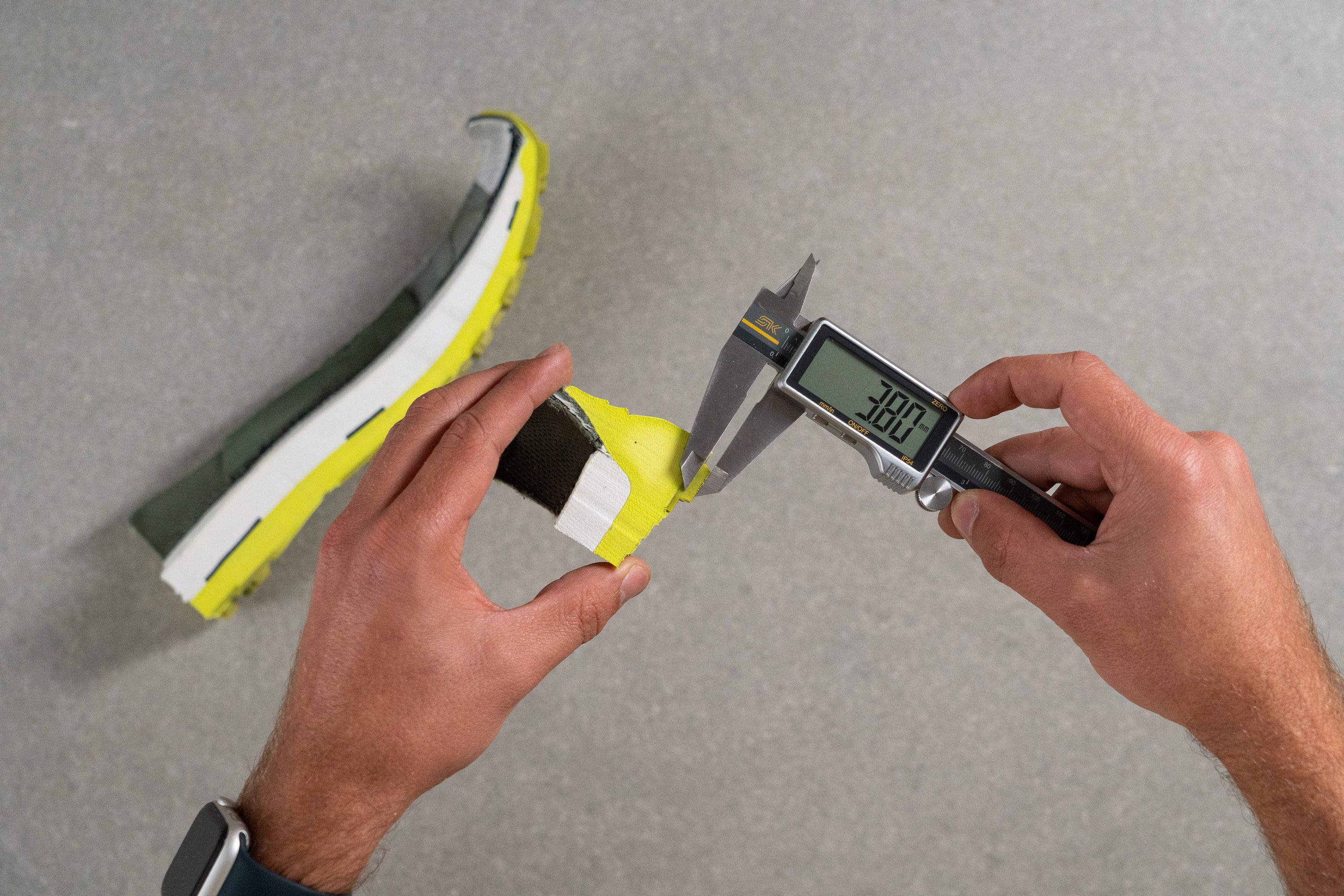
| Aventrail | 3.8 mm |
| Average | 3.5 mm |
Outsole design
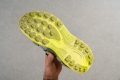
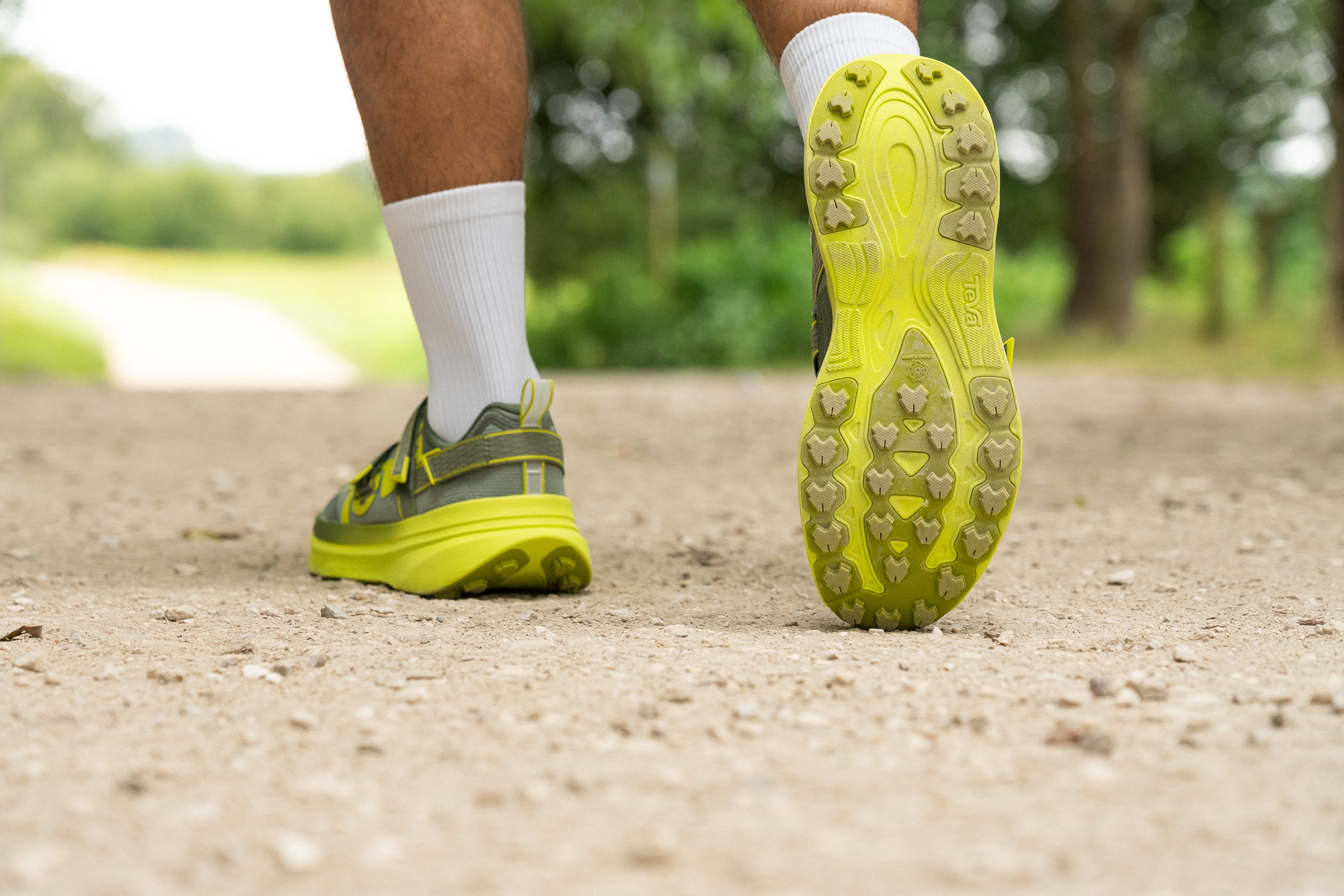
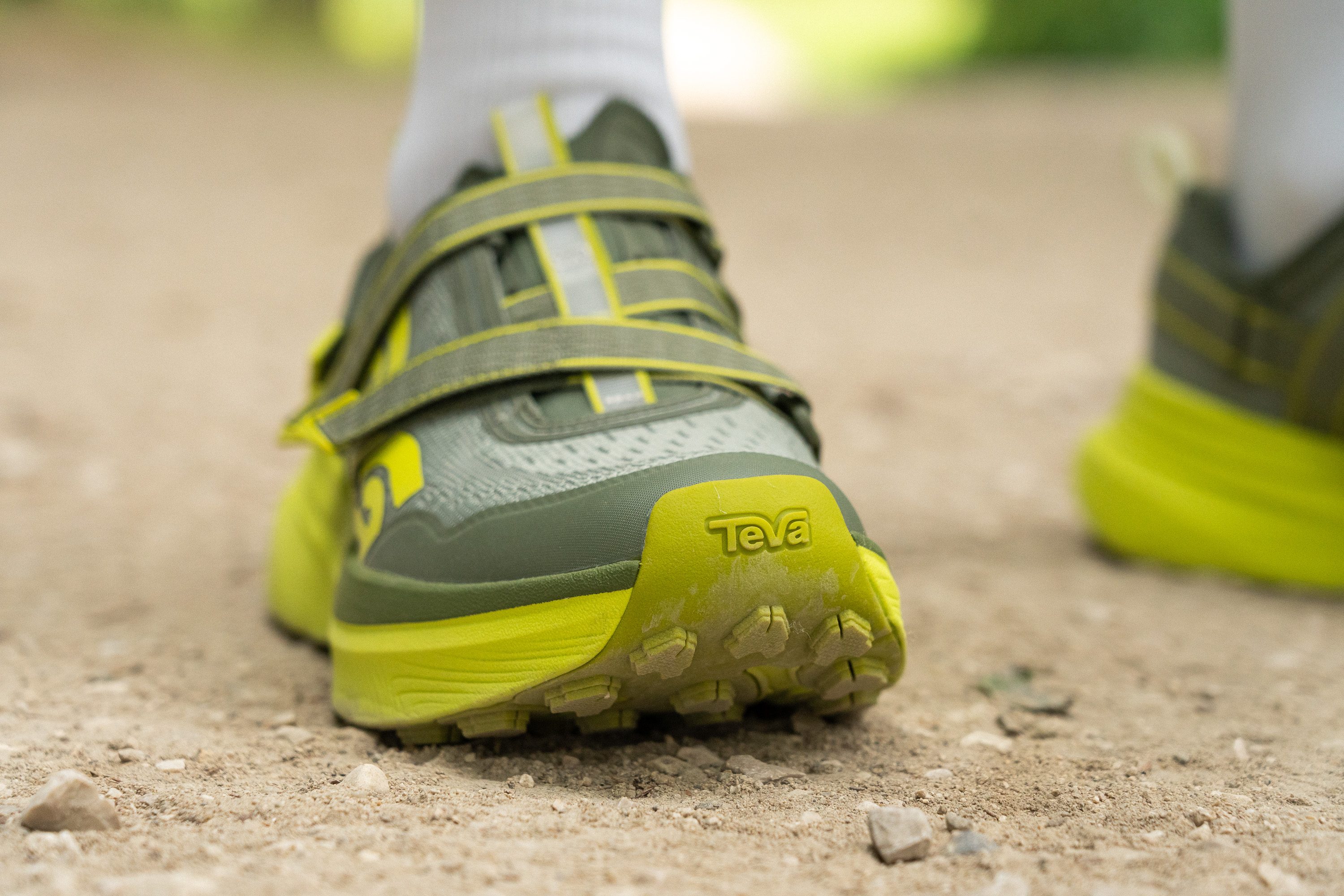
Teva took an unconventional approach with the outsole, using relatively limited rubber coverage and leaving the midfoot completely free of lugs. That's quite different from what we typically see in trail shoes, and even the heel keeps things minimal, featuring just ten lugs in total.
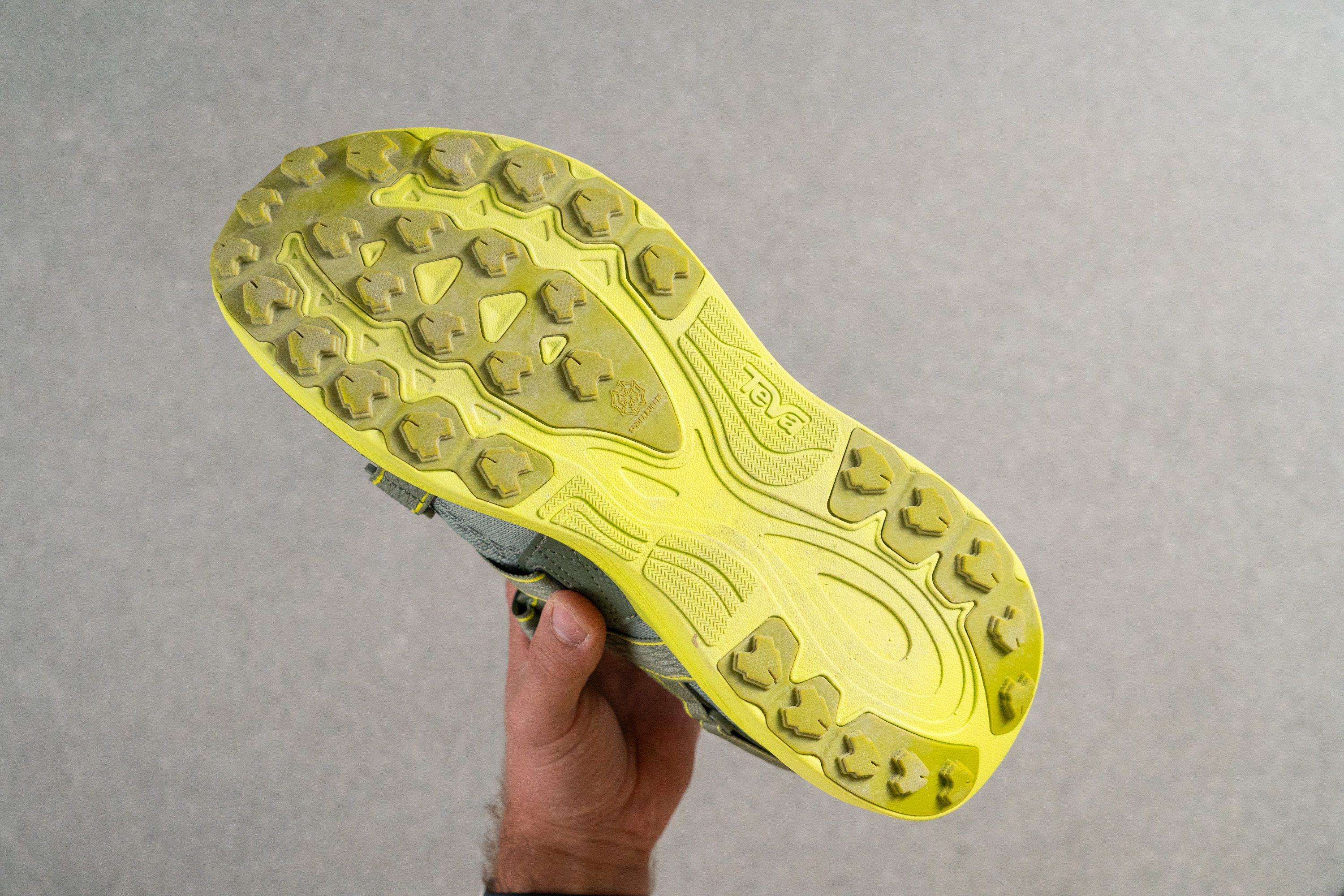
All of the lugs share the same shape, but their orientation changes depending on location. This allows the outsole to better assist with braking on descents and traction during toe-off.
Flexibility / Stiffness
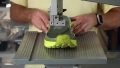
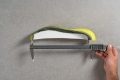
The lack of full-length rubber coverage allows the Aventrail to flex more easily than most shoes with a similar stack height. Our testing confirmed that impression, as it required just 16.2N of force in our custom bending machine.
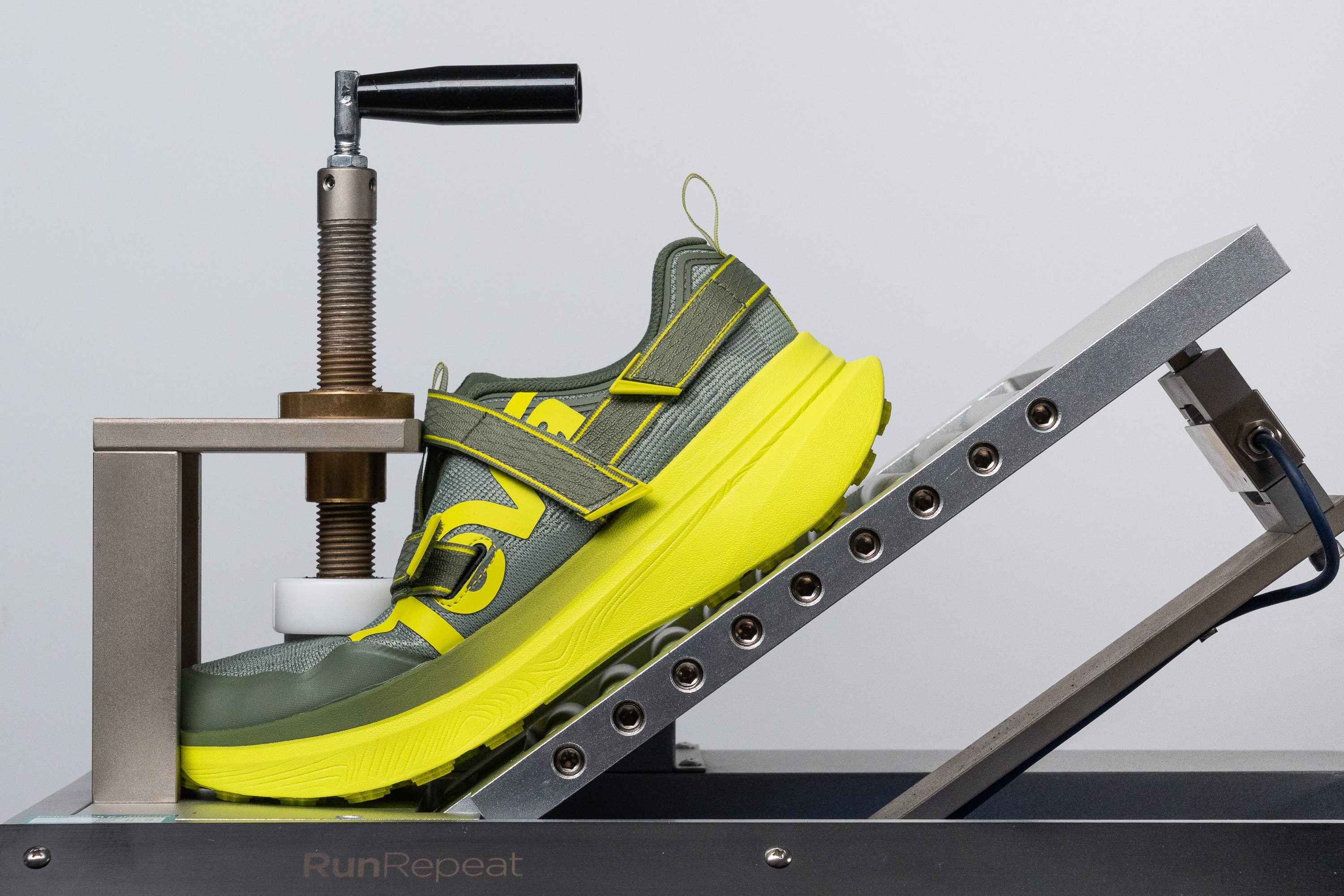
| Aventrail | 16.2N |
| Average | 14.8N |
Weight
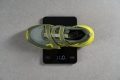
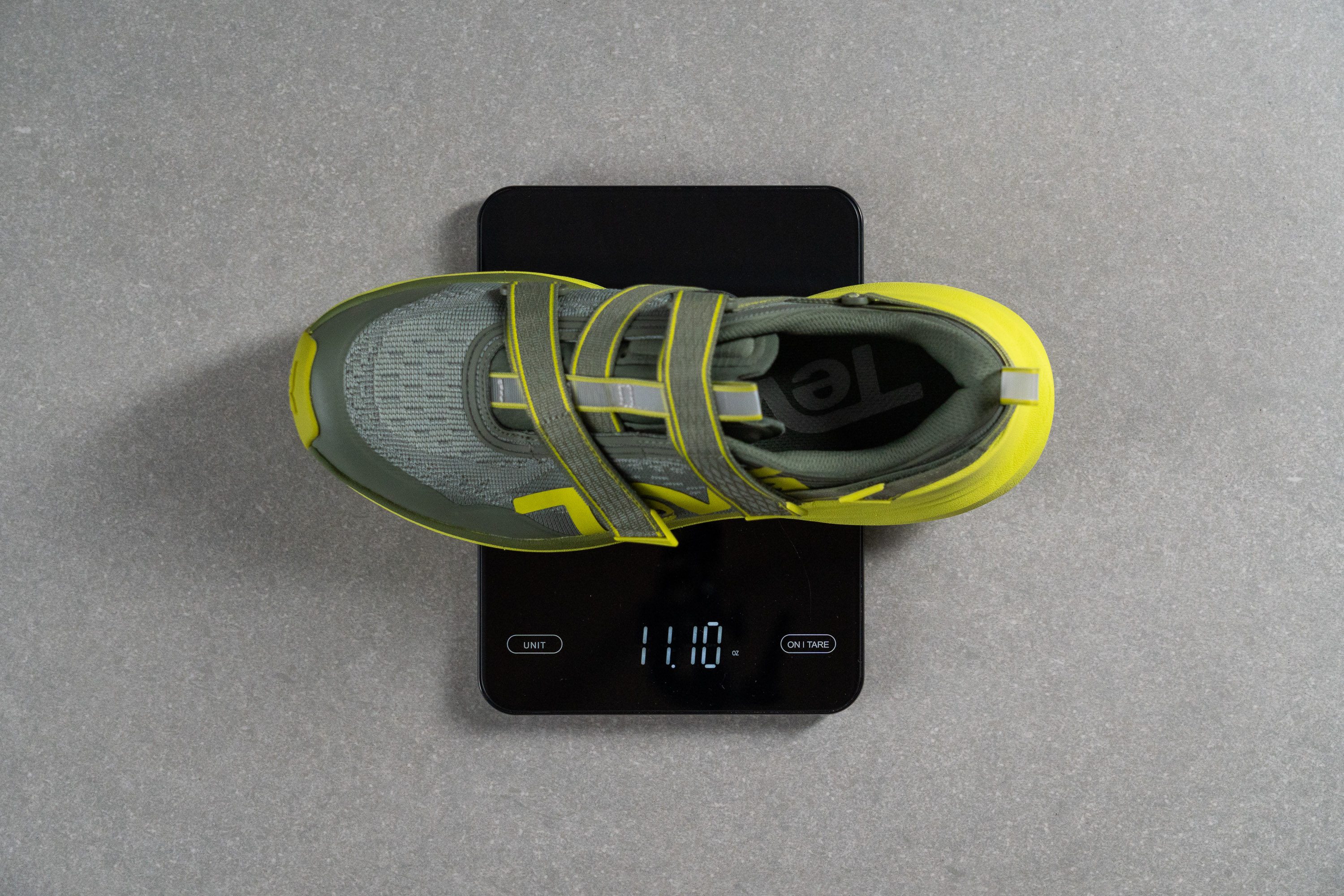
The price of that towering stack height becomes apparent here. At 11.1 oz (315g), the Teva Aventrail is clearly heavier than most trail shoes we typically test in the lab.
Whether that's a deal-breaker or not will depend entirely on your priorities. For some runners, the added protection will be well worth the extra weight, while others may prefer a lighter and more agile ride.
| Aventrail | 11.1 oz (315g) |
| Average | 10.1 oz (285g) |
Breathability
Breathability test
A shoe that pulls sweat away from the foot effectively can help keep feet drier and reduce the risk of hotspots and blisters on longer outings.
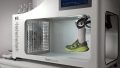
The Aventrail performed well in this area, earning a result of 65 BR in our test. While it doesn't rank among the top performers, it's a solid outcome for a trail shoe and one that should prove more than adequate for most runs and hikes.
| Aventrail | 65 BR |
| Average | 71 BR |
Drying potential
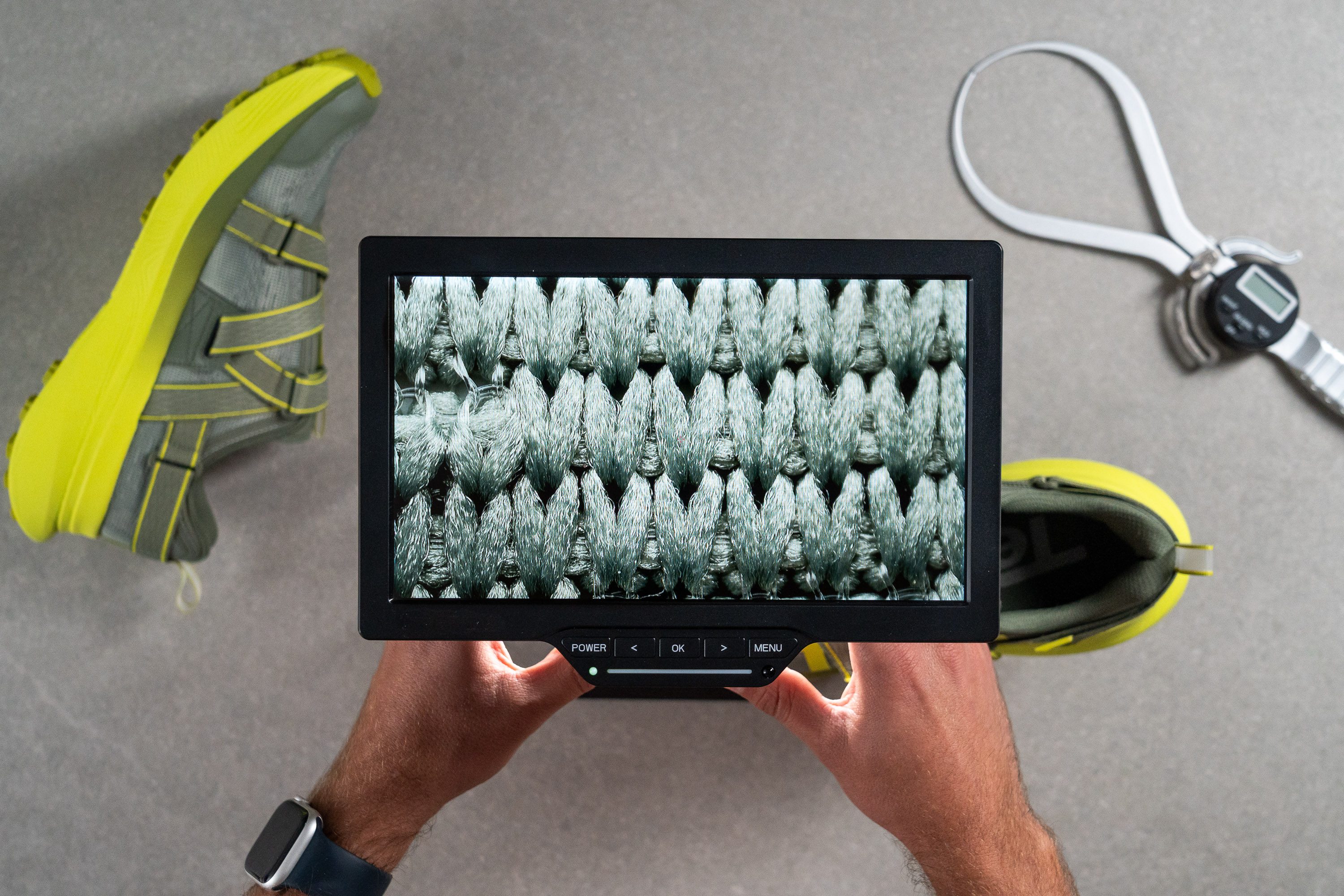
NewOne thing we really liked about the Teva Aventrail is that it doesn't look like every other trail shoe on the market. That distinctive character extends to the upper, which uses a unique construction instead of a standard engineered mesh.
However, that unique design comes with a small drawback. While drying potential depends on the entire shoe system, we believe the upper is a major reason why the Aventrail underperformed in this test with a result of 45%. Simply put, it tends to retain moisture a bit longer than we'd like and doesn't dry as quickly as many competing trail shoes.
| Aventrail | 45% |
| Average | 51% |
Stability
Lateral stability test
We found the Teva Aventrail to be surprisingly stable on the trails despite its tall stack height. So, how does Teva pull that off?
The answer lies in a combination of stability-focused features working together. The embedded plate adds structure, the wide platform creates a secure foundation, and the firmer EVA carrier foam helps keep lateral movements under control. Together, these elements give the Aventrail a notably stable ride for such a highly cushioned shoe.
Torsional rigidity
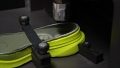
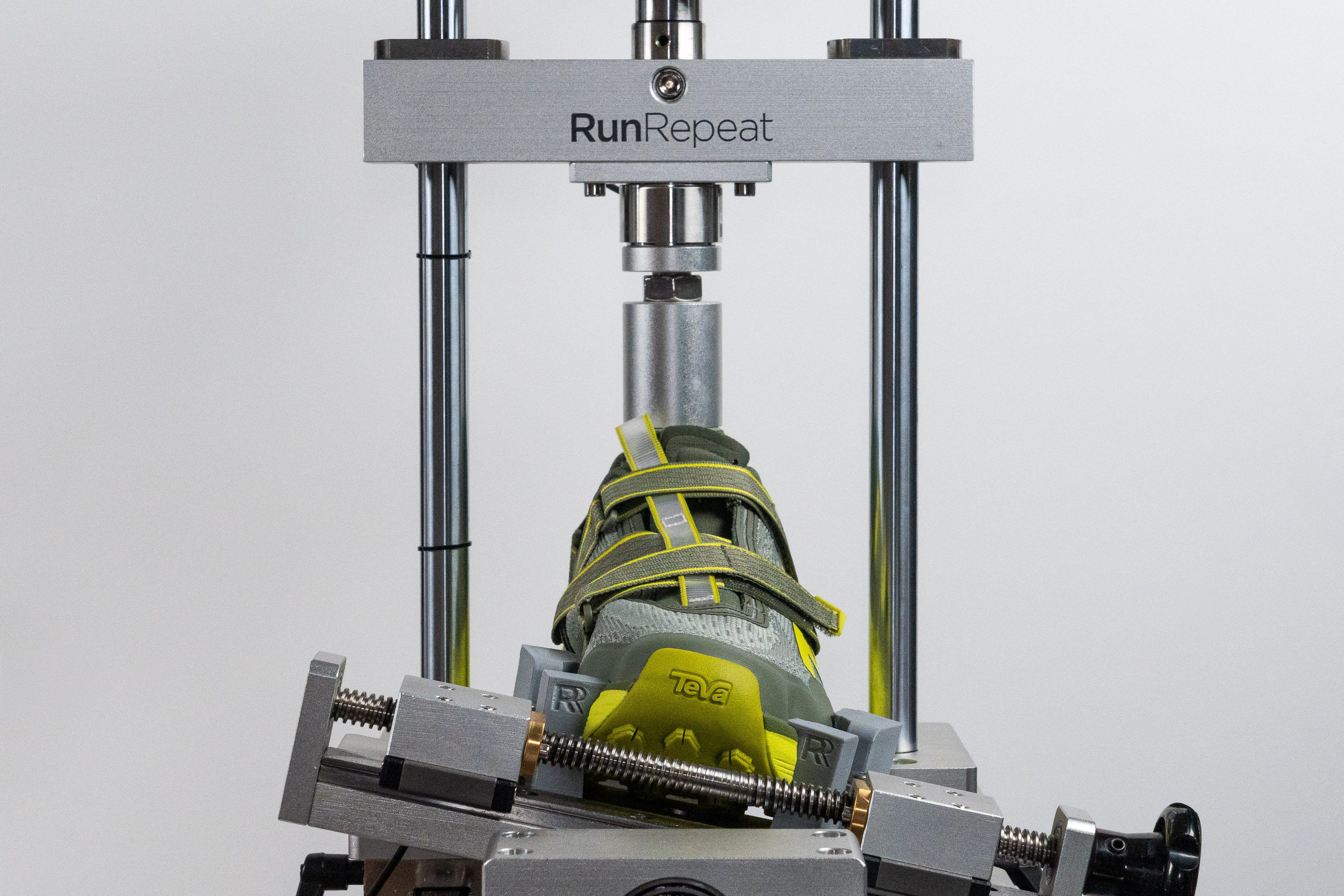
In our torsional rigidity test, the Aventrail posted a remarkably high result of 21.0 Nm. That's largely explained by two key elements: the towering stack height and the nylon plate embedded in the midsole, which we exposed and examined earlier in this review.
| Aventrail | 21.0 Nm |
| Average | 15.7 Nm |
Heel counter stiffness
The heel counter also raises the support level above what we typically find in trail shoes, earning a solid 4/5 score in our assessment. That result also helps explain the generous amount of padding we found in this area.
| Aventrail | 4 |
| Average | 2.9 |
Midsole width - forefoot
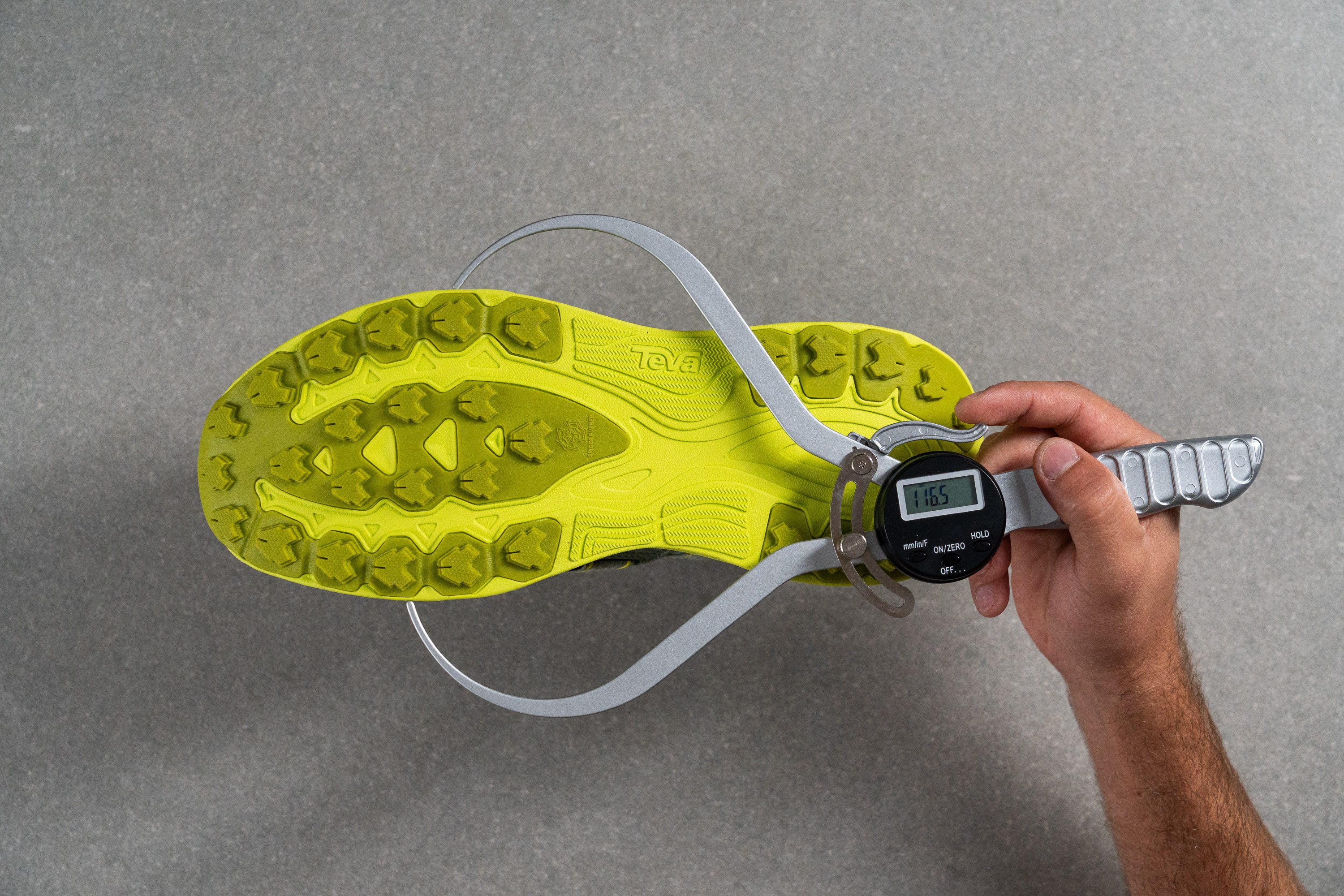
The forefoot reaches 116.5 mm at its widest point, creating a broad platform that further enhances the Aventrail's stable and confidence-inspiring ride.
| Aventrail | 116.5 mm |
| Average | 114.3 mm |
Midsole width - heel
However, it's the heel where Teva's designers really doubled down on stability, even if that comes with an obvious trade-off in agility.
Our calipers revealed a massive 100.2 mm width in this area, making it one of the broadest heel platforms we've measured in a trail shoe.
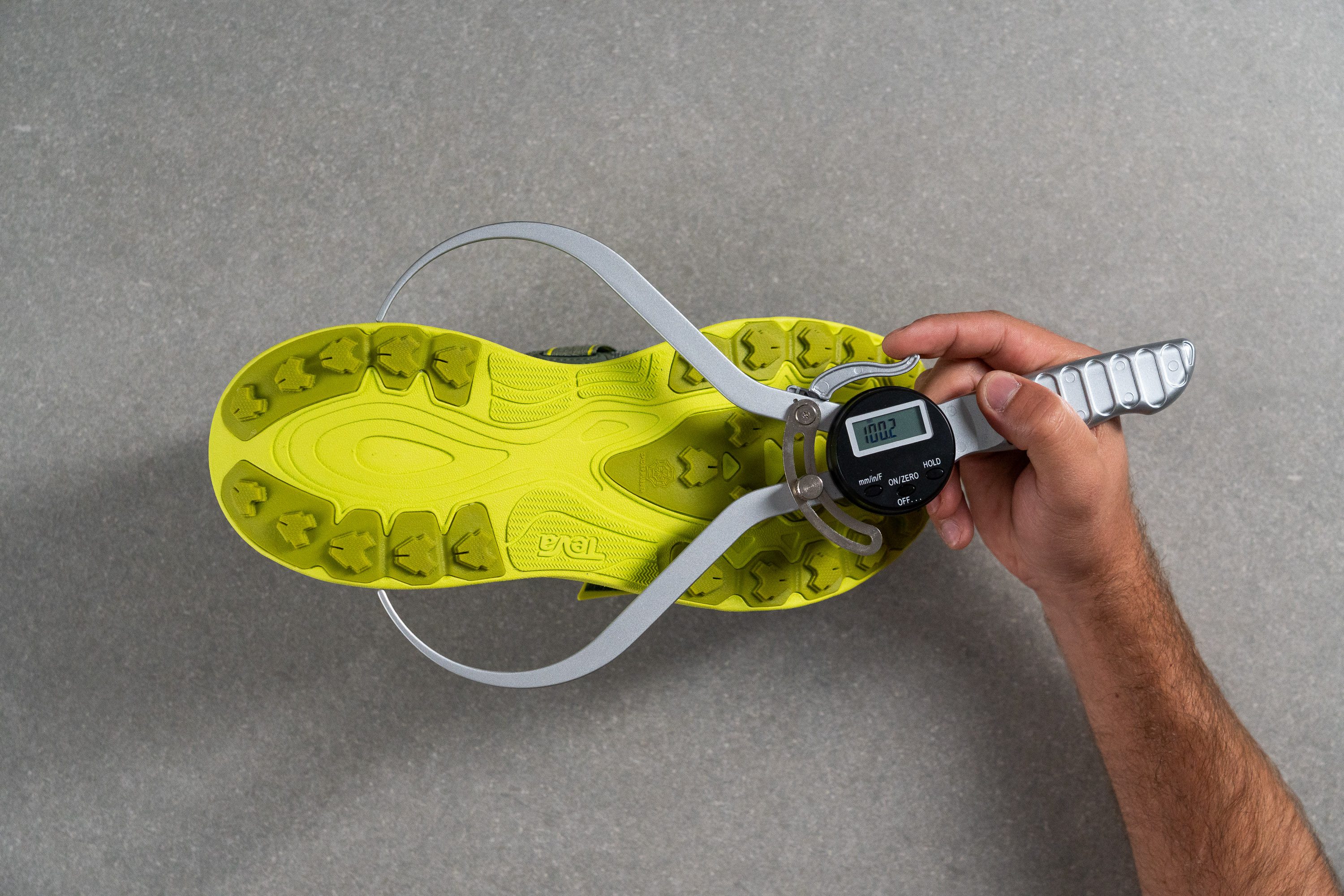
| Aventrail | 100.2 mm |
| Average | 90.5 mm |
Durability
Toebox durability
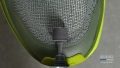
The upper is a clear highlight, combining strong airflow with impressive durability. It earned a 4/5 score in our Dremel test, a result that's not easy to achieve in a highly breathable trail shoe.
Teva also added a substantial toe bumper up front, providing an extra layer of protection when you inevitably kick a rock on the trails.
| Aventrail | 4 |
| Average | 3.1 |
Heel padding durability
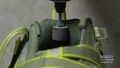
We were also pleased with the heel padding durability. The Aventrail earned a strong 4/5 in our second Dremel test, a result that exceeds the current lab average.
| Aventrail | 4 |
| Average | 3.1 |
Outsole durability
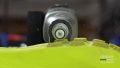
Spider Rubber may have one of the most strange names in the running world for an outsole compound, but it also backs it up with solid durability. In our Dremel test, it lost just 0.8 mm of material, a strong result that proves there's more to this outsole than its funny branding.
| Aventrail | 0.8 mm |
| Average | 0.9 mm |
Outsole thickness
Teva took a balanced approach here, using a 2.0 mm outsole that provides adequate protection without adding unnecessary bulk.
We think that was a smart decision, especially considering that the Aventrail already sits on the heavier side of the spectrum.
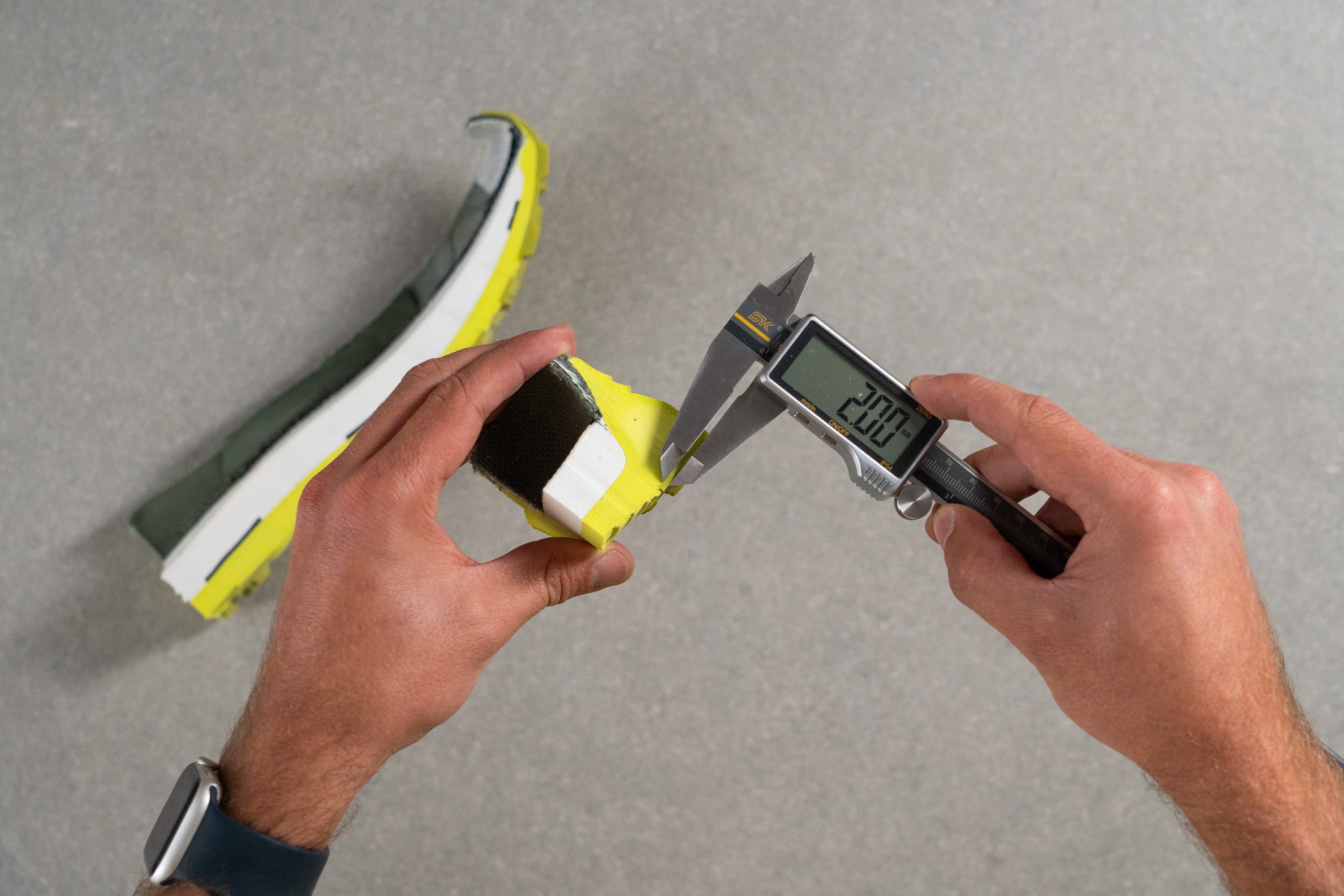
| Aventrail | 2.0 mm |
| Average | 1.9 mm |
Misc
Insole thickness
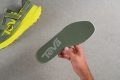
The included insole measures 4.5 mm in thickness, which places it right in line with what we typically see from competing trail shoes. At least from a thickness standpoint, there's nothing particularly unusual about it.
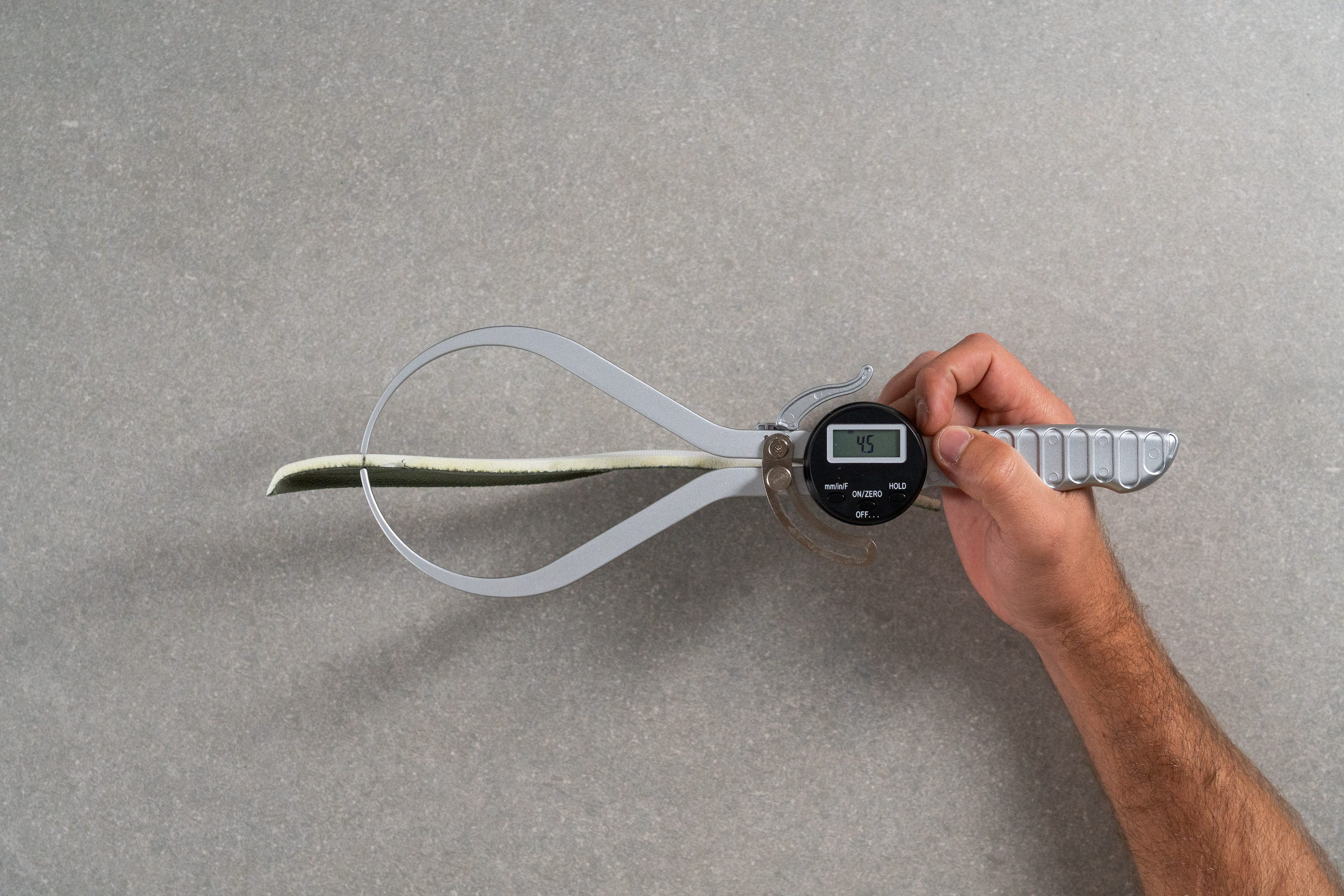
| Aventrail | 4.5 mm |
| Average | 4.6 mm |
Removable insole
If you'd rather use a custom insole instead of the one included by Teva, swapping it out is quick and hassle-free.
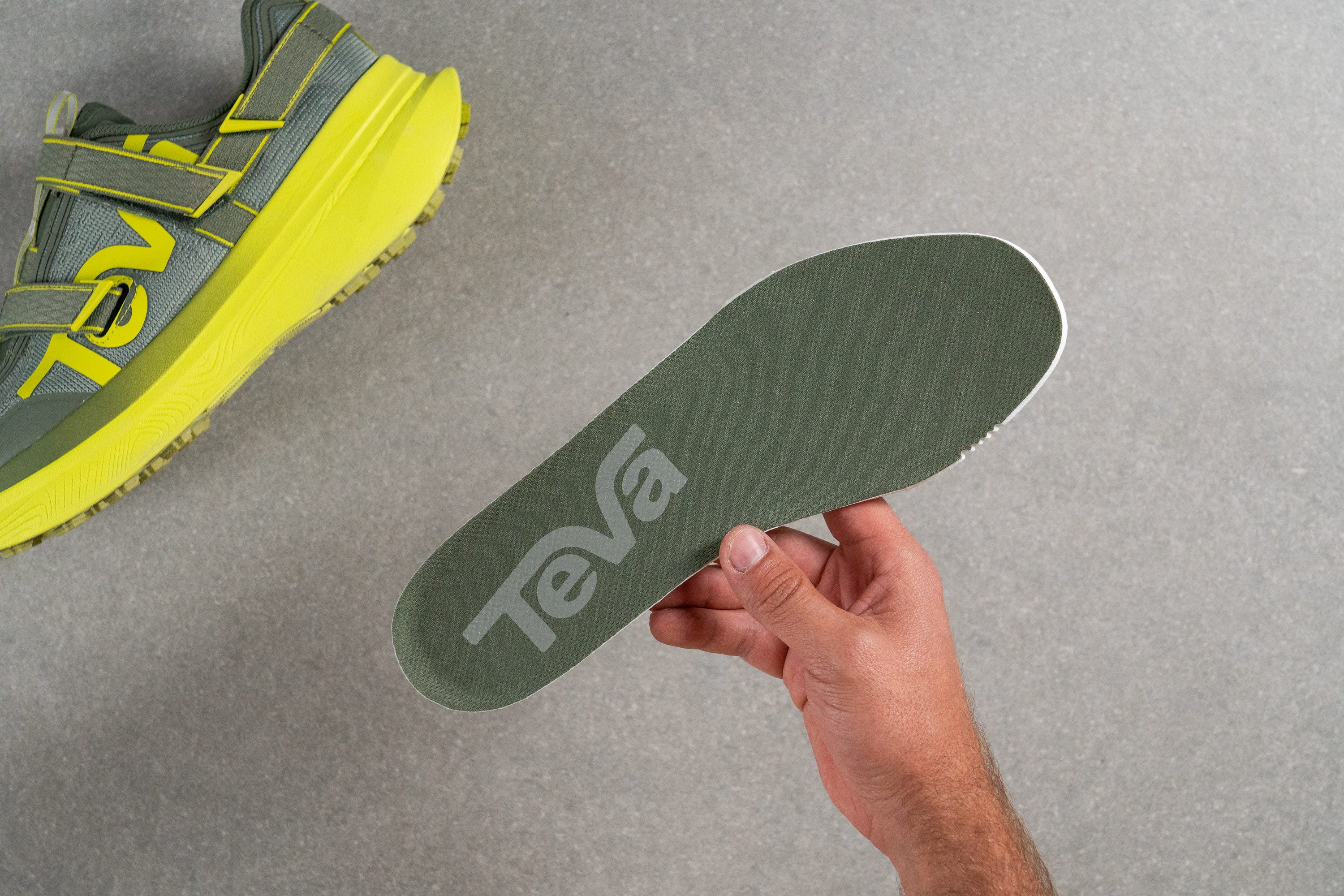
| Aventrail | Yes |
Reflective elements
We shined a powerful light to the Aventrail hoping to find some reflective elements, but unfortunately came up empty-handed. Maybe next time?
| Aventrail | Yes |
Tongue padding
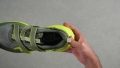
One of the most interesting features of the Teva Aventrail is the patent-pending W Strapping System, which replaces traditional laces with a unique fit-adjustment setup. We think some runners will love how quickly it delivers a personalized fit, while others may see it as a deal-breaker and prefer a more conventional, lace-based design.
The tongue is clearly tuned for performance and weight savings, measuring just 1.6 mm thick. As a result, don't expect a plush step-in feel here.
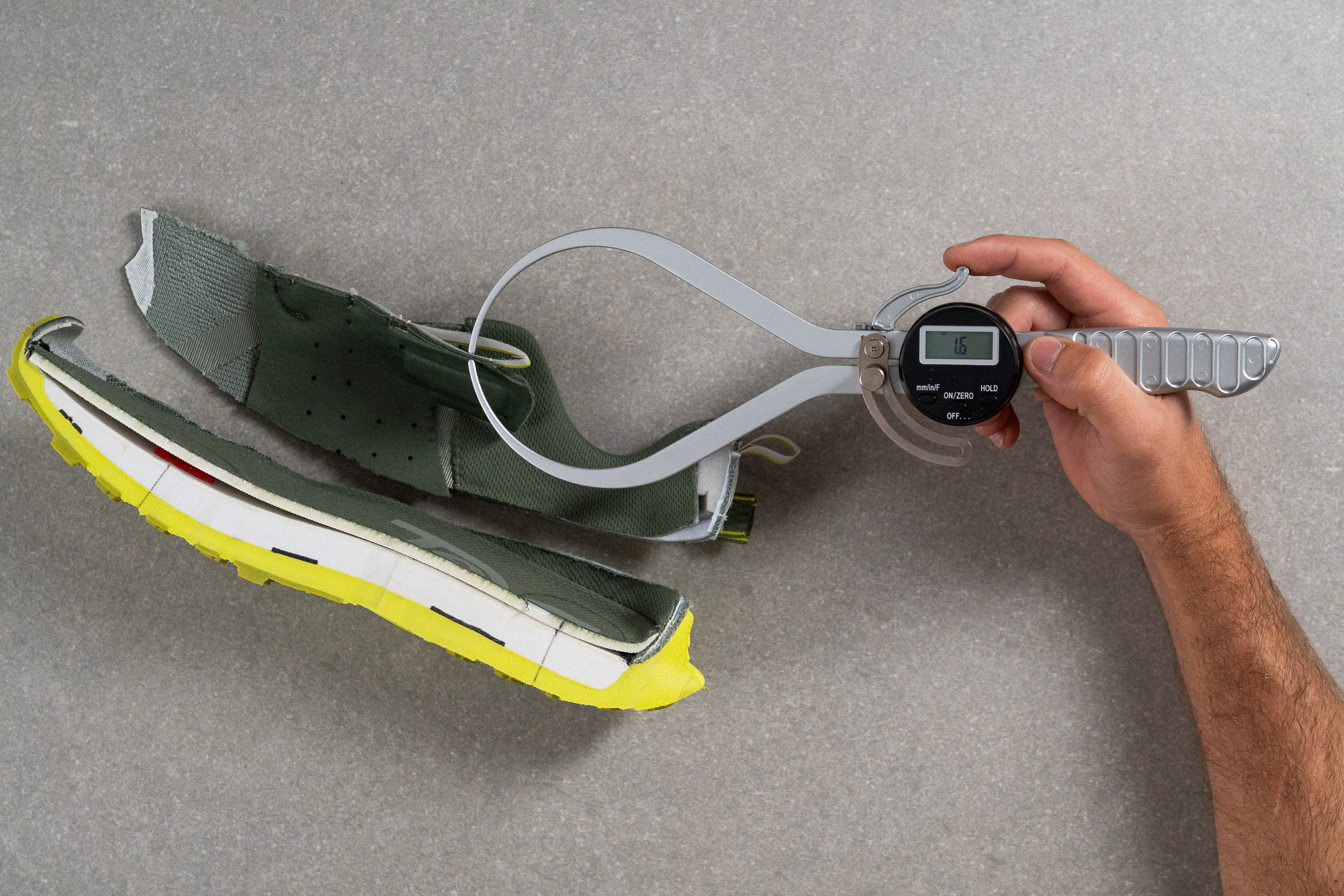
| Aventrail | 1.6 mm |
| Average | 6.4 mm |
Tongue: gusset type
This is one of the most effective and original gusseted tongue designs we've seen recently. It noticeably improves lockdown while also doing an excellent job of keeping debris out, whereas many competing shoes tend to prioritize one of those benefits at the expense of the other.
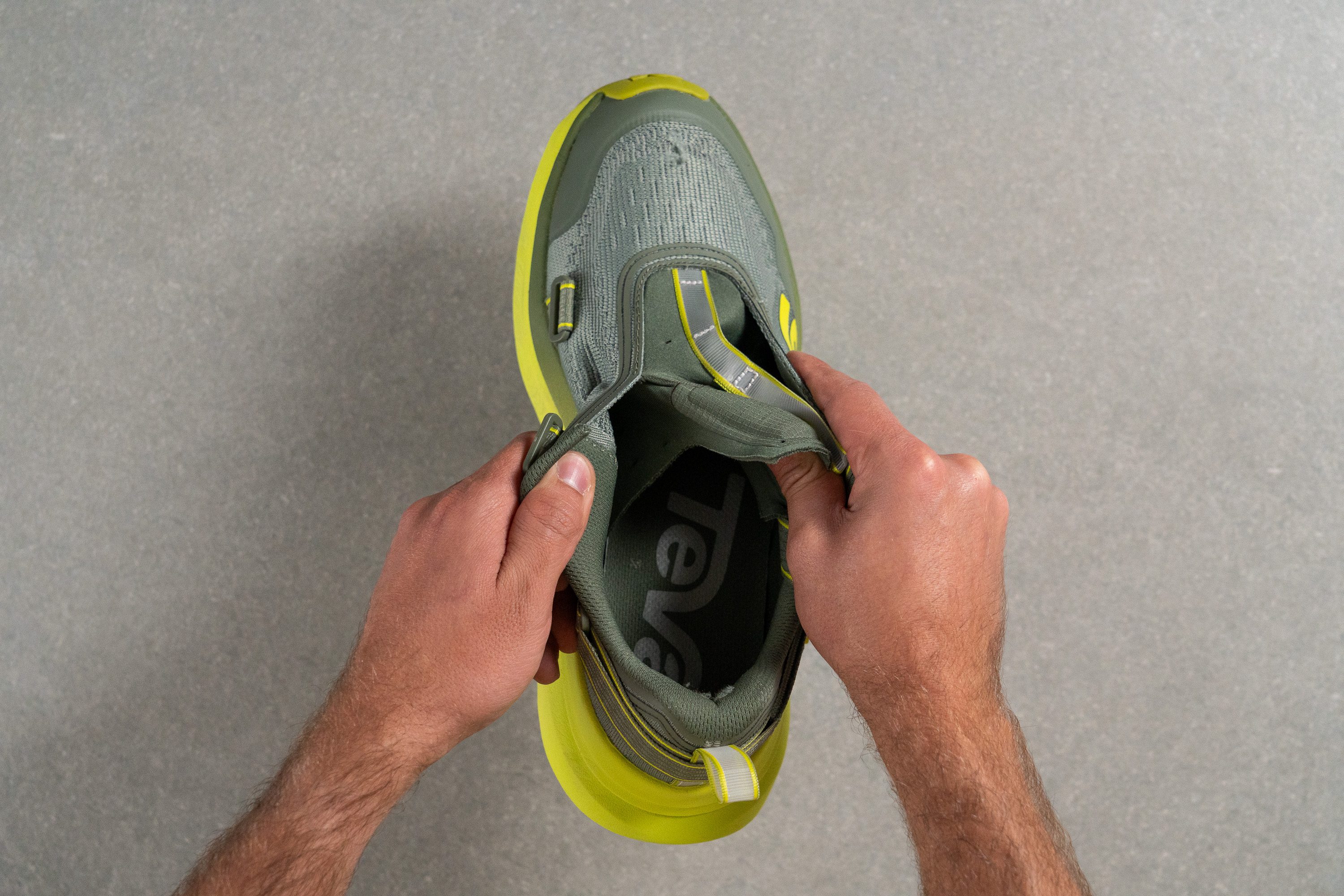
| Aventrail | Both sides (full) |
Heel tab
Teva included a finger-loop heel tab that integrates seamlessly into the strap system, making the shoe easier to put on while maintaining its clean, purposeful design.
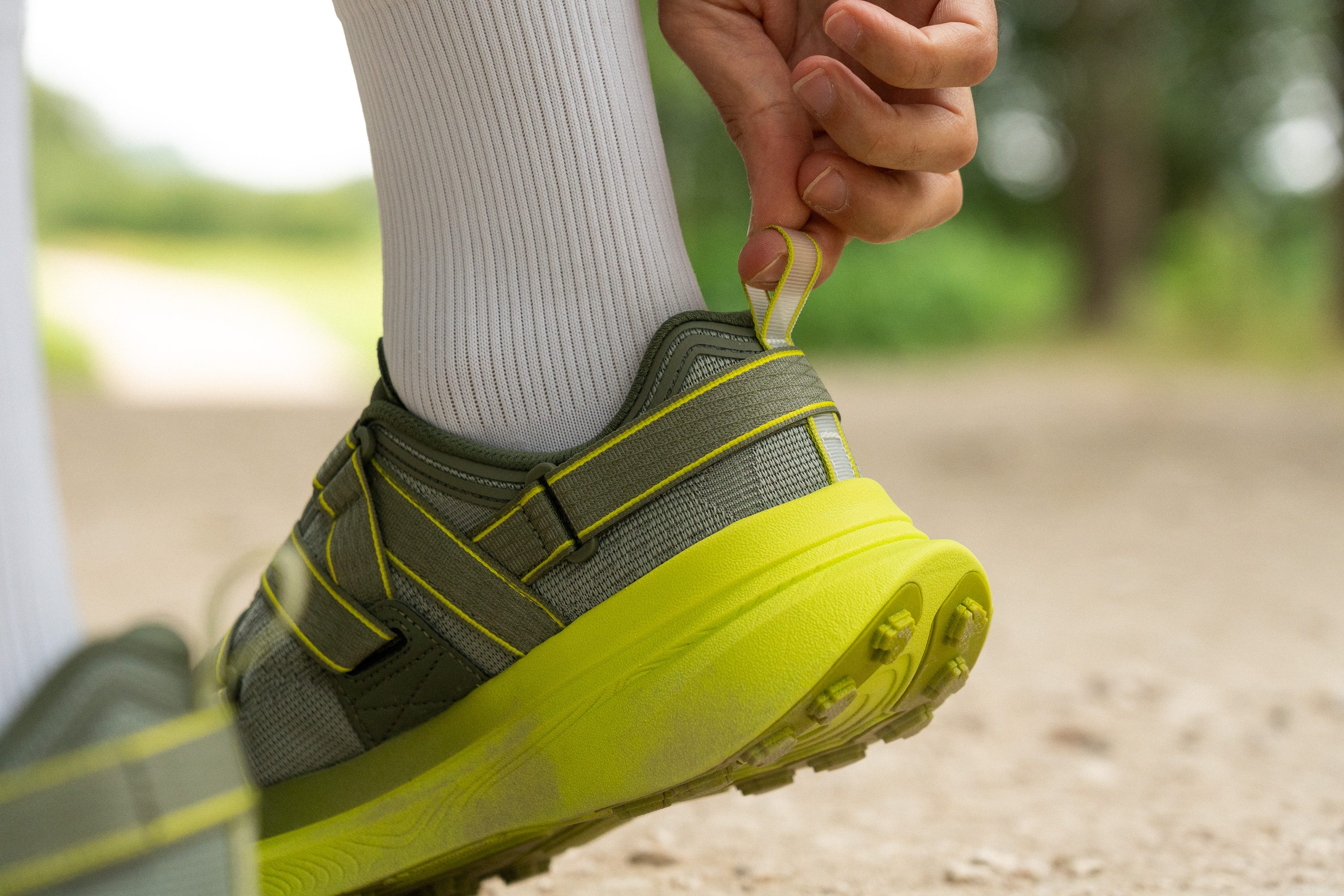
| Aventrail | Pull tab |
Price
We found the Teva Aventrail fairly priced considering its performance, unique design, and overall build quality. It's not the strongest value proposition in the trail category, but it also stays comfortably below the premium-priced segment, striking a sensible balance between cost and features.
| Aventrail | $145 |
| Average | $160 |