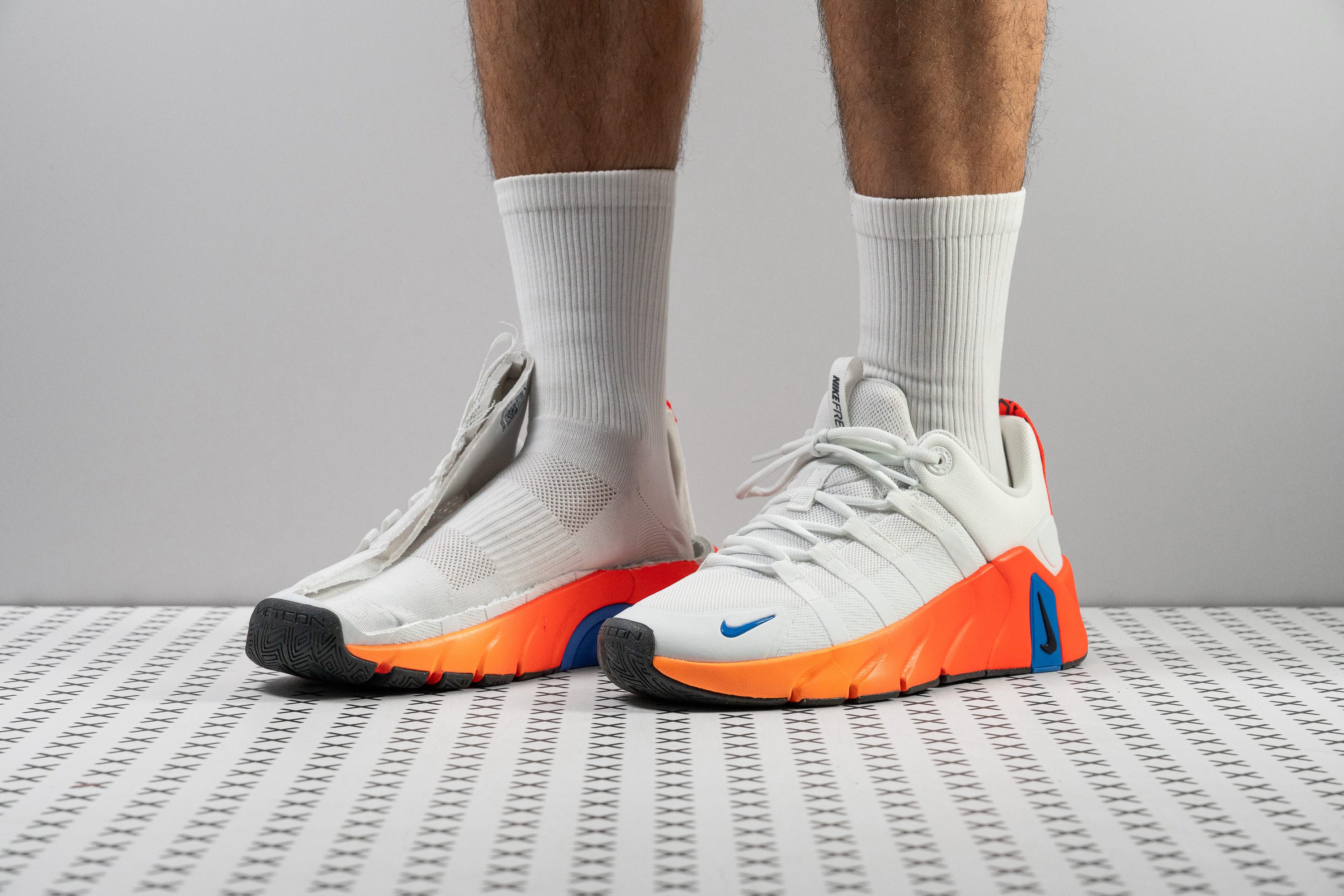






Our verdict
- Cross-training/HIIT 91
- Cardio 88
- Weightlifting 86
Pros
- Top-level impact protection
- Firm and planted base for moderate lifting
- Flexible Nike Free forefoot
- Predictable medium-width fit
- Good traction on common gym surfaces
- Excellent breathability
- Great outsole durability
Cons
- Got heavier than average
- Can be hard to put on
Awards
- Top pick in best gym shoes
- Top pick in best workout shoes
- Top 11% in training shoes
- Top 17% in Nike training shoes
- Top 8% most popular training shoes
Comparison
The most similar training shoes compared
+ + Add a shoe | |||||
|---|---|---|---|---|---|
| Our score | 90 Great | 79 Good | 84 Great | 87 Great | |
| Price | $125 | $80 | $80 | $150 | |
| Use | WorkoutCross-trainingGymHIITJumping rope | WorkoutCross-trainingGymHIITJumping ropeCardio | WorkoutCross-trainingGymHIITJumping ropeCardio | WorkoutCross-trainingGymHIITJumping ropeCardio | |
| Shock absorption | High | High | High | High | |
| Energy return | Low | Low | Moderate | High | |
| Traction | Low | Low | Low | High | |
| Drop lab | 10.1 mm | 9.8 mm | 8.8 mm | 9.8 mm | |
| Heel stack lab | 28.4 mm | 26.8 mm | 30.6 mm | 32.9 mm | |
| Forefoot | 18.3 mm | 17.0 mm | 21.8 mm | 23.1 mm | |
| Weight lab | 11.5 oz / 326g | 9.1 oz / 258g | 10.4 oz / 296g | 11.3 oz / 319g | |
| Lightweight | ✗ | ✓ | ✓ | ✗ | |
| Breathability | Breathable | Moderate | Breathable | Breathable | |
| Width / fit | Medium | Medium | Wide | Medium | |
| Toebox width | Medium | Medium | Medium | Medium | |
| Size | Half size small | True to size | Slightly small | True to size | |
| Midsole softness | Firm | Firm | Firm | Firm | |
| Stiffness | Flexible | Flexible | Moderate | Stiff | |
| Torsional rigidity | Flexible | Moderate | Stiff | Stiff | |
| Heel counter stiffness | Stiff | Flexible | Moderate | Flexible | |
| Toebox durability | Decent | Decent | Bad | Bad | |
| Heel padding durability | Decent | Good | Bad | Good | |
| Outsole durability | Good | Good | Decent | Good | |
| Midsole width - forefoot | Wide | Wide | Wide | Very wide | |
| Midsole width - heel | Very wide | Average | Wide | Very wide | |
| Widths available | Normal | NormalWideX-Wide | Normal | Normal | |
| Insole thickness | Average | Average | Average | Average | |
| Outsole thickness | Average | Average | Average | Thin | |
| Outsole hardness | - | - | Hard | Average | |
| Heel tab | Finger loop | None | Finger loop | None | |
| Tongue: gusset type | Bootie | None | None | Both sides (semi) | |
| Tongue padding | Thick | Average | Average | Very thin | |
| Ranking | #4 Top 11% | #28 Bottom 26% | #17 Top 45% | #9 Top 24% | |
| Popularity | #3 Top 8% | #11 Top 29% | #10 Top 27% | #17 Top 45% |
Who should buy
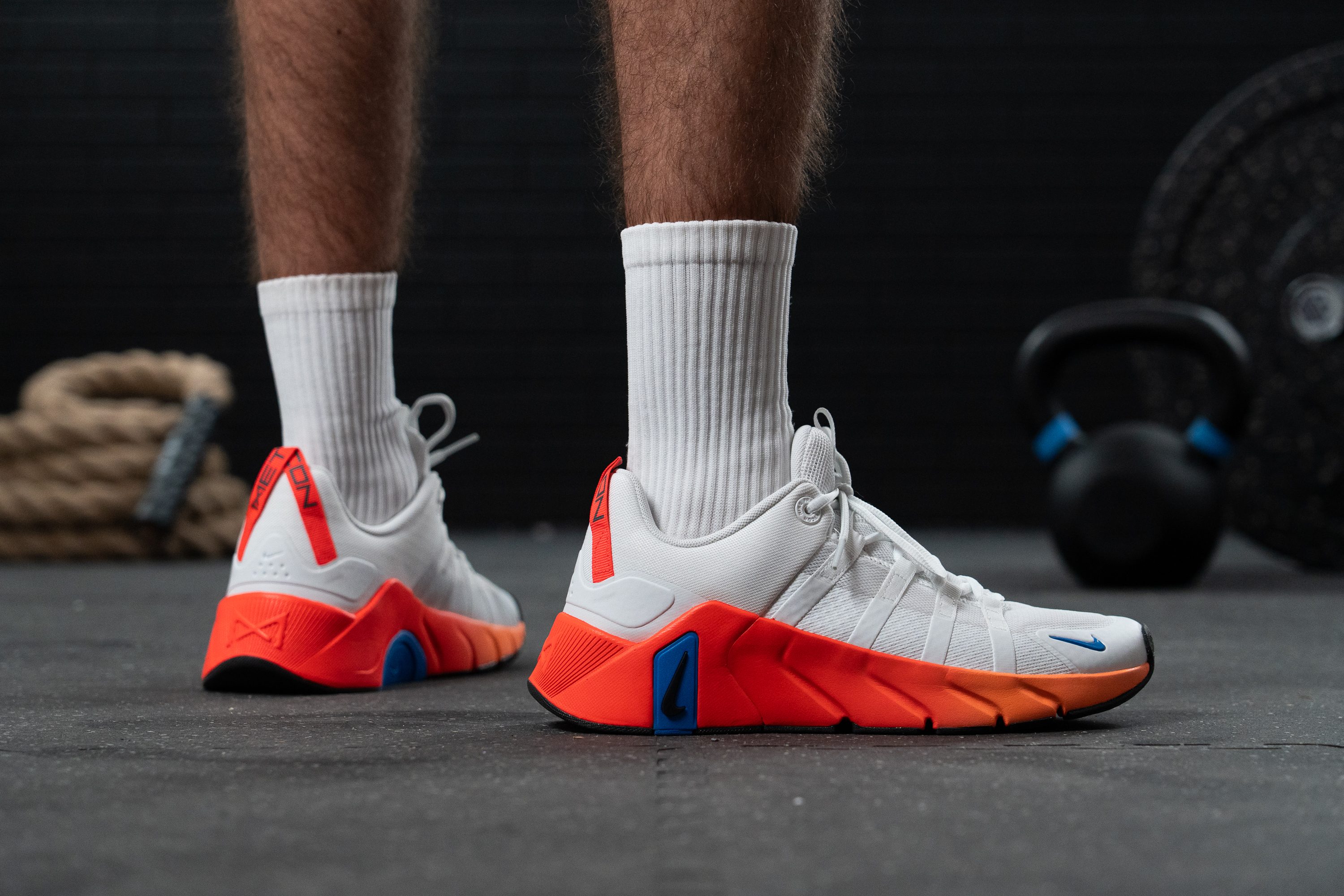
It's hard to go wrong with the Nike Free Metcon 7 if:
- you need a do-it-all gym shoe
- you want excellent impact protection for plyometrics
- you focus on easy-to-moderate strength training with machines, dumbbells, and barbell loads up to 225 lbs (occasional 315 lbs is possible, but we wouldn't expect a PR)
Who shoud NOT buy
Its versatile design naturally limits the Free Metcon 7's performance in the more niche workout routines:
- If you do CrossFit or lift heavy regularly, go for the Nike Metcon 10 instead.
- If you want a lighter and springier shoe for cardio, aerobics, and treadmill runs, try the NOBULL Drive Ripstop.
And if you are an entry-level gym goer with a limited shoe budget, the Nike MC Trainer 3 is a fantastic alternative for all-around workouts.
Cushioning
Shock absorption
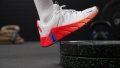
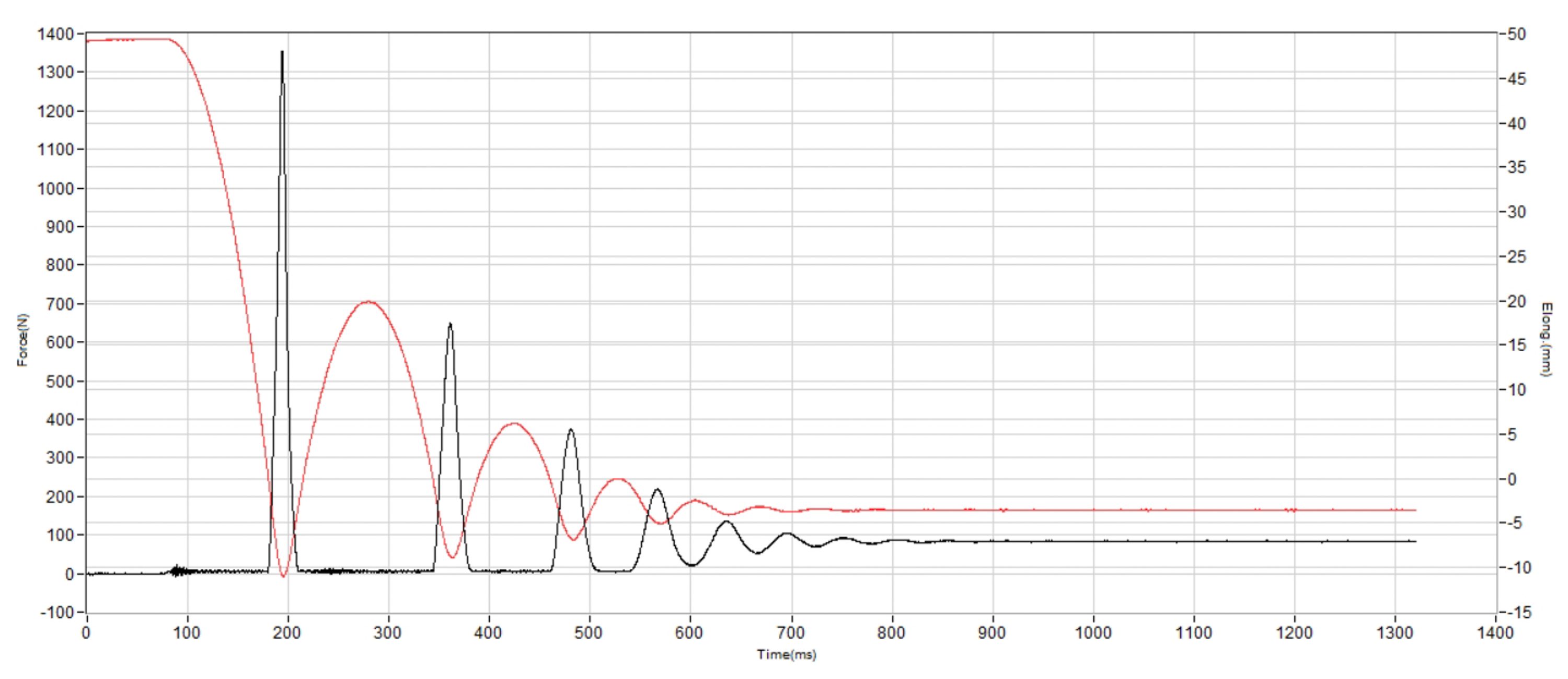
The Free Metcon 7 doubles down on impact protection by adding even more foam to the platform. With a whopping 118 SA in the heel and an above-average 74 SA in the forefoot, the shoe offers some of the best shock absorption of any cross-training shoe!
It offers excellent protection for high-impact workouts like HIIT, cardio, rope jumping, and short treadmill runs. However, its low energy return and heavier weight hold this Nike trainer back from being a perfect cardio/aerobics shoe.
| Free Metcon 7 | 118 SA |
| Average | 81 SA |
Energy return
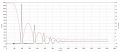
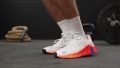
Despite its high shock-absorption scores, we can't really describe this Nike trainer as well-cushioned. That's because it offers a firm underfoot experience that feels planted rather than responsive.
The latter is reflected in our below-average energy return scores of 43.9% in the heel and 47.6% in the forefoot. There is just no rebound in that platform.
| Free Metcon 7 | 47.6% |
| Average | 55.1% |
Heel stack
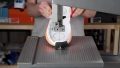
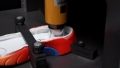
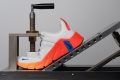
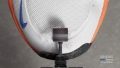
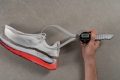
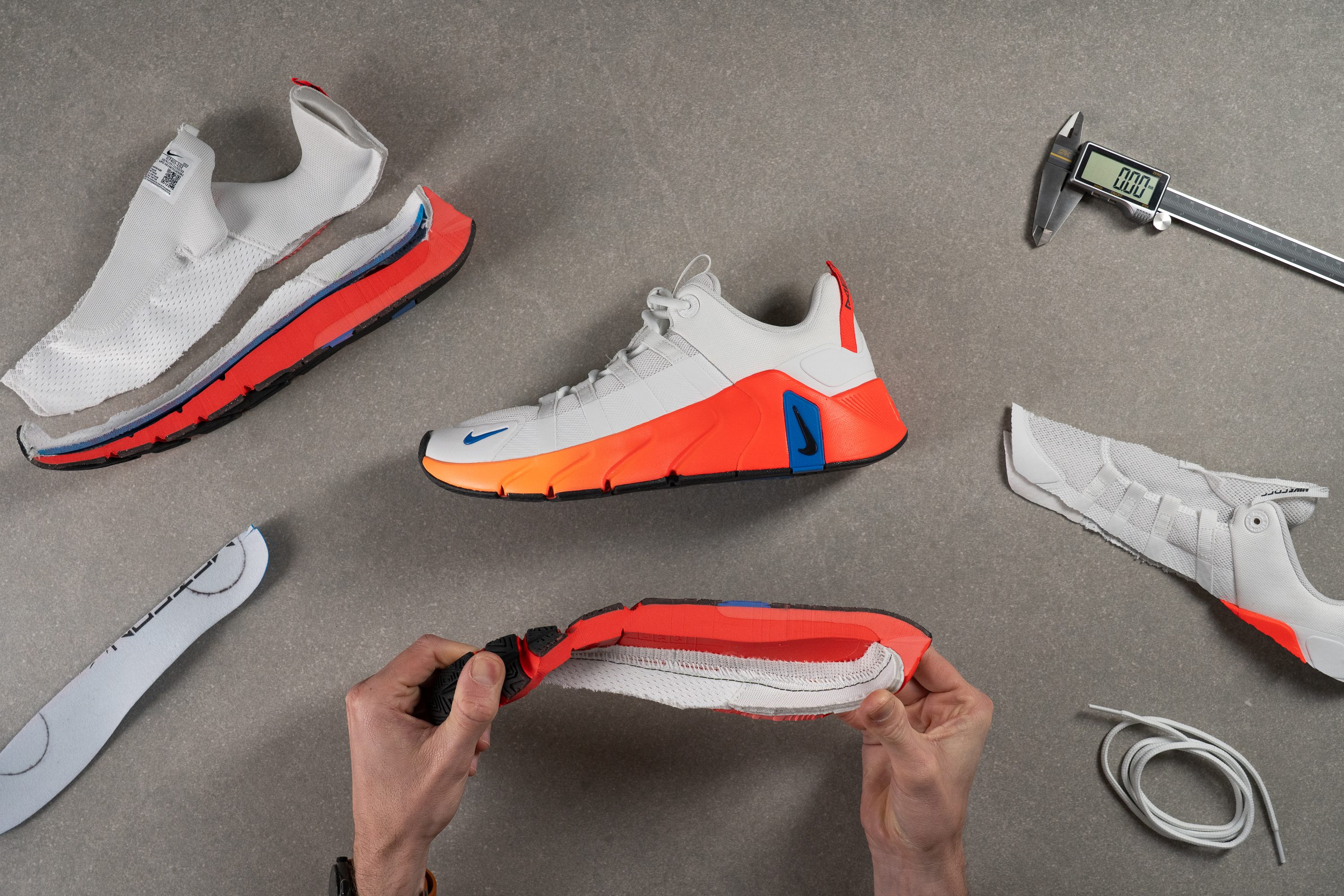
Cutting the shoe in half, we immediately noticed how much thicker its midsole got!
Going from 22.0 mm in the previous version to as much as 28.4 mm in v7, the new iteration rose notably above average.
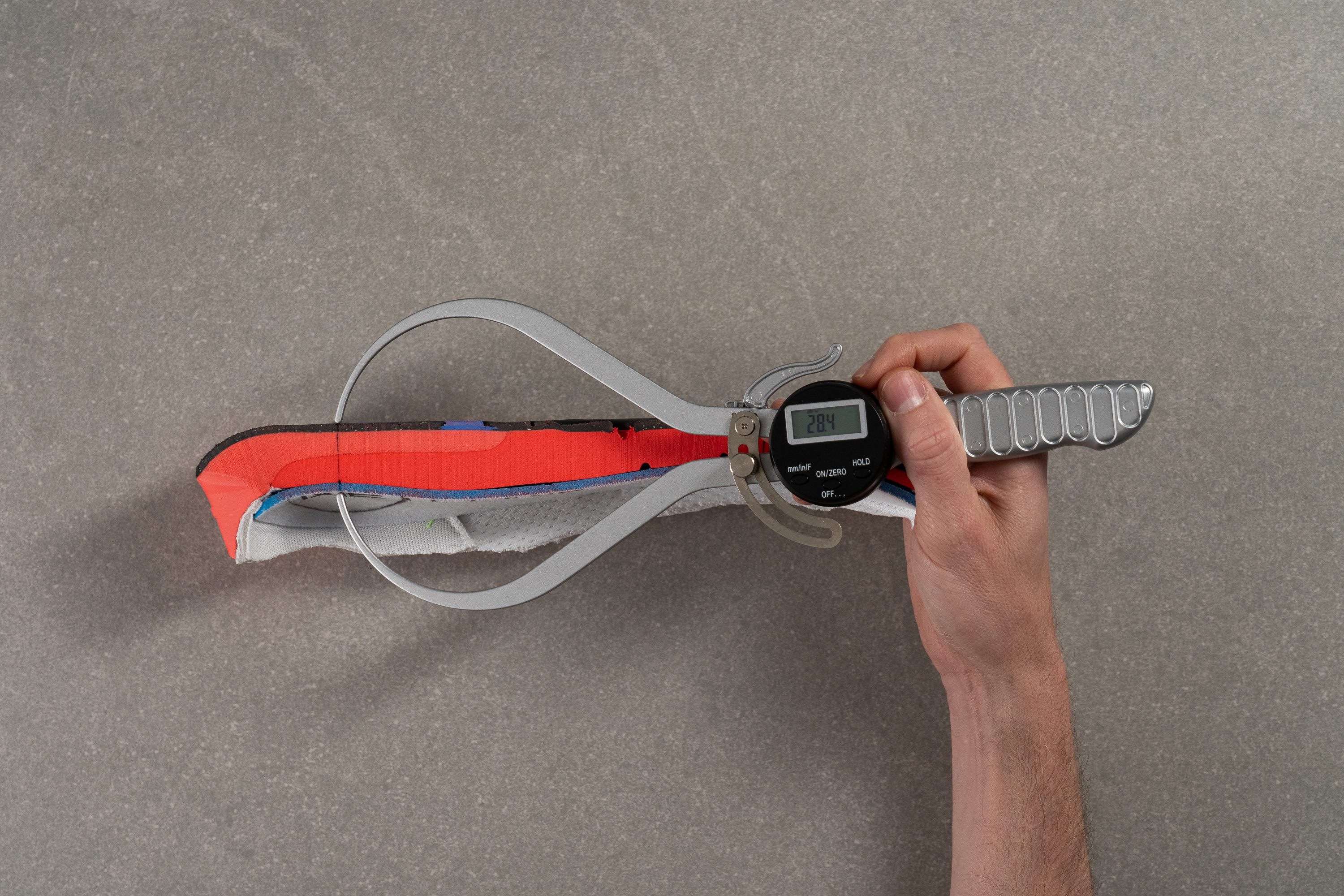
| Free Metcon 7 | 28.4 mm |
| Average | 24.0 mm |
Forefoot stack
Its forefoot stack also increased by 3.5 mm, reaching the category average at 18.3 mm. That made it feel a little less grounded but still on par with most cross-trainers.
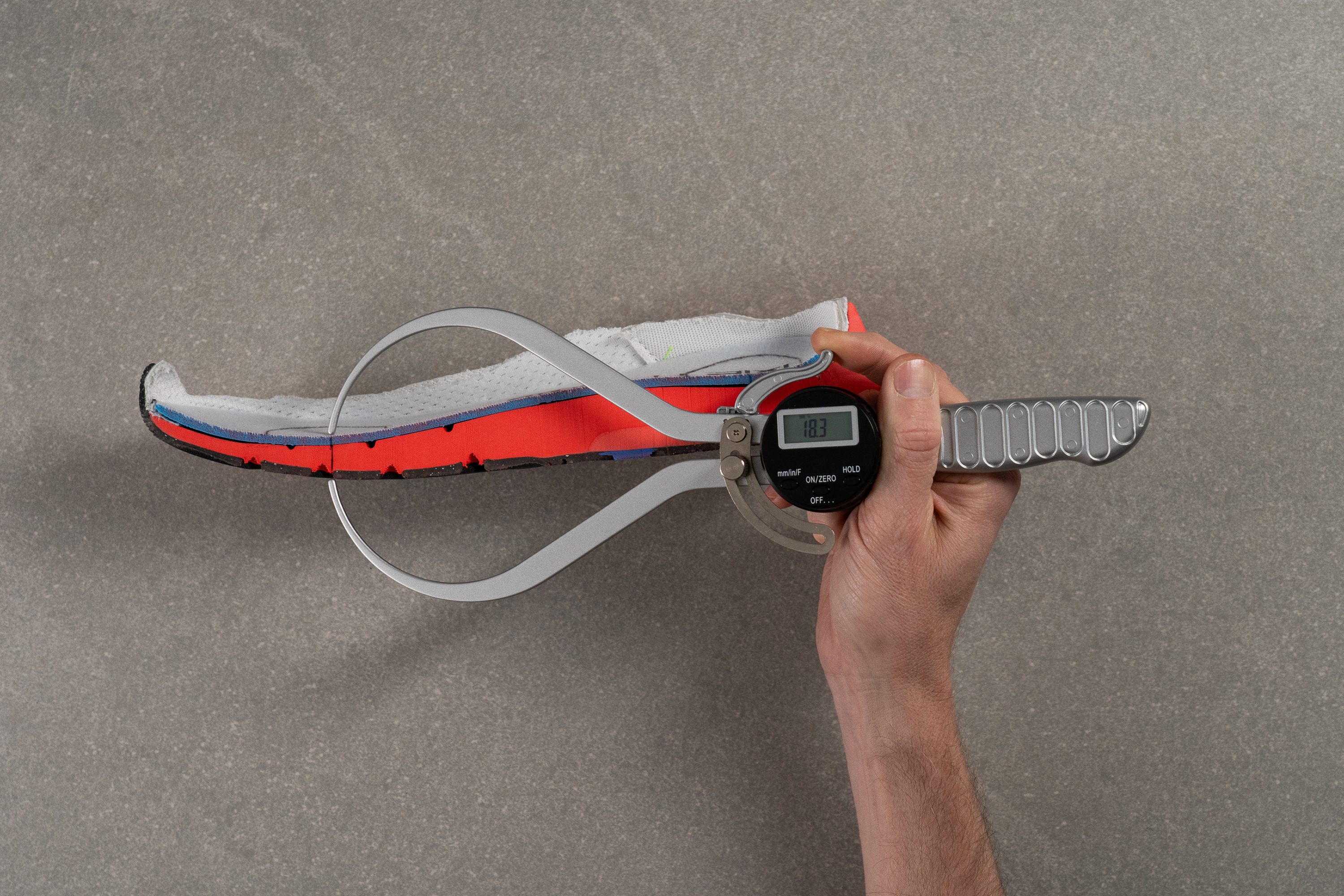
| Free Metcon 7 | 18.3 mm |
| Average | 17.6 mm |
Drop
The shoe's heel-to-toe drop also became considerably more pronounced at 10.1 mm. It now puts the foot into a bit more ergonomic position for strength training, taking some strain off the Achilles and calves during squats.
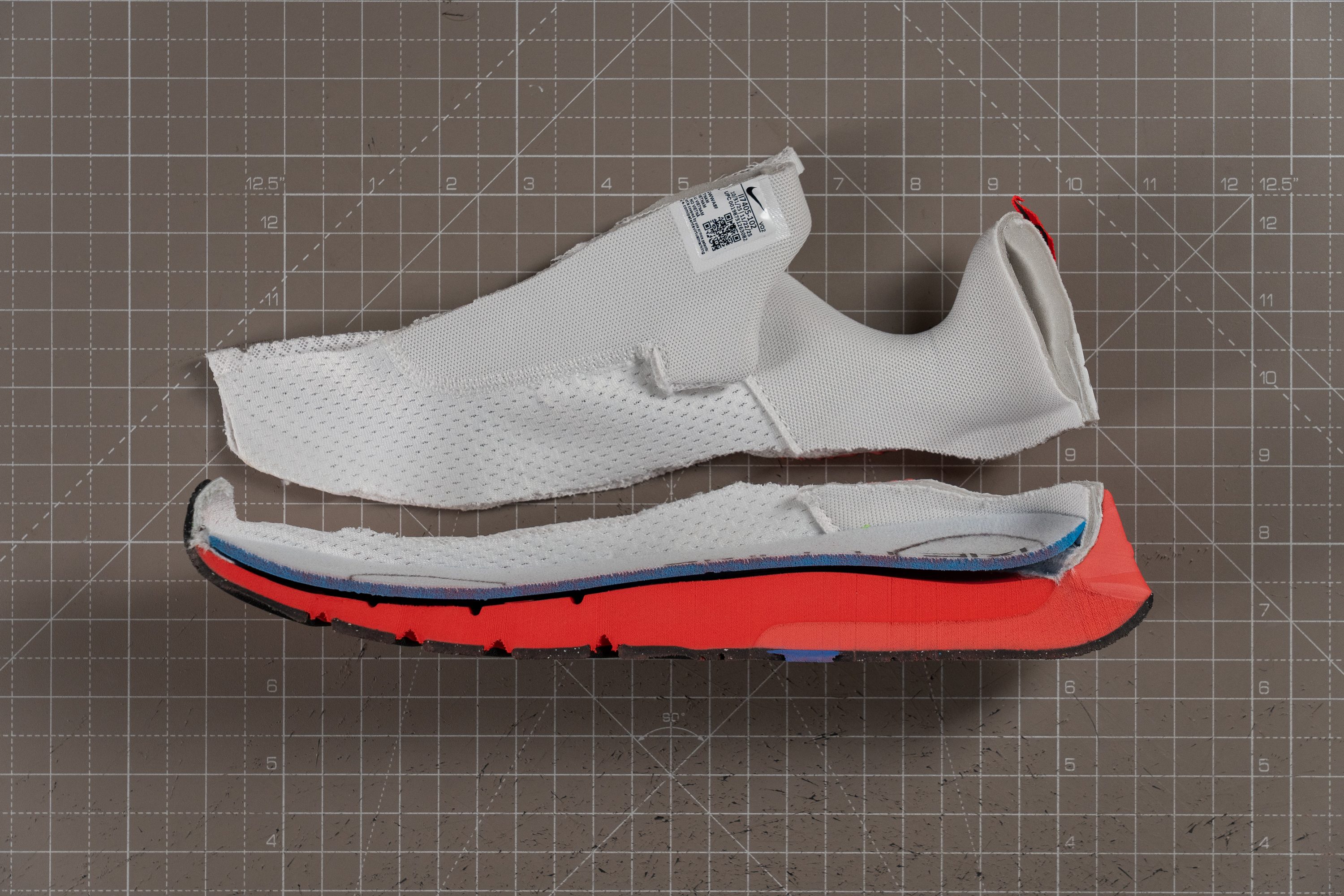
| Free Metcon 7 | 10.1 mm |
| Average | 6.4 mm |
Midsole softness
Just like its predecessor, the Free Metcon 7 relies on a dual-density midsole setup to balance a softer compound with a firmer one, accommodating both dynamic exercises and strength training.
Measuring the primary, full-length foam first, we recorded a moderately firm reading of 42.3 AC.
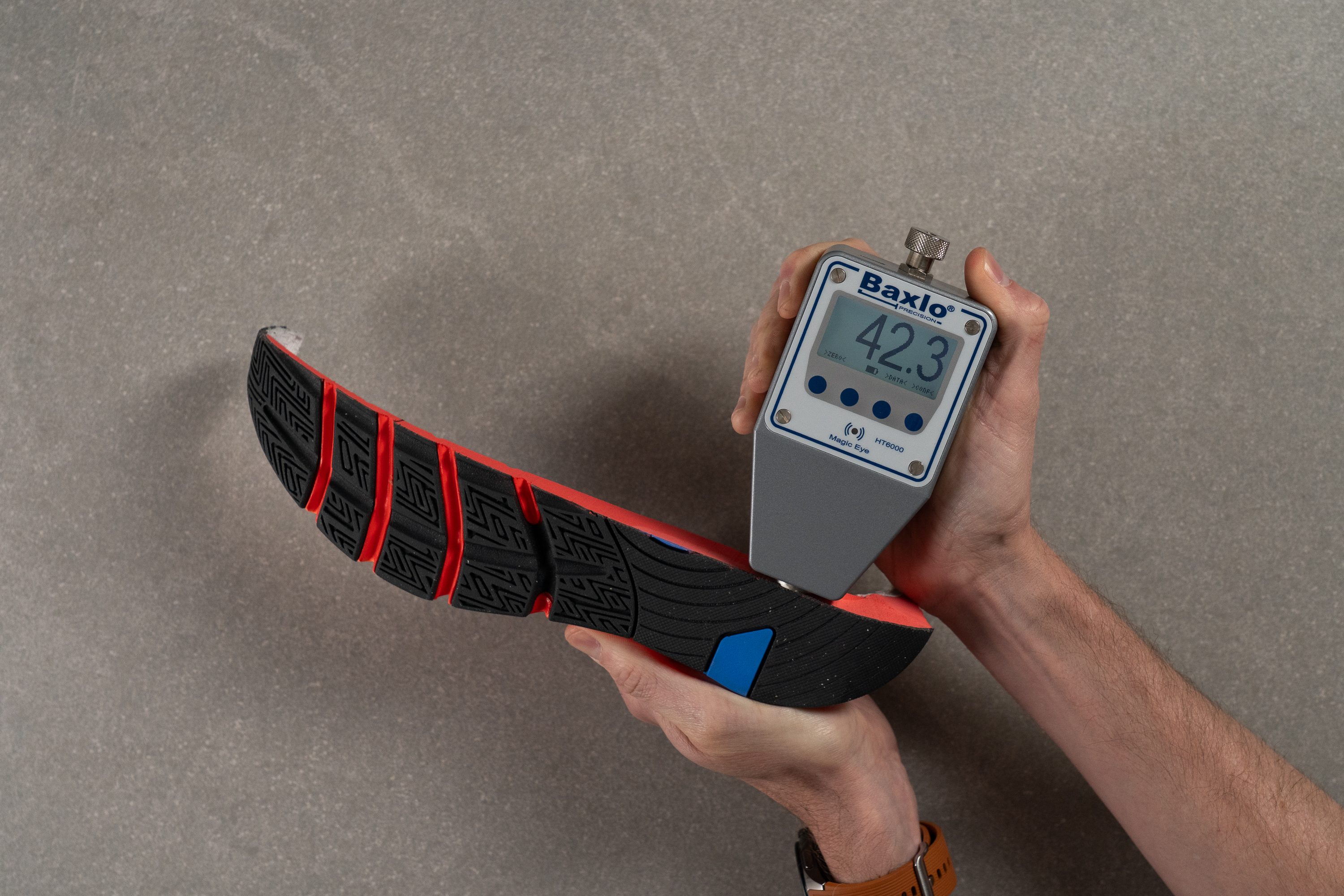
| Free Metcon 7 | 42.3 AC |
| Average | 49.2 AC |
Secondary foam
The heel, on the other hand, relies on a firmer material to provide a more stable, less compressible base.
Although it sits in the firm category with a durometer reading of 46.7 AC, it is not as hard as the same component in the Free Metcon 6 (57.6 AC).
Now we can see how Nike improved shock absorption in the v7 by adding more foam with a slightly more forgiving profile. This made the trainer more ready for cardio work, yet still sturdy enough for weightlifting.
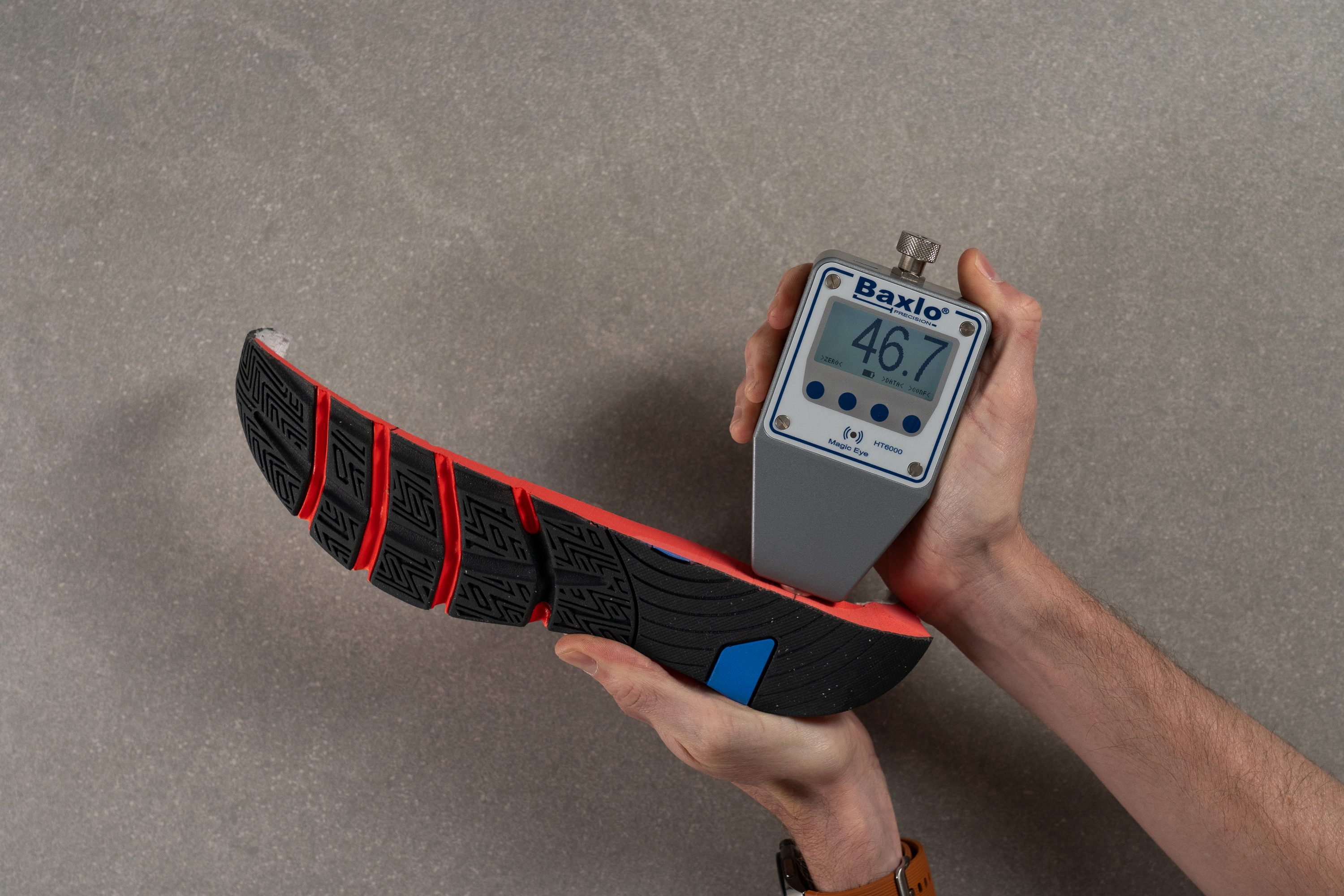
| Free Metcon 7 | 46.7 AC |
| Average | 52.7 AC |
Size and fit
Size
Nike Free Metcon 7 fits half size small (68 votes).
Consider sizing up
Internal length
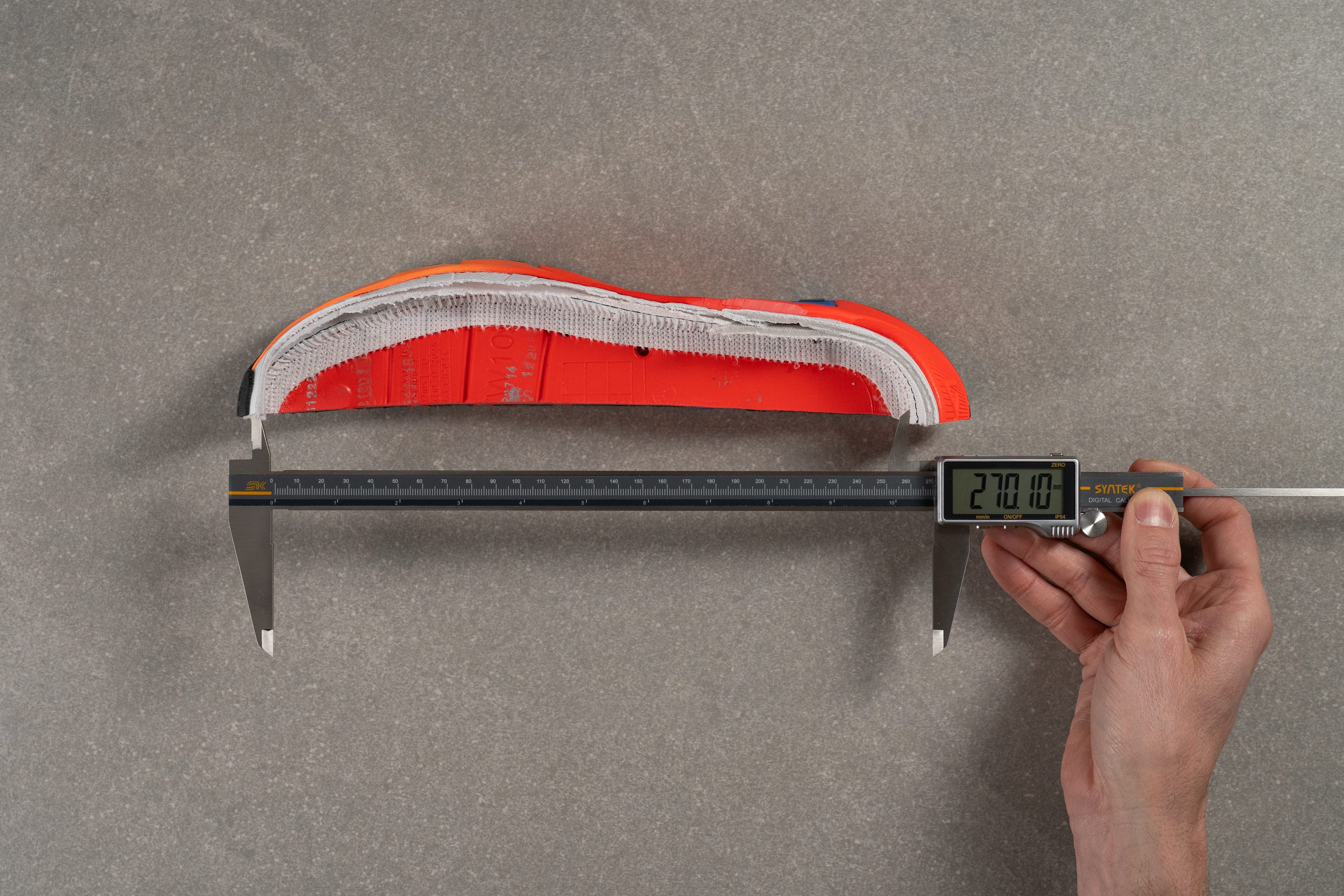
| Free Metcon 7 | 270.1 mm |
| Average | 268.6 mm |
Width / Fit
The new version's upper design looks and feels more streamlined.
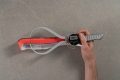
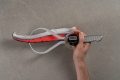
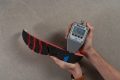
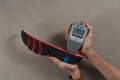
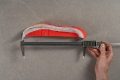
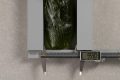
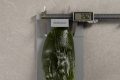
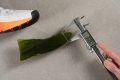
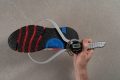
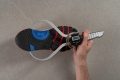
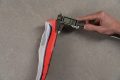
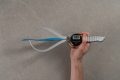
To find out exactly how much closer-fitting the Free Metcon 7 got, we filled it with custom liquid to create a one-to-one gel cast of its interior and measured its dimensions with a digital caliper.
The tool indeed showed a slightly narrower reading of 95.9 mm (2.2 mm narrower than the Free Metcon 6), but it is still on par with the category average.
Gym goers with medium and narrow feet should feel at home in this trainer, whereas people with wide feet may feel more comfortable in a roomier option.
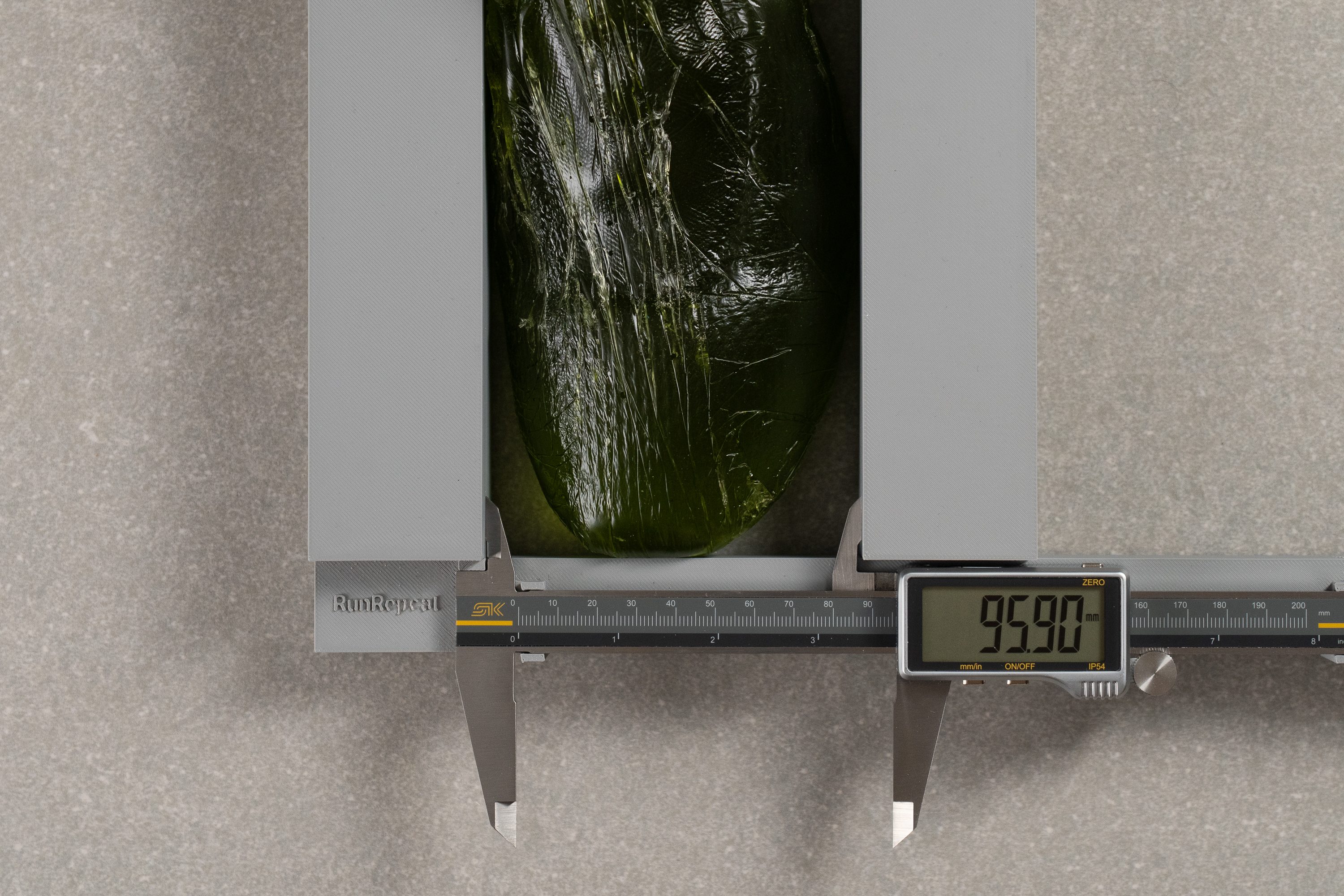
| Free Metcon 7 | 95.9 mm |
| Average | 96.3 mm |
Toebox width
The toebox of this Nike trainer has a moderately rounded shape, showing a regular width of 72.6 mm in the big toe area.
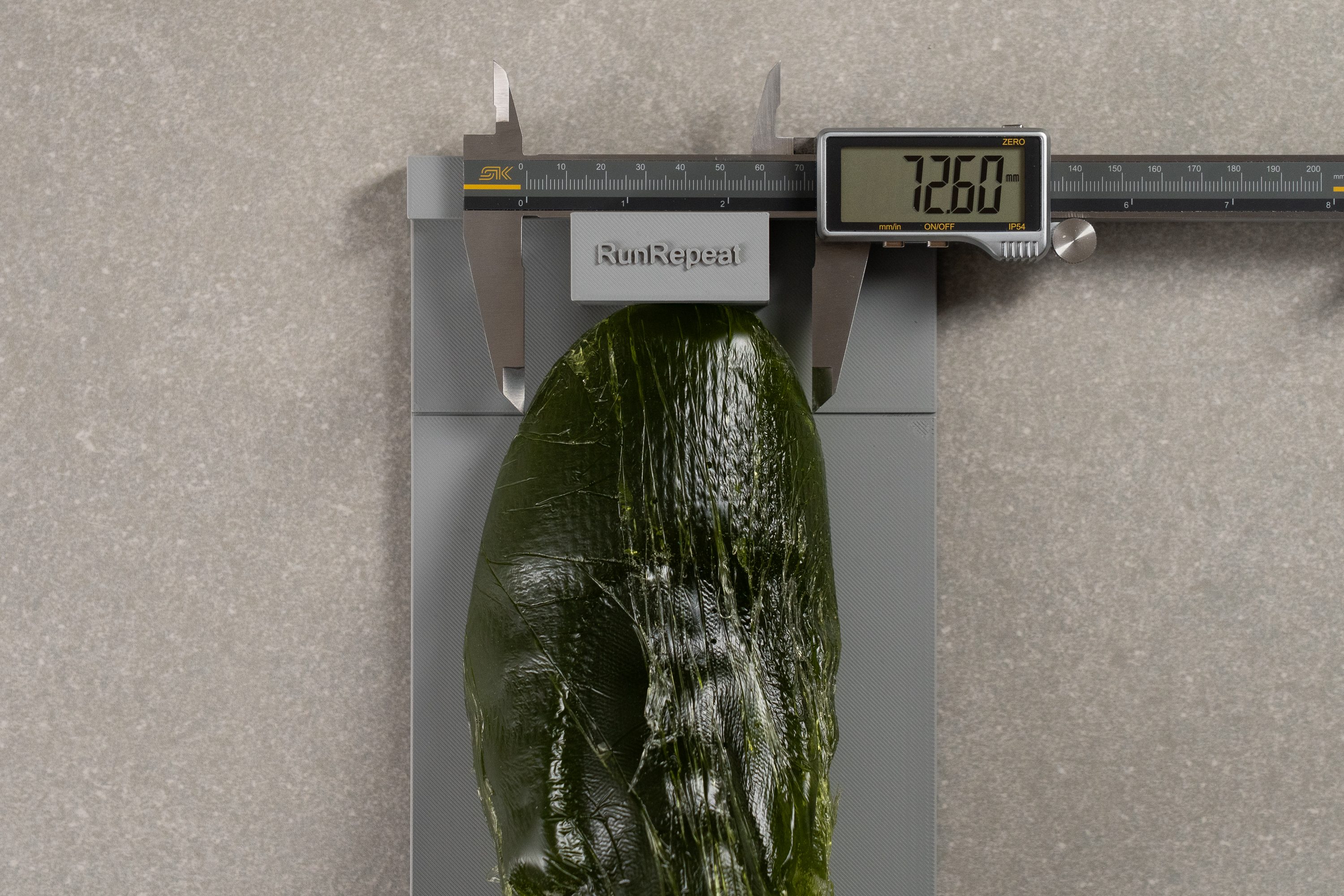
| Free Metcon 7 | 72.6 mm |
| Average | 73.4 mm |
Toebox height
The new upper design also added a very generous space above the toes.
With the shoe's toebox height of 30.8 mm, we got plenty of breathing room vertically.
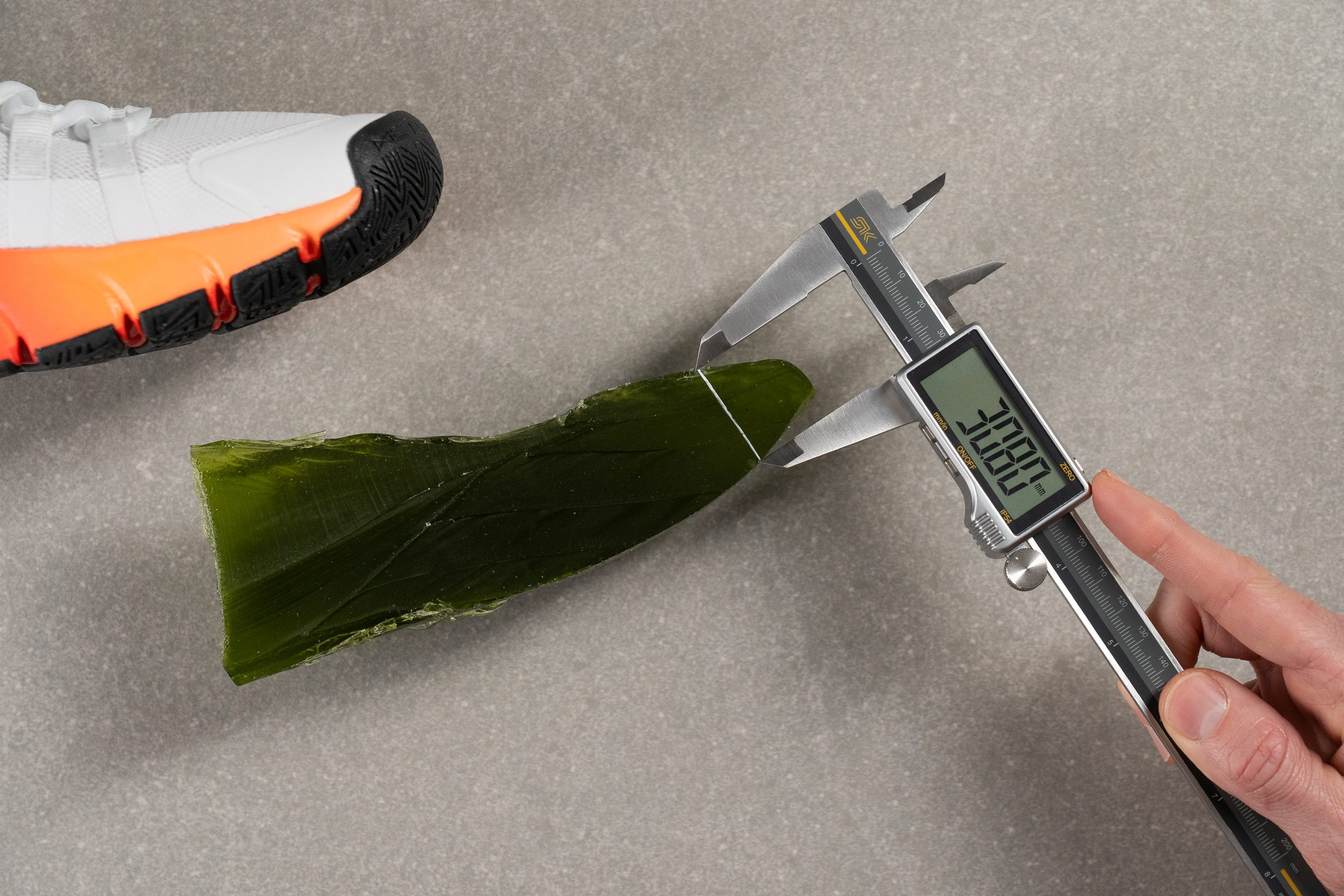
| Free Metcon 7 | 30.8 mm |
| Average | 27.2 mm |
Traction / Grip
Traction test
With a friction coefficient of 0.30, we found the shoe's outsole grip to be on par with the category average. It has good traction on most common gym surfaces, such as rubber floors and platforms.
But we must also admit that it is a bit less tacky than the Free Metcon 6 (0.40).
| Free Metcon 7 | 0.30 |
| Average | 0.34 |
Outsole design
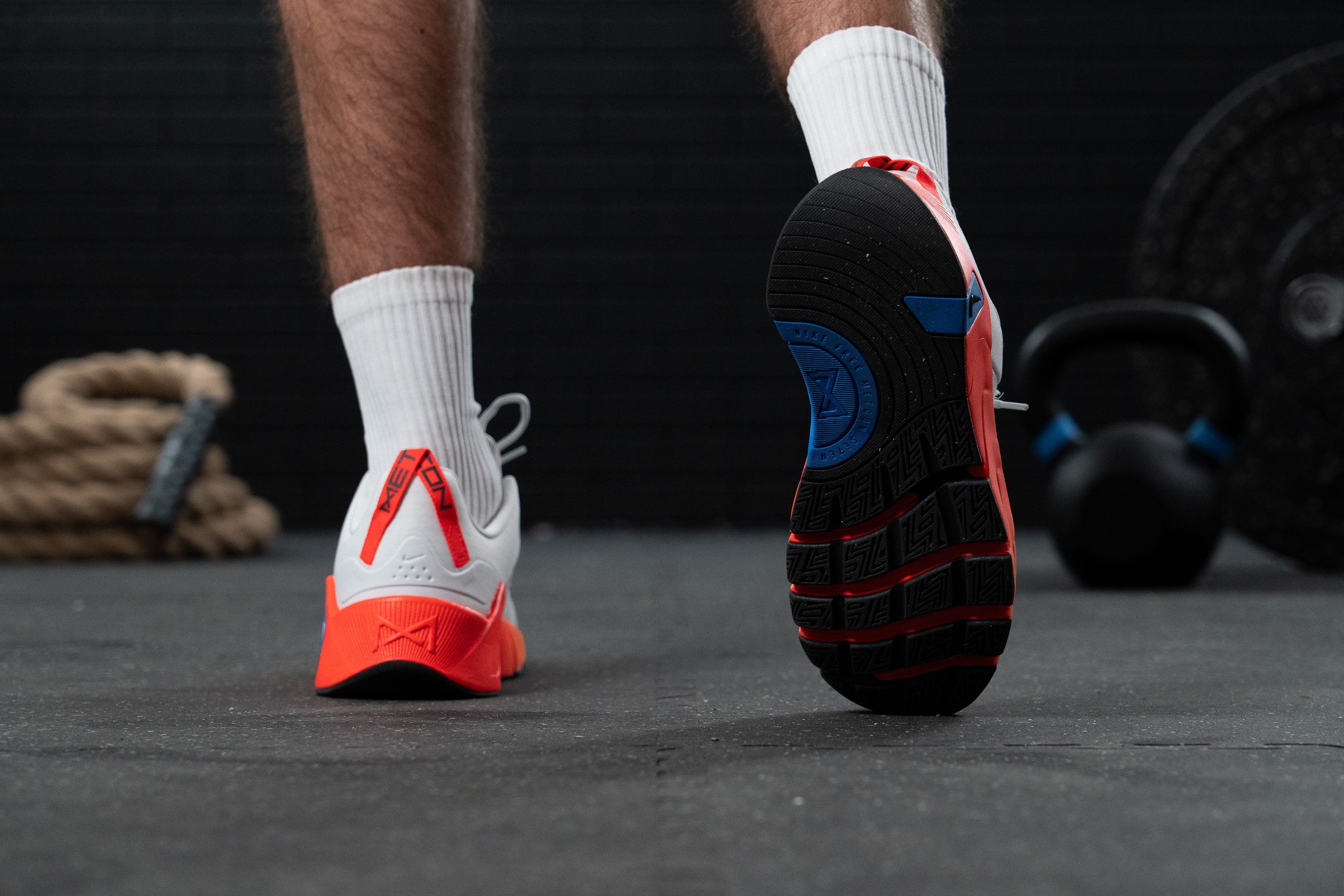
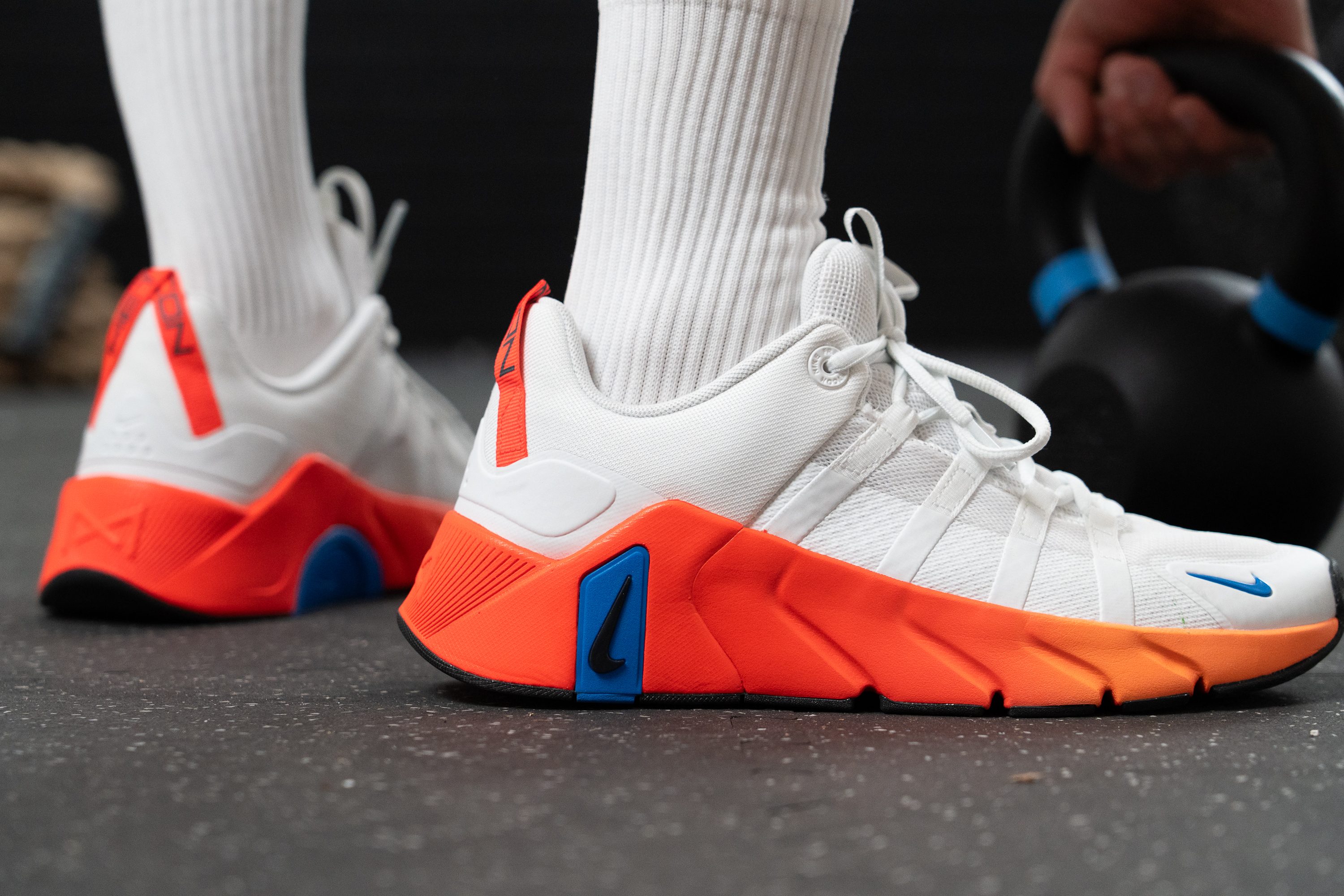
The shoe's outsole was redesigned but retained the same Nike Flex concept: deep forefoot flex grooves for forefoot maneuverability and a flat rearfoot texture for heel stability.
We also see a new circular component made of tough rubber on the medial side of the midfoot. It adds structure to the foot arch, making the Free Metcon 7's arch support more pronounced than the v6's.
Flexibility / Stiffness
We observed virtually no change in the new version's forefoot pliability, as it carries over the familiar Nike Free design.
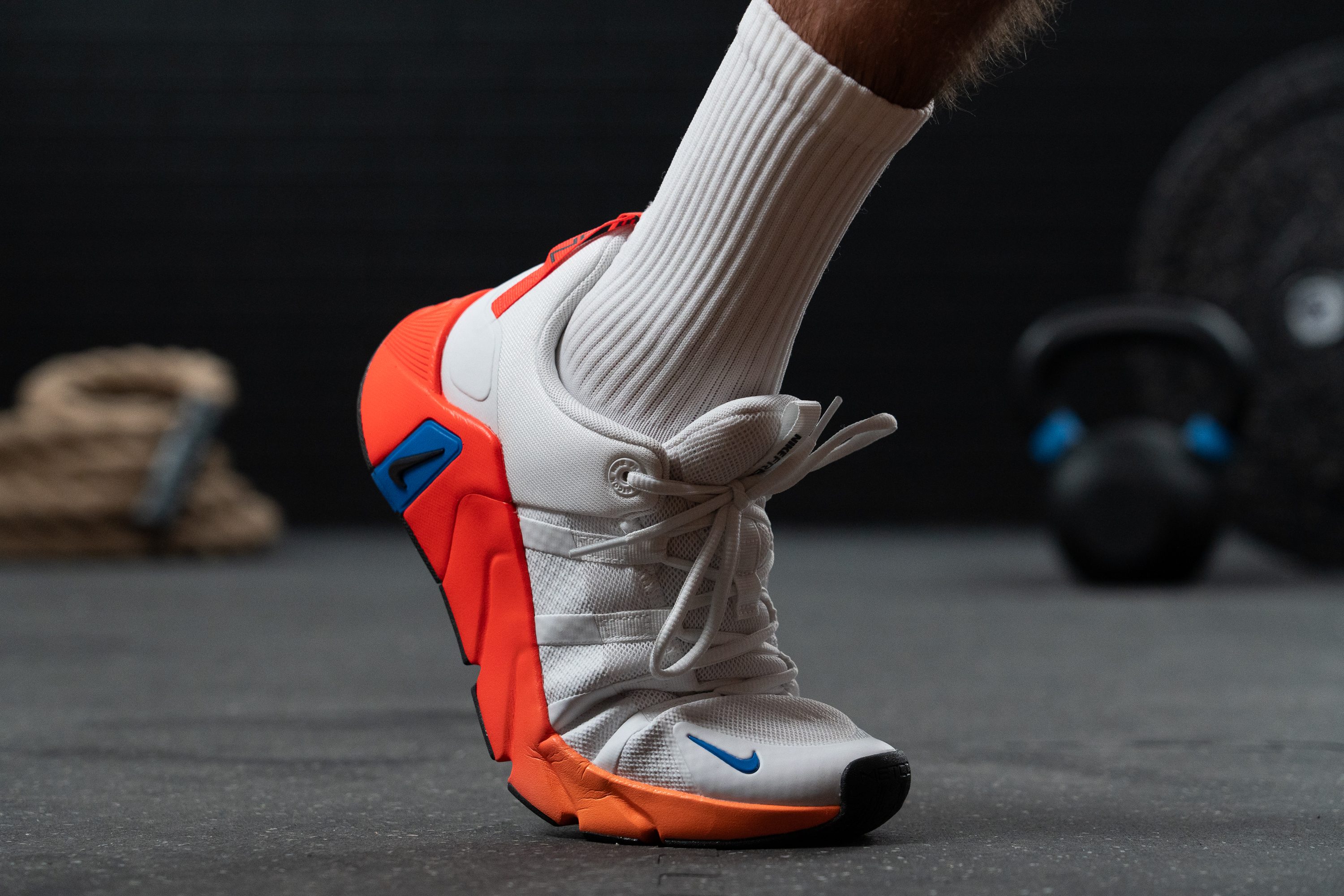
Our shoe-bending machine required a moderate force of 9.1N to bend the Free Metcon 7 by 30 degrees. Same as it took the previous iteration.
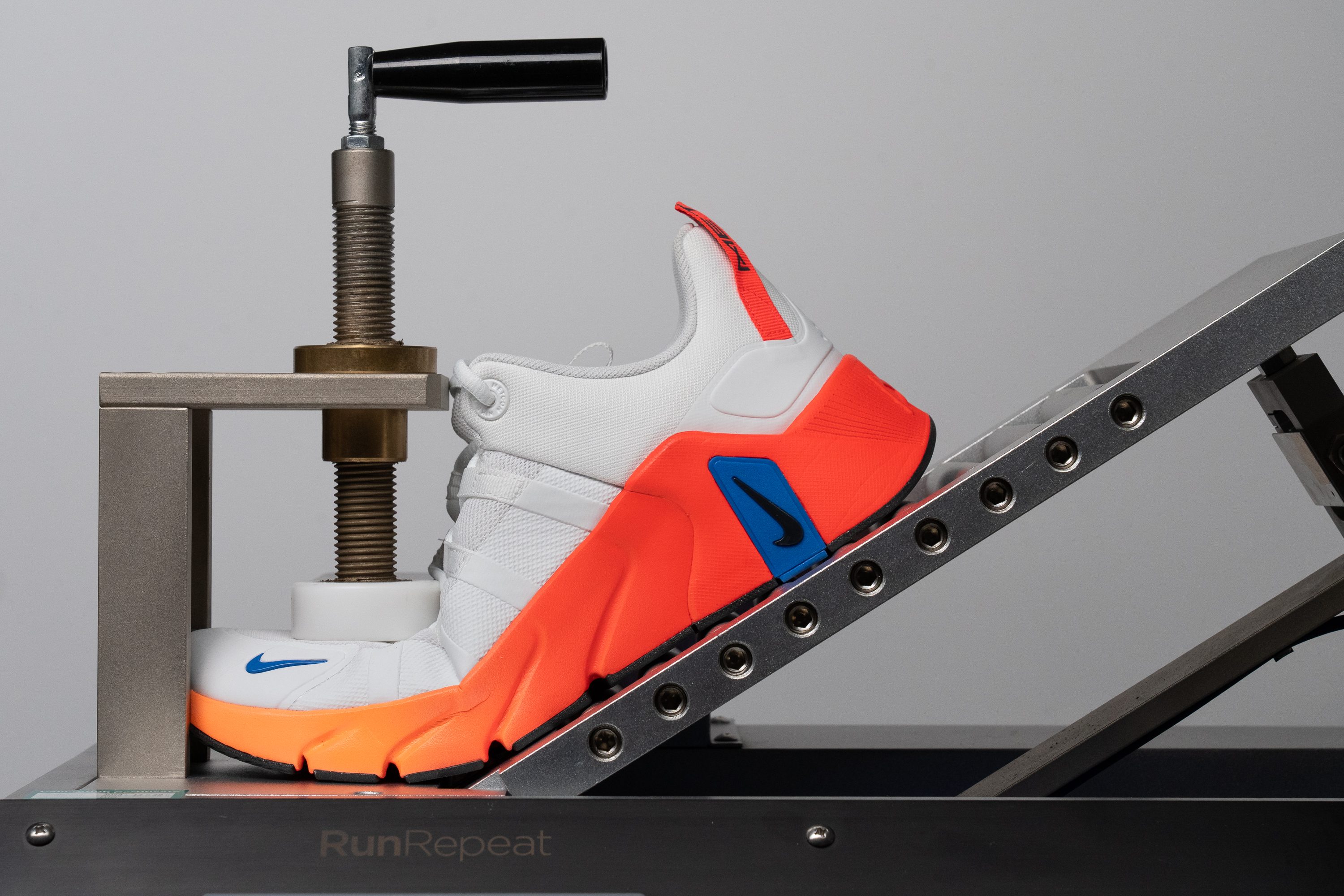
| Free Metcon 7 | 9.1N |
| Average | 10.3N |
Weight
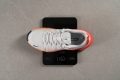
The increased platform stack inevitably came with a weight penalty in the Nike Free Metcon 7, adding a tagible 1.8 oz (50g) per shoe in a men's US size 9.
The trainer now exceeds the category average at 11.5 oz (326g) and is even slightly heavier than its tougher counterpart, the Nike Metcon 10 (11 oz/312g)!
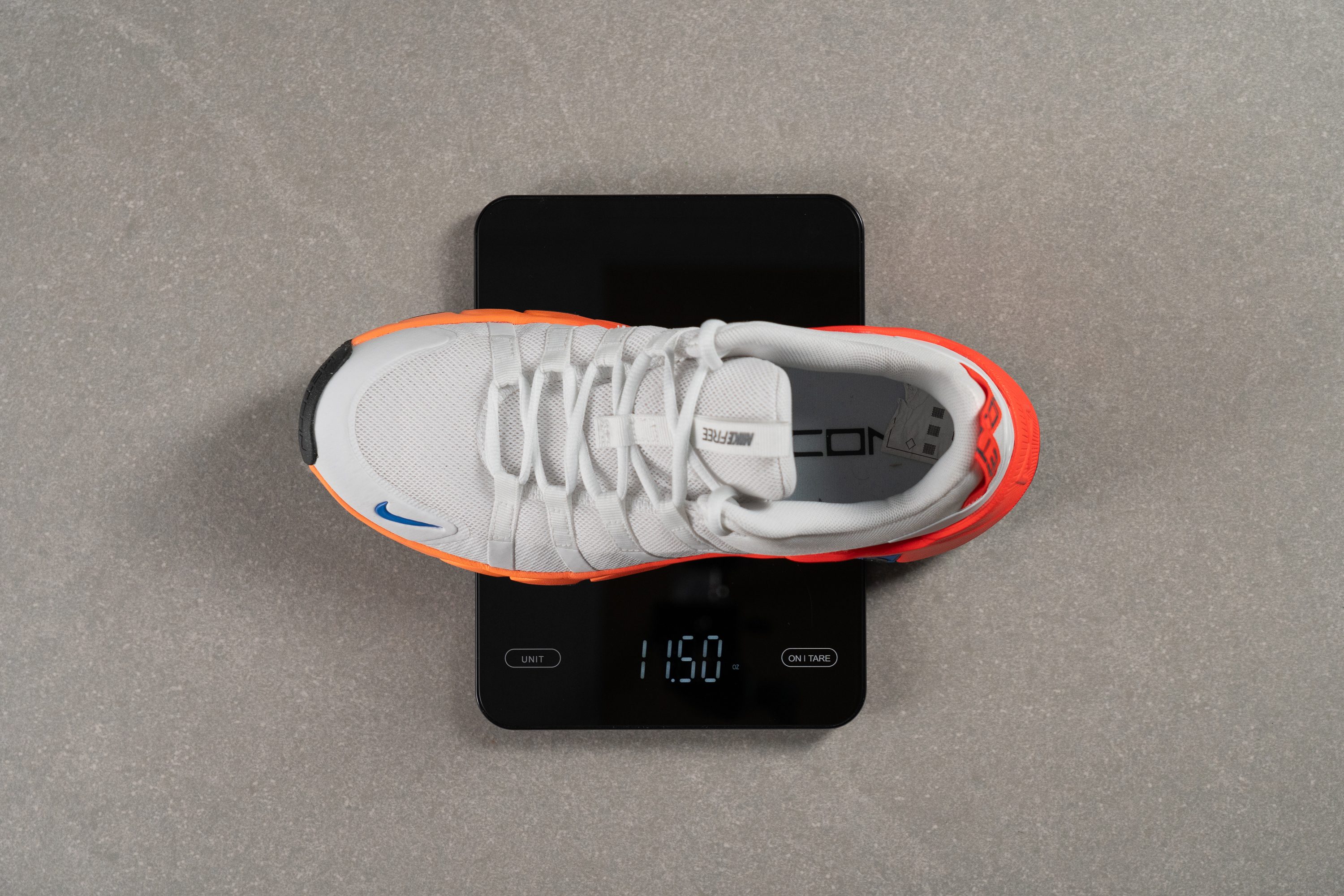
| Free Metcon 7 | 11.5 oz (326g) |
| Average | 10.7 oz (304g) |
Breathability
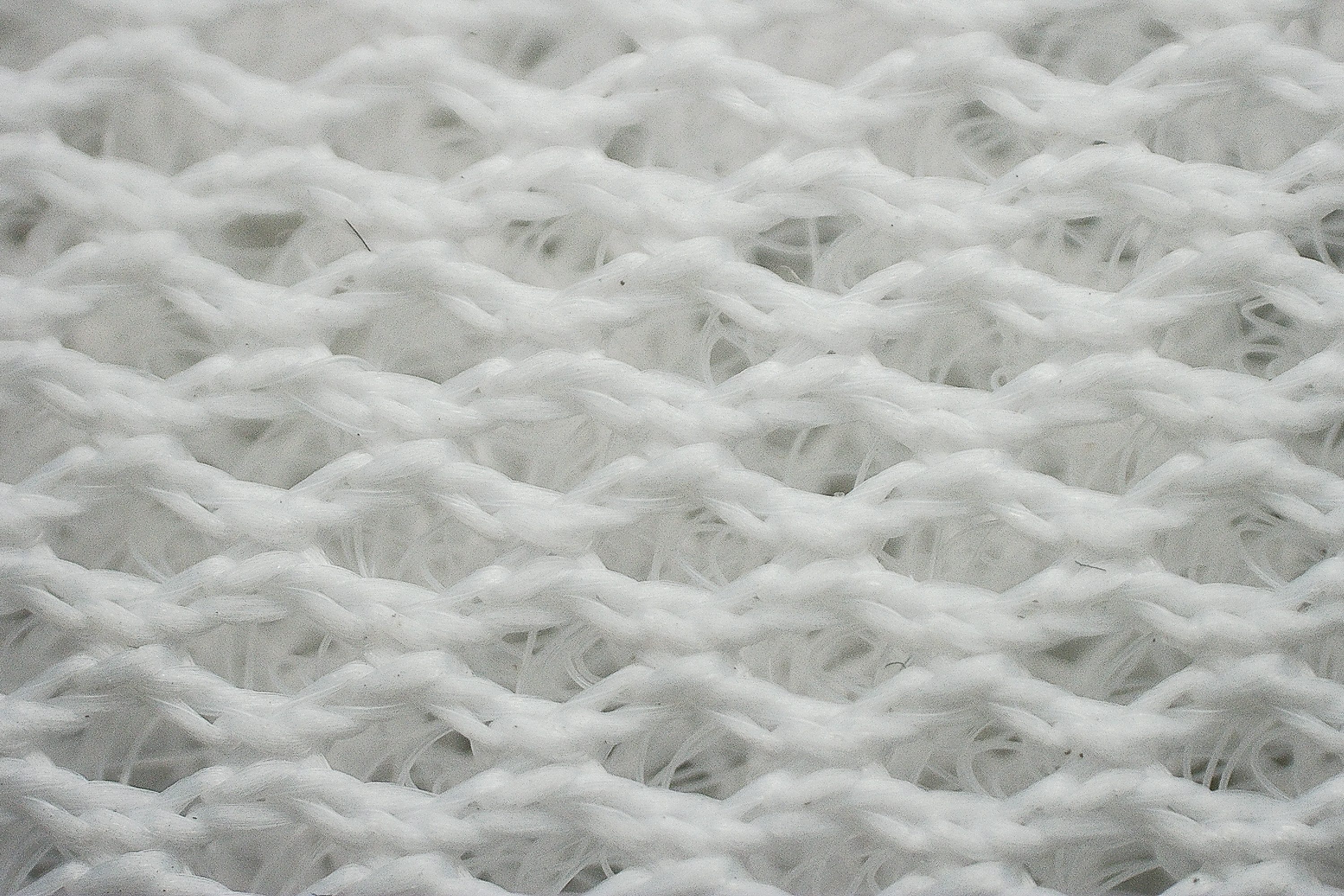
Similar to its predecessor, the Free Metcon 7 features a rather airy mesh upper.
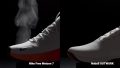
However, our smoke-pumping test showed notably thinner, slower expulsion in this iteration, lowering our breathability score to 4 out of 5.
But we couldn't call it a hot shoe by any means, as the mesh is quite porous and covers most of the shoe's upper, including the tongue.
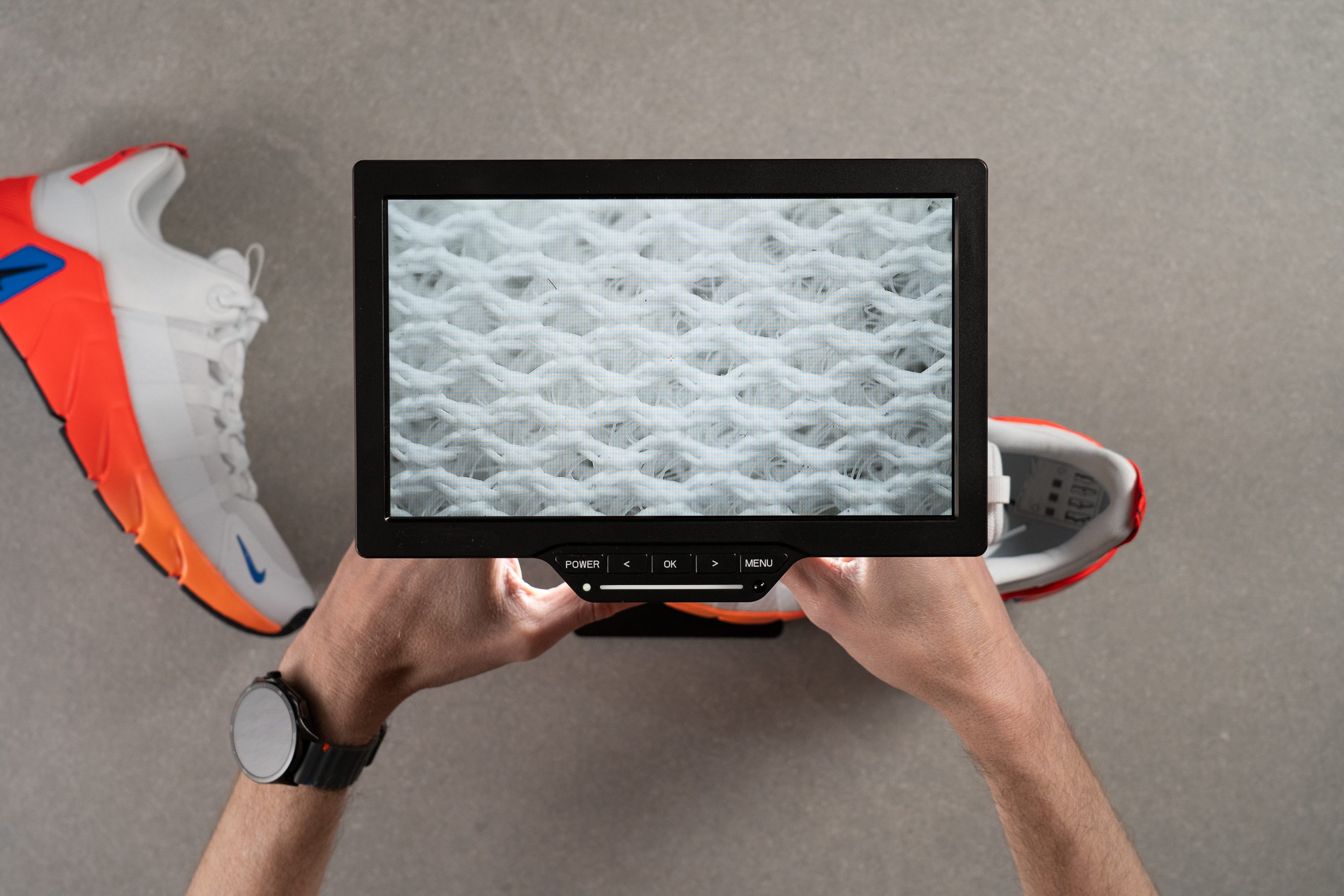
There is no dense inner lining or padding to block the airflow or trap moisture inside the Free Metcon 7.
| Free Metcon 7 | 4 |
| Average | 3.5 |
Stability
Lateral stability test
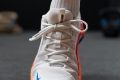
Promising 'enhanced midfoot containment,' Nike replaces the Flywire system with four pairs of strong, webbed eyelets that stretch from the sole to the laces.
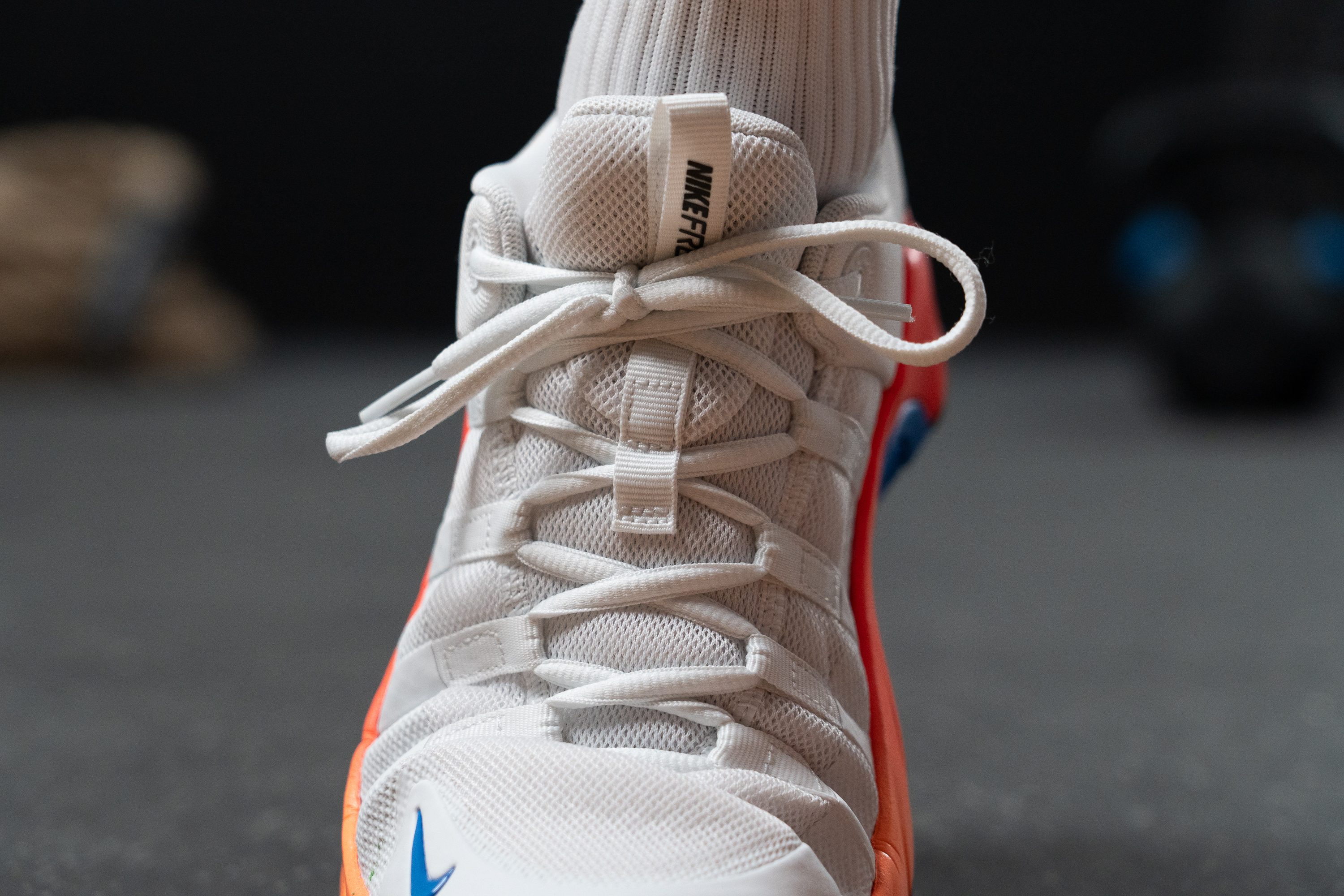
We felt we could achieve a more secure lockdown with this setup without worrying about thin Flywire cables eventually stretching or snapping.
Aside from that, the Free Metcon 7 is built on a familiar platform with a high top line and extended sidewalls in the heel that eliminate excessive lateral movement brilliantly!
Torsional rigidity
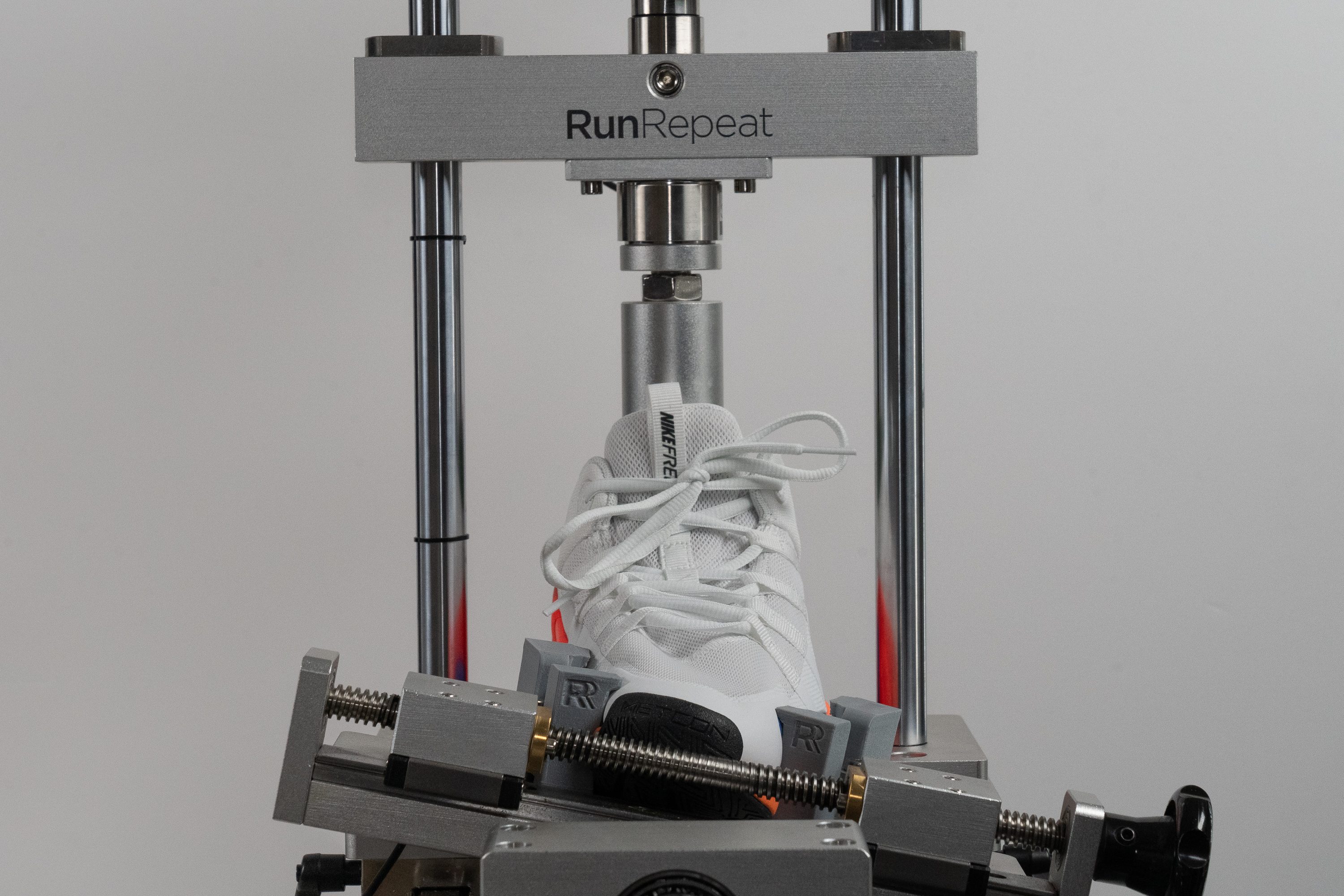
The Free Metcon 7 remains untwistable in the rearfoot, where it matters the most.
Its forgiving Nike Free forefoot hardly affects the shoe's overall torsional rigidity. Measuring the total torque required to twist it by 10 degrees in both directions, we recorded a standard reading of 12.9 Nm.
| Free Metcon 7 | 12.9 Nm |
| Average | 13.8 Nm |
Heel counter stiffness
The heel counter receives even more structure in the new iteration, as we couldn't bend it as easily as the previous one. Tough and well-padded, it contributes to this Nike trainer's excellent lockdown.
| Free Metcon 7 | 4 |
| Average | 2.8 |
Midsole width - forefoot
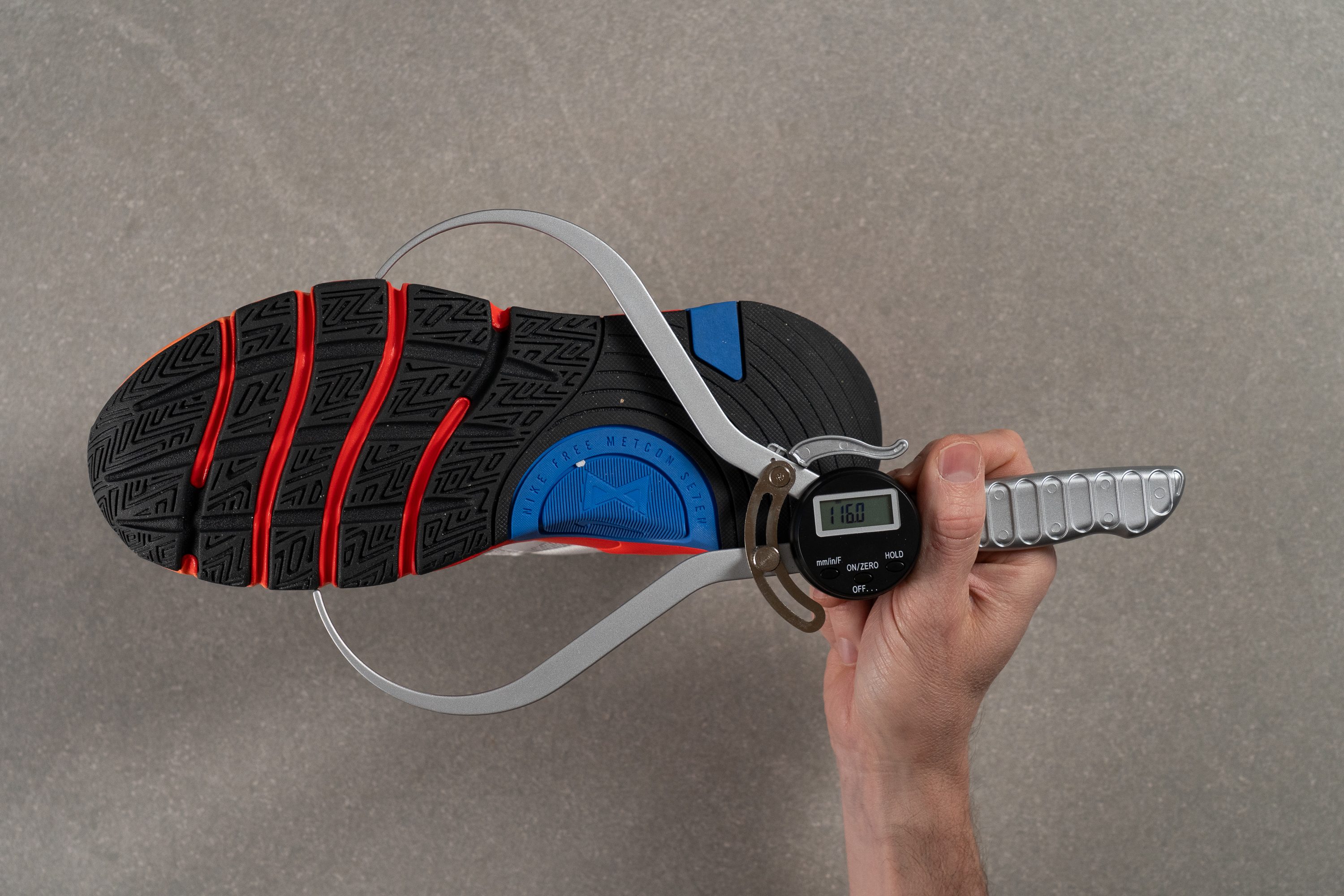
Not only did the shoe's platform increase in height, but it also grew a few millimeters wider, exceeding the category average. At 116.0 mm in the broadest area of its forefoot, it is now among the widest cross-trainers in our roster.
| Free Metcon 7 | 116.0 mm |
| Average | 111.9 mm |
Midsole width - heel
Its wide-set heel also exceeded that of most training shoes, at a whopping 95.9 mm.
This provides plenty of contact area to feel stable and planted during box jumps, forceful side-to-side movements like skater jumps, and moderate-to-heavy barbell work.
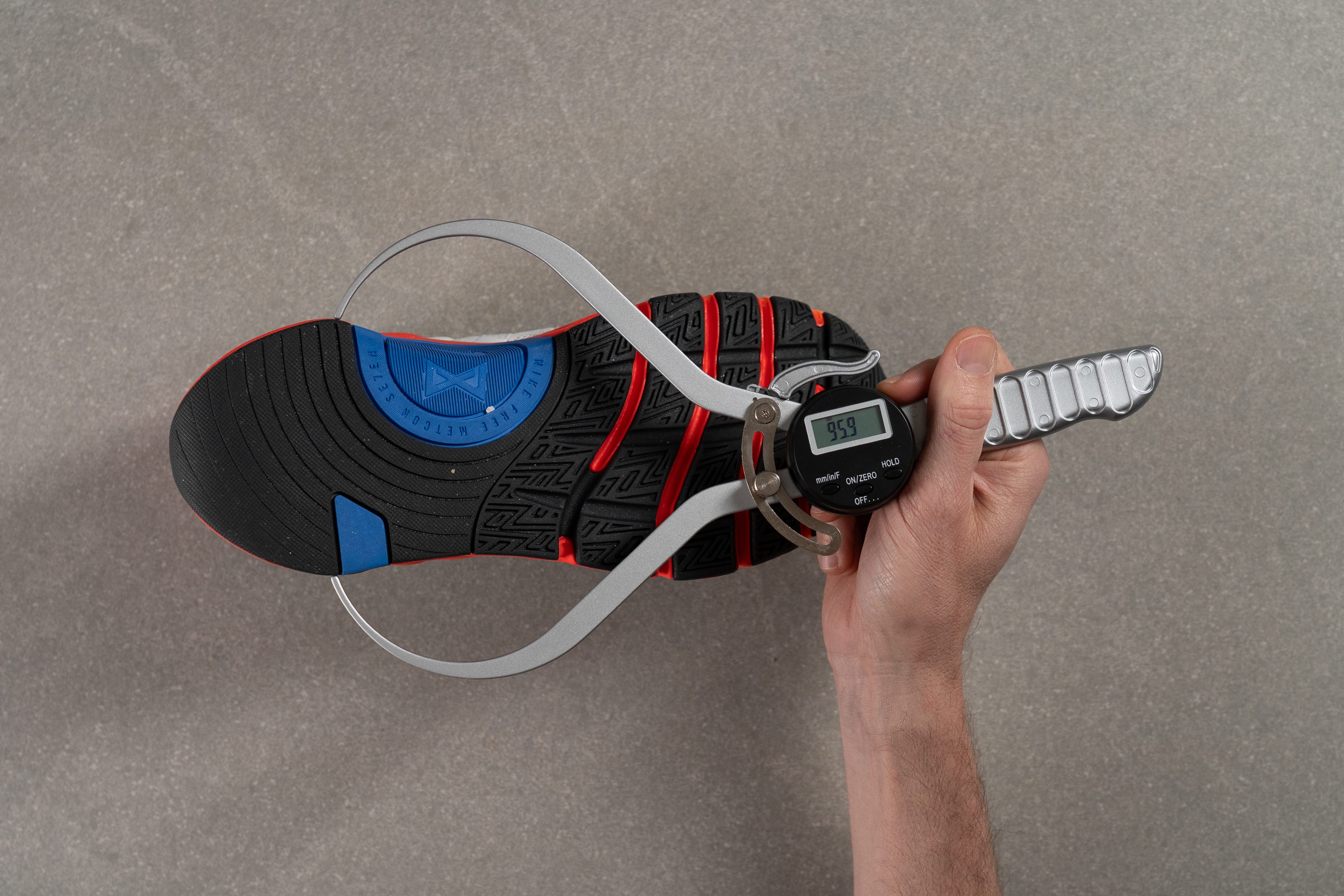
| Free Metcon 7 | 95.9 mm |
| Average | 87.0 mm |
Durability
Toebox durability
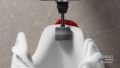
The Free Metcon 7 received a little more toe reinforcement, as, instead of a fused overlay, it now features a rubberized protector.
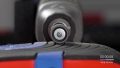
What's more, the mesh itself demonstrates improved wear resistance, sustaining less damage from our Dremel than the previous version. This raised our toebox durability score to 3 out of 5.
| Free Metcon 7 | 3 |
| Average | 2.7 |
Heel padding durability
The shoe's interior lining is made of a less silky textile which got more easily damaged in our Dremel test. But because it's not so frail either, its heel padding earned a moderate durability score of 3 out of 5.
| Free Metcon 7 | 3 |
| Average | 3 |
Outsole durability
We have zero complaints about the shoe's outsole durability, as its rubber blend resisted abrasion like a pro. A barely noticeable 0.8 mm dent indicated its promising lifespan.
| Free Metcon 7 | 0.8 mm |
| Average | 1.1 mm |
Outsole thickness
A solid 3.1 mm outsole thickness is a typical result for a training shoe. Not too thick to compromise weight or flexibility, but thick enough to serve long-term.
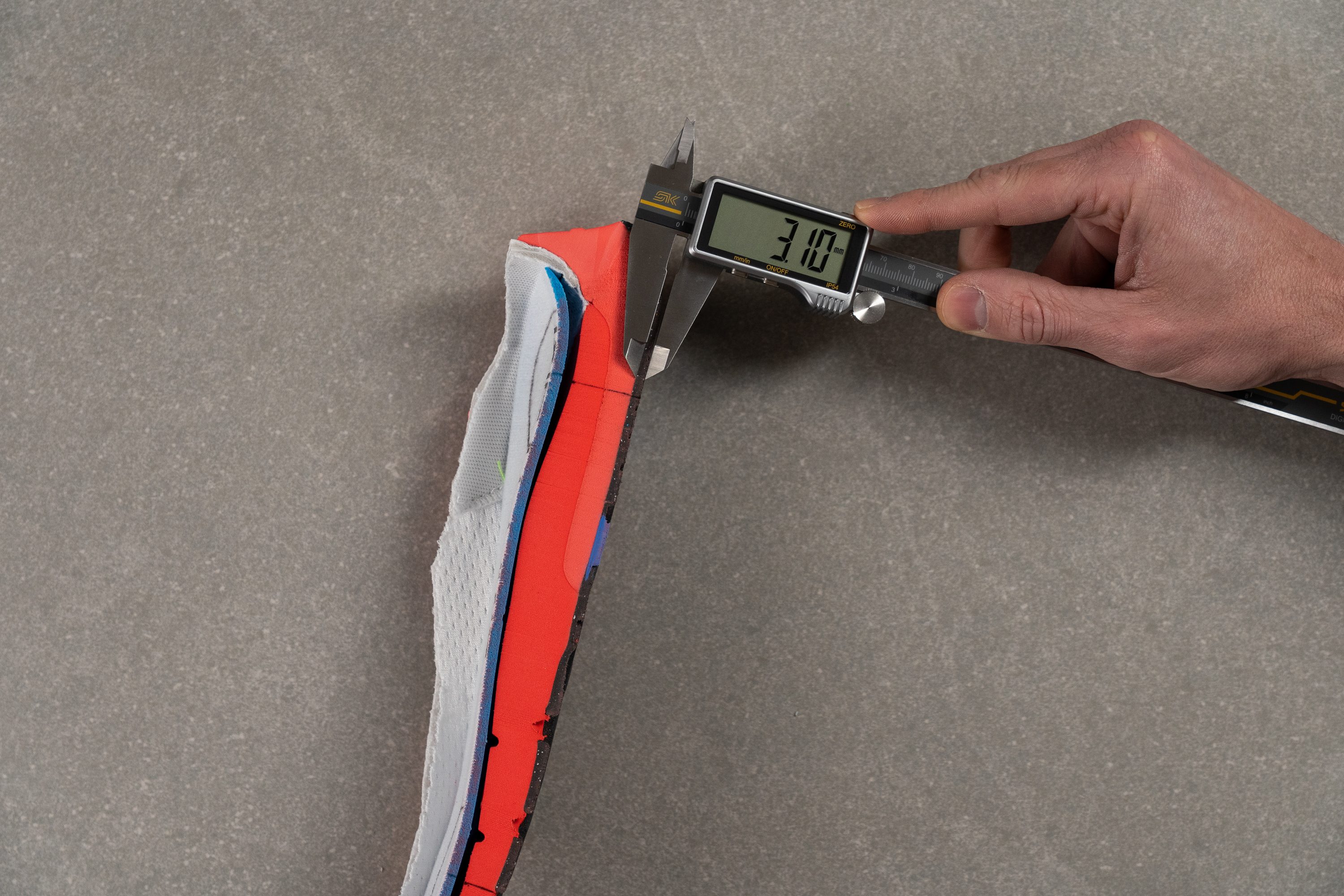
| Free Metcon 7 | 3.1 mm |
| Average | 3.5 mm |
Misc
Insole thickness
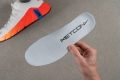
The Free Metcon 7's insole has a standard 3.8 mm of padding at the heel.
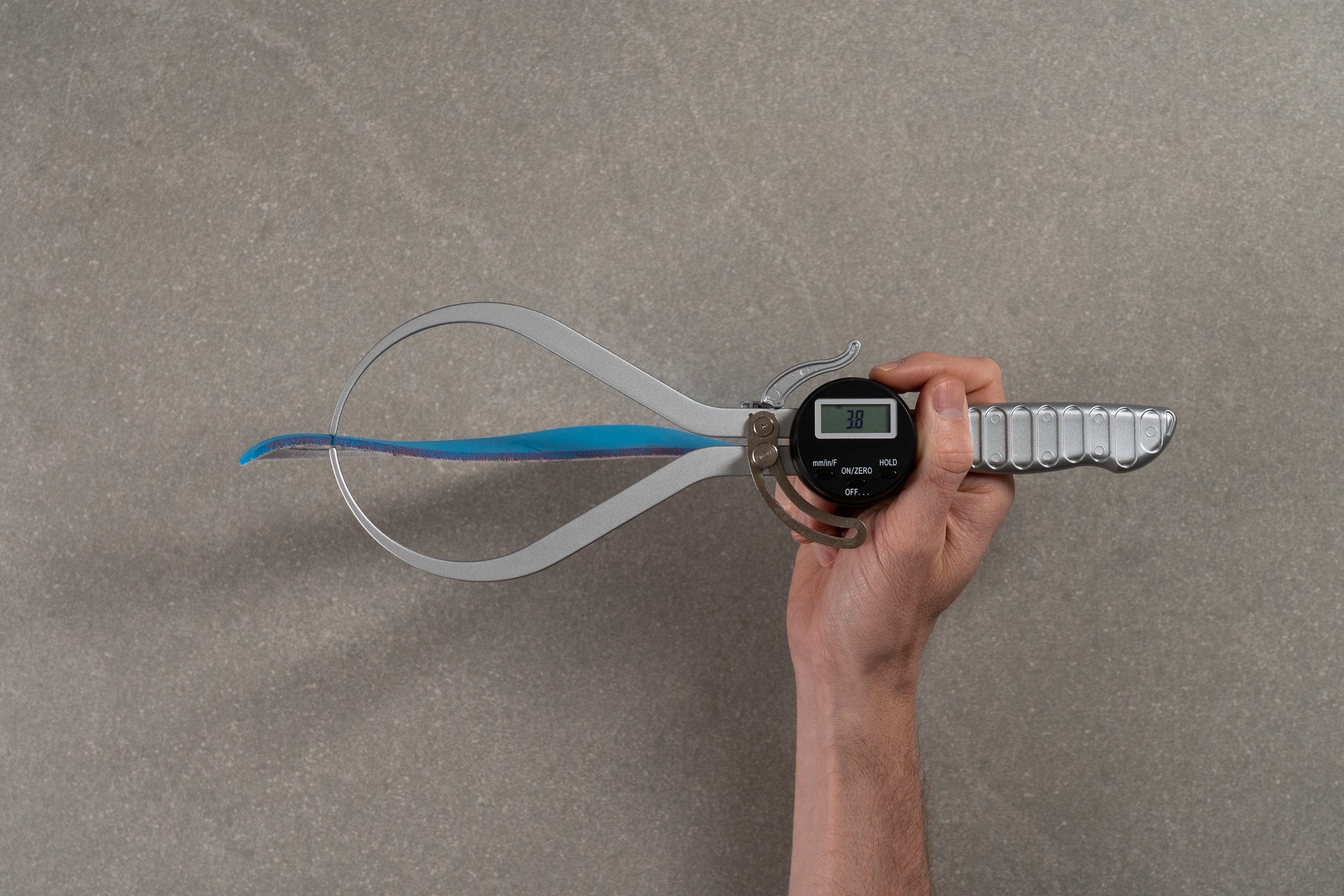
| Free Metcon 7 | 3.8 mm |
| Average | 4.0 mm |
Removable insole
A removable insole allows replacement with a custom orthotic.
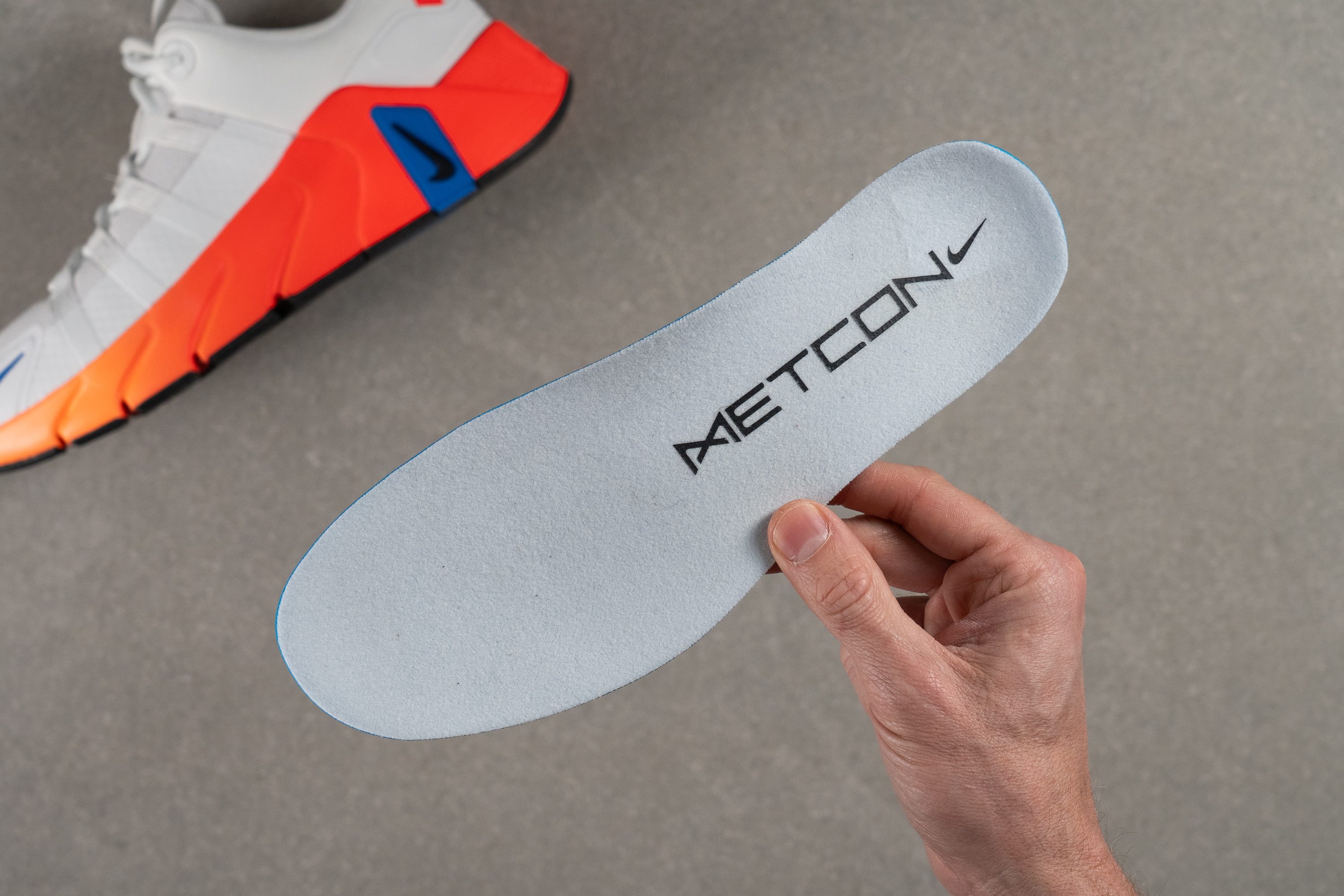
| Free Metcon 7 | Yes |
Reflective elements
None of the shoe's elements are reflective.
| Free Metcon 7 | No |
Tongue padding
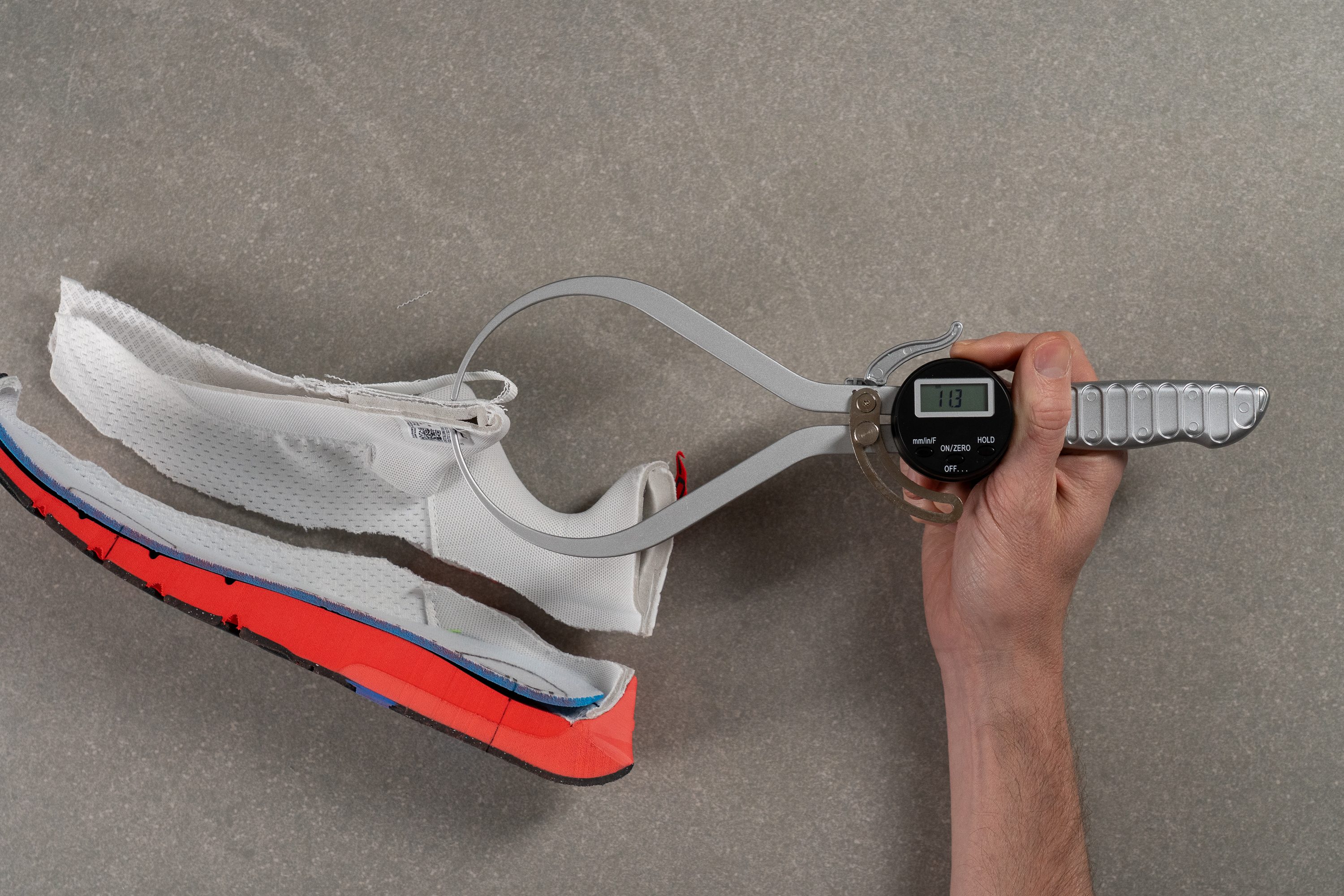
The tongue got noticeably beefier in the 7th iteration, doubling in thickness at 11.3 mm.
| Free Metcon 7 | 11.3 mm |
| Average | 6.0 mm |
Tongue: gusset type
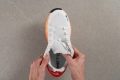
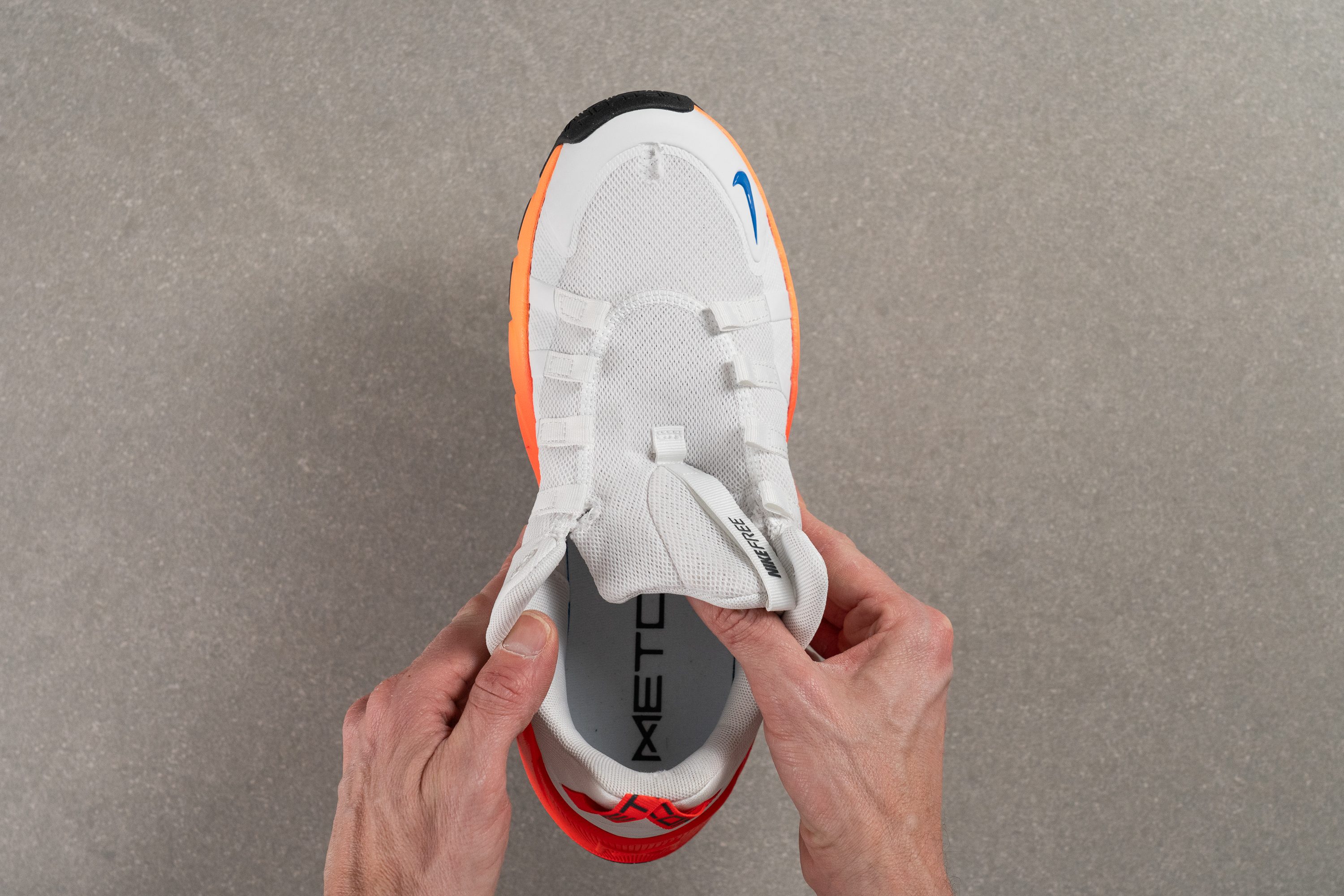
Nike retains the bootie (inner sleeve) upper design for the Free Metcon 7, but removes the topmost part of the tongue to widen the opening a bit more.
It can be a bit of a struggle to put on, but once inside, our foot was treated to a highly secure lockdown.
| Free Metcon 7 | Bootie |
Heel tab
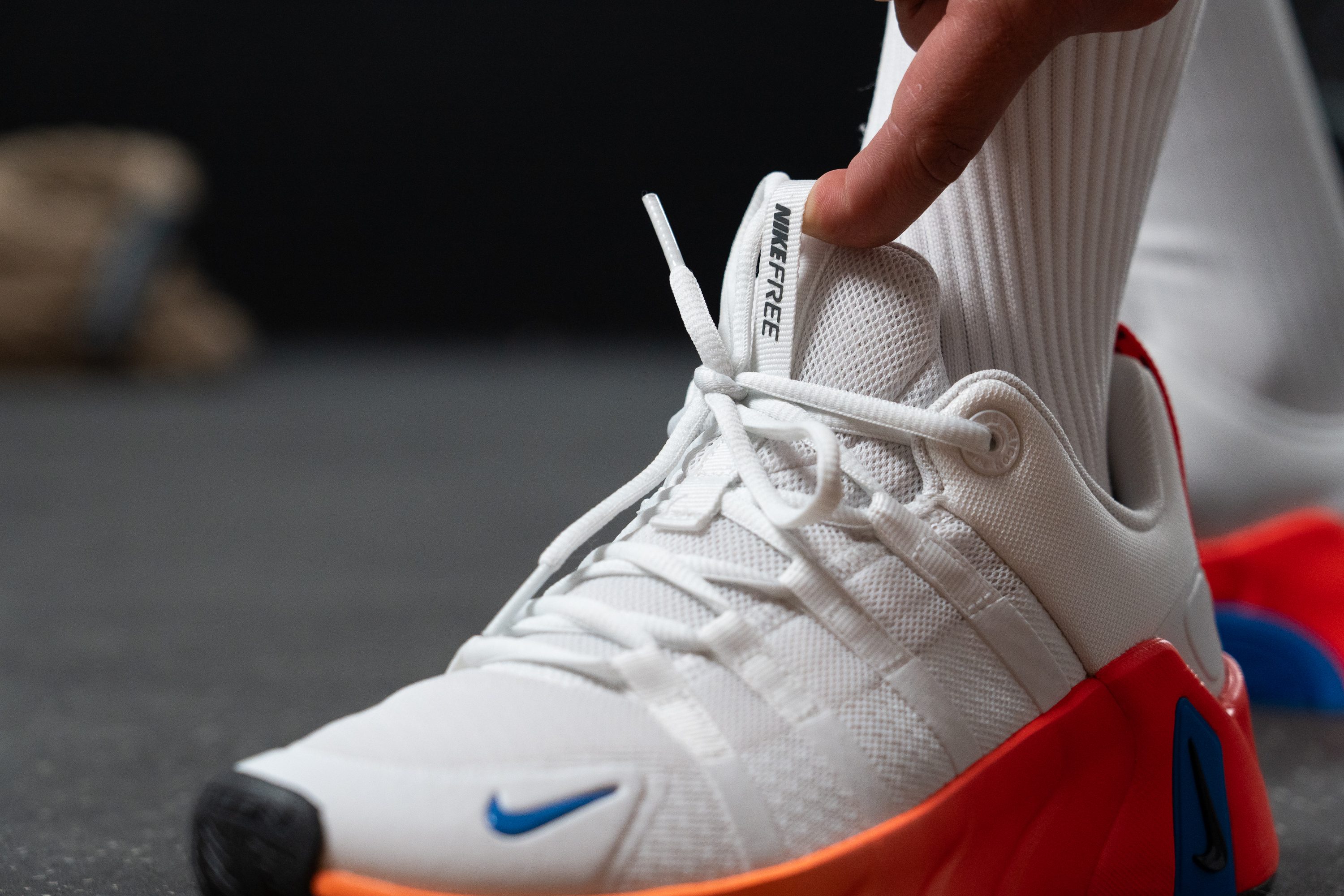
Because its shoe mouth got only slightly broader, we still relied heavily on its finger loops to slide into the Free Metcon 7.
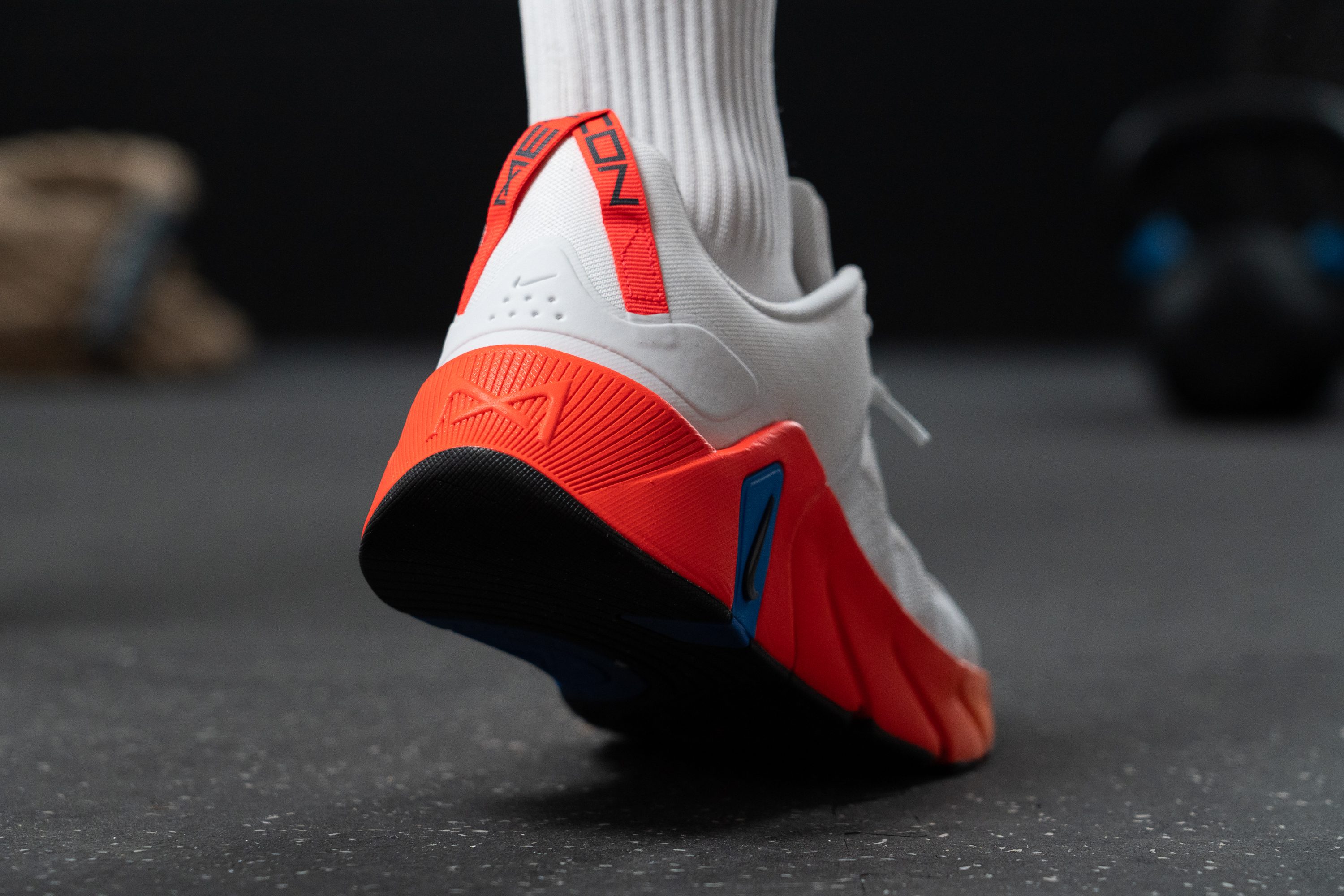
Placed both on the tongue and the heel, they made the on-and-off a bit easier in this setup.
| Free Metcon 7 | Finger loop |
Price
Like all the other Nike shoes, the new Free Metcon received a $5 price bump, but it is still quite competitively priced against similar cross-trainers.
| Free Metcon 7 | $125 |
| Average | $129 |