








Our verdict
- Daily running 52
- Tempo 84
- Race 93
- Stability 45
Pros
- Excellent energy return
- Top-tier breathability
- Improved weight over predecessors
- Solid traction on wet surfaces
- Ideal for narrow feet
- New foam improves the ride
- Interesting option for slower marathoners
- Versatile for multiple distance (Mile to marathon)
- No heel slippage at all
- Fantastic upper design and performance
Cons
- High price increase feels hard to justify
- Unstable heel
- Forefoot stack is much lower than stated
Awards
- Top pick in best New Balance running shoes
- Top pick in best cushioned New Balance running shoes
- Top 19% in road running shoes
- Top 14% in New Balance running shoes
Comparison
The most similar running shoes compared
+ + Add a shoe | |||||
|---|---|---|---|---|---|
| Our score | 87 Great | 88 Superb | 85 Great | 91 Superb | |
| Price | $275 | $250 | $265 | $275 | |
| Pace | Competition | Competition | Competition | Competition | |
| Shock absorption | High | High | High | High | |
| Energy return | High | High | High | High | |
| Traction | High | High | High | High | |
| Arch support | Neutral | Neutral | Neutral | Neutral | |
| Weight lab Weight brand | 6.7 oz / 190g 7 oz / 198g | 7.8 oz / 220g 7.4 oz / 210g | 7 oz / 198g 7.5 oz / 213g | 6.8 oz / 193g 7.5 oz / 213g | |
| Lightweight | ✓ | ✓ | ✓ | ✓ | |
| Drop lab Drop brand | 13.9 mm 8.0 mm | 10.0 mm 7.0 mm | 10.7 mm 8.0 mm | 13.4 mm 7.0 mm | |
| Strike pattern | Heel | HeelMid/forefoot | Heel | Heel | |
| Size | Half size small | Slightly small | True to size | Half size small | |
| Midsole softness | Soft | Balanced | Balanced | Soft | |
| Difference in midsole softness in cold | Small | Small | Small | Small | |
| Toebox durability | Decent | Decent | Bad | Bad | |
| Heel padding durability | Good | Good | Decent | Bad | |
| Outsole durability | Decent | Good | Decent | Decent | |
| Breathability | - | Breathable | Moderate | Moderate | |
| Width / fit | Narrow | Narrow | Medium | Narrow | |
| Toebox width | Medium | Narrow | Medium | Narrow | |
| Stiffness | Stiff | Stiff | Moderate | Moderate | |
| Torsional rigidity | Moderate | Moderate | Flexible | Moderate | |
| Heel counter stiffness | Flexible | Flexible | Flexible | Flexible | |
| Plate | Carbon plate | Carbon plate | Carbon plate | Carbon plate | |
| Rocker | ✓ | ✓ | ✓ | ✓ | |
| Heel lab Heel brand | 38.5 mm 40.0 mm | 39.6 mm 40.0 mm | 39.3 mm 40.0 mm | 44.5 mm 38.0 mm | |
| Forefoot lab Forefoot brand | 24.6 mm 32.0 mm | 29.6 mm 33.0 mm | 28.6 mm 32.0 mm | 31.1 mm 31.0 mm | |
| Widths available | NormalWide | Normal | NormalWide | Normal | |
| Orthotic friendly | ✓ | ✓ | ✓ | ✓ | |
| Season | - | SummerAll seasons | All seasons | All seasons | |
| Removable insole | ✓ | ✓ | ✓ | ✓ | |
| Ranking | #68 Top 17% | #51 Top 13% | #104 Top 26% | #30 Top 8% | |
| Popularity | #157 Top 39% | #98 Top 25% | #17 Top 5% | #394 Bottom 2% |

Who should buy
After testing the New Balance SuperComp Elite v6 in the lab and on the road, we concluded that:
- Owners of previous Elites will find a clear upgrade, with lower weight and better energy return.
- Runners who need a high-drop super shoe should go for it.
- Those with narrow feet that prefer a more classic racing fit will love what New Balance has done here.
- Marathoners who struggle with sweaty feet should check this one out, as it delivers exceptional breathability.
Who should NOT buy
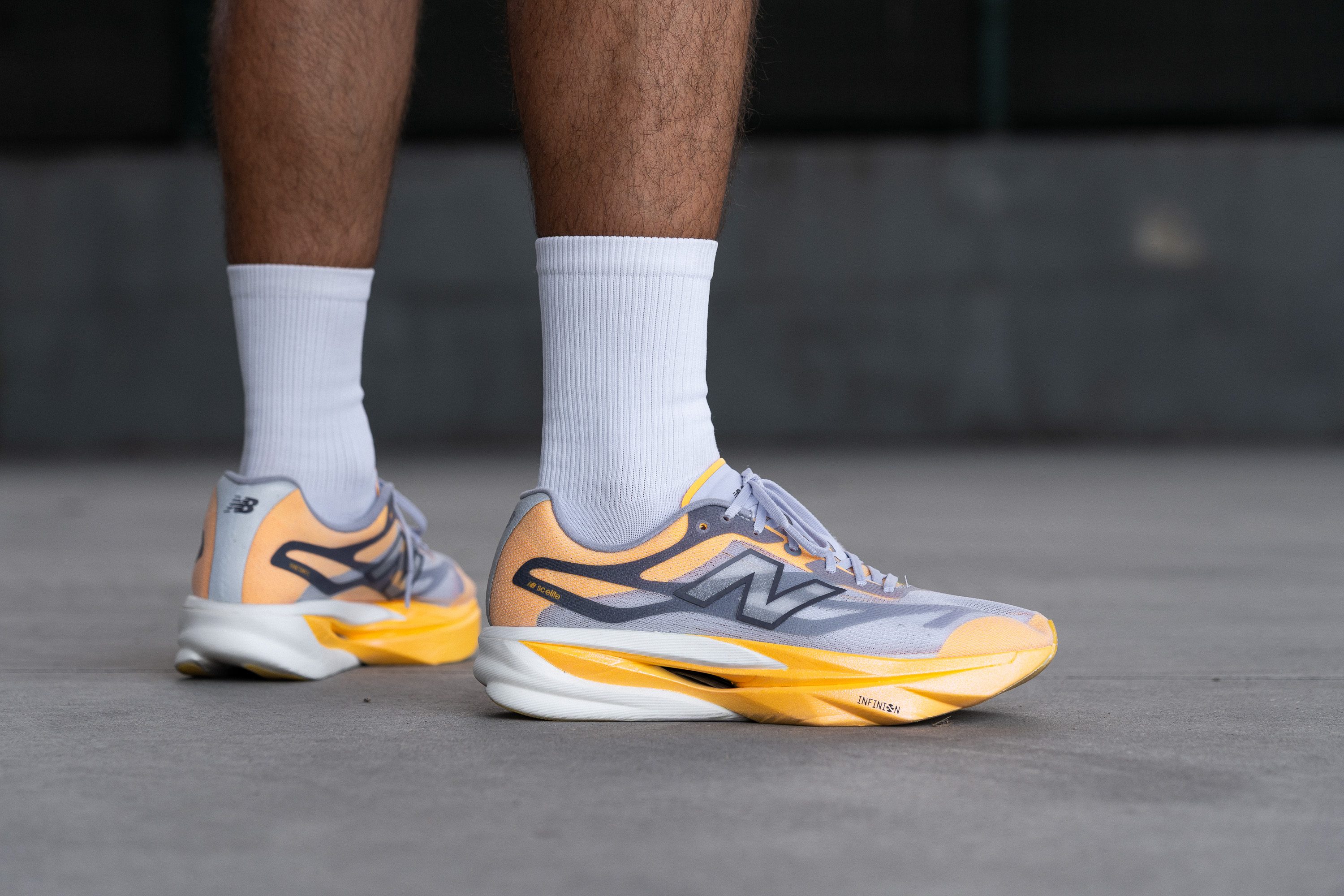
Despite shedding some weight compared to its predecessors, the Elite v6 still has some catching up to do. If a lightweight super shoe is a top priority for you, we'd suggest the ASICS Metaspeed Edge Tokyo or Nike Vaporfly 4 instead, as both come at a similar price.
We also think the unstable heel could be a deal-breaker for some runners. Instead, we'd recommend the Nike Alphafly 3 if you want a more stable, set-and-forget feel, especially for marathon racing.
Cushioning
Shock absorption
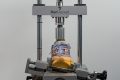
When it comes to shock absorption, we found in the lab that the New Balance SuperComp Elite v6 has a very different character depending on the part of the shoe.
The heel is highly-protective, scoring 148 SA, while the forefoot is considerably less cushioned at 101 SA. Therefore, forefoot strikers may find it better suited to short-distance events than marathon races.
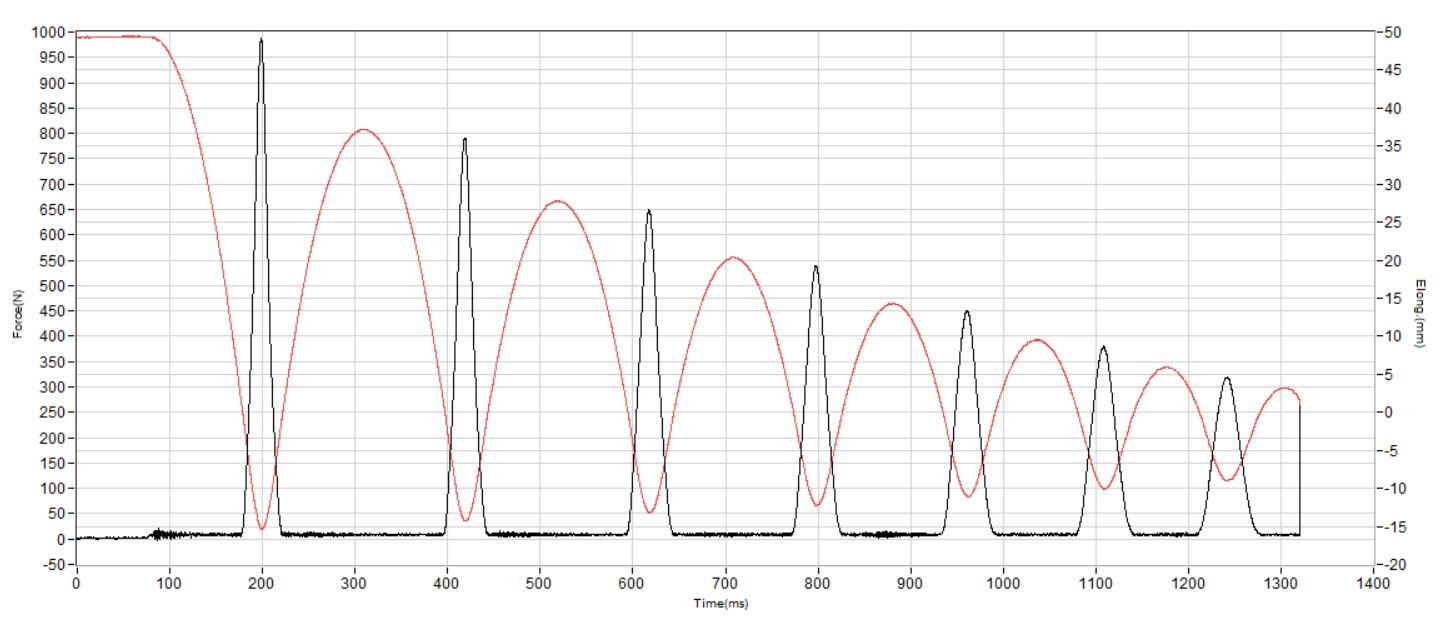
| SuperComp Elite v6 | 148 SA |
| Average | 131 SA |
Energy return
It took a bit longer than we hoped for New Balance to make the move and ditch FuelCell from their top shoes, but now we have Infinion*, an aliphatic TPU material that really delivers.
In the SC Elite v6, we found very solid numbers that are close to the best super shoes available today: 75.3% in the heel and an impressive 79.4% in the forefoot. Definitely a step forward!
*In typical New Balance fashion, they use the same foam name for very different compounds. This is not the same Infinion used in the 1080 v15, which is a mix of TPEE and EVA.
| SuperComp Elite v6 | 79.4% |
| Average | 61.5% |
Heel stack
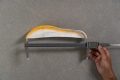
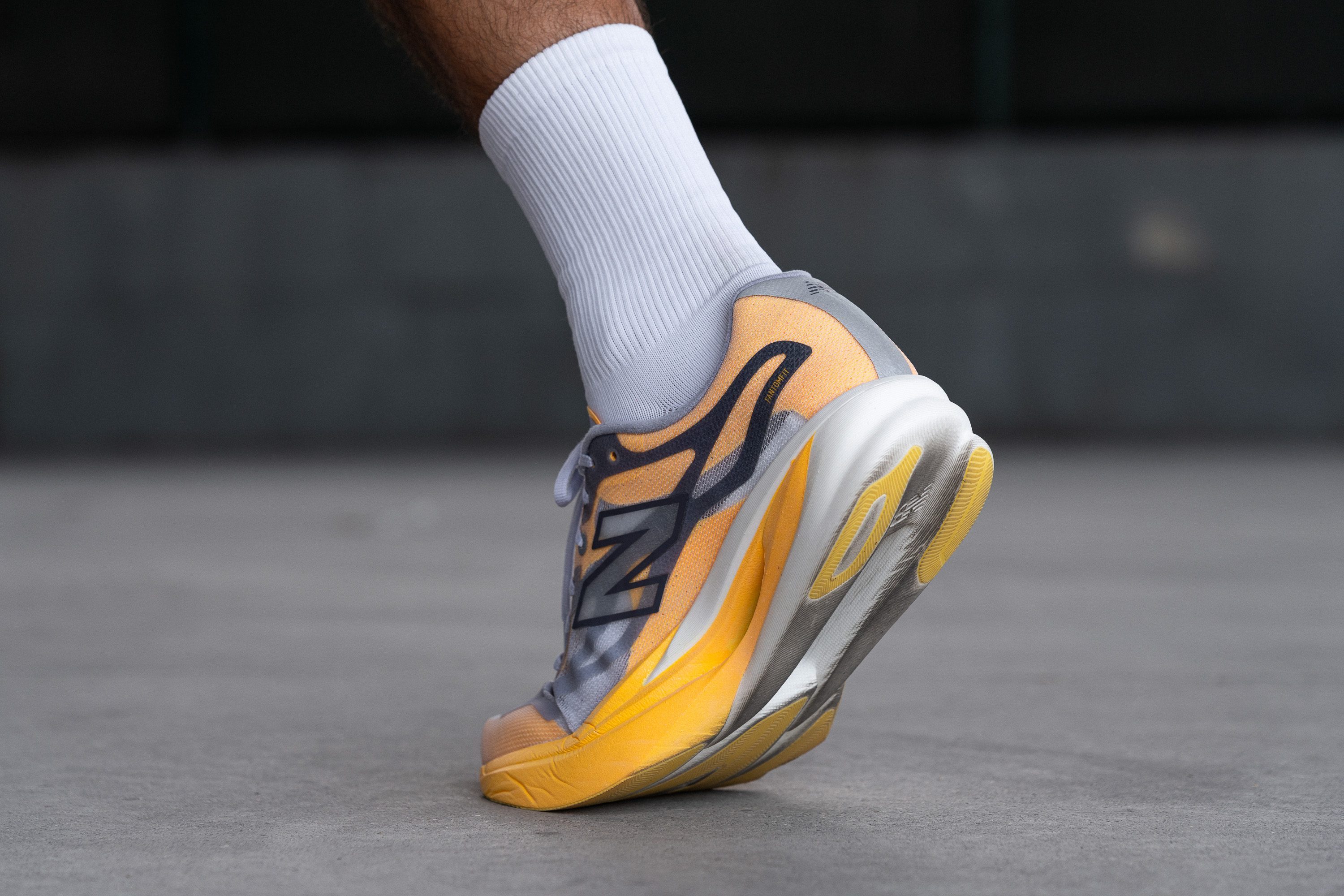
Most marathon shoes are built around the 40-mm stack-height limit imposed by World Athletics, and we proved in the lab that the New Balance SuperComp Elite v6 is no exception to the rule.
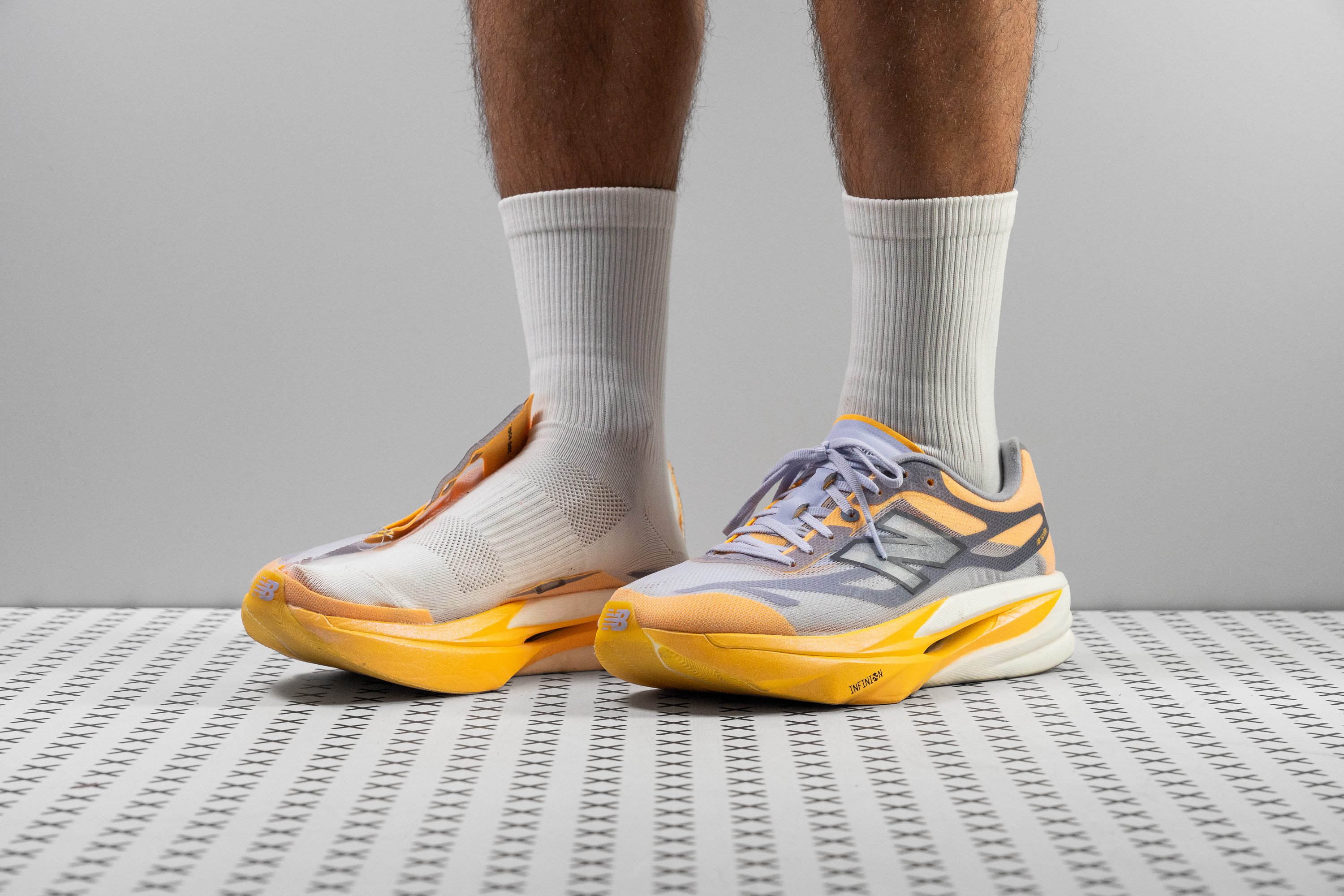
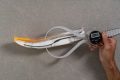
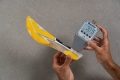
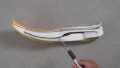
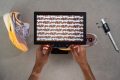
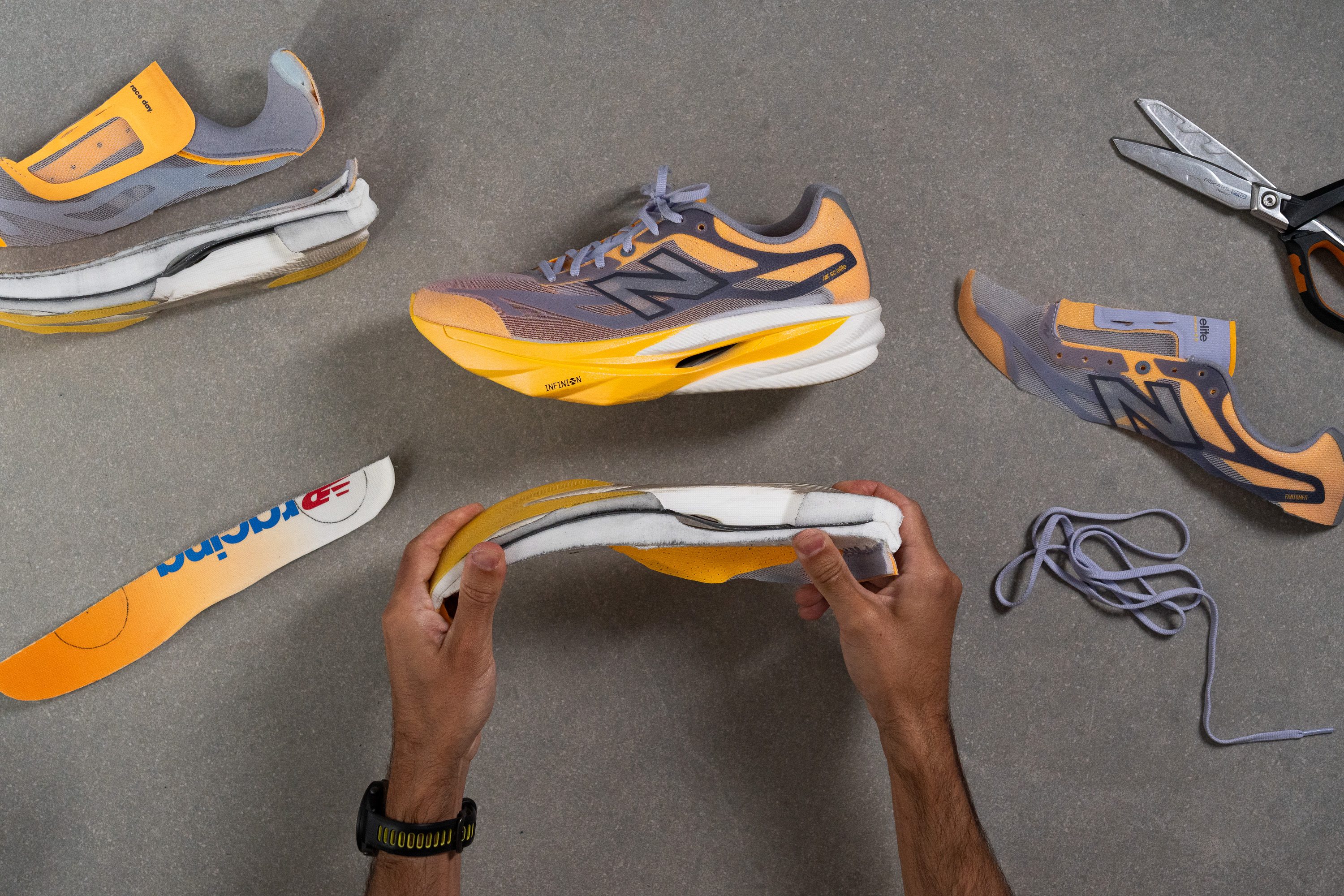
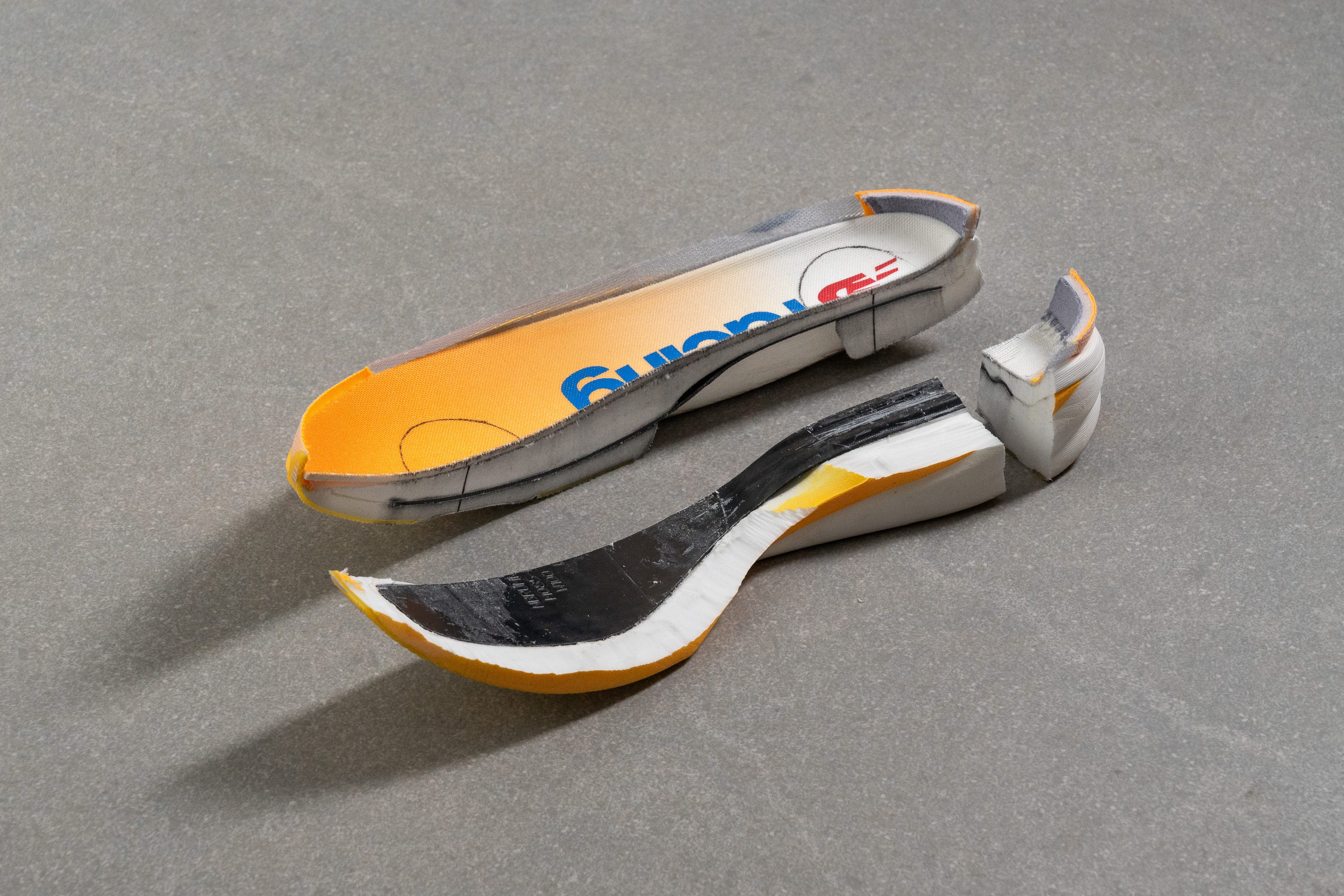
At 38.5 mm, it gets dangerously close to that limit and offers tons of cushioning in the heel. You can also see in our video the purposeful cutout that New Balance created in the midfoot, allowing the Energy ARC plate to compress and spring back in the curved section that transitions from heel to forefoot.
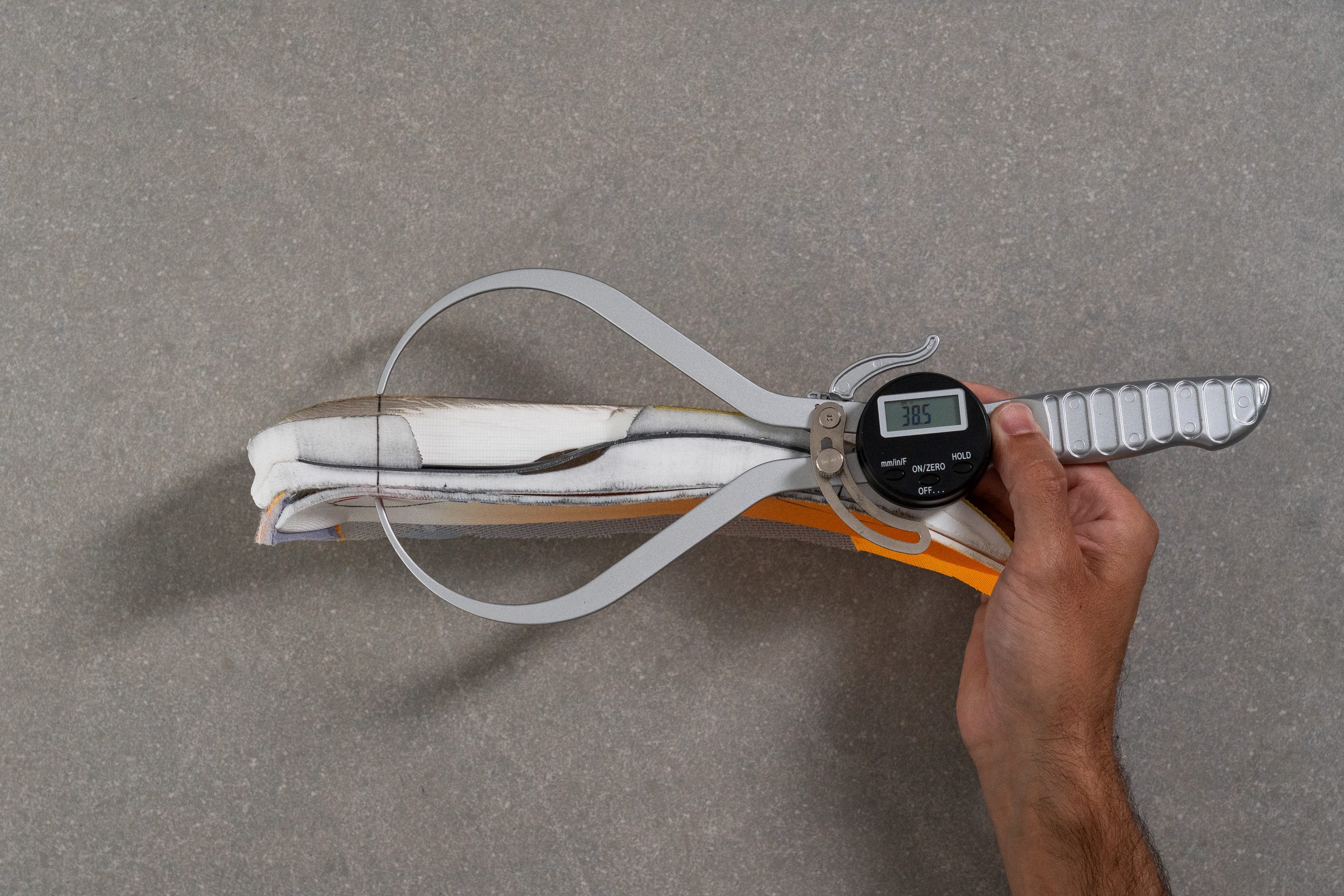
| SuperComp Elite v6 | 38.5 mm |
| Average | 35.6 mm |
Forefoot stack
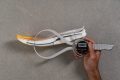
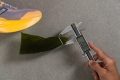
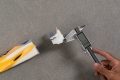
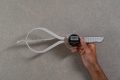
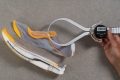
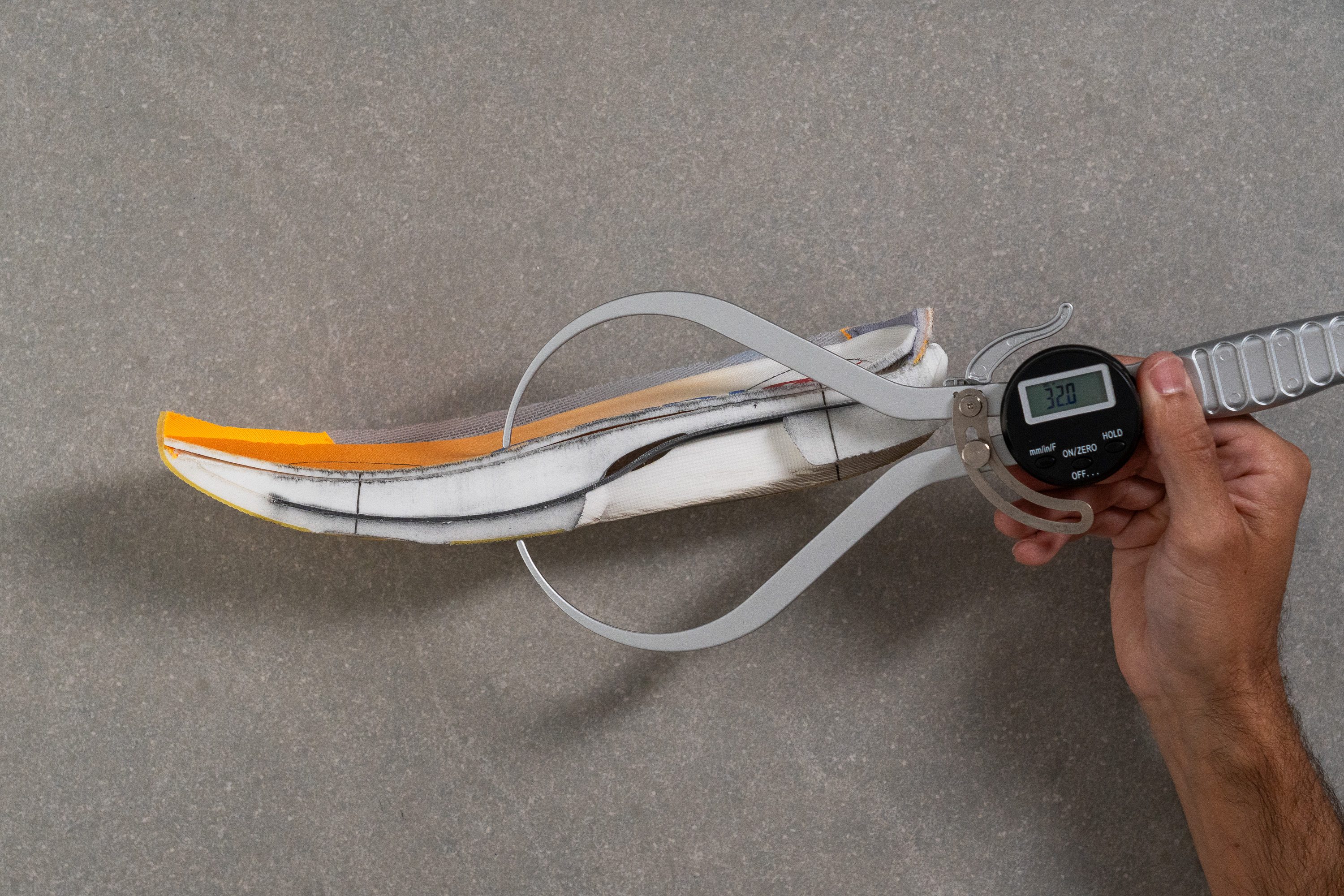
New Balance states that the forefoot has a thickness of 32.0 mm, and we measured exactly that... but in the midfoot area, far away from the forefoot point marked by World Athletics.
However, when measuring exactly at that point, we found just 24.6 mm, meaning there’s significantly less stack up front.
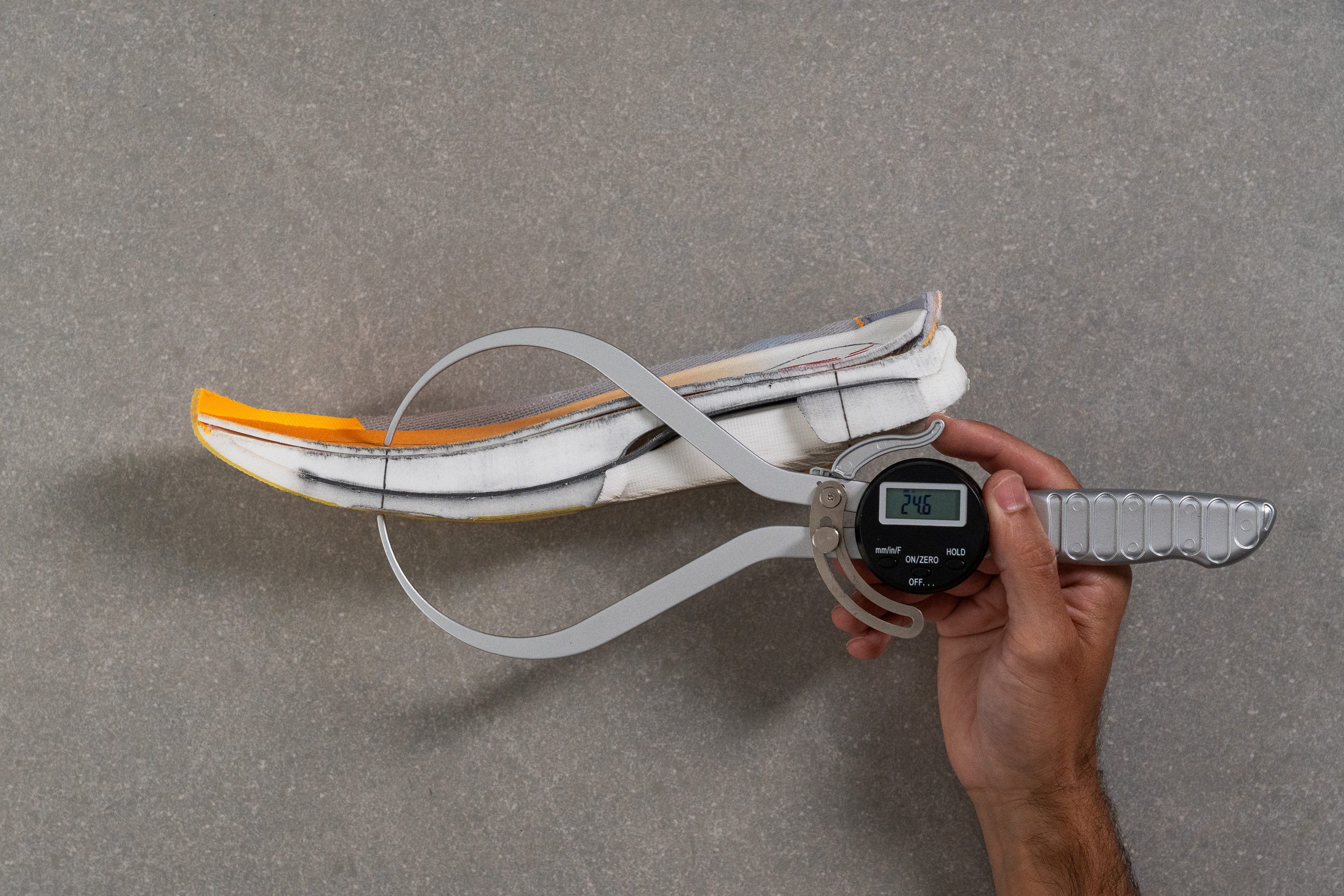
| SuperComp Elite v6 | 24.6 mm |
| Average | 27.1 mm |
Drop
And that also means a monster 13.9 mm drop, so you'll get a ride reminiscent of high-drop super shoes like the Nike Vaporfly 4%. For runners who need such a high drop because of their Achilles tendons or simply because it works better for them, this will feel fantastic.
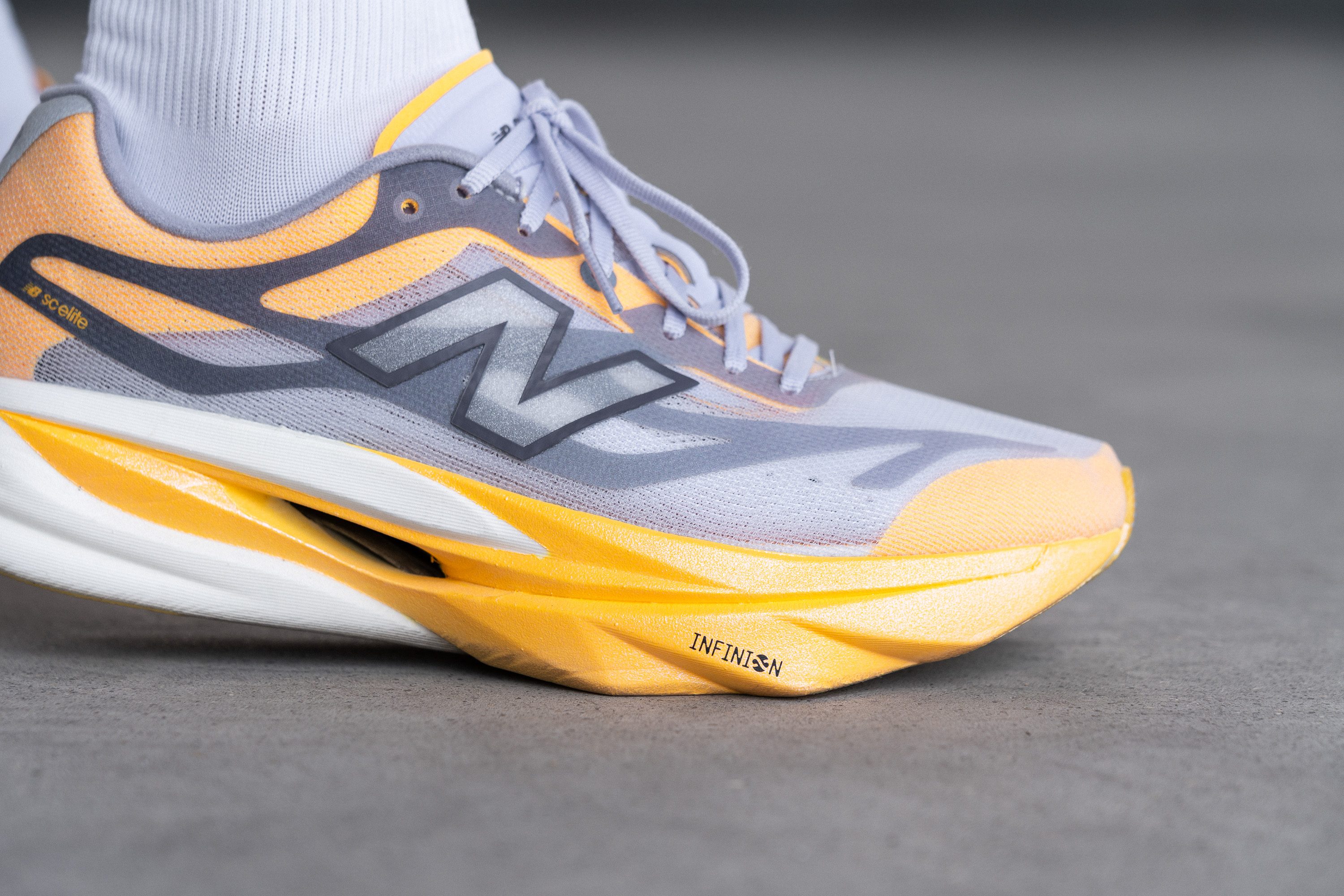
On the flip side, those who expect the flatter ride that's a design choice in some recent super shoes may be disappointed. However, we can't say we're surprised, as the Elite v4 measured 9.3 mm in our lab (NB stated 4 mm!), while the Elite v5 already went over 10 mm.
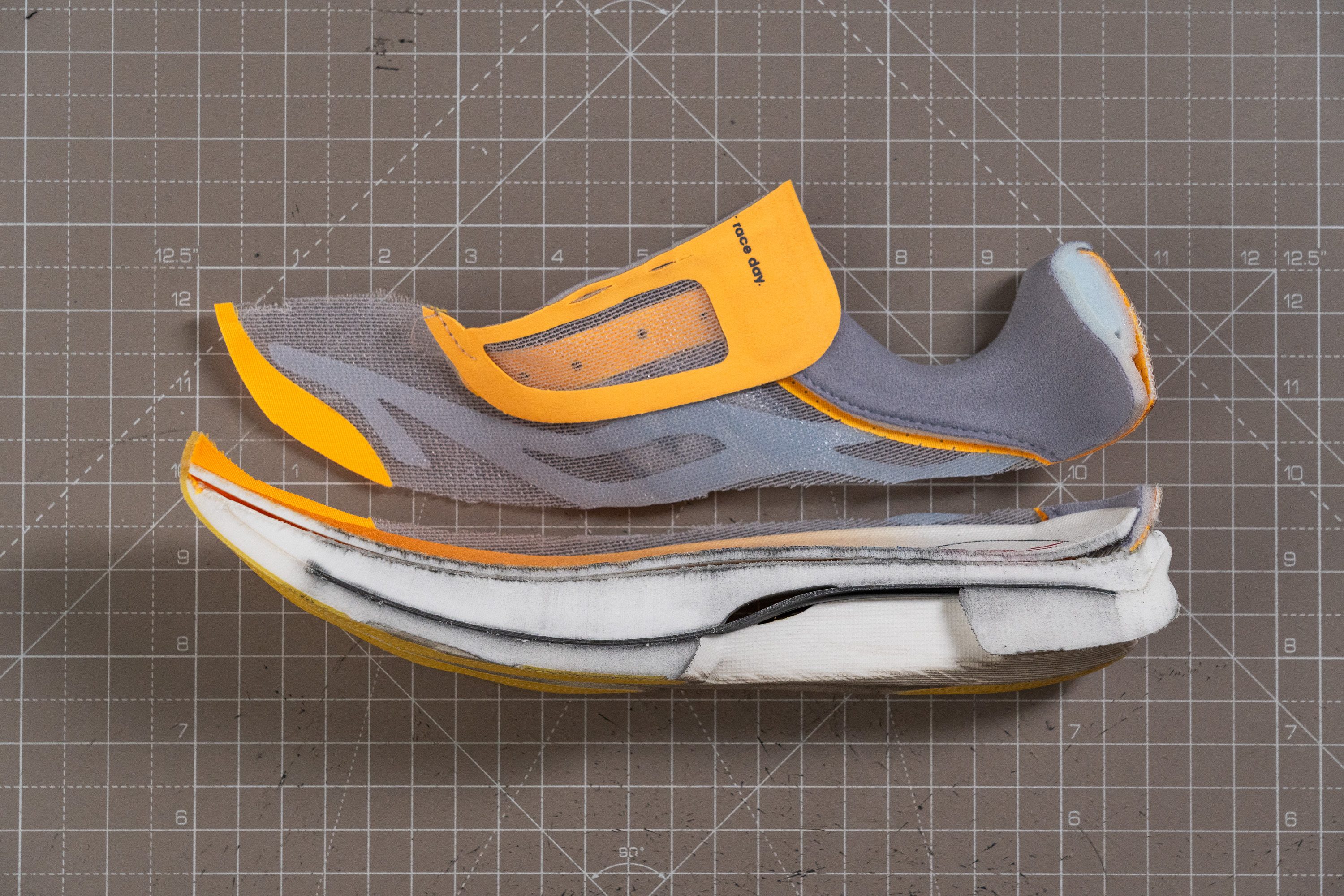
| SuperComp Elite v6 | 13.9 mm |
| Average | 8.4 mm |
Midsole softness
The new Infinion foam won't disappoint FuelCell lovers when it comes to softness, as the underfoot feel is almost identical.
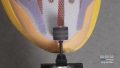
We pressed our digital Asker C durometer against the foam and got a reading of 30.5 AC. That's clearly below the lab average, and the thin outsole used on the Elite v6 further enhances that soft feel.
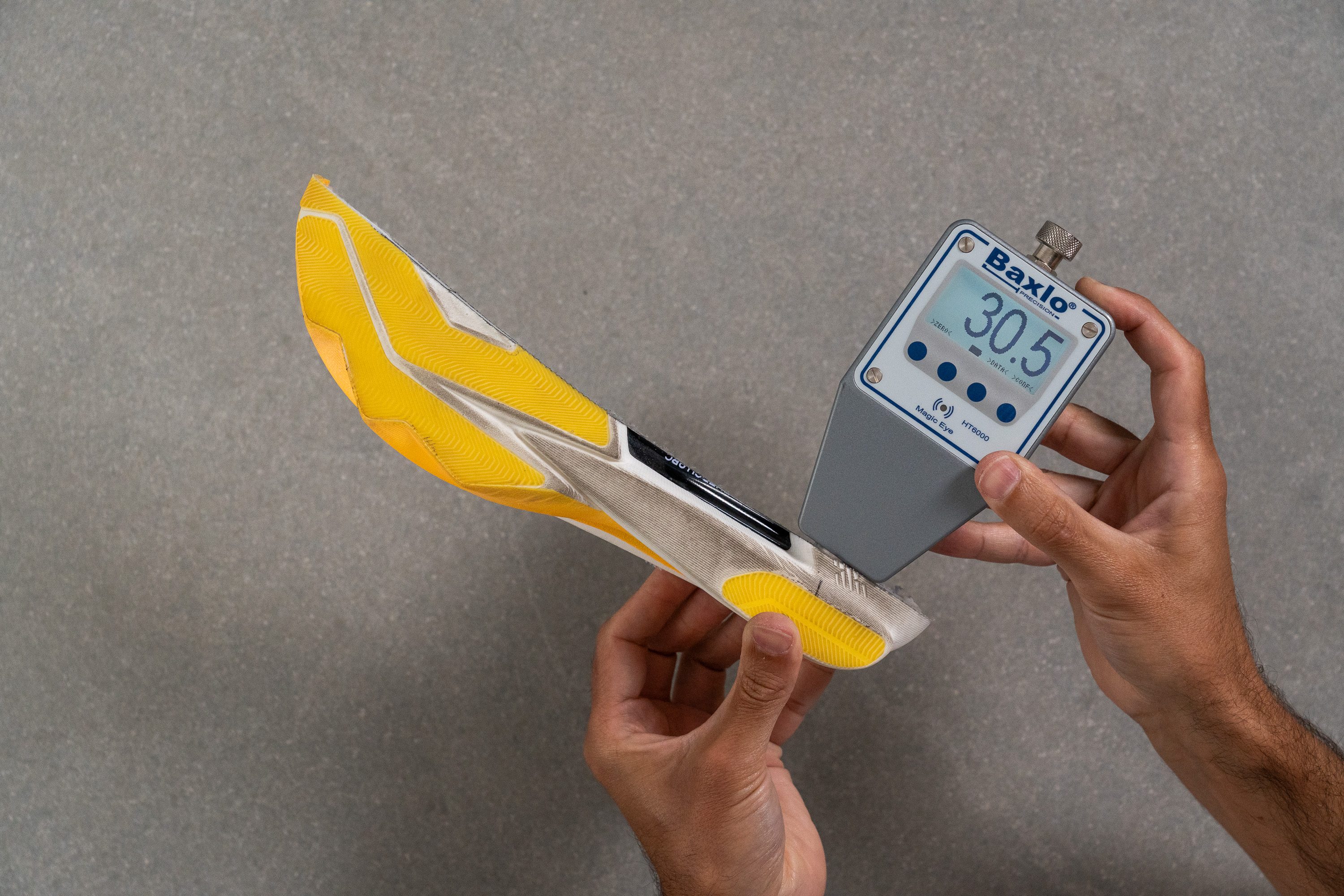
| SuperComp Elite v6 | 30.5 AC |
| Average | 35.4 AC |
Rocker
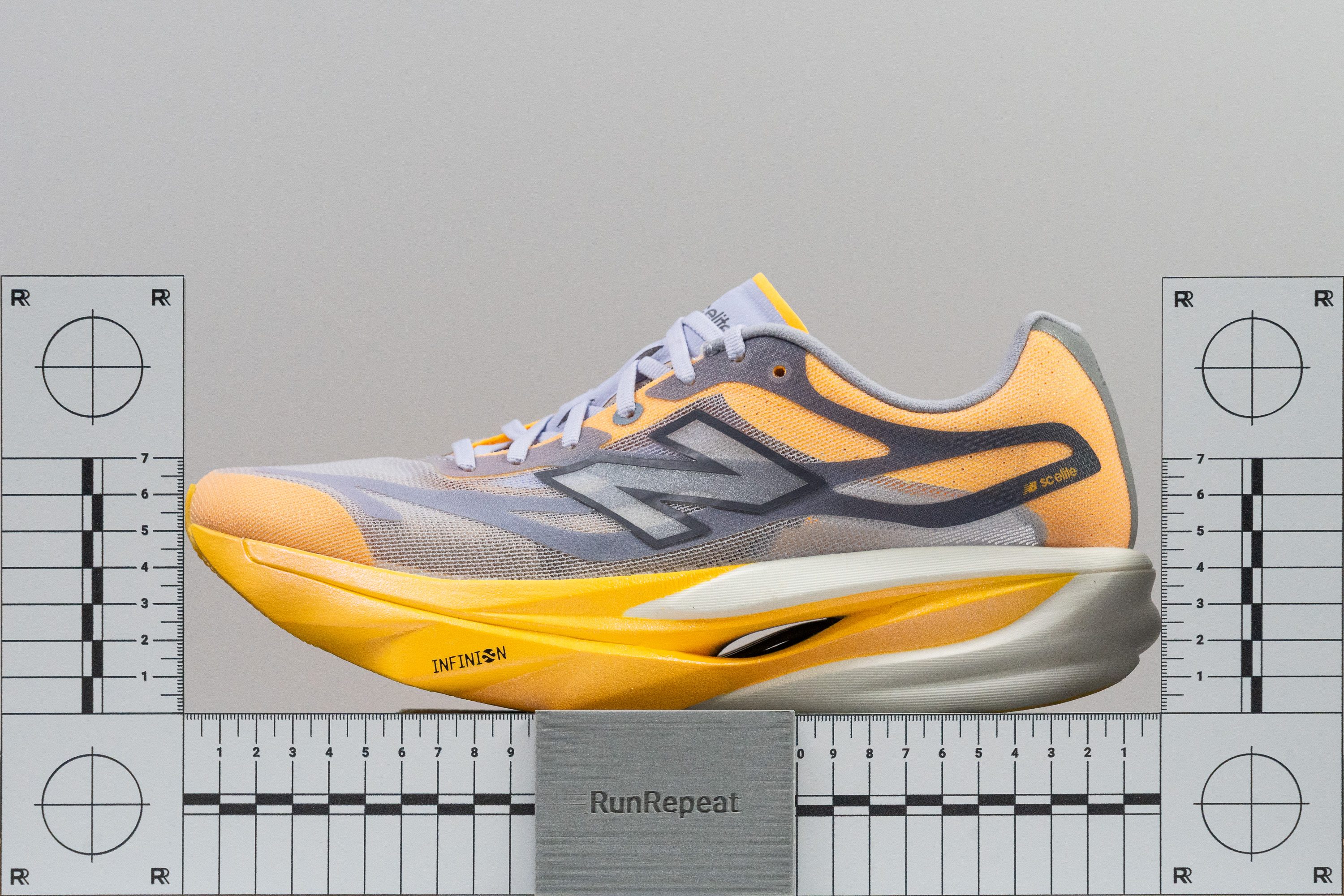
Like most shoes with a carbon plate, the New Balance SuperComp Elite v6 features a rockered midsole that helps offset the high stiffness and improve running economy.
Only shoes with a plate positioned very low in the forefoot, such as the Vaporfly series, can get away with a less pronounced rocker, but that's not the case here.
Plate
New Balance may have ditched FuelCell, but they continue to push their Energy ARC plate design, which aims to squeeze out marginal gains over a traditional flat plate.
In terms of shape, the plate doesn't try to reinvent the wheel, and instead follows the usual spoon-shaped curvature in the forefoot to roll runners forward and boost running economy.
Size and fit
Size
New Balance SuperComp Elite v6 fits half size small (24 votes).
Consider sizing up
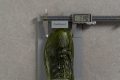
Internal length
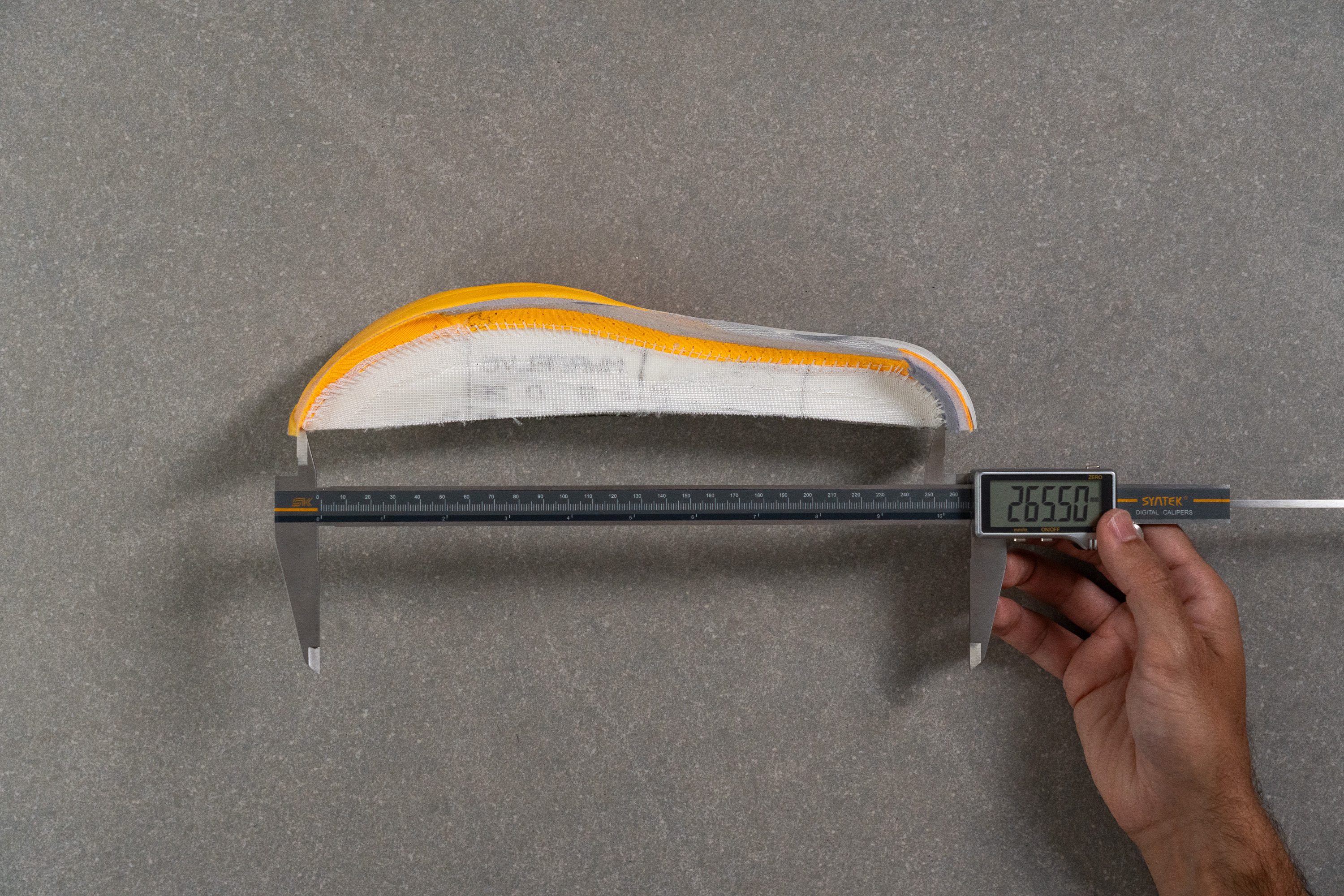
| SuperComp Elite v6 | 265.5 mm |
| Average | 269.3 mm |
Width / Fit
The Elite v4 had carved out a niche for runners with wide feet who needed a roomy super shoe, but that's now gone. With the Elite v5 and even more so with the Elite v6, we're back to a full-racing fit.
New Balance still offers a wide version of this model, making it one of the few brands to do so with a super shoe, but don't expect miracles. In the regular D width for a US 9, we measured a very tight 90.7 mm.
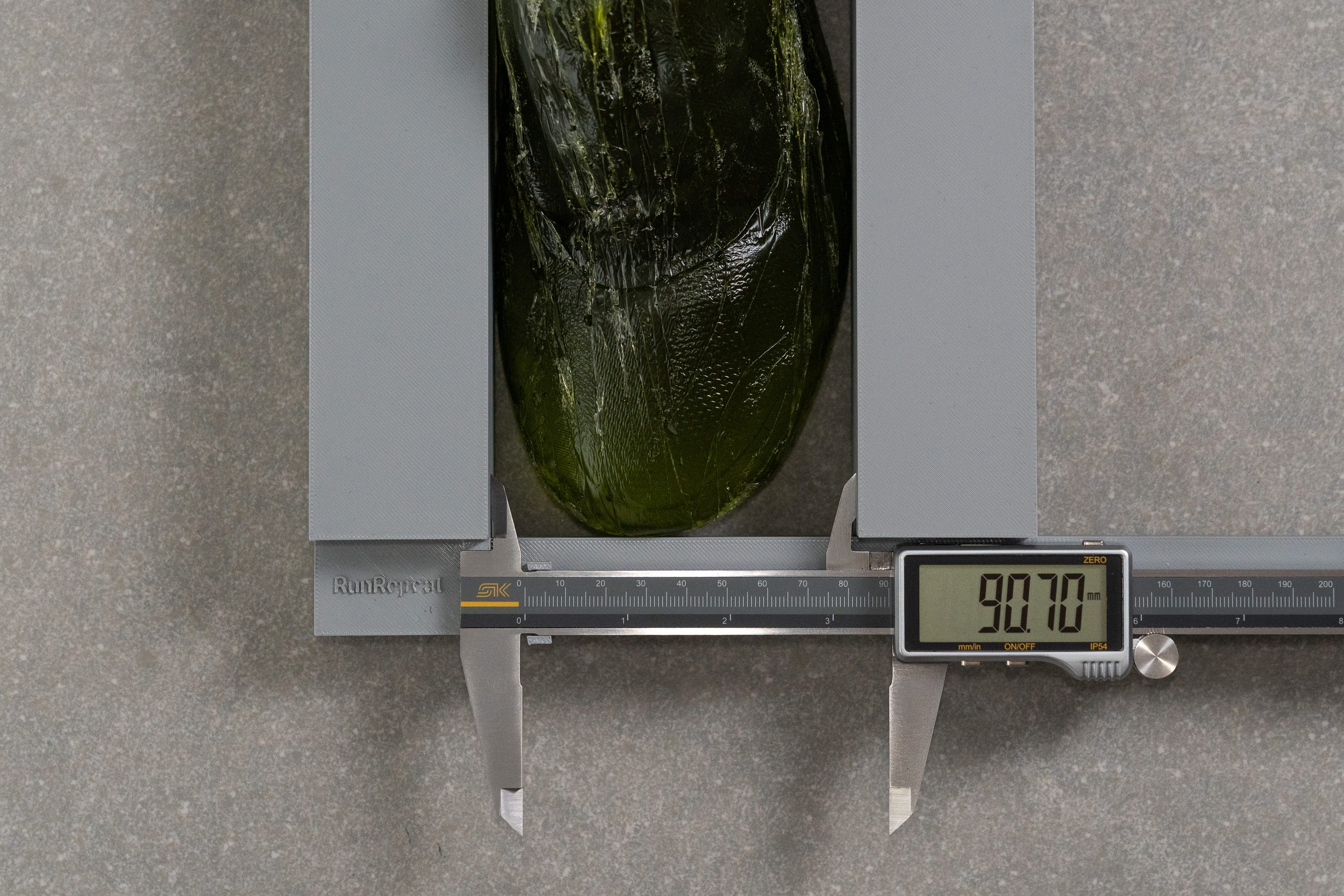
| SuperComp Elite v6 | 90.7 mm |
| Average | 95.2 mm |
Toebox width
We also noticed a tapered toebox width of 71.4 mm, making it the second measurement in a row to fall below the average.
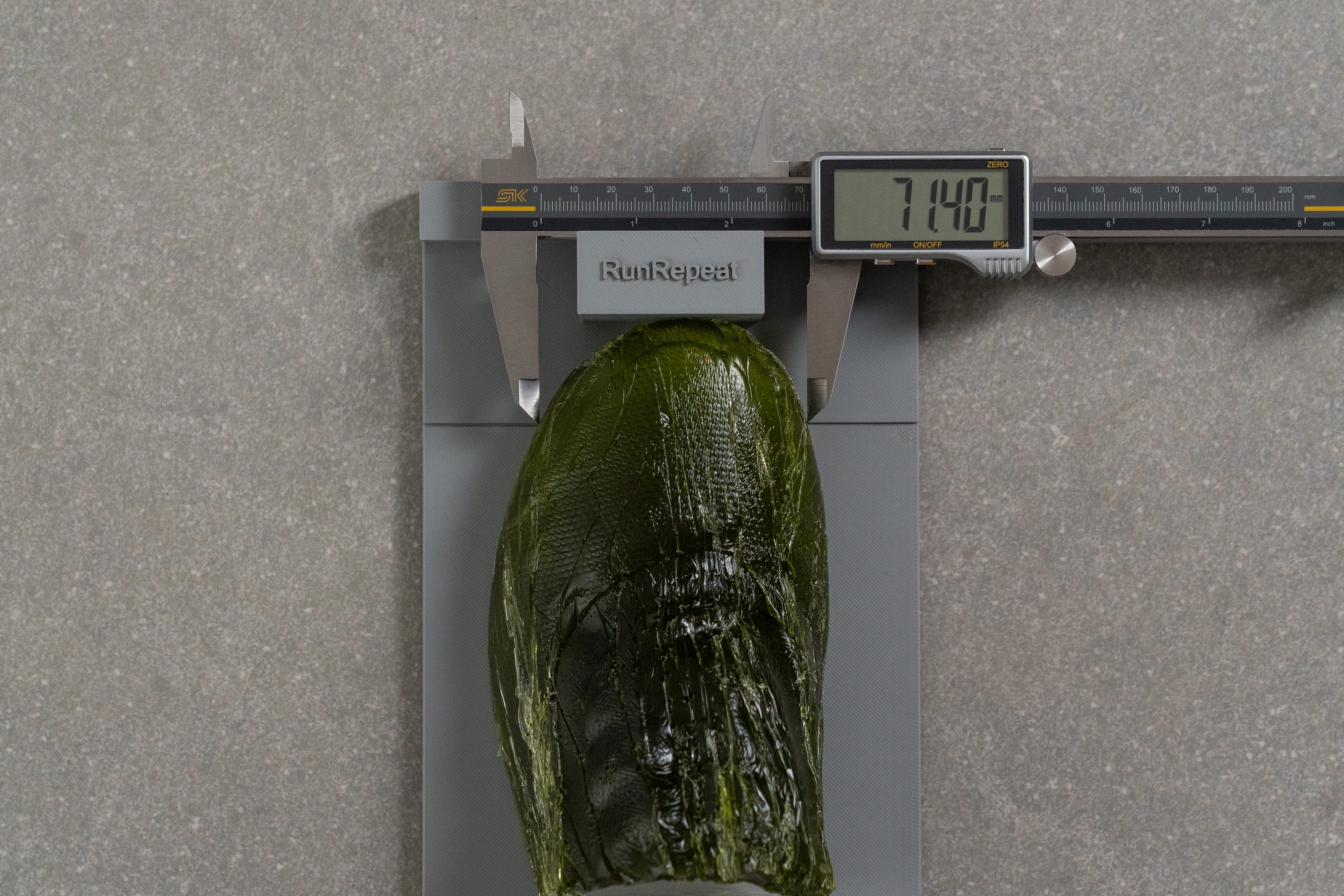
| SuperComp Elite v6 | 71.4 mm |
| Average | 73.2 mm |
Toebox height
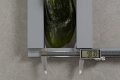
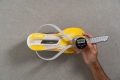
To finish our fit measurements, we checked the toebox height and found 26.8 mm.
That's a smart design choice, as it maintains a secure fit while still allowing good air circulation around the toes.
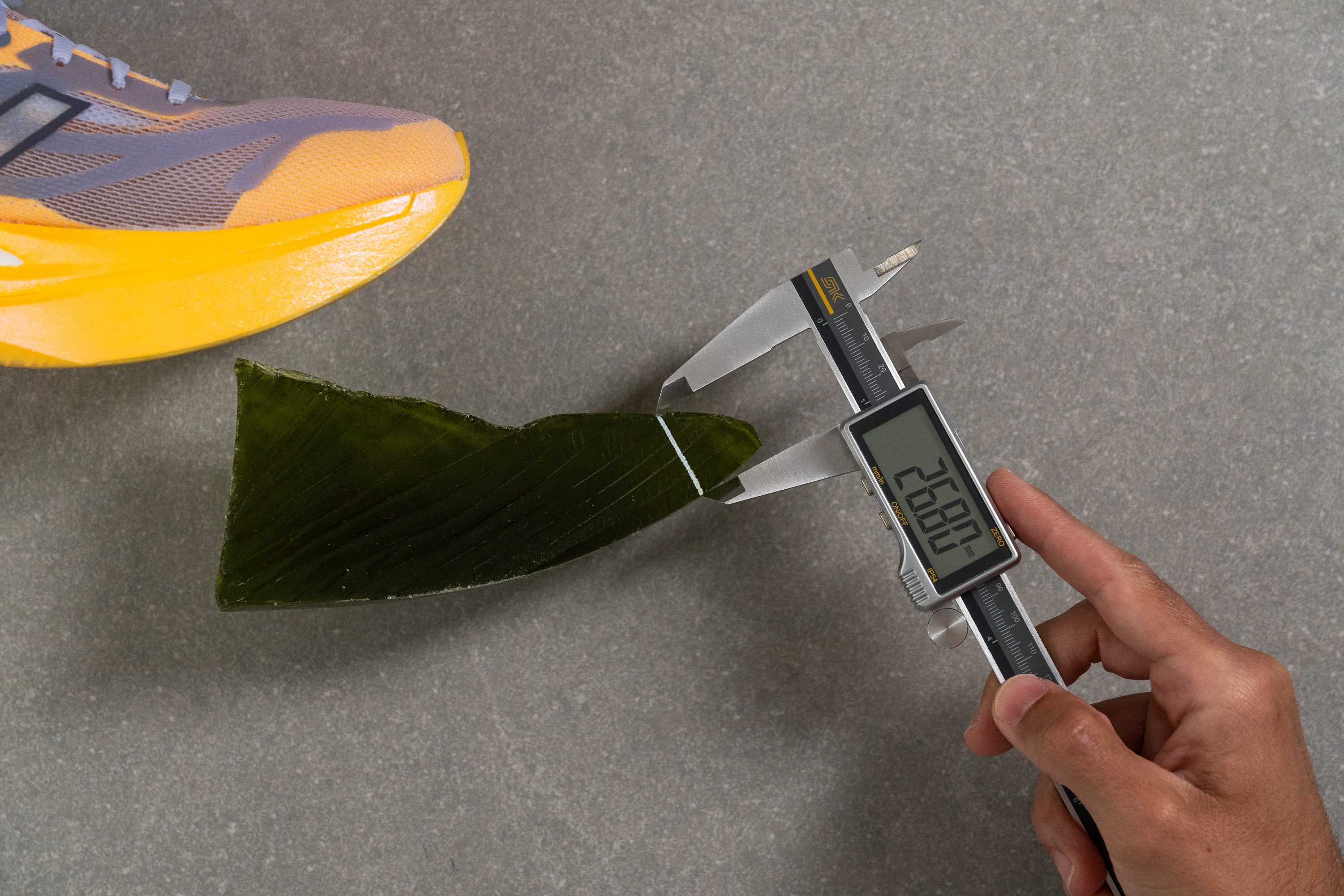
| SuperComp Elite v6 | 26.8 mm |
| Average | 27.0 mm |
Traction / Grip
Traction test
Traction is not a problem for the SuperComp Elite v6. New Balance promotes extraordinary grip in its marketing, and we found it to be very good, although still one step below the best in the game.
That said, a coefficient of friction of 0.70 on wet concrete is a very positive result that clears any concerns about using the shoe in a rainy marathon.
| SuperComp Elite v6 | 0.70 |
| Average | 0.53 |
Outsole design
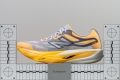
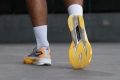
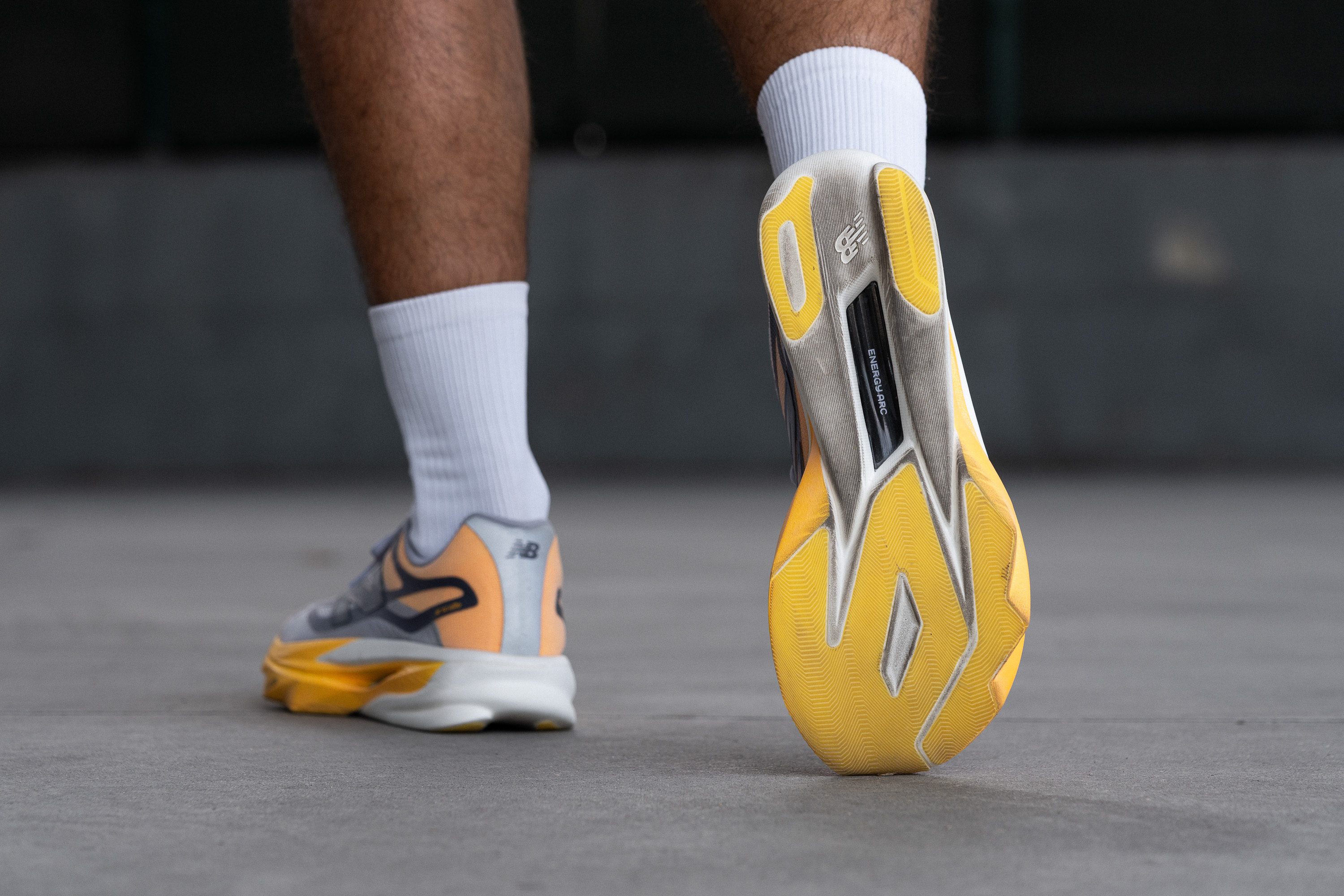
The outsole uses exposed foam with yellow rubber patches in the forefoot and heel, while the middle section has large areas of exposed foam around the Energy ARC cutout. From our perspective, the coverage is actually good for a super shoe, and we think it should also work well for runners who want to use it for tempo runs.
Flexibility / Stiffness
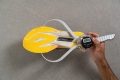
Like most carbon-plated super shoes, the New Balance SuperComp Elite v6 is a very stiff shoe, and we proved it in our lab. We flexed it to 30 degrees, and it took a massive 23.7N of force!
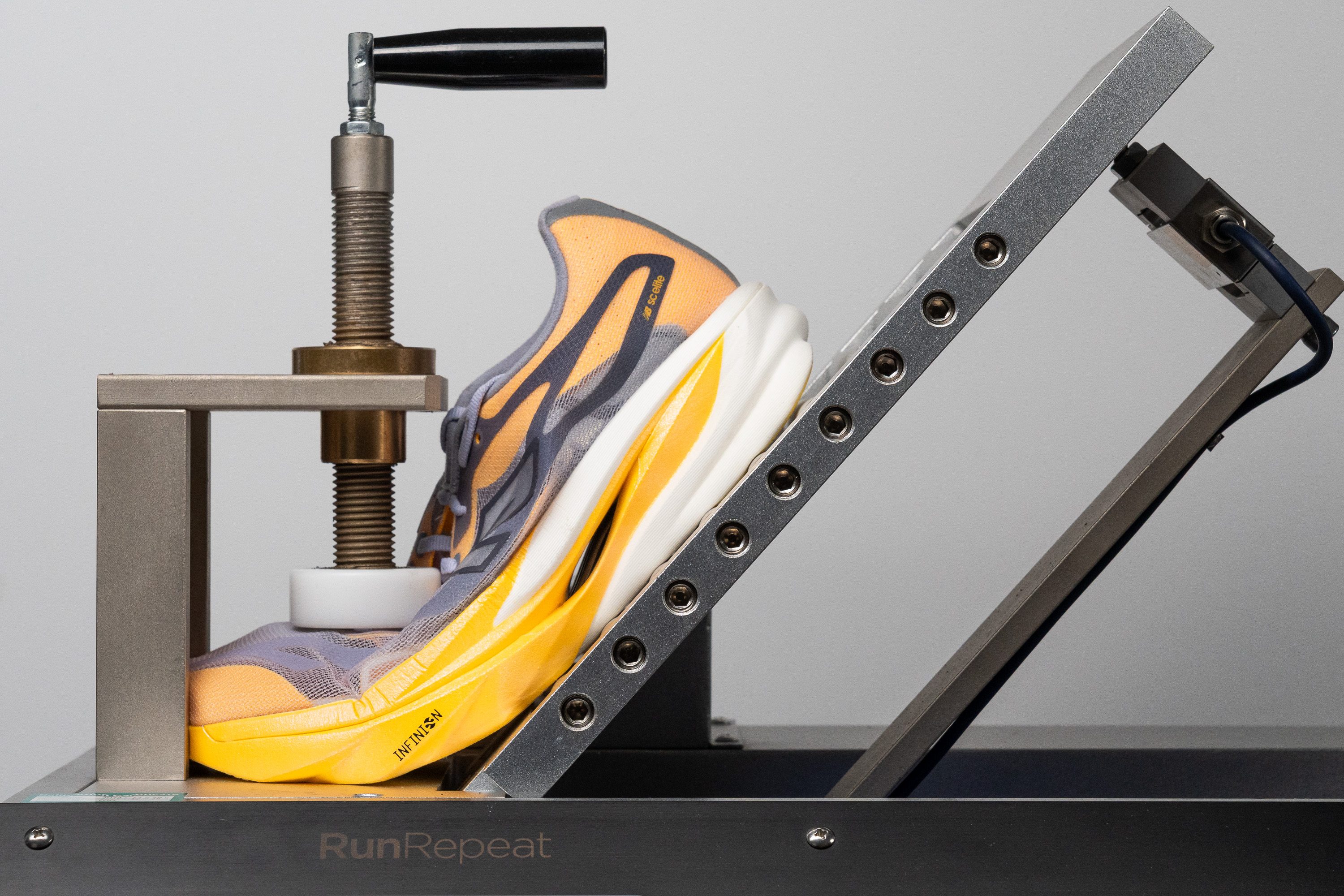
| SuperComp Elite v6 | 23.7N |
| Average | 15.5N |
Weight
The SuperComp Elite v4 was a heavy super shoe, but the v5 already brought a good improvement, and now NB takes it another step forward.
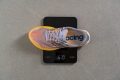
At 6.7 oz (190g), we found that it's still not among the lightest competition shoes, and there's more work to do, but we think the weight is no longer a major drawback and New Balance proved it.
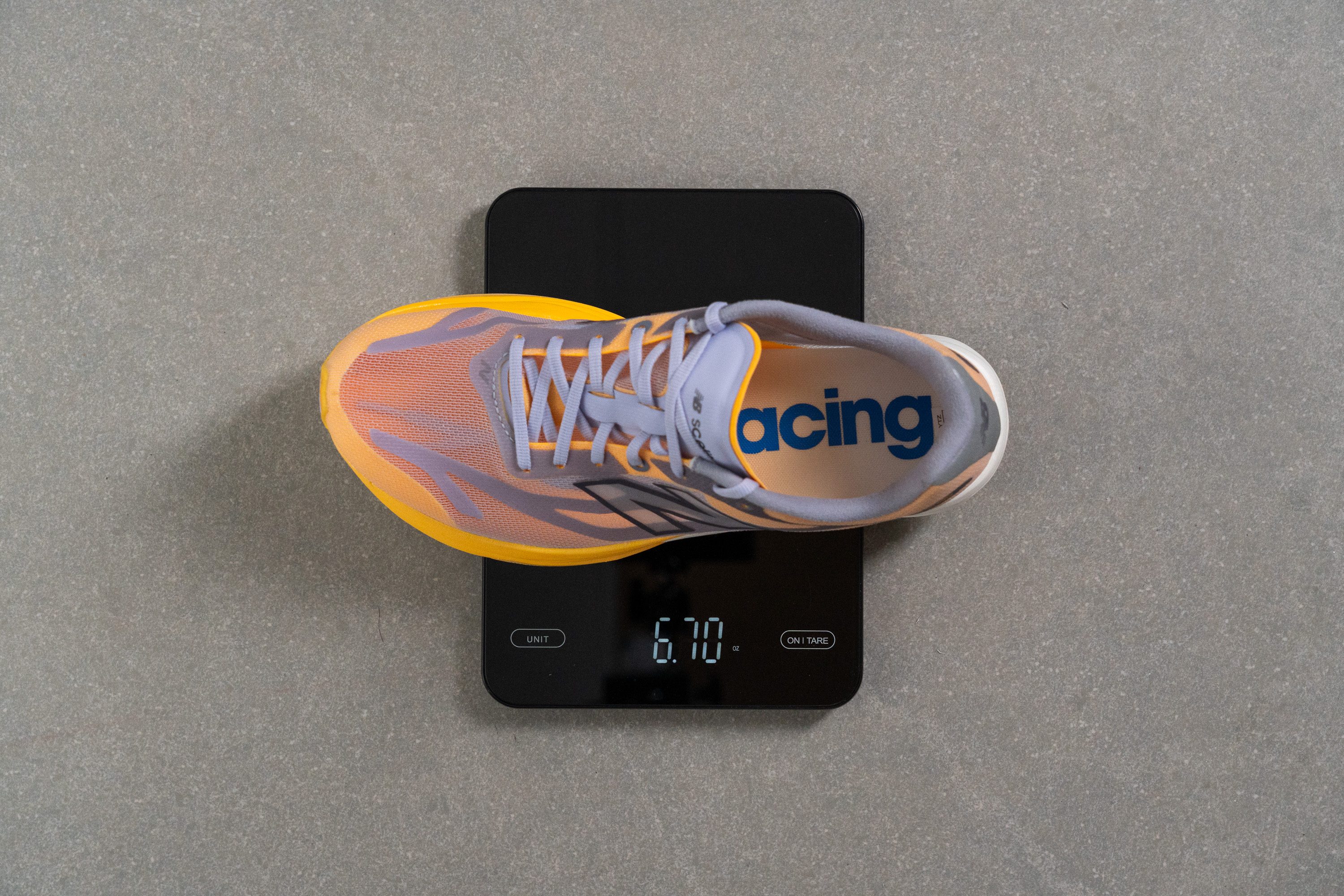
| SuperComp Elite v6 | 6.7 oz (190g) |
| Average | 9.2 oz (261g) |
Breathability
Breathability test
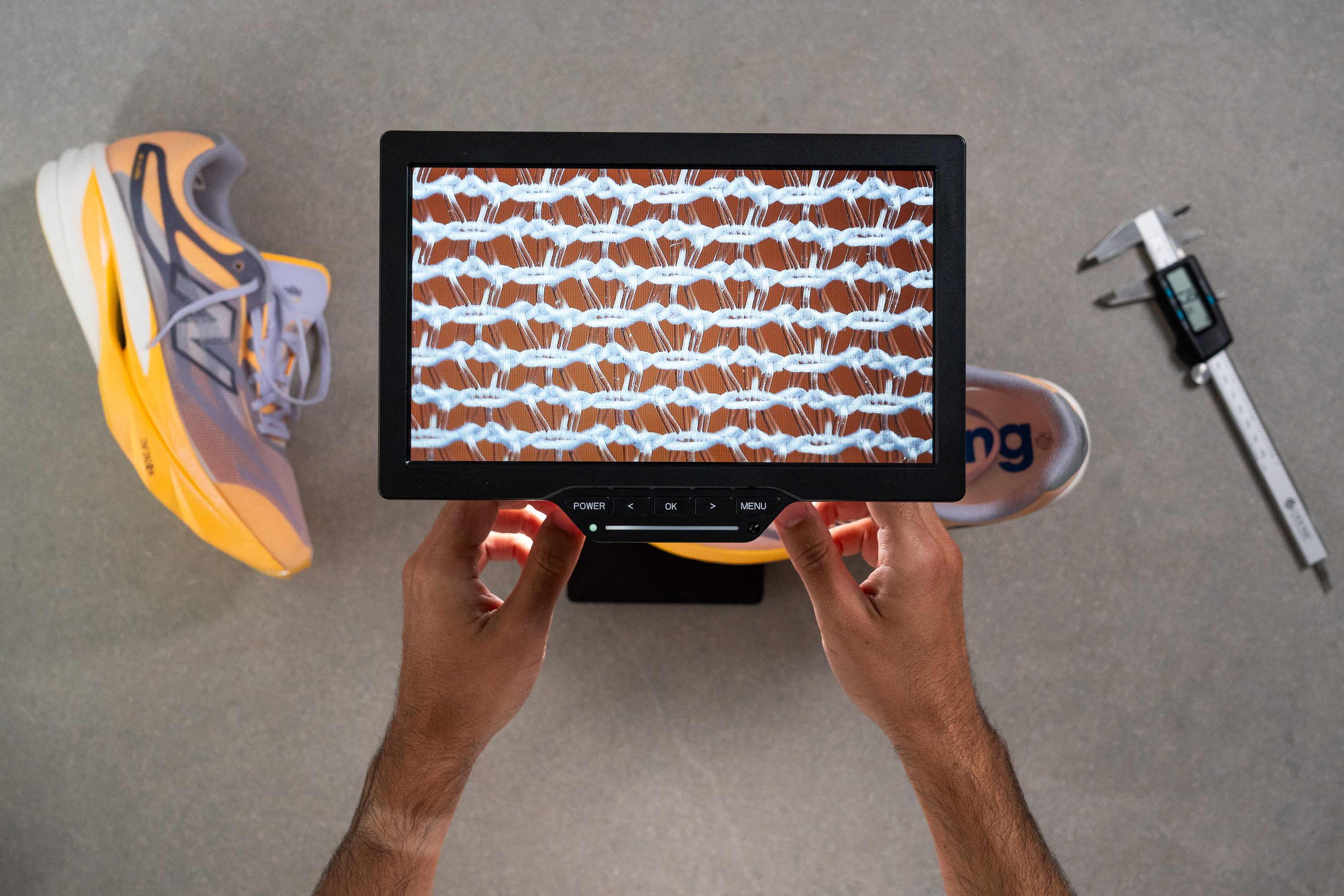
If we still see some room for improvement with weight, we can't say the same for breathability. The whole shoe seems engineered to keep your feet as dry as possible, with the FANTOMFIT upper playing a major role here.
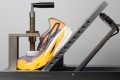
After a long 3-hour test in our lab, we found a world-class breathability score of 107 BR!
| SuperComp Elite v6 | 107 BR |
| Average | 75 BR |
Drying potential
NewWe also measured how much moisture the Elite v6 was able to remove from the shoe itself, and it released 54% of the added weight. That's not bad, although it's not as impressive as the previous result.
| SuperComp Elite v6 | 54% |
| Average | 53% |
Stability
Lateral stability test
From our rides and lab test, tThe SuperComp Elite v6 is only suited to neutral runners with polished mechanics, as its ultra-narrow heel and soft foam really limit stability. Although there is better support under the forefoot because now it's broader than before, we don't recommend it for runners with any level of pronation.
Torsional rigidity
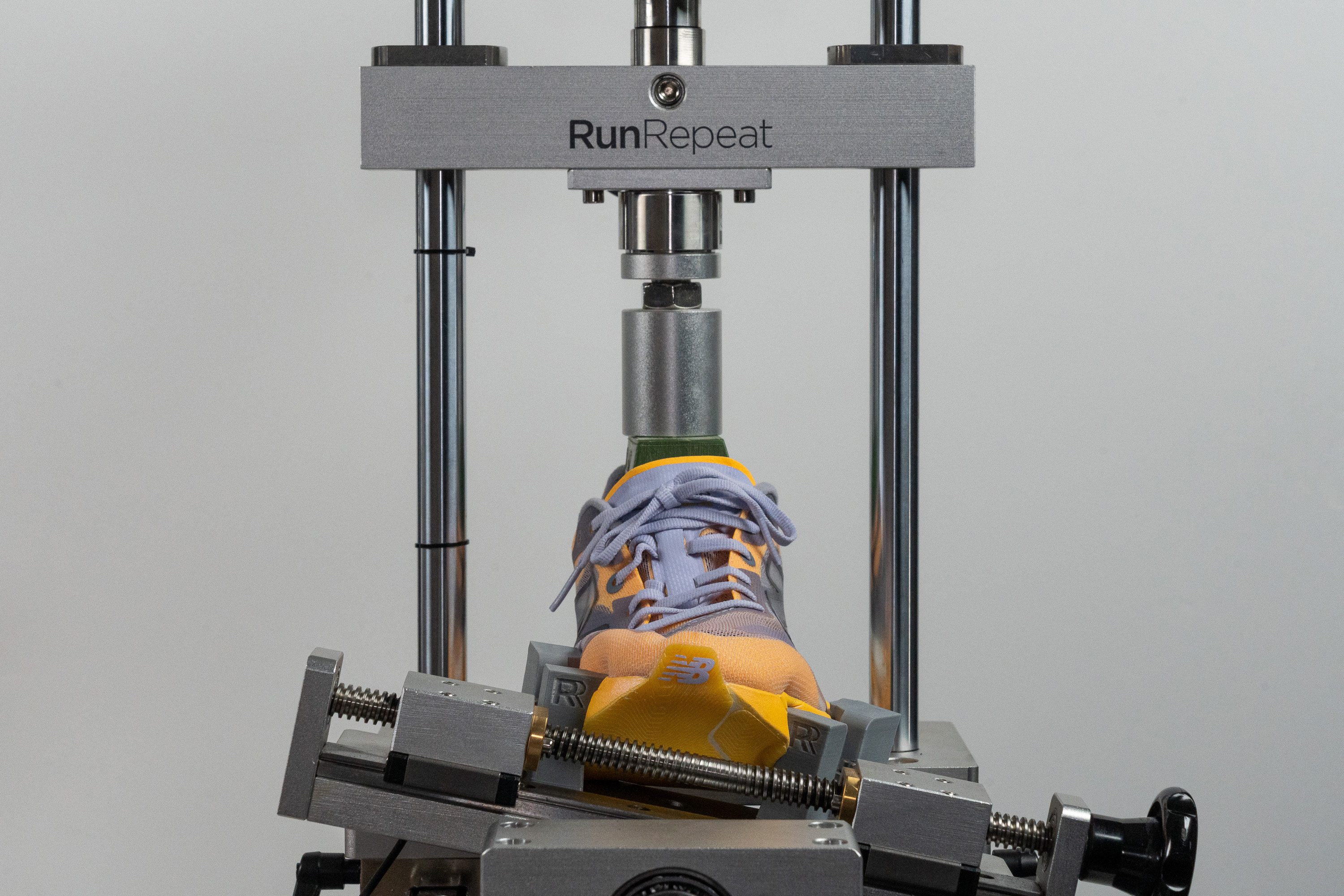
The midsole sculpting and hollow channel in the Elite v6 allow for a bit more flex than in other super shoes, as it scored just 13.4 Nm for torsional rigidity. As a result, it feels a bit more forgiving than some of its competitors.
| SuperComp Elite v6 | 13.4 Nm |
| Average | 14.3 Nm |
Heel counter stiffness
However, the heel is designed to stay out of the way and offers virtually no support against lateral forces. It scored just 1/5 in our manual assessment!
| SuperComp Elite v6 | 1 |
| Average | 2.9 |
Midsole width - forefoot
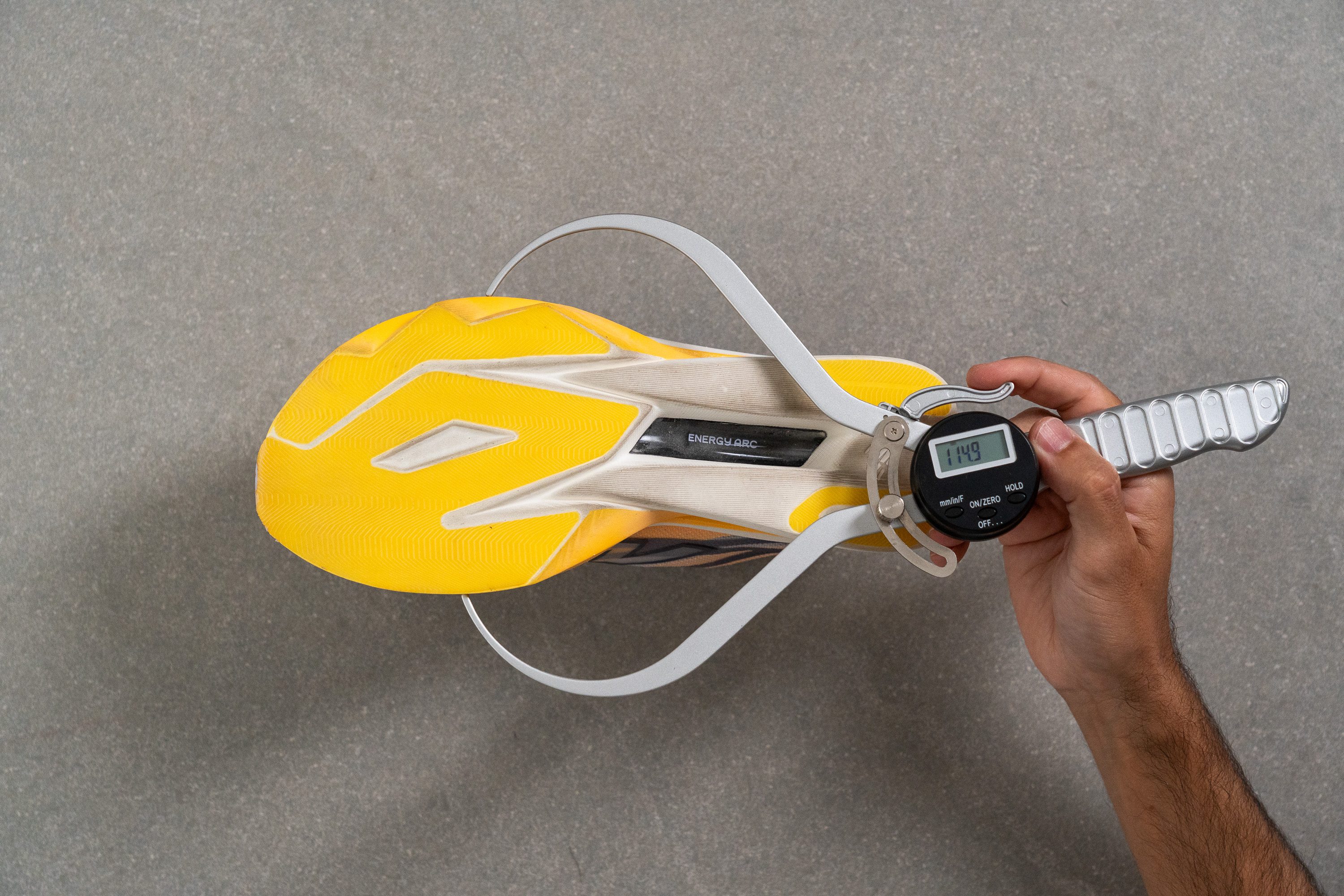
We told you earlier about the broader heel, and now it's time to prove it. The Elite v5 measured just 107.0 mm in this area, while the new, lighter, A-TPU-based Infinion foam allowed NB to widen the platform without adding weight, resulting in a measurement of 114.9 mm.
This is a clear improvement for runners looking to use the shoe for marathons, as the previous version was too narrow in this area and better suited to shorter distances.
| SuperComp Elite v6 | 114.9 mm |
| Average | 115.1 mm |
Midsole width - heel
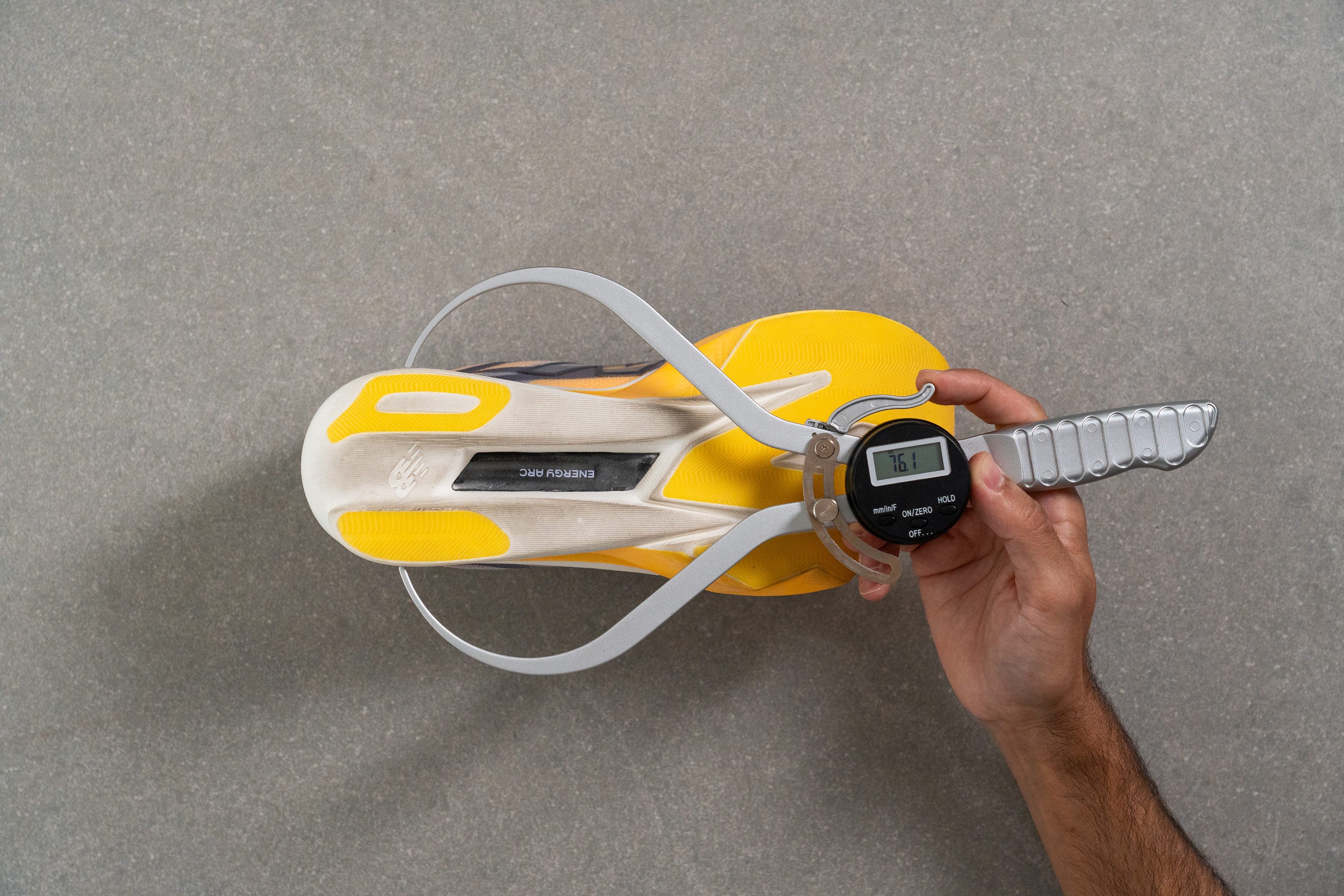
The heel also got broader, now measuring 76.1 mm instead of 71.6 mm. That said, it's still a highly-aggressive design that some runners will love, while others may not enjoy it.
| SuperComp Elite v6 | 76.1 mm |
| Average | 91.1 mm |
Durability
Toebox durability
The FANTOMFIT upper is one of the thinnest and most impressive we've ever seen, and to be fair to New Balance, a 2/5 result here is not bad at all considering how thin the material is.
| SuperComp Elite v6 | 2 |
| Average | 2.6 |
Heel padding durability
The heel lining used by New Balance should hold up well over time, as our Dremel caused very little damage, earning it a 4/5 score.
| SuperComp Elite v6 | 4 |
| Average | 3.4 |
Outsole durability
Outsole durability was also satisfactory at 1.1 mm, especially considering that brands sometimes choose materials that prioritize grip over durability in this area.
| SuperComp Elite v6 | 1.1 mm |
| Average | 1.1 mm |
Outsole thickness
However, this is not an outsole built to last, and we found here another area where some of the weight savings over previous models came from. While the Elite v5 had 3.5 mm of rubber, we found only 1.1 mm here, which is less than one third as much.
The advantage is a lighter shoe with a more direct and fun ride, but at the expense of having less rubber to wear through...
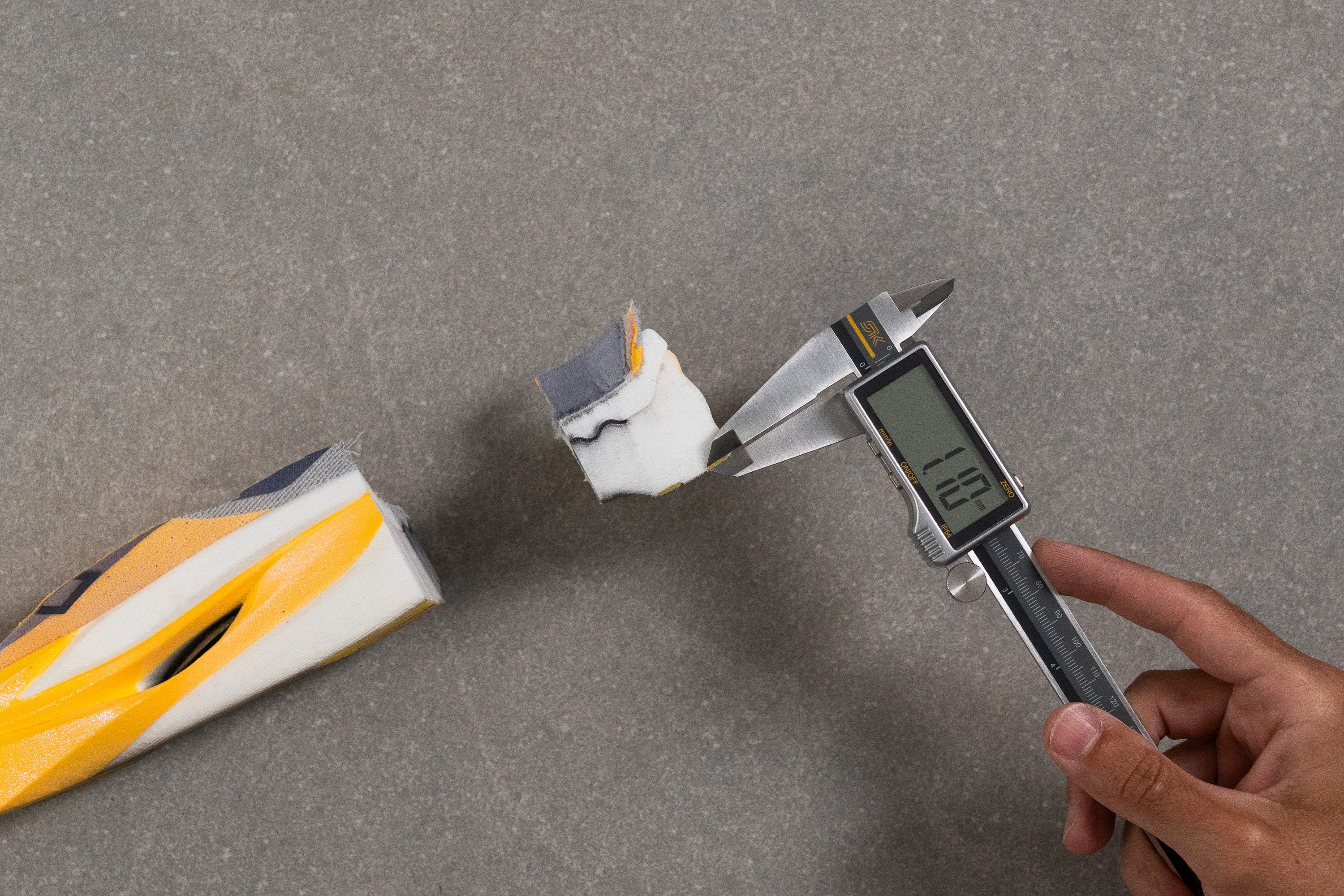
| SuperComp Elite v6 | 1.1 mm |
| Average | 3.1 mm |
Misc
Insole thickness
The insole is just 3.1 mm thick. That's thin by running shoe standards, but not unusual for a super shoe.
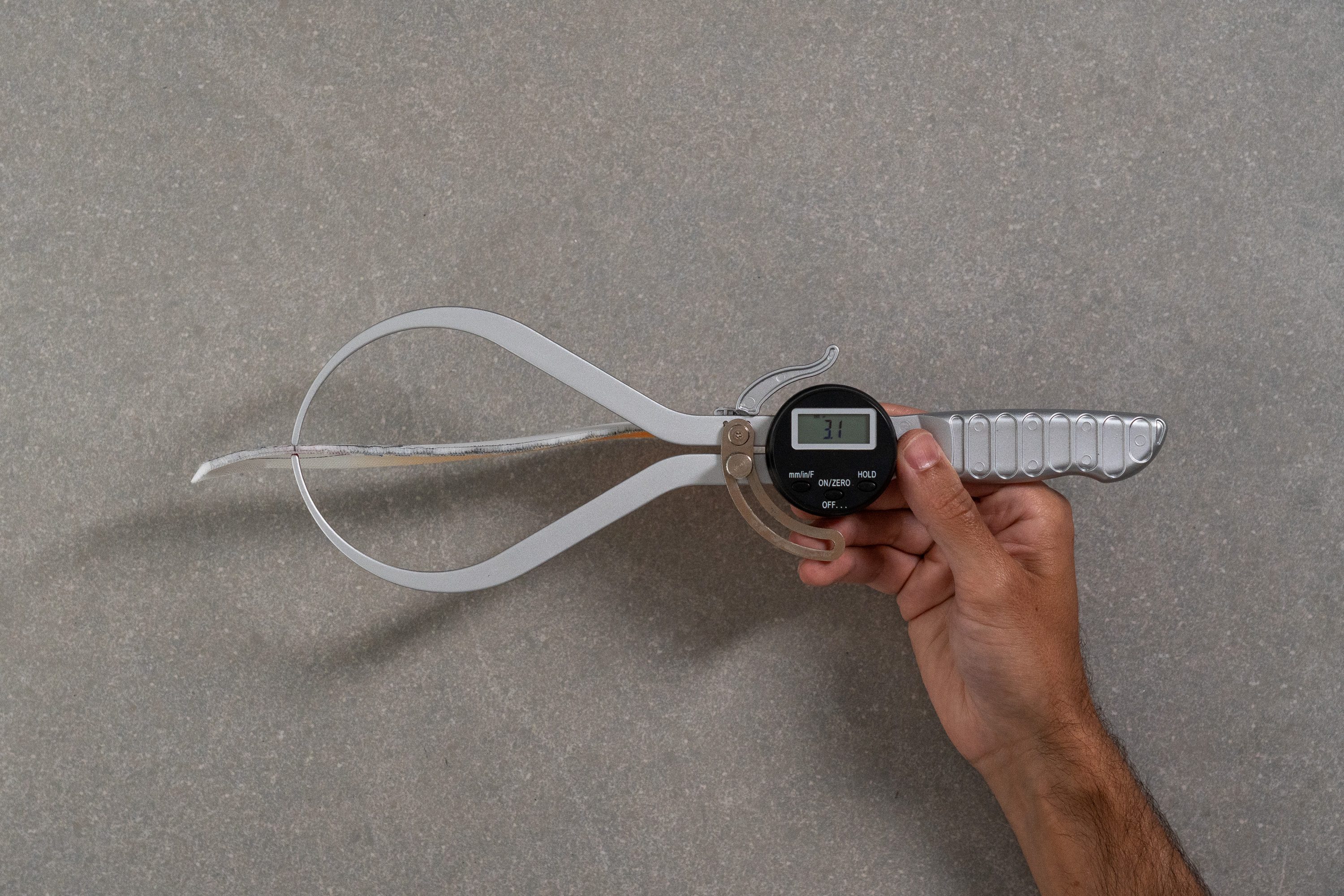
| SuperComp Elite v6 | 3.1 mm |
| Average | 4.4 mm |
Removable insole
If the purpose of the shoe wasn't already clear, the removable insole included by New Balance leaves little room for doubt.
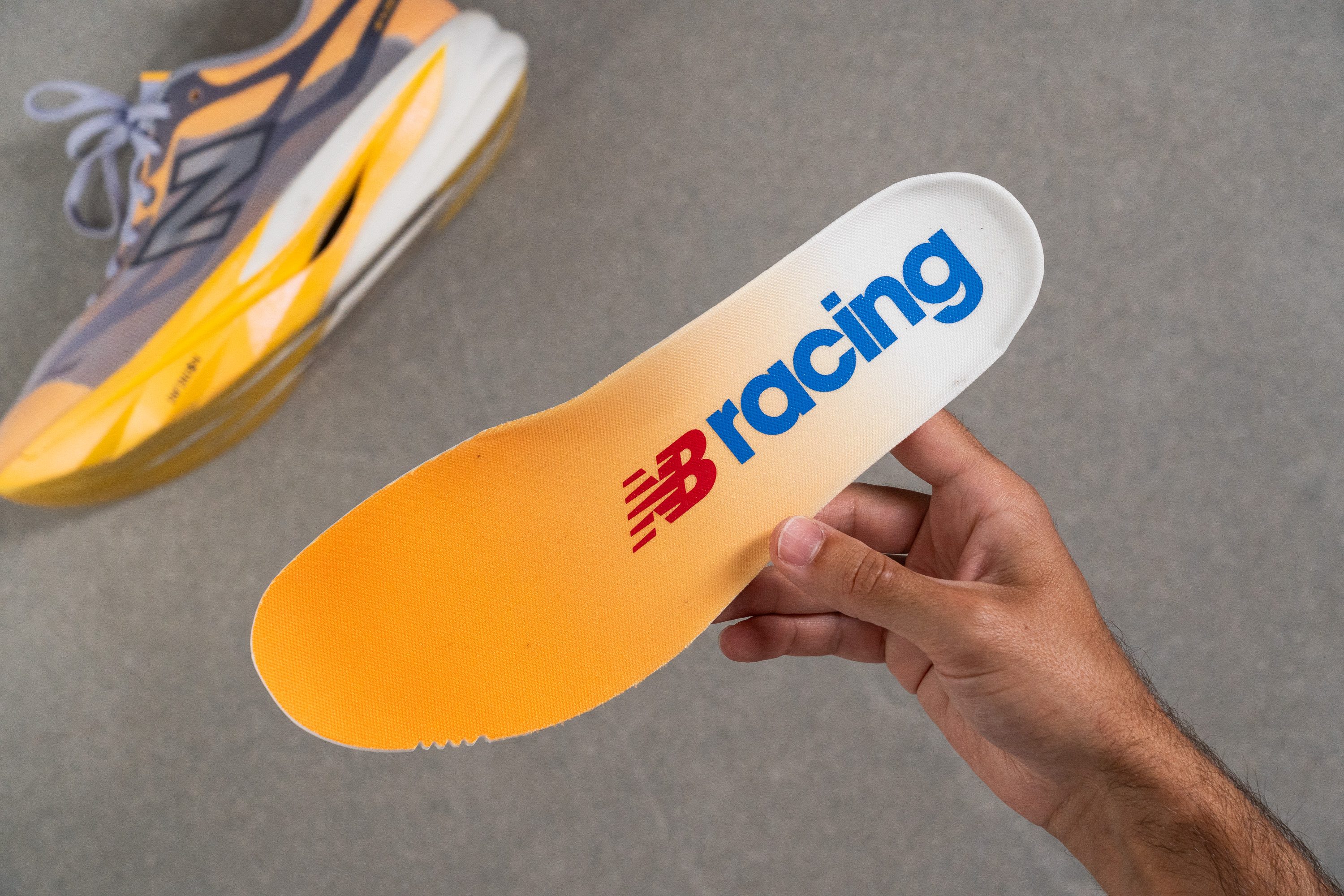
| SuperComp Elite v6 | Yes |
Reflective elements
The New Balance SuperComp Elite v6 is one of the few super shoes to feature reflective elements, and we really appreciated this detail.
| SuperComp Elite v6 | Yes |
Tongue padding
The lacing system uses a simple setup with punched eyelets, although we really missed seeing some sawtooth laces here. Almost every other brand is including them, and they feel almost mandatory for a super shoe nowadays. On the positive side, we liked the tongue's double loop, which helps keep it centered.
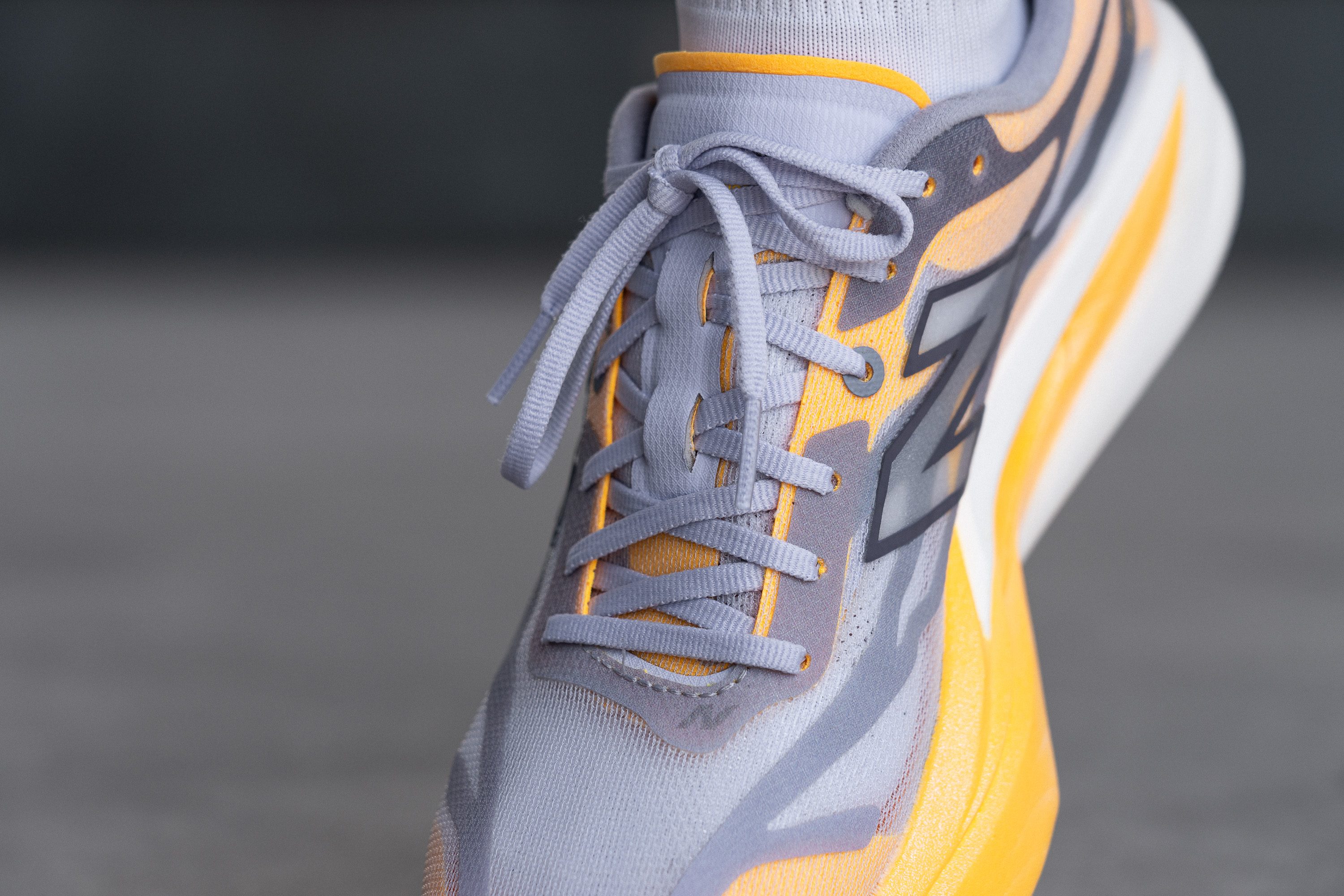
Where the NB SC Elite v6 shines compared to its rivals is tongue comfort, as New Balance decided to accept some extra weight to provide 3.1 mm of padding, which is slightly more than usual for competition shoes.
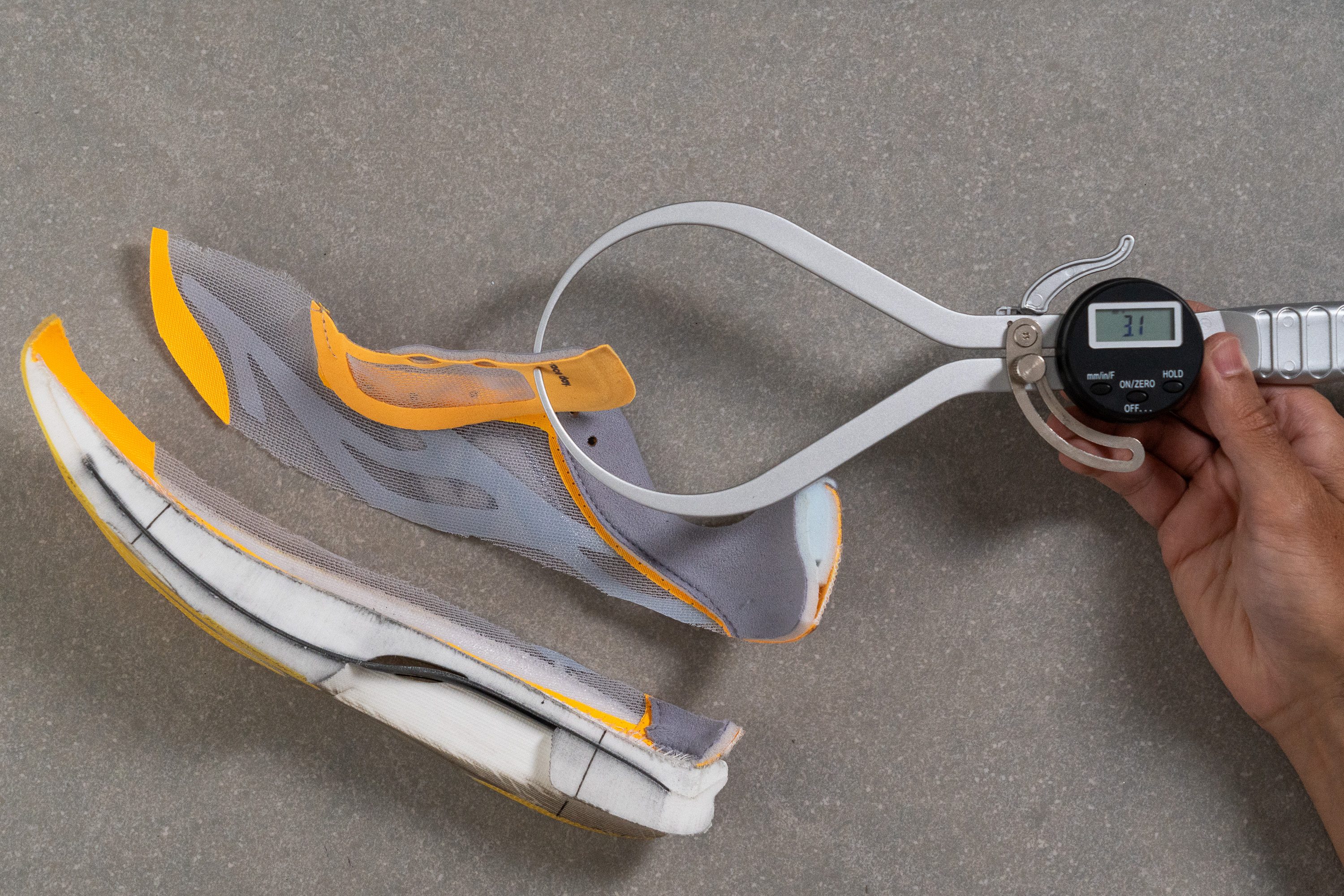
| SuperComp Elite v6 | 3.1 mm |
| Average | 5.8 mm |
Tongue: gusset type
The tongue is not gusseted, which should come as no surprise to anyone who has read a few super shoe reviews here at RunRepeat. It's the usual setup we see in this category.

| SuperComp Elite v6 | None |
Heel tab
The heel features a simple design with the NB logo and the aforementioned reflective detail, which also covers the stitching for a more premium look.
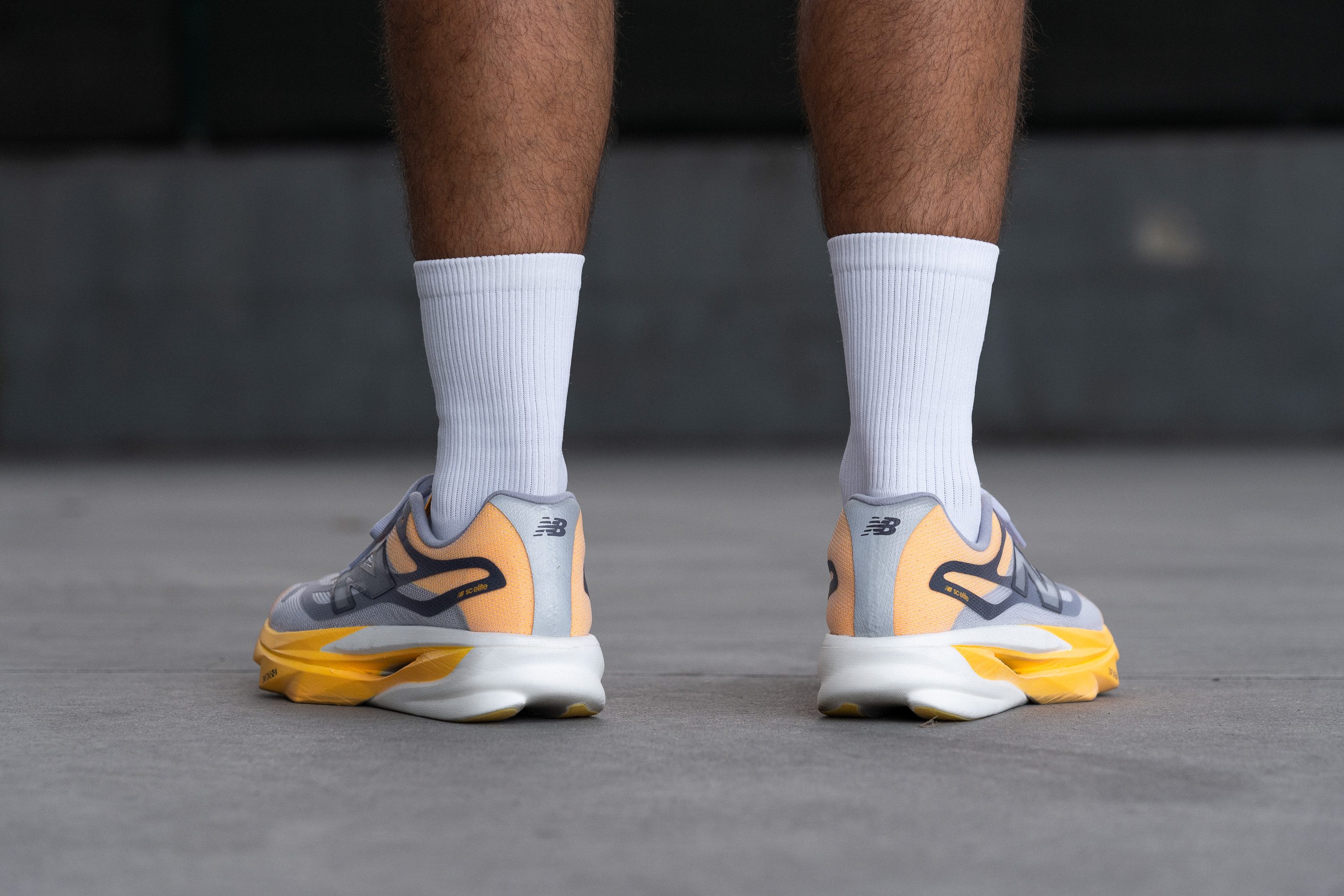
| SuperComp Elite v6 | None |
Price
The sixth version of the Elite is by far the most expensive one, marking a 10% increase over its predecessor.
From a specs-based standpoint, we think it's fully worth the extra bucks, but at the same time, we believe New Balance should've been more aggressive with pricing. In our view, brands like adidas and ASICS currently have a stronger position in the super shoe category, and at the same price, they're likely to attract more buyers.
| SuperComp Elite v6 | $275 |
| Average | $158 |