
















Our verdict
- Daily running 86
- Tempo 55
- Race 38
- Stability 88
Pros
- Excellent outsole durability
- Softer Enerzy NXT foam
- Improved forefoot shock absorption
- New drop offers more versatility
- Smooth ride without excess rigidity
- Dependable for daily mileage
- Stable heel platform
- Keeps the same price
- Good for long walks
Cons
- Low bounce
- A bit heavy for its size
- Only suitable for mild pronation
Awards
- Top pick in best Mizuno running shoes
Comparison
The most similar running shoes compared
+ + Add a shoe | |||||
|---|---|---|---|---|---|
| Our score | 83 Great | 81 Great | 85 Great | 87 Great | |
| Price | $150 | $180 | $145 | $170 | |
| Pace | Daily running | Daily running | Daily running | Daily running | |
| Shock absorption | Moderate | Moderate | High | High | |
| Energy return | Low | Low | Moderate | High | |
| Traction | High | High | High | High | |
| Arch support | Stability | Stability | Stability | Stability | |
| Weight lab Weight brand | 9.9 oz / 280g 10.4 oz / 294g | 10 oz / 283g 10 oz / 283g | 10.4 oz / 296g 10.5 oz / 298g | 10.3 oz / 292g 10.9 oz / 309g | |
| Drop lab Drop brand | 7.6 mm 10.0 mm | 7.3 mm 6.0 mm | 10.1 mm 10.0 mm | 11.2 mm 10.0 mm | |
| Strike pattern | Mid/forefoot | Mid/forefoot | Heel | Heel | |
| Size | True to size | True to size | Slightly small | True to size | |
| Midsole softness | Soft | Soft | Balanced | Soft | |
| Difference in midsole softness in cold | Small | Small | Small | Small | |
| Toebox durability | Decent | Decent | Decent | Decent | |
| Heel padding durability | Decent | Good | Good | Good | |
| Outsole durability | Good | Good | Good | Good | |
| Breathability | Moderate | Moderate | Moderate | Moderate | |
| Width / fit | Medium | Medium | Medium | Medium | |
| Toebox width | Medium | Wide | Medium | Medium | |
| Stiffness | Moderate | Stiff | Moderate | Stiff | |
| Torsional rigidity | Flexible | Stiff | Moderate | Moderate | |
| Heel counter stiffness | Stiff | Stiff | Moderate | Stiff | |
| Rocker | ✗ | ✓ | ✗ | ✗ | |
| Heel lab Heel brand | 36.6 mm 38.5 mm | 36.0 mm 39.0 mm | 36.1 mm 38.0 mm | 40.9 mm 42.0 mm | |
| Forefoot lab Forefoot brand | 29.0 mm 28.5 mm | 28.7 mm 33.0 mm | 26.0 mm 28.0 mm | 29.7 mm 32.0 mm | |
| Widths available | NormalWide | NormalWideX-Wide | NarrowNormalWideX-Wide | NormalWide | |
| Orthotic friendly | ✓ | ✓ | ✓ | ✓ | |
| Season | All seasons | All seasons | All seasons | All seasons | |
| Removable insole | ✓ | ✓ | ✓ | ✓ | |
| Ranking | #167 Top 42% | #200 Top 50% | #113 Top 28% | #62 Top 16% | |
| Popularity | #153 Top 38% | #36 Top 9% | #52 Top 13% | #50 Top 13% |



Who should buy
We believe that the Mizuno Wave Inspire 22 is a great choice for:
- Runners who want a dependable daily trainer with an outsole built to last through heavy mileage.
- Those who found previous Wave Inspire models too high in drop and prefer a more balanced underfoot feel.
- Heel strikers seeking a stable running shoe that still feels smooth and not overly stiff.
Who should NOT buy
If energy return is high on your list, we do not recommend the Wave Inspire 22. We found in the lab that its Enerzy NXT midsole feels flat compared to rivals like the Saucony Tempus 2 or adidas Supernova Solution 2.
We also think that runners chasing a high-end feel should look elsewhere. From our perspective, the Wave Inspire 22 feels more average and value-oriented, while the Nike Structure Plus offers a more premium experience.
Cushioning
Shock absorption
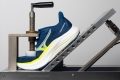
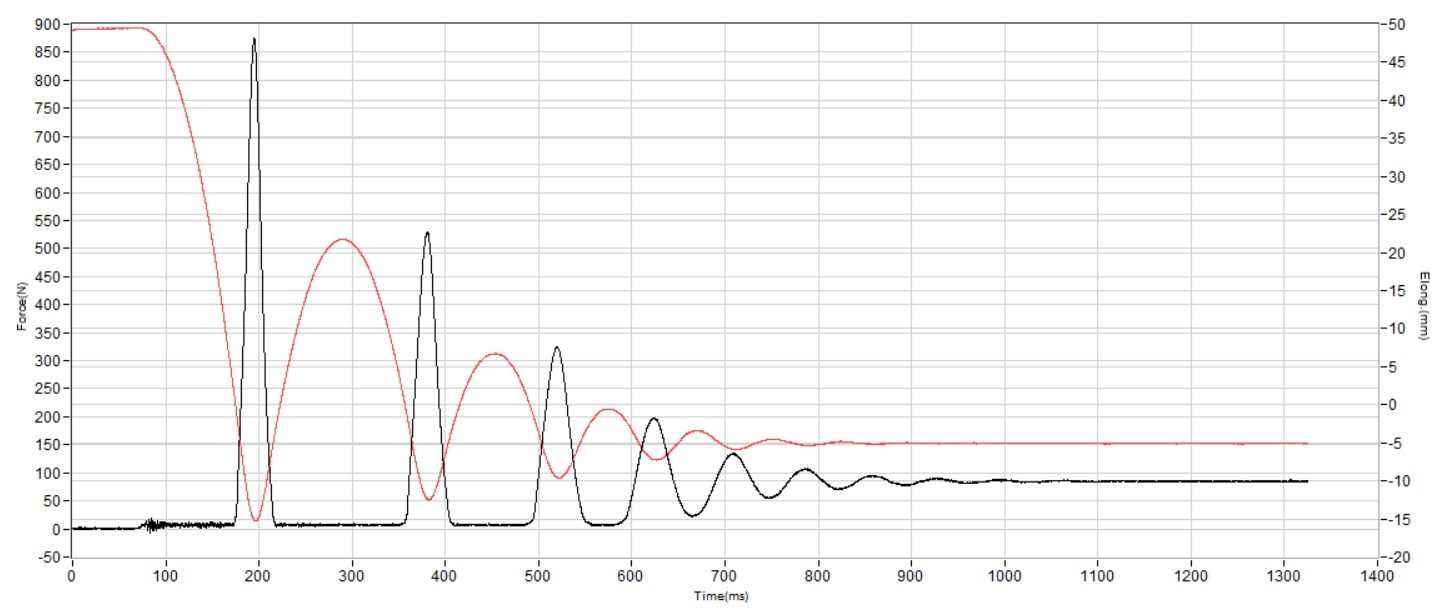
The Wave Inspire 22 addresses one of the main issues of its predecessor: forefoot shock absorption. Last year we measured just 99 SA, but Mizuno improved this to 115 SA in the forefoot, along with a solid 125 SA in the heel.
It is not a maximalist shoe built for extreme cushioning, but it now provides enough protection for daily runs regardless of your foot strike.
| Wave Inspire 22 | 125 SA |
| Average | 131 SA |
Energy return
The Wave Inspire 22 will not deliver a bouncy ride, as its energy return is quite modest. In our lab tests, we recorded 52.7% in the heel and 52.8% in the forefoot, both below many competitors and the current average.
| Wave Inspire 22 | 52.8% |
| Average | 61.5% |
Heel stack
We measured a heel stack height of 36.6 mm, which sits around the average and aligns with the simple, dependable design that has always defined the Wave Inspire series.
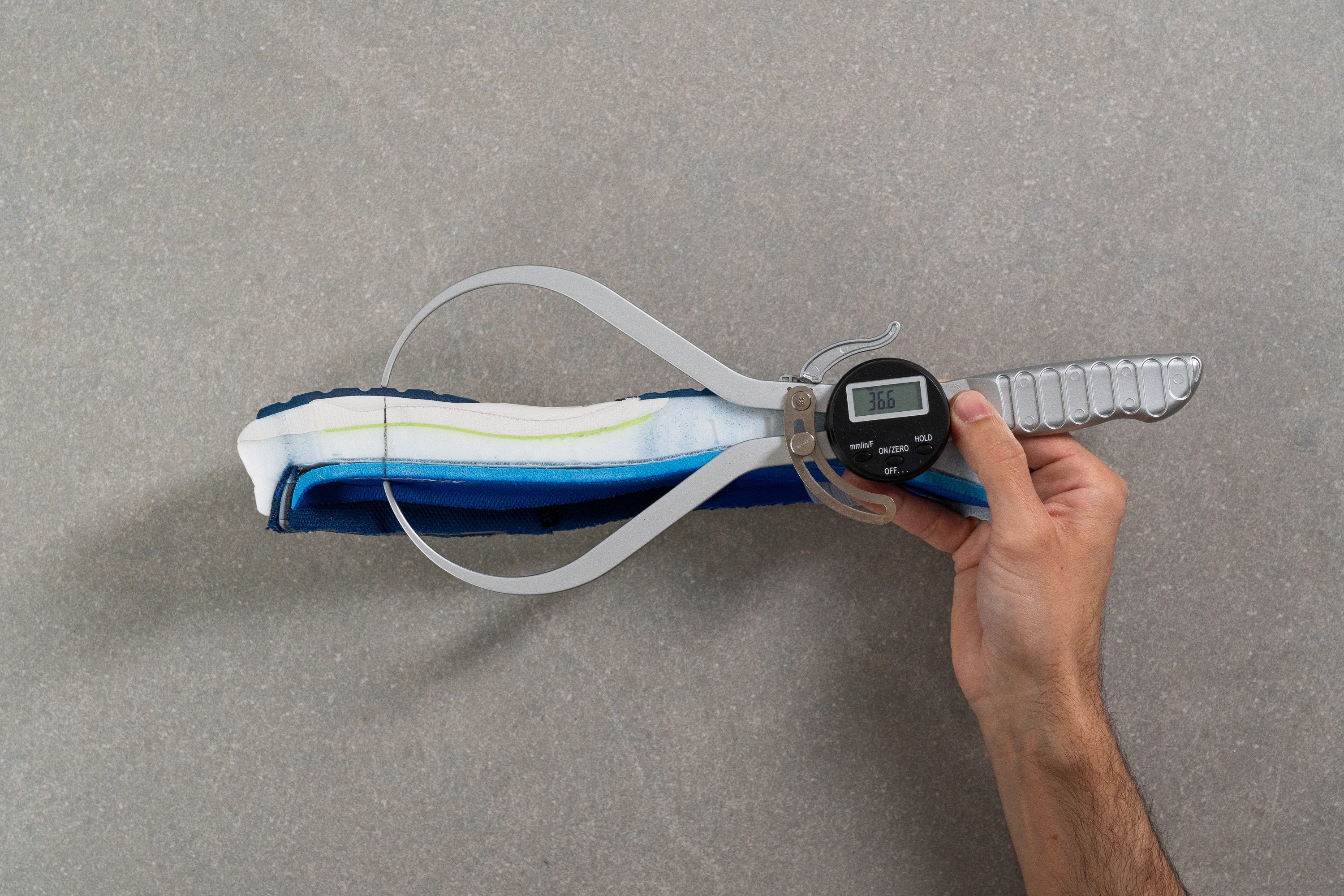
| Wave Inspire 22 | 36.6 mm |
| Average | 35.6 mm |
Forefoot stack
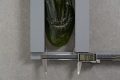
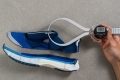
The forefoot now includes significantly more foam than before, reaching 29.0 mm in our digital calipers compared to 25.1 mm in version 21. As a result, it feels more cushioned up front with reduced ground feel.
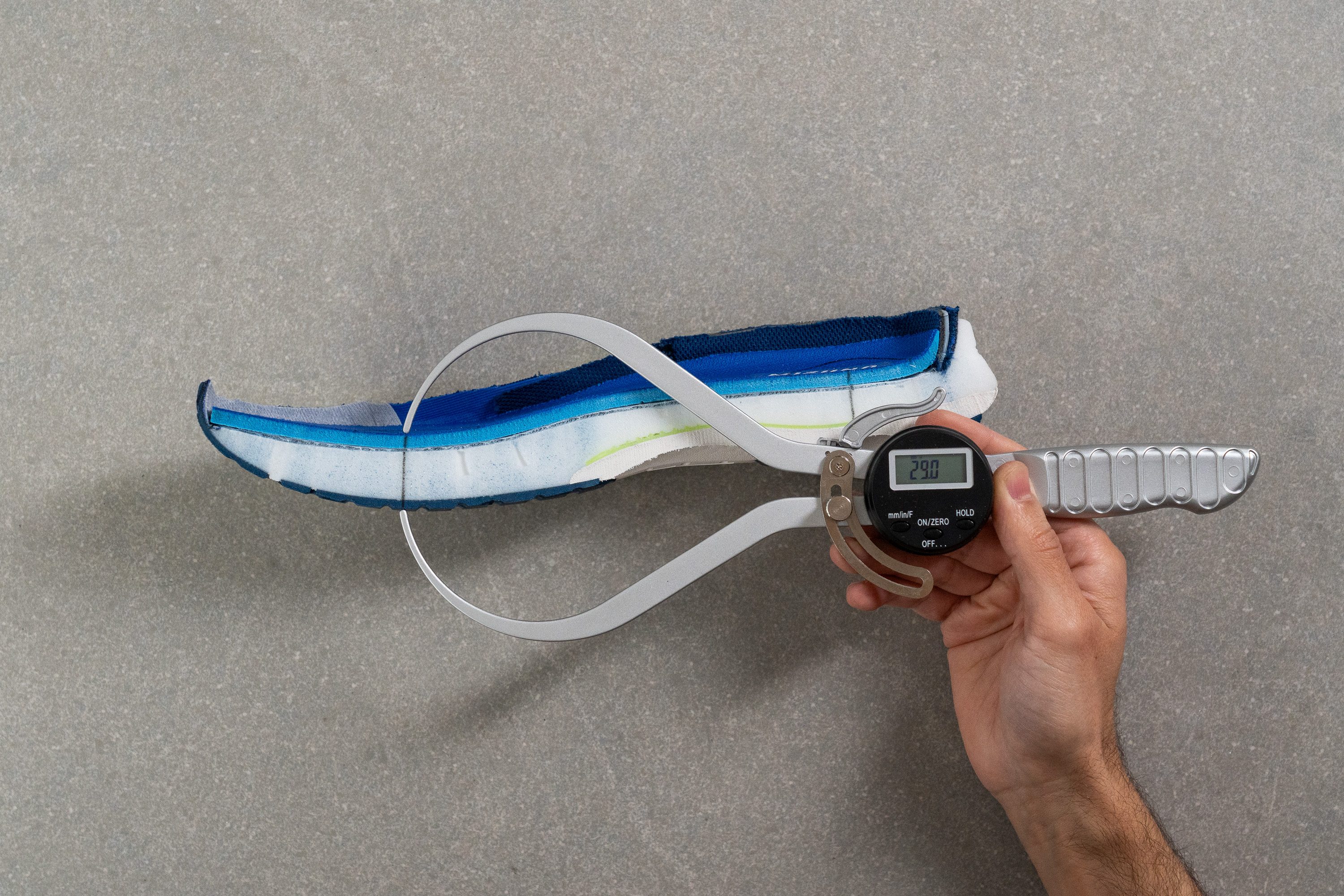
| Wave Inspire 22 | 29.0 mm |
| Average | 27.1 mm |
Drop
Mizuno has finally moved away from one of the defining traits of previous Wave Inspire models. The shoe no longer features the sky-high 12 mm drop, as the official figure is now 10 mm.
We measured an even lower value of just 7.6 mm, making this version far more appealing for midfoot strikers than before. However, if you came here looking for that signature, sky-high drop, then try to snatch a Wave Inspire 21 (12.9 mm) while supplies last.
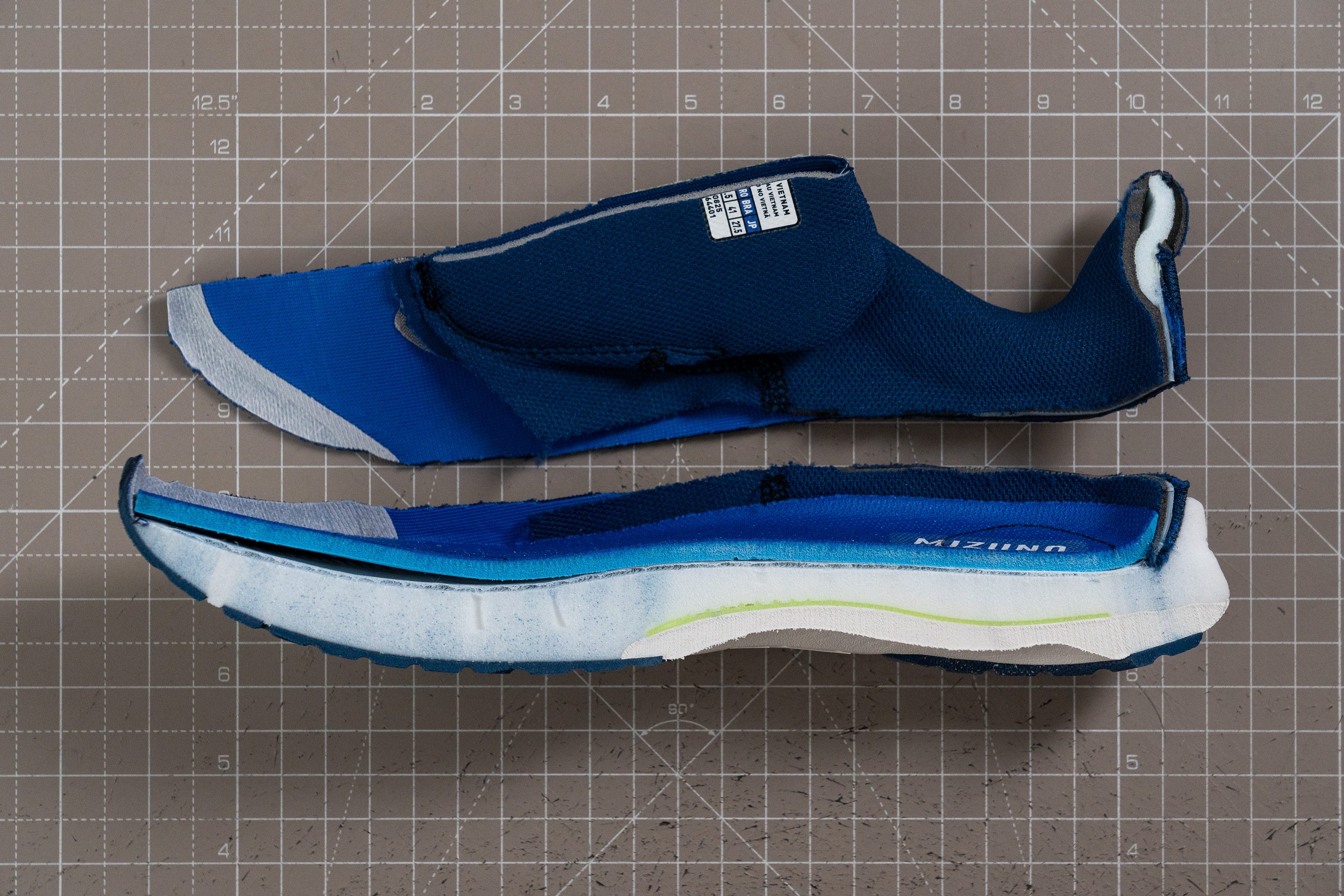
| Wave Inspire 22 | 7.6 mm |
| Average | 8.4 mm |
Midsole softness
The market is moving toward a point where softer foams can be used in support-focused midsoles, and that is what Mizuno is doing here with the updated Enerzy NXT.
We found in the lab that it is now softer than ever at 30.8 AC. This is not very common in the best stability shoes, but it makes sense for a model that aims to move away from an old-school feel and deliver a more modern ride underfoot, and in that sense it works very well since the previous firm sensation is no longer present.
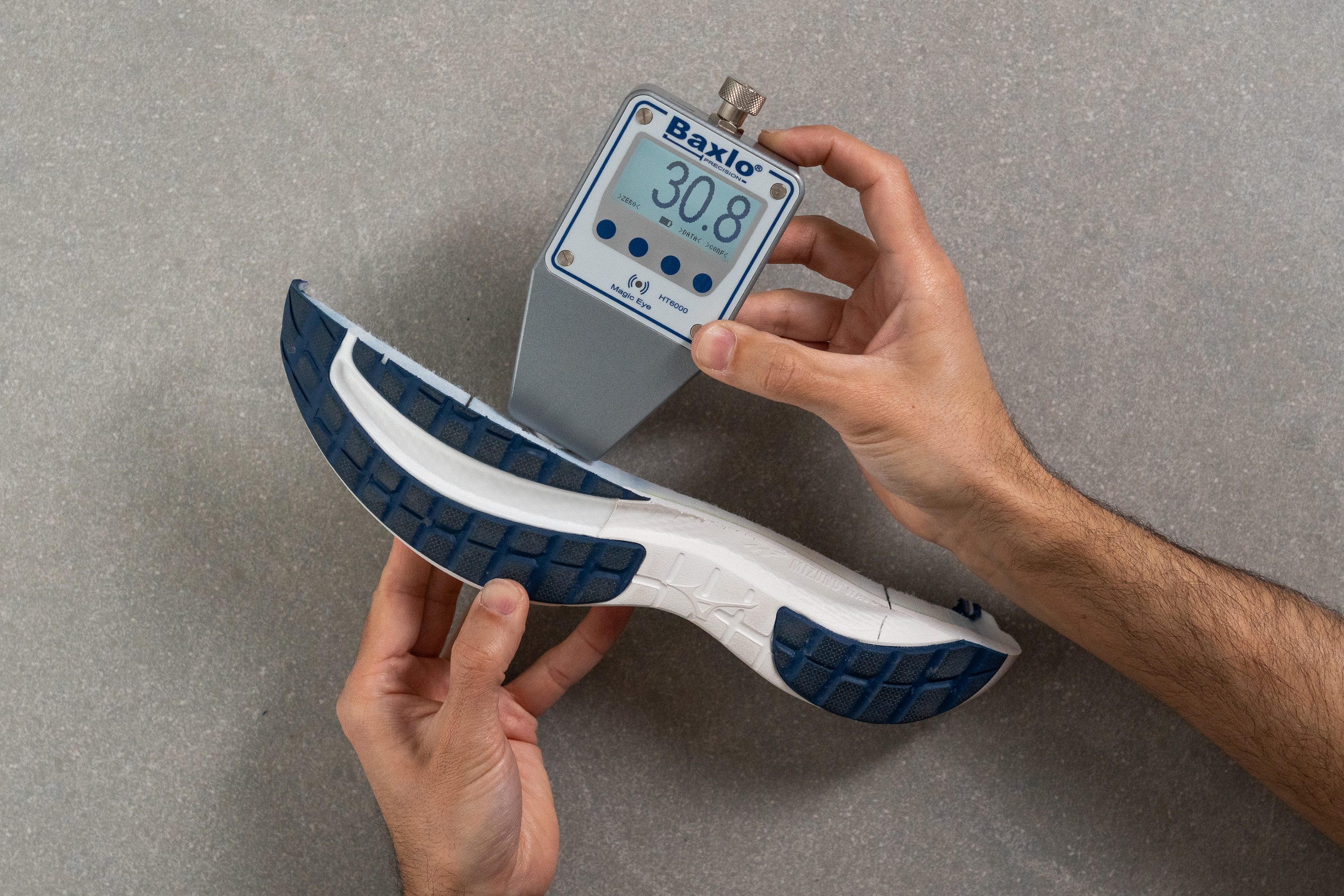
| Wave Inspire 22 | 30.8 AC |
| Average | 35.4 AC |
Rocker
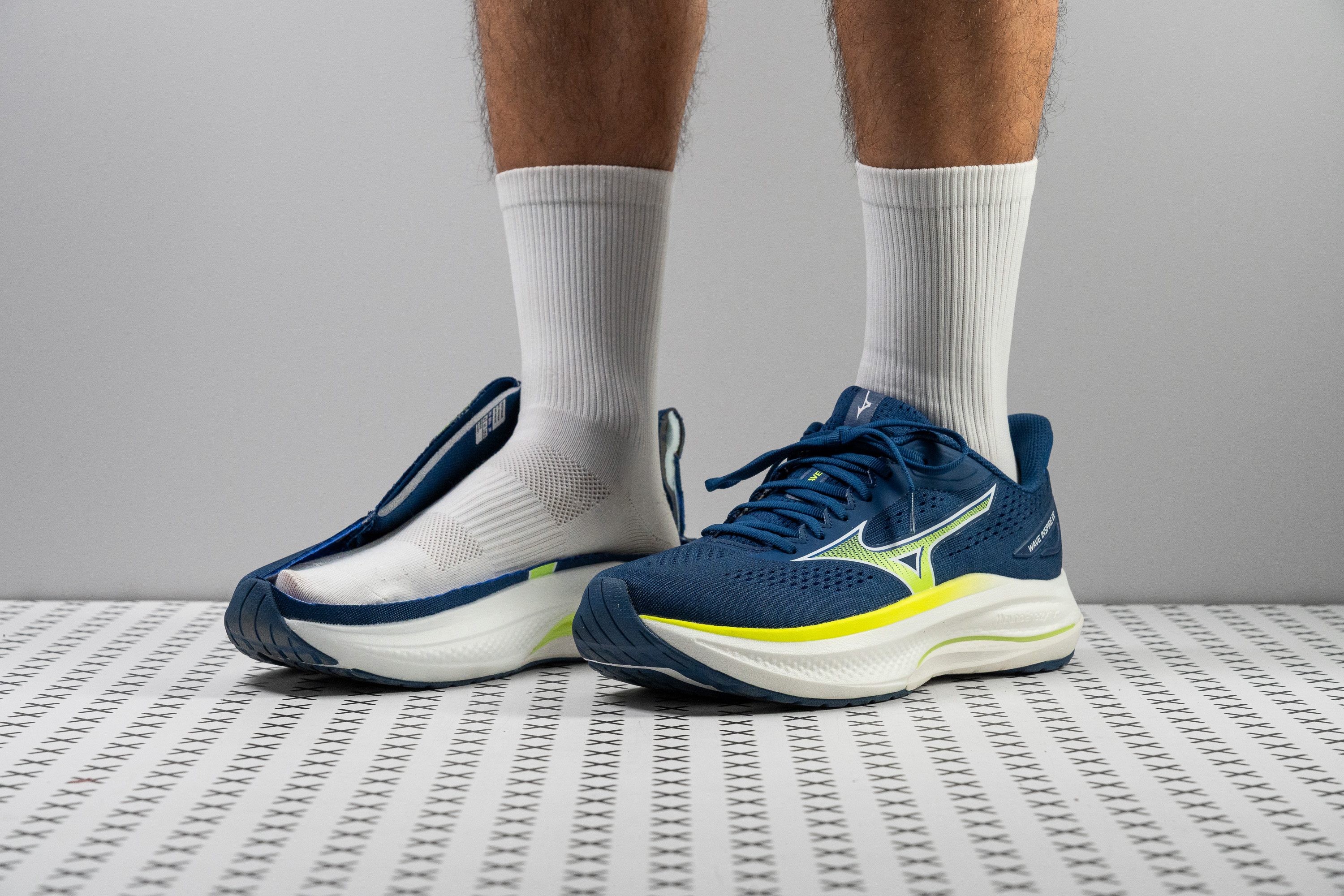
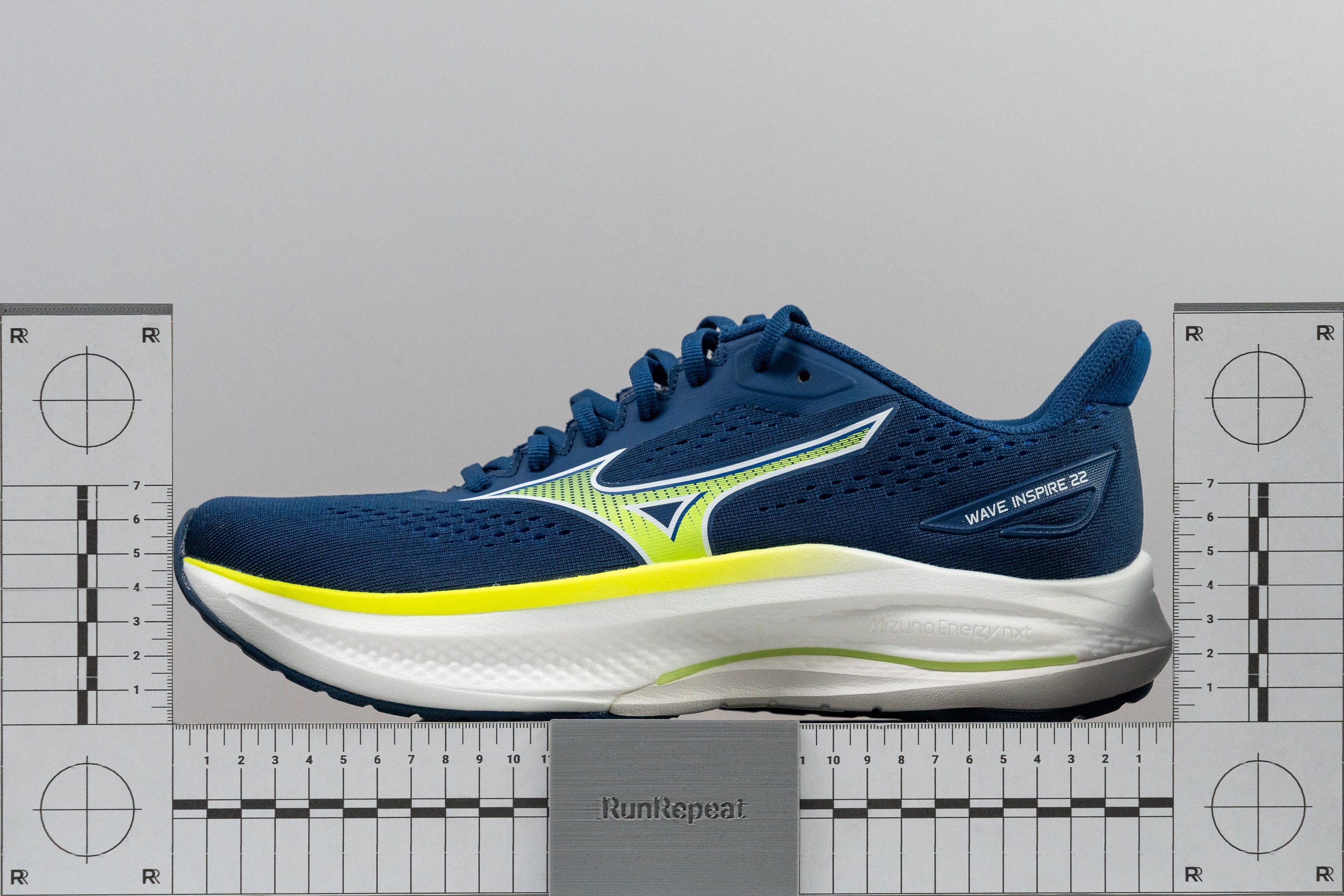
Another meaningful update in the Wave Inspire 22 comes from the rocker profile. The shoe still keeps a classic shape with a conservative heel design, but the forefoot now rises about 1 cm more than in the previous version, likely to balance the added foam and create a smoother toe-off.
Plate
The Wave Inspire 22 keeps the Wave Plate in the heel, extending into the midfoot to help control excessive pronation in that area.
This approach is quite different from what most brands offer and can feel hit or miss based on our testing. That said, for heel strikers seeking a subtle, non-intrusive form of support, it remains a very compelling option.
Size and fit
Size
Mizuno Wave Inspire 22 fits true to size (18 votes).
Width / Fit
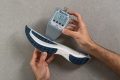
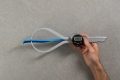
As with every running shoe we test, we filled the Wave Inspire 22 with our custom gel to take precise measurements.
Once it set, we found the width remains above average, coming in at 97.3 mm. On top of that, this model is also available in a wide version in select markets.
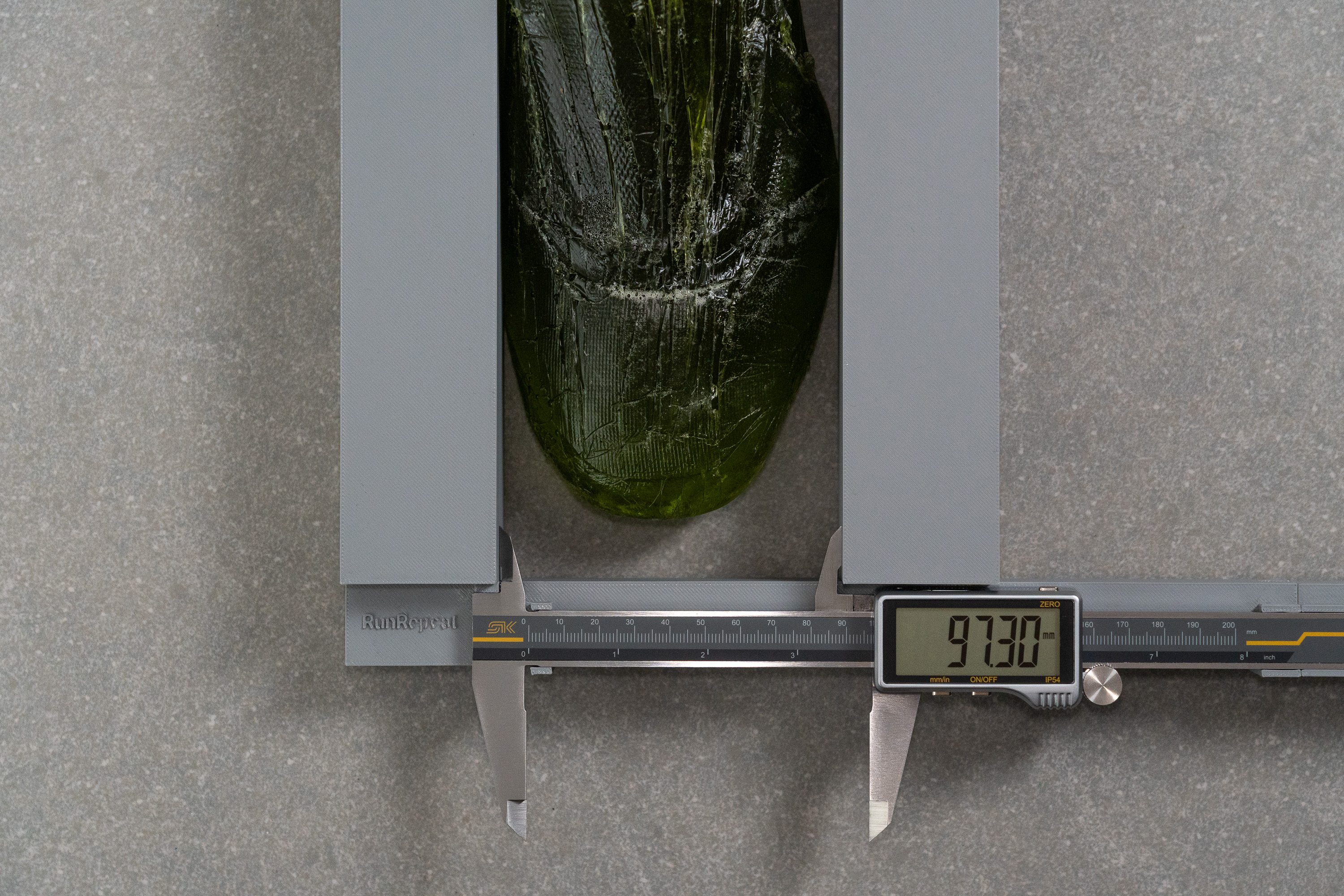
| Wave Inspire 22 | 97.3 mm |
| Average | 95.2 mm |
Toebox width
The toebox follows a classic tapered shape found in most running shoes, measuring 72.7 mm.
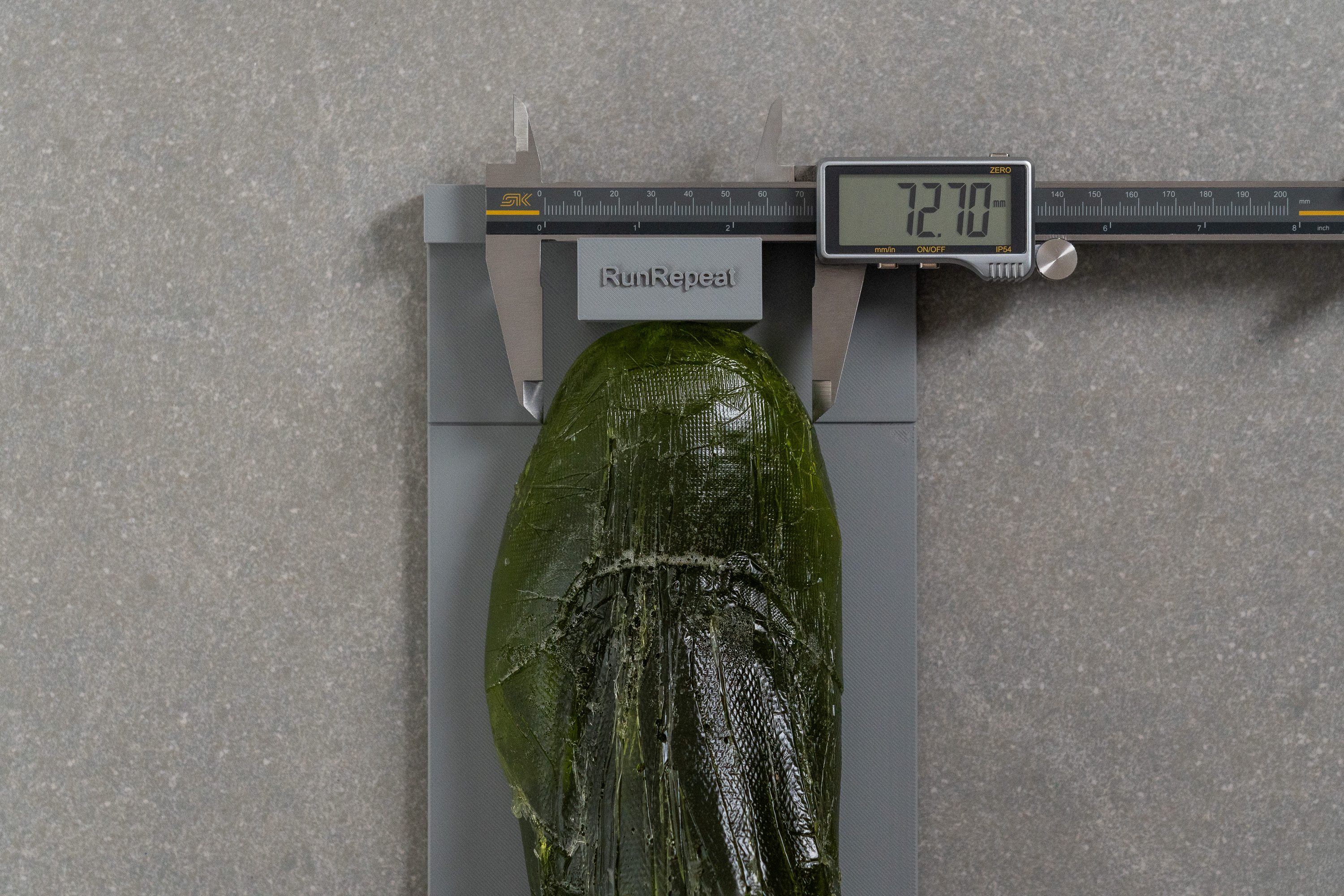
| Wave Inspire 22 | 72.7 mm |
| Average | 73.2 mm |
Toebox height
To round out the fit, we also checked the toebox height.
We had no issues during our runs, and the 27.7 mm measurement confirmed it.
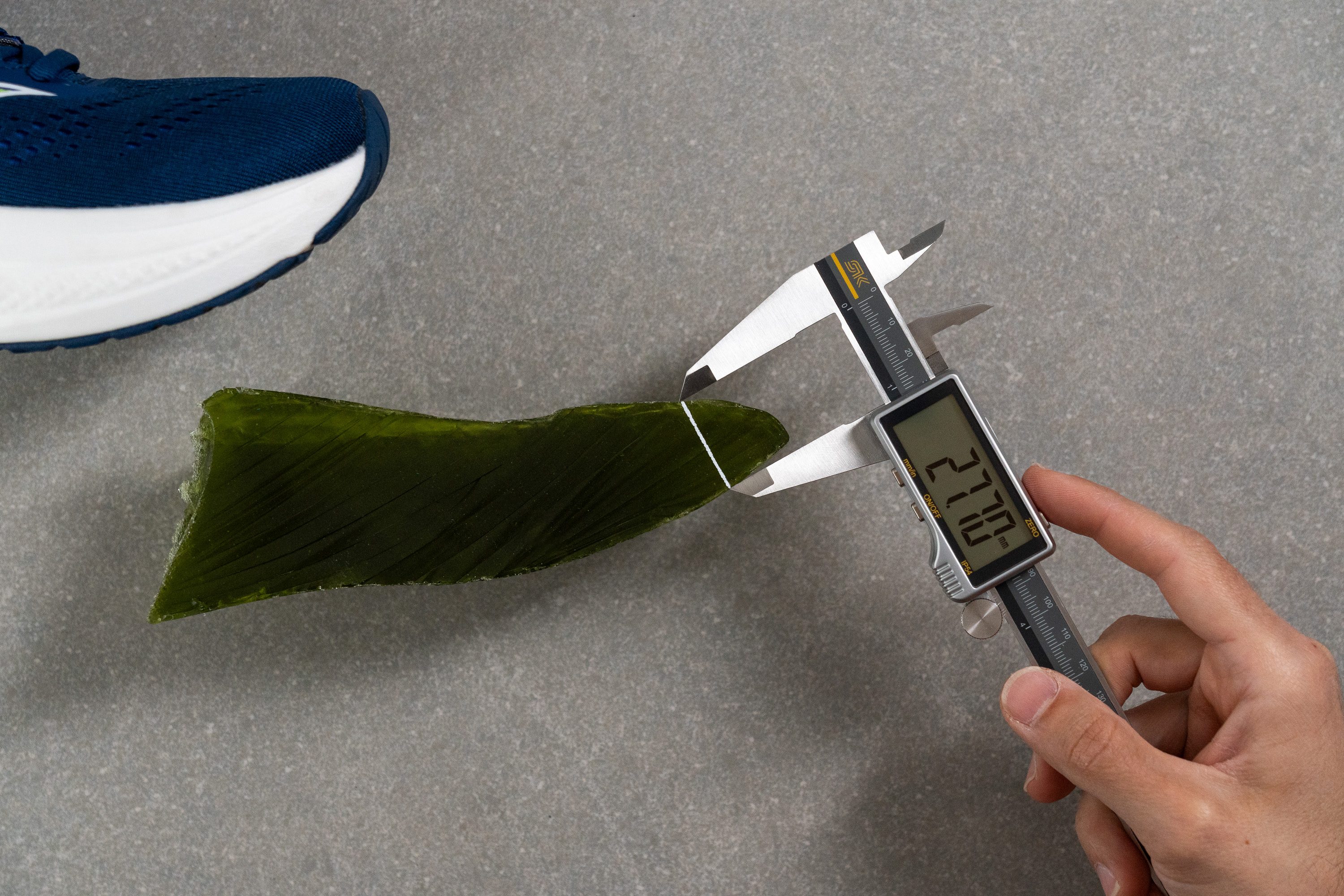
| Wave Inspire 22 | 27.7 mm |
| Average | 27.0 mm |
Traction / Grip
Traction test
The Mizuno Wave Inspire 22 scored 0.55 in our lab grip test following SATRA TM144 standards. That also represents a small but welcome 10% improvement over its predecessor, thanks to the updated outsole design.
| Wave Inspire 22 | 0.55 |
| Average | 0.53 |
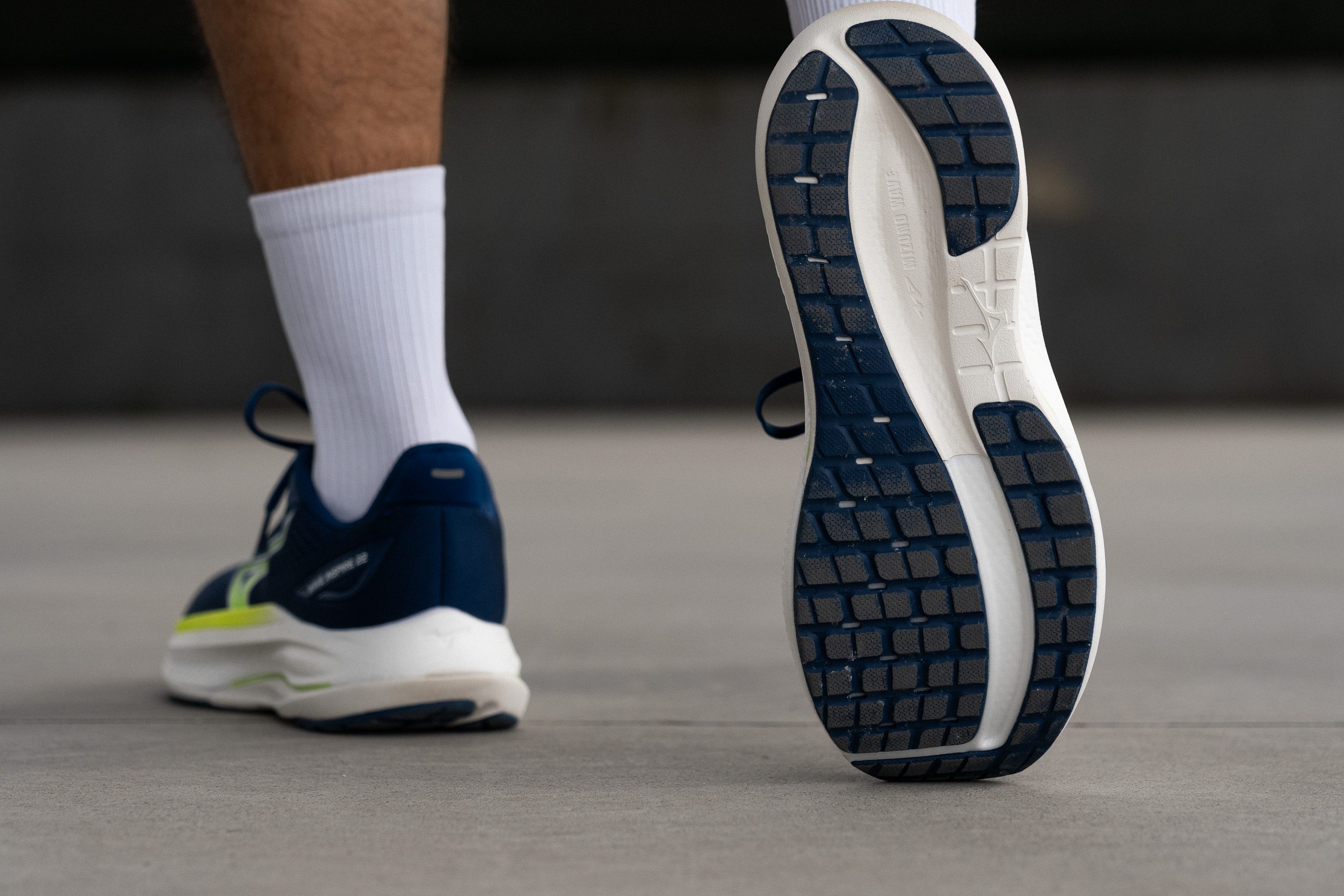
Outsole design
In our view, the updated outsole blends several design ideas from other shoes. We noticed some resemblance to the waffle pattern used in the Nike Pegasus 41, while the deep guidance line that curves through the midfoot and forefoot clearly draws inspiration from the Mizuno Neo Zen 2.
Flexibility / Stiffness
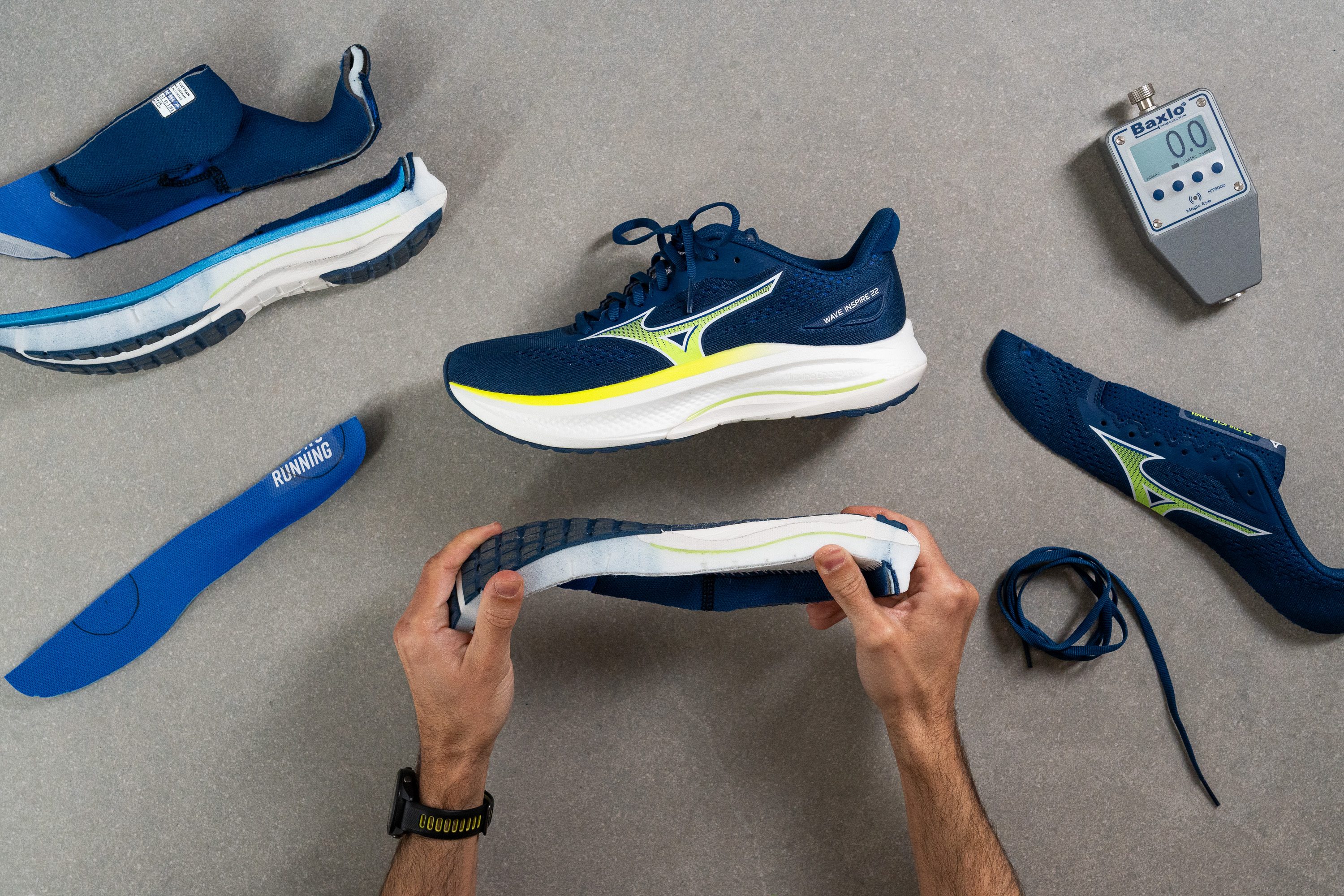
The updated outsole also plays a role here, as the Wave Inspire 22 shows slightly lower stiffness, measuring 13.2N in our 30-degree bend test. That’s a smart change for daily runs and even casual wear.
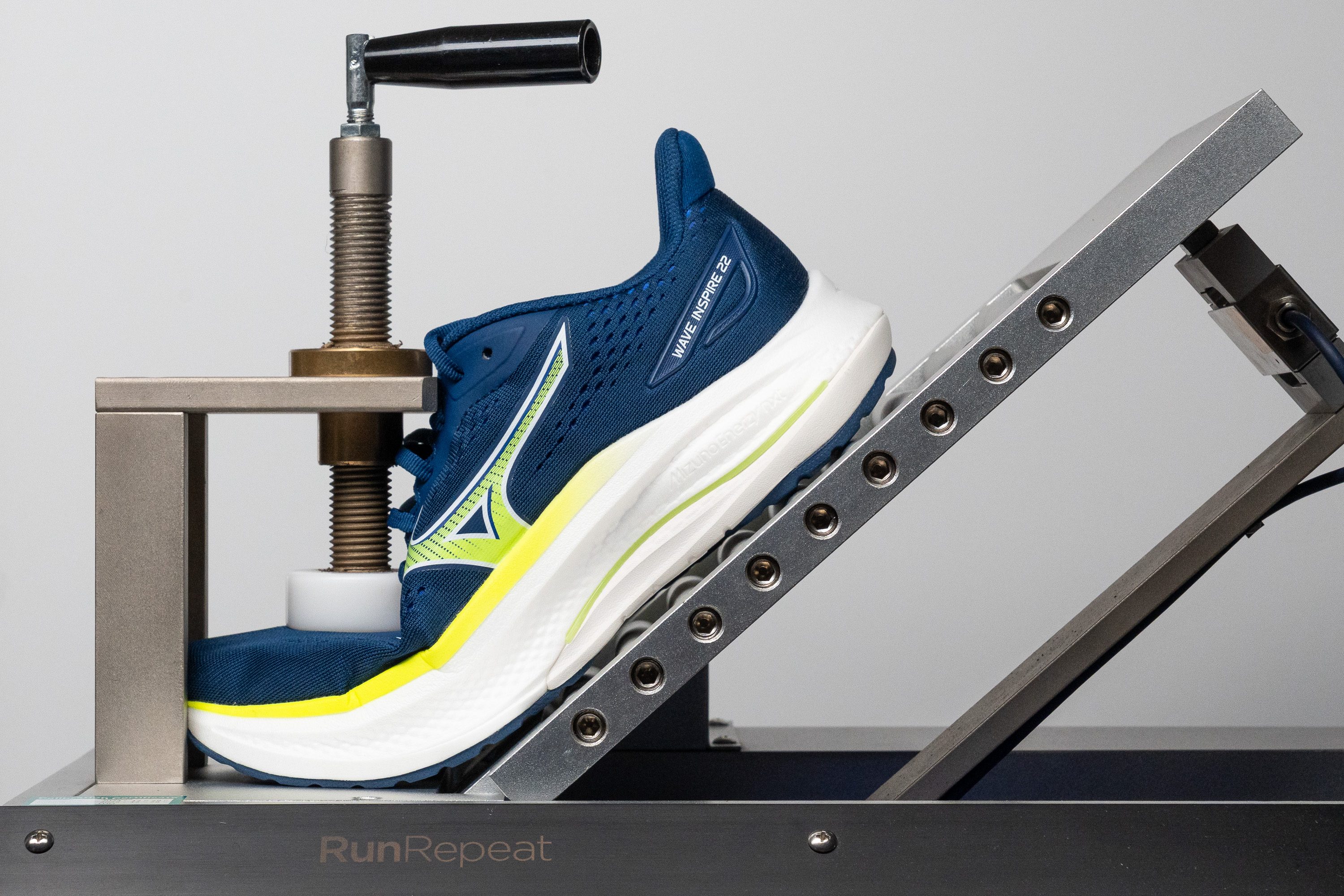
| Wave Inspire 22 | 13.2N |
| Average | 15.5N |
Weight
We expected a weight drop for the Mizuno Wave Inspire 22, and Mizuno only partly delivered. While 9.9 oz or 280g marks a 2% reduction from v21, we found it too small to notice.
Such a minor change does not move the needle at all, and this still feels like an average result. From our point of view, weight remains an area where Mizuno needs to improve and push this shoe at least 10% lighter.
| Wave Inspire 22 | 9.9 oz (280g) |
| Average | 9.2 oz (261g) |
Breathability
Breathability test
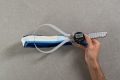
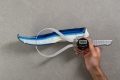
We found that Mizuno played it safe with the upper, sticking to a familiar dual-layer engineered mesh with visible openings, a setup we have seen across many running shoes from different brands.
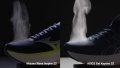
As expected with this type of construction, ventilation is solid but not outstanding. That is why we rated it 3/5 in our lab tests.
A quick look at our videos makes it clear why breathability does not reach higher levels.
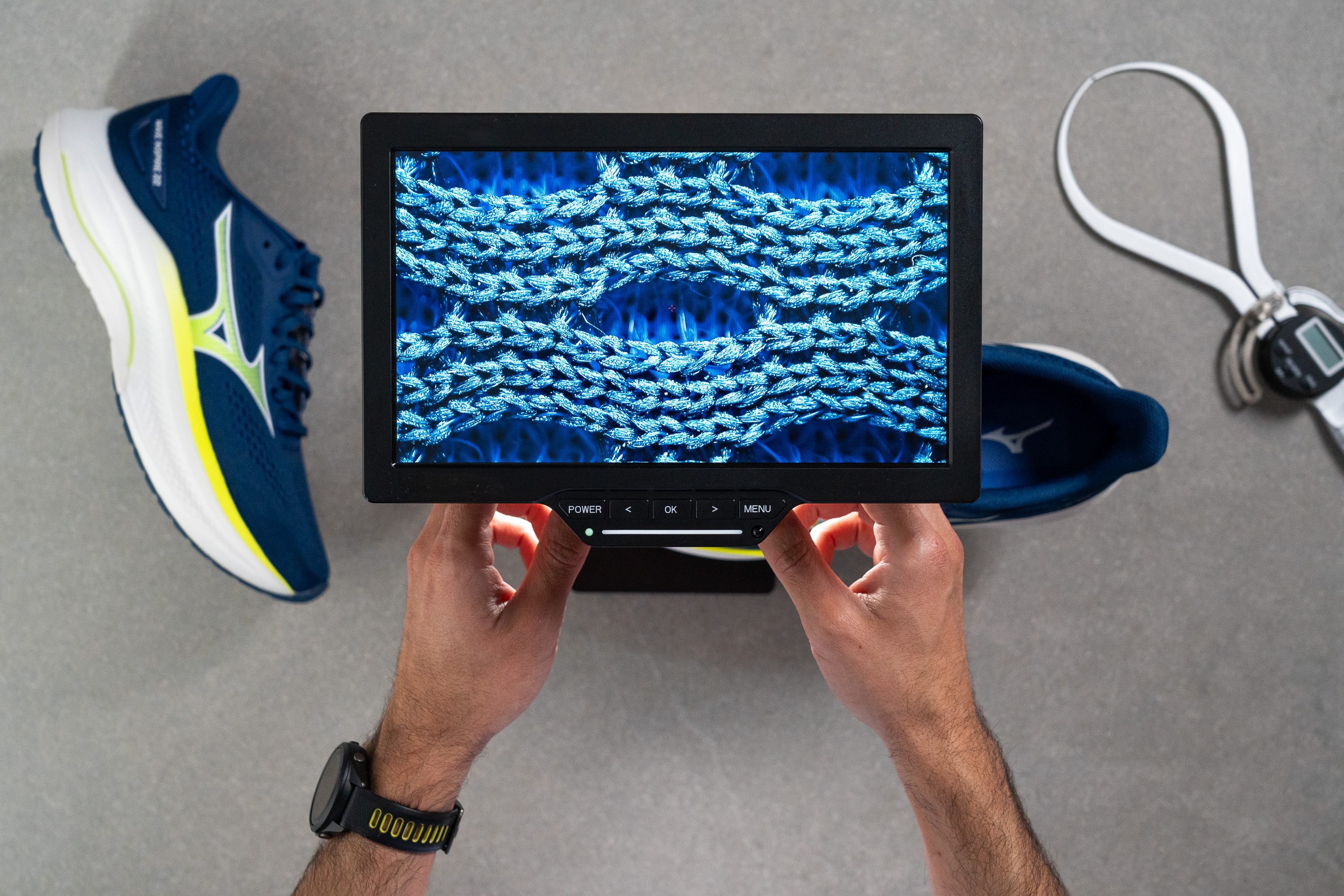
At the same time, we understand this choice, as this upper also needs to provide some structural support.

Under the digital microscope, we confirmed that the secondary inner layer limits airflow. It adds comfort and structure, but it also reduces how much air can pass through.
Overall, this is a classic workhorse-style upper. It does not stand out in any area, but it delivers consistent and reliable performance.
| Wave Inspire 22 | 3 |
| Average | 3.6 |
Stability
Lateral stability test
Added support is the main reason to choose the Wave Inspire 22 over the Wave Rider 29, and we clearly noticed it when comparing the ride to its neutral counterpart.
However, this is not a full-on stability shoe, as it focuses on moderate support. We think that even runners with a neutral gait can feel comfortable and fully satisfied with it.
Torsional rigidity
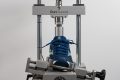
This shoe is a great pick for runners who want some support without ending up with an overly rigid ride. That kind of balance is becoming harder to find, but Mizuno delivers here with a 9.1 Nm result in our torsional rigidity test.
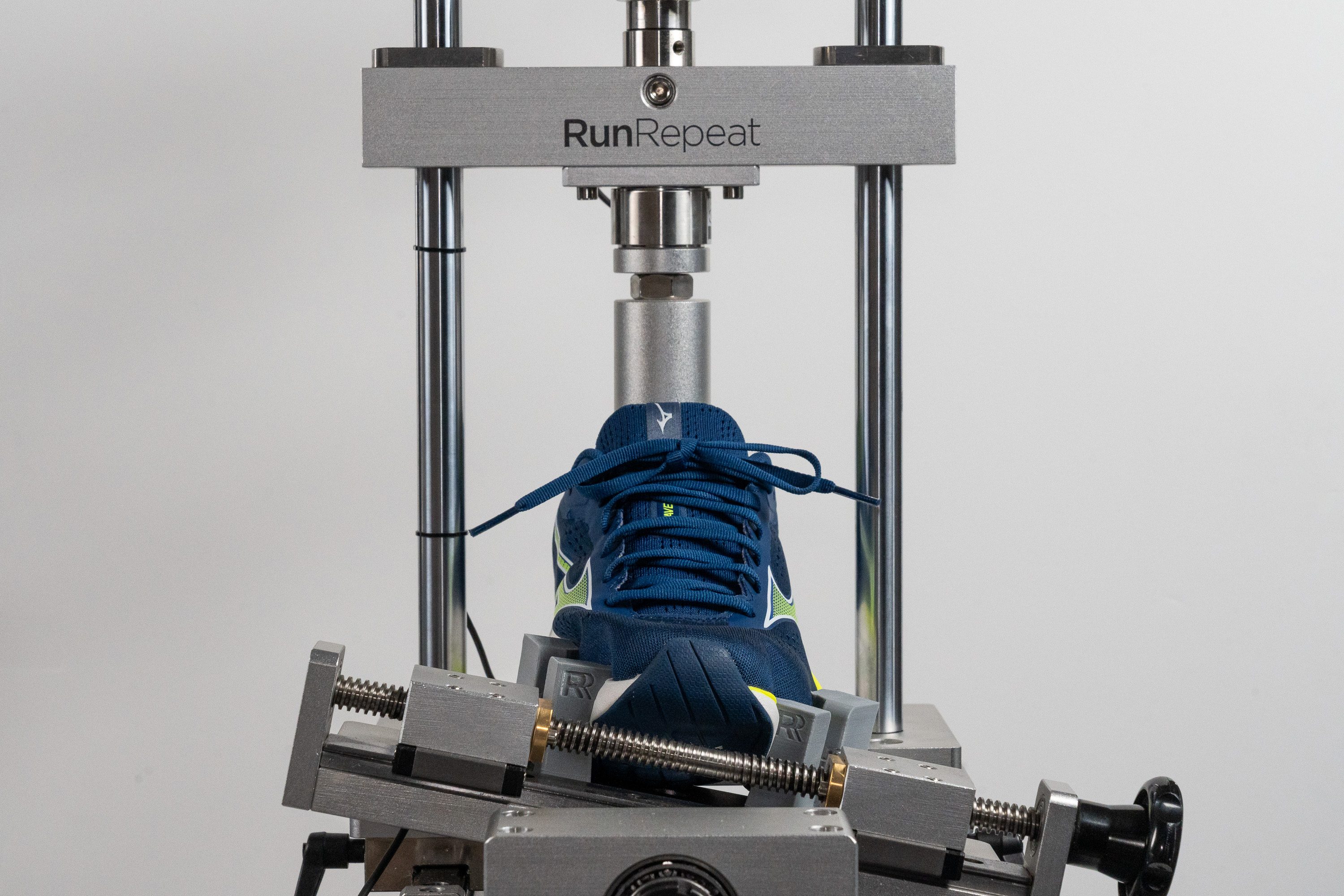
| Wave Inspire 22 | 9.1 Nm |
| Average | 14.3 Nm |
Heel counter stiffness
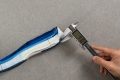
With a 4/5 rating, the heel counter follows a more traditional stability approach and felt firm trying to push or squeeze it. There's also plush padding keeping it comfortable.
| Wave Inspire 22 | 4 |
| Average | 2.9 |
Midsole width - forefoot
The forefoot midsole width came in at 116.6 mm, a value closer to a neutral trainer.
This matches what we felt on the run: for midfoot and forefoot strikers, the shoe behaves like a neutral daily trainer with only a light touch of support.
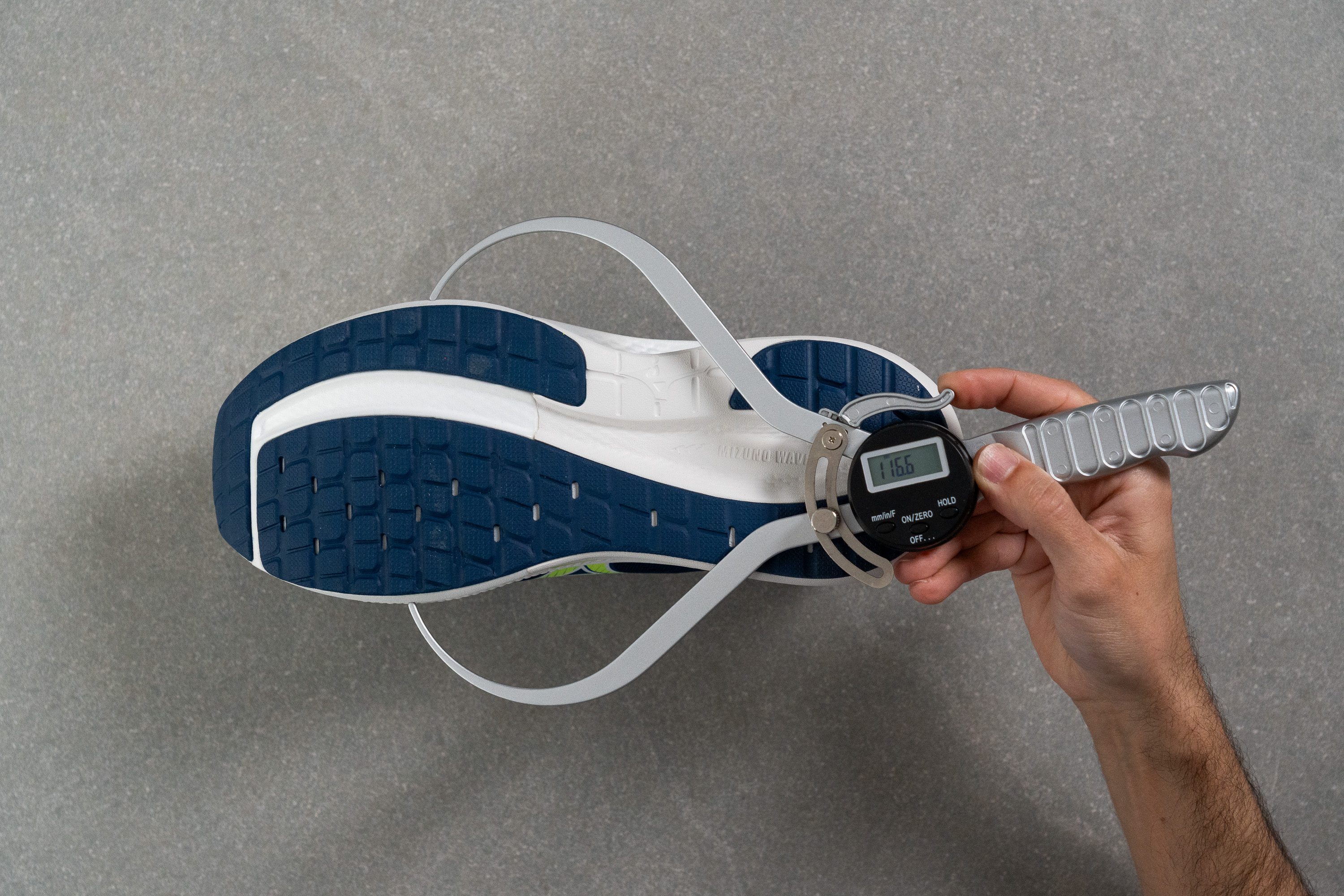
| Wave Inspire 22 | 116.6 mm |
| Average | 115.1 mm |
Midsole width - heel
Expanding the heel is one of the most common ways modern shoes add stability without hurting comfort. Mizuno follows that approach here, reaching 96.2 mm and creating a clearly wider rearfoot platform.
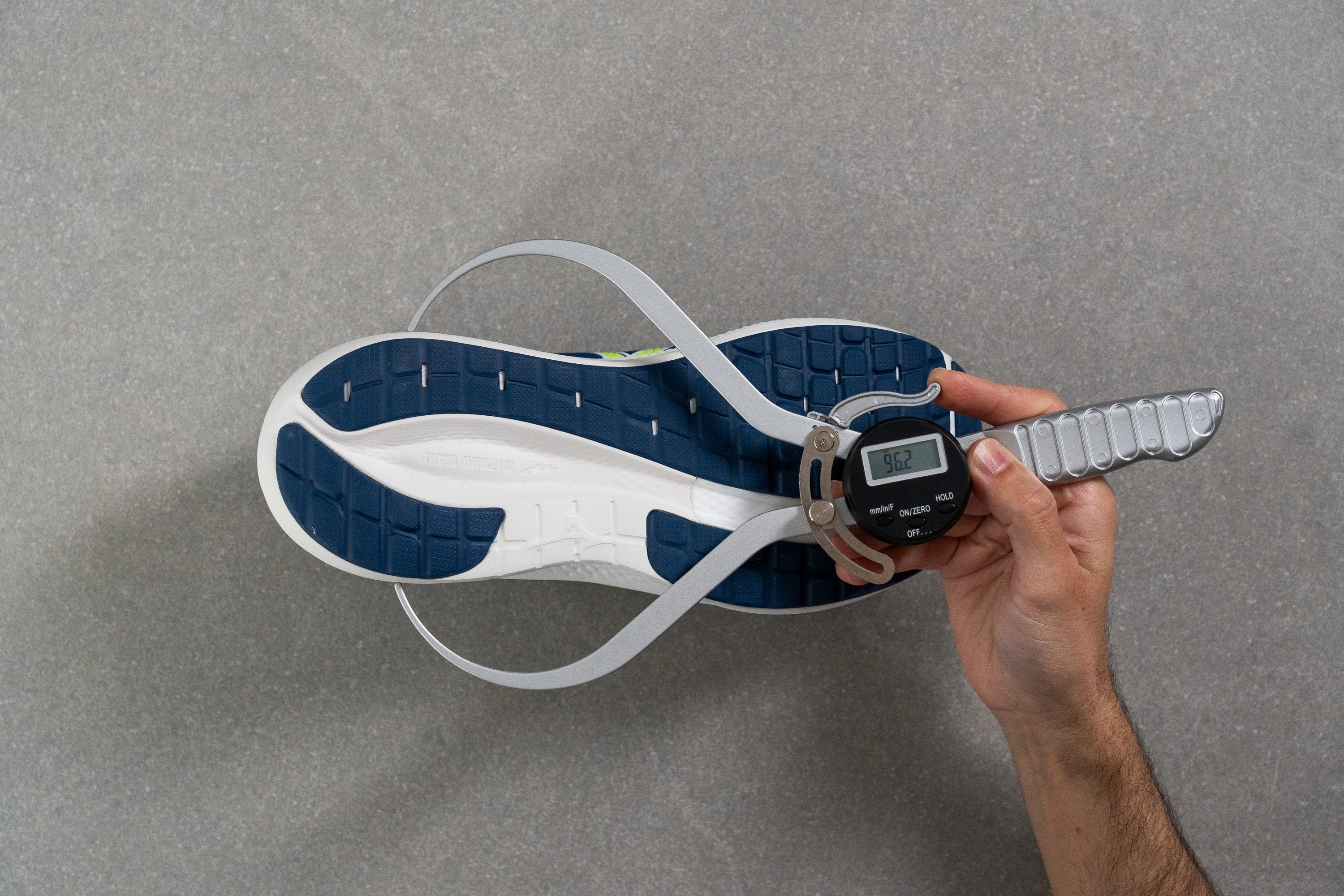
| Wave Inspire 22 | 96.2 mm |
| Average | 91.1 mm |
Durability
Toebox durability
We recorded a 2/5 score for toebox durability, which falls below our expectations. Similar uppers have performed better in our lab, but this time the result is a bit lower than we hoped.
| Wave Inspire 22 | 2 |
| Average | 2.6 |
Heel padding durability
The heel padding improved by one point to reach 3/5, but many shoes still score higher in this test, so the overall impression does not change much. It is not a concern, but we would like to see further improvement in the next Wave Inspire.
| Wave Inspire 22 | 3 |
| Average | 3.4 |
Outsole durability
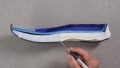
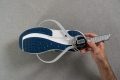
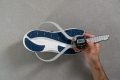
What really stood out to us was the excellent outsole durability. After testing the X10 rubber with our Dremel tool, we measured only 0.5 mm of wear, which is a superb result in one of the most important durability tests, especially for runners with excessive pronation who tend to wear out outsoles quickly.
| Wave Inspire 22 | 0.5 mm |
| Average | 1.1 mm |
Outsole thickness
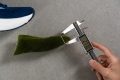
It’s clear to us now that Mizuno aimed to maximize outsole durability, and they fully committed to it. With 4.1 mm of rubber thickness, this outsole is built to last for a very long time.
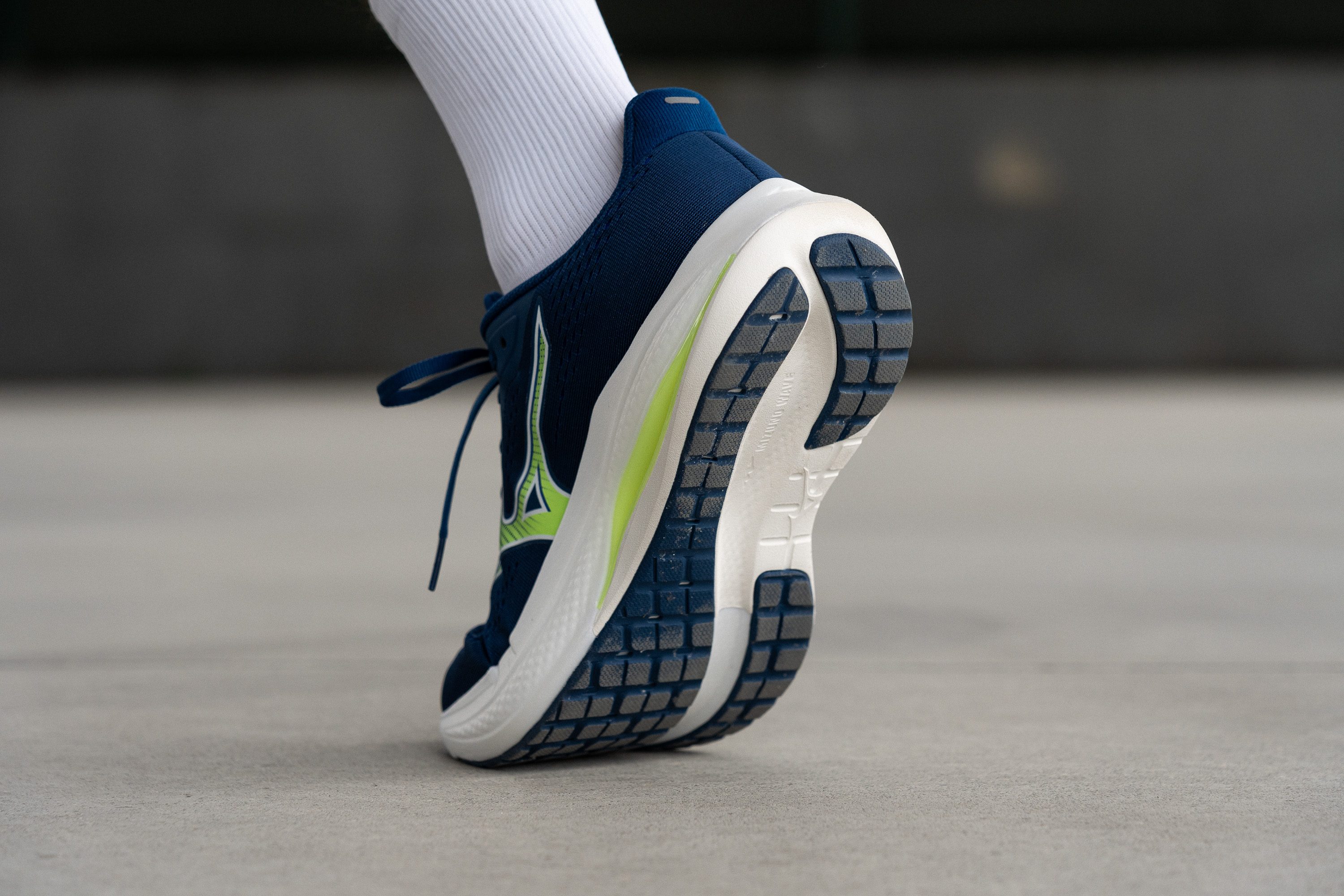
The trade-off is the added weight we mentioned earlier, but for runners who prioritize durability, it will likely be a worthwhile compromise.
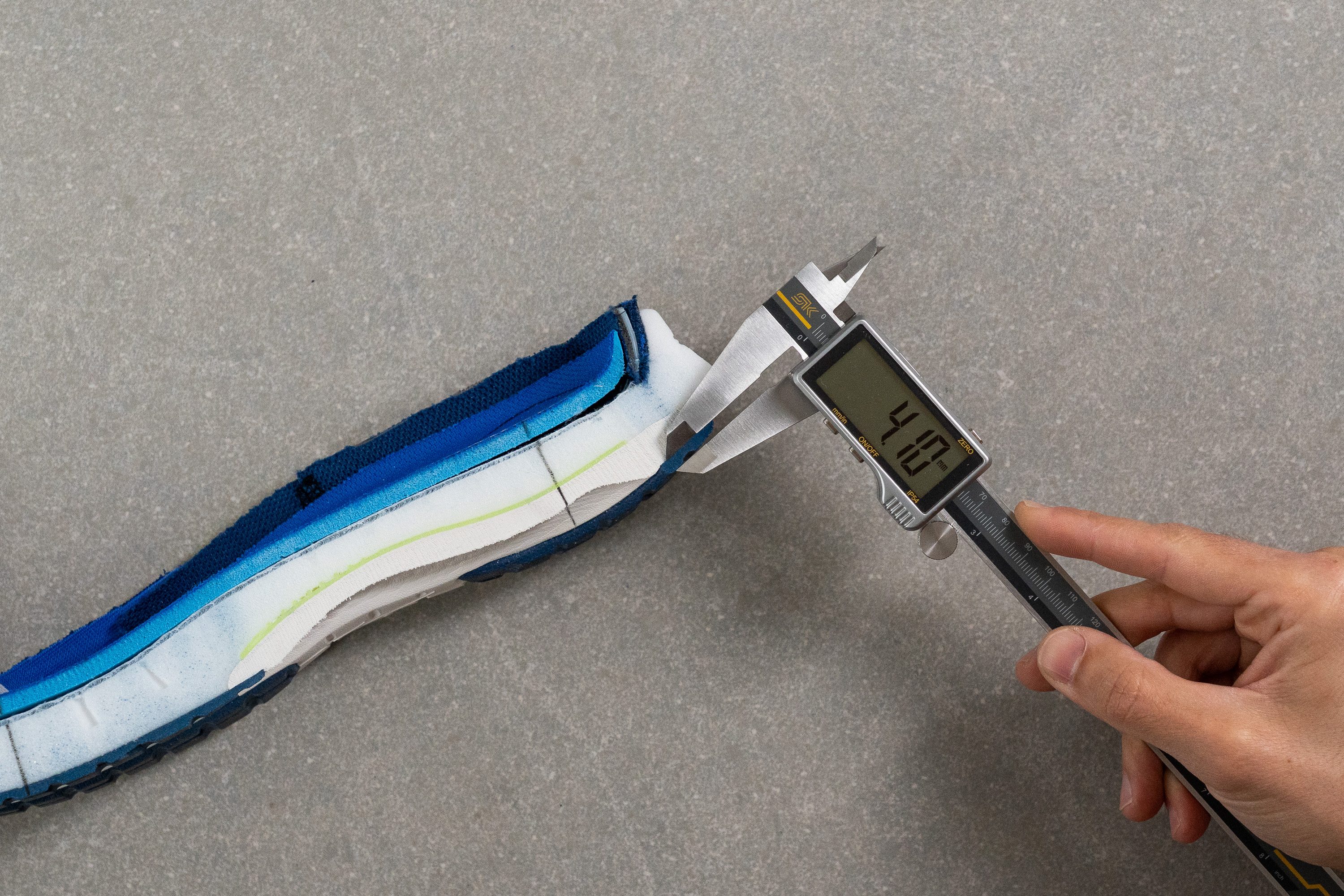
| Wave Inspire 22 | 4.1 mm |
| Average | 3.1 mm |
Misc
Insole thickness
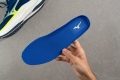
The insole measures 5.2 mm in thickness, slightly above average, and it feels really plush too.
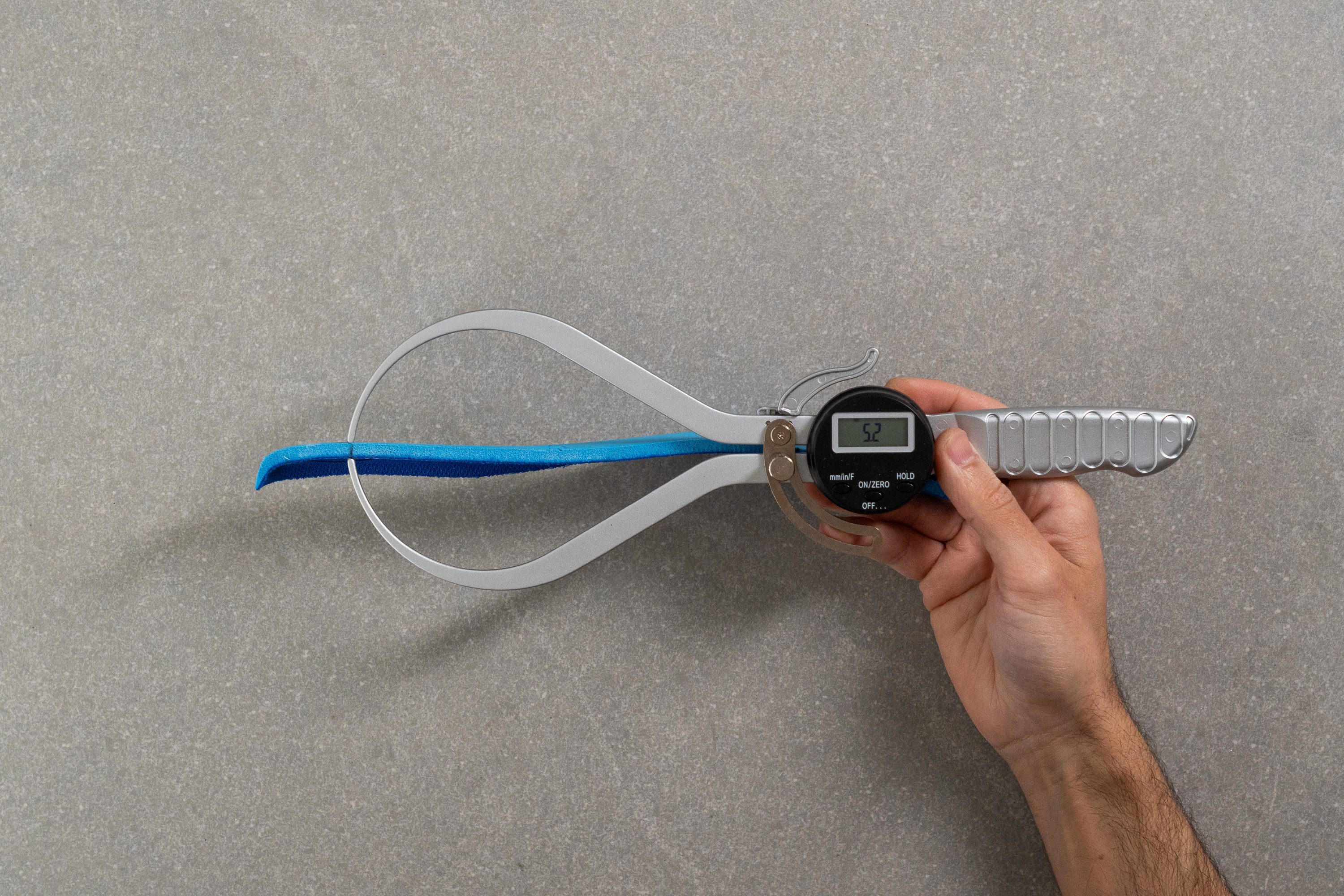
| Wave Inspire 22 | 5.2 mm |
| Average | 4.4 mm |
Removable insole
Want to use a different insole with customized support? No problem here, as the standard one is fully removable and most aftermarket options will fit in the Wave Inspire 22.
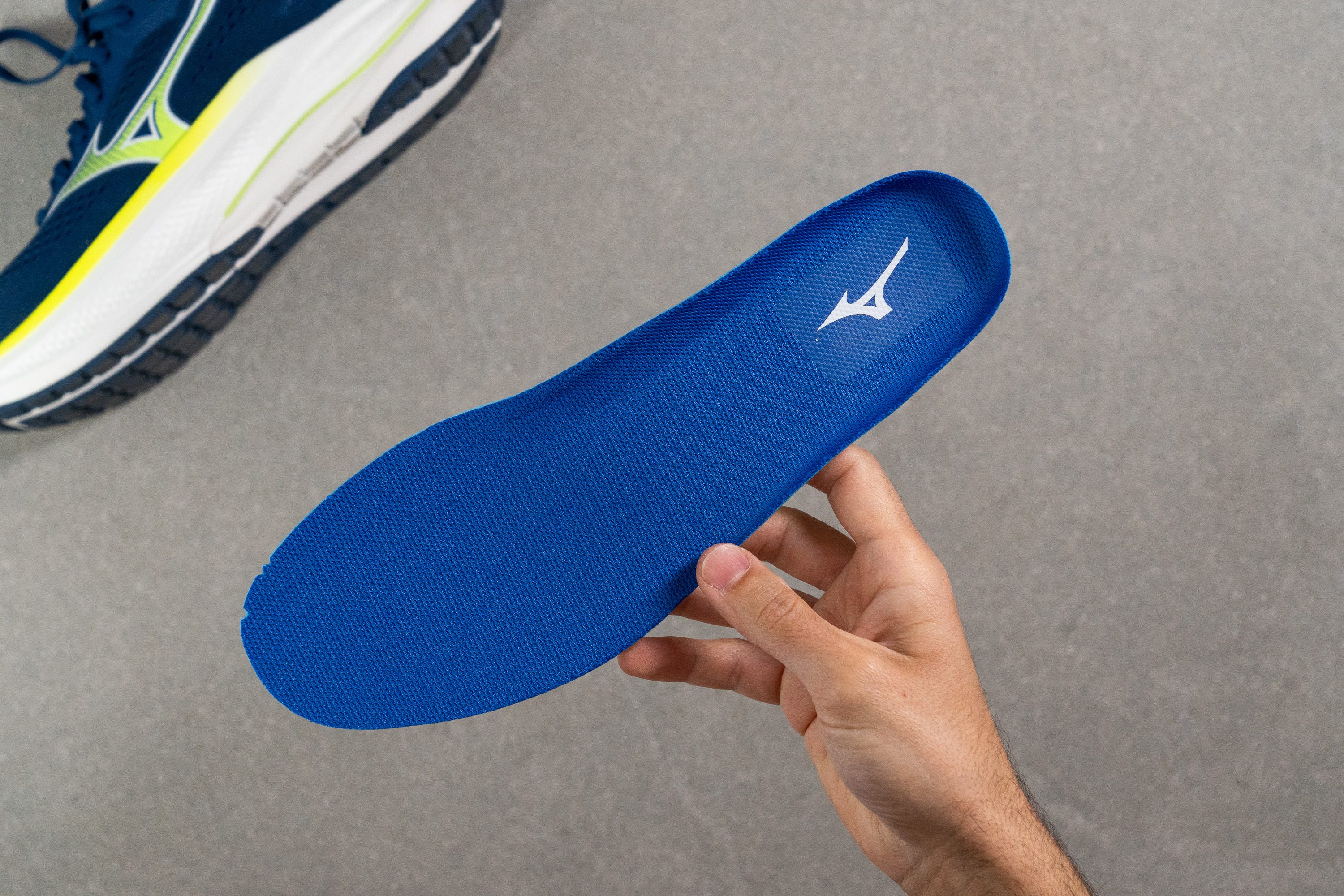
| Wave Inspire 22 | Yes |
Reflective elements
Not the most impressive solution we’ve seen in the lab, but having these two small elements is still better than none.
| Wave Inspire 22 | Yes |
Tongue padding
The lacing system is simple and reliable, using a classic setup with punched eyelets that gets the job done without any surprises.
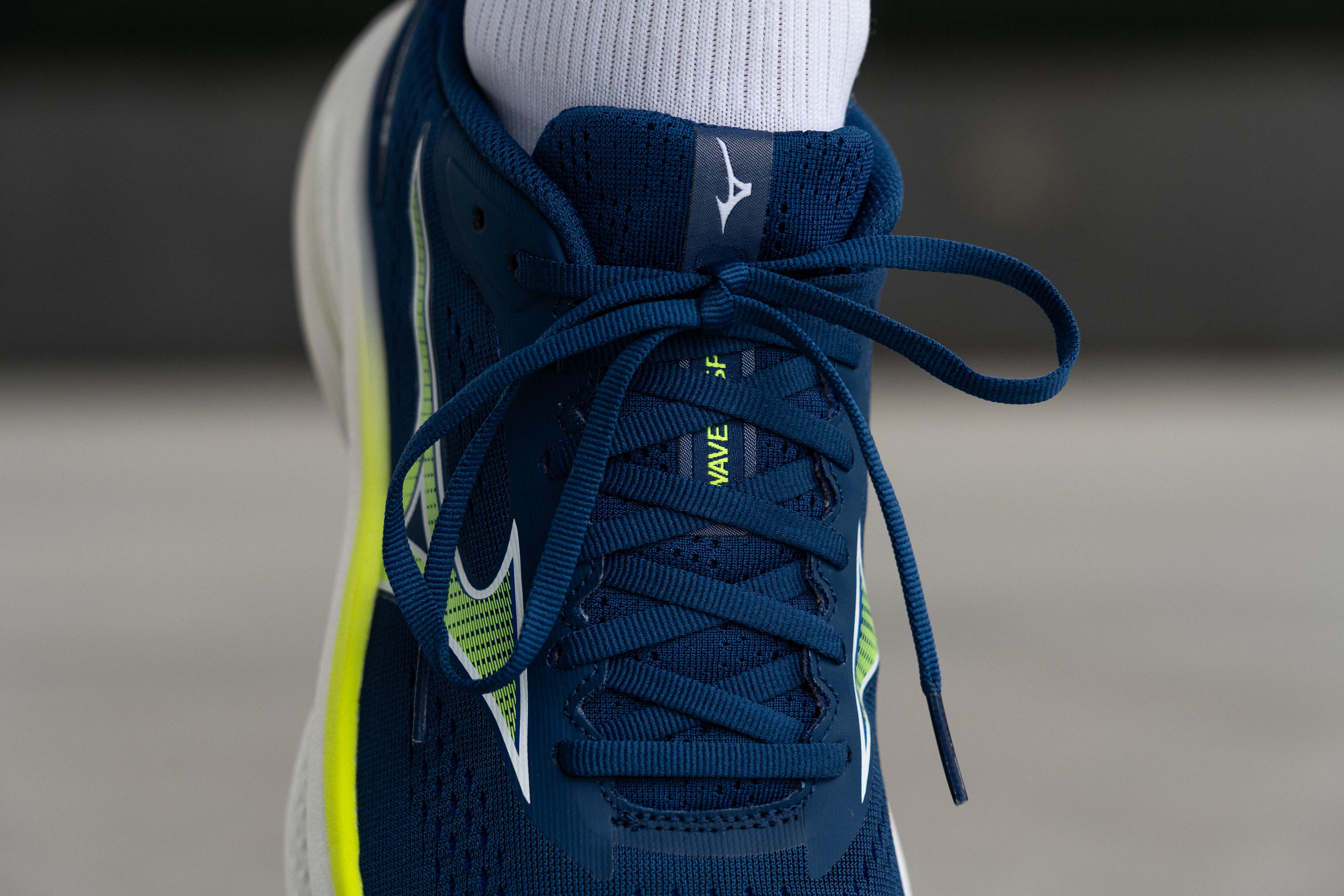
The tongue follows the same safe path. It comes with average padding at 6.0 mm, using a single piece of foam that provides a comfortable and familiar feel.
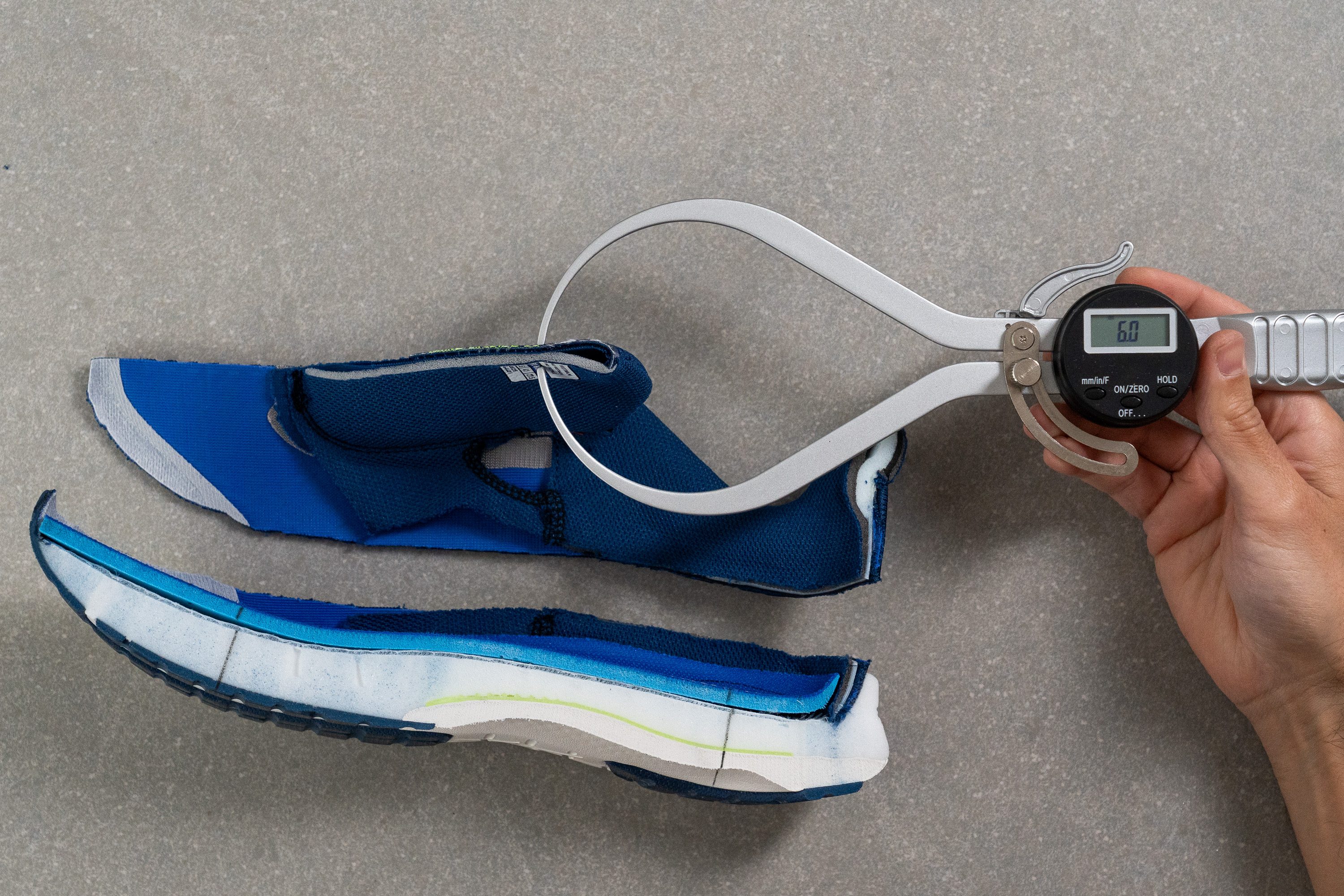
| Wave Inspire 22 | 6.0 mm |
| Average | 5.8 mm |
Tongue: gusset type
We noticed that the Wave Inspire 22 uses a semi-gusseted tongue, a feature we think should be standard in every daily trainer, even though it sometimes isn’t. Fortunately, Mizuno kept it here.
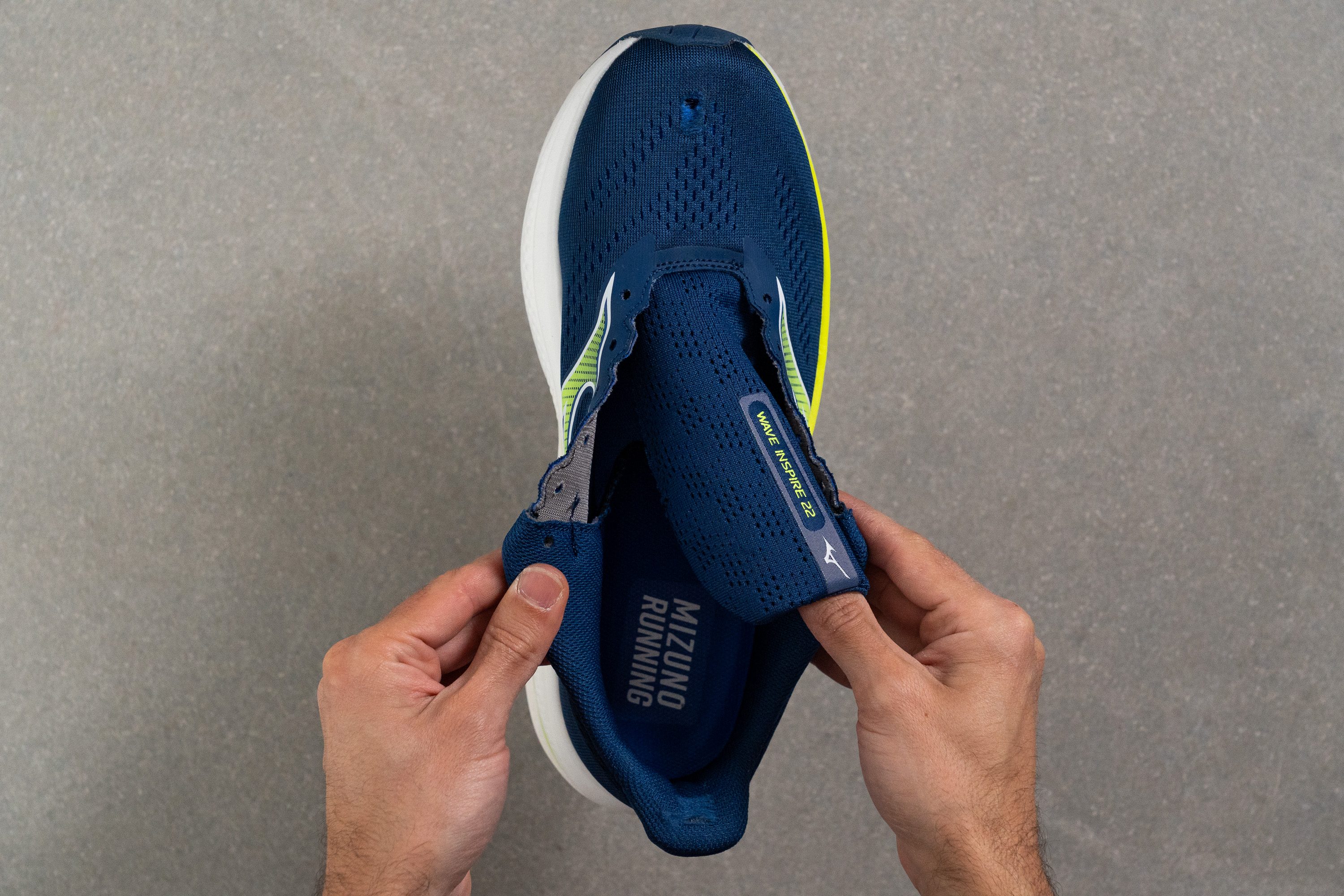
| Wave Inspire 22 | Both sides (semi) |
Heel tab
The collar at the heel features an extended design and it's easy to grab, making it simpler to slip your foot into the shoe with minimal effort.
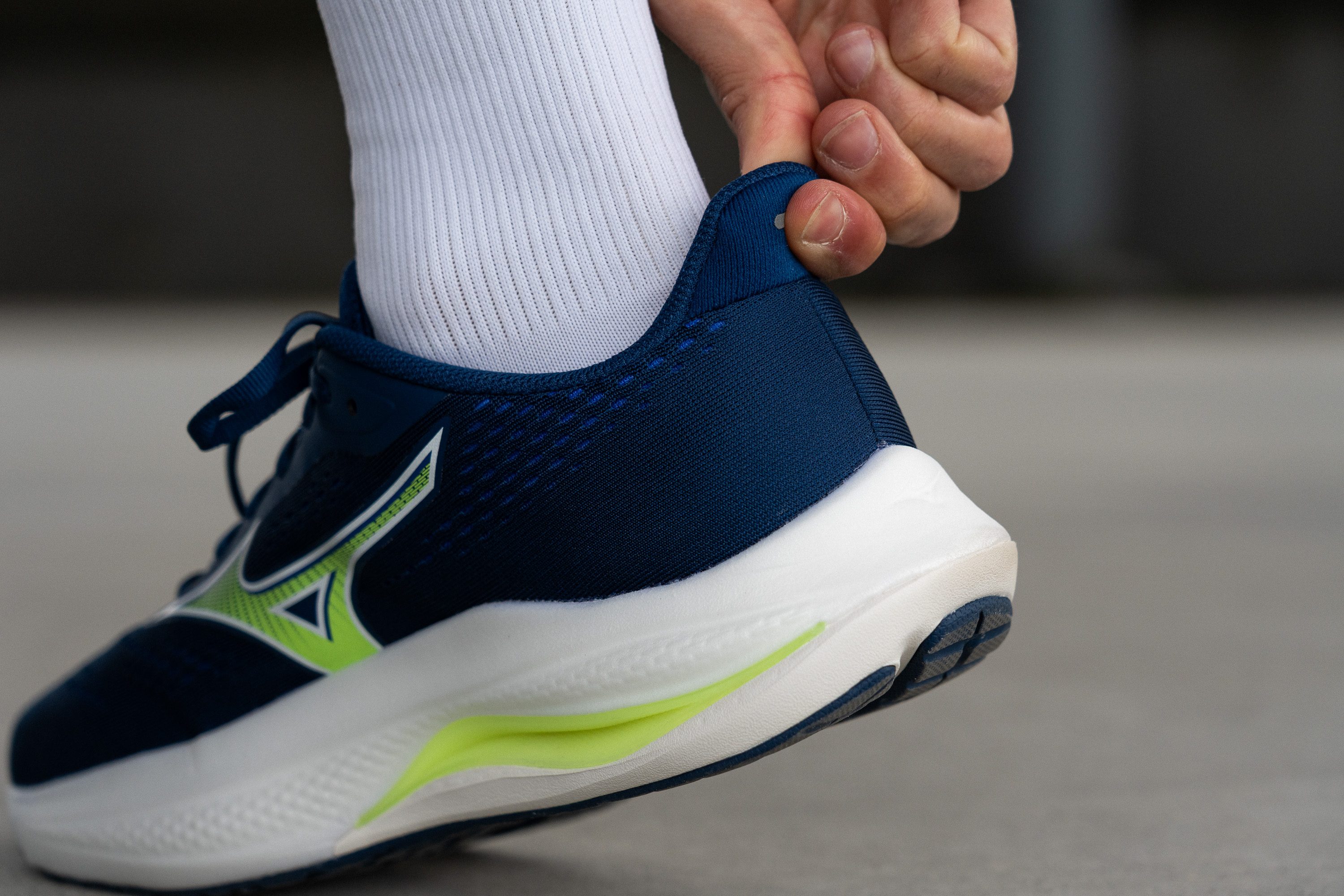
| Wave Inspire 22 | Extended heel collar |