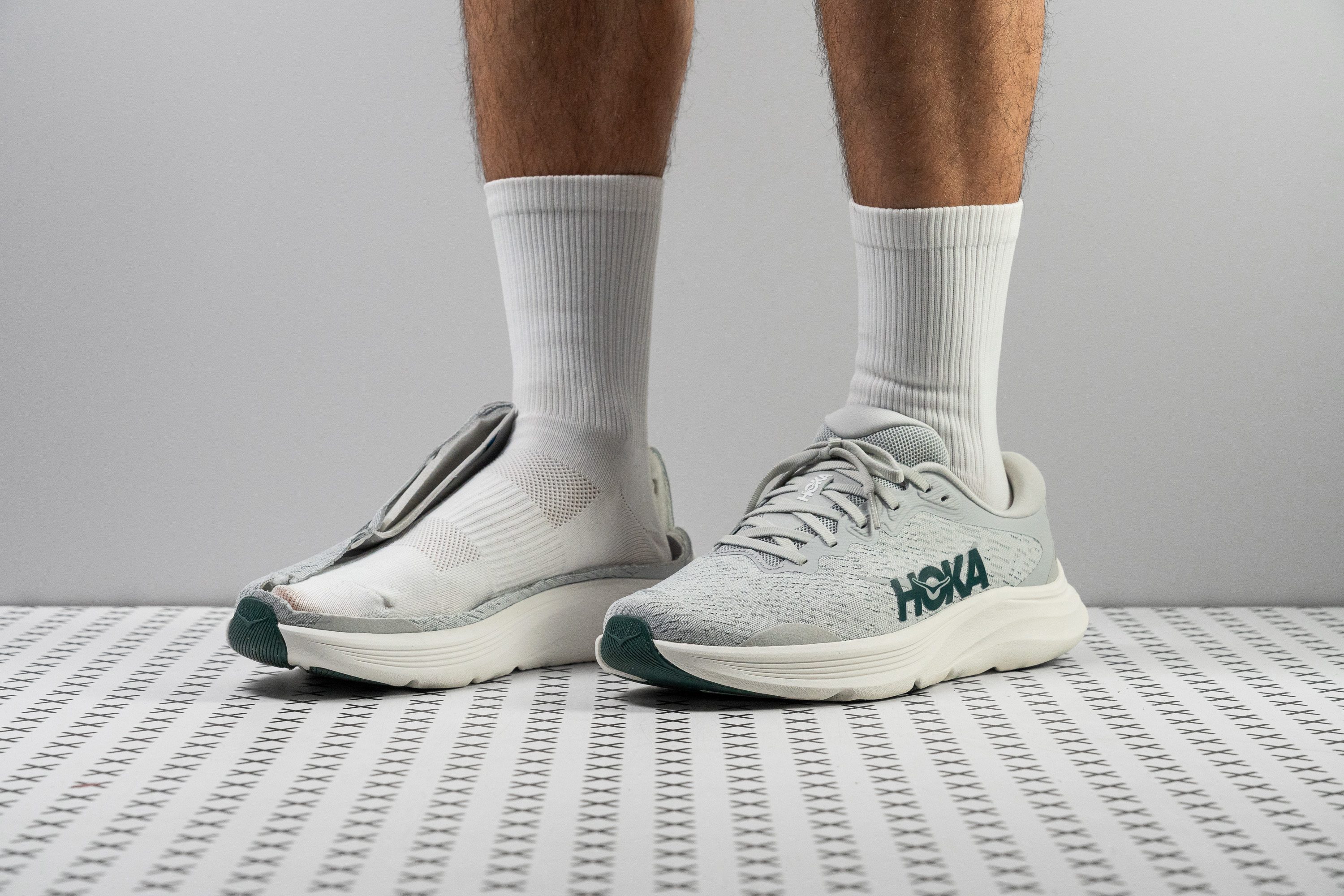

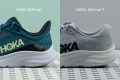
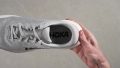
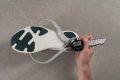
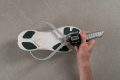



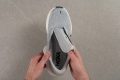
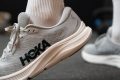
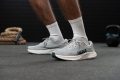
Our verdict
- Cross-training/HIIT 74
- Cardio 93
- Weightlifting 45
Pros
- Well-cushioned for high-impact workouts
- Exceptionally lightweight
- Stable for cardio and bodyweight training
- True medium-width fit with wide options
- Generously padded interiors
- Durable for indoor use
- Good grip for gym surfaces
Cons
- Not for weightlifting
- Limited forefoot flexibility
Awards
- Top pick in best cross-training shoes
- Top pick in best shoes for jumping rope
- Top 18% most popular training shoes
Comparison
The most similar training shoes compared
+ + Add a shoe | |||||
|---|---|---|---|---|---|
| Our score | 78 Good | 83 Good | 90 Superb | 78 Good | |
| Price | $125 | $149 | $150 | $65 | |
| Use | WorkoutCross-trainingGymHIITJumping ropeCardio | WorkoutCross-trainingGymHIITJumping ropeAll sportsCardio | WorkoutCross-trainingGymHIITJumping ropeCardio | WorkoutCross-trainingGymHIITJumping ropeCardio | |
| Shock absorption | High | High | High | High | |
| Energy return | Moderate | High | High | Moderate | |
| Traction | Moderate | High | High | Low | |
| Drop lab | 5.0 mm | 4.8 mm | 6.8 mm | 4.5 mm | |
| Heel stack lab | 28.9 mm | 27.5 mm | 29.2 mm | 24.2 mm | |
| Forefoot | 23.9 mm | 22.7 mm | 22.4 mm | 19.7 mm | |
| Weight lab | 8 oz / 227g | 8.1 oz / 230g | 8.1 oz / 230g | 8.8 oz / 249g | |
| Lightweight | ✓ | ✓ | ✓ | ✓ | |
| Breathability | Moderate | Breathable | Breathable | Breathable | |
| Width / fit | Medium | Medium | Narrow | Medium | |
| Toebox width | Medium | Medium | Medium | Wide | |
| Size | True to size | - | - | Slightly small | |
| Midsole softness | Balanced | Firm | Balanced | Firm | |
| Stiffness | Moderate | Moderate | Flexible | Flexible | |
| Torsional rigidity | Moderate | Stiff | Moderate | Flexible | |
| Heel counter stiffness | Stiff | Moderate | Flexible | Flexible | |
| Toebox durability | Bad | Bad | Bad | Decent | |
| Heel padding durability | Good | Good | Good | Bad | |
| Outsole durability | Good | Decent | Decent | - | |
| Midsole width - forefoot | Wide | Average | Wide | Average | |
| Midsole width - heel | Wide | Wide | Average | Wide | |
| Widths available | NormalWide | Normal | Normal | Normal | |
| Insole thickness | Average | Average | Average | Average | |
| Outsole thickness | Average | Average | Thin | Average | |
| Outsole hardness | - | - | - | Average | |
| Heel tab | None | Finger loop | None | None | |
| Tongue: gusset type | None | Both sides (semi) | Both sides (full) | None | |
| Tongue padding | Average | Average | Average | Average | |
| Ranking | #30 Bottom 23% | #22 Bottom 43% | #5 Top 13% | #32 Bottom 17% | |
| Popularity | #7 Top 18% | #31 Bottom 20% | #12 Top 31% | #19 Top 49% |

Who should buy
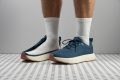
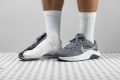
Having measured each and every parameter of the HOKA Solimar 2 in our lab, we can recommend it to people who:
- want one affordable option for day-to-day use, casual runs, and the gym
- need a lightweight and cushioned trainer for aerobics, cardio, and treadmill
- engage in easy-to-moderate strength training without lifting heavy
Who should NOT buy
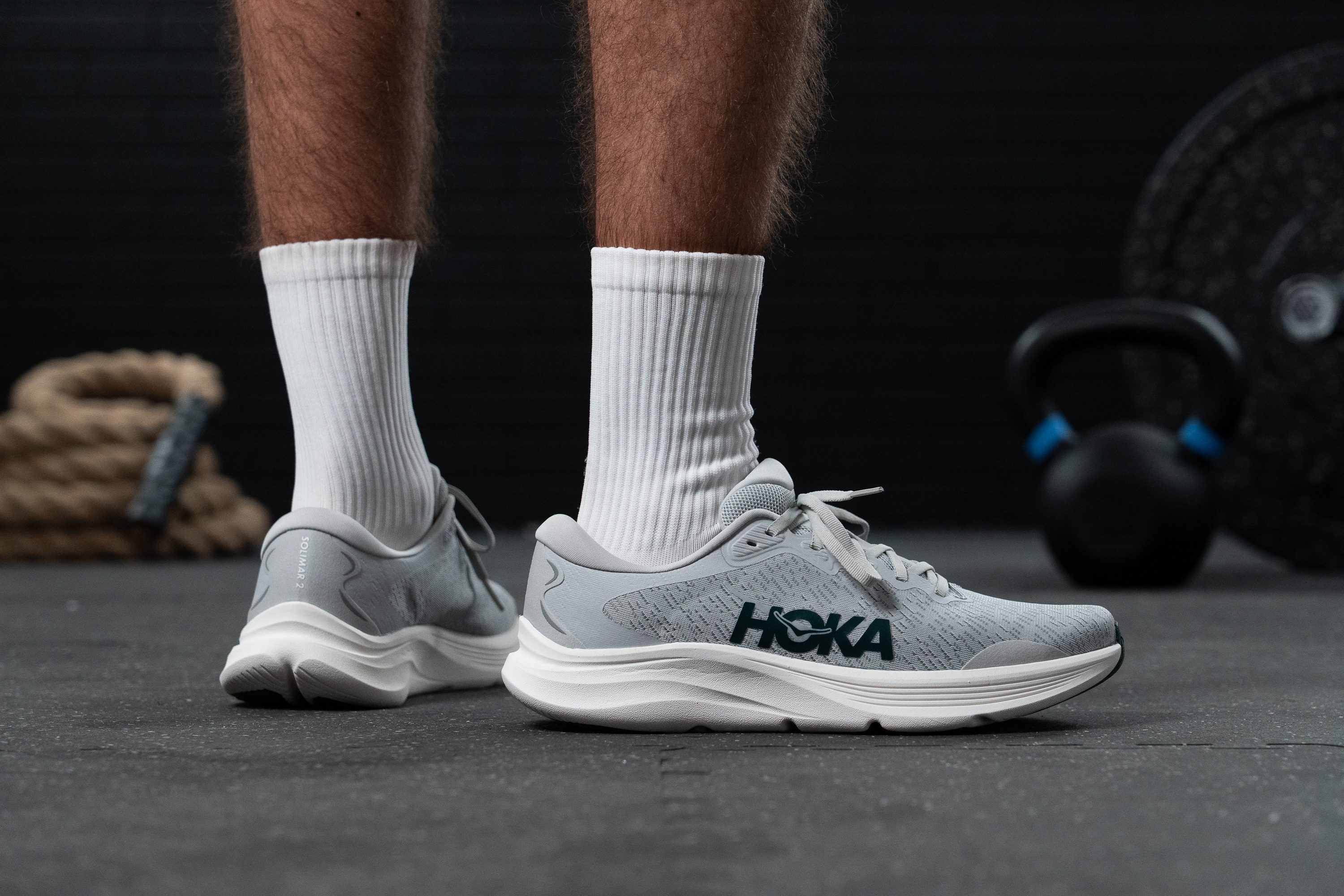
If you intend to do strength training with weights up to 225 lbs (100 kg) or engage in tougher functional fitness routines, we recommend the Nike Free Metcon 7 instead. It offers much better cross-training versatility at the same price.
And if you are a beginner gym-goer who wants even greater cross-training versatility at the lowest possible price, the Nike MC Trainer 3 is a standout option.
Cushioning
Shock absorption
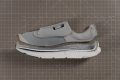
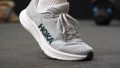
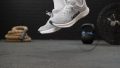
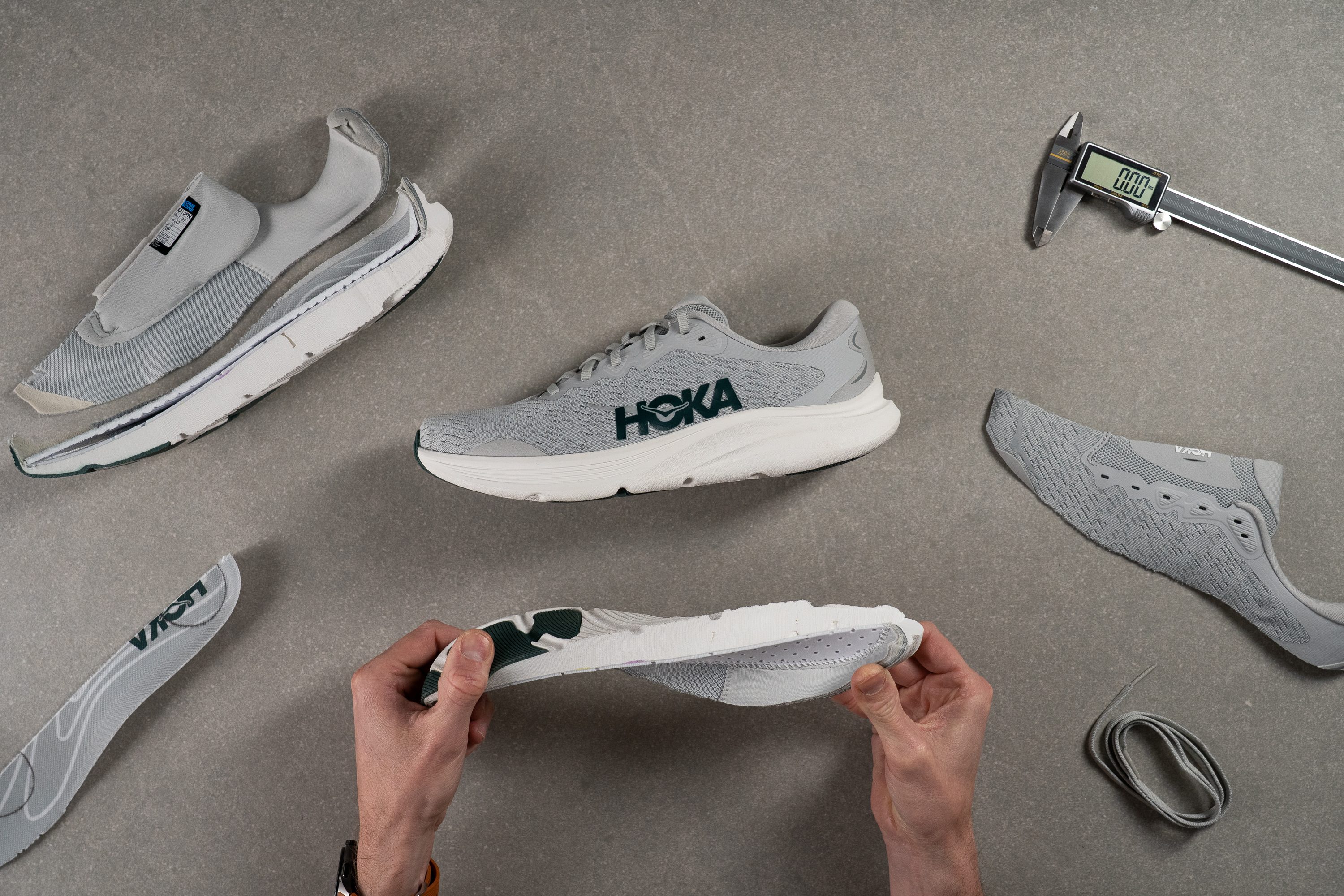
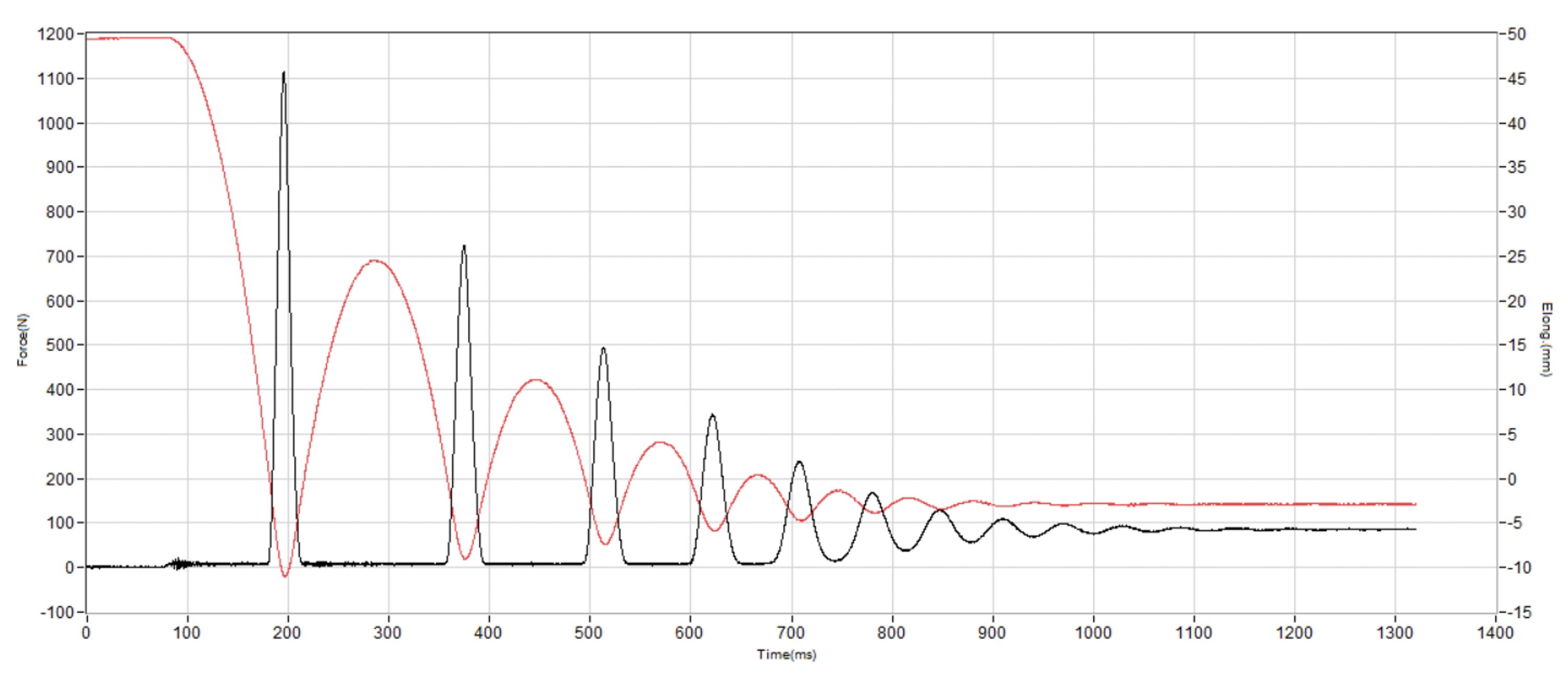
Bridging the gap between running, walking, and training shoes, the HOKA Solimar 2 clearly leans toward cushioning more than the other cross-trainers in our lab.
And that reflects in its higher shock absorption measurements of 108 SA in the heel and 90 SA in the forefoot. This is a little less than the original Solimar offered (116/96 SA), but the difference is not critical.
This makes the Solimar 2 a better option for high-impact workouts like cardio, aerobics, treadmill runs, elliptical sessions, and even day-to-day use.
| Solimar 2 | 108 SA |
| Average | 83 SA |
Energy return
The new version's energy return remained on par with its predecessor's and the category average. It is moderately responsive at 52.9% in the heel and 55.4% in the forefoot, making the ride slightly springier for general fitness, agility work, jumps, and short runs.
| Solimar 2 | 55.4% |
| Average | 55.8% |
Heel stack
HOKA describes the Solimar 2's stack height as 'approachable,' and we assume that's because its platform is not as towering as that of a typical HOKA shoe, like the Bondi 9 (41.3 mm) or the Clifton 10 (44.4 mm).
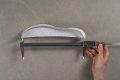
Our digital caliper showed that this trainer has a more moderate heel stack height of 28.9 mm. And while it is above average for the training shoe category, it is on par with some popular cross-trainers, such as the Nike Free Metcon 7 (28.4 mm).
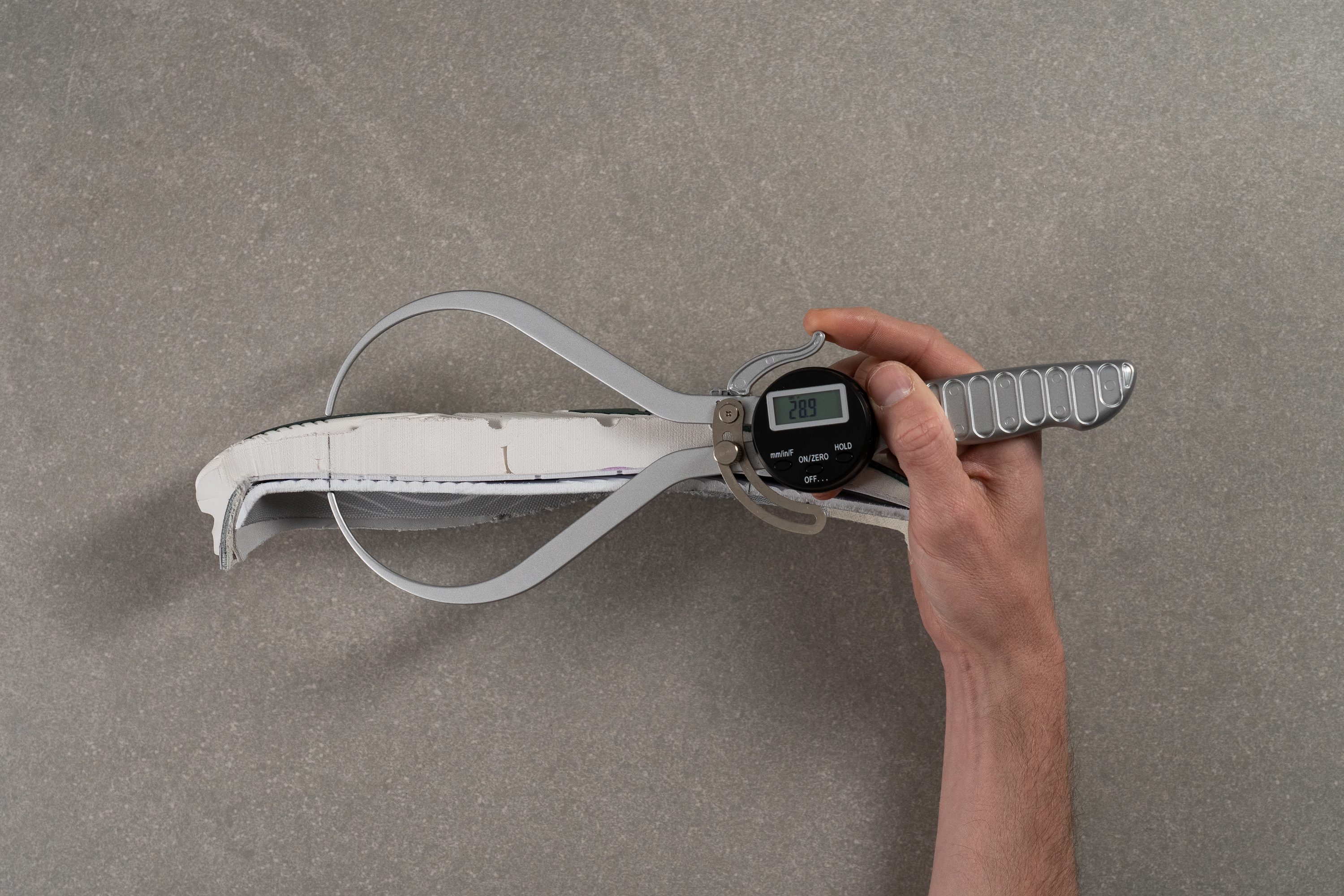
| Solimar 2 | 28.9 mm |
| Average | 24.1 mm |
Forefoot stack
At 23.9 mm, the Solimar 2's forefoot stack is also taller than average, offering better impact protection for the ball of the foot and the toe joints, but also detracting from ground feel and proprioception.
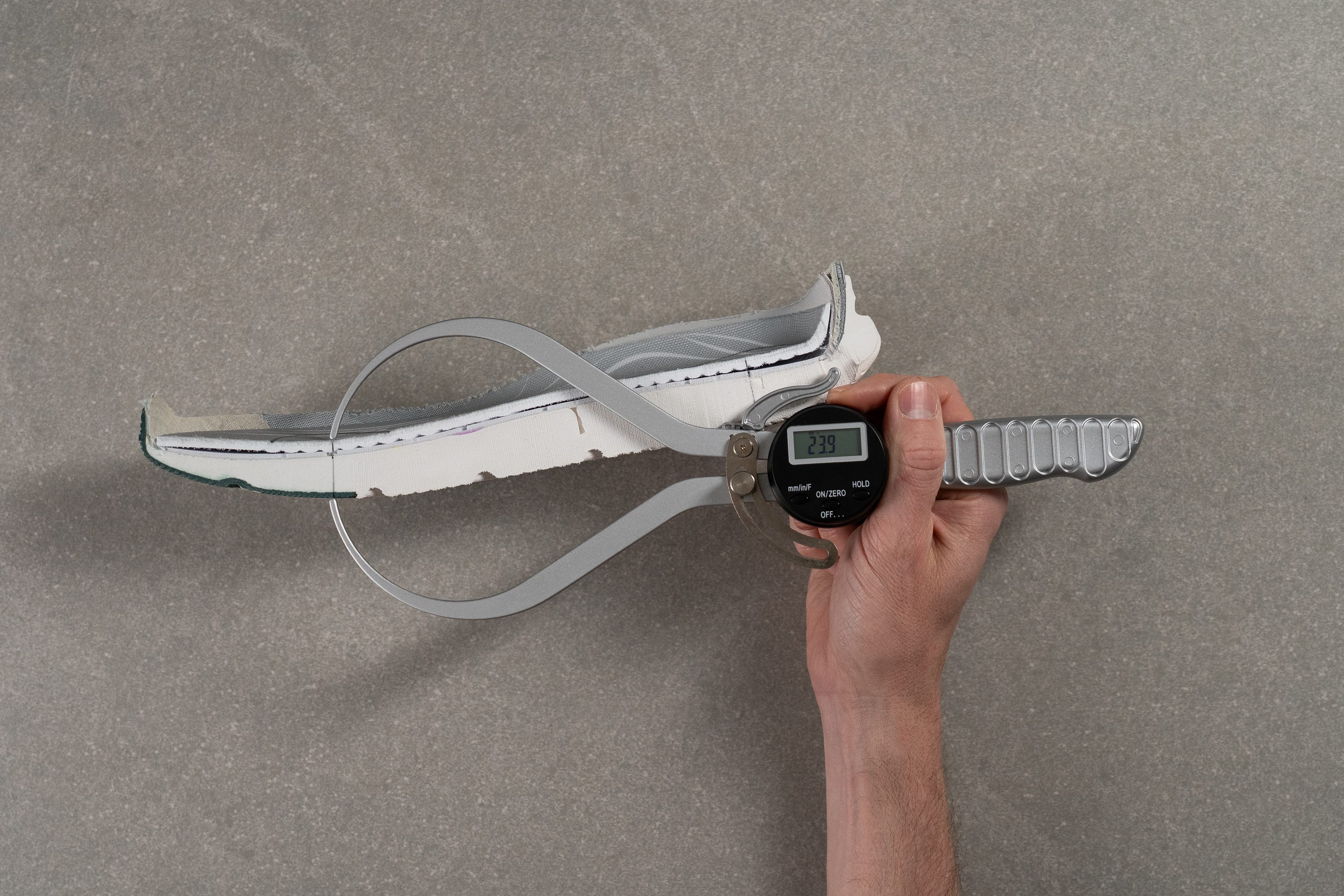
| Solimar 2 | 23.9 mm |
| Average | 17.7 mm |
Drop
Our measured heel-to-toe drop (5.0 mm) comes close to the stated 4.0 mm, confirming that the heel sits almost parallel to the toes inside the Solimar 2. It is an optimal setup for cross-training as it promotes balance.
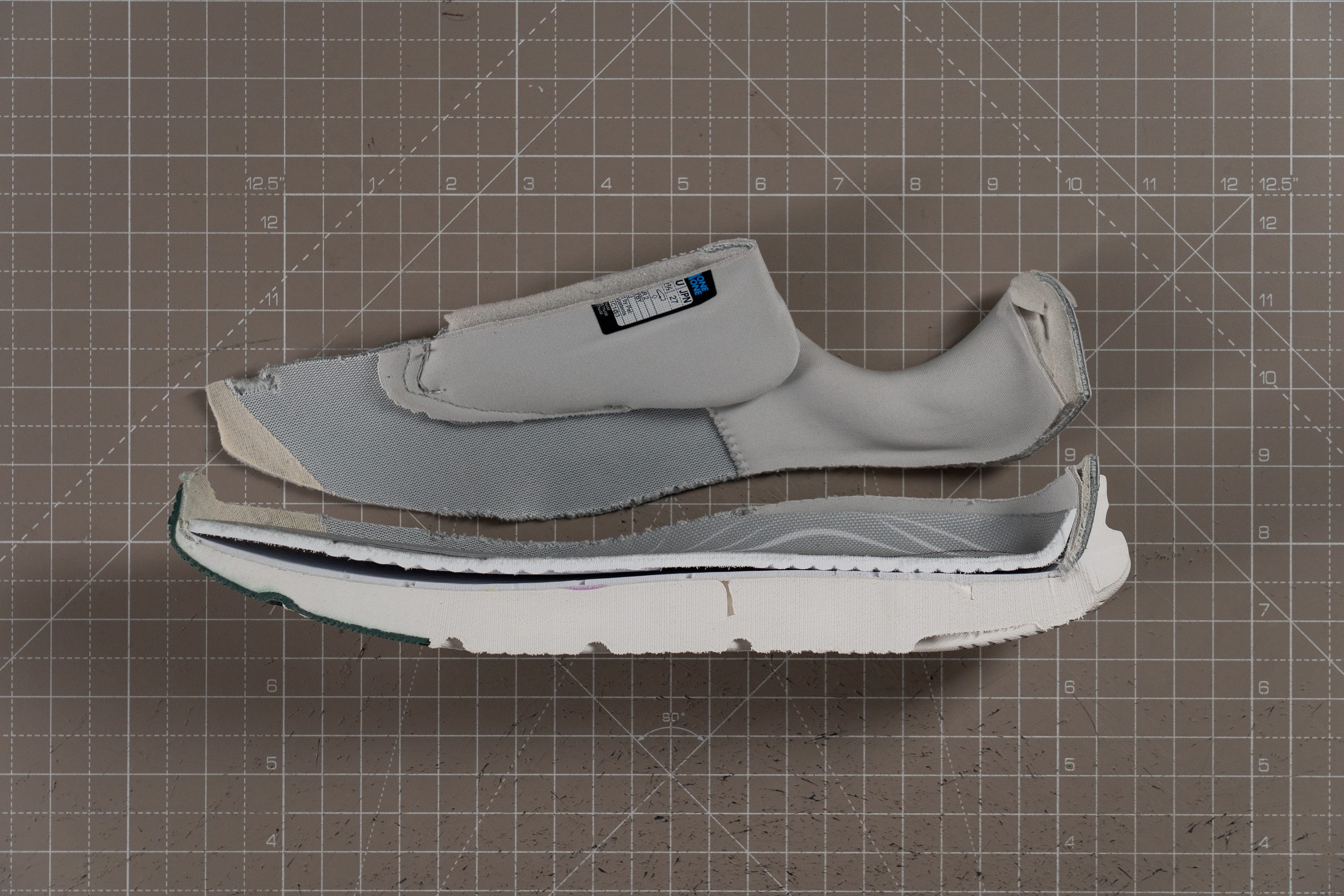
| Solimar 2 | 5.0 mm |
| Average | 6.4 mm |
Midsole softness
As promised in its product description, the shoe's midsole is neither too plush nor too unforgivingly firm.
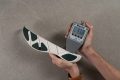
With a durometer measurement of 41.8 AC, its foam sits right at the edge of balanced and firm. This makes the Solimar 2's platform more compressible than that of a typical trainer, so we wouldn't recommend lifting heavier loads in this HOKA shoe.
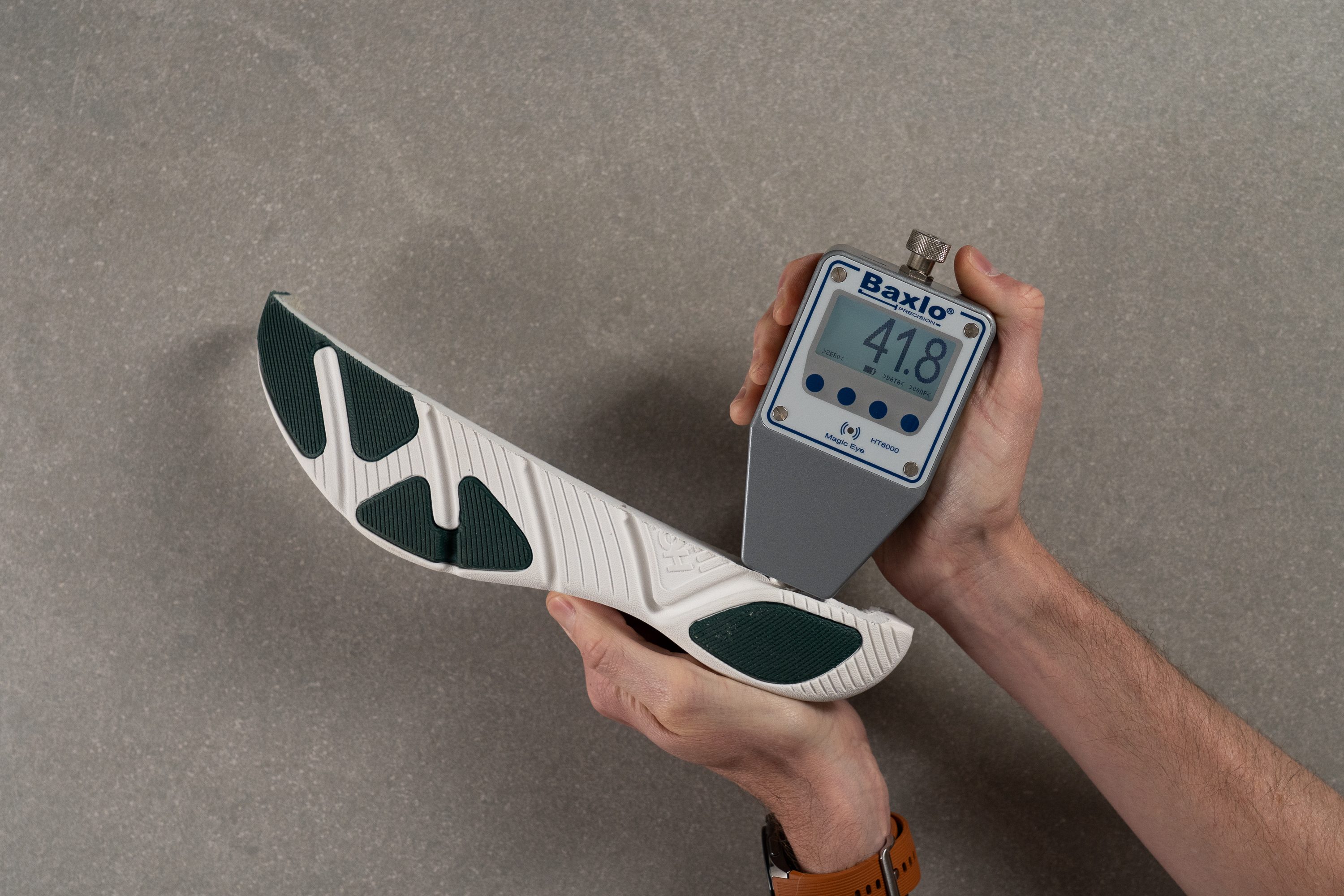
| Solimar 2 | 41.8 AC |
| Average | 48.8 AC |
Size and fit
Size
HOKA Solimar 2 fits true to size (41 votes).
Internal length
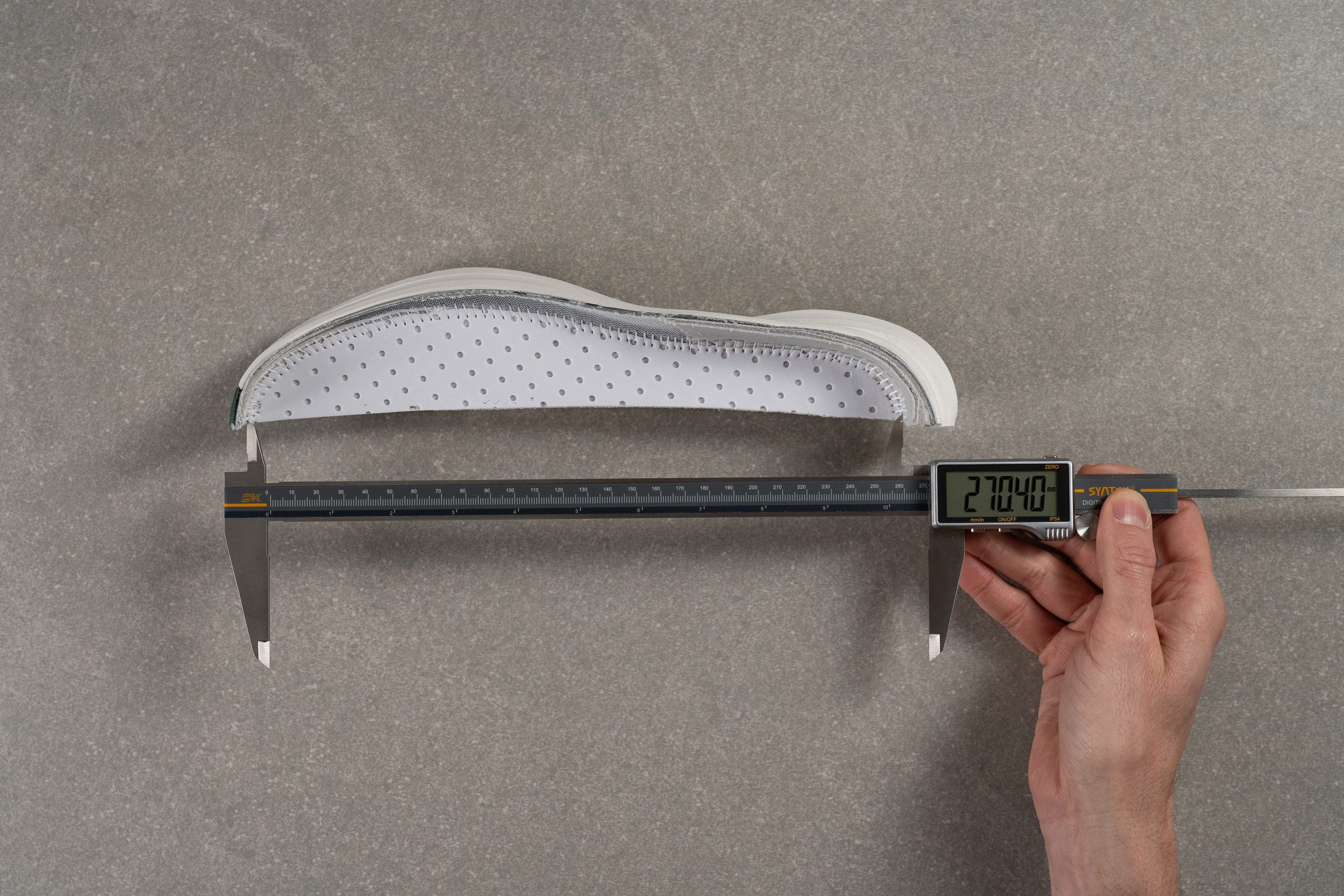
| Solimar 2 | 270.4 mm |
| Average | 268.7 mm |
Width / Fit
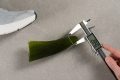
The brand promises a more accommodating fit in the HOKA Solimar 2, and we created a gel cast to see how it compares to other cross-trainers.
Measuring its dimensions with a digital caliper, we recorded 95.5 mm at the widest point of the cast, confirming that the shoe is on par with the category average.
But if you need more space, some color options are also available in a wide width option.
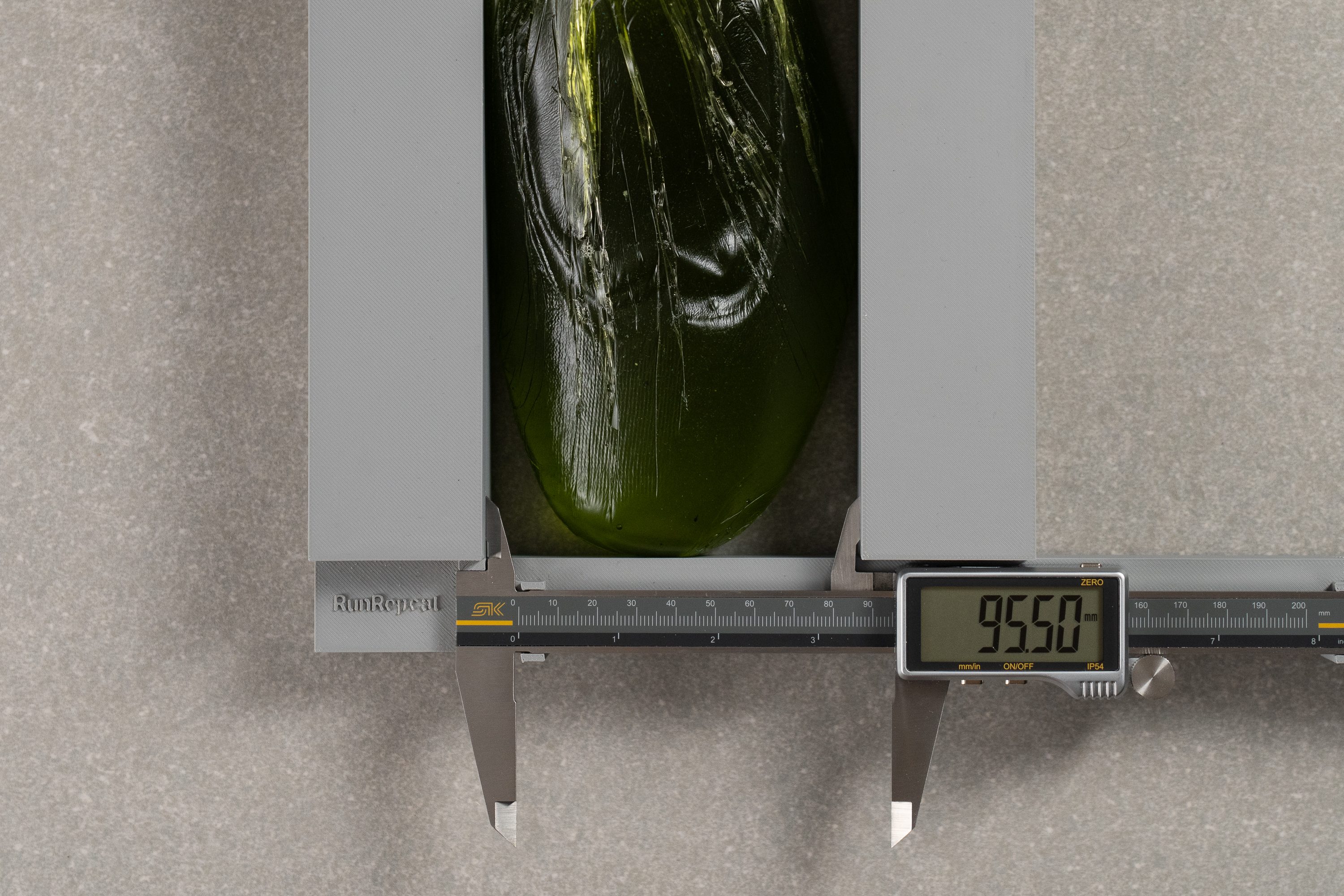
| Solimar 2 | 95.5 mm |
| Average | 96.2 mm |
Toebox width
The shoe's toebox shape is fairly rounded and shows no pronounced tapering, with a moderate width of 72.3 mm in the big toe area.
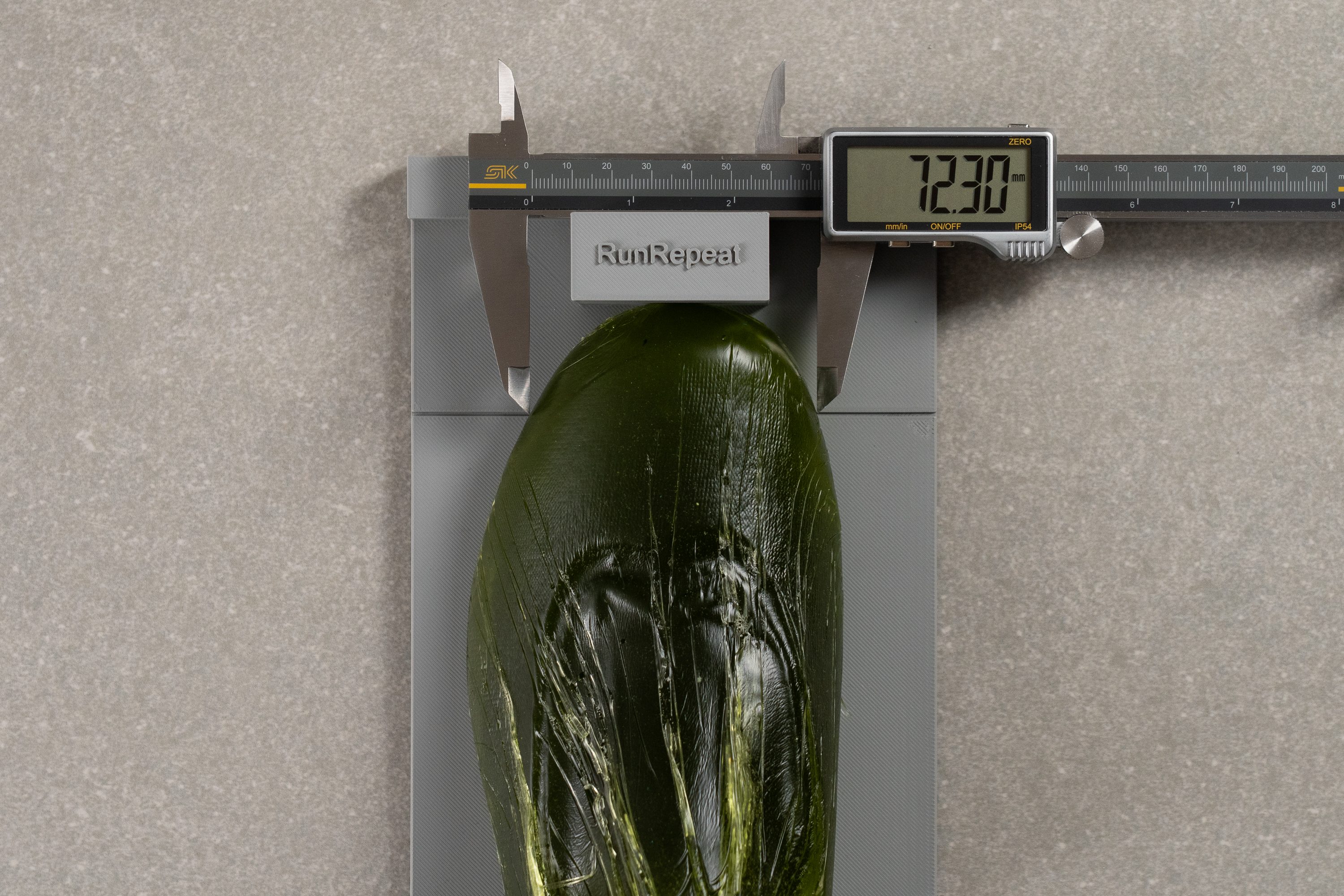
| Solimar 2 | 72.3 mm |
| Average | 73.4 mm |
Toebox height
We experienced no pressure on the top of our toes either.
The shoe's toebox offers adequate vertical space, measuring 28.4 mm.
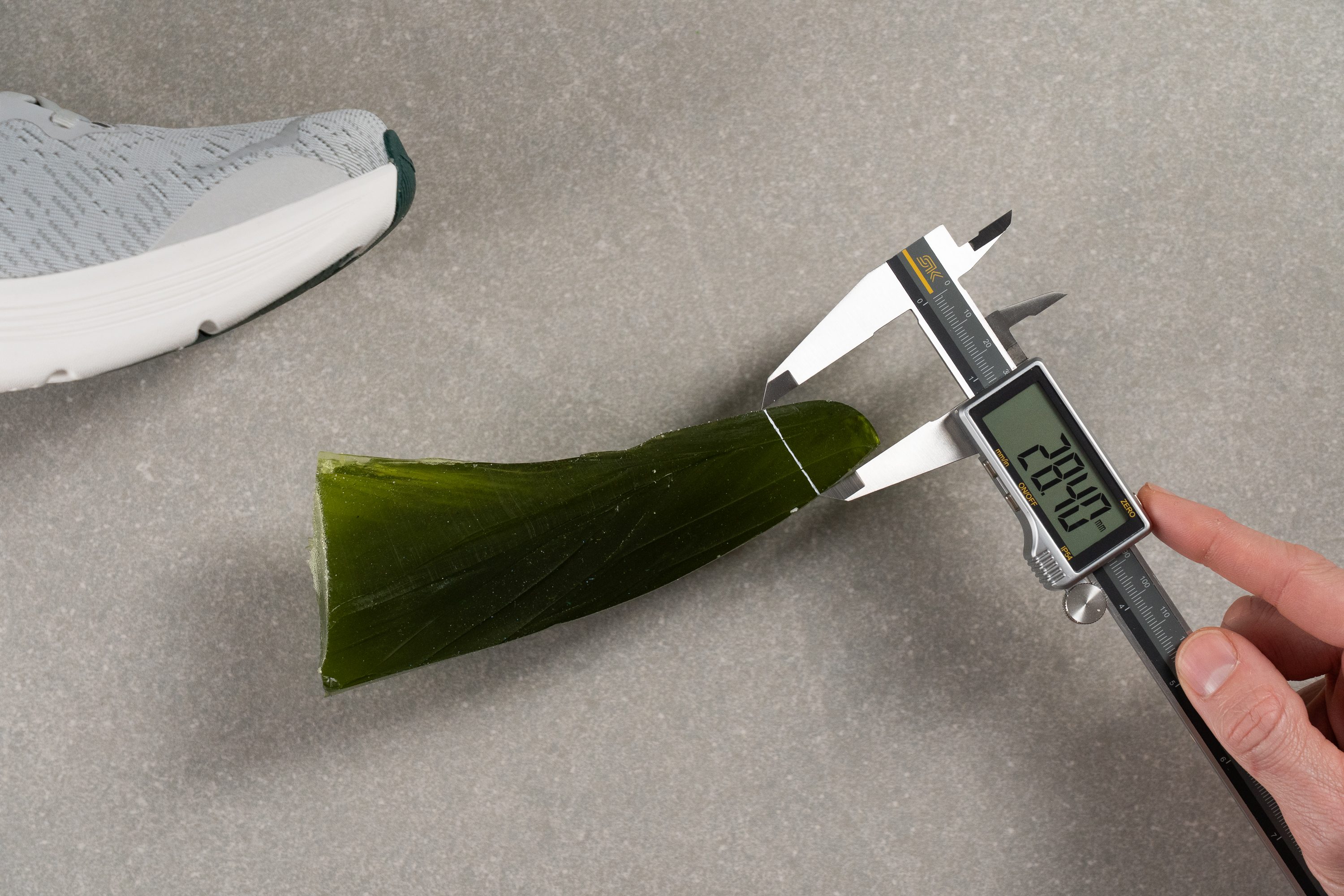
| Solimar 2 | 28.4 mm |
| Average | 27.2 mm |
Traction / Grip
Traction test
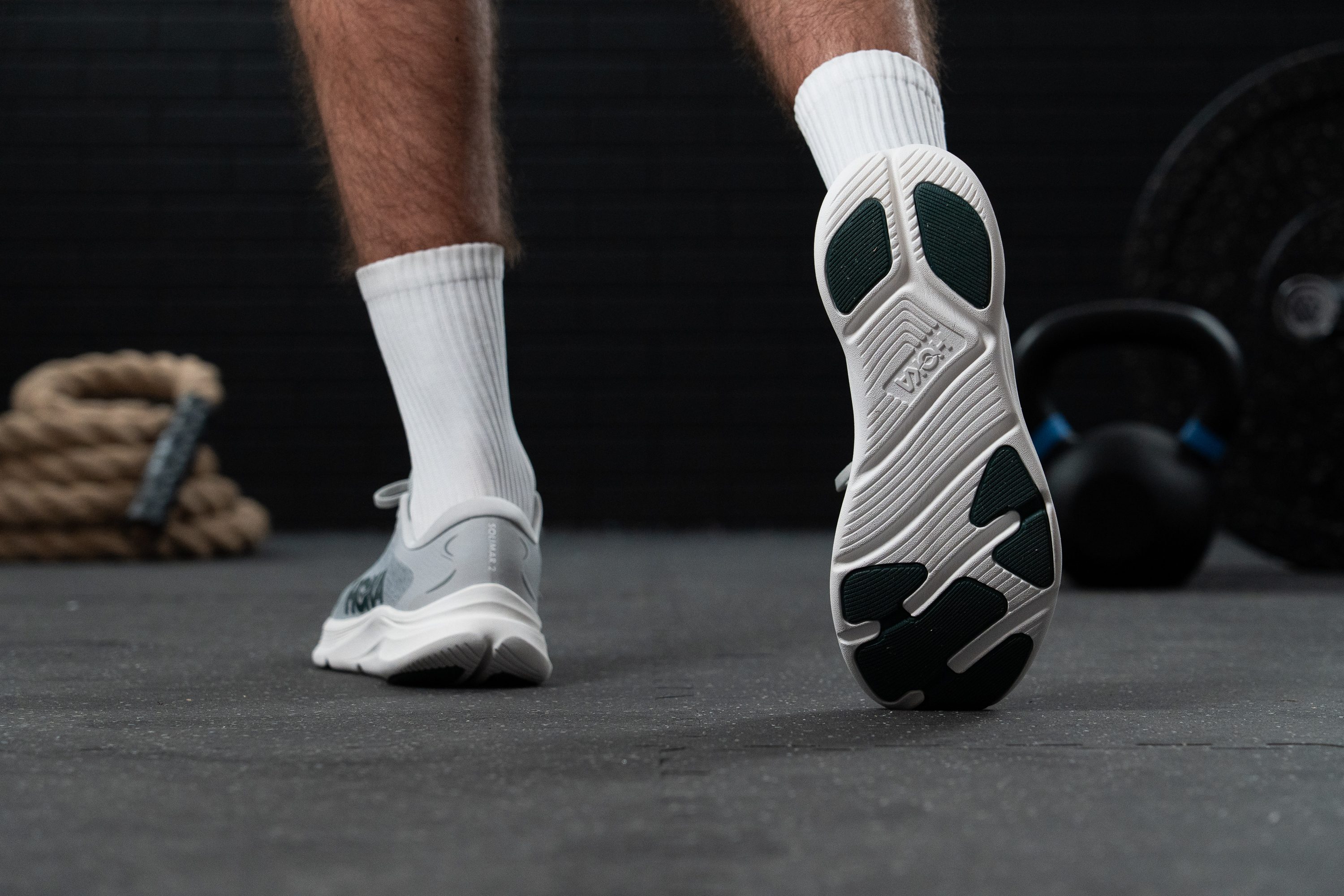
Despite the Solimar 2's limited rubber coverage, its friction coefficient of 0.38 ensures reliable grip on gym surfaces and dry concrete.
But because it also doubles as a walking shoe, we would be wary of wet pavement and other slick urban surfaces.
| Solimar 2 | 0.38 |
| Average | 0.34 |
Outsole design
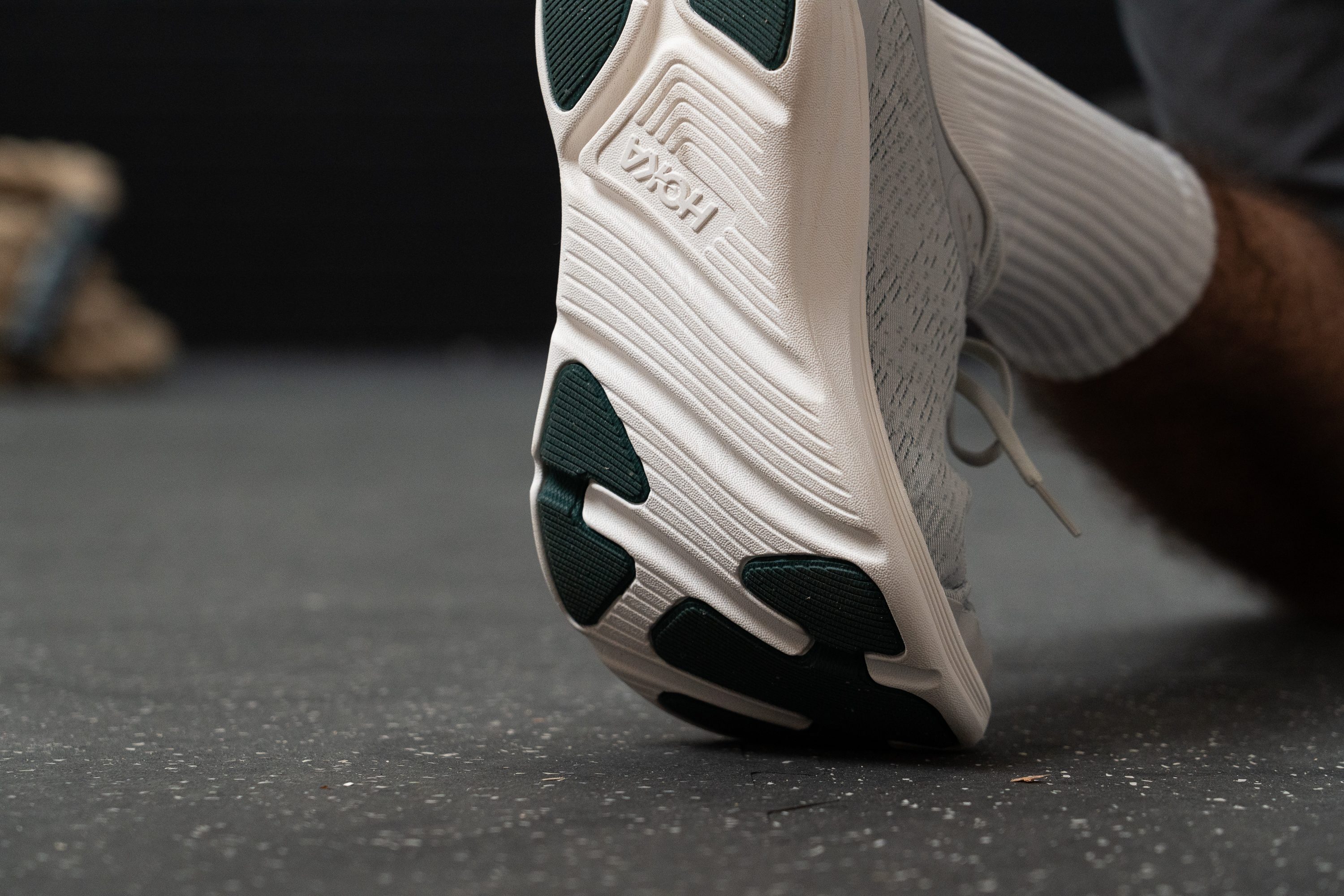
Opting for zonal rubber outsole pods rather than a full-length rubber outsole, HOKA sacrifices some grip and durability to reduce the Solimar 2's weight.
Flexibility / Stiffness
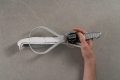
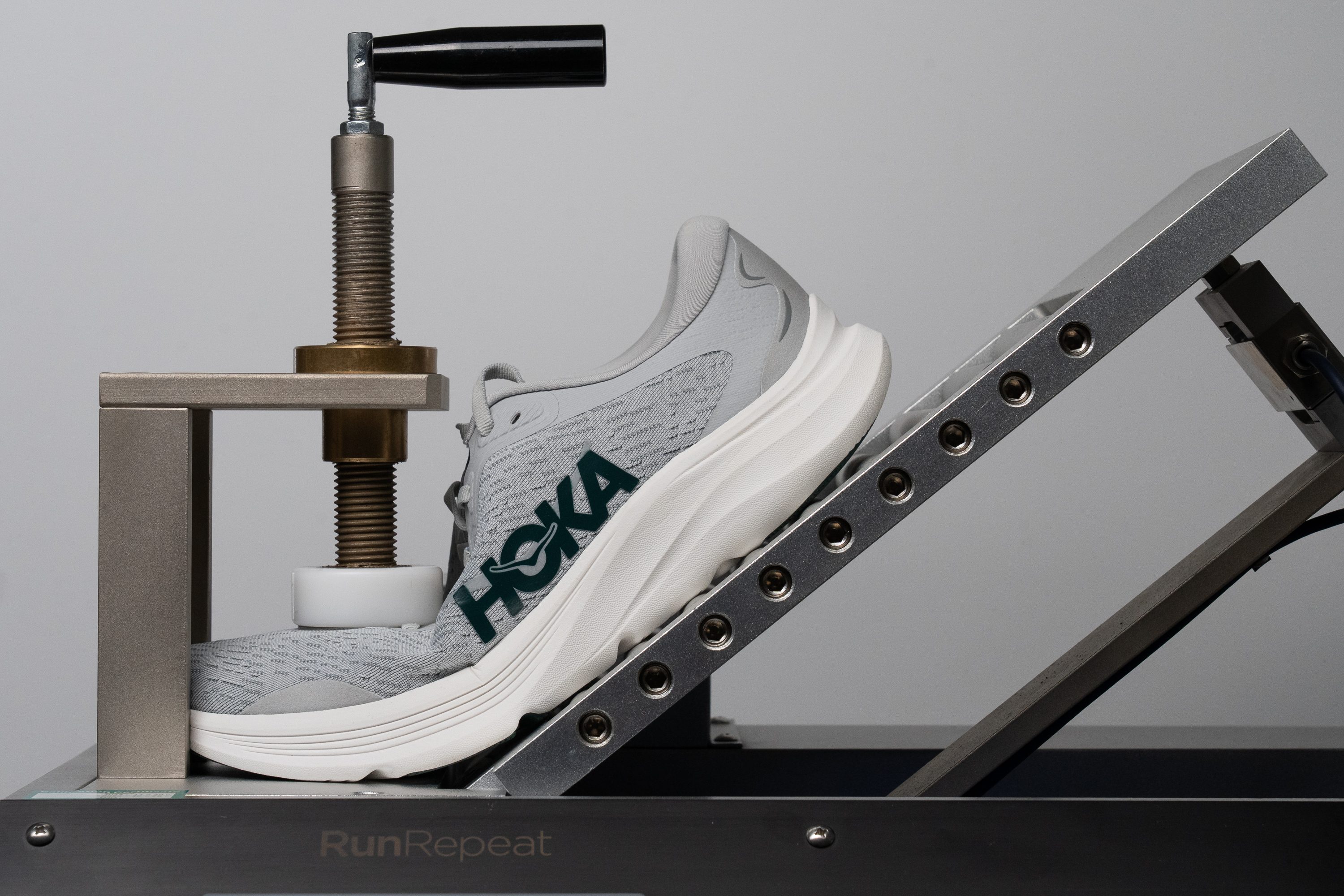
The higher stack height of this HOKA shoe naturally limits its forefoot bending angle, making it less flexible for planks, lunges, and agility work.
Even though flex grooves help with pliability a little, the Solimar 2 still required an above-average force of 13.3N to bend by 30 degrees in our lab test.
| Solimar 2 | 13.3N |
| Average | 10.3N |
Weight
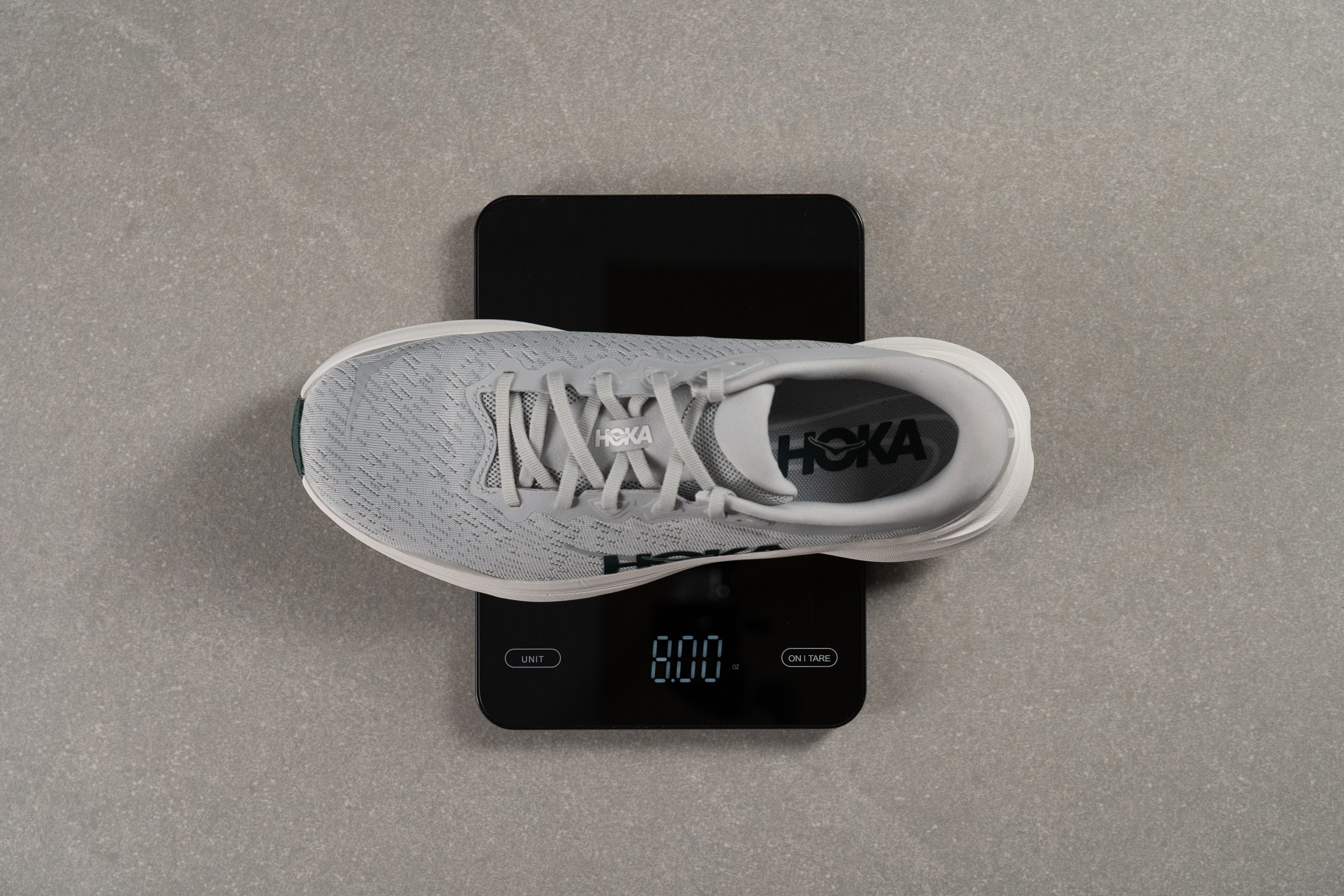
Built as a cross-category shoe that leans more towards cushioning than lifting, the HOKA Solimar 2 is rather lightweight.
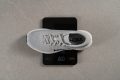
At only 8.0 oz (227g), it is, in fact, the lightest training shoe in our roster, minimalist shoes excluded!
| Solimar 2 | 8.0 oz (227g) |
| Average | 10.7 oz (303g) |
Breathability
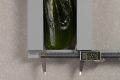
The HOKA Solimar 2 features a thin mesh upper with no internal padding in the toebox and vamp areas.
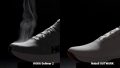
However, our smoke test shows that its ventilation capacity is not as high as it may seem at first. The smoke billows are steady, but not thick enough to rate the shoe's breathability any higher than 3 out of 5.
Our transparency test also showed thick padding beneeath the mesh in the tongue and collar areas.
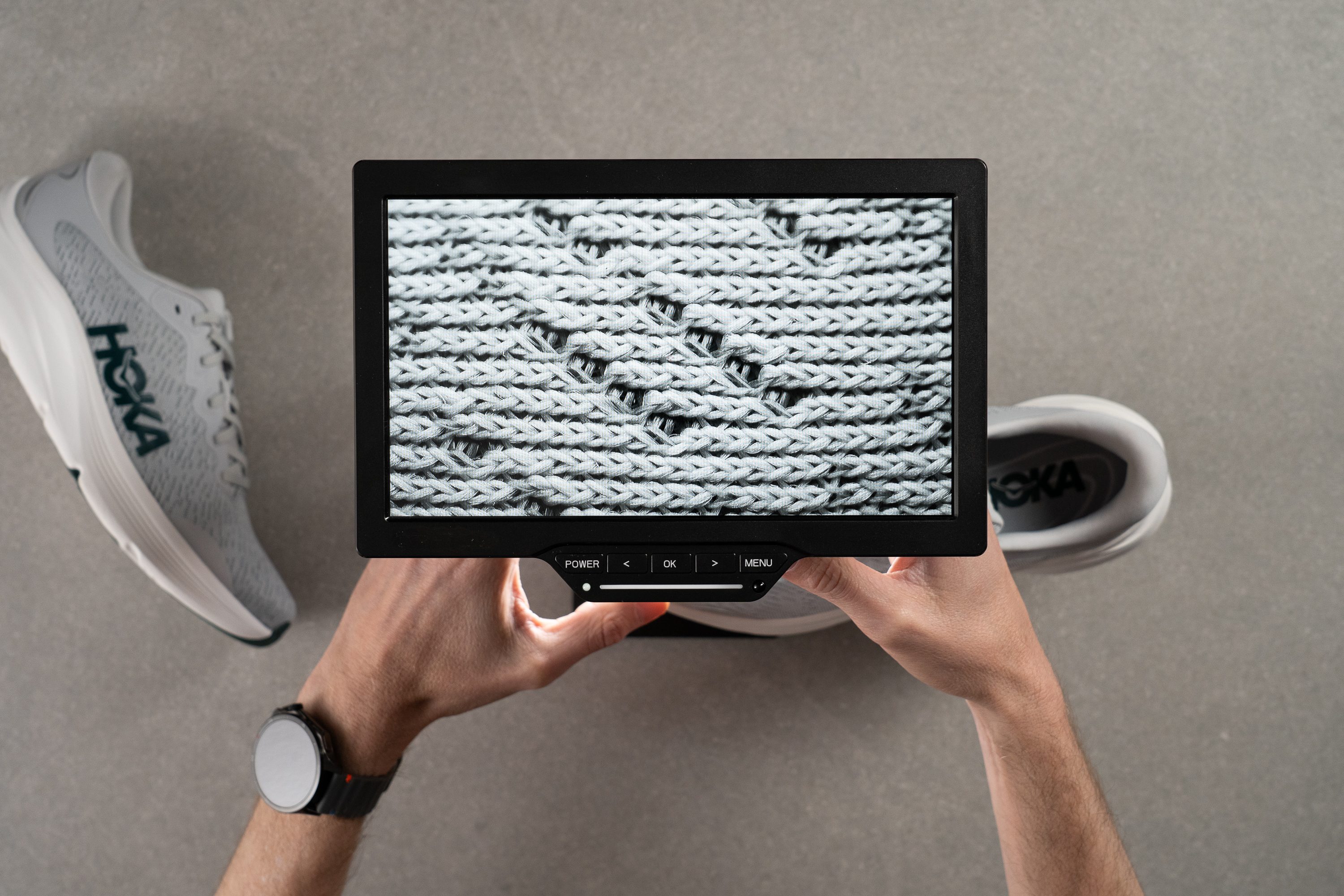
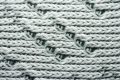
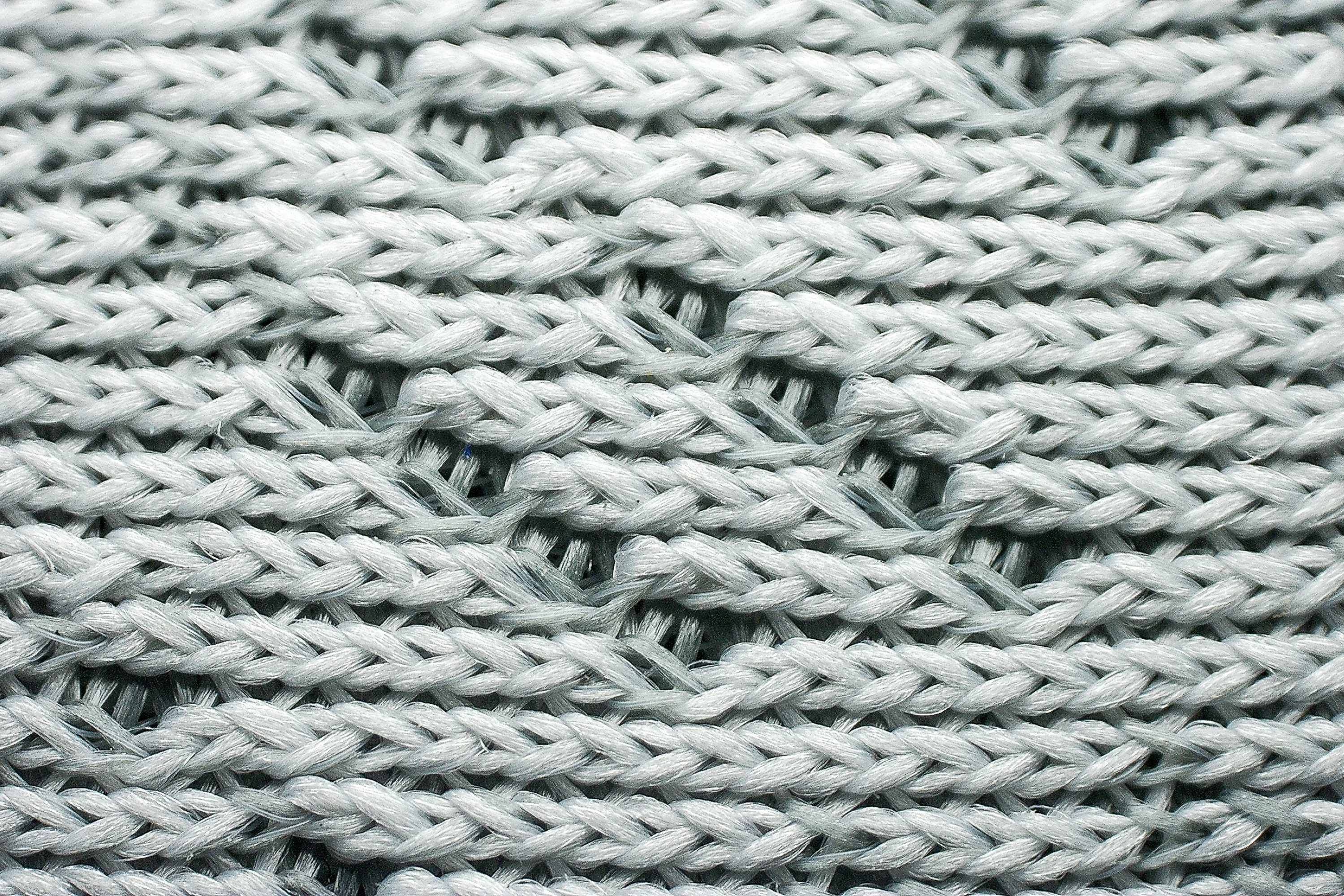
Looking at the fabric through our microscope showed that its chainlinking is similar to jacquard, more tightly woven in some areas and more open in others.
| Solimar 2 | 3 |
| Average | 3.6 |
Stability
Lateral stability test
The HOKA Solimar 2 is surprisingly stable for its kind, but it's surely not comparable with lifting-oriented trainers like Nike Metcons or adidas Dropsets.
Its higher-stacked, rockered, and softer platform makes the Solimar 2 a better choice for cardio-focused workouts, treadmills, ellipticals, and very light strength training (think bodyweight and light dumbbells).
Torsional rigidity
With weightlifting out of the picture, we can say that this HOKA shoe's stability is quite good for general gym use, aerobics/cardio classes, and the like.
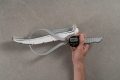
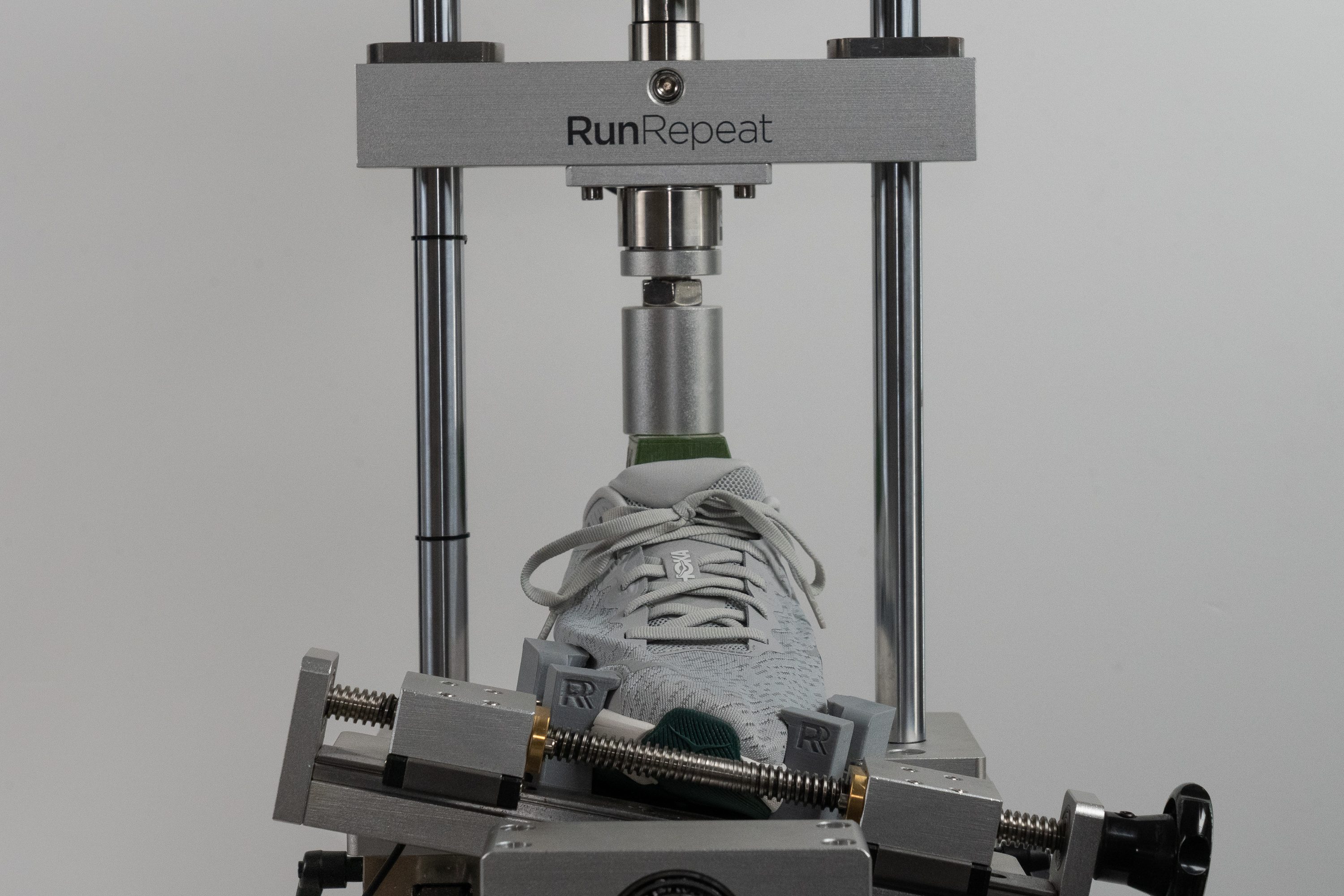
Its torsional rigidity was on par with the category average, requiring a torque of 14.4 Nm to twist in both directions. That's about the same as it takes the Reebok Nano X5 (14.8 Nm)!
| Solimar 2 | 14.4 Nm |
| Average | 13.8 Nm |
Heel counter stiffness
HOKA has completely reworked the Solimar 2's heel design, making it much beefier and more structured.
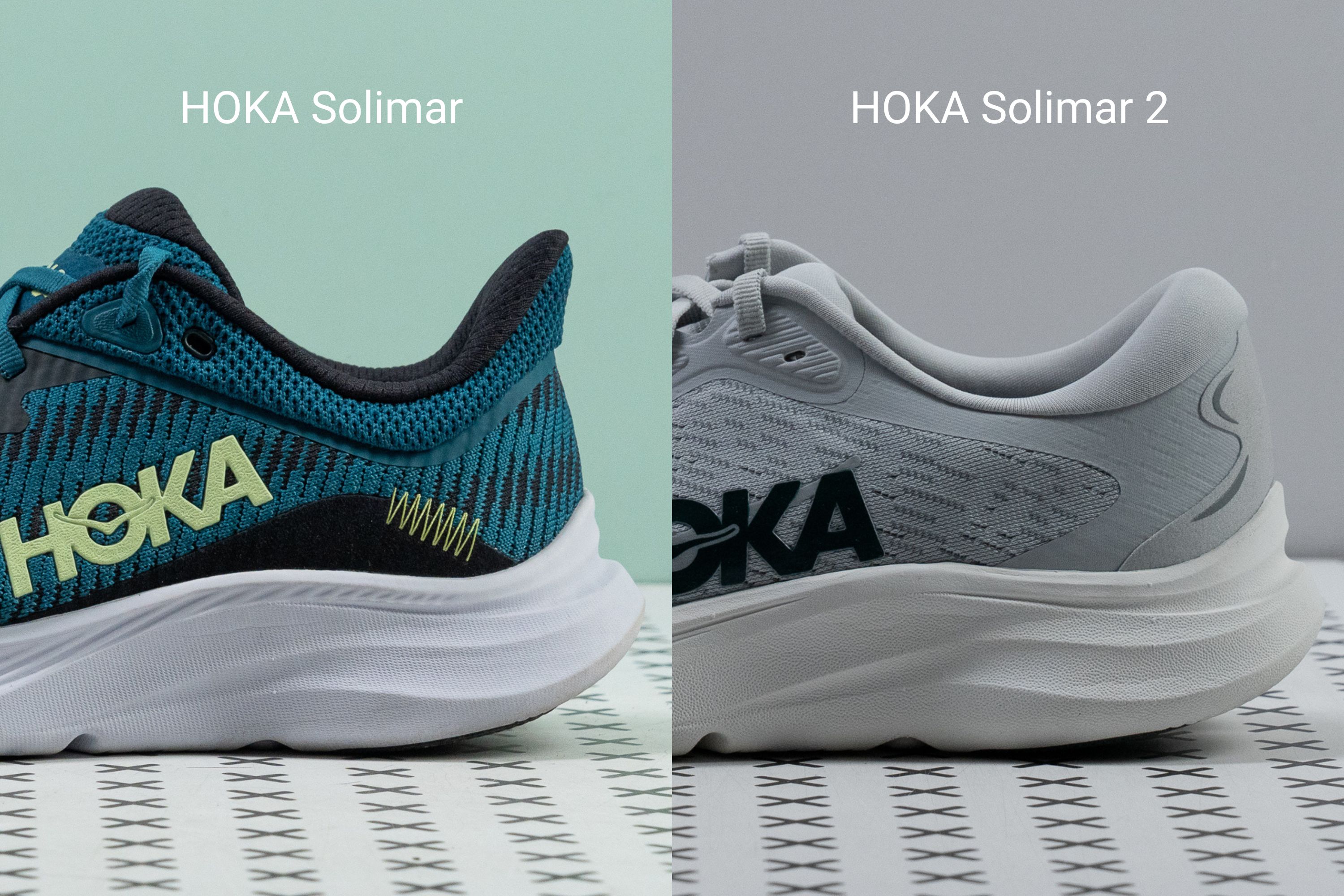
Performing the same manual test on both shoes' heel counters, we immediately noticed how much stiffer the new version got! On a 1-5 stiffness scale, it went from 2 to 4!
Not to mention the generous foam padding added to the v2's collar, which contributes to a much more secure heel lockdown.
| Solimar 2 | 4 |
| Average | 2.8 |
Midsole width - forefoot
A broad base is yet another important stability component of the HOKA Solimar 2. Our caliper recorded one of the widest readings in the shoe's forefoot at 116.3 mm!
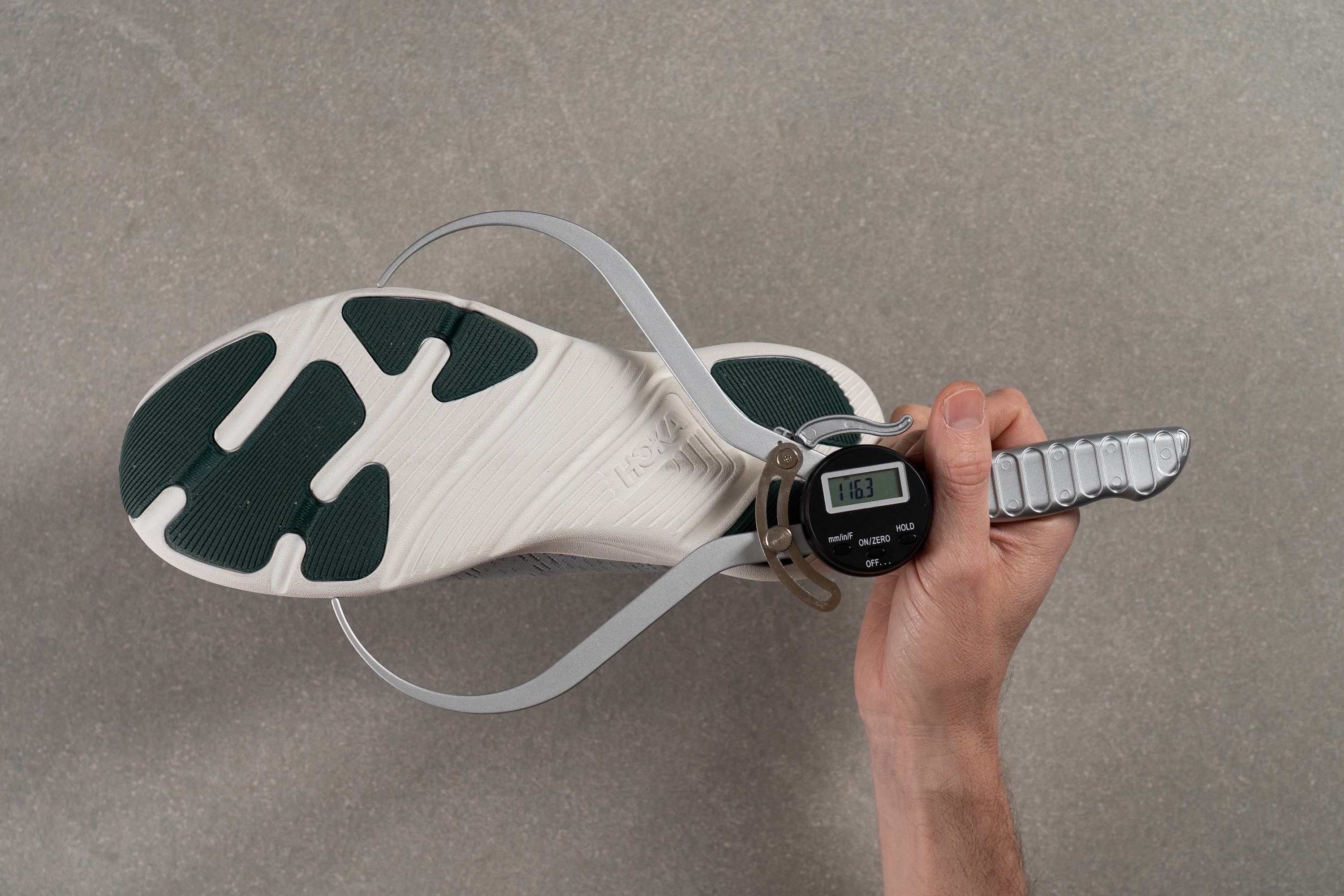
| Solimar 2 | 116.3 mm |
| Average | 112.0 mm |
Midsole width - heel
The shoe's heel also showed an above-average width of 91.7 mm in the widest point, and an 'extended crash pad' at the back of the shoe makes heel strikes a bit smoother on runs and walks.
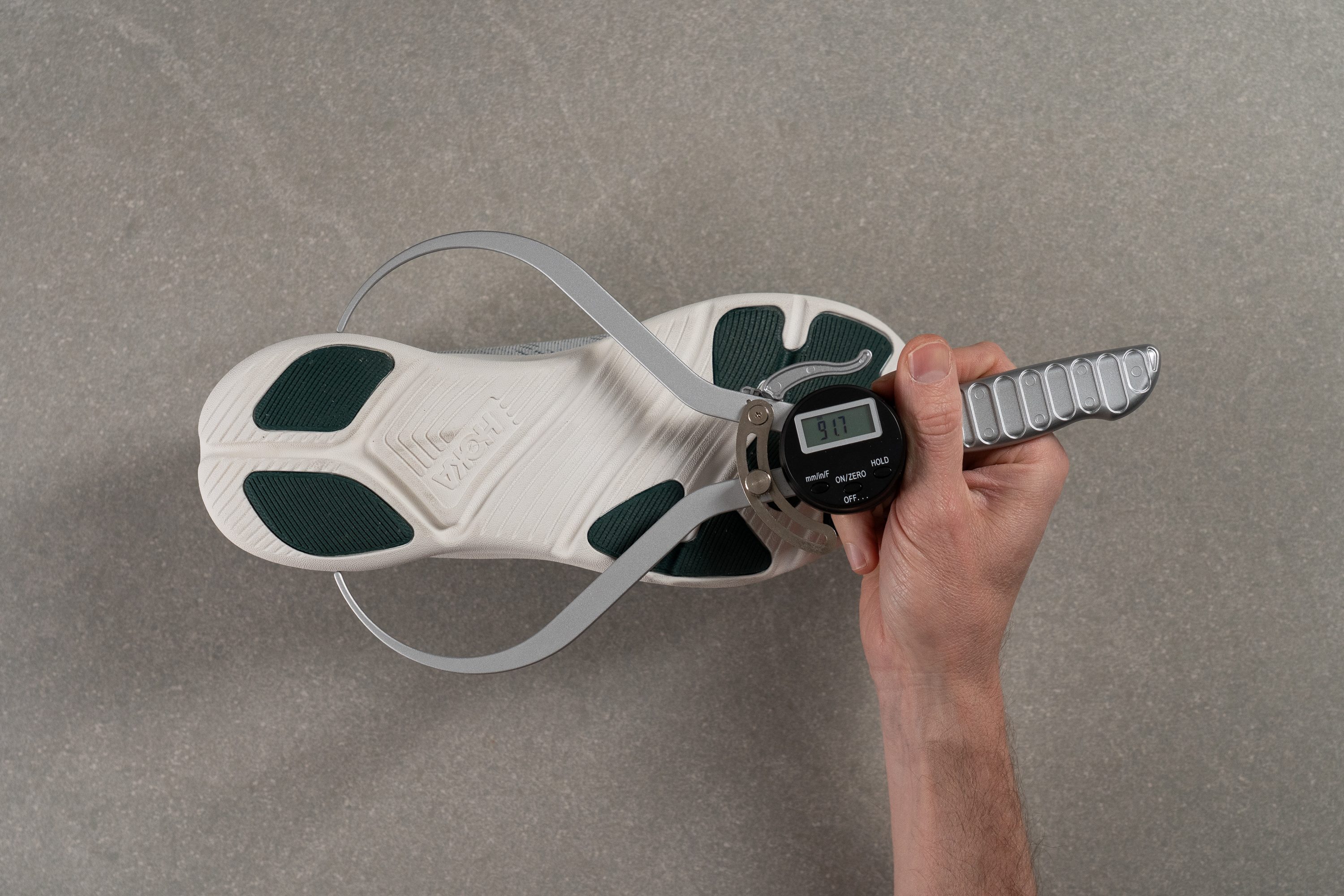
| Solimar 2 | 91.7 mm |
| Average | 86.9 mm |
Durability
Toebox durability
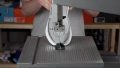
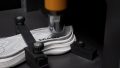
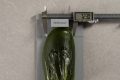
As our Dremel test showed, the Solimar 2's soft, unprotected mesh isn't the most durable material. Completely torn in a matter of seconds, it scored the minimum 1 out of 5 in our toebox durability test.
| Solimar 2 | 1 |
| Average | 2.7 |
Heel padding durability
The interior mesh, on the other hand, proved to be much more resistant to scuffing and tearing. With practically no trace of damage, the Solimar 2 walked away with a proud heel padding durability score of 4 out of 5.
| Solimar 2 | 4 |
| Average | 3.1 |
Outsole durability
While the shoe's largely exposed foam raises concerns about its long-term durability, the areas protected by rubber pods look much more reassuring.
Taking a heel rubber pod through a rigorous 18-second drilling test, we were pleasantly surprised by its wear resistance! The dent was as shallow as 0.6 mm, which is an excellent result for a training shoe outsole!
| Solimar 2 | 0.6 mm |
| Average | 1.1 mm |
Outsole thickness
At only 2.3 mm thick, the Solimar 2 relies on thin yet highly durable rubber pods for its outsole.
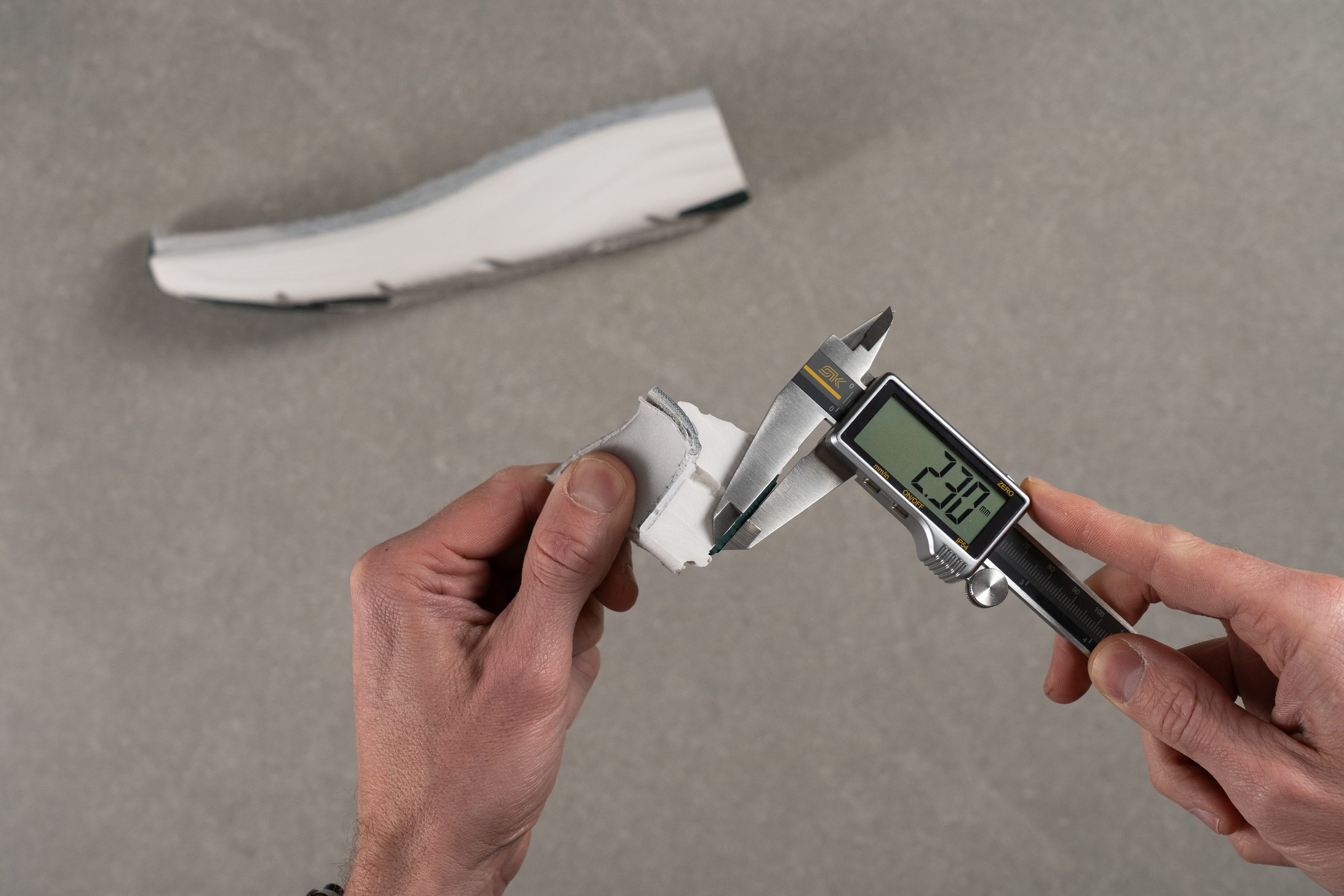
| Solimar 2 | 2.3 mm |
| Average | 3.5 mm |
Misc
Insole thickness
The shoe's insole thickness proved to be standard at 4.2 mm in the heel.
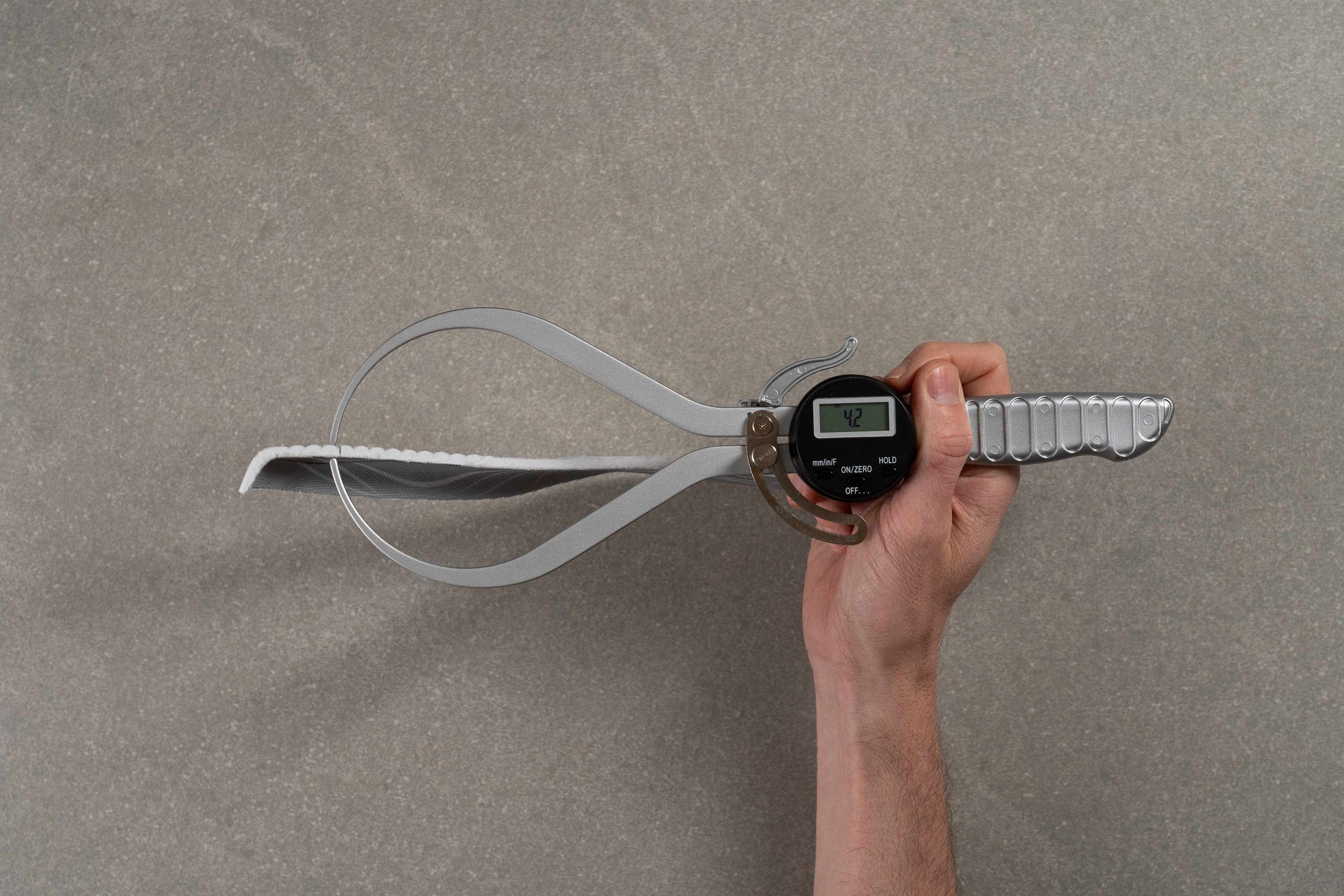
| Solimar 2 | 4.2 mm |
| Average | 4.0 mm |
Removable insole
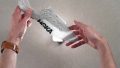
We had no trouble removing the Solimar 2's insole, and its overall fit allows for a custom insert if needed.
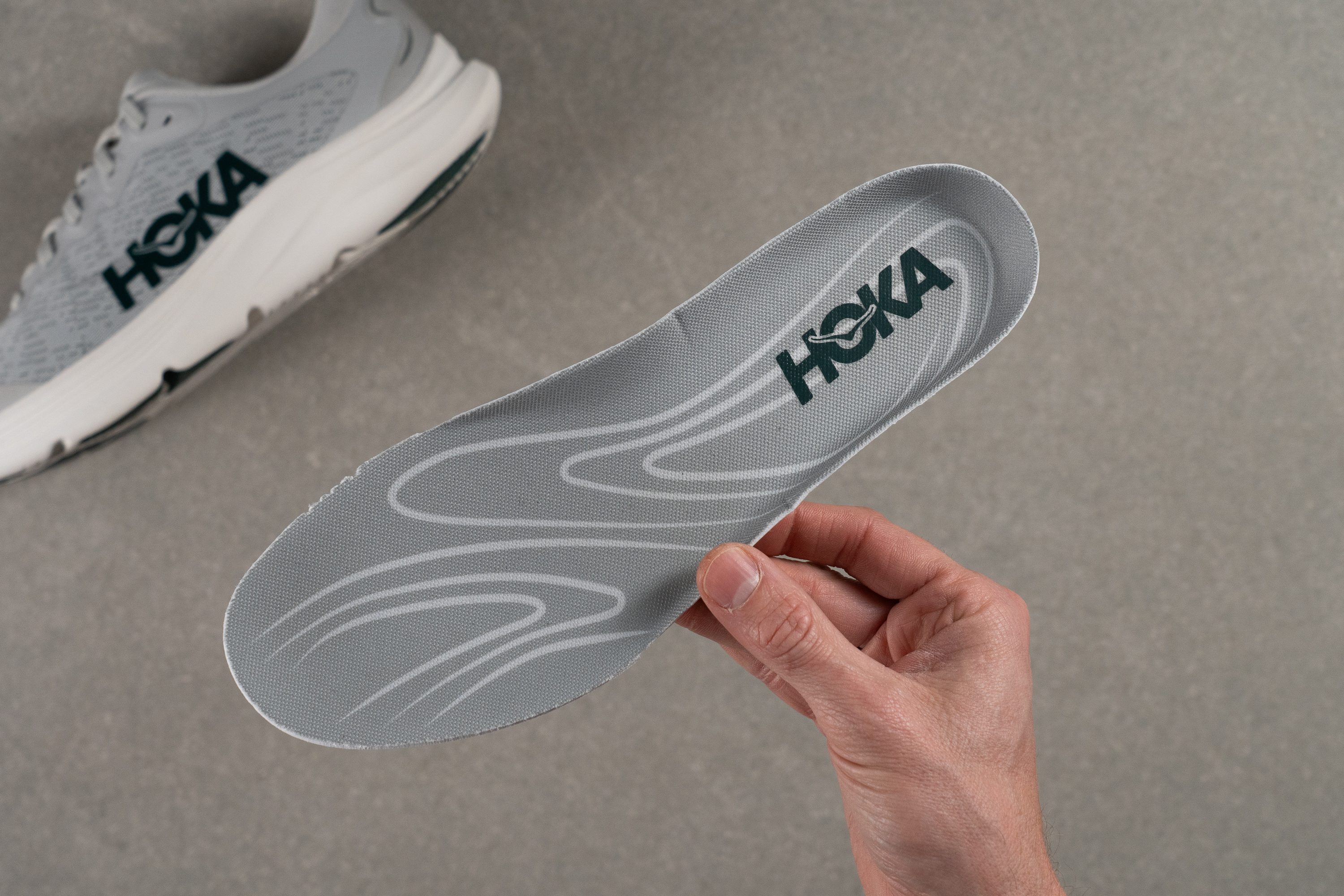
| Solimar 2 | Yes |
Tongue padding
HOKA doubled down on internal padding for the Solimar 2's tongue and collar, which showed in its above-average tongue thickness of 8.9 mm as well!
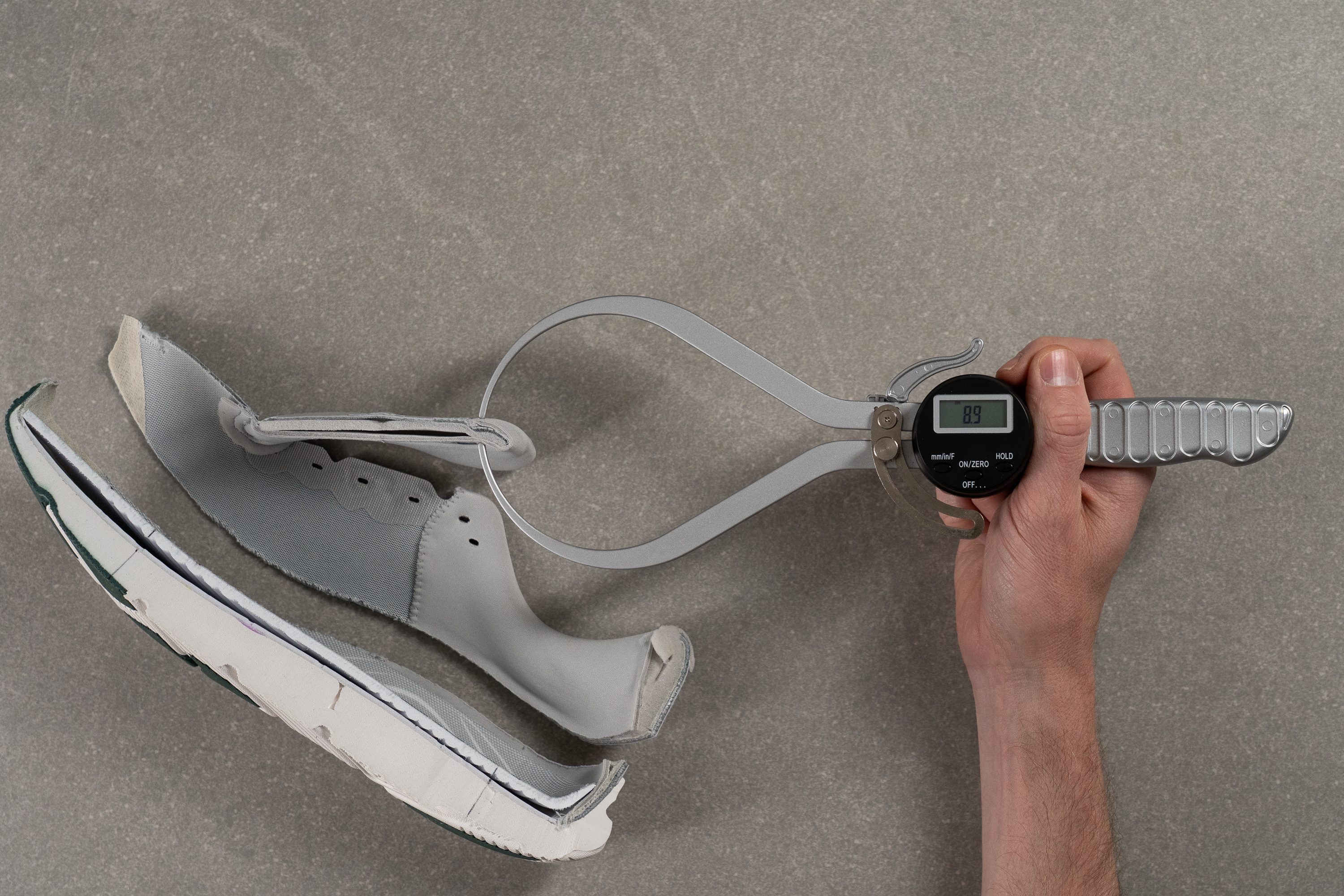
| Solimar 2 | 8.9 mm |
| Average | 6.0 mm |
Tongue: gusset type
The shoe's tongue is non-gusseted, but the padding helps keep it in place throughout the movement.
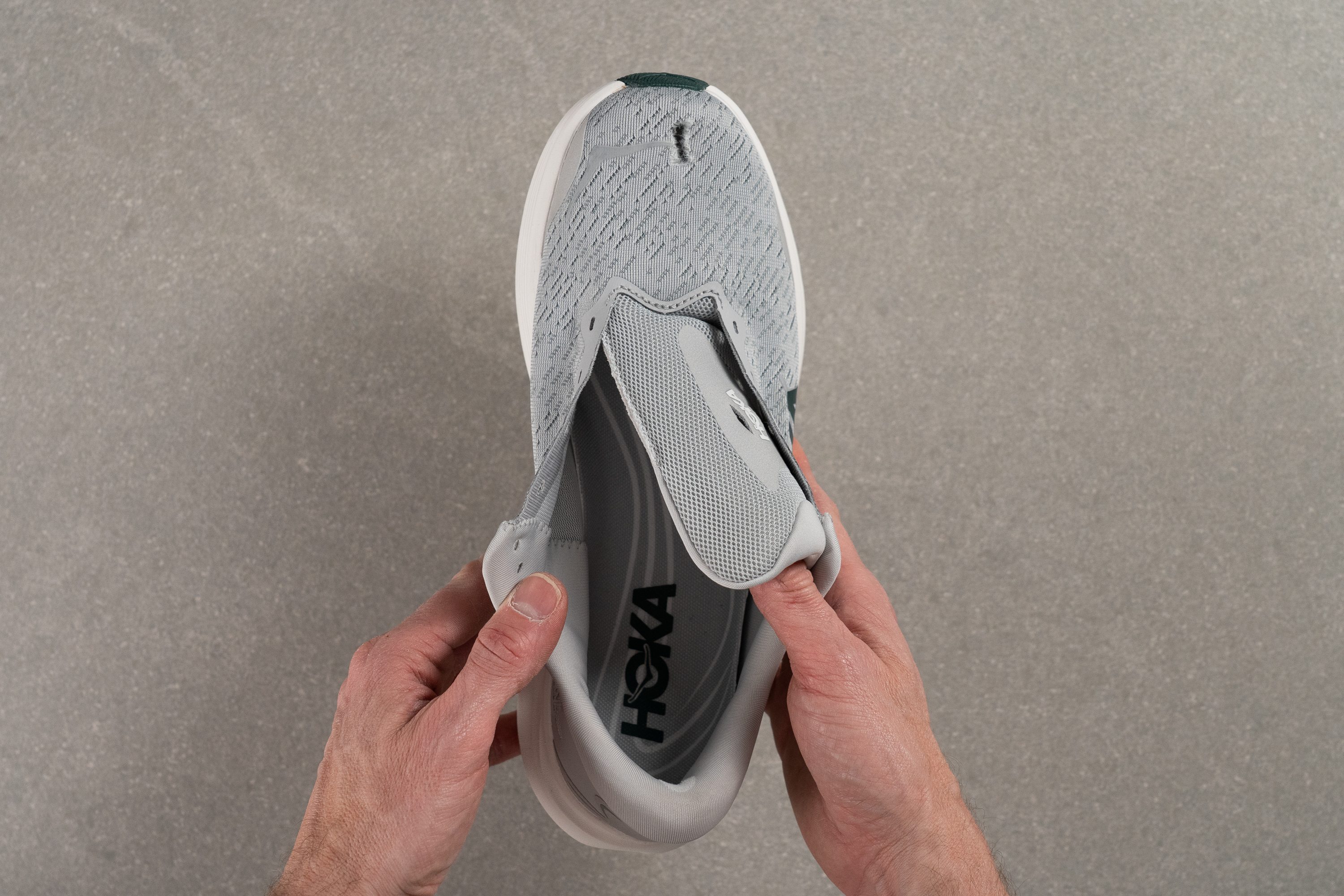
| Solimar 2 | None |
Heel tab
No pull tabs on the HOKA Solimar 2, but its low and structured heel counter makes shoe entry quite easy.
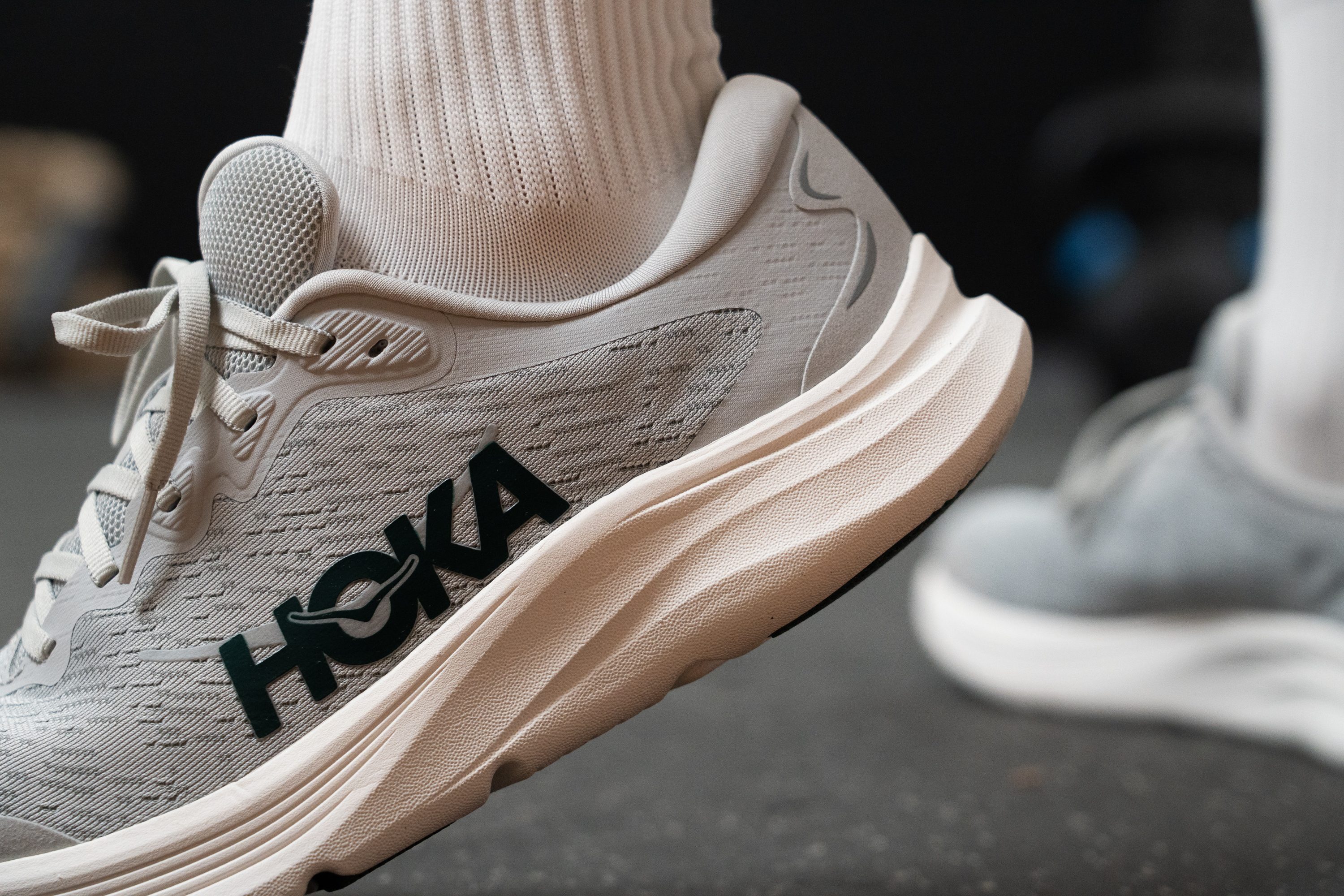
| Solimar 2 | None |
Price
The comfort and cushioning of this HOKA shoe offer good value for money , but it falls short in cross-training versatility.
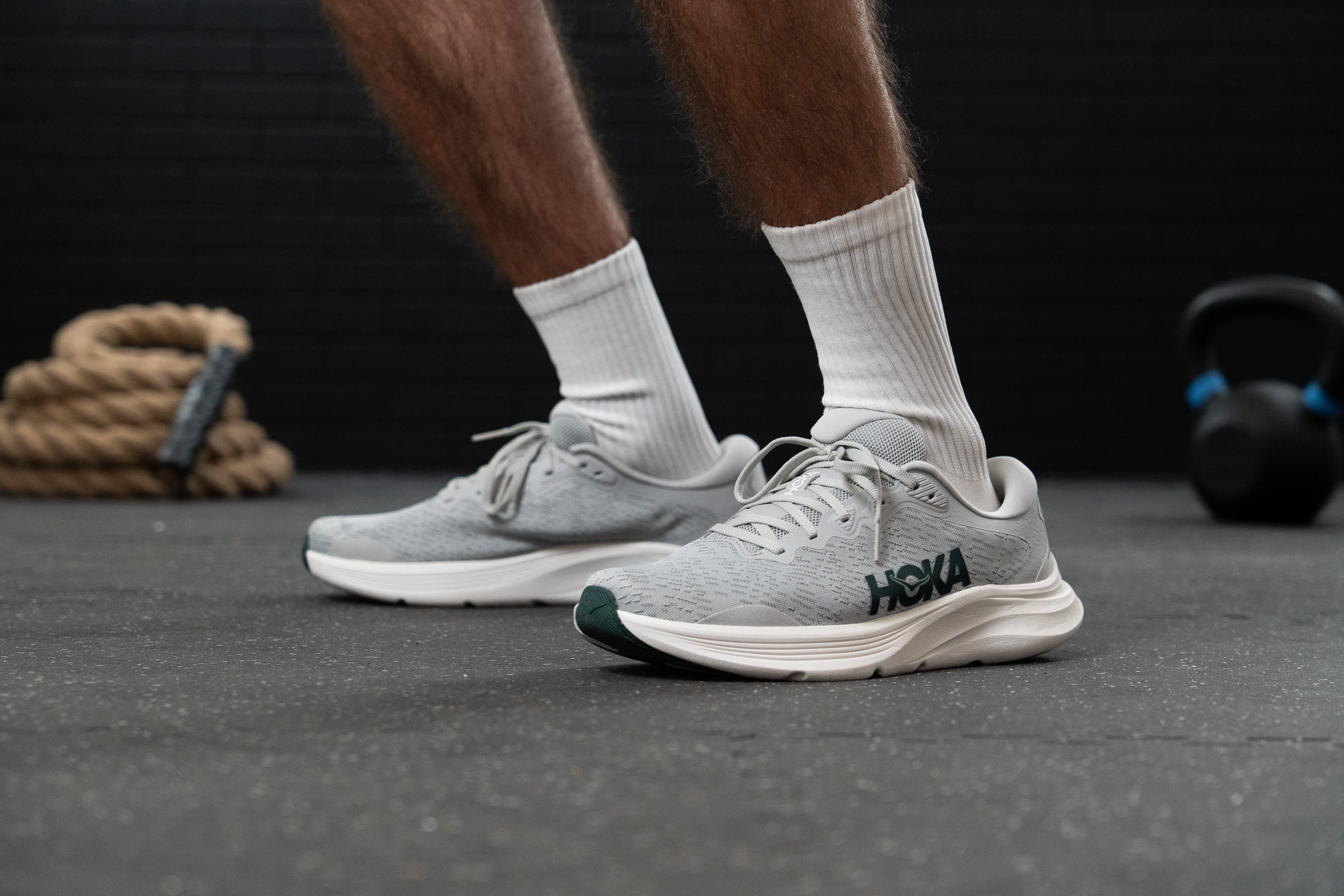
| Solimar 2 | $125 |
| Average | $129 |