


















Our verdict
- Cross-training/HIIT 91
- Cardio 83
- Weightlifting 90
Pros
- Feels grounded and controlled
- Excellent side-to-side stability
- Sufficient shock absorption for cardio
- Secure ultra-padded containment
- The lightest of all Dropsets
- Solid outsole traction
Cons
- Snug tapered toebox
- Lacks durability for the price
- Limited breathability
Awards
- Top pick in best gym shoes
- Top pick in best workout shoes
- Top 3% in training shoes
- Top 25% in adidas training shoes
- Top 16% most popular training shoes
Comparison
The most similar training shoes compared
+ + Add a shoe | |||||
|---|---|---|---|---|---|
| Our score | 92 Superb | 86 Great | 86 Great | 89 Great | |
| Price | $145 | $140 | $149 | $139 | |
| Use | CrossfitWorkoutCross-trainingGymHIITJumping rope | CrossfitWorkoutCross-trainingGymHIITJumping ropeCardio | CrossfitWorkoutCross-trainingGymHIITJumping rope | CrossfitWorkoutCross-trainingGymHIITJumping rope | |
| Shock absorption | Low | Moderate | Low | Moderate | |
| Energy return | Moderate | Moderate | Moderate | Moderate | |
| Traction | Moderate | Low | Low | - | |
| Drop lab | 5.3 mm | 6.4 mm | 0.3 mm | 4.8 mm | |
| Heel stack lab | 19.9 mm | 24.1 mm | 15.6 mm | 23.6 mm | |
| Forefoot | 14.6 mm | 17.7 mm | 15.3 mm | 18.8 mm | |
| Weight lab | 10.5 oz / 298g | 10.5 oz / 298g | 9.7 oz / 275g | 12.3 oz / 350g | |
| Lightweight | ✓ | ✓ | ✓ | ✗ | |
| Breathability | Moderate | Moderate | Warm | Warm | |
| Width / fit | Medium | Wide | Narrow | Narrow | |
| Toebox width | Medium | Wide | Narrow | - | |
| Size | True to size | Full size small | Half size small | Half size small | |
| Midsole softness | Firm | Firm | Firm | - | |
| Stiffness | Moderate | Flexible | Flexible | - | |
| Torsional rigidity | Moderate | Moderate | Moderate | Moderate | |
| Heel counter stiffness | Moderate | Flexible | Flexible | Moderate | |
| Toebox durability | Decent | Bad | Good | - | |
| Heel padding durability | Bad | Decent | Good | - | |
| Outsole durability | Good | Good | Decent | - | |
| Midsole width - forefoot | Average | Average | Narrow | Narrow | |
| Midsole width - heel | Average | Average | Narrow | Average | |
| Widths available | Normal | NormalWide | Normal | Normal | |
| Insole thickness | Average | Very thick | Average | Average | |
| Outsole thickness | Average | Average | Average | Average | |
| Outsole hardness | - | - | - | Average | |
| Heel tab | None | None | None | None | |
| Tongue: gusset type | Both sides (semi) | Both sides (full) | None | None | |
| Tongue padding | Average | Average | Thin | Thin | |
| Ranking | #1 Top 3% | #10 Top 27% | #11 Top 29% | #5 Top 14% | |
| Popularity | #6 Top 16% | #16 Top 43% | #18 Top 48% | #25 Bottom 34% |



Who should buy
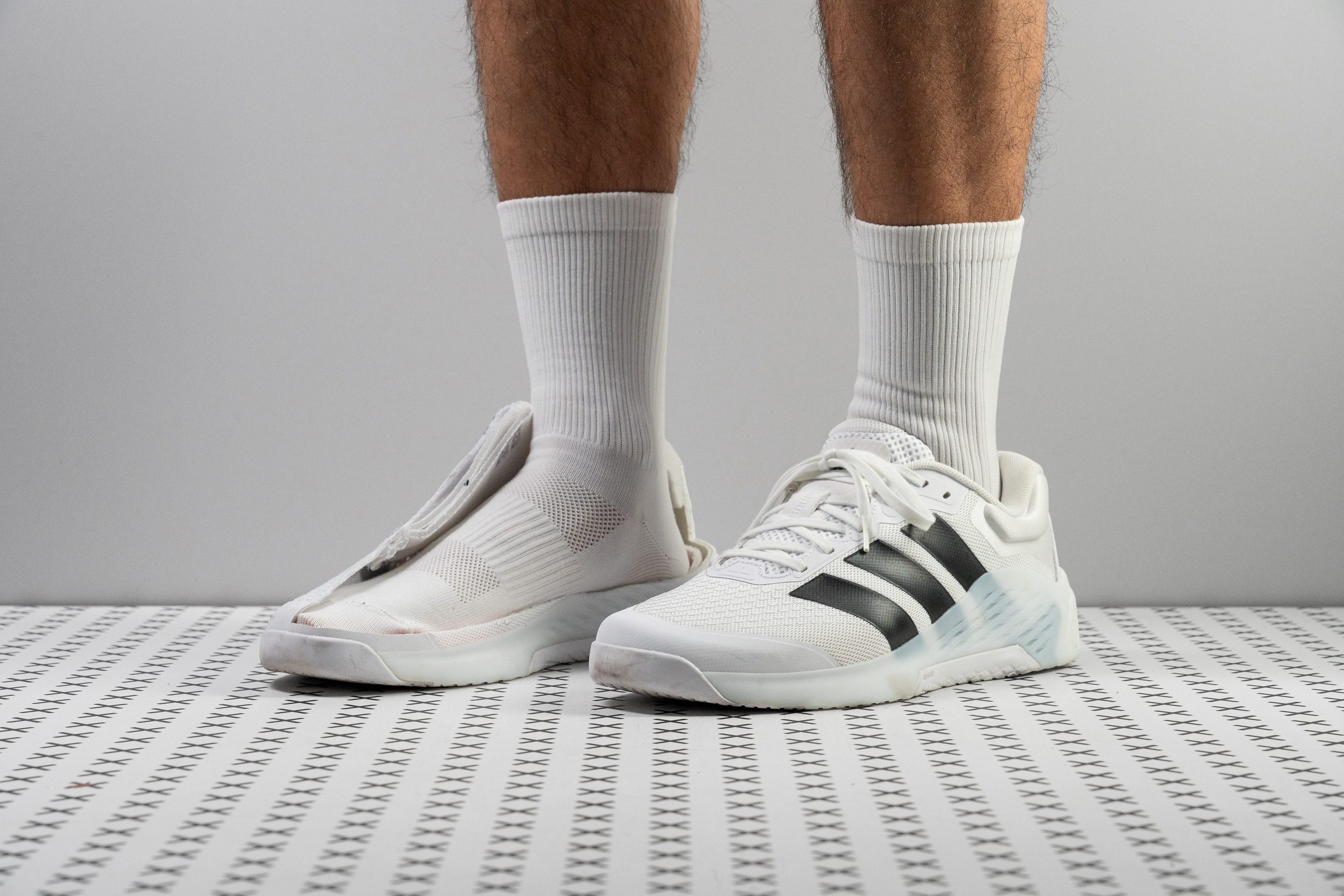
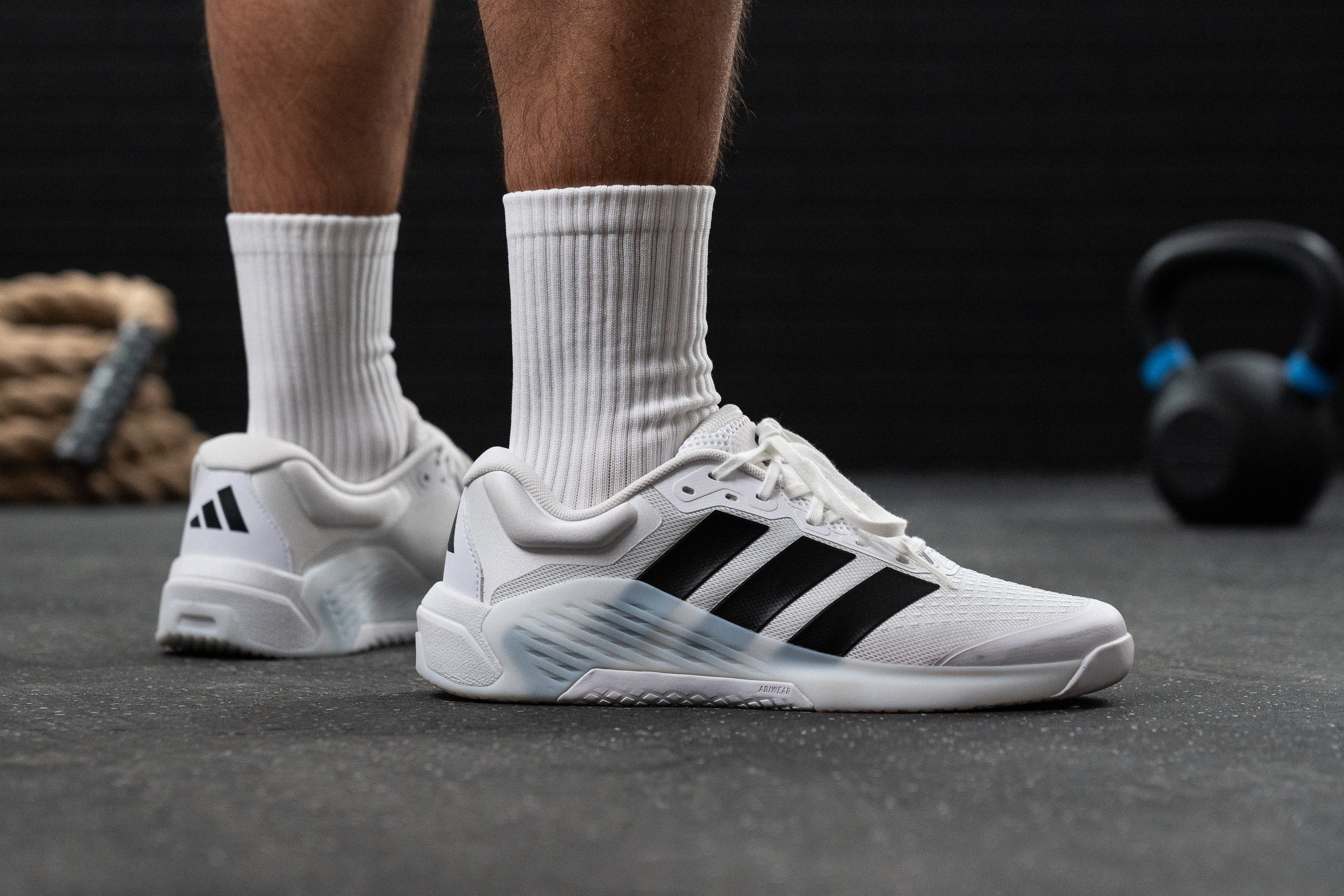
The changes introduced in the new Dropset 4 helped adidas broaden its appeal to a wider range of athletes. We believe that the new iteration will benefit both beginner and seasoned gym goers who:
- need a versatile go-to gym shoe
- prefer grounded, low-stack platforms that feel stable with no added bulk
- have medium-to-narrow feet and need a snugger fit
Who should NOT buy
As comfortable as the Dropset 4 feels on foot, its materials don't promise the best longevity, based on our Dremel tests. If you tend to burn through trainers quickly, consider the Reebok Nano X5 or the Nike Metcon 10 at the same price point.
Both alternatives also provide a more relaxed toe space for those who love a good toe splay or have wide feet.
And if you need an even more versatile trainer for hybrid workouts and competitions like HYROX, please wait until we get our hands on the adidas Adizero Dropset Elite, the brand's first-ever trainer designed specifically for HYROX. Or check out our top picks for HYROX so far.
Cushioning
Shock absorption
Despite the changes to its cushioning setup, the Dropset 4's impact protection remained moderate and on par with the training shoe average.
Compared to Dropset 3, its shock absorption stayed the same in the forefoot (53 SA) and increased slightly in the heel (from 73 SA to 78 SA).
So, don't worry, the Dropset's step towards versatility didn't turn it into a mushy-cushy running shoe by any means.
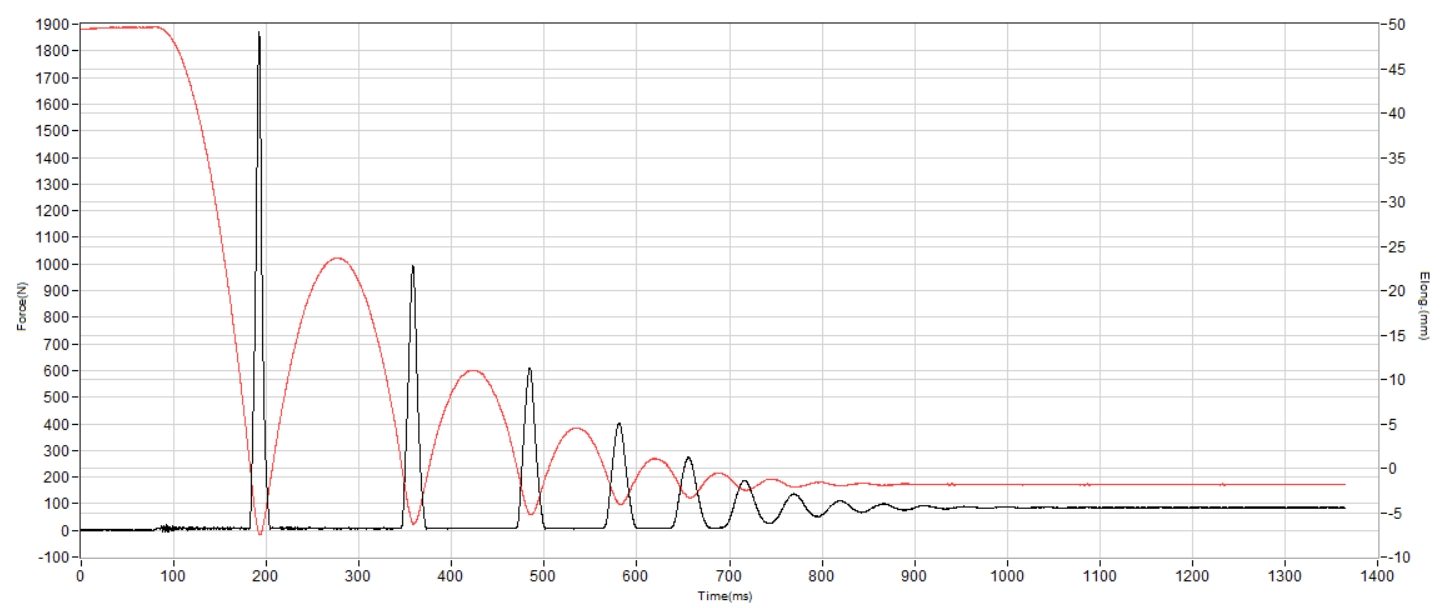
| Dropset 4 | 79 SA |
| Average | 81 SA |
Energy return
Adidas made an unconventional move by inserting its Energyrods into a cross-trainer! It's the same stiff carbon-infused system the brand uses in its race running shoes, such as the Adios Pro 4.
This component promises a 'propulsive forefoot feel,' but alas, our lab tests showed that its energy return actually dropped below the average at 52.4% and remained rather low in the heel area (52.1%).
There is no crazy bounce here, and the profile feels grounded, which is good news for those who enjoyed the planted experience of the previous Dropsets.
| Dropset 4 | 52.4% |
| Average | 55.1% |
Heel stack
The adidas Dropset trainers have been getting lower to the ground with each new edition, reaching their lowest stack in the 4th version at only 19.9 mm in the heel.
That actually puts the Dropset 4 on the verge of the minimalist shoe range.
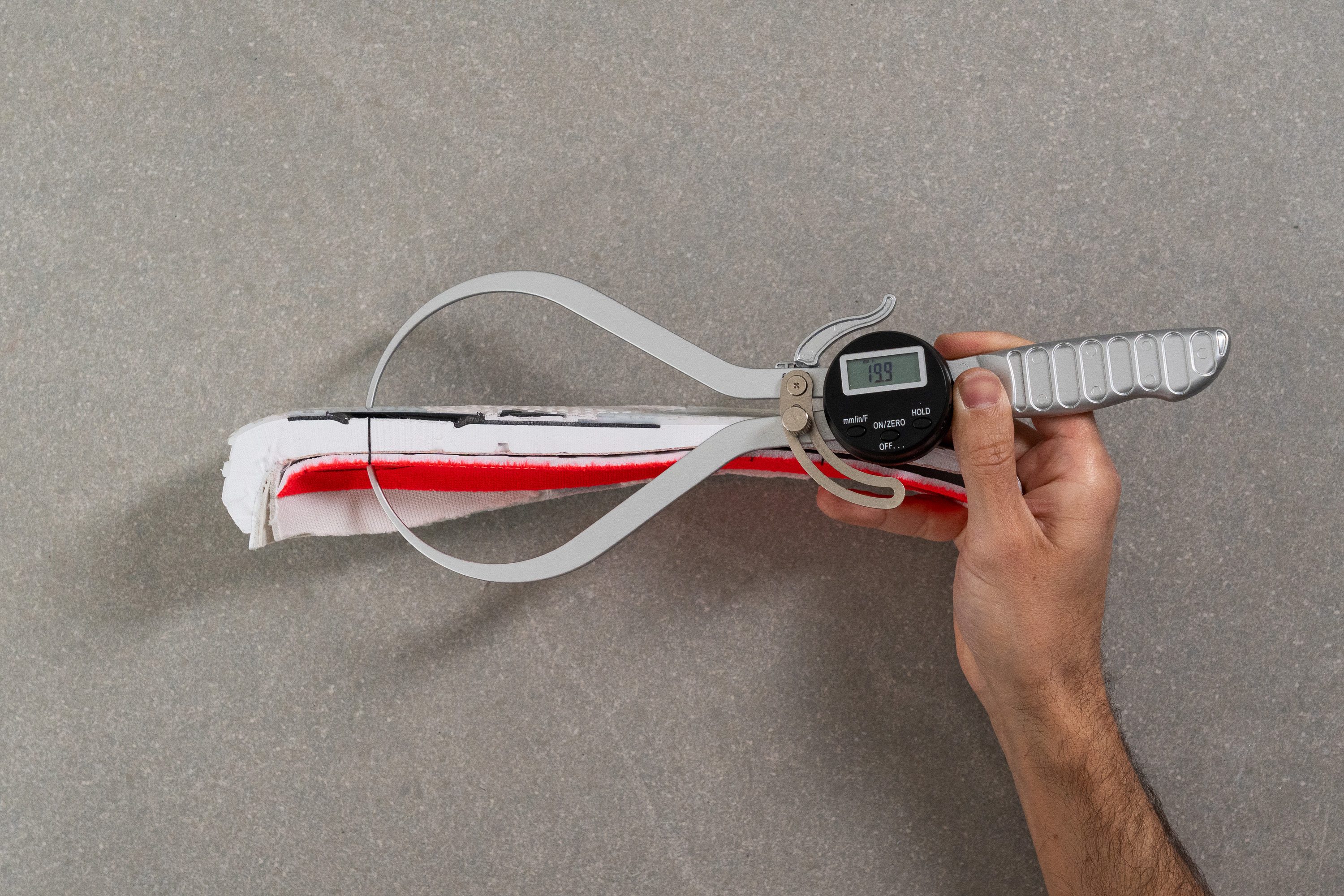
| Dropset 4 | 19.9 mm |
| Average | 24.0 mm |
Forefoot stack
Consequently, its forefoot stack also sits on the lower end of the spectrum at only 14.6 mm, notably lower than average.
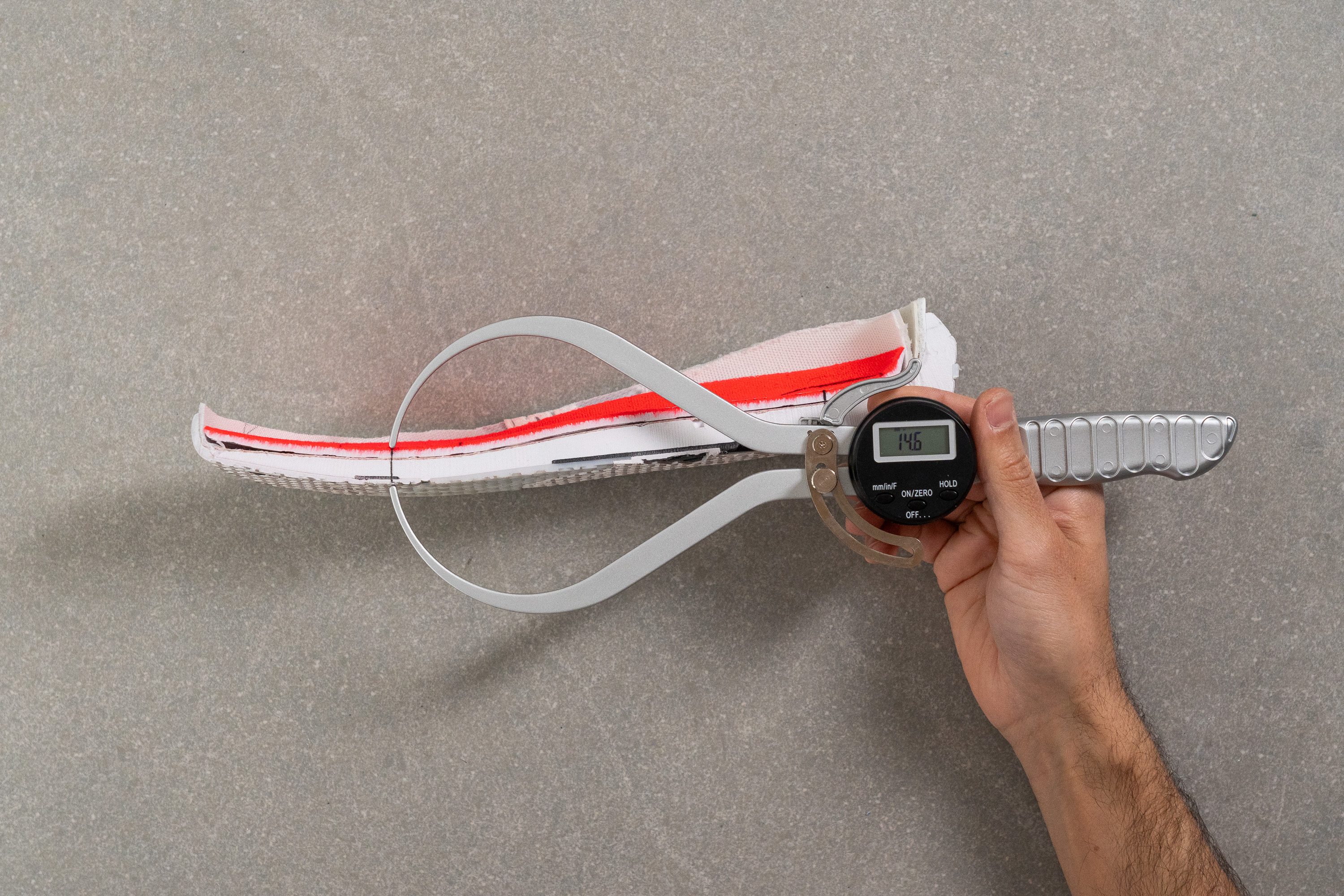
| Dropset 4 | 14.6 mm |
| Average | 17.6 mm |
Drop
As for the shoe's heel-to-toe drop, our own measurements (5.3 mm) came impressively close to the brand's stats (5.8 mm).
The heel elevation is practically untabgible in this offset, putting the foot nearly level to the ground and contributing to the surefootedness.
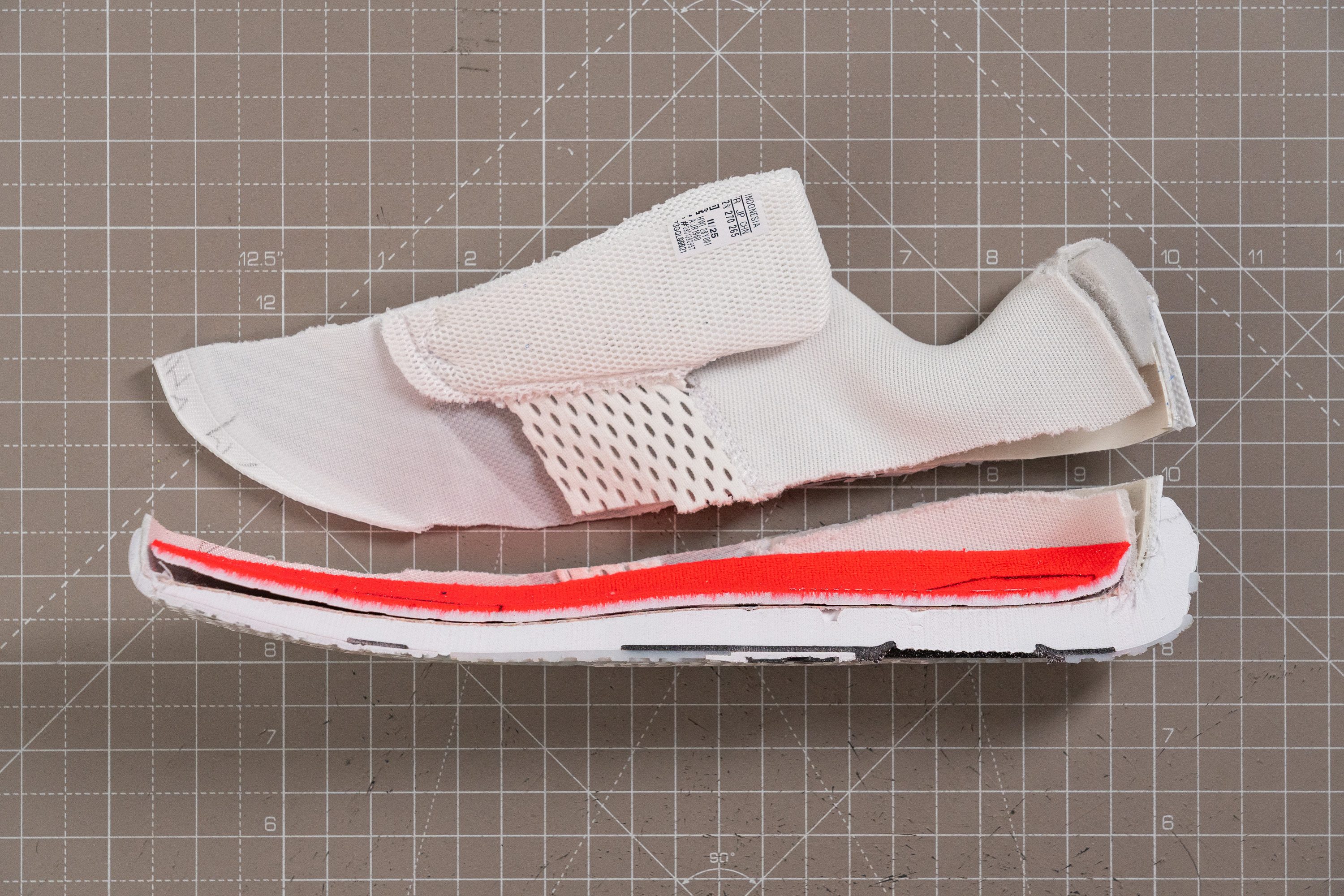
| Dropset 4 | 5.3 mm |
| Average | 6.4 mm |
Midsole softness
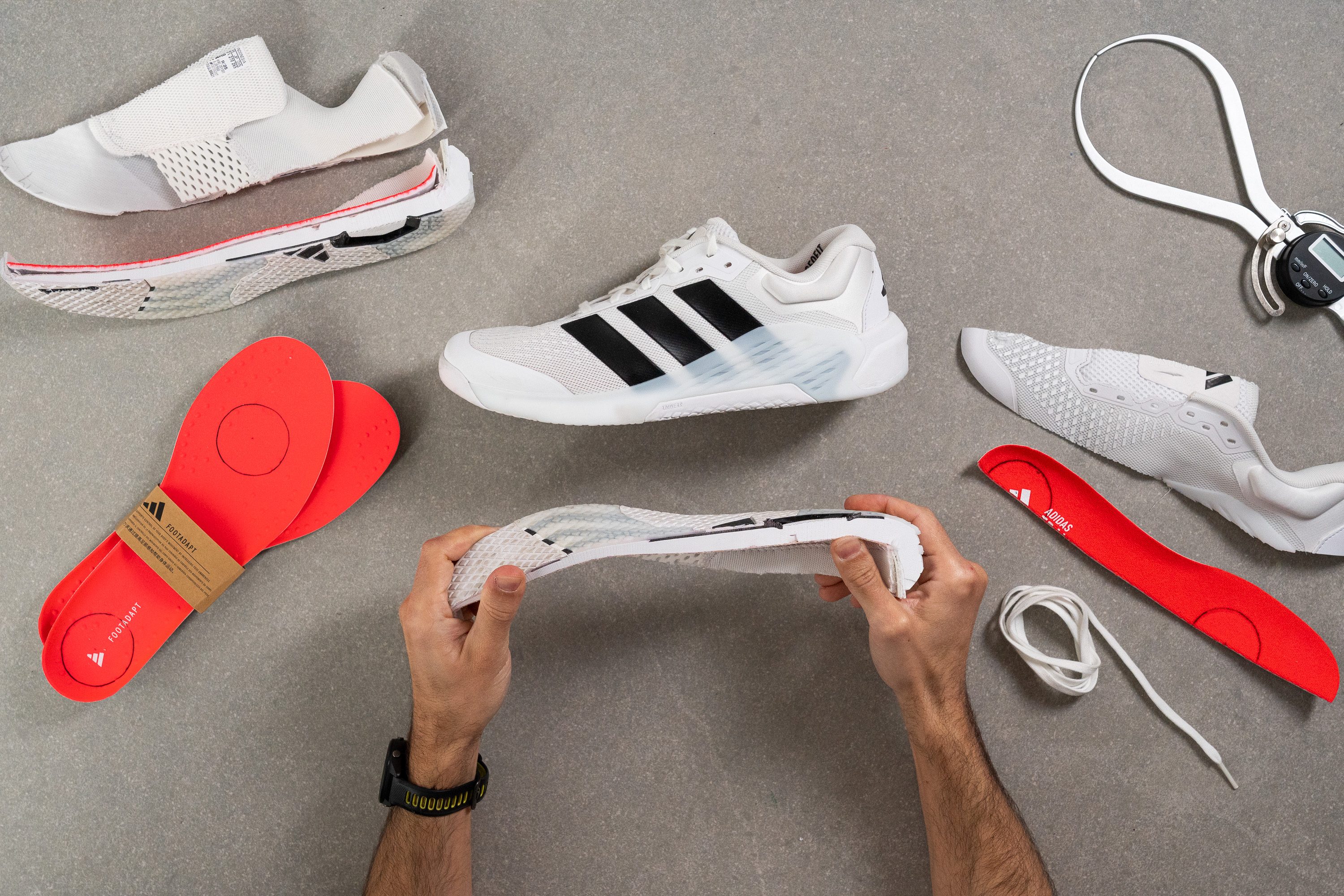
Even though the Dropset 4 no longer packs an ultra-hard foam in the heel area, its full-length Repetitor foam proved to be quite firm in our durometer measurements.
At 52.0 AC, it is even slightly harder than the average cross-training shoe midsole. And because it is paired with the shoe's low stack, midsole compression is practically nonexistent here, making this adidas trainer quite effective for weightlifting. But true enough, it is no longer the lifting-shoe hybrid it used to be in previous iterations.
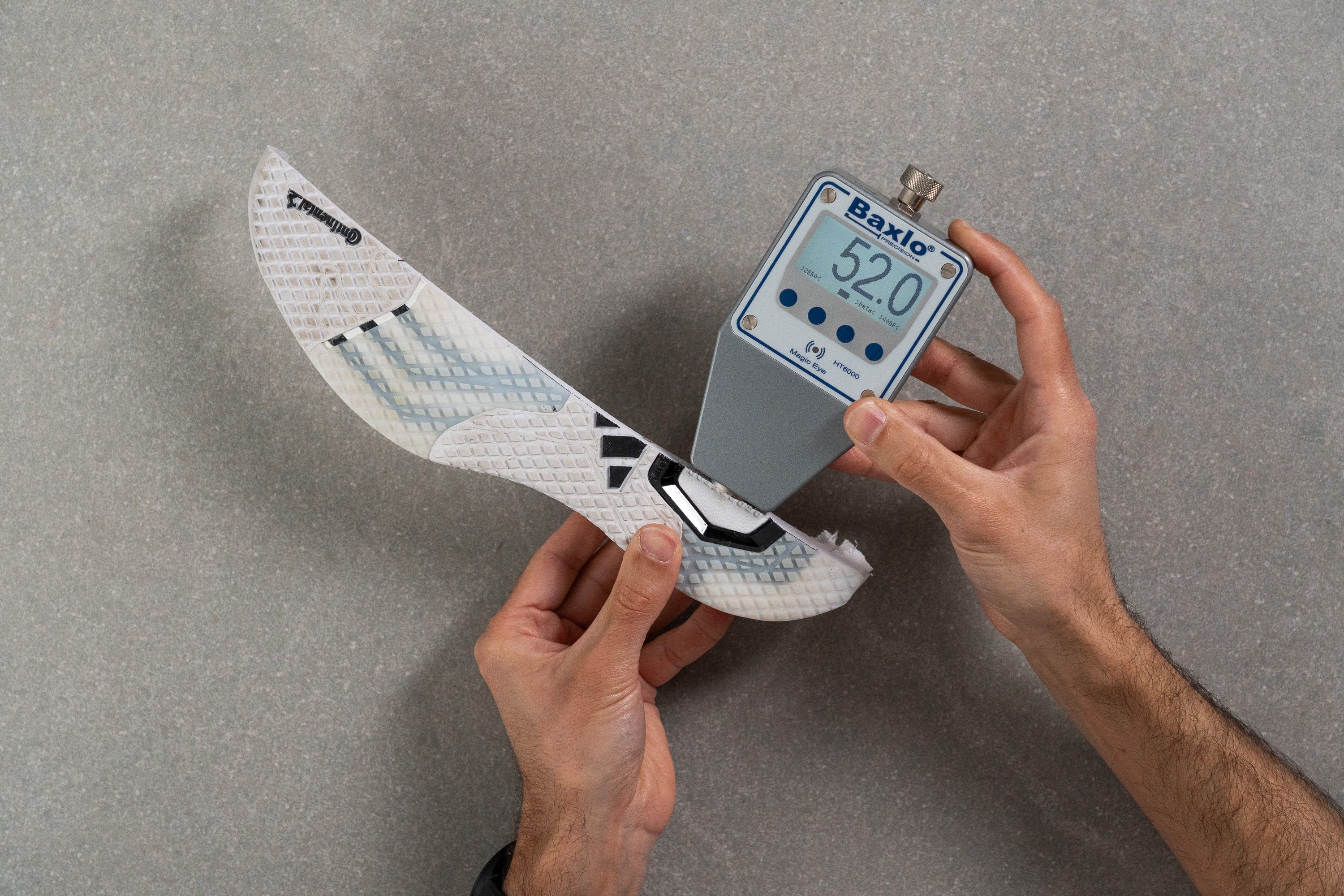
| Dropset 4 | 52.0 AC |
| Average | 49.2 AC |
Size and fit
Size
adidas Dropset 4 fits true to size (38 votes).
Internal length
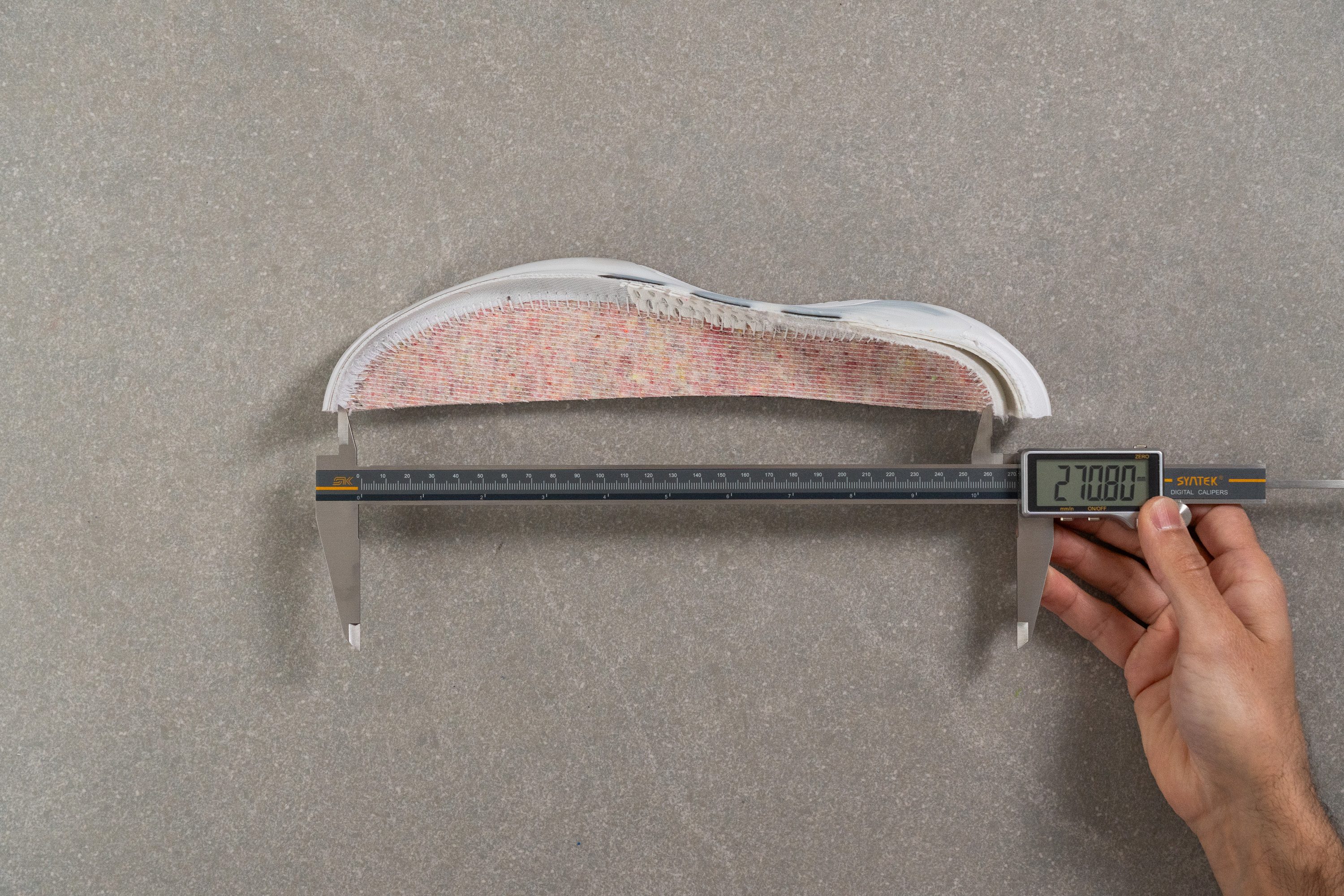
| Dropset 4 | 270.8 mm |
| Average | 268.6 mm |
Width / Fit
Another notable change that is likely to frustrate the fans of previous Dropsets is its shrunk width.
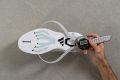
Having compared the gel molds of both shoes, we found that the newer version offers a more standard medium width, with 95.6 mm at the widest point of the forefoot.
It is perfectly normal for a shoe in a men's US 9, but it no longer allows for such a broad toe splay anymore.
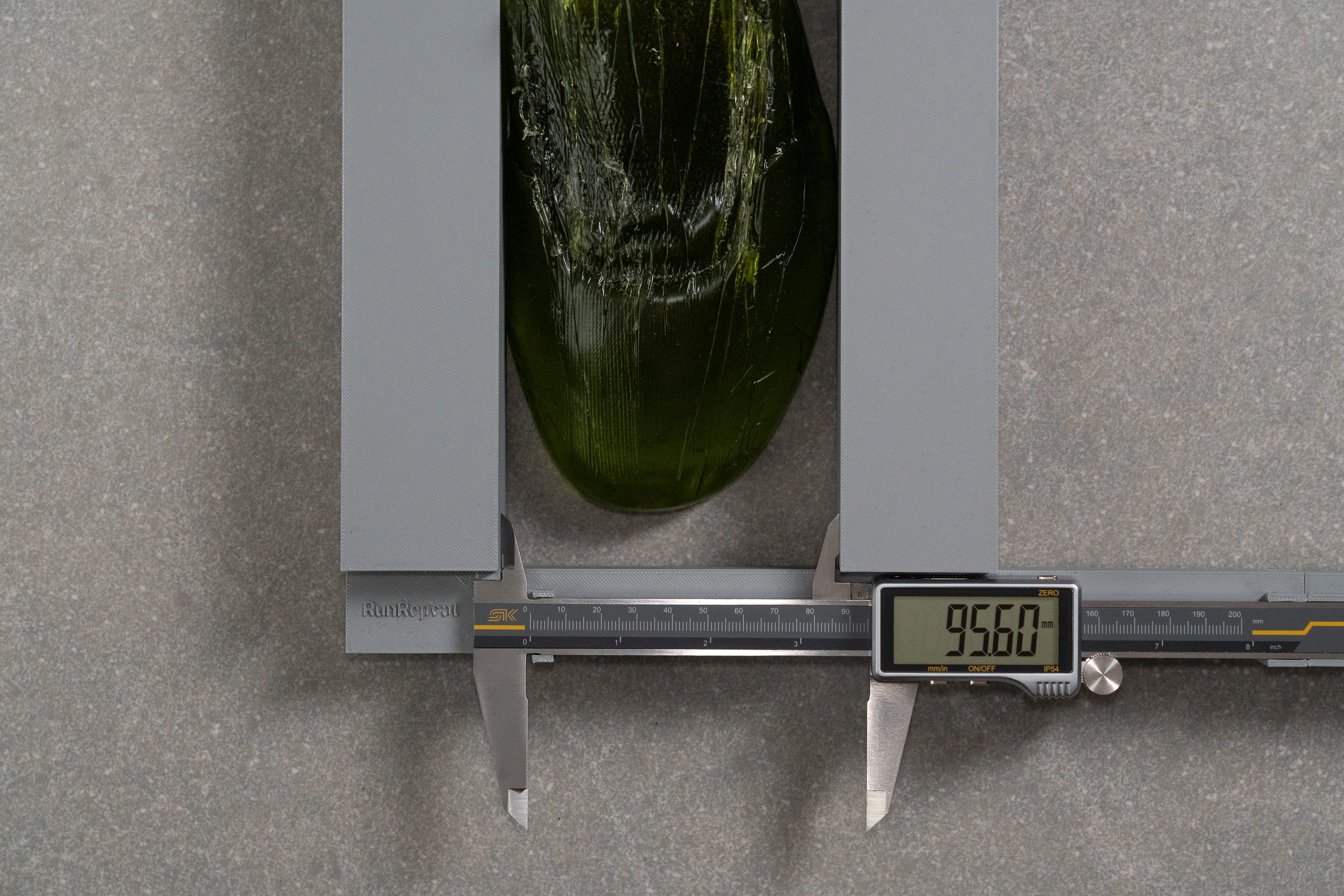
| Dropset 4 | 95.6 mm |
| Average | 96.3 mm |
Toebox width
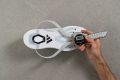
It also proved to be narrower in the big toe area, measuring a modest width of 71.8 mm. We believe that gym goers with wider feet will not fancy this tapering.
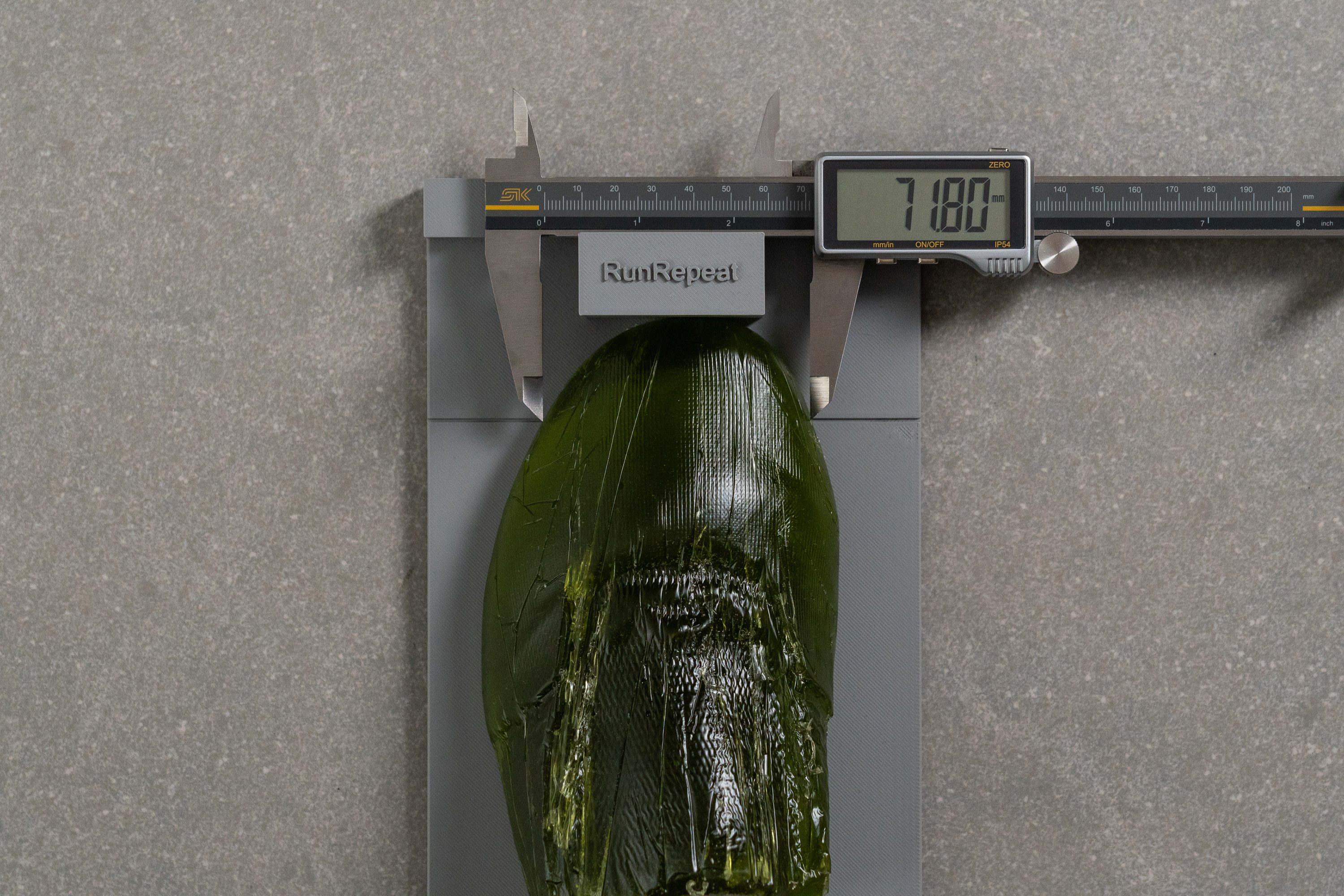
| Dropset 4 | 71.8 mm |
| Average | 73.4 mm |
Toebox height
But on a positive note, the shoe's ample vertical space and fairly stretchy mesh upper allow for decent wiggle room.
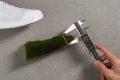
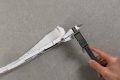
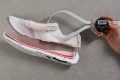
Measuring its toebox height, our caliper even showed a slightly above-average reading of 28.9 mm.
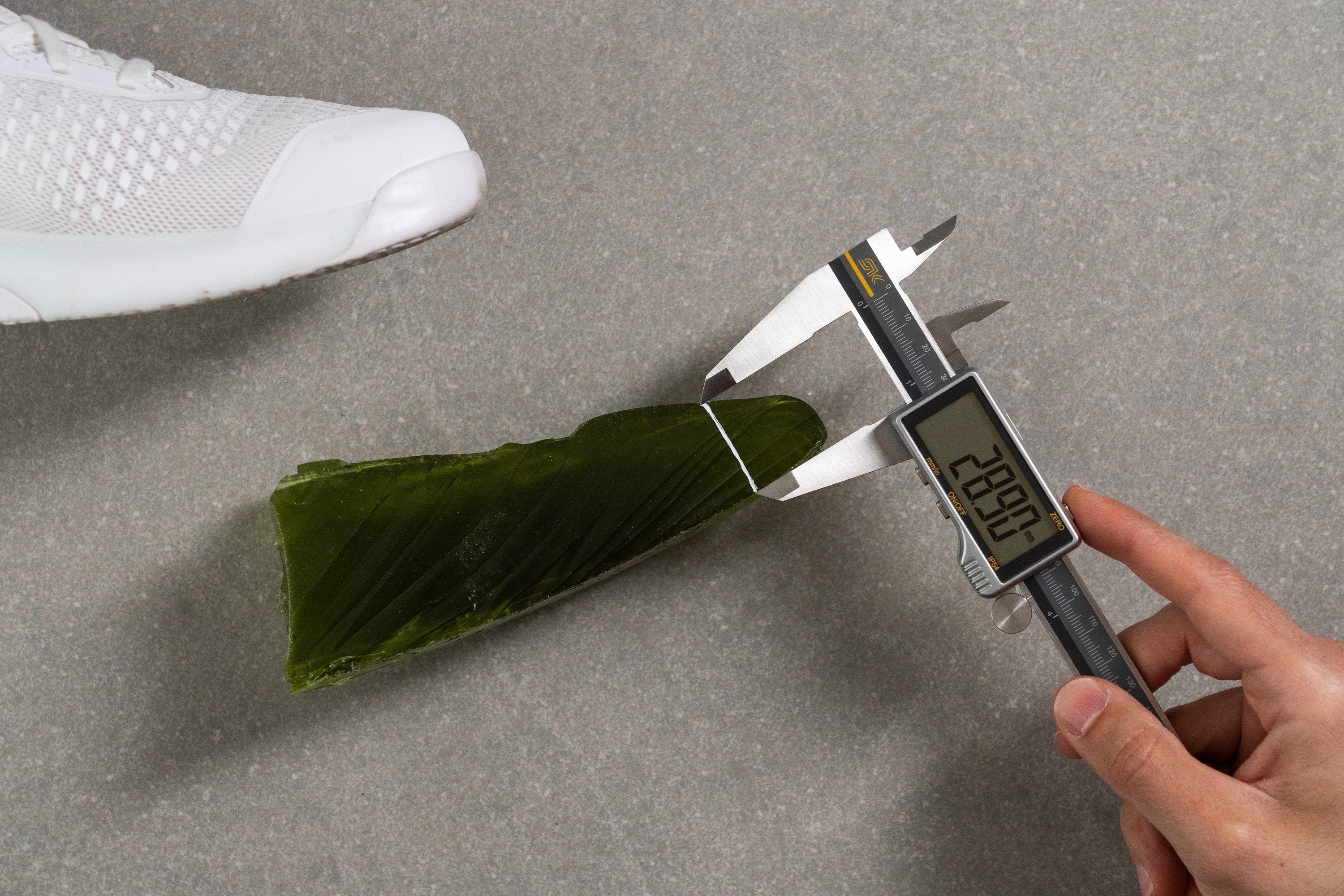
| Dropset 4 | 28.9 mm |
| Average | 27.2 mm |
Traction / Grip
Traction test
Recording the shoe's friction coefficient in the forefoot area, we got an above-average reading of 0.36. That's a great result for a gym shoe, ensuring grip on sweaty floors, during box jumps, and sled pushes.
| Dropset 4 | 0.36 |
| Average | 0.34 |
Outsole design
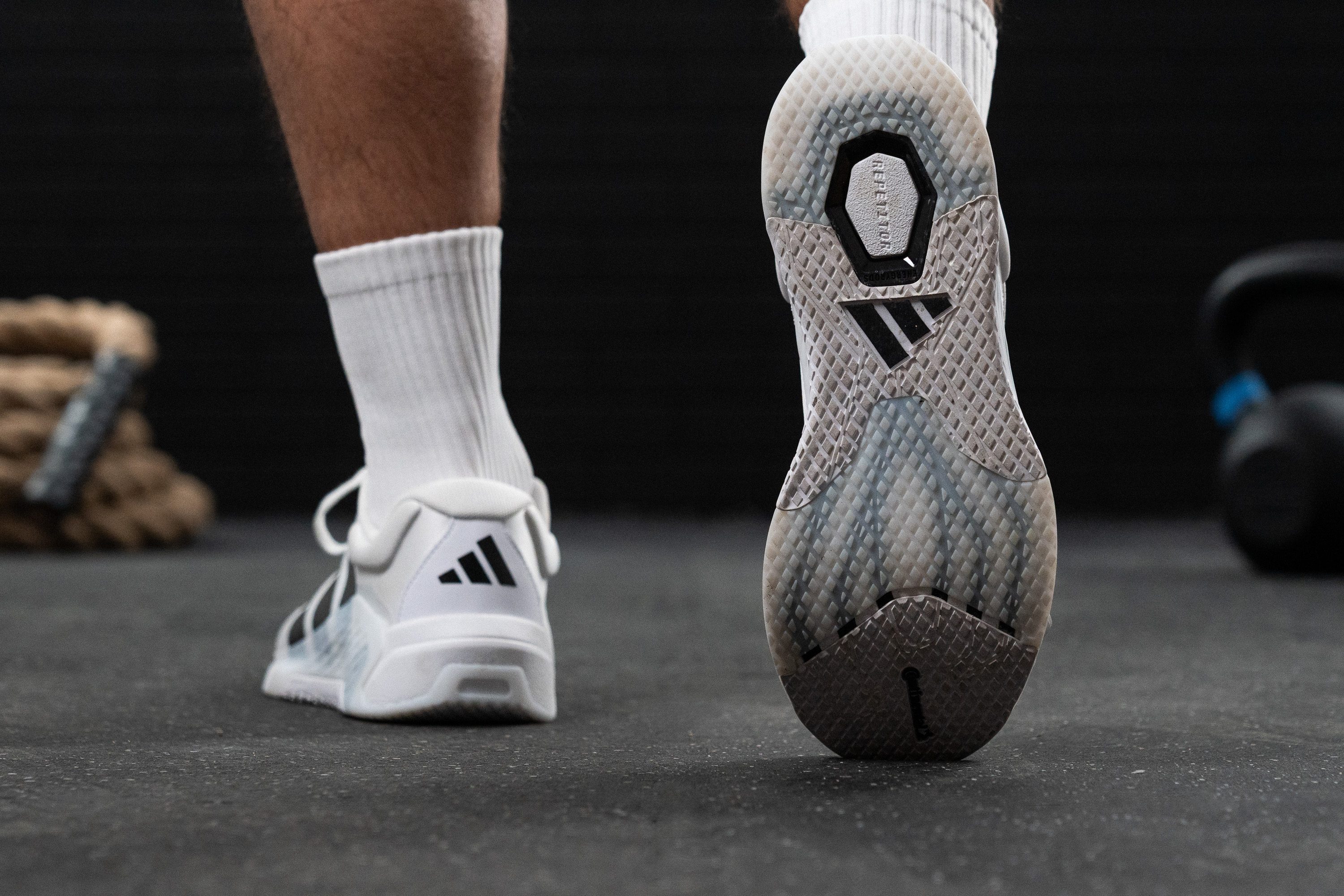
Adidas features two types of rubber on the Dropset 4, strategically placing them throughout the outsole to provide the benefits of both.
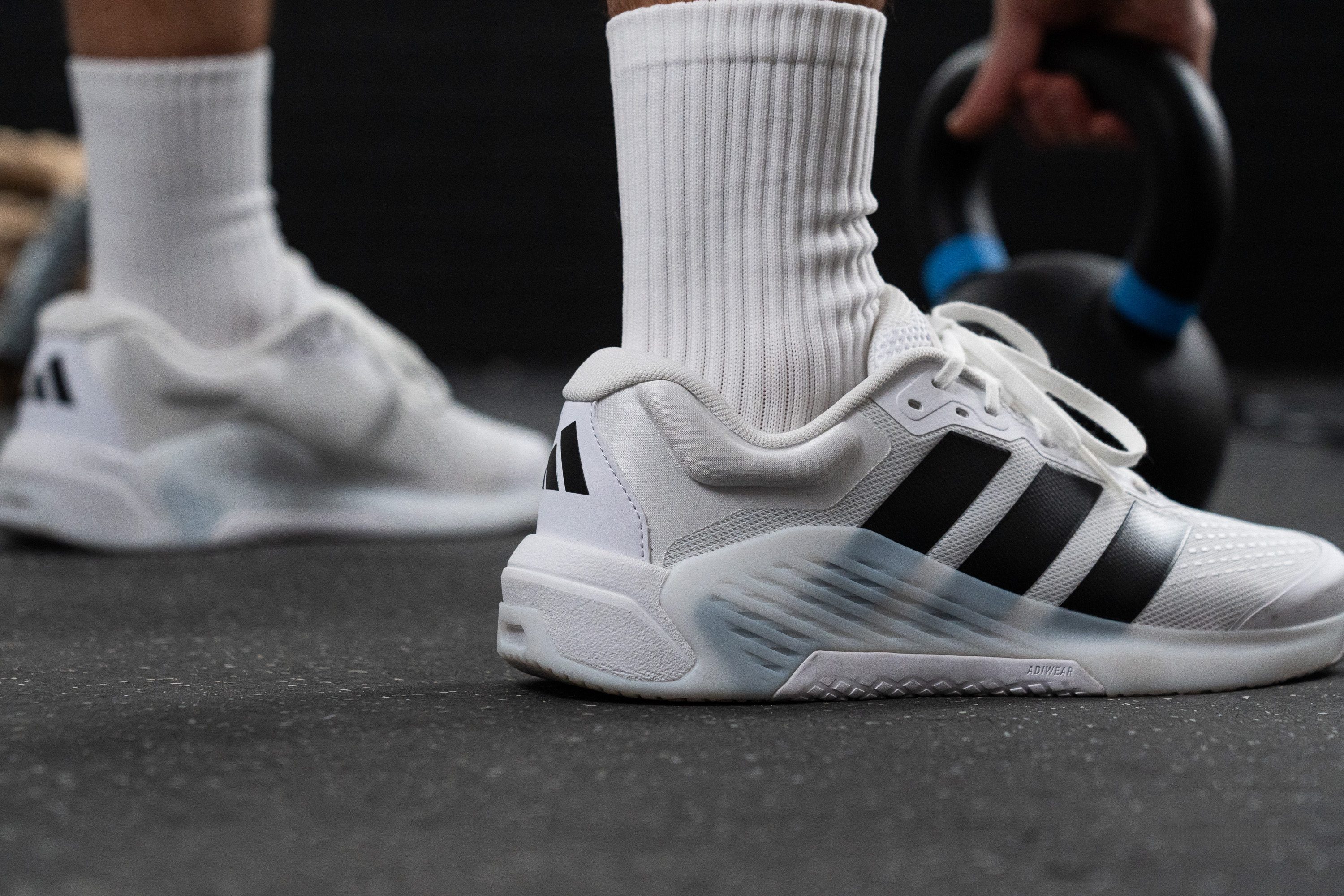
The softer, tackier Continental rubber covers the center of the forefoot and the heel for maximum traction on both dry and wet surfaces. Meanwhile, the tough Adiwear rubber ensures durability in the midfoot, where the worst abrasion occurs during rope climbs.
Flexibility / Stiffness
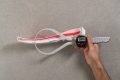
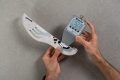
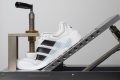
With its supportive sidewalls extending closer to the front, the Dropset 4 grew significantly stiffer than its predecessor.
The shoe now requires an above-average amount of force (12.5N) to bend by 30 degrees, which contributes to its stability.
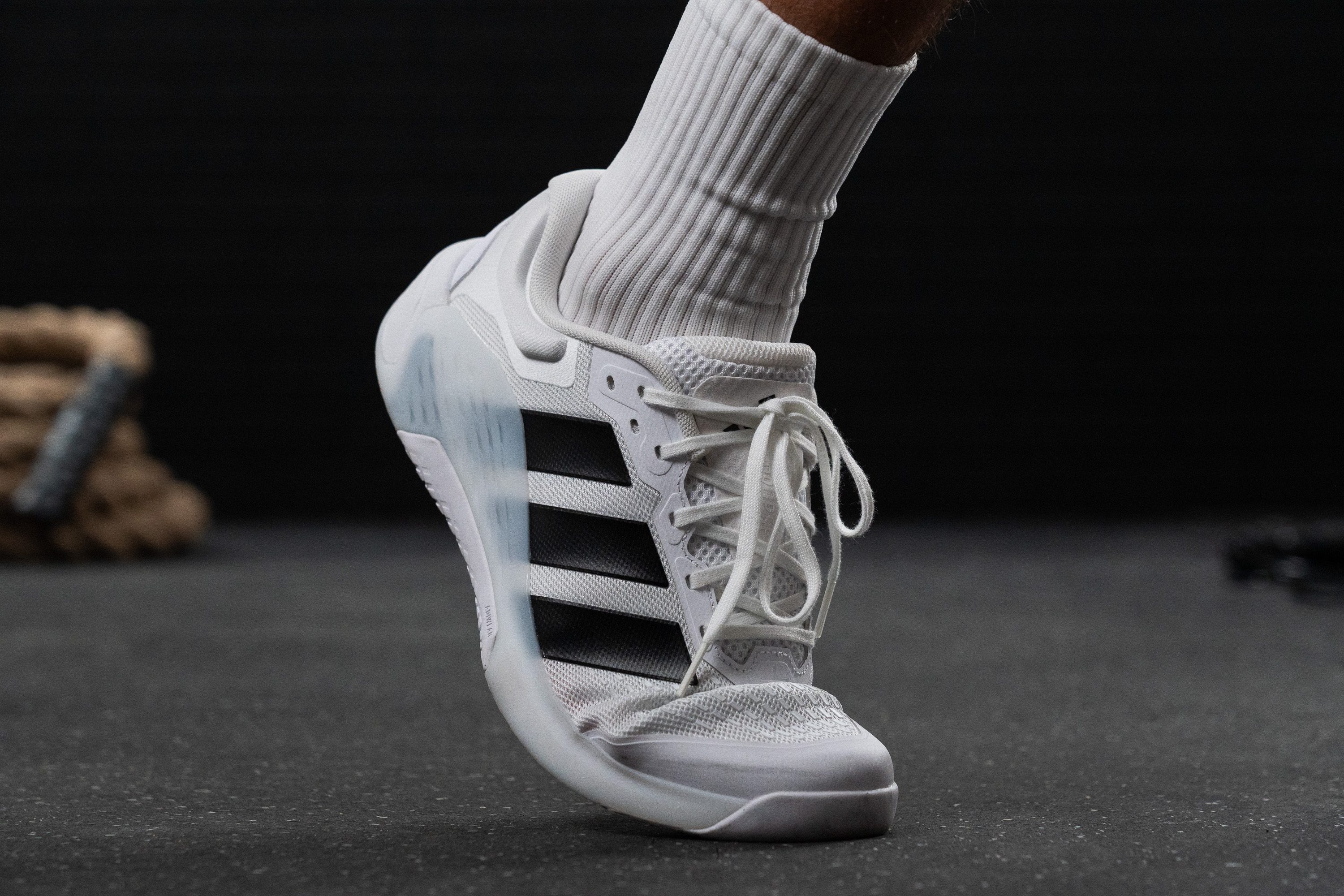
But at the same time, its forefoot flexibility remained sufficient, allowing us to perform lunges, planks, and sled pushes quite comfortably.
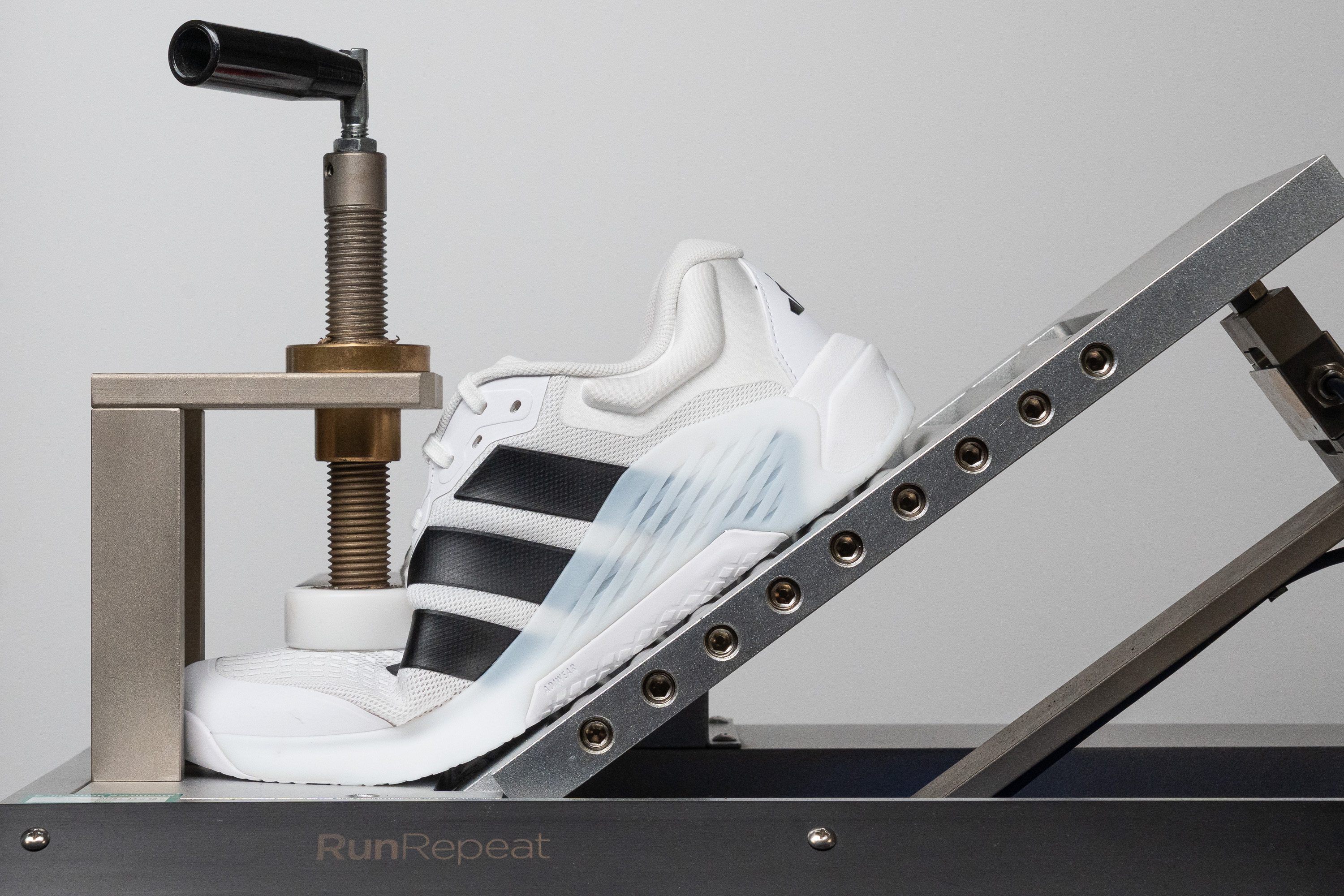
| Dropset 4 | 12.5N |
| Average | 10.3N |
Weight
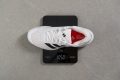
The Dropset trainers have been getting progressively lighter, and the 4th edition is by far the lightest in the series at 10.5 oz (298g). The changes to its design shaved as much as 1.6 oz off the v3!
The Dropset 4 is now on par with the average weight of cross-trainers, yet lighter than the other flagship trainers, like the Nike Metcon 10 (11 oz) and the Reebok Nano X5 (12 oz).
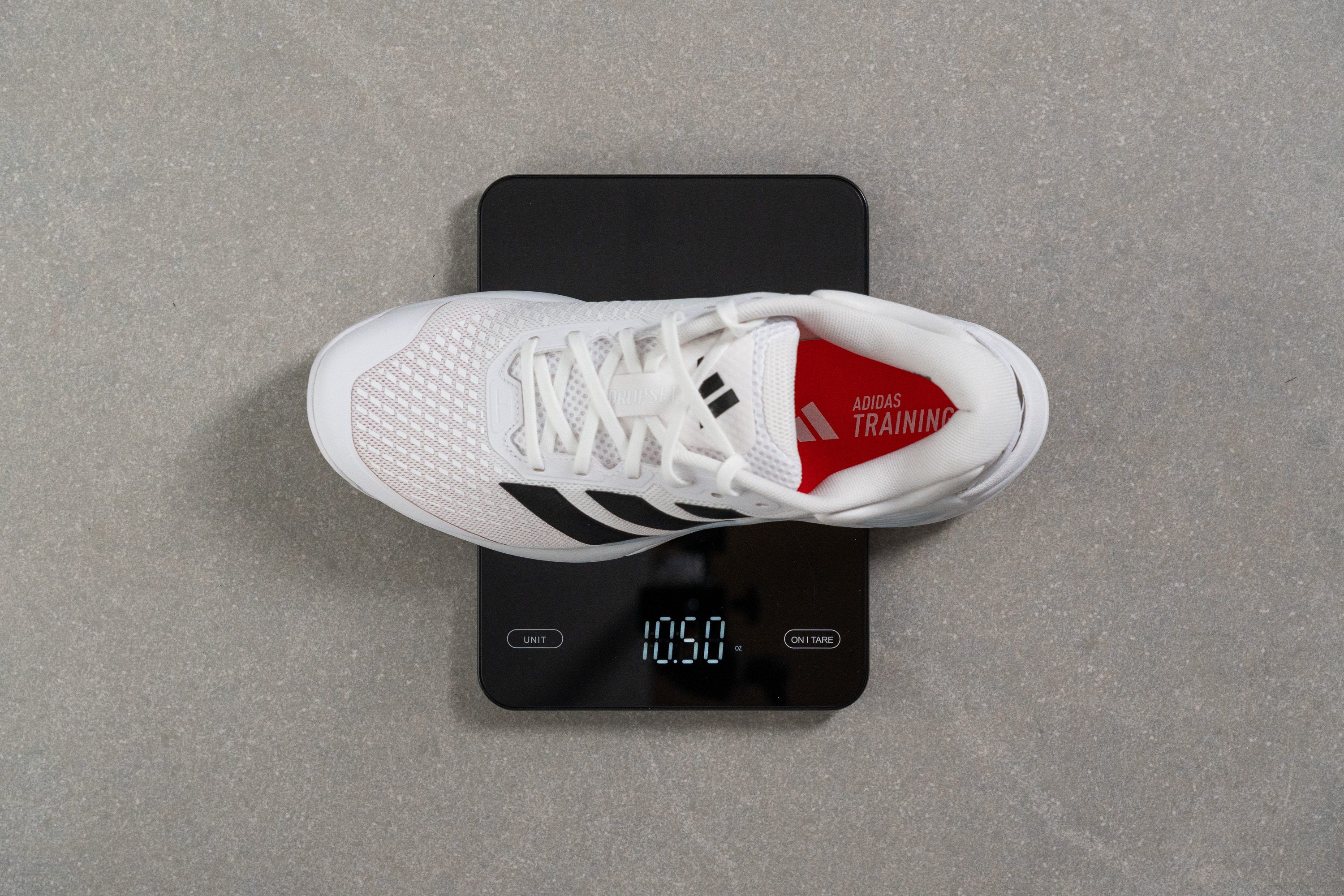
| Dropset 4 | 10.5 oz (298g) |
| Average | 10.7 oz (304g) |
Breathability
Breathability test
UpdatedHaving experimented with the polarising HEAT.RDY ventilation technology in the Dropset 3, adidas went back to basics in the 4th edition. The shoe’s upper is now dominated by a light, porous mesh, and there are no longer any large gaps in its sole.
However, we also recorded a decline in the shoe’s breathability, which dropped below the average at 65 BR. Its materials are a little slower to absorb sweat from the skin, leading to some moisture buildup, particularly during high-intensity sessions.
| Dropset 4 | 65 BR |
| Average | 74 BR |
Drying potential
NewUnfortunately, the Dropset 4 is not a very quick-drying trainer either. After keeping it on an artificial foot in a climate-controlled chamber for 3 hours, we recorded that the shoe evaporated a moderate 45% of the moisture.
This means that some sweat keeps lingering in the shoe’s materials, contributing to dampness and unpleasant odor.
| Dropset 4 | 45% |
| Average | 47% |
Stability
Lateral stability test
The previous Dropset 3 felt like it was split into two parts: an ultra-stable heel and a very pliable forefoot. But the new Dropset 4 offers a more wholesome and consistent experience from heel to toe.
We found that the v4 can still tackle serious weight in both squats and deadlifts, but it cements the heel a little less than its predecessor.
Torsional rigidity
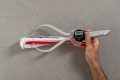
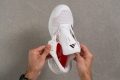
The presence of Energyrods and more spread-out sidewalls elevated the shoe's torsional rigidity above the category average to 16.3 Nm, matching the Nike Metcon 10's stiffness (16.6 Nm).
It kept our feet and ankles nice and centered, and felt amazingly supportive on side-to-side movements.
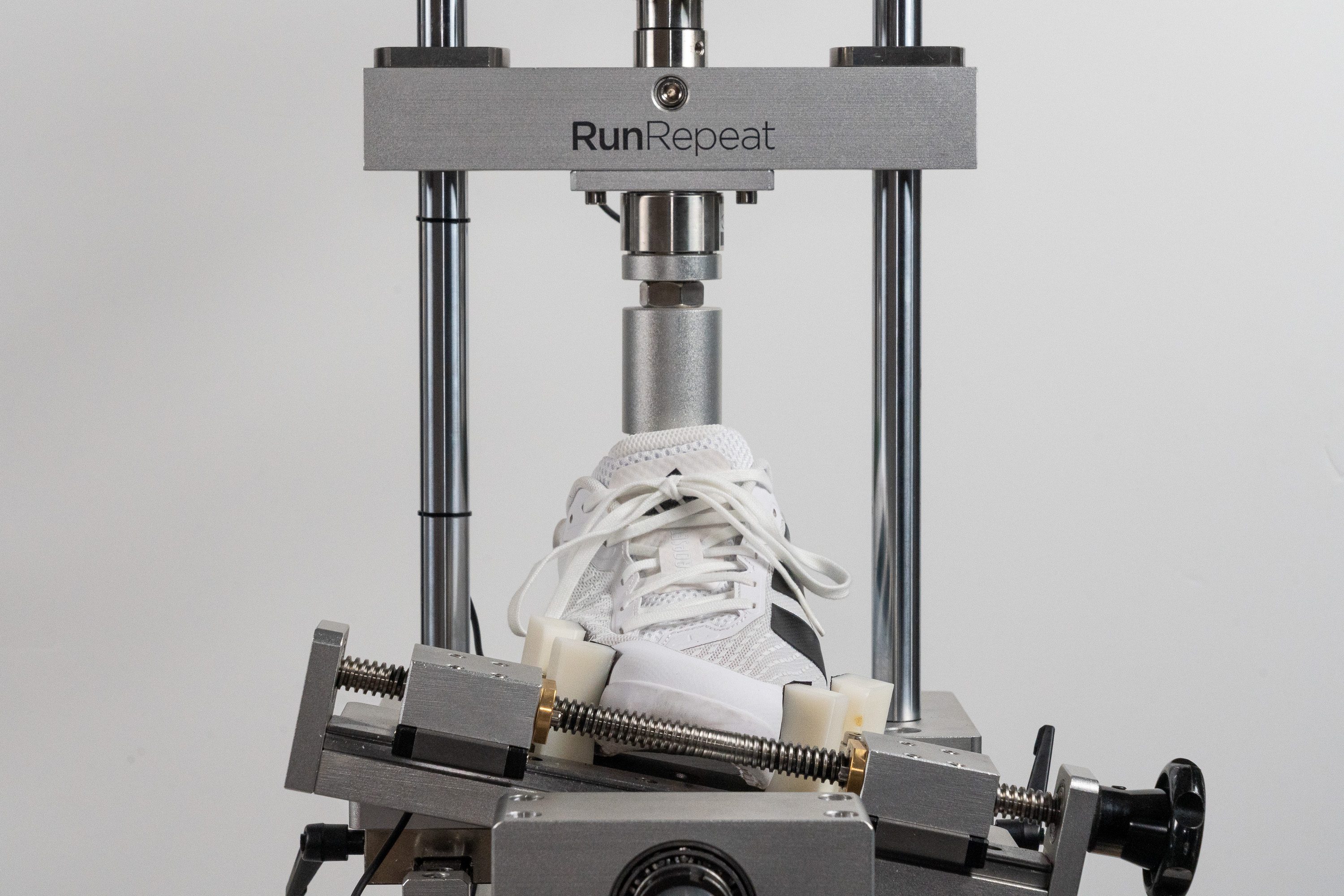
| Dropset 4 | 16.3 Nm |
| Average | 13.8 Nm |
Heel counter stiffness
We loved the balanced nature of the shoe's heel counter, as it was pliable enough not to aggravate the heel bone, yet structured enough to eliminate any undesirable foot shifting. On a 1-5 stiffness scale, we gave it a mid-range 3/5.
Its interiors are also abundantly padded with the Geofit technology, which gently secures the rearfoot in place.
| Dropset 4 | 3 |
| Average | 2.8 |
Midsole width - forefoot
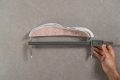
Measuring the Dropset 4's platform dimensions with a digital caliper, we found that it got a little slimmer in the forefoot.
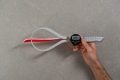
The widest part got 5.5 mm narrower, but at 111.4 mm, it sits right in the middle of the category average. That's a perfect amount of contact area for all types of gym exercises, without making the shoe unnecessarily bulky.
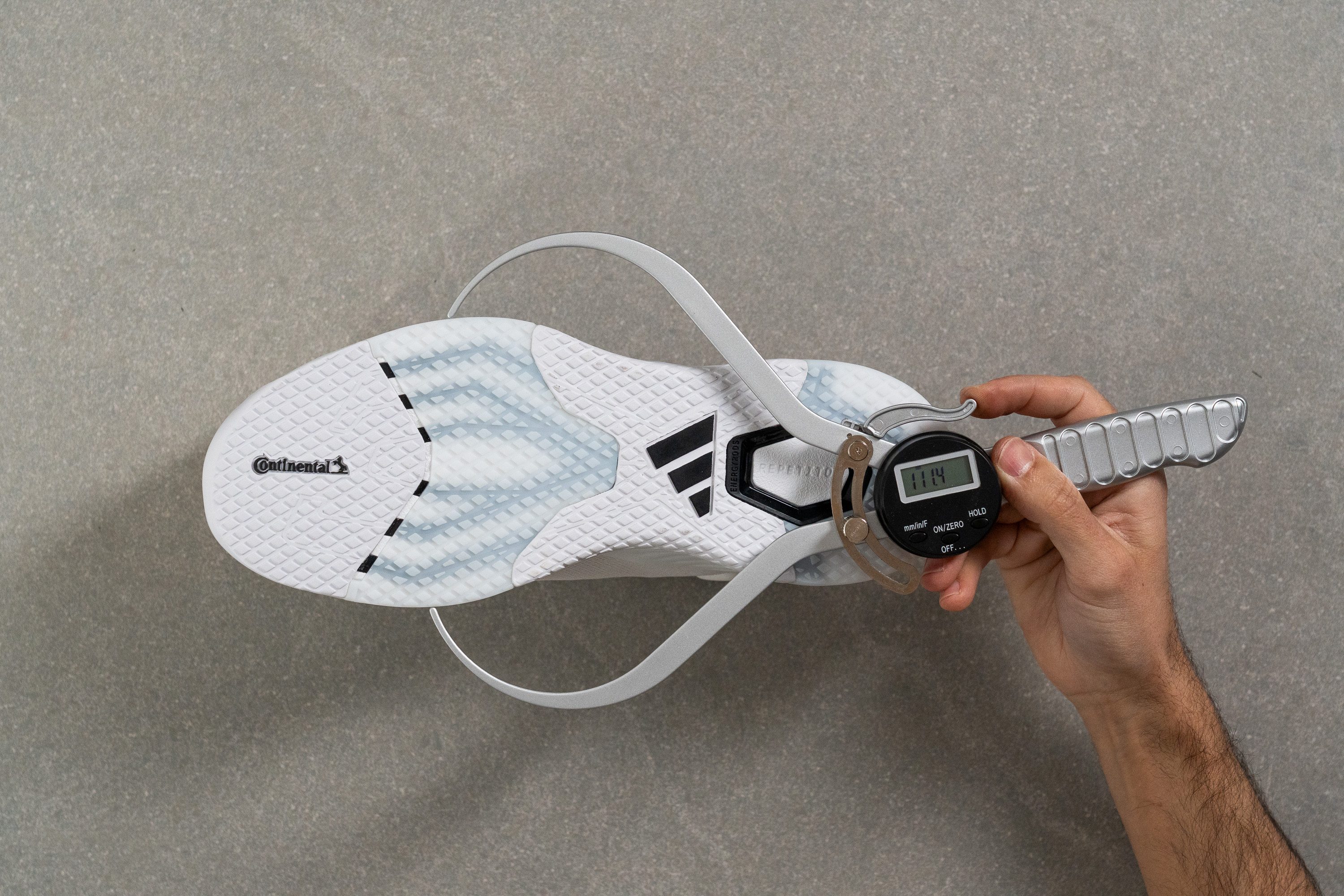
| Dropset 4 | 111.4 mm |
| Average | 111.9 mm |
Midsole width - heel
Actually, the widest part of the shoe's heel remained exactly the same as in its predecessor at 88.8 mm. Not too chunky but perfectly stable for lifting and one-legged exercises.
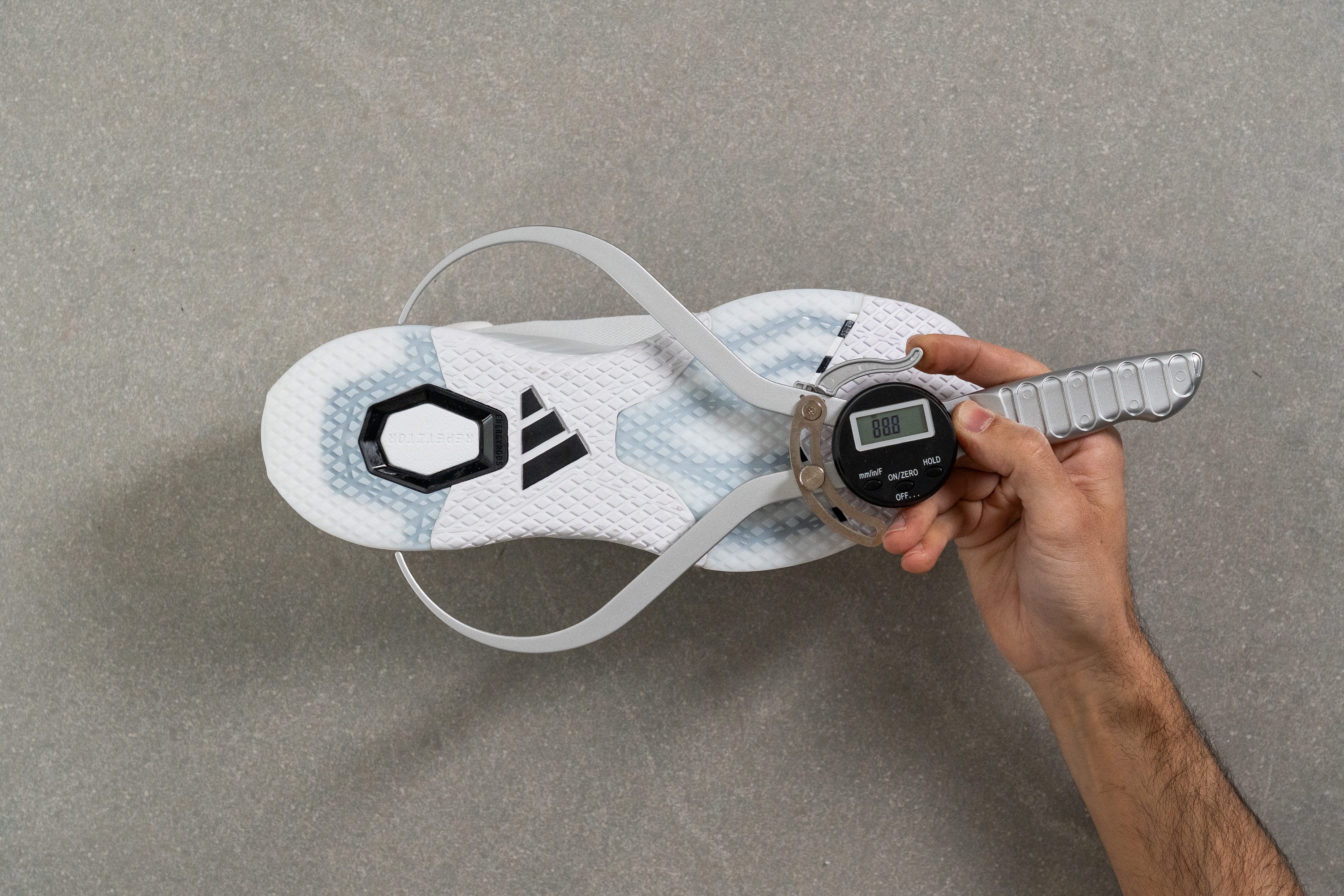
| Dropset 4 | 88.8 mm |
| Average | 87.0 mm |
Durability
Toebox durability
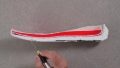
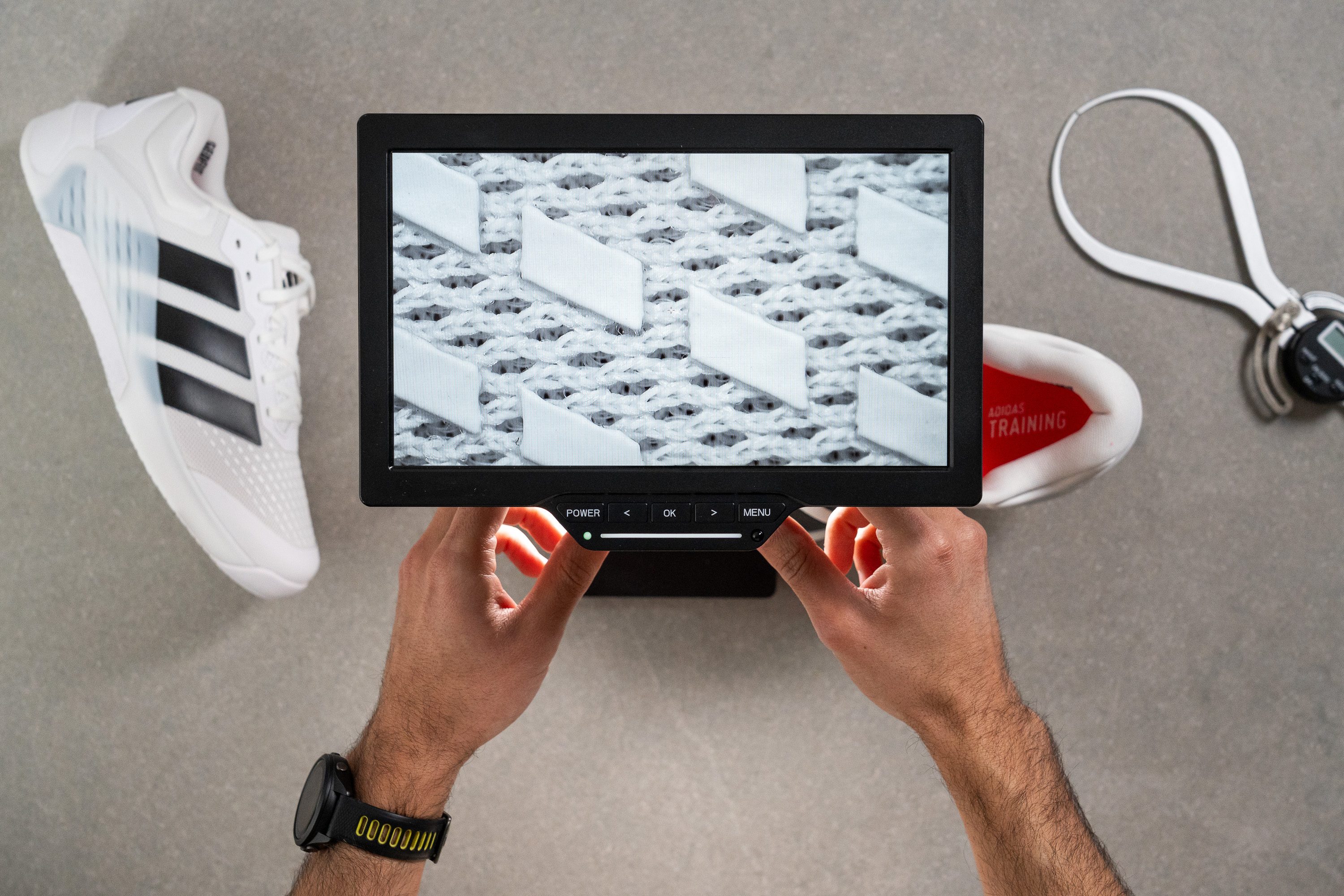
A sturdy synthetic overlay protects the toe area when bumping into gym equipment and brushing against the floor. However, the haptic print on top of the shoe's toebox does very little to keep the mesh fabric intact.
Those thin rectangular elements gave up rather quickly in our Dremel test, lowering the shoe's toebox durability score to only 2 out of 5.
| Dropset 4 | 2 |
| Average | 2.7 |
Heel padding durability
As nice and marshmallowy as the shoe's Geofit pods feel against the back of the heel, they don't promise much longevity.
The mesh and foam tore up the very moment our sanding tip touched them. Thus, we rated the shoe's heel padding durability as only 1 out of 5.
| Dropset 4 | 1 |
| Average | 3 |
Outsole durability
Because the Dropset 4 uses two different rubber compounds, we expect to see uneven outsole wear fairly quickly.
The tougher Adiwear blend showed solid abrasion resistance in our 10K RPM test, as the dent measured a standard depth of 1.0 mm.
The soft Continental rubber, on the other hand, is likely to give up much sooner as it practically melted under our Dremel. The tool went as deep as 2.3 mm (aka the shoe's entire outsole thickness)!
| Dropset 4 | 1.0 mm |
| Average | 1.1 mm |
Outsole thickness
Our caliper measured the Dropset 4's outsole layer at only 2.3 mm, which is quite thin for a cross-trainer outsole.
For that reason, we highly advise against wearing this adidas shoe outdoors or training on rough surfaces like concrete.
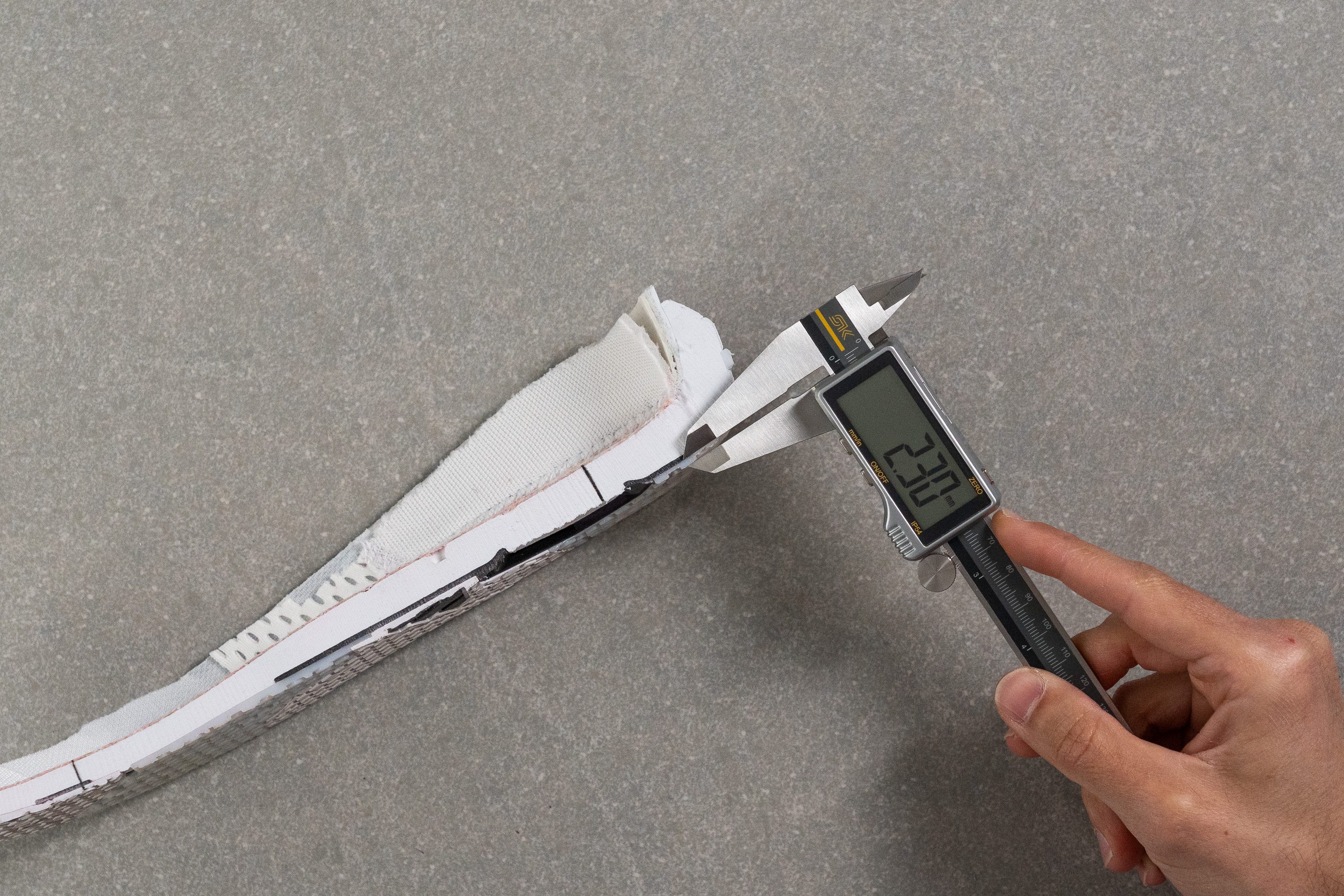
| Dropset 4 | 2.3 mm |
| Average | 3.5 mm |
Misc
Insole thickness
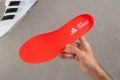
The adidas Dropset 4 comes with two pairs of insoles. The default one showed a regular thickness of 3.9 mm in the heel area.
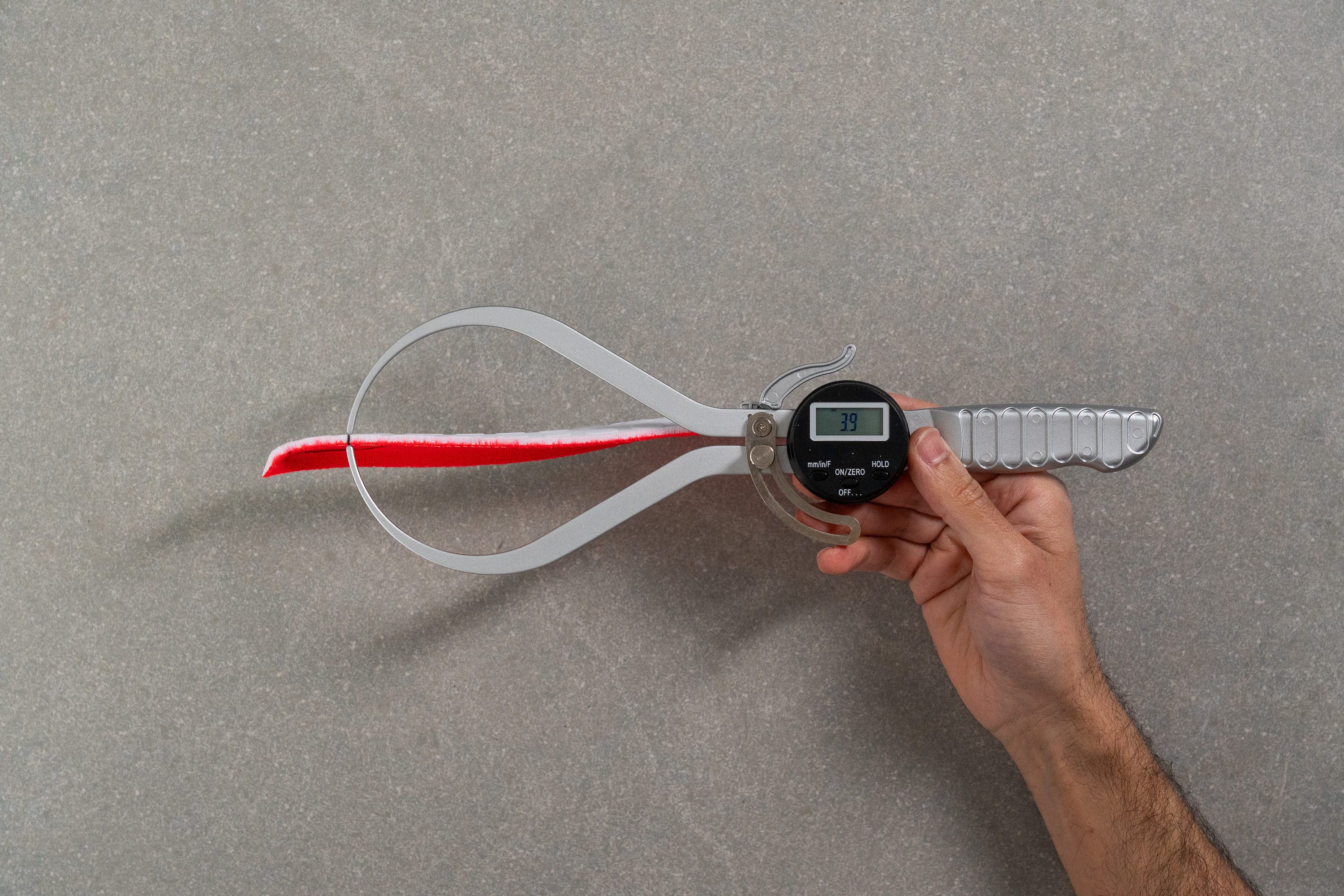
| Dropset 4 | 3.9 mm |
| Average | 4.0 mm |
Removable insole
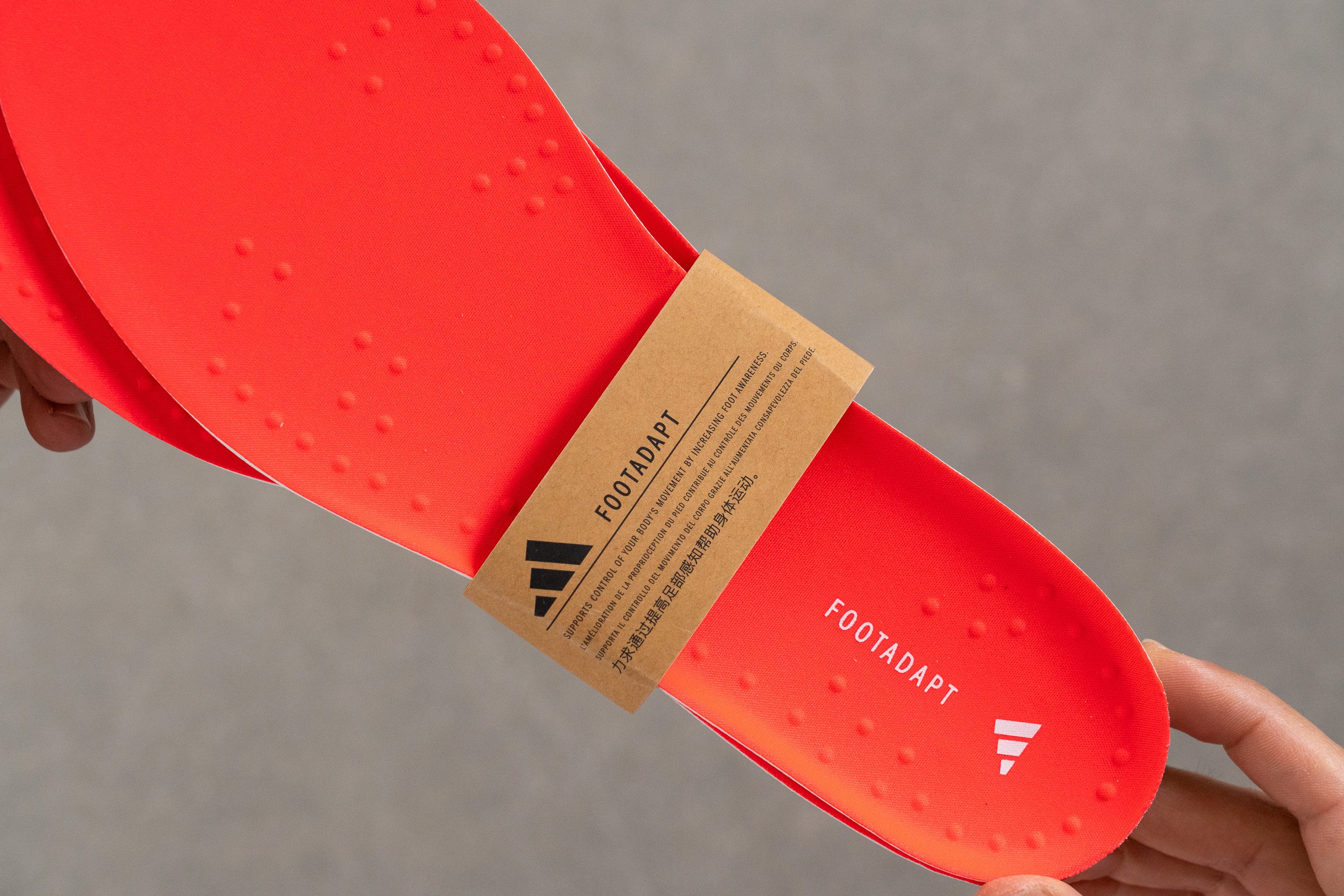
The insole is easily removable and can be swapped for the Footadapt insert that also comes in the box.
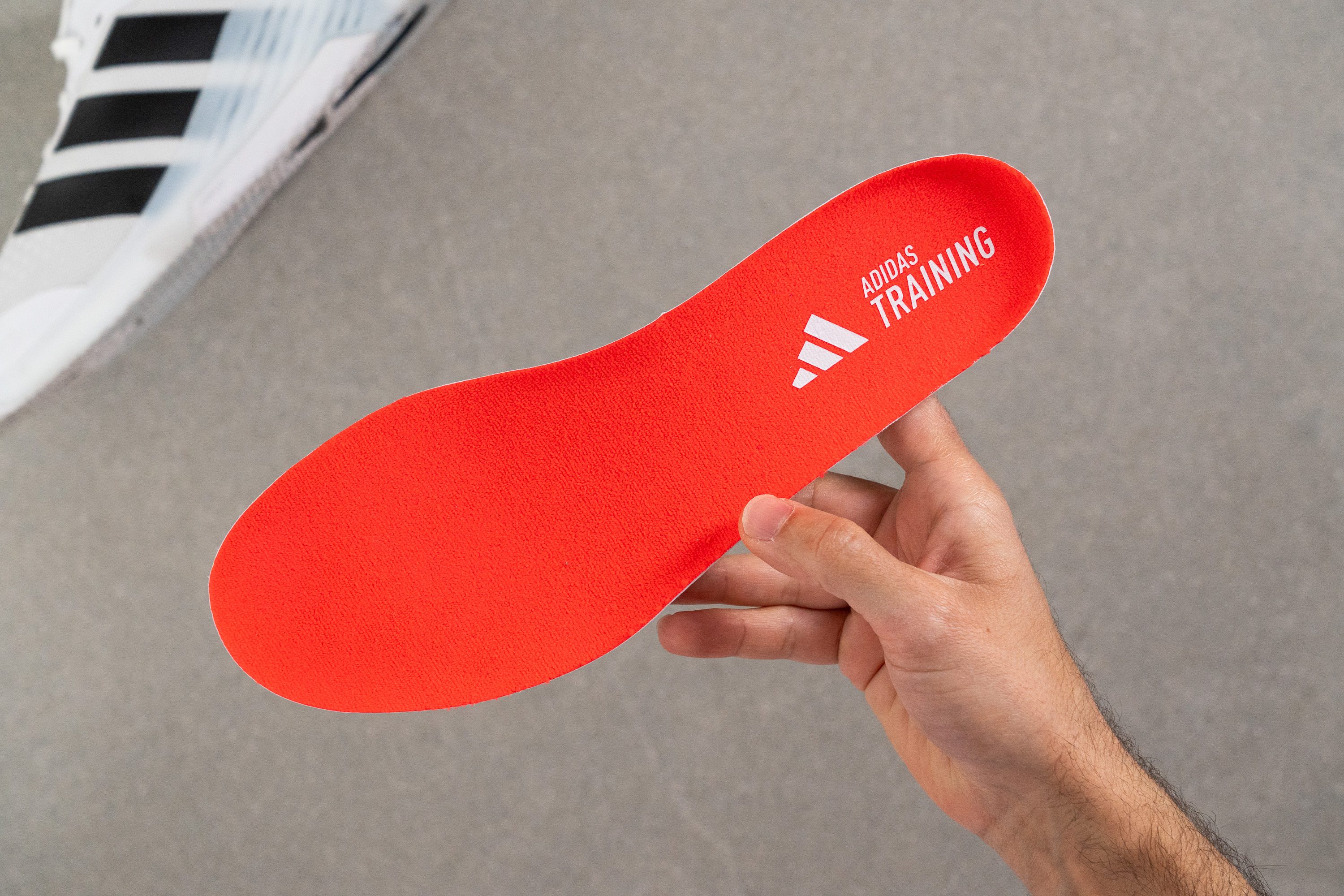
The latter has the exact same thickness as the default insole but features strategically placed bumps that enhance proprioception, sort of like Braille for the foot.
| Dropset 4 | Yes |
Reflective elements
The Dropset 4 features no reflective elements.
| Dropset 4 | No |
Tongue padding
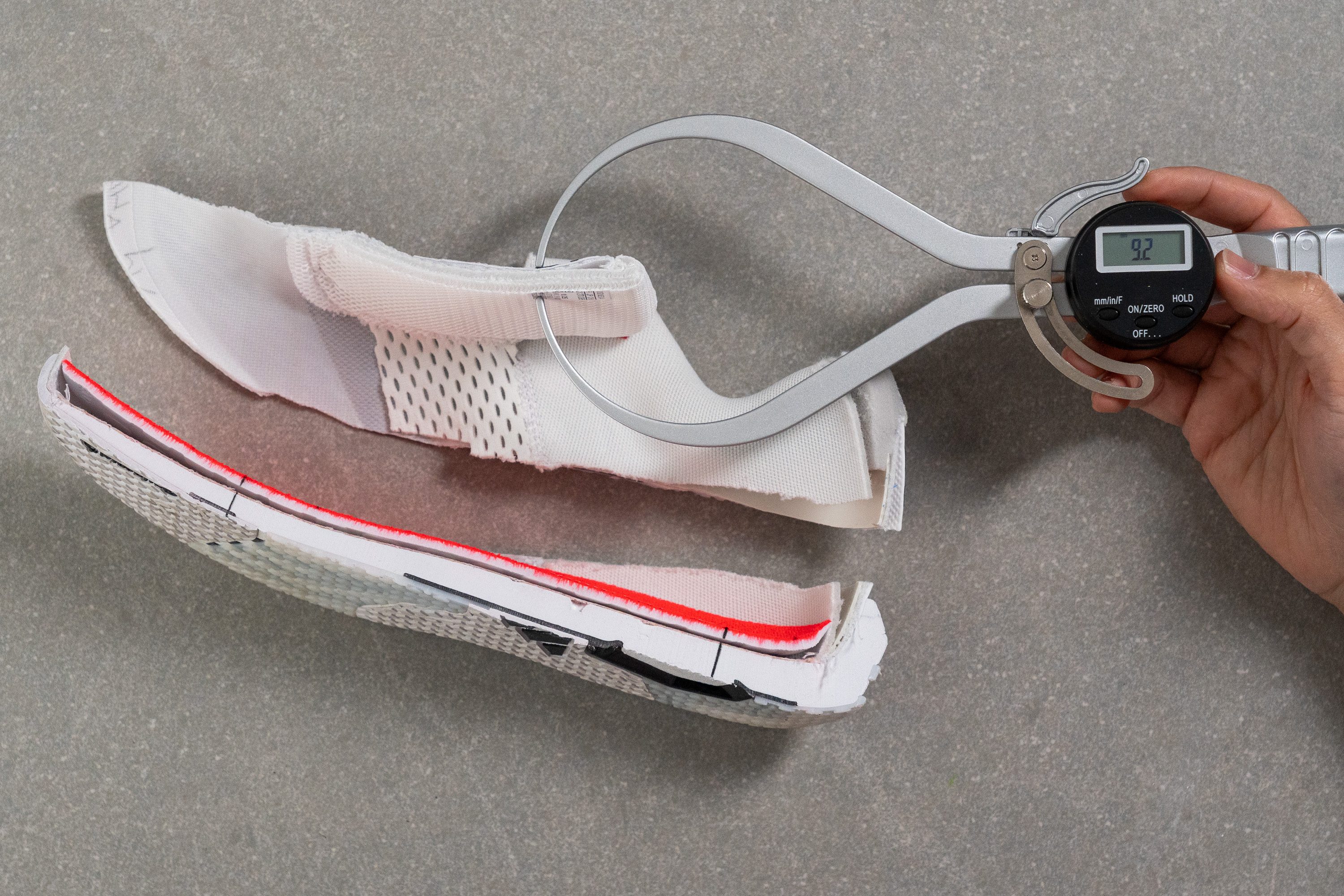
In addition to its generously padded heel collar, the shoe also boosts internal comfort with a well-padded tongue.
We measured the latter's thickness at an above-average 9.2 mm.
| Dropset 4 | 9.2 mm |
| Average | 6.0 mm |
Tongue: gusset type
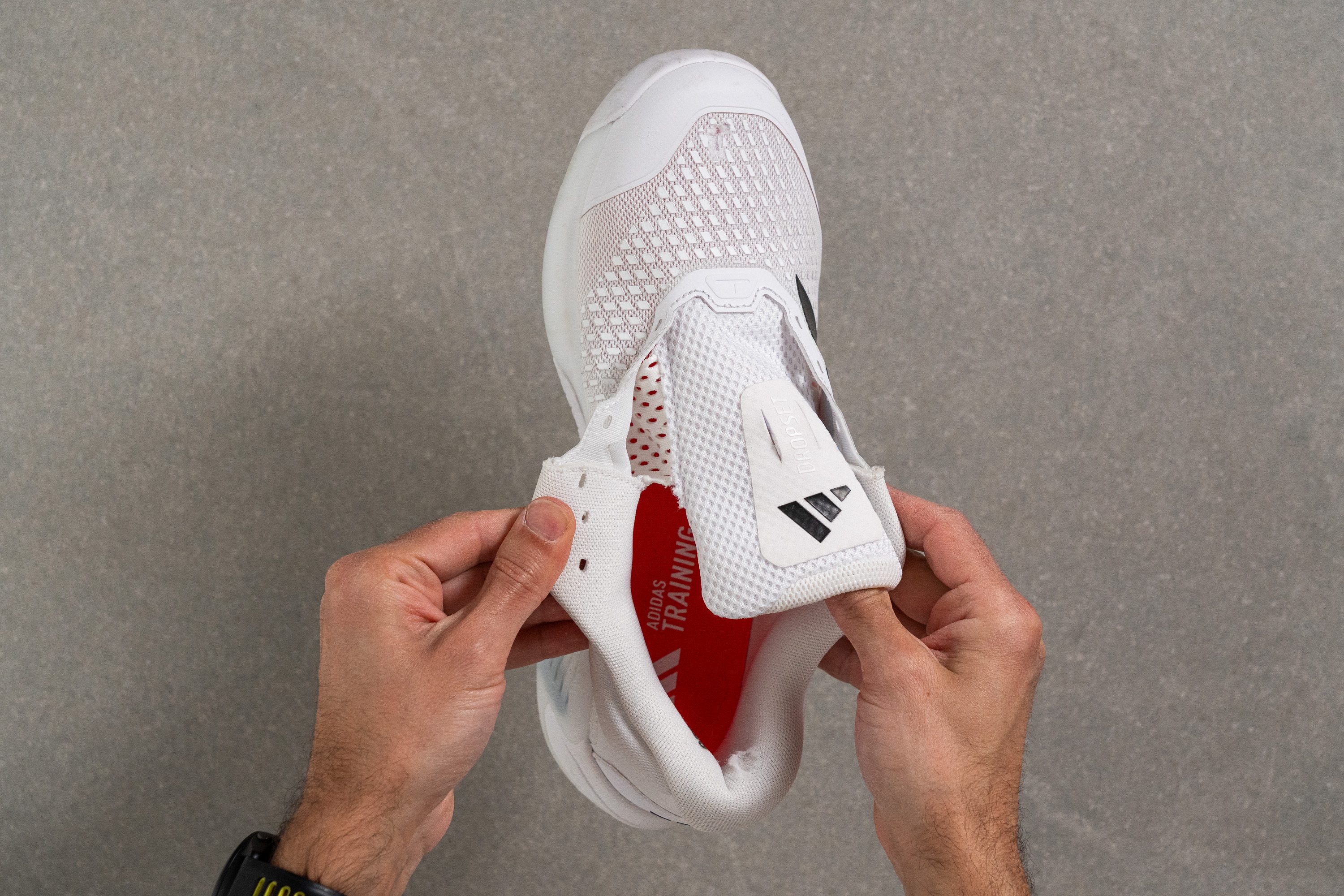
The Dropset 4's tongue is connected to the rest of the upper on both sides, which helps it stay in place during the movement. We also appreciated the fact that the gussets are perforated for breathability.
| Dropset 4 | Both sides (semi) |
Heel tab
There are no pull tabs or finger loops on this adidas trainer.
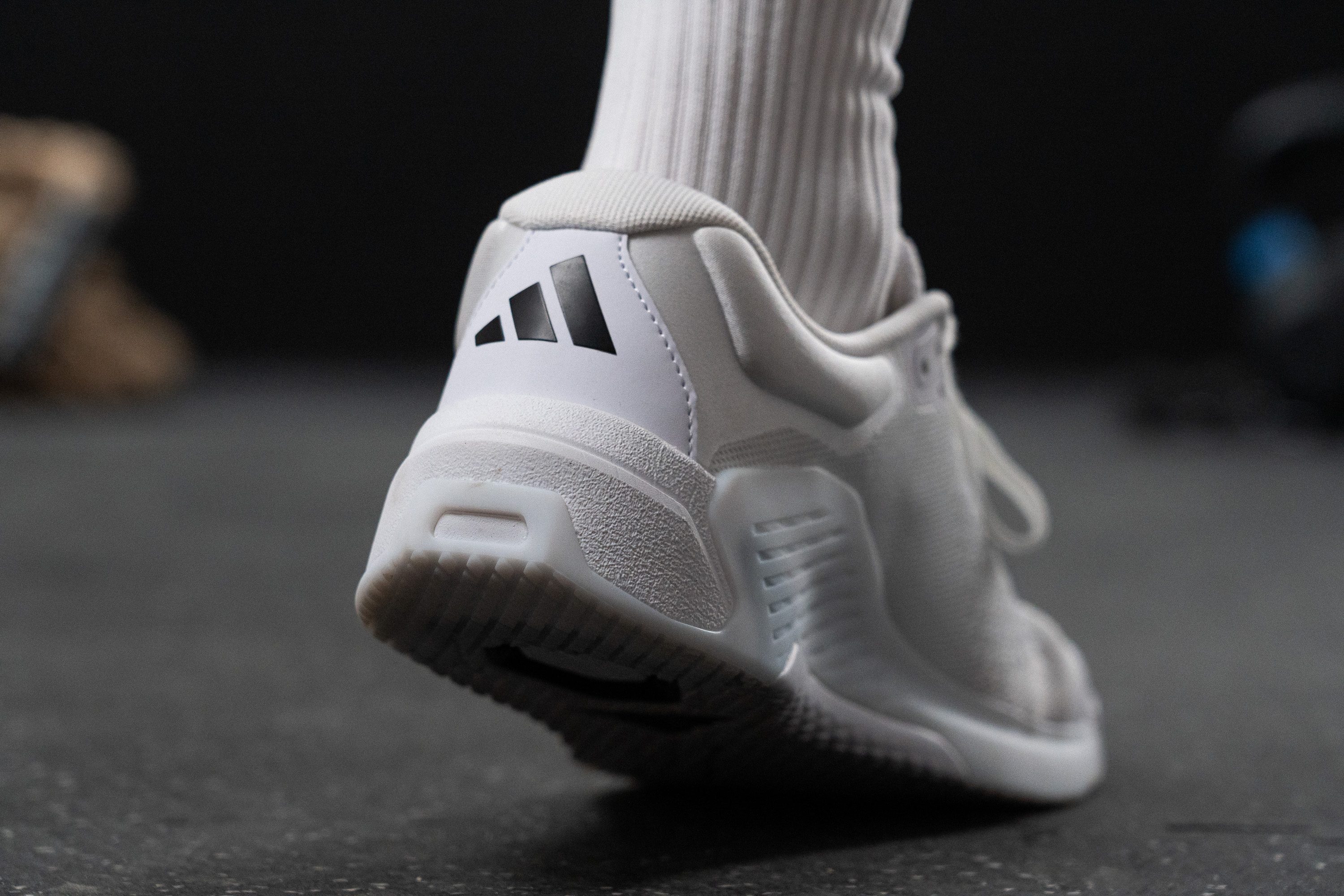
| Dropset 4 | None |
Price
The Dropset series saw a $15 price increase in its 4th edition, bringing it in line with other advanced trainers like Nike Metcons and Reebok Nanos. But does it live up to the competition?
We can say yes, but we need to see improvements in the durability department first.
| Dropset 4 | $145 |
| Average | $129 |