6 Training Shoes With The Best Shock Absorption in 2026
We buy shoes ourselves. We earn commissions when you buy through us, at no extra cost. Why trust us
When aerobics, plyometrics, or any other form of high-impact exercise takes up a major part of your training program, it’s time to consider a pair of shoes with some solid shock absorption.
Even though most cross-training shoes today are designed to be versatile, our lab tests revealed a spectrum ranging from the highly stable, lifting-ready options to the better-cushioned, more comfort-oriented shoes.
This guide focuses on the latter, so you can expect to find cross-trainers with the best shock absorption in our top picks below.
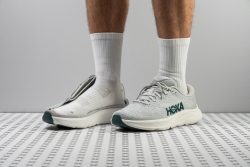
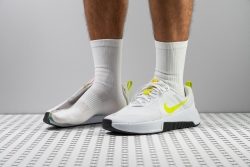
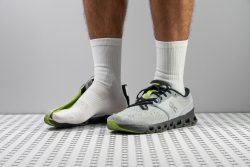
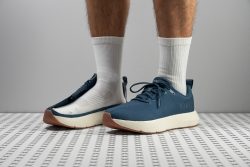
How we test training shoes with the best shock absorption
In our lab, each pair of training shoes is purchased with our own funds to avoid brand loyalty. The shoes undergo the same testing protocols under the same conditions (force, pressure, temperature, angle, etc.) to ensure consistent, comparable results.
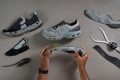
We use specialized tools and machines to get 30+ data points about each shoe’s cushioning, stability, fit, and durability, among other characteristics, to provide the most comprehensive shoe reviews.
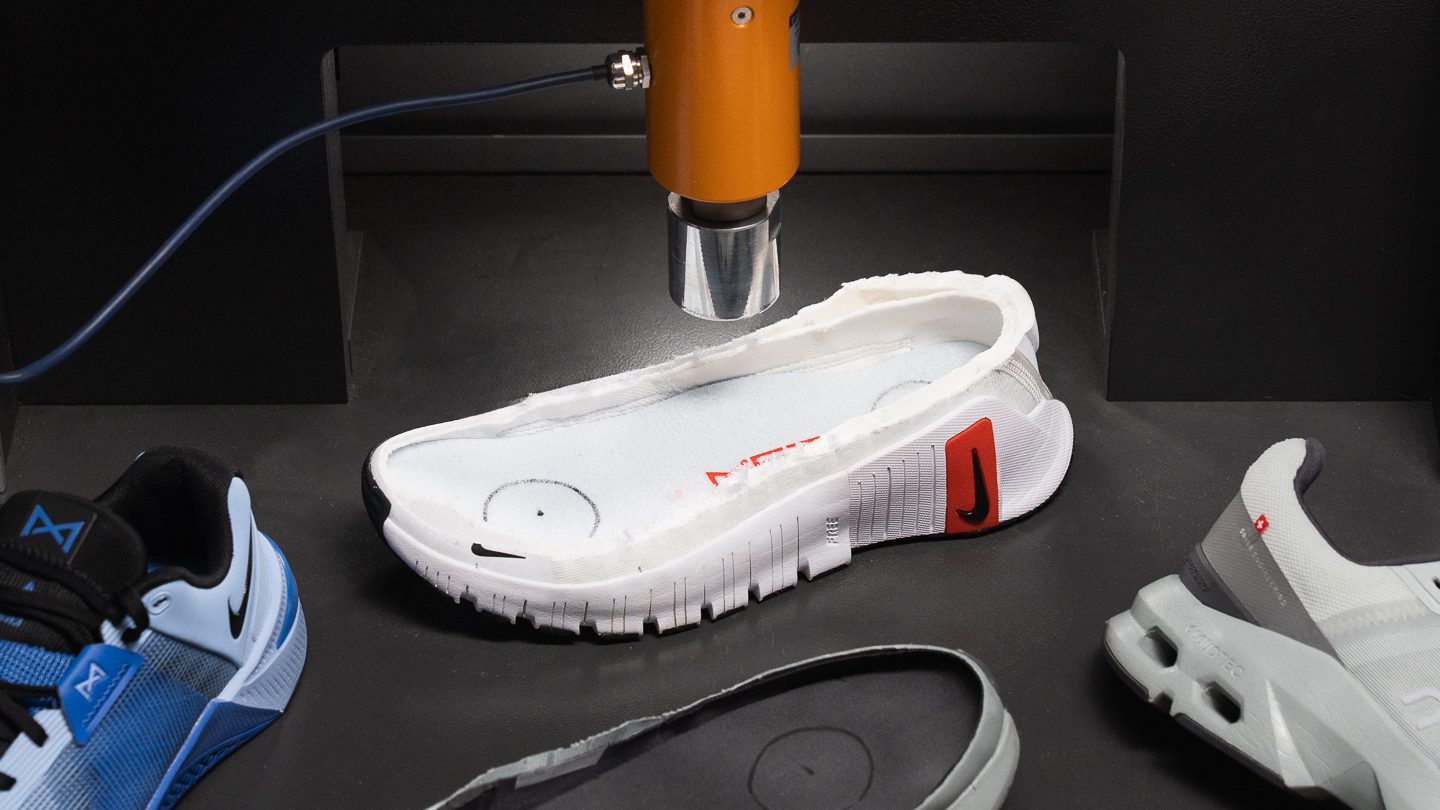
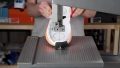
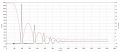
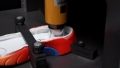
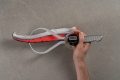
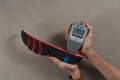
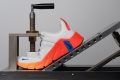
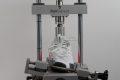
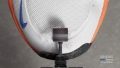
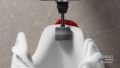
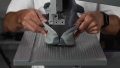
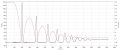
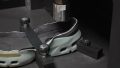
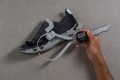
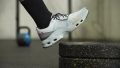
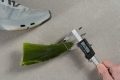
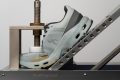
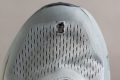
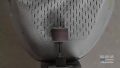
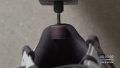
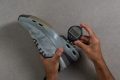
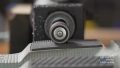
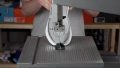
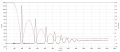
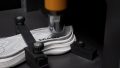
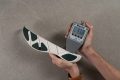
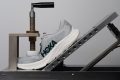
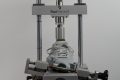
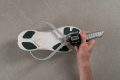
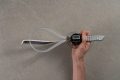
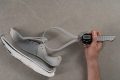
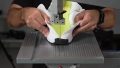
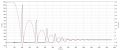
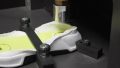
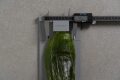
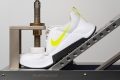
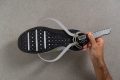
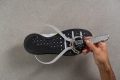
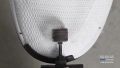
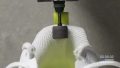
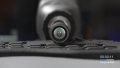
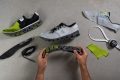
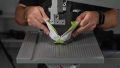
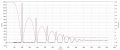
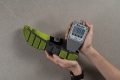
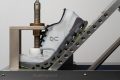
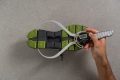
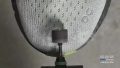
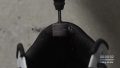
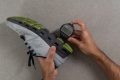
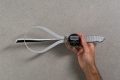
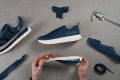
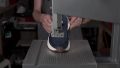
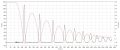
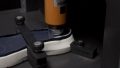
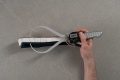
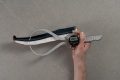
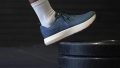
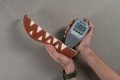
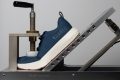
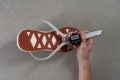
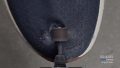
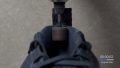
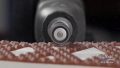
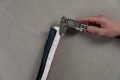
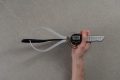
In one of these tests, we follow an acknowledged ASTM F1976 methodology to measure each training shoe’s shock absorption as precisely as possible. The procedure involves dropping an 8.5 kg mass from a height of 50 mm onto the pre-marked spots in both the heel and forefoot of the shoe’s platform. As the mass hits the shoe with 2-second intervals, our machine records the displacement curve.
We repeat the test 30 times (25 during a break-in period and 5 for the final result) and calculate the shoe’s SA. The higher the SA, the better the impact protection.
Best training shoes with high shock absorption overall






What makes it the best?
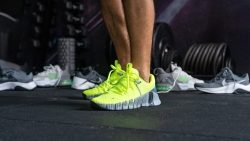
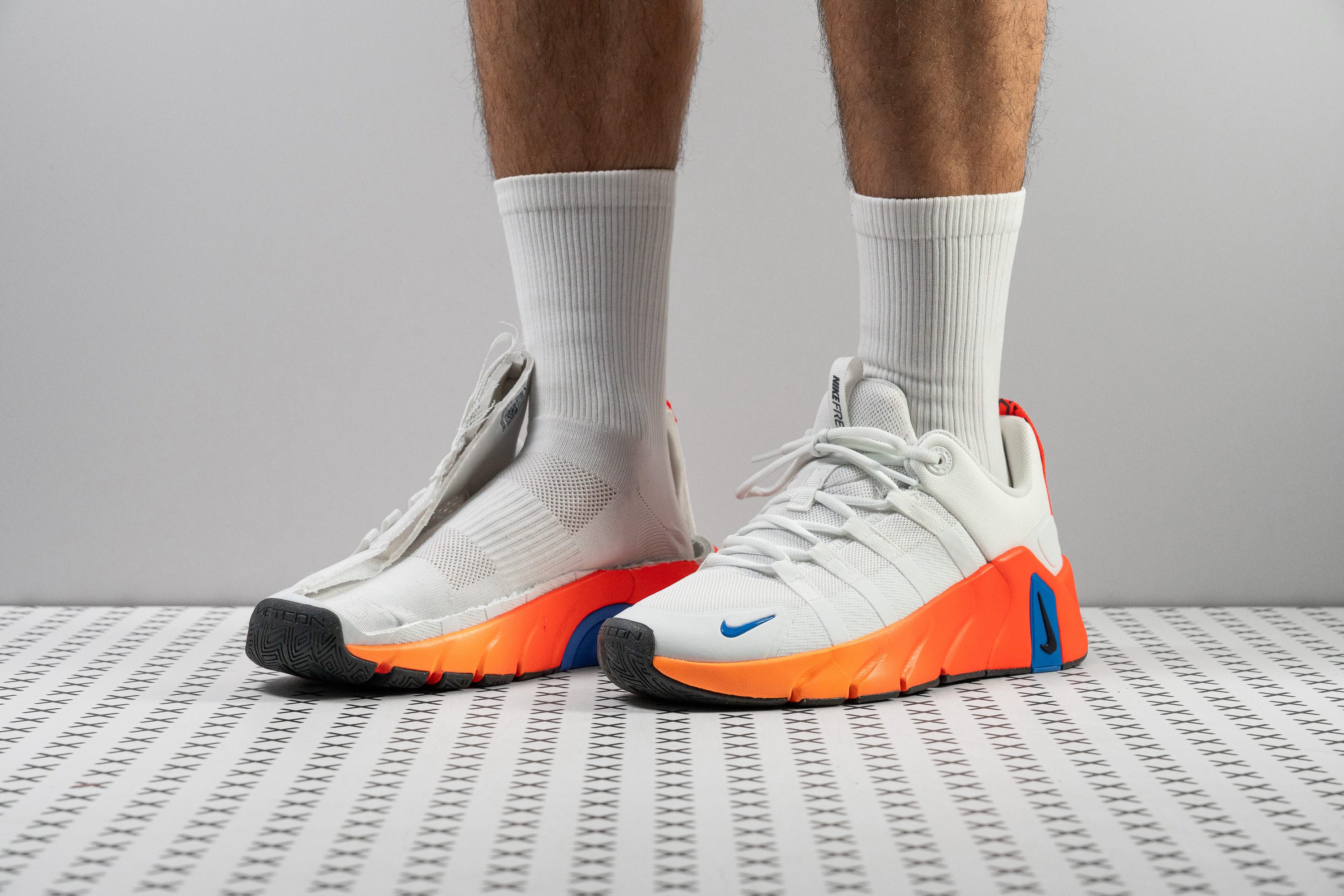
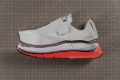
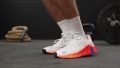
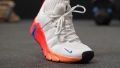
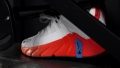
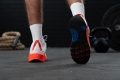
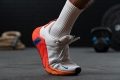
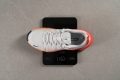
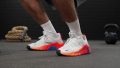
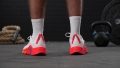
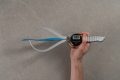
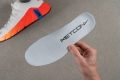
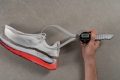
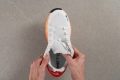
From top to bottom, the Nike Free Metcon 7 proves it's the perfect high-impact trainer. From its flexible build to its impact protection and its airy in-shoe feel, it ensures we perform our heart-pumping exercises with comfort and ease. Even our lab couldn’t deny it’s the best high shock absorption training shoe overall.
At its core is a forgiving midsole, with its stack offering a healthy mix of comfort and ground feel. It keeps us protected without losing surface connection with its 28.3/18.3 mm stack height. However, it shines best in shock absorption with a solid 118 SA rating in the heel and an impressive 74 SA up front. For context, the heel exceeded the average by 43%! On foot, we enjoyed well-protected landings during jumps and run segments.
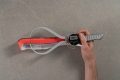
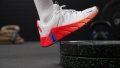
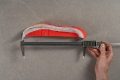
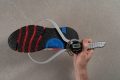
The FM7 feels easy on foot with its exceptional flexibility, showing 13% greater bendability vs. average in our 30-degree test. This adaptiveness makes it suitable for lunges, planks, and other exercises. Its adaptiveness also comes from the deep flex grooves we found in the outsole.
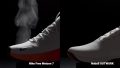
Additionally, it includes a delicate upper that ensures strong airflow for a rejuvenating experience, as validated by our lab with an impressive 4/5 breathability score.
A small issue is that it’s a struggle to get the shoe on with its bootie-like fit, especially for broad feet. Those who find this a pain should look elsewhere.
Pros
- Top-level impact protection
- Firm and planted base for moderate lifting
- Flexible Nike Free forefoot
- Predictable medium-width fit
- Good traction on common gym surfaces
- Excellent breathability
- Great outsole durability
Cons
- Got heavier than average
- Can be hard to put on
Most stable training shoes with high shock absorption

What makes it the best?
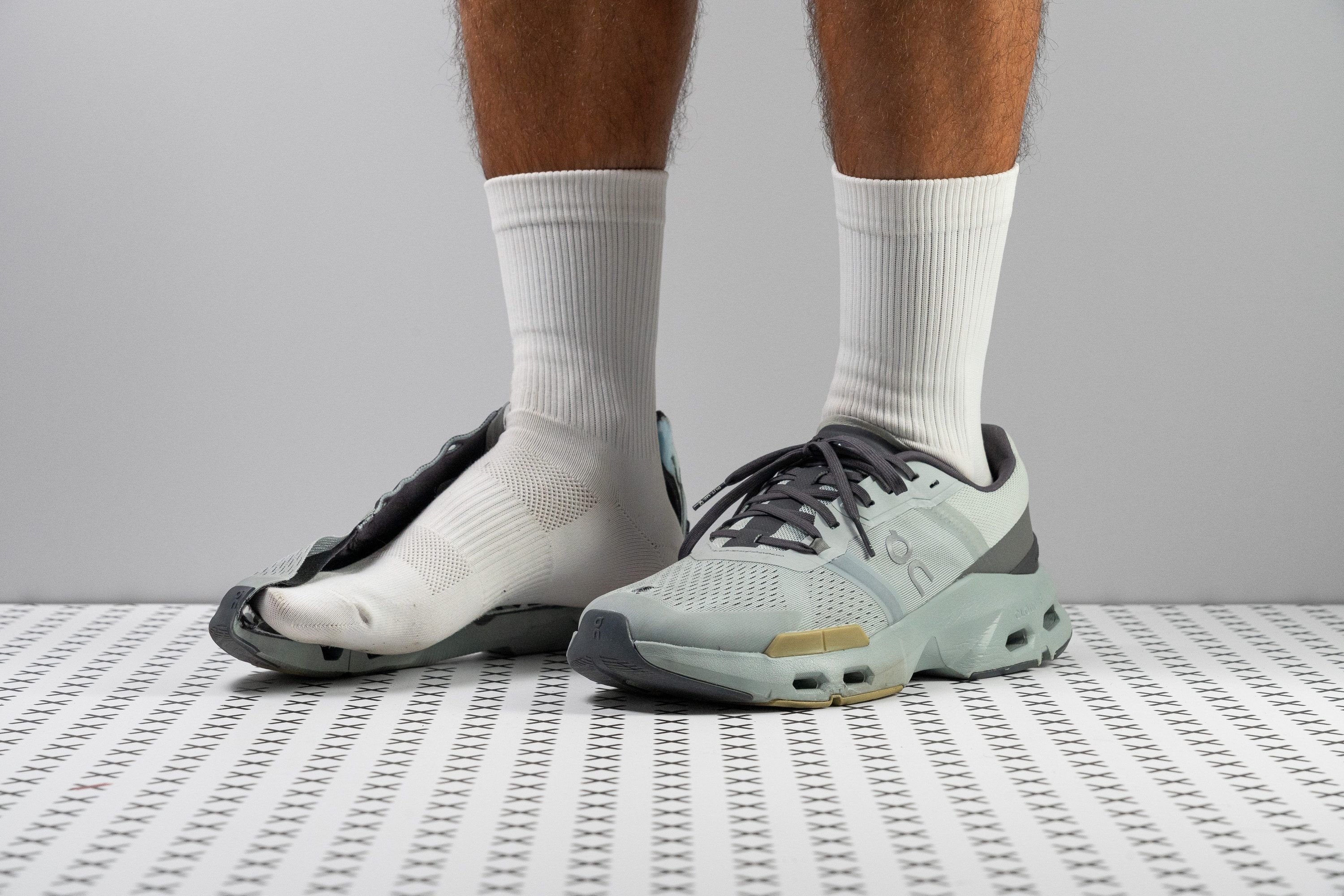
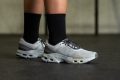
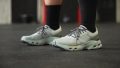
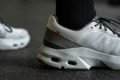
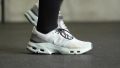
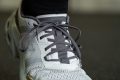
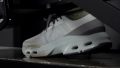
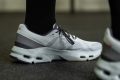
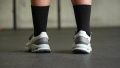
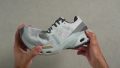
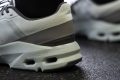
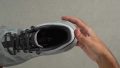
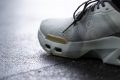
A shock-absorbing trainer with supreme stability—look no further because the On Cloudpulse is our top pick for this parameter. It has the critical elements needed for strengthening sessions—a supportive construction, elevated heel-to-toe drop, and reliable traction, as proven by lab results.
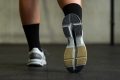
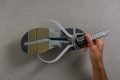
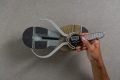
The Cloudpulse features a broad and stiff midsole to secure our footing. We measured the platform to be 117.9/95.0 mm wide, allowing us to find our footing securely. Plus, with a high torsional rigidity score of 4/5, it’s hard to twist our ankles and lose balance.
Cloudpulse’s stack height exceeds the average, reaching 32.9/23.1 mm. We recorded significant shock absorption scores of 104 SA in the heel and 85 SA in the forefoot, which indicates it takes care of our muscles during repetitive jumps and short runs. Meanwhile, the steep 9.8-mm drop that keeps our heels elevated adds to the support. This is very helpful in lifting heavier weights and improving one’s squat form to avoid injuries.
What we also love about this shoe is its awesome traction on any surface — whether on the rubber mats or shiny gym floors. We felt that we were secure and in control, backed up by its strong traction result of 0.45.
Unfortunately, all the support led to a heavier 11.3 oz (319g) weight. People who prefer more agility should try other options.
Pros
- Excellent impact protection for HIIT and cardio
- Midsole feels responsive for jumps and runs
- Great lateral support and stability
- Highly breathable upper
- Sturdy and durable construction
- Perfect outsole grip for gym floors
- Accommodating toebox
Cons
- Not for heavy lifting (200 lbs/90 kg max)
- Not very bendy forefoot
- Frail toebox mesh (not for rope climbs)
Best lightweight training shoes with high shock absorption




What makes it the best?
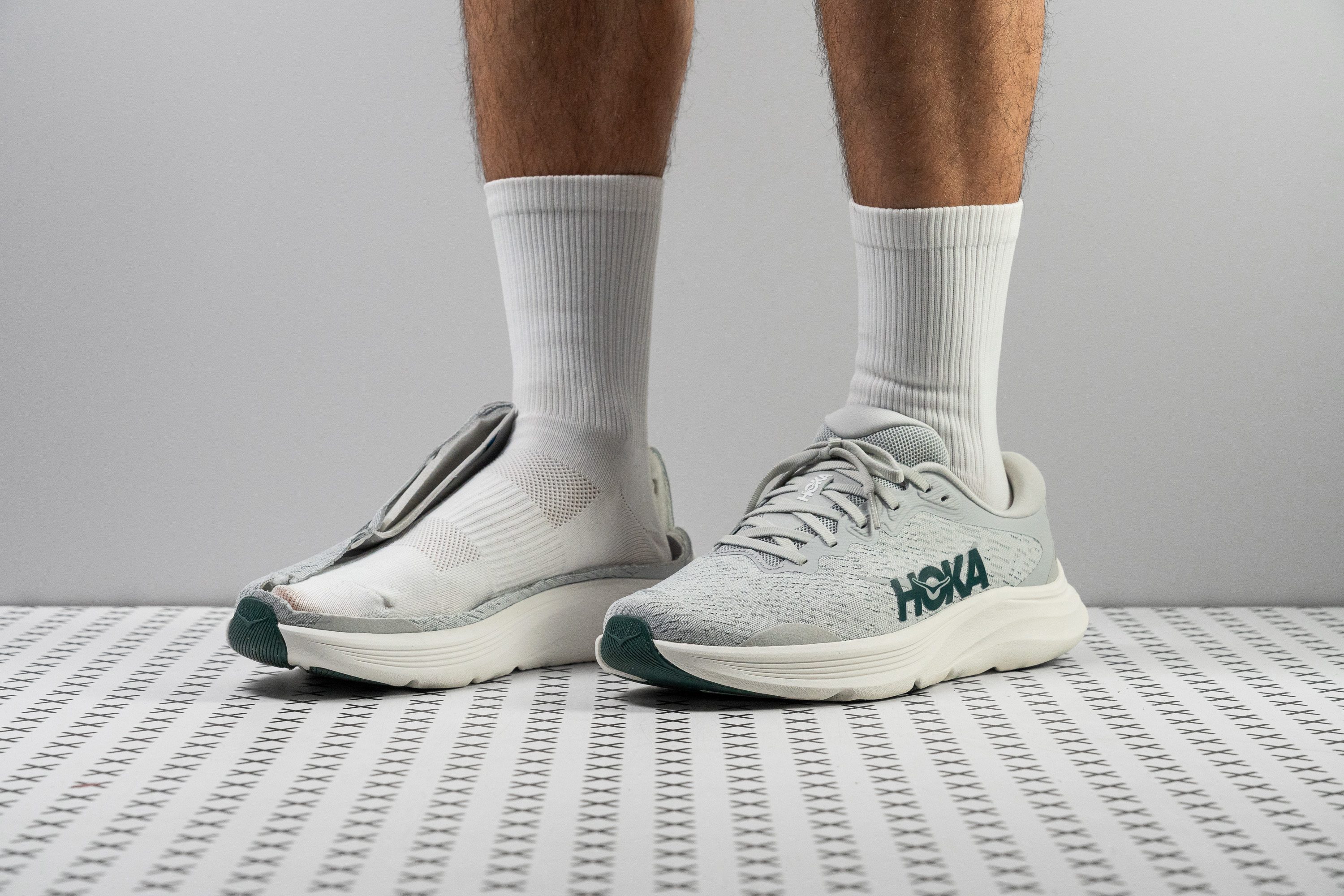
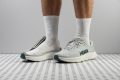
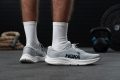
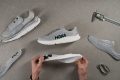
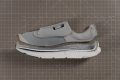
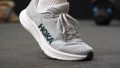
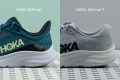
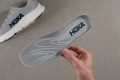
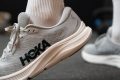
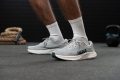
With its feathery yet cushioned build, the HOKA Solimar 2 eased the burden of multiple exercises, from agility work to runs. Among high shock absorption training shoes, it gave us the best lightweight experience.
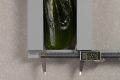
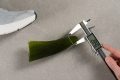
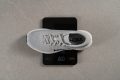
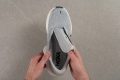
We knew the shoe was airy, but its low 8.0 oz (227g) figure on the scale still blew us away. Compared to the average, it offers 25% significant weight savings and reduces leg fatigue.
Another major factor that soothed our muscles is the midsole’s strong shock absorption. We recorded 108 SA in the heel and 90 SA under our toe joints, exceeding their respective averages by 31% and 45%! No wonder we still feel fresh even after repetitive jumps and cardio exercises.
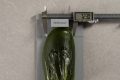
Moreover, we measured a thick foam lifting us off the ground, specifically at 28.9/23.9 mm. It also offers moderate energy return of 52.9% in the heel and 55.4% in the forefoot, allowing us to move with less effort.
However, what it lacks is a stable and controlled feel. It manages to be so light because it lacks dedicated supportive features. We recommend a sturdier shoe for lifting and strenuous multi-directional movements.
Pros
- Well-cushioned for high-impact workouts
- Exceptionally lightweight
- Stable for cardio and bodyweight training
- True medium-width fit with wide options
- Generously padded interiors
- Durable for indoor use
- Good grip for gym surfaces
Cons
- Not for weightlifting
- Limited forefoot flexibility
Best budget training shoes with high shock absorption








What makes it the best?
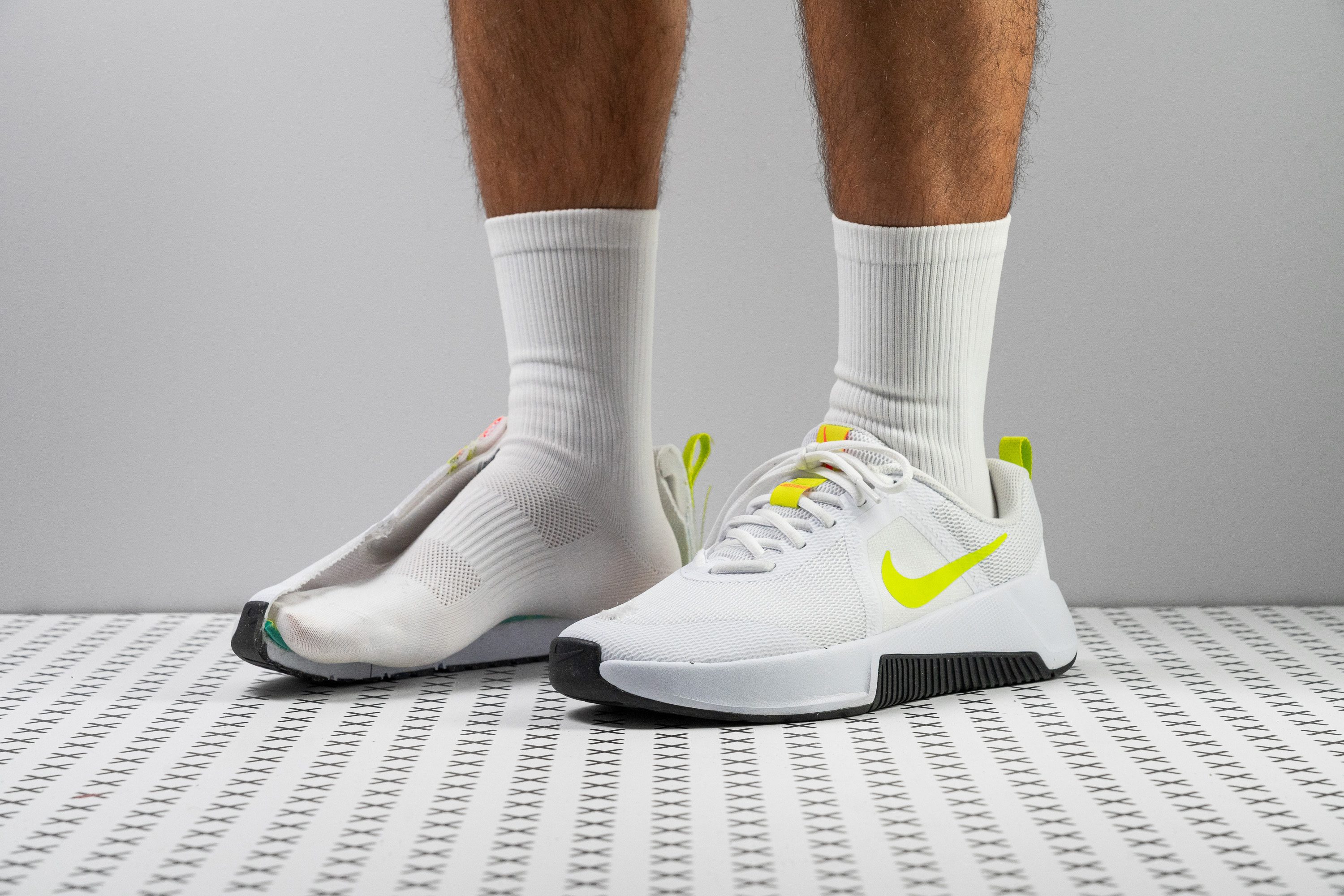
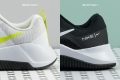
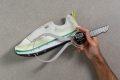
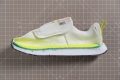
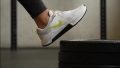
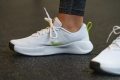
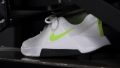
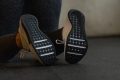
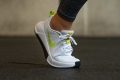
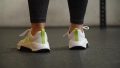
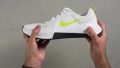
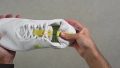
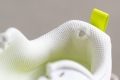
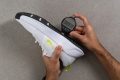
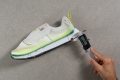
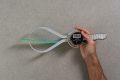
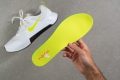
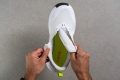
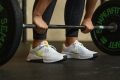
The Nike MC Trainer 3 proves in our workouts and lab assessment that it has a lot to offer with its $80 price tag. We found it the perfect trainer for athletes prioritizing cushioning, airflow, and comfort. Its light build allows fast footwork, while its impact-reducing platform offers muscle and joint protection. Because it’s 34.4% cheaper than average, we chose it as our best budget high shock absorption training shoe.
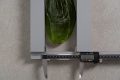
We measured an above-average stack height of 30.6/21.8 mm, offering a well-cushioned ride for repetitive impact. Moreover, the foam itself can reduce the forces of landing, with above-average shock absorption scores of 97 SA (heel) and 83 SA (forefoot). The latter astoundingly exceeds the average by 40.7%, making it exceptionally forgiving for rope jumps.
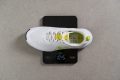
Despite its generous foam, MC Trainer 3 manages to weigh below the average trainer at 10.4 oz (296g). Its lightness enhances versatility and comfort since it’s one less load to carry on foot.
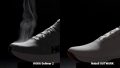
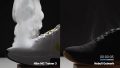
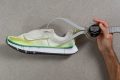
The upper also feels delightful to wear, as it displayed rapid airflow in our smoke test. With its perfect breathability score, we manage to stay cool during intense workouts.
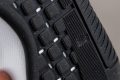
However, we caution that the outsole lacks grip for precise and controlled footwork. If strong traction is a non-negotiable, we advise looking elsewhere.
Pros
- Fantastic value for money
- Highly breathable
- Doesn't drag the foot down
- Better cushioned than v2
- Heel bevel is better for running and walking
- Decent stability for moderate workouts
- Good flexibility for lunges and planks
- Accommodating toebox
- Comfortable padded interiors
Cons
- Not for flat and wide feet (narrow midfoot)
- Upper lacks wear resistance
- Weak outsole grip
Best training shoes with high shock absorption for gym and daily wear






What makes it the best?
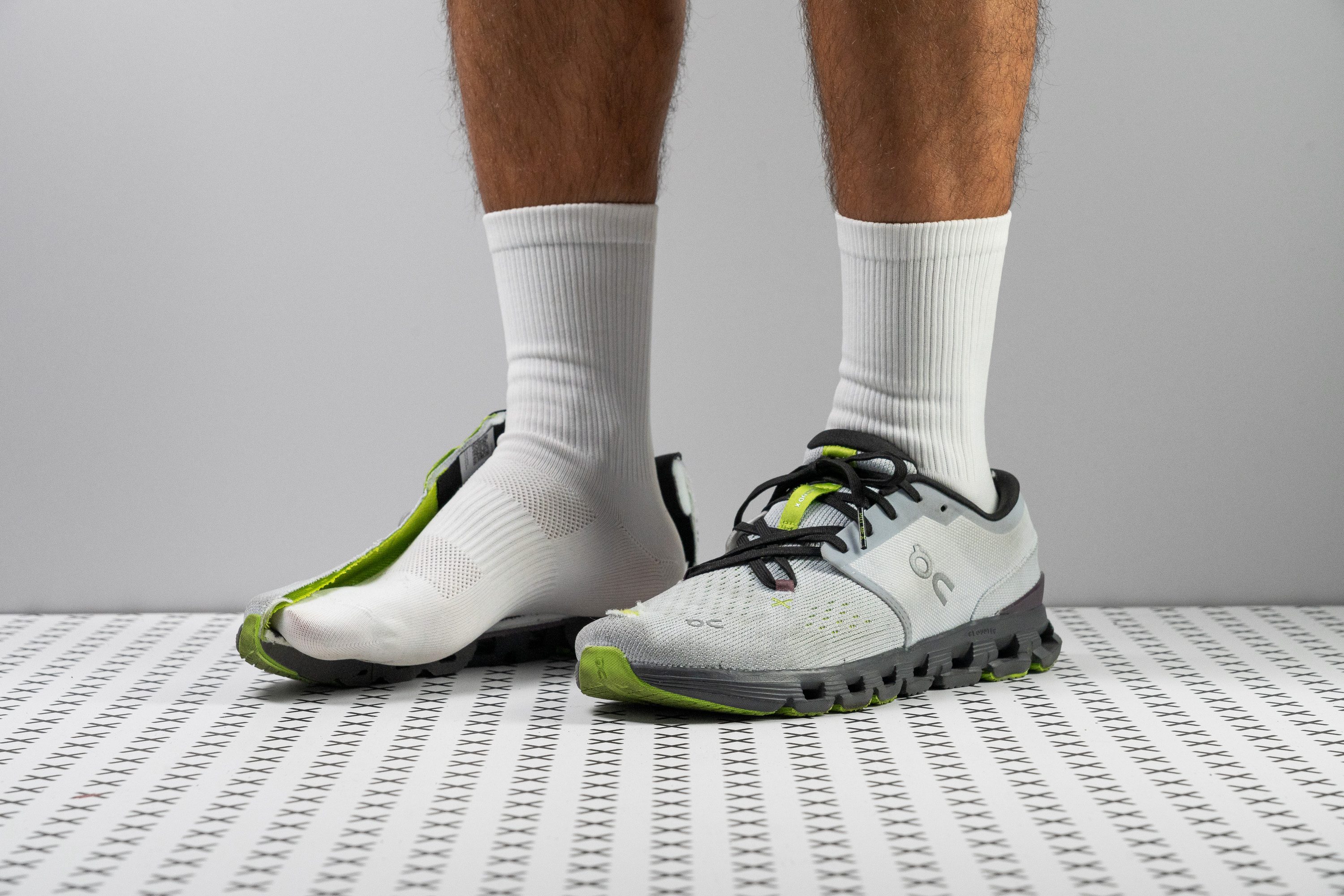
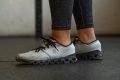
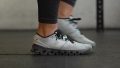
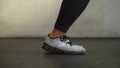
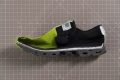
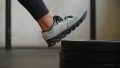
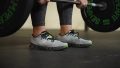
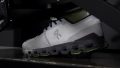
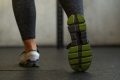
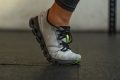
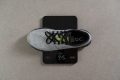
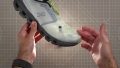
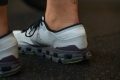
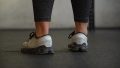
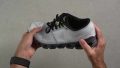
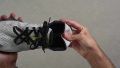
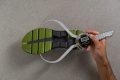
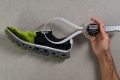
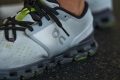
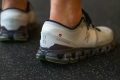
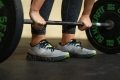
After numerous gym sessions and rigorous lab analysis, we found the On Cloud X 4 to be our ultimate high-shock absorption training shoe for gym and daily wear. It delivers excellent impact protection and consistent energy return, allowing us to perform more reps pain-free. It’s lightweight and has a lot of ventilation for lasting comfort.
Cloud X 4 personifies a cloudlike sensation through its minimal weight. Our scales show it’s only 9.5 oz (268g), making it 11.8% lighter than average. It’s easy to move around in this pair, which helps prevent fatigue.
The stack measures an above-average 30.4/21.5 mm, serving as an effective buffer from the ground. Even with hard landings, our joints and muscles feel cushioned. We tested for shock absorption and recorded 109 SA in the heel and 73 SA in the forefoot. To avoid feeling too mushy, the foam is springy during jumps and runs, as proven by high energy scores of 58.0% in the heel and 59.4% in the forefoot.
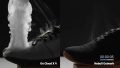
Comfort is taken to the next level with its breathable upper. With free airflow, we never encountered heat or sweat build-up. During our smoke test, the air flowed out smoothly, earning the maximum 5/5 breathability score.
However, this is not the pair for fitness routines that require stability. It feels wobbly for lifting and single-legged exercises. Those looking for support should go for more structured trainers.
Pros
- Super airy and breathable upper
- Feels very light, disappears on foot
- Great cushioning for jumps and short runs
- Highly flexible construction
- Doubles as a comfy walking shoe
- Comfortable step-in feel
- Recycled upper materials
Cons
- Awful durability
- Seriously overpriced
- Stability is almost non-existent
- Weak outsole grip
Best training shoes with high shock absorption for running





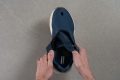
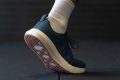
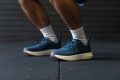
What makes it the best?
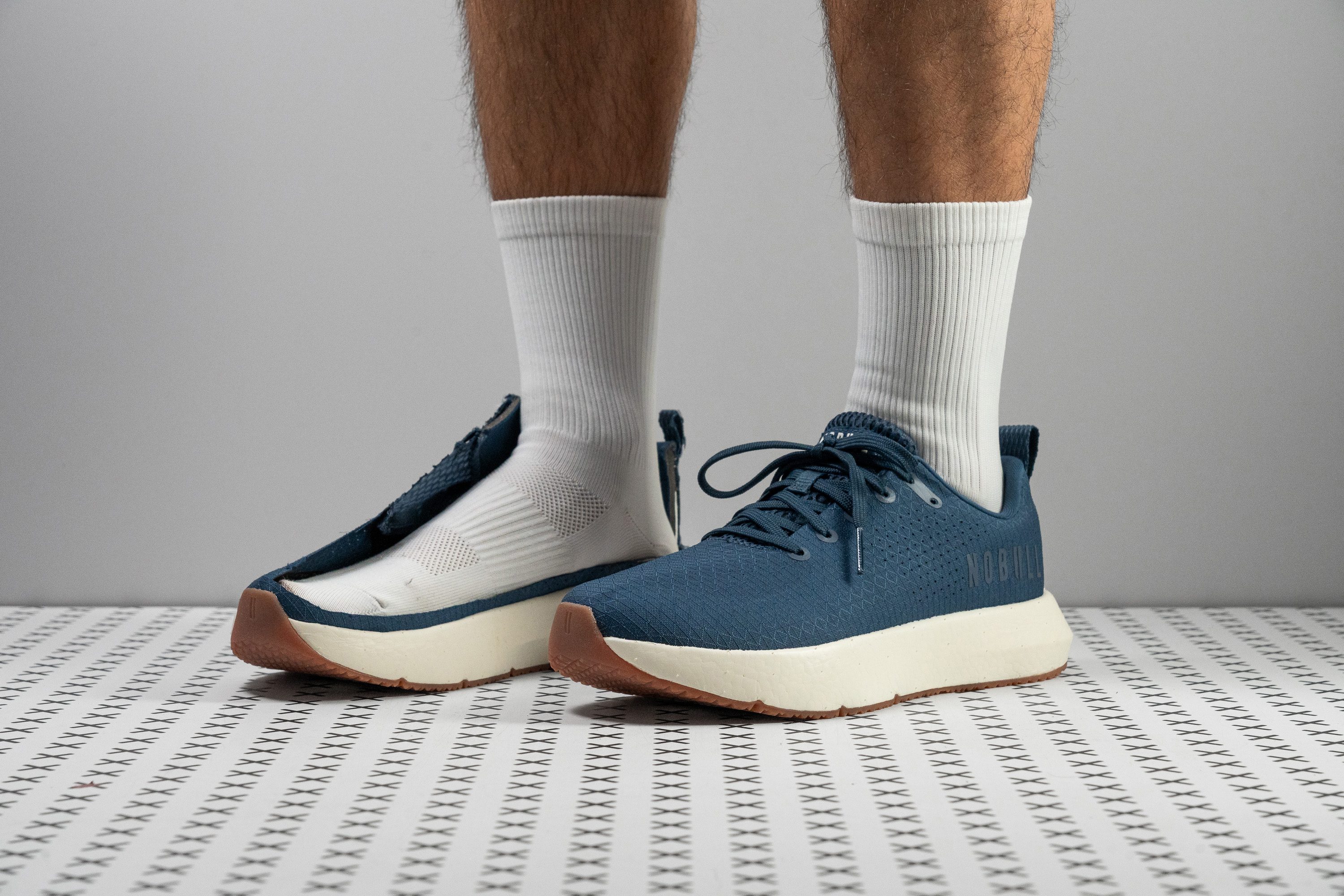
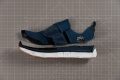
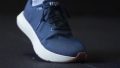
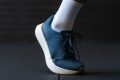
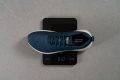
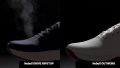
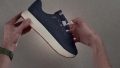
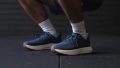
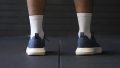
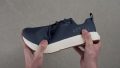
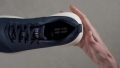
The NOBULL Drive Ripstop proves in our workout sessions that we can have one shoe for whatever workout we have for the day. Lab tests verify what we experienced: the Drive Ripstop has cushioning that performs, supports, and comforts. Its massive energy return is an absolute dream, making it our top high-shock-absorption training shoe for running.
We discovered the midsole is made of Pebax, which adds undeniable bounce every time we take off during box jumps, high knees, and runs. Testing for energy return, we recorded above-average ratings of 71.6% in the heel and 71.1% in the forefoot, figures that exceed those of a daily running shoe! It’s also exceptionally light at 8.1 oz (230g), adding to its agility.
The Drive Ripstop features cushioning that is kind to our joints without losing stability. It keeps us supported through every rep, with its impact-dampening shock absorption scores of 104 SA in the heel and 90 SA in the forefoot.
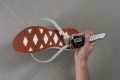
When it comes to lateral movement, the broad midsole secures our footing so that we don’t lose balance. The oversized 91.1 mm heel definitely creates a stable experience.
Unfortunately, the delicate upper compromised durability. We recommend avoiding rope climbing and other abrasive surfaces to preserve the shoe’s life.
Pros
- Excellent shock absorption for high-impact work
- Exceptional energy return from Pebax foam
- Solid stability for moderate lifting
- Fantastic outsole grip
- Great breathability for sweaty workouts
- Much lighter than average/than expected
- Good medium-width fit
Cons
- Not for heavy weightlifting
- Poor durability
When (not) to get training shoes with high shock absorption
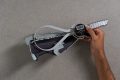
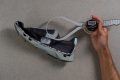
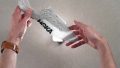
Shock absorption refers to the shoe’s ability to dampen the impact forces that occur when the foot hits the ground. Absorbing a major part of that force, they prevent it from affecting the bones and joints.
Testing shock absorption in our lab
In running and walking shoes, higher shock absorption is typically preferred, as these activities involve prolonged, repetitive impact. In training, however, it is important to consider the context and use case before choosing trainers with high impact protection.
Benefits of high shock absorption in cross-training shoes
1. Reduced fatigue: Added cushioning helps take the edge off cardio work and jump-heavy programmes, like those in fitness classes and boot camps. When shoes absorb some of the impact, athletes can complete more reps with less fatigue and joint discomfort and feel less beaten up the next day.
Good shock absorption is also essential for treadmill runs and sprint intervals. But no matter how much protection they provide, cross-trainers can never compete with the cushioning of running shoes for distances longer than 1-2 miles.
If you regularly run longer distances, we highly recommend getting a dedicated running shoe or a running shoe with decent stability that doubles as a gym shoe.
2. Less stress on the tendons and joints: This is particularly important for people who need to protect their ankles, knees, hips, and lower back because of discomfort, pain, or a history of injuries.
Athletes with plantar fasciitis, heel pain, ball-of-foot pain, Morton’s neuroma, and other painful conditions will also benefit from better cushioning. The same is true for heavier, more muscular folks, whose weight exerts more force.
3. Better for hard surfaces: Athletes training on hard floors like wood or concrete, as opposed to rubber mats and carpets, will surely appreciate extra shock absorption.
4. More comfortable for walking and day-to-day wear: Cross-trainers that pack a little more cushioning than their counterparts can serve as decent walking shoes and make it more comfortable to commute or stand (i.e., when coaching at the gym all day).
We measure shock absorption in both the heel and the forefoot, as most cross-training shoes are not equally well-cushioned in both areas. The SA reading tends to be higher in the heel as that’s where the peak impact force goes when walking, running (with a heel-striking pattern), or landing on flat feet (i.e., during box jumps).
But it also helps to know how much impact protection to expect in the shoe’s ball-of-foot area for plyometric jumps, rope jumping, agility drills, and sprints (with a forefoot/midfoot striking pattern), where the peak forces go to the forefoot.
When high shock absorption backfires
When it comes to cushioning in training shoes, more is not always merrier, and it’s important to understand when enough is enough.
Here are a few cases when it’s better to opt for a trainer with moderate or even low shock attenuation:
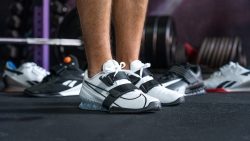
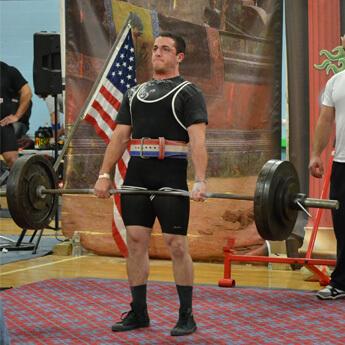
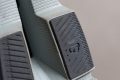
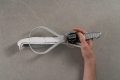
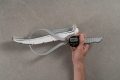
1. Loss of stability in heavy weightlifting: It’s hard to tell at what exact load the shoe’s midsole compression becomes critical, as that depends on the athlete’s bodyweight and the midsole composition. But either way, if you do CrossFit and your workout routine is heavy on lifting, a firm, incompressible shoe platform is a must.
Ideally, you want all of your energy to travel to the barbell and not get absorbed by the shoe’s midsole. A stout, firm shoe base also prevents unwanted wobbling and helps you feel more connected to the floor.
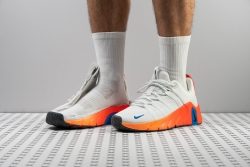
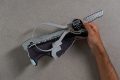
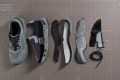
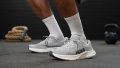
Example of a cushioned, less stable cross-trainer
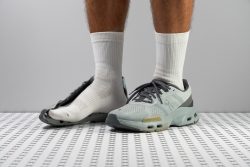
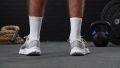
Example of a firm, highly stable cross-trainer
2. Poor ground feel: More foam underfoot can mute sensory feedback between the foot and the floor. This, in turn, can make the response feel delayed or even cause balance issues during quick agility work.
3. Weaker foot engagement over time: Relying on cushioning too much for too long can make our own stabilizer muscles and tendons somewhat ‘lazy.’ If you aim for well-rounded strength, you might want to rotate between cushioned and firm shoes or even perform some exercises barefoot to keep the engagement going.
This is one of the reasons why some gym goers gravitate towards minimalist or even barefoot-style trainers.
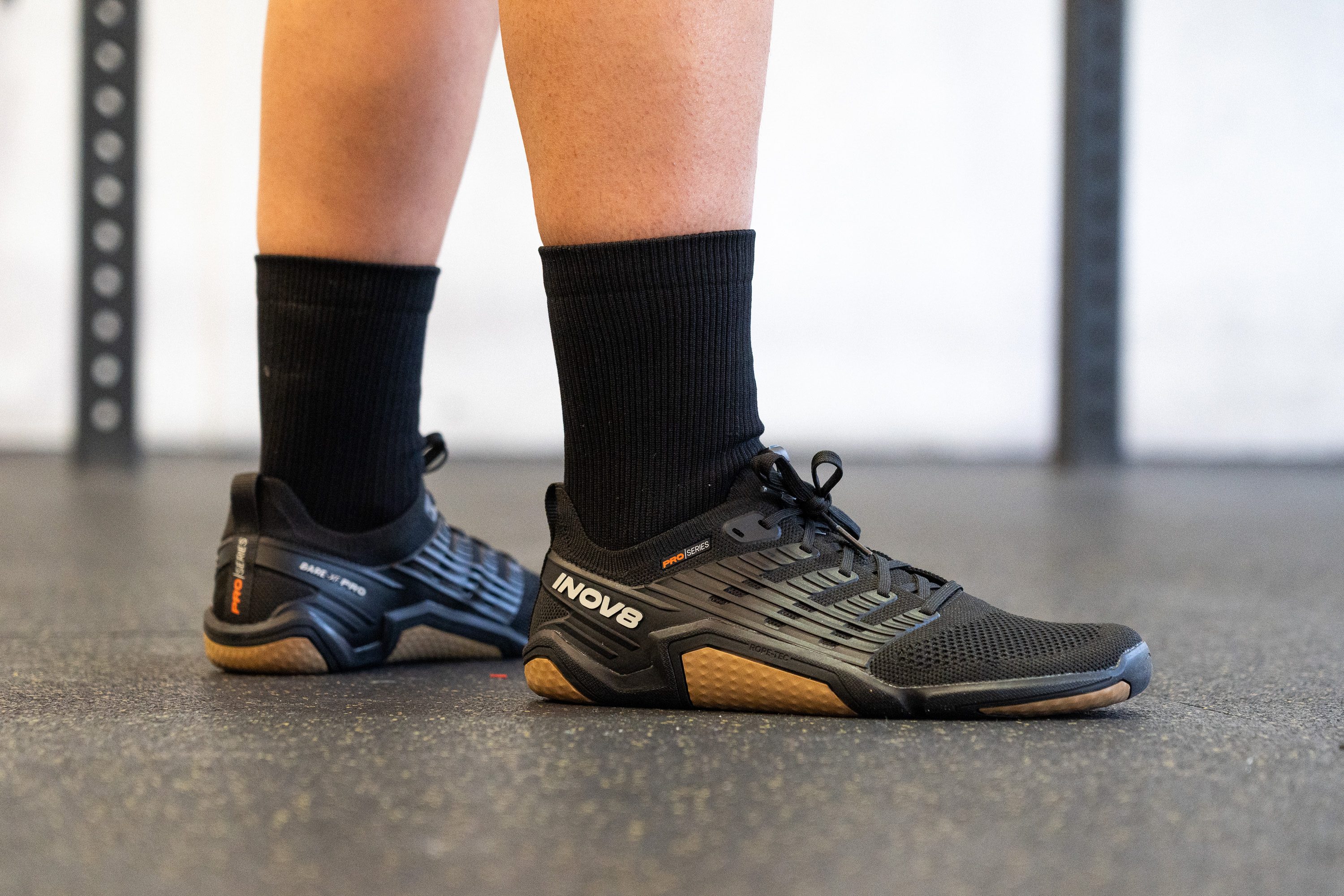
Midsole softness and shock absorption in training shoes
It is only logical to assume that better cushioning is associated with softer foams. But that’s not necessarily the case for training shoes.
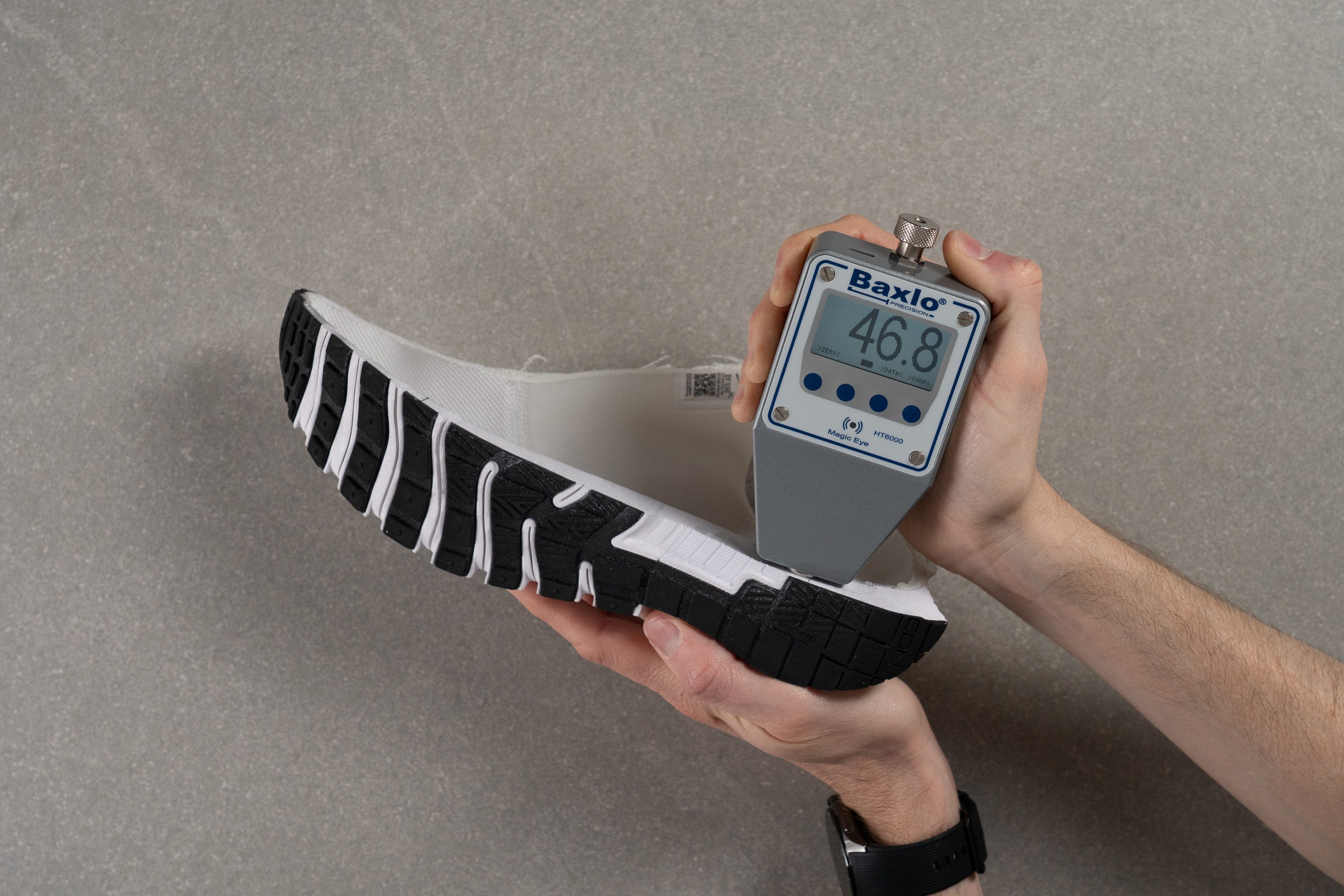
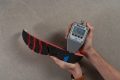
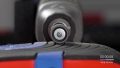
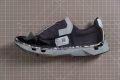
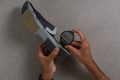
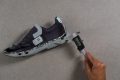
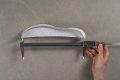
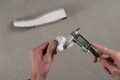
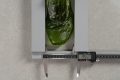
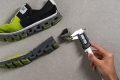
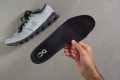
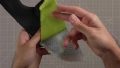
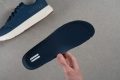
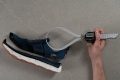
Having sliced and measured dozens of cross-trainers, we found no strong correlation between higher shock absorption and softer cushioning. Most trainers with high impact protection show durometer readings between 33 and 42 AC, which reflects a moderately soft/balanced experience (below 33 AC is soft and above 42 AC is firm).
Very often, brands incorporate dual-density setups that fuse softer and firmer foams to add more cushioning where it’s most needed while keeping the targeted areas firm for stability.
Example of a dual-density midsole
Stack height in trainers with high shock absorption
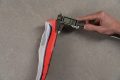
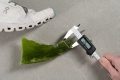
Although it makes sense to expect better impact protection from a shoe with a 30+ mm stack than from a barefoot-style shoe, our data show that shock absorption does not increase proportionally with stack height.
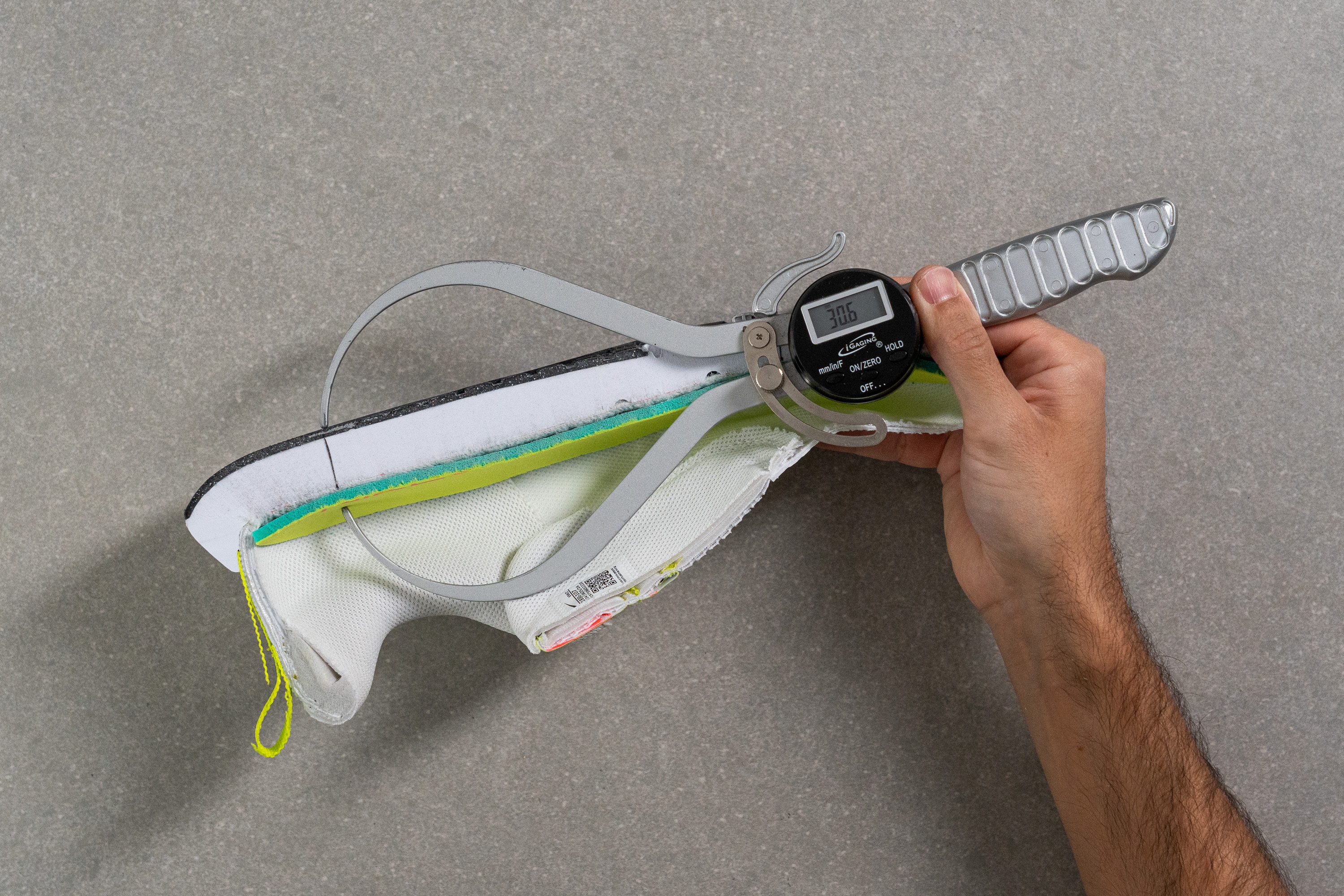
In some cases, we even recorded the same SA in cross-trainers with a 10-mm difference in stack height! So it’s not only about the amount of cushioning foam but also about its quality and the shoe’s midsole design overall.
You can choose a more grounded shoe or opt for a higher heel (a higher heel-to-toe drop), depending on your training goals and preferences.
For example, shoes with a lower stack can be a better match for workouts with lots of side-to-side movements and agility work.
Price: Do we pay more for better impact protection in training shoes?
Comparing the average retail price of cross-trainers with low, moderate, and high shock absorption, we found that the latter actually has the lowest average MSRP:
| Shock absorption | MSRP |
| Low | $135 |
| Moderate | $132 |
| High | $119 |
But here is the kicker, the price of high-SA trainers ranges anywhere from $60 to $160! This means that impact protection is only part of the equation, and the final price depends on the quality of the materials and the presence of advanced technologies.
Most flagship cross-training shoes have firmer soles because they are built for demanding CrossFit and weightlifting sessions. Premium options like Reebok Nanos and Nike Metcons tend to have their shock absorption in the low 60-80 SA range.
This explains the higher average price point of shoes with lower SA in the table above.
Similar buying guides