What makes a running shoe faster?

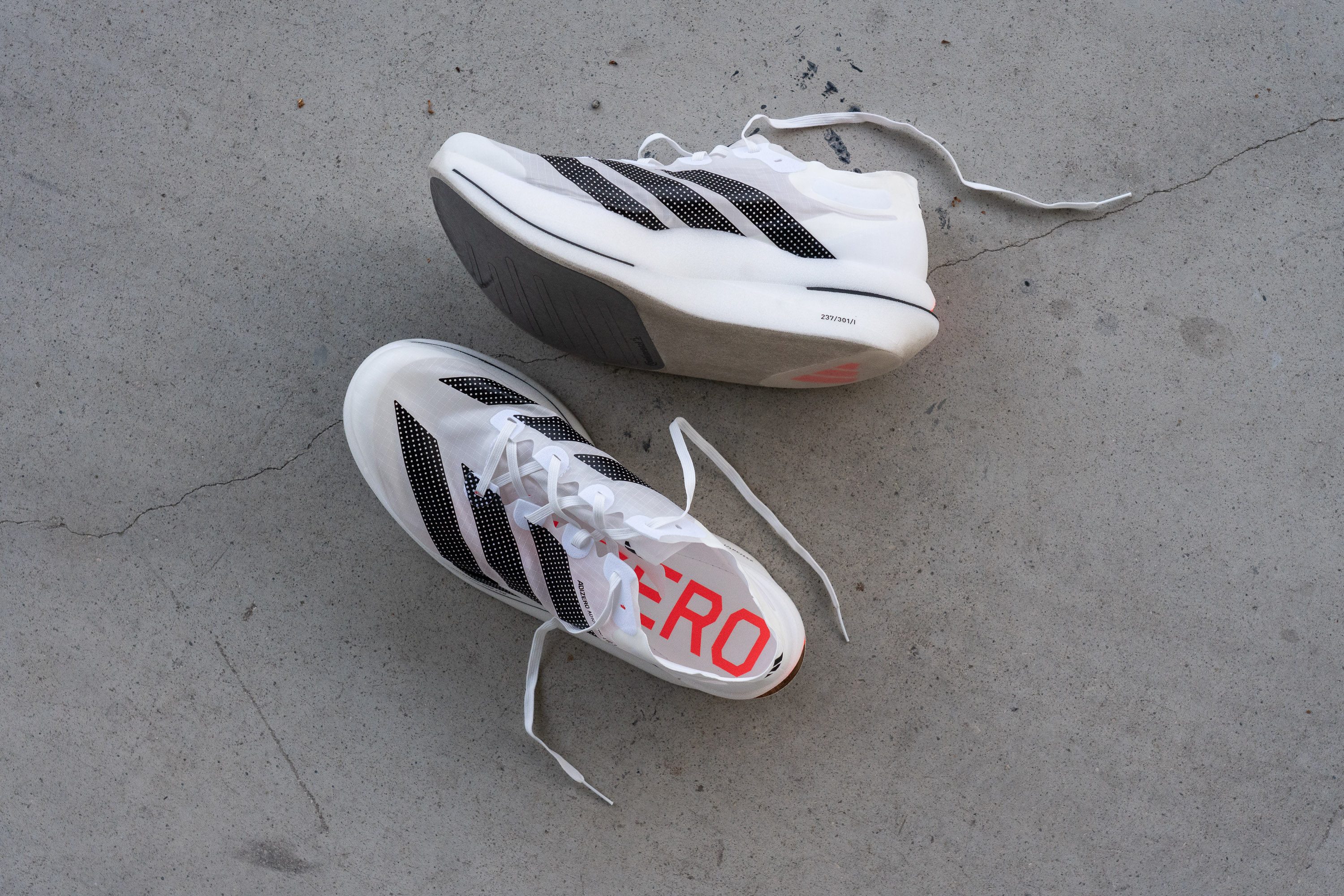
Today’s running shoes are faster than ever, and it’s not just about elite racing models. Even training shoes—like those in the emerging category of super trainers—now pack features once reserved for competition, delivering substantial gains in performance.
We’ll break down every component behind this new era of faster running shoes and show how innovations in foam, plates, weight or geometry have transformed performance to the point where runners of all levels can achieve times and paces that once seemed out of reach.
Every component that makes a running shoe faster
Now it’s time to break down every component of a running shoe that contributes to speed, from top to bottom, starting with the most important element of all: the foam.
Premium foam
A premium foam, an advanced foam, or a superfoam all refer to the same idea: a high-energy foam built through a supercritical process that far exceeds the energy return of EVA, the industry standard for decades. The arrival of adidas’ Boost in 2013 proved that greater rebound could elevate performance, and in 2017 Nike’s ZoomX was the first true superfoam and changed everything… forever.
If we look at each component individually, the foam is by far the biggest contributor to improved running economy and a faster shoe. It surpasses the plate (despite popular belief) and even weight. Because of this, the first thing to examine when buying a fast running shoe is simple: how much energy return does the foam provide?
Luckily for you, we test energy return in our lab, and we’ve measured it in hundreds of shoes. This makes it easy to find an ultra-fast super shoe like the Saucony Endorphin Elite 2 with its magnificent TPEE-based incrediRUN foam, or a super trainer that skips the plate entirely yet still feels crazy fast, like the ASICS Megablast and its A-TPU foam.
Finally, if you want to know everything (literally) about foams you should go to our ultimate guide about it, as it’s as vast and goes as deep as you may imagine.
See our guide on running shoes with the best energy return
Carbon-fibre plate
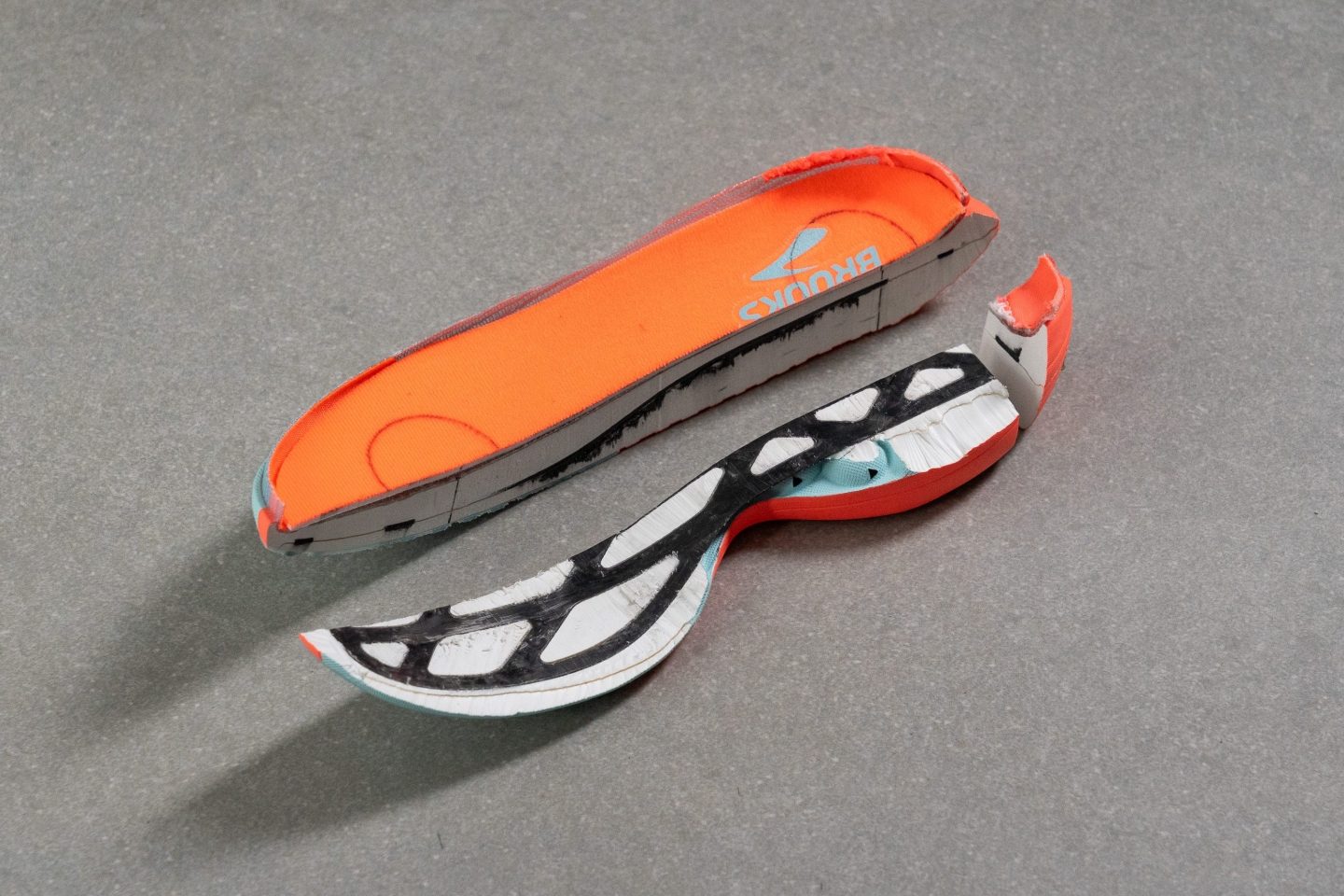
The carbon-fibre plate stole the spotlight when the OG Vaporfly launched, and most runners assumed the magic came from that single element because it was the new kid in town, but it didn’t.
adidas proved this with the Adizero Pro (not to be confused with the Adios Pro), a shoe that also featured a carbon plate yet lacked a true superfoam, resulting in no meaningful performance gains. Wouter Hookgamer also confirmed it in a 2022 study, and his findings carry weight, considering he was also the lead researcher behind the original Vaporfly study in 2017.
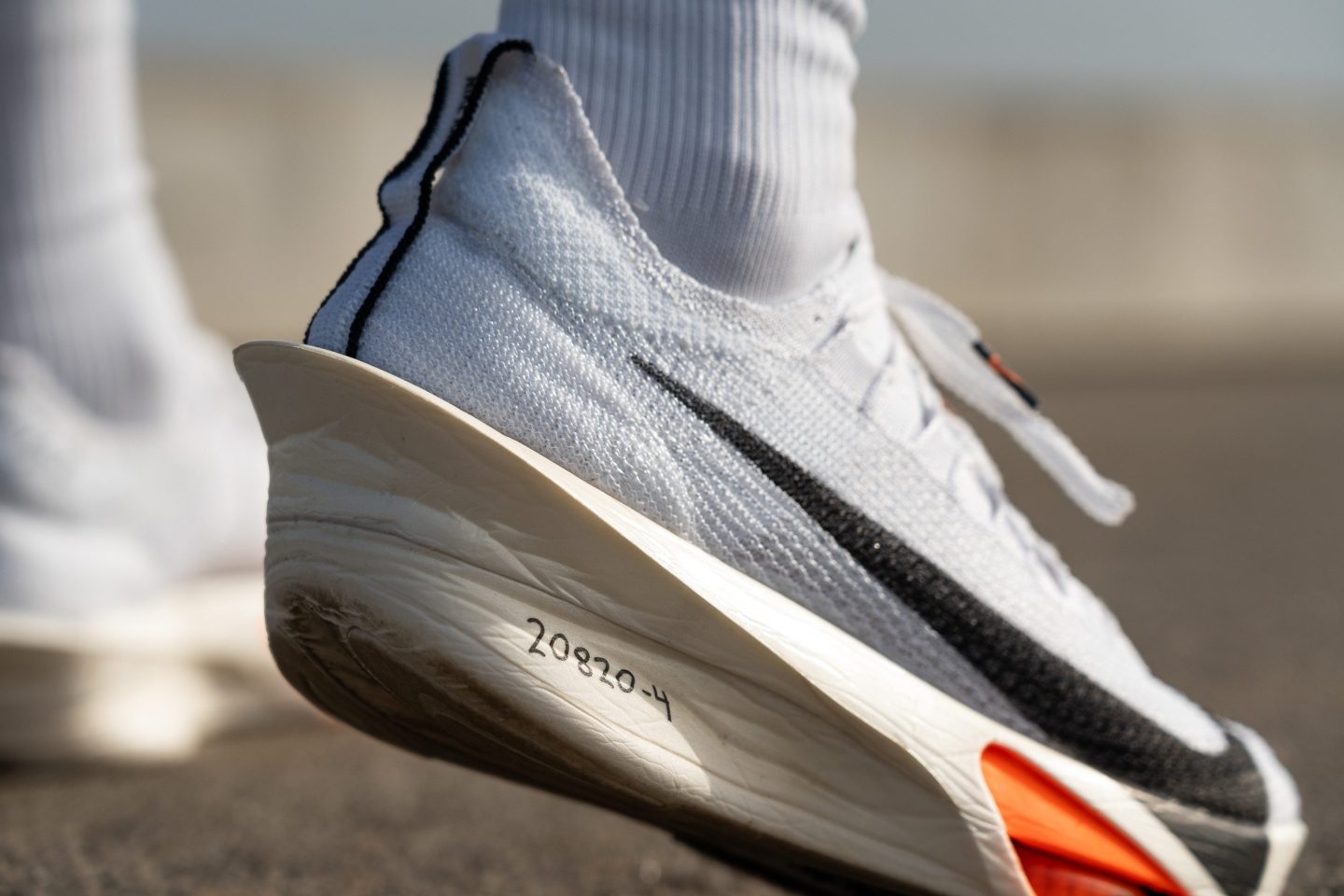
Still, the carbon plate plays a significant role in super shoes. Even today, science can’t fully explain why the combination of a superfoam and a carbon plate works so effectively, but the plate alone contributes in 4 important ways:
- Lever action: Thanks to its curved, stiff forefoot design, the plate enables a smooth rocker motion. It helps propel the foot forward during each stride and reduces the workload on the ankle, a key driver of improved running economy, as demonstrated in this study. And PUMA showed that plates can still evolve with the extended design featured in the Fast-R Nitro Elite 3.
- Toe joint stiffening: By limiting toe dorsiflexion, the plate reduces energy lost through flexing of the shoe and toe joints. The exact benefit varies among runners depending on toe mobility and running technique, but the plate delivers a consistent energy-saving effect by taking over part of the work normally done by the plantar fascia and small foot muscles. Also, recent research also suggests that moderate plate stiffness may provide the best balance of propulsion, cushioning, stability, and reduced neuromuscular demand.
- Foam stability: The plate also stabilises the midsole, helping the foam compress uniformly across the shoe, which further enhances efficiency.
- Stride length: it usually increases at the same effort when using a carbon-fibre plated shoe, and this usually happens without causing overstriding. You can test this easily with your watch or a foot-mounted device like Stryd or the Coros Pod by rotating between a super shoe and a non-plated daily trainer on a treadmill.
So while super trainers can rely on top-tier superfoams to deliver strong performance in training and even some races, if you want a shoe that is truly as fast as possible, the carbon plate remains a non-negotiable component.
See our guide on the best carbon-plated running shoes.
Rocker geometry
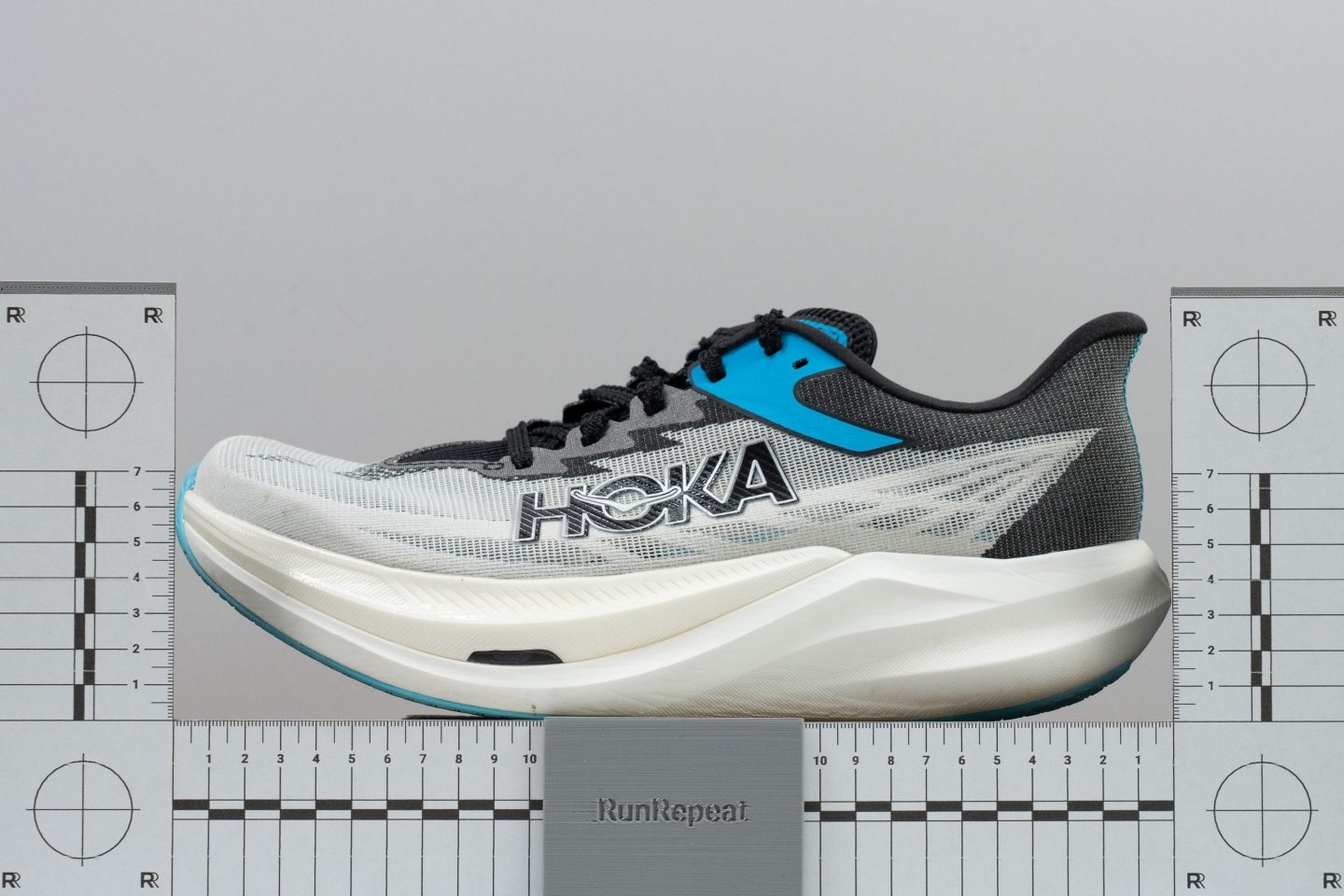
If you look at any modern super shoe from the side, you’ll notice a clear upward curve in the forefoot. This rocker is essential because it counteracts the stiffness created by the plate and the high stack, allowing a smooth rolling-forward motion that enhances running efficiency.
This results in less energy lost bending the shoe, a shorter lever arm at toe-off that reduces calf strain and shifts more of the work to the hips and knees, and a forward-driving sensation that also provides a valuable mental boost. Yes, placebo works!
However, too much rocker can backfire. That’s why super shoes come in a wide range of designs, from very subtle rockers like the Nike Vaporfly 4 to late-stage rockers like the ASICS Metaspeed Edge Tokyo and heavily rockered options like the HOKA Rocket X 3. It’s not a one-size-fits-all feature and depends heavily on your preferences and running style, including whether you want a more intrusive or a more traditional feel.
Stack height
Another key element of any super shoe is its high stack height. This design allows brands to pack a large amount of foam underfoot, delivering strong shock absorption. Because cushioning capacity usually correlates with midsole softness and stack height, a taller and softer shoe can absorb more impact and spare your muscles far more effectively than a firmer, low-stack option.
World Athletics limits racing shoes to 40 mm in the heel since 2020, and while some brands like Mizuno (see the Wave Rebellion Pro 2) use clever geometry to work around that limit, the industry has largely settled on a sweet spot of roughly 33-39 mm in the heel and 28-35 mm in the forefoot. This range offers excellent shock absorption with only a moderate weight penalty.
Of course, you can reduce foam to make a lighter super shoe, as Nike did with the Streakfly 2, but it’s not a wise choice for longer distances. You’ll face increased muscle damage, and it becomes far easier to run out of energy storage and bottom out the shoe. Oh, and speaking of weight…
Low weight
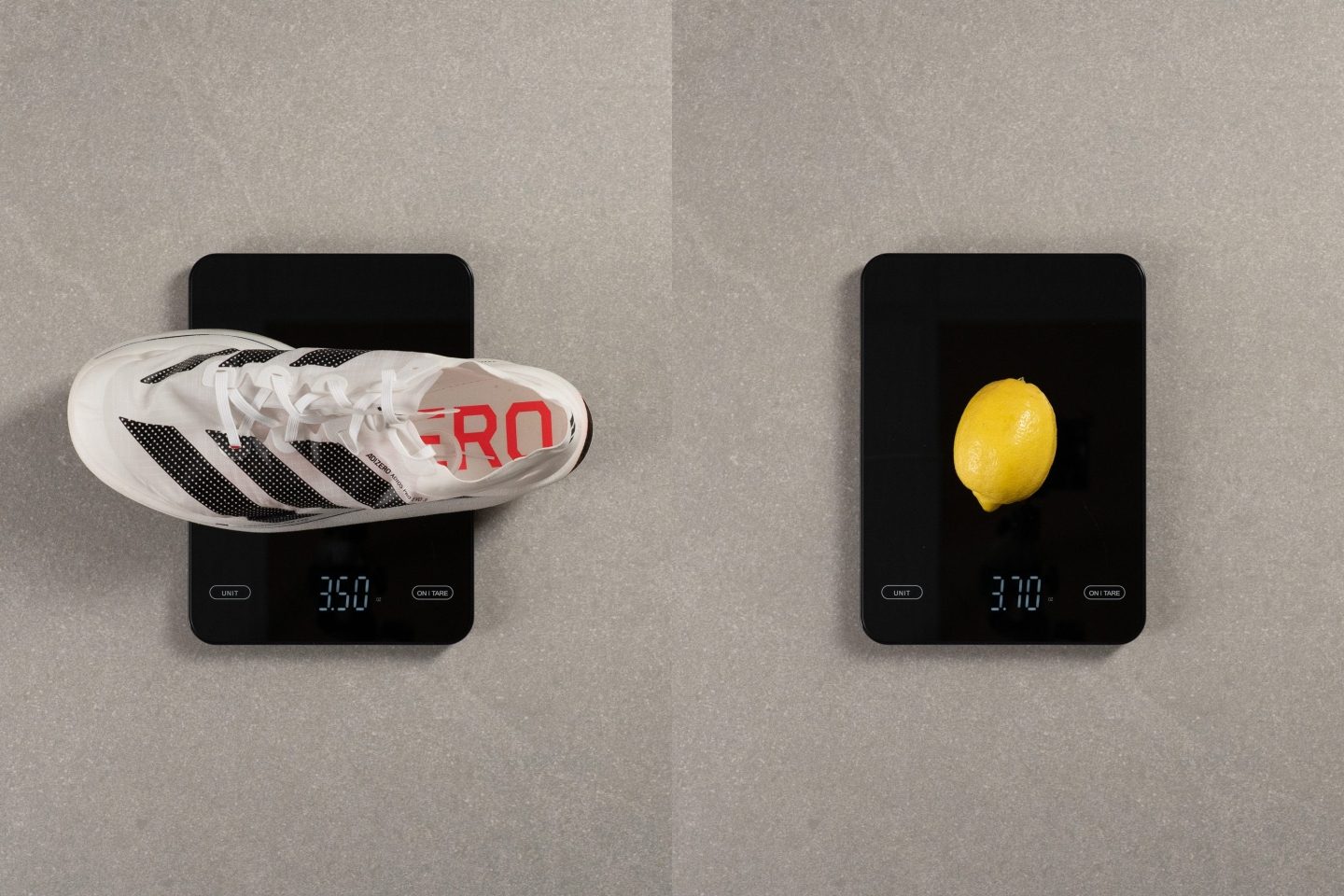
The story with weight is an interesting one. Until the super shoe era sparked by the Vaporfly, brands focused almost entirely on shaving grammes, which led to the birth of the racing flat may decades ago. These shoes had thin midsoles that left your calves screaming after every race, but they were incredibly light and felt lightning-fast.
It has long been accepted that every extra 100 grammes in a running shoe reduces performance by about 1%. Still, it took brands time to figure out how to build true super shoes with weights comparable to old-school racing flats, but we finally reached that point.
The 500-dollar adidas Adizero Adios Pro Evo 1 changed everything. It became the first true hyper shoe by combining a maximalist stack height, a premium foam, a carbon plate, and an exceptionally low, sub-5-oz weight. After that, adidas refined the concept and finally delivered the first sub-100g super shoe with the Evo 3, and ASICS entered the arena with the Metaspeed Ray at a far more "accessible" price of around 300 dollars.
We believe that new foam formulations, upper materials, and outsole designs will keep pushing weight lower, although the remaining gains are limited.
See our guide on the best lightweight running shoes.
Placebo effect
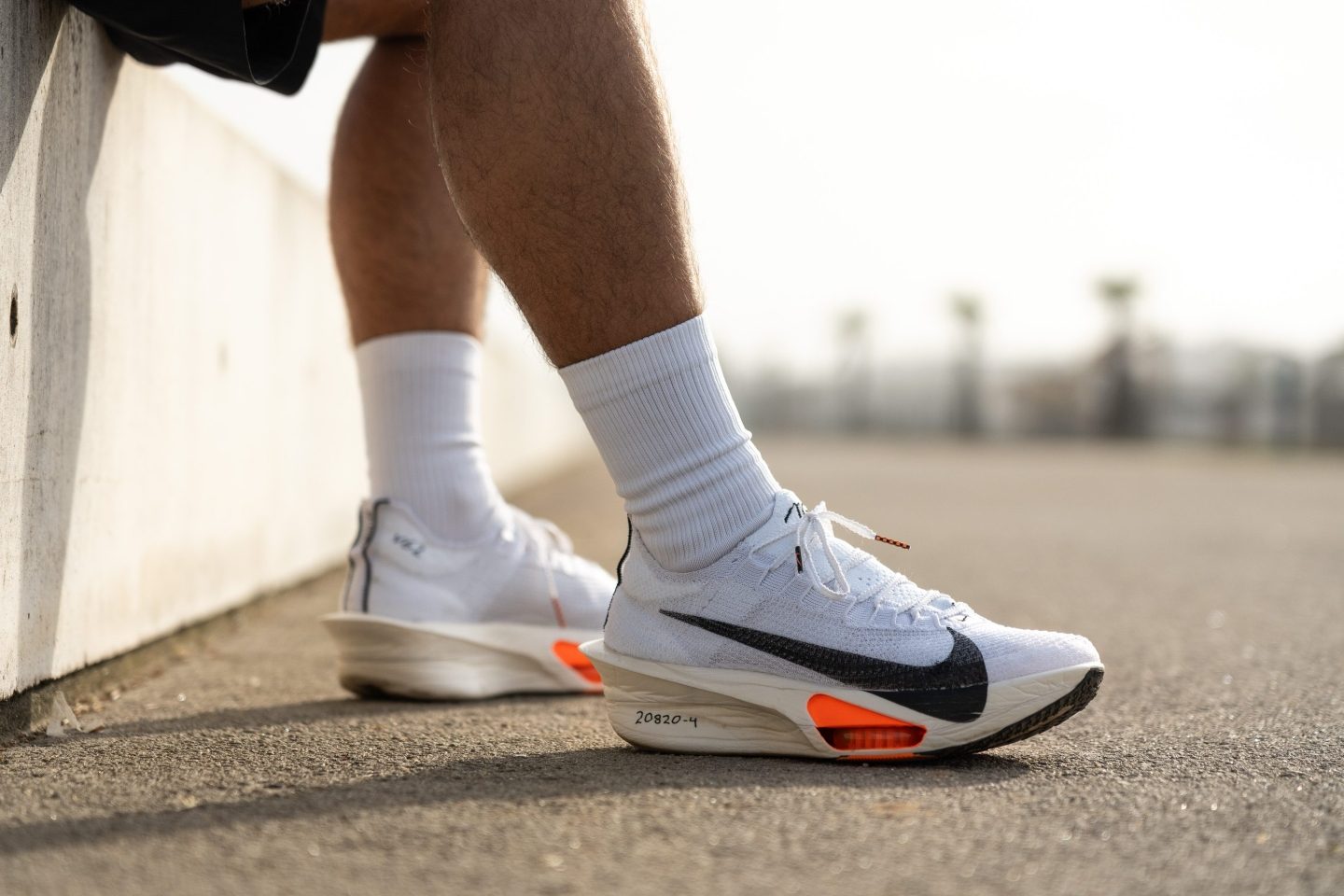
Some of the performance boost from super shoes comes from a genuine placebo effect. When runners believe their shoes will make them faster, they often feel more confident, relaxed, and willing to push harder. This mindset alone can lead to smoother pacing, reduced perception of effort, and slightly better results.
Even studies using visually identical shoes show that expectations can influence performance, proving that belief can add a small but real advantage. However, this is no surprise, since previous placebo studies in endurance running have already shown that the effect is very real.
What about trail super shoes?
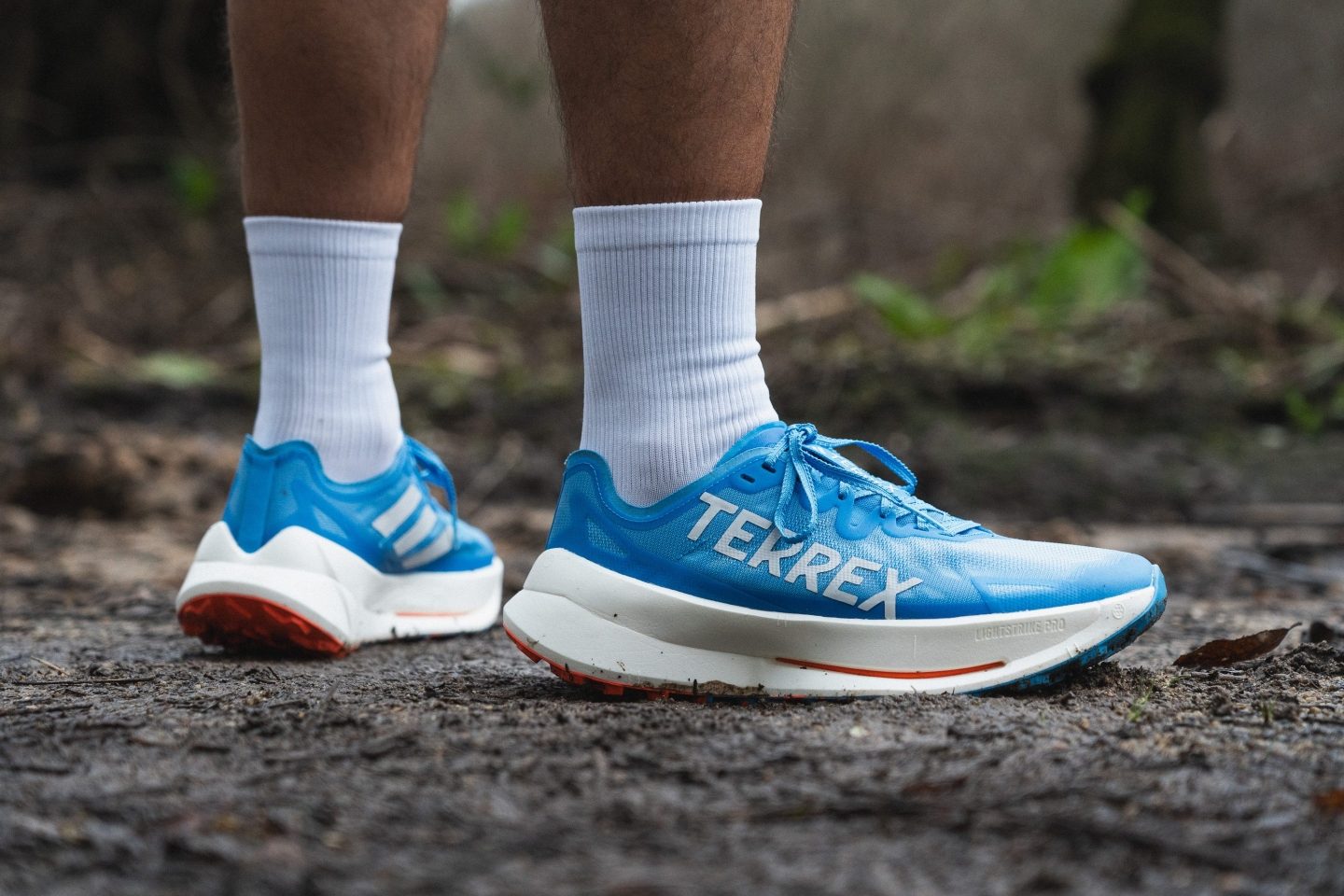
Trail running and super shoes stayed separate for years because the original road models were too unstable, too fragile, and too soft-foamed for rugged terrain. Therefore, it took time for brands to transition from road super shoes to trail versions, since it wasn’t as simple as adding a Vibram outsole. Still, companies knew they needed to act, especially for popular races like Western States, where the terrain is mostly runnable and athletes spend hours maintaining steady pace rather than scrambling over rocks.
This pushed brands to merge both worlds. They began incorporating responsive PEBA-based foams, as seen in the HOKA Tecton X 3 or the Nike Ultrafly, along with carbon plates and rockered geometries like in the adidas Terrex Agravic Speed Ultra, while reinforcing stability, grip, and durability. Plates were reshaped for uneven surfaces, often using forked designs for better adaptability, foams were contained with sturdier sidewalls, and outsoles were upgraded with premium compounds like Vibram Megagrip or Continental rubber.
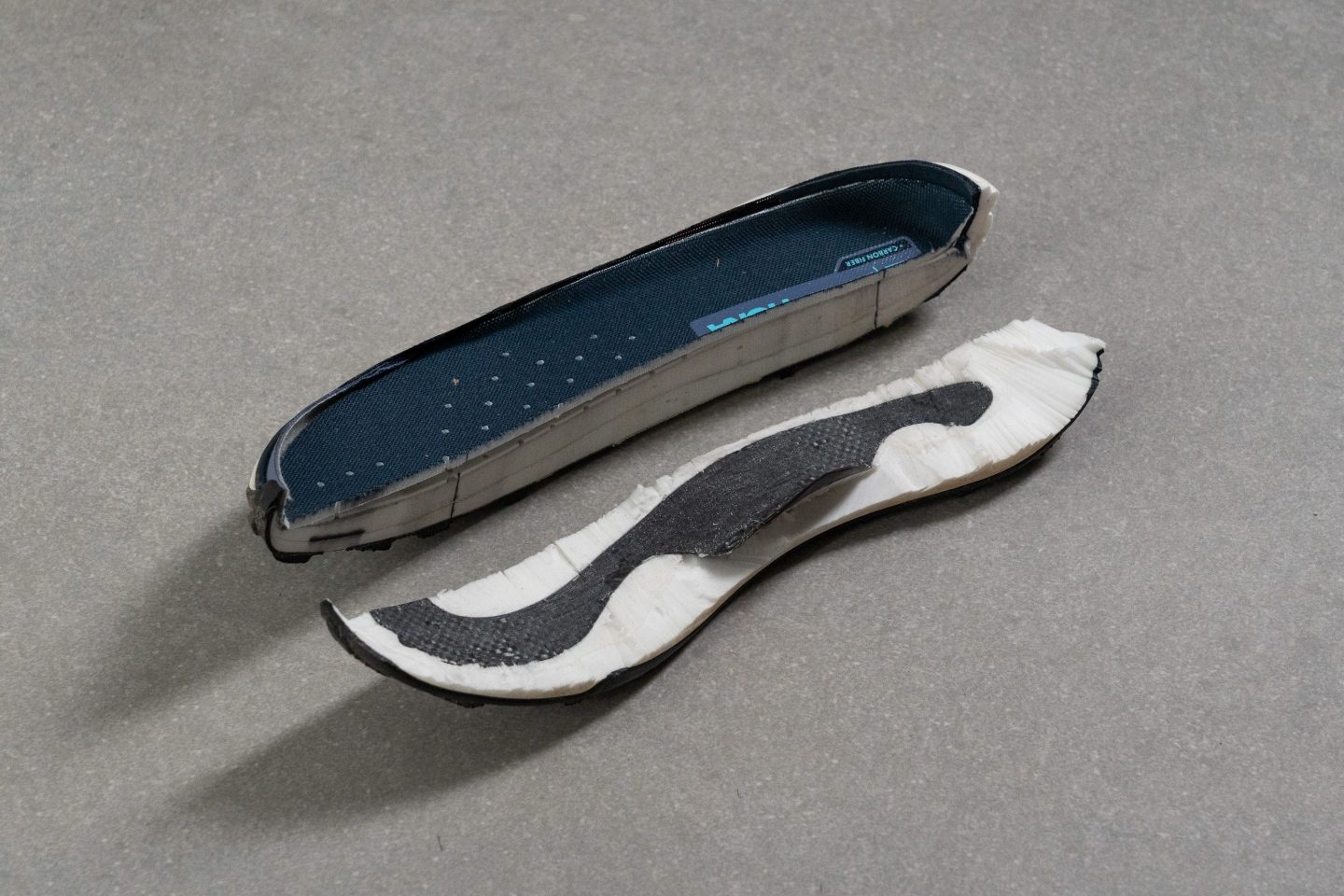
The result is a new generation of trail super shoes that deliver noticeable energy savings on long climbs while still offering reliable control across varied terrain. The gains may be smaller than on the road, but this blend of technologies is reshaping ultrarunning and giving trail athletes access to the same fatigue-reducing benefits that transformed road racing.
However, many trail competition shoes are still far behind road models in terms of competition and technological advancement, as can be seen with the difference between the ASICS Metaspeed Sky Tokyo and the ASICS Metafuji Trail. In our view, most brands seem to want a respectable trail super shoe, yet few appear willing to invest heavily to push boundaries and create something truly revolutionary. And it makes sense, because energy return simply matters less in trail running for obvious reasons.
The science of speed in running shoes
After diving into each component of a running shoe, now we will explain a few key points about footwear, performance, and why times are dropping so dramatically.
Running economy
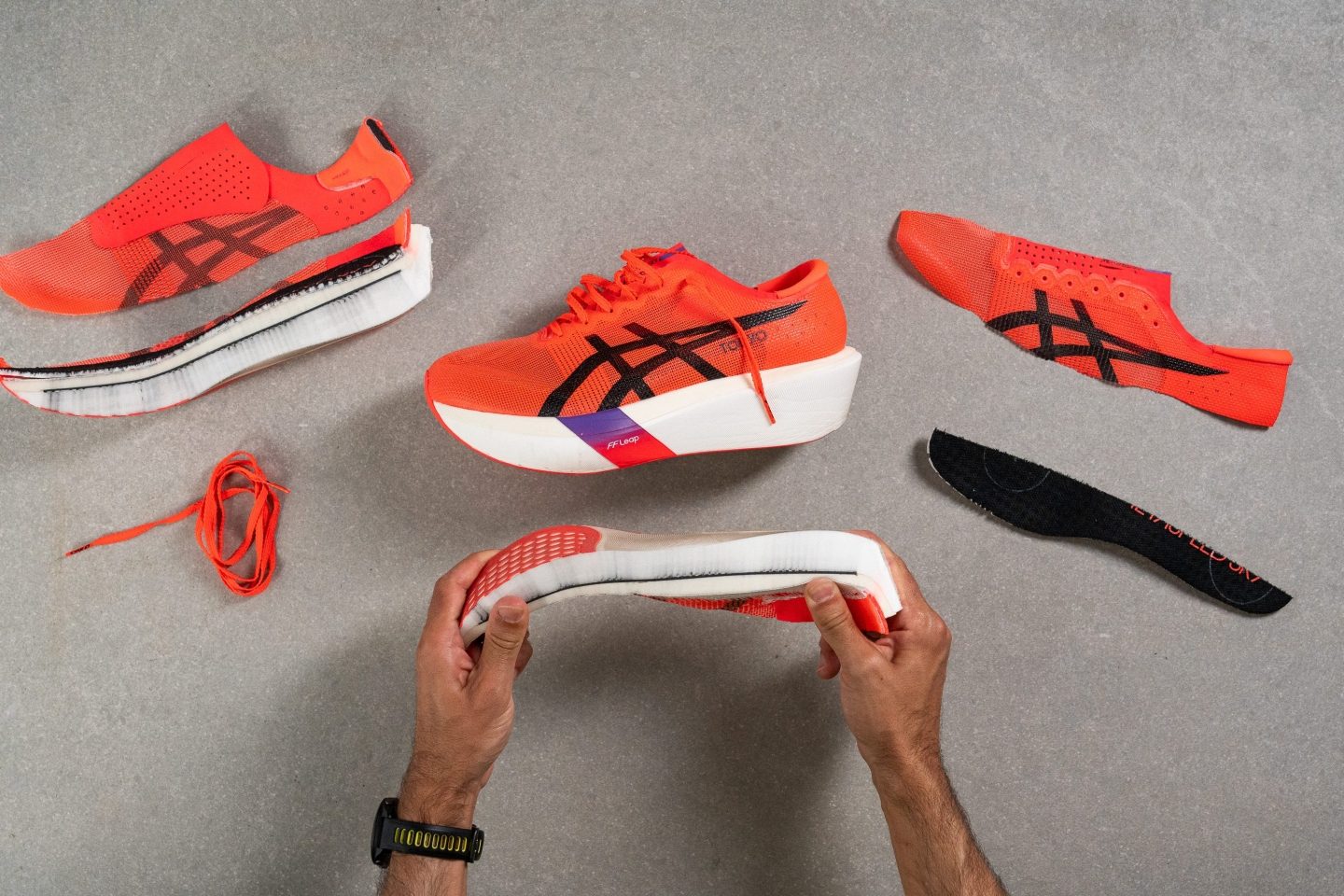
Running economy refers to the amount of oxygen you need to sustain a given speed. The goal of super shoes is to help you run faster while using less oxygen, which works much like improving the fuel efficiency of a car.
When the Vaporfly 4% launched, Nike released a study showing a 4% (hence its name) improvement in running economy, making those two words suddenly mainstream in the sport. The study was considered solid despite being funded by Nike, and multiple independent follow-up studies confirmed similar benefits. More recently, PUMA has pushed the boundaries further with another study proving an additional 3% improvement.
It’s also important to clarify that a 4% improvement in running economy does not mean running 4% faster. Many other factors come into play, including wind, lactate clearance, pacing variability, and cardiovascular limitations. The body can’t simply convert every saved millilitre of oxygen into raw speed.
Individual responses vary too. It’s widely believed that Kipchoge is an exceptionally high responder to super shoes, while some athletes see far smaller gains.
Super shoes and the evolution of records
The longer the distance, the greater the impact of super shoes. That is why they deliver their biggest gains in the marathon, and why we fully recommend them even for amateur runners finishing in 4 or 5 hours. The benefit also compounds over time, so there is no reason not to use them even if you are in the back of the pack.
The clearest proof of their effectiveness comes from the marathon World Records. The last pre-super shoe marks were 2:15:25 by Paula Radcliffe and 2:02:57 by Dennis Kimetto. At the time of this writing, the women’s record stands at 2:09:56 by Ruth Chepngetich, and the men’s record is 1:59:30 by Sabastian Sawe, finally breaking two hours in a legal race.
It’s true that Ruth Chepngetich is now serving a three-year ban, but that doesn’t affect the record itself, so it remains valid. Anyway, Tigst Assefa’s 2:11:52 performance in 2023 was equally remarkable and stands as a clear step forward compared to the pre-super shoe era.
Super shoes and injury risks
The elephant in the room with super shoes is injury risk. Many experts have raised concerns about carbon-plated models as potential contributors to specific injury patterns, although the topic is still surrounded by controversy. Are runners getting injured because super shoes make it easier to train more and push harder, or is the carbon plate itself the problem?
What we do know is that several injuries have become noticeably more common in the super shoe era:
- Achilles tendon injuries: This is likely the most frequently reported issue. A 2022 study with more than 1700 participants found a significant increase in Achilles tendon injuries, making it the second most commonly injured structure at 23% in a single year. The stiff plate and aggressive toe spring, both of which alter normal foot biomechanics, appear to play a strong role.
- Plantar fasciitis: Another classic injury that seems to show up more often with super shoes. It is a difficult, stubborn condition to eradicate. While deeper studies are needed, the general consensus is that if you already have plantar fasciitis or feel early symptoms, super shoes may aggravate it.
- Calf strain: Responses vary widely among runners. Some experience reduced calf loading, while others feel noticeably worse. What is clear is that the stiffer the shoe and the flatter the plate geometry, the more force is required to bend the shoe during push-off. This has contributed to a sharp rise in soleus issues, including full strains that can take months to recover from.
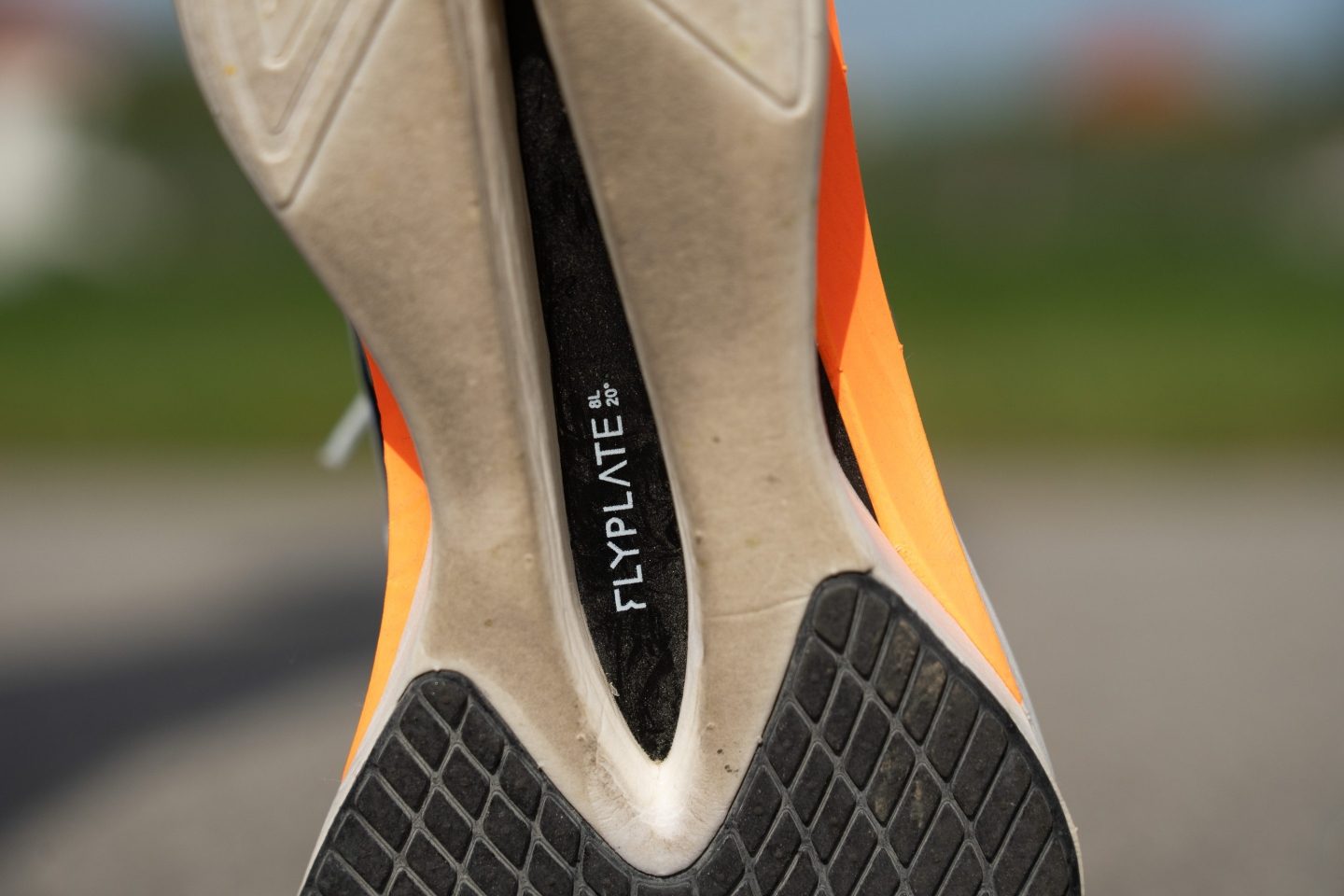
- Bone stress injuries: This is arguably the biggest concern among medical professionals, coaches, and athletes. Navicular and metatarsal stress fractures have been reported with increasing frequency. The combination of high midsole stack, compliant foam, and ultra-stiff plate may change how forces travel through the midfoot, especially in fatigued states. As a result, some elite athletes are now using unplated or softer-plated shoes for most runs and keeping super shoes only for key sessions.
Beyond these 4 main categories, another 2 issues deserve attention:
- Instability and proprioception loss: High-stack super shoes reduce ground feel and can magnify any existing instability in the foot or ankle. Runners with weaker intrinsic foot muscles or poor balance are more vulnerable to these issues.
- Overtraining risk: Super shoes reduce perceived effort and muscle damage, making it easy to exceed safe training load. Runners may feel unusually fresh during long or fast sessions, masking the early fatigue signals that normally prevent overuse injuries. This “hidden fatigue” effect can quietly push athletes into bone, muscle or tendon issues.
Taken together, it is increasingly evident that there is some relationship between injury patterns and carbon-plated footwear. We simply need larger, long-term studies to determine how strong that relationship is and which mechanisms matter most.
Finally, if we had to bet on a likely explanation, it would be a combination of factors working together. The carbon plate alters biomechanics, the towering stack height introduces stability challenges, and the improved running economy allows runners to train more, run faster, and push further. All of these variables interact, and when not managed carefully, they can raise injury risk for both amateur and elite runners.