7 Running Shoes With The Best Energy Return in 2026

We buy shoes ourselves. We earn commissions when you buy through us, at no extra cost. Why trust us
Your friends may think that energy return is already a cliché, given how often it is talked about and how many runners can’t stop obsessing over it. But you know better, right? In this guide, we actually draw the line. We explain all the nitty-gritty details of our testing process, who high energy return is good for and who actually benefits from higher energy return. We also explain the cushioning mechanism in its entirety, given that such an approach is a must to actually understand the role each piece of the puzzle plays.
Suit up and enjoy the ride. If you’re in a rush, head over to the top picks, which we hand-picked after thoroughly testing the shoes on the test runs and in our lab.
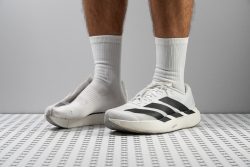
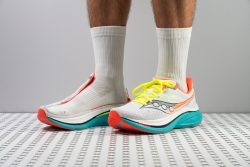
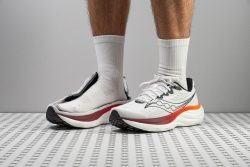
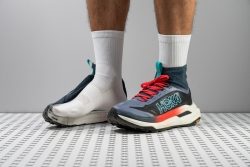
How we test running shoes with the best energy return
Energy return, like any other test done in our lab, is completely standardised. But, before we get to lab testing, we buy the shoes, which is something we do with our own money, and we test the shoes on the test runs. We make sure to include different paces, varied terrain, and different weather conditions when testing the shoes outside the lab.
Once the shoe enters the lab, it is subjected to testing like any other, always under the same conditions with no exceptions. We explained our testing process in great detail on our Methodology page. Everything we discover along the way, we publish on our website. We’re free to do so because we have no contracts with the brands and because we’re not paid to say certain things and skip the other ones.
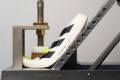
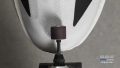
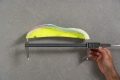
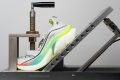
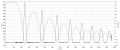
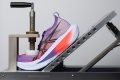
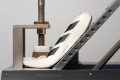
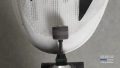
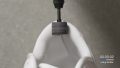
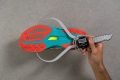
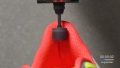
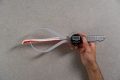
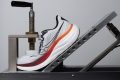
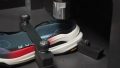
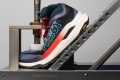
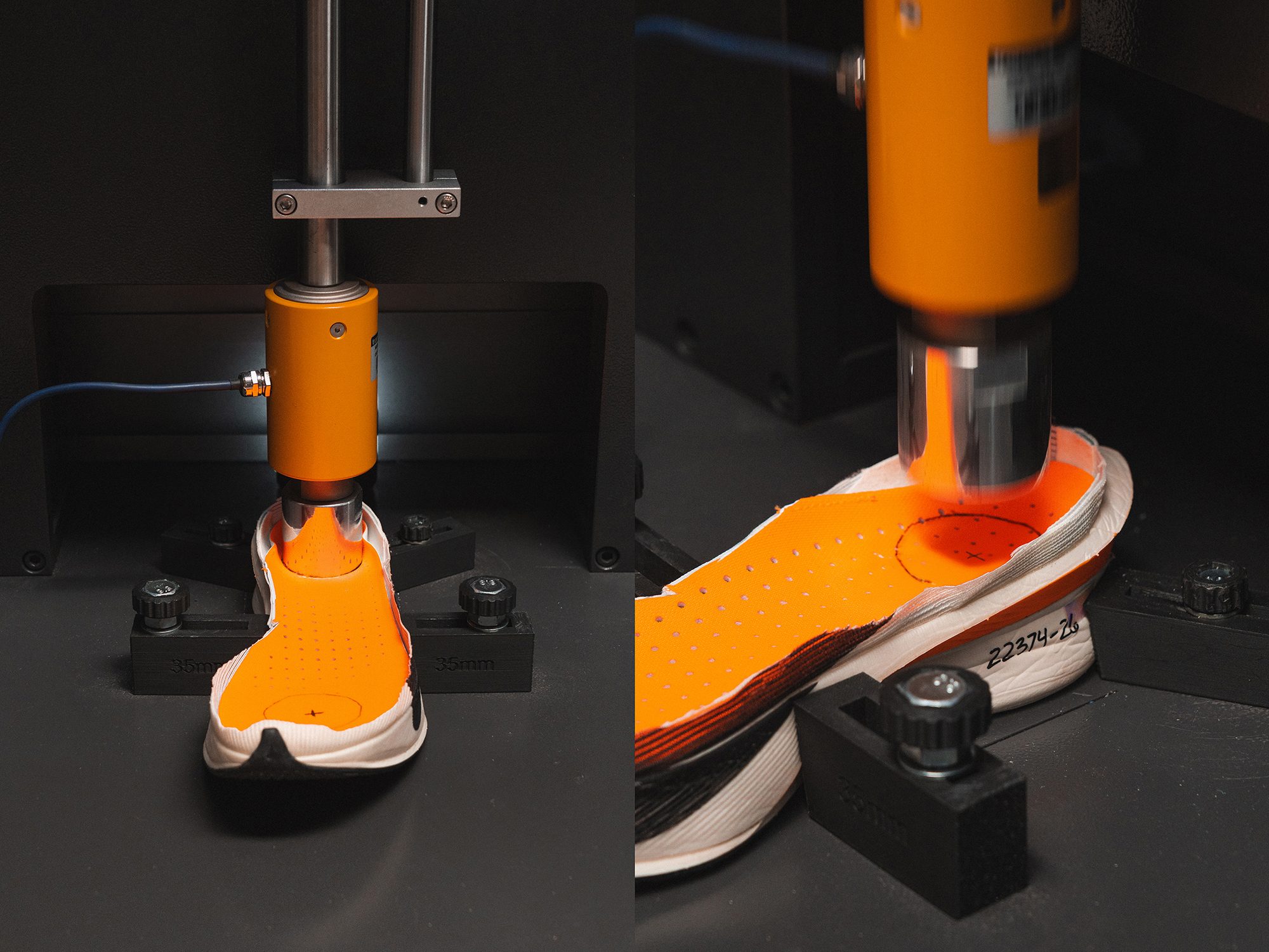
To test the energy return, we follow the ASTM F1976-13 protocol. This means we remove the upper from the shoe platform, lock the platform in place, drop an 8.5 kg mass from a 50 mm height, and do so 30x. The first 25 repetitions are treated as a natural break-in of the shoe, while the last 5 we take into account for lab data.
Best high energy return running shoes overall













































What makes it the best?
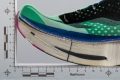
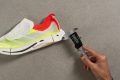
The adidas Adizero Adios Pro 4 stands out from the crowd, from its featherlight design to its one-of-a-kind underfoot sensation. With leading measurements in the lab, its unmatched power boosts our speed, while its deeply impact-protective stack makes our feet feel at home. Yet what ultimately captured our hearts is how every takeoff feels electric, making it our top energy return running shoe overall.
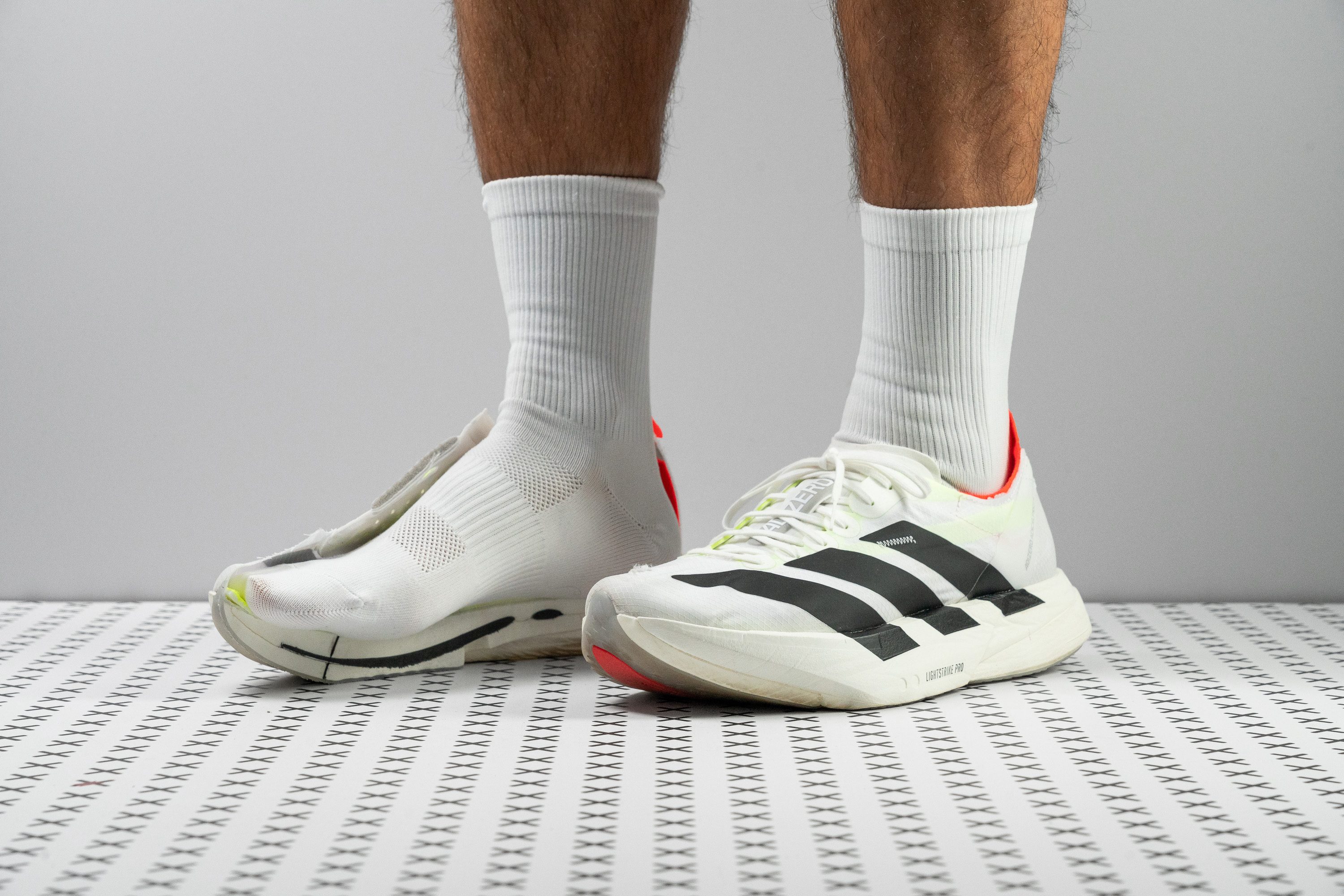
Testing for the midsole, it impressed with elite-level energy return scores of 80.4% in the heel and 80.3% in the forefoot, cementing its super shoe status. It also features the Energy Rods 2.0 system, composed of five rods designed based on our foot anatomy, which makes this racer feel highly propulsive.
Not only is the midsole responsive, but it also effectively reduces the forces of landing. With high shock absorption scores of 142 SA in the rear and 117 SA in the front, it offers more protection than average by 10.1% and 10.4%, respectively.
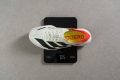
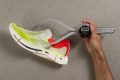
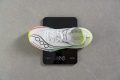
We felt like gliding in this shoe, with its lightness melting away with our feet. Our scales show it’s only 7.1 oz (200g), making it 24.5% below the average running shoe.
With its combination of a plush and very narrow heel, this shoe will feel unstable for extreme rear strikers. Adios Pro 4 is more ideal for midfoot or forefoot landings.
Pros
- Softer, bouncier Lightstrike Pro foam
- Maintains the same price
- No more heel slippage
- Versatile from 5K to marathon distances
- Durable outsole with good grip
- Fantastic for midfoot and forefoot strikers
- Improved for faster runners
- Comfortable, gusseted tongue
- Lighter than Adios Pro 3
Cons
- Unstable for every heel striker
- Narrow, tapered toebox
- Upper lacks breathability
- Midsole loses bounce quicker than AP3
Best super shoe with high energy return



























What makes it the best?
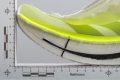
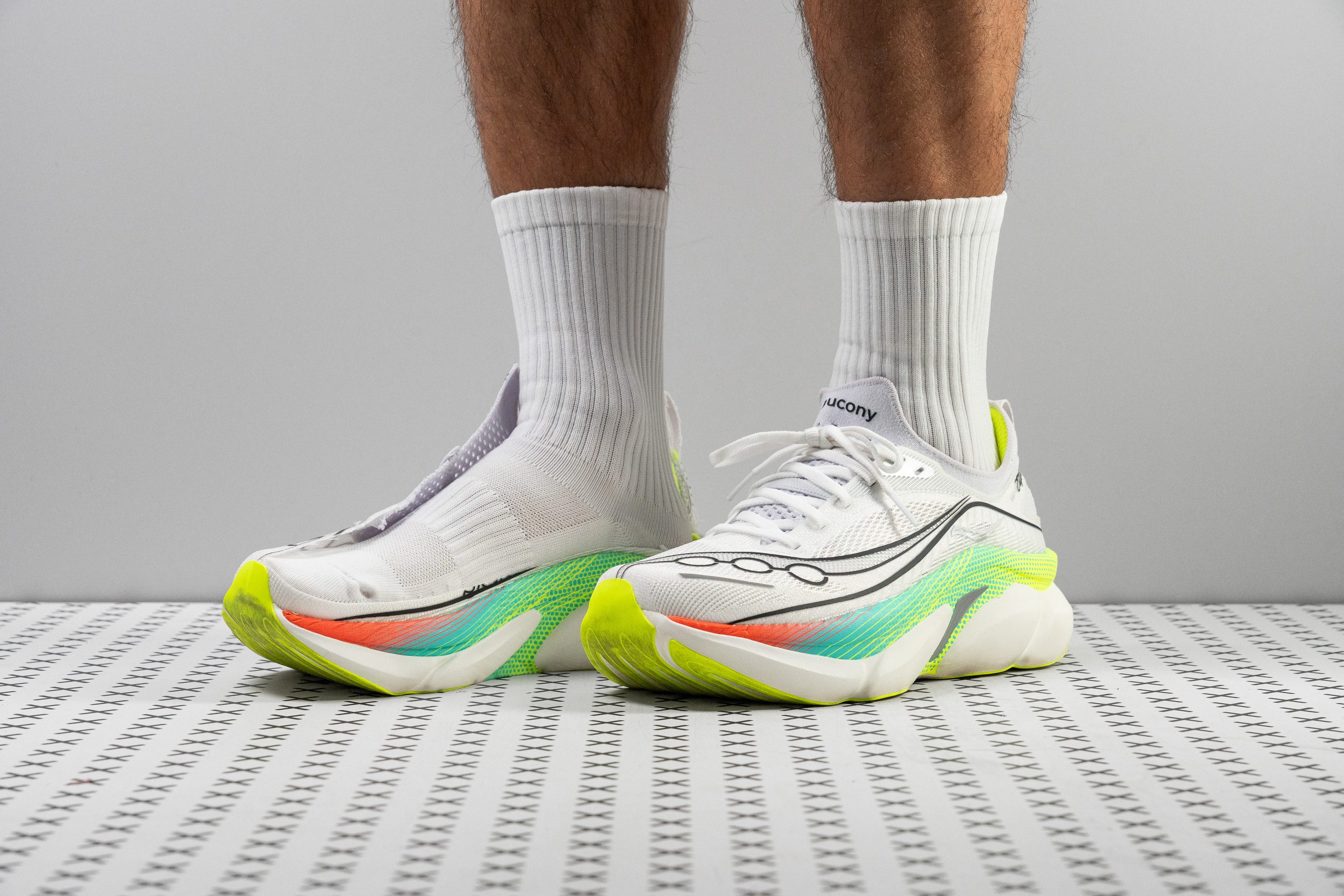
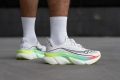
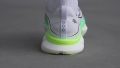
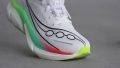
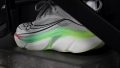
After our runs and lab assessment with the Saucony Endorphin Elite 3, we instantly knew it was the cream of the crop: our best super shoe among high-energy return running shoes. Its propulsion skyrockets with every stride, giving us supersonic speed like never before. Its featherlight build and ultra-soft foam create a purely blissful experience that’s hard to forget.
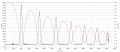
Saucony challenges the standard with the Endorphin Elite 3, leading the energy return category with some of the highest ratings we’ve measured so far in the lab: a massive 80.6% and 81.0% in the heel and forefoot, respectively. This power output significantly makes a difference in the ride, making the IncrediRUN foam feel wildly energetic.
Endorphin Elite 3 feels astonishingly light, almost as if we’re floating. Our scales verify it’s only 7.4 oz (210g), making it 19% lighter than the average running shoe. Its agile feel boosts both our comfort and speed, disappearing on foot as soon as we start running.
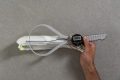
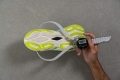
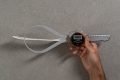
Every touchdown feels dreamy, with a thick layer of foam cushioning our feet. Our calliper measures a massive 39.8/34.1 mm stack, offering elite levels of shock absorption in the heel (160 SA) and in the forefoot (131 SA). Even during long runs, the midsole is able to reduce the load and strain on our muscles effectively.
However, the plush foam lacks stability and requires good form. Those who need more guidance, especially when the muscles start to get tired, should go for a more supportive shoe.
Pros
- Ultra-soft yet bouncy foam
- Excellent shock absorption
- Improved stability over previous version
- Secure fit and heel lockdown
- Durable outsole rubber
- Explosive, fun ride
- Excellent breathability
- Can handle anything from 5K to 42K
- Beautiful design
- Maxed-out yet legal stack height
- Excellent tongue
Cons
- Heavier than rivals
- Still a very unstable ride
- Premium price tag
- No sawtooth laces
Best high energy return running shoes for long runs


































What makes it the best?
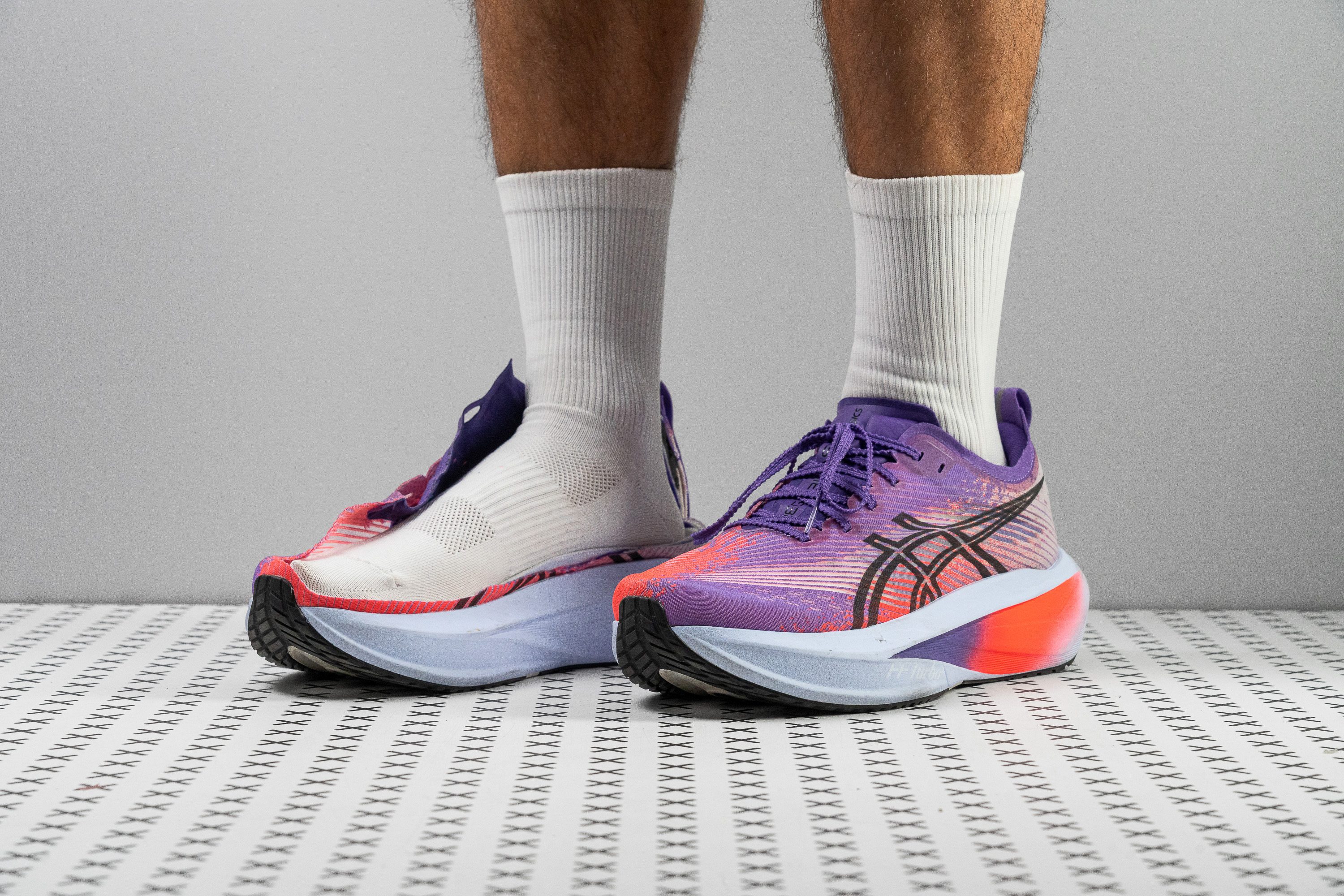
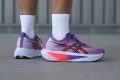
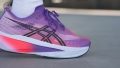
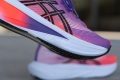
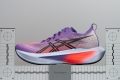
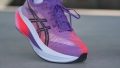
The ASICS Megablast gets everything right, hitting the sweet spot in terms of responsiveness, shock absorption, lightweight build, and even surprising stability. Our feet felt fresh from mile one to the last, and lab tests confirm its energy and protection don’t fade, making it our best high-energy return running shoe for long runs.
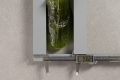
Megablast keeps our jaws dropping with its colossal stack height of 45.1/35.2 mm. Not many shoes are daring enough to exceed the 40-mm mark! Moreover, we recorded top-notch shock absorption scores of 160/144 SA in the heel and forefoot, verifying that Megablast offers unmatched comfort. At the end of our LSDs, our legs don’t feel as sore as we’d expect.
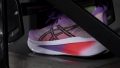
The midsole offers endless propulsion, assisting our strides with solid power output. Our energy return test shows incredible scores of 73.0% in the heel and 73.8% in the forefoot, explaining its dynamic sensation underfoot. Moreover, its ultra-light 7.8 oz (218g) construction makes lifting each foot feel easier.
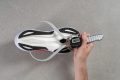
Despite its height and softness, Megablast offers a touch of stability through its sidewalls and broad platform. Measuring 117.9/95.4 mm, we can easily cement our footing and maintain control over our strides.
Unfortunately, its £200 price edges into super shoe territory. Runners on a budget can explore other bouncy and comfortable shoes at a lower price point.
Pros
- Outstanding energy return
- Exceptional impact protection
- Durable, grippy outsole rubber
- Astonishingly low weight
- Performs at any pace and distance
- Breathable, lightweight upper
- High-quality materials from heel to toe
- Suitable for all footstrikes
- Top performance without a carbon plate
Cons
- Extremely expensive for a training shoe
- Limited outsole coverage
- Poor toebox durability
High energy return running shoes with the best value

















































What makes it the best?
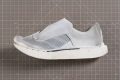
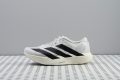
It’s almost hard to believe the adidas Adizero EVO SL only costs £140 when it offers an incredible blend of propulsion and muscle protection in a light yet hard-wearing construction. Lab assessments show it features the Lightstrike Pro midsole and the high-calibre Continental outsole, making it our best value high-energy return running shoe.
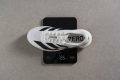
The Adizero EVO SL handles various paces beautifully, with its springy and light nature making it effortless to pick up speed. Measuring for its power output, we recorded high energy return scores of 74.3% in the heel and 70.3% in the forefoot. Each takeoff feels natural as the shoe’s minimal 7.9 oz (223g) weight moves freely with our feet.
With every landing, a plush embrace awaits. The Adizero EVO SL offers top-notch muscle protection, verified by high shock absorption scores of 147/126 SA in the heel and forefoot, respectively. The midsole does an awesome job in delaying fatigue.
The outsole features Continental rubber that excelled in our Dremel test. While the average is damaged by 1.0 mm, this shoe had only 0.6 mm, making it more resistant to wear. It’s meant to handle multiple training blocks, making its affordable price all the more worth it.
However, its narrow midsole demands precise form. Therefore, runners who need even just mild support won’t be able to fully enjoy this pair.
Pros
- 100% Lightstrike Pro superfoam
- Exceptional value-to-performance ratio
- Low weight
- Ultra-breathable upper
- Unmatched versatility
- Agile and fun ride
- Handles short and long runs with ease
- Striking Evo 1-inspired aesthetics
- Striking Evo 1-inspired aesthetics
Cons
- Poor-quality laces
- Short, non-gusseted tongue
- Toebox durability
Best tempo shoes with high energy return






























What makes it the best?
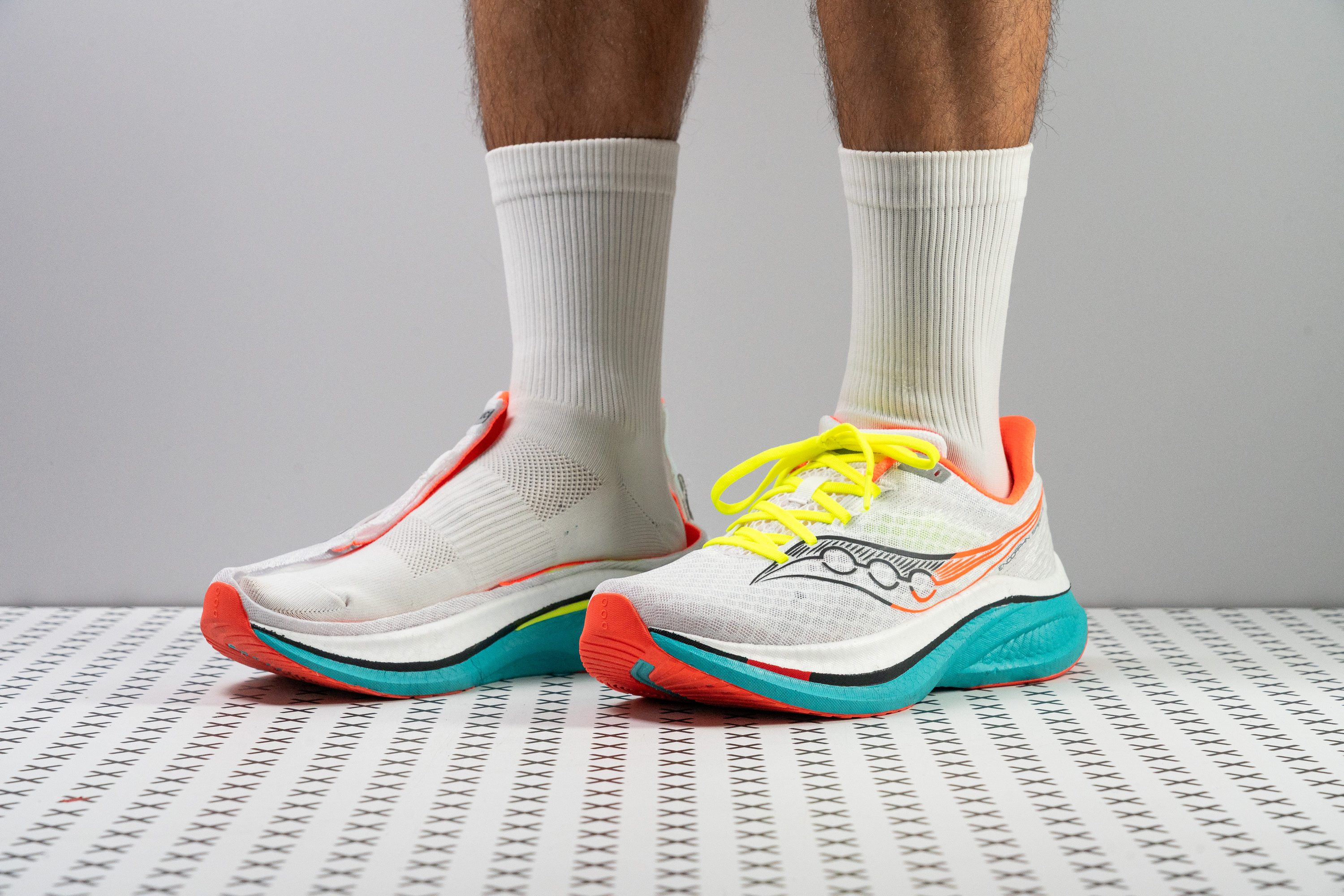
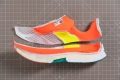
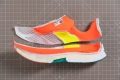
The Saucony Endorphin Speed 5 goes all out on fun and comfort with its high power output, serious muscle protection, flexible build, and minimal weight. Each dynamic stride is welcomed with a gentle landing, making it feel exceptionally well-cushioned without feeling dull. Backed up by its strong performance in the lab, the ES5 is our best tempo trainer among high-energy return running shoes.
Picking up the pace during training feels like a breeze since a huge portion of the power we exert is translated into our strides. In our energy return test, we recorded impressive scores of 73.2% in the heel and 78.2% in the forefoot. At this rate, it’s at par with other super shoes we’ve tested!
The ES5 mutes ground feedback through its impact-dampening midsole. Scoring high shock absorption scores of 132 SA in the heel and 108 SA in the forefoot, it makes impact less taxing on our bodies.
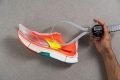
Our agility is further enhanced through ES5’s light 8.5 oz (241g) build. On top of that, it even emerged 15.1% more flexible than average in our bend test, making it extremely comfortable for daily training.
However, note that its toebox is susceptible to premature wear with its disappointing performance in our Dremel test (2/5). Runners who tend to ruin uppers with their toes or slash them with other elements should think twice before buying this shoe.
Pros
- Supershoe-like energy return
- Fantastic upper with top-notch ventilation
- Amazing PWRRUN PB foam
- Endorphin Speed DNA still present
- Great lockdown
- Versatile for multiple paces
- Smooth SPEEDROLL rocker
- Roomier and taller toebox
- Can be used for racing too
- OG special colorway looks fantastic!
Cons
- Small price hike
- Less agile than predecessors
- Durability downgrade
Best high energy return running shoes for beginners




















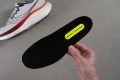


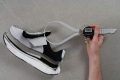


What makes it the best?
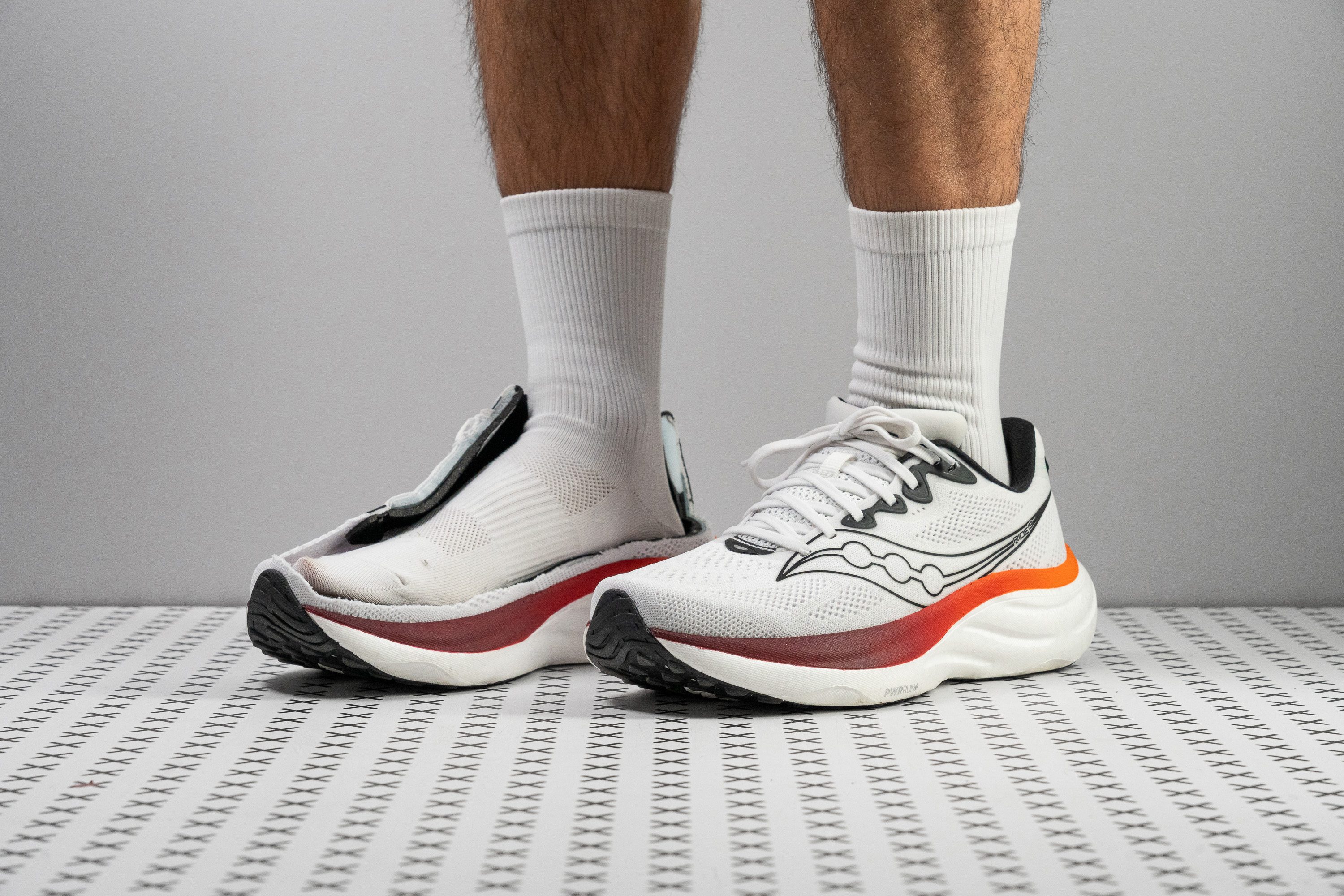
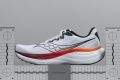
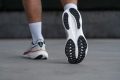
The Saucony Ride 19 adds a touch of support, comfort, and vibrancy to its smooth ride, making it our best high-energy return running shoe for beginners. With impressive ratings in the lab, we verified its responsive cushioning packed into a plush yet stable build. We could just focus on enjoying our runs with this easygoing pair.
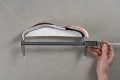
Saucony Ride 19 feels kind to our feet, with no harshness whatsoever. We measured a tall stack height of 38.7/30.2 mm, with deep muscle protection as seen in its high shock absorption scores of 132 SA in the heel and 118 SA in the forefoot. This combination creates an effortless experience, making the shoe comfortable for long hours of wear.
The midsole assists us in our forward momentum through its high energy return, validated by solid scores of 66.7% in the heel and 70.7% in the forefoot.
Ride 19 ensures we won’t lose our balance through its broad 127.1/100.7 mm base and stiff heel counter (5/5), keeping us centred. We found it delivers dependable support as our feet get tired.
However, Ride 19 lacks the flexibility for a more natural sensation underfoot. Those who don’t like stiff shoes should find another pair.
Pros
- High energy return
- Even more foam underfoot than v18
- Excellent durability overall
- Keeps its dependable DNA
- Outstanding breathability
- Wide and stable platform
- XT-900 rubber delivers good grip
- Secure fit with semi-gusseted tongue
- Excellent value
- Clean, improved aesthetics
Cons
- Heavier than previous version
- Limited rubber coverage
- Minor price increase
- Minor price increase
Best high energy return running shoes for trail

























What makes it the best?
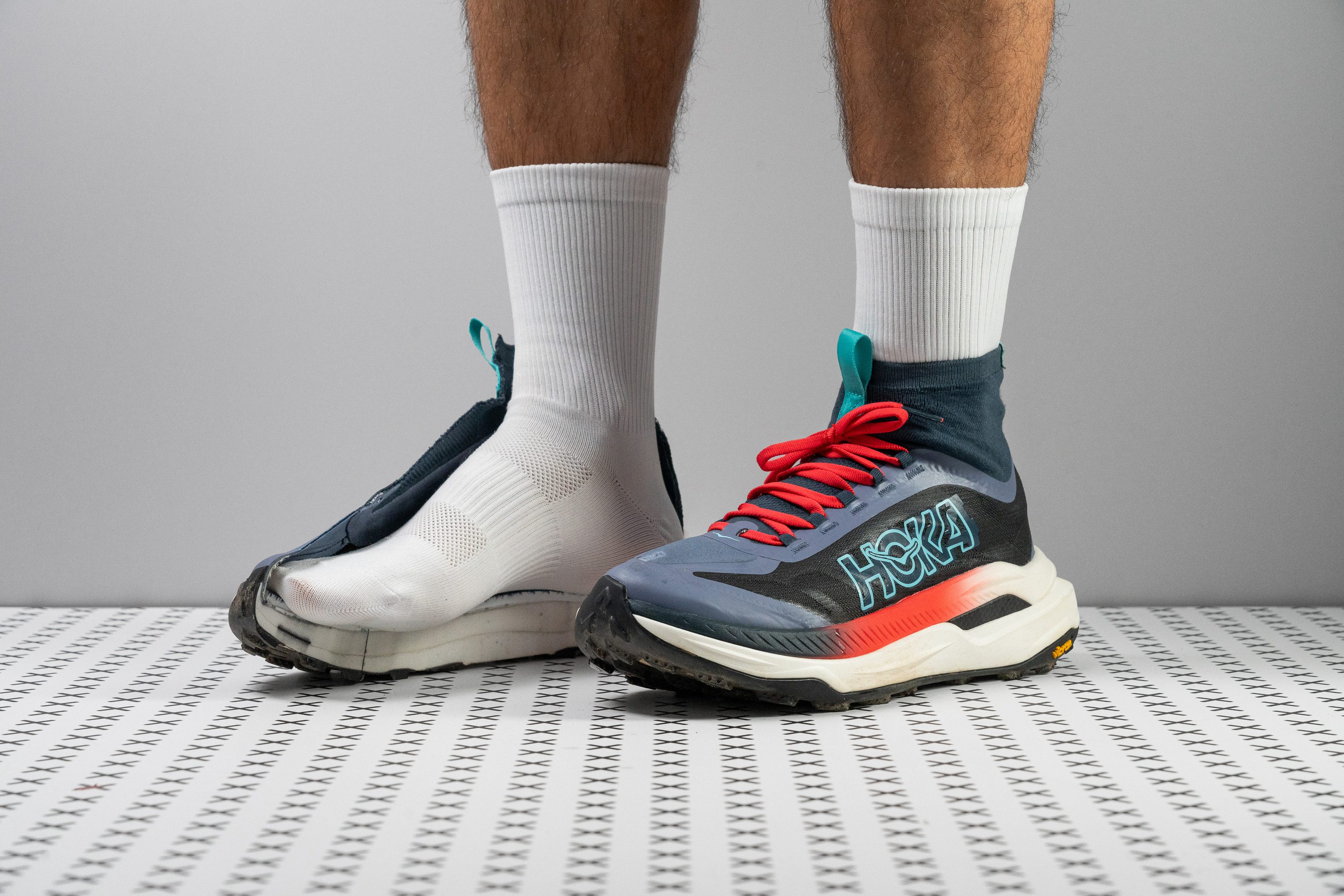
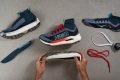
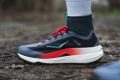
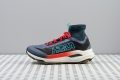
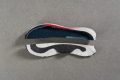
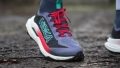
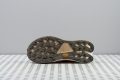
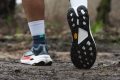
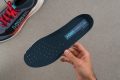
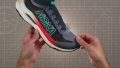
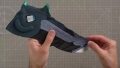
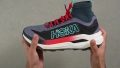
The HOKA Tecton X 3 screams speed with its undeniable springiness and outstandingly grippy Vibram Megagrip rubber in a lightweight construction. Lab results show it’s made for racing environments with deep lugs enhancing control and power that drives us forward. With its solid performance in our outdoor runs, it’s our best high-energy return trail shoe.
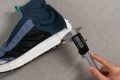
The Tecton X 3 increases our confidence on various surfaces with the Vibram Megagrip holding its ground firmly. In our traction test, the Vibram rubber excelled with an above-average friction score of 0.60, showing why it’s a leader in the industry. Moreover, it features deep and chevron-shaped 4.0 mm Traction Lugs, with textured edges that further enhance grip.
The midsole offers a strong forward momentum with its dynamic midsole, recording high energy return scores of 69.9% in the heel and 70.2% in the forefoot. What helps accelerate our movement is its low 9.7 oz (275g) weight, which is 4.8% below the average trail shoe.
We warn caution that Tecton X 3 features a unique ankle gaiter that feels really high and enclosed. Runners who don’t feel comfortable with a sock-like fit should skip this pair.
Pros
- A true supershoe for trails
- Ultra-grippy and durable Vibram outsole
- Fantastic energy return from PEBA foam
- Versatile for both long runs and ultra races
- Stability improvements
- Shields from debris effectively
- Premium MATRYX upper
- Designed to dominate ultra-distance events
- Secure fit
Cons
- Sky-high price tag
- Heavier than the Tecton X 2
- Absolutely not for wide feet
- New ankle gaiter may not work for everyone
Energy return is the midsole’s ability to bounce back after it’s been compressed. The compression happens at every step or, to be exact, at every landing. Some of the energy is spent on heat and deformation, while the rest is actually returned, meaning the foam rebounds. The higher the energy return, the livelier the ride. What you see in our test results are numbers given in percentages, so, for example, 68% means that 68% of the energy was returned.
10 things you must know: Energy return 101
In this guide, we will cover many different aspects of energy return, how it correlates to other features, and we will list shoes that excel on different fronts. But, before we do so, here are very short and straight-to-the-point bullet points for you to go through, so that we have a good starting point:
- High energy return can help you shave off some seconds (or maybe even minutes, depending on the distance) from your current PB, but it’s not that simple. Even the priciest running shoe with the highest energy return may not work for you. One should take into account their biomechanics (stride length and foot strike to start with), fitness level, the stiffness and the weight of the shoe, and so on.
- Higher stack height does not mean higher energy return. The best energy return is found in premium foams, which means that shoes can have thicker layers of standard foams and perform worse.
- Foams with high energy return are a must in modern (premium) super shoes. They alone are not enough; the shoe also has to be lightweight and stiff (often, this means it is equipped with a carbon plate).
- Energy return “works” when you’re running because everything happens fast. It’s important to understand that this energy can not be stored. If you land on your feet, pause, and then go into push-off, the energy will dissipate. For energy return to work for you, we’re are talking about milliseconds. You can’t pause and think about life in between. That’s why energy return matters less for daily and recovery runs.
- High energy return, combined with high shock absorption, is what makes the legs work less. With such shoes, you can push harder for longer, and you may feel less muscle fatigue. These are so-called leg-saving features and it’s why many runners look for high energy return and shock absorption. Scientific research has backed this up (Kim and Ahn, 2025).
- Running shoes with high energy are more expensive and weigh less than the average shoe.
- Based on our lab tests, we have 3 groups of running shoes, those with low (lower than 56%), medium (56-64%), and high energy return (higher than 64%) at the forefoot.
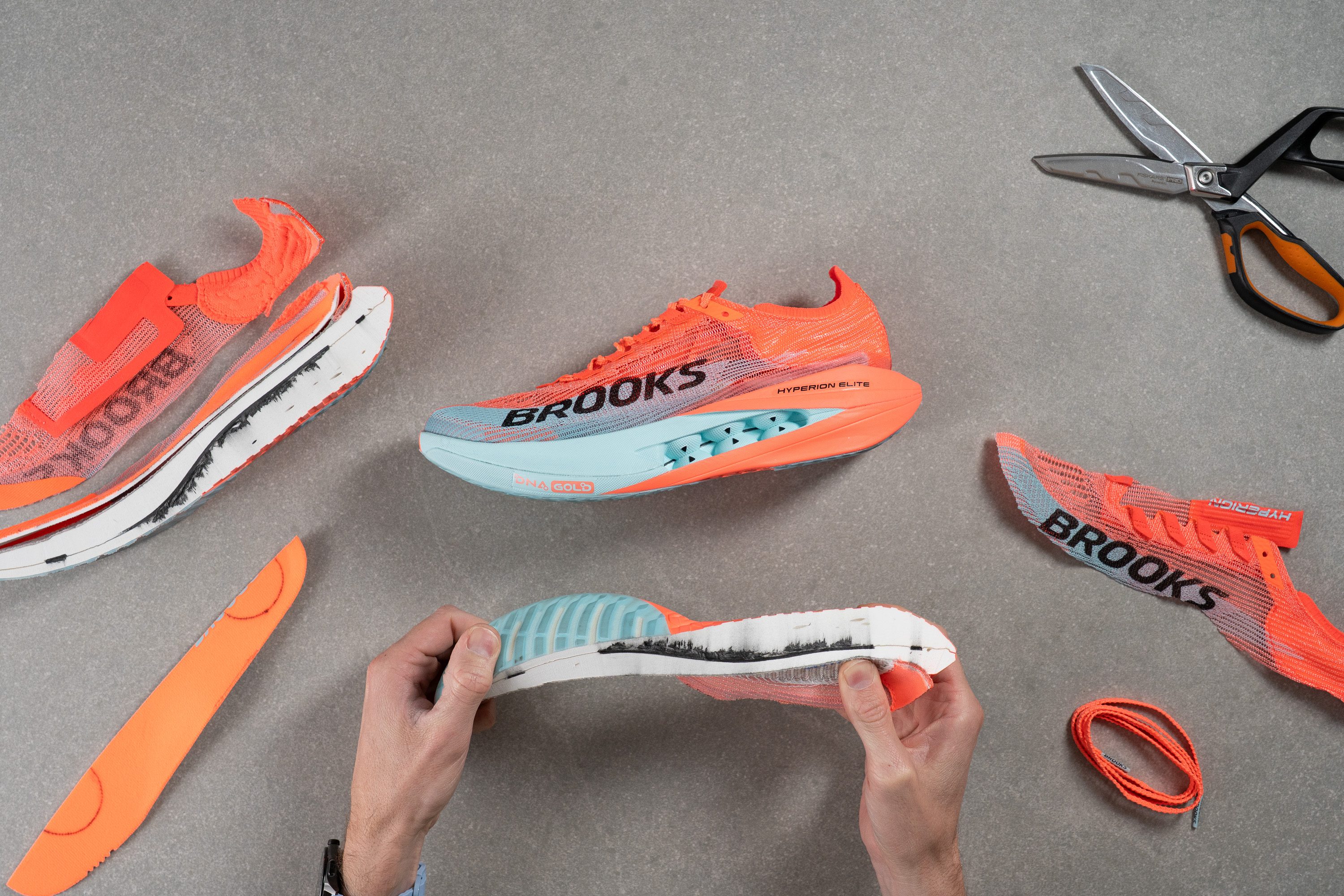
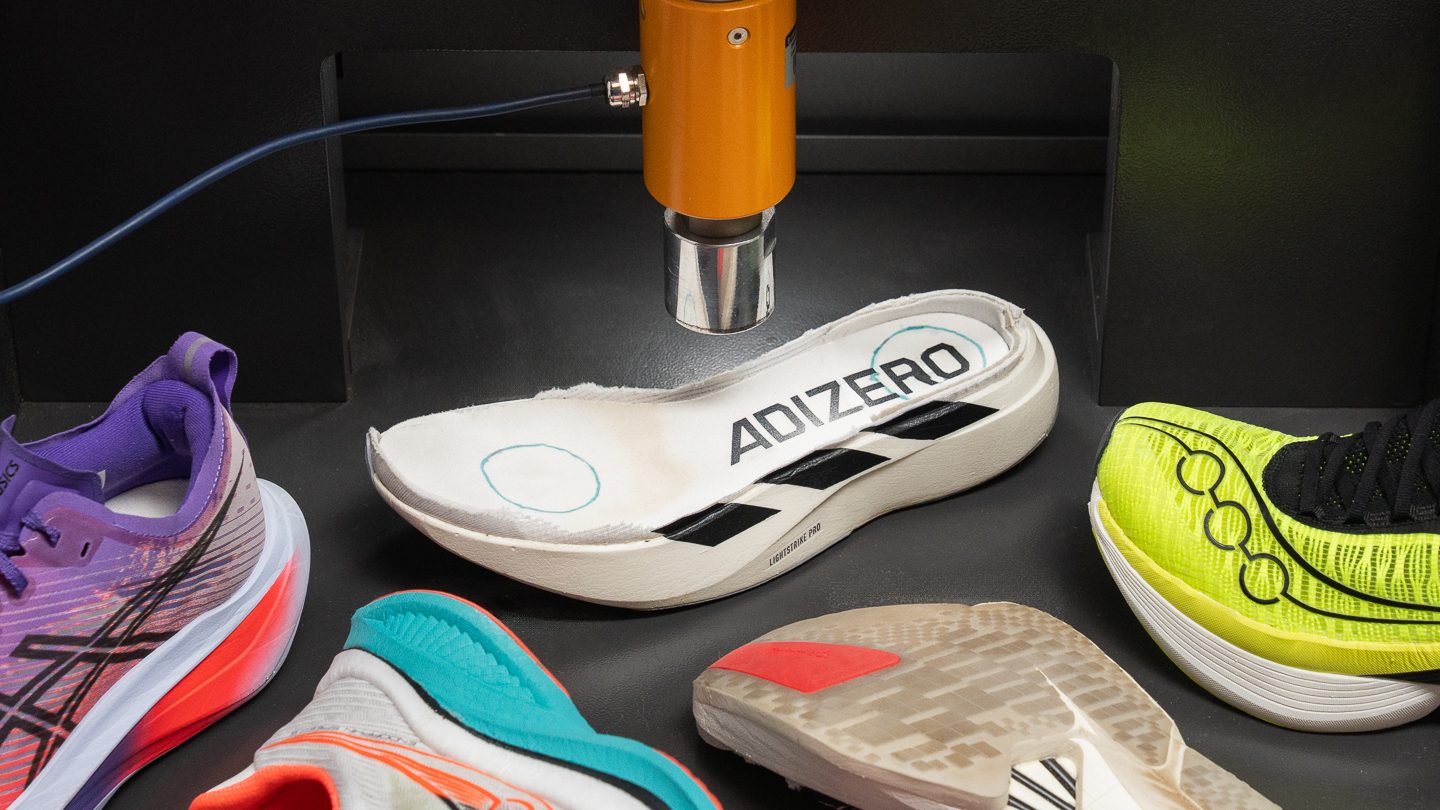
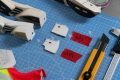
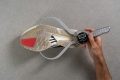
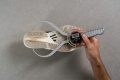
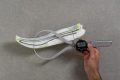
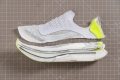
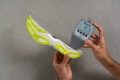
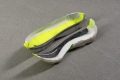
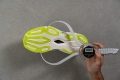
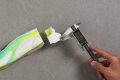
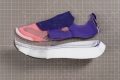
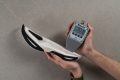
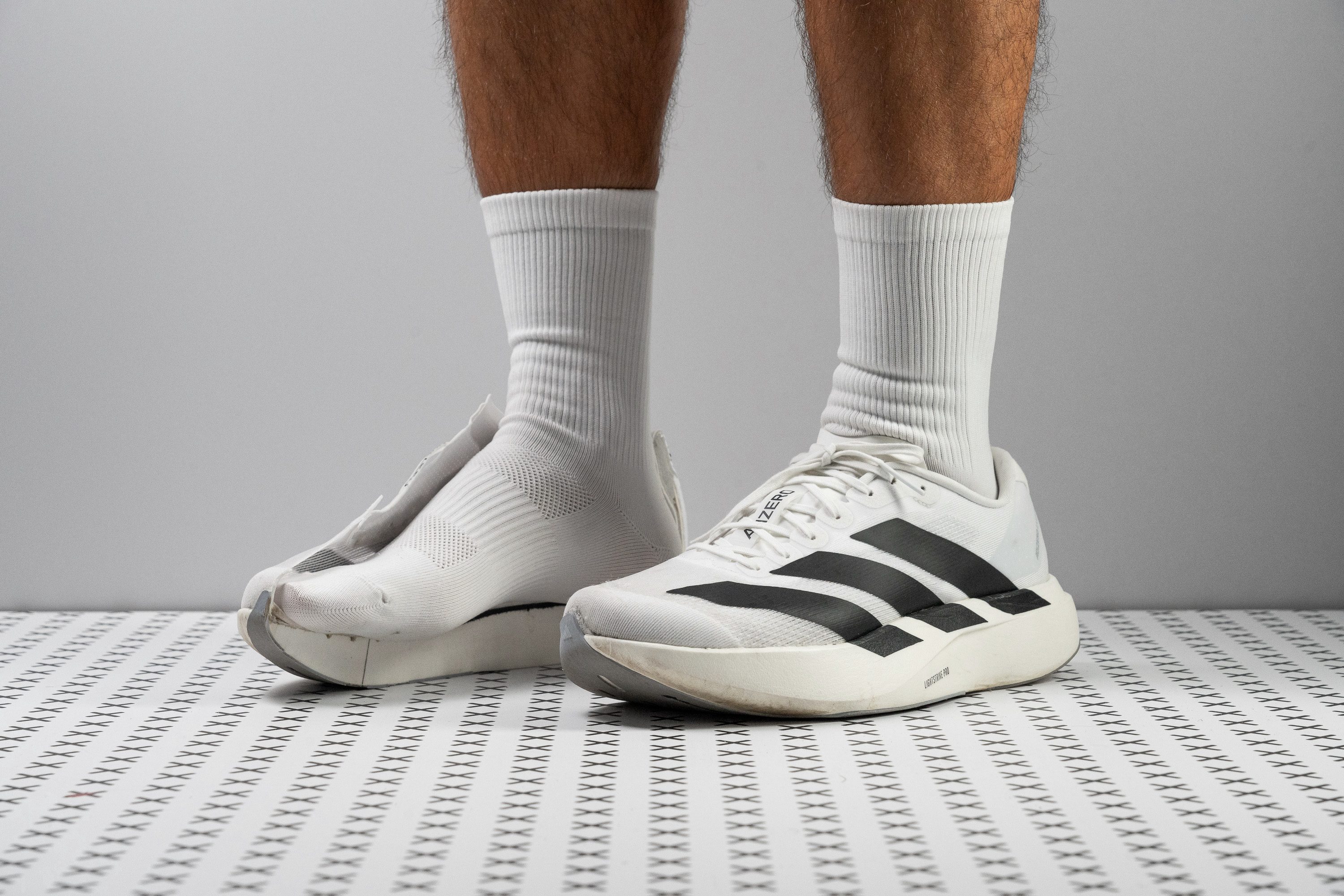
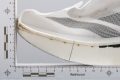
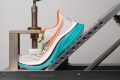
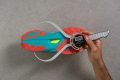
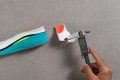
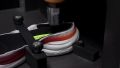
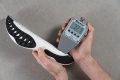
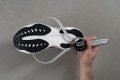
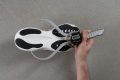
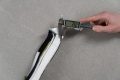
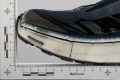
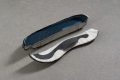
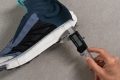
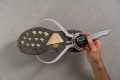
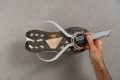
What you see in the image above is us dissecting running shoes with high energy return in RunRepeat lab. We have to examine every little detail, which is why shoes get cut into pieces.
High energy return: what it means and who it’s for
High energy return is energy return that’s higher than 64%. This means that more than 64% is returned and not spent on heat and deformation.
Runners who tend to run at faster paces, which means they are doing tempo work or running races, benefit from high energy return the most. This feature is also important for runners who run a lot, be it longer miles or more days per week, because high energy return combined with high shock absorption makes the legs less tired, on the run and post-run.
Lower energy return: who can enjoy it?
There’s a reason why we don’t say that shoes have a bad and an excellent energy return (but high to low). That’s because, just like breathability, which goes from 1 (winter) to 5 (summer), the amount of energy return depends on the purpose of the shoe, and some runners simply need lower energy return. There are 2 cases when running in shoes with lower energy return makes sense: when you’re doing slower or recovery runs, and when you’re doing short distances in running spikes.
To look at this through the numbers (lab data), we will highlight the average shock absorption and average energy return across the 3 biggest running shoe categories: daily trainers, tempo shoes, and competition shoes.
|
Pace |
Avg SA heel |
Avg ER forefoot |
|
Daily |
124.3 SA |
57.0% |
|
Tempo |
131.7 SA |
67% |
|
Race |
140.1 SA |
74% |
As we can see in the table above, the slower you run, the less the energy return matters. On recovery and slow runs, you want to maximise the shock absorption! Of course, if you’re a forefoot striker, you should look for higher shock absorption at the forefoot (which we also test and publish the results for).
Even though the average shock absorption for daily trainers seems to be the lowest, we can “blame” it on low-budget shoes that feature foams with low shock absorption and on the stack heights, which, in daily trainers, go quite low - even down to minimalist and barefoot levels. The lower the stack height, the thinner the foam layers, and for good shock absorption, we need them to be thick.
Energy return vs. shock absorption: know the difference and correlation
Shock absorption tells us how good the midsole is at dampening the impact forces. These impact forces get very high, 2-3 x the runner's weight, at each landing! When the shoe has low shock absorption, it means that it absorbs less of that impact and that means that runners’ legs have to deal with it. Too much strain on the legs leads to overall (and premature) fatigue.
Shock absorption and energy return are very important features of running shoes but they are not directly related. Let’s look at this table to understand the possible variations:
|
Shoe |
Shock absorption |
Energy return |
|
Mizuno Neo Vista |
163 SA |
55% |
|
Nike Streakfly 2 |
106 SA |
78% |
|
ASICS Metaspeed Ray |
170 SA |
81% |
|
Under Armour Charged Assert 10 |
104 SA |
38% |
A running shoe with a rocket-high shock absorption can turn out to be a superb daily trainer. And only that, the energy return is not good enough for the shoe to excel at faster paces. On another note, a shoe with high energy return and low shock absorption can be found in lower-to-the-ground race shoes for shorter distances. But knowing that shock absorption is low is important because it tells us the shoe would not work on longer distances (10K and above, for example).
Shock absorption is measured at the same time as energy return (the same lab test). The results are given in SA, and the higher the numbers, the better because it means more forces were absorbed by the midsole, therefore, less stress is sent to your legs!
|
If you want to get into even more details, we can not recommend our nerdy articles more (yes, both of them are superb and widely known in running shoe geek circles): |
High energy return means lighter shoe weight
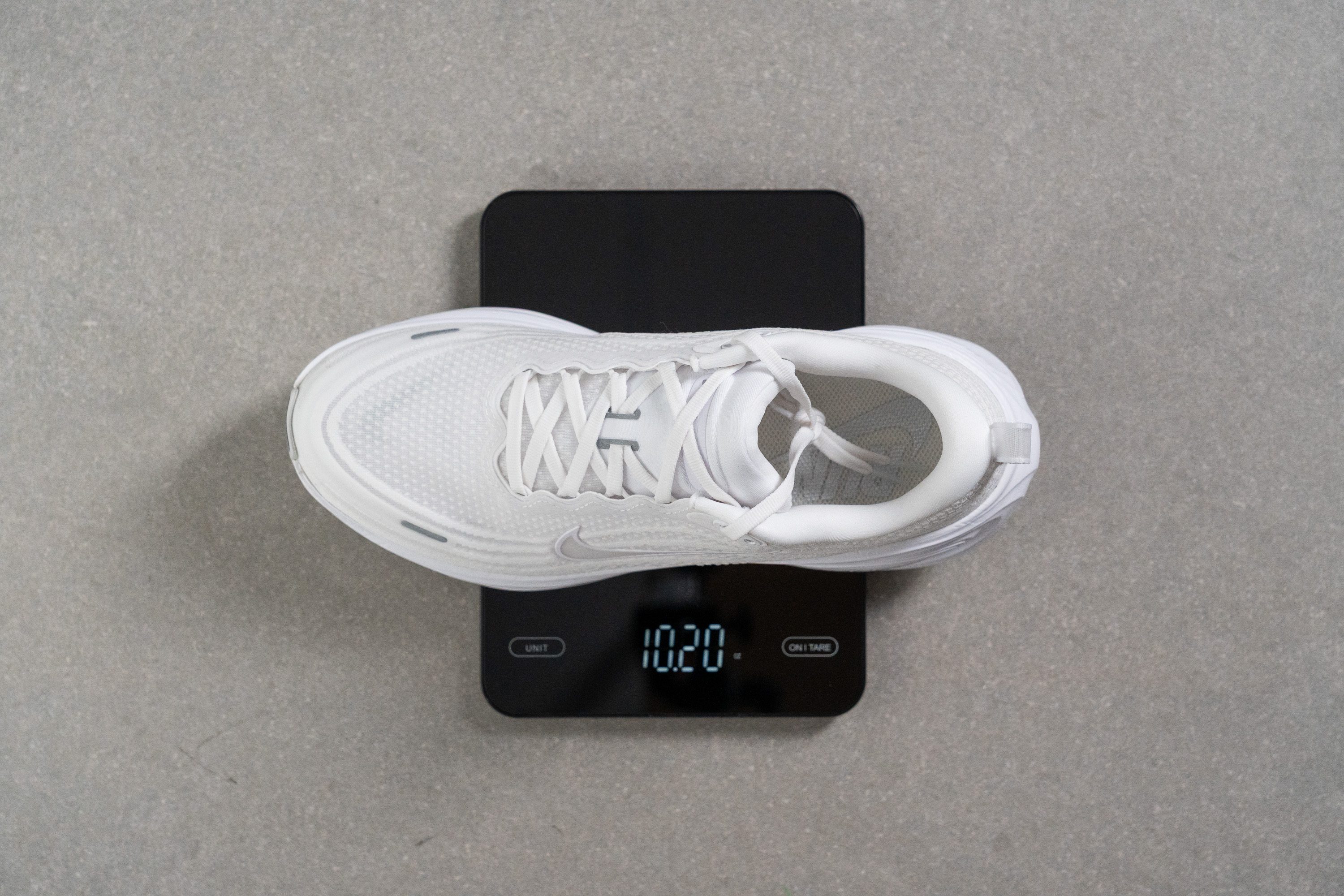
This is a no-brainer. The best energy return is found in premium foams. Premium foams are lighter than standard foams, and the fastest shoes out there have to be lightweight because every gramme counts when it comes to achieving a new PB. Scientific research has proven that adding shoe mass degrades running economy and performance (Rodrigo-Carranza et al, 2020; Hoogkamer et al, 2016).
To put some numbers to these claims, let’s look at the average weight of running shoes for the 3 categories:
|
Energy return |
Average running shoe weight |
|
Low |
9.8 oz | 277.3g |
|
Medium |
9.6 oz | 271.3g |
|
High |
8.5 oz | 241.2g |
Why you must pay attention to the foot strike when looking for running shoes with high energy return
We’ve talked about foot strike in great detail in our Ultimate guide on foot strike and we highly recommend reading it if you’re still not familiar with the basics. When it comes to the correlation between foot strike and energy return, here are the highlights:
- It’s important to look at the specs and lab test results. They can tell you whether the shoe was made specifically for forefoot strike, heel strike, or all foot strikes.
- Energy return is higher at the forefoot than at the heel for most shoes. This makes sense given that we all go through the push-off phase regardless of where we land, so we want responsiveness then and there.
- Heel strikers looking for high-energy-return running shoes should take into account stability: finding a stiffer heel counter (at least 3/5 score on our test), an average or wider platform at the heel, and foams that are not too soft (too soft = wobbly). This is especially important for overpronators! Rocker geometry is also recommended in this case.
- Forefoot and midfoot strikers find it easier to reap the benefits of running shoes with high energy return because they land and take off at the forefoot; no need for stabilising technology or rocker technology. They should look for (longitudinally) stiffer shoes to make the best of them!
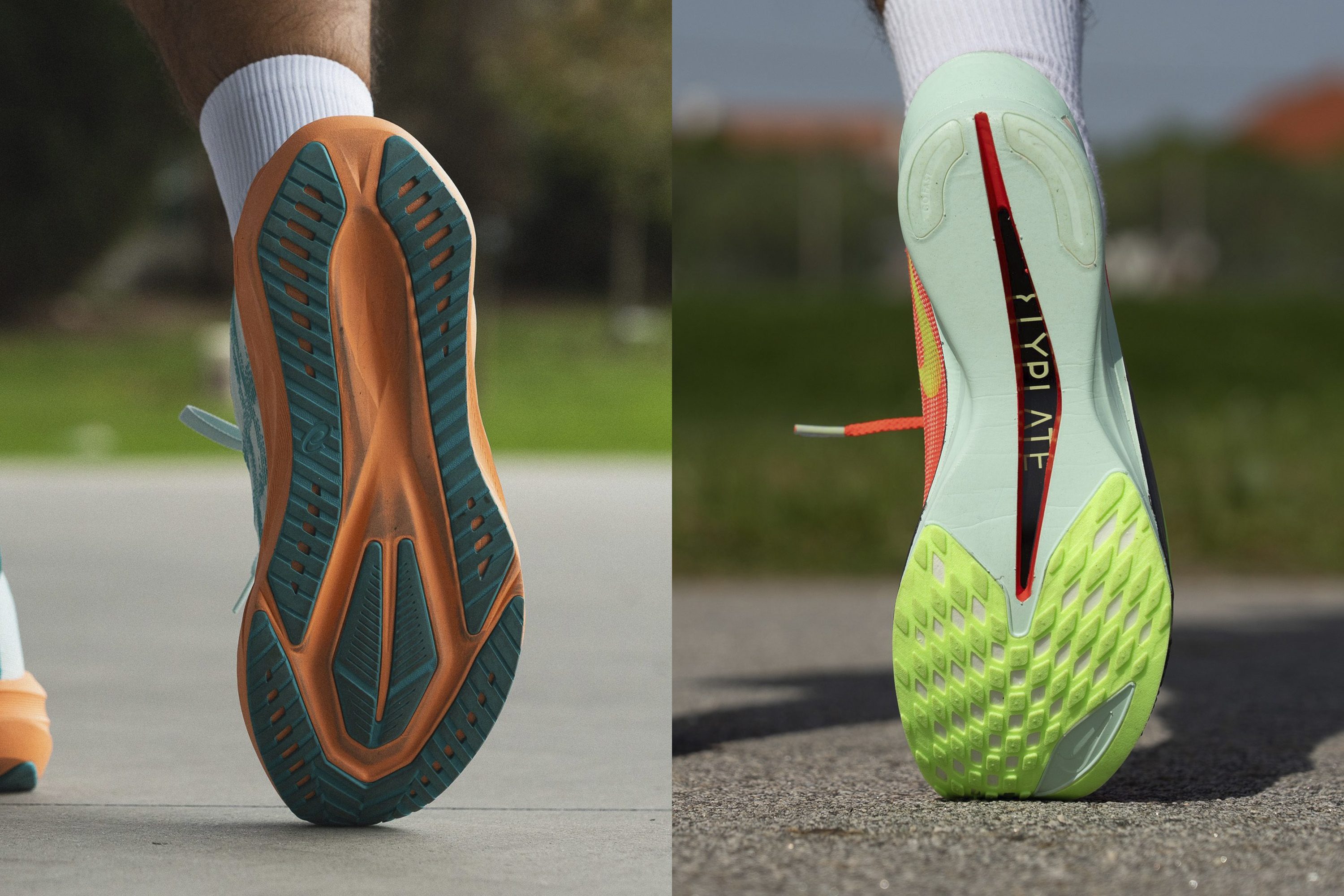
- Some running shoes with high energy return are made for forefoot strikers only and you can notice that because there’s no rubber coverage at the bottom in the heel area, only in the forefoot. This helps reduce weight, but what’s left at the heel is exposed foam, and exposed foam is a) unstable when the foam is soft, b) very slippery.
The role of carbon plates in running shoes with high energy return
Once the news of carbon-fibre plates hit the news, or, to be more precise, the running shoe geeks community, many thought it was the thing to look for in running shoes when on the lookout for “fast” shoes. The truth is quite far from that, given that the carbon-fibre plates are not propulsive on their own. Years later, we see them even in daily trainers and trail shoes.
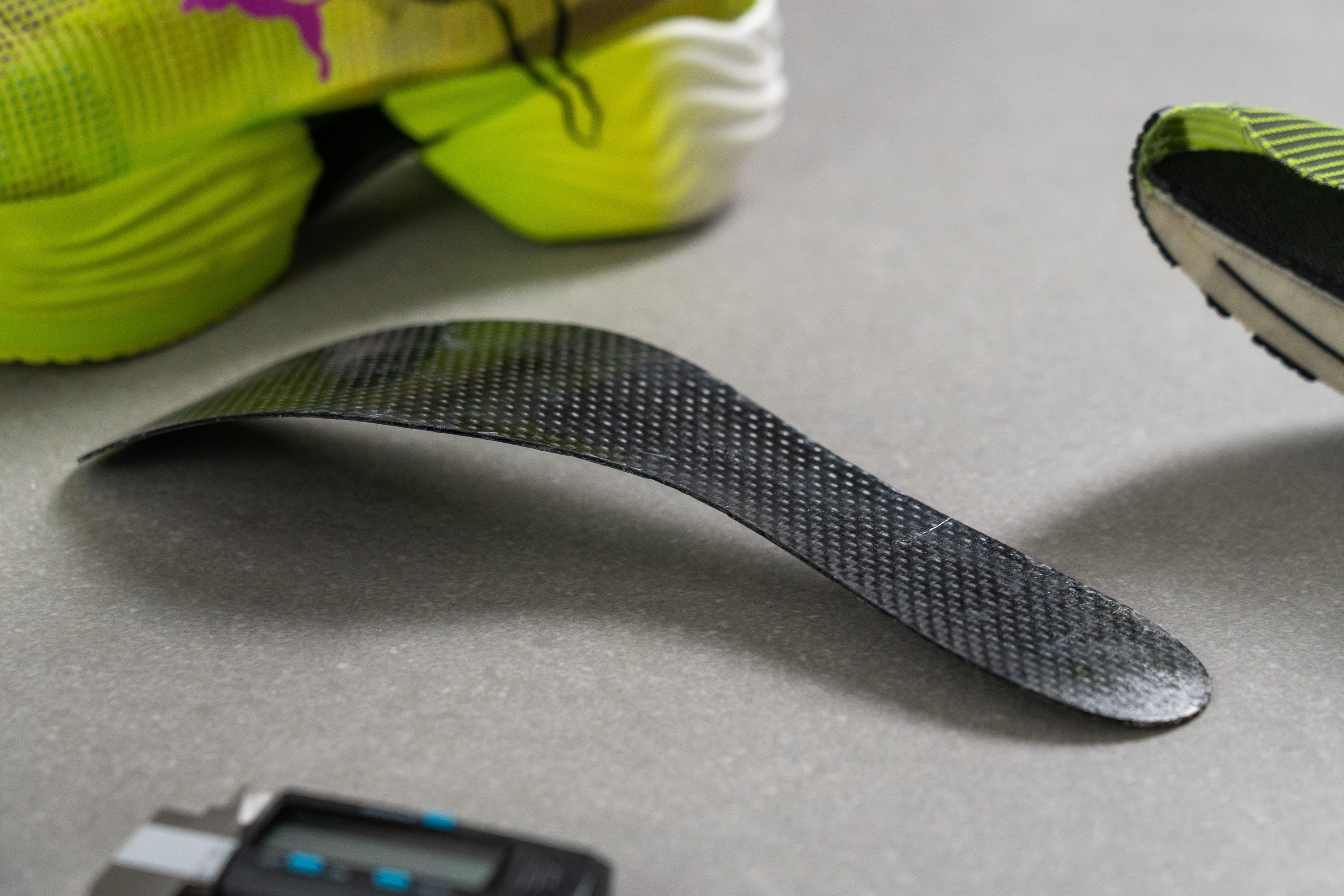
So, how are carbon-fibre plates related to energy return? First, they (obviously) make the running shoes stiffer and more stable. Second, they allow the pressure to be more equally distributed! In doing so, the benefits of the premium foam are more effectively reaped.
Can insoles improve energy return?
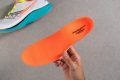
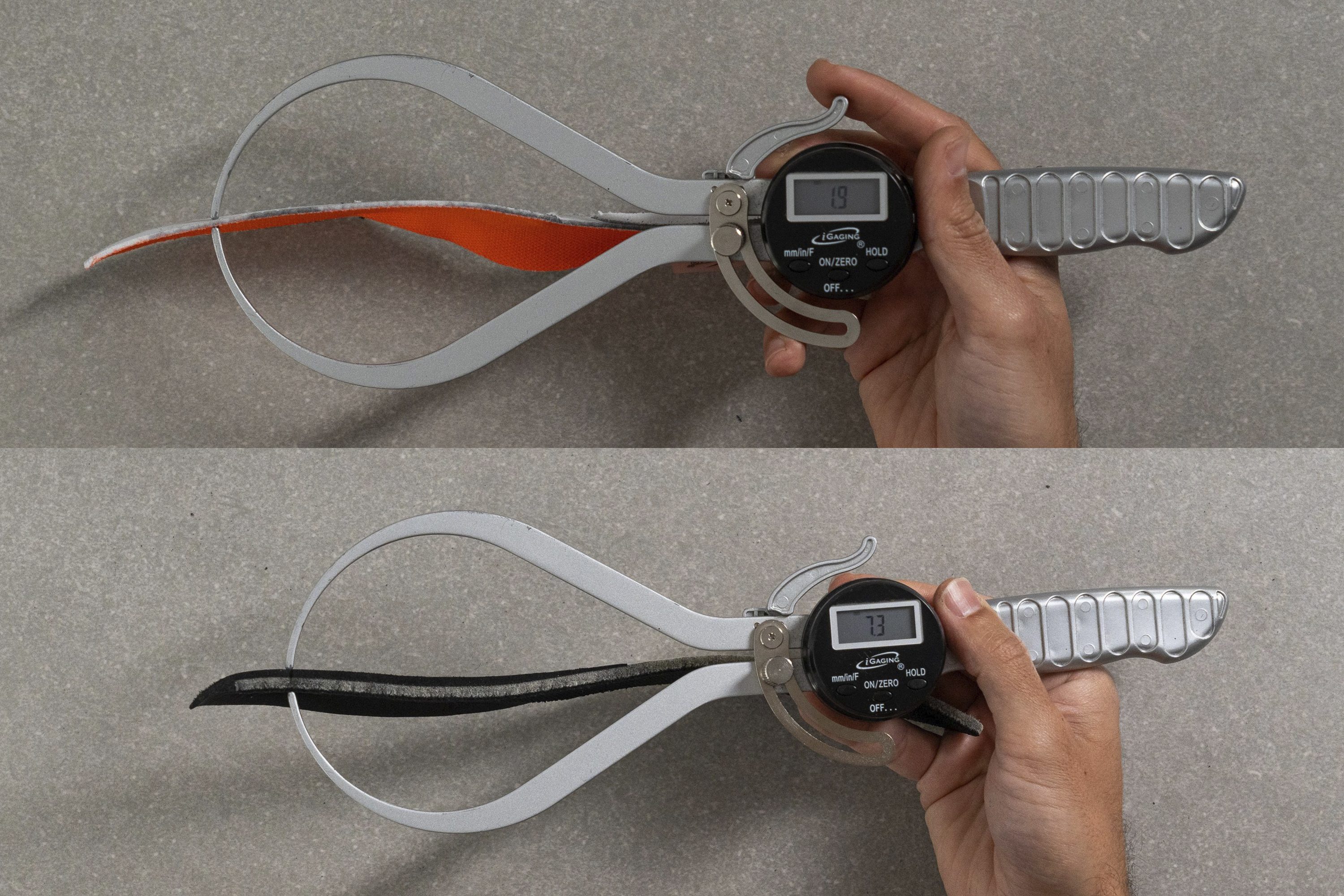
Yes. We still don’t have the data on it, but we’ve noticed significant differences, depending on the material used (most often it’s just EVA) and the thickness of the insole.
Price of running shoes with high energy return
Yes, these are expensive. They are 51% more expensive than shoes with low energy return on average and 35% more expensive than shoes with moderate energy return. We always recommend finding a good deal, and which place is a better place to do that than our Deals page?
To understand just how expensive these are, let’s look at the average prices for other running shoe categories. Those with low energy return usually retail at £120. With medium energy return, we’re talking about the average price of £130. And, finally, the average price of running shoes with high shock absorption is £180. Keep in mind that these are MSRPs or manufacturer’s suggested retail prices, or prices of shoes when they are released. No discounts.
Similar buying guides