
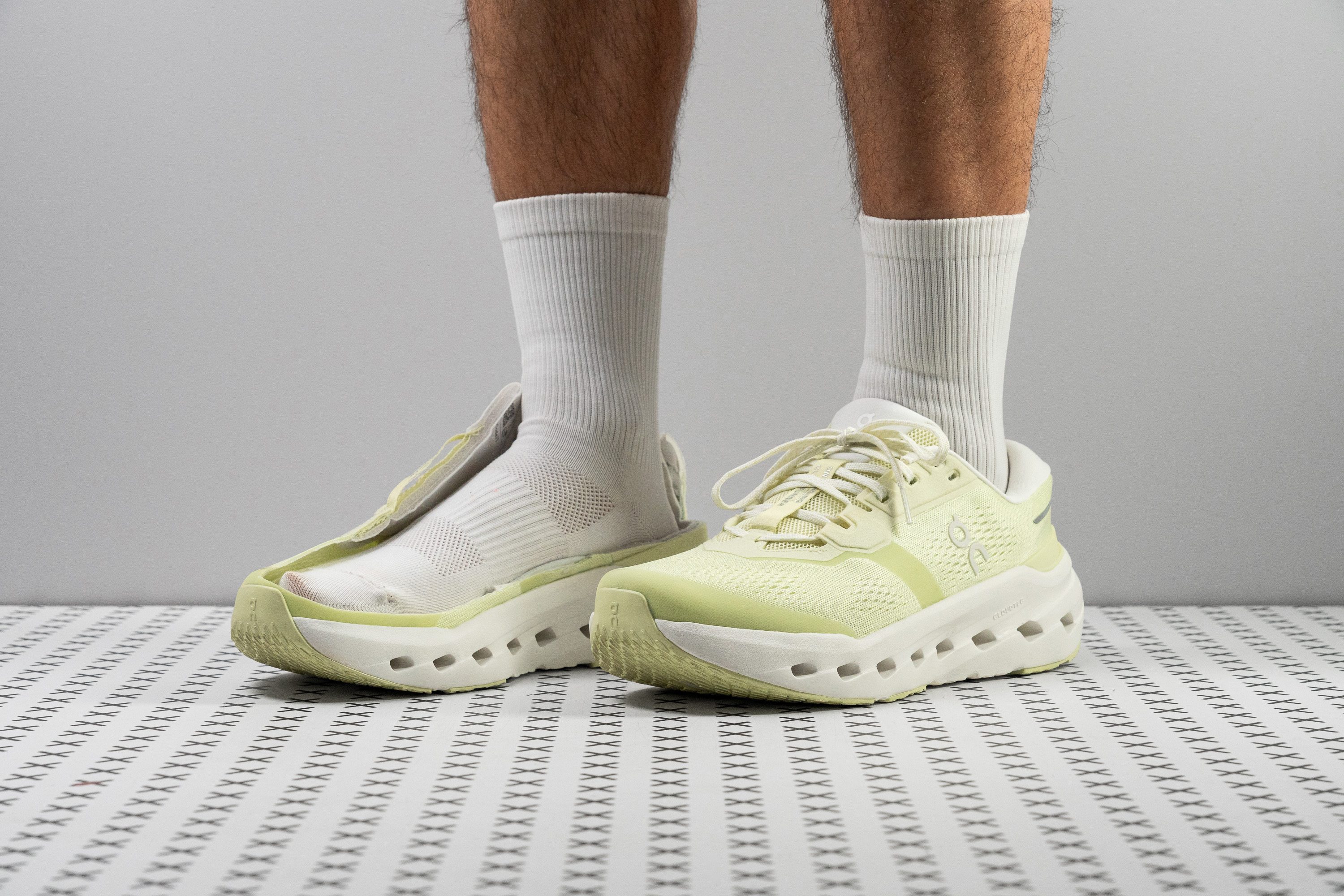


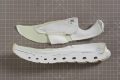
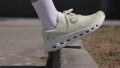
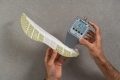
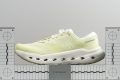









Our verdict
- Daily running 83
- Tempo 30
- Race 21
- Stability 91
Pros
- Premium-feeling upper
- Beautiful, elegant design
- Excellent support
- Amazing for walking
- Durable outsole built for heavy mileage
- Thick, comfy tongue reduces lace pressure
- Not as expensive as other On shoes
- Improved rockered geometry
- Good for heel strikers
Cons
- Low energy return
- Heavy build limits faster paces
- Narrow toebox limits toe splay
- Breathability struggles in hot climates
Awards
- Top 24% most popular running shoes
Comparison
The most similar running shoes compared
+ + Add a shoe | |||||
|---|---|---|---|---|---|
| Our score | 76 Good | 86 Great | 85 Great | 86 Great | |
| Price | $160 | $170 | $145 | $145 | |
| Pace | Daily running | Daily running | Daily running | Daily running | |
| Shock absorption | Moderate | High | High | High | |
| Energy return | Moderate | Moderate | Moderate | Moderate | |
| Traction | High | High | High | High | |
| Arch support | Stability | Stability | Stability | Stability | |
| Weight lab Weight brand | 10.5 oz / 298g 10.4 oz / 295g | 10.5 oz / 298g 10.5 oz / 298g | 10.4 oz / 296g 10.5 oz / 298g | 10.4 oz / 295g 10.6 oz / 300g | |
| Drop lab Drop brand | 8.1 mm 8.0 mm | 8.5 mm 8.0 mm | 10.1 mm 10.0 mm | 10.2 mm 10.0 mm | |
| Strike pattern | HeelMid/forefoot | HeelMid/forefoot | Heel | Heel | |
| Size | True to size | True to size | Slightly small | True to size | |
| Midsole softness | Firm | Soft | Balanced | Balanced | |
| Difference in midsole softness in cold | Small | Normal | Small | Small | |
| Toebox durability | Decent | Decent | Decent | Decent | |
| Heel padding durability | Decent | Good | Good | Good | |
| Outsole durability | Good | Decent | Good | Good | |
| Breathability | Warm | Moderate | Moderate | Moderate | |
| Width / fit | Medium | Medium | Medium | Medium | |
| Toebox width | Medium | Medium | Medium | Medium | |
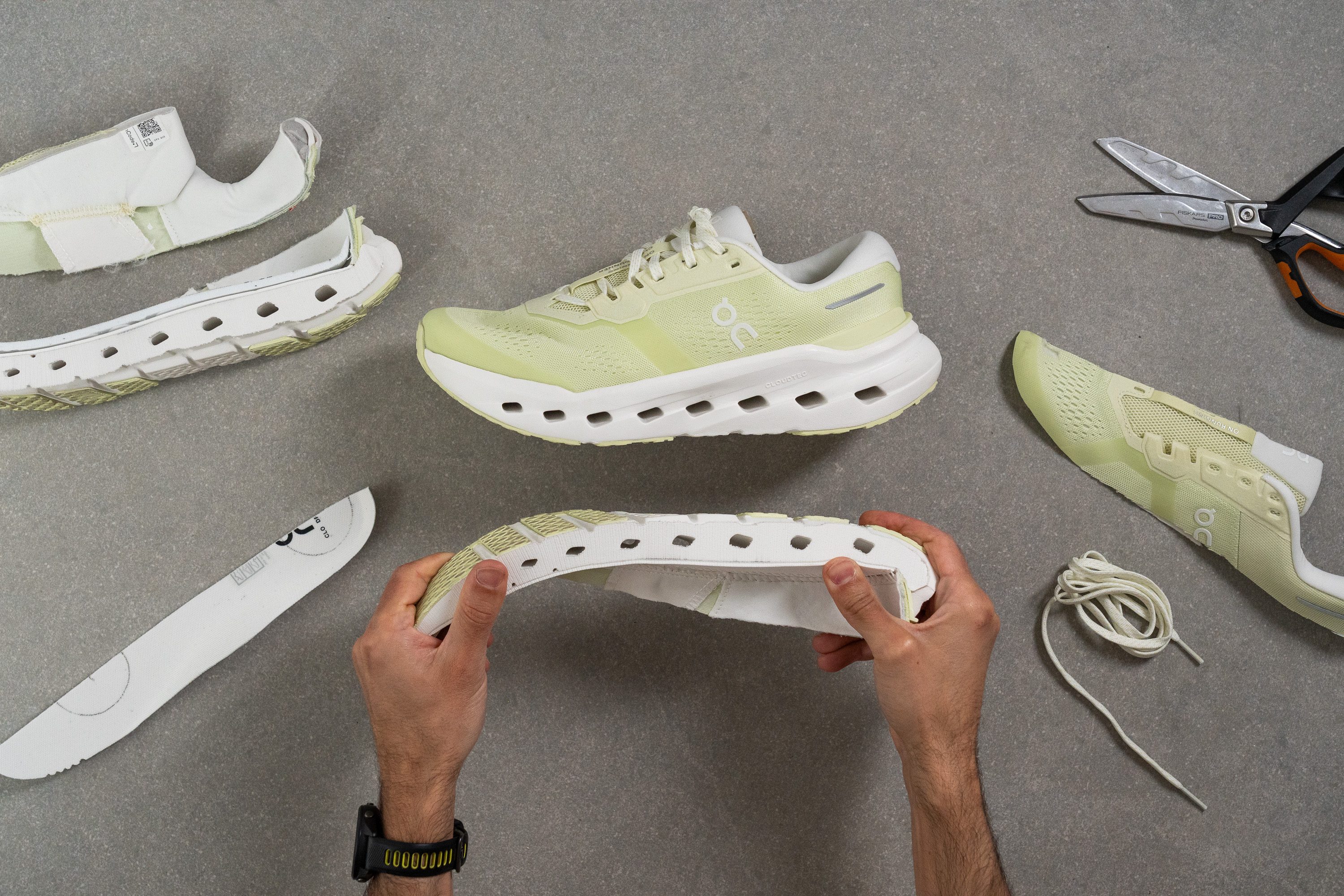
| Stiffness | Stiff | Stiff | Moderate | Moderate | |
| Torsional rigidity | Stiff | Stiff | Moderate | Moderate | |
| Heel counter stiffness | Stiff | Stiff | Moderate | Stiff | |
| Rocker | ✓ | ✗ | ✗ | ✗ | |
| Heel lab Heel brand | 36.8 mm 37.0 mm | 36.8 mm 39.0 mm | 36.1 mm 38.0 mm | 36.1 mm 37.0 mm | |
| Forefoot lab Forefoot brand | 28.7 mm 29.0 mm | 28.3 mm 31.0 mm | 26.0 mm 28.0 mm | 25.9 mm 27.0 mm | |
| Widths available | NormalWide | NarrowNormalWideX-Wide | NarrowNormalWideX-Wide | NarrowNormalWideX-Wide | |
| Orthotic friendly | ✓ | ✓ | ✓ | ✓ | |
| Season | All seasons | All seasons | All seasons | All seasons | |
| Removable insole | ✓ | ✓ | ✓ | ✓ | |
| Ranking | #301 Bottom 25% | #83 Top 21% | #113 Top 29% | #79 Top 20% | |
| Popularity | #96 Top 24% | #32 Top 8% | #49 Top 13% | #5 Top 2% |

Who should buy
We believe that the On Cloudrunner 3 is a fantastic choice for:
- Runners who care more about premium design, comfort, and build quality than lightweight performance or speed-focused training.
- Those searching for a very cozy shoe that works well for walking, daily wear, and occasional easy runs.
- Anyone with mild pronation who want a stable daily trainer that feels supportive without becoming overly-corrective.
Who should NOT buy
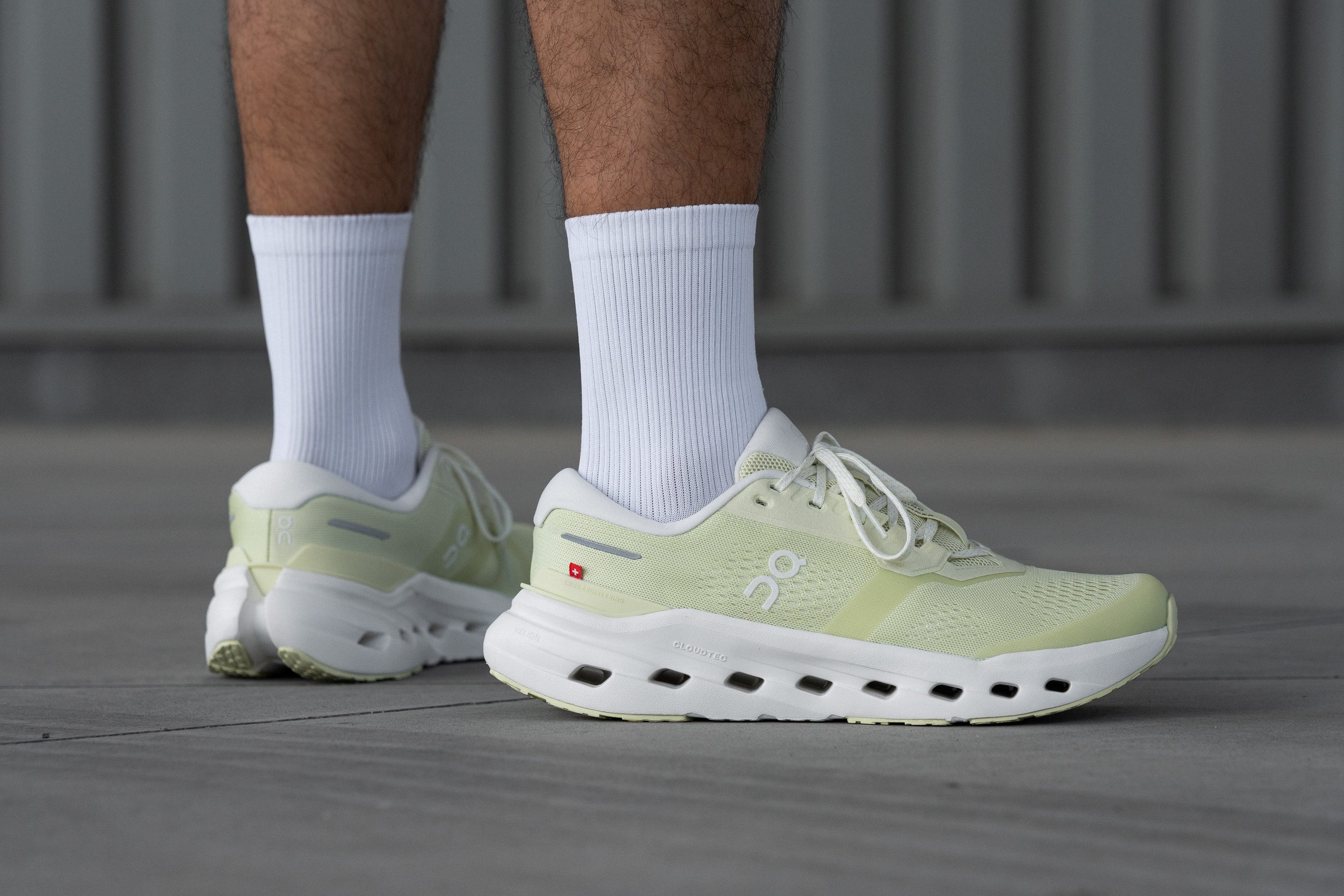
We think the On Cloudrunner 3 may disappoint runners searching for a lively and fun stability shoe. During our runs, the combination of the hefty build and low-rebound Helion foam made the ride feel noticeably sluggish, especially compared to energetic rivals like the Saucony Tempus 2 or adidas Supernova Solution 2.
We also believe the firm midsole will not appeal to runners who prefer a plush underfoot sensation. The Nike Structure Plus offers a more forgiving and pillow-like feel for daily training while keeping a stable ride.
Cushioning
Shock absorption
The On Cloudrunner 3 delivered solid shock absorption results in our first lab test, reaching 130 SA in the heel and 107 SA in the forefoot. These are not sky-high numbers, but this shoe was never designed to chase maximum cushioning. Instead, On focused on creating a dependable and versatile daily trainer that also feels comfortable for walking and all-day wear.
We also found that this setup marks a small but noticeable improvement over both the Cloudrunner and Cloudrunner 2.
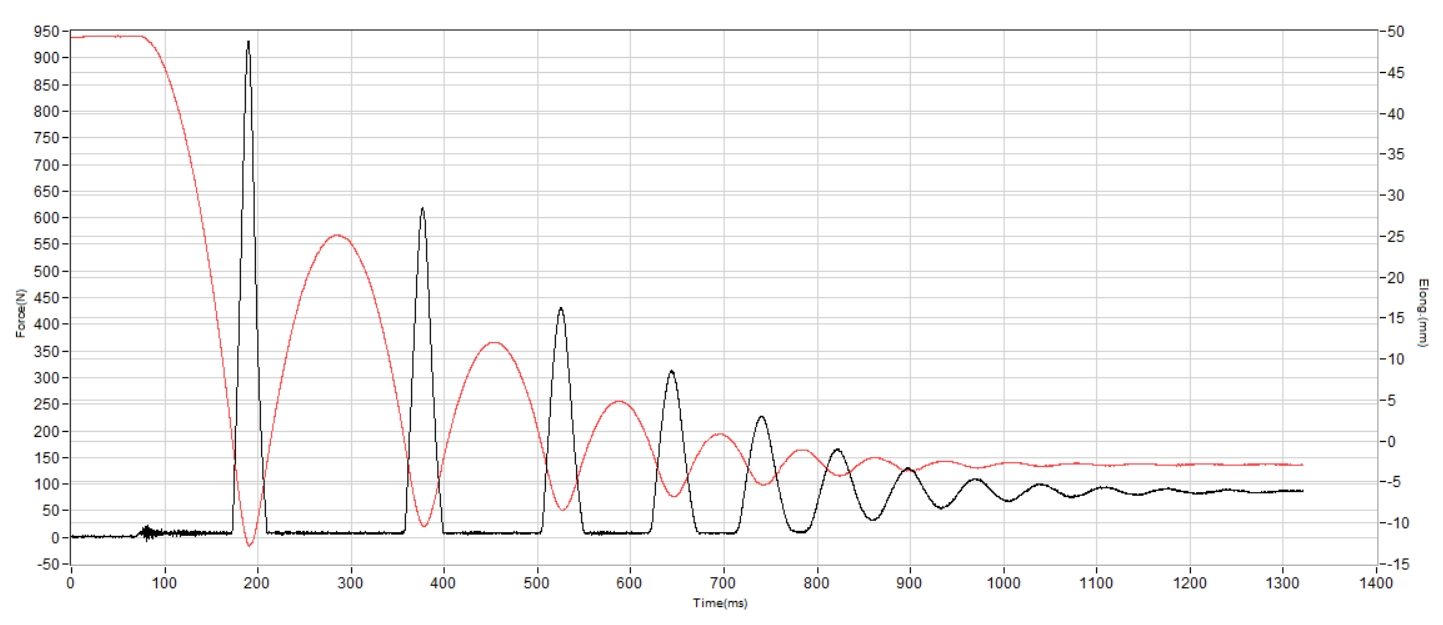
| Cloudrunner 3 | 130 SA |
| Average | 131 SA |
Energy return
On kept the same Helion foam for this update, and honestly, we already expected energy return to remain one of the shoe’s weakest areas before even starting our lab tests.
With just 53.2% in the heel and 57.0% in the forefoot, the Cloudrunner 3 once again highlights why we believe On really needs a more modern training foam that feels aligned with 2026 standards rather than 2021.
| Cloudrunner 3 | 57.0% |
| Average | 61.6% |
Heel stack
With 36.8 mm of heel stack height, we think On made the right call by keeping the Cloudrunner 3 within a moderate range instead of chasing the max-stack trend.
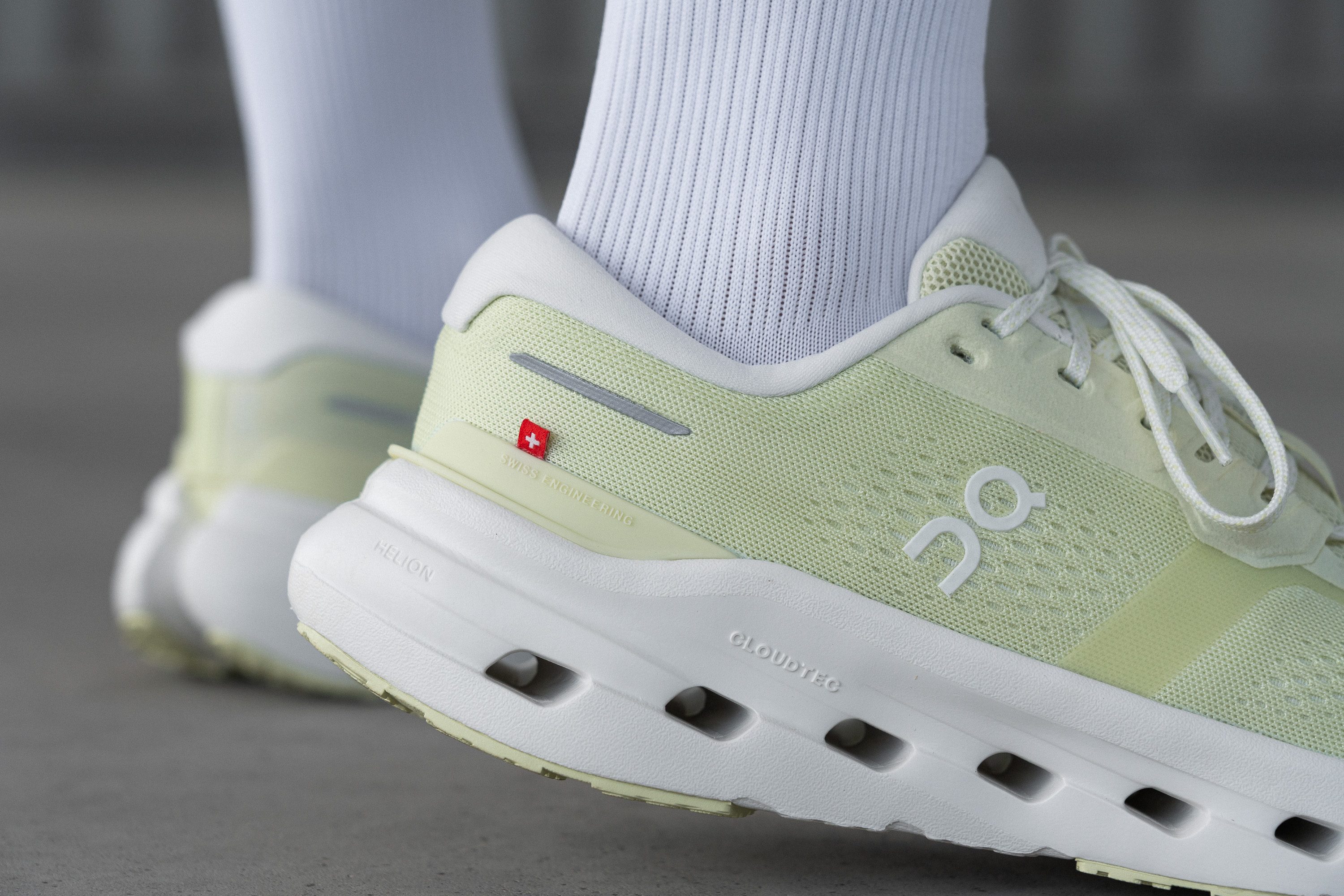
Shoes like the Cloudmonster 3 already cover that space, and we believe there is still a huge group of runners who prefer a more approachable, stable, and everyday-friendly design like this one.
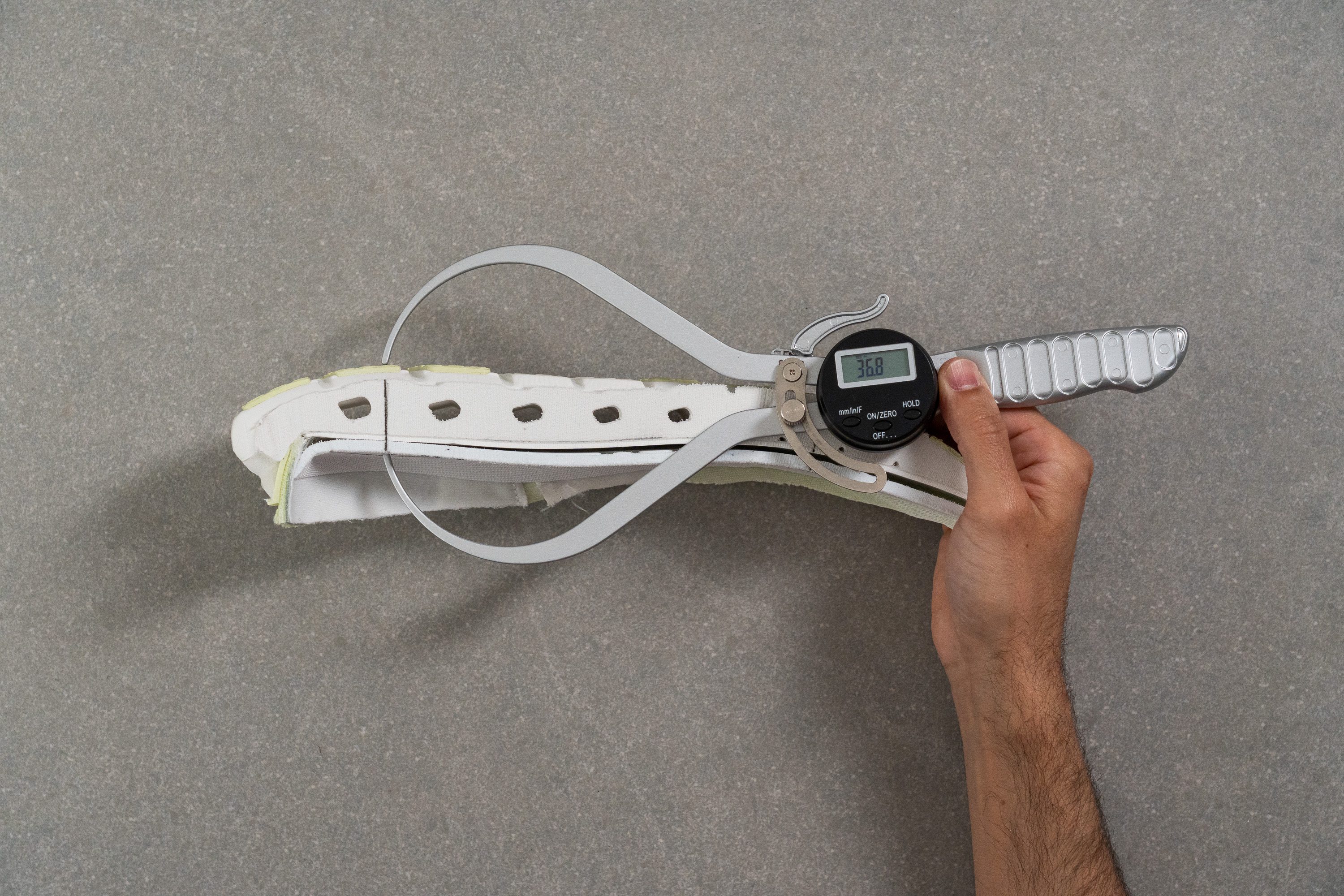
| Cloudrunner 3 | 36.8 mm |
| Average | 35.6 mm |
Forefoot stack
The forefoot follows the same design philosophy as the heel, although it starts flirting with max-stack territory by packing a substantial 28.7 mm of cushioning underfoot.
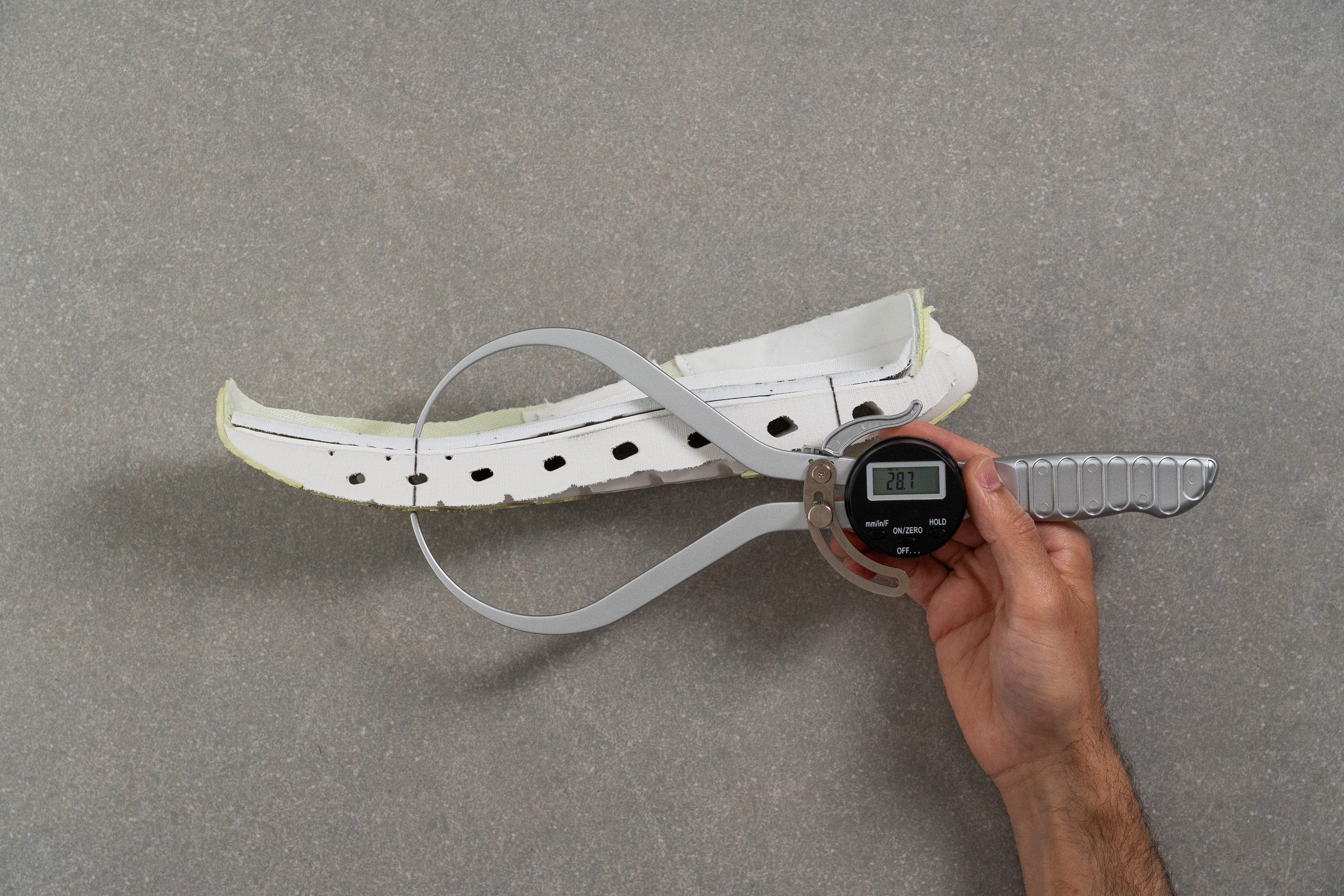
| Cloudrunner 3 | 28.7 mm |
| Average | 27.2 mm |
Drop
On lowered the drop in the Cloudrunner 3 to create a more universal and comfortable ride that works better for a wider range of runners beyond just heel strikers. As a result, we measured an actual heel-to-toe offset of 8.1 mm.
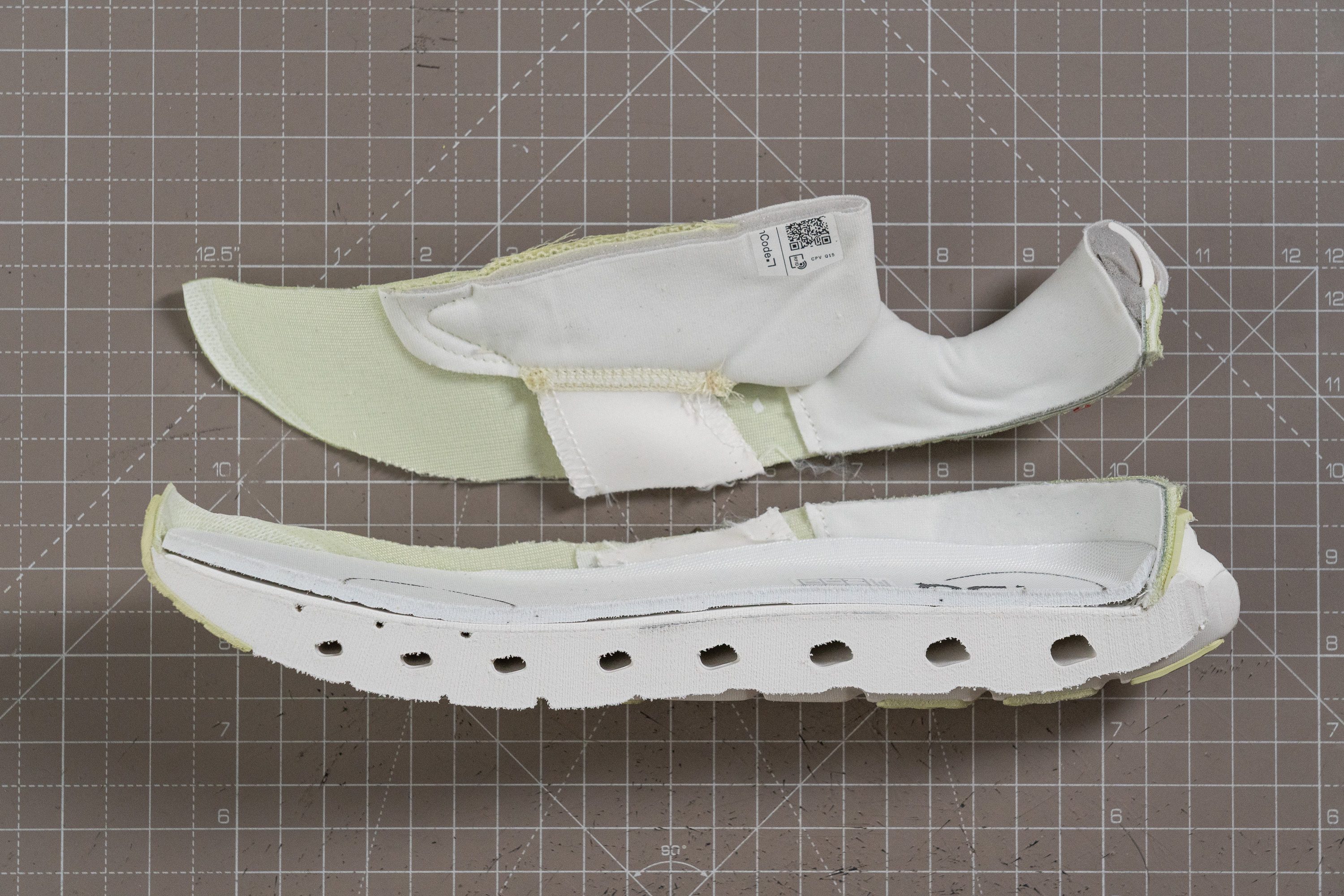
| Cloudrunner 3 | 8.1 mm |
| Average | 8.4 mm |
Midsole softness
During our runs, we found that the On Cloudrunner 3 retains the familiar firm ride that defines most On running shoes. For newcomers to the brand, that may feel confusing at first since the word "Cloud" and the CloudTec tech probaly suggest a plush experience.
However, this shoe sits in the firm-riding category with a measured softness of 43.6 AC. The hollow CloudTec channels may create a slightly softer sensation underfoot, but make no mistake, this is not a soft shoe. Still, given its stability-focused mission, we actually think this firmer tuning works very well here.
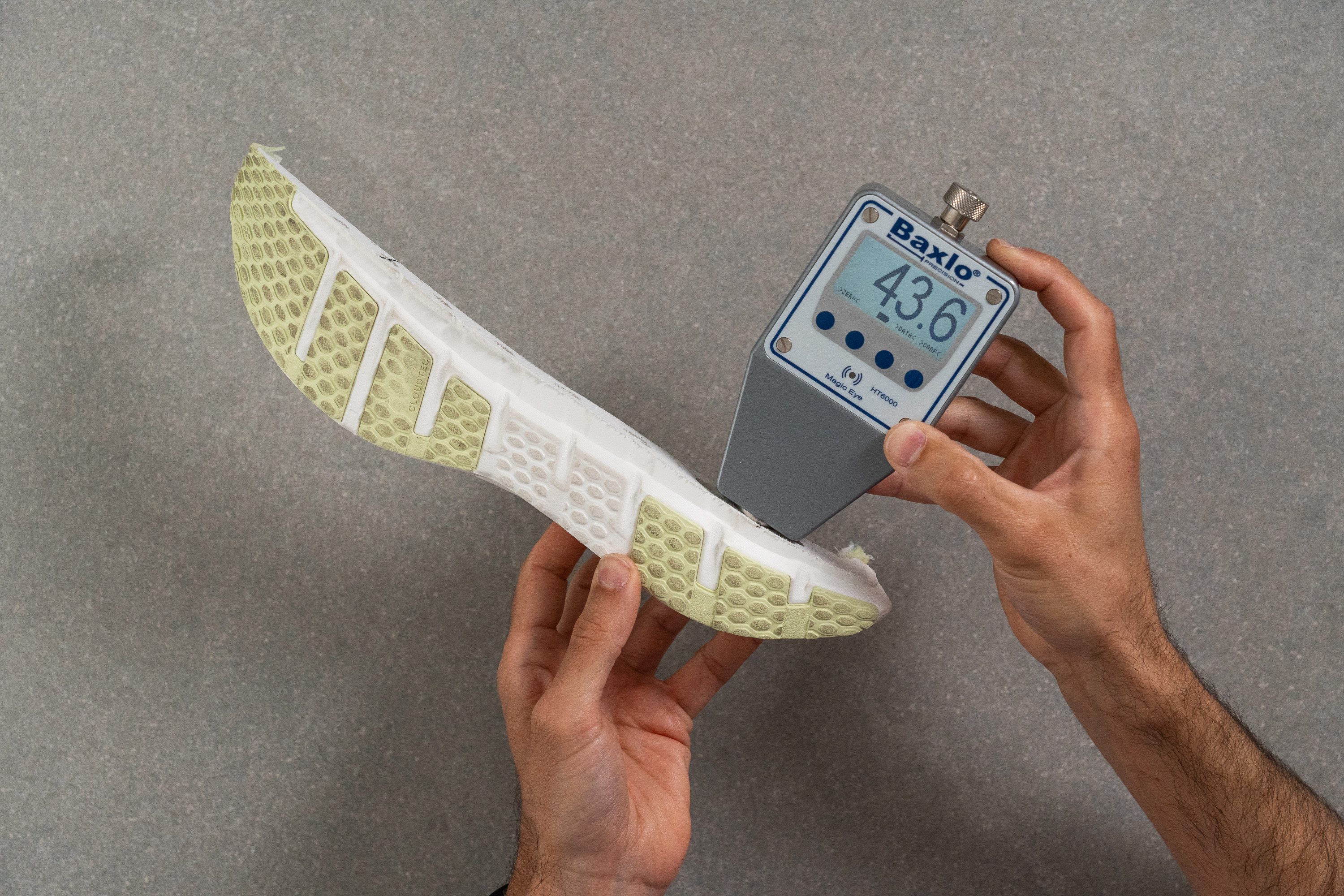
| Cloudrunner 3 | 43.6 AC |
| Average | 35.4 AC |
Rocker
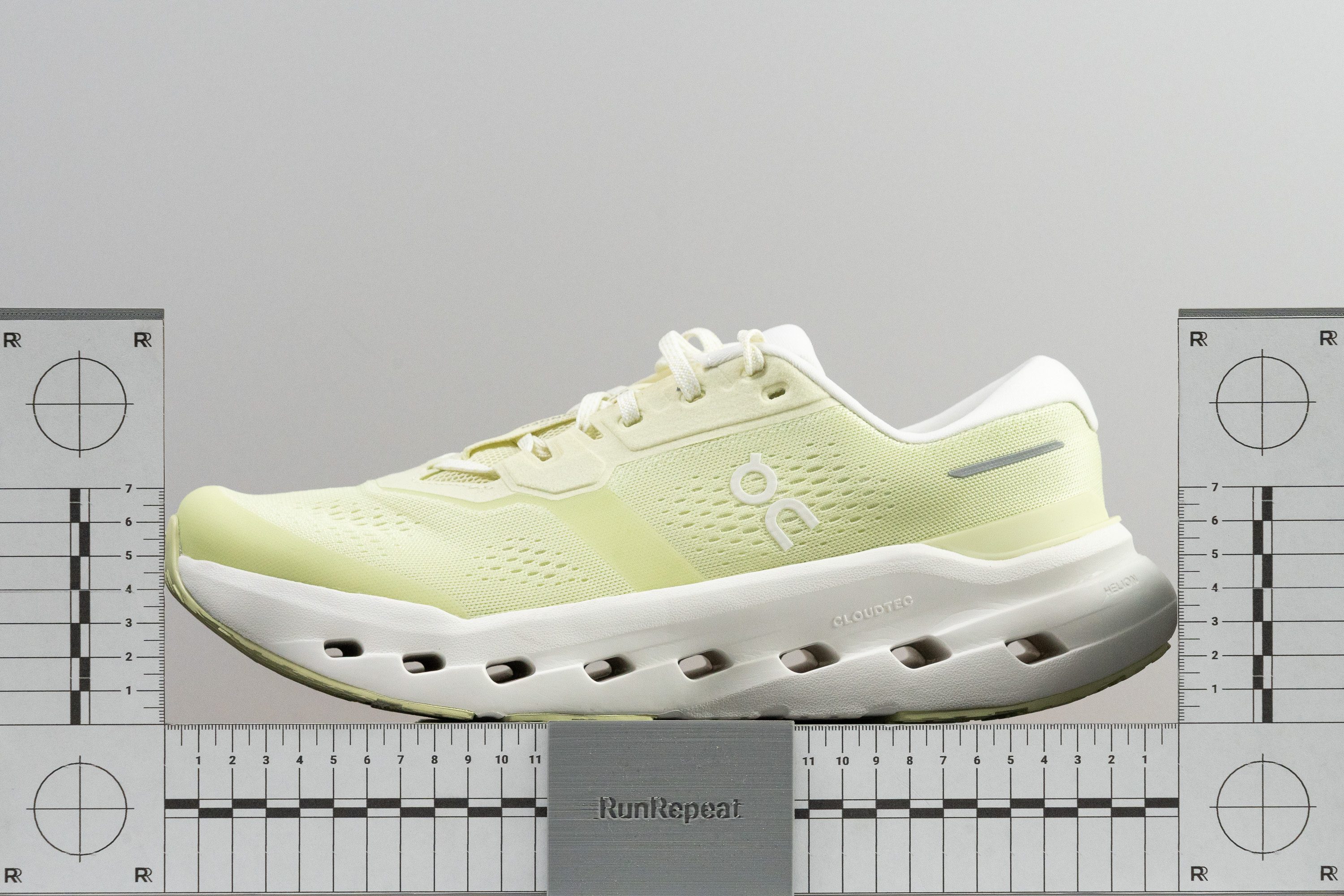
The rocker also shows a very noticeable evolution compared to version 2, now featuring a much more aggressive heel-to-toe curvature.
The rearfoot redesign makes perfect sense given the lower drop, while the early rocker start point of the forefoot should work especially well for runners dealing with hallux rigidus or a very stiff big toe.
Size and fit
Size
On Cloudrunner 3 fits true to size (29 votes).
Internal length
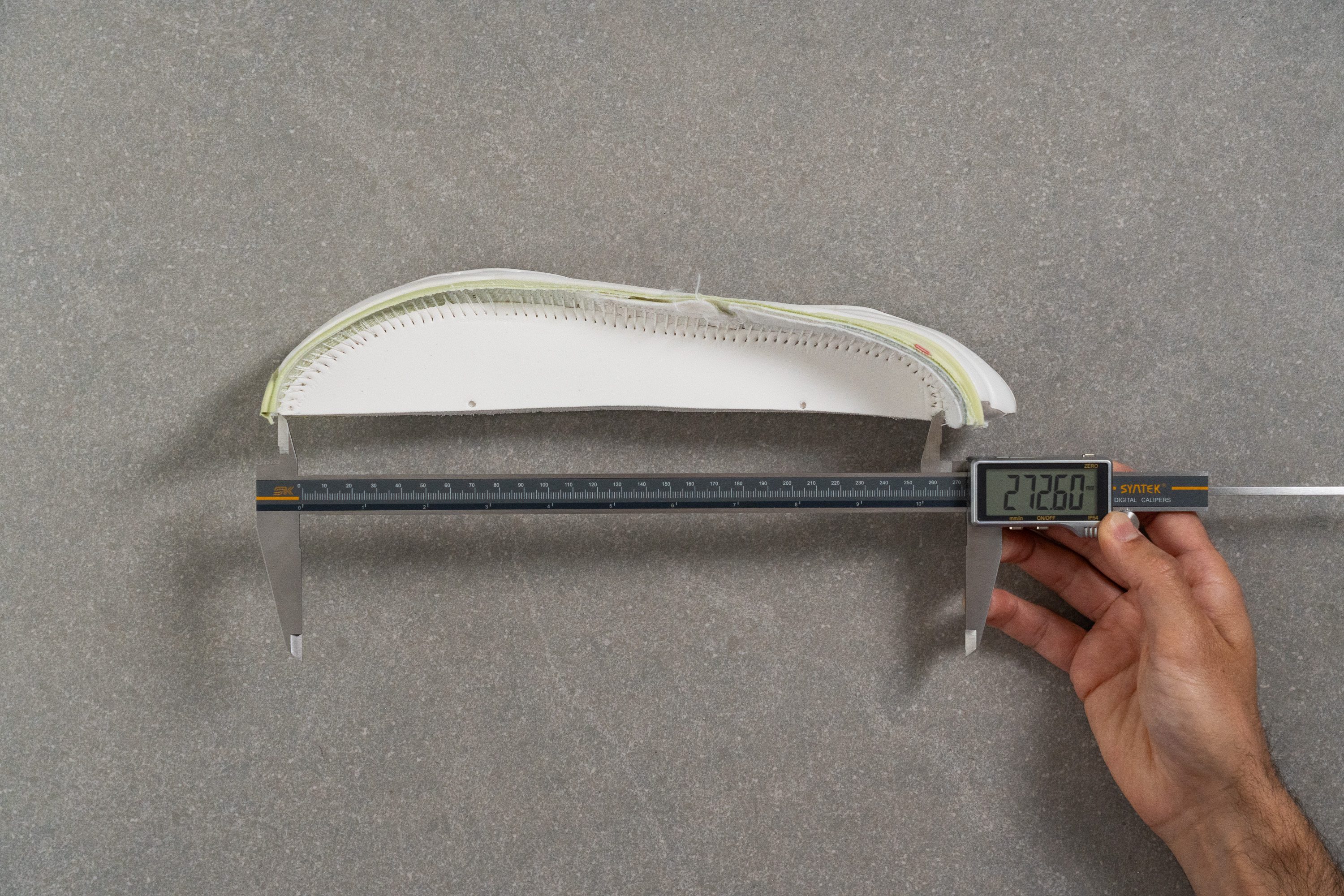
| Cloudrunner 3 | 272.6 mm |
| Average | 269.4 mm |
Width / Fit
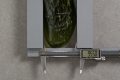
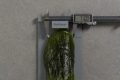
We used the interior of the Cloudrunner 3 as a mold, filling it with gel and letting it cool so we could capture the exact shape and take precise fit measurements.
In our first reading, we found that the Cloudrunner 3 delivers an average-width fit at 95.5 mm.
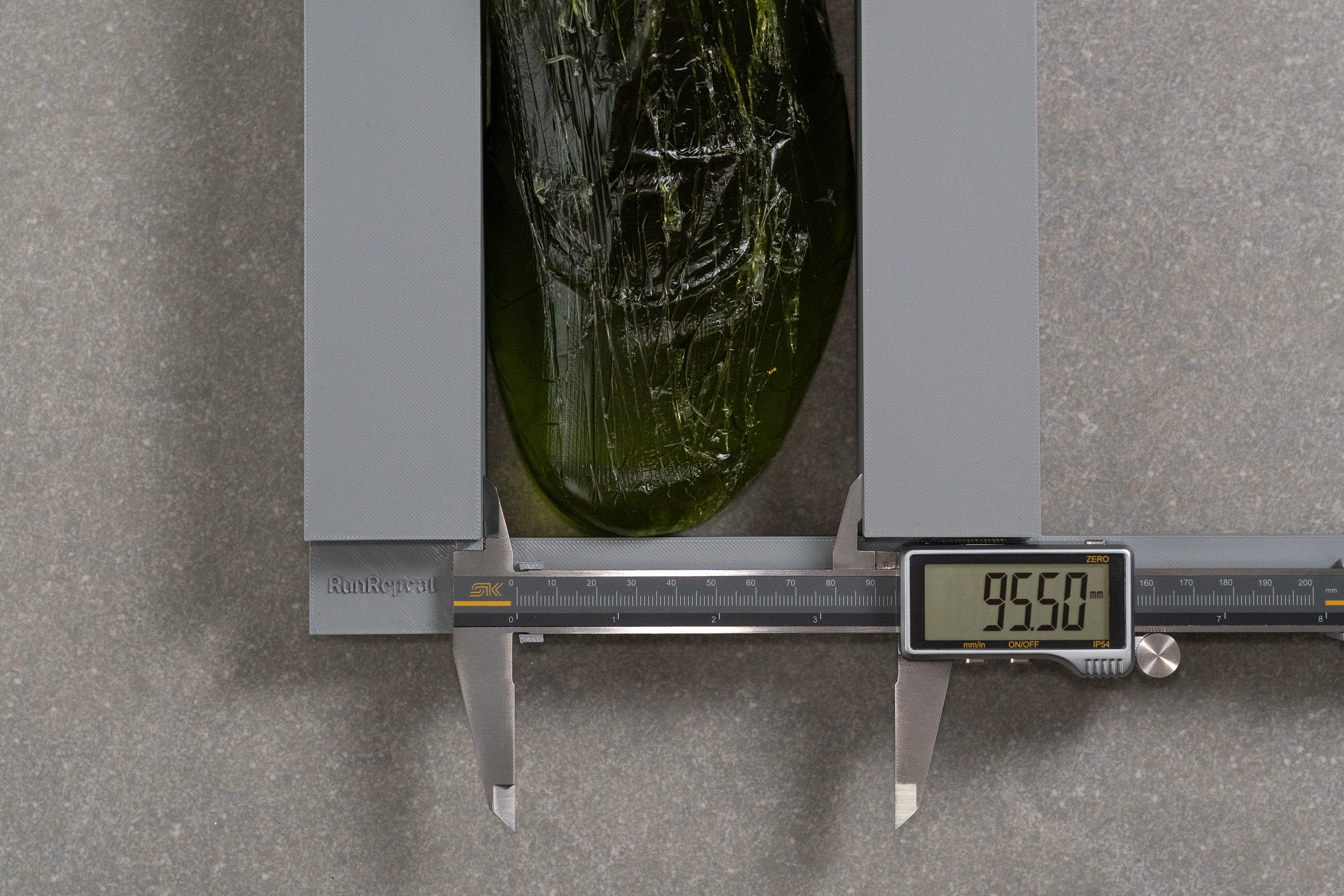
| Cloudrunner 3 | 95.5 mm |
| Average | 95.2 mm |
Toebox width
In our second fit measurement, we found that the toebox narrows down to just 71.0 mm. From a stability standpoint, this more restrictive shape makes sense, but runners who prefer extra room for toe splay may not enjoy this design.
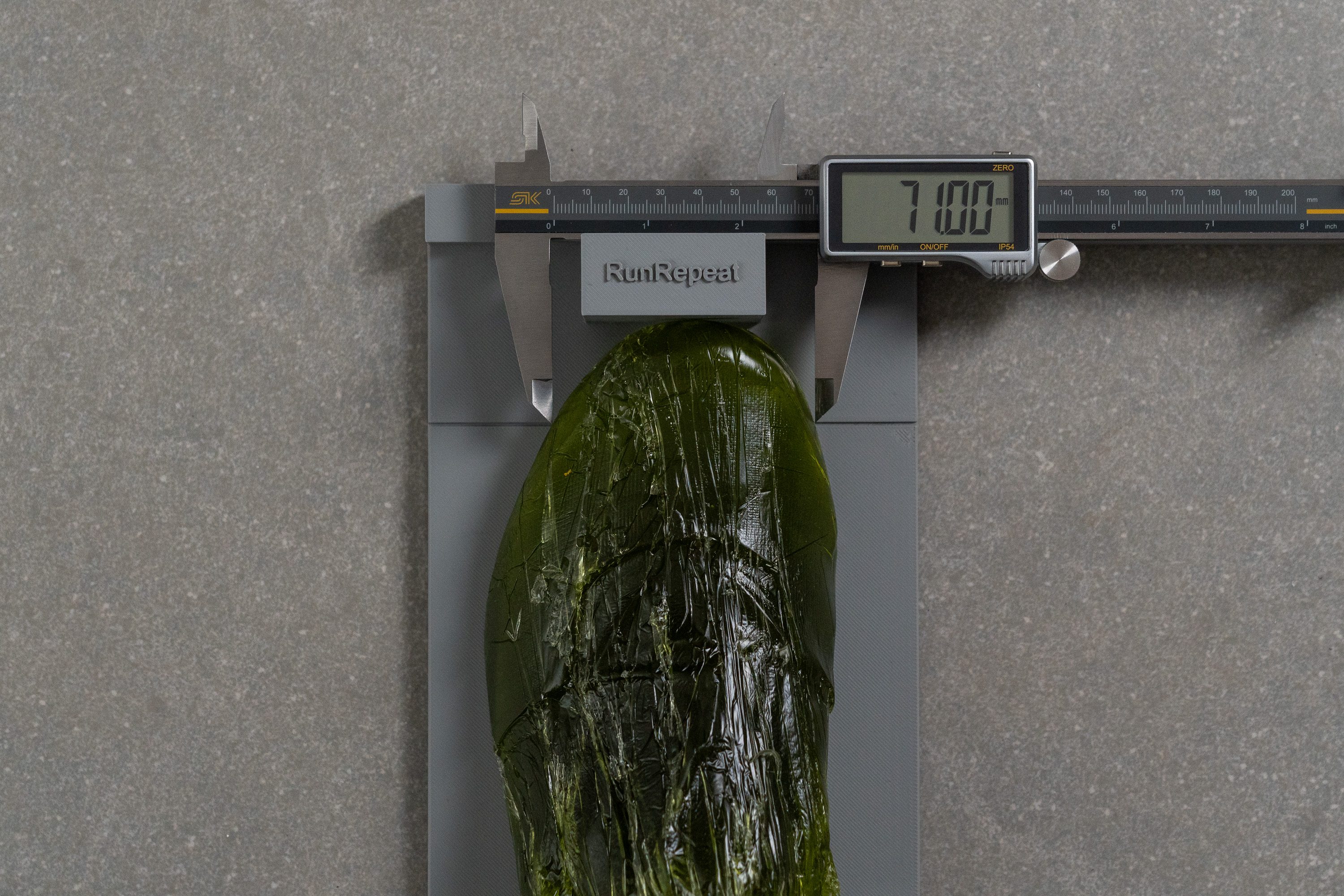
| Cloudrunner 3 | 71.0 mm |
| Average | 73.2 mm |
Toebox height
We also found that the Cloudrunner 3 runs slightly low in terms of toebox height at 25.2 mm.
It never felt uncomfortable during our runs, but there is definitely less vertical room for the toes compared to many other daily trainers.
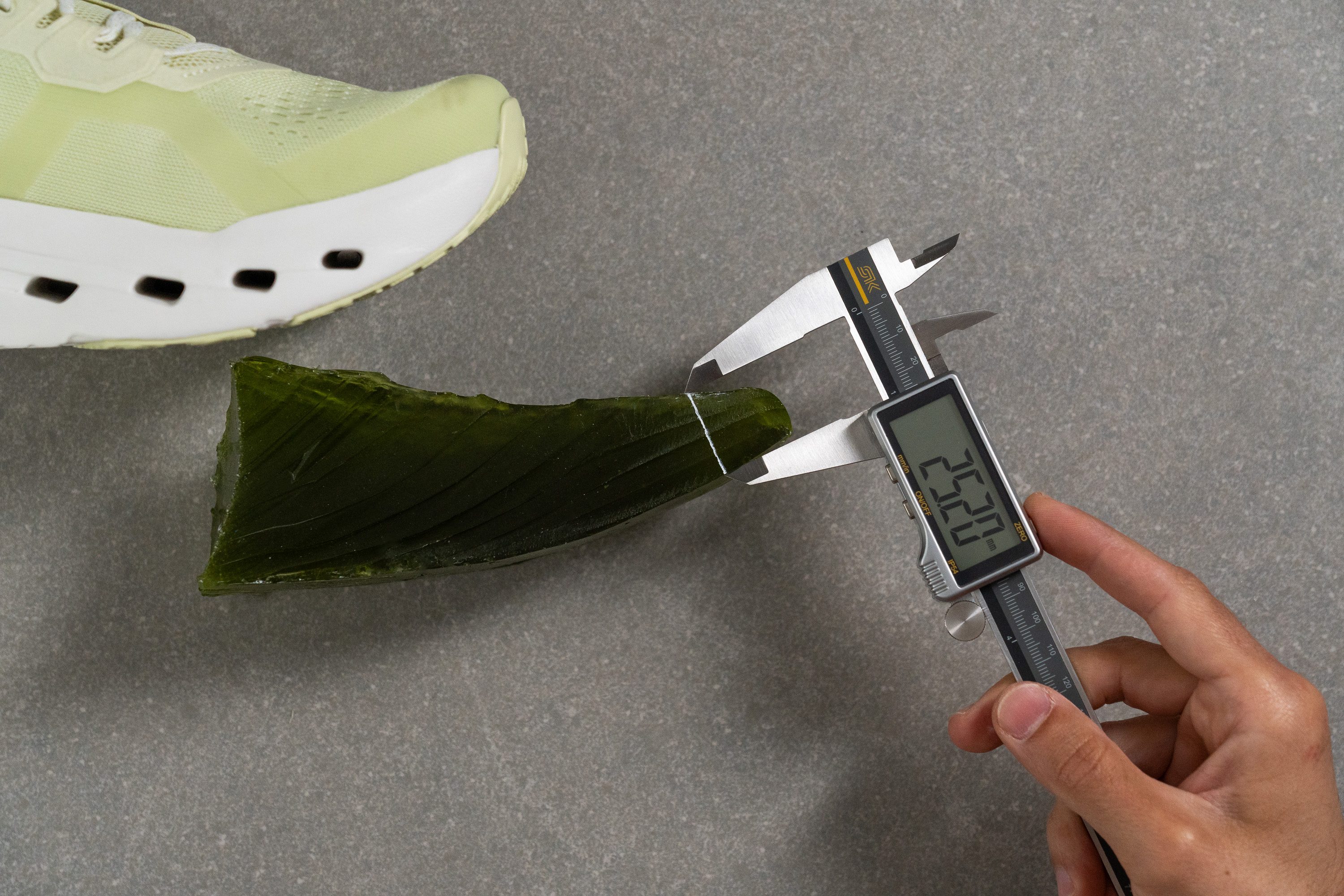
| Cloudrunner 3 | 25.2 mm |
| Average | 27.0 mm |
Traction / Grip
Traction test
We tested the On Cloudrunner 3 using the exact same protocol we apply to every shoe in our lab, and the result was positive. Its 0.55 traction score ensures dependable grip when the roads turn wet, so rainy-day runs should not be a problem at all.
| Cloudrunner 3 | 0.55 |
| Average | 0.53 |
Outsole design
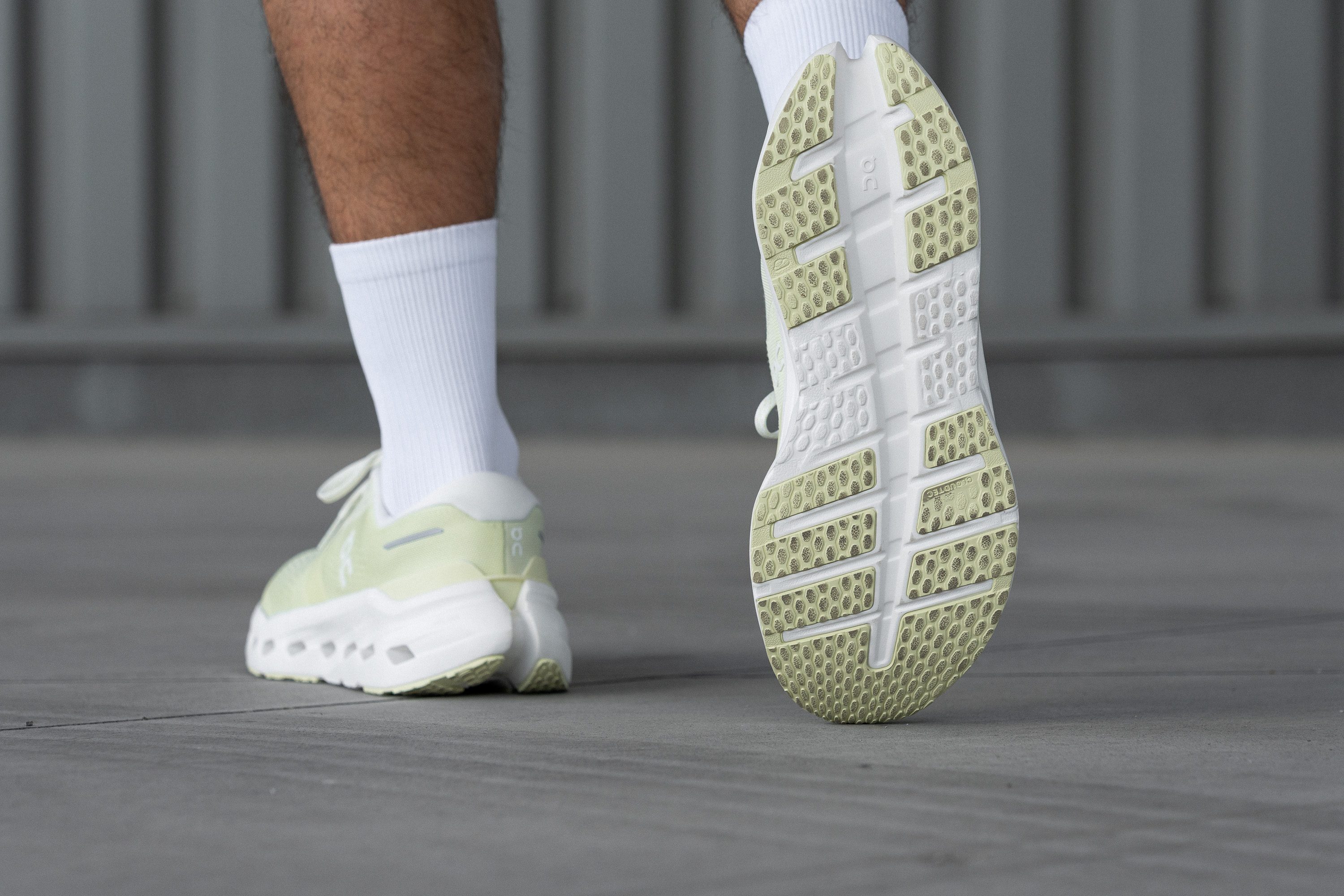
The outsole receives a full redesign that increases rubber coverage while also widening the central cutout.
The new layout feels more aggressive, smoother, and noticeably less clunky underfoot, yet it still preserves the unmistakable On DNA that makes the brand’s outsoles instantly recognizable.
Flexibility / Stiffness
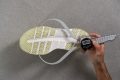
In our 30-degree stiffness test, we found the Cloudrunner 3 ranking extremely high with a substantial 19.3N result. It's even a bit more than what we were expecting!
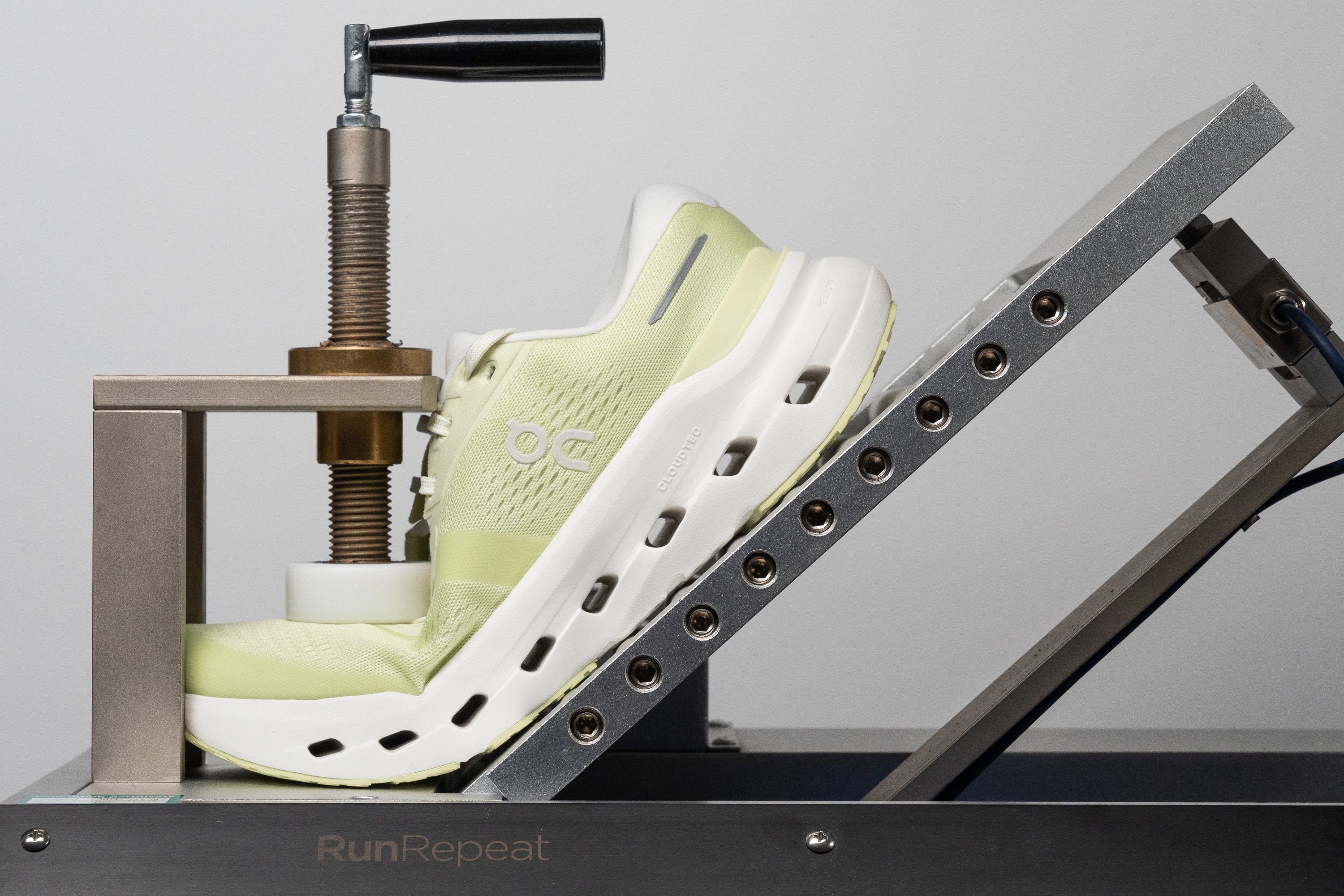
| Cloudrunner 3 | 19.3N |
| Average | 15.6N |
Weight
We really liked that On reduced the weight with version 2 and managed to move the Cloudrunner in a better direction.
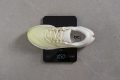
That’s why we’re disappointed to see version 3 gaining weight again and essentially returning to square one. At 10.5 oz or 298g, it feels heavy and highlights the urgent need for a lighter, more modern supercritical foam.
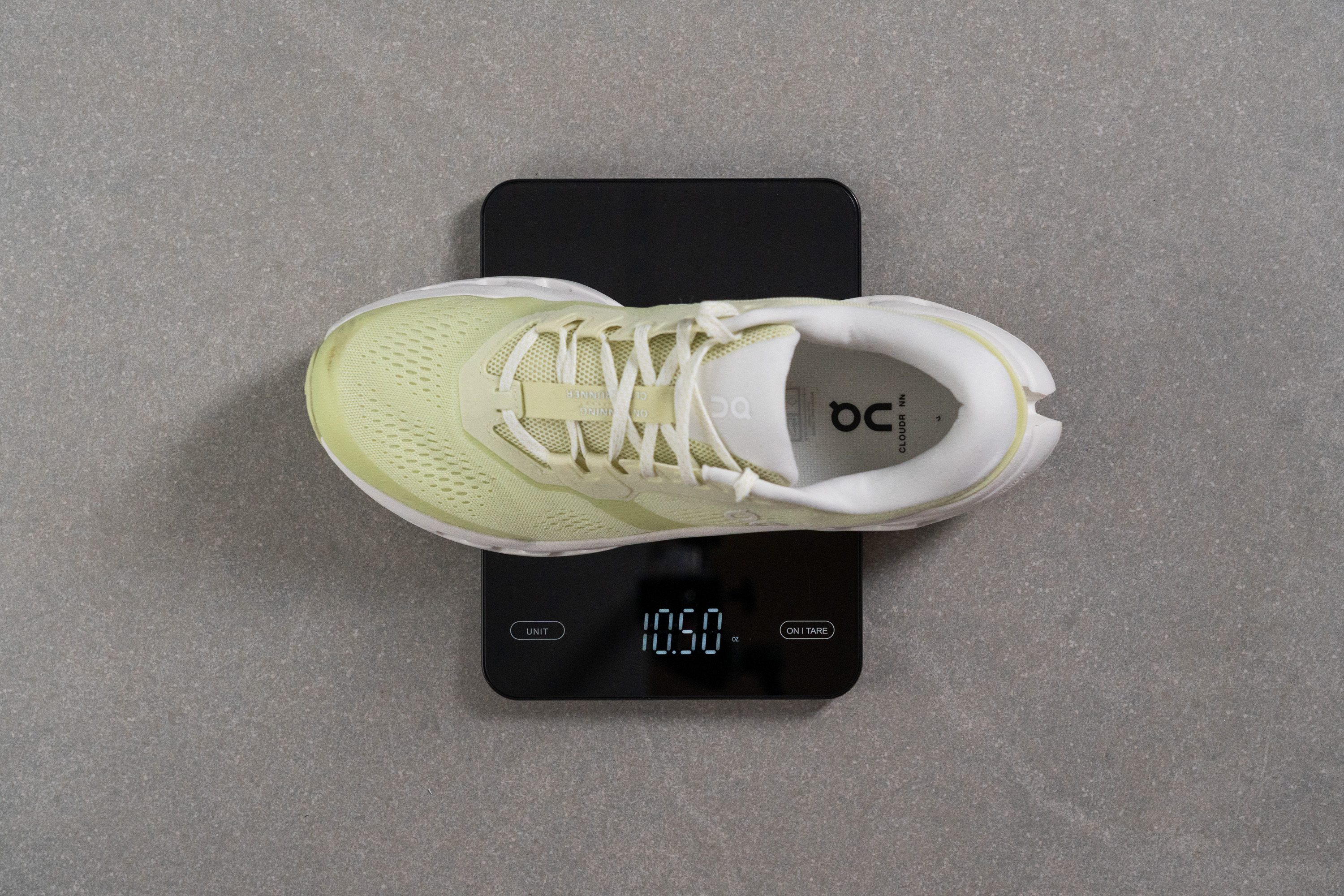
| Cloudrunner 3 | 10.5 oz (298g) |
| Average | 9.2 oz (261g) |
Breathability
Breathability test
We noticed from our very first run in the On Cloudrunner 3 that comfort was clearly the main priority behind its design, although that approach comes with a few tradeoffs.
One of them is breathability. Using our custom-made machine, we found that the upper struggles to move sweat away from the foot, earning a modest score of just 52 BR. As a result, it's not the best choice for runners training in hot weather or those who perspire heavily.
| Cloudrunner 3 | 52 BR |
| Average | 75 BR |
Drying potential
NewWe also measured the Cloudrunner 3's drying potential, which reflects how effectively the upper releases trapped moisture over time. After 3 hours of exposure to artificial sweat inside our breathability chamber, we found that it evaporated 47% of the moisture, a decent result that should help it recover fairly well once it gets damp.
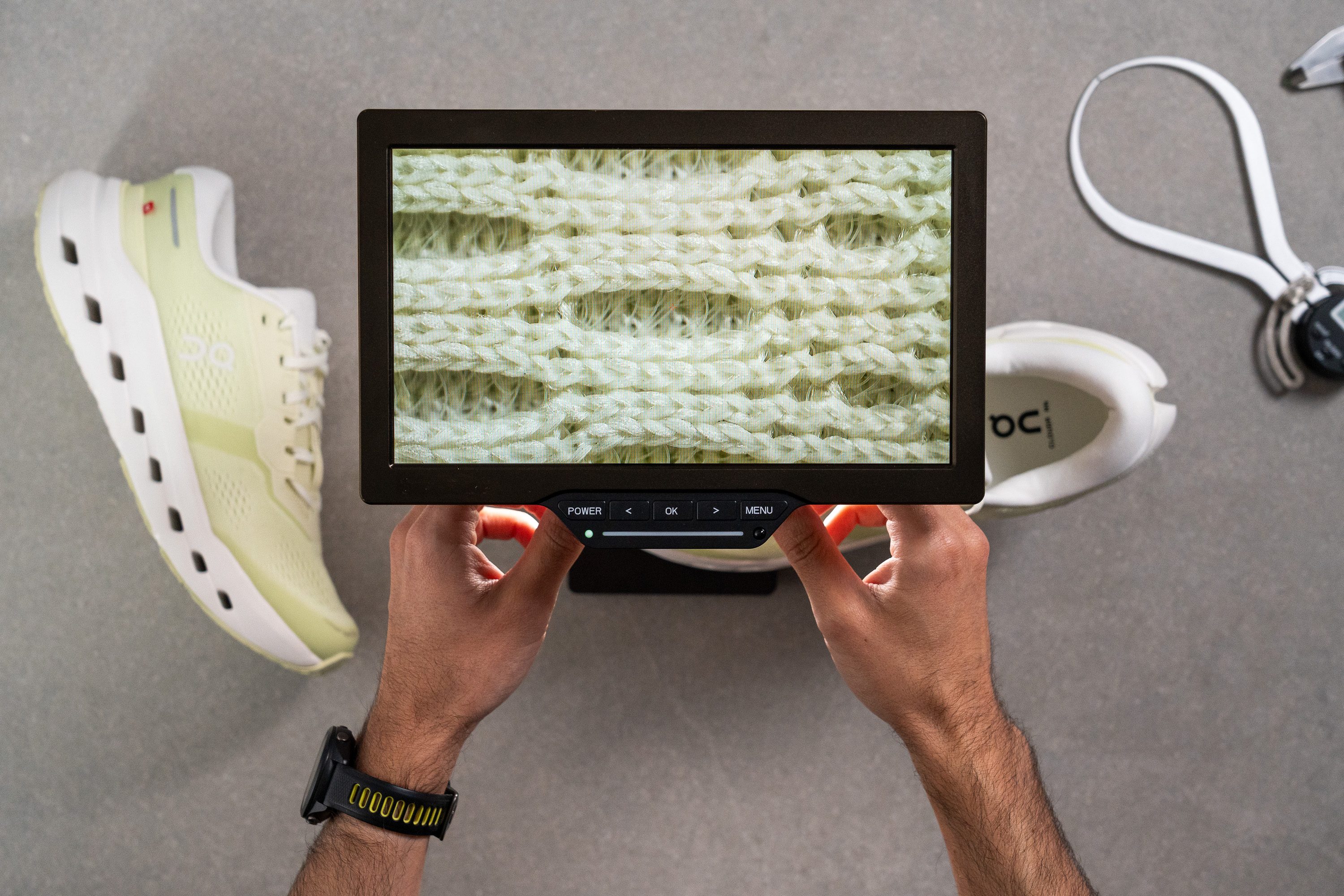
| Cloudrunner 3 | 47% |
| Average | 53% |
Stability
Lateral stability test
It’s very clear to us that On put a huge amount of effort into making the Cloudrunner 3 as stable as possible, especially for heel strikers.
The decoupled heel geometry, TPU heel clip, firm Helion foam, and broad platform all work together to create one of the most stable and confidence-inspiring rides currently available.
Torsional rigidity
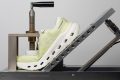
We found the Cloudrunner 3 to be exceptionally rigid, scoring a massive 19.0 Nm in our torsional rigidity test. That result sits far above the current average and even surpasses many carbon-plated shoes, which, as we already mentioned, plays a major role in the shoe’s ultra-stable ride.
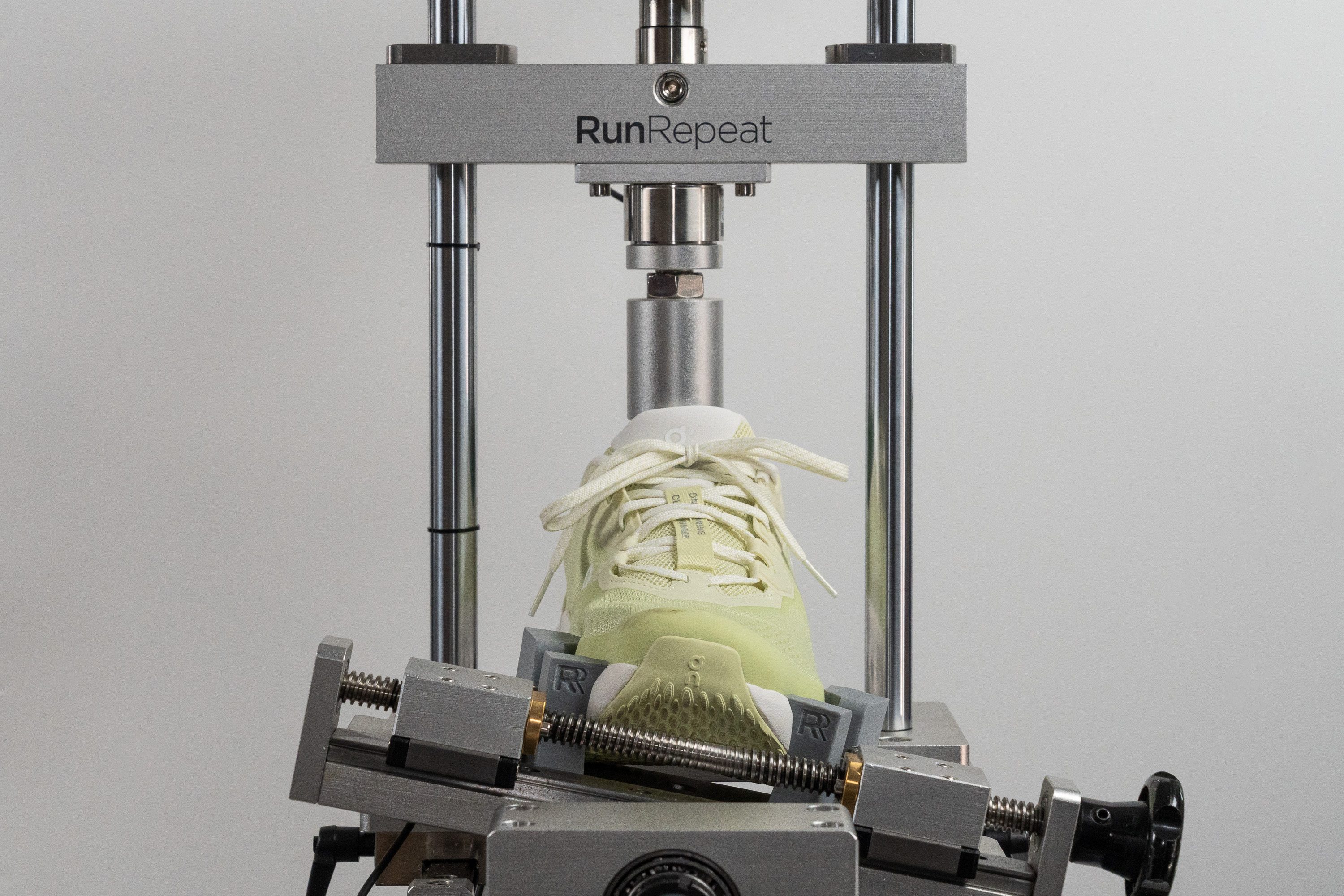
| Cloudrunner 3 | 19.0 Nm |
| Average | 14.4 Nm |
Heel counter stiffness
We gave the heel counter a 4/5 in our stiffness assessment, clearly above the current average. That result was hardly surprising for a stability shoe, especially one built with so much structure and reinforcement around the rearfoot.
| Cloudrunner 3 | 4 |
| Average | 2.9 |
Midsole width - forefoot
We found the On Cloudrunner 3 slightly bulkier than its predecessor overall, although that change does not really extend to the forefoot area.
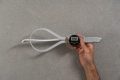
Our calipers measured 118.3 mm in the forefoot, which sits above the current average yet remains almost identical to the result we recorded in the Cloudrunner 2.
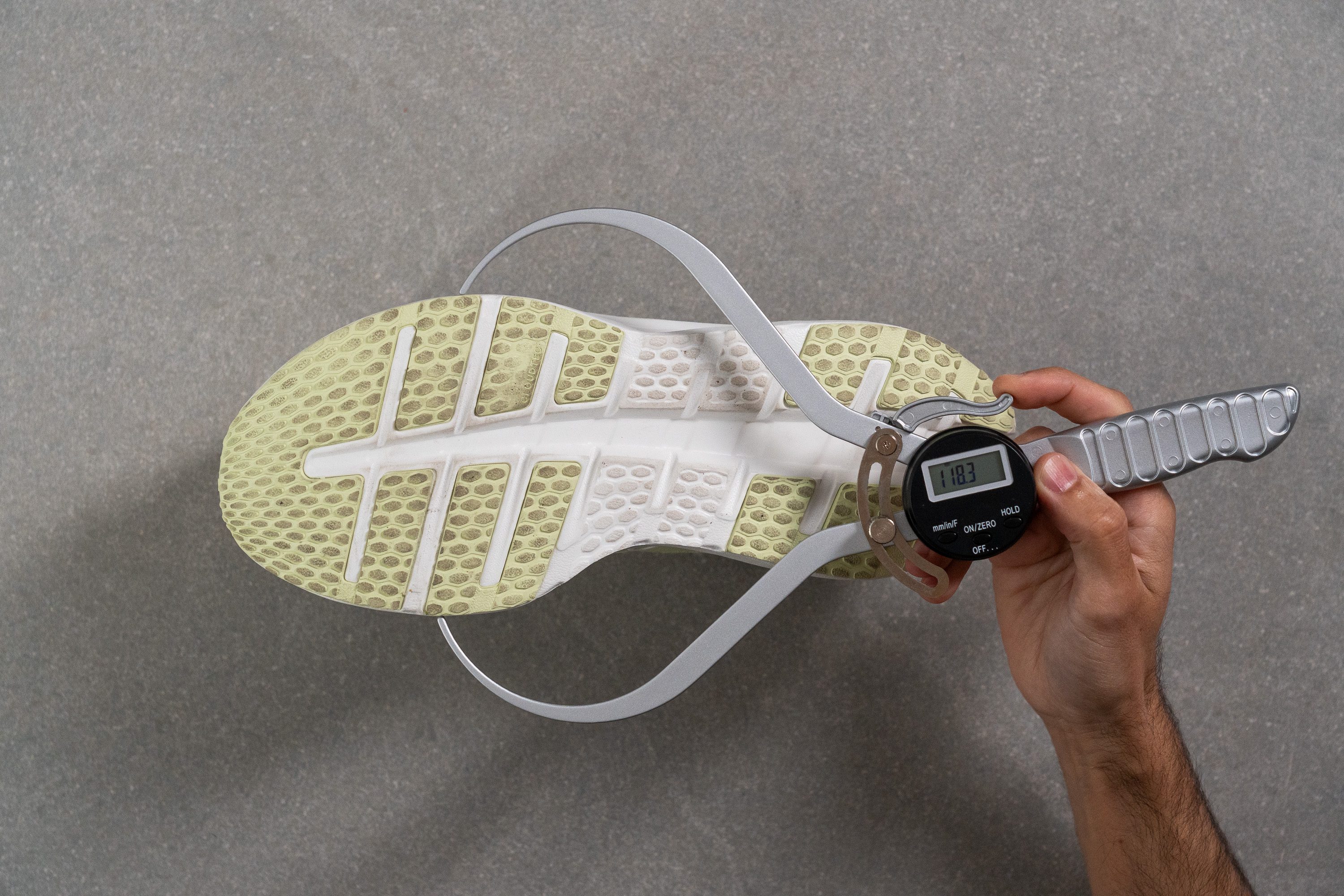
| Cloudrunner 3 | 118.3 mm |
| Average | 115.1 mm |
Midsole width - heel
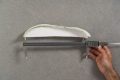
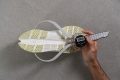
However, the heel is where On clearly expanded the platform, and that’s also the main reason why the Cloudrunner 3 feels noticeably bulkier overall. We measured a broad 97.8 mm in this area, and we also found that the midfoot comes with a wider-than-before design focused heavily on stability.
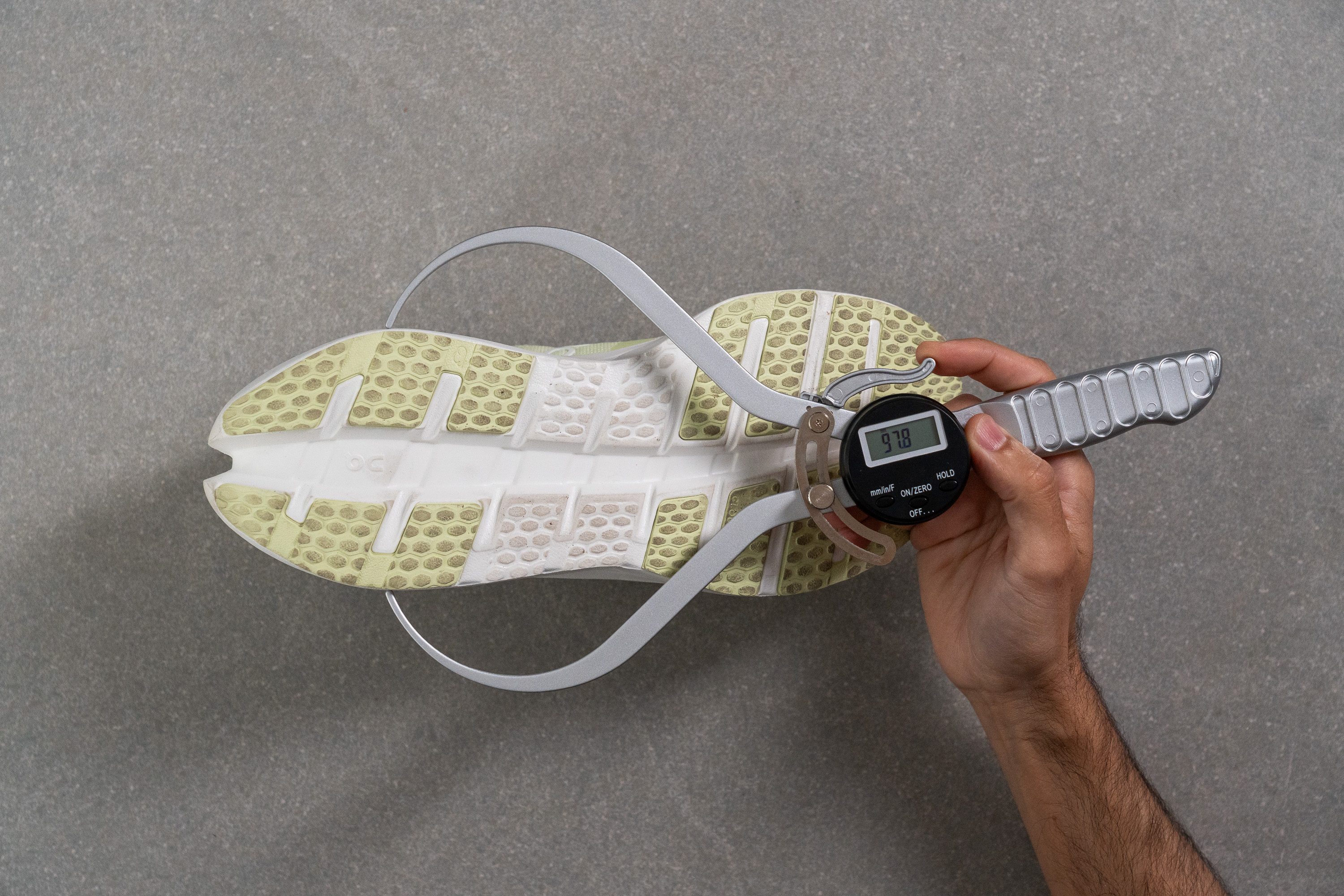
| Cloudrunner 3 | 97.8 mm |
| Average | 91.1 mm |
Durability
Toebox durability
The toebox delivered a solid 3/5 durability score in our testing. While that may sound average on paper, achieving this result is actually quite impressive for a road shoe that uses such a soft and comfort-focused upper material.
| Cloudrunner 3 | 3 |
| Average | 2.6 |
Heel padding durability
The Cloudrunner 3 feels incredibly comfortable around the heel, but we discovered that this plush setup comes with a durability trade-off. In our Dremel test, it managed only a disappointing 2 out of 5.
| Cloudrunner 3 | 2 |
| Average | 3.4 |
Outsole durability
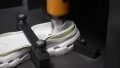
After attacking the outsole with our Dremel, we measured only a tiny 0.6 mm dent. That’s an excellent result!
| Cloudrunner 3 | 0.6 mm |
| Average | 1.1 mm |
Outsole thickness
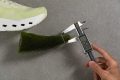
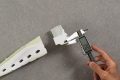
After grabbing our calipers once again and measuring the outsole at 3.4 mm, combined with the strong result from our durability test, we genuinely believe that early outsole wear should be virtually impossible for most runners here.
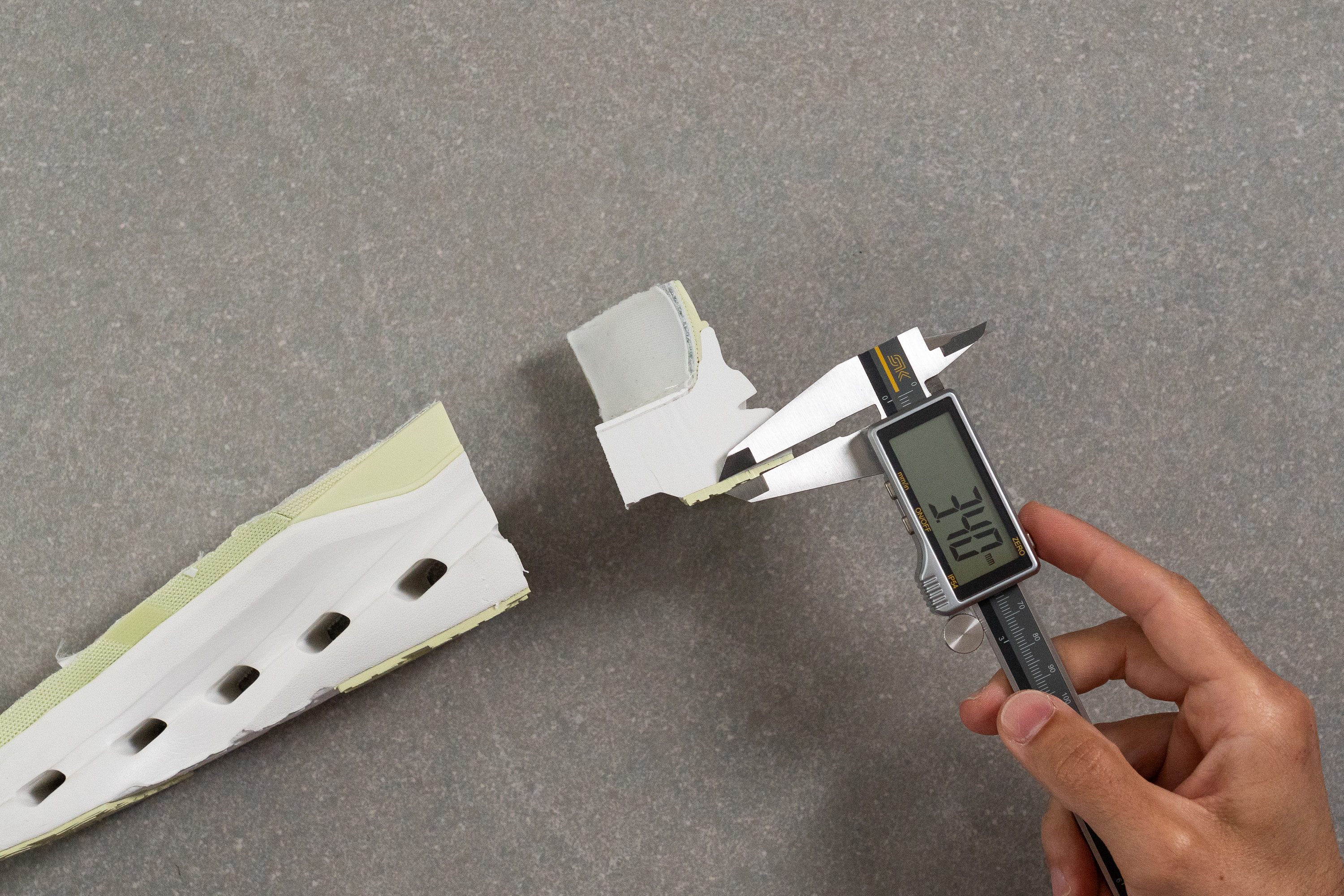
| Cloudrunner 3 | 3.4 mm |
| Average | 3.1 mm |
Misc
Insole thickness
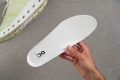
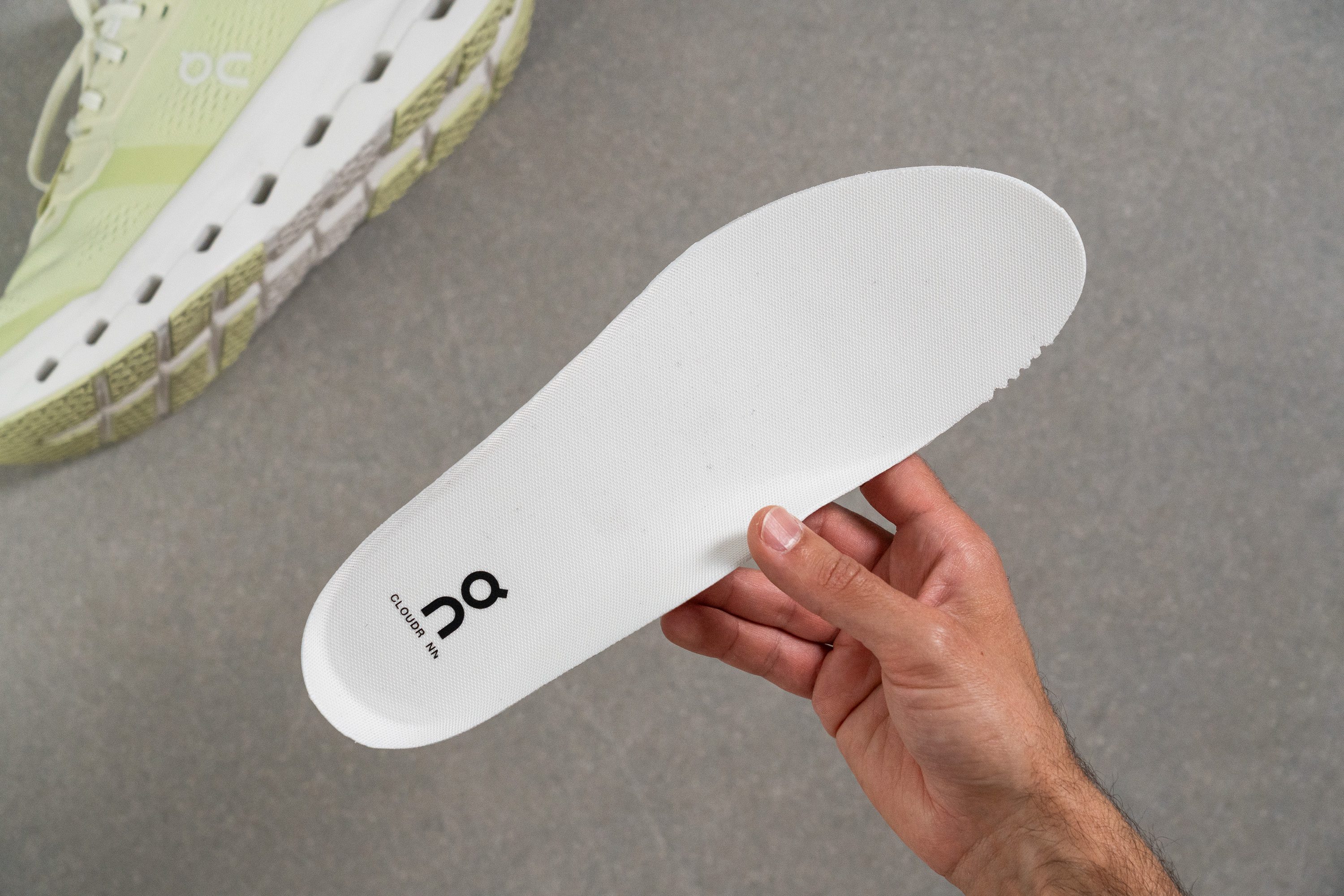
We measured the stock insole at 4.4 mm thick inside the Cloudrunner 3.
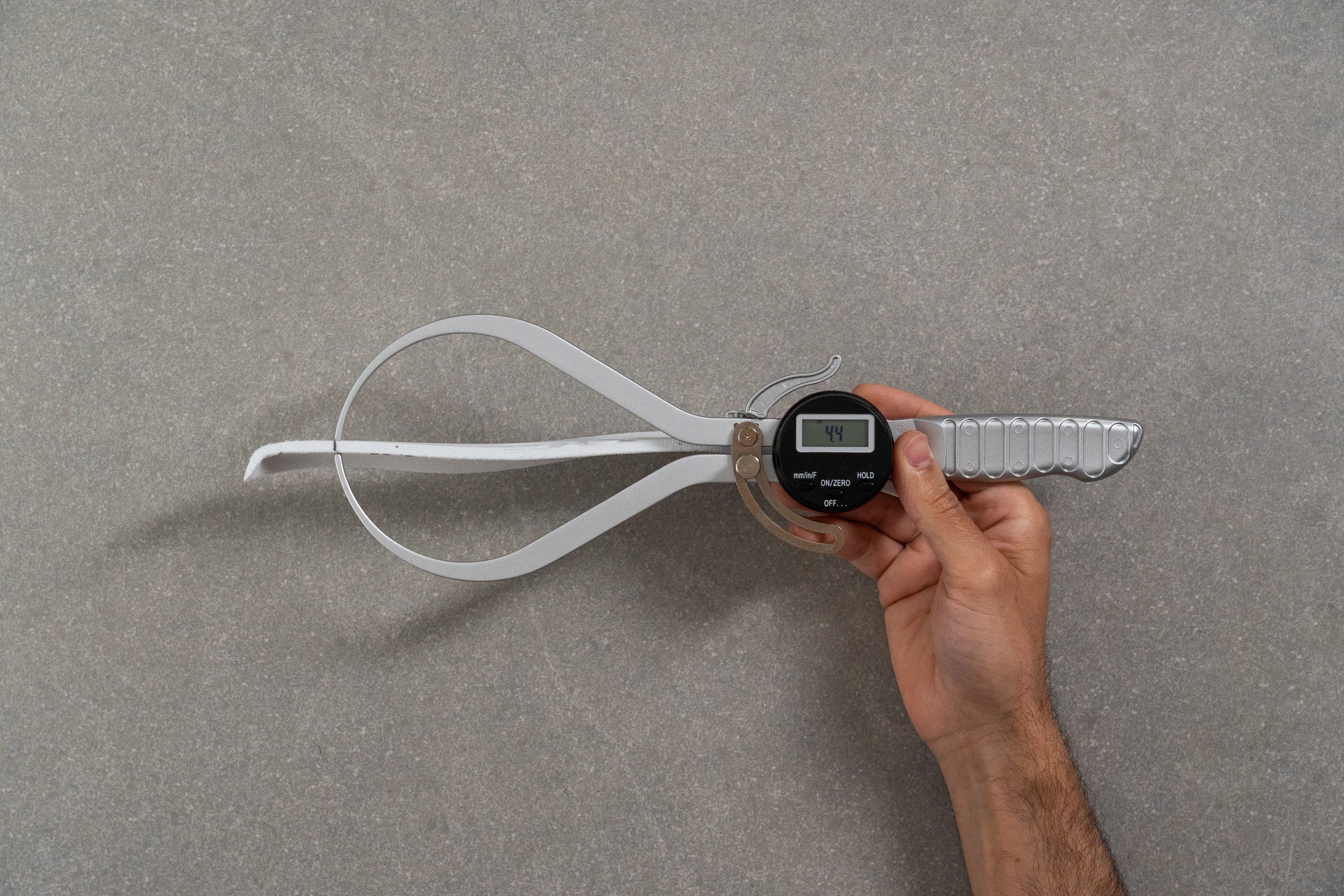
| Cloudrunner 3 | 4.4 mm |
| Average | 4.4 mm |
Removable insole
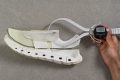
The insole is not glued down at all, so swapping it for a third-party option is incredibly easy if needed. However, we would recommend choosing one with equal or lower thickness, as the toebox does not offer especially generous vertical space.
| Cloudrunner 3 | Yes |
Reflective elements
Outstanding job here from On, although we honestly expected nothing less. The Swiss brand consistently ranks among the best when it comes to integrating reflective details, and the Cloudrunner 3 once again proves that point.
| Cloudrunner 3 | Yes |
Tongue padding
On’s designers clearly understand that many people will end up using the Cloudrunner 3 as much for walking as for running, and we found that it performs exceptionally well as an all-day comfort shoe.
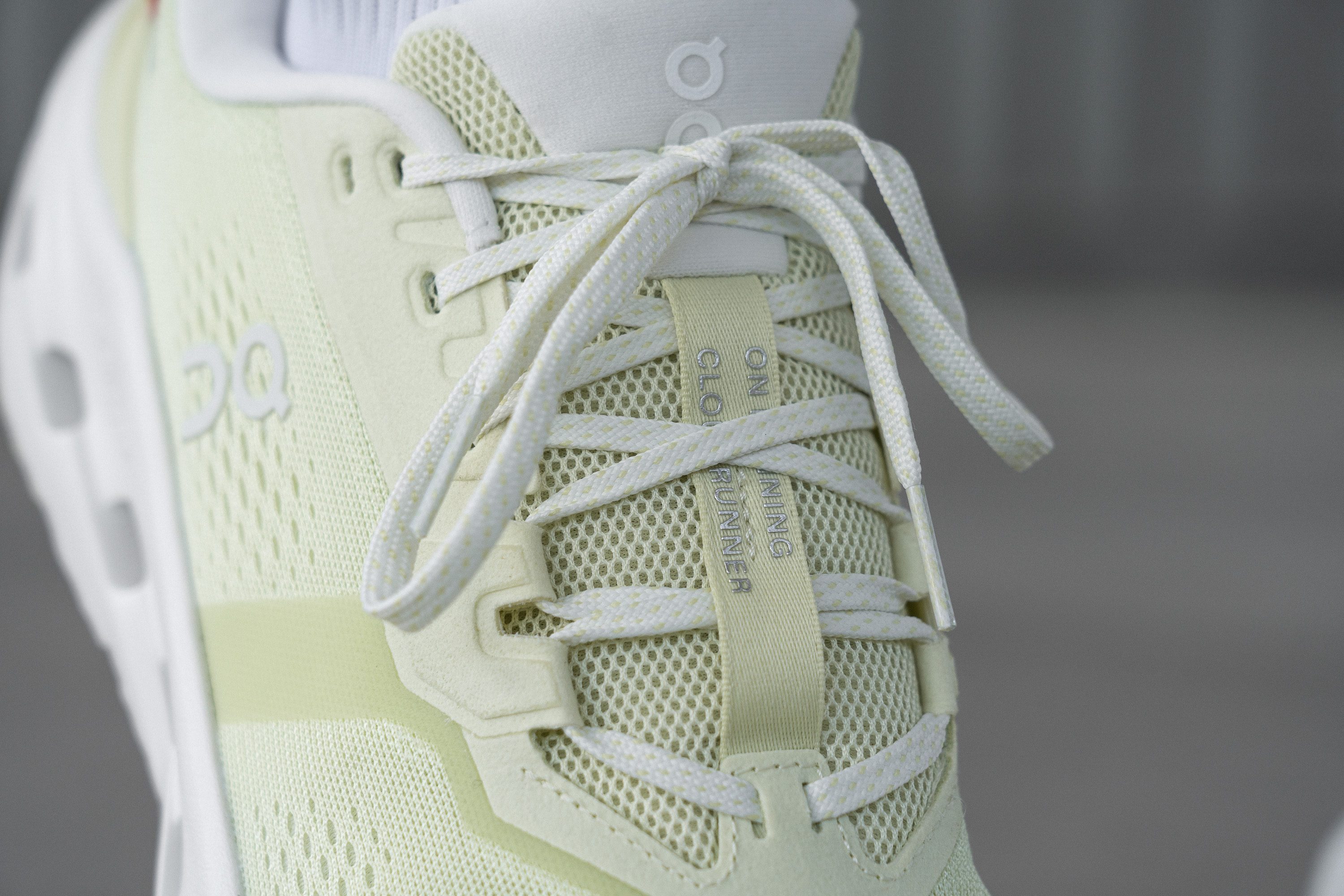
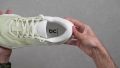
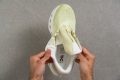
The tongue perfectly reflects that comfort-focused approach, featuring a thick 7.2 mm padding setup that extends through most of its length and does a fantastic job protecting the instep from unwanted lace pressure.
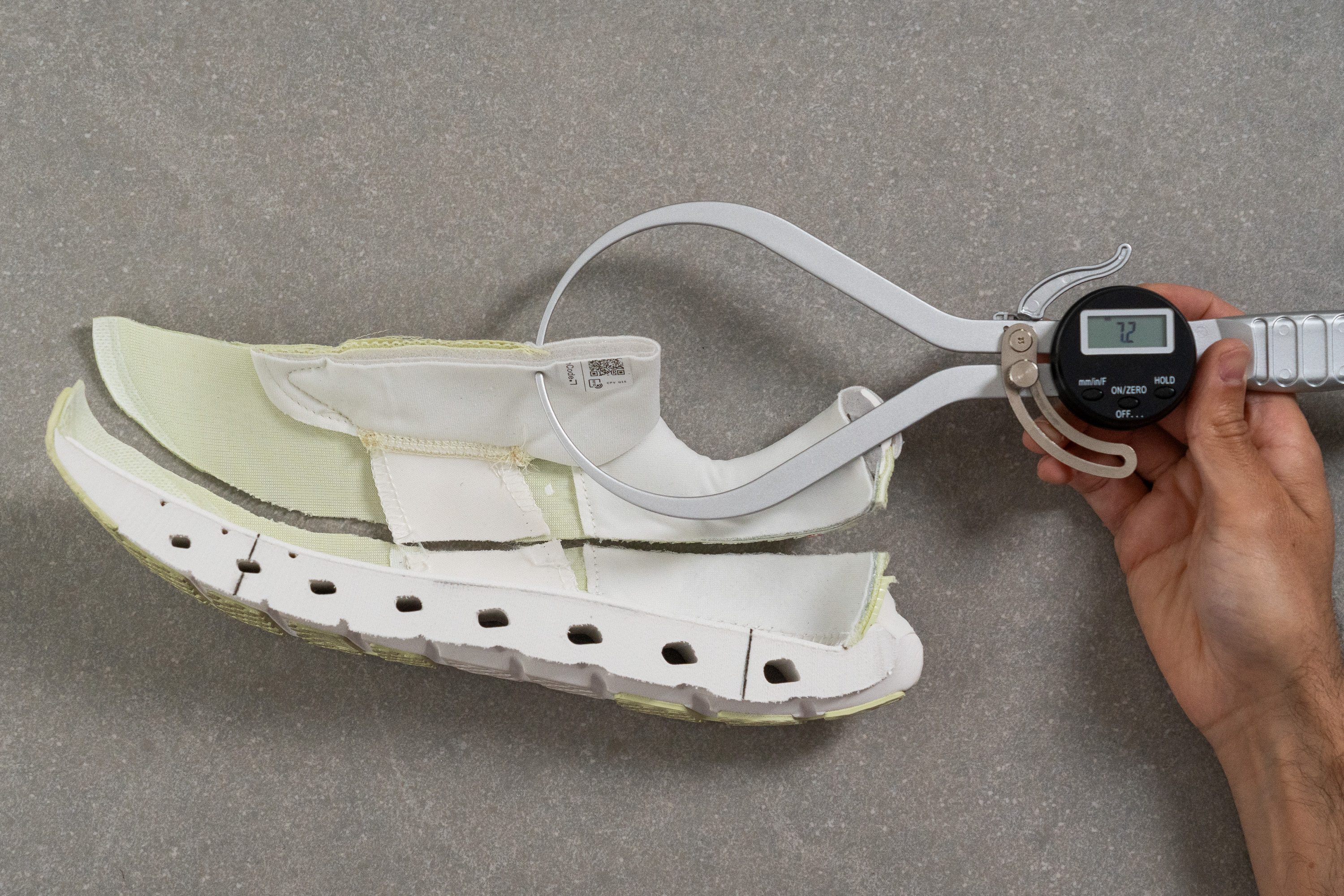
| Cloudrunner 3 | 7.2 mm |
| Average | 5.8 mm |
Tongue: gusset type
Some brands skip gusseted tongues in their daily trainers to reduce costs and simplify production, but On clearly chose not to cut corners here.
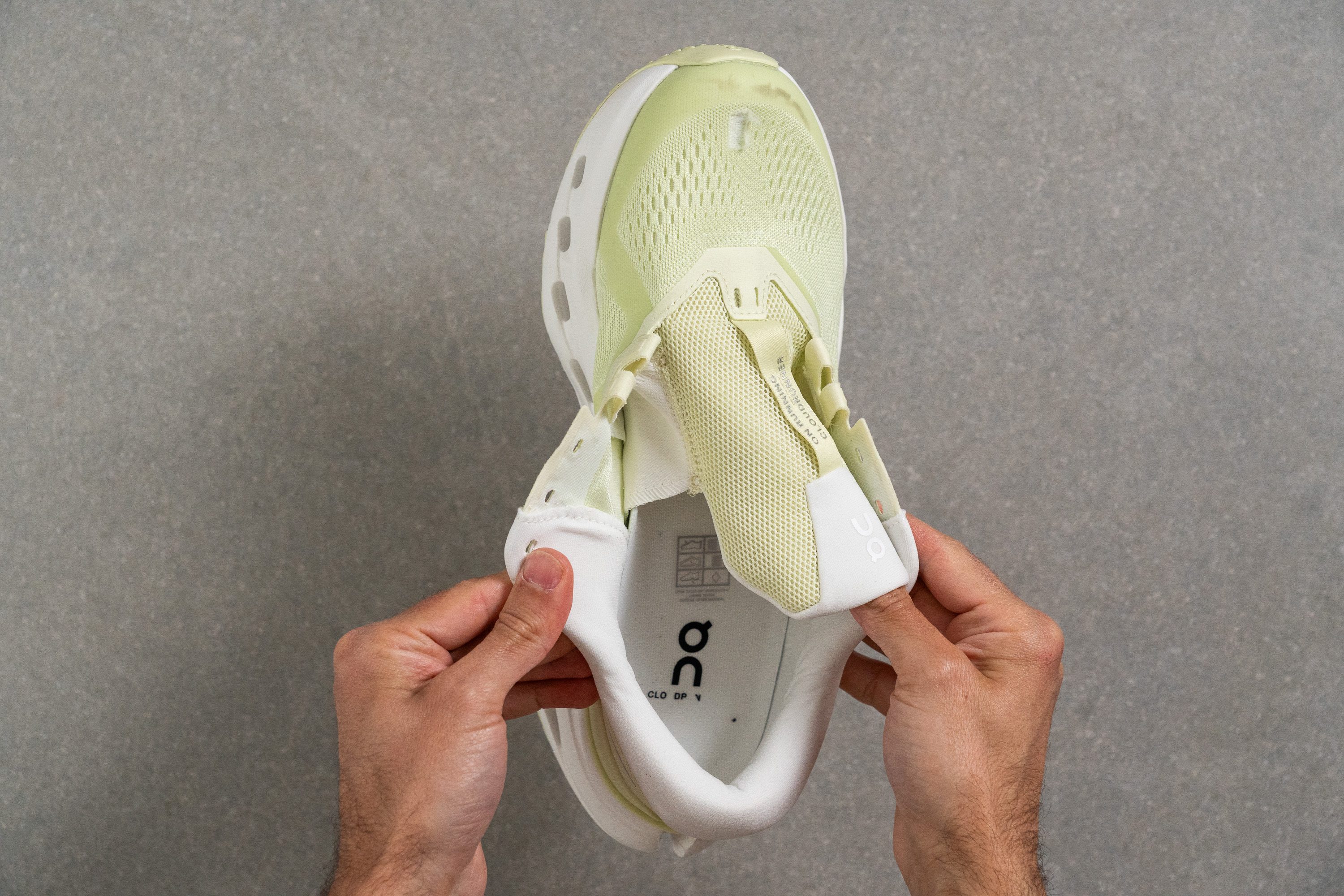
| Cloudrunner 3 | Both sides (semi) |
Heel tab
The heel combines soft padding, a sculpted collar, and a flared design to create an exceptionally comfortable and secure rearfoot fit. And as it happens with most On shoes, there's no heel tab at all.
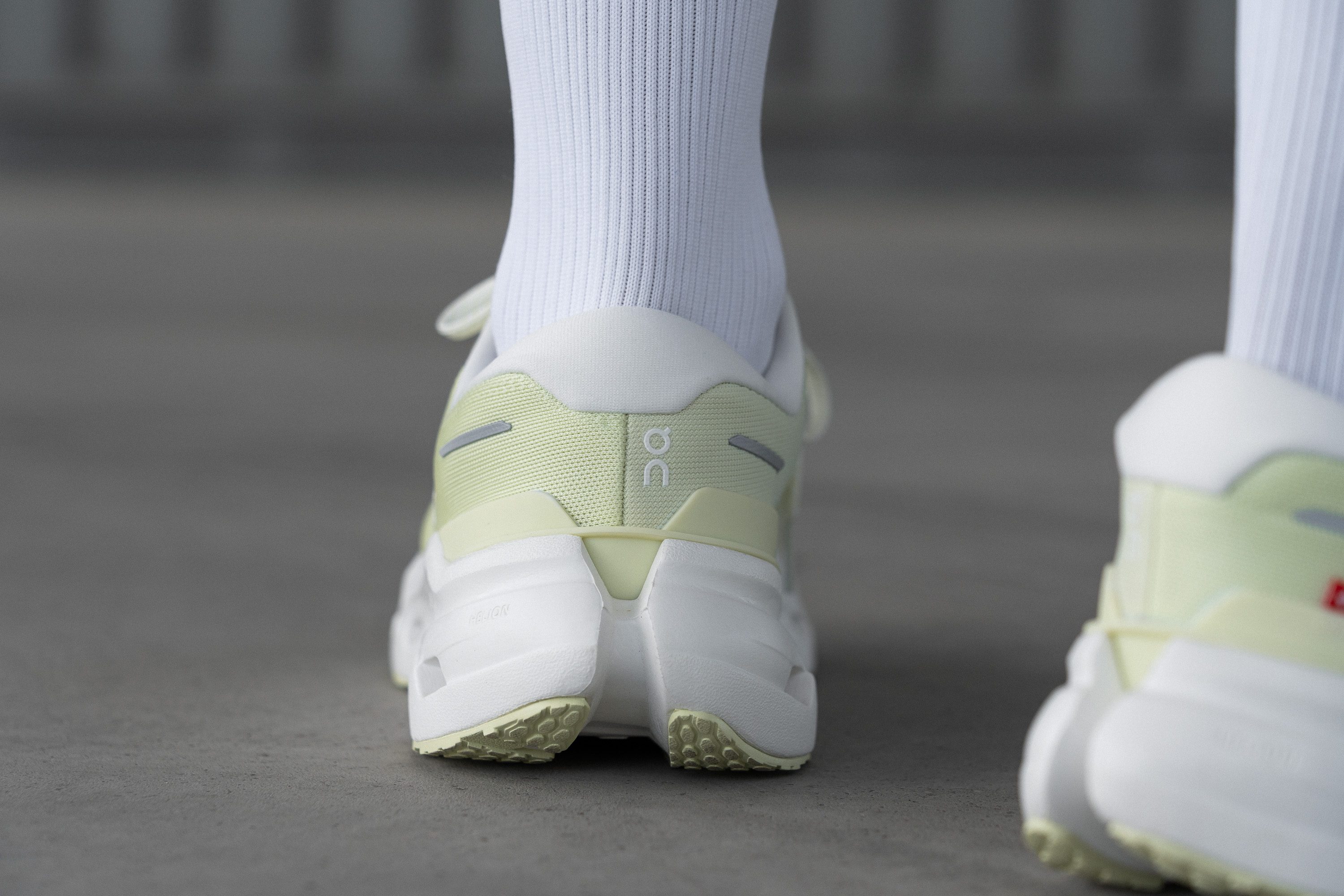
| Cloudrunner 3 | None |
Price
On is a brand widely known for charging premium prices, and the Cloudrunner 3 certainly isn’t cheap either. However, we think this is one of the company’s most compelling models from a value perspective, especially for runners prioritizing comfort, stability, and all-day support over outright performance.
| Cloudrunner 3 | $160 |
| Average | $158 |