7 Best All Sports Shoes in 2026

We buy shoes ourselves. We earn commissions when you buy through us, at no extra cost. Why trust us
This guide is for you if:
- You aren’t seriously engaged in any particular sport, but need a versatile athletic shoe for various activities (racquet sports, court sports, frisbee, gym, short runs, daily wear).
- You can’t afford to get multiple shoes for different activities and want an all-in-one solution.



How we test all sports shoes
Each pair goes through meticulous wear tests and lab measurements where we use specialized tools and machines to retrieve 30+ data points. We also follow the industry’s ASTM and SATRA standards for the most objective, science-backed results.
It is also important to note that we purchase all tested shoes with our own funds to avoid bias and ensure brand neutrality.
Having tested over 1,000 athletic shoes from a dozen different categories, we have compiled a massive database that enables us to compare shoes and determine which criteria make them the best for all-sports use.
Best all sports shoes overall


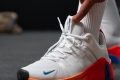

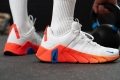
What makes it the best?
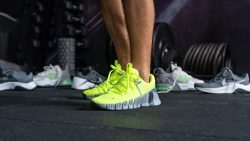
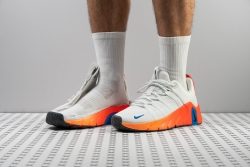
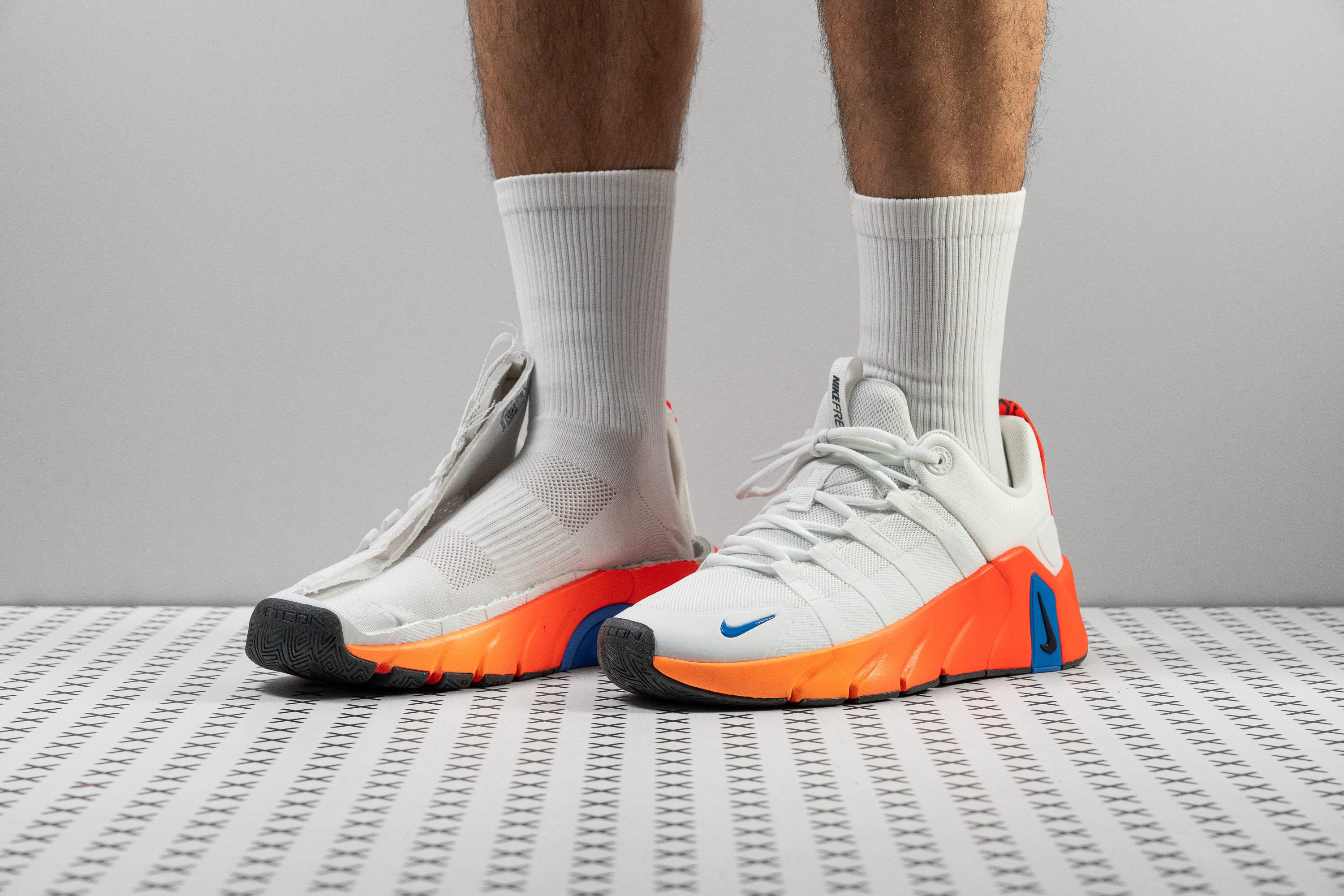
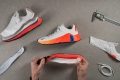
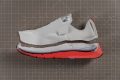
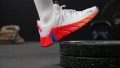
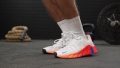
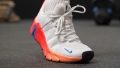
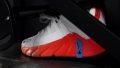
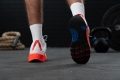
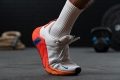
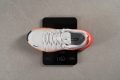
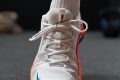
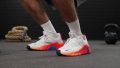
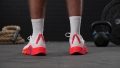
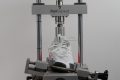
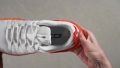
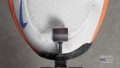
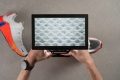
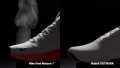
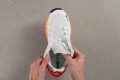
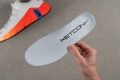
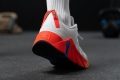
The Nike Free Metcon 7 combines stability, agility, and comfort into one, making it our best overall all-sports shoe. It can handle our cross-training seamlessly with its impact-absorbing and flexible midsole, while its sturdy support and construction keep both our feet and the shoe safe from harm, as we’ve seen in our lab evaluations.
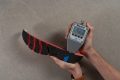
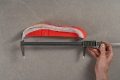
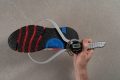
Whether performing single-legged workouts or dynamic lateral footwork in sports like pickleball or badminton, the Free Metcon 7 offers excellent foot containment. We discovered tall sidewalls that generate lateral support. In effect, our feet remain centered, especially since we measured the base to be 116.0/95.9 mm wide.
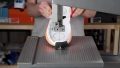
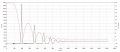
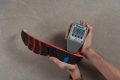
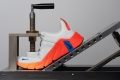
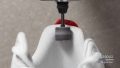
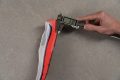
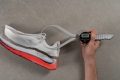
The Free Metcon 7 feels versatile and effortless on foot because of its protective cushioning. We recorded a whopping 118 SA in the heel and 74 SA in the forefoot for shock absorption, keeping our landings gentle. We also found it easy to maneuver, as it emerged 11% more pliable than the average trainer in our bend test.
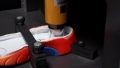
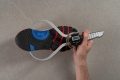
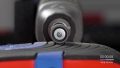
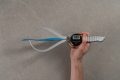
What also blew us away is its superb performance in our Dremel test. With an outsole that shows 27% less wear than average, this shoe resists court slides and friction without losing its edge.
However, its average responsiveness and heavier 11.5 oz (326g) weight hold it back from being a solid cardio trainer. Those who prefer more bounce and lightness should explore alternatives.
Pros
- Top-level impact protection
- Firm and planted base for moderate lifting
- Flexible Nike Free forefoot
- Predictable medium-width fit
- Good traction on common gym surfaces
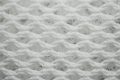
- Excellent breathability
- Great outsole durability
Cons
- Got heavier than average
- Can be hard to put on
Best all sports shoes for indoor court sports


What makes it the best?
Pros
- Stellar court feel from a grounded platform
- Highly responsive with a propulsive forefoot
- Excellent side-to-side stability
- Amazing lockdown and containment
- Reliable outsole traction
- Super flexible and maneuverable
- Much lighter than average
- Above-average breathability
- True to size and width
Cons
- Low shock absorption
- Not for outdoor courts
- Not for wide feet
- Lacks toebox durability
Best all sports shoes for outdoor court sports
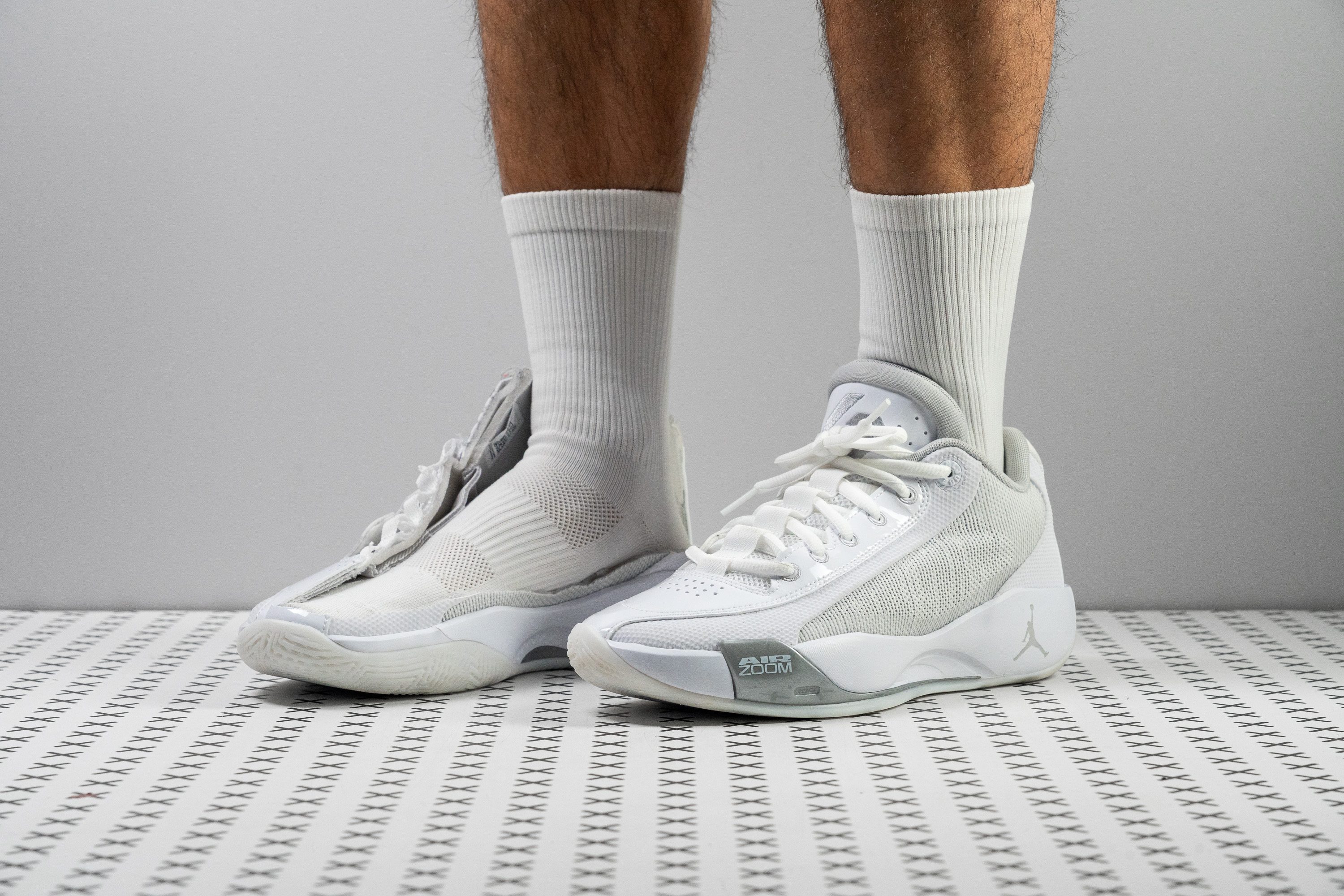

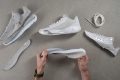
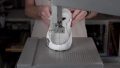

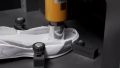


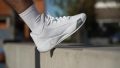
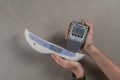



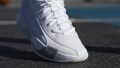
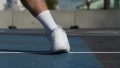
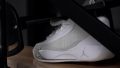

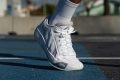
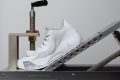






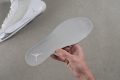
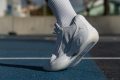

What makes it the best?
Pros
- Amazing durability for outdoor courts
- Exceptional outsole traction
- Pronounced court feel
- Lightweight for its design
- Surprisingly good lateral support
- Exceptional breathability
- True to medium width
- Fantastic value for money
Cons
- Low shock absorption
- Uninspiring energy return
- Firm underfoot experience
- Very low toebox height
Best all sports shoes for tennis and pickleball


What makes it the best?
Pros
- Amazing value for money
- Heavenly out-of-the-box comfort
- Excellent shock absorption
- Extra Cushion for comfortable heel landings
- Super tacky and durable Michelin outsole
- Stable platform with an outrigger
- Spacious toebox
Cons
- Dull and unresponsive midsole
- Not for aggressive players
- Heavier than average
Best all sports shoes for gym and running
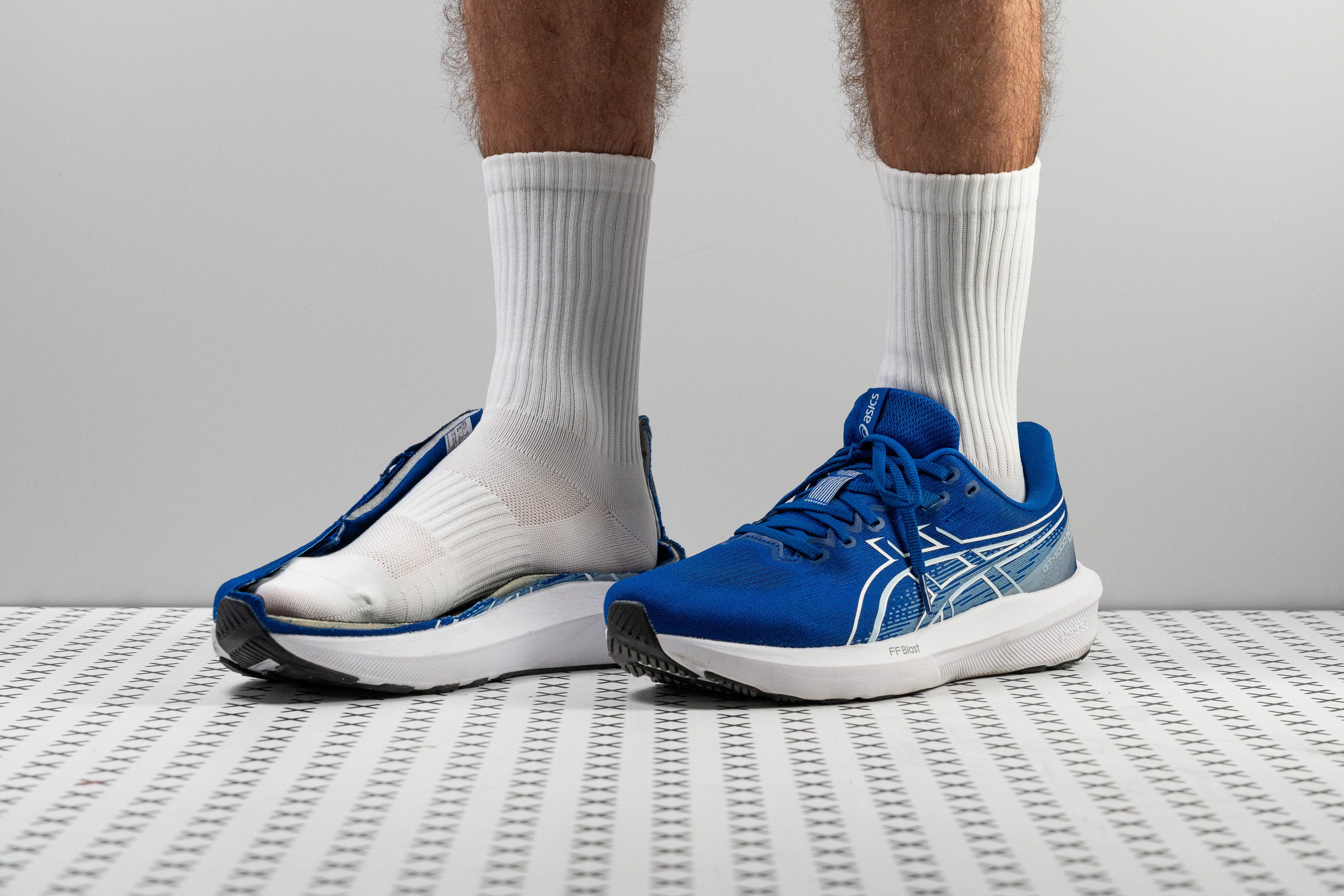
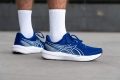
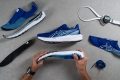
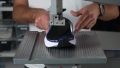
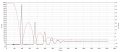
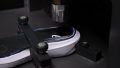
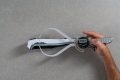
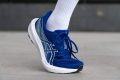
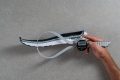
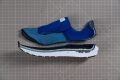
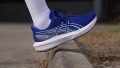
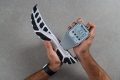
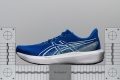

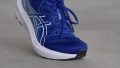
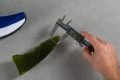
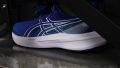
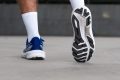
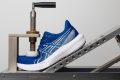
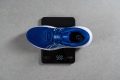
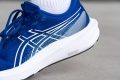
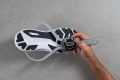
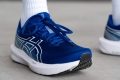
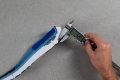
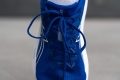
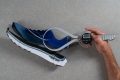
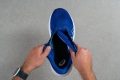
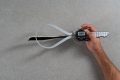
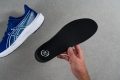
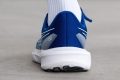
What makes it the best?
Pros
- Wider platform improves overall stability
- Excellent value
- Works very well for heel strikers
- Incredible outsole durability
- Comfortable fit with optional wide sizes
- Best GT 1000 version to date
- No price increase
- Predictable ride for daily runs
- Handles daily life with ease too
Cons
- Lacks bounce
- Not ideal for long runs
- Toebox mesh durability is disappointing
- Small weight increase
Best all sports shoes for running and walking



What makes it the best?
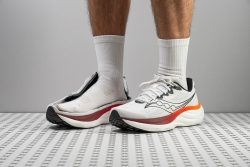
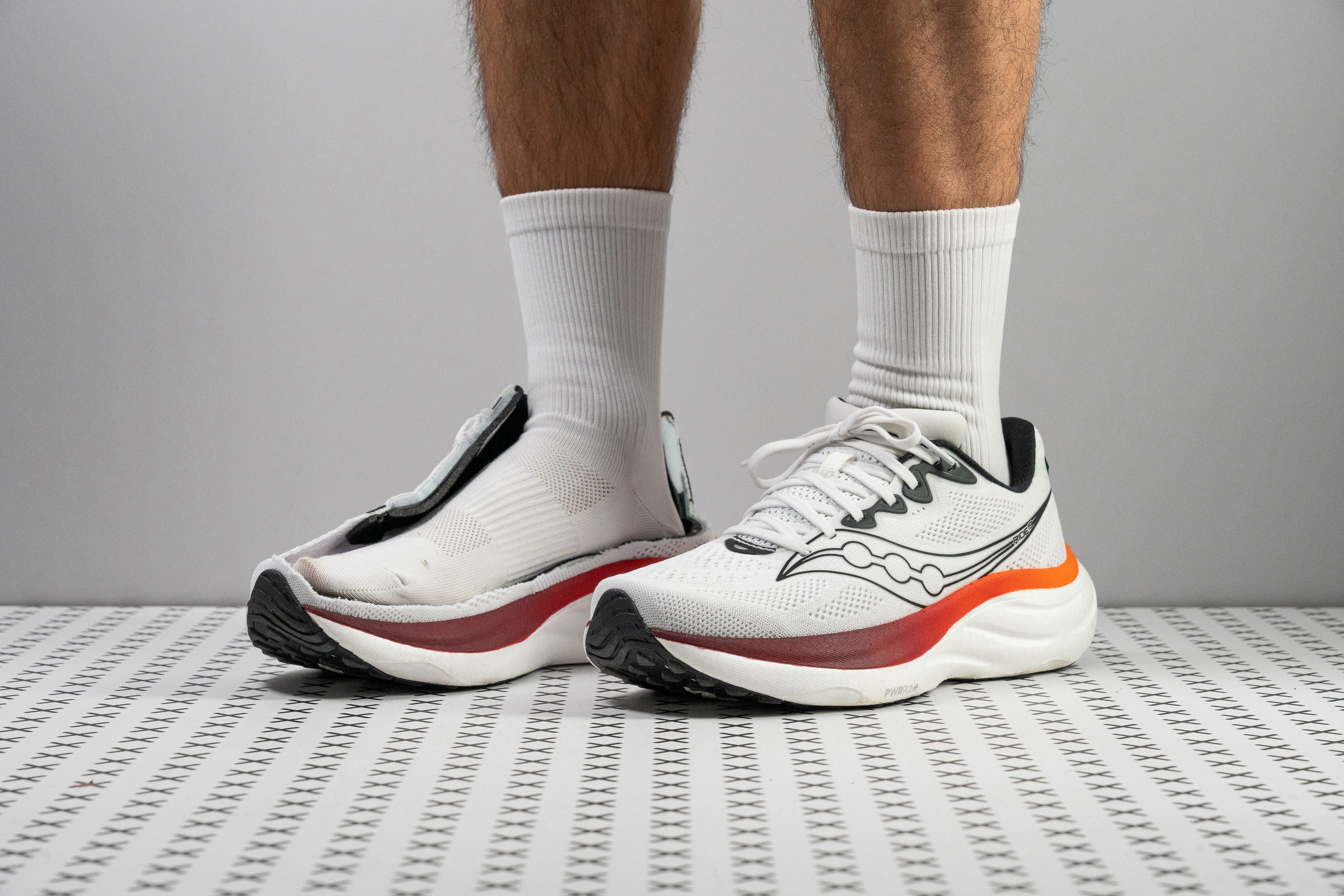
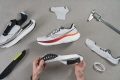
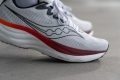
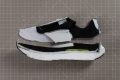
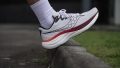
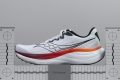
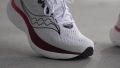
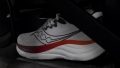
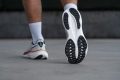
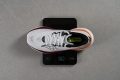
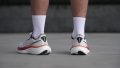
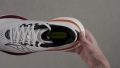
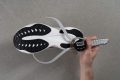
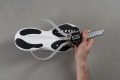
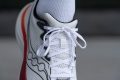
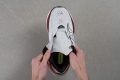
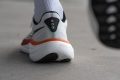
The Saucony Ride 19 is comfortable and highly dependable for daily activities. It's easy yet stable on foot, verified by lab tests proving its cushioned, wide, and durable build. Ultimately, it impressed us with its bounce, making it our top pick for running and walking among all sports shoes.
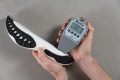
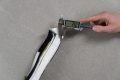
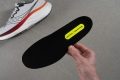
The Ride 19 feels plush and gentle underneath. With its 38.7/30.2 mm stack, we enjoyed tons of comfort compared to the average training shoe. Moreover, it offers tons of impact protection, proven by its above-average rating of 132 SA in the heel.
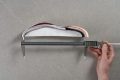
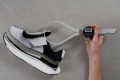
When we wanted to push the pace, the midsole could keep up, returning high rebound scores of 66.7% in the heel and 70.7% in the forefoot. To secure our strides, the platform runs extra wide at 127.1/100.7 mm, keeping our feet well within the confines of the shoe.
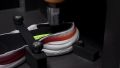
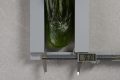
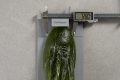
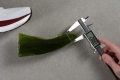
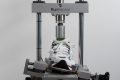
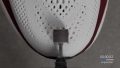
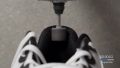
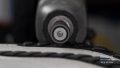
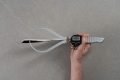
We tested the XT-900 rubber’s wear resistance using our abrasive Dremel. It bravely resisted, with only a minor dent of 0.6 mm, proving its capability of handling rough surfaces.
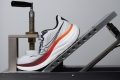
However, its increased stiffness may not suit people who find comfort in a more natural sensation underfoot. We suggest going for more flexible trainers, especially for laid-back walks.
Pros
- High energy return
- Even more foam underfoot than v18
- Excellent durability overall
- Keeps its dependable DNA
- Outstanding breathability
- Wide and stable platform
- XT-900 rubber delivers good grip
- Secure fit with semi-gusseted tongue
- Excellent value
- Clean, improved aesthetics
Cons
- Heavier than previous version
- Limited rubber coverage
- Minor price increase
Best all sports shoes for cardio and fitness classes
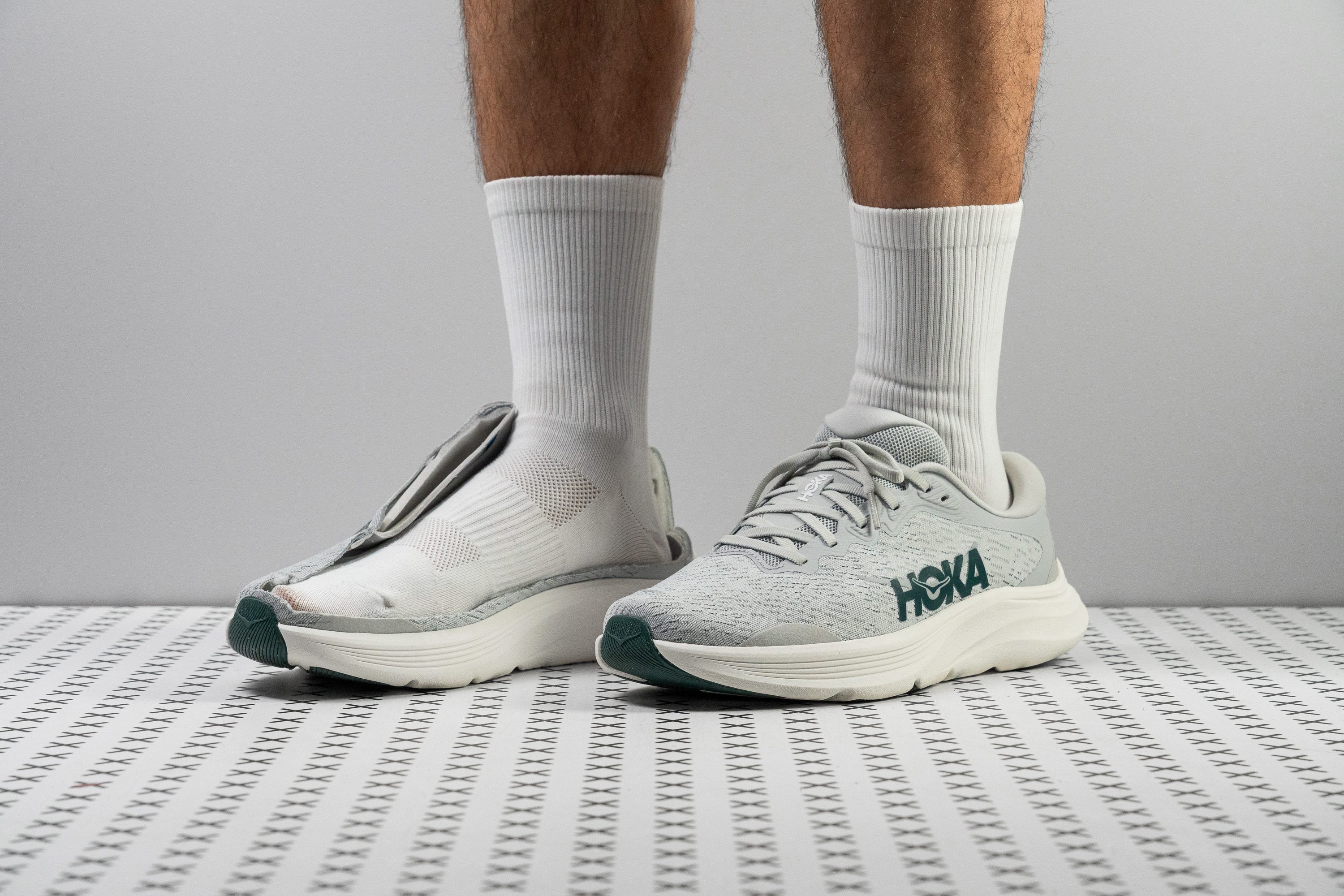
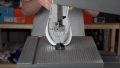
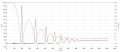
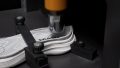
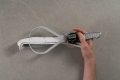

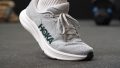
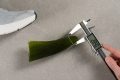
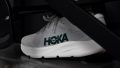
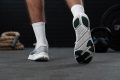
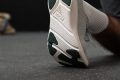
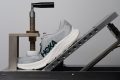
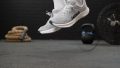
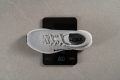
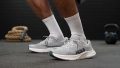
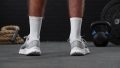

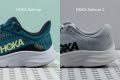
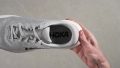


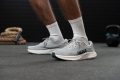
What makes it the best?
Pros
- Well-cushioned for high-impact workouts
- Exceptionally lightweight
- Stable for cardio and bodyweight training
- True medium-width fit with wide options
- Generously padded interiors
- Durable for indoor use
- Good grip for gym surfaces
Cons
- Not for weightlifting
- Limited forefoot flexibility
Choosing versatile shoes for all sports: Good to know
Shoe technologies are evolving rapidly, with new models becoming less versatile but significantly better fine-tuned for a certain sport or activity. A lot of running shoes, for example, cannot be used for casual walking anymore (at least comfortably) due to their aggressive rockers and speed-enhancing carbon plates.
In this guide, we attempted to identify some common features that make athletic shoes versatile enough for both multi-directional and forward movements on different surfaces (be it smooth hardwood or rough concrete).
After hours of research and lab testing, here are our top 3 recommendations for choosing the right pair of all sports shoes:
1. Identify your use cases: Even the most versatile shoes have their limits. Knowing exactly what you want from a sports shoe will help you find the right pair more easily. Is it for indoor or outdoor use, or both? Is it for gym and running, casual use and frisbee, or court sports?
2. Know your dealbreakers: Because there are no perfect shoes for all activities, sacrifices have to be made.
You may find that your shoe of choice is too heavy, or is easily ripped when sliding on the court, or loses its hardwood grip after being worn outdoors for too long. If you want a stable shoe for the court, you may lack cushioning for day-to-day use. And if you need a shoe for indoor hardwood, your choice is limited to shoes with non-marking rubber outsoles.
3. Avoid running shoes for court sports and activities with lateral/multi-directional movements. Most running shoes are too high-stacked, plush, and tailored to forward movement. You will save yourself from potential injuries by getting two cheap pairs for each activity rather than one expensive pair for both.
But on a positive note, some running shoes can double as gym shoes.
Stability is critical in shoes for all sports
Most sports, especially court sports, involve rapid changes of direction and very forceful lateral movements, calling for high levels of side-to-side support from the player’s shoes. In other words, a round of pickleball in a plush max-cushioned running shoe can end in a bad ankle roll or even an ankle sprain!
Example of lateral stability in a running shoe
Example of lateral stability in a tennis shoe
That’s why it is crucial to choose stable athletic shoes with the following features:
1. Grounded platform: Shoes with a lower heel stack of 20-30 mm and a forefoot stack of less than 25 mm (1-2 mm more or less) are optimal as they provide the necessary shock absorption without causing instability or disconnecting you from the ground.
Please avoid aggressively rockered or unconventionally shaped running shoes. Carbon-plated shoes aren’t recommended either because their high energy return and springy ride detracts from stability and groundedness.


2. Firm midsole: Avoid soft cushioning at all costs! Not only does soft foam result in a mushy, sinking experience, but it also causes wobbliness and reduces ground feel. Not to mention that your foot works overtime performing micro-movements to adjust the position.

3. High torsional rigidity: This is one of the primary indicators of lateral support because it means that you can’t twist the shoe so easily. This could be due to internal stabilizing components (such as shanks), external ones (like TPU cages), or the shoe’s overall stiff construction.
Either way, it means that you don’t have to worry about sliding off the shoe’s midsole edge or rolling your foot when making sharp multi-directional movements.
We perform a manual twisting test to rate each shoe’s torsional rigidity on a 1-5 scale (5 being the stiffest). A stable all-sports shoe will have at least 4 or 5.
4. Stiff heel counter: Having your heels and ankles locked securely in place is essential for a stable experience. It also reduces unwanted foot shifting inside the shoe, which minimizes power loss during dynamic movements.
Please avoid shoes with sock-like and unstructured uppers and easily foldable collars.
We also perform a manual test to assess the shoe’s heel counter stiffness on a 1-5 scale (5 being the stiffest). Stable shoes will have at least 3.
5. Wide sole with a forefoot outrigger: Having a sufficiently wide heel (at least 85 mm) and a pronounced flare in the forefoot (at least 105 mm) provides extended contact points with the ground to keep you surefooted during quick side steps, cuts, and other aggressive movements.

Durability in all sports shoes
Are you planning to wear these athletic shoes both indoors and outdoors? In that case, solid outsole durability is a must. Avoid shoes with no rubber outsoles or too much exposed foam!
Most court shoes are not intended for concrete and asphalt, so you may notice premature outsole wear and loss of grip much sooner than expected. What’s more, not all shoes are reinforced enough to withstand sliding on a hard court.
And yet, our lab tests show that some shoes promise significantly better abrasion resistance than others.
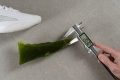
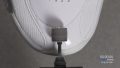
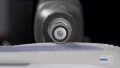
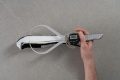
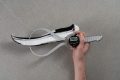
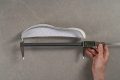
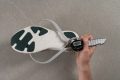
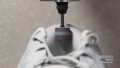
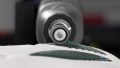
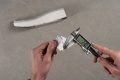
We apply a Dremel with a sandpaper tip to each shoe’s rubber outsole for 18 seconds at a 10K RPM speed and consistent pressure of 2N. We then measure the depth of the dent with a tread gauge–the shallower the dent, the better the durability.

In our lab, we test all shoes equally, no matter their category. However, hard court tennis shoes consistently return the best durability results.
Upper durability is also important to consider, especially if you intend to play outdoors on abrasive surfaces like hard courts, concrete, and asphalt. The upper material tends to brush against the ground during toe drags, slides, and impromptu movements.
We use the same Dremel test to check each shoe’s toebox and heel padding durability, except that it is shorter (4 seconds) and the speed is lower (5K RPM). Based on the damage, each part gets a durability score from 1 to 5.
Choosing the right outsole grip in all sports shoes
Because ‘all sports shoes’ is such a vague request, it would be helpful to narrow down your playing surfaces to choose shoes with the right traction. This is where versatility becomes more problematic.
TIP: Avoid shoes with deep lugs (like trail running shoes, hiking shoes, and some sneakers) because they get in the way of your ground feel, damage indoor surfaces, and hurt your foot on hard ground without giving you any benefits in return. Reserve these shoes for the trails and soft ground.
Hardwood
If you intend to play indoor basketball, volleyball, handball, pickleball, or futsal, you will most likely need a shoe for hardwood.
This polished surface calls for a tacky outsole, which is most often found in basketball shoes. But the problem is that even the thinnest layer of dust on the court can reduce the initial shoe grip quite a lot. So, occasional outsole wiping is necessary to maintain good traction.
Most hardwood-ready shoes feature a herringbone tread pattern or a similar outsole design.
[photo: herringbone]
We use specialized equipment and follow the SATRA TM144 standard for testing outsole traction on a professional FIBA court surface. The test is performed in the forefoot because that’s where grip is most needed in the sports played on hardwood.
PLEASE NOTE that hardwood courts require non-marking outsoles. Regular black rubber tends to leave streaks on polished indoor courts, which can get you banned from the sports venue.
Rubberized
Rubberized flooring is commonly used for gyms, multipurpose courts, and indoor tracks, among other venues. You might as well see it on running tracks outdoors.
The softer and tackier nature of rubber makes it a little grippier compared to hardwood, even when it gets dusty or wet from sweat.
You can choose gym shoes (aka cross-trainers), basketball shoes, road running shoes, and even some walking shoes for this surface.
PLEASE NOTE that some venues require non-marking outsoles, and it’s best to check with your local gym or sports center.
Hard court/Concrete/Asphalt
As the most abrasive surfaces for playing sports, hard court, concrete, and asphalt tend to be the hardest on shoe outsoles. And once the treading is gone, the shoe’s gripping capacity plummets as well.
That’s why, in addition to a solid grip, you should also look for a tough outsole with thick tread lines.

For these surfaces, we highly recommend choosing hard-court (HC) or all-court (AC) tennis shoes or outdoor basketball shoes.
Affordable all sports shoes
Whether you are a beginner athlete testing the waters in different sports before committing to one, or a student with a limited shoe budget, getting just one pair of athletic shoes for several activities makes a lot of sense financially.
But you don’t want to invest in elite trainers from the start either. That’s why we limited our selection of all sports shoe options to those with an MSRP of $150 or less.
And here is an overview of all sports shoes under $100:
Are there any other ways to buy a cheap all sports shoe? Yes!
- Check out the shoe’s previous iteration, as it is most likely available at a generous discount and may not be that different from the newer version.
- Compare prices from different retailers. This is what we do here at RunRepeat with a database of 200+ online retailers to choose from. Our product pages let you know where you can buy your shoe of choice in your size and color at the cheapest price.
Similar buying guides