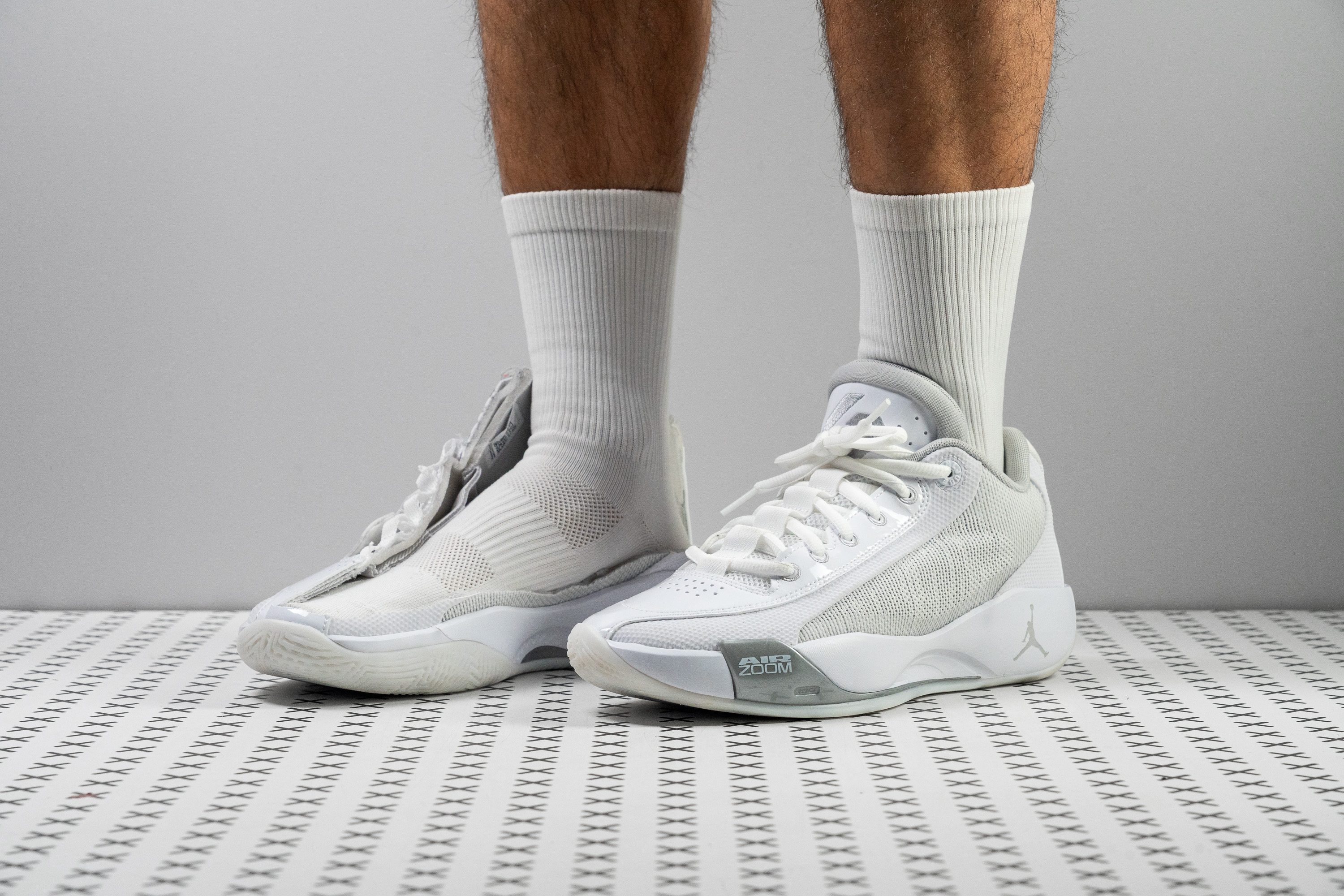







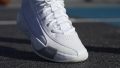







Our verdict
- Cushioning 66
- Speed 84
- Stability 89
- Outdoor 96
Pros
- Amazing durability for outdoor courts
- Exceptional outsole traction
- Pronounced court feel
- Lightweight for its design
- Surprisingly good lateral support
- Exceptional breathability
- True to medium width
- Fantastic value for money
Cons
- Low shock absorption
- Uninspiring energy return
- Firm underfoot experience
- Very low toebox height
Awards
- Top pick in best outdoor basketball shoes
- Top pick in best cheap basketball shoes
- Top 12% in basketball shoes
- Top 17% in Jordan basketball shoes
Comparison
The most similar basketball shoes compared
+ + Add a shoe | |||||
|---|---|---|---|---|---|
| Our score | 89 Great | 88 Great | 86 Great | 91 Superb | |
| Price | $105 | $135 | $145 | $155 | |
| Signature | Luka Doncic | Luka Doncic | Zion Williamson | Kevin Durant | |
| Shock absorption | Low | Low | High | High | |
| Energy return | Low | Moderate | High | High | |
| Traction | High | Low | Moderate | High | |
| Top | Low | Low | Low | Low | |
| Ankle support | ✓ | ✓ | ✓ | ✓ | |
| Weight lab | 12.3 oz / 349g | 12.9 oz / 366g | 14.4 oz / 408g | 14.9 oz / 422g | |
| Lightweight | ✓ | ✓ | ✗ | ✗ | |
| Breathability | Moderate | Moderate | Moderate | Breathable | |
| Outsole durability | Good | Good | Good | Decent | |
| Drop lab | 6.3 mm | 7.6 mm | 6.5 mm | 4.8 mm | |
| Heel stack lab | 26.6 mm | 26.6 mm | 25.2 mm | 26.7 mm | |
| Forefoot | 20.3 mm | 19.0 mm | 18.7 mm | 21.9 mm | |
| Size | Slightly small | True to size | Half size small | True to size | |
| Midsole softness | Firm | Firm | - | Firm | |
| Stiffness | Stiff | Stiff | Moderate | Stiff | |
| Torsional rigidity | Stiff | Stiff | Stiff | Stiff | |
| Heel counter stiffness | Moderate | Moderate | Moderate | Moderate | |
| Width / fit | Medium | Medium | Medium | Medium | |
| Toebox width | Wide | Medium | Narrow | Medium | |
| Midsole width - forefoot | Average | Average | Average | Average | |
| Midsole width - heel | Narrow | Average | Very narrow | Average | |
| Heel padding durability | Good | Good | Good | Good | |
| Toebox durability | Decent | Decent | Decent | Decent | |
| Insole thickness | Average | Average | Average | Average | |
| Outsole thickness | Thin | Very thin | Average | Average | |
| Heel tab | None | None | None | None | |
| Ranking | #5 Top 12% | #10 Top 24% | #19 Top 46% | #2 Top 5% | |
| Popularity | #16 Top 39% | #33 Bottom 21% | #21 Top 50% | #1 Top 3% |
Who should buy
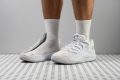
Our lab tests confirmed that the Jordan Luka .77 is a real catch for beginner and recreational players who:
- primarily hoop outdoors and need a highly durable shoe
- have a tight shoe budget and need the best value for money
- prefer court feel and lightness over impact protection
- want great ankle support

Who should NOT buy
Bigs, centers, or players with joint conditions and past injuries who need solid shock absorption to avoid excess stress. The Nike G.T. Cut Academy and the Nike A'One are both affordable shoes that offer much better cushioning. The latter also feels responsive thanks to its excellent energy return.
And if you don't mind stretching your shoe budget to include more advanced alternatives, Nike and other brands have some solid outdoor offerings.
Cushioning
Shock absorption
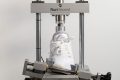
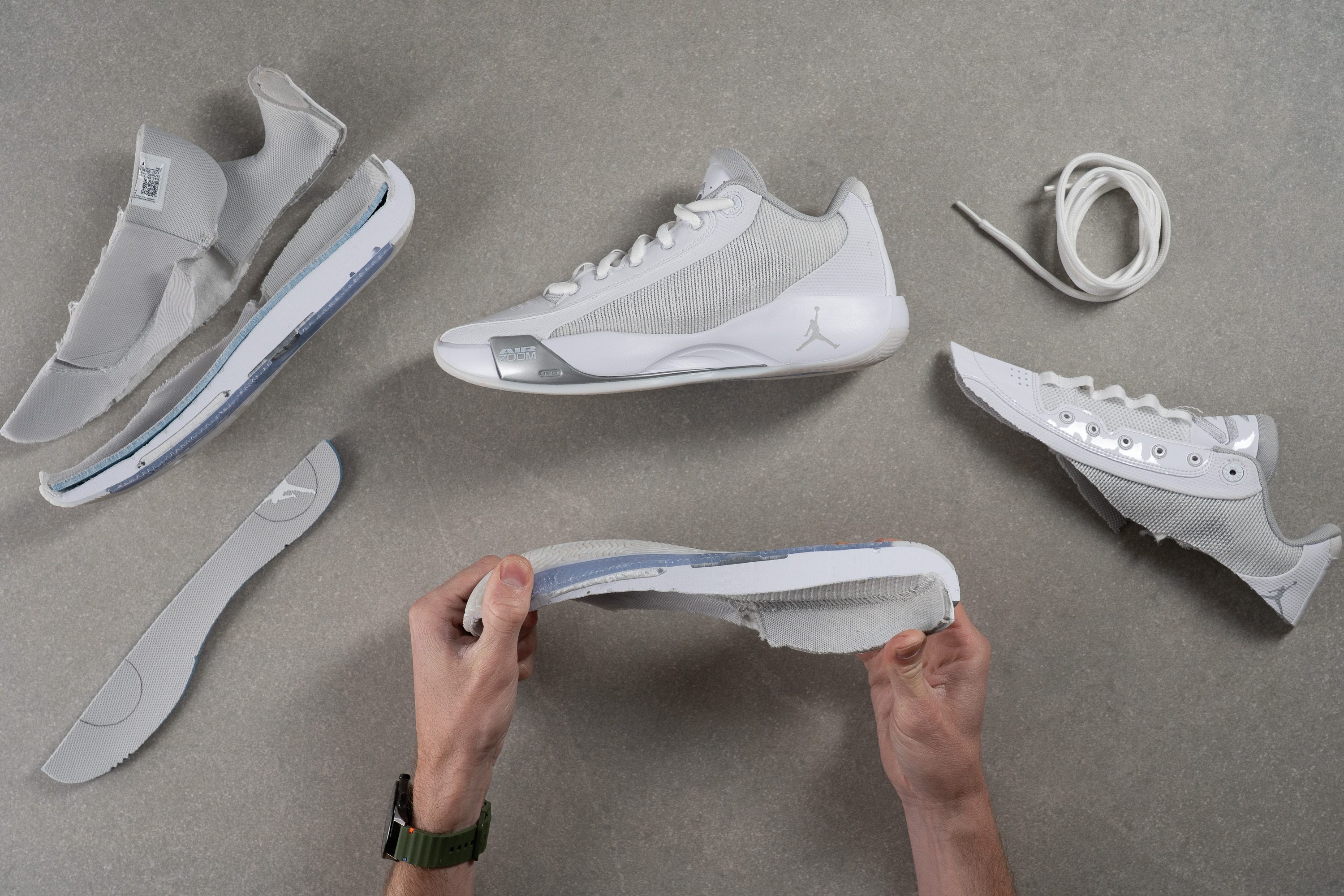
Even though the Luka .77's product description mentions a dual-density foam, it is the primary Phylon EVA foam that's responsible for the shoe's underfoot experience and impact protection. Phylon takes up the entire length of the shoe's midsole, while the secondary foam forms an external carrier around it.
Measuring the shoe's shock absorption, we got a modest measurement of 69 SA in the forefoot and another below-average 91 SA in the heel. The latter is one of the lowest readings we've recorded among basketball shoes, which means that it can feel a bit jarring on the blacktop. It's not the best option for players with joint issues, but gladly, they have better cushioned alternatives to consider.

| Luka 77 | 91 SA |
| Average | 104 SA |
Energy return
Even though we didn't expect much from a budget shoe like the Luka .77, we ought to debunk the claim of a 'snappy Air Zoom cushioning.'
Measuring the shoe's energy return in the forefoot (where Air Zoom is placed), we recorded a pretty low reading of 53.0%. The heel rebound also proved to be below the average at 47.8%. While the shoe is not completely dull, its responsiveness is a far cry from the flagship Luka 4.
But at least it offers good court feel and control in return.
| Luka 77 | 53.0% |
| Average | 62.3% |
Heel stack
The shoe's below-average stack height is yet another reason not to expect much underfoot buffer from the Jordan Luka .77.
Just like the Luka 4, it sits pretty low to the court with a heel stack of 26.6 mm.
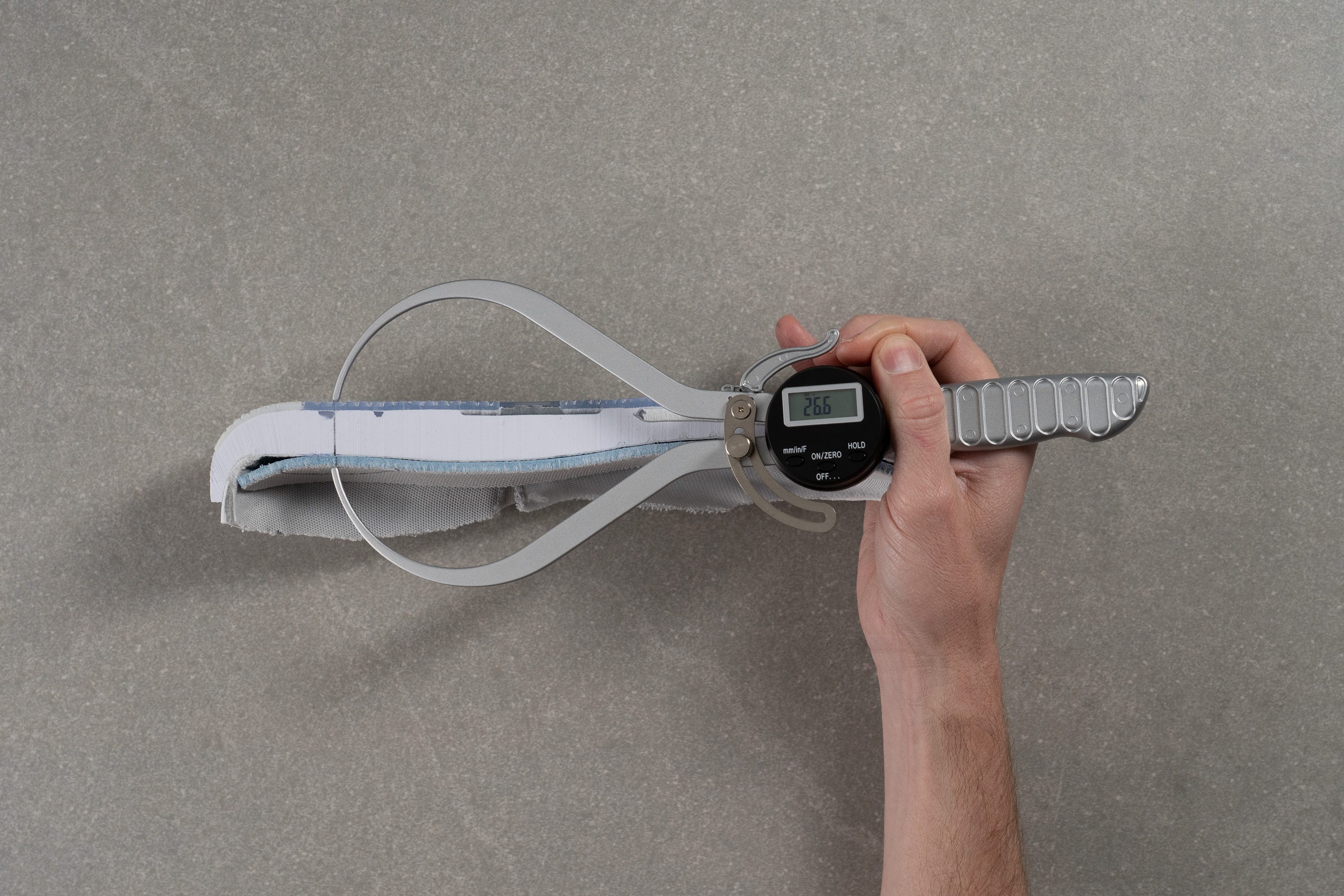
| Luka 77 | 26.6 mm |
| Average | 28.6 mm |
Forefoot stack
The lower forefoot stack of 20.3 mm is another nod to Luka Doncic's agile playing style, allowing for precise footwork control and proprioception.
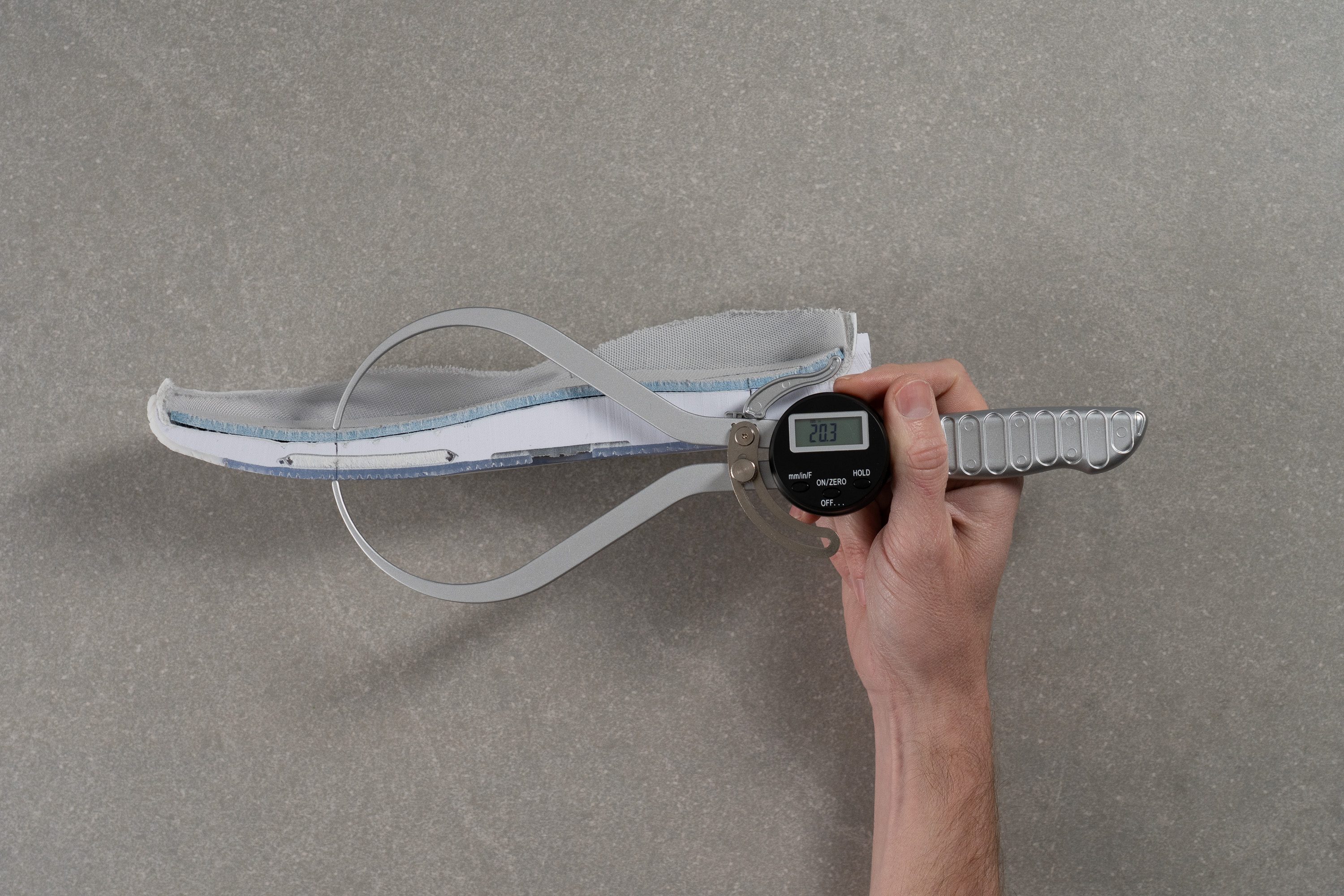
| Luka 77 | 20.3 mm |
| Average | 21.4 mm |
Drop
The shoe's mild heel-to-toe offset of 6.3 mm also contributes to a planted experience as it doesn't elevate the heel too high off the ground or pitch the foot too far forward.
But it's not too low to put stress on the player's Achilles or calves either.
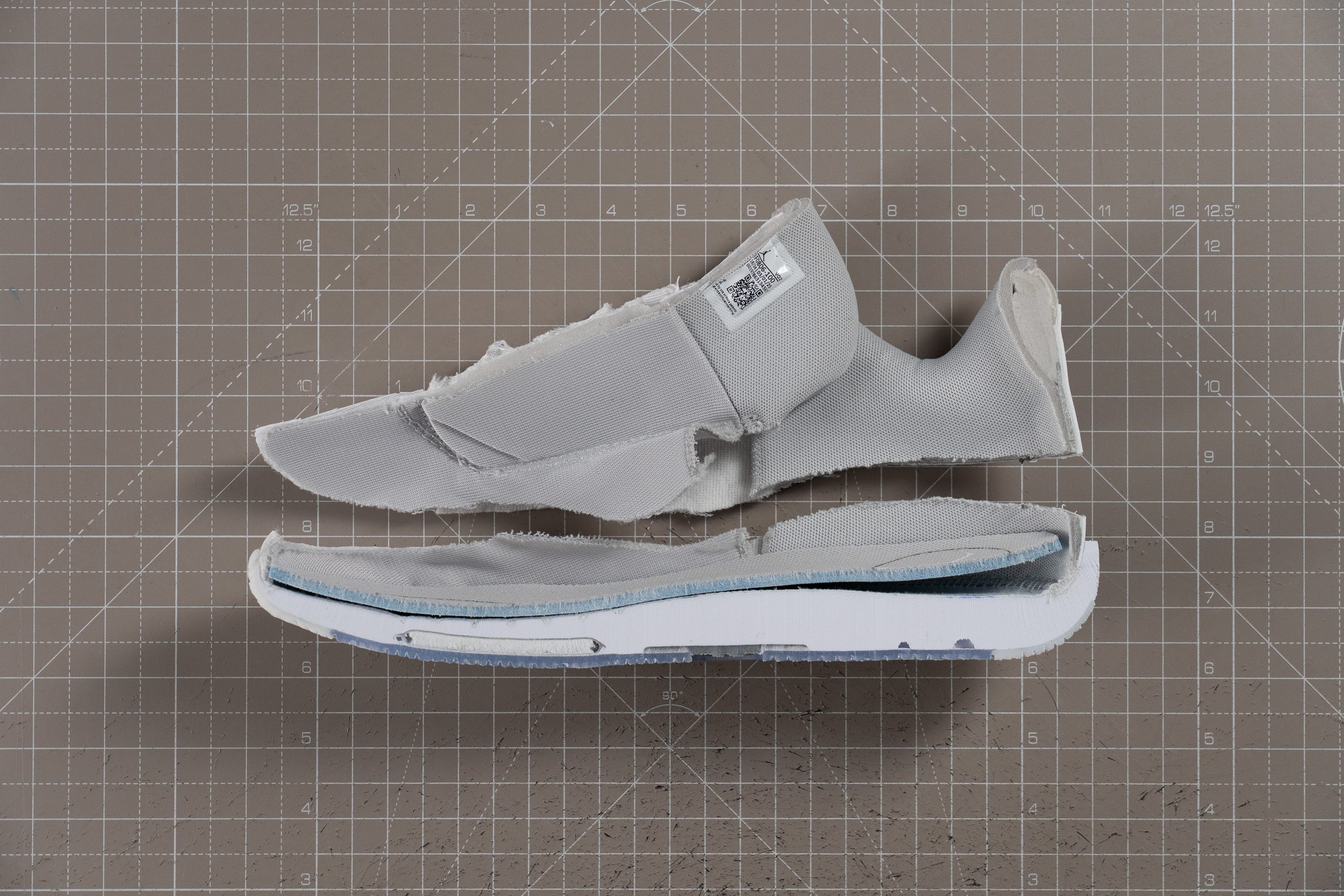
| Luka 77 | 6.3 mm |
| Average | 7.2 mm |
Midsole softness
Even though the shoe's description mentions a 'soft foam over a firmer outer layer,' our own experience and measurements show that the Phylon is the opposite of soft.
Pressing a durometer against it returned a pretty high reading of 49.0 AC, putting the Jordan Luka .77's cushioning into the firm range of basketball shoes.
While its step-in feel isn't exceptionally plush or comfy, the shoe offers a rather stable platform in return.
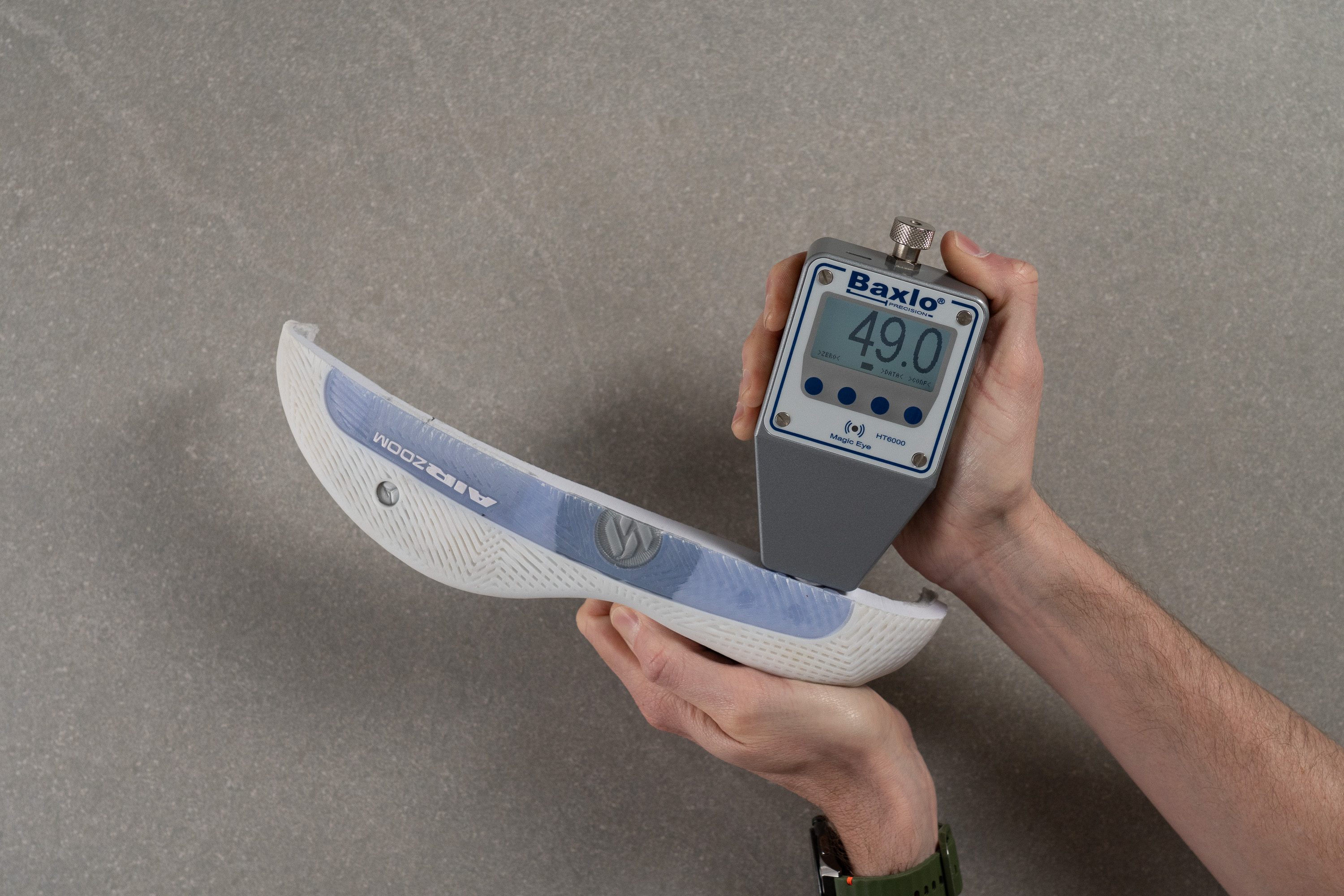
| Luka 77 | 49.0 AC |
| Average | 40.7 AC |
Size and fit
Size
Jordan Luka 77 fits slightly small (49 votes).
Width / Fit
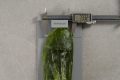
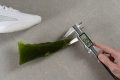
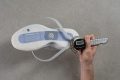
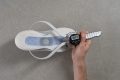
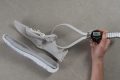
Having filled the Luka .77's forefoot with custom liquid, we waited until it solidified in the fridge to retrieve a one-to-one gel mold of its interiors. This allowed us to measure the shoe's dimensions precisely with a digital caliper.
The widest part of the mold clocked in at a standard 92.5 mm, proving to be on par with the average and true to the medium-width fit (for a men's US size 9).
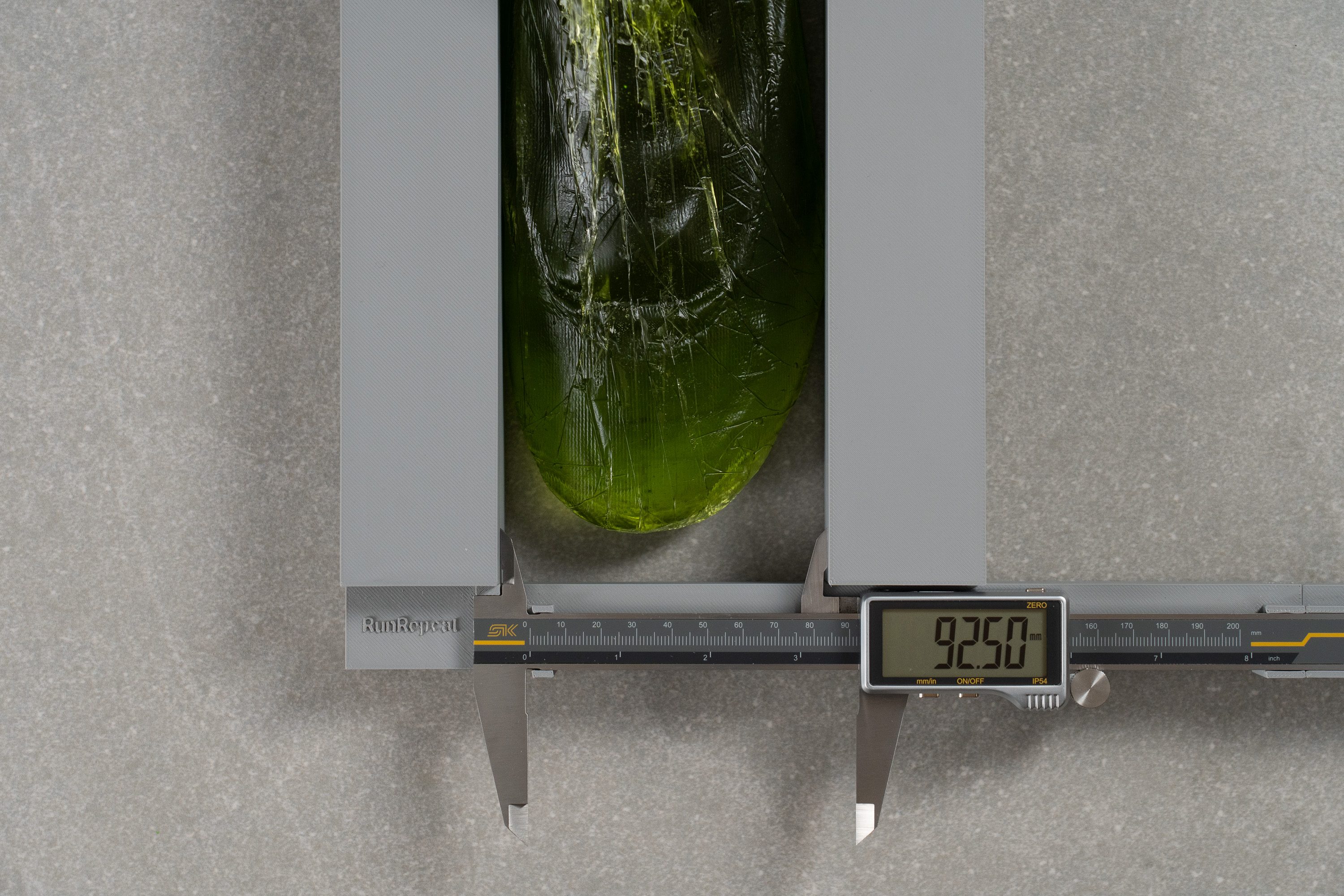
| Luka 77 | 92.5 mm |
| Average | 92.6 mm |
Toebox width
Meanwhile, the narrower part of the shoe's toebox turned out to be surprisingly spacious considering how tapered the Luka .77 looks visually.
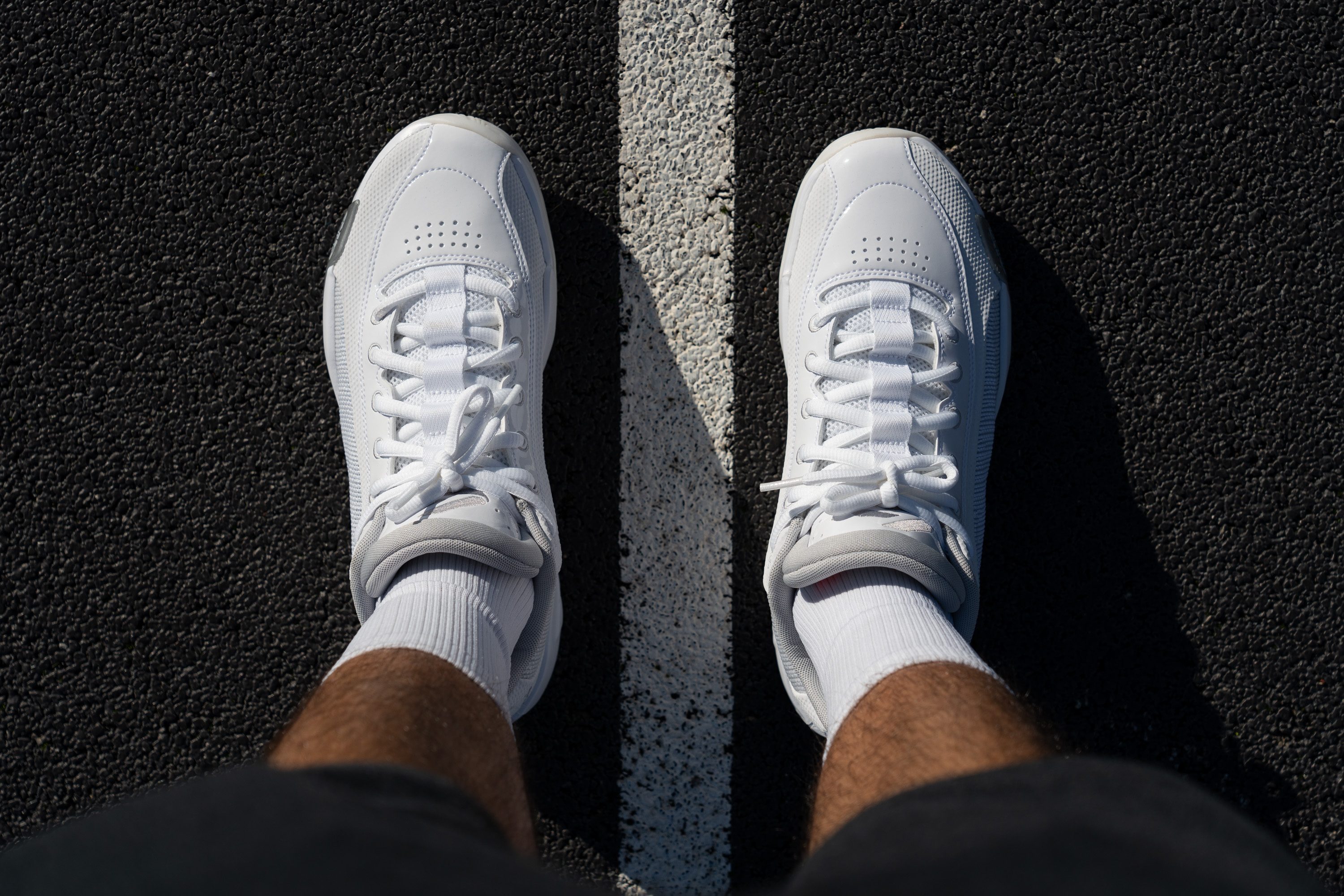
Measuring its width in the big toe area, our caliper recorded an above-average reading of 73.3 mm. The widest in our roster by far!
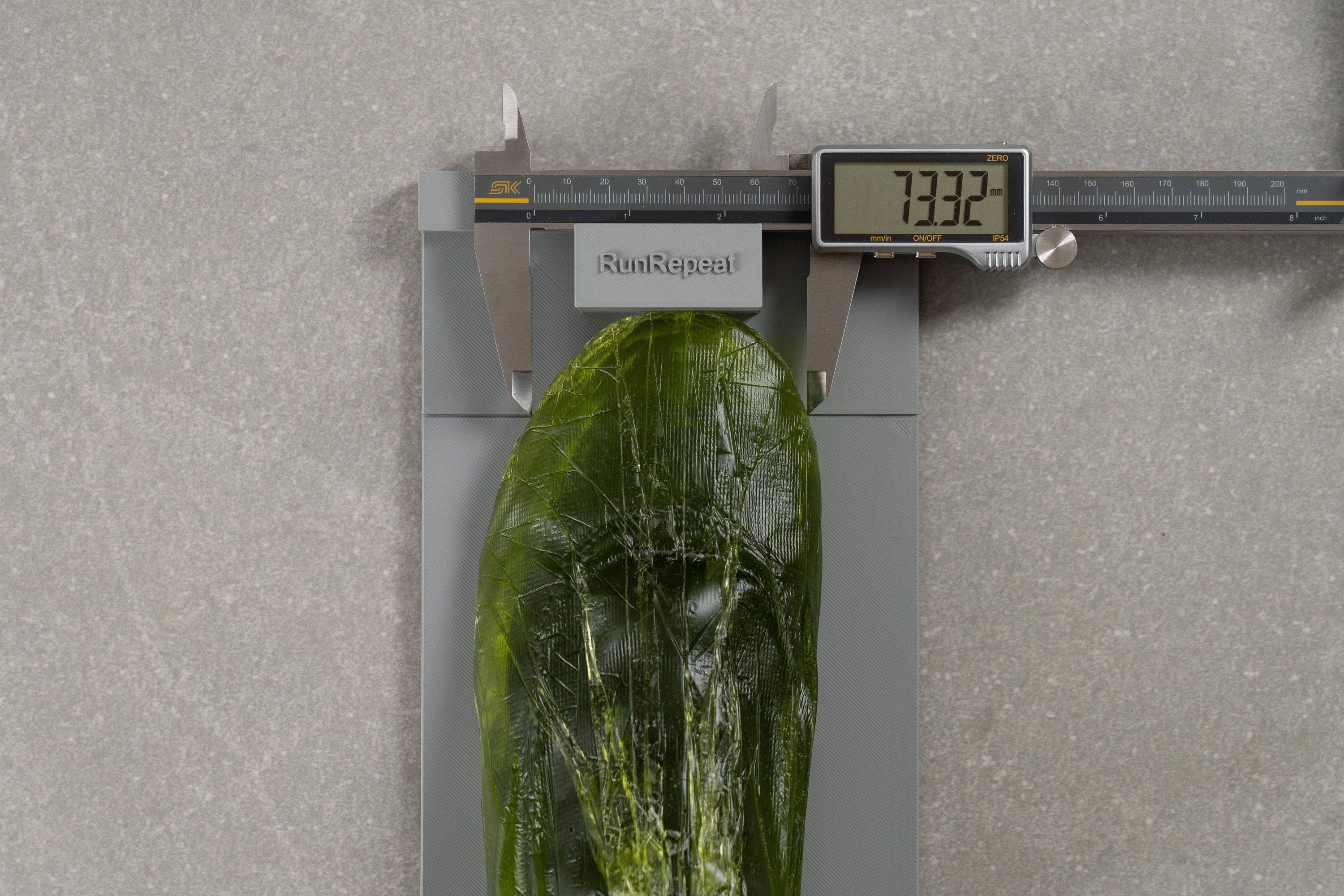
| Luka 77 | 73.3 mm |
| Average | 69.2 mm |
Toebox height
But don't worry about having too much wiggle room in the toe area because the vertical space is quite limited here.
The toebox height came in at a very low 20.3 mm, much like in the Luka 4. While this helps the shoe feel and move more in one with the foot, players with toe injuries or deformities can feel constricted.
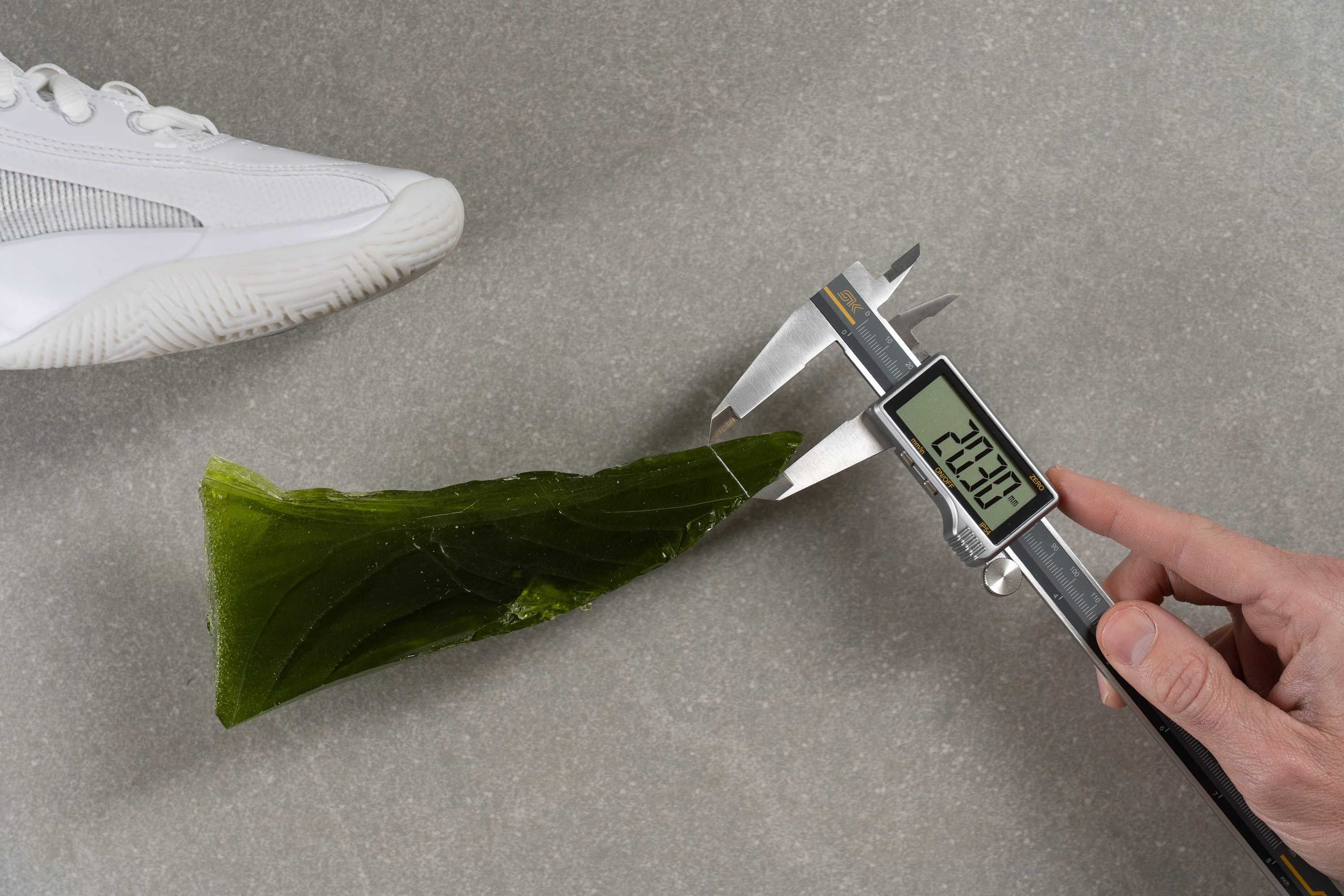
| Luka 77 | 20.3 mm |
| Average | 23.4 mm |
Traction / Grip
Traction test
Although this is an outdoor-oriented model, we tested the Jordan Luka .77's outsole traction on hardwood because that's our standardised testing setup for basketball shoes. But we did perform our wear test on an outdoor court.
The friction that this shoe's outsole generates on hardwood is phenomenal! We recorded a whopping 0.83 coefficient in the forefoot area, which is amazingly sticky for a shoe at this price point.
Quick cuts, hard stops, and Luka's signature stepbacks all feel reliably supported in this Jordan shoe.
| Luka 77 | 0.83 |
| Average | 0.76 |
Outsole design
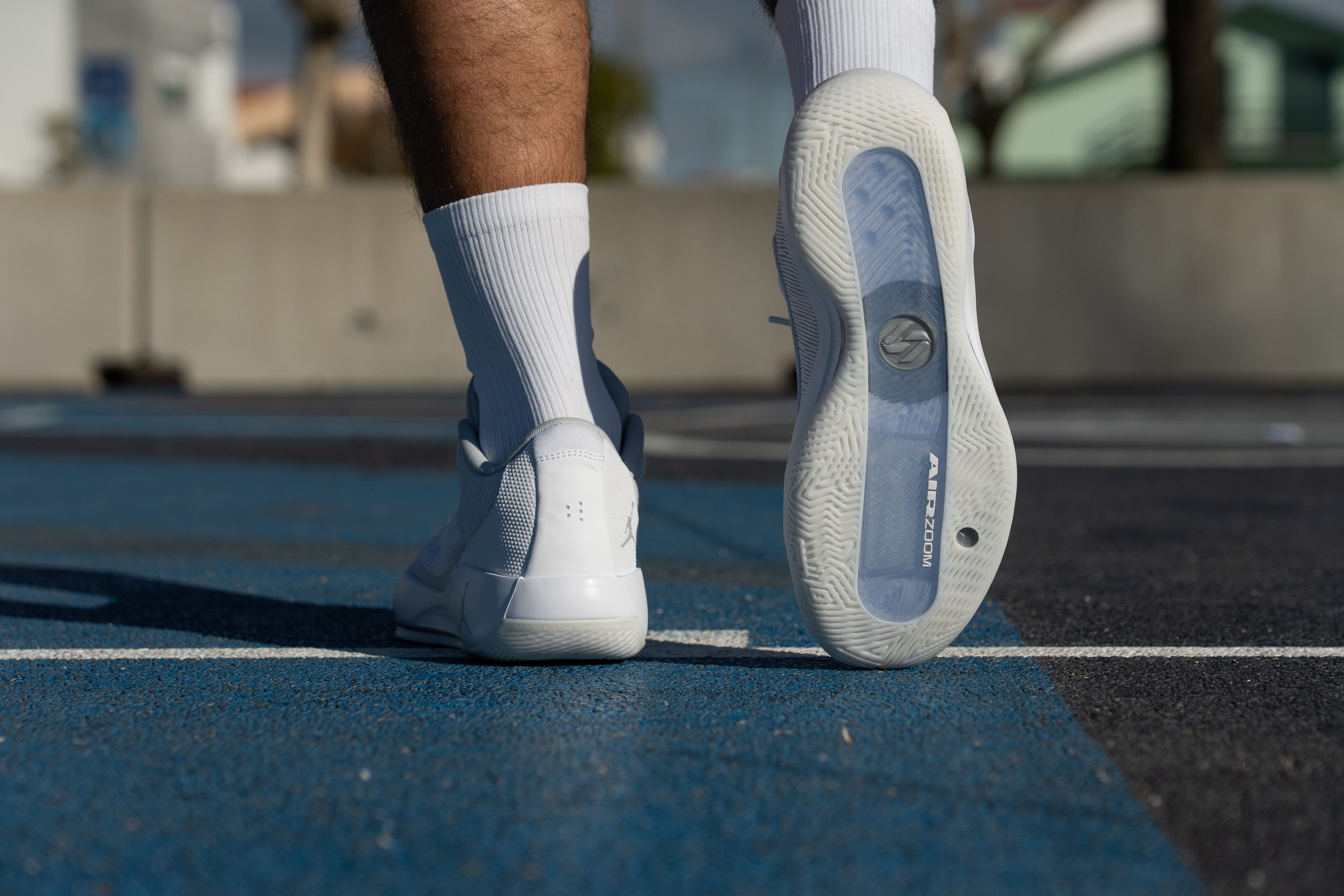
The Luka .77's outsole design immediately stands out from the vast majority of indoor basketball shoes.
Its flat, recessed tread pattern, with thick treadlines that don't wrap around the court as much as hardwood-ready lugs, helps the shoe withstand the high-wear friction of blacktop.
Flexibility / Stiffness
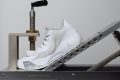
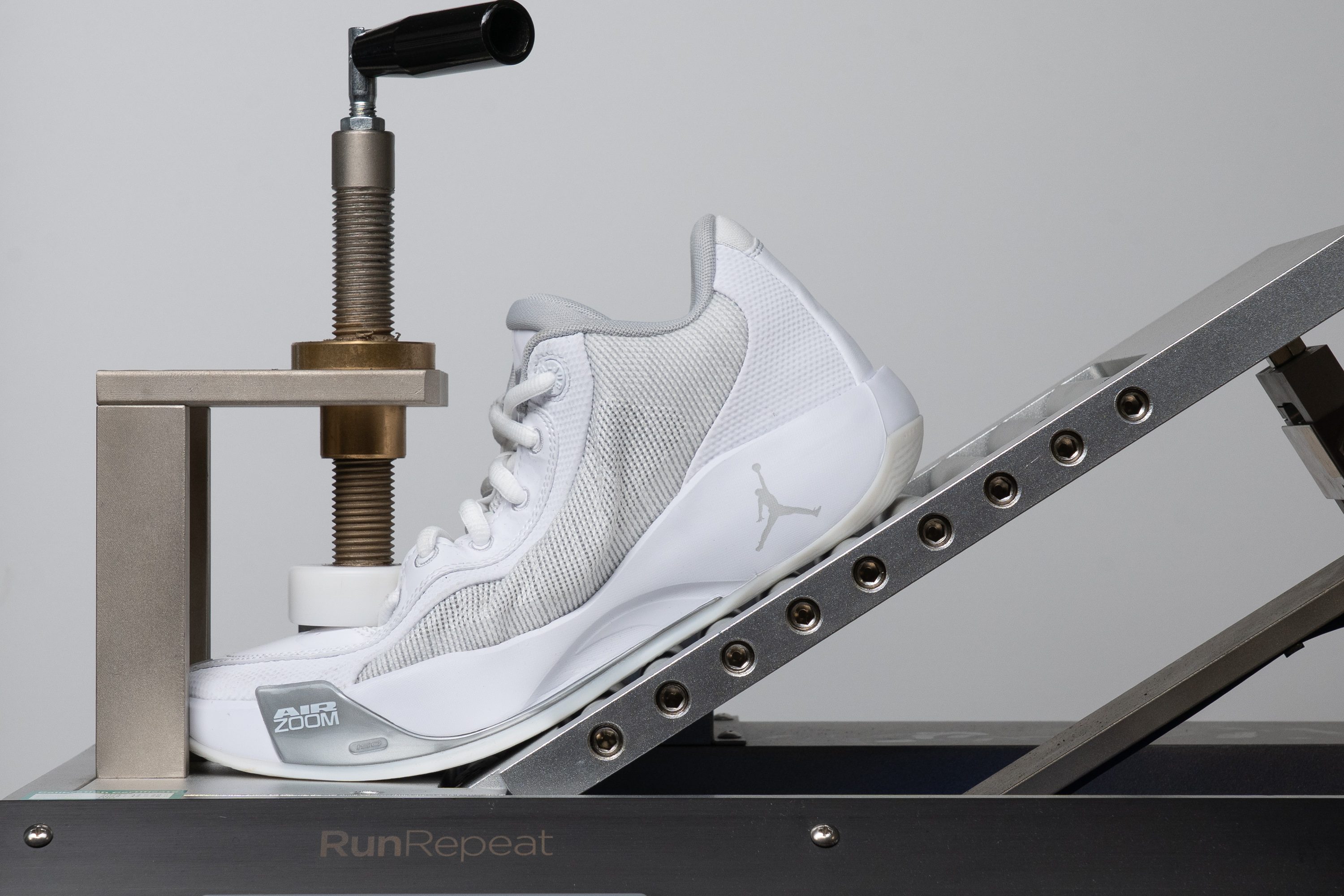
Even though both the Luka 4 and the Luka .77 feature stiff TPU IsoPlates, their designs are entirely different.
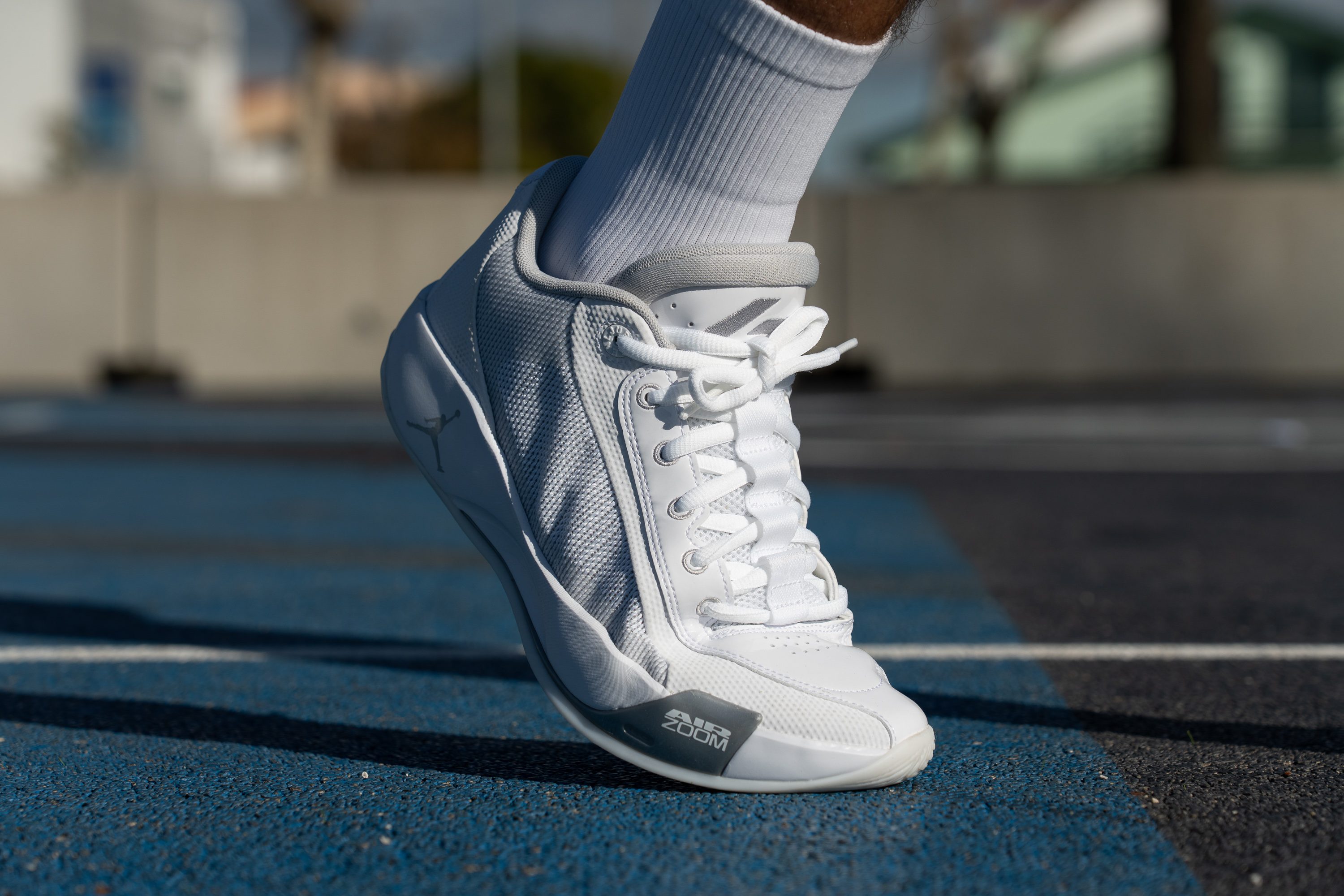
Where the Luka 4's shank is limited to the exterior, the Luka .77's plate embraces the midfoot from the bottom and also stretches to the forefoot to form a large lateral flange there.
This limits the shoe's forefoot flexibility, and our stiffness test confirms it. The .77 requires more force to bend by 30 degrees (25.9N) compared to an average hoop shoe. This is more than the Luka 4 takes too (17.4N).
| Luka 77 | 25.9N |
| Average | 20.6N |
Weight
We are happy to report that a durable outdoor court basketball shoe does not necessarily have to be heavy, and the Jordan Luka .77 is a shining example of that.
Not only is it on the lighter end of the streetball shoe catalog, but it is also lighter than the basketball shoe average in general!

| Luka 77 | 12.3 oz (349g) |
| Average | 13.9 oz (393g) |
Breathability
Breathability test
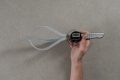
UpdatedJordan promises to 'keep your feet feeling fresh for however long you're on the court,' and the Luka 77 delivers exactly that! The shoe even exceeded our expectations, with a record-breaking breathability result of 112 BR!
Its materials work overtime to draw sweat away from the skin, keeping the foot as dry as technically possible. It is, in fact, even more breathable than the average running shoe!
And when the interior stays dry, it also lowers the risk of blisters and micro-sliding of the foot inside the shoe!
| Luka 77 | 112 BR |
| Average | 74 BR |
Drying potential
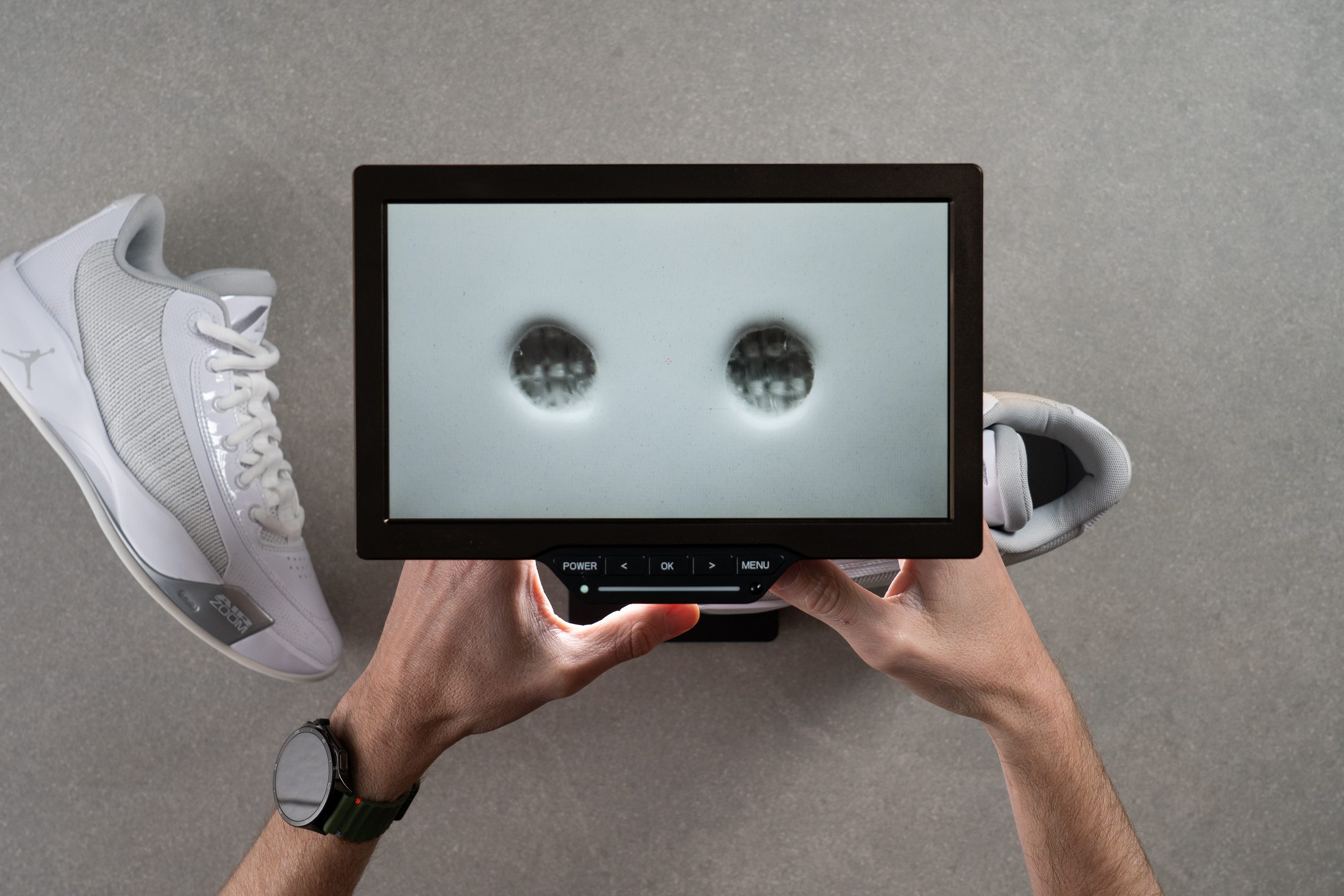
NewIn addition to testing how well the shoe absorbs sweat from the skin, we run our breathability protocol for another 3 hours to measure how effectively the shoe releases it.
Evaporating 35% of the artificial sweat by the end of the test, the Luka 77 showed average drying potential, right on par with most other hoop shoes. This means that it might feel a little damp for back-to-back games and practices.
| Luka 77 | 35% |
| Average | 36% |
Stability
Lateral stability test
The Jordan Luka .77 packs an impressive amount of lateral support and stability for its lightweight setup. And we were glad to find that it does so without adding any unwanted bulk underfoot.
The shoe never let our feet buckle as we carved out space in a stepback or shuffled side-to-side. Small directional bursts and quick recoveries also felt well supported in this budget-friendly shoe.
Torsional rigidity
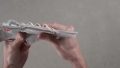
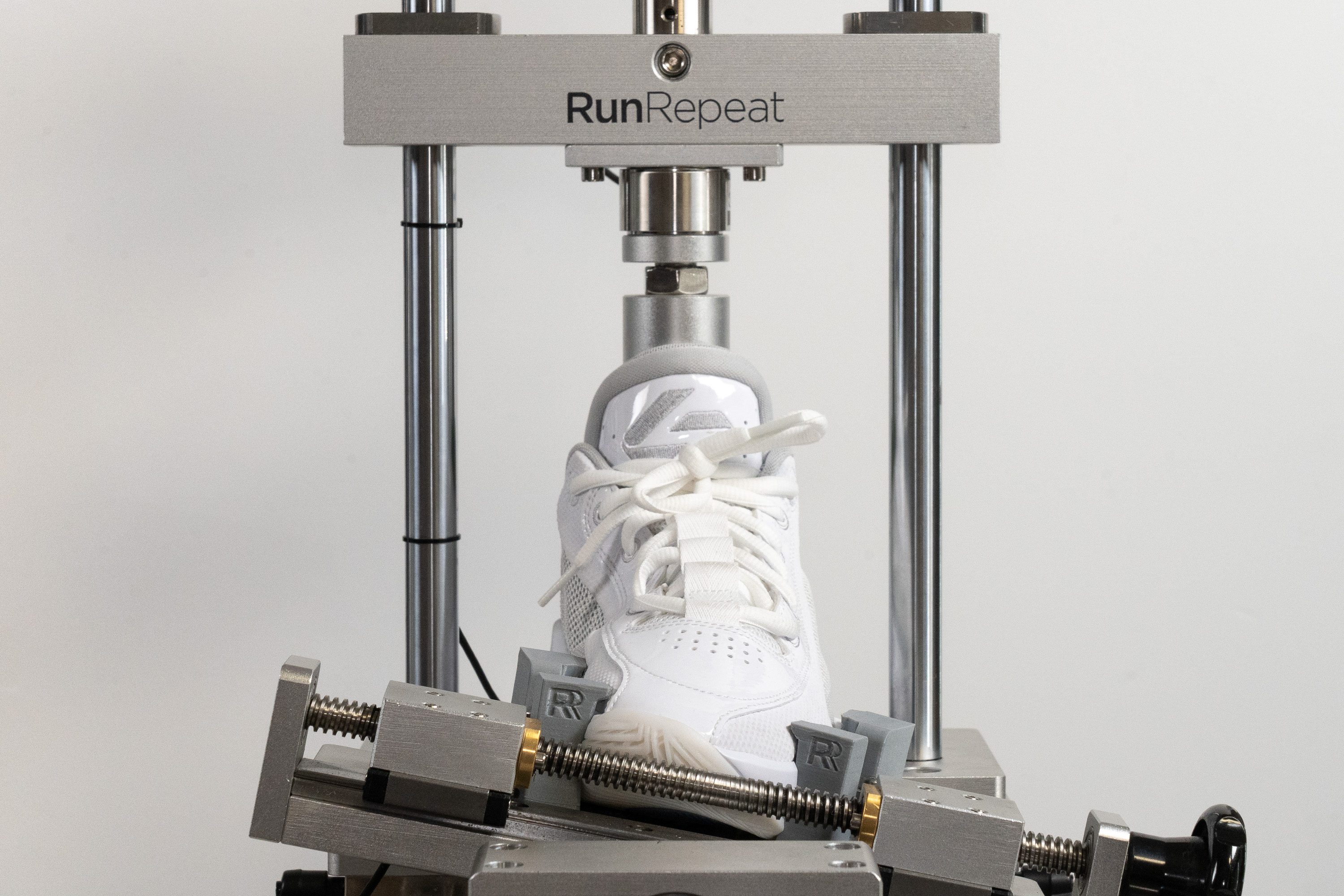
The Luka .77's IsoPlate, firm Phylon midsole, and an even firmer carrier with raised edges all form a highly rigid build that contains the midfoot on torque-heavy moves.
At 20.9 Nm, our torsional rigidity test showed that it takes even more torque to twist this Jordan shoe than the average!
| Luka 77 | 20.9 Nm |
| Average | 19.5 Nm |
Heel counter stiffness
Another important stability component is the shoe's sculpted and well-padded heel counter.
Assessing its stiffness with a high score of 4/5, we found that it locks the rearfoot down securely during the most dynamic multi-directional movements.
| Luka 77 | 4 |
| Average | 3.9 |
Midsole width - forefoot
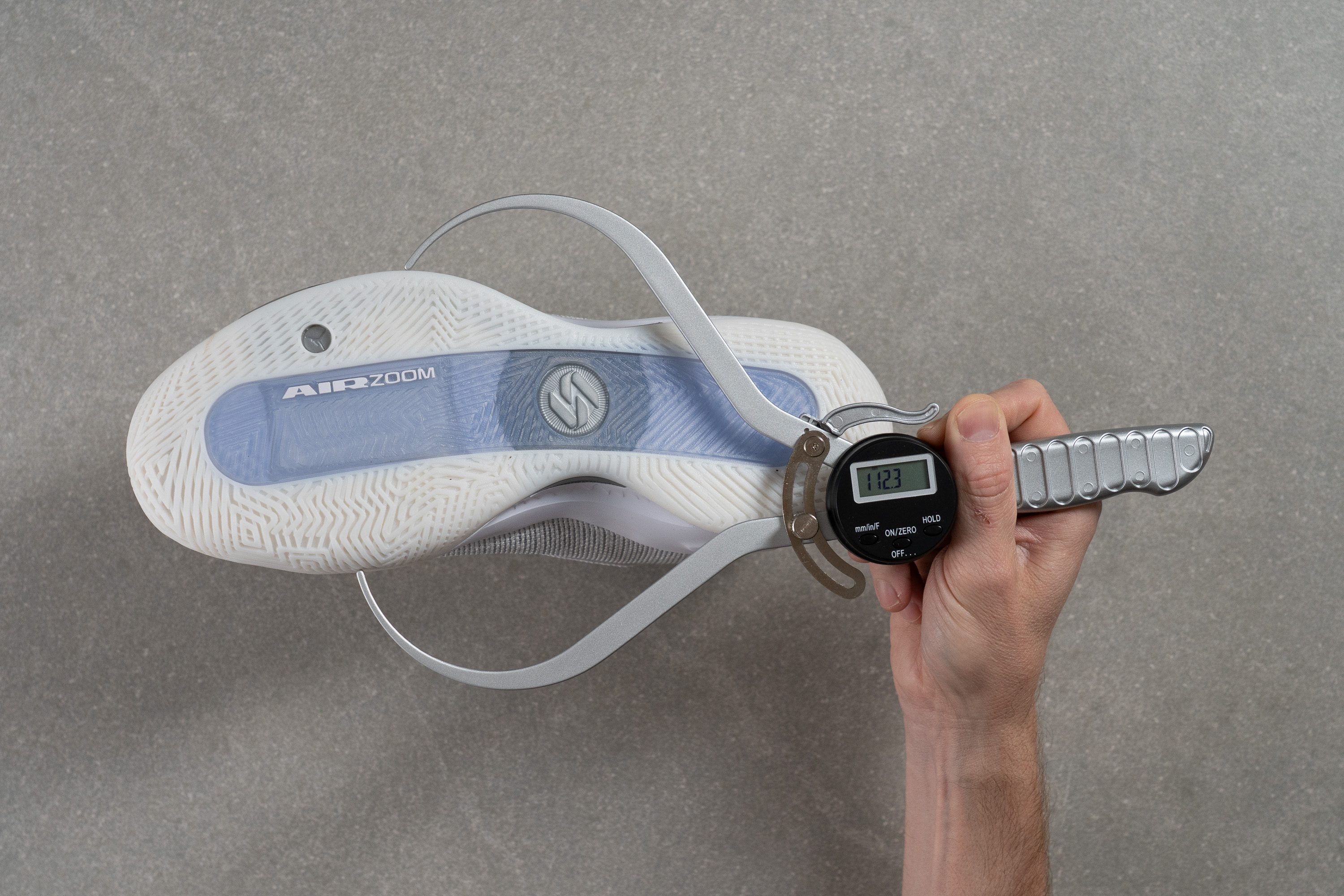
Flipping the Jordan Luka .77 upside down, we couldn't help but notice its C-shaped design.
This lightly curved platform contributed to the shoe's side-to-side stability without the need for an ultra-wide base. So, even with its below-average forefoot width of 112.3 mm, the shoe still has a pretty large outrigger to lean on.
| Luka 77 | 112.3 mm |
| Average | 115.4 mm |
Midsole width - heel
Measuring the widest area of its heel, we also got a slimmer reading of 83.7 mm. But it's still a few millimeters away from feeling too narrow and tippy.
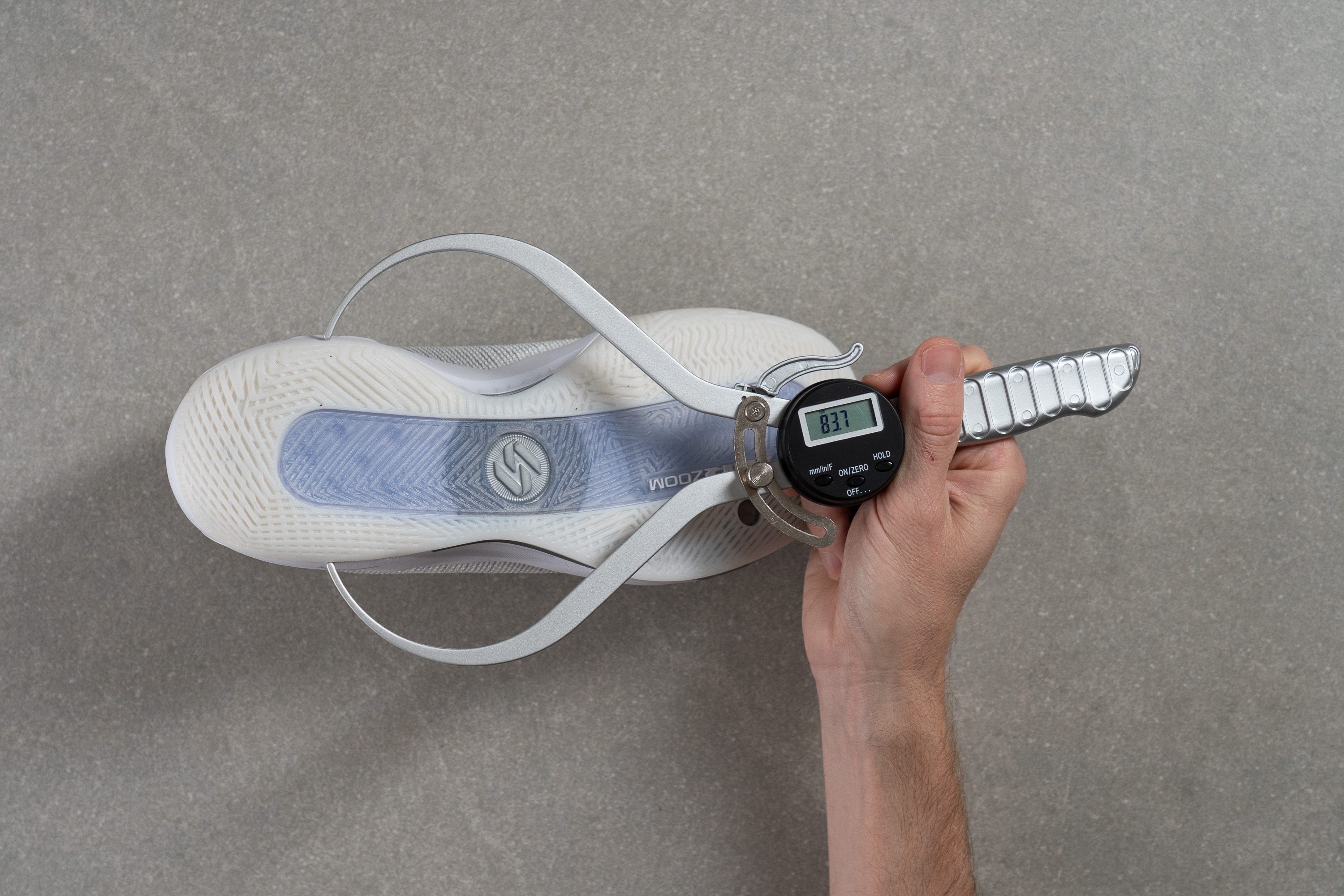
| Luka 77 | 83.7 mm |
| Average | 89.3 mm |
Durability
Toebox durability
Of course, durability will be high up your priority list when making a shoe for outdoor courts!
Despite the Luka .77's lower price point, we found that its synthetic leather and high-abrasion mesh are ready for the rigors of asphalt and concrete.
The shoe's toebox material passed our Dremel test with flying colors, earning a high durability score of 4/5. It is sure ready for some foot dragging!
| Luka 77 | 4 |
| Average | 3.7 |
Heel padding durability
The brand didn't skimp on the quality of the shoe's inner lining either, as the latter stood up against the sandpaper beautifully. Unscathed, it scored the maximum 5/5 score for heel padding durability.
| Luka 77 | 5 |
| Average | 3.8 |
Outsole durability
But the outsole durability of this Jordan shoe is clearly the star of the show.
Not letting the Dremel get anywhere deeper than 0.4 mm, the rubber showed some of the best abrasion resistance we ever recorded in a basketball shoe!
| Luka 77 | 0.4 mm |
| Average | 1.0 mm |
Outsole thickness
Even the fact that its outsole is a smidge thinner than average (at 3.2 mm) didn't make us hesitate for a second that the Jordan Luka .77 has got the durability it takes to 'dominate on rugged outdoor courts.'

| Luka 77 | 3.2 mm |
| Average | 4.0 mm |
Misc
Insole thickness
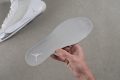
With a thickness of 3.9 mm in the heel area, the shoe's insole creates a pleasant buffer between the foot and the shoe's firm Phylon midsole.
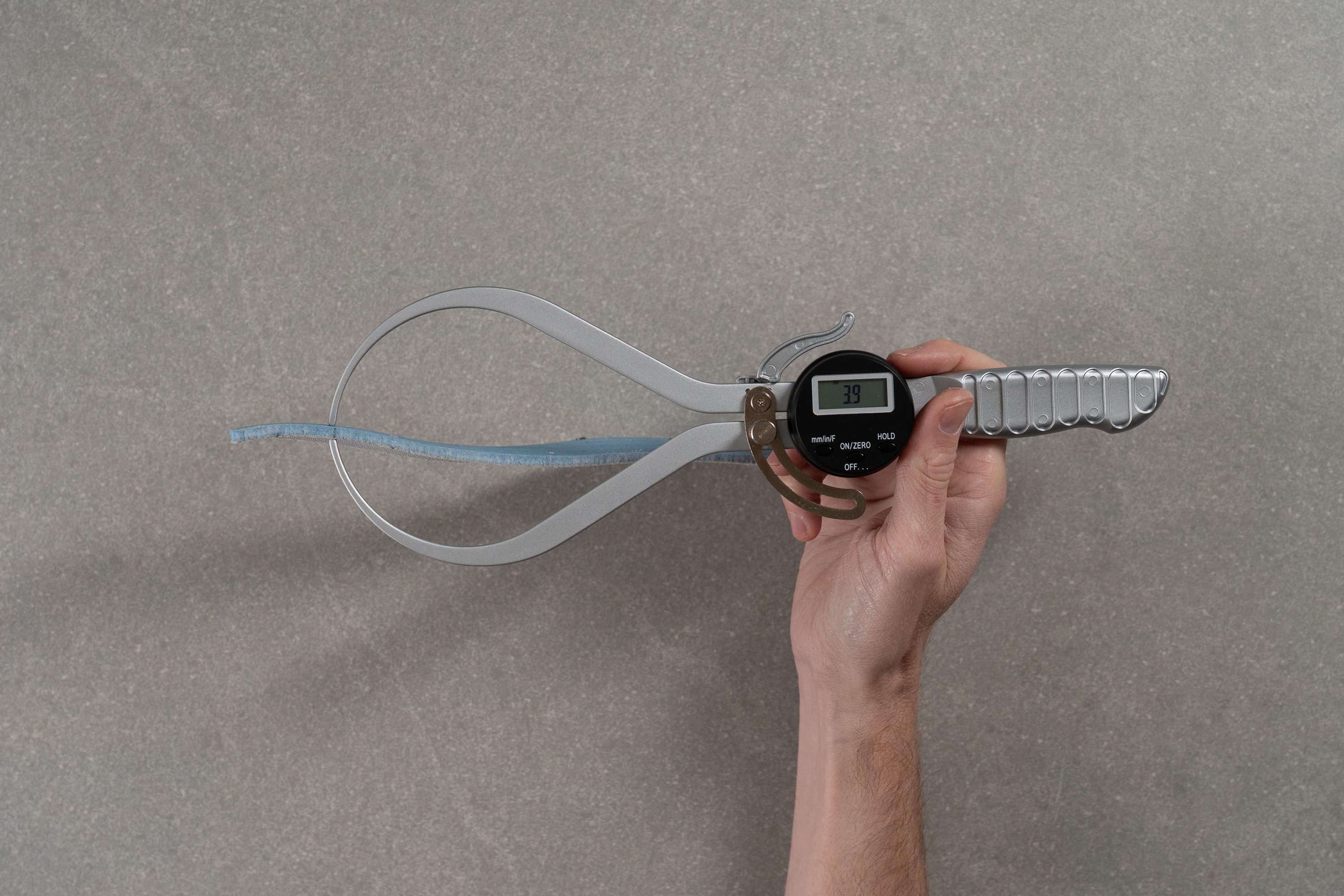
| Luka 77 | 3.9 mm |
| Average | 5.1 mm |
Removable insole
You also have the option to take out the shoe's stock insole if you prefer a custom orthotic. But be mindful of the Luka. .77's very low toebox height, as it may not allow for a thicker insert.
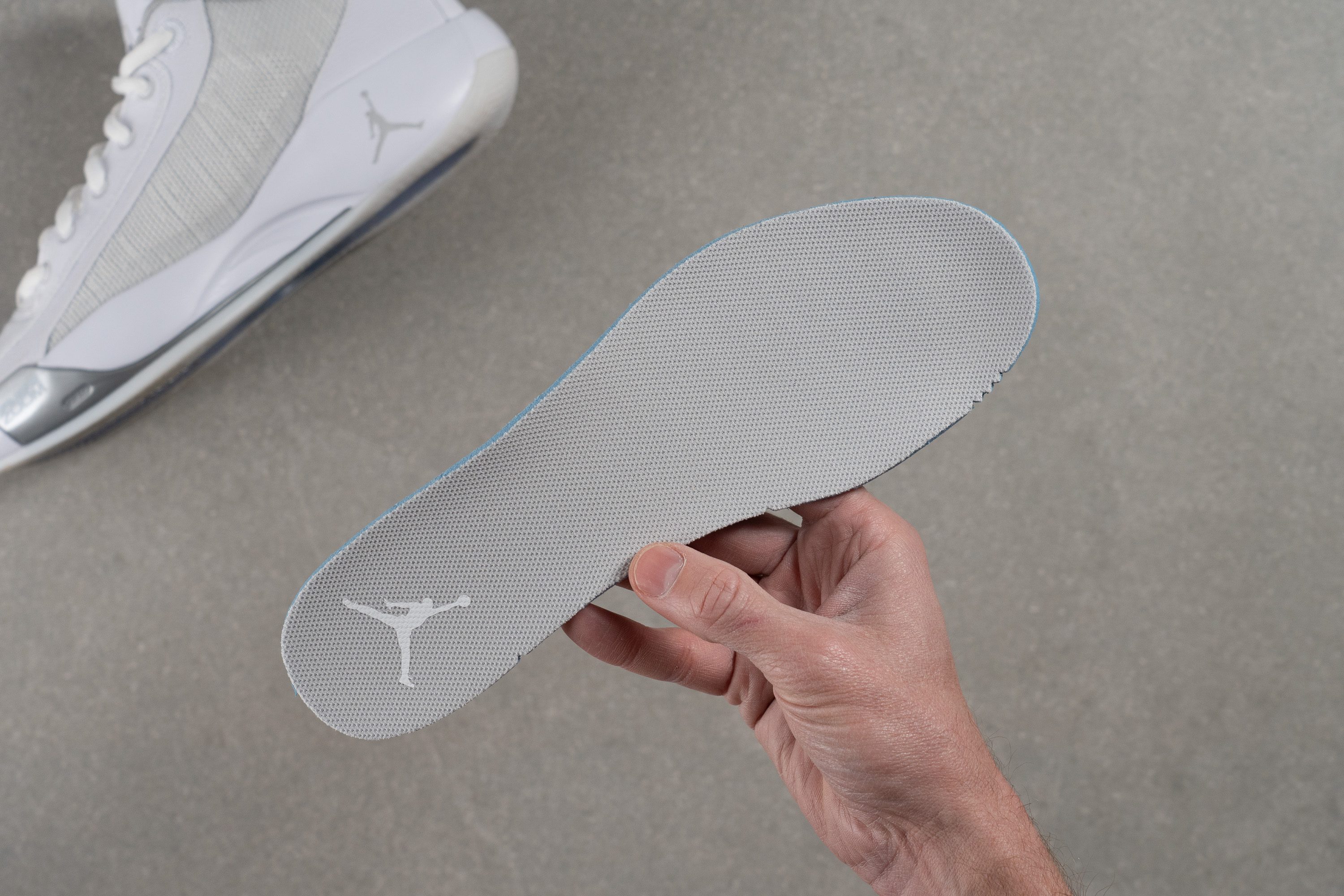
| Luka 77 | Yes |
Tongue padding
Most of the shoe's tongue is lightly padded to keep the ventilation going, but it is double-padded in the topmost area to protect the instep from lace bites.

The latter showed 10.5 mm of thickness on our caliper.
The shoe's collar padding is also sufficiently thick without being overkill.
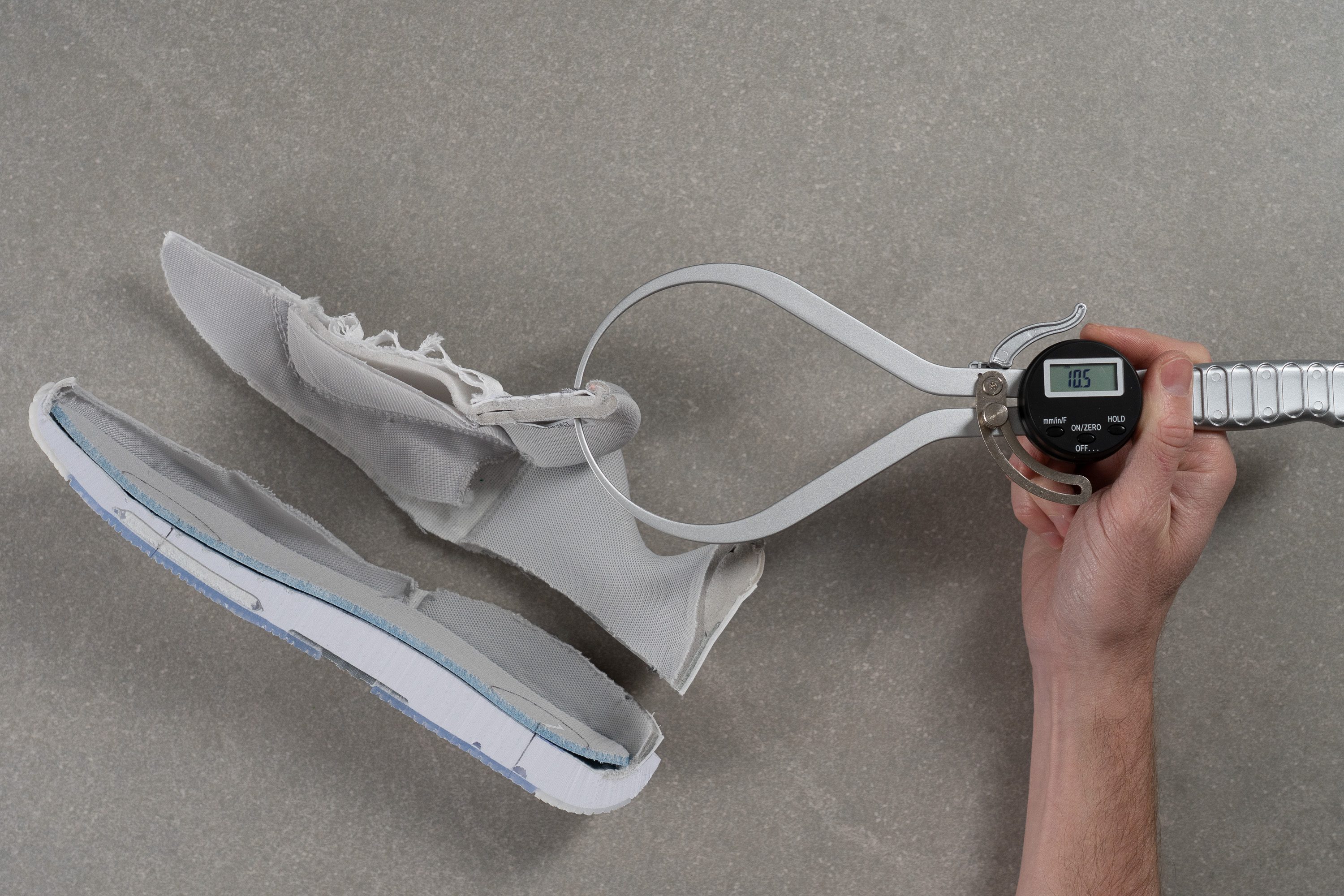
| Luka 77 | 10.5 mm |
| Average | 9.4 mm |
Tongue: gusset type
A fully integrated tongue is always great news, as that means little to no unwanted shifting inside the shoe.
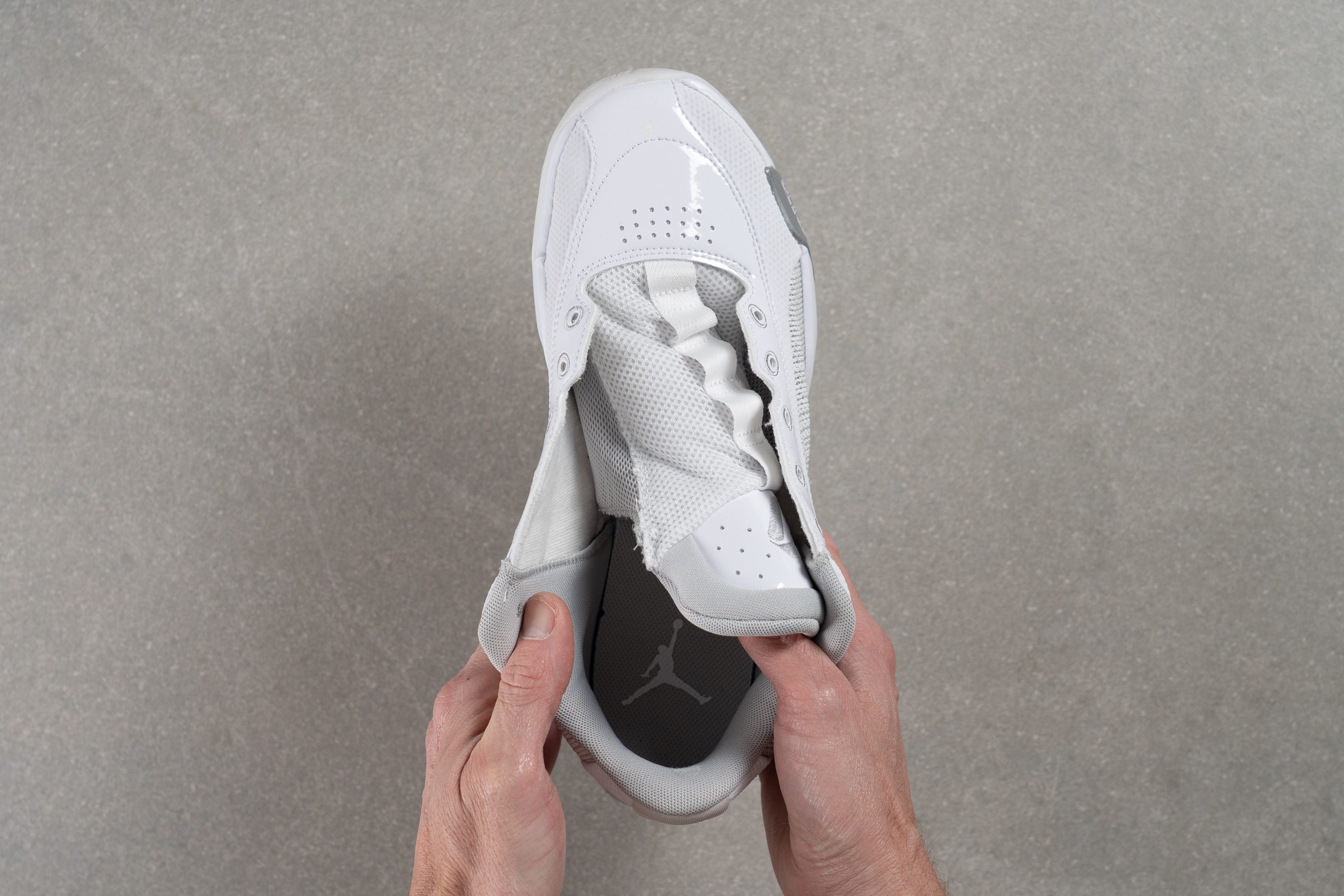
| Luka 77 | Both sides (full) |
Heel tab
The shoe features no finger loops or pull tabs.
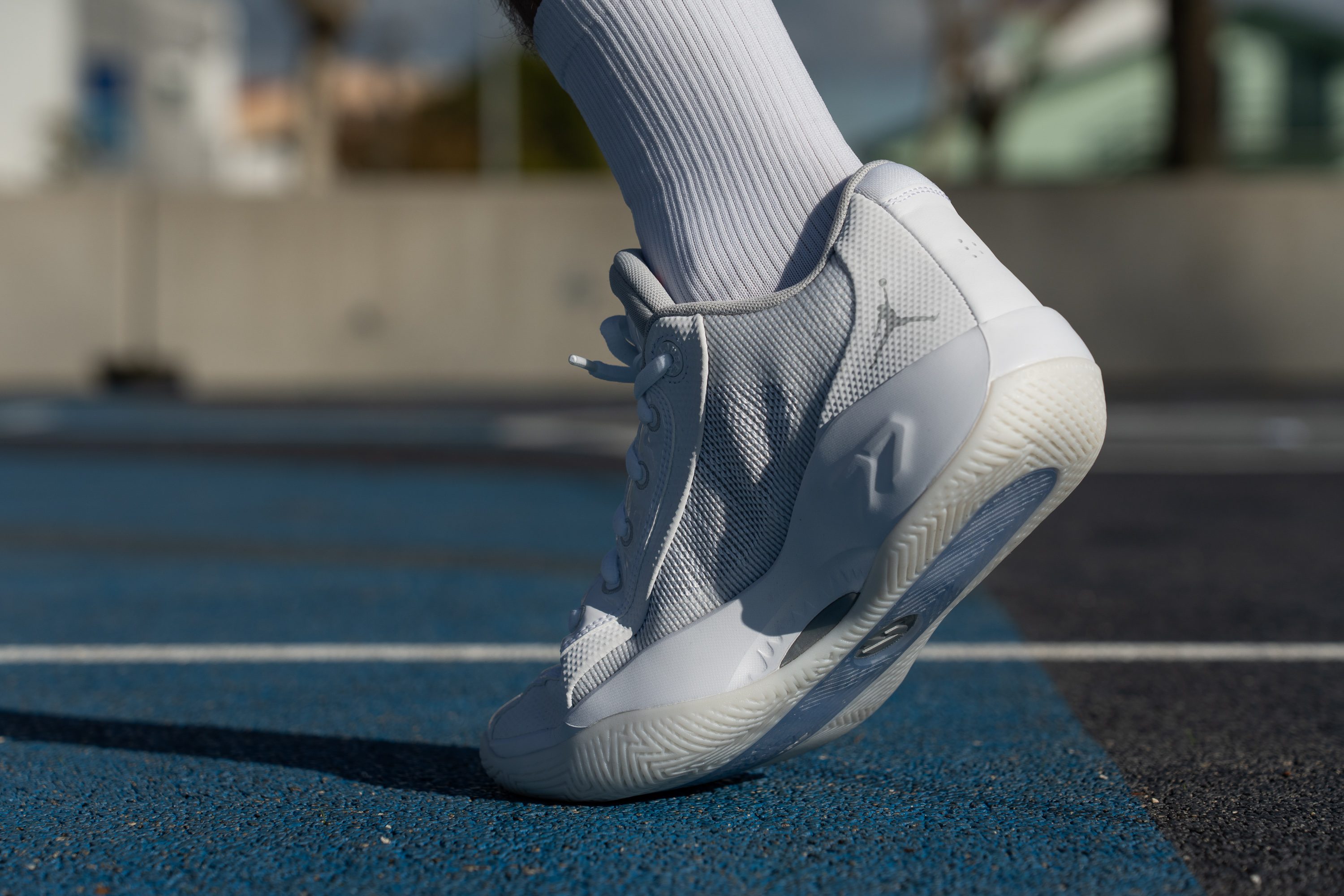
| Luka 77 | None |
Price
As one of the cheapest Jordan hoop shoes on the market right now, the Luka .77 offers an imposing value for money! Particularly in the durability department, as it is specifically marketed for the blacktop.

| Luka 77 | $105 |
| Average | $140 |