























Nuestra conclusión
- Grava 90
- Versátiles 60
- Técnico 44
Pros
- Al fin han mejorado su tracción
- Muy versátiles (trail y asfalto)
- Absorción de impactos confiable
- Mediasuela mullida
- Ajuste más espacioso que en las versiones anteriores
- Cierre seguro
- Lengüeta acolchada que las hace más cómodas
- Suela exterior duradera
- Versátiles y prácticas para viajar
Contras
- Son un poquito más caras
- Necesitan una espuma mejor
- Parte delantera frágil
Premios
- Entre mejores zapatillas Nike de trail running
- Entre mejores zapatillas Nike de running para larga distancia
- Top 21% más vendidas zapatillas de running
Comparativa
Las zapatillas de running más parecidas
+ + Añadir unas zapatillas | |||||
|---|---|---|---|---|---|
| Nuestra puntuación | 82 Geniales | 87 Geniales | 84 Geniales | 78 Buenas | |
| Precio | 150 € | 160 € | 160 € | 140 € | |
| Terreno de trail | Grava / Trail y asfalto | Grava / Trail y asfaltoVersátiles / Terreno de dificultad moderada | Grava / Trail y asfaltoVersátiles / Terreno de dificultad moderada | Grava / Trail y asfalto | |
| Absorción de impactos | Alta | Moderada | Moderada | Moderada | |
| Retorno de energía | Moderado | Moderado | Alto | Moderado | |
| Tracción | Alta | Alta | Alta | Alta | |
| Sujeción arco del pié | Neutral | Neutral | Neutral | Neutral | |
| Peso laboratorio Peso marca | 10.2 oz / 289g 10.8 oz / 305g | 10 oz / 283g 9.9 oz / 281g | 9.9 oz / 281g 9.3 oz / 265g | 10 oz / 283g 9.8 oz / 277g | |
| Drop laboratorio Drop marca | 8.5 mm 8.0 mm | 6.3 mm 8.0 mm | 6.8 mm 6.0 mm | 9.1 mm 8.0 mm | |
| Técnica de carrera | TalónMedio/antepié | Medio/antepié | Medio/antepié | TalónMedio/antepié | |
| Talla | Tallan bien | Tallan bien | - | Tallan bien | |
| Rigidez de la mediasuela | Blanda | Equilibrada | Equilibrada | Equilibrada | |
| Diferencia de la rigidez de la mediasuela en frío | Pequeña | Pequeña | Pequeña | Pequeña | |
| Placa | ✗ | Rock plate | Rock plate | ✗ | |
| Durabilidad de la parte delantera | Muy mala | Decente | Buena | Muy mala | |
| Durabilidad del acolchado del talón | Alta | Alta | Media | Media | |
| Durabilidad de la suela exterior | Buena | Decente | Buena | Buena | |
| Transpirabilidad | Media | Media | Media | Baja | |
| Anchura / ajuste | Media | Ancha | Media | Media | |
| Anchura de la parte delantera | Media | Ancha | Media | Media | |
| Flexibilidad | Moderada | Rígida | Rígida | Moderada | |
| Rigidez torsional | Flexibles | Flexibles | Rígidas | Moderadas | |
| Rigidez del contrafuerte del talón | Moderado | Rígido | Rígido | Rígido | |
| Profundidad del dibujo de la suela | 3.1 mm | 3.7 mm | 3.2 mm | 3.1 mm | |
| Altura de la suela en la zona del talón laboratorio Altura de la suela en la zona del talón marca | 34.1 mm 35.0 mm | 32.1 mm 36.0 mm | 31.3 mm 34.0 mm | 32.6 mm 35.0 mm | |
| Antepié laboratorio Antepié marca | 25.6 mm 27.0 mm | 25.8 mm 28.0 mm | 24.5 mm 28.0 mm | 23.5 mm 27.0 mm | |
| Anchuras disponibles | EstándarAncho | Estándar | EstándarAncho | Estándar | |
| Estación | Todas las estaciones | Todas las estaciones | Todas las estaciones | Invierno | |
| Plantilla extraíble | ✓ | ✓ | ✓ | ✓ | |
| Compatibles con plantillas personalizadas | ✓ | ✓ | ✓ | ✓ | |
| Clasificación | #187 Top 47% | #69 Top 18% | #144 Top 36% | #283 29% inferior | |
| Popularidad | #81 Top 21% | #158 Top 40% | #232 42% inferior | #332 17% inferior |


Quién debería comprárselas
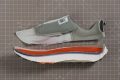
Creemos que las Nike ACG Pegasus Trail son estupendas para:
- Los runners que combinan kilómetros en carretera con muchos tramos de grava, tierra compacta y senderos fáciles.
- Los deportistas que quieren un único par de zapatillas con el que se puedan enfrentar a cualquier distancia o tipo de carrera, y que también sea lo suficientemente versátil para viajar.
- Los fans de las Pegasus Trail anteriores que están buscando la mejor versión que ha salido hasta ahora, sobre todo gracias a su estupenda mejora en tracción.
Quién NO debería comprárselas
Si estás acostumbrado a las mediasuelas reativas de las zapatillas para correr por asfalto, creemos que el limitado rebote de la espuma ReactX no te va a gustar nada de nada. Resulta que su rebote no es más que estándar, pero no te preocupes, que hemos analizado opciones con un retorno de energía más alto, como las Saucony Peregrine 15 o las ASICS Trabuco 14.
También creemos que los runners que están buscando un modelo que sea específicamente de trail a lo mejor no están del todo contentos con estas Pegasus. Su diseño de trail y asfalto rinde mejor en las zonas fáciles, así que no te las podemos recomendar para las rutas más exigentes. Si eso es lo que estás buscando, no te pierdas las Nike Wildhorse 10 o las Nike Zegama 2.
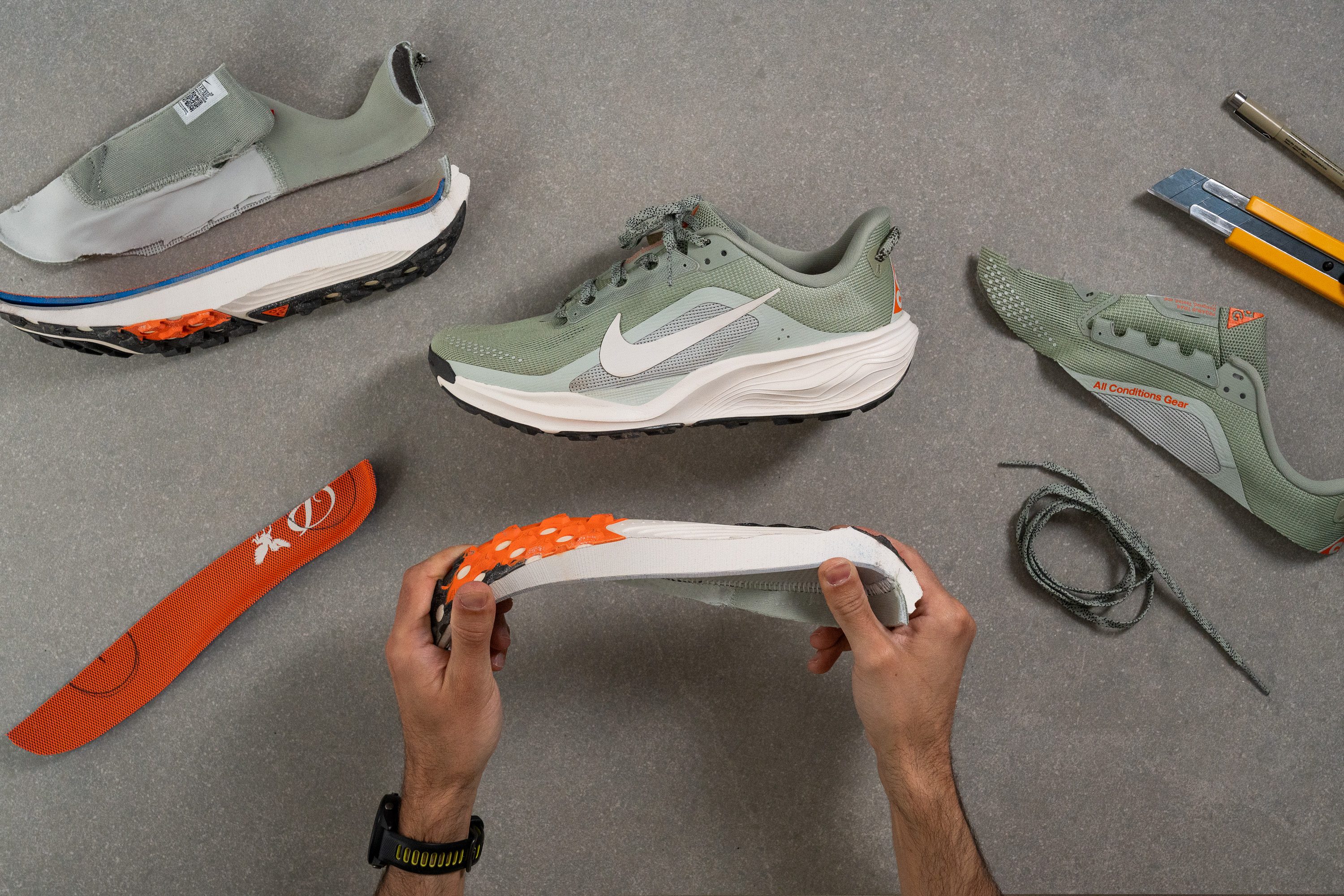
Amortiguación
Shock absorption
Las Nike ACG Pegasus Trail presumen de una absorción de impactos confiable, con 135 SA en el talón y 106 SA en el antepié. Estos resultados no se alejan de los de sus predecesoras o de los de sus principales rivales, así que ni destacan ni se quedan atrás.
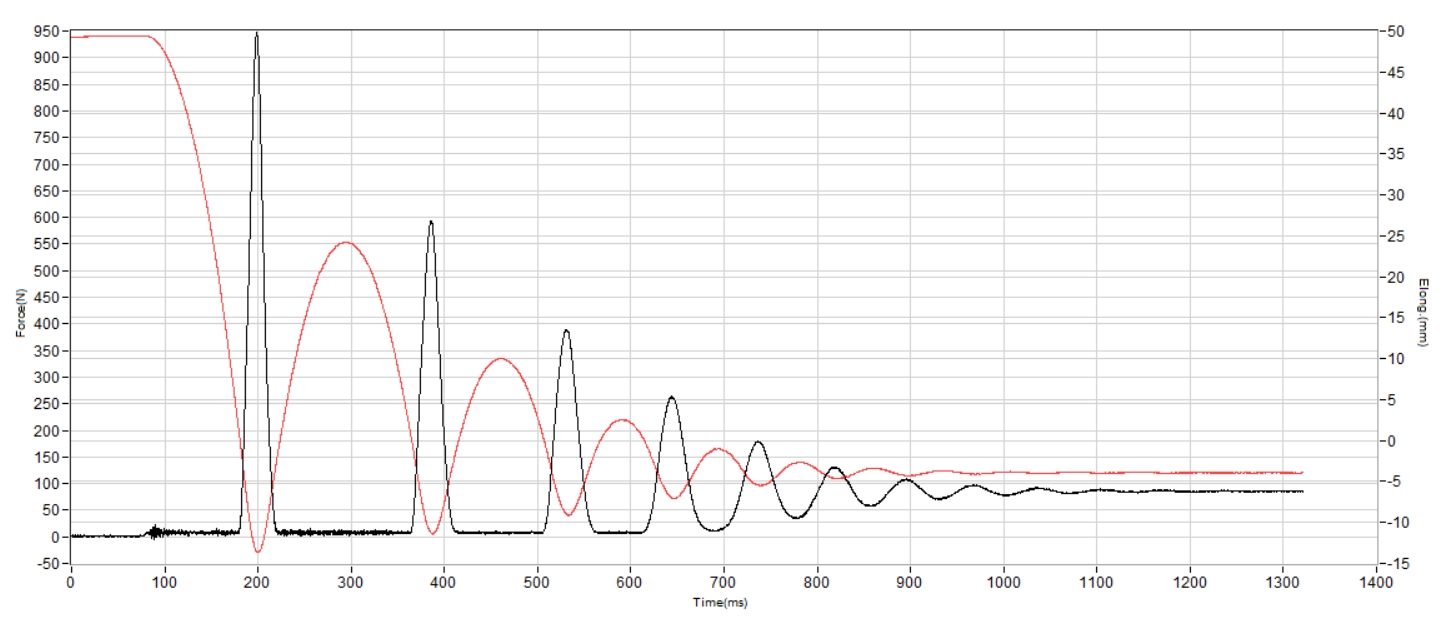
| ACG Pegasus Trail | 135 SA |
| Media | 122 SA |
Energy return
Analizamos las ACG Pegasus Trail siguiendo el protocolo ASTM F1976 para medir su retorno de energía. La verdad es que el resultado fue total y absolutamente predecible: un 57,7 % en el talón y un 56,3 % en el antepié. ¿Que por qué? Pues mira, porque es básicamente el mismo resultado que en el modelo anterior, que utiliza la misma espuma ReactX.
No te vamos a mentir, personalmente, nosotros creemos que la ReactX ya se está empezando a quedar un poquito anticuada. Al final, su rebote nos dejó con ganas de más, aunque no nos parece un problema preocupante en este modelo. Eso sí, creemos que a la próxima generación le iría genial una espuma renovada.
| ACG Pegasus Trail | 56.3% |
| Media | 59.7% |
Altura de la suela en la zona del talón
La altura de la suela en el talón también es parecida a la de la versión anterior.
Nuestro calibre marcó 34,1 mm, una cifra que encaja bien con la pisada versátil que buscan unas zapatillas de trail y asfalto. Su amortiguación es suficiente para las distancias largas, pero consigue mantenerse lejos del diseño maximalista de otros modelos como las ASICS Trabuco Max 4, que pueden ser un poquito más de nicho y menos adaptables.
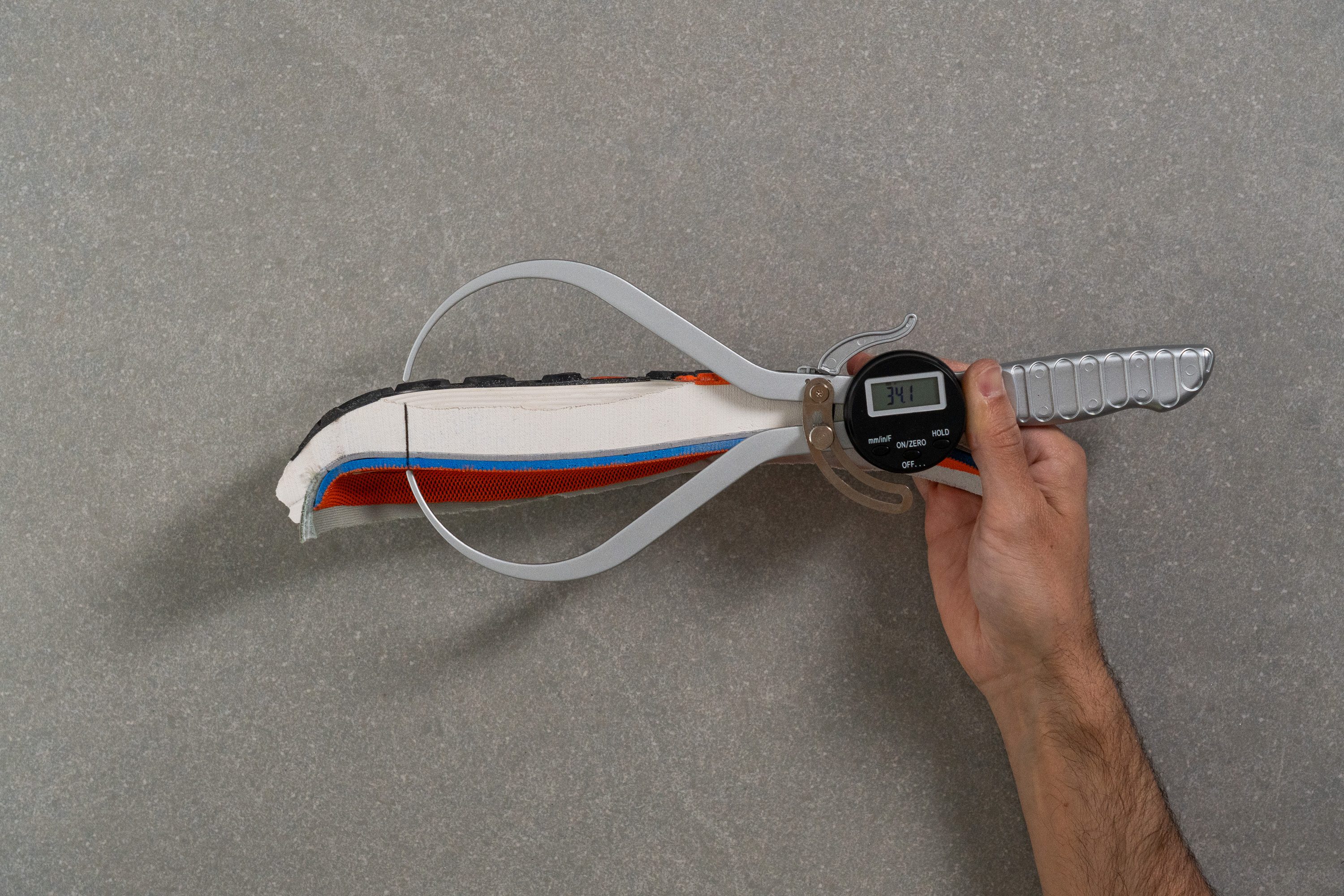
| ACG Pegasus Trail | 34.1 mm |
| Media | 33.0 mm |
Altura de la suela en el antepié
Nike tampoco se la juega con la suela en el antepié, ya que nuestro calibre marcó un resultado casi estándar de 25,6 mm.
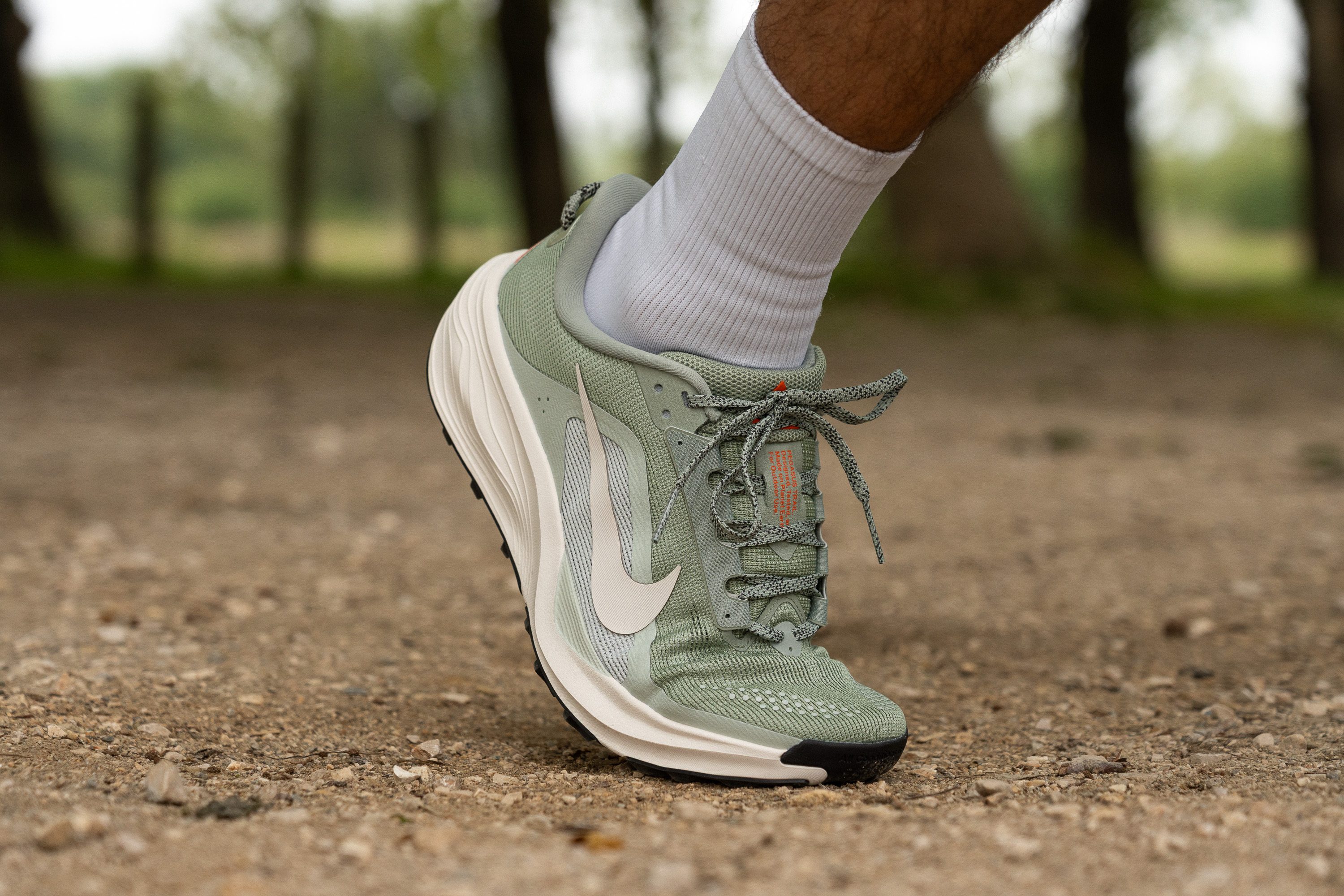
Después de este análisis, nos quedó claro que la marca pretendía motivar a los runners a los que les gustaron las Pegasus Trail 5 para que sí o sí probasen esta nueva versión.
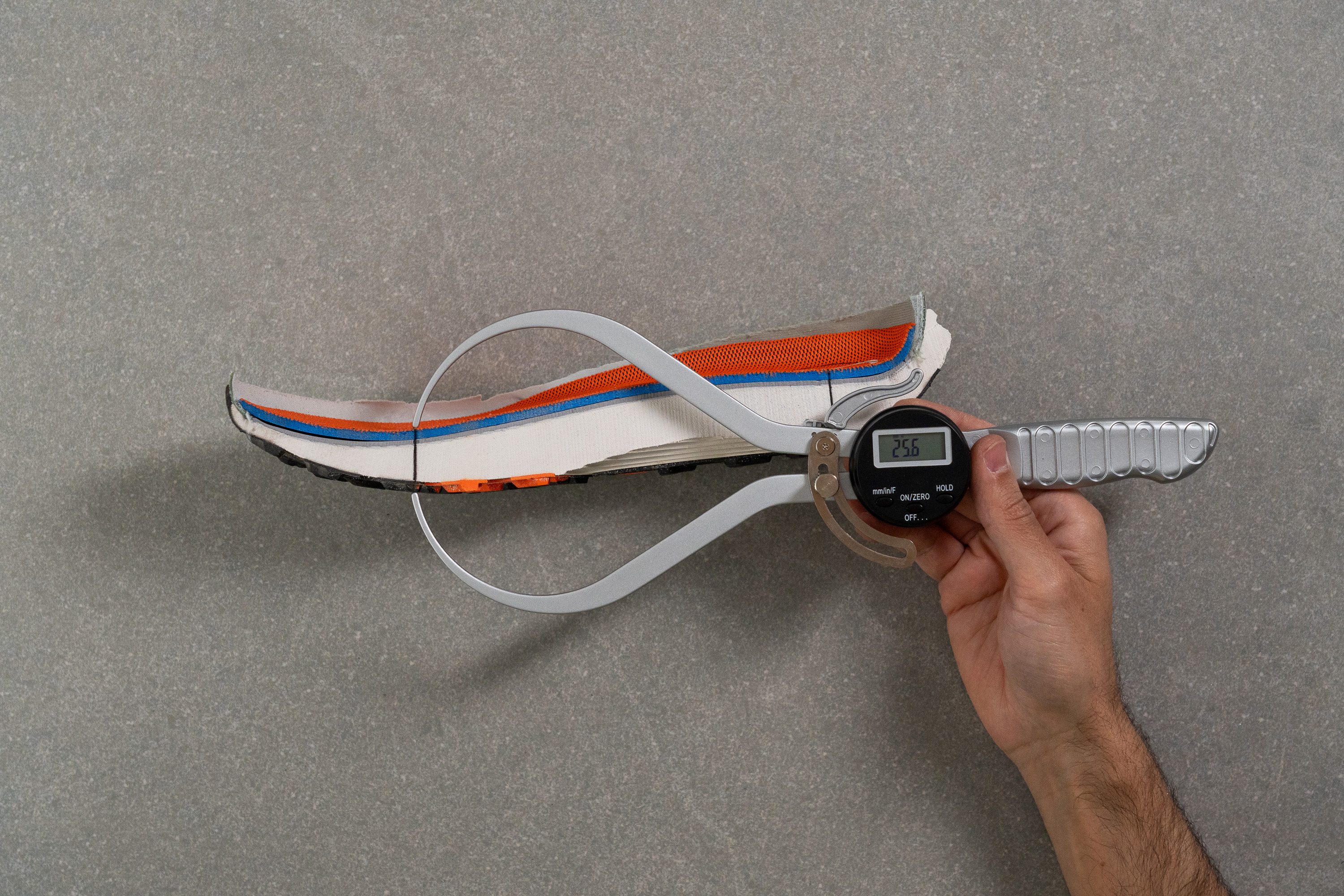
| ACG Pegasus Trail | 25.6 mm |
| Media | 25.7 mm |
Drop
Un detalle de las Pegasus Trail anteriores que hizo que varios runners se echasen para atrás fue su drop alto. En esta nueva versión, el drop es 1 mm más bajito, alcanzando 8,5 mm. Eso sí, sigue siendo alto dentro de los estándares de los modelos de trail, así que no creemos que este cambio por sí solo influya mucho en las decisiones de compra.
Pero bueno, que al final estas zapatillas de trail y asfalto están diseñadas para ser versátiles y adaptarse a los principiantes, así que este enfoque nos tiene todo el sentido del mundo.
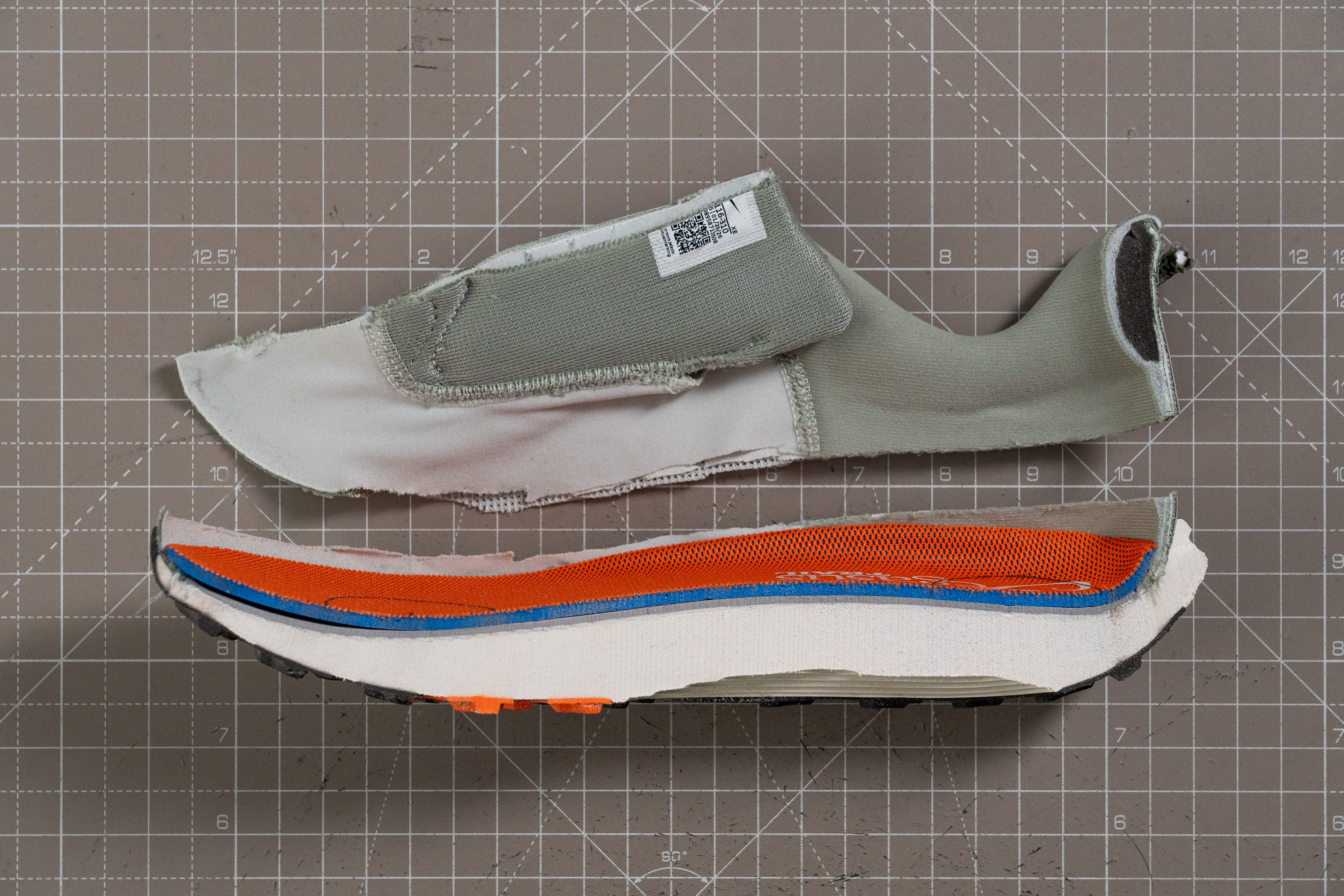
| ACG Pegasus Trail | 8.5 mm |
| Media | 7.2 mm |
Dureza de la mediasuela
La sensación de la mediasuela tampoco es distinta. Su espuma ReactX sigue teniendo una formulación más bien blanda, como confirmó nuestro durómetro Asker C al marcar 32,6 AC, y sin duda hace que este par se sienta más mullido que la mayoría de las zapatillas de trail running.
Es algo que nos llamó la atención, ya que lo que solemos leer es que cada nueva versión mejora el retorno de energía y, normalmente, que la pisada también es más blandita. ¡Pero eso no podría estar más lejos de estas Nike! No te preocupes, que gracias a nuestras pruebas y análisis, ahora puedes tomar decisiones basadas en datos objetivos en lugar de opiniones.
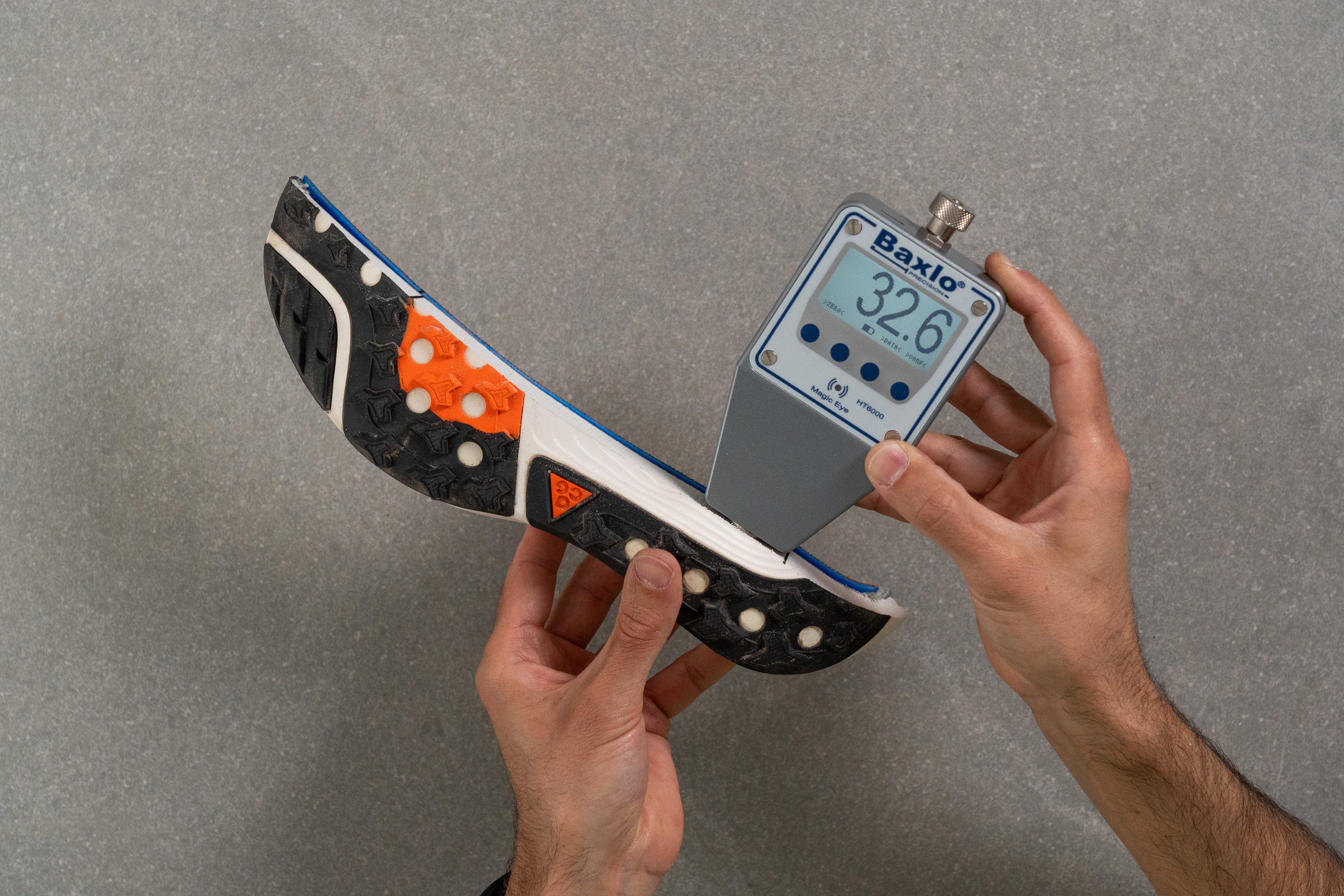
| ACG Pegasus Trail | 32.6 AC |
| Media | 38.1 AC |
Rocker
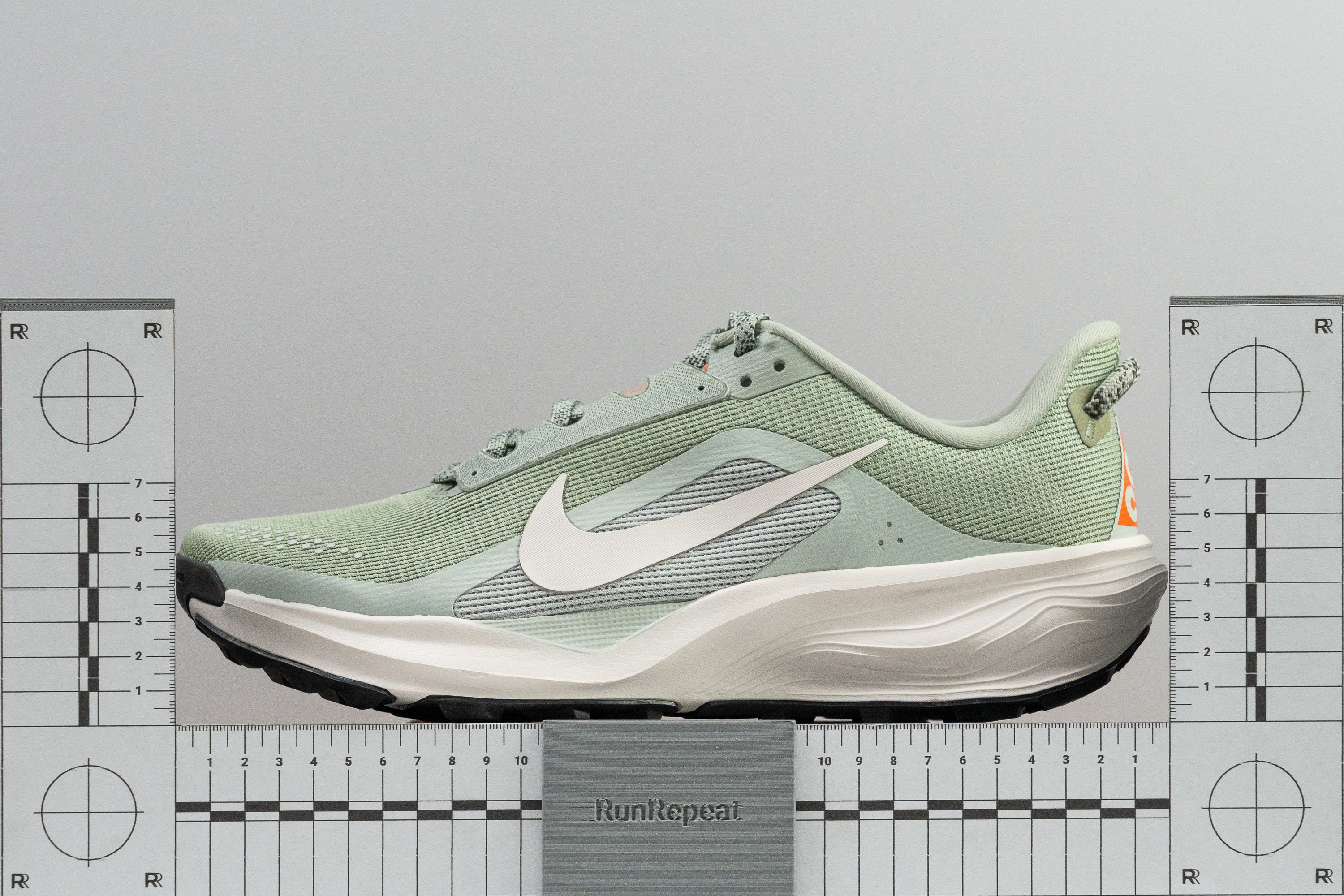
Las ACG Pegasus tienen un perfil parecido al de las Pegasus para asfalto, con un rocker moderado en el antepié y un talón con un diseño agresivo que les va como anillo al dedo a los talonadores (lo más probable es que estos runners sean la mayoría de los posibles compradores de este par).
Tallaje y ajuste
Talla
Las Nike ACG Pegasus Trail tallan bien (59 votos).
Longitud interna
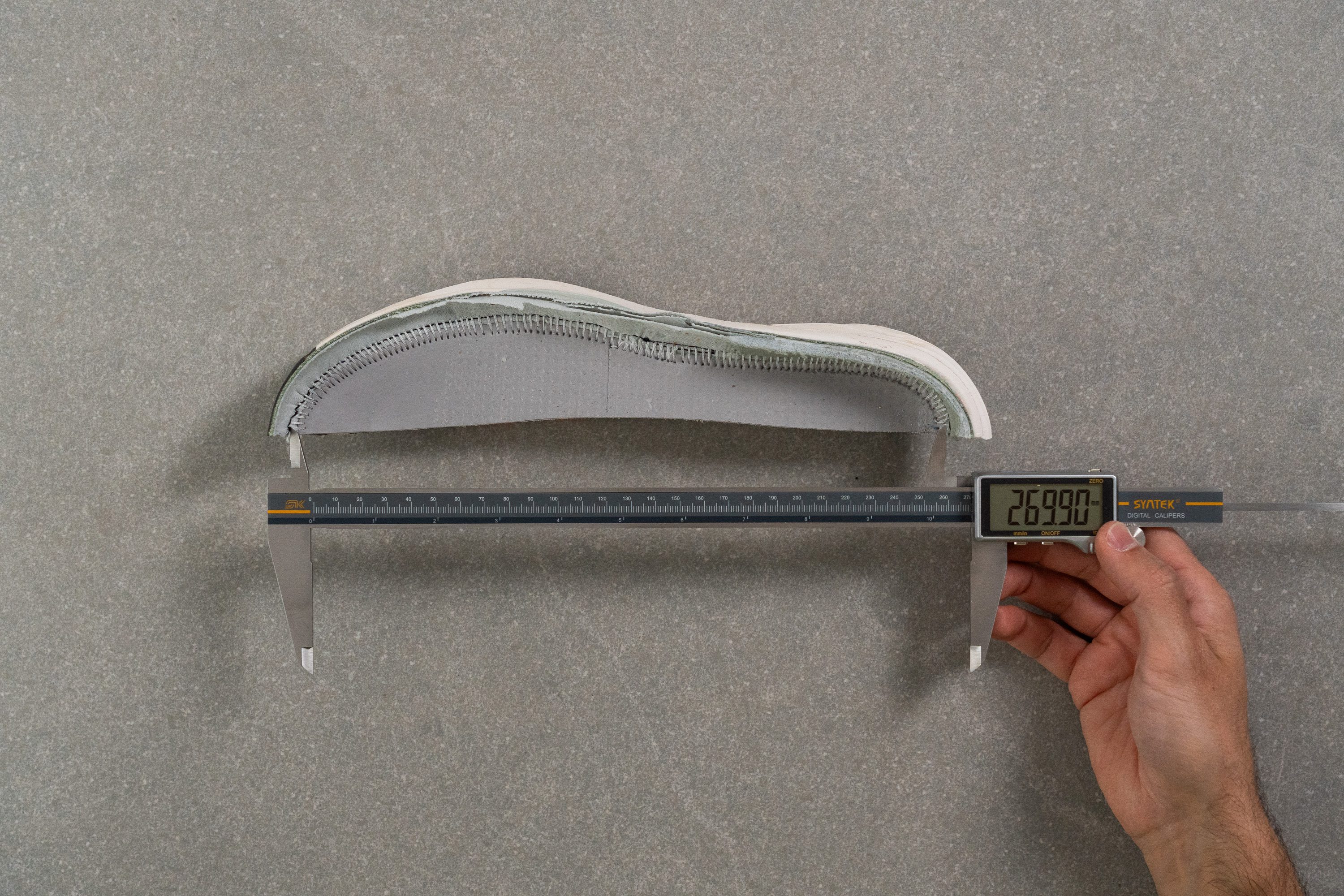
| ACG Pegasus Trail | 269.9 mm |
| Media | 269.2 mm |
Anchura / Ajuste
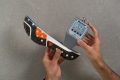
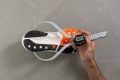
Para entender el ajuste de las ACG Pegasus Trail y poder compararlo tanto con otros modelos como con la versión anterior, hicimos una réplica de gel de su interior y la medimos en 3 puntos clave.
Empezamos con un 96,8 mm, lo que las hace más anchas que la media de las zapatillas de trail, así que no solo disfrutamos de más espacio para los pies, sino que también nos deja claro que Nike, poco a poco, está dejando de utilizar sus míticos ajustes más ceñidos.
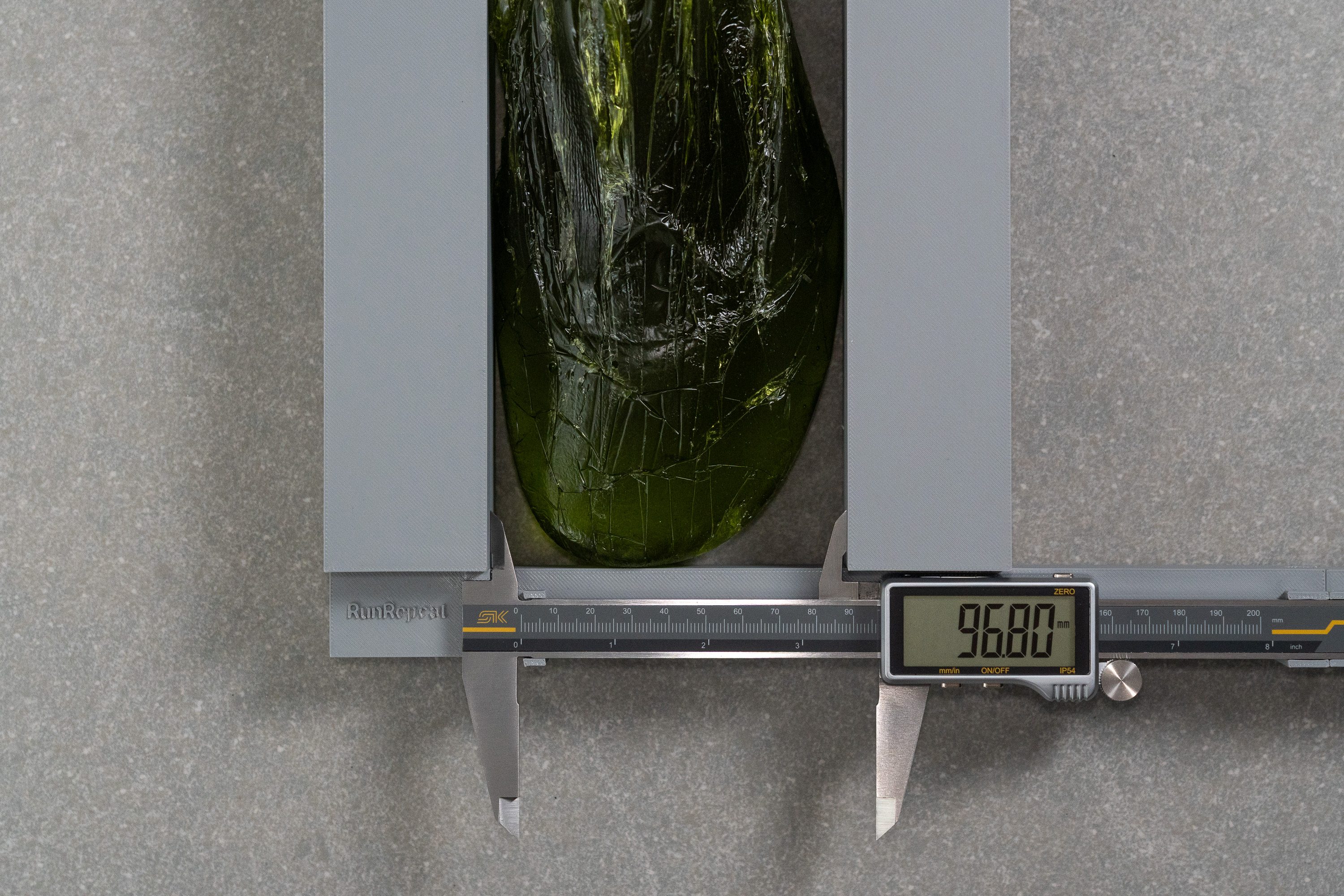
| ACG Pegasus Trail | 96.8 mm |
| Media | 95.7 mm |
Anchura de la parte delantera
Su parte delantera también tiene una anchura generosa de 76,0 mm. Aunque no tiene forma de pie, sin duda es más amplia que la media, y seguro que a los runners que están buscando un poquito más de espacio en sus zapatillas de trail de Nike están encantados de saberlo.
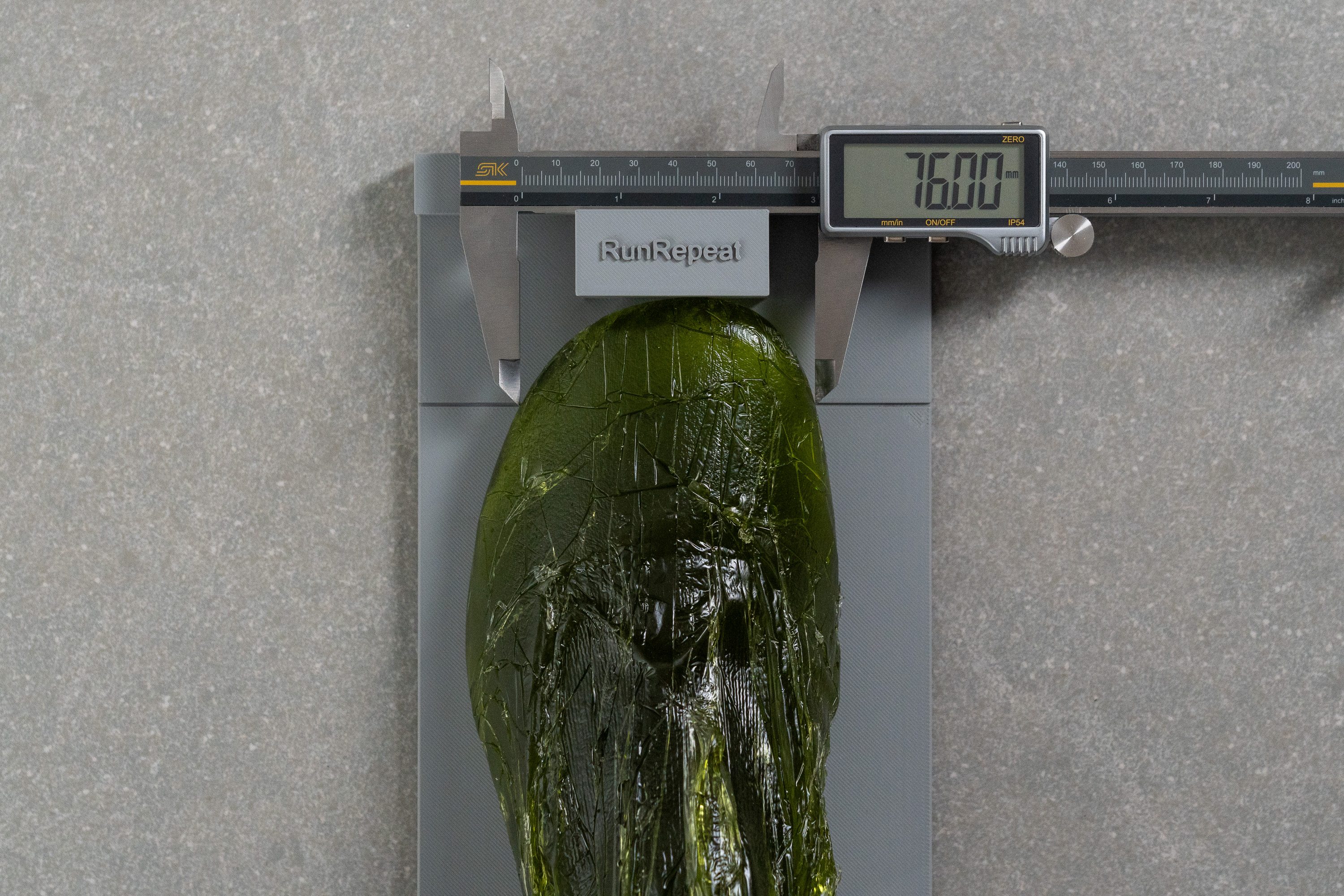
| ACG Pegasus Trail | 76.0 mm |
| Media | 74.3 mm |
Altura de la parte delantera
Este tercer resultado también es superior a la media con sus 28,5 mm.
Eso hace que las ACG Pegasus Trail sean el modelo más espacioso de esta serie hasta ahora, así como una opción muy sólida si estás buscando unas zapatillas de trail cómodas para tus largas aventuras por la montaña.
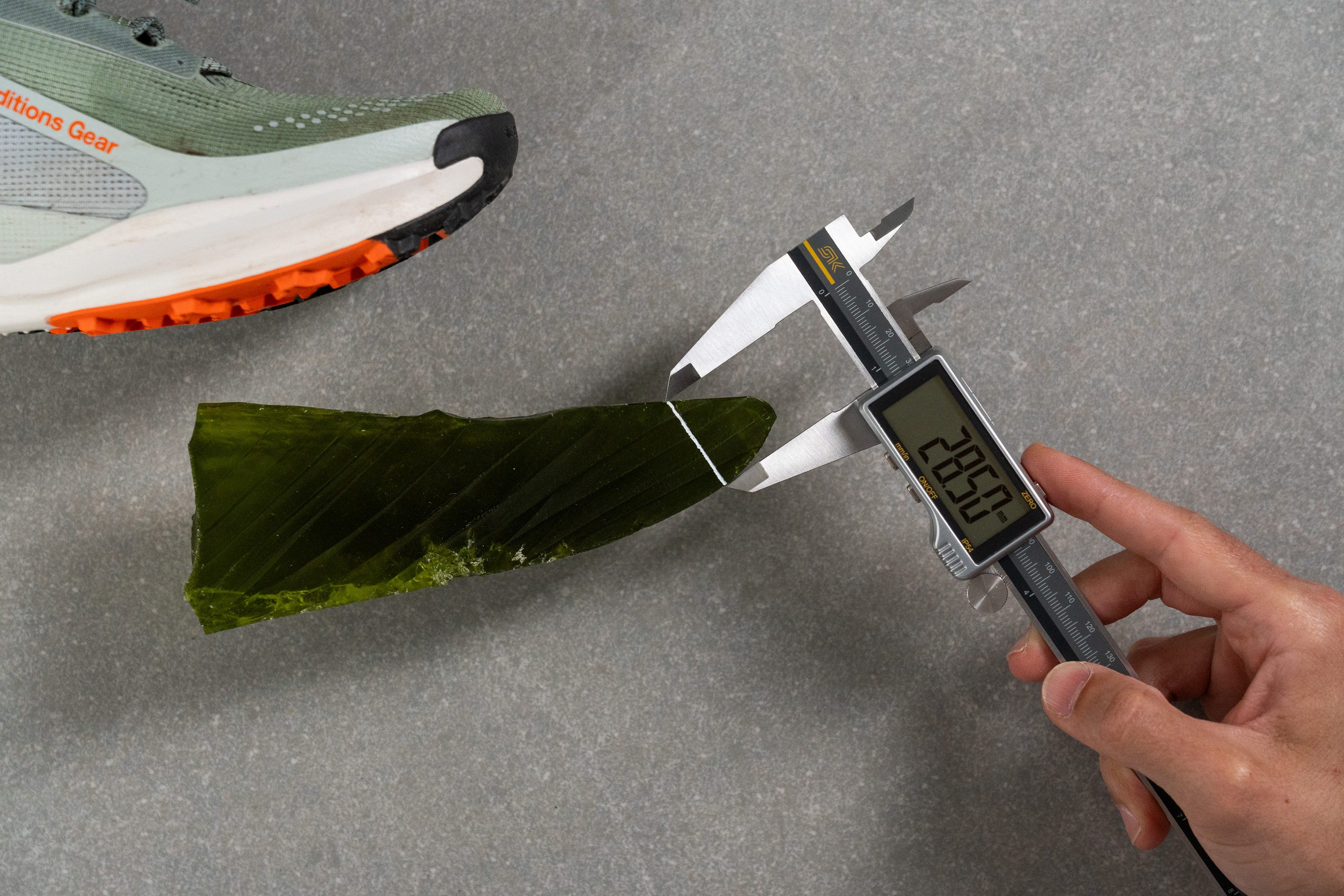
| ACG Pegasus Trail | 28.5 mm |
| Media | 27.0 mm |
Tracción / Agarre
Traction test
Aunque la mediasuela de las Nike ACG Pegasus Trail es prácticamente igual que la de la versión 5, la suela exterior es totalmente distinta. La verdad es que es un cambio importante, porque la queja más común sobre los modelos de trail de Nike que no utilizan caucho Vibram suele estar relacionada con la tracción.
Resulta que presumen del caucho All Terrain Compound 2.0, así que han dado un paso hacia adelante importante. Con un 0,69 en nuestra prueba de tracción, nos demostró que es fiable tanto en superficies secas como mojadas, ya sea en asfalto, grava o trail.
| ACG Pegasus Trail | 0.69 |
| Media | 0.68 |
Profundidad del dibujo de la suela
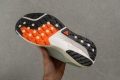
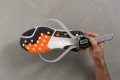
Y hablando de la grava, ¡es una de sus especialidades! Con unos tacos de 3.1 mm que cambian un poco según en qué zona de la suela estén, también nos parecen ideales para los terrenos fáciles, aunque no consiguen destacar en las zonas técnicas o de dificultad moderada.
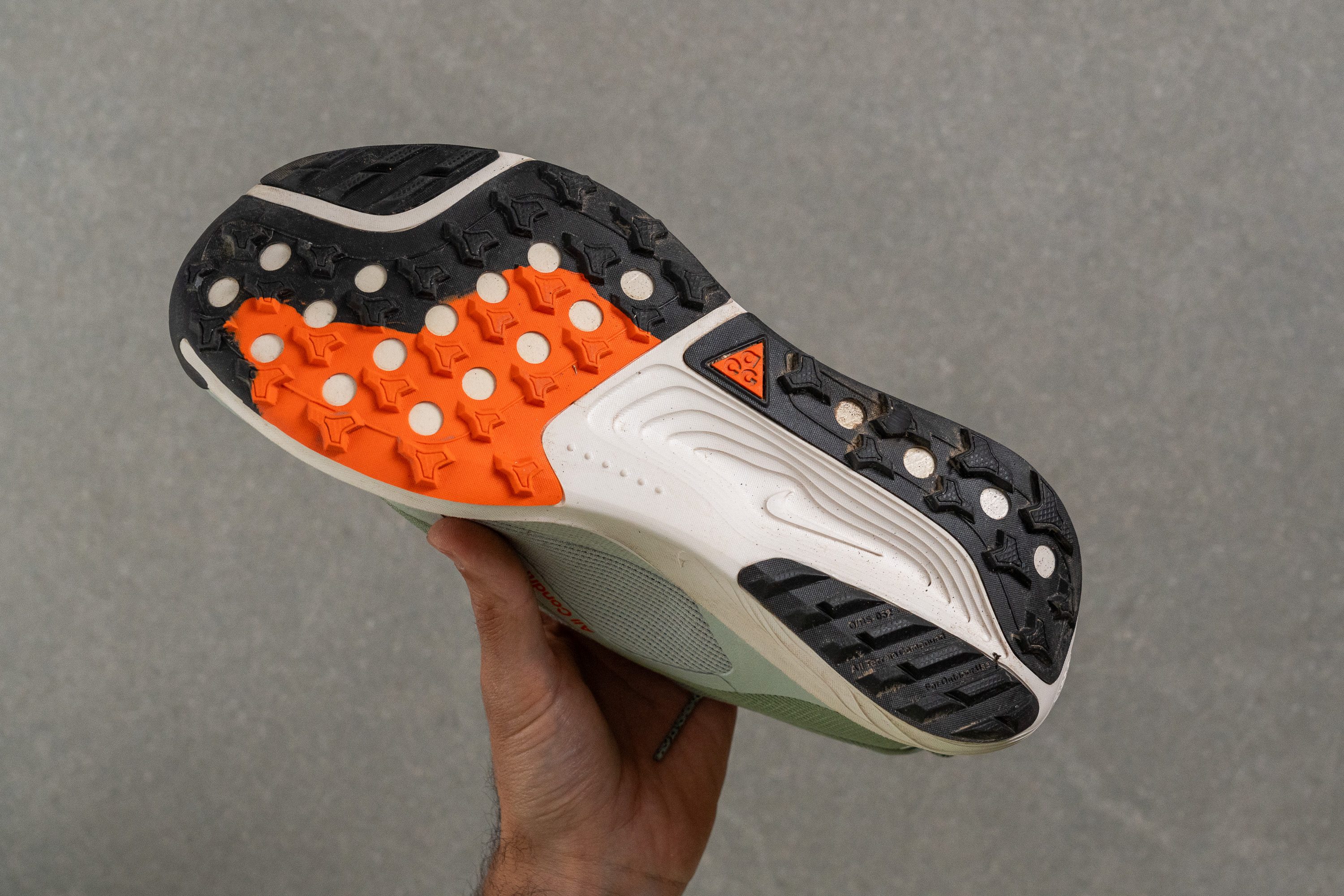
También tienen un montón de espuma expuesta en la suela en comparación con otras zapatillas de trail, lo que nos vuelve a demostrar que lo que mejor se les da son las zonas sencillas, ya que ahí hay menos que puedan desgastar la mediasuela.
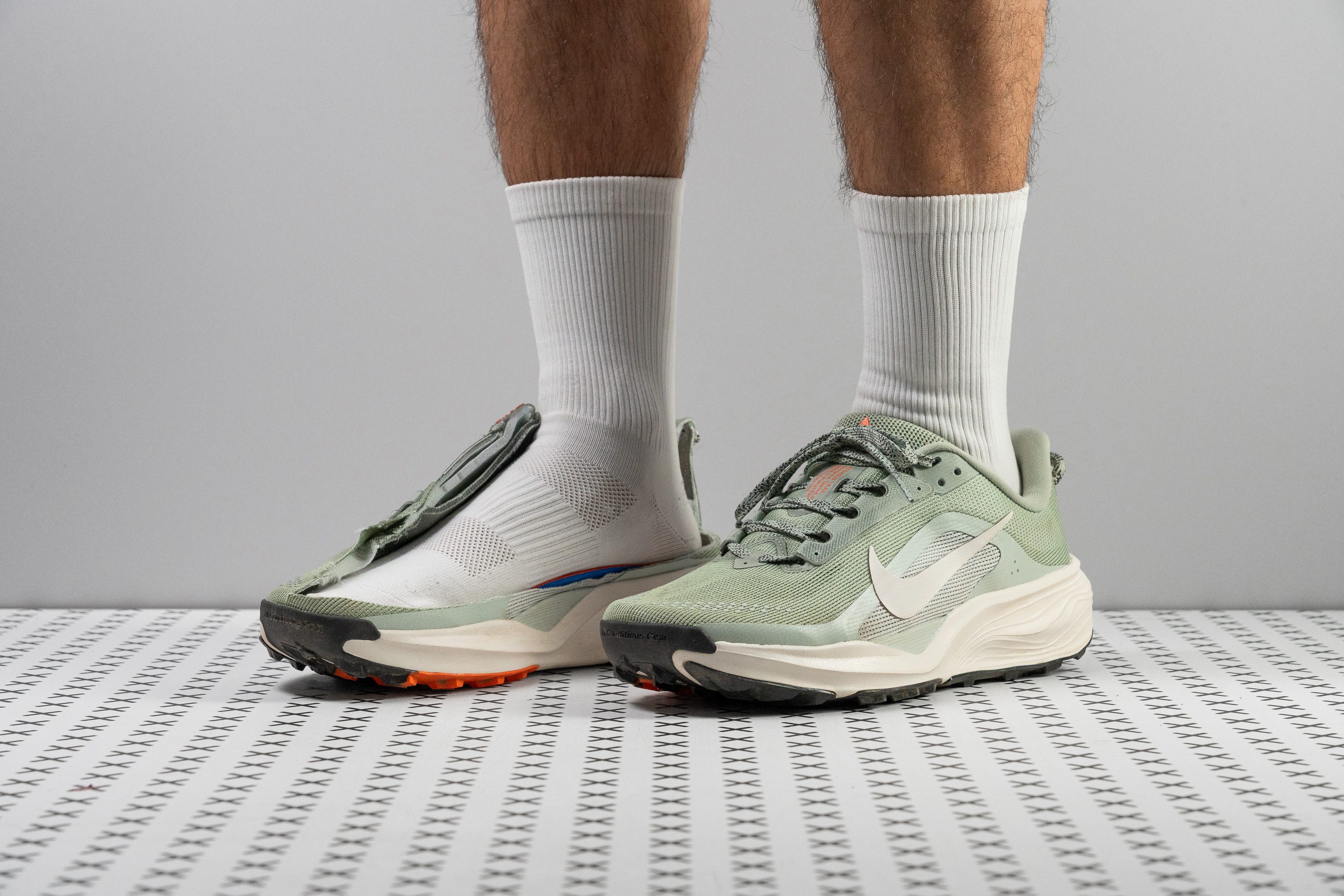
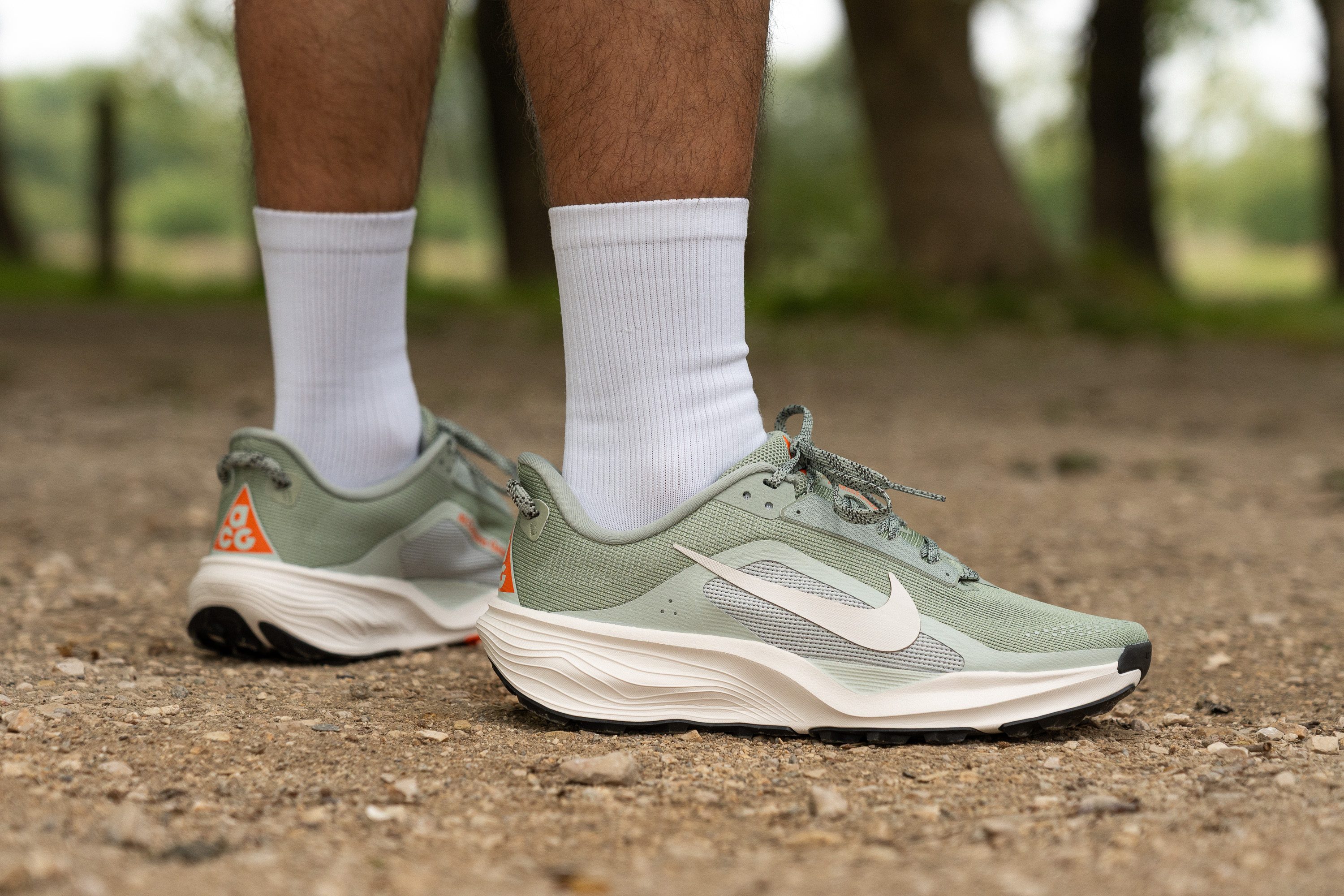
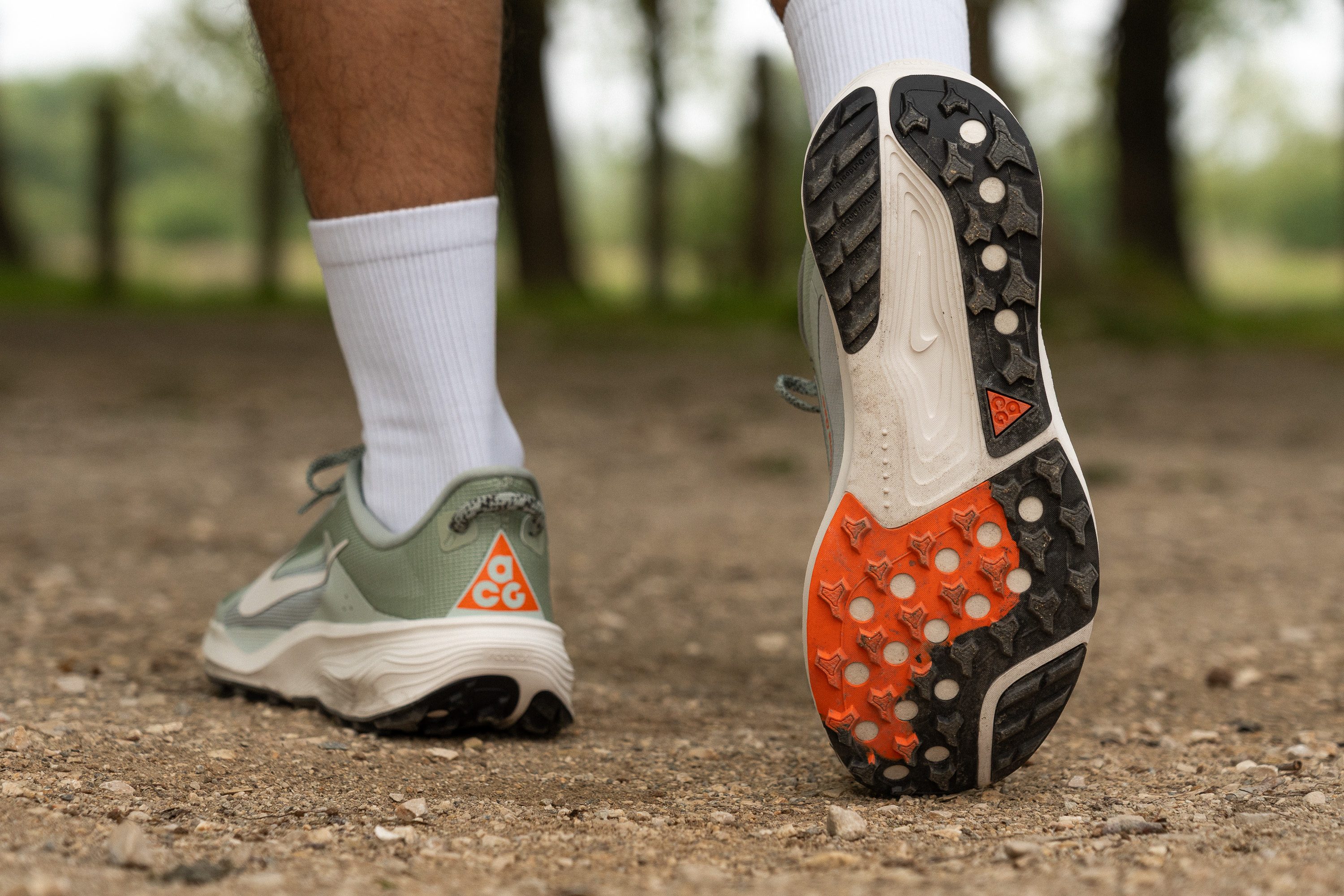
Si te fijas en la última foto, está el logo de ACG (All Conditions Gear). Nike está apostando fuerte por esta marca, que siempre ha ido de la mano con el equipamiento para las actividades al aire libre, ¡incluso entre las zapatillas de trail! Por eso este modelo reinicia la serie y se llama ACG Pegasus Trail, no Pegasus Trail 6... que era lo que todos nos esperábamos.
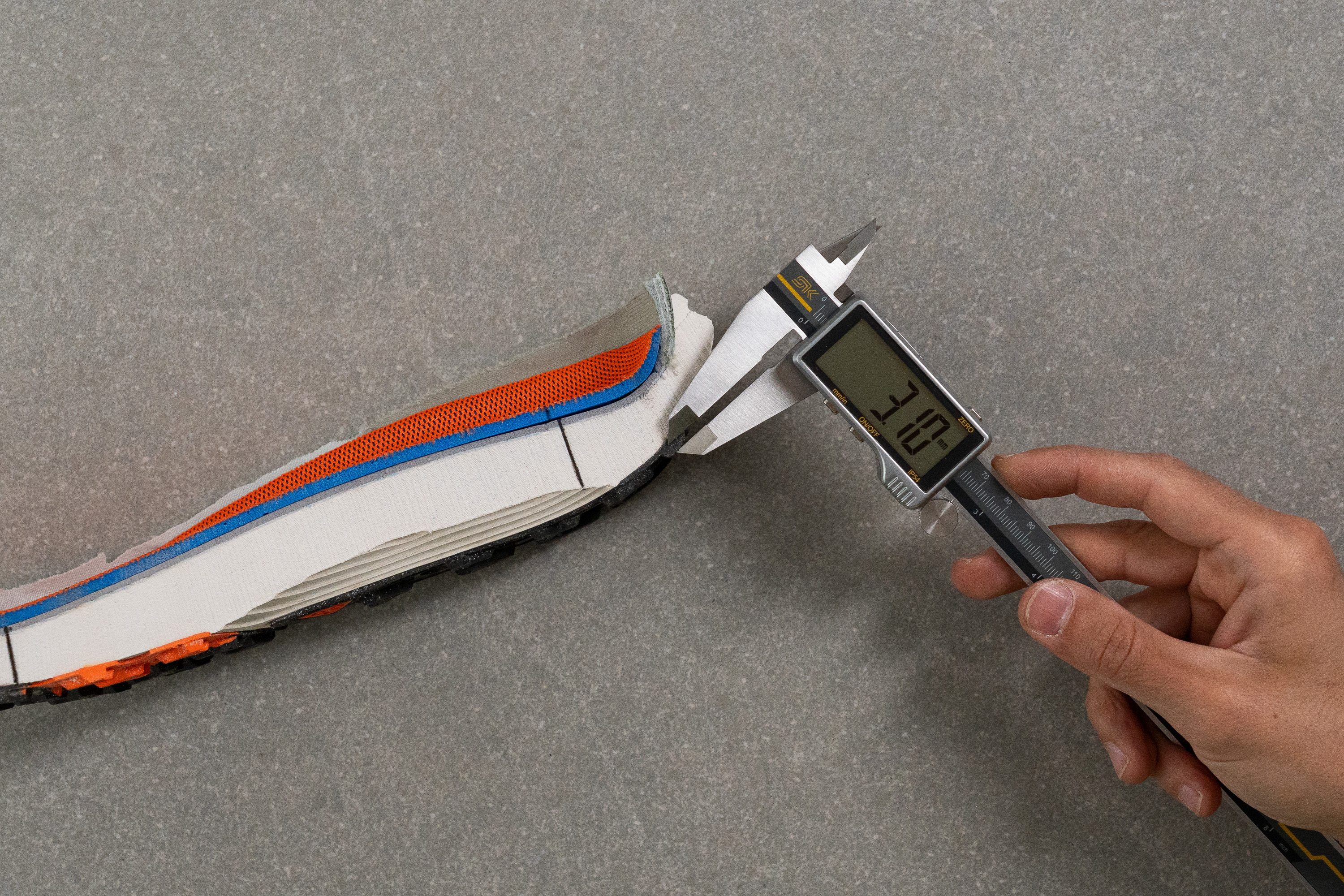
| ACG Pegasus Trail | 3.1 mm |
| Media | 3.5 mm |
Diseño de la suela exterior
Estas Nike tienen una suela híbrida para trail y asfalto que se centra más en ser versátil que en las zonas complejas. Su parte delantera tiene tacos densos y con forma de estrella para frenar y mejorar el agarre en las pendientes ascendentes, mientras que la cara interna del talón presume de un diseño más angulado que mejora los aterrizajes y hace que las transiciones al asfalto sean más fluidas.
También hay mucha espuma expuesta para reducir el peso y mejorar la flexibilidad, cosa que hizo que nos preocupásemos un poco por la durabilidad a largo plazo.
Flexibilidad / Rigidez
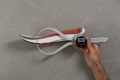
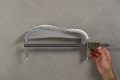
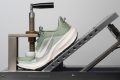
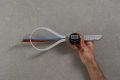
Las Nike ACG Pegasus Trail obtuvieron un resultado moderado de 15,8 N en nuestra prueba de flexión de 30 grados. Eso sí, tampoco es una locura, así que no te esperes mucha flexibilidad longitudinal.
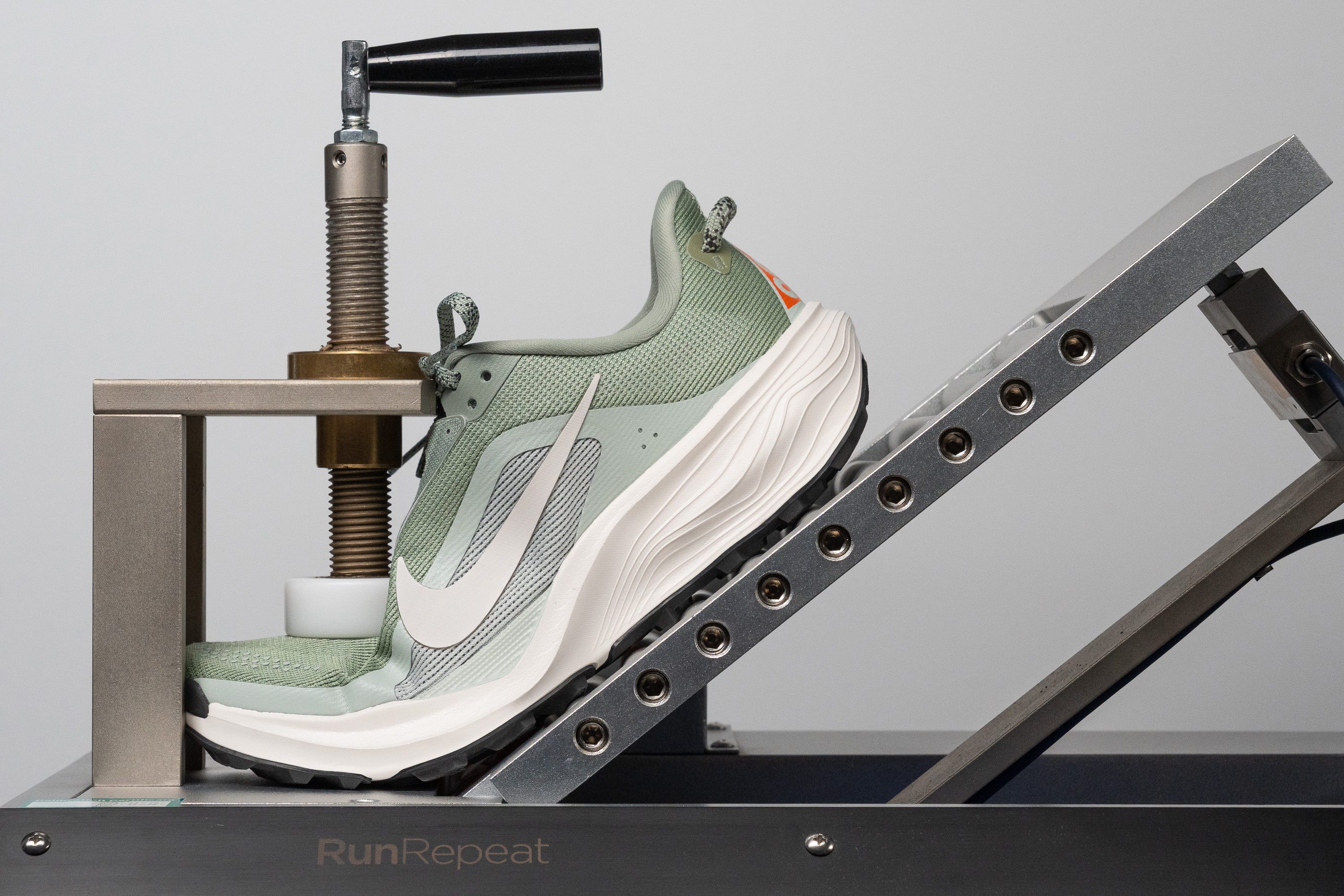
| ACG Pegasus Trail | 15.8N |
| Media | 14.8N |
Peso
Otra razón por la que las ACG Pegasus Trail son tan parecidas a las Peg Trail 5 es su peso. Esta versión pasa de 286 g a 289 g, un aumento mínimo que es casi imposible de notar cuando corres, pero que evita que se sientan totalmente ligeras.
Y mira, como idea... una nueva espuma supercrítica podría tanto hacerlas más ligeras como mejorar su retorno de energía. ¿Qué te parece para la segunda versión, Nike?
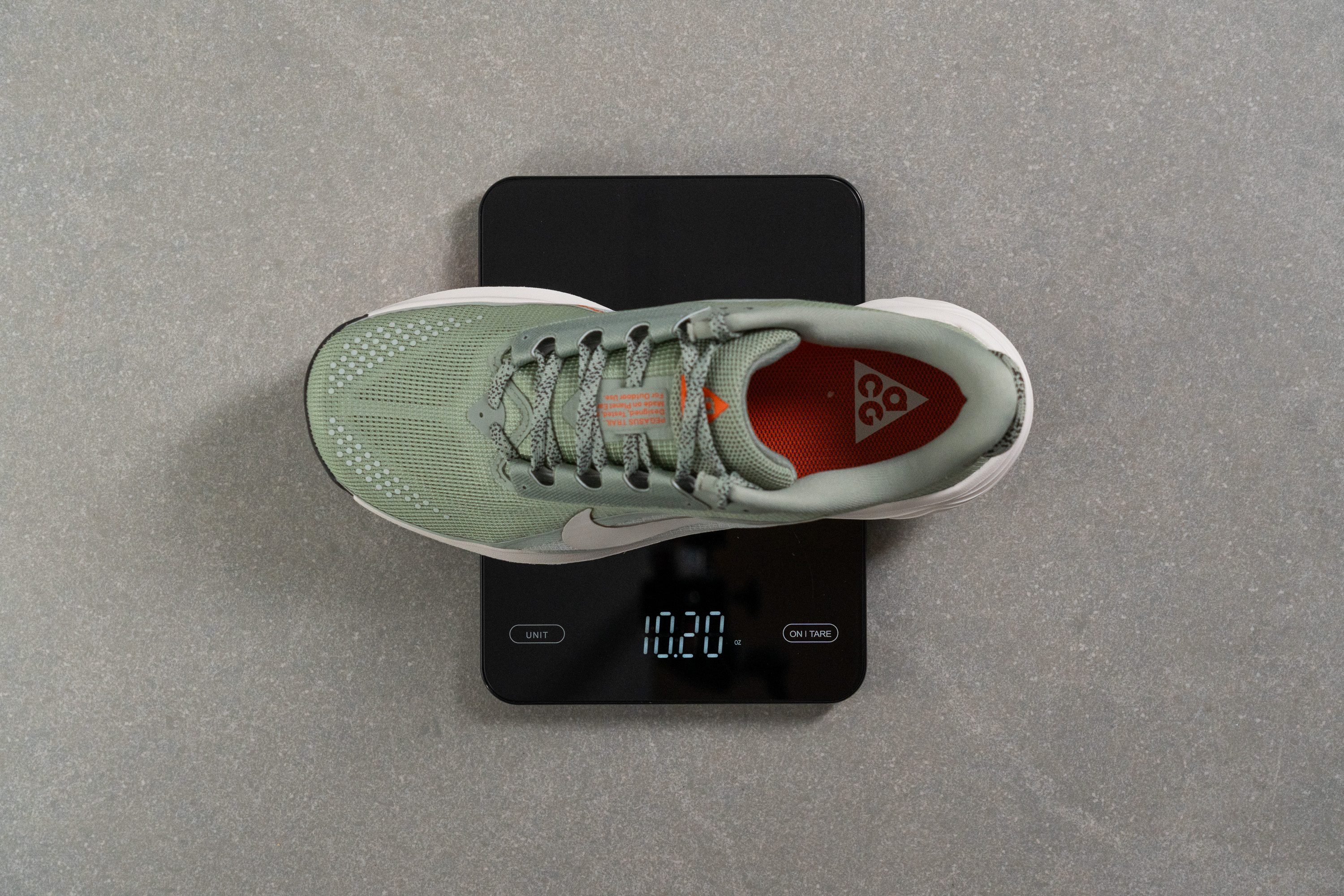
| ACG Pegasus Trail | 10.2 oz (289g) |
| Media | 10.1 oz (285g) |
Transpirabilidad
Breathability test
Conseguir un upper duradero y transpirable en unas zapatillas de trail no es nada fácil, sobre todo si también quieres que te sirvan para invierno. Además, también necesitan aguantar mejor el desgaste que los modelos para asfalto, sumándole otro punto a este desafío de diseño.
Se llevaron un moderado 3/5 en transpirabilidad. No es un mal resultado, ya que dejaron que nuestros pies respirasen un poquito y, a su vez, nos protegieron de las temperaturas más frías, dejándoles el resto a tus calcetines.
Cuando pusimos el upper frente a nuestra luz LED, entendimos que Nike había priorizado la sujeción y una estructura densa.
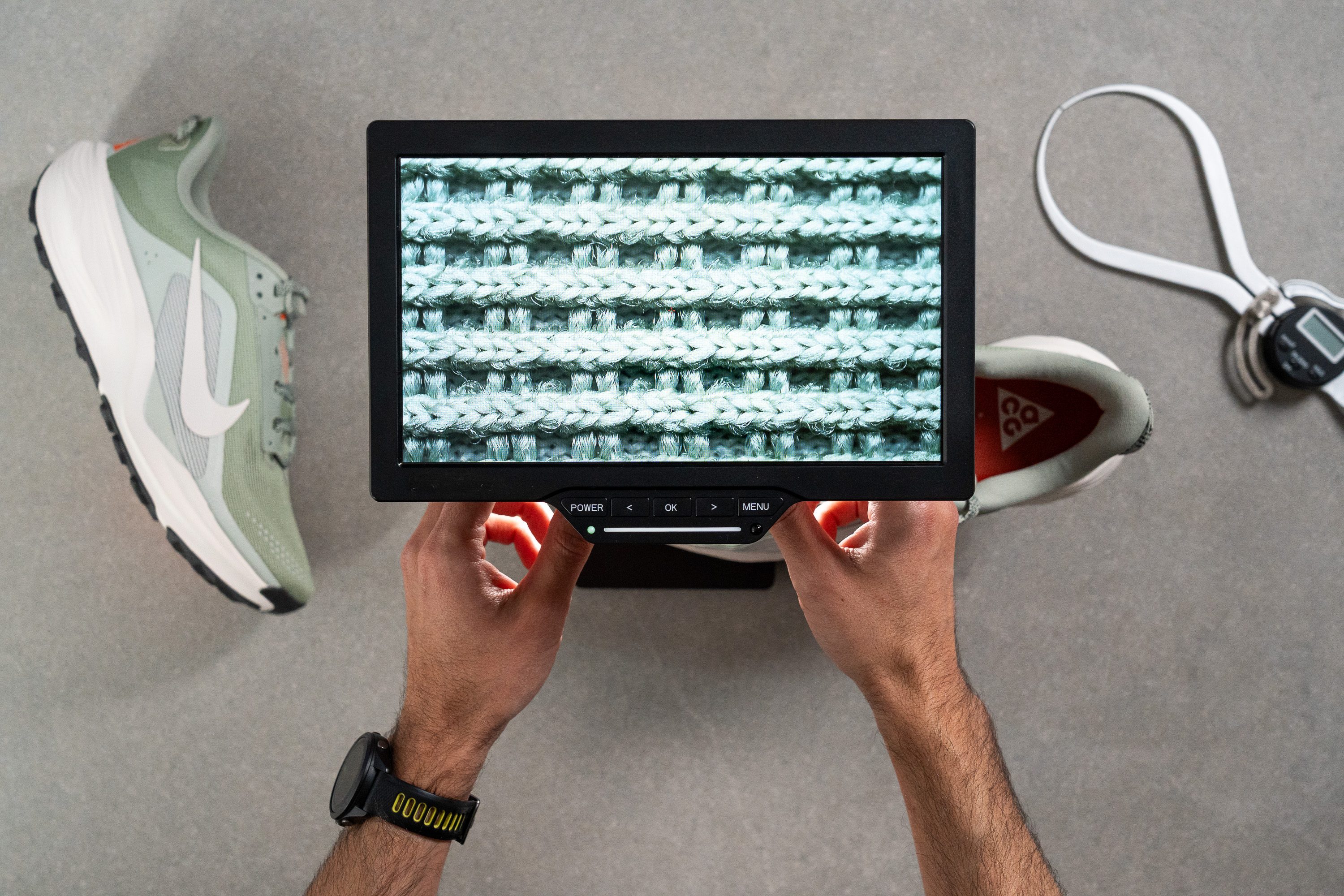
Cuando analizamos la malla bajo el microscopio digital, descubrimos que su calidad de diseño es estupenda. Además, con esta estructura, nos esperamos un drenaje eficaz del agua.
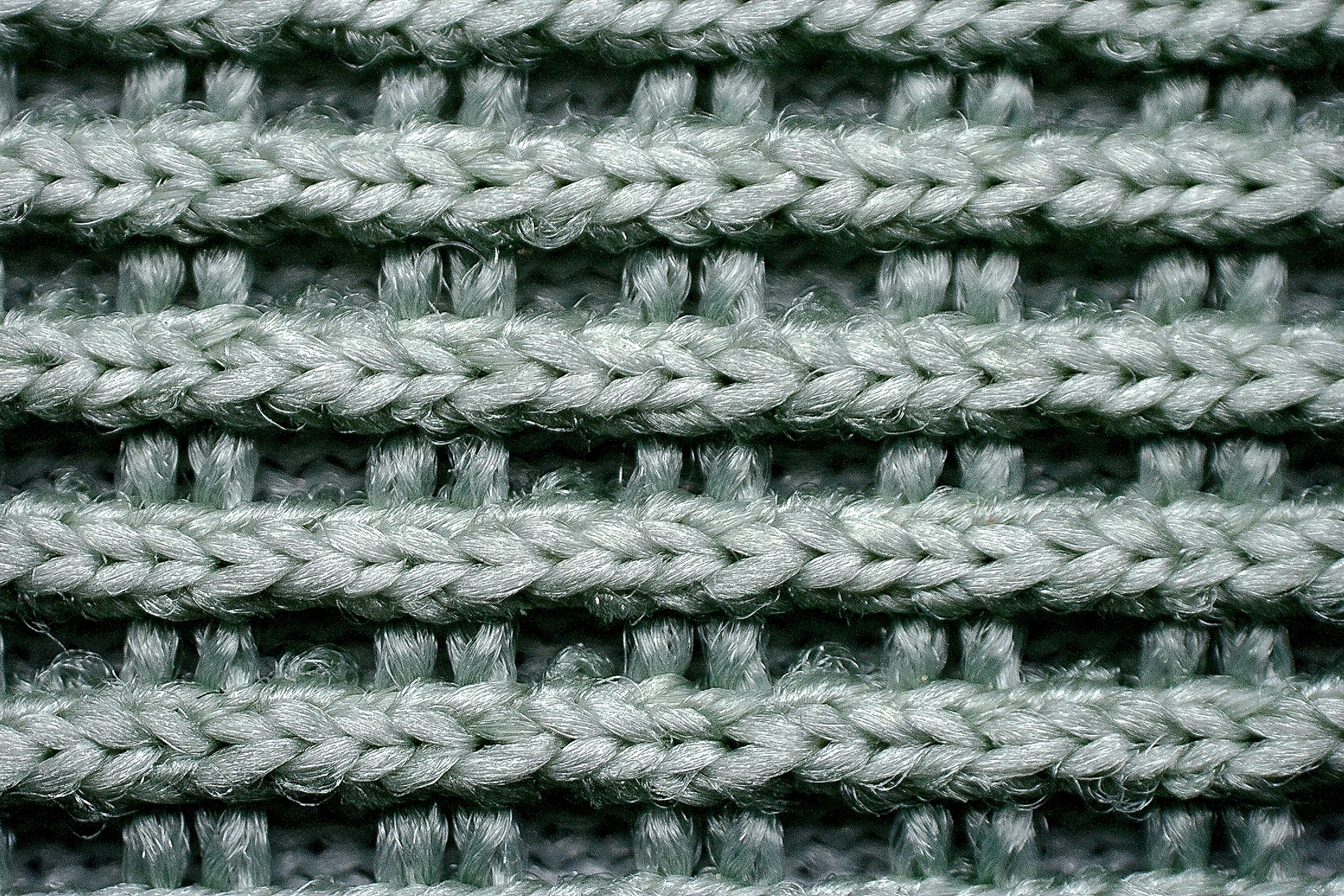
La parte delantera y los laterales tienen un poco de protección, pero no tanta como los modelos que son específicamente de trail. El upper refleja claramente la naturaleza híbrida de este par, que busca ofrecer un buen rendimiento tanto en tramos de asfalto como en senderos sencillos.
| ACG Pegasus Trail | 3 |
| Media | 3.3 |
Estabilidad
Prueba de estabilidad lateral
Las Nike ACG Pegasus Trail ofrecen una estabilidad aceptable para los corredores con pisada neutra, pero creemos que no son una buena opción para los deportistas que necesitan sujeción..., ¡incluso si es mínima!
También creemos que Nike tomó la decisión correcta, ya que la solución más sencilla sería diseñar unas zapatillas más anchas que se sintiesen más estables, pero a la vez menos ágiles y menos versátiles para otras actividades como el senderismo.
Rigidez torsional
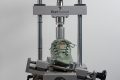
Nuestra máquina marcó 12,5 Nm cuando retorcimos las ACG Pegasus Trail. Este resultado nos ayudó a entender por qué son tan cómodas, ya que esta flexibilidad moderada, combinada con una espuma blandita, hace que ponérselas día sí y día también sea una maravilla.
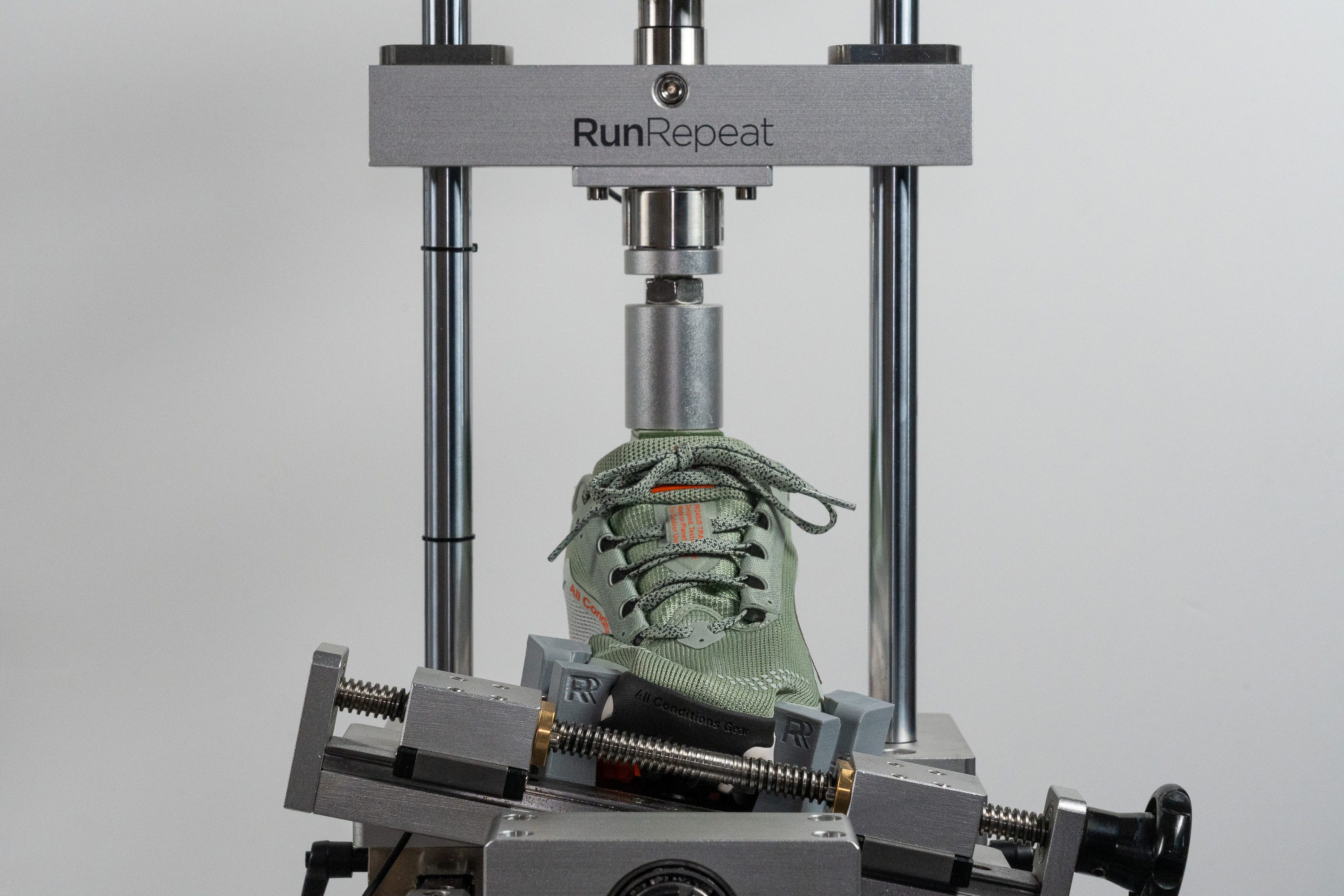
| ACG Pegasus Trail | 12.5 Nm |
| Media | 15.7 Nm |
Rigidez del contrafuerte del talón
El diseño del contrafuerte del talón se parece a los de los modelos de entrenamiento diario para asfalto, con un 3/5 en nuestra prueba de rigidez. En nuestra experiencia, ofrece un buen nivel de sujeción, sin deslizamiento del talón y sin incomodidades.
| ACG Pegasus Trail | 3 |
| Media | 2.9 |
Anchura de la mediasuela - antepié
Nike no se la juega con el diseño de la serie Pegasus Trail, buscando que sea lo más popular posible. Cuanto más escribíamos esta review, más claro nos quedaba, ya que estas zapatillas han obtenido resultados muy cerca de la media en muchas de nuestras pruebas.
Y aquí tienes otro ejemplo. Con una mediasuela de 114,0 mm de ancho en el antepié, las ACG Pegasus Trail presumen de una plataforma sólida para los aterrizajes y los giros sin ser demasiado voluminosas para los pies.
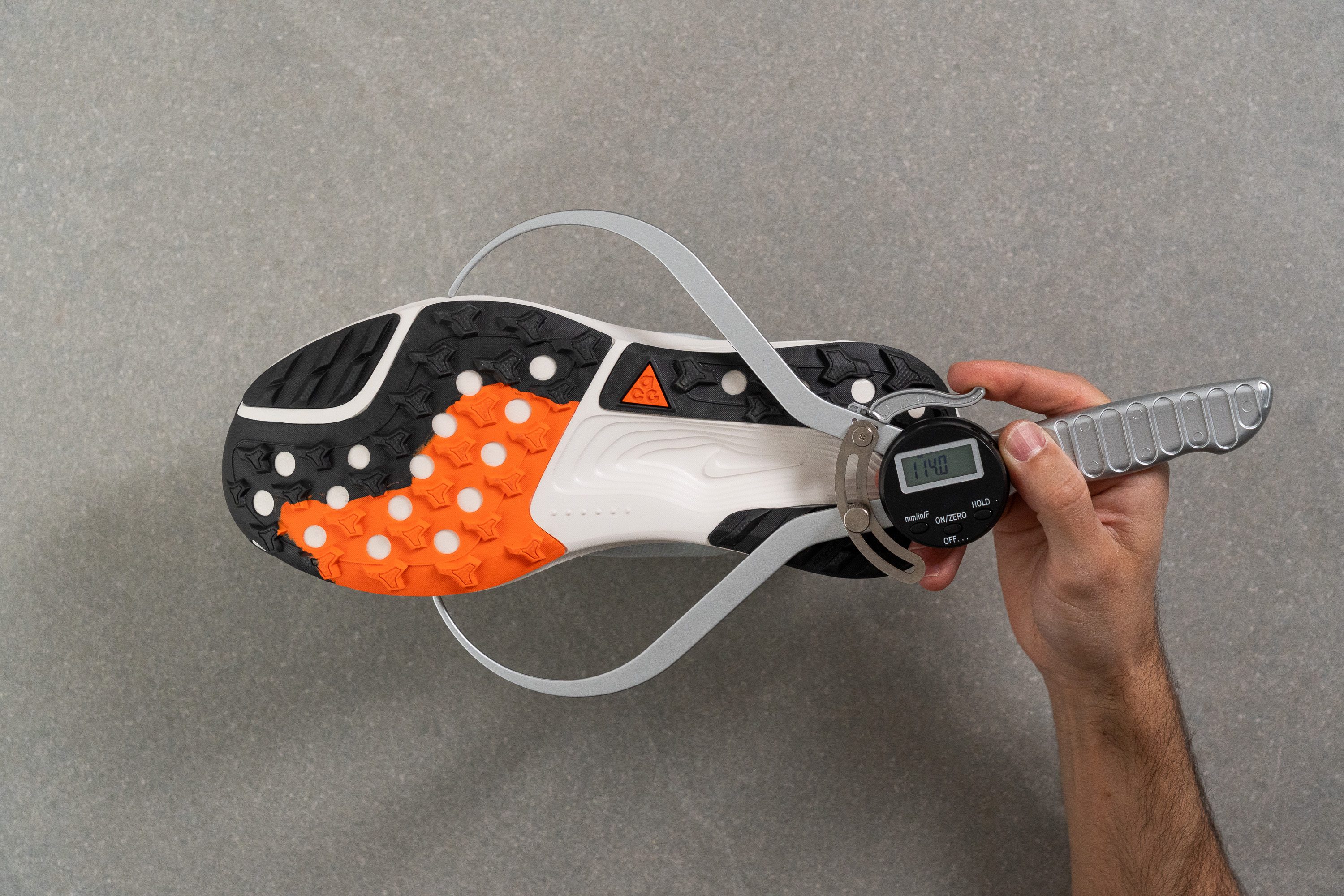
| ACG Pegasus Trail | 114.0 mm |
| Media | 114.3 mm |
Anchura de la mediasuela - talón
Con una anchura de 90,3 mm en el talón, las ACG Pegasus Trail nos vuelven a dejar claro que tienen una plataforma de aterrizaje equilibrada lo suficientemente estable para los runners con una pisada neutra. Sin embargo, la espuma ReactX, que es más blandita, hace que sean menos atractivas para los deportistas que necesitan más estabilidad.
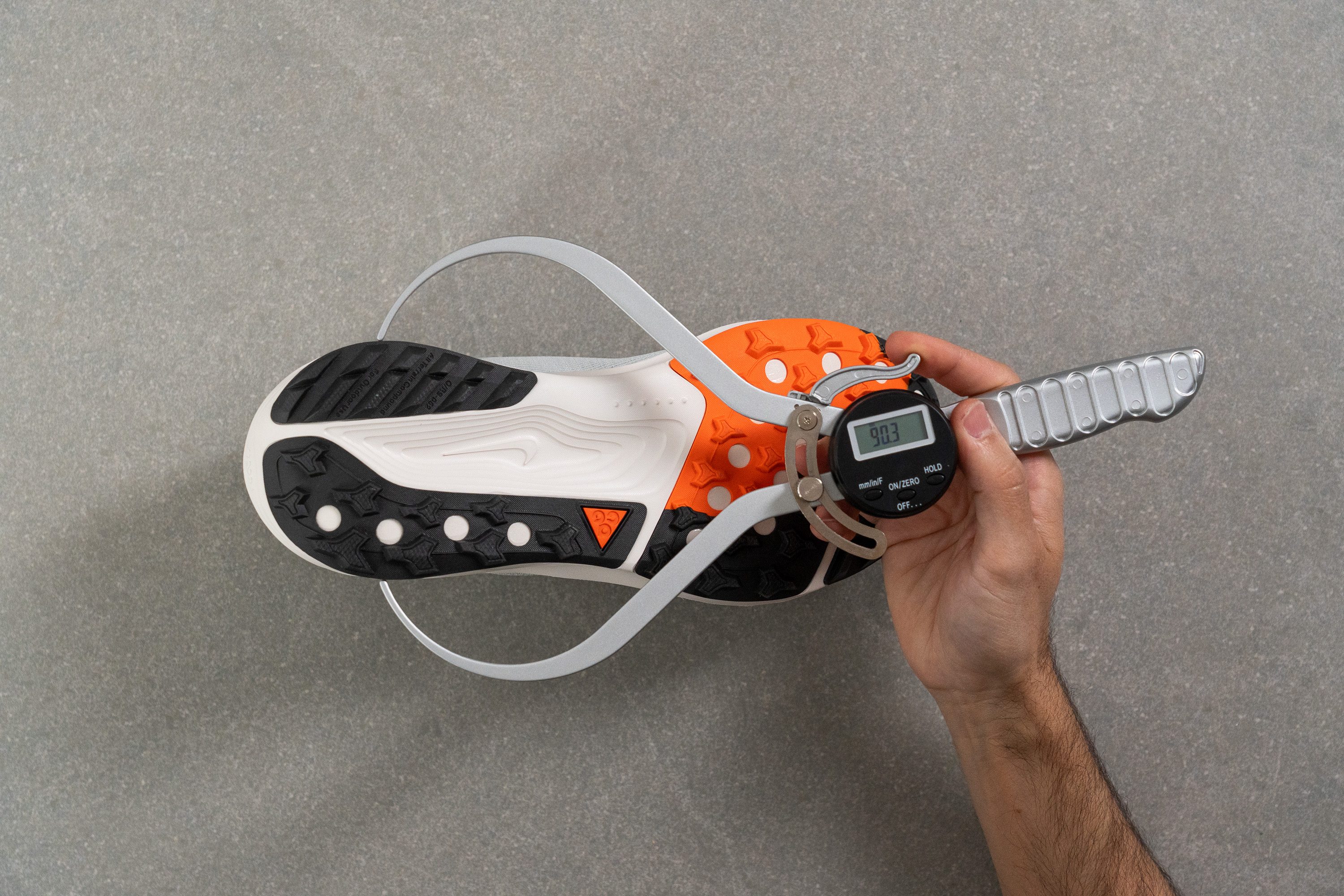
| ACG Pegasus Trail | 90.3 mm |
| Media | 90.5 mm |
Durabilidad
Durabilidad de la parte delantera
Uno de los detalles que nos decepcionó de las ACG Pegasus Trail es la durabilidad de su parte delantera. Como tienen un upper cómodo, que se acerca más al diseño de los modelos para asfalto con un par de refuerzos, nuestro Dremel se lo comió con patatas.
A ver, el 1/5 que se llevaron no refleja del todo el uso real, pero sí que son mucho menos duraderas que la mayoría de sus competidoras en esta misma prueba, utilizando la misma fuerza y tiempo.
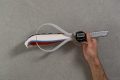
| ACG Pegasus Trail | 1 |
| Media | 3.1 |
Durabilidad del acolchado del talón
El acolchado del talón compensó completamente la puntuación anterior con un 5/5. Sin duda, muchos runners prefieren que la durabilidad esté repartida de esta forma, y no al revés.
| ACG Pegasus Trail | 5 |
| Media | 3.1 |
Durabilidad de la suela
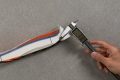
El nuevo compuesto ATC 2.0 de Nike nos dejó muy contentos. El agarre es mucho mejor y la durabilidad es sólida, ya que solo perdió 0,7 mm de material en nuestra prueba con el Dremel.
| ACG Pegasus Trail | 0.7 mm |
| Media | 0.9 mm |
Grosor de la suela
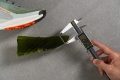
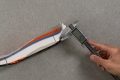
La suela exterior tiene un grosor de 1,5 mm que va hasta la puntera para ofrecerles un poco de protección a los que siempre se dan golpes contra las piedras..., ¡como nosotros!
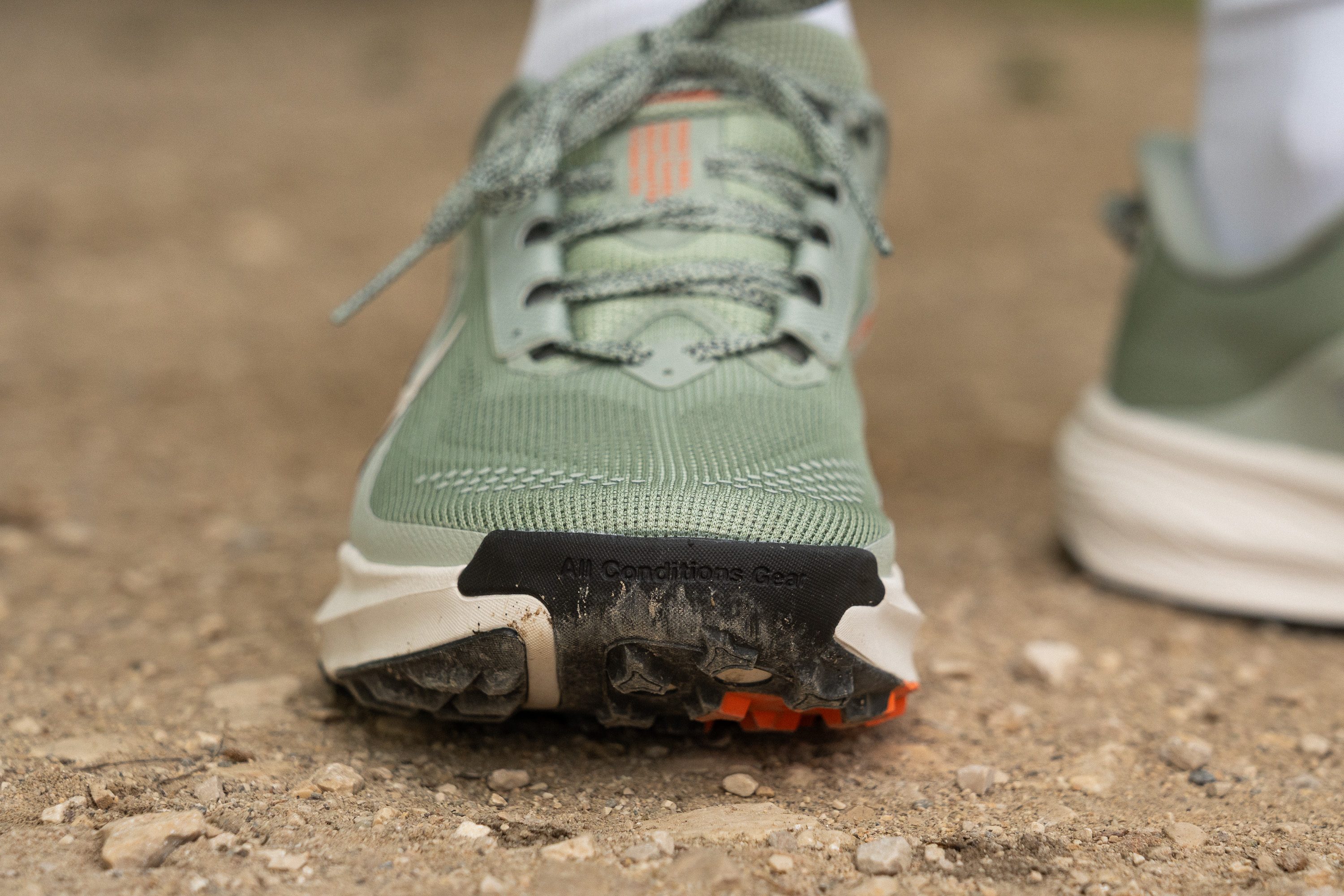
Por su grosor, volvemos a recomendar solo este modelo para las zonas fáciles y no para los terrenos técnicos, donde suele haber más obstáculos. Con las Peg, lo mejor es no complicarse la vida.
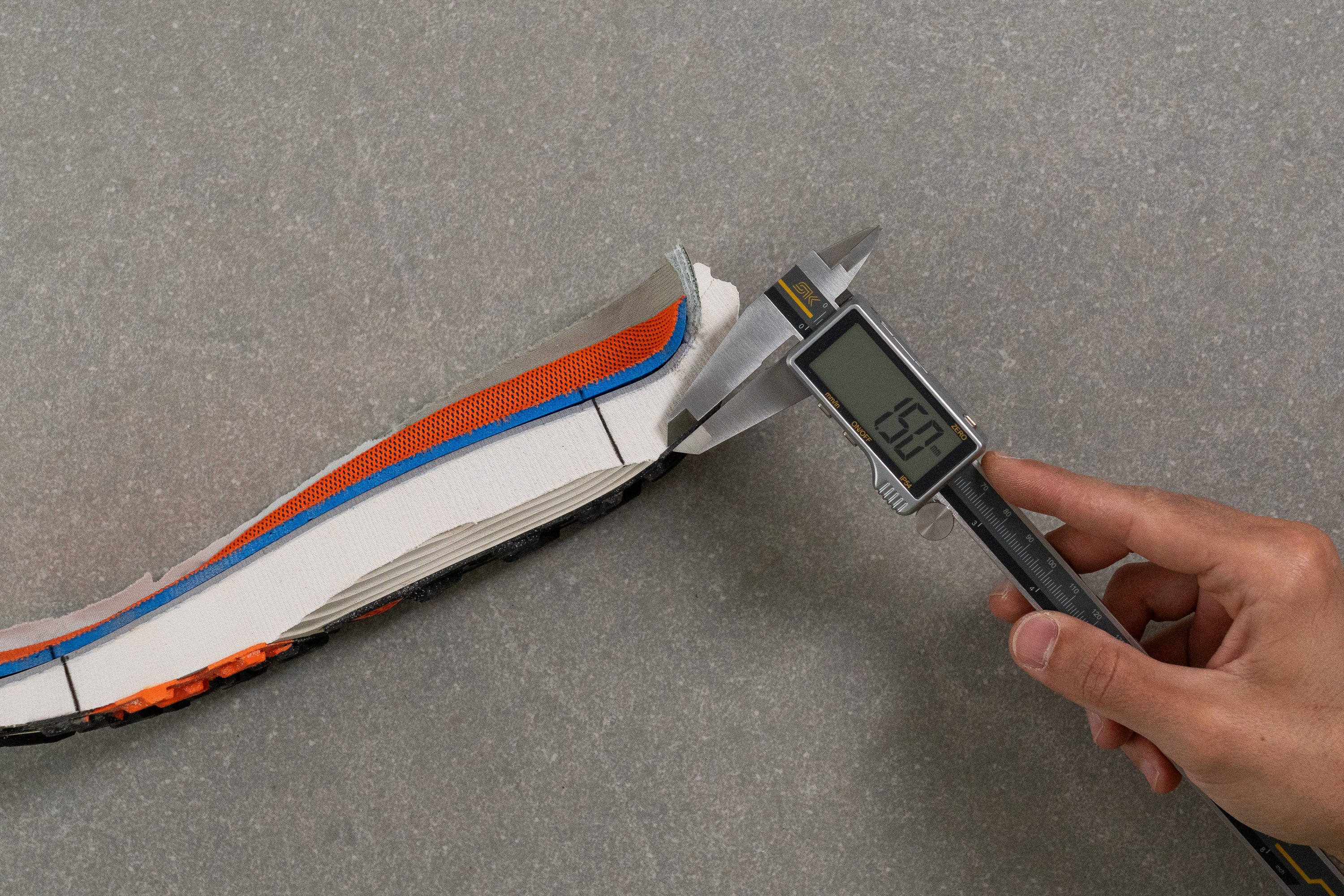
| ACG Pegasus Trail | 1.5 mm |
| Media | 1.9 mm |
Varios
Grosor de la plantilla
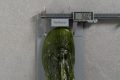
La plantilla tiene un grosor de 3,8 mm, que es un poquito menos que lo que solemos ver en las zapatillas de trail running.
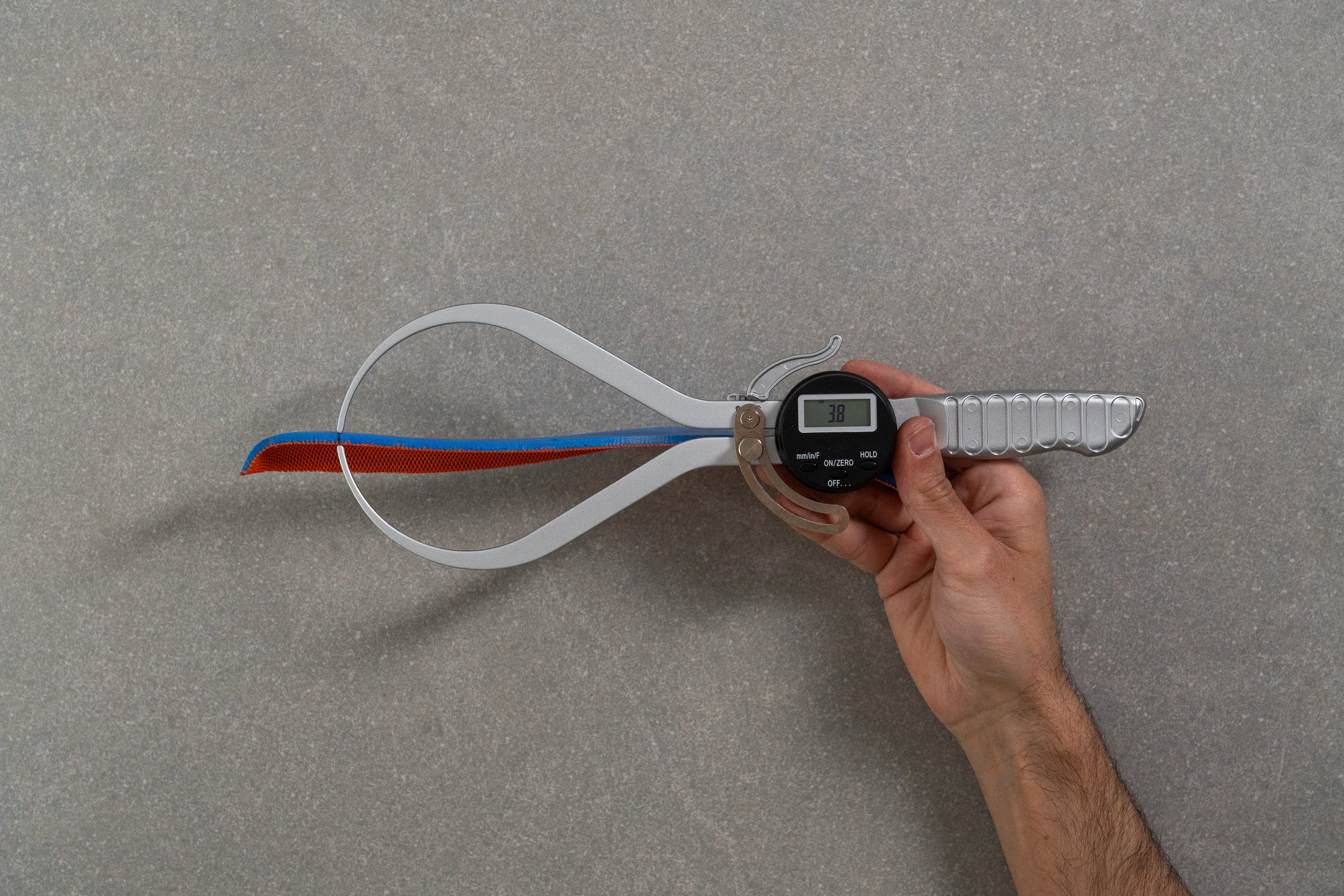
| ACG Pegasus Trail | 3.8 mm |
| Media | 4.6 mm |
Plantilla extraíble
Quitarles la plantilla a estas zapatillas no cuesta nada, así que la puedes cambiar por otra, ya que hay espacio suficiente para que puedas utilizar otra.
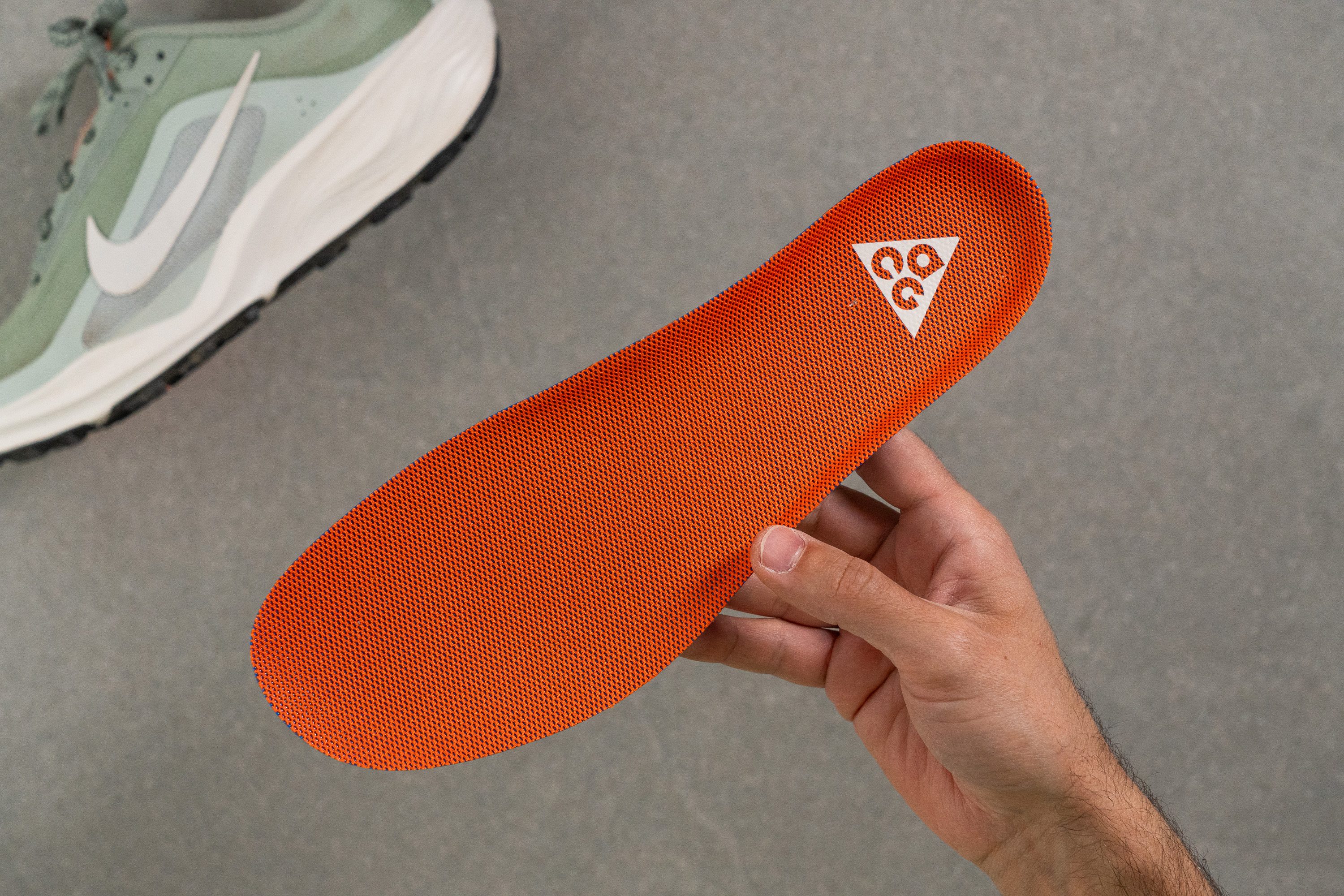
| ACG Pegasus Trail | Sí |
Elementos reflectantes
Las ACG Pegasus Trail tienen dos detallitos reflectantes en el talón, ¡y eso nos encanta!
| ACG Pegasus Trail | No |
Acolchado de la lengüeta
Nos gustó el sistema de cordones de las ACG Pegasus Trail, ya que no nos costó nada atarlas fuerte y nunca nos pareció incómodo. Que los cordones tengan una estética inspirada en el senderismo también nos pareció un detalle estupendo, ¡y que haya dos ojales extra en vez de uno es todo un regalo!
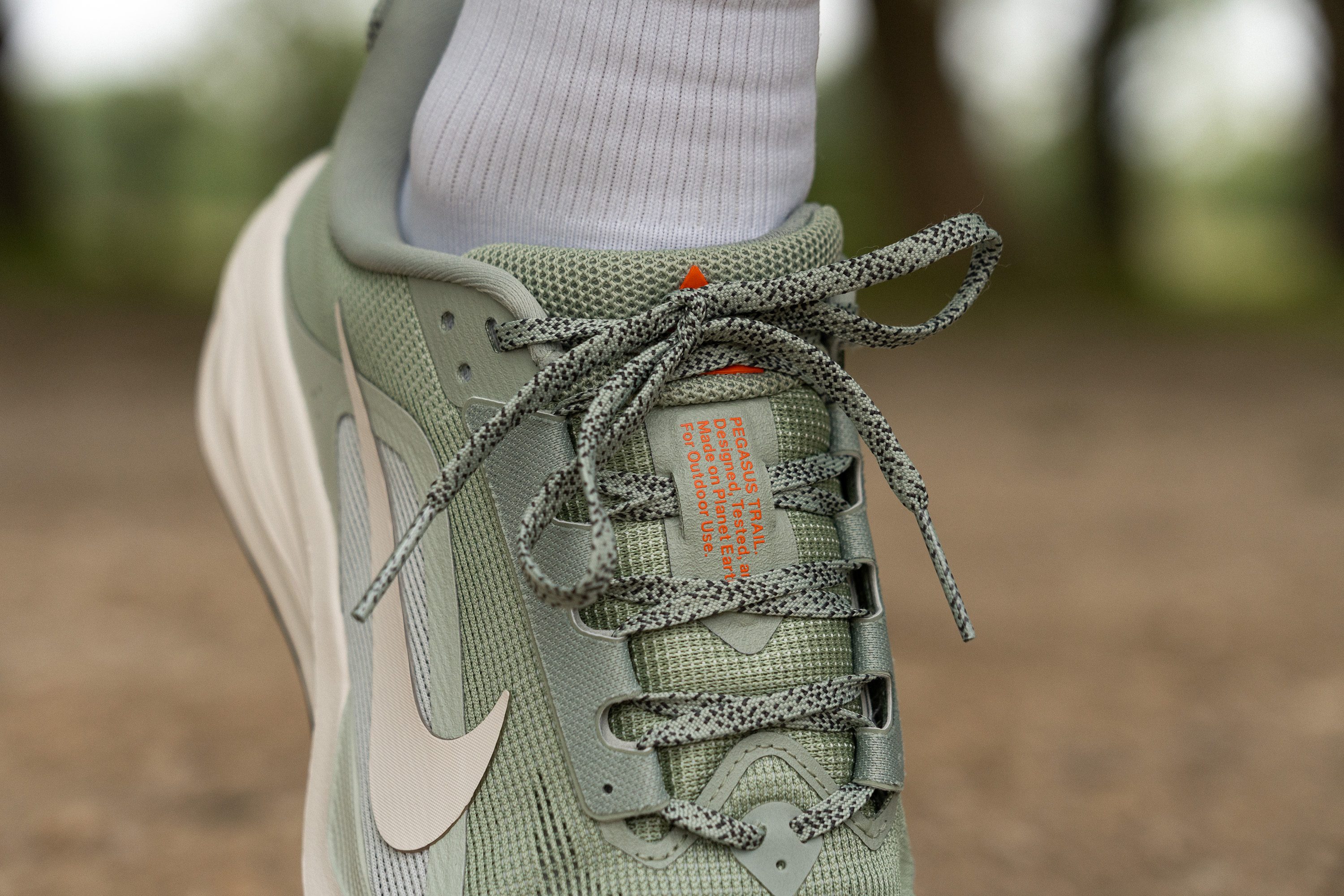
La lengüeta, que tiene un acolchado de 10,0 mm, nos ha dejado una cosa clara: en estas zapatillas, Nike pone la comodidad antes que la ligereza en su lista de prioridades.
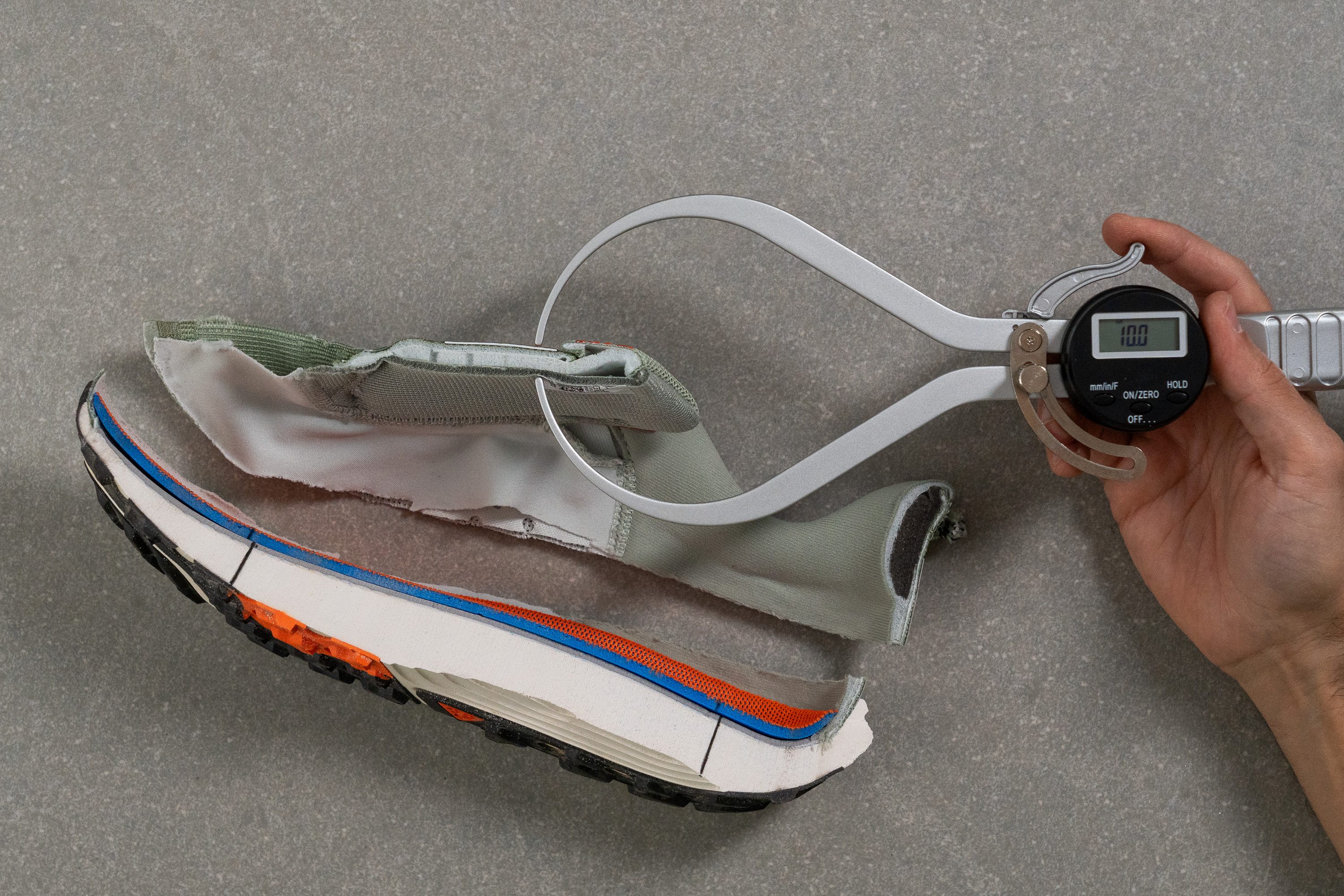
| ACG Pegasus Trail | 10.0 mm |
| Media | 6.4 mm |
Lengüeta: tipo de refuerzo
La lengüeta está semirreforzada, lo que nos vuelve a dar pistas de que no estamos ante unas zapatillas de trail para zonas técnicas, ya que esos modelos suelen tener una lengüeta totalmente reforzada.
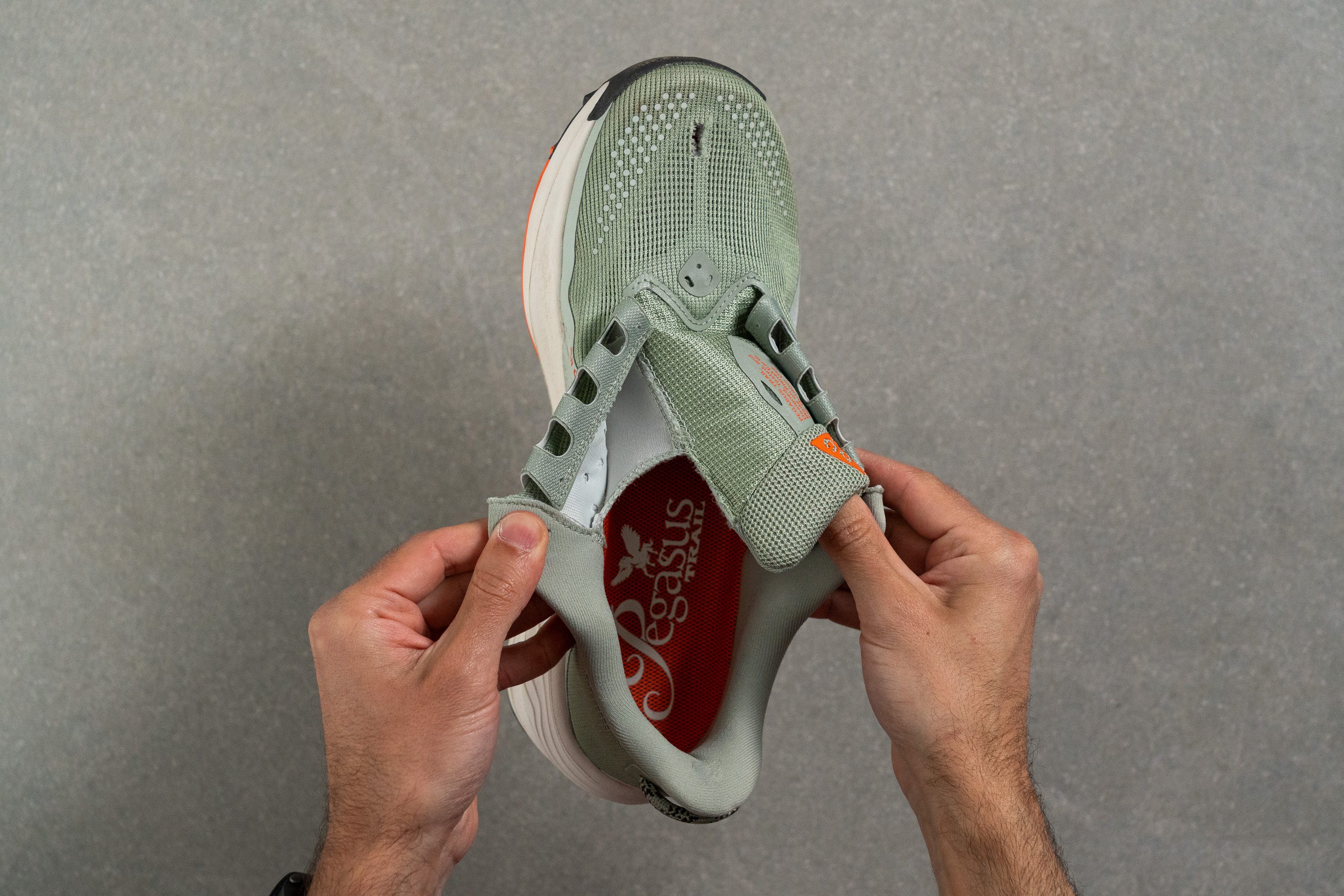
| ACG Pegasus Trail | Ambos lados (semi) |
Tirador del talón
Nike cambió el diseño del tirador de vertical a horizontal, y la verdad es que nos gusta más. La calidad de diseño y el acabado en general también nos parecen mejores.
El enorme logo de las ACG nos recuerda a lo grande que las Pegasus Trail forman parte del All Conditions Gear, lo que refleja su versatilidad para las actividades al aire libre.
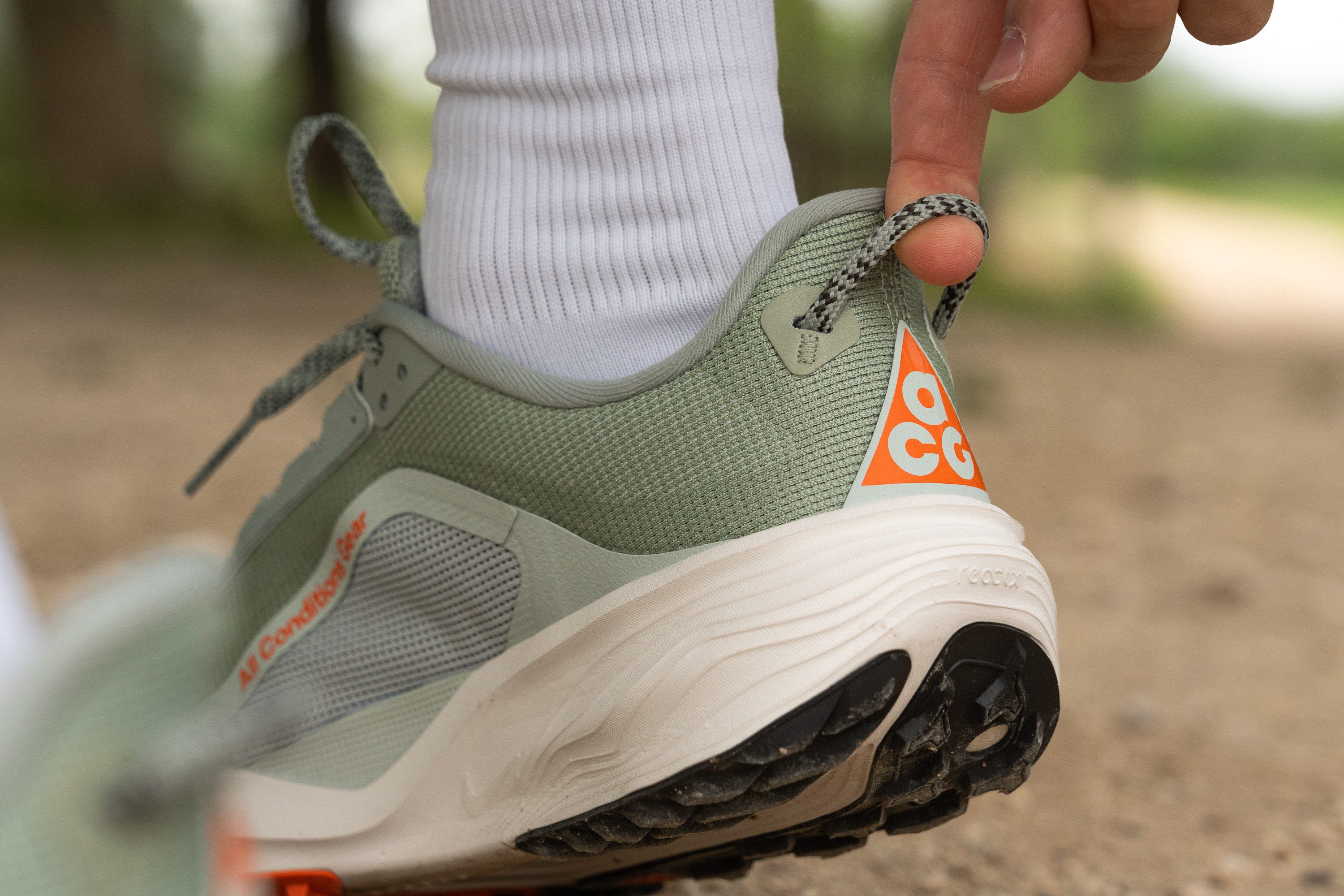
| ACG Pegasus Trail | Tirador circular |
Precio
Las Nike Pegasus Trail 5 son un poquito más caras, cosa que nos cogió por sorpresa, pero creemos que la oferta sigue siendo buena gracias a las mejoras en tracción. Eso sí, si Nike sigue subiendo el precio, se arriesga a acercarse demasiado a otros modelos de esta línea que presumen de características mejores, como la espuma ZoomX.
| ACG Pegasus Trail | $155 |