




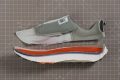

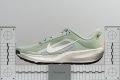




















Our verdict
- Gravel 90
- Versatile 60
- Technical 44
Pros
- Finally improved traction
- Excellent road-to-trail versatility
- Dependable shock absorption
- Plush midsole feel
- Roomier fit than older versions
- Secure lockdown
- Thick tongue boosts comfort
- Durable outsole
- Practical travel-friendly all-rounder
Cons
- Minor price bump
- Needs a foam upgrade
- Toebox durability
Awards
- Top pick in best long distance Nike running shoes
- Top pick in best Nike trail running shoes
- Top 21% most popular running shoes
Comparison
The most similar running shoes compared
+ + Add a shoe | |||||
|---|---|---|---|---|---|
| Our score | 82 Great | 84 Great | 78 Good | 87 Great | |
| Price | $155 | $170 | $140 | $145 | |
| Trail terrain | Gravel / Road-to-trail | Gravel / Road-to-trailVersatile / Moderate terrain | Gravel / Road-to-trail | Gravel / Road-to-trailVersatile / Moderate terrain | |
| Shock absorption | High | Moderate | Moderate | Moderate | |
| Energy return | Moderate | High | Moderate | Moderate | |
| Traction | High | High | High | High | |
| Arch support | Neutral | Neutral | Neutral | Neutral | |
| Weight lab Weight brand | 10.2 oz / 289g 10.8 oz / 305g | 9.9 oz / 281g 9.3 oz / 265g | 10 oz / 283g 9.8 oz / 277g | 10 oz / 283g 9.9 oz / 281g | |
| Drop lab Drop brand | 8.5 mm 8.0 mm | 6.8 mm 6.0 mm | 9.1 mm 8.0 mm | 6.3 mm 8.0 mm | |
| Strike pattern | HeelMid/forefoot | Mid/forefoot | HeelMid/forefoot | Mid/forefoot | |
| Size | True to size | - | True to size | True to size | |
| Midsole softness | Soft | Balanced | Balanced | Balanced | |
| Difference in midsole softness in cold | Small | Small | Small | Small | |
| Plate | ✗ | Rock plate | ✗ | Rock plate | |
| Toebox durability | Very bad | Good | Very bad | Decent | |
| Heel padding durability | Good | Decent | Decent | Good | |
| Outsole durability | Good | Good | Good | Decent | |
| Breathability | Moderate | Moderate | Warm | Moderate | |
| Width / fit | Medium | Medium | Medium | Wide | |
| Toebox width | Medium | Medium | Medium | Wide | |
| Stiffness | Moderate | Stiff | Moderate | Stiff | |
| Torsional rigidity | Flexible | Stiff | Moderate | Flexible | |
| Heel counter stiffness | Moderate | Stiff | Stiff | Stiff | |
| Lug depth | 3.1 mm | 3.2 mm | 3.1 mm | 3.7 mm | |
| Heel stack lab Heel stack brand | 34.1 mm 35.0 mm | 31.3 mm 34.0 mm | 32.6 mm 35.0 mm | 32.1 mm 36.0 mm | |
| Forefoot lab Forefoot brand | 25.6 mm 27.0 mm | 24.5 mm 28.0 mm | 23.5 mm 27.0 mm | 25.8 mm 28.0 mm | |
| Widths available | NormalWide | NormalWide | Normal | Normal | |
| Season | All seasons | All seasons | Winter | All seasons | |
| Removable insole | ✓ | ✓ | ✓ | ✓ | |
| Orthotic friendly | ✓ | ✓ | ✓ | ✓ | |
| Ranking | #186 Top 47% | #144 Top 36% | #280 Bottom 30% | #69 Top 18% | |
| Popularity | #81 Top 21% | #232 Bottom 42% | #332 Bottom 17% | #158 Top 40% |


Who should buy
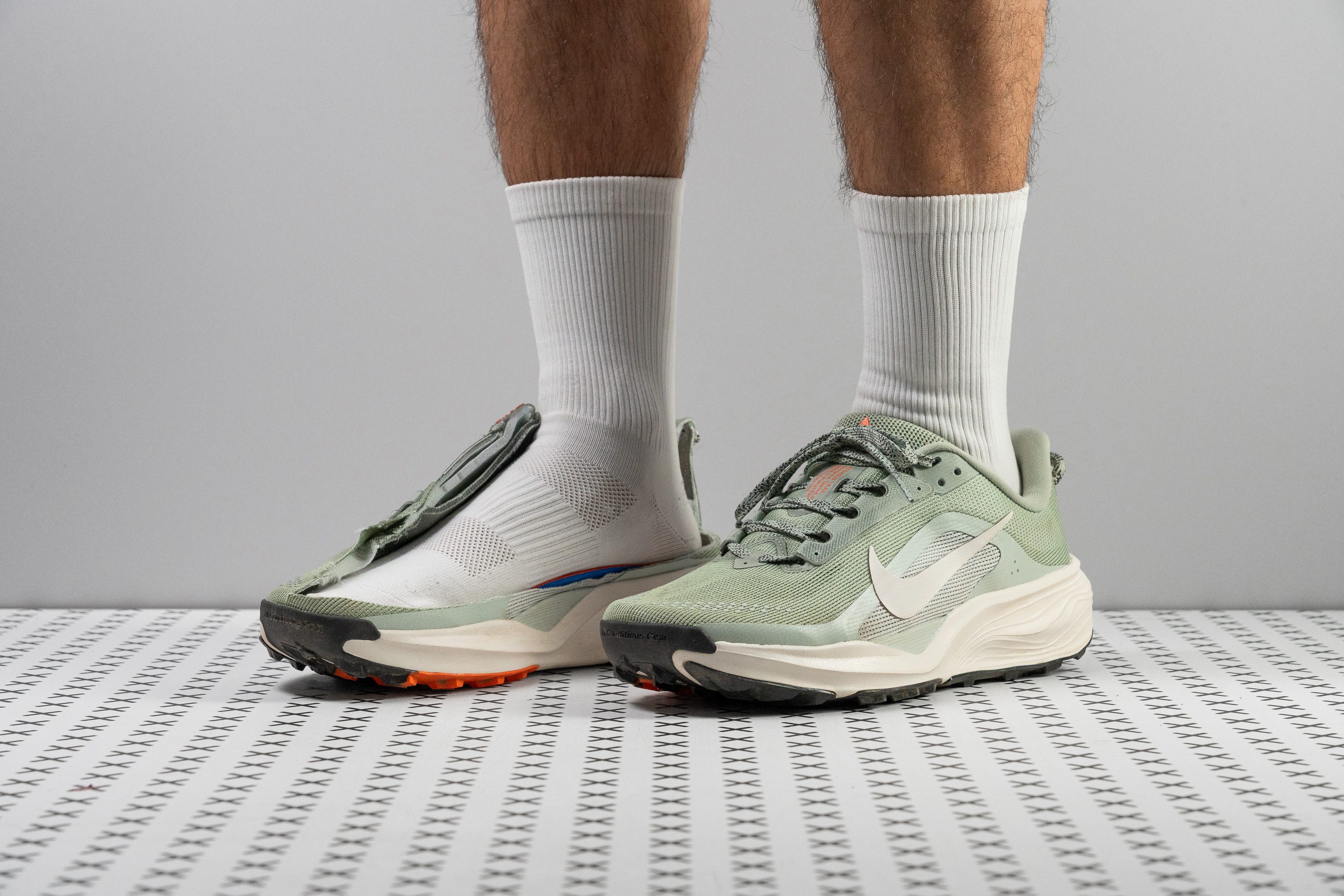
We believe that the Nike ACG Pegasus Trail is a good option for:
- Runners mixing some road miles with lots gravel, packed dirt, and light trails.
- Those who want one shoe that can handle nearly every type of run and can also serve as a do-it-all travel shoe.
- Owners of previous Pegasus Trail models looking for the best version yet, especially thanks to the major traction upgrade.
Who should NOT buy
If you are used to lively-feeling midsoles in road shoes, we think the limited energy return from ReactX may feel underwhelming. We found that bounce is only average, so we believe there are better choices like the Saucony Peregrine 15 or ASICS Trabuco 14.
We also think runners wanting a dedicated trail shoe may find the ACG Pegasus Trail a bit compromised. Its road-to-trail design favors easier terrain, so we do not recommend it for tougher routes. Check the Nike Wildhorse 10 and the Nike Zegama 2.
Cushioning
Shock absorption
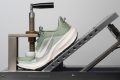
The Nike ACG Pegasus Trail delivers dependable shock absorption with 135 SA in the heel and 106 SA in the forefoot. That is broadly in line with its predecessor and key rivals, neither standing out nor falling short.
| ACG Pegasus Trail | 135 SA |
| Average | 122 SA |
Energy return
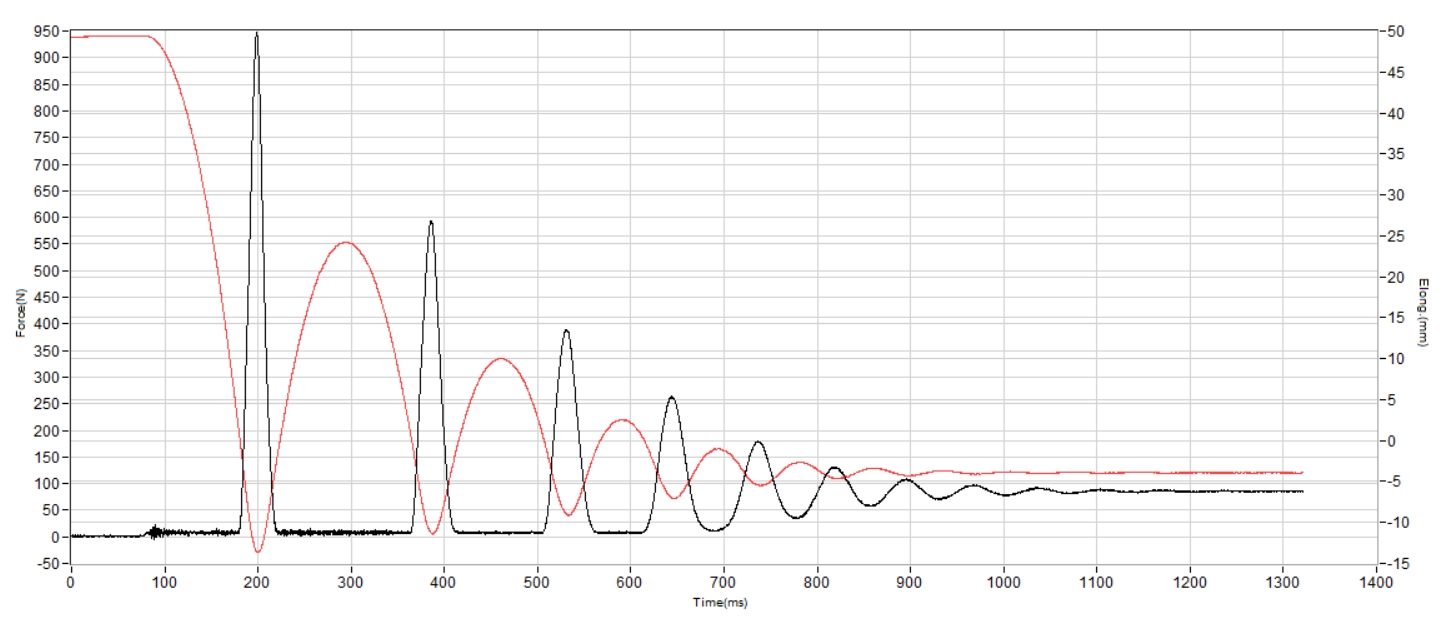
We secured the ACG Pegasus Trail and ran the ASTM F1976 protocol to measure energy return. The result was fully predictable: 57.7% in the heel and 56.3% in the forefoot. Why? Well, it is essentially the same outcome as the previous model, which uses the same ReactX foam.
In our view, ReactX is starting to feel somewhat dated and lacking bounce, although for this shoe we do not think it is a major issue. However, we believe that the next generation would benefit from an updated foam.
| ACG Pegasus Trail | 56.3% |
| Average | 59.7% |
Heel stack
The heel stack also remains similar to the previous version.
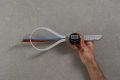
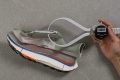
We measured 34.1 mm this time, a figure that aligns well with the versatile ride that seeks a road-to-trail shoe. It offers enough cushioning for longer distances while staying far from maximalist design of shoes like the ASICS Trabuco Max 4, which can feel more niche and less adaptable.
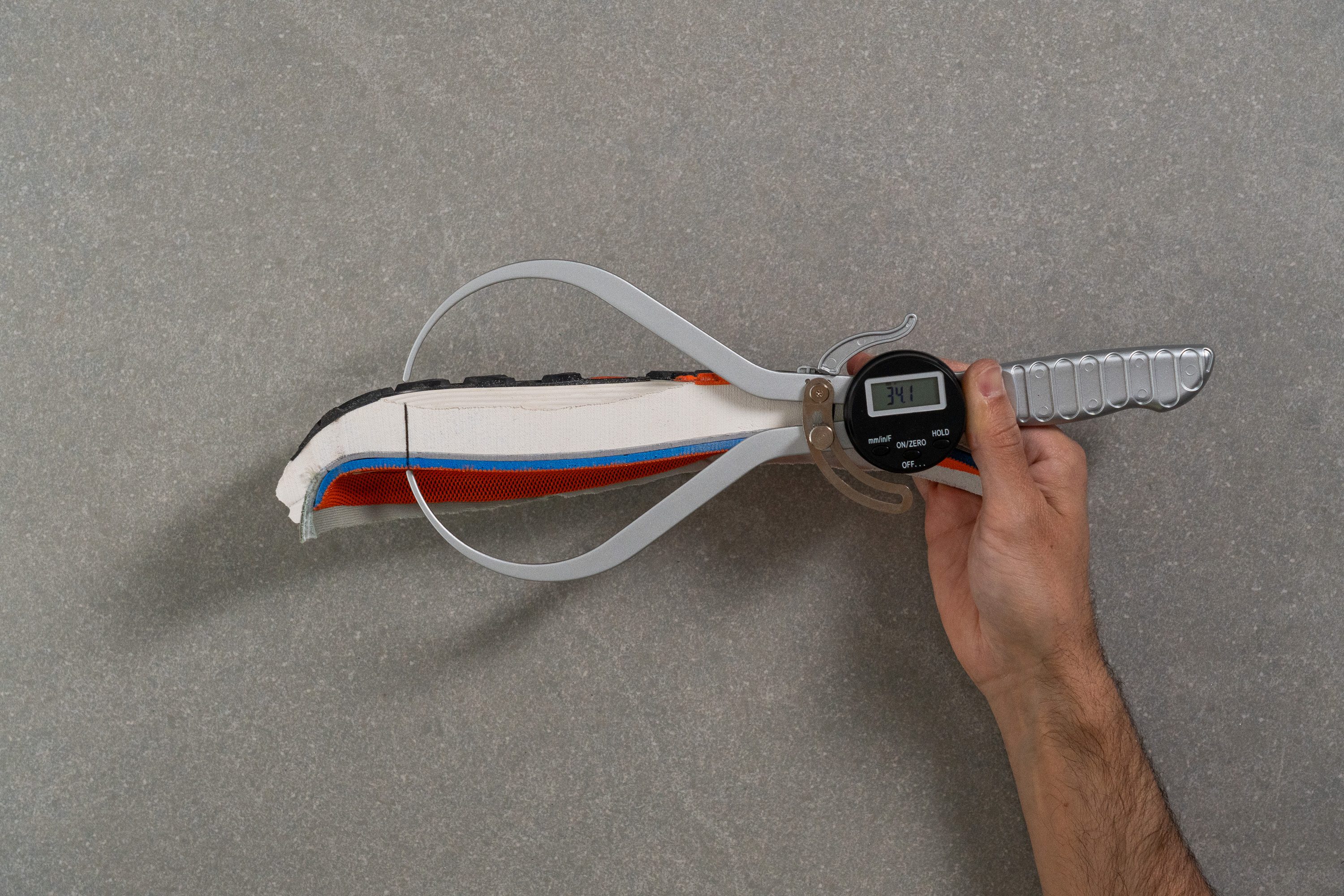
| ACG Pegasus Trail | 34.1 mm |
| Average | 32.9 mm |
Forefoot stack
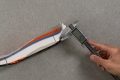
The same low-risk design language continues in the forefoot area, where our digital calipers measured a near-average 25.6 mm.
It is clear to us that Nike wanted runners who enjoyed the Pegasus Trail 5 to feel encouraged to upgrade to this version without hesitation.
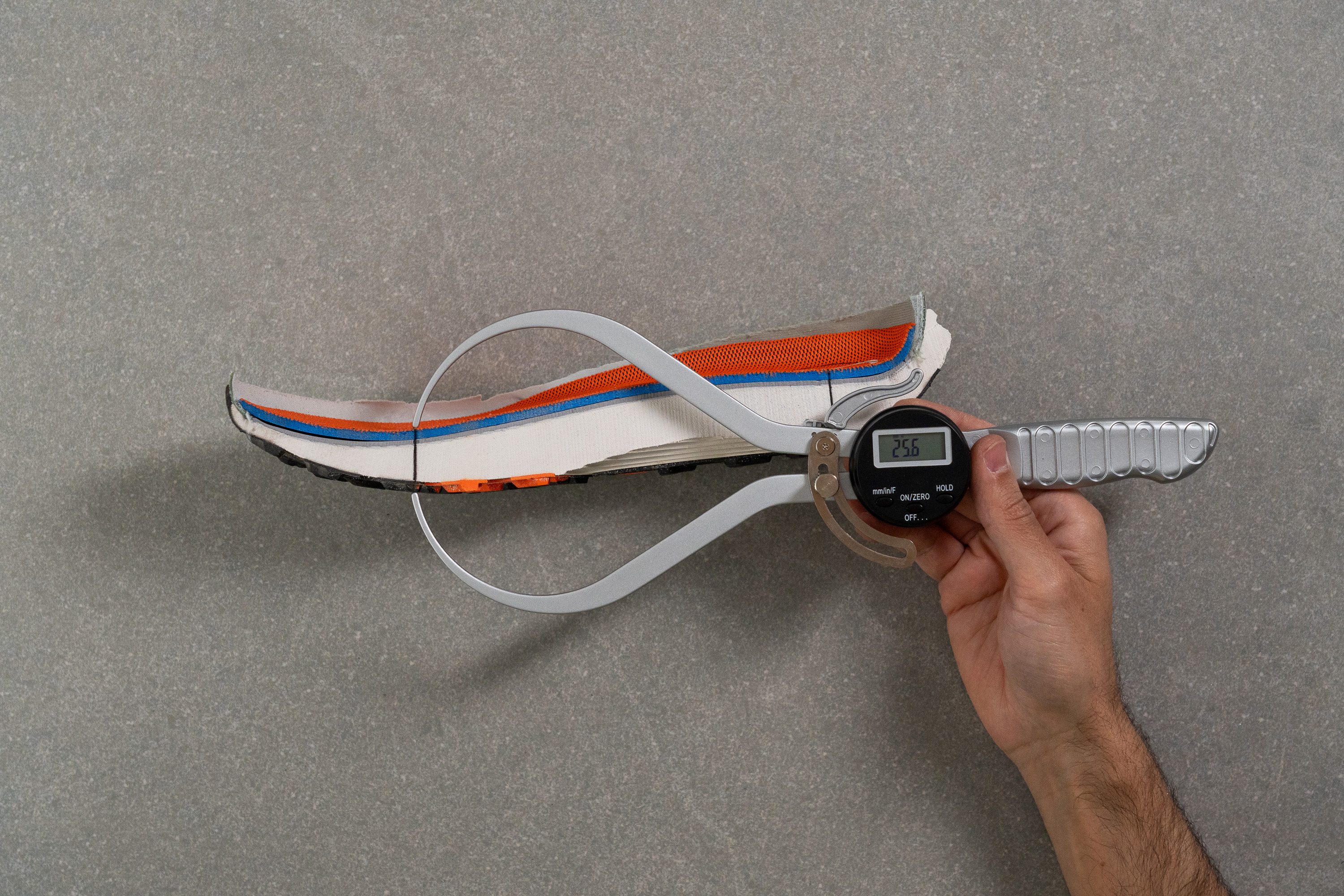
| ACG Pegasus Trail | 25.6 mm |
| Average | 25.7 mm |
Drop
One of the factors that pushed some runners away from previous Pegasus Trail models was the high drop. In this updated version, we found a modest 1 mm reduction, bringing it down to 8.5 mm. It remains high by trail-shoe standards, so we do not believe that this change alone will influence many purchase decisions.
That said, for a road-to-trail shoe built to be versatile and beginner-friendly, we believe that this approach makes plenty of sense.
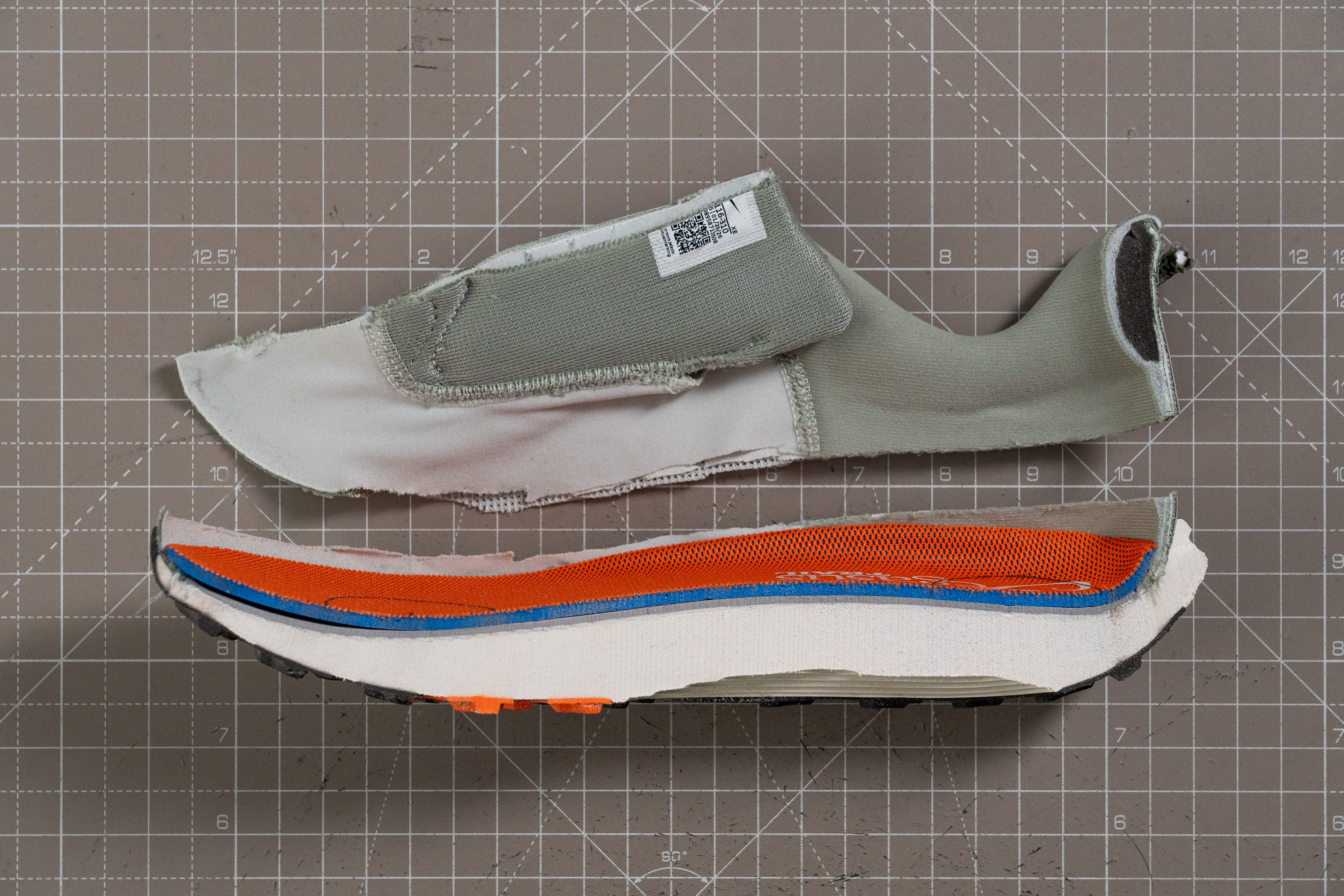
| ACG Pegasus Trail | 8.5 mm |
| Average | 7.2 mm |
Midsole softness
The midsole feel has not changed either. It still leans toward a soft formulation of ReactX, measuring 32.6 AC on our Asker C durometer, and it certainly feels softer than most trail running shoes.
It is interesting because we often see claims that every new version delivers more energy return and, quite often, a softer ride too. However, that is not the case here at all, as we confirmed with raw data. Now you can make decisions based on facts instead of opinions.
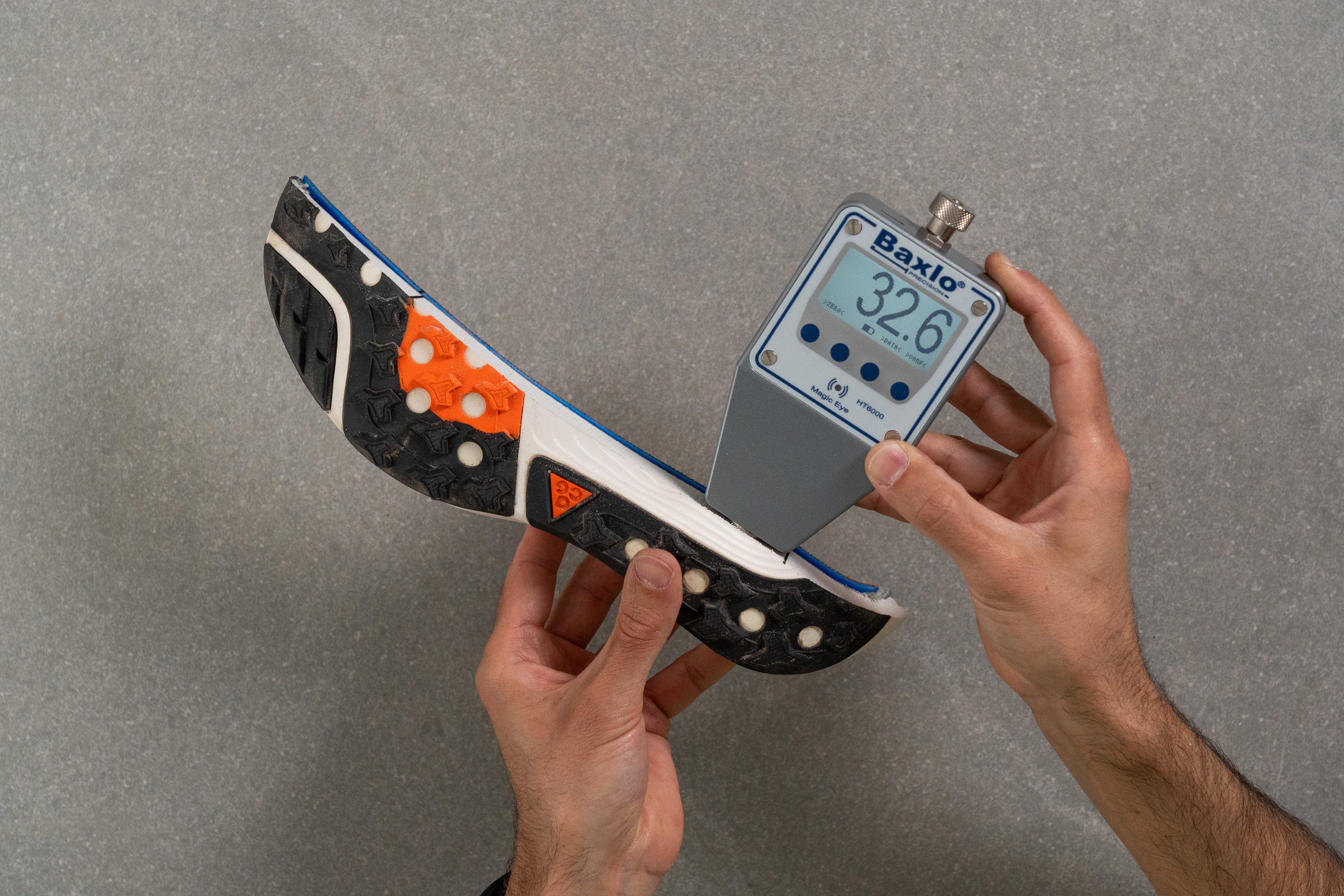
| ACG Pegasus Trail | 32.6 AC |
| Average | 38.3 AC |
Rocker
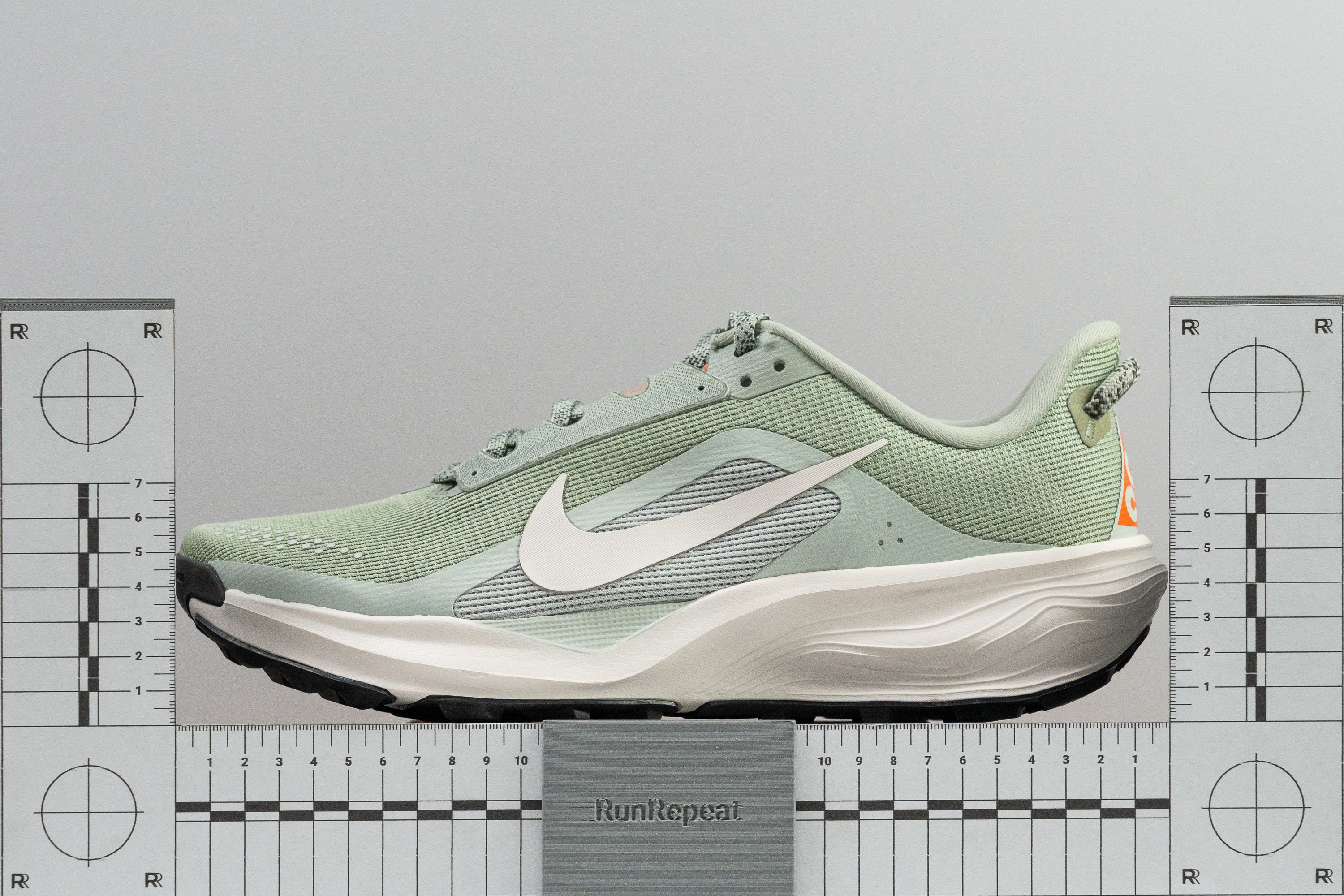
The ACG Pegasus keeps a profile similar to the regular Pegasus road shoe, offering a moderate forefoot rocker alongside a more aggressive heel design that helps rearfoot strikers, who probably represent the majority of this shoe’s potential buyers.
Size and fit
Size
Nike ACG Pegasus Trail fits true to size (59 votes).
Internal length
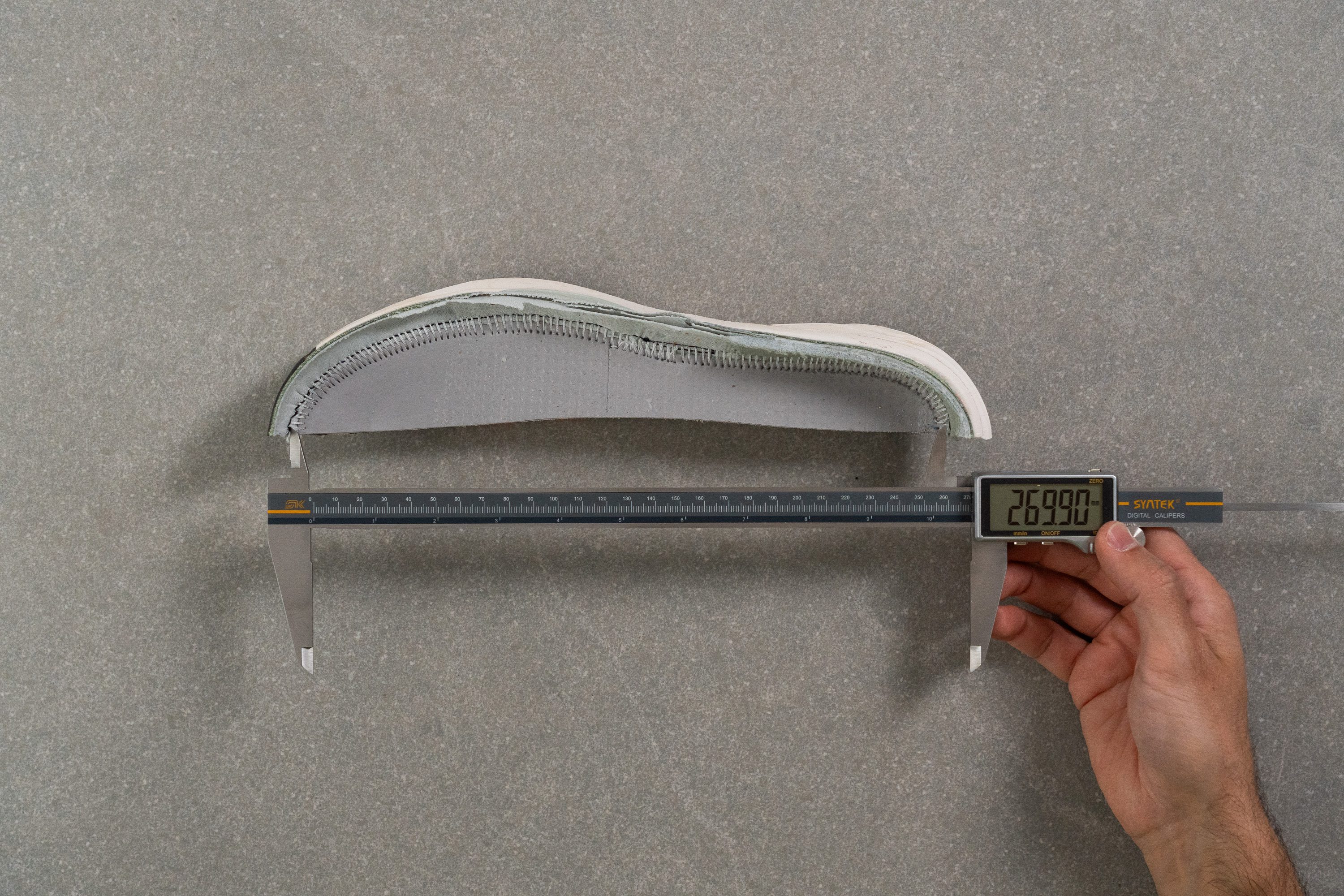
| ACG Pegasus Trail | 269.9 mm |
| Average | 269.1 mm |
Width / Fit
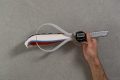
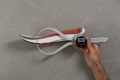
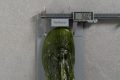
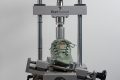
To understand how the ACG Pegasus Trail fits compared with other shoes and the previous model, we created a gel mold of the front section and took three measurements.
The first one showed us that there is slightly more room for the foot and that Nike is gradually moving away from what used to be tighter fits. At 96.8 mm, it is wider than the average trail shoe.
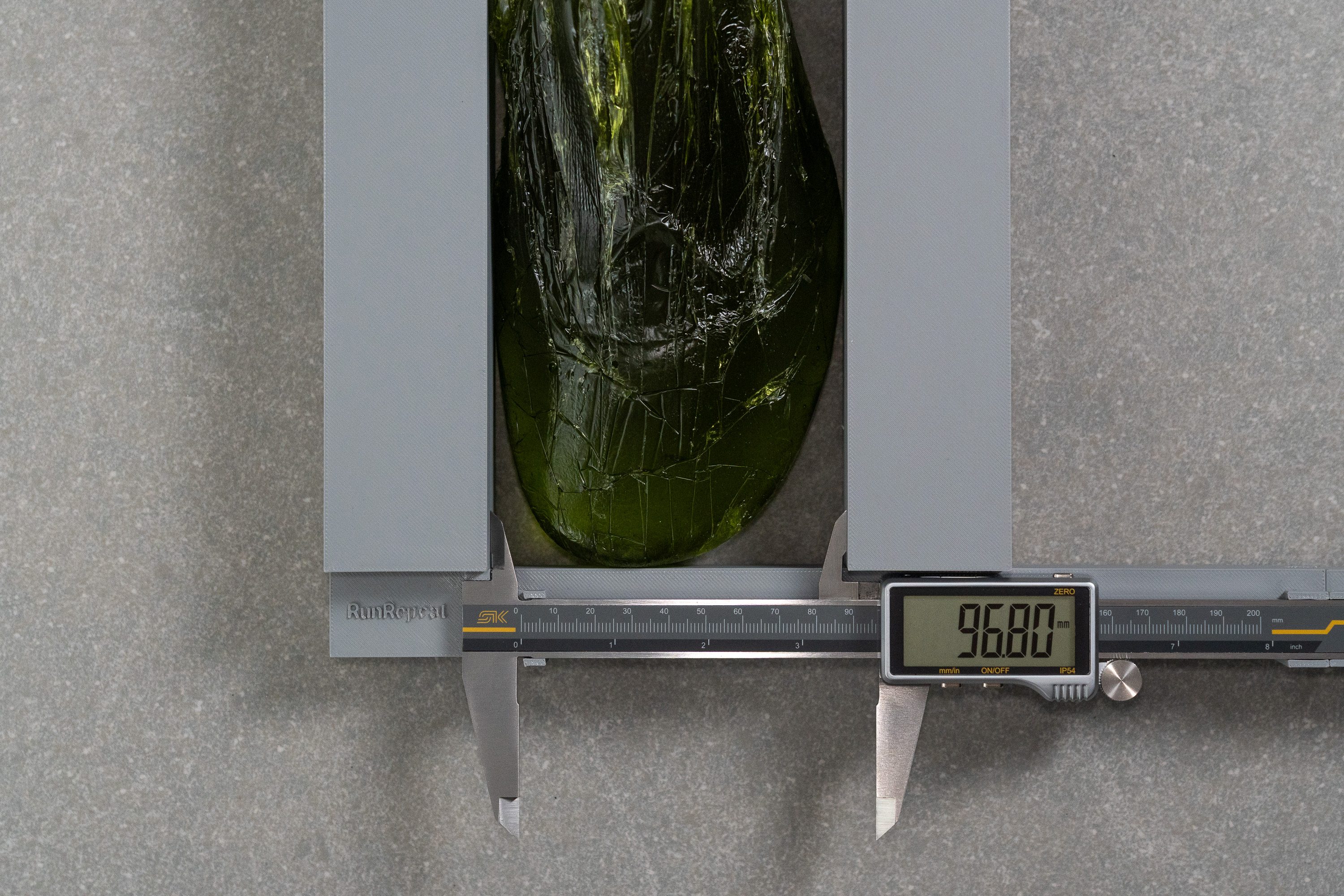
| ACG Pegasus Trail | 96.8 mm |
| Average | 95.7 mm |
Toebox width
We also found a generously shaped toebox at 76.0 mm. It is not an anatomical design, but it is clearly wider than the norm and a pleasant surprise for runners who want a bit more toe splay in a Nike trail shoe.
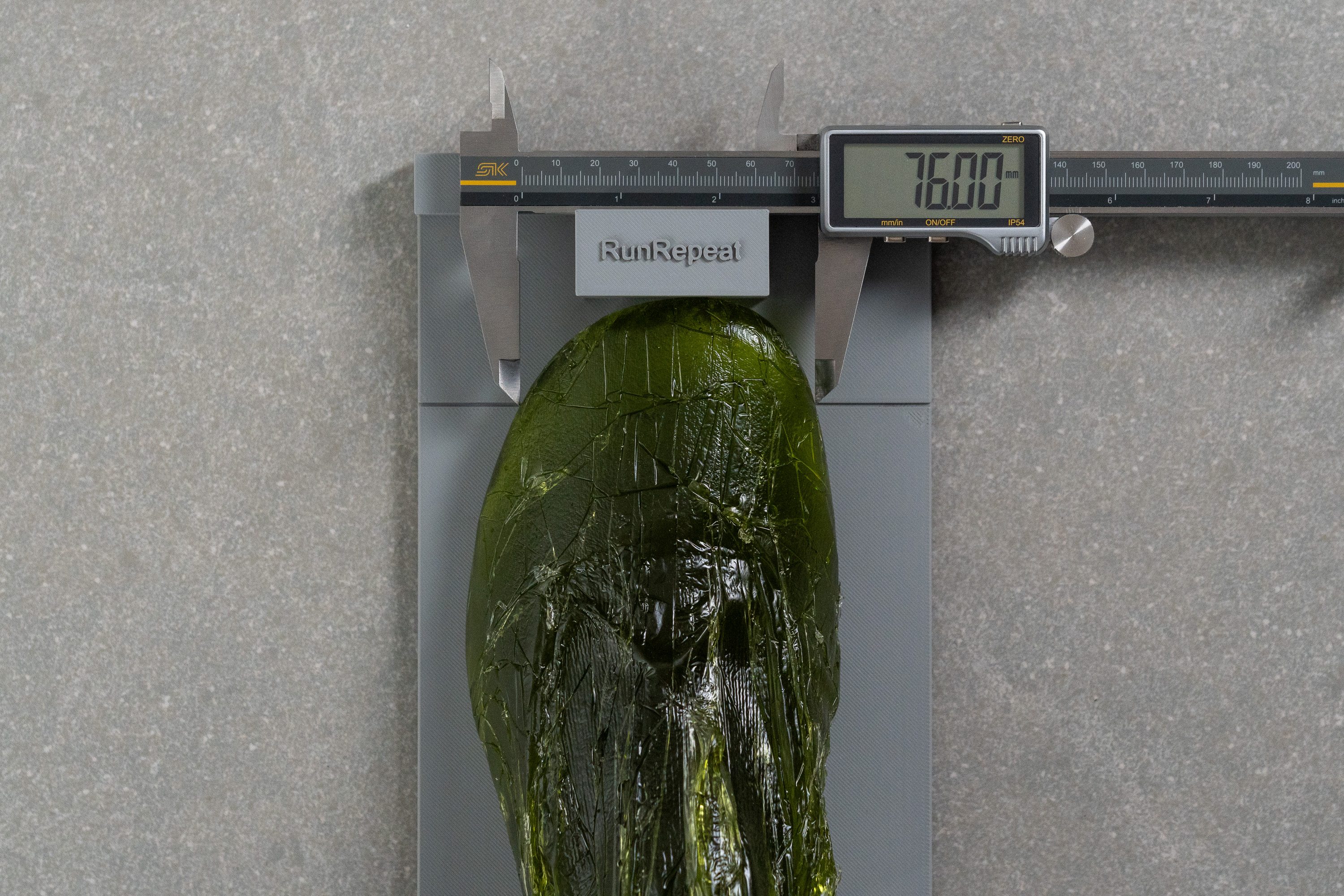
| ACG Pegasus Trail | 76.0 mm |
| Average | 74.3 mm |
Toebox height
The third measurement also delivered an above-average result at 28.5 mm.
That makes the ACG Pegasus Trail the roomiest model so far in this series and a very solid option if you want a comfortable trail shoe for long days in the mountains.
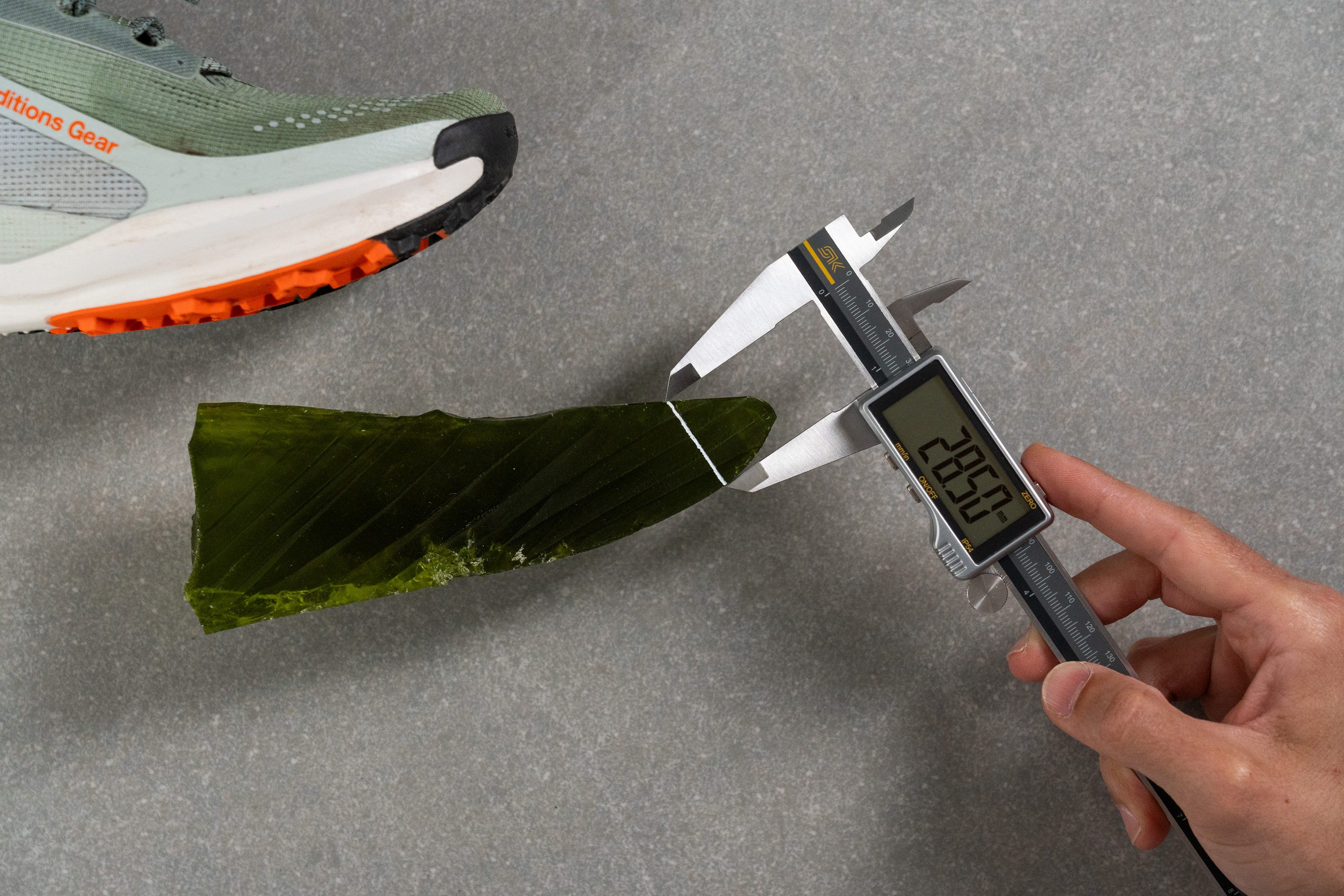
| ACG Pegasus Trail | 28.5 mm |
| Average | 27.0 mm |
Traction / Grip
Traction test
While the midsole of the Nike ACG Pegasus Trail is basically unchanged from v5, the outsole is not. And that is huge, because the most common complaint with Nike trail shoes that do not feature Vibram rubber usually centers on traction.
However, we found a new All Terrain Compound 2.0 that felt like a major leap forward in our testing. With a 0.69 score, it proved reliable on dry and wet surfaces, whether on road, gravel, or trail.
| ACG Pegasus Trail | 0.69 |
| Average | 0.68 |
Lug depth
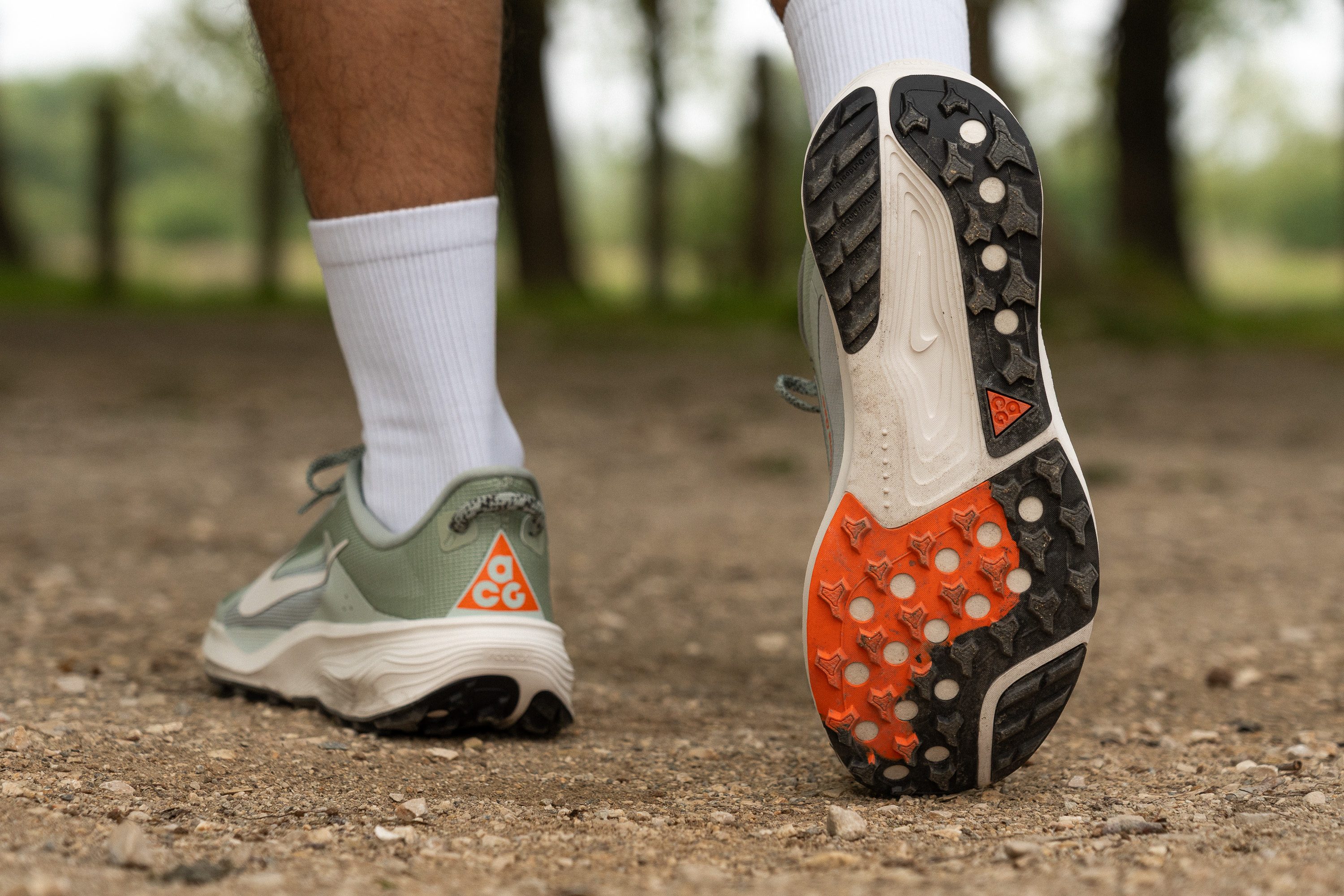
We just mentioned gravel, and that is one of the best surfaces for this shoe. With a lug depth of 3.1 mm, which varies slightly depending on lug placement, we think it is also ideal for easy trails, but it lacks the capability to excel on moderate or technical terrain.
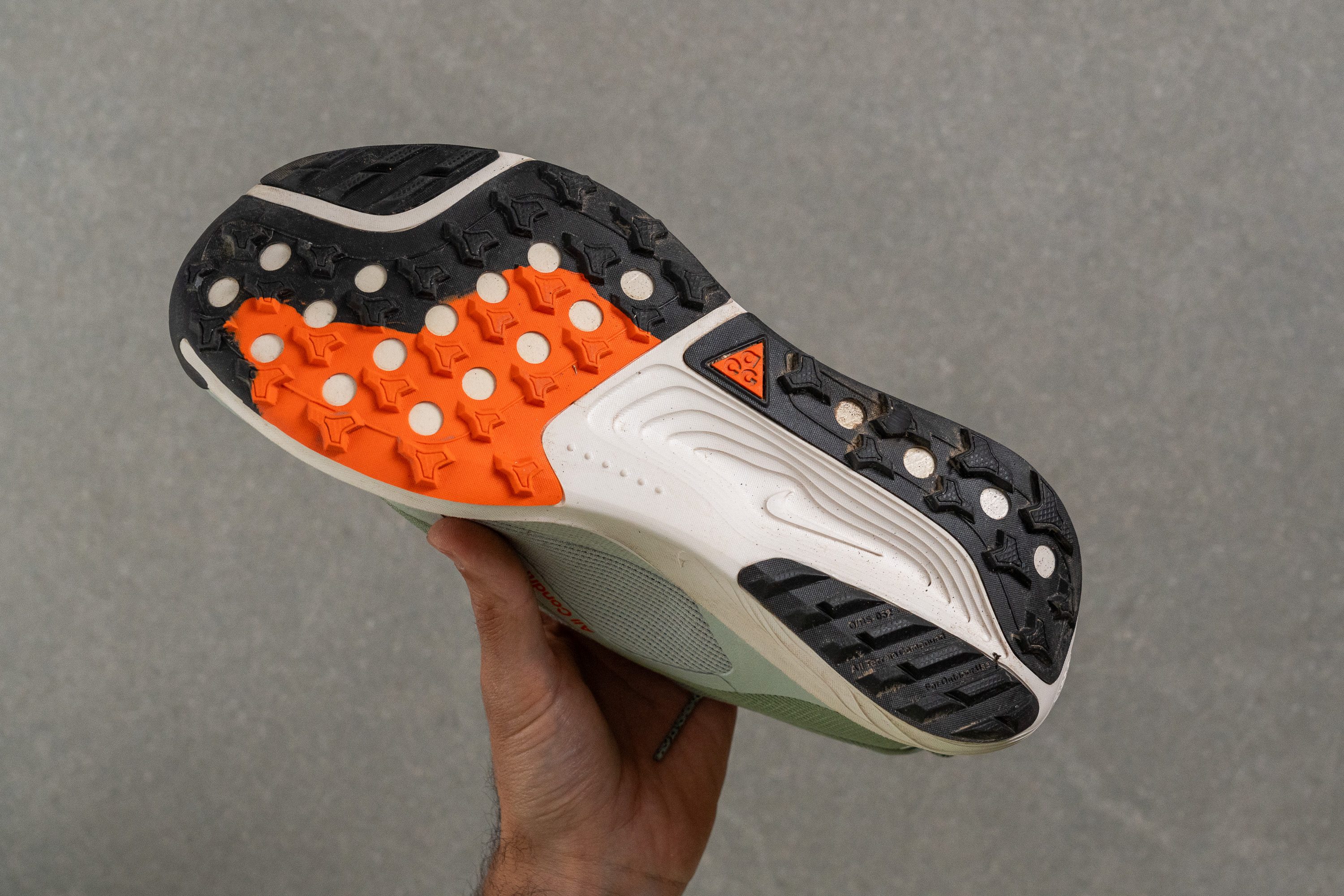
It also features a large amount of exposed foam compared with other trail shoes, which again points it toward simpler paths with fewer elements that could damage the midsole.
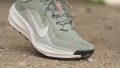
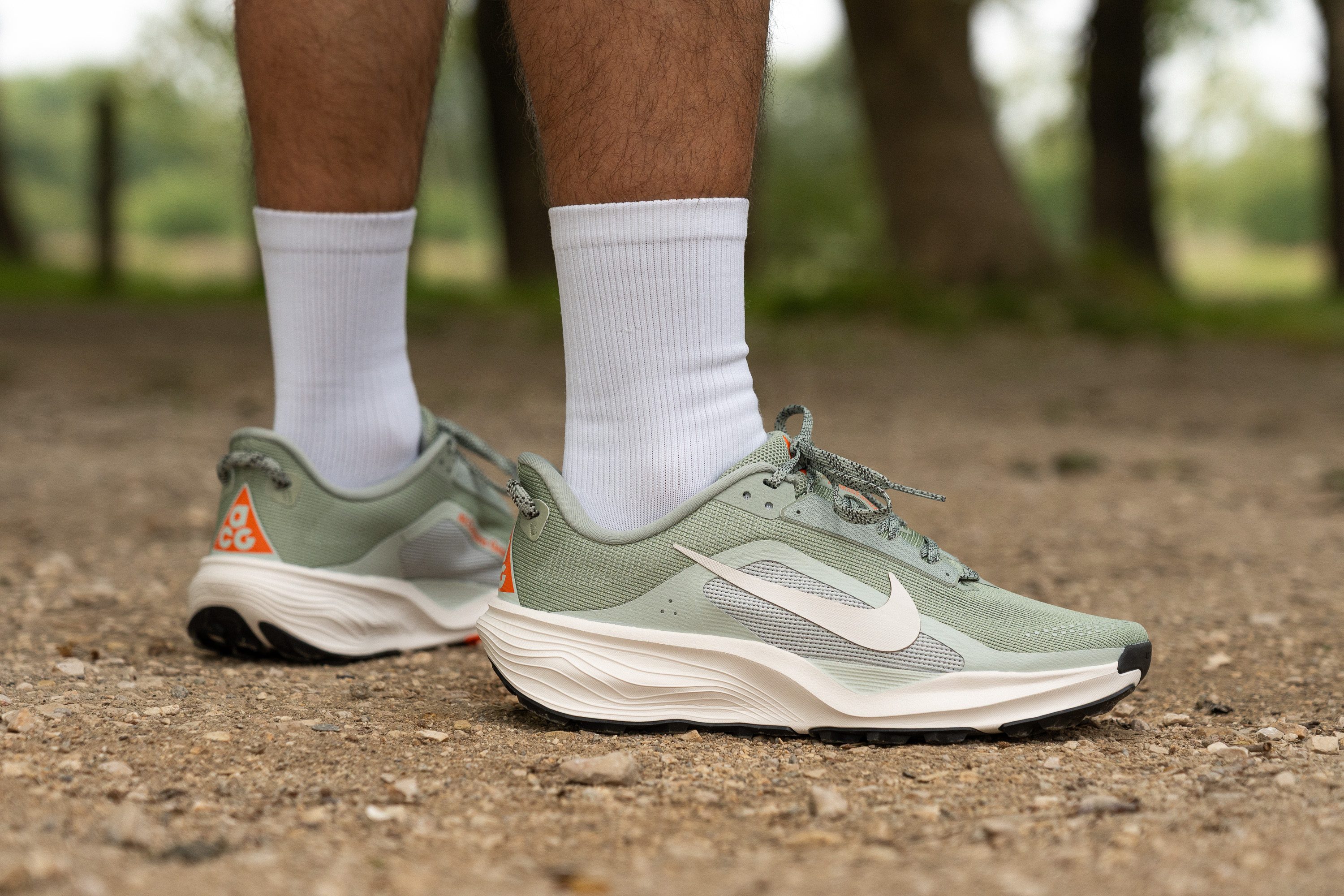
Oh, and if you looked closely at the last photo, you may have spotted the ACG (All Conditions Gear) logo. Nike is going all in by bringing that branding, long associated with its outdoor gear, into trail shoes as well. That's why this shoe reboots the series and it's the ACG Pegasus Trail, not the Pegasus Trail 6 as we all expected.
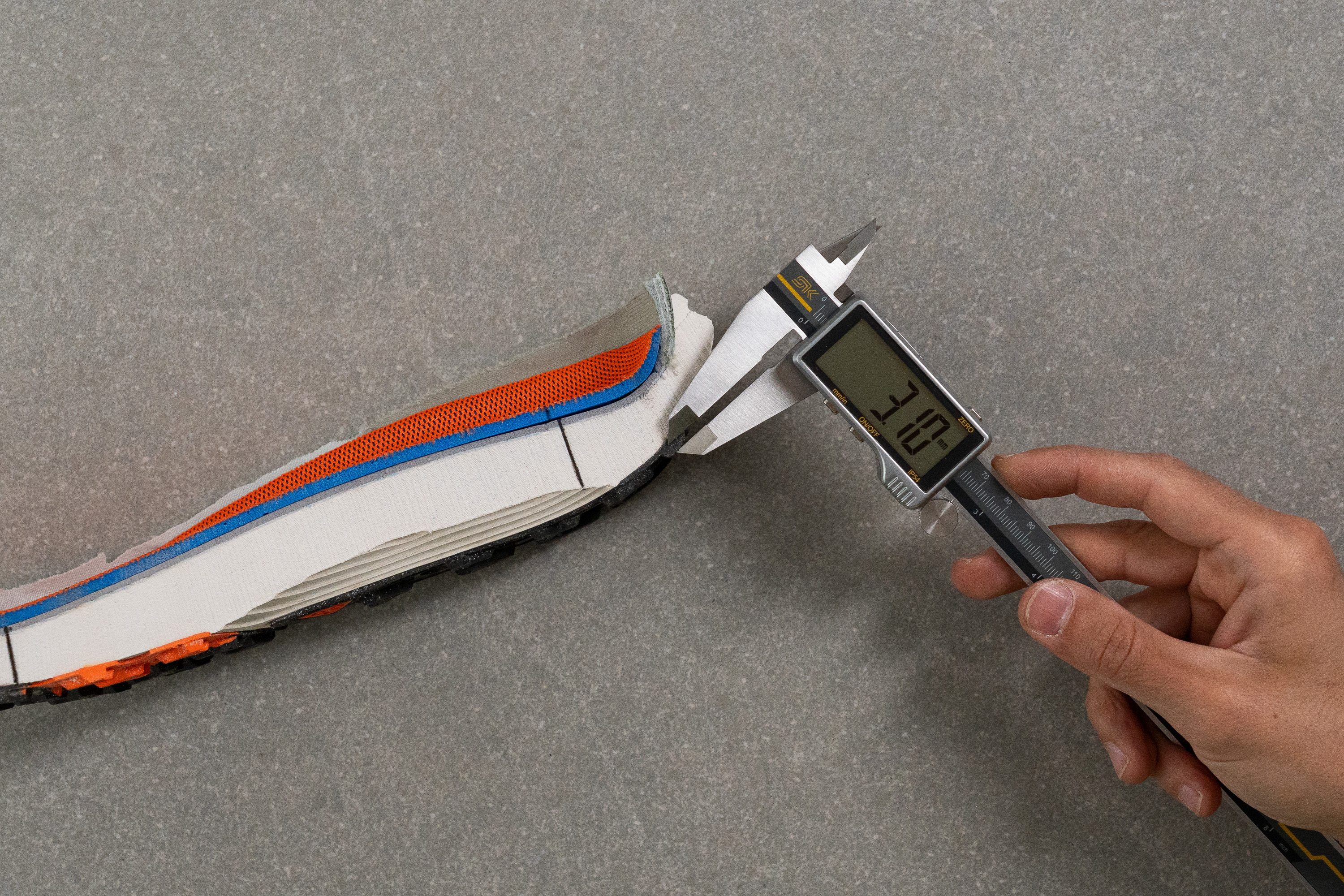
| ACG Pegasus Trail | 3.1 mm |
| Average | 3.5 mm |
Outsole design
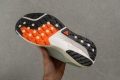
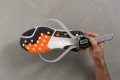
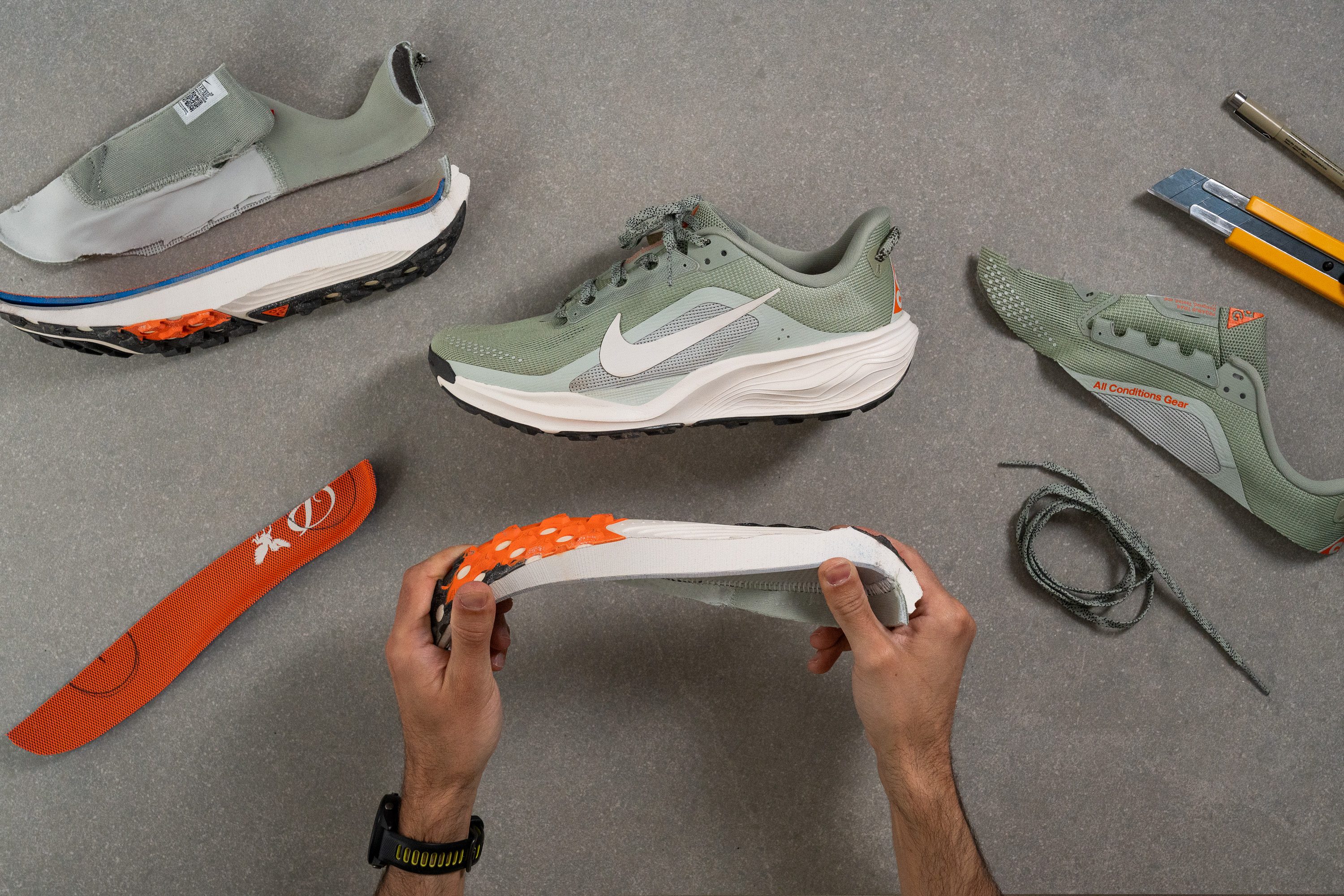
We discovered here that Nike uses a hybrid road-to-trail outsole focused on versatility rather than extreme terrain. The forefoot combines dense, star-shaped lugs for braking and climbing grip, while the medial part of the heel uses angled ridges to improve landings and smooth road transitions.
There's a lot of exposed foam to reduce weight and add some flexibility, which is a bit concerning for long-term durability.
Flexibility / Stiffness
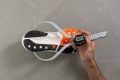
The Nike ACG Pegasus Trail delivers moderate stiffness with 15.8N in our 30-degree bend test. Nothing unusual or extreme, but do not expect a highly flexible feel from a longitudinal standpoint.
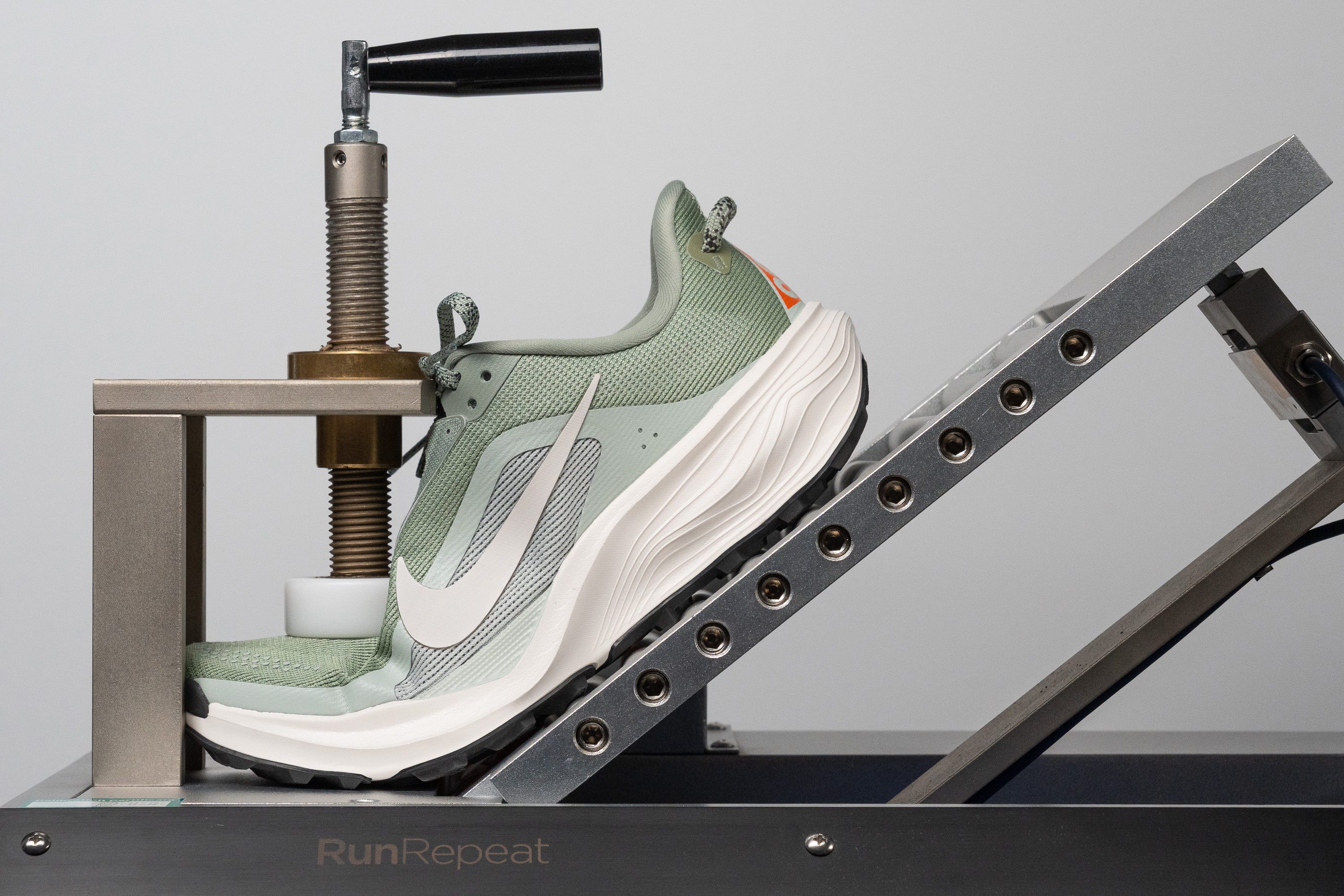
| ACG Pegasus Trail | 15.8N |
| Average | 14.8N |
Weight
Another reason why the ACG Pegasus Trail feels so similar to the Peg Trail 5 comes down to its weight. This update moves from 10.1 oz (286 g) to 10.2 oz (289 g), a super-small increase that is nearly impossible to notice underfoot, yet still keeps the shoe from feeling truly lightweight.
Leaving the idea out there... a new supercritical foam could improve both weight and energy return for the next version. And that would be amazing.
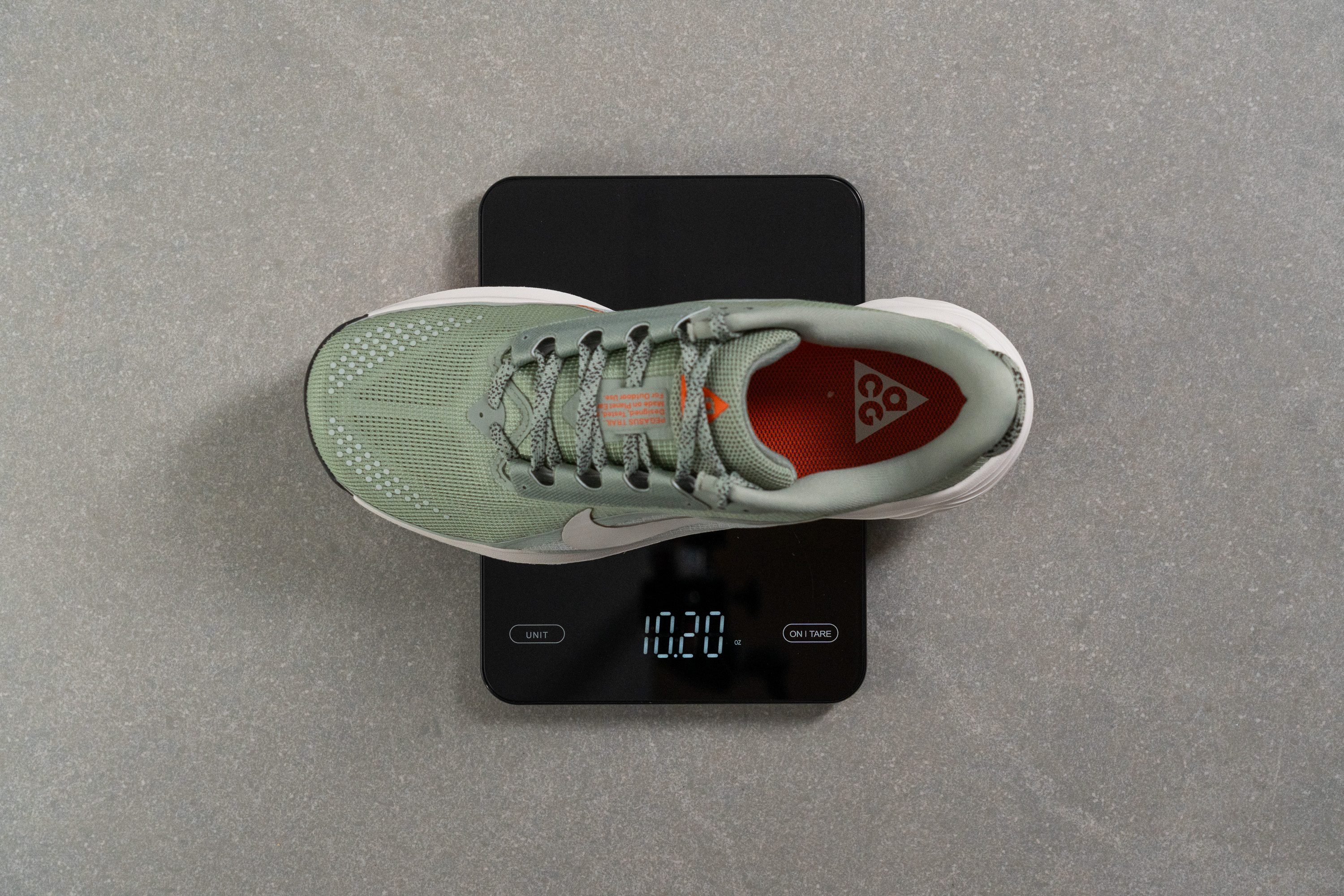
| ACG Pegasus Trail | 10.2 oz (289g) |
| Average | 10.1 oz (285g) |
Breathability
Breathability test
It is hard to develop a strong upper for a trail shoe that offers ventilation, but not so much that it struggles in winter. It also needs more durability than a road counterpart, which adds another layer of challenge.
Starting with breathability, we found a moderate 3/5 score. That is not a bad result because it provides some airflow while still feeling protective in colder temperatures, leaving much of the fine-tuning to your sock choice.
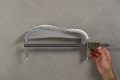
Placing the upper over a LED light source helped us understand what Nike prioritized here. It is clearly support and a dense construction above everything else.
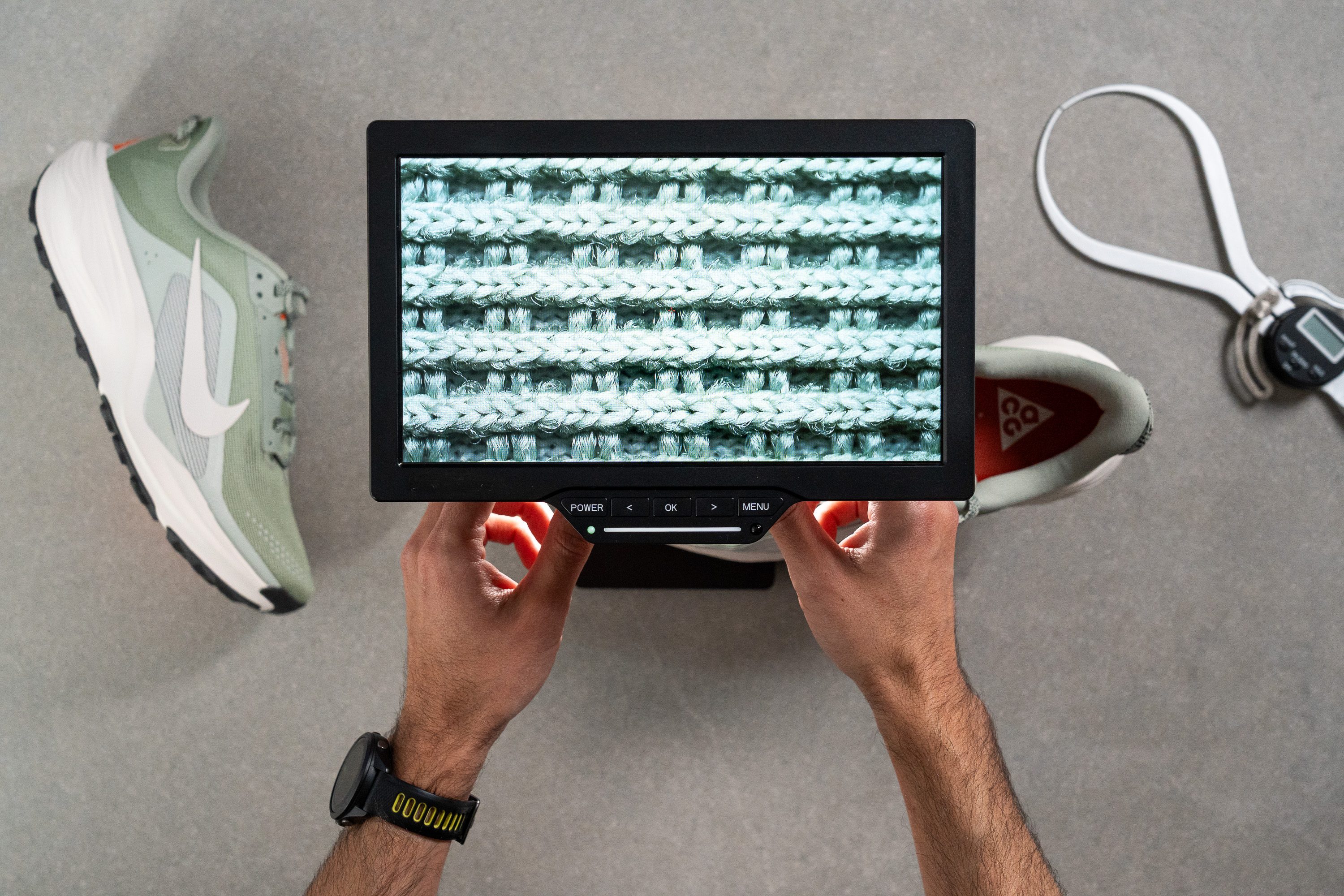
Looking at the mesh under the digital microscope, we found that the build quality is really good. We also expect effective water drainage from this design once the shoe gets wet.

There is some front and side protection, but not as much as in a pure trail shoe. The upper clearly reflects the hybrid nature of this model, aiming to perform well on both road sections and light trails.
| ACG Pegasus Trail | 3 |
| Average | 3.3 |
Stability
Lateral stability test
The Nike ACG Pegasus Trail offers decent stability for neutral runners, but we do not think it is a good choice for anyone who needs even a small amount of support.
We also think Nike made the right call here, as the easy solution would be creating a broader shoe that feels more stable, but also less agile and less versatile for other activities like hiking.
Torsional rigidity
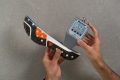
We needed to produce 12.5 Nm of torque to twist the ACG Pegasus Trail left and right. That helps explain why it felt so comfortable, as this moderate flexibility paired with the soft foam makes it a joy to use even on a daily basis.
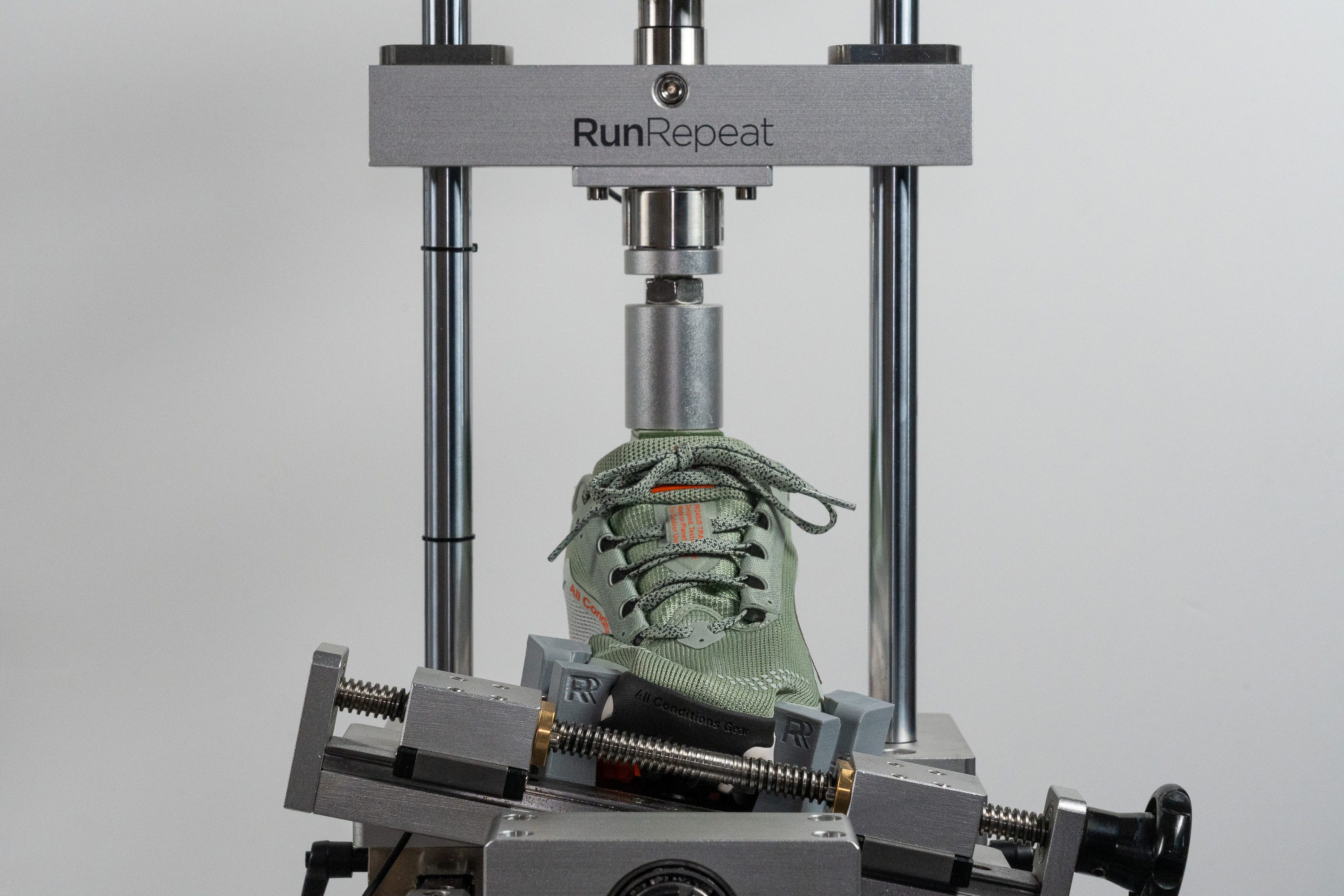
| ACG Pegasus Trail | 12.5 Nm |
| Average | 15.7 Nm |
Heel counter stiffness
The heel counter design resembles what we would expect from a road daily trainer, earning a 3/5 score. In our experience, it delivers some support and zero heel slippage without feeling uncomfortable at all.
| ACG Pegasus Trail | 3 |
| Average | 2.9 |
Midsole width - forefoot
The low-risk design approach that Nike usually follows with the Pegasus Trail series to make it as mainstream as possible was clear throughout our review, as the shoe landed very close to average in many of our tests.
And here is another example. With 114.0 mm of midsole width in the forefoot, the ACG Pegasus Trail offers a solid platform for landings and turns without feeling excessive at all.
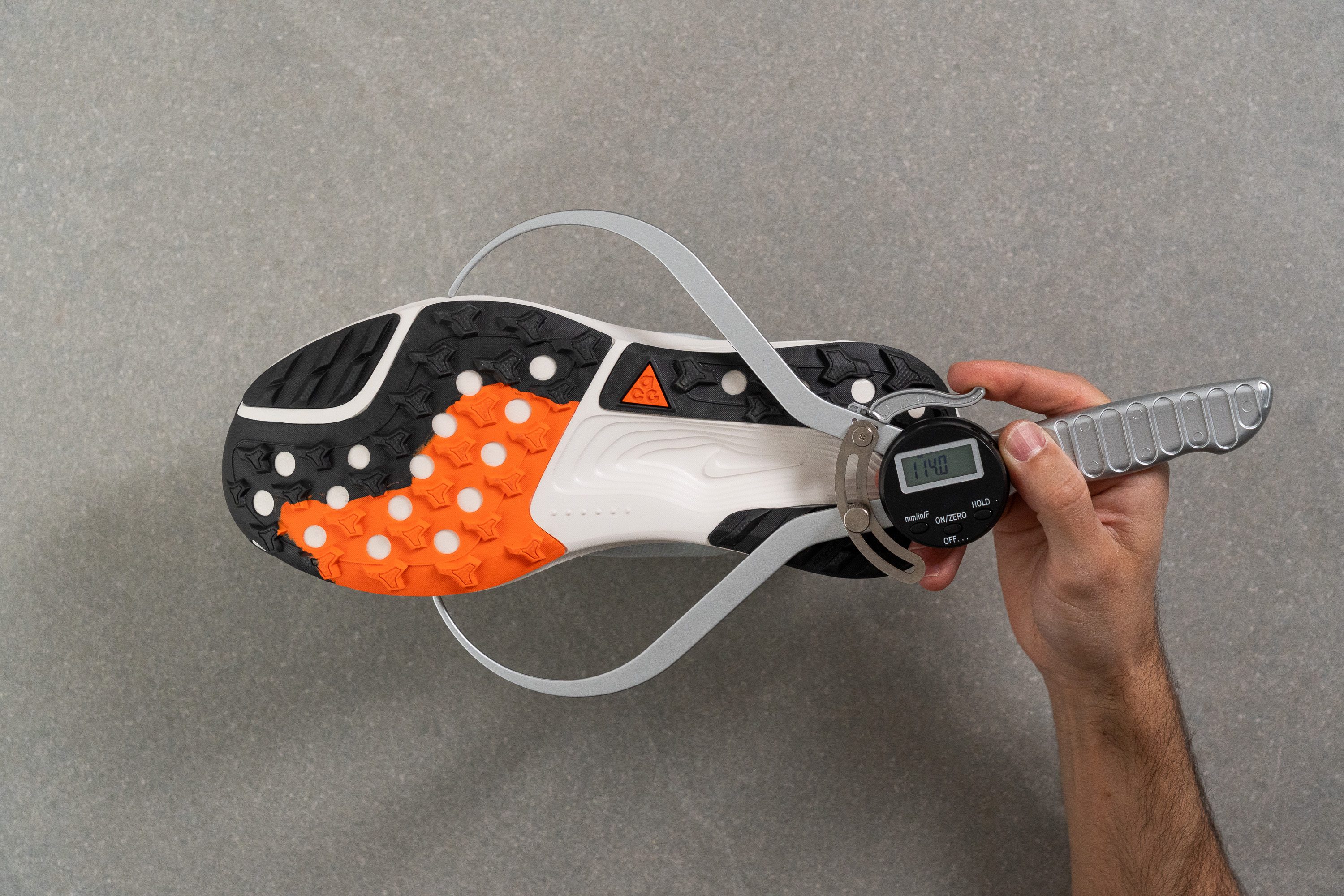
| ACG Pegasus Trail | 114.0 mm |
| Average | 114.2 mm |
Midsole width - heel
With 90.3 mm of heel width, the ACG Pegasus Trail again delivers a balanced landing platform that feels stable enough for neutral heel strikers. However, the soft ReactX foam makes it less appealing for anyone with stability needs.
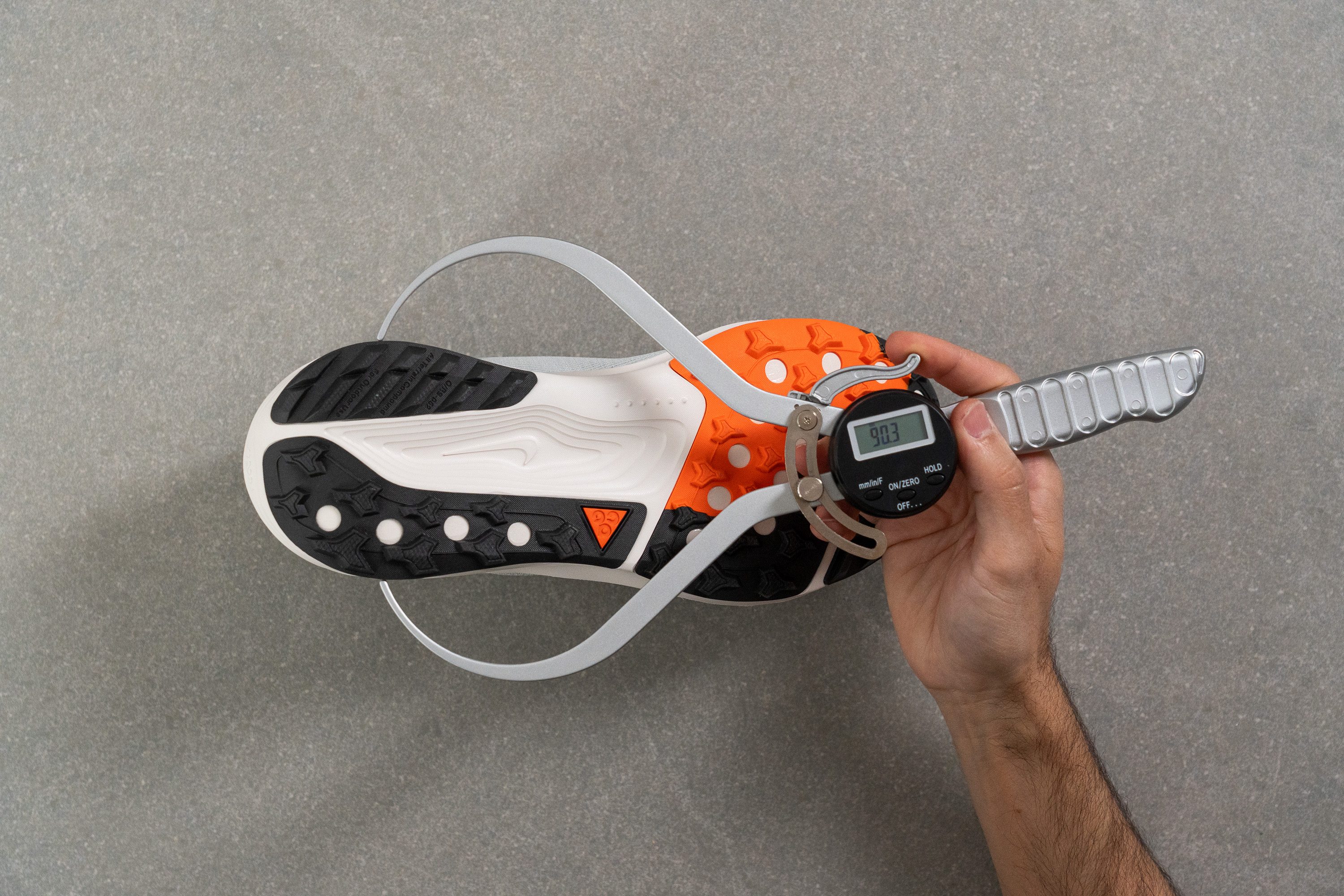
| ACG Pegasus Trail | 90.3 mm |
| Average | 90.4 mm |
Durability
Toebox durability
One of the disappointments with the ACG Pegasus Trail lies here. Having a comfortable upper that feels closer to a road design and uses light reinforcements comes with the downside of a very low score in our Dremel test.
This 1/5 score obviously does not reflect real-world use, but it still proved far less durable than most of its competitors in this exact same test using the same force and time.
| ACG Pegasus Trail | 1 |
| Average | 3.1 |
Heel padding durability
The heel padding fully made up for the previous score with a 5/5, and for many runners, it is better this way than the other way around.
| ACG Pegasus Trail | 5 |
| Average | 3.1 |
Outsole durability
The new ATC 2.0 compound from Nike left us very satisfied. It grips much better and also delivers solid durability, with just 0.7 mm of wear after we finished the Dremel test.
| ACG Pegasus Trail | 0.7 mm |
| Average | 0.9 mm |
Outsole thickness
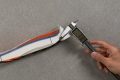
The outsole measures 1.5 mm in thickness and extends into the toe cap area to add some protection for those who tend to kick stones... like us!
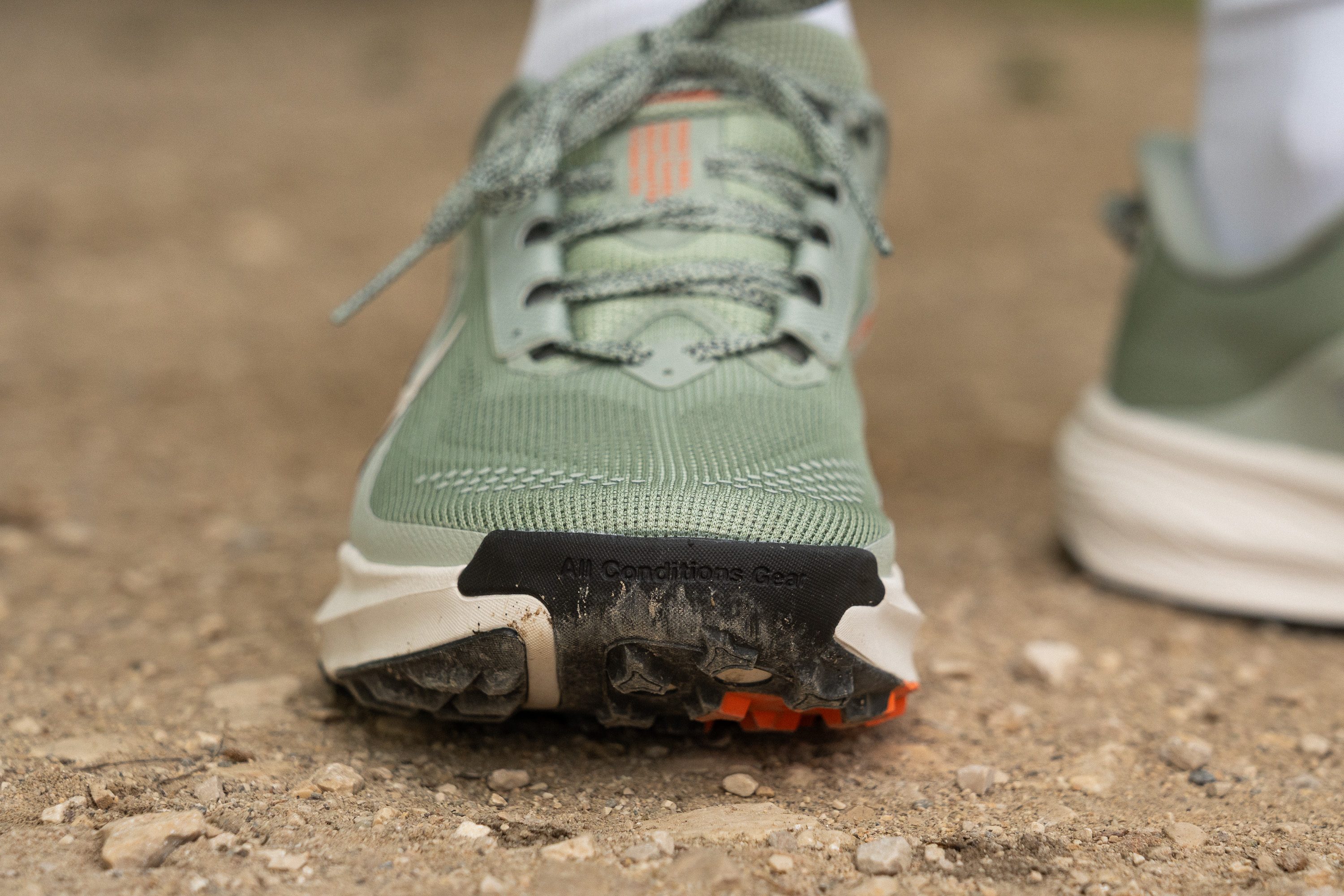
Based on the thickness, we recommend it again for easy terrain rather than sharp objects on demanding trails. Best to keep things simple with the Peg.
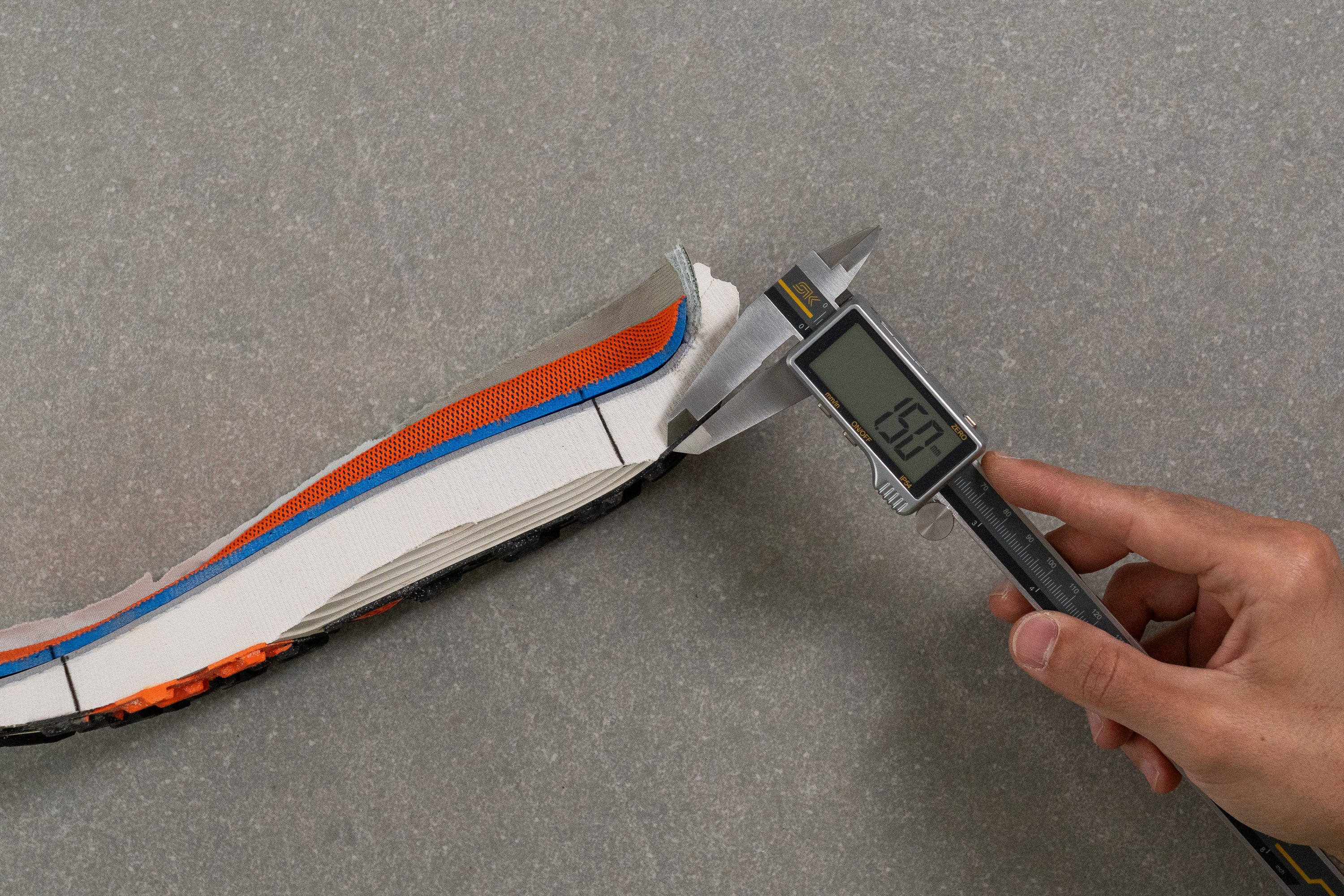
| ACG Pegasus Trail | 1.5 mm |
| Average | 1.9 mm |
Misc
Insole thickness
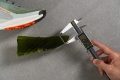
The insole measures 3.8 mm in thickness, which is slightly lower than what we usually find in trail running shoes.
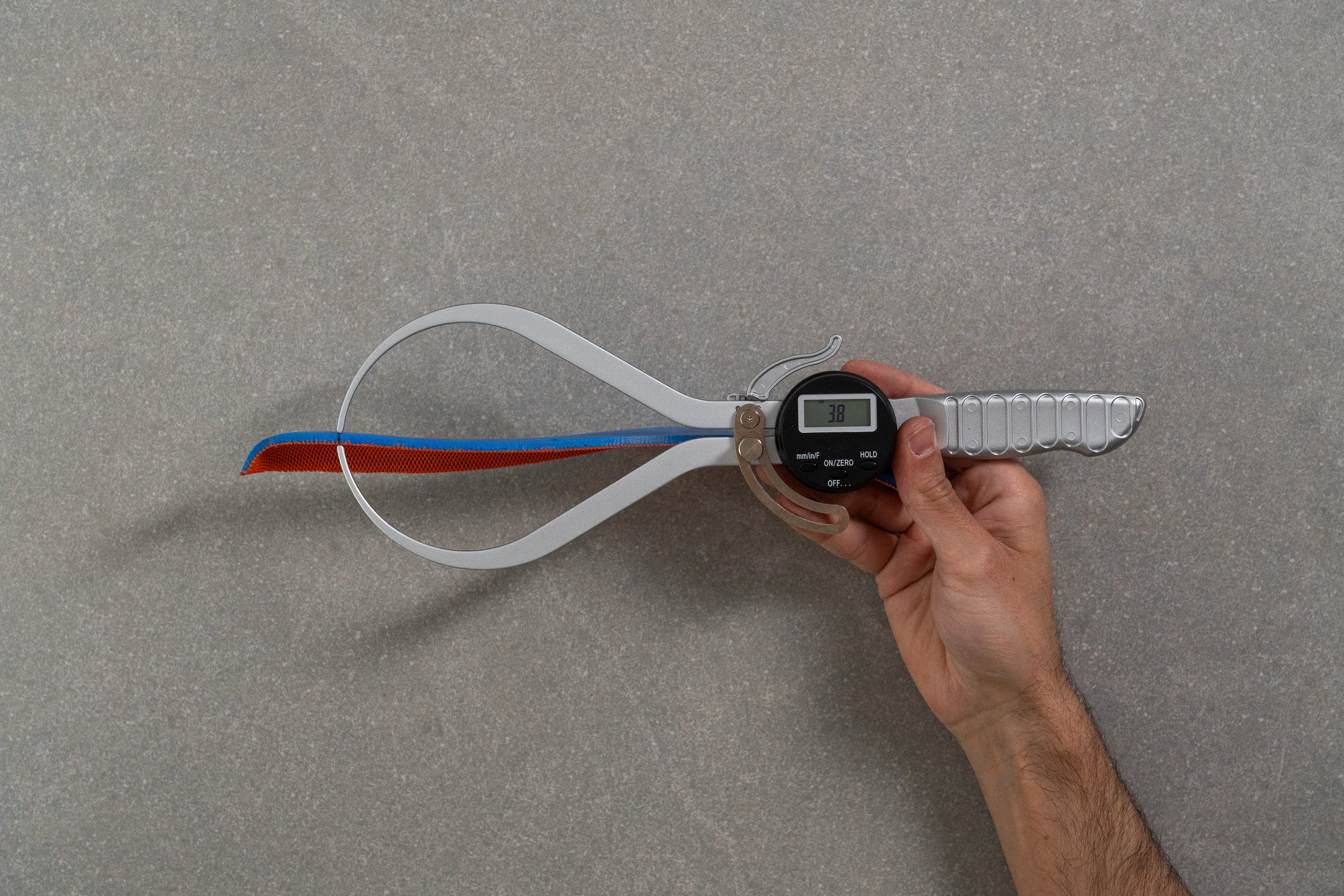
| ACG Pegasus Trail | 3.8 mm |
| Average | 4.6 mm |
Removable insole
There is no issue removing the insole and replacing it with another option, as there is also enough room to accommodate most aftermarket alternatives.
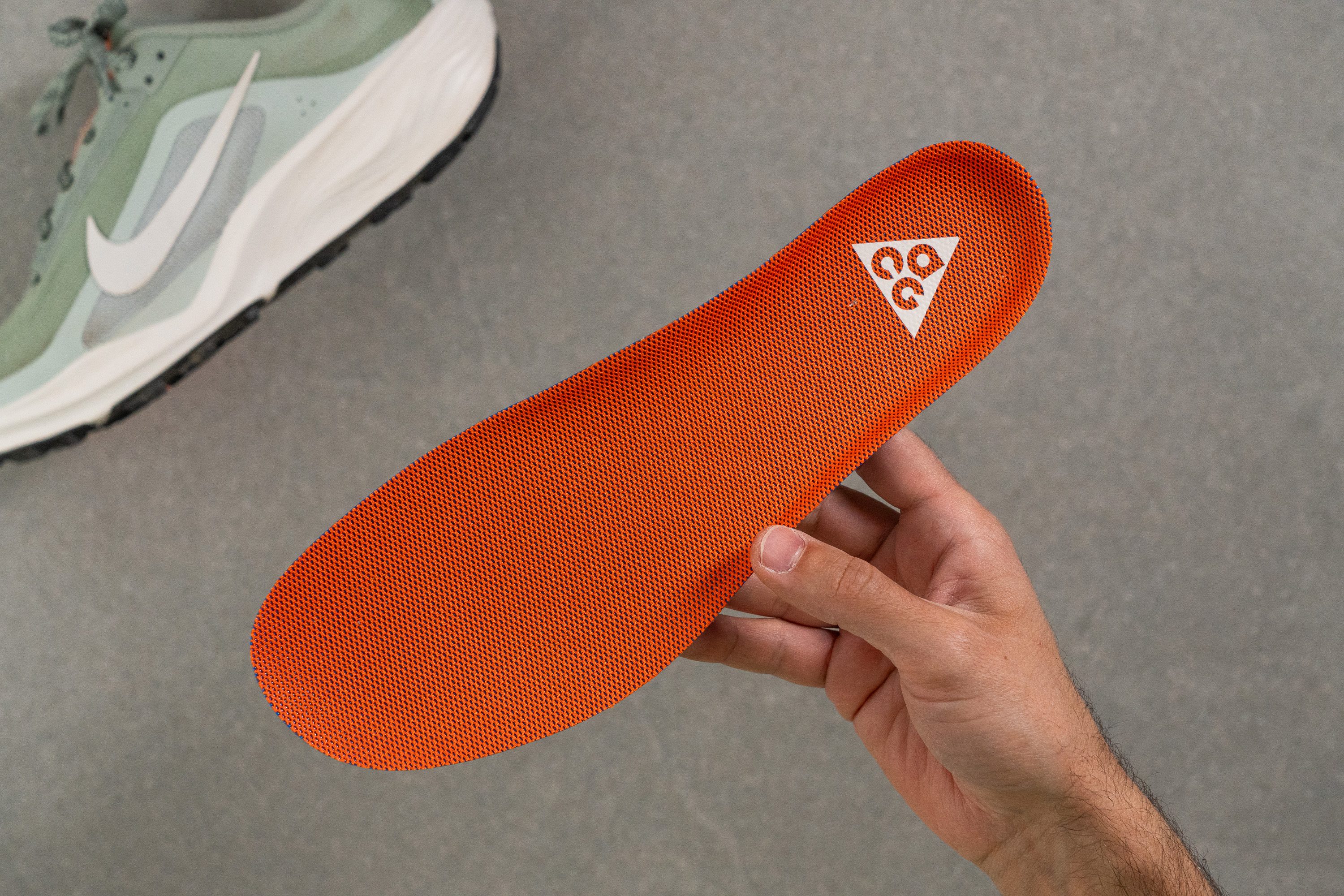
| ACG Pegasus Trail | Yes |
Reflective elements
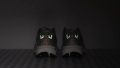
There are two small reflective pieces on the heel of each ACG Pegasus Trail that catch and reflect light. A nice detail.
| ACG Pegasus Trail | No |
Tongue padding
We liked the lacing system of the ACG Pegasus Trail, as it allowed us to adjust tension with ease and never caused any discomfort. The trail-inspired look of the laces is a nice bonus as well, and we appreciated the two extra eyelets instead of the usual single one.
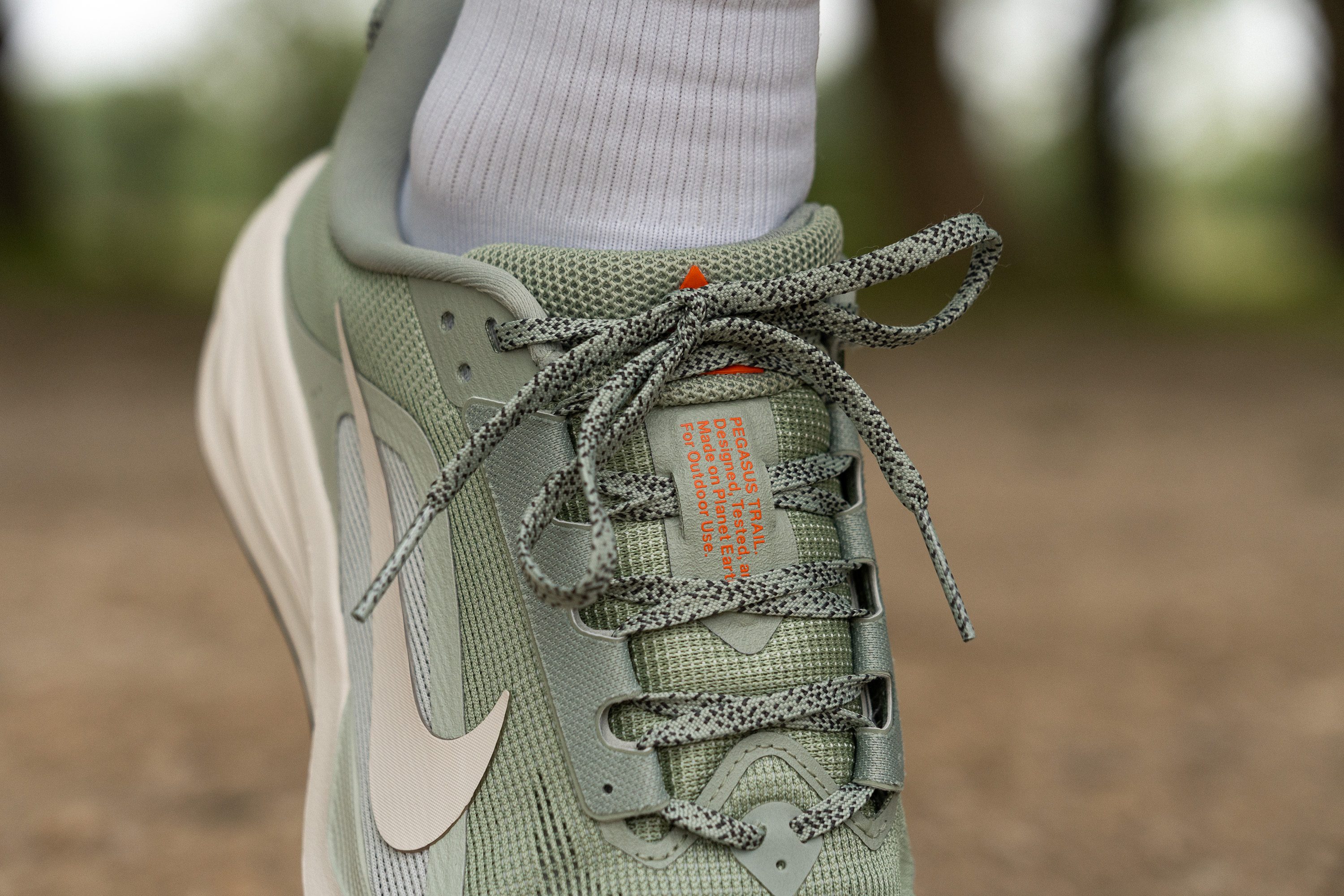
We measured the tongue padding at 10.0 mm. That sends a clear message here: for Nike, prioritizing comfort matters more than any potential weight savings.
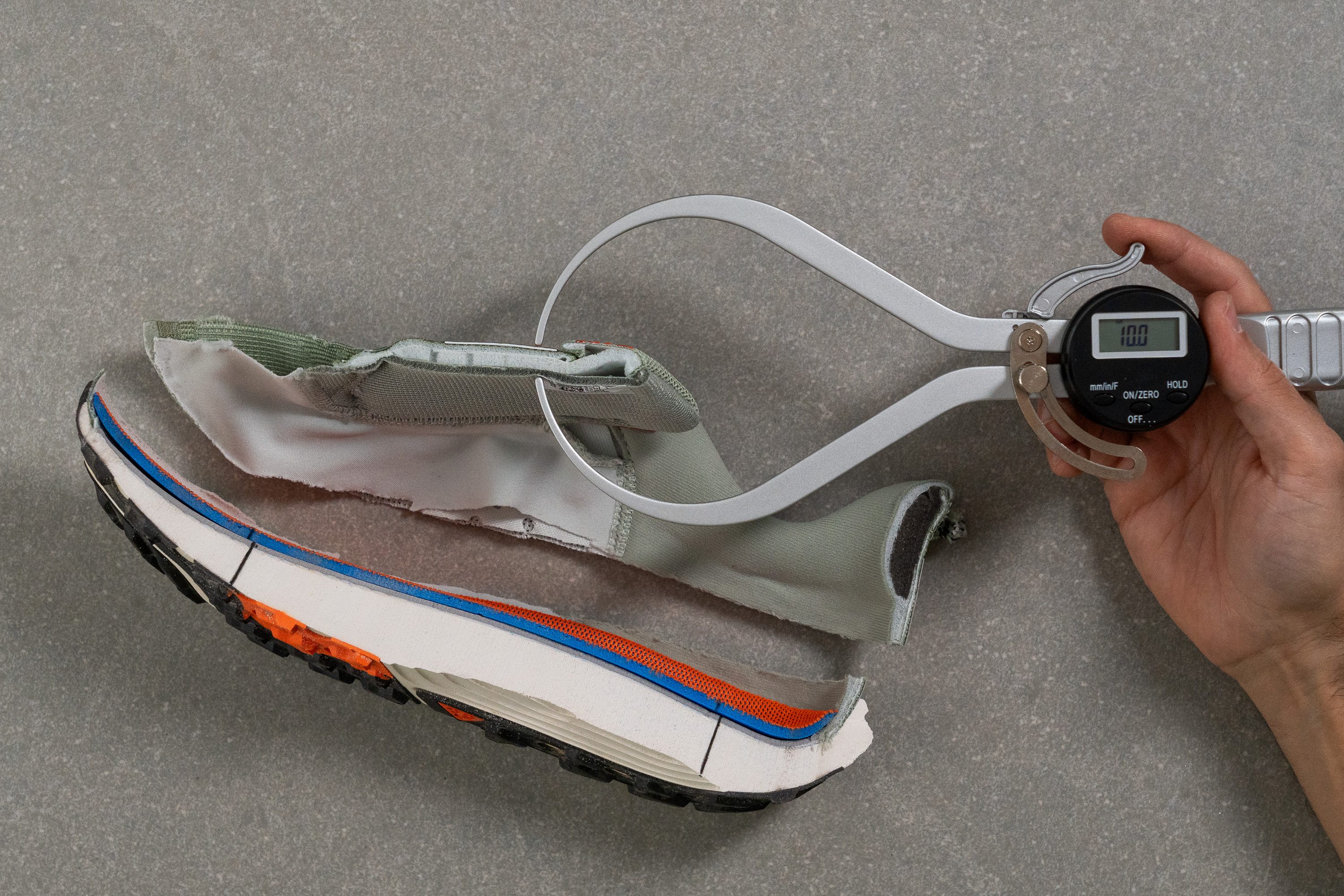
| ACG Pegasus Trail | 10.0 mm |
| Average | 6.4 mm |
Tongue: gusset type
The tongue comes with a semi-gusseted design, which again shows that this is not a serious trail shoe, as those models usually feature a full gusset. Here, it is partially secured but without a complete seal.
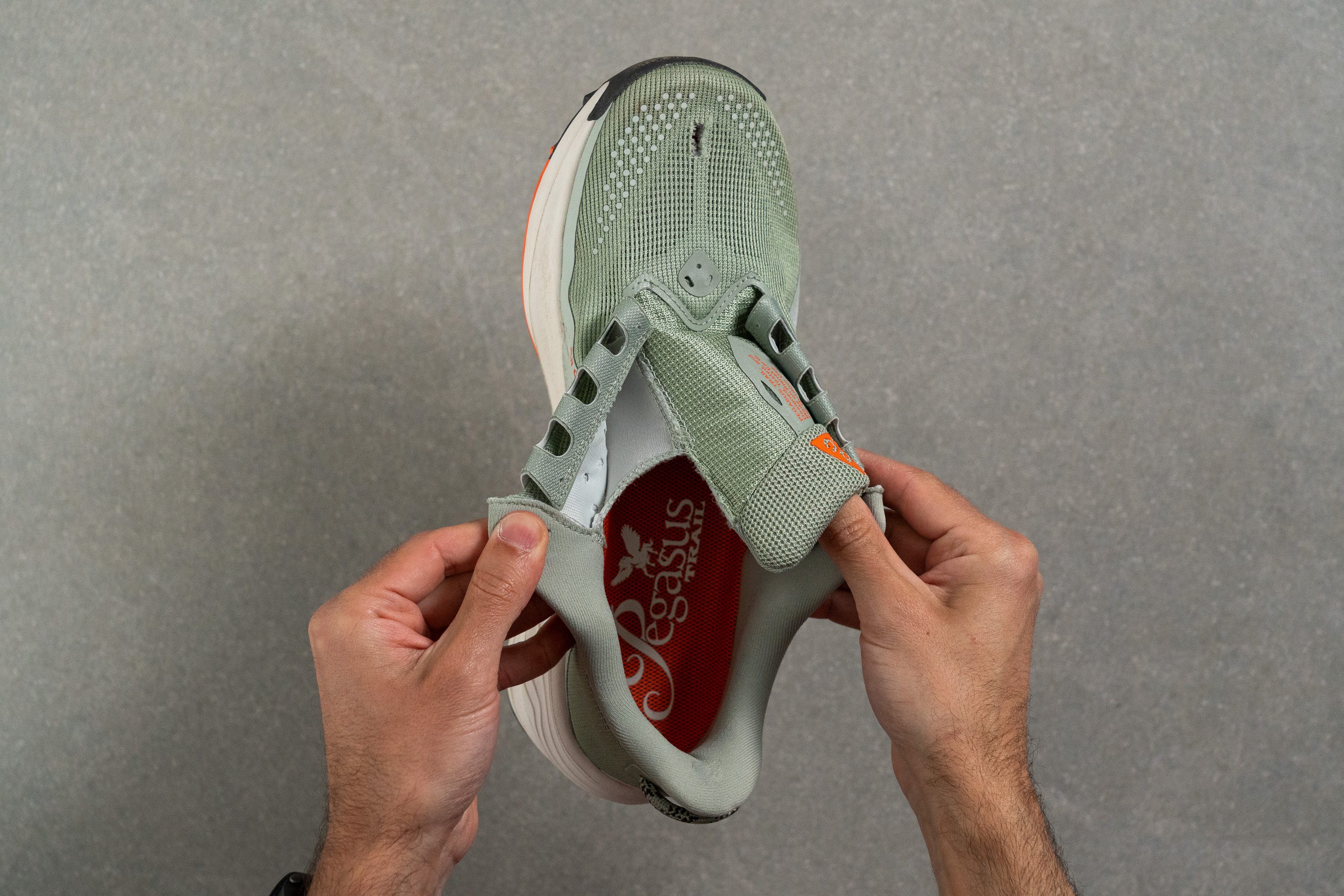
| ACG Pegasus Trail | Both sides (semi) |
Heel tab
Nike changed the heel tab layout from vertical to horizontal, and we think it looks better. The build quality and overall finish also feel improved.
The oversized ACG logo highlights the new All Conditions Gear identity of the Pegasus Trail series, signaling outdoor versatility and rugged styling.
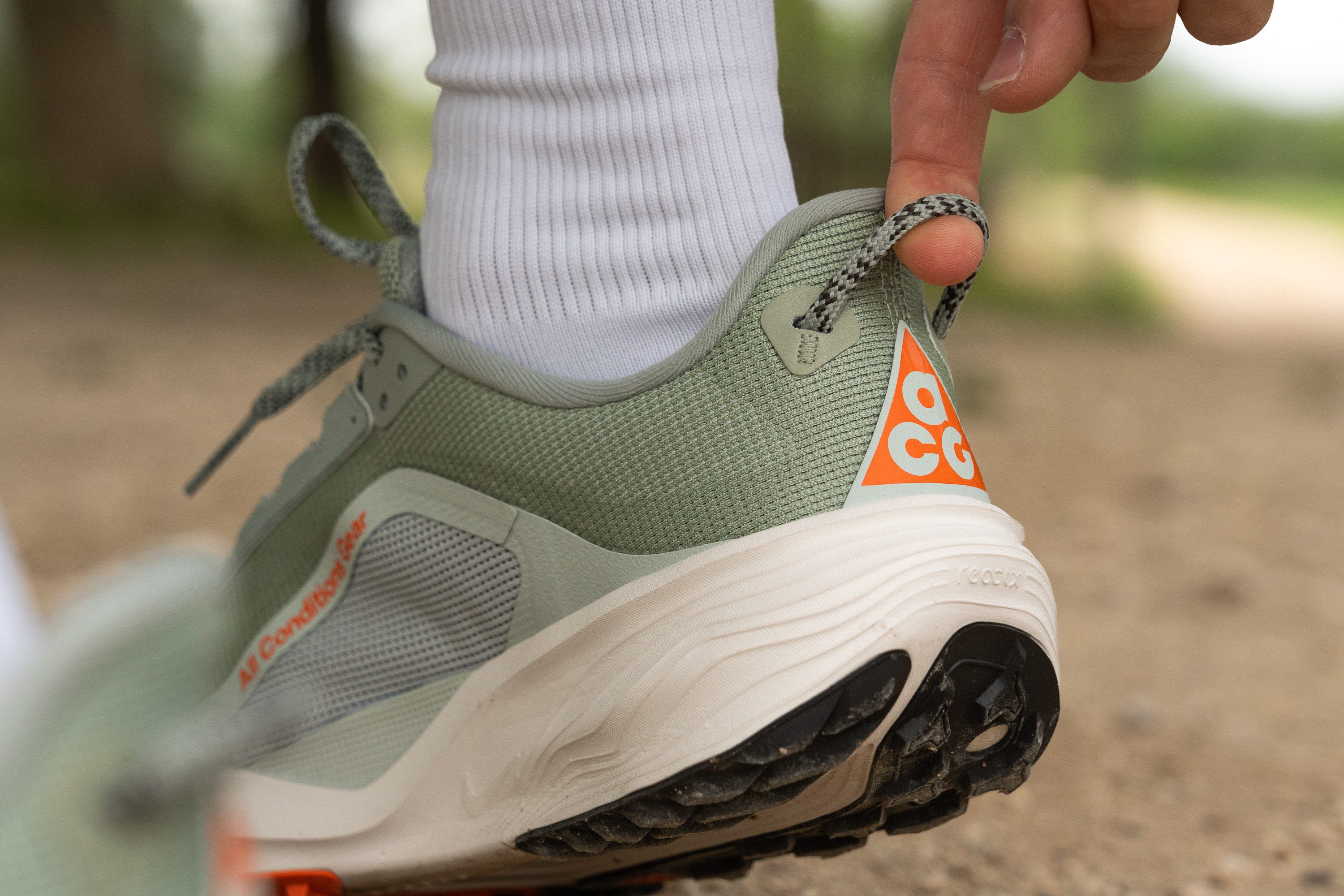
| ACG Pegasus Trail | Finger loop |
Price
The Nike Pegasus Trail 5 comes with a minor price increase that caught us slightly off guard, but we still think it's a fair deal given the traction improvements. However, Nike cannot raise the price again without risk, as it would move too close to other models in the lineup that offer stronger features, such as ZoomX foam.
| ACG Pegasus Trail | $155 |
| Average | $160 |