




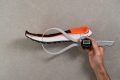
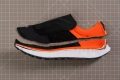

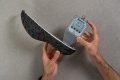
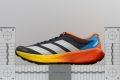




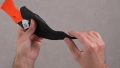
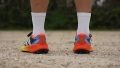
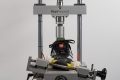
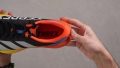




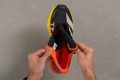
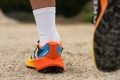
Nuestra conclusión
- Grava 87
- Versátiles 63
- Técnico 44
Pros
- Buena absorción de impactos para su altura
- Espuma LIGHTSTRIKE más blanda
- Suela hecha totalmente de caucho Continental
- Ideales para empezar con el trail running
- Pisada estable para corredores neutros
- Versátiles: trail running y senderismo
- Precio justo
- Cordones de alta calidad
- Estupendas para correr por grava
Contras
- Retorno de energía más bajo que la media
- Upper muyi duradero
- No son nada transpirables
- Solo para aventuras fáciles
Premios
Comparativa
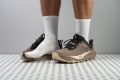
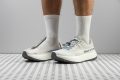
Las zapatillas de running más parecidas
+ + Añadir unas zapatillas | |||||
|---|---|---|---|---|---|
| Nuestra puntuación | 78 Buenas | 82 Geniales | 86 Geniales | 87 Geniales | |
| Precio | 140 € | 160 € | 160 € | 160 € | |
| Terreno de trail | Grava / Trail y asfalto | Grava / Trail y asfalto | Grava / Trail y asfalto | Grava / Trail y asfaltoVersátiles / Terreno de dificultad moderada | |
| Absorción de impactos | Moderada | Moderada | Alta | Moderada | |
| Retorno de energía | Moderado | Moderado | Moderado | Moderado | |
| Tracción | Alta | - | Alta | Alta | |
| Sujeción arco del pié | Neutral | Neutral | Neutral | Neutral | |
| Peso laboratorio Peso marca | 10 oz / 283g 9.8 oz / 277g | 10.2 oz / 288g 10 oz / 283g | 8.8 oz / 249g 8.5 oz / 242g | 10 oz / 283g 9.9 oz / 281g | |
| Ligero | ✗ | ✗ | ✓ | ✗ | |
| Drop laboratorio Drop marca | 9.1 mm 8.0 mm | 7.0 mm 8.0 mm | 8.1 mm 6.0 mm | 6.3 mm 8.0 mm | |
| Técnica de carrera | TalónMedio/antepié | Medio/antepié | TalónMedio/antepié | Medio/antepié | |
| Talla | Tallan bien | Tallan bien | Tallan bien | Tallan bien | |
| Rigidez de la mediasuela | Equilibrada | Equilibrada | Equilibrada | Equilibrada | |
| Diferencia de la rigidez de la mediasuela en frío | Pequeña | Normal | Pequeña | Pequeña | |
| Placa | ✗ | Rock plate | ✗ | Rock plate | |
| Durabilidad de la parte delantera | Muy mala | Buena | Mala | Decente | |
| Durabilidad del acolchado del talón | Media | Alta | Alta | Alta | |
| Durabilidad de la suela exterior | Buena | Buena | Decente | Decente | |
| Transpirabilidad | Baja | Media | Media | Media | |
| Anchura / ajuste | Media | Media | Media | Ancha | |
| Anchura de la parte delantera | Media | Media | Estrecha | Ancha | |
| Flexibilidad | Moderada | Rígida | Moderada | Rígida | |
| Rigidez torsional | Moderadas | Rígidas | Moderadas | Flexibles | |
| Rigidez del contrafuerte del talón | Rígido | Rígido | Rígido | Rígido | |
| Profundidad del dibujo de la suela | 3.1 mm | 3.3 mm | 1.9 mm | 3.7 mm | |
| Altura de la suela en la zona del talón laboratorio Altura de la suela en la zona del talón marca | 32.6 mm 35.0 mm | 33.8 mm 34.0 mm | 34.5 mm 35.0 mm | 32.1 mm 36.0 mm | |
| Antepié laboratorio Antepié marca | 23.5 mm 27.0 mm | 26.8 mm 26.0 mm | 26.4 mm 29.0 mm | 25.8 mm 28.0 mm | |
| Anchuras disponibles | Estándar | Estándar | Estándar | Estándar | |
| Para corredores pesados | ✗ | ✗ | ✓ | ✗ | |
| Estación | Invierno | Todas las estaciones | Todas las estaciones | Todas las estaciones | |
| Plantilla extraíble | ✓ | ✓ | ✓ | ✓ | |
| Compatibles con plantillas personalizadas | ✓ | ✓ | ✓ | ✓ | |
| Clasificación | #279 30% inferior | #186 Top 47% | #89 Top 23% | #69 Top 18% | |
| Popularidad | #331 17% inferior | #127 Top 32% | #68 Top 17% | #158 Top 40% |
Quién debería comprárselas
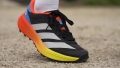
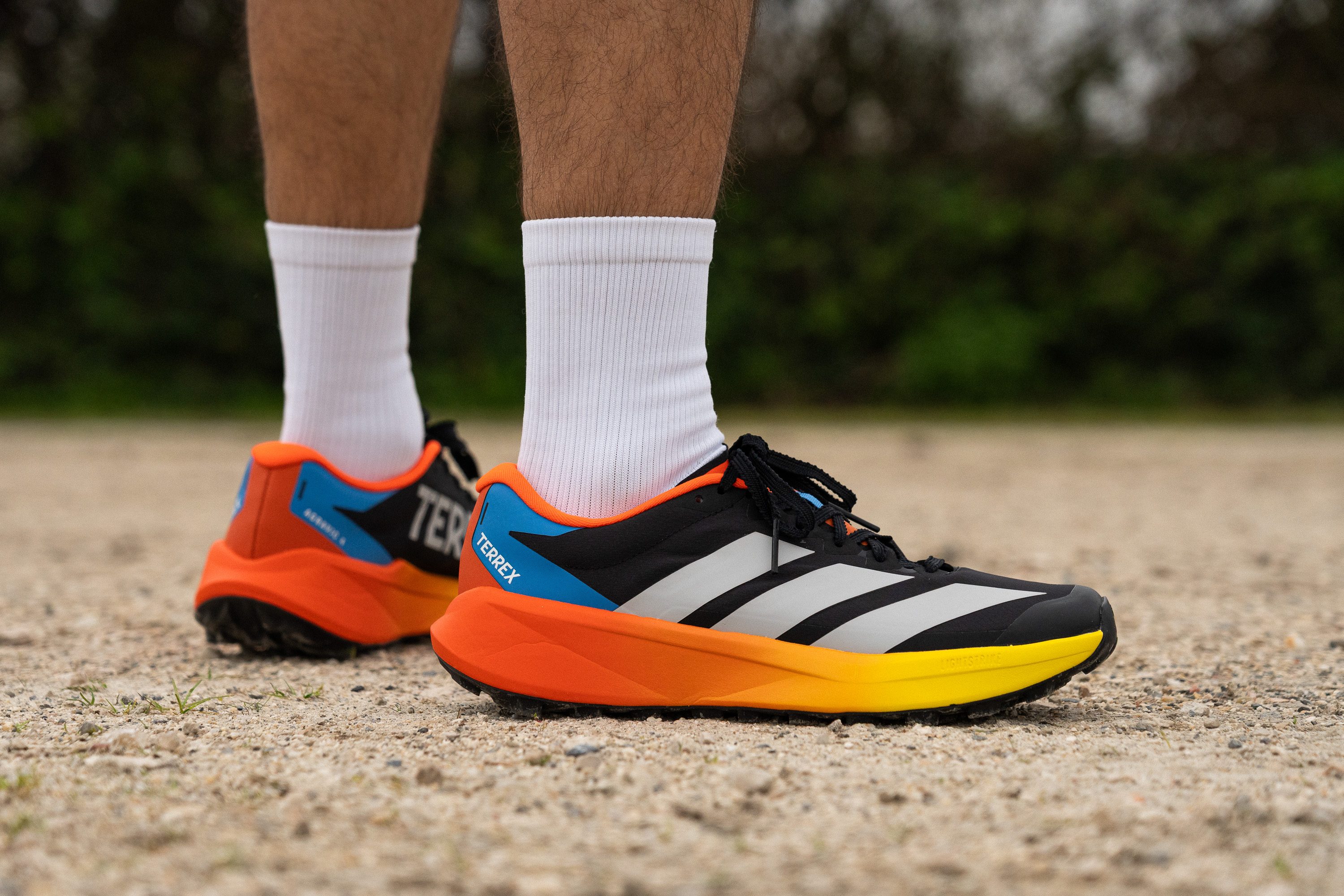
En nuestra opinión, las adidas Terrex Agravic 4 les van a encantar a:
- Los deportistas que quieren una tracción de élite y la fiabilidad probada del caucho Continental en terrenos distintos.
- Los que acaban de empezar en el trail running y están buscando unas zapatillas versátiles y sencillas para irse de aventuras de vez en cuando los fines de semana.
- Los runners que no se quieren gastar una pasta y que quieren un par de trail sólido sin meterse en precios premium.
- Los corredores que prefieren las zapatillas con un drop alto para el trail.
Quién NO debería comprárselas
Lo que las adidas Terrex Agravic 4 sí que tienen que mejorar es el rebote, ya que la espuma LIGHTSTRIKE nos dejó con ganas de más. Su retorno de energía es bajo, y si esa característica es importante para ti, te recomendamos dos alternativas: las adidas Adizero EVO SL ATR para las zonas fáciles o los caminos de grava, o las ASICS Trabuco 14 si quieres una opción que esté más lista para el trail.
También creemos que el drop no les va a hacer ninguna gracia a algunos runners. Si prefieres unas zapatillas con un drop más bajo, las New Balance Fresh Foam X Hierro v9 son una alternativa perfecta.
Amortiguación
Shock absorption
Las adidas Terrex Agravic 4 tienen una buena absorción de impactos, sobre todo en relación con la altura de su suela. Con 122 SA en el talón y 102 SA en el antepié, ofrecen la protección suficiente para la mayoría de las carreras en la montaña.
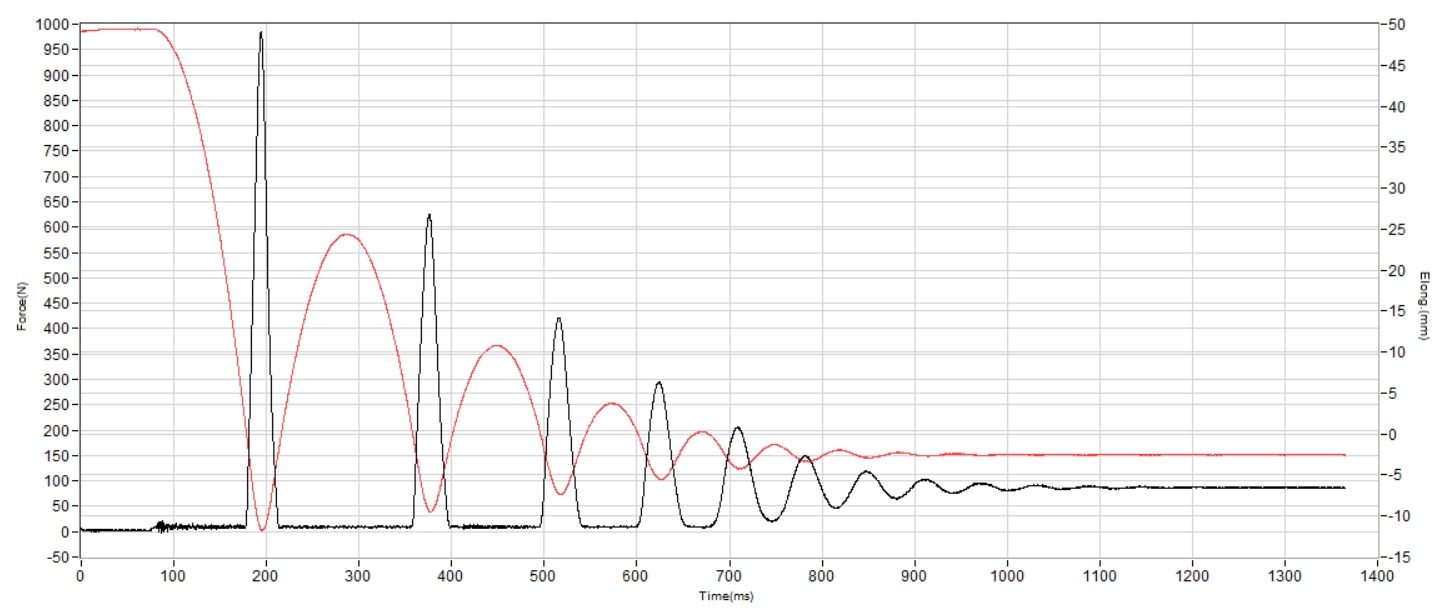
| Terrex Agravic 4 | 122 SA |
| Media | 122 SA |
Energy return
Si estás buscando retorno de energía... mejor siéntate antes de seguir leyendo. Con un 50,3 % en el talón y un 55,2 % en el antepié, en ningún caso alcanzan la media.
¿Que por qué? Pues mira, porque adidas utiliza LIGHTSTRIKE, una espuma centrada en el entrenamiento que ofrece una buena durabilidad, pero que no destaca por su retorno de energía, como volvimos a confirmar en nuestro laboratorio. Además, producirla es más barato, lo que hace que el precio de las Agravic 4 no se mueva de un rango razonable. Eso sí, no todos los runners necesitan espumas con un montón de rebote, sobre todo en el trail running.
| Terrex Agravic 4 | 55.2% |
| Media | 59.7% |
Altura de la suela en la zona del talón
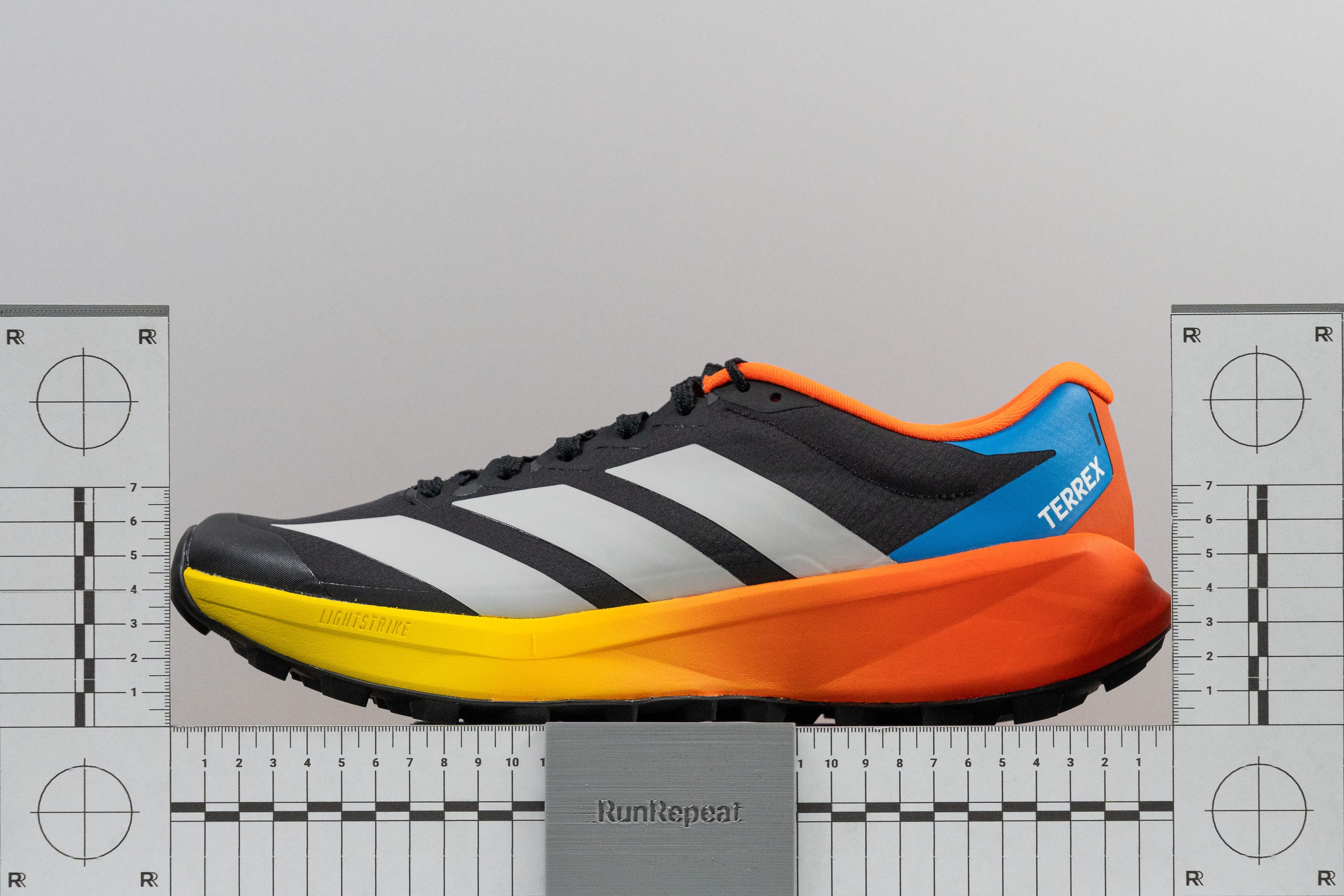
Las adidas Terrex Agravic 4 tienen una suela de altura moderada en el talón, y la verdad es que sus 32,6 mm nos parecen una elección inteligente para unas zapatillas diseñadas para varios usos. Son una alternativa equilibrada a los modelos de trail con amortiguación máxima actuales.
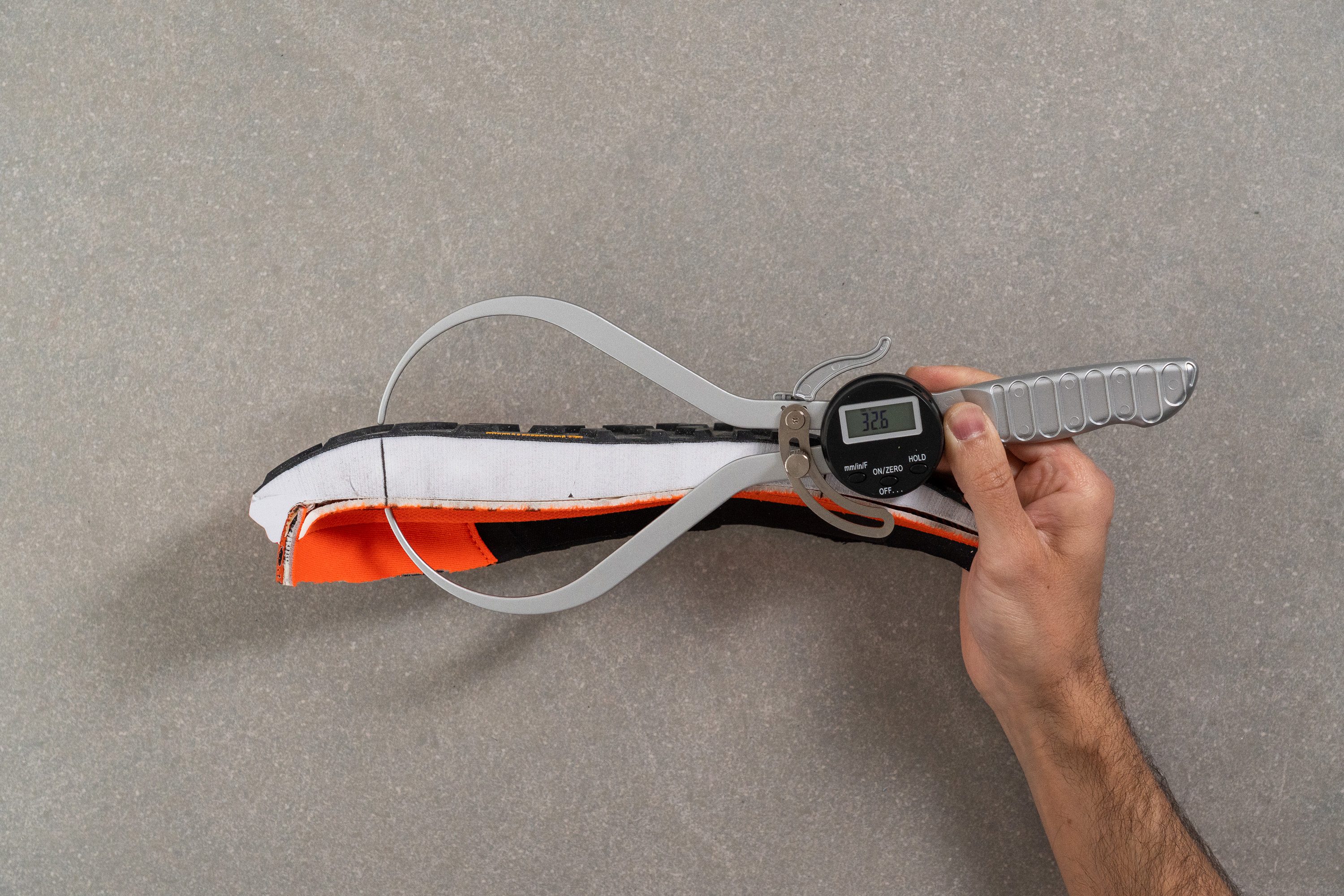
| Terrex Agravic 4 | 32.6 mm |
| Media | 32.9 mm |
Altura de la suela en el antepié
De hecho, el antepié es más bajito que la media de su categoría, lo que las convierte en una opción excelente para los runners que buscan una buena conexión con el suelo. Con solo 23,5 mm, también sirve como un modelo versátil con el que hacer senderismo.
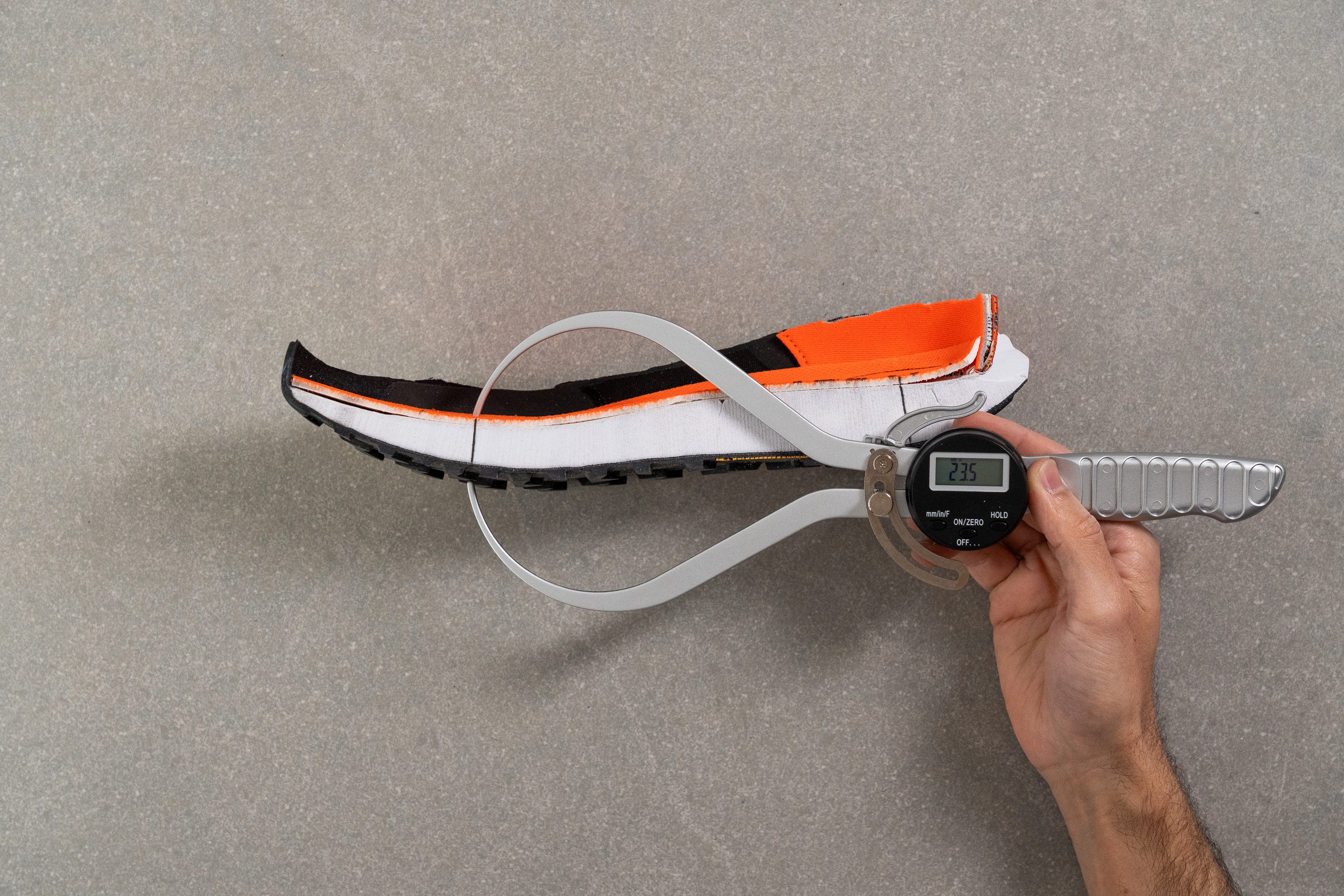
| Terrex Agravic 4 | 23.5 mm |
| Media | 25.7 mm |
Drop
Después de hacer nuestros cálculos, vimos que el drop de estas zapatillas es de 9,1 mm, así que están muy cerca de los 8 mm que indica adidas. Sin duda, funcionan mejor en las zonas fáciles (porque sus tacos son poco profundos, cosa que veremos más adelante) y no son ideales para los runners que prefieren un drop más bajo en el trail. Por otro lado, nos parecen una opción sólida tanto para los principiantes como para los talonadores.
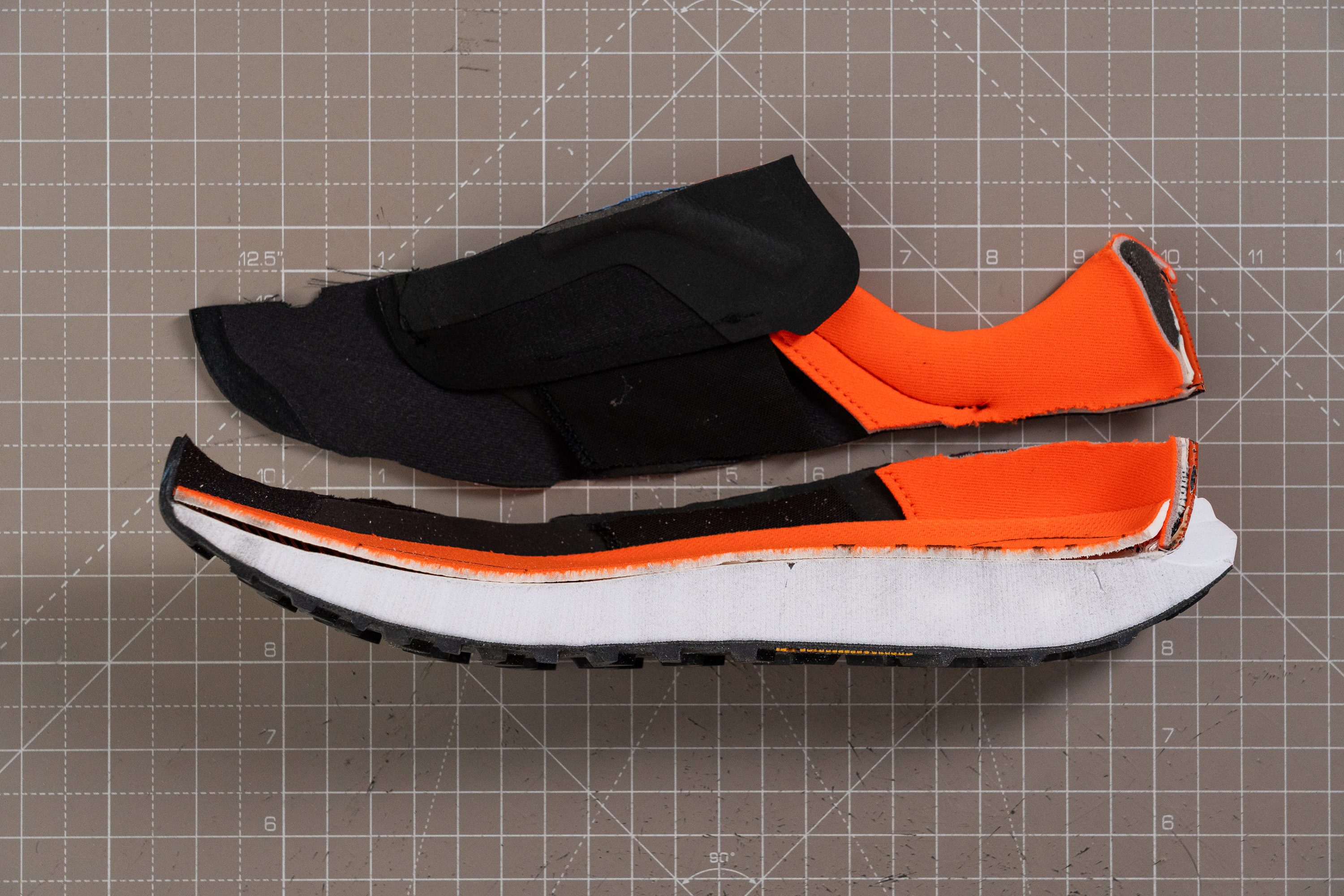
| Terrex Agravic 4 | 9.1 mm |
| Media | 7.2 mm |
Dureza de la mediasuela
adidas ha reajustado la formulación de la espuma LIGHTSTRIKE para este modelo. Sentimos que era más suave incluso en el primer paso, cosa que confirmamos después cuando nuestro durómetro Asker C marcó 33,3 AC.
A los amantes del trail running que prefieren una sensación un poquito más firme bajo los pies a lo mejor les parece demasiado blanda, pero está claro que la demanda de espumas más blanditas está en auge, y las marcas lo saben.
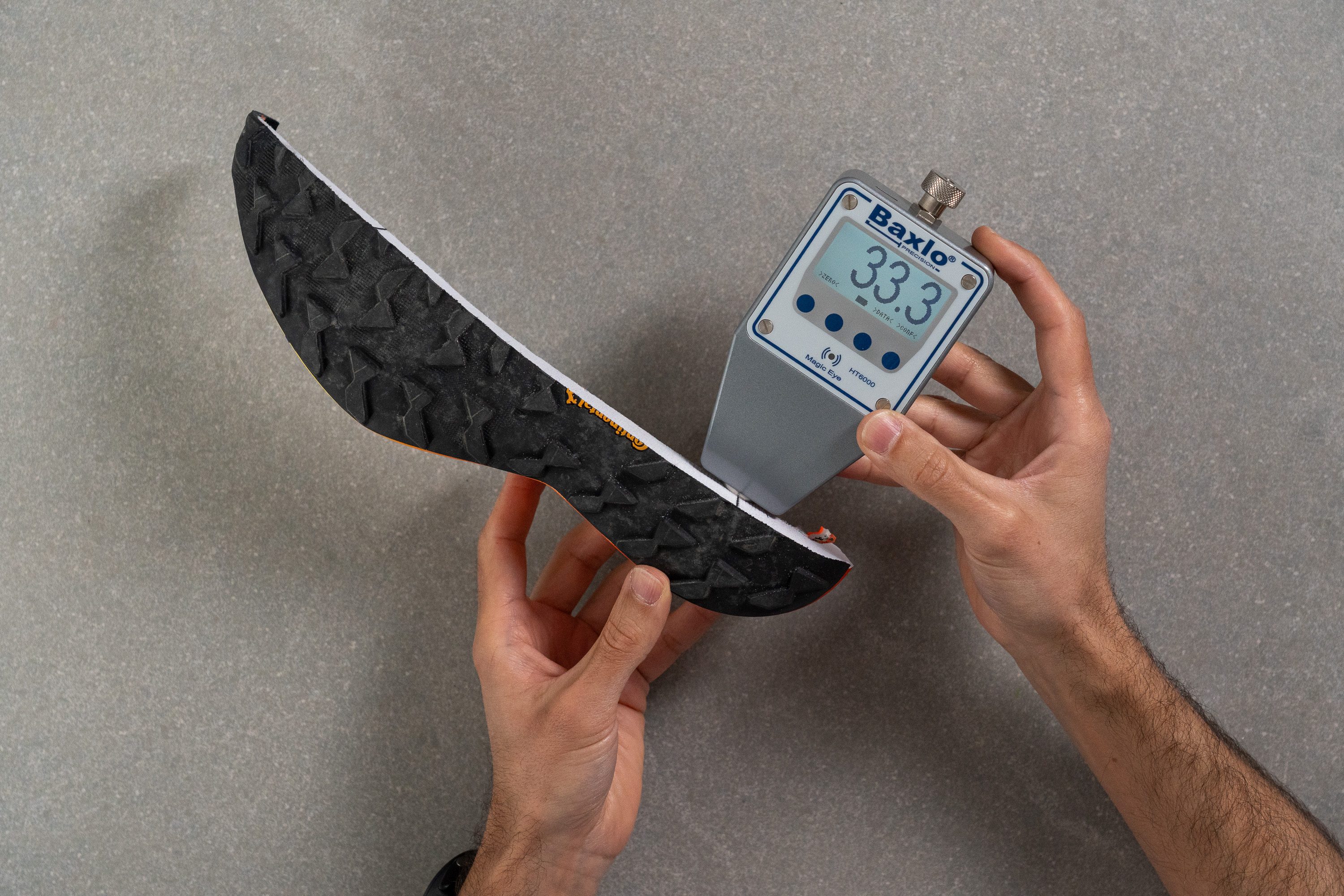
| Terrex Agravic 4 | 33.3 AC |
| Media | 38.3 AC |
Rocker
Otra característica de diseño que nos dice que a estas zapatillas se le van a dar mejor los terrenos fáciles es el rocker. Tanto el antepié como el talón tienen cierta curvatura, aunque no sea excesivamente pronunciada. Lo más probable es que a los runners que están acostumbrados a los modelos de trail más planos este diseño se le haga un poco raro al principio en el talón.
Tallaje y ajuste
Talla
Las adidas Terrex Agravic 4 tallan bien (11 votos).
Longitud interna
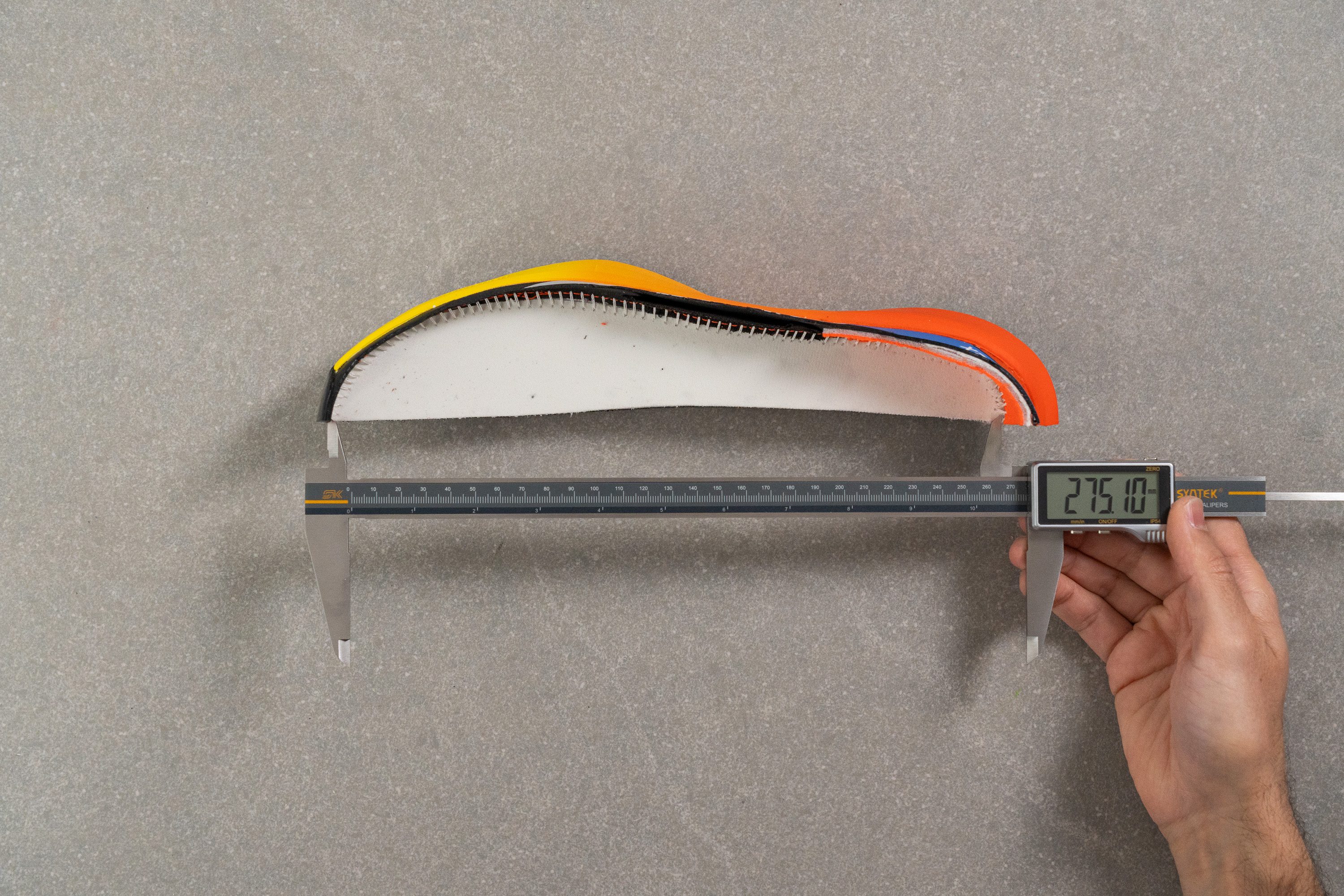
| Terrex Agravic 4 | 275.1 mm |
| Media | 269.1 mm |
Anchura / Ajuste
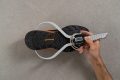
Nos hemos dado cuenta de que los últimos modelos que ha sacado adidas, como las Supernova Solution 2 y las Supernova Rise 3, tienen interiores más espaciosos, cosa que es muy buena noticia para los runners con pies anchos.
Gracias a nuestro gel, pudimos confirmar que este nuevo ajuste también hace acto de presencia en la línea de trail, ya que las Terrex Agravic 4 alcanzaron un total de 97,9 mm en nuestra primera medición.
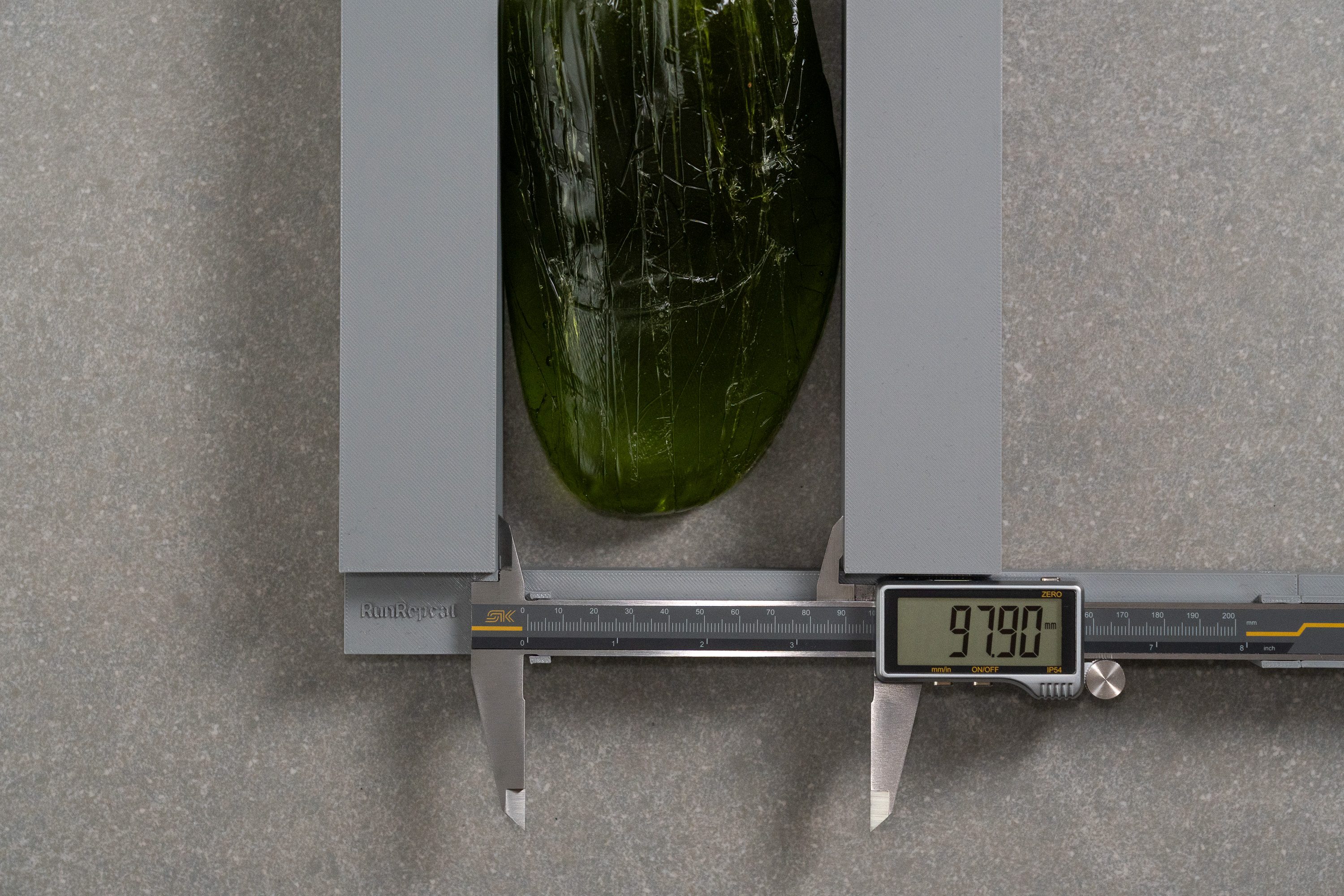
| Terrex Agravic 4 | 97.9 mm |
| Media | 95.7 mm |
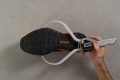
Anchura de la parte delantera
Como muchos otros pares de adidas, la parte delantera es estrecha (73,0 mm), así que se acerca a la media de las zapatillas de running.
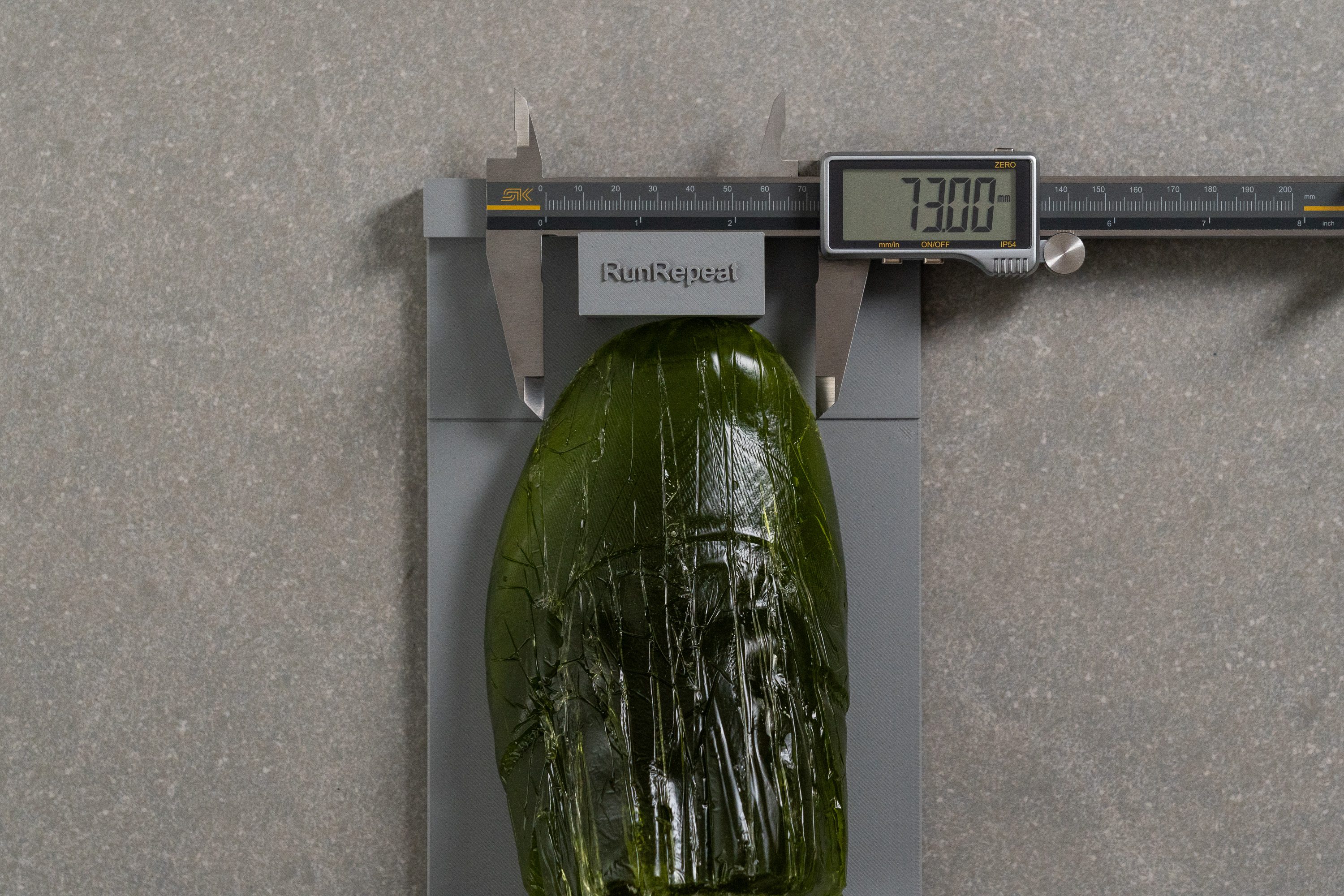
| Terrex Agravic 4 | 73.0 mm |
| Media | 74.3 mm |
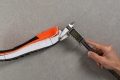
Altura de la parte delantera
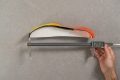
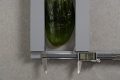
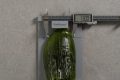
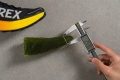
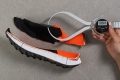
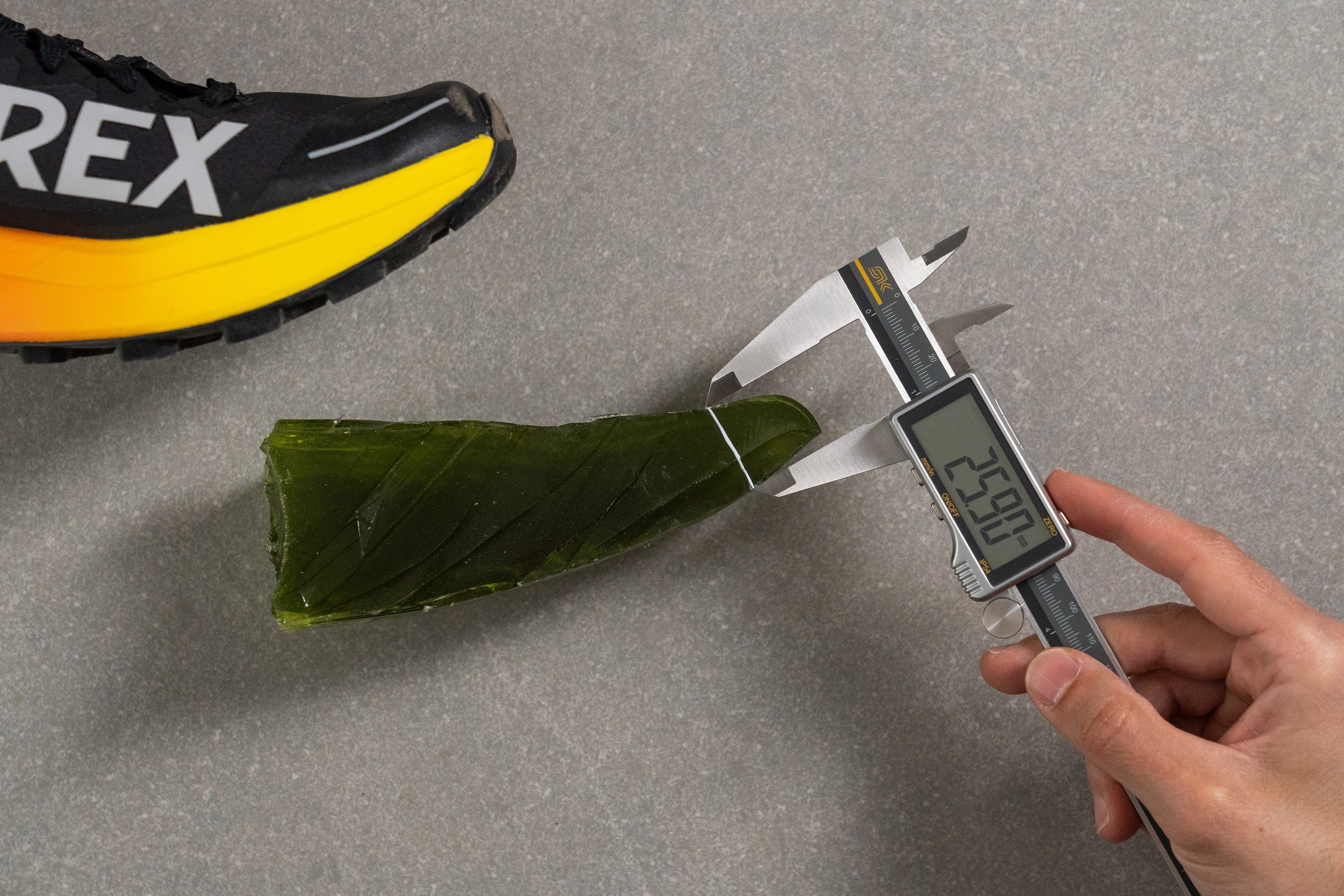
Terminamos midiendo la altura de la zona de los dedos para entender mejor el ajuste, y nuestro calibre marcó 25,9 mm.
Este resultado coincide con lo que sentimos al correr, ya que se acerca mucho a los dedos pero no crea una presión innecesaria. Es ideal para los runners que prefieren una sensación más segura y firme.
| Terrex Agravic 4 | 25.9 mm |
| Media | 27.0 mm |
Tracción / Agarre
Traction test
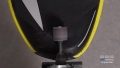
Para nosotros, el punto clave que más llama la atención de las Agravic 4 es su suela de caucho Continental. adidas ha ido eliminando este detalle de otras de sus líneas, como las Supernova, e incluso de algunos modelos Adistar pero, por suerte, estas zapatillas aún lo tienen. Como era de esperar, la tracción es muy sólida tanto en zonas secas como mojadas, y en nuestra prueba de tracción en el laboratorio, se llevaron un estupendo 0,70.
| Terrex Agravic 4 | 0.70 |
| Media | 0.68 |
Profundidad del dibujo de la suela
Las Terrex Agravic 4 tienen unos tacos de 3,1 mm, lo que hace que sean una opción estupenda para las zonas fáciles. Además, creemos que se pueden adaptar estupendamente a los caminos de grava, ya que tienen una cobertura completa de caucho Continental que ayuda a proteger la mediasuela de las rocas afiladas.
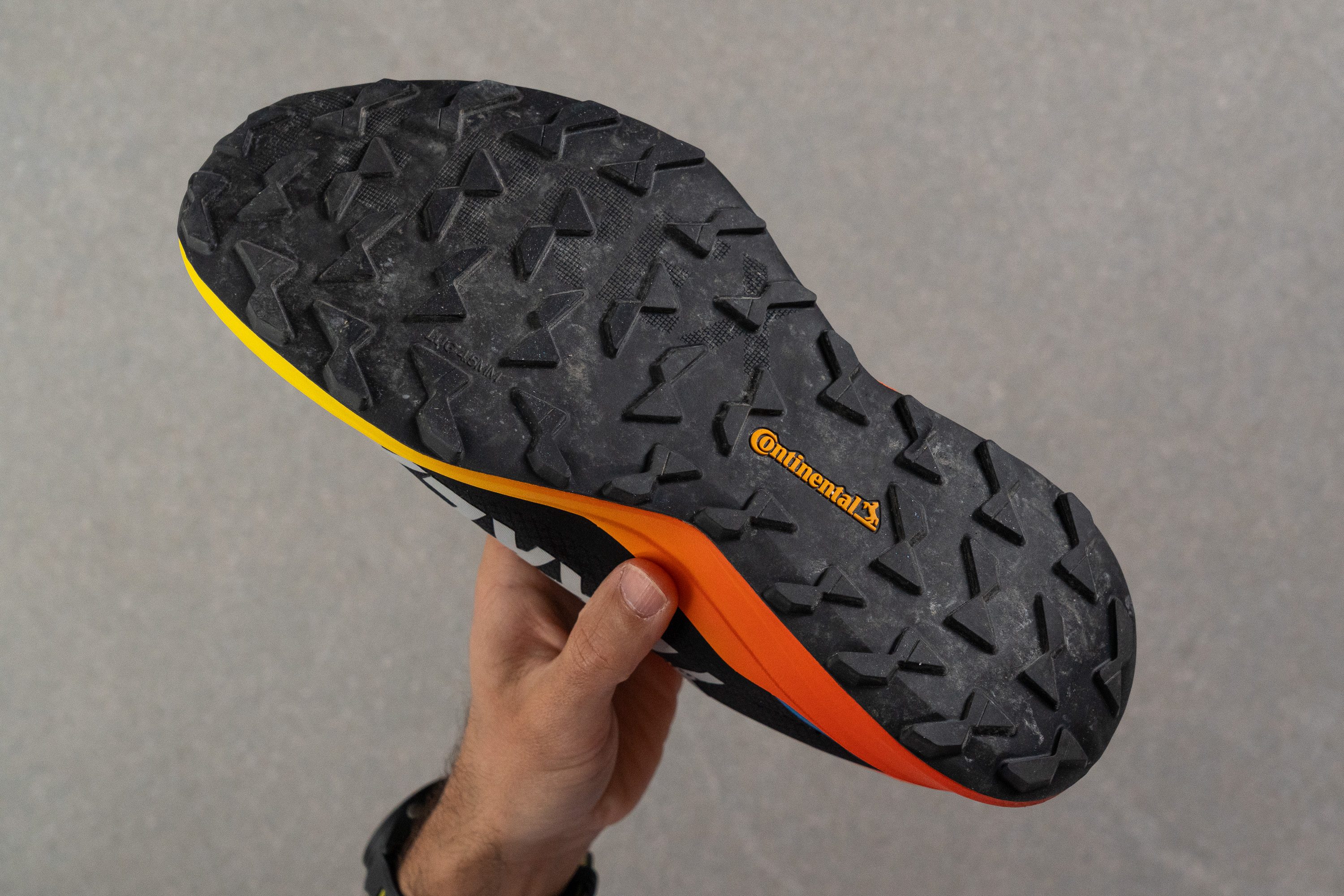
Además, está claro que la forma de los tacos está pensada para los terrenos menos técnicos. Cuando salimos a correr, no tuvimos problemas en las curvas o cuando aumentamos el ritmo en las zonas sencillas, reforzando nuestra idea de que sirven también para grava.
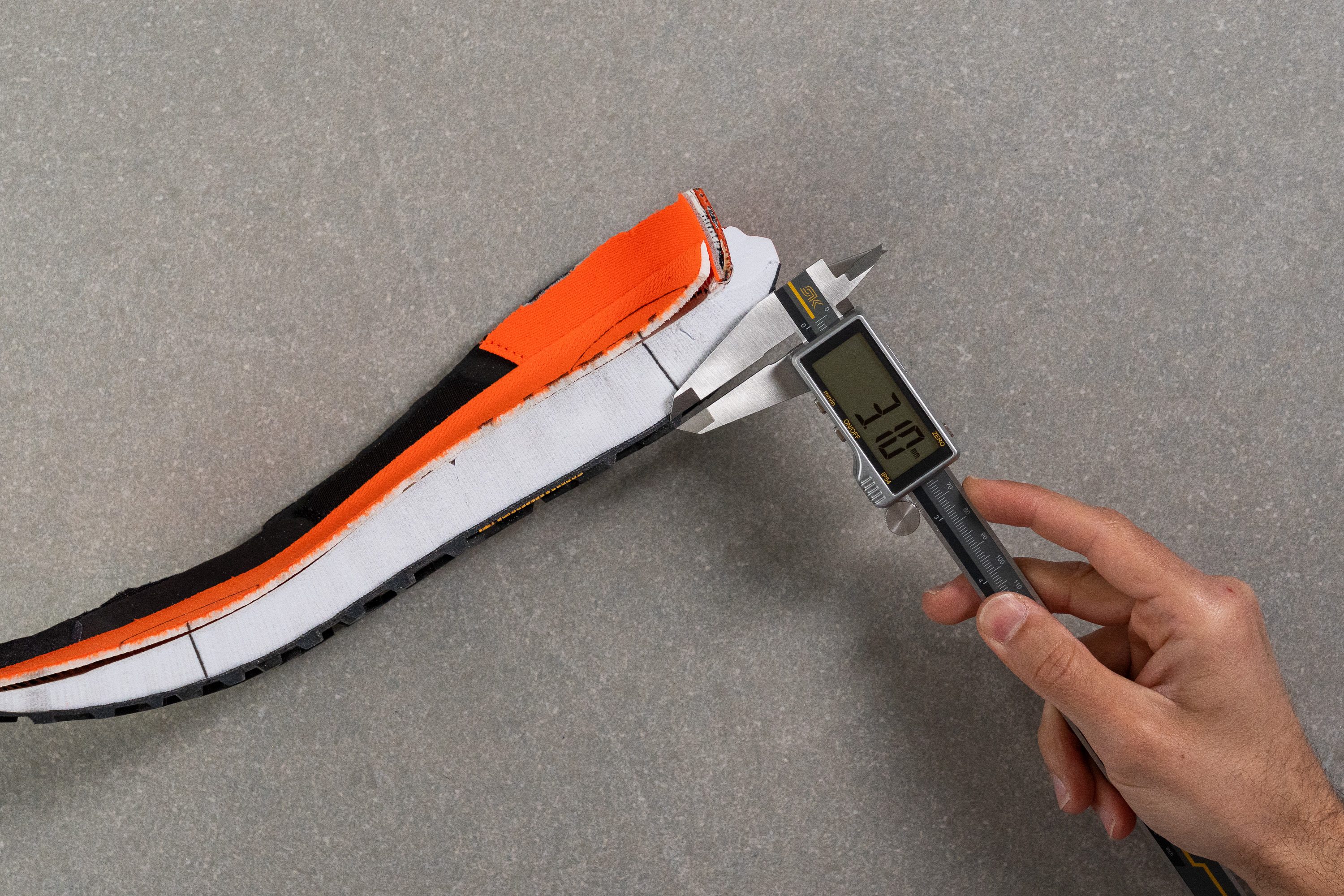
| Terrex Agravic 4 | 3.1 mm |
| Media | 3.5 mm |
Diseño de la suela exterior
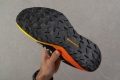
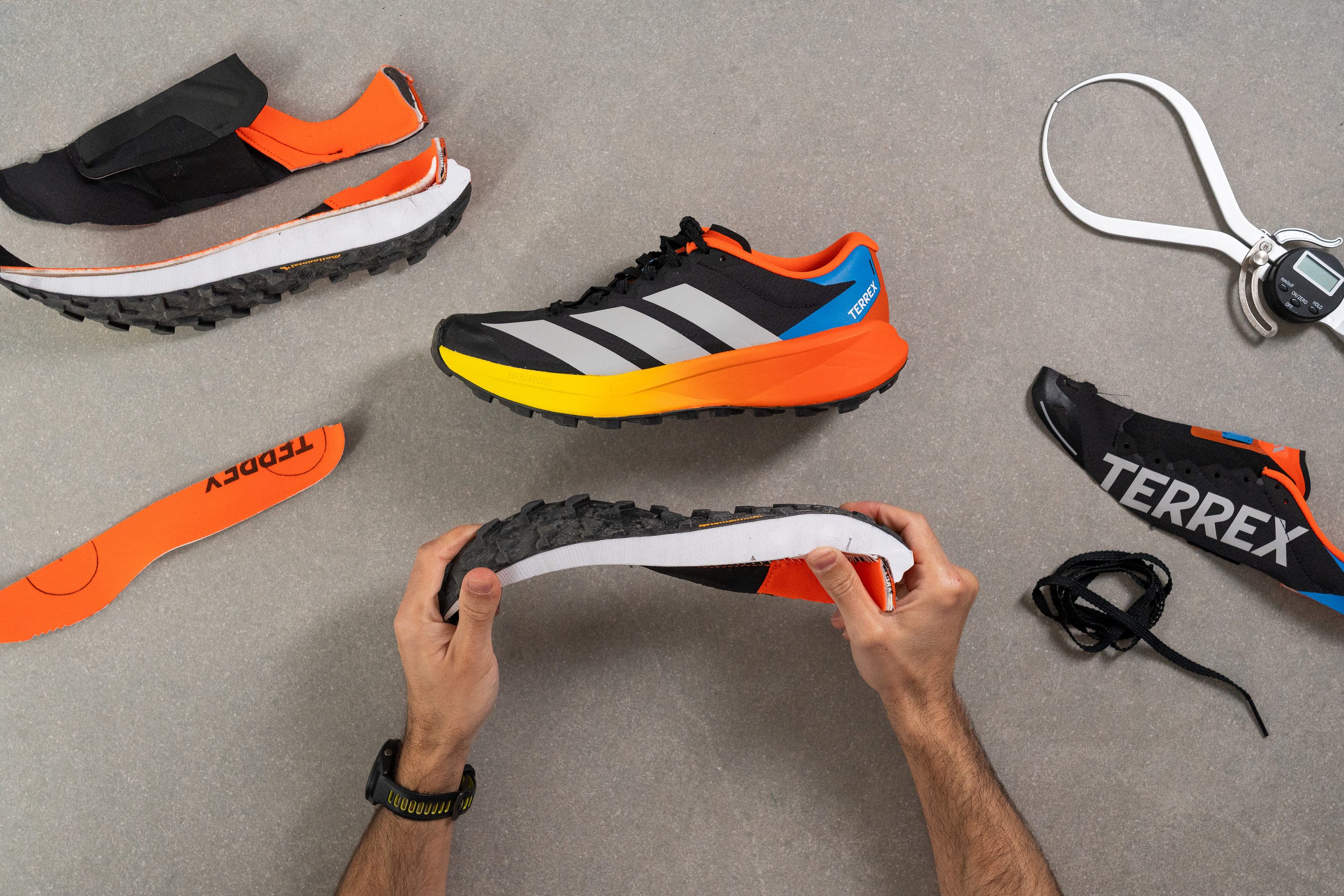
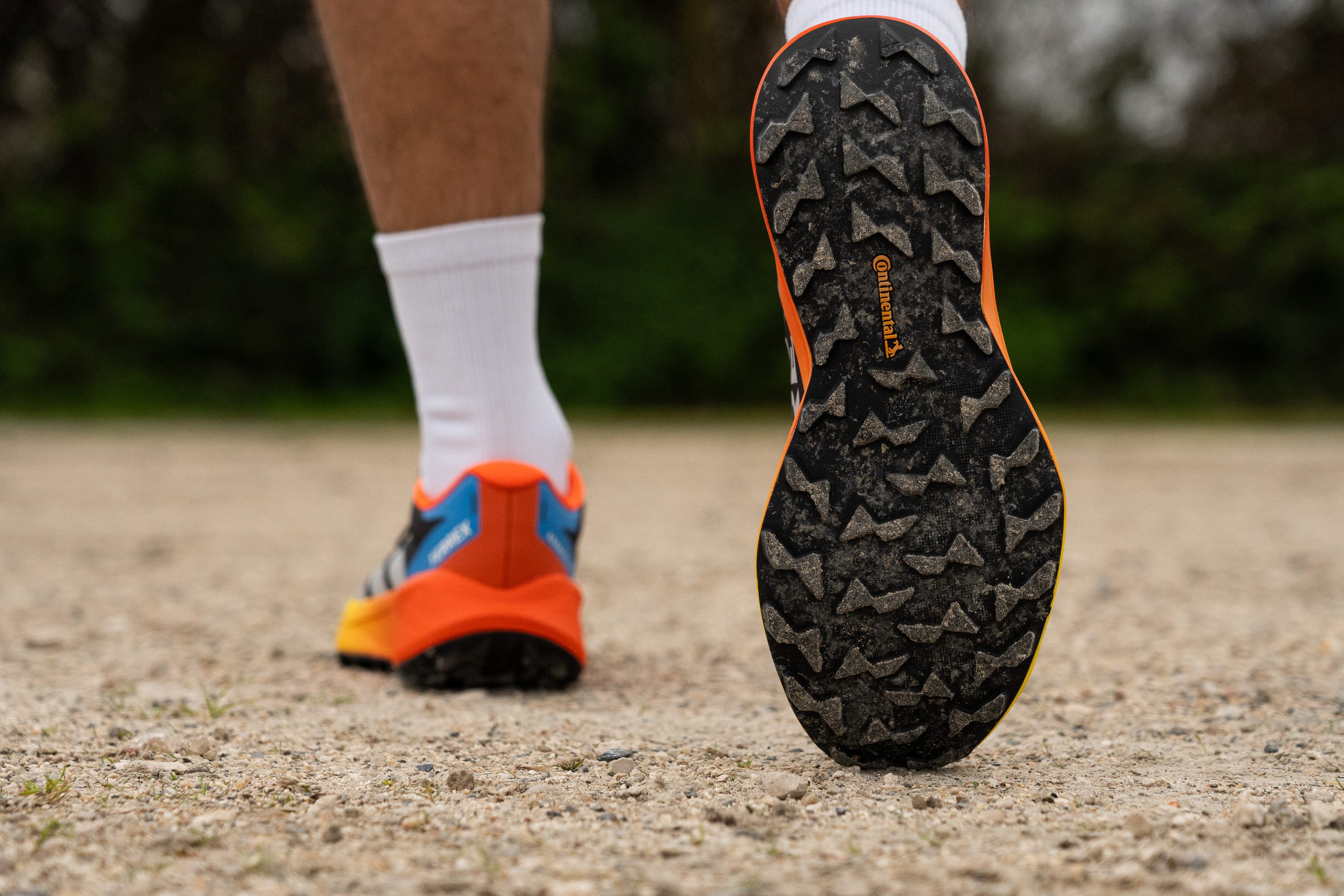
Algunos amantes del trail running adoran las suelas que son totalmente de caucho, y adidas lo sabe. Eso es justo lo que ofrecen las Agravic 4, cuyo caucho Continental se encarga de proteger toda la mediasuela. Aunque esto aumenta un poco el peso, nos parece la decisión correcta para este modelo, y además también aumenta mucho su durabilidad.
Flexibilidad / Rigidez
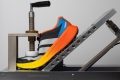
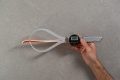
Aunque no tienen cortes en la suela y la cobertura de caucho Continental es total, las Terrex Agravic 4 presumen de una mediasuela de altura moderada que hace que estén cerca de la media en cuanto a rigidez longitudinal, ya que nuestra máquina marcó 15,6 N.
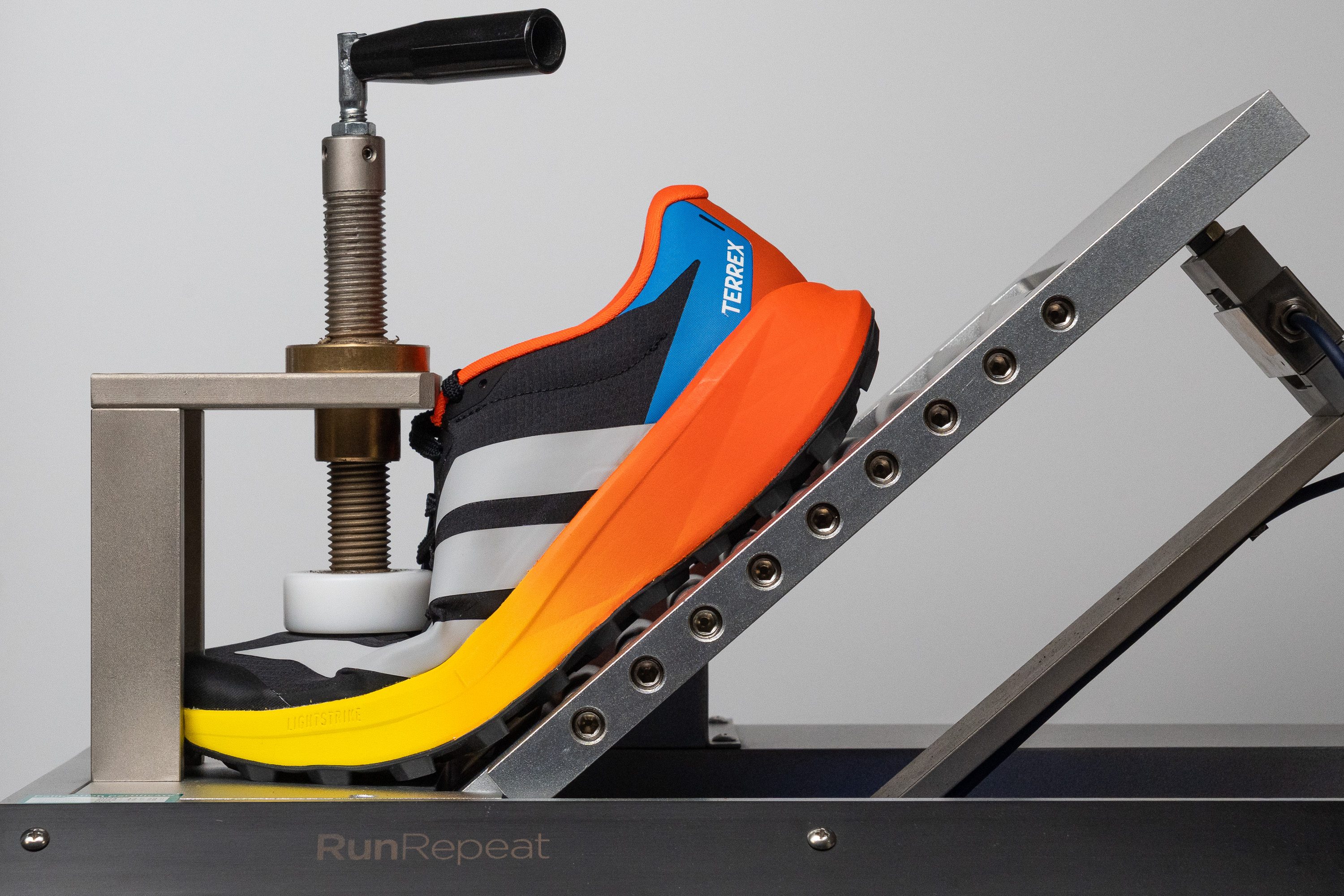
| Terrex Agravic 4 | 15.6N |
| Media | 14.8N |
Peso
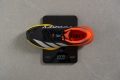
Las adidas Terrex Agravic 4 pesan 283 g. Vamos, que no son unas zapatillas de trail ligeras, y los motivos están claros: la cobertura total de caucho en la suela de la que estábamos hablando antes y que no tienen una espuma supercrítica más avanzada que podría reducir el peso total en, aproximadamente, un 10 o un 15 %.
adidas, no te culpamos, ya que muchos runners no tienen problema con un poquito de peso extra si eso evita un aumento de precio o les asegura un poco más de durabilidad. Al final solo hay que encontrar un equilibrio.
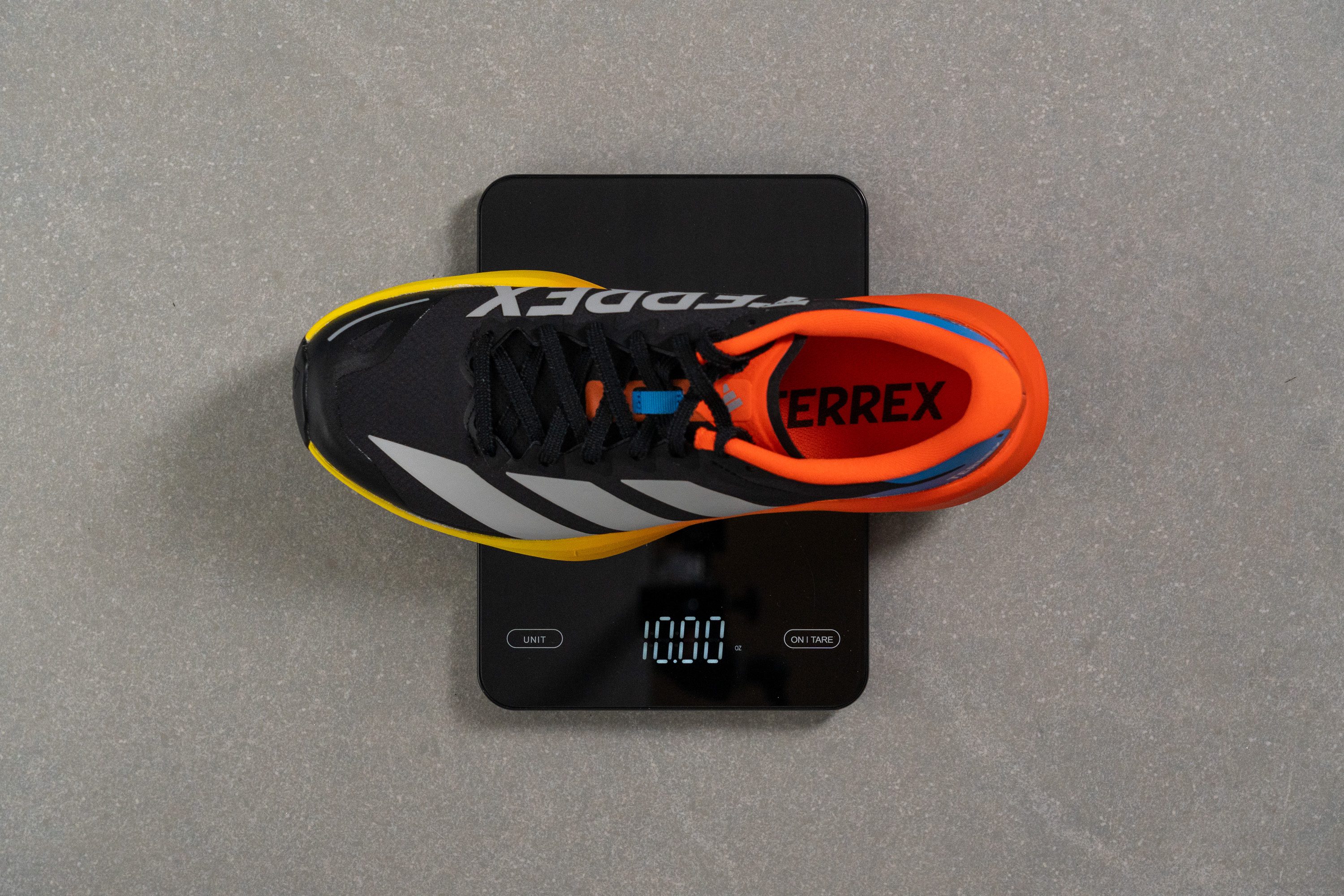
| Terrex Agravic 4 | 10.0 oz (283g) |
| Media | 10.1 oz (285g) |
Transpirabilidad
Breathability test
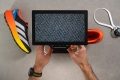
El upper de las Terrex Agravic 4 no es fácil de analizar así a simple vista. No parece muy grueso, pero tampoco tiene agujeritos para el flujo de aire visibles... y hemos visto resultados muy distintos con diseños parecidos.
Por eso confiamos en las pruebas de laboratorio en lugar de intentar adivinar qué es lo que pasa. En este caso, el flujo de aire es muy limitado, ya que las Agravic 4 obtuvieron solo un 1/5 en nuestra prueba de transpirabilidad.
Hay zonas un poquito más finitas tanto en la parte delantera como en la lengüeta, pero no parecen mejorar el flujo de aire de manera significativa. Sin duda, esto hace que sean unas zapatillas más adecuadas para climas fríos o templados que para cuando hace calor.
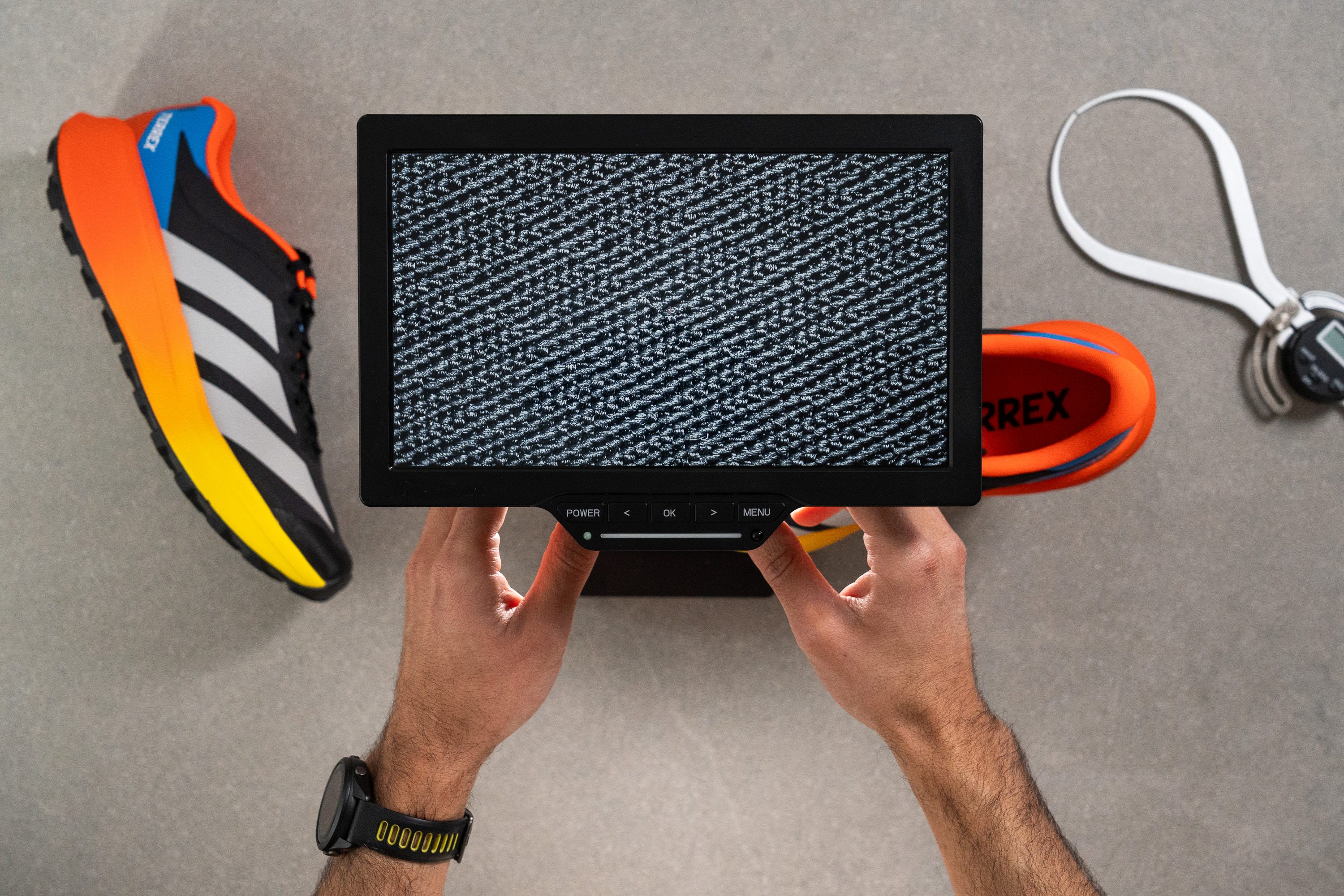
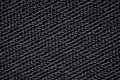
Gracias a nuestro microscopio, vimos que la malla no dejaba que el aire entrase y saliese a sus anchas, confirmando así la baja transpirabilidad de estas adidas.
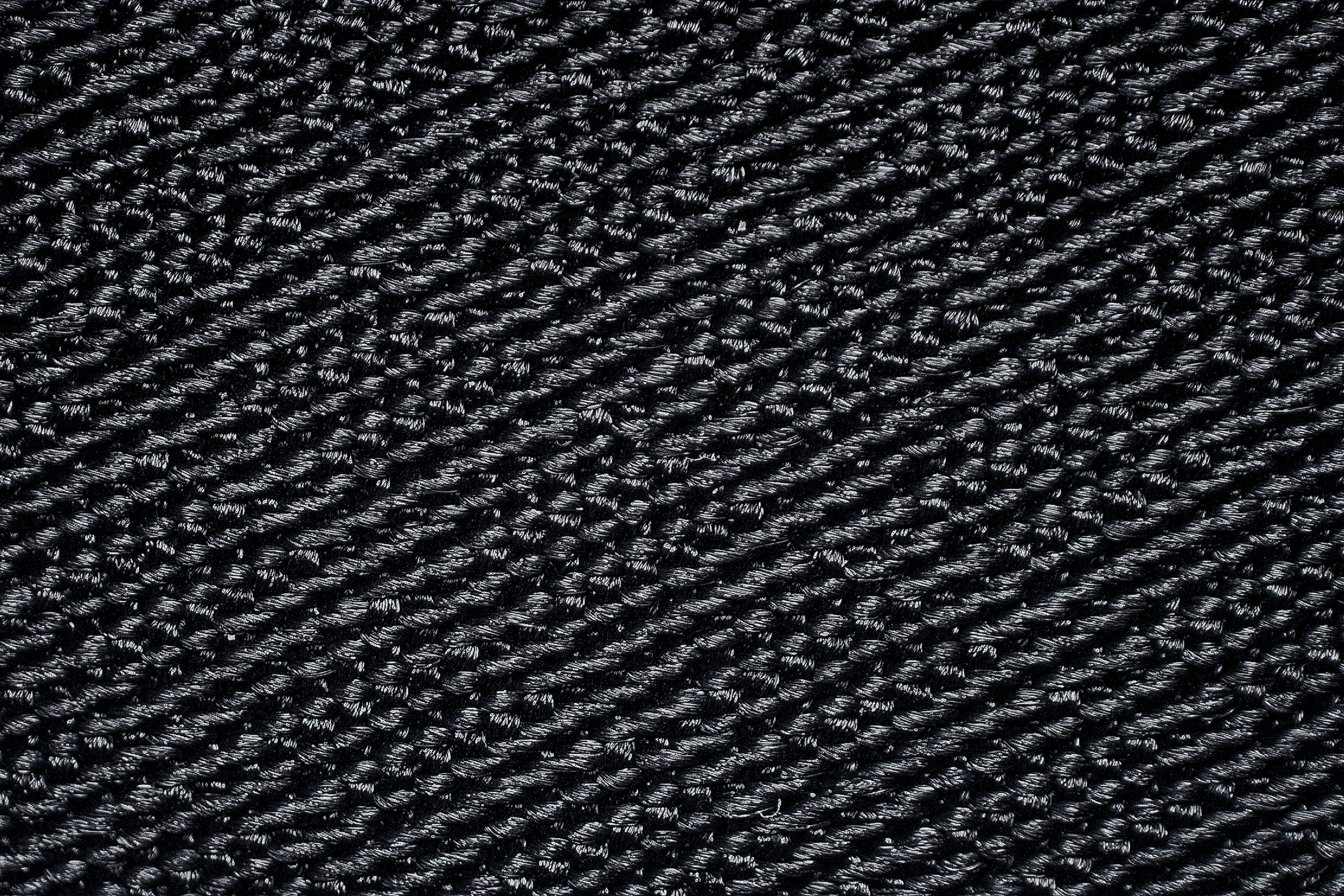
El upper es cómodo y está bien diseñado, demostrándonos de nuevo que la marca no ha priorizado la ligereza. Pero claro, si estás buscando unas zapatillas transpirables, por aquí no es.
| Terrex Agravic 4 | 1 |
| Media | 3.3 |
Estabilidad
Prueba de estabilidad lateral
adidas refinó la geometría y el diseño de las Agravic 4 para ofrecerles una pisada estable a los corredores neutros, y creemos que lo consiguió. Las paredes laterales de la mediasuela son altas, así que le echan una mano a los talonadores para equilibrar su pisada; por otro lado, los corredores de metatarsos se benefician de la anchísima plataforma de la parte delantera.
Rigidez torsional
Las Agravic 4 tienen una rigidez torsional equilibrada, como confirmó nuestra máquina al marcar 14,5 Nm. Esto refuerza su carácter versátil y hace que sean una buena opción para hacer senderismo.
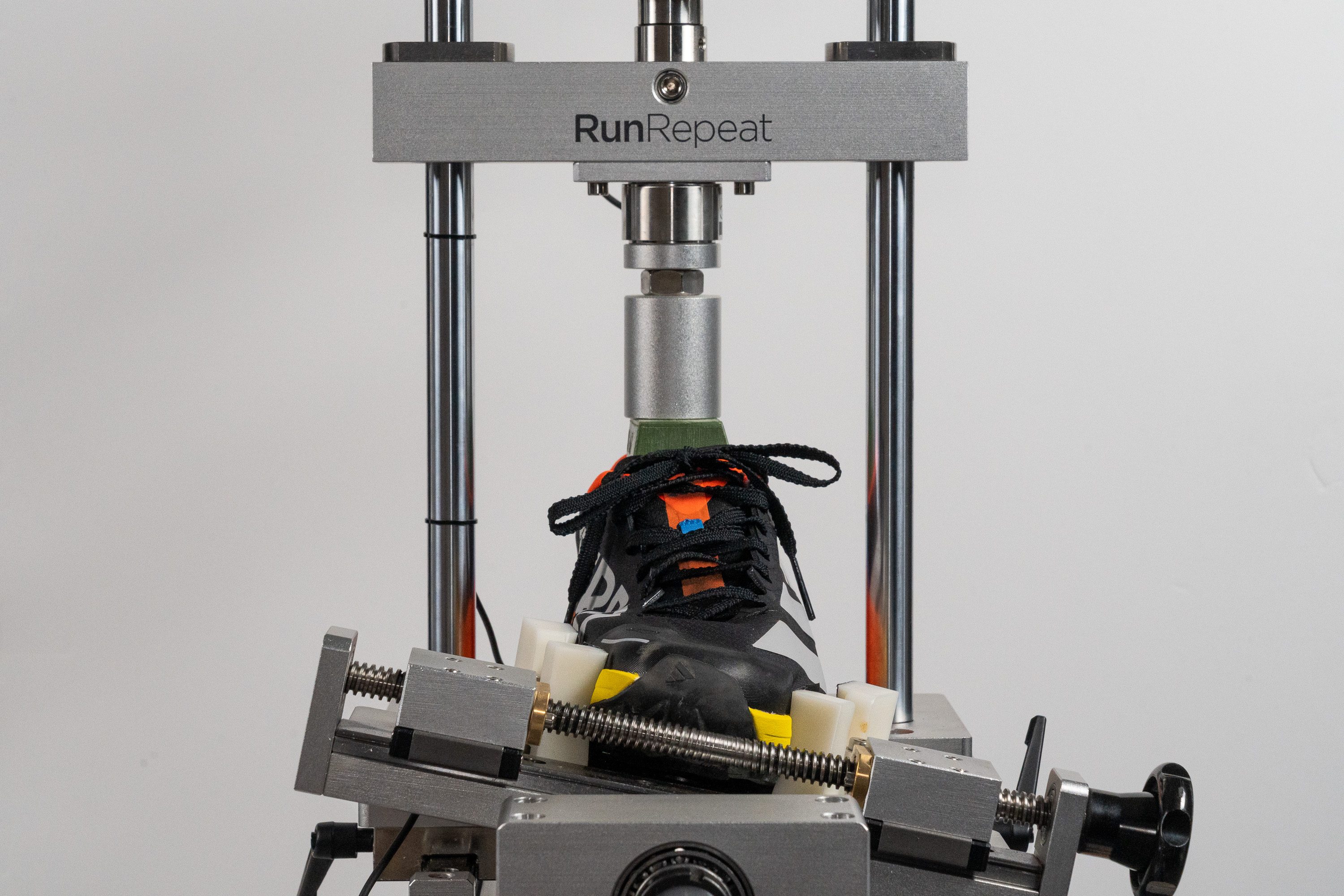
| Terrex Agravic 4 | 14.5 Nm |
| Media | 15.7 Nm |
Rigidez del contrafuerte del talón
El contrafuerte del talón también es más rígido de lo habitual, sumándole puntos a nuestra opinión de que adidas buscó maximizar la estabilidad para los corredores que aterrizan con el talón y, a su vez, hacer que estas zapatillas se adapten bien a los principiantes.
| Terrex Agravic 4 | 4 |
| Media | 2.9 |
Anchura de la mediasuela - antepié
Una de las características de diseño más destacadas de las Agravic 4 es su anchísimo antepié, que mide 119,4 mm. Se nota en cada aterrizaje y, la verdad, hizo que aumentase mucho nuestra confianza, sobre todo en las curvas.
Esto genera mucho contraste con la zona más estrecha del mediopié. Pero bueno, es típico de adidas, ya que este modelo se parece mucho a las superzapatillas de trail premium Terrex Agravic Speed Ultra.
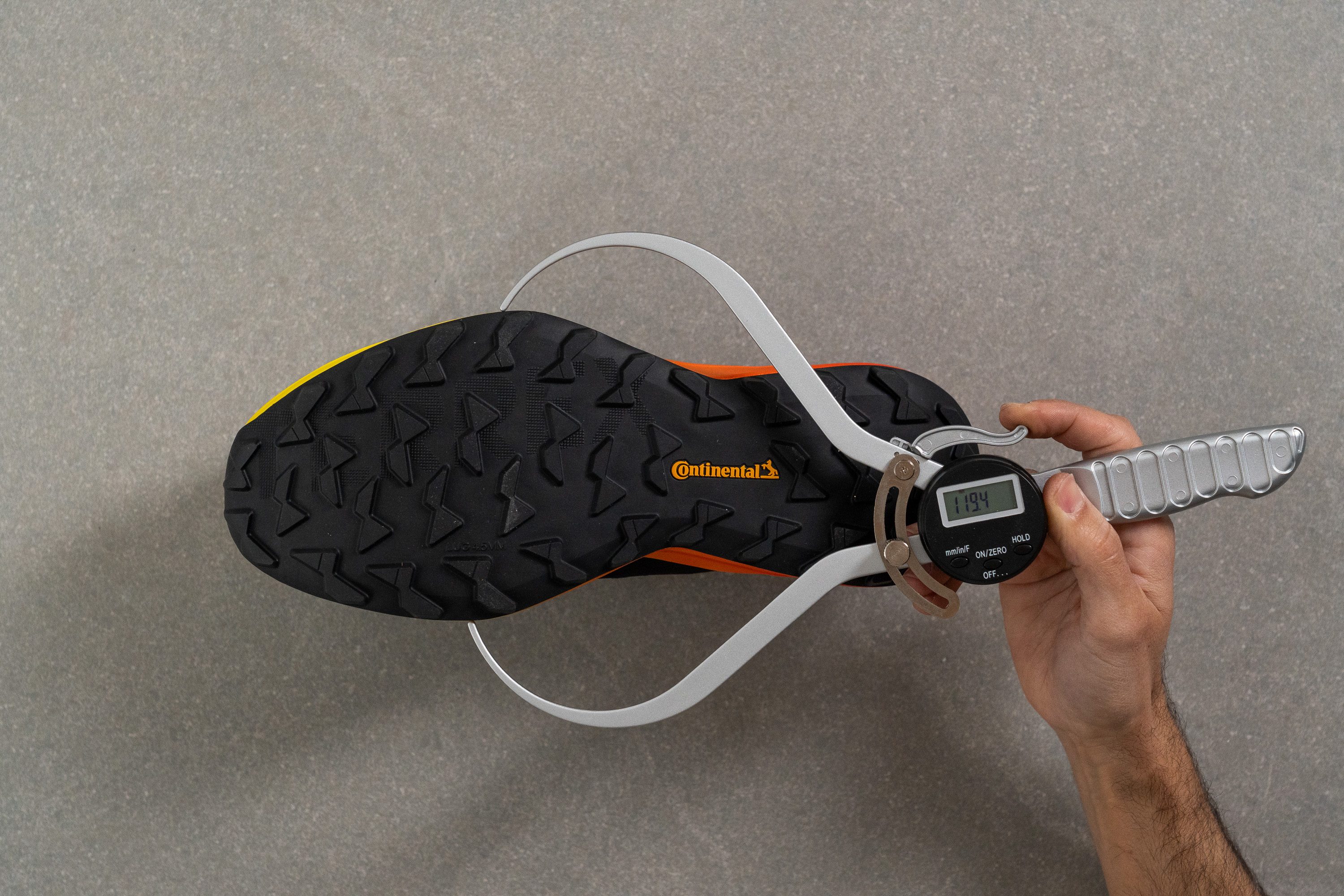
| Terrex Agravic 4 | 119.4 mm |
| Media | 114.2 mm |
Anchura de la mediasuela - talón
El talón mide 87,7 mm, pero puede sentirse más estrecho por el diseño agresivo de la zona del mediopié. Muy probablemente, esto explica por qué adidas decidió utilizar un contrafuerte rígido y paneles laterales para mejorar la estabilidad en el talón.
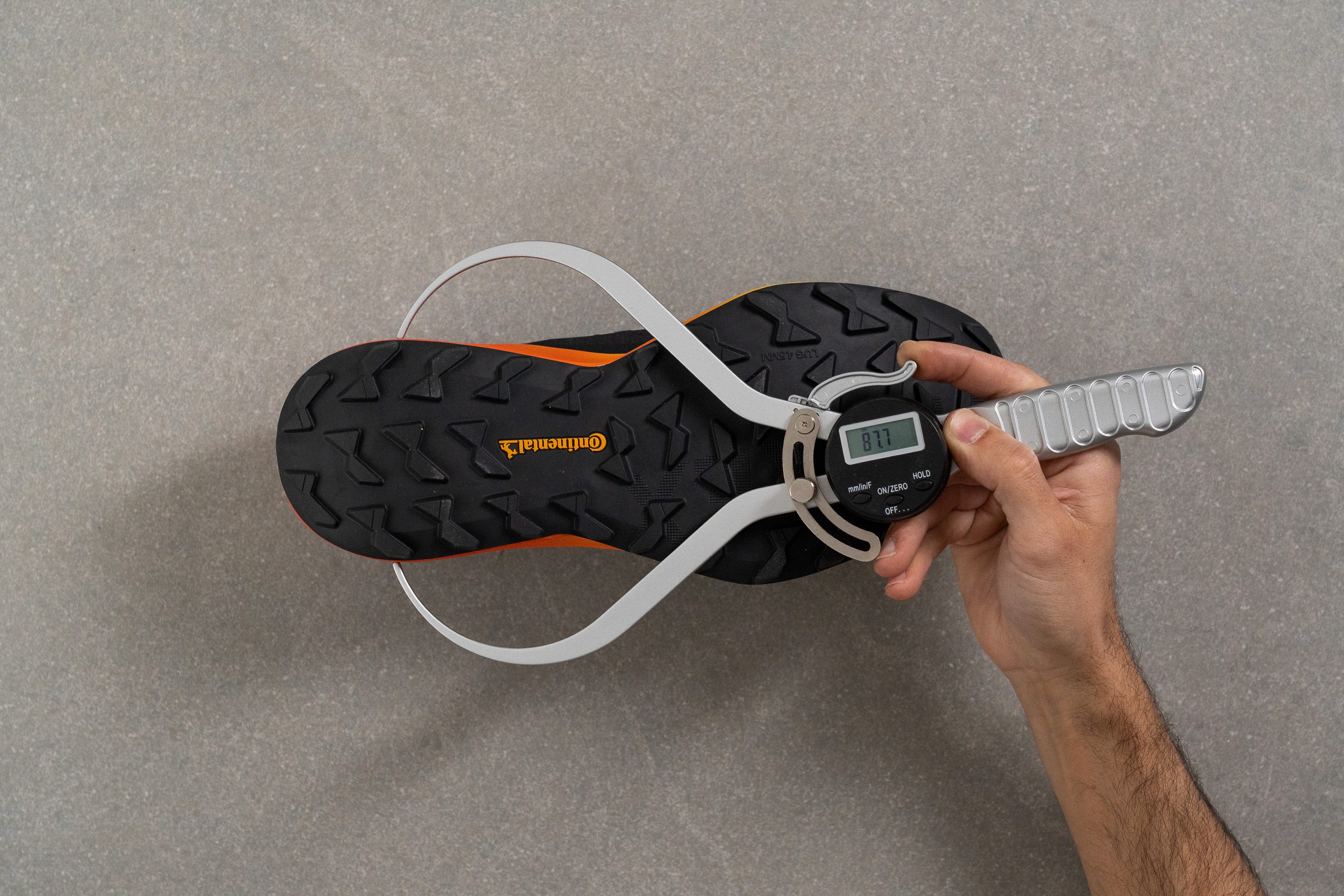
| Terrex Agravic 4 | 87.7 mm |
| Media | 90.4 mm |
Durabilidad
Durabilidad de la parte delantera
Cuando analizamos la transpirabilidad, ya vimos que el upper era bastante finito y después de hacerles pruebas a cientos de zapatillas para asfalto y de trail, muchas veces podemos adivinar lo que va a pasar en esta prueba. Como era de esperar, no pudimos darle más que un 1/5 en durabilidad.
| Terrex Agravic 4 | 1 |
| Media | 3.1 |
Durabilidad del acolchado del talón
El acolchado del talón mejoró un poquito al conseguir un 2/5, pero sigue estando por debajo de lo que consideramos un buen resultado en durabilidad. Vamos, que este upper no es de los más resistentes que hemos visto en unas zapatillas de trail running.
| Terrex Agravic 4 | 2 |
| Media | 3.1 |
Durabilidad de la suela
La suela exterior sí que no se anda con chiquitas con la durabilidad. Continental nos ha vuelto a demostrar que su resistencia al desgaste es impresionante, ya que solo perdió 0,5 mm de material en nuestra prueba.
| Terrex Agravic 4 | 0.5 mm |
| Media | 0.9 mm |
Grosor de la suela
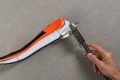
Las Agravic 4 tienen una suela exterior de 1,7 mm de grosor, que es más que suficiente teniendo en cuenta su sólido rendimiento y la estructura ya pesada y rígida de estas zapatillas. Hacerla más gruesa podría haber sido un error.
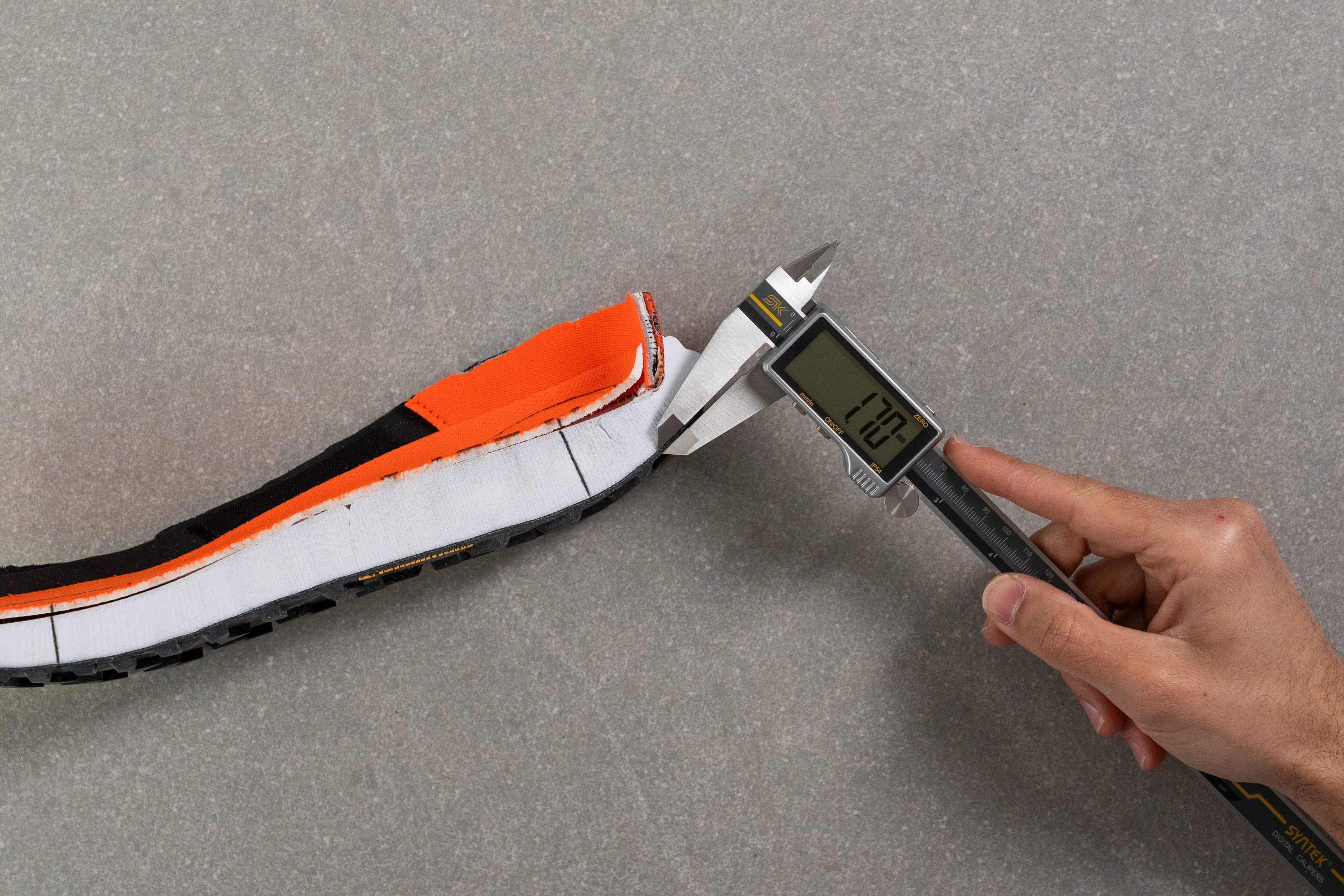
| Terrex Agravic 4 | 1.7 mm |
| Media | 1.9 mm |
Varios
Grosor de la plantilla
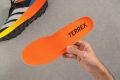
Con un grosor de 3,0 mm, la plantilla es más finita de lo que solemos ver en la mayoría de las zapatillas de trail.
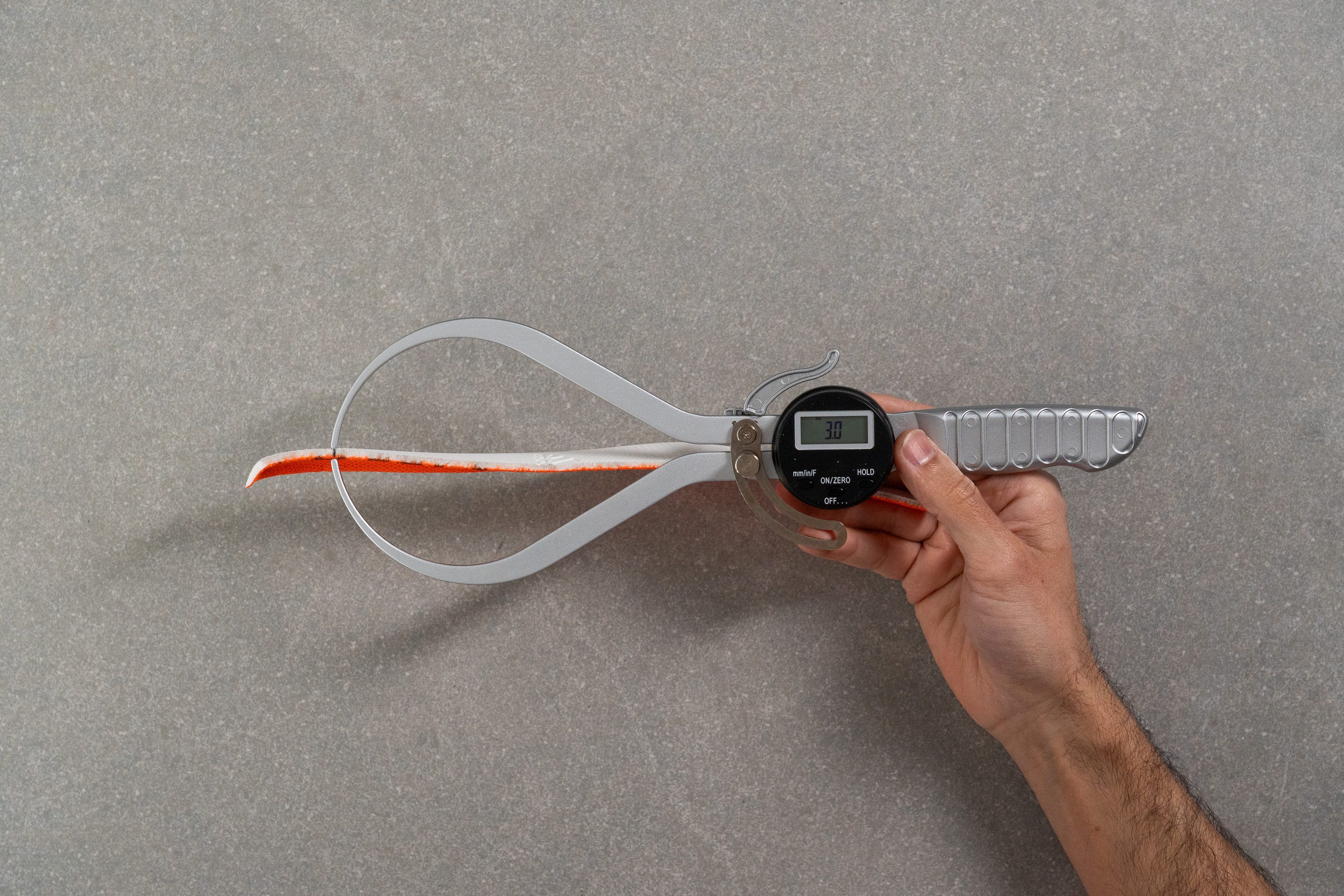
| Terrex Agravic 4 | 3.0 mm |
| Media | 4.6 mm |
Plantilla extraíble
Pero bueno, que la puedes quitar y cambiarla si quieres.
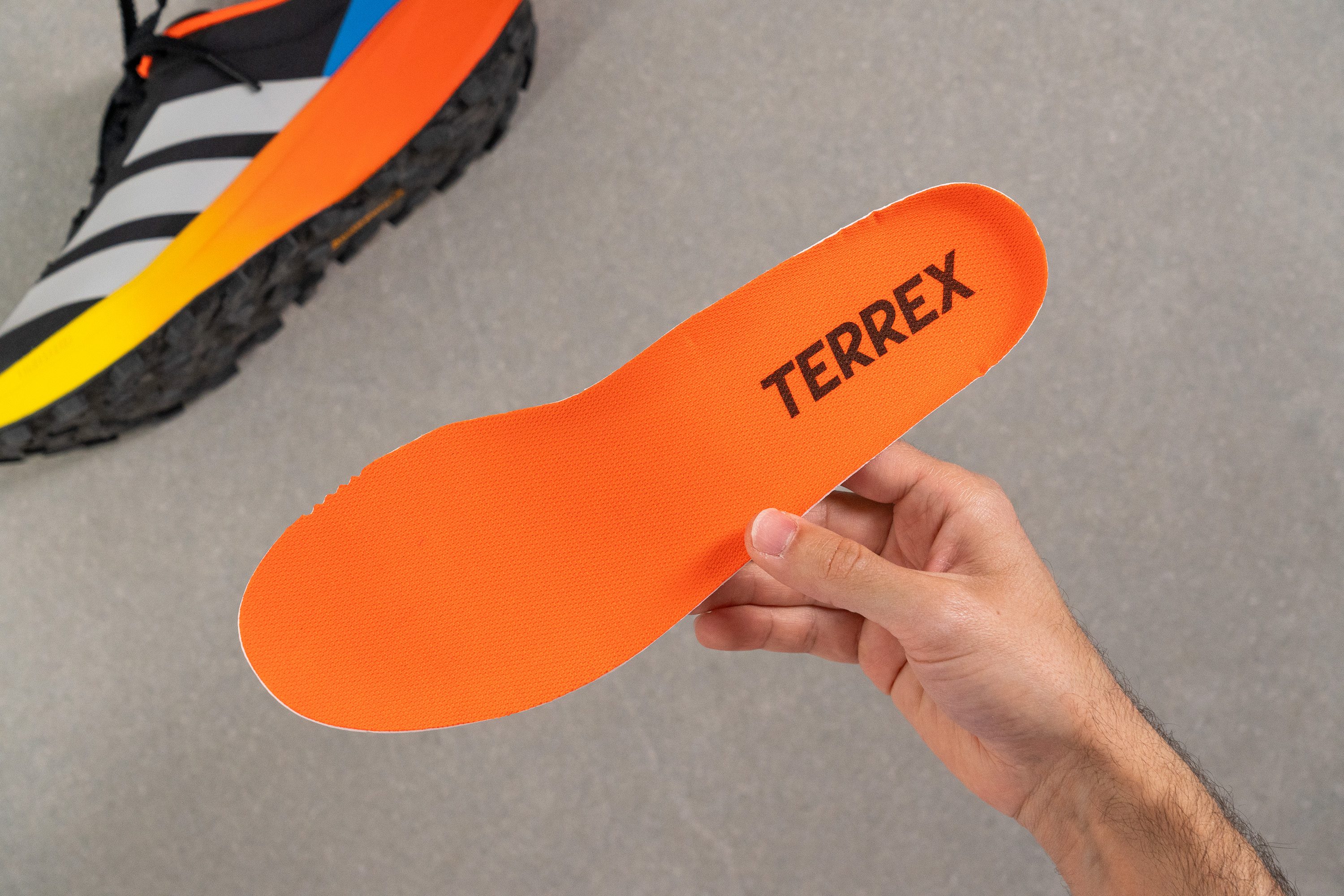
| Terrex Agravic 4 | Sí |
Elementos reflectantes
adidas les puso elementos reflectantes a las Agravic 4, así que no tendrás problema si se te empieza a hacer de noche.
| Terrex Agravic 4 | Sí |
Acolchado de la lengüeta
Otro aspecto positivo de las Terrex Agravic 4 es el sistema de cordones. adidas utiliza cordones de alta calidad y con relieve, y eso que estamos hablando de unas zapatillas económicas... además de que ya hemos visto otros modelos mucho más caros de esta marca con cordones terribles. Vamos, que es un paso en la dirección correcta. ¡Enhorabuena!
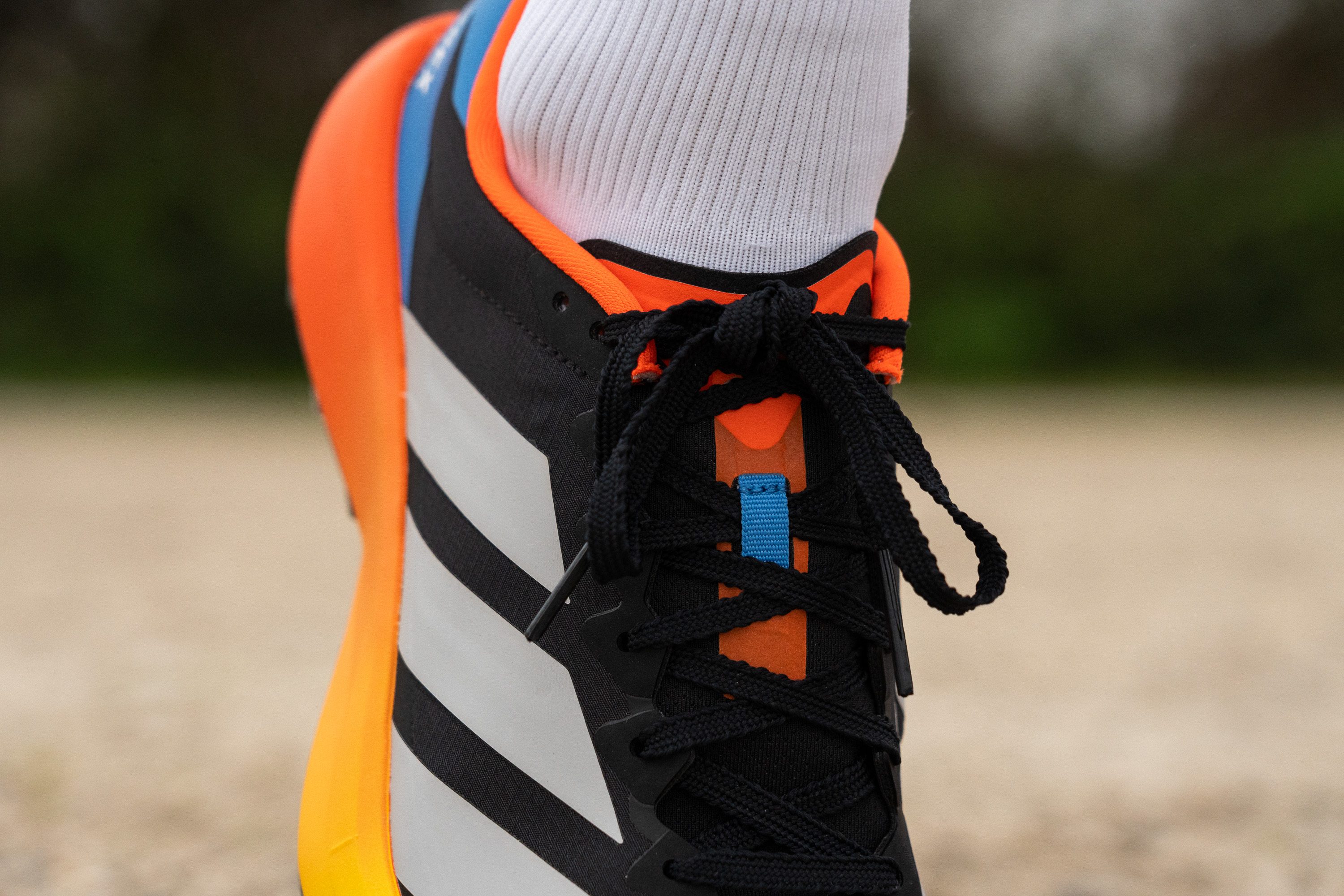
Y no nos olvidamos de la lengüeta, que tiene 7,7 mm de acolchado pero solo en una zona en concreto, así que lo mejor es que tengas cuidado cuando aprietes los cordones.
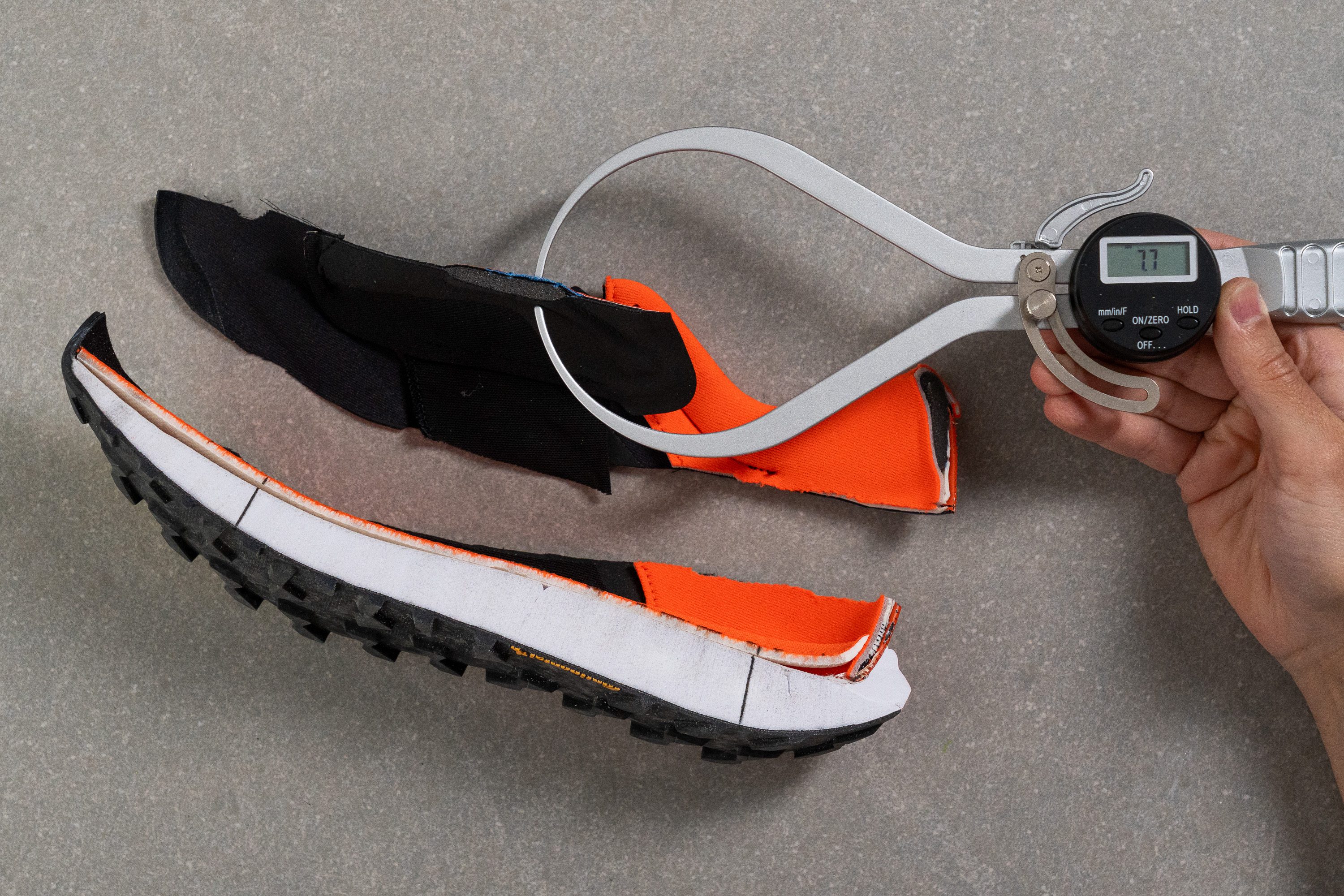
| Terrex Agravic 4 | 7.7 mm |
| Media | 6.4 mm |
Lengüeta: tipo de refuerzo
La lengüeta está semirreforzada, otro motivo que nos dice que adidas diseñó estas zapatillas para las zonas sencillas. Al final, en los terrenos más exigentes, lo mejor son las lengüetas que están totalmente reforzadas, ya que así no se te cuela nada de nada dentro de las zapatillas.
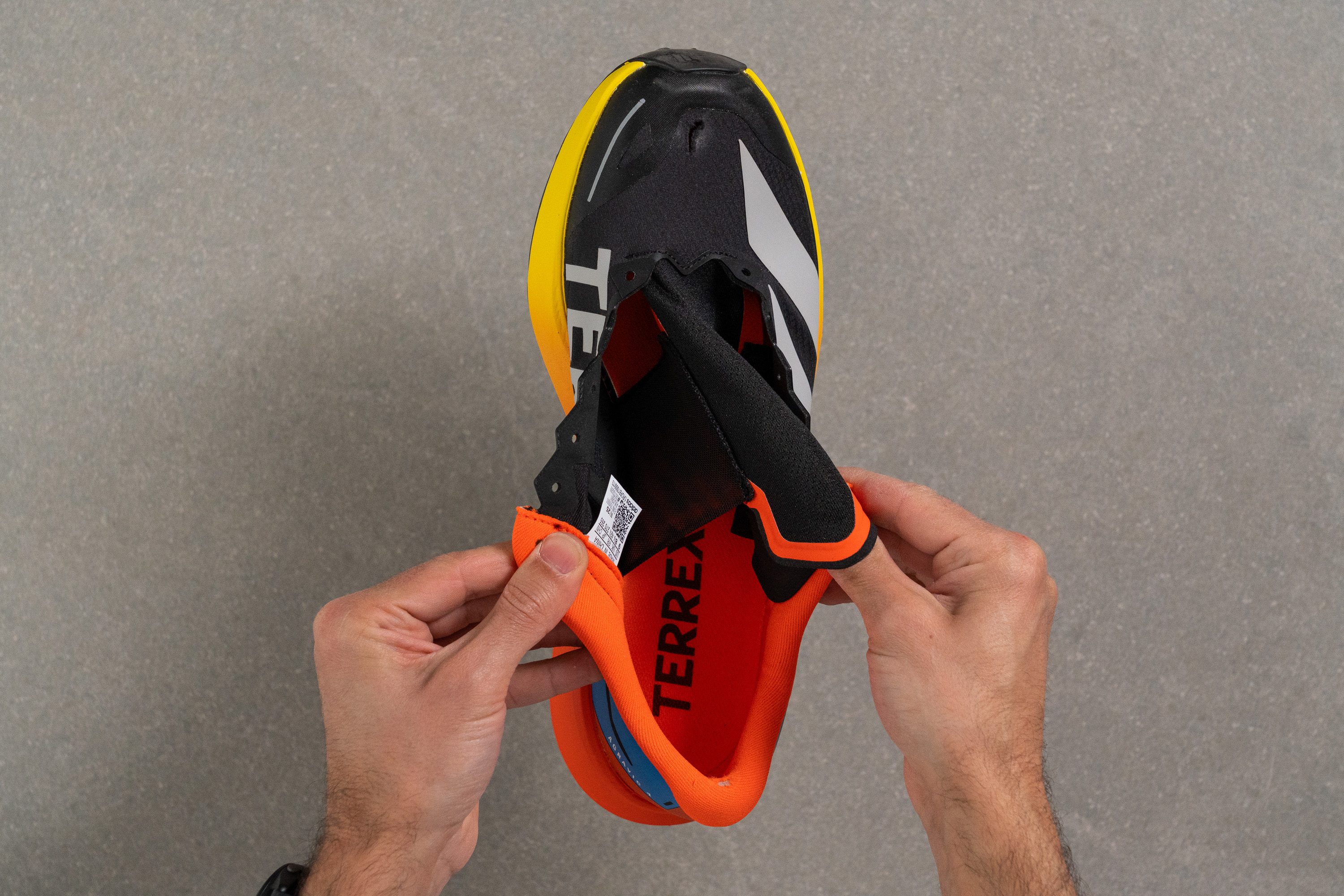
| Terrex Agravic 4 | Ambos lados (semi) |
Tirador del talón
La mayoría de las marcas les ponen tiradores a sus modelos de trail, pero las Agravic 4 pasan de esa moda, ya que adidas decidió mantener un diseño más inspirado en sus modelos para correr por asfalto.
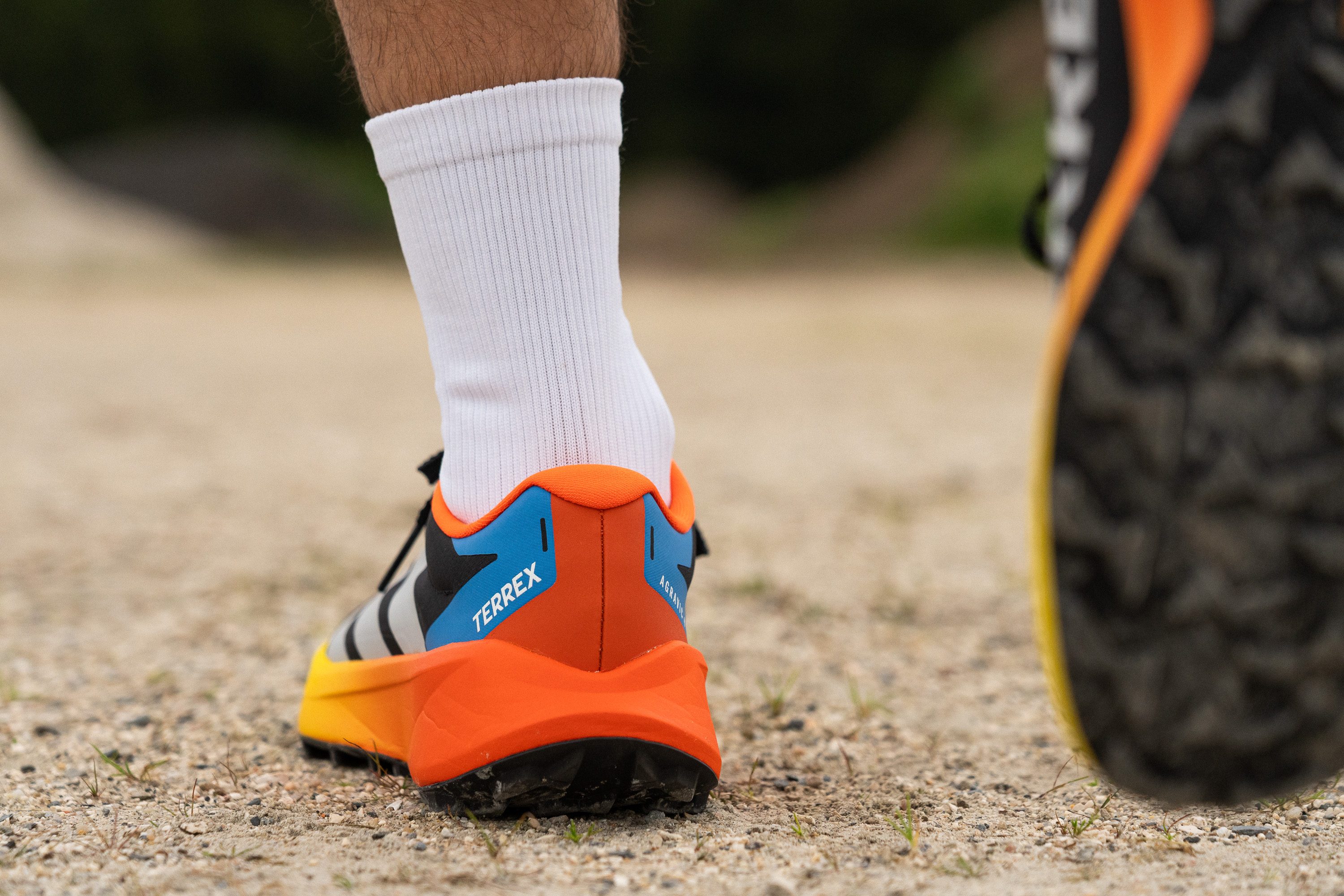
| Terrex Agravic 4 | Ninguno |
Precio
Creemos que uno de los principales atractivos de las adidas Terrex Agravic 4 es su precio. Conseguir una cobertura total de caucho Continental a ese precio es algo muy poco común, y eso es justo lo que tiene este modelo.
| Terrex Agravic 4 | $140 |