





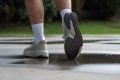
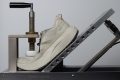



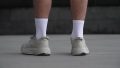




Nuestra conclusión
- Tiradas diarias / rodajes 85
- Tempo 77
- Competición 65
- Estabilidad 80
Pros
- Retorno de energía y absorción de impactos impresionantes
- Por fin tienen cordones de primera calidad
- Caucho Conti renovado que ofrece un agarre fantástico
- Ideales para entrenar en invierno y cuando hace frío
- Upper que repele el agua
- Su relación calidad-precio sigue siendo increíble
- Rinden bien en varias superficies distintas
- Versátiles para distintos ritmos
- Un poco más estables que la versión estándar
Contras
- Bastante más pesadas que las EVO SL normales
- Prácticamente no son transpirables
- Bastante menos flexibles
- El talón no es muy estable
Premios
- Entre mejores zapatillas de running para invierno
- Top 20% entre zapatillas de running para asfalto
- Top 25% entre zapatillas de running adidas
Comparativa
Las zapatillas de running más parecidas
+ + Añadir unas zapatillas | |||||
|---|---|---|---|---|---|
| Nuestra puntuación | 87 Geniales | 76 Buenas | 86 Geniales | 91 Magníficas | |
| Precio | 160 € | 190 € | 200 € | 180 € | |
| Ritmo | Correr a diarioTempo / series | Correr a diario | Correr a diario | Correr a diario | |
| Absorción de impactos | Alta | Alta | Alta | Alta | |
| Retorno de energía | Alto | Bajo | Bajo | Alto | |
| Tracción | Alta | Alta | Alta | Alta | |
| Sujeción arco del pié | Neutral | Neutral | Neutral | Neutral | |
| Peso laboratorio Peso marca | 9.3 oz / 264g 10.1 oz / 287g | 10.3 oz / 292g 10.3 oz / 292g | 9.8 oz / 278g 10 oz / 283g | 10.2 oz / 289g 10.1 oz / 285g | |
| Drop laboratorio Drop marca | 8.1 mm 6.0 mm | 7.9 mm 6.0 mm | 5.2 mm 8.0 mm | 9.6 mm 10.0 mm | |
| Técnica de carrera | TalónMedio/antepié | Medio/antepié | Medio/antepié | TalónMedio/antepié | |
| Talla | Tallan bien | Tallan bien | Tallan bien | Tallan bien | |
| Rigidez de la mediasuela | Equilibrada | Firme | Equilibrada | Blanda | |
| Diferencia de la rigidez de la mediasuela en frío | Pequeña | Normal | Pequeña | Pequeña | |
| Durabilidad de la parte delantera | Decente | Decente | Decente | Decente | |
| Durabilidad del acolchado del talón | Alta | Media | Media | Alta | |
| Durabilidad de la suela exterior | Buena | Decente | Buena | Buena | |
| Transpirabilidad | Baja | Baja | Media | Media | |
| Anchura / ajuste | Media | Media | Media | Media | |
| Anchura de la parte delantera | Media | Media | Media | Media | |
| Flexibilidad | Moderada | Rígida | Rígida | Rígida | |
| Rigidez torsional | Moderadas | Moderadas | Rígidas | Moderadas | |
| Rigidez del contrafuerte del talón | Moderado | Moderado | Rígido | Moderado | |
| Con rocker | ✓ | ✗ | ✓ | ✗ | |
| Talón laboratorio Talón marca | 39.2 mm 39.0 mm | 37.3 mm 37.0 mm | 39.5 mm 43.5 mm | 42.3 mm 45.0 mm | |
| Antepié laboratorio Antepié marca | 31.1 mm 33.0 mm | 29.4 mm 31.0 mm | 34.3 mm 35.5 mm | 32.7 mm 35.0 mm | |
| Anchuras disponibles | EstándarAncho | EstándarAncho | EstándarAnchoExtra Ancho | EstrechoEstándarAnchoExtra Ancho | |
| Compatibles con plantillas personalizadas | ✓ | ✓ | ✓ | ✓ | |
| Estación | Invierno | Todas las estaciones | Todas las estaciones | Todas las estaciones | |
| Plantilla extraíble | ✓ | ✓ | ✓ | ✓ | |
| Clasificación | #71 Top 18% | #303 25% inferior | #82 Top 21% | #18 Top 5% | |
| Popularidad | #206 49% inferior | #84 Top 21% | #23 Top 6% | #2 Top 1% |



Quién debería comprárselas
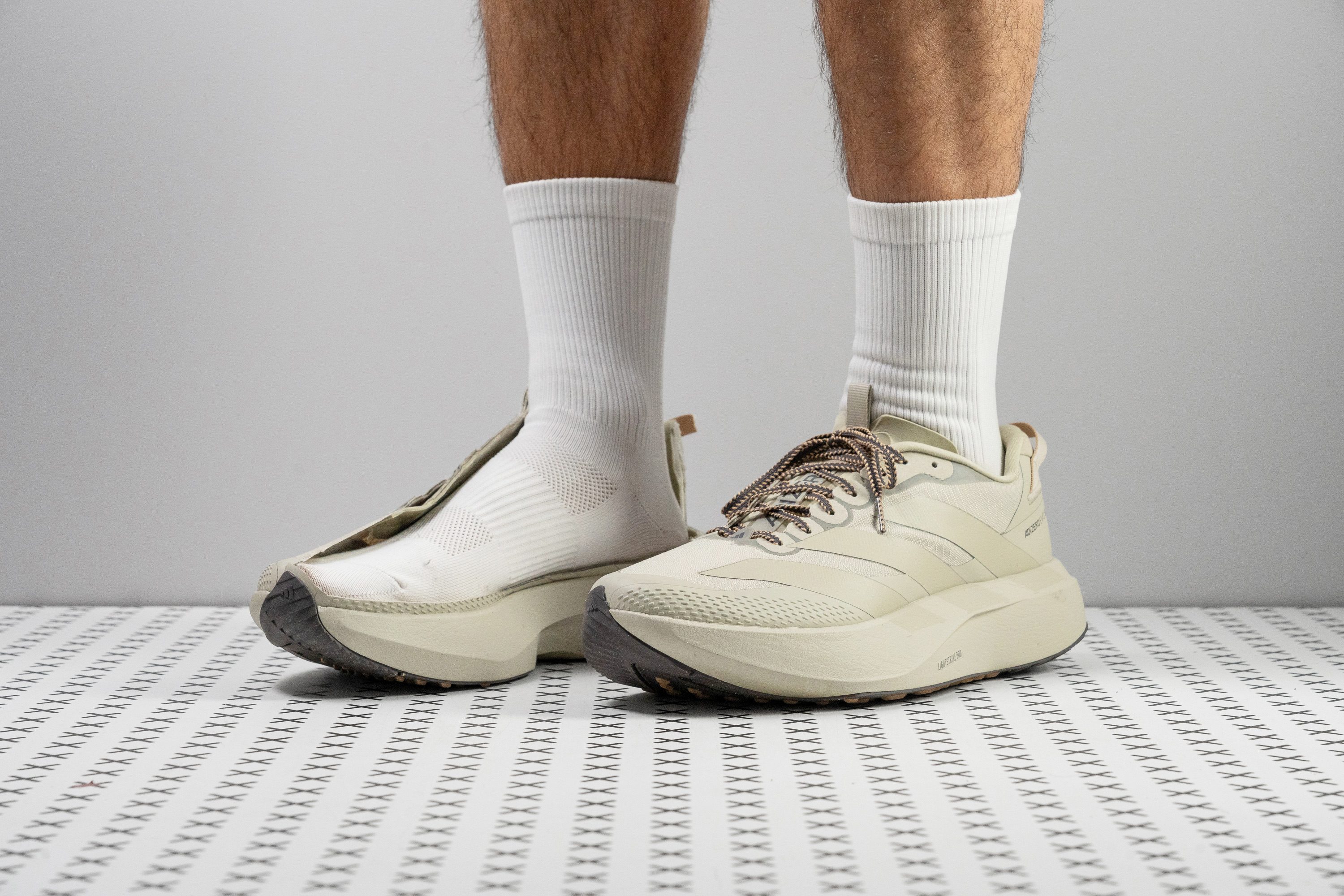
En nuestra opinión, las Adizero EVO SL ATR son perfectas para:
- Los fans de las Adizero EVO SL que tuvieron problemas con su poco agarre y protección cuando hay agua de por medio.
- Los runners a los que les gustó el modelo original pero que buscaban más confianza fuera de las carreteras perfectamente pavimentadas, ya que las ATR rinden mucho mejor en superficies mixtas.
- Los deportistas que estén buscando unas zapatillas de entrenamiento diario aptas para el frío, con un retorno de energía muy alto y que incluso así tengan un precio razonable.
- Las personas que salen a correr cuando hace frío y que quieren un único par de zapatillas para sus tiradas diarias y para el día a día sin sacrificar ni velocidad ni rendimiento.
Quién NO debería comprárselas
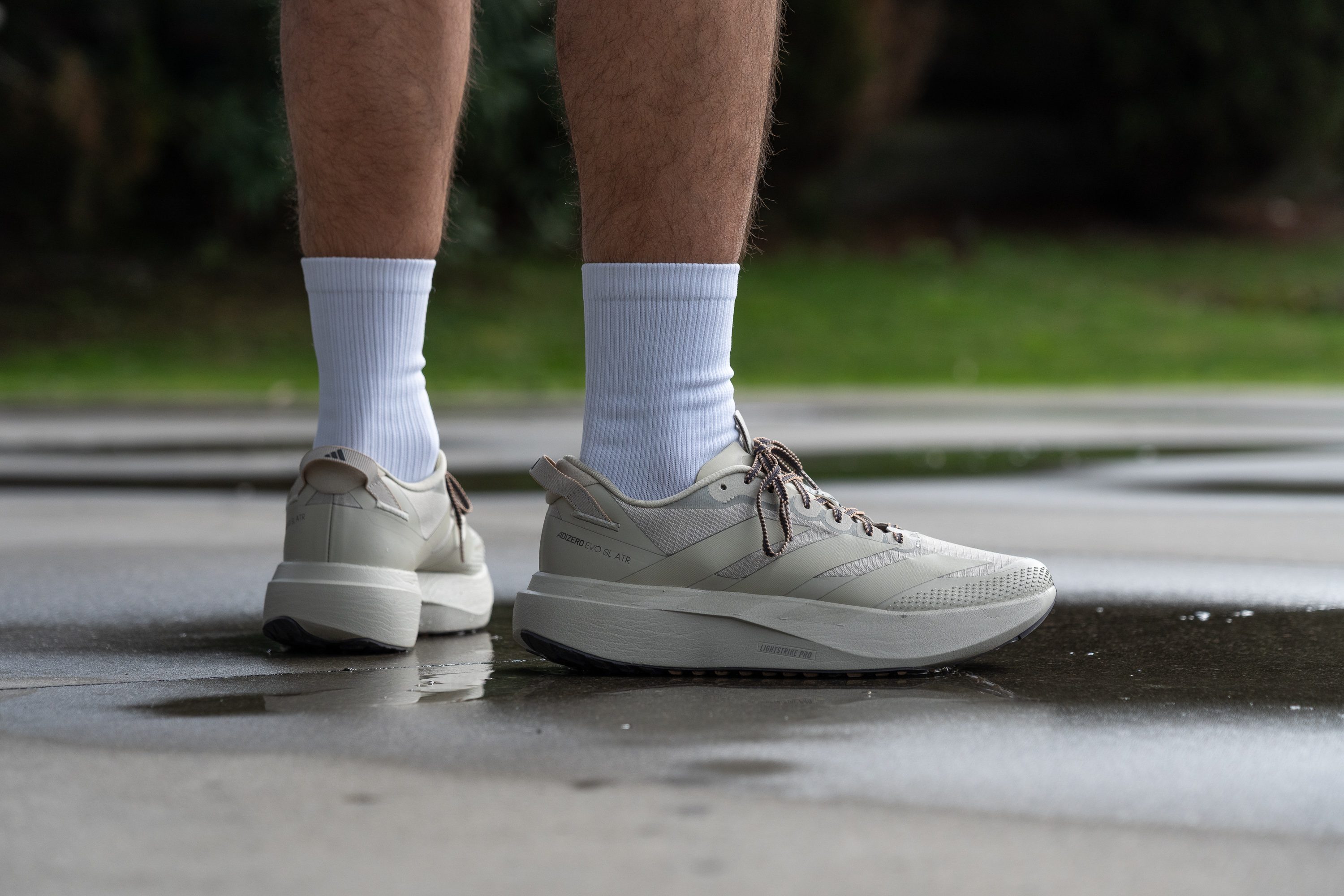
Hemos visto que el upper de las EVO SL ATR, que retiene el calor, es ideal para el invierno, así que no te las podemos recomendar para cuando hace calor. En nuestra experiencia, la escasa ventilación se vuelve incómoda muy rápido, así que las On Cloudsurfer Trail 2 nos parecen una mejor opción para los terrenos mixtos en verano.
Tenemos la impresión de que la etiqueta ATR puede ser un poco confusa para algunos corredores. Creemos que no son la mejor opción para el trail running serio, ya que la suela con tacos poco profundos solo se adapta a los senderos de dificultad moderada. Según nuestro análisis, las zapatillas de trail especializadas como las Nike Zegama 2 o las Saucony Xodus Ultra 4 son opciones mucho mejores para un uso real por la naturaleza.
Amortiguación
Shock absorption
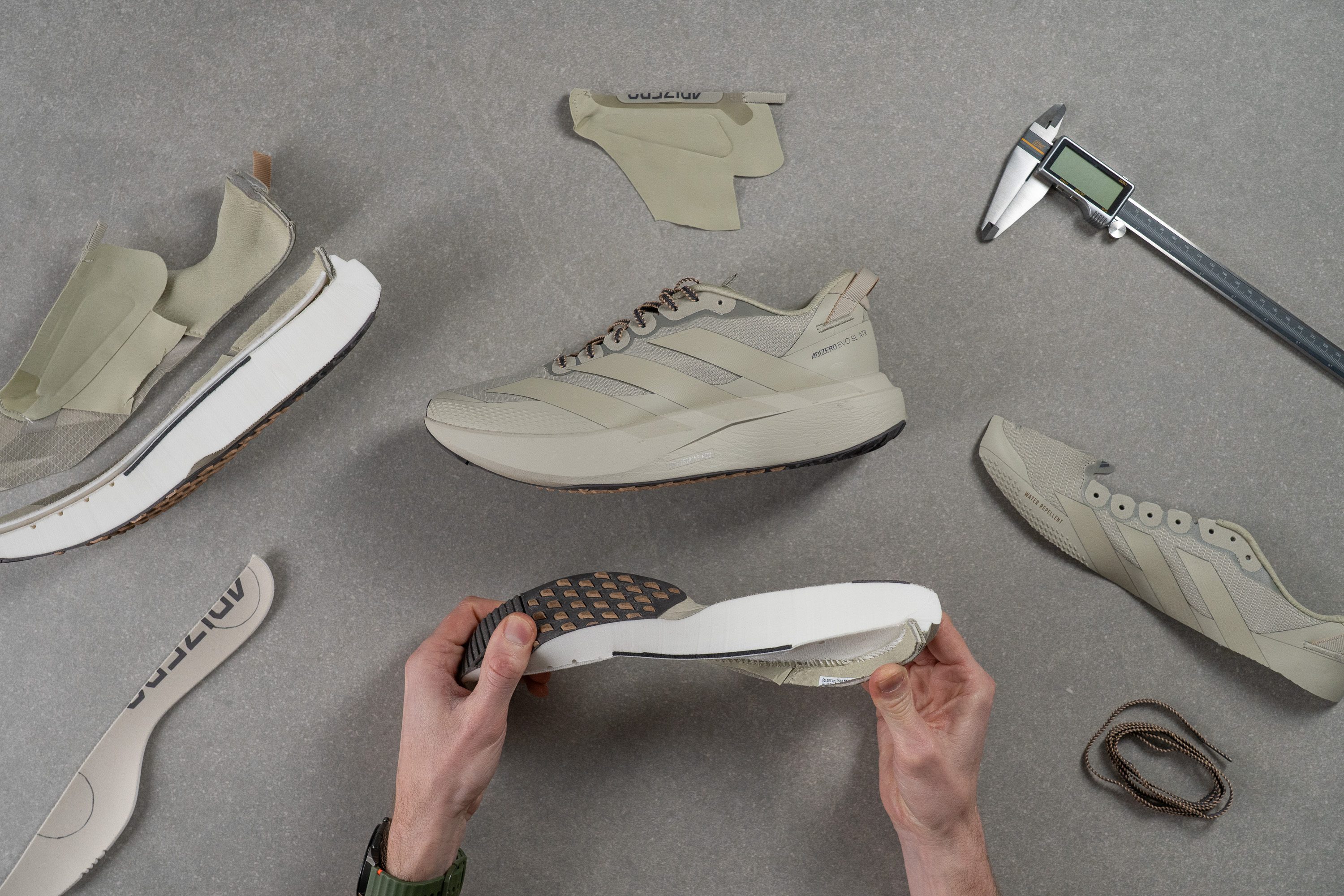
Gracias a la altura de su mediasuela y a la superespuma Lightstrike Pro, las EVO SL ATR ofrecen una absorción de impactos excelente, con 149 SA en el talón y 132 SA en el antepié. Curiosamente, si la comparamos con nuestros datos de las Adizero EVO SL estándar (147/126 SA), hay un pequeño aumento, y eso que ambos modelos utilizan exactamente la misma mediasuela.
La explicación es sencilla: las ATR tienen una suela exterior más gruesa con más caucho bajo el pie, así que absorbe la primera parte del impacto.
| Adizero EVO SL ATR | 149 SA |
| Media | 131 SA |
Energy return
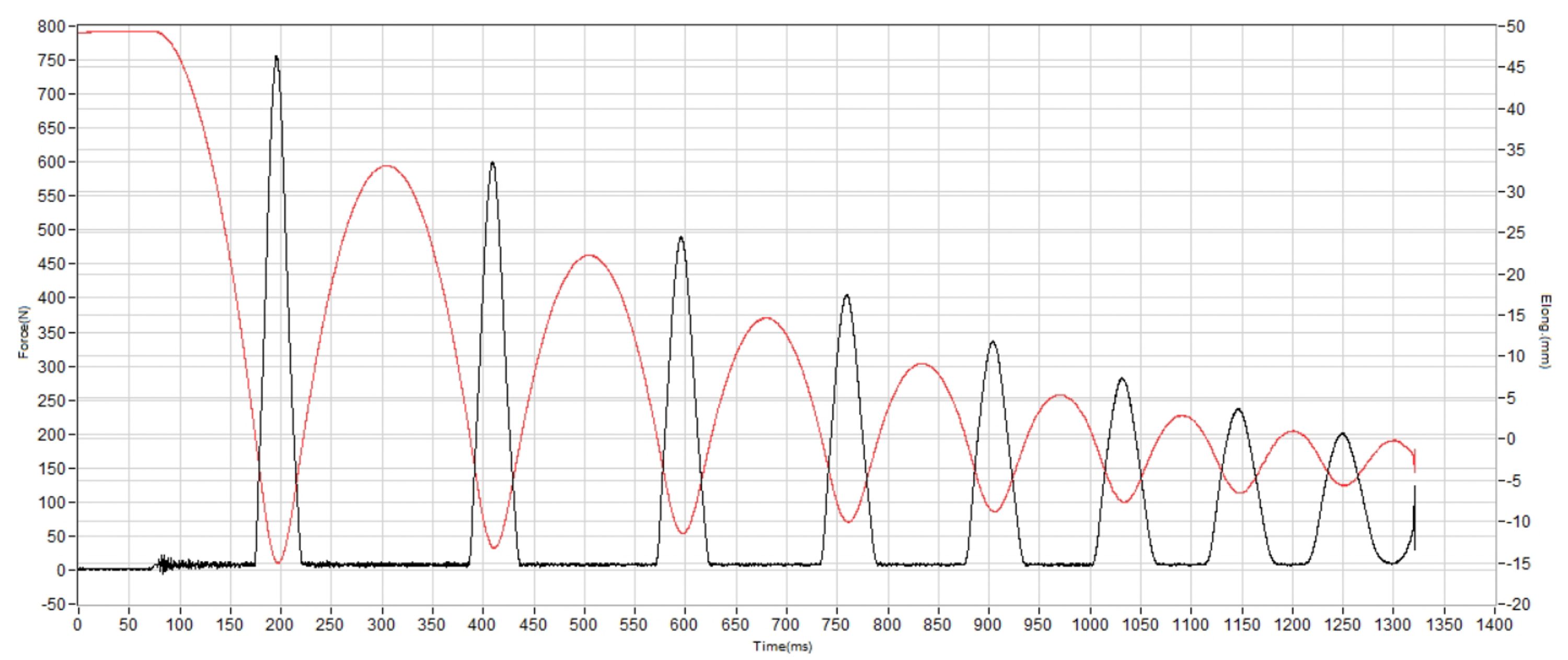
El retorno de energía es todo lo contrario. Aunque el 71,1 % en el talón y el 71,8 % en el antepié son resultados excelentes, están un poco por debajo de las EVO SL estándar, que alcanzaron un 74,3 % y un 73,5 %, respectivamente.
La explicación es la misma que antes: esos tacos extra de caucho Continental tocan el suelo primero y devuelven menos energía, lo que reduce ligeramente el rebote. Incluso así, cualquier valor por encima del 70 % es impresionante, sobre todo a este precio.
| Adizero EVO SL ATR | 71.8% |
| Media | 61.5% |
Altura de la suela en la zona del talón
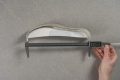
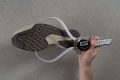
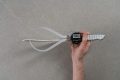
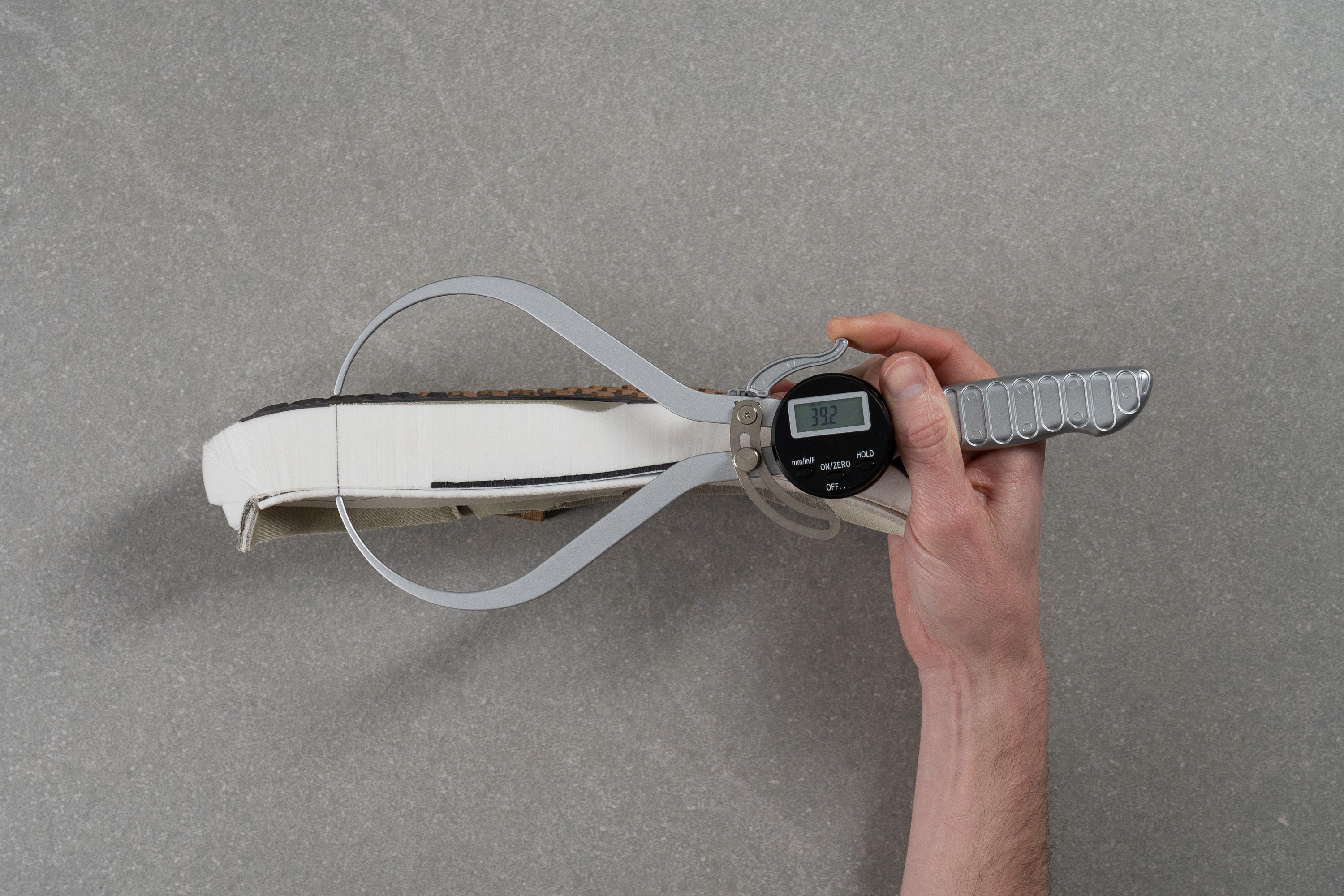
adidas dice que estas zapatillas tienen una suela 39 mm, ya nosotros nos dio 39,2 mm.
Esto coincide perfectamente con nuestras expectativas, ya que hay una buena cantidad de espuma Lightstrike Pro bajo los pies para suavizar los aterrizajes y ayudar a proteger a los corredores que aterrizan con el talón.
| Adizero EVO SL ATR | 39.2 mm |
| Media | 35.6 mm |
Altura de la suela en el antepié
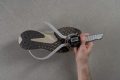
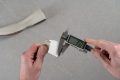
La parte delantera del pie también tiene un montón de espuma, aunque es unos pocos milímetros más baja de lo que nos esperábamos. Cuando la medimos, nuestro calibre marcó 31,1 mm.
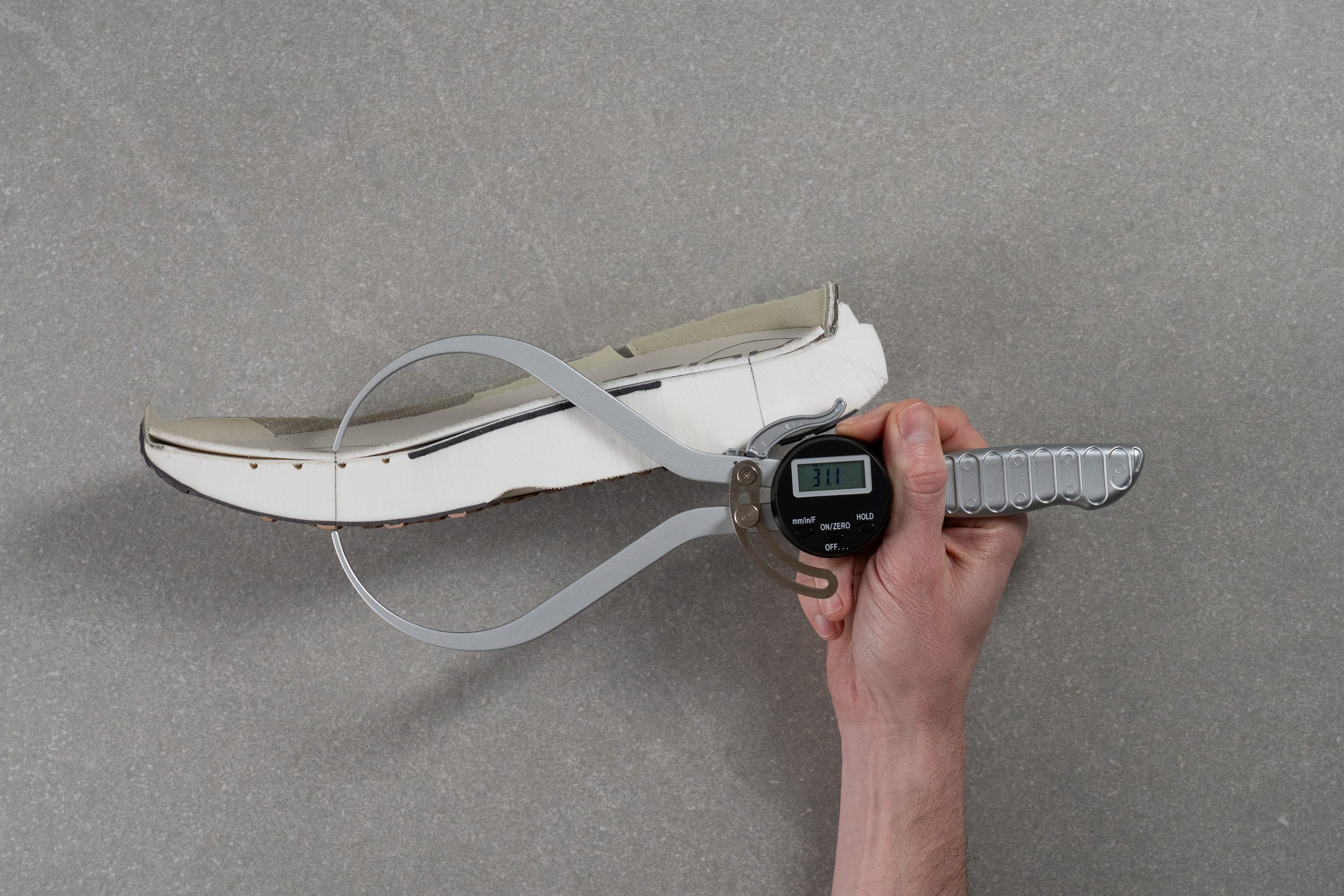
| Adizero EVO SL ATR | 31.1 mm |
| Media | 27.1 mm |
Drop
Esto da como resultado un drop de 8,1 mm, y como adidas dice que la mediasuela es la misma que la de las EVO SL estándar y su drop es de 8,0 mm, ahí lo tienes. Esa diferencia de 1 mm está dentro del margen normal de tolerancia de fabricación y no representa un cambio significativo.
Lo que confirma la versión ATR es lo que vimos en la edición estándar: el drop de 6 mm que la marca dice que tienen se siente un poco más alto al correr, como confirmaron nuestros datos de laboratorio.
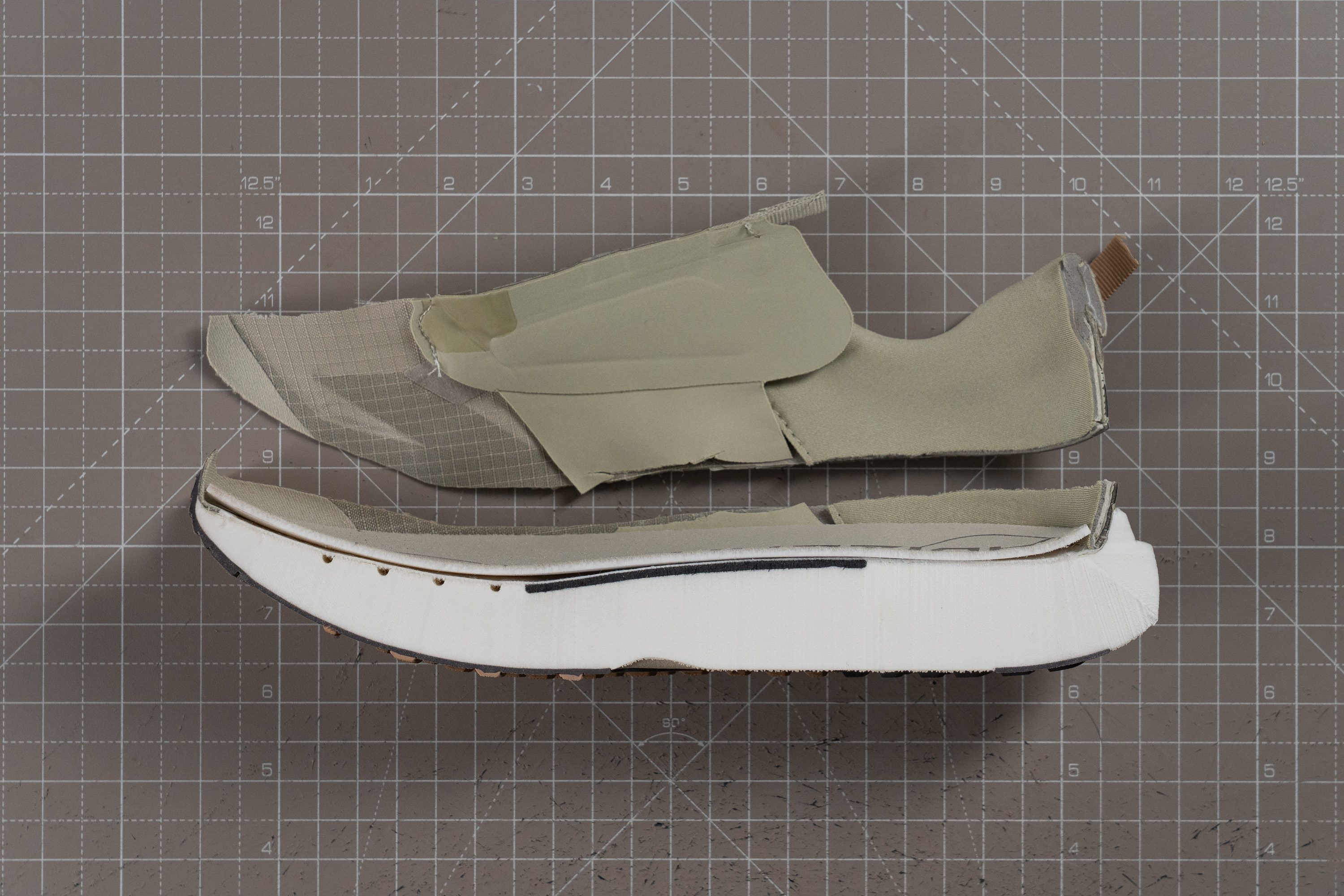
| Adizero EVO SL ATR | 8.1 mm |
| Media | 8.4 mm |
Dureza de la mediasuela
La queridísima espuma Lightstrike Pro ha vuelto en su formulación original. No, no es la de la versión más reciente de las Adios Pro 4, sino la que tanto nos gustó de las Adios Pro 3 por su legendaria combinación de durabilidad y rendimiento.
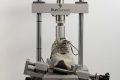
En nuestras pruebas confirmamos que la espuma sigue siendo equilibrada, ya que el durómetro marcó 38,3 AC. Eso sí, las EVO SL ATR se sienten un poquito más firmes que las EVO SL porque los tacos duros de caucho Continental tocan el suelo primero. La sensación es parecida a lo que se siente al correr con unas zapatillas de trail.
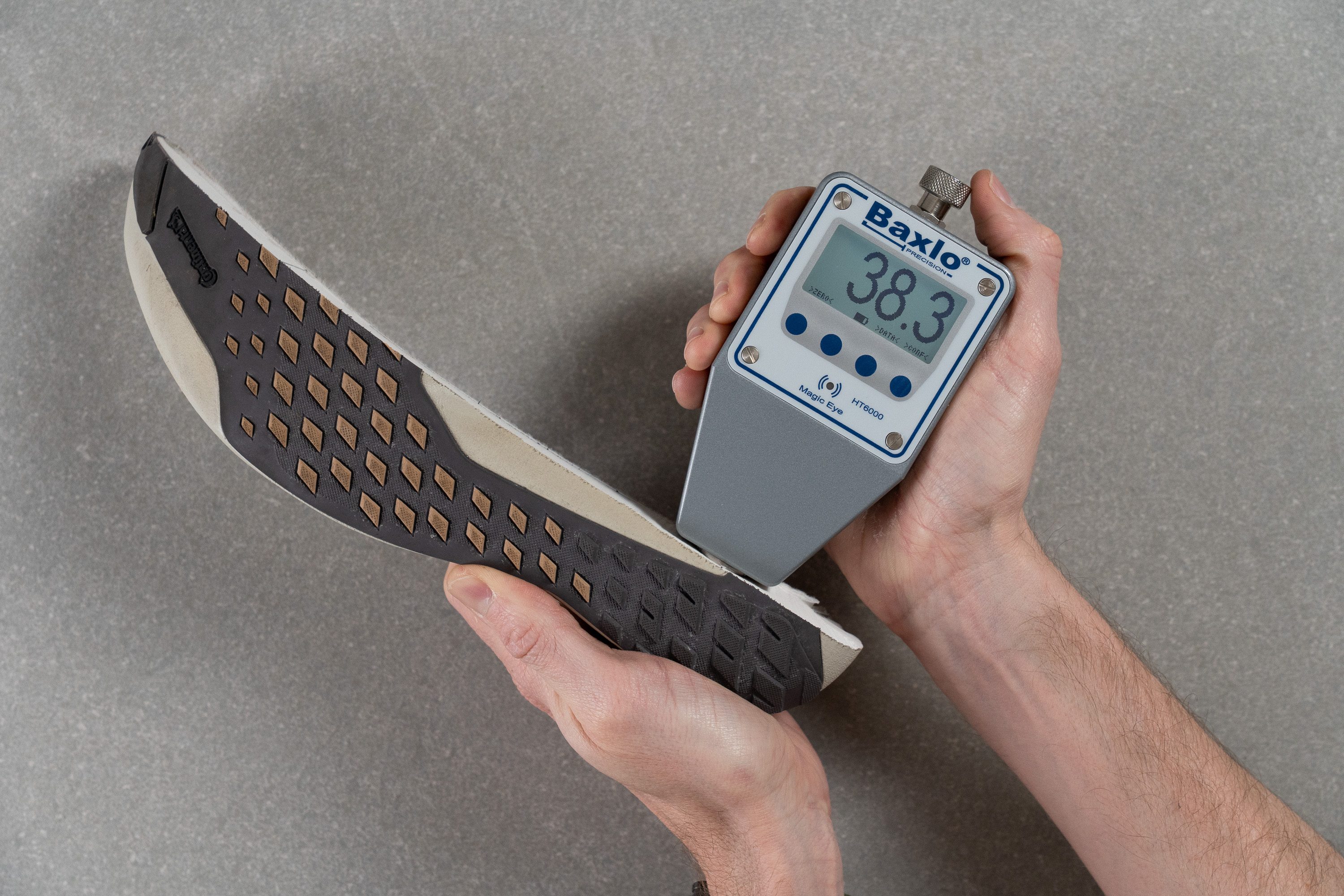
| Adizero EVO SL ATR | 38.3 AC |
| Media | 35.4 AC |
Rocker
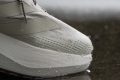
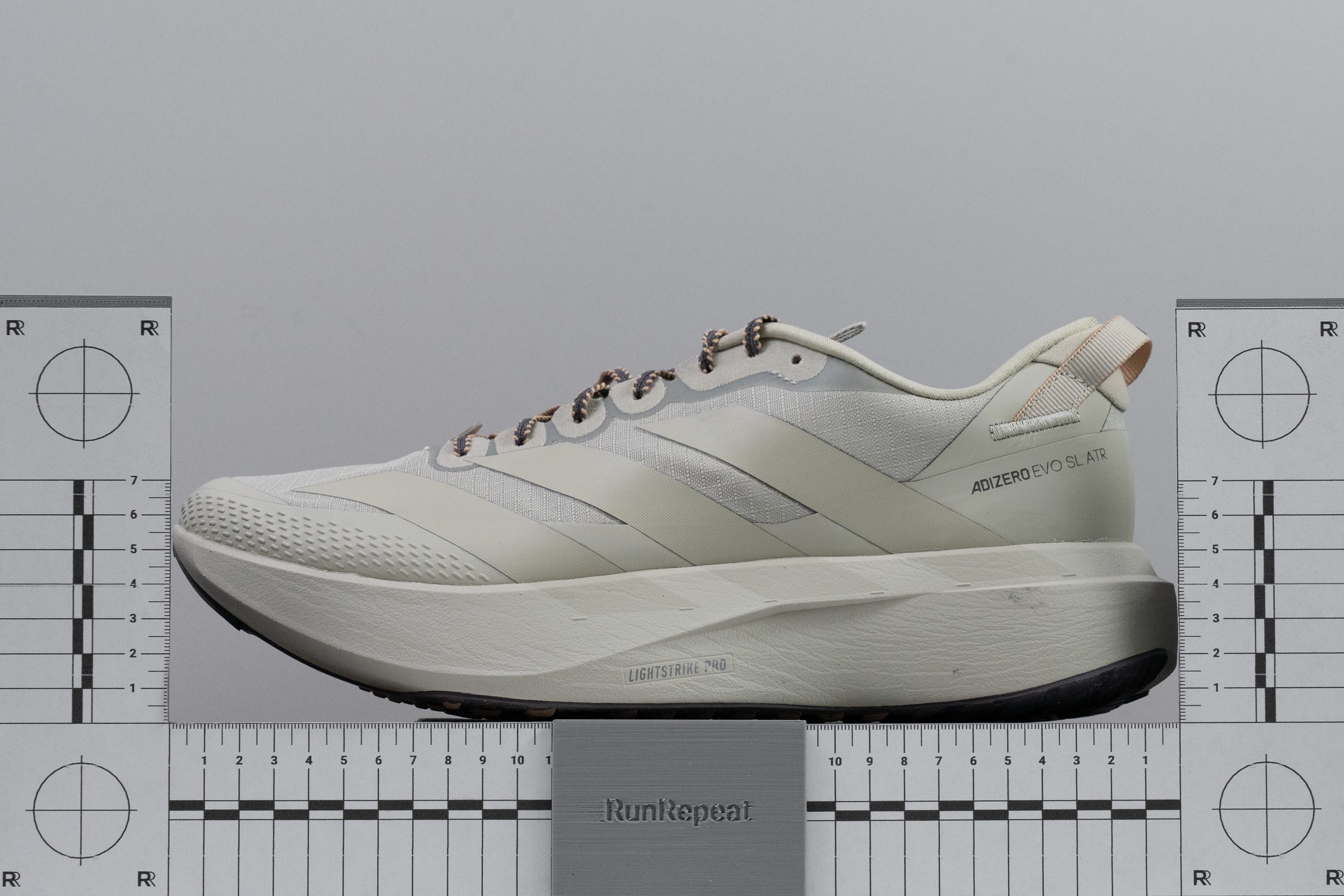
Las EVO SL ATR mantienen el mismo rocker en el antepié que el modelo original, empezando aproximadamente al 60 % desde el talón. Este diseño hace que las transiciones sean más rápidas, a la vez que ofrece una pisada blandita y no demasiado agresiva.
Placa
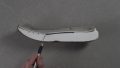
Volvimos a encontrarnos un cambrillón en el mediopié, justo encima de la espuma Lightstrike Pro.
Proporciona un toque controlado de estabilidad, evitando la rigidez adicional de una placa de carbono de longitud completa o de las Energy Rods de adidas.
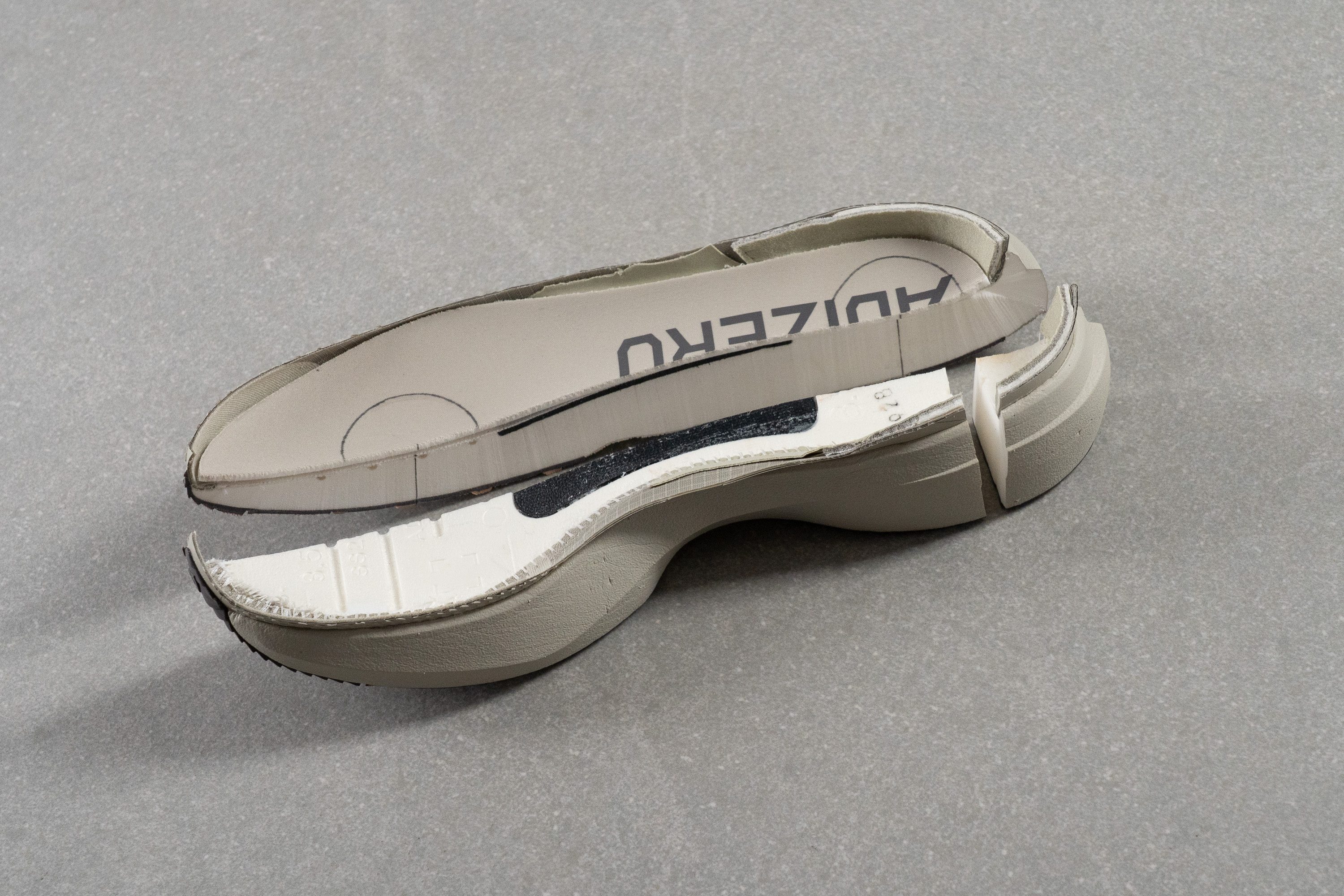
Tallaje y ajuste
Talla
Las adidas Adizero EVO SL ATR tallan bien (37 votos).
Longitud interna
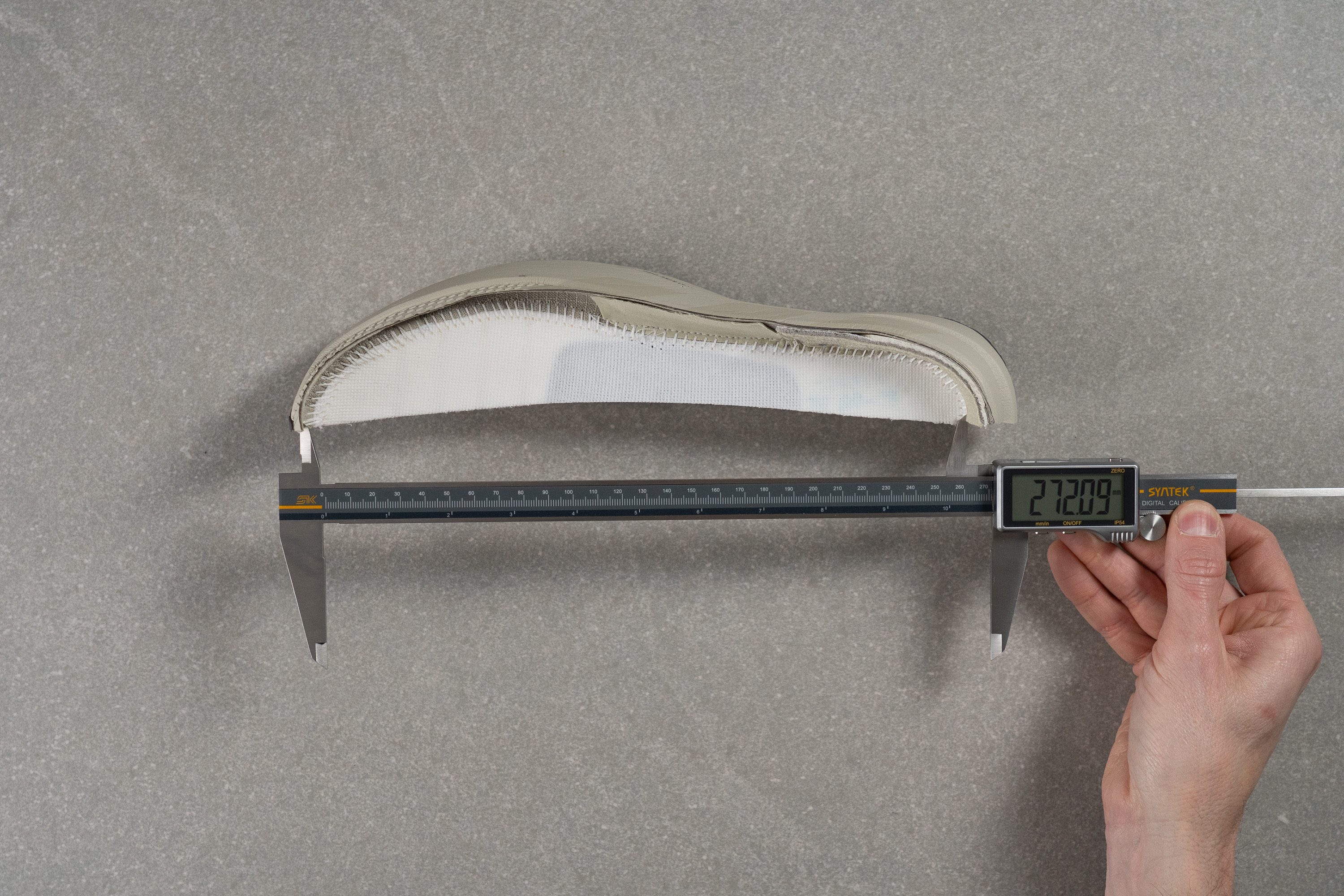
| Adizero EVO SL ATR | 272.1 mm |
| Media | 269.3 mm |
Anchura / Ajuste
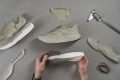
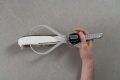
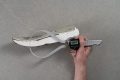
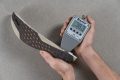
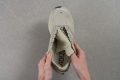
Aunque tienen la misma mediasuela y la misma horma, el upper es completamente diferente, lo que puede afectar el ajuste y al volumen interno. Para comprobarlo, creamos un molde de gel de su interior.
Cuando medimos su punto más ancho, nuestro calibre marcó 97,7 mm, así que es más ancha que la media. Está totalmente en línea con lo que vimos en las EVO SL estándar.
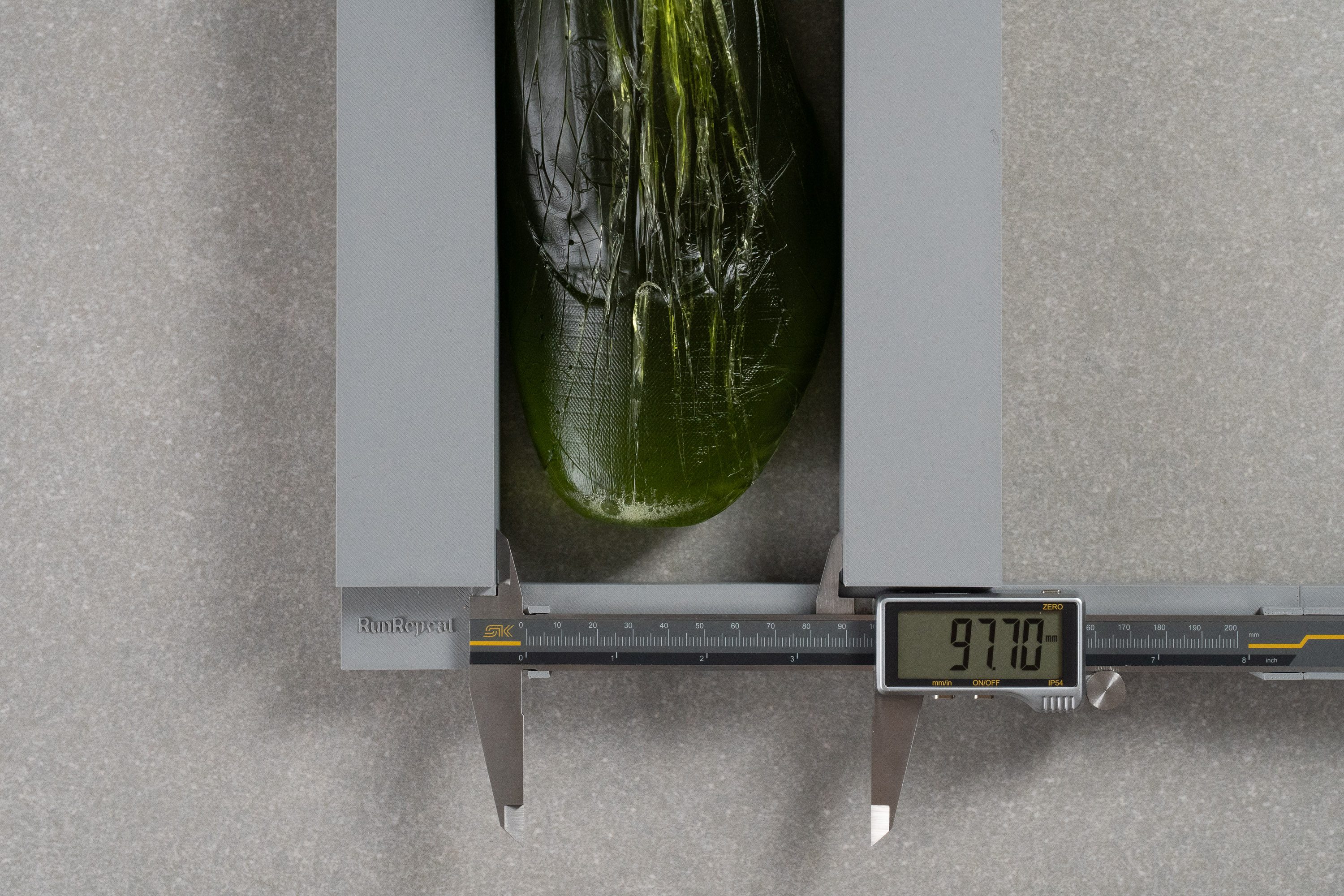
| Adizero EVO SL ATR | 97.7 mm |
| Media | 95.2 mm |
Anchura de la parte delantera
La parte delantera también se estrecha de la misma manera que en las EVO SL, por lo que el ajuste de la zona de los dedos se siente muy parecido en las EVO SL ATR. Nuestros calibres midieron 72,8 mm en esta zona.
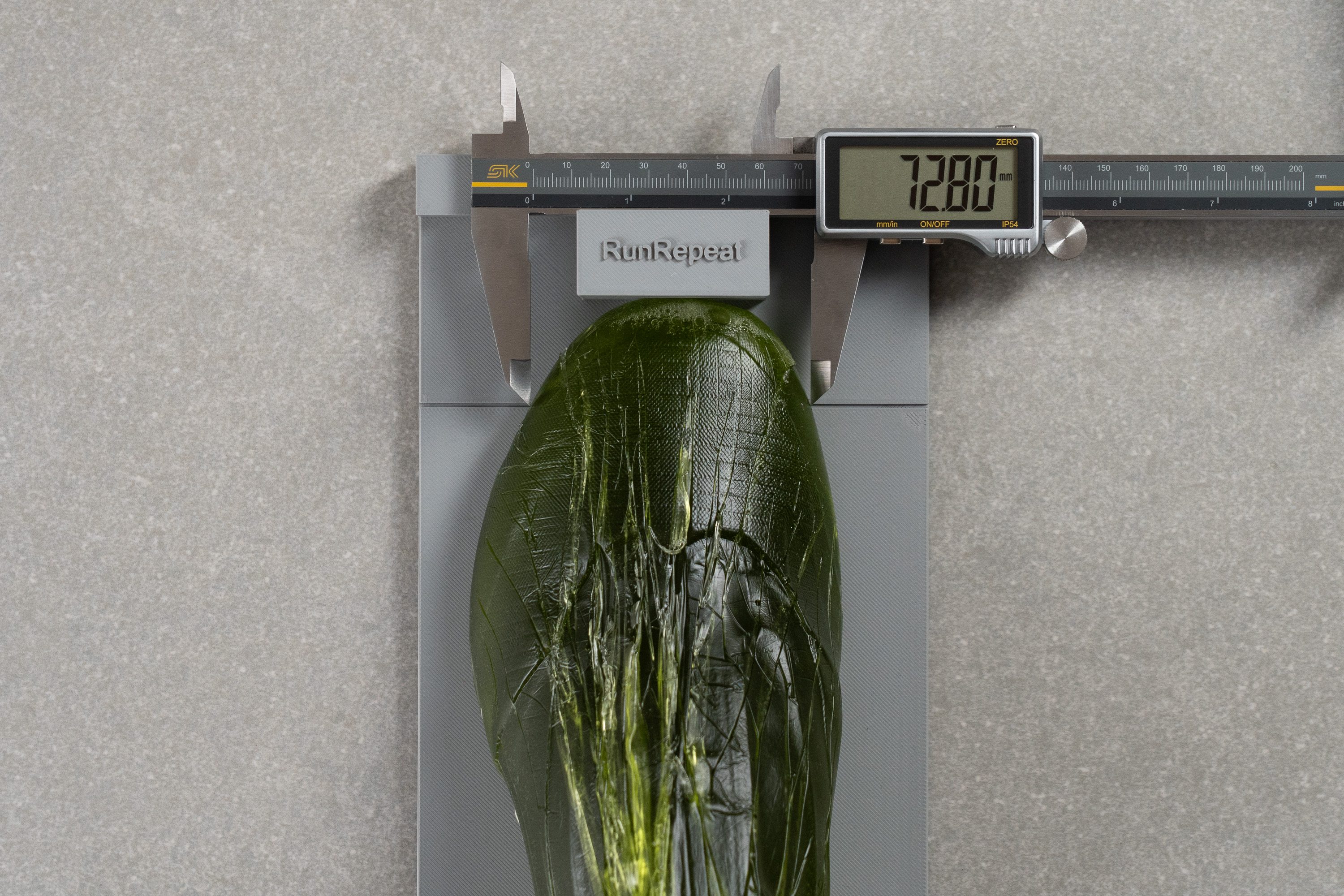
| Adizero EVO SL ATR | 72.8 mm |
| Media | 73.2 mm |
Altura de la parte delantera
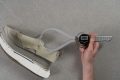
Para completar la evaluación del ajuste, tomamos una tercera medida: la altura de la parte delantera.
Con 27,4 mm, la mayoría de los corredores tendrán suficiente volumen vertical, lo que confirma que el espacio no es un problema. Dicho esto, el upper de ripstop no se estira nada de nada, así que algunas personas pueden sentir que esta parte delantera no es tan alta.
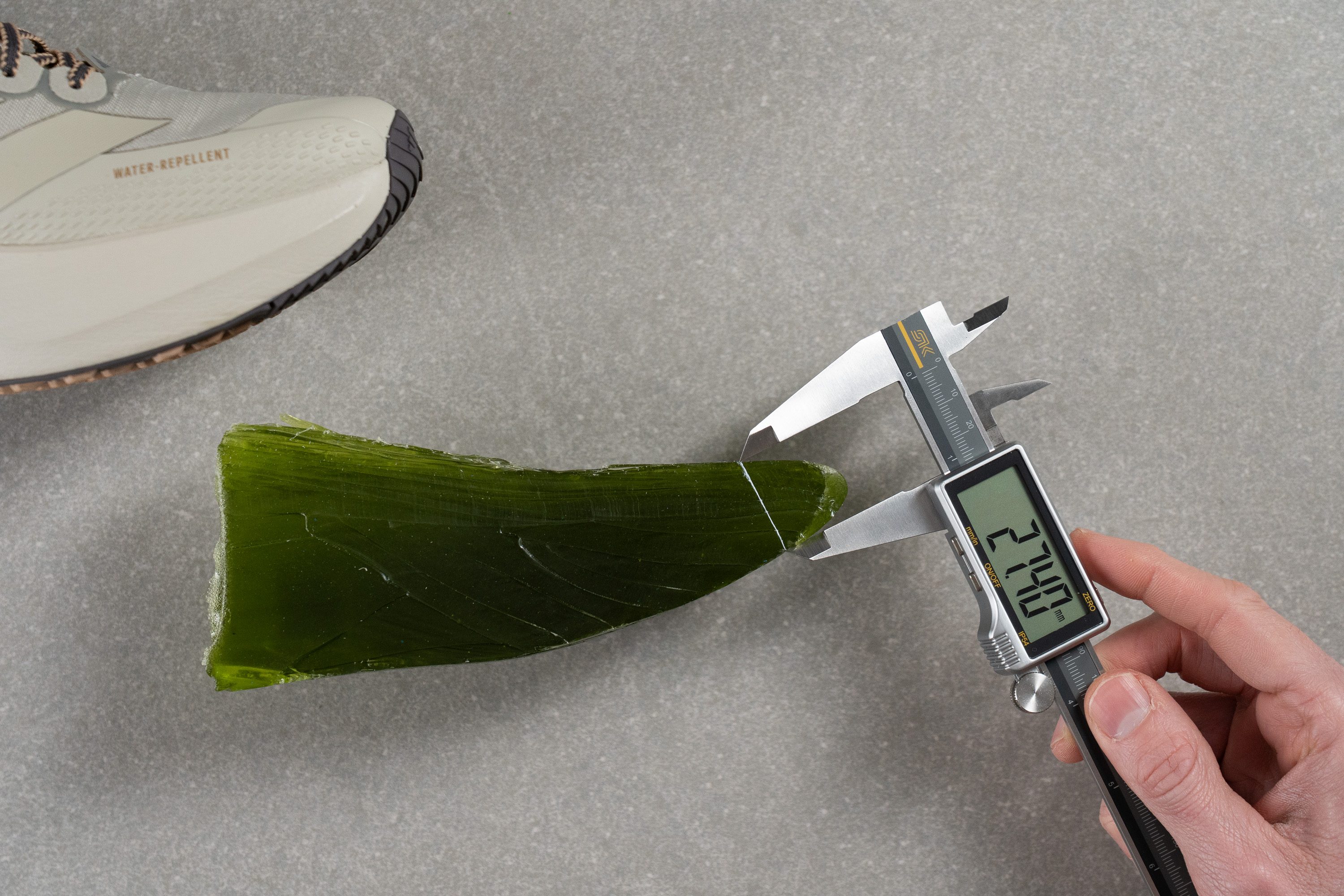
| Adizero EVO SL ATR | 27.4 mm |
| Media | 27.0 mm |
Tracción / Agarre
Traction test
Uno de los puntos más débiles de las EVO SL era la tracción. Su 0,40 hizo que fuese aceptable, pero se nos quedaba corta en las superficies mojadas. Las EVO SL ATR le han dado la vuelta a la tortilla al obtener una puntuación mucho más sólida de 0,65.
Lo malo de todo esto es que la suela exterior es más pesada, pero creemos que es un intercambio positivo que beneficiará a muchos corredores que están buscando sentir más confianza bajo los pies.
| Adizero EVO SL ATR | 0.65 |
| Media | 0.53 |
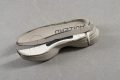
Diseño de la suela exterior
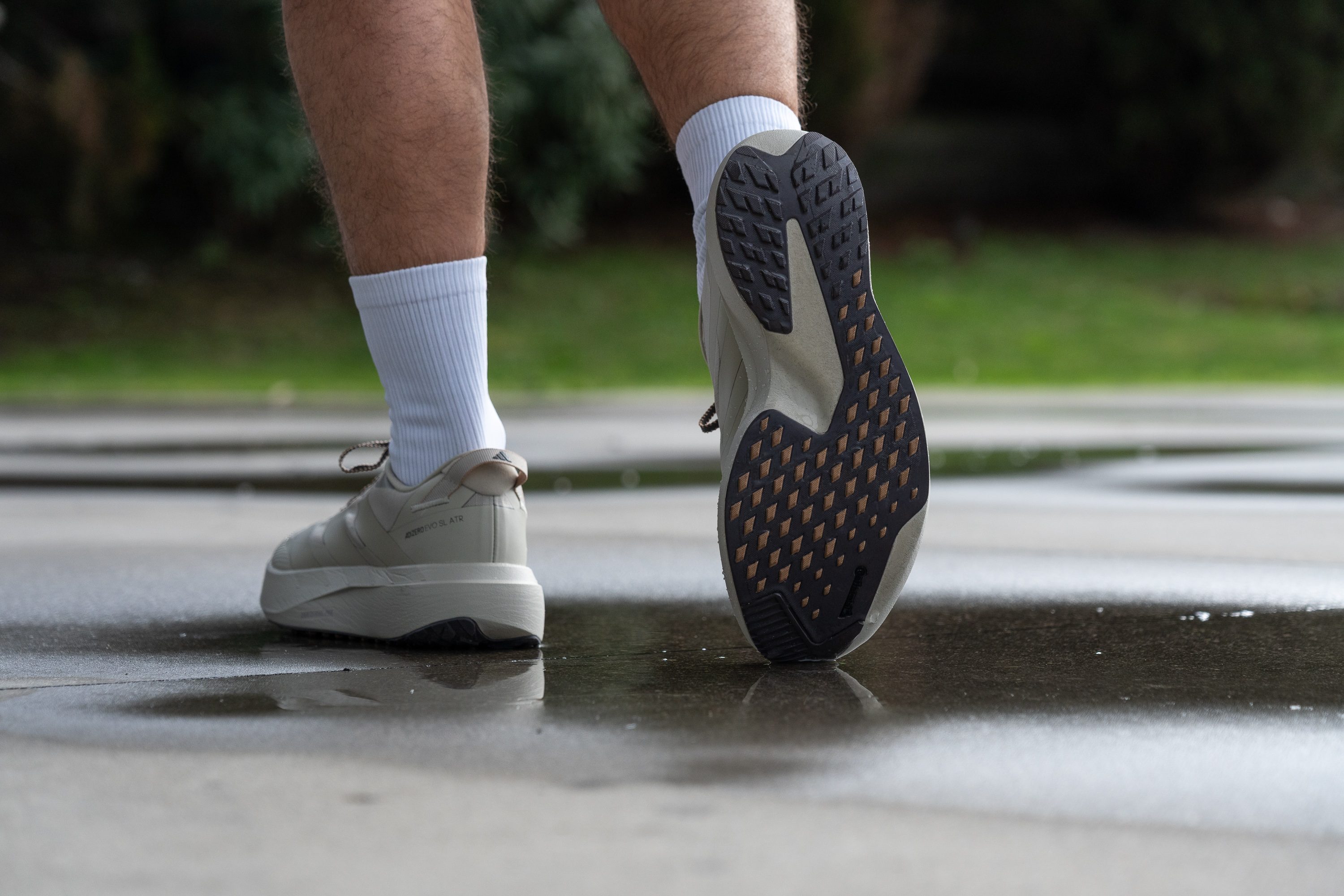
Aunque la mediasuela de las EVO SL ATR es exactamente igual que la de sus hermanas, la suela exterior sí que es bastante distinta. El diseño inspirado en los modelos de competición desaparece, ya que estas zapatillas tienen uno más resistente hecho con caucho Continental y una cobertura más amplia, sobre todo bajo el talón.
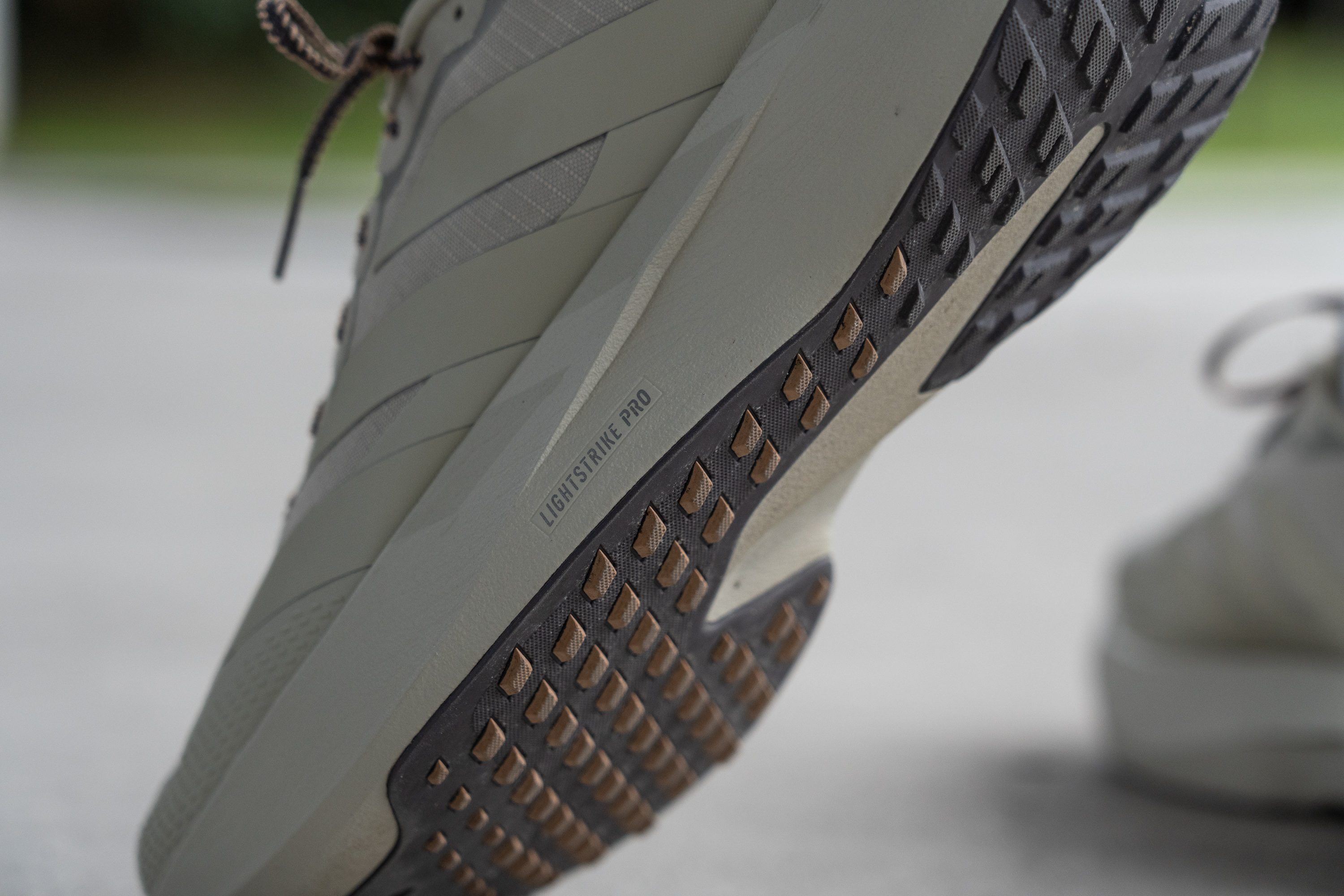
Esta suela exterior también tiene montones de tacos pequeñitos (1,5 mm) para mejorar la tracción sobre otras superficies que no sean asfalto seco. Grava, caminos de tierra, parques e incluso las rutas fáciles son terreno apto. Como resultado, las ATR son una opción mucho más versátil que el modelo estándar, manteniendo al mismo tiempo una pisada firme al correr por asfalto en los días soleados.
Flexibilidad / Rigidez
Una de las primeras cosas que sentimos cuando nos pusimos las EVO SL ATR fue que son más rígidas. Con una suela exterior más gruesa y un upper repelente al agua, necesitaron 14,6 N de fuerza, que es un 48 % más que el modelo estándar, así que te puedes esperar una sensación menos natural bajo los pies.
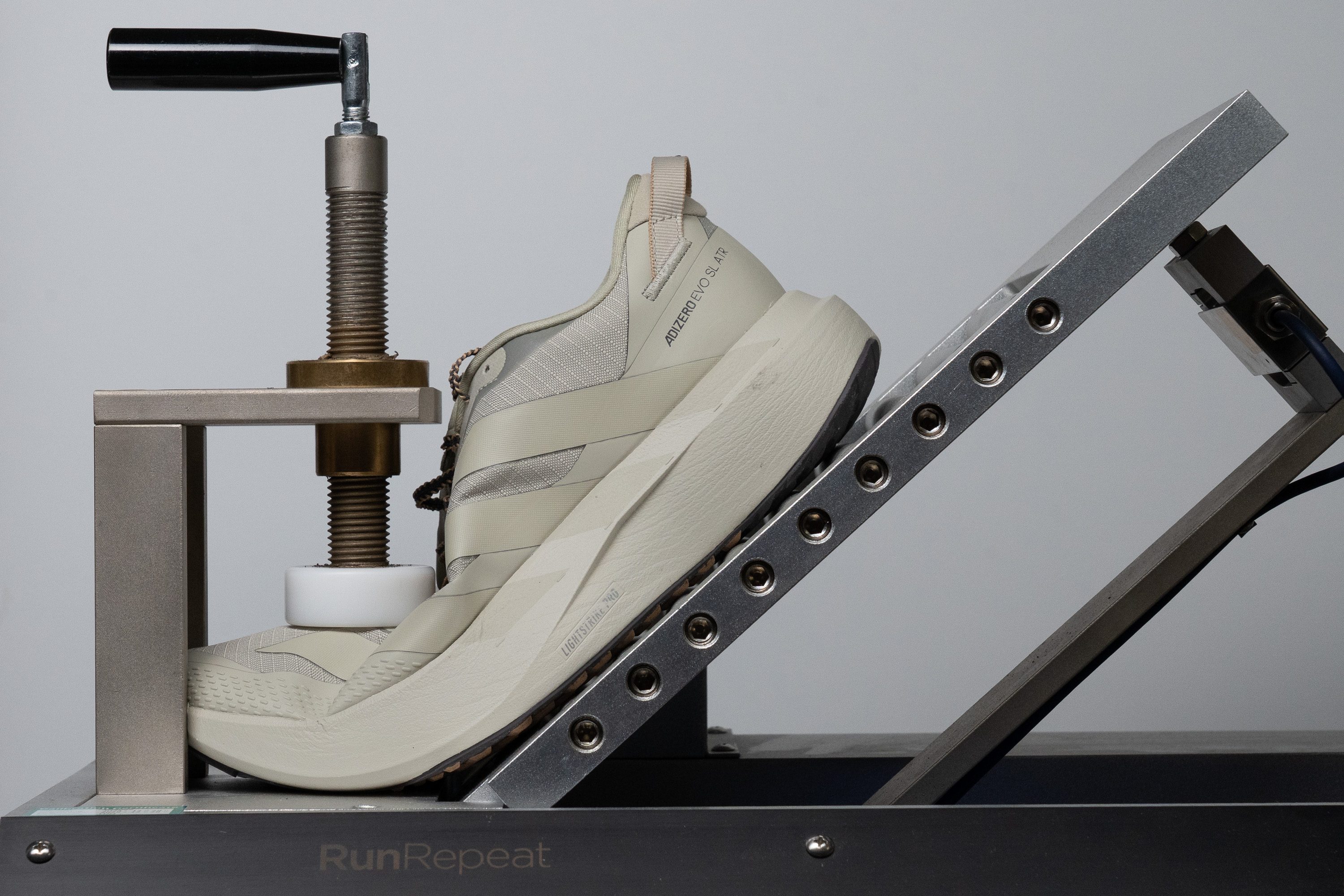
| Adizero EVO SL ATR | 14.6N |
| Media | 15.5N |
Peso
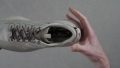
No hace falta ser un experto en zapatillas de running para suponer que las EVO SL ATR van a pesar más que las EVO SL estándar. Cualquiera puede ver que el material repelente al agua del upper y la suela más resistente añaden claramente algo de peso extra.
Resulta que pesan un 18 % más, así que ahora estas zapatillas pesan 264 g. Aunque sigue siendo un valor muy razonable para el tamaño de este modelo, sin duda se siente más pesado que la versión original al correr, que es algo que deberías tener en cuenta.
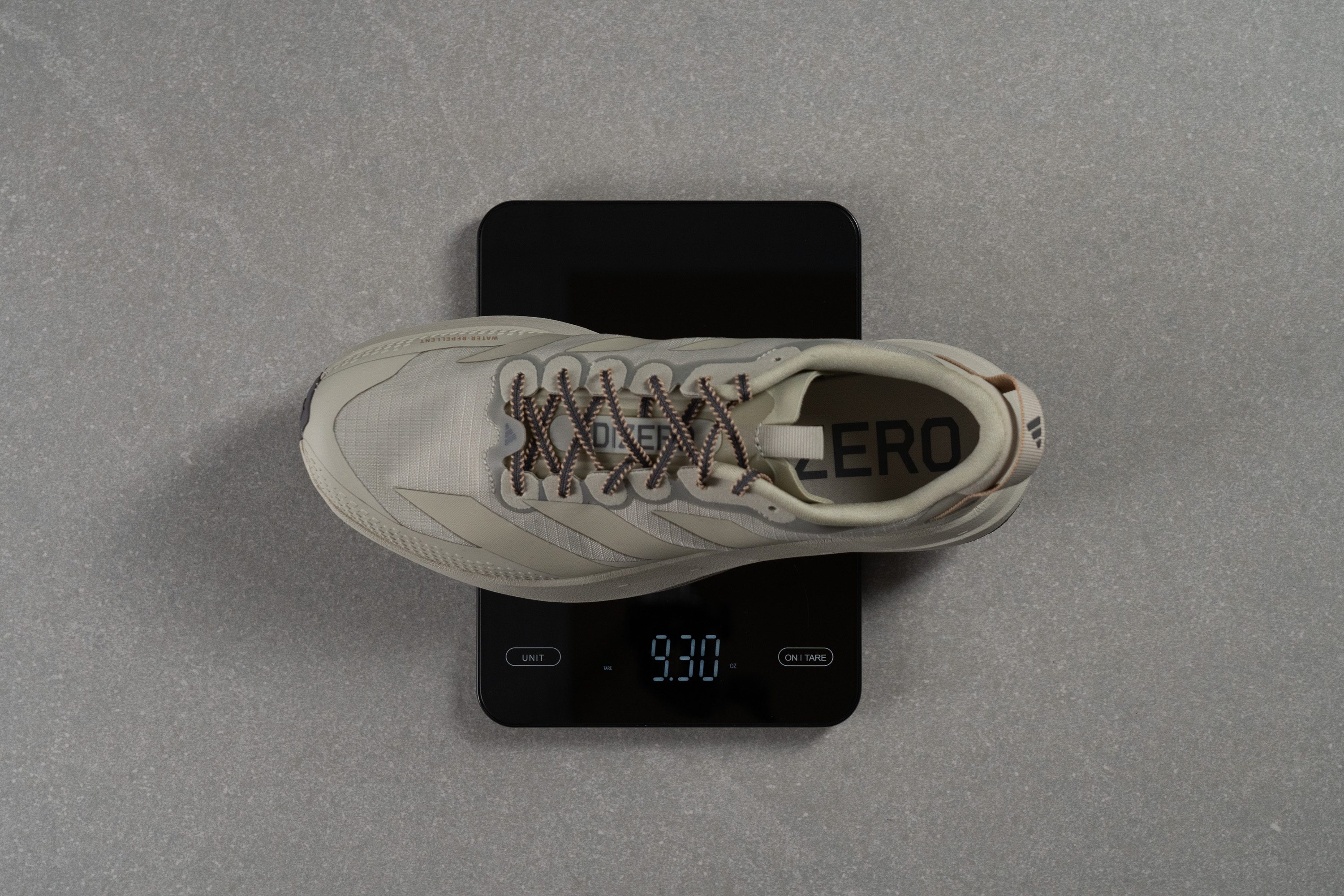
| Adizero EVO SL ATR | 9.3 oz (264g) |
| Media | 9.2 oz (261g) |
Transpirabilidad
Breathability test
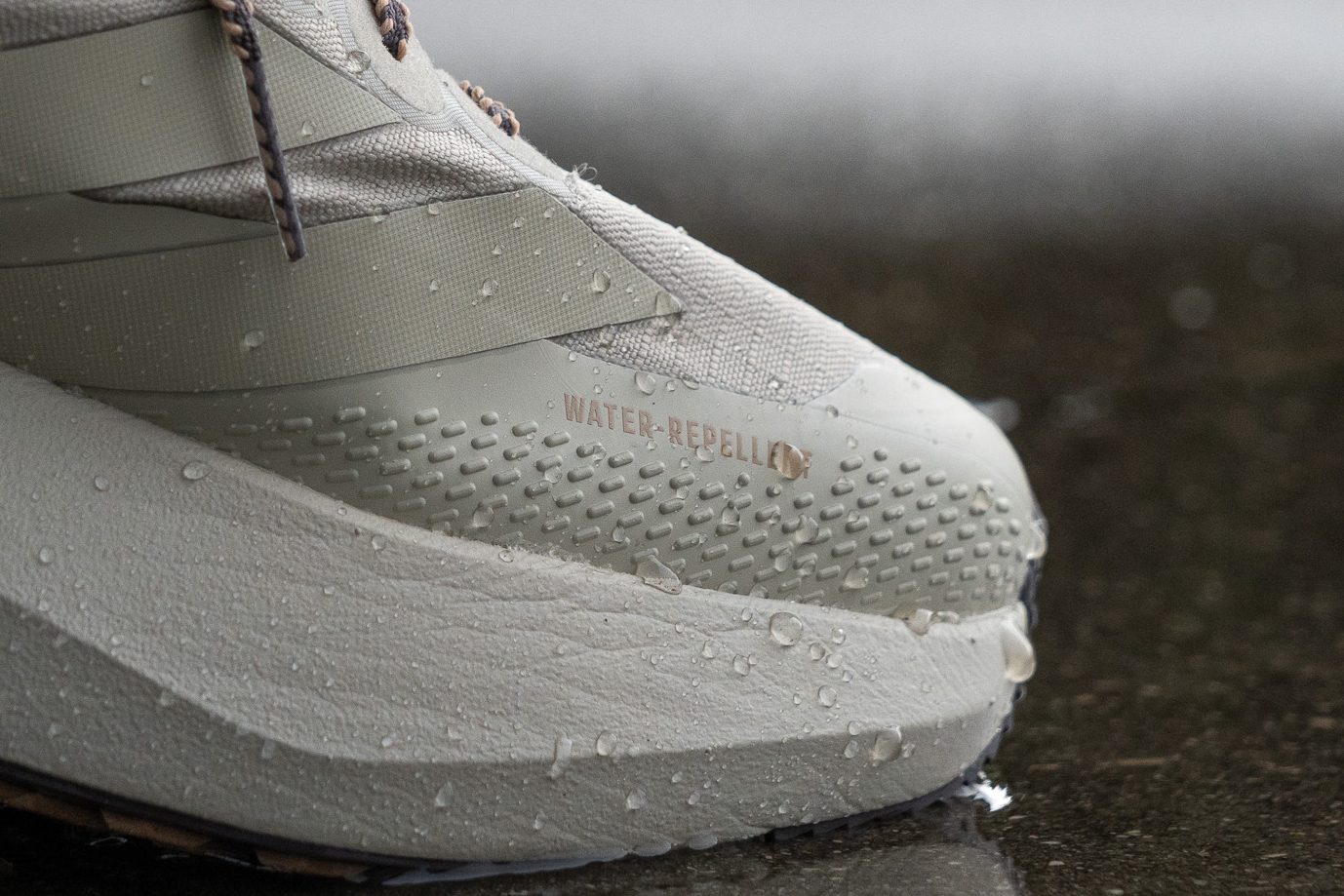
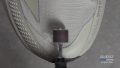
Al ser una versión de las EVO SL que se especializa en el invierno, nos esperábamos que la transpirabilidad de estas zapatillas sufriese lo suyo. Aunque las ATR no son impermeables, utilizan una malla repelente al agua que, claramente, pone la protección antes que el flujo de aire en su lista de prioridades.
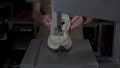
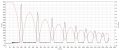
Esto lo confirmamos con nuestra máquina de última generación, que marcó solo 52 BR. Es un resultado que está muy por debajo de la media actual de nuestro laboratorio, lo que demuestra que la marca no priorizó la transpirabilidad cuando diseñó estas zapatillas.
| Adizero EVO SL ATR | 52 BR |
| Media | 75 BR |
Potencial de secado
NuevoNuestra prueba de potencial de secado utiliza la misma máquina para evaluar cómo de bien se le da al upper liberar la humedad que se queda atrapada en las zapatillas con el tiempo. Las EVO SL ATR estuvieron 3 horas expuestas al sudor artificial en nuestra cámara, y vimos que solo se había evaporado el 29 % de la humedad. ¡Es uno de los resultados más bajos que hemos visto en esta prueba!
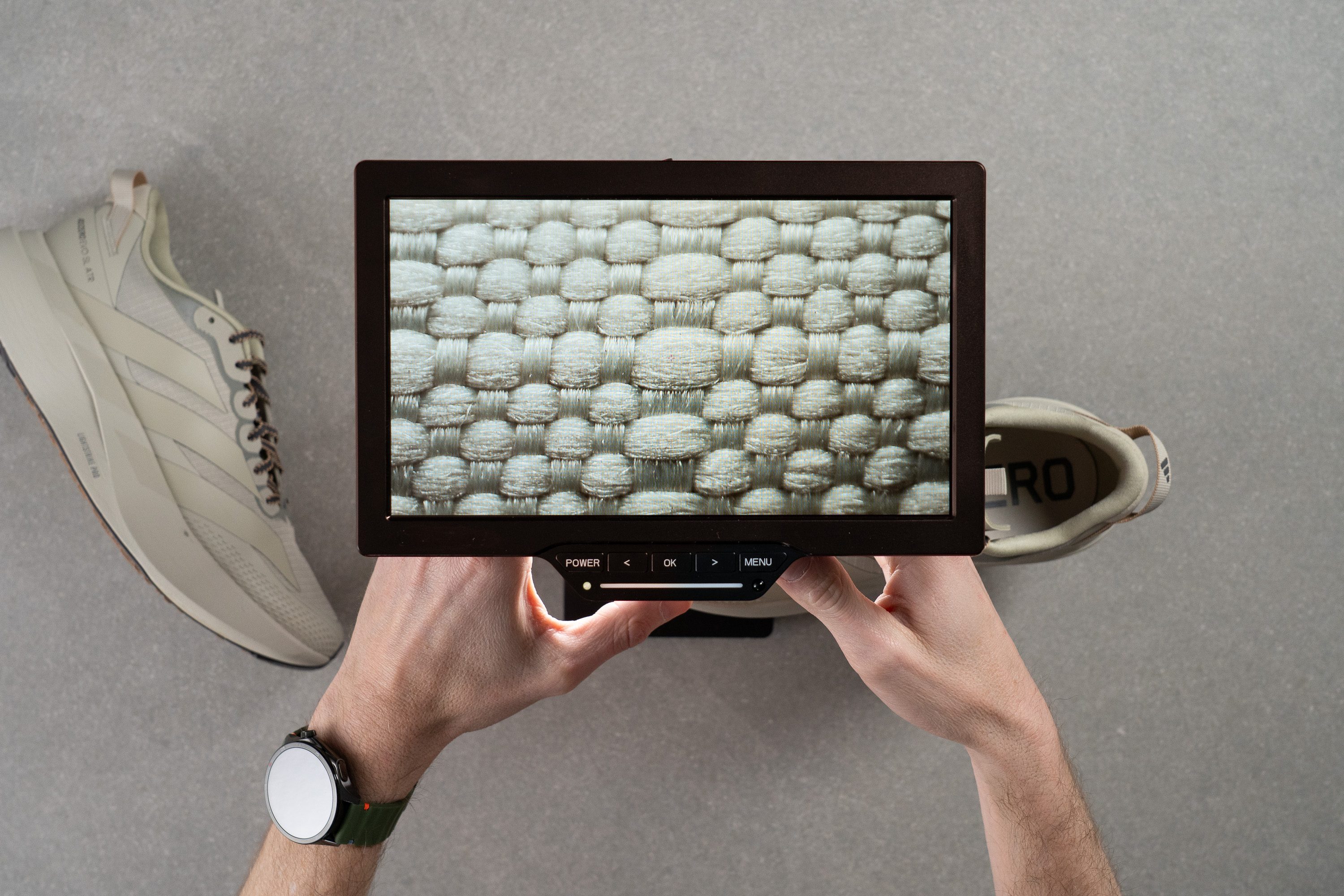
| Adizero EVO SL ATR | 29% |
| Media | 53% |
Estabilidad
Prueba de estabilidad lateral
Aunque las EVO SL ATR siguen siendo unas zapatillas neutras, esta versión ofrece un toque más de estabilidad gracias a su upper reforzado y a su mayor rigidez. Es fácil sentirlo al correr, pero las personas que necesiten sujeción... no la van a conseguir de estas adidas.
Rigidez torsional
Las EVO SL ATR tienen una rigidez torsional más o menos estándar, ya que nuestra máquina marcó 14,3 Nm.
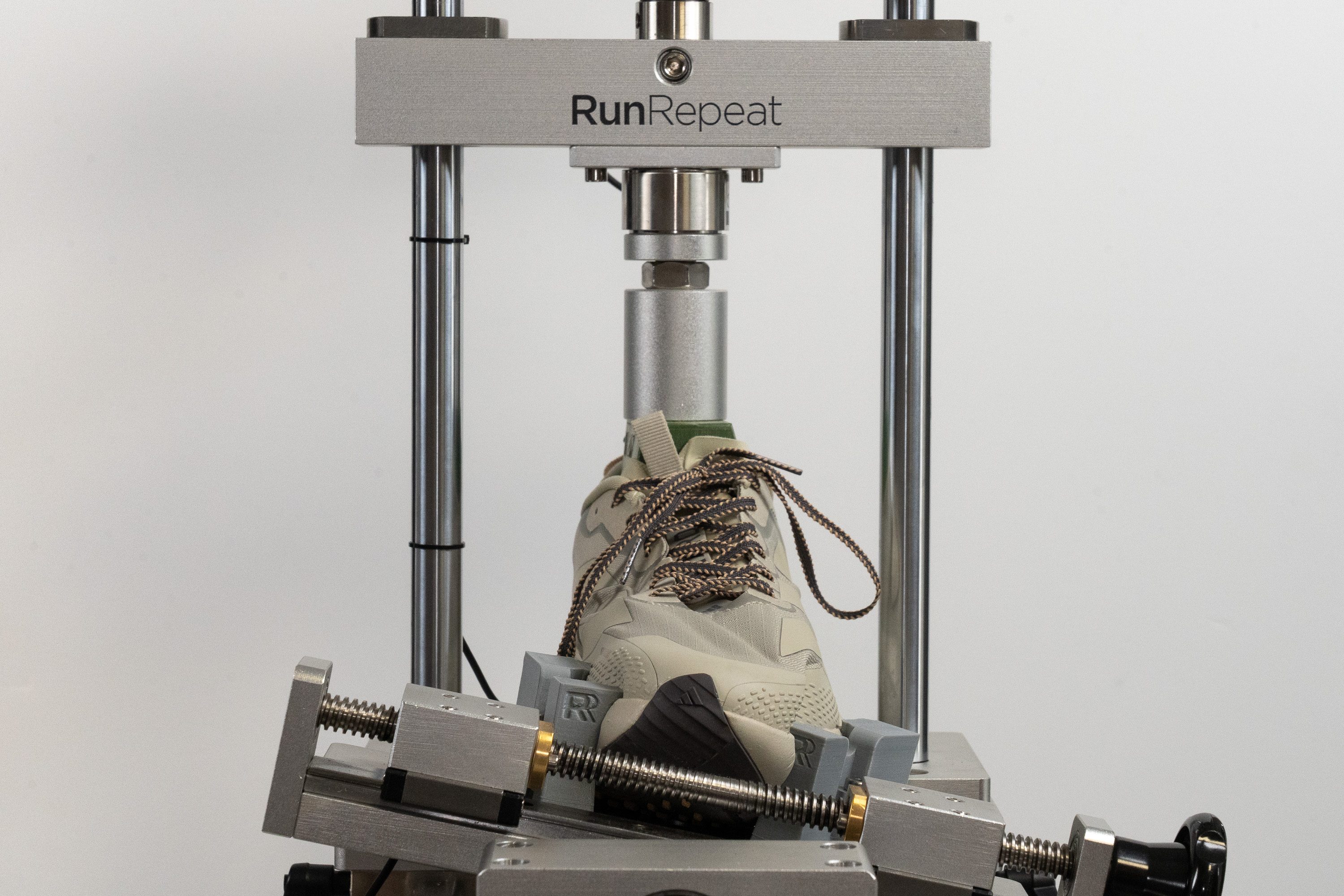
| Adizero EVO SL ATR | 14.3 Nm |
| Media | 14.3 Nm |
Rigidez del contrafuerte del talón
El contrafuerte del talón se siente muy parecido al del modelo original, y se llevó un 3/5 en nuestra evaluación manual. Ofrece una sujeción estándar y una comodidad sólida, que es justo lo que nos esperamos de unas zapatillas de entrenamiento diario.
| Adizero EVO SL ATR | 3 |
| Media | 2.9 |
Anchura de la mediasuela - antepié
Cuando medimos la anchura de la mediasuela en el antepié, nuestro calibre marcó 116,44 mm, que es un resultado entendible para unas zapatillas que se centran en ser versátiles. Evitan esa sensación voluminosa que tienen muchos de los últimos diseños maximalistas y mantienen una pisada ágil, que es algo que apreciamos mucho.
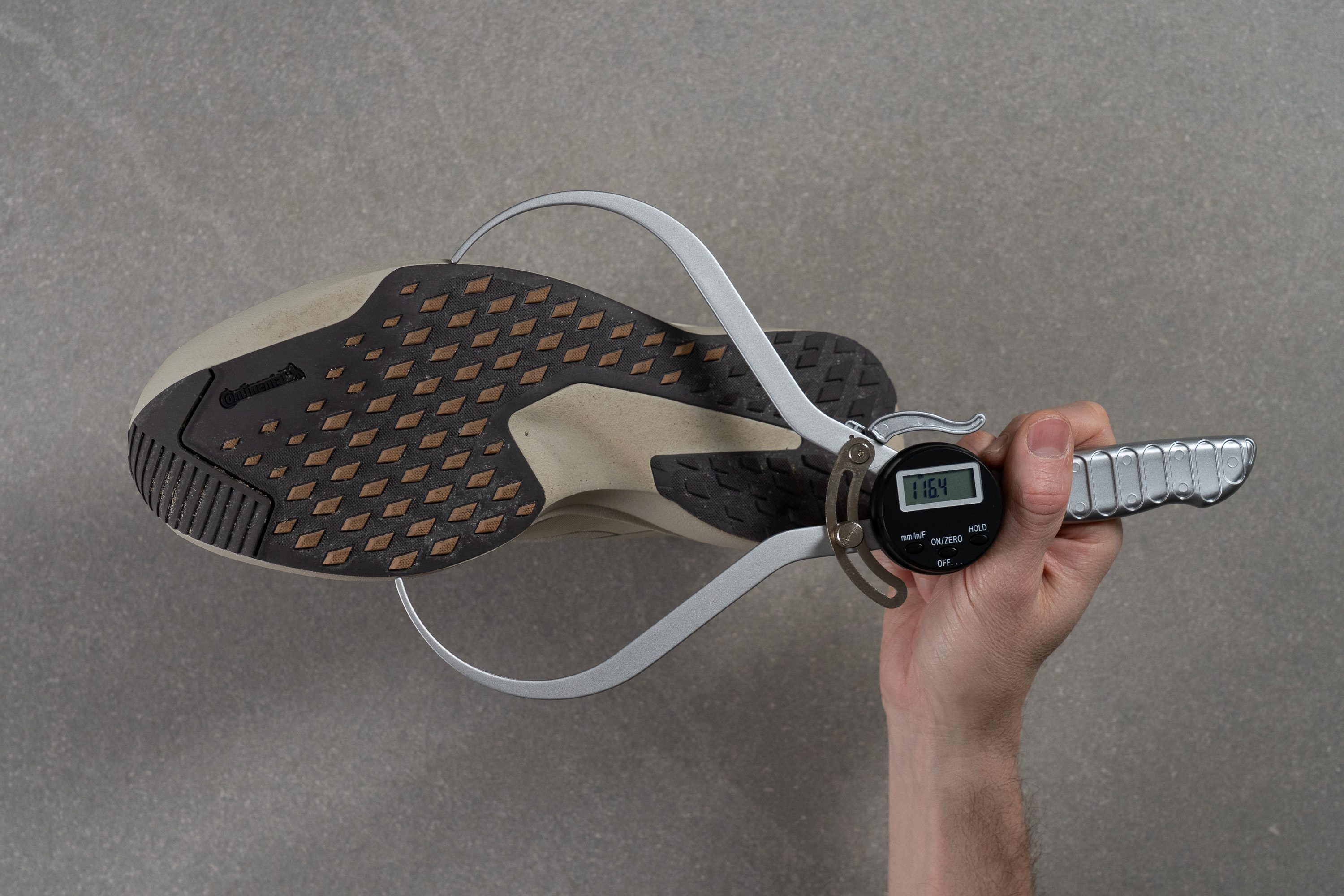
| Adizero EVO SL ATR | 116.4 mm |
| Media | 115.1 mm |
Anchura de la mediasuela - talón
El talón sigue el diseño agresivo que hemos visto en la mayoría de los modelos Adizero.
Con solo 84,7 mm de ancho, esta es una de las principales razones por las que no podemos recomendarles estas zapatillas a los corredores que necesitan sujeción, y mucho menos si aterrizan con el talón.
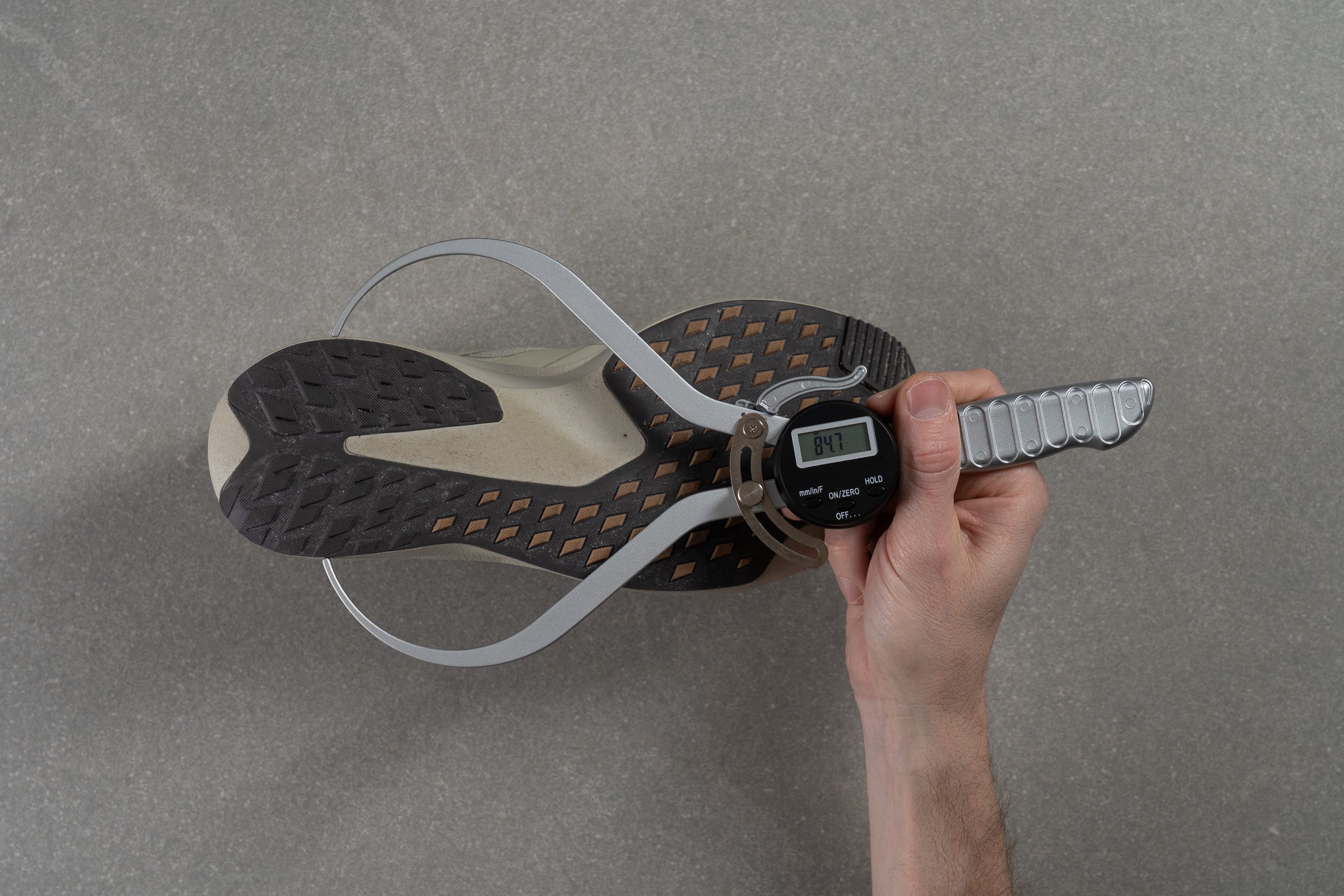
| Adizero EVO SL ATR | 84.7 mm |
| Media | 91.1 mm |
Durabilidad
Durabilidad de la parte delantera
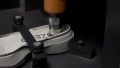
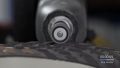
La malla ripstop que utiliza adidas ayuda a prevenir los desgarros aleatorios y los daños más pequeños, pero no está diseñada para ser duradera hasta decir basta. Esto lo comprobamos en nuestra prueba Dremel, donde se llevaron un 2/5 por el material finito que tienen en la zona de los dedos.
Eso sí, es importante que sepas que este modelo utiliza varios refuerzos de TPU en distintos puntos clave que, aunque hacen que el peso aumente un poco, nos parecen totalmente justificados en la versión ATR.
| Adizero EVO SL ATR | 2 |
| Media | 2.6 |
Durabilidad del acolchado del talón
Después de que el Dremel no consiguiese hacerle ni cosquillas, nos quedó claro que no nos teníamos que preocupar del acolchado del talón. Vamos, que se llevó un 5/5 perfecto en esta prueba, no hay más.
| Adizero EVO SL ATR | 5 |
| Media | 3.4 |
Durabilidad de la suela
¿A quién no le va a gustar la colaboración entre Continental y adidas? Ambas marcas han trabajado juntas durante décadas, ofreciéndonos suelas exteriores muy duraderas y con un buen agarre.
Y eso es justo lo que hemos visto en este par, ya que nuestro Dremel solo pudo desgastar 0,7 mm de caucho. Un resultado muy bueno.
| Adizero EVO SL ATR | 0.7 mm |
| Media | 1.1 mm |
Grosor de la suela
Ha habido cierto debate sobre si las EVO SL ATR son un modelo para correr por asfalto o unas zapatillas de trail por sus tacos poco profundos de 1,5 mm. Para nosotros son, sin duda alguna, unas EVO SL listas para el invierno que se pueden enfrentar a trails muy fáciles... cuyo corazón sigue perteneciéndole a la carretera.
La suela exterior refuerza esa idea. Con un grosor total de 3,5 mm, no se siente diferente a la de los modelos para correr por asfalto, sobre todo si la comparas con la de pares como las Pegasus 41 GTX.
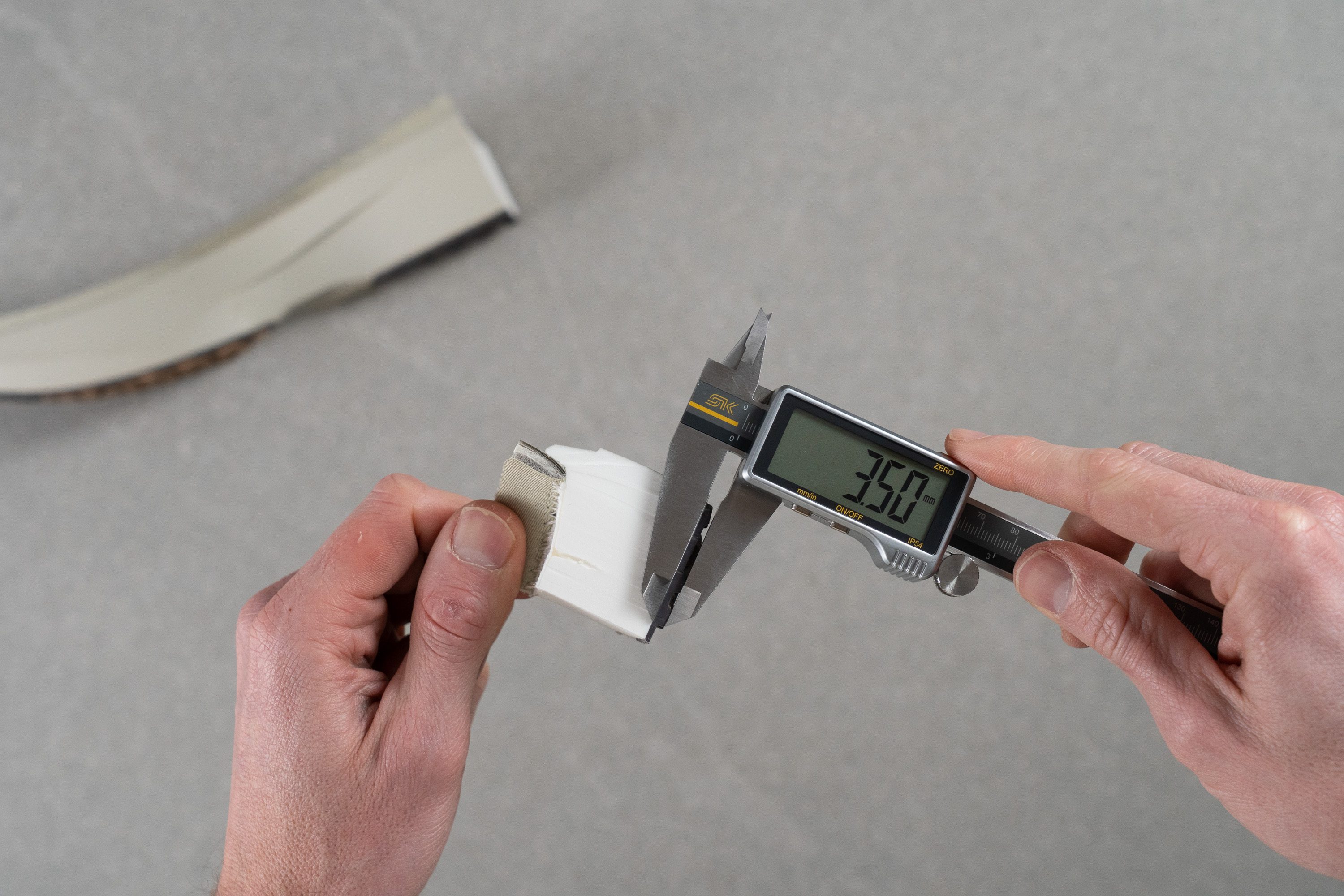
| Adizero EVO SL ATR | 3.5 mm |
| Media | 3.1 mm |
Varios
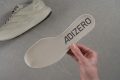
Grosor de la plantilla
La plantilla que estas zapatillas tienen encima de la mediasuela Lightstrike Pro es más finita que la media, con solo 3,1 mm de grosor. Si eso significa que vamos a disfrutar de más Lightstrike Pro bajo los pies, no nos quejamos.
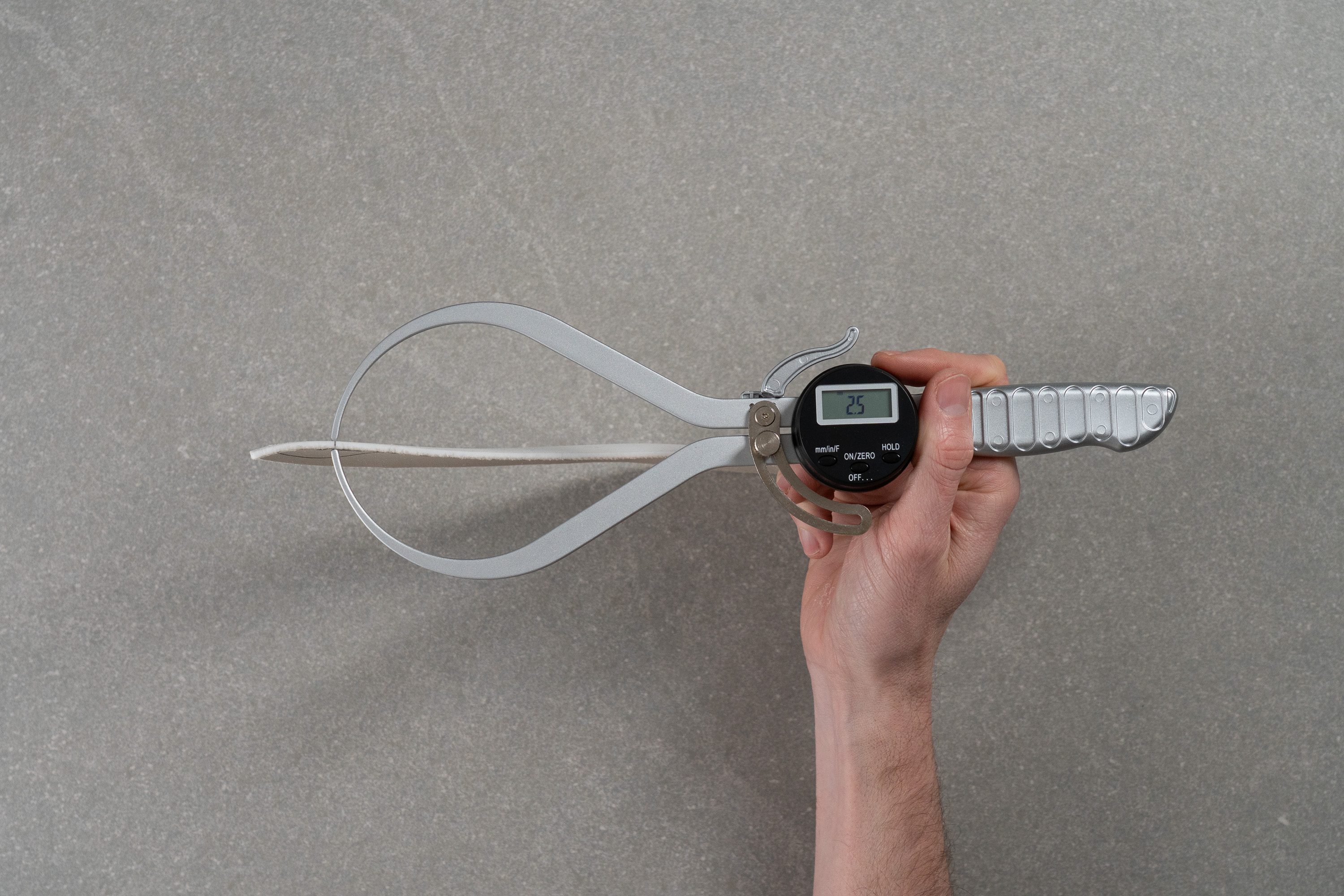
| Adizero EVO SL ATR | 3.1 mm |
| Media | 4.4 mm |
Plantilla extraíble
La plantilla es extraíble, pero las Adizero EVO SL no son la mejor opción para que la cambies por otra más gruesa.
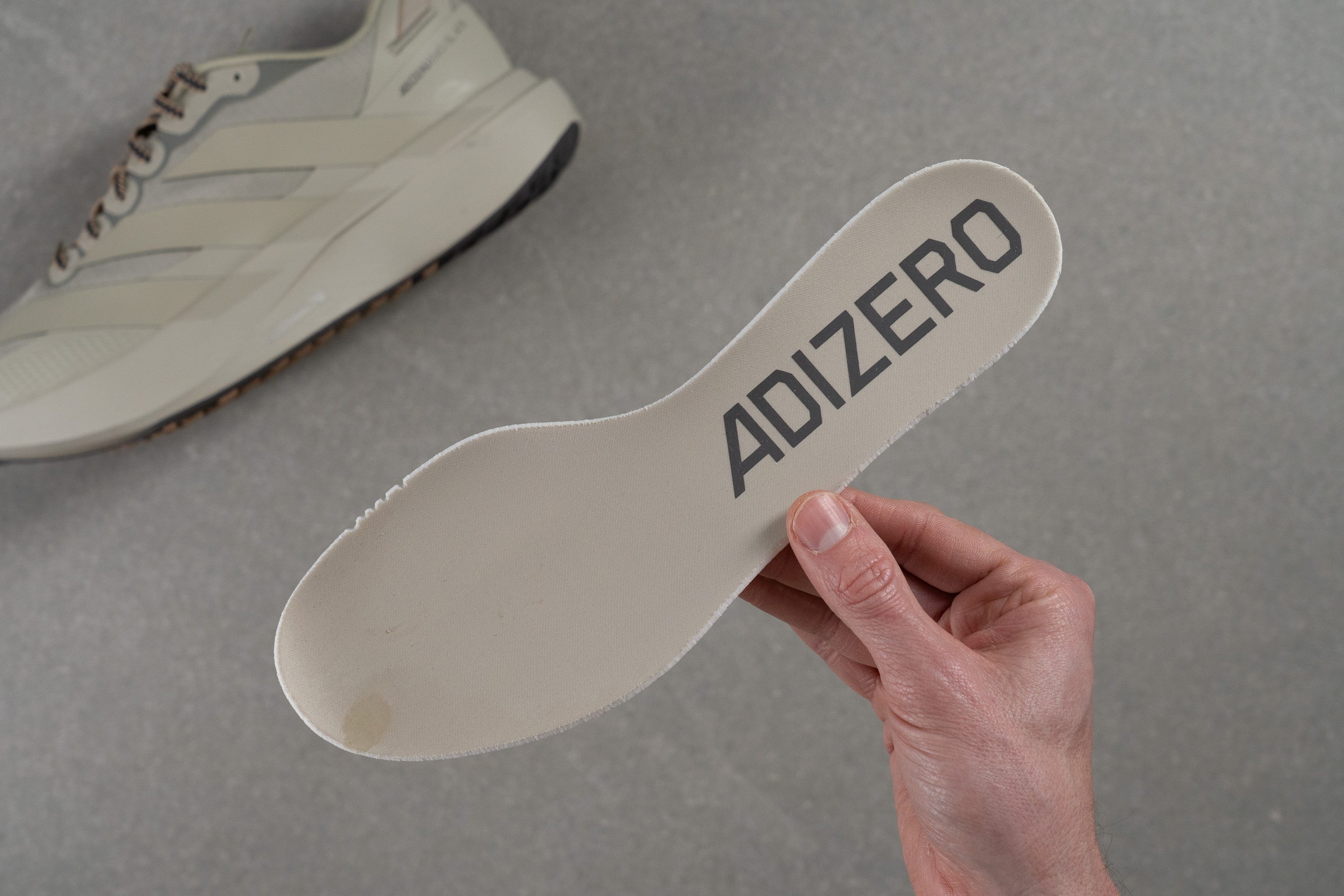
| Adizero EVO SL ATR | Sí |
Elementos reflectantes
Las EVO SL ATR carecen de elementos reflectantes, cosa que... nos decepcionó un poco, la verdad. Son unas zapatillas que están más preparadas para las aventuras, así que ponerle algún detallito que otro que reflejase la luz nos supo a poco.
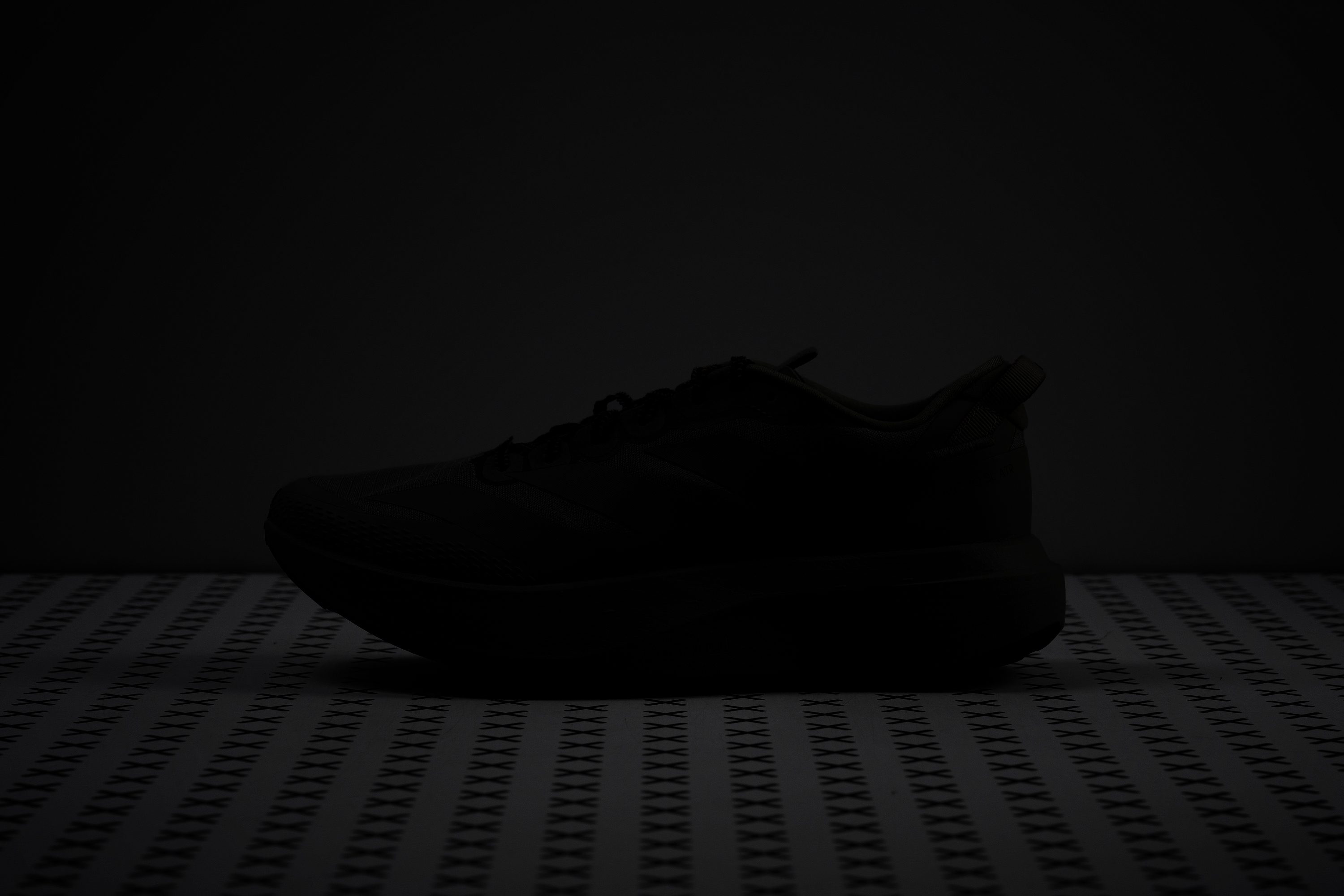
| Adizero EVO SL ATR | No |
Acolchado de la lengüeta
Una de las mayores ventajas de comprar absolutamente todas las zapatillas con nuestro propio dinero y no depender de las marcas es que no tenemos favoritismos, así que podemos ser totalmente honestos. Si sueles meterte en nuestra queridísima web de RunRepeat, sabrás que hemos sido muy críticos con los cordones que ha elegido adidas, incluso en las EVO SL. Es más, hasta las carísimas Pro Evo 2 venían con unos cordones... que vaya tela.
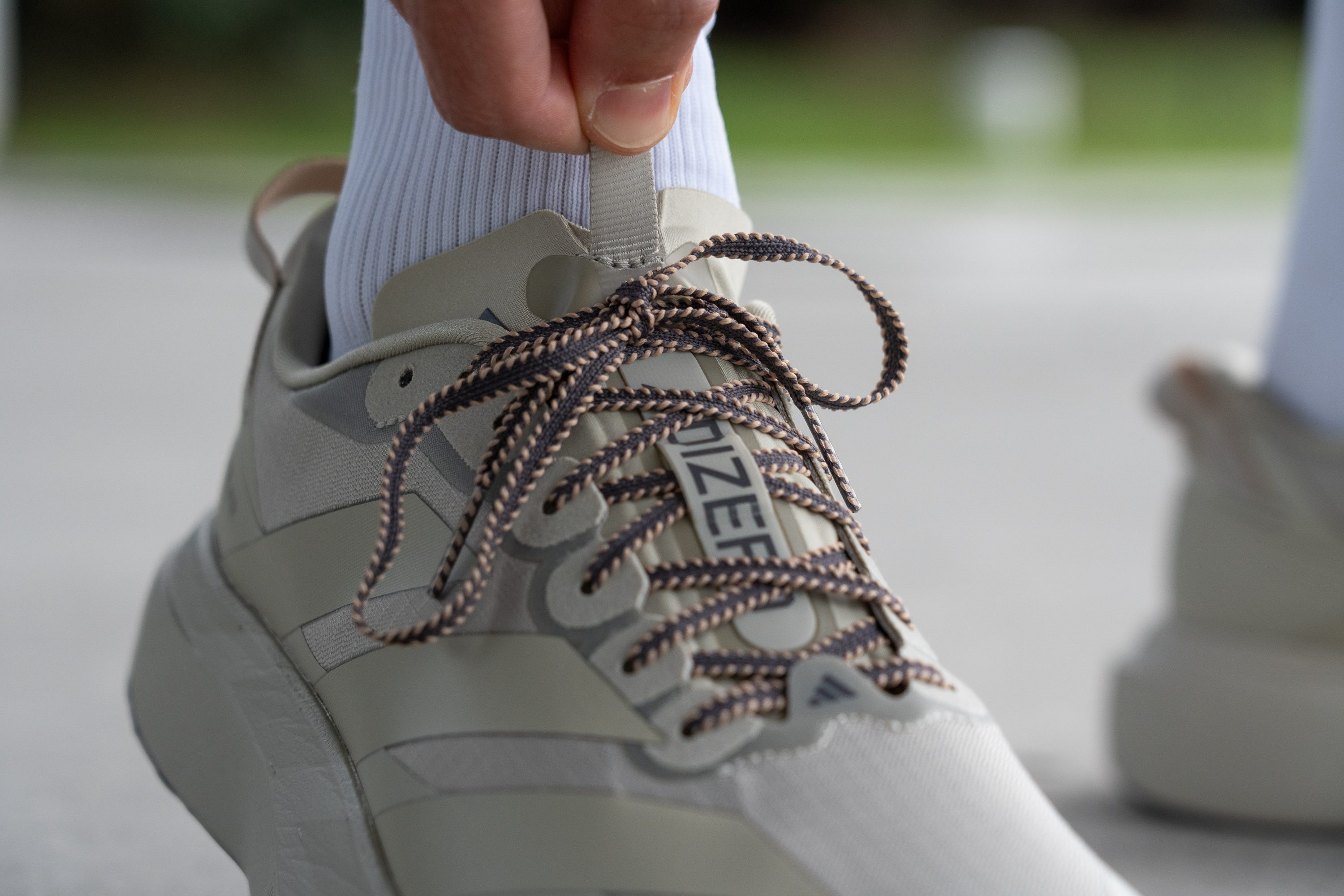
Lo bueno es que aquí sí hay un verdadero avance. Las EVO SL ATR usan cordones con relieve que nos han parecido una maravilla. No se mueven del sitio, se sienten precisos y conservan bien la tensión. Si la gente de Herzogenaurach está leyendo esto, nos encantaría ver estos cordones en todos los futuros modelos de gama alta de adidas.
En cuanto a la lengüeta, vimos un lacito... que podría haber sido un poco más grande. Además, sigue siendo muy finita, como pasa con la mayoría de los modelos Adizero. Sus 1,7 mm de acolchado se centran en mantener el peso lo más bajo posible.
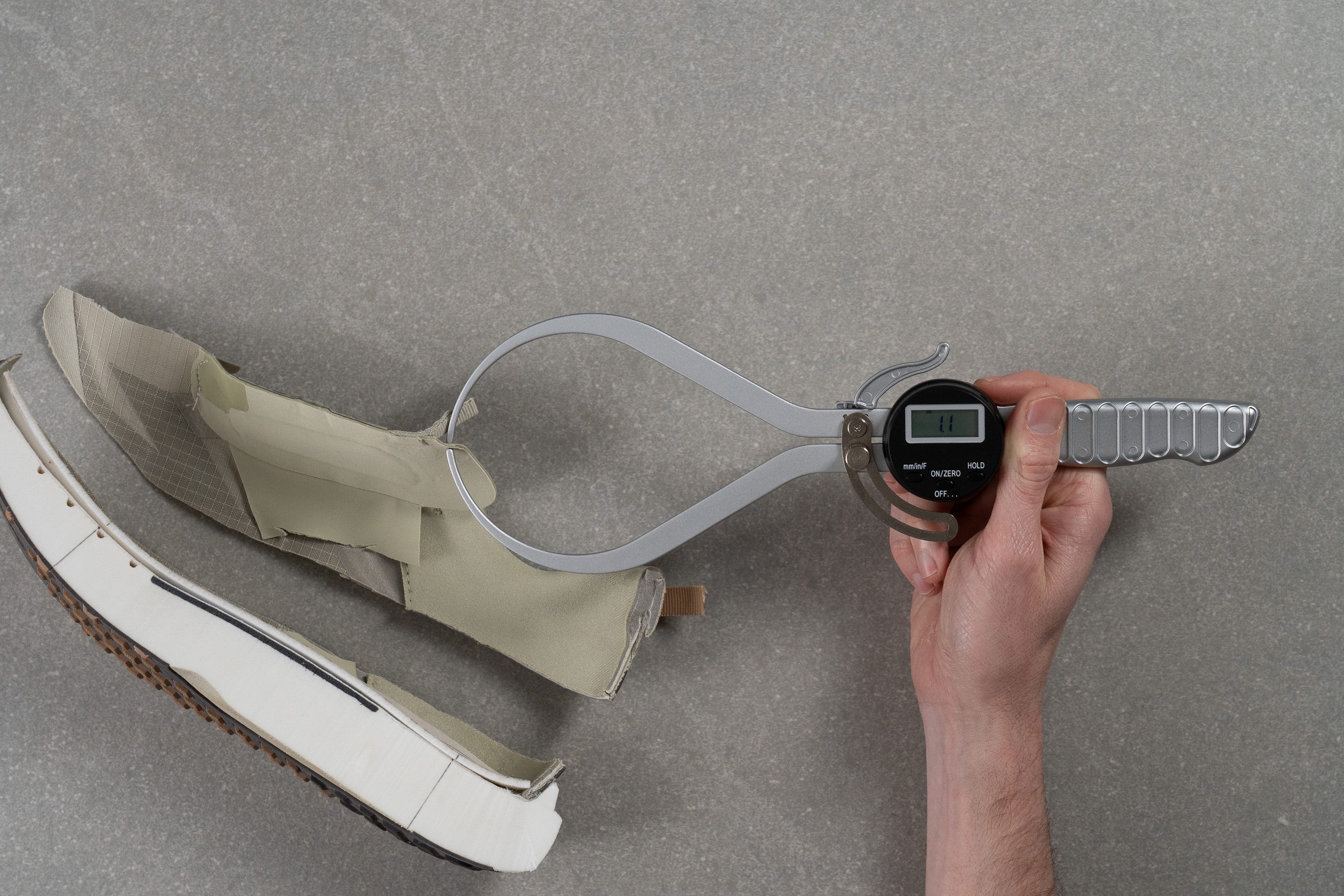
| Adizero EVO SL ATR | 1.7 mm |
| Media | 5.8 mm |
Lengüeta: tipo de refuerzo
Una de las mayores desventajas de las primeras EVO SL era la lengüeta, que nos supo a poco, y más si la comparamos con la mediasuela. Las EVO SL ATR han conseguido mejorar en este aspecto, utilizando un diseño semirreforzado que no deja que la lengüeta se mueva de su sitio (la del modelo anterior podría bailarte hasta una jota).
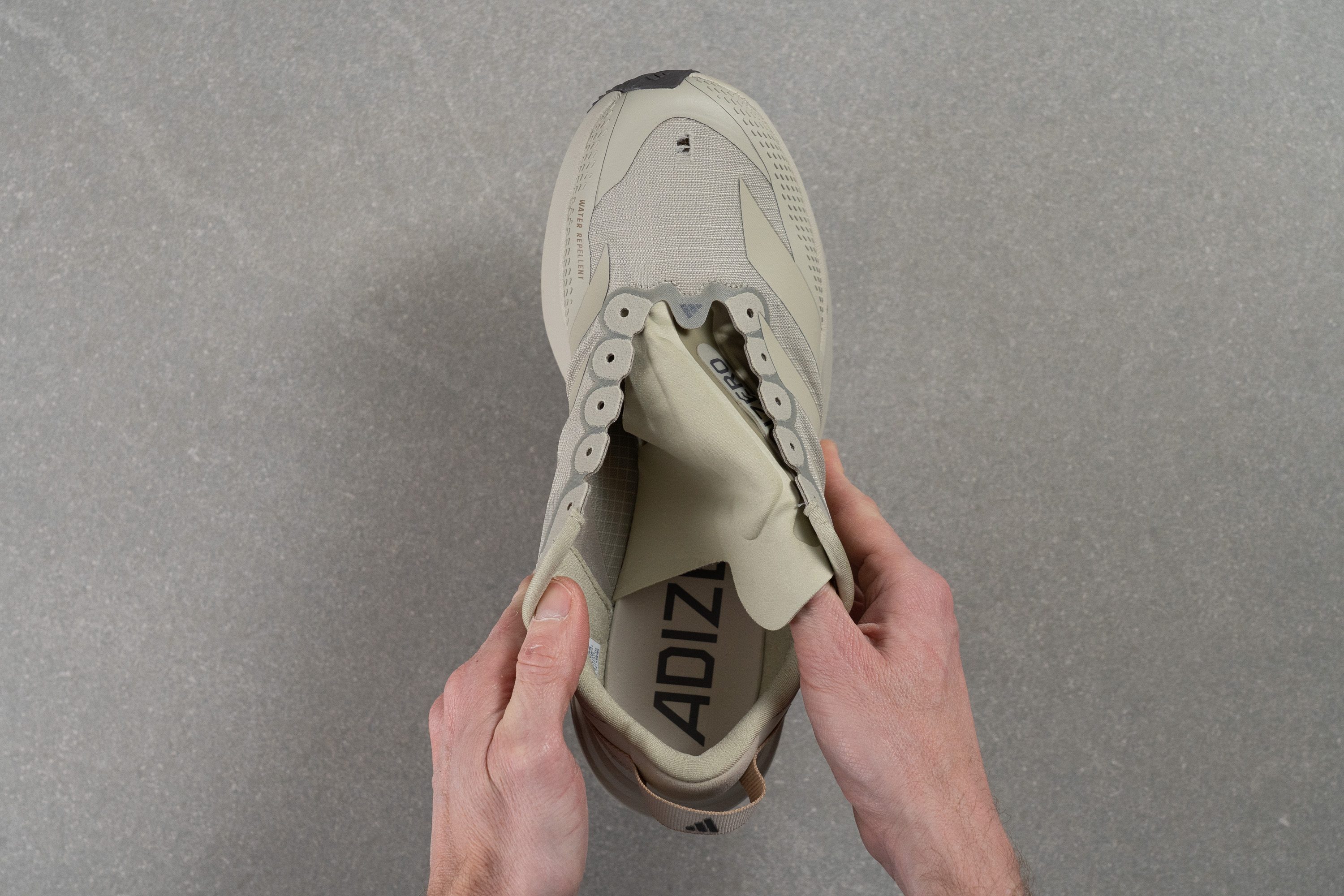
| Adizero EVO SL ATR | Ambos lados (semi) |
Tirador del talón
El tirador horizontal del talón es fácil de agarrar, manteniendo el volumen al mínimo y añadiendo otro detalle todoterreno que diferencia esta versión de la versión estándar.
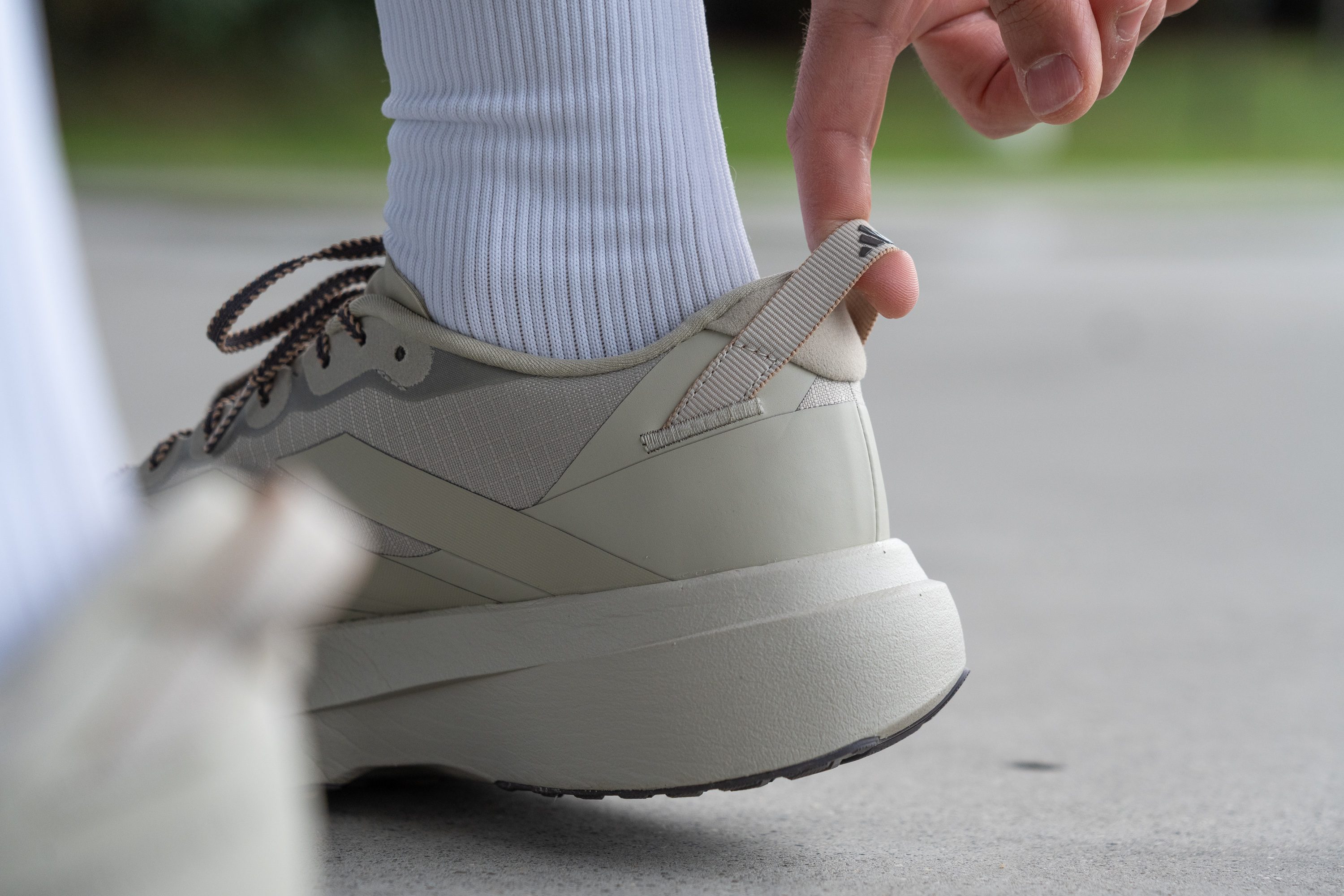
| Adizero EVO SL ATR | Tirador circular |
Precio
Creemos que las EVO SL ATR tienen un precio justo. No son unas zapatillas de running económicas, pero combinan una mediasuela de alta gama con un upper y una suela exterior mejorados que, en nuestra opinión, justifican este coste más alto.
| Adizero EVO SL ATR | $160 |
Repele el agua
Está bastante claro que adidas creó la versión ATR para la gente que sale a correr en invierno, y el upper repelente al agua tiene todo el sentido del mundo para los meses más fríos, sobre todo para los corredores de alto kilometraje que se preparan para un maratón de primavera como el de Boston o Londres.