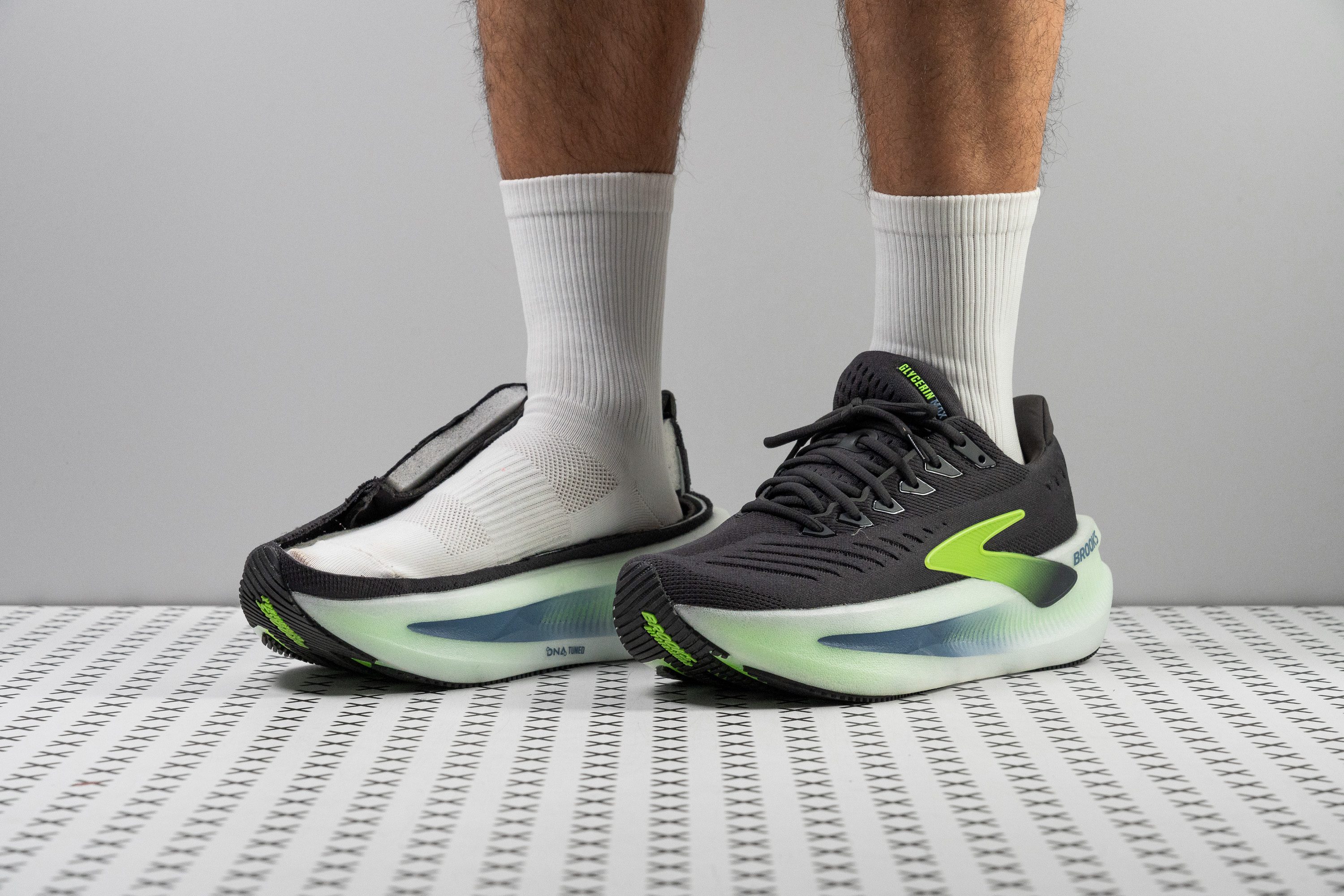
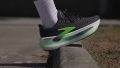


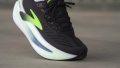
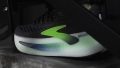
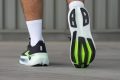
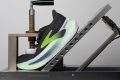
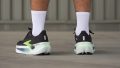




Nuestra conclusión
- Tiradas diarias / rodajes 92
- Tempo 44
- Competición 31
- Estabilidad 89
Pros
- Un montón de amortiguación para los días fáciles
- El rocker ayuda a que las transiciones sean más fluidas
- Upper comodísimo
- Buena tracción
- Espuma mullida
- Upper transpirable que no te da problemas en verano
- Muy estables para su tamaño
- Buena durabilidad en general
Contras
- Caras
- Retorno de energía decepcionante
- La estructura pesada las hace menos versátiles
- Lengüeta sin refuerzos
Premios
- Entre mejores zapatillas Brooks para caminar
- Top 28% entre zapatillas de running
- Top 29% entre zapatillas de running neutras
- Top 12% más vendidas zapatillas de running
Comparativa
Las zapatillas de running más parecidas
+ + Añadir unas zapatillas | |||||
|---|---|---|---|---|---|
| Nuestra puntuación | 85 Geniales | 88 Magníficas | 85 Geniales | 85 Geniales | |
| Precio | 200 € | 160 € | 180 € | 190 € | |
| Ritmo | Correr a diario | Correr a diario | Correr a diario | Tempo / seriesCorrer a diario | |
| Absorción de impactos | Alta | Alta | Alta | Alta | |
| Retorno de energía | Bajo | Alto | Moderado | Alto | |
| Tracción | Alta | Alta | Alta | Alta | |
| Sujeción arco del pié | Neutral | Neutral | Neutral | Neutral | |
| Peso laboratorio Peso marca | 11.2 oz / 318g 11 oz / 311g | 9.8 oz / 278g 9 oz / 255g | 10.7 oz / 303g 10.7 oz / 303g | 8.1 oz / 230g 8.5 oz / 241g | |
| Ligero | ✗ | ✗ | ✗ | ✓ | |
| Drop laboratorio Drop marca | 8.1 mm 6.0 mm | 8.5 mm 8.0 mm | 8.2 mm 8.0 mm | 7.5 mm 8.0 mm | |
| Técnica de carrera | TalónMedio/antepié | TalónMedio/antepié | TalónMedio/antepié | Medio/antepié | |
| Talla | Tallan bien | Tallan bien | Tallan un poquito pequeño | Tallan bien | |
| Rigidez de la mediasuela | Blanda | Equilibrada | Blanda | Blanda | |
| Diferencia de la rigidez de la mediasuela en frío | Pequeña | Pequeña | Normal | Pequeña | |
| Durabilidad de la parte delantera | Decente | Decente | Decente | Decente | |
| Durabilidad del acolchado del talón | Alta | Alta | Alta | Alta | |
| Durabilidad de la suela exterior | Decente | Buena | Buena | Buena | |
| Transpirabilidad | Media | Alta | Media | Media | |
| Anchura / ajuste | Media | Media | Media | Media | |
| Anchura de la parte delantera | Media | Media | Media | Media | |
| Flexibilidad | Rígida | Rígida | Moderada | Rígida | |
| Rigidez torsional | Rígidas | Moderadas | Moderadas | Moderadas | |
| Rigidez del contrafuerte del talón | Rígido | Rígido | Rígido | Moderado | |
| Con rocker | ✓ | ✓ | ✓ | ✓ | |
| Talón laboratorio Talón marca | 45.4 mm 45.0 mm | 38.7 mm 36.0 mm | 37.2 mm 38.0 mm | 43.7 mm 46.0 mm | |
| Antepié laboratorio Antepié marca | 37.3 mm 39.0 mm | 30.2 mm 28.0 mm | 29.0 mm 30.0 mm | 36.2 mm 38.0 mm | |
| Anchuras disponibles | EstándarAncho | EstrechoEstándarAncho | EstándarAnchoExtra Ancho | Estándar | |
| Compatibles con plantillas personalizadas | ✓ | ✓ | ✓ | ✓ | |
| Estación | Todas las estaciones | VeranoTodas las estaciones | Todas las estaciones | Todas las estaciones | |
| Plantilla extraíble | ✓ | ✓ | ✓ | ✓ | |
| Clasificación | #113 Top 28% | #49 Top 13% | #104 Top 26% | #119 Top 30% | |
| Popularidad | #48 Top 12% | #55 Top 14% | #12 Top 3% | #110 Top 28% |

Quién debería comprárselas
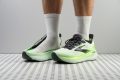
Después de analizar las Brooks Glycerin Max 2, podemos decirte que nos parecen ideales para:
- Los runners que están buscando la máxima amortiguación para las tiradas diarias más relajadas.
- Los deportistas más pesados que quieren un montón de espuma y un upper premium comodísimo.
- Los talonadores que necesitan más estabilidad en un modelo con amortiguación máxima.
Quién NO debería comprárselas
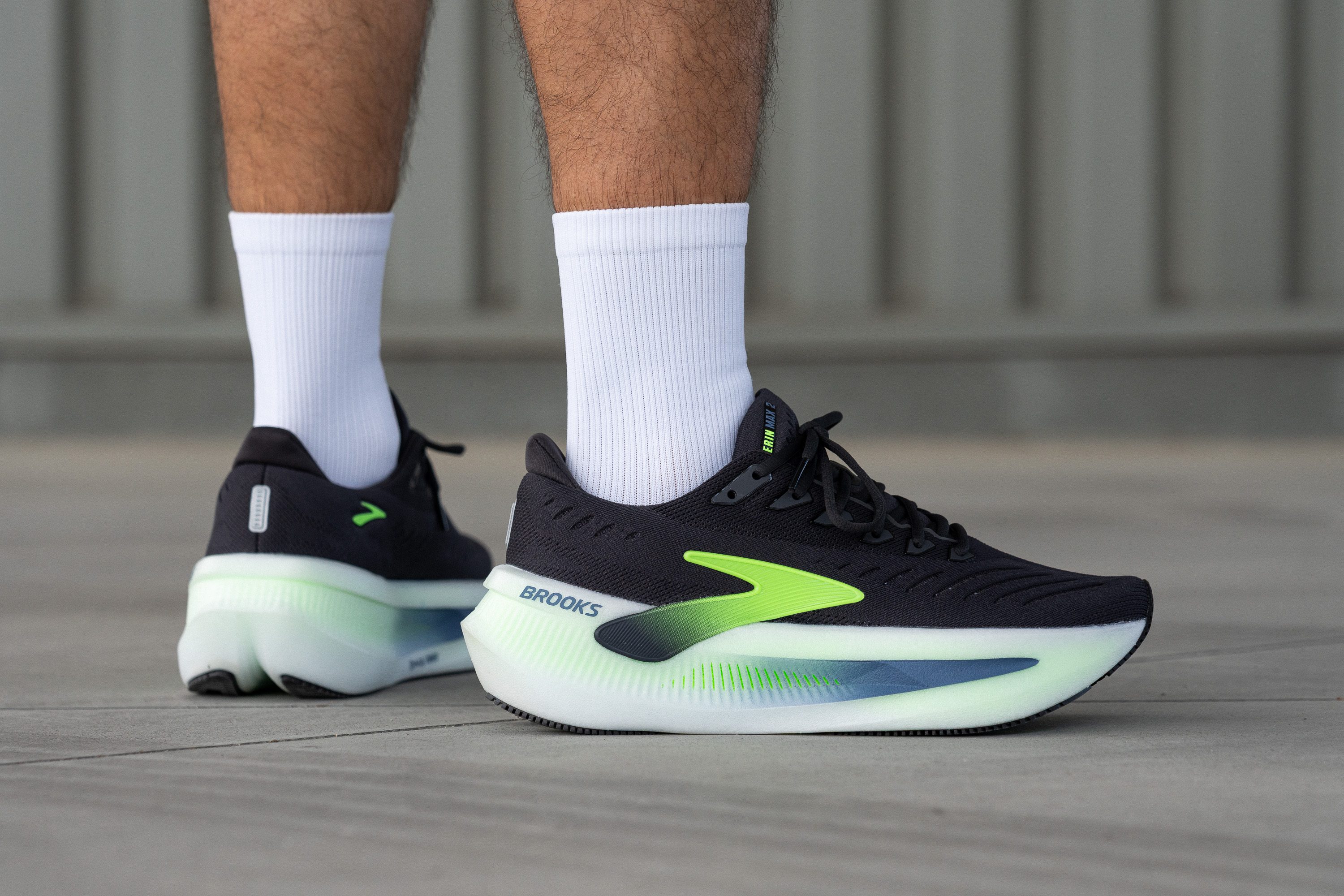
Creemos que las Glycerin Max 2 pueden decepcionar a los corredores que están buscando unas zapatillas de entrenamiento con amortiguación máxima más ligeras y versátiles. En nuestras pruebas de laboratorio y de uso, las sentimos voluminosas en los pies; alternativas como las Nike Vomero Plus o las ASICS Novablast 5 ofrecen una experiencia más ágil y transiciones más fluidas sin que tengas que renunciar a una gran amortiguación.
También descubrimos que la espuma DNA Tuned carece del rebote que muchos corredores esperan de unas zapatillas con este precio. Modelos como las ASICS Superblast 3 o las adidas Hyperboost Edge ofrecen una pisada mucho más dinámica y rápida, sobre todo cuando empiezas a subir el ritmo.
Amortiguación
Shock absorption
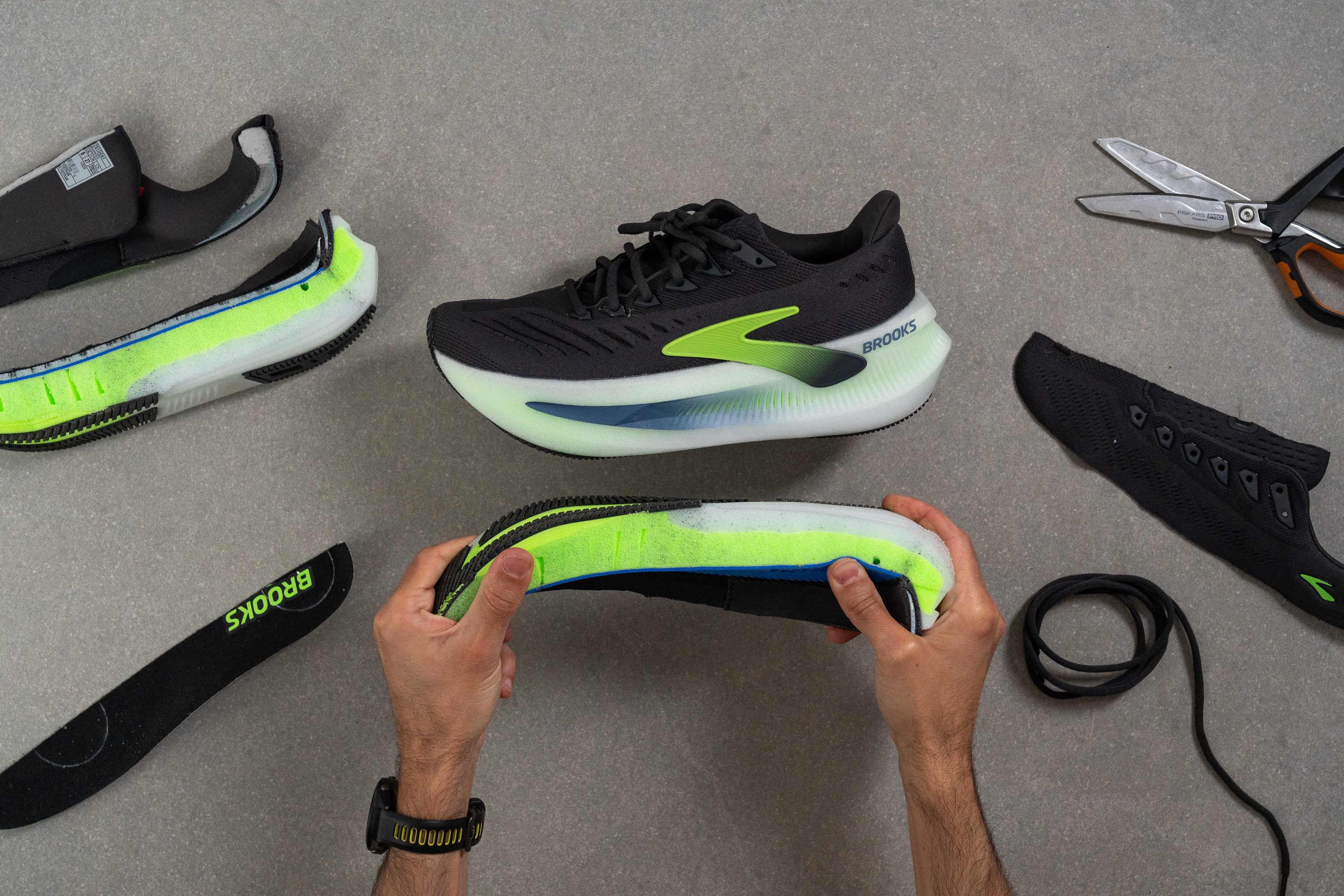
La absorción de impactos de la versión 2 tenía una distribución totalmente distinta en comparación con la primera generación de las Glycerin Max. En esta ocasión, el talón ofrece un poquito menos amortiguación, con 137 SA, mientras que el antepié ha mejorado bastante, alcanzando unos impresionantes 128 SA.
| Glycerin Max 2 | 137 SA |
| Media | 131 SA |
Energy return
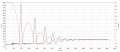
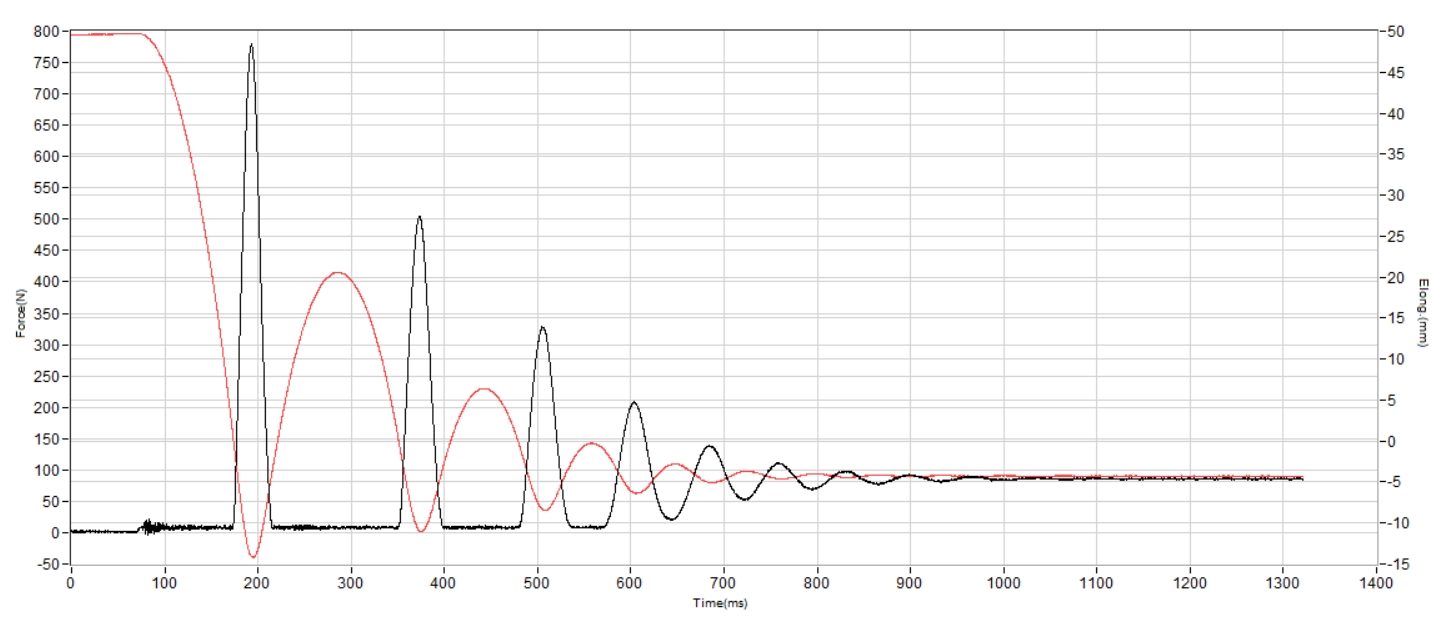
La espuma DNA Tuned volvió a pasarlo mal en esta prueba, con un retorno de energía de solo un 49,1 % en el talón y de un 51,3 % en el antepié. Pero bueno, que tampoco nos sorprende, ya que no deja de ser un compuesto a base de EVA, pero con el riñón que valen estas zapatillas... esas cifras deberían ser más altas, de eso no hay duda.
En nuestra opinión, una espuma más reactiva haría que las zapatillas rindiesen mucho mejor en las distancias largas cuando toca empezar a subir el ritmo.
| Glycerin Max 2 | 49.6% |
| Media | 61.5% |
Altura de la suela en la zona del talón
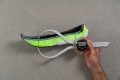
Las Glycerin Max 2 pueden quedarse cortas en rebote, pero altura de la suela en el talón no les falta. Con unos imponentes 45,4 mm, se han ganado su puesto en la categoría de zapatillas de running maximalistas, haciéndole honor a su nombre.
Y según nuestras pruebas de uso, claramente están diseñadas para los runners que están buscando separarse lo máximo posible del suelo, y a los que les gusta esa altura extra bajo los pies.
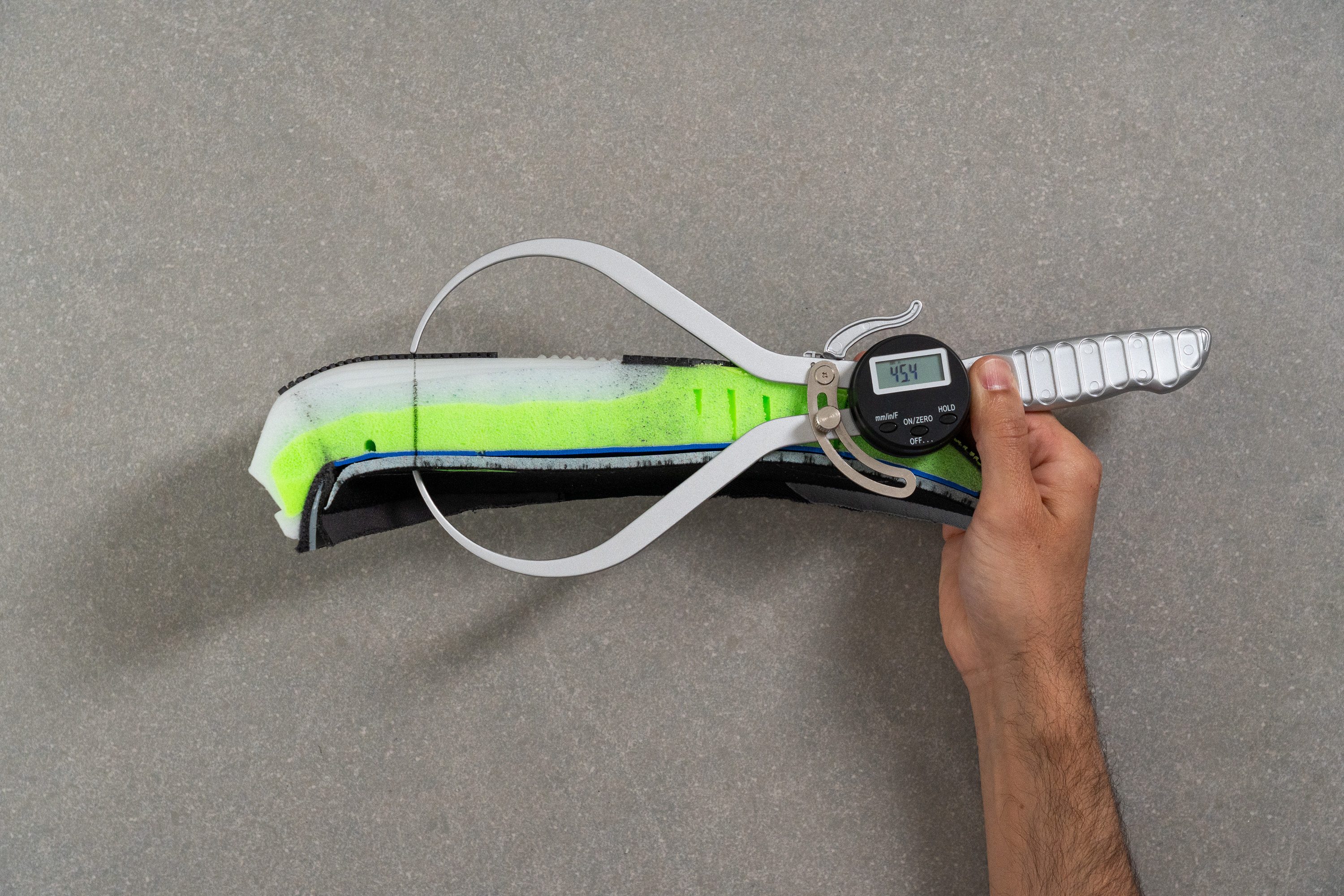
| Glycerin Max 2 | 45.4 mm |
| Media | 35.6 mm |
Altura de la suela en el antepié
Pero eso no es todo, porque la altura del antepié es incluso más impresionante, ya que alcanza unos imponentes 37,3 mm. Cuando escribimos esta review, la altura de la suela de este modelo en el antepié superaba a nuestra media de altura en el talón, lo que hace que la sensación en la zona de los dedos sea de amortiguación total.
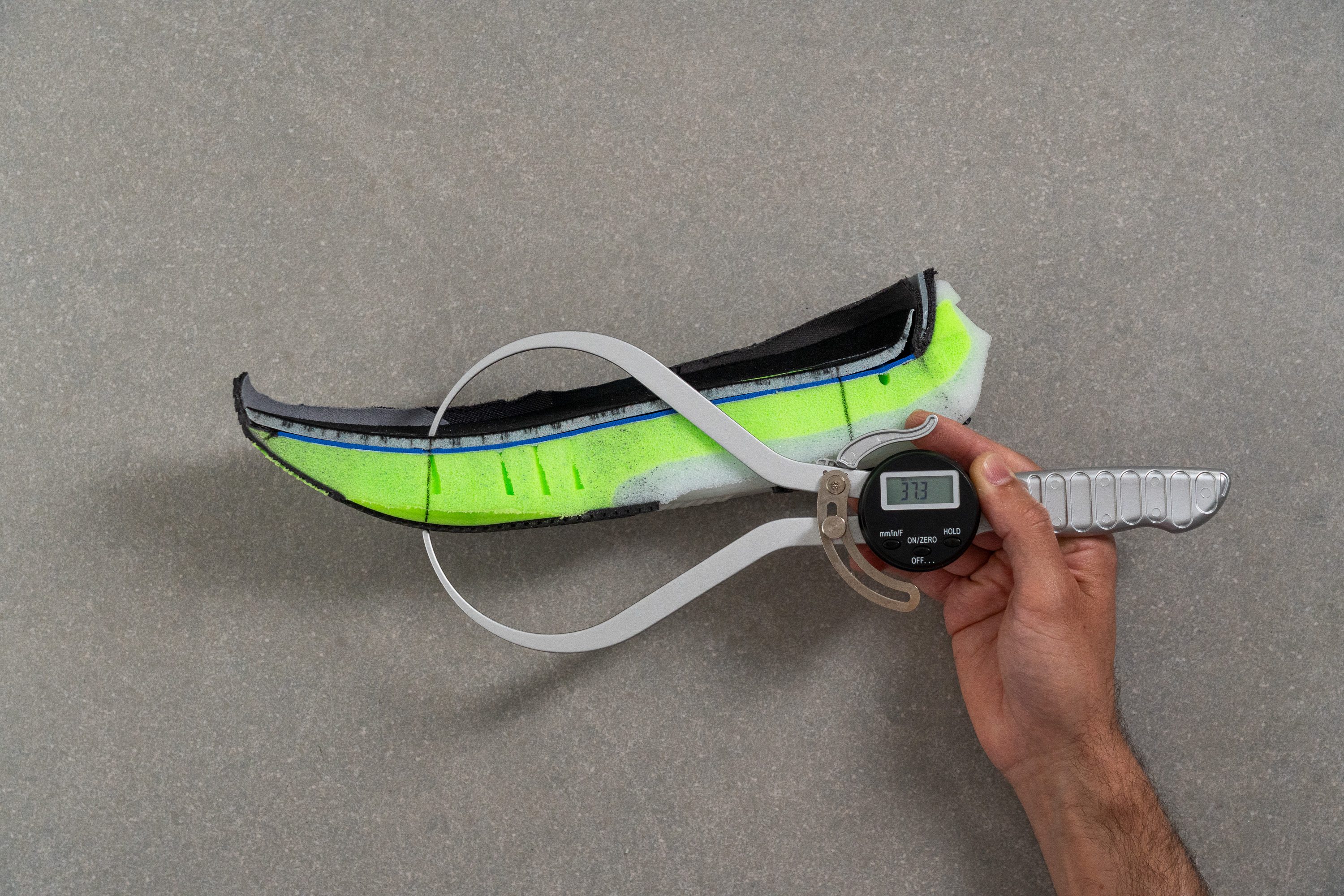
| Glycerin Max 2 | 37.3 mm |
| Media | 27.1 mm |
Drop
Brooks dice que el drop es de 6 mm, pero después de hacer nuestras cuentas, nos dio 8,1 mm. Pero bueno, no te preocupes, que es una diferencia mínima que no cambia de forma significativa la sensación al correr. Vamos, que no cambiamos nuestra opinión de que las Glycerin Max 2 se adaptan bien a cualquier técnica de carrera.
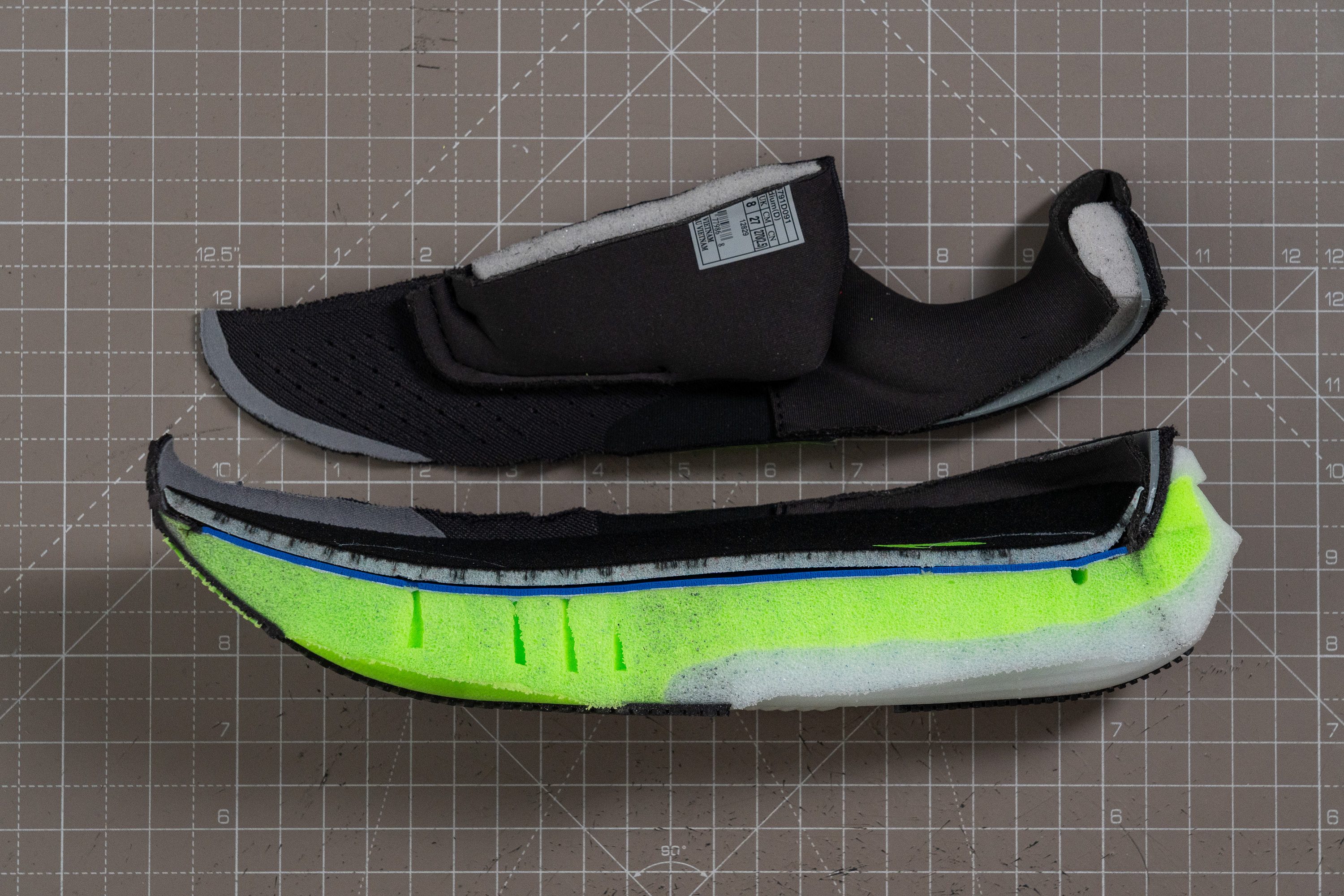
| Glycerin Max 2 | 8.1 mm |
| Media | 8.4 mm |
Dureza de la mediasuela
Nos ha quedado más claro que el agua que Brooks prioriza la comodidad con este modelo, cosa que explica por qué eligió una formulación mucho más blanda de DNA Tuned para esta versión.
Con 30,9 AC, la espuma está muy por debajo de la media actual de nuestro laboratorio, lo que hace que estas zapatillas sean una opción sólida para los runners que prefieren una sensación mullida bajo los pies.
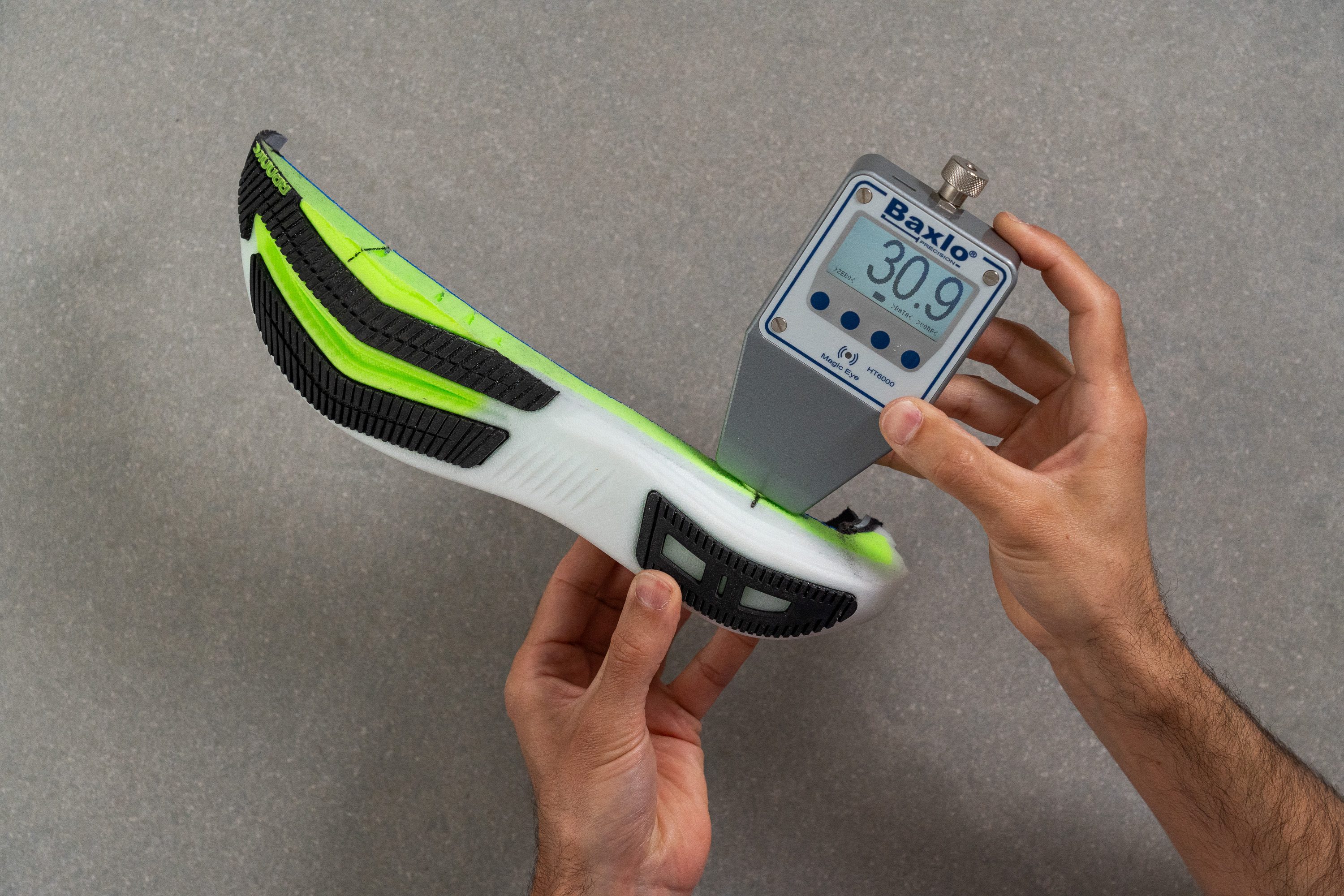
| Glycerin Max 2 | 30.9 AC |
| Media | 35.4 AC |
Rocker
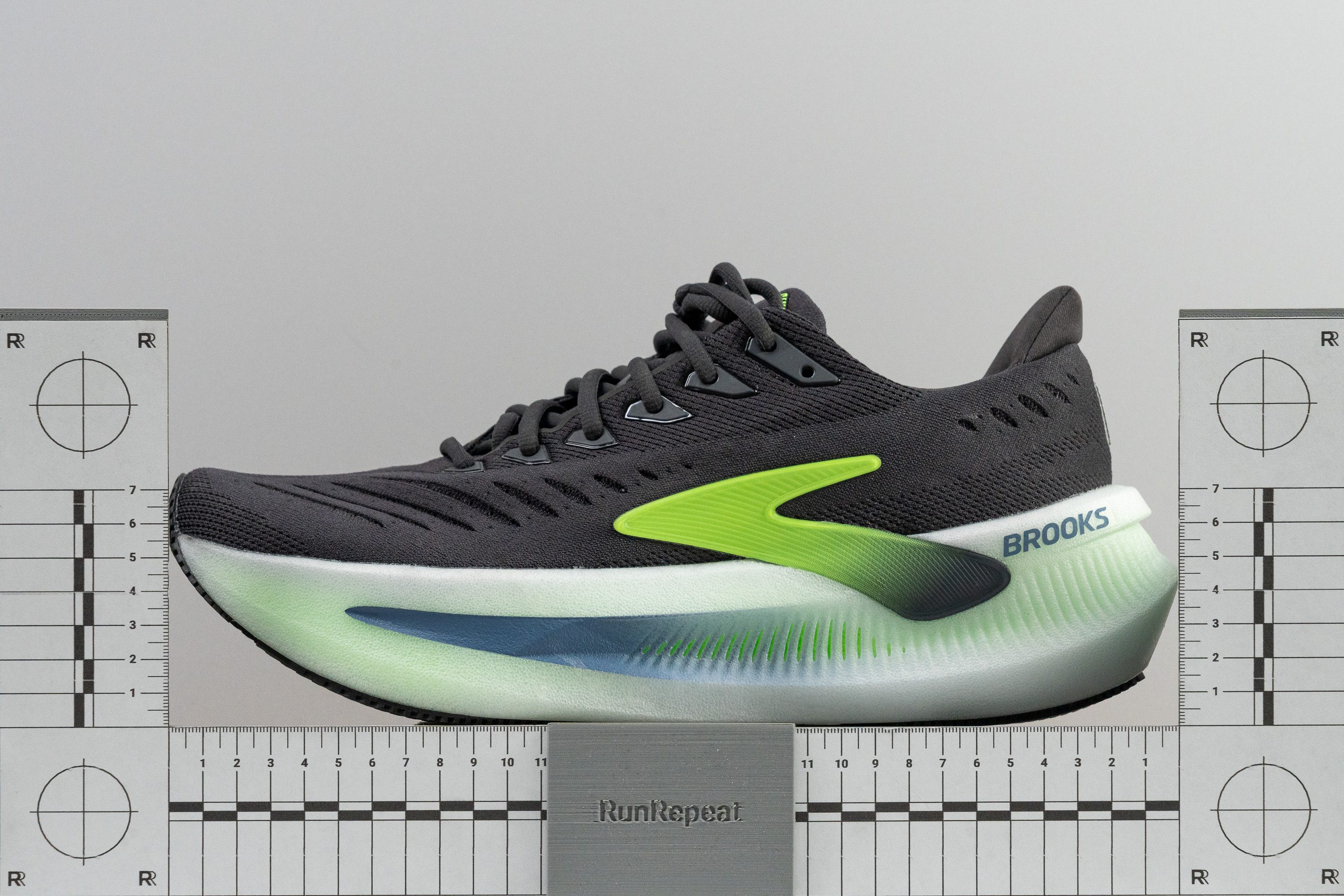
Los runners a los que les gustan los rockers marcados van a estar encantados con las Brooks Glycerin Max 2.
La suela tiene una curvatura agresiva tanto en el antepié como en el talón, generando una fuerte sensación de impulso hacia adelante y ayudando a compensar la alta rigidez que viene de lo enorme que es la mediasuela.
Tallaje y ajuste
Talla
Las Brooks Glycerin Max 2 tallan bien (29 votos).
Longitud interna
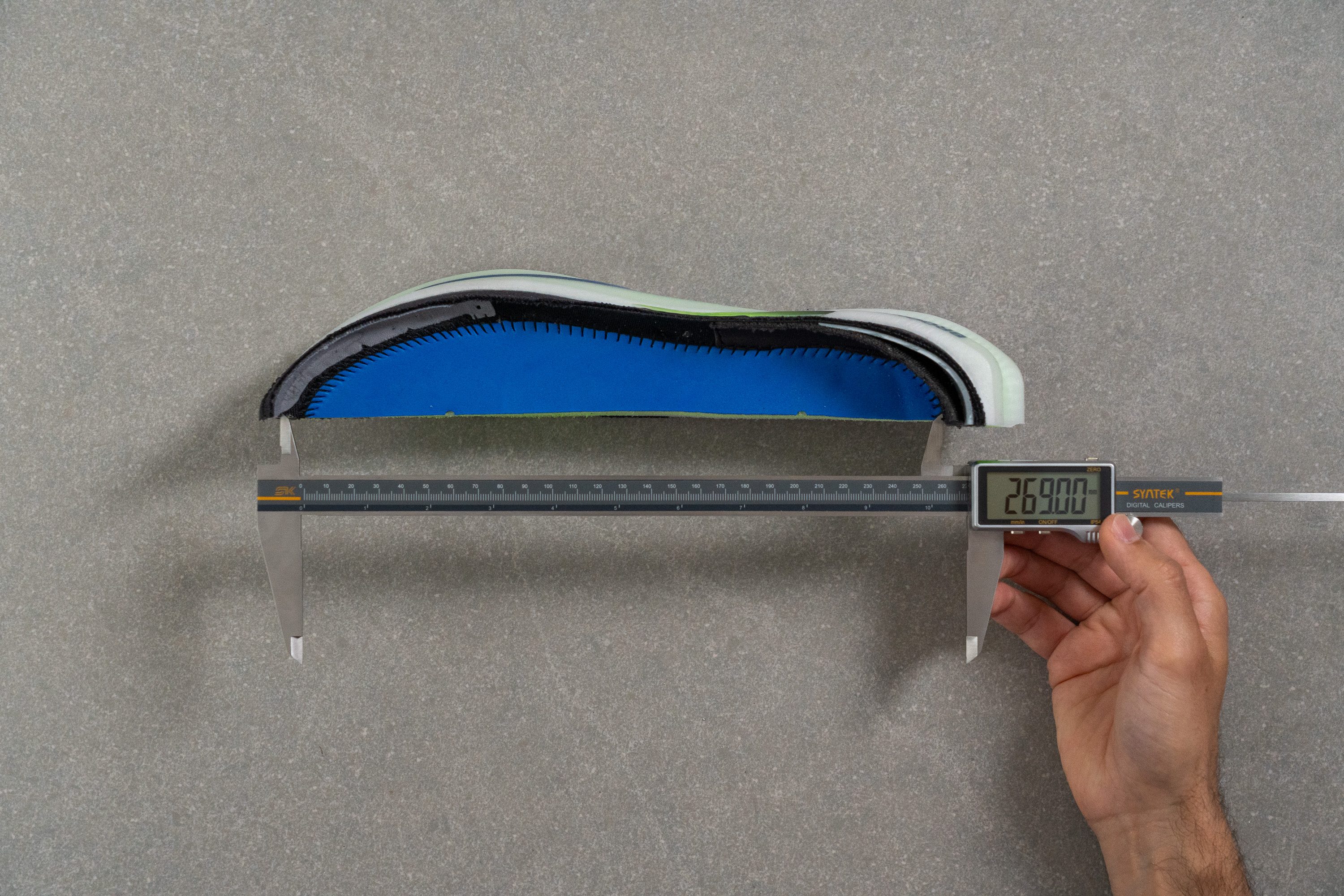
| Glycerin Max 2 | 269.0 mm |
| Media | 269.3 mm |
Anchura / Ajuste
Brooks suele ofrecer varias opciones de anchura en sus zapatillas de entrenamiento diario, pero este modelo premium no tiene esa suerte. Las Glycerin Max 2 solo están disponibles en una anchura estándar.
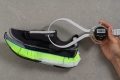
Con 96,5 mm en su punto más ancho, son un poquito más espaciosas que la media de las zapatillas de running, lo que les da una base sólida para adaptarse cómodamente a la mayoría de las formas de pie.
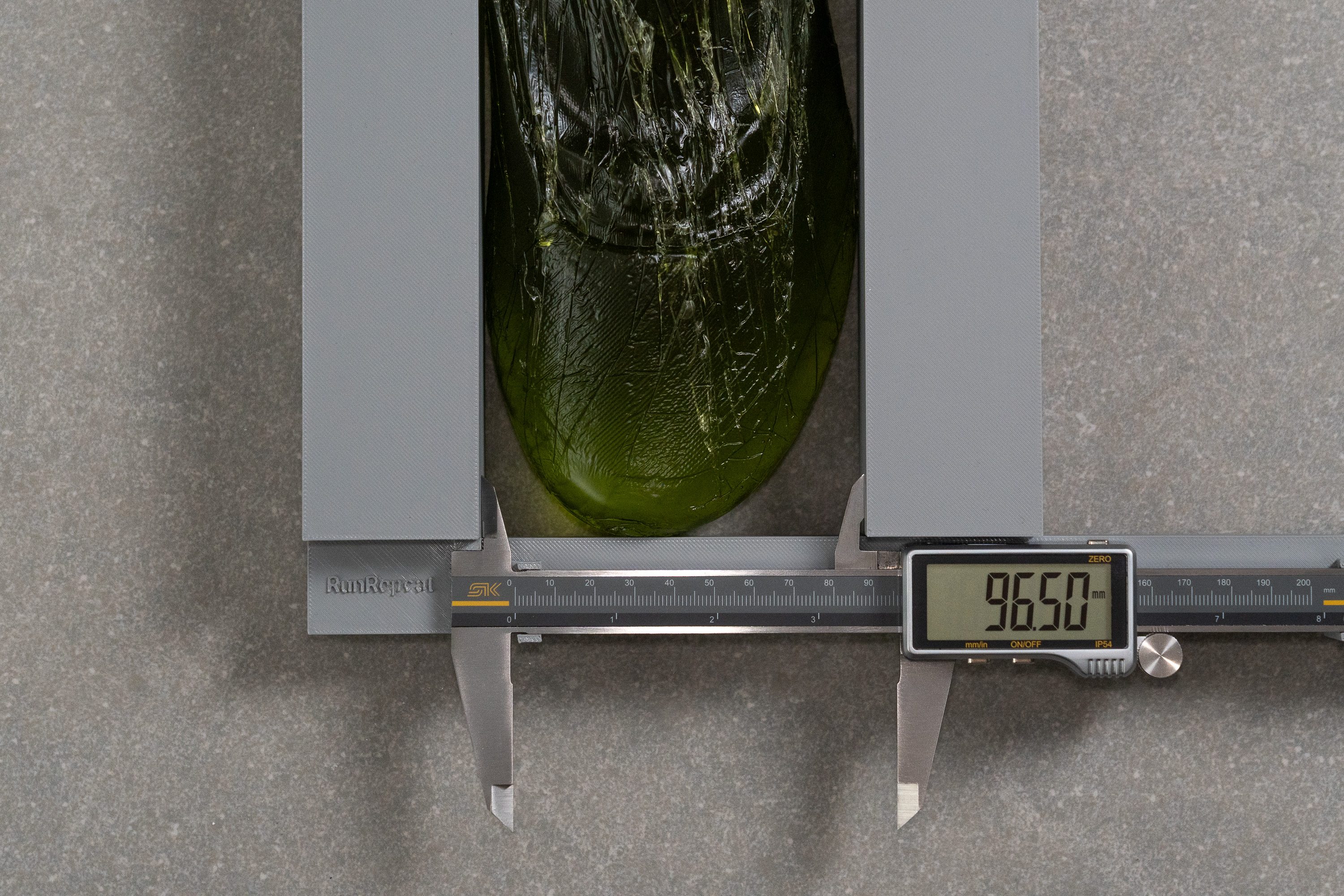
| Glycerin Max 2 | 96.5 mm |
| Media | 95.2 mm |
Anchura de la parte delantera
Lo bueno es que su parte delantera o se estrecha excesivamente hacia la punta, ya que tiene 73,4 mm de ancho. No es el diseño más espacioso que hemos visto, pero debería ajustarse cómodamente a la mayoría de los corredores.
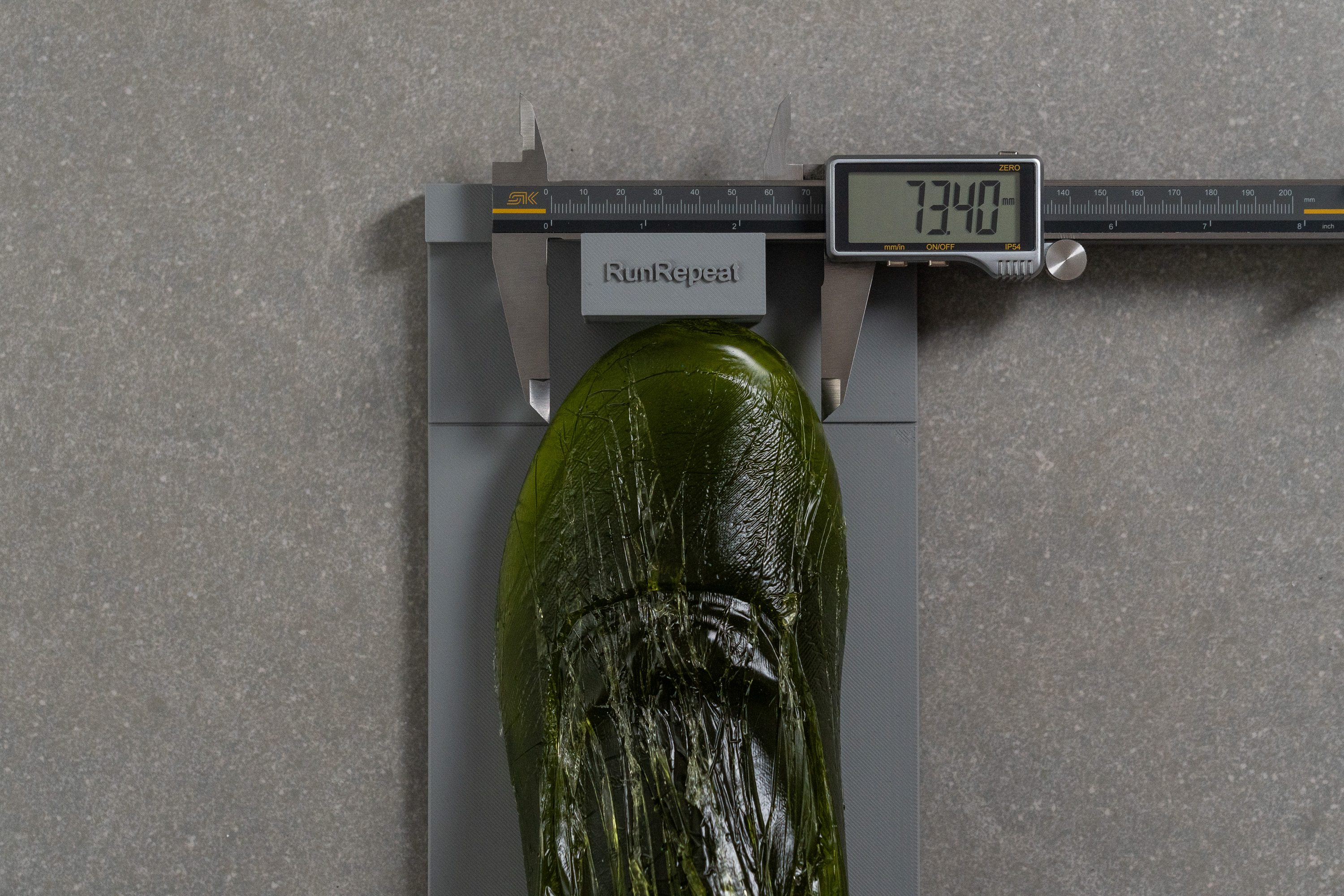
| Glycerin Max 2 | 73.4 mm |
| Media | 73.2 mm |
Altura de la parte delantera
Eso sí, en la zona de los dedos sí que vimos que el upper podría presionar un poquito los dedos por arriba.
Con solo 24,0 mm de volumen vertical, a los runners que prefieren más espacio para mover los dedos sin problemas a lo mejor les sabe a poco.
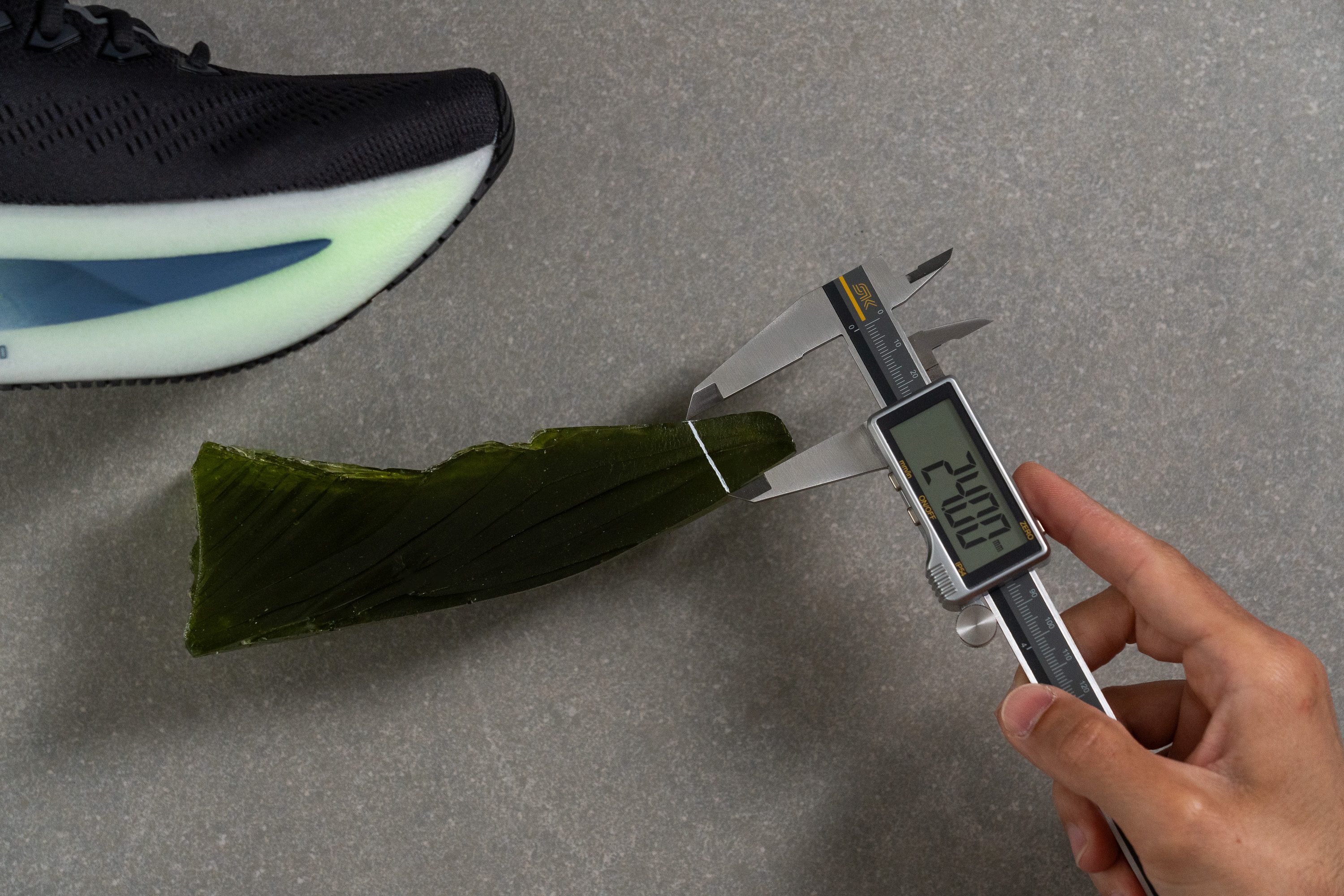
| Glycerin Max 2 | 24.0 mm |
| Media | 27.0 mm |
Tracción / Agarre
Traction test
La tracción es un aspecto en el que las zapatillas con un precio premium deberían rendir, por lo menos, por encima de la media, y Brooks lo consiguió por los pelos..., ¡al menos cuando nosotros hicimos nuestras pruebas! Aunque su 0,61 no es nada del otro mundo, ofrecen un agarre sólido incluso en las zonas mojadas, y eso sí que nos parece una ventaja destacable.
| Glycerin Max 2 | 0.51 |
| Media | 0.53 |
Diseño de la suela exterior
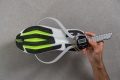
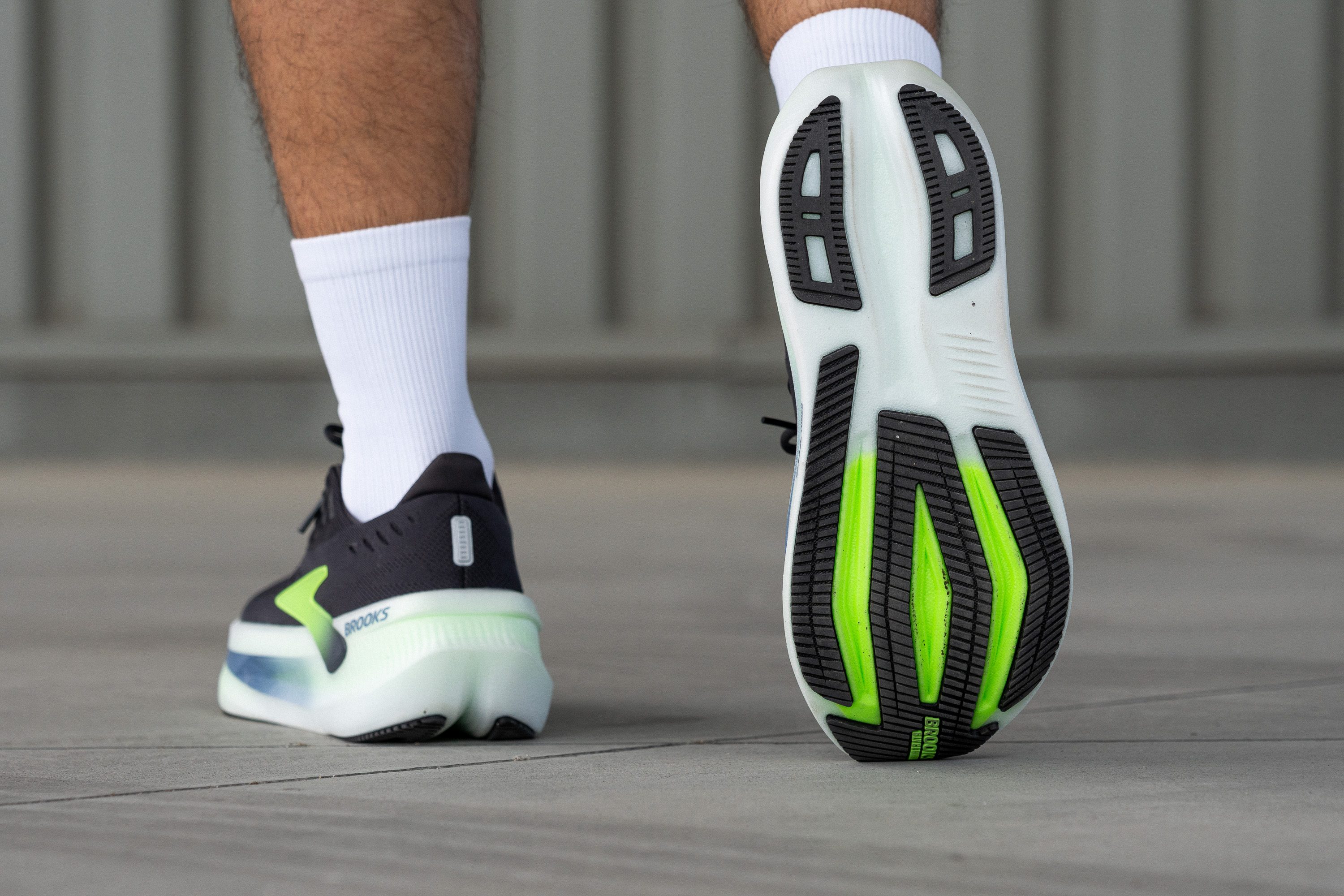
La suela exterior tiene un diseño con mucha espuma expuesta y refuerzos de caucho estratégicamente ubicados en las zonas clave de impacto y despegue. Lo que más nos sorprendió es que la cobertura de caucho fuese tan limitada, sobre todo teniendo en cuenta que estas zapatillas pesan lo suyo.
Flexibilidad / Rigidez
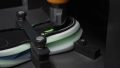
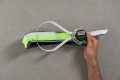
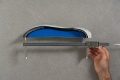
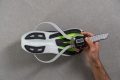
Si hay algo que las Brooks Glycerin Max 2 ofrecen sí o sí, es la rigidez. En nuestra prueba de laboratorio necesitamos 21,9 N para doblarlas, confirmando así la tendencia que hemos observado en los últimos años con las zapatillas de amortiguación máxima, donde la altura de la mediasuela suele influir en la rigidez más que la presencia de una placa de carbono.
Vamos, que lo mejor es que no te esperes que este modelo sea muy flexible. De hecho... más bien todo lo contrario.
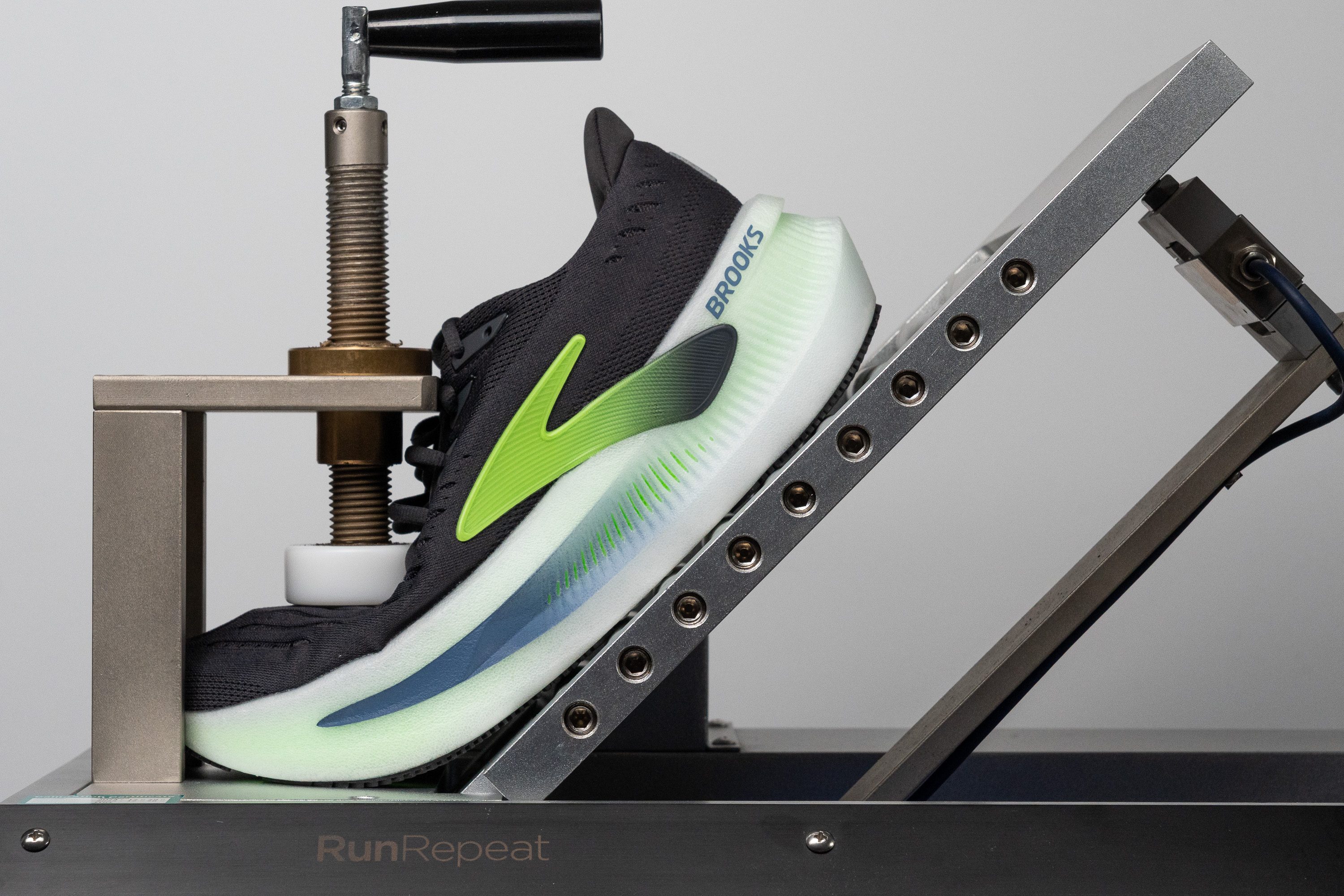
| Glycerin Max 2 | 21.9N |
| Media | 15.5N |
Peso
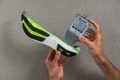
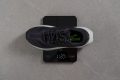
Ya hemos mencionado que estas zapatillas nos parecieron pesadas en los pies, y nuestra báscula nos dio la razón, ya que marcó 318 g. Vamos, ¡que hasta la versión es más ligera!
Personalmente, creemos que las próximas Glycerin Max necesitan perder por lo menos un 10 % de su peso para poder ser más versátiles y adecuadas para el entrenamiento diario.
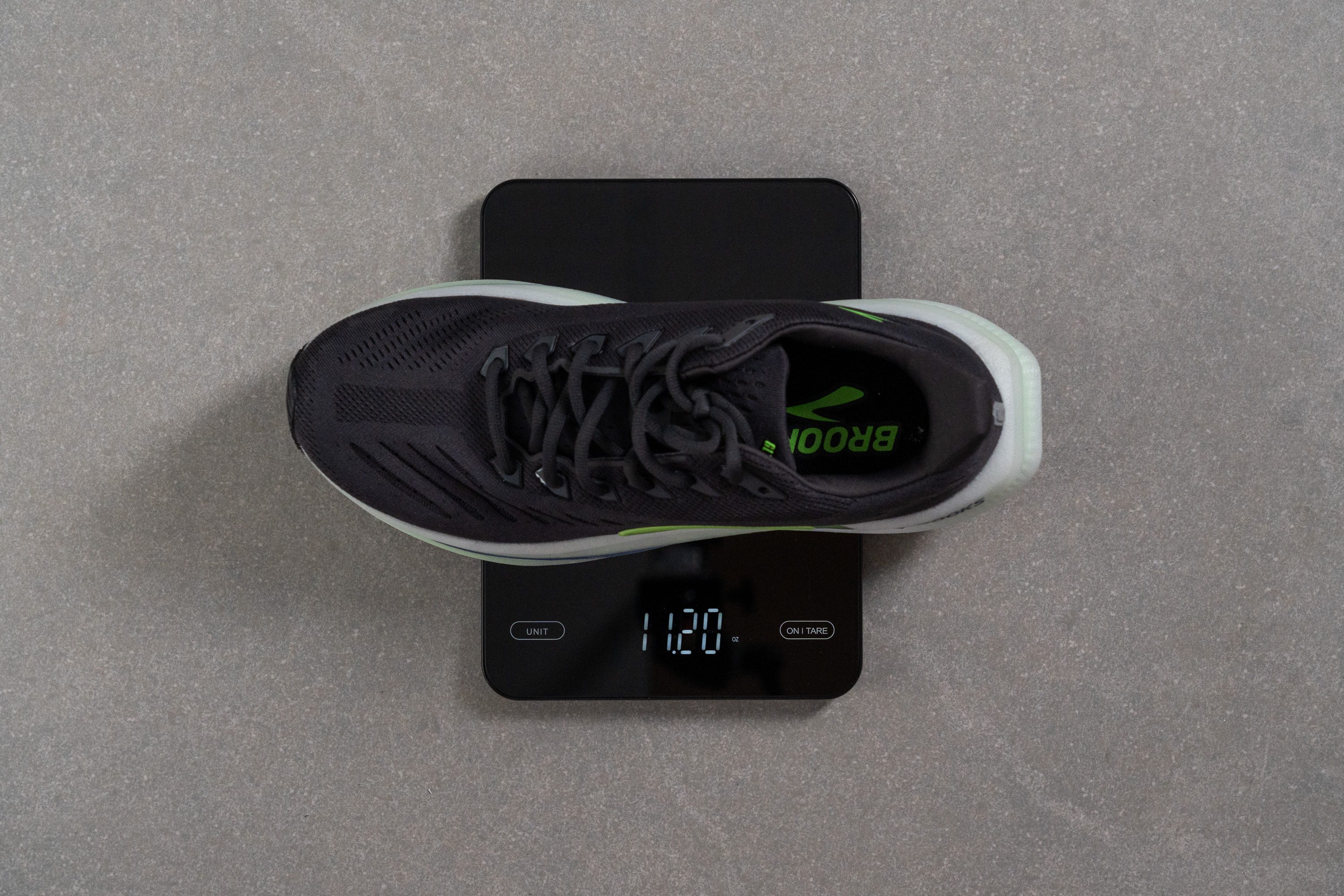
| Glycerin Max 2 | 11.2 oz (318g) |
| Media | 9.2 oz (261g) |
Estabilidad
Prueba de estabilidad lateral
Las Brooks Glycerin Max 2 son unas zapatillas altísimas, así que entenderíamos que algunos runners se preocupasen por su estabilidad. Sin embargo, como hemos visto en muchos modelos maximalistas modernos, las marcas están centrando sus diseños en la estabilidad para que estas zapatillas puedan funcionar para los corredores que necesitan una leve sujeción.
A lo mejor te suena contradictorio, pero la moda de la amortiguación máxima funciona de esta manera.
Rigidez torsional
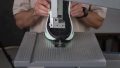
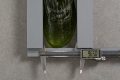
La rigidez torsional es extremadamente alta, igual que la longitudinal. Cuando la analizamos, nuestra máquina marcó 19,6 Nm, que es algo que ya nos esperábamos teniendo en cuenta lo alta que es la suela y lo pronunciado que es su rocker.
Vamos, que retorcer estas zapatillas es prácticamente imposible, así que no te esperes que sigan de forma natural los movimientos de tus pies al correr. ¿Lo bueno? Pues que esta configuración ultrarrígida también mejora la estabilidad.
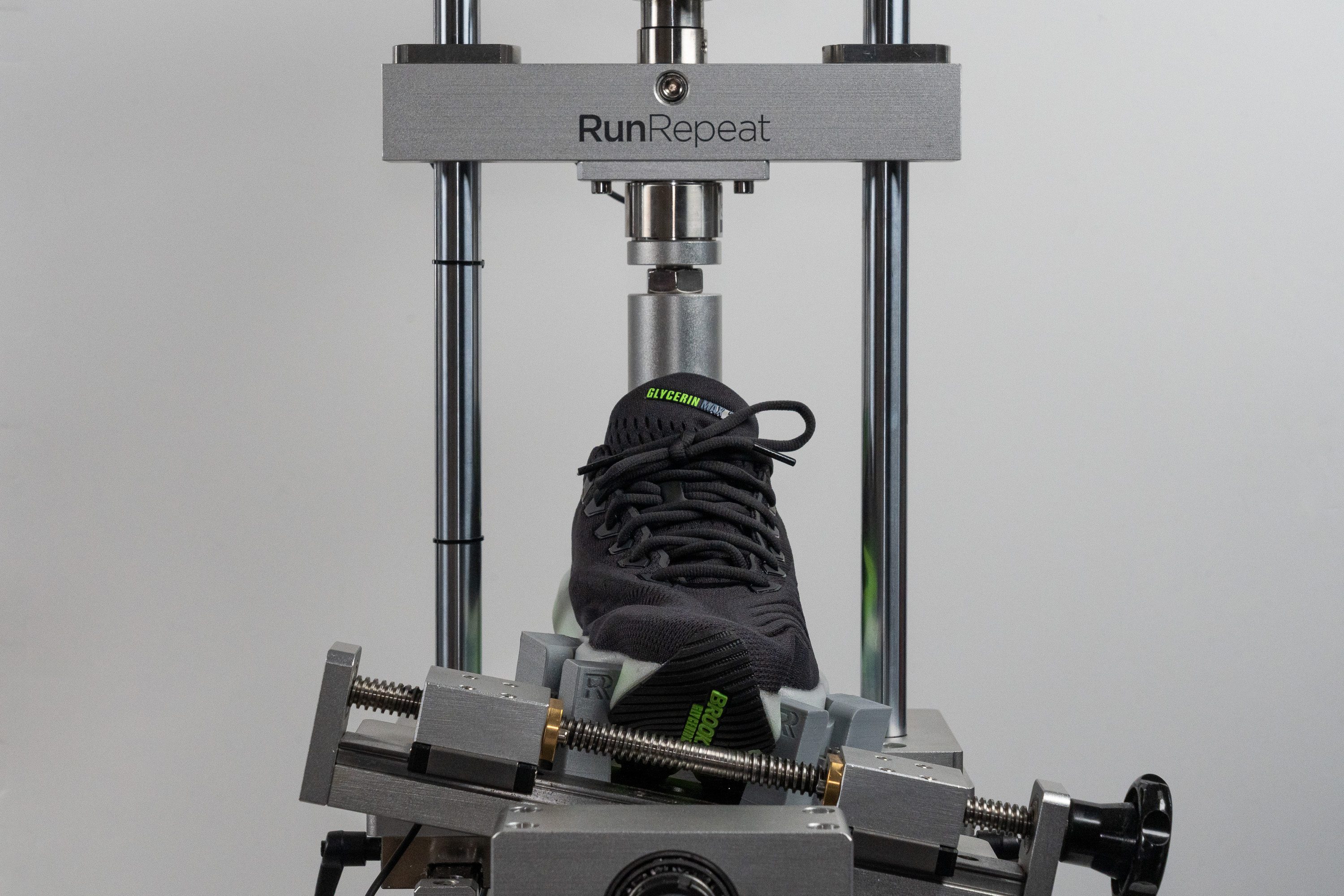
| Glycerin Max 2 | 19.6 Nm |
| Media | 14.3 Nm |
Rigidez del contrafuerte del talón
Brooks optó también por un contrafuerte de talón ultrarrígido que se llevó un 5/5 impecable, buscando aumentar la estabilidad en esa zona.
Para compensar esa rigidez, la marca añadió un montón de acolchado en la zona del talón para que no sea incómoda. Incluso así, como dijimos antes, la estructura del talón casi no se dobla junto con el pie, así que se siente muy firme al correr.
| Glycerin Max 2 | 5 |
| Media | 2.9 |
Anchura de la mediasuela - antepié
La mediasuela también está muy por encima de nuestra media en cuanto a altura, alcanzando unos impresionantes 119,0 mm de ancho en el antepié.
Cuando salimos a correr con ellas, los aterrizajes con el mediopié y el antepié nos parecieron muy controlados, aunque podemos entender que los runners que prefieran una pisada más libre y menos estructurada a lo mejor sienten que esta estructura es demasiado artificial.
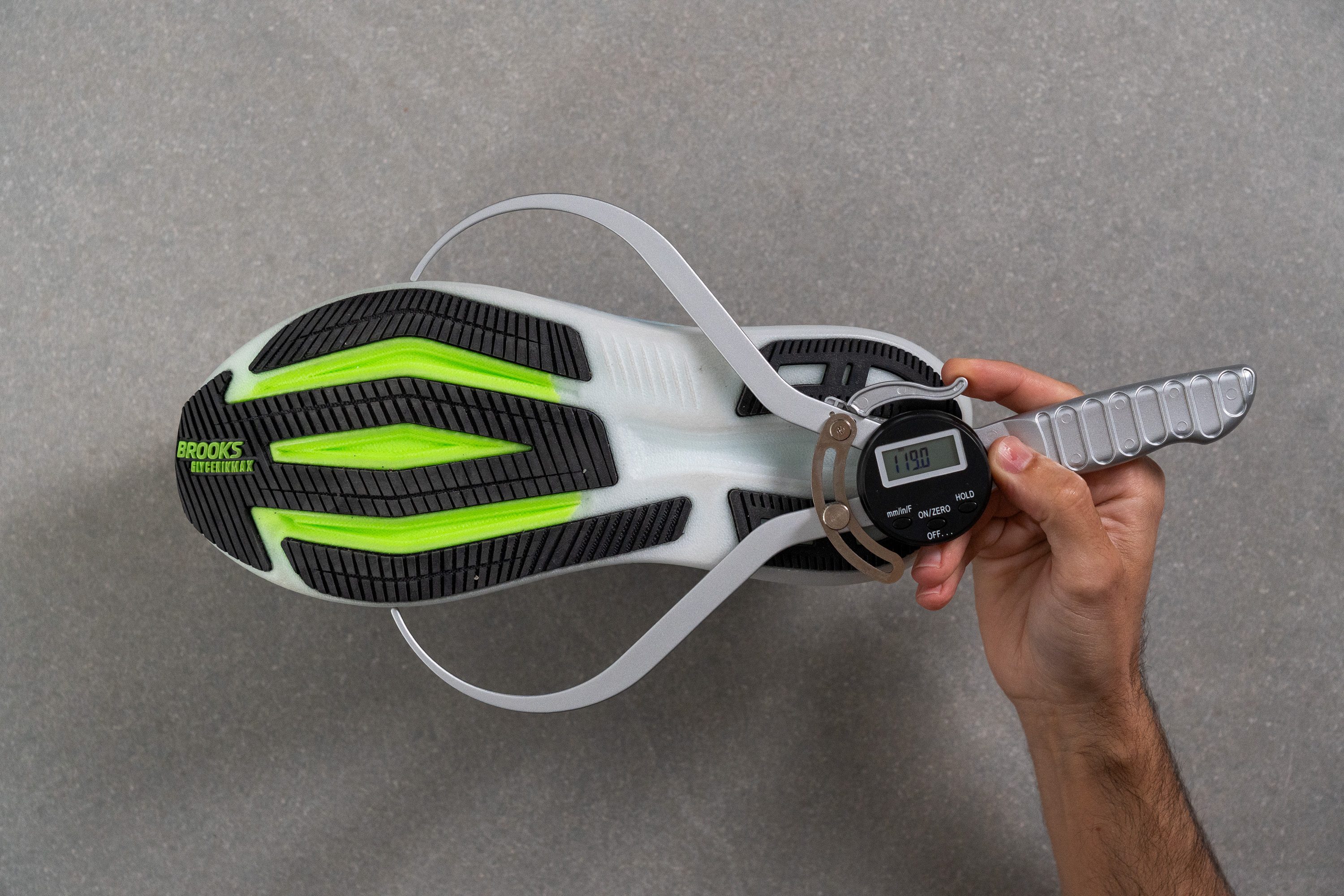
| Glycerin Max 2 | 119.0 mm |
| Media | 115.1 mm |
Anchura de la mediasuela - talón
Con el talón pasa lo mismo. Sus 97,0 mm ya son amplios, pero es que además se siente incluso más estable gracias al diseño ultrarrígido de su contrafuerte.
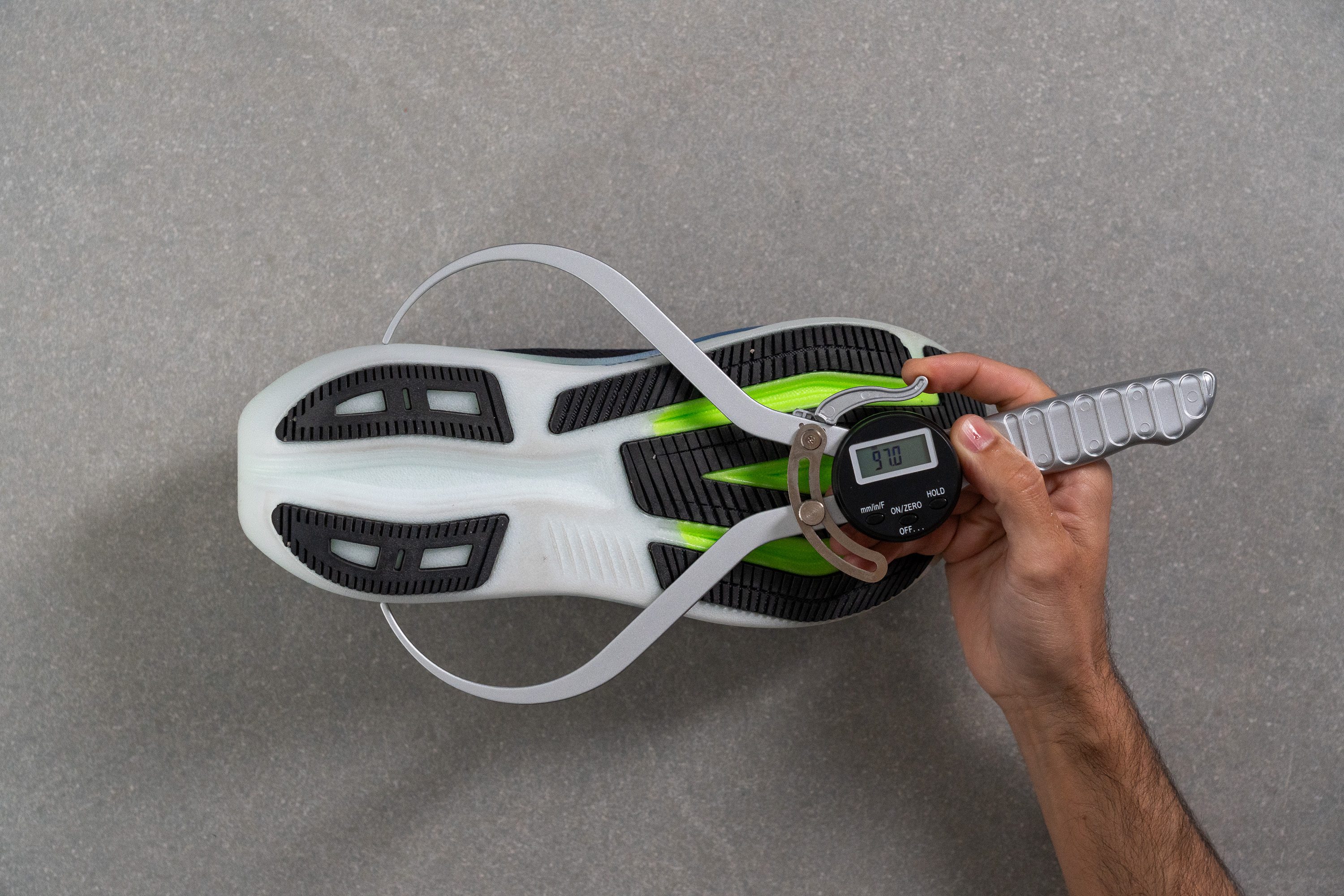
| Glycerin Max 2 | 97.0 mm |
| Media | 91.1 mm |
Durabilidad
Durabilidad de la parte delantera
La parte delantera de las Glycerin Max 2 superó la media de nuestro laboratorio al llevarse un sólido 3/5. Es un resultado positivo y tranquilizador, la verdad, sobre todo teniendo en cuenta que estas zapatillas valen una pasta.
| Glycerin Max 2 | 3 |
| Media | 2.6 |
Durabilidad del acolchado del talón
El acolchado del talón se llevó un resultado parecido, presumiendo de un estupendo 4/5 en durabilidad. ¡Las Glycerin Max 2 están en racha!
| Glycerin Max 2 | 4 |
| Media | 3.4 |
Durabilidad de la suela
El punto final lo pone la suela exterior, que perdió 1,1 mm de material. No podemos decir que este resultado es una locura, pero sí que nos parece lo suficientemente bueno como para no preocuparnos demasiado por la durabilidad a largo plazo.
| Glycerin Max 2 | 1.1 mm |
| Media | 1.1 mm |
Grosor de la suela
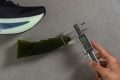
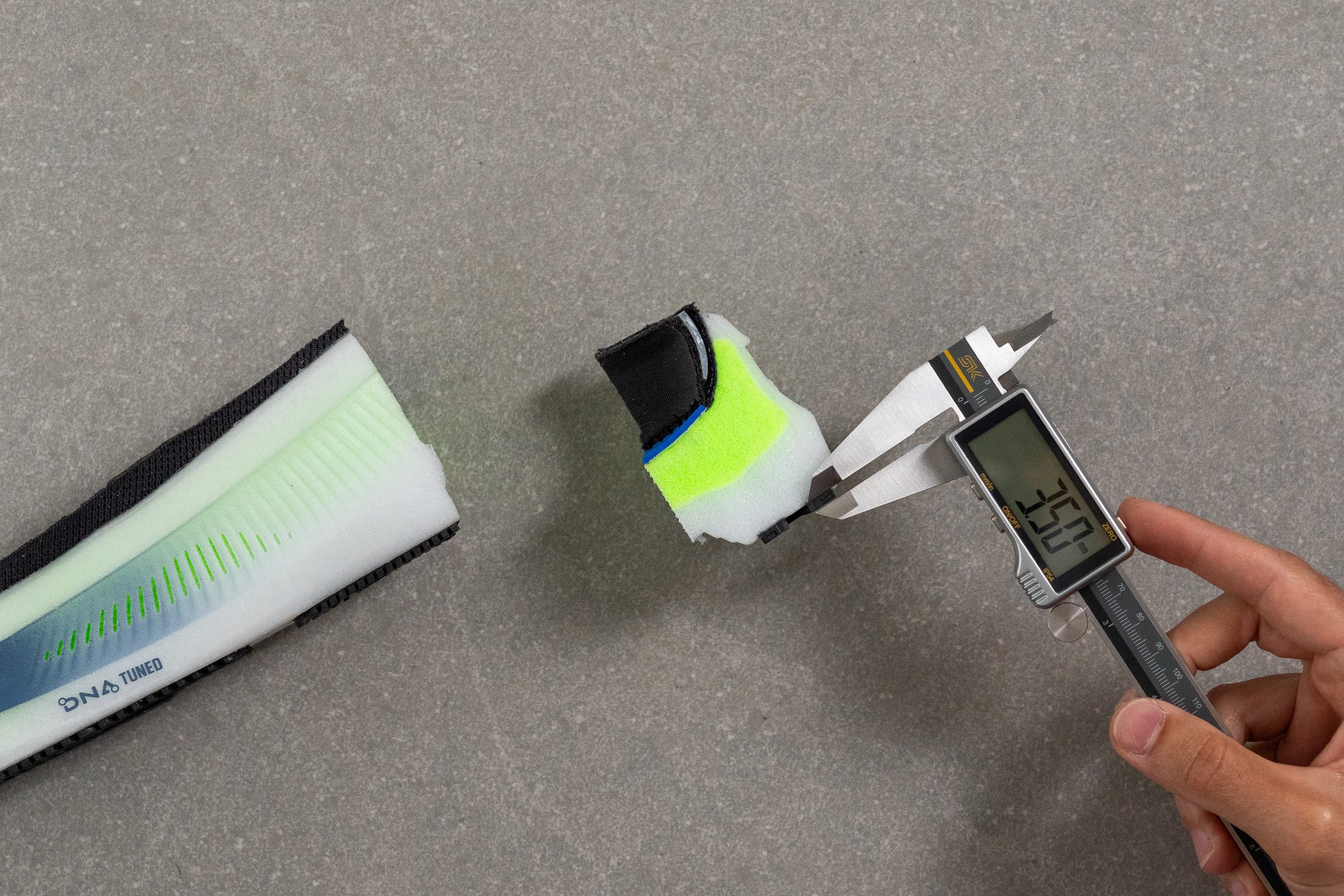
Brooks tampoco se la jugó con la suela exterior, ya que sus 3,5 mm la hacen bastante gruesa. Eso sí, no te olvides de que la cobertura de caucho no es total, así que las zonas que sí que tienen necesitan absorber más desgaste y presión en general.
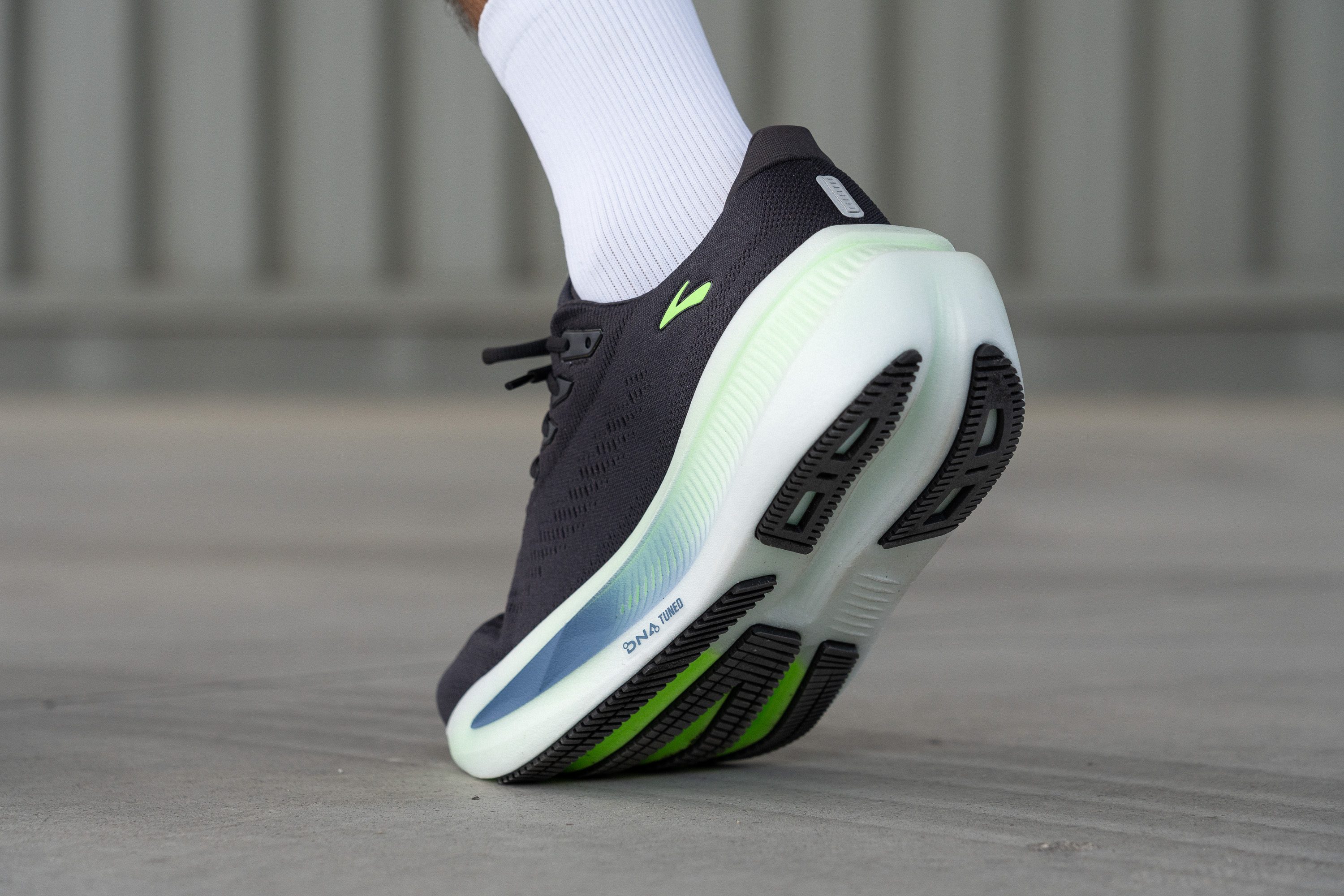
Si lo miramos así, ese grosor extra tiene sentido y es un acierto, pero también habría sido posible otro enfoque: reducir la espuma expuesta y optar por una distribución más extensa y menos focalizada del caucho.
| Glycerin Max 2 | 3.5 mm |
| Media | 3.1 mm |
Comodidad
Transpirabilidad
Las Glycerin Max 2 rindieron muy bien en nuestra prueba de transpirabilidad. Nos pasamos 3 horas seguidas generando sudor artificial y medimos lo bien que se les da a las zapatillas separar esa humedad del pie.
Obtuvieron un sólido resultado de 74 BR, lo que demuestra que a las Glycerin Max 2 se les da bien mantener los pies secos.
| Glycerin Max 2 | 74 BR |
| Media | 75 BR |
Potencial de secado
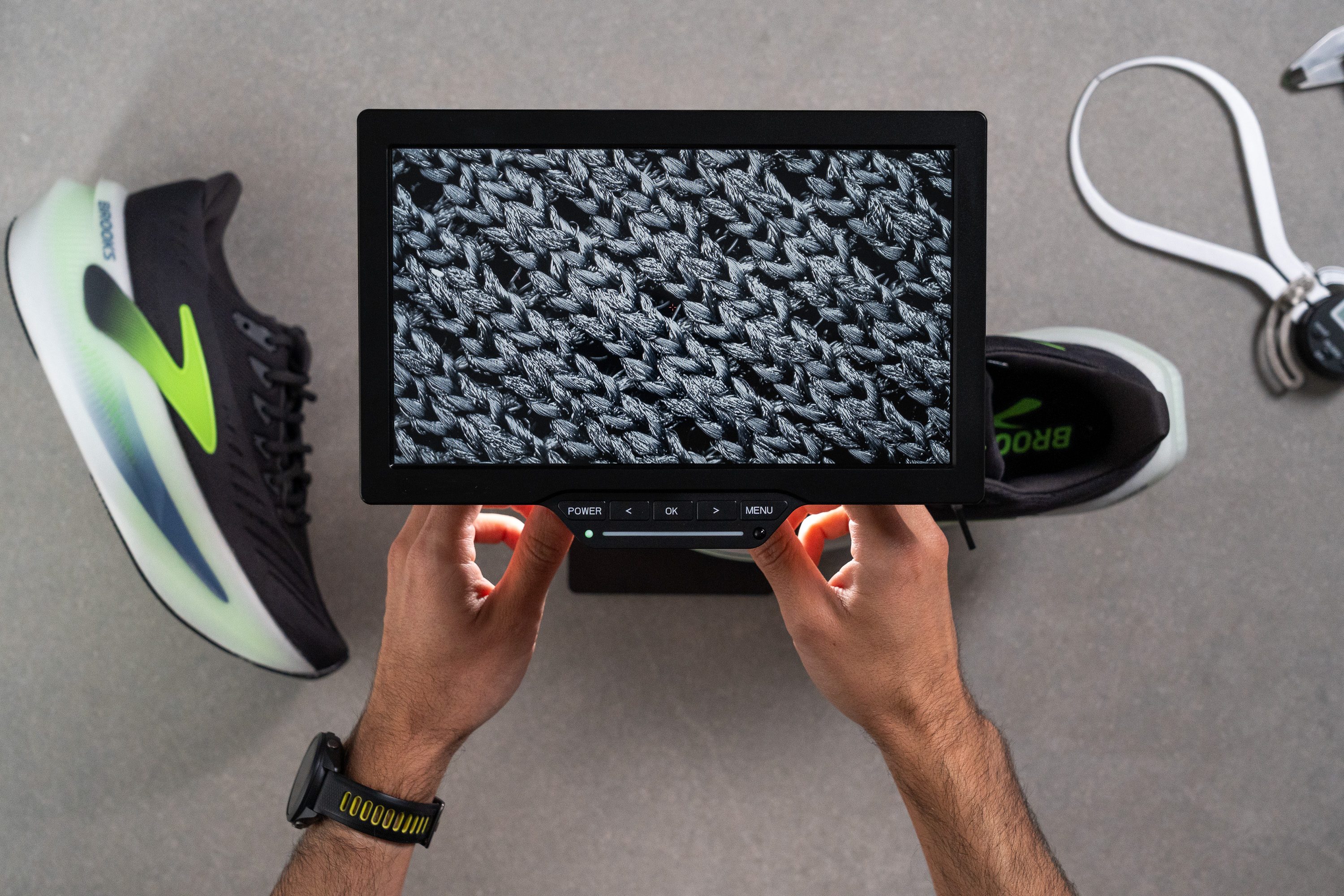
NuevoLa verdad es que el upper nos sorprendió un poco, ya que, últimamente, Brooks ha sacado unos diseños de knit impresionantes, pero este modelo no se separa de esa malla técnica más tradicional. Pero bueno, sigue teniendo un papel muy importante en la gestión general de la humedad, y la marca lo sabe.
Durante la misma prueba de 3 horas, también medimos cuánta humedad se evaporó de las zapatillas. Con un potencial de secado del 53 %, la verdad es que es un buen resultado que debería ayudar a que la humedad se acumule en las distancias largas.
| Glycerin Max 2 | 53% |
| Media | 53% |
Acolchado de la lengüeta
Tenemos claro que, con este diseño, lo que Brooks buscaba era conseguir la máxima comodidad, y eso es justo lo que sentimos cuando nos pusimos estas zapatillas por primera vez.
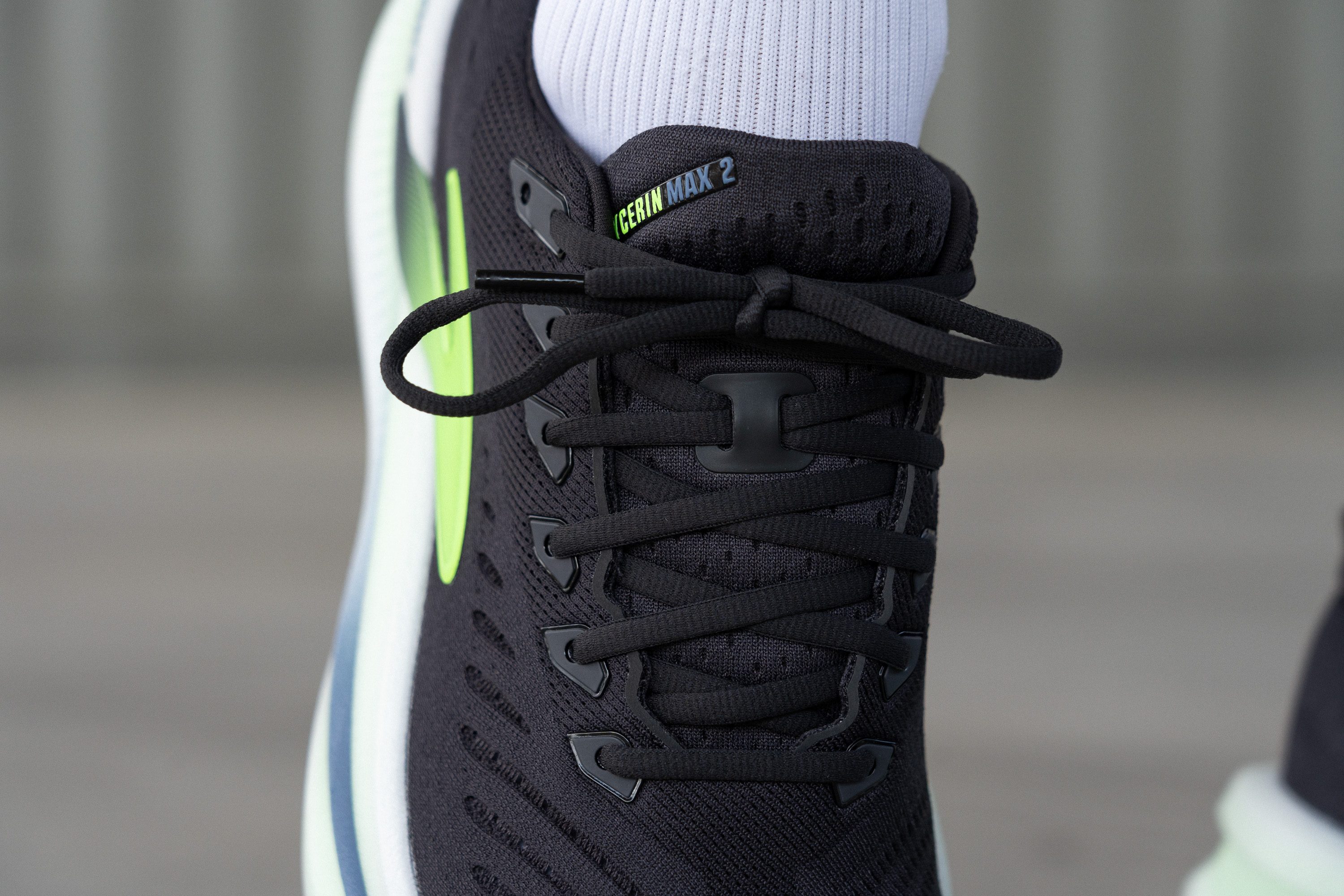
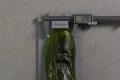
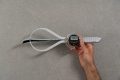
Y el motivo principal es esa lengüeta tan... impresionantemente gruesa. Sus 13,0 mm hacen que esté entre los diseños más grandotes que hemos visto, y se siente muy mullida al usarla. Esto sí, también aumenta el peso y lleva el enfoque en la comodidad al extremo, haciendo que este modelo tenga un diseño más específico que, irremediablemente, no les va a gustar a todos los runners.
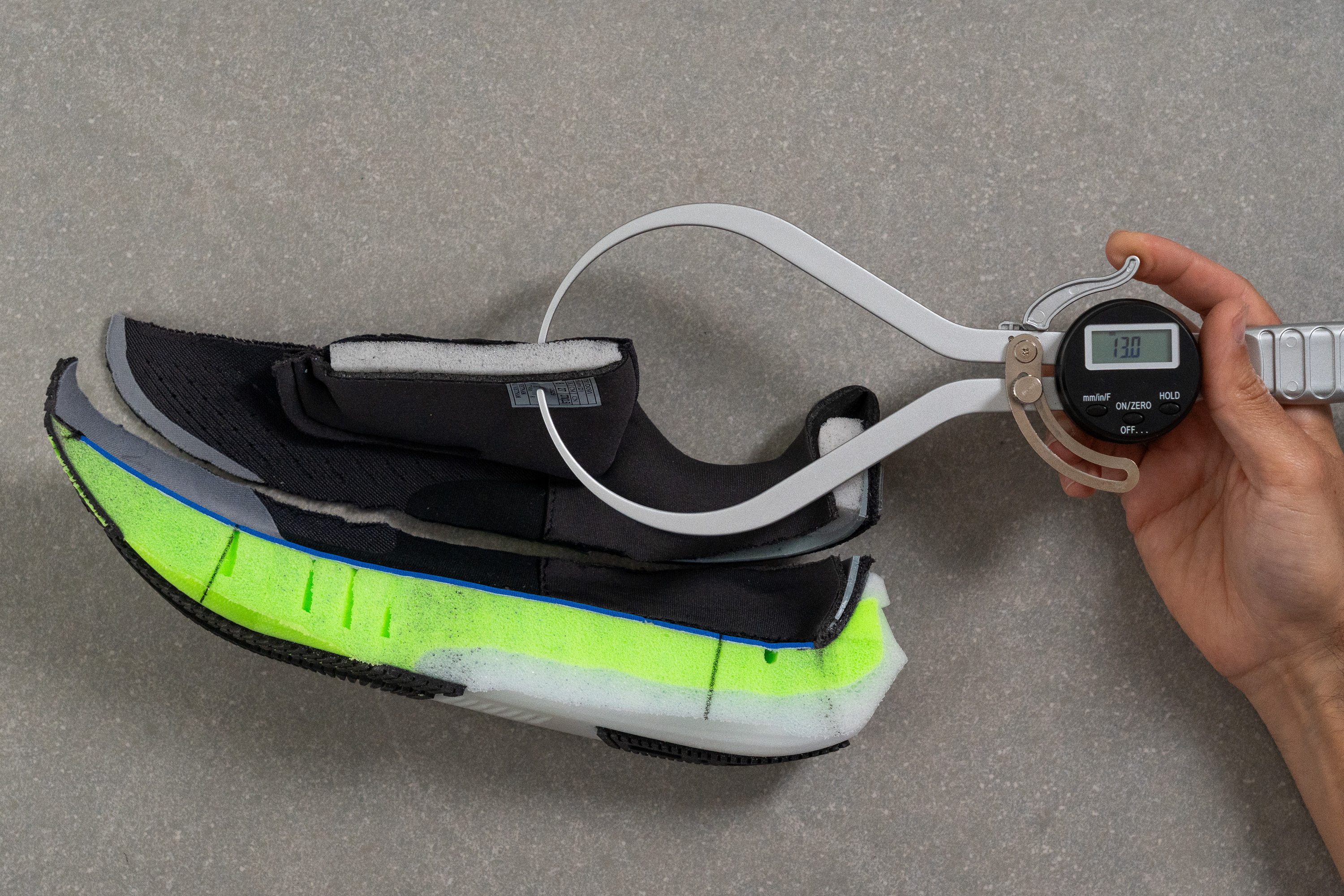
| Glycerin Max 2 | 13.0 mm |
| Media | 5.8 mm |
Lengüeta: tipo de refuerzo
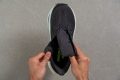
La lengüeta no está unida a los laterales, y teniendo en cuenta que estas zapatillas valen una pasta... Brooks, no nos ha hecho ninguna gracia. Aunque no es nuestro tipo de diseño favorito, tenemos que decir que no se mueve de su sitio por lo gruesa que es.
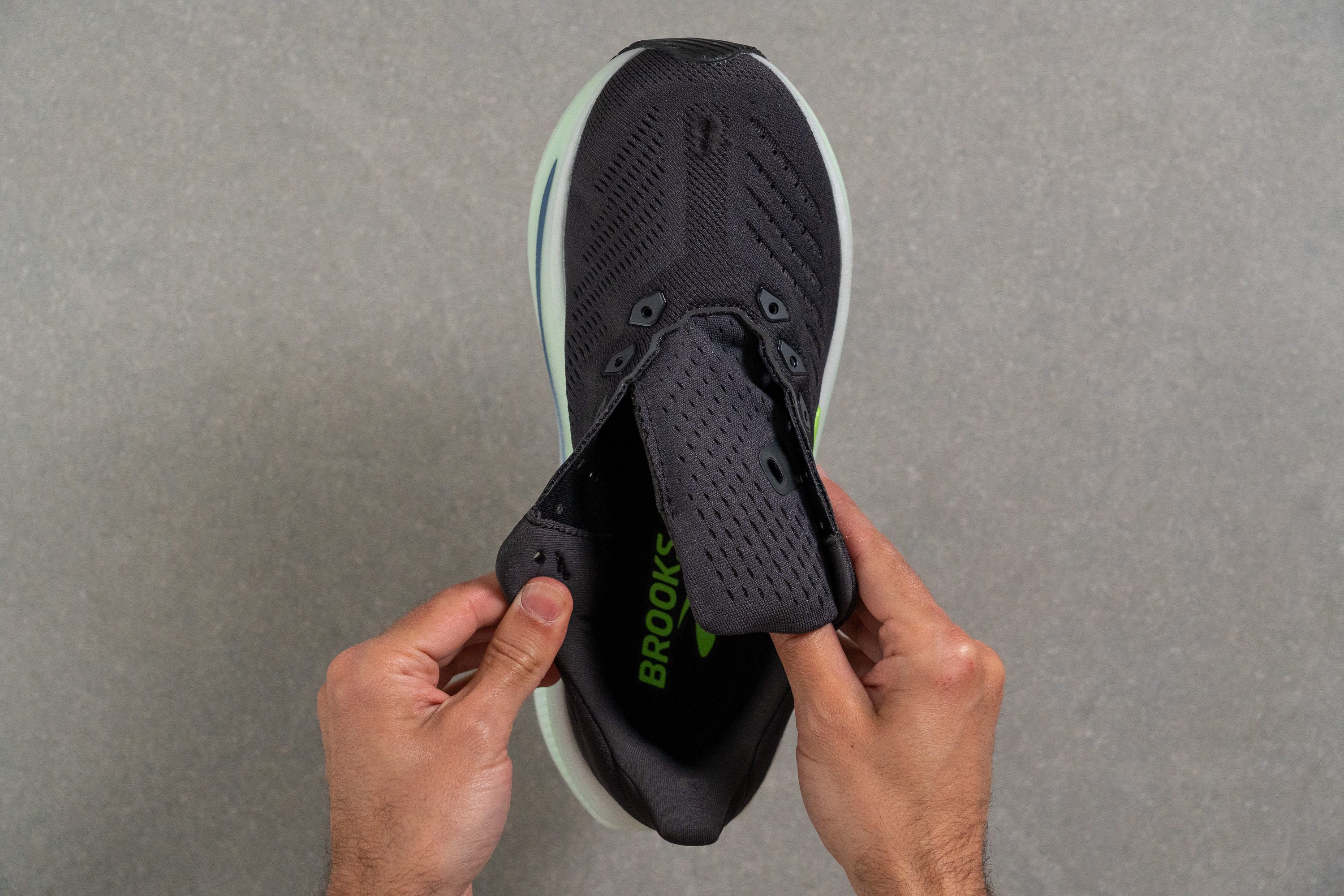
| Glycerin Max 2 | Ninguno |
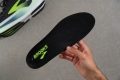
Grosor de la plantilla
Las Glycerin Max 2 vienen con una plantilla de 4,7 mm, que es un grosor estándar, en vez de utilizar una con máxima amortiguación.
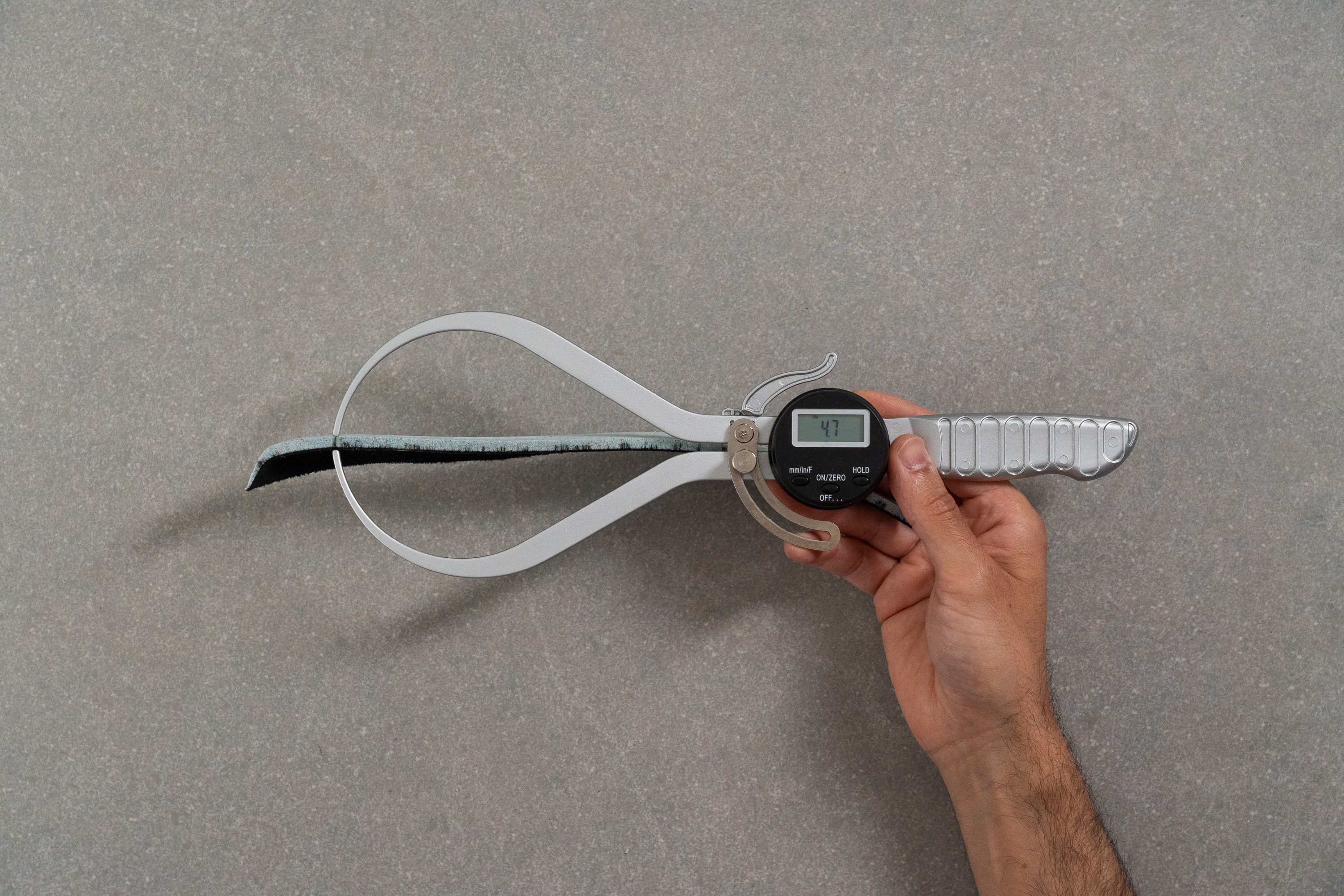
| Glycerin Max 2 | 4.7 mm |
| Media | 4.4 mm |
Plantilla extraíble
Puedes quitarles la plantilla y, si quieres, cambiarla por otra más gruesa si estás buscando una pisada incluso más amortiguada.
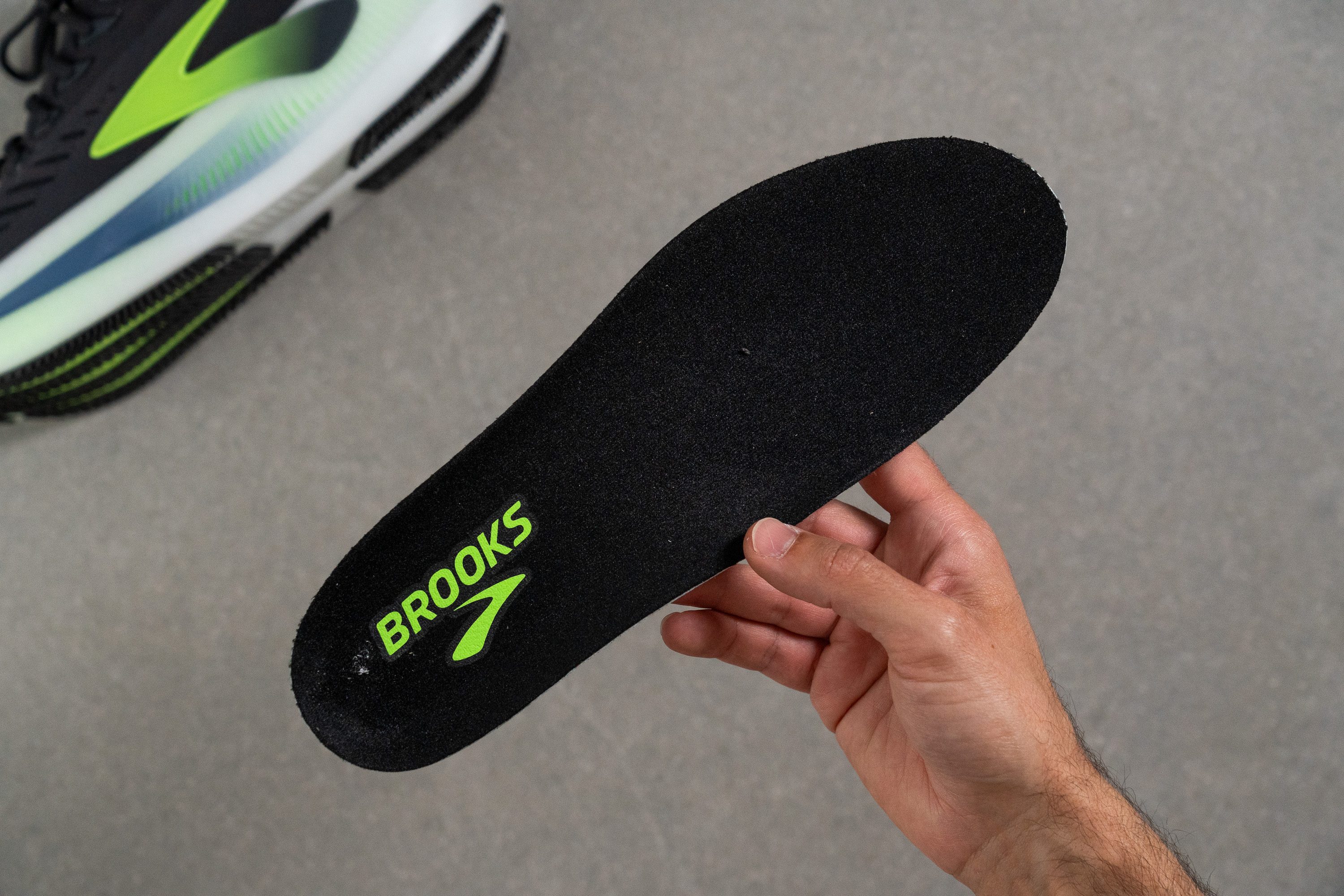
| Glycerin Max 2 | Sí |
Tirador del talón
Las Glycerin Max 2 tienen un cuello del talón muy distintivo que empieza siendo bajito y que poco a poco va aumentando para proteger el tendón de Aquiles.
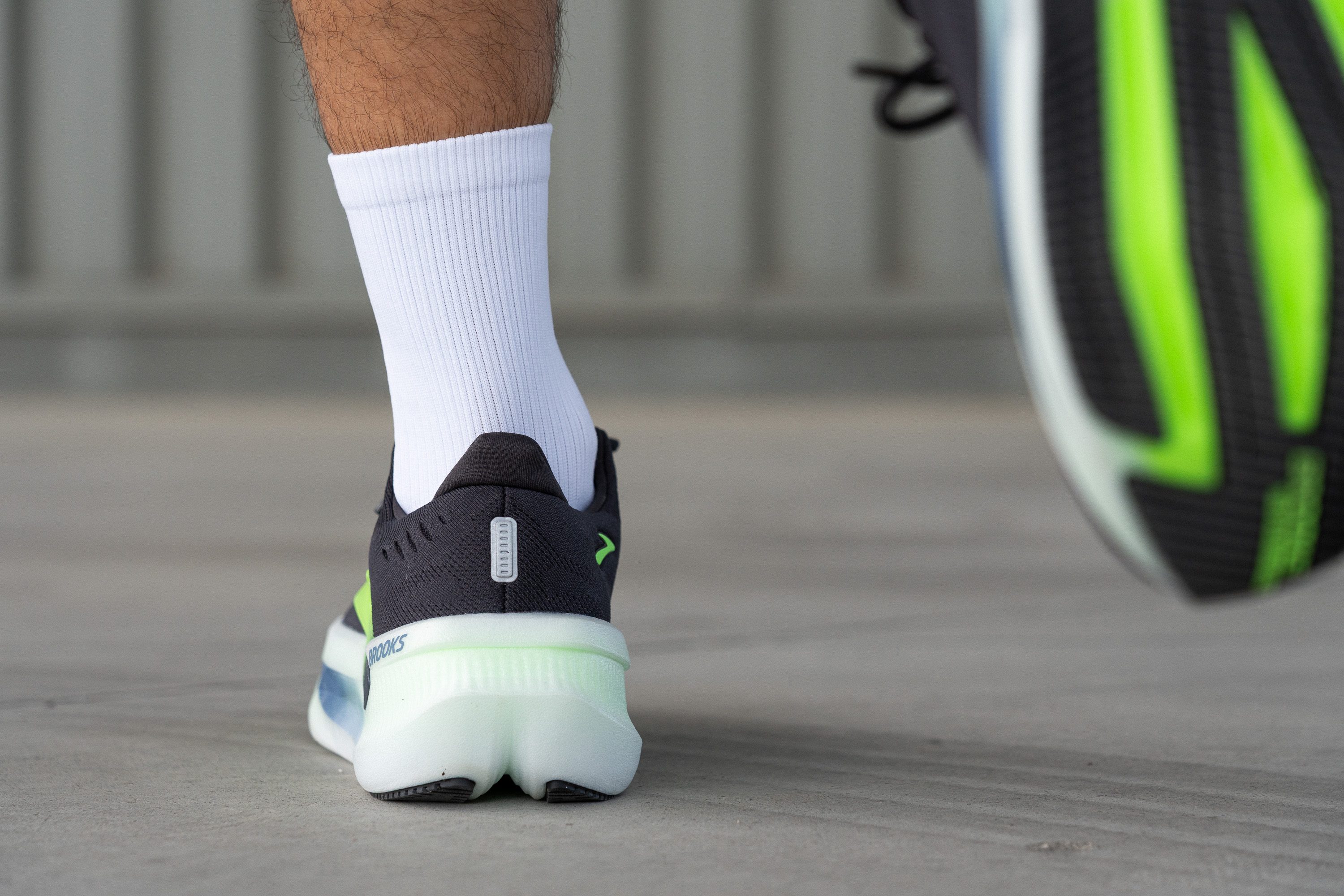
| Glycerin Max 2 | Ninguno |
Varios
Elementos reflectantes
Las Glycerin Max 2 reutilizan los elementos reflectantes de las Glycerin Flex y, sinceramente, nos parece todo un acierto.
| Glycerin Max 2 | Sí |
Precio
La única manera real de justificar lo caras que son las Glycerin Max 2 es priorizando la comodidad más absoluta, ya que, después de todas nuestras pruebas, podemos decirte que eso se les da genial. Su upper está acolchadísimo y en los pies son una maravilla. Pero claro, para la mayoría de los corredores, creemos que se quedan cortas en cuanto a rendimiento general, sobre todo en comparación con casi todas sus principales competidoras dentro de esta categoría prémium.
| Glycerin Max 2 | $200 |