
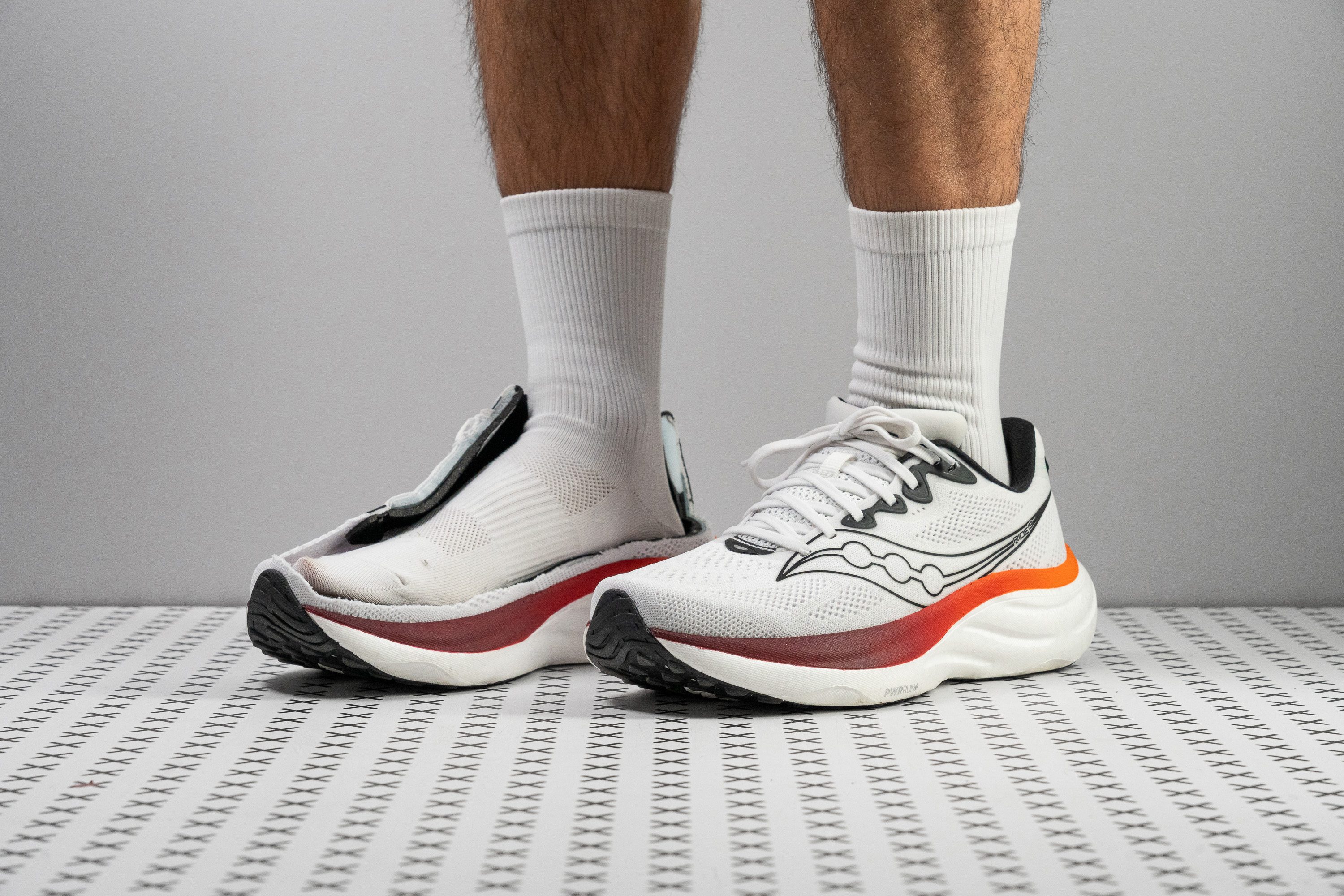



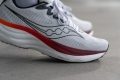

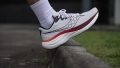






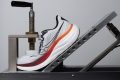



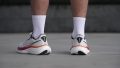










Nuestra conclusión
- Tiradas diarias / rodajes 92
- Tempo 73
- Competición 56
- Estabilidad 89
Pros
- Retorno de energía muy alto
- Con más espuma que incluso la v18
- Durabilidad excelente en general
- Su ADN confiable no cambia
- Muy transpirables
- Plataforma ancha y estable
- El caucho XT-900 ofrece un buen agarre
- Ajuste seguro con una lengüeta semirreforzada
- Muy buena relación calidad-precio
- Estética lisa y mejorada
Contras
- Más pesadas que la versión anterior
- Poco caucho en la suela
- Son un poquito más caras
- Son un poquito más caras
Premios
- Entre mejores zapatillas de running para la fascitis plantar
- Entre mejores zapatillas de running para arcos altos
- Top 15% entre zapatillas de running para asfalto
- Top 13% entre zapatillas de running neutras
- Top 14% más vendidas zapatillas de running
Comparativa
Las zapatillas de running más parecidas
+ + Añadir unas zapatillas | |||||
|---|---|---|---|---|---|
| Nuestra puntuación | 88 Magníficas | 86 Great | 86 Geniales | 86 Geniales | |
| Precio | 160 € | 130 € | 240 € | 200 € | |
| Ritmo | Correr a diario | Correr a diario | Correr a diarioTempo / series | Correr a diario | |
| Absorción de impactos | Alta | Alta | Moderada | Alta | |
| Retorno de energía | Alto | Moderado | Alto | Bajo | |
| Tracción | Alta | Alta | Alta | Alta | |
| Sujeción arco del pié | Neutral | Neutral | Neutral | Neutral | |
| Peso laboratorio Peso marca | 9.8 oz / 278g 9 oz / 255g | 9.3 oz / 264g 9.2 oz / 260g | 10.1 oz / 286g 10.4 oz / 296g | 9.8 oz / 278g 10 oz / 283g | |
| Drop laboratorio Drop marca | 8.5 mm 8.0 mm | 7.6 mm 8.0 mm | 9.2 mm 8.0 mm | 5.2 mm 8.0 mm | |
| Técnica de carrera | TalónMedio/antepié | Mid/forefoot | TalónMedio/antepié | Medio/antepié | |
| Talla | Tallan bien | True to size | Tallan bien | Tallan bien | |
| Rigidez de la mediasuela | Equilibrada | Equilibrada | Equilibrada | Equilibrada | |
| Diferencia de la rigidez de la mediasuela en frío | Pequeña | Normal | Pequeña | Pequeña | |
| Durabilidad de la parte delantera | Decente | Buena | Decente | Decente | |
| Durabilidad del acolchado del talón | Alta | Alta | Alta | Media | |
| Durabilidad de la suela exterior | Buena | Buena | Buena | Buena | |
| Transpirabilidad | Alta | Media | Media | Media | |
| Anchura / ajuste | Media | Media | Media | Media | |
| Anchura de la parte delantera | Media | Media | Ancha | Media | |
| Flexibilidad | Rígida | Moderada | Rígida | Rígida | |
| Rigidez torsional | Moderadas | Moderadas | Rígidas | Rígidas | |
| Rigidez del contrafuerte del talón | Rígido | Rígido | Rígido | Rígido | |
| Con rocker | ✓ | ✗ | ✓ | ✓ | |
| Talón laboratorio Talón marca | 38.7 mm 36.0 mm | 39.4 mm 39.0 mm | 39.2 mm 40.0 mm | 39.5 mm 43.5 mm | |
| Antepié laboratorio Antepié marca | 30.2 mm 28.0 mm | 31.8 mm 31.0 mm | 30.0 mm 32.0 mm | 34.3 mm 35.5 mm | |
| Anchuras disponibles | EstrechoEstándarAncho | Estándar | EstándarAncho | EstándarAnchoExtra Ancho | |
| Compatibles con plantillas personalizadas | ✓ | ✓ | ✓ | ✓ | |
| Estación | VeranoTodas las estaciones | Todas las estaciones | Todas las estaciones | Todas las estaciones | |
| Plantilla extraíble | ✓ | ✓ | ✓ | ✓ | |
| Clasificación | #49 Top 13% | #95 Top 24% | #93 Top 24% | #82 Top 21% | |
| Popularidad | #55 Top 14% | #215 46% inferior | #174 Top 44% | #23 Top 6% |



Quién debería comprárselas
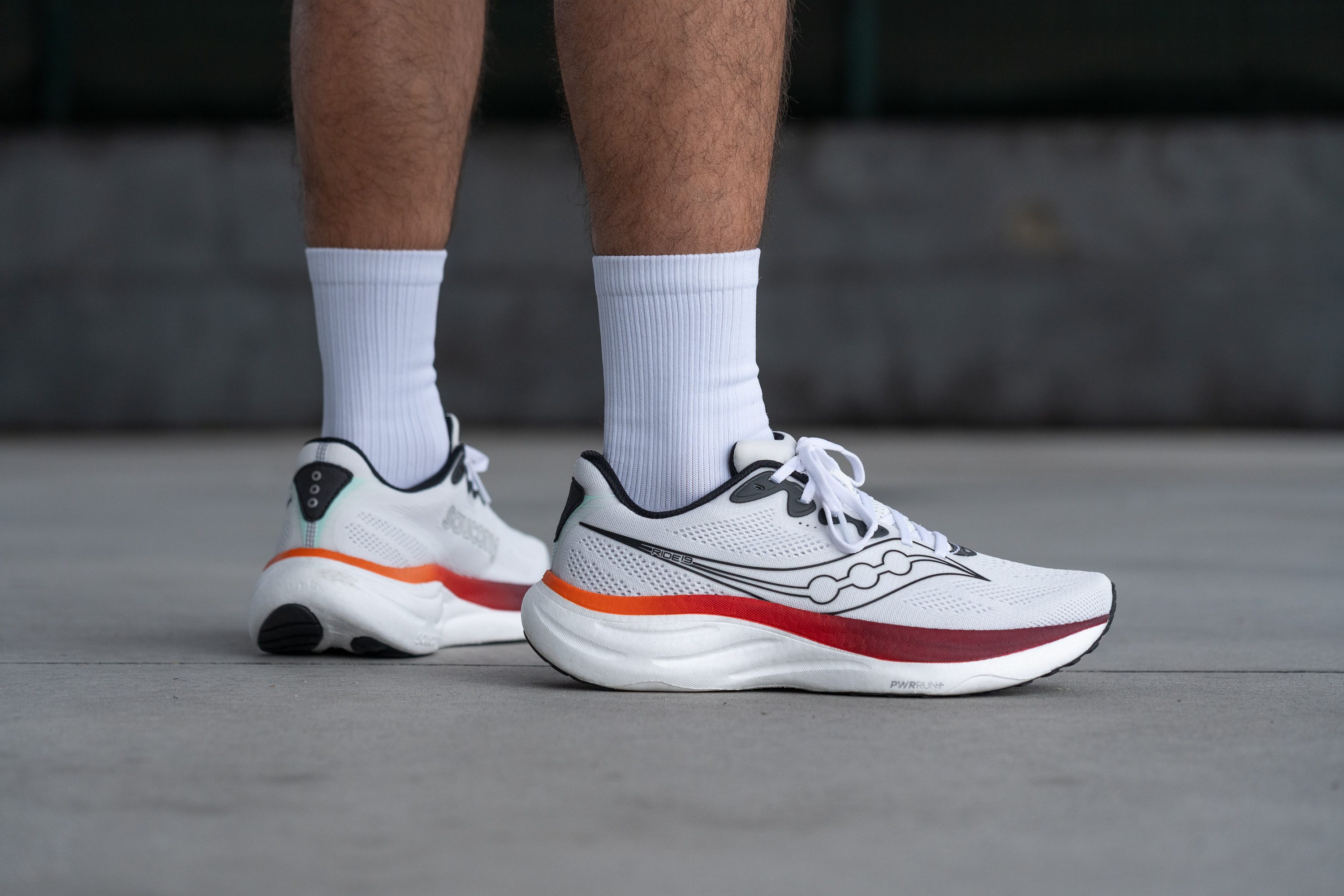
Las Saucony Ride 19 pueden ser ideales para:
- Los runners que necesitan un modelo de entrenamiento diario sólido y confiable, y a los que no les importe que su pisada sea un poquito más pesada y rígida (según los resultados de nuestro laboratorio).
- Los que están buscando un retorno de energía alto para sus tiradas diarias, ya que la espuma PWRRUN+ ofrece un buen rebote de manera constante.
- Los corredores neutros que quieren una combinación de rebote, durabilidad y estabilidad, todo a un precio razonable.
Quién NO debería comprárselas
En el laboratorio, descubrimos que la espuma PWRRUN+ destaca por su durabilidad y rebote, pero su peso hace que las Ride 19 sean un poco más pesadas que antes. Personalmente, nosotros no te la recomendaríamos si te preocupa el peso. Como alternativa, tienes las HOKA Mach 6 o las adidas Supernova Rise 2, que se sienten más ligeras y ágiles.
En nuestra opinión, las Ride 19 no son la mejor opción para los corredores que están buscando una sensación natural, compacta y flexible. Si quieres un alto retorno de energía sin que las zapatillas se sientan pesadas, las PUMA Velocity Nitro 4 son una opción estupenda.
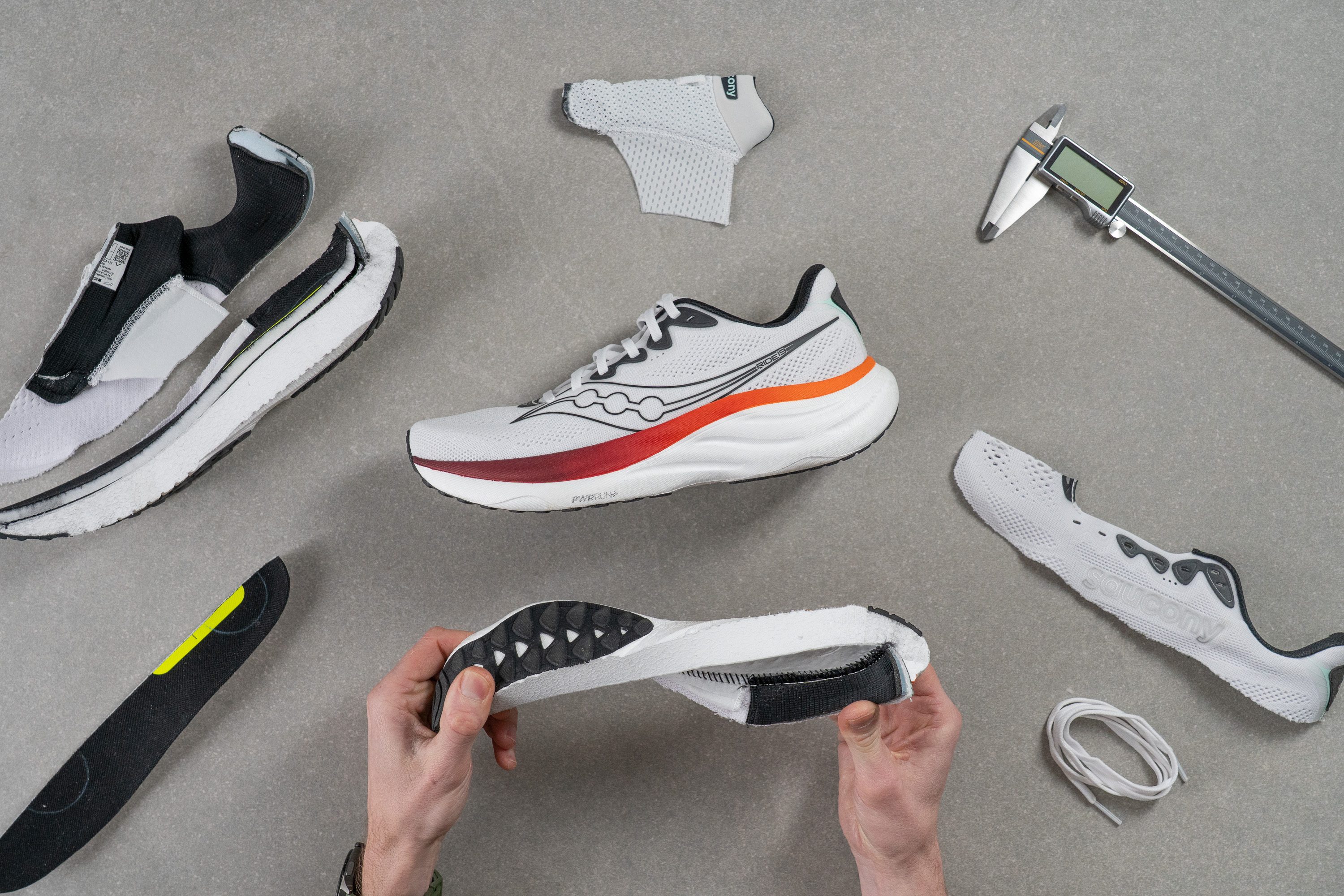
Amortiguación
Shock absorption
La absorción de impactos no es un problema con las Ride 19, ya que nos parecieron muy amortiguadas cuando salimos a correr con ellas, cosa que confirmaron los datos de nuestro laboratorio. Con un resultado de 132 SA en el talón y 118 SA en el antepié, nos dejaron claro que rinden bien tanto en las distancias largas como en el entrenamiento diario.
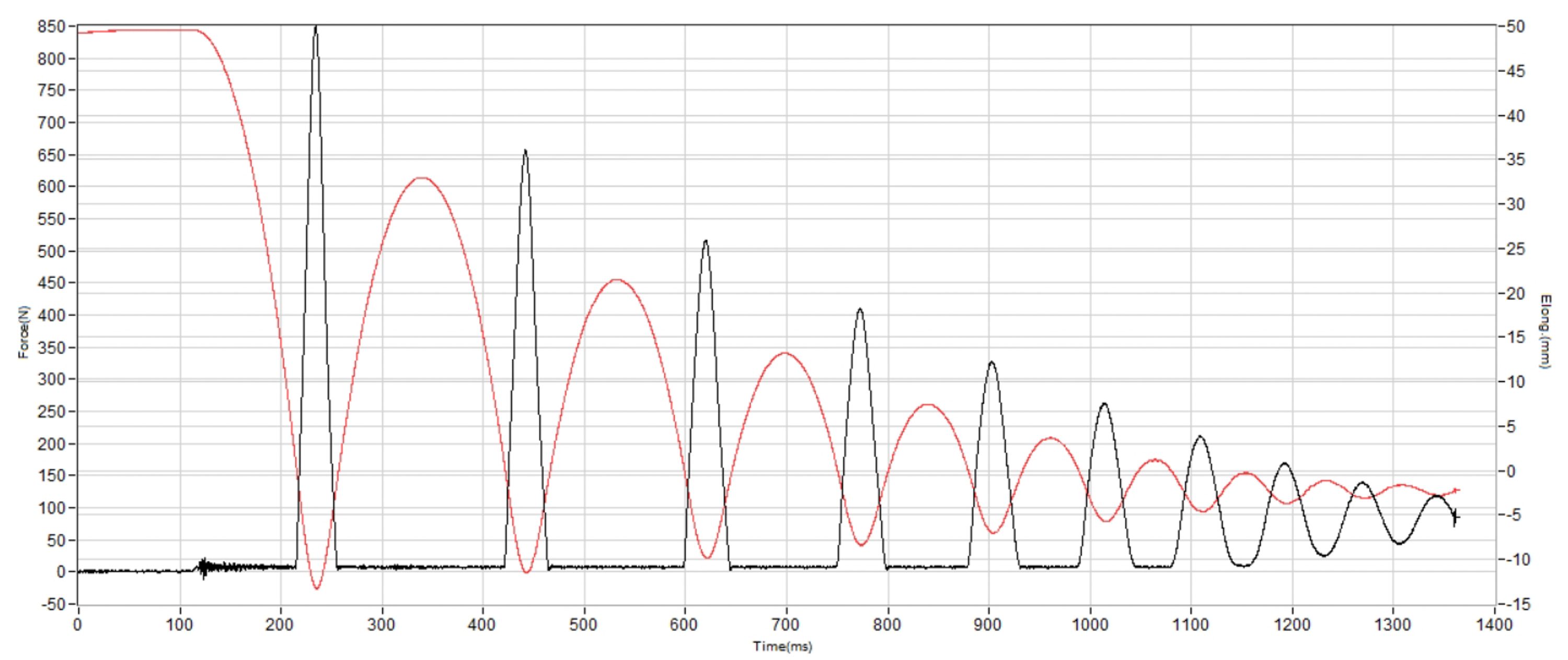
| Ride 19 | 132 SA |
| Media | 131 SA |
Energy return
Después de todo el éxito que tuvo adidas con las Adizero EVO SL al combinar una espuma con mucha energía con unas zapatillas que estaban listas para las tiradas diarias y que tenían un precio asequible, ahora la mayoría de las marcas saben que ya no pueden depender de una espuma EVA barata y aburrida.
A Saucony esto no le afecta, ya que decidió utilizar la espuma PWRRUN+ en la serie Ride, mejorando claramente lo que una espuma de EVA puede ofrecer. Y la versión número 19 presenta un material eTPU reformulado que ofrece un excelente retorno de energía para lo que cuesta, alcanzando un 66,7 % en el talón y un impresionante 70,7 % en el antepié.
| Ride 19 | 70.7% |
| Media | 61.5% |
Altura de la suela en la zona del talón
Las Ride 19 se acercan más a la categoría maximalista al alcanzar una altura de 38,7 mm en el talón. Esto hace que estén por debajo de los 40 mm y, claramente, por encima de los 35,0 mm de las Ride 18, que las analizamos el año pasado.
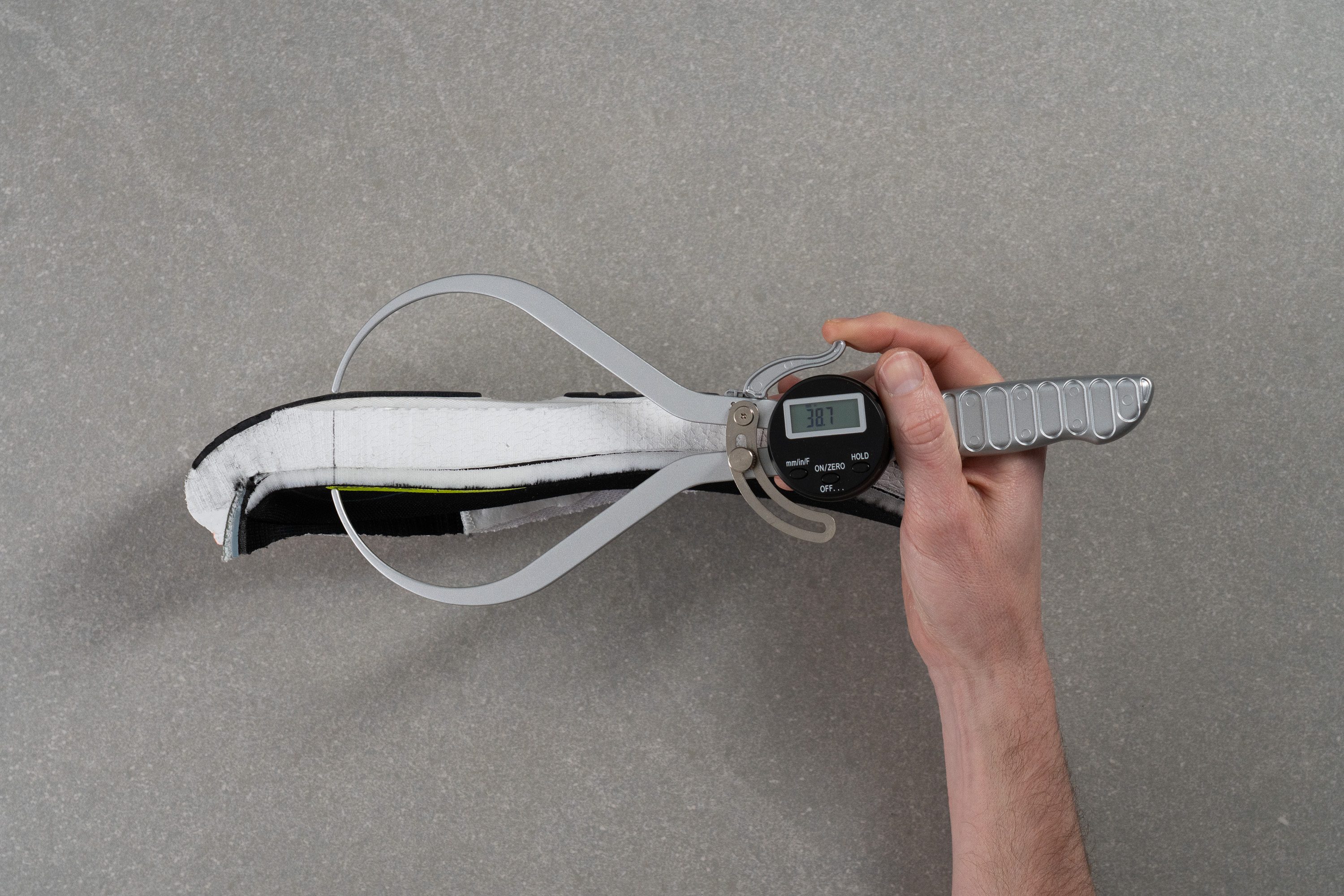
| Ride 19 | 38.7 mm |
| Media | 35.6 mm |
Altura de la suela en el antepié
Bajo el antepié, vimos que también hay más espuma, ya que ahora alcanza 30,2 mm.
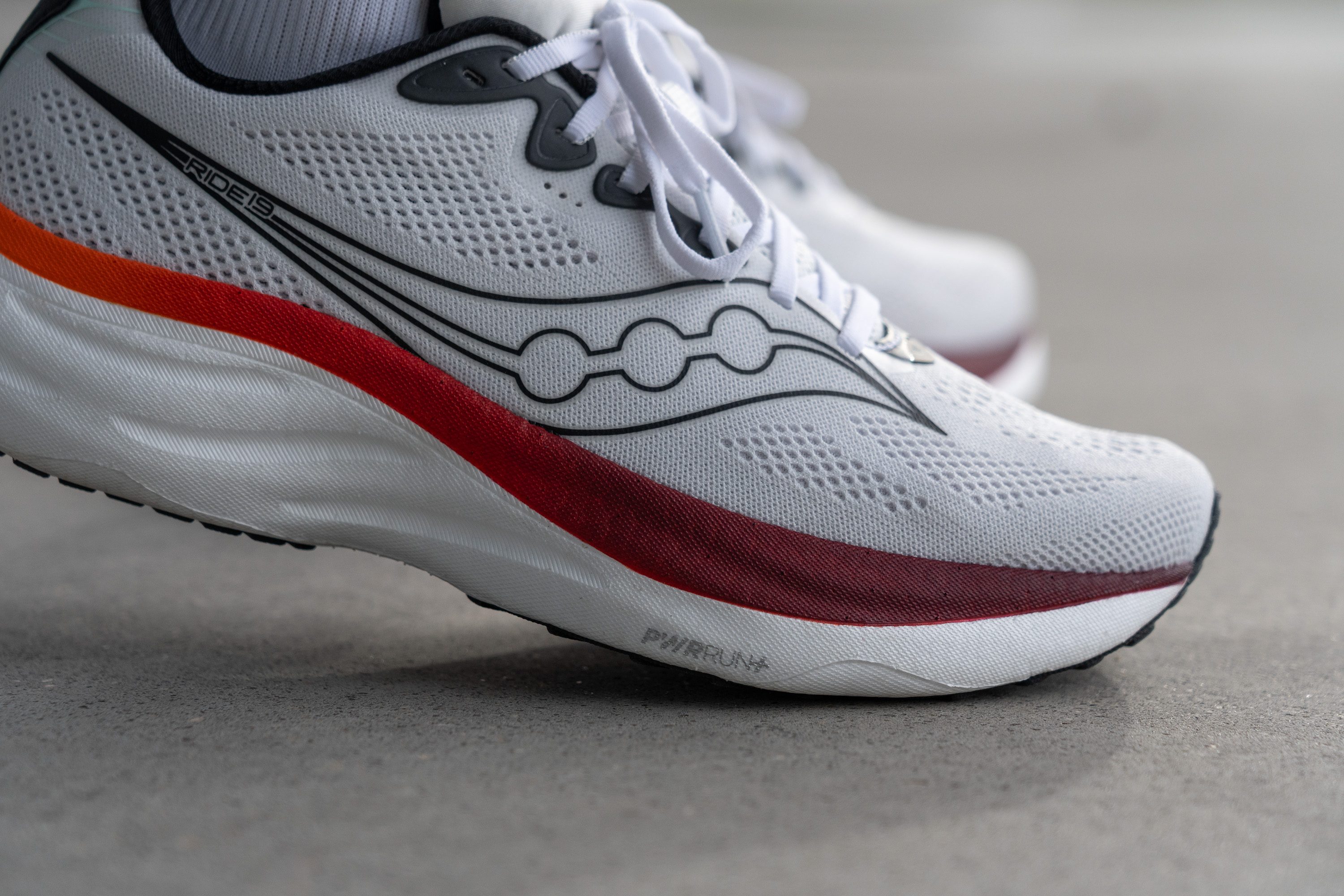
Hasta hace poco, esto habría sido impensable para la serie Ride, pero Saucony está siguiendo la tendencia actual del mercado, que es algo que entendemos desde el punto de vista comercial. Dicho esto, creemos que este debería ser el límite para las Ride.
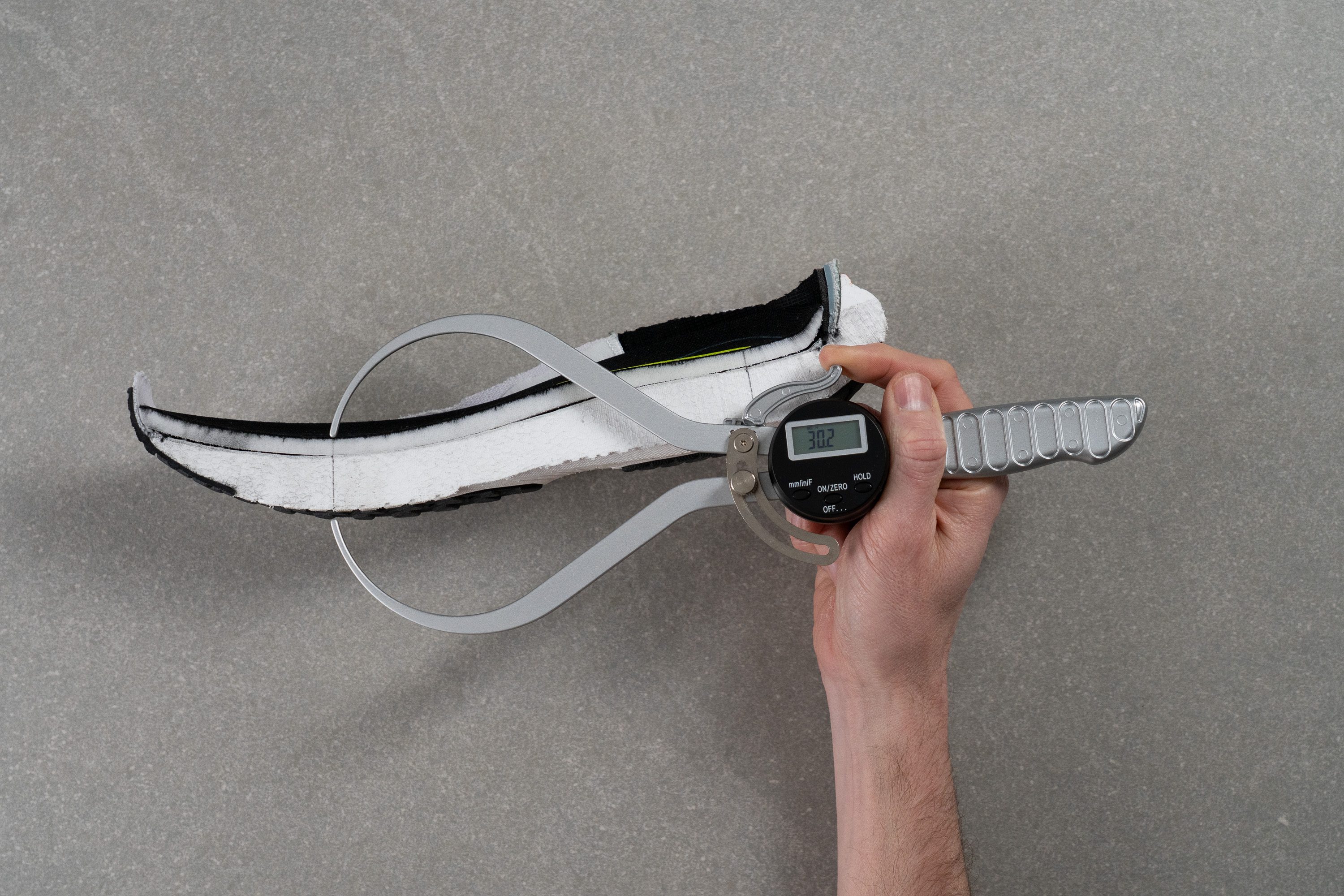
| Ride 19 | 30.2 mm |
| Media | 27.1 mm |
Drop
Siempre es una ventaja cuando el drop que calculamos nosotros coincide con la cifra que nos da la marca. En este caso, nos dio 8,5 mm, que está muy cerca de los 8 mm indicados por Saucony, y que es considerado como el diseño más versátil para adaptarse a las distintas técnicas de carrera. Te lo explicamos: un drop de 6 mm puede sentirse un poco plano para los talonadores, mientras que uno de 10 mm puede ser demasiado para los corredores de metatarsos.
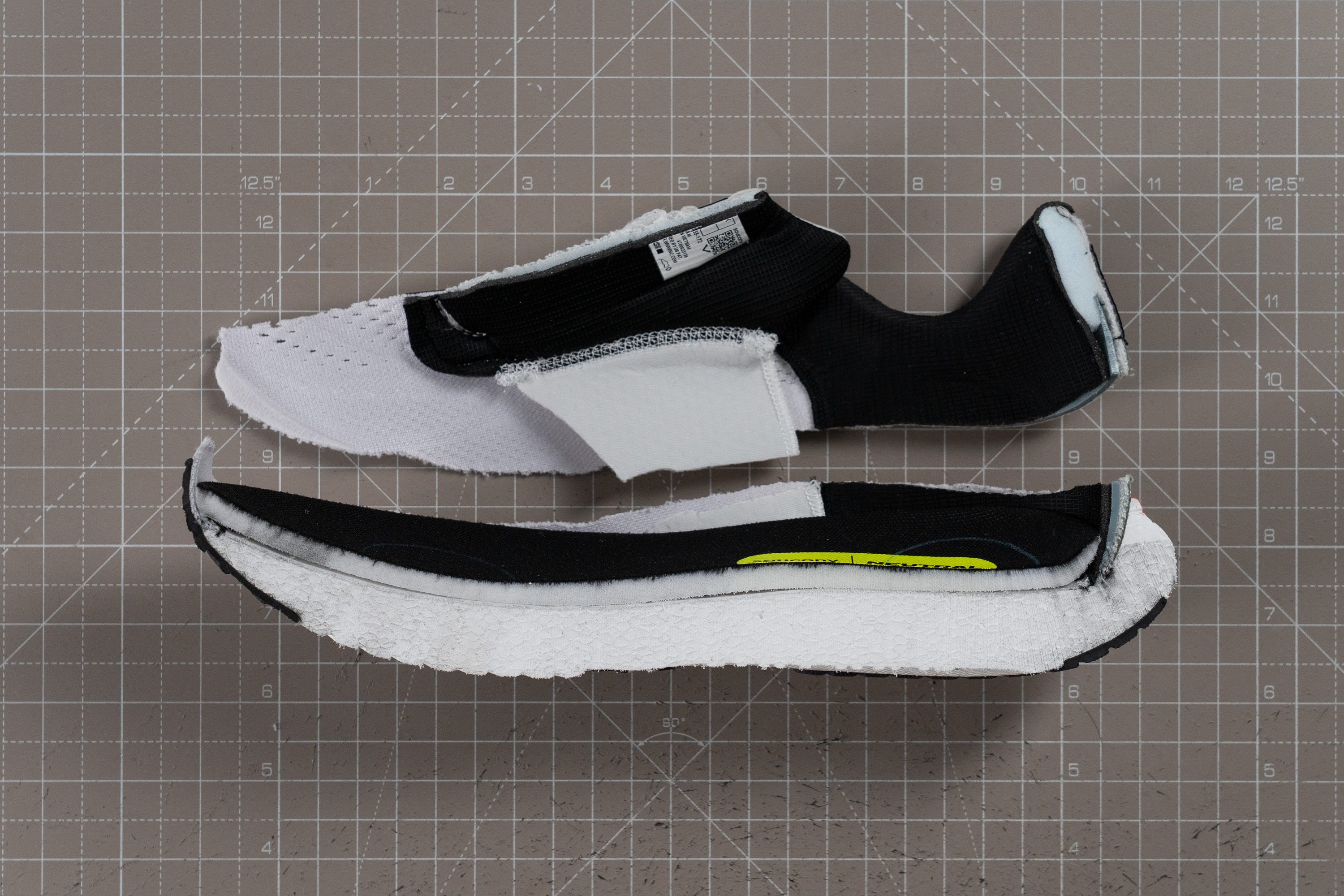
| Ride 19 | 8.5 mm |
| Media | 8.4 mm |
Dureza de la mediasuela
La nueva espuma PWRRUN+ utiliza un compuesto eTPU actualizado que es muy parecido a la Light Boost de adidas. Tiene la misma estructura en forma de cuentas con un alto retorno de energía y, como nos esperábamos de la PWRRUN+, no se siente muy mullida bajo los pies.
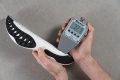
Cuando la analizamos, nuestro durómetro marcó 37,1 AC, aunque al correr se siente un poquito más blandita de lo que indica esa cifra. ¿Que por qué? Pues porque la plantilla es un poquito más blanda que la espuma PWRRUN+. En lugar de decir que es firme, describiríamos la pisada como... moderada o estándar en términos de suavidad.
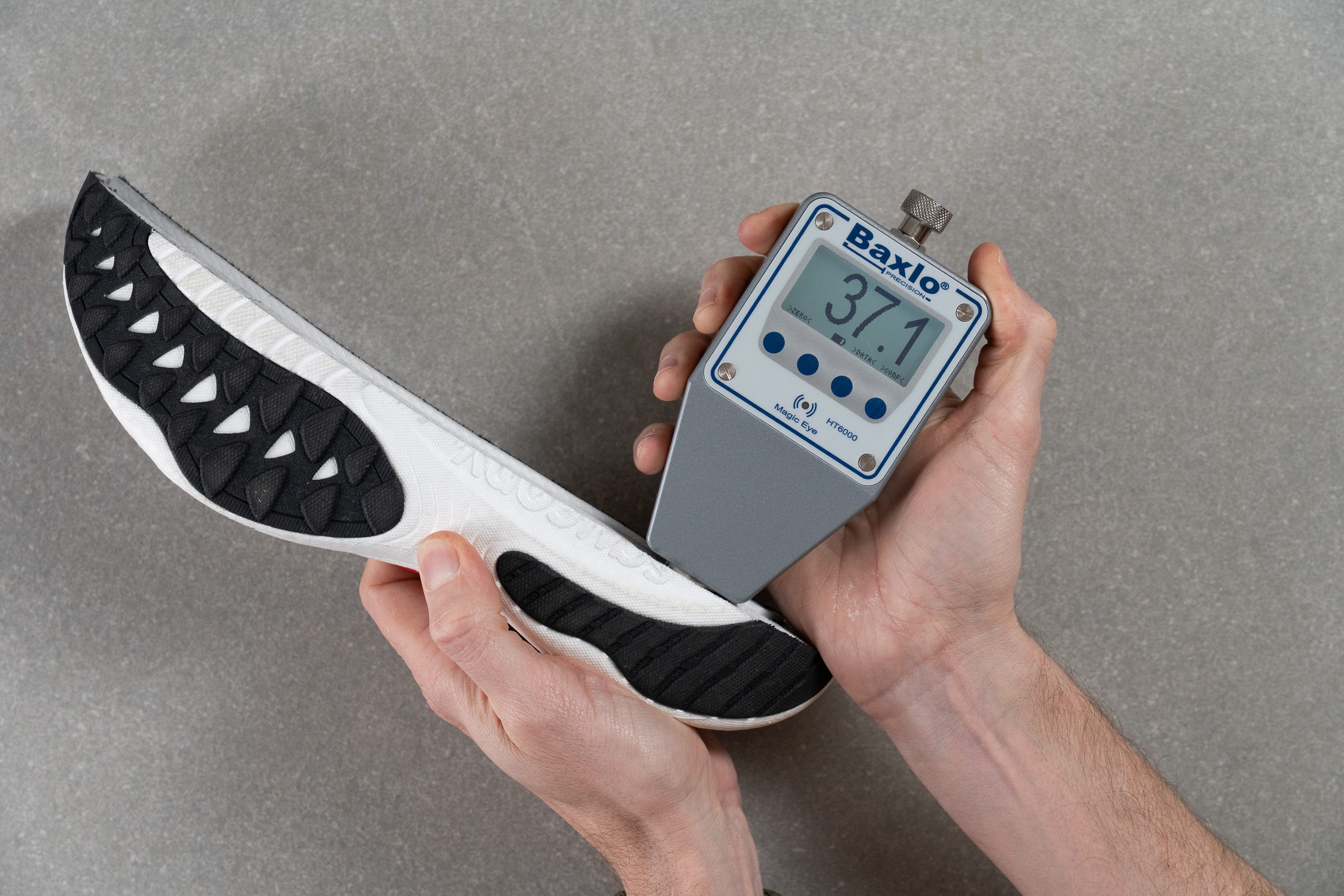
| Ride 19 | 37.1 AC |
| Media | 35.4 AC |
Rocker
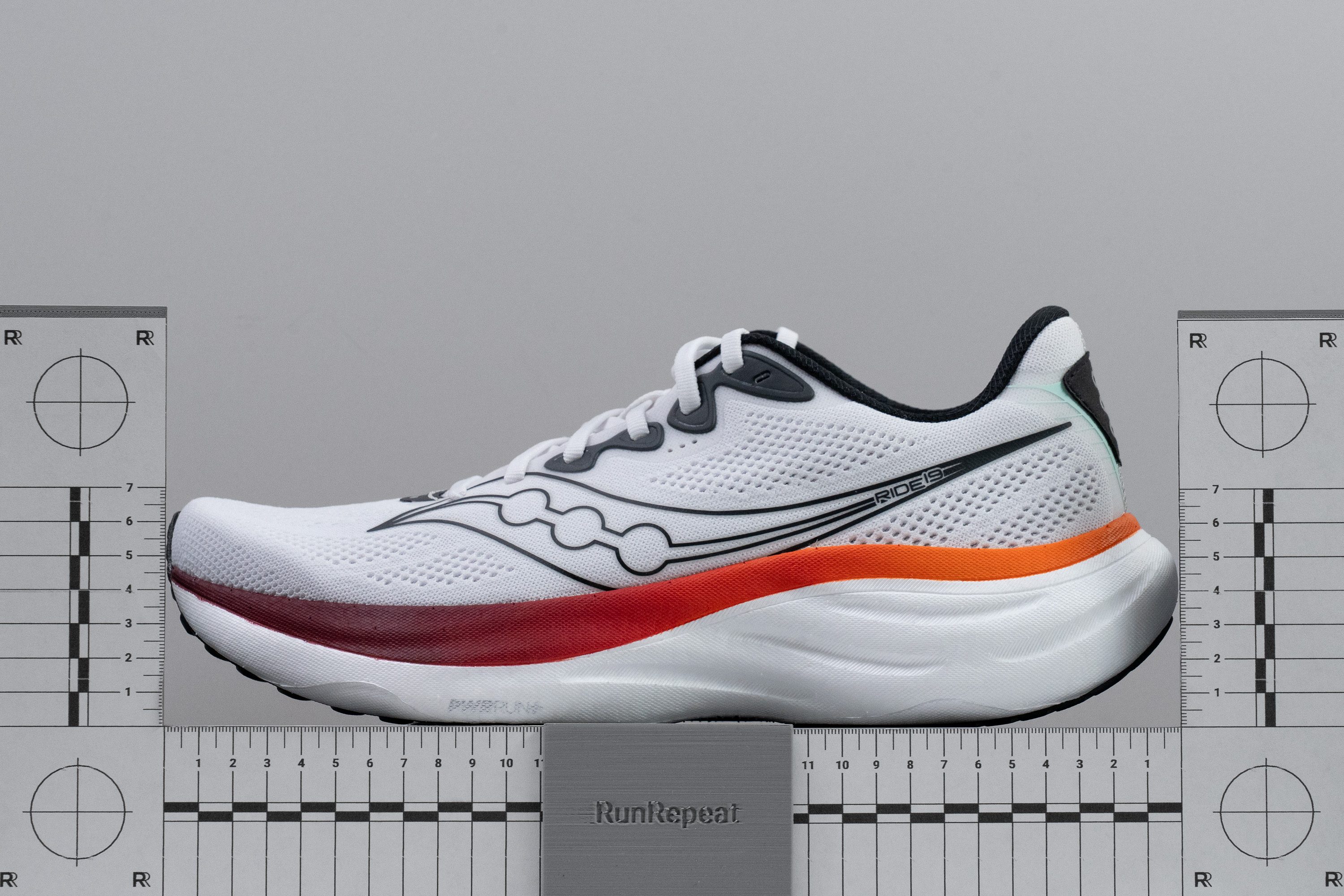
Un efecto secundario de que la mediasuela sea más alta es que el rocker se ha vuelto más y más pronunciado con cada actualización de la serie Ride. Aunque todavía no se ha aventurado en la categoría de los modelos con el rocker más marcado, podemos ver claramente un biselado agresivo en el talón y una curvatura del antepié moderada.
Tallaje y ajuste
Talla
Las Saucony Ride 19 tallan bien (38 votos).
Longitud interna
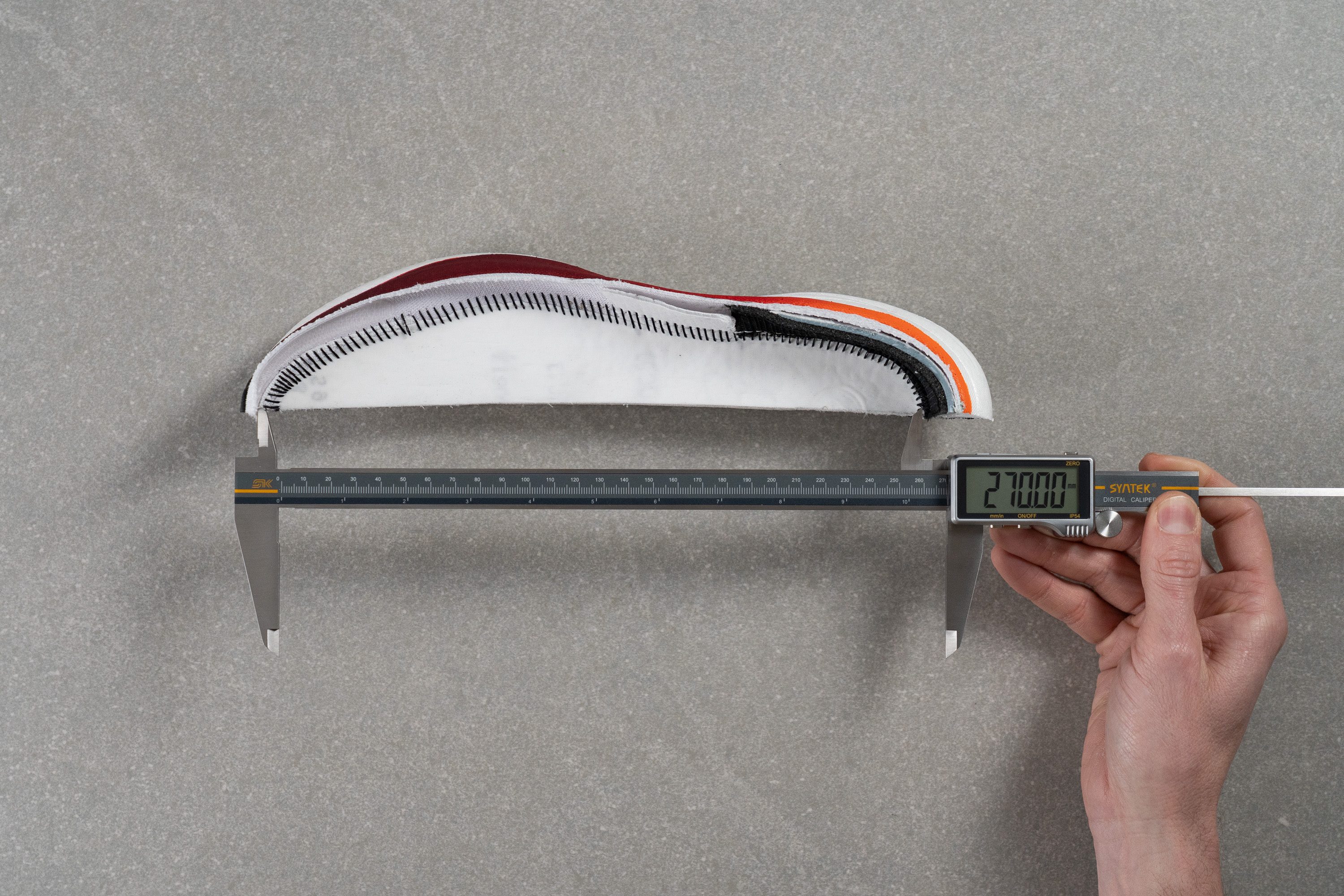
| Ride 19 | 270.0 mm |
| Media | 269.3 mm |
Anchura / Ajuste
Uno de los principales puntos fuertes de la serie Ride siempre ha sido su ajuste, que se adapta bien a la mayoría de los corredores, evitando los extremos. Después de nuestras pruebas de uso, podemos decirte que la versión 19 mantiene esa filosofía.
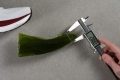
Como lo más probable es que hayas entrado en nuestra web porque medimos y analizamos las zapatillas de running, déjanos contarte que un molde de gel y lo medimos para que poder comparar un modelo con otro sea más fácil. Para empezar, las Ride 19 miden 96,3 mm de ancho en su punto más ancho.
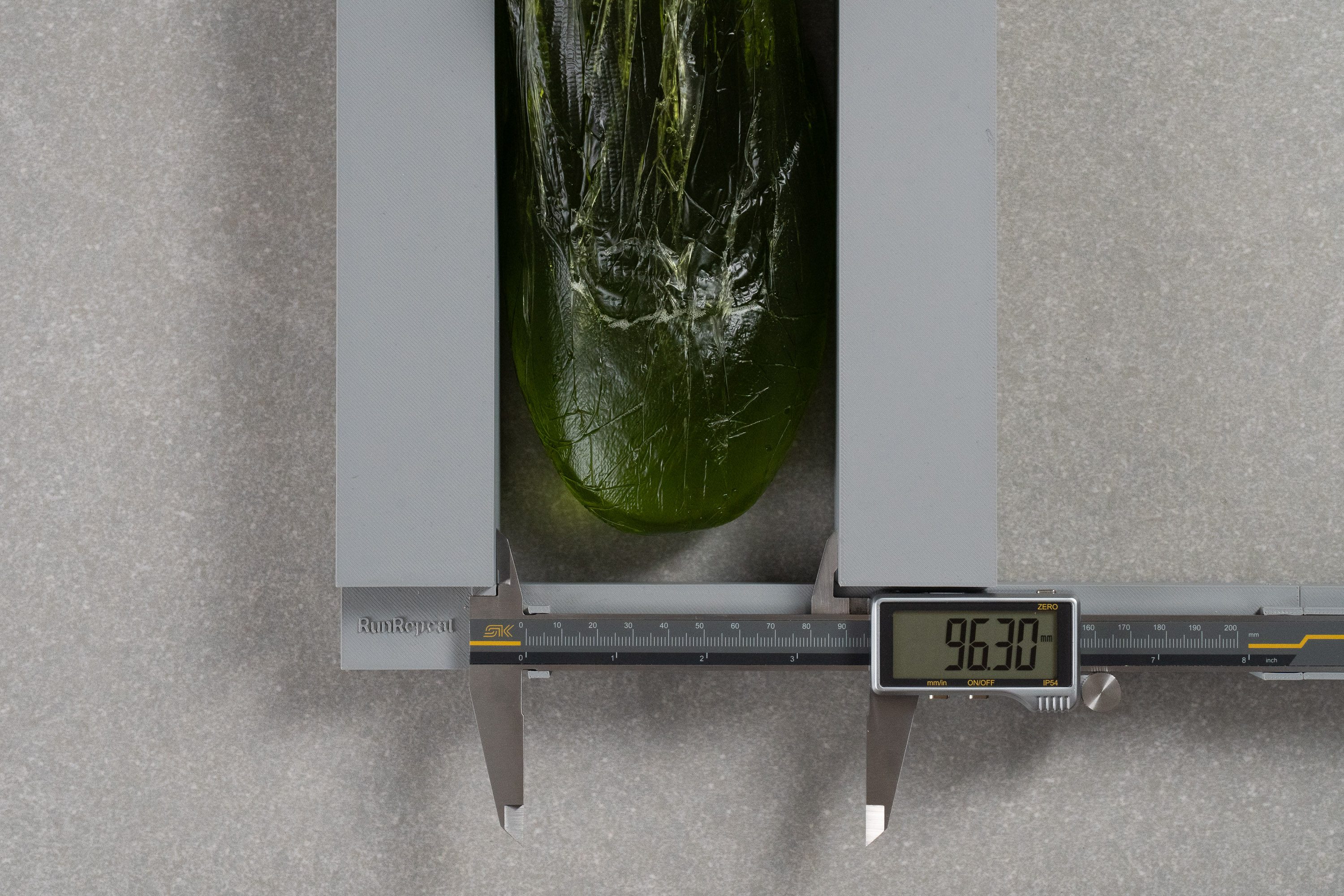
| Ride 19 | 96.3 mm |
| Media | 95.2 mm |
Anchura de la parte delantera
La parte delantera también tiene la anchura que nos esperábamos, acercándose a la media de las zapatillas de running. Cuando le medimos, nuestro calibre marcó 72,8 mm, así que deberían adaptarse a la mayoría de los corredores, con la ventaja extra de que este modelo está disponible en tallas anchas en algunos países.
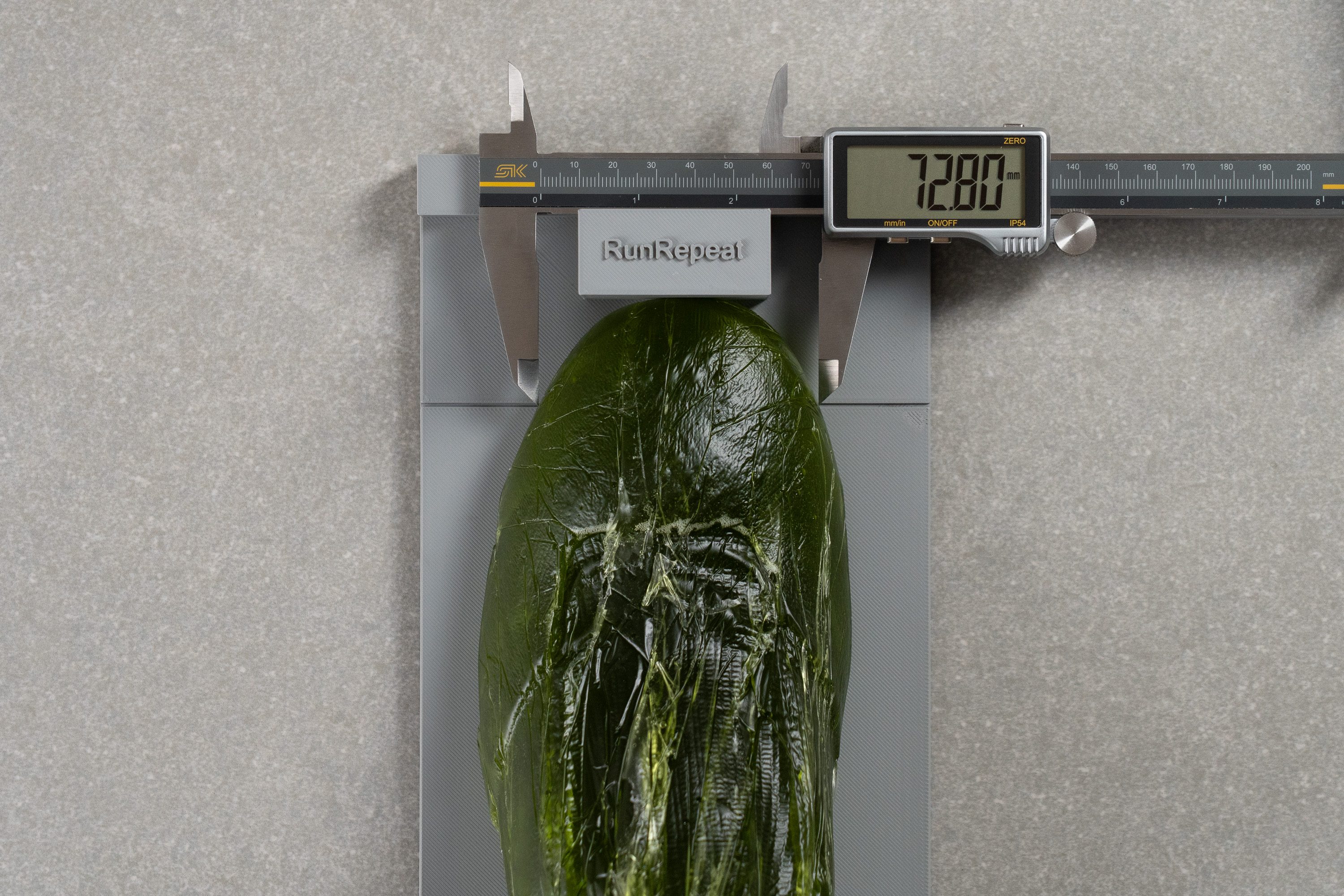
| Ride 19 | 72.8 mm |
| Media | 73.2 mm |
Altura de la parte delantera
La parte delantera tiene un volumen general bastante generoso, así que nunca sentimos presión en las uñas de los pies.
Con una altura de 28,8 mm y una malla elástica, las Ride 19 se han encargado de eliminar otra posible preocupación.
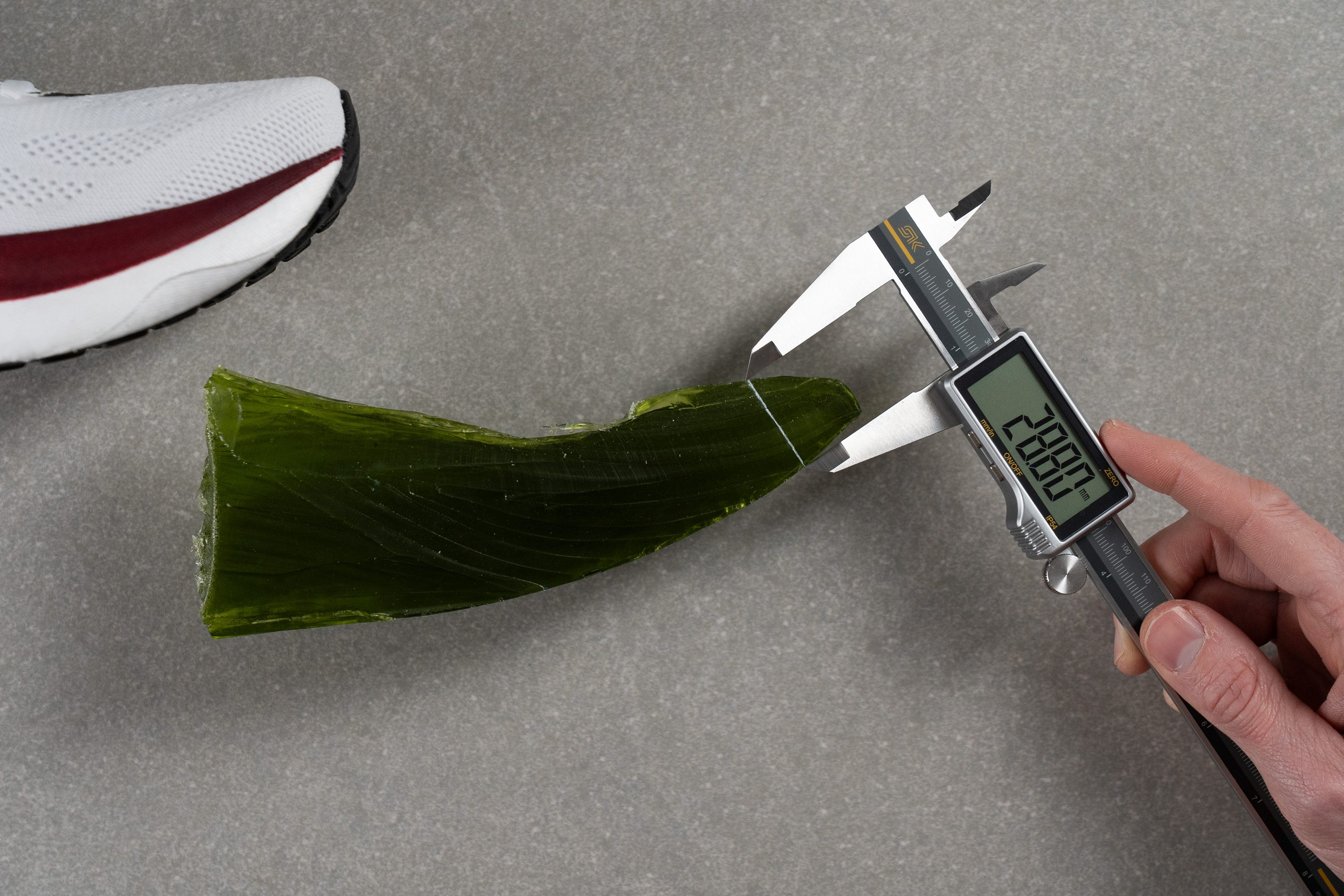
| Ride 19 | 28.8 mm |
| Media | 27.0 mm |
Tracción / Agarre
Traction test
En nuestra prueba de tracción, se llevaron un 0,52, así que están justo en el rango ideal para una tracción confiable.
Cuando corrimos con ellas sobre asfalto seco, hormigón mojado o incluso si nos metimos un poco por la tierra, el caucho XT-900 nos pareció seguro y predecible en todo momento. En comparación con la versión 18, esto es un pequeño paso adelante, y aunque es imposible notar la diferencia bajo los pies, sigue siendo algo positivo.
| Ride 19 | 0.52 |
| Media | 0.53 |
Diseño de la suela exterior
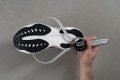
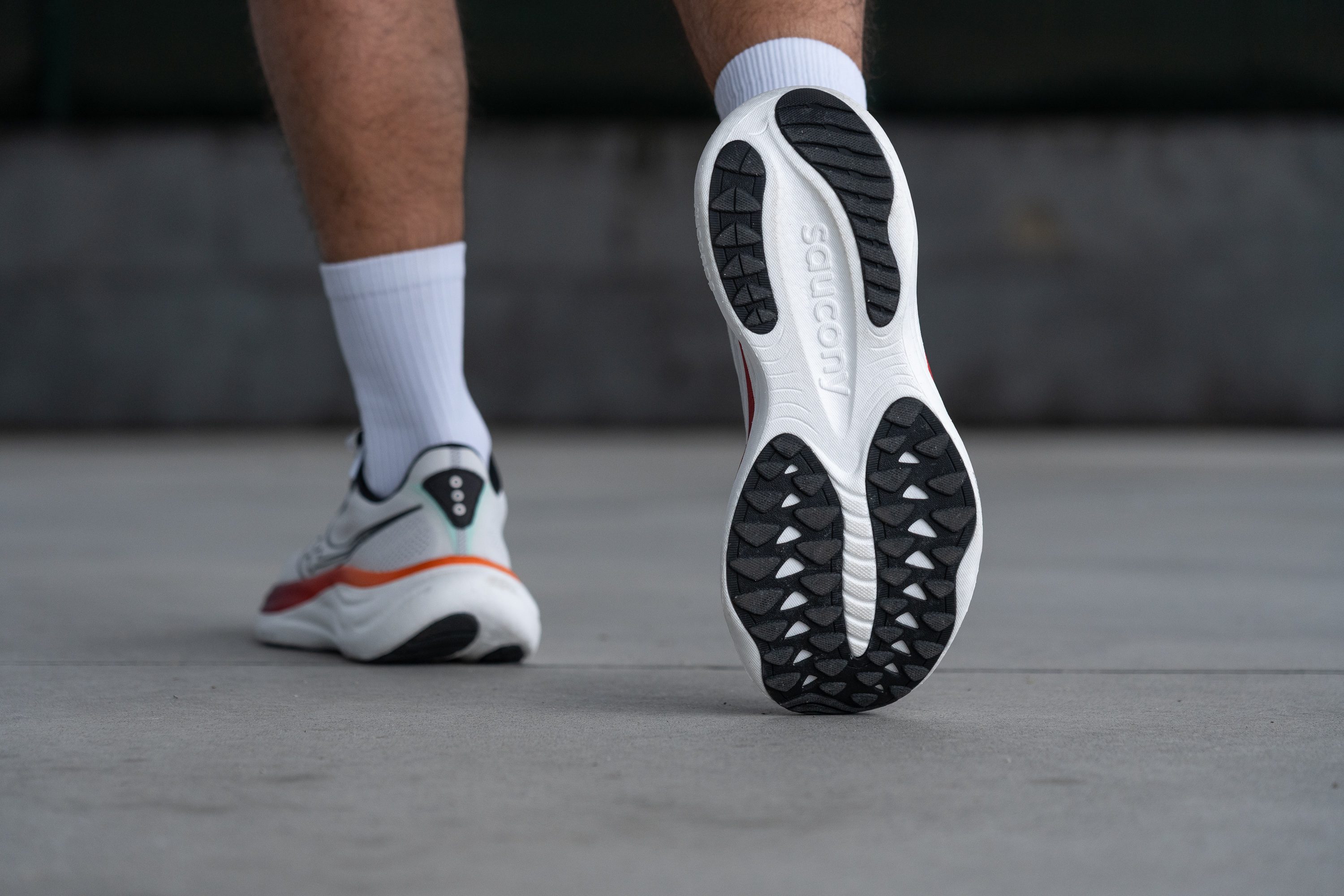
La suela exterior es una de las cosas que más ha cambiado en las Ride 19. Saucony la ha rediseñado por completo, ya que ahora se centra en reducir el peso, lo que hace que la marca pueda utilizar más espuma sin que los pies noten el aumento de peso.
La cobertura de caucho es menor en el mediopié y en el talón, aunque el antepié tiene un poquito más. Estas zapatillas también hicieron que trabajásemos nuestra memoria, ya que nos recordaban a algo... A lo mejor Saucony se inspiró un poco en las ASICS Gel Pulse 16, ¿tú qué opinas?
Flexibilidad / Rigidez
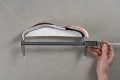
Que la mediasuela sea más alta viene de la mano con un aumento de la rigidez. Y no, no estamos hablando de un cambio pequeño, ya que las Ride 19 necesitan 19,1 N para doblarse, que es un 73 % más en comparación con la versión 18, y a muchos runners puede no hacerles ninguna gracia.
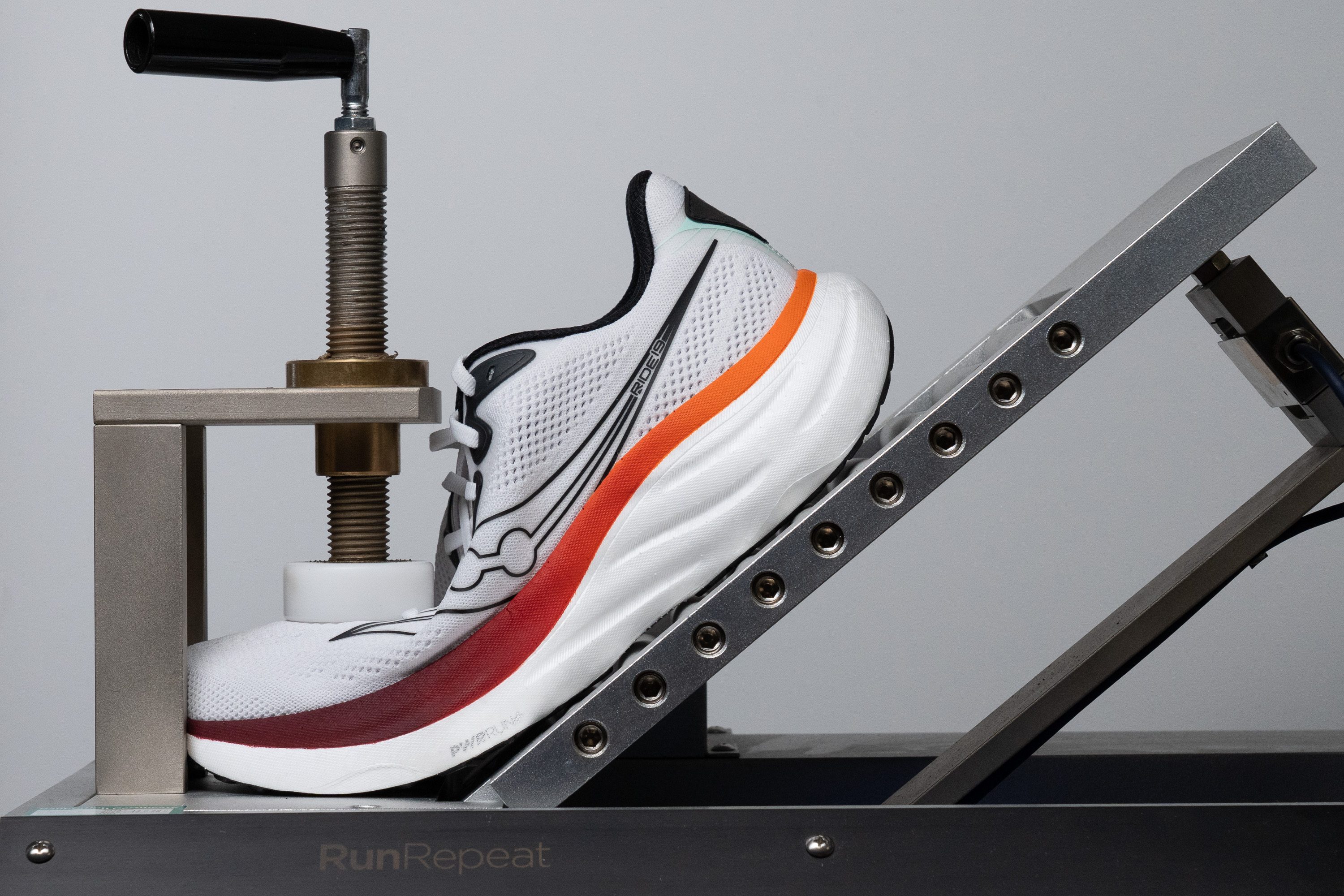
| Ride 19 | 19.1N |
| Media | 15.5N |
Peso
A pesar del esfuerzo de Saucony por modificar la suela exterior y reducir algo de peso, nuestra báscula nos dejó claro que las Ride 19 pesan 278 g, que es más que los 255 g de la versión 18.
Aunque la espuma PWRRUN+ es muy duradera y tiene un retorno de energía sólido, su punto flaco principal siempre ha sido el peso. Eso nos ha vuelto a quedar claro aquí, ya que unos pocos milímetros extra han hecho que las zapatillas se vuelvan bastante más pesadas.
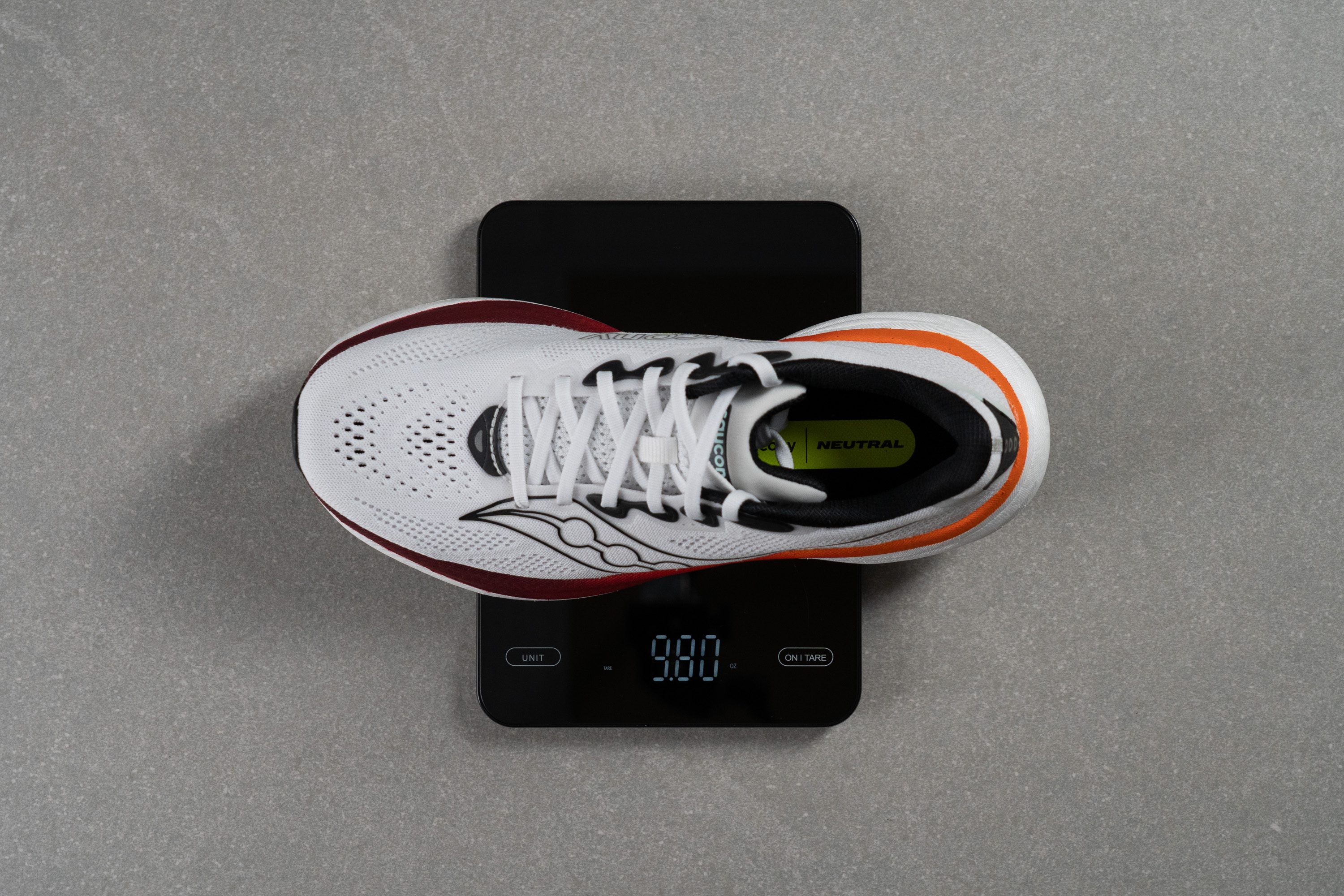
| Ride 19 | 9.8 oz (278g) |
| Media | 9.2 oz (261g) |
Transpirabilidad
Breathability test
Los modelos de la serie Ride siempre han obtenido resultados estupendos en nuestras pruebas de transpirabilidad, y la versión 19 es una prueba más de ello.
Esto lo confirmamos en nuestra prueba, donde medimos lo bien que se les da a las zapatillas separar al sudor del pie en nuestra prueba de 3 horas. Las Ride 19 obtuvieron un sólido resultado de 74 BR, que es justo lo que nos esperábamos de un modelo de entrenamiento diario de confianza como este.
| Ride 19 | 74 BR |
| Media | 75 BR |
Potencial de secado
NuevoLas Ride 19 también se llevaron un buen resultado en nuestra prueba de potencial de secado. Con un 54 %, evaporan la humedad a un ritmo sólido, lo que ayuda a evitar que el sudor se acumule en las zapatillas en las distancias largas.
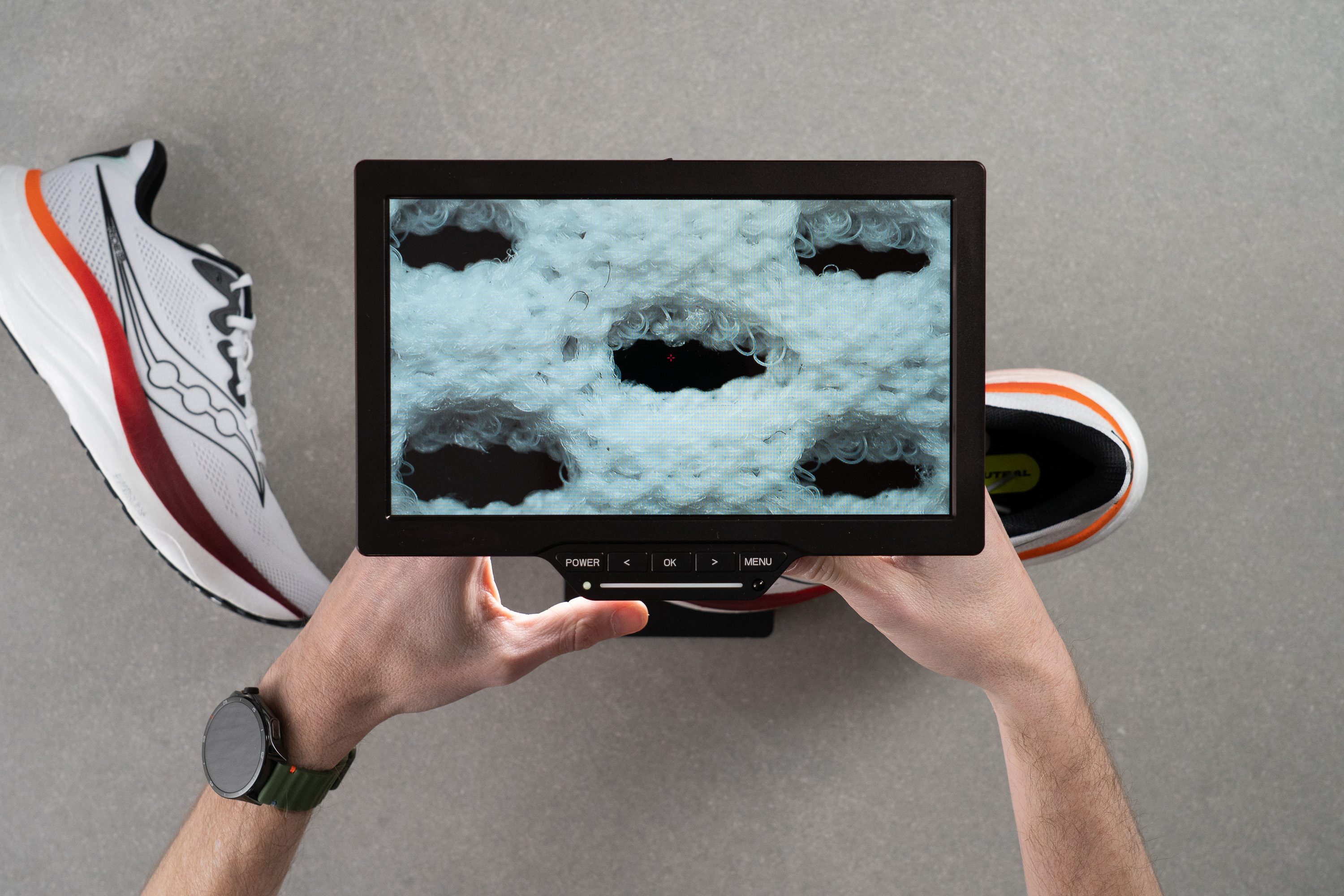
| Ride 19 | 54% |
| Media | 53% |
Estabilidad
Prueba de estabilidad lateral
Aumentar la altura de la mediasuela pone a prueba la estabilidad, pero Saucony se ha encargado de solucionarlo. Ahora las Ride 19 tienen una parte delantera más ancha que antes, y un talón completamente rediseñado que también es más amplio.
Para nosotros, siguen siendo unas zapatillas neutras, y los corredores que necesiten un nivel moderado de sujeción a lo mejor prefieren echarle un ojo a las Tempus 2. Incluso así, las Ride 19 siguen ofreciéndoles una pisada estable a la mayoría de los corredores.
Rigidez torsional
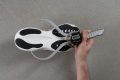
Estas zapatillas obtuvieron un resultado alto en nuestra prueba de rigidez longitudinal, pero cuando analizamos su rigidez torsional, se llevaron una cifra más moderada de 13,5 Nm, así que no se sienten excesivamente rígidas en todas las direcciones.
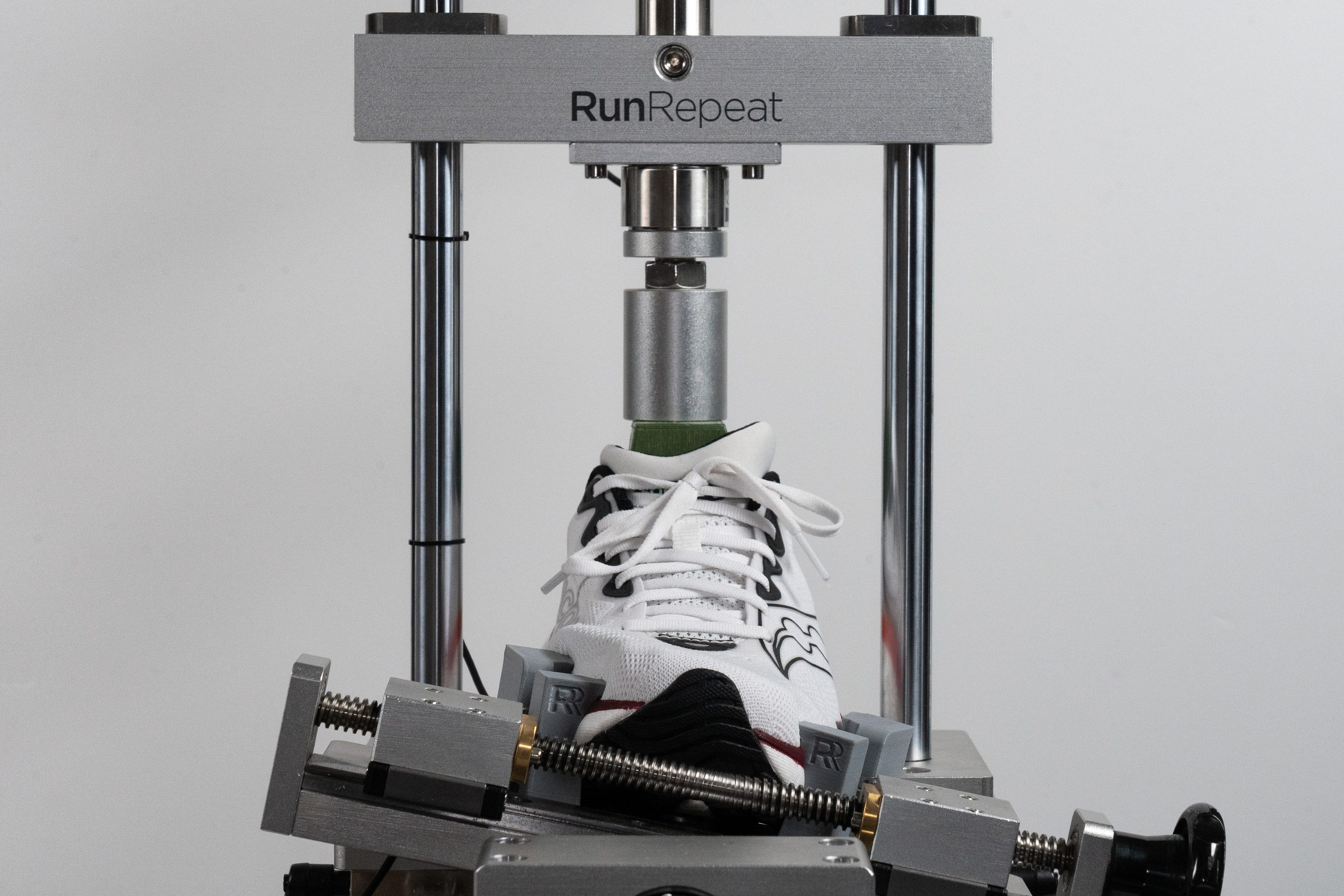
| Ride 19 | 13.5 Nm |
| Media | 14.3 Nm |
Rigidez del contrafuerte del talón
La rigidez define a las Ride 19, ya que el contrafuerte del talón se llevó la puntuación máxima: un 5/5. Claramente, este es el intento de Saucony de conseguir la máxima estabilidad posible en el talón; aunque, una vez más, a algunos corredores puede parecerles demasiado.
| Ride 19 | 5 |
| Media | 2.9 |
Anchura de la mediasuela - antepié
Si alguien nos hubiera dicho hace cinco años que las Pegasus de Saucony alcanzarían los 127,1 mm de ancho en el antepié, le habríamos contestado que está flipando.
Y mira, aquí estamos, con casi 130 mm incluso en unas zapatillas de running neutras.
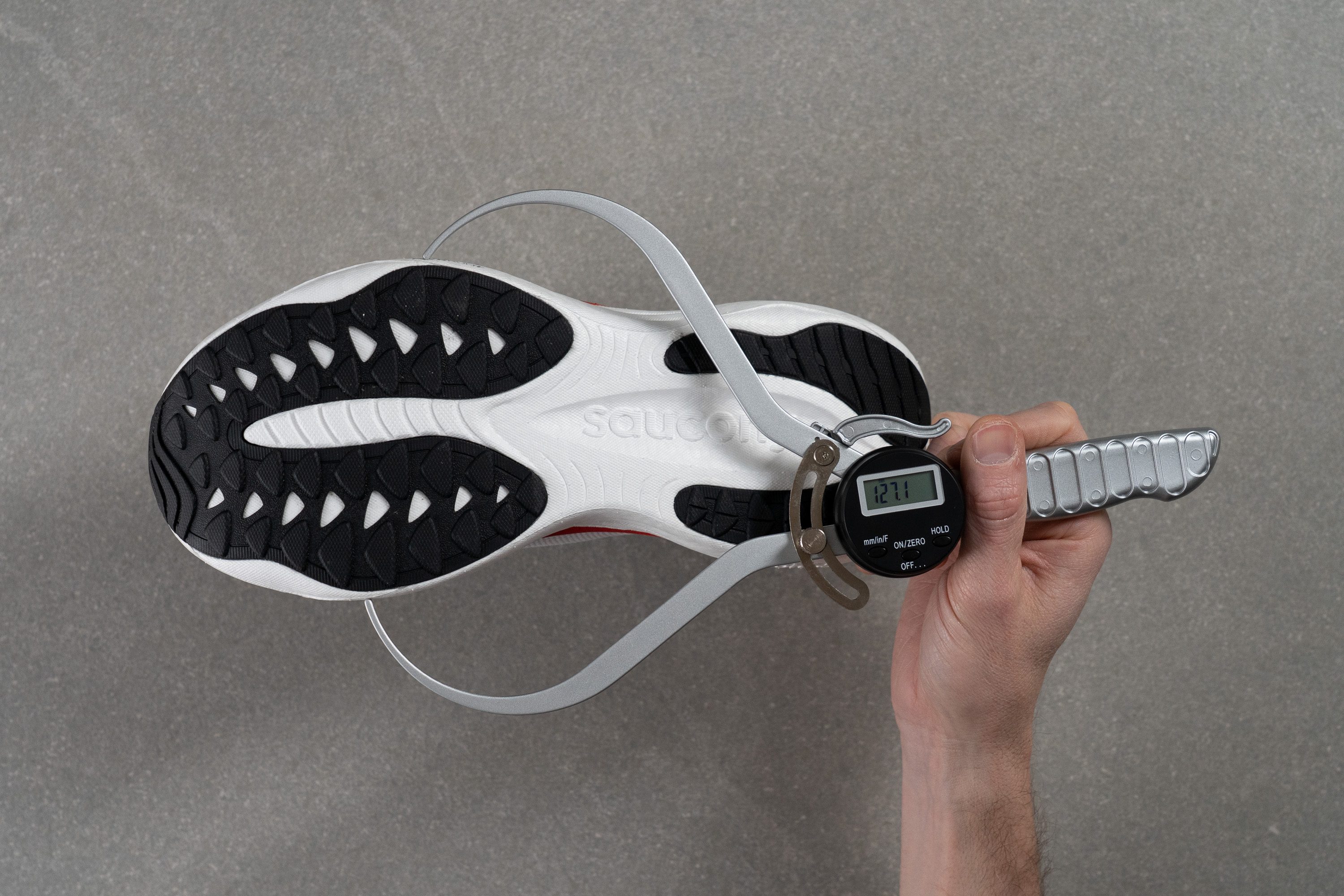
| Ride 19 | 127.1 mm |
| Media | 115.1 mm |
Anchura de la mediasuela - talón
Aunque el antepié es solo unos pocos milímetros más ancho que antes, el talón ha cambiado drásticamente. La versión anterior tenía una anchura de 91,9 mm, mientras que las 19 saltan a unos increíbles 100,7 mm.
¿Que si es más estable? Pues sí, y eso se nota. Estas zapatillas están cambiando su ADN poco a poco hacia un diseño más maximalista y rígido, no te olvides.
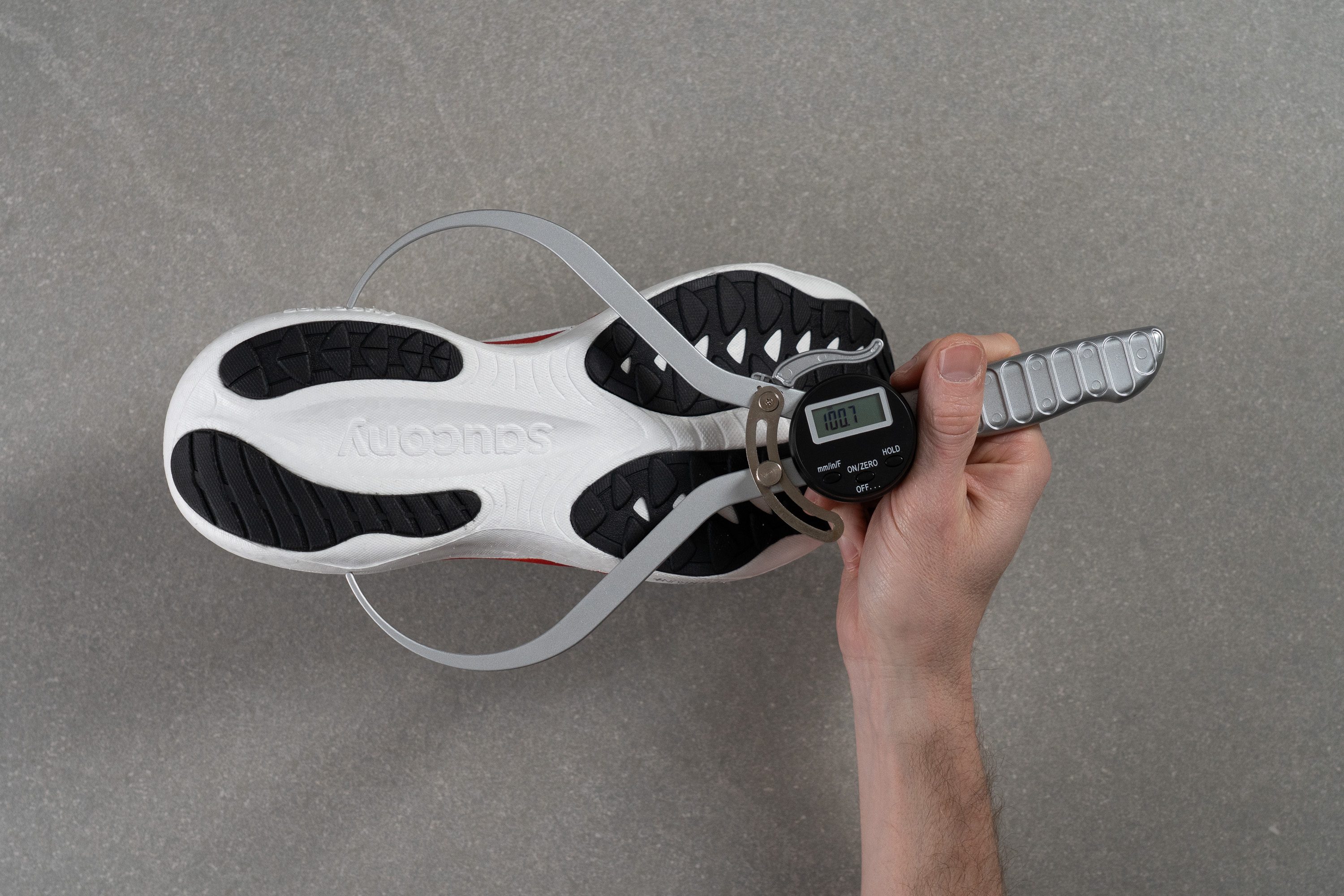
| Ride 19 | 100.7 mm |
| Media | 91.1 mm |
Durabilidad
Durabilidad de la parte delantera
La malla técnica que utiliza Saucony en las Ride 19 destaca como una opción confiable. Nos pareció cómoda, su transpirabilidad es excelente y también tiene una durabilidad sólida.
El 3/5 que se llevaron estas zapatillas en nuestra prueba de durabilidad de la parte delantera puede no sonarte a mucho, pero es estupendo, ya que los agujeros enormes para el flujo de aire que tienen en el upper normalmente reducen mucho la durabilidad.
| Ride 19 | 3 |
| Media | 2.6 |
Durabilidad del acolchado del talón
La zona del talón destacó por su acolchado generoso y por esa textura única que ayuda a evitar el deslizamiento. Además, nos demostró que es muy duradero al llevarse un 4/5 en nuestra prueba.
| Ride 19 | 4 |
| Media | 3.4 |
Durabilidad de la suela
Concluimos nuestras pruebas de durabilidad con la suela exterior, y los resultados también fueron positivos. Con solo 0,6 mm de desgaste, el caucho XT-900 nos demostró que puede aguantar la caña que le meten hasta los corredores que más desgastan las suelas.
| Ride 19 | 0.6 mm |
| Media | 1.1 mm |
Grosor de la suela
Saucony no se la jugó con las Ride 19 al utilizar una gruesa capa de caucho de 3,5 mm. Teniendo en cuenta que estas zapatillas ahora son más pesadas y que sus resultados en nuestras pruebas de durabilidad son excelentes, quitar 1 mm de aquí podría ser una decisión interesante para la versión 20.
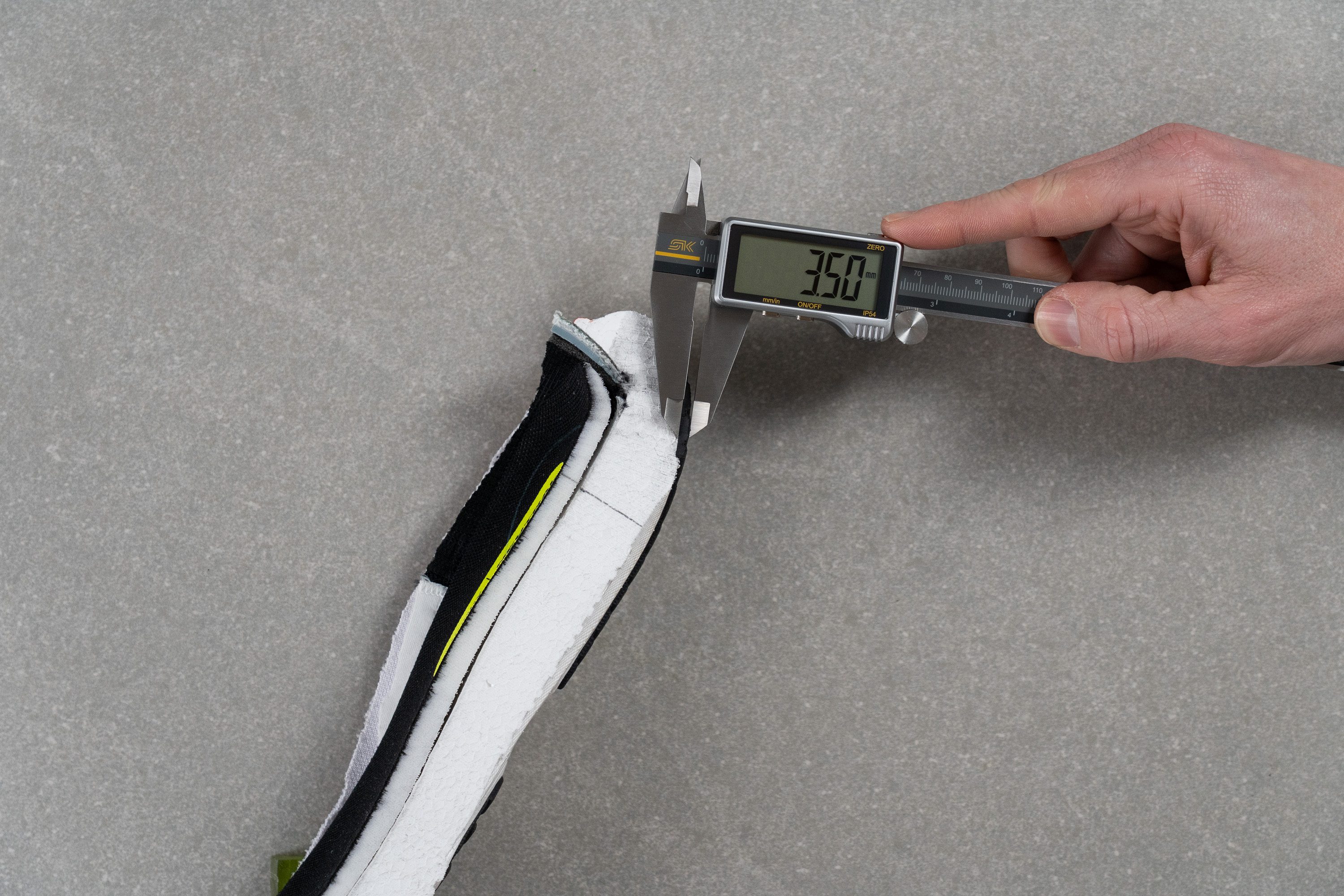
| Ride 19 | 3.5 mm |
| Media | 3.1 mm |
Varios
Grosor de la plantilla
Aunque la mayoría de las marcas no le dan a la plantilla la atención que merece, Saucony suele hacerlo. Dicho esto, parece que cada vez se utiliza menos la espuma PWRRUN+ para las plantillas, probablemente por su peso, ya que nos encontramos con un material más ligero y suave.
En las Ride 19, Saucony mantuvo un grosor superior a la media de 6,5 mm.
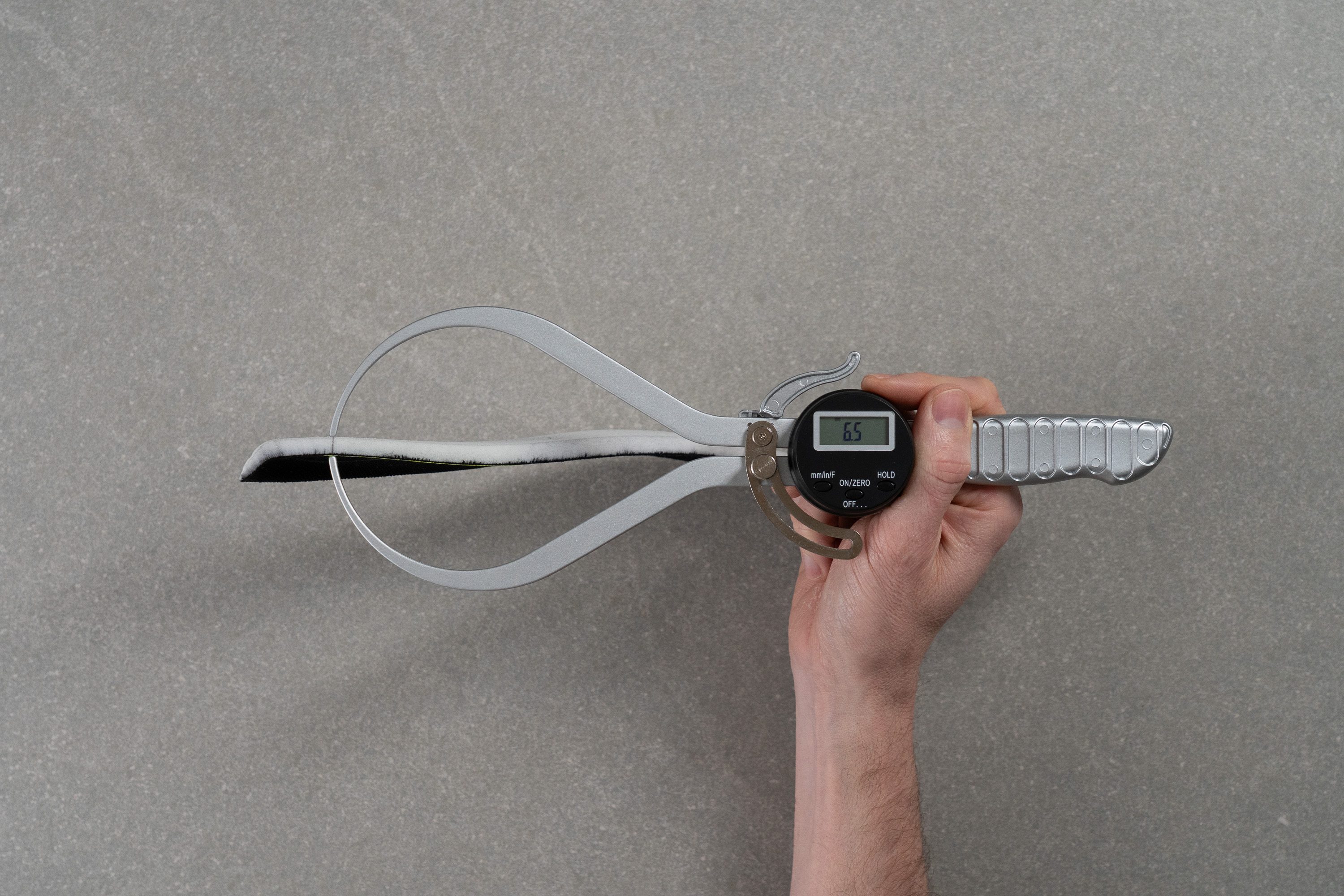
| Ride 19 | 6.5 mm |
| Media | 4.4 mm |
Plantilla extraíble
No tuvimos problemas para quitarles a estas zapatillas la plantilla que traen, cosa que también pueden hacer las personas que quieran un poco más de espacio en la parte delantera. Como es bastante gruesa, cambiarla por una más finita hace que los dedos tengan más libertad de movimiento.
Ah, ¡y queremos darle las gracias a Saucony por dejar bien claro que las Ride 19 siguen siendo unas zapatillas neutras!
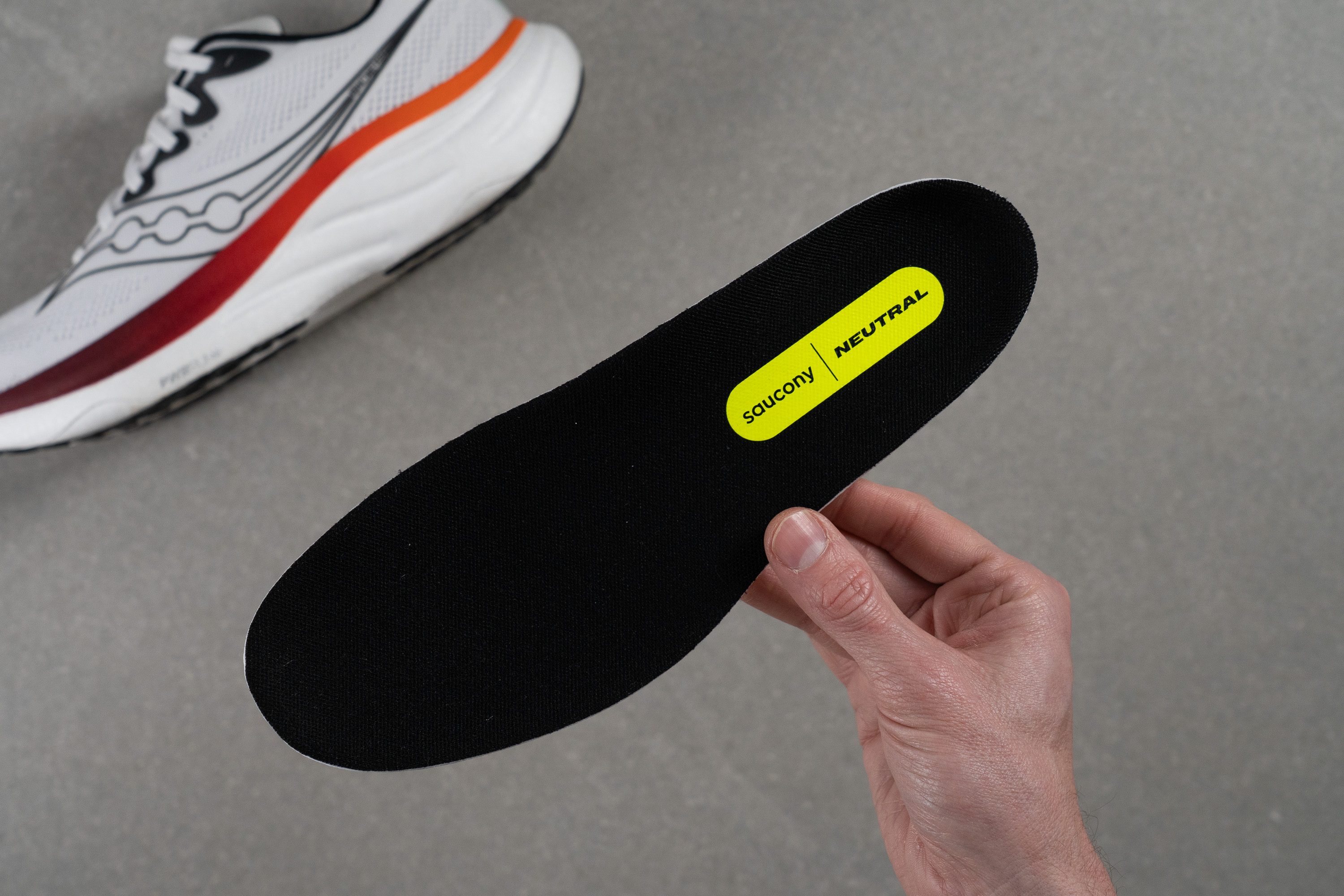
| Ride 19 | Sí |
Elementos reflectantes
Los elementos reflectantes nos encantan, y Saucony nos consintió con las Ride 19, ya que tanto su antepié como el talón reflejan la luz.
| Ride 19 | Sí |
Acolchado de la lengüeta
Para ir a lo seguro, Saucony se no utilizó lacitos a modo de ojal en la versión 18, volviendo a una estructura más tradicional con ojales perforados en la versión 19, así que debería ser más duradera.
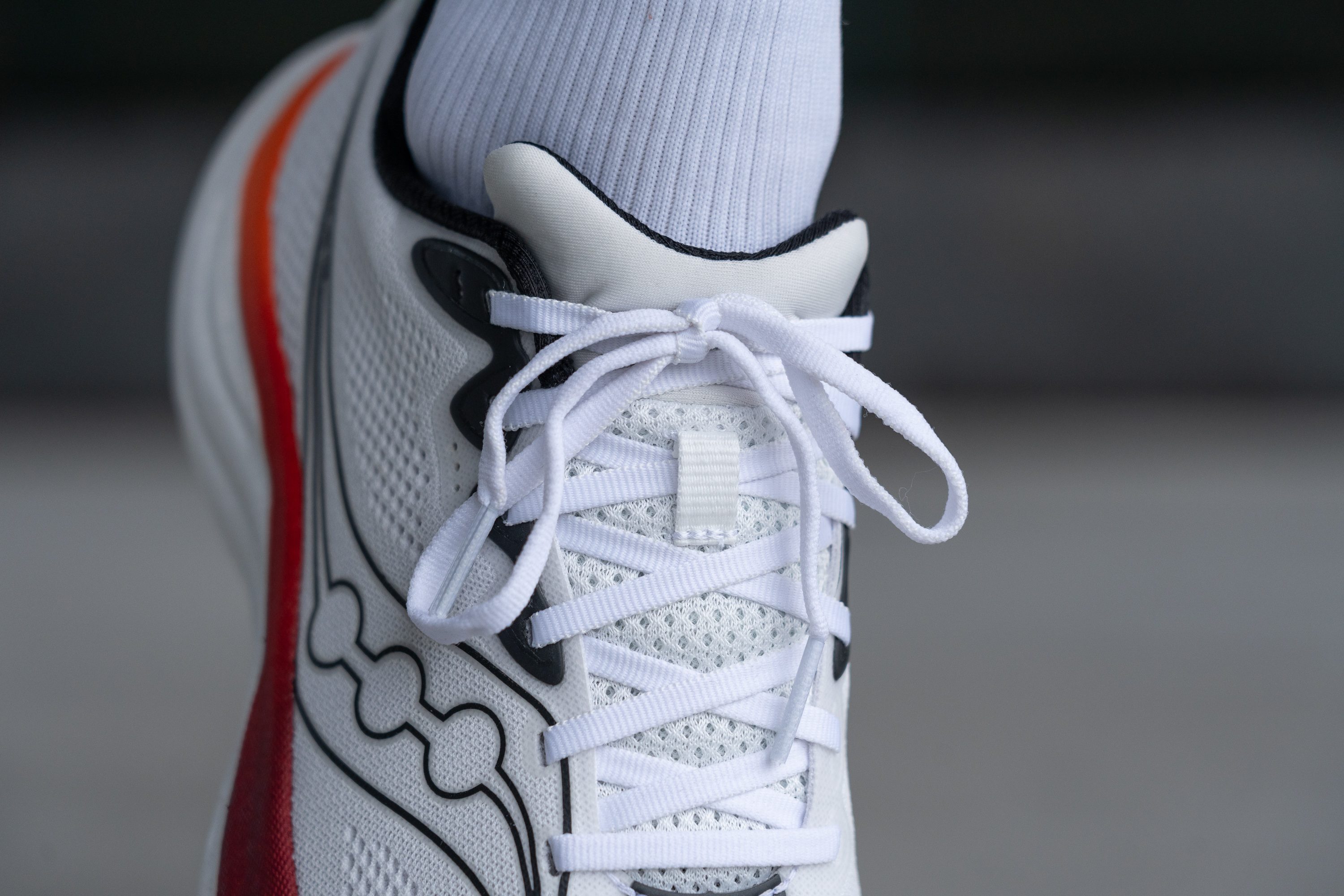
La lengüeta también sigue un enfoque equilibrado. Está lo suficientemente acolchada como para ser cómoda, pero evita ser voluminosa con sus 7,3 mm.
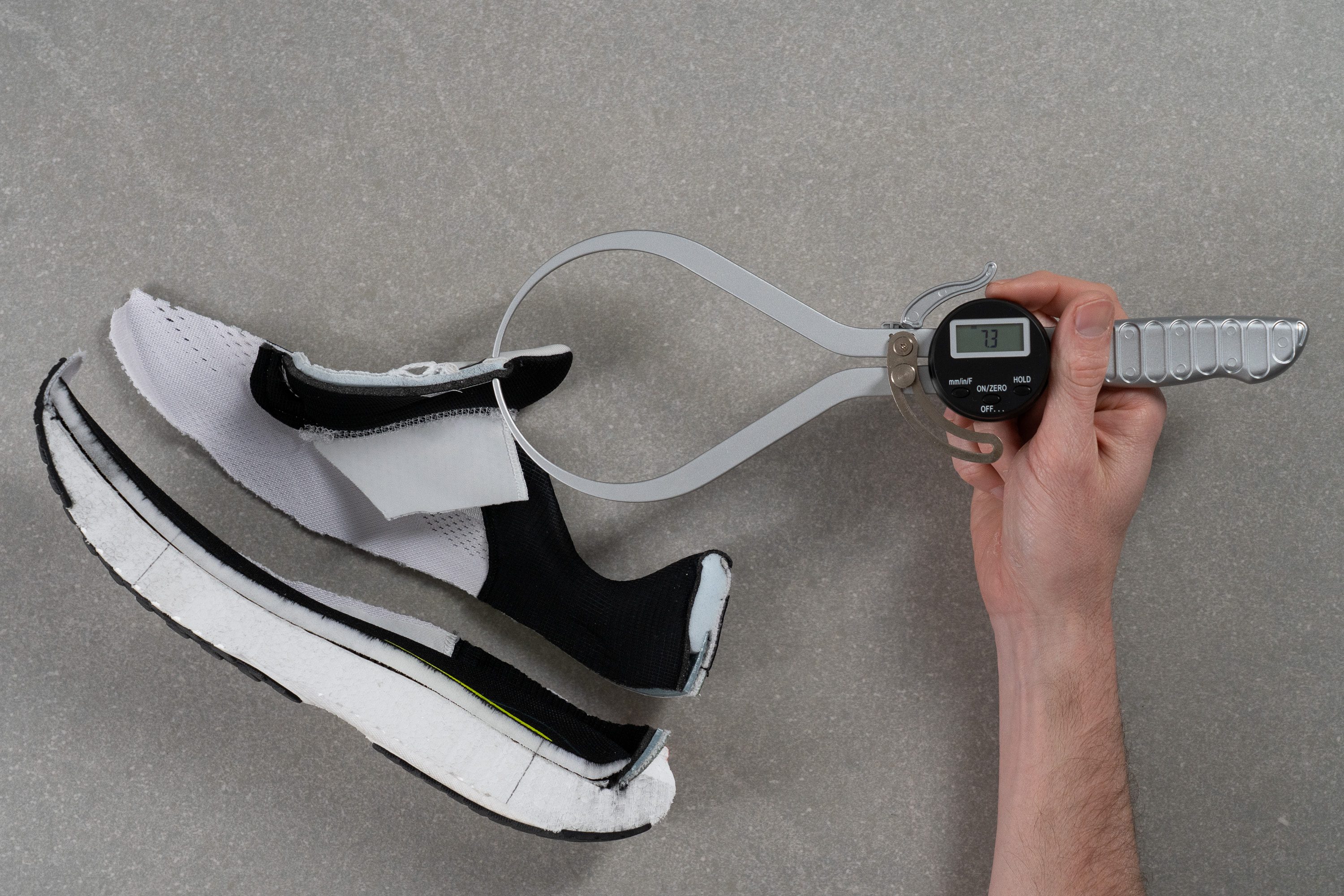
| Ride 19 | 7.3 mm |
| Media | 5.8 mm |
Lengüeta: tipo de refuerzo
Descubrimos que la lengüeta de las Ride 19 tiene un diseño semirreforzado, y la verdad es que su ajuste nos parece excelente.
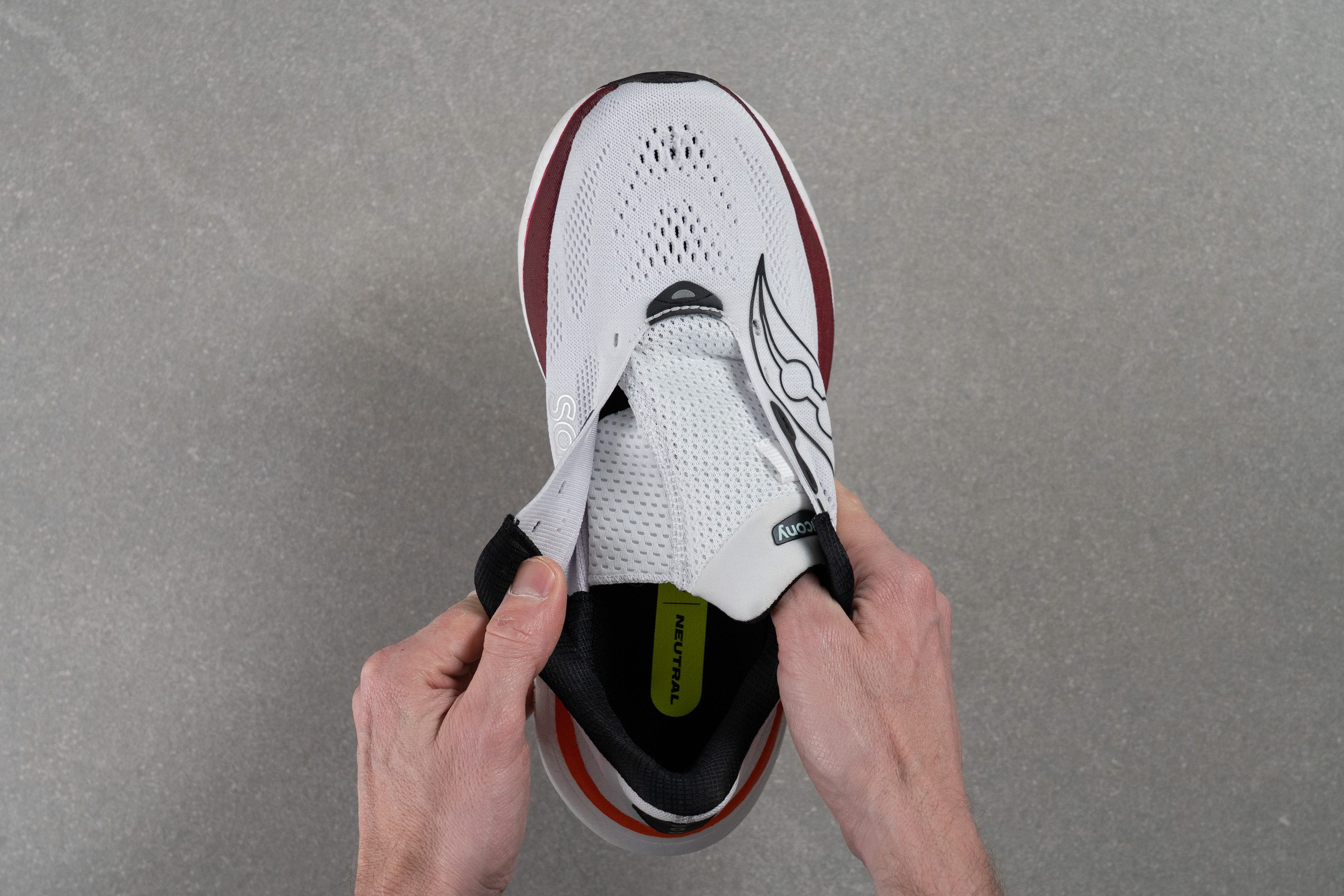
| Ride 19 | Ambos lados (semi) |
Tirador del talón
El talón no tiene un tirador, pero sí una pequeña superposición que mejora ligeramente la estructura, a la vez que cubre parcialmente las costuras menos estéticas del upper.
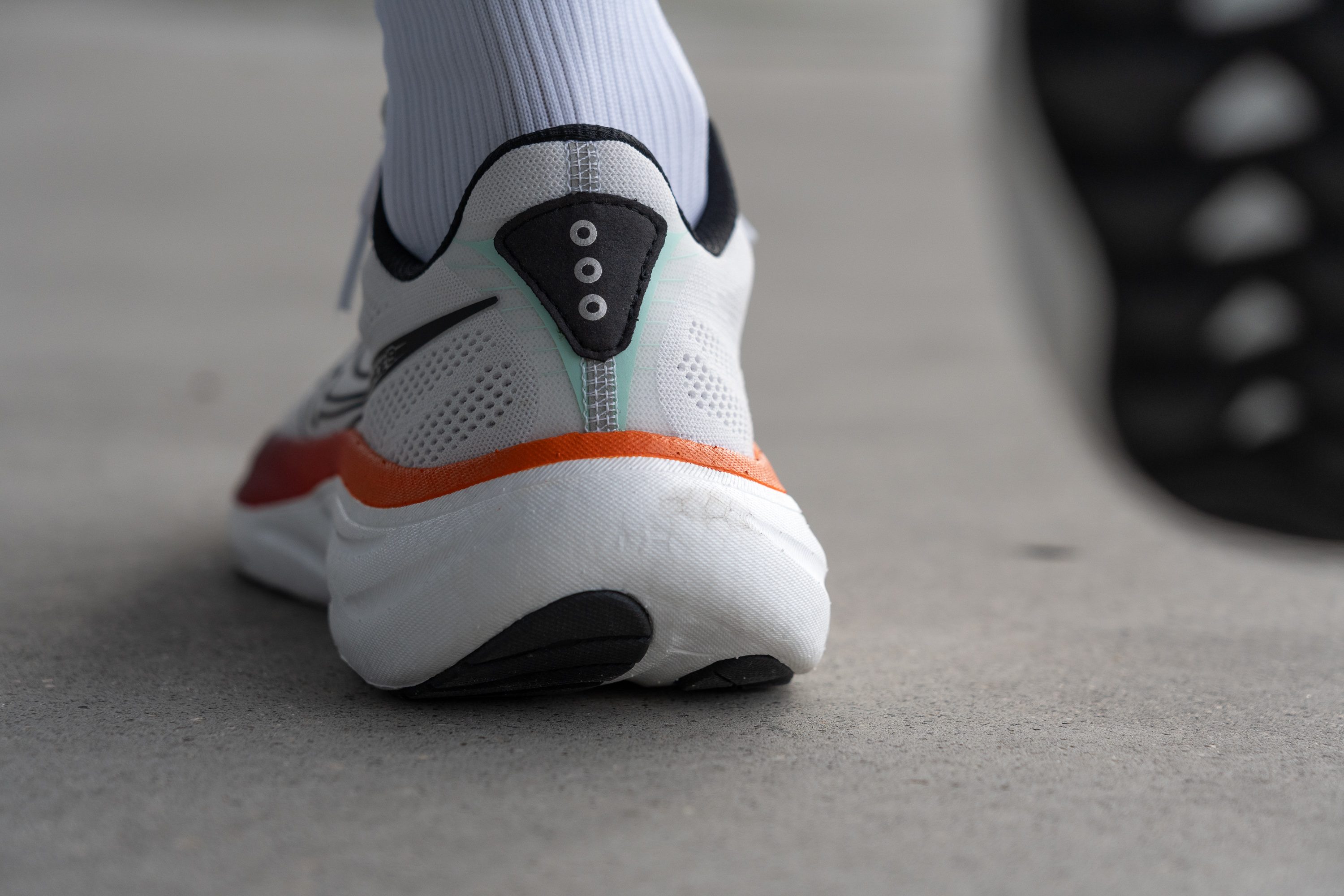
| Ride 19 | Ninguno |
Precio
Las Ride 19 son un poquito más caras, pero nos parece un aumento de precio razonable teniendo en cuenta tanto sus actualizaciones, además de que al final es la tendencia actual del mercado. Y para ser justos con Saucony, la verdad es que nos parece un coste adecuado para todo lo que ofrecen estas zapatillas, sobre todo con ese upper tan maravilloso y el alto retorno de energía del que presumen.
| Ride 19 | $145 |