

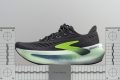








Our verdict
- Daily running 92
- Tempo 44
- Race 31
- Stability 89
Pros
- Massive cushioning for easy days
- Rocker geometry helps smooth transitions
- Incredible upper comfort
- Solid traction
- Plush foam
- Breathable upper manages summer runs well
- Very stable for its size
- Good durability overall
Cons
- High price
- Disappointing energy return
- Heavy build limits versatility
- Non-gusseted tongue
Awards
- Top pick in best Brooks walking shoes
- Top 28% in running shoes
- Top 28% in neutral running shoes
- Top 11% most popular running shoes
Comparison
The most similar running shoes compared
+ + Add a shoe | |||||
|---|---|---|---|---|---|
| Our score | 85 Great | 85 Great | 88 Superb | 86 Great | |
| Price | $200 | $175 | $145 | $230 | |
| Pace | Daily running | Daily running | Daily running | Daily running | |
| Shock absorption | High | High | High | High | |
| Energy return | Low | Moderate | High | Moderate | |
| Traction | High | High | High | High | |
| Arch support | Neutral | Neutral | Neutral | Neutral | |
| Weight lab Weight brand | 11.2 oz / 318g 11 oz / 311g | 10.7 oz / 303g 10.7 oz / 303g | 9.8 oz / 278g 9 oz / 255g | 11.5 oz / 326g 12.4 oz / 351g | |
| Drop lab Drop brand | 8.1 mm 6.0 mm | 8.2 mm 8.0 mm | 8.5 mm 8.0 mm | 8.8 mm 10.0 mm | |
| Strike pattern | HeelMid/forefoot | HeelMid/forefoot | HeelMid/forefoot | HeelMid/forefoot | |
| Size | True to size | Slightly small | True to size | True to size | |
| Midsole softness | Soft | Soft | Balanced | Balanced | |
| Difference in midsole softness in cold | Small | Normal | Small | Small | |
| Toebox durability | Decent | Decent | Decent | Decent | |
| Heel padding durability | Good | Good | Good | Good | |
| Outsole durability | Decent | Good | Good | Good | |
| Breathability | Moderate | Moderate | Breathable | Moderate | |
| Width / fit | Medium | Medium | Medium | Medium | |
| Toebox width | Medium | Medium | Medium | Narrow | |
| Stiffness | Stiff | Moderate | Stiff | Stiff | |
| Torsional rigidity | Stiff | Moderate | Moderate | Stiff | |
| Heel counter stiffness | Stiff | Stiff | Stiff | Stiff | |
| Rocker | ✓ | ✓ | ✓ | ✓ | |
| Heel lab Heel brand | 45.4 mm 45.0 mm | 37.2 mm 38.0 mm | 38.7 mm 36.0 mm | 50.1 mm 55.0 mm | |
| Forefoot lab Forefoot brand | 37.3 mm 39.0 mm | 29.0 mm 30.0 mm | 30.2 mm 28.0 mm | 41.3 mm 45.0 mm | |
| Widths available | NormalWide | NormalWideX-Wide | NarrowNormalWide | NormalWide | |
| Orthotic friendly | ✓ | ✓ | ✓ | ✓ | |
| Season | All seasons | All seasons | SummerAll seasons | All seasons | |
| Removable insole | ✓ | ✓ | ✓ | ✓ | |
| Ranking | #108 Top 27% | #100 Top 25% | #46 Top 12% | #78 Top 20% | |
| Popularity | #44 Top 11% | #14 Top 4% | #56 Top 14% | #10 Top 3% |
Who should buy
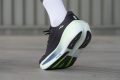
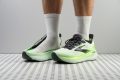
We tested the Brooks Glycerin Max 2 and found it ideal for:
- Runners seeking maximum cushioning for relaxed daily miles.
- Heavier runners wanting huge foam and premium upper comfort.
- Heel strikers needing extra stability in a max-stack shoe.
Who should NOT buy
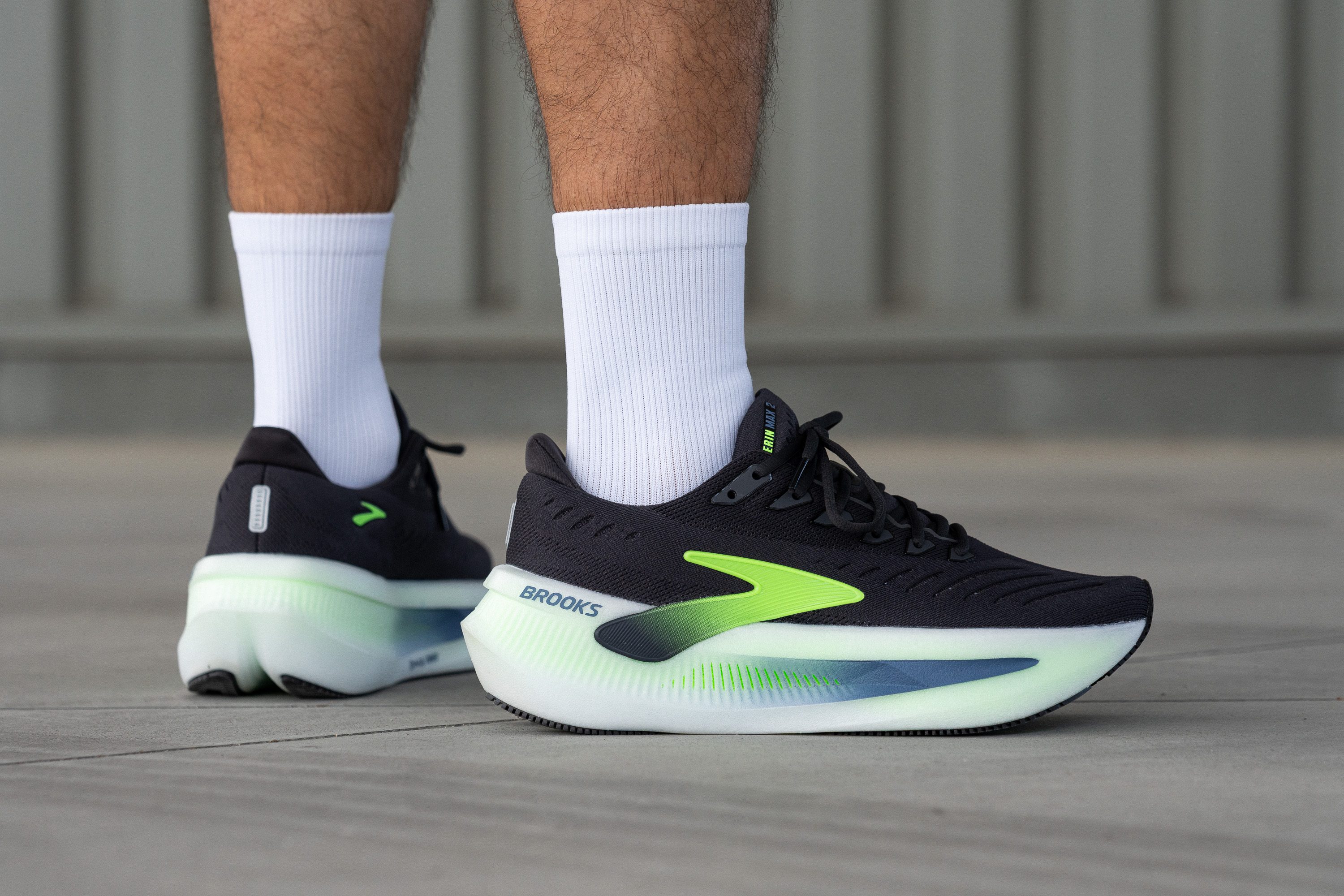
We think the Glycerin Max 2 may disappoint runners searching for a lighter and more versatile max-cushion trainer. In our lab tests and outdoor runs, the shoe felt noticeably bulky, and we believe alternatives like the Nike Vomero Plus or ASICS Novablast 5 offer a more smooth and agile experience while keeping a highly-cushioned ride.
We also found that the DNA Tuned foam lacks the lively bounce many runners expect at this premium price point. Shoes like the ASICS Superblast 3 or the adidas Hyperboost Edge deliver a far more energetic and fast-feeling ride, especially when the pace starts increasing.
Cushioning
Shock absorption
We found a radically different shock absorption distribution in version 2 compared to the first-generation Glycerin Max. This time, the heel delivers slightly less cushioning at 137 SA, while the forefoot receives a massive upgrade with an impressive 128 SA.
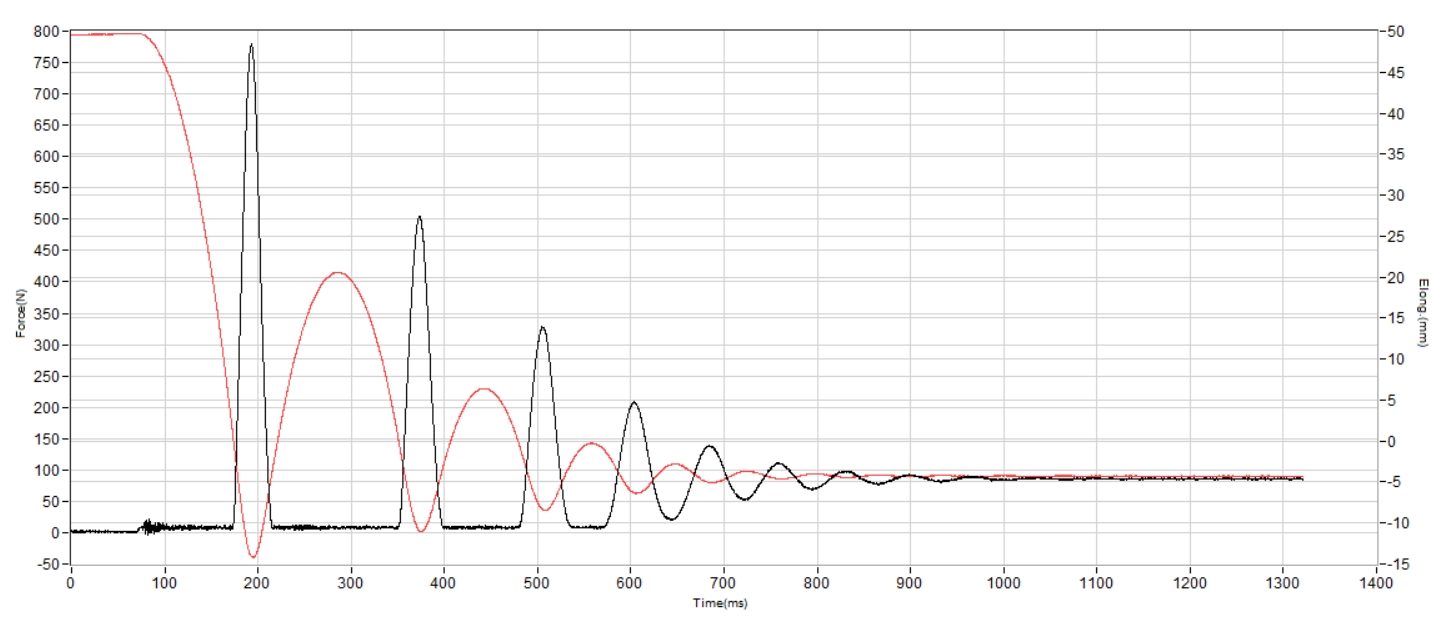
| Glycerin Max 2 | 137 SA |
| Average | 131 SA |
Energy return
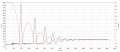
The DNA Tuned foam struggled once again in this test. In our lab measurements, we recorded just 49.1% energy return in the heel and 51.3% in the forefoot. That’s not especially surprising given that this is still an EVA-based compound, but for a shoe carrying a $200 MSRP, we believe these numbers should be higher.
In our view, a more energetic foam would make the shoe perform much better during long runs when the pace starts to increase.
| Glycerin Max 2 | 49.6% |
| Average | 61.4% |
Heel stack
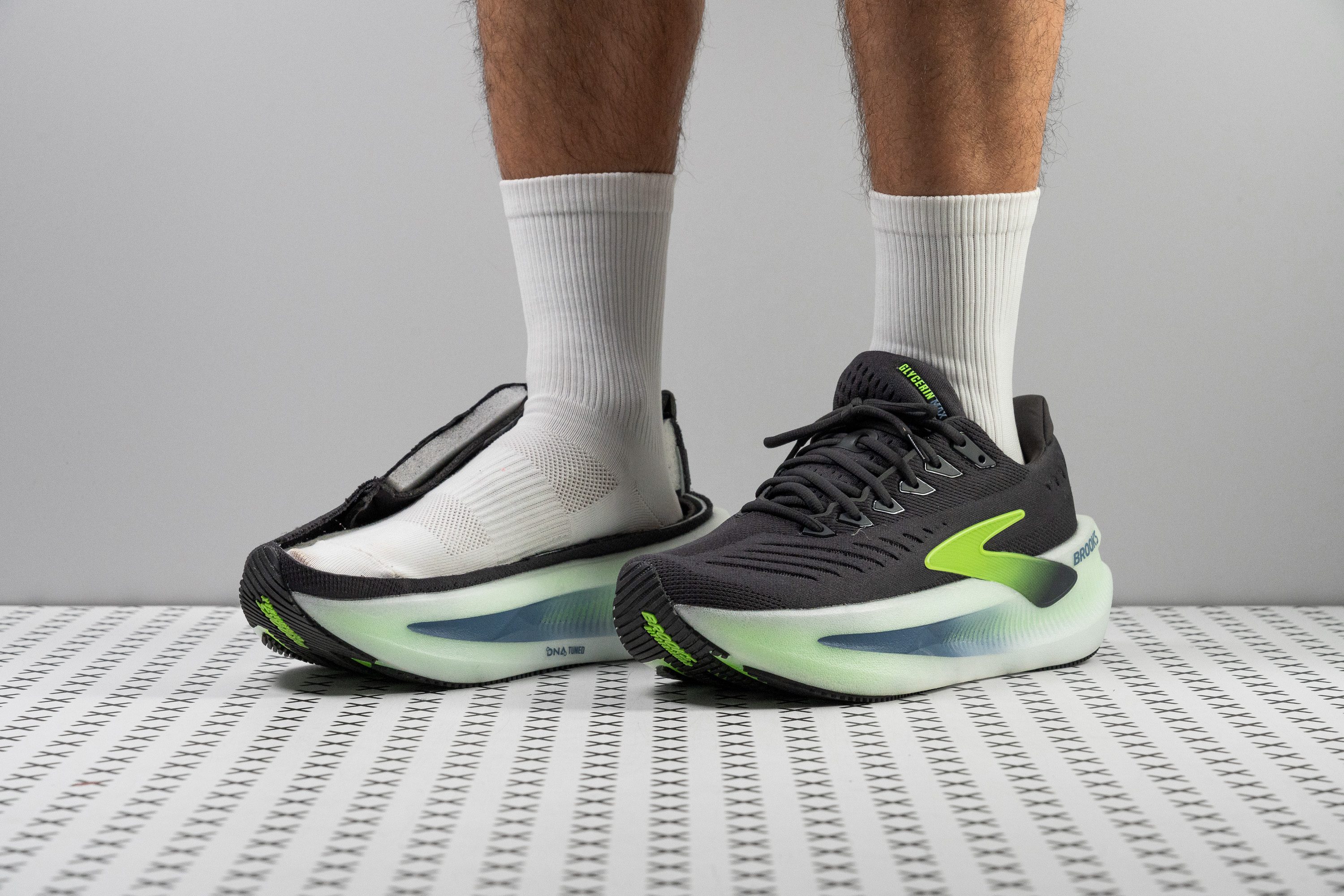
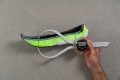
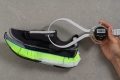
The Glycerin Max 2 may fall short in bounce, but it certainly doesn’t lack heel stack height. With a towering 45.4 mm measurement, it fully earns its place in the maximalist running shoe category and lives up to the Max name without question.
And based on our runs, this is clearly a shoe designed for runners who want maximum isolation from the ground and enjoy that extra-tall underfoot sensation that makes you feel a few centimeters taller.
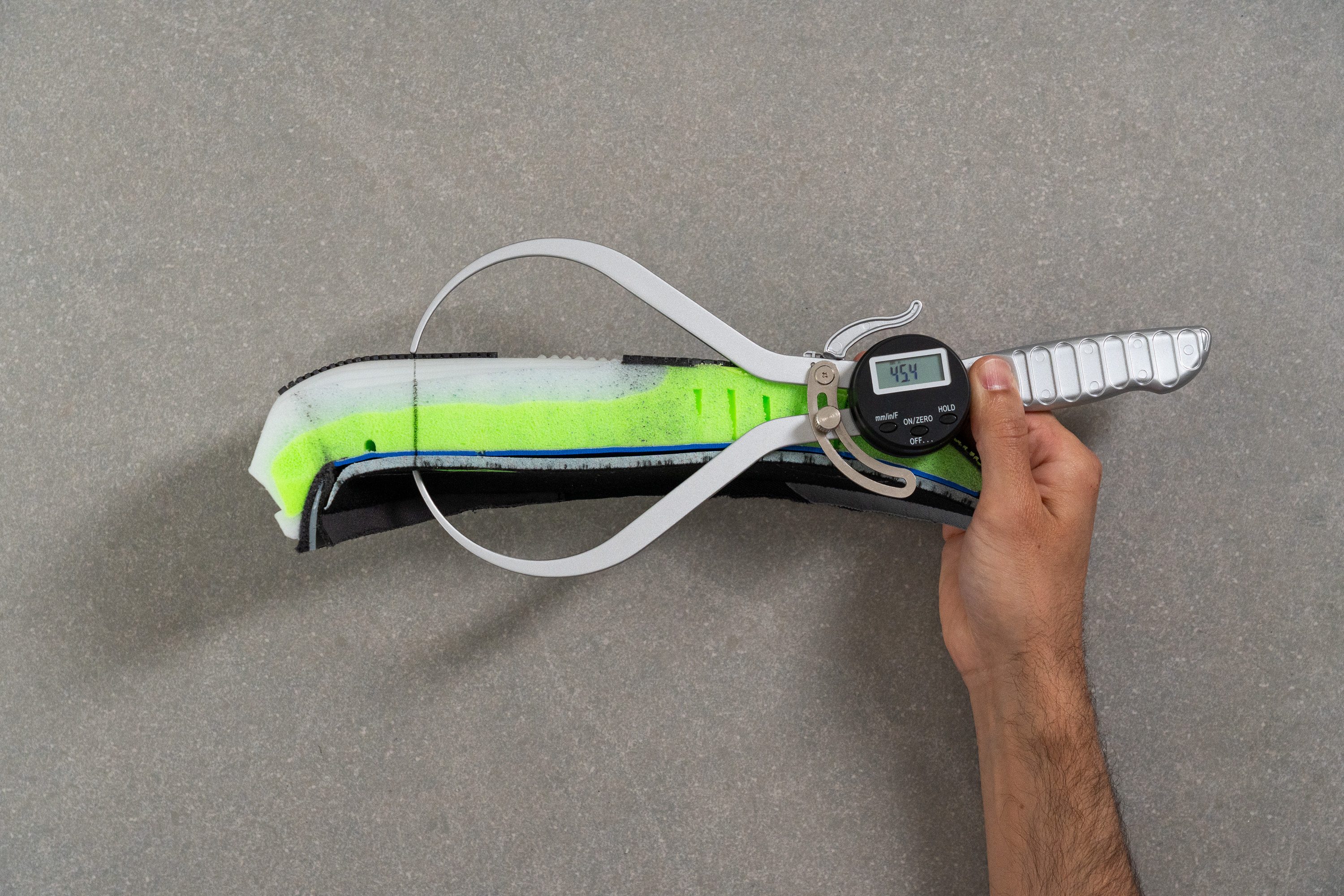
| Glycerin Max 2 | 45.4 mm |
| Average | 35.5 mm |
Forefoot stack
The forefoot may be even more impressive when it comes to stack height, reaching a massive 37.3 mm. At the time of this review, that’s actually higher than our current lab average for heel stack height, helping create an ultra-cushioned ride in the front.
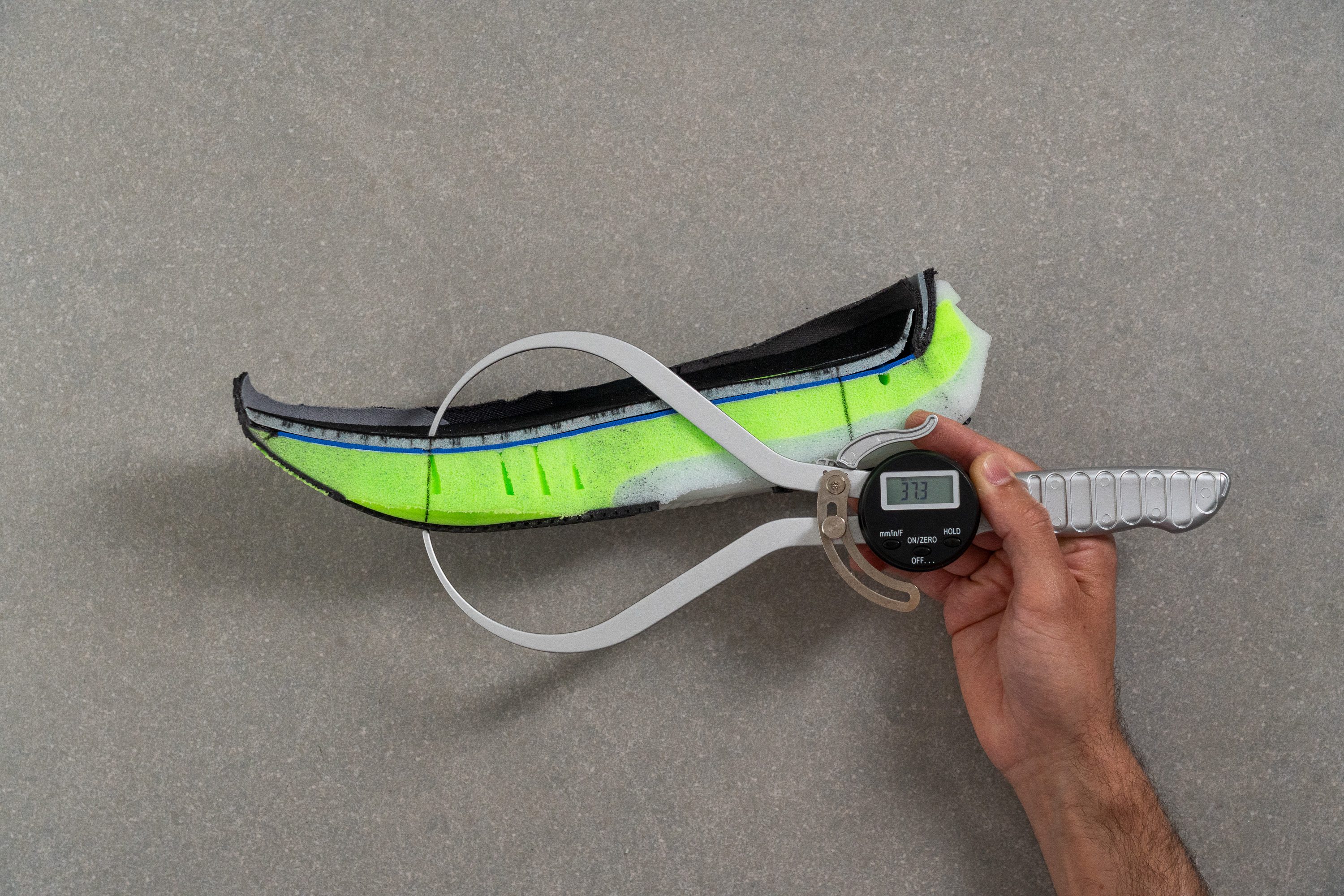
| Glycerin Max 2 | 37.3 mm |
| Average | 27.1 mm |
Drop
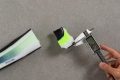
Brooks claims a 6 mm heel-to-toe drop, and our measurement came in a bit higher at 8.1 mm. It’s a small difference that doesn’t meaningfully change the ride, and we still believe the Glycerin Max 2 works well for all foot strike patterns.
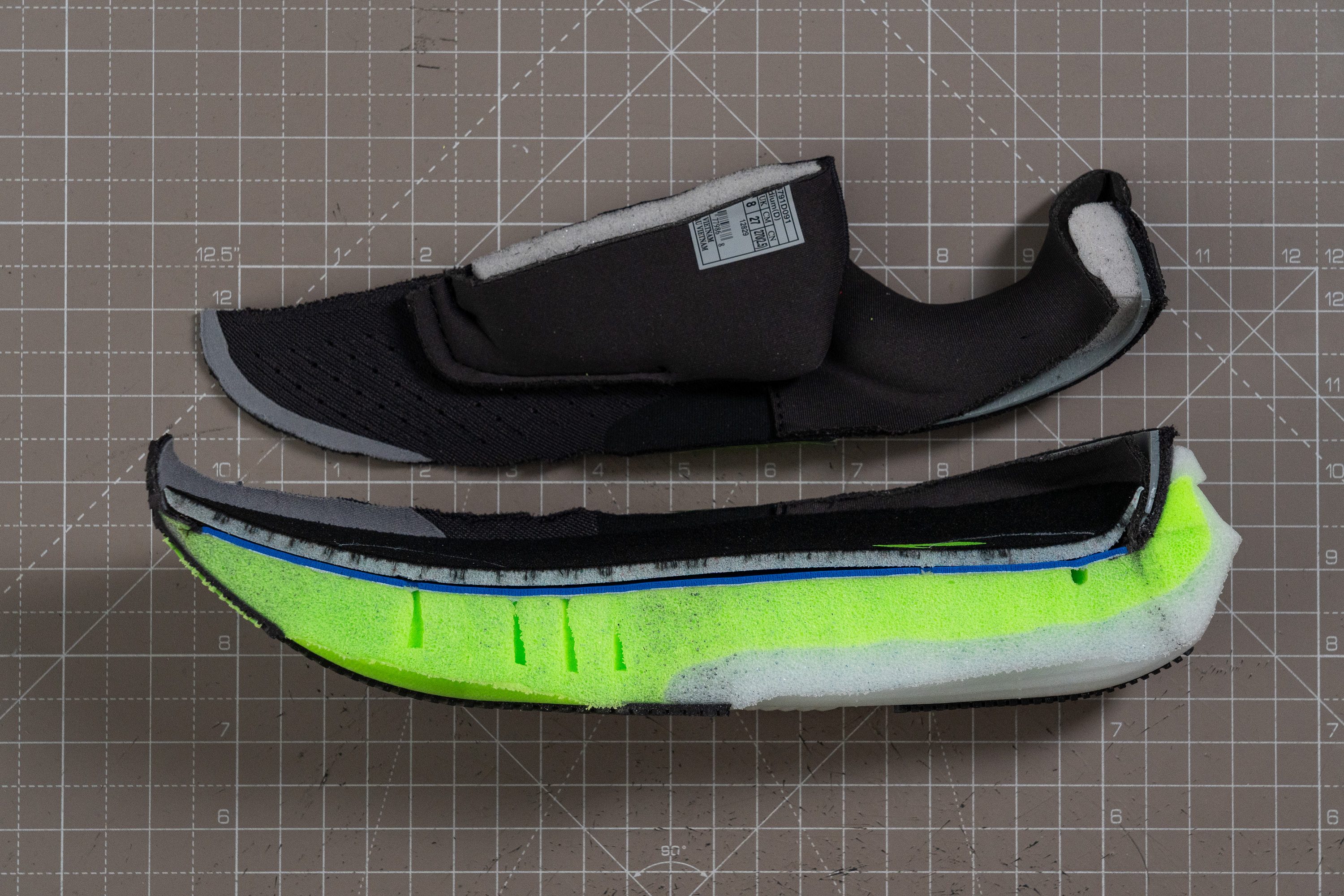
| Glycerin Max 2 | 8.1 mm |
| Average | 8.4 mm |
Midsole softness
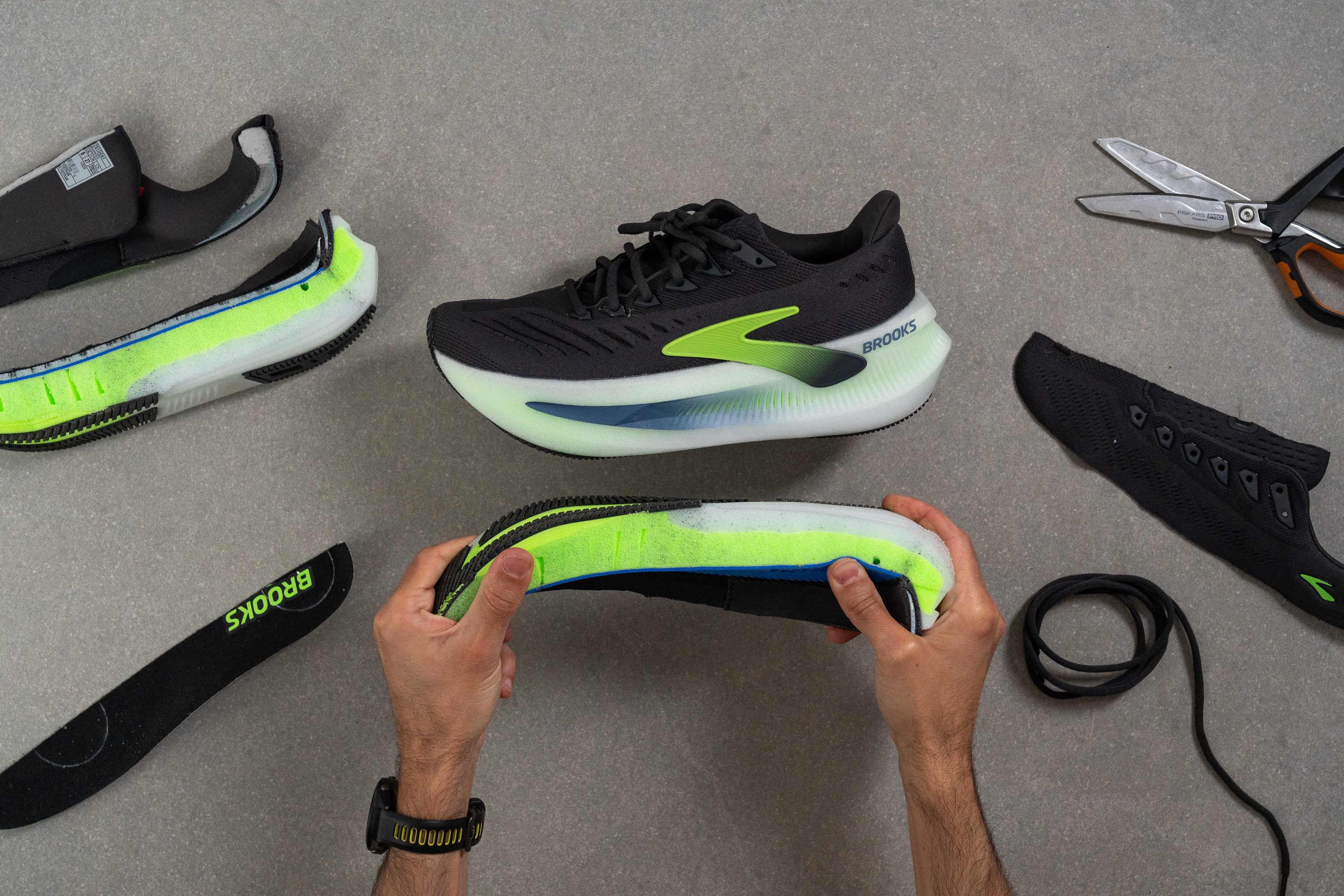
Comfort was clearly Brooks’ main priority with this shoe, and that likely explains why they chose a much softer formulation of DNA Tuned for this version.
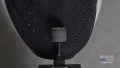
At 30.9 AC, the foam sits well below our current lab average, making the shoe a solid choice for runners who prefer a plush underfoot feel.
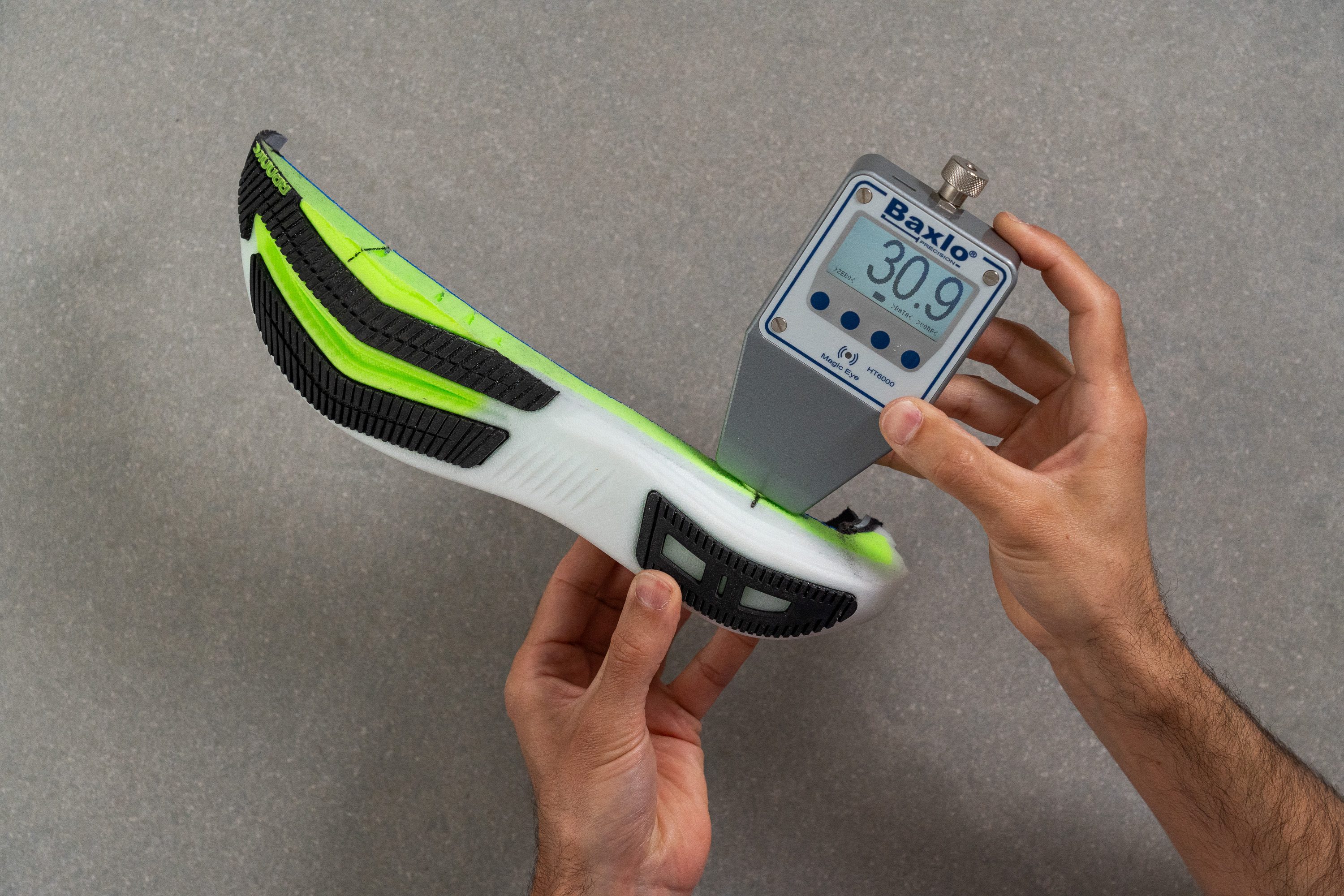
| Glycerin Max 2 | 30.9 AC |
| Average | 35.5 AC |
Rocker
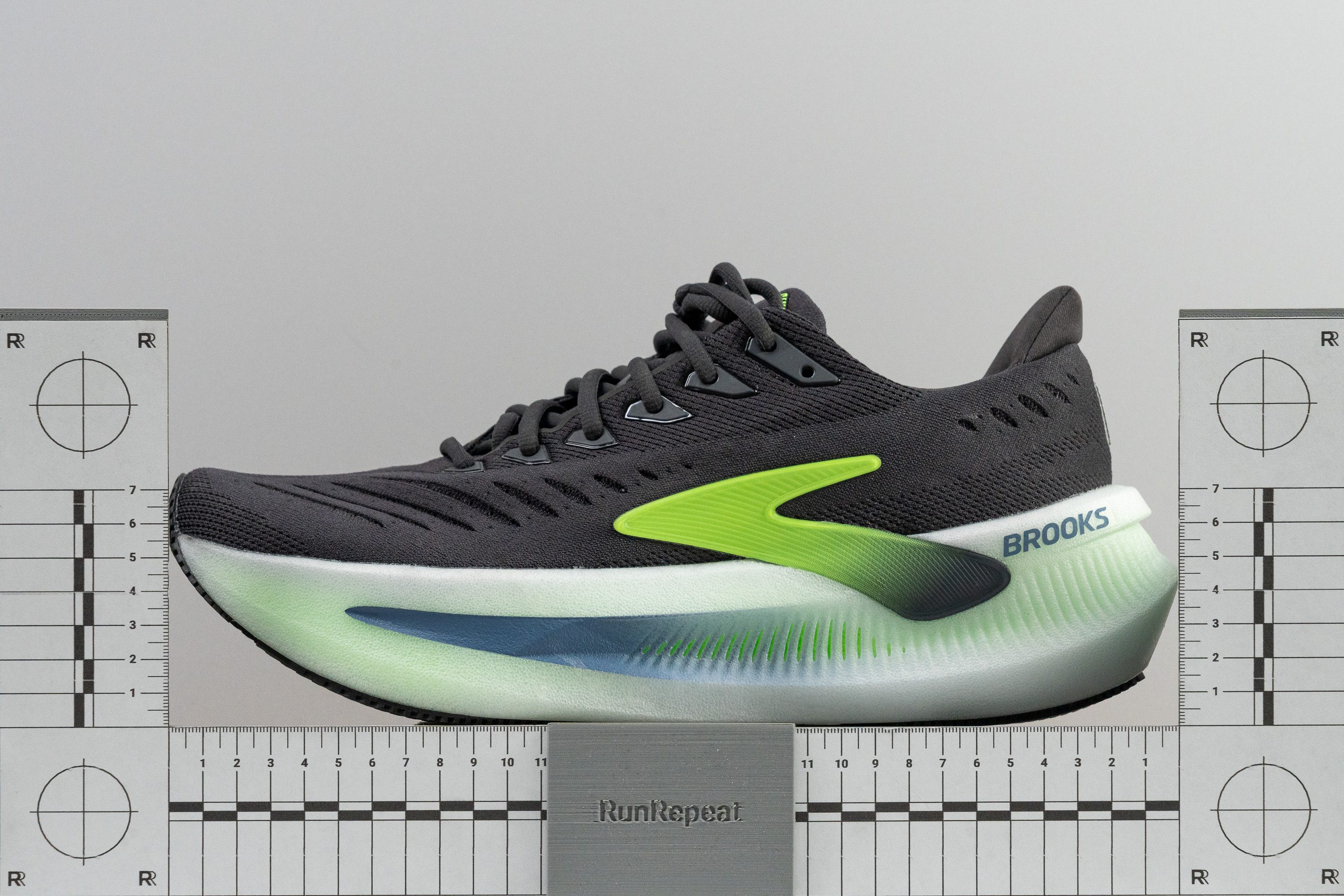
Runners who enjoy a highly-rockered running experience will love the Brooks Glycerin Max 2.
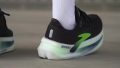
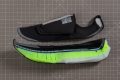
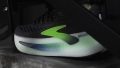
The sole features an aggressive curvature in both the forefoot and heel, creating a strong forward-rolling sensation while helping offset the massive stiffness caused by the towering stack height.
Size and fit
Size
Brooks Glycerin Max 2 fits true to size (25 votes).
Internal length
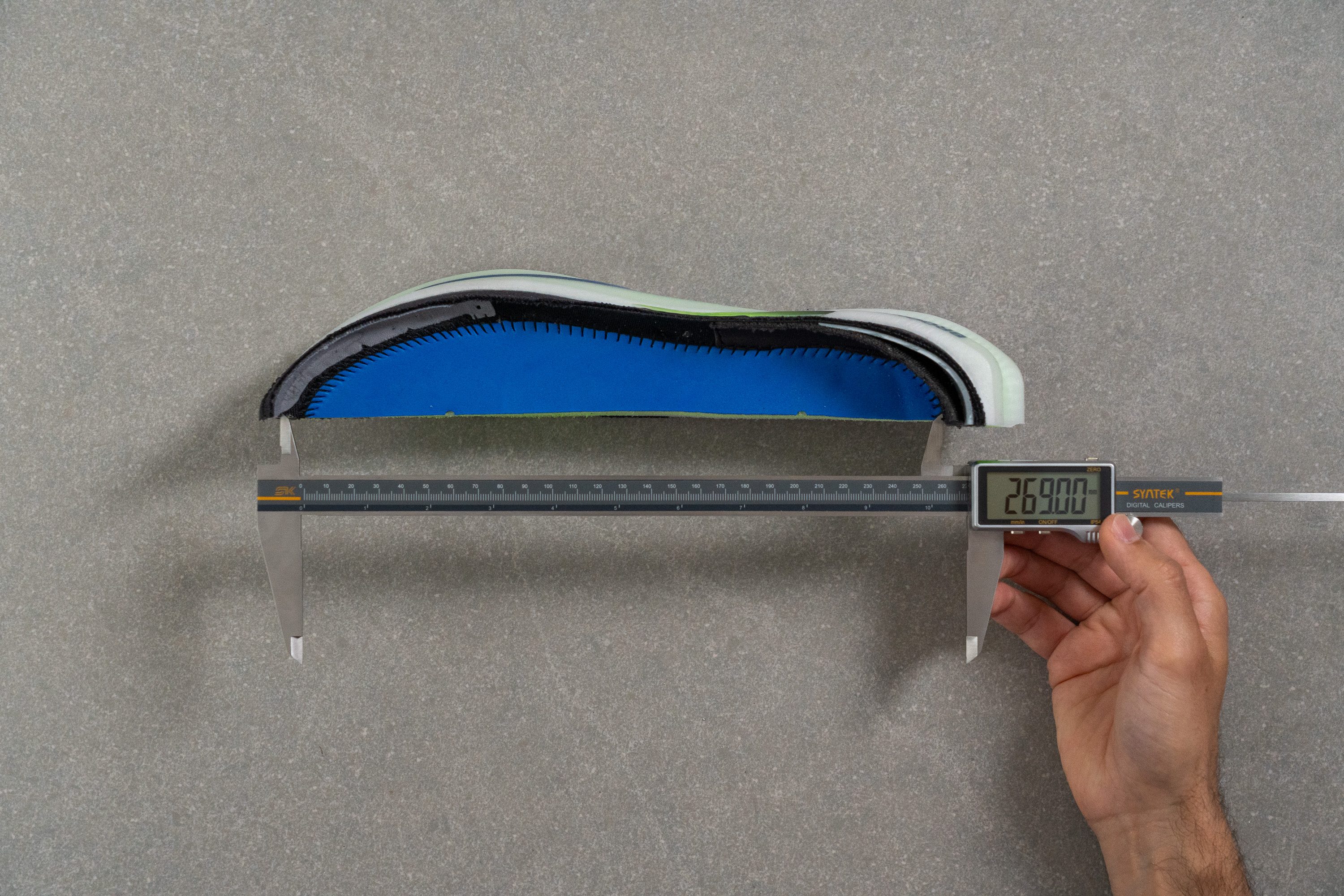
| Glycerin Max 2 | 269.0 mm |
| Average | 269.4 mm |
Width / Fit
Brooks usually offers multiple width options in its daily trainers, although that’s not the case for this premium model. The Glycerin Max 2 only comes in a standard width, so we were especially curious to see how the fit turned out.
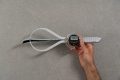
With a measured width of 96.5 mm, it feels slightly roomier than the average running shoe, which gives it a solid starting point for accommodating most foot shapes comfortably.
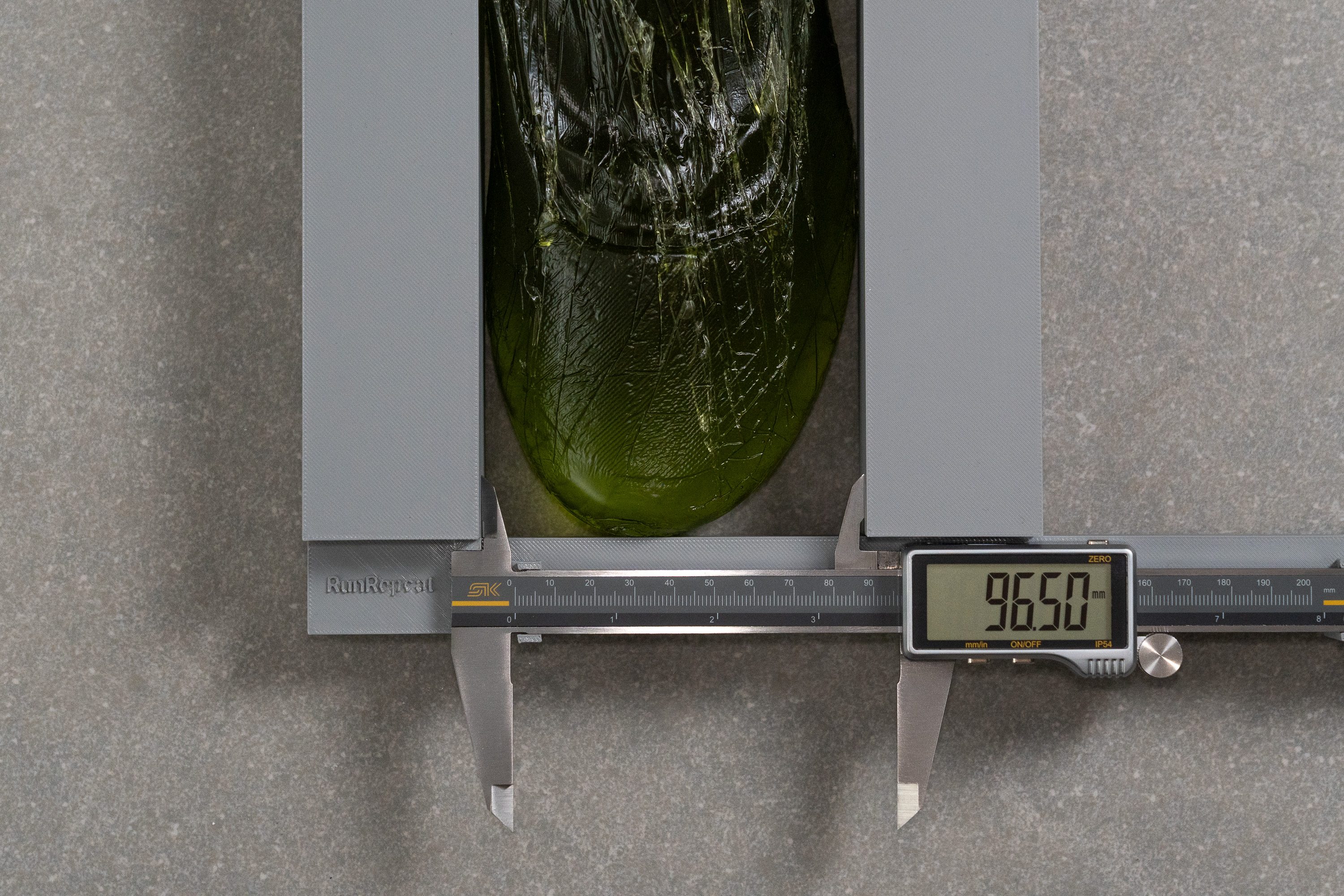
| Glycerin Max 2 | 96.5 mm |
| Average | 95.2 mm |
Toebox width
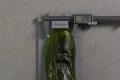
We also avoided an overly tight toebox here, measuring 73.4 mm in width. It’s not the roomiest design we’ve tested, but it should comfortably work for most runners.
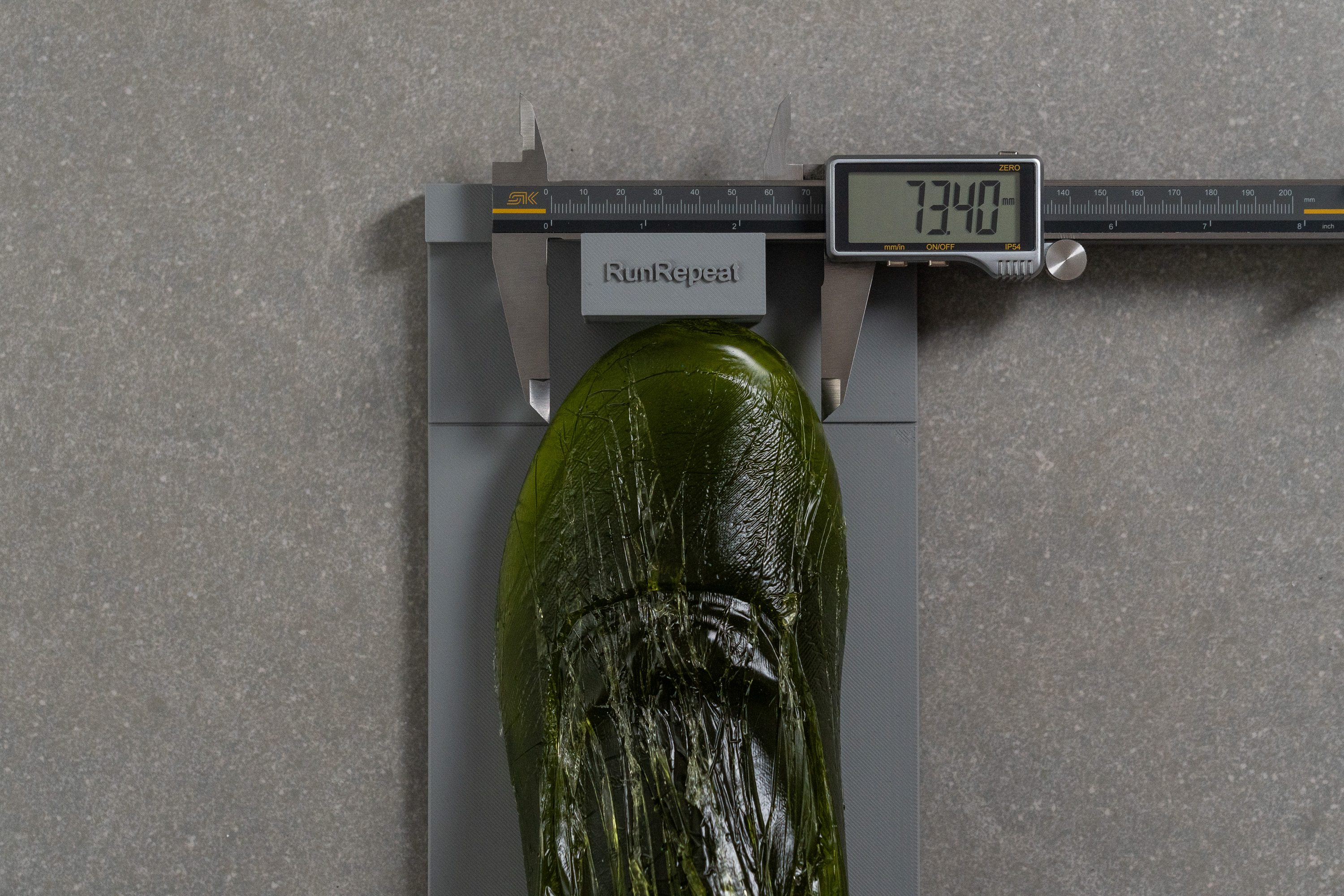
| Glycerin Max 2 | 73.4 mm |
| Average | 73.2 mm |
Toebox height
One area where we noticed some potential for pressure was the upper above the toes.
With only 24.0 mm of toebox height, runners who prefer extra vertical room to freely wiggle their toes may experience a somewhat restrictive fit.
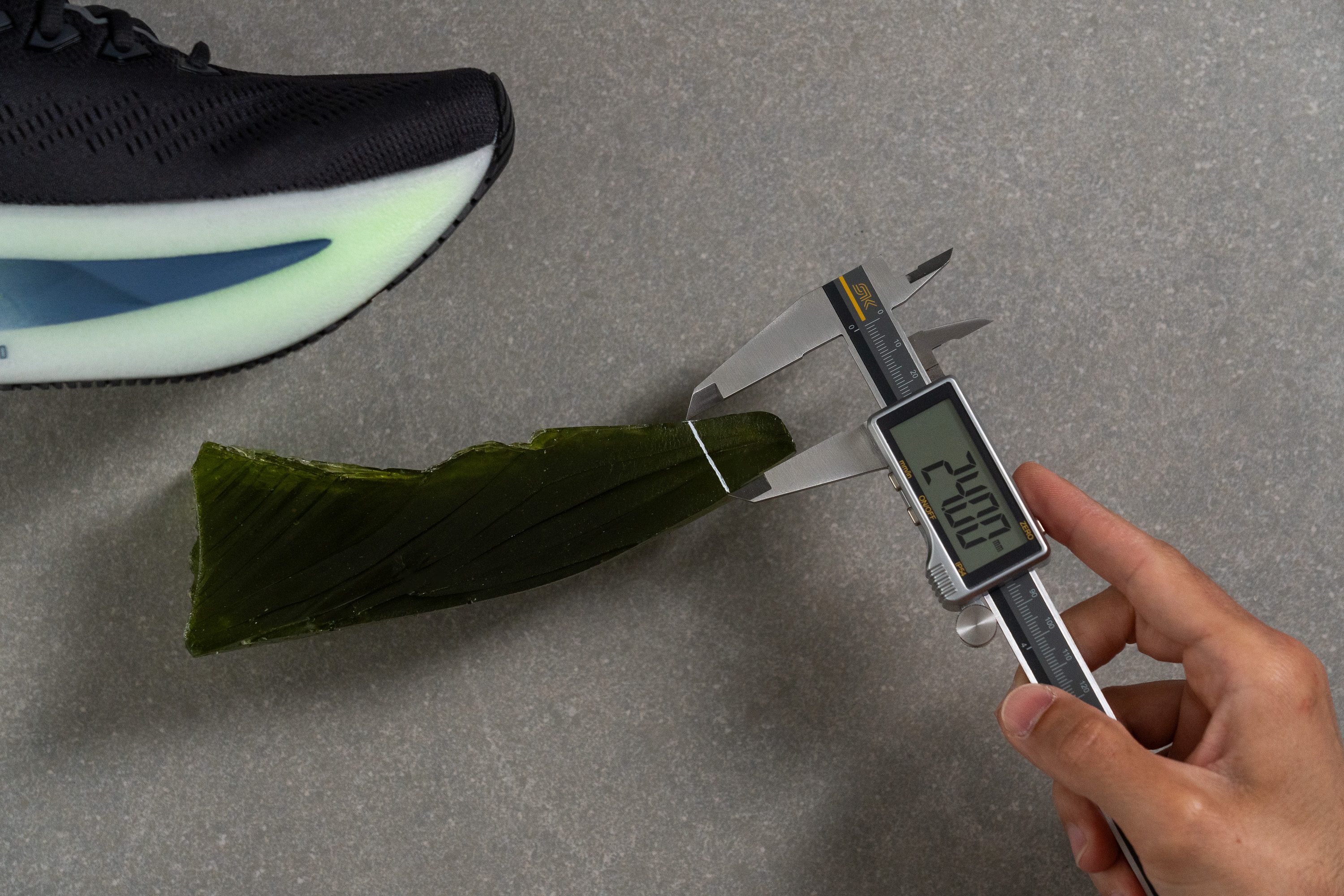
| Glycerin Max 2 | 24.0 mm |
| Average | 27.0 mm |
Traction / Grip
Traction test
Traction is one area where a premium-priced shoe needs to perform at least above average, and Brooks managed to do it by the slimmest of margins, at least at the time of our review. While the 0.51 result is not especially remarkable, it still delivers solid grip, including on wet surfaces, and we see that as a positive outcome.
| Glycerin Max 2 | 0.51 |
| Average | 0.53 |
Outsole design
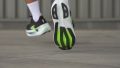
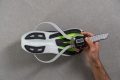
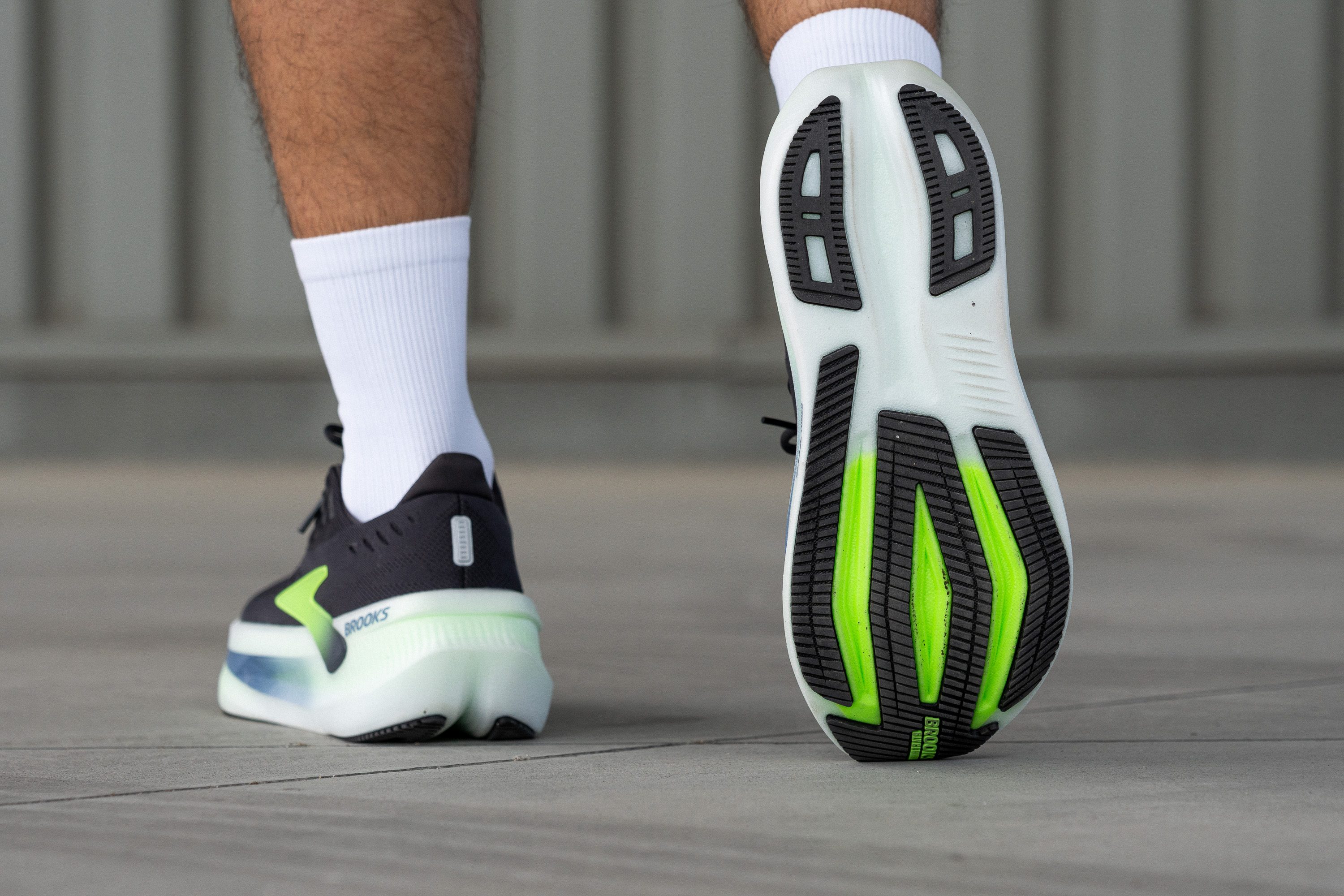
The outsole uses a mostly exposed foam layout with strategically placed rubber coverage in key impact and toe-off zones. However, we were quite surprised to find such limited rubber coverage considering the notably high weight of the shoe.
Flexibility / Stiffness
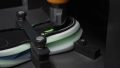
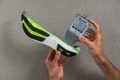
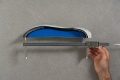
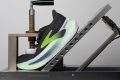
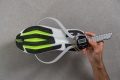
If there’s one thing the Brooks Glycerin Max 2 clearly delivers, it’s stiffness. Our test measured a massive 21.9N, reinforcing the trend we’ve observed in recent years with max-stack shoes, where midsole height often influences stiffness more than the presence of a carbon plate.
Because of that, you should not expect any meaningful flexibility here. In fact, the Glycerin Max 2 feels like the complete opposite of a flexible shoe.
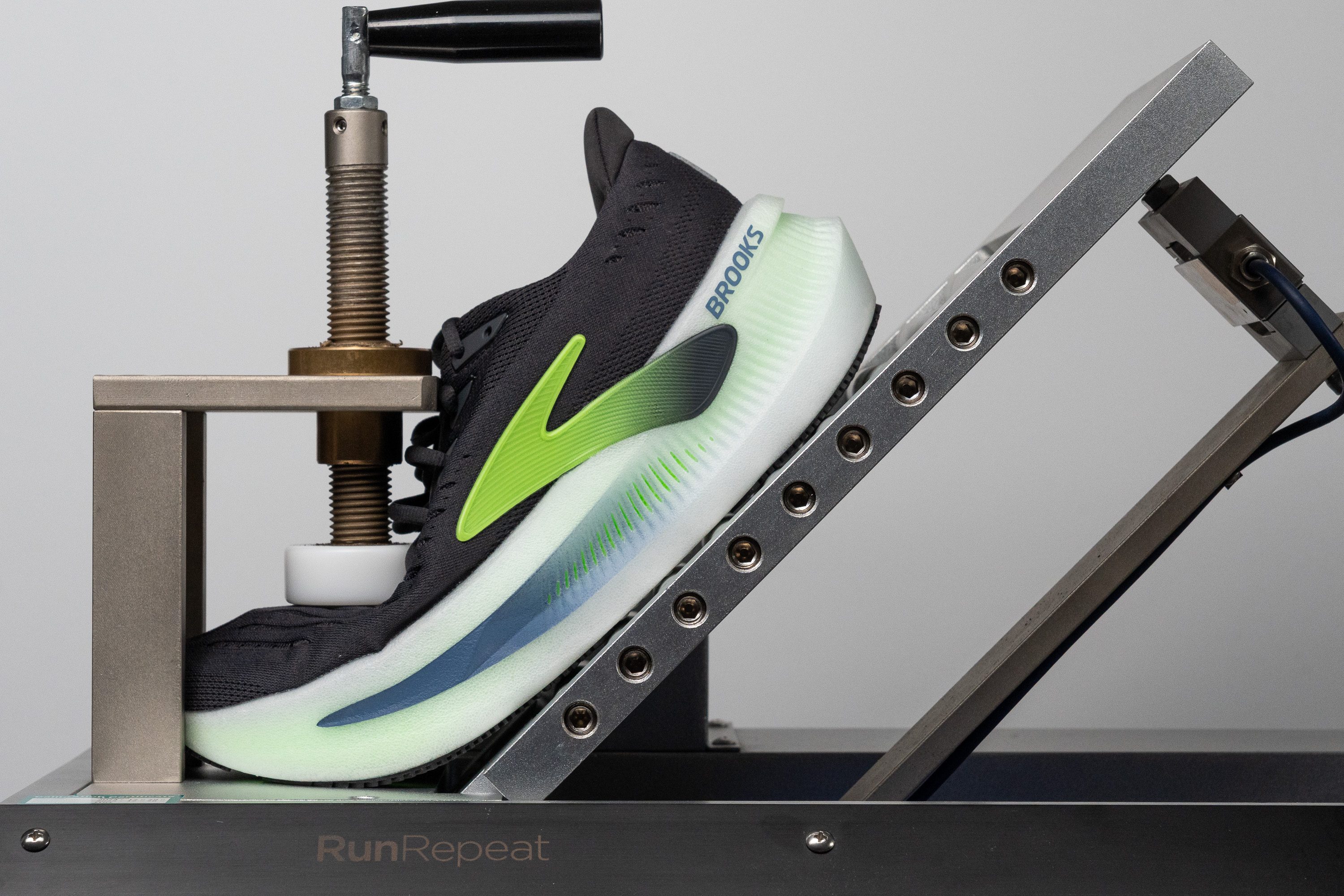
| Glycerin Max 2 | 21.9N |
| Average | 15.5N |
Weight
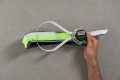
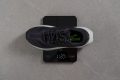
We’ve already mentioned how heavy this shoe feels, and for good reason. Even before placing it on our scale, we could immediately tell this was not a lightweight design. At 11.2 oz or 318g, it comes in even heavier than version 1.
In our view, the next Glycerin Max needs to lose at least 10% of its weight to become more versatile and noticeably more appealing for daily training.
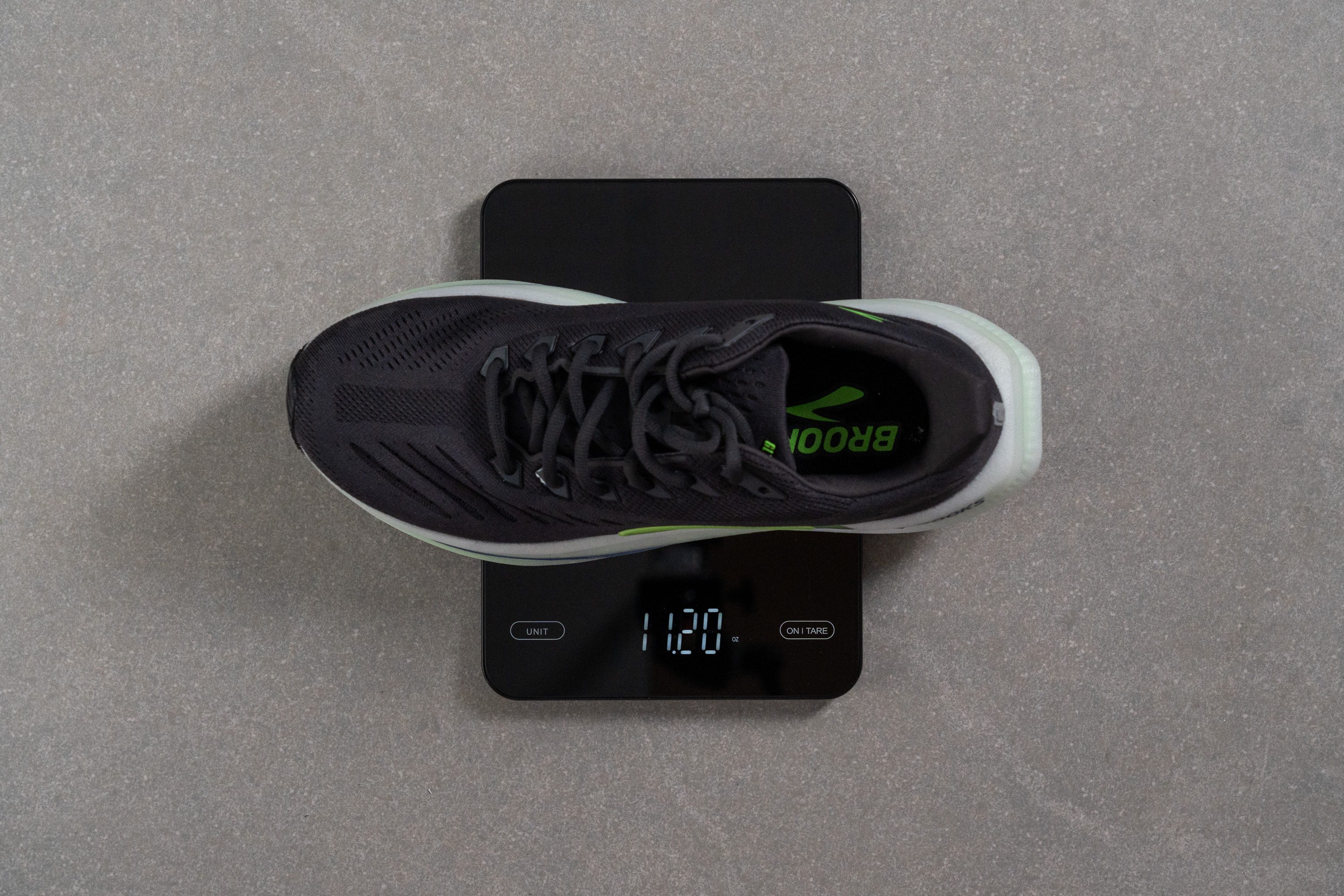
| Glycerin Max 2 | 11.2 oz (318g) |
| Average | 9.2 oz (261g) |
Breathability
Breathability test
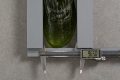
UpdatedThe Glycerin Max 2 performed admirably in our breathability test. Using our heated footform inside a climate-controlled chamber, we continuously generated artificial sweat for 3 hours and measured how effectively the shoe moved that moisture away from the foot.
The outcome was a strong 74 BR, showing that the Glycerin Max 2 manages perspiration efficiently to help keep feet drier.
| Glycerin Max 2 | 74 BR |
| Average | 75 BR |
Drying potential
NewWe were slightly surprised by the upper, as Brooks has recently delivered several impressive knit-based designs, whereas this model sticks to a more traditional engineered mesh. Even so, the upper plays an important role in the shoe's overall moisture management, and Brooks clearly got it right here.
During the same 3-hour test, we also measured how much moisture evaporated from the shoe. With a drying potential of 53%, it delivered a convincing result that should help prevent excess moisture from building up during longer runs.
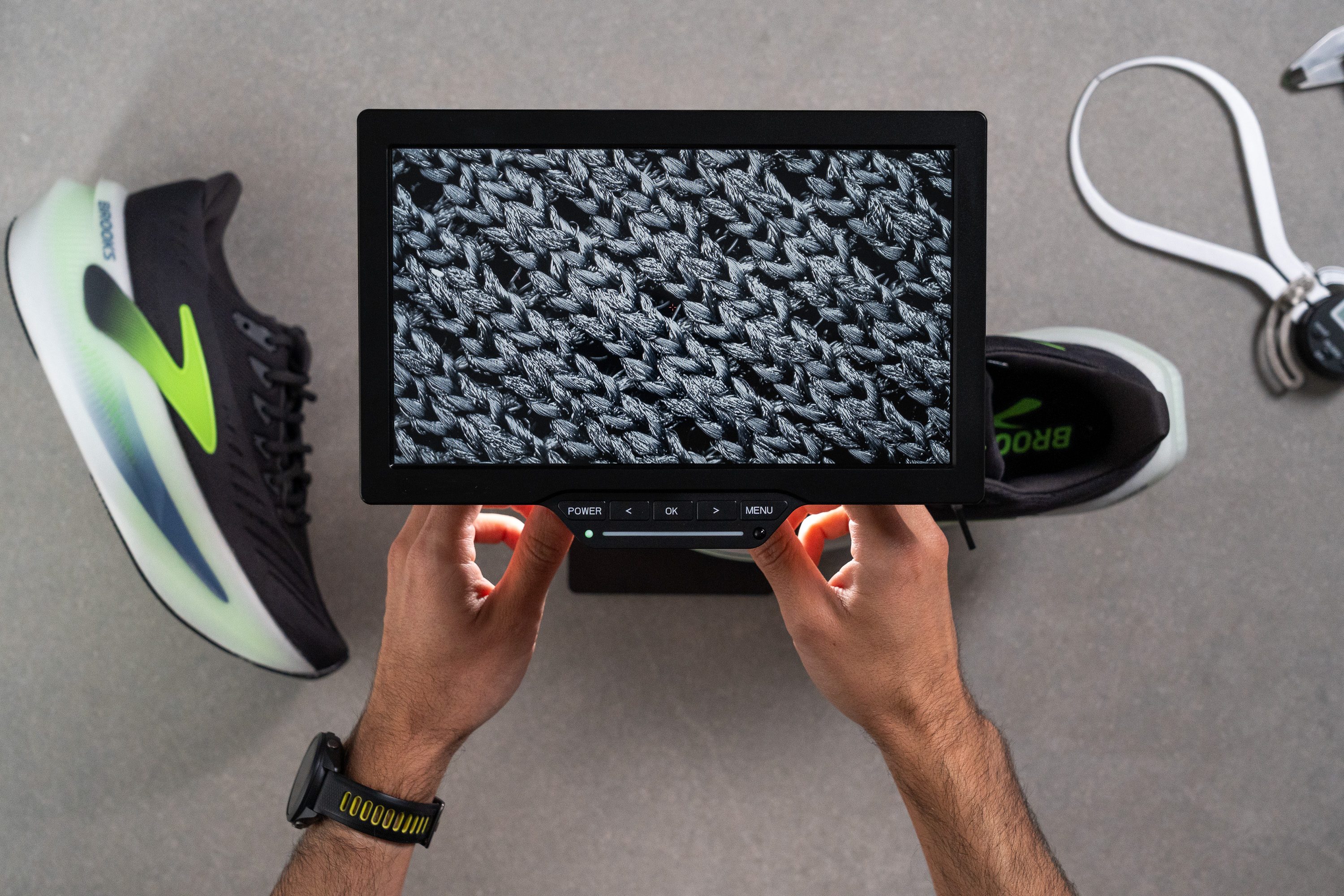
| Glycerin Max 2 | 53% |
| Average | 53% |
Stability
Lateral stability test
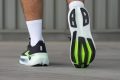
The Brooks Glycerin Max 2 is an extremely tall shoe, which may immediately make some runners worry about stability. However, just like we’re seeing with many modern maximalist trainers, brands are doing so many stability-focused design choices that these shoes can actually work quite well for runners with mild support needs.
It may sound counterintuitive, but that’s exactly how the current max-stack trend is evolving.
Torsional rigidity
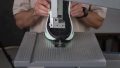
Torsional rigidity is also extremely high, just like longitudinal stiffness. We measured a massive 19.6 Nm result here, which was fully expected given the shoe’s towering and heavily-rockered design.
Twisting the shoe is basically impossible, so it won’t naturally follow foot movements while running, although this ultra-rigid setup also helps add a noticeable layer of stability.
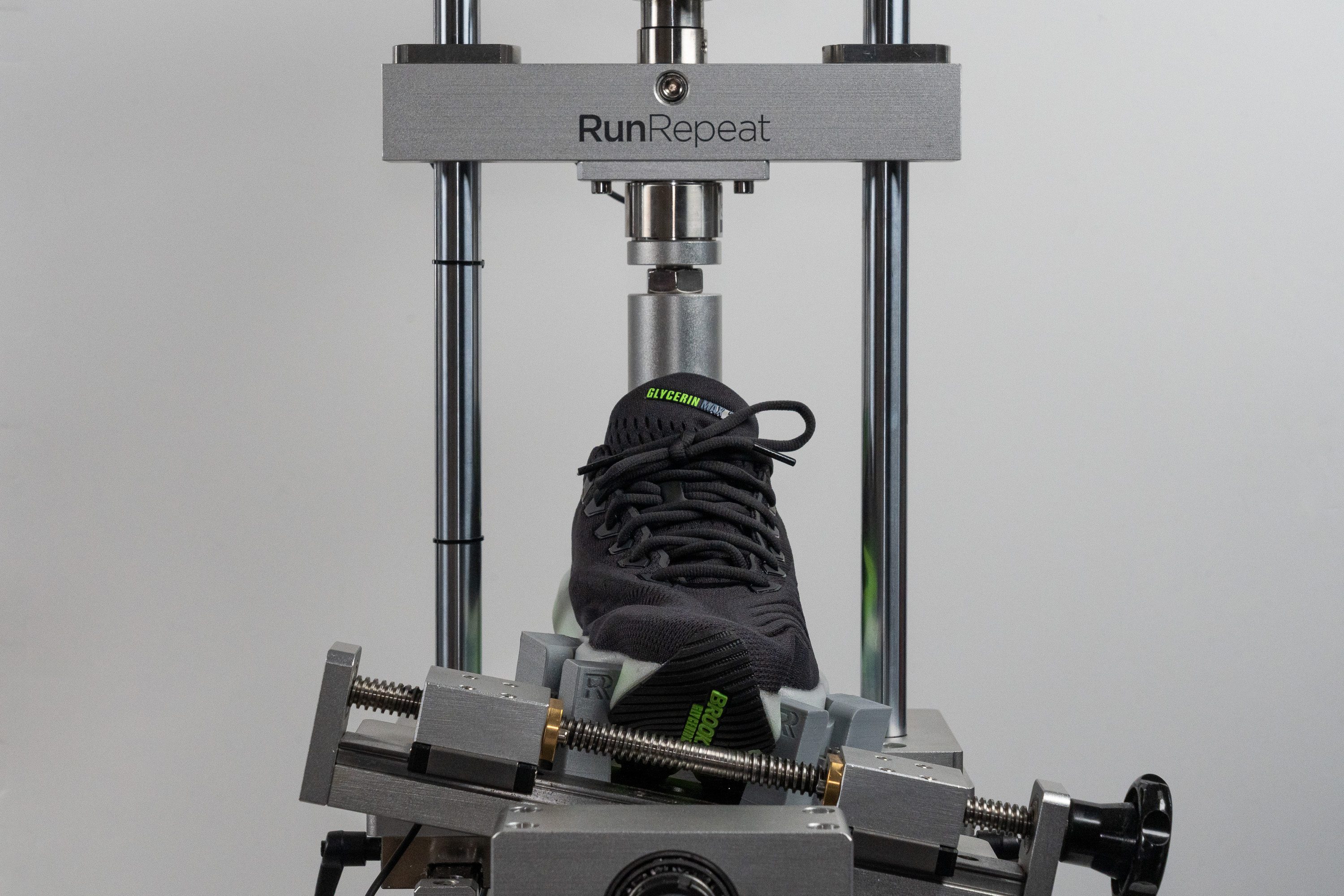
| Glycerin Max 2 | 19.6 Nm |
| Average | 14.4 Nm |
Heel counter stiffness
Brooks also chose an ultra-stiff heel counter that we rated at 5/5, once again aiming to increase stability around the heel area.
To offset that rigidity, the brand added a generous amount of foam padding so the rearfoot doesn’t feel uncomfortable. Even so, as we mentioned earlier, the heel structure barely flexes alongside your foot and ends up feeling incredibly rock-solid on the run.
| Glycerin Max 2 | 5 |
| Average | 3 |
Midsole width - forefoot
The midsole also sits well above our current lab average, reaching a massive 119.0 mm in forefoot width.
During our runs, midfoot and forefoot landings consistently felt controlled and guided, although runners who prefer a freer and less structured ride may find this setup too artificial.
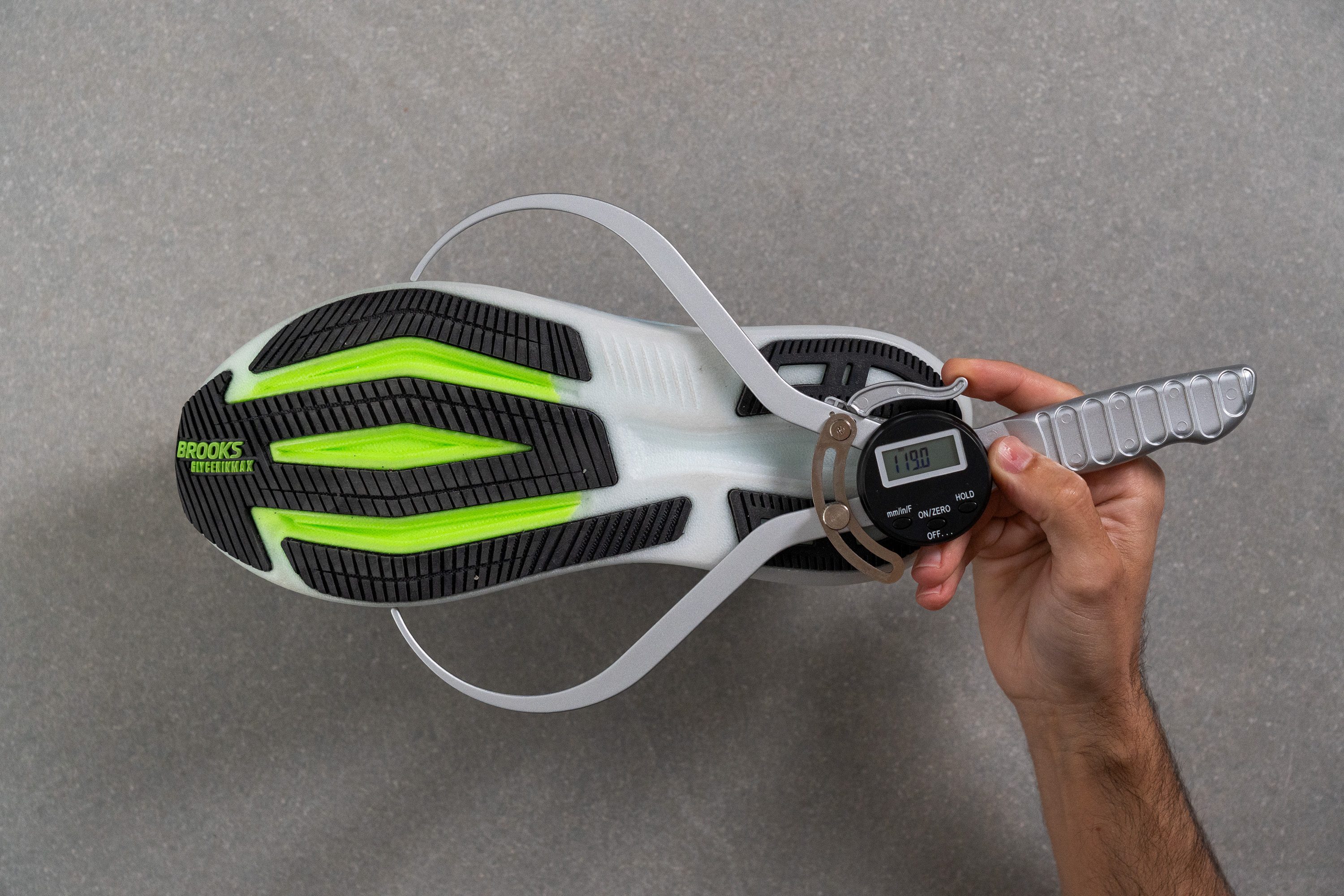
| Glycerin Max 2 | 119.0 mm |
| Average | 115.1 mm |
Midsole width - heel
The same applies to the heel, which measures a broad 97.0 mm and feels even more guided due to the ultra-stiff heel counter design.
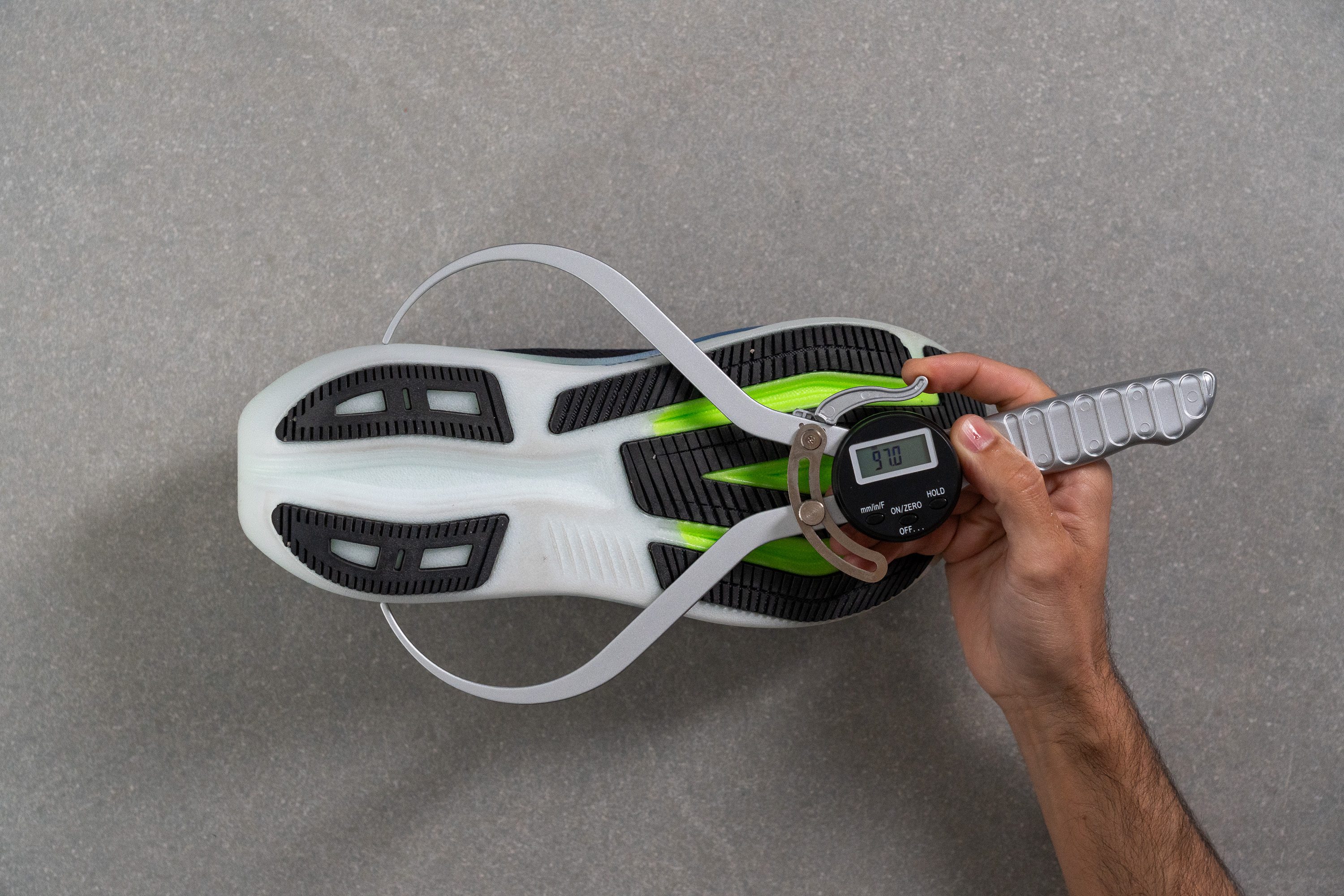
| Glycerin Max 2 | 97.0 mm |
| Average | 91.1 mm |
Durability
Toebox durability
The toebox of the Glycerin Max 2 surpassed our lab average with a solid 3/5 durability score. That’s a positive and reassuring result when paying this much for a shoe.
| Glycerin Max 2 | 3 |
| Average | 2.6 |
Heel padding durability
We found similar results in the heel padding, which earned a strong 4/5 durability score. Another positive outcome for the Glycerin Max 2.
| Glycerin Max 2 | 4 |
| Average | 3.4 |
Outsole durability
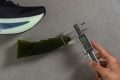
We found a solid result for outsole durability with a wear depth of 1.1 mm. It’s not exceptionally good, but it’s reassuring enough to avoid major long-term concerns.
| Glycerin Max 2 | 1.1 mm |
| Average | 1.1 mm |
Outsole thickness
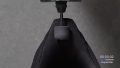
Brooks also played it safe here by using a fairly thick 3.5 mm outsole. However, we need to consider that rubber coverage is somewhat limited, meaning the existing rubber sections must absorb more overall wear and stress.
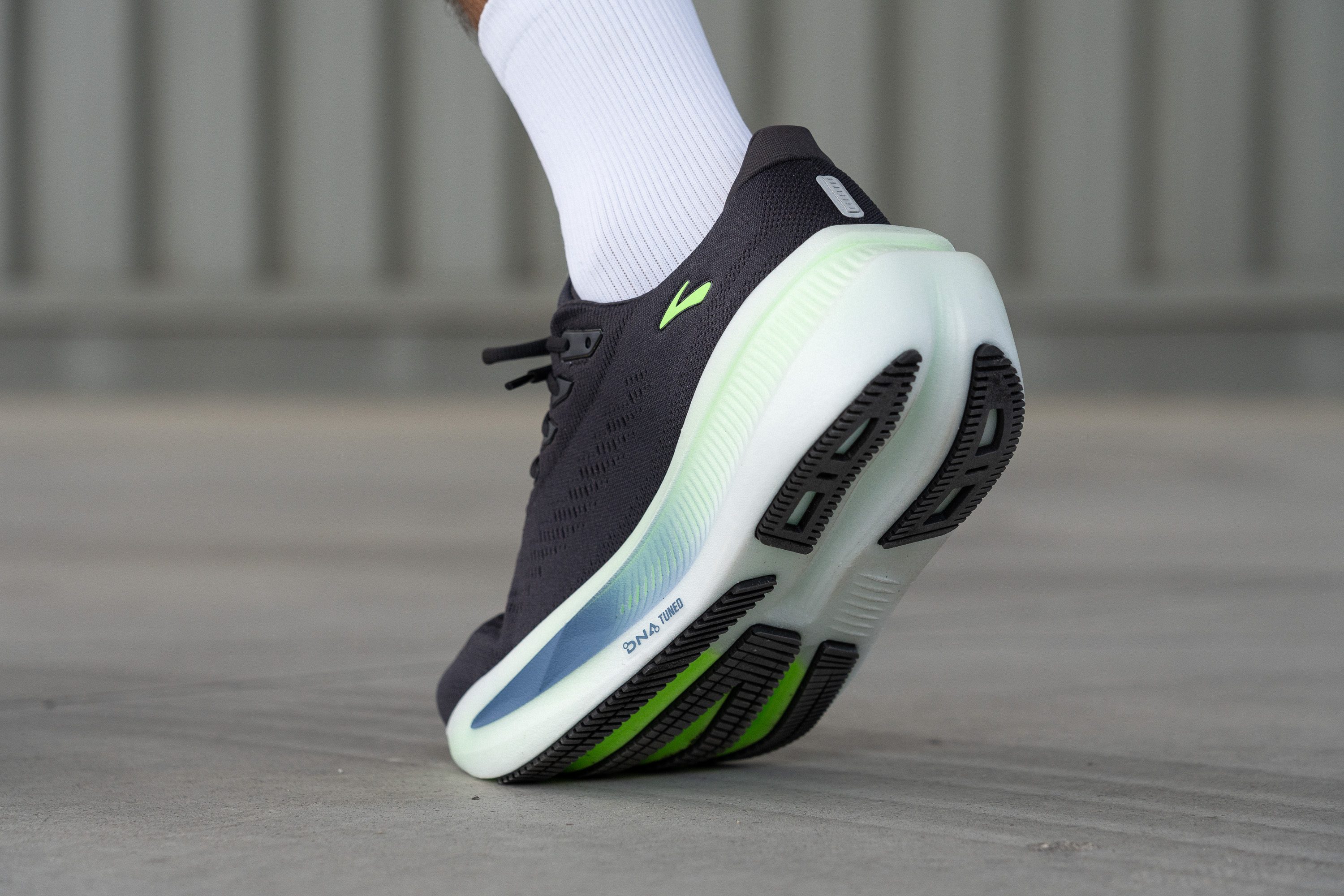
From that perspective, the extra thickness makes sense and it's fine. But another possible approach would have been reducing exposed foam and using a more extensive rubber layout instead...
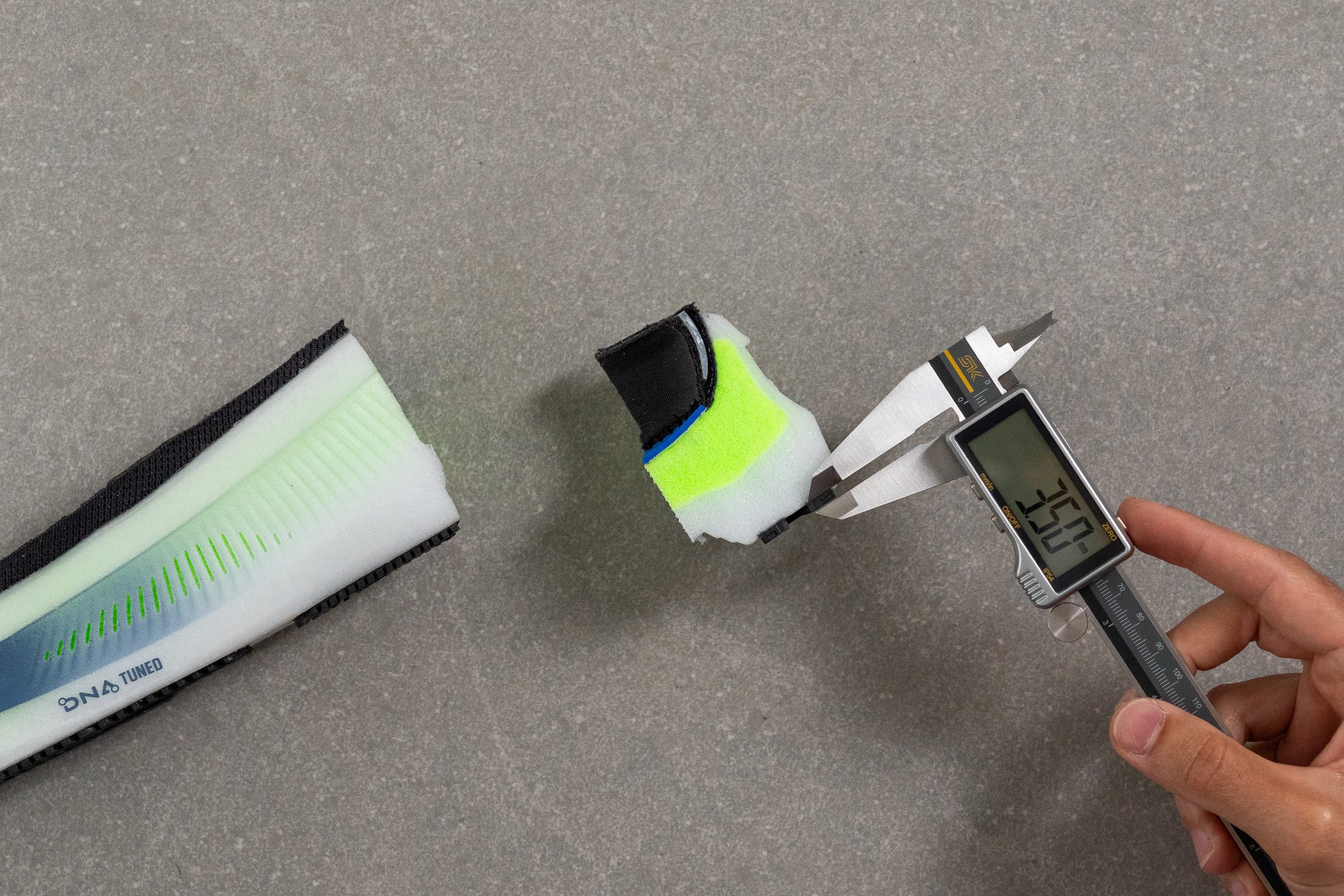
| Glycerin Max 2 | 3.5 mm |
| Average | 3.1 mm |
Misc
Insole thickness
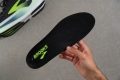
The Glycerin Max 2 comes with an insole that’s average rather than maxed-out, measuring 4.7 mm in thickness.
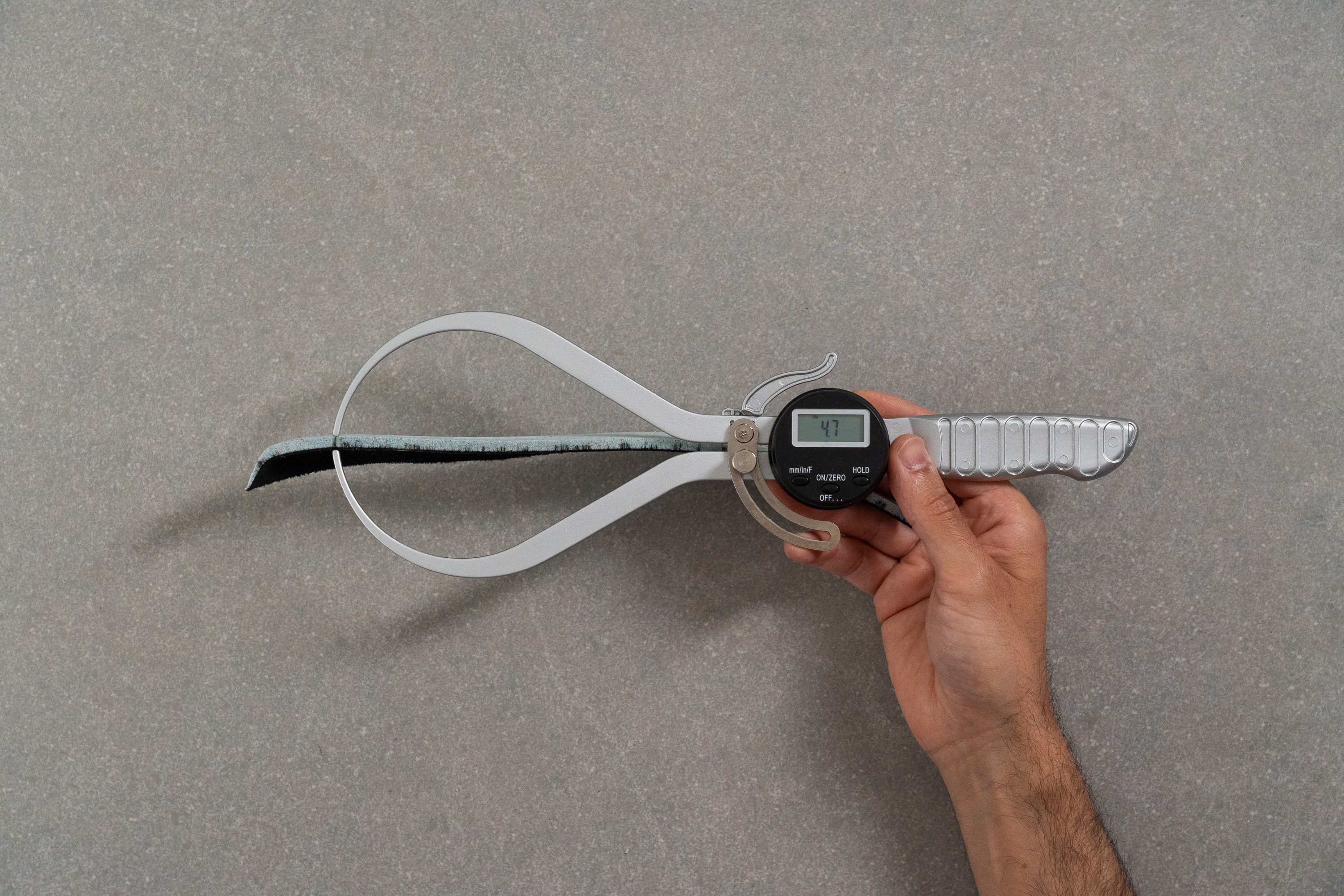
| Glycerin Max 2 | 4.7 mm |
| Average | 4.4 mm |
Removable insole
You can remove the insole and maybe swap it for a thicker one if you want an even more cushioned experience.
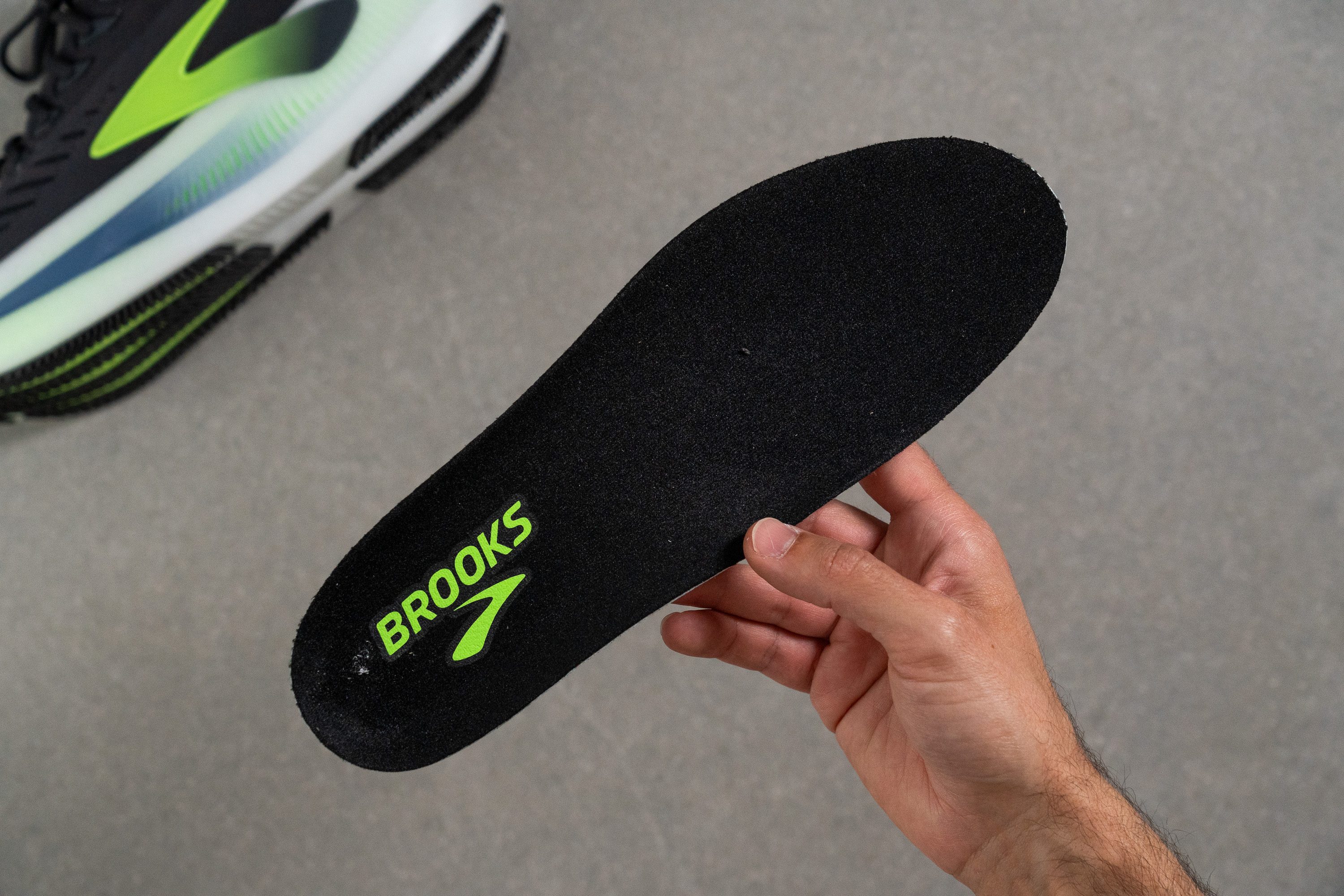
| Glycerin Max 2 | Yes |
Reflective elements
The Glycerin Max 2 reuses the reflective elements from the Glycerin Flex, and honestly, we think that was a smart decision.
| Glycerin Max 2 | Yes |
Tongue padding
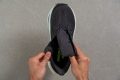
One thing Brooks clearly aimed for with this design was maximum comfort, and that’s exactly what you notice the moment you put the shoes on for the first time.
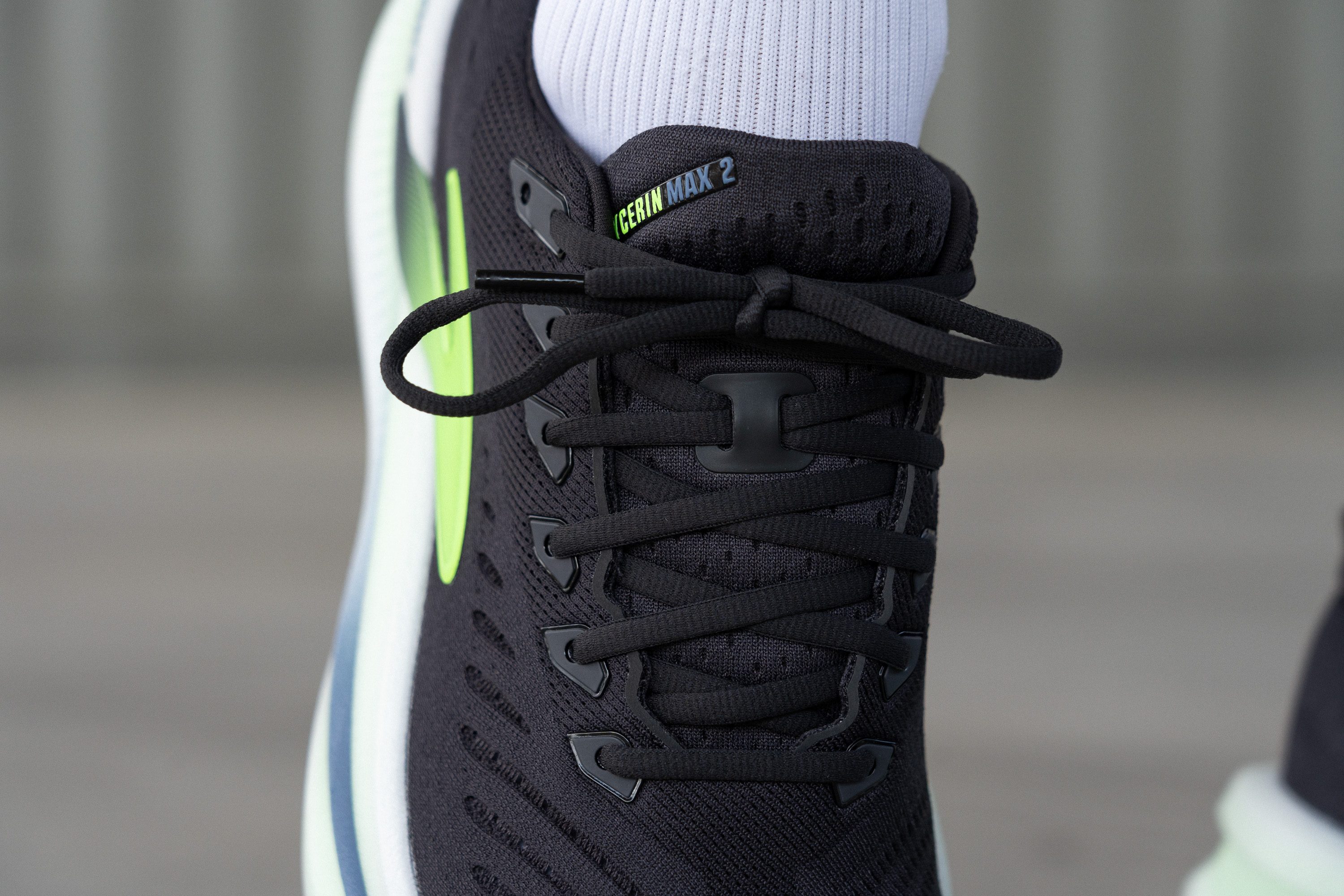
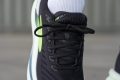
The main reason is the ridiculously thick tongue. At 13.0 mm, it’s one of the most substantial designs we’ve ever measured, and it feels incredibly plush on foot. However, it also adds extra weight and pushes the comfort-first approach to an extreme, making this a very niche design that won’t appeal to everyone.
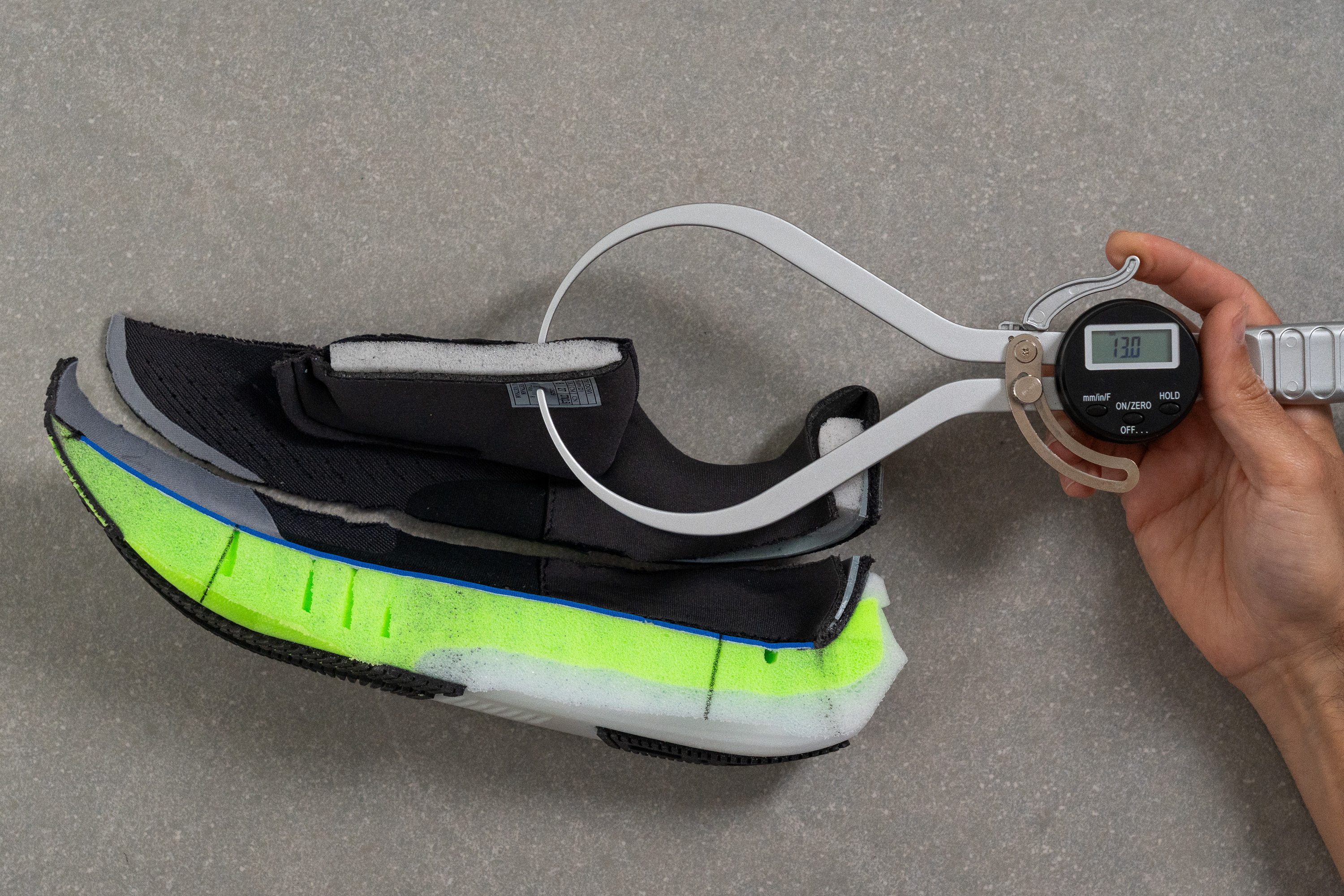
| Glycerin Max 2 | 13.0 mm |
| Average | 5.8 mm |
Tongue: gusset type
The tongue is not gusseted, which feels difficult to justify at this premium price point. Sure, it stays securely in place thanks to its massive thickness, but even then, we don’t think this is the ideal setup.
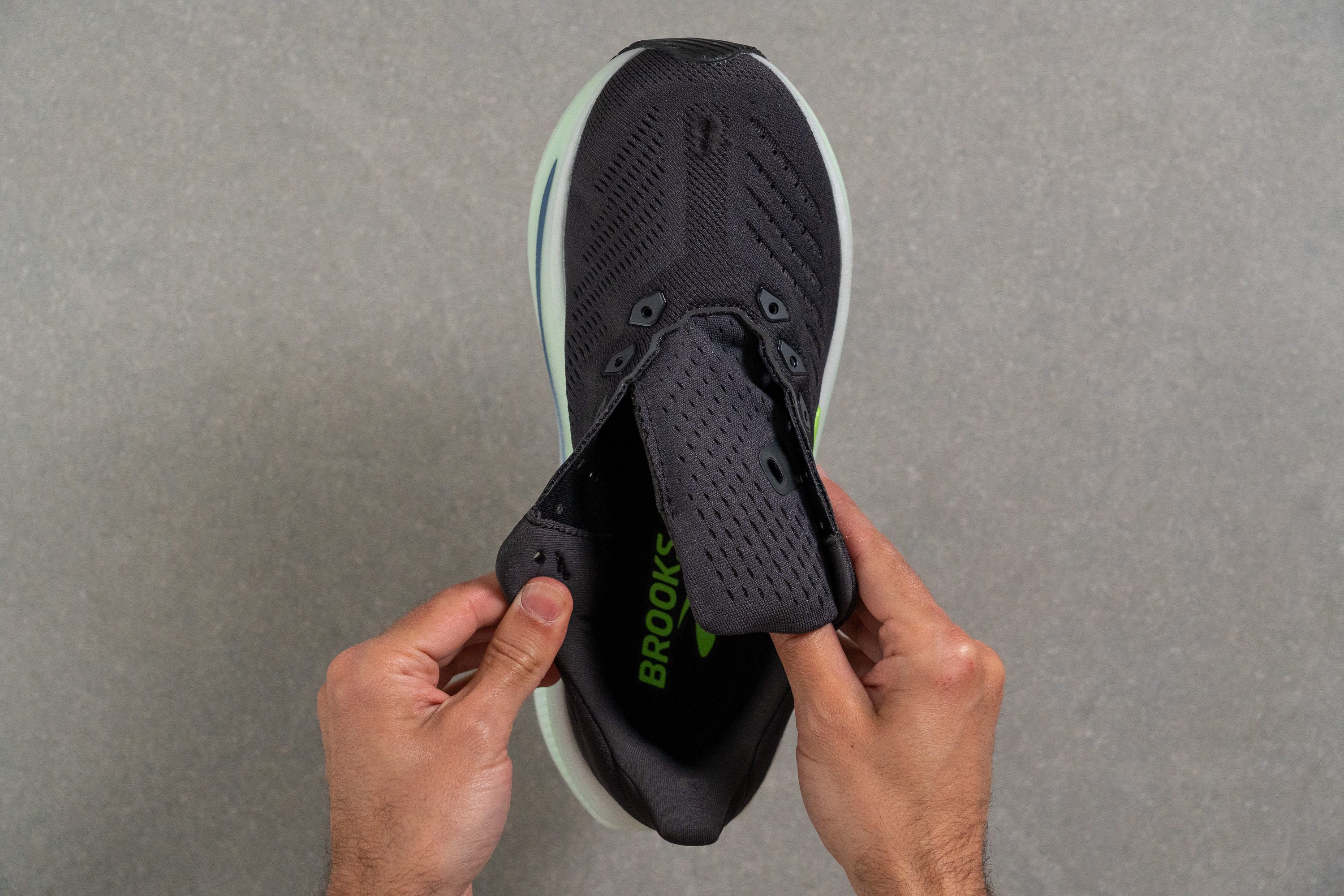
| Glycerin Max 2 | None |
Heel tab
The Glycerin Max 2 features a very distinctive heel collar that sits fairly low around the heel before rising upward to protect the Achilles tendon.
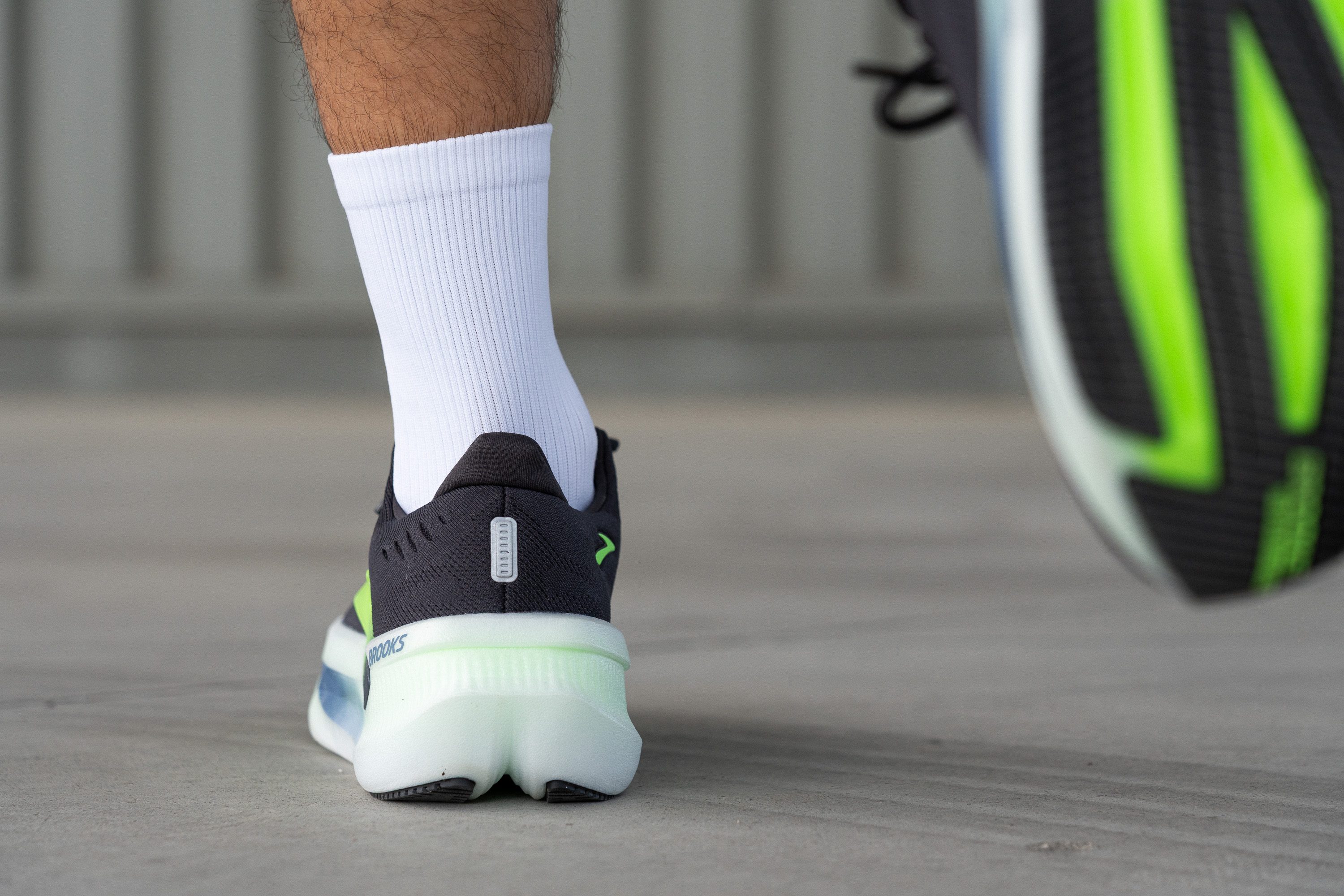
| Glycerin Max 2 | None |
Price
The only real way to justify the high price of the Glycerin Max 2 is by prioritizing maximum comfort above everything else. In that regard, it excels thanks to its ultra-plush upper and incredible step-in feel. However, for most runners, we think it falls short in overall performance, especially when compared to nearly every major rival in this premium category.
| Glycerin Max 2 | $200 |
| Average | $157 |