












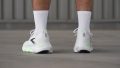










Our verdict
- Daily running 84
- Tempo 49
- Race 36
- Stability 82
Pros
- Premium knit upper
- More flexible than regular Glycerin
- Great comfort for walking and running
- Ideal for narrow feet
- Upper combines airflow and durability
- Stable midfoot and heel
- Works well as a daily workhorse
- Excellent design
- Lighter than Glycerin 23
Cons
- Less flex than we expected
- Narrow toebox limits toe splay
- Low energy return
- High price
Awards
- Top pick in best shoes for Haglund's deformity
- Top 28% most popular running shoes
Comparison
The most similar running shoes compared
+ + Add a shoe | |||||
|---|---|---|---|---|---|
| Our score | 80 Good | 86 Great | 85 Great | 93 Superb | |
| Price | $170 | $150 | $175 | $150 | |
| Pace | Daily running | Daily running | Daily running | Daily runningTempo | |
| Shock absorption | High | High | High | High | |
| Energy return | Low | Moderate | Moderate | High | |
| Traction | High | High | High | High | |
| Arch support | Neutral | Neutral | Neutral | Neutral | |
| Weight lab Weight brand | 9.3 oz / 264g 9.8 oz / 277g | 10.2 oz / 289g 10.2 oz / 289g | 10.7 oz / 303g 10.7 oz / 303g | 7.6 oz / 215g 7.8 oz / 220g | |
| Lightweight | ✗ | ✗ | ✗ | ✓ | |
| Drop lab Drop brand | 9.3 mm 6.0 mm | 12.2 mm 10.0 mm | 8.2 mm 8.0 mm | 9.6 mm 8.0 mm | |
| Strike pattern | HeelMid/forefoot | Heel | HeelMid/forefoot | HeelMid/forefoot | |
| Size | True to size | True to size | Slightly small | True to size | |
| Midsole softness | Balanced | Balanced | Soft | Balanced | |
| Difference in midsole softness in cold | Small | Small | Normal | Small | |
| Toebox durability | Good | Decent | Decent | Bad | |
| Heel padding durability | Good | Good | Good | Decent | |
| Outsole durability | Decent | Good | Good | Good | |
| Breathability | Moderate | Moderate | Moderate | Moderate | |
| Width / fit | Medium | Medium | Medium | Medium | |
| Toebox width | Narrow | Narrow | Medium | Medium | |
| Stiffness | Moderate | Moderate | Moderate | Moderate | |
| Torsional rigidity | Flexible | Flexible | Moderate | Flexible | |
| Heel counter stiffness | Flexible | Stiff | Stiff | Moderate | |
| Rocker | ✗ | ✗ | ✓ | ✓ | |
| Heel lab Heel brand | 35.2 mm 36.0 mm | 37.3 mm 36.0 mm | 37.2 mm 38.0 mm | 37.2 mm 38.0 mm | |
| Forefoot lab Forefoot brand | 25.9 mm 30.0 mm | 25.1 mm 26.0 mm | 29.0 mm 30.0 mm | 27.6 mm 30.0 mm | |
| Widths available | Normal | NarrowNormalWideX-Wide | NormalWideX-Wide | Normal | |
| Orthotic friendly | ✓ | ✓ | ✓ | ✓ | |
| Season | All seasons | All seasons | All seasons | All seasons | |
| Removable insole | ✓ | ✓ | ✓ | ✓ | |
| Ranking | #223 Bottom 44% | #81 Top 21% | #104 Top 26% | #9 Top 3% | |
| Popularity | #112 Top 28% | #16 Top 4% | #12 Top 3% | #117 Top 29% |



Who should buy
In our opinion, the Brooks Glycerin Flex is a good buy for:
- Runners who want a premium upper with excellent comfort for both walking and daily runs.
- Fans of the Glycerin series looking for a more flexible and less structured ride experience.
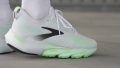
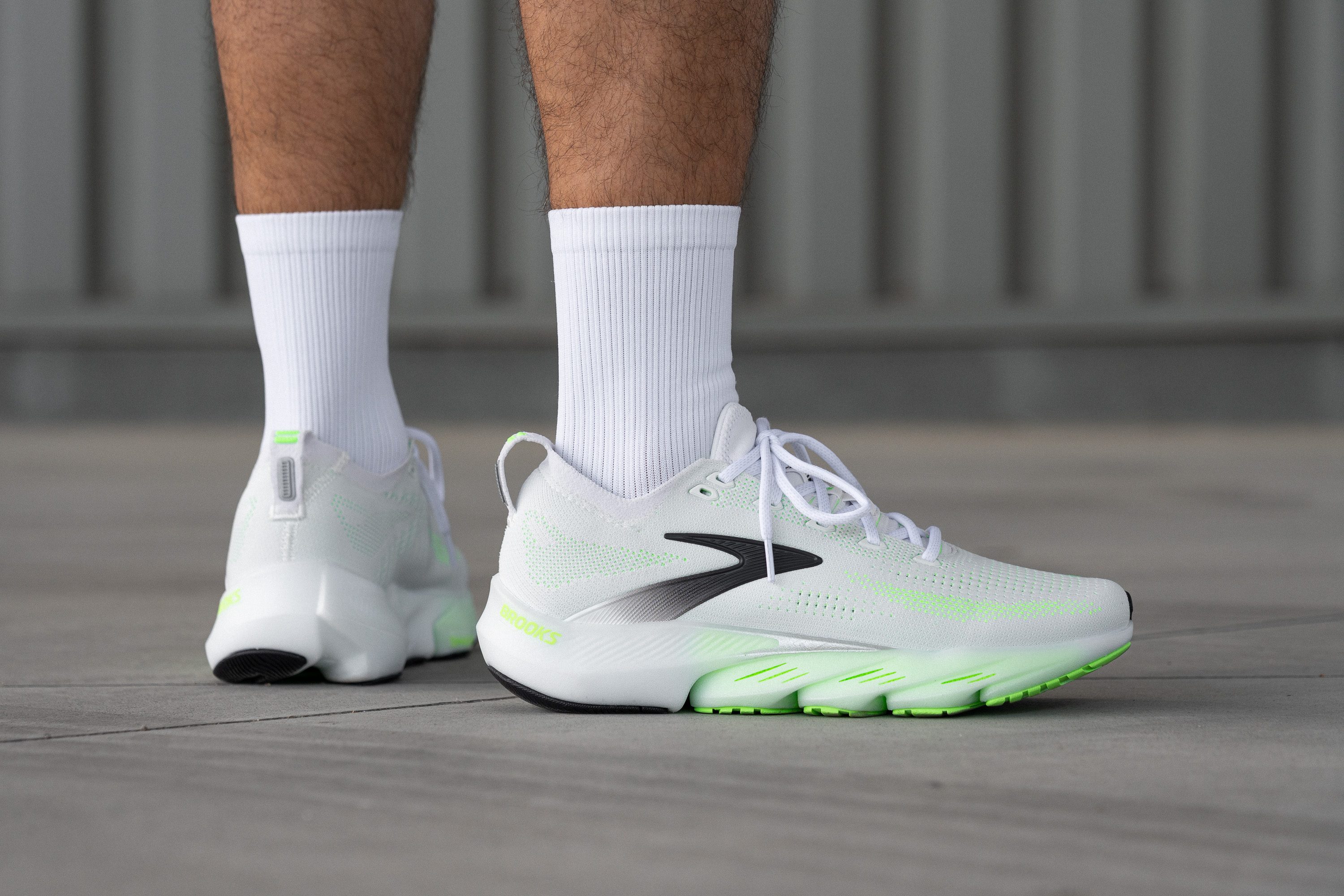
- Brooks fans who enjoy bold and unusual designs and a futuristic concept-shoe look. Like they did with the Aurora-BL!
Who should NOT buy
Runners expecting an ultra-flexible shoe that follows every movement of the foot won’t find that here. While the Glycerin Flex is more flexible than the Glycerin 23, it still falls short of being a true standout in this category. Instead, we suggest the PUMA Velocity Nitro 4 or the adidas Adizero Adios 9, as both are noticeably more flexible while also delivering far greater energy return.
We also believe that runners who dislike narrow-fitting shoes will struggle with the Glycerin Flex, as the fit feels quite snug throughout the forefoot and toebox. Instead, we recommend the Altra Escalante 4 or the Escalante Racer 2 for a roomier and more foot-shaped experience.
Cushioning
Shock absorption
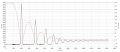
For a daily trainer, the Glycerin Flex delivers a strong level of shock absorption (143 SA in the heel and 109 SA in the forefoot) and should comfortably meet the needs of most runners. We found that the foam performs exceptionally well here!
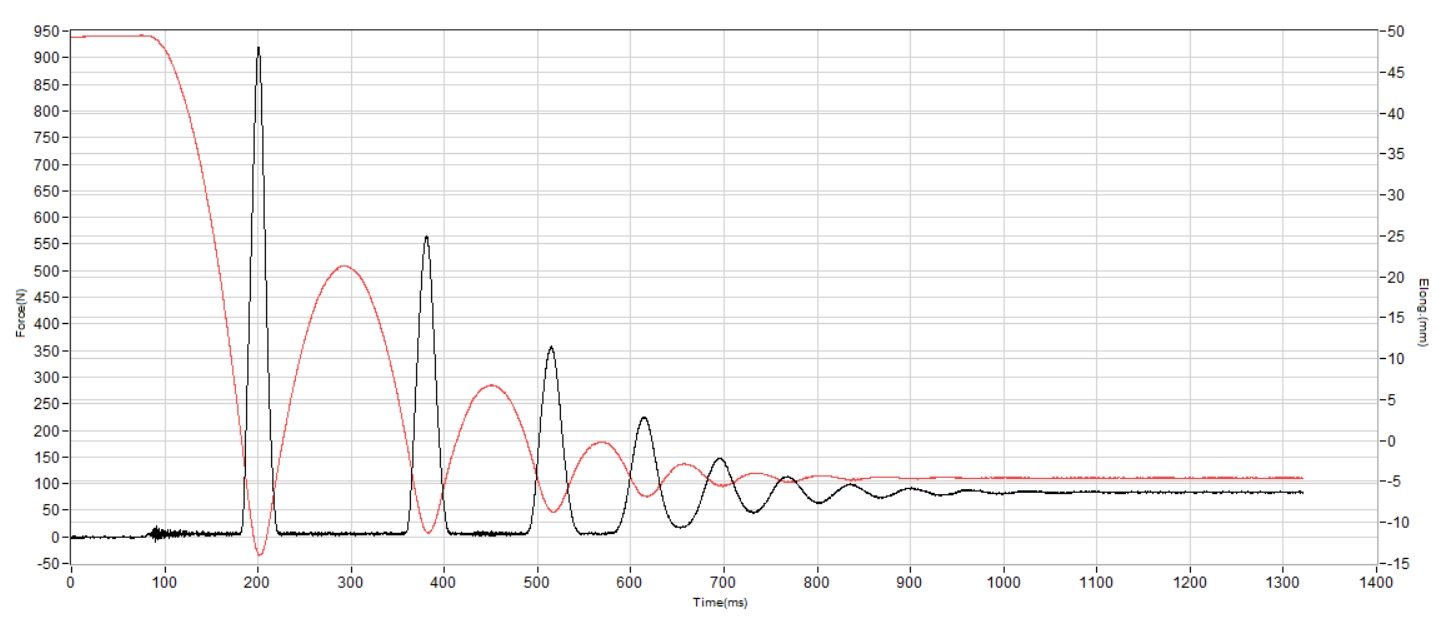
| Glycerin Flex | 143 SA |
| Average | 131 SA |
Energy return
While shock absorption performed well, energy return remained disappointingly low with just 49.1% in the heel and 51.3% in the forefoot. This is not new for a shoe using DNA Tuned, as we’ve tested this compound multiple times in the lab and consistently found that it leaves plenty of room for improvement in terms of bounce.
| Glycerin Flex | 51.3% |
| Average | 61.5% |
Heel stack
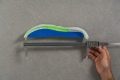
Brooks had a really interesting idea here by combining the heel stack of a regular daily trainer (35.2 mm) with a flex-focused design, targeting a space where the market is clearly lacking.
In our view, runners seeking a flexible ride are usually forced toward low-stack shoes, and that makes the Glycerin Flex a genuinely fresh concept. Will it work in terms of sales? We'll see...
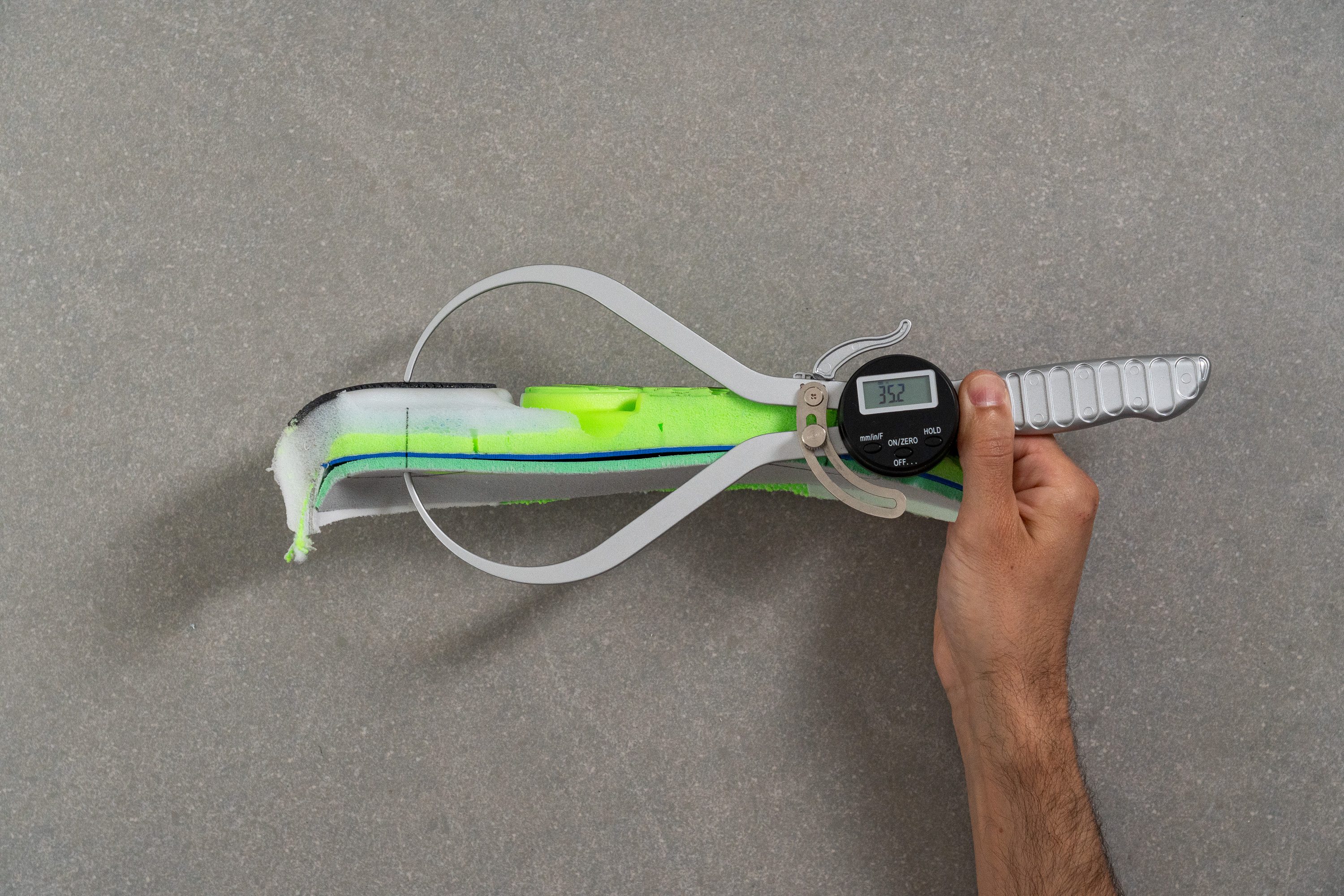
| Glycerin Flex | 35.2 mm |
| Average | 35.6 mm |
Forefoot stack
The forefoot stack also sits close to our current lab average at 25.9 mm, making the shoe a dependable option for daily runs. It avoids being too low while also staying far from the ultra-tall designs that can feel awkward and reduce flexibility.
From our perspective, it can even handle long runs well, especially for lighter runners, thanks to the solid shock absorption we measured earlier.
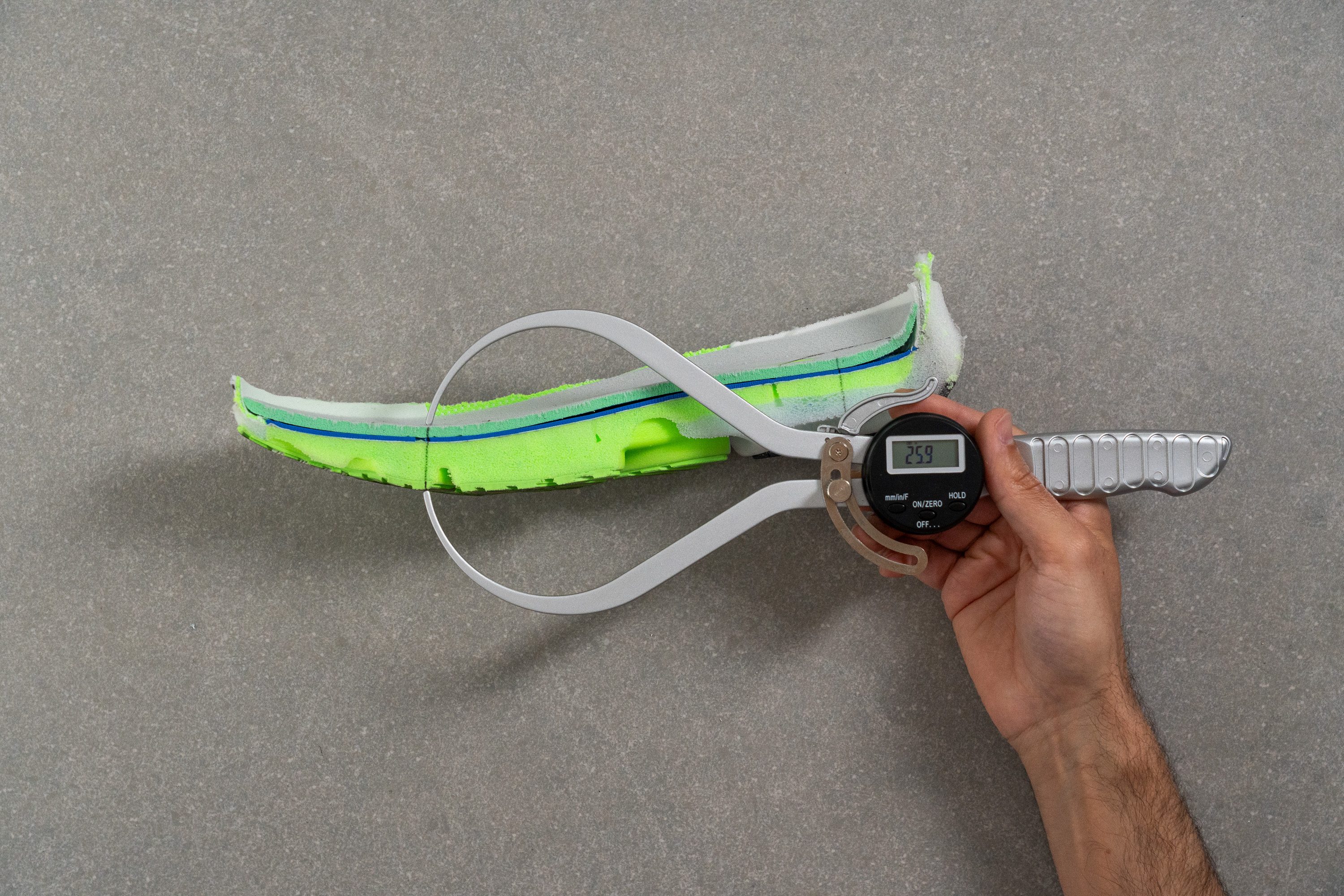
| Glycerin Flex | 25.9 mm |
| Average | 27.1 mm |
Drop
Maybe Brooks designers were tempted to use a lower-drop setup in the Glycerin Flex to attract a different group of runners, but we found that they ultimately stayed with the mainstream formula of a drop between 8 and 10 mm. In this case, we measured 9.3 mm.
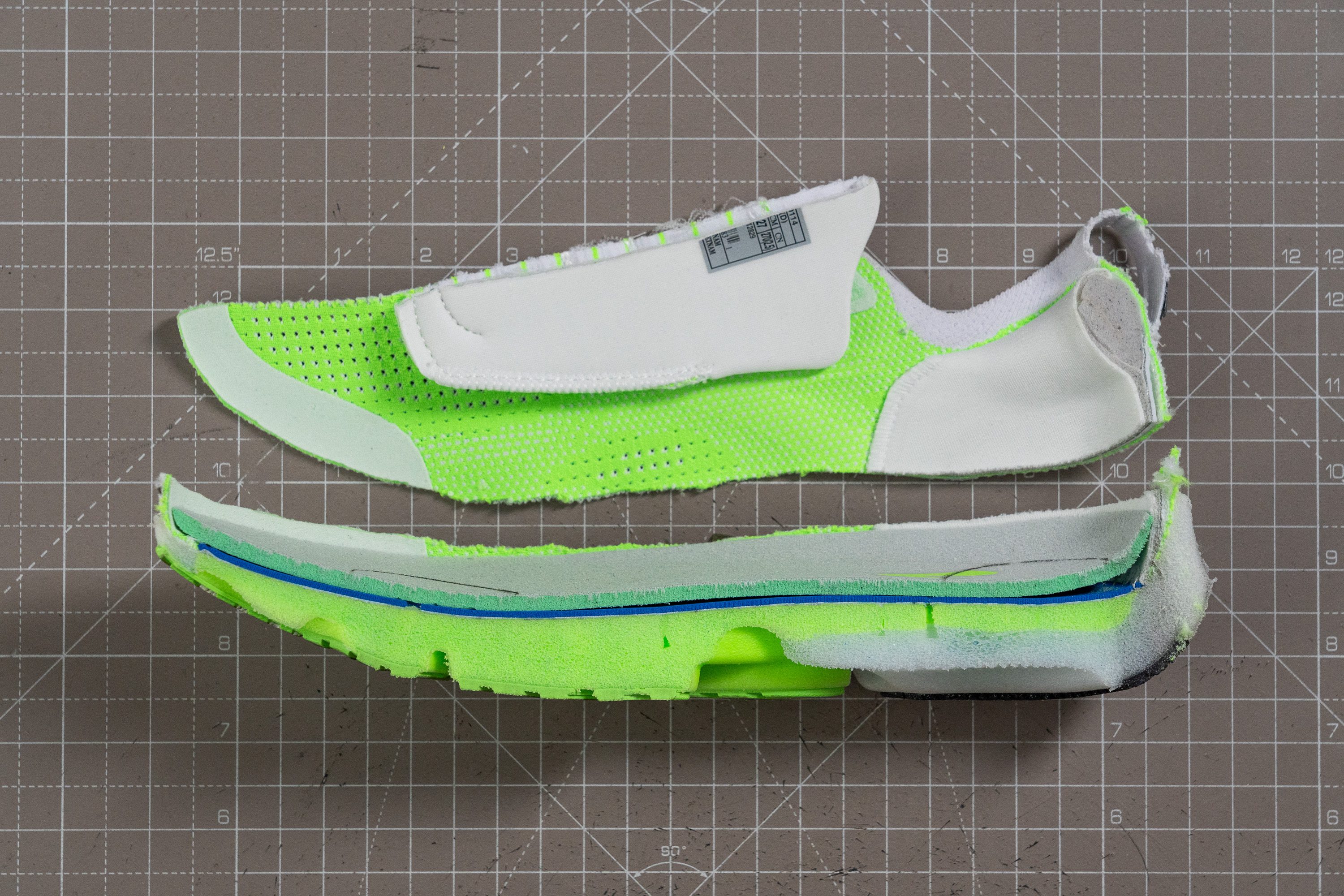
| Glycerin Flex | 9.3 mm |
| Average | 8.4 mm |
Midsole softness
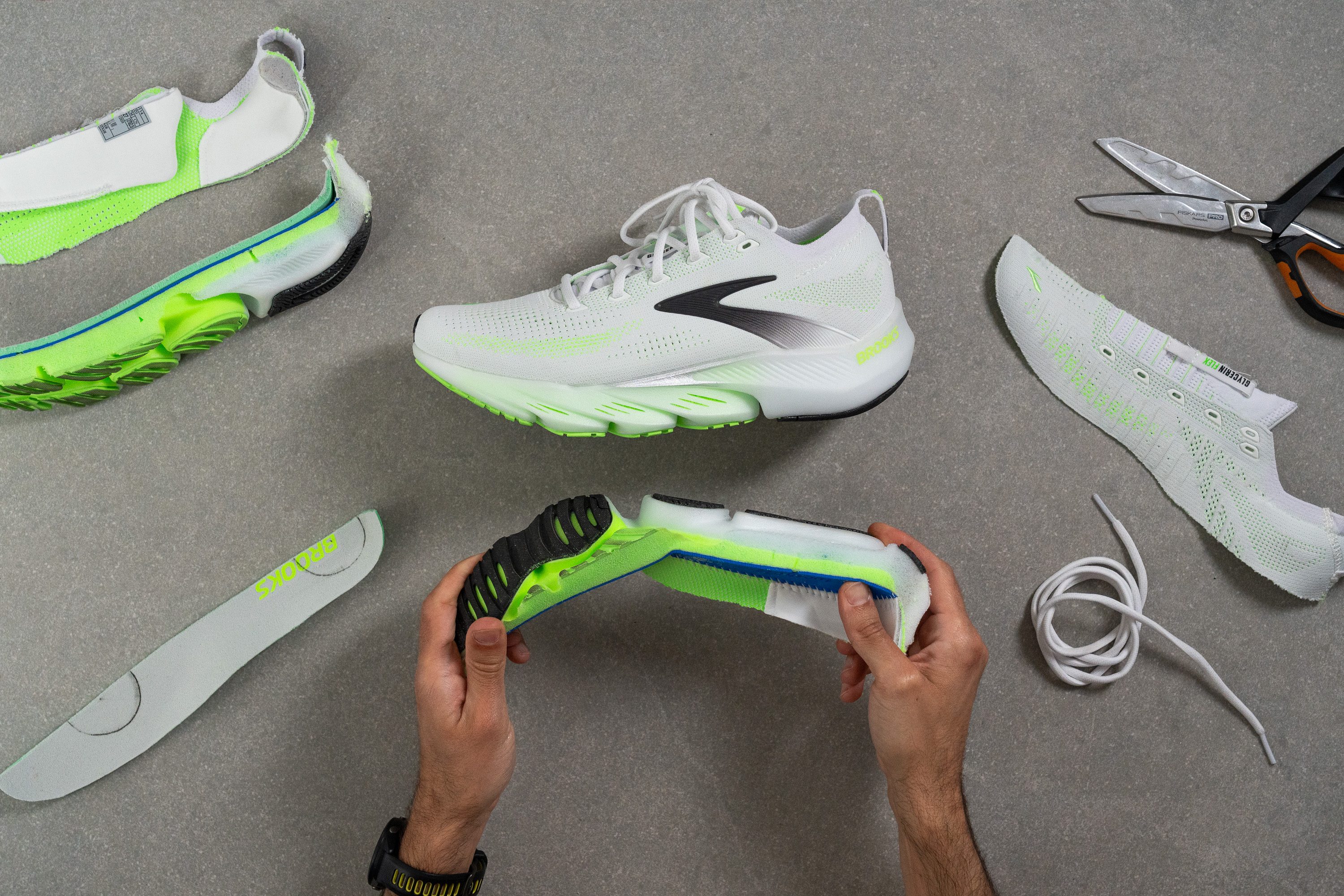
If you're new to the DNA Tuned midsole, let us explain it briefly. It’s an interesting compound that combines two different densities within a single foam slab, and Brooks managed to fuse both sections without using glue.
The forefoot is engineered to feel slightly firmer than the heel, and we measured it at 39.9 AC with our durometer. Brooks also claims that this design makes the forefoot more responsive, although based on the energy return scores we measured before... meh.
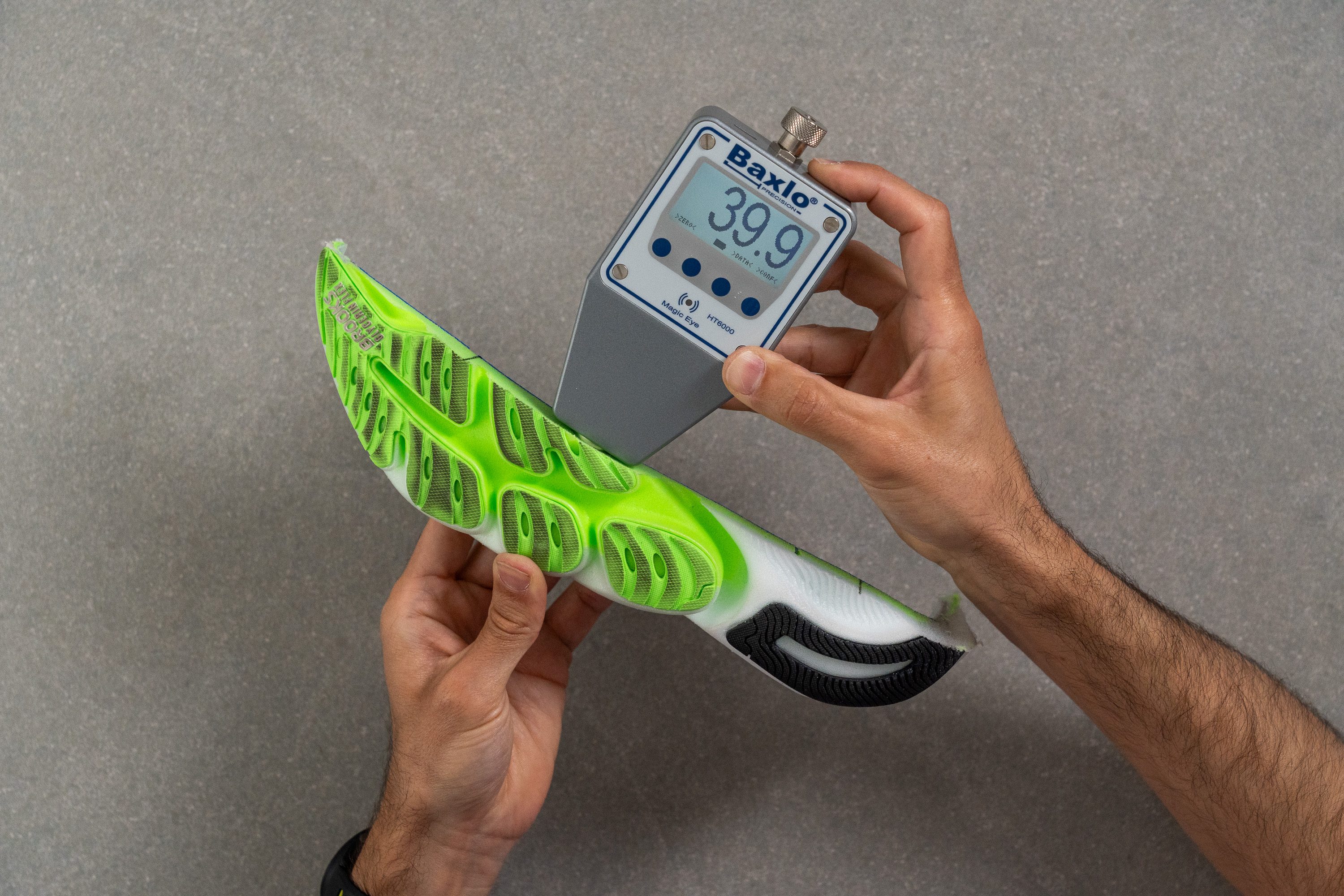
| Glycerin Flex | 39.9 AC |
| Average | 35.4 AC |
Rocker
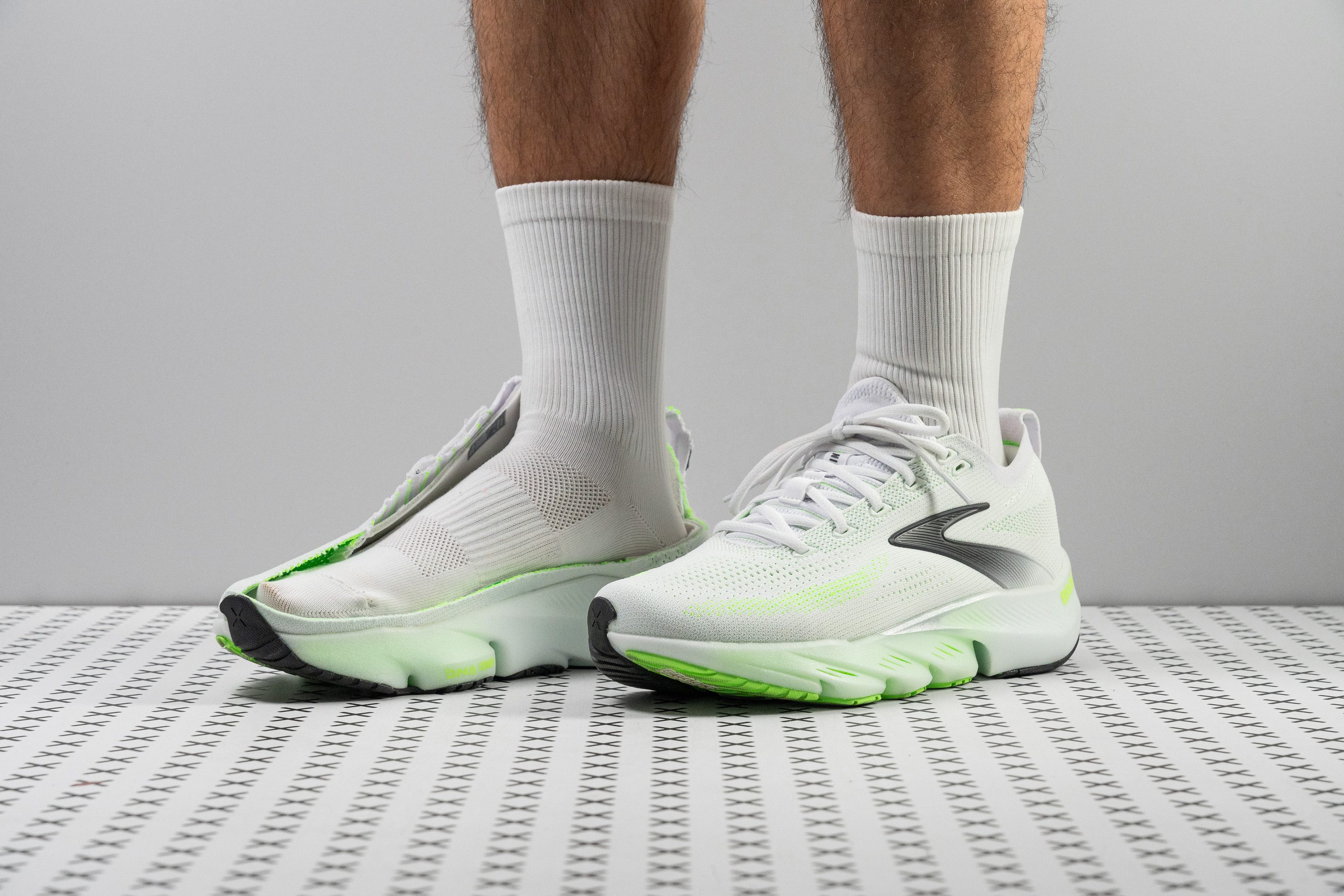
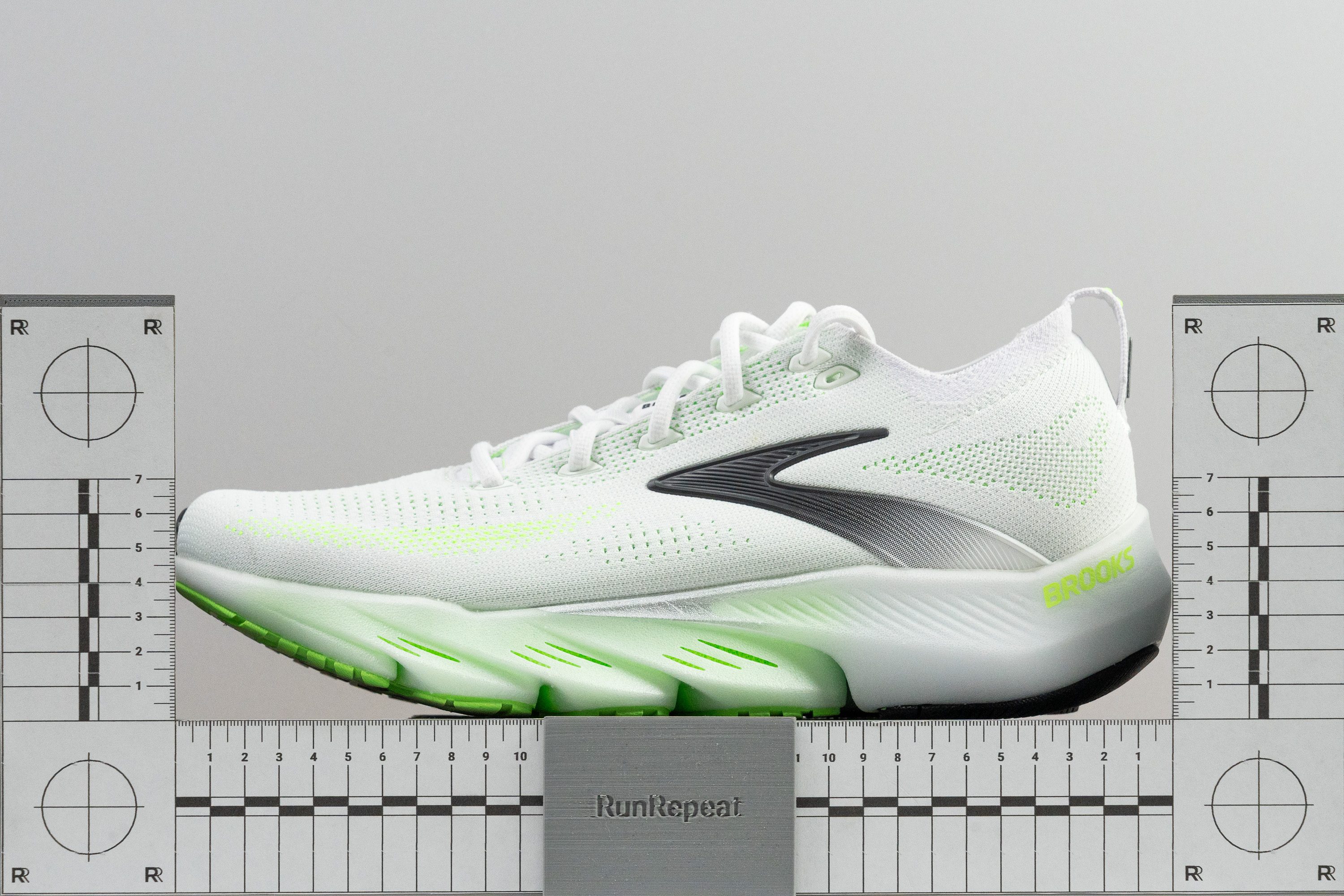
Brooks faced a tough balancing act here, as making the shoe overly rockered would have felt awkward for its flexibility-focused concept. At the same time, the 35.2 mm stack height still required enough curvature in both the heel and forefoot to ensure smooth transitions.
In our view, Brooks ultimately chose a conservative and middle-ground approach that was probably the right call here.
Size and fit
Size
Brooks Glycerin Flex fits true to size (26 votes).
Internal length
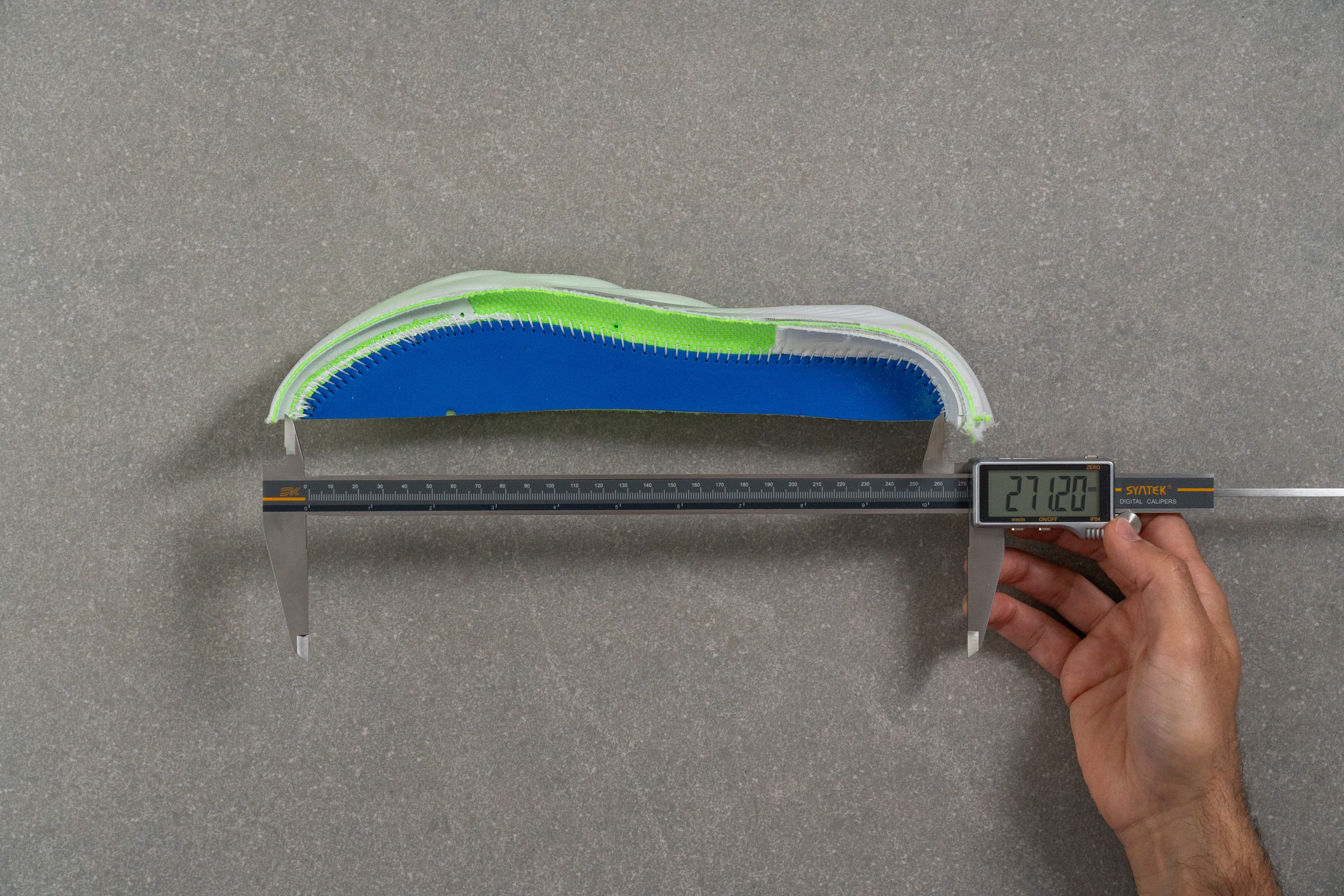
| Glycerin Flex | 271.2 mm |
| Average | 269.3 mm |
Width / Fit
Another area where Brooks stayed with a more traditional approach is fit, as we noticed immediately after putting on the Glycerin Flex that this is definitely not a roomy toebox design—more like the opposite.
Our first measurement already came in below average at 93.9 mm, but the next result was even more revealing.
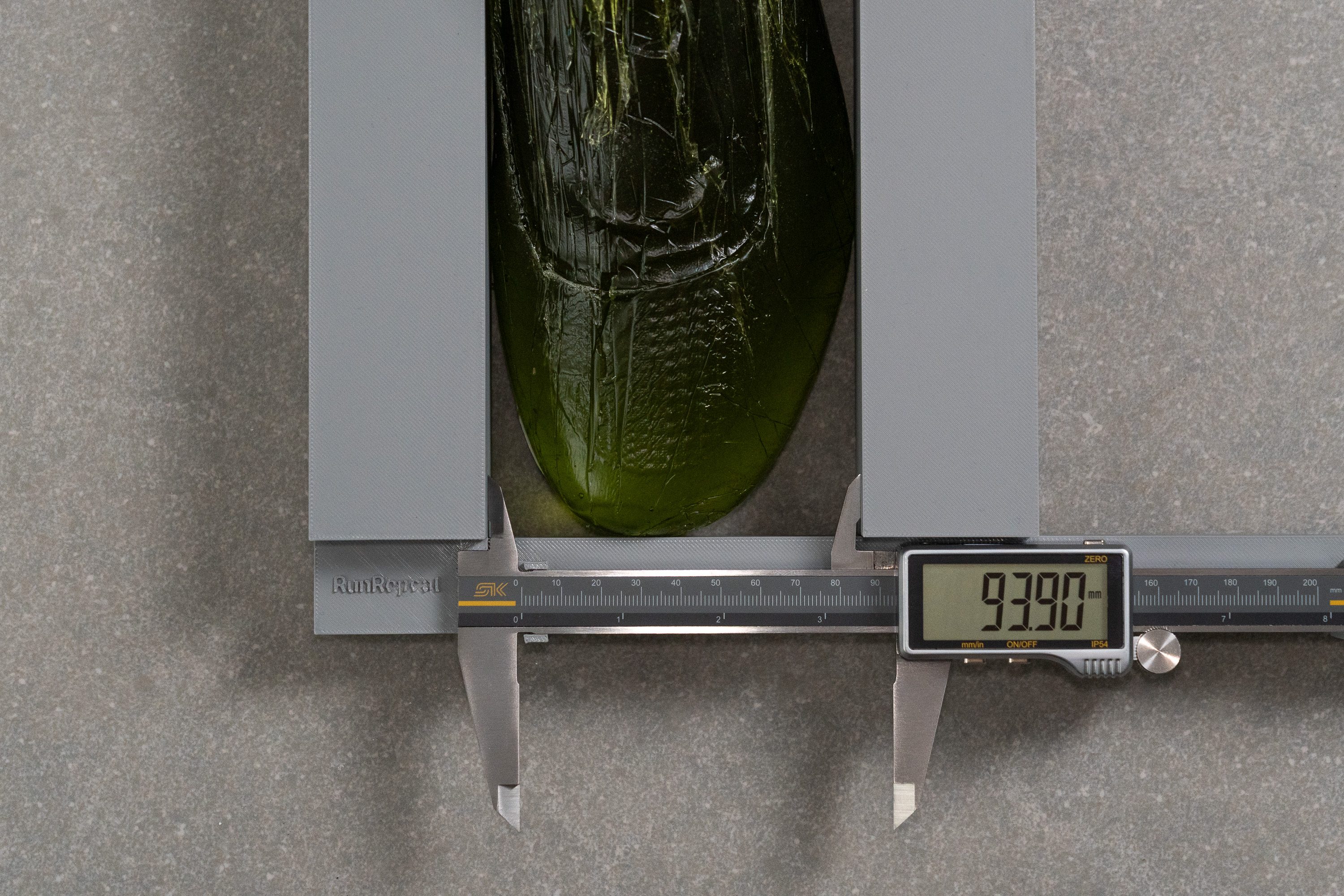
| Glycerin Flex | 93.9 mm |
| Average | 95.2 mm |
Toebox width
Here’s where the true fit of the Glycerin Flex becomes clear. With only 69.1 mm of width in the toebox area, there’s limited room for toe splay, confirming that this shoe works best for runners who prefer a snug fit or have narrow feet.
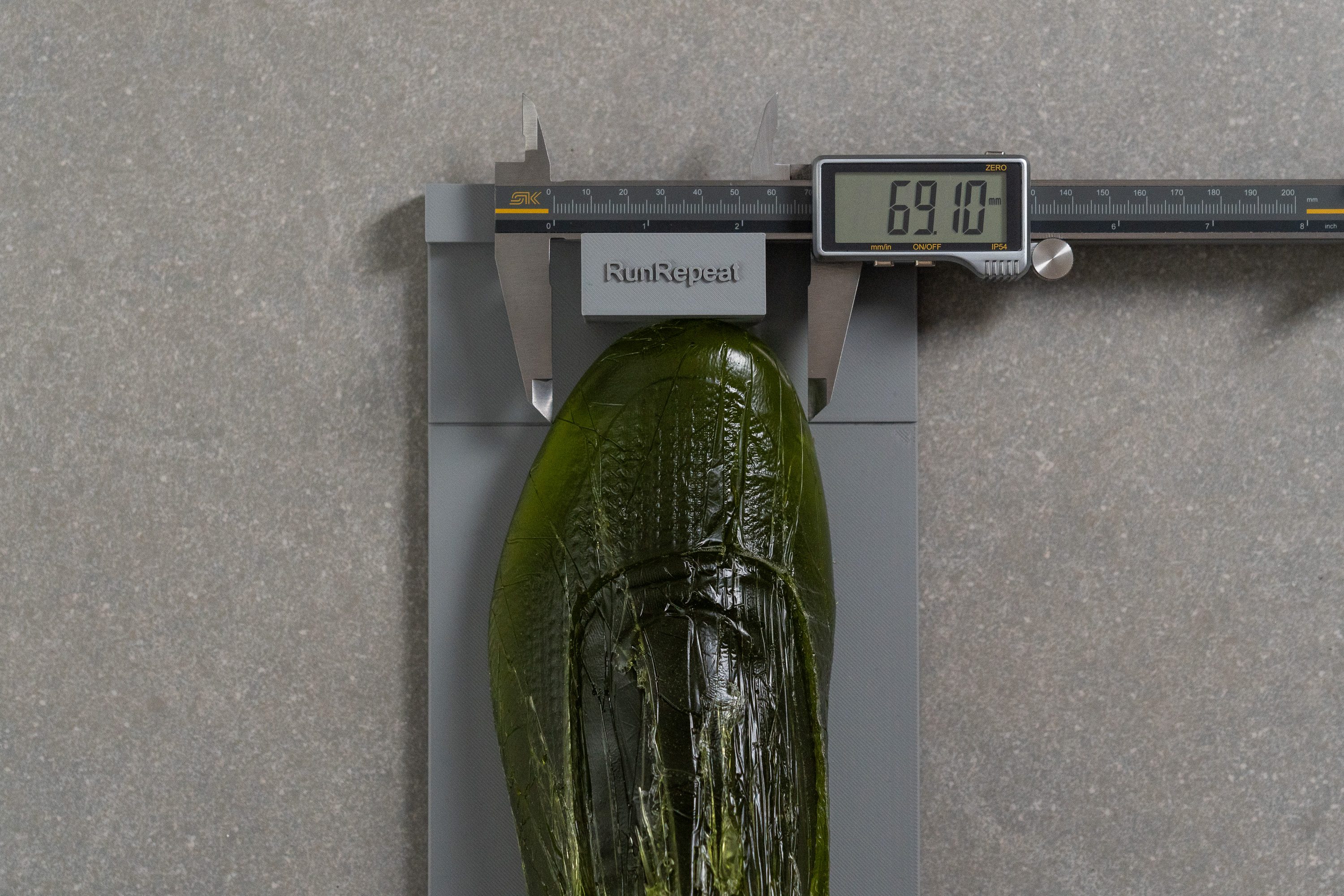
| Glycerin Flex | 69.1 mm |
| Average | 73.2 mm |
Toebox height
Vertical room for the toes is also a bit lower than usual, meaning all three fit-related measurements came in below our current lab average.
However, we don’t think this will become a major issue for most runners. At 25.7 mm, the toebox height still strikes a solid balance, and the comfortable knit upper helps offset the slightly lower overall volume.
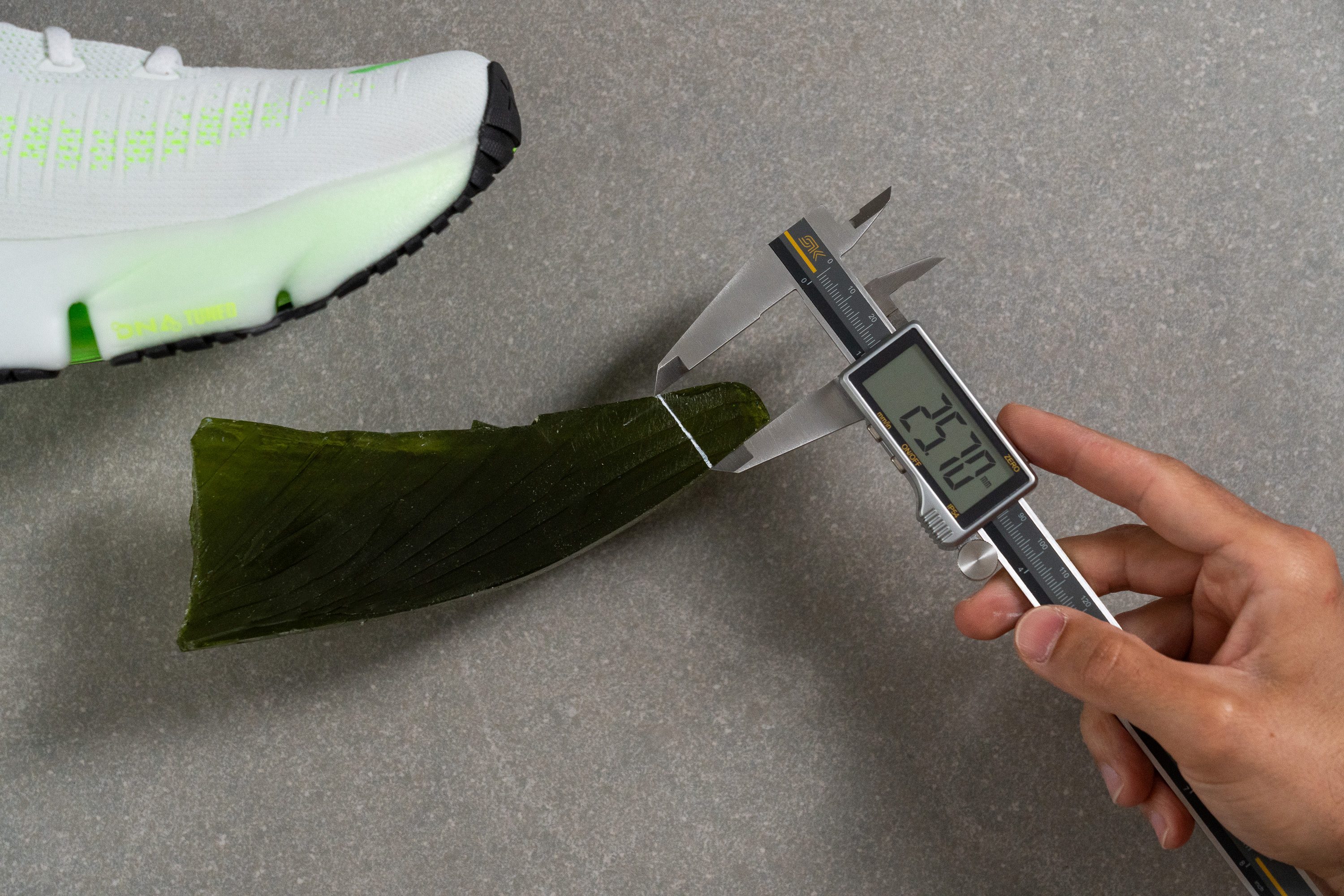
| Glycerin Flex | 25.7 mm |
| Average | 27.0 mm |
Traction / Grip
Traction test
We found traction to be solid at 0.60, making it one less thing to worry about during daily runs. Even on slippery surfaces like sidewalks, the Glycerin Flex delivers reassuring grip.
| Glycerin Flex | 0.60 |
| Average | 0.53 |
Outsole design
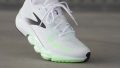
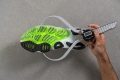
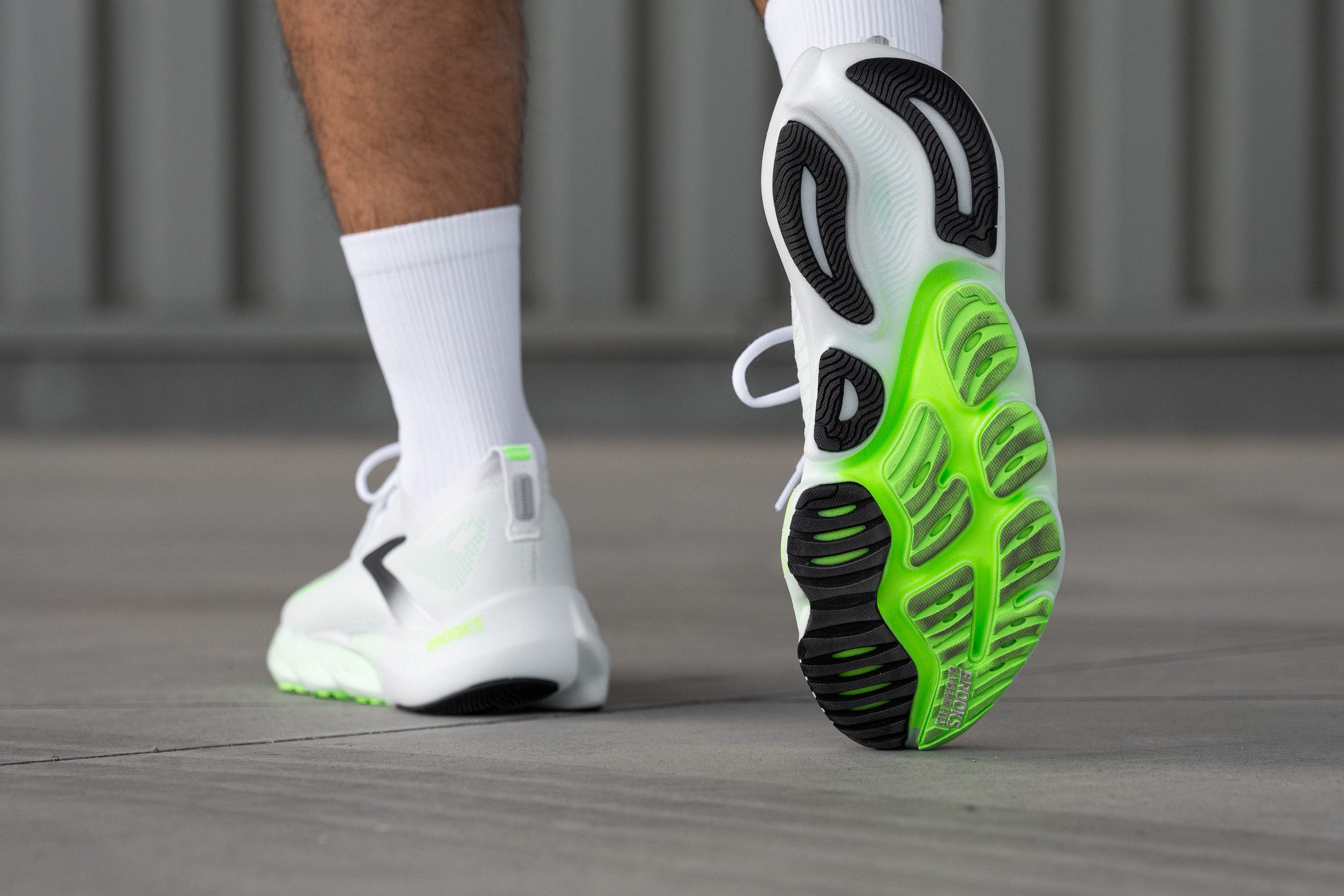
We found that the outsole combines exposed white foam in the heel with multiple black rubber patches and a large neon-green rubber section through the midfoot and forefoot. The design uses heavy segmentation with several deep flex grooves and cutouts across the entire sole.
Flexibility / Stiffness
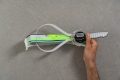
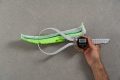
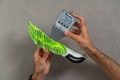
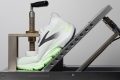
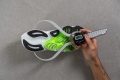
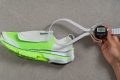
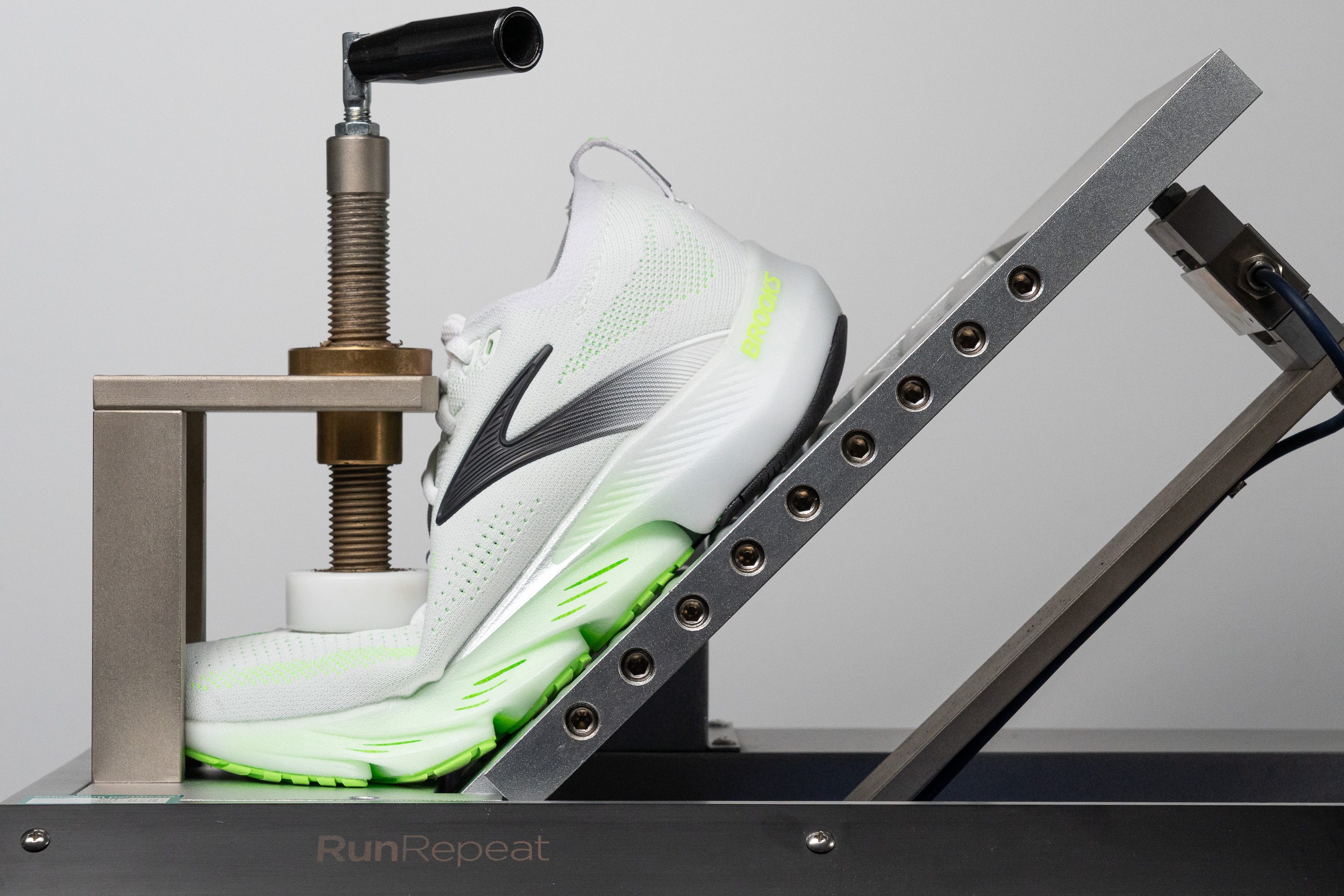
The Brooks Glycerin Flex offers 19% more flexibility (12.2N) than the regular Glycerin, which is definitely noticeable, although far from revolutionary. Despite featuring multiple grooves and design-focused elements aimed at increasing flex, it is a shoe with a moderate stack height and that adds some inherent stiffness.
This may disappoint runners expecting an ultra-bendable shoe that folds effortlessly, and we can understand why.
| Glycerin Flex | 12.2N |
| Average | 15.5N |
Weight
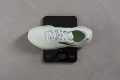
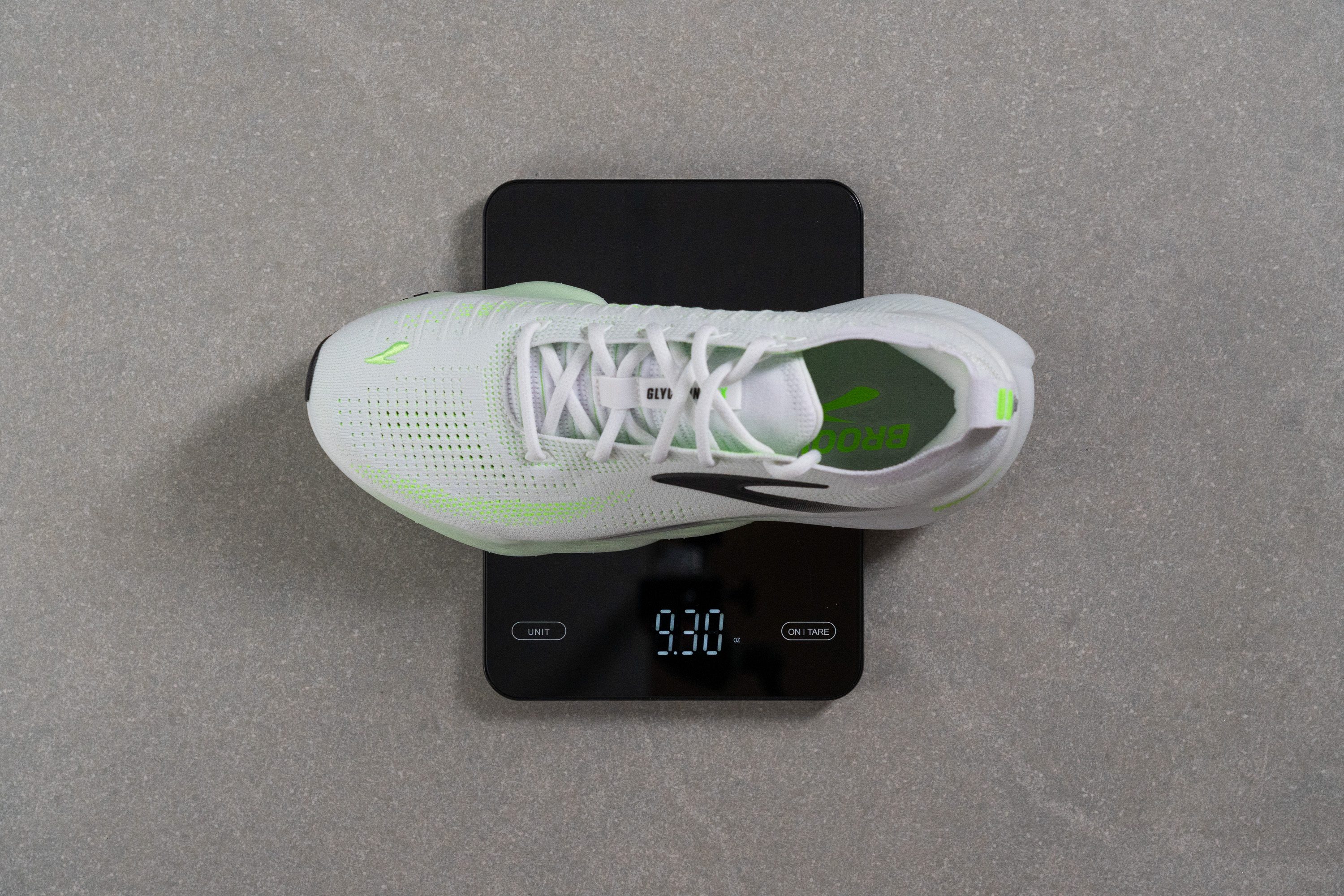
Weight is reasonable at 9.3 oz or 264 g, especially considering that the upper delivers solid comfort and the outsole rubber is far from minimal. It also marks a nice 12% improvement over the bottom-heavy Glycerin 23.
| Glycerin Flex | 9.3 oz (264g) |
| Average | 9.2 oz (261g) |
Breathability
Breathability test
From our perspective, the real highlight of this shoe is the excellent knit upper. The midsole feels somewhat flat and the outsole performs adequately, but the upper is where Brooks has really been excelling lately.
It uses a cozy knit material while still maintaining a surprisingly high level of ventilation. In fact, earning a 4/5 in our breathability test was especially impressive given this type of upper construction.
Brooks added strategically-placed ventilation holes throughout the toebox to improve airflow and help reduce heat buildup inside the shoe during runs.

Under our digital microscope, the upper looked even more impressive. We found the material quality to be exceptionally high, with a refined and detail-oriented construction throughout.
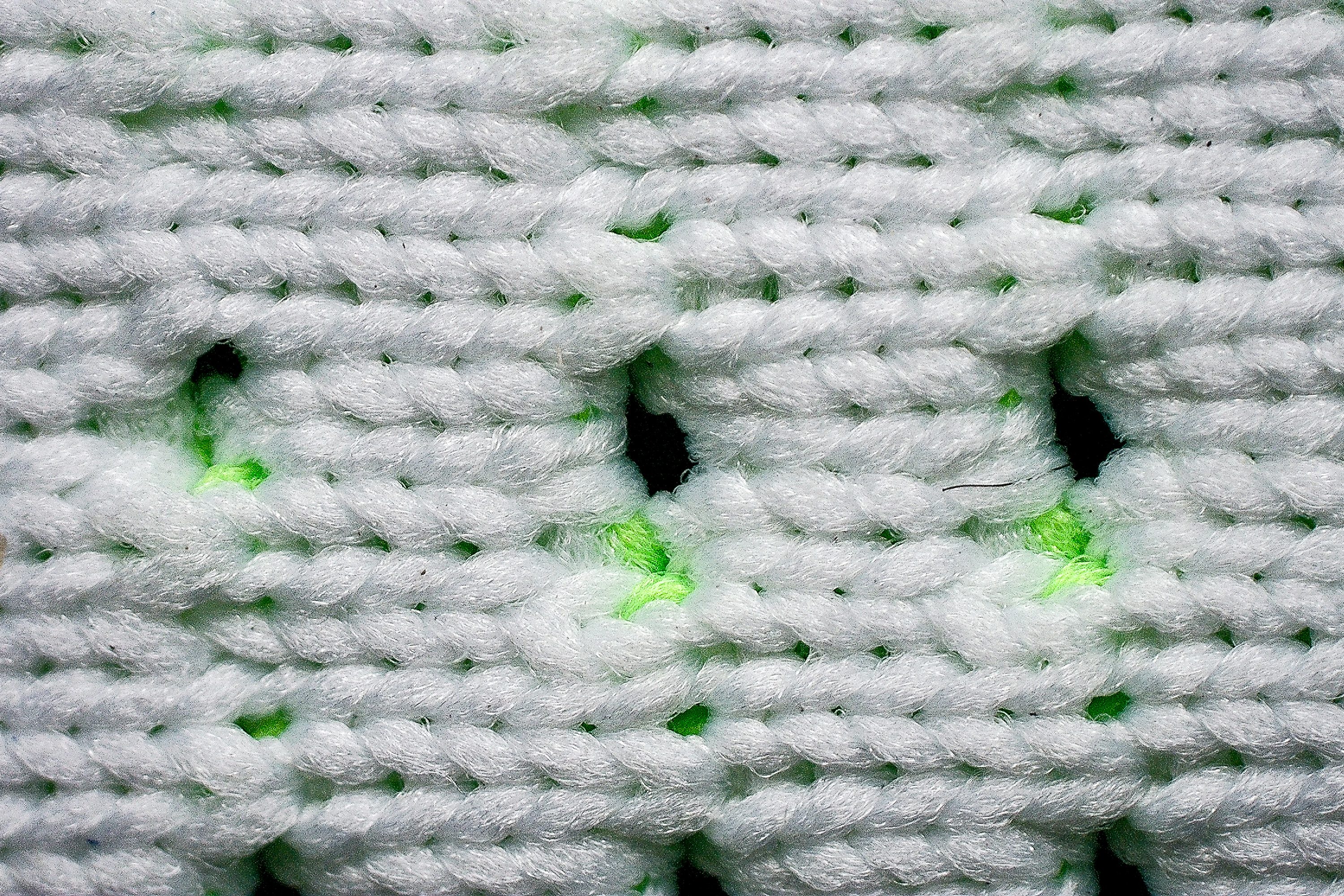
The detailing is outstanding, and the finishing quality feels premium from every angle. In our opinion, other mainstream brands should pay close attention to how Brooks crafted such a comfort-focused knit upper that also delivers a sleek and modern look.
| Glycerin Flex | 4 |
| Average | 3.6 |
Stability
Lateral stability test
The Glycerin Flex requires slightly more work from the runner to maintain stability compared to the regular version. Even so, it still delivers a secure and confidence-inspiring ride for neutral runners without major support needs.
To simplify it, just picture a regular Glycerin or another standard daily trainer, but with one or two levels less support. That’s essentially what this shoe feels like.
Torsional rigidity
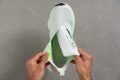
We also expected a slightly lower result here. Our measurement came in at 12.9 Nm, which is below average, although for a shoe carrying the Flex name, we anticipated something under 10 Nm.
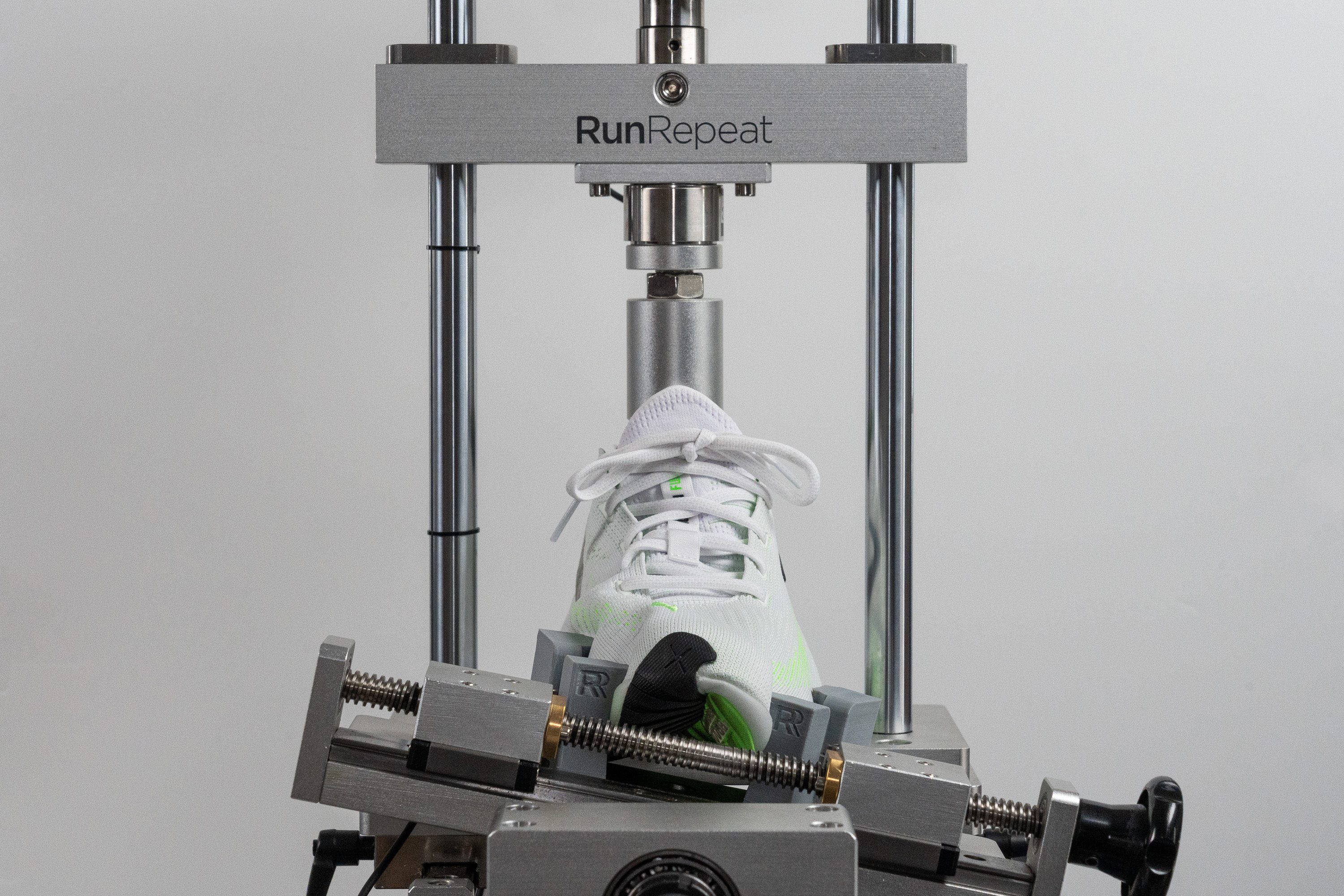
| Glycerin Flex | 12.9 Nm |
| Average | 14.3 Nm |
Heel counter stiffness
The heel counter is fairly flexible with a 2/5 score, and this result matched our expectations well, offering a bit of structure while still staying clearly on the flexible side.
| Glycerin Flex | 2 |
| Average | 2.9 |
Midsole width - forefoot
The shoe is not especially wide in the forefoot at 115.7 mm, although this transitions into a very broad midfoot platform that adds some extra stability.
It also reinforces the modern trend of running shoes using generous midfoot designs, an approach largely popularized by HOKA and now adopted by many brands.
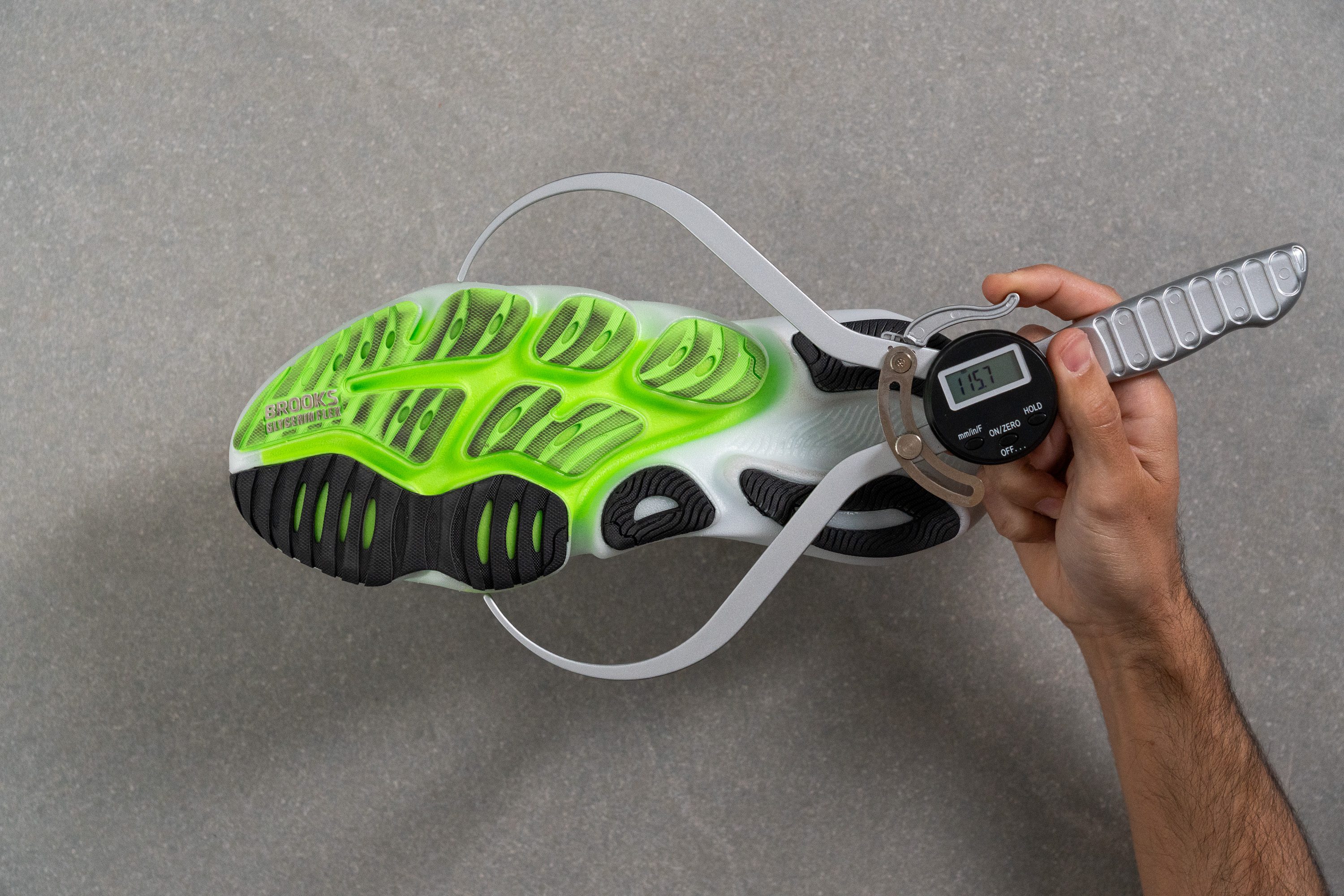
| Glycerin Flex | 115.7 mm |
| Average | 115.1 mm |
Midsole width - heel
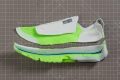
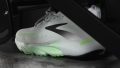
The shoe features a boxy shape that’s clearly visible in our photos, with very little tapering through the heel area. As a result, we measured a notably above-average width of 97.2 mm.
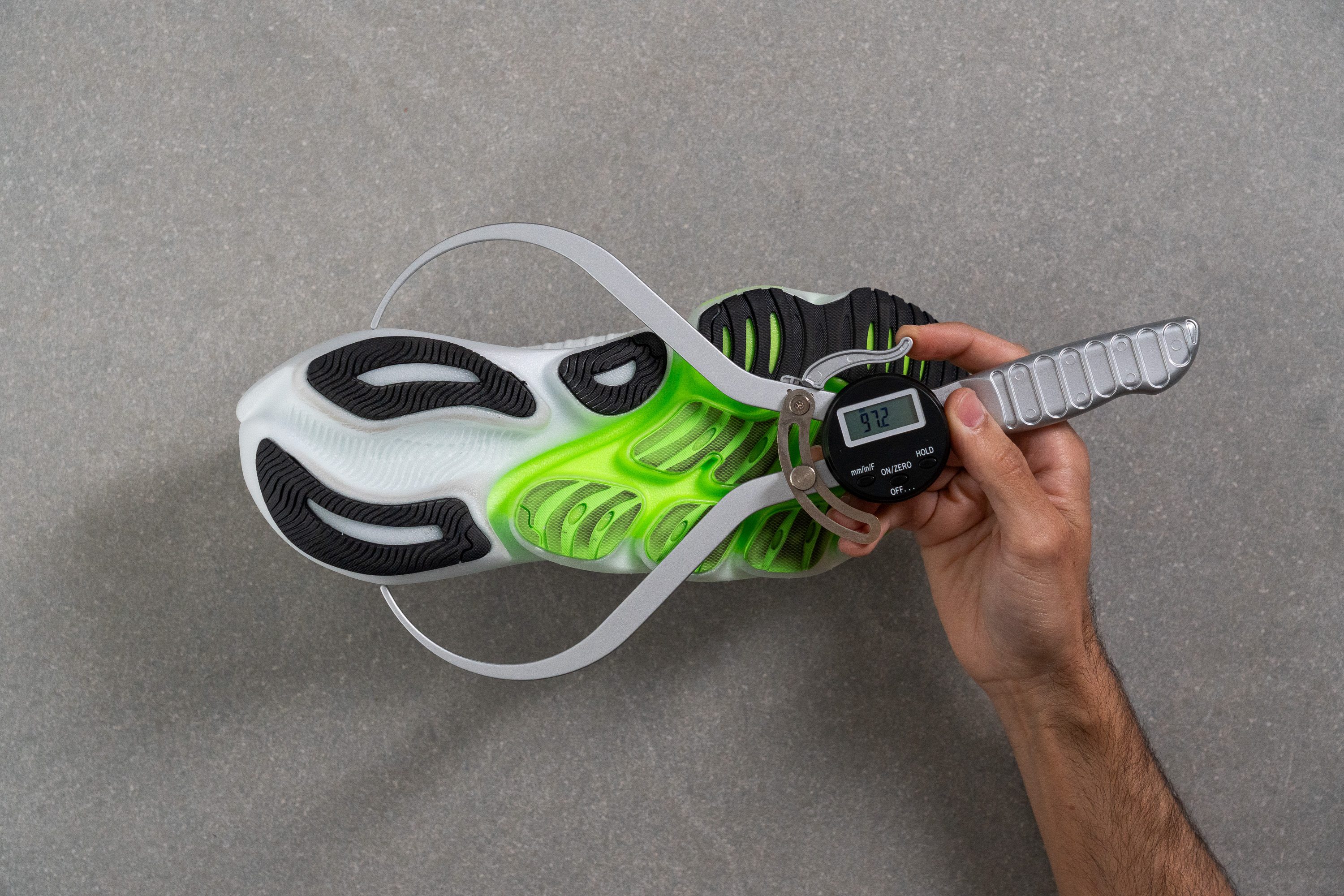
| Glycerin Flex | 97.2 mm |
| Average | 91.1 mm |
Durability
Toebox durability
The upper is phenomenal, combining solid ventilation with excellent material quality and impressive durability, earning a strong 4/5 score in our testing.
| Glycerin Flex | 4 |
| Average | 2.6 |
Heel padding durability
The heel padding pushed things even further, earning our maximum 5/5 durability score. What a phenomenal upper package from Brooks.
| Glycerin Flex | 5 |
| Average | 3.4 |
Outsole durability
While the upper proved highly durable, we can’t say the same about the outsole. Although a measured wear depth of 1.3 mm is far from terrible, it’s not an especially impressive result either.
| Glycerin Flex | 1.3 mm |
| Average | 1.1 mm |
Outsole thickness
With an outsole thickness of 3.1 mm, the slightly below-average durability is at least partially offset and doesn’t feel concerning to us. That said, we think version 2 could benefit from a more abrasion-resistant rubber compound.
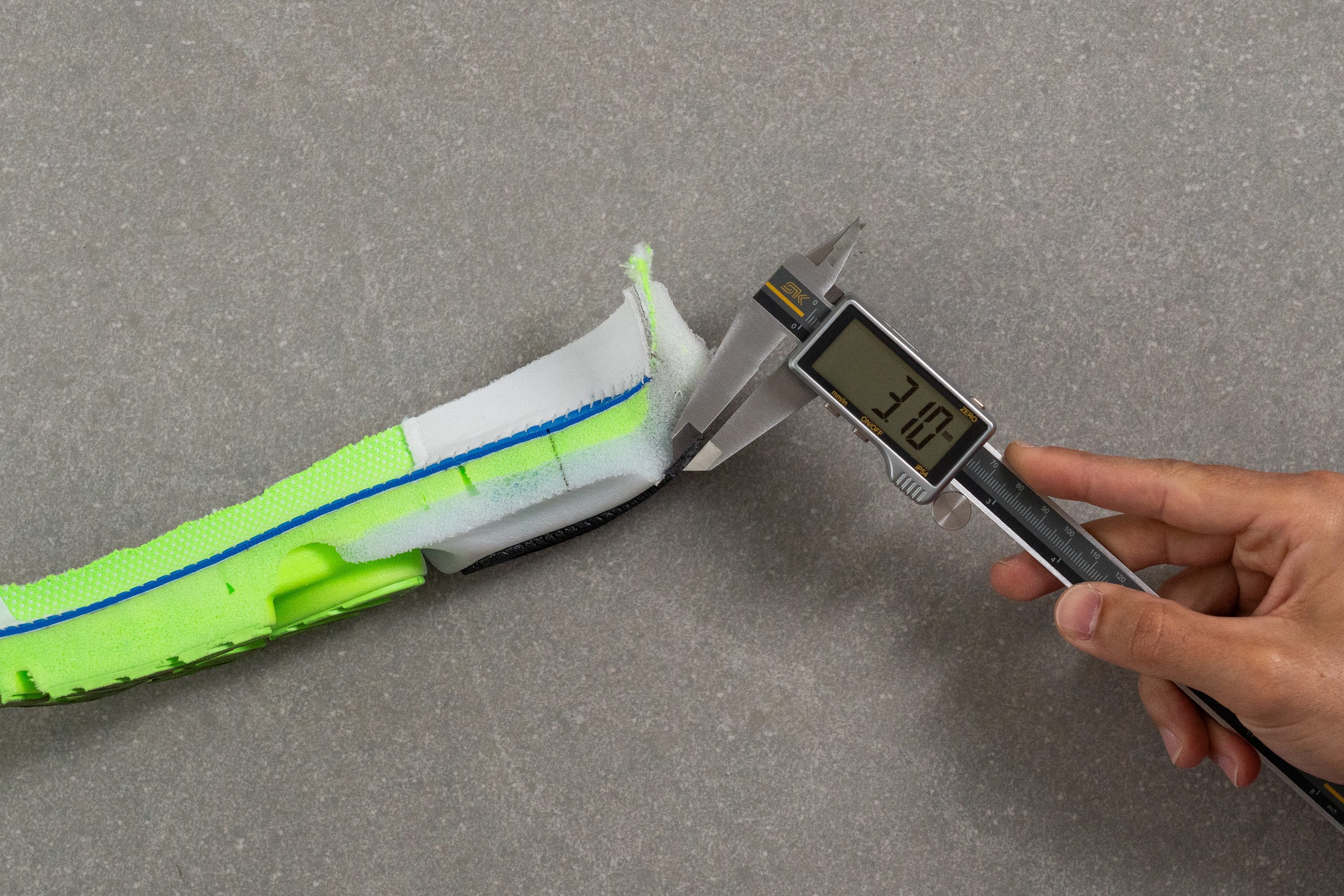
| Glycerin Flex | 3.1 mm |
| Average | 3.1 mm |
Misc
Insole thickness
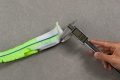
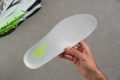
We found the insole thickness to sit right around our current lab average at 4.5 mm.
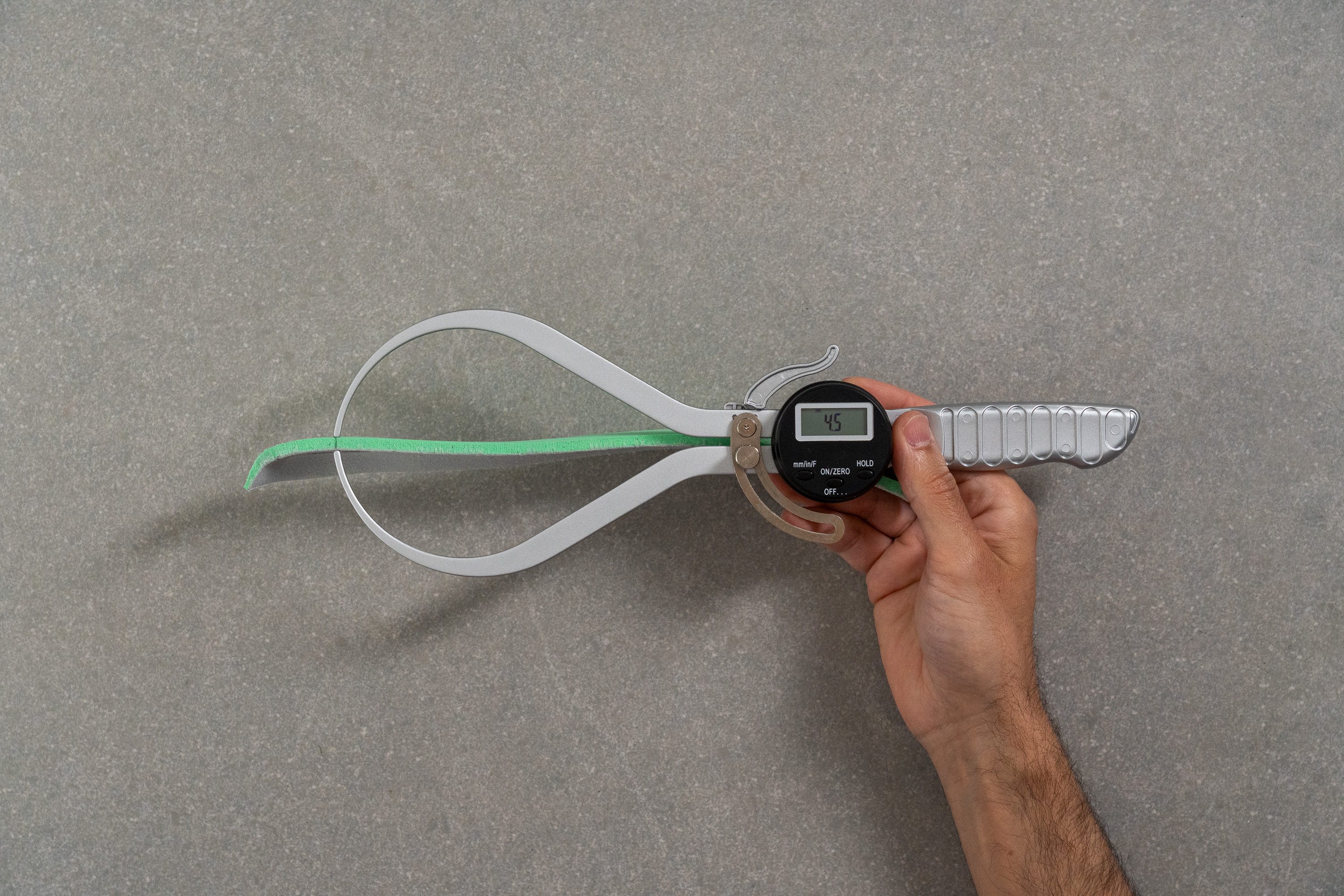
| Glycerin Flex | 4.5 mm |
| Average | 4.4 mm |
Removable insole
The insole is fairly basic, although thankfully it can be easily replaced if desired.
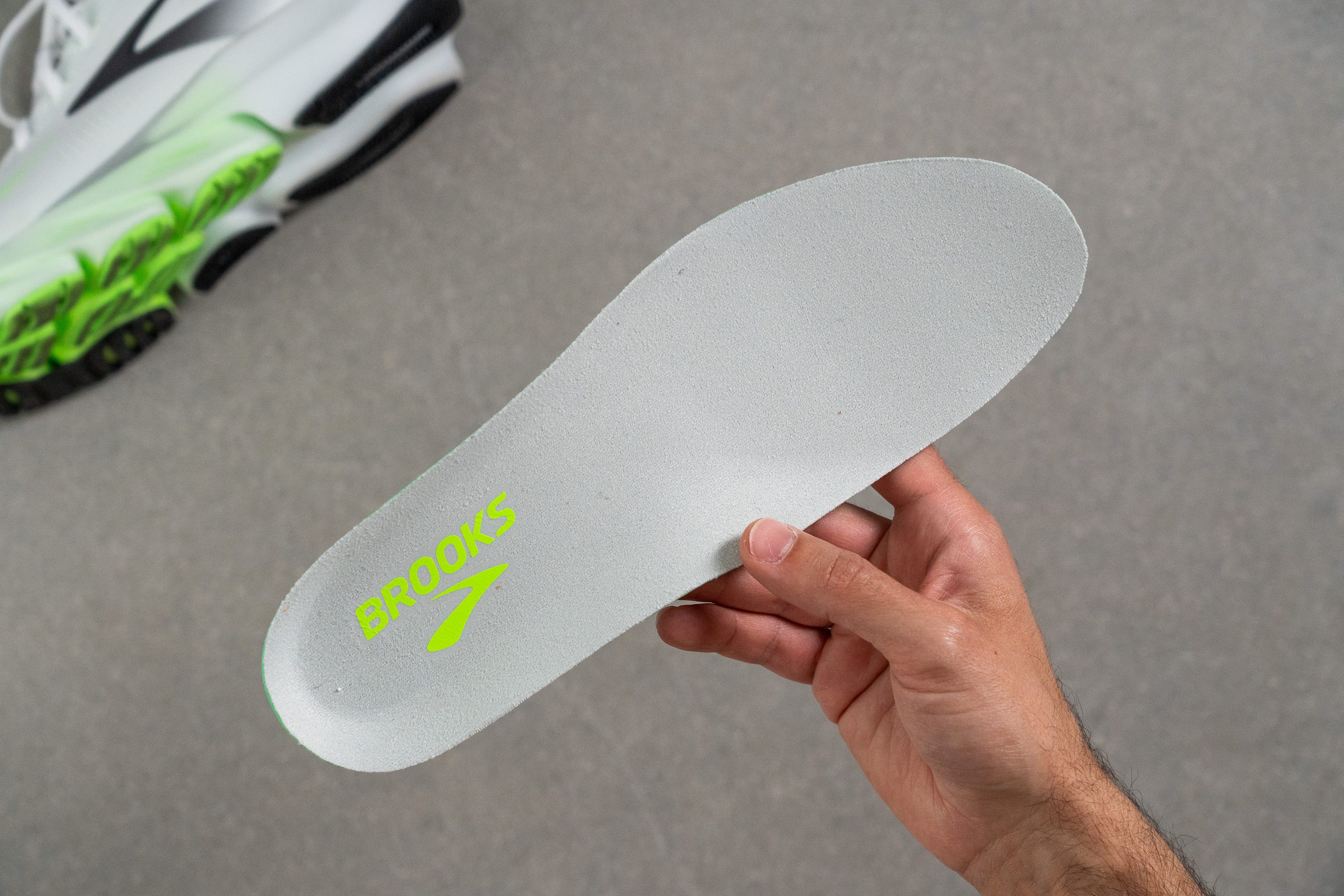
| Glycerin Flex | Yes |
Reflective elements
There are two small yet powerful reflective elements integrated into the heel tab of the Glycerin Flex, and we were really happy to find them here.
| Glycerin Flex | Yes |
Tongue padding
The lacing system is really good, allowing runners to fine-tune the fit with precision while also including the usual extra eyelet for alternative lacing techniques and improved lockdown.
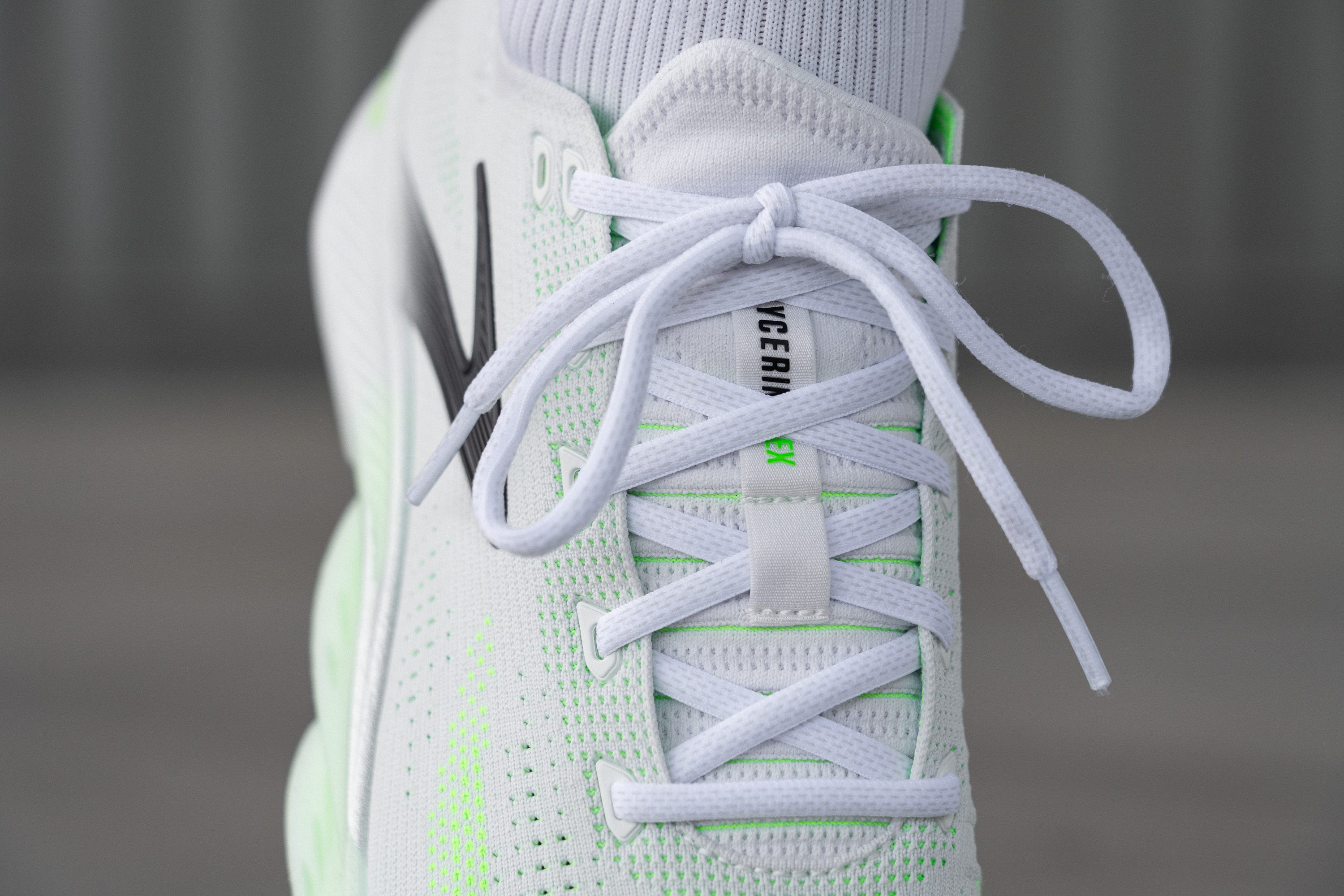
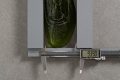
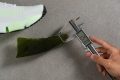
The tongue padding will work best for runners who dislike thick, heavily-padded designs. It features a small slab of foam inside and reaches a maximum thickness of just 3.6 mm, which we found sufficient, although it may feel less than ideal for those seeking an extra-cozy and plush fit.
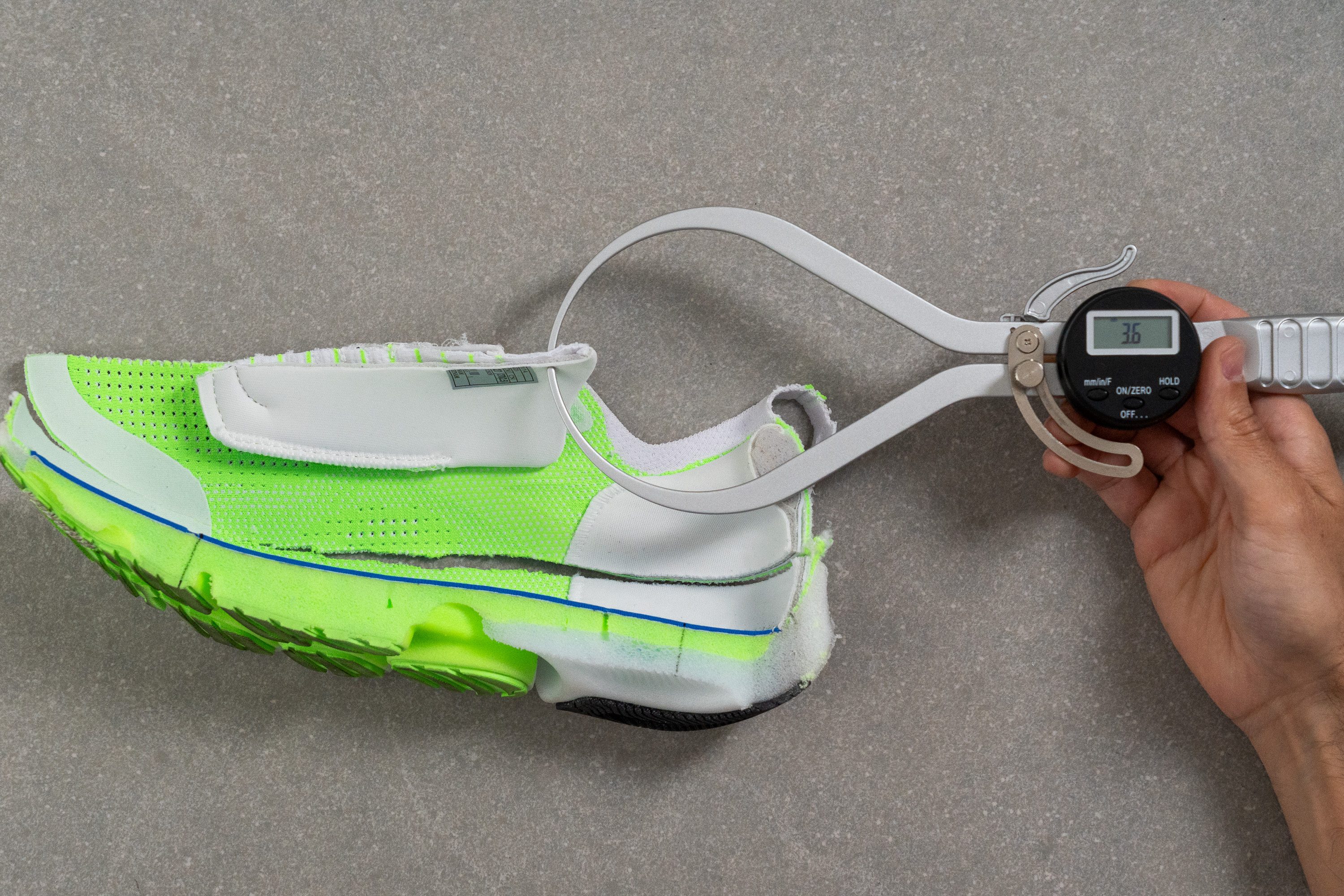
| Glycerin Flex | 3.6 mm |
| Average | 5.8 mm |
Tongue: gusset type
The tongue is not gusseted, which we find difficult to justify at this premium price point. In our opinion, this is something Brooks should address in version 2.
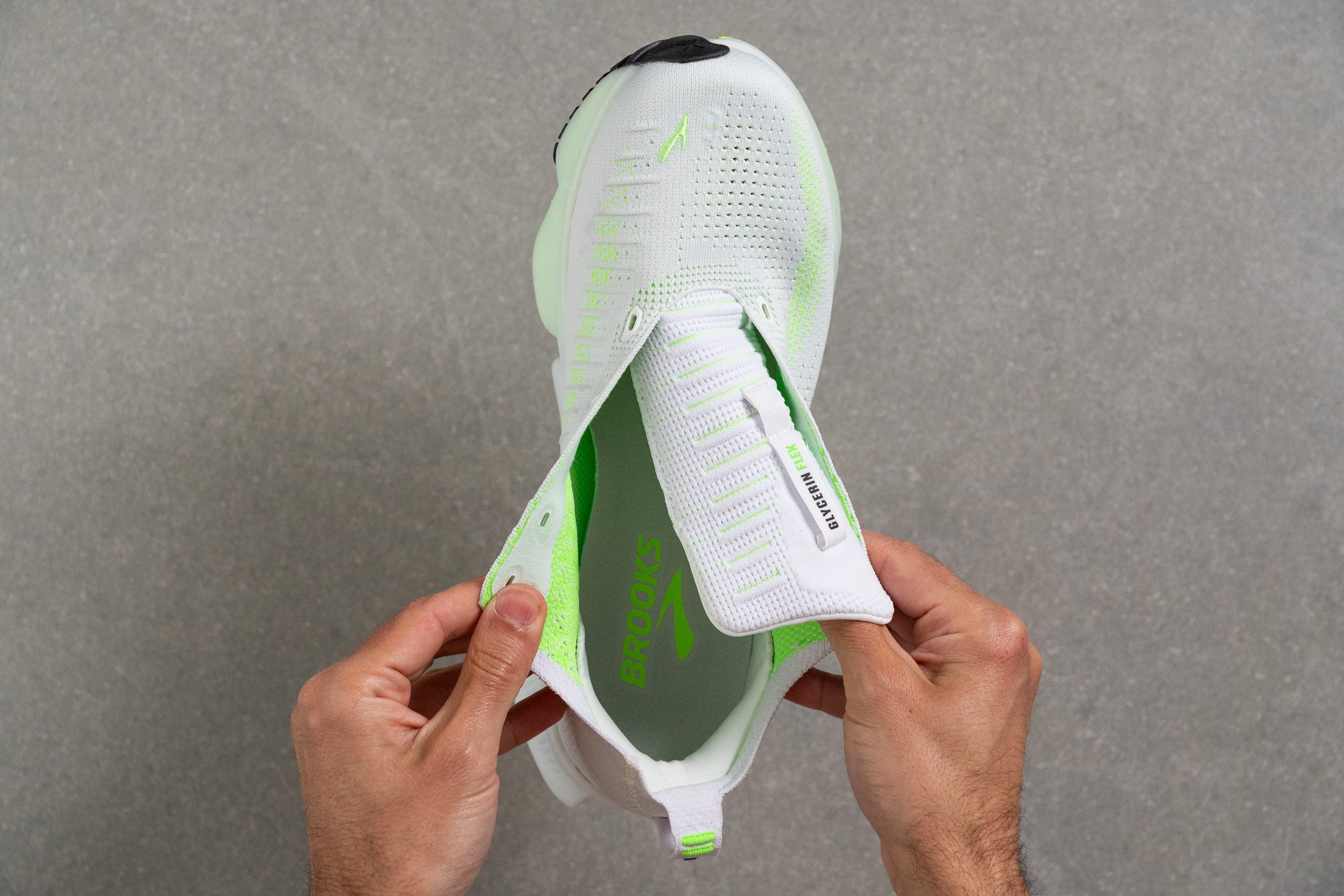
| Glycerin Flex | None |
Heel tab
Brooks’ expertise in crafting premium uppers is evident once again here, highlighted by a perfectly-integrated finger-loop heel tab that blends seamlessly with the heel collar.
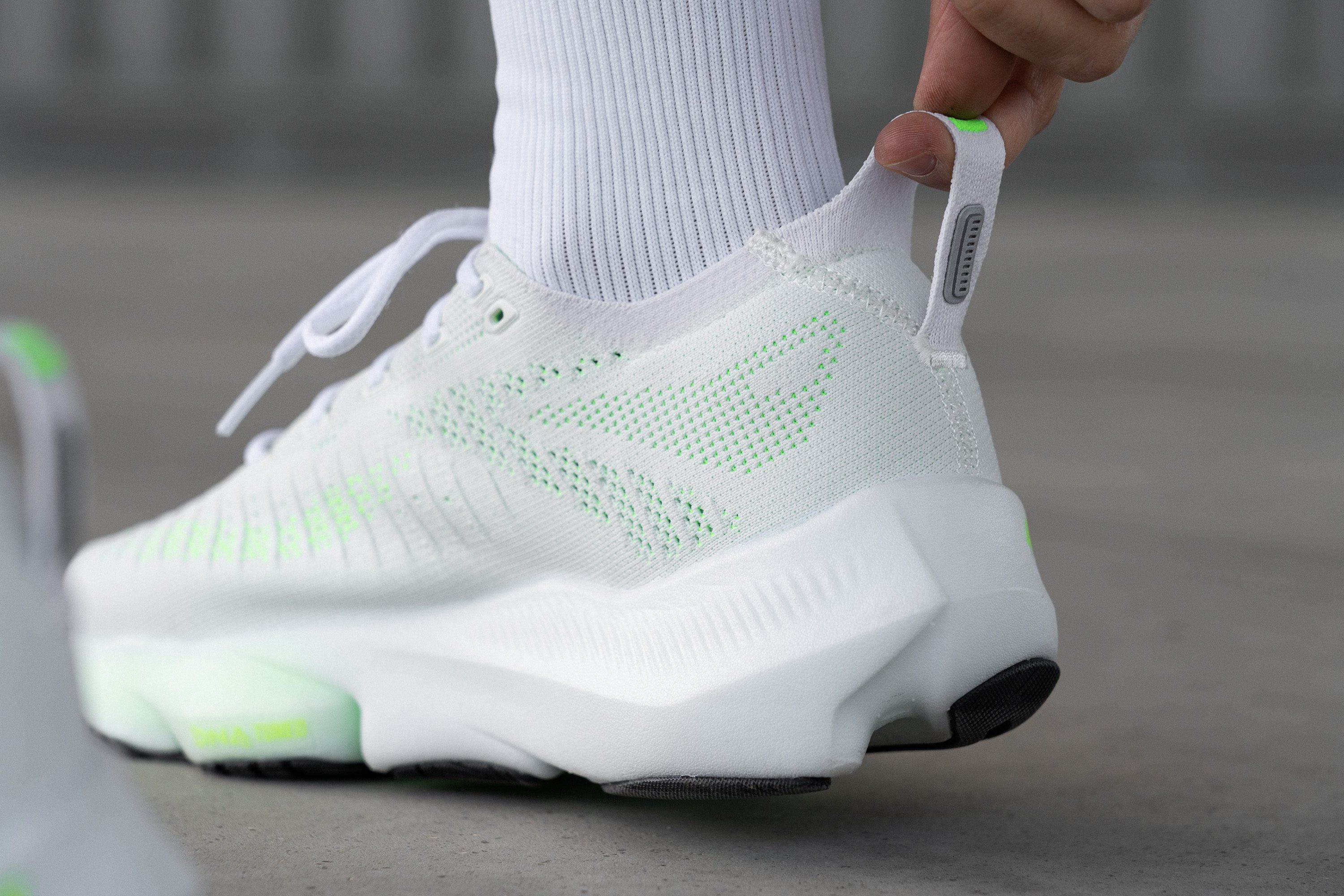
| Glycerin Flex | Finger loop |
Price
The Glycerin Flex introduces an interesting concept from Brooks paired with a premium comfort-focused upper, and that combination comes with a price slightly above the average daily trainer.
In our opinion, runners seeking a highly-flexible ride and a plush step-in feel may find it worth the investment. However, we also believe that a slightly lower price would have made more sense, especially for a first-generation model.
| Glycerin Flex | $170 |
| Average | $158 |