




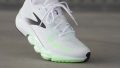
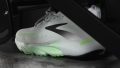

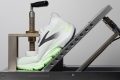
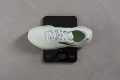





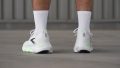









Nuestra conclusión
- Tiradas diarias / rodajes 84
- Tempo 49
- Competición 36
- Estabilidad 82
Pros
- Upper de knit premium
- Más flexibles que las Glycerin estándar
- Comodísimas para caminar y correr
- Ideales para pies estrechos
- Upper que combina transpirabilidad y durabilidad
- Mediopié y talón estables
- Rinden bien para el día a día
- Diseño excelente
- Más ligeras que las Glycerin 23
Contras
- Menos flexibles de lo que nos esperábamos
- Parte delantera estrecha que no te deja estirar mucho los dedos
- Retorno de energía bajo
- Caras
Premios
- Entre mejores zapatillas para el síndrome de Haglund
- Top 28% más vendidas zapatillas de running
Comparativa
Las zapatillas de running más parecidas
+ + Añadir unas zapatillas | |||||
|---|---|---|---|---|---|
| Nuestra puntuación | 80 Buenas | 93 Magníficas | 86 Geniales | 85 Geniales | |
| Precio | 180 € | 150 € | 150 € | 180 € | |
| Ritmo | Correr a diario | Correr a diarioTempo / series | Correr a diario | Correr a diario | |
| Absorción de impactos | Alta | Alta | Alta | Alta | |
| Retorno de energía | Bajo | Alto | Moderado | Moderado | |
| Tracción | Alta | Alta | Alta | Alta | |
| Sujeción arco del pié | Neutral | Neutral | Neutral | Neutral | |
| Peso laboratorio Peso marca | 9.3 oz / 264g 9.8 oz / 277g | 7.6 oz / 215g 7.8 oz / 220g | 10.2 oz / 289g 10.2 oz / 289g | 10.7 oz / 303g 10.7 oz / 303g | |
| Ligero | ✗ | ✓ | ✗ | ✗ | |
| Drop laboratorio Drop marca | 9.3 mm 6.0 mm | 9.6 mm 8.0 mm | 12.2 mm 10.0 mm | 8.2 mm 8.0 mm | |
| Técnica de carrera | TalónMedio/antepié | TalónMedio/antepié | Talón | TalónMedio/antepié | |
| Talla | Tallan bien | Tallan bien | Tallan bien | Tallan un poquito pequeño | |
| Rigidez de la mediasuela | Equilibrada | Equilibrada | Equilibrada | Blanda | |
| Diferencia de la rigidez de la mediasuela en frío | Pequeña | Pequeña | Pequeña | Normal | |
| Durabilidad de la parte delantera | Buena | Mala | Decente | Decente | |
| Durabilidad del acolchado del talón | Alta | Media | Alta | Alta | |
| Durabilidad de la suela exterior | Decente | Buena | Buena | Buena | |
| Transpirabilidad | Media | Media | Media | Media | |
| Anchura / ajuste | Media | Media | Media | Media | |
| Anchura de la parte delantera | Estrecha | Media | Estrecha | Media | |
| Flexibilidad | Moderada | Moderada | Moderada | Moderada | |
| Rigidez torsional | Flexibles | Flexibles | Flexibles | Moderadas | |
| Rigidez del contrafuerte del talón | Flexible | Moderado | Rígido | Rígido | |
| Con rocker | ✗ | ✓ | ✗ | ✓ | |
| Talón laboratorio Talón marca | 35.2 mm 36.0 mm | 37.2 mm 38.0 mm | 37.3 mm 36.0 mm | 37.2 mm 38.0 mm | |
| Antepié laboratorio Antepié marca | 25.9 mm 30.0 mm | 27.6 mm 30.0 mm | 25.1 mm 26.0 mm | 29.0 mm 30.0 mm | |
| Anchuras disponibles | Estándar | Estándar | EstrechoEstándarAnchoExtra Ancho | EstándarAnchoExtra Ancho | |
| Compatibles con plantillas personalizadas | ✓ | ✓ | ✓ | ✓ | |
| Estación | Todas las estaciones | Todas las estaciones | Todas las estaciones | Todas las estaciones | |
| Plantilla extraíble | ✓ | ✓ | ✓ | ✓ | |
| Clasificación | #223 44% inferior | #9 Top 3% | #81 Top 21% | #104 Top 26% | |
| Popularidad | #112 Top 28% | #117 Top 29% | #16 Top 4% | #12 Top 3% |



Quién debería comprárselas
Personalmente, creemos que las Brooks Glycerin Flex les van a ir como anillo al dedo a:
- Los runners que están buscando un upper de primera calidad que sea comodísimo tanto para caminar como para las tiradas diarias.
- Los que viven enamorados de la serie Glycerin y quieren una pisada más flexible y menos estructurada.
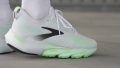
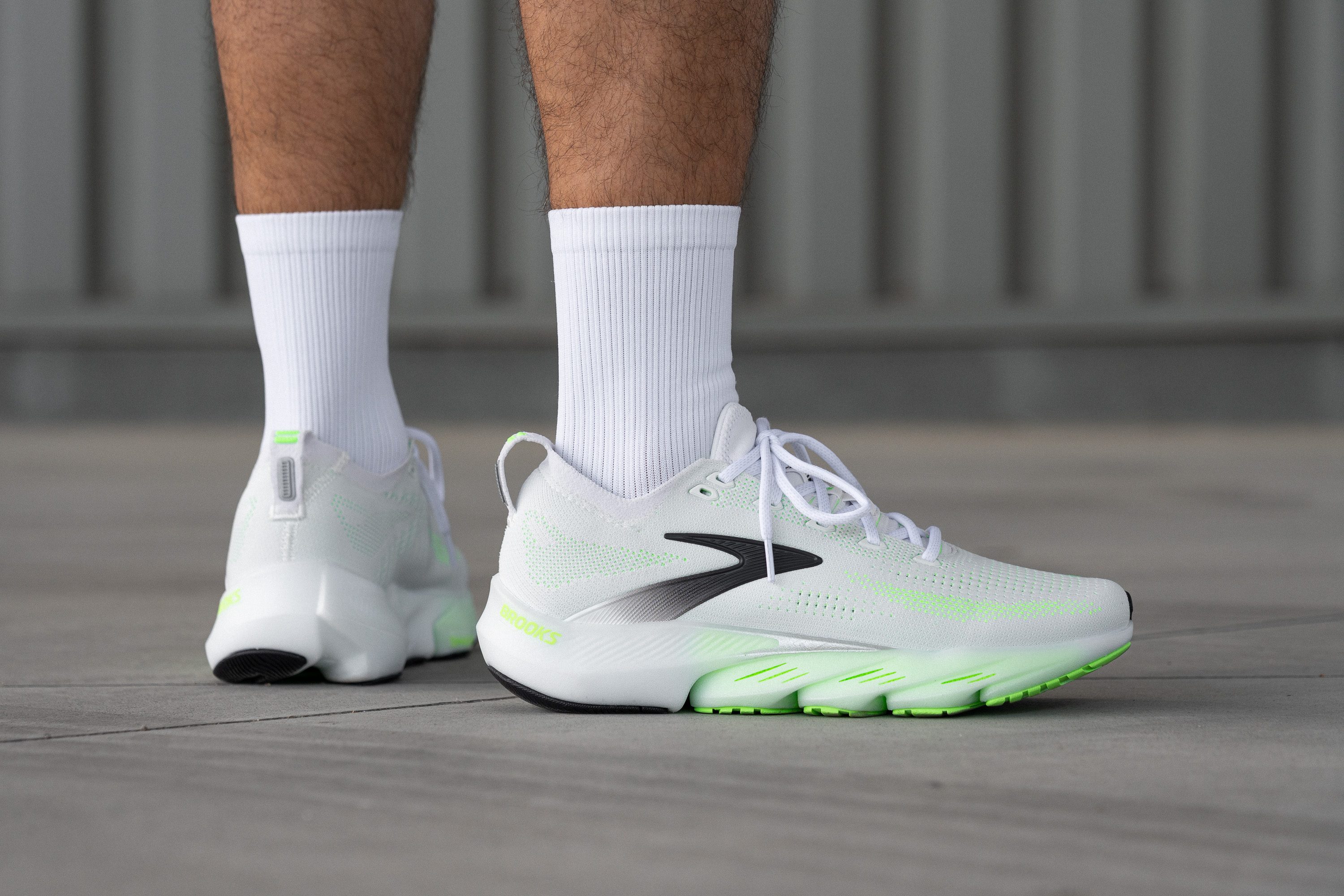
- Los fans de Brooks a los que les gustan los diseños llamativos, poco comunes y con vibras futuristas. ¡Como el de las Aurora-BL!
Quién NO debería comprárselas
Los runners que se esperan un modelo ultraflexible que siga todos y cada uno de los movimientos de sus pies. Aunque las Glycerin Flex son más flexibles que las Glycerin 23, todavía se quedan cortas para conseguir destacar en esta categoría. Como alternativas, recomendamos las PUMA Velocity Nitro 4 o las adidas Adizero Adios 9; ambas son bastante más flexibles y su retorno de energía es más alto.
También creemos que los corredores a los que no les gustan las zapatillas con un ajuste estrecho estas no les van a hacer mucha gracia. Podemos decir, por experiencia personal, que quedan bastante ceñidas en todo el antepié y la zona de los dedos. Creemos que opciones como las Altra Escalante 4 o las Escalante Racer 2 son más adecuadas para ellos, ya que son más espaciosas y tienen un diseño con más forma de pie.
Amortiguación
Shock absorption
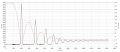
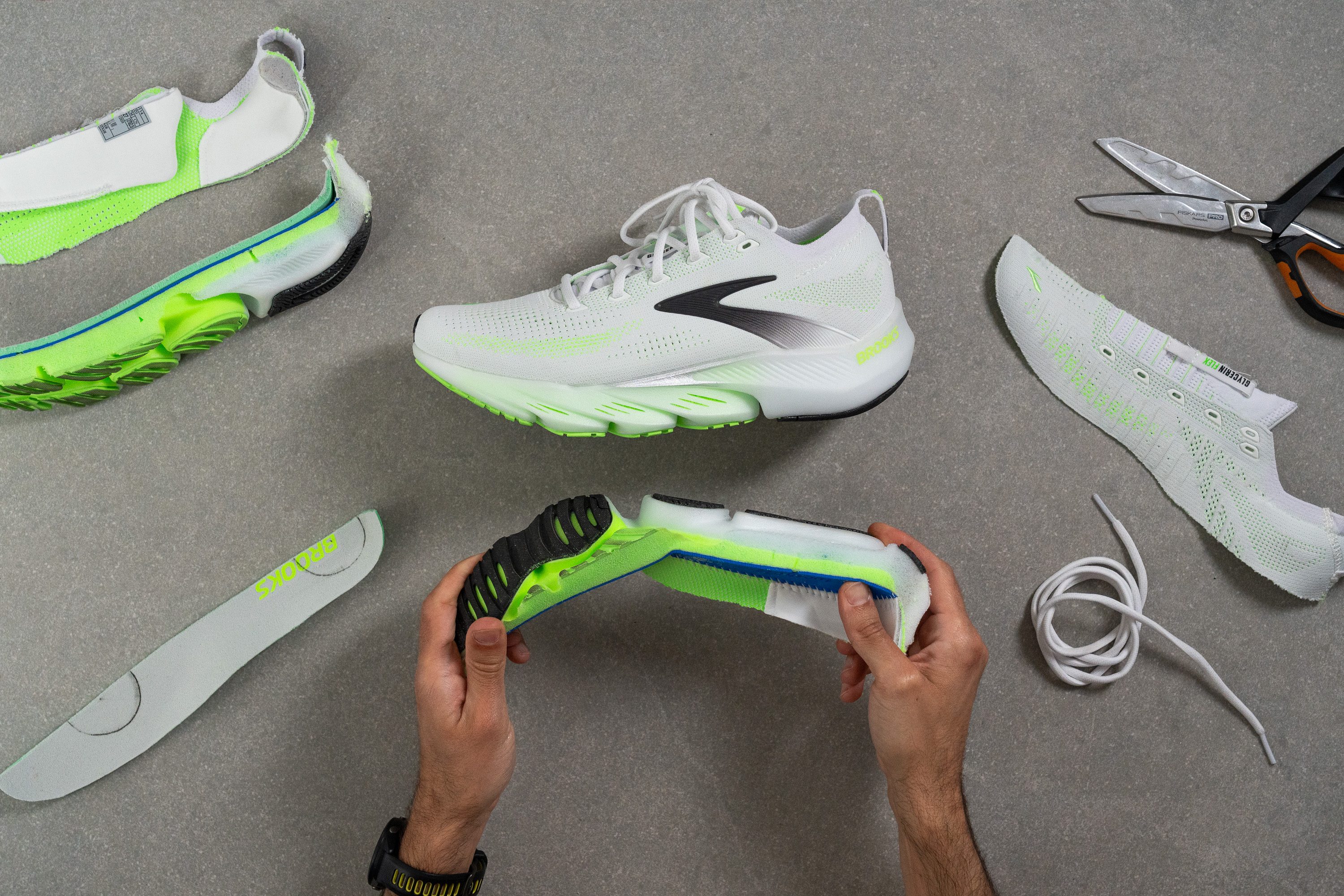
Para ser un modelo de entrenamiento diario, las Glycerin Flex tienen una absorción de impactos estupenda (143 SA en el talón y 109 SA en el antepié) y deberían satisfacer cómodamente las necesidades de la mayoría de los corredores.
| Glycerin Flex | 143 SA |
| Media | 131 SA |
Energy return
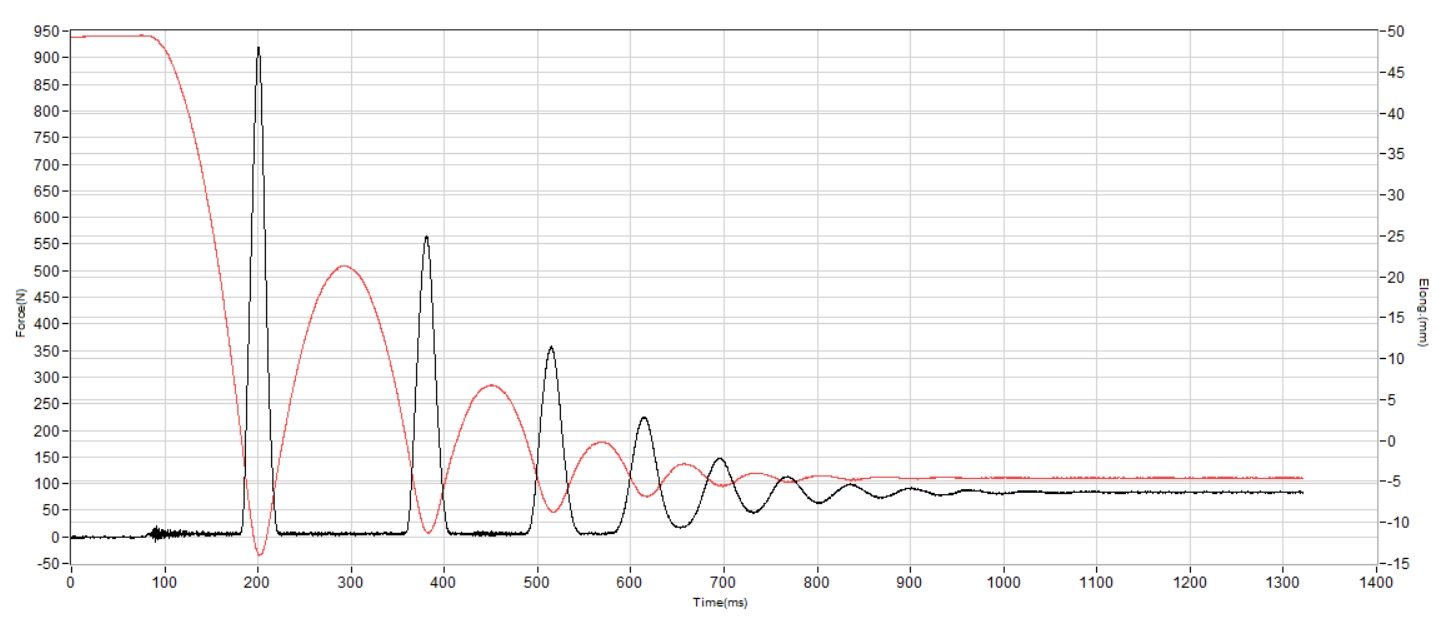
Eso sí, aunque estamos encantados con su absorción de impactos, la espuma nos decepcionó en cuanto a retorno de energía, con solo un 49,1 % en el talón y un 51,3 % en el antepié. Pero mira, tampoco es nada nuevo para un modelo con DNA Tuned; hemos analizado este compuesto varias veces en el laboratorio, y en todas nuestras pruebas ha dejado mucho que desear en cuanto a rebote.
| Glycerin Flex | 51.3% |
| Media | 61.5% |
Altura de la suela en la zona del talón
A Brooks se le ocurrió la interesante idea de combinar una suela con la altura típica de un modelo de entrenamiento diario estándar (35,2 mm) con una estructura que se centra en la flexibilidad, consiguiendo meterse en una parte del mercado en la que no hay mucha oferta.
Personalmente, creemos que a los runners que buscan una pisada flexible les suele tocar conformarse con modelos que tienen una suela bajita, lo que hace que las Glycerin Flex puedan presumir de un concepto novedoso. Eso sí, ¿se van a vender bien? Pues ya veremos...
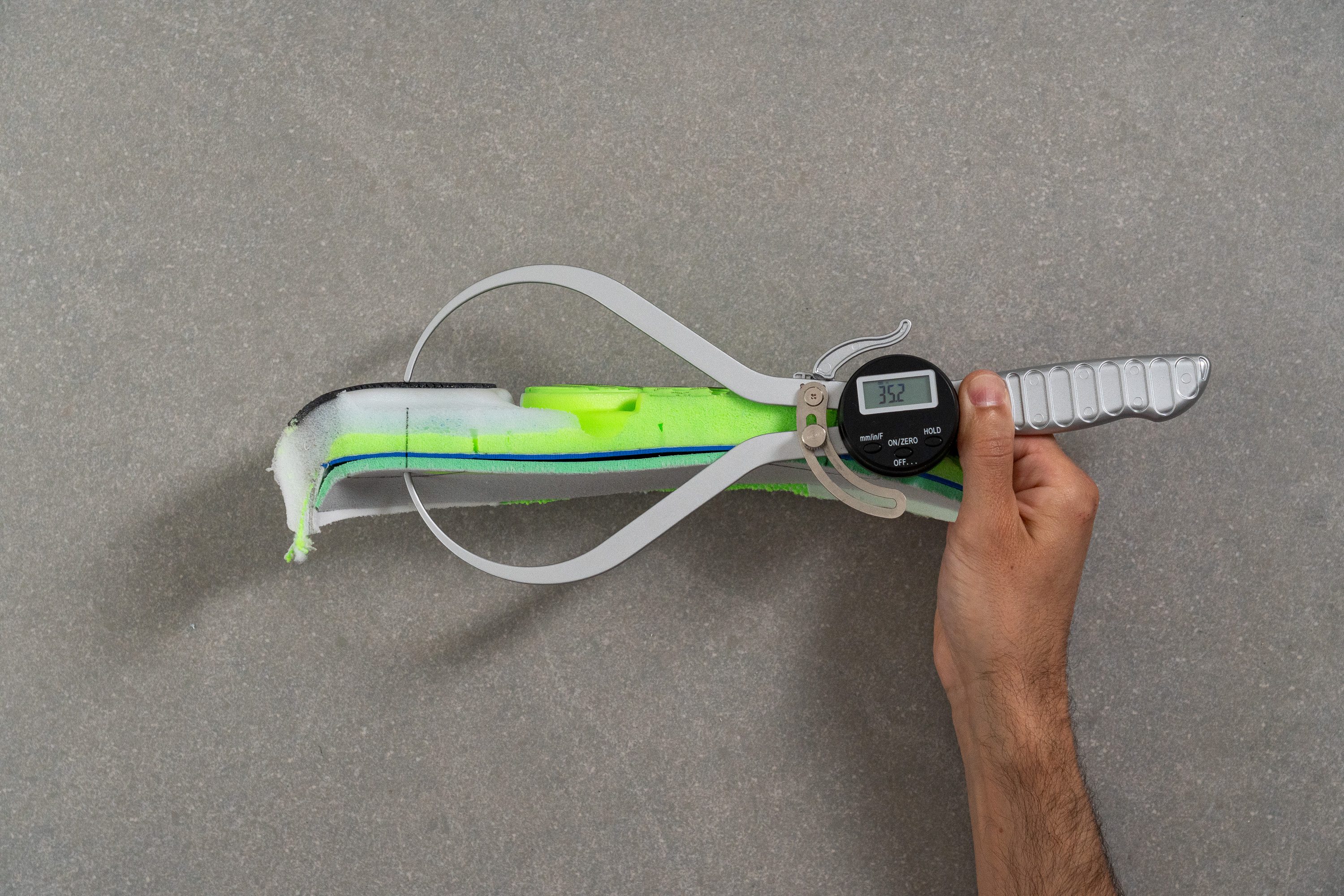
| Glycerin Flex | 35.2 mm |
| Media | 35.6 mm |
Altura de la suela en el antepié
La amortiguación del antepié también está cerca de la media de nuestro laboratorio, con 25,9 mm, así que estas zapatillas son una opción fiable para el entrenamiento diario. No son demasiado bajitas y, al mismo tiempo, están lejos de los diseños altísimos, que pueden ser incómodos o perder flexibilidad.
La verdad es que, sinceramente, incluso pueden rendir bien en las distancias largas, sobre todo para los runners más ligeros, gracias a la sólida absorción de impactos que vimos antes.
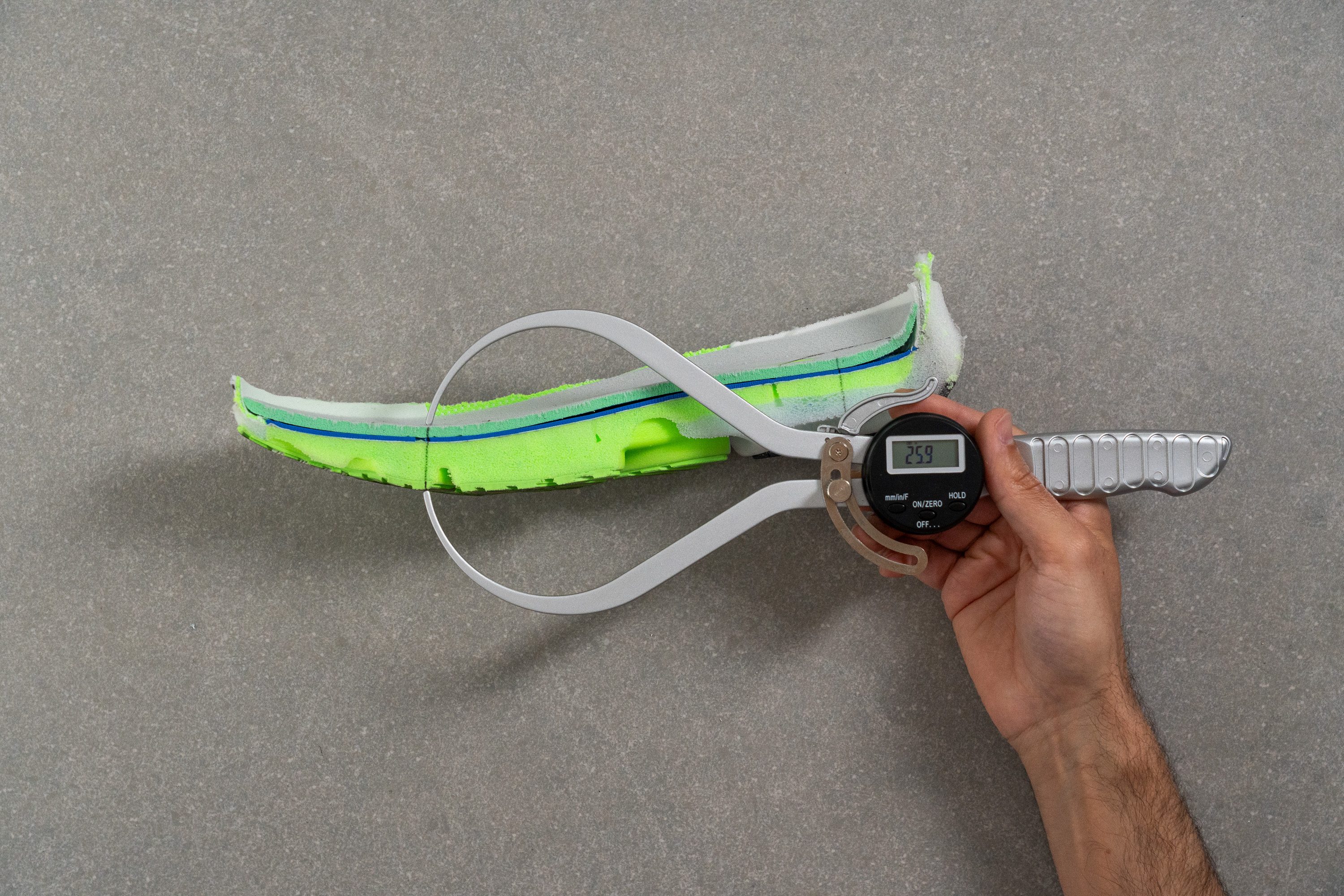
| Glycerin Flex | 25.9 mm |
| Media | 27.1 mm |
Drop
Aunque a lo mejor los diseñadores de Brooks sintieron la tentación de utilizar un diseño con un drop más bajo en las Glycerin Flex para atraer a otro tipo de corredores, nuestras cuentas nos han dejado claro que siguen la fórmula tradicional de drops entre 8 y 10 mm, ya que nos ha dado 9,3 mm.
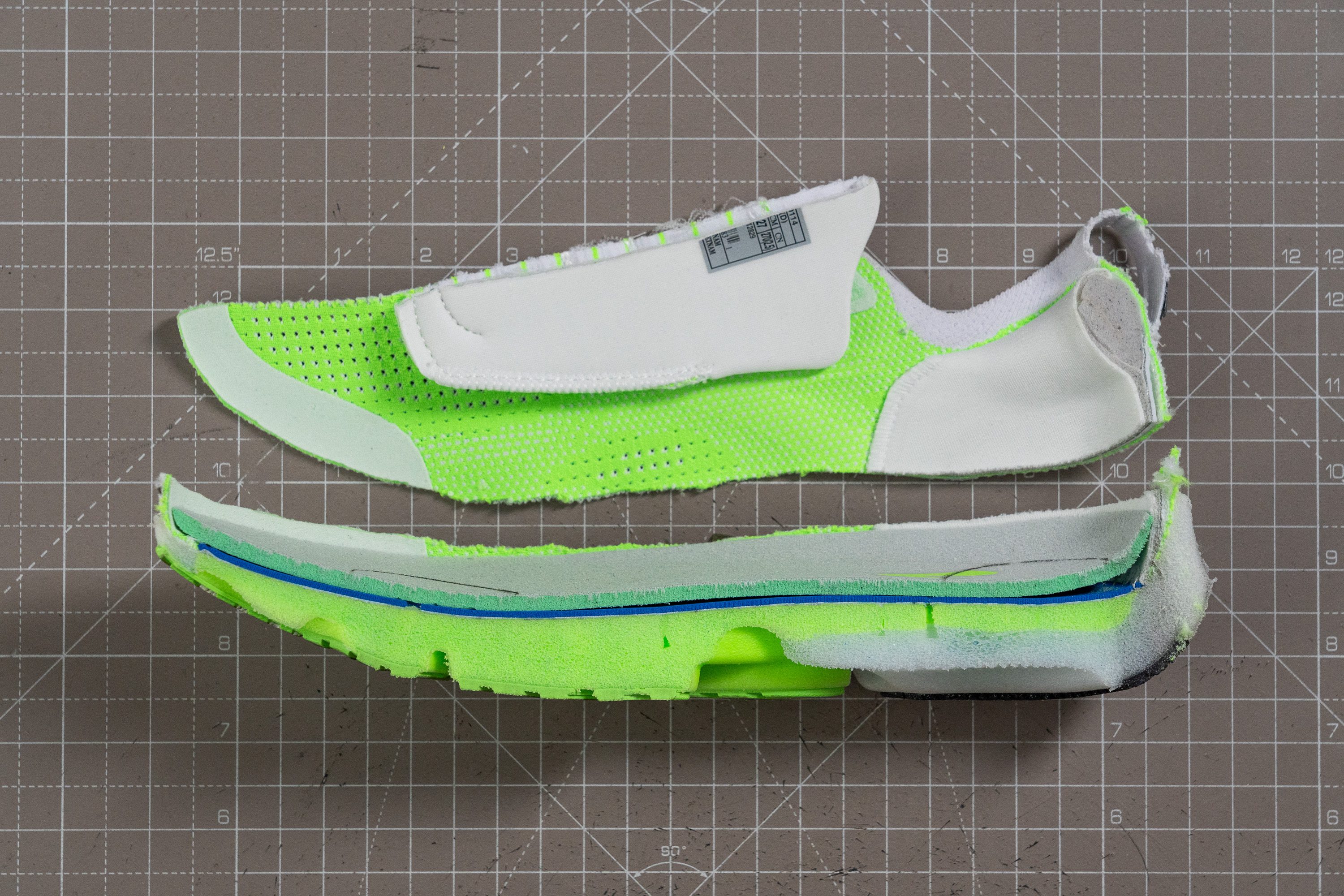
| Glycerin Flex | 9.3 mm |
| Media | 8.4 mm |
Dureza de la mediasuela
Si es la primera vez que ves la mediasuela DNA Tuned, deja que te la expliquemos en un momentito. Es un compuesto interesante que combina dos densidades diferentes dentro de una sola pieza de espuma, y Brooks consiguió fusionar ambas secciones sin usar pegamento.
El antepié está diseñado para ser un poquito más firme que el talón, y nuestro durómetro lo confirmó al marcar 39,9 AC. Brooks también confirmó que este diseño hace que la zona de los dedos sea más reactiva, aunque los resultados de nuestra prueba de retorno de energía... un desastre.
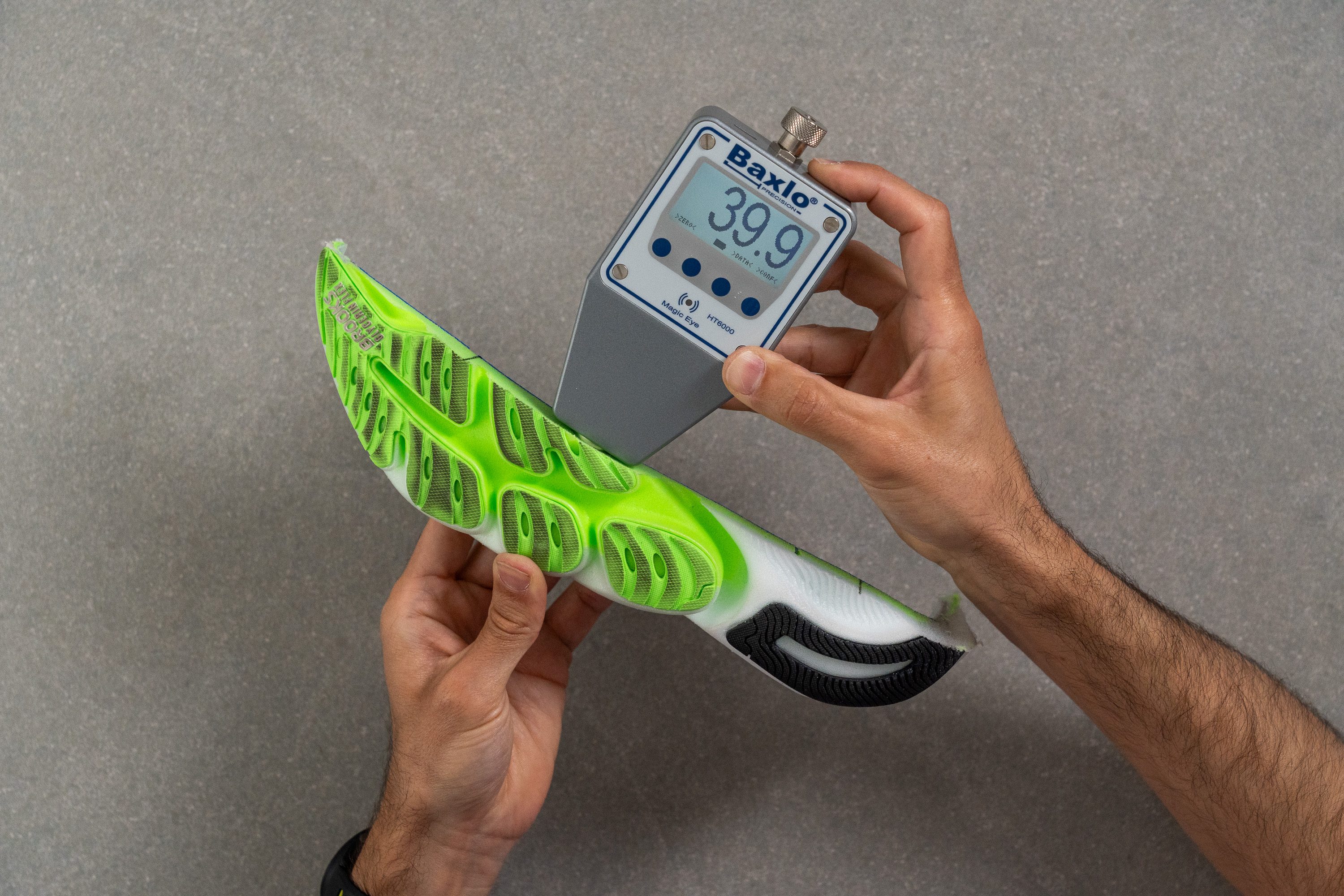
| Glycerin Flex | 39.9 AC |
| Media | 35.4 AC |
Rocker
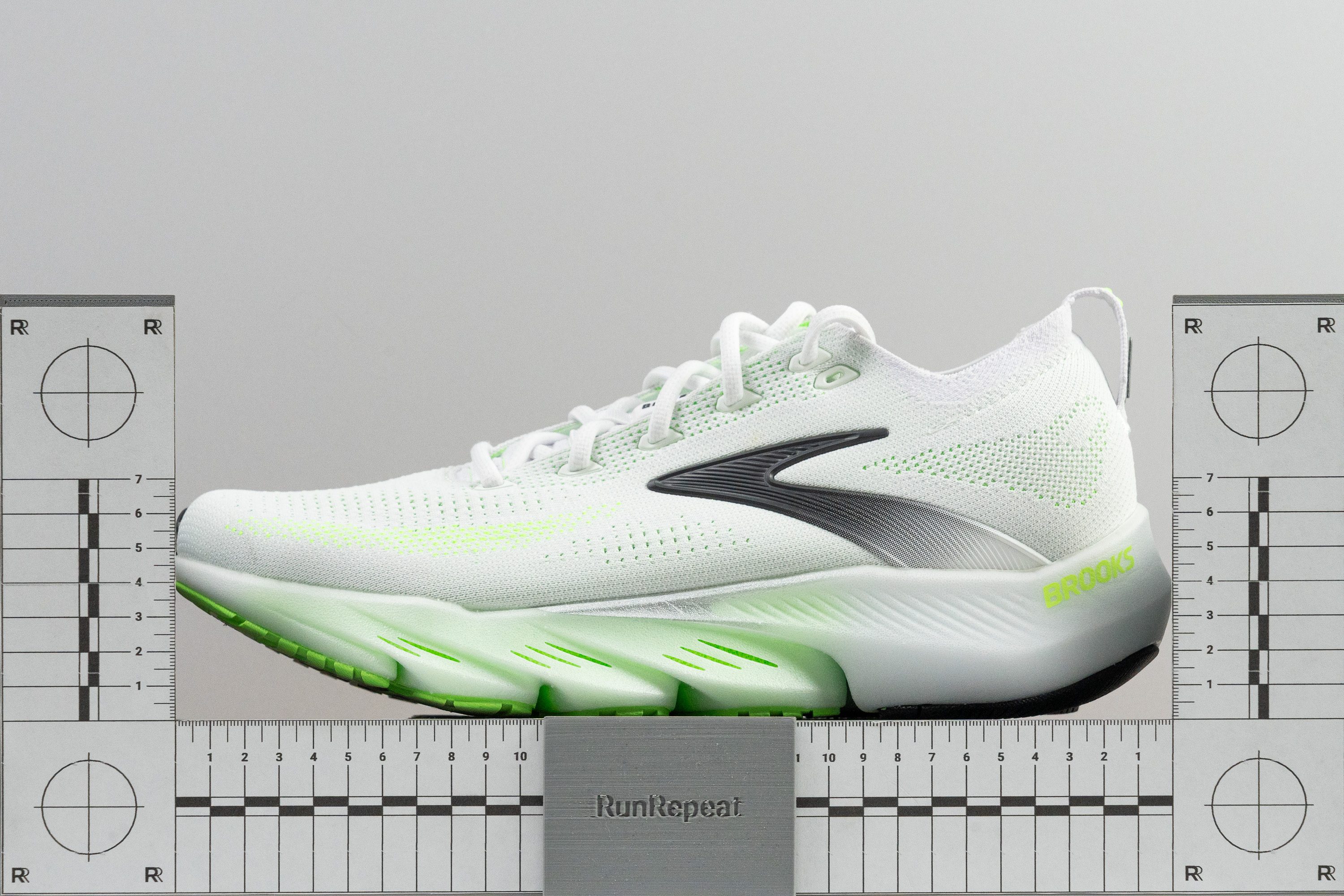
A Brooks se le complicó la historia aquí, ya que hacer que estas zapatillas tuviesen un rocker demasiado marcado sería incómodo para su diseño centrado en la flexibilidad. A su vez, su mediasuela alcanza una altura de 35,2 mm, así que sí que requiere cierta curvatura tanto en el talón como en el antepié para que las transiciones talón-punta sean fluidas.
En nuestra opinión, Brooks al fin optó por un enfoque conservador y equilibrado que, probablemente, sea la decisión correcta en este caso.
Tallaje y ajuste
Talla
Las Brooks Glycerin Flex tallan bien (26 votos).
Longitud interna
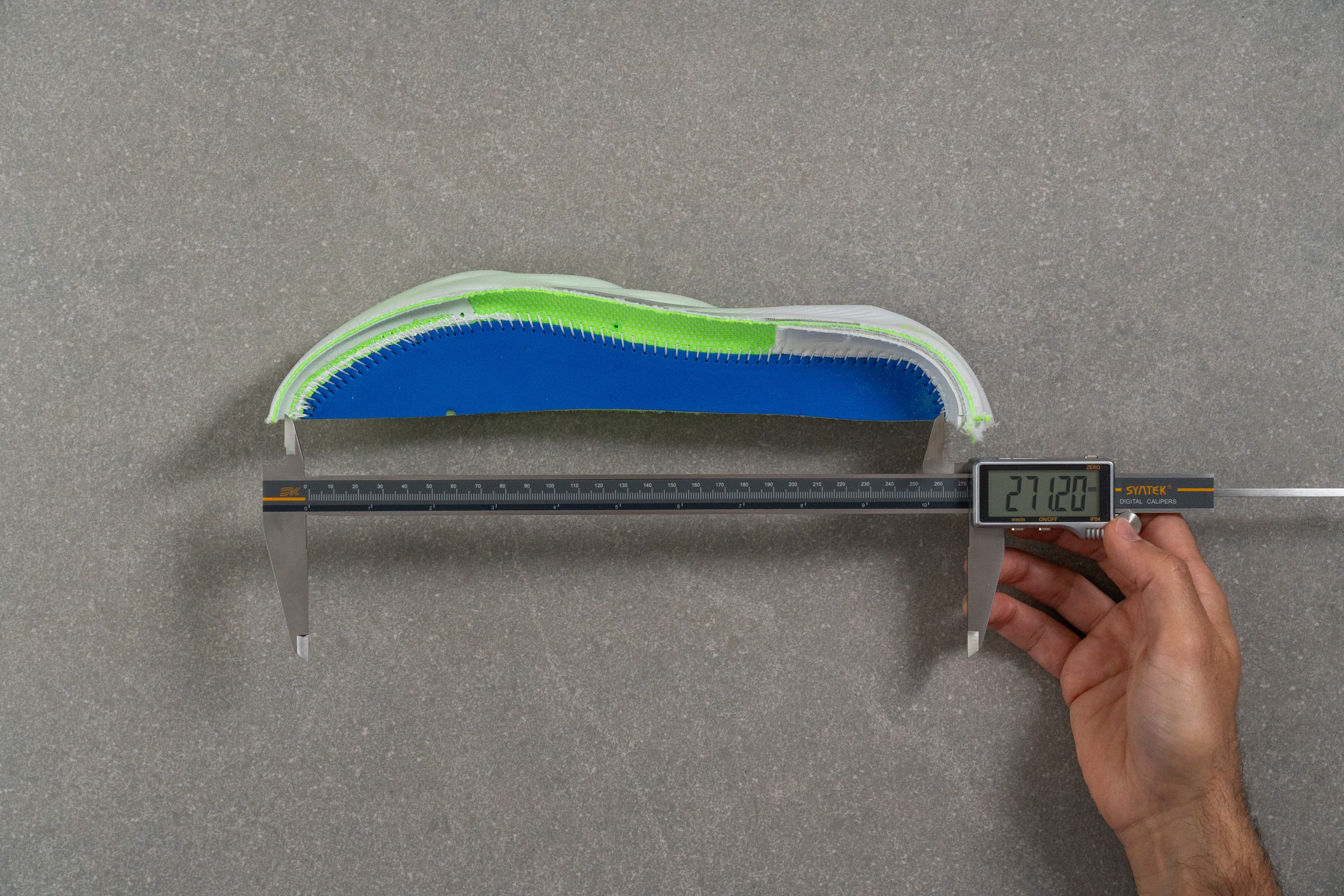
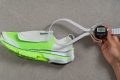
| Glycerin Flex | 271.2 mm |
| Media | 269.3 mm |
Anchura / Ajuste
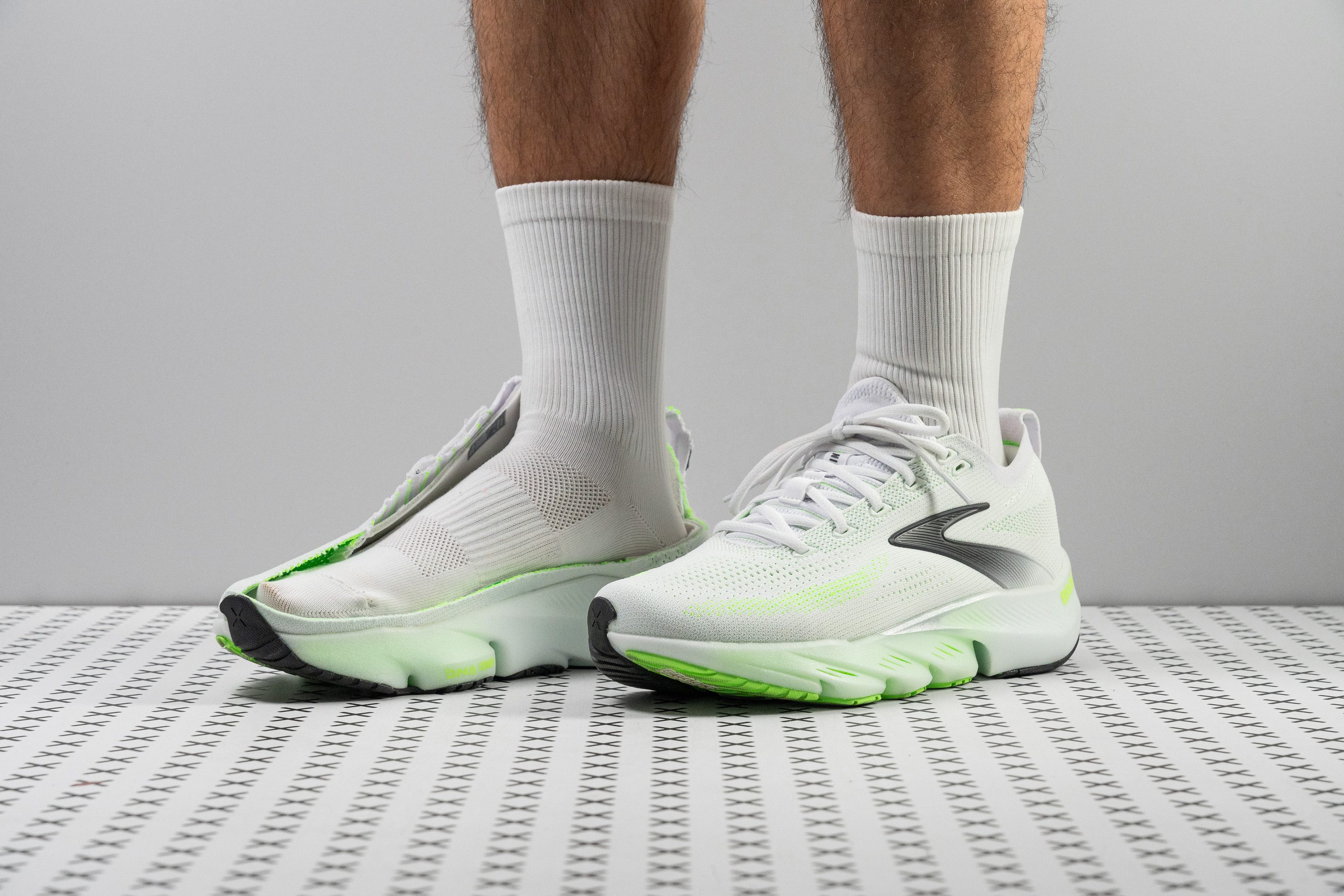
Otra área en la que Brooks mantuvo un enfoque más tradicional es el ajuste. En cuanto nos pusimos las Glycerin Flex, nos dimos cuenta de que no tienen una parte delantera espaciosa... sino más bien todo lo contrario.
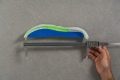
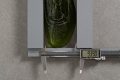
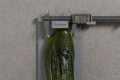
Cuando medimos su punto más ancho, nuestro calibre marcó 93,9 mm, que ya es un resultado más bajo que la media.
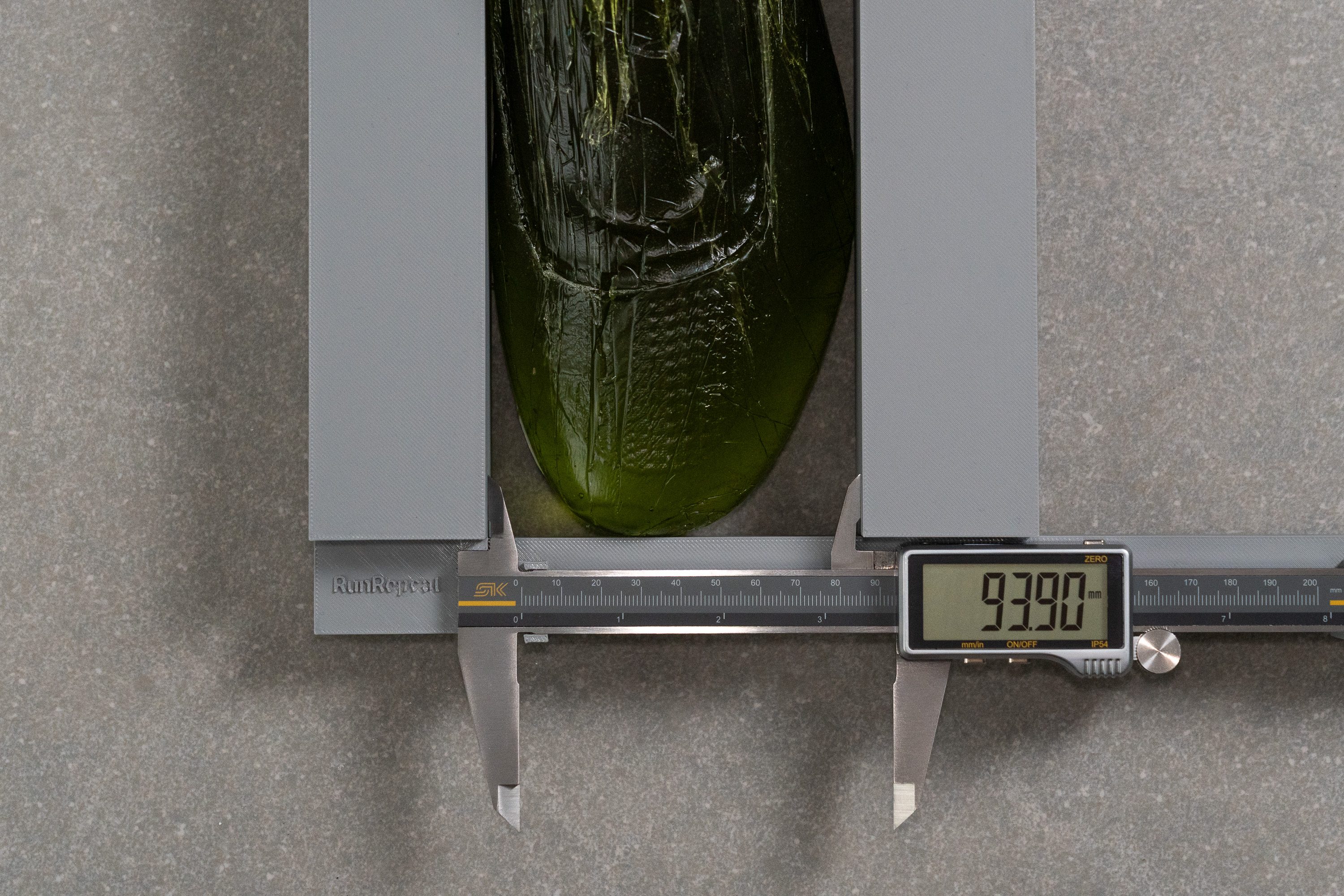
| Glycerin Flex | 93.9 mm |
| Media | 95.2 mm |
Anchura de la parte delantera
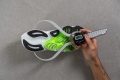
Pero donde realmente vemos que las Glycerin Flex funcionan mejor para los runners que prefieren un ajuste ceñido o que tienen los pies estrechos es en la zona de los dedos. Nuestro calibre marcó que su anchura es de solo 69,1 mm, así que no tuvimos mucho espacio para mover los dedos.
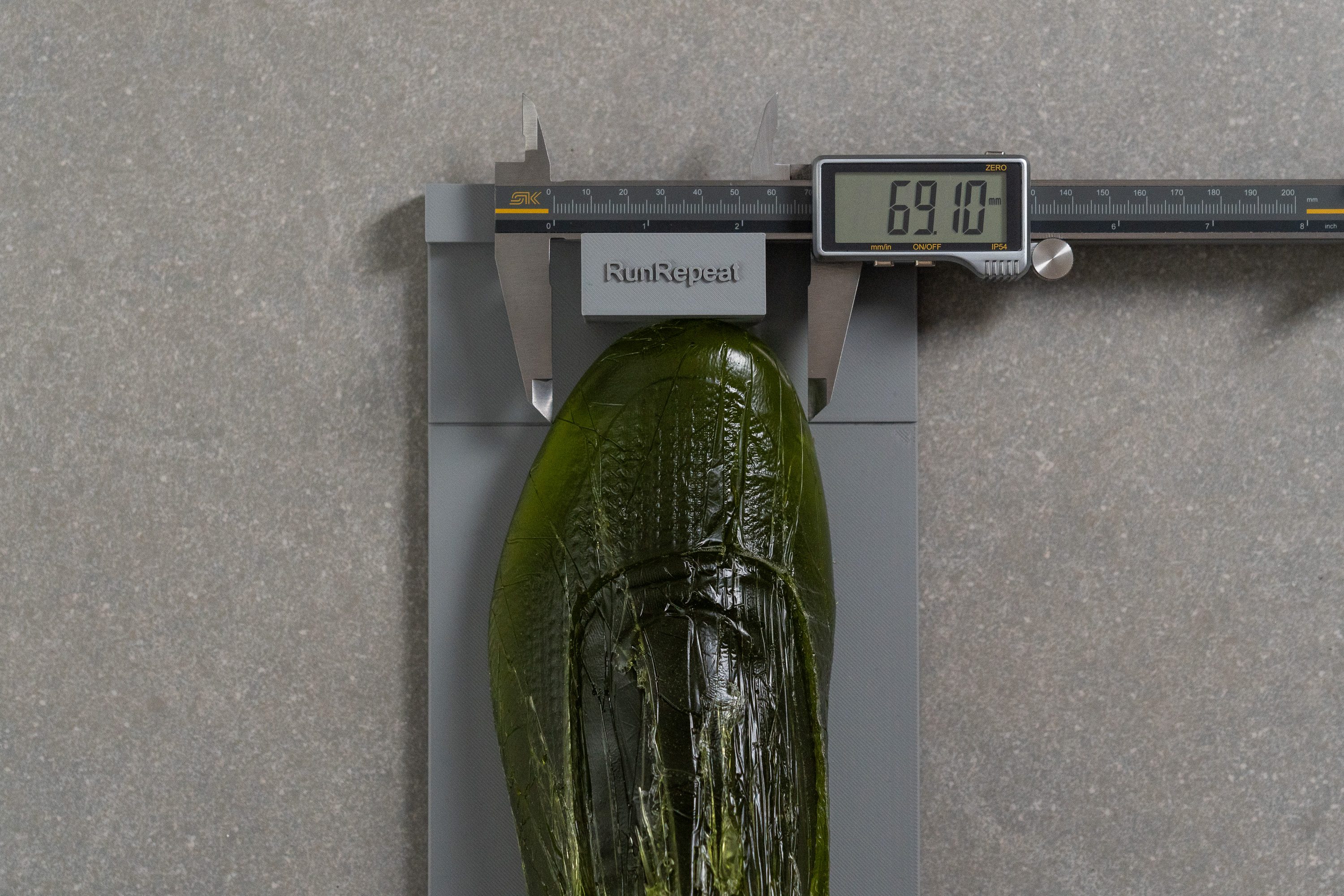
| Glycerin Flex | 69.1 mm |
| Media | 73.2 mm |
Altura de la parte delantera
Por otro lado, el volumen vertical en la zona de los dedos también es un poco más bajo de lo habitual. Con esta última medida, podemos concluir que los tres puntos clave que analizamos en cuanto a ajuste están por debajo de la media de nuestro laboratorio.
Eso sí, no creemos que esto vaya a ser un problema importante para la mayoría de los runners. Con 25,7 mm, la altura de la zona de los dedos mantiene un equilibrio sólido, y el material del upper ayuda a compensar el volumen general, que es un poquito más bajo.
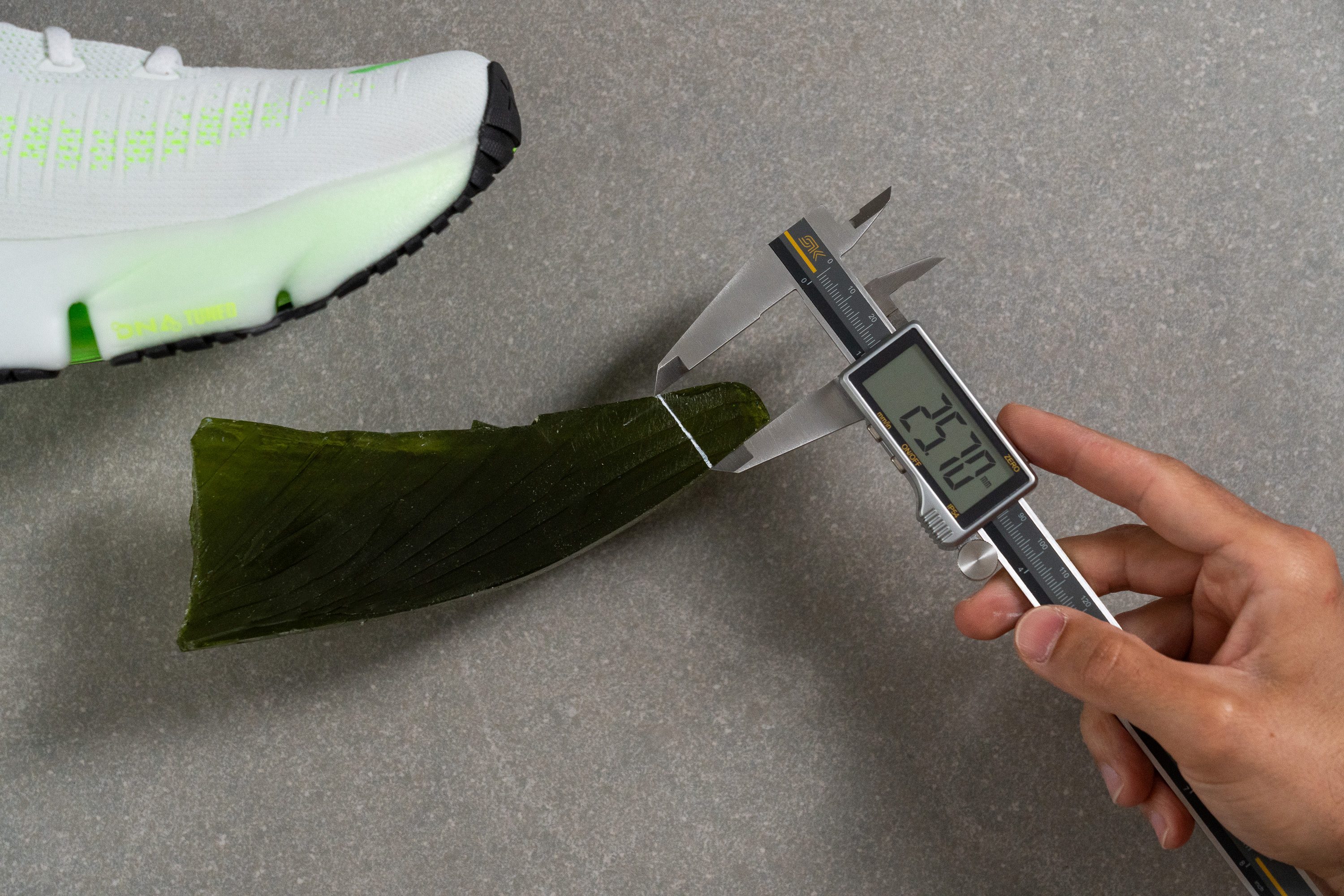
| Glycerin Flex | 25.7 mm |
| Media | 27.0 mm |
Tracción / Agarre
Traction test
Descubrimos que la tracción es sólida, ya que se llevó un 0,60 en nuestra máquina. Vamos, que tuvimos una preocupación menos en las tiradas diarias, incluso si nos tocaba pasar por zonas resbaladizas.
| Glycerin Flex | 0.60 |
| Media | 0.53 |
Diseño de la suela exterior
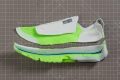
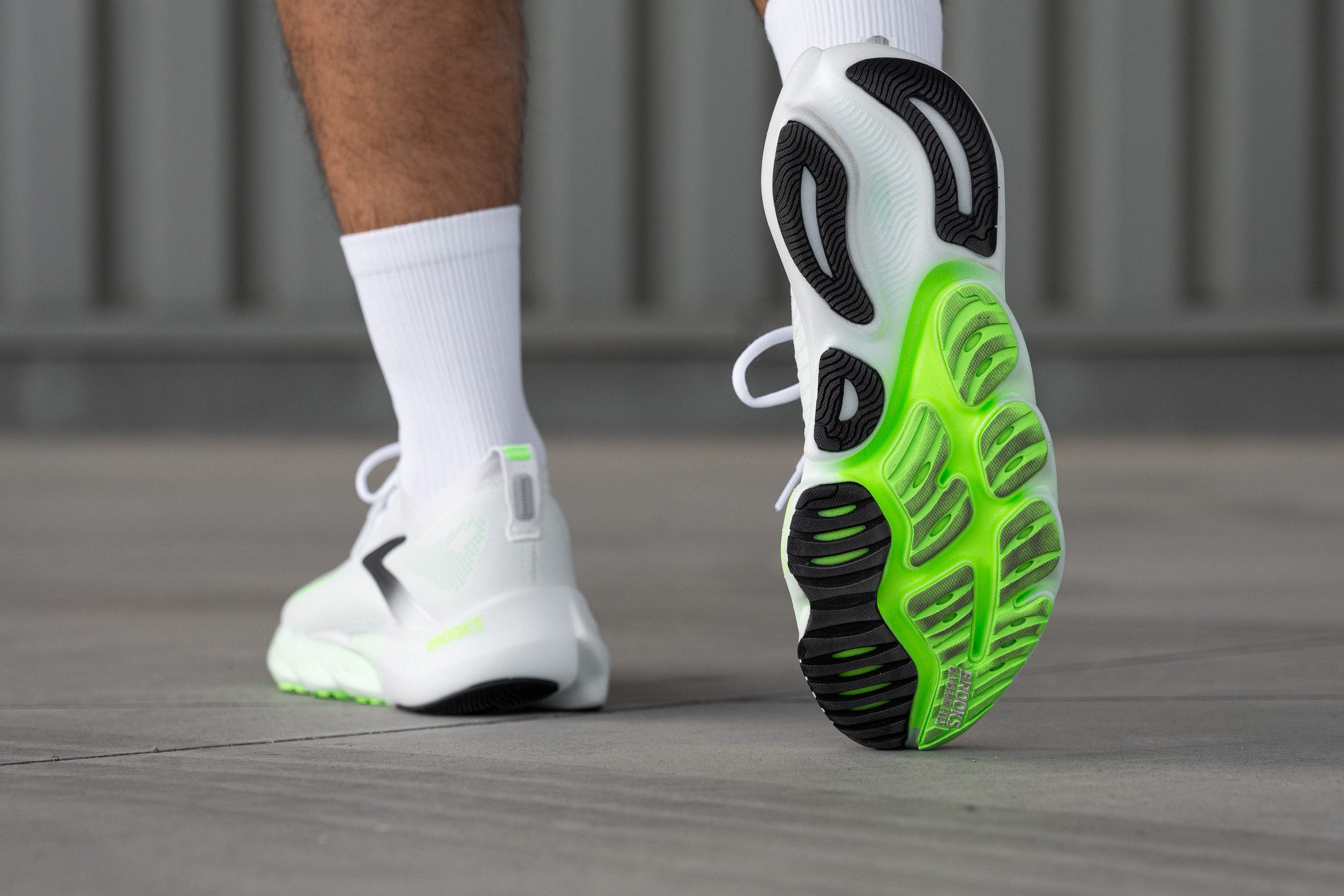
Descubrimos que la suela combina espuma blanca expuesta en el talón con varios parches de caucho negro y una zona de color verde neón, también de caucho, por el mediopié y el antepié. Este diseño utiliza una segmentación marcada con varios cortes profundos que mejoran la flexibilidad.
Flexibilidad / Rigidez
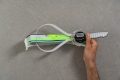
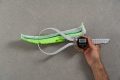
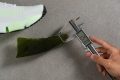
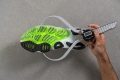
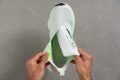
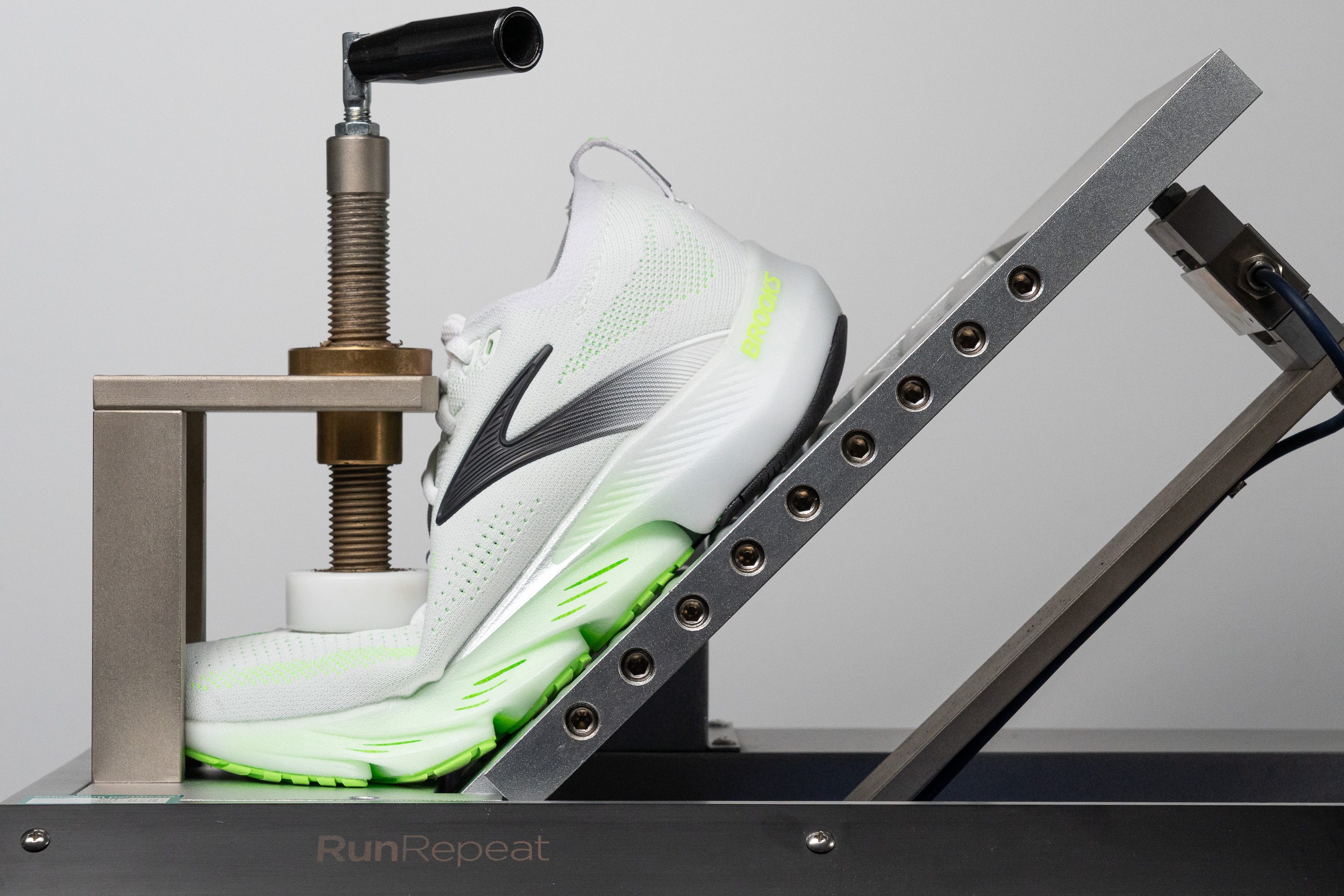
Las Brooks Glycerin Flex son un 19 % más flexibles (12,2 N) que las Glycerin estándar, cosa que se nota en cuanto te las pones, pero tampoco es una locura. Aunque tienen varios cortes y elementos de diseño que se centran en aumentar su flexibilidad, su mediasuela tiene una altura moderada, lo que aumenta la rigidez de la estructura.
Muy probablemente, esto no les guste nada a los runners que se esperaban un modelo ultraflexible, y lo entendemos perfectamente.
| Glycerin Flex | 12.2N |
| Media | 15.5N |
Peso
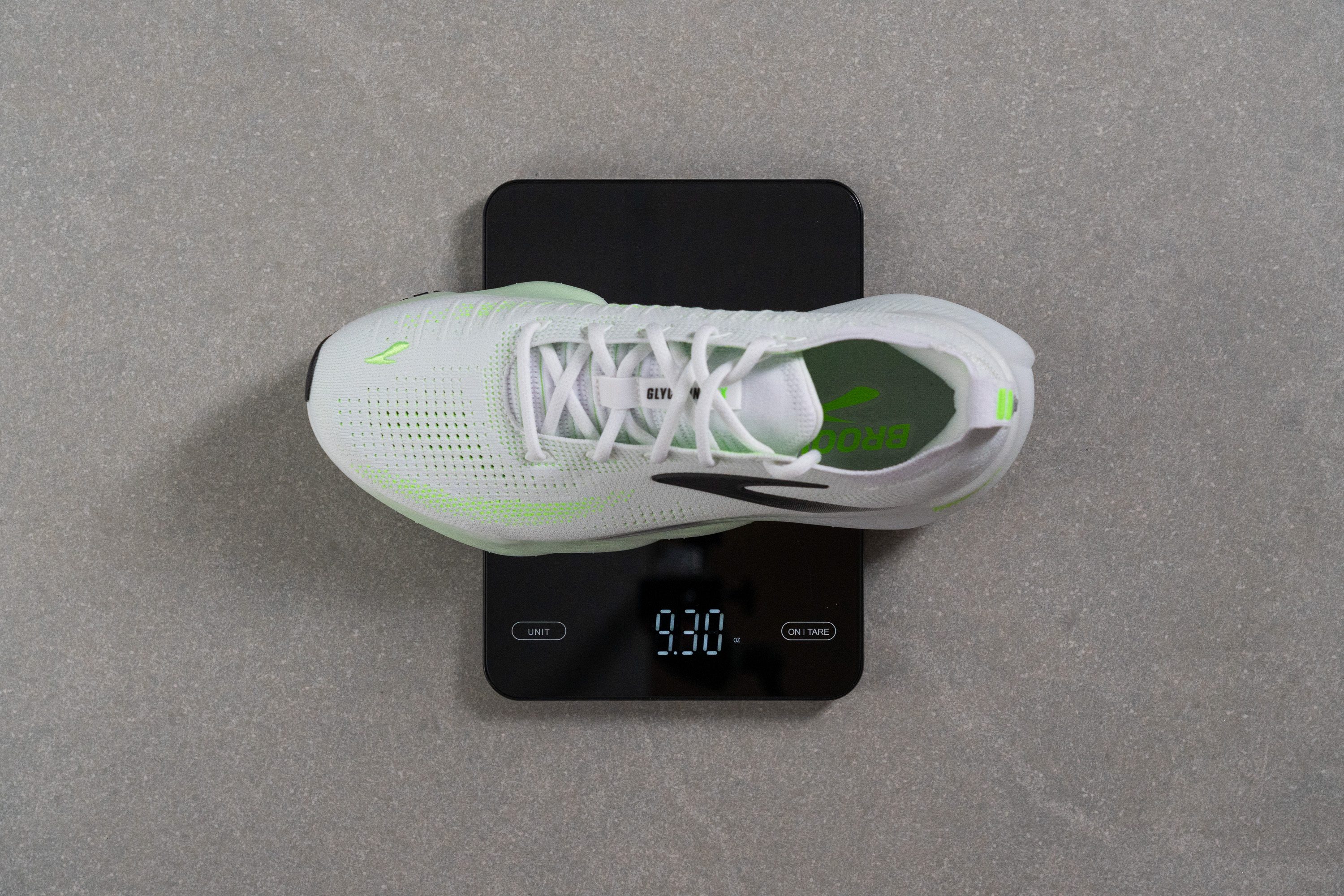
Sus 264 g son un peso razonable, sobre todo si tenemos en cuenta que el upper es cómodo y que la suela tiene bastante caucho. Además, pesan un 12 % menos que las Glycerin 23.
| Glycerin Flex | 9.3 oz (264g) |
| Media | 9.2 oz (261g) |
Transpirabilidad
Breathability test
Personalmente, creemos que el punto más fuerte de este modelo es su excelente upper. Su mediasuela nos pareció un poco plana y el rendimiento de la suela exterior... no está mal, pero Brooks se está currando mucho las partes superiores de sus modelos últimamente.
Utiliza un material de knit cómodo, e incluso así consigue mantener un flujo de aire estupendo. De hecho, le dimos un 4/5 en nuestra prueba de transpirabilidad, que es un resultado impresionante teniendo en cuenta el diseño de su upper.
Brooks les puso agujeritos para el flujo de aire repartidos estratégicamente, lo que mejora la transpirabilidad y ayuda a reducir la acumulación de calor al correr.
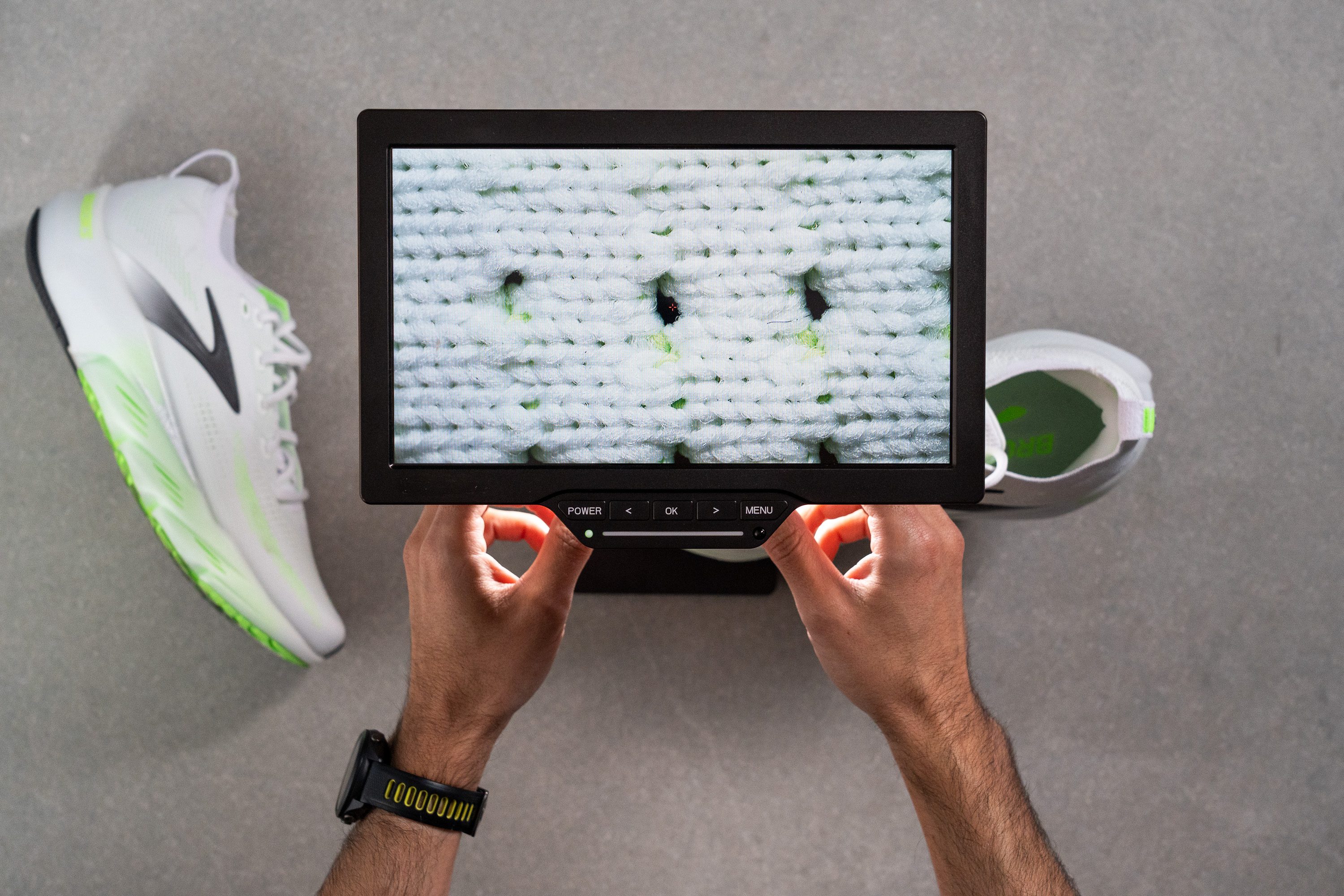
Gracias a nuestro microscopio digital pudimos ver lo impresionante que es el upper. Descubrimos que la calidad del material es altísima, que el diseño es estupendo y que hay un montón de detalles muy chulos.
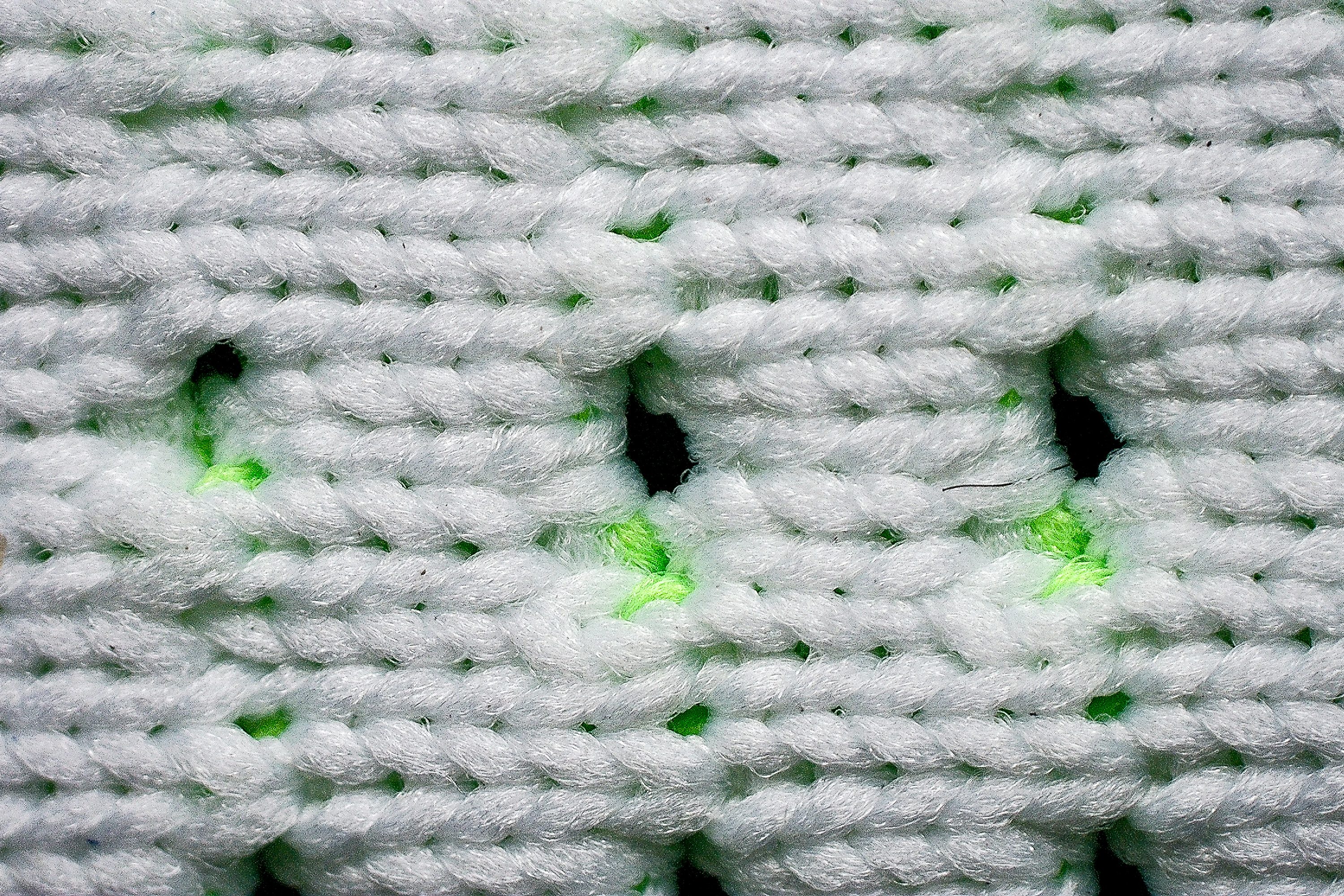
Los detalles son preciosos, y la calidad del acabado es impecable la mires por donde la mires. Personalmente, creemos que otras marcas populares deberían prestarle más atención a cómo Brooks consiguió crear un upper de knit cómodo que también tiene una estética moderna.
| Glycerin Flex | 4 |
| Media | 3.6 |
Estabilidad
Prueba de estabilidad lateral
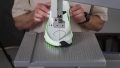
Los runners tienen que hacer un poquito más de esfuerzo para que las Glycerin Flex mantengan su estabilidad si las comparamos con la versión estándar. Incluso así, cada paso estará lleno de confianza y seguridad para los corredores neutros que no necesitan mucha sujeción extra.
Te lo vamos a explicar de otra manera: tú imagínate unas Glycerin normales o cualquier modelo de entrenamiento diario estándar, pero con uno o dos niveles menos de sujeción. Pues eso es básicamente lo que se siente con estas zapatillas.
Rigidez torsional
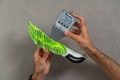
También nos esperábamos un resultado un poquito más bajo en esta prueba. Nuestra máquina marcó 12,9 Nm, que es menos que la media, aunque para unas zapatillas que llevan Flex en el nombre... la verdad es que creíamos que iban a estar por debajo de los 10 Nm.
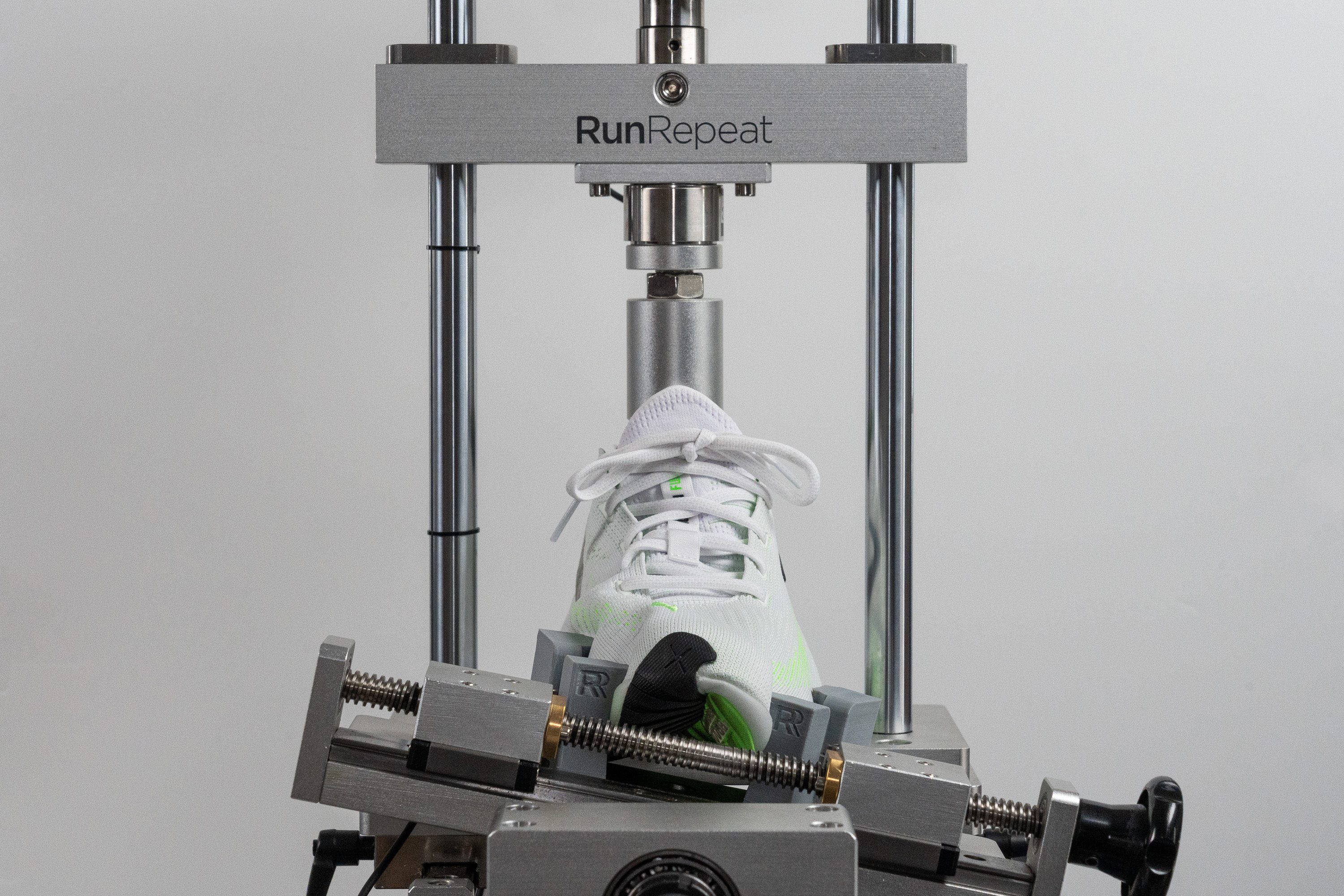
| Glycerin Flex | 12.9 Nm |
| Media | 14.3 Nm |
Rigidez del contrafuerte del talón
El contrafuerte del talón es bastante flexible, ya que se llevó un 2/5 en nuestra prueba. Este resultado coincide con nuestras expectativas, ya que ofrece un poquito de estructura pero se centra en ser flexible.
| Glycerin Flex | 2 |
| Media | 2.9 |
Anchura de la mediasuela - antepié
Estas zapatillas no son especialmente anchas en la zona de los dedos, ya que nuestro calibre marcó 115,7 mm. Lo bueno es que esto avanza hacia una plataforma muy espaciosa en el mediopié que mejora la estabilidad.
También se suma a la moda actual de las zapatillas de running con mediopiés espaciosos, un enfoque que HOKA ha ido popularizando y que ahora han adoptado muchas otras marcas.
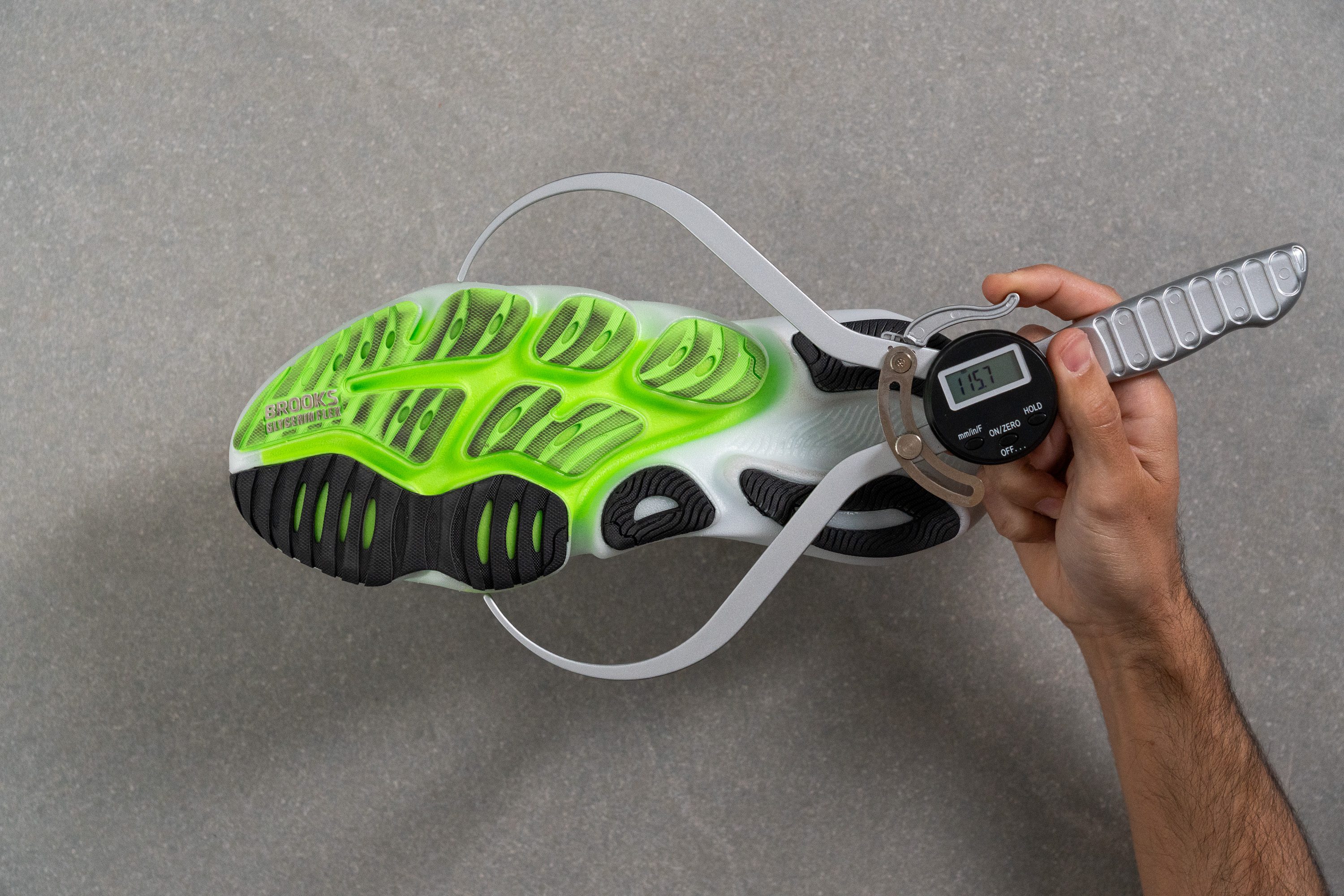
| Glycerin Flex | 115.7 mm |
| Media | 115.1 mm |
Anchura de la mediasuela - talón
La forma cuadrada de estas zapatillas es difícil de pasar por alto, como puedes ver claramente en nuestras fotos, así que casi no se estrechan hacia el talón. Por lo tanto, son bastante más anchas que la media con sus 97,2 mm.
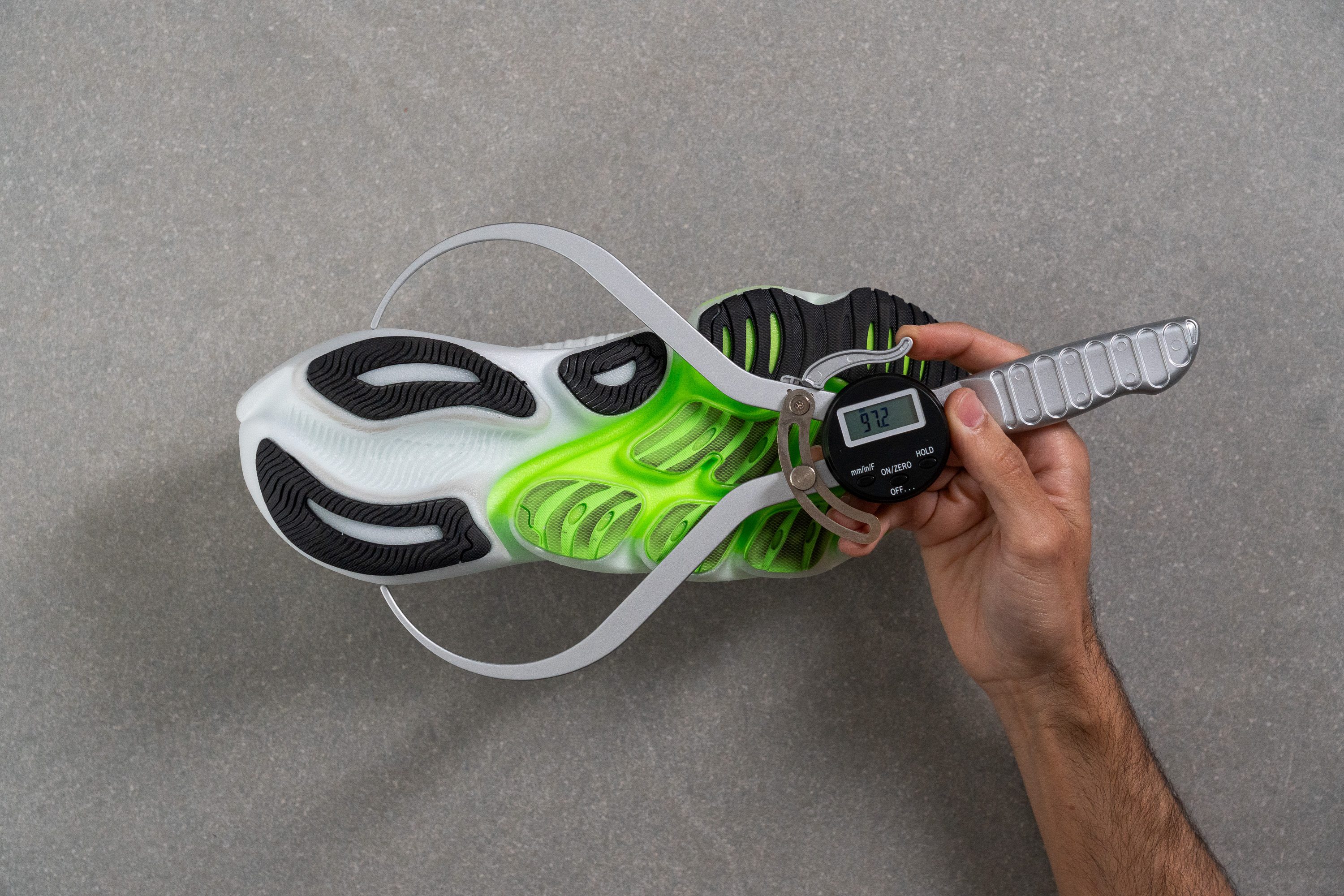
| Glycerin Flex | 97.2 mm |
| Media | 91.1 mm |
Durabilidad
Durabilidad de la parte delantera
El upper es que es una maravilla, ya que combina una buena transpirabilidad con unos materiales de alta calidad y una durabilidad impresionante, así que se llevó un sólido 4/5 en nuestra prueba Dremel.
| Glycerin Flex | 4 |
| Media | 2.6 |
Durabilidad del acolchado del talón
El acolchado del talón decidió dar un paso más y hacerse con la puntuación máxima en nuestra escala de durabilidad: un 5/5. Brooks, ¡menuda maravilla de upper!
| Glycerin Flex | 5 |
| Media | 3.4 |
Durabilidad de la suela
Aunque el upper es muy duradero, no podemos decir lo mismo de la suela. Terminó perdiendo 1,3 mm de material, y aunque no es un resultado terrible, tampoco podemos decir que sea bueno.
| Glycerin Flex | 1.3 mm |
| Media | 1.1 mm |
Grosor de la suela
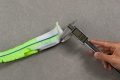
La suela exterior tiene un grosor de 3,1 mm, compensando la durabilidad inferior a la media de su material. Eso sí, creemos que a la versión 2 podría irle genial un compuesto más resistente a la abrasión.
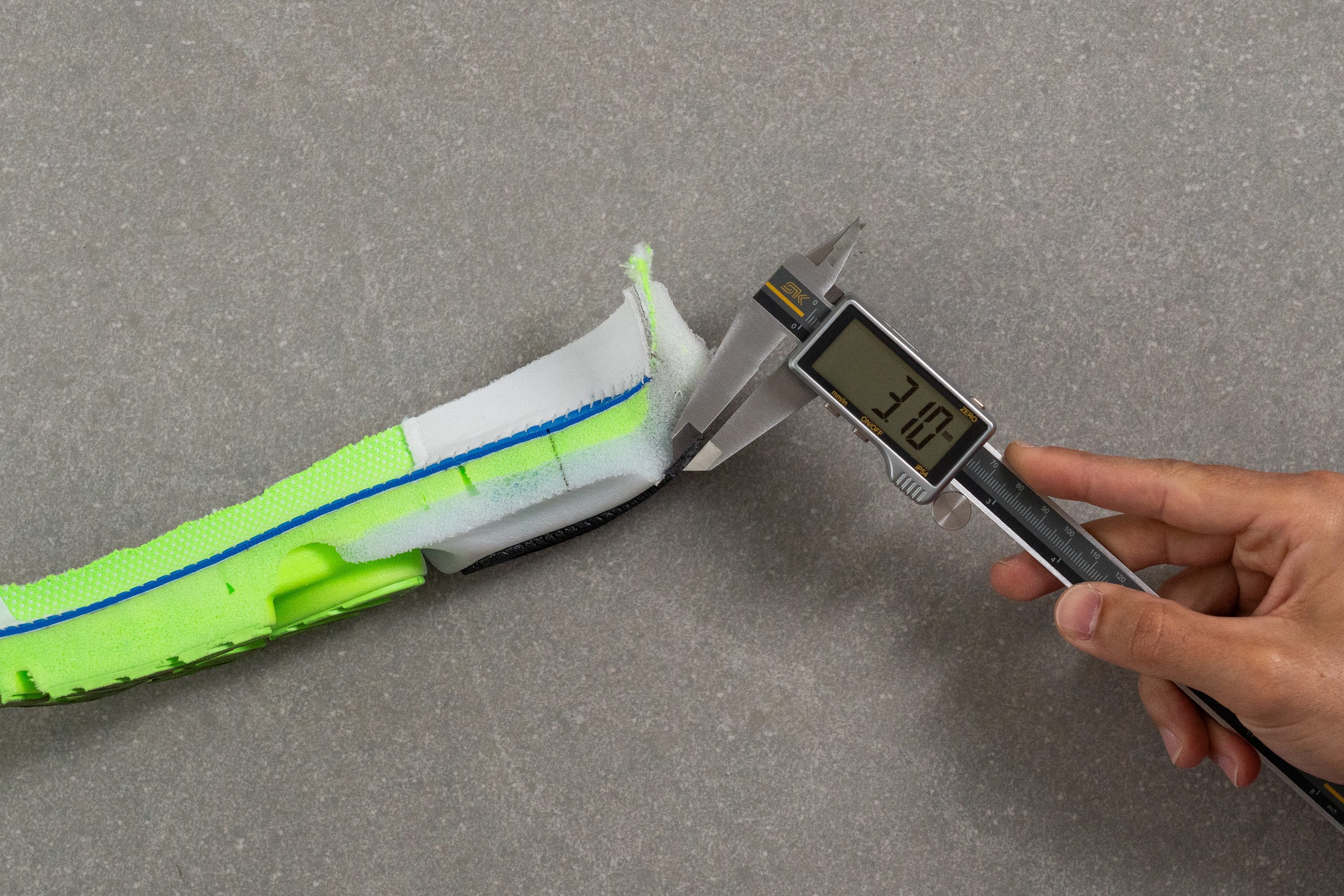
| Glycerin Flex | 3.1 mm |
| Media | 3.1 mm |
Varios
Grosor de la plantilla
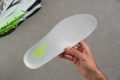
La plantilla tiene un grosor bastante estándar de 4,5 mm.
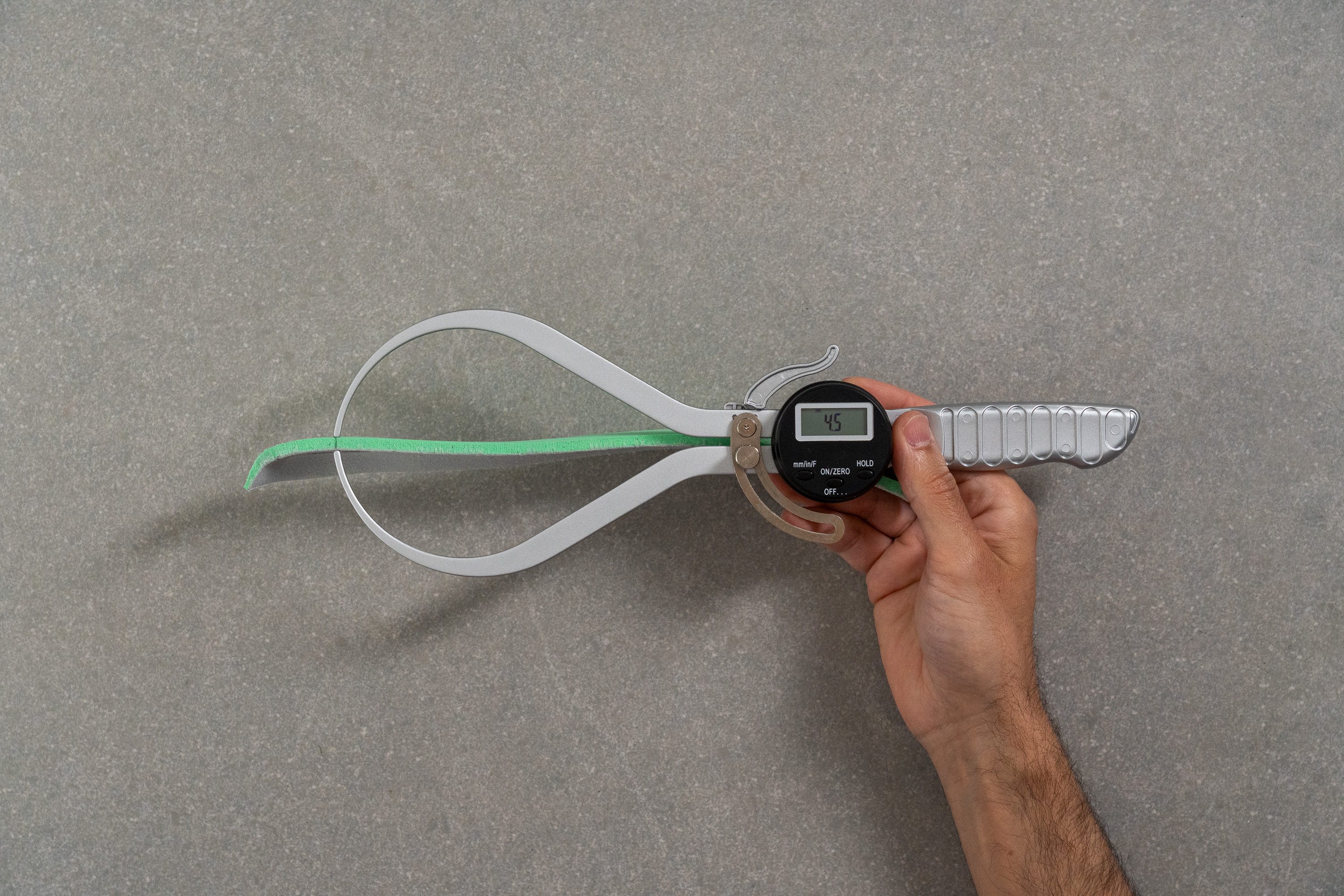
| Glycerin Flex | 4.5 mm |
| Media | 4.4 mm |
Plantilla extraíble
La plantilla es bastante básica, pero la puedes cambiar si quieres o si lo necesitas.
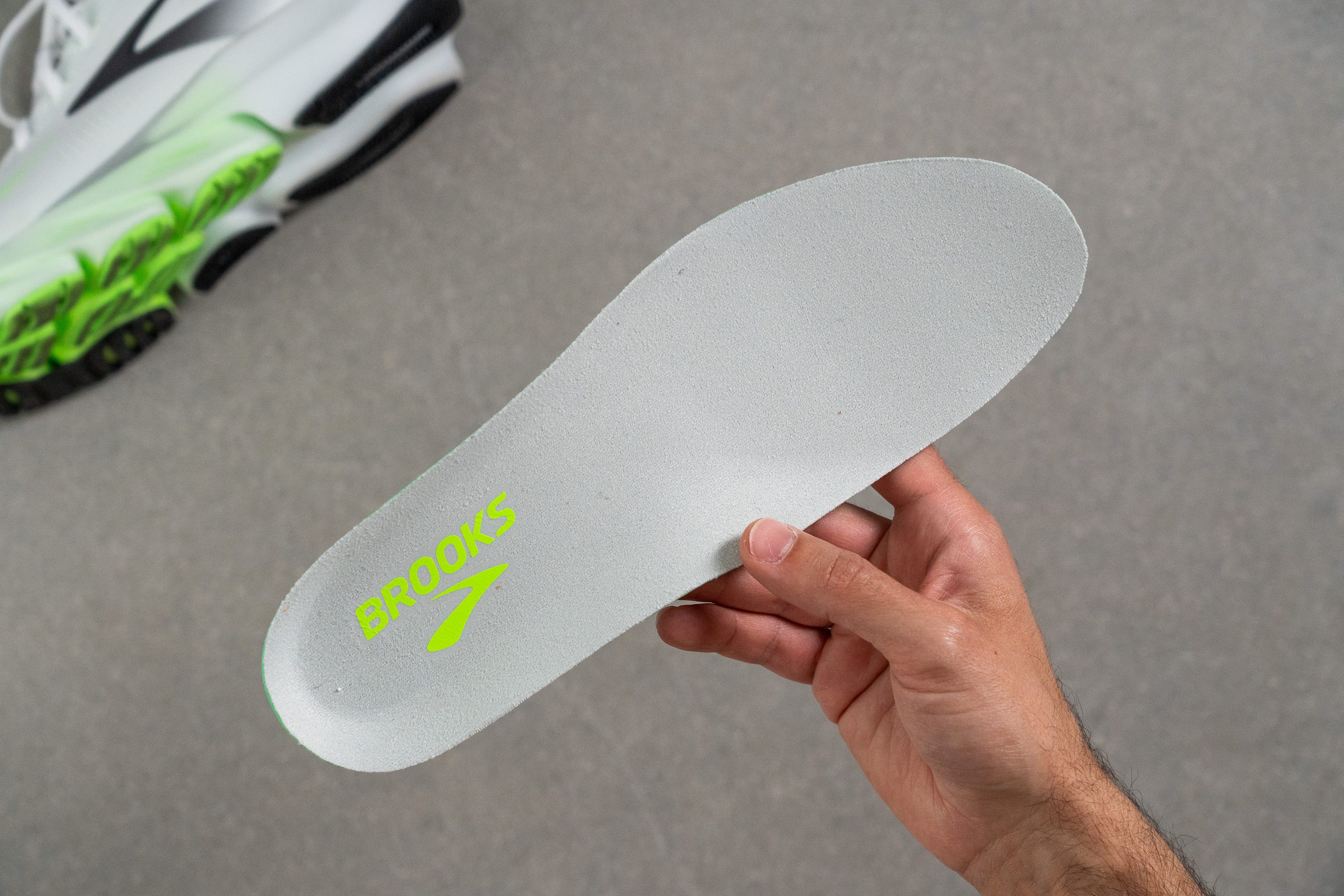
| Glycerin Flex | Sí |
Elementos reflectantes
Hay dos elementos reflectantes pequeñitos pero potentes en el tirador de las Glycerin Flex, ¡qué alegría nos dio encontrárnoslos!
| Glycerin Flex | Sí |
Acolchado de la lengüeta
El sistema de cordones es una pasada, ya que hace que los corredores puedan personalizar el ajuste como quieran e incluye el mítico ojal extra para que puedas hacerte el nudo que te apetezca, mejorando también la sujeción.
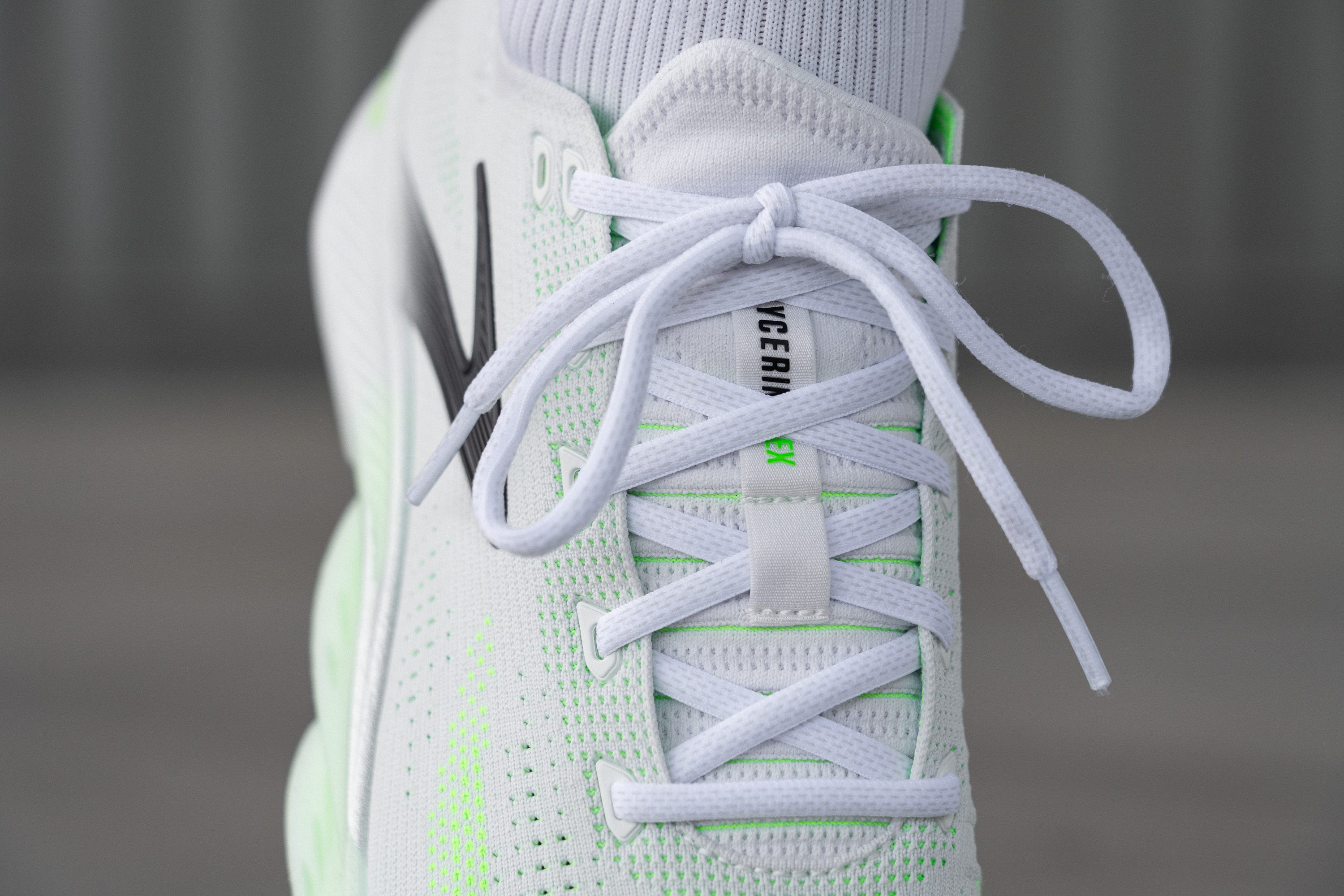
El acolchado de la lengüeta les va a gustar más a los corredores que pasan de los diseños grandotes y muy acolchados. Este modelo tiene una capa de espuma finita en esta zona, con un grosor máximo de solo 3,6 mm; la verdad es que nos parece suficiente, aunque no sea la mejor opción para los deportistas que quieran algo ultracómodo y muy mullido.
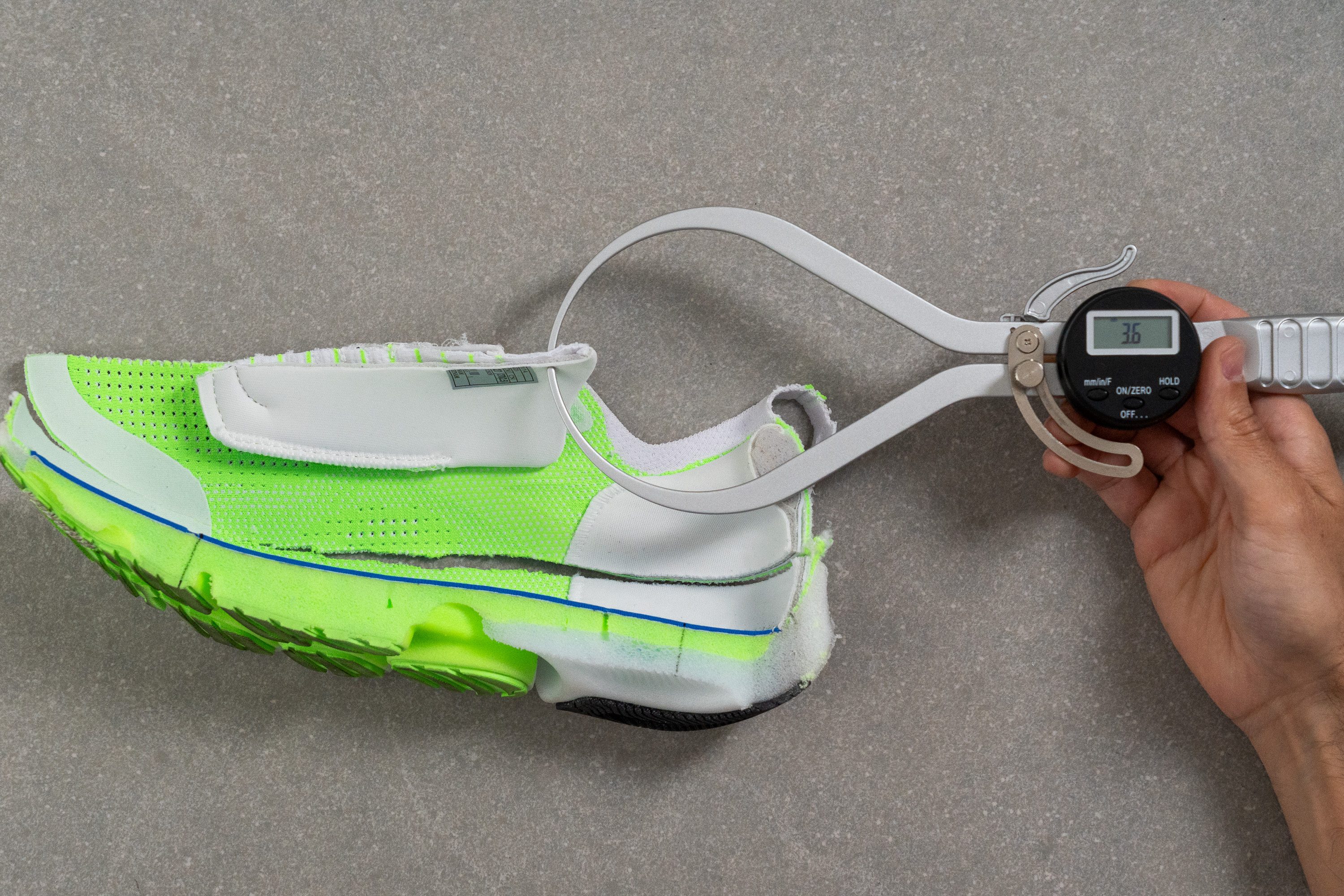
| Glycerin Flex | 3.6 mm |
| Media | 5.8 mm |
Lengüeta: tipo de refuerzo
La lengüeta no está reforzada, un detalle difícil de justificar a un precio tan premium como el de este modelo. Personalmente, creemos que Brooks tiene que mejorar esto en la versión 2.
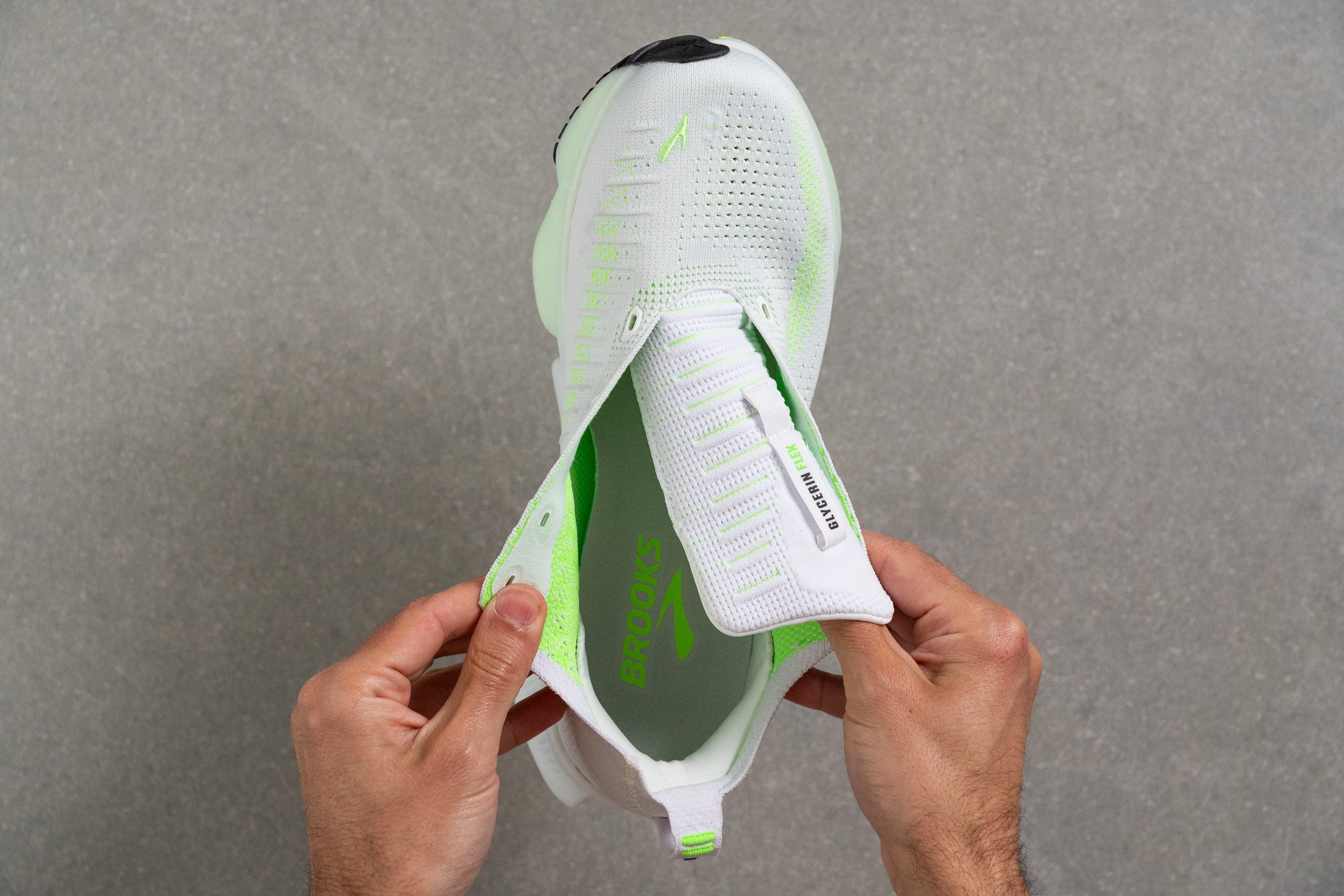
| Glycerin Flex | Ninguno |
Tirador del talón
Brooks nos ha vuelto a demostrar su valiosa experiencia diseñando uppers premium, como vimos con el tirador perfectamente integrado de este modelo, que se fusiona con el cuello del talón de forma impecable.
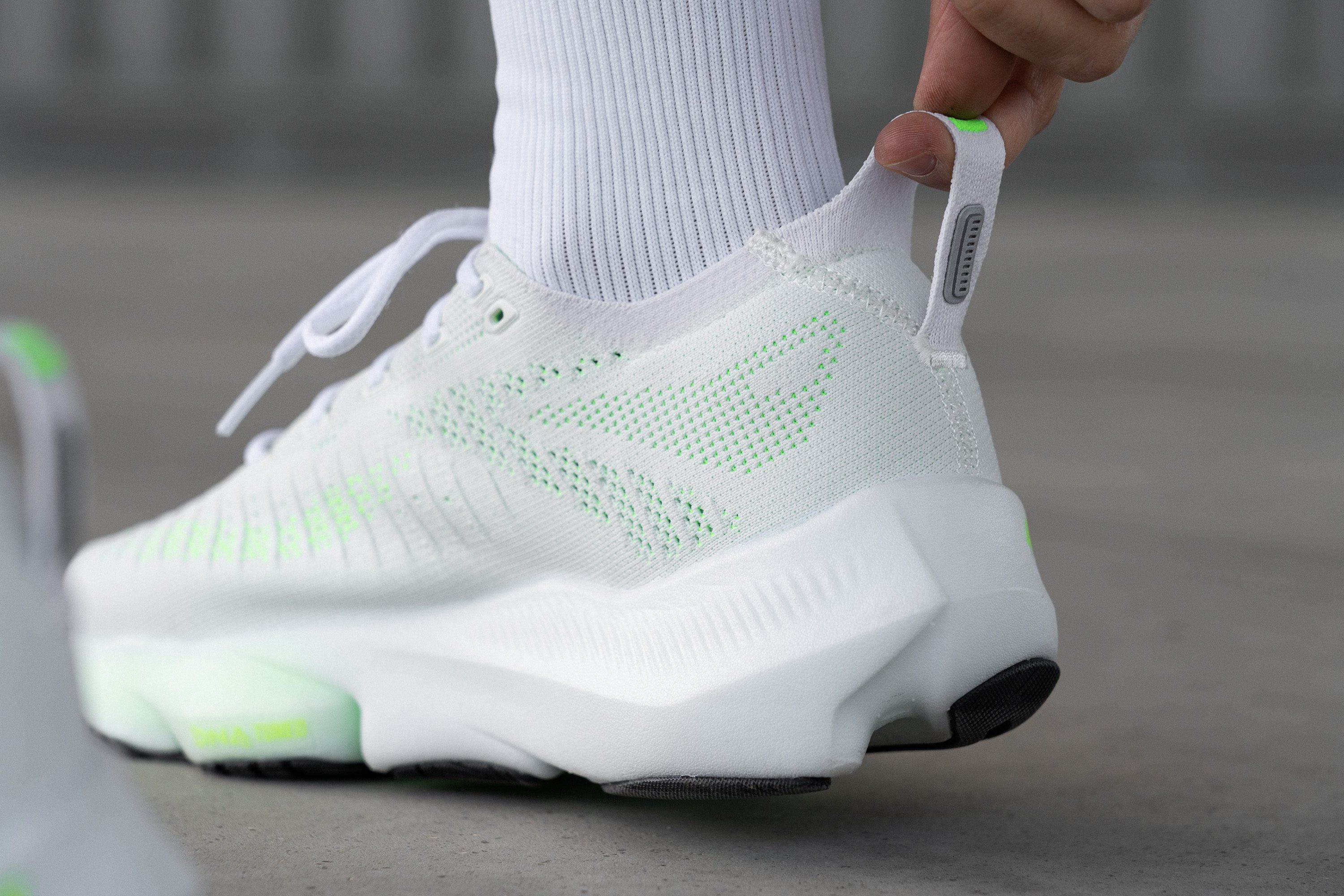
| Glycerin Flex | Tirador circular |
Precio
Las Glycerin Flex no solo tienen un concepto interesante para Brooks, sino también un upper comodísimo, y esa combinación las hace un poco más caras que la media de las zapatillas de entrenamiento diario.
En nuestra opinión, los runners que estén buscando una pisada muy flexible y una comodidad total, probablemente piensen que este par es una inversión que merece la pena. Eso sí, por otro lado, también creemos que un precio un poquito más bajo habría tenido más sentido, sobre todo porque estamos hablando de un modelo de primera generación.
| Glycerin Flex | $170 |