
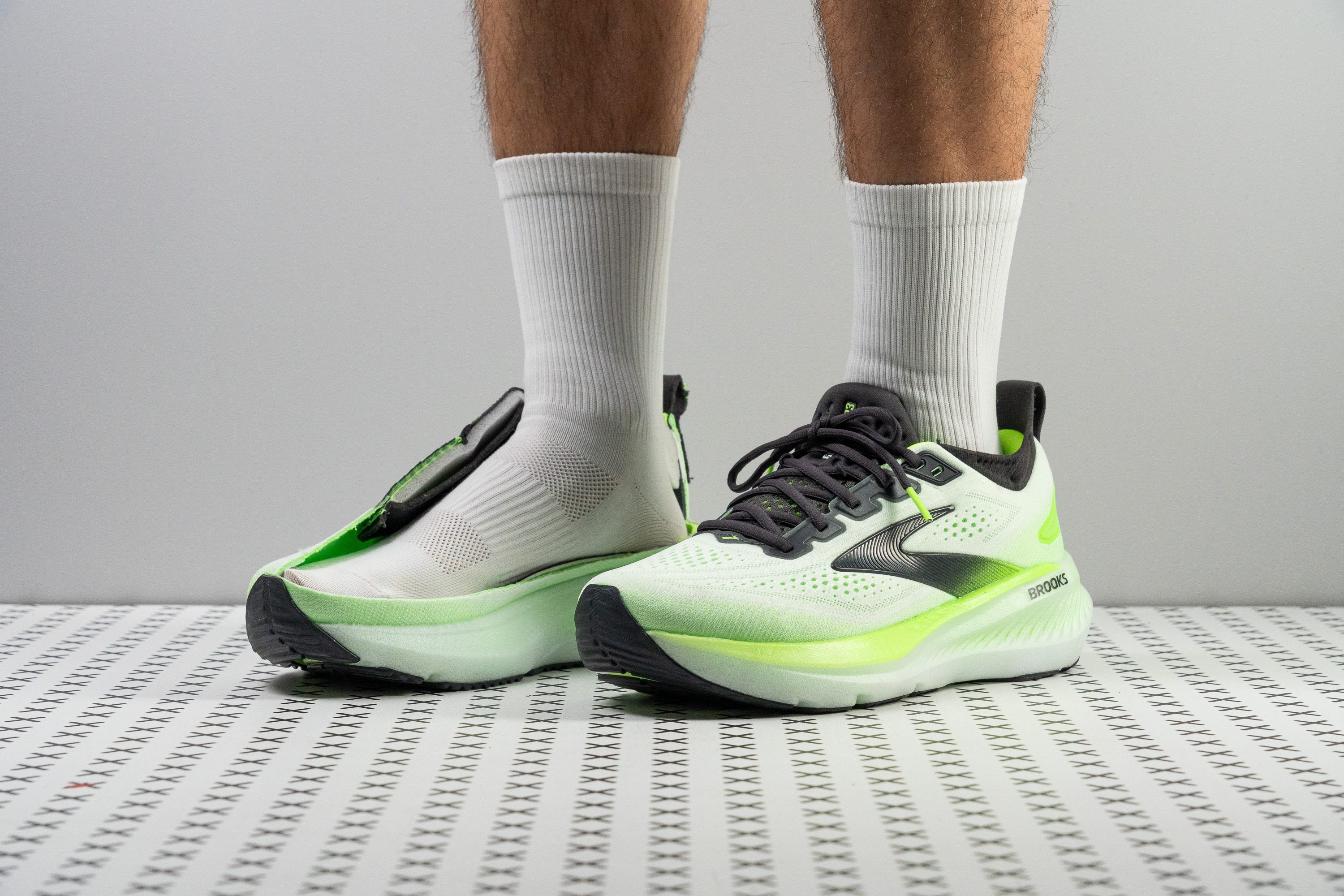











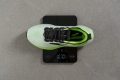






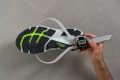
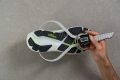
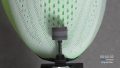


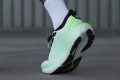



Nuestra conclusión
- Tiradas diarias / rodajes 89
- Tempo 51
- Competición 36
- Estabilidad 89
Pros
- Comodísimas
- Estructura general muy duradera
- Pisada suave y agradable
- Mejor ajuste
- Agarre confiable en zonas mojadas y secas
- Upper de knit premium con una calidade de diseño estupenda
- Sujeción excelente del talón
- Versátiles para el día a día
- Drop bajo que se adapta a más técnicas de carrera
Contras
- Pesadas en comparación con la mayoría de sus rivales
- Retorno de energía bajo
- No tienen una lengüeta reforzada
- Son más caras
Premios
- Entre mejores zapatillas Brooks de running
- Entre mejores zapatillas Brooks para caminar
- Top 29% entre Zapatillas de running para asfalto
- Top 27% entre zapatillas de running neutras
- Top 4% más vendidas zapatillas de running
Comparativa
Las zapatillas de running más parecidas
+ + Añadir unas zapatillas | |||||
|---|---|---|---|---|---|
| Nuestra puntuación | 85 Geniales | 88 Magníficas | 86 Geniales | 85 Geniales | |
| Precio | 180 € | 160 € | 150 € | 200 € | |
| Ritmo | Correr a diario | Correr a diario | Correr a diario | Correr a diario | |
| Absorción de impactos | Alta | Alta | Alta | Alta | |
| Retorno de energía | Moderado | Alto | Moderado | Bajo | |
| Tracción | Alta | Alta | Alta | Alta | |
| Sujeción arco del pié | Neutral | Neutral | Neutral | Neutral | |
| Peso laboratorio Peso marca | 10.7 oz / 303g 10.7 oz / 303g | 9.8 oz / 278g 9 oz / 255g | 10.2 oz / 289g 10.2 oz / 289g | 11.2 oz / 318g 11 oz / 311g | |
| Drop laboratorio Drop marca | 8.2 mm 8.0 mm | 8.5 mm 8.0 mm | 12.2 mm 10.0 mm | 8.1 mm 6.0 mm | |
| Técnica de carrera | TalónMedio/antepié | TalónMedio/antepié | Talón | TalónMedio/antepié | |
| Talla | Tallan un poquito pequeño | Tallan bien | Tallan bien | Tallan bien | |
| Rigidez de la mediasuela | Blanda | Equilibrada | Equilibrada | Blanda | |
| Diferencia de la rigidez de la mediasuela en frío | Normal | Pequeña | Pequeña | Pequeña | |
| Durabilidad de la parte delantera | Decente | Decente | Decente | Decente | |
| Durabilidad del acolchado del talón | Alta | Alta | Alta | Alta | |
| Durabilidad de la suela exterior | Buena | Buena | Buena | Decente | |
| Transpirabilidad | Media | Alta | Media | Media | |
| Anchura / ajuste | Media | Media | Media | Media | |
| Anchura de la parte delantera | Media | Media | Estrecha | Media | |
| Flexibilidad | Moderada | Rígida | Moderada | Rígida | |
| Rigidez torsional | Moderadas | Moderadas | Flexibles | Rígidas | |
| Rigidez del contrafuerte del talón | Rígido | Rígido | Rígido | Rígido | |
| Con rocker | ✓ | ✓ | ✗ | ✓ | |
| Talón laboratorio Talón marca | 37.2 mm 38.0 mm | 38.7 mm 36.0 mm | 37.3 mm 36.0 mm | 45.4 mm 45.0 mm | |
| Antepié laboratorio Antepié marca | 29.0 mm 30.0 mm | 30.2 mm 28.0 mm | 25.1 mm 26.0 mm | 37.3 mm 39.0 mm | |
| Anchuras disponibles | EstándarAnchoExtra Ancho | EstrechoEstándarAncho | EstrechoEstándarAnchoExtra Ancho | EstándarAncho | |
| Compatibles con plantillas personalizadas | ✓ | ✓ | ✓ | ✓ | |
| Estación | Todas las estaciones | VeranoTodas las estaciones | Todas las estaciones | Todas las estaciones | |
| Plantilla extraíble | ✓ | ✓ | ✓ | ✓ | |
| Clasificación | #102 Top 26% | #48 Top 12% | #81 Top 21% | #110 Top 28% | |
| Popularidad | #14 Top 4% | #56 Top 15% | #18 Top 5% | #44 Top 11% |



Quién debería comprárselas
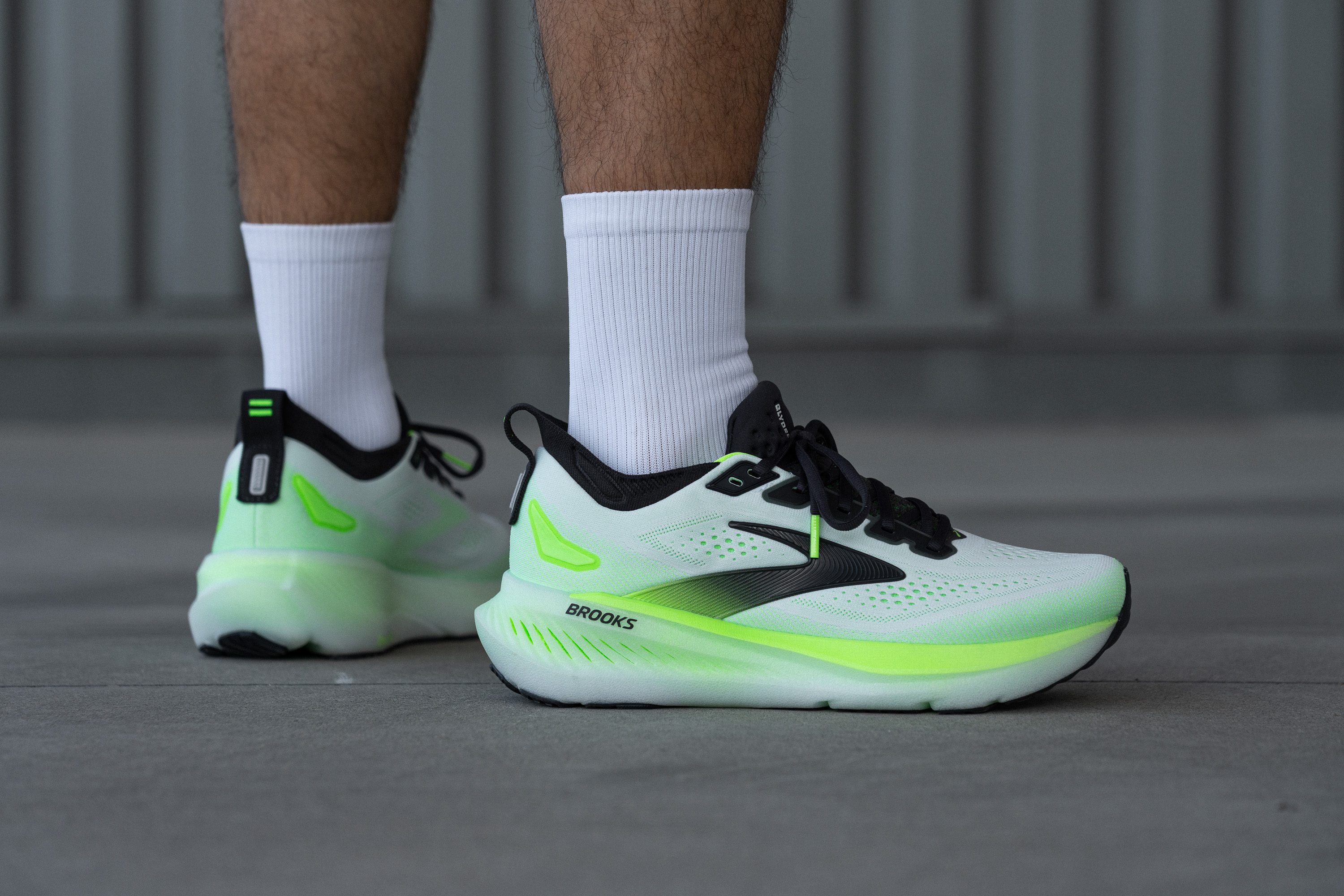
Después de hacerles montones de pruebas a las Brooks Glycerin 23, hemos llegado a la conclusión de que:
- Los runners que están buscando un modelo de entrenamiento premium que sea muy cómodo y duradero se van a enamorar de ellas.
- Los deportistas que pasaban de las Glycerin por su drop alto estarán contentos con esta versión, que es más equilibrada.
- Los que tienen las versiones anteriores y están buscando una buena actualización, deberían echarles un ojo, ya que la v23 mantiene el mismo ADN de las Glycerin.
- La gente que sale a correr de vez en cuando, a la que no le importa gastarse un poquito más y que quiere solo un par de zapatillas para las tiradas fáciles y para el uso diario, seguro que se queda encantada con ellas. Ah, ¡y su estética es mejor que nunca!
Quién NO debería comprárselas
Los runners a los que no les gustan las zapatillas pesadas lo van a tener difícil con las Glycerin 23. En el laboratorio, descubrimos que su peso es demasiado alto, y creemos que otras opciones más ligeras, como las Mizuno Neo Zen 2 o las New Balance 1080 v15, les pueden gustar más.
Además, tampoco tienen mucho rebote, ya que se centran más en ser cómodas. Vamos, que no nos parecen la mejor opción para los runners que están buscando un buen retorno de energía. A ellos les recomendamos las adidas Ultraboost 5 o las 5X, que son más reactivas.
Amortiguación
Shock absorption
Después del lavado de cara de las Glycerin 22, la verdad es que no nos esperábamos muchos cambios, así que no nos extrañó que la absorción de impactos de este modelo sea parecida. Con 140 SA en el talón y 116 SA en el antepié, han mejorado un pequeño pero estupendo 5 %.
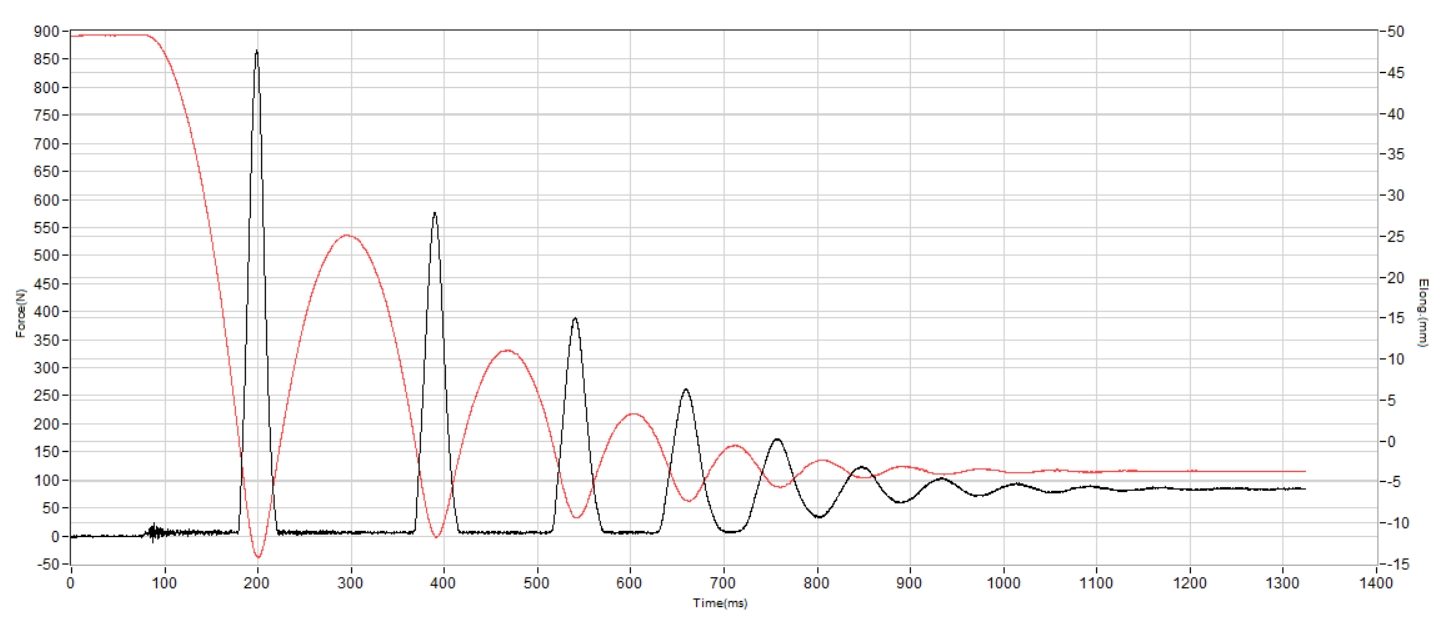
| Glycerin 23 | 140 SA |
| Media | 131 SA |
Energy return
La mediasuela sigue utilizando el mismo compuesto DNA Tuned, cuyo rebote ya nos había decepcionado. Así que, como era de esperar, el retorno de energía de este modelo es inferior a la media, con solo un 54,1 % en el talón y un 57,7 % en el antepié.
Aunque esto, muy probablemente, no sea un problema para los deportistas que se las ponen para ir sumando kilómetros cada semana a un ritmo suave, nosotros seguimos pensando que, a este precio, Brooks debería ofrecer una espuma que supere el 65 % en esta prueba.
| Glycerin 23 | 57.7% |
| Media | 61.4% |
Altura de la suela en la zona del talón
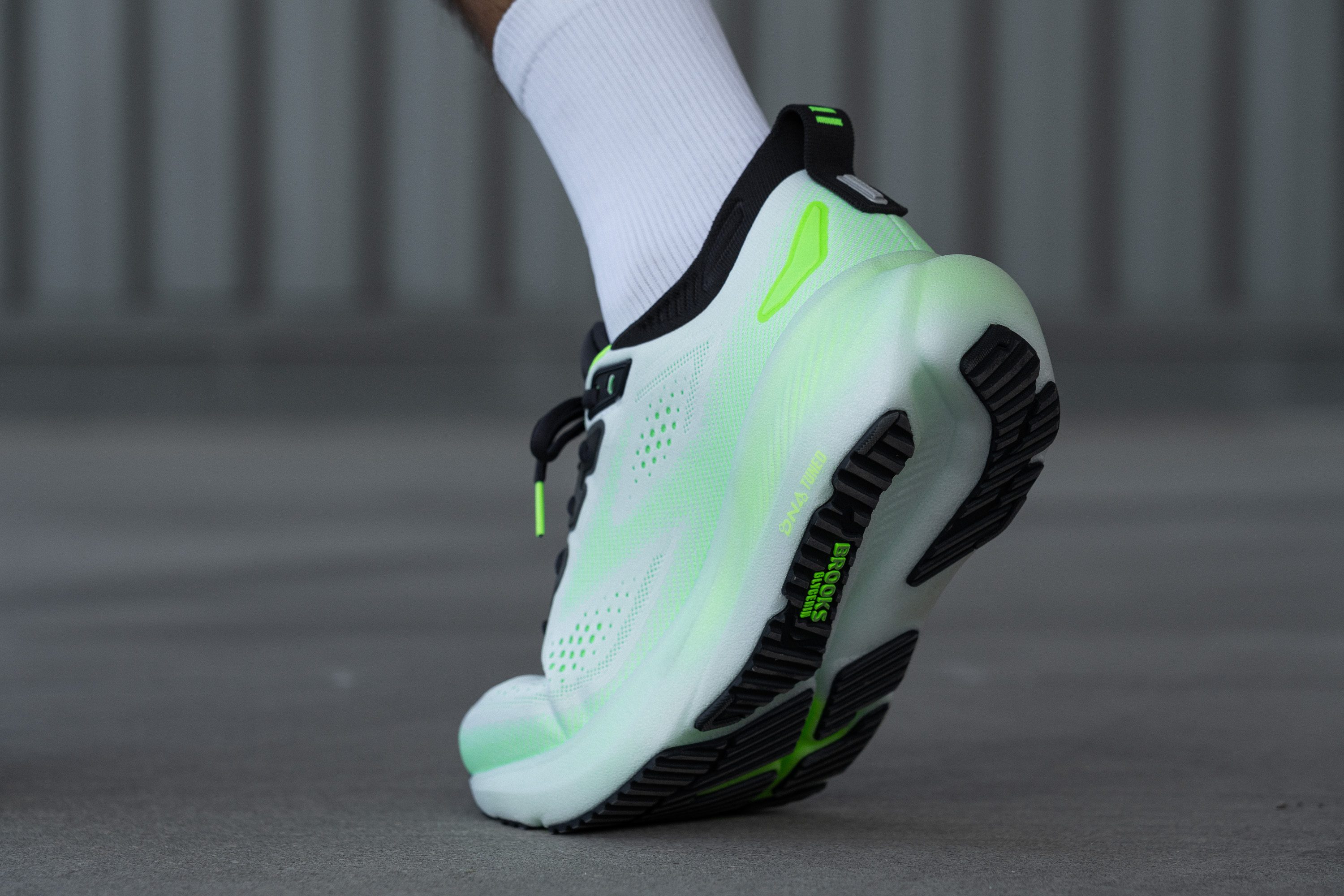
Las Glycerin 23 reflejan la tendencia actual de las zapatillas de entrenamiento diario, ya que su suela se acerca sin miedo a los 40 mm de altura.
En esta actualización, resulta que la suela alcanza 37,2 mm de altura en el talón, así que se queda a las puertas de la categoría maximalista, ofreciendo una mejor versatilidad y conexión con el suelo.
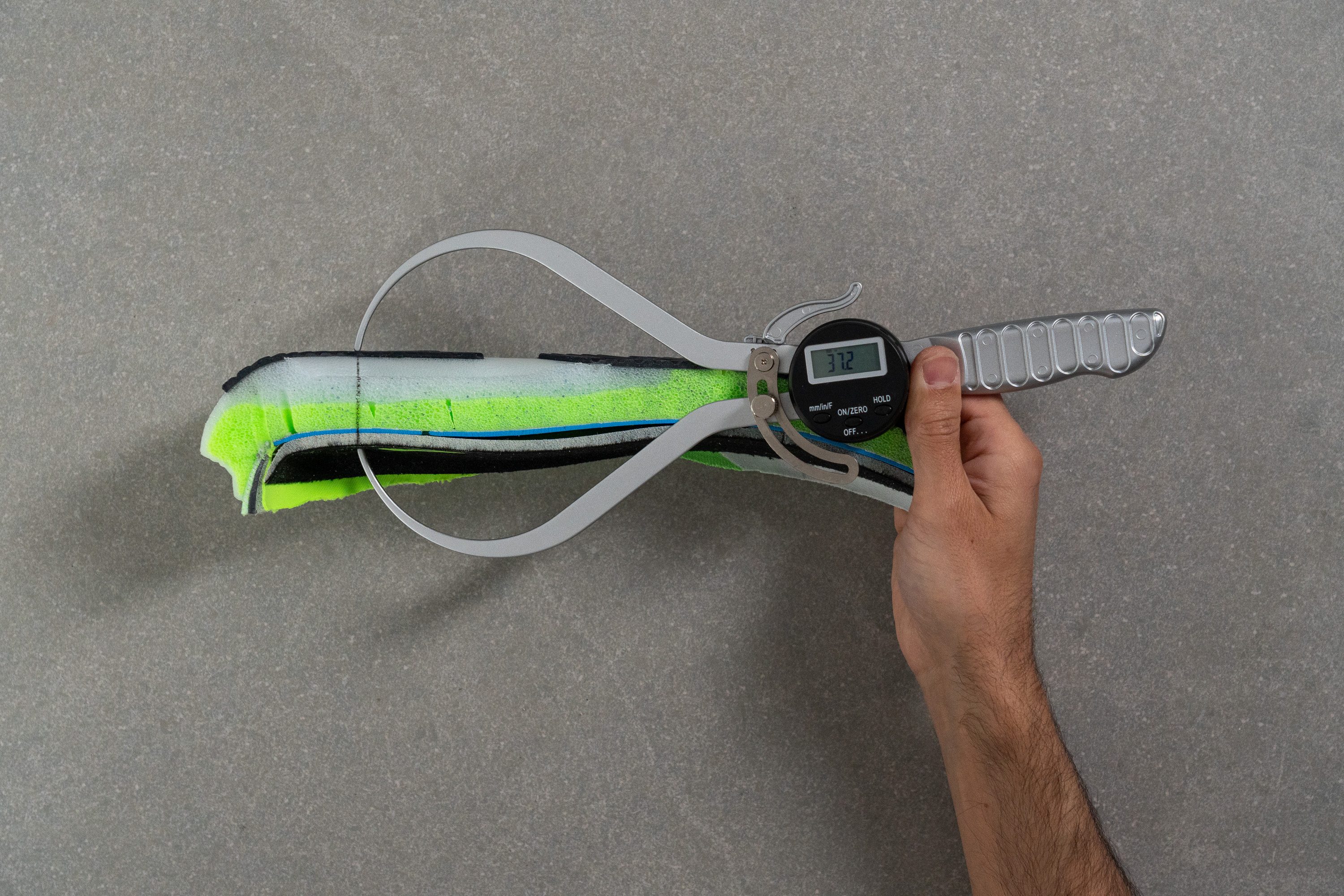
| Glycerin 23 | 37.2 mm |
| Media | 35.5 mm |
Altura de la suela en el antepié
El antepié también se acerca a la línea de los 30 mm con sus 29,0 mm, así que esta versión es un poquito más alta que la anterior. Vamos, que hay espuma de sobra tanto para los corredores que aterrizan con el mediopié como los que lo hacen con el antepié.
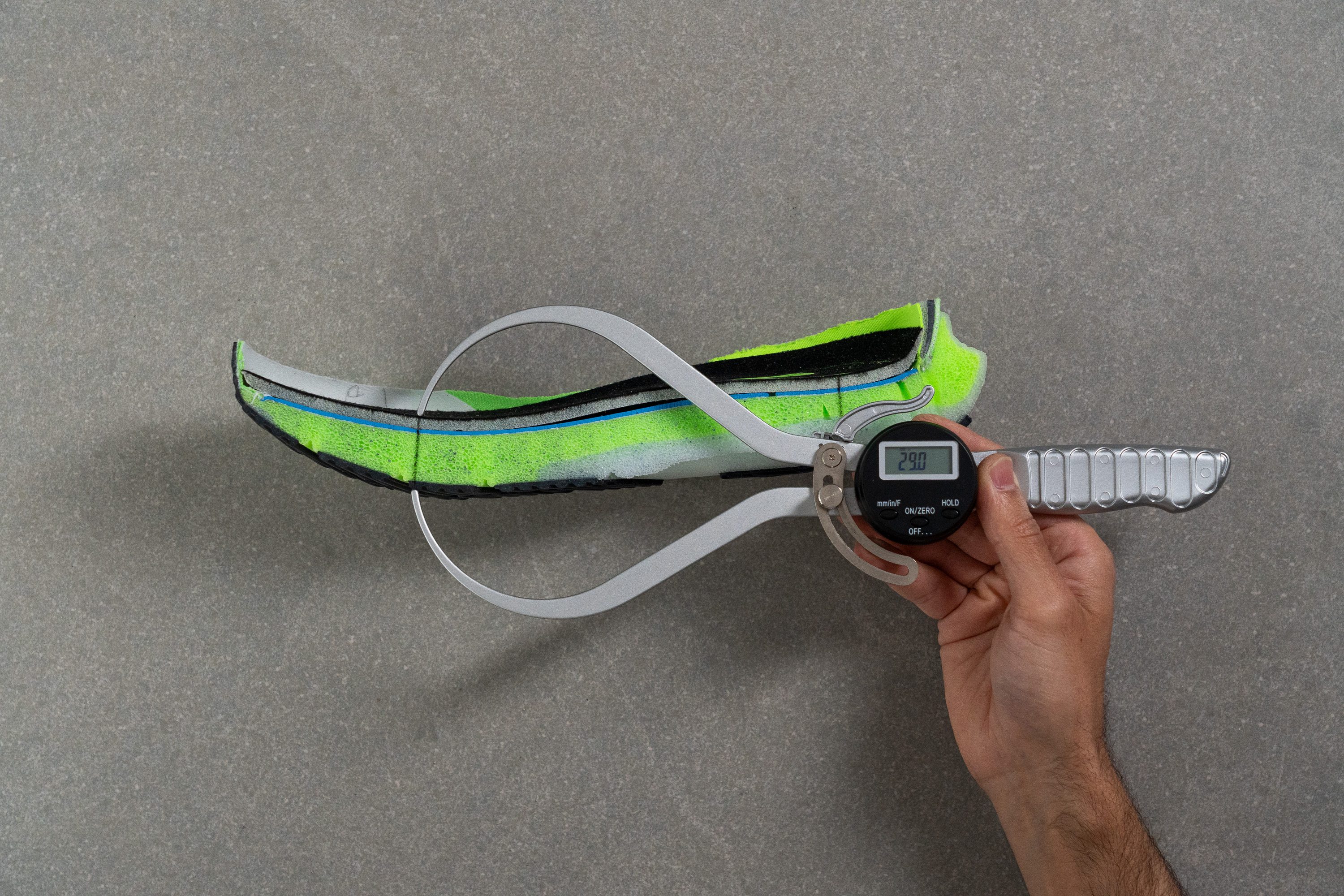
| Glycerin 23 | 29.0 mm |
| Media | 27.1 mm |
Drop
Brooks siguió el mismo enfoque que en las Adrenaline GTS 25, así que en vez de 10 mm, el drop es de 8 mm, ya que ha vuelto a quitarle 2 mm (se nos dan bien las mates, eh).
Cuando lo calculamos en nuestro laboratorio, nos dio 8,2 mm, así que estas zapatillas se adaptan mejor a cualquier técnica de carrera en vez de centrarse solo en los talonadores. La verdad es que nos parece un cambio muy positivo.
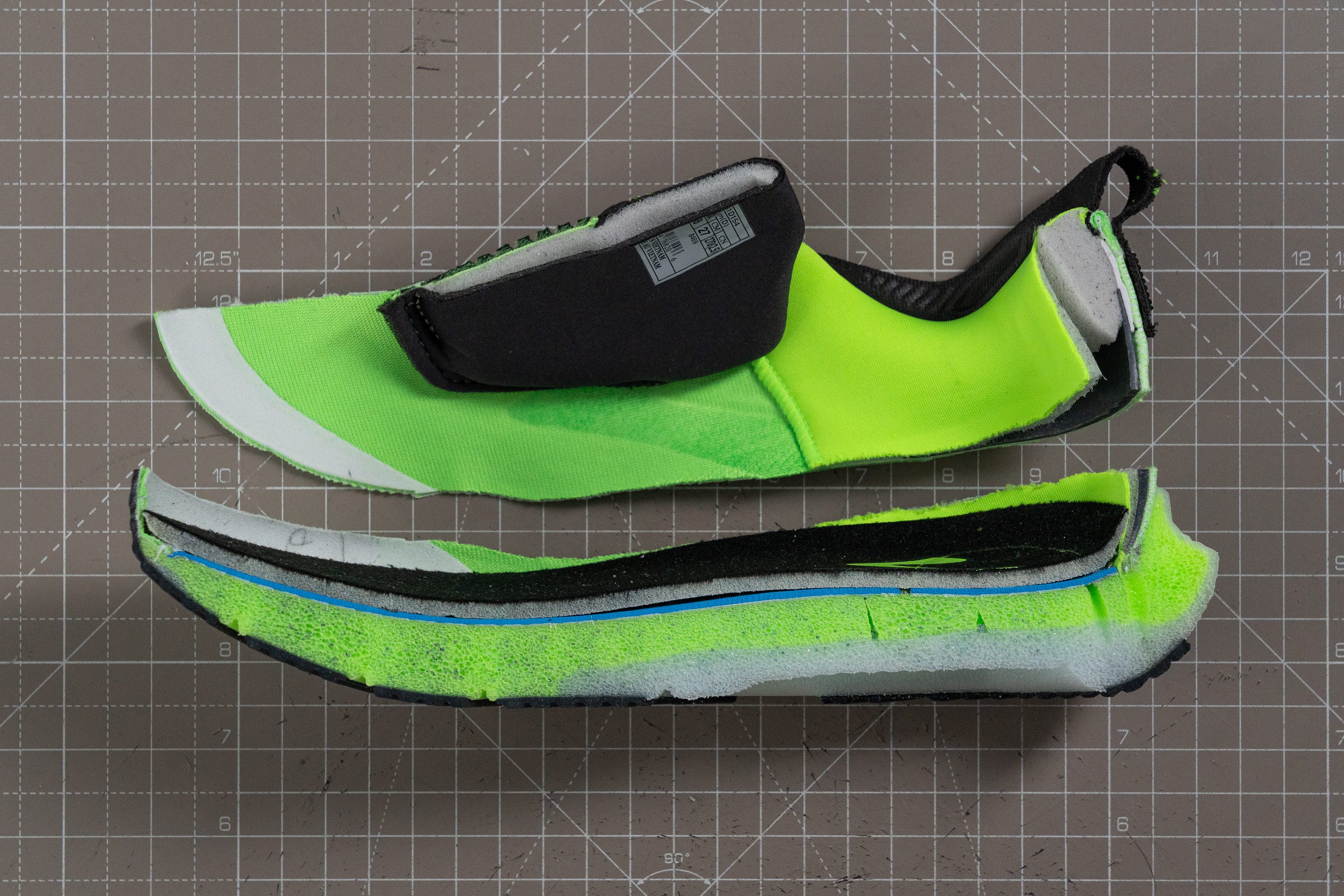
| Glycerin 23 | 8.2 mm |
| Media | 8.4 mm |
Dureza de la mediasuela
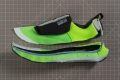
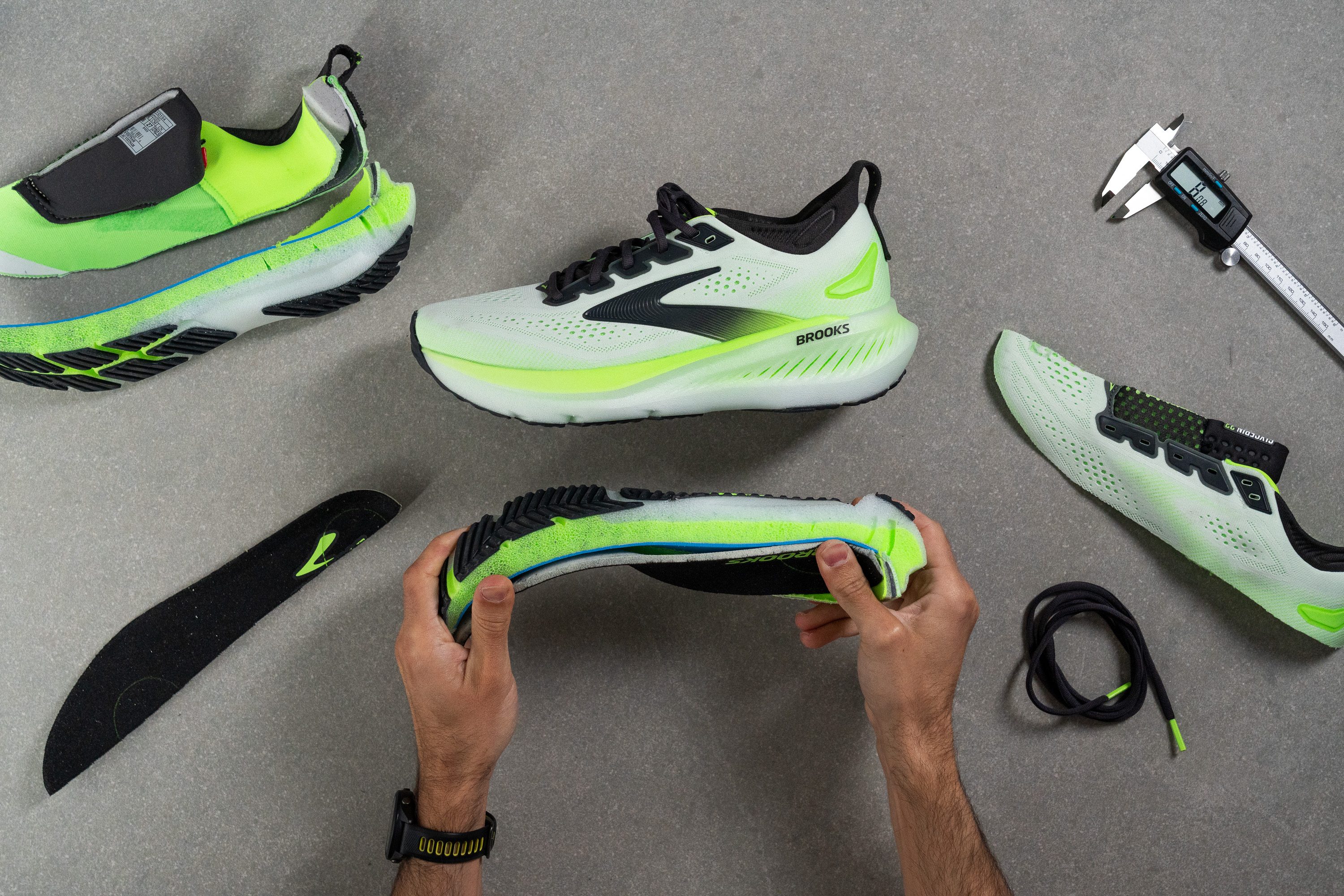
Como dijimos antes cuando mencionamos el decepcionante retorno de energía de este modelo, tiene la misma espuma DNA Tuned del año pasado. Vamos, que la configuración de doble densidad tampoco ha cambiado, aunque Brooks utiliza un proceso personalizado que une ambas capas sin utilizar pegamento.
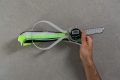
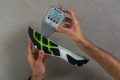
La capa principal de espuma se extiende por todo el antepié y el mediopié, así como por la parte de arriba del talón. Esto explica por qué este par se siente más mullido que las Glycerin anteriores, con un resultado de solo 29,2 AC en nuestro durómetro.
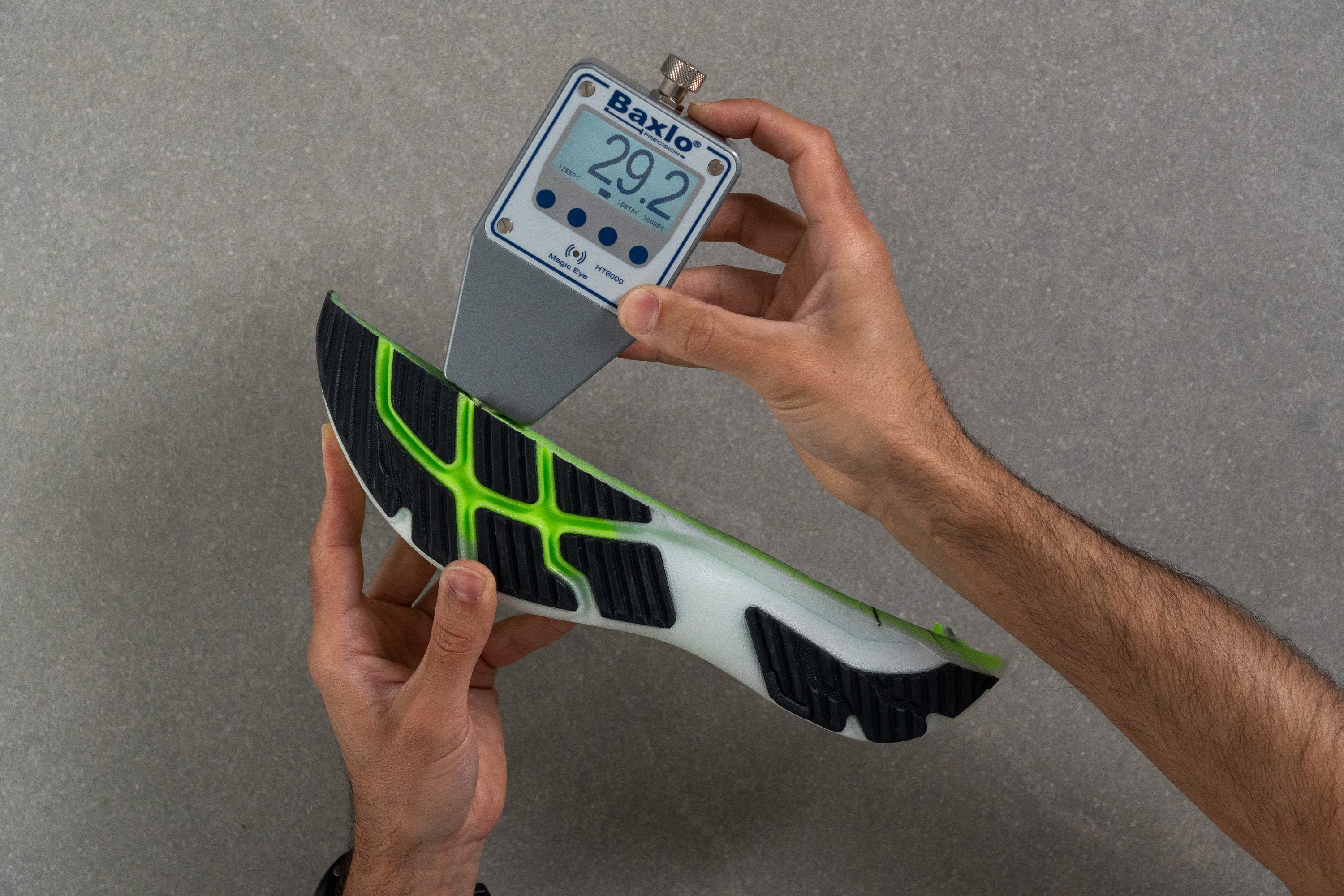
| Glycerin 23 | 29.2 AC |
| Media | 35.5 AC |
Rocker
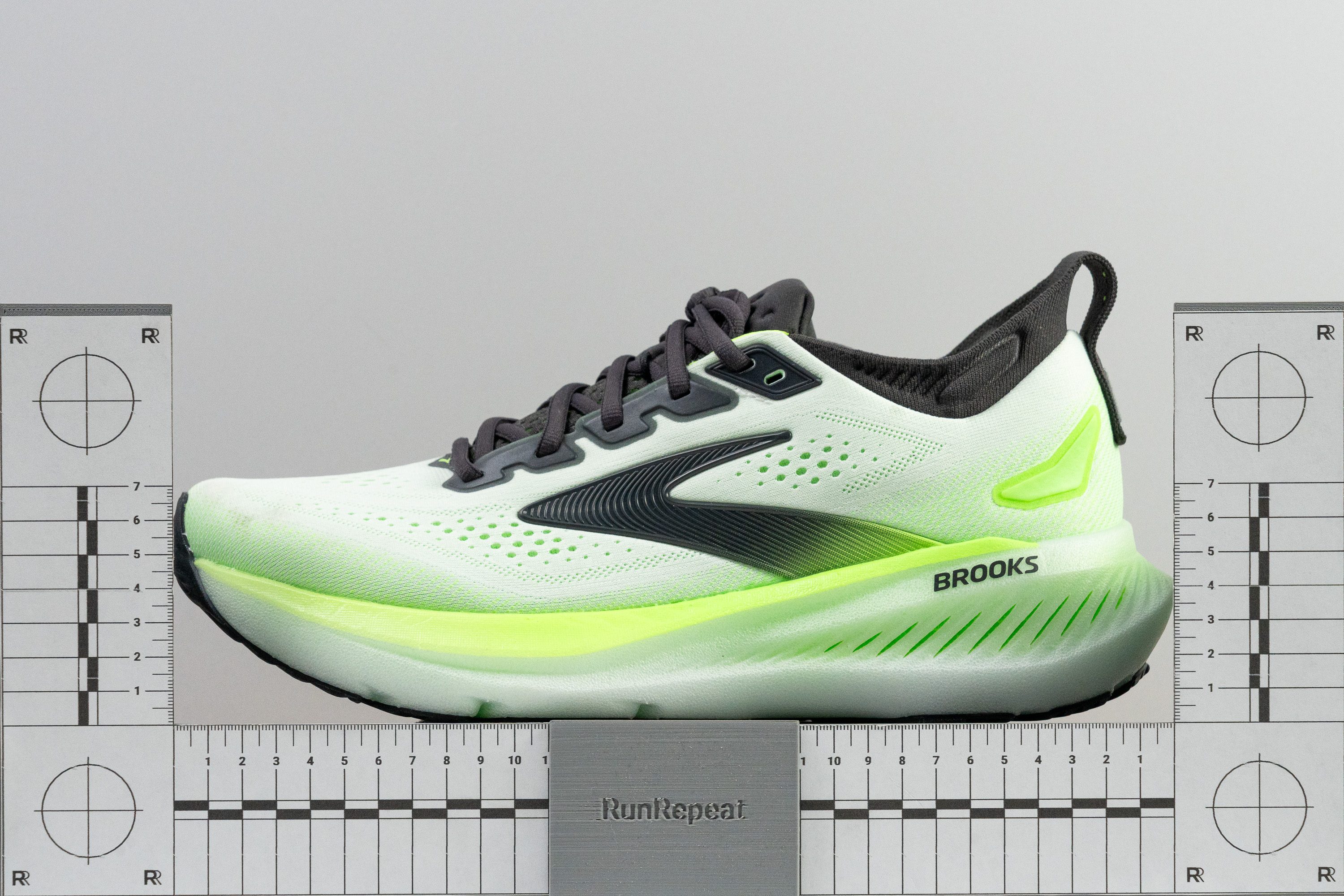
Las Brooks Glycerin 23 tienen una curvatura moderada tanto en el antepié como en el talón, pero nada que se sienta forzado o rarito bajo los pies. Esto las convierte en una excelente opción para las tiradas fáciles y el uso diario, ya que las zapatillas con un rocker muy marcado pueden ser incómodas para esas cosas.
Eso sí, cuando medimos su rocker en el laboratorio, vimos que era 5 mm más alto que antes. Pero bueno, teniendo en cuenta que el drop es más bajo, tampoco nos sorprende. Brooks tenía que compensar ese cambio, ¡y lo consiguió!
Tallaje y ajuste
Talla
Las Brooks Glycerin 23 quedan un poco pequeñas (105 votos).
Longitud interna
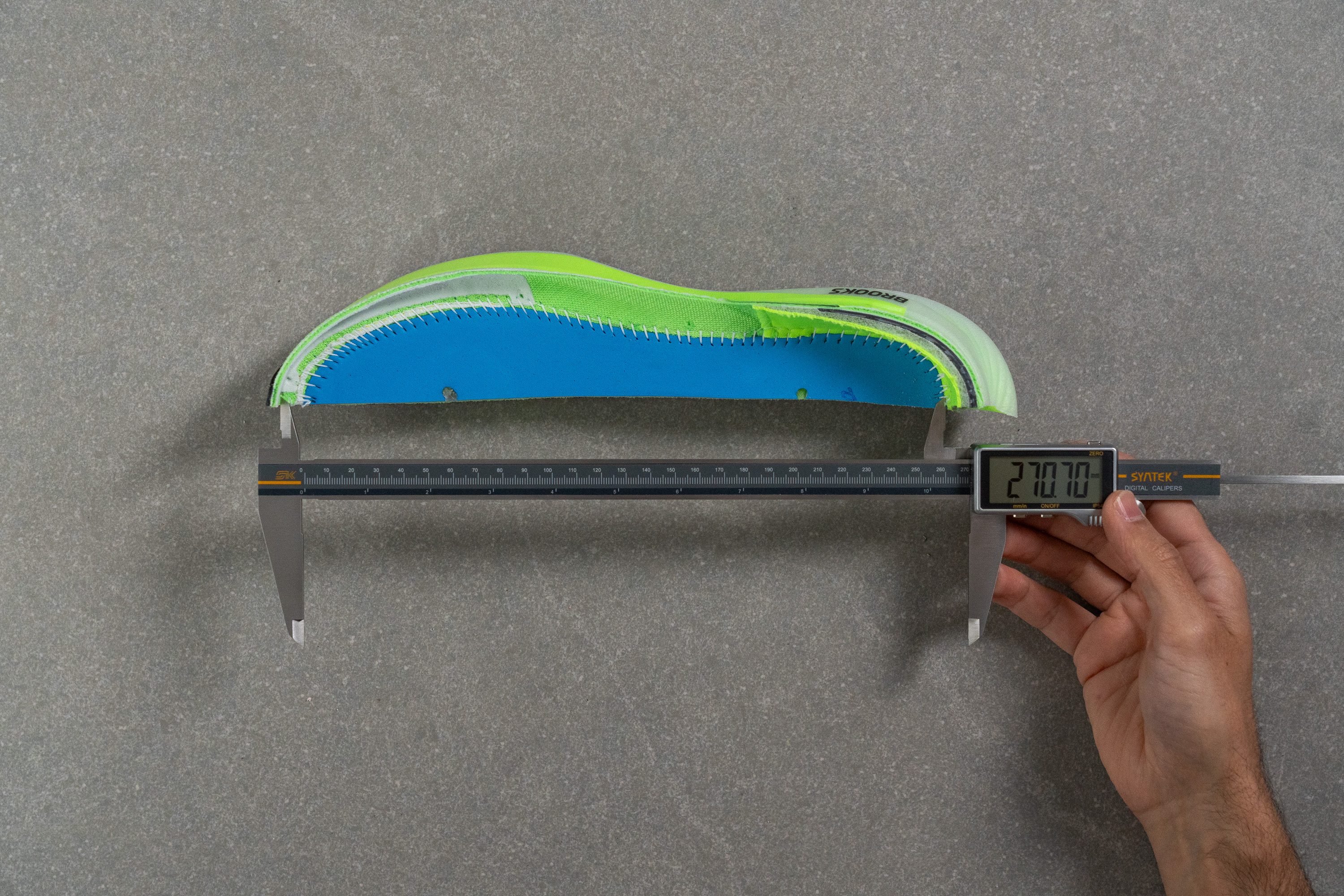
| Glycerin 23 | 270.7 mm |
| Media | 269.4 mm |
Anchura / Ajuste
El ajuste de las Glycerin siempre ha tirado más hacia un enfoque conservador. Es decir, que se intenta adaptar a la mayor cantidad posible de tipos de pie, manteniéndose cerca de la media en nuestros resultados.
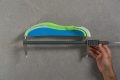
Para poder confirmarlo, hicimos una réplica del interior de las zapatillas con nuestro gel y vimos que, en su punto más ancho, tienen una anchura estándar de 96,1 mm.
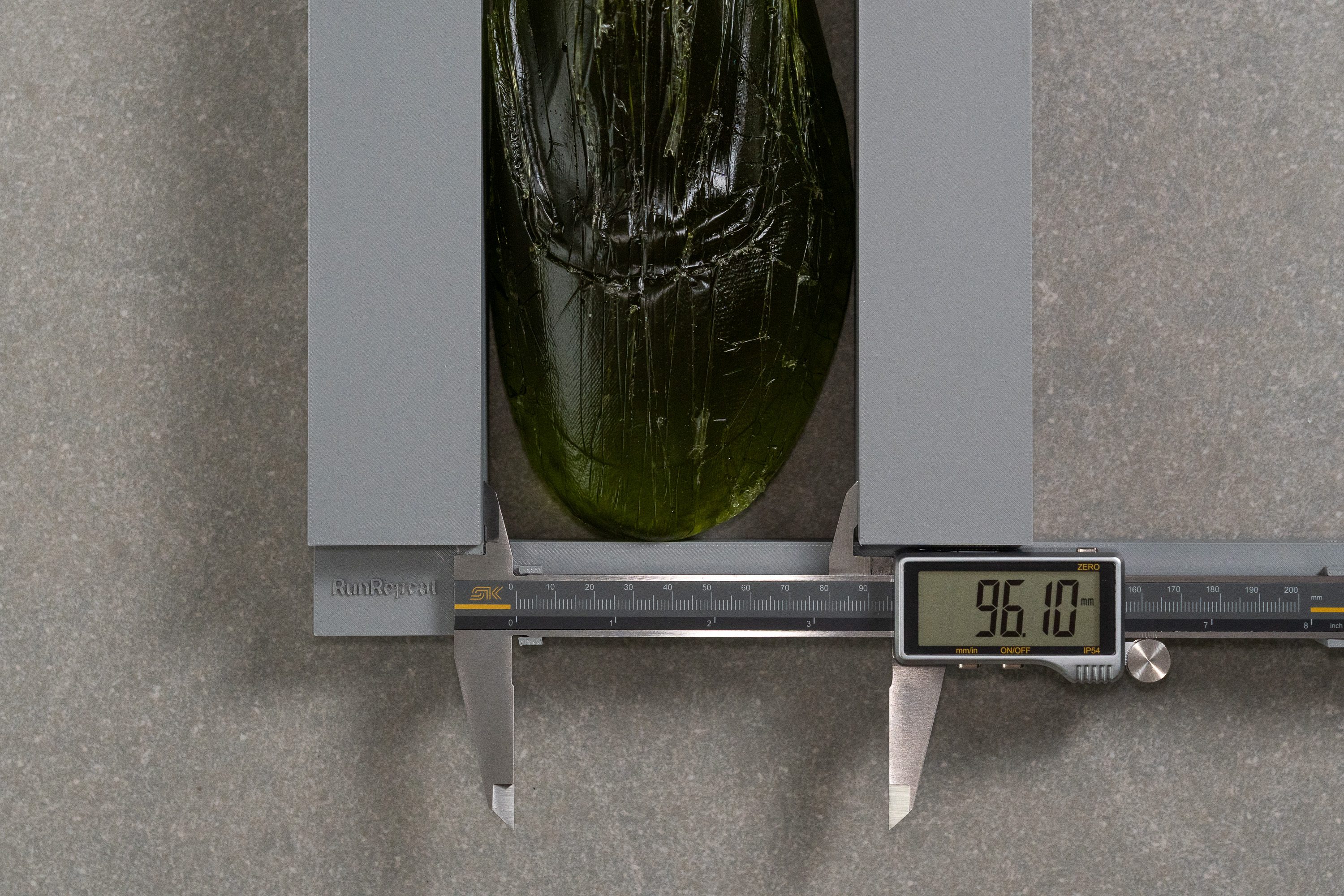
| Glycerin 23 | 96.1 mm |
| Media | 95.2 mm |
Anchura de la parte delantera
La parte delantera también tiene una anchura cerca de la media, y con sus 73,9 mm es cómoda y se adapta bien a la mayoría de los pies. Como suele pasar con las Glycerin, Brooks también las vende en tallas anchas, aunque no están disponibles en todas partes.
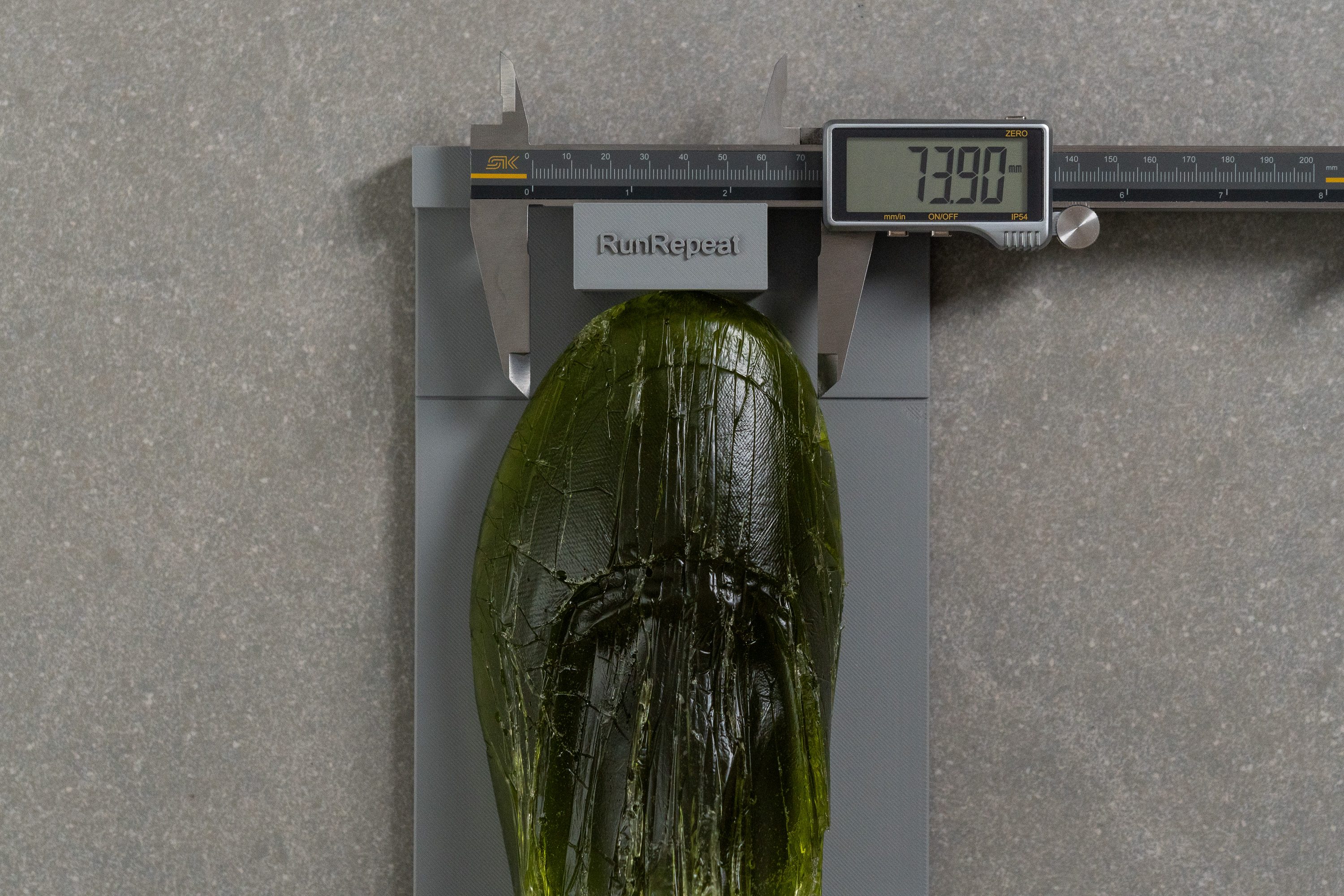
| Glycerin 23 | 73.9 mm |
| Media | 73.2 mm |
Altura de la parte delantera
Lo que sí que ha cambiado es la altura de la zona de los dedos.
En la versión 22 era un problema, ya que el volumen vertical era de solo 23,6 mm, pero Brooks lo solucionó al aumentarlo a unos más razonables 27,7 mm, reduciendo la presión sobre los dedos.
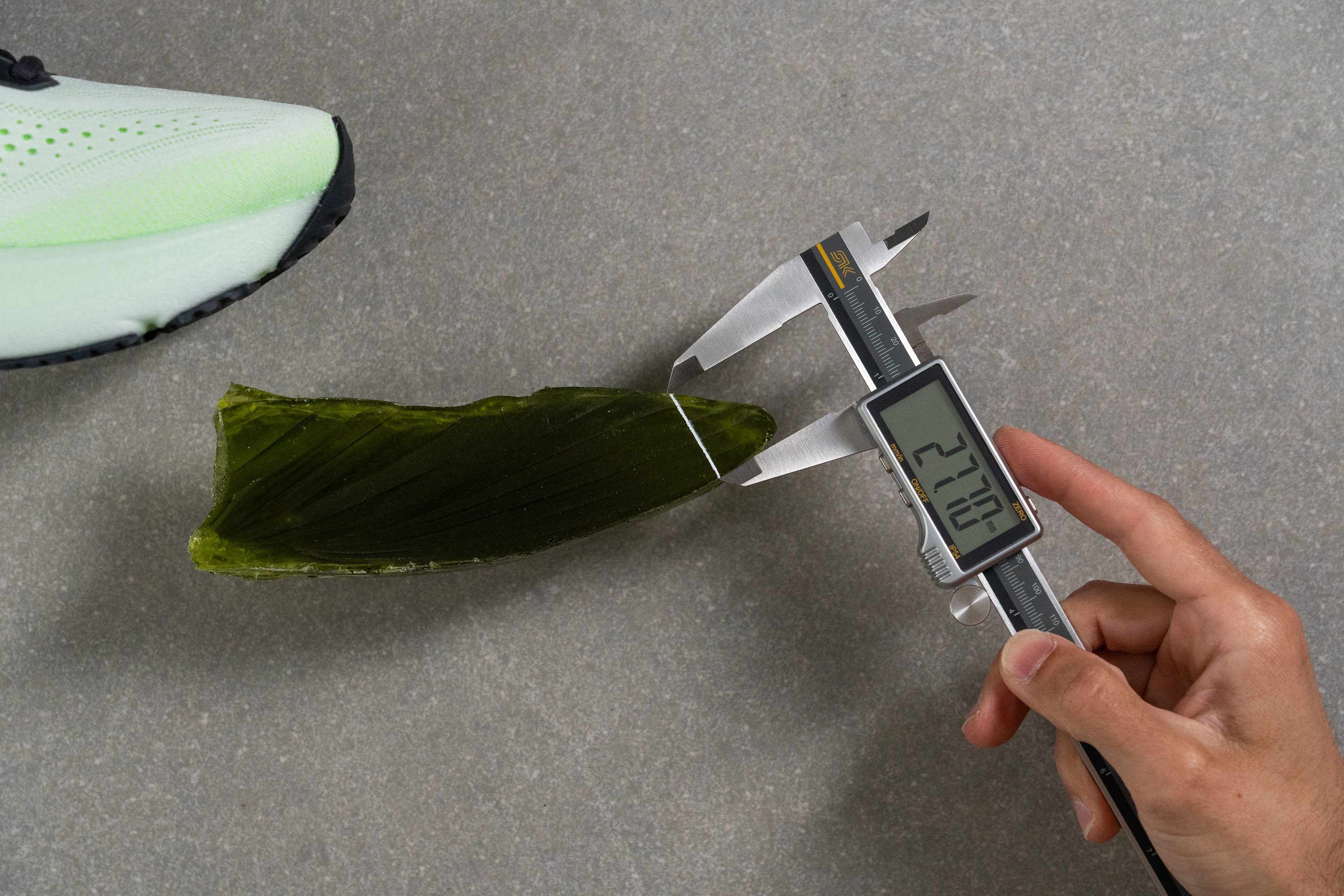
| Glycerin 23 | 27.7 mm |
| Media | 27.0 mm |
Tracción / Agarre
Traction test
Algunos modelos de entrenamiento diario presumen de un agarre excepcional, pero las Glycerin 23... se quedan más a las puertas.
Eso sí, su 0,66 nos dice que su tracción es lo suficientemente buena como para que no tengas problemas ni si llueve. Además, mejoran bastante el 0,44 de sus predecesoras. Pero mira, que Brooks les ha subido el precio, así que nos esperamos más mejoras como esta.
| Glycerin 23 | 0.66 |
| Media | 0.53 |
Diseño de la suela exterior
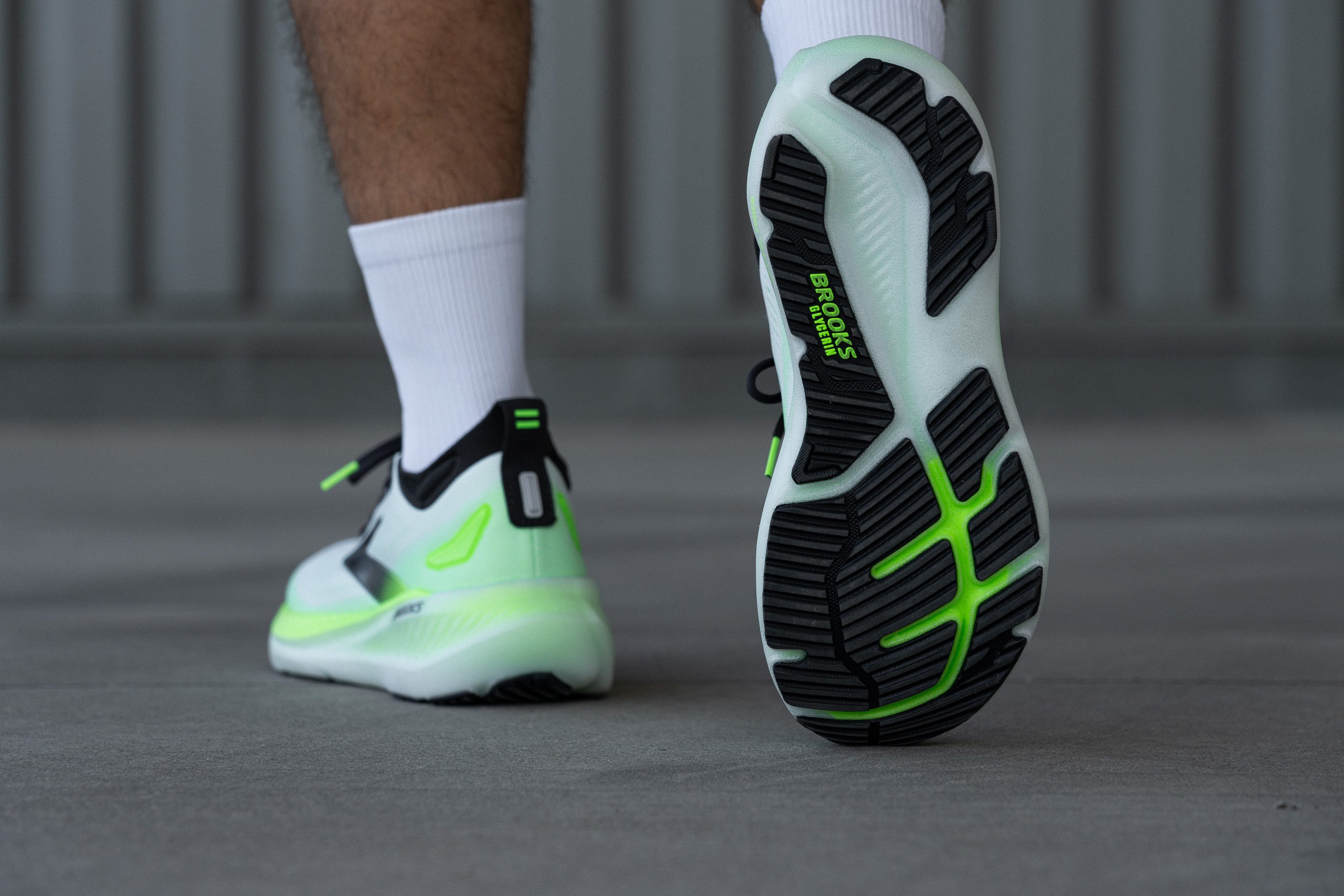
La suela exterior tiene un montón de caucho y es mejor que la de la versión anterior, que ya era buena.
Ahora presume de varios cortes horizontales más definidos y de dos nuevos horizontales que no estaban antes. Todos trabajan codo con codo para aumentar la flexibilidad, y eso que tienen un poquito más de espuma en el antepié por haber reducido el drop.
Flexibilidad / Rigidez
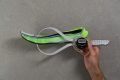
Este modelo se ha llevado prácticamente el mismo resultado que el anterior en esta prueba, ya que necesitó 15,2 N para doblarse 30 grados. Este resultado tampoco es extremo, reflejando muy bien el carácter equilibrado de las Glycerin 23.
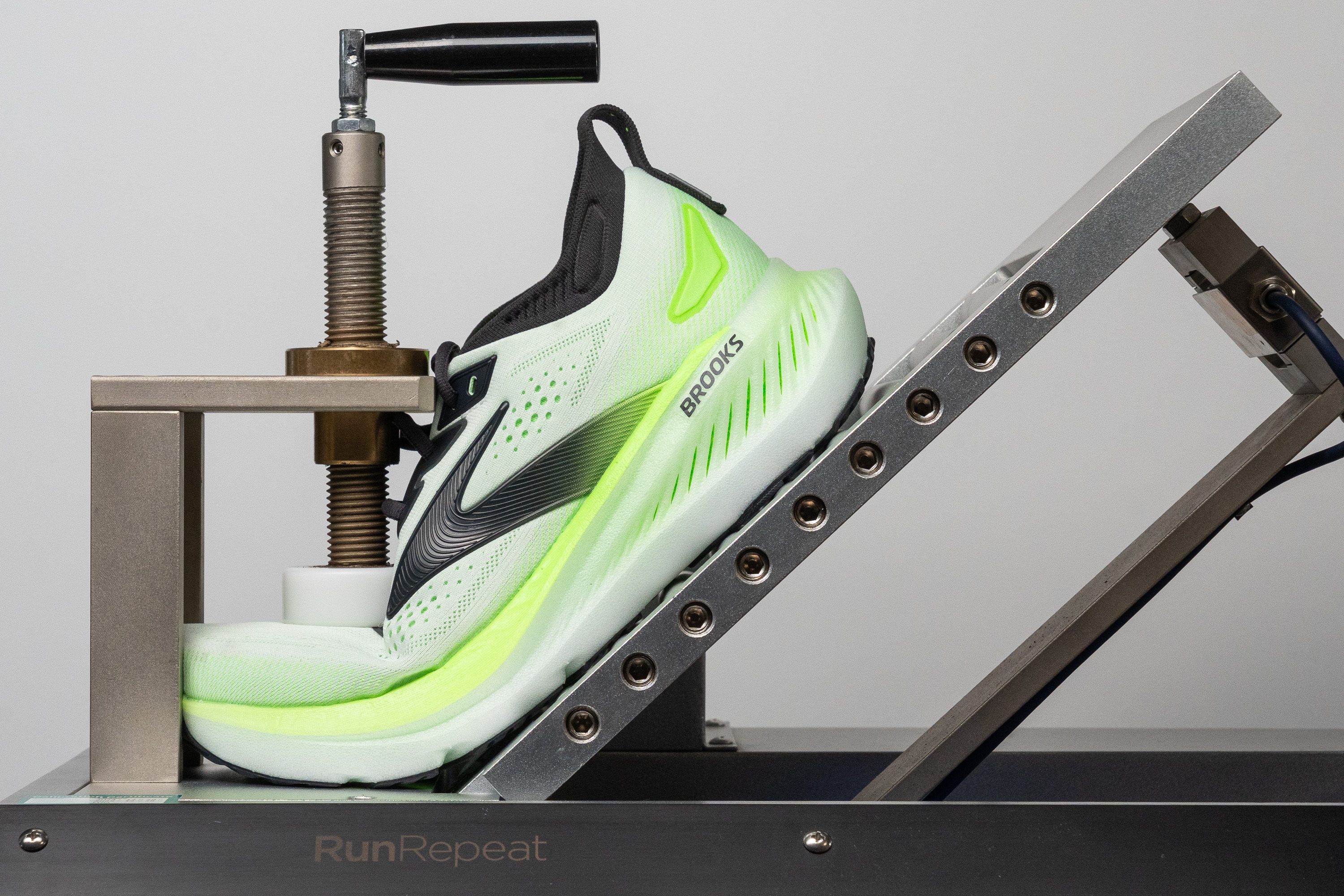
| Glycerin 23 | 15.2N |
| Media | 15.5N |
Peso
Donde Brooks sí que lo pasa mal es con el peso, ¡y no lo decimos solo por este modelo! Otras de sus líneas, como las Ghost o las Adrenaline, también suelen ser más pesadas que la mayoría de sus competidoras.
Estas Glycerin pesan 303 g, y podemos confirmar, por experiencia propia, que se sienten pesadas en los pies. Sin duda, Brooks prioriza la durabilidad de la suela y la comodidad del upper, pero claro, esto no solo afecta negativamente al peso, sino también a la agilidad.
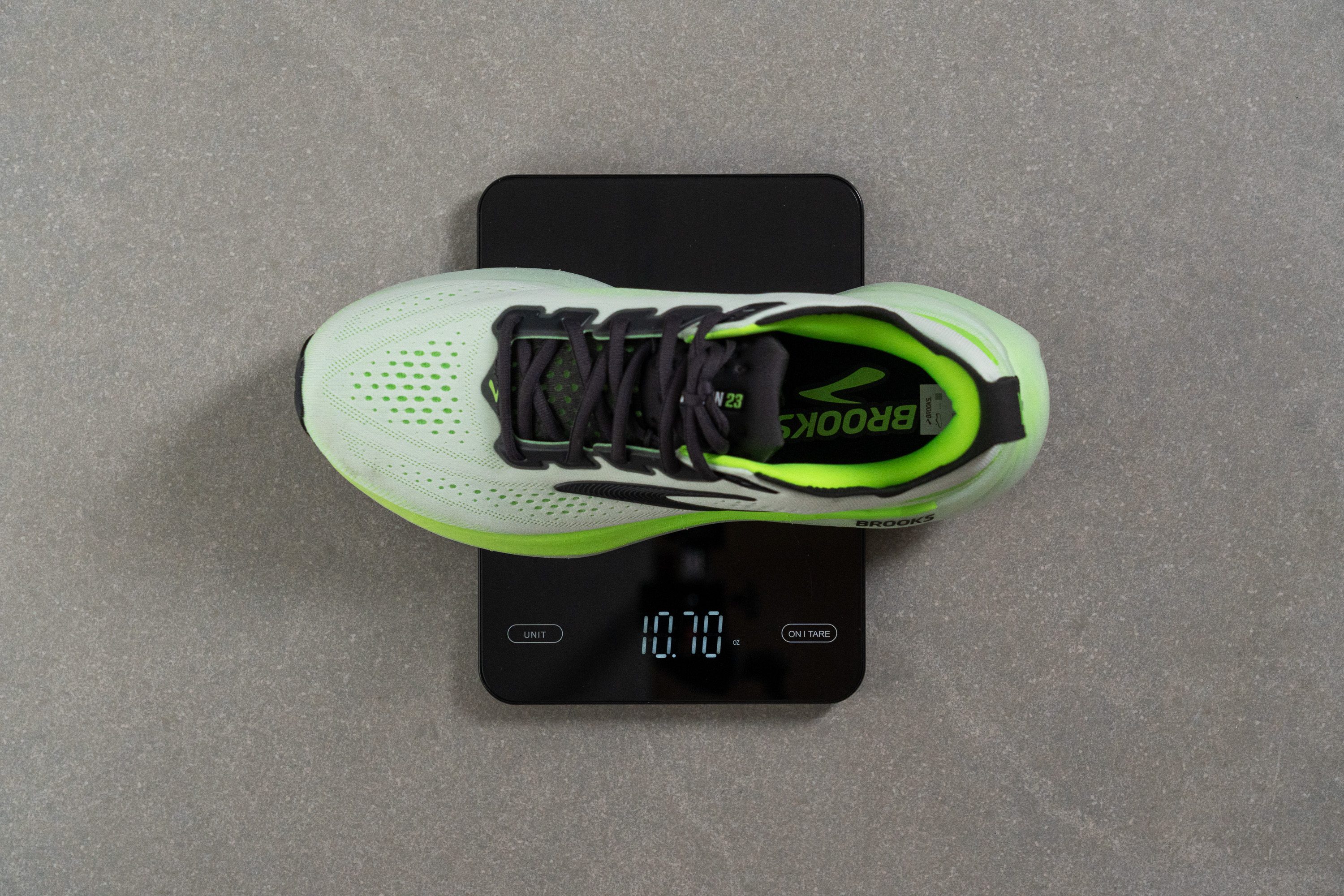
| Glycerin 23 | 10.7 oz (303g) |
| Media | 9.2 oz (261g) |
Transpirabilidad
Breathability test
ActualizadoEn el laboratorio, descubrimos que las Glycerin 23 tienen una transpirabilidad un poquito por debajo de la media, ya que se llevaron un resultado de 67 BR en nuestra prueba.
Aunque no es una cifra que nos preocupe, sí que indica que estas zapatillas no consiguen librar a los pies del sudor tan bien como nos esperábamos, así que se acumula un poquito más de humedad en las carreras largas.
| Glycerin 23 | 67 BR |
| Media | 75 BR |
Potencial de secado
NuevoEn la prueba de potencial de secado lo hicieron un poquito mejor, así que les traemos buenas noticias a los corredores que tienen pensado ponerse las Glycerin 23 para los esfuerzos más largos.
Esta prueba mide cuánta humedad se evapora después de que las zapatillas estén 3 horas seguidas expuestas al sudor artificial, y las Glycerin 23 obtuvieron un sólido resultado del 53 %.
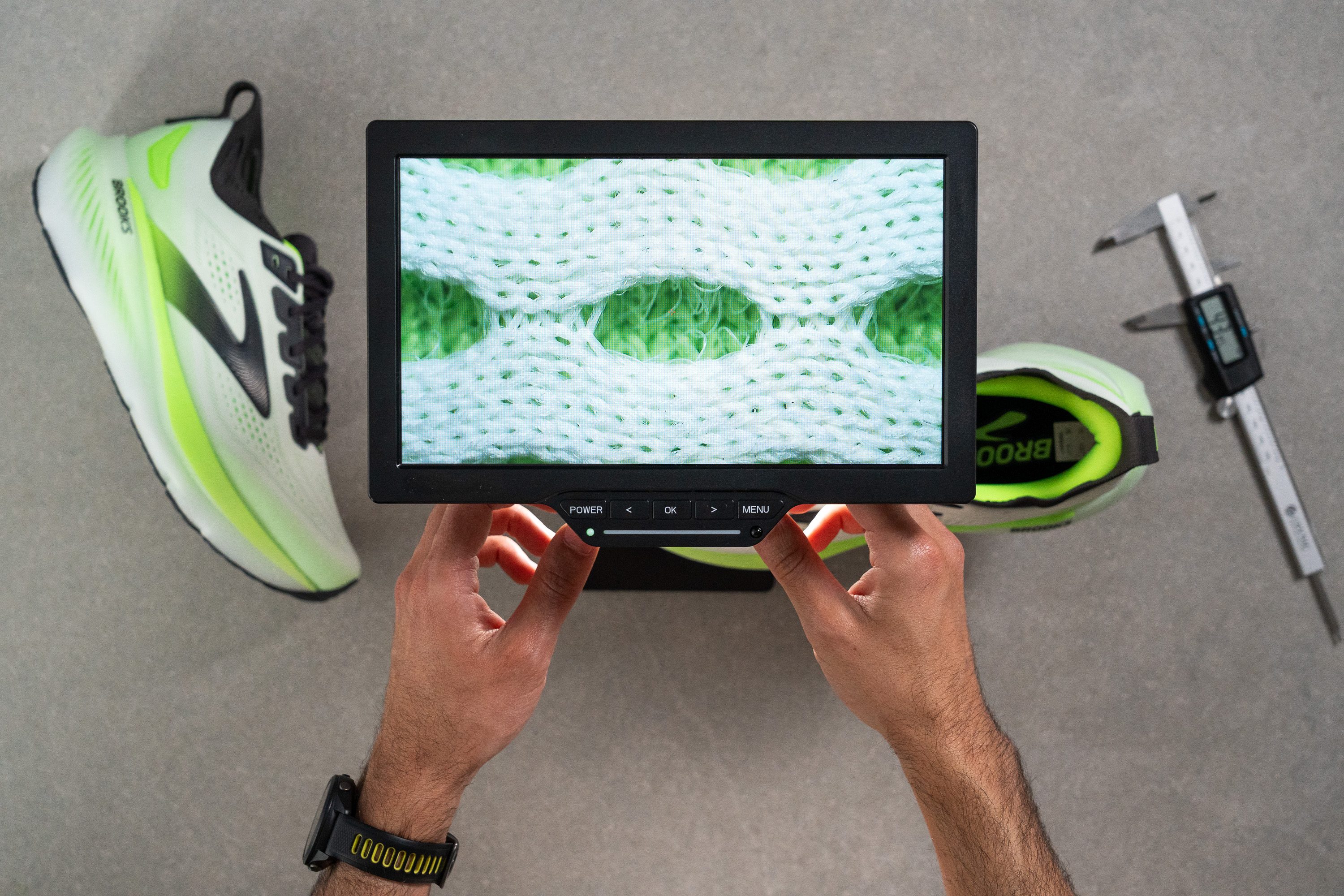
| Glycerin 23 | 53% |
| Media | 53% |
Estabilidad
Prueba de estabilidad lateral
Las Glycerin 23 están diseñadas pensando exclusivamente en los corredores neutros. Los modelos que se centran en la sujeción tienen GTS en su nombre, pero este no, así que no te lo podemos recomendar de ninguna manera si necesitas estabilidad extra.
Eso sí, la verdad es que son estables, y son una opción segura para los corredores neutros.
Rigidez torsional
Gracias al diseño de la suela exterior y a la altura razonable de la mediasuela, las Glycerin 23 mantienen una rigidez torsional moderada y ofrecen una sensación equilibrada en ese aspecto. Vamos, que no son excesivamente flexibles, y tampoco incómodas para el uso diario o las tiradas fáciles.
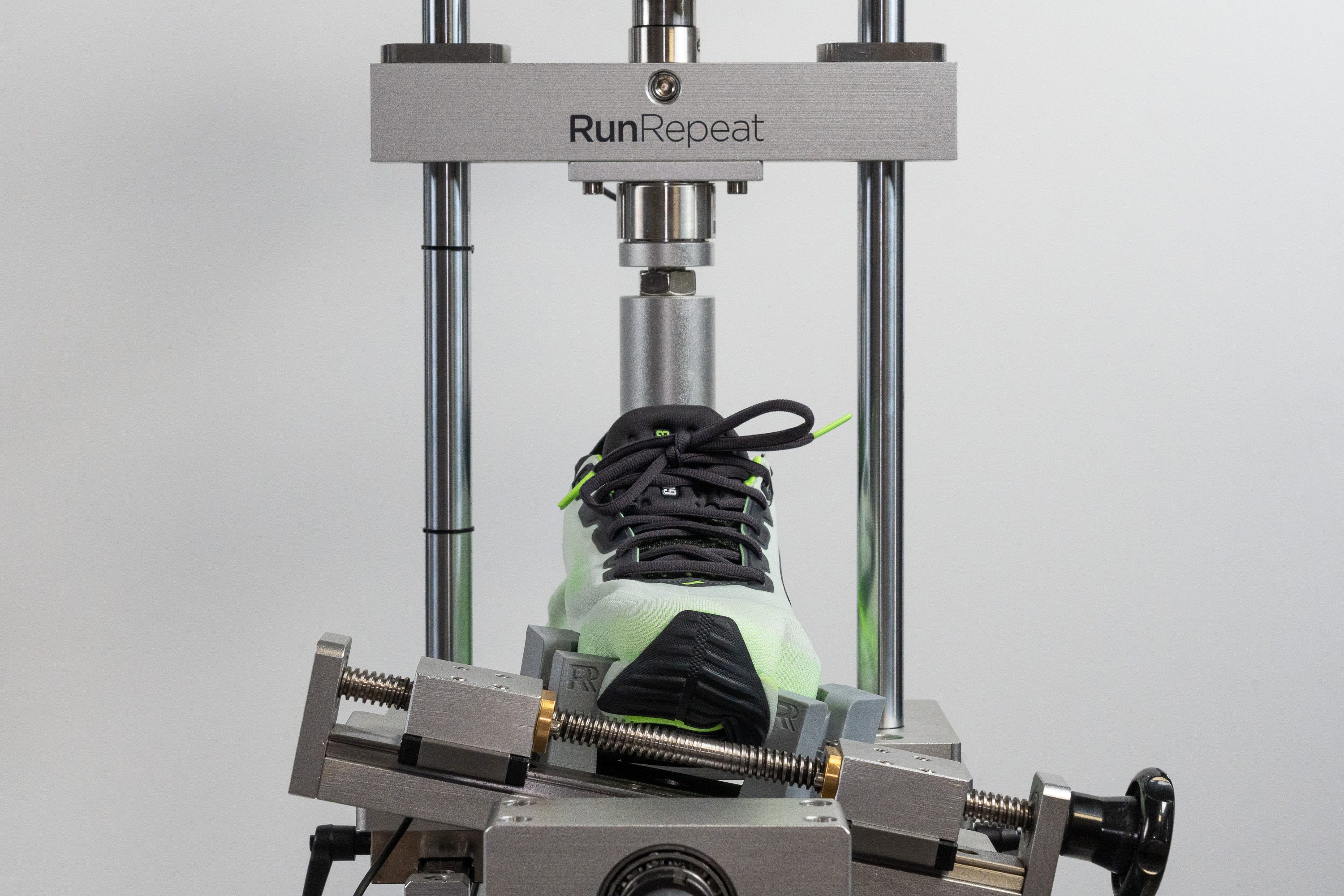
| Glycerin 23 | 14.0 Nm |
| Media | 14.4 Nm |
Rigidez del contrafuerte del talón
Brooks utilizó un contrafuerte de talón moderadamente rígido que se llevó un 4/5 en nuestra evaluación manual. No es nada nuevo, la verdad, ya que es el enfoque que la marca suele seguir en las Glycerin o en las Adrenaline, probablemente porque compensa esta rigidez más alta con el acolchado ultramullido del que hablamos antes.
| Glycerin 23 | 4 |
| Media | 3 |
Anchura de la mediasuela - antepié
Lo de que las zapatillas de running cada vez son más altas lo sabe ya todo el mundo, ¡pero es que también se están volviendo más anchas! Las Glycerin 23 alcanzan unos impresionantes 120,4 mm en el antepié, algo que hace solo unos años era más común en los modelos de estabilidad.
Con Brooks haciendo que las Glycerin sean más mullidas cada año, lo más probable es que este cambio en cuanto a diseño sea básico. No hay ningún problema con este modelo, sigue siendo cómodo, pero no te esperes que sea tan ágil como los pares de hace cinco años.
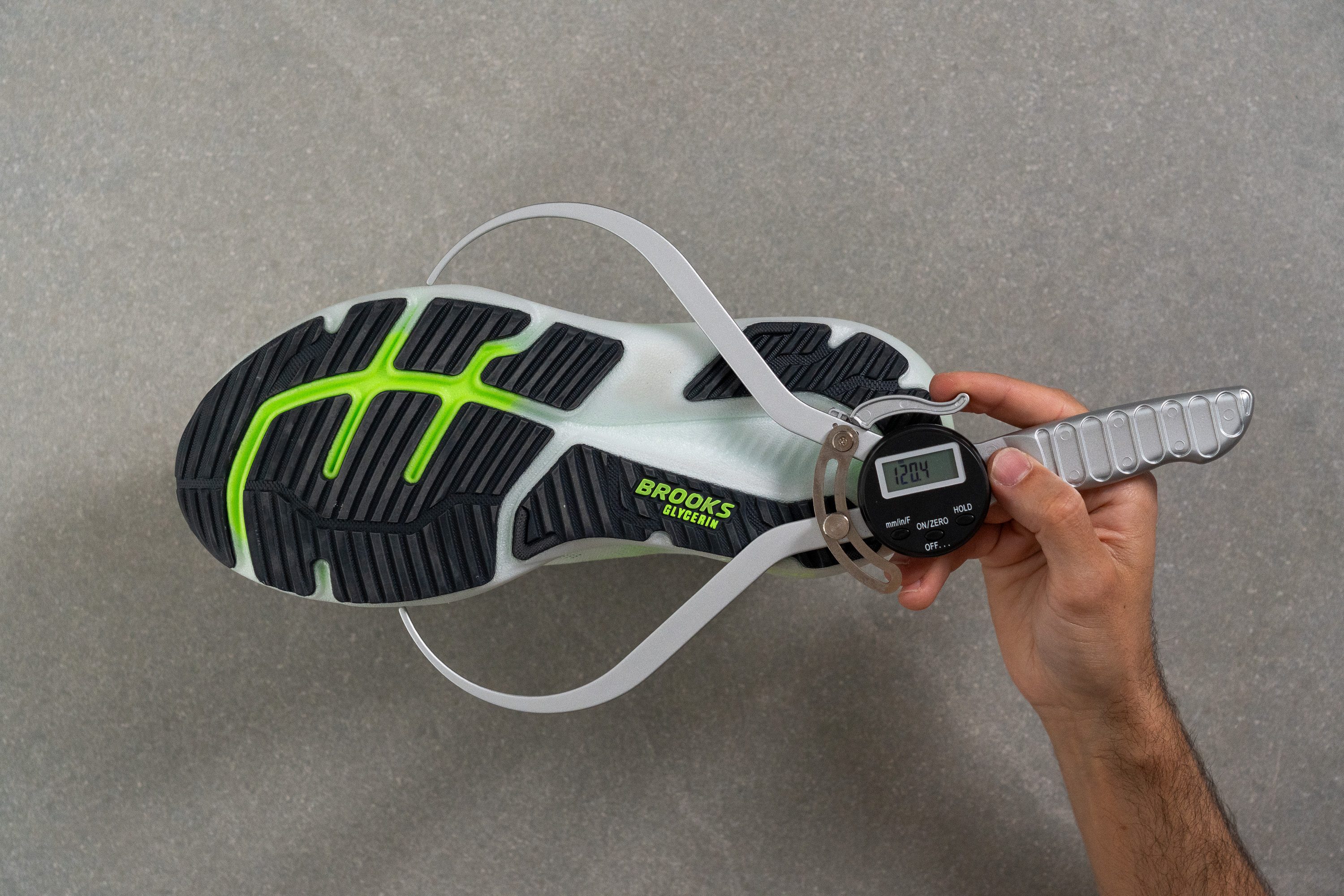
| Glycerin 23 | 120.4 mm |
| Media | 115.1 mm |
Anchura de la mediasuela - talón
El talón pasa de 89,7 mm en la versión 22 a unos amplios 98,6 mm en la versión 23. Por lo tanto, disfrutarás de más estabilidad cuando aterrices con el talón.
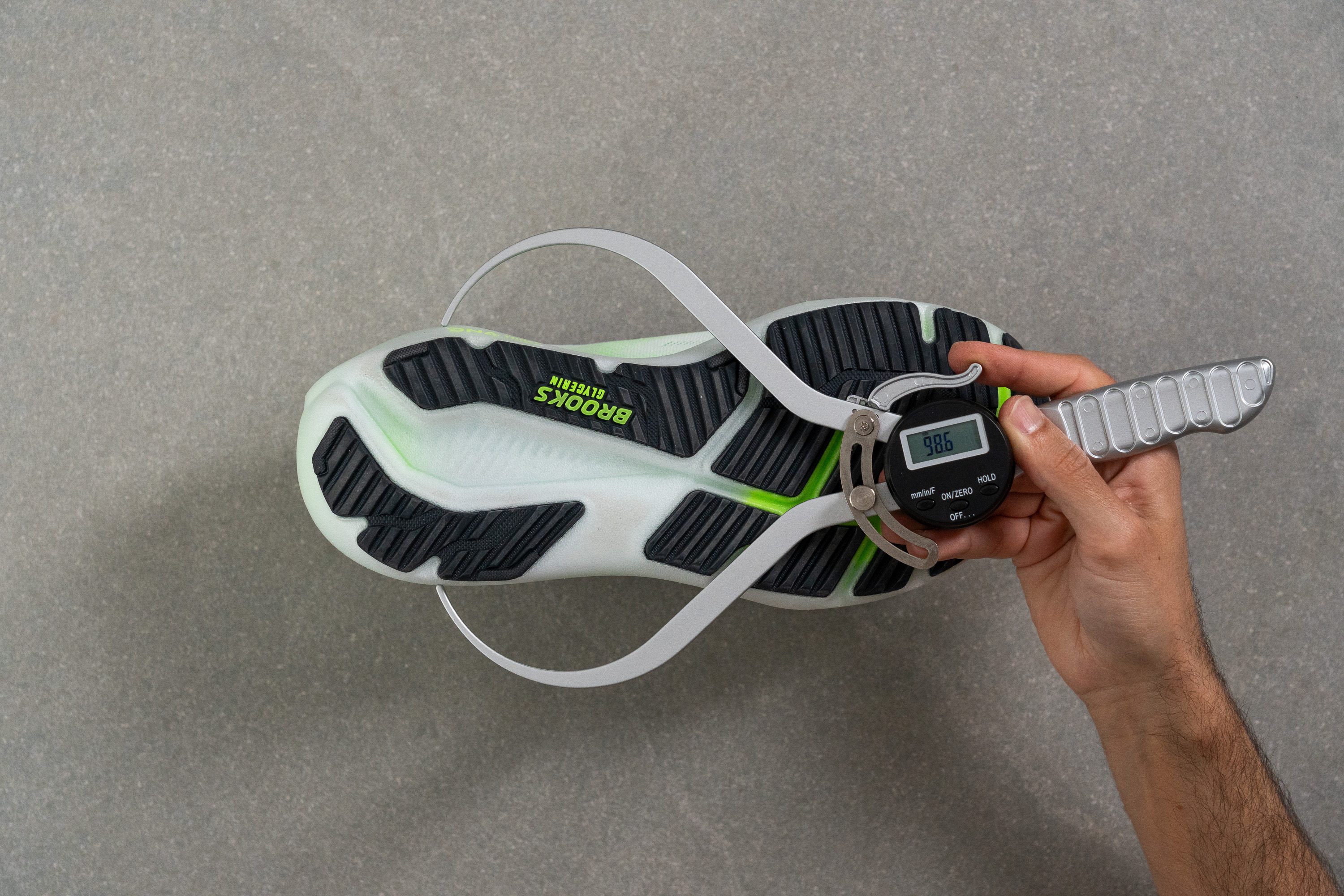
| Glycerin 23 | 98.6 mm |
| Media | 91.1 mm |
Durabilidad
Durabilidad de la parte delantera
A veces, los uppers de knit lo pasan un poco mal en cuanto a durabilidad en la zona de los dedos, pero las Glycerin 23 nos han dejado claro que también hay excepciones. El material que utiliza Brooks está a la altura de su precio, ofreciendo una comodidad estupenda y una sólida durabilidad (3/5).
¡Esa combinación no es nada fácil de encontrar!
| Glycerin 23 | 3 |
| Media | 2.6 |
Durabilidad del acolchado del talón
El acolchado del talón también aguantó el tipo, llevándose un estupendo 4/5 y superando la media actual de nuestro laboratorio. Vamos, que no nos tuvimos que preocupar de que terminase hecho un desastre antes de tiempo.
| Glycerin 23 | 4 |
| Media | 3.4 |
Durabilidad de la suela
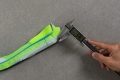
Para terminar con el Dremel, le dimos caña a la suela exterior. La verdad es que su caucho lo hizo muy bien, ya que solo perdió 0,7 mm de material, y nos quedamos muy contentos.
| Glycerin 23 | 0.7 mm |
| Media | 1.1 mm |
Grosor de la suela
Brooks suele ponerles suelas exteriores gruesas a sus zapatillas de entrenamiento diario, y aquí tenemos otro ejemplo.
Esta capa de caucho de 3,3 mm hace que las zapatillas pesen más que algunas de sus competidoras, eso está claro, pero si estás buscando un modelo que priorice la durabilidad, entonces este te va como anillo al dedo.
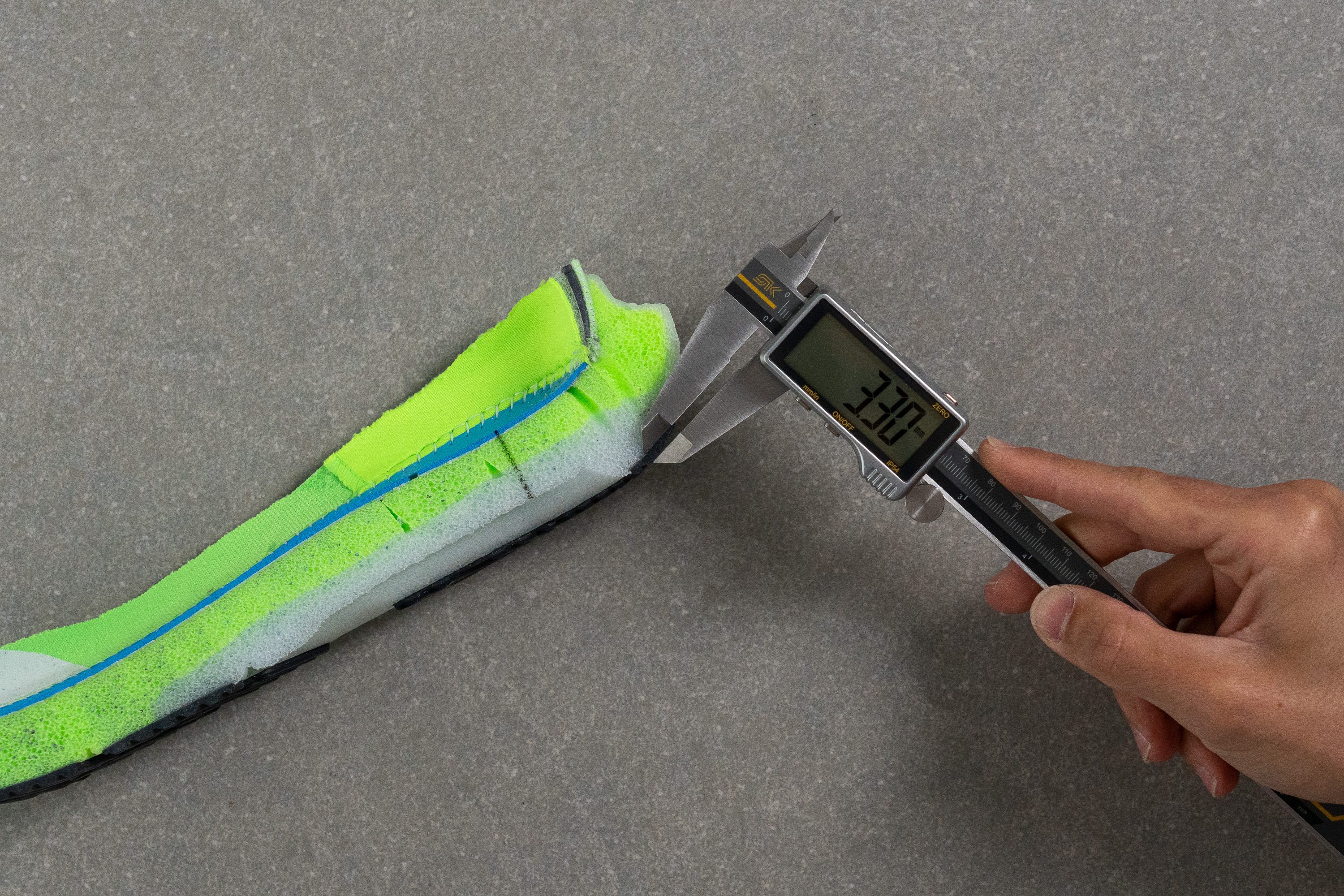
| Glycerin 23 | 3.3 mm |
| Media | 3.1 mm |
Varios
Grosor de la plantilla
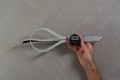
Usamos nuestros calibres digitales para medir el grosor de la plantilla. Sus 44,4 mm no son nada del otro mundo, así que no tenemos nada más que añadir.
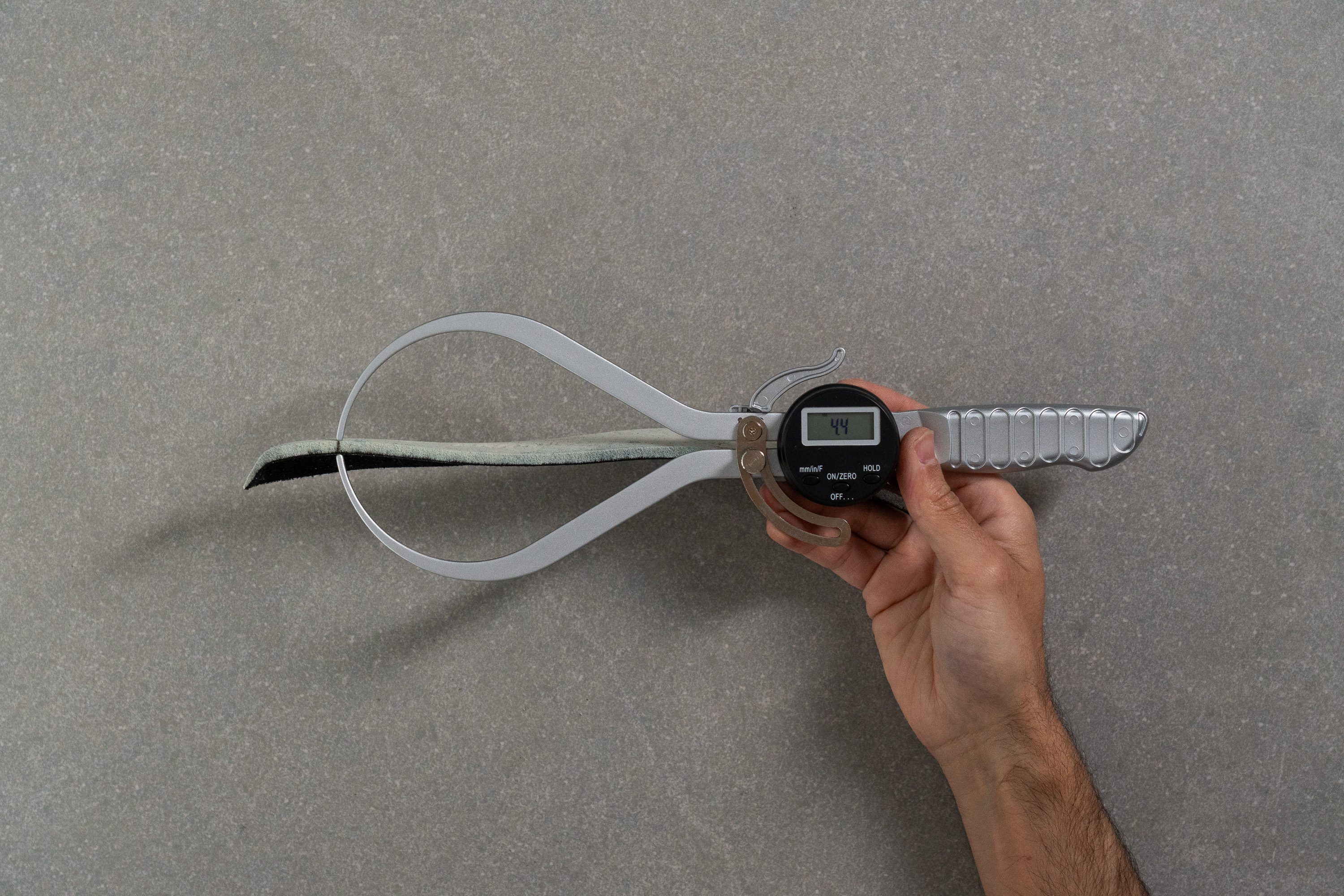
| Glycerin 23 | 4.4 mm |
| Media | 4.4 mm |
Plantilla extraíble
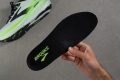
La plantilla se puede quitar, y como la parte delantera tiene más espacio vertical, también se puede usar una un poco más gruesa.
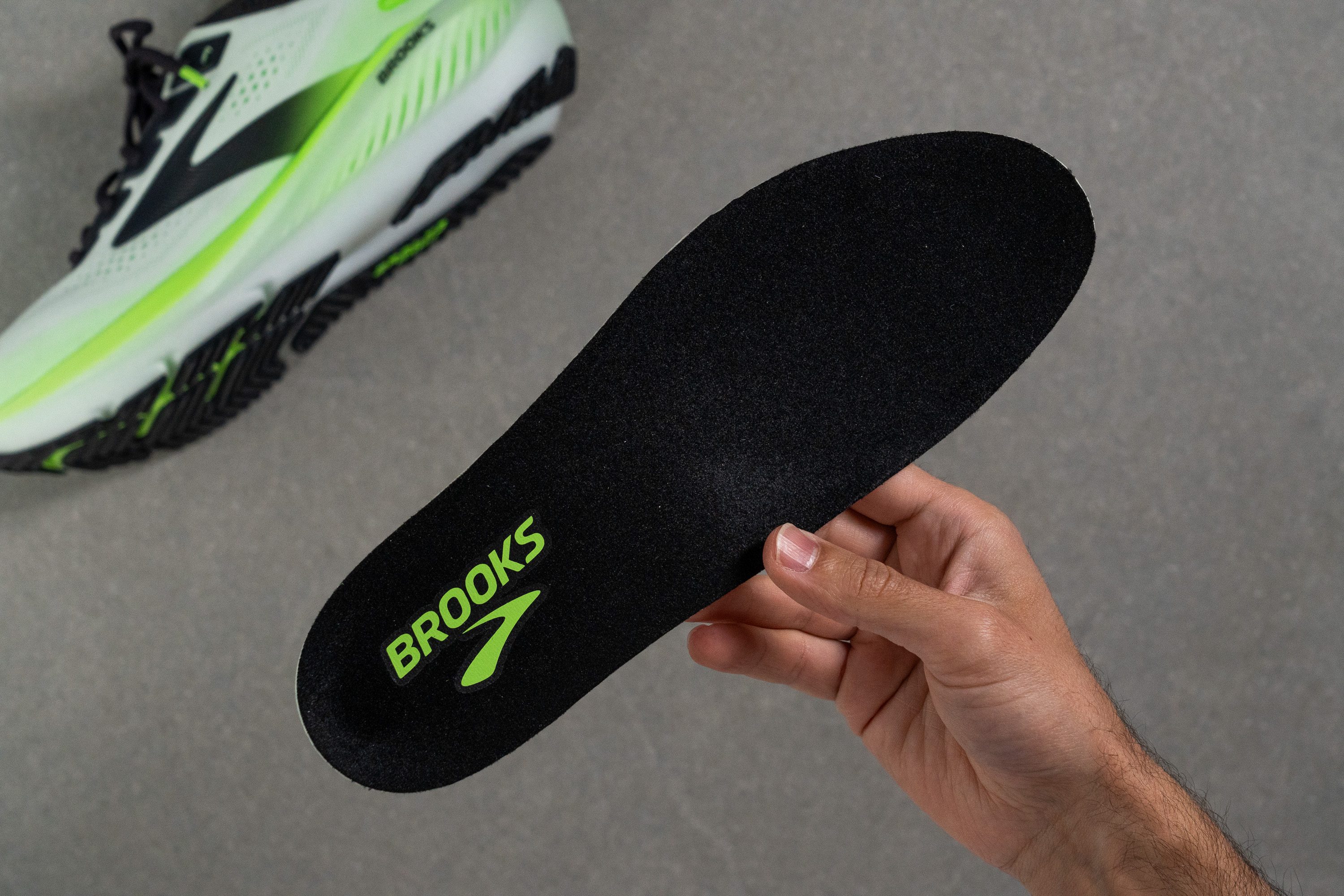
| Glycerin 23 | Sí |
Elementos reflectantes
Nos encantan los elementos reflectantes, incluso si solo son un par de piezas en el talón.
| Glycerin 23 | Sí |
Acolchado de la lengüeta
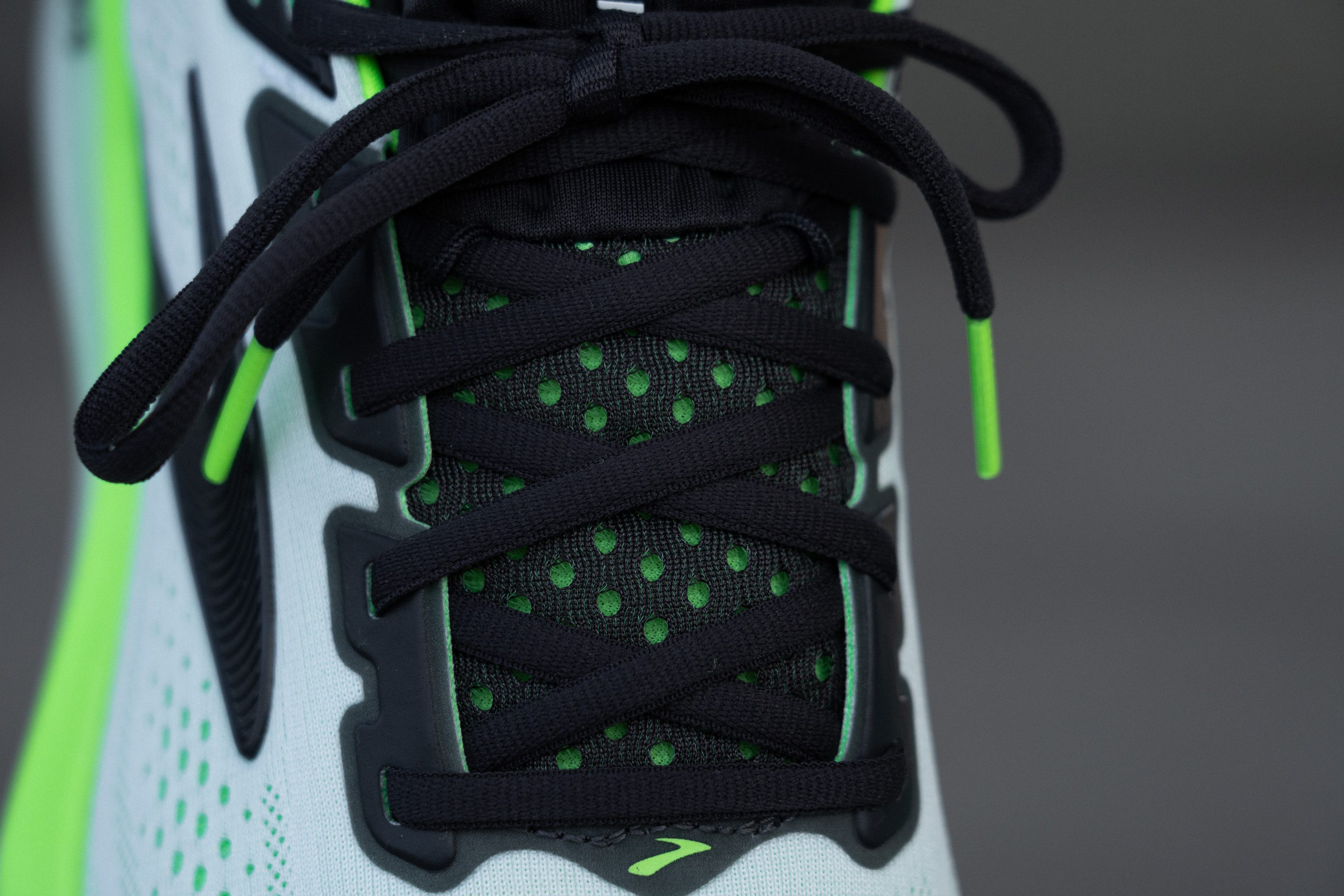
Hasta los cordones están diseñados para ofrecer comodidad. Brooks pasa de los modelos finos y planos para ponerles unos más gruesos a estas zapatillas, que se sienten un poquito acolchados. Esto aumenta un poco el peso, así que nos ha vuelto a quedar claro que la ligereza no es una prioridad.
También descubrimos que la lengüeta es comodísima, utilizando una sola pieza de espuma blanda de baja densidad con un grosor de 9,0 mm. Las perforaciones extra mejoran la transpirabilidad, y la capa secundaria de color verde le da un toque llamativo.
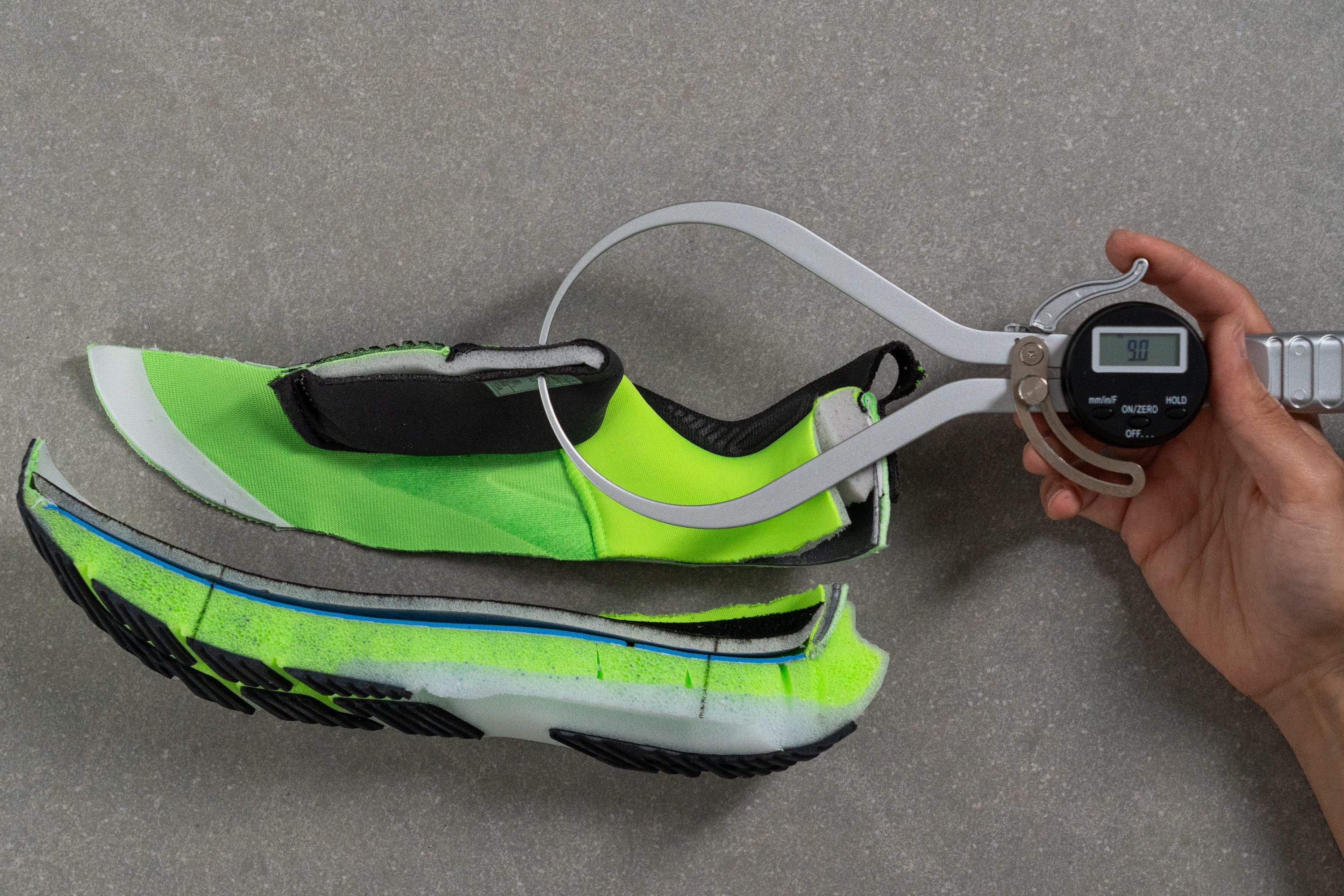
| Glycerin 23 | 9.0 mm |
| Media | 5.8 mm |
Lengüeta: tipo de refuerzo
Es una pena que la lengüeta no esté reforzada, ya que el precio de este modelo lo sugiere. Pero bueno, que tampoco nos sorprende, ya que no es la primera vez que Brooks lo hace, pero nos sigue pareciendo un punto en contra.
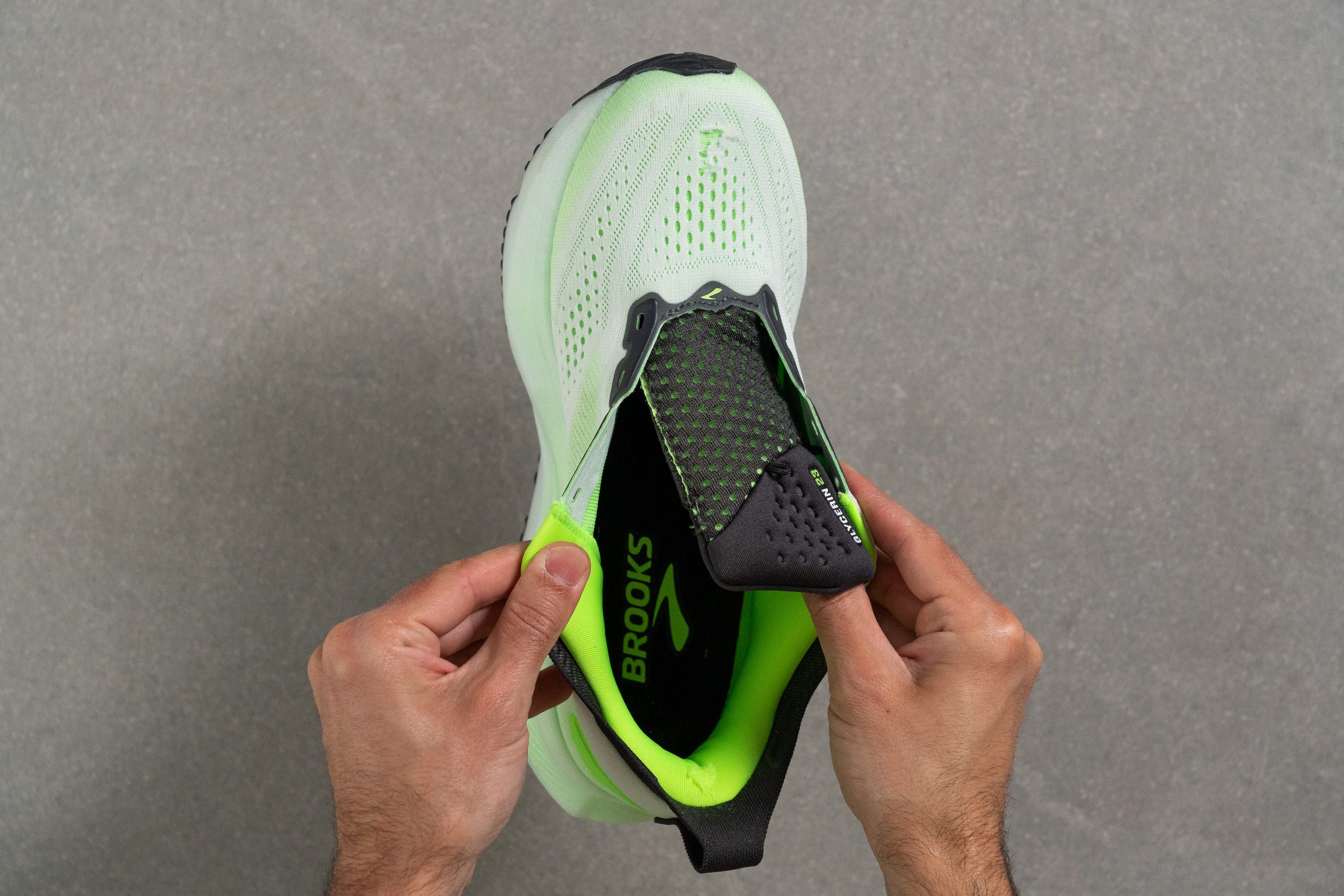
| Glycerin 23 | Ninguno |
Tirador del talón
El talón tiene un tirador que aprovecha el knit, y la verdad es que nos parece parecido al de los últimos diseños de ASICS, como el de las Gel Nimbus 28. Pero bueno, como se suele decir, la imitación es la forma más sincera de halago...
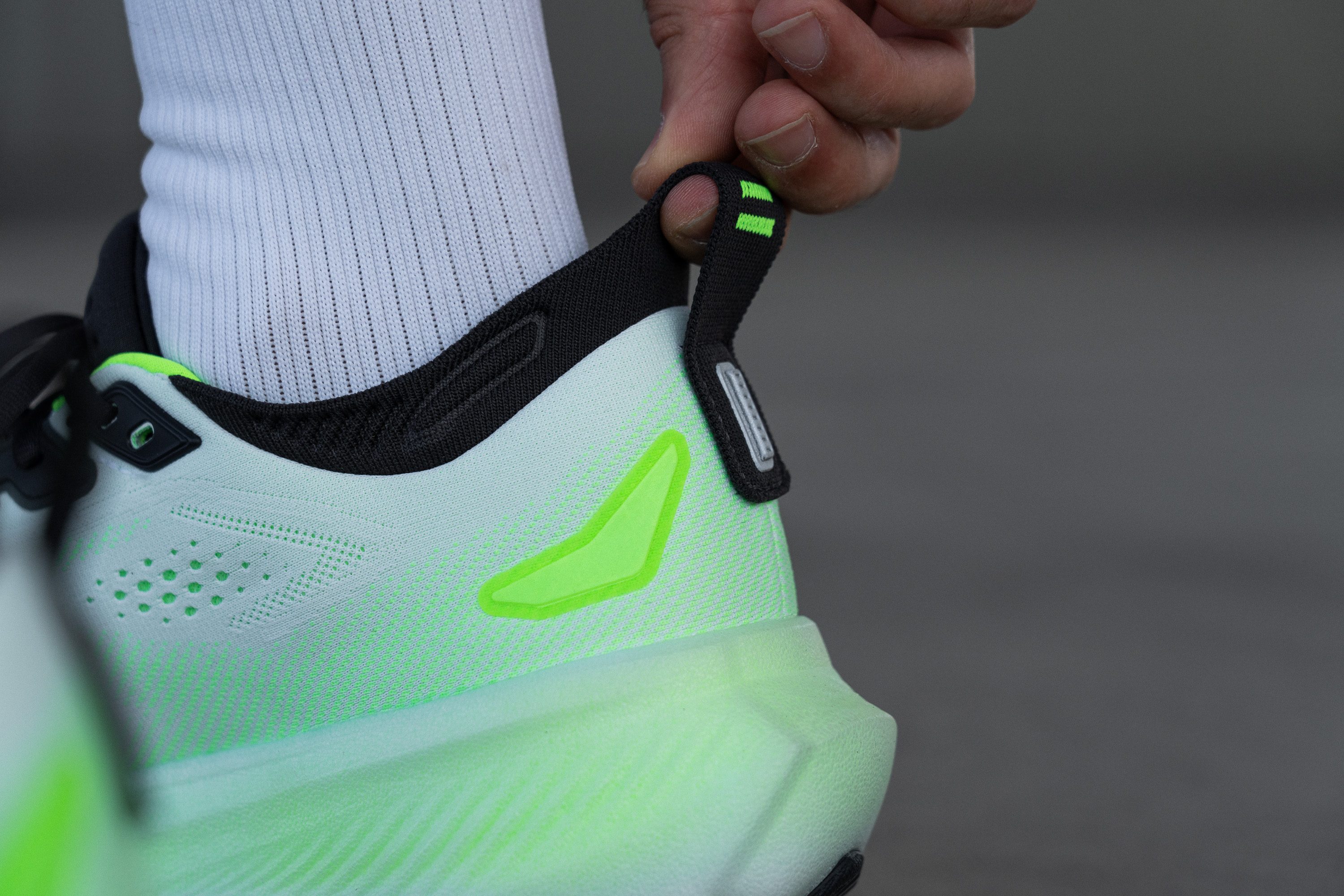
| Glycerin 23 | Tirador circular |
Precio
Las Glycerin 23 vienen con más de un par de ventajas, pero también son más caras. Aunque siguen siendo más asequibles que sus competidoras, creemos que necesitan una actualización tecnológica para poder justificar su precio.
| Glycerin 23 | $175 |