
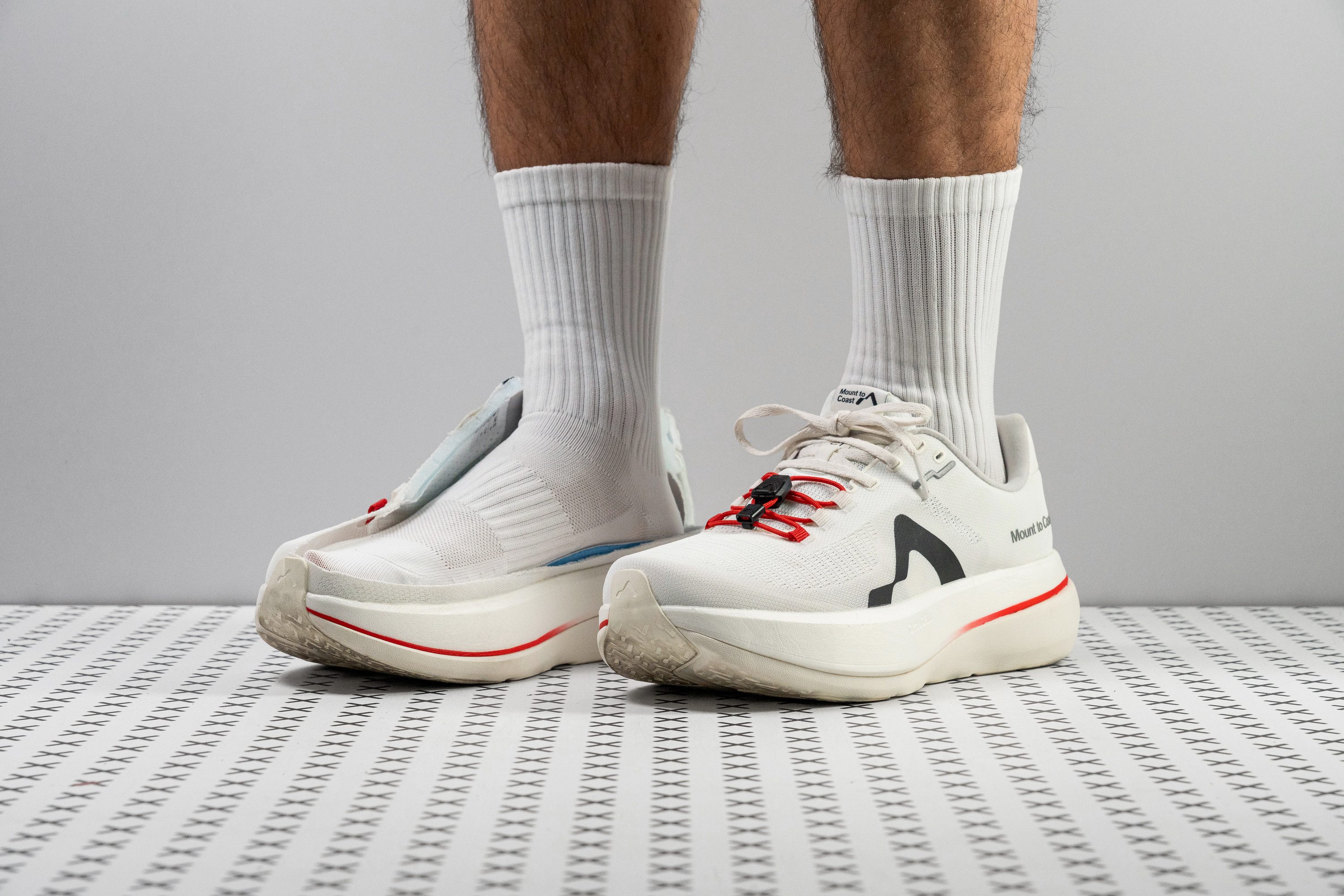



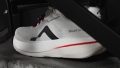
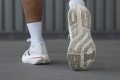

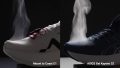
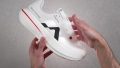


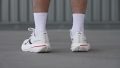

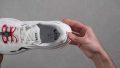



Nuestra conclusión
- Tiradas diarias / rodajes 88
- Tempo 64
- Competición 46
- Estabilidad 84
Pros
- Amortiguación máxima
- Espuma CircleCELL mullida y agradable
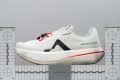
- Estética lisa y elegante
- Base ancha que mejora la estabilidad
- Upper jacquard transpirable
- Comodísimas
- Drop equilibrado que se adapta a la mayoría de los runners
- Buena tracción
- El sistema de cordones TUNEDFIT te deja ajustar la presión
Contras
- Tan caras que empeora su relación calidad-precio
- No tan rápidas como nos esperábamos por la capa de EVA
- Podrían ser demasiado rígidas para algunos corredores
Premios
- Top 30% entre zapatillas de running para correr a diario
- Top 20% más vendidas zapatillas de running
Comparativa
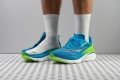
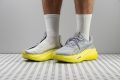
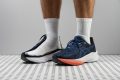
Las zapatillas de running más parecidas
+ + Añadir unas zapatillas | |||||
|---|---|---|---|---|---|
| Nuestra puntuación | 84 Geniales | 91 Magníficas | 83 Geniales | 86 Geniales | |
| Precio | 180 € | 160 € | 190 € | 130 € | |
| Ritmo | Correr a diario | Tempo / seriesCorrer a diario | Correr a diario | Correr a diario | |
| Absorción de impactos | Alta | Alta | Alta | Alta | |
| Retorno de energía | Moderado | Alto | Bajo | Moderado | |
| Tracción | Alta | Alta | Alta | Alta | |
| Sujeción arco del pié | Neutral | Neutral | Neutral | Neutral | |
| Peso laboratorio Peso marca | 9.6 oz / 272g 9.2 oz / 260g | 8.5 oz / 241g 8.5 oz / 240g | 9.5 oz / 269g 9.7 oz / 275g | 9.3 oz / 264g 9.2 oz / 260g | |
| Ligero | ✗ | ✓ | ✗ | ✗ | |
| Drop laboratorio Drop marca | 7.5 mm 6.0 mm | 8.0 mm 8.0 mm | 10.5 mm 8.0 mm | 7.6 mm 8.0 mm | |
| Técnica de carrera | Medio/antepié | TalónMedio/antepié | Talón | Medio/antepié | |
| Talla | Tallan bien | Tallan bien | Tallan bien | Tallan bien | |
| Rigidez de la mediasuela | Blanda | Equilibrada | Equilibrada | Equilibrada | |
| Diferencia de la rigidez de la mediasuela en frío | Pequeña | Pequeña | Pequeña | Normal | |
| Durabilidad de la parte delantera | Decente | Decente | Decente | Buena | |
| Durabilidad del acolchado del talón | Alta | Alta | Media | Alta | |
| Durabilidad de la suela exterior | Buena | Buena | Buena | Buena | |
| Transpirabilidad | Media | Media | Media | Media | |
| Anchura / ajuste | Ancha | Media | Media | Media | |
| Anchura de la parte delantera | Media | Media | Estrecha | Media | |
| Flexibilidad | Rígida | Moderada | Rígida | Moderada | |
| Rigidez torsional | Moderadas | Moderadas | Moderadas | Moderadas | |
| Rigidez del contrafuerte del talón | Rígido | Moderado | Moderado | Rígido | |
| Con rocker | ✓ | ✓ | ✓ | ✗ | |
| Talón laboratorio Talón marca | 40.7 mm 42.0 mm | 40.7 mm 40.0 mm | 45.5 mm 46.0 mm | 39.4 mm 39.0 mm | |
| Antepié laboratorio Antepié marca | 33.2 mm 36.0 mm | 32.7 mm 32.0 mm | 35.0 mm 38.0 mm | 31.8 mm 31.0 mm | |
| Anchuras disponibles | EstándarAncho | EstrechoEstándar | Estándar | Estándar | |
| Compatibles con plantillas personalizadas | ✓ | ✓ | ✓ | ✓ | |
| Estación | Todas las estaciones | Todas las estaciones | Todas las estaciones | Todas las estaciones | |
| Plantilla extraíble | ✓ | ✓ | ✓ | ✓ | |
| Clasificación | #132 Top 33% | #24 Top 6% | #164 Top 41% | #94 Top 24% | |
| Popularidad | #78 Top 20% | #73 Top 19% | #151 Top 38% | #209 47% inferior |
Quién debería comprárselas
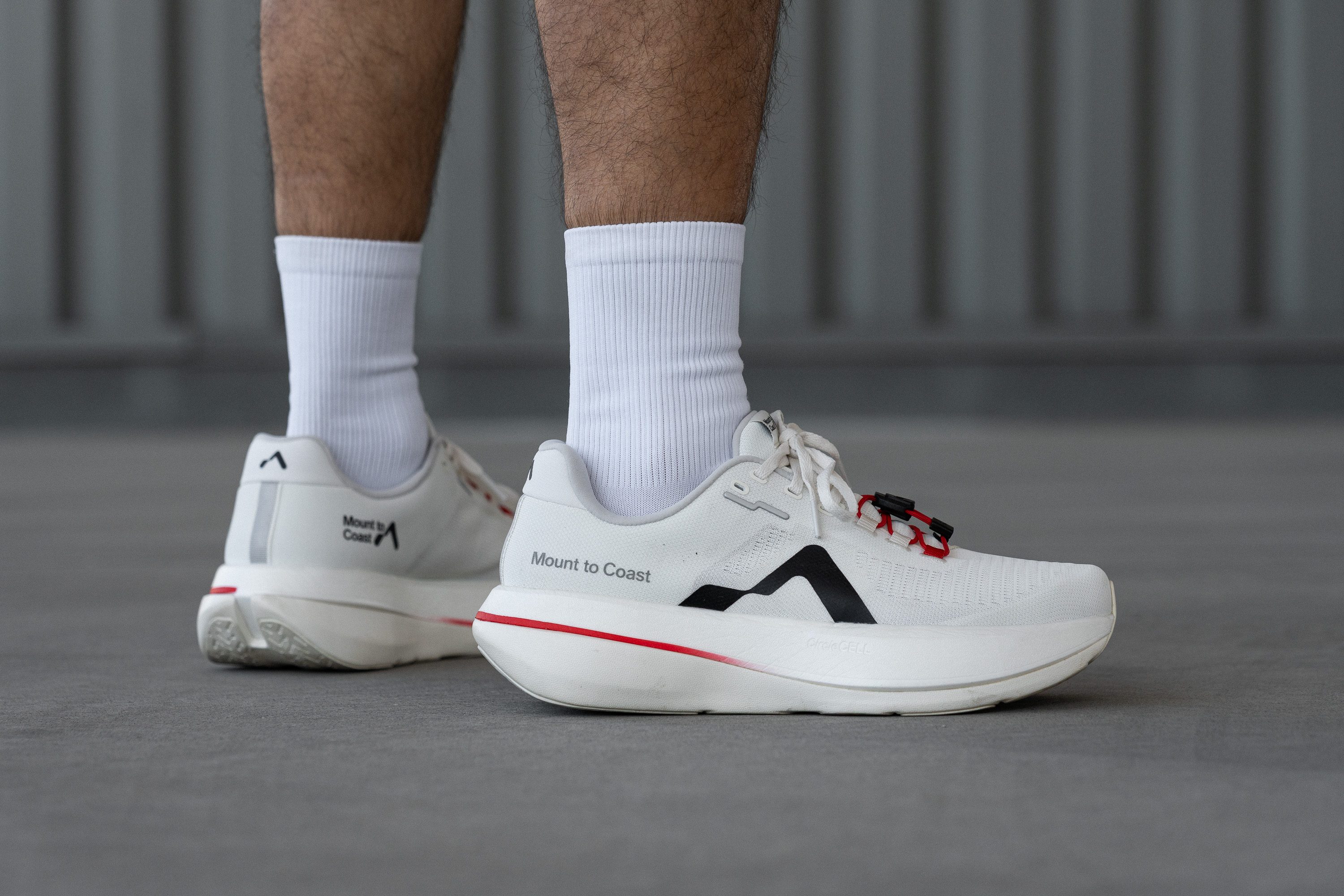
Después de hacerles montones de pruebas las MtC C1 tanto dentro como fuera del laboratorio, creemos que son estupendas para:
- Los runners que pasan de las marcas convencionales o que quieren apoyar un proyecto prometedor con un enfoque innovador.
- Cualquiera que esté buscando unas zapatillas de running con amortiguación máxima para las tiradas diarias y que sean cómodas durante todo el día.
- Los corredores que pueden gastarse un poquito más y quieren unas zapatillas con montones de amortiguación que tengan un diseño bonito y sencillo.
- Las personas a las que les cuesta ajustar la presión de los cordones, ya que el sistema TUNEDFIT puede ayudar mucho con esto.
Quién NO debería comprárselas
Las Mount to Coast C1 cuestan una pasta, y eso puede ser difícil de justificar para muchos corredores, sobre todo si solo te las pones para las tiradas diarias. Como alternativas, hemos analizado las Saucony Endorphin Azura y las ASICS Novablast 5, que a lo mejor te gustan más.
También creemos que las C1 se quedan un poco cortas para ser unas verdaderas superzapatillas de entrenamiento. Son un poquito pesadas y carecen del retorno de energía necesario para competir por los primeros puestos dentro de esa categoría. Si eso es lo que buscas, te sugerimos dos opciones: las adidas Adizero EVO SL, que son más económicas, o las ASICS Megablast, si no te importa gastar más.
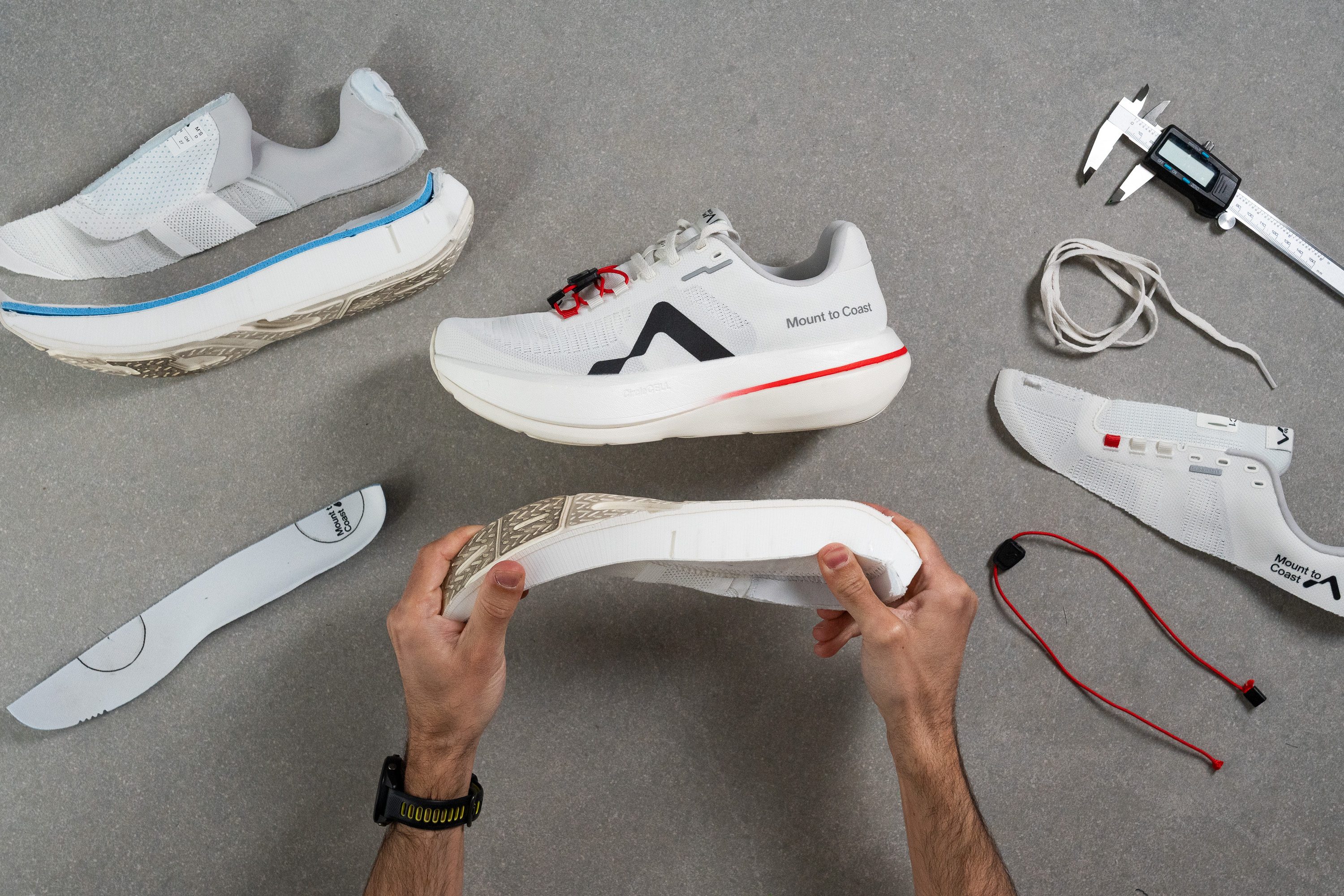
Amortiguación
Shock absorption
Descubrimos que el nivel de absorción de impactos de las Mount to Coast C1 hace que sean adecuadas para que te enfrentes a cualquier distancia. Con una puntuación de 136 SA en el talón y un impresionante resultado de 126 SA en el antepié, este modelo se siente muy versátil, así que es ideal tanto para salir a trotar un poquito como para correr un rato más largo el finde.
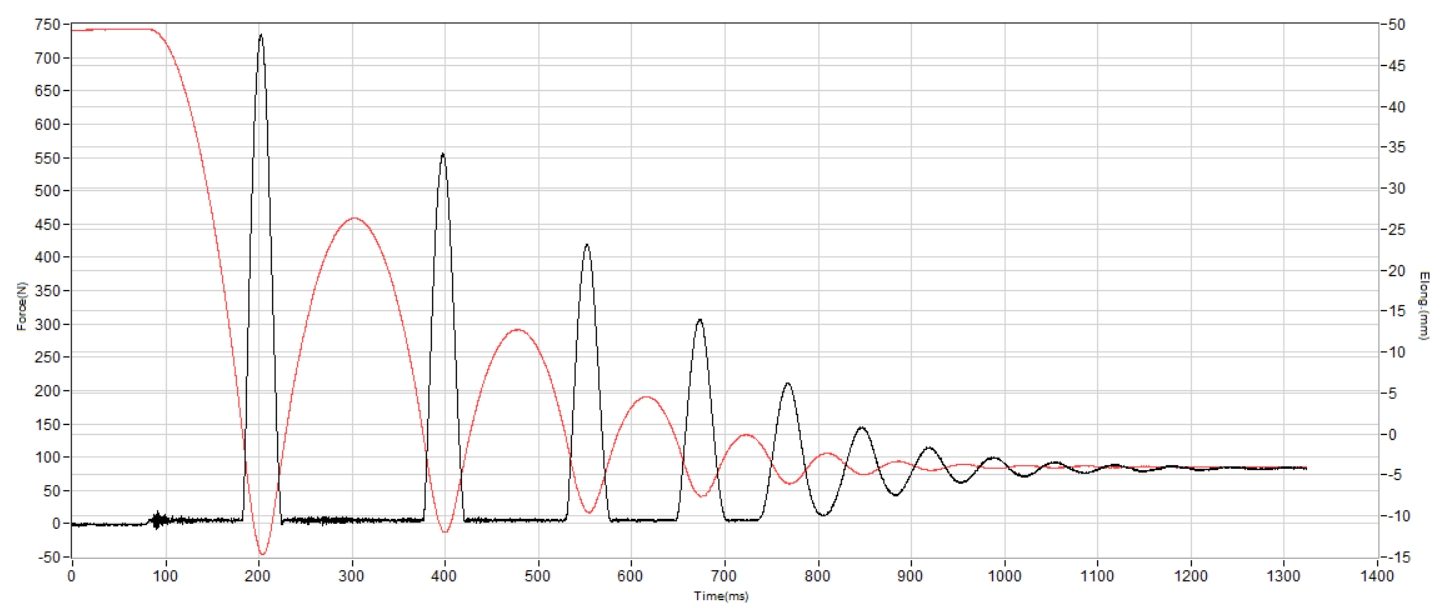
| C1 | 136 SA |
| Media | 131 SA |
Energy return
Cuando analizamos las Mount to Coast H1 en el laboratorio, que son unas zapatillas de trail, descubrimos que la espuma CircleCELL es más reactiva que la EVA estándar, aunque todavía no alcanza el nivel de las espumas premium. Pues eso es justo lo que pasa también con las C1.
Después de analizar este modelo, vimos que su retorno de energía alcanzaba el 59,7 % en el talón y el 62,7 % en el antepié. Son cifras sólidas para las tiradas diarias, pero creemos que la próxima versión debería intentar acercarse más al 70 %. Además, algunos runners a lo mejor creen que les falta un poco de rebote para los ritmos más altos.
| C1 | 62.7% |
| Media | 61.5% |
Altura de la suela en la zona del talón
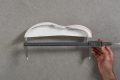
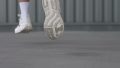
No hay ninguna duda de que las Mount to Coast C1 son unas zapatillas de running maximalistas. No solo nos quedó claro cuando salimos a correr con ellas, sino también cuando nuestros calibres marcaron unos impresionantes 40,7 mm.
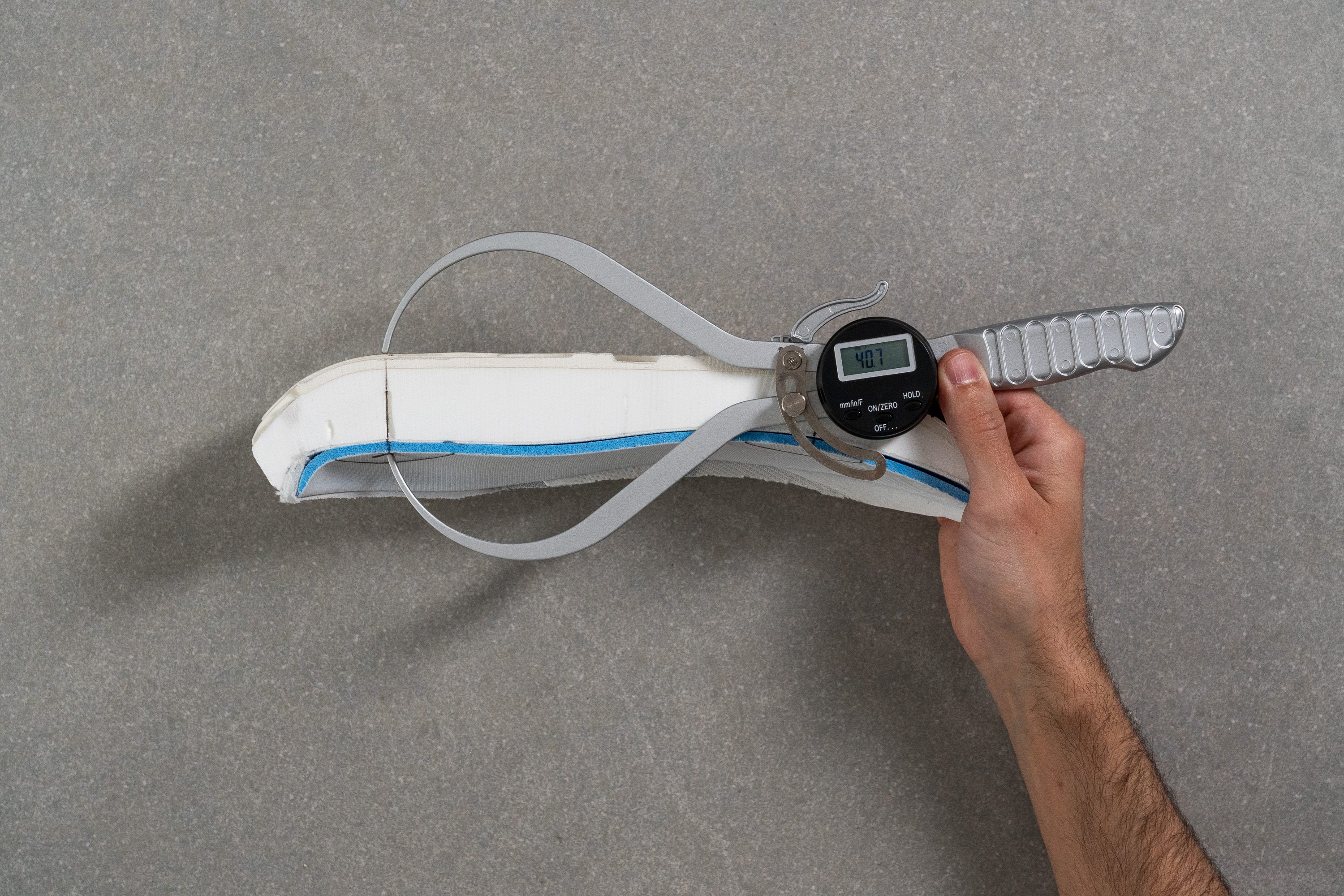
| C1 | 40.7 mm |
| Media | 35.6 mm |
Altura de la suela en el antepié
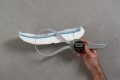
Si el talón ya se siente algo, con el antepié vas a flipar. Con 33,2 mm de altura, lo de sentir el suelo mejor se lo dejamos a otro par.
Después de que nuestro durómetro marcase este resultado, nos quedó claro que estas zapatillas no son la mejor opción para los deportistas a los que no les gusta la amortiguación extrema. Si eres uno de ellos, te recomendamos algo como las Topo Specter 2.
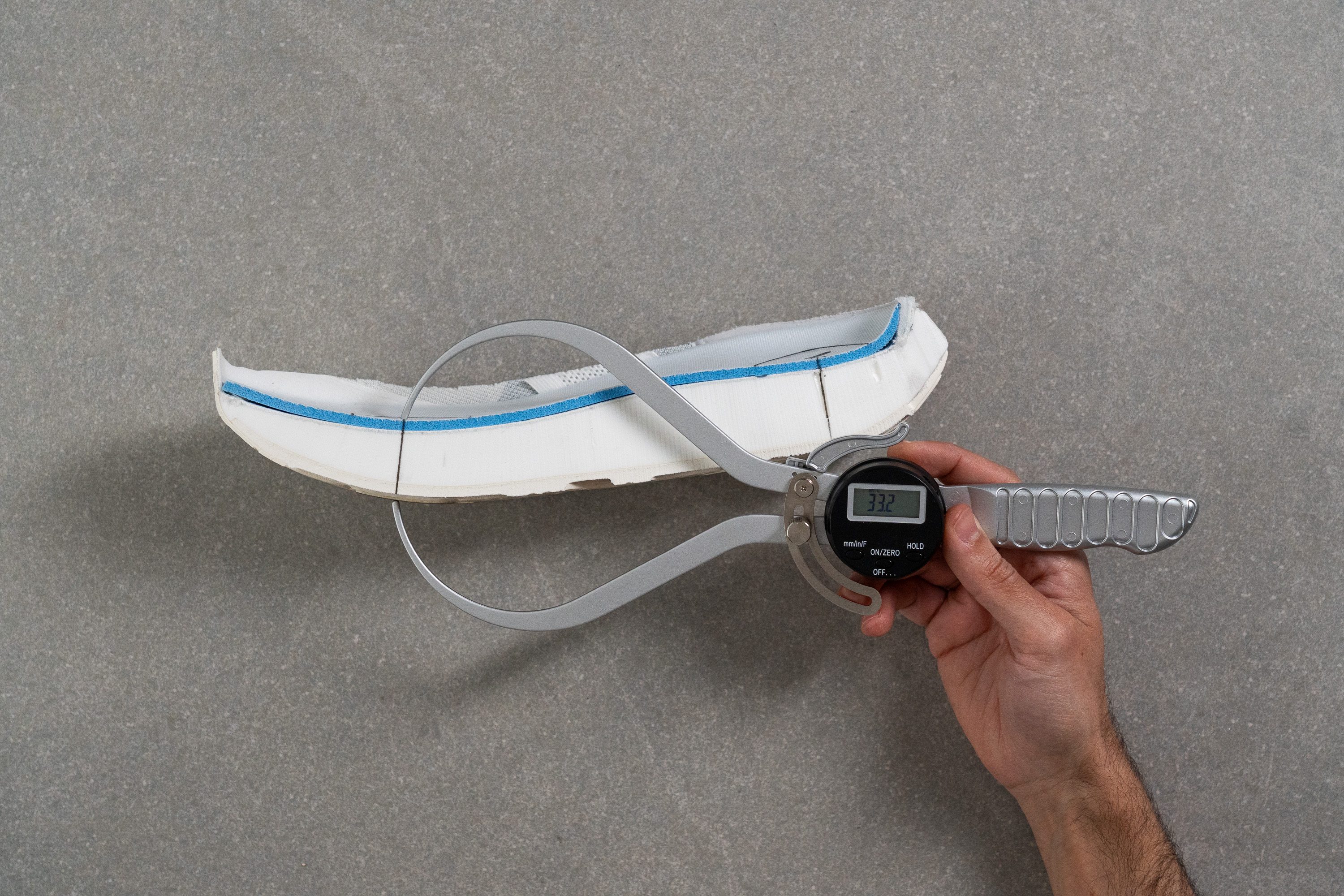
| C1 | 33.2 mm |
| Media | 27.1 mm |
Drop
Creemos que las C1 se adaptan a prácticamente cualquier técnica de carrera, ya que tienen un drop equilibrado de 7,5 mm. Los talonadores más extremos o los runners que aterrizan con el pie a lo mejor prefieren una geometría distinta, pero la mayoría de los runners deberían estar cómodos con este par.
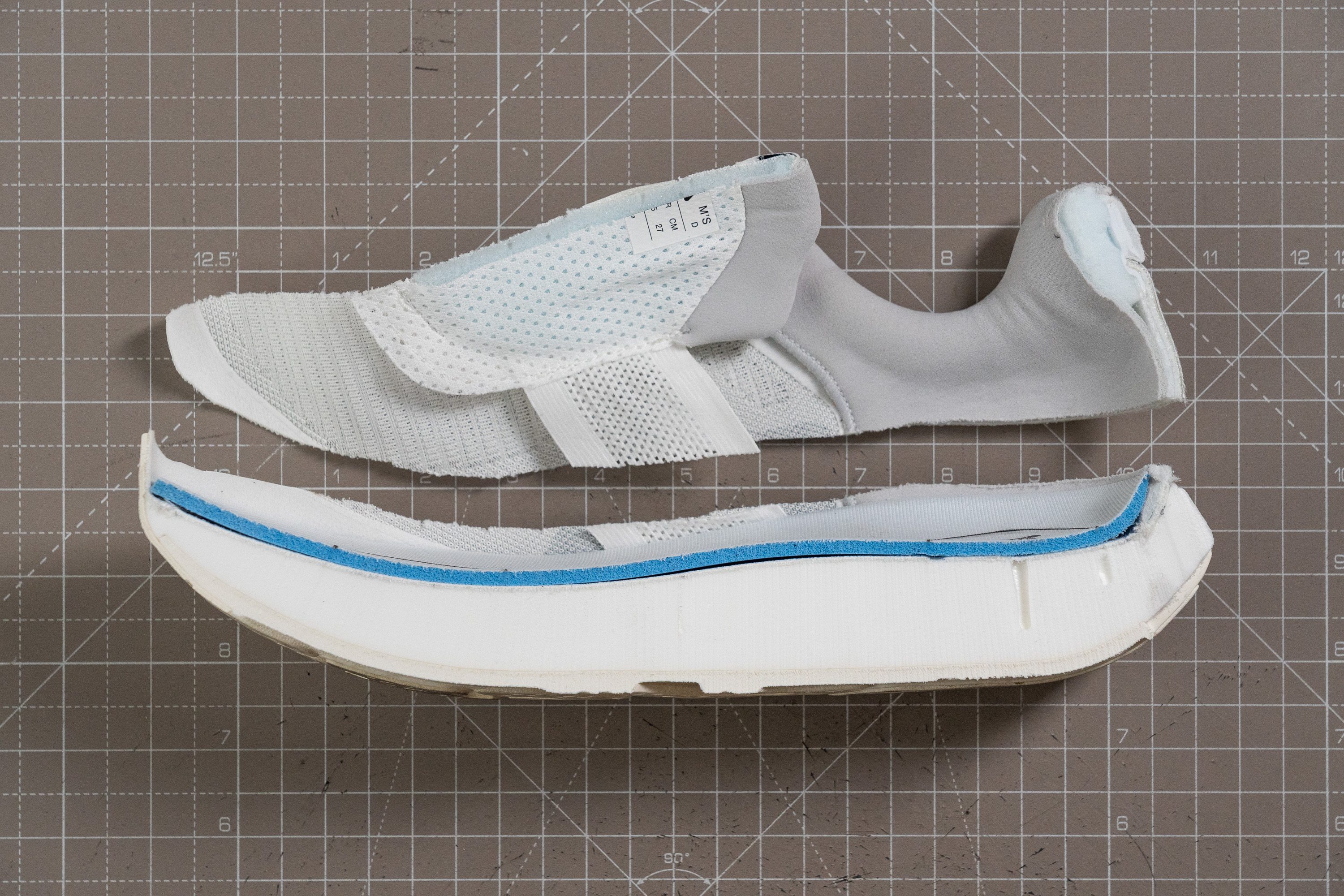
| C1 | 7.5 mm |
| Media | 8.4 mm |
Dureza de la mediasuela
Puede que la espuma CircleCELL no sea la más reactiva, pero nos ha parecido muy cómoda, y además es ideal para las distancias largas. Es un poquito más tirando a blanda, así que mucho ojo si prefieres las espumas rígidas.
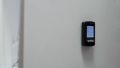
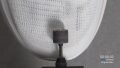
Usamos nuestro durómetro Asker C para analizarla, y marcó 31,6 AC. Claramente, esto la hace más blanda que la media, confirmando lo que sentimos al correr con ellas. Eso sí, hay otra capa debajo...
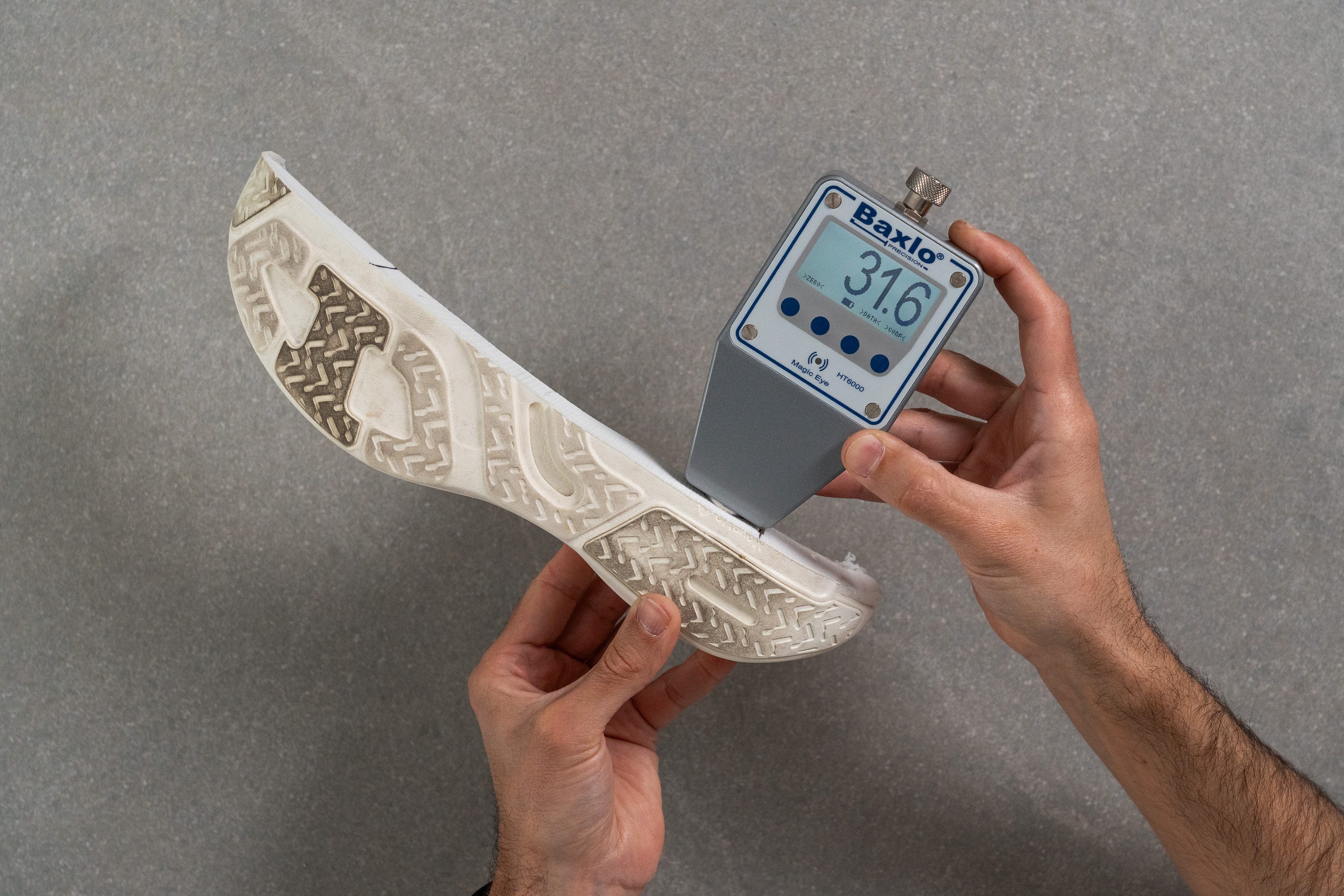
| C1 | 31.6 AC |
| Media | 35.4 AC |
Rocker
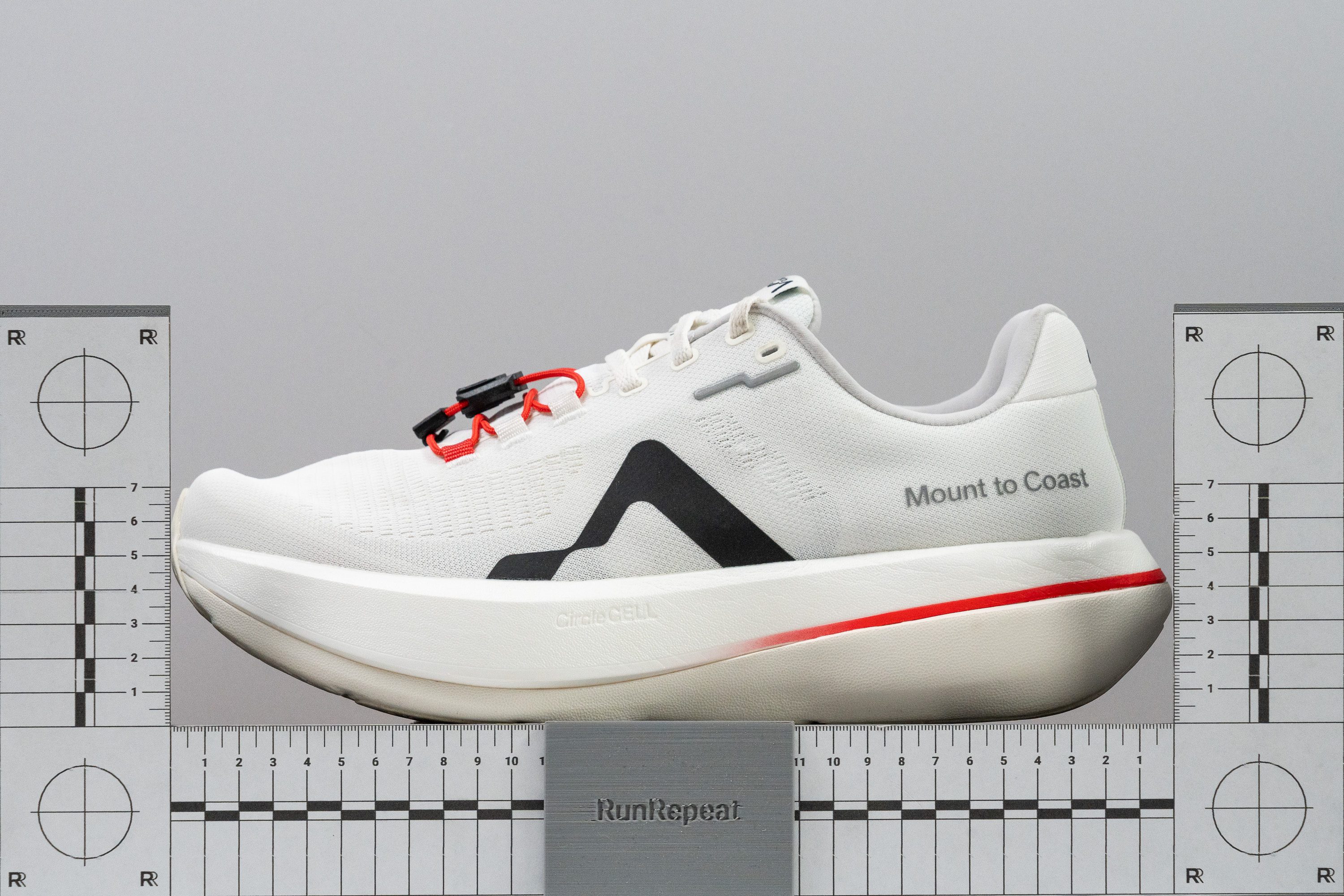
El rocker tardío de las C1 es imposible de ignorar. No se siente agresivo, pero tampoco ofrece esa sensación de deslizamiento de los rockers que empiezan antes.
También descubrimos que la zona del talón se extiende un poco más de 2 centímetros más allá del calcáneo. Tiene una curvatura muy marcada, cosa que nos tiene todo el sentido del mundo teniendo en cuenta el drop moderado de este modelo.
Tallaje y ajuste
Talla
Las Mount to Coast C1 tallan bien (24 votos).
Longitud interna
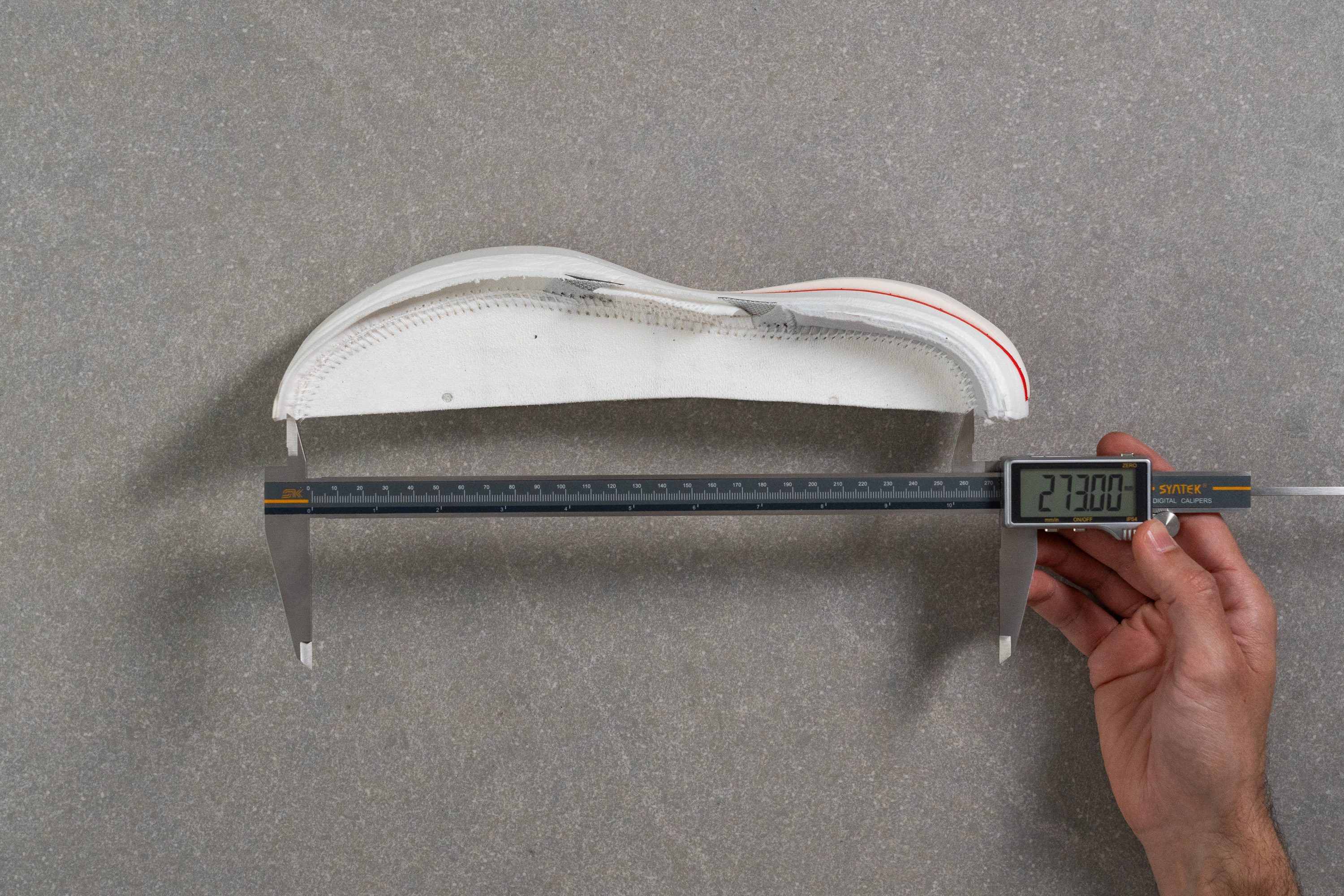
| C1 | 273.0 mm |
| Media | 269.3 mm |
Anchura / Ajuste
Mount to Coast dice que las C1 tienen un ajuste más ancho de lo habitual, pero nuestro molde de gel, que copia el espacio interior de cada par de zapatillas, es el que tiene la última palabra.
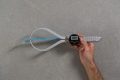
Cuando medimos su parte más ancha, nuestro calibre marcó 98,2 mm, lo que confirma que las C1 son más espaciosas que la mayoría de las zapatillas de running del mercado.
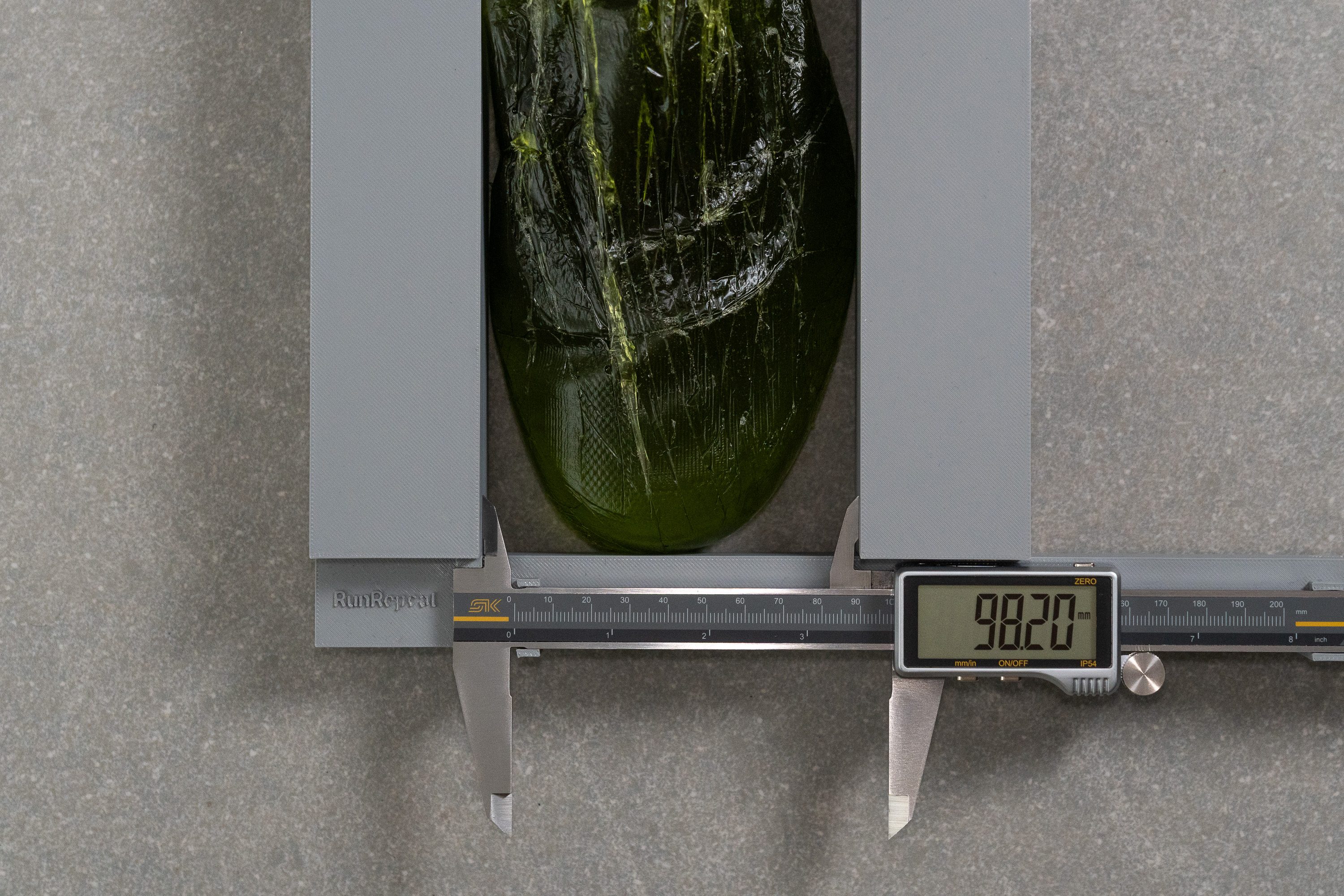
| C1 | 98.2 mm |
| Media | 95.2 mm |
Anchura de la parte delantera
También descubrimos que la parte delantera se estrecha hacia la punta, que es lo que solemos ver en esta categoría. Con 73,2 mm, no te peres un ajuste en plan Altra o Topo. Más bien, diríamos que está entre esas marcas y algo como Nike.
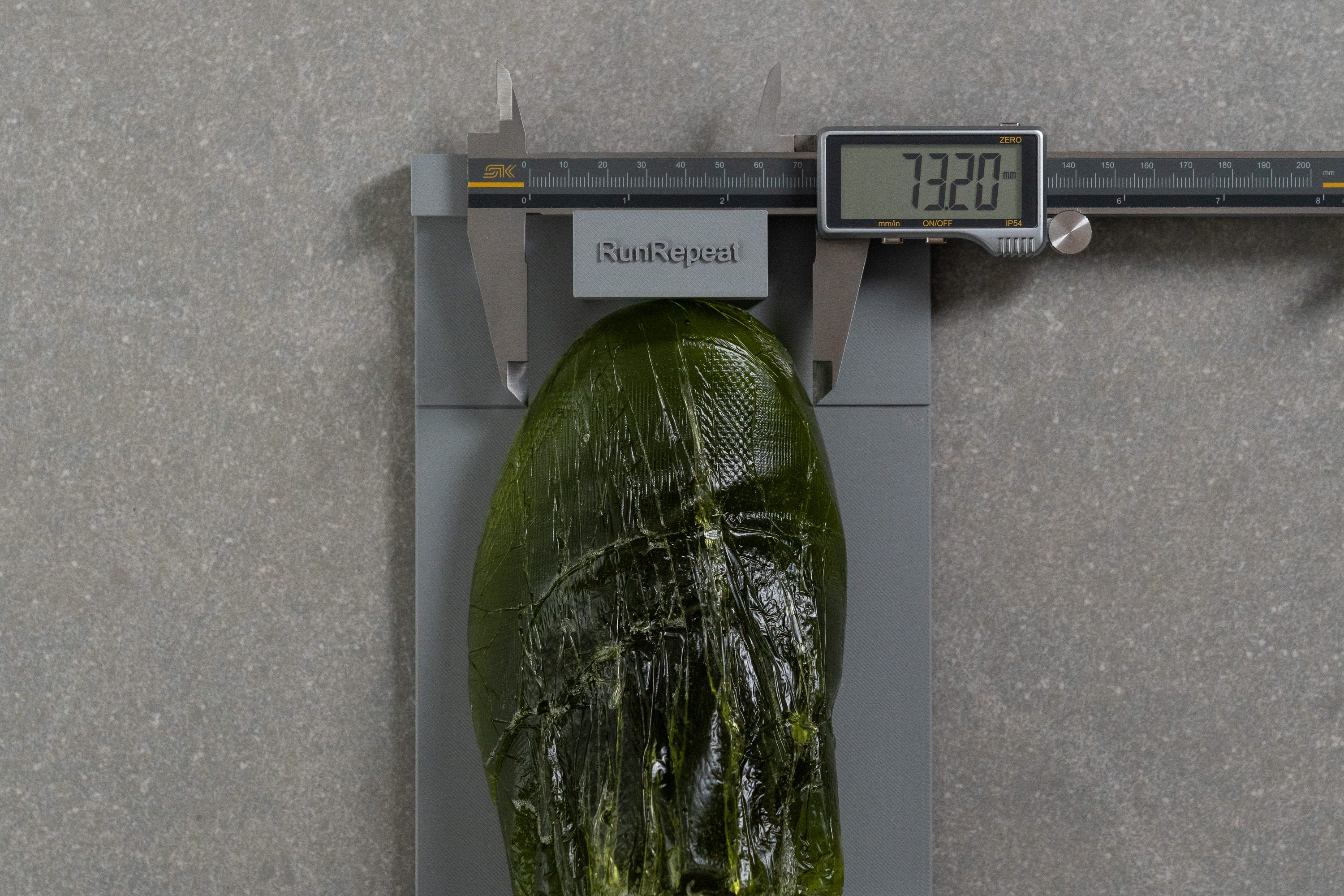
| C1 | 73.2 mm |
| Media | 73.2 mm |
Altura de la parte delantera
Si estás pensando en ponerte las C1 para enfrentarte a distancias largas, seguro que te alegra saber que su parte delantera es más alta que la media, con un volumen vertical de 28,2 mm.
Esto ayuda a que tus dedos no estén estrujados.
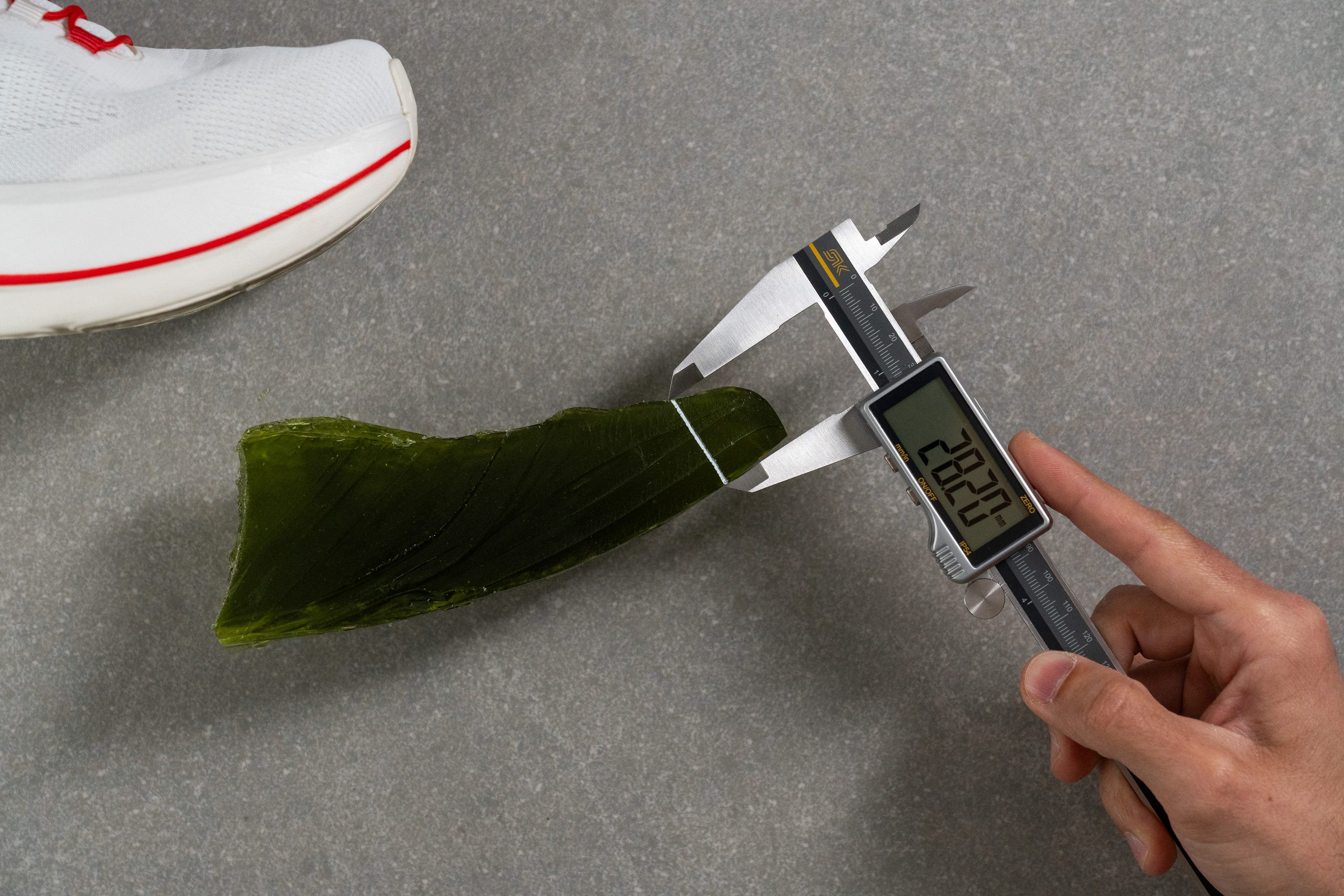
| C1 | 28.2 mm |
| Media | 27.0 mm |
Tracción / Agarre
Traction test
La suela exterior lo hizo bien en nuestra prueba de tracción SATRA TM144, ya que obtuvo un resultado de 0,59, lo que garantiza un buen agarre en superficies secas y la tracción suficiente para los días de lluvia. Vamos, ¡que el mal tiempo ya no es una excusa!
| C1 | 0.59 |
| Media | 0.53 |
Diseño de la suela exterior
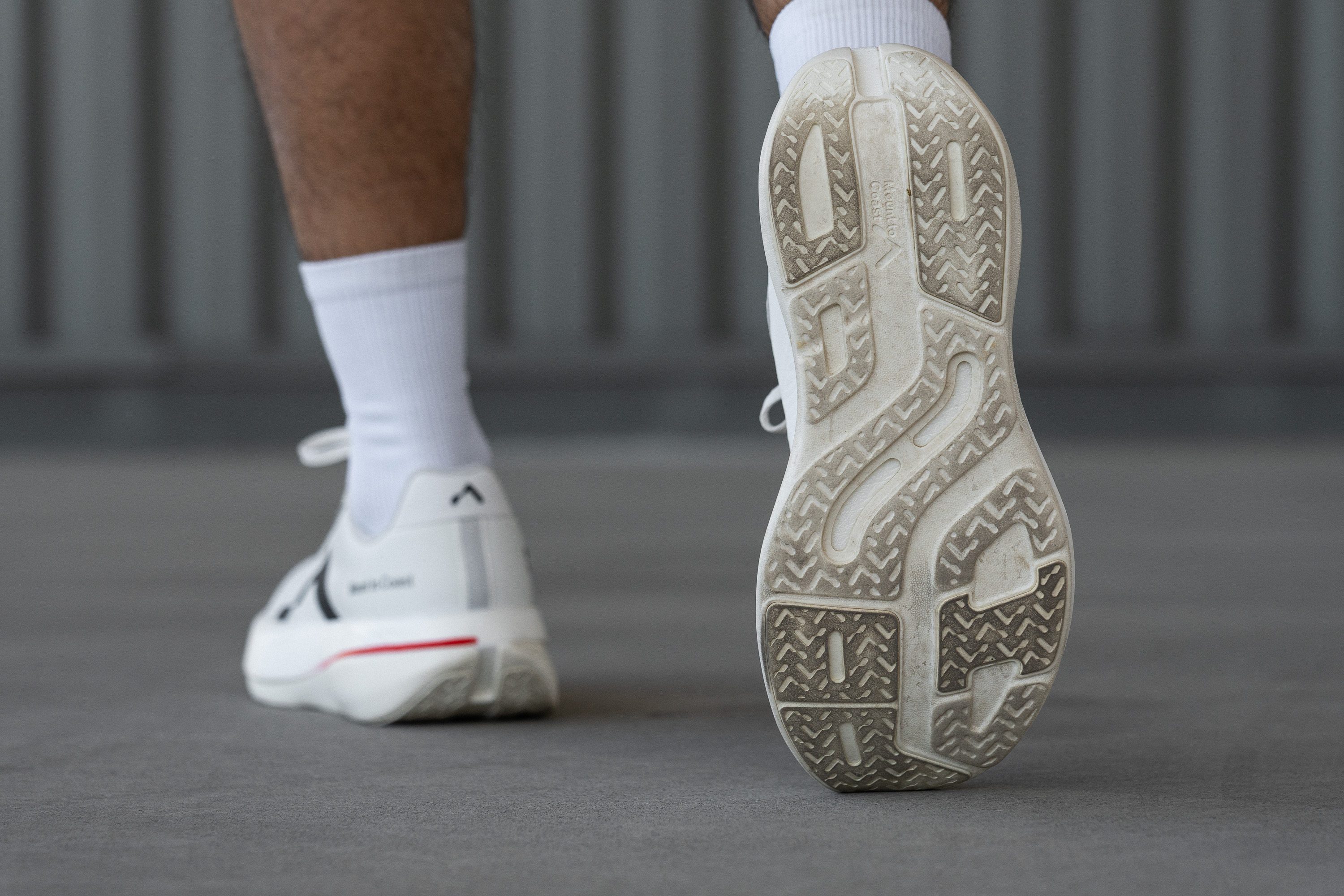
La suela exterior tiene un montón de caucho, así como varios cortes para reducir el peso y mejorar la flexibilidad torsional.
Mira, no te vamos a mentir, nos gusta este diseño. Las zonas de mayor desgaste están completamente protegidas, mientras que el relieve de las piezas de caucho y los amplios canales entre ellas ayudan a mejorar la tracción en las superficies mojadas al desviar el agua.
Flexibilidad / Rigidez
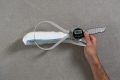
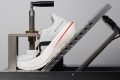
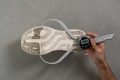
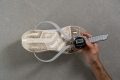
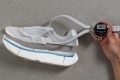
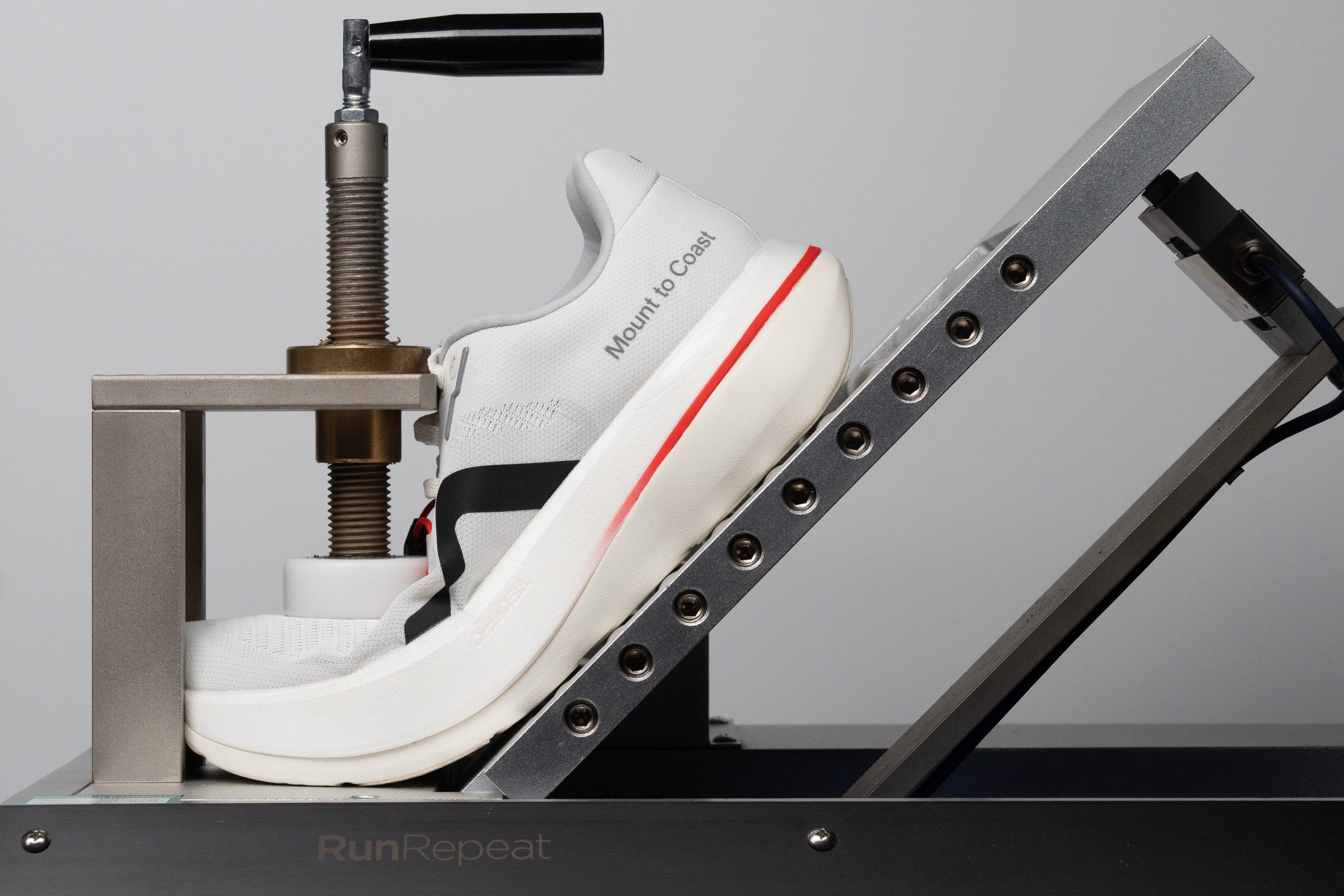
Aunque no tienen placa, las Mount to Coast C1 alcanzan un nivel de rigidez muy alto por lo grandota que es su mediasuela. Necesitamos 21,8 N de fuerza para doblarlas 30 grados, así que ya te puedes ir preparando para una pisada rígida.
| C1 | 21.8N |
| Media | 15.5N |
Peso
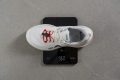
Las Mount to Coast C1 tienen un peso razonable para su tamaño: 272 g. Sin embargo, con lo rápido que avanza la tecnología en el mundo de las zapatillas de running y las opciones actuales del mercado, a lo mejor son un poquito pesadas de más para los entrenamientos de tempo.
Para darte algo más de contexto, creemos que estas zapatillas se sienten mucho más parecidas a unas Nike Vomero Plus que a unas Nike Zoom Fly 6.
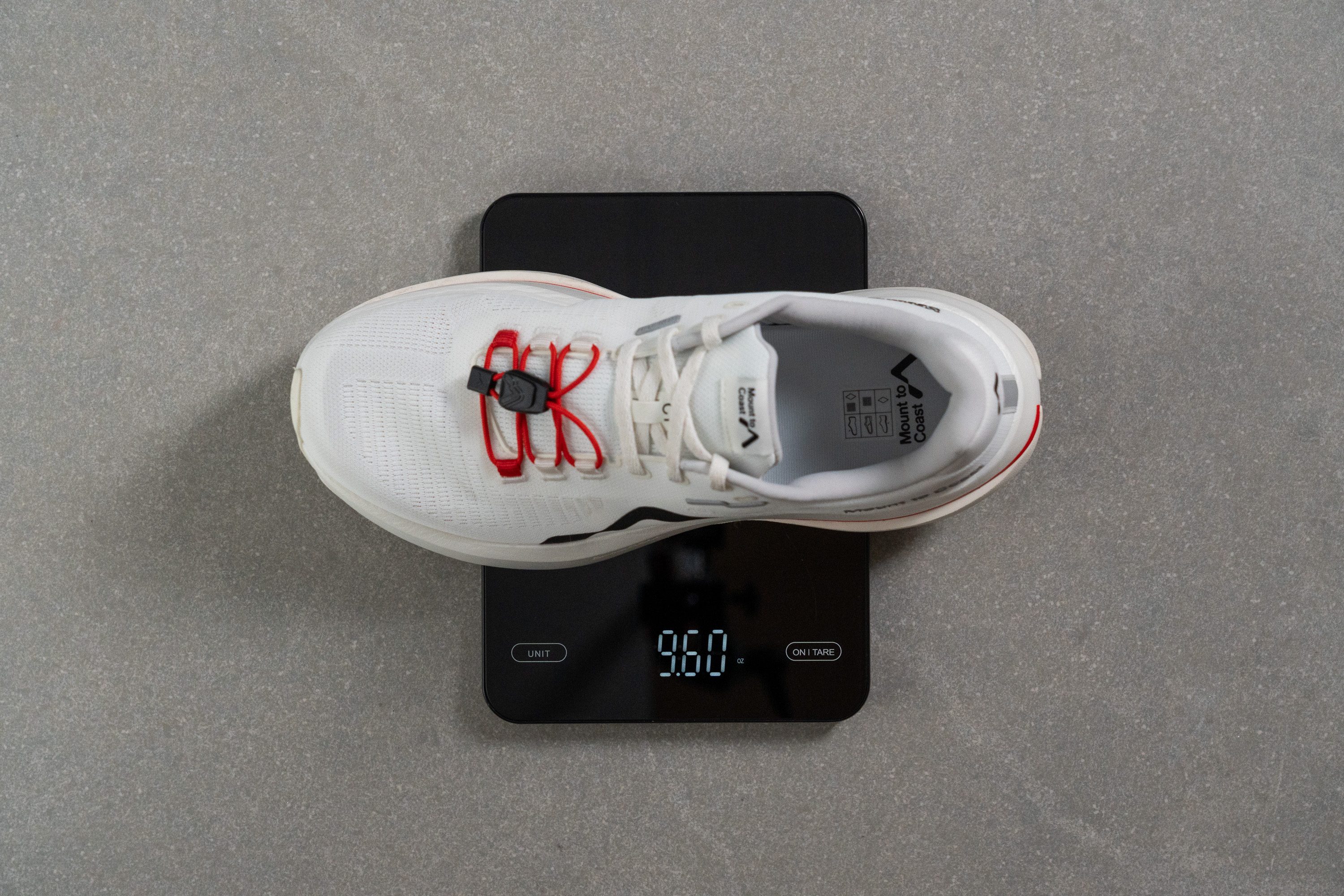
| C1 | 9.6 oz (272g) |
| Media | 9.2 oz (261g) |
Transpirabilidad
Breathability test
Las Mount to Coast C1 tienen un upper jacquard que, a primera vista, parecía transpirable, pero teníamos que confirmarlo en el laboratorio.
Y tenemos buenas noticias. Después de completar nuestras pruebas, les dimos un merecido 4/5, que es un resultado perfecto para que sean cómodas durante todo el año.
Gracias a nuestra luz, descubrimos que la parte delantera y la lengüeta son las que se encargan de que los pies respiren, un diseño común y eficaz en las zapatillas de running.
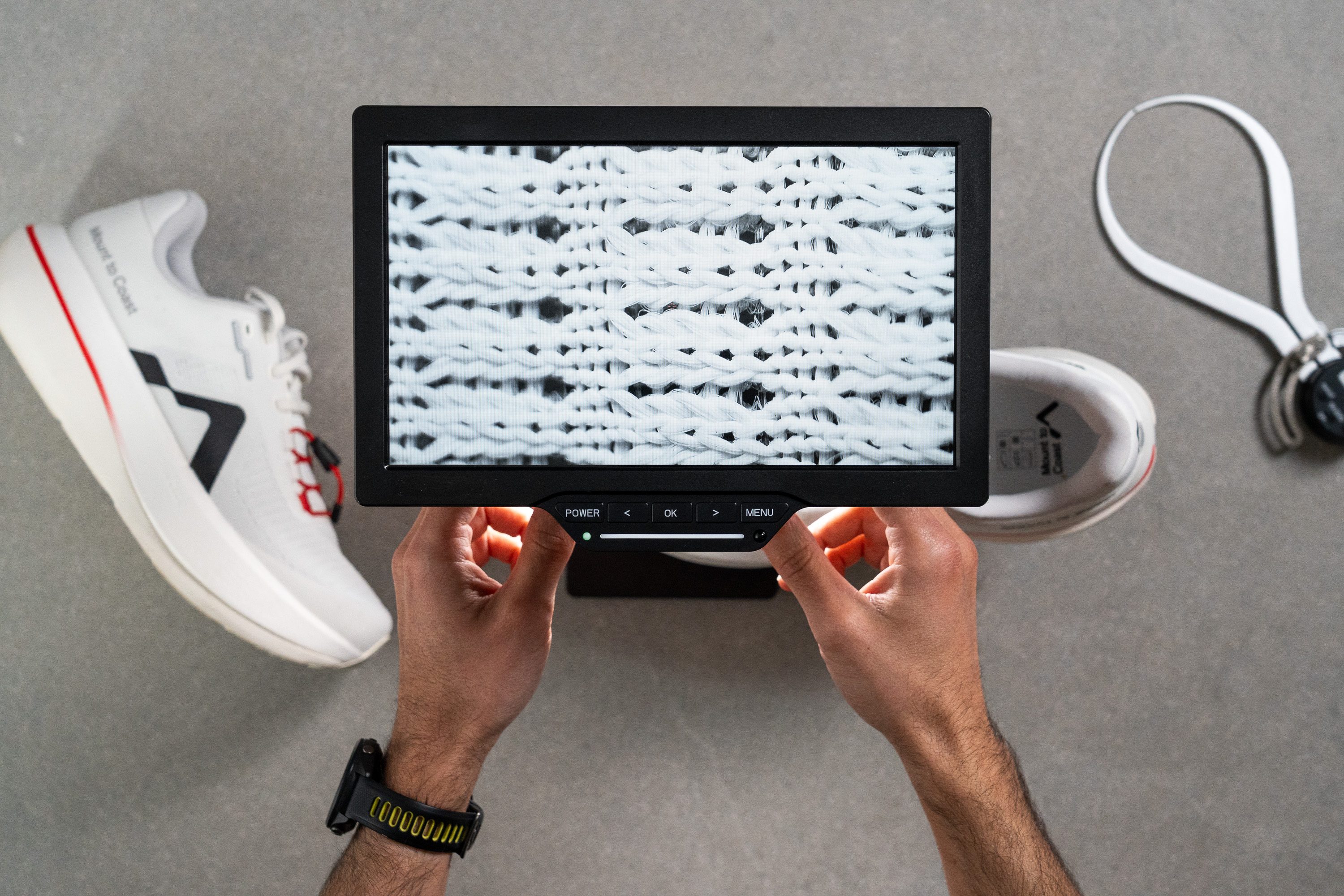
También analizamos el material con nuestro microscopio digital. El upper parece muy bien diseñado, con un nivel de calidad que coincide con su precio.
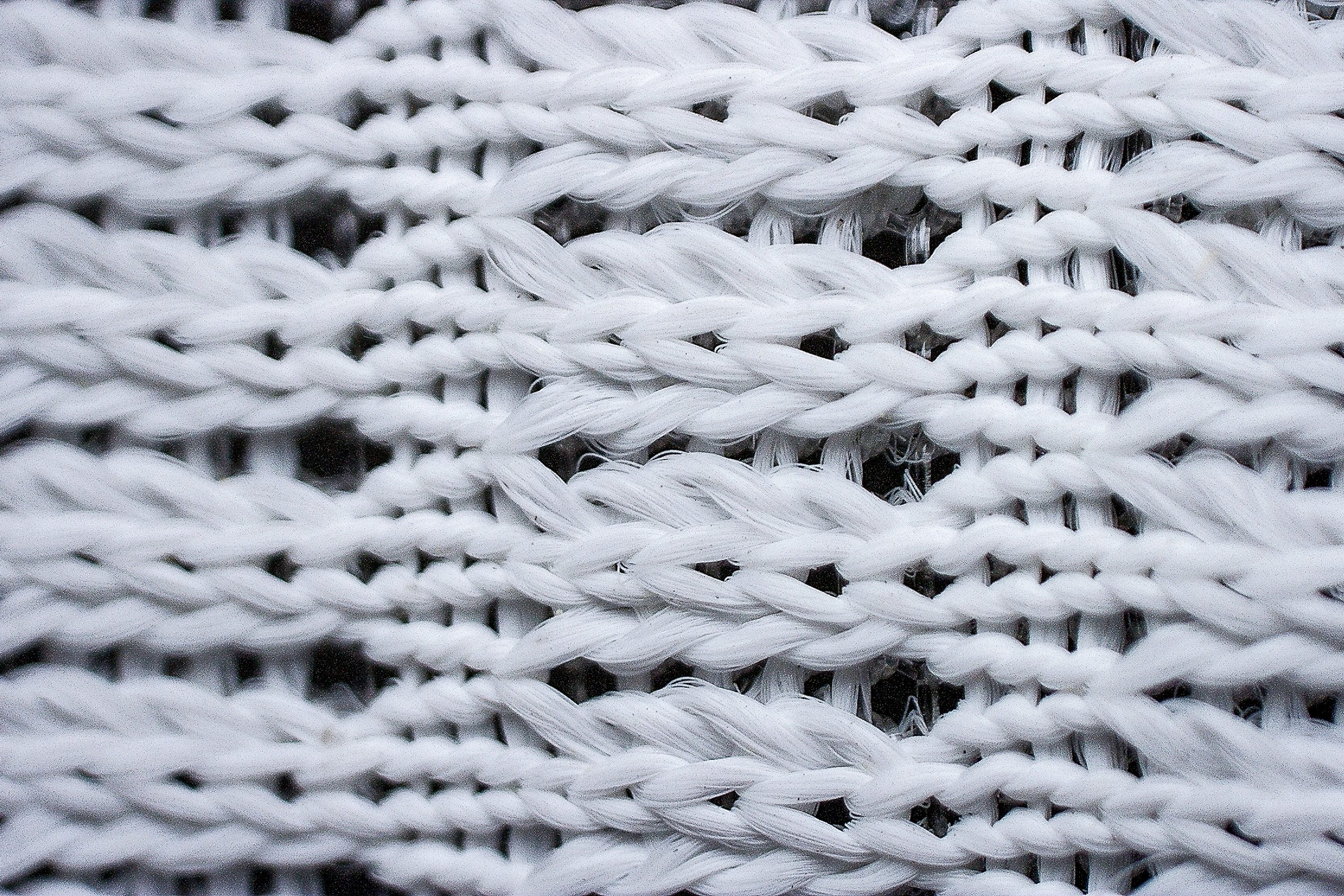
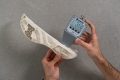
Por último, analizamos el upper con nuestras manos, y nos dimos cuenta de que las MtC claramente priorizan la comodidad. El acolchado de la lengüeta y el talón nos han parecido una maravilla.
| C1 | 4 |
| Media | 3.6 |
Estabilidad
Prueba de estabilidad lateral
Como la mayoría de las zapatillas de running maximalistas, las Mount to Coast C1 tienen una mediasuela muy ancha que garantiza una estabilidad estupenda, más de lo que muchos esperarían si te fijas solo en la altura de la suela. Lo mejor es que te vayas acostumbrando a esto, ya que es la nueva realidad de las zapatillas de running. Eso sí, estos diseños más voluminosos no son tan ágiles como antes.
También vimos que la capa secundaria de espuma EVA rígida ofrece bastante sujeción para compensar la espuma principal, que es más blanda.
Rigidez torsional
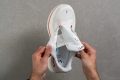
Como la mediasuela de las C1 tiene varios cortes, estas zapatillas conservan cierta flexibilidad torsional a pesar de su tamaño. Cuando analizamos su rigidez torsional, nuestra máquina marcó 16,5 Nm.
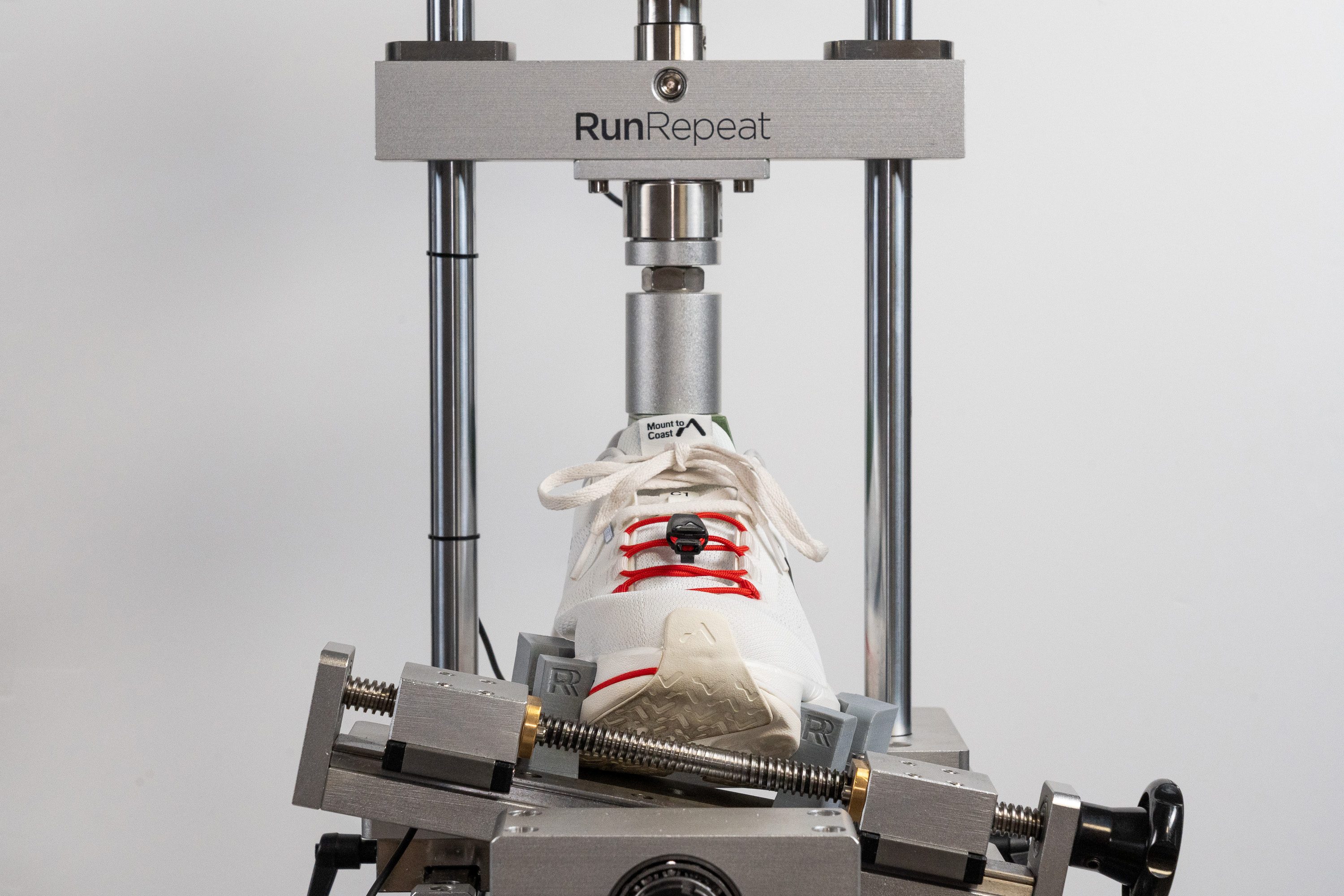
| C1 | 16.5 Nm |
| Media | 14.3 Nm |
Rigidez del contrafuerte del talón
El contrafuerte del talón está muy estructurado y es firme, lo que aporta bastante sujeción, sobre todo para los talonadores. En nuestra escala, les dimos un 4/5.
| C1 | 4 |
| Media | 3 |
Anchura de la mediasuela - antepié
Ya mencionamos lo enorme que es la mediasuela, pero es que además también son muy anchas en la zona del antepié.
En el laboratorio, vimos que el antepié tiene una anchura de 121,9 mm. Para nosotros, cualquier resultado por encima de 120 mm es, sin duda, muy ancho.
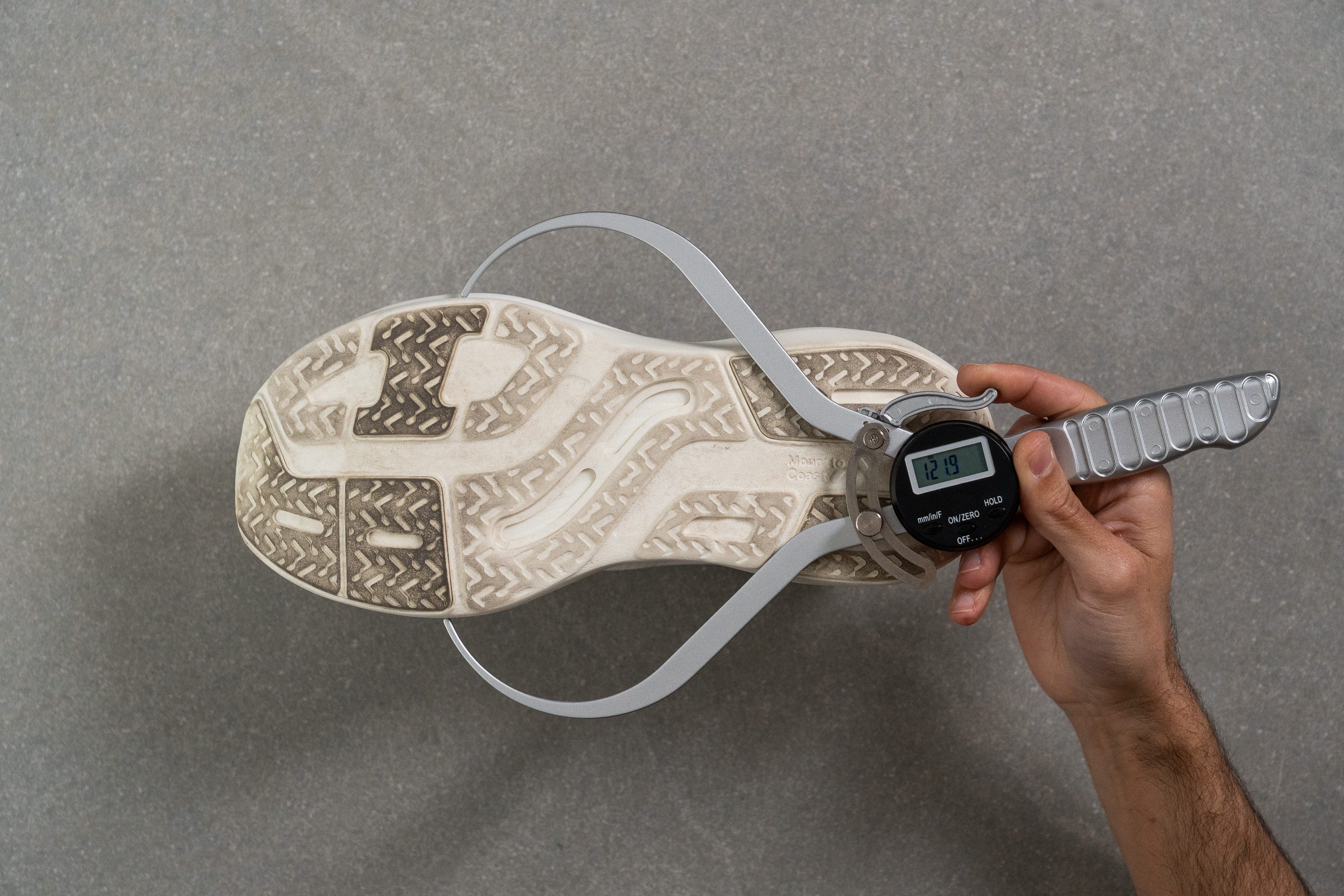
| C1 | 121.9 mm |
| Media | 115.1 mm |
Anchura de la mediasuela - talón
El talón también es muy ancho, incluso más que el antepié si lo comparamos con la media de las zapatillas de running. Nuestro calibre marcó 98,0 mm, y este es el motivo principal por el que este modelo es estable también para los talonadores.
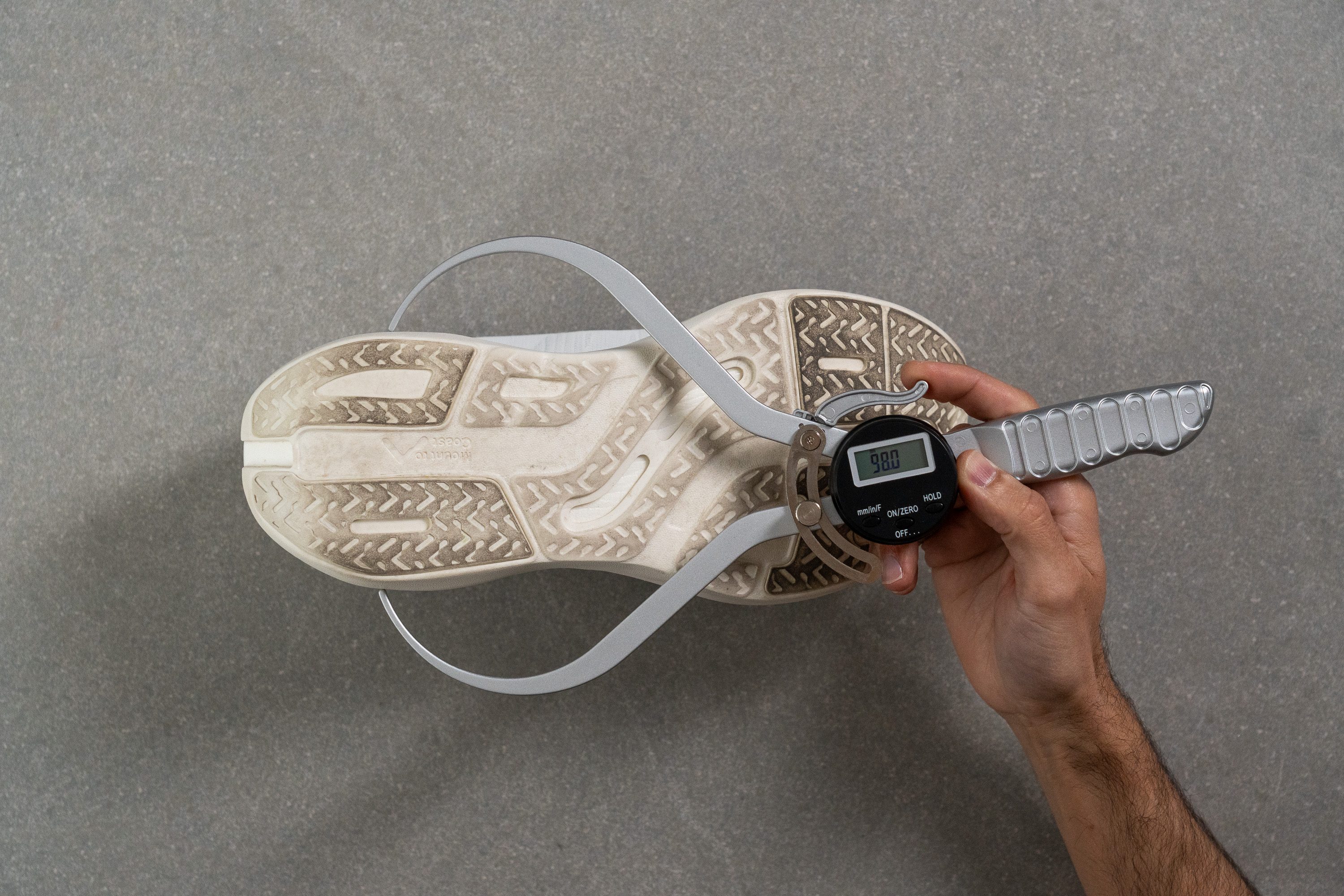
| C1 | 98.0 mm |
| Media | 91.1 mm |
Durabilidad
Durabilidad de la parte delantera
El upper jacquard de las Mount to Coast C1 es bastante finito en la zona de los dedos, así que el 2/5 que se llevaron en durabilidad no nos sorprendió nada. Pero bueno, sigue sin ser un buen resultado.
| C1 | 2 |
| Media | 2.6 |
Durabilidad del acolchado del talón
Por suerte para todos nosotros, el acolchado del talón, que es comodísimo, mejoró el resultado anterior llevándose un 4/5. Con un resultado así, no creemos que las C1 decepcionen a nadie en este aspecto, a menos no antes de que se produzca el desgaste normal que vemos en cualquier par de zapatillas.
| C1 | 4 |
| Media | 3.4 |
Durabilidad de la suela
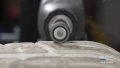
El caucho que utilizan las Mount to Coast aguantó bien el tipo frente a nuestro Dremel. Perdió 1,0 mm de material, que no es un resultado estupendo pero, en general, la verdad es que nos parece bastante sólido.
| C1 | 1.0 mm |
| Media | 1.1 mm |
Grosor de la suela
Y vamos, más vale que este caucho sea bueno, porque la suela exterior tiene un grosor de solo 1,5 mm.
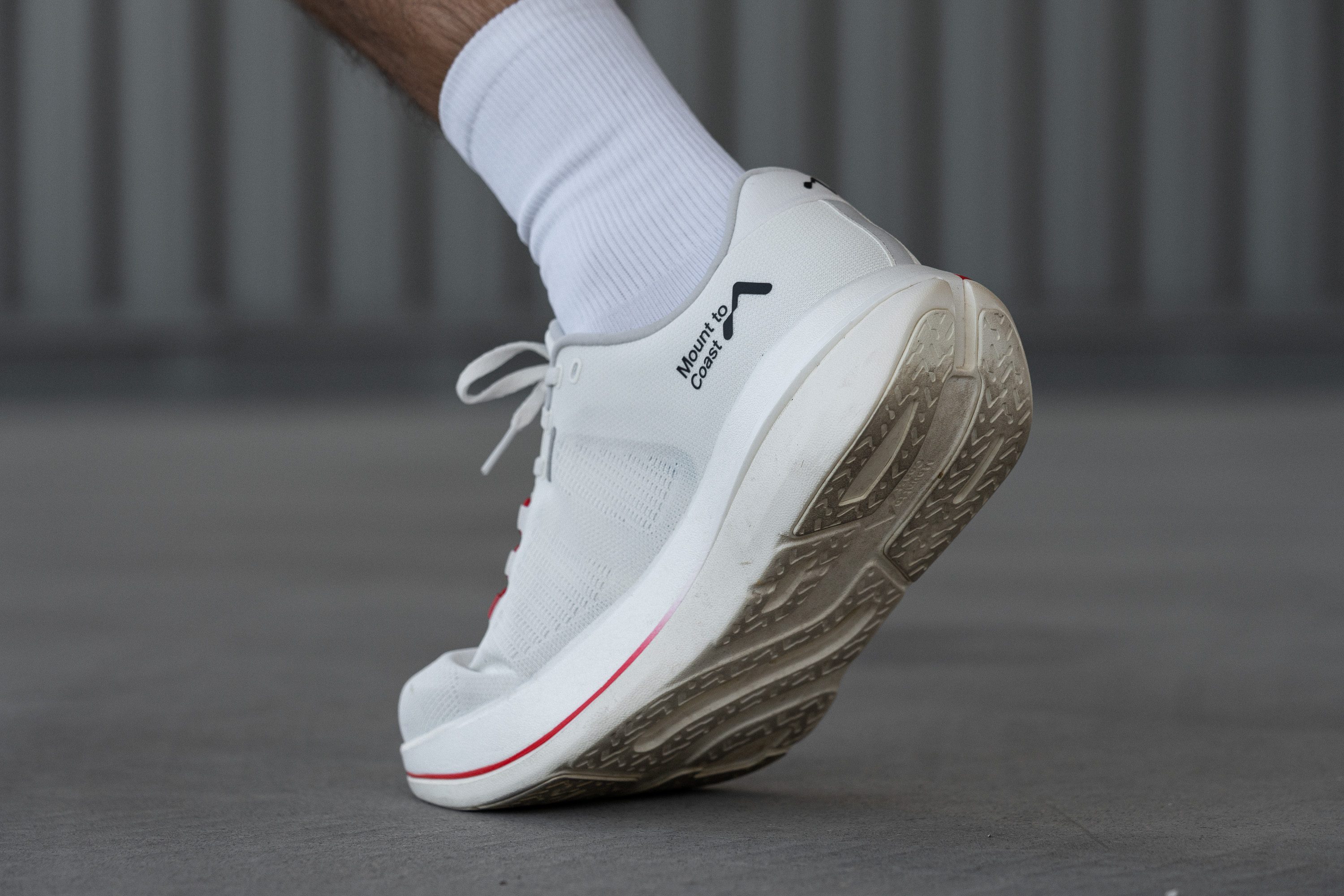
También queremos mencionar que, como tienen una suela exterior finita, la pisada de estas zapatillas es más agradable.
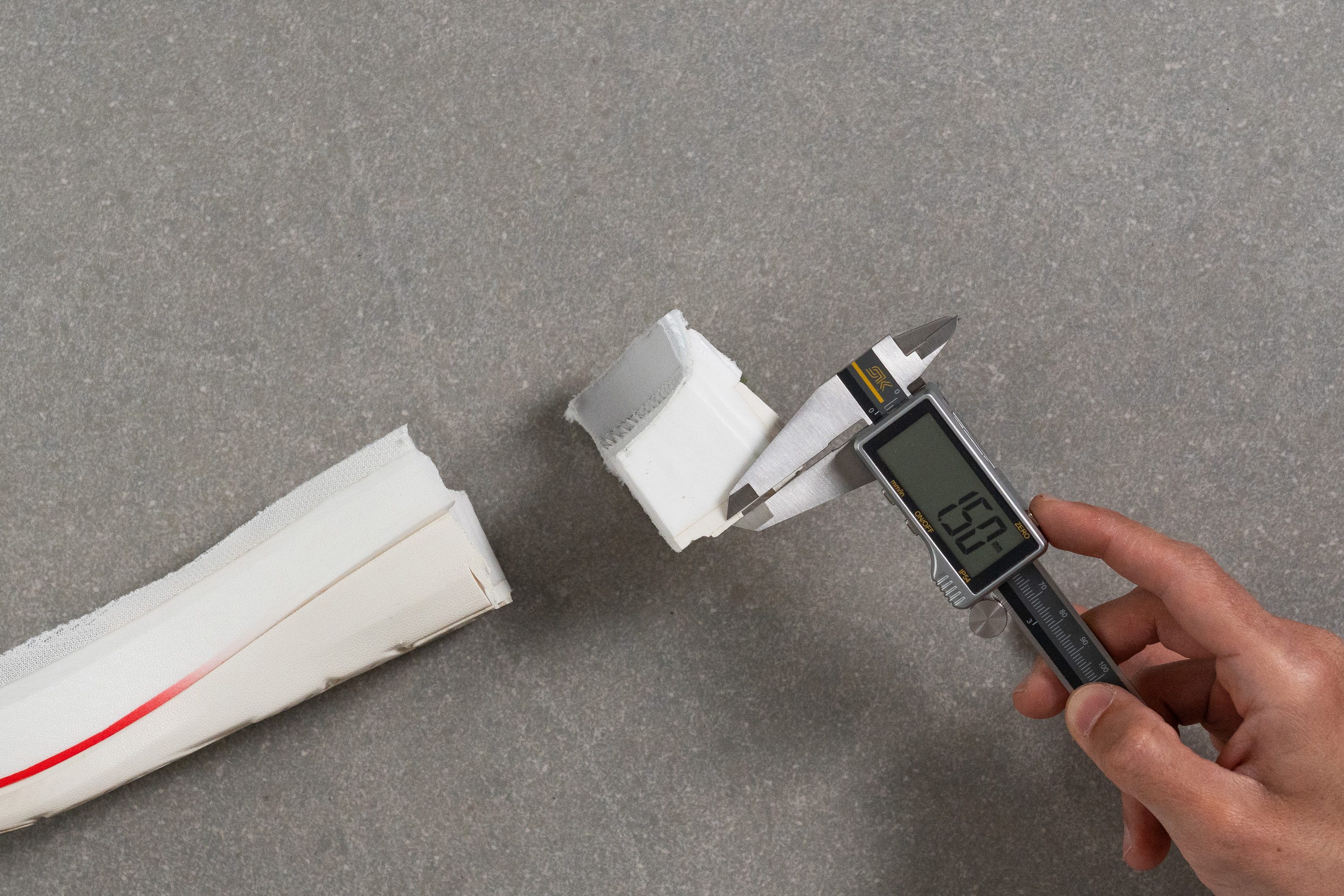
| C1 | 1.5 mm |
| Media | 3.1 mm |
Varios
Grosor de la plantilla
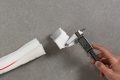
La plantilla no tiene nada de especial en cuanto a material, pero sí que es más finita de lo habitual con 3,4 mm.
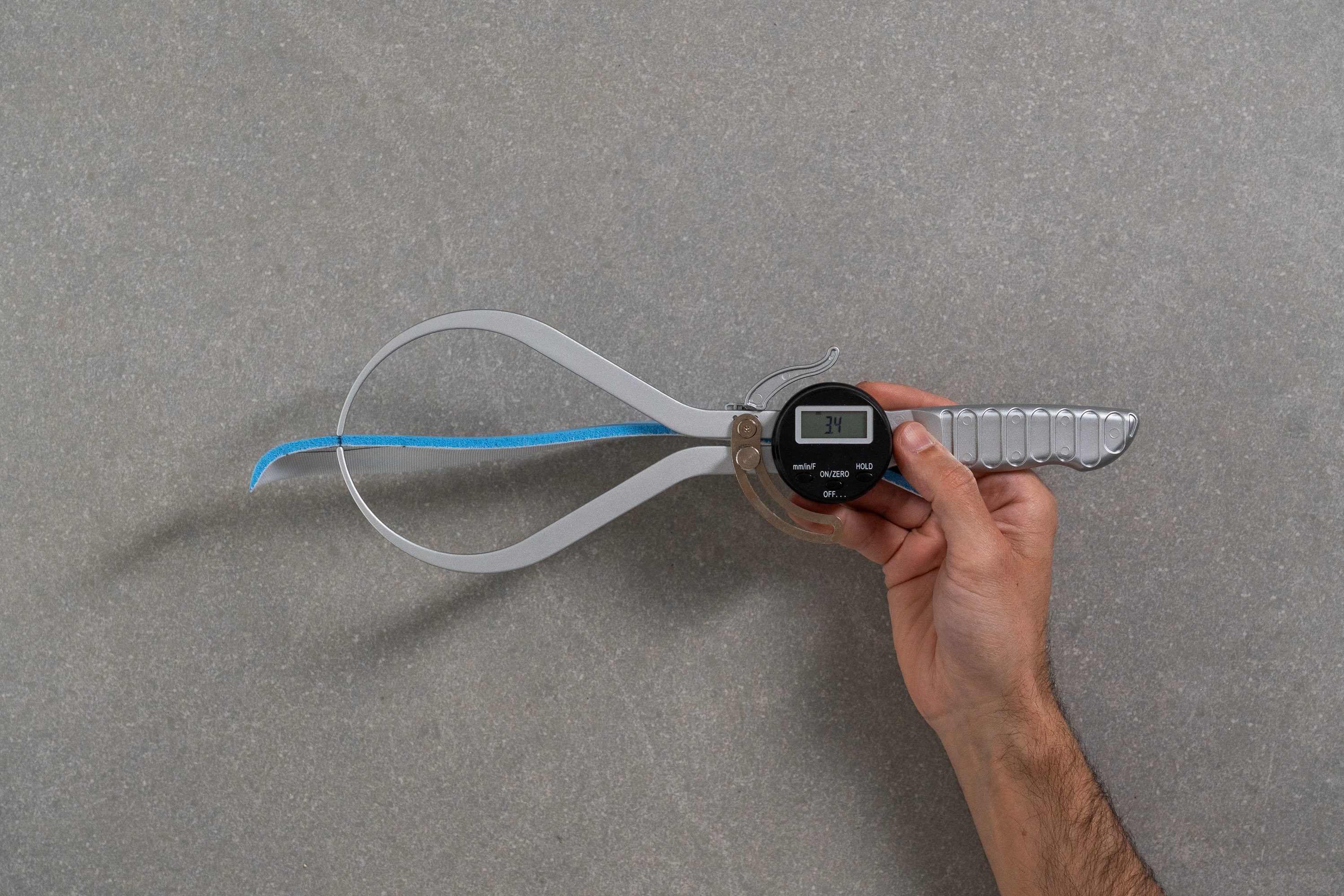
| C1 | 3.4 mm |
| Media | 4.4 mm |
Plantilla extraíble
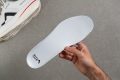
Si quieres usar una plantilla más gruesa para que las zapatillas sean incluso más altas, no tendrás problema.
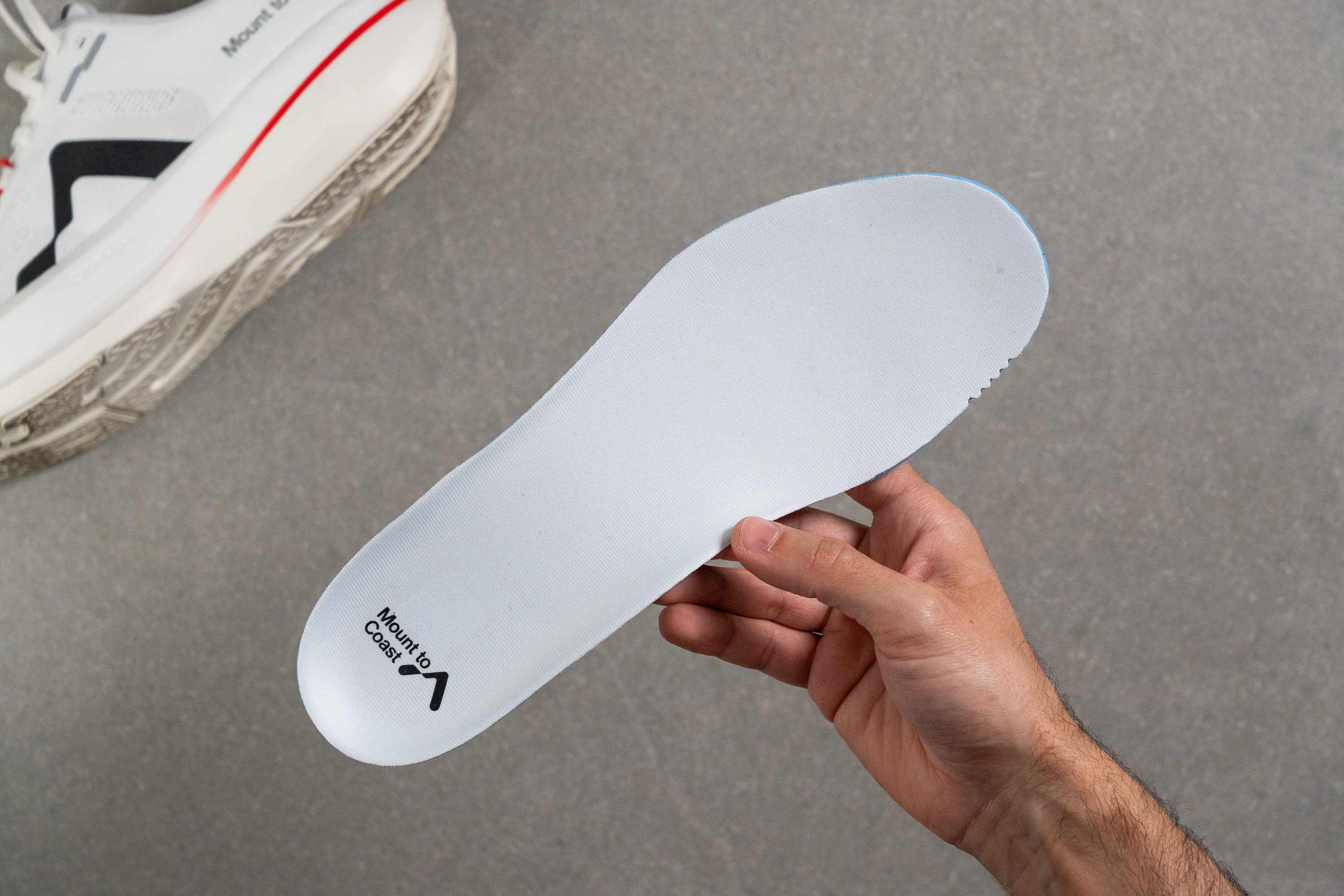
| C1 | Sí |
Elementos reflectantes
Nos encanta cuando las marcas utilizan elementos reflectantes grandes y llamativos, ¡y parece que las MtC lo saben!
| C1 | Sí |
Acolchado de la lengüeta
Las Mount to Coast C1 rompen con el estándar con su exclusivo sistema de cordones dual TUNEDFIT. Pudimos ajustar la tensión por separado en dos secciones para lograr un ajuste más personalizado, y aunque cuesta un poco acostumbrarse, la verdad es que sentimos esta mayor precisión.
También podemos entender por qué este diseño podría no terminar de convencer a algunos runners, pero no te preocupes, que siempre puedes utilizar un par de cordones de siempre.
La lengüeta de las C1 pesa un poquito más para ser más cómoda. Con un acolchado de 8,0 mm, es una de las más cómodas que hemos visto en mucho tiempo. Eso sí, a su vez, no nos parece tan inspirada en el rendimiento como las que hemos visto en modelos más enfocados en la competición, que es otra razón por la que creemos que este modelo es una mejor opción para los kilómetros fáciles.
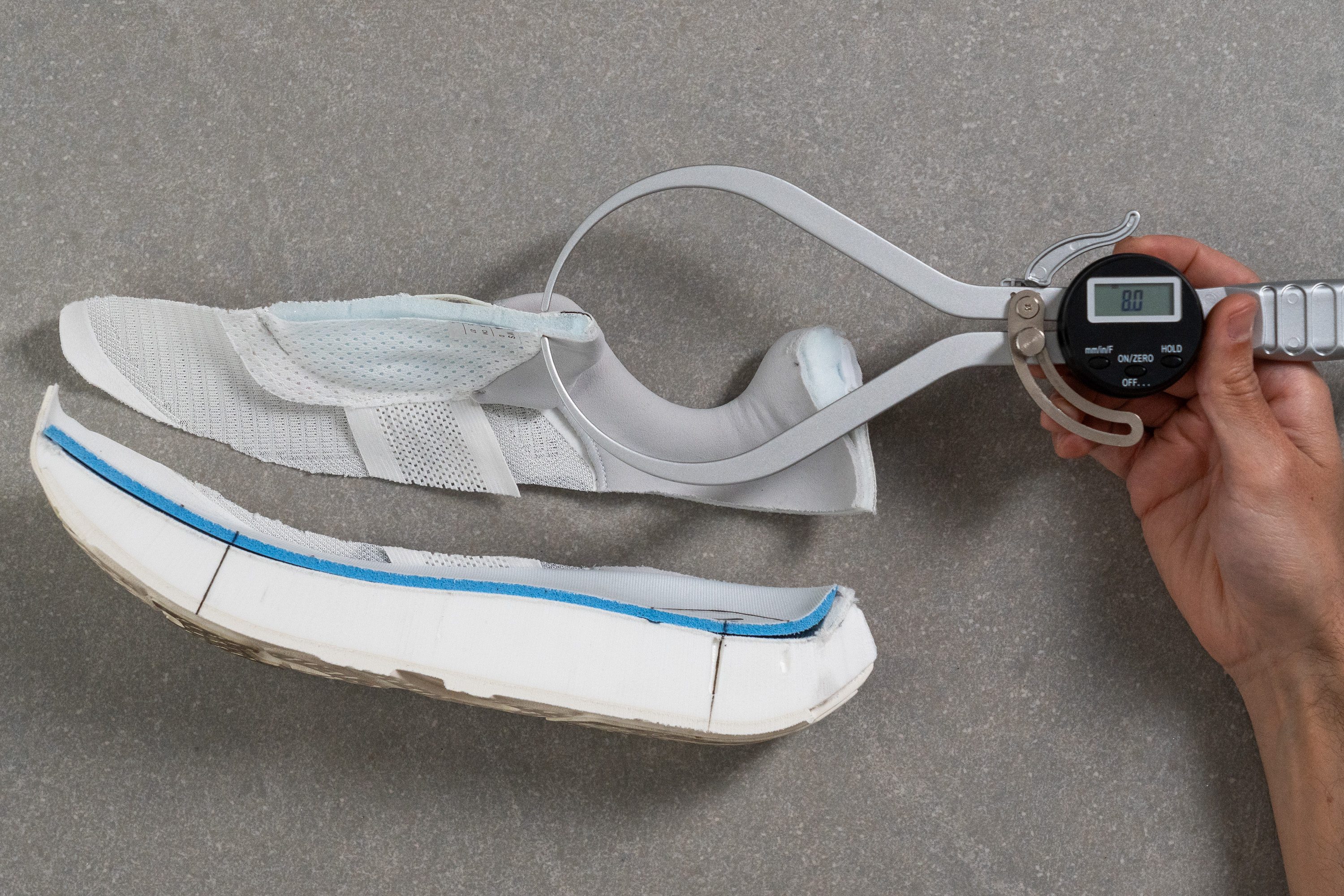
| C1 | 8.0 mm |
| Media | 5.8 mm |
Lengüeta: tipo de refuerzo
La lengüeta tiene el diseño ideal para la mayoría de las zapatillas de running actuales: un diseño semirreforzado que utiliza un material perforado. ¡Nos encantó!
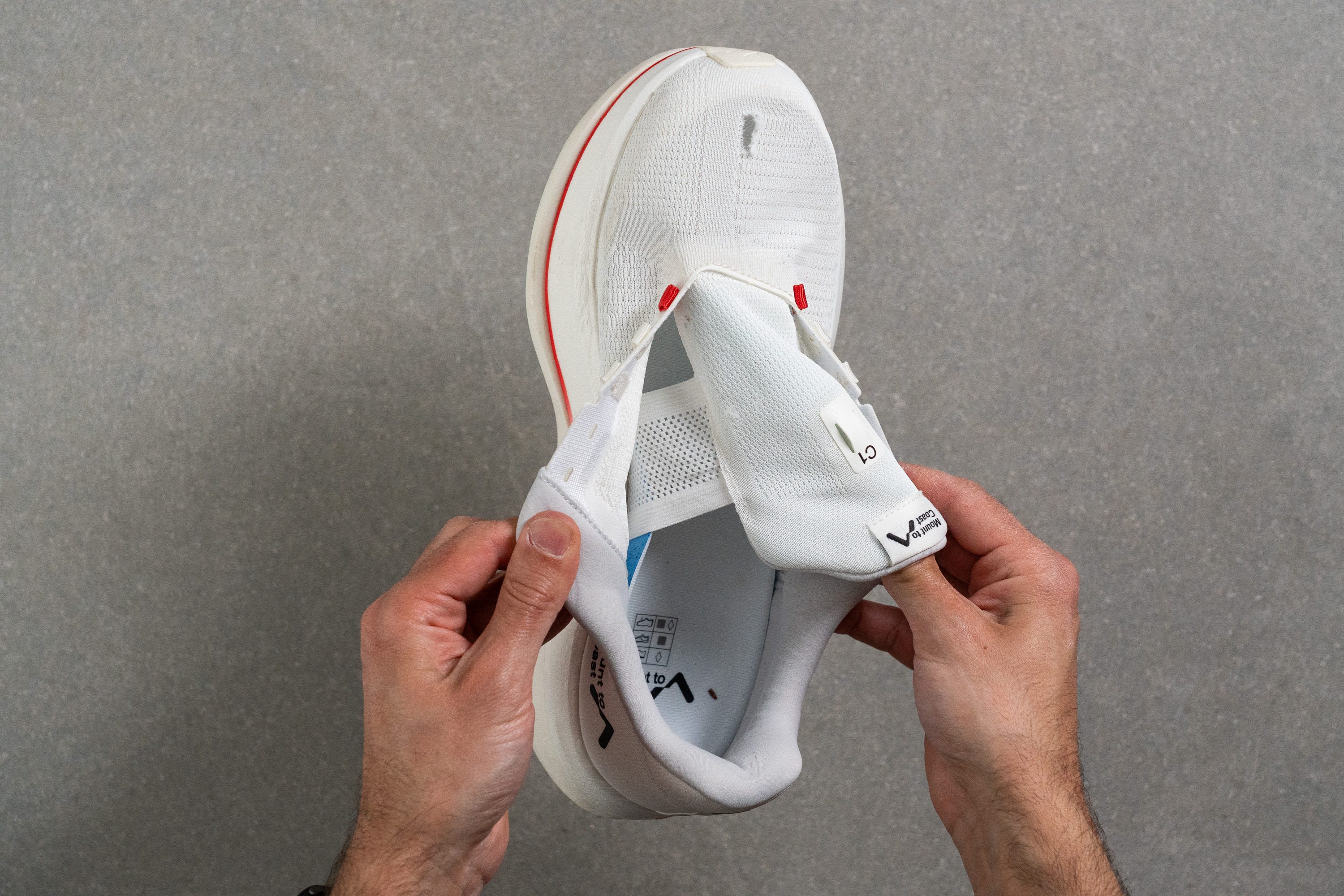
| C1 | Ambos lados (semi) |
Tirador del talón
El talón no tiene ningún tipo de tirador. Solo está el logo de MtC, así como un diseño limpio que nos gustó mucho.
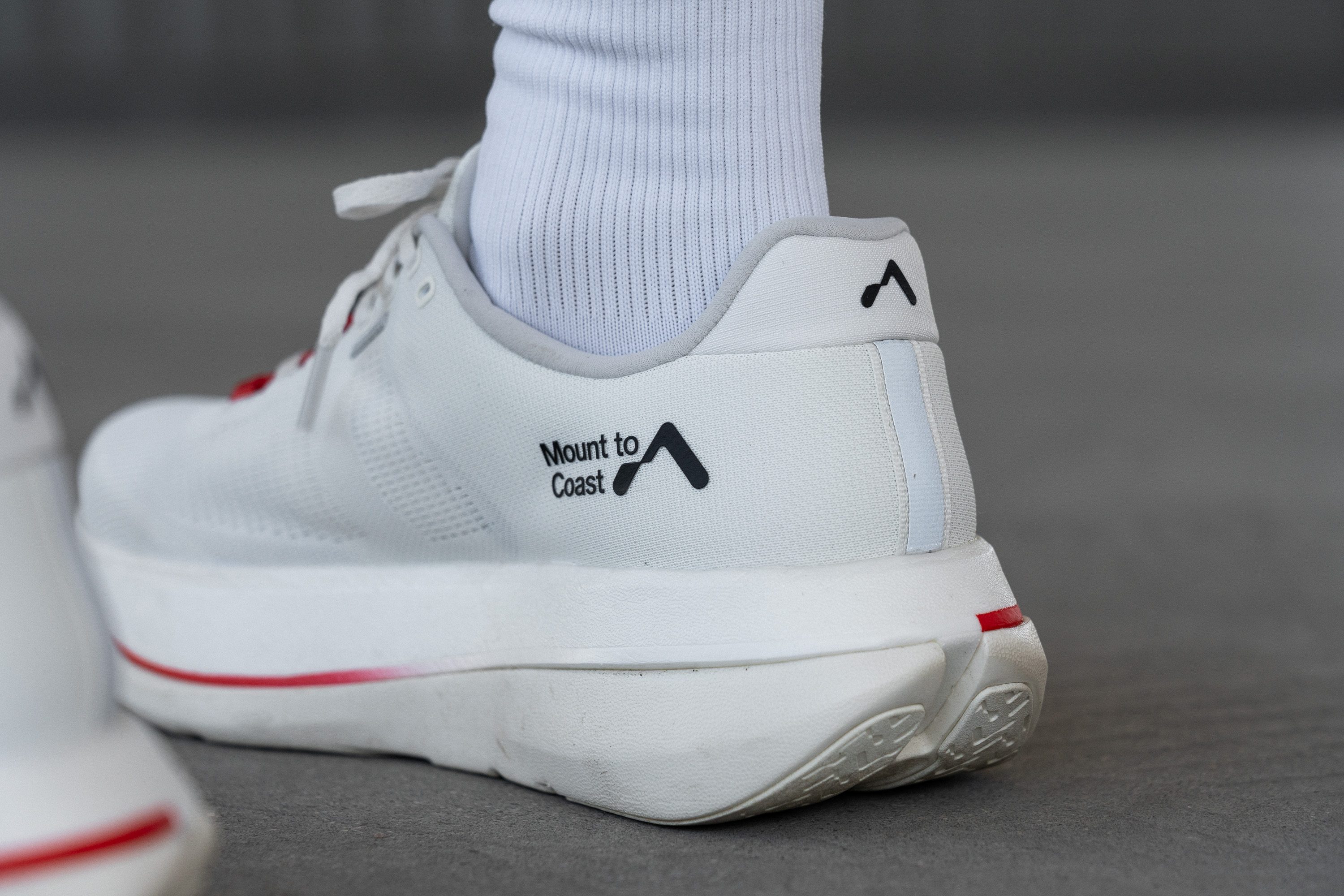
| C1 | Ninguno |
Precio
Si estás buscando una ganga o unas zapatillas con la mejor relación calidad-precio, por aquí no es. Las C1 son, muy claramente, un modelo de gama alta que no pretende competir ni con las Pegasus estándar ni con las Novablast, sino que apunta a un nivel superior.
| C1 | $180 |