
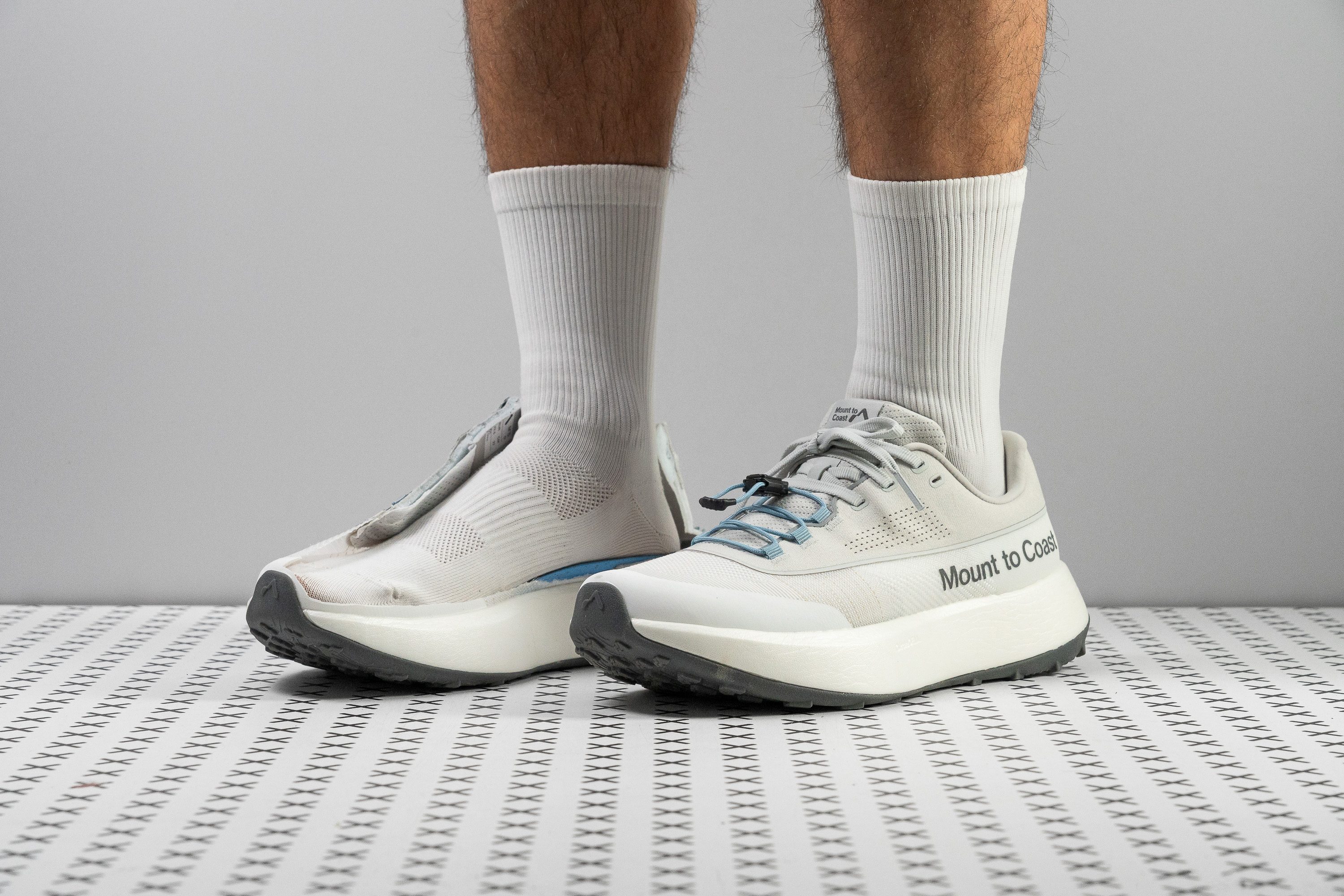













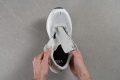
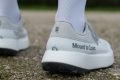
Nuestra conclusión
- Grava 91
- Versátiles 59
- Técnico 25
Pros
- Ideales para la gravilla
- Buena tracción en terrenos mixtos
- Muy ligeras para ser unas zapatillas de trail
- El upper se siente premium
- Sistema de cordones innovador
- Pisada estable
- Amortiguación equilibrada con buen rebote
- Espuma sostenible
- Precio justo
Contras
- La parte delantera estrecha no te deja separar mucho los dedos
- La suela finita puede hacerlas menos duraderas
- Durabilidad de la parte delantera y de la suela exterior
Premios
- Entre las mejores zapatillas de running para grava
- Top 17% entre zapatillas de trail running
- Top 22% entre zapatillas de running neutras
- Top 16% más vendidas zapatillas de running
Comparativa
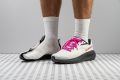
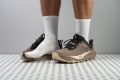
Las zapatillas de running más parecidas
+ + Añadir unas zapatillas | |||||
|---|---|---|---|---|---|
| Nuestra puntuación | 86 Geniales | 75 Buenas | 78 Buenas | 82 Geniales | |
| Precio | 160 € | 110 € | 140 € | 160 € | |
| Terreno de trail | Grava / Trail y asfalto | Grava / Trail y asfalto | Grava / Trail y asfalto | Grava / Trail y asfalto | |
| Absorción de impactos | Alta | Moderada | Moderada | Moderada | |
| Retorno de energía | Moderado | Bajo | Moderado | Moderado | |
| Tracción | Alta | - | Alta | - | |
| Sujeción arco del pié | Neutral | Neutral | Neutral | Neutral | |
| Peso laboratorio Peso marca | 8.8 oz / 249g 8.5 oz / 242g | 8.4 oz / 237g 8.6 oz / 243g | 10 oz / 283g 9.8 oz / 277g | 10.2 oz / 288g 10 oz / 283g | |
| Ligero | ✓ | ✓ | ✗ | ✗ | |
| Drop laboratorio Drop marca | 8.1 mm 6.0 mm | 11.0 mm 6.0 mm | 9.1 mm 8.0 mm | 7.0 mm 8.0 mm | |
| Técnica de carrera | TalónMedio/antepié | Talón | TalónMedio/antepié | Medio/antepié | |
| Talla | Tallan bien | Tallan bien | Tallan bien | Tallan bien | |
| Rigidez de la mediasuela | Equilibrada | Equilibrada | Equilibrada | Equilibrada | |
| Diferencia de la rigidez de la mediasuela en frío | Pequeña | Pequeña | Pequeña | Normal | |
| Placa | ✗ | ✗ | ✗ | Rock plate | |
| Durabilidad de la parte delantera | Mala | Mala | Muy mala | Buena | |
| Durabilidad del acolchado del talón | Alta | Media | Media | Alta | |
| Durabilidad de la suela exterior | Decente | Decente | Buena | Buena | |
| Transpirabilidad | Media | Media | Baja | Media | |
| Anchura / ajuste | Media | Estrecha | Media | Media | |
| Anchura de la parte delantera | Estrecha | Media | Media | Media | |
| Flexibilidad | Moderada | Flexible | Moderada | Rígida | |
| Rigidez torsional | Moderadas | Rígidas | Moderadas | Rígidas | |
| Rigidez del contrafuerte del talón | Rígido | Flexible | Rígido | Rígido | |
| Profundidad del dibujo de la suela | 1.9 mm | 2.0 mm | 3.1 mm | 3.3 mm | |
| Altura de la suela en la zona del talón laboratorio Altura de la suela en la zona del talón marca | 34.5 mm 35.0 mm | 32.3 mm 26.0 mm | 32.6 mm 35.0 mm | 33.8 mm 34.0 mm | |
| Antepié laboratorio Antepié marca | 26.4 mm 29.0 mm | 21.3 mm 20.0 mm | 23.5 mm 27.0 mm | 26.8 mm 26.0 mm | |
| Anchuras disponibles | Estándar | EstándarAncho | Estándar | Estándar | |
| Para corredores pesados | ✓ | ✗ | ✗ | ✗ | |
| Estación | Todas las estaciones | Todas las estaciones | Invierno | Todas las estaciones | |
| Plantilla extraíble | ✓ | ✓ | ✓ | ✓ | |
| Compatibles con plantillas personalizadas | ✓ | ✓ | ✓ | ✓ | |
| Clasificación | #87 Top 22% | #328 18% inferior | #281 30% inferior | #189 Top 47% | |
| Popularidad | #61 Top 16% | #313 22% inferior | #332 17% inferior | #115 Top 29% |

Quién debería comprárselas
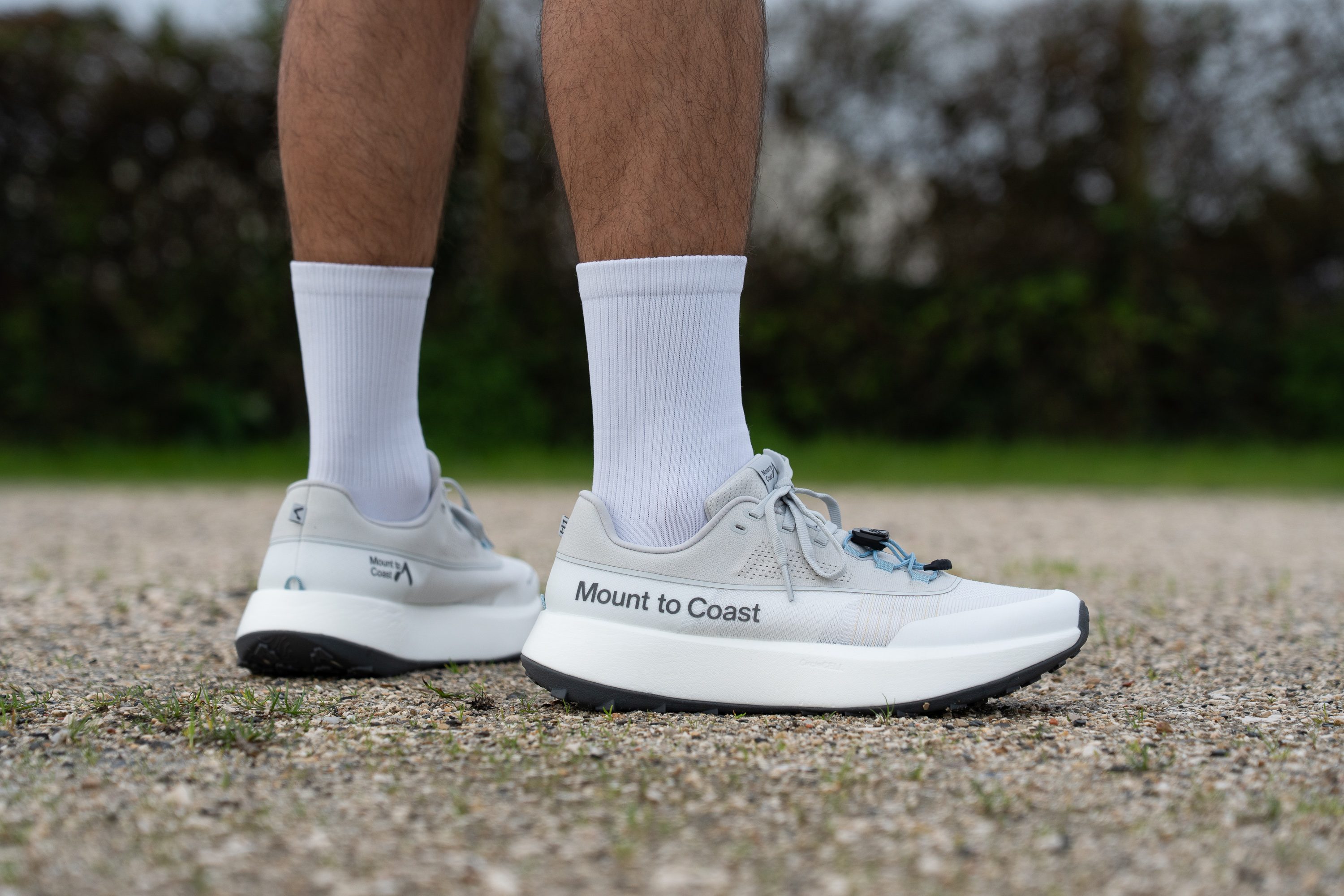
Después de hacerles montones de pruebas a las Mount to Coast H1 en el laboratorio, concluimos que son una excelente opción para los deportistas:
- Que necesitan unas zapatillas para correr por gravilla que sean cómodas y que se adapten bien a las zonas con asfalto.
- Que están buscando una mezcla equilibrada de tracción, una amortiguación con rebote y materiales premium por un precio justo.
- A los que les gusta descubrir marcas menos conocidas y quieren un modelo de trail y asfalto que no sea mainstream.
- Que prefieren tener solo un par de zapatillas con el que enfrentarse a sus aventuras sobre asfalto, grava y senderos fáciles.
Quién NO debería comprárselas
Creemos que a los runners que están buscando unas zapatillas maximalistas a lo mejor las Mount to Coast H1 les saben a poco. Personalmente, creemos que las adidas Adizero EVO SL ATR podrían ser una opción más interesante si lo que quieres es conseguir la máxima amortiguación posible.
También creemos que las H1 no son la mejor opción para los corredores con pies anchos. Cuando salimos a correr con ellas, nos dimos cuenta de que su parte delantera se siente un poco estrecha, así que no pudimos estirar bien los dedos. Las Altra Outroad 3 tienen un diseño parecido para trail y asfalto con una estructura espaciosa y con forma de pie, aunque con menos rebote.
Amortiguación
Shock absorption
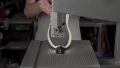
Si lo que quieres es darle caña a las distancias largas, las Mount to Coast H1 son una buena opción. Su mediasuela ya parecía prometedora a simple vista, y lo comprobamos gracias a nuestra prueba ASTM F1976, donde medimos su absorción de impactos. Superaron la media sin problema, con 136 SA en el talón y 110 SA en el antepié.
| H1 | 136 SA |
| Media | 122 SA |
Energy return
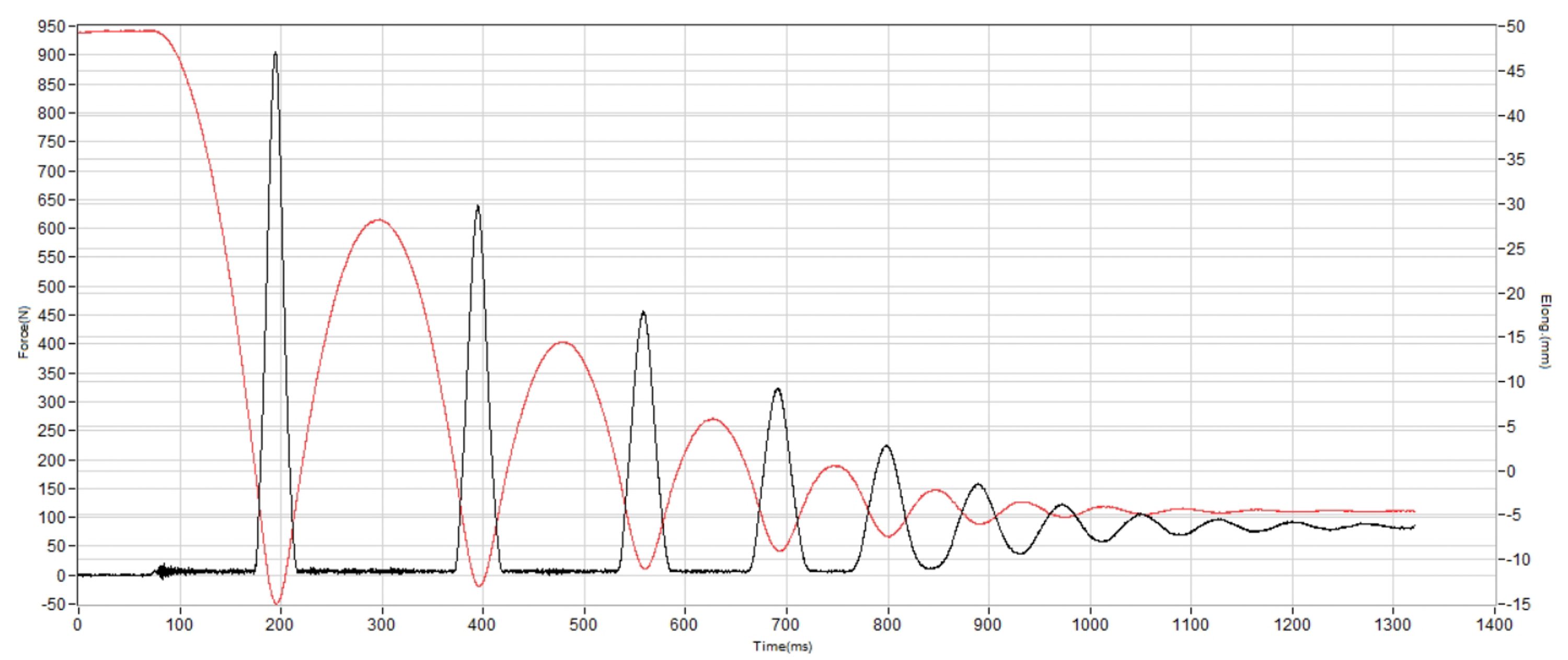
La espuma que va desde el talón hasta la punta en las H1 se llama CircleCELL y destaca, principalmente, por su enfoque en la sostenibilidad. Fue creada por la empresa alemana BASF, que afirma que cada mediasuela está fabricada con materia prima 100 % renovable y que incorpora hasta 9 kg de residuos orgánicos y biomasa residual. Además, la marca dice que su retorno de energía es altísimo, parecido al que proporciona la espuma PEBA.
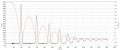
En nuestras pruebas de laboratorio, vimos que su retorno de energía alcanzaba un 61,2 % en el talón y un 63,9 % en el antepié, y aunque con estas cifras superan a la mayoría de las zapatillas de trail y nos ofrecen un resultado sólido en general, no alcanzan ese altísimo nivel del que habla la marca. Estos resultados se acercan más a los de las espumas de EVA supercrítica modernas que a los de las de PEBA o A-TPU.
| H1 | 63.9% |
| Media | 59.7% |
Altura de la suela en la zona del talón
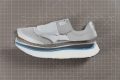
Las H1 quieren ser un modelo versátil que se adapte a varias distancias distintas, y lo consiguen gracias a la moderada altura de su suela en el talón: 34,5 mm. No son ni demasiado altas ni demasiado pesadas, pero ofrecen amortiguación suficiente y los talonadores se pueden enfrentar a las tiradas largas sin problema.
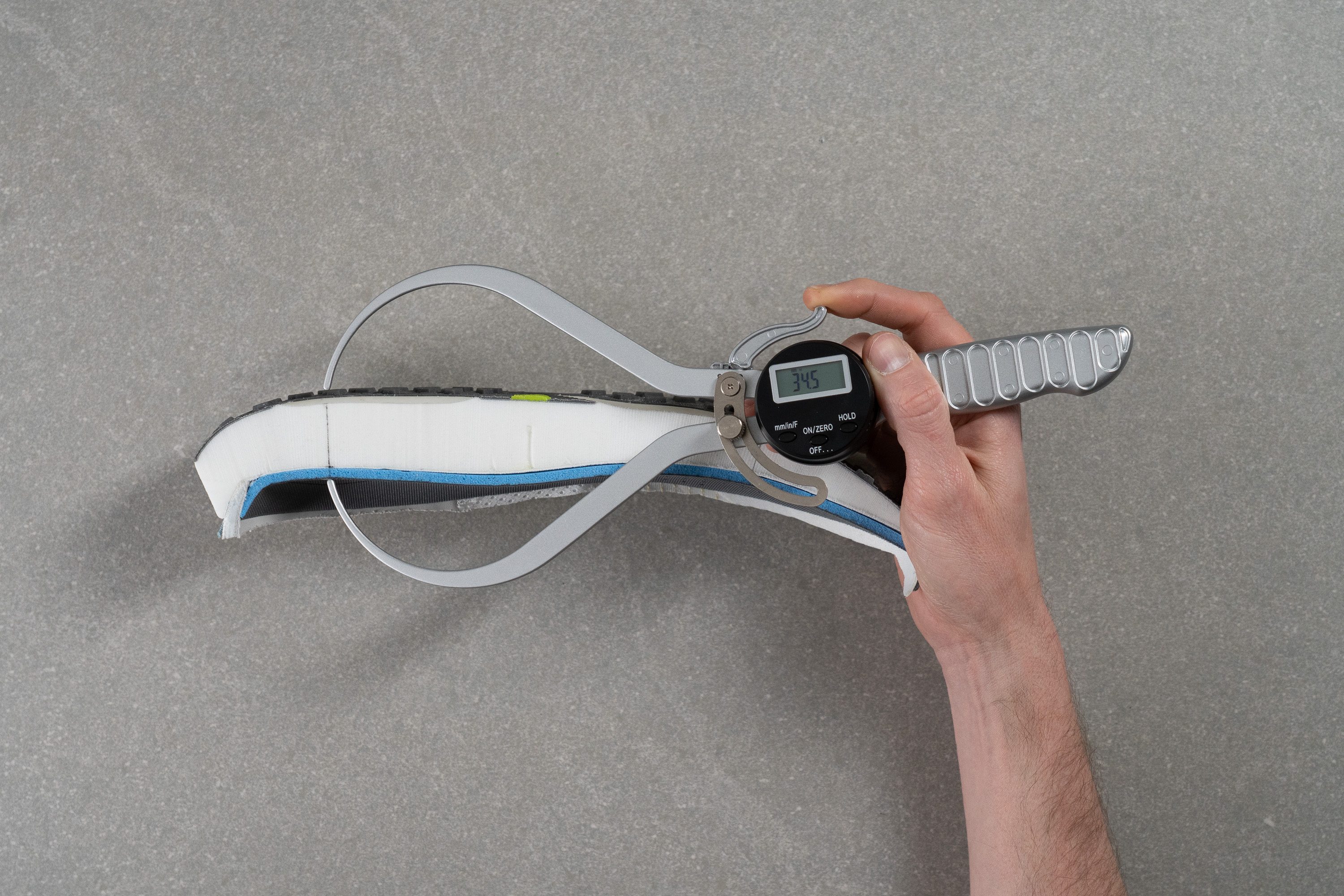
| H1 | 34.5 mm |
| Media | 33.0 mm |
Altura de la suela en el antepié
El antepié sigue el mismo enfoque equilibrado, así que está muy cerca de la media de nuestro laboratorio, quedándose solo a unos pocos milímetros con sus 26,4 mm.
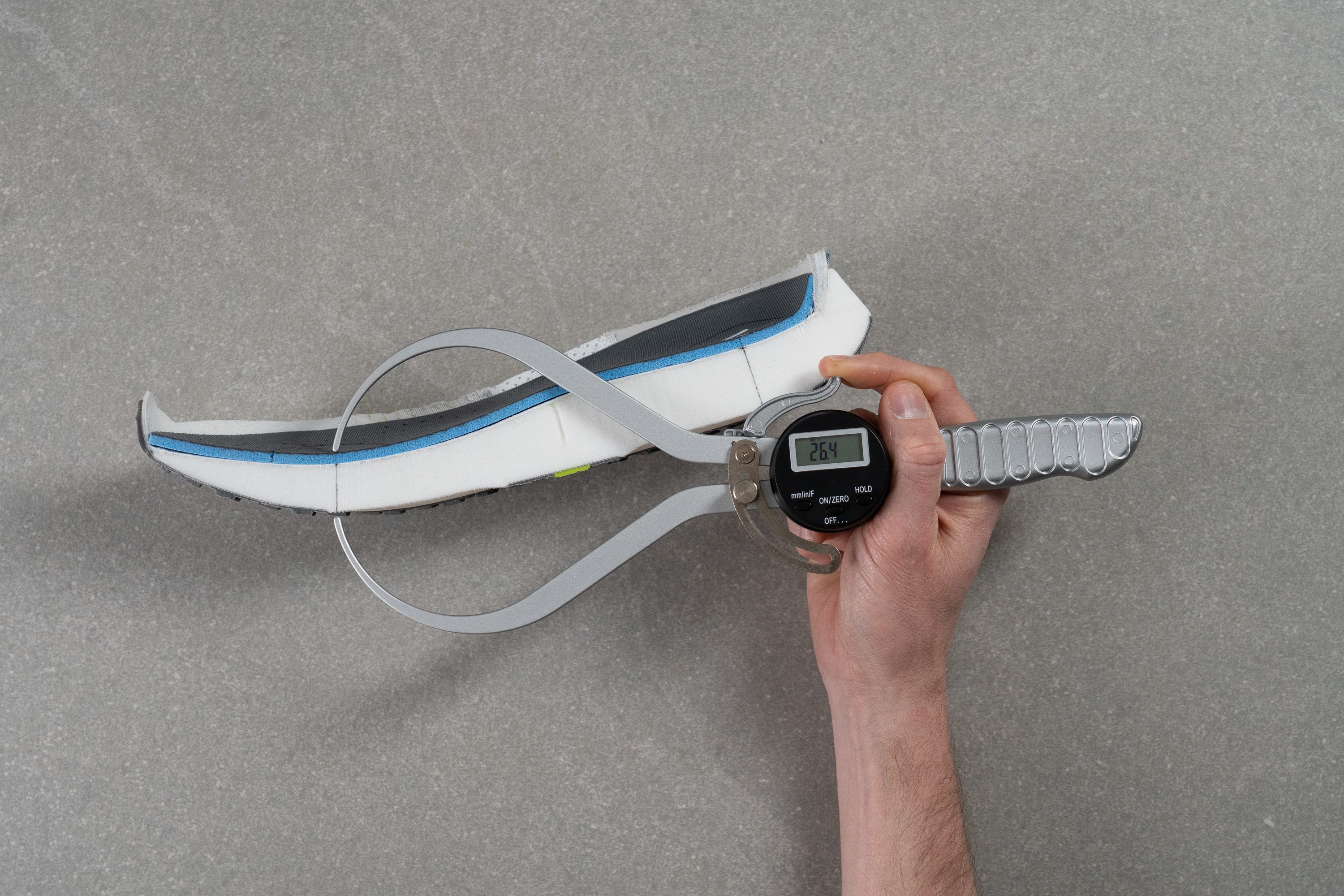
| H1 | 26.4 mm |
| Media | 25.7 mm |
Drop
Como el drop de estas zapatillas es de 8,1 mm, se adaptar a cualquier técnica de carrera.
Es un poco distinto a los 6 mm que afirma Mount to Coast, pero casi no se nota al correr y sigue proporcionándoles una sensación conocida a los runners que están acostumbrados a las zapatillas de entrenamiento diario para asfalto estándar.
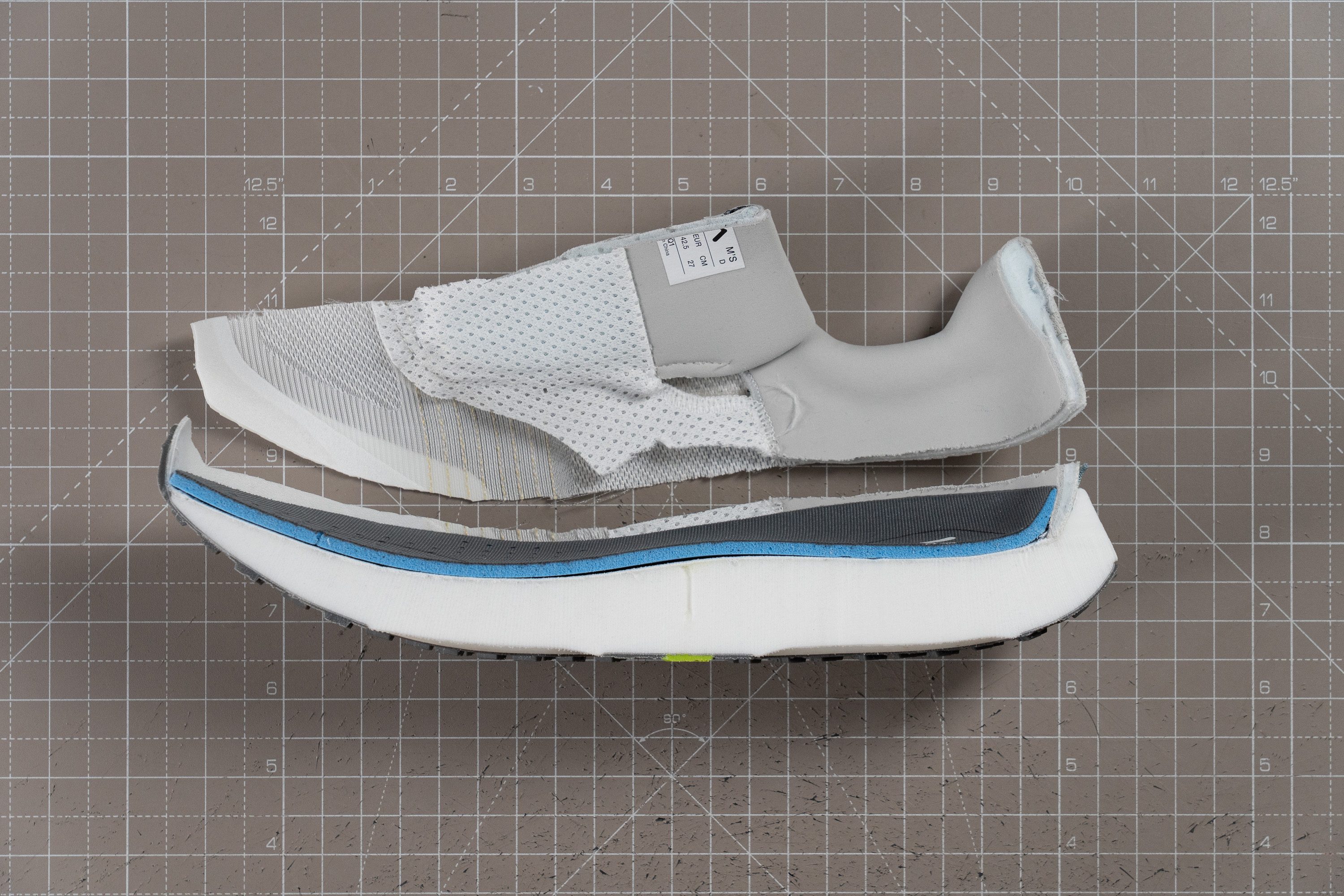
| H1 | 8.1 mm |
| Media | 7.2 mm |
Dureza de la mediasuela
Creemos que Mount to Coast diseñó las H1 para que les gustasen al mayor número posible de corredores. Los resultados de nuestras pruebas anteriores están muy cerca de la media, como vuelve a pasar aquí.
Volviendo a la espuma ecológica CircleCELL, nuestro durómetro Asker C marcó 37,2 AC cuando la analizamos. Una vez más, es una cifra muy cercana a la media de la categoría, y la sensación al correr lo refleja: no es ni demasiado blanda ni demasiado firme, está en un punto intermedio.
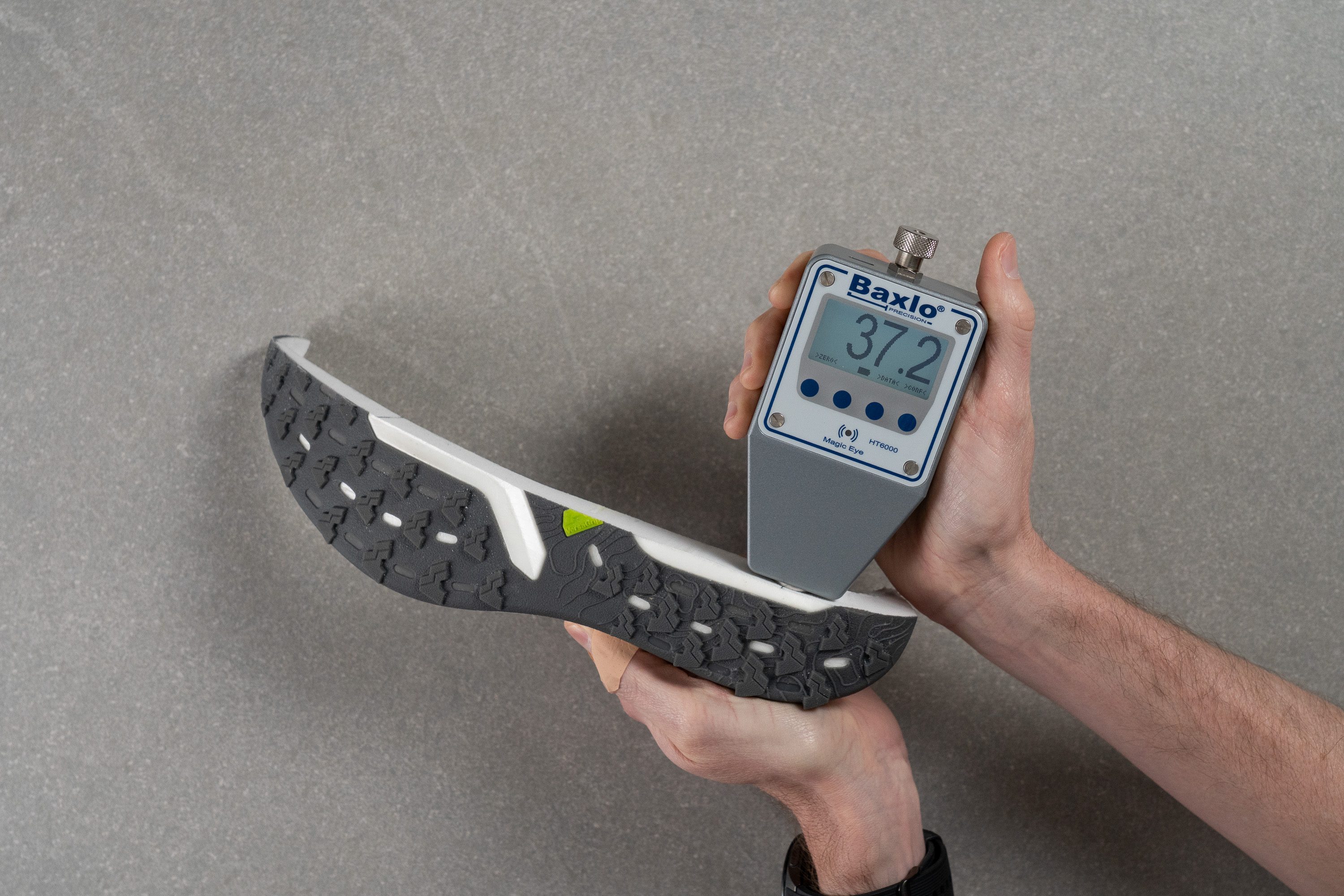
| H1 | 37.2 AC |
| Media | 38.1 AC |
Rocker
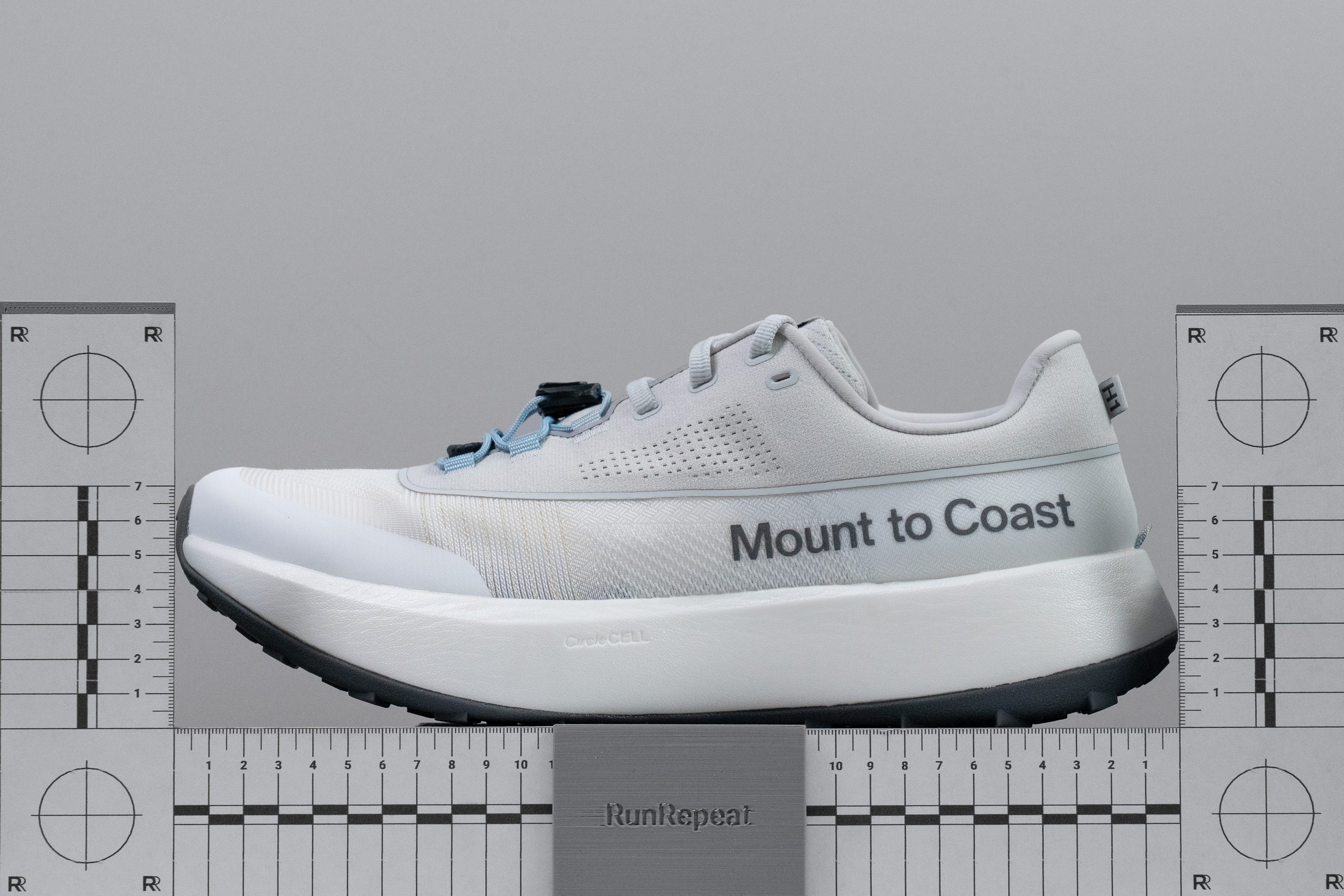
Un elemento que distingue a las H1 de muchos otros modelos es su rocker. Mount to Coast decidió ponerles una curvatura pronunciada en la puntera que, tanto al caminar como al correr, se nota, sobre todo si estás acostumbrado a diseños más tradicionales y planos.
El talón también se curva un poco hacia arriba, y un suave biselado hace que los talonadores disfruten de aterrizajes más suaves.
Tallaje y ajuste
Talla
Las Mount to Coast H1 tallan bien (27 votos).
Longitud interna
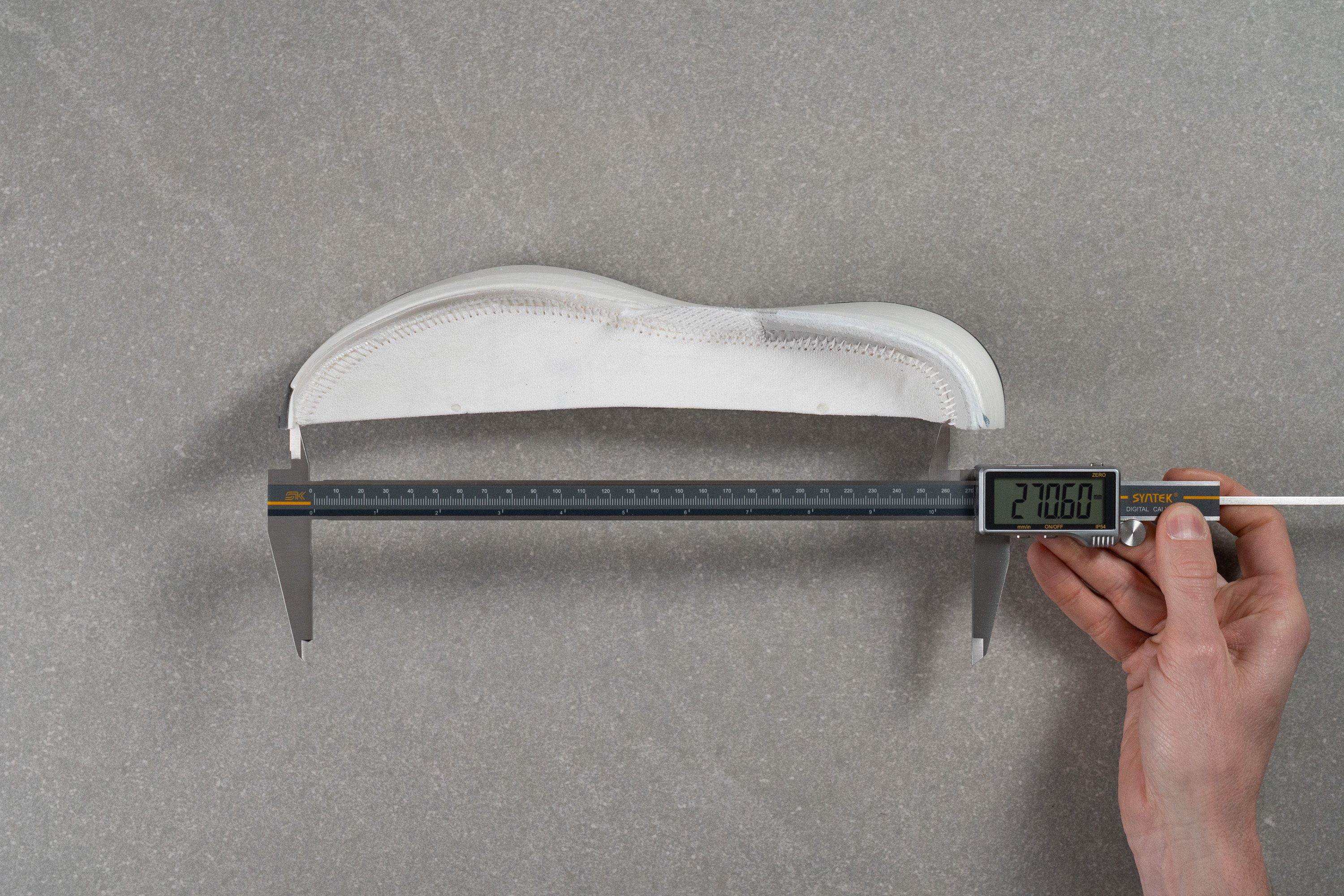
| H1 | 270.6 mm |
| Media | 269.2 mm |
Anchura / Ajuste
Las H1 nos han parecido cómodas, pero creemos que no son la mejor opción para los runners con pies anchos. Esa fue nuestra sensación cuando salimos a correr con ellas, y cuando nos las llevamos al laboratorio, el molde de gel lo confirmó.
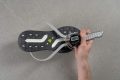
Empezamos midiendo su punto más ancho, que alcanza 95,7 mm. Como decíamos, se acercan mucho al estándar.
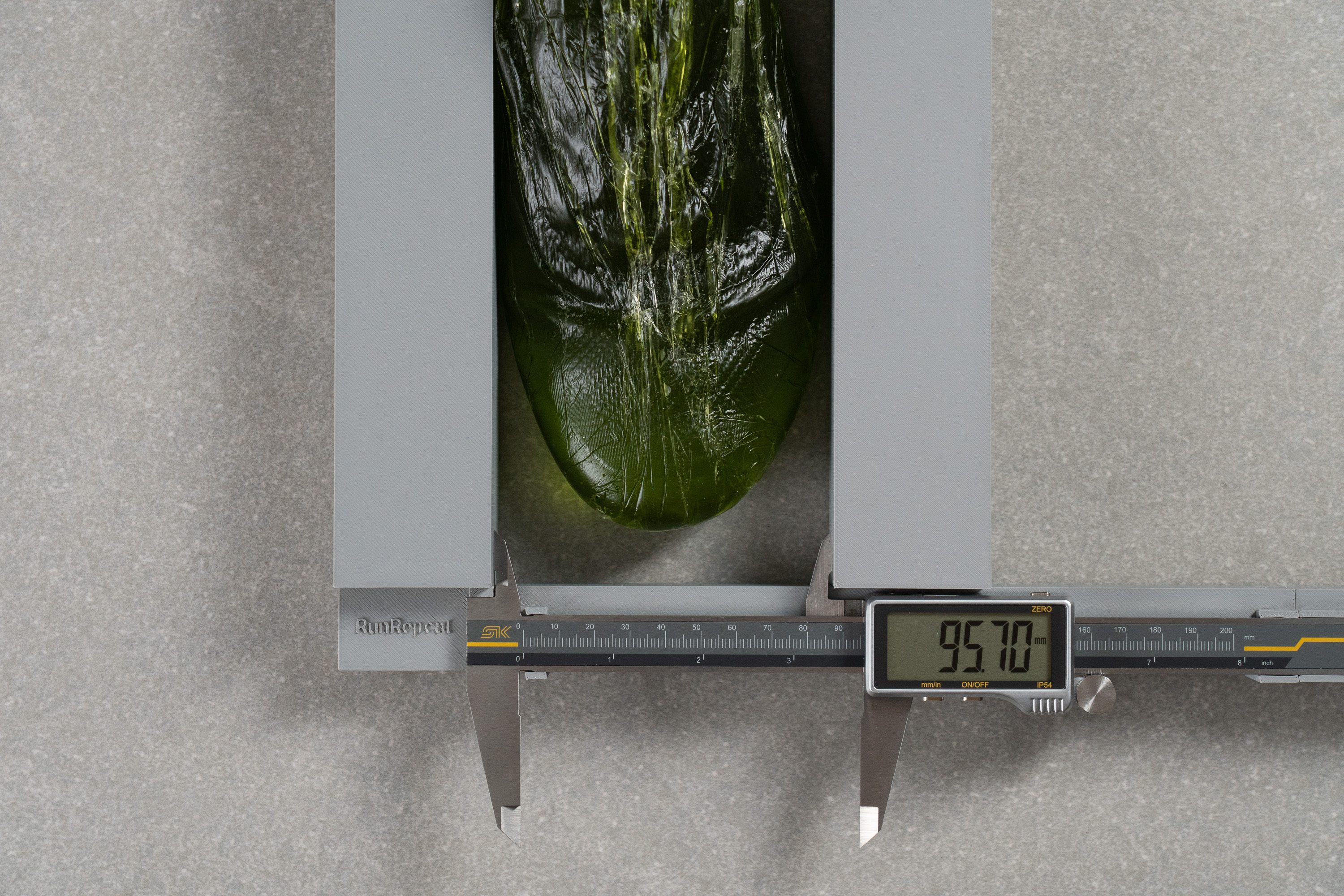
| H1 | 95.7 mm |
| Media | 95.7 mm |
Anchura de la parte delantera
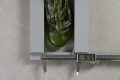
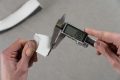
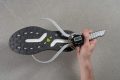
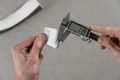
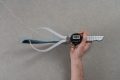
Pero cuando medimos la anchura en la zona de los dedos, se nos rompieron un poquito los esquemas. Nuestro calibre marcó 70,1 mm, que es bastante menos que la media. Sinceramente, esto coincide con lo que sentimos al correr, ya que el espacio que teníamos para estirar los dedos era muy limitado.
Aunque no tiene por qué ser algo negativo. Solo refleja un ajuste que prioriza la seguridad al correr y al coger curvas, que es algo que muchos corredores prefieren. No te olvides de que, al final, el ajuste es algo muy personal, y lo más importante es encontrar el que mejor te funcione.
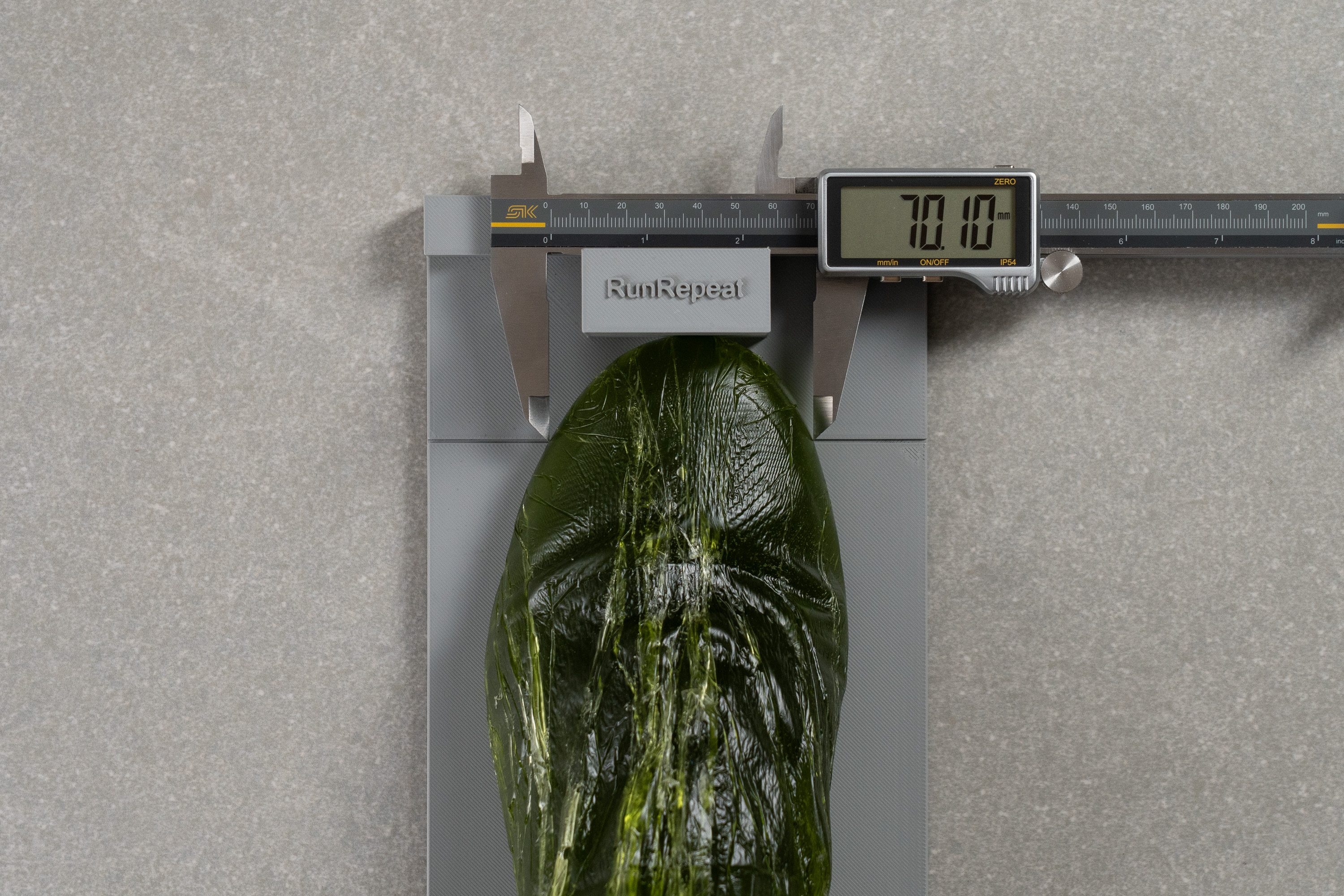
| H1 | 70.1 mm |
| Media | 74.3 mm |
Altura de la parte delantera
Nunca terminamos con las uñas negras por el upper, ya que no nos estrujó los dedos.
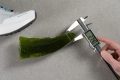
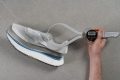
En el laboratorio, nuestro calibre marcó que la altura de la parte delantera alcanza unos muy razonables 27,4 mm.
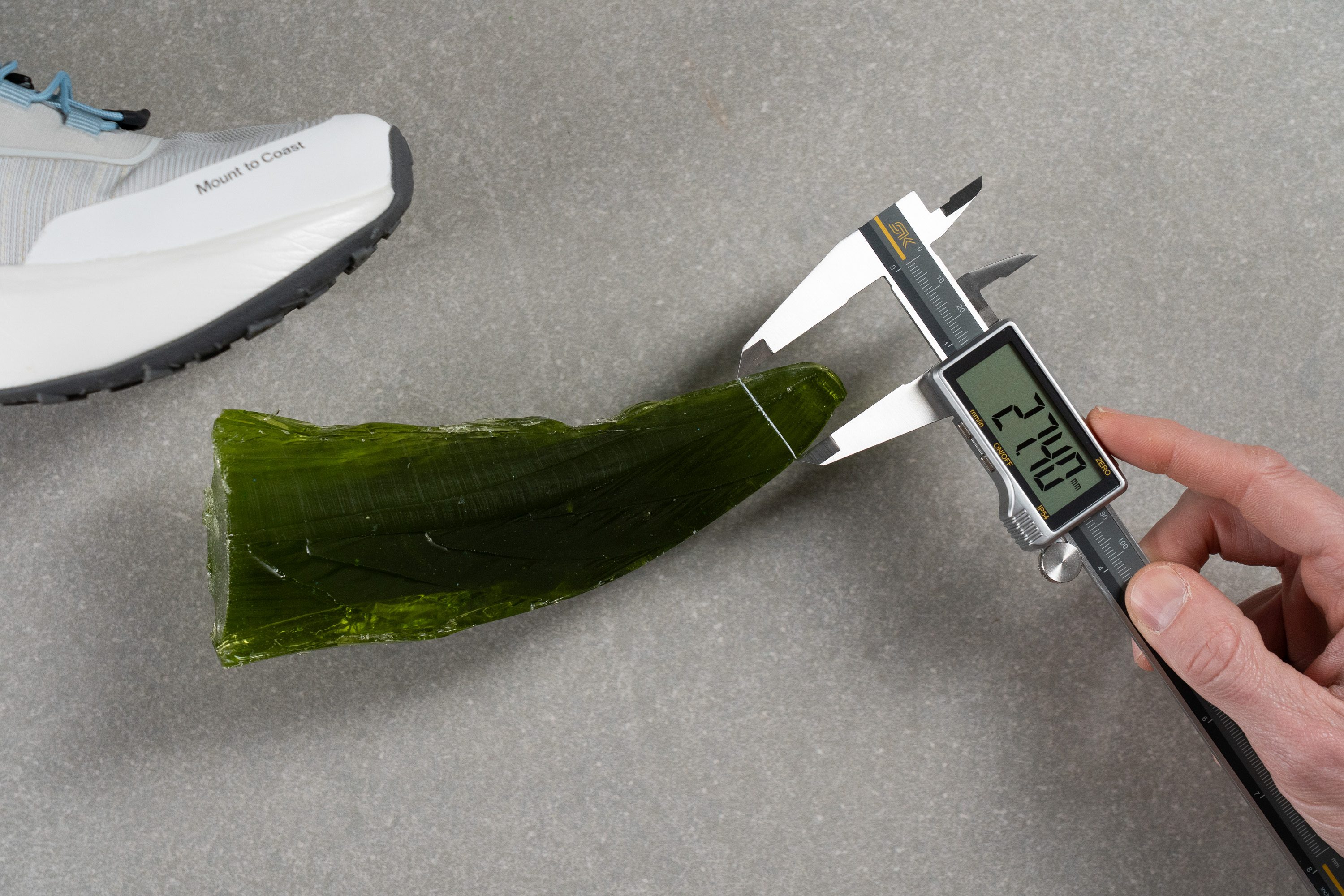
| H1 | 27.4 mm |
| Media | 27.0 mm |
Tracción / Agarre
Traction test
Las Mount to Coast H1 presumen del caucho VersaGrip, que no se libró de pasar por nuestra prueba de tracción SATRA TM144.
Resulta que obtuvo un resultado de 0,64, así que nos quedamos bastante contentos, ya que debería ofrecer una tracción confiable tanto en zonas secas como mojadas.
| H1 | 0.64 |
| Media | 0.68 |
Profundidad del dibujo de la suela
Con tacos de solo 1,9 mm, Mount to Coast nos ha dejado muy claro cuál es el propósito de las H1. Están diseñadas para ofrecer versatilidad en asfalto, grava y senderos fáciles, pero no están pensadas para terrenos técnicos.
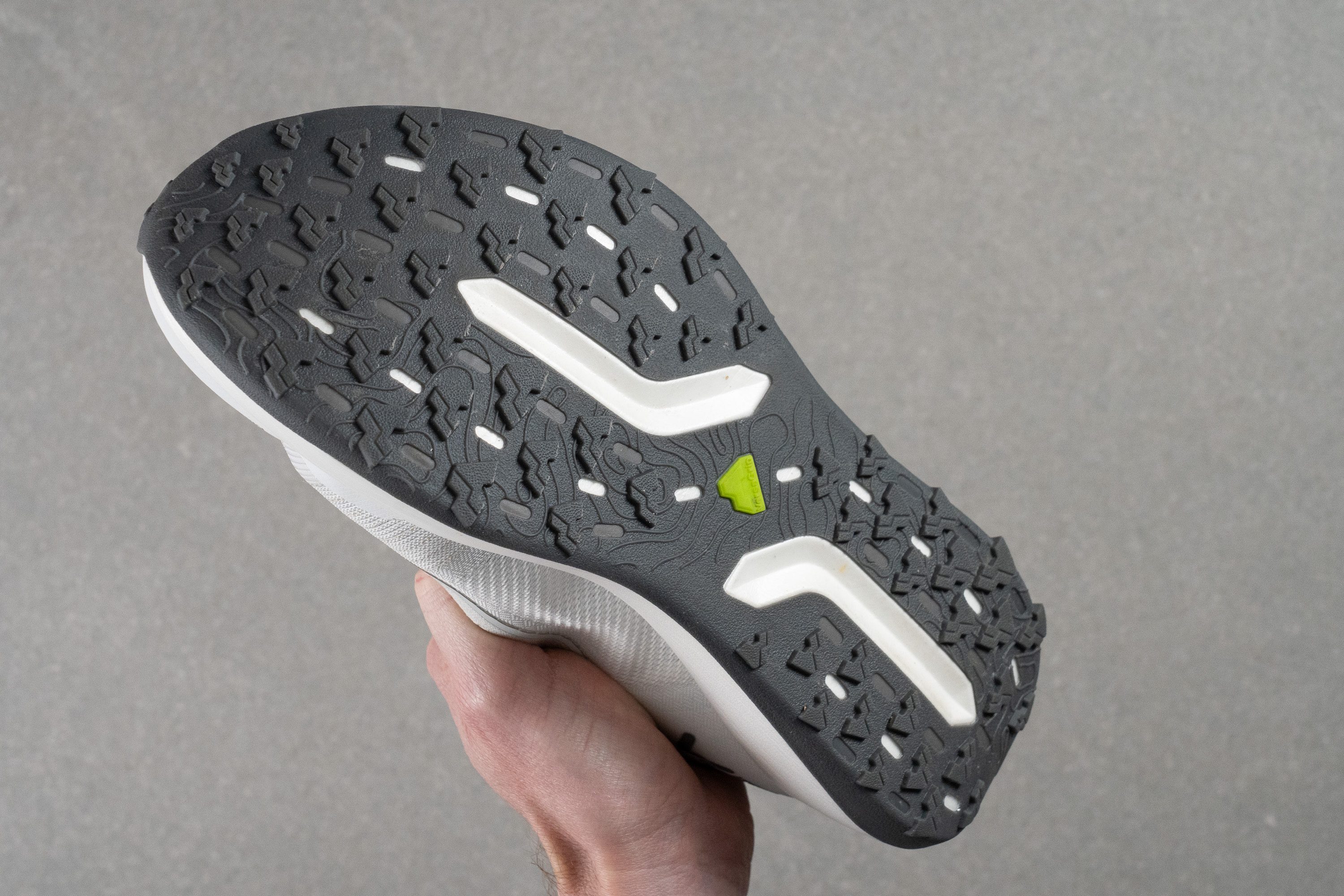
No nos las pondríamos para las zonas llenas de barro o rocas por su suela exterior, pero si no te alejas de los terrenos para los que están pensadas, no tendrás problema.
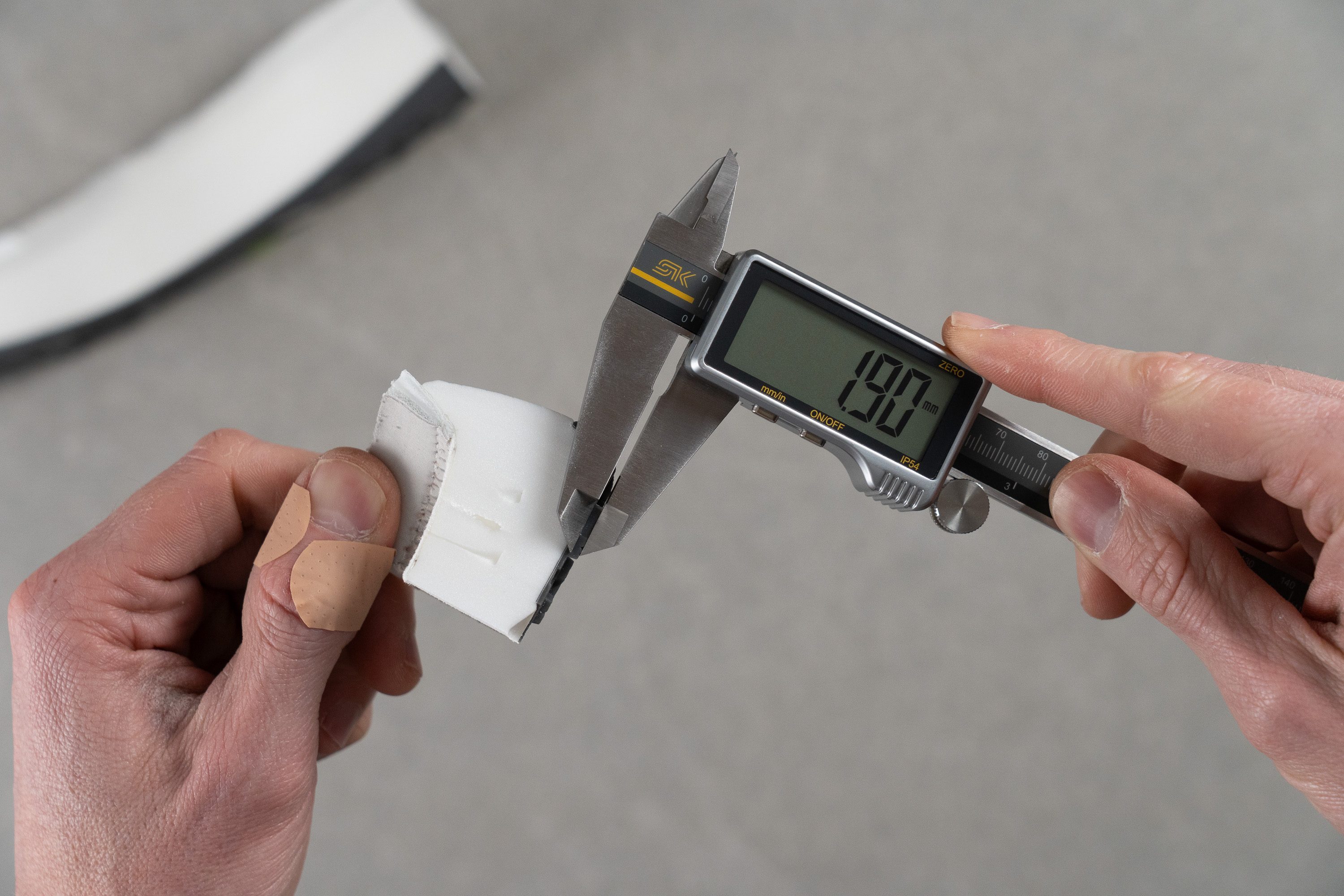
| H1 | 1.9 mm |
| Media | 3.5 mm |
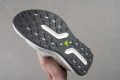
Diseño de la suela exterior
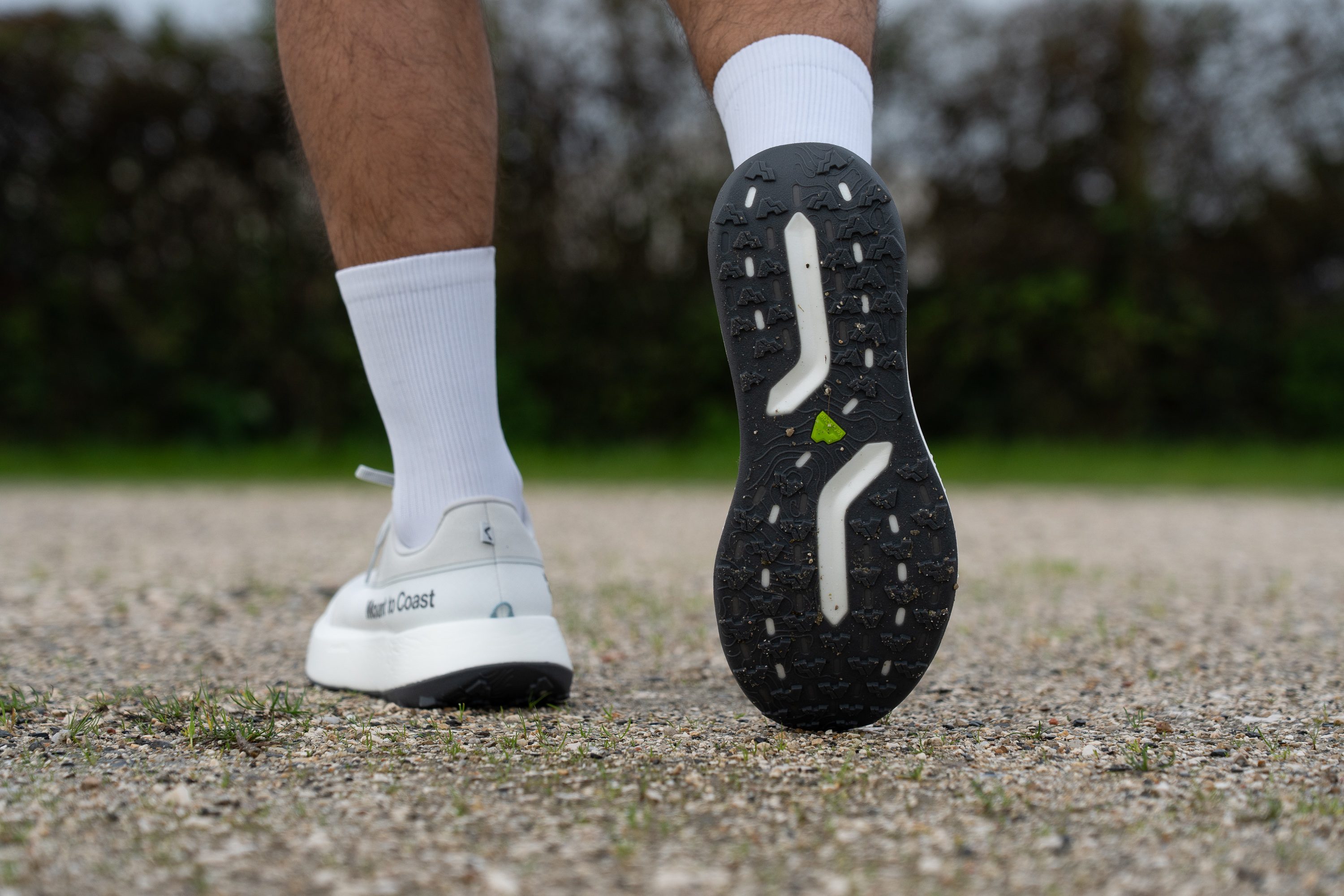
El poliuretano de colada, o CPU, es un material que cada vez vemos más en las zapatillas de running, ya que ofrece una relación agarre-peso estupenda. ¡Y las H1 nos lo confirmaron!
Nos encantó ver que la suela exterior tuviese tanto caucho, aunque era algo que nos esperábamos de unas buenas zapatillas para correr por grava. La única espuma expuesta que vimos está en los cortes que van desde el antepié y el talón hacia el mediopié, que se encargan de mejorar la flexibilidad, ya que las suelas que son totalmente de caucho suelen ser bastante rígidas.
Flexibilidad / Rigidez
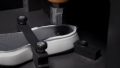
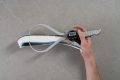
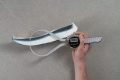
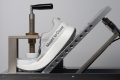
Necesitamos 15,2 N de fuerza para doblar las H1 30 grados, que es un resultado cercano a la media de las zapatillas de trail. La verdad es que ya nos lo esperábamos, teniendo en cuenta el grosor moderado de su mediasuela y que este modelo no tiene placa. Además, ayuda a que sean más versátiles.
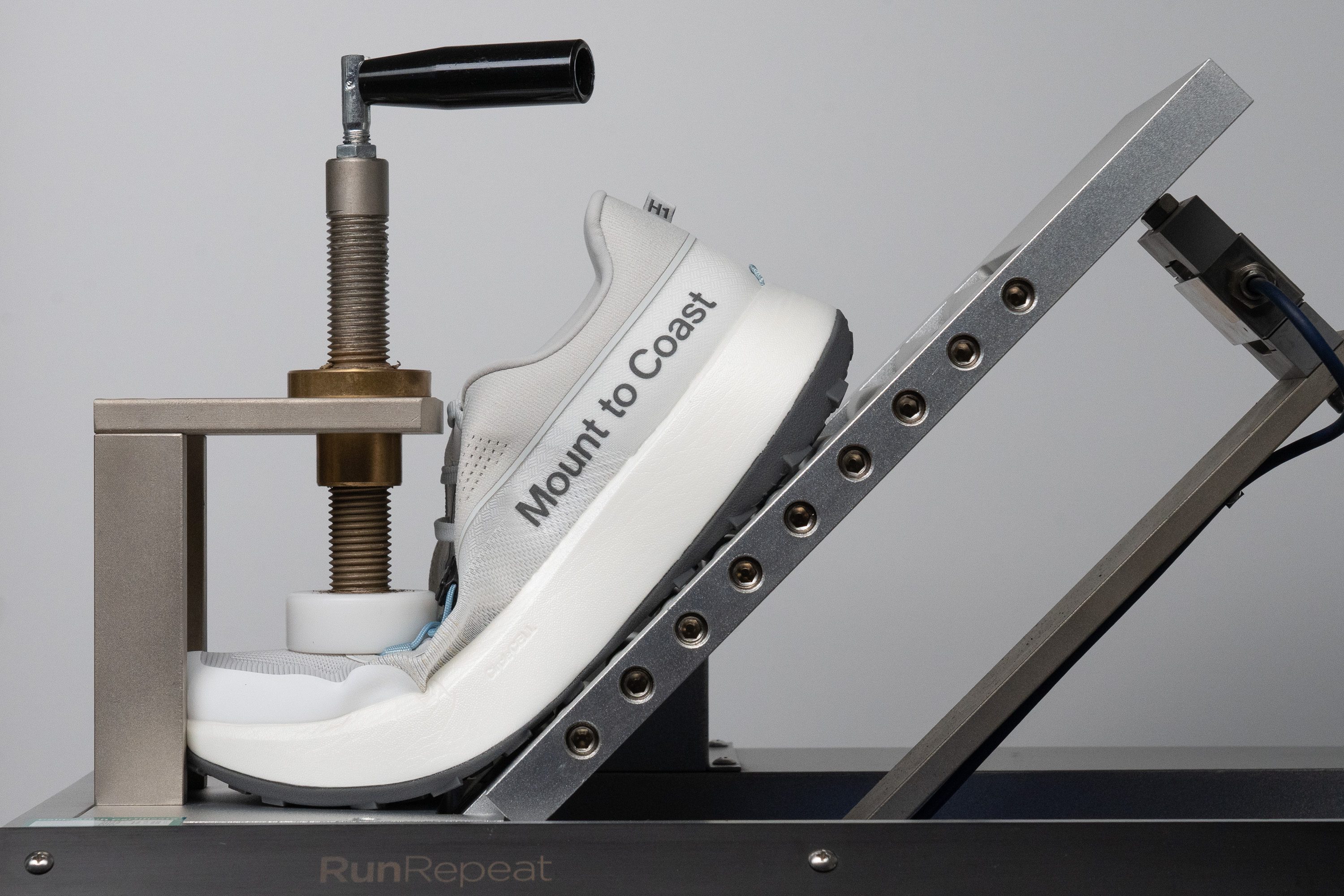
| H1 | 15.2N |
| Media | 14.8N |
Peso
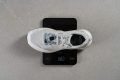
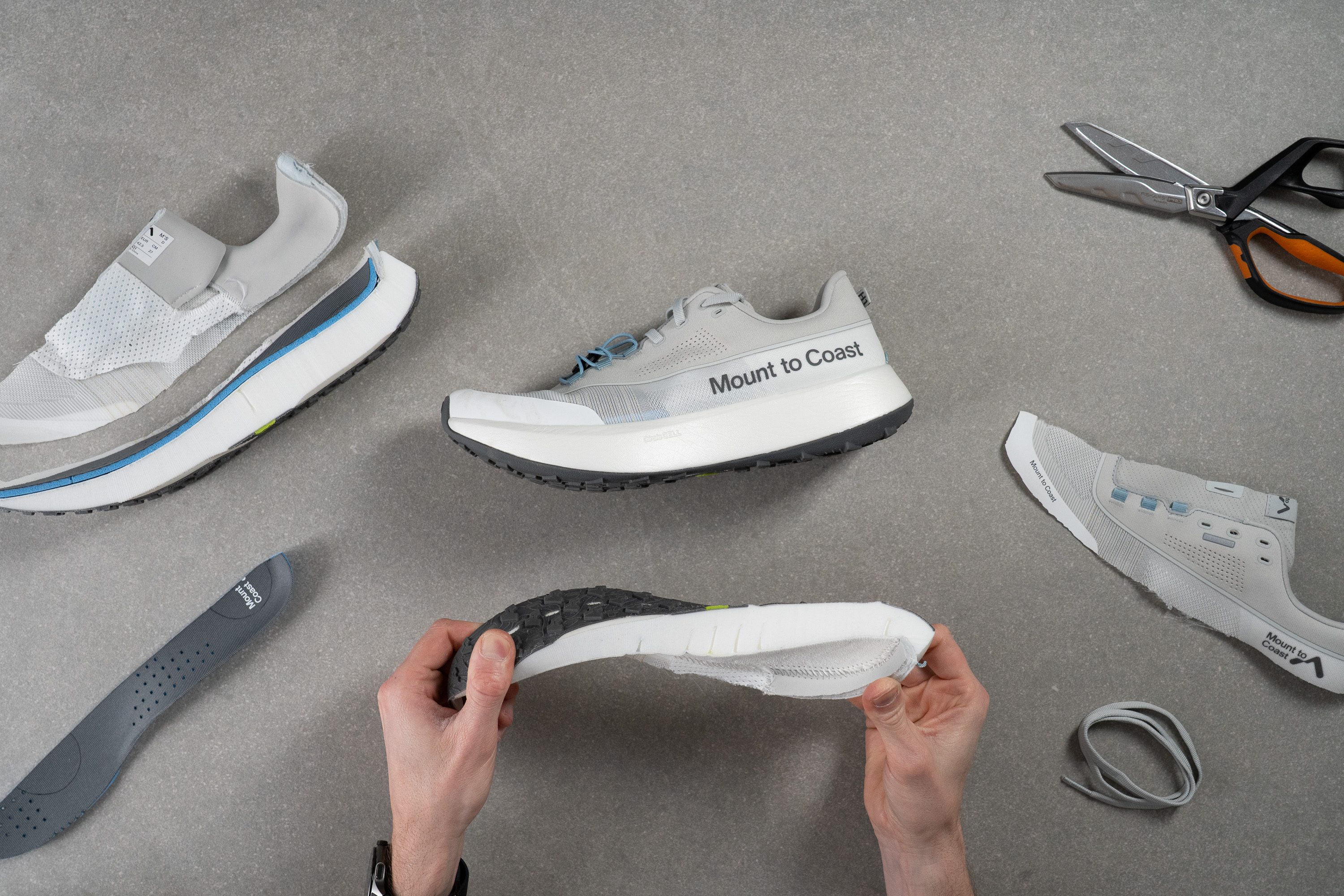
Una de las principales razones para comprarte las H1 es lo poco que pesan. En este caso sí que podemos decir que la marca se aleja de la media, ofreciendo una experiencia ligera que nos encantó. Cuando las subimos a la báscula, marcó solo 249 g.
Pero..., ¿cómo puede ser? Pues mira, por dos elementos clave de los que ya hemos hablado: primero, una espuma supercrítica que reduce el peso en comparación con la EVA clásica, y segundo, la suela de CPU, que también pesa mucho menos que el caucho estándar.
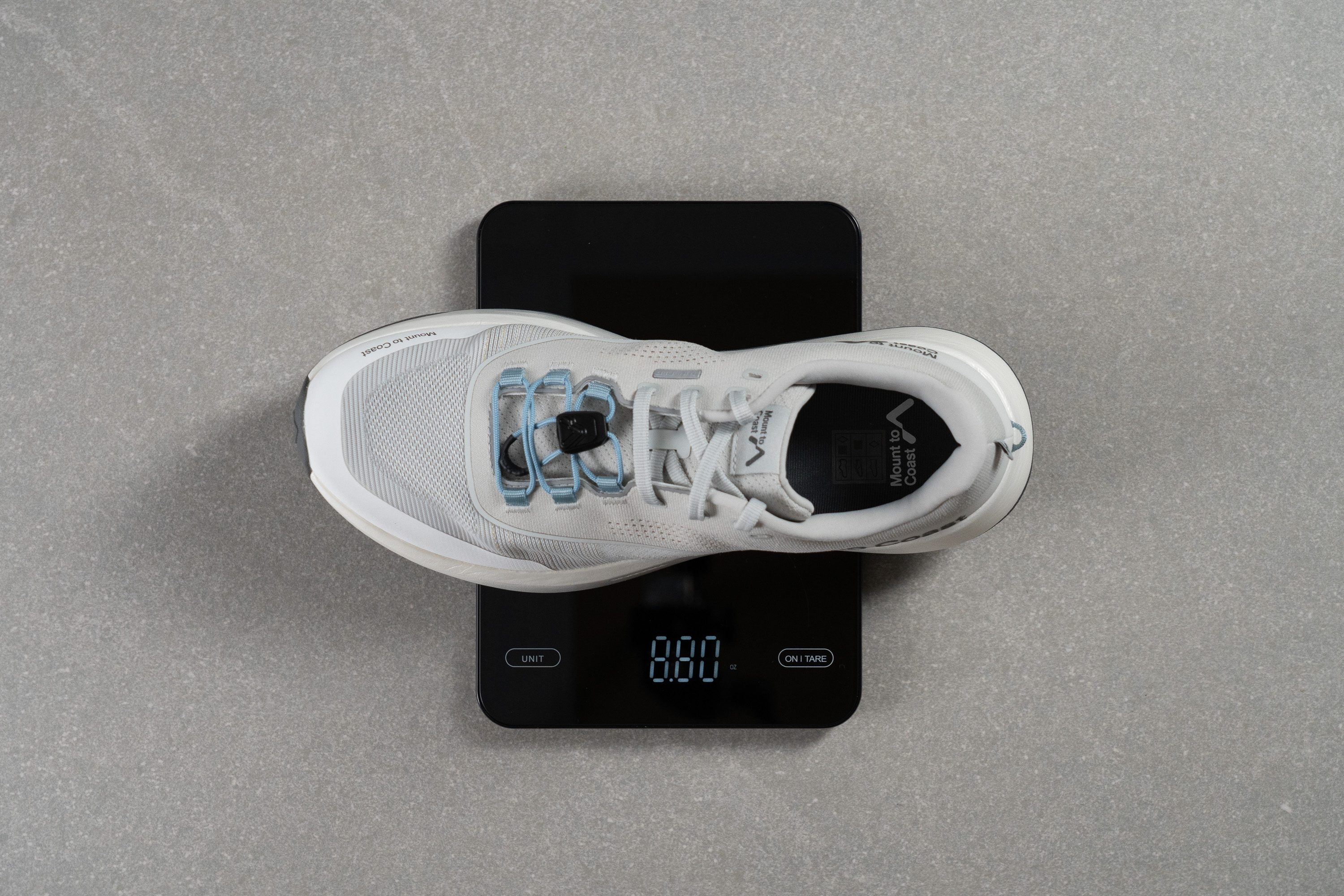
| H1 | 8.8 oz (249g) |
| Media | 10.1 oz (285g) |
Transpirabilidad
Breathability test
Mount to Coast, queremos darte la enhorabuena por no limitarte simplemente a lo que funciona en la industria de las zapatillas de running y probar cosas nuevas.
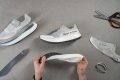
El upper refleja esa mentalidad, utilizando una malla jacquard reforzada con hilos de Kevlar colocados solo en algunas zonas específicas, donde se necesita más durabilidad o estructura. Pero espera, a ver, ¿deja que los pies respiren o no? ¡Pues sí, y su 4/5 nos lo ha dejado claro!
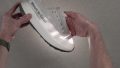
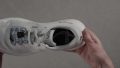
A veces, una prueba sencilla como poner el upper frente a una luz nos puede dar muchas pistas. Eso fue lo que pasó con las H1, ya que pudimos ver claramente la estructura interna de este diseño tan innovador.
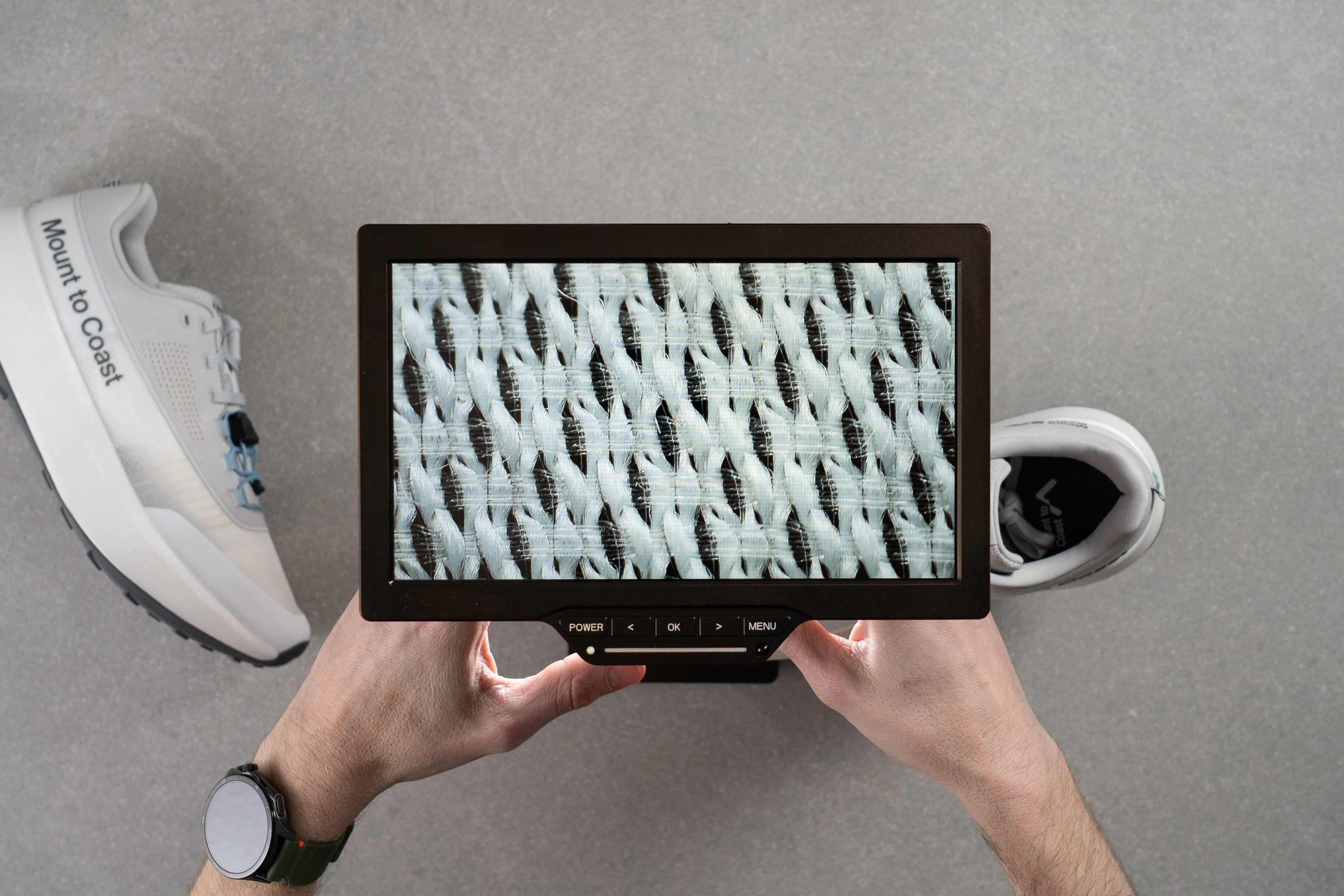
Analizar el material bajo el microscopio también fue muy interesante.
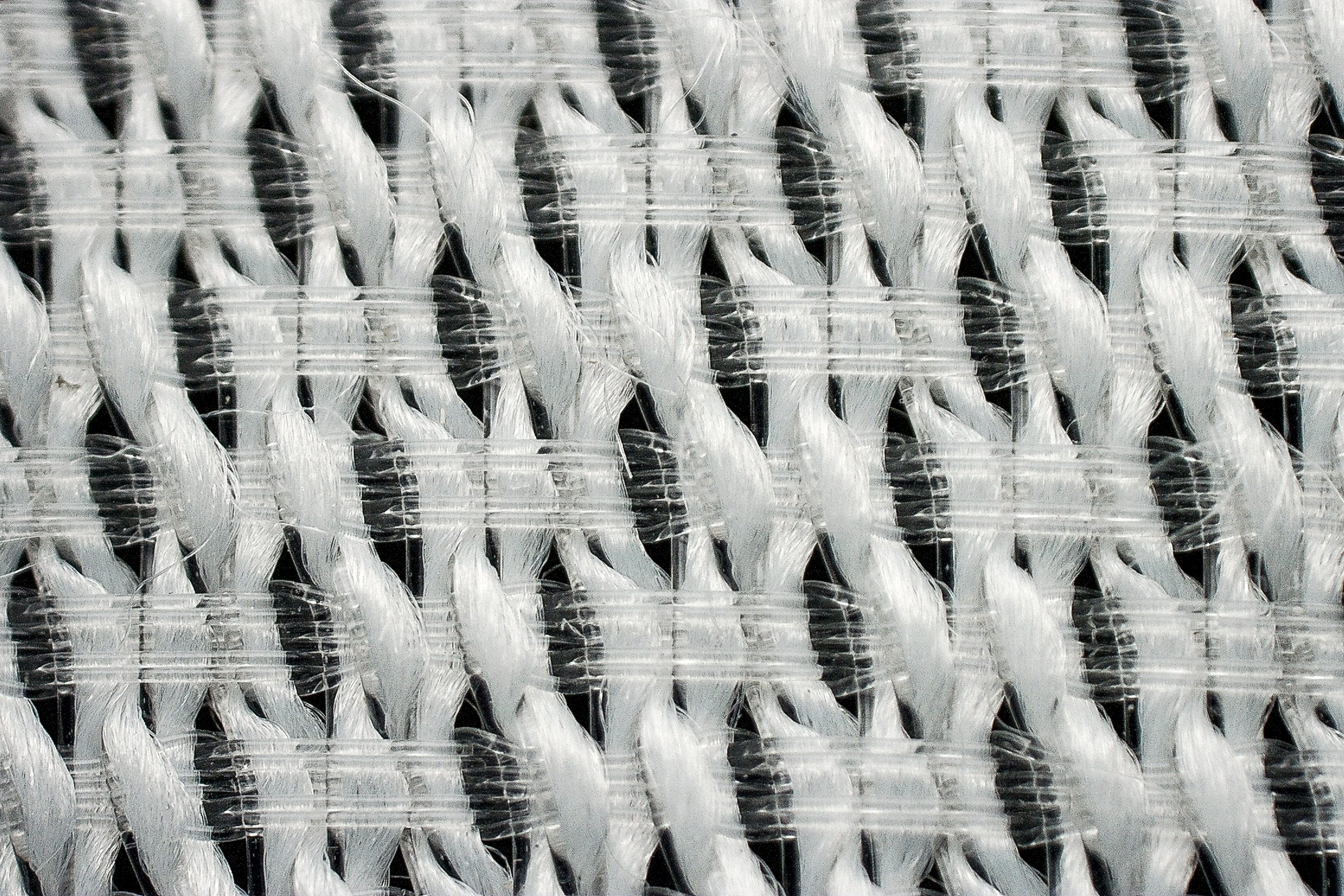
La marca se lo ha currado, y la verdad es que se nota que el upper de este modelo está mejor diseñado que el de muchas otras zapatillas más caras.
También nos gustó el acolchado uniforme del talón, y la lengüeta utiliza un material perforado que mejora el flujo de aire, cosa que hace que el upper sea más cómodo.
| H1 | 4 |
| Media | 3.3 |
Estabilidad
Prueba de estabilidad lateral
Creemos que las H1 se adaptan mejor a los corredores neutros o, posiblemente, a los que solo necesitan un poquito de sujeción. Los runners con pisada neutra sentirán control y estabilidad la mayor parte del tiempo, lo que explica por qué la mediasuela obtuvo tantos resultados estándar en las pruebas anteriores.
Rigidez torsional
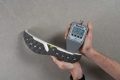
Las Mount to Coast H1 obtuvieron un resultado de 13,9 Nm en nuestra prueba de rigidez torsional. Durante nuestras pruebas de uso, nos dimos cuenta de que estas zapatillas no se resistían demasiado a que las retorciésemos.
Para nosotros, está claro que los dos cortes estratégicos de la suela juegan un papel fundamental al conservar la flexibilidad necesaria para mantener una pisada cómoda y natural, que es justo lo que buscaba este modelo.
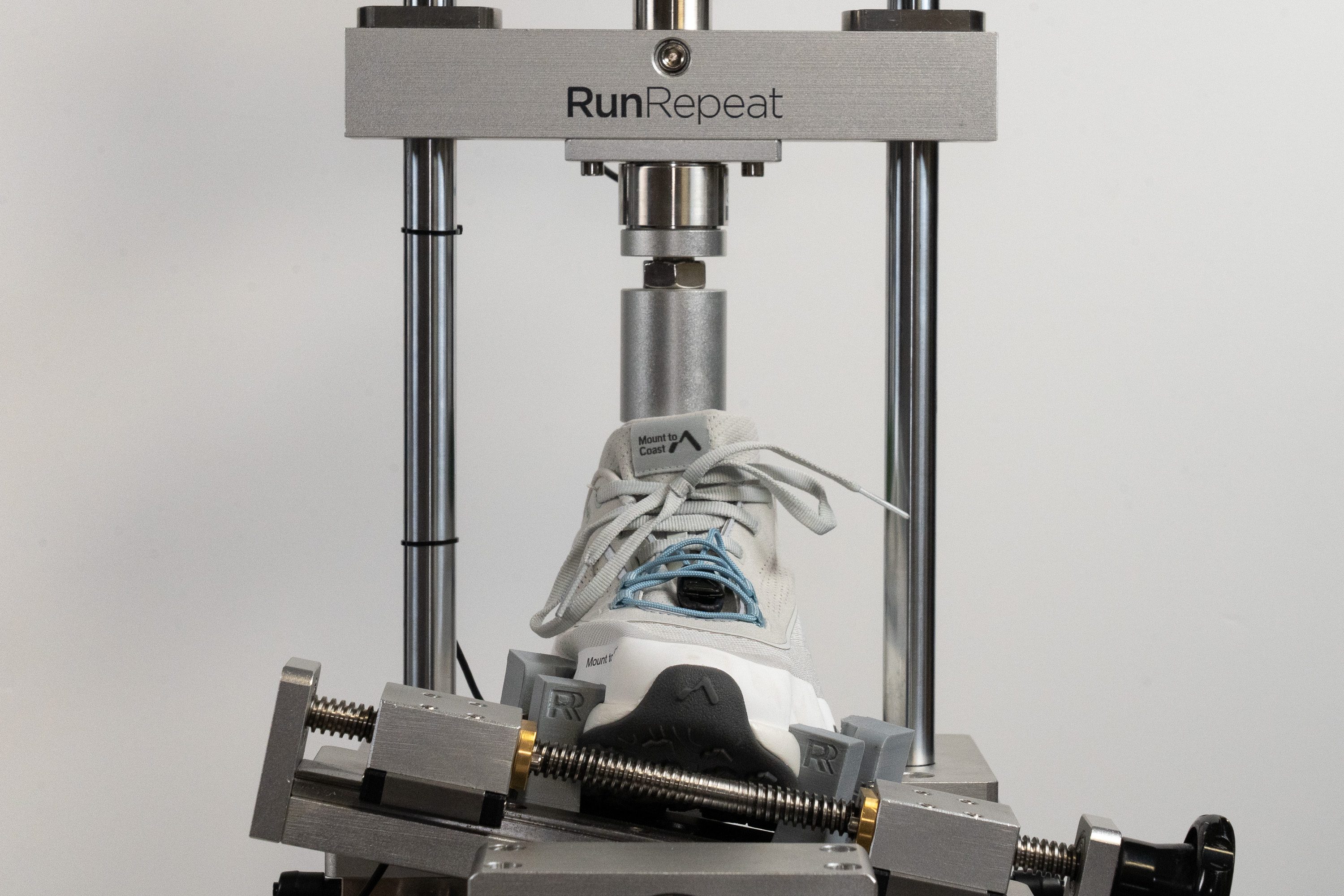
| H1 | 13.9 Nm |
| Media | 15.7 Nm |
Rigidez del contrafuerte del talón
Las H1 se llevaron otro 4/5 en rigidez del contrafuerte del talón. En nuestras pruebas, comprobamos que la estructura del talón es firme y que ofrece sujeción, pero nunca nos pareció incómoda. El acolchado que tiene en el cuello hace que la sensación sea suave y evita generar presión en el talón.
| H1 | 4 |
| Media | 2.9 |
Anchura de la mediasuela - antepié
La sólida estabilidad de la que hablamos antes también viene del tamaño de la mediasuela, ya que la base de este modelo es un poquito más ancha de lo habitual. En el antepié, mide 117,4 mm.
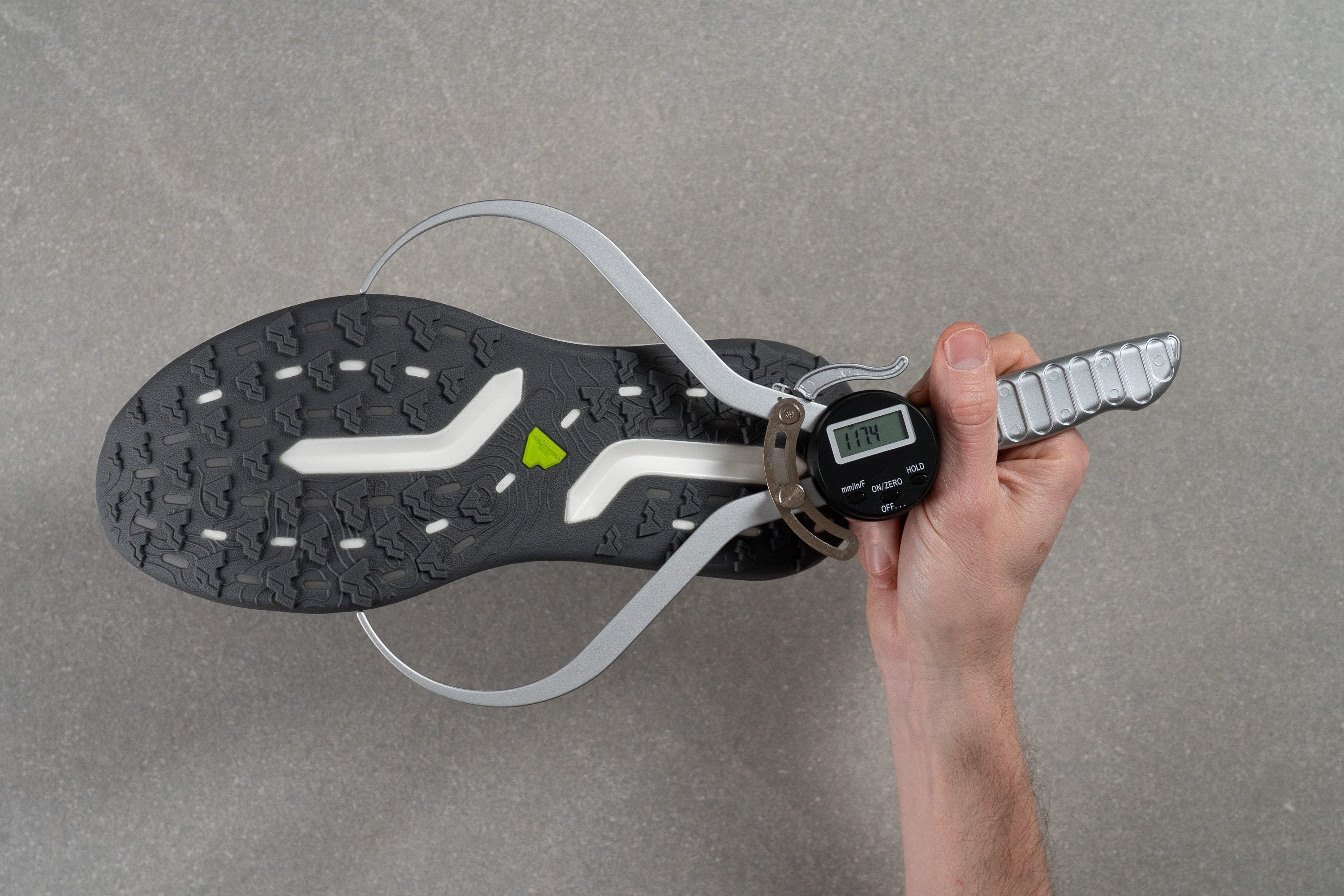
| H1 | 117.4 mm |
| Media | 114.3 mm |
Anchura de la mediasuela - talón
En el talón, nuestro calibre marcó 93,2 mm, que es un poquito más de lo que solemos ver en la mayoría de las zapatillas de trail. Esta base tan amplia les ayuda a mejorar la estabilidad en el retropié a las personas que aterrizan con el talón, creando una pisada más estable al correr.
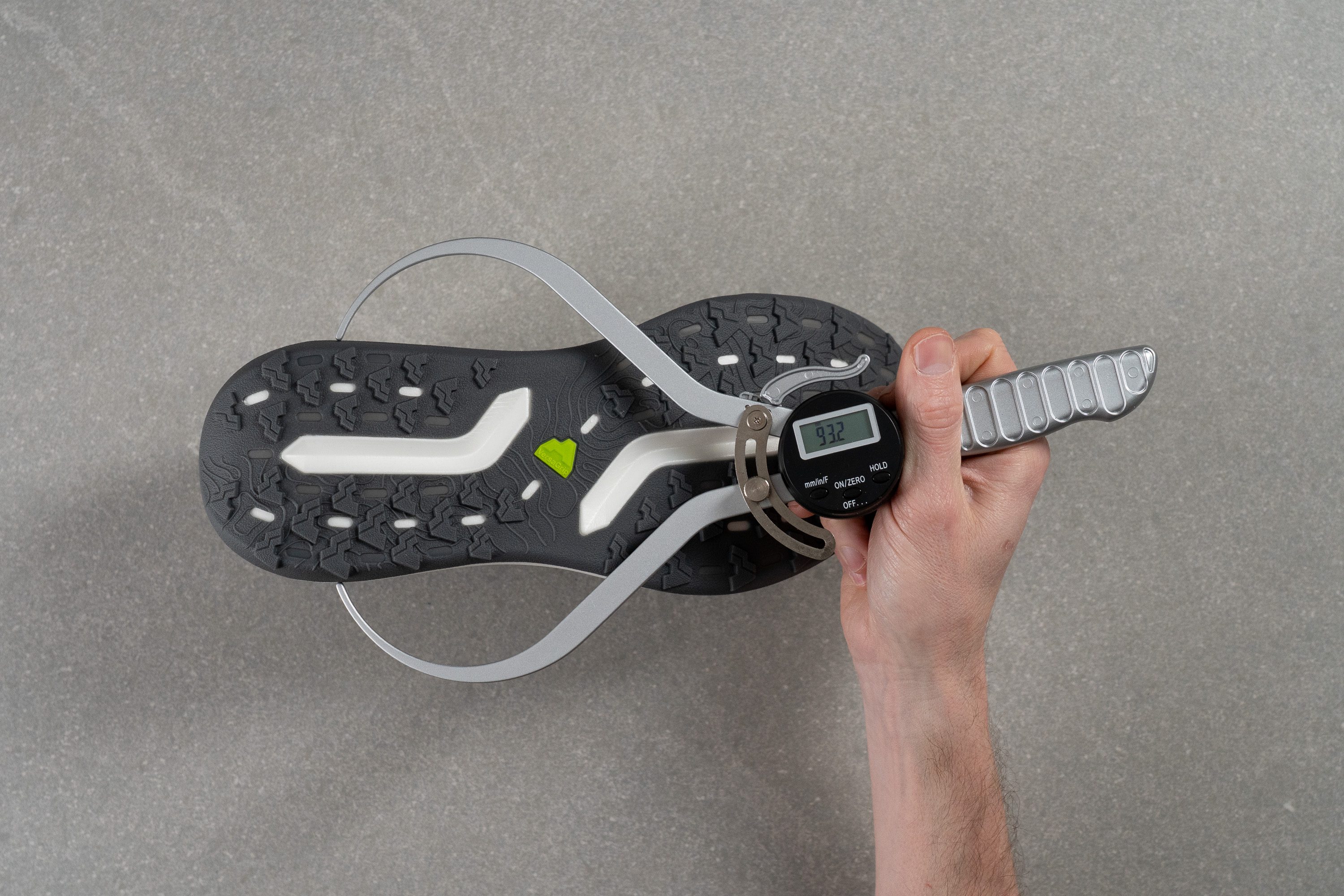
| H1 | 93.2 mm |
| Media | 90.5 mm |
Durabilidad
Durabilidad de la parte delantera
Cuando descubrimos que el upper tenía hilos de Kevlar, no tardamos ni medio segundo en coger nuestro Dremel un ponerlo a prueba, pero no pudimos darle más que un 2/5. A ver, tampoco nos sorprende, ya que este refuerzo está en los laterales y no en la zona de los dedos, que es donde ponemos la herramienta.
| H1 | 2 |
| Media | 3.1 |
Durabilidad del acolchado del talón
Para compensarlo, el acolchado del talón se llevó un 5/5 perfecto en durabilidad. El marterial es gordito y protege bien la zona, así que nos quedamos encantados con este resultado. Al final, significa que debería aguantar bien el uso constante, incluso para los deportistas que suelen desgastar esta parte.
| H1 | 5 |
| Media | 3.1 |
Durabilidad de la suela
En nuestra tercera prueba con el Dremel, la suela exterior se desgastó un poco más rápido de lo que esperábamos. La verdad es que nos sorprendió un poco, porque las suelas de CPU suelen ser bastante resistentes pero, en este caso, vimos que los daños eran de 1,4 mm.
Aunque creemos que la vida útil de este par debería ser sólida para la mayoría de los runners, entendemos que los que buscan la máxima durabilidad estén un poco mosca con este resultado.
| H1 | 1.4 mm |
| Media | 0.9 mm |
Grosor de la suela
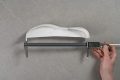
La suela exterior tiene solo 1,2 mm de grosor (sin incluir los tacos). Lo bueno es que las zapatillas pesan menos y están más conectadas con el suelo, pero claro, si la máxima durabilidad es tu prioridad, entonces no te va a hacer mucha gracia.
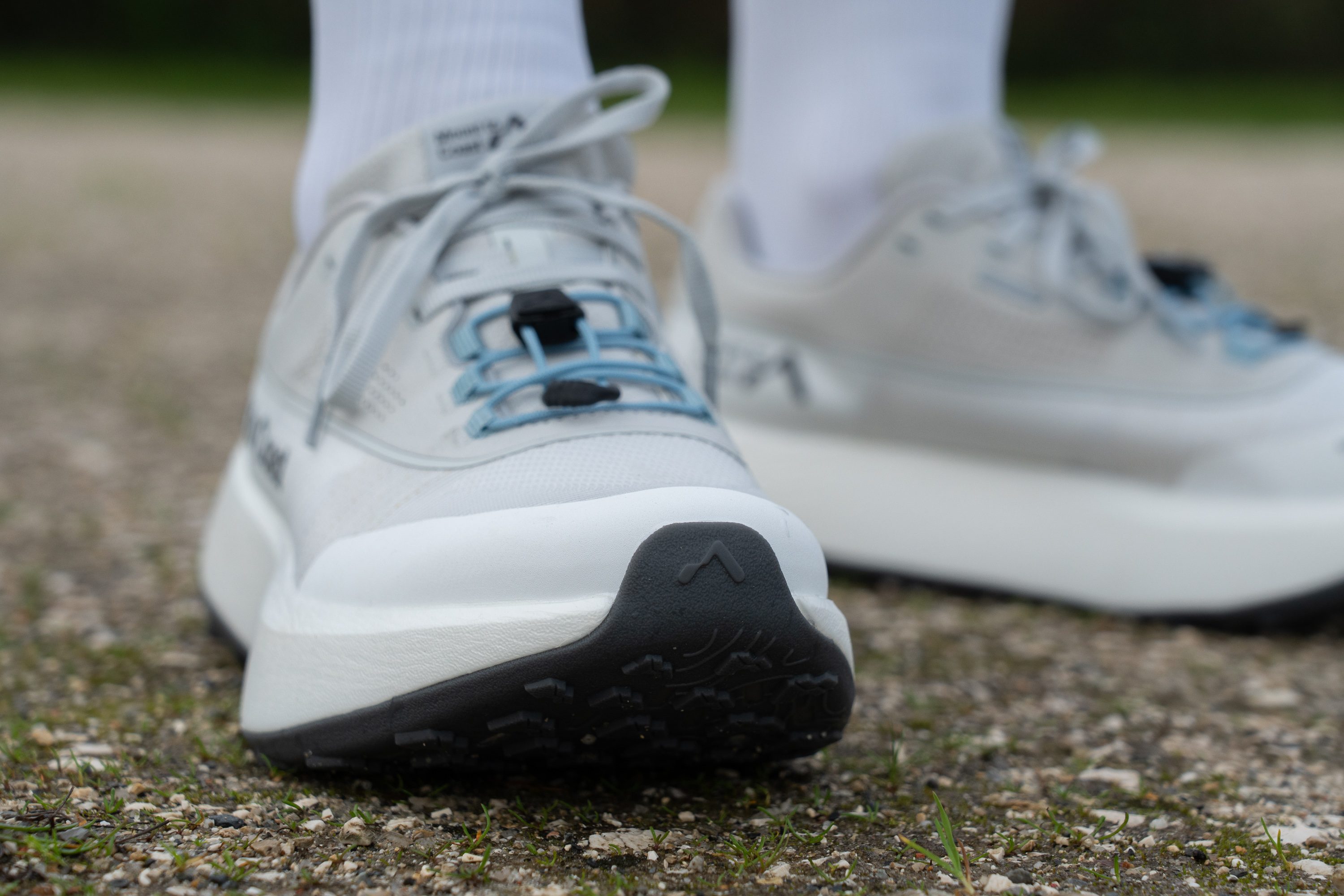
A lo mejor también te preocupa la protección, pero como estamos hablando de unas zapatillas de trail y asfalto, la verdad es que tampoco nos parece un problema importante. De hecho, a nosotros nos gusta más que la pisada se sienta fluida al correr por el asfalto.
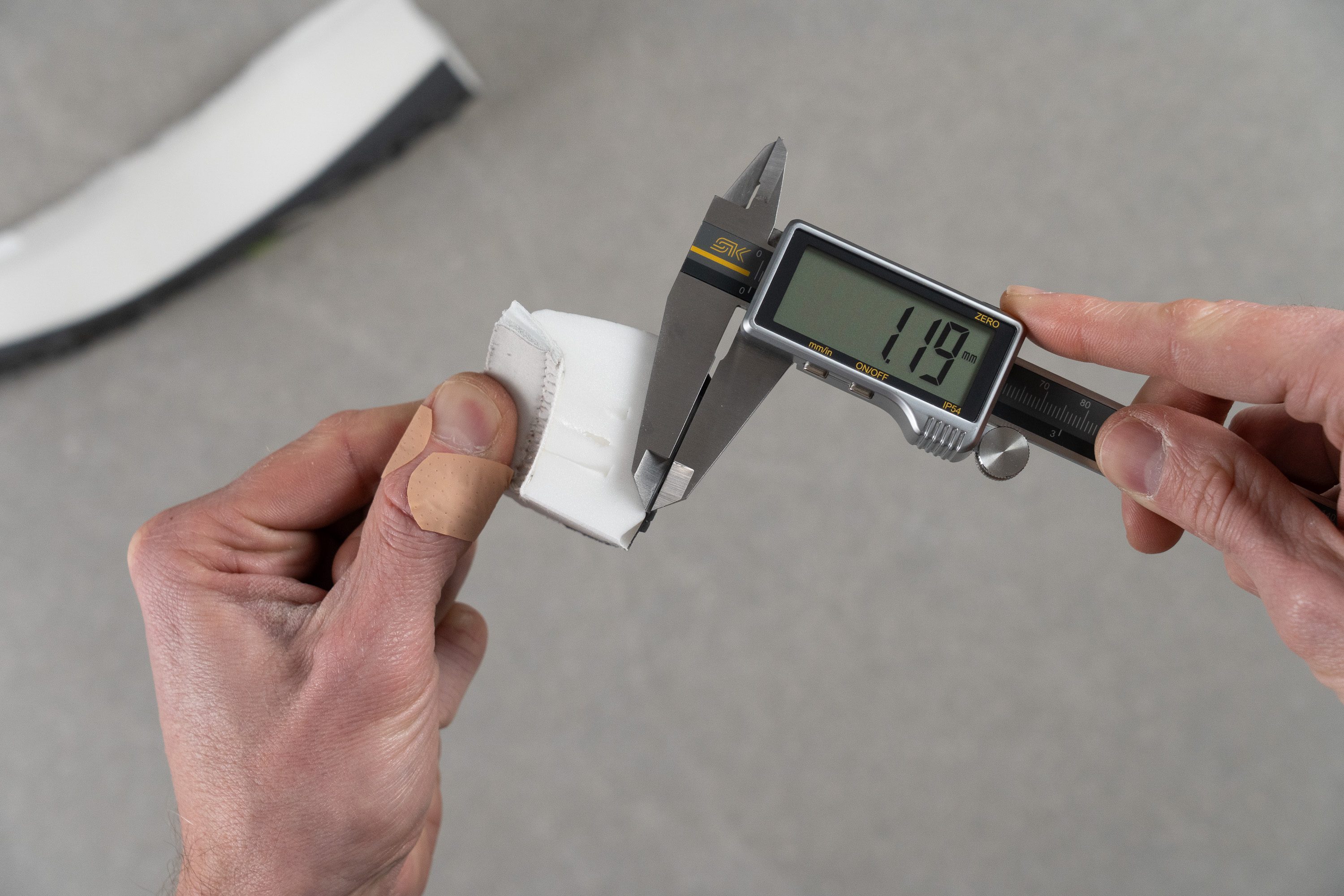
| H1 | 1.2 mm |
| Media | 1.9 mm |
Varios
Grosor de la plantilla
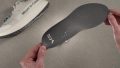
La plantilla le suma 3,4 mm de amortiguación a la mediasuela CircleCELL.
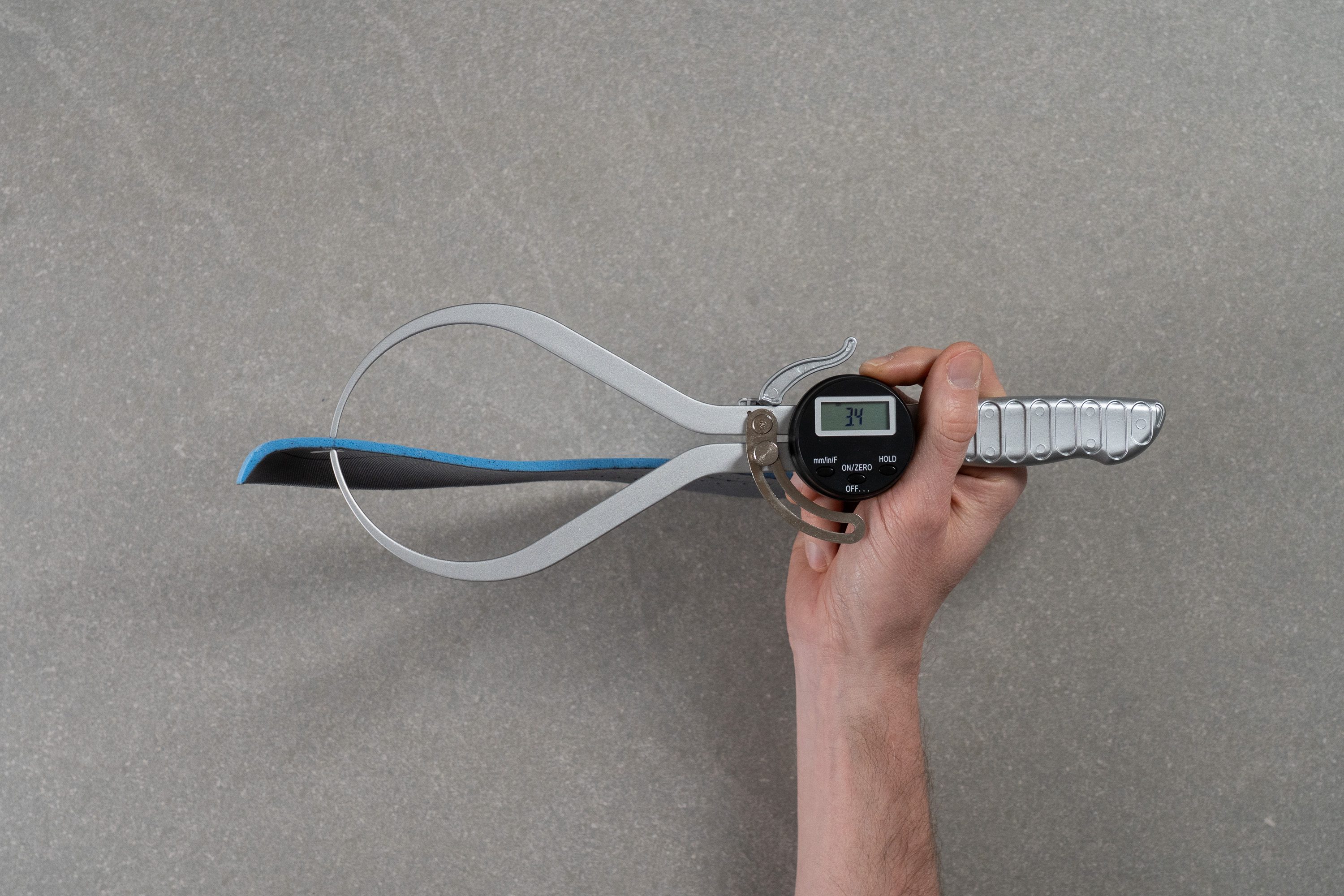
| H1 | 3.4 mm |
| Media | 4.6 mm |
Plantilla extraíble
Otro detalle de calidad de las Mount to Coast H1 es su plantilla extraíble y con perforaciones. La marca podría no haberse complicado la vida poniendo una pieza básica, como hace casi todo el mundo, pero estamos muy contentos de poder decir que no ha sido perezosa.
| H1 | Sí |
Elementos reflectantes
Los diseñadores de Mount to Coast se lo curraron, ya que las H1 están cargadas de detalles muy chulos. ¡Sus elementos reflectantes son un claro ejemplo!
| H1 | Sí |
Acolchado de la lengüeta
Mount to Coast ha vuelto a acertar, ya que el exclusivo sistema de cordones dobles TUNEDFIT de las H1 hace que los runners puedan utilizar niveles de tensión distintos a lo largo del empeine. Tardas un poco en acostumbrarte, pero así el ajuste es más personal y preciso.
La lengüeta también está bien equilibrada en cuanto al acolchado, con 6,9 mm. No es excesivamente gruesa, pero ofrece suficiente amortiguación para aguantar bien las distancias largas sin que tengas que lidiar con la presión de los cordones.
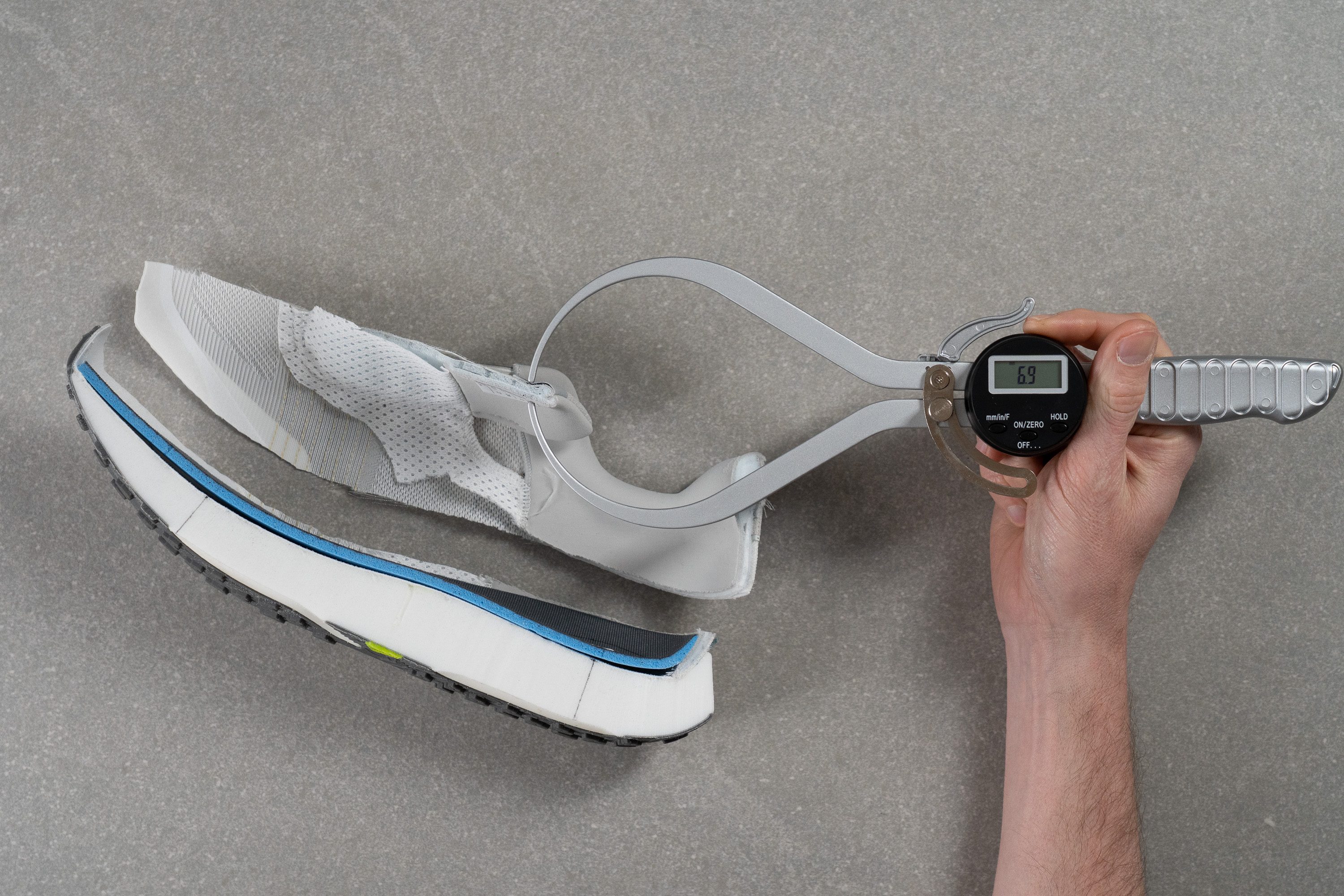
| H1 | 6.9 mm |
| Media | 6.4 mm |
Lengüeta: tipo de refuerzo
La lengüeta semirreforzada de las H1 hace que se parezcan más a unas zapatillas para correr por grava que a un modelo de trail. Su rendimiento es más parecido a lo que solemos ver en los pares para asfalto, cosa que nos tiene todo el sentido del mundo, ya que estamos hablando de unas zapatillas pensadas para terrenos distintos.
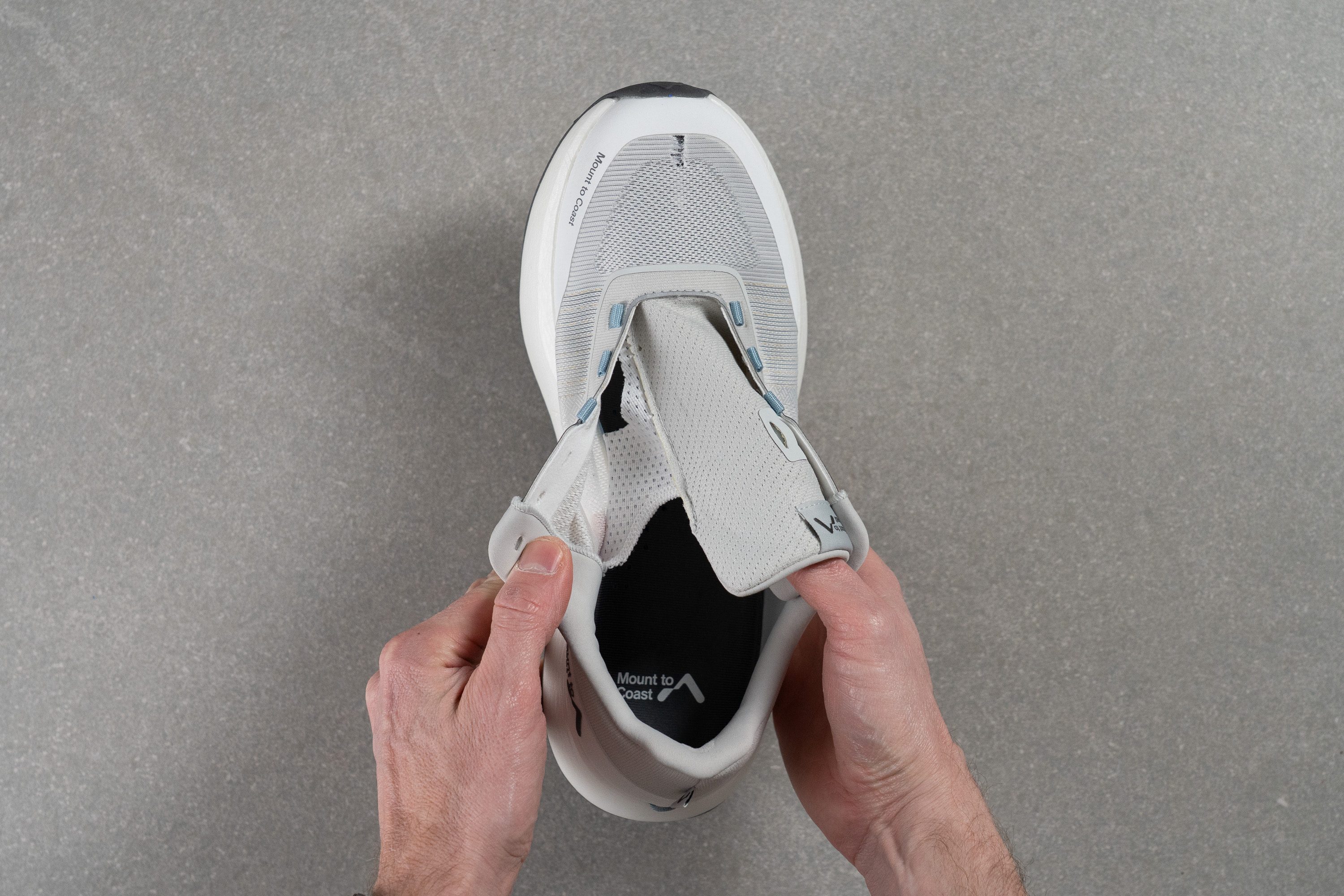
| H1 | Ambos lados (semi) |
Tirador del talón
Muchos modelos de trail vienen con un tirador en el talón, pero las H1 pasan. La verdad es que el diseño de esa zona nos ha parecido impecable y cuidado, y el punto de sujeción para las polainas es un detalle muy chulo.
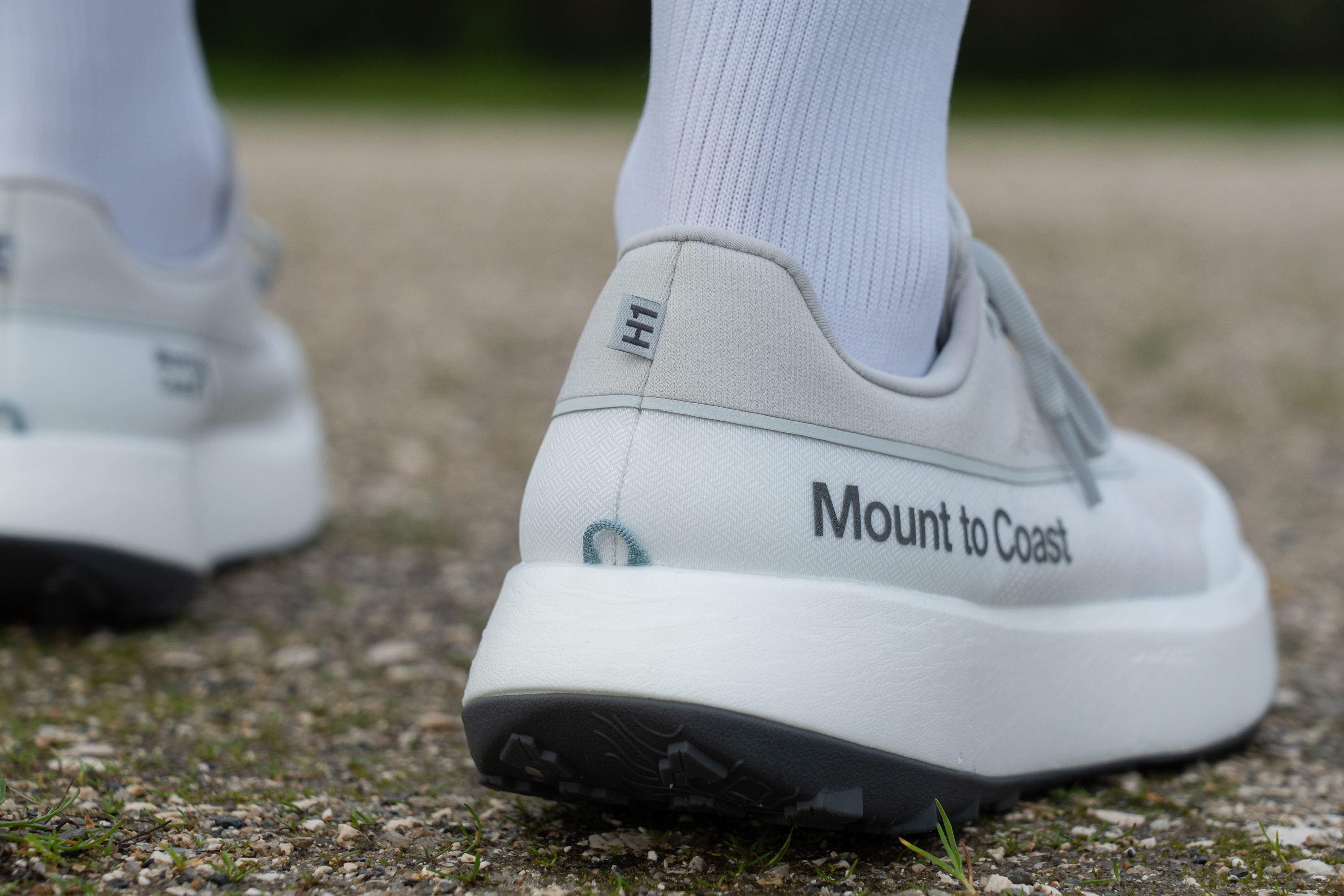
| H1 | Ninguno |
Precio
Las Mount to Coast H1 no son unas zapatillas de running baratas, eso está claro. Pero sí que nos parece que tienen un precio justo si tenemos en cuenta sus características y rendimiento general, y pueden presumir de una buena relación calidad-precio.
Sinceramente, nos quedamos encantados con su upper premium, con el rebote de su mediasuela y con la versatilidad de la suela exterior, como nos esperábamos de un modelo de esta categoría. Que no, que no, ¡que no tenemos queja!
| H1 | $160 |