
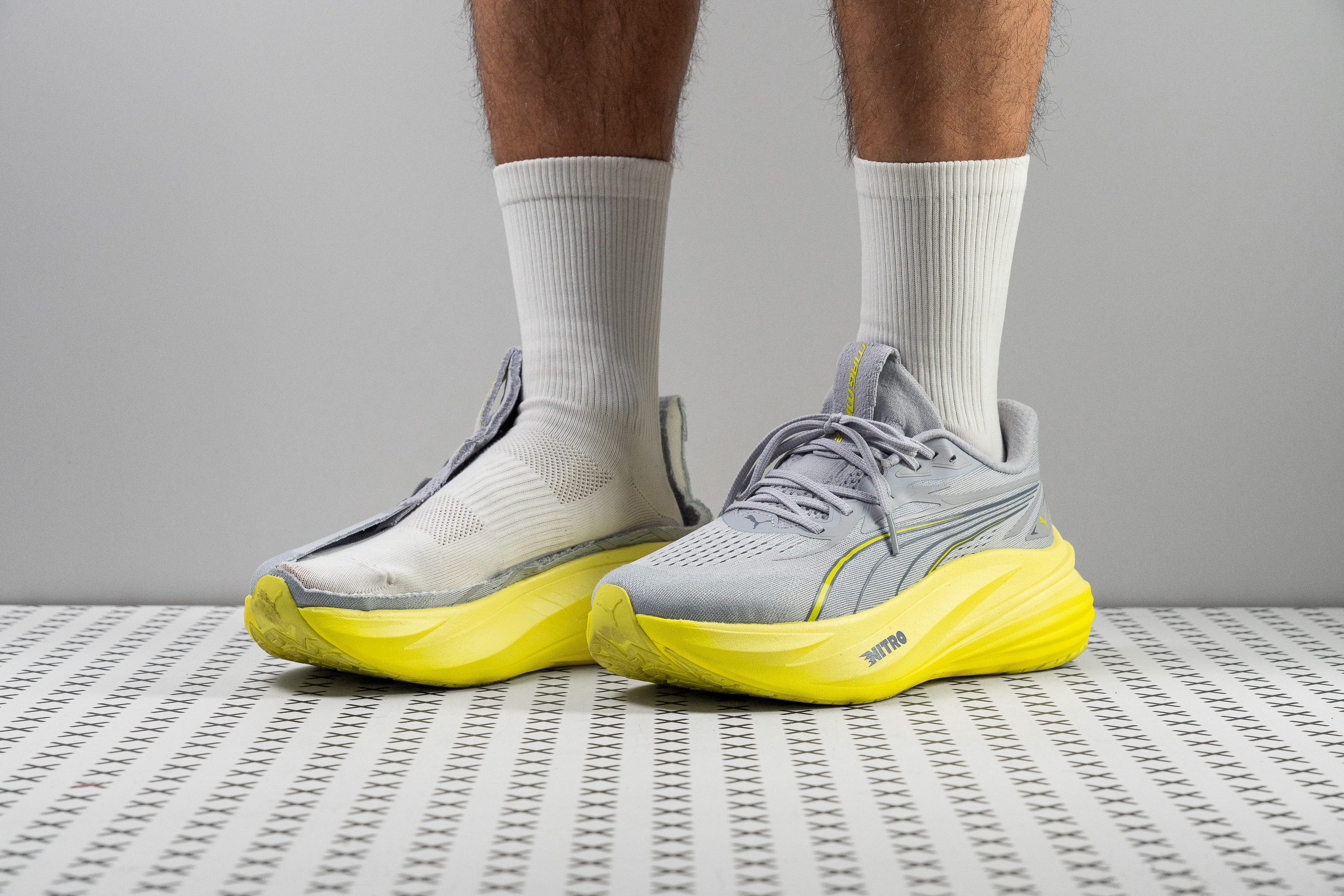




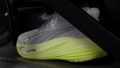
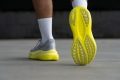
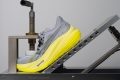


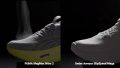
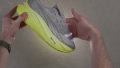
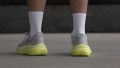
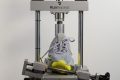
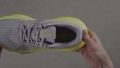
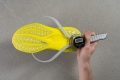
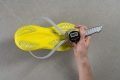



Nuestra conclusión
- Tiradas diarias / rodajes 89
- Tempo 38
- Competición 27
- Estabilidad 88
Pros
- Suela altísima
- Muy estables para su tamaño
- Suela PumaGrip con mucho agarre
- Acolchado cómodo en el talón
- Mucho más ligeras que la primera versión
- Buena durabilidad
- Buen flujo de aire en la parte delantera y en la lengüeta
- Lengua de knit excelente
Contras
- Les falta rebote
- Parte delantera estrecha que no te deja separar mucho los dedos
- No son muy cómodas a ritmos altos
Premios
Comparativa
Las zapatillas de running más parecidas
+ + Añadir unas zapatillas | |||||
|---|---|---|---|---|---|
| Nuestra puntuación | 83 Geniales | 91 Magníficas | 84 Geniales | 91 Magníficas | |
| Precio | 190 € | 180 € | 180 € | 160 € | |
| Ritmo | Correr a diario | Correr a diario | Correr a diario | Tempo / seriesCorrer a diario | |
| Absorción de impactos | Alta | Alta | Alta | Alta | |
| Retorno de energía | Bajo | Alto | Moderado | Alto | |
| Tracción | Alta | Alta | Alta | Alta | |
| Sujeción arco del pié | Neutral | Neutral | Neutral | Neutral | |
| Peso laboratorio Peso marca | 9.5 oz / 269g 9.7 oz / 275g | 10.2 oz / 289g 10.1 oz / 285g | 9.6 oz / 272g 9.2 oz / 260g | 8.5 oz / 241g 8.5 oz / 240g | |
| Ligero | ✗ | ✗ | ✗ | ✓ | |
| Drop laboratorio Drop marca | 10.5 mm 8.0 mm | 9.6 mm 10.0 mm | 7.5 mm 6.0 mm | 8.0 mm 8.0 mm | |
| Técnica de carrera | Talón | TalónMedio/antepié | Medio/antepié | TalónMedio/antepié | |
| Talla | Tallan bien | Tallan bien | Tallan bien | Tallan bien | |
| Rigidez de la mediasuela | Equilibrada | Blanda | Blanda | Equilibrada | |
| Diferencia de la rigidez de la mediasuela en frío | Pequeña | Pequeña | Pequeña | Pequeña | |
| Durabilidad de la parte delantera | Decente | Decente | Decente | Decente | |
| Durabilidad del acolchado del talón | Media | Alta | Alta | Alta | |
| Durabilidad de la suela exterior | Buena | Buena | Buena | Buena | |
| Transpirabilidad | Media | Media | Media | Media | |
| Anchura / ajuste | Media | Media | Ancha | Media | |
| Anchura de la parte delantera | Estrecha | Media | Media | Media | |
| Flexibilidad | Rígida | Rígida | Rígida | Moderada | |
| Rigidez torsional | Moderadas | Moderadas | Moderadas | Moderadas | |
| Rigidez del contrafuerte del talón | Moderado | Moderado | Rígido | Moderado | |
| Con rocker | ✓ | ✗ | ✓ | ✓ | |
| Talón laboratorio Talón marca | 45.5 mm 46.0 mm | 42.3 mm 45.0 mm | 40.7 mm 42.0 mm | 40.7 mm 40.0 mm | |
| Antepié laboratorio Antepié marca | 35.0 mm 38.0 mm | 32.7 mm 35.0 mm | 33.2 mm 36.0 mm | 32.7 mm 32.0 mm | |
| Anchuras disponibles | Estándar | EstrechoEstándarAnchoExtra Ancho | EstándarAncho | EstrechoEstándar | |
| Compatibles con plantillas personalizadas | ✓ | ✓ | ✓ | ✓ | |
| Estación | Todas las estaciones | Todas las estaciones | Todas las estaciones | Todas las estaciones | |
| Plantilla extraíble | ✓ | ✓ | ✓ | ✓ | |
| Clasificación | #164 Top 41% | #18 Top 5% | #133 Top 34% | #24 Top 6% | |
| Popularidad | #151 Top 38% | #2 Top 1% | #78 Top 20% | #73 Top 19% |

Quién debería comprárselas
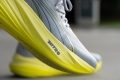
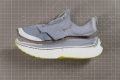
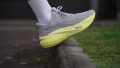
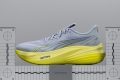
Después de hacerles montones de pruebas a las PUMA MagMax Nitro 2, creemos que son una buena opción para:
- Cualquiera que quiera un montón de amortiguación bajo los pies y una tracción excelente.
- Los fans de las MagMax originales a los que no les gustó su peso. Esta versión corrige ese fallito, ya que es bastante más ligera.
- Los runners que estén buscando un modelo de entrenamiento diario con amortiguación máxima que priorice la estabilidad y el agarre, dejando la velocidad en un segundo plano.
Quién NO debería comprárselas
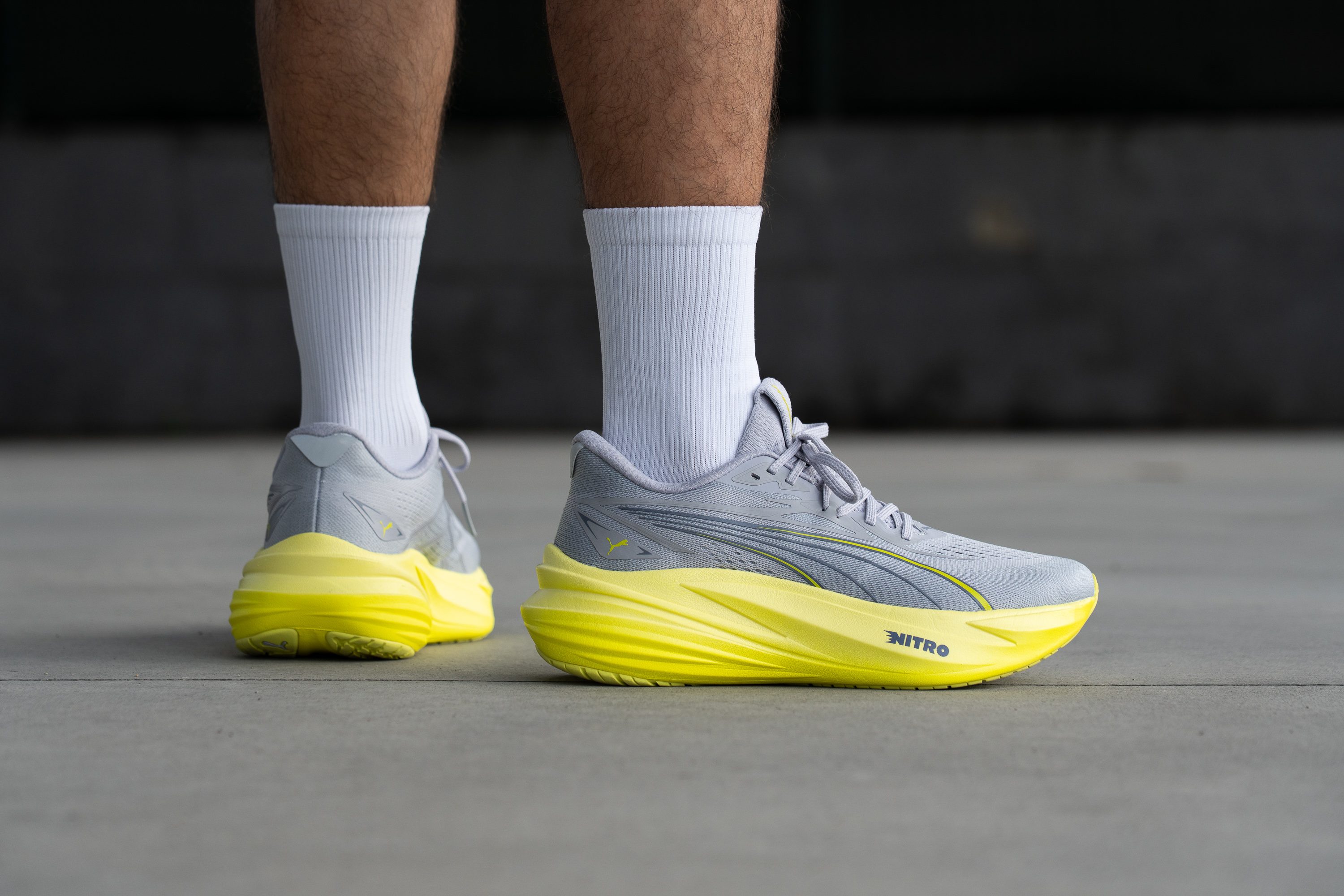
En el laboratorio, descubrimos que a las PUMA MagMax Nitro 2 les falta retorno de energía. Los resultados que obtuvimos en nuestras pruebas fueron más bajos de lo esperado para una espuma Nitro, así que los corredores que estén buscando una pisada más reactiva a lo mejor prefieren opciones como las Nike Vomero Premium o las ASICS Megablast.
También creemos que las MagMax Nitro 2 no les van a hacer mucha gracia a los corredores con pies anchos. Durante nuestras pruebas, la parte delantera nos pareció apretada y no nos dejó estirar los dedos. Las On Cloudboom Max son una alternativa sólida con un ajuste más espacioso.
Amortiguación
Shock absorption
Pocas zapatillas de running ofrecen el nivel de protección contra impactos que las MagMax Nitro 2 nos regalaron en el antepié, alcanzando los 137 SA. La cosa es que el resultado de esta misma prueba en el talón no fue tan impresionante como nos esperábamos, con 141 SA. Incluso así, para la mayoría de corredores, estas zapatillas ofrecen una absorción de impactos estupenda. Pero claro, teniendo en cuenta lo alta que es su mediasuela, la verdad es que nos esperábamos algo más.
De todos modos, nos ha quedado claro que los runners que quieran cuidar de sus músculos y articulaciones durante las tiradas largas o los días de recuperación estarán encantados con este par.
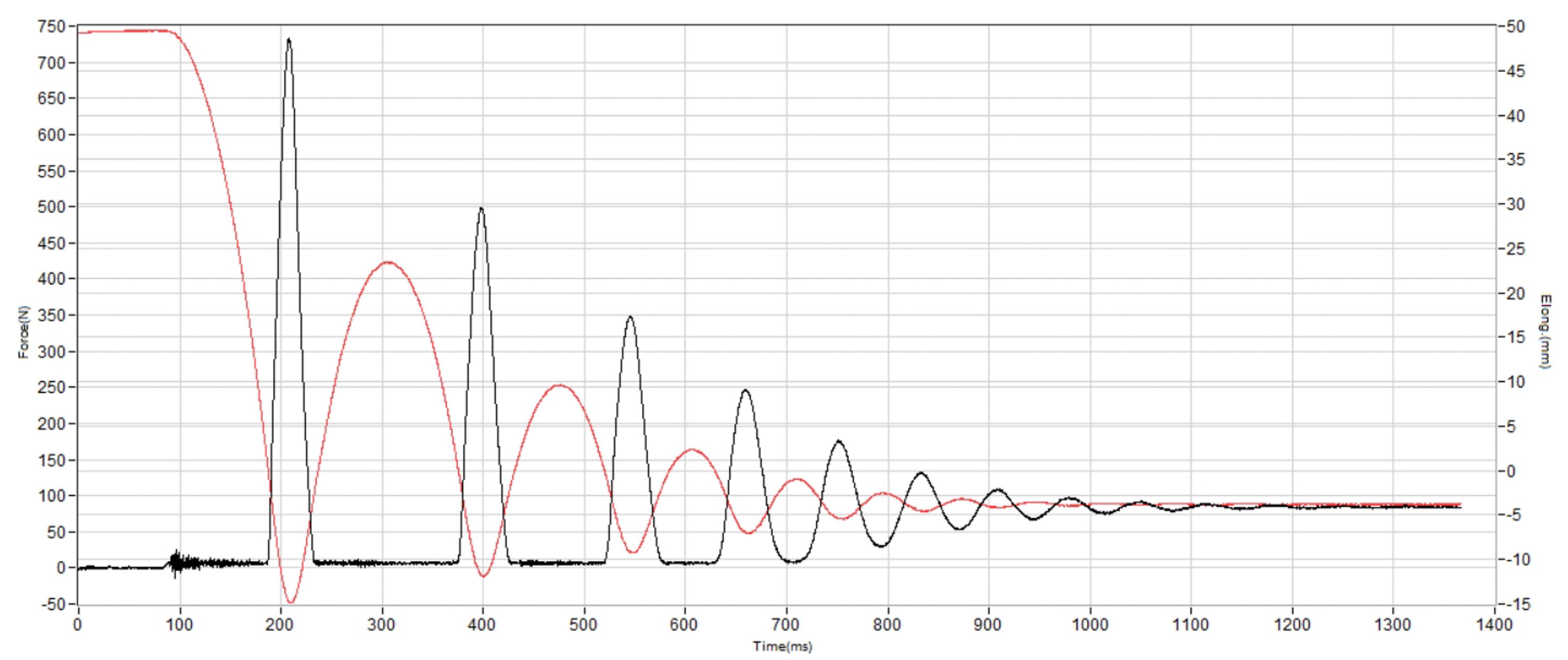
| MagMax Nitro 2 | 141 SA |
| Media | 131 SA |
Energy return
Una cosa que ya aclaramos en nuestra guía sobre las espumas es cómo las marcas a veces utilizan el mismo nombre (Nitro, en este caso) para hablar de compuestos muy diferentes. Estas zapatillas son un ejemplo perfecto, y nuestras pruebas lo han demostrado.
El retorno de energía es bajo: un 50,1 % en el talón y un 54,6 % en el antepié. Lo mires como lo mires, estas cifras son bajas para un modelo tan caro. Por otro lado, las PUMA Velocity Nitro 4 (también con una espuma que se llama Nitro) obtuvieron un 67,5 % / 74,2 % en esta misma prueba, acercándose más al rebote de las superzapatillas.
¿Que cómo es eso posible? A ver, aunque ambas espumas están infladas con nitrógeno... está claro que la composición del material no es la misma.
| MagMax Nitro 2 | 54.6% |
| Media | 61.5% |
Altura de la suela en la zona del talón
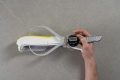
Las MagMax Nitro 2 tienen una mediasuela de 45,5 mm de altura en el talón, que son 2,6 mm más que sus predecesoras. Esto consolida su puesto como unas de las zapatillas más altas que se han fabricado hasta la fecha y nos garantiza que a los talonadores nunca les faltará amortiguación bajo los pies.
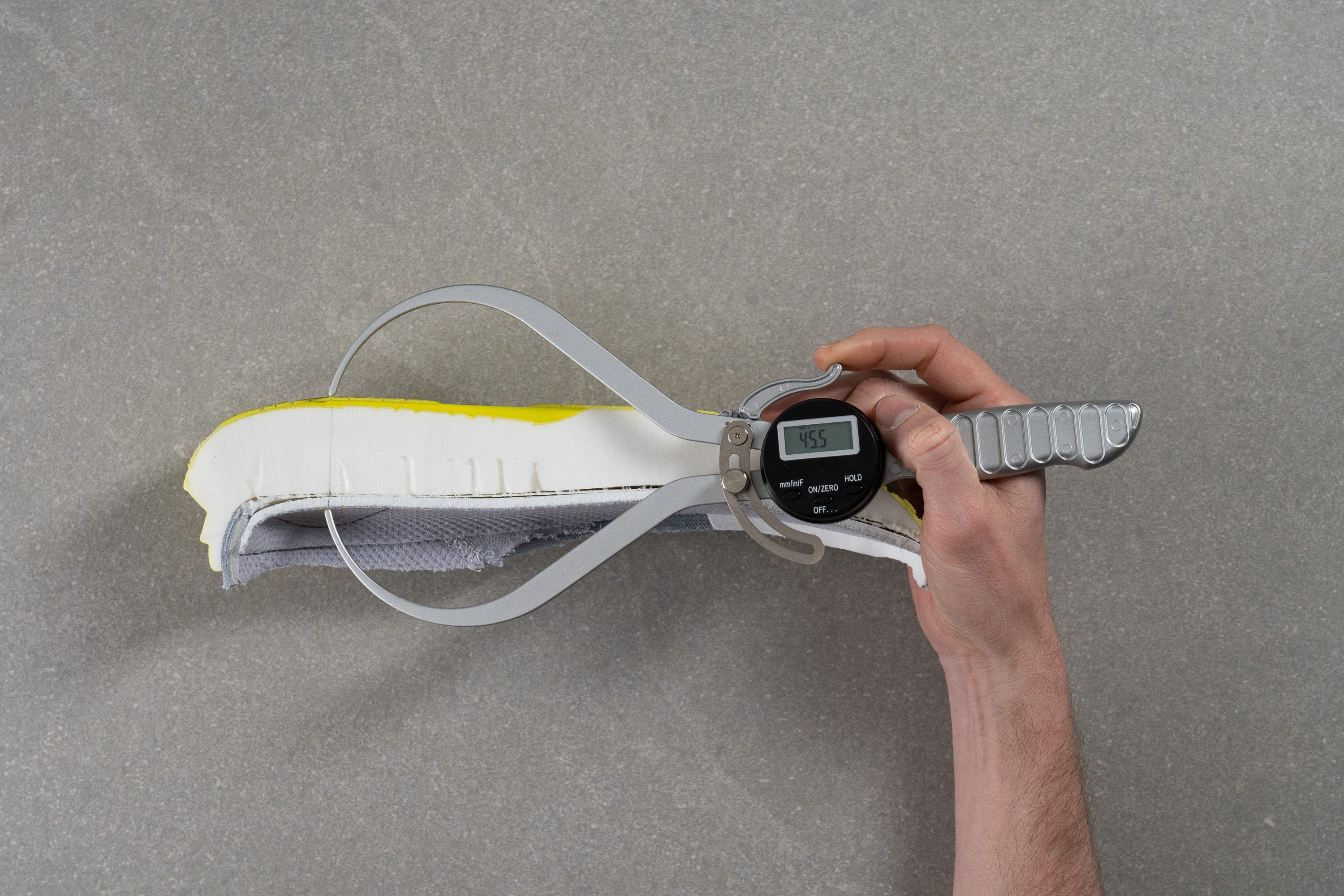
| MagMax Nitro 2 | 45.5 mm |
| Media | 35.6 mm |
Altura de la suela en el antepié
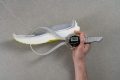
Este modelo también le hace honor a su nombre en el antepié, alcanzando una altura de 35,0 mm.
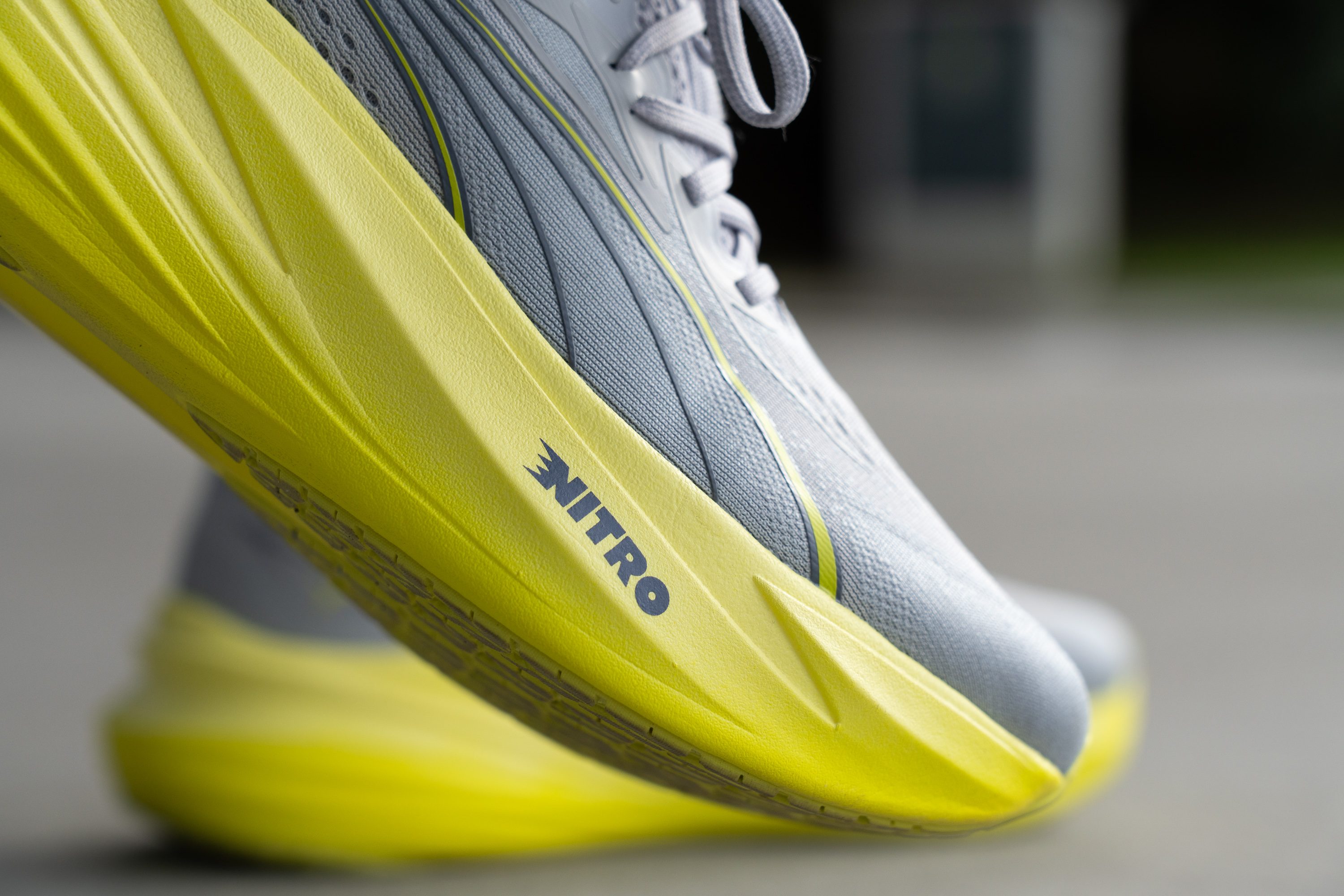
Para que te hagas una idea de lo que significa esto, esta cifra equivale, aproximadamente, a la media actual de la altura de la mediasuela en el talón según nuestros datos de laboratorio. Una pasada, ¿verdad? Esta nueva ola de zapatillas de running maximalistas lleva la amortiguación al máximo y, sin duda, no es la mejor opción para los runners que quieren sentir el suelo bajo los pies.
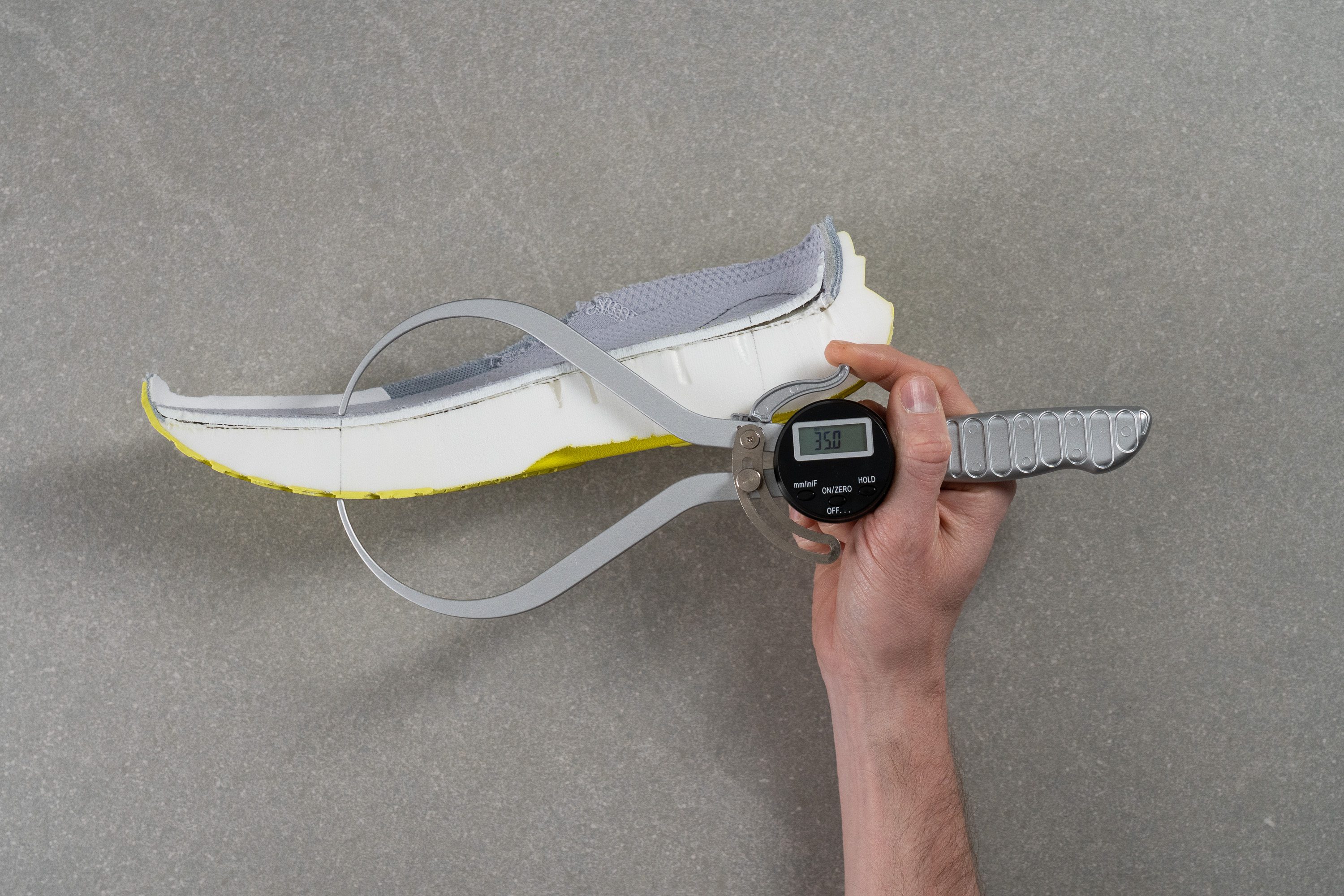
| MagMax Nitro 2 | 35.0 mm |
| Media | 27.2 mm |
Drop
Después de hacer nuestros cálculos, vimos que el drop de este modelo es de 10,5 mm, que es un poquito más que los 8 mm que dice PUMA en su página oficial.
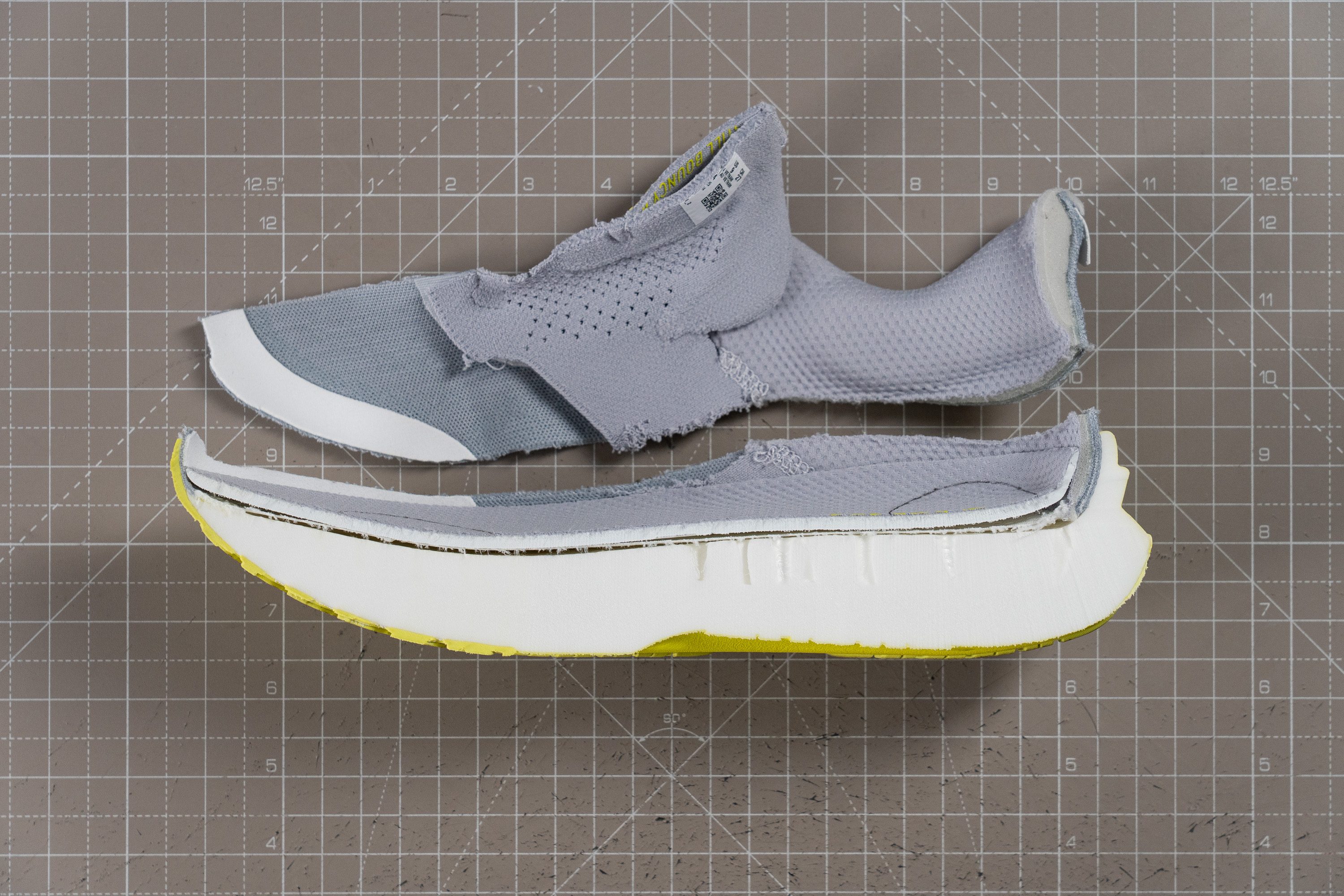
| MagMax Nitro 2 | 10.5 mm |
| Media | 8.4 mm |
Dureza de la mediasuela
Hay un error muy común en el mundo de las zapatillas, y es asumir que todos los modelos con una mediasuela alta son mullidos. Nuestra experiencia nos ha demostrado que muchos son incluso más bien firmes, cosa que tiene sentido desde el punto de vista de la estabilidad.
Y las MagMax Nitro 2 son un ejemplo estupendo. No es que sean como una piedra bajo los pies, pero con 38,1 AC (según nuestro durómetro Asker C), sin duda son más firmes que blandas. Los fans de las espumas ultrablandas a lo mejor están decepcionados al leer esto, pero creemos que a la mayoría de los runners les gustará esta espuma Nitro.
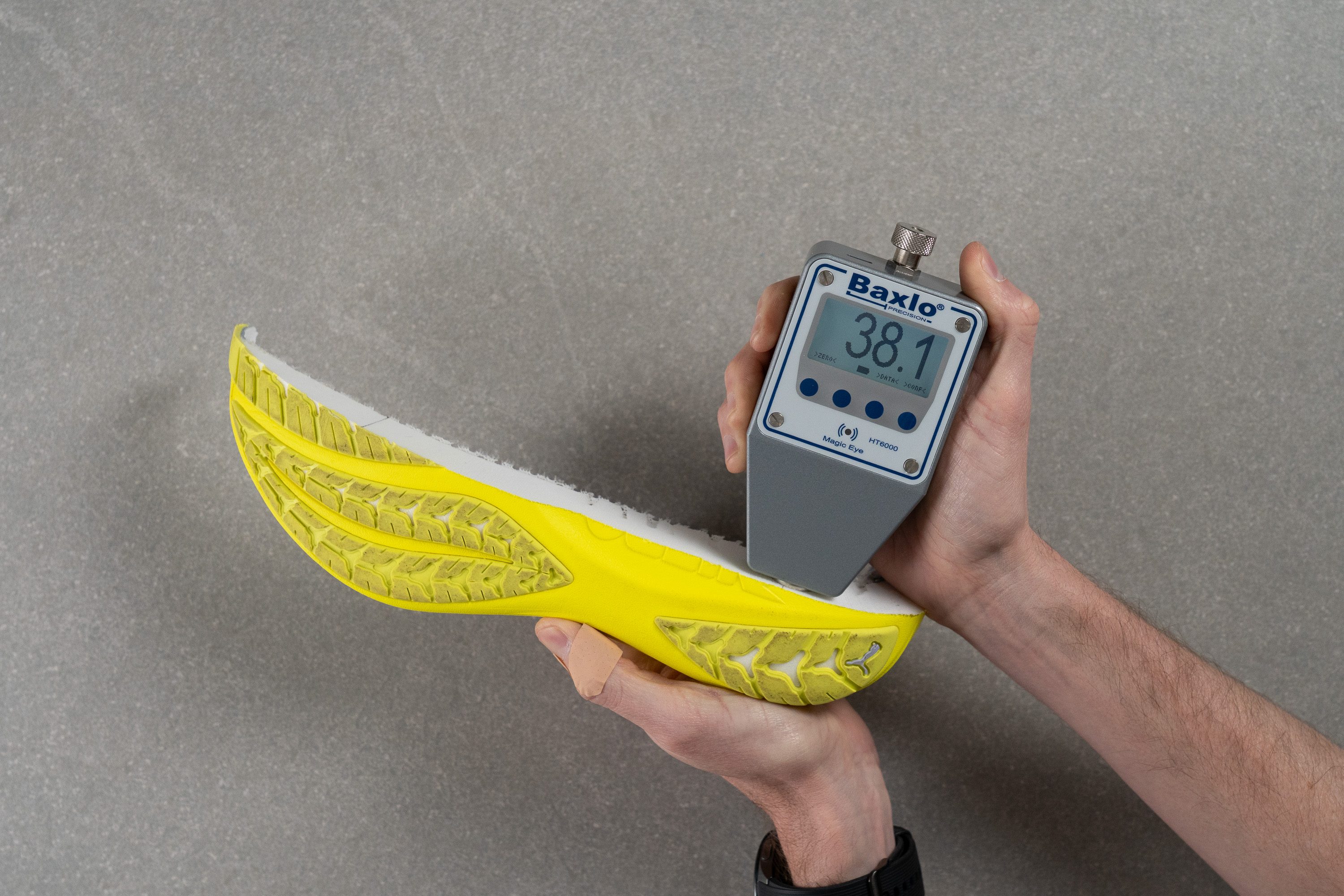
| MagMax Nitro 2 | 38.1 AC |
| Media | 35.4 AC |
Rocker
Las MagMax Nitro 2 tienen rocker, pero no es tan agresivo como el de muchos otros modelos de running; muy probablemente, esto se debe a la diferencia entre la altura de la suela en el talón y en el antepié. Esto puede ser una ventaja para los runners que tienen pensado utilizar este par como unas zapatillas de entrenamiento diario para tiradas fáciles o largas a un ritmo constante, donde la velocidad no es tan prioritaria.
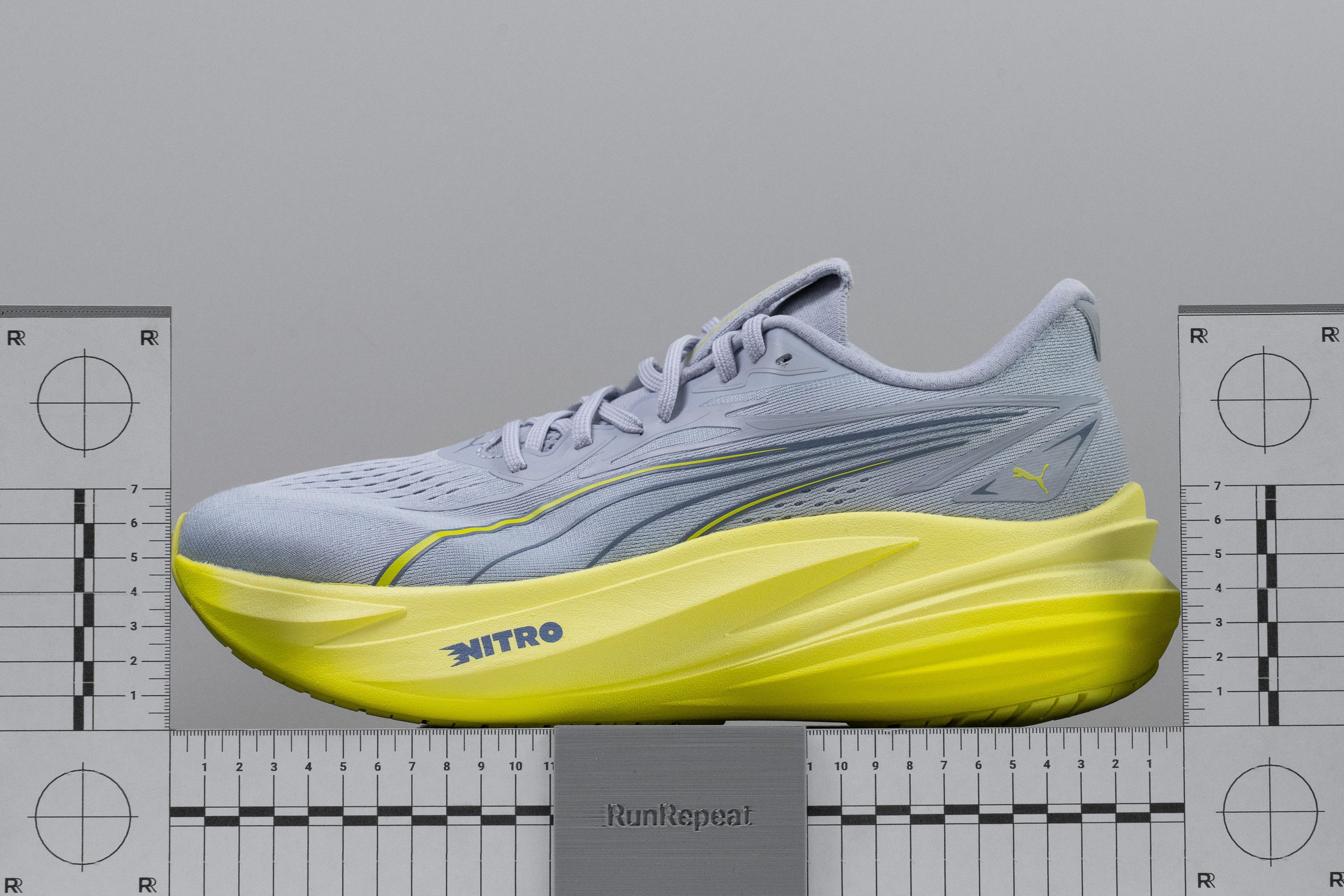
Tallaje y ajuste
Talla
Las PUMA MagMax Nitro 2 tallan bien (22 votos).
Longitud interna
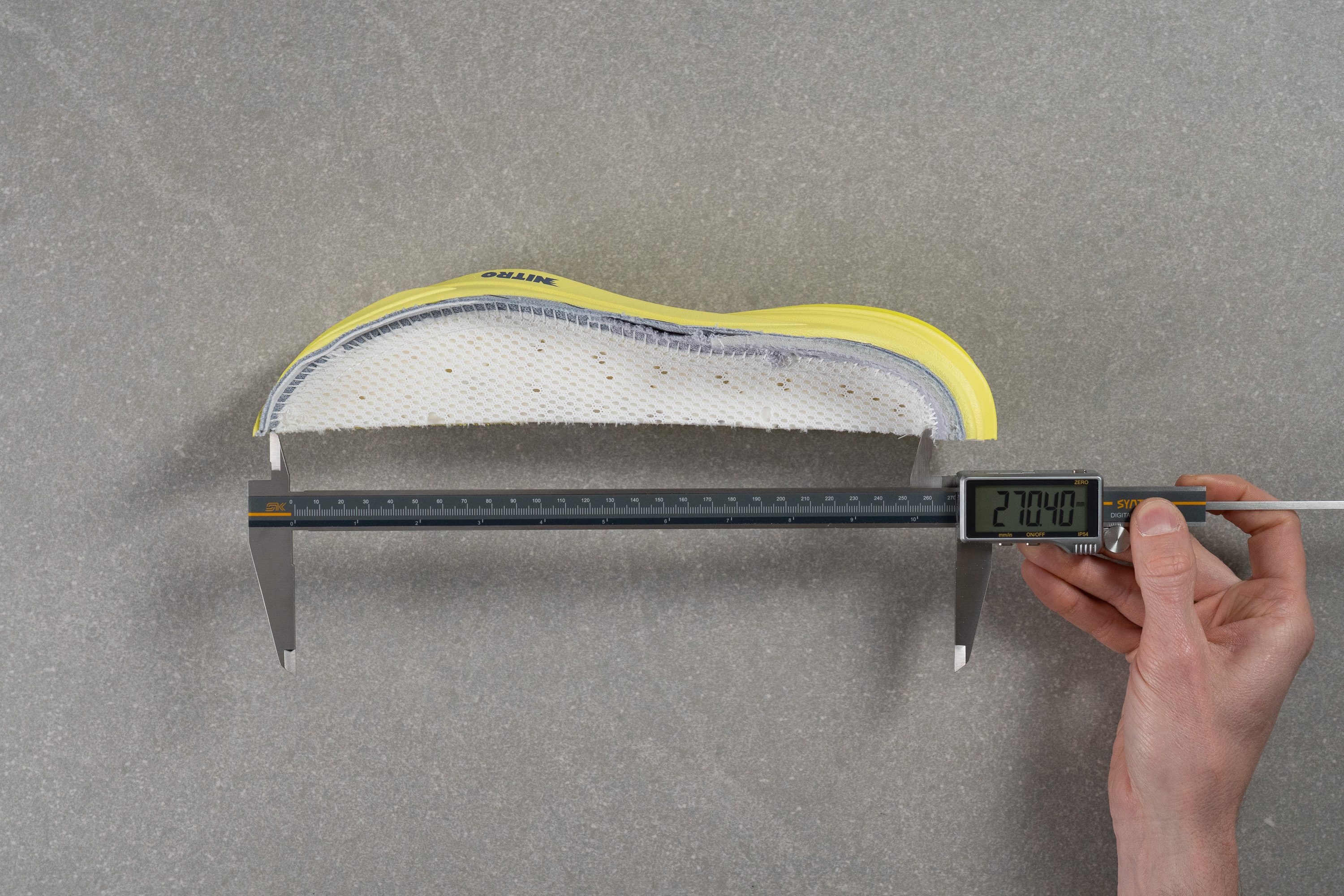
| MagMax Nitro 2 | 270.4 mm |
| Media | 269.4 mm |
Anchura / Ajuste
Si sueles correr con zapatillas de PUMA, probablemente ya conozcas el ajuste ceñido que suelen tener la mayor parte de sus pares.
Para comprobar si las MagMax Nitro 2 siguen ese mismo camino, hicimos un molde de gel de su interior y medimos su anchura. Con 93,4 mm, empeizan por debajo de la media.
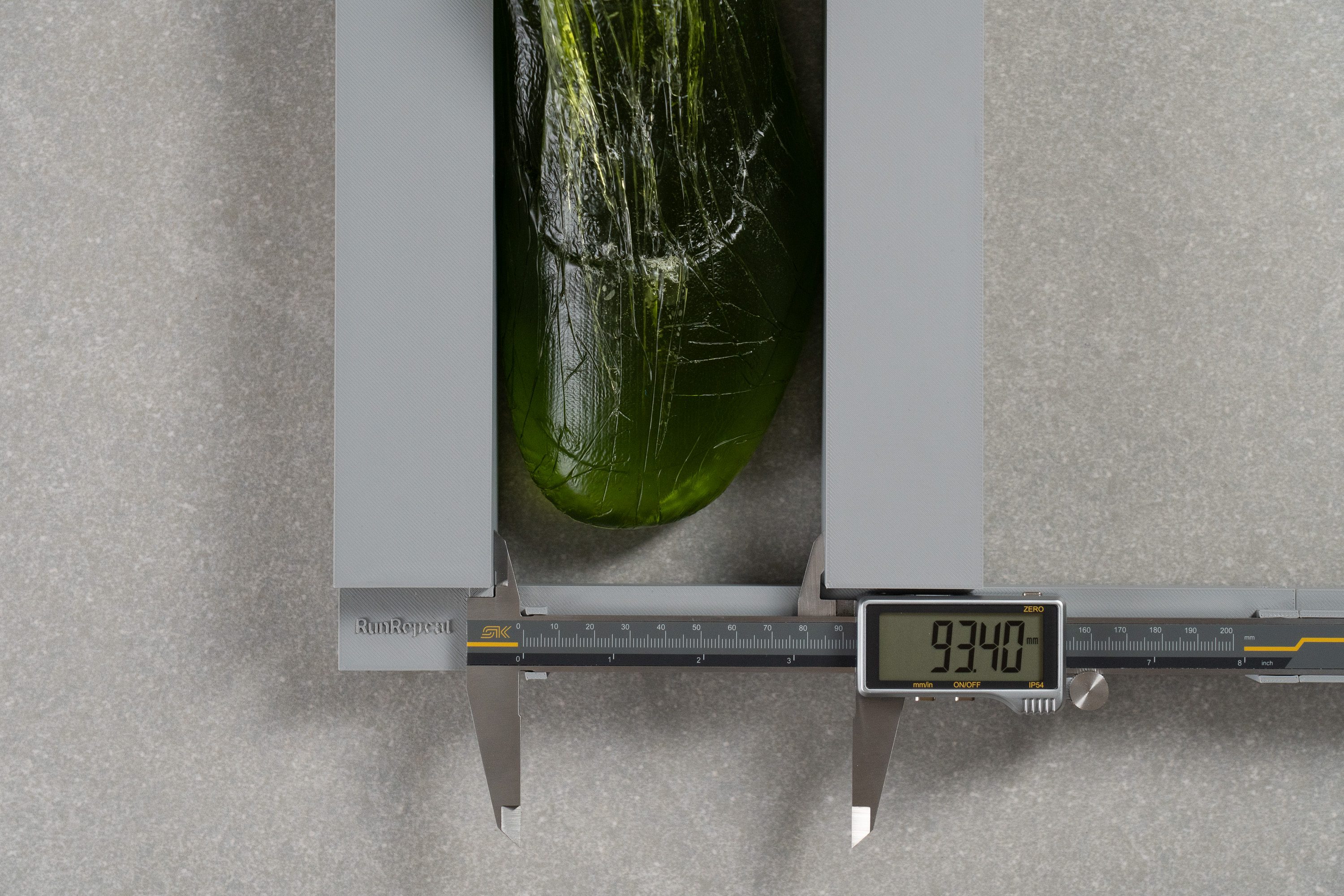
| MagMax Nitro 2 | 93.4 mm |
| Media | 95.2 mm |
Anchura de la parte delantera
Las MagMax Nitro 2 se estrechan un montón hacia la punta (70,4 mm), lo que mejora tanto la sujeción como la estabilidad, ya que hacen que el pie no se mueva de su sitio. Pero claro, esto también puede hacer que se sientan apretadas, sobre todo para los corredores con pies anchos que se las quieren poner para enfrentarse a distancias largas.
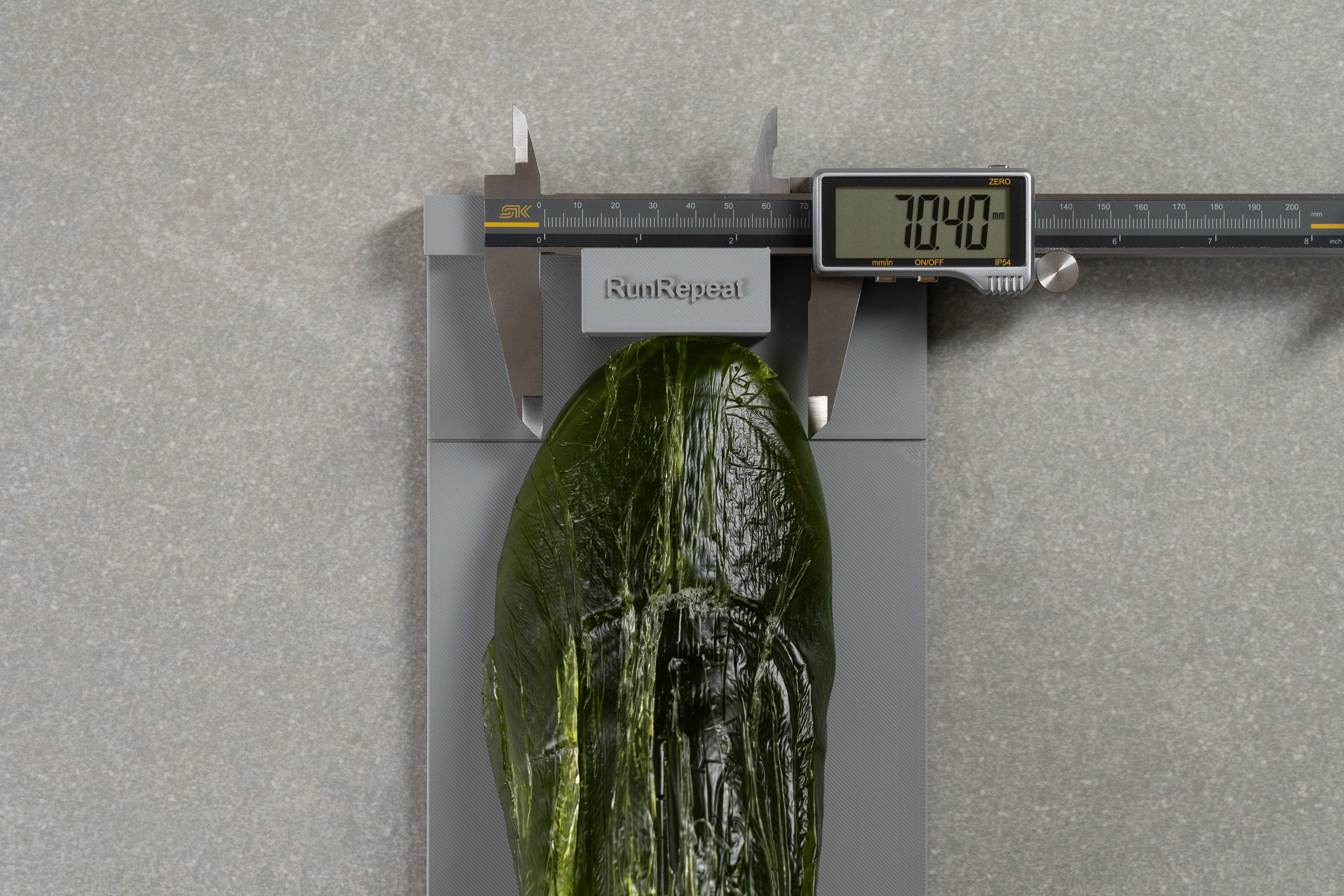
| MagMax Nitro 2 | 70.4 mm |
| Media | 73.2 mm |
Altura de la parte delantera
Este modelo ofrece un buen espacio vertical para mover los dedos, así que nunca sentimos que nos estrujase las uñas.
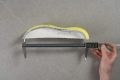
De vuelta en el laboratorio, nuestros calibres confirmaron esa sensación al marcar una generosa altura de 29,3 mm.
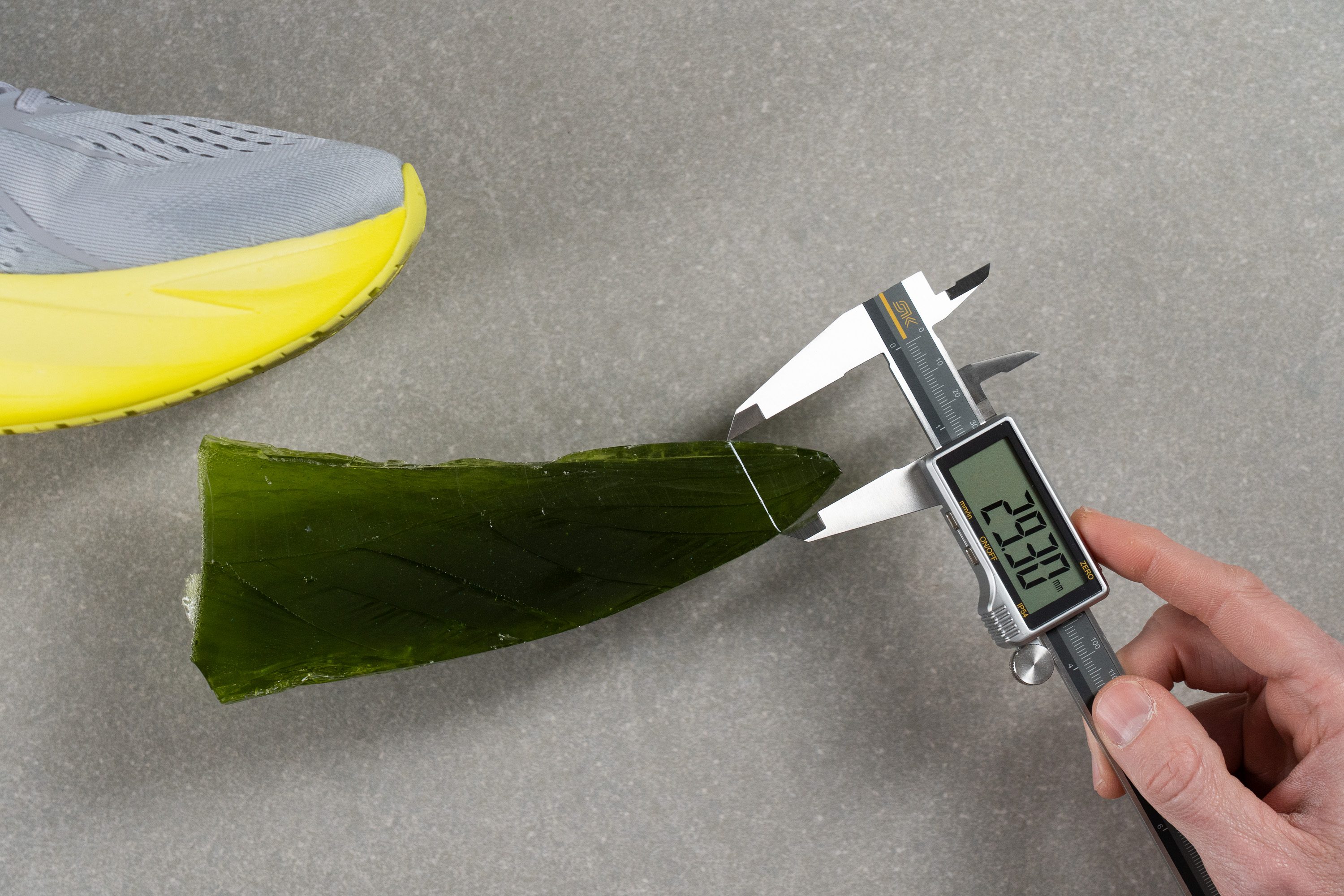
| MagMax Nitro 2 | 29.3 mm |
| Media | 27.0 mm |
Tracción / Agarre
Traction test
Con caucho PumaGrip en la suela exterior, nos esperábamos una puntuación muy alta en nuestra prueba SATRA TM144, que mide la tracción sobre hormigón mojado. Podemos decir, felizmente, que las PUMA MagMax Nitro 2 cumplieron con esas expectativas al llevarse un sólido 0,77.
| MagMax Nitro 2 | 0.77 |
| Media | 0.53 |
Diseño de la suela exterior
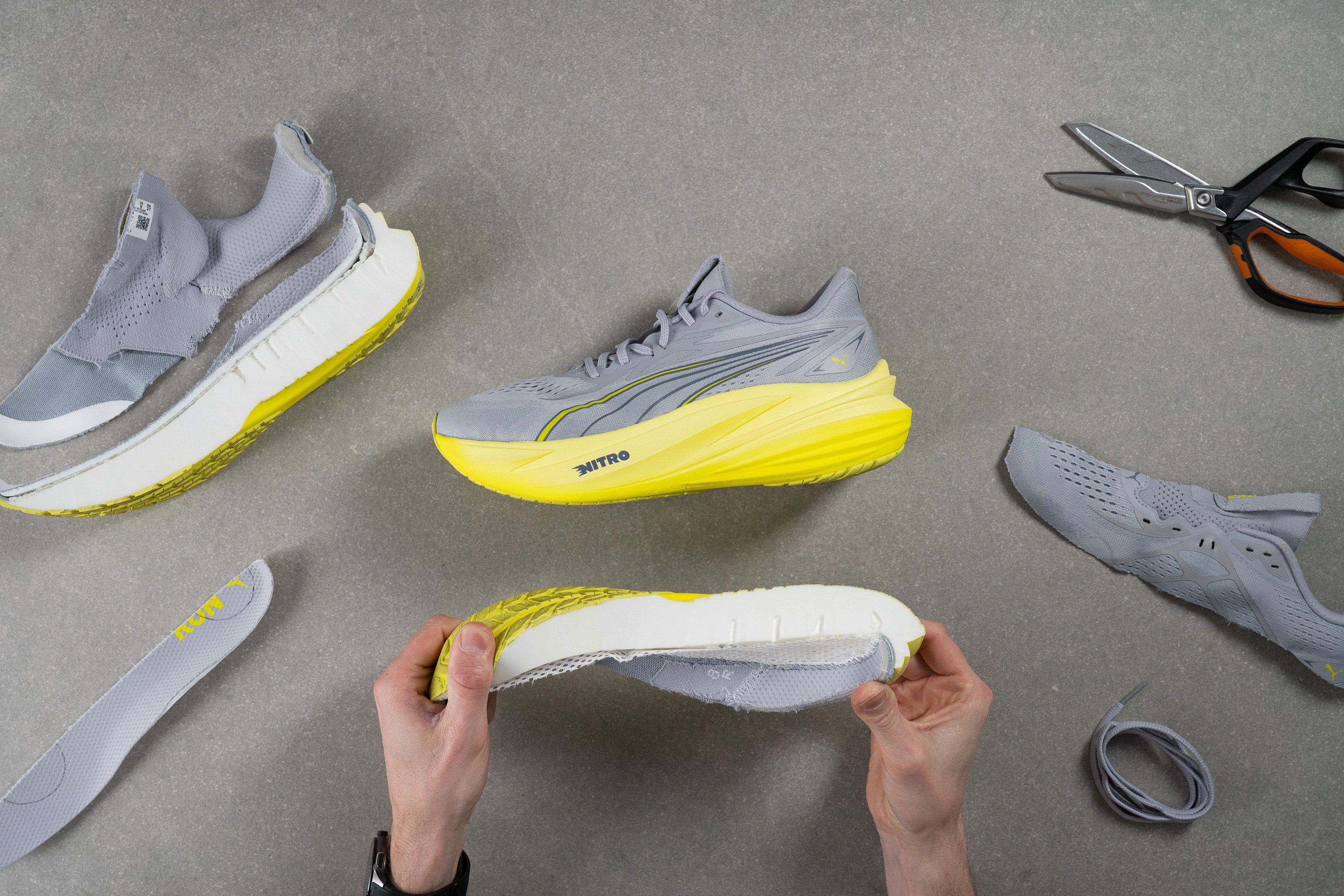
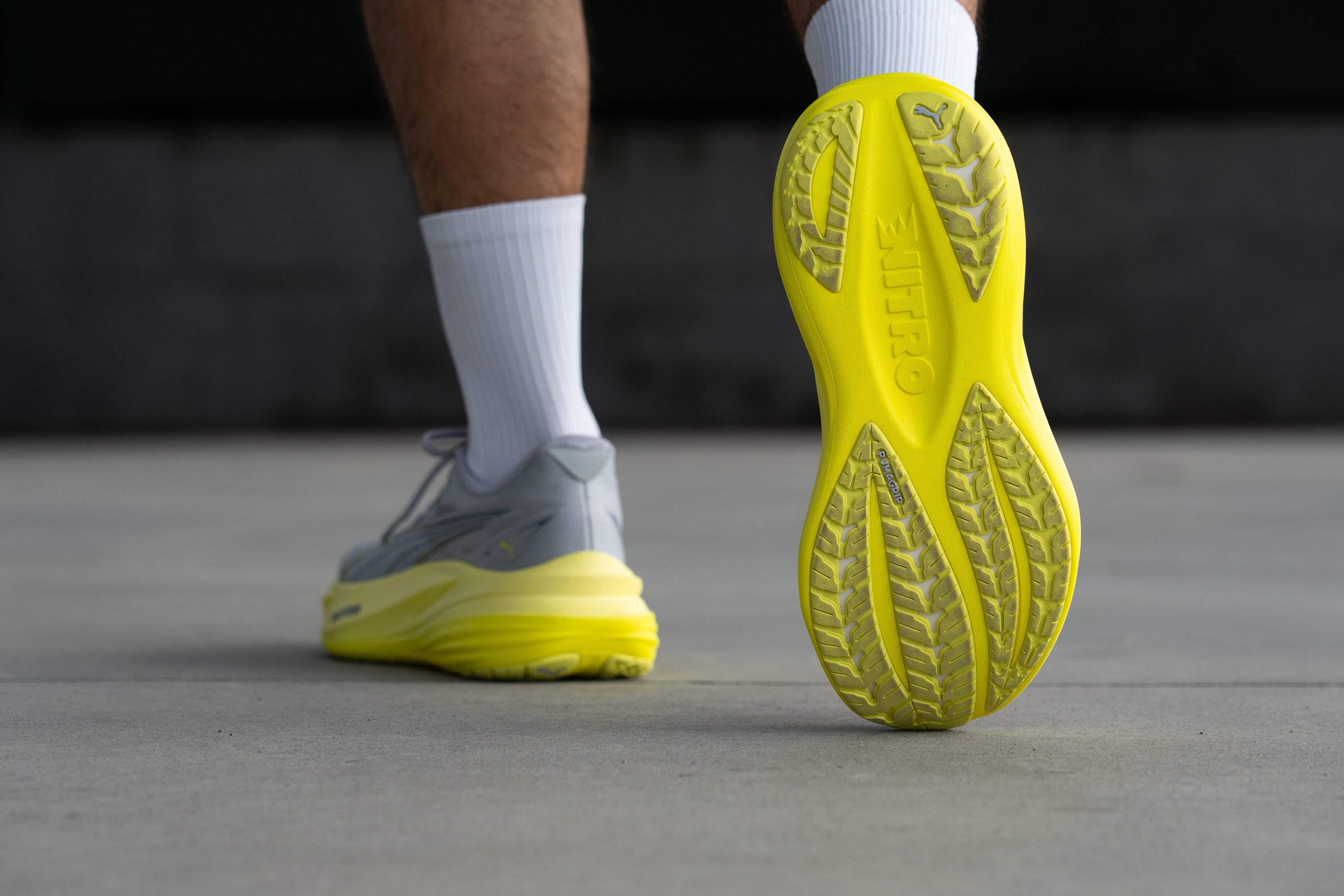
La suela tiene menos caucho que la de la primera generación, que es algo que ya nos esperábamos: al final, esta versión busca reducir el peso y ser más ligera. Este nuevo diseño tiene cuatro secciones grandes de caucho, dos en el talón y dos en el antepié, mientras que la zona del mediopié está mayormente expuesta.
Esto no nos parece una desventaja. De hecho, se siente como una normalización en comparación con muchas otras zapatillas de running maximalistas que ya utilizan diseños parecidos y que ponen caucho solo en las zonas de mayor desgaste.
Flexibilidad / Rigidez
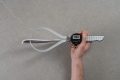
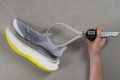
En el laboratorio, nuestra máquina nos dejó claro que las MagMax 2 son un 23 % más rígidas que sus predecesoras, que ya estaban por encima de la media en este aspecto. Vamos, que los runners que prefieren algo más flexible bajo los pies deberían tener cuidado.
Una espuma firme y una mediasuela alta hacen que las zapatillas sean muy rígidas, incluso si no tienen una placa de carbono.
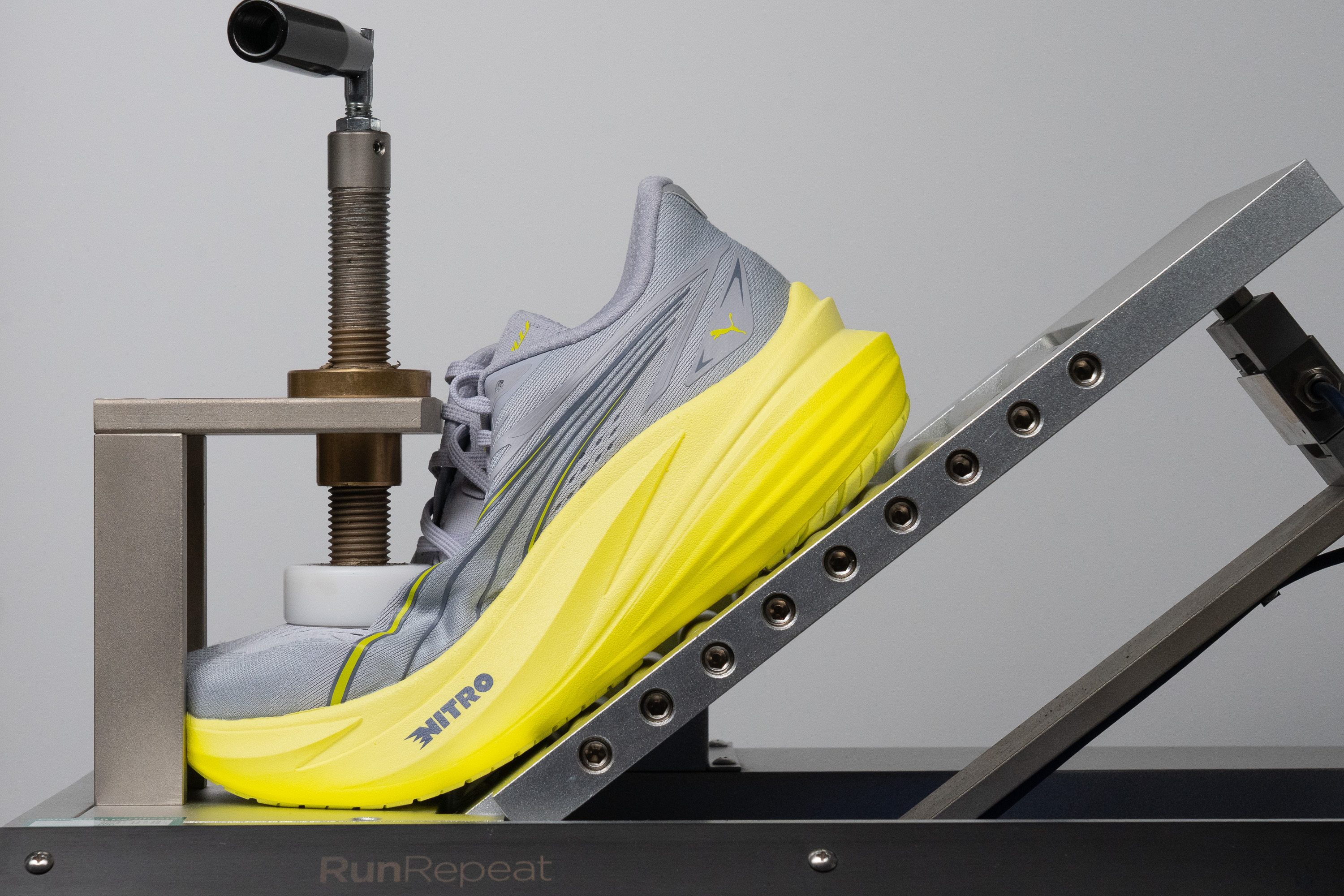
| MagMax Nitro 2 | 22.0N |
| Media | 15.5N |
Peso
Para nosotros, una de las principales desventajas de la primera generación de las MagMax Nitro era su peso. Por suerte, PUMA fue consciente y se centró en mejorar ese aspecto.
Esta nueva versión pesa 269 g, que es un 8 % menos que la versión 1, y un resultado muy sólido para unas zapatillas con una suela tan enorme.
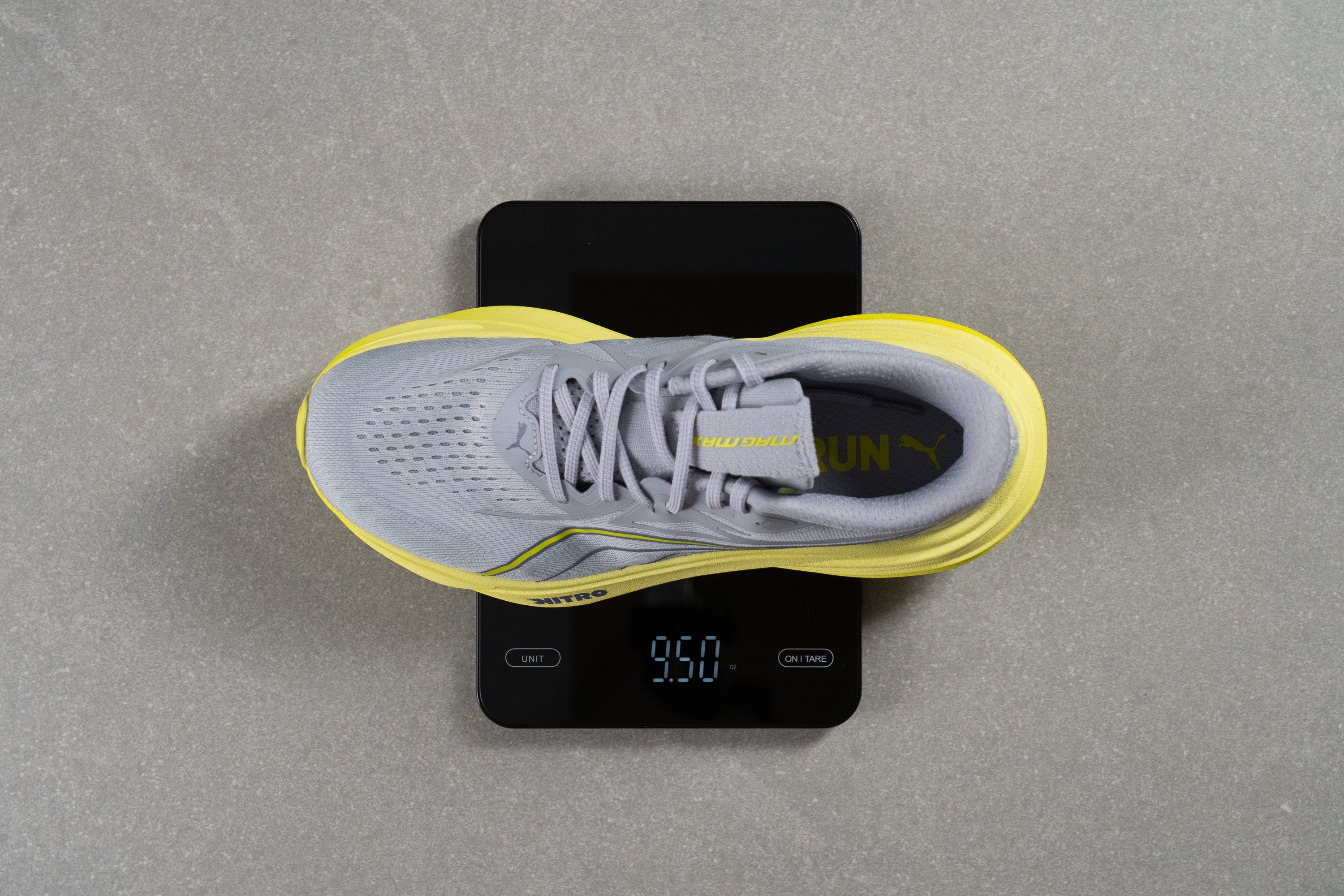
| MagMax Nitro 2 | 9.5 oz (269g) |
| Media | 9.2 oz (261g) |
Transpirabilidad
Breathability test
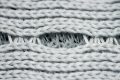
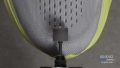
El upper de las PUMA MagMax Nitro 2 tiene una malla técnica de dos capas. No hemos visto nada ni llamativo ni experimental en él, solo un material que PUMA ya ha utilizado en varios modelos y que funciona bien tanto en comodidad como en transpirabilidad.
Después de nuestra prueba de humo, nos quedó claro que estas zapatillas se merecen un 4/5. Sin duda, es un resultado sólido para unas zapatillas de entrenamiento diario, ya que hace que sean aptas para cualquier época del año.
PUMA nos ha dejado bastante claro cuál es su estrategia de diseño: la parte delantera y la lengüeta priorizan la ventilación, mientras que el mediopié y el lateral ofrecen una estructura y una sujeción más firmes. Con una suela tan alta, esta contención extra nos tiene todo el sentido del mundo.
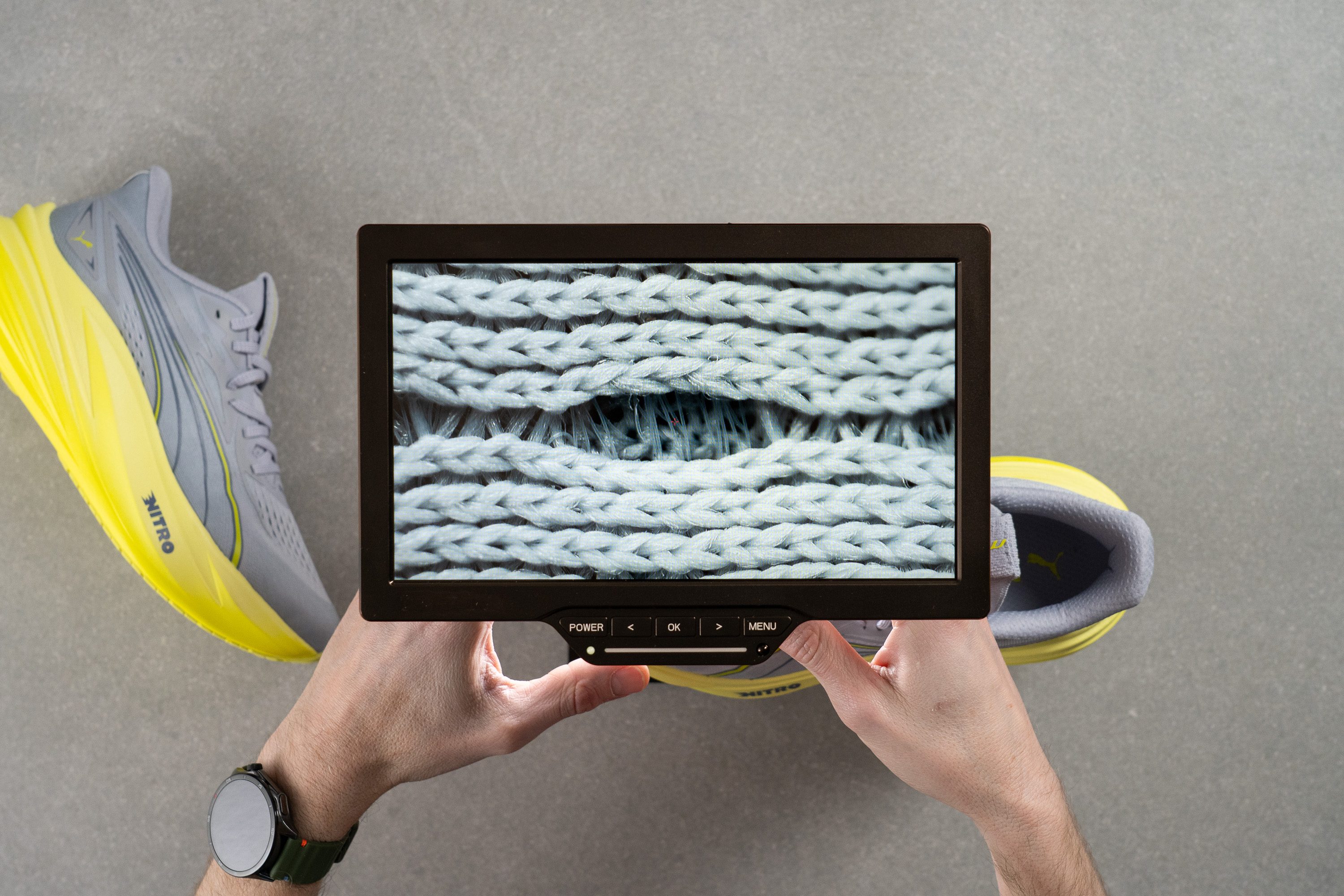
Después, analizamos el upper bajo el microscopio para poder observar el material más de cerca. Como mencionamos antes, es una estructura de malla con un diseño clásico, sin patrones raritos o capas ocultas.
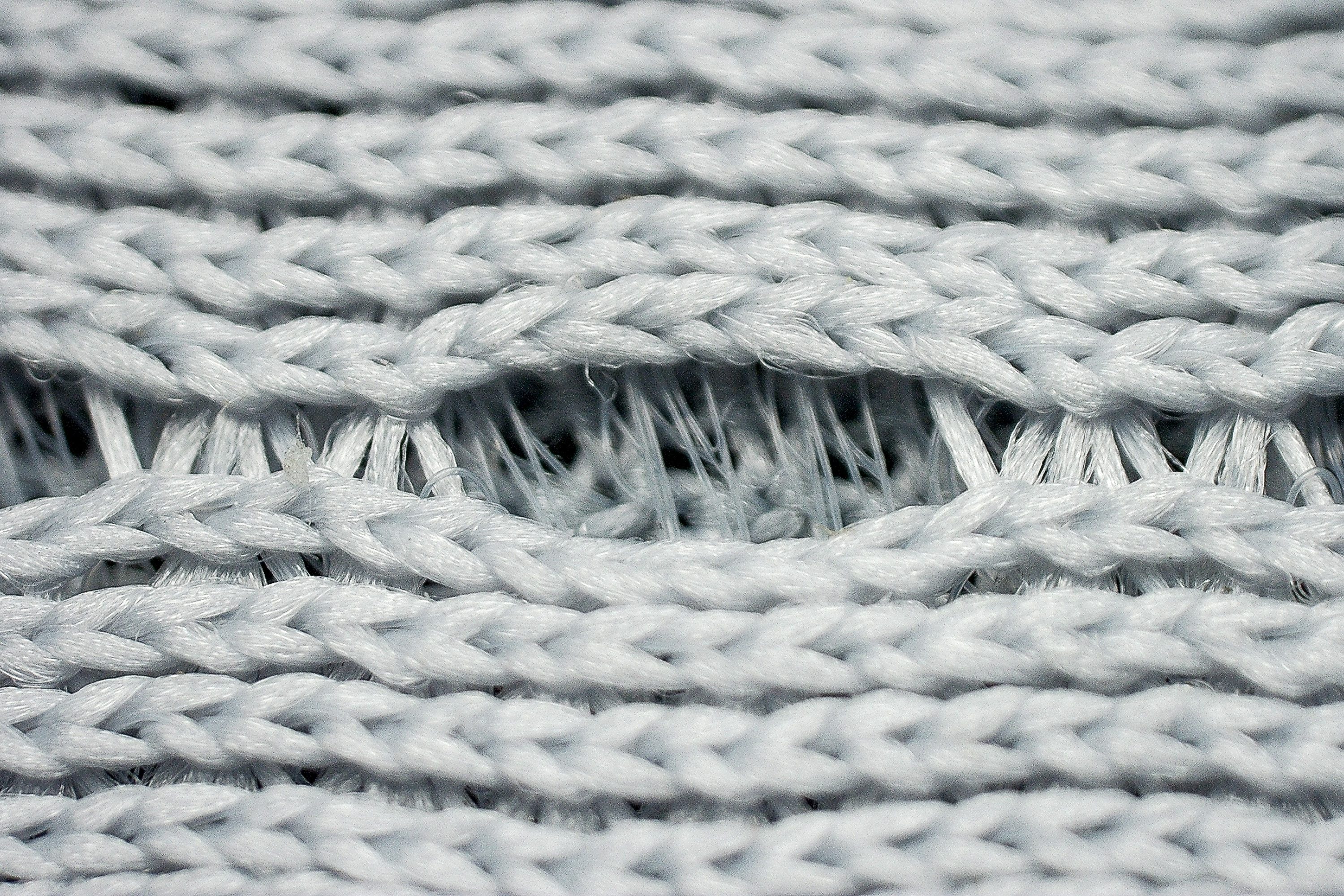
A veces, las marcas intentan reinventar la rueda con diseños nuevos del upper, pero PUMA se ha mantenido fiel a una fórmula confiable. Y sí, funciona, sobre todo con lo cómoda y mullida que es la zona del talón.
| MagMax Nitro 2 | 4 |
| Media | 3.6 |
Estabilidad
Prueba de estabilidad lateral
Una de las cosas que más nos gusta de las PUMA MagMax Nitro 2 es que se sienten muy estables incluso con una mediasuela tan alta. Estas zapatillas están diseñadas para que tanto su upper como la mediasuela ofrezcan sujeción, utilizando una base ancha y ajustes sutiles que ayudan a que se sientan más estable de lo que su tamaño podría indicar.
Rigidez torsional
Aunque tienen un montón de espuma y no cuentan con ningún elemento orientado a la flexibilidad en su diseño, las MagMax Nitro 2 nos sorprendieron con un resultado de 13,1 Nm en nuestra prueba de rigidez torsional. Esto es ideal para los deportistas que están buscando un modelo con amortiguación máxima que sea un poquito más flexible.
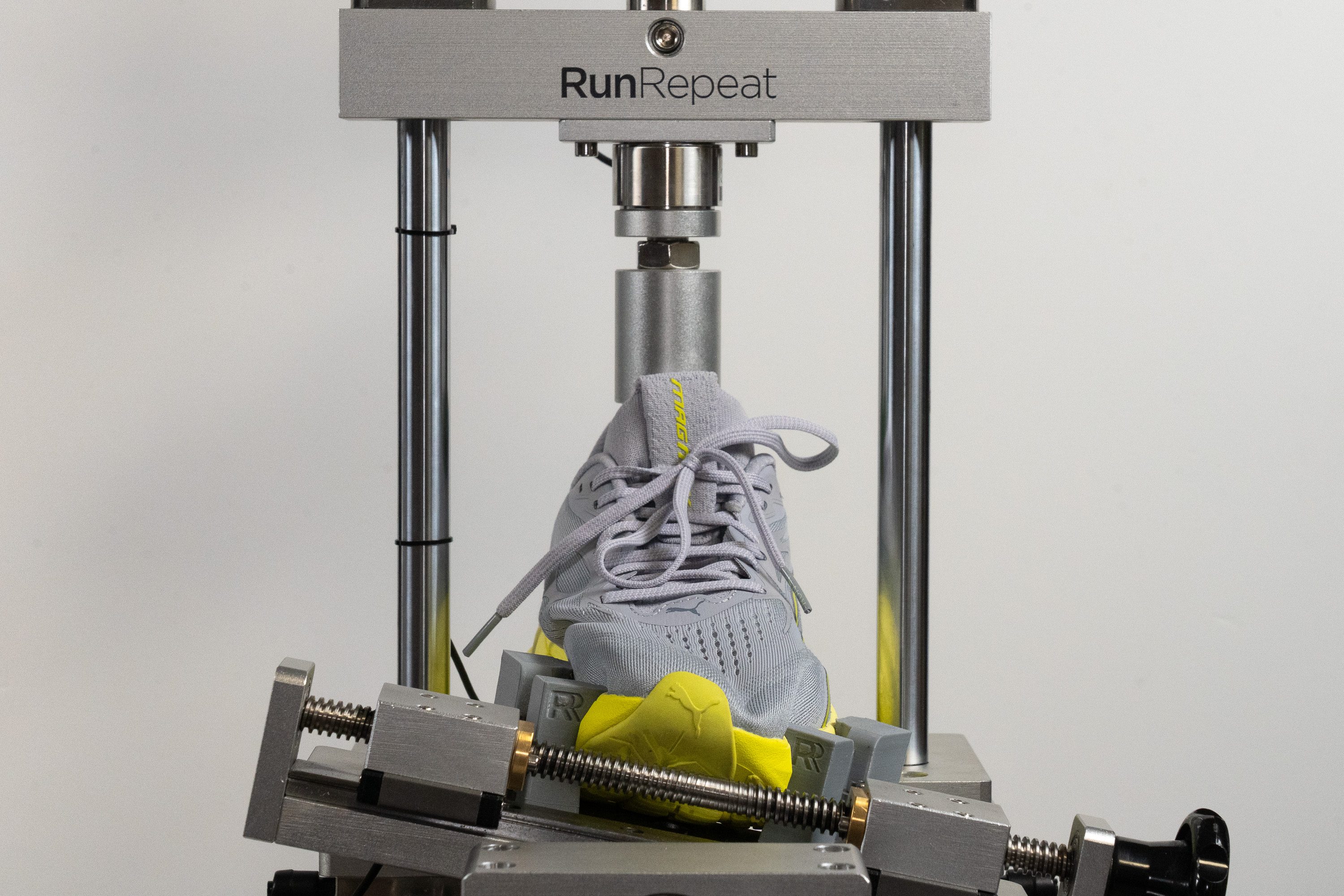
| MagMax Nitro 2 | 13.1 Nm |
| Media | 14.3 Nm |
Rigidez del contrafuerte del talón
Por otro lado, PUMA optó por utilizar un contrafuerte de talón bastante estándar. Se llevó un 3/5 en nuestra prueba, lo que lo hace más cómodo. Esta puntuación nos tiene todo el sentido del mundo, ya que estas zapatillas son estables y no necesitan que el talón tenga una estructura especialmente rígida.
| MagMax Nitro 2 | 3 |
| Media | 3 |
Anchura de la mediasuela - antepié
Antes hablamos de lo enorme que es la base de este modelo, y es que nos pareció gigantesca hasta cuando las sacamos de la caja. En el antepié, alcanza una anchura de 122,9 mm, que es impresionante.
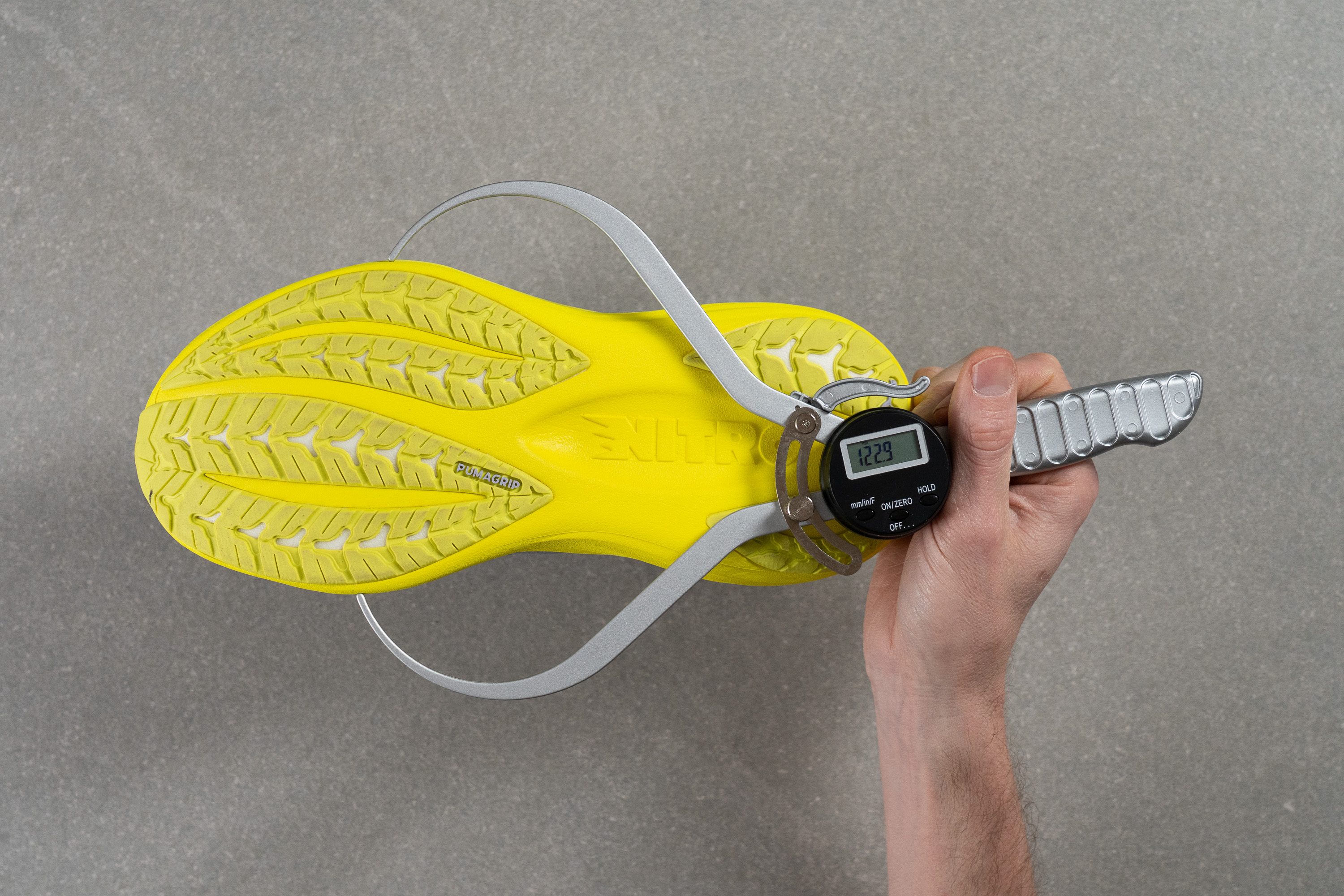
| MagMax Nitro 2 | 122.9 mm |
| Media | 115.1 mm |
Anchura de la mediasuela - talón
Estas zapatillas también tienen una plataforma más amplia en el talón, superando la media con sus 96,7 mm. La zona del mediopié sigue el mismo enfoque, lo que ayuda a que se sientan más estables de lo que parece, aunque son menos ágiles que un modelo de entrenamiento diario estándar. ¡Al final no se puede tener todo!
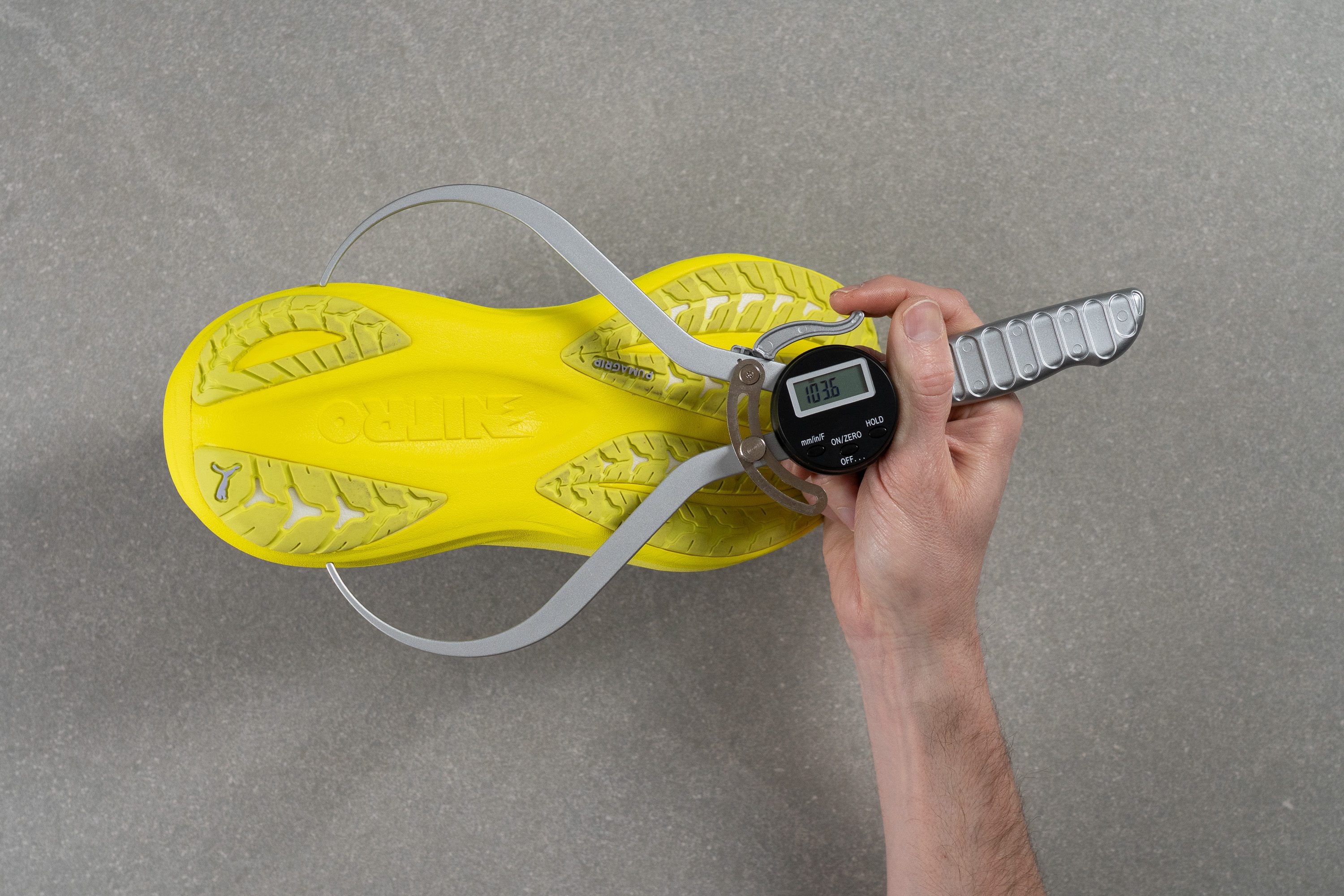
| MagMax Nitro 2 | 96.7 mm |
| Media | 91.1 mm |
Durabilidad
Durabilidad de la parte delantera
Aunque tiene agujeritos para el flujo de aire claramente visibles, el upper de malla de ingeniería de doble capa fue lo suficientemente resistente como para llevarse un 3/5 en nuestra prueba de durabilidad, que no está nada mal.
| MagMax Nitro 2 | 3 |
| Media | 2.6 |
Durabilidad del acolchado del talón
El acolchado del talón también rindió bastante bien, aunque un 3/5 aquí es más o menos como un 2/5 en la parte delantera. Vamos, que pasó la prueba, pero por un pelo nada más.
| MagMax Nitro 2 | 3 |
| Media | 3.4 |
Durabilidad de la suela
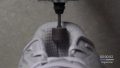
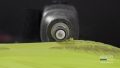
Una de las mejores características del caucho PumaGrip es que, además de tener un agarre estupendo, también es muy duradero. En nuestra prueba con el Dremel, perdió solo 0,9 mm.
| MagMax Nitro 2 | 0.9 mm |
| Media | 1.1 mm |
Grosor de la suela
Con una suela exterior de 3,1 mm de grosor, creemos que es muy poco probable que el caucho acabe hecho polvo antes de tiempo. Eso sí, ten en cuenta que la cobertura de las MagMax Nitro 2 es limitada, así que si sueles desgastar tus zapatillas en zonas más raras, como el mediopié, el caucho no protege esas áreas.
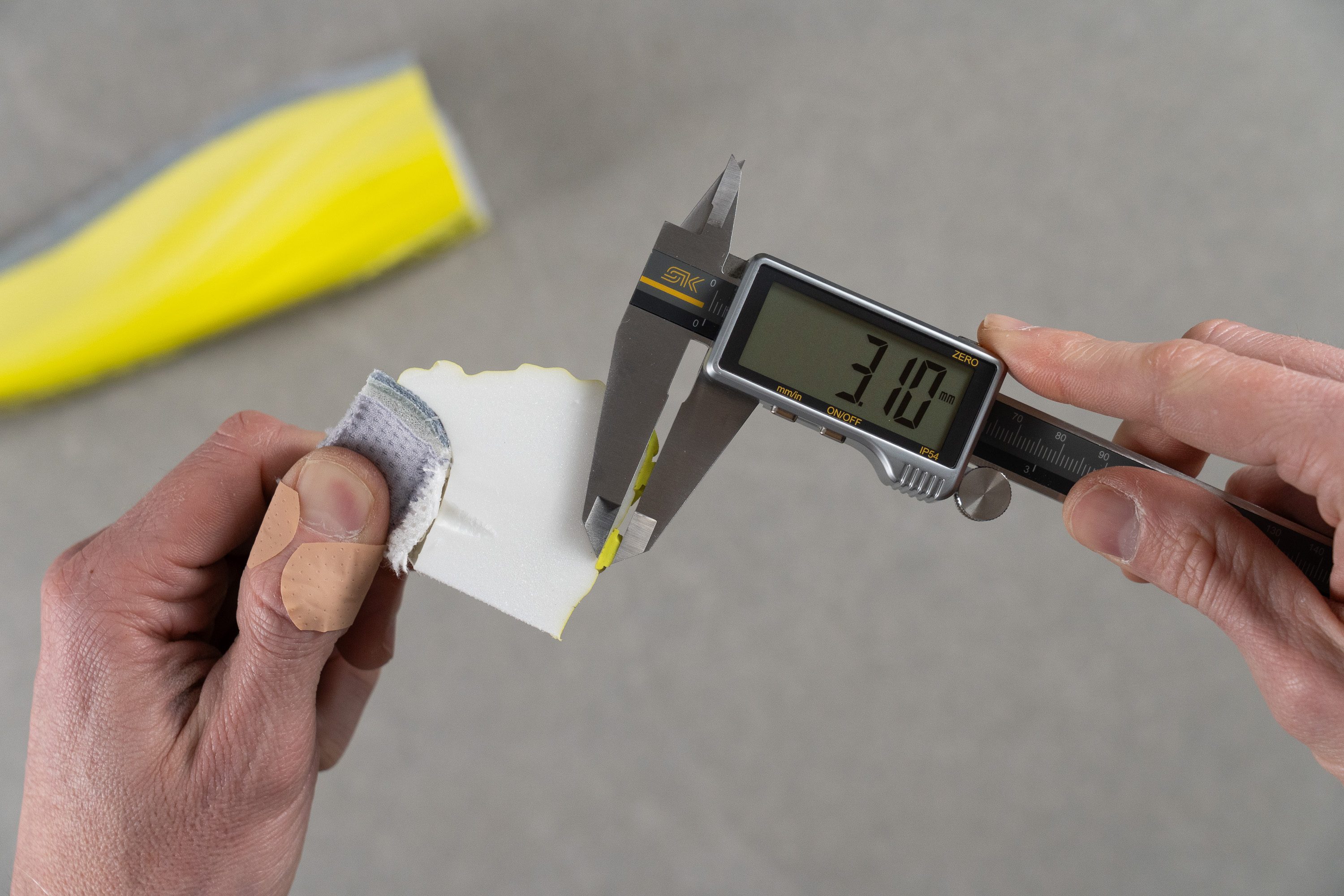
| MagMax Nitro 2 | 3.1 mm |
| Media | 3.1 mm |
Varios
Grosor de la plantilla
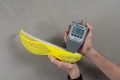
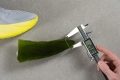
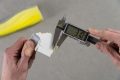
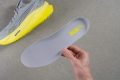
Medimos la plantilla con nuestro calibre digital y comprobamos que tiene un grosor de 3,9 mm.
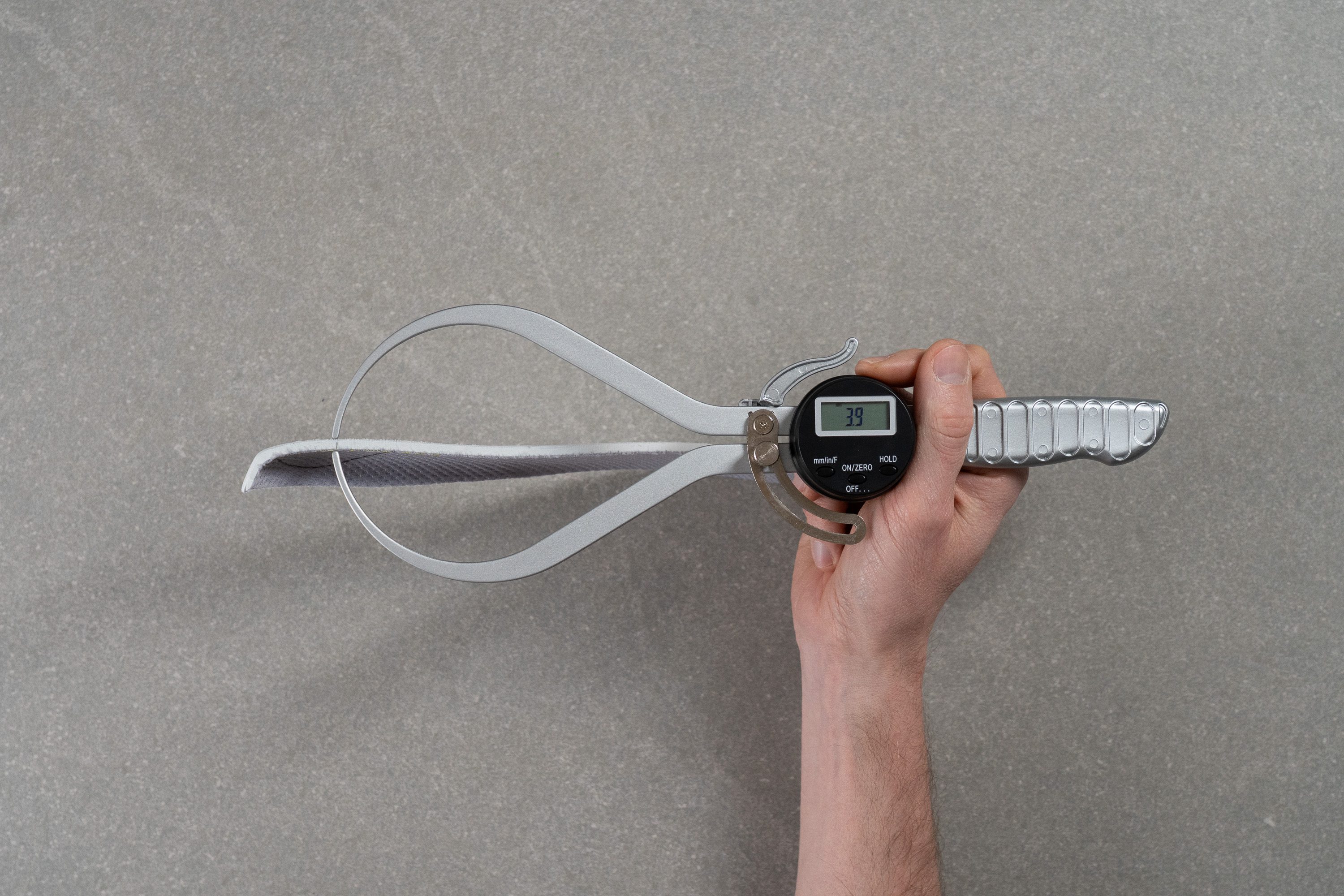
| MagMax Nitro 2 | 3.9 mm |
| Media | 4.4 mm |
Plantilla extraíble
La plantilla tiene un diseño que ofrece un poquito más de sujeción, así que si la cambias, te perderás esa ventaja.
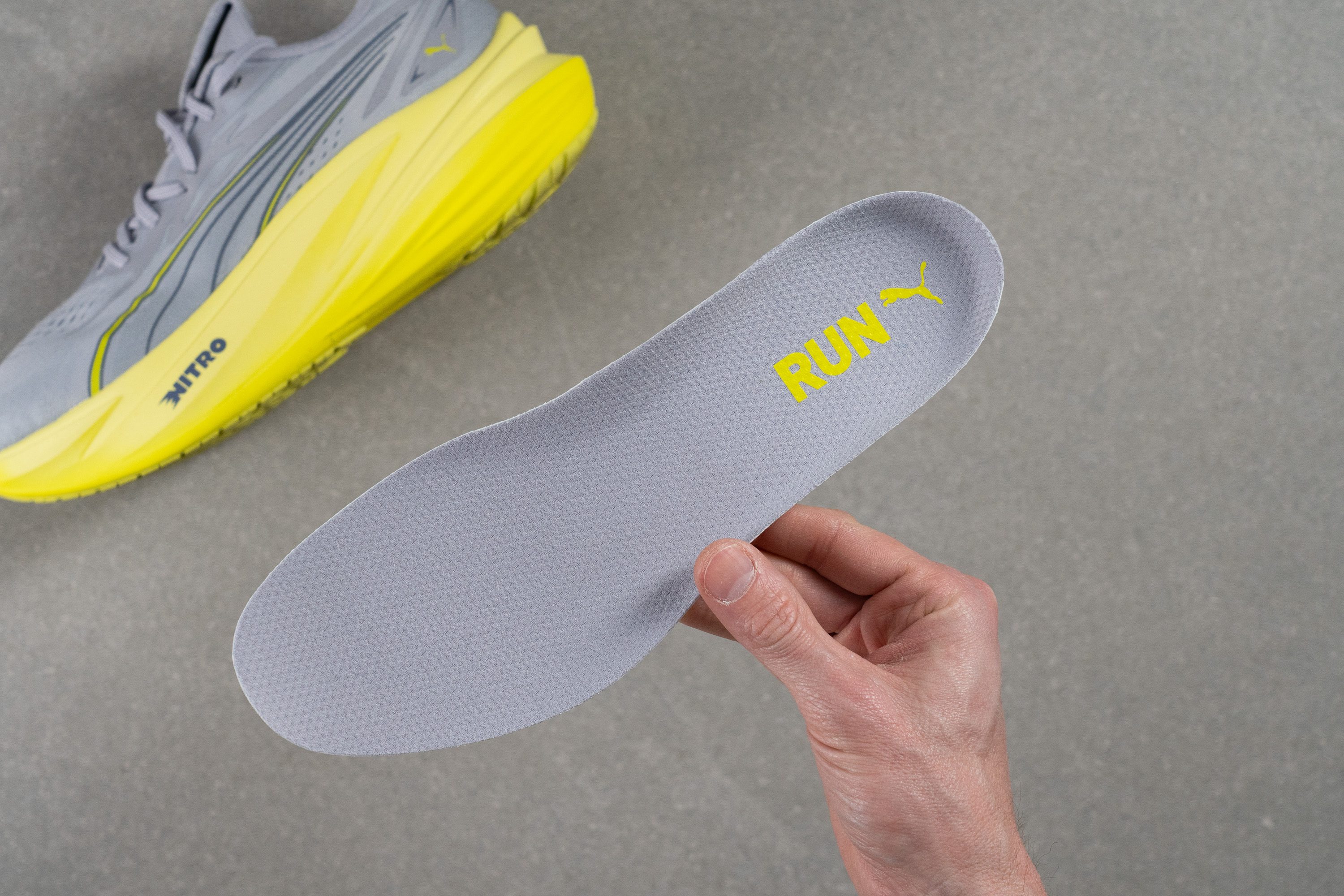
| MagMax Nitro 2 | Sí |
Elementos reflectantes
Las MagMax Nitro 2 tienen detalles reflectantes muy llamativos en el talón, y eso nos encanta. Además, eso hace que estemos más seguros cuando se nos acercan coches por detrás.
| MagMax Nitro 2 | Sí |
Acolchado de la lengüeta
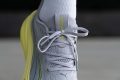
Los diseñadores de PUMA se merecen nuestra enhorabuena, ya que consiguieron reducir un montón el peso de las MagMax Nitro 2 sin recurrir a la opción fácil de disminuir la comodidad. De hecho, la lengüeta elástica tipo knit es comodísima y de buena calidad, y no nos sorprendería que prácticamente todas las marcas empezasen a adoptar este diseño híbrido para sus modelos de gama alta.
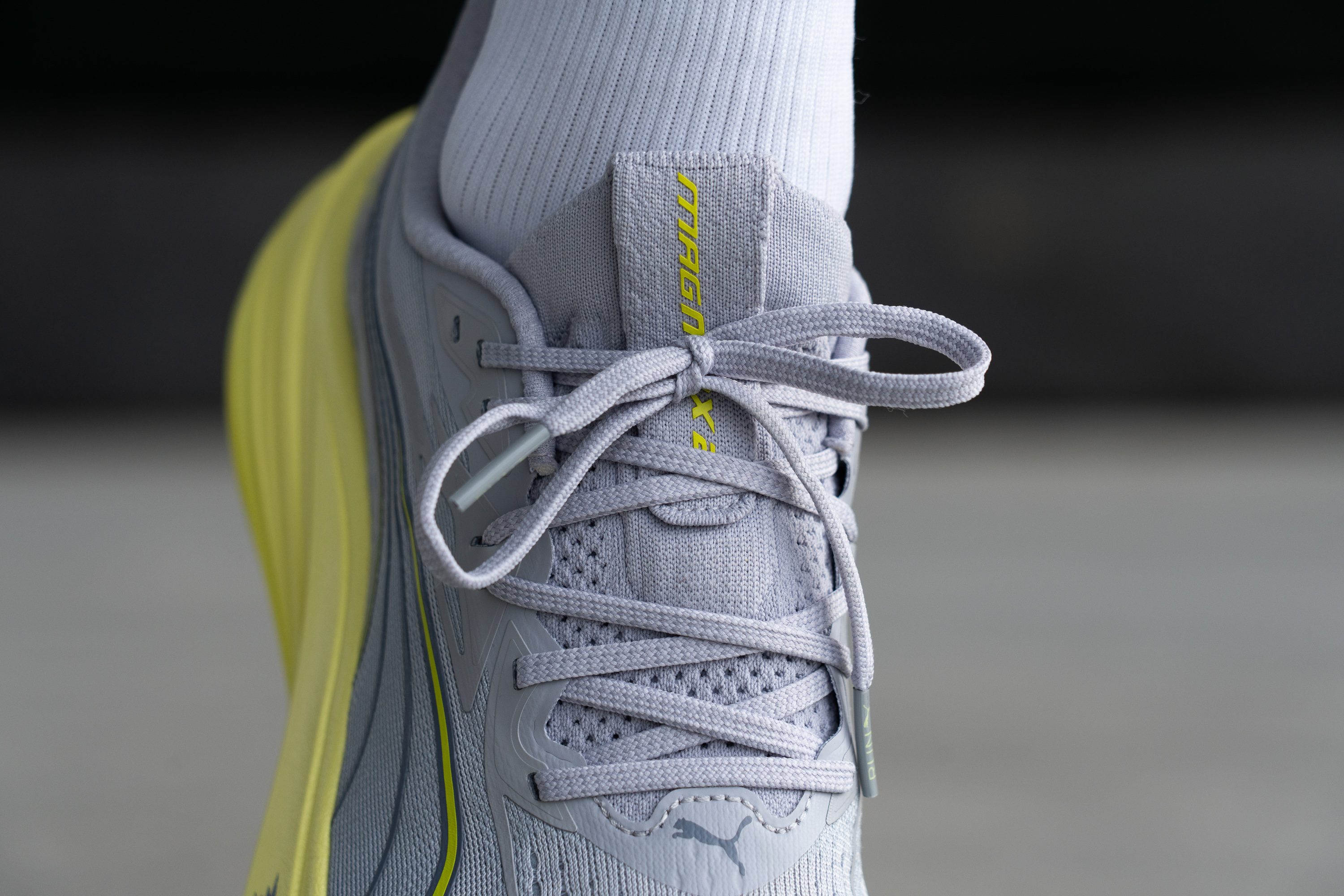
En cuanto a la comodidad, PUMA dio un paso más al añadir 9,1 mm de acolchado sobre el empeine utilizando 2 capas de espuma. Muchas lengüetas de knit son muy finitas, pero está claro que ese no es el caso.
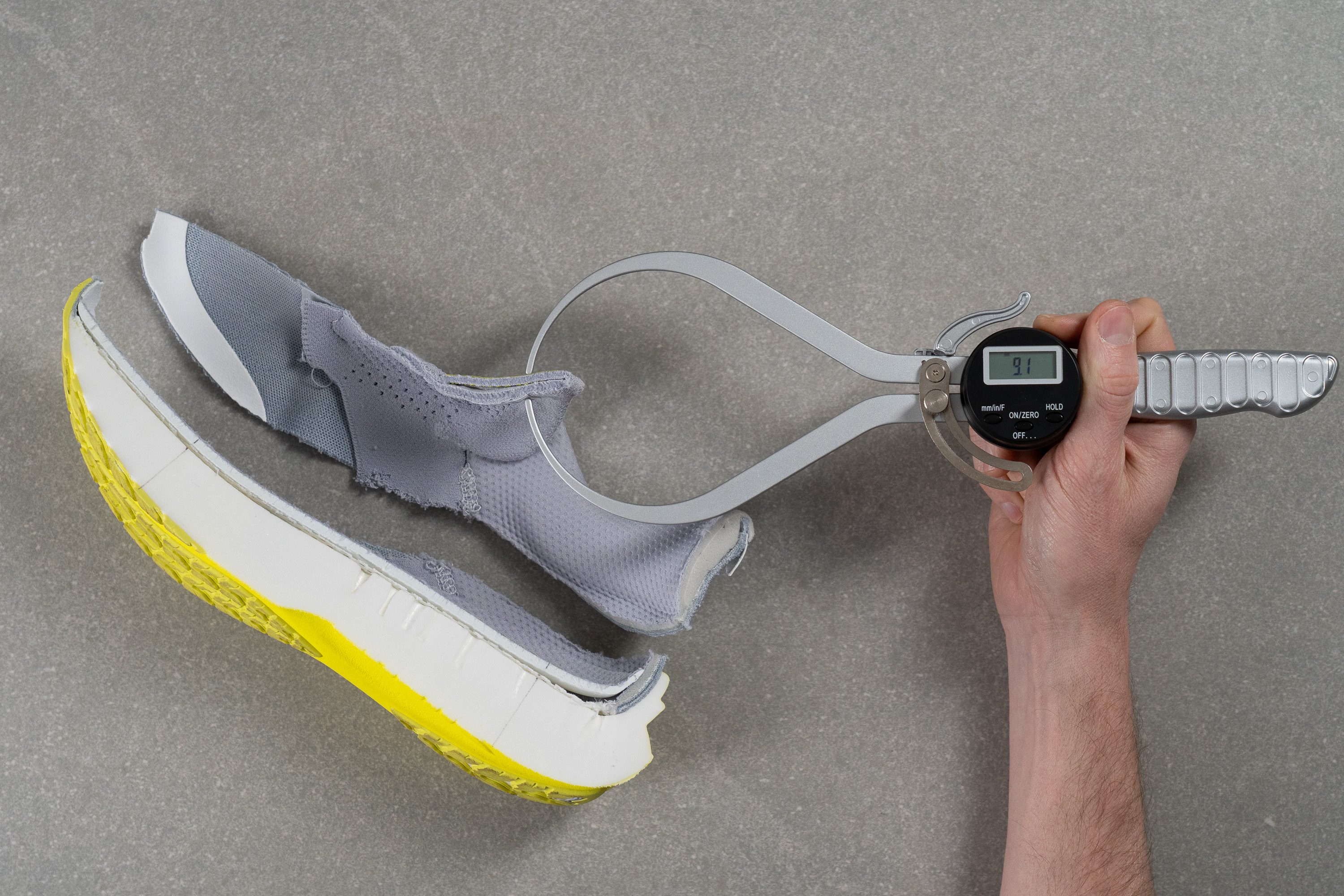
| MagMax Nitro 2 | 9.1 mm |
| Media | 5.8 mm |
Lengüeta: tipo de refuerzo
El ajuste es perfecto, cosa que le deben al maravilloso diseño de la suela exterior, que está semirreforzada. Venga, que te lo decimos otra vez: ¡Buen trabajo, PUMA!
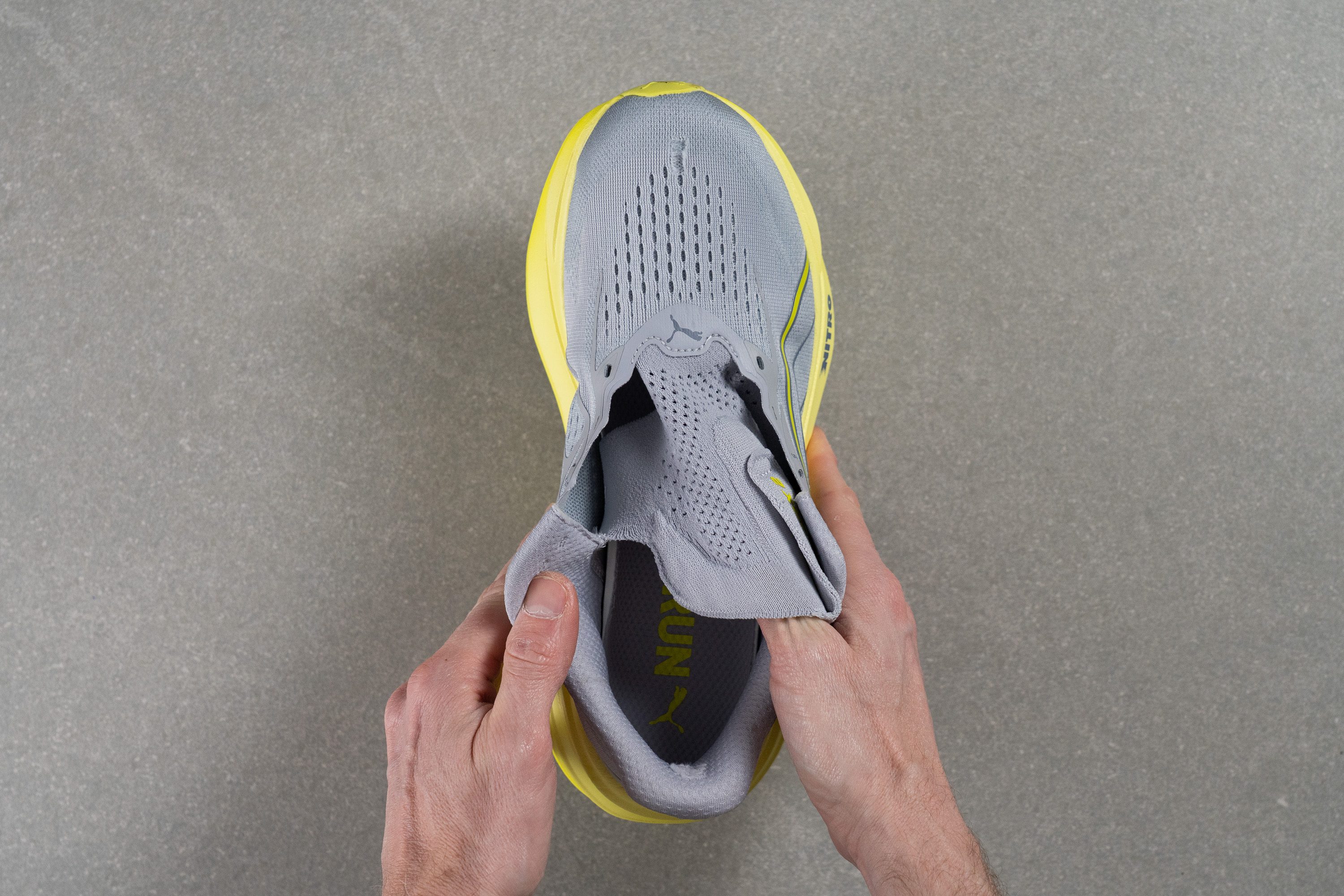
| MagMax Nitro 2 | Ambos lados (semi) |
Tirador del talón
El talón tiene un pequeño tirador que, como habrás visto, es el mismo detalle que se encarga de reflejar la luz.
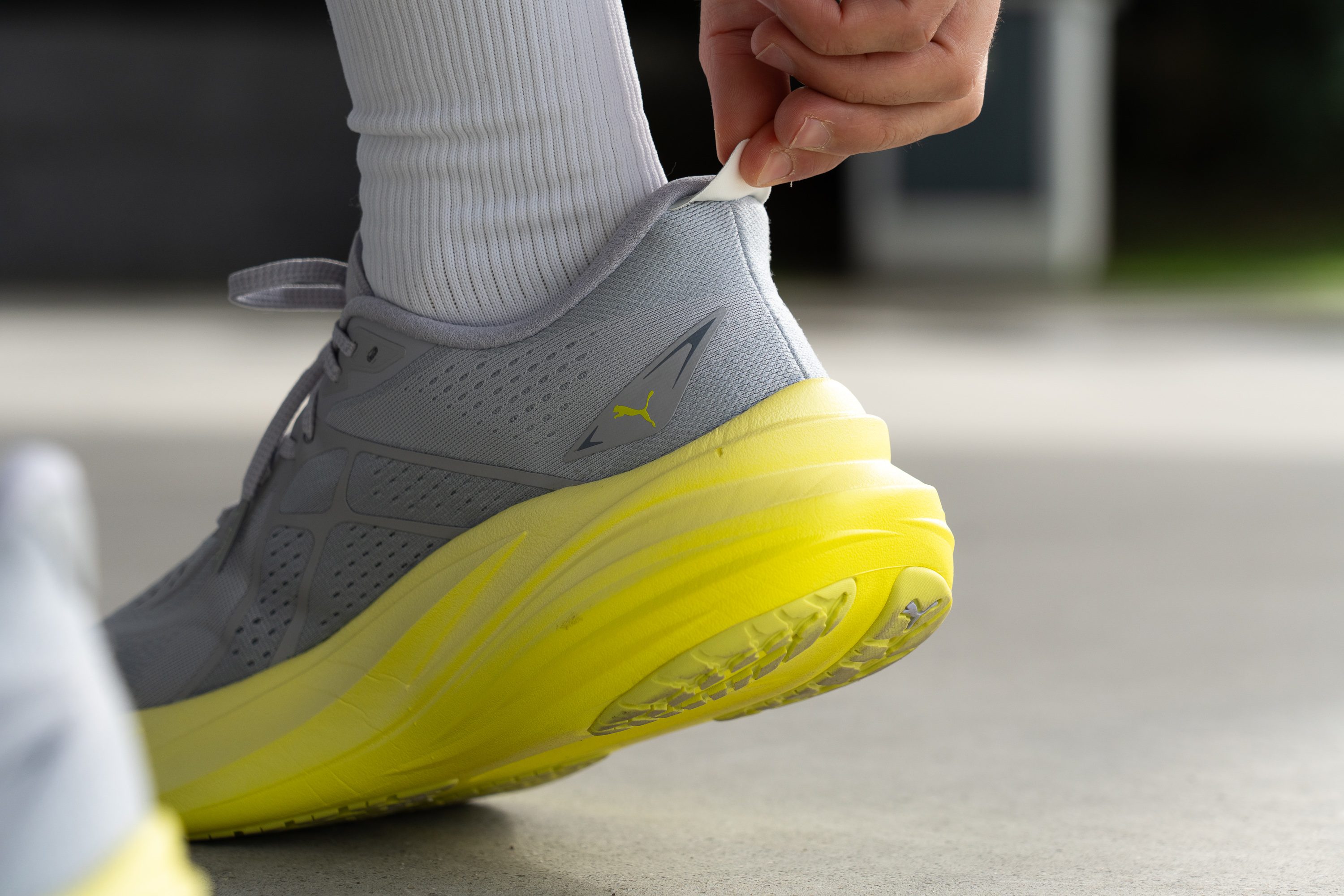
| MagMax Nitro 2 | Tirador estándar |
Precio
Las PUMA MagMax Nitro 2 cuestan lo mismo que sus predecesoras, cosa que, teniendo en cuenta cómo está el mercado actual, nos alegró un montón. Sin embargo, desde el punto de vista del rendimiento, creemos que tienen un precio difícil de justificar. Personalmente, creemos que son una mejor opción para los principiantes que no priorizan el retorno de energía y que valoran las demás características que este modelo ofrece.
| MagMax Nitro 2 | $180 |