
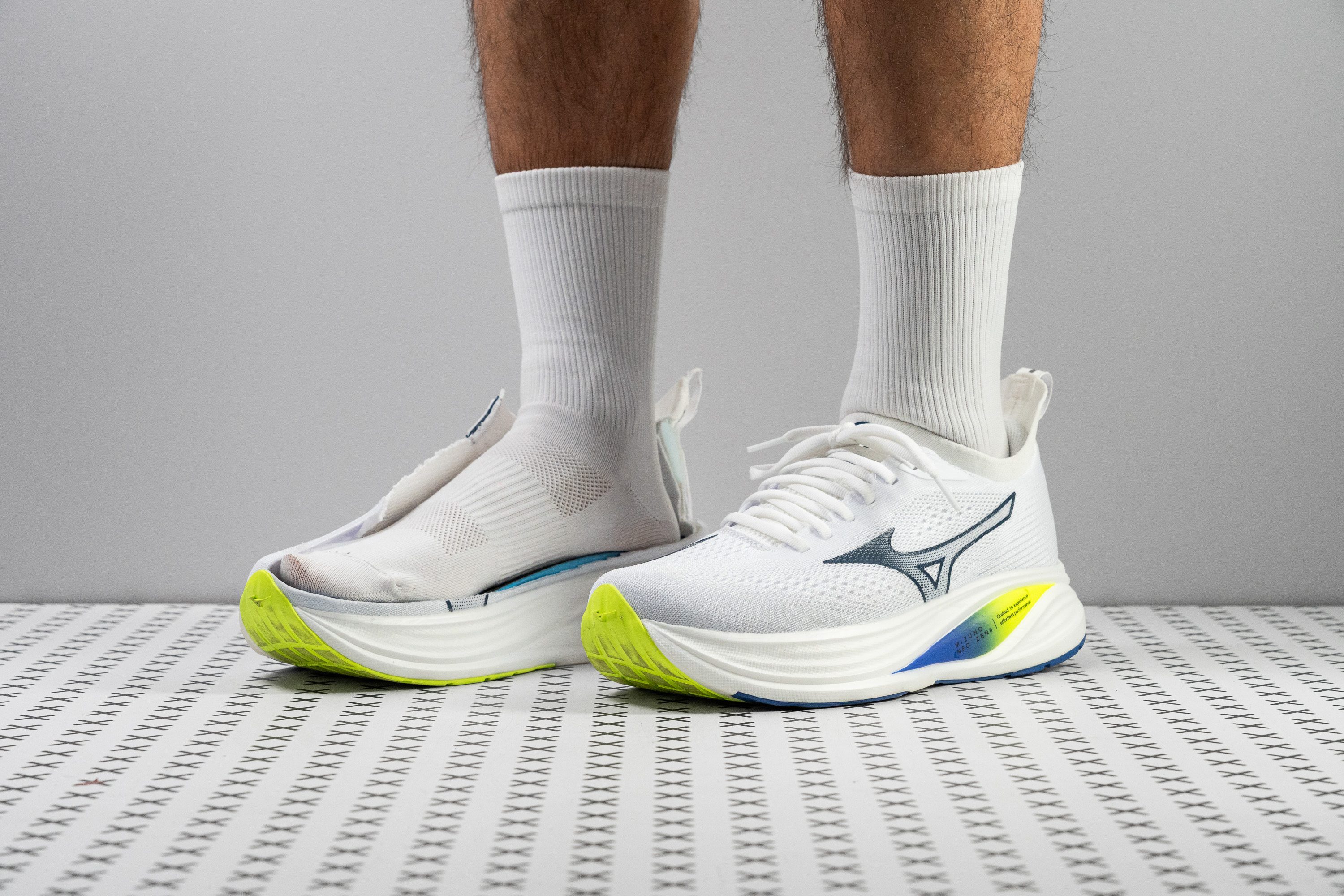




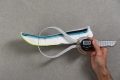
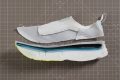

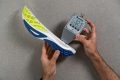
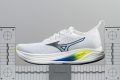
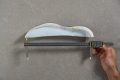





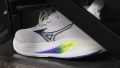







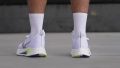



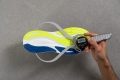





Nuestra conclusión
- Tiradas diarias / rodajes 84
- Tempo 58
- Competición 42
- Estabilidad 78
Pros
- Absorción de impactos altísima para las distancias largas
- Upper que combina knit y malla
- Ideales para tiradas fáciles y largas
- Más estables
- Ligeras para ser unas zapatillas de entrenamiento con amortiguación máxima
- Pisada flexible y transiciones fluidas
- La lengüeta de knit no se mueve nada de nada
- Una opción interesante para los corredores de mediopié
Contras
- Retorno de energía bastante más bajo
- El upper no es duradero
- Solo para pies estrechos
- Ya no son tan divertidas
Premios
- Top pick in mejores zapatillas Mizuno de running
Comparativa
Las zapatillas de running más parecidas
+ + Añadir unas zapatillas | |||||
|---|---|---|---|---|---|
| Our score | 79 Good | 91 Superb | 83 Great | 86 Great | |
| Price | 150 € | 200 € | 200 € | 200 € | |
| Ritmo | Correr a diario | Correr a diario | Correr a diarioTempo / series | Correr a diario | |
| Absorción de impactos | Alta | Alta | Alta | Alta | |
| Retorno de energía | Bajo | Alto | Alto | Bajo | |
| Tracción | Alta | Alta | Alta | Alta | |
| Sujeción arco del pié | Neutral | Neutral | Neutral | Neutral | |
| Peso lab Peso brand | 8.4 oz / 237g 8.5 oz / 241g | 9 oz / 255g 9.2 oz / 261g | 8.7 oz / 247g | 9.8 oz / 278g 10 oz / 283g | |
| Ligero | ✓ | ✗ | ✓ | ✗ | |
| Drop lab Drop brand | 5.0 mm 6.0 mm | 6.4 mm 6.0 mm | 6.5 mm 6.0 mm | 5.2 mm 8.0 mm | |
| Técnica de carrera | Mid/forefoot | Mid/forefoot | Mid/forefoot | Mid/forefoot | |
| Talla | True to size | True to size | True to size | True to size | |
| Rigidez de la mediasuela | Blanda | Blanda | Blanda | Equilibrada | |
| Diferencia de la rigidez de la mediasuela en frío | Pequeña | Pequeña | Pequeña | Pequeña | |
| Durabilidad de la parte delantera | Mala | Buena | Decente | Decente | |
| Durabilidad del acolchado del talón | Baja | Media | Alta | Media | |
| Durabilidad de la suela exterior | Buena | Decente | Buena | Buena | |
| Transpirabilidad | Media | Media | Baja | Media | |
| Anchura / ajuste | Estrecha | Media | Media | Media | |
| Anchura de la parte delantera | Estrecha | Media | Media | Media | |
| Flexibilidad | Moderada | Moderada | Rígida | Rígida | |
| Rigidez torsional | Flexibles | Flexibles | Moderadas | Rígidas | |
| Rigidez del contrafuerte del talón | Moderado | Rígido | Flexible | Rígido | |
| Con rocker | ✓ | ✓ | ✓ | ✓ | |
| Heel lab Heel brand | 39.9 mm 40.0 mm | 37.0 mm 40.0 mm | 44.6 mm 45.0 mm | 39.5 mm 43.5 mm | |
| Forefoot lab Forefoot brand | 34.9 mm 34.0 mm | 30.6 mm 34.0 mm | 38.1 mm 39.0 mm | 34.3 mm 35.5 mm | |
| Widths available | EstándarAncho | EstrechoEstándarAnchoExtra Ancho | EstándarAncho | EstándarAnchoExtra Ancho | |
| Compatibles con plantillas personalizadas | ✓ | ✓ | ✓ | ✓ | |
| Estación | Todas las estaciones | Todas las estaciones | Todas las estaciones | Todas las estaciones | |
| Plantilla extraíble | ✓ | ✓ | ✓ | ✓ | |
| Ranking | #240 40% inferior | #20 Top 5% | #152 Top 38% | #82 Top 21% | |
| Popularity | #154 Top 39% | #26 Top 7% | #43 Top 11% | #28 Top 8% |



Quién debería comprárselas
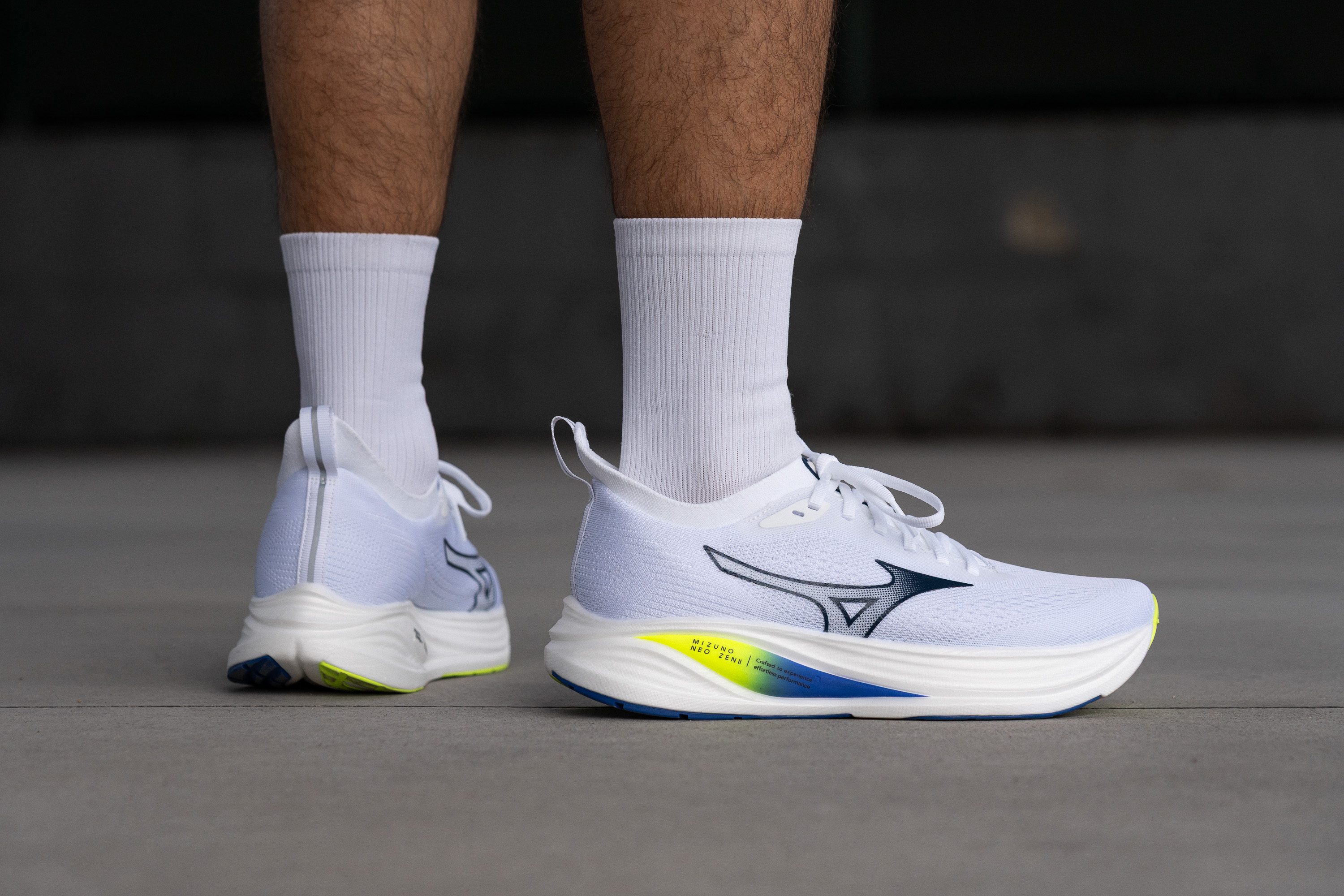
En nuestra opinión, las Mizuno Neo Zen 2 son estupendas para los runners que:
- Tienen los pies estrechos y les suele costar encontrar unas zapatillas de entrenamiento diario con un upper ajustado y seguro.
- Prefieren un ajuste ceñido, tipo calcetín, que mantenga el pie firme en las tiradas fáciles.
- Necesitan unas zapatillas cómodas para los kilómetros sencillos, relegando a un segundo plano las sesiones de velocidad o centradas en el rendimiento.
Quién NO debería comprárselas
Creemos que las Mizuno Neo Zen 2 pueden decepcionar a los corredores que están buscando unas zapatillas de entrenamiento diario con más energía, ya que la espuma Enerzy NXT carece del rebote que muchos corredores esperan hoy en día. Las adidas Adizero EVO SL o las Saucony Ride 19 son opciones claramente mejores si estás buscando una pisada más reactiva.
También creemos que las Neo Zen 2 no son ideales para los corredores con pies anchos o voluminosos. Según nuestras pruebas de laboratorio, su upper es estrecho, así en plan calcetín, así que a lo mejor te aprieta. Para un ajuste más espacioso, te recomendamos las Altra Experience Flow 2; por otro lado, las adidas Supernova Rise 3 tienen una parte delantera con un diseño más equilibrado y clásico.
Amortiguación
Shock absorption
En nuestra prueba de absorción de impactos, estas zapatillas se llevaron un par de resultados muy altos: 143 SA en el talón y 132 SA en el antepié, lo que las convierte en una excelente opción para las distancias largas y los corredores más corpulentos.
Es un resultado sólido, pero un poquito más bajo del que vimos en la versión 1. Aunque mantiene el mismo nombre, Enerzy NXT, es evidente que no estamos ante la misma espuma.
| Neo Zen 2 | 143 SA |
| Media | 131 SA |
Energy return
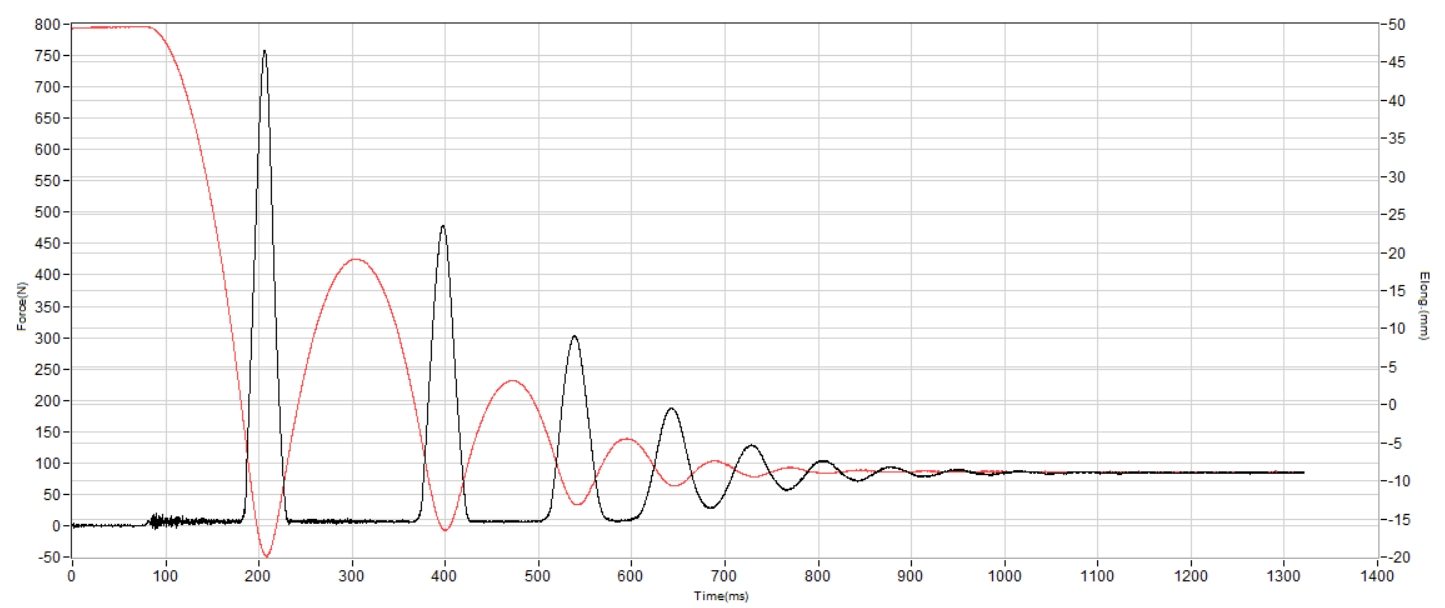
La mayor queja que tenemos con la segunda versión de las Neo Zen 2... es su rebote. Y, sinceramente, nos parecería totalmente normal que echase para atrás a muchos posibles compradores.
Las Mizuno Neo Zen originales utilizaban una mezcla de TPU supercrítica llamada Enerzy NXT, y la verdad es que nos gustó un montón. Era dinámica y divertida, pero lo mejor de todo es que su rebote era espectacular, alcanzando un retorno de energía del 71,7 % en nuestro laboratorio. Sin embargo, la Versión 2 ha bajado el nivel y utiliza EVA, un compuesto mucho más económico y con menos energía. De hecho, para que te hagas una idea de lo decepcionante que ha sido, su retorno de energía ahora es de solo el 47,4 %.
| Neo Zen 2 | 50.9% |
| Media | 61.4% |
Altura de la suela en la zona del talón
Aunque el retorno de energía fue una decepción enorme, queremos felicitar a Mizuno por lo precisas que han sido sus medidas de la mediasuela. Dice que, en el talón, estas zapatillas miden 40 mm de alto, y a nosotros nos dio 39,9 mm, ¡que es prácticamente lo mismo!
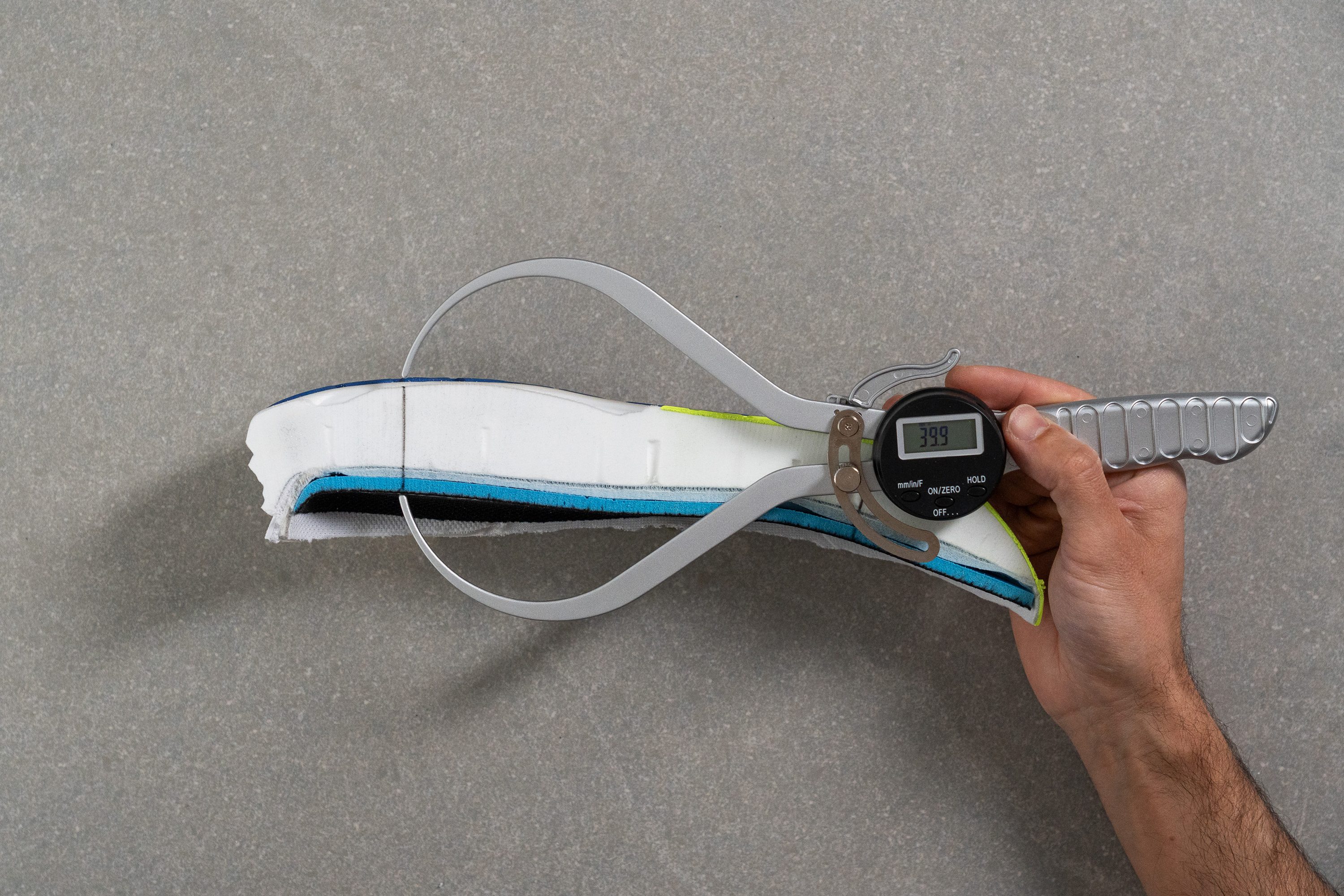
| Neo Zen 2 | 39.9 mm |
| Media | 35.6 mm |
Altura de la suela en el antepié
El antepié mide 34,9 mm, así que ofrece un montón de espuma incluso si aterrizas con los metatarsos. La verdad es que nos es difícil imaginarnos que a alguien le pueda faltar amortiguación en esta zona, ya que este modelo está en la categoría maximalista.
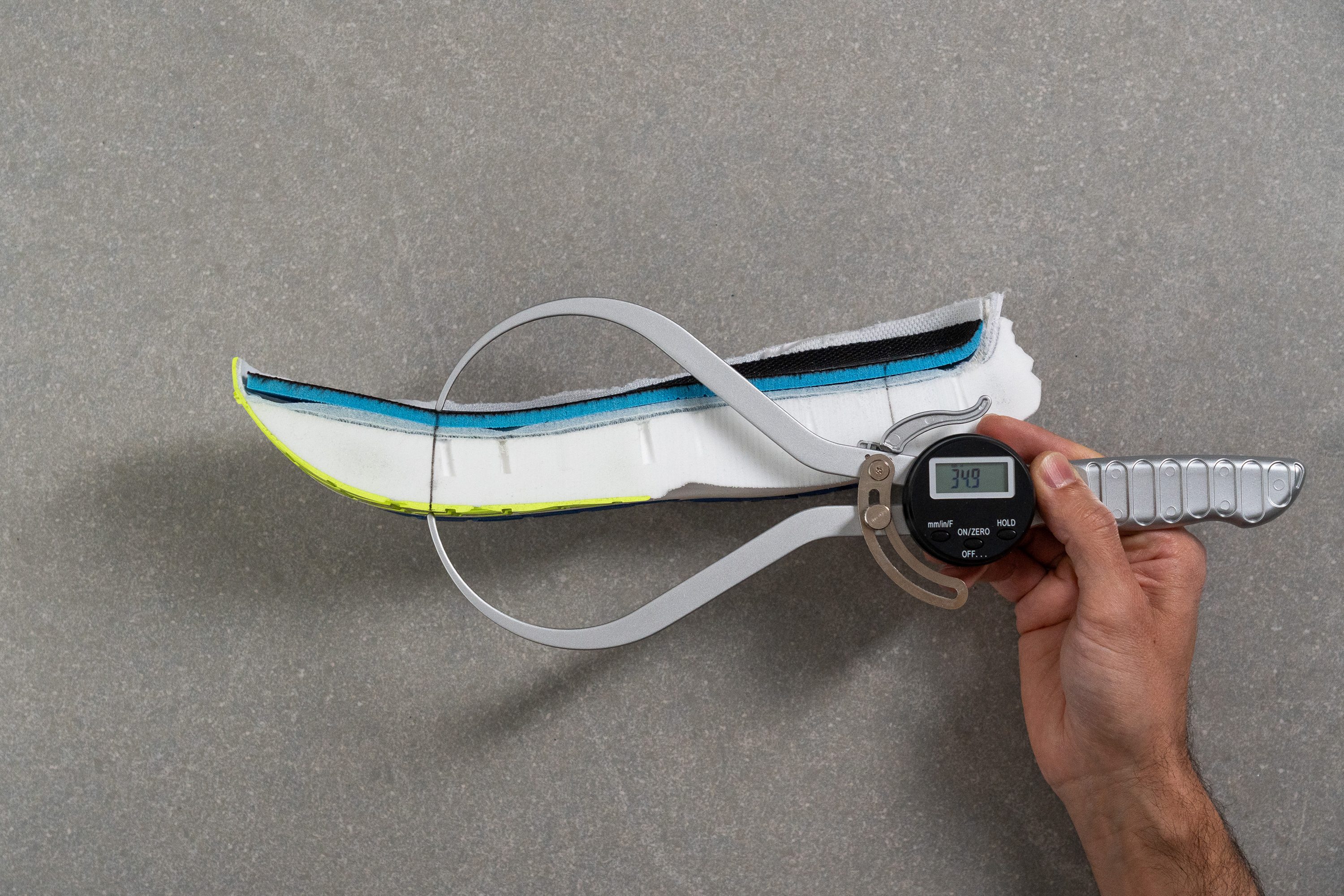
| Neo Zen 2 | 34.9 mm |
| Media | 27.1 mm |
Drop
Aunque la marca dice que el drop de este modelo es de 6 mm, a nosotros nos dio 5 mm. Pero bueno, que una diferencia de 1 mm no se nota al correr, ¡ni siquiera nosotros lo percibimos!
Sigue siendo una excelente opción para los corredores de metatarsos o de mediopié, pero es probable que los talonadores prefieran un drop más alto, ya que la espuma blanda del talón se comprime más al impactar.
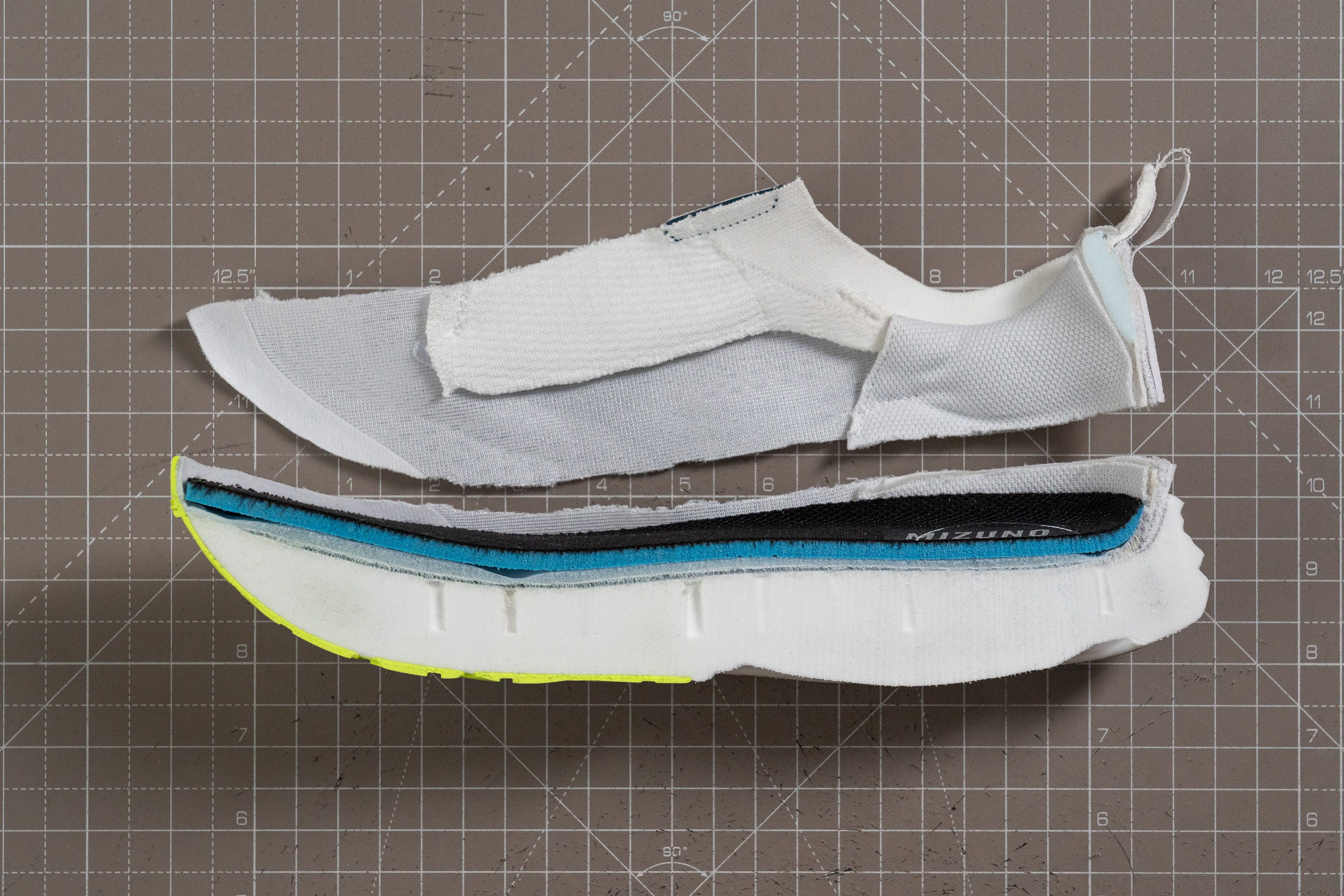
| Neo Zen 2 | 5.0 mm |
| Media | 8.4 mm |
Dureza de la mediasuela
Puede que las Enerzy NXT hayan perdido parte de su rebote en esta actualización, pero en cuanto a suavidad, la sensación es muy parecida.
Cuando las analizamos con el durómetro Asker C, marcó 32,1 AC, así que son un poquito más blandas que las de la versión anterior, y siguen estando por debajo de la media de la categoría. Incluso con un resultado parecido, la sensación bajo el pie cambia. Pero esta diferencia tiene sentido, ya que la capacidad de recuperación (la rapidez y fuerza con la que la espuma vuelve a su forma) se ha reducido claramente en esta nueva versión.
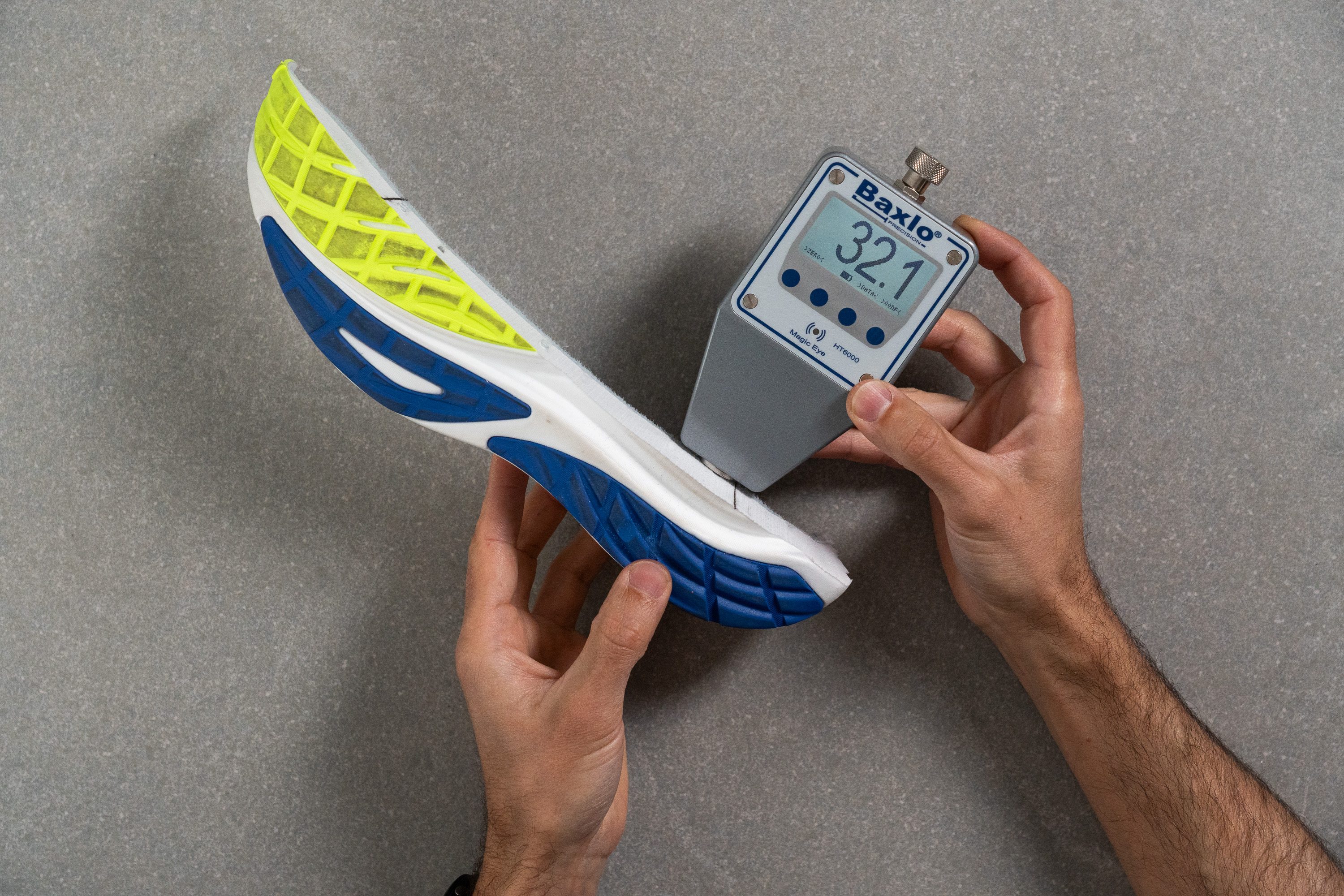
| Neo Zen 2 | 32.1 AC |
| Media | 35.5 AC |
Rocker
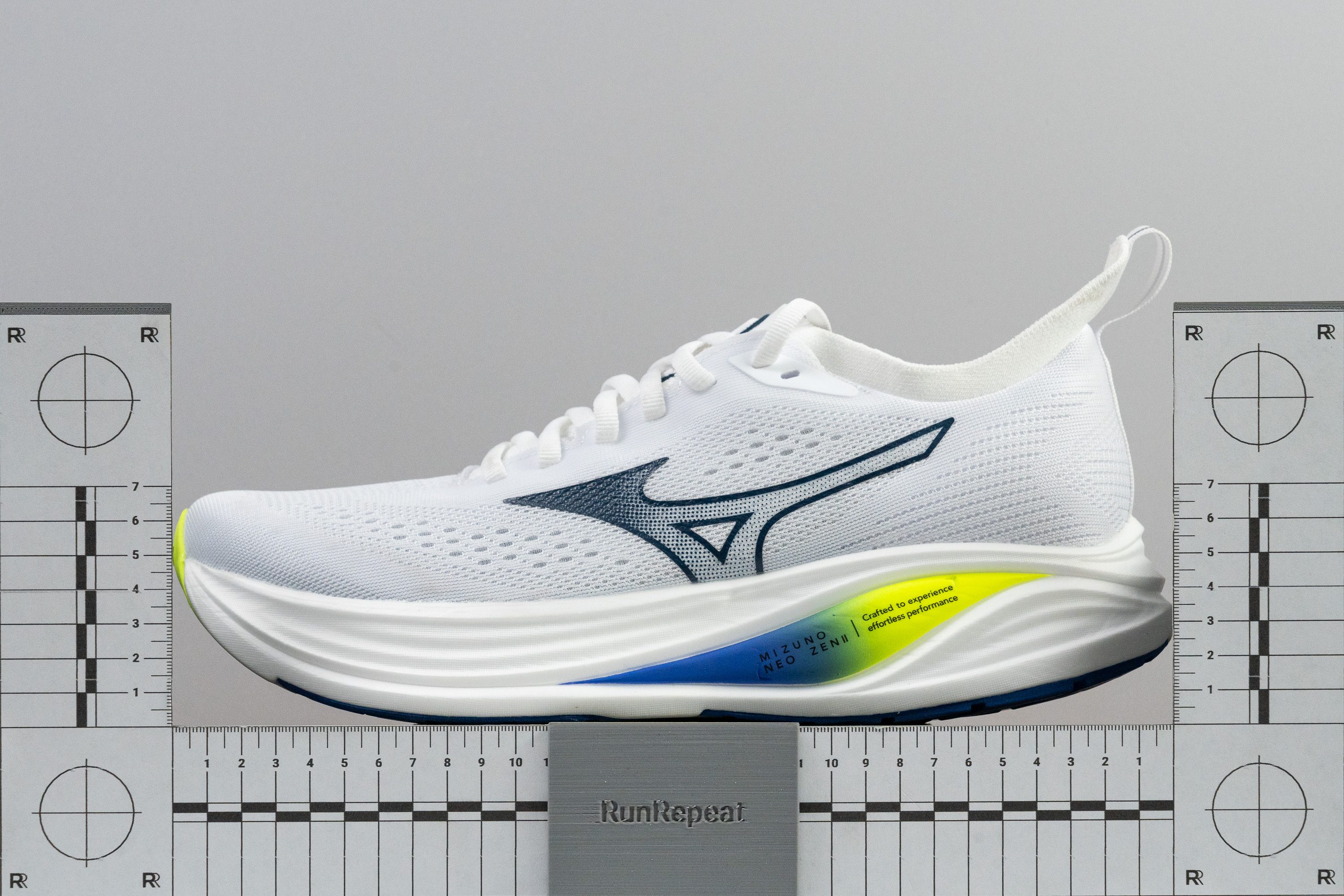
Desde un punto de vista geométrico y según nuestras mediciones, el rocker de las Neo Zen 2 se parece mucho al de la primera generación. En ese sentido, es una actualización segura, ya que las transiciones se sienten casi iguales a las de la versión original (solo que con bastante menos energía, claro, como comprobamos antes).
Tallaje y ajuste
Talla
Las Mizuno Neo Zen 2 tallan bien (20 votos).
Longitud interna
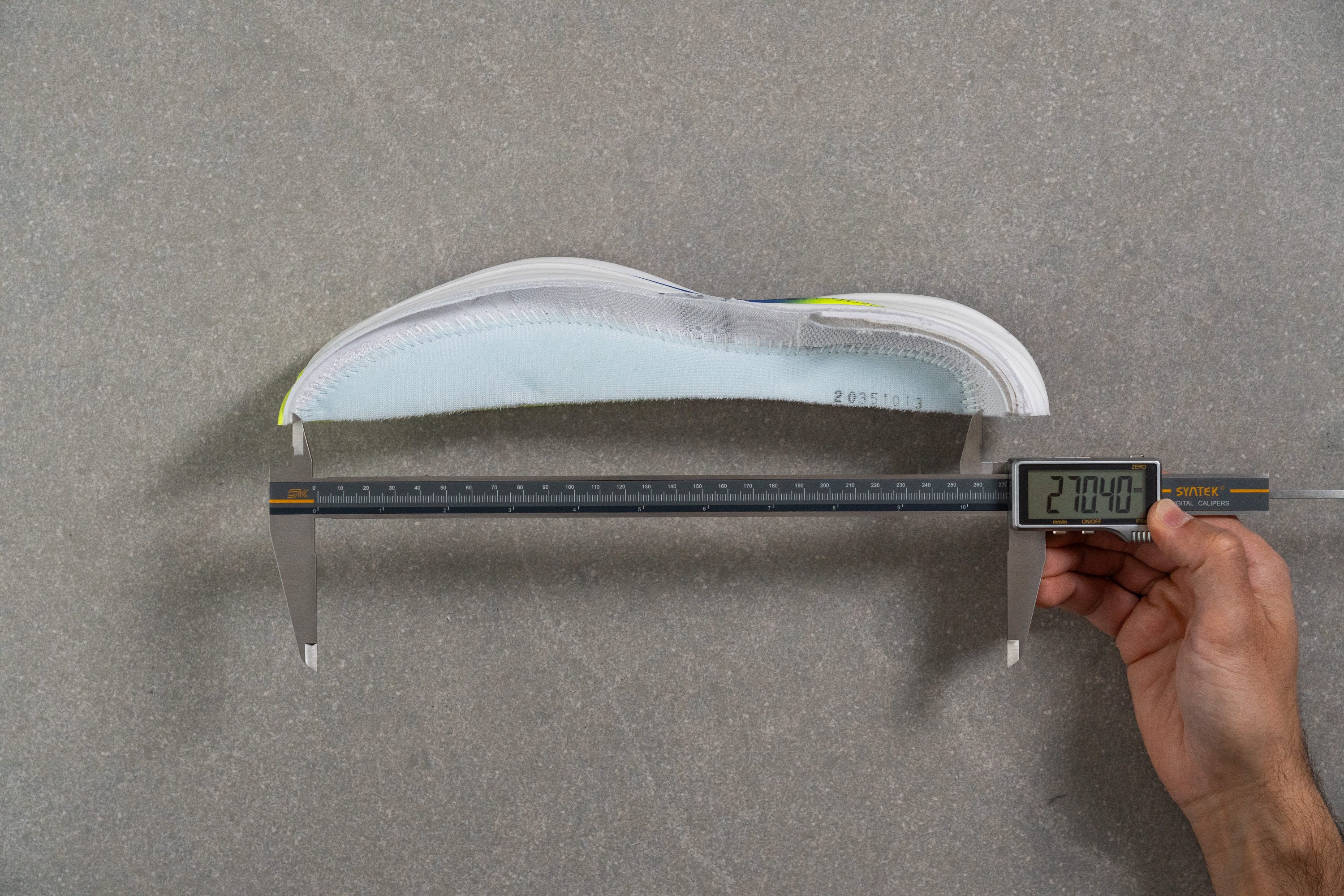
| Neo Zen 2 | 270.4 mm |
| Media | 269.3 mm |
Anchura / Ajuste
Lo que sí se sintió bastante diferente para nosotros fue el ajuste. Las Neo Zen originales se podían adaptar a los pies que son un poquito más anchos gracias a su upper elástico, pero las Neo Zen 2… no son una buena opción para las personas con pies anchos.
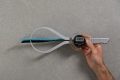
Cuando medimos su anchura en el punto más ancho, nuestro calibre marcó 92,2 mm, así que son bastante más estrechas que la media de las zapatillas de running, lo que indica que su ajuste es ceñido y seguro.
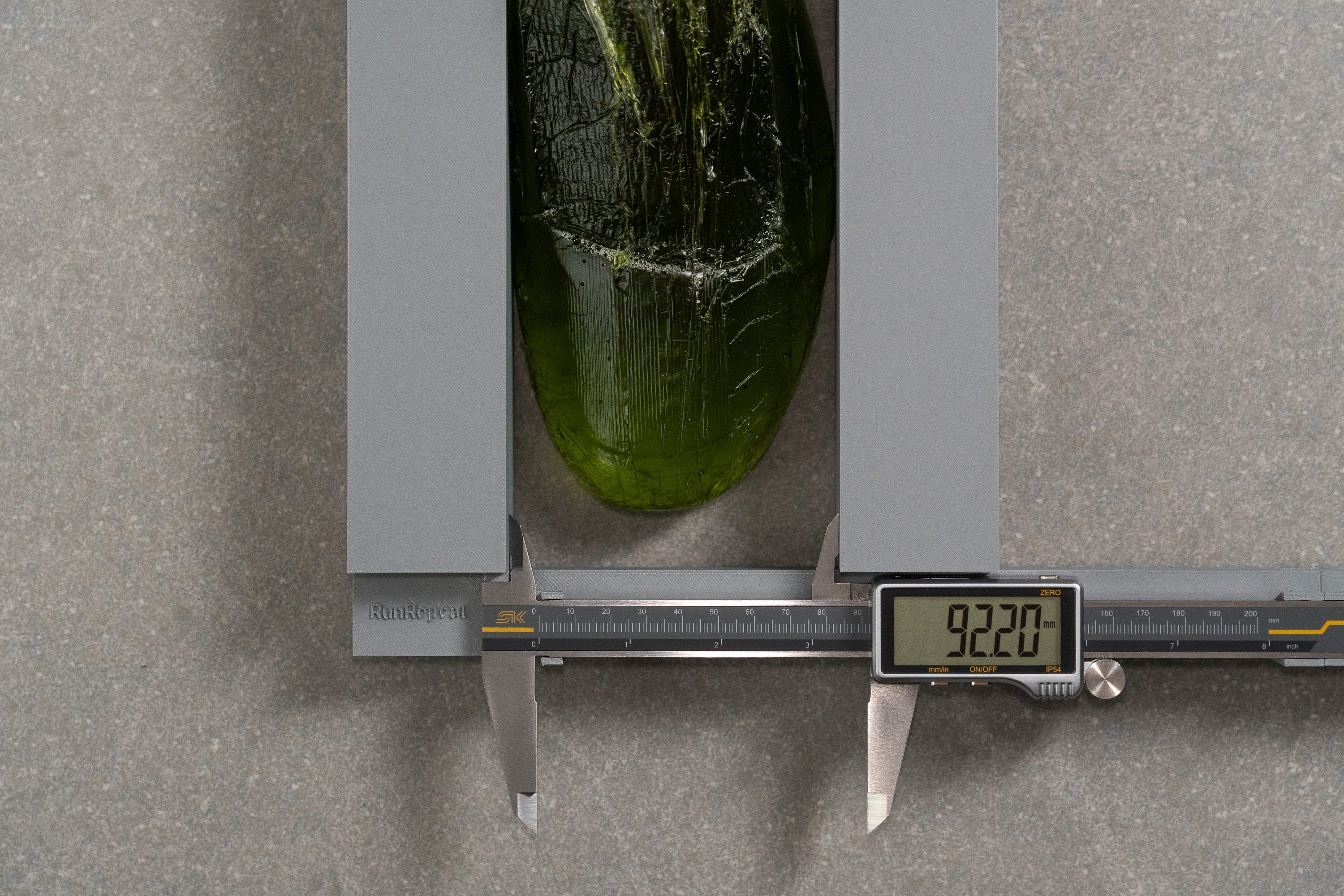
| Neo Zen 2 | 92.2 mm |
| Media | 95.2 mm |
Anchura de la parte delantera
Con solo 68,3 mm en la zona de los dedos, las Neo Zen 2 están diseñadas para los runners que prefieren una forma estrecha y puntiaguda, aunque habrá deportistas a los que les aprieten.
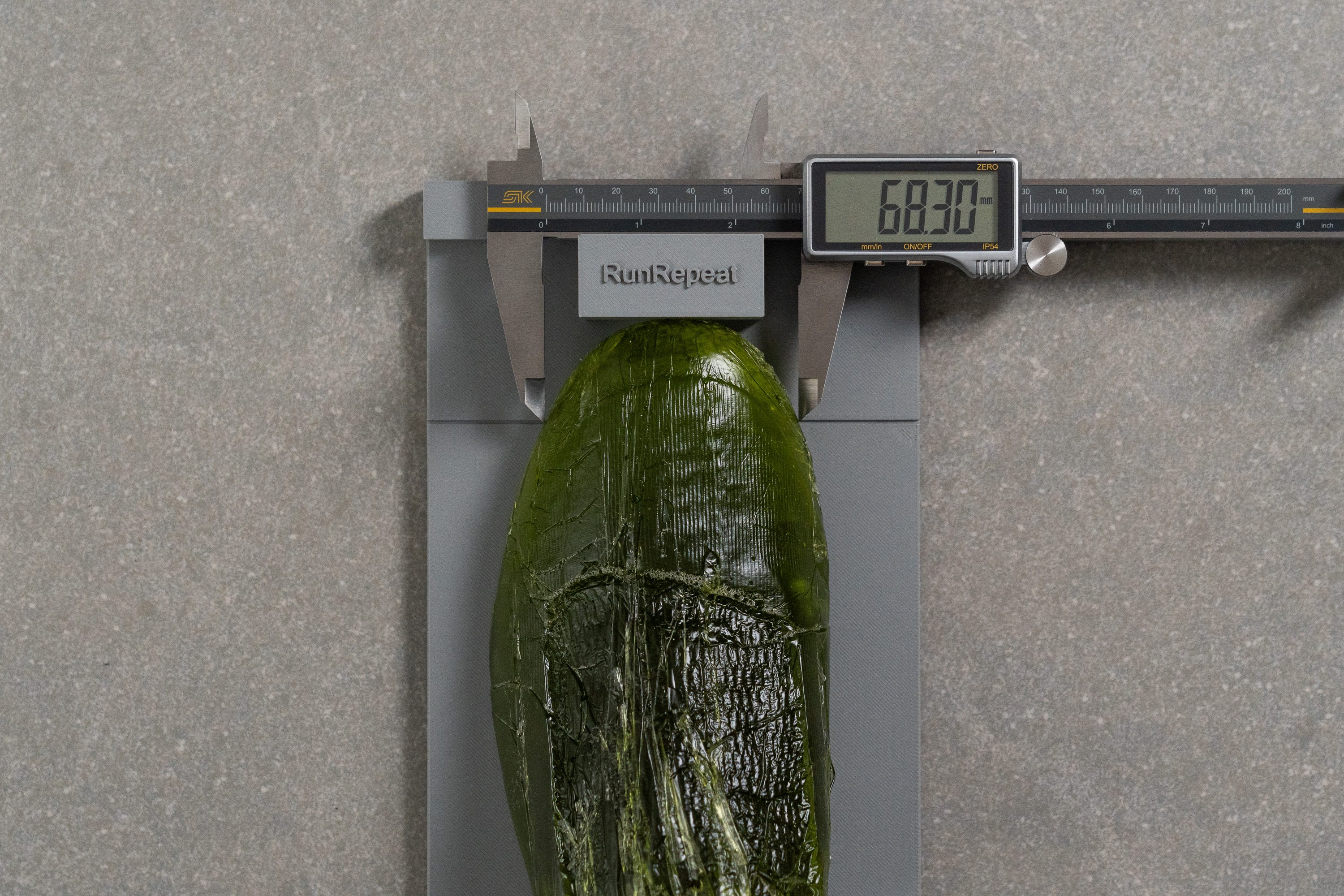
| Neo Zen 2 | 68.3 mm |
| Media | 73.2 mm |
Altura de la parte delantera
Terminamos midiendo la altura de la parte delantera, y resulta que es más bajita que la media.
Con 25,1 mm de espacio vertical, está claro que estas zapatillas de running no son la mejor opción si tienes los pies grandotes.
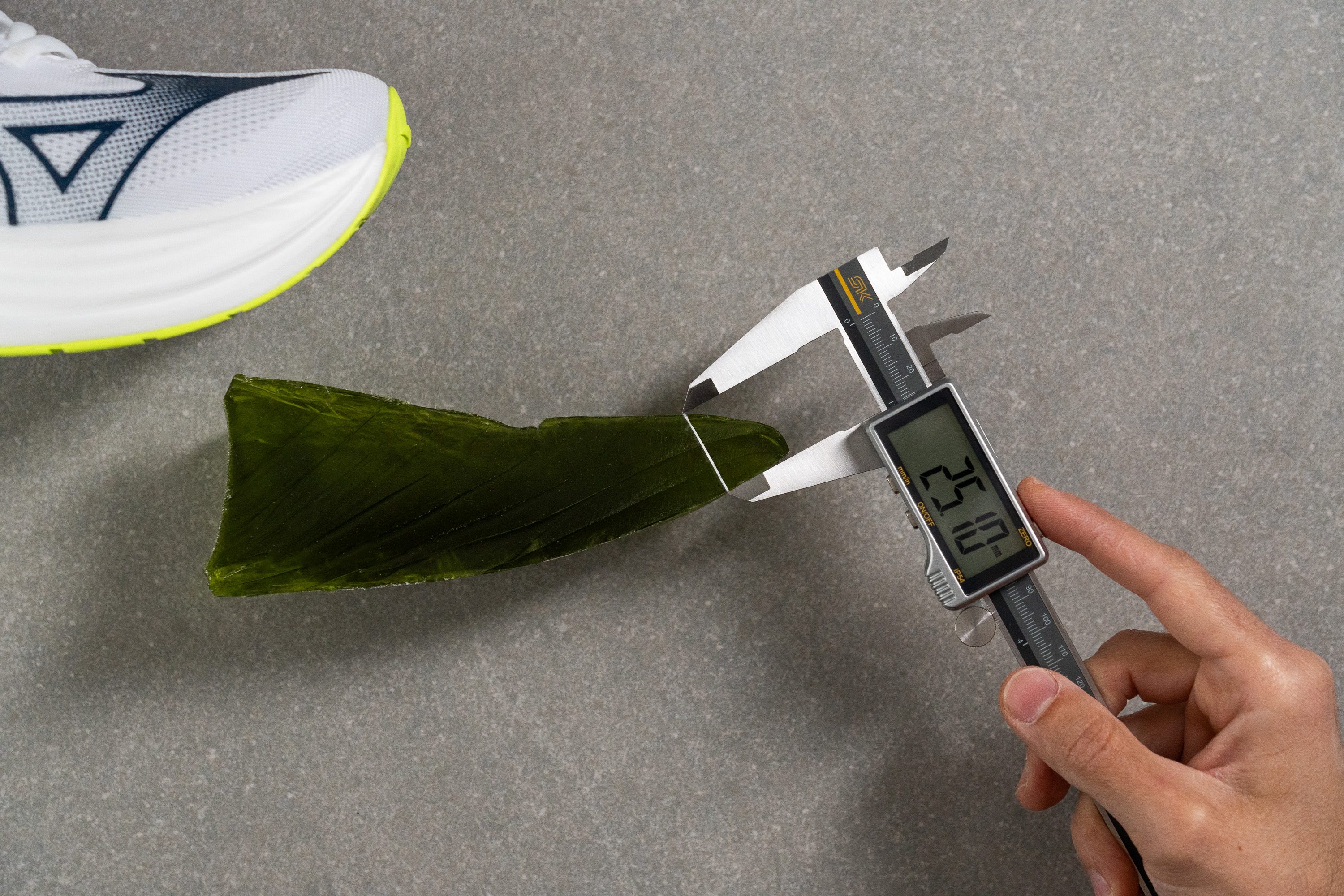
| Neo Zen 2 | 25.1 mm |
| Media | 27.0 mm |
Tracción / Agarre
Traction test
Llegados a este punto, casi estábamos dispuestos a hacer cualquier cosa por una buena noticia, y la suela exterior escuchó nuestras plegarias. Aunque un 0,55 no alcanza el nivel de los mejores modelos, como las ASICS Glideride Max 2, representa una mejora clara con respecto al modesto 0,38 de la versión 1.
| Neo Zen 2 | 0.55 |
| Media | 0.53 |
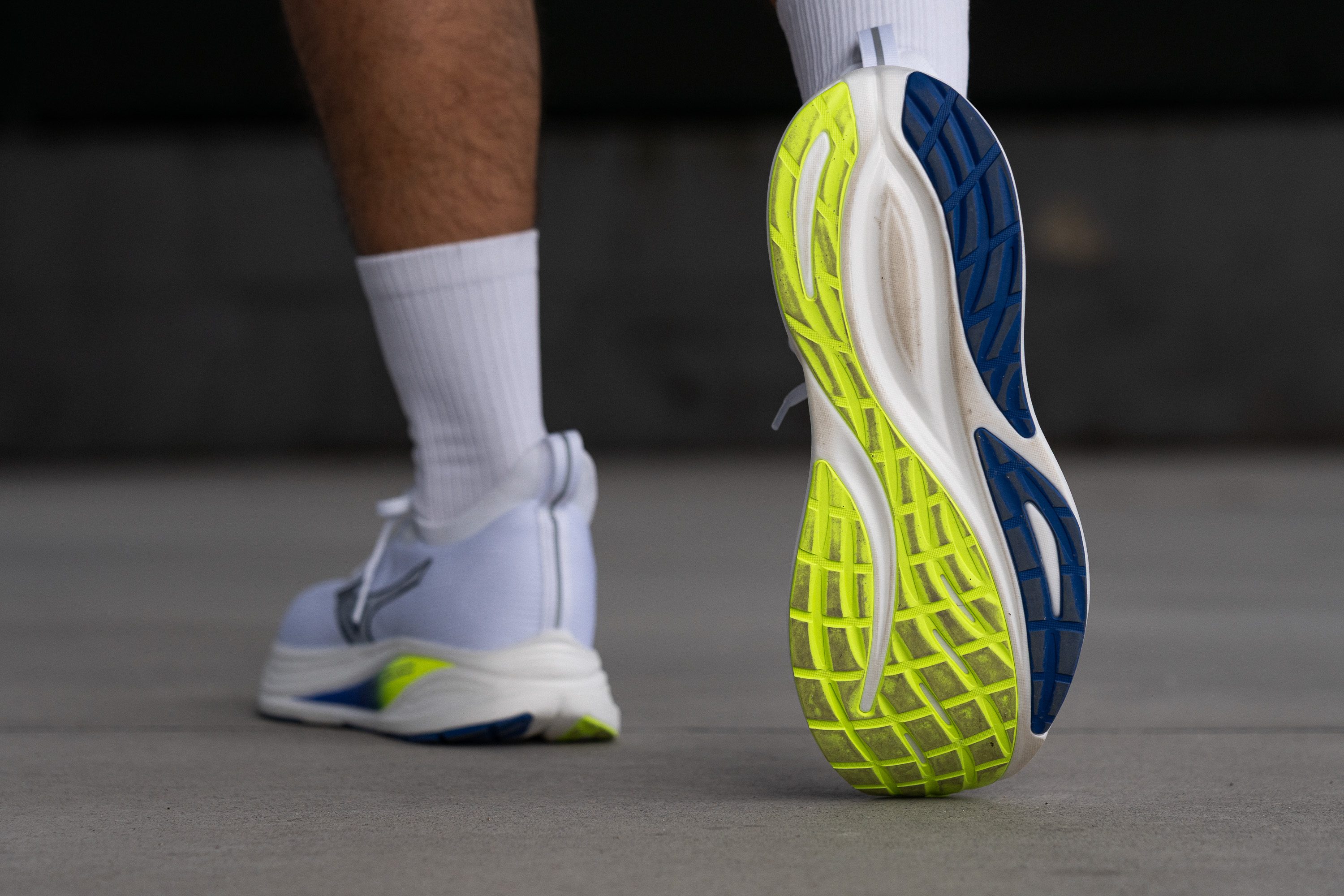
Diseño de la suela exterior
El nuevo diseño de la suela rompe con el de las Neo Vista 2, y la verdad es que es un cambio a mejor. Al fin y al cabo, reutilizar la misma suela en un modelo diferente no tenía mucho sentido. Aquí tenemos una distribución renovada creada específicamente para las Neo Zen 2, que mejora claramente la tracción tanto en superficies tanto mojadas como secas.
Flexibilidad / Rigidez
Con un resultado de 13,3 N en nuestra prueba de flexión de 30 grados, las Mizuno Neo Zen 2 no tienen una estructura excesivamente rígida y, una vez más, demuestran por qué se sienten tan parecidas a sus predecesoras, ya que el resultado fue casi idéntico.
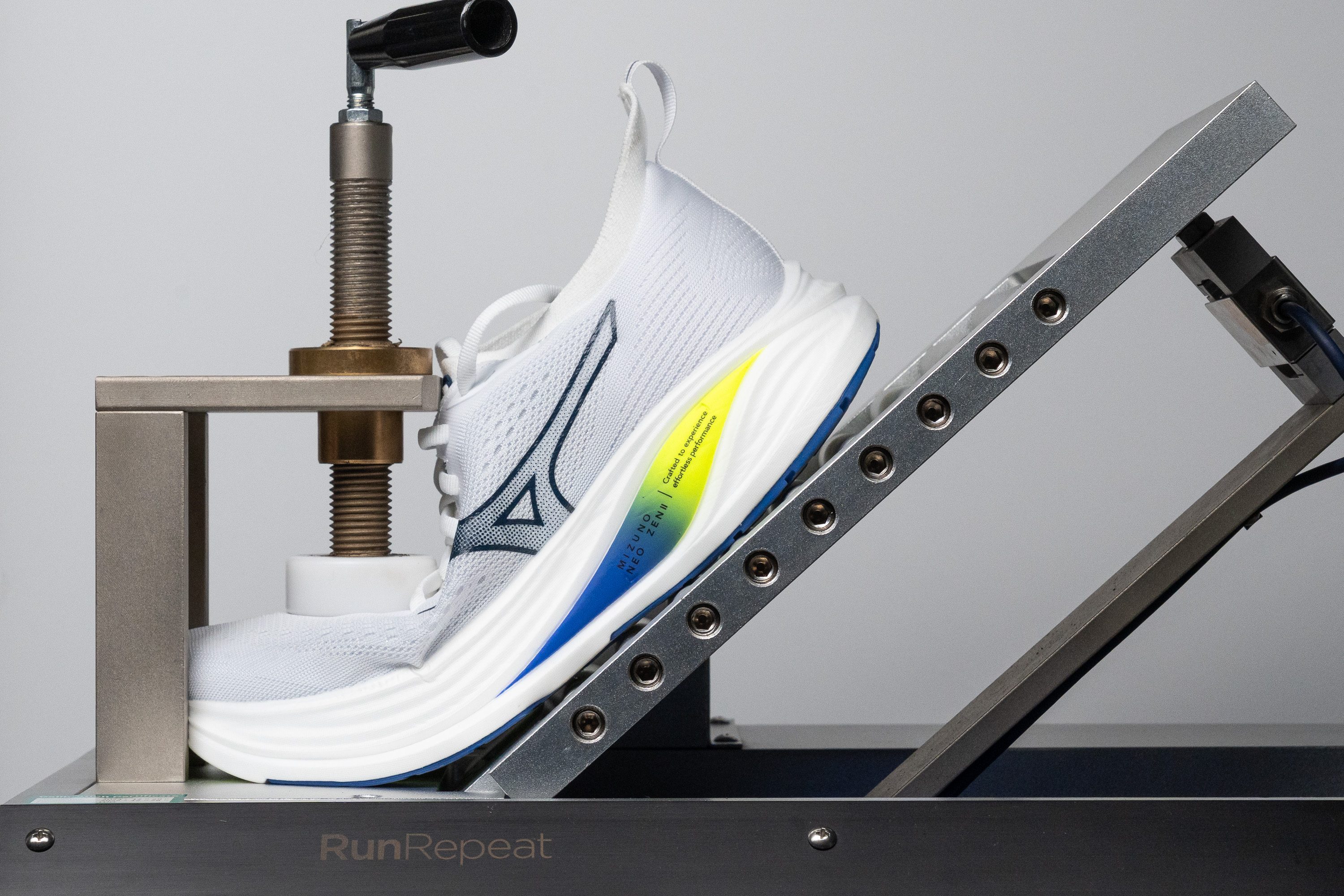
| Neo Zen 2 | 13.3N |
| Media | 15.5N |
Peso
Otro aspecto que destaca la naturaleza continuista de las Mizuno Neo Zen 2 es el peso. Normalmente, vemos diferencias de ±2 % entre el modelo de la izquierda y el de la derecha en nuestro laboratorio, así que podemos decir que su peso es casi igual que el de la versión 1.
Como referencia, cuando las pesamos, la báscula marcó 237 g. Es un resultado excelente para un modelo de entrenamiento diario con tanta amortiguación, y sigue siendo uno de los puntos fuertes de las zapatillas.
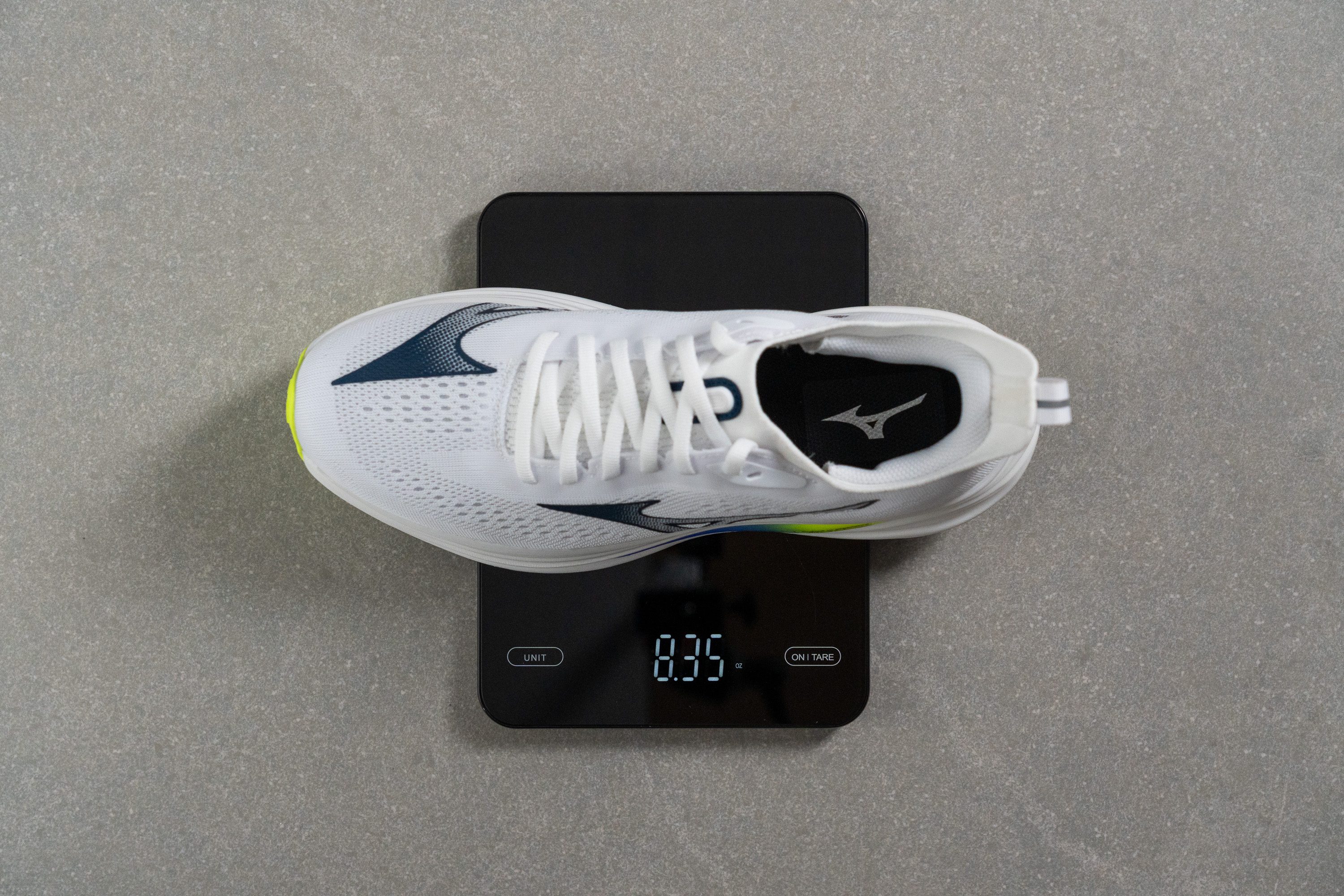
| Neo Zen 2 | 8.4 oz (237g) |
| Media | 9.2 oz (261g) |
Transpirabilidad
Breathability test
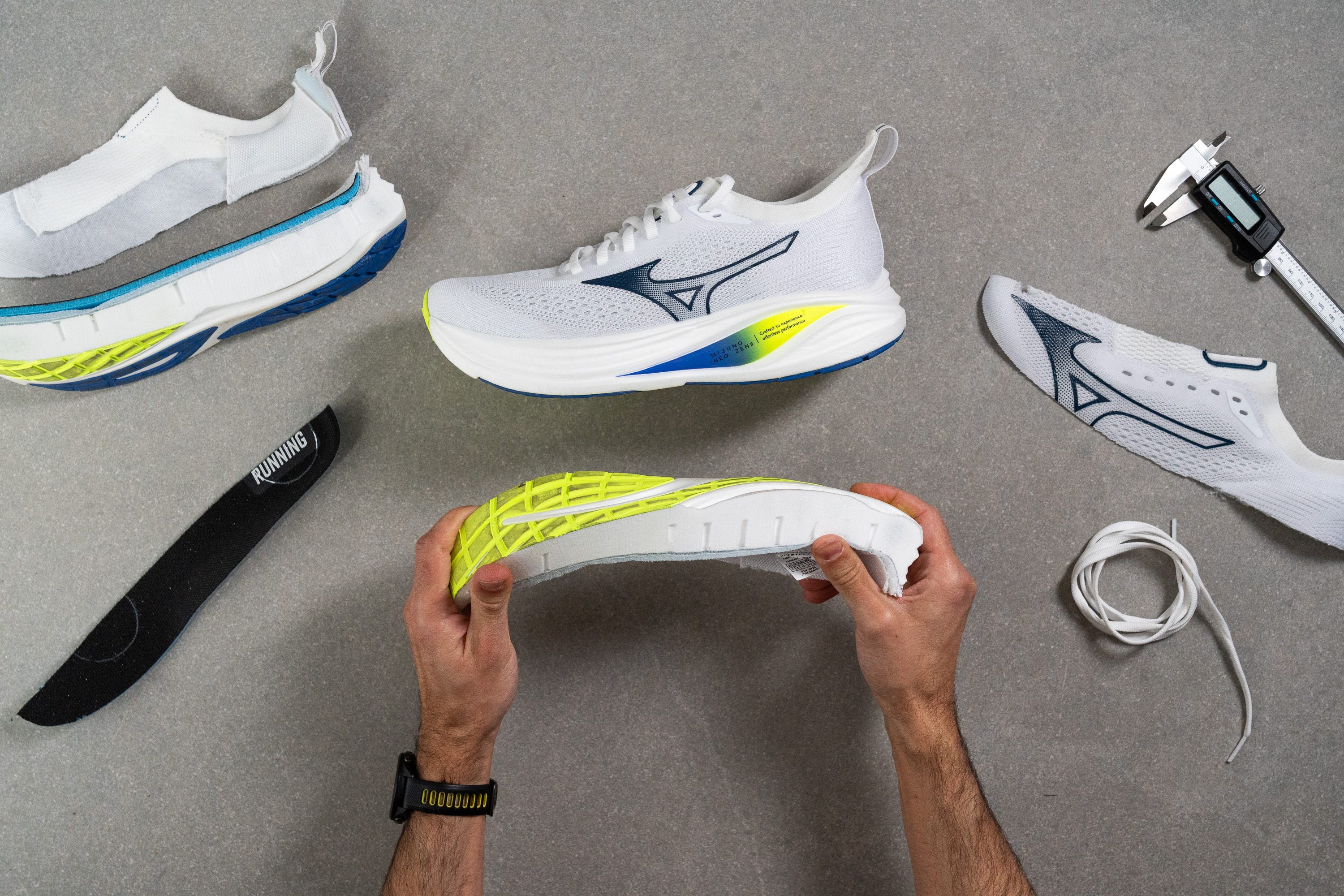
El upper de las Mizuno Neo Zen 2 tiene un diseño interesante: hay malla por casi todas las zapatillas, pero mantiene knit en zonas clave como la lengüeta y el cuello del talón.
El ajuste es bastante poco convencional, así que puede que no le guste a todo el mundo. Además, los runners que se esperan un flujo de aire perfecto a lo mejor terminan decepcionados, ya que este modelo se llevó un 3/5 en transpirabilidad.
No es una mala puntuación, pero está claramente por debajo de los pares más transpirables que hemos analizado. Los deportistas que tienen que lidiar con mucho calor probablemente prefieran unas zapatillas con una ventilación más adecuada.
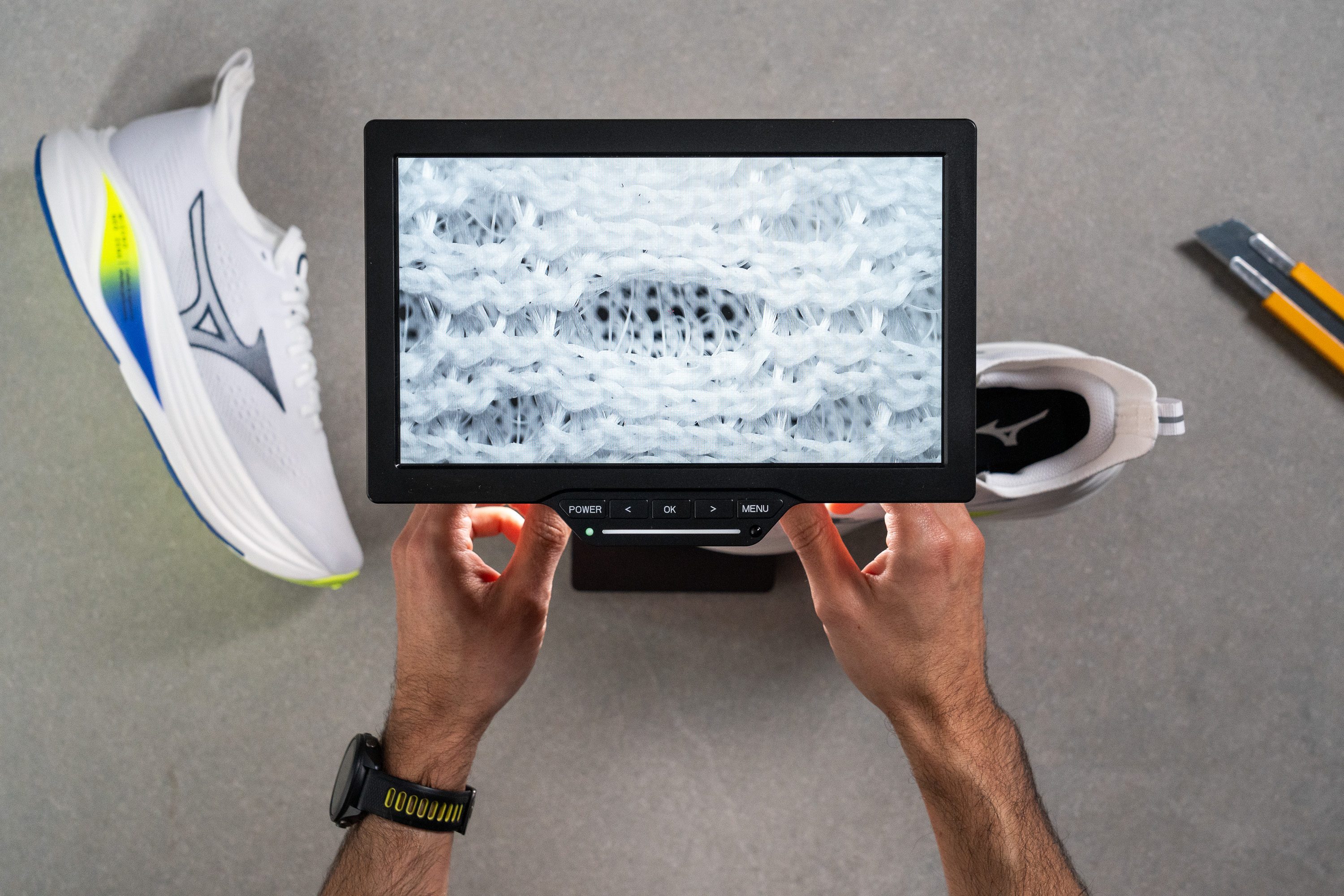
Bajo el microscopio, el material parece una malla técnica clásica, lo que confirma que la parte delantera ya no es solo de knit. Este es otro cambio que las distingue de la versión 1.
Mizuno diseñó el upper para que fuese muy cómodo en la zona del talón, así que las demás partes de las zapatillas siguen siendo ligeras, lengüeta incluida. Sin embargo, una vez más, este diseño puede no gustarles a los runners que están buscando unas zapatillas comodísimas.
| Neo Zen 2 | 3 |
| Media | 3.6 |
Estabilidad
Prueba de estabilidad lateral
Un aspecto en el que Mizuno mejoró esta nueva versión en comparación con la 1 es la estabilidad. Esta actualización incorpora algunos cambios que le ofrecen más sujeción al pie al correr y, aunque sigue siendo un modelo totalmente neutro y no está pensado para los runners que necesiten estabilidad, sentimos más control sobre la pisada que antes.
Que el retorno de energía sea más bajo puede influir, pero también intervienen otros factores.
Rigidez torsional
Las Mizuno Neo Zen 2 obtuvieron un resultado de 12,6 Nm en nuestra prueba de rigidez torsional, así que su diseño equilibrado tiene un toque de rigidez que no hace que pierdan su comodidad, flexibilidad y sencillez para las tiradas diarias.
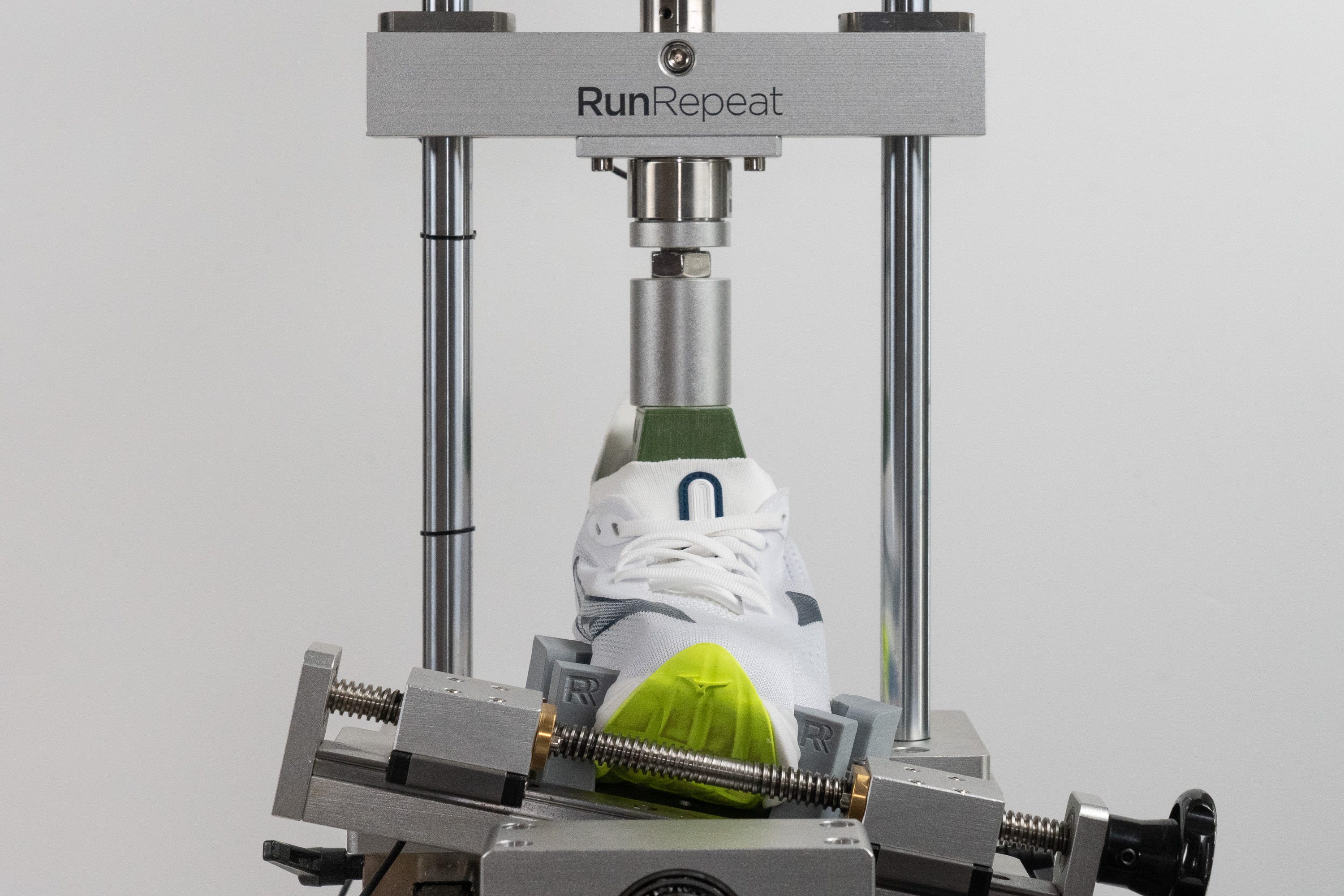
| Neo Zen 2 | 12.6 Nm |
| Media | 14.3 Nm |
Rigidez del contrafuerte del talón
Nos hemos dado cuenta de que Mizuno cambió el talón superflexible de la versión 1 por un diseño más estructurado y clásico, que ahora obtuvo una puntuación de 3 sobre 5 en nuestra evaluación, en lugar de 1 sobre 5. Este cambio hace que la pisada sea notablemente más estable, especialmente para quienes aterrizan con el talón.
| Neo Zen 2 | 3 |
| Media | 3 |
Anchura de la mediasuela - antepié
Las dimensiones de la mediasuela son muy parecidas a las de la versión 1, y solo hemos visto unas diferencias mínimas en nuestras medidas. En el antepié, mide 115,7 mm, conservando la plataforma ágil que nos gustó en el modelo anterior.
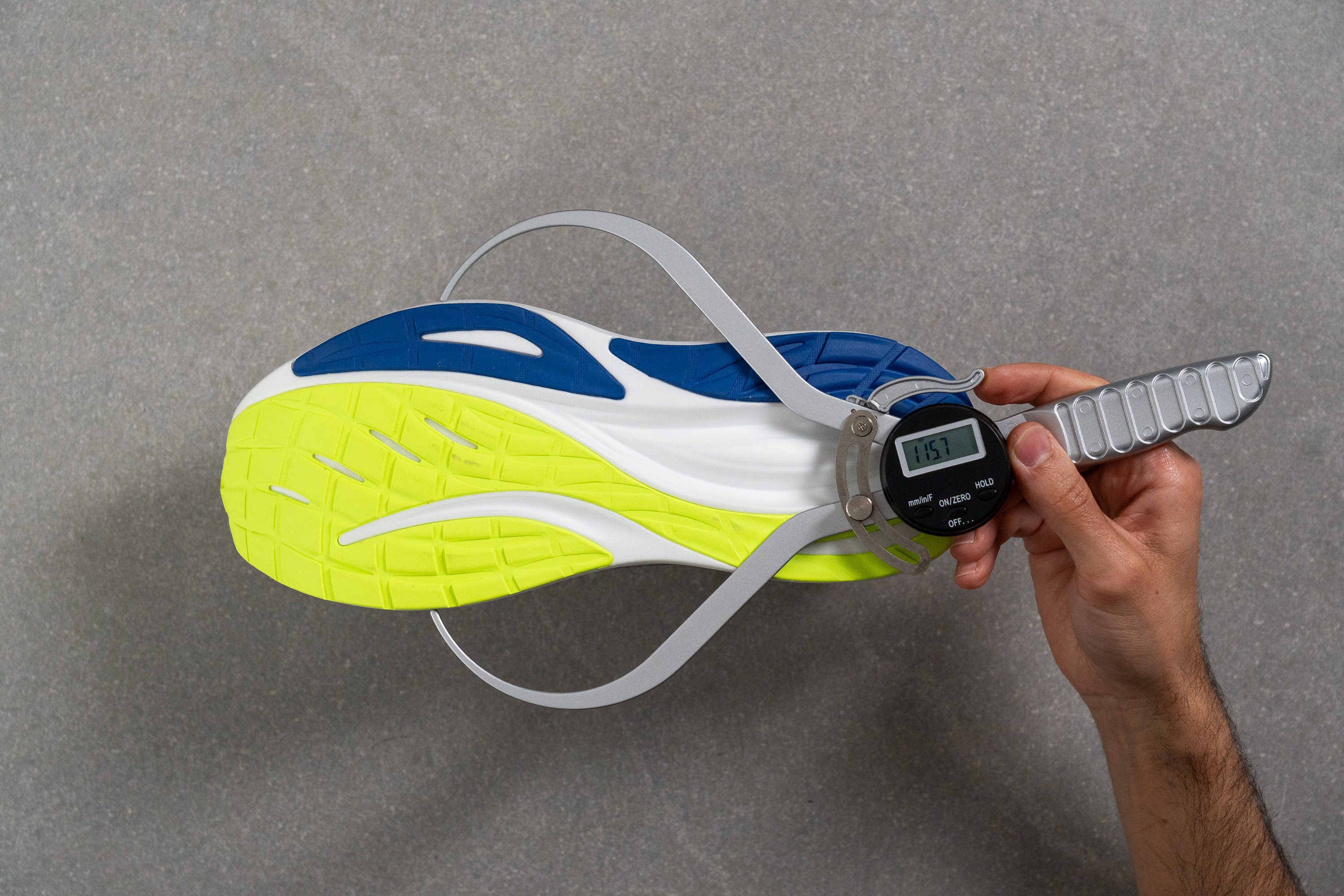
| Neo Zen 2 | 115.7 mm |
| Media | 115.1 mm |
Anchura de la mediasuela - talón
El talón mide 94,2 mm de ancho, que es un poquito más que la media. De todos modos, muy probablemente esté hasta más cerca de la media en un par de años, ya que las plataformas no dejan de crecer a lo ancho.
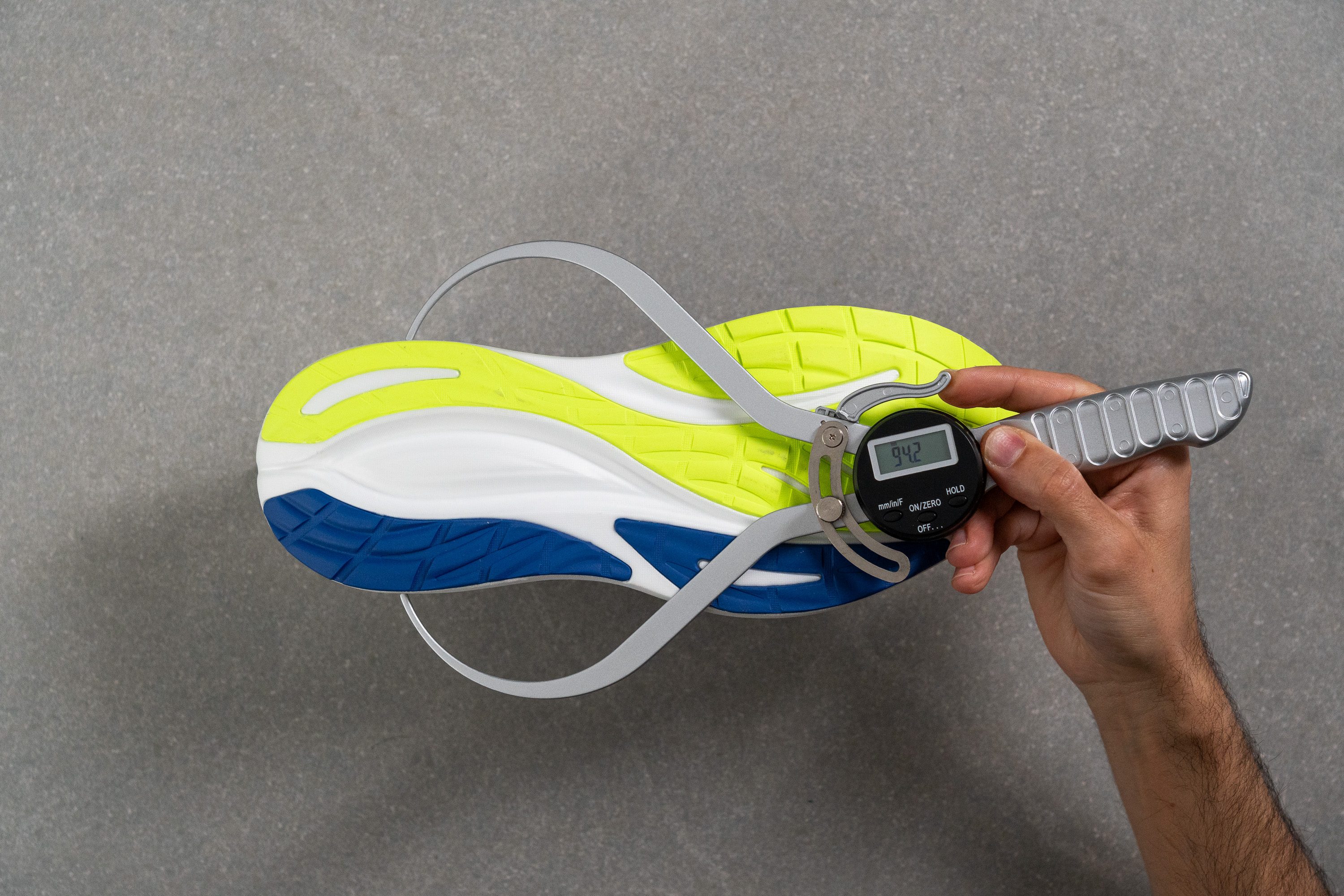
| Neo Zen 2 | 94.2 mm |
| Media | 91.1 mm |
Durabilidad
Durabilidad de la parte delantera
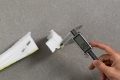
La malla suave que ha utilizado Mizuno es agradable al tacto, pero eso nos ha generado dudas sobre su durabilidad. El Dremel nos las resolvió dándole una paliza, ya que se llevó un 1/5 en durabilidad.
| Neo Zen 2 | 1 |
| Media | 2.6 |
Durabilidad del acolchado del talón
También descubrimos un desgaste considerable en el acolchado del talón, tan preocupante como el daño de la parte delantera. Vamos, que se llevó otro 1/5, confirmando que este modelo no es una buena opción para los runners que le exigen mucho al upper de sus zapatillas.
| Neo Zen 2 | 1 |
| Media | 3.4 |
Durabilidad de la suela
Si no sueles destrozar los uppers, tenemos buenas noticias: la suela exterior es muy duradera, acorde con su categoría e incluso superando la media de nuestro laboratorio. Por mucha caña que le metió el Dremel, terminó con unos daños de solo 0,9 mm.
| Neo Zen 2 | 0.9 mm |
| Media | 1.1 mm |
Grosor de la suela
Pero claro, aquí hay gato encerrado. Las Neo Zen 2 tienen una suela finita, de 1,4 mm, para mantener la conexión con el suelo y reducir el peso, lo que podría reducir levemente la durabilidad general incluso con lo bien que lo hizo en nuestra prueba con el Dremel.
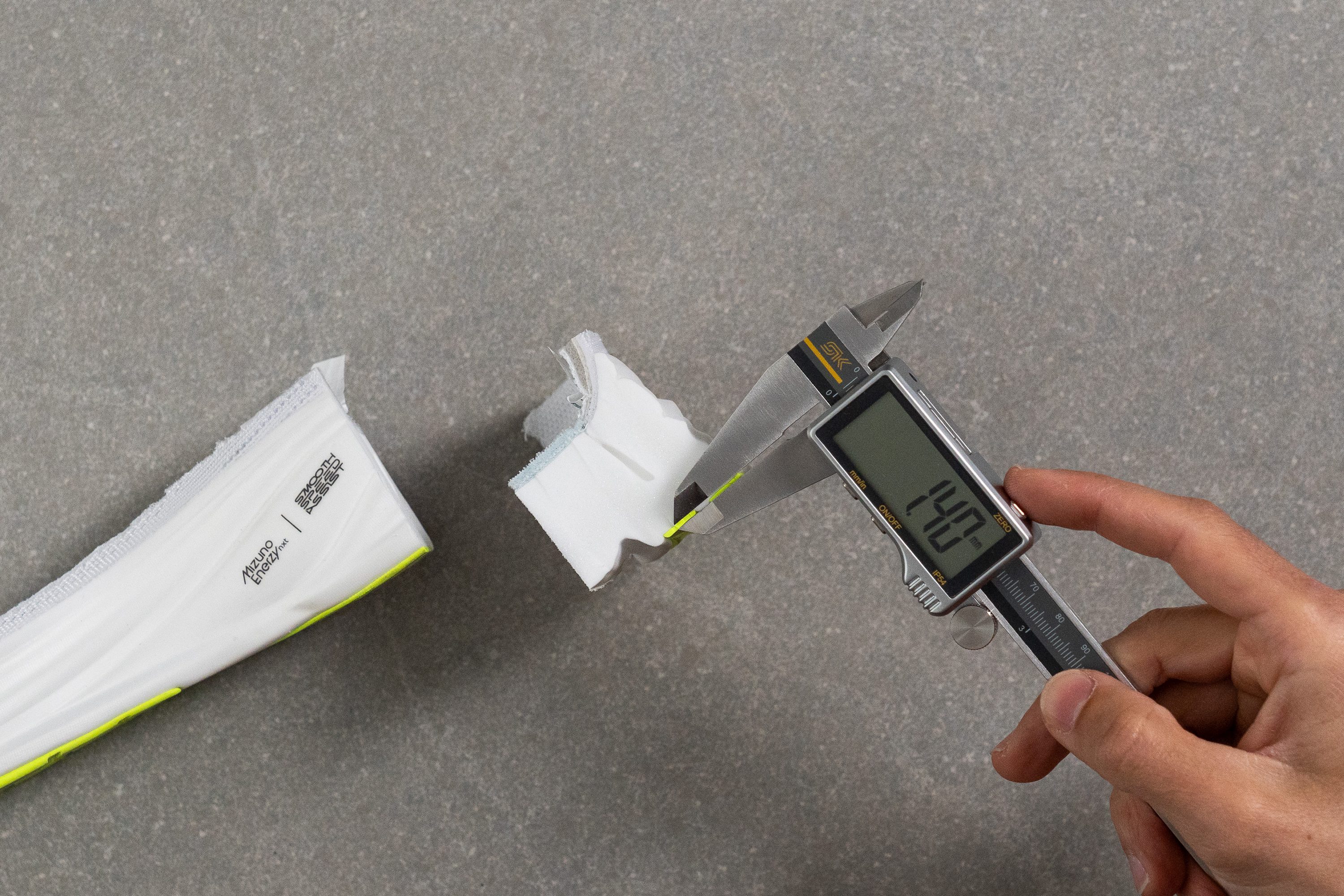
| Neo Zen 2 | 1.4 mm |
| Media | 3.1 mm |
Varios
Grosor de la plantilla
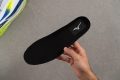
Mizuno sigue un enfoque conservador con el grosor de la plantilla, que mide 4,8 mm, así que está muy cerca de la media.
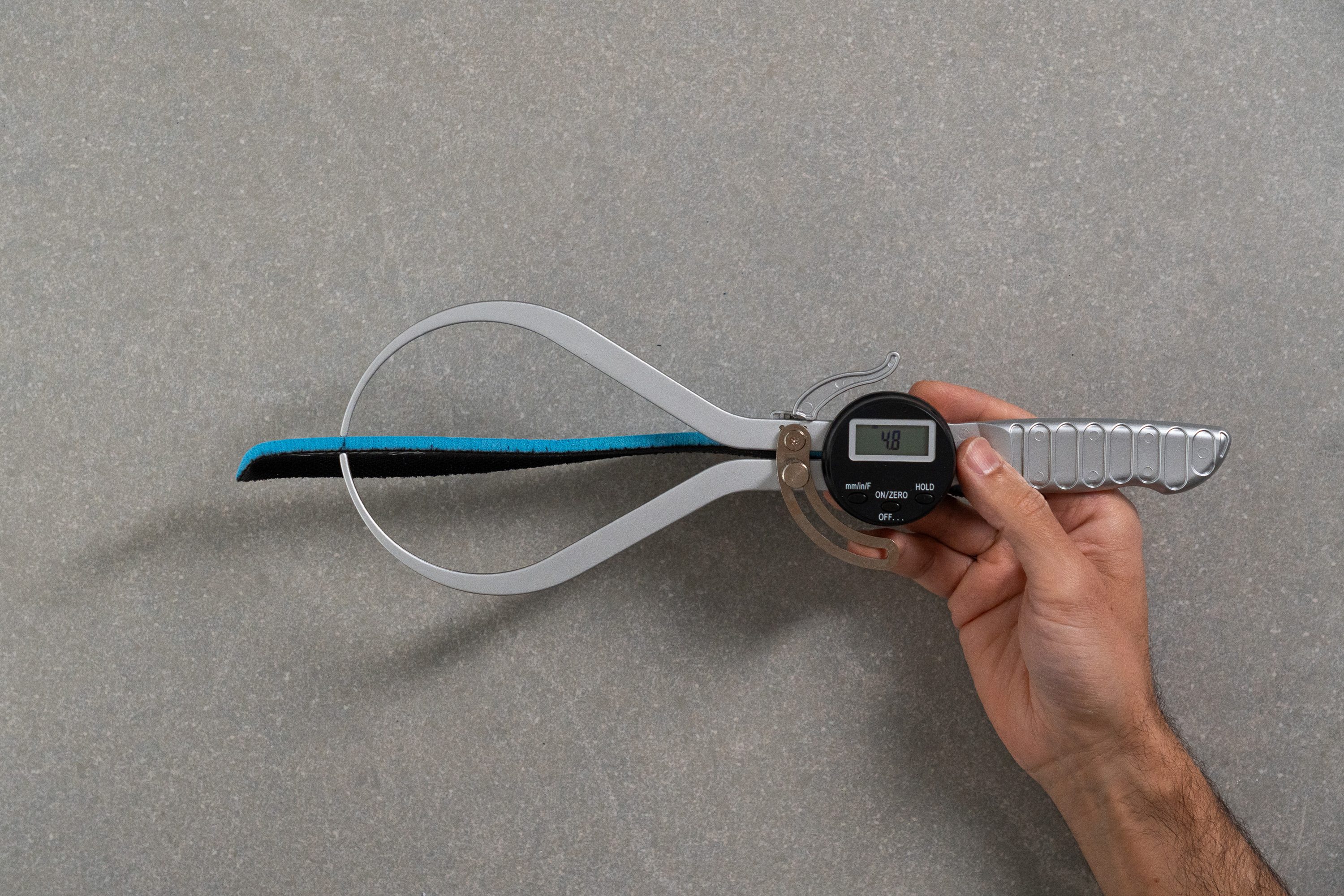
| Neo Zen 2 | 4.8 mm |
| Media | 4.4 mm |
Plantilla extraíble
No nos costó nada quitar la plantilla, y como tiene una sensación tan básica y muy poco rebote, igual es una buena idea cambiarla por otra diferente.
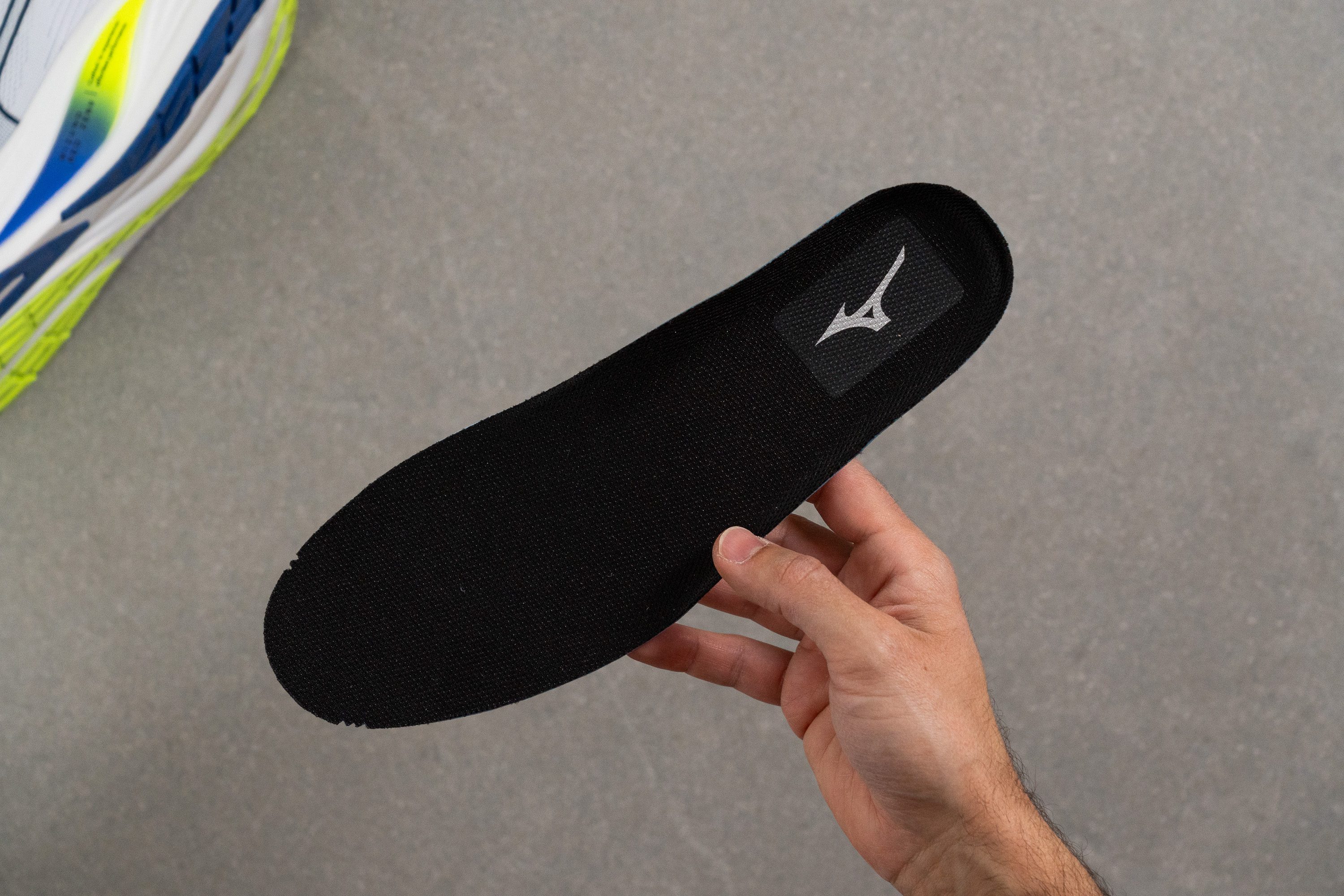
| Neo Zen 2 | Sí |
Elementos reflectantes
Los coches o motos que se te acerquen por detrás te verán sin problemas gracias al detalle reflectante que estas zapatillas tienen en el talón.
| Neo Zen 2 | Sí |
Acolchado de la lengüeta
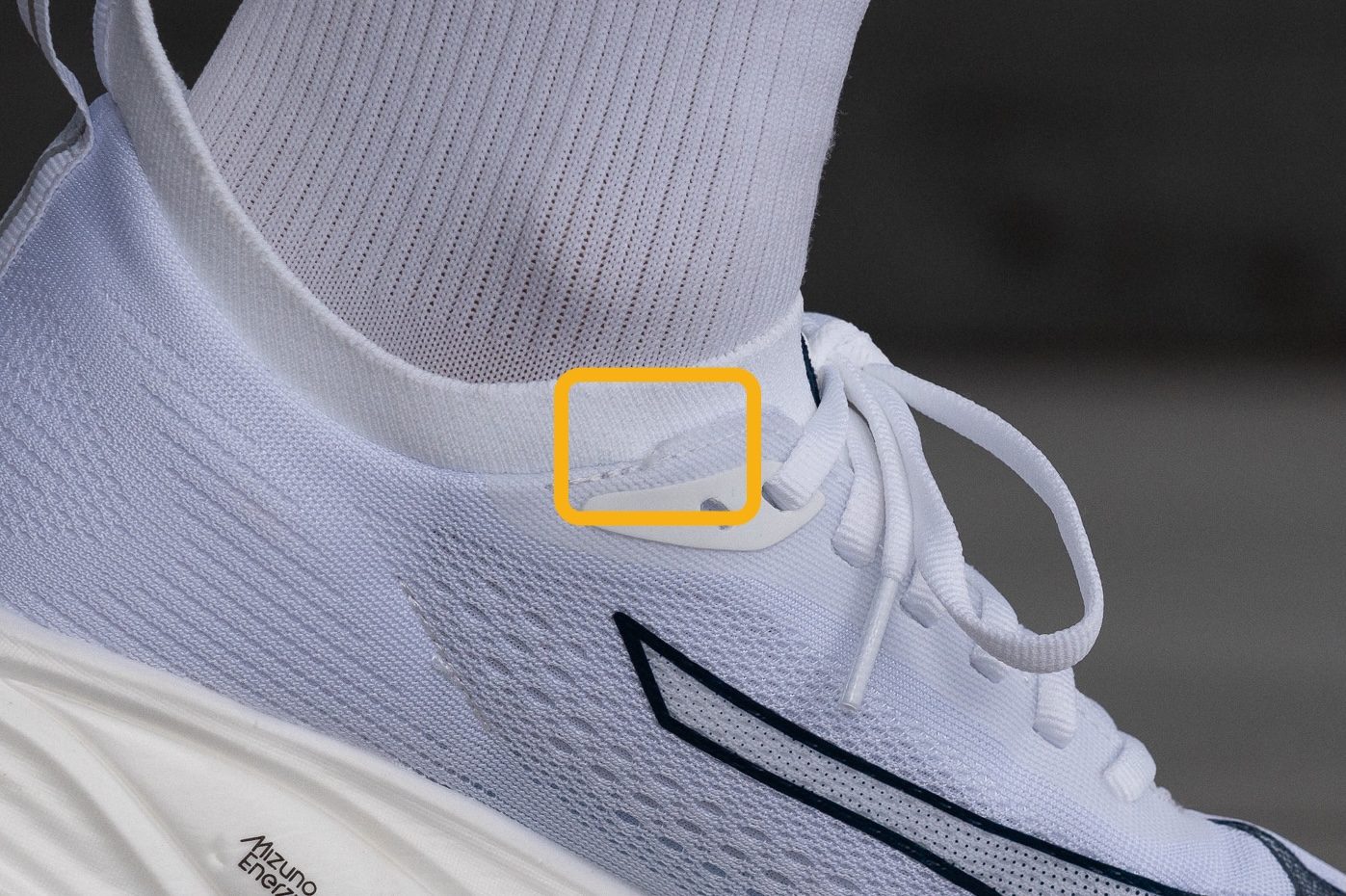
Los runners a los que les gustan las lengüetas de knits estarán encantados con las Neo Zen 2, ya son casi como un segundo calcetín. Los cordones planos lo hicieron muy bien en nuestras pruebas y no nos dieron problemas, aunque sí que creemos que puede que te roce justo en el punto que marcamos en la foto. Nos parece algo más probable para los runners con pies voluminosos, ya que el upper queda muy ajustado.
Cuando medimos la lengüeta, vimos que tenía 3,6 mm de grosor. Pero la capa es muy finita, así que estas zapatillas no buscan ser mullidas, sino que van hacia una experiencia más minimalista. Los puntos intermedios no se le dan bien, estas Mizuno son más en plan "me encantan" o "las odio".
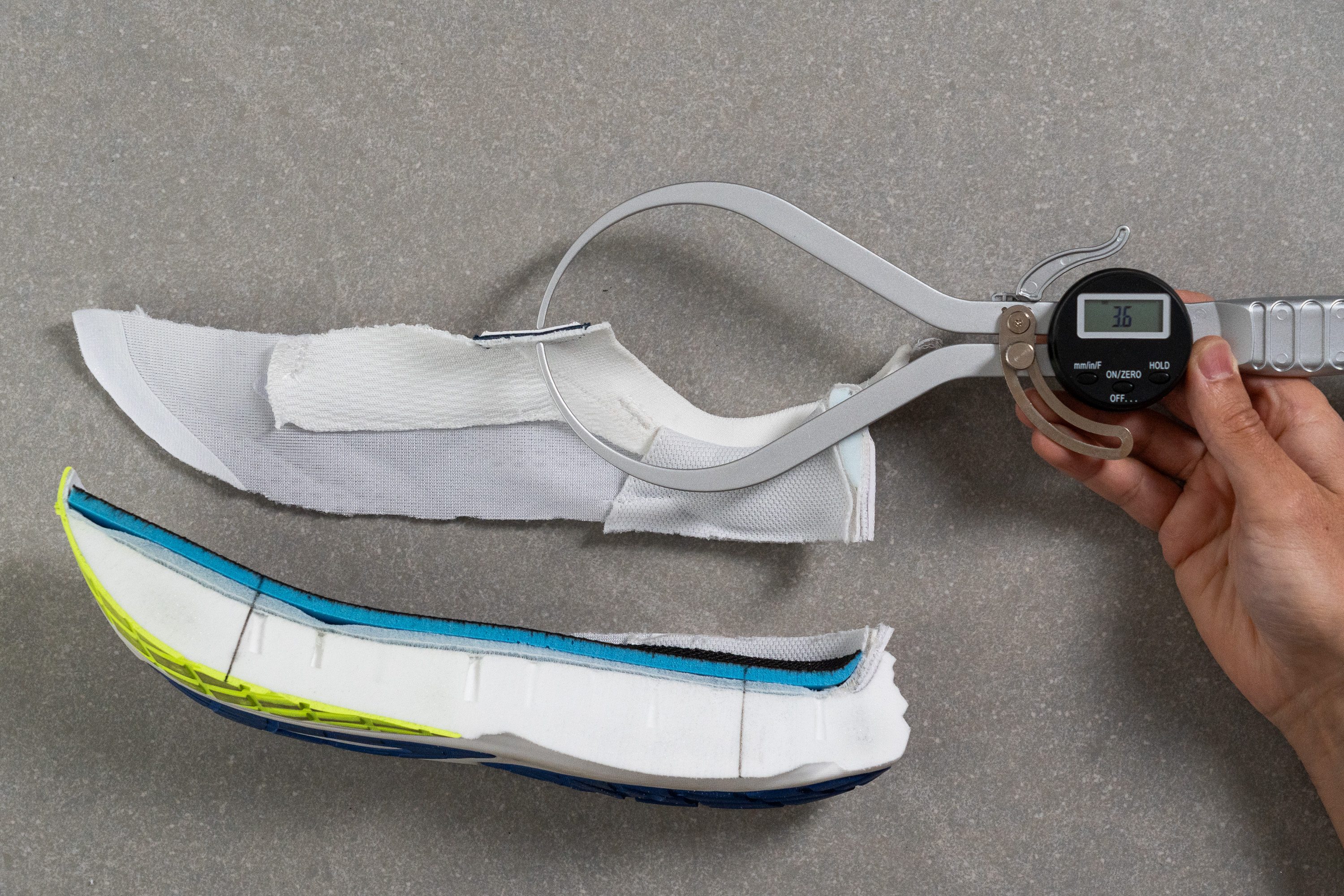
| Neo Zen 2 | 3.6 mm |
| Media | 5.8 mm |
Lengüeta: tipo de refuerzo
La lengüeta de knit está unida a los laterales para que no se mueva de su sitio, ¡aquí nada de estar bailando!
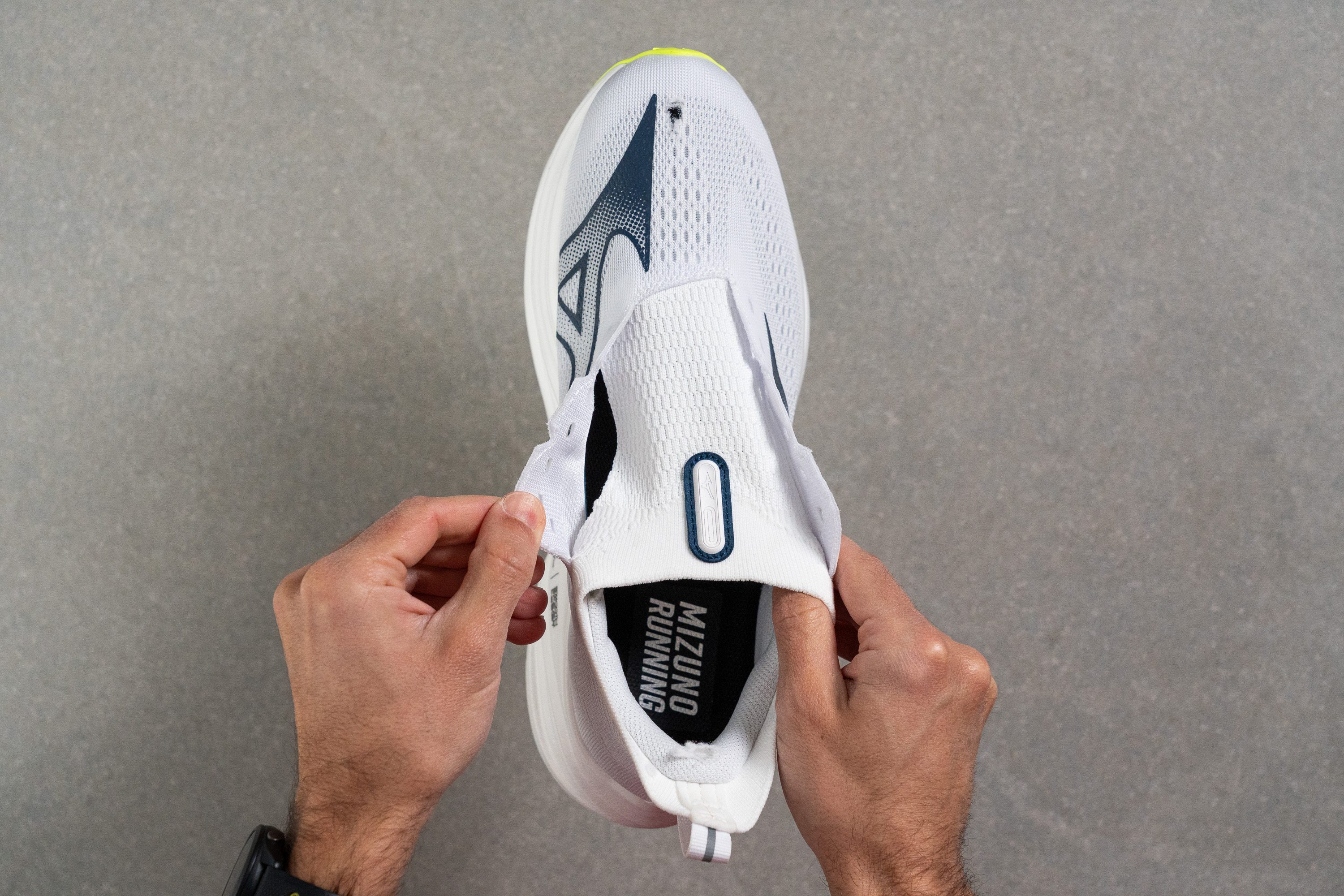
| Neo Zen 2 | Ambos lados (semi) |
Tirador del talón
El tirador de las Neo Zen 2 está bien diseñado, y se adapta especialmente bien a estas zapatillas, ya que la lengueta y el cuello de knit pueden hacer que calzarse sea un poco más difícil.
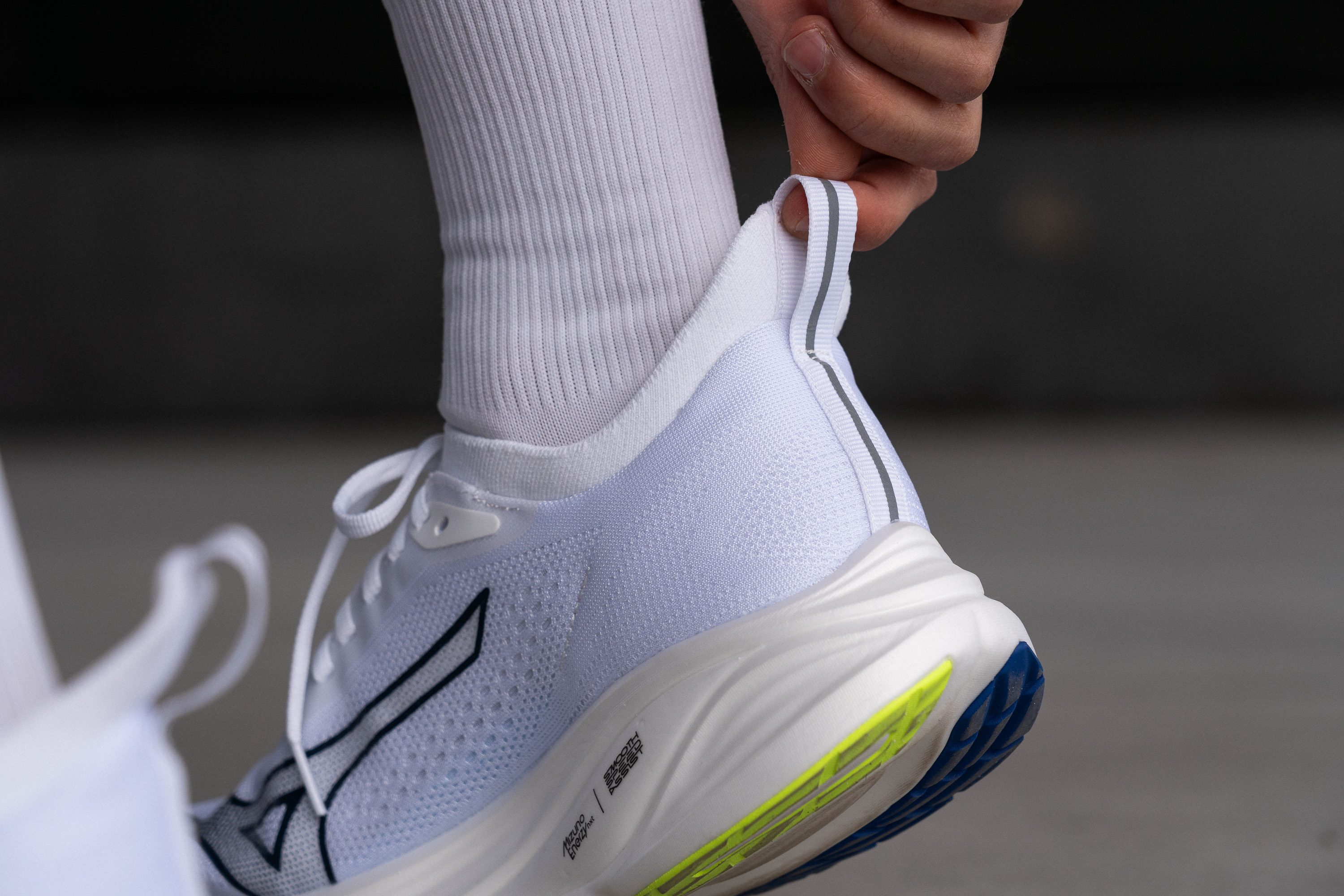
| Neo Zen 2 | Tirador circular |
Precio
Las Mizuno Neo Zen 2 están en un punto intermedio entre las zapatillas de entrenamiento diario al estilo Pegasus y las opciones más premium, y esa posición también puede ser problemática. Teniendo en cuenta su precio, el poco rebote que tienen... puede no hacerles mucha gracia a los runners que prefieren una mediasuela más reactiva o un upper más tradicional, que sea más cómodo y que cueste lo mismo.
| Neo Zen 2 | $160 |