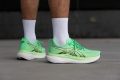
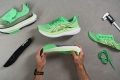
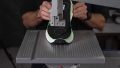
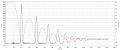
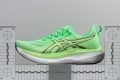
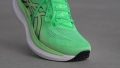


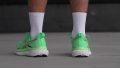
Nuestra conclusión
- Tiradas diarias / rodajes 87
- Tempo 58
- Competición 42
- Estabilidad 79
Pros
- Upper más cómodo que el de la v1
- Rocker que ofrece transiciones fluidas
- Suela alta sin sentirse torpes
- Retorno de energía mejorado
- Muy buena tracción
- Aguantan bien el frío
- Suela exterior duradera
- Sin deslizamiento del talón
- Estética mejorada
Contras
- Precio premium, rebote modesto
- La altura de la mediasuela y el drop son distintos a lo que dice ASICS
- Puede que sean demasiado rígidas para las tiradas fáciles
Comparativa
Las zapatillas de running más parecidas
+ + Añadir unas zapatillas | |||||
|---|---|---|---|---|---|
| Nuestra puntuación | 81 Geniales | 76 Buenas | 86 Geniales | 83 Geniales | |
| Precio | 180 € | 90 € | 240 € | 190 € | |
| Ritmo | Correr a diario | Correr a diario | Correr a diarioTempo / series | Correr a diario | |
| Absorción de impactos | Alta | Moderada | Moderada | Alta | |
| Retorno de energía | Moderado | Bajo | Alto | Bajo | |
| Tracción | Alta | Alta | Alta | Alta | |
| Sujeción arco del pié | Neutral | Neutral | Neutral | Neutral | |
| Peso laboratorio Peso marca | 9.3 oz / 264g 9.2 oz / 261g | 10.1 oz / 286g 10.2 oz / 290g | 10.1 oz / 286g 10.4 oz / 296g | 9.5 oz / 269g 9.7 oz / 275g | |
| Drop laboratorio Drop marca | 11.0 mm 6.0 mm | 10.8 mm 8.0 mm | 9.2 mm 8.0 mm | 10.5 mm 8.0 mm | |
| Técnica de carrera | Talón | Talón | TalónMedio/antepié | Talón | |
| Talla | Tallan bien | Tallan un poquito pequeño | Tallan bien | Tallan bien | |
| Rigidez de la mediasuela | Blanda | Equilibrada | Equilibrada | Equilibrada | |
| Diferencia de la rigidez de la mediasuela en frío | Pequeña | Pequeña | Pequeña | Pequeña | |
| Durabilidad de la parte delantera | Decente | Mala | Decente | Decente | |
| Durabilidad del acolchado del talón | Media | Alta | Alta | Media | |
| Durabilidad de la suela exterior | Buena | Buena | Buena | Buena | |
| Transpirabilidad | Media | Baja | Media | Media | |
| Anchura / ajuste | Media | Media | Media | Media | |
| Anchura de la parte delantera | Media | Media | Ancha | Estrecha | |
| Flexibilidad | Rígida | Rígida | Rígida | Rígida | |
| Rigidez torsional | Rígidas | Moderadas | Rígidas | Moderadas | |
| Rigidez del contrafuerte del talón | Rígido | Rígido | Rígido | Moderado | |
| Con rocker | ✓ | ✓ | ✓ | ✓ | |
| Talón laboratorio Talón marca | 42.1 mm 46.0 mm | 38.2 mm | 39.2 mm 40.0 mm | 45.5 mm 46.0 mm | |
| Antepié laboratorio Antepié marca | 31.1 mm 40.0 mm | 27.4 mm | 30.0 mm 32.0 mm | 35.0 mm 38.0 mm | |
| Anchuras disponibles | EstándarAncho | EstándarAnchoExtra Ancho | Estándar | Estándar | |
| Compatibles con plantillas personalizadas | ✓ | ✓ | ✓ | ✓ | |
| Estación | Todas las estaciones | Todas las estaciones | Todas las estaciones | Todas las estaciones | |
| Plantilla extraíble | ✓ | ✓ | ✓ | ✓ | |
| Clasificación | #200 Top 50% | #296 26% inferior | #92 Top 23% | #162 Top 41% | |
| Popularidad | #231 42% inferior | #69 Top 18% | #193 Top 49% | #150 Top 38% |
Quién debería comprárselas
En nuestras pruebas de laboratorio y de uso, las ASICS Glideride Max 2 nos dejaron claro que son estupendas para:
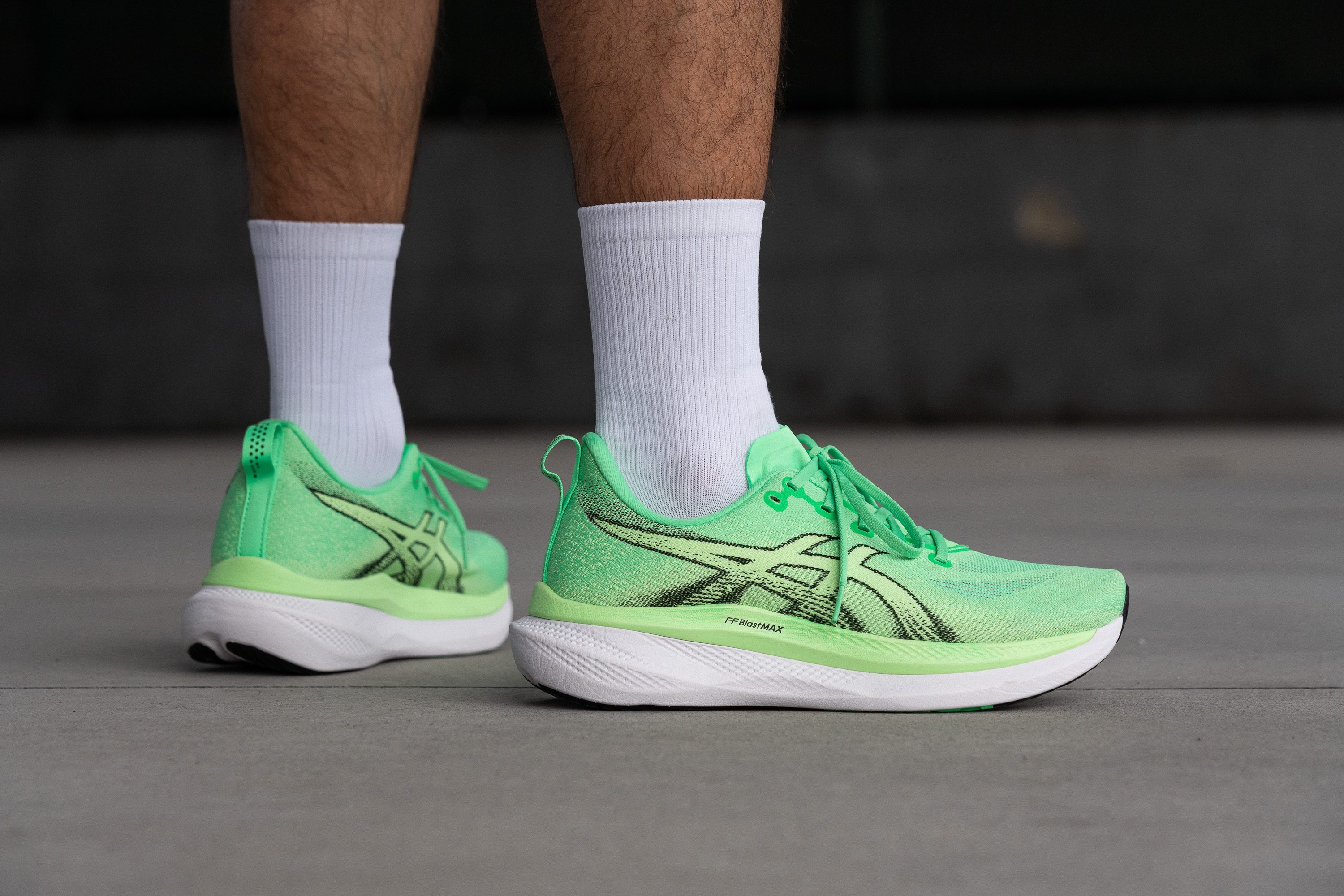
- Los runners a los que les gustó la versión 1 y que quieren una pisada parecida pero con un upper más cómodo y con un diseño mejorado.
- Las personas que están buscando una suela alta y una tracción de primera para los entrenamientos de alto kilometraje a un ritmo constante.
- Los corredores a los que les gustan los rockers marcados en el antepié y que quieren sentir ese impulso hacia adelante.
Quién NO debería comprárselas
Creemos que las Glideride Max 2 están en una posición complicada por su precio. En nuestras pruebas de laboratorio, descubrimos que el retorno de energía es modesto para unas zapatillas de entrenamiento diario con etiqueta premium, así que no te las podemos recomendar si estás buscando un buen rebote. Las adidas Adizero EVO SL o las PUMA Magnify Nitro 3 ofrecen una pisada dinámica y son más baratas.
También creemos que, probablemente, este modelo no les guste a los runners que están buscando una experiencia ultraprotectora. Según nuestras pruebas, la absorción de impactos es sólida, pero no es la mejor de su clase. Las New Balance 1080 v15 o las Nike Vomero Plus nos parecen mejores opciones si estás buscando la máxima amortiguación.
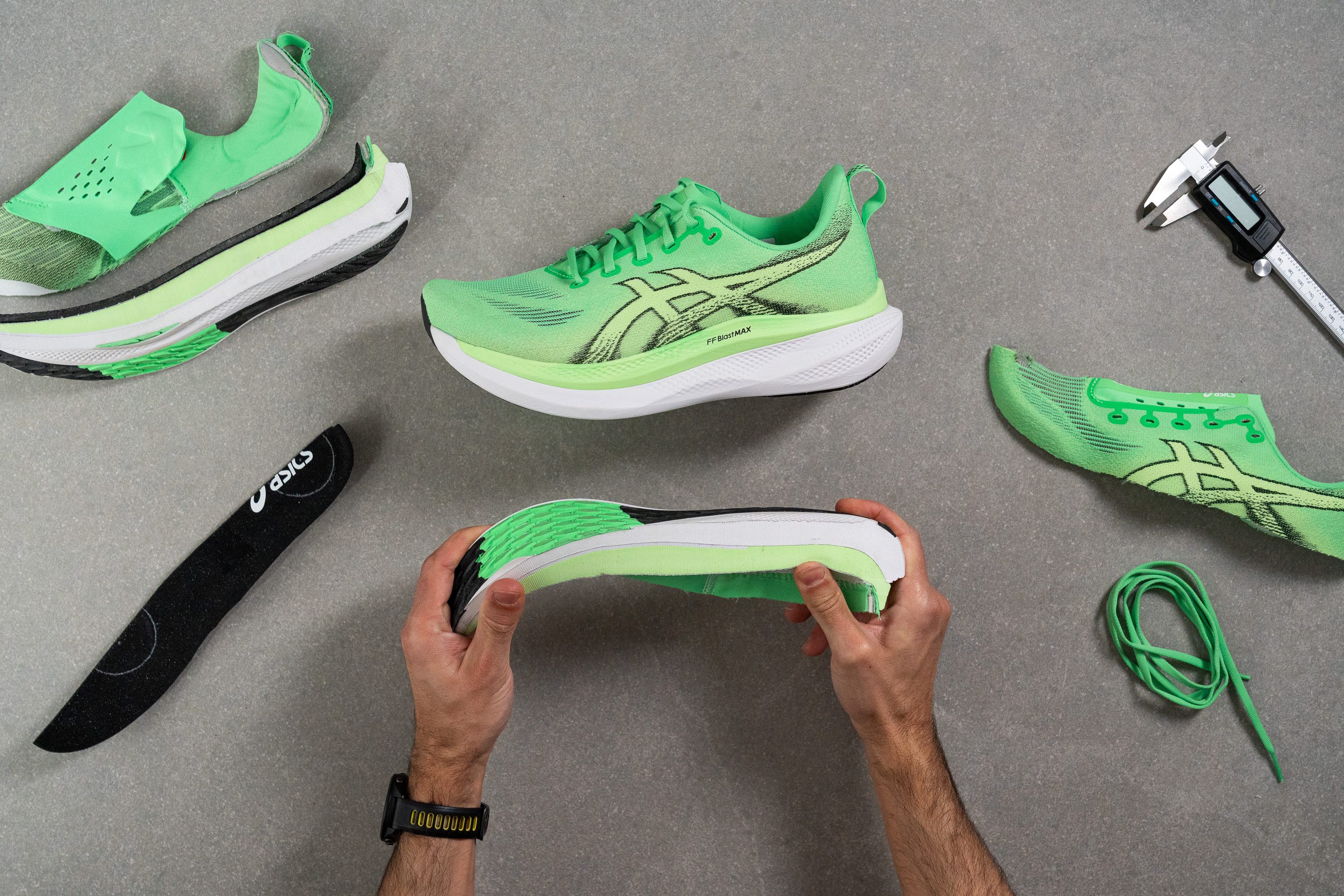
Amortiguación
Shock absorption
Las Glideride Max 2 nos sorprendieron cuando nos las llevamos al laboratorio, ya que su absorción de impactos es un poco más baja que la de sus predecesoras.
Para ser precisos, nuestra máquina marcó 137 SA en el talón y 117 SA en el antepié. Ambas cifras están por encima de la media y ofrecen suficiente protección para casi cualquier distancia. Lo que sí que nos llamó la atención es que esta segunda versión obtuviese un resultado un poco más bajo (6 SA menos) que la primera generación, considerando el ethos de amortiguación máxima de este modelo.
| Glideride Max 2 | 137 SA |
| Media | 131 SA |
Energy return
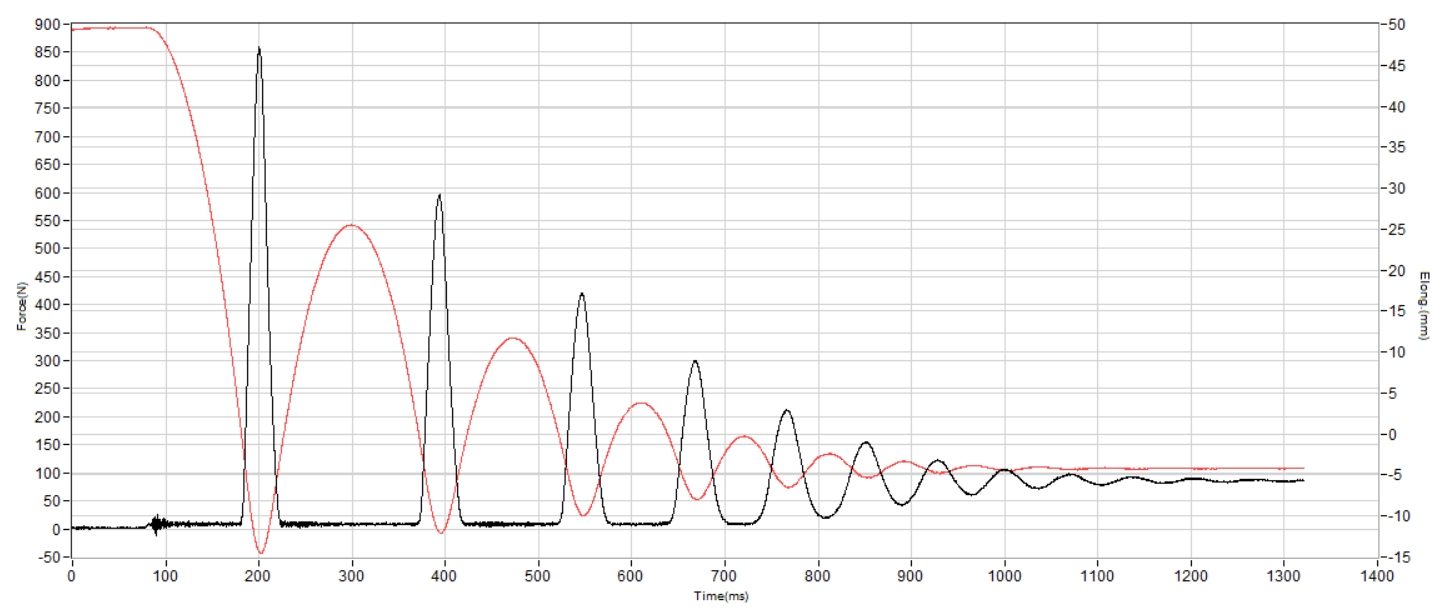
Aunque la absorción de impactos es un poco más baja, ASICS abordó parcialmente uno de nuestros principales problemas con las GlideRide Max originales: el retorno de energía.
La mejora es pequeña, pero se nota, ya que estas zapatillas obtuvieron un 56,1 % en el talón y un 58,6 % en el antepié cuando las analizamos. Eso las mueve de la categoría mala a una decente, y aunque sigue estando por debajo de lo que nos esperábamos para este rango de precios, es un claro paso adelante para la serie.
| Glideride Max 2 | 58.6% |
| Media | 61.4% |
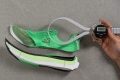
Altura de la suela en la zona del talón
Hoy en día, nos esperamos que todas las zapatillas de running con amortiguación máxima tengan una suela de más de 40 mm de altura en el talón, y la de las Glideride Max 2 mide 42,1 mm, superando cómodamente esa marca. Eso sí, es un resultado que está por debajo de los 46 mm que indica la marca oficialmente.
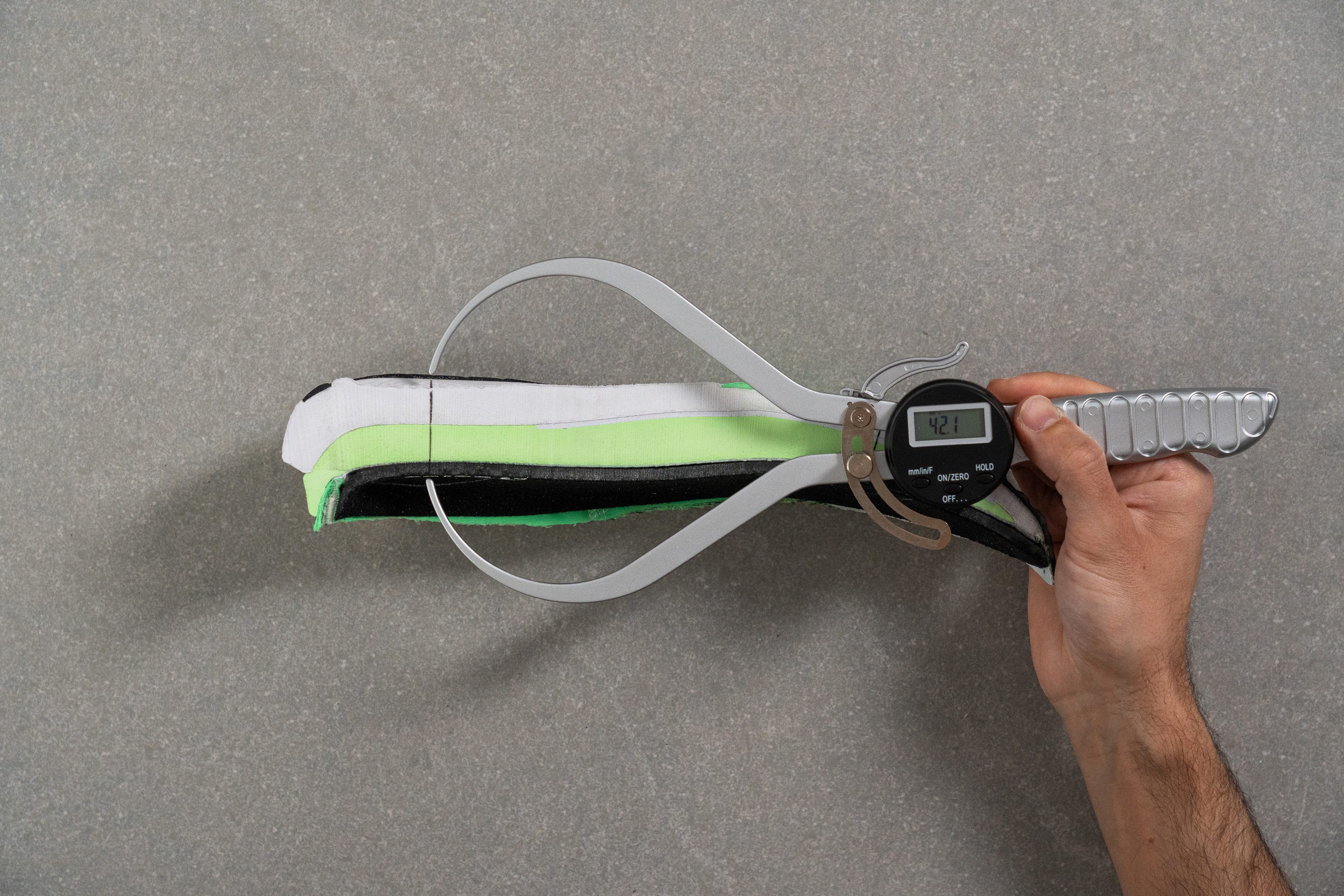
| Glideride Max 2 | 42.1 mm |
| Media | 35.5 mm |
Altura de la suela en el antepié
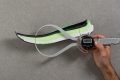
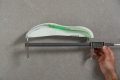
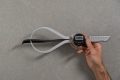
En el antepié pasa algo parecido. Cuando lo medimos, nuestro calibre marcó 31,1 mm, aunque ASICS dice que alcanza 40 mm. A ver, no estamos diciendo que a las zapatillas les falte espuma, pero está claro que ASICS utilizó una metodología muy distinta para medir la altura de la suela... muy probablemente, la mida más cerca del mediopié.
Como siempre, nosotros seguimos las directrices de la World Athletics cuando medimos las zapatillas, y seguimos los mismos pasos con cada modelo, ya que así puedes hacer comparaciones justas entre todos ellos.
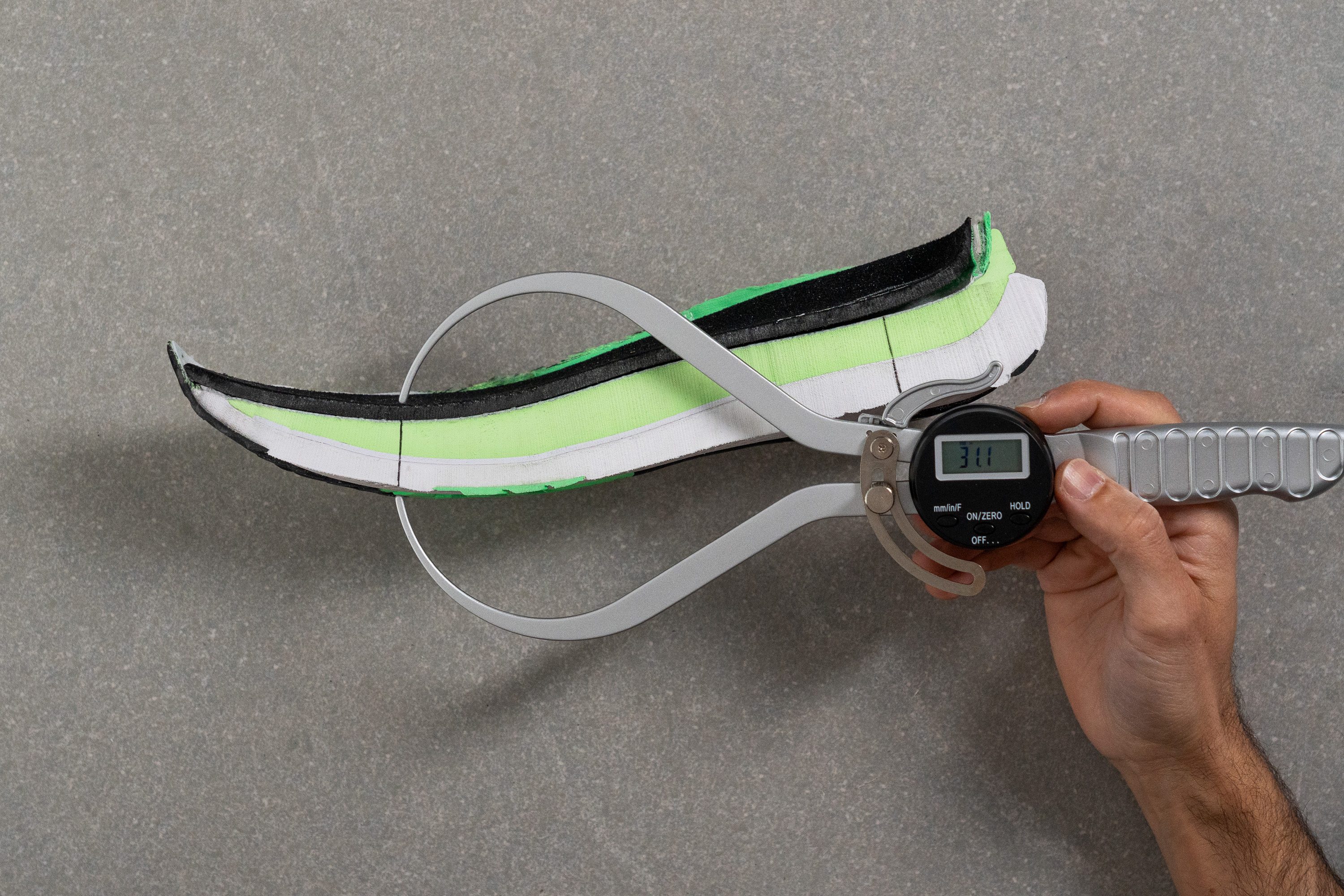
| Glideride Max 2 | 31.1 mm |
| Media | 27.1 mm |
Drop
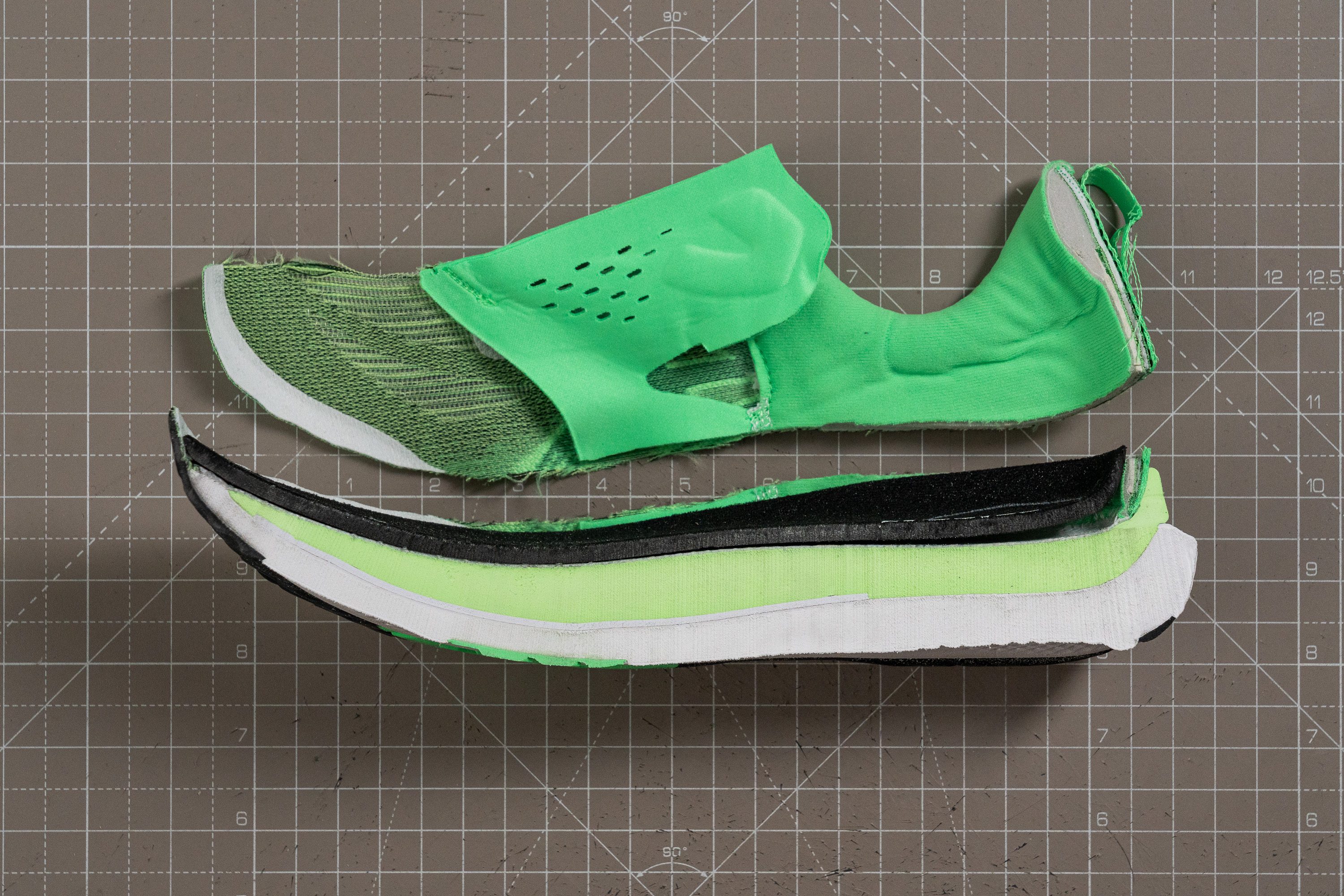
Según nuestros cálculos, estas zapatillas tienen un drop de 11,0 mm, que es bastante más de los 6 mm indicados en las especificaciones oficiales.
Como estas zapatillas tienen un rocker pronunciado, la sensación del drop varía según la zona con la que aterrices, así que coge este resultado con pinzas.
| Glideride Max 2 | 11.0 mm |
| Media | 8.4 mm |
Dureza de la mediasuela
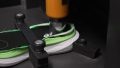
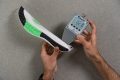
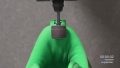
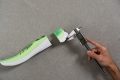
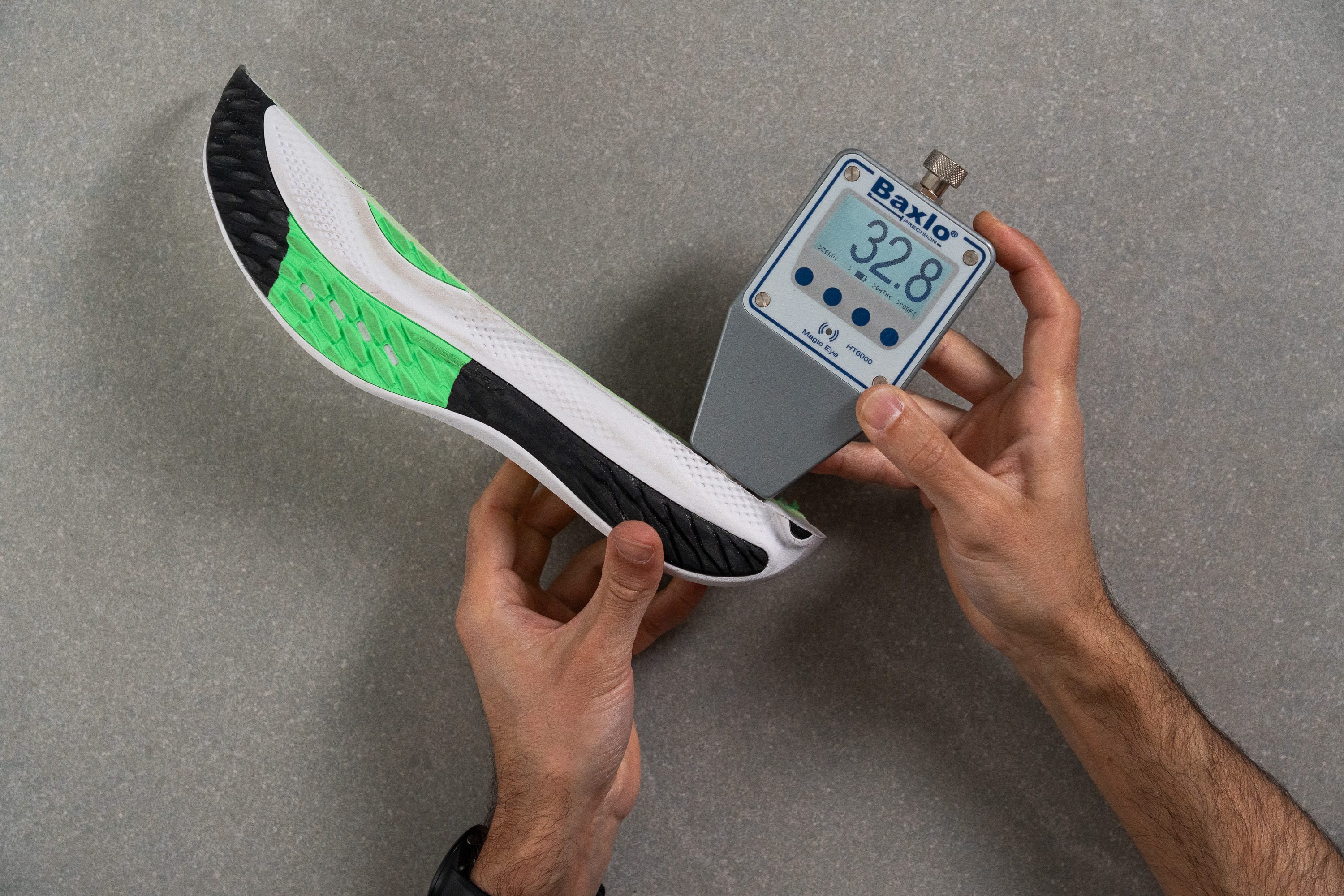
En nuestras pruebas de laboratorio, nuestro durómetro Asker C marcó 32,8 AC, así que estas zapatillas son un poco más blandas que la media. Pero como tienen una estructura de doble espuma y una placa de EVA, al correr se sienten más firmes de lo que el número indica.
También es importante señalar que la FF Blast+ siempre ha mostrado un retorno de energía bajo en nuestras pruebas de laboratorio, cosa que influye en las Glideride Max 2.
| Glideride Max 2 | 32.8 AC |
| Media | 35.5 AC |
Rocker
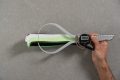
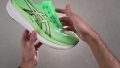
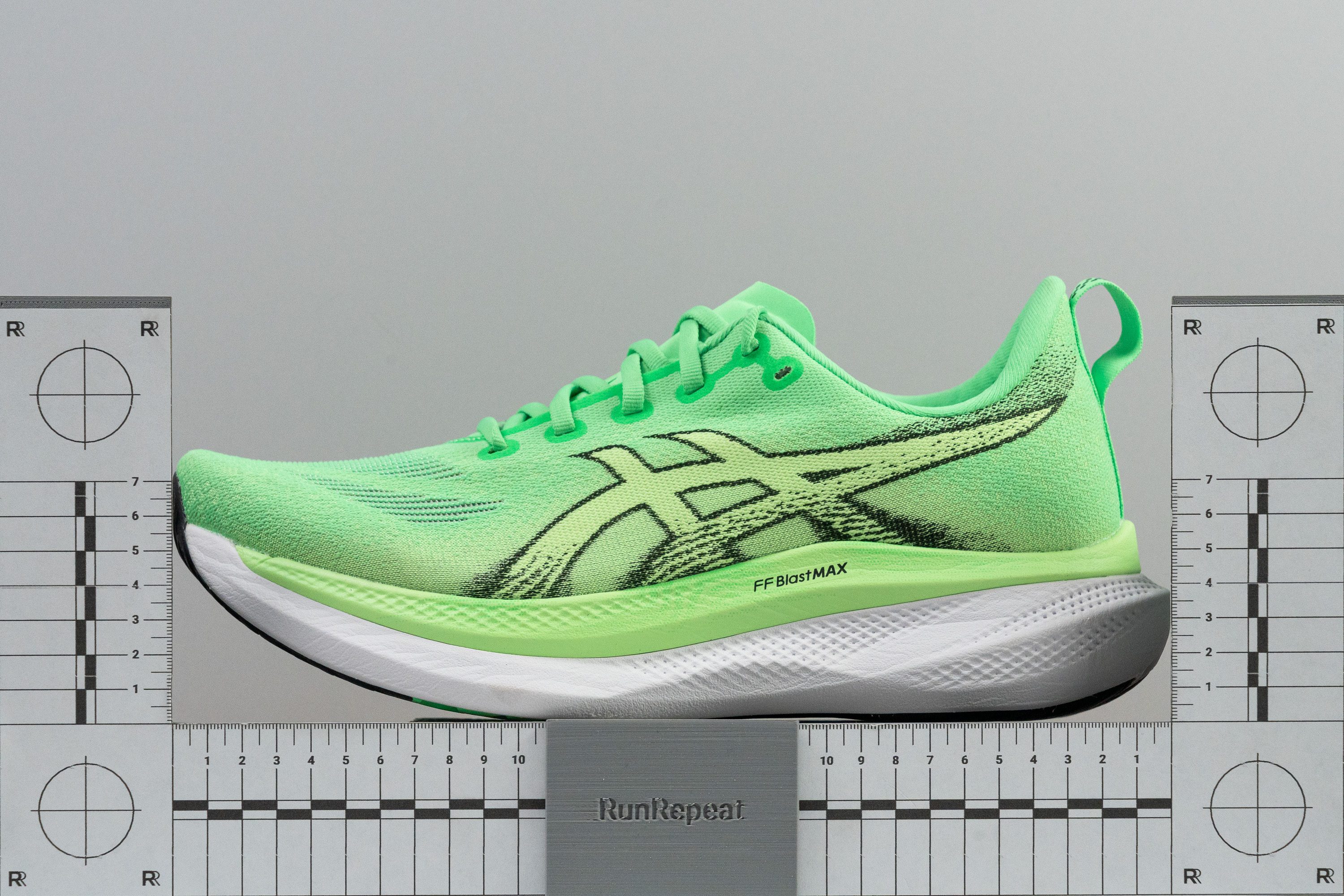
ASICS mantiene la geometría GUIDESOLE en la serie Glideride, que sigue siendo una opción sólida para los corredores a los que les gusta una pisada marcada por el rocker. El rocker del talón es bastante moderado, pero el antepié destaca por su curvatura pronunciada y un marcado arco en la punta que se eleva más de 5 cm.
Placa
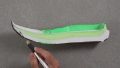
Para mejorar la estabilidad y equilibrar lo alta que es la mediasuela, las Glideride Max 2 tienen una placa de EVA de tres cuartos de longitud. Es una elección poco común, ya que solo unas pocas marcas utilizan este tipo de placa, pero en un modelo de entrenamiento donde no se busca mucha rigidez, puede funcionar.
Dicho esto, nos preguntamos cuánto cambiaría la sensación al correr sin ella. A lo mejor las zapatillas se sienten menos estables, pero también un poco más blandas bajo los pies, así que a lo mejor algunos corredores podrían preferir una versión sin placa.
Tallaje y ajuste
Talla
Las ASICS Glideride Max 2 tallan bien (10 votos).
Longitud interna
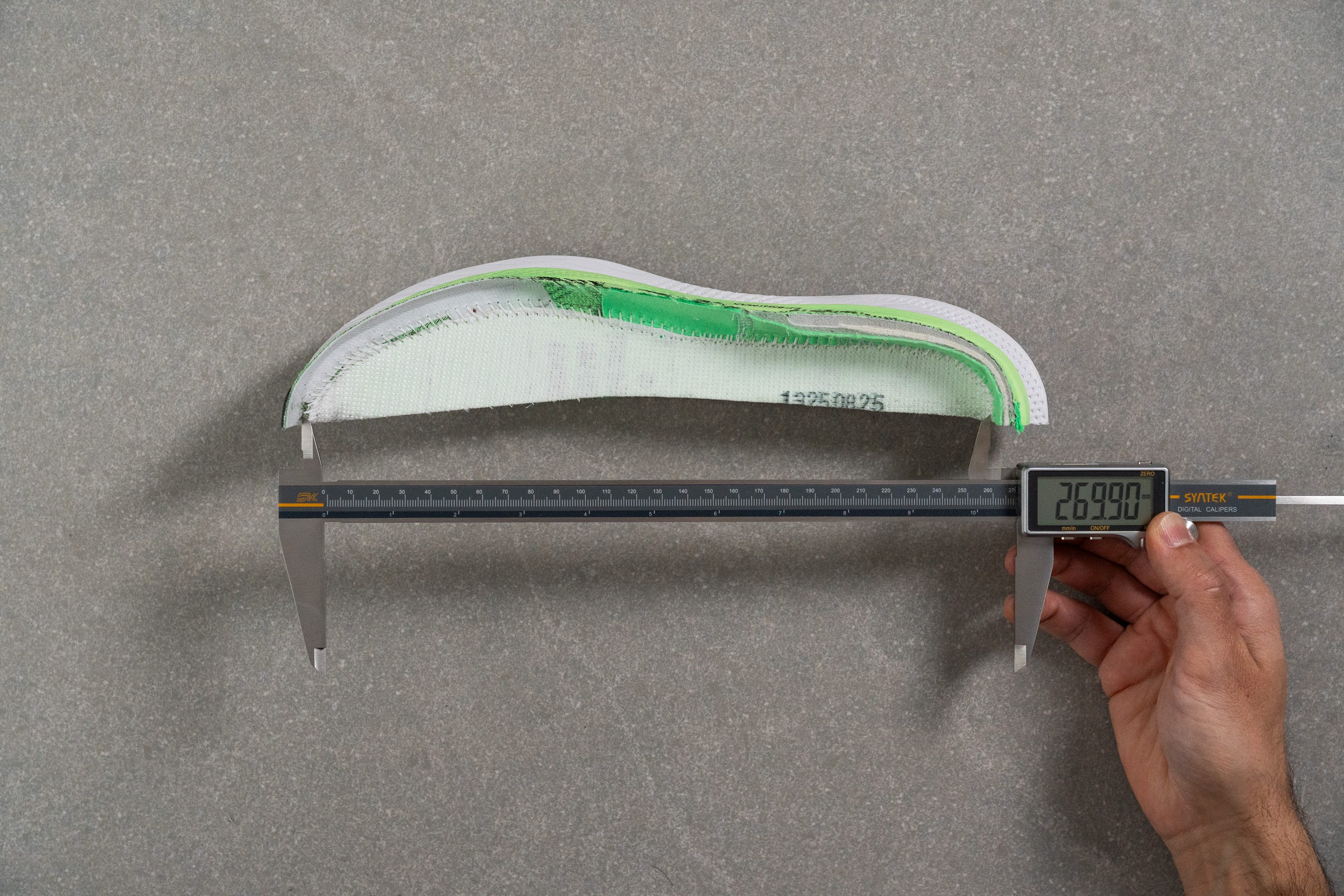
| Glideride Max 2 | 269.9 mm |
| Media | 269.4 mm |
Anchura / Ajuste
En cuanto al ajuste, sentimos que las Glideride Max 2 eran muy parecidas a la versión anterior. El nuevo material del upper hace que se sientan un poco distintas cuando te calzas, pero en lo que respecta al espacio general, la diferencia es mínima.
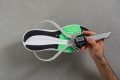
Después de hacer un molde de gel de su interior y medirlo, los números confirmaron nuestras sensaciones. El calibre marcó 96,1 mm, que es un resultado muy estándar, confirmando nuestra evaluación inicial.
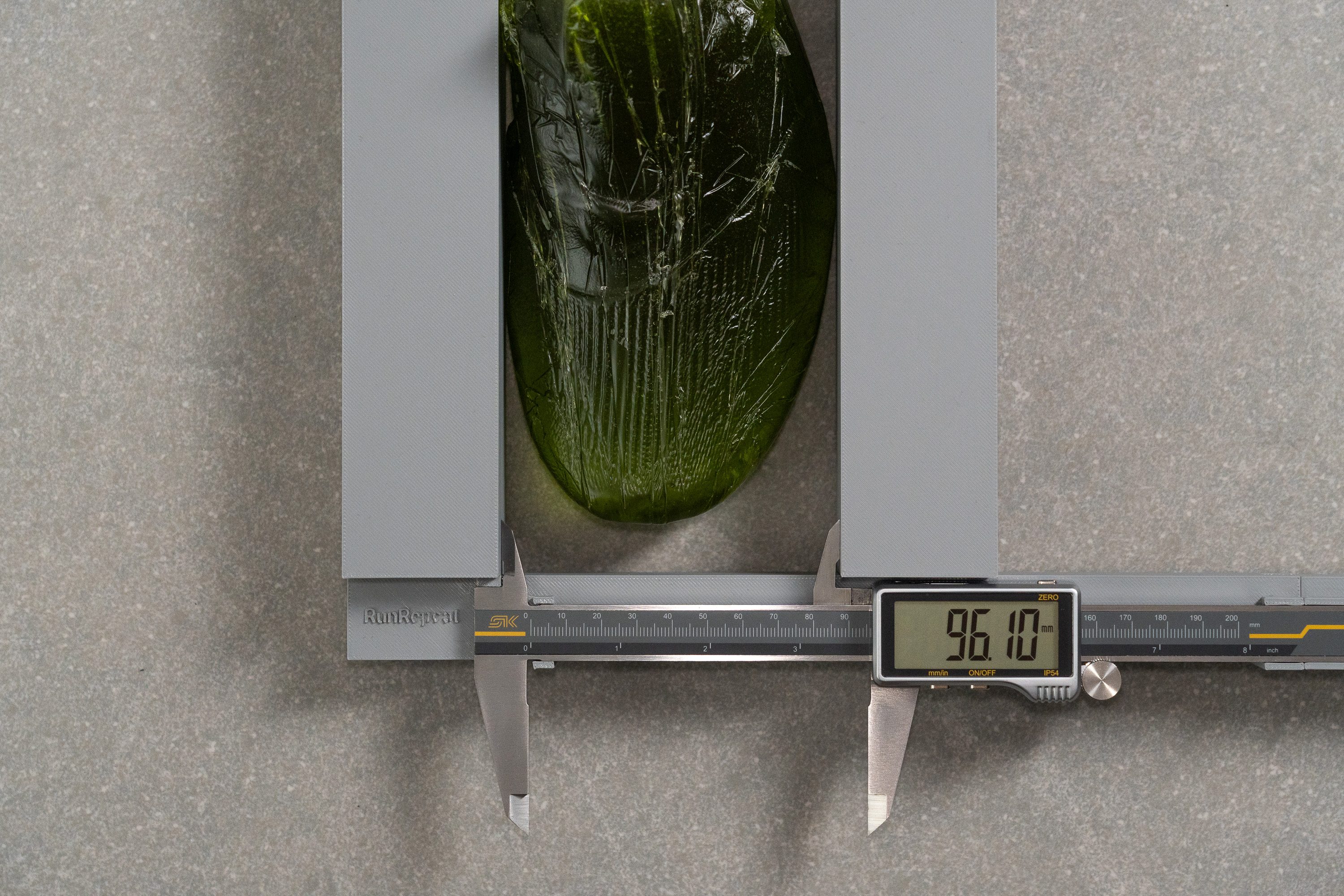
| Glideride Max 2 | 96.1 mm |
| Media | 95.2 mm |
Anchura de la parte delantera
La segunda medida fue igual de previsible. Con 72,6 mm en la zona del dedo gordo, este modelo debería adaptarse a la mayoría de los corredores, aunque puede ser un poquito estrecho para las personas con pies de forma romana o germánica.
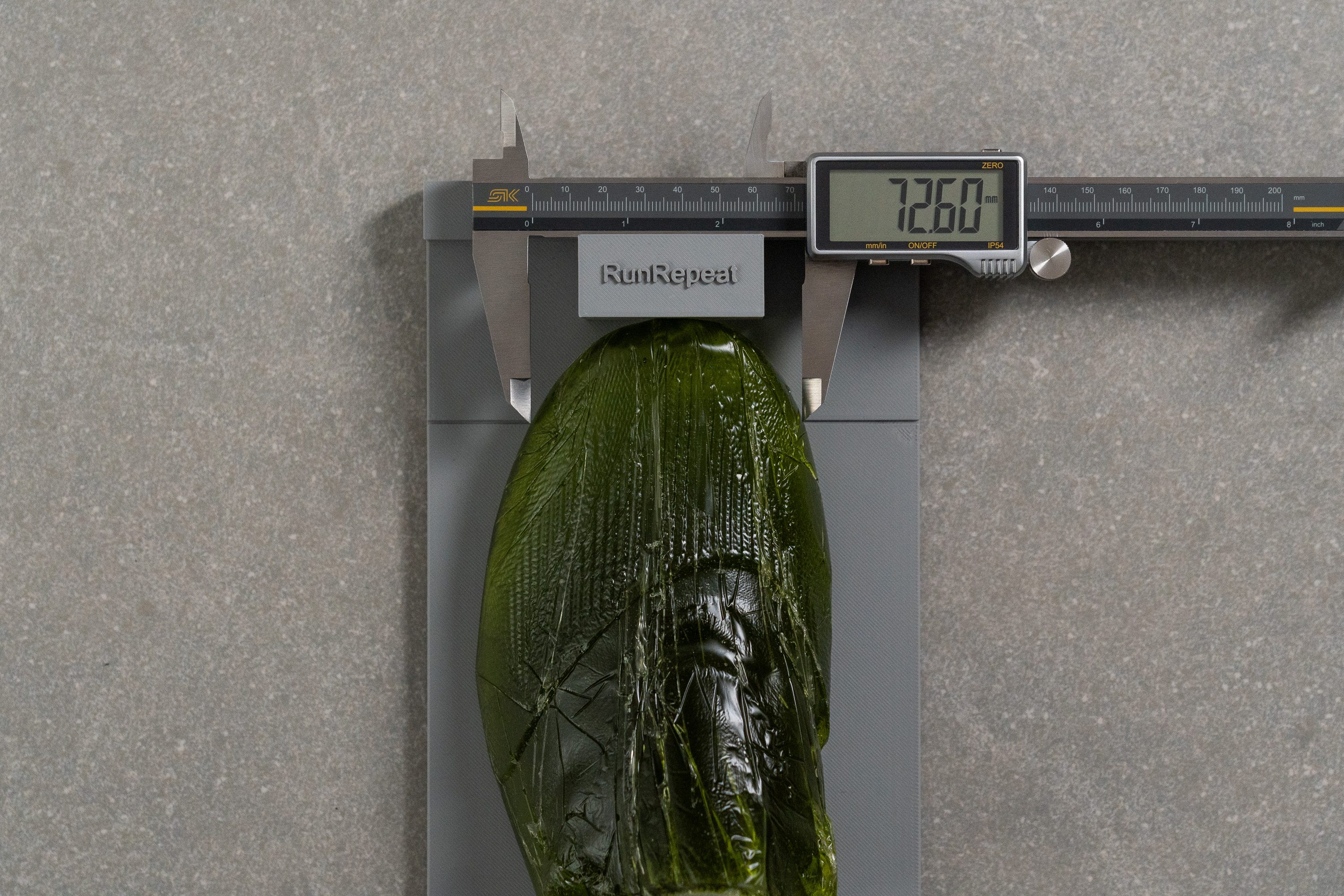
| Glideride Max 2 | 72.6 mm |
| Media | 73.2 mm |
Altura de la parte delantera
El único cambio perceptible es la altura de la zona de los dedos, que mide 24,6 mm, 2,8 mm menos que antes.
Es un poquito menos espaciosa, aunque el upper de malla es suave y normalmente no genera presiones incómodas.
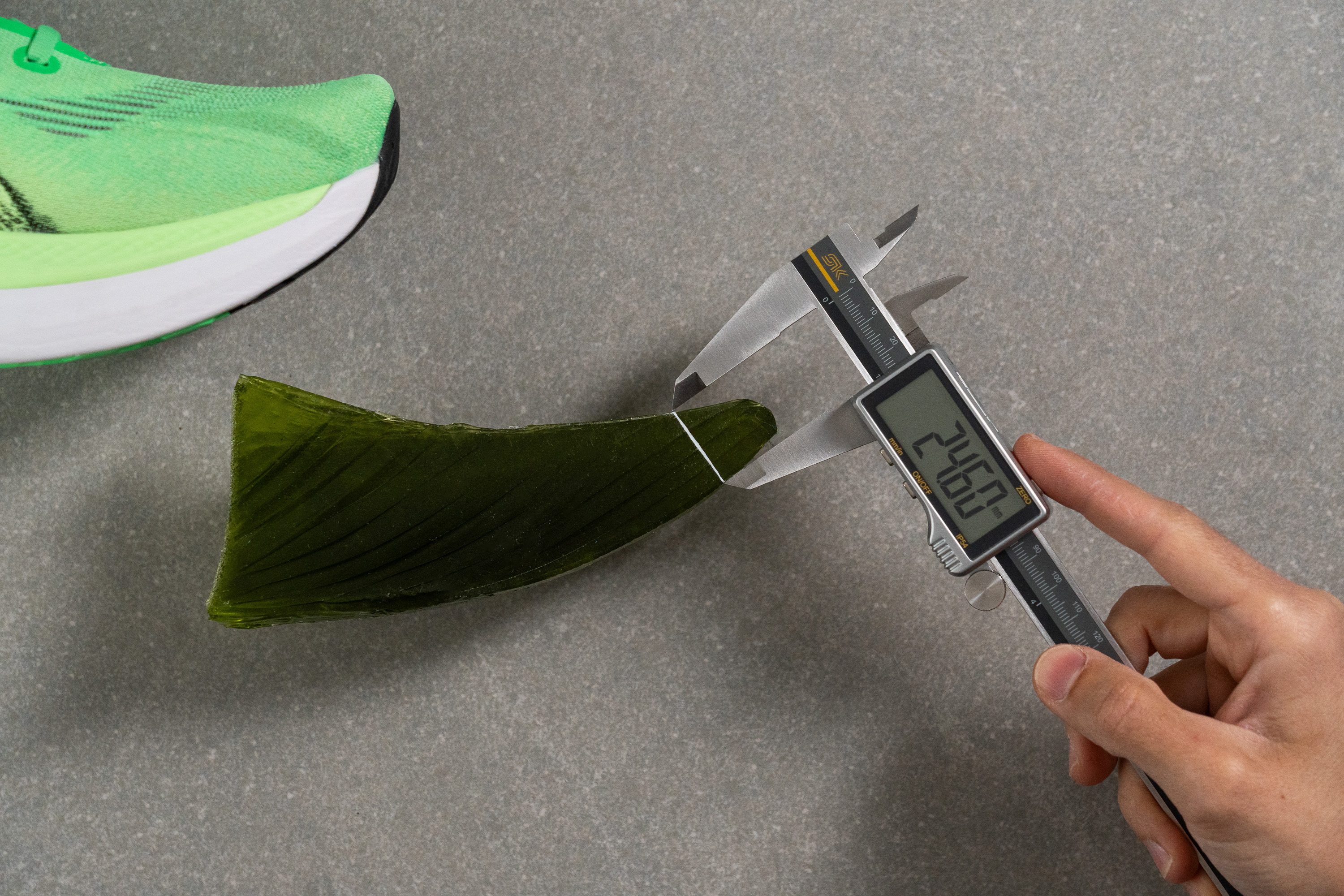
| Glideride Max 2 | 24.6 mm |
| Media | 27.0 mm |
Tracción / Agarre
Traction test
ASICS nos ha dejado boquiabiertos con sus compuestos para la suela exterior, ofreciéndonos una tracción excepcional en los modelos que utilizan su caucho de primera calidad. En este encontramos ASICSGRIP en el antepié combinado con AHAR PLUS en el talón, y su rendimiento es sobresaliente, como nos dejó claro cuando se llevó un sólido 0,86 en nuestra prueba de tracción.
| Glideride Max 2 | 0.86 |
| Media | 0.53 |
Diseño de la suela exterior
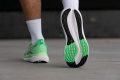
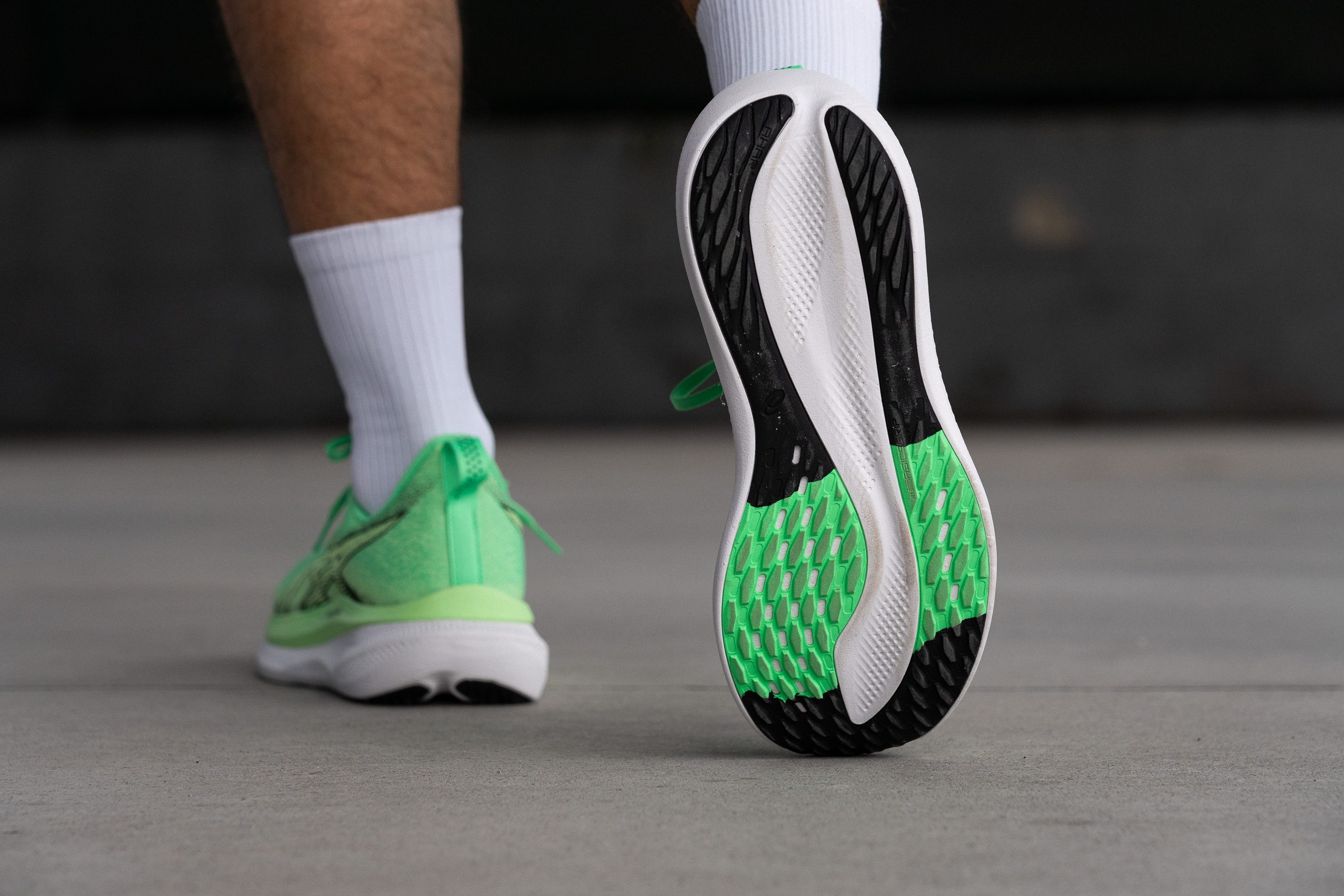
El diseño de la suela HYBRID ASICSGRIP refleja lo que vimos en la versión anterior. Mantiene la misma cobertura de caucho a lo largo del perímetro para conseguir un contacto sólido con el suelo, pero deja un amplio corte central de espuma expuesta para reducir el peso y conservar la flexibilidad.
Mira, sinceramente, ¿para qué cambiar algo que funciona tan bien? A veces mantener un diseño de eficacia probada es la decisión más inteligente.
Flexibilidad / Rigidez
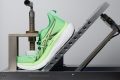
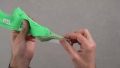
La enorme mediasuela de las Glideride Max 2, combinada con su placa de EVA, hace que sean un poco más rígidas que la media. Para doblarse 30 grados en nuestra prueba, necesitaron 17,5 N.
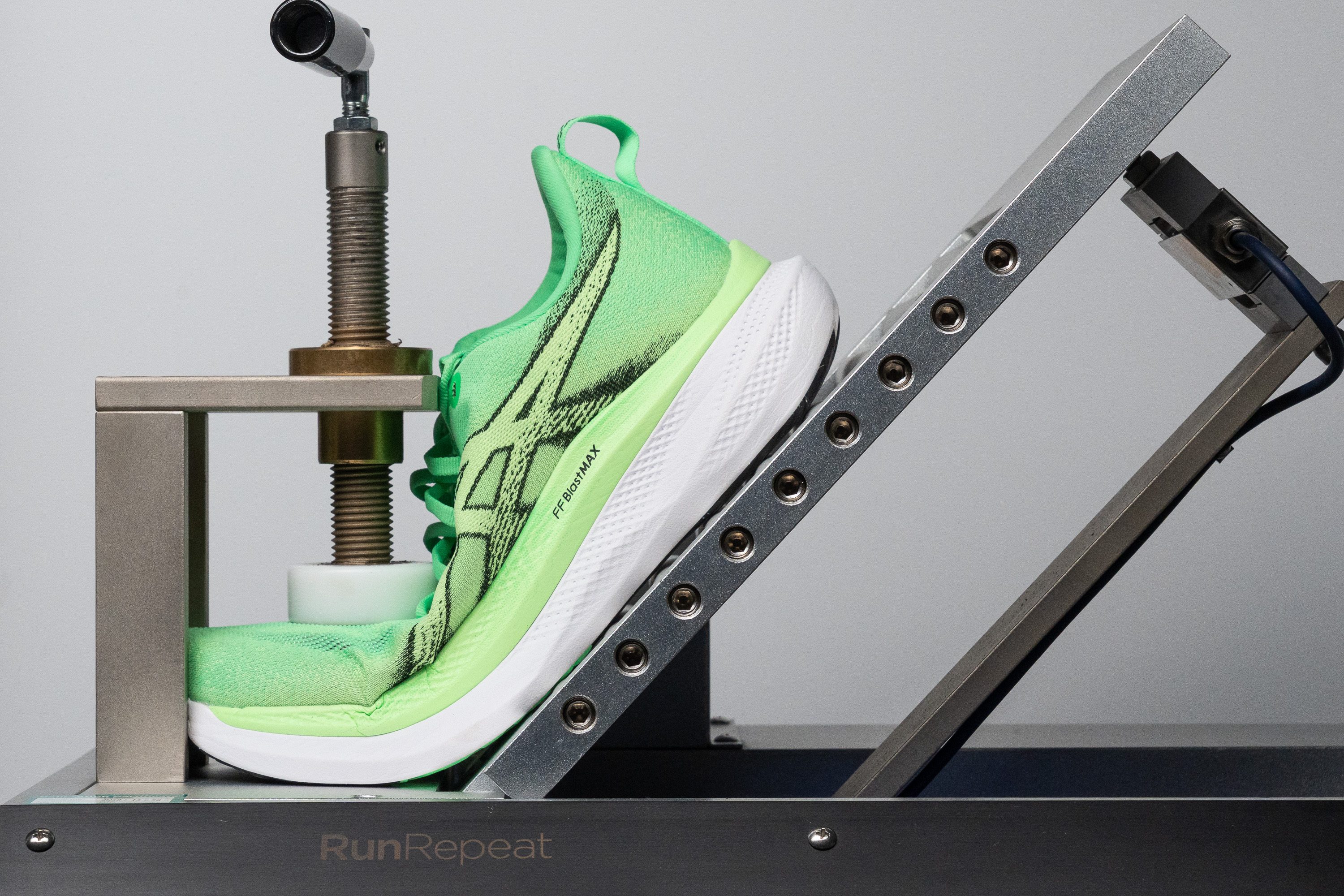
| Glideride Max 2 | 17.5N |
| Media | 15.5N |
Peso
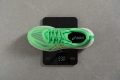
Con un peso de 264 g, las Glideride Max 2 se mantienen en un rango razonable para un diseño con un perfil tan alto. ASICS, tenemos que darte la enhorabuena por esos ajustes tan sutiles que consiguieron reducir el peso de estas zapatillas en un 6 % en comparación con la versión anterior.
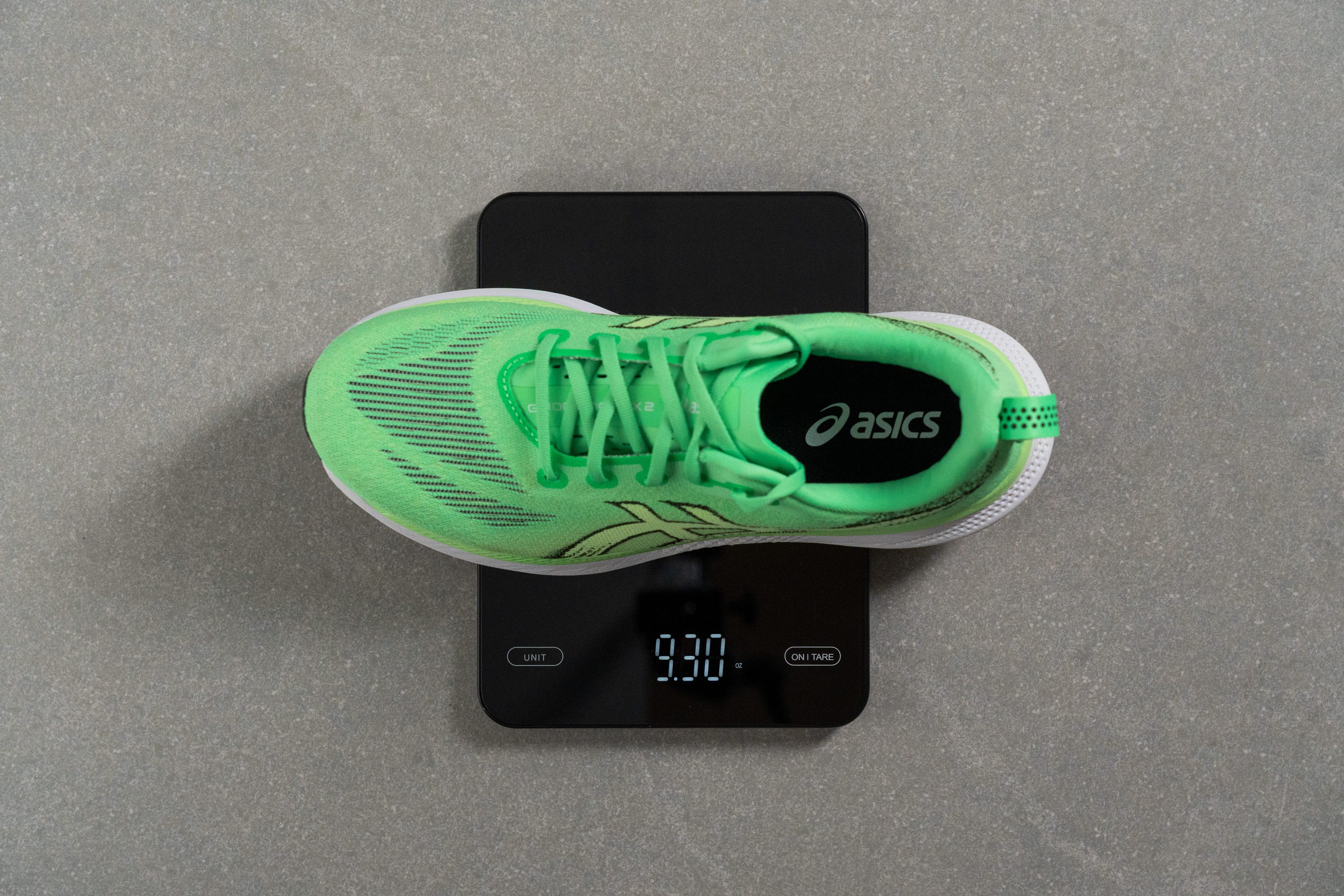
| Glideride Max 2 | 9.3 oz (264g) |
| Media | 9.2 oz (261g) |
Transpirabilidad
Breathability test
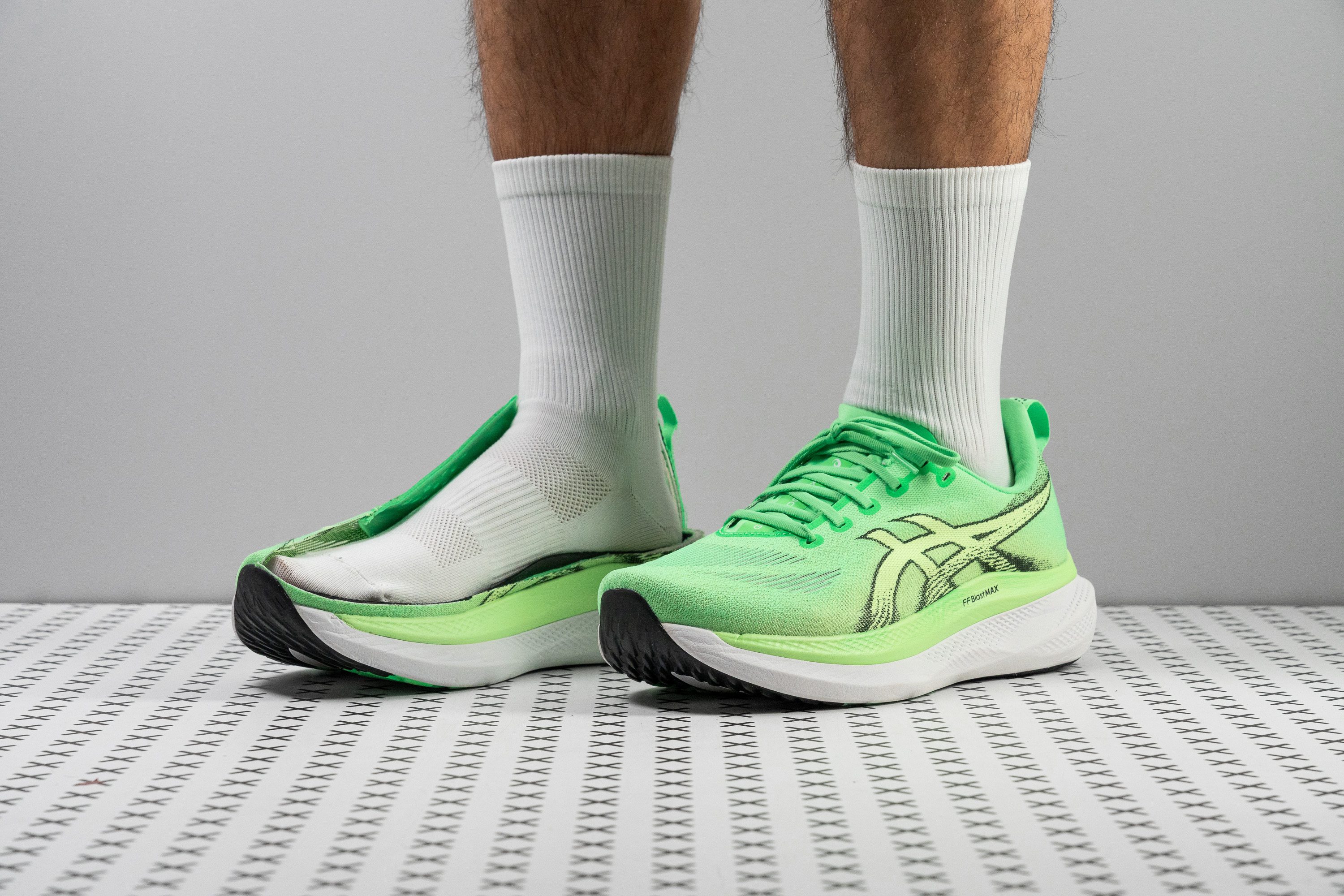
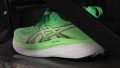
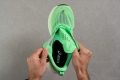
El upper de las Glideride Max 2 destaca como la actualización más importante con respecto a la versión 1, y creemos que es un gran paso adelante. ASICS dejó atrás la malla estándar e introdujo una estructura más técnica y de mayor calidad en esta versión.
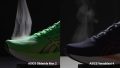
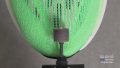
Según nuestras pruebas de laboratorio, su transpirabilidad es excelente, y después de ver todo el humo que conseguía salir por la zona de los dedos, decidimos darles un sólido 4/5.
ASICS utilizó un material más grueso y denso en la mayor parte del upper, pero lo combinó con una parte delantera muy transpirable. De hecho, la estructura de la zona de los dedos es una pasada, y se parece más a lo que normalmente vemos en los modelos diseñados para la competición.
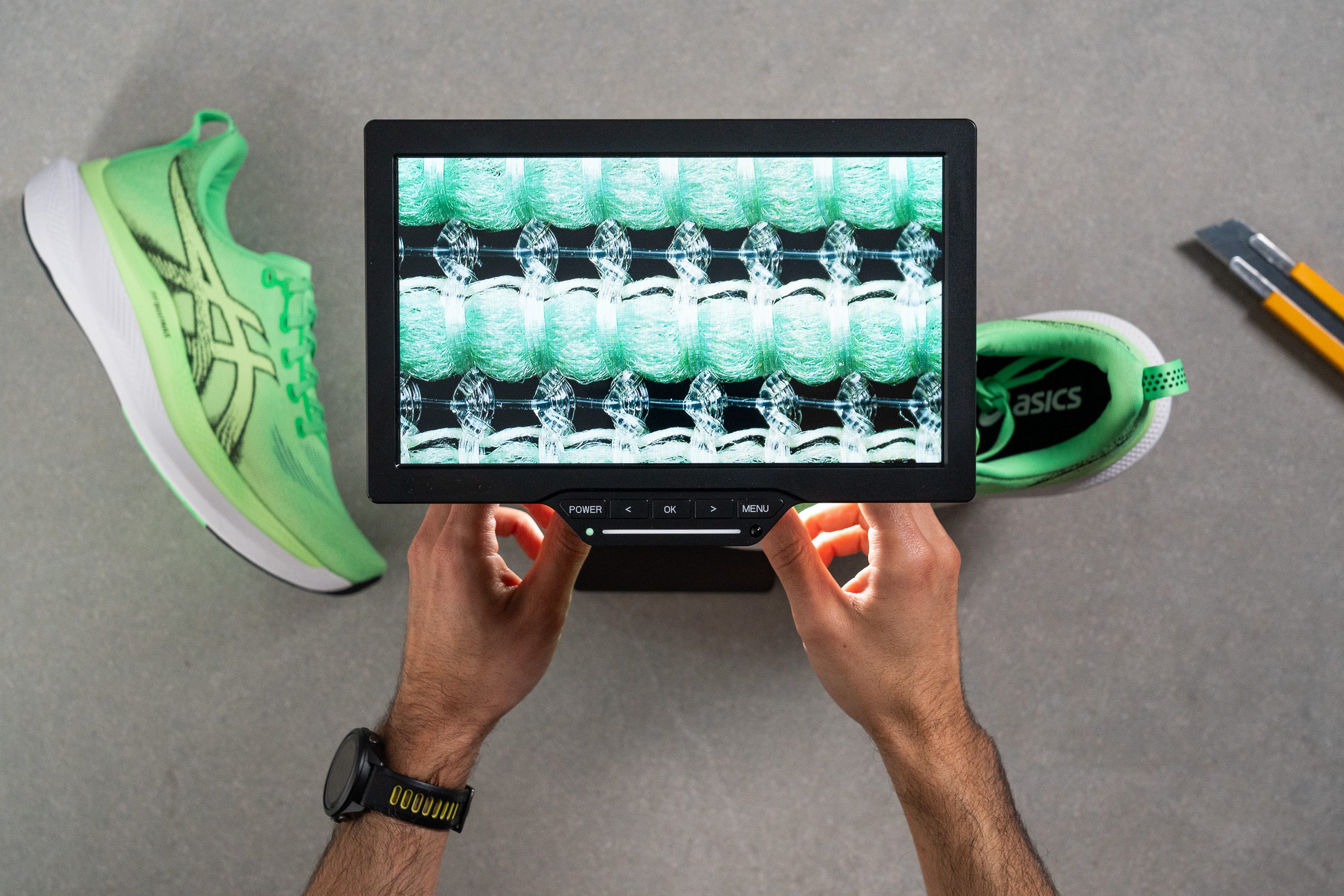
Es un enfoque interesante, aunque tendremos que confirmar, en nuestras pruebas de durabilidad, si este material más ligero es resistente al desgaste.
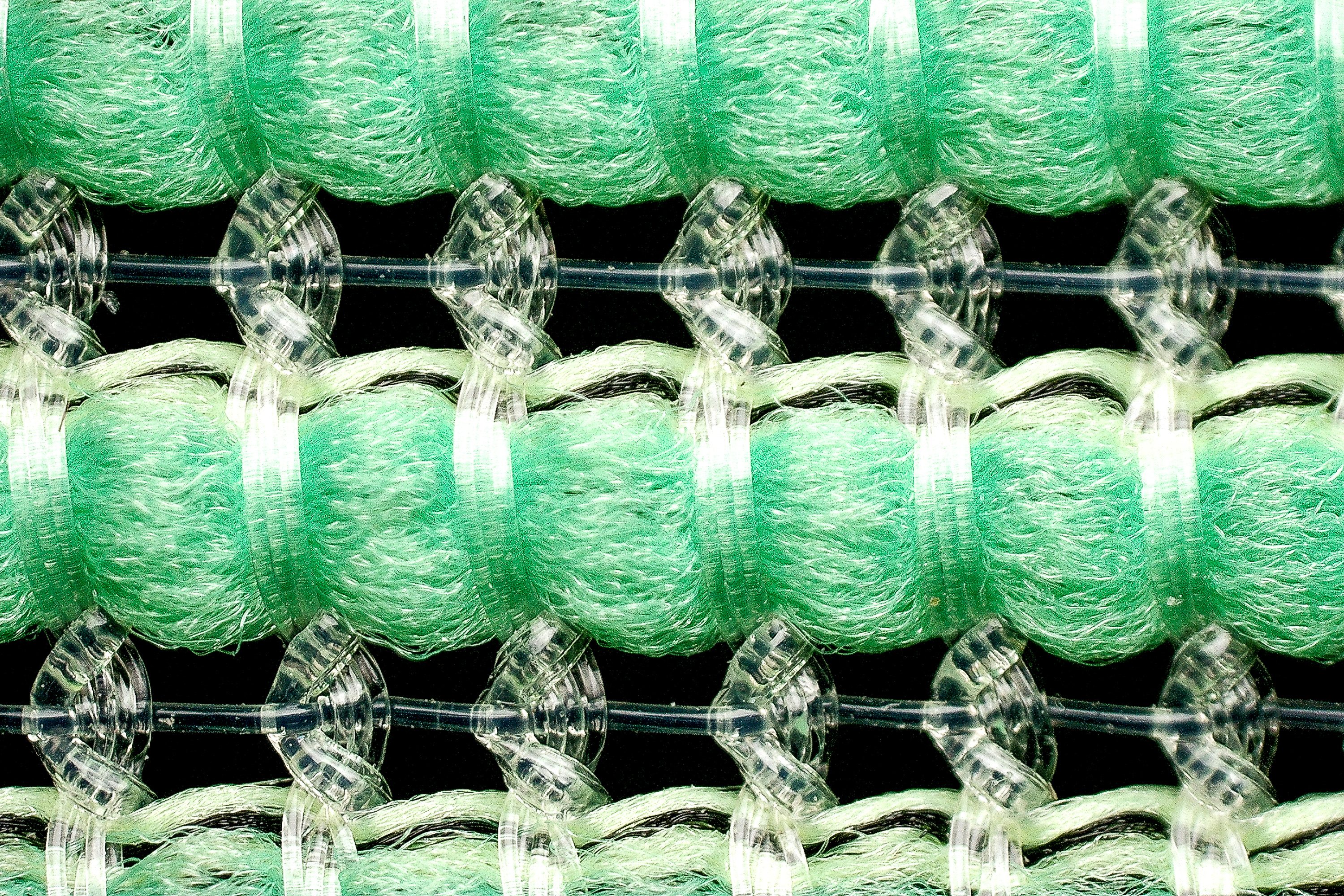
En general, creemos que este upper está lejos de ser un punto débil. Es comodísimo, su flujo de aire es bueno y su estética parece de alta calidad, cosa que importa cuando nos movemos entre estos precios.
| Glideride Max 2 | 4 |
| Media | 3.6 |
Estabilidad
Prueba de estabilidad lateral
Como su mediasuela es altísima, es normal preocuparse por la estabilidad. Sin embargo, las Glideride Max 2 nos parecen bastante estables en general, y una opción segura para corredores neutros.
Personalmente, creemos que ASICS decidió seguir un enfoque interesante con la serie Glideride Max. En lugar de ensanchar la mediasuela como hacen muchos modelos con suelas altas (como las Superblast 2, por ejemplo), confió en las paredes de la mediasuela, en la tecnología GUIDESOLE (rocker) y en la sujeción del upper para ofrecer una pisada estable.
Rigidez torsional
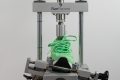
Las Glideride Max 2 se llevaron un resultado de 20,3 Nm en nuestra prueba de rigidez torsional. Es un resultado altísimo, y la sensación en los pies sin duda se parece a la de un modelo con placa de carbono. La mediasuela alta y la placa de EVA juegan un papel importantísimo en este resultado.
Como se sienten tan rígidas, a los runners que prefieran una sensación más natural y flexible bajo los pies pueden no hacerles tanta gracia.
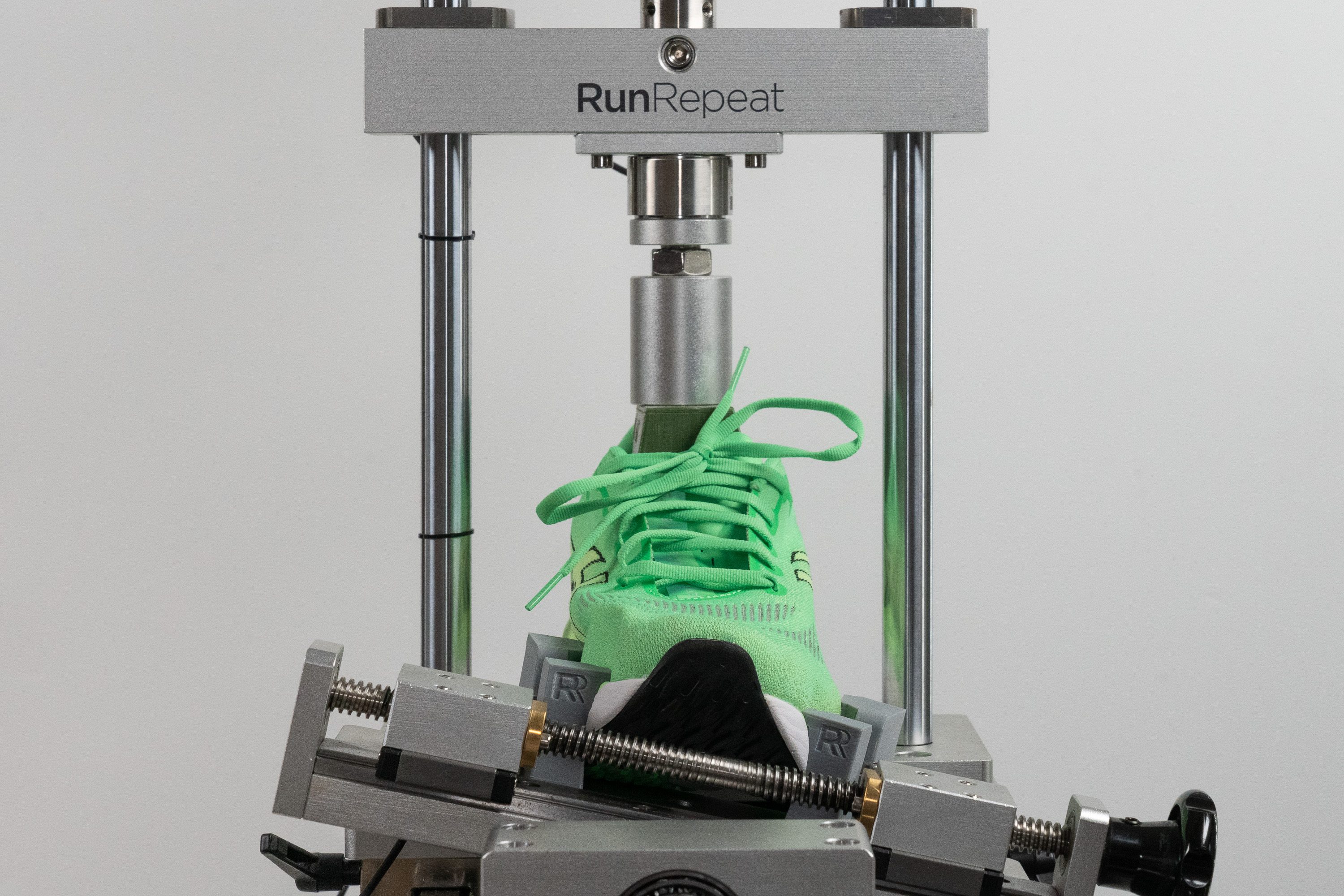
| Glideride Max 2 | 20.3 Nm |
| Media | 14.4 Nm |
Rigidez del contrafuerte del talón
ASICS también apostó por el contrafuerte del talón para aumentar la estabilidad. Los runners que son sensibles a las estructuras firmes en el talón probablemente no estén contentos con este diseño tan rígido, que se llevó un 5/5 en nuestra prueba y que se siente más parecido a lo que nos esperaríamos de unas zapatillas de estabilidad puras y duras.
| Glideride Max 2 | 5 |
| Media | 3 |
Anchura de la mediasuela - antepié
Esto es justo a lo que nos referíamos antes. En nuestra prueba de laboratorio, vimos que la mediasuela tenía una anchura de 115,0 mm, que está más cerca de la media de un modelo de entrenamiento diario.
ASICS mantuvo la plataforma bastante estándar incluso con una mediasuela tan alta. Como resultado, estas zapatillas se sienten ágiles bajo los pies y pueden gustarles más a los runners que pasan de los diseños excesivamente anchos.
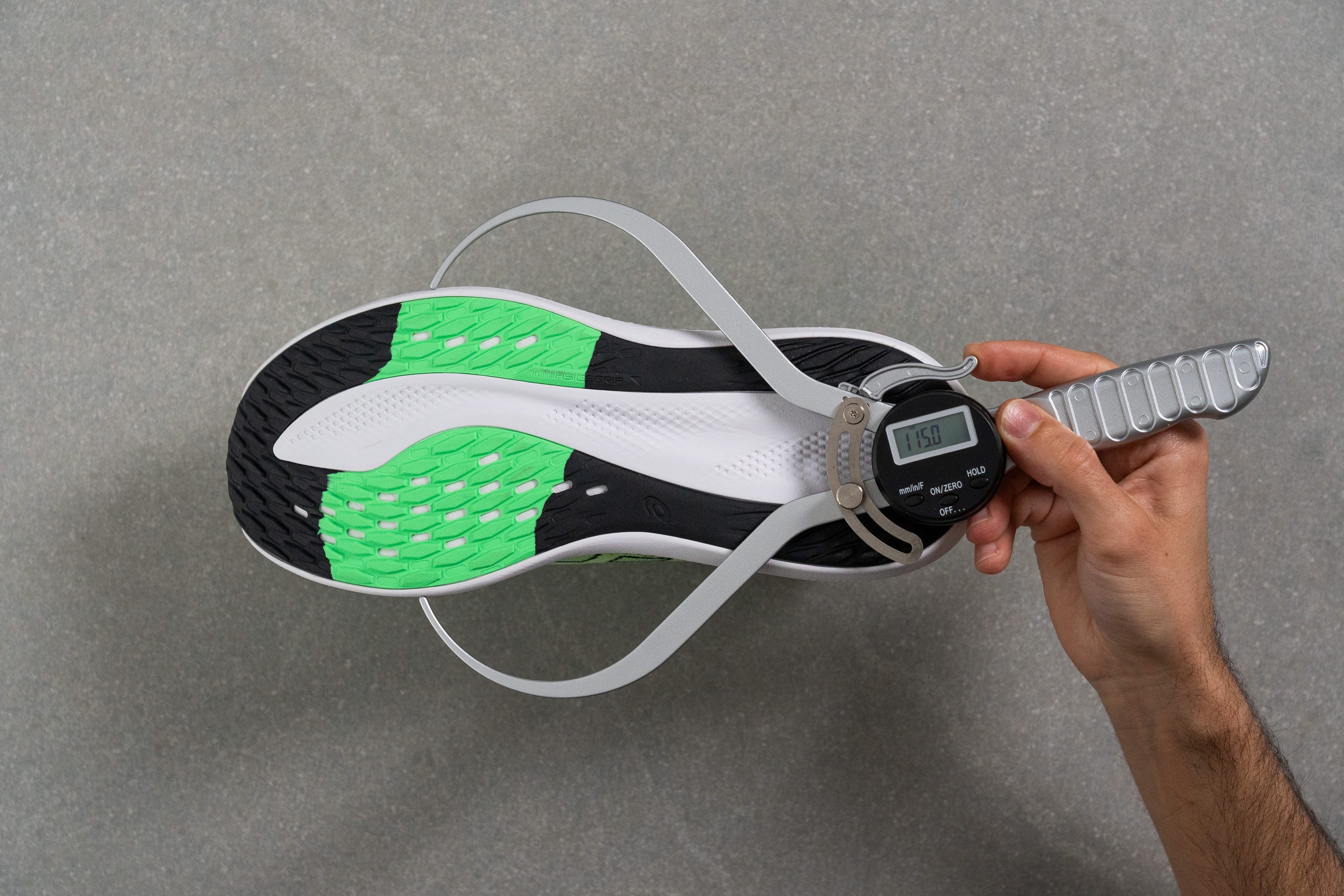
| Glideride Max 2 | 115.0 mm |
| Media | 115.1 mm |
Anchura de la mediasuela - talón
El talón mide 93,5 mm según nuestro calibre digital, así que solo supera la media por un poquito, y sigue siendo muy razonable según los estándares actuales. Esto también ayuda a explicar por qué ASICS optó por un contrafuerte del talón tan rígido.
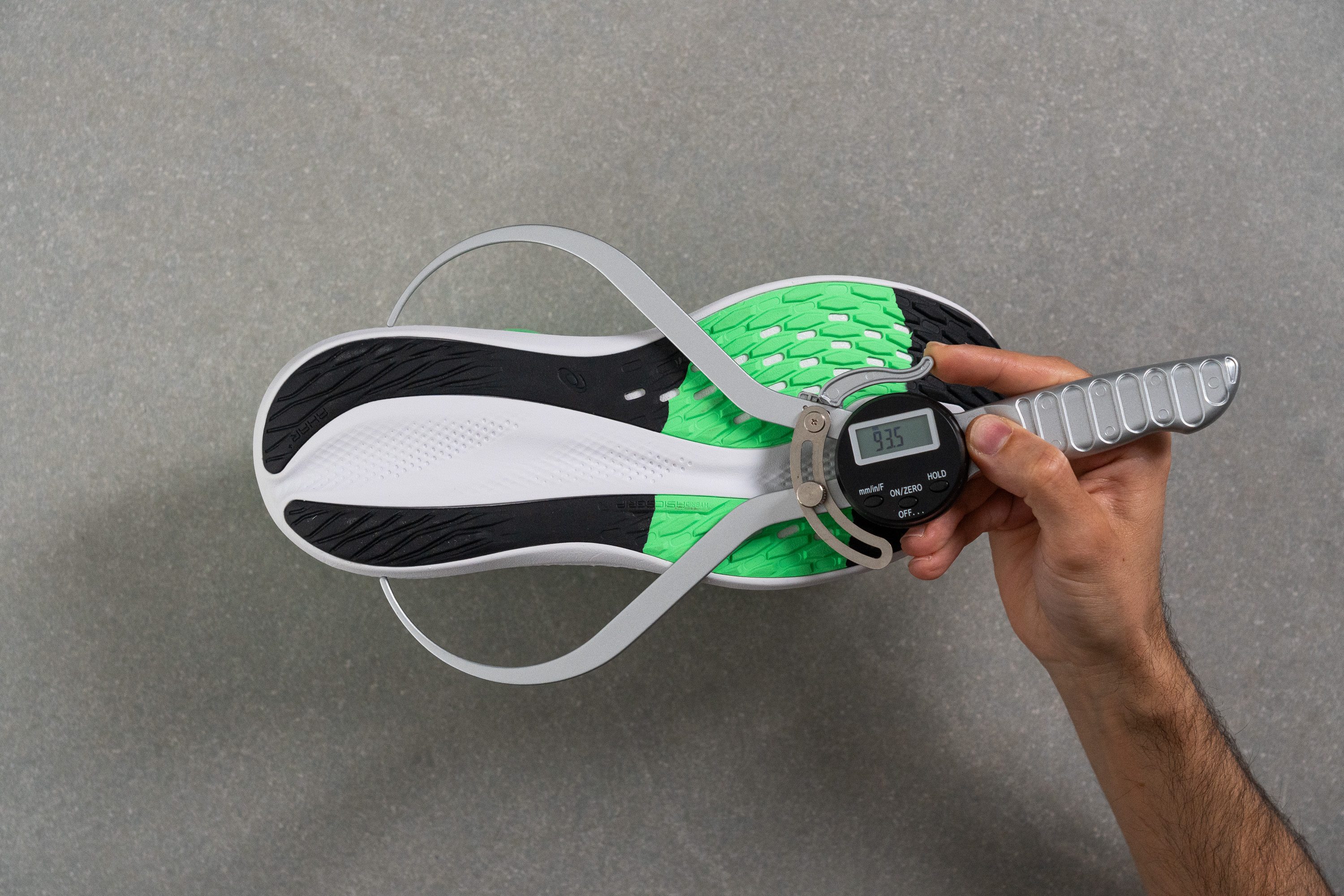
| Glideride Max 2 | 93.5 mm |
| Media | 91.1 mm |
Durabilidad
Durabilidad de la parte delantera
No fue ninguna sorpresa que el upper de las Glideride Max 2 tuviese una durabilidad limitada. Teniendo en cuentra lo transpirable y finito que es, el 2/5 que se llevó nos parece bastante razonable.
| Glideride Max 2 | 2 |
| Media | 2.6 |
Durabilidad del acolchado del talón
El acolchado del talón también obtuvo un resultado por debajo de la media: un 3/5. Aunque no podemos decir que sea malo, sigue estando por debajo de la durabilidad que nos habría gustado ver.
| Glideride Max 2 | 3 |
| Media | 3.4 |
Durabilidad de la suela
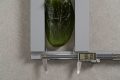
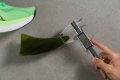
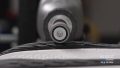
Para compensar la menor durabilidad del upper, la suela HYBRID ASICSGRIP tiene un rendimiento excelente. Al combinar AHAR PLUS con ASICSGRIP, proporciona una durabilidad sobresaliente, ya que la herramienta solo eliminó 0,6 mm de caucho en nuestra prueba de abrasión.
| Glideride Max 2 | 0.6 mm |
| Media | 1.1 mm |
Grosor de la suela
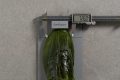
ASICS optó por utilizar 3,6 mm de caucho en la suela exterior, lo que ya indica una gran durabilidad. Ese grosor tan generoso, combinado con una excelente resistencia a la abrasión, hace que estas zapatillas sean una opción estupenda para los corredores que desgastan muy rápido las suelas.
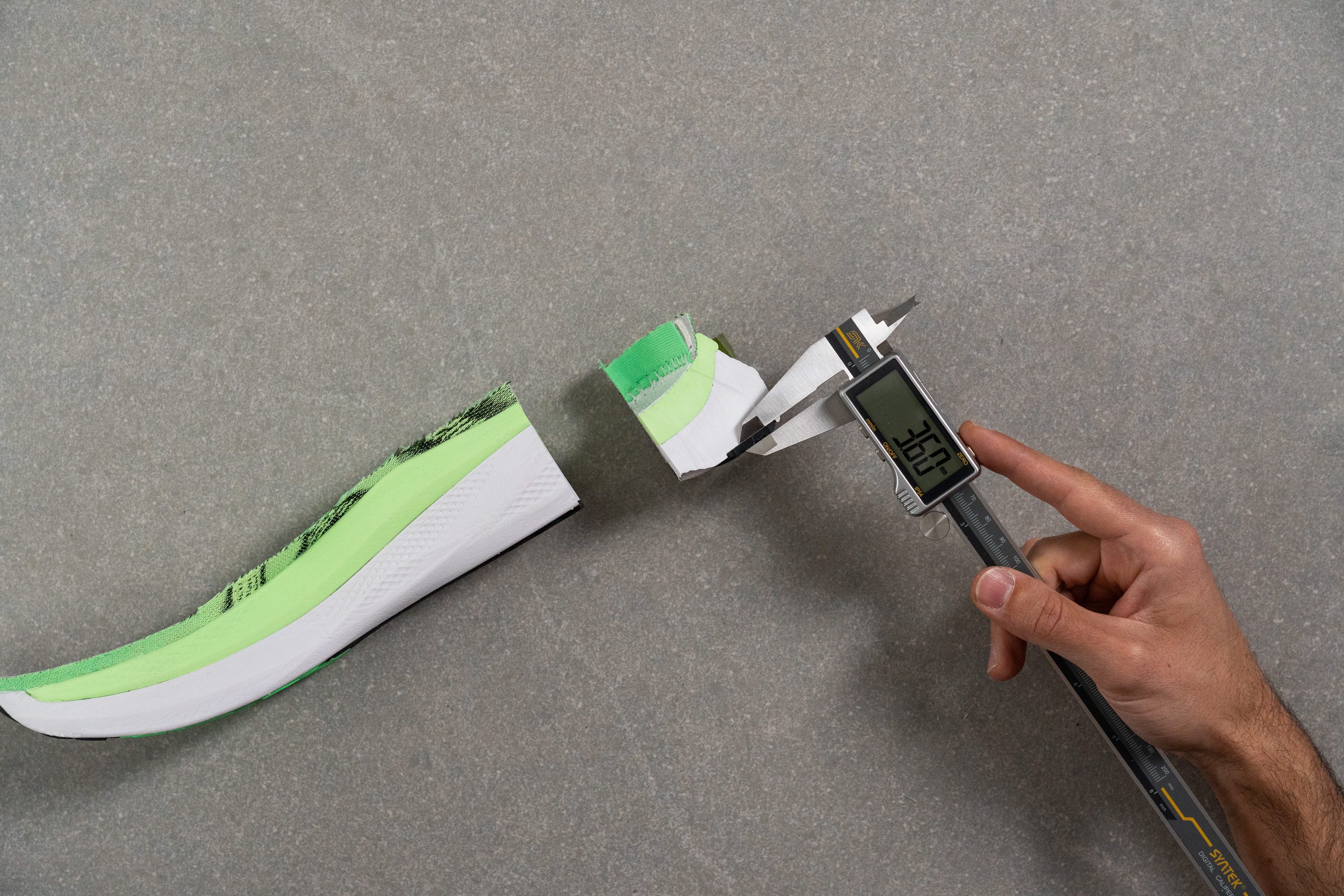
| Glideride Max 2 | 3.6 mm |
| Media | 3.1 mm |
Varios
Grosor de la plantilla
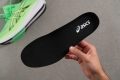
ASICS optó por una plantilla estándar en las Glideride Max 2, con un grosor de 4,4 mm.
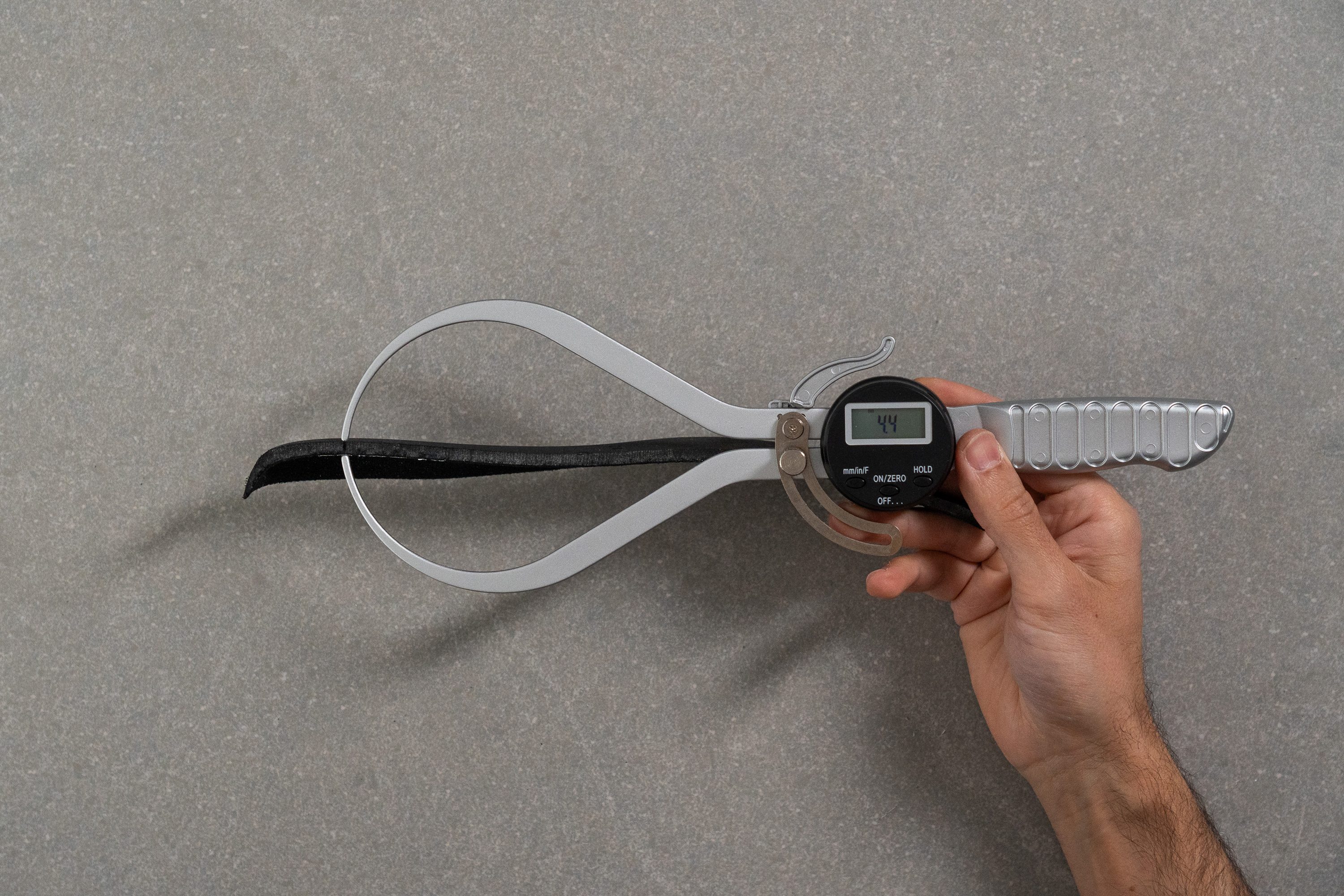
| Glideride Max 2 | 4.4 mm |
| Media | 4.4 mm |
Plantilla extraíble
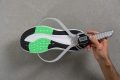
Descubrimos que era fácil de quitar, ya que no está pegada a la horma.
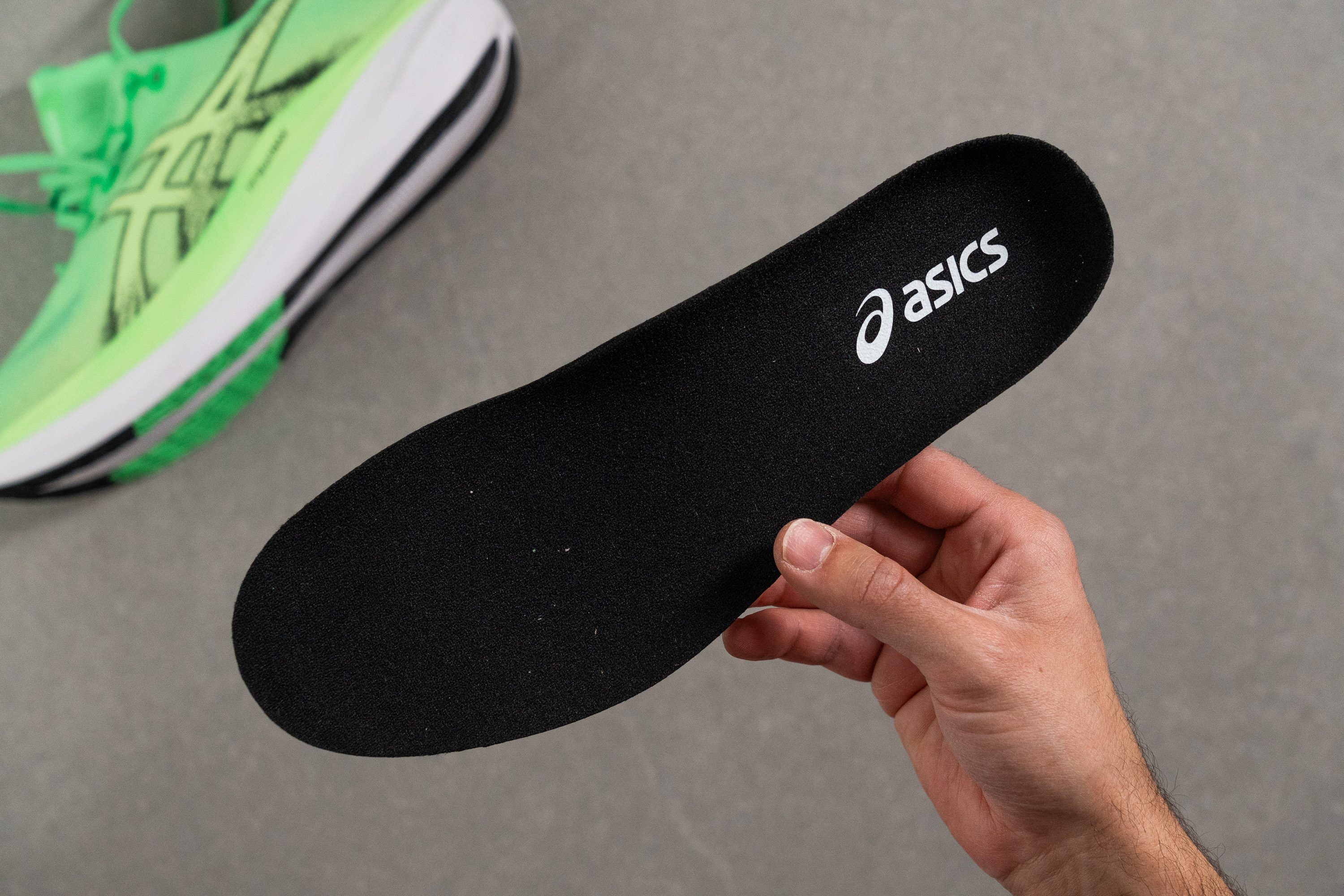
| Glideride Max 2 | Sí |
Elementos reflectantes
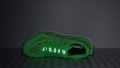
Gracias, ASICS, ¡nos ha encantado ver que las Glideride Max 2 tienen elementos reflectantes!
| Glideride Max 2 | Sí |
Acolchado de la lengüeta
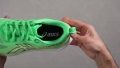
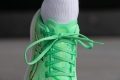
Estas zapatillas tienen cordones planos y ojales perforados reforzados, además de un ojal adicional que hace que te puedas atar los cordones de otra forma si lo necesitas.
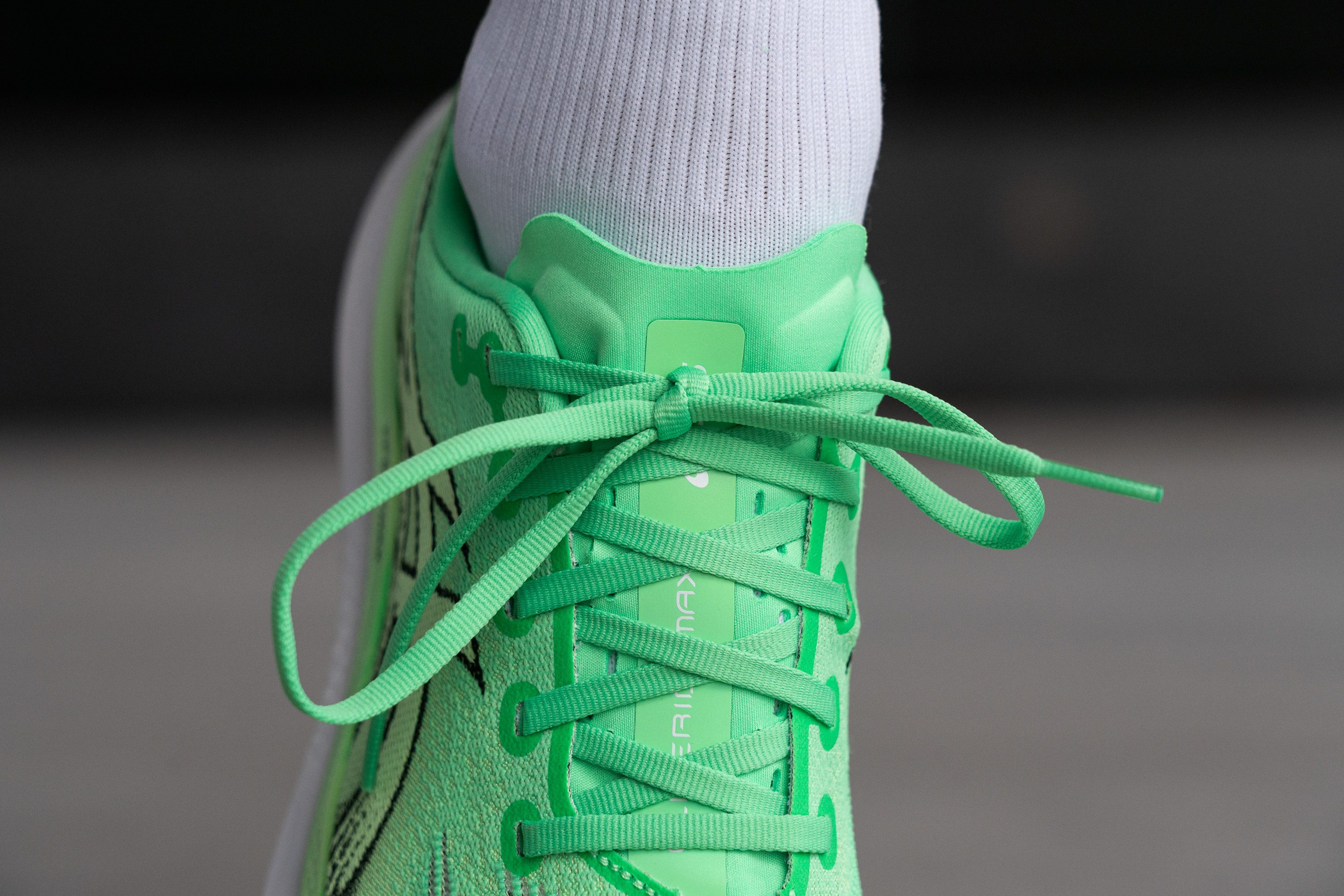
La lengüeta de las ASICS Glideride Max 2 sigue la última tendencia de la marca con su diseño finito, ya que tiene un grosor de 4,4 mm. Como la marca no utiliza capas gruesas de espuma, esta pieza es muy ligera y sus perforaciones dejan que los pies respiren.
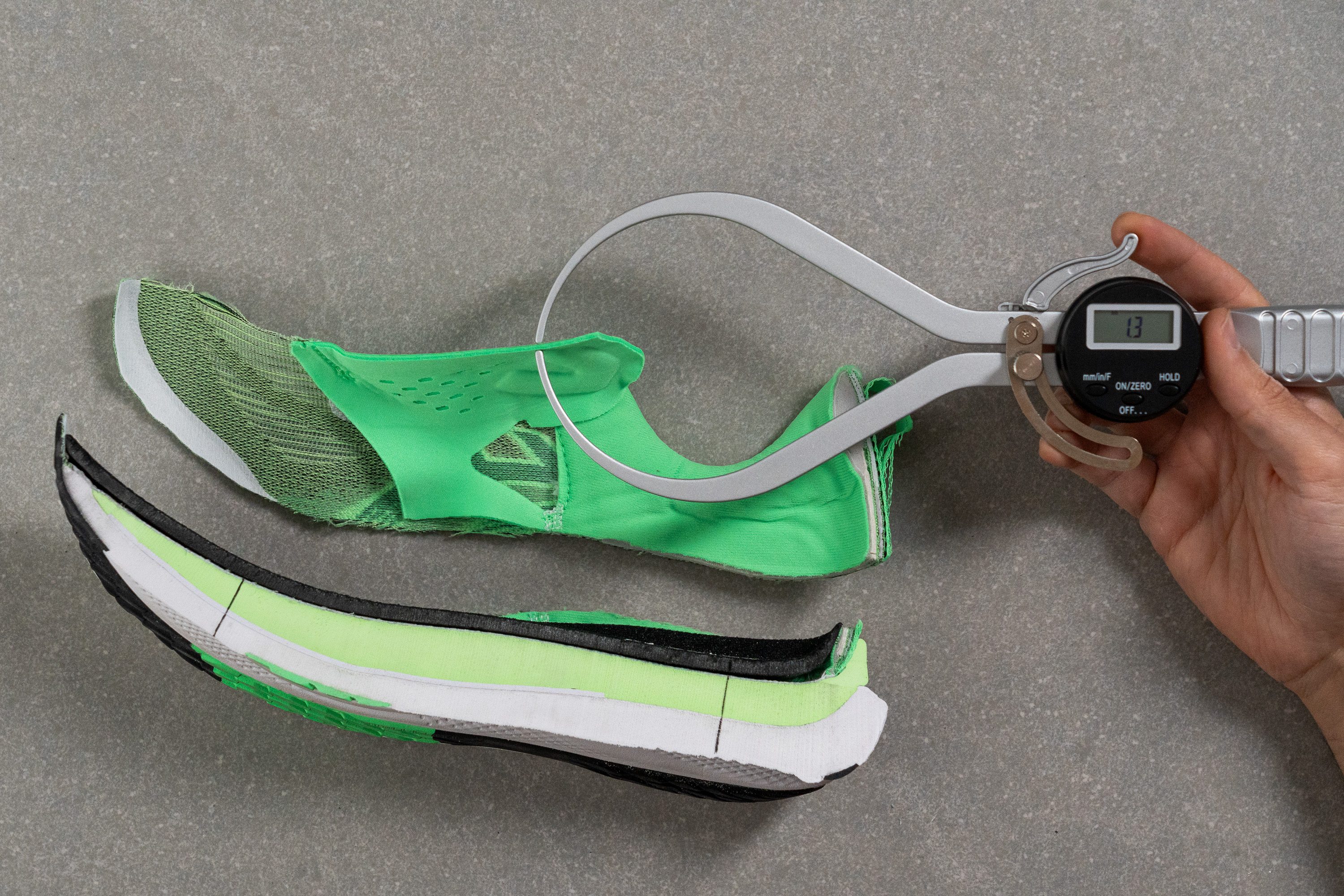
| Glideride Max 2 | 4.4 mm |
| Media | 5.8 mm |
Lengüeta: tipo de refuerzo
La lengüeta tiene un excelente refuerzo lateral que se estrecha hacia el centro, creando un ajuste seguro y cómodo. Es un detalle bien pensado del que muchas marcas podrían aprender, en lugar de conformarse con un simple trozo de tela.
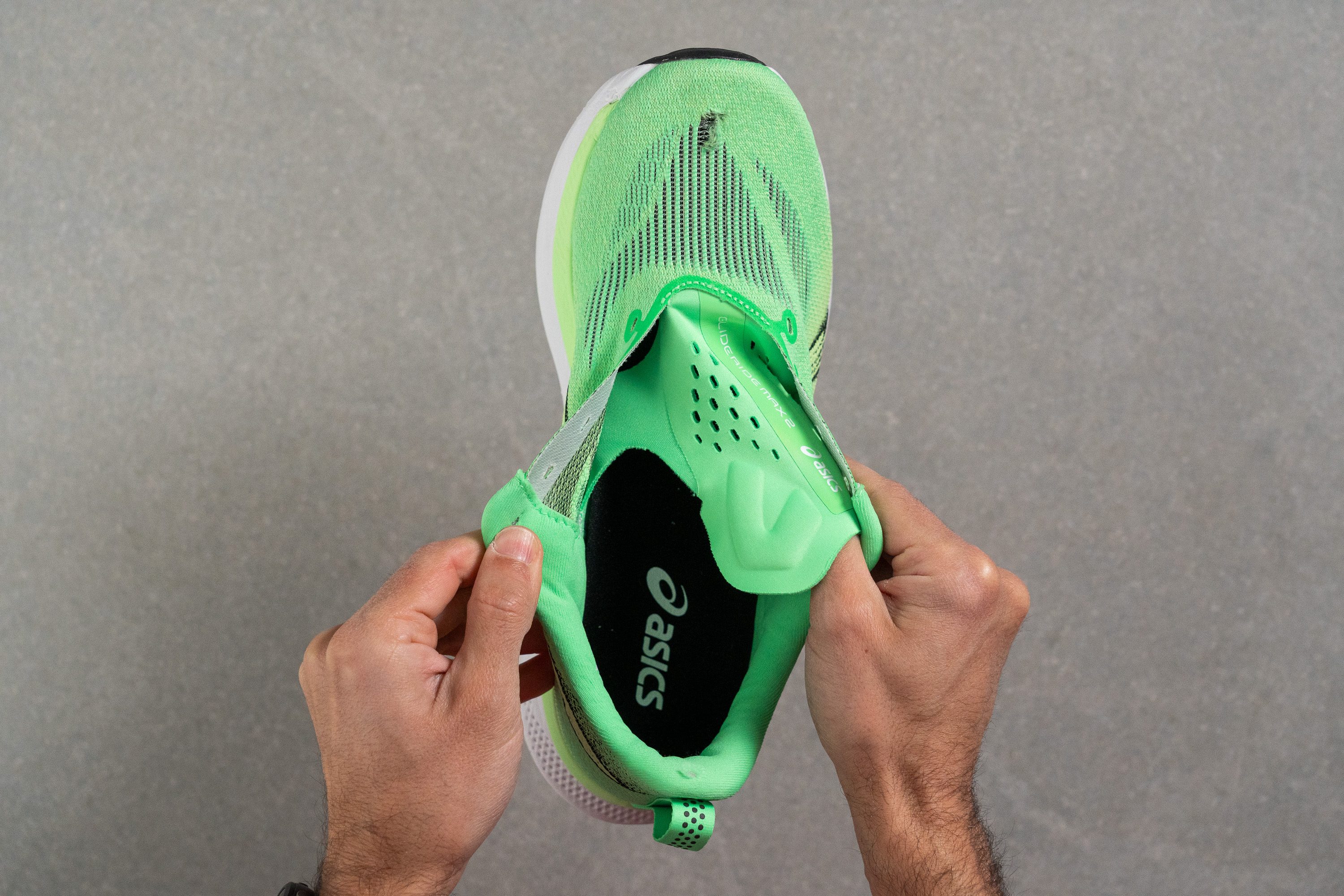
| Glideride Max 2 | Ambos lados (semi) |
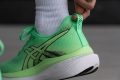
Tirador del talón
El nuevo tirador del talón, que viene de la mano del upper rediseñado, es más ligero y menos complejo que el que vimos el año pasado. Ahora es una tira sencilla que también sirve para cubrir las costuras del upper.
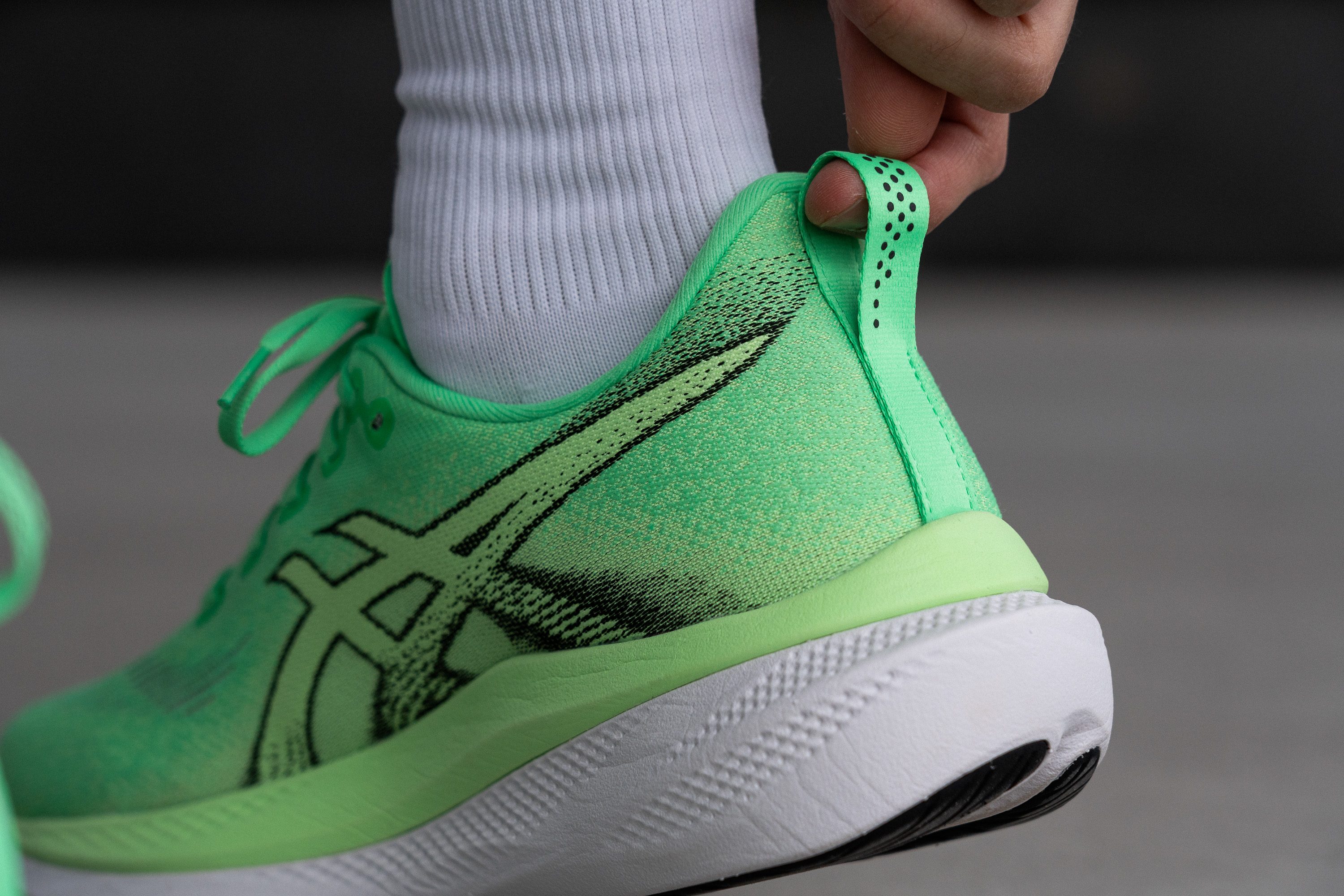
| Glideride Max 2 | Tirador circular |
Precio
Las Glideride Max 2 tienen un precio que casi se pasa del límite para un modelo de entrenamiento diario, así que es difícil de justificar con un retorno de energía limitado. Pero mira, si la reactividad no es una prioridad y tienes pensado ponerte estas zapatillas para tiradas fáciles, pueden ser una opción sólida gracias a la calidad de su diseño y al excelente rendimiento de su suela exterior.
| Glideride Max 2 | $170 |