
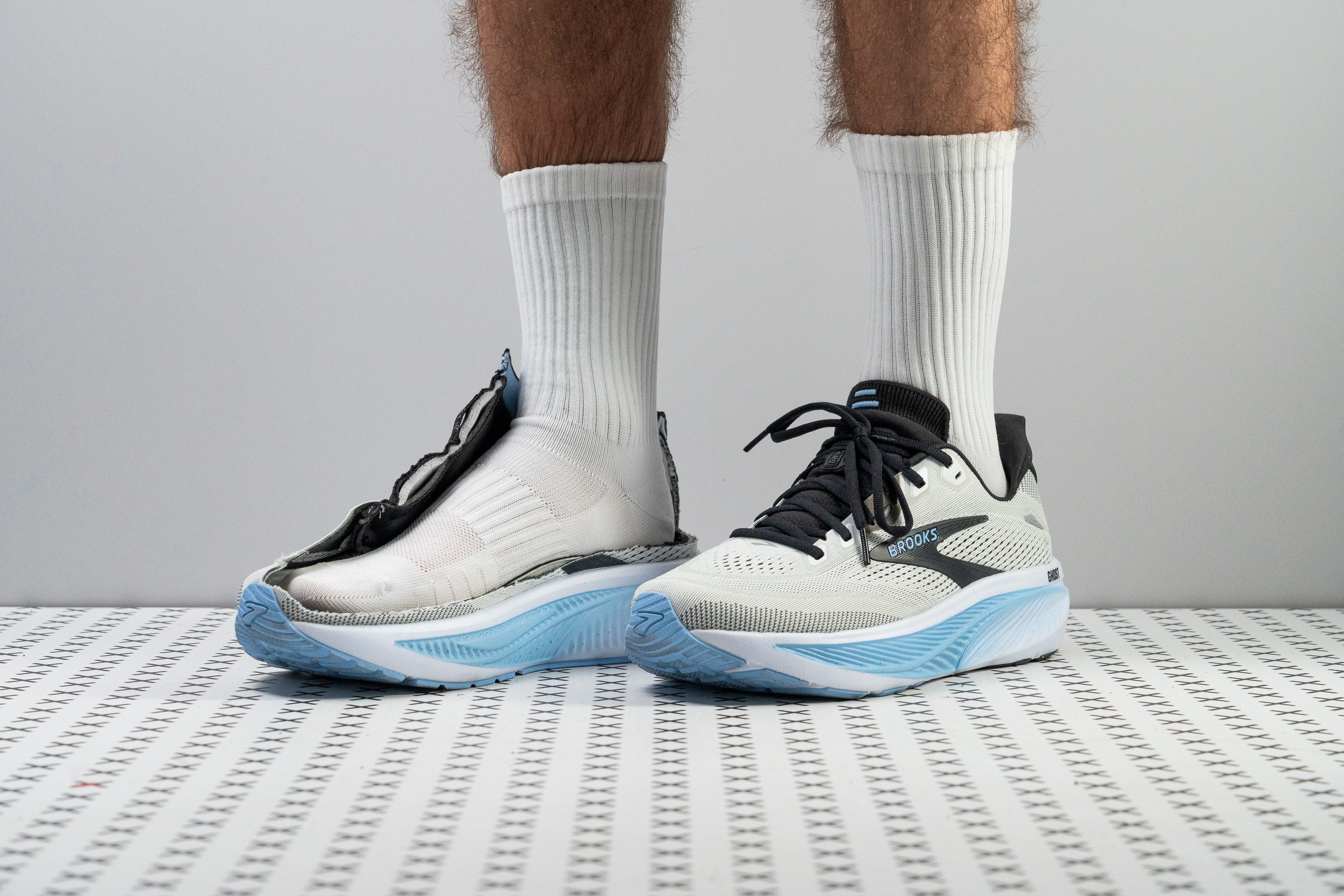



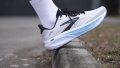

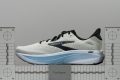




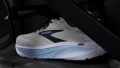

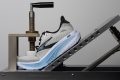
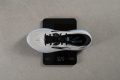


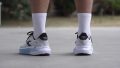







Nuestra conclusión
- Tiradas diarias / rodajes 86
- Tempo 48
- Competición 33
- Estabilidad 84
Pros
- Ideales para talonadores
- Una pisada que los fans de las Ghost ya conocen
- Estupendas para principiantes o corredores ocasionales
- Cómodas para el día a día
- El precio no ha cambiado
- Nueva lengüeta de knit mejorada
- Se sienten flexibles
- Disponibles en achuras distintas
- Suela muy duradera
Contras
- Necesitan una espuma mejor
- Se sienten pesadas
- La parte delantera se estrecha hacia la punta
- Lengüeta sin refuerzos
Premios
- Entre mejores zapatillas Brooks para caminar
- Top 23% entre zapatillas de running para asfalto
- Top 14% entre zapatillas de running Brooks
- Top 4% más vendidas zapatillas de running
Comparativa
Las zapatillas de running más parecidas
+ + Añadir unas zapatillas | |||||
|---|---|---|---|---|---|
| Nuestra puntuación | 86 Geniales | 80 Buenas | 90 Magníficas | 85 Geniales | |
| Precio | 150 € | 140 € | 160 € | 180 € | |
| Ritmo | Correr a diario | Correr a diario | Correr a diarioTempo / series | Correr a diario | |
| Absorción de impactos | Alta | Alta | Alta | Alta | |
| Retorno de energía | Moderado | Moderado | Alto | Moderado | |
| Tracción | Alta | Alta | Alta | Alta | |
| Sujeción arco del pié | Neutral | Neutral | Neutral | Neutral | |
| Peso laboratorio Peso marca | 10.2 oz / 289g 10.2 oz / 289g | 10.1 oz / 286g 10.5 oz / 297g | 7.9 oz / 224g 8.5 oz / 241g | 10.7 oz / 303g 10.7 oz / 303g | |
| Ligero | ✗ | ✗ | ✓ | ✗ | |
| Drop laboratorio Drop marca | 12.2 mm 10.0 mm | 14.0 mm 10.0 mm | 9.4 mm 5.0 mm | 8.2 mm 8.0 mm | |
| Técnica de carrera | Talón | Talón | TalónMedio/antepié | TalónMedio/antepié | |
| Talla | Tallan bien | Tallan bien | Tallan un poquito pequeño | Tallan un poquito pequeño | |
| Rigidez de la mediasuela | Equilibrada | Equilibrada | Equilibrada | Blanda | |
| Diferencia de la rigidez de la mediasuela en frío | Pequeña | Pequeña | Pequeña | Normal | |
| Durabilidad de la parte delantera | Decente | Mala | Decente | Decente | |
| Durabilidad del acolchado del talón | Alta | Alta | Alta | Alta | |
| Durabilidad de la suela exterior | Buena | Buena | Decente | Buena | |
| Transpirabilidad | Media | Media | Media | Media | |
| Anchura / ajuste | Media | Media | Estrecha | Media | |
| Anchura de la parte delantera | Estrecha | Media | Media | Media | |
| Flexibilidad | Moderada | Moderada | Moderada | Moderada | |
| Rigidez torsional | Flexibles | Flexibles | Moderadas | Moderadas | |
| Rigidez del contrafuerte del talón | Rígido | Rígido | Rígido | Rígido | |
| Con rocker | ✗ | ✗ | ✓ | ✓ | |
| Talón laboratorio Talón marca | 37.3 mm 36.0 mm | 36.0 mm 37.0 mm | 35.6 mm 37.0 mm | 37.2 mm 38.0 mm | |
| Antepié laboratorio Antepié marca | 25.1 mm 26.0 mm | 22.0 mm 27.0 mm | 26.2 mm 32.0 mm | 29.0 mm 30.0 mm | |
| Anchuras disponibles | EstrechoEstándarAnchoExtra Ancho | EstándarAncho | EstándarAncho | EstándarAnchoExtra Ancho | |
| Compatibles con plantillas personalizadas | ✓ | ✓ | ✓ | ✓ | |
| Estación | Todas las estaciones | Todas las estaciones | Todas las estaciones | Todas las estaciones | |
| Plantilla extraíble | ✓ | ✓ | ✓ | ✓ | |
| Clasificación | #81 Top 21% | #219 45% inferior | #32 Top 8% | #104 Top 26% | |
| Popularidad | #16 Top 4% | #26 Top 7% | #32 Top 8% | #12 Top 3% |



Quién debería comprárselas
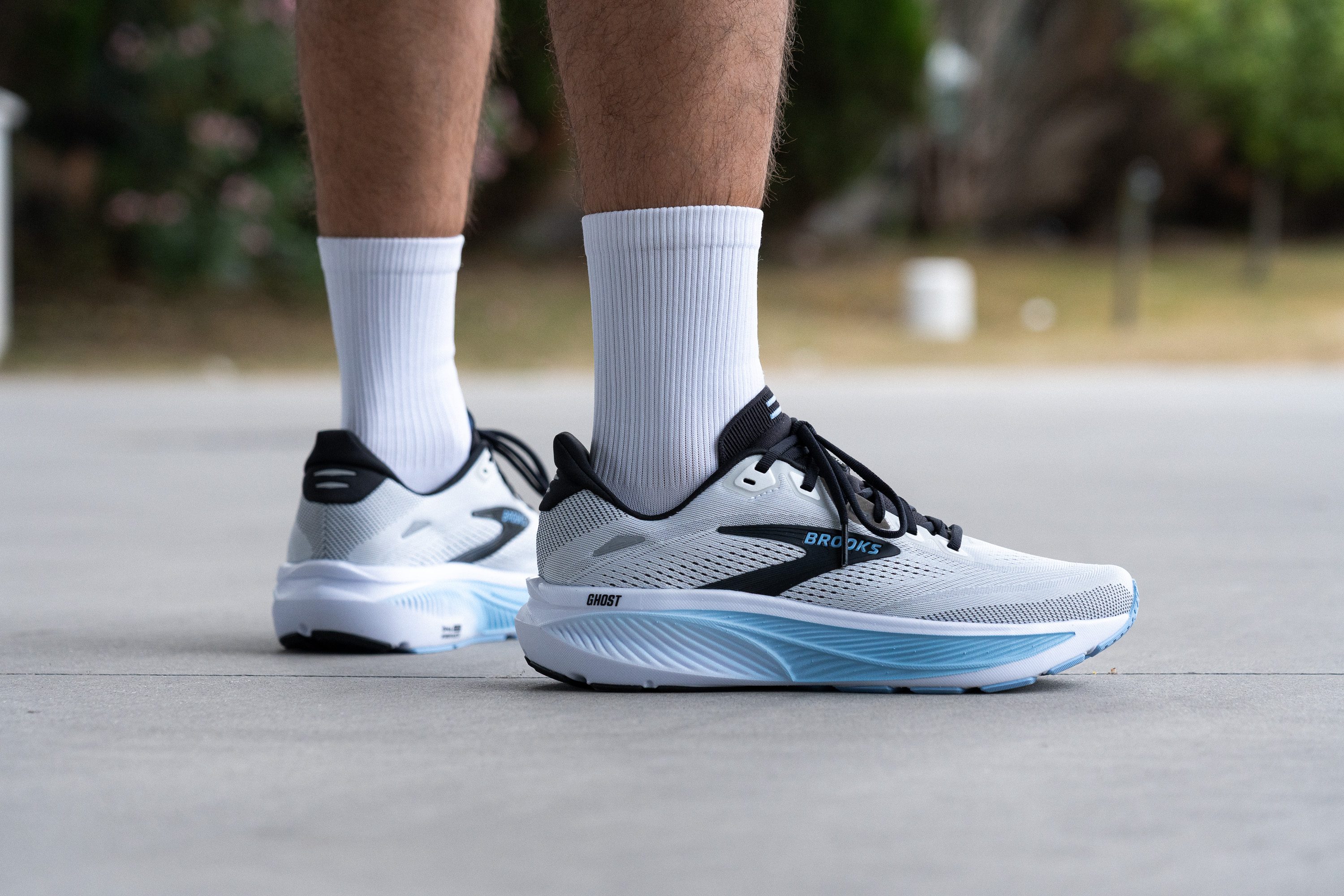
Las Brooks Ghost 18 son una opción estupenda para:
- Los fans de las Ghost de toda la vida que están buscando la misma sensación, ajuste y experiencia general de la que han disfrutado durante años.
- Los talonadores que quieren un modelo de entrenamiento diario cómodo, que no se complique la vida, duradero y estable.
- Cualquiera que salga a correr de vez en cuando y quiera un único par tanto para el running como para caminar, irse de viaje y el uso diario.
Quién NO debería comprárselas
Creemos que los corredores que estén buscando una pisada llena de rebote y energía a lo mejor terminan decepcionados con las Ghost 18. Brooks sigue utilizando la misma espuma DNA Loft v3, y resulta que, según nuestras pruebas de laboratorio, su retorno de energía sigue estando por debajo de la media. Si lo que quieres es un modelo de entrenamiento diario más reactivo, no te pierdas las PUMA Velocity Nitro 4.
Tampoco les recomendamos las Ghost 18 a los runners que están buscando la máxima amortiguación posible. Personalmente, creemos que las Ghost Max 3 son una buena alternativa si estás buscando un modelo de Brooks; si te da igual la marca, no te pierdas las Nike Vomero 18.
Amortiguación
Shock absorption
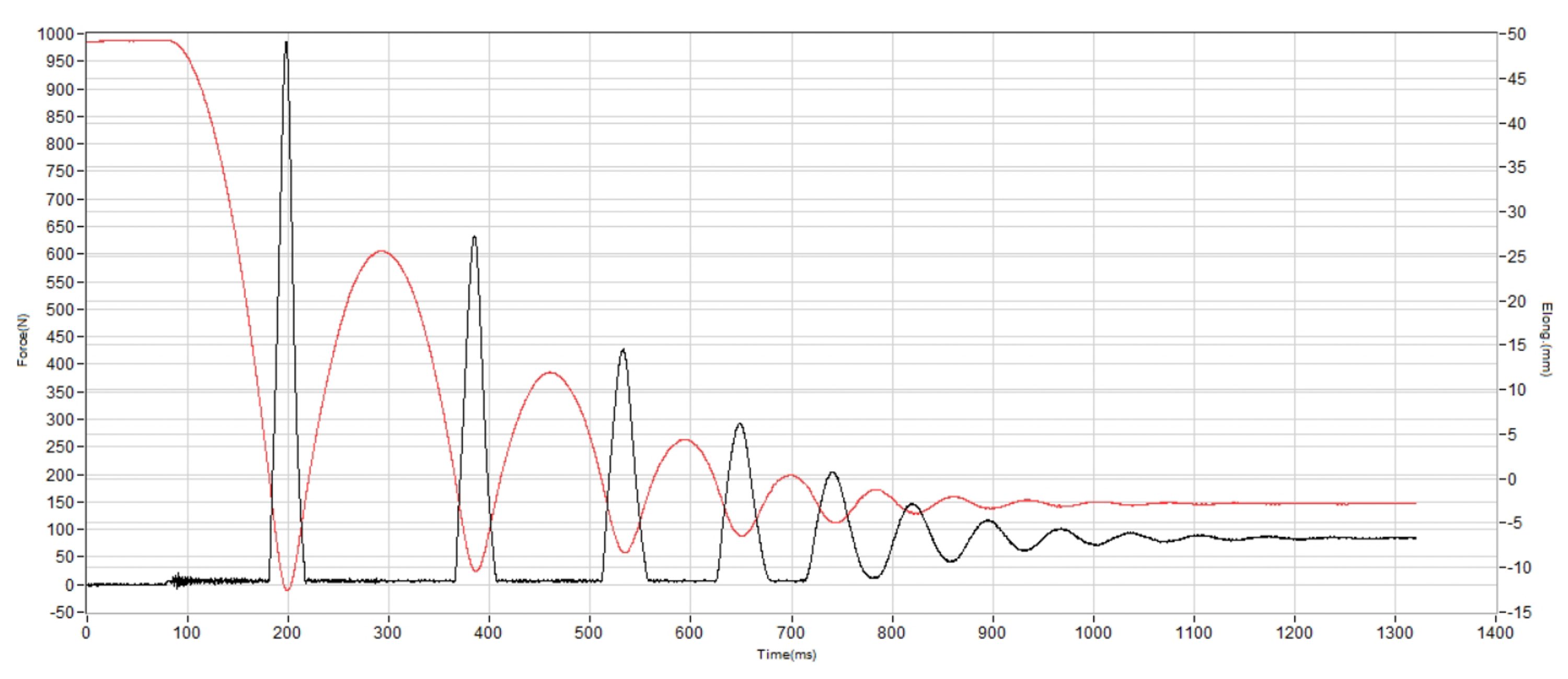
Descubrimos que la protección contra impactos de las Ghost 18 cambia mucho dependiendo de tu técnica de carrera. Pero bueno, tampoco es que nos cogiese por sorpresa, ya que con las Ghost 17 pasaba lo mismo. Al final, al tener un drop tan alto, hay más espuma bajo el talón.
Los resultados de nuestras pruebas de laboratorio nos dieron toda la razón, con 135 SA en el talón y 101 SA en el antepié.
| Ghost 18 | 135 SA |
| Media | 131 SA |
Energy return
Las Ghost 18 tienen la misma mediasuela DNA Loft v3 que sus predecesoras, así que los runners que se esperaban una gran mejora en la amortiguación para que este modelo pudiese competir con la última generación de zapatillas de entrenamiento diario... probablemente estén decepcionados.
En nuestras pruebas pudimos comprobar que el retorno de energía de la espuma DNA Loft v3 es solo moderado, con un 52,4 % en el talón y un 58,1 % en el antepié. Esto nos parece estupendo para las tiradas fáciles y el entrenamiento diario, pero los runners que están buscando un modelo más versátil y reactivo deberían echarle un ojo a otra cosa.
| Ghost 18 | 58.1% |
| Media | 61.5% |
Altura de la suela en la zona del talón
Las Ghost 18 son víctimas de esa moda que lleva ya varios años en el mercado, ya que su suela se ha ido volviendo más alta con cada amortiguación.
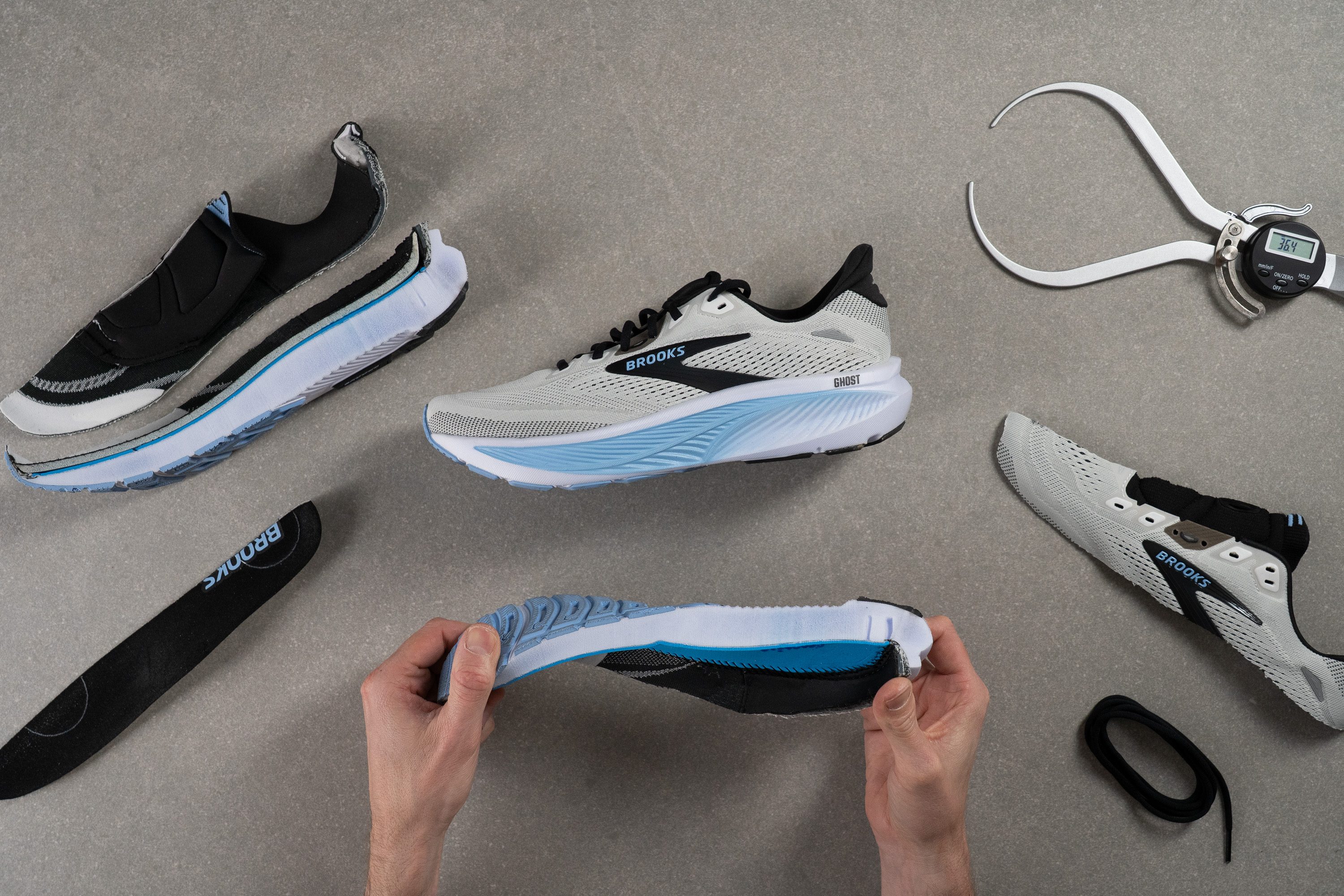
Según nuestro calibre, su suela alcanza una altura de 37,3 mm en el talón, mientras que las Ghost 17 medían 36,2 mm en esta misma zona. Aunque es un aumento tan pequeño que casi no se nota de una versión a otra, si Brooks mantiene este crecimiento constante, las Ghost podrían unirse al grupo de zapatillas maximalistas en unos pocos años.
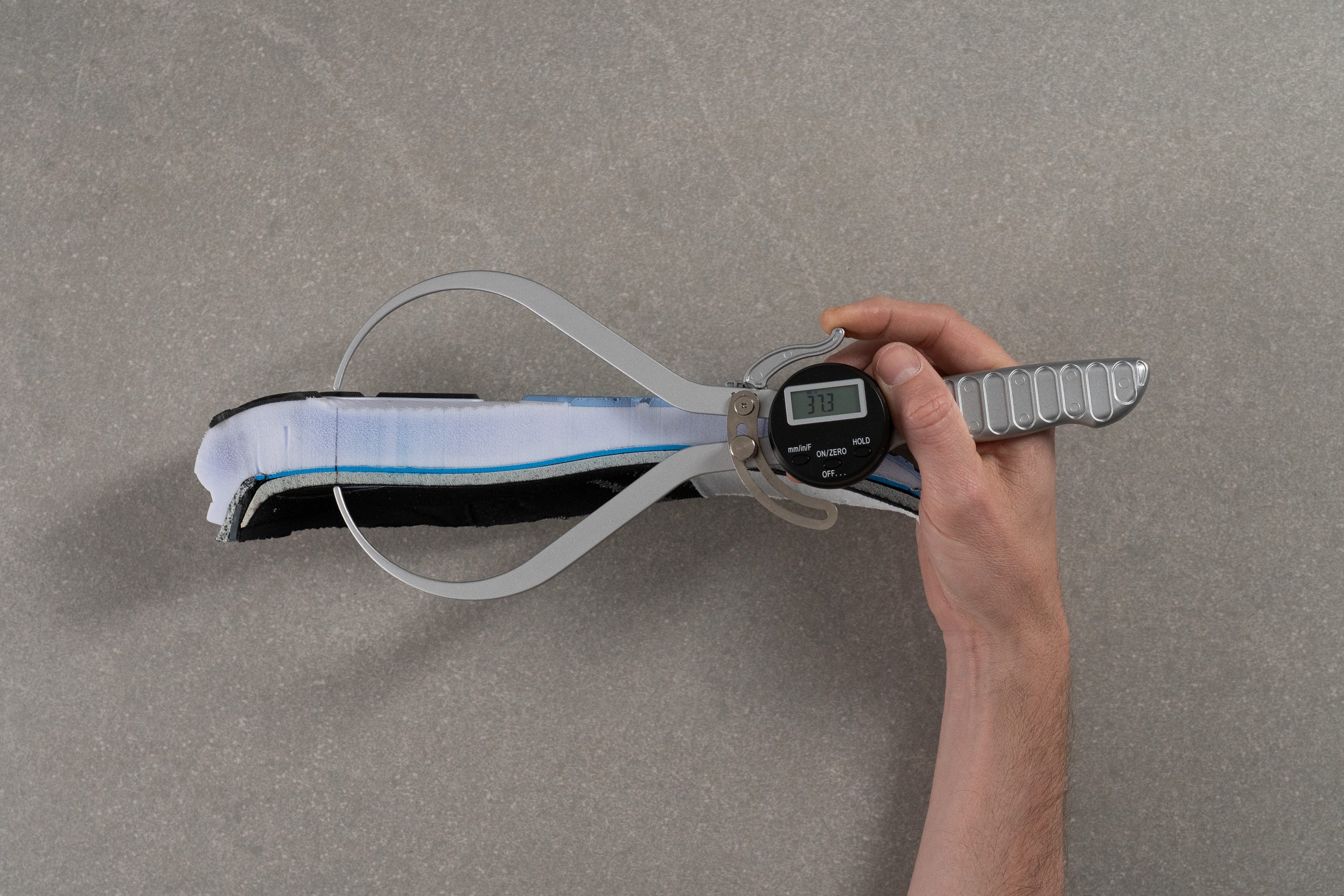
| Ghost 18 | 37.3 mm |
| Media | 35.6 mm |
Altura de la suela en el antepié
Por otro lado, el antepié tiene una altura de solo 25,1 mm, una consecuencia directa del drpo alto de estas zapatillas.
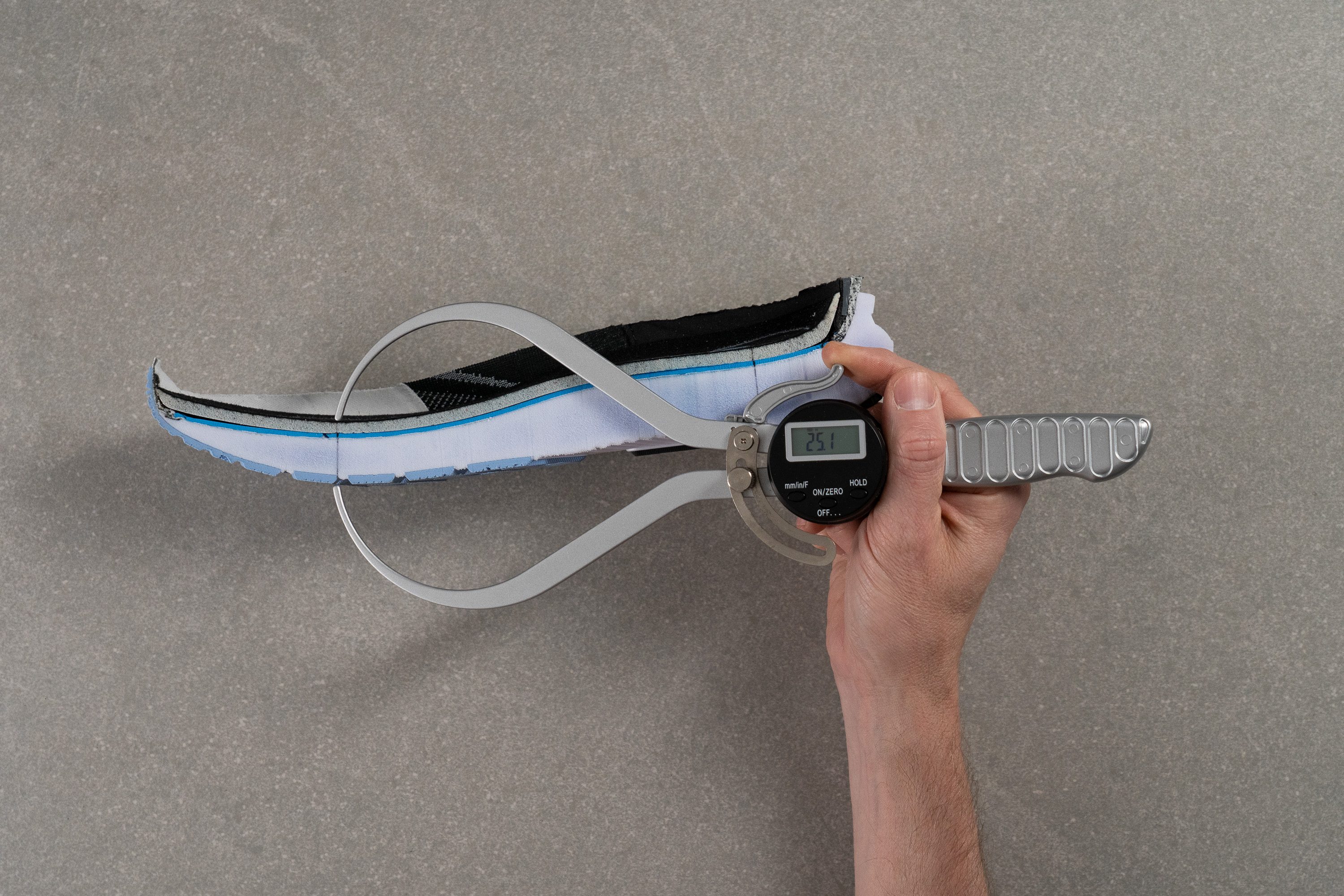
| Ghost 18 | 25.1 mm |
| Media | 27.1 mm |
Drop
La diferencia entre estos resultados nos deja con un drop de 12,2 mm. Es un poco más alto que los 10 mm declarados por Brooks, pero sigue recordándonos el compromiso de la marca con una geometría tradicional que se adapte especialmente bien a los corredores que aterrizan con el talón.
Pero mira, sinceramente, es difícil criticar a Brooks. Las Ghost siguen siendo unas de las zapatillas de running más vendidas año tras año, y en parte, eso se lo deben a todos sus fans, que se compran un par nuevo cada una o dos actualizaciones. Personalmente, nosotros creemos que muchos de estos corredores valoran mucho más la consistencia y la familiaridad que los grandes cambios de diseño.
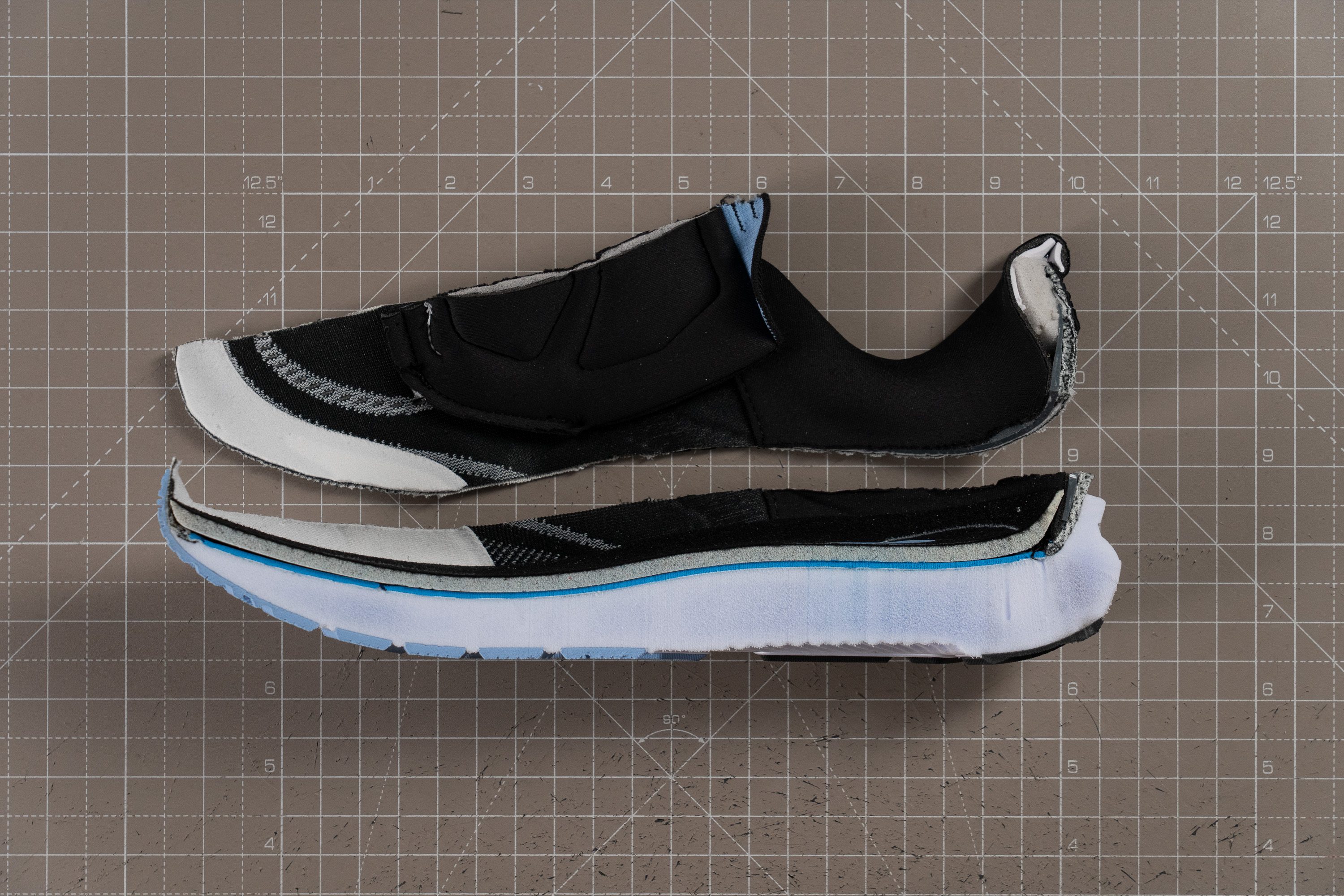
| Ghost 18 | 12.2 mm |
| Media | 8.4 mm |
Dureza de la mediasuela
En la versión 18, Brooks perfeccionó la espuma DNA Loft v3 para ofrecer una experiencia equilibrada bajo los pies, con el objetivo de atraer al mayor número de runners posible. Esto hace que se aleje tanto de la sensación ultramullida de las zapatillas más blanditas como de la dureza bajo los pies de los diseños más rígidos.
Nuestro durómetro nos dejó claro que esta espuma es más bien firme, ya que marcó 40,5 AC, aunque al correr se siente bastante más estándar. Sin duda, esto nos recuerda todo lo que ha cambiado el mercado estos últimos años, ya que una mediasuela como esta habría sido considerada blandita hace solo un par de años.
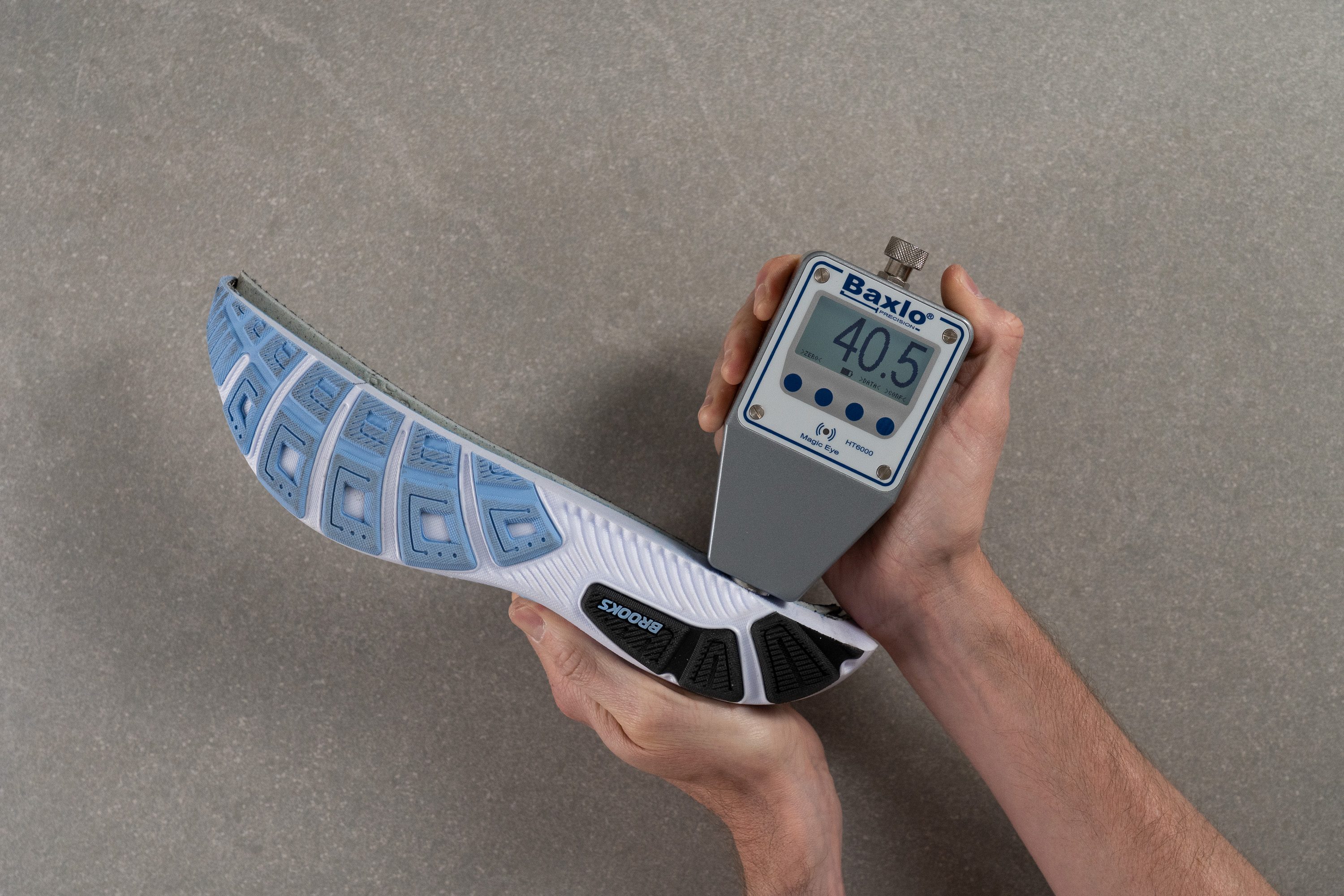
| Ghost 18 | 40.5 AC |
| Media | 35.4 AC |
Rocker
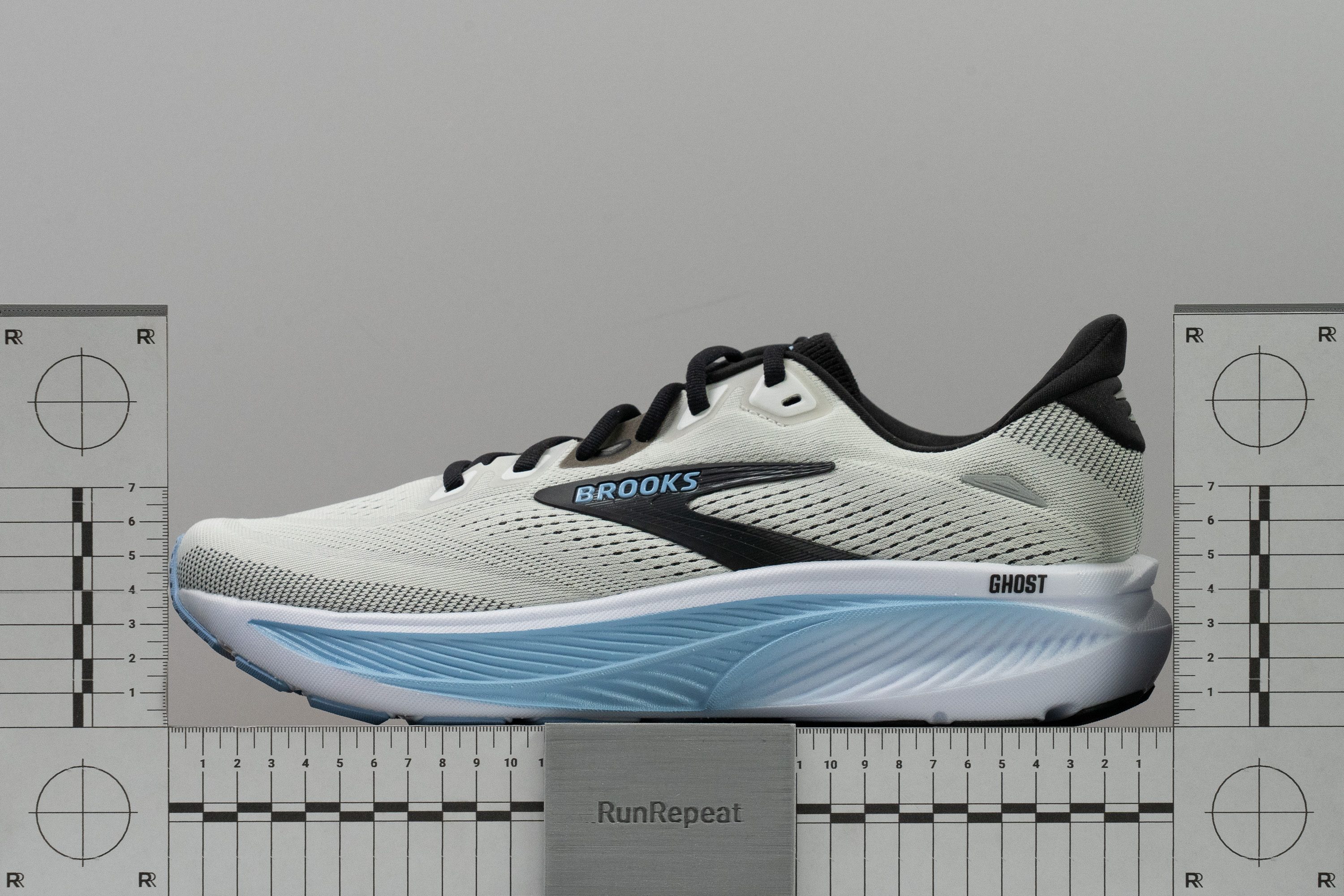
Las Ghost 18 también mantienen un diseño sin rocker. Al combinar un drop alto con una estructura flexible, Brooks ha creado unas zapatillas que, aunque no se sienten tan explosivas o innovadoras como otras, siguen siendo comodísimas para correr y muy predecibles bajo los pies.
Tallaje y ajuste
Talla
Las Brooks Ghost 18 tallan bien (49 votos).
Longitud interna
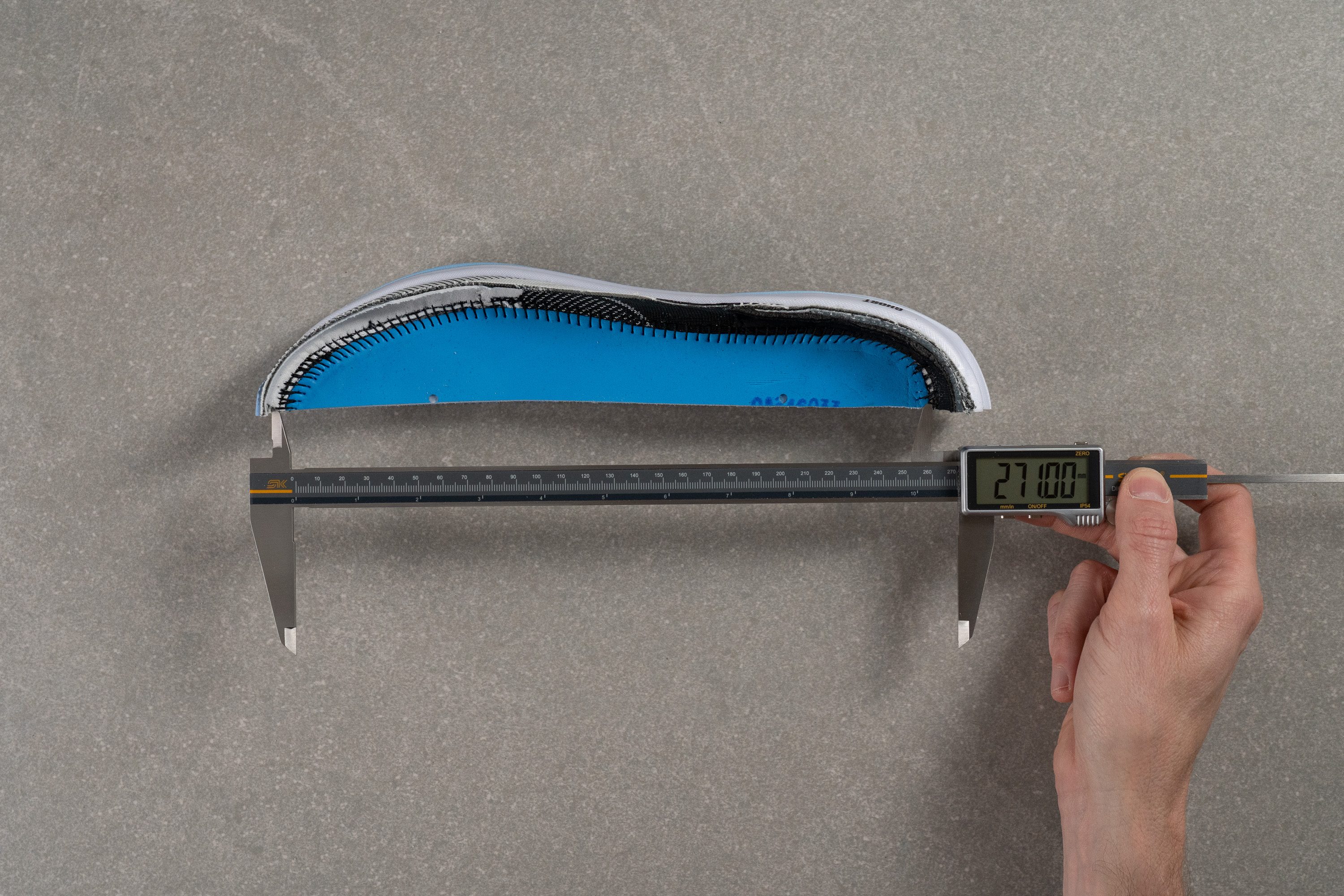
| Ghost 18 | 271.0 mm |
| Media | 269.3 mm |
Anchura / Ajuste
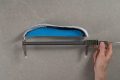
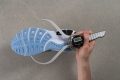
Como con cada par de zapatillas que pasa por nuestro laboratorio, llenamos el Ghost 18 con nuestro gel para crear una réplica de su interior y poder medirlo con precisión.
Nuestro calibre empezó con un resultado de 96,0 mm que no se aleja de la media de su categoría.
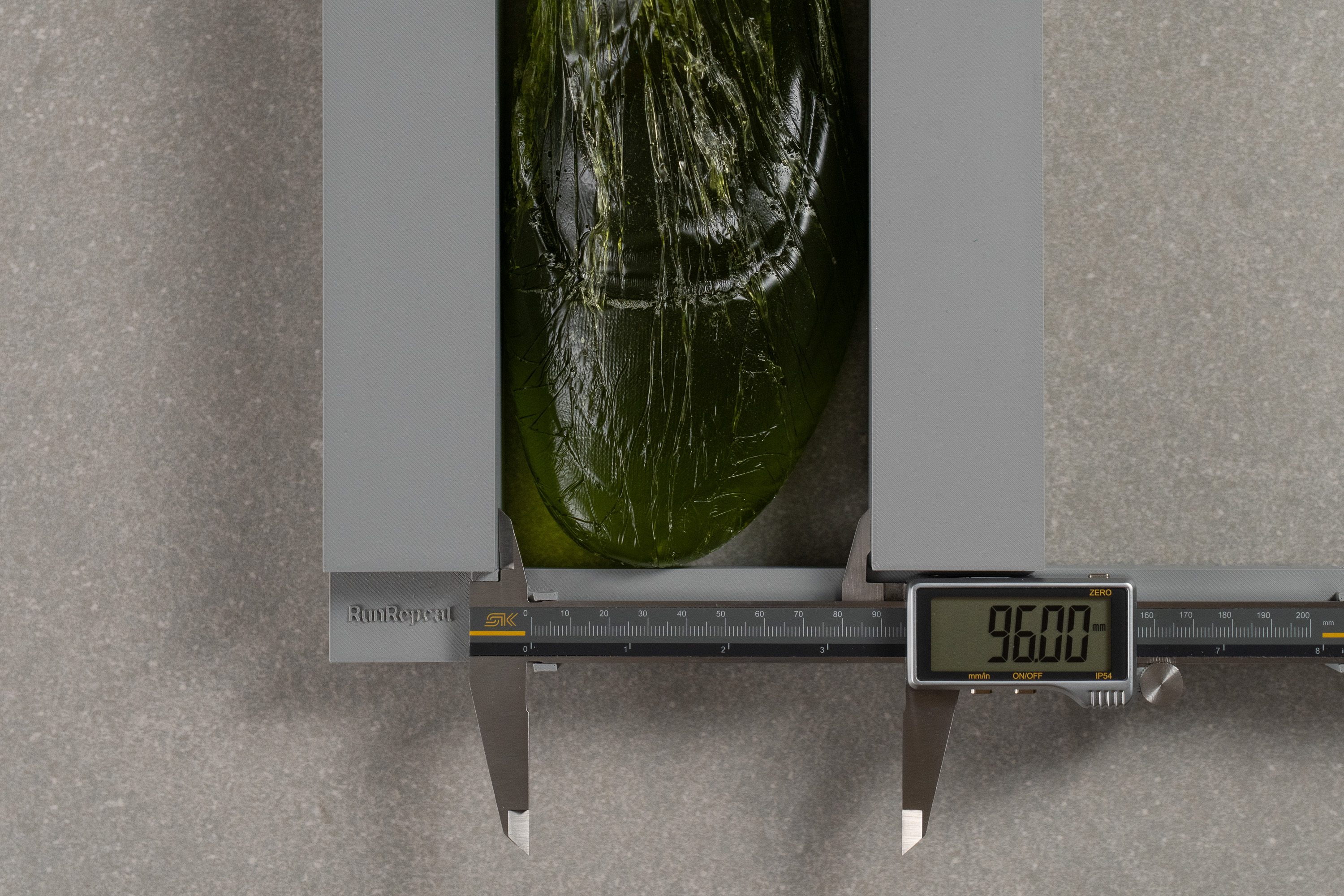
| Ghost 18 | 96.0 mm |
| Media | 95.2 mm |
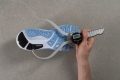
Anchura de la parte delantera
Nuestra segunda medida está un poquito por debajo de la media de nuestro laboratorio, ya que el calibre marcó solo 70,6 mm. A ver, tampoco nos esperábamos otra cosa, ya que las Ghost llevan tiempo teniendo una parte delantera un poco estrecha, y Brooks sigue siendo fiel a ese diseño.
Eso sí, queremos recordarte que estas zapatillas son unas de las pocas que están disponibles en cuatro anchuras distintas, aunque esto puede variar dependiendo del color y del país.
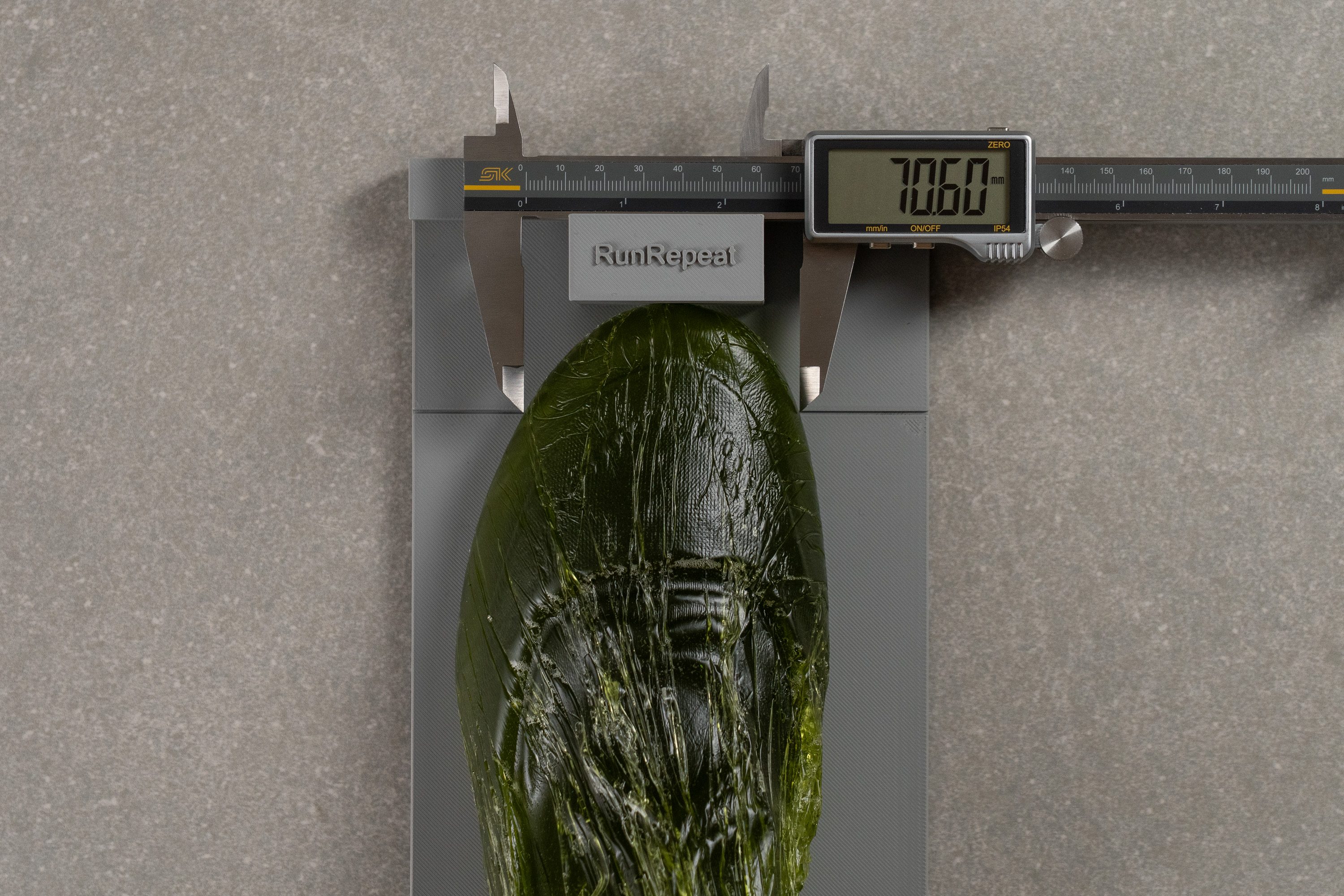
| Ghost 18 | 70.6 mm |
| Media | 73.2 mm |
Altura de la parte delantera
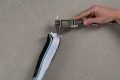
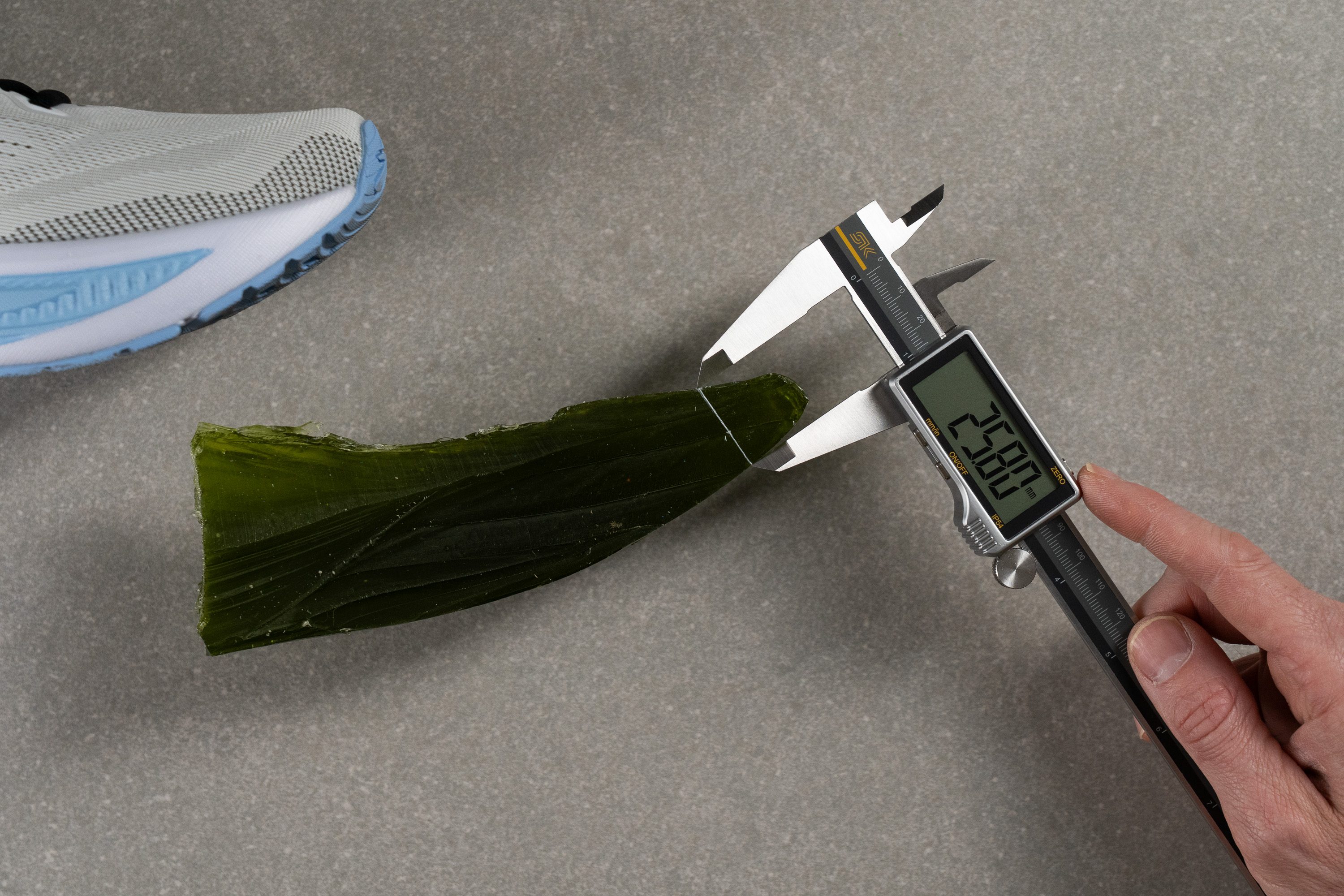
La parte delantera alcanza un espacio vertical de 25,8 mm, así que debería ser lo suficientemente amplia para la mayoría de las formas del pie sin sentirse excesivamente floja.
El material del upper es suave y da de sí, lo que ayuda a prevenir las rozaduras y, a la vez, ofrece la sujeción necesaria para las tiradas diarias.
| Ghost 18 | 25.8 mm |
| Media | 27.0 mm |
Tracción / Agarre
Traction test
La tracción sigue siendo uno de los pocos puntos flacos de este modelo, y nos gustaría mucho que Brooks la mejorase. Con un coeficiente de fricción de 0,60 en nuestra prueba sobre hormigón mojado, las Ghost 18 se acercan a la media actual de nuestro laboratorio, pero están por debajo de sus predecesoras en cuanto a agarre.
Muchos runners las utilizarán como su único y principal par de entrenamiento diario y mira, sinceramente, un resultado superior a 0,60 en esta prueba nos habría dado más confianza a la hora de correr por carreteras y aceras mojadas.
| Ghost 18 | 0.57 |
| Media | 0.53 |
Diseño de la suela exterior
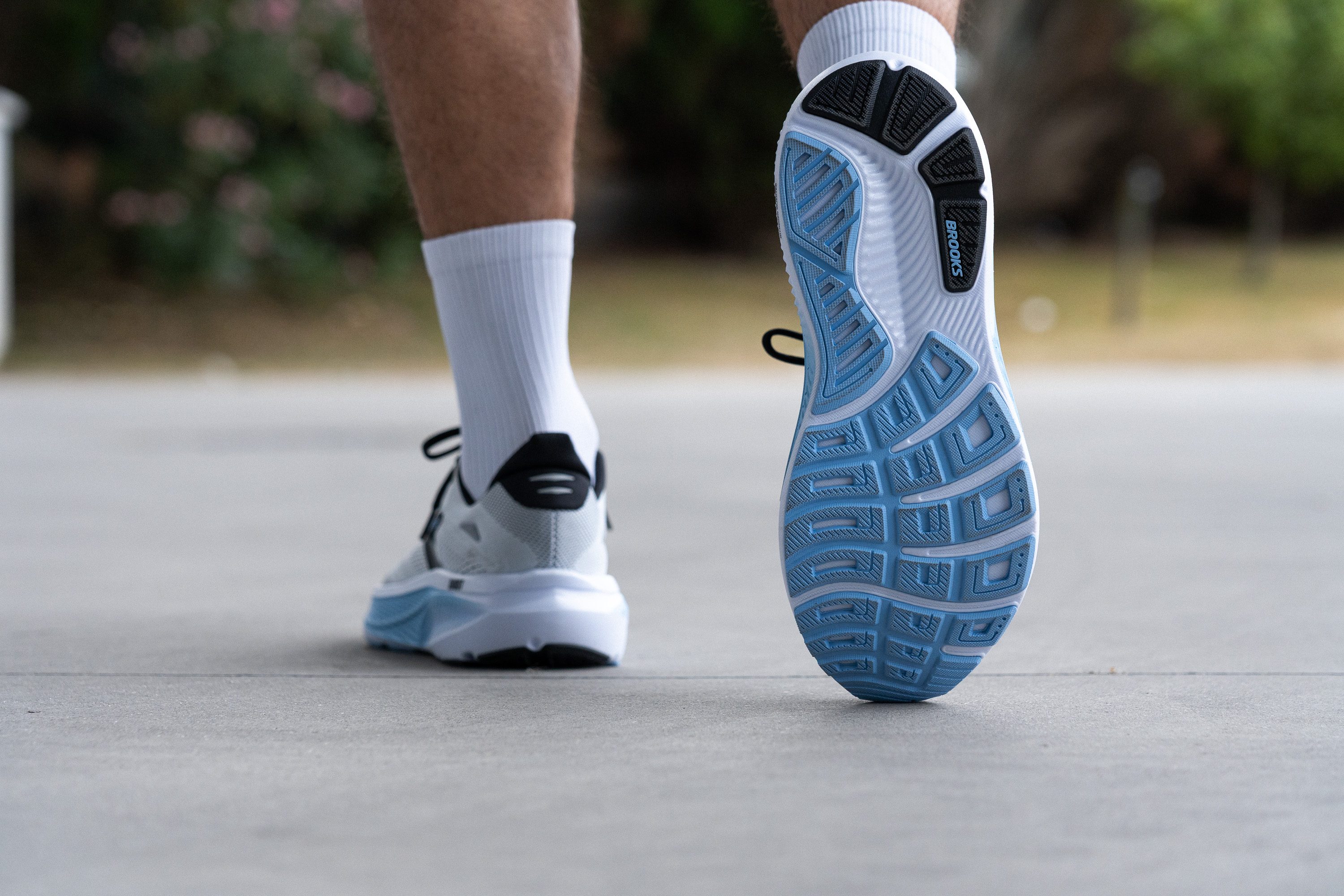
Si te gustó la suela exterior de las Ghost anteriores, te va a encantar saber que Brooks no ha cambiado ni un poquito su diseño en estas zapatillas, conservando la misma cobertura de caucho y un montón de cortes que mejoran su flexibilidad.
Para unas zapatillas que tienen una actualización nueva cada año, este enfoque no nos sorprende nada. Al final, diseñar una suela nueva es sinónimo de utilizar más herramientas y de aumentar los costes de fabricación, así que entendemos por qué Brooks seguirá aprovechando este diseño, al menos, hasta 2027.
Flexibilidad / Rigidez
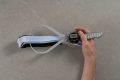
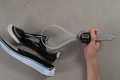
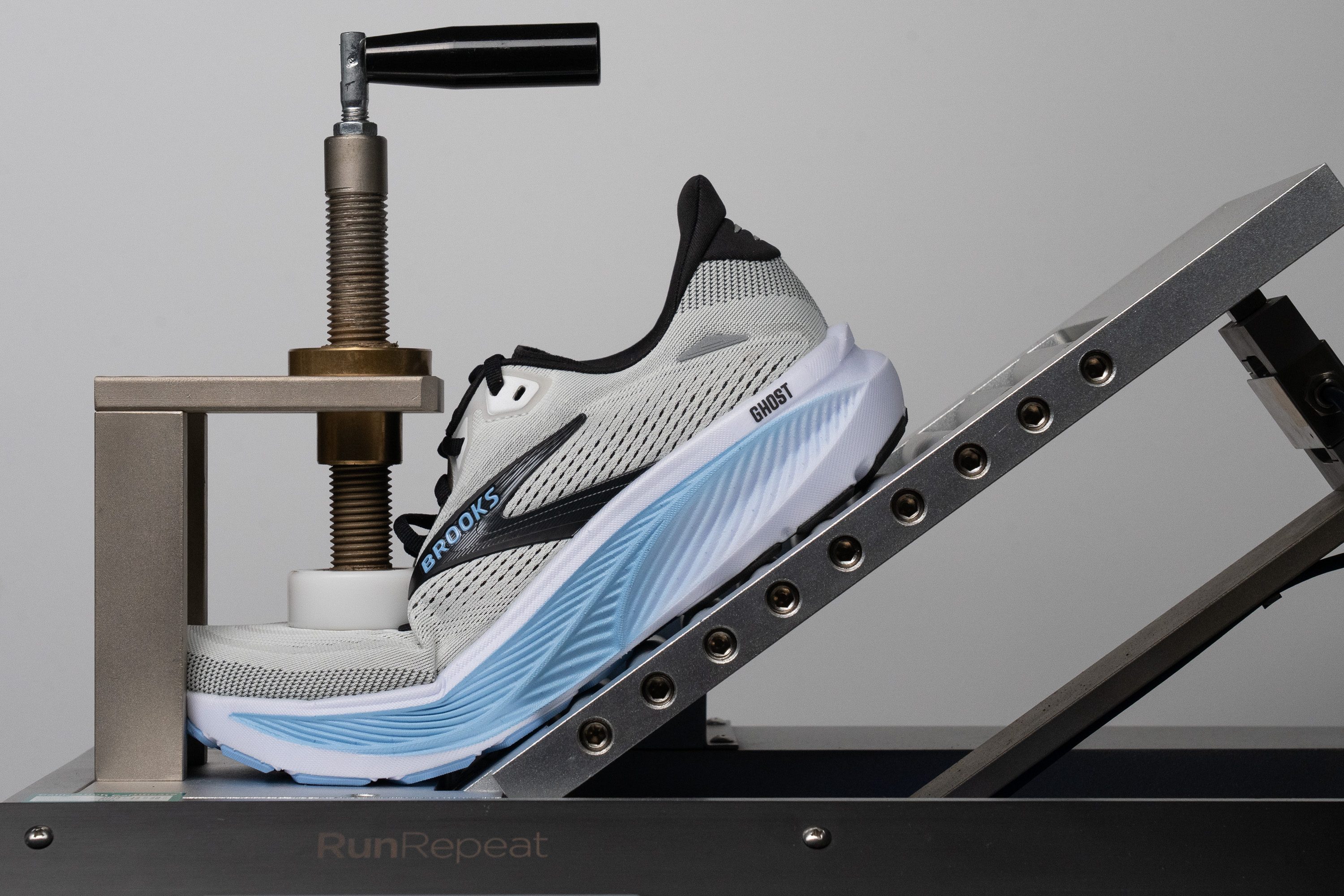
Gracias a nuestras pruebas de uso, ya pudimos mencionar antes que las Ghost 18 son muy flexibles, pero ahora nos toca respaldar estas afirmaciones con datos concretos. En nuestra prueba de flexión de 30 grados, solo necesitaron 12,3 N de fuerza para doblarse, justo lo que nos esperábamos de un modelo de entrenamiento diario que se centra en la comodidad.
Este diseño no solo hace que las tiradas diarias sean más agradables, sino que también consigue que estas Brooks sean estupendas para hacer otras cosas además de salir a correr. Tanto si tienes que bajar al perro como si te toca estar muchas horas de pie o salir un momento a hacer la compra, te va a encantar lo cómodas y naturales que se sienten en los pies.
| Ghost 18 | 12.3N |
| Media | 15.5N |
Peso
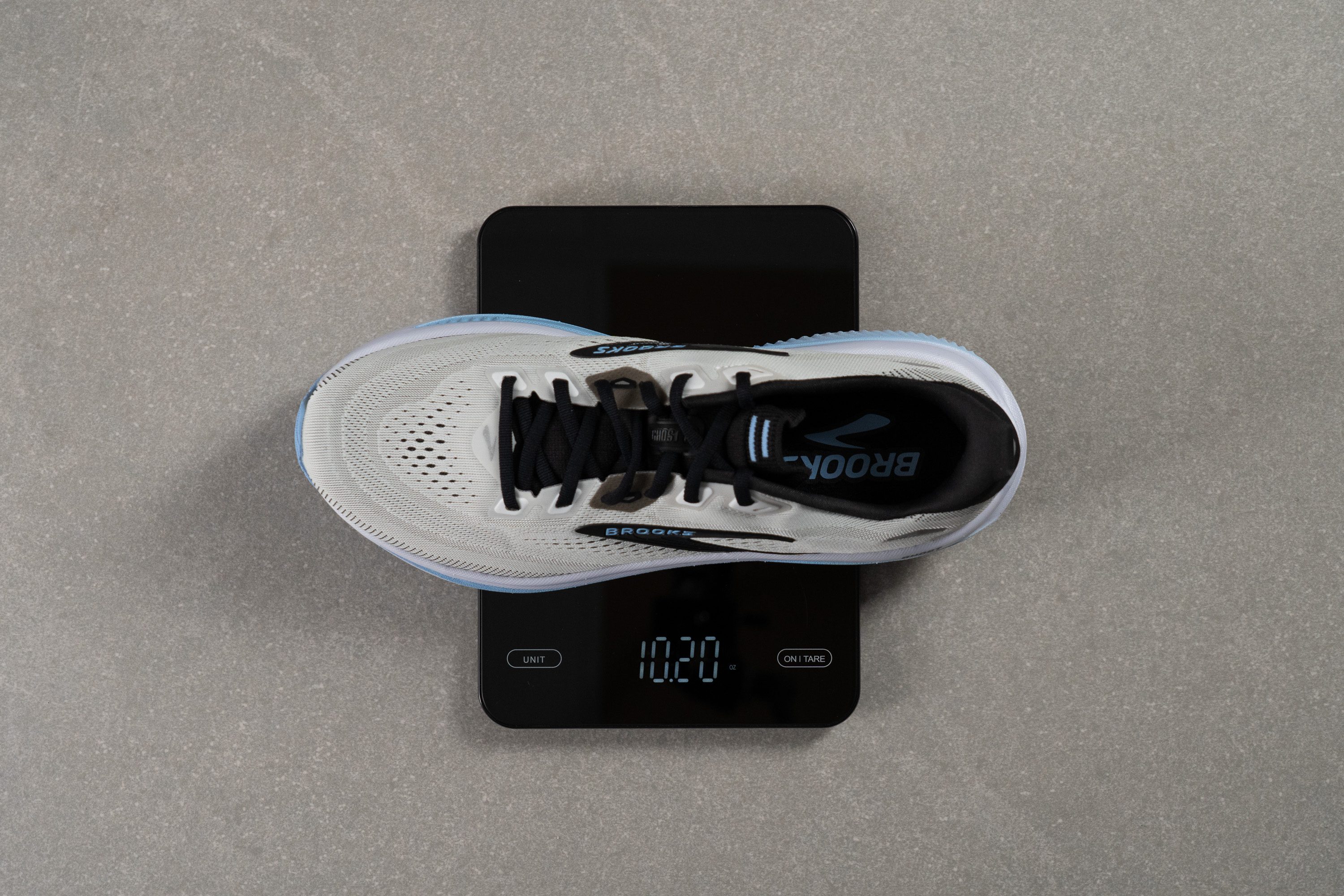
El peso es ese otro punto clave en el que nos gustaría ver una mejora. Con 289 g, las Ghost 18 son bastante pesadas si seguimos los estándares actuales, sobre todo teniendo en cuenta que no tienen la típica mediasuela enorme de los modelos con amortiguación máxima.
En nuestra opinión, Brooks podría reducir entre un 5 % y un 10 % del peso sin sacrificar la pisada confiable que ha hecho que las Ghost sean uno de los modelos favoritos de los runners durante tanto tiempo.
| Ghost 18 | 10.2 oz (289g) |
| Media | 9.2 oz (261g) |
Transpirabilidad
Breathability test
Con una sólida puntuación de 70 BR en nuestra prueba de transpirabilidad, las Brooks Ghost 18 consiguieron que no nos tuviésemos que preocupar por el sudor. Los resultados de nuestras pruebas nos dicen que no tienen problema separando el sudor de los pies para que estos estén secos y que tú estés más cómodo en tus tiradas diarias.
| Ghost 18 | 70 BR |
| Media | 75 BR |
Potencial de secado
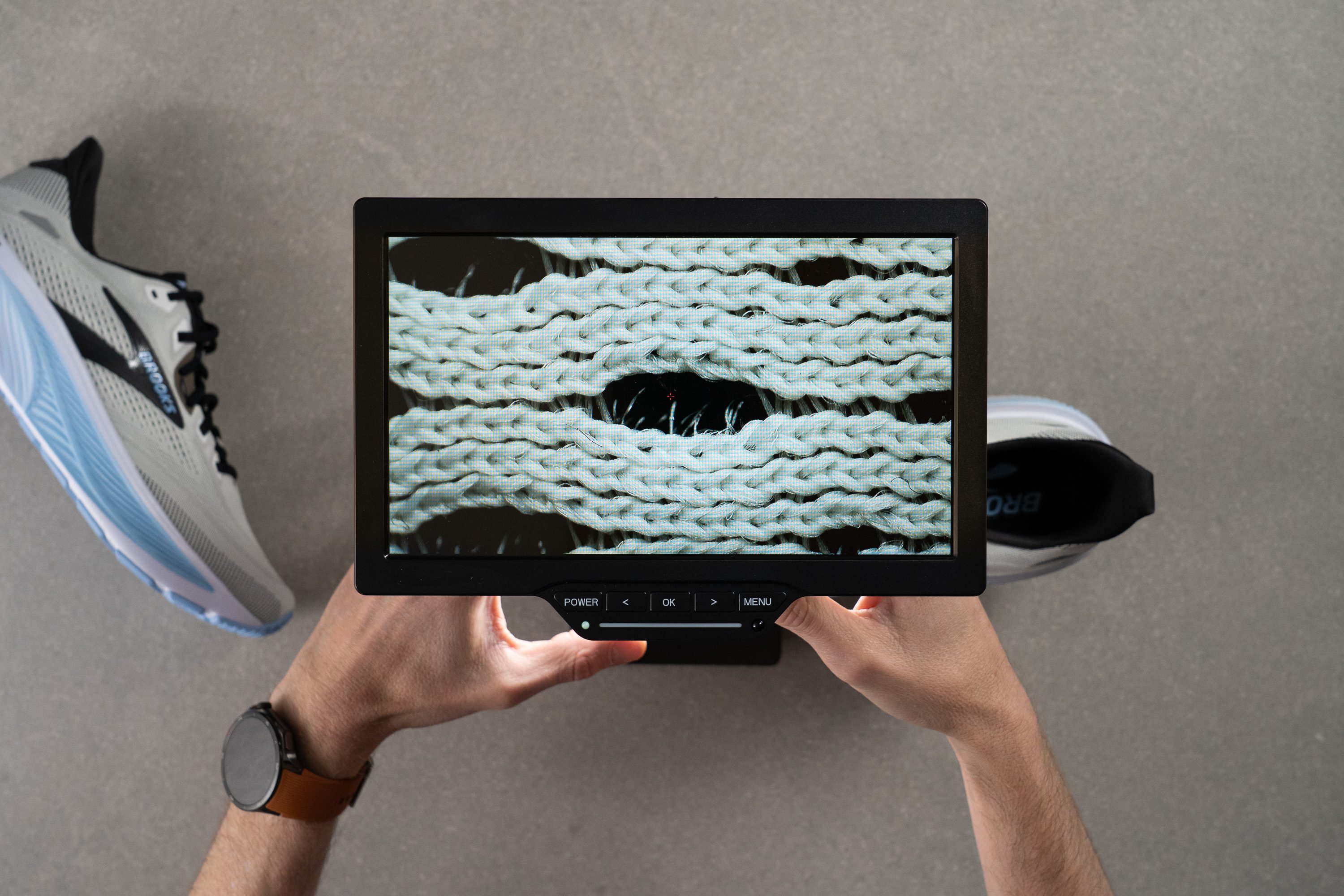
NuevoDurante la misma prueba de 3 horas, también evaluamos el potencial de secado midiendo cuánta humedad se evapora de las zapatillas con el tiempo. Este resultado es clave para los runners que sudan mucho, que se enfrentan a distancias largas o que suelen correr por zonas con un clima cambiante.
Las Ghost 18 consiguieron evaporar el 49 % de la humedad durante la prueba, y aunque no es un resultado excepcional, va de la mano con la naturaleza confiable de esta familia de zapatillas. No es una cifra que te deje boquiabierto, pero sí lo suficientemente fiable como para hacer bien su trabajo.
| Ghost 18 | 49% |
| Media | 53% |
Estabilidad
Prueba de estabilidad lateral
Las Ghost 18 se sienten justo como te imaginas unas Ghost, y ese es uno de los motivos clave por el que siguen teniendo tantísimos fans. Los talonadores con una técnica neutra disfrutarán mucho de su excelente estabilidad, ya que estas zapatillas ofrecen una pisada segura que te llena de confianza al correr sin depender de características de sujeción específicas.
Eso sí, si tienes pronación moderada, la decisión no es tan fácil. Personalmente, creemos que las Adrenaline GTS 25 son una mejor opción en ese caso, ya que presumen de un diseño que se centra en ofrecer más sujeción y control.
Rigidez torsional
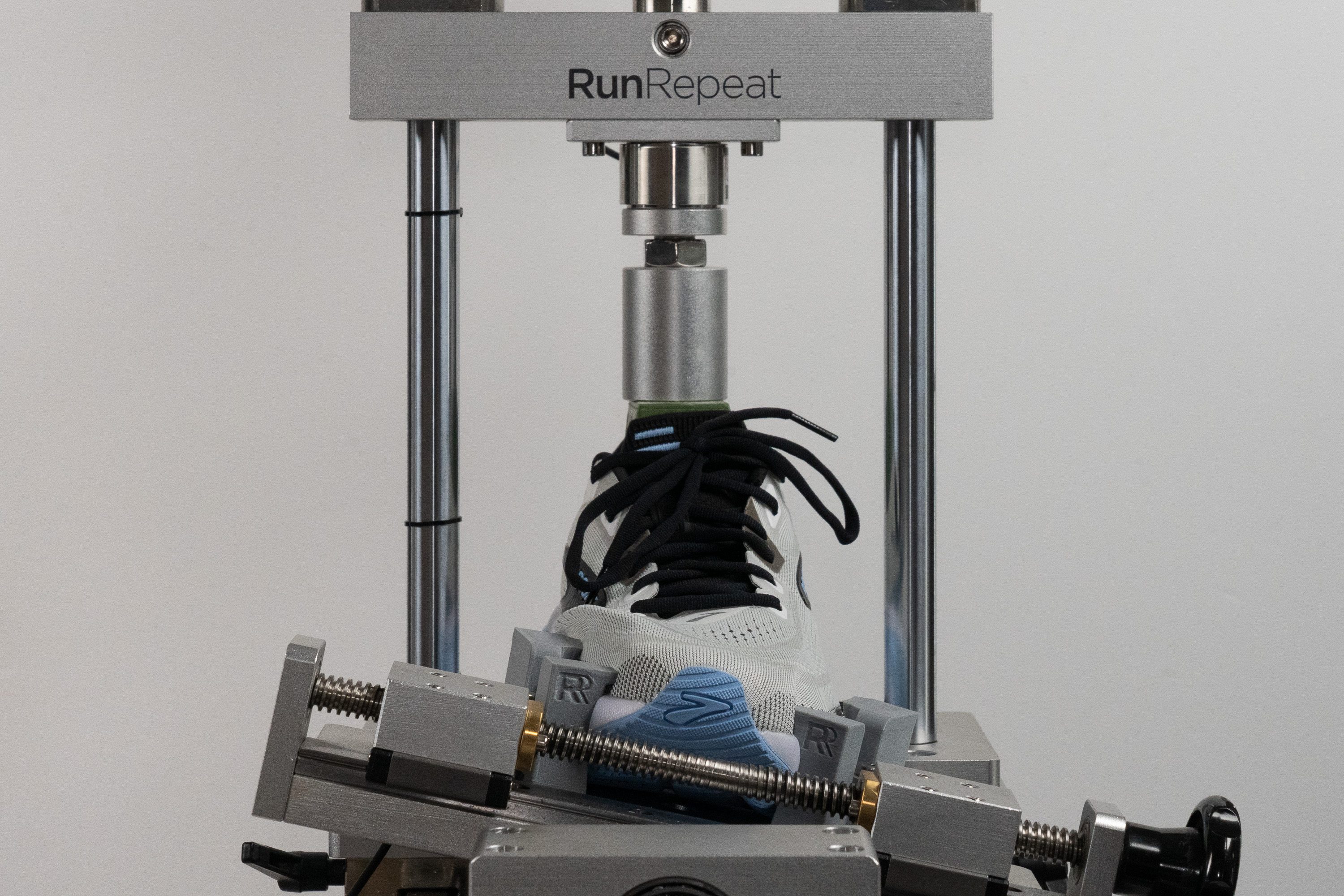
La verdad es que, por su diseño, nos esperábamos que las Ghost 18 se llevasen una puntuación inferior a la media en nuestra prueba de rigidez torsional. Y eso fue justo lo que pasó, ya que nuestra máquina marcó solo 12,2 Nm.
Este resultado confirma lo que sentimos cuando salimos a correr en nuestras pruebas de uso: estas Brooks están lejos de ser rígidas, ya que ofrecen esa flexibilidad natural que tanto les gusta a los runners de los modelos de entrenamiento diario tradicionales.
| Ghost 18 | 12.2 Nm |
| Media | 14.3 Nm |
Rigidez del contrafuerte del talón
Por otro lado, nos sorprendió un poco que el contrafuerte del talón fuese tan rígido (5/5), la verdad. Ofrece un montón de sujeción y se asegura de que los talonadores se sientan muy seguros, a lo que se le suma un montón de acolchado que evita que se sienta demasiado duro.
Sin embargo, los corredores que prefieren un diseño más relajado y menos estructurado en el talón, a lo mejor sienten que este diseño es un poquito demasiado intrusivo.
| Ghost 18 | 5 |
| Media | 2.9 |
Anchura de la mediasuela - antepié
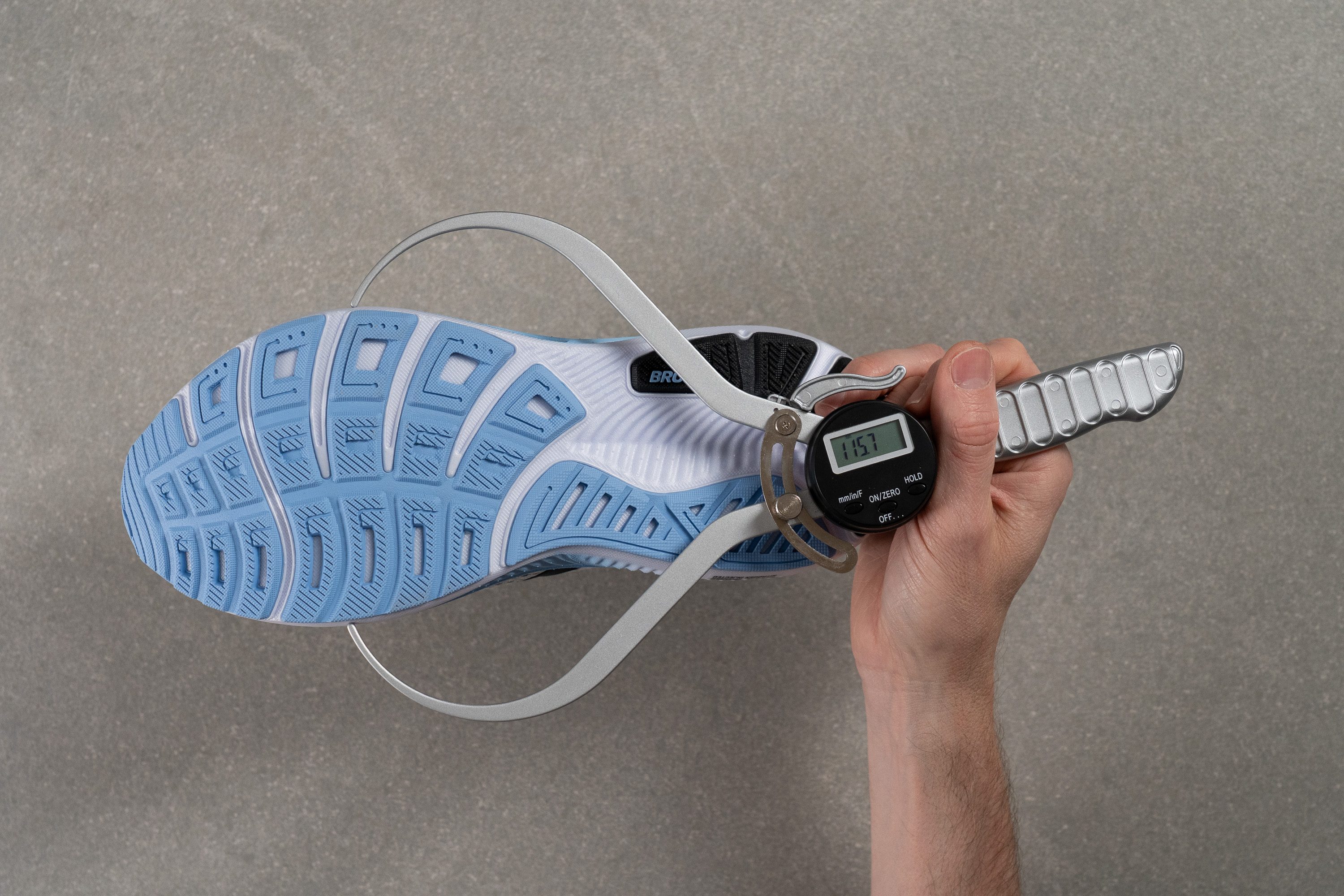
La mediasuela de las Ghost 18 mide 115,7 mm en el antepié, otro ejemplo del enfoque conservador de Brooks que no se aleja de la media actual de nuestro laboratorio.
Aunque hay muchas marcas que están ampliando la anchura de sus plataformas para mejorar la estabilidad, Brooks ha aguantado bastante bien el tipo con las Ghost estándar.
| Ghost 18 | 115.7 mm |
| Media | 115.1 mm |
Anchura de la mediasuela - talón
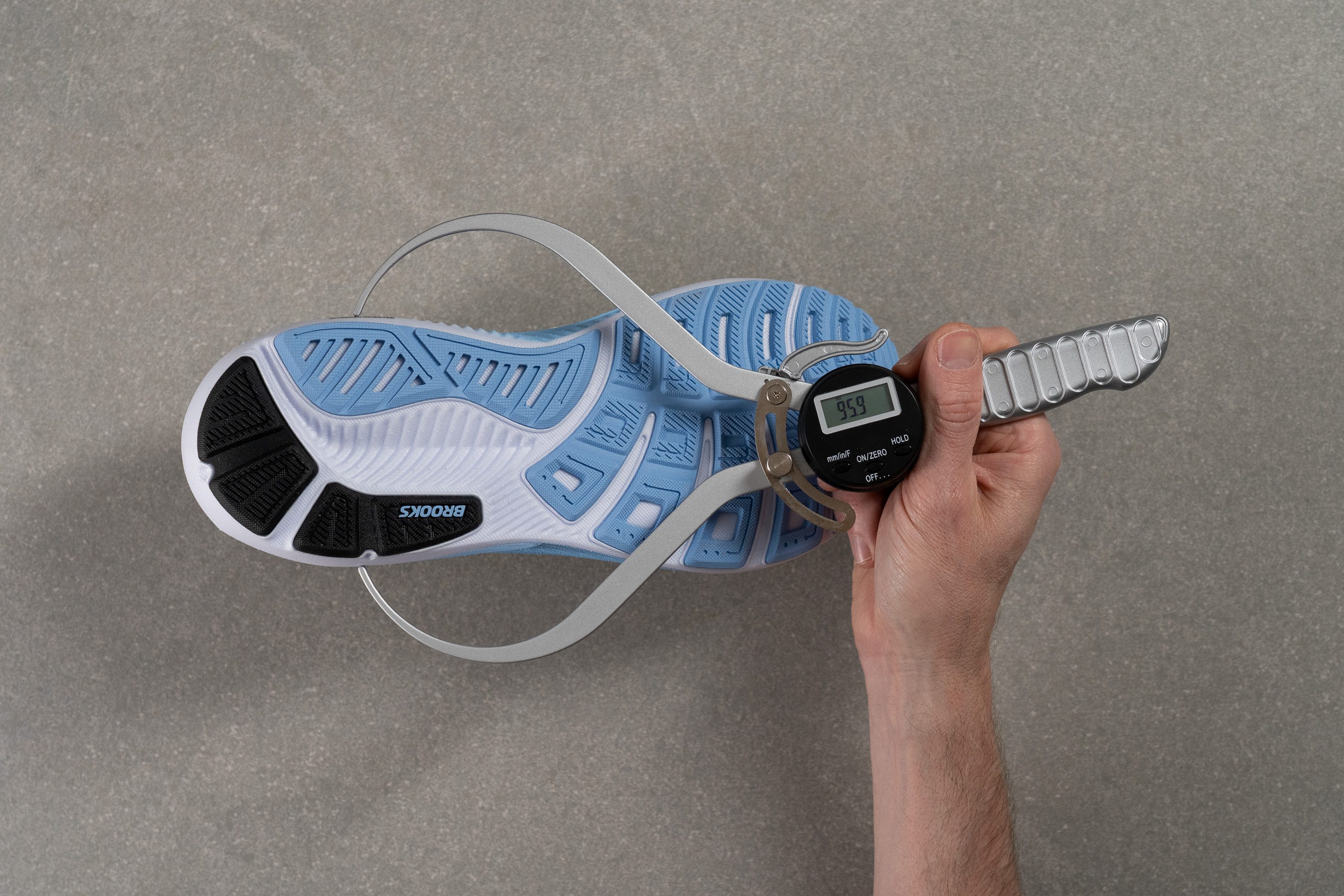
En el talón, nuestro calibre marcó una anchura de 95,9 mm, reforzando las conclusiones que hemos ido sacando a lo largo de esta review. Claramente, Brooks diseñó las Ghost 18 pensando en los talonadores.
| Ghost 18 | 95.9 mm |
| Media | 91.1 mm |
Durabilidad
Durabilidad del acolchado del talón
Cuando analizamos el acolchado del talón con nuestro Dremel, la verdad es que nos quedamos muy contentos. De hecho, aguantó tan bien el desgaste que le dimos un sólido 4/5 en durabilidad.
| Ghost 18 | 4 |
| Media | 3.4 |
Durabilidad de la suela
Por otro lado, la suela perdió solo 0,8 mm de material, cosa que hizo que nos dejásemos de preocupar por su durabilidad a largo plazo.
| Ghost 18 | 0.8 mm |
| Media | 1.1 mm |
Grosor de la suela
Después de nuestras pruebas, nos ha vuelto a quedar claro que la durabilidad de la suela exterior sigue siendo una prioridad para Brooks en las Ghost. Una vez más, parece que la marca está dispuesta a sacrificar la ligereza a cambio de una capa de caucho de 3,5 mm diseñada para maximizar la resistencia al desgaste.
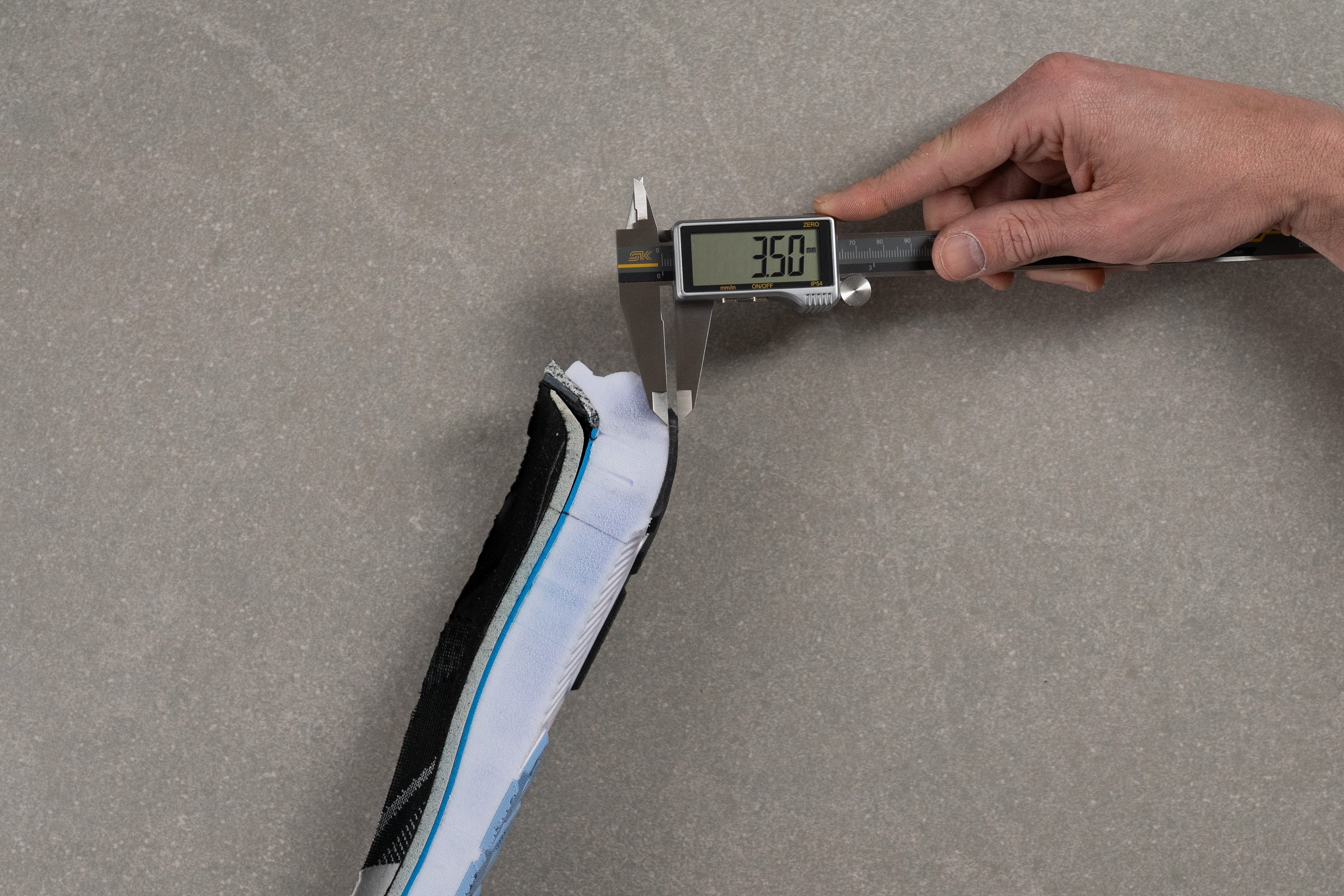
| Ghost 18 | 3.5 mm |
| Media | 3.1 mm |
Varios
Grosor de la plantilla
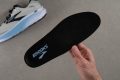
La plantilla Ortholite X-60 tiene un grosor de 5,0 mm.
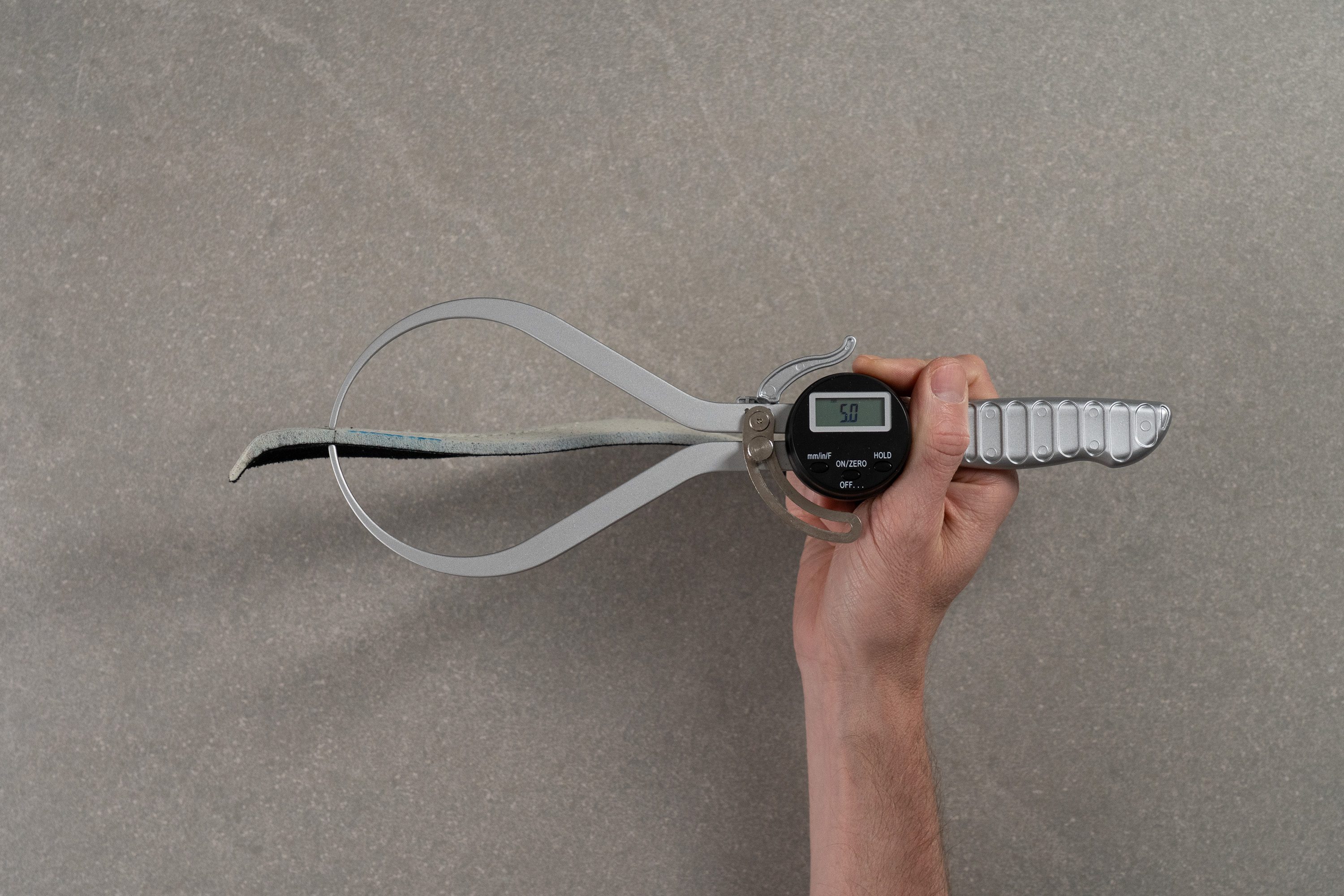
| Ghost 18 | 5.0 mm |
| Media | 4.4 mm |
Plantilla extraíble
La plantilla es completamente extraíble, y cambiarla por otra más finita podría ser una buena solución para los runners que necesitan 1 o 2 mm más de espacio interior.
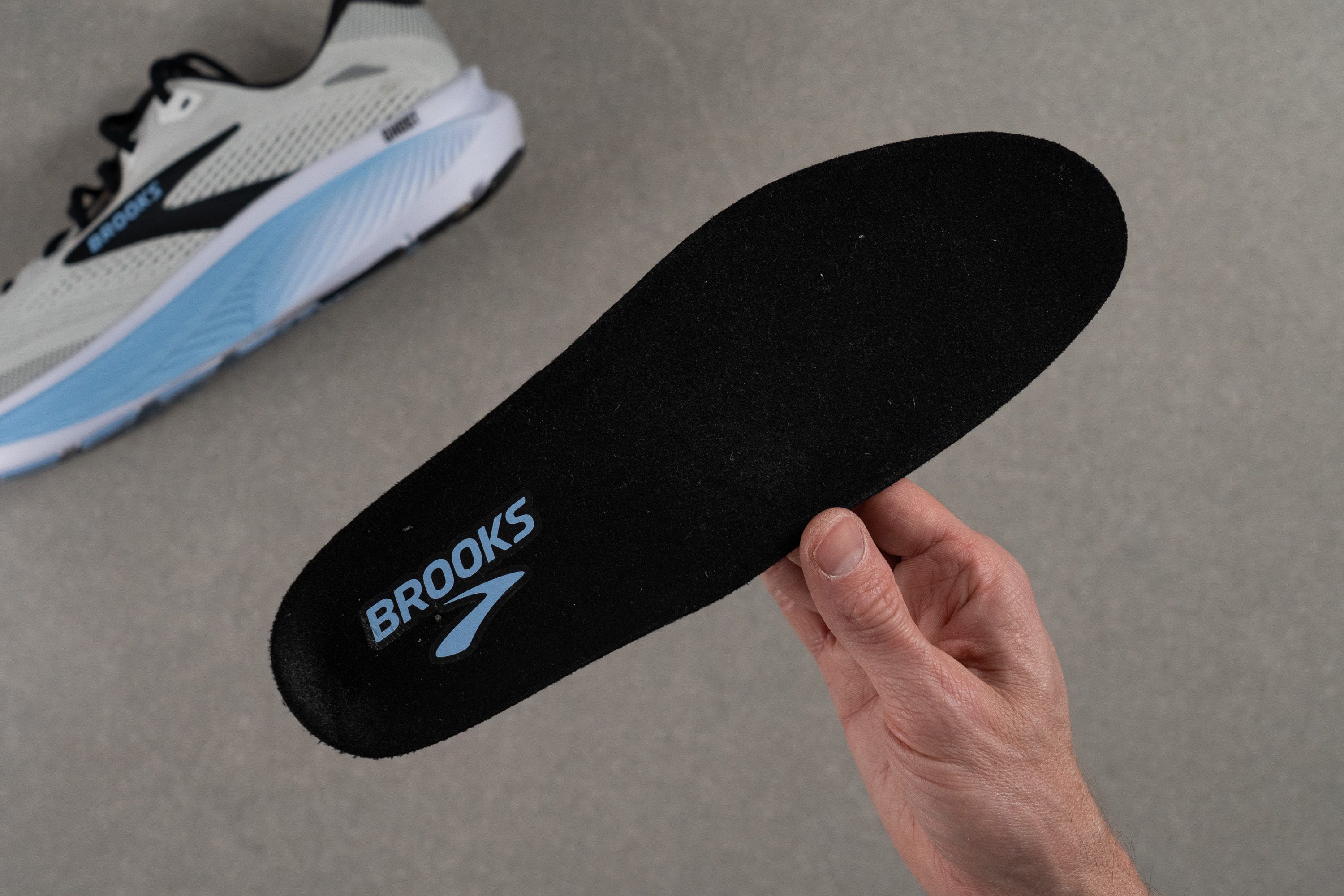
| Ghost 18 | Sí |
Elementos reflectantes
Los runners a los que les gusta salir a correr por la noche van a estar contentísimos con los detalles reflectantes que Brooks les puso a estas zapatillas alrededor del talón.
| Ghost 18 | Sí |
Acolchado de la lengüeta
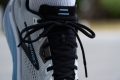
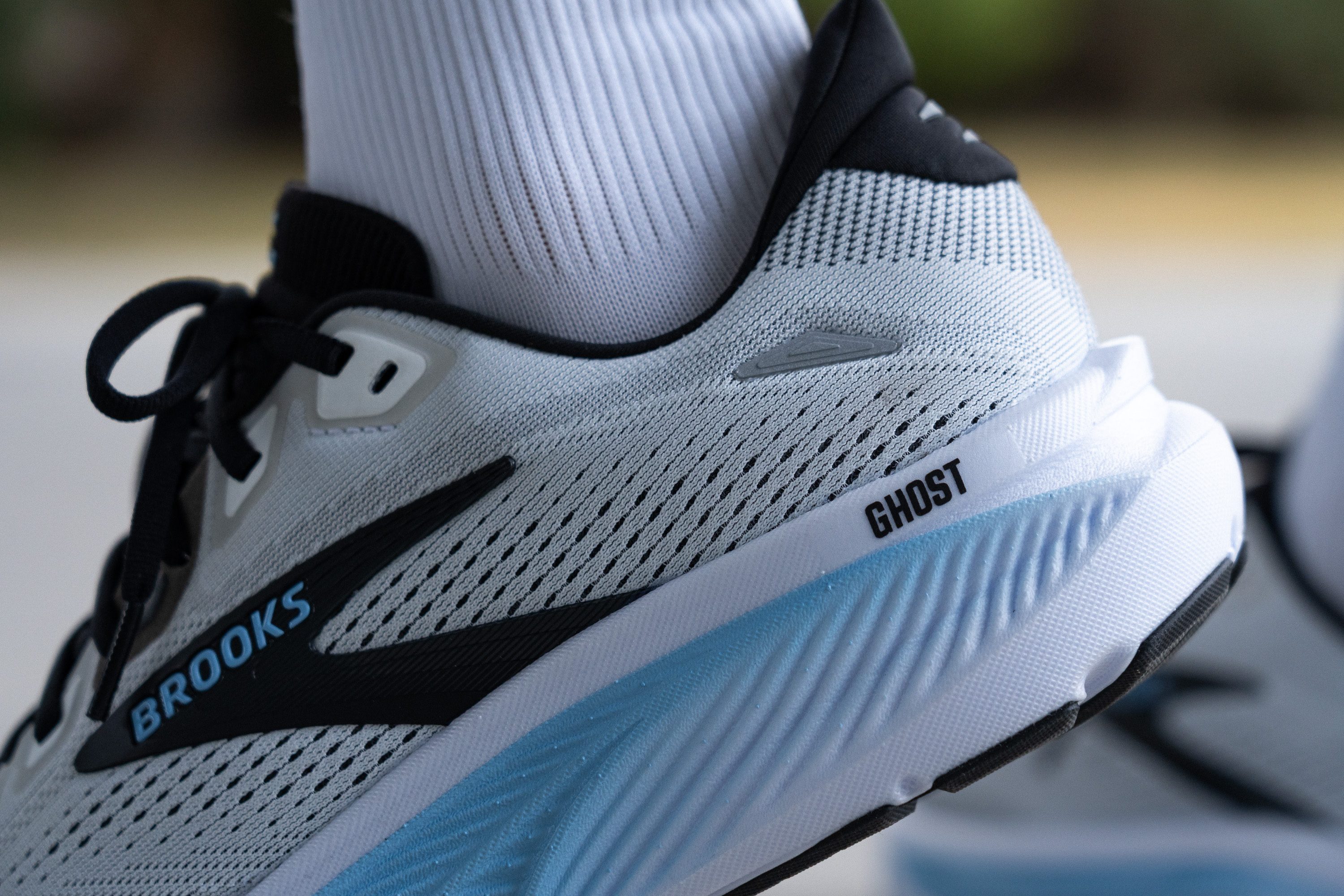
De todo el upper, la actualización que más desaca es la lengüeta, ya que Brooks decidió rediseñarla. En lugar de usar la misma malla técnica que en el resto de la parte superior, la marca optó por una estructura de knit más suave y flexible que se siente bastante más cómoda.
Nos hemos dado cuenta de que este enfoque está ganando cada vez más popularidad en la industria y, después de analizar las Ghost 18, podemos entender por qué.
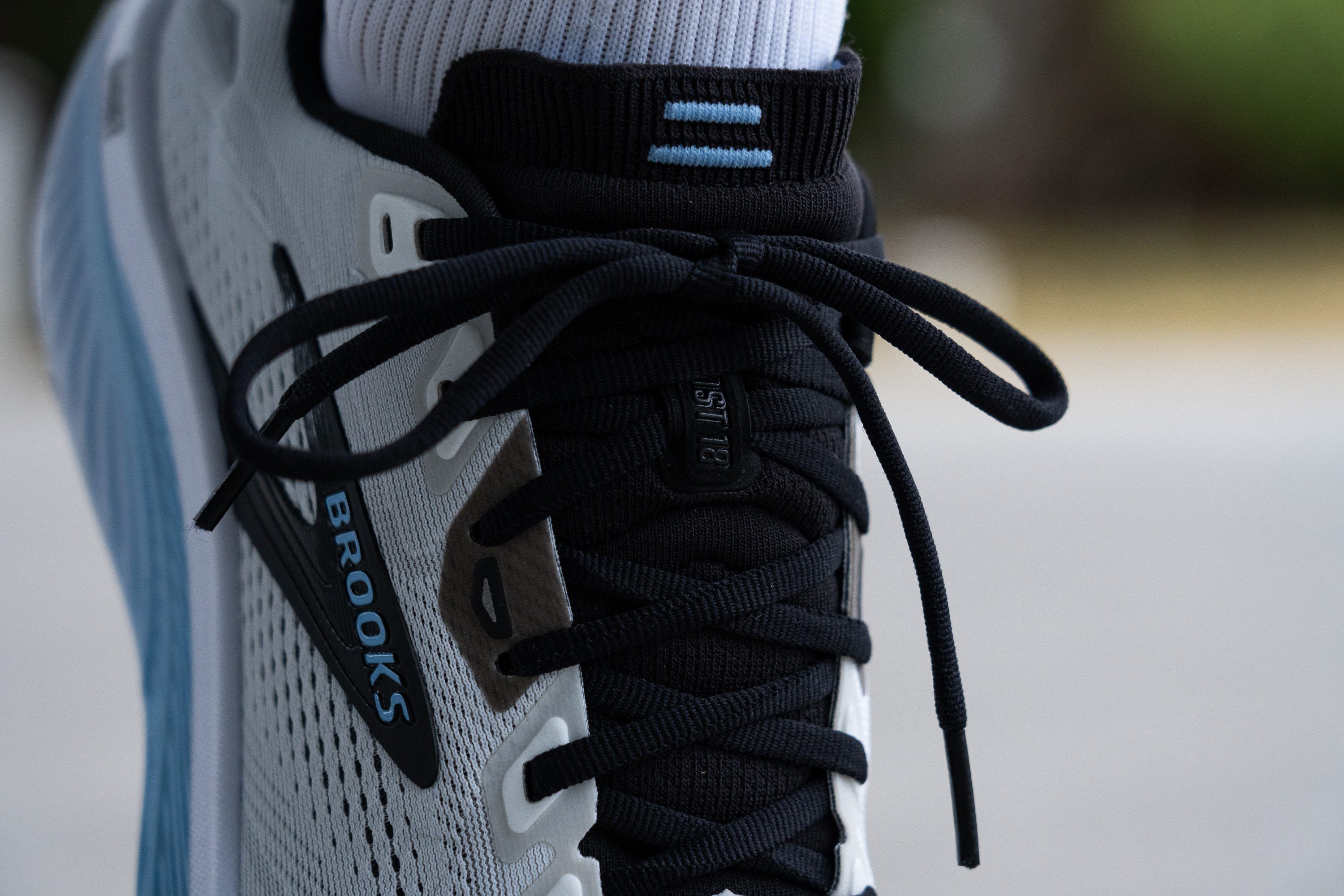
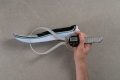
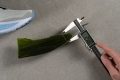
Lo que no ha cambiado es el acolchado, que sigue siendo muy generoso. Cuando lo medimos, nuestro calibre marcó 9,0 mm, garantizándonos que estas zapatillas van a ser comodísimas. ¡Y sabemos que los fans de las Ghost van a estar encantados de leer esto!
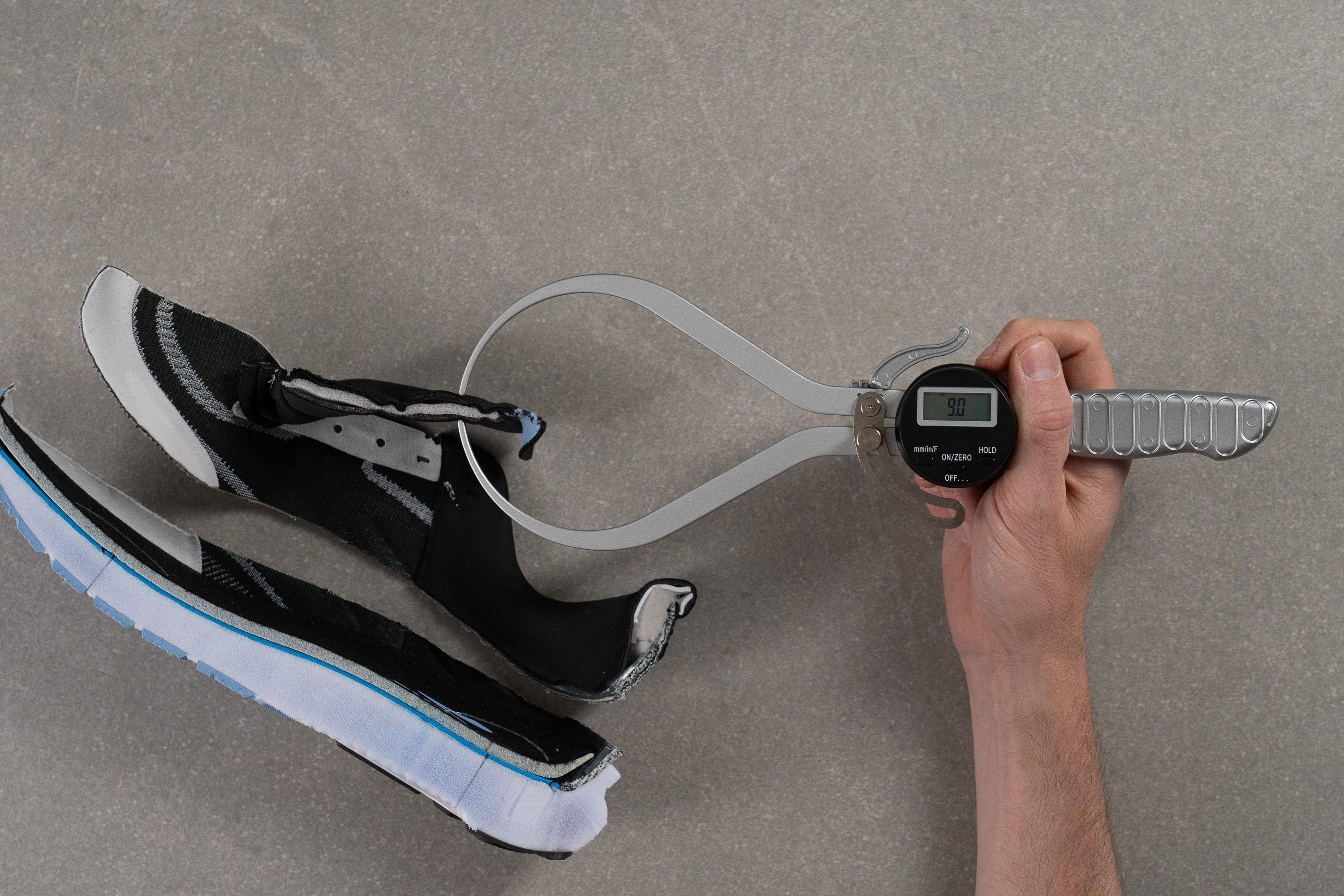
| Ghost 18 | 9.0 mm |
| Media | 5.8 mm |
Lengüeta: tipo de refuerzo
Una lengüeta semirreforzada es un detalle barato y sencillo que mejoraría mucho el ajuste. ¿A lo mejor para la versión 19, Brooks?
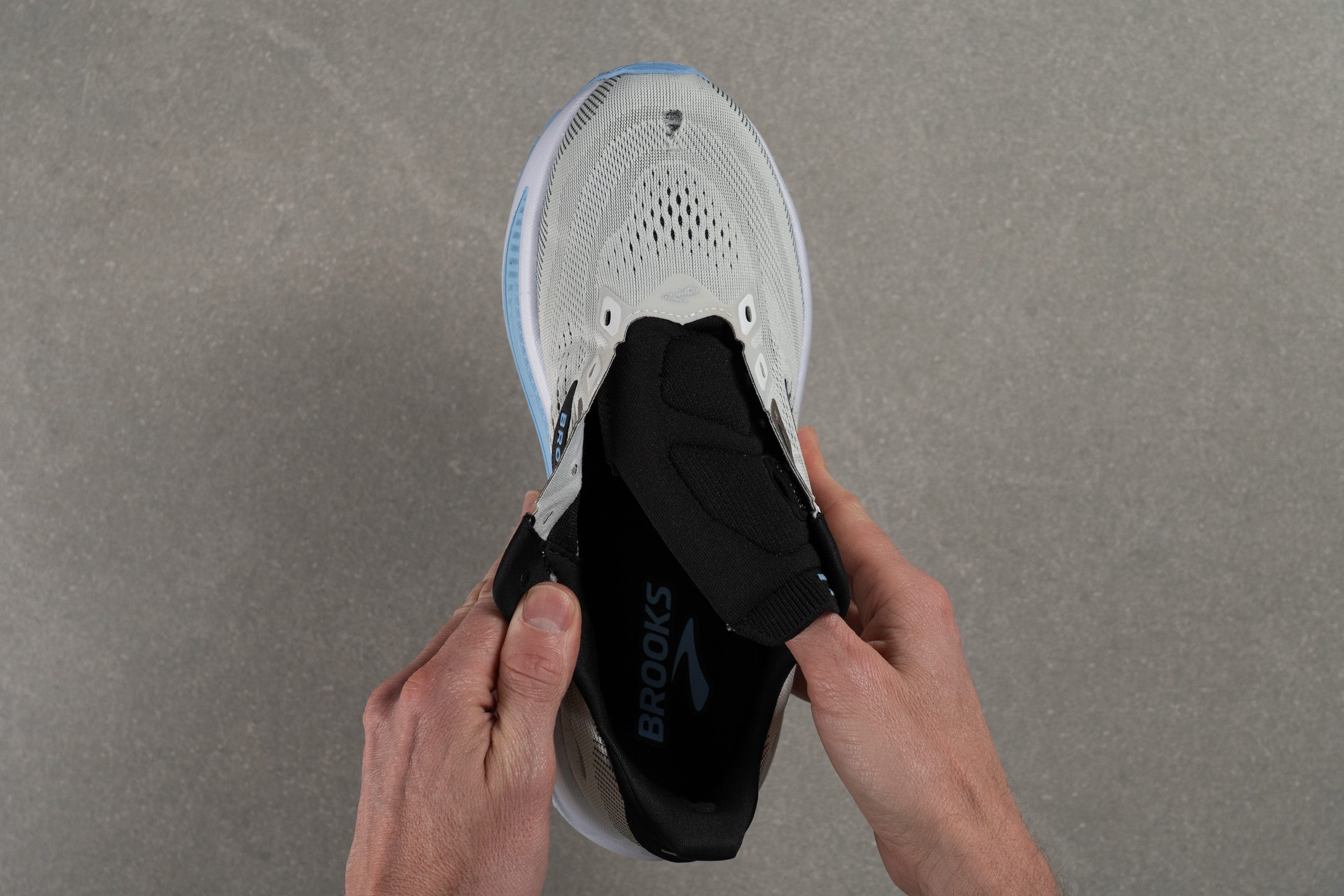
| Ghost 18 | Ninguno |
Tirador del talón
Brooks ha actualizado sutilmente esta zona al poner un tirador más largo que no solo les da un toque más moderno a las zapatillas, sino que también hace que calzarse sea bastante más fácil.
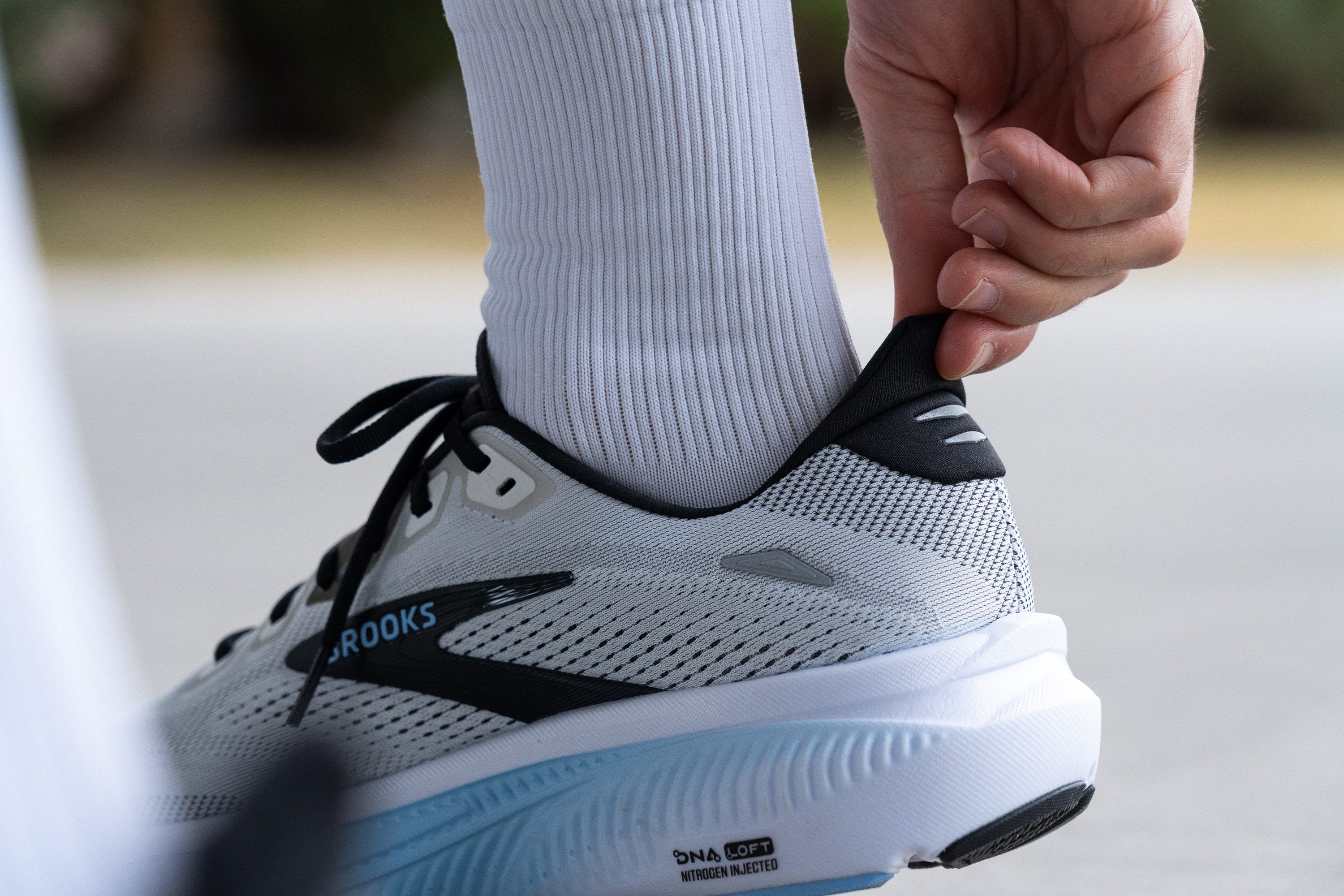
| Ghost 18 | Talón extendido |
Precio
Las Ghost 18 cuestan lo mismo que sus predecesoras. La verdad es que, en una época en la que muchas marcas no han dudado en hacer más caros sus modelos de running, nos parece una noticia estupenda. Eso sí, la serie Ghost está muy cerca del precio límite que su plataforma actual y su conjunto de características pueden justificar.
Personalmente, nosotros creemos que estas zapatillas ofrecen justo lo que sus fans se esperan, pero no tienen los materiales de primera calidad y las tecnologías centradas en el rendimiento que justificarían un precio más alto.
| Ghost 18 | $150 |