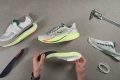
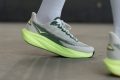
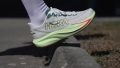
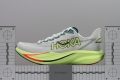

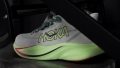
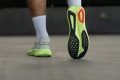
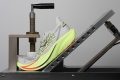
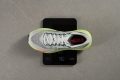


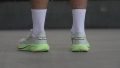
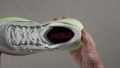

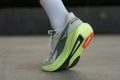
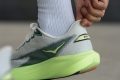
Nuestra conclusión
- Tiradas diarias / rodajes 92
- Tempo 87
- Competición 68
- Estabilidad 80
Pros
- Muy ligeras para ser unas zapatillas de entrenamiento diario
- Cierre seguro
- Versátiles y divertidas
- Transpirabilidad fantástica
- Estupendas para los talonadores
- Rocker que te impulsa hacia adelante
- Mucha mejor tracción que antes
- Plantilla perforada
Contras
- El ajuste ceñido puede ser un problema
- El contrafuerte rígido del talón puede irritar el tendón de Aquiles
- La pisada podría ser un poco más blandita
Premios
- Entre mejores zapatillas de running para la fascitis plantar
- Entre mejores zapatillas de running para larga distancia
- Top 11% entre zapatillas de running para asfalto
- Top 7% entre zapatillas de running HOKA
- Top 8% más vendidas zapatillas de running
Comparativa
Las zapatillas de running más parecidas
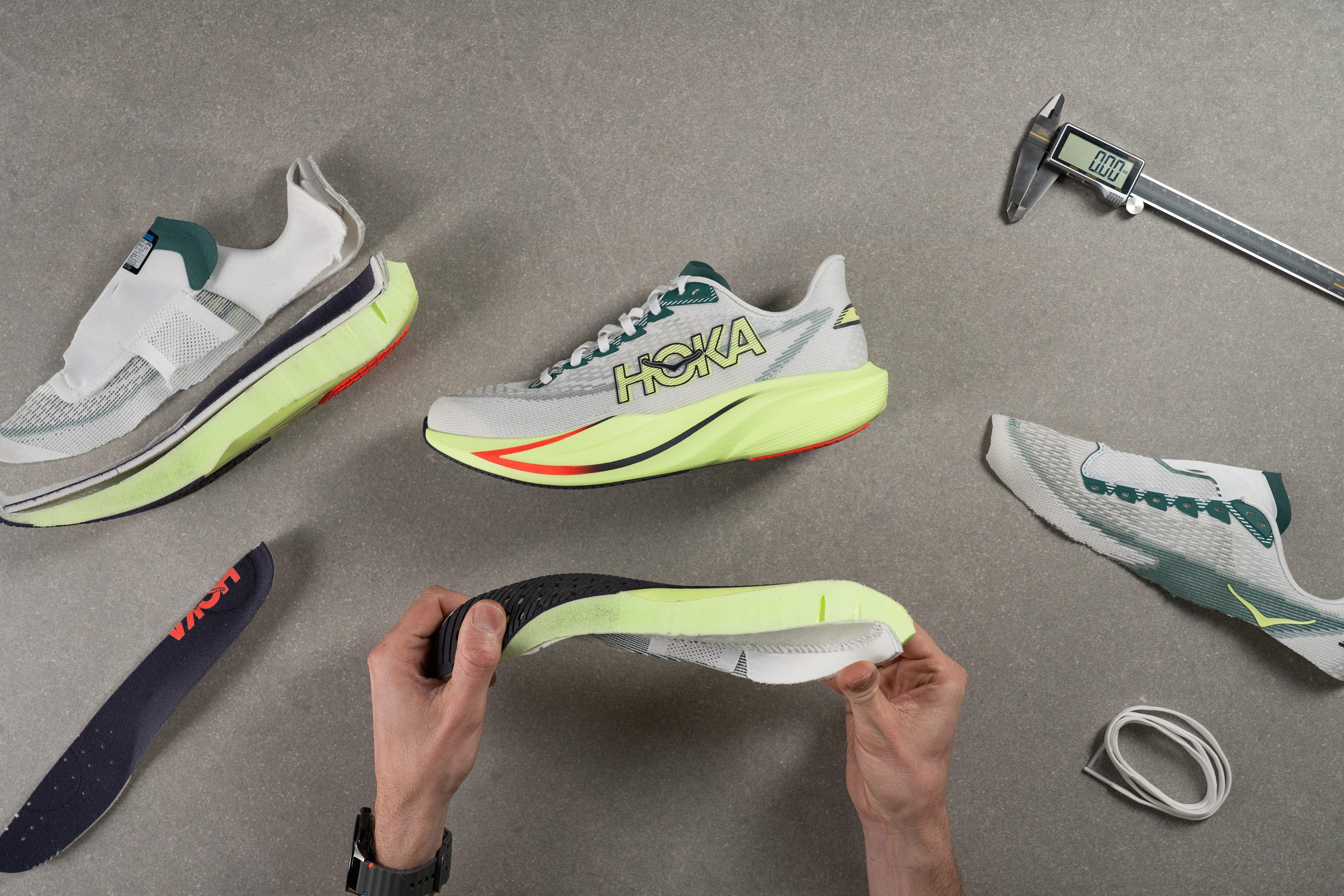
+ + Añadir unas zapatillas | |||||
|---|---|---|---|---|---|
| Nuestra puntuación | 90 Magníficas | 94 Magníficas | 86 Geniales | 85 Geniales | |
| Precio | 160 € | 200 € | 150 € | 150 € | |
| Ritmo | Correr a diarioTempo / series | Tempo / series | Correr a diario | Correr a diario | |
| Absorción de impactos | Alta | Alta | Alta | Alta | |
| Retorno de energía | Alto | Alto | Moderado | Alto | |
| Tracción | Alta | Alta | Alta | Alta | |
| Sujeción arco del pié | Neutral | Neutral | Neutral | Neutral | |
| Peso laboratorio Peso marca | 7.9 oz / 224g 8.5 oz / 241g | 8.5 oz / 241g 8.4 oz / 238g | 10.2 oz / 289g 10.2 oz / 289g | 9.2 oz / 261g 9.2 oz / 261g | |
| Ligero | ✓ | ✓ | ✗ | ✗ | |
| Drop laboratorio Drop marca | 9.4 mm 5.0 mm | 10.6 mm 8.0 mm | 12.2 mm 10.0 mm | 9.5 mm 8.0 mm | |
| Técnica de carrera | TalónMedio/antepié | Talón | Talón | TalónMedio/antepié | |
| Talla | Tallan un poquito pequeño | Tallan un poquito pequeño | Tallan bien | Tallan bien | |
| Rigidez de la mediasuela | Equilibrada | Firme | Equilibrada | Blanda | |
| Diferencia de la rigidez de la mediasuela en frío | Pequeña | Normal | Pequeña | Grande | |
| Durabilidad de la parte delantera | Decente | Decente | Decente | Decente | |
| Durabilidad del acolchado del talón | Alta | Alta | Alta | Alta | |
| Durabilidad de la suela exterior | Decente | Buena | Buena | Decente | |
| Transpirabilidad | Media | Alta | Media | Media | |
| Anchura / ajuste | Estrecha | Media | Media | Media | |
| Anchura de la parte delantera | Media | Media | Estrecha | Media | |
| Flexibilidad | Moderada | Moderada | Moderada | Moderada | |
| Rigidez torsional | Moderadas | Moderadas | Flexibles | Flexibles | |
| Rigidez del contrafuerte del talón | Rígido | Rígido | Rígido | Moderado | |
| Con rocker | ✓ | ✓ | ✗ | ✓ | |
| Talón laboratorio Talón marca | 35.6 mm 37.0 mm | 37.4 mm 36.0 mm | 37.3 mm 36.0 mm | 36.9 mm 37.0 mm | |
| Antepié laboratorio Antepié marca | 26.2 mm 32.0 mm | 26.8 mm 28.0 mm | 25.1 mm 26.0 mm | 27.4 mm 29.0 mm | |
| Anchuras disponibles | EstándarAncho | EstándarAncho | EstrechoEstándarAnchoExtra Ancho | EstrechoEstándarAnchoExtra Ancho | |
| Compatibles con plantillas personalizadas | ✓ | ✓ | ✓ | ✓ | |
| Estación | Todas las estaciones | VeranoTodas las estaciones | Todas las estaciones | Todas las estaciones | |
| Plantilla extraíble | ✓ | ✓ | ✓ | ✓ | |
| Clasificación | #32 Top 8% | #4 Top 1% | #81 Top 21% | #110 Top 28% | |
| Popularidad | #30 Top 8% | #21 Top 6% | #18 Top 5% | #41 Top 11% |
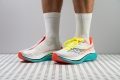
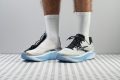
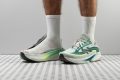
Quién debería comprárselas
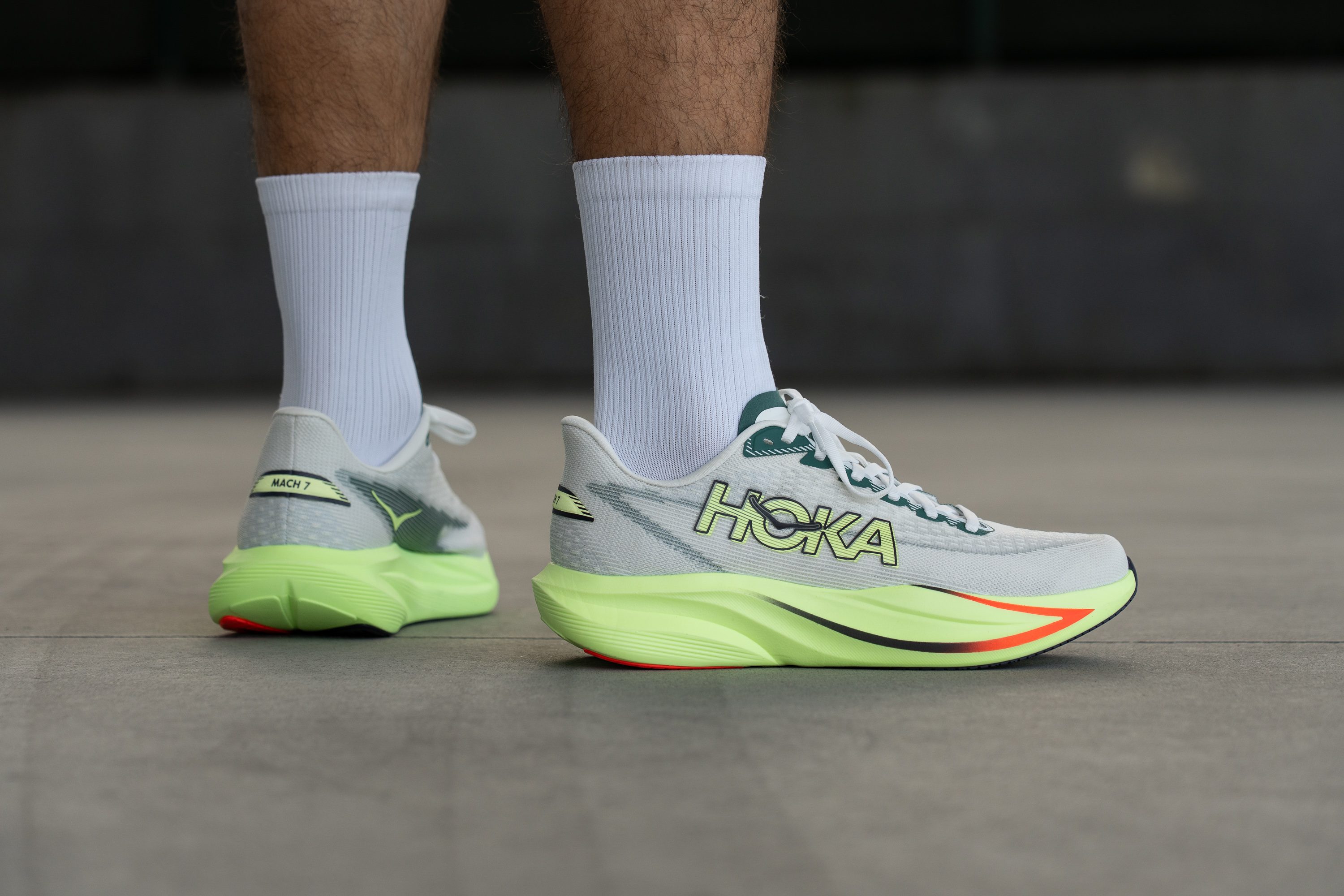
Creemos que las HOKA Mach 7 son una opción estupenda para los corredores que:
- Se quedaron encantados con las Mach 6 y querían que HOKA mantuviera el mismo carácter ligero y ágil, con solo un par de pequeños ajustes.
- Están buscando unas zapatillas de entrenamiento diario neutras que sean ágiles, versátiles y divertidas.
- Tienen los pies estrechos y les suele costar conseguir un ajuste seguro en las zapatillas de entrenamiento diario.
- Son principiantes y quieren un único par con el que disfrutar tanto de las tiradas diarias como de algunos entrenamientos más rápidos.
Quién NO debería comprárselas
Los runners que prefieren las mediasuelas mullidas muy probablemente piensen que las Mach 7 son demasiado rígidas, ya que su espuma EVA supercrítica es más bien durita. Como alternativas, les recomendamos adidas Supernova Rise 3 o las New Balance FuelCell Rebel v5, que son más blanditas.
También creemos que el ajuste ceñido de las Mach 7 no les va a gustar mucho a los corredores con pies anchos. En ese caso, las ASICS Noosa Tri 16 o el Topo Cyclone 2 destacan como opciones mucho mejores gracias a su ajuste más espacioso.
Amortiguación
Shock absorption
Con 137 SA en el talón y 110 SA en el antepié, las HOKA Mach 7 ofrecen una absorción de impactos casi idéntica a la de las HOKA Mach 6, con una diferencia tan pequeña que nos pareció imperceptible al correr.
La verdad es que nos parece un resultado sólido para los runners que están buscando un modelo de entrenamiento muy versátil con una amortiguación firme, pero sin llegar al nivel de las zapatillas con amortiguación máxima.
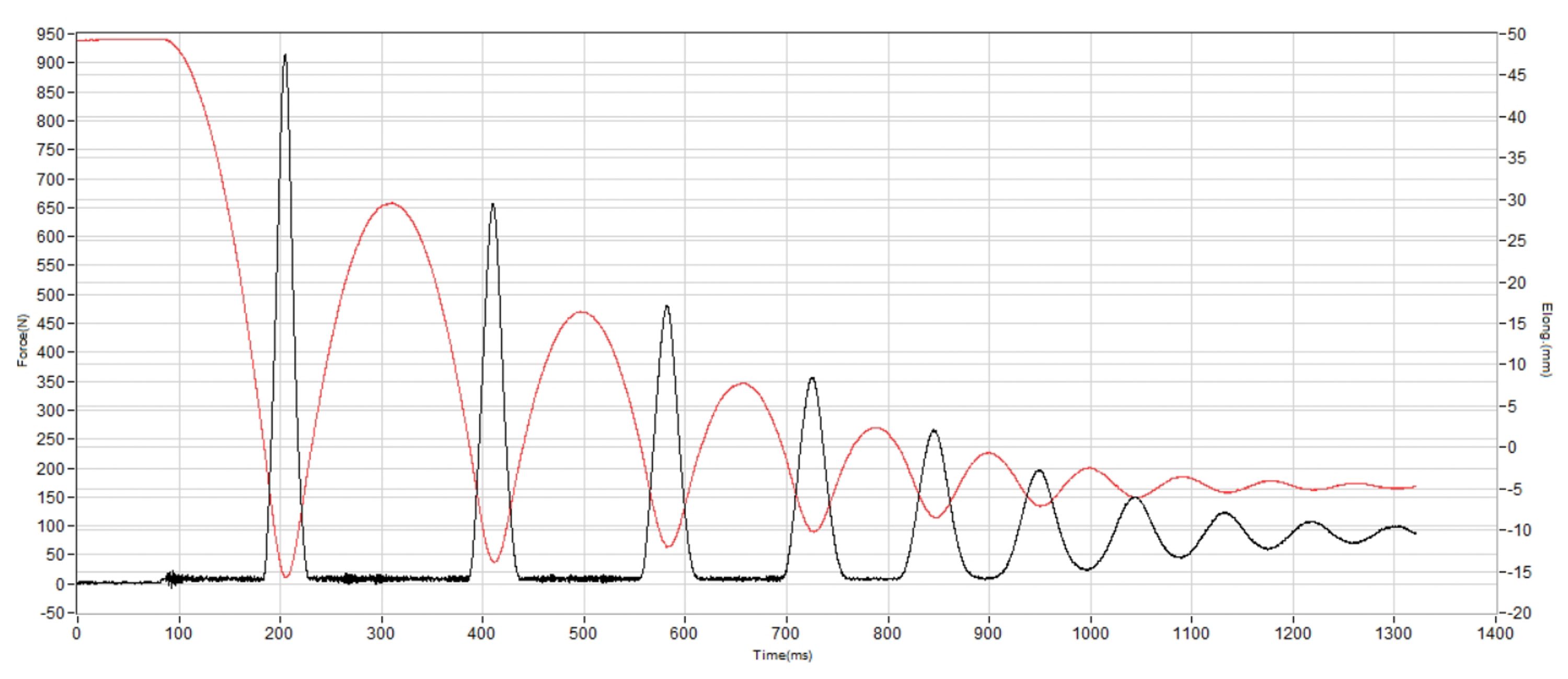
| Mach 7 | 137 SA |
| Media | 131 SA |
Energy return
Las Mach 7 siguen presumiendo de su mediasuela de EVA supercrítica, y teniendo en cuenta su precio de venta, la verdad es que nos parece todo un acierto.
Aunque no puede competir con las espumas premium de PEBA o A-TPU, rinde muy bien en el entrenamiento diario, e incluso en los ejercicios de tempo ocasionales, con un retorno de energía del 60,6 % en el talón y del 66,6 % en el antepié.
| Mach 7 | 66.6% |
| Media | 61.5% |
Altura de la suela en la zona del talón
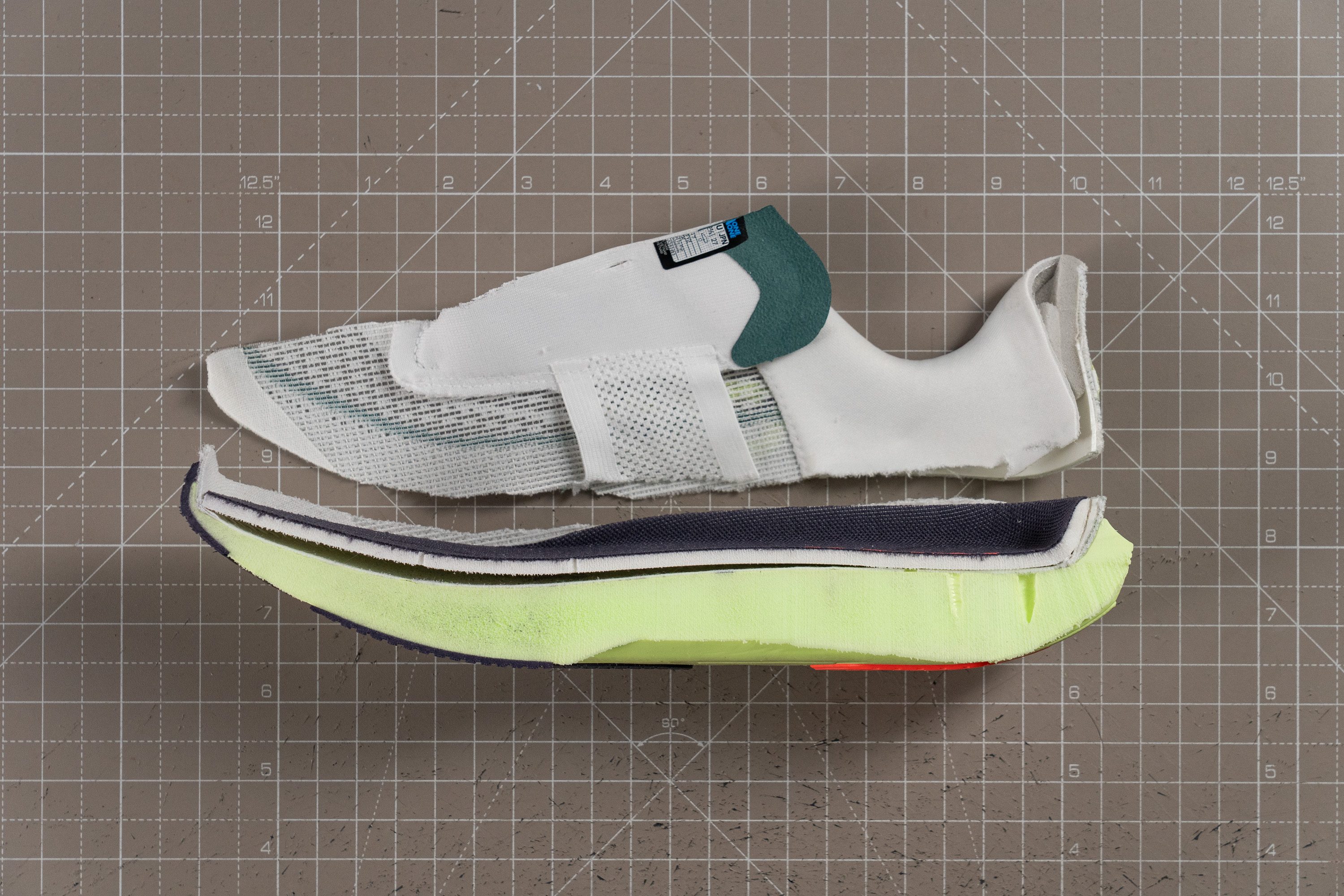
Aunque las suelas de las zapatillas de running son cada vez más altas, creemos que todas las marcas deberían tener algunos modelos con una suela de altura moderada, ya que muchos runners prefieren una sensación más firme y natural bajo los pies, sobre todo en el entrenamiento diario. ¡Y ese es justo el público al que apuntan las Mach 7!
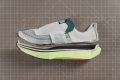
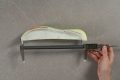
Con 35,6 mm de altura en el talón, consiguieron destacar en nuestra prueba de absorción de impactos. La verdad es que nos parece un diseño estupendo que ofrece un equilibrio sólido entre protección y agilidad al correr.
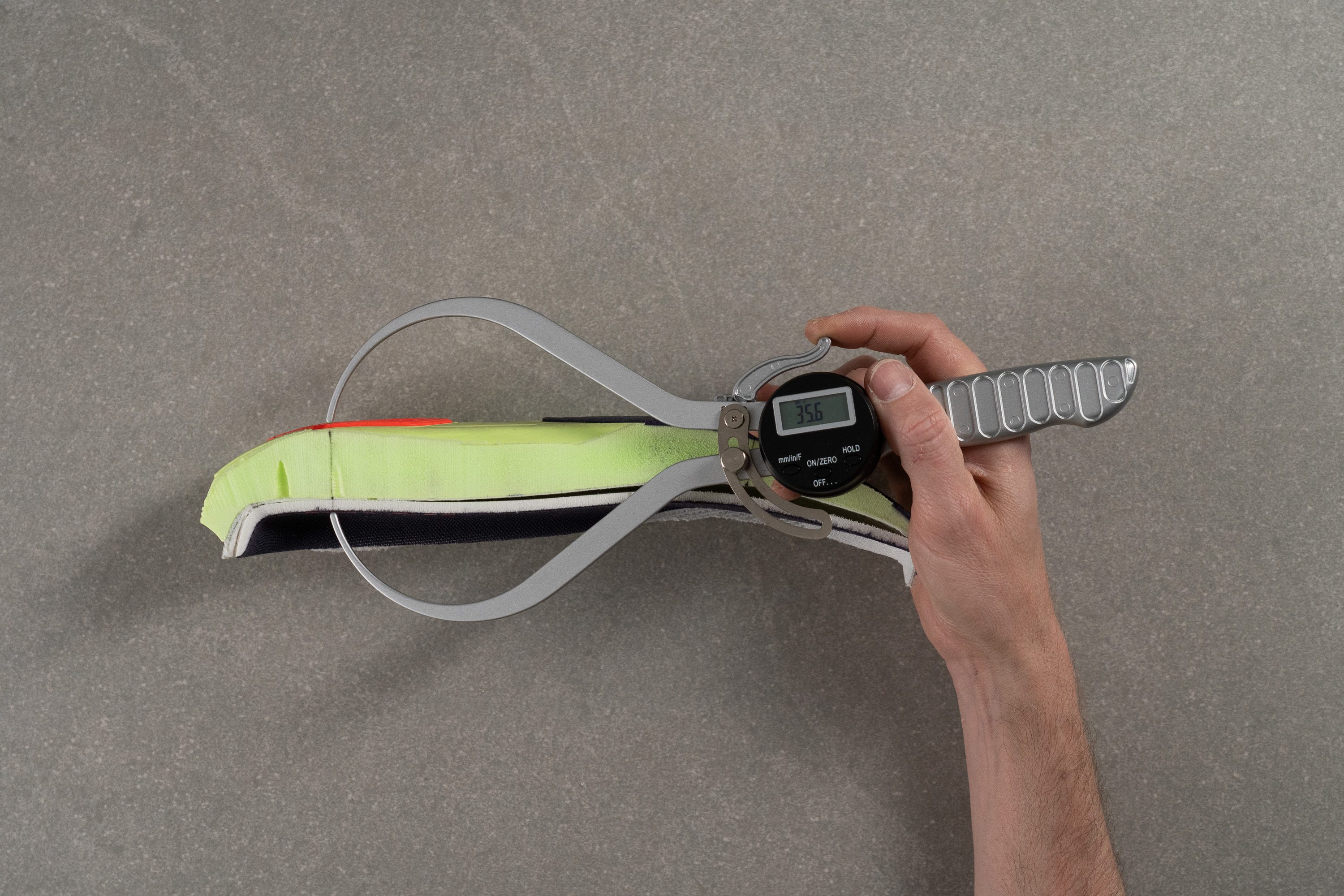
| Mach 7 | 35.6 mm |
| Media | 35.6 mm |
Altura de la suela en el antepié
El antepié se siente muy parecido, ya que sus 26,2 mm de altura hacen que esté en ese punto medio ideal que es cómodo y accesible para un montón de corredores. Además, es solo 0,2 mm más bajo que el de la v6, así que si estás cambiando de modelo, la diferencia entre ambos es casi imperceptible en este aspecto (según nuestras pruebas de uso, claro).
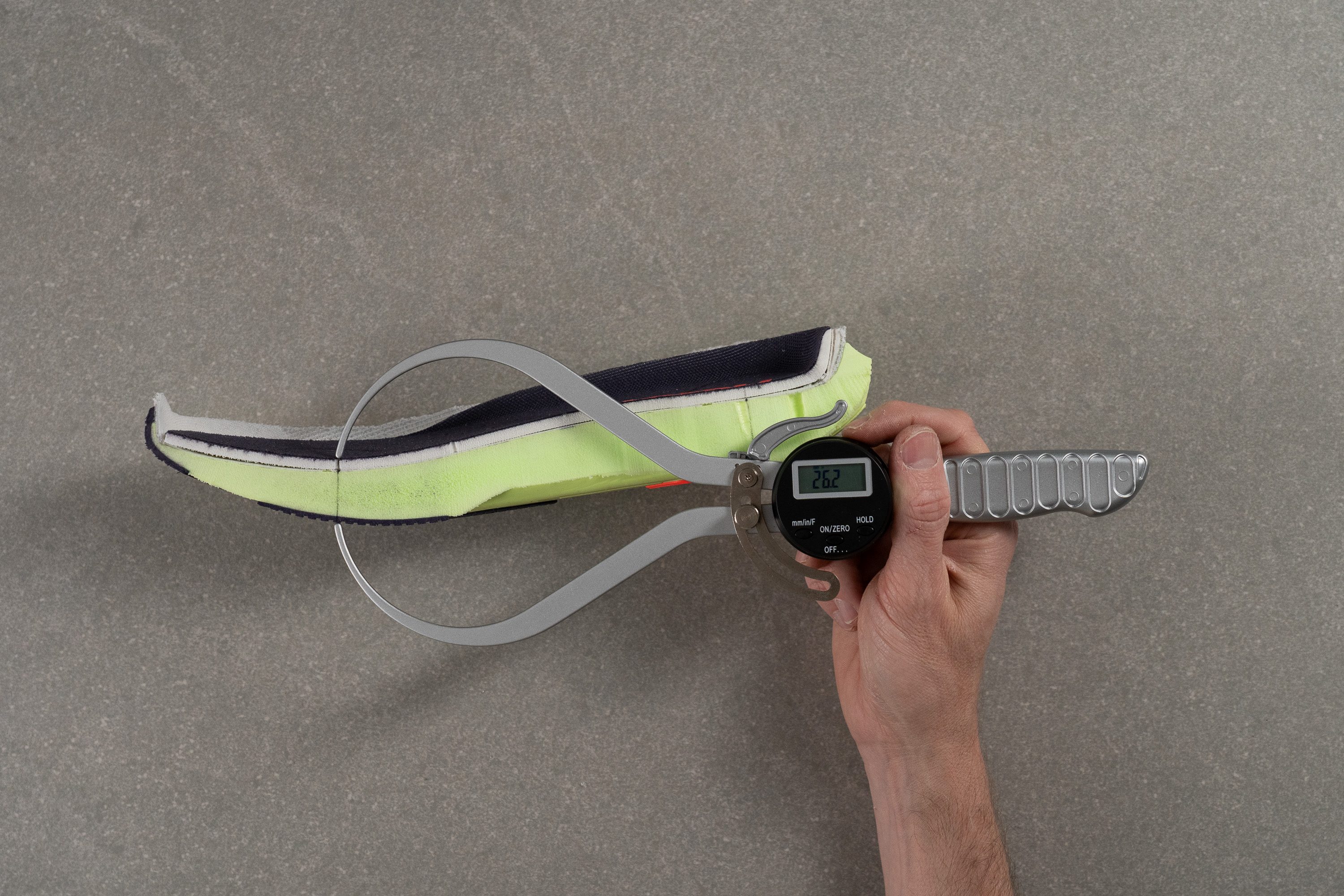
| Mach 7 | 26.2 mm |
| Media | 27.2 mm |
Drop
HOKA tiene una forma única de medir el drop que no sigue las pautas de la World Athletics. Después de analizar sus resultados, creemos que lo más probable es que lo mida más cerca del mediopié, lo que también explica por qué siempre afirma que la altura de la suela de sus modelos es mucho mayor de lo que vemos nosotros en el laboratorio. En este caso, la marca dice que las Mach 7 tienen un drop de 5 mm, pero durante nuestras pruebas de uso, la sensación nos pareció mucho más cercana a la de unas zapatillas de 8 mm.
Cuando hicimos nuestros cálculos en el laboratorio, el drop nos dio 9,4 mm. A ver, la sensación varía según tu técnica y mecánica de carrera, pero vamos, que no se sienten para nada como unas zapatillas con un drop de 5 mm, eso te lo podemos asegurar.
| Mach 7 | 9.4 mm |
| Media | 8.4 mm |
Dureza de la mediasuela
Como dijimos antes, la espuma sigue siendo la misma, así que la sensación bajo el pie es casi idéntica a la de la versión anterior. Su mediasuela es más bien rígida, aunque nunca hasta el punto de ser incómoda.
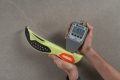
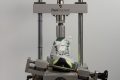
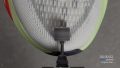
Cuando la analizamos, nuestro durómetro Asker C marcó 41,7 AC. Vamos, que está claro que no es una espuma mullida para los runners que están buscando algo ultrablando. Sin embargo, si hablamos de la estabilidad y el control, entonces nos parece una elección interesante.
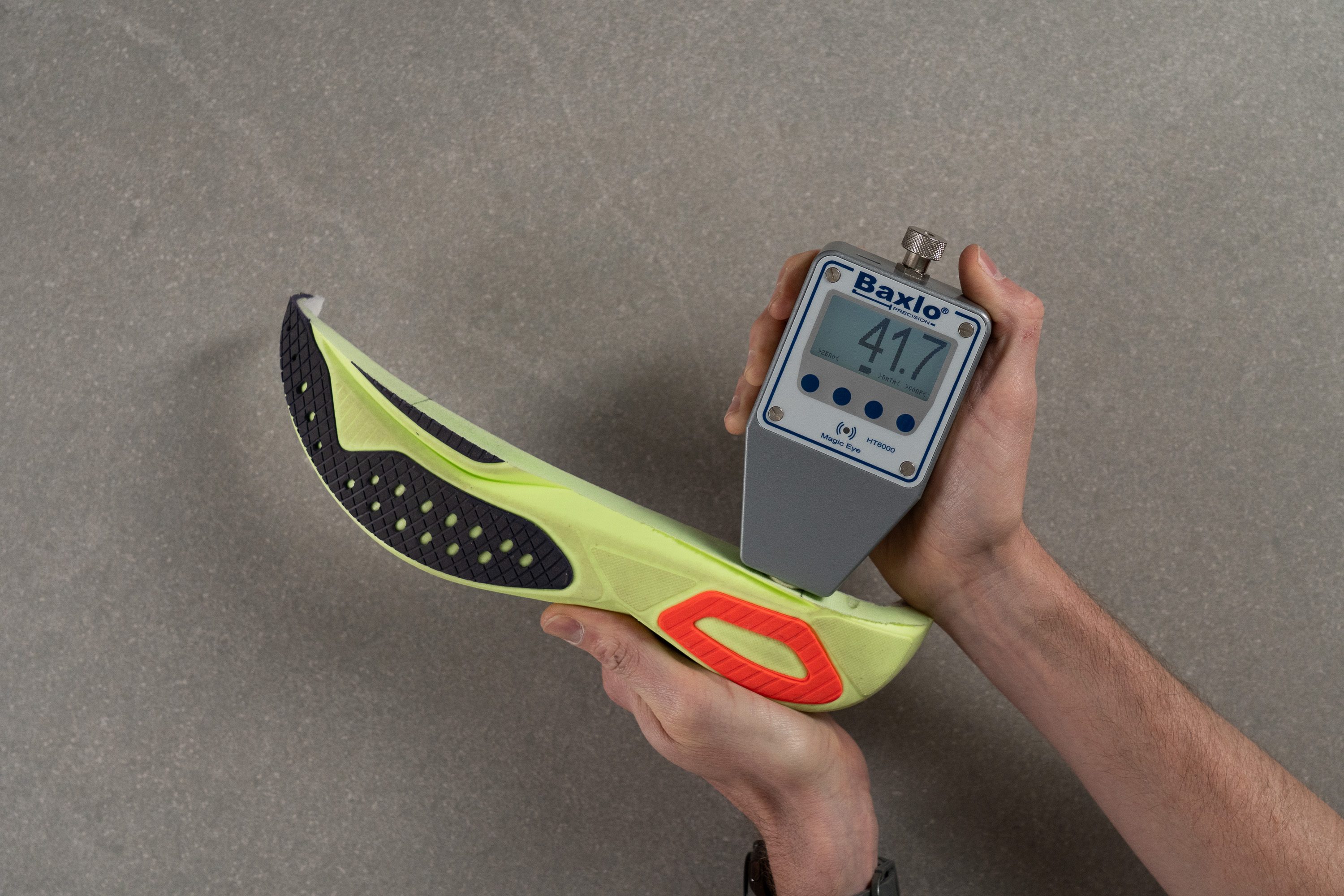
| Mach 7 | 41.7 AC |
| Media | 35.4 AC |
Rocker
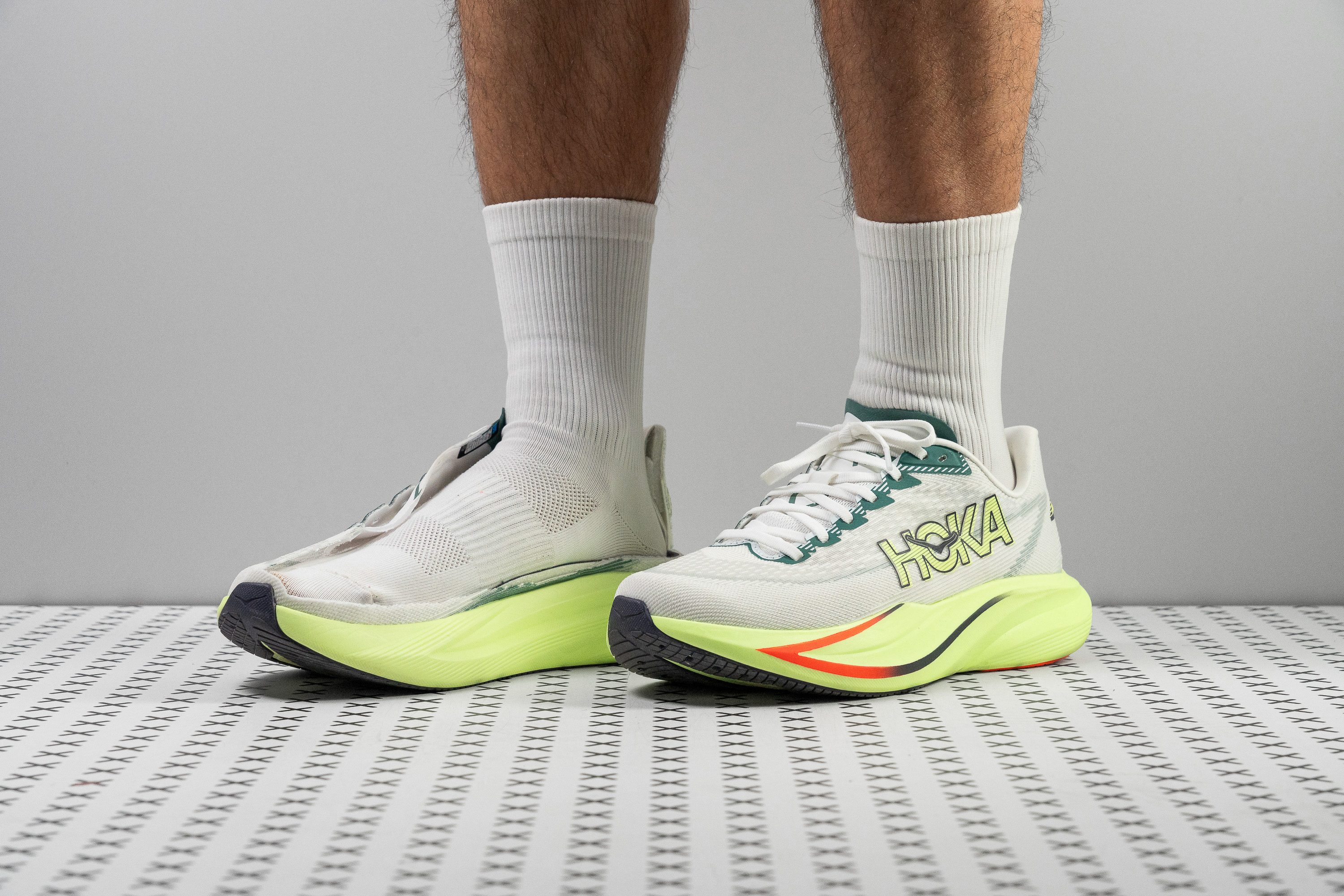
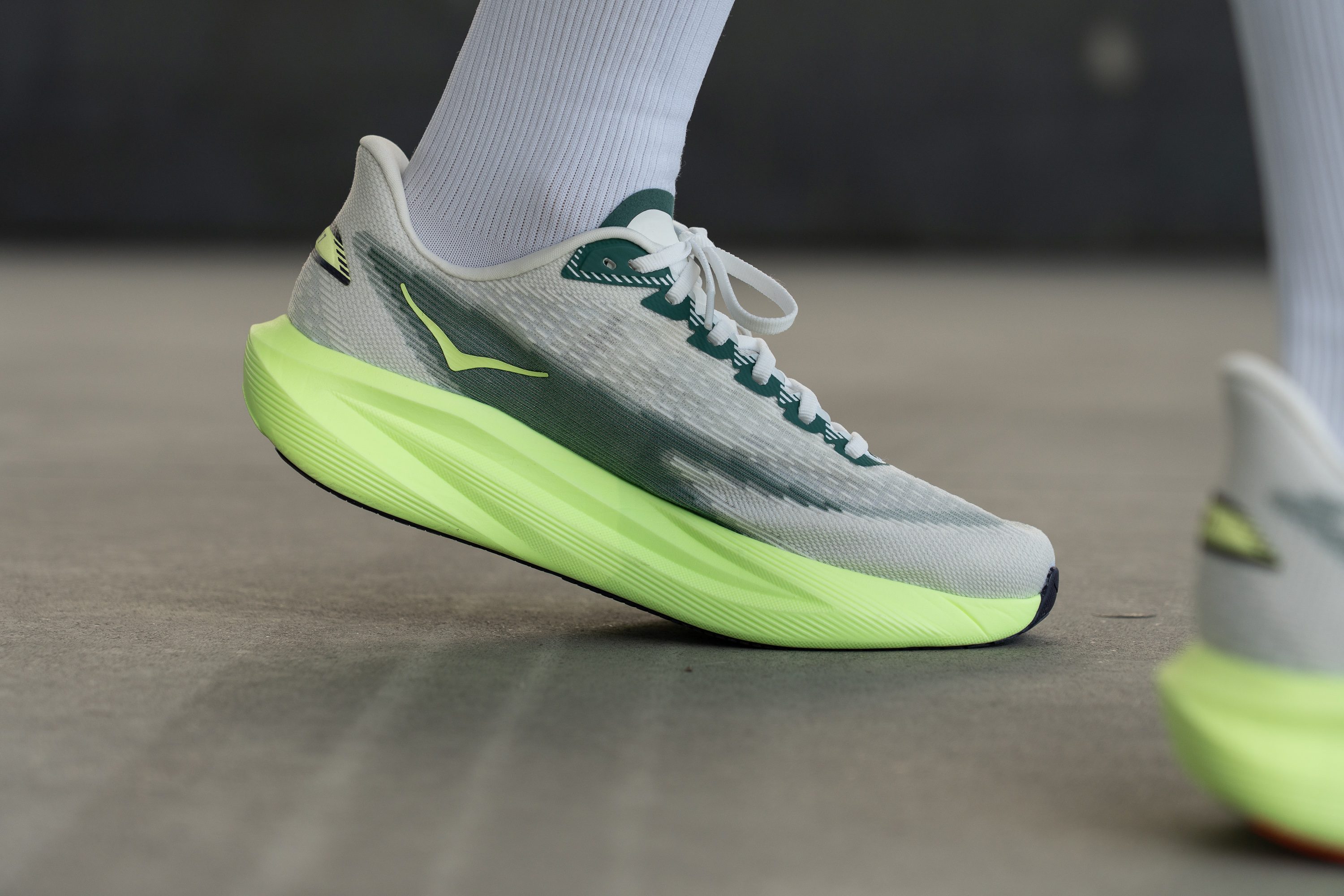
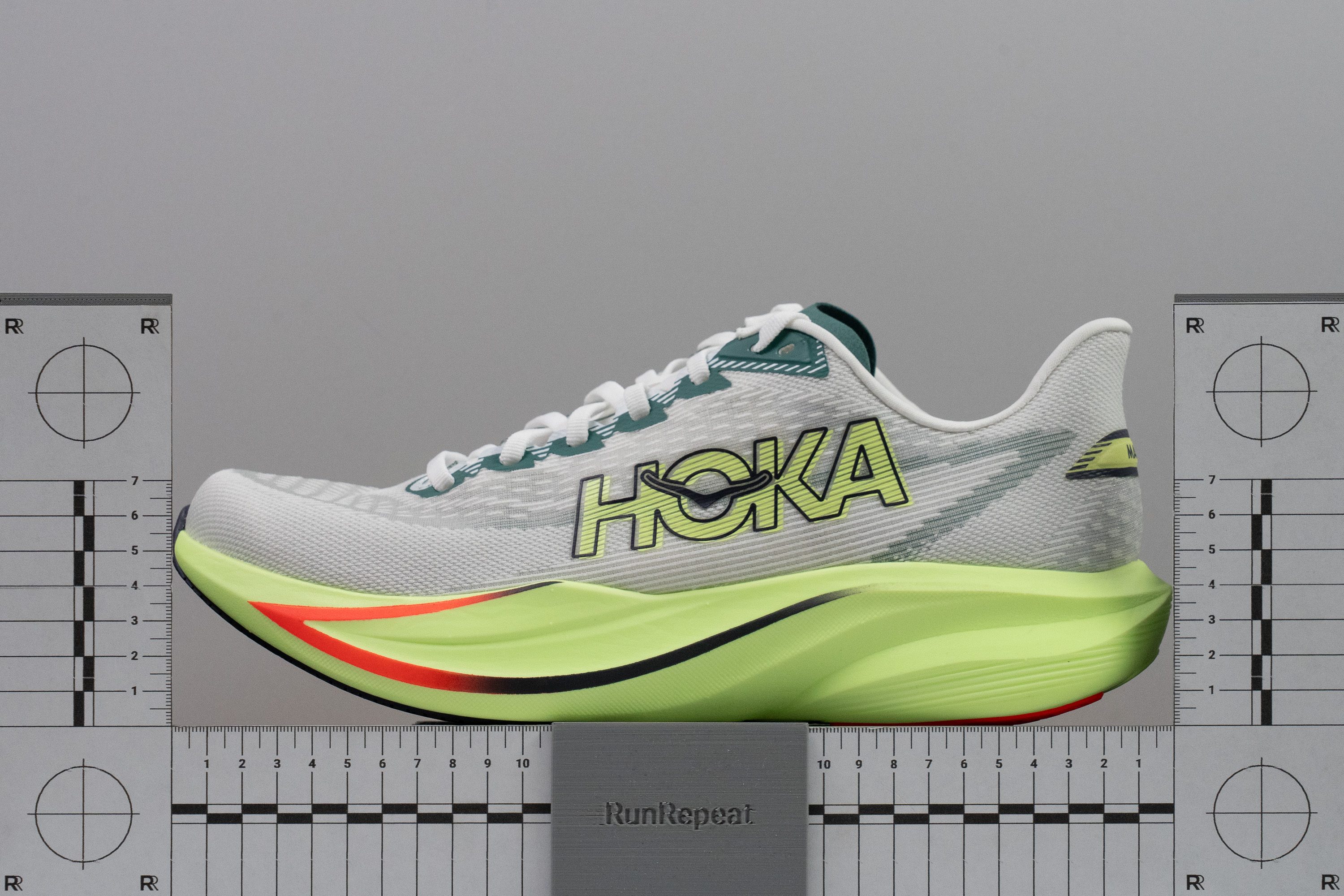
El rocker tampoco ha cambiado casi nada. Teniendo en cuenta la altura de la suela de las Mach 7 y que son unas zapatillas de entrenamiento diario, podemos decir que presumen de un rocker bastante marcado, con una curvatura notable bajo el antepié.
Eso sí, esto no nos pilló ni por sorpresa ni nada parecido. Al final, si hay una marca conocida por crear rockers agresivos y que te impulsan hacia adelante es HOKA, como puedes ver en las Cielo X1 3.0, por ejemplo.
Tallaje y ajuste
Talla
Las HOKA Mach 7 quedan un poco pequeñas (73 votos).
Longitud interna
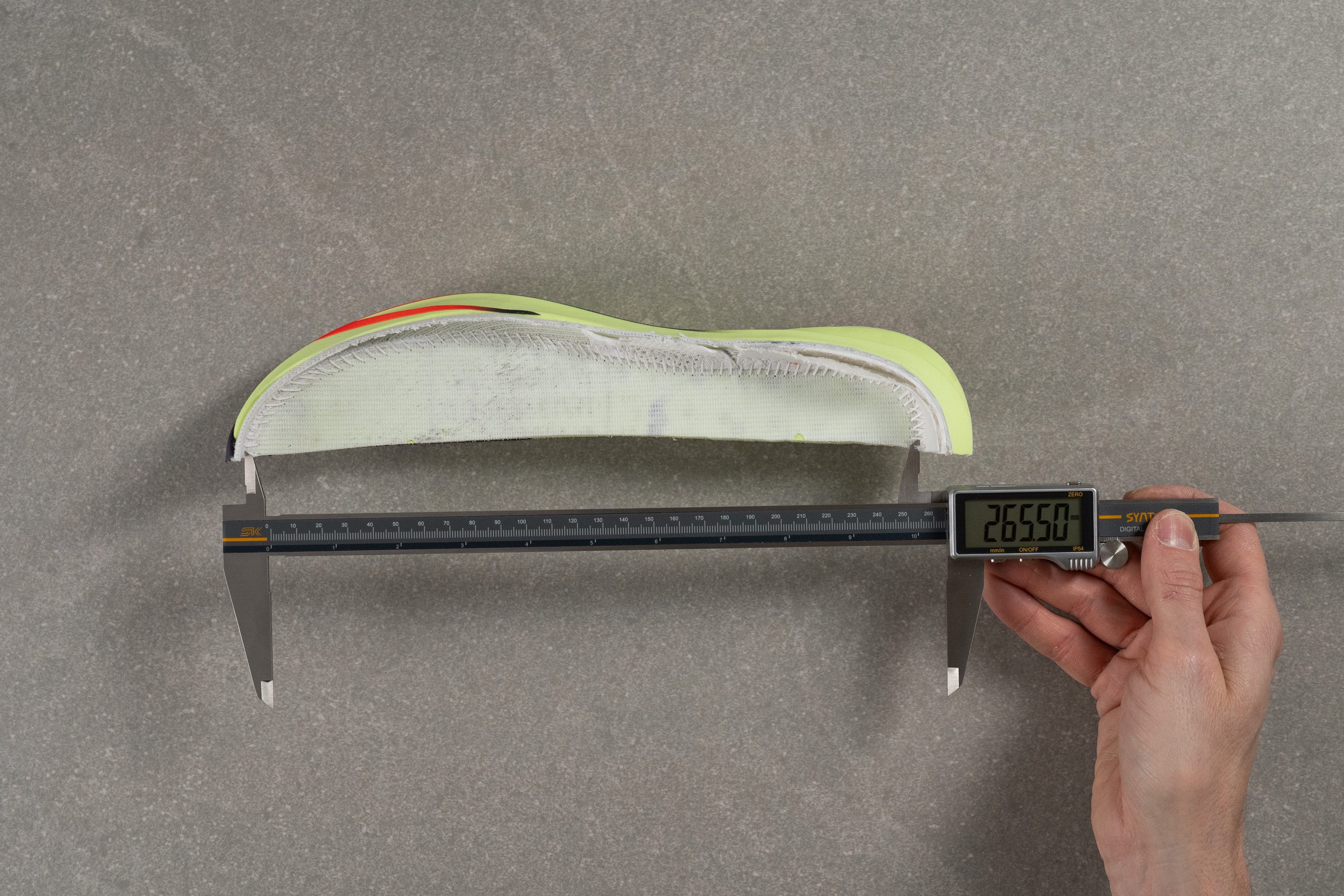
| Mach 7 | 265.5 mm |
| Media | 269.4 mm |
Anchura / Ajuste
HOKA es una marca que siempre les ha gustado mucho a los runners con pies estrechos, y resulta que las Mach 7 siguen defendiendo ese puesto.
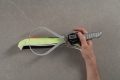
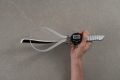
Gracias a nuestra réplica de gel, pudimos medir con precisión el espacio interior de las zapatillas y, como era de esperar, nuestro calibre marcó un resultado muy por debajo de la media cuando medimos la anchura total: solo 92,5 mm.
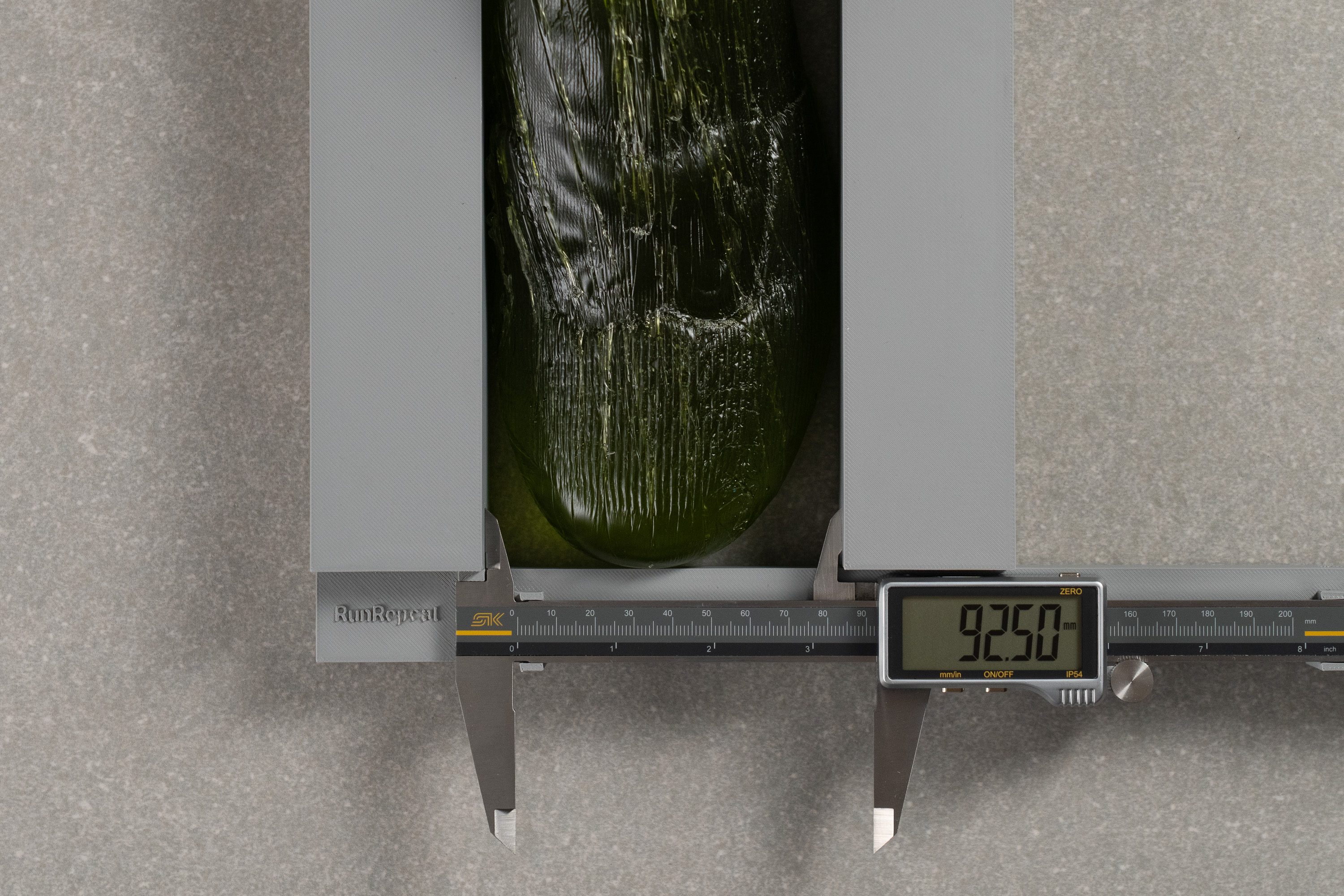
| Mach 7 | 92.5 mm |
| Media | 95.2 mm |
Anchura de la parte delantera
La parte delantera se estrecha bastante hacia la punta, como era de esperar, así que nuestro calibre marcó 72,9 mm.
Si le sumamos el resultado anterior, podemos decir que las Mach 7 son ideales para los runners con pies de anchura estándar que prefieren un ajuste más seguro y preciso.
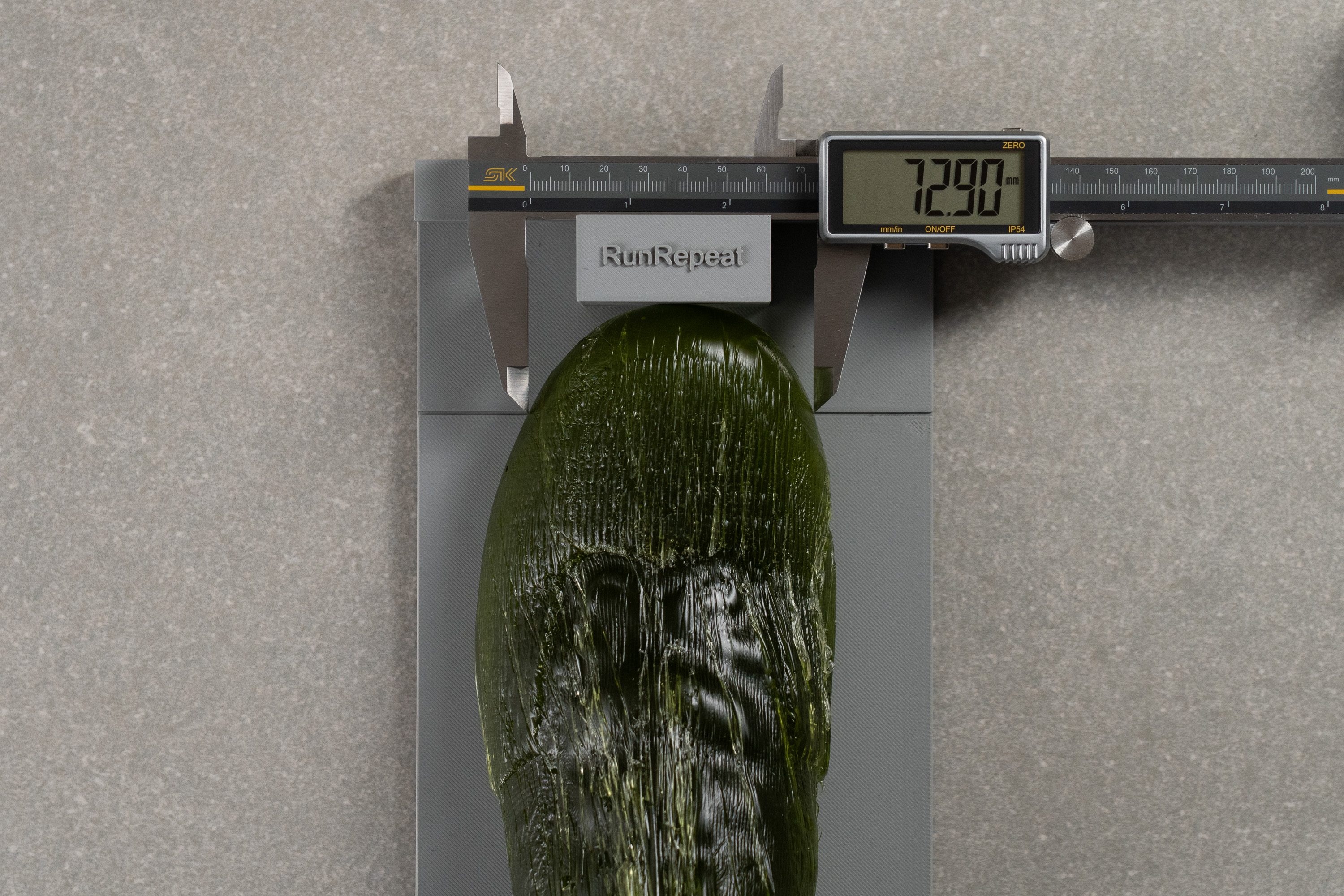
| Mach 7 | 72.9 mm |
| Media | 73.2 mm |
Altura de la parte delantera
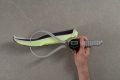
No sentimos que nos faltase nada de espacio vertical.
Con unos generosos 29,1 mm, estas zapatillas nos parecen ideales para los runners que quieren mucho espacio vertical para los dedos.
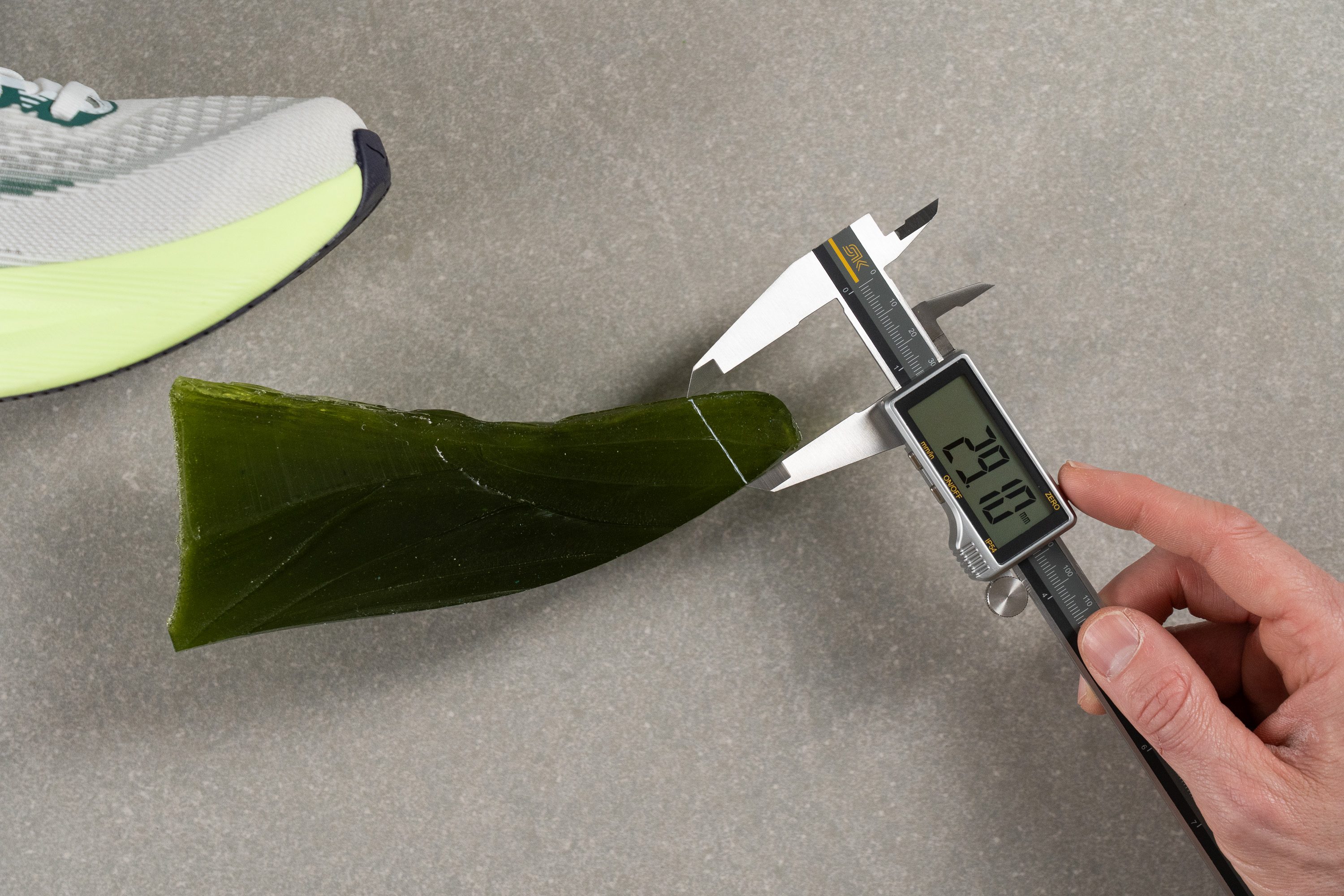
| Mach 7 | 29.1 mm |
| Media | 27.0 mm |
Tracción / Agarre
Traction test
Las Mach 6 se llevaron un 0,49 en nuestra prueba de tracción, que era un resultado decente, ¡pero es que las 7 han alcanzado un estupendo 0,62! Está claro que HOKA ha perfeccionado su compuesto Sticky Rubber, así que esta última versión rinde mucho mejor, sobre todo en superficies mojadas.
| Mach 7 | 0.62 |
| Media | 0.53 |
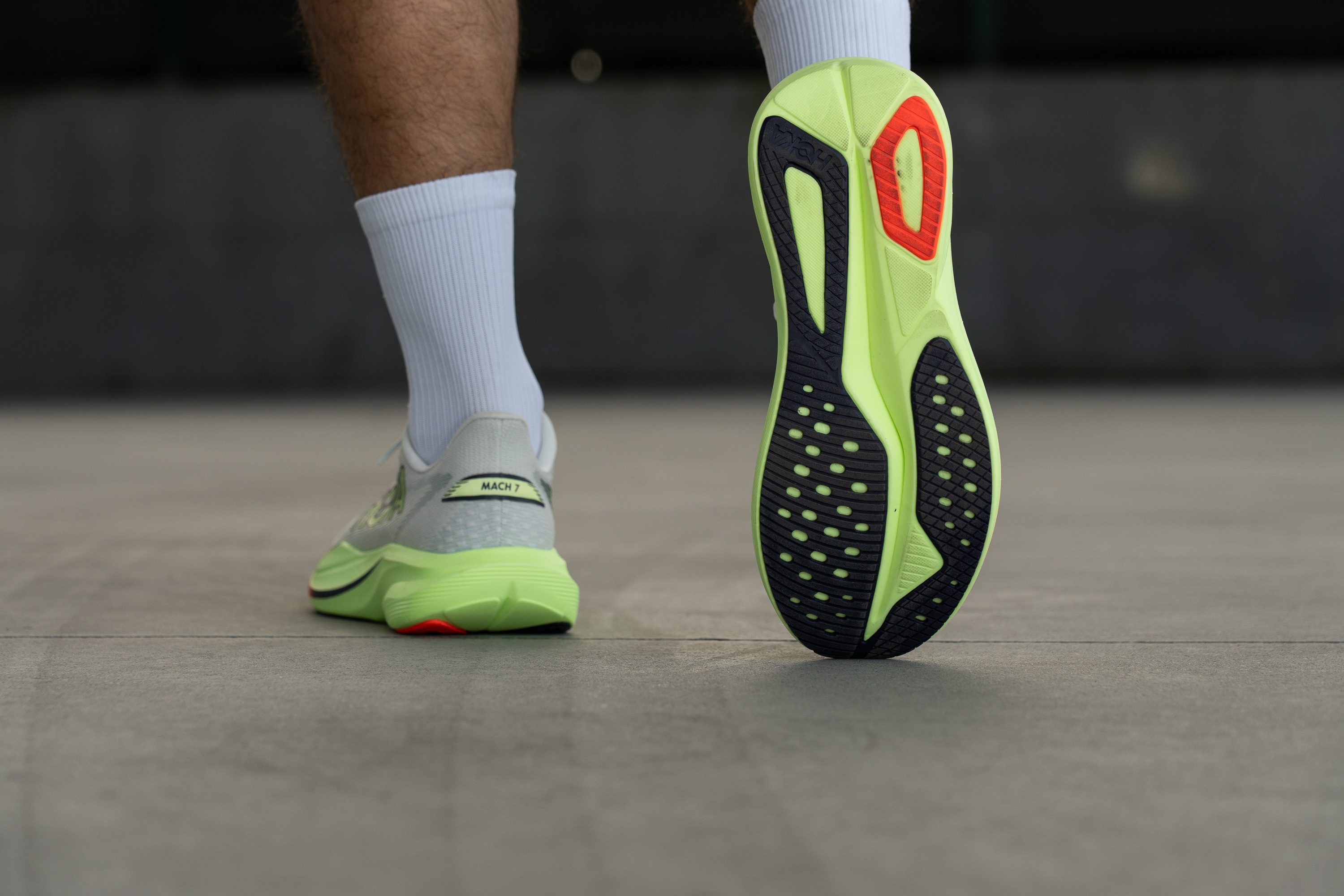
Diseño de la suela exterior
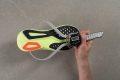
HOKA utiliza dos compuestos de caucho diferentes en este modelo; en la cara externa del talón, hay un caucho rojo que se centra más en la durabilidad.
También descubrimos que, aunque la cobertura de caucho sigue siendo parecida a la del modelo anterior, ahora se extiende un poquito más hacia el área del talón, mientras que el antepié también presume de un par de ajustes sutiles. El corte central no se ha ido a ningún sitio y, además, creemos que la relación cantidad de caucho-precio es estupenda para un modelo tan ligero.
Flexibilidad / Rigidez
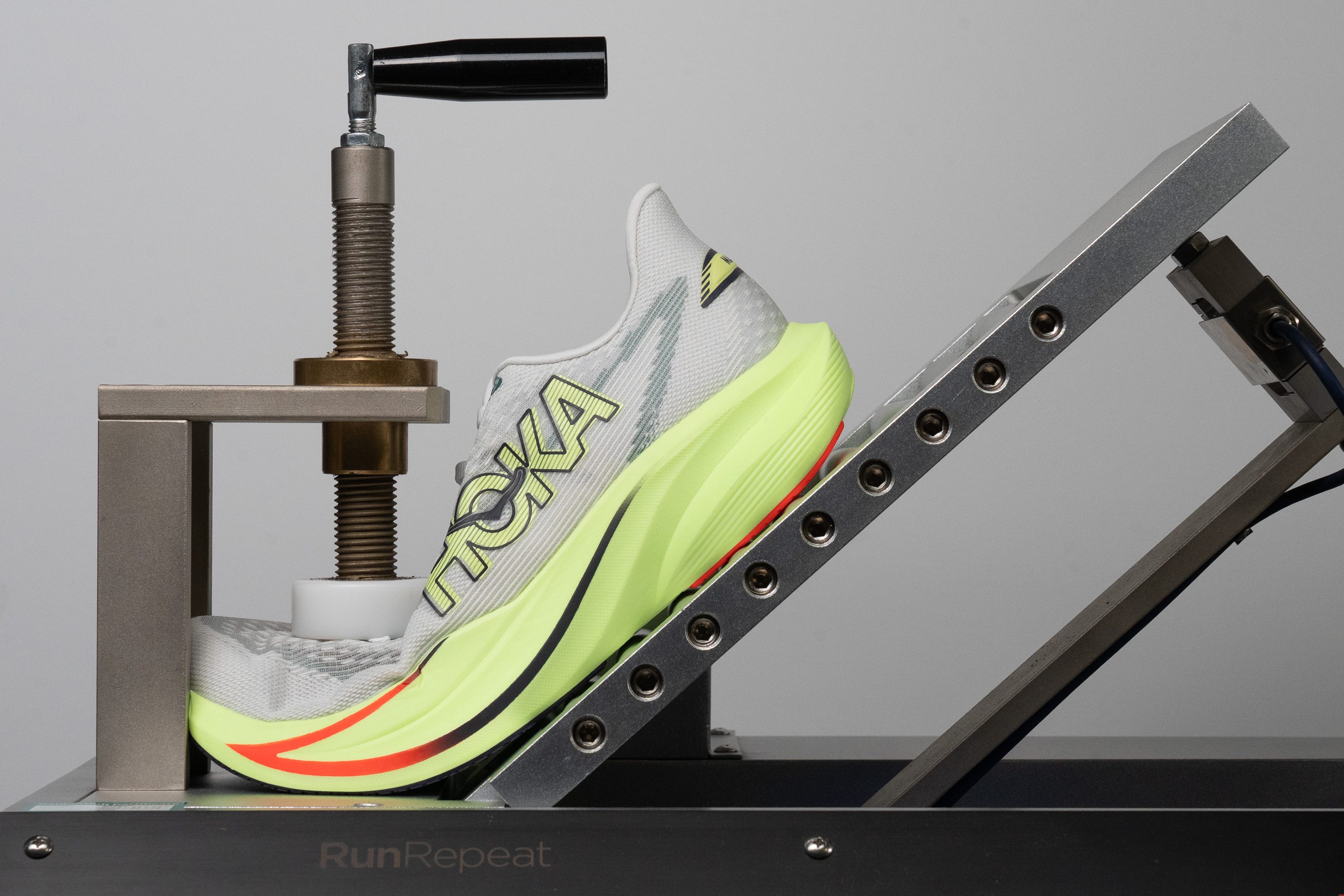
Diseñadas como un modelo de entrenamiento diario muy versátil, creemos que HOKA tomó la decisión correcta al mantener a las Mach 7 cerca de la media con sus 14,2 N. Este diseño equilibrio hace que sean unas zapatillas cómodas para las tiradas diarias, al mismo tiempo que añade la rigidez suficiente para aguantar los esfuerzos más rápidos de vez en cuando, mejorando tanto en reactividad como en estabilidad.
| Mach 7 | 14.2N |
| Media | 15.5N |
Peso
La serie HOKA Mach se ha vuelto muy, pero que muy popular, y en parte es porque presume de los mejores modelos de entrenamiento diario ligeros del mercado, ¡y las Mach 7 son uno de ellos! De hecho, la marca consiguió dar un paso más y que esta última versión pese solo 224 g según nuestra báscula.
Para ser unas zapatillas de entrenamiento diario, la verdad es que son ligerísimas y, en nuestra opinión, esto destaca incluso más la importancia que se han ido ganando las espumas supercríticas en las zapatillas de running modernas. No solo es que tengan muy pocas desventajas (quitando los costes de producción ligeramente más altos, claro), sino que vienen con ventajas clave tanto en la reducción del peso como en el rendimiento general.
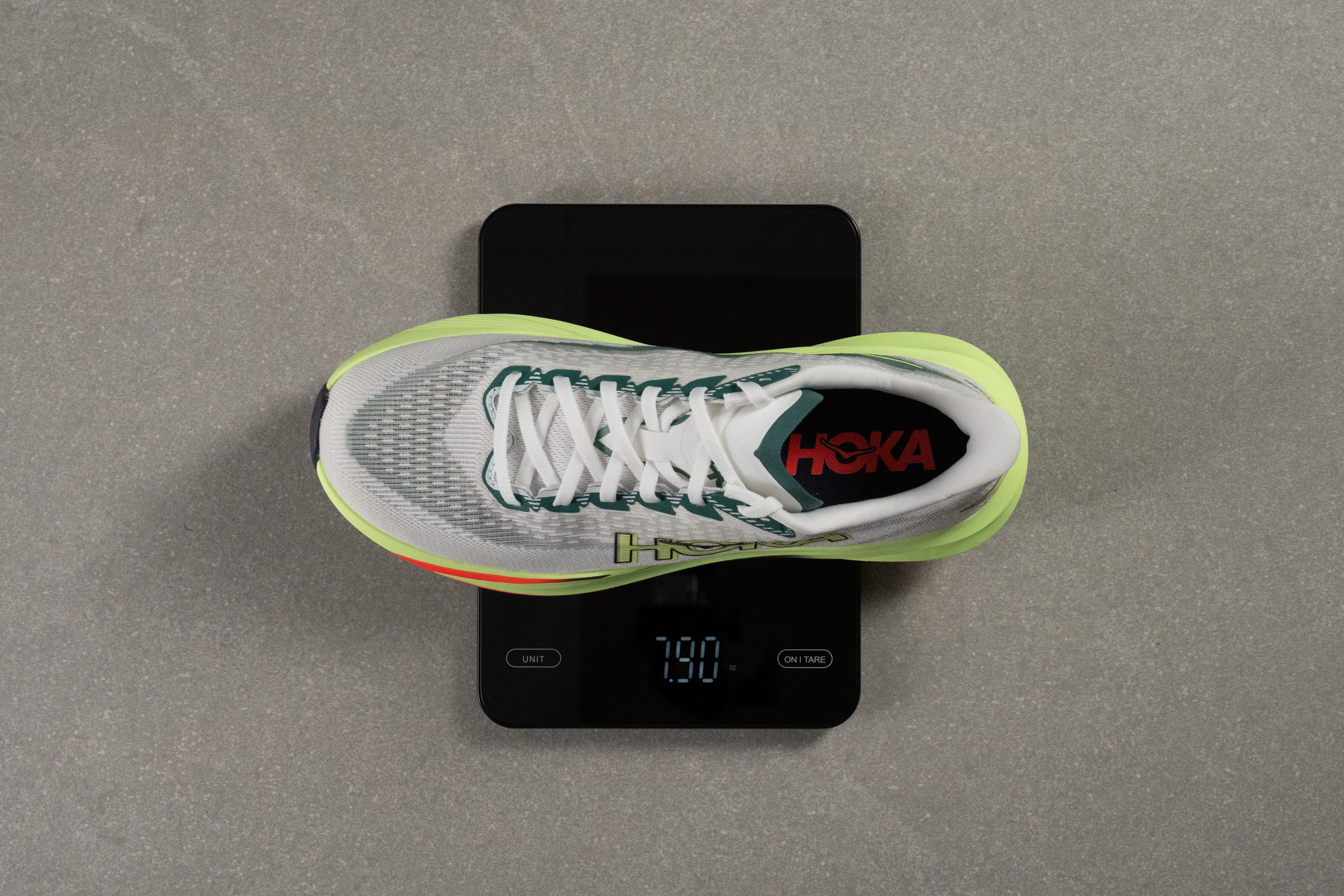
| Mach 7 | 7.9 oz (224g) |
| Media | 9.2 oz (261g) |
Transpirabilidad
Breathability test
HOKA les ha regalado un upper completamente rediseñado a las Mach 7, hecho con una nueva malla jacquard creel de ingeniería. Eso sí, no es la primera vez que la marca utiliza este material, ya que hemos visto su maravilloso rendimiento en otros modelos.
El upper juega un papel importantísimo en cuanto a transpirabilidad. Las Mach 7 obtuvieron un alto resultado de 96 BR en nuestra prueba, demostrándonos su estupenda capacidad para que los pies no tengan el sudor pegado y así mantenerlos secos y cómodos. Y aunque la transpirabilidad depende de las zapatillas en general, no solo de su upper, está claro que esta nueva malla es la reina del espectáculo.
| Mach 7 | 96 BR |
| Media | 75 BR |
Potencial de secado
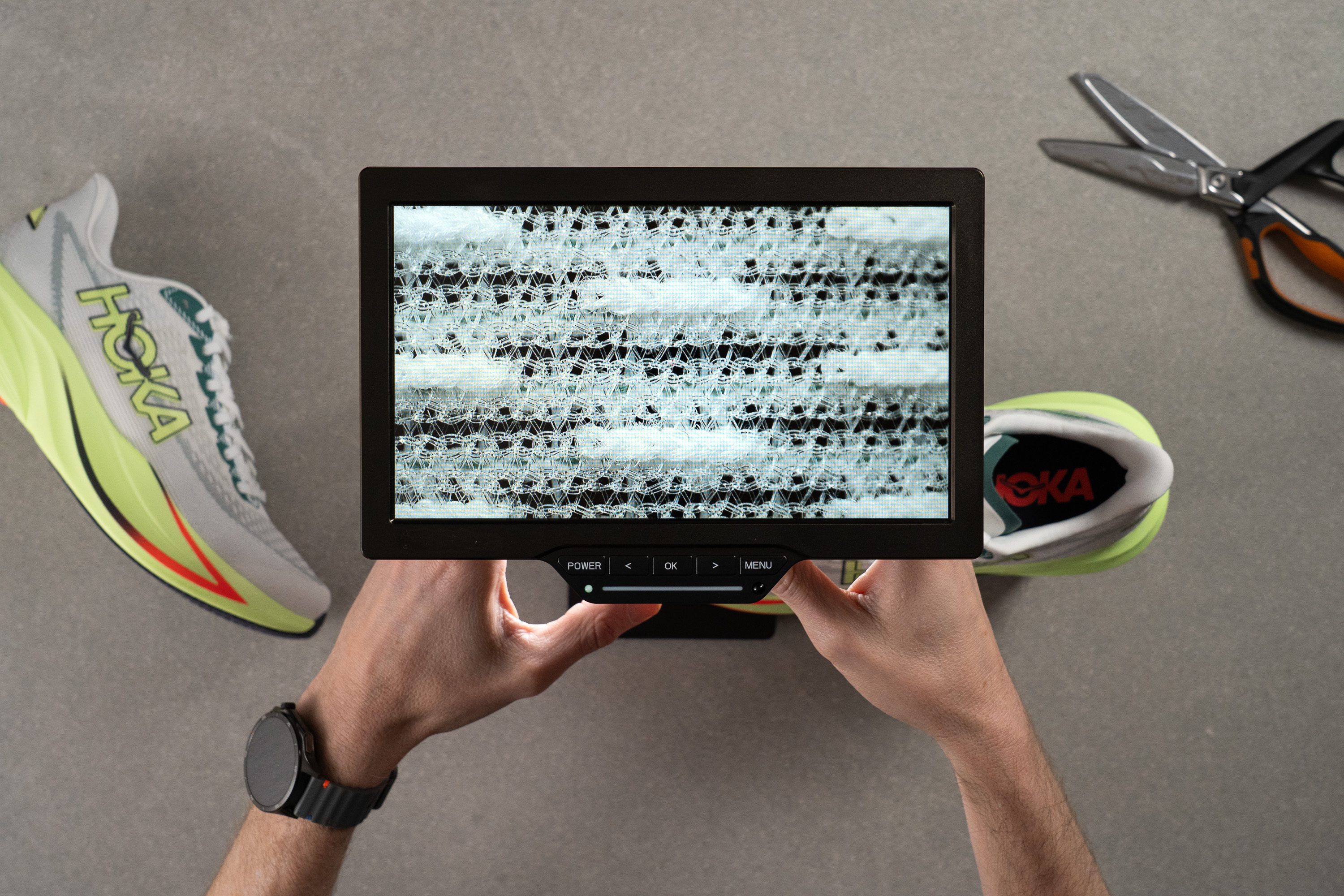
NuevoLas Mach 7 presumen de un potencial de secado del 54 %, pero, a ver, ¿qué significa eso exactamente?
Esta prueba mide cuánta humedad se evapora de las zapatillas durante nuestra prueba de 3 horas. Vamos, que nos indica lo bien que se les da a las zapatillas no retener el sudor con el tiempo. Con un resultado del 54 %, las Mach 7 nos han dejado satisfechos, ya que se les da bien librarse de la humedad y no quedarse mojaditas en las distancias largas.
| Mach 7 | 54% |
| Media | 53% |
Estabilidad
Prueba de estabilidad lateral
Las HOKA Mach 7 siguen siendo una opción neutra dentro de la gama de la marca, así que los runners que estén buscando características de sujeción deberían echarle un ojo a las Arahi 8.
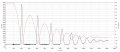
Pero bueno, tampoco describiríamos a las Mach 7 como inestables, ya que su espuma rígida y las paredes laterales de la mediasuela trabajan codo con codo para que la pisada sea estable y controlada.
Rigidez torsional
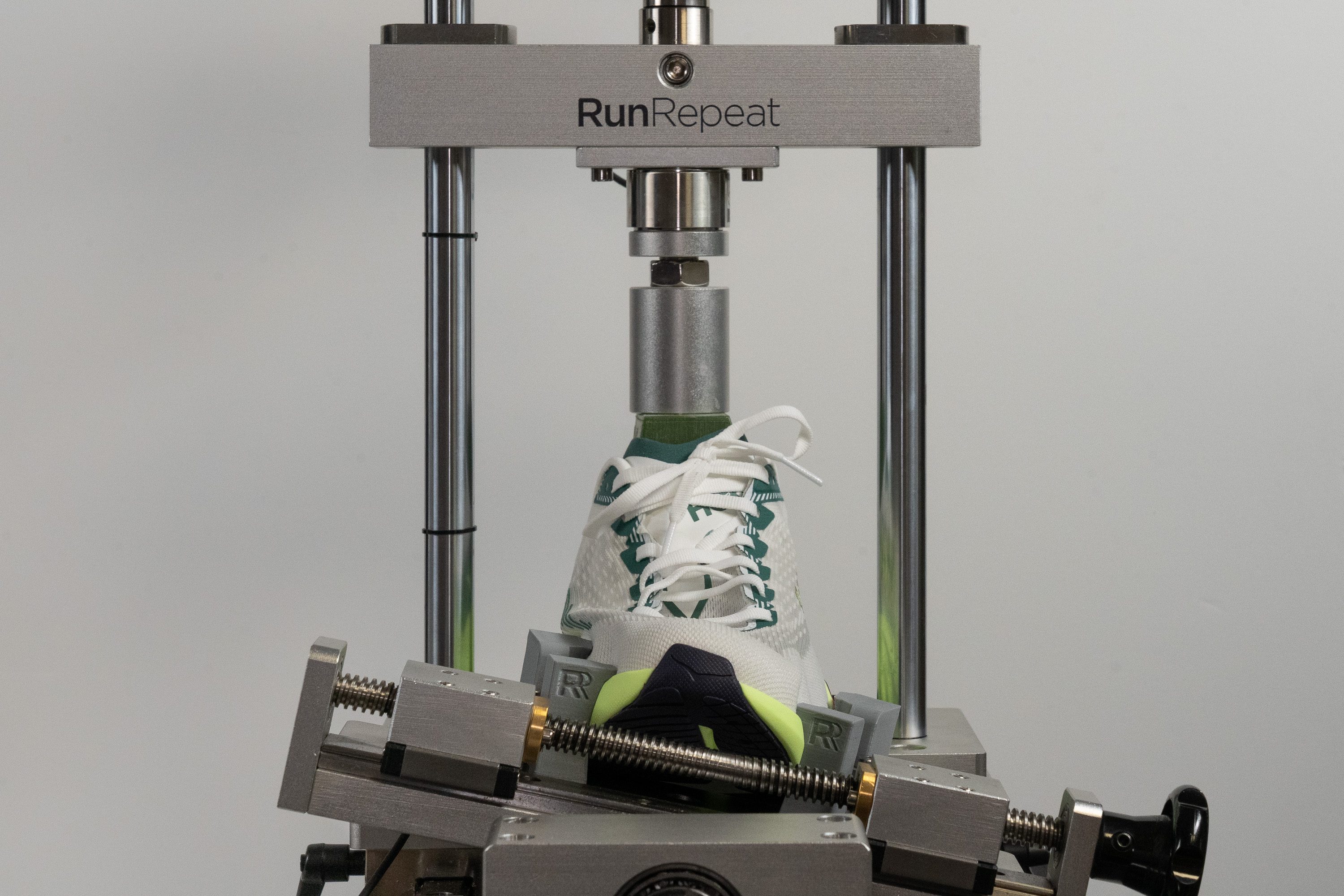
Al igual que en nuestra prueba de rigidez longitudinal, cuando analizamos la rigidez torsional de las Mach 7 nos dimos cuenta de que tienen un diseño conservador en este aspecto, ya que necesitaron 13,6 Nm de fuerza para doblarse, un resultado estándar.
Personalmente, creemos que la marca intentó alejarse de cualquier extremo, y ese enfoque le va como anillo al dedo al carácter versátil que buscaban estas zapatillas.
| Mach 7 | 13.6 Nm |
| Media | 14.3 Nm |
Rigidez del contrafuerte del talón
Aquí nos encontramos con una pequeña sorpresa, ya que las Mach 7 se llevaron un 5/5 en rigidez del contrafuerte del talón. Según nuestra experiencia, este diseño puede no ser ideal para los runners con tendones de Aquiles sensibles o para los que prefieren los aterrizajes más naturales y menos guiados.
Por otro lado, como a esto se le suma el drop alto de las zapatillas, lo más probable es que esta estructura ultrarrígida haga que sean la mejor opción para los talonadores de todos los modelos de la serie Mach que han salido hasta la fecha.
| Mach 7 | 5 |
| Media | 3 |
Anchura de la mediasuela - antepié
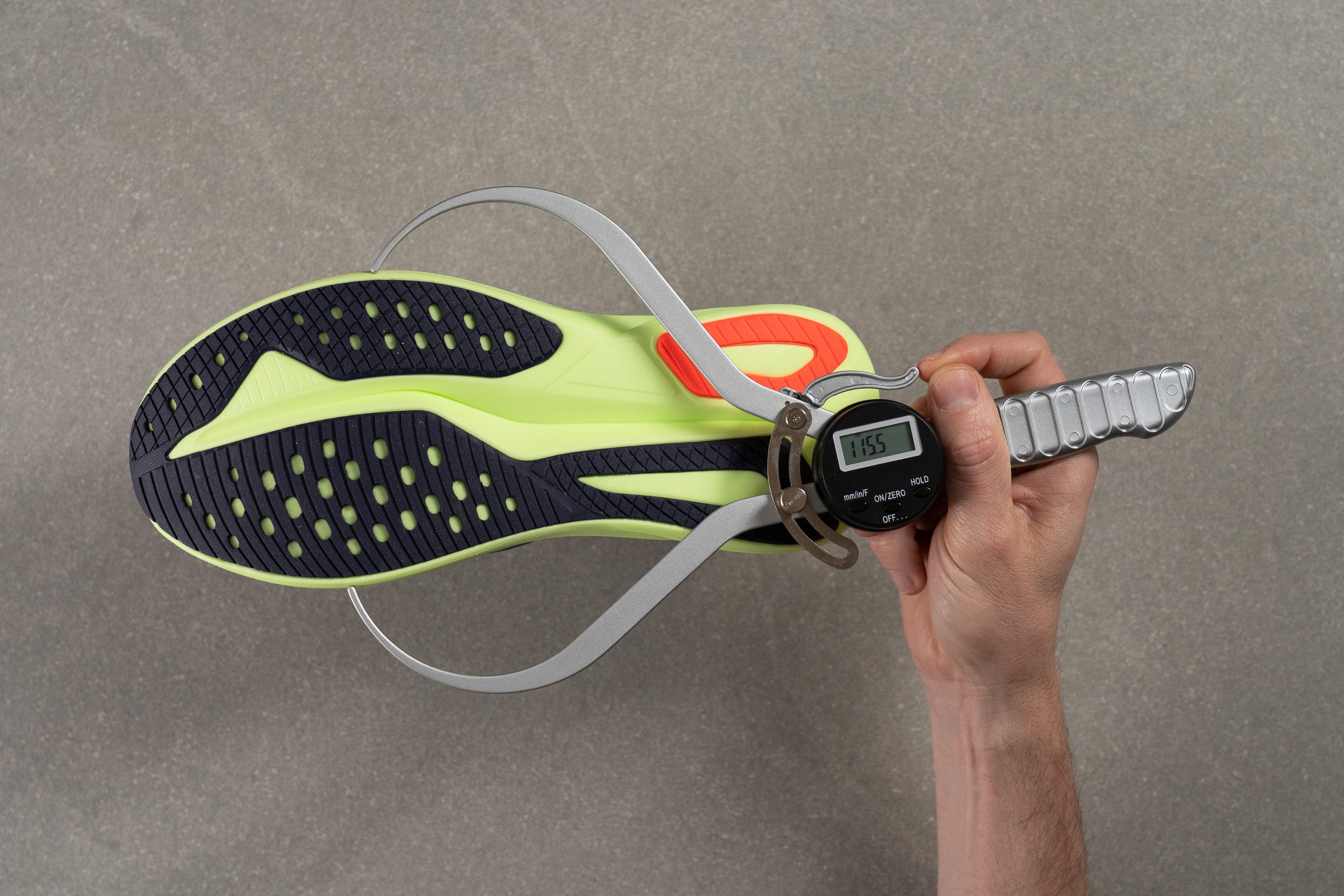
La parte delantera del pie sigue la misma filosofía de diseño sencilla y, una vez más, está dentro de la media con sus 115,5 mm. Nos parece una decisión acertada para las Mach 7, ya que hace que conserven el carácter ágil y dinámico que tanto nos gustó de la versión anterior.
| Mach 7 | 115.5 mm |
| Media | 115.1 mm |
Anchura de la mediasuela - talón
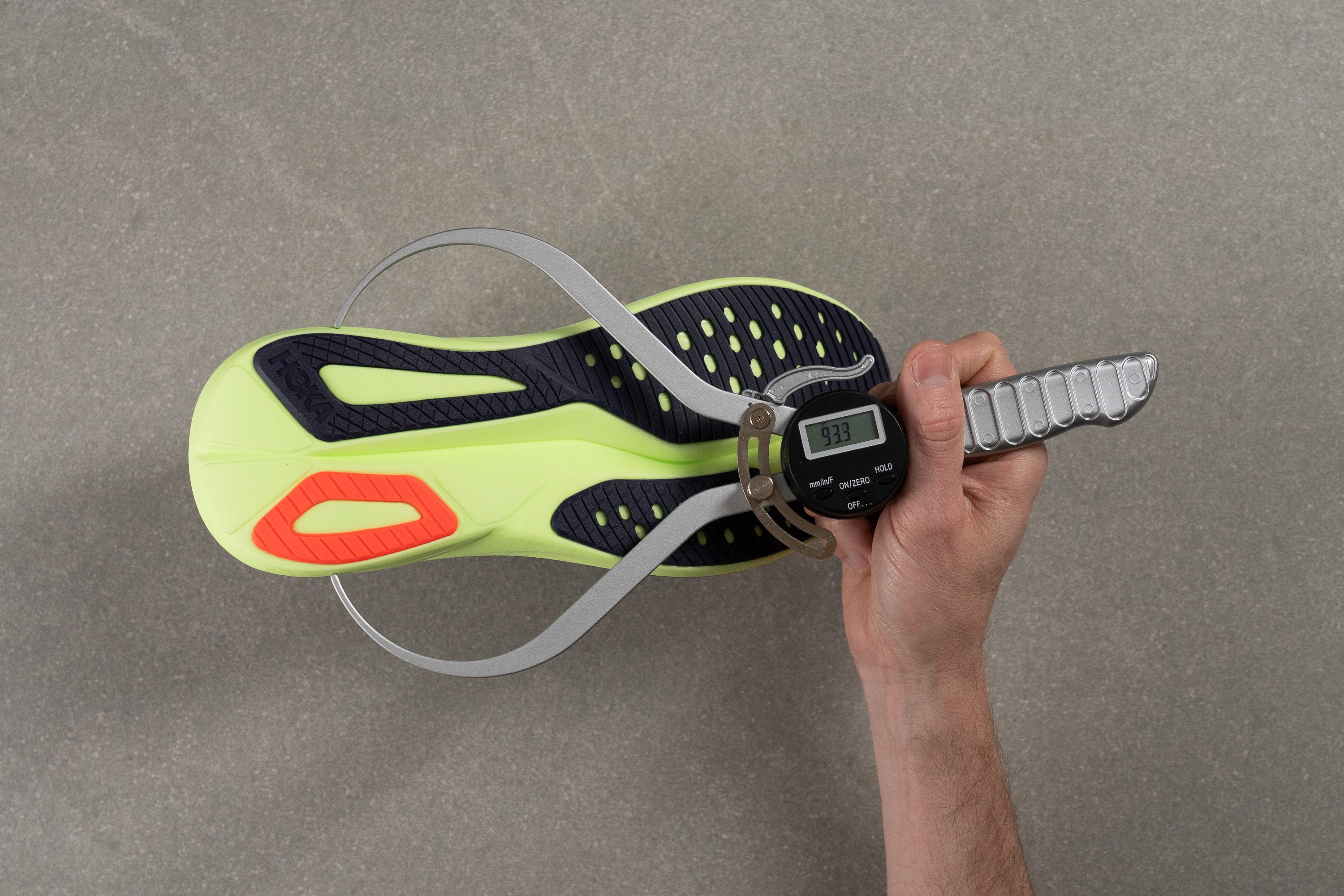
Con una anchura de talón estándar, de 93,3 mm, y un contrafuerte de talón ultrarrígido, las Mach 7 les ofrecen aterrizajes seguros a los corredores neutros.
| Mach 7 | 93.3 mm |
| Media | 91.1 mm |
Durabilidad
Durabilidad de la parte delantera
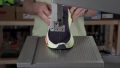
Mira, no te vamos a mentir, ya sospechábamos que una parte delantera tan finita no iba a ser duradera, y nuestro Dremel lo confirmó cuando no tuvimos más remedio que darle un 2/5. Lo bueno es que el resultado no es totalmente catastrófico.
De todos modos, lo más probable es que esto no sea un problema importante para la mayoría de los runners, sobre todo porque antes vimos que presumen de una parte delantera con un generoso volumen vertical. Este espacio extra reduce las posibilidades de que las uñas te rocen contra el upper sin parar y le termines haciendo un agujero.
| Mach 7 | 2 |
| Media | 2.6 |
Durabilidad del acolchado del talón
El acolchado del talón aguantó mucho mejor que la parte delantera en nuestra prueba Dremel, llevándose un merecido 4/5 en durabilidad.
| Mach 7 | 4 |
| Media | 3.4 |
Durabilidad de la suela
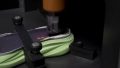
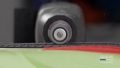
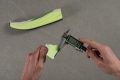
Cuando le dimos caña a la suela con el Dremel y medimos su desgaste, vimos que había perdido 1,1 mm de material. Personalmente, nos parece un resultado perfectamente aceptable, aunque todavía está lejos de destacar en cuanto a durabilidad.
| Mach 7 | 1.1 mm |
| Media | 1.1 mm |
Grosor de la suela
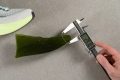
Que un modelo de entrenamiento diario sea tan ligero, quieras o no, viene de la mano con algunos sacrificios, y uno de ellos es este: la suela exterior tiene un grosor de solo 2,3 mm, que es un poquito menos que la media.
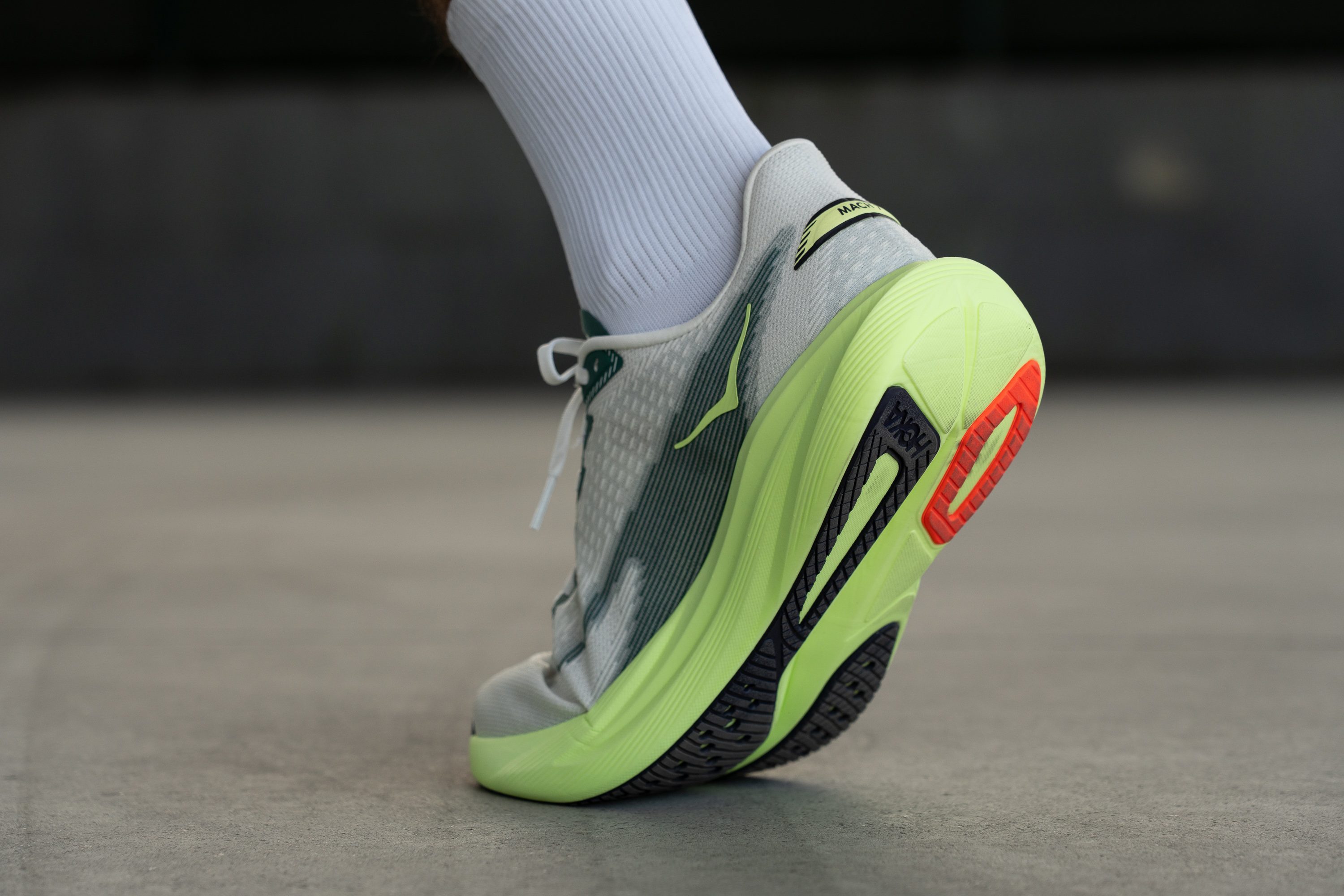
Eso sí, este diseño viene con una ventaja extra, y es utilizar un caucho finito en la suela hace que la pisada esté más conectada con el suelo y que seas más consciente del terreno que pisas, reduciendo esa sensación más filtrada de algunos modelos de entrenamiento que tienen suelas exteriores muy gruesas.
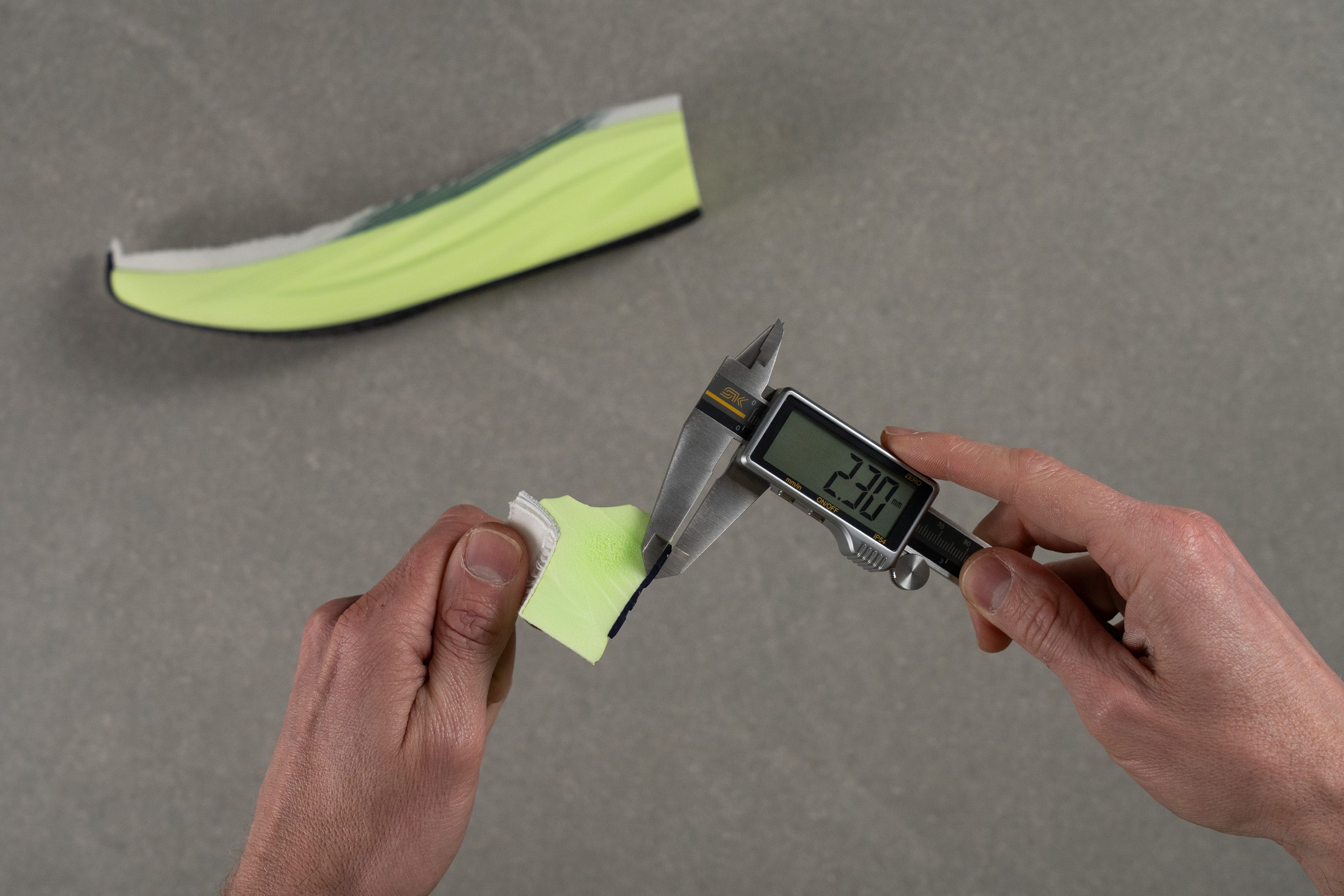
| Mach 7 | 2.3 mm |
| Media | 3.1 mm |
Varios
Grosor de la plantilla
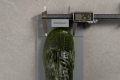
La plantilla es bastante estándar en general, y nuestros calibres lo confirmaron al marcar un grosor habitual de 4,4 mm.
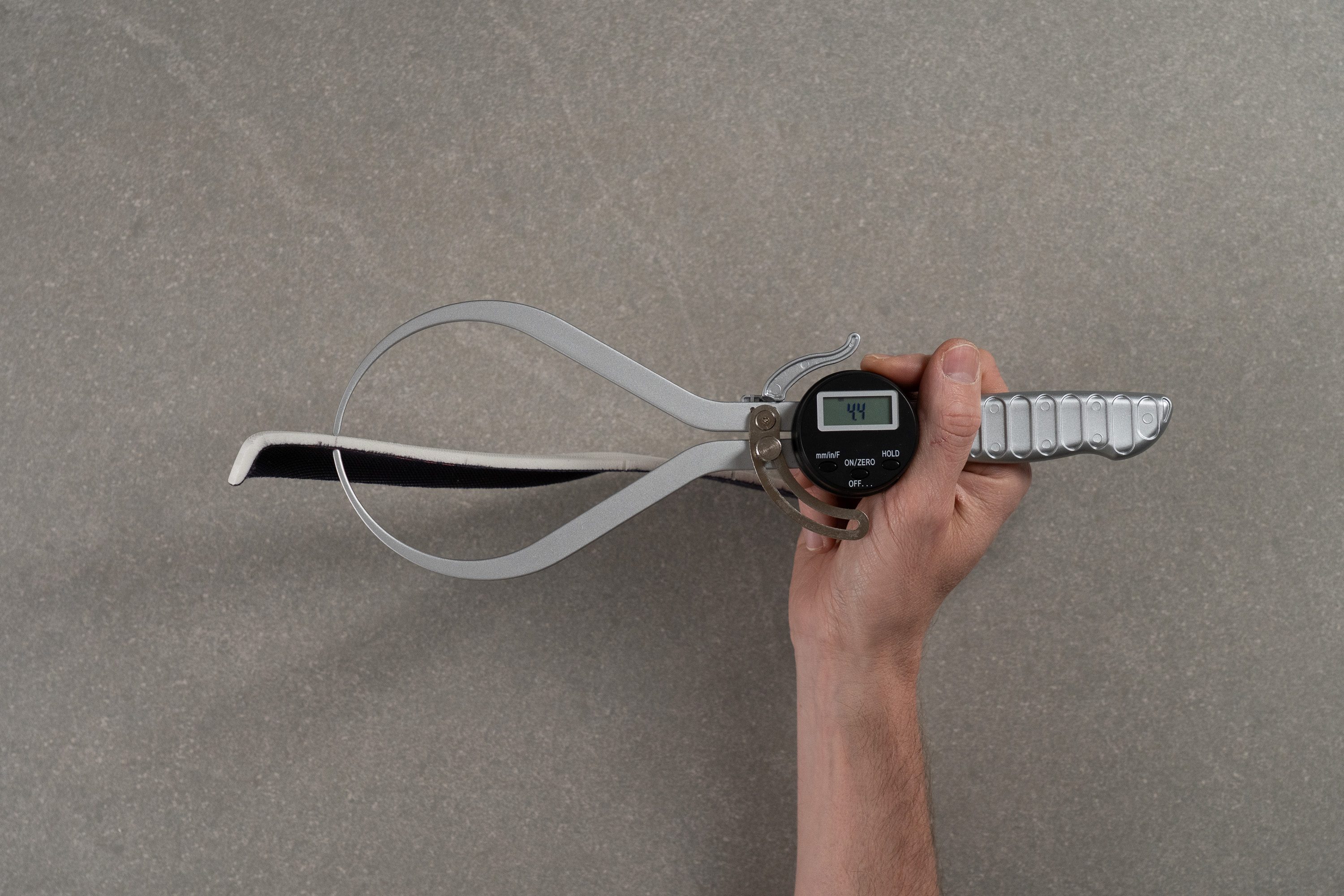
| Mach 7 | 4.4 mm |
| Media | 4.4 mm |
Plantilla extraíble
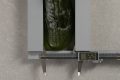
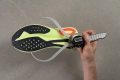
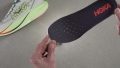
La plantilla es completamente extraíble, así que cambiarla por otra es pan comido... siempre que encaje correctamente dentro de las Mach 7. Eso sí, hacerlo significa que pierdes el diseño perforado de la parte delantera de la plantilla original, que hace que las zapatillas sean un poquito más transpirables.
| Mach 7 | Sí |
Elementos reflectantes
Los conductores que se te acerquen por detrás verán estas HOKA sin problema, ya que tienen elementos reflectantes. Como siempre decimos, es algo que nos encanta, ya que mejoran la seguridad al correr.
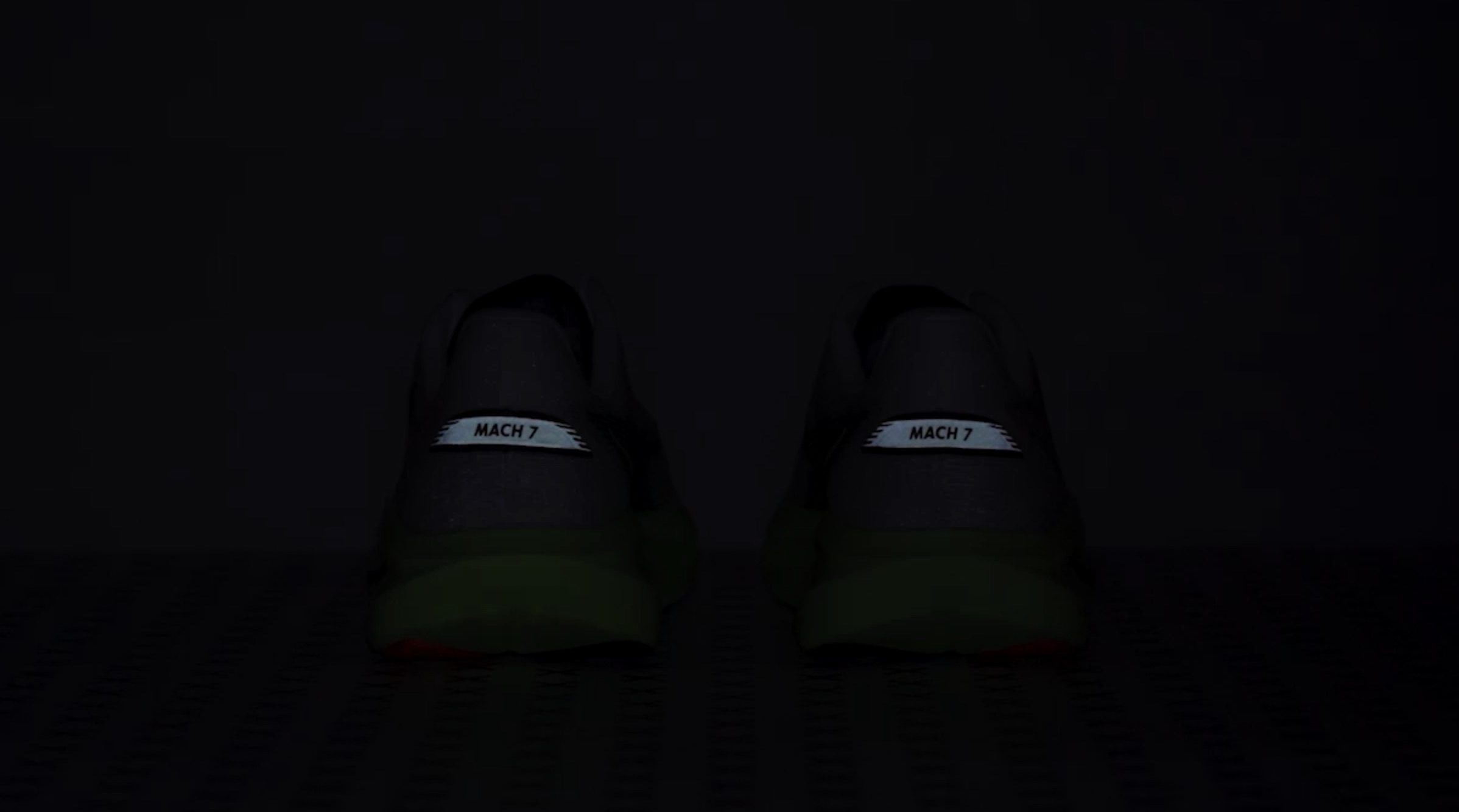
| Mach 7 | Sí |
Acolchado de la lengüeta
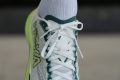
Las Mach 7 se centran en pesar menos, y tanto el sistema de cordones como la lengüeta lo saben, ya que ambos elementos tienen un diseño sencillo que pone el rendimiento al correr por encima de la comodidad al calzarse en su lista de prioridades.
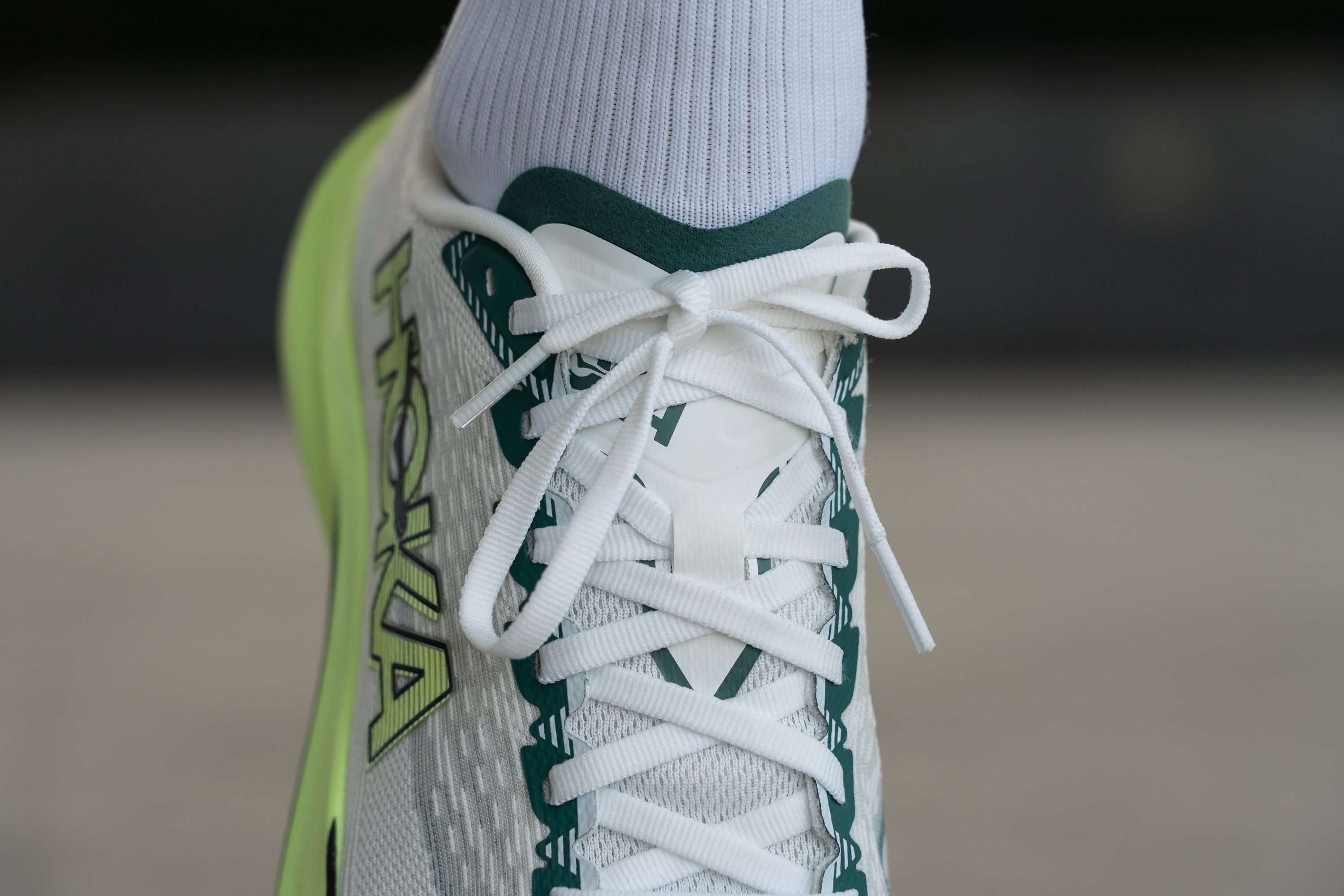
La lengüeta tiene un acolchado de solo 3,1 mm, así que estas zapatillas son una opción estupenda para los runners a los que no les gustan las lengüetas enormes que se parecen a las de las sneakers. Personalmente, creemos que estas HOKA están diseñadas como un modelo que se centra, antes de nada, en correr, dejando en un segundo plano su uso en el día a día.
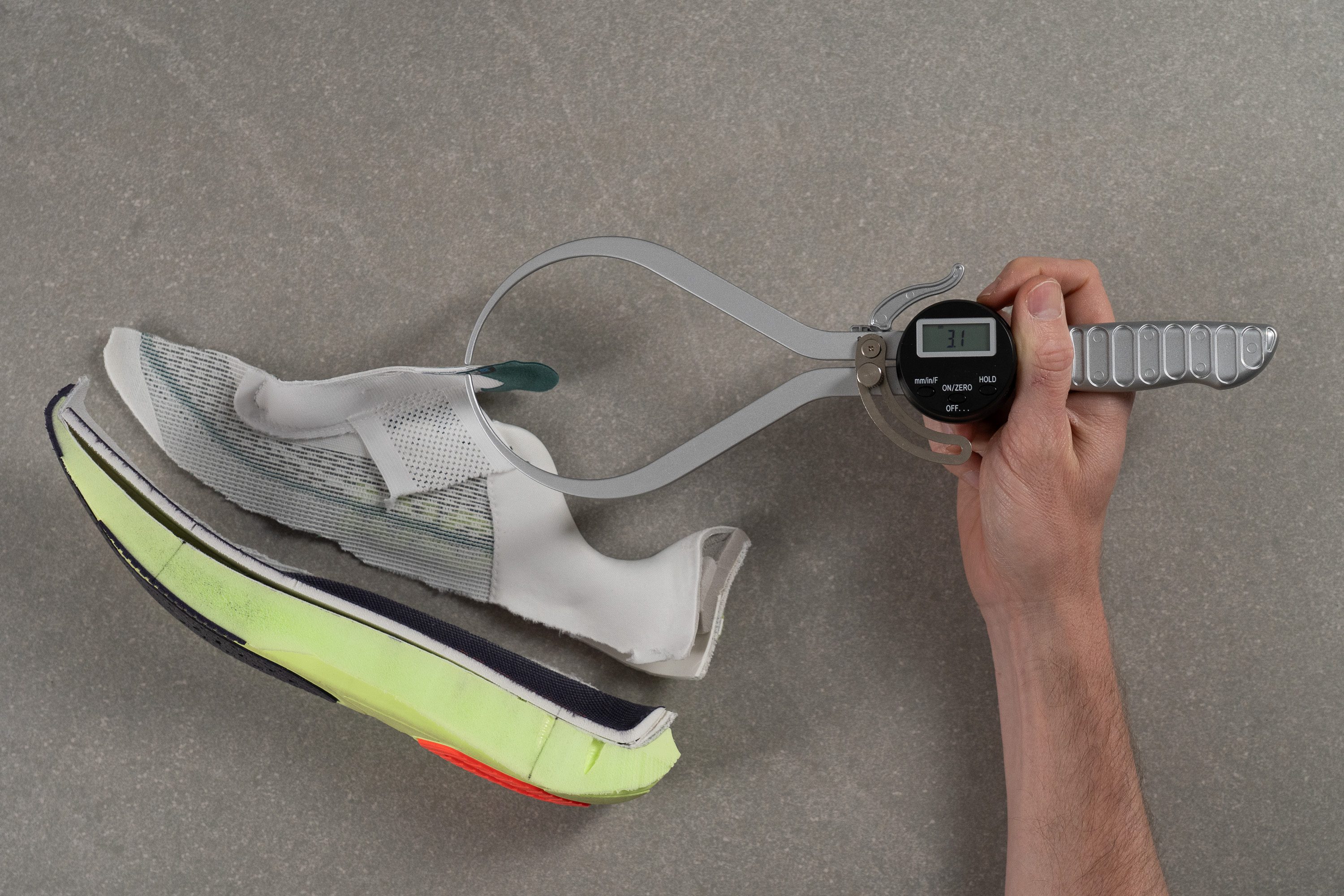
| Mach 7 | 3.1 mm |
| Media | 5.8 mm |
Lengüeta: tipo de refuerzo
La lengüeta de las Mach 7 está reforzada, y eso nos encanta. Además, presume de un diseño estupendo que no añade mucho peso y que casi no afecta negativamente al flujo de aire, a la vez que no se mueve de su sitio.
En nuestra opinión, este es el tipo de solución ligera pero eficaz que muchas otras marcas deberían utilizar.
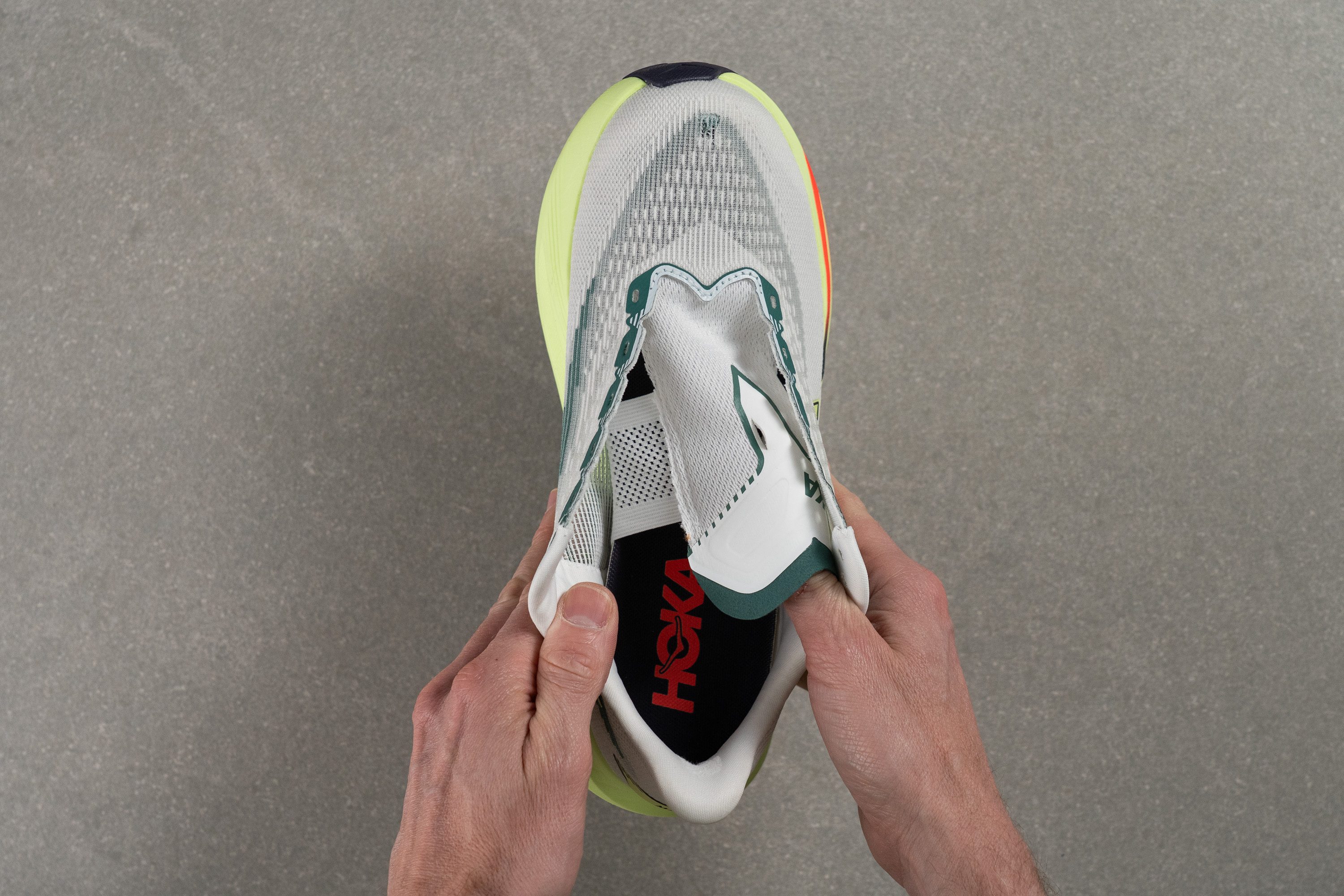
| Mach 7 | Ambos lados (semi) |
Tirador del talón
Las HOKA Mach 7 no tienen un tirador en el talón, pero sí que cuentan con un diseño extendido en esa zona, con material suficiente para que lo agarres al calzarte. Y no, no es ese cuello en plan cola de golondrina que vimos en los modelos de HOKA de hace unos años.
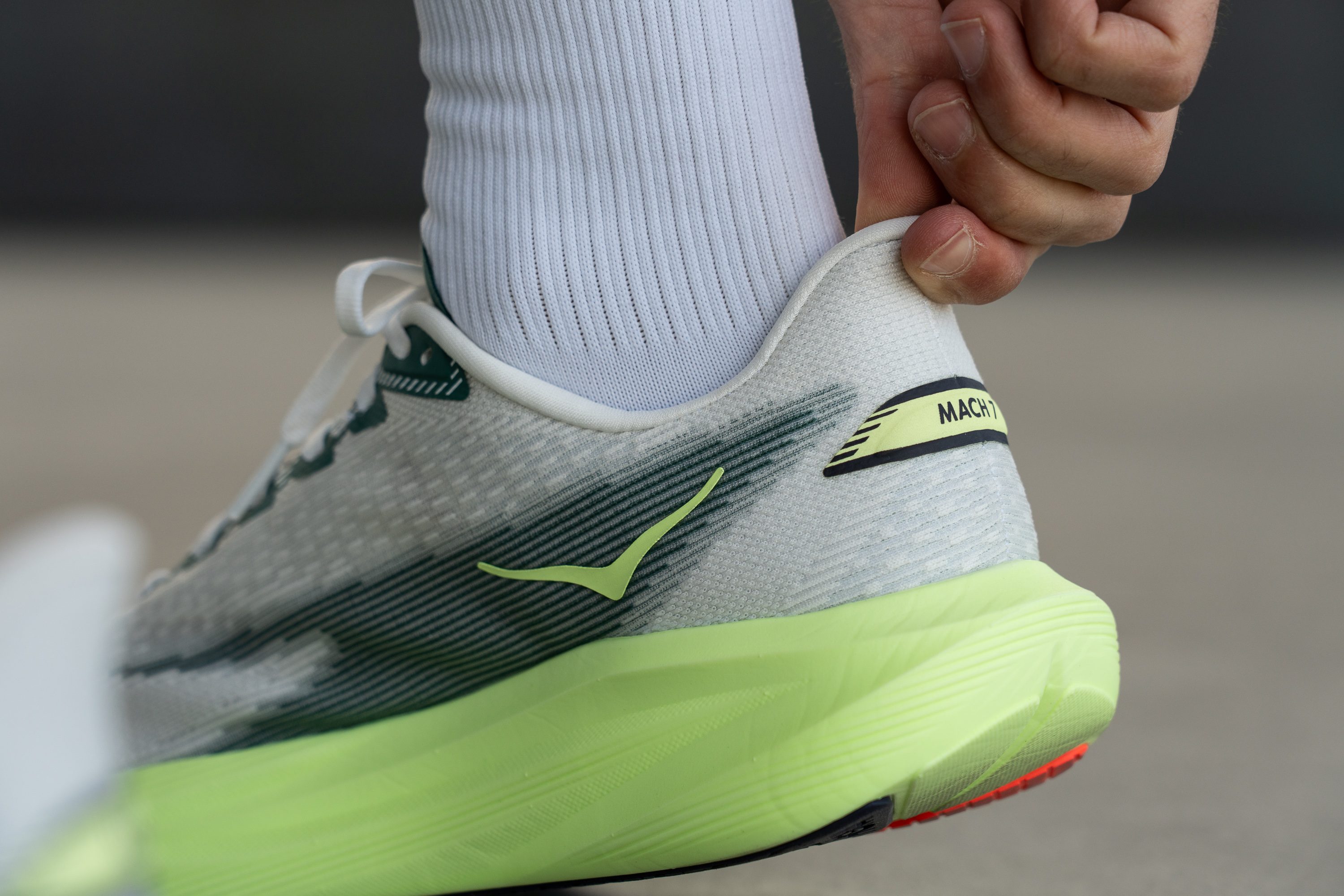
| Mach 7 | Ninguno |
Precio
Al igual que muchas otras marcas, HOKA sigue aumentando los precios, y las Mach 7 no iba a ser una excepción.
Pero claro, teniendo en cuenta que la versión anterior salió en 2024 y que esta viene con bastantes mejoras, la relación calidad-precio de este modelo nos sigue pareciendo bastante sólida.
| Mach 7 | $145 |