
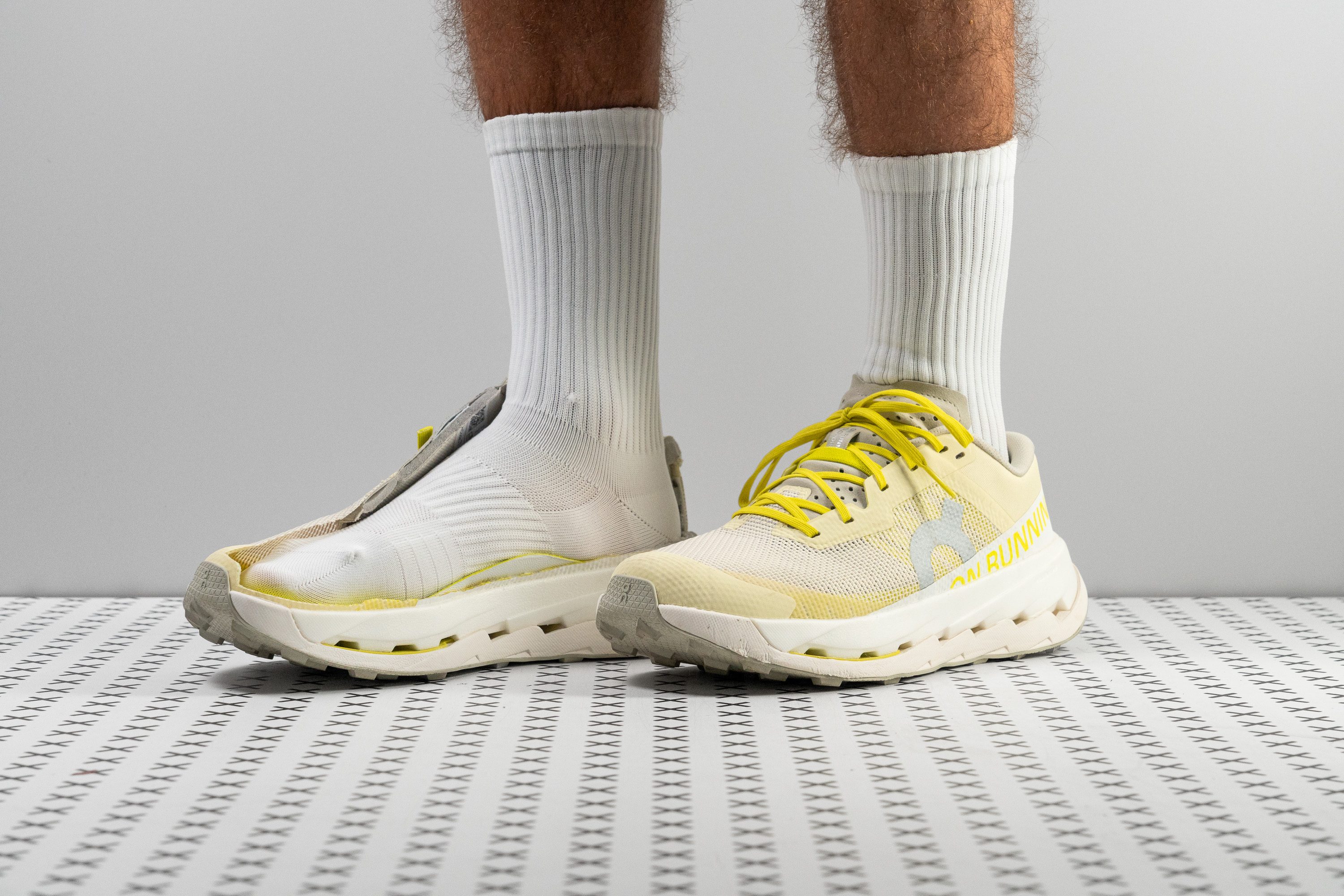


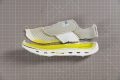
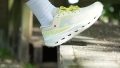

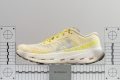


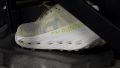











Our verdict
- Gravel 87
- Versatile 65
- Technical 33
Pros
- Stable and predictable ride
- Major upgrade over version 2
- Excellent build quality
- Secure, tight fit
- Versatile option for mixing running and hiking
- Very good durability
- Ideal for gravel running or easy trails
- Well-designed rocker
- Reasonable comfort-to-weight ratio
- Beautiful design
- Top breathability score
Cons
- Limited bounce
- Price is too high for its features
- Needs a Vibram outsole
Comparison
The most similar running shoes compared
+ + Add a shoe | |||||
|---|---|---|---|---|---|
| Our score | 81 Great | 84 Great | 86 Great | 76 Good | |
| Price | $190 | $170 | $160 | $170 | |
| Trail terrain | Gravel / Road-to-trail | Gravel / Road-to-trailVersatile / Moderate terrain | Gravel / Road-to-trail | Gravel / Road-to-trail | |
| Shock absorption | Moderate | Moderate | High | Low | |
| Energy return | Low | High | High | Moderate | |
| Traction | High | High | High | High | |
| Arch support | Neutral | Neutral | Neutral | Neutral | |
| Weight lab Weight brand | 9.8 oz / 278g 10.4 oz / 295g | 9.9 oz / 281g 9.3 oz / 265g | 9.9 oz / 281g 9.5 oz / 268g | 10.1 oz / 286g 9.7 oz / 275g | |
| Drop lab Drop brand | 5.4 mm 6.0 mm | 6.8 mm 6.0 mm | 3.4 mm 6.0 mm | 5.4 mm 4.0 mm | |
| Strike pattern | Mid/forefoot | Mid/forefoot | Mid/forefoot | Mid/forefoot | |
| Size | Slightly large | - | Slightly large | - | |
| Midsole softness | Firm | Balanced | Balanced | Firm | |
| Difference in midsole softness in cold | Small | Small | Small | Small | |
| Plate | Rock plate | Rock plate | ✗ | Rock plate | |
| Toebox durability | Very good | Good | Bad | Very good | |
| Heel padding durability | Decent | Decent | Good | Good | |
| Outsole durability | Good | Good | Good | Good | |
| Breathability | Breathable | Moderate | Moderate | Warm | |
| Width / fit | Medium | Medium | Medium | Wide | |
| Toebox width | Medium | Medium | Medium | Wide | |
| Stiffness | Moderate | Stiff | StiffModerate | Flexible | |
| Torsional rigidity | Moderate | Stiff | Moderate | Flexible | |
| Heel counter stiffness | Flexible | Stiff | Moderate | Flexible | |
| Lug depth | 3.0 mm | 3.2 mm | 3.0 mm | 3.5 mm | |
| Heel stack lab Heel stack brand | 32.1 mm 32.0 mm | 31.3 mm 34.0 mm | 31.8 mm 39.0 mm | 25.5 mm 21.0 mm | |
| Forefoot lab Forefoot brand | 26.7 mm 26.0 mm | 24.5 mm 28.0 mm | 28.4 mm 33.0 mm | 20.1 mm 17.0 mm | |
| Widths available | Normal | NormalWide | NormalWide | NormalWide | |
| For heavy runners | ✓ | ✗ | ✓ | ✗ | |
| Season | SummerAll seasons | All seasons | All seasons | All seasons | |
| Removable insole | ✓ | ✓ | ✓ | ✓ | |
| Orthotic friendly | ✓ | ✓ | ✓ | ✓ | |
| Ranking | #204 Bottom 49% | #141 Top 36% | #95 Top 24% | #312 Bottom 22% | |
| Popularity | #273 Bottom 31% | #230 Bottom 42% | #219 Bottom 45% | #378 Bottom 5% |


Who should buy
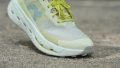
After testing the On Cloudultra 3 in the lab and on trails, we concluded that:
- Runners looking for a major step up from the Cloudultra 2 will appreciate its new midsole and improved overall design.
- Anyone seeking a trail shoe with a stable, predictable ride will love the Cloudultra 3.
- Those with deep pockets who value high-quality materials should check it out.
- Anyone who prefers firm foam underfoot should feel right at home.
Who should NOT buy
We were a bit disappointed by the On Cloudultra 3’s low energy return. If you want more bounce from a trail shoe, we suggest checking out the On Cloudultra Pro or Nike ACG Ultrafly Trail instead.
We also believe that the Cloudultra 3’s price will be difficult to justify for many, especially considering its limited traction compared with several rivals. Instead, the ASICS Trabuco 14 or adidas Terrex Agravic Speed seem like trail shoes with much better value.
Cushioning
Shock absorption
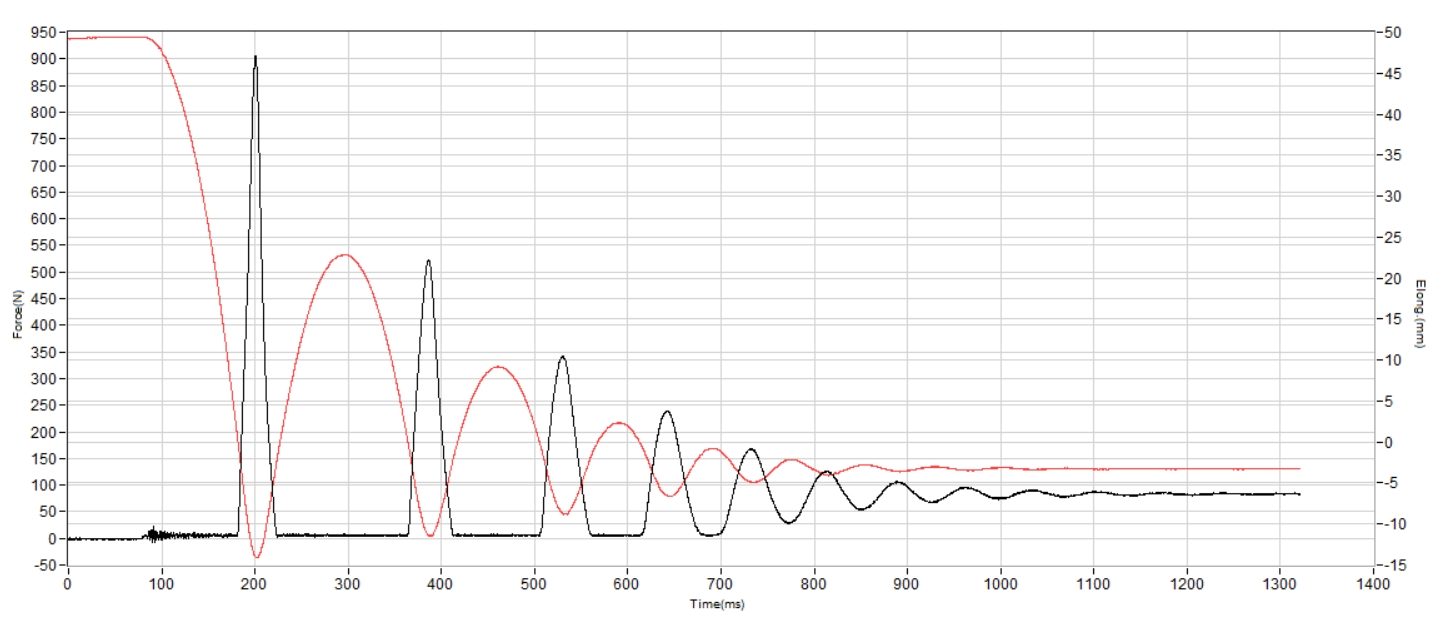
The On Cloudultra 3 has the word ultra in its name, and we think its shock absorption (124 SA / 110 SA) provides enough protection for most ultra events. However, heavier runners may prefer a shoe with slightly more cushioning underfoot.
| Cloudultra 3 | 124 SA |
| Average | 123 SA |
Energy return
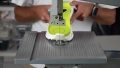
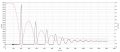
What we found disappointing was the energy return. Considering that Helion HF foam delivers good bounce in some On shoes, we certainly expected more than the 50.9% measured in the heel and 54.0% in the forefoot.
| Cloudultra 3 | 54.0% |
| Average | 59.7% |
Heel stack
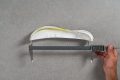
After finding a moderate result in our shock absorption test and based on how the shoe felt during our test runs, we were pretty sure that the On Cloudultra 3 is far from being a max-stack shoe. Back in the lab, we confirmed this with a heel stack height of 32.1 mm.
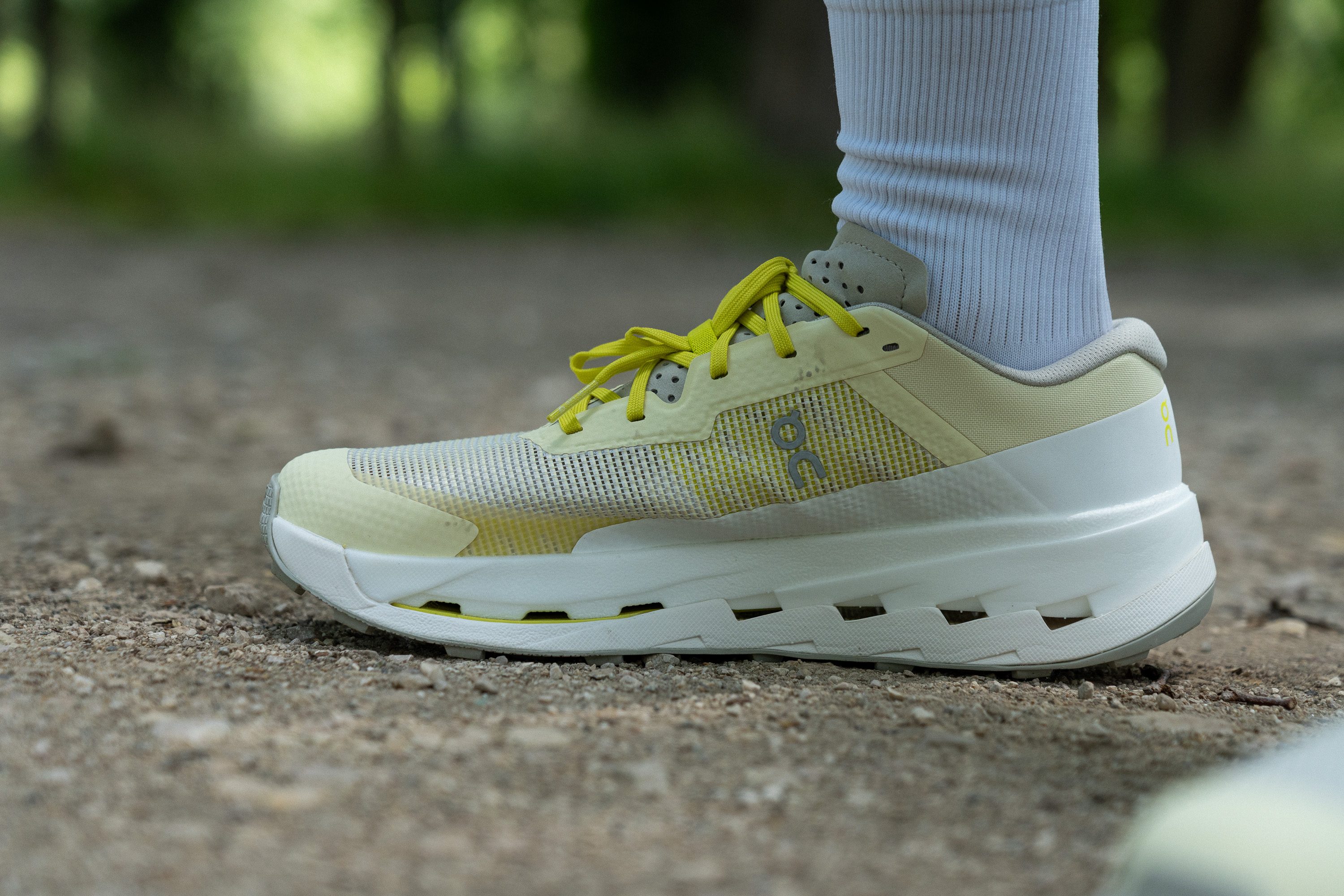
In our view, this relatively moderate stack height provides a good balance between underfoot protection and a more grounded ride.
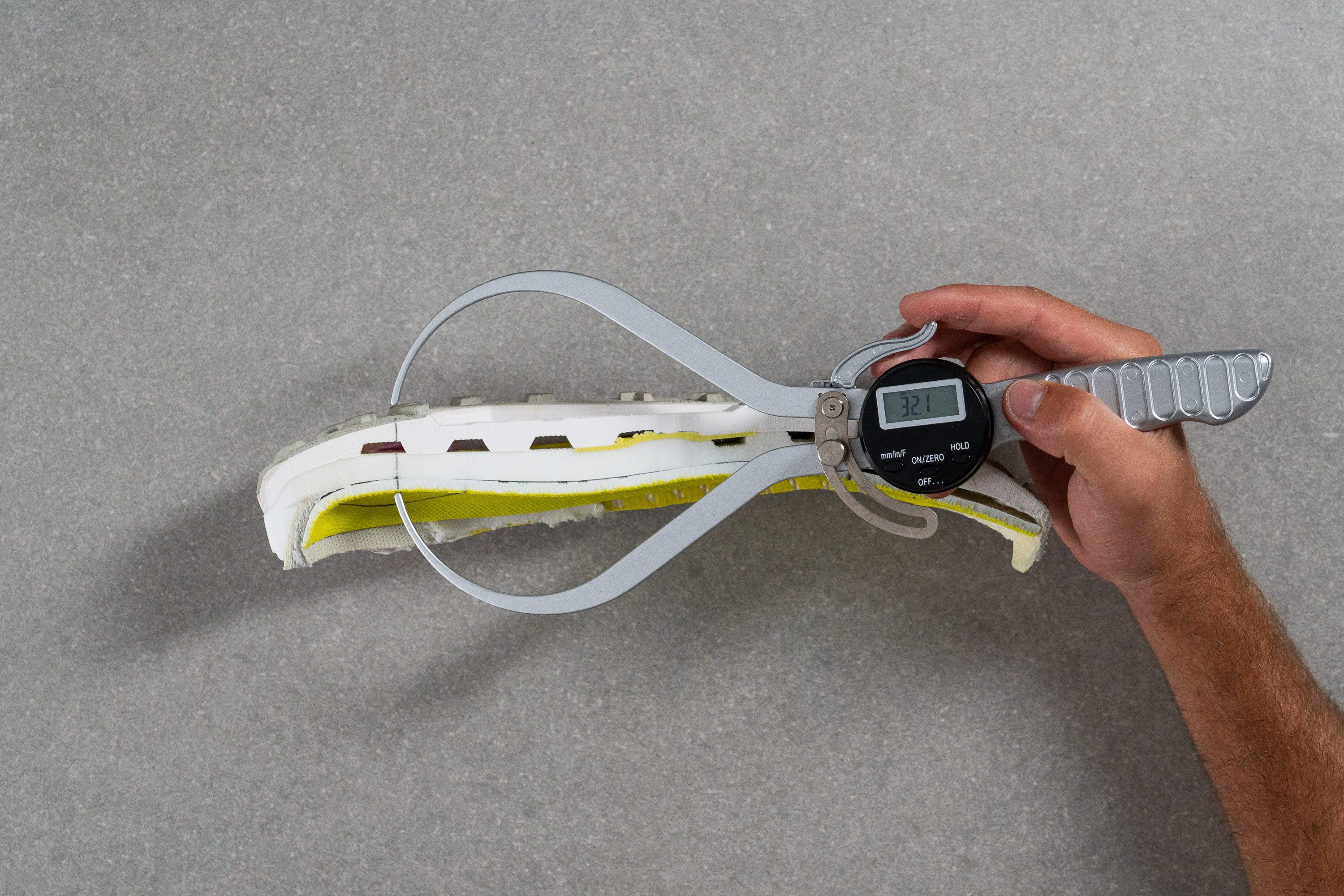
| Cloudultra 3 | 32.1 mm |
| Average | 33.1 mm |
Forefoot stack
The forefoot also left us with no surprises. It provides good protection (26.7 mm) while staying below 30 mm, which makes it easier to maneuver and more appealing for hiking.
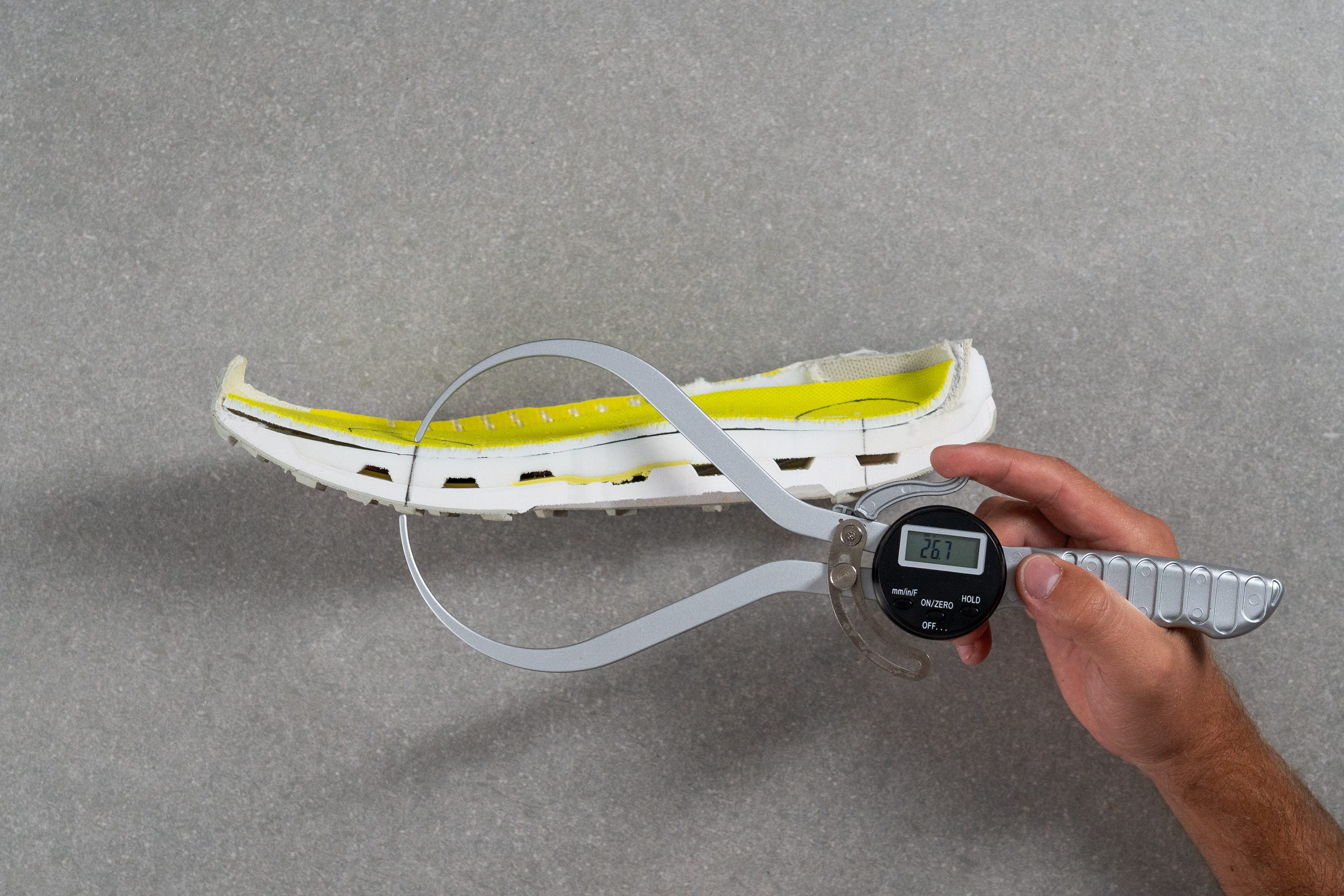
| Cloudultra 3 | 26.7 mm |
| Average | 25.8 mm |
Drop
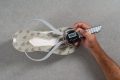
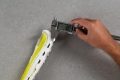
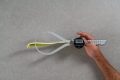
On is one of the easiest brands to trust when it comes to the heel-to-toe drop, as we usually find measurements that closely match its claims. The Cloudultra 3 is a good example, with our digital calipers measuring 5.4 mm, just 0.6 mm shy of the 6 mm claimed by the Swiss brand.
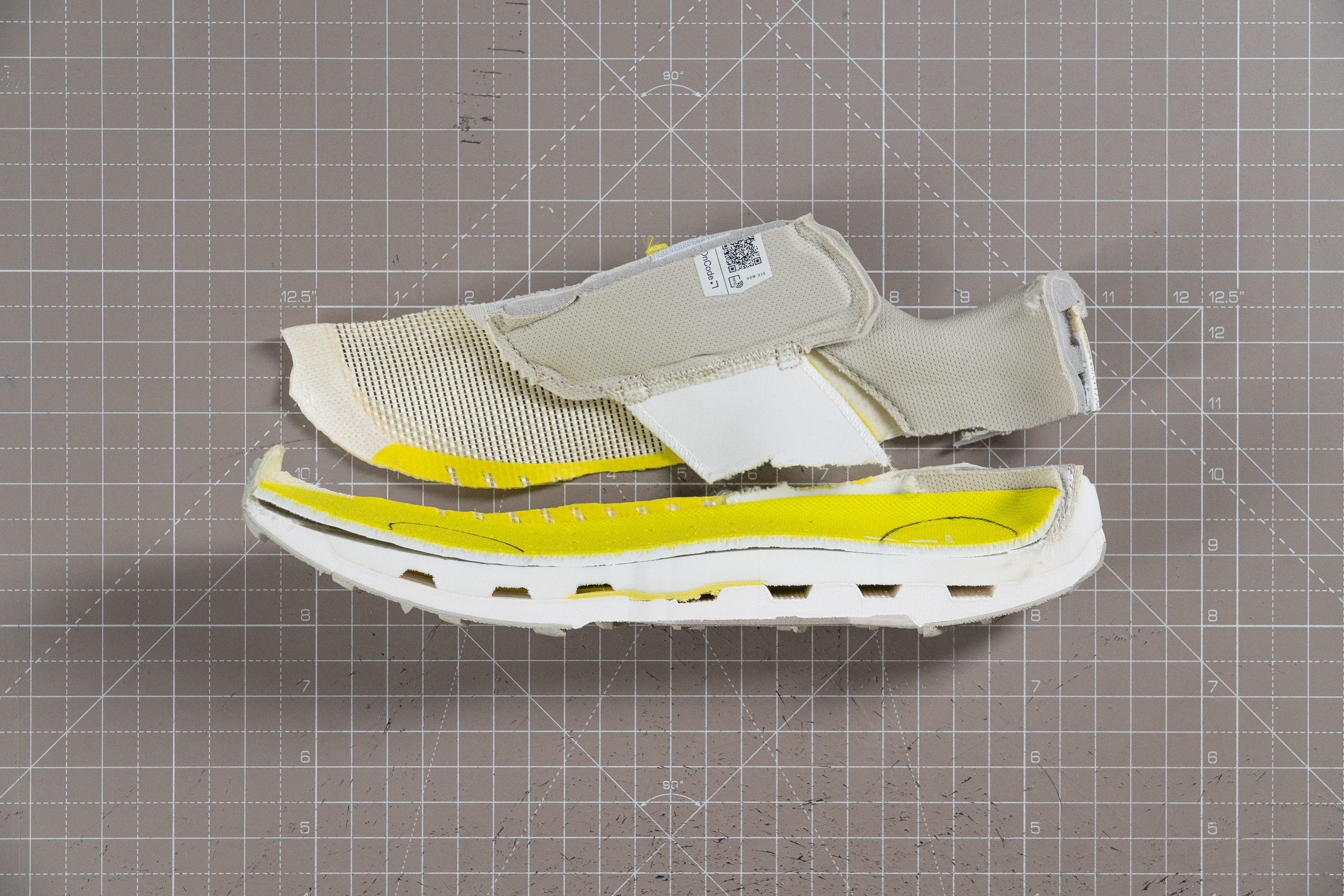
| Cloudultra 3 | 5.4 mm |
| Average | 7.3 mm |
Midsole softness
Another area where the Cloudultra 3 screams On is its high durometer score and the firm feel it delivers during runs.
Pressing our Asker C durometer against the Helion HF foam and hitting the button returned 50.6 AC, one of the highest readings we’ve ever recorded in the lab!
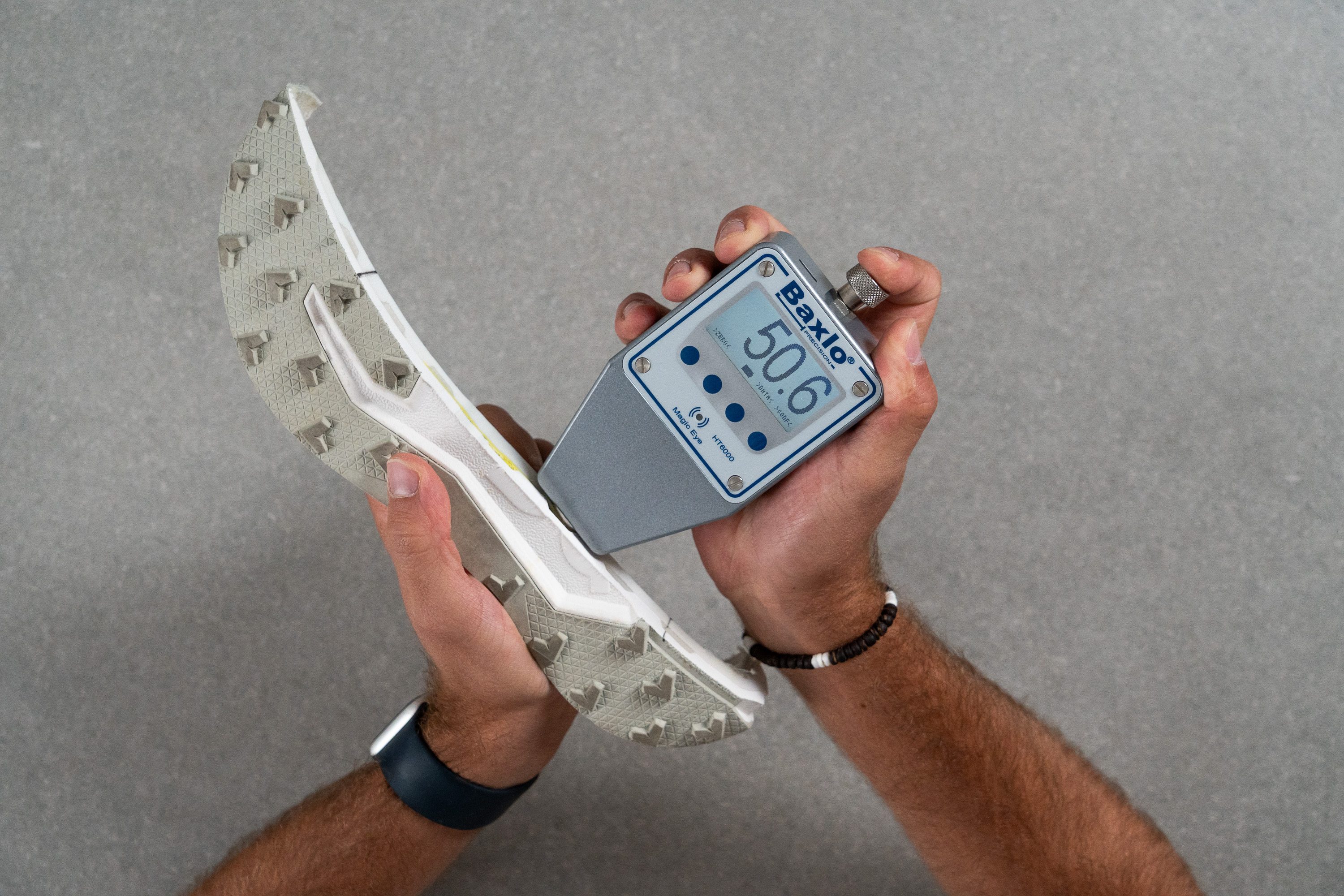
| Cloudultra 3 | 50.6 AC |
| Average | 38.3 AC |
Rocker
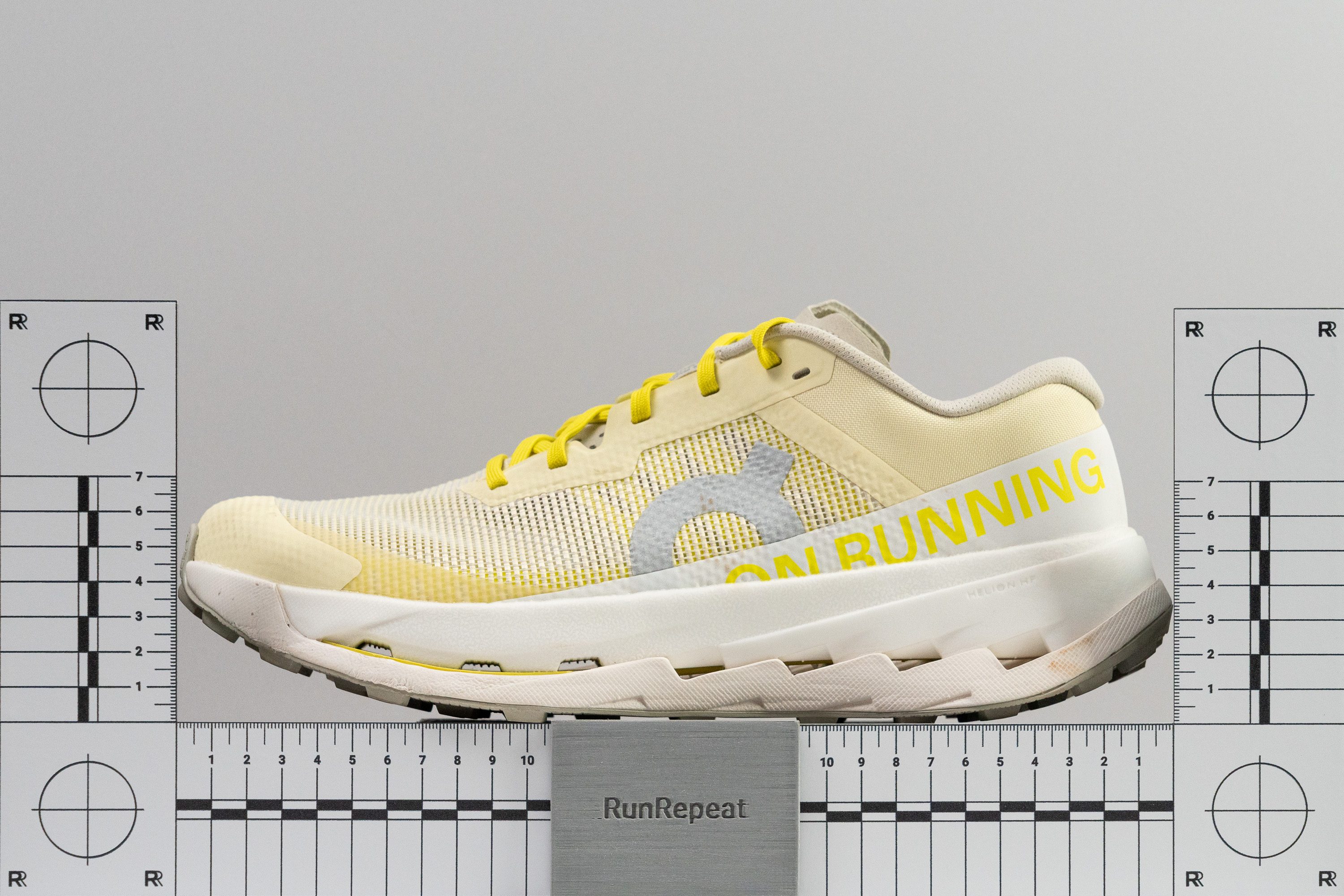
The On Cloudultra 2 was well known for its rockered midsole, and On preserves that design in version 3. While the forefoot rocker isn’t particularly aggressive, the midsole clearly encourages a forward-rolling motion, suggesting that On designed this shoe with easy trails in mind rather than technical terrain.
Plate
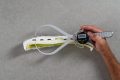
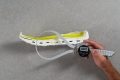
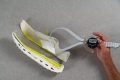
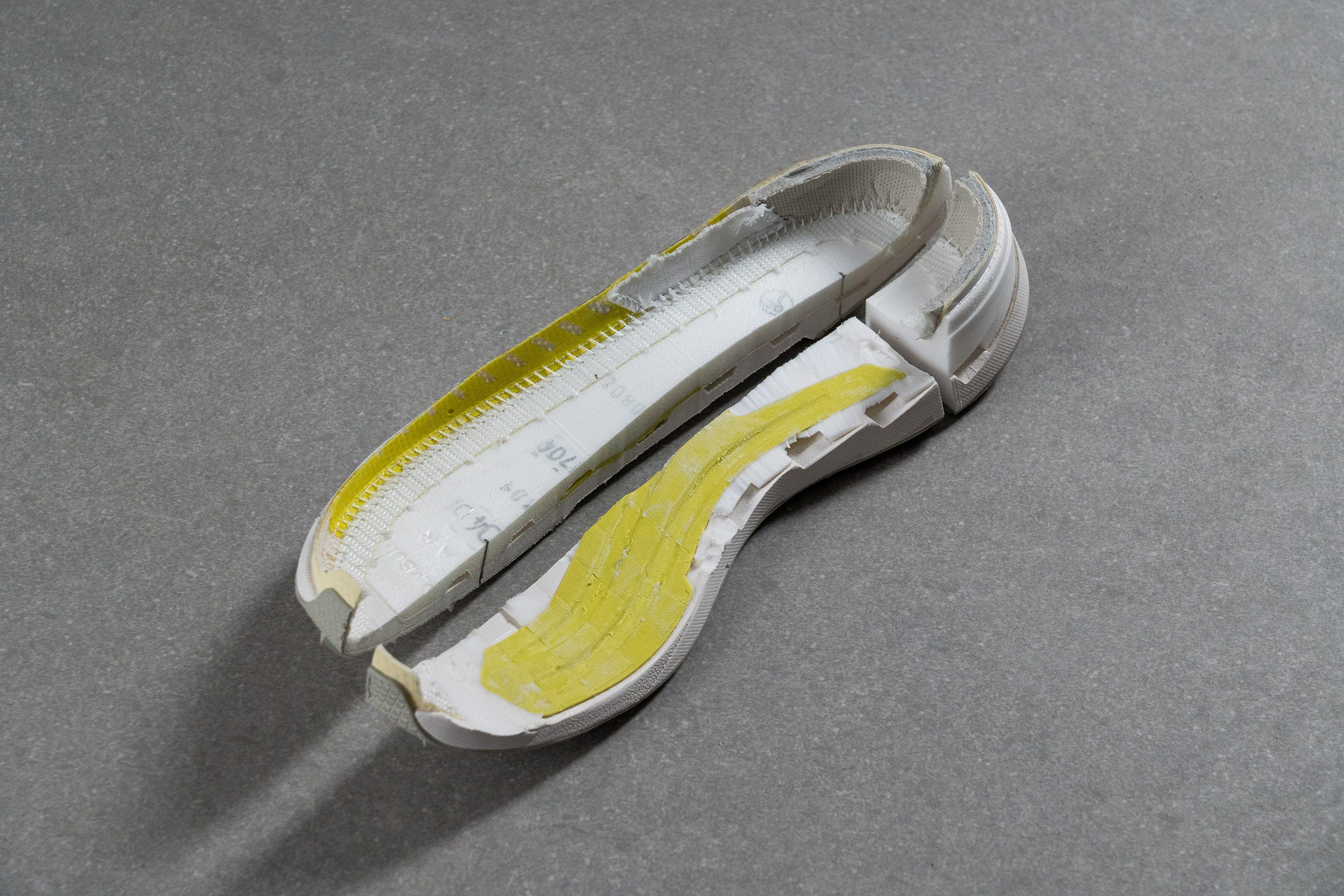
On has used a Speedboard plate here, just as it does in many of its road running shoes, but with a small twist.
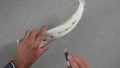
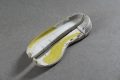
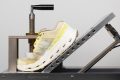
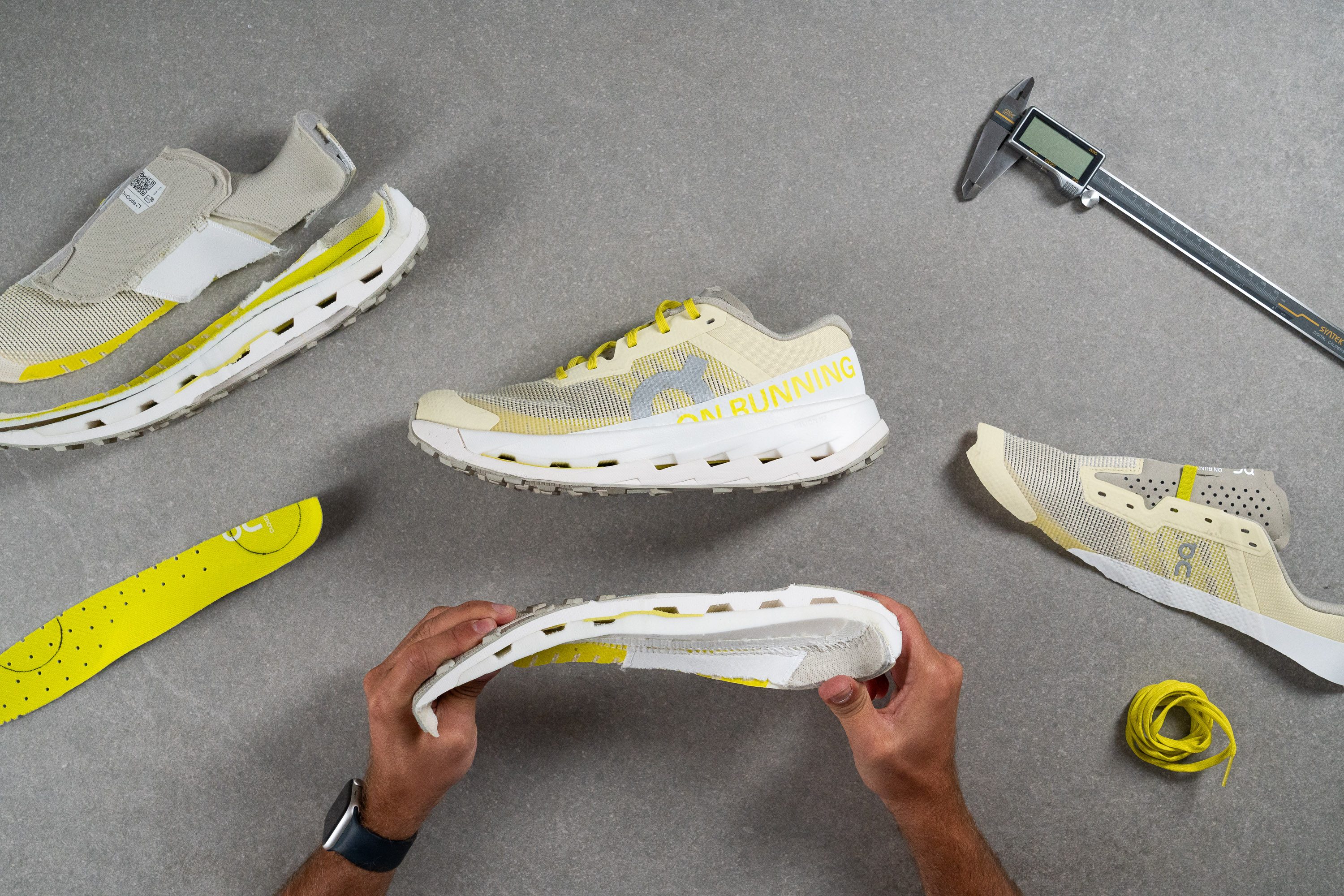
As with other trail shoes, On chose to fork the plate in both the forefoot and heel to improve terrain adaptability, and we uncovered this clever design by removing the entire top layer of foam from a half shoe.
Size and fit
Size
On Cloudultra 3 fits slightly large (10 votes).
Internal length
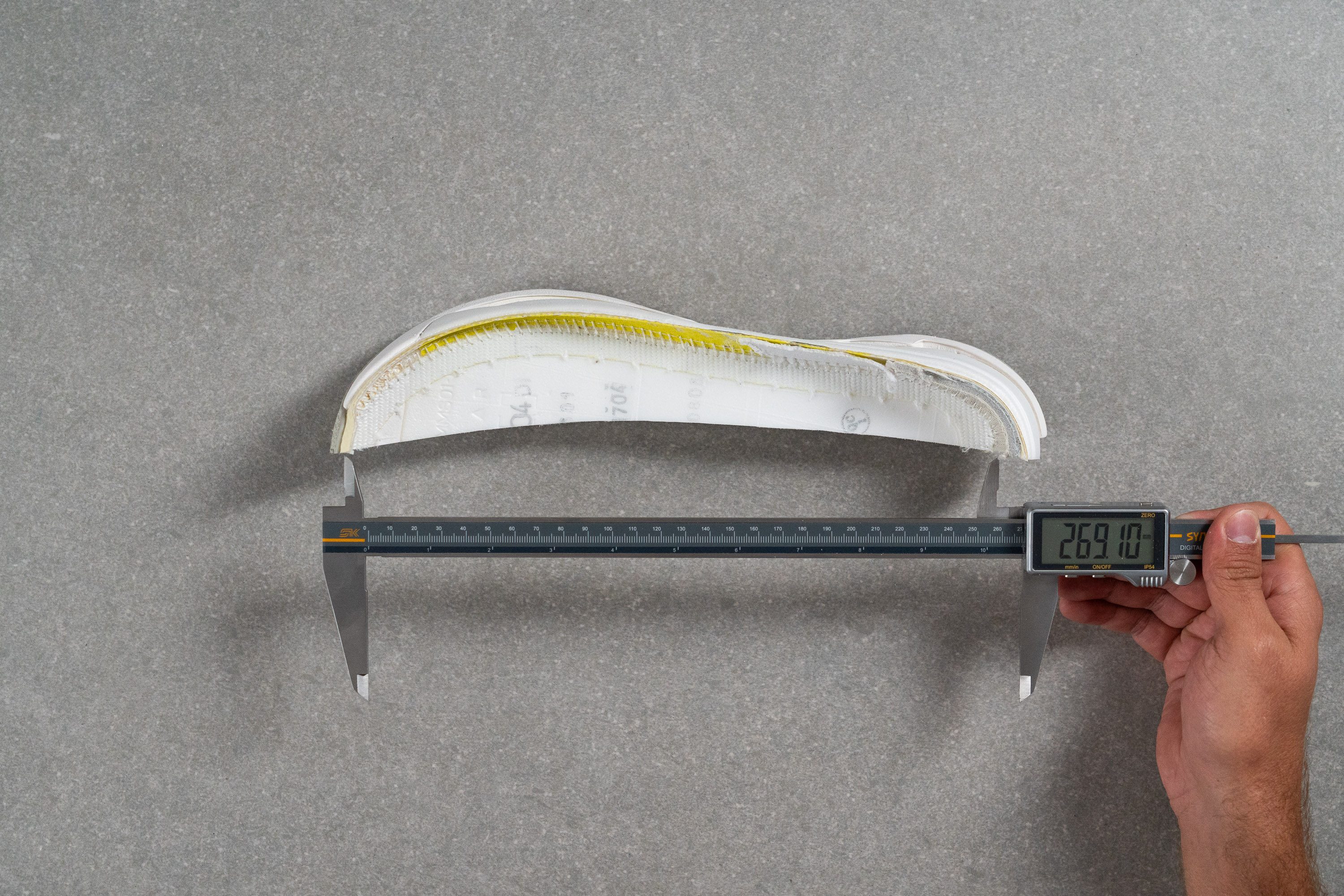
| Cloudultra 3 | 269.1 mm |
| Average | 269.2 mm |
Width / Fit
Those looking for a wide fit should consider options from Altra or Topo Athletic instead, because, like most On shoes, the Cloudultra 3 has a tight fit.
Our first measurement already came in below average at 93.4 mm.
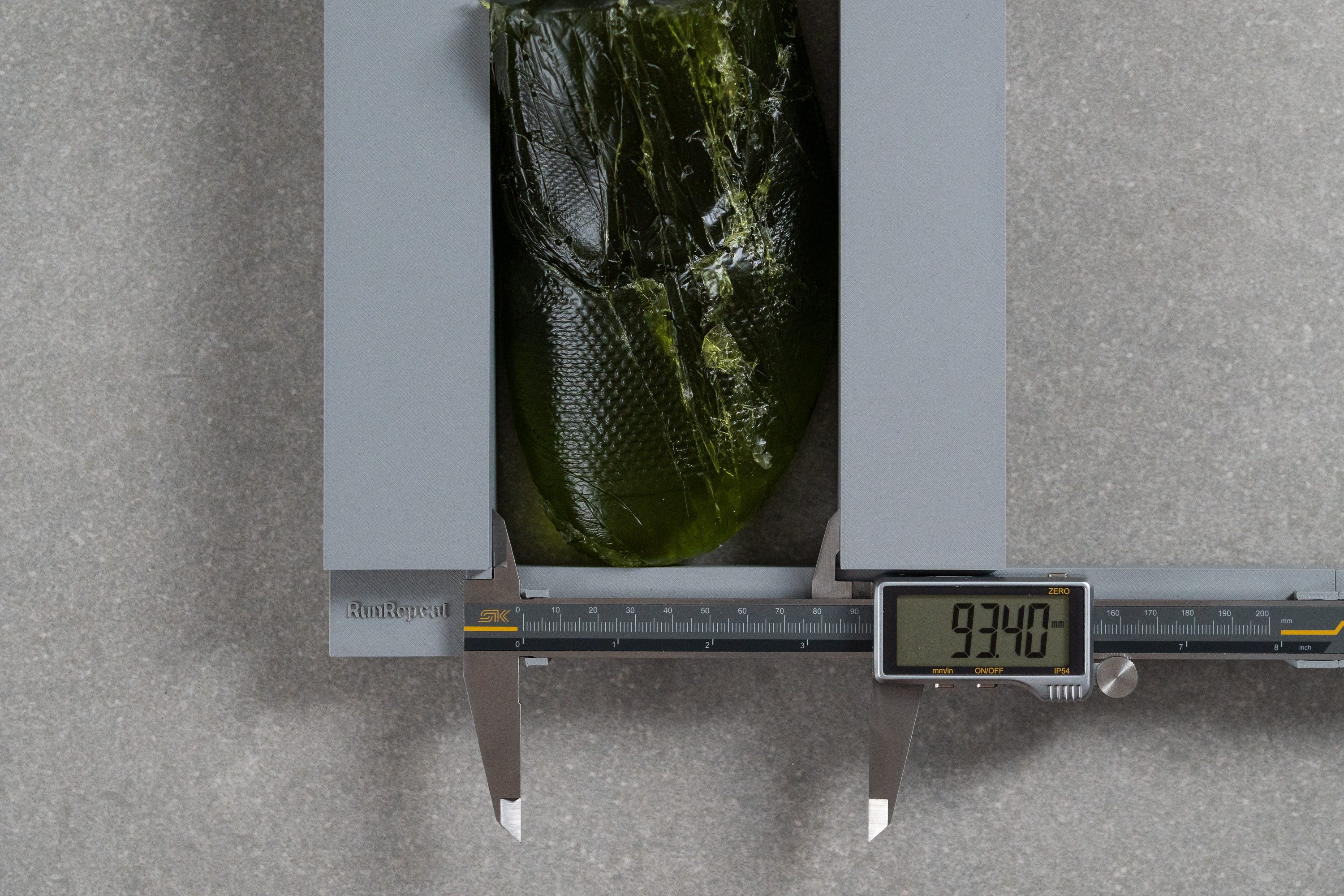
| Cloudultra 3 | 93.4 mm |
| Average | 95.7 mm |
Toebox width
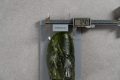
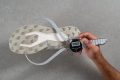
The toebox has a classic taper, if not slightly more aggressive. We took another measurement here, and the 72.4 mm reading on the LCD screen doesn’t lie. Runners with wide feet will likely struggle with the fit.
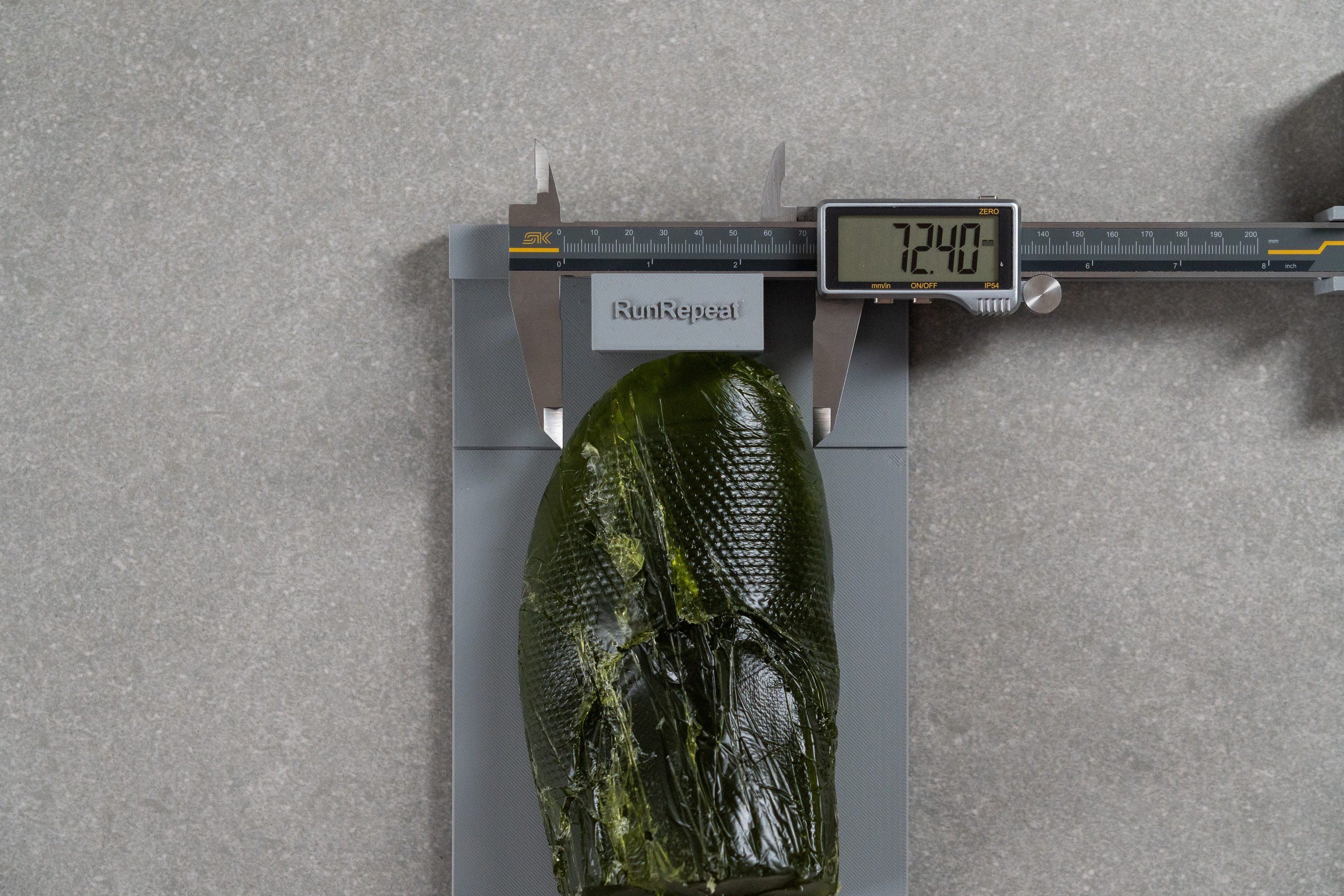
| Cloudultra 3 | 72.4 mm |
| Average | 74.3 mm |
Toebox height
On the other hand, the toebox height is particularly generous compared with other trail shoes, measuring 29.0 mm.
This is ideal for long days, especially in cold weather, and also promotes better airflow inside the shoe. However, runners who prefer a more secure, fully enclosed fit may find it too roomy.
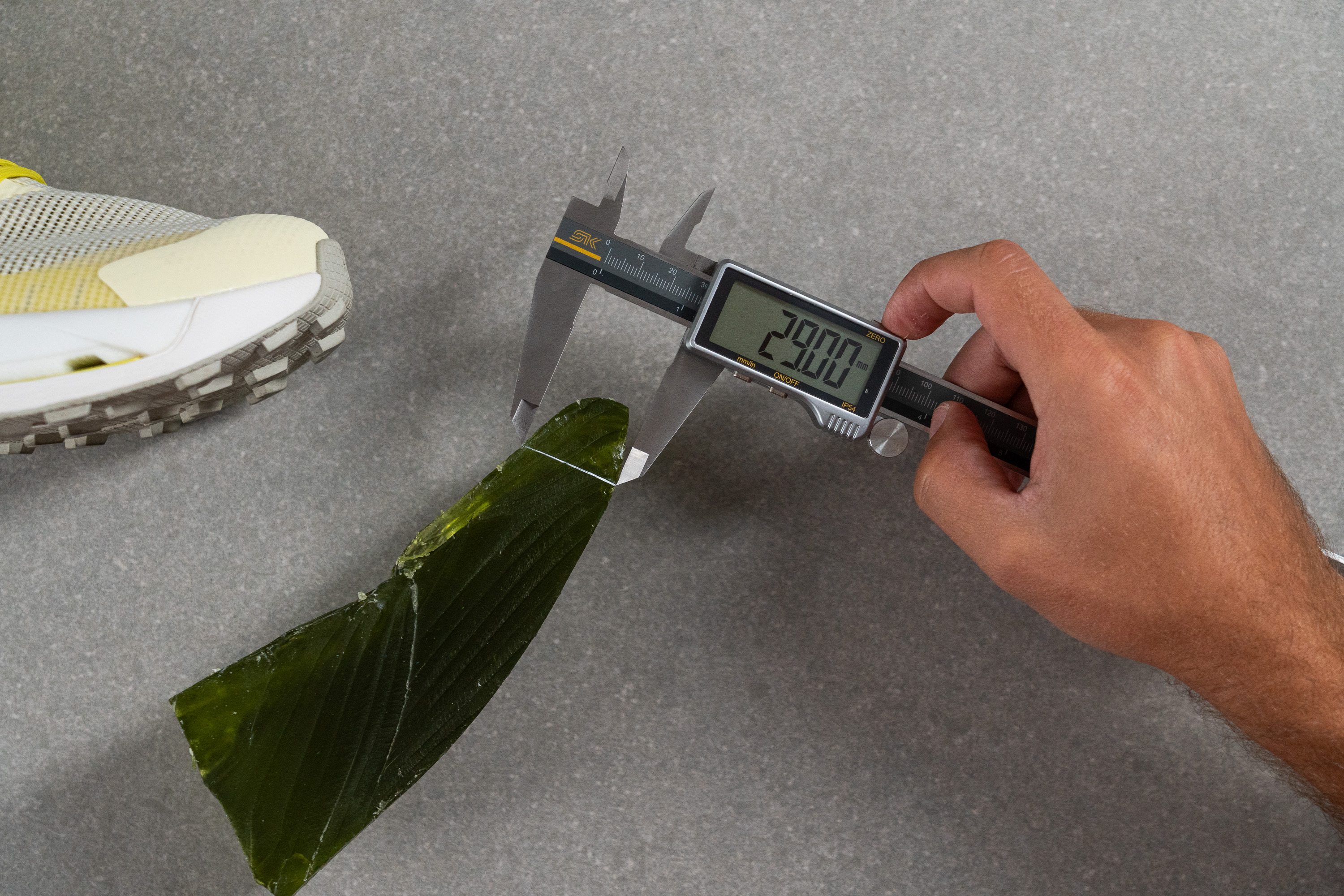
| Cloudultra 3 | 29.0 mm |
| Average | 26.9 mm |
Traction / Grip
Traction test
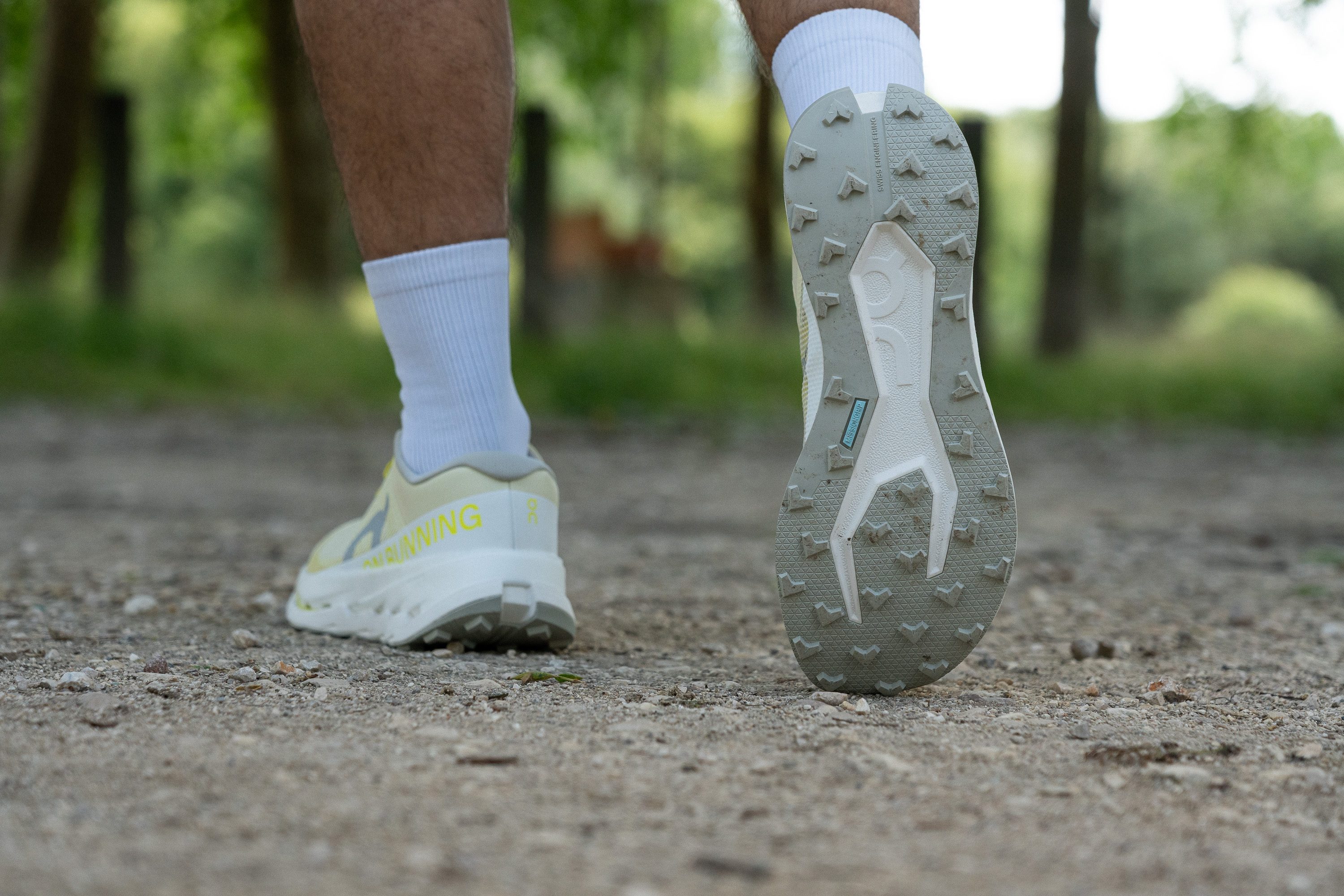
On continues to use its proprietary Missiongrip rubber instead of switching to Vibram (as many other brands have done in the past few years) and from a traction standpoint, we think that’s a mistake.
In our SATRA TM144 test, the Cloudultra 3 scored just 0.56, indicating good grip but falling well short of the performance we expect at this price.
| Cloudultra 3 | 0.56 |
| Average | 0.68 |
Lug depth
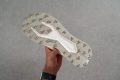
The 3.0 mm lugs and their design clearly point to gravel roads and easy trails, leaving little doubt about the Cloudultra 3’s intended terrain.
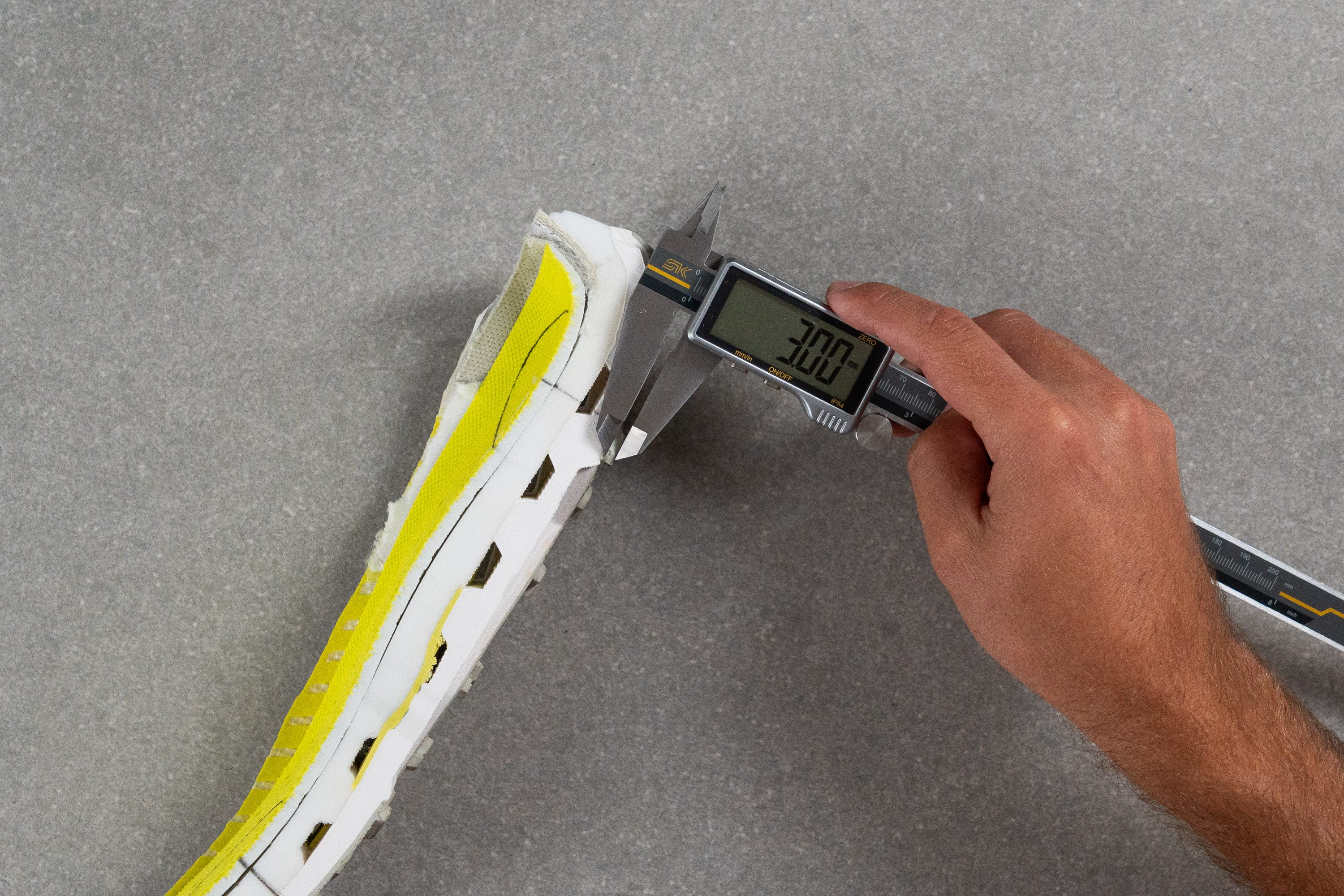
| Cloudultra 3 | 3.0 mm |
| Average | 3.5 mm |
Outsole design
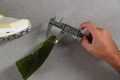
Large areas of exposed foam can be a major concern for trail runners, and the Cloudultra 3 has plenty of it. Sections of the midfoot and forefoot remain uncovered, although at least we found that the foam sits slightly recessed.
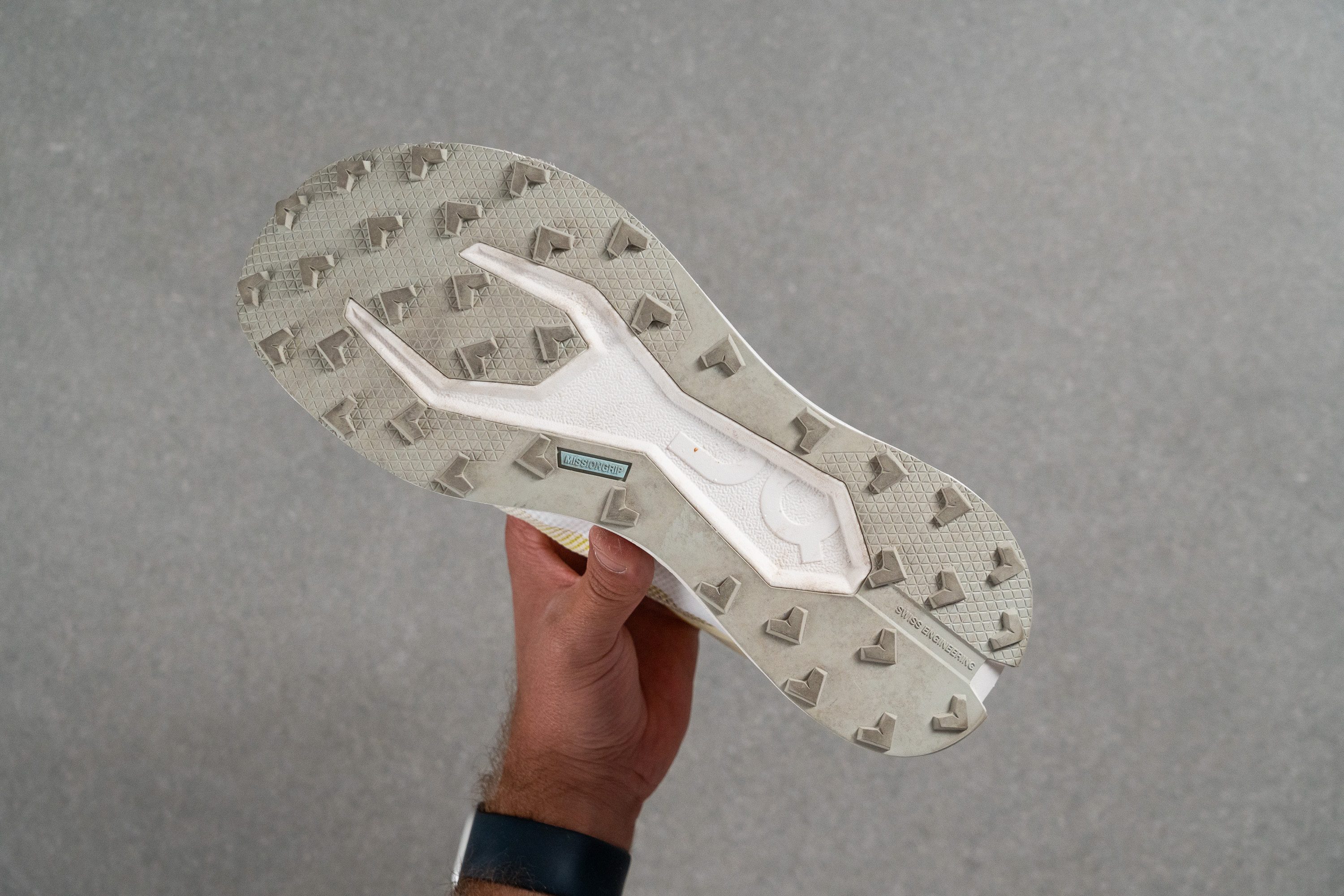
From a longevity perspective, this is far from ideal. However, the design does contribute to a noticeable weight reduction, and the shoe’s focus on easier trails should help prevent premature wear.
Flexibility / Stiffness
One benefit of the lack of full-rubber coverage is improved flexibility, as it allows the Cloudultra 3 to bend more easily than many other trail shoes. In our 30-degree bend test, it scored 13.6N.
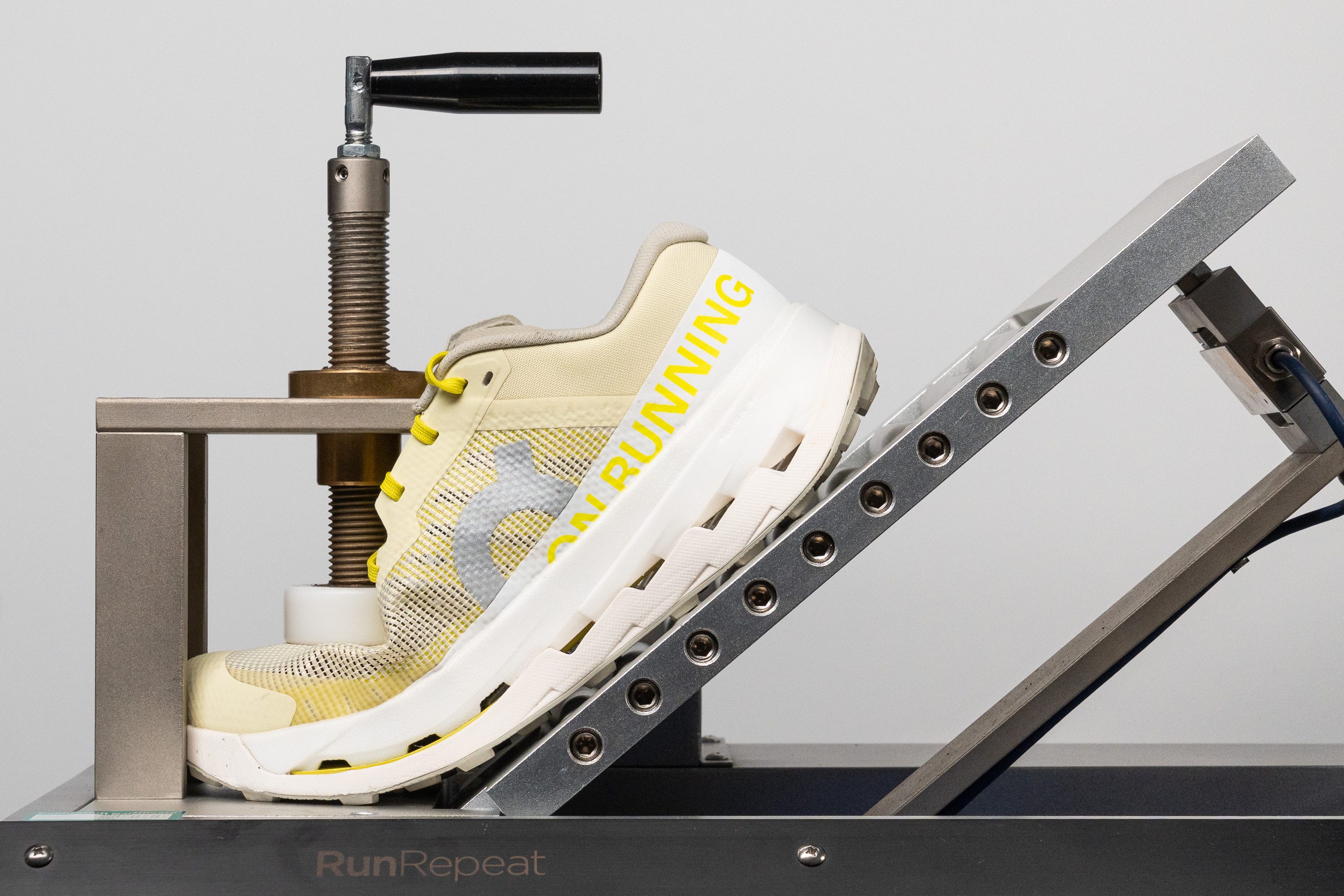
| Cloudultra 3 | 13.6N |
| Average | 14.8N |
Weight
Another benefit is reduced weight, as outsole rubber is notoriously one of the heaviest components of any trail shoe. The Cloudultra 3 came in at a very reasonable 9.8 oz or 278g.
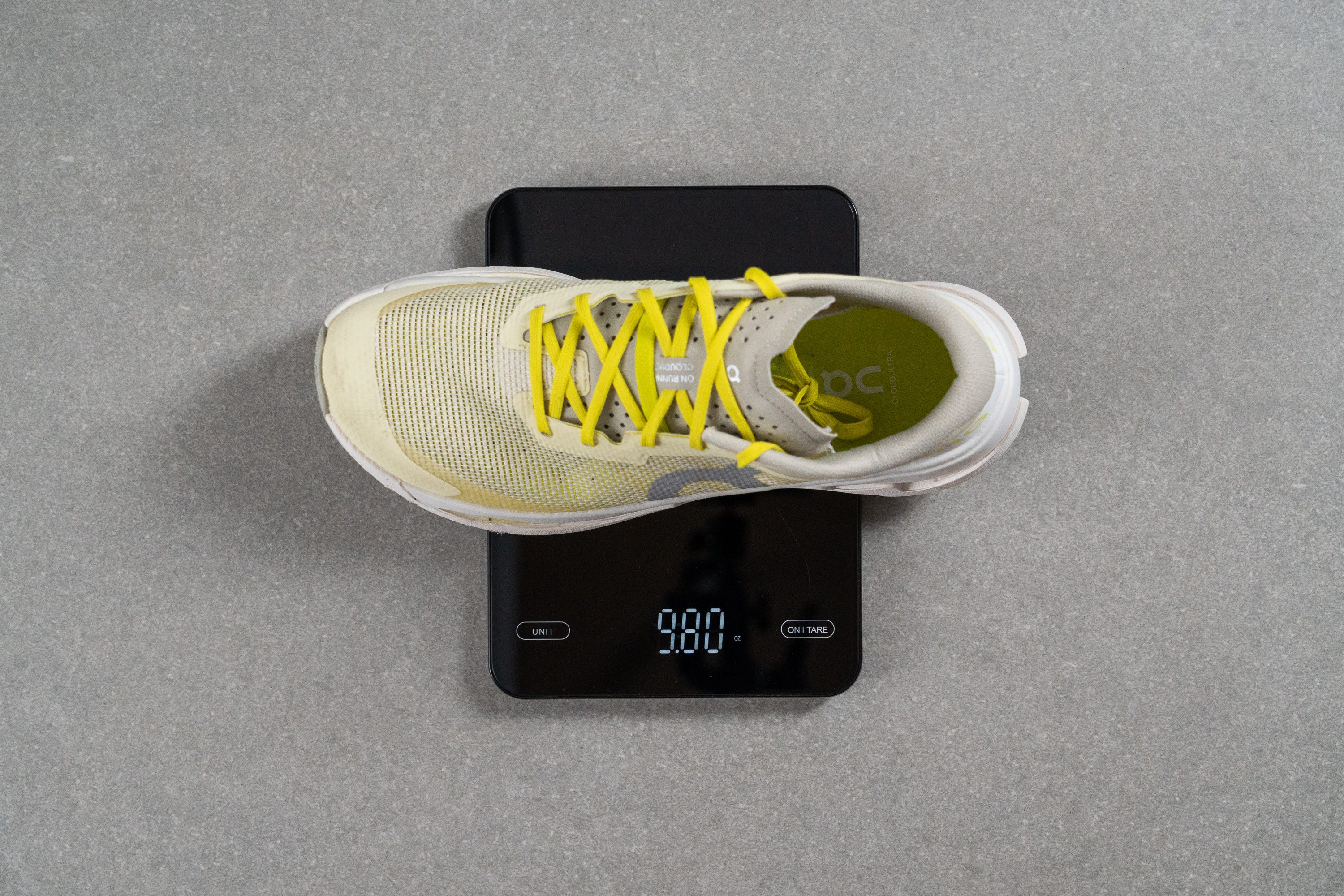
| Cloudultra 3 | 9.8 oz (278g) |
| Average | 10.1 oz (285g) |
Breathability
Breathability test
The On Cloudultra 3 surprised us with a perfect 5/5 in our smoke-pumping test.
We rarely see such unrestricted airflow in trail shoes, but On has clearly made ventilation a priority here, as we discovered when examining the upper under our digital microscope.

| Cloudultra 3 | 5 |
| Average | 3.3 |
Stability
Lateral stability test
The On Cloudultra 3 leverages its firm foam to deliver a highly stable ride, making it an interesting option for runners who often need additional support from their road shoes.
In fact, overpronators who struggle to find supportive trail shoes could do particularly well here, especially those who strike with the midfoot or forefoot.
Torsional rigidity
The outsole also features a specific design that makes the shoe easier to twist, and our test confirms it. We twisted it in both directions and needed 15.0 Nm of force to do so.
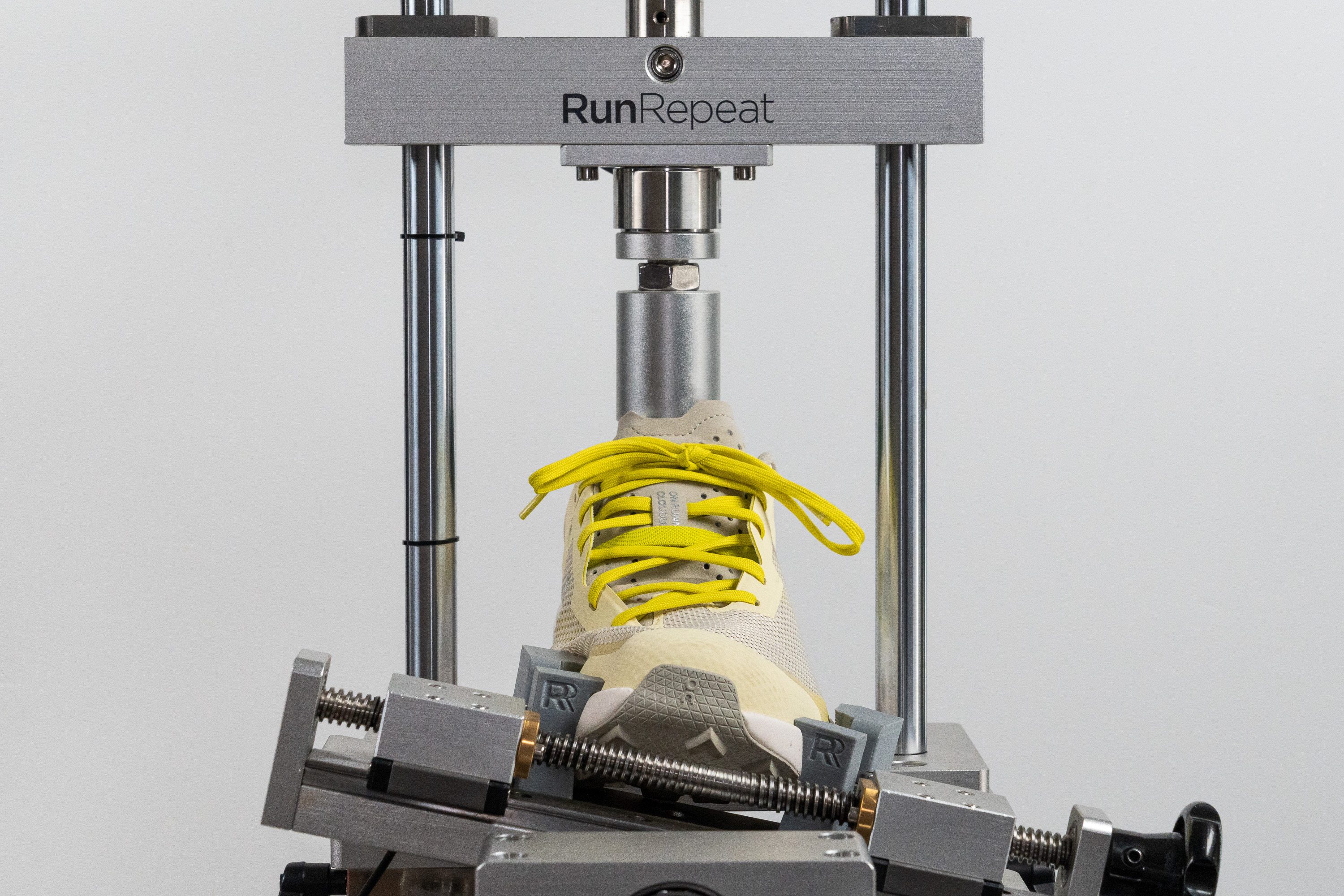
| Cloudultra 3 | 15.0 Nm |
| Average | 15.8 Nm |
Heel counter stiffness
The Cloudultra 3’s heel counter is ideal for runners who dislike a stiff feel around the ankle and Achilles tendon. With a 2/5 score in our manual assessment, it provides limited support, but also stays comfortably out of the way and works particularly well for runners with Haglund's deformity.
| Cloudultra 3 | 2 |
| Average | 3 |
Midsole width - forefoot
The On Cloudultra 3’s wide forefoot is another reason why it feels more stable than most of its rivals. At 117.9 mm, the platform is wider than average and delivers a notably planted ride, especially on fast, flatter trails.
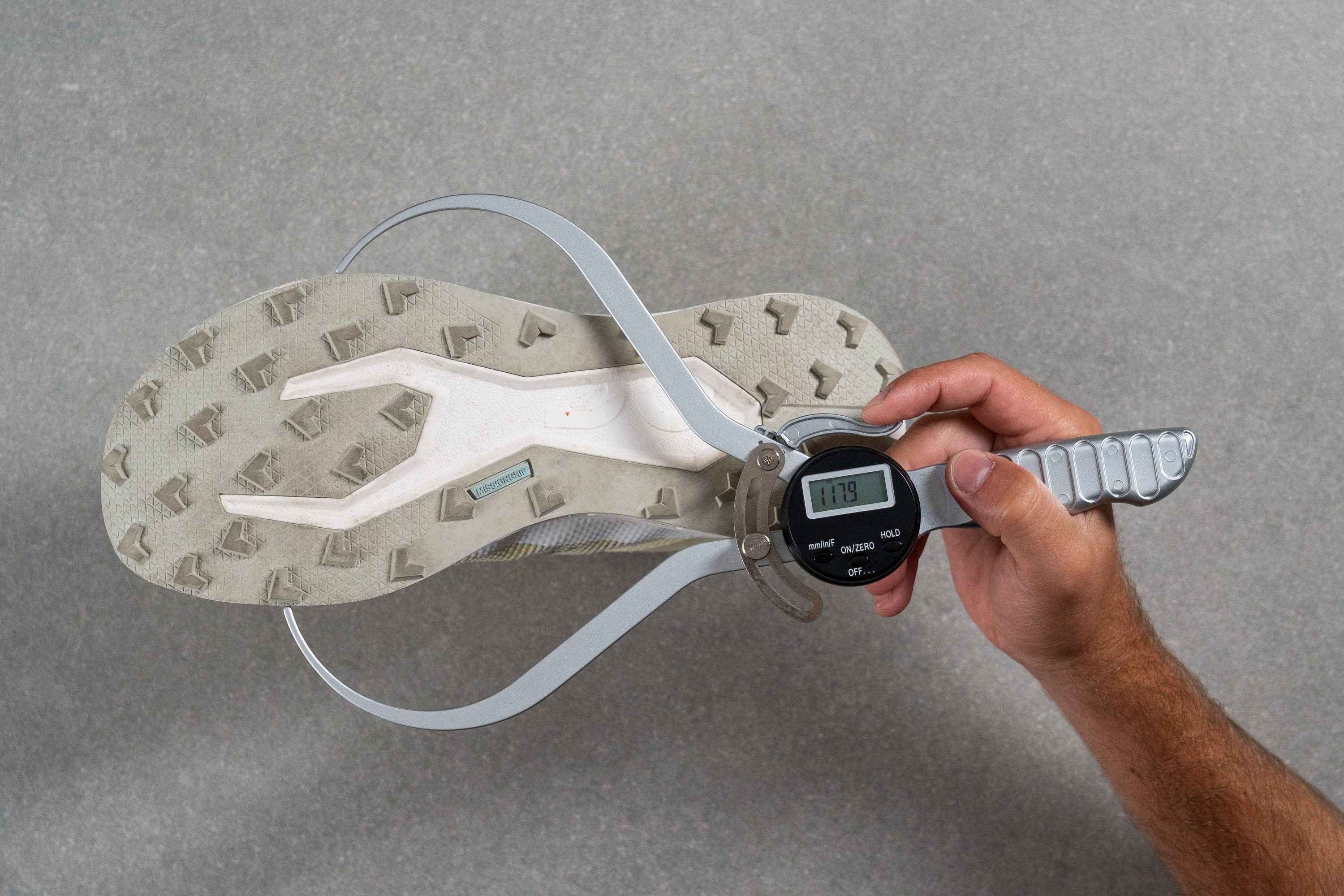
| Cloudultra 3 | 117.9 mm |
| Average | 114.3 mm |
Midsole width - heel
We found a similar design approach in the forefoot area. A 92.0 mm width may not raise any eyebrows, but it reinforces On’s focus on making this shoe feel stable.
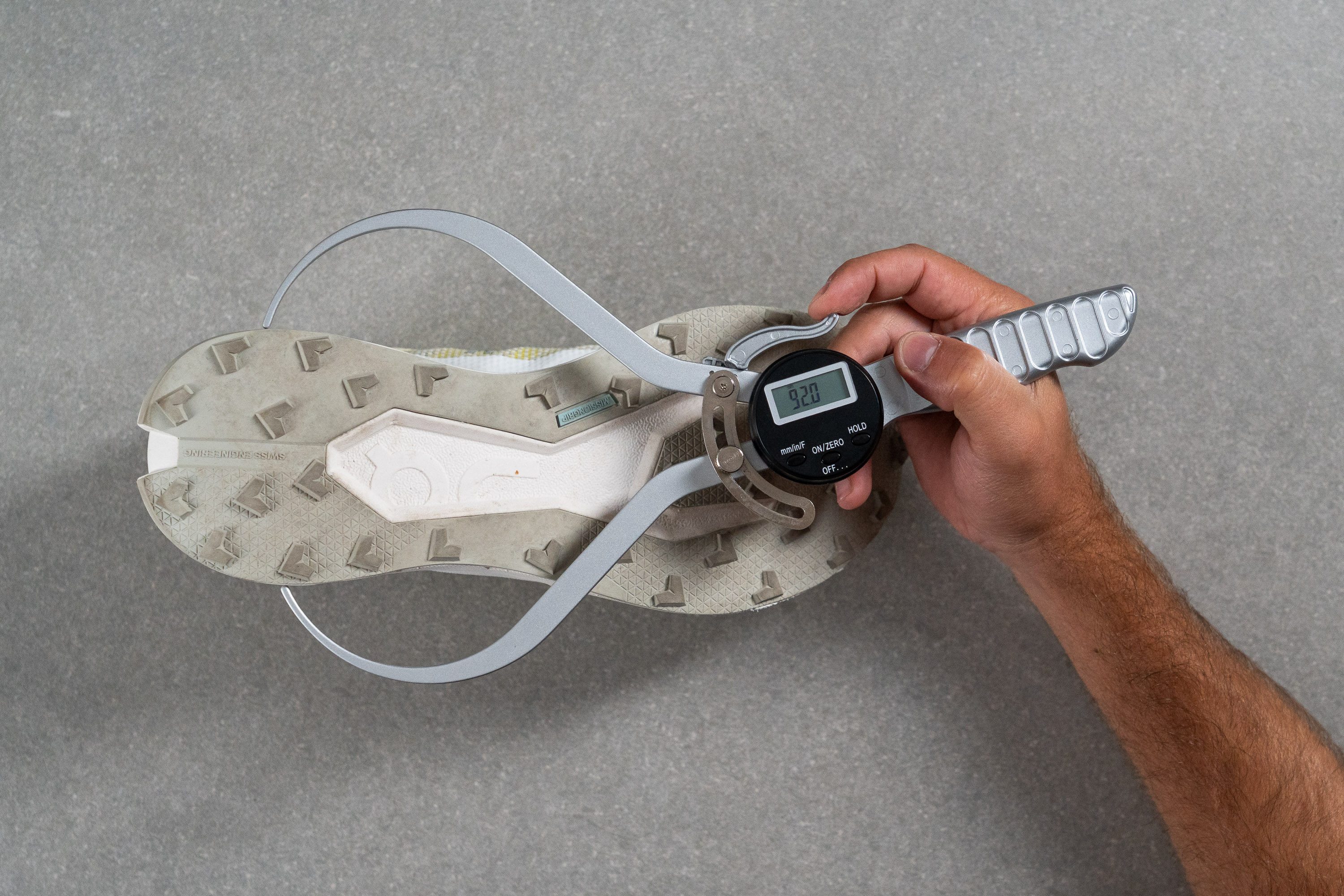
| Cloudultra 3 | 92.0 mm |
| Average | 90.5 mm |
Durability
Toebox durability
This shoe is far from cheap, so durability better be high, as nobody wants to spend a lot of money on a shoe that falls apart quickly. Starting with the most delicate part, the toebox, we found an excellent 5/5 score.
This outstanding result is even more impressive when you consider the generous extra TPU layers that On added for protection.
| Cloudultra 3 | 5 |
| Average | 3.1 |
Heel padding durability
The Cloudultra 3’s heel padding did a decent job. With a 3/5 score, we’re happy with the result.
| Cloudultra 3 | 3 |
| Average | 3.1 |
Outsole durability
Missiongrip may not be the most impressive rubber out there for traction, but it certainly delivers when it comes to durability. With only 0.7 mm of rubber lost in our test, maintaining this level of toughness is no easy feat!
| Cloudultra 3 | 0.7 mm |
| Average | 0.9 mm |
Outsole thickness
With 1.8 mm of outsole thickness and the positive durability results we found earlier, we believe the Cloudultra 3 has exactly what it needs without adding unnecessary thickness and extra weight.
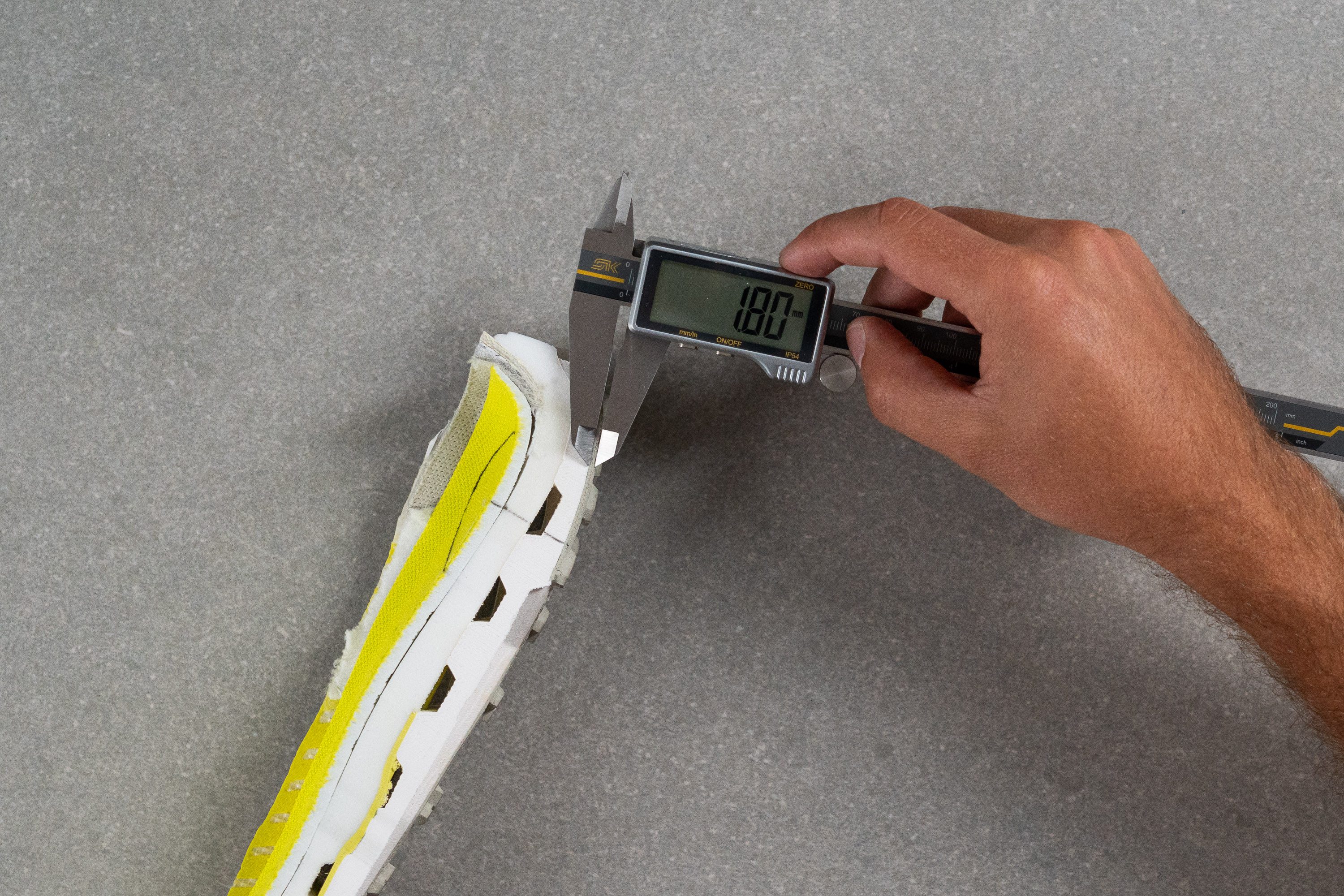
| Cloudultra 3 | 1.8 mm |
| Average | 1.9 mm |
Misc
Insole thickness
There’s nothing particularly special about the On Cloudultra 3’s insole thickness, as its 4.3 mm measurement is very close to our current lab average.
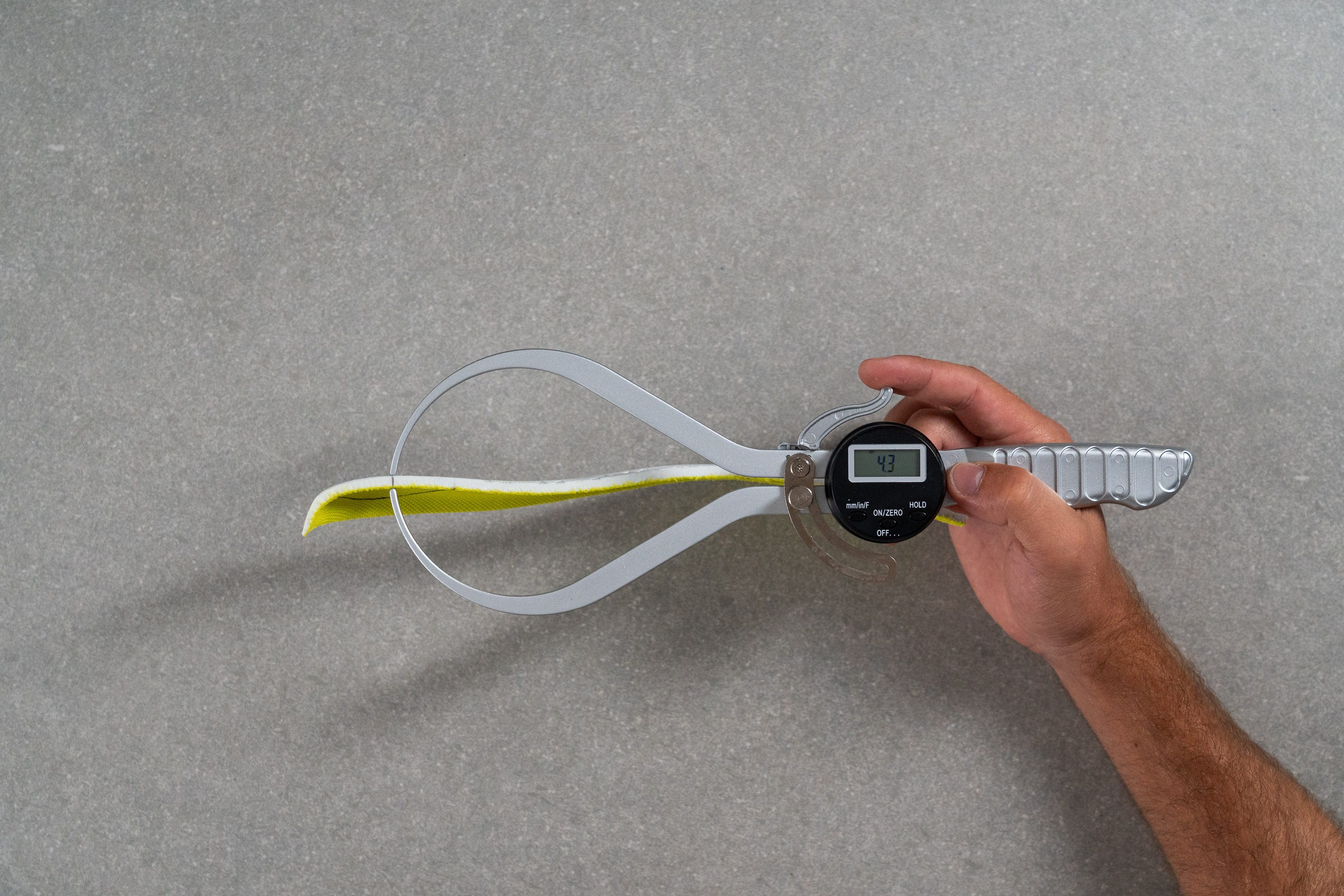
| Cloudultra 3 | 4.3 mm |
| Average | 4.6 mm |
Removable insole
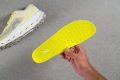
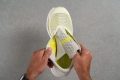
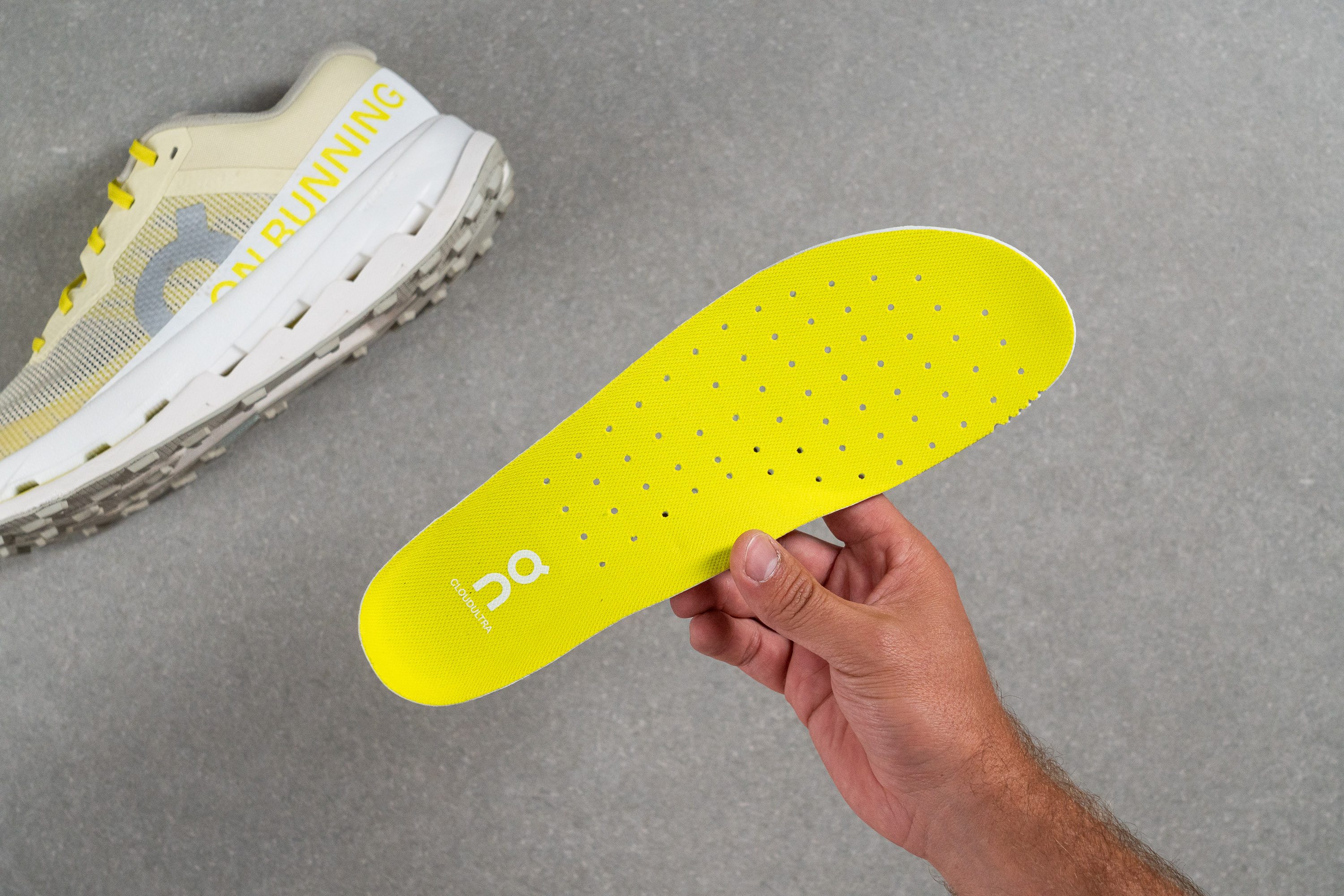
Removing the insole is totally possible with this shoe, although doing so means losing the perforations that help improve airflow inside the Cloudultra 3.
| Cloudultra 3 | Yes |
Reflective elements
We like it when brands use reflective materials for their logos, and On did exactly that here.
| Cloudultra 3 | Yes |
Tongue padding
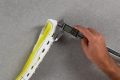
On rarely misses when it comes to tongue design, and the Cloudultra 3 is no exception. We also found thin laces threaded through punched eyelets, along with an elastic band that keeps them securely in place.
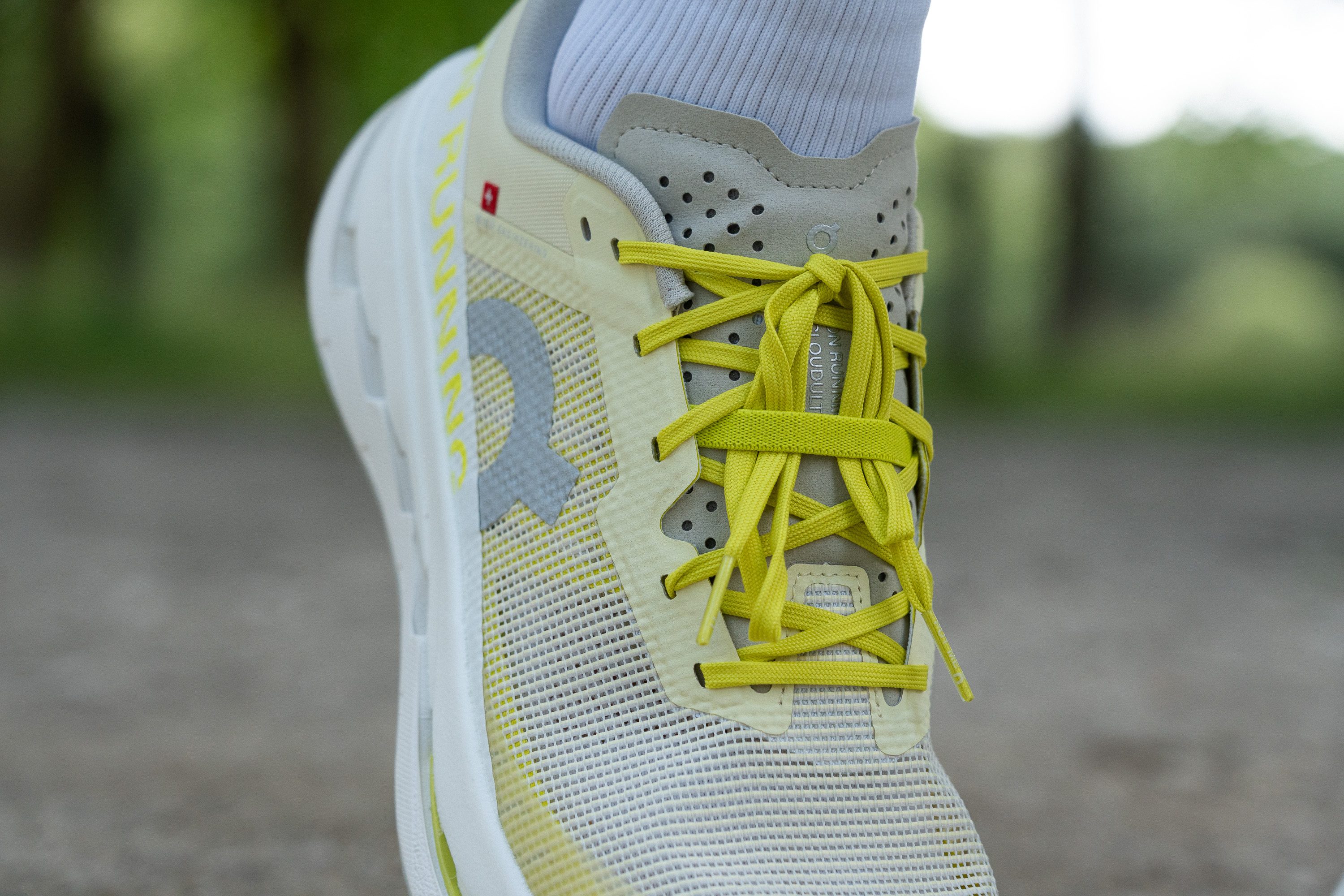
The tongue measures 6.3 mm in thickness and runs the full length of the foot, so once you’ve tied the laces down, you can forget about them for the rest of the day.
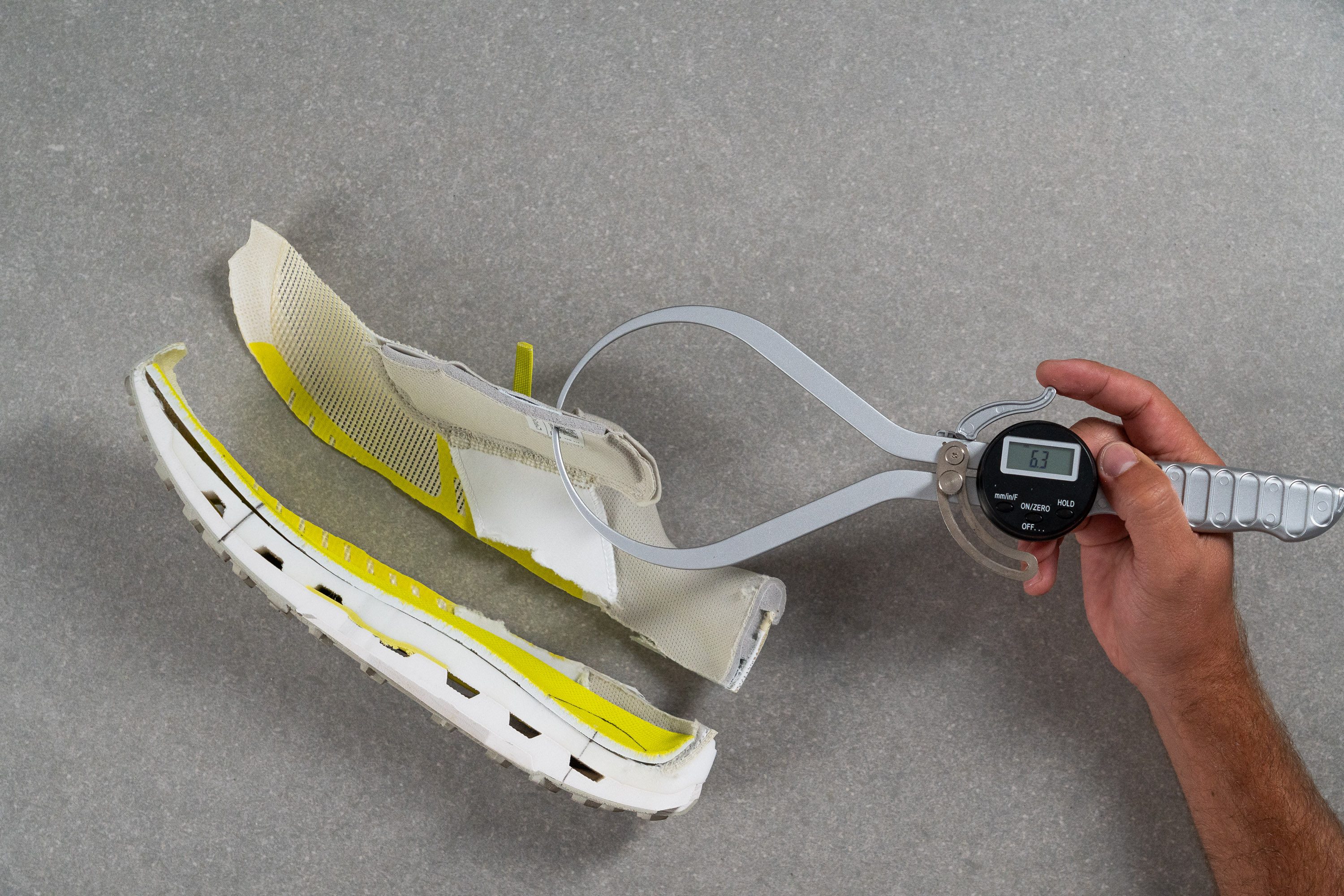
| Cloudultra 3 | 6.3 mm |
| Average | 6.4 mm |
Tongue: gusset type
The tongue of the Cloudultra 3 is semi-gusseted with a very generous fabric panel that spans almost its entire length. That’s ideal for a trail shoe because it does a better job of keeping debris out while also providing excellent lateral foothold.
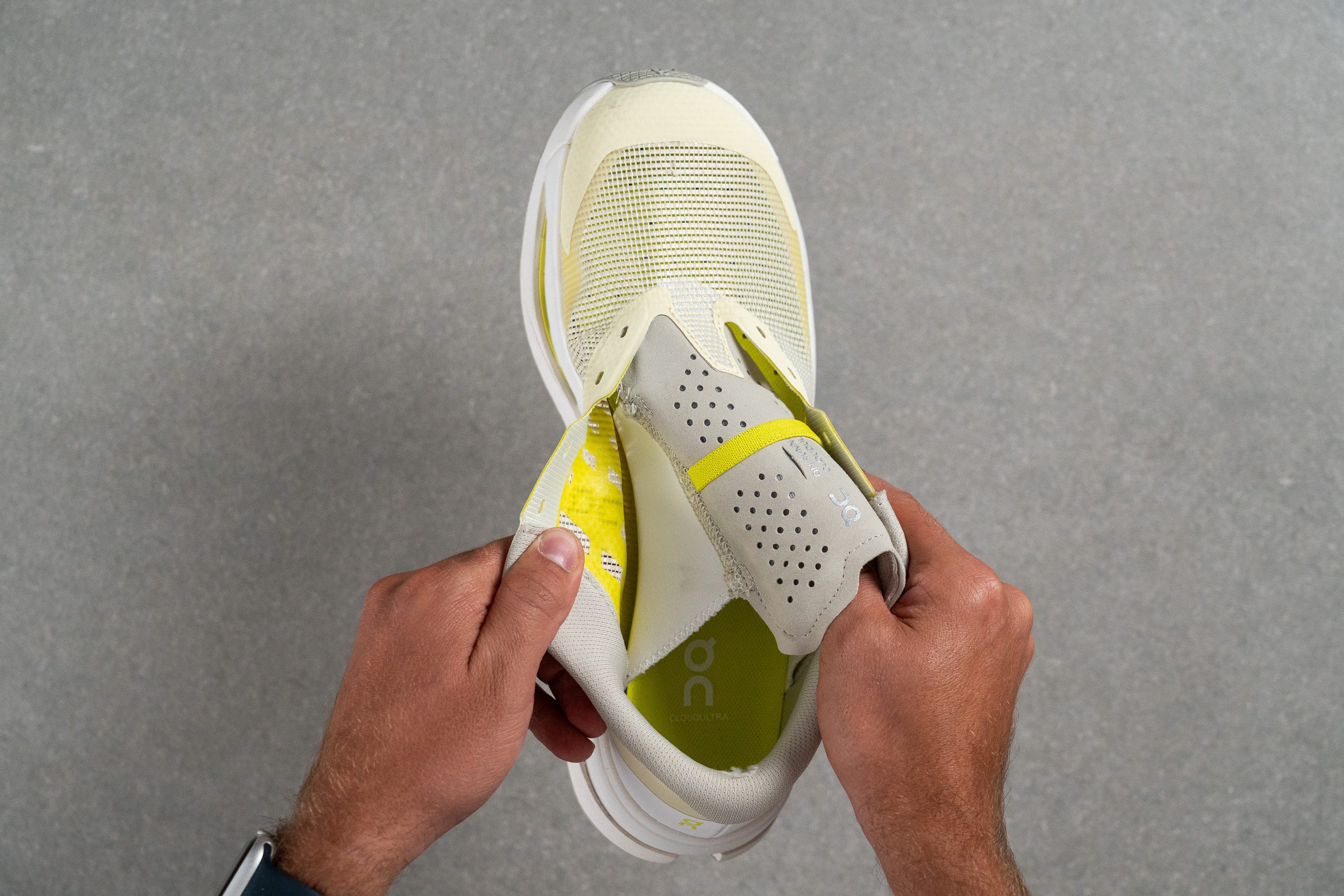
| Cloudultra 3 | Both sides (semi) |
Heel tab
The heel lacks the finger-loop tab found on many trail shoes, but we liked its clean design and excellent finish.
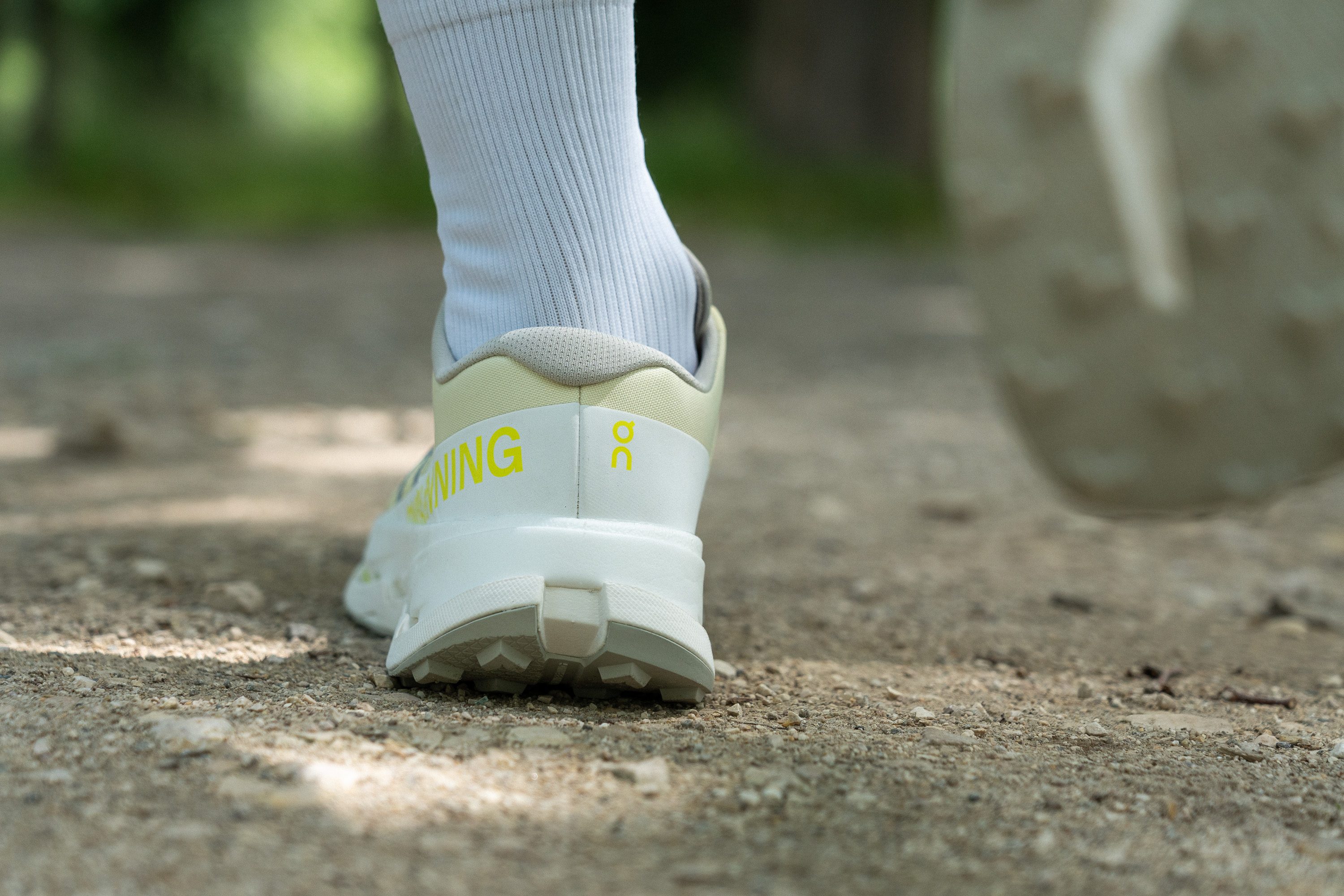
| Cloudultra 3 | None |
Price
For runners focused on keeping costs low, the On Cloudultra 3 is simply not an option. Nor is it a good choice for those seeking the best bounce for the buck, as its high price is difficult to justify. In our view, its premium pricing will mainly appeal to On die-hard fans or runners seeking higher-than-average build quality.
| Cloudultra 3 | $190 |
| Average | $160 |