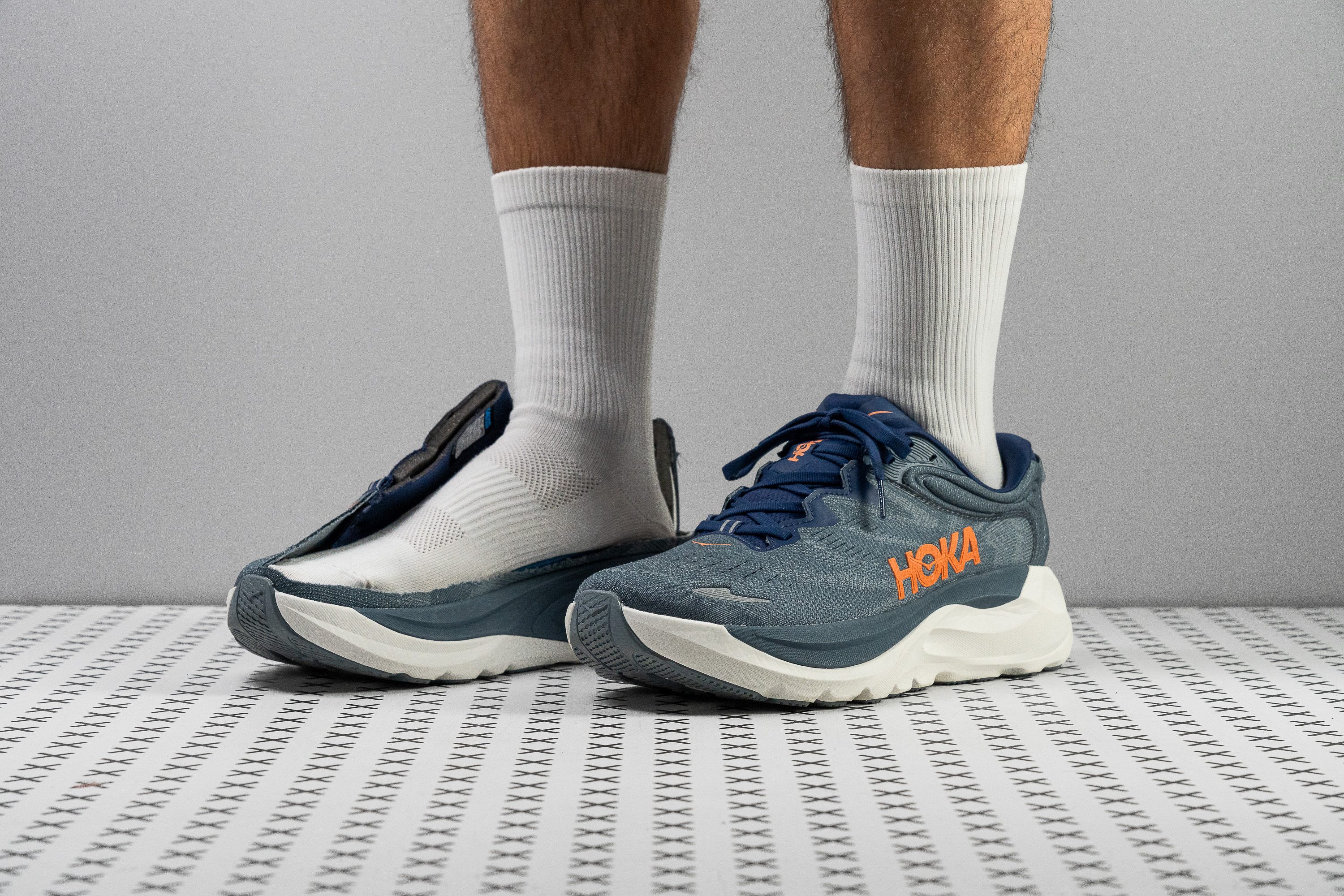
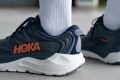
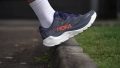
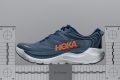

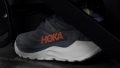
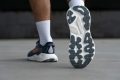
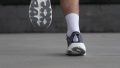


Nuestra conclusión
- Tiradas diarias / rodajes 86
- Tempo 36
- Competición 26
- Estabilidad 97
Pros
- Ajuste más espacioso que el de la mayoría de los modelos de HOKA
- Muy estables
- Suela exterior con un mejor agarre
- Buena durabilidad en general
- Mediasuela más blanda que la de la v5
- Materiales de buena calidad
- Cada vez pesan menos
- Reflectantes
Contras
- Absorción de impactos estándar
- Caras para el rendimiento que ofrecen
- Espuma CMEVA anticuada
Premios
- Top pick in mejores zapatillas de running para el dolor de rodilla
- Top pick in mejores zapatillas HOKA de running
- Top 9% most popular zapatillas de running
Comparativa
Las zapatillas de running más parecidas
+ + Añadir unas zapatillas | |||||
|---|---|---|---|---|---|
| Nuestra puntuación | 81 Geniales | 83 Geniales | 87 Geniales | 86 Geniales | |
| Precio | 180 € | 160 € | 180 € | 200 € | |
| Ritmo | Correr a diario | Correr a diario | Correr a diario | Correr a diario | |
| Absorción de impactos | Moderada | Moderada | Alta | Alta | |
| Retorno de energía | Bajo | Bajo | Alto | Moderado | |
| Tracción | Alta | Alta | Alta | Alta | |
| Sujeción arco del pié | Estabilidad | Estabilidad | Estabilidad | Estabilidad | |
| Peso laboratorio Peso marca | 10 oz / 283g 10 oz / 283g | 9.9 oz / 280g 10.4 oz / 294g | 10.3 oz / 292g 10.9 oz / 309g | 10.5 oz / 298g 10.5 oz / 298g | |
| Drop laboratorio Drop marca | 7.3 mm 6.0 mm | 7.6 mm 10.0 mm | 11.2 mm 10.0 mm | 8.5 mm 8.0 mm | |
| Técnica de carrera | Medio/antepié | Medio/antepié | Talón | TalónMedio/antepié | |
| Talla | Tallan bien | Tallan bien | Tallan bien | Tallan bien | |
| Rigidez de la mediasuela | Blanda | Blanda | Blanda | Blanda | |
| Diferencia de la rigidez de la mediasuela en frío | Pequeña | Pequeña | Pequeña | Normal | |
| Durabilidad de la parte delantera | Decente | Decente | Decente | Decente | |
| Durabilidad del acolchado del talón | Alta | Media | Alta | Alta | |
| Durabilidad de la suela exterior | Buena | Buena | Buena | Decente | |
| Transpirabilidad | Media | Media | Media | Media | |
| Anchura / ajuste | Media | Media | Media | Media | |
| Anchura de la parte delantera | Ancha | Media | Media | Media | |
| Flexibilidad | Rígida | Moderada | Rígida | Rígida | |
| Rigidez torsional | Rígidas | Flexibles | Moderadas | Rígidas | |
| Rigidez del contrafuerte del talón | Rígido | Rígido | Rígido | Rígido | |
| Con rocker | ✓ | ✗ | ✗ | ✗ | |
| Talón laboratorio Talón marca | 36.0 mm 39.0 mm | 36.6 mm 38.5 mm | 40.9 mm 42.0 mm | 36.8 mm 39.0 mm | |
| Antepié laboratorio Antepié marca | 28.7 mm 33.0 mm | 29.0 mm 28.5 mm | 29.7 mm 32.0 mm | 28.3 mm 31.0 mm | |
| Anchuras disponibles | EstándarAnchoExtra Ancho | EstándarAncho | EstándarAncho | EstrechoEstándarAnchoExtra Ancho | |
| Compatibles con plantillas personalizadas | ✓ | ✓ | ✓ | ✓ | |
| Estación | Todas las estaciones | Todas las estaciones | Todas las estaciones | Todas las estaciones | |
| Plantilla extraíble | ✓ | ✓ | ✓ | ✓ | |
| Clasificación | #199 Top 50% | #166 Top 42% | #62 Top 16% | #83 Top 21% | |
| Popularidad | #36 Top 9% | #152 Top 38% | #58 Top 15% | #32 Top 8% |
Quién debería comprárselas
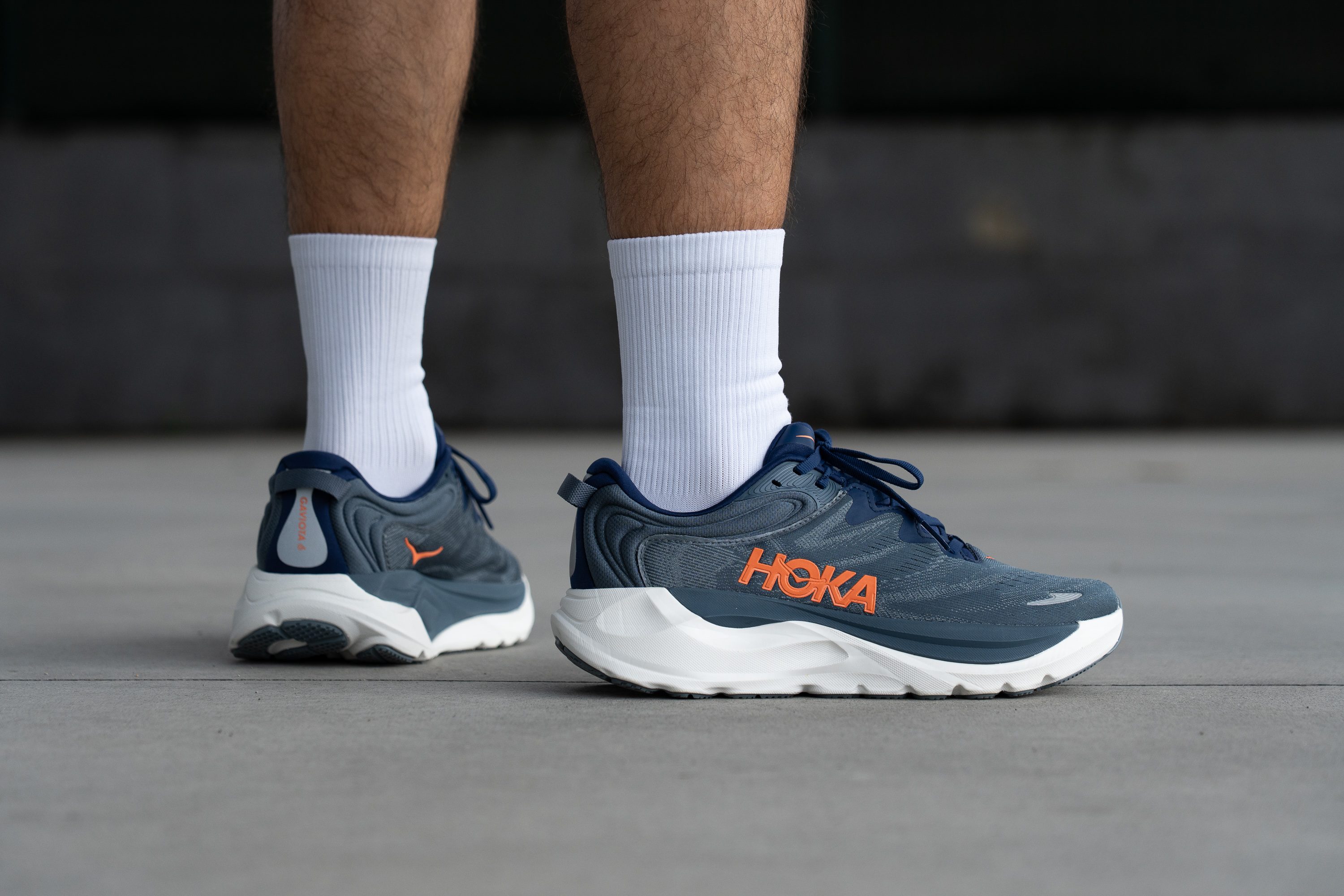
Las HOKA Gaviota 6 son una opción excelente para los corredores que:
- Tienen los pies anchos y han tenido problemas con el ajuste ceñido de muchos modelos de HOKA.
- Necesitan la máxima estabilidad y quieren una de las plataformas más estables que hemos visto.
- Están buscando unas zapatillas de estabilidad que se centren en ser cómodas para las tiradas fáciles, los kilómetros de recuperación o las caminatas largas.
Quién NO debería comprárselas
En el laboratorio, descubrimos que la mediasuela de CMEVA es aburrida y no tiene energía, lo que limita el verdadero potencial de las Gaviota 6. En nuestra opinión, los runners que estén buscando una pisada más viva pero que siga siendo estable deberían echarle un ojo a otras opciones. Por suerte, existen zapatillas de entrenamiento de estabilidad para velocidad mucho mejores, como las Saucony Tempus 2 o las Nike Structure Plus.
También creemos que los corredores más pesados o los que se enfrentan a distancias largas a lo mejor no están contentos con la absorción de impactos de este modelo. Los datos de nuestro laboratorio nos han dejado claro que la protección contra los golpes simplemente no está a la altura de la apariencia voluminosa de este modelo. Las Saucony Hurricane 24 nos parecen una opción mejor, y si solo necesitas un poquito de sujeción, las HOKA Bondi 9 presumen de la espuma supercrítica que HOKA no le puso a este par.
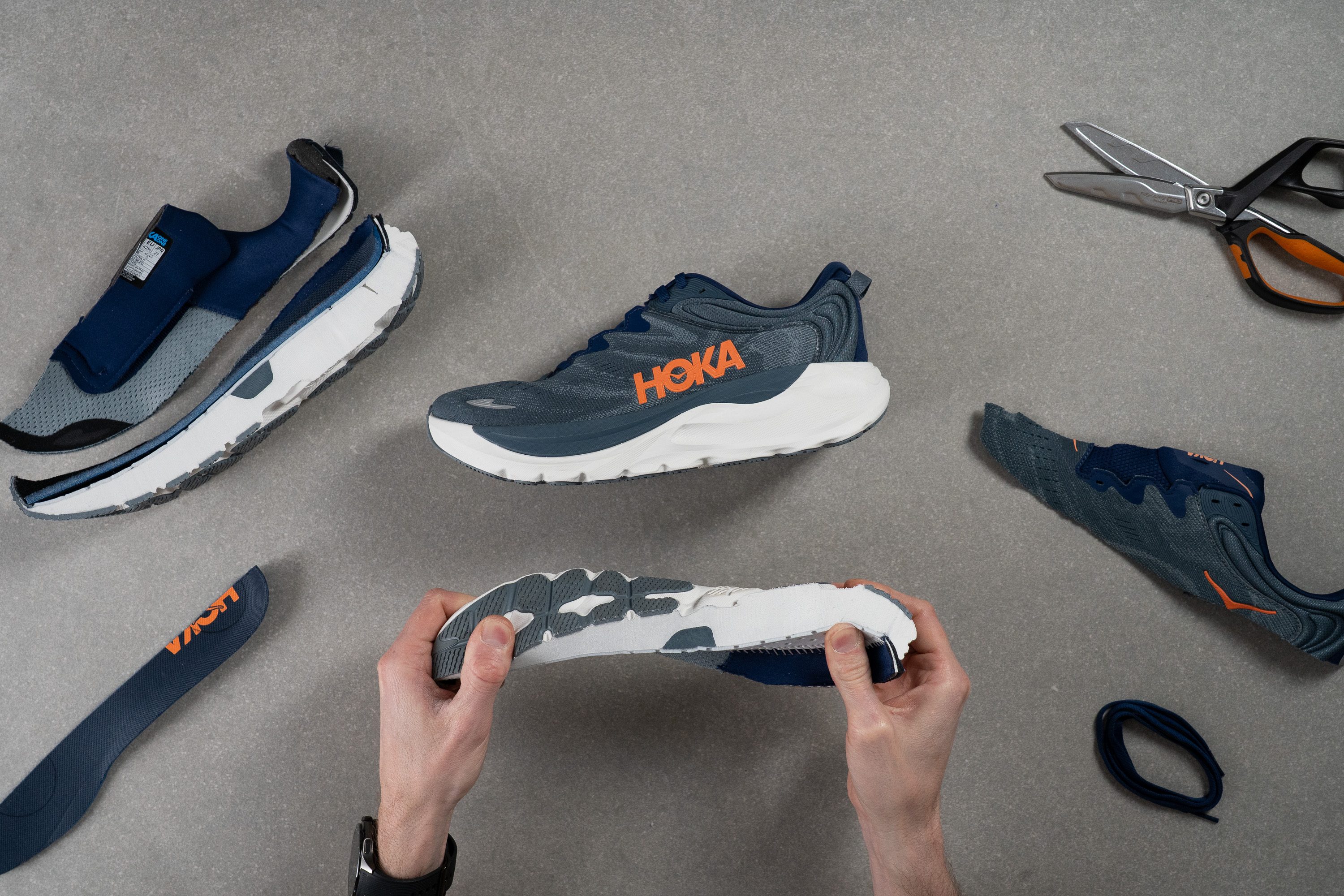
Amortiguación
Shock absorption
Las HOKA Gaviota 6 parecen, y se venden, como unas zapatillas con una excelente absorción de impactos, pero... no podemos estar totalmente de acuerdo, la verdad.
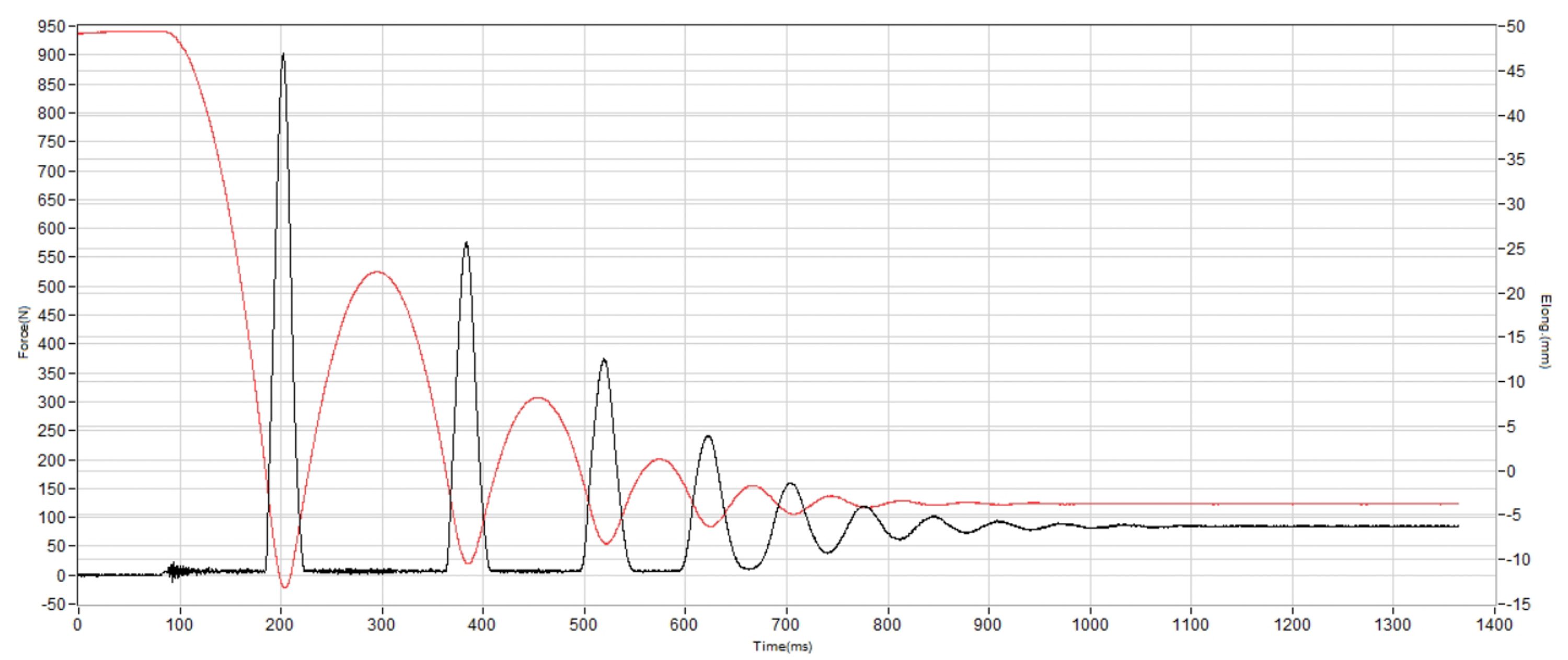
Con 122 SA en el talón y 111 SA en el antepié, ofrecen una amortiguación respetable que debería irles bien a la mayoría de los corredores; sin embargo, no podríamos decir que es impresionante en ningún sentido.
| Gaviota 6 | 122 SA |
| Media | 131 SA |
Energy return
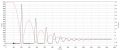
El motivo por el que la absorción de impactos de las Gaviota 6 es tan baja es el mismo que limita su retorno de energía. En lugar de utilizar una espuma supercrítica moderna, HOKA mantuvo su antigua EVA moldeada por compresión.
El resultado es un retorno de energía muy bajo: solo un 45,4 % en el talón y un 52,4 % en el antepié, que son dos resultados muy decepcionantes para unas zapatillas de este precio.
| Gaviota 6 | 52.4% |
| Media | 61.5% |
Altura de la suela en la zona del talón
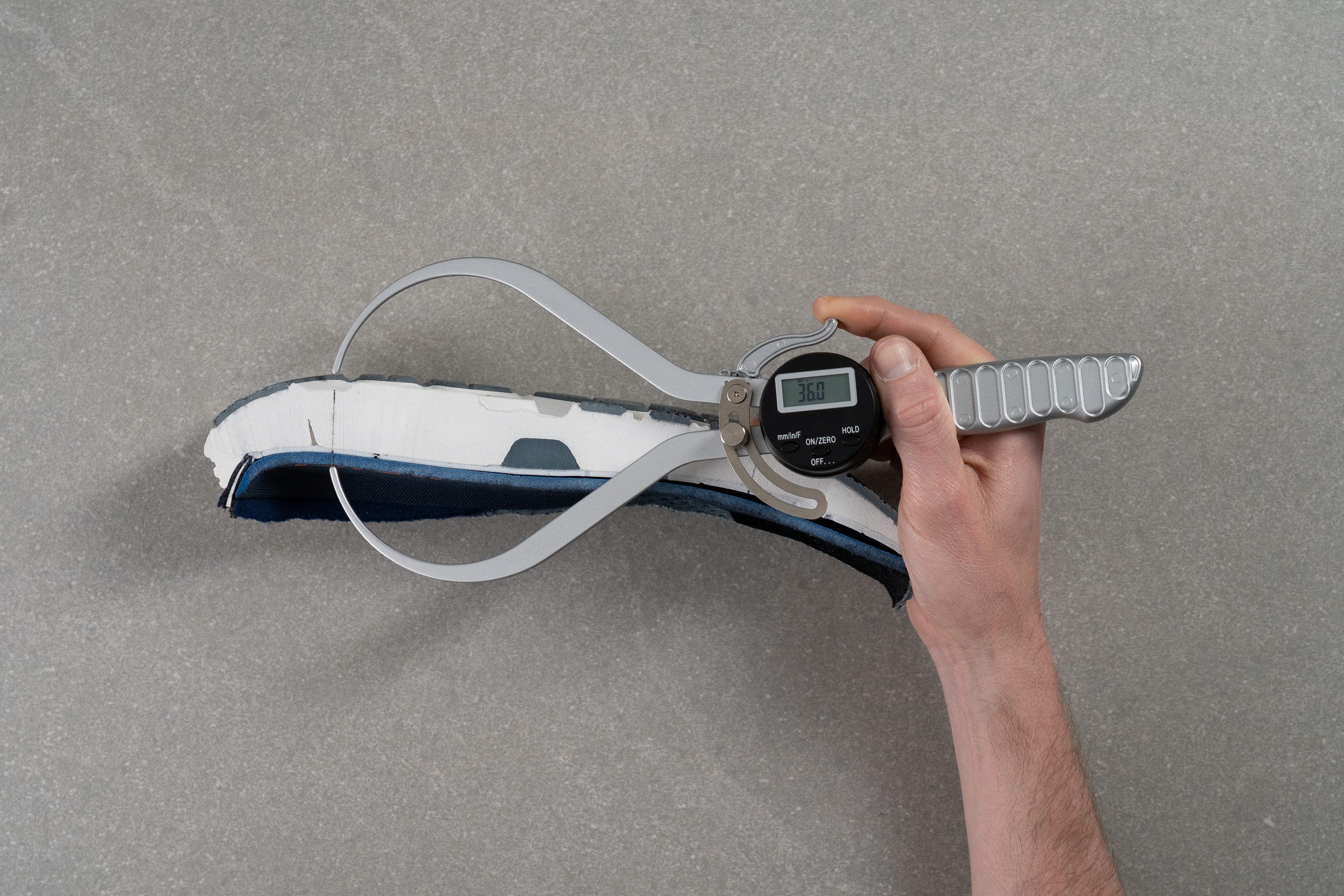
Cuando medimos la altura de la suela en el talón de estas zapatillas, nos dimos cuenta de que era un poquito más baja de lo que dice la marca.
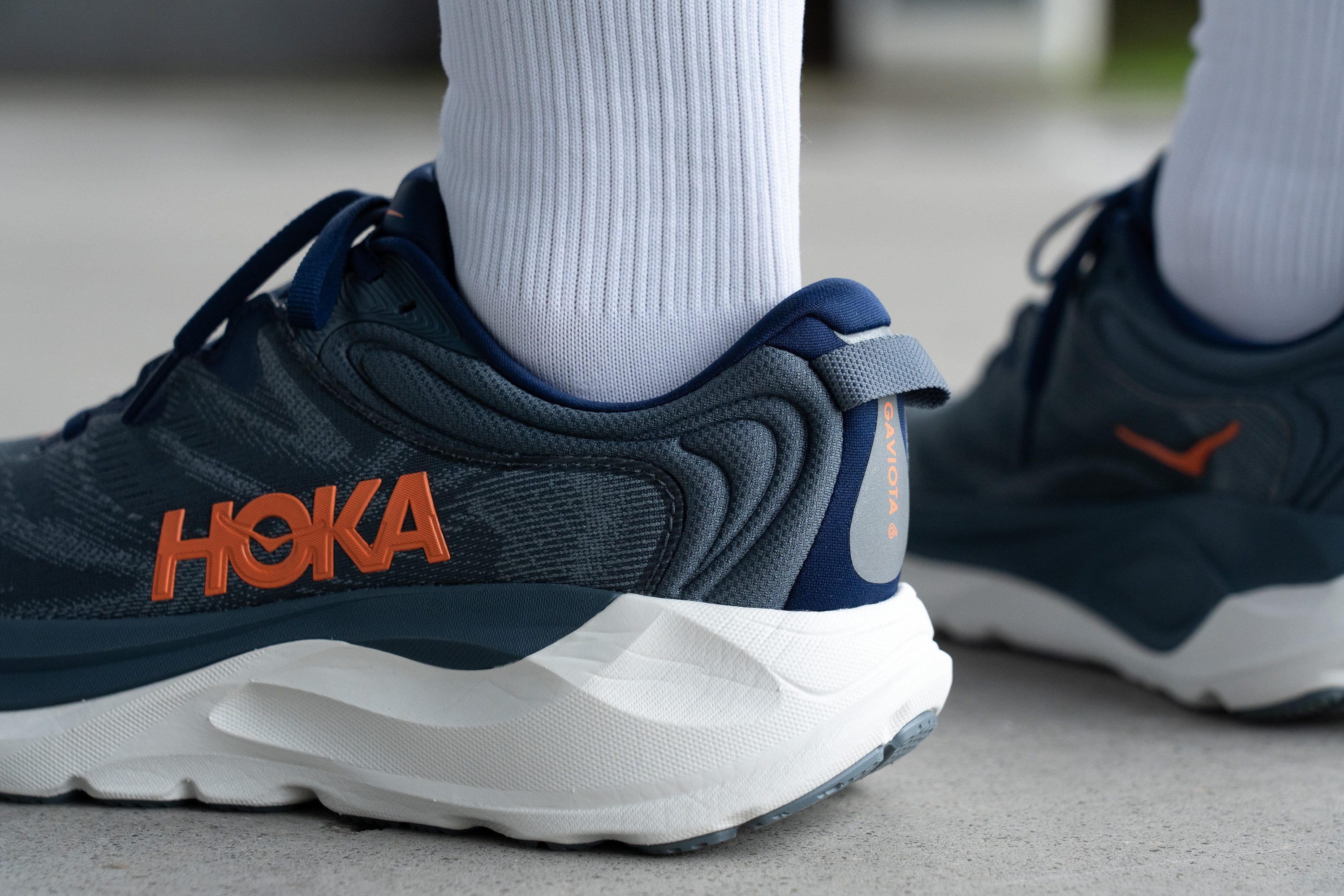
HOKA dice que miden 39,0 mm en el talón, pero a nosotros nos dio 36,0 mm. La verdad es que nos tiene más sentido, ya que es una cifra que coincide con los resultados... desalentadores, por decirlo de algún modo, que vimos en la prueba de absorción de impactos.
| Gaviota 6 | 36.0 mm |
| Media | 35.6 mm |
Altura de la suela en el antepié
Como era de esperar, el antepié también es más bajito de lo que dice la marca, ya que mide 28,7 mm.
Pero bueno, sigue habiendo una cantidad decente de espuma bajo el pie, aunque no llega a los 33 mm que promete HOKA. Si te somos sinceros, estas zapatillas nunca nos parecieron tan altas al correr.
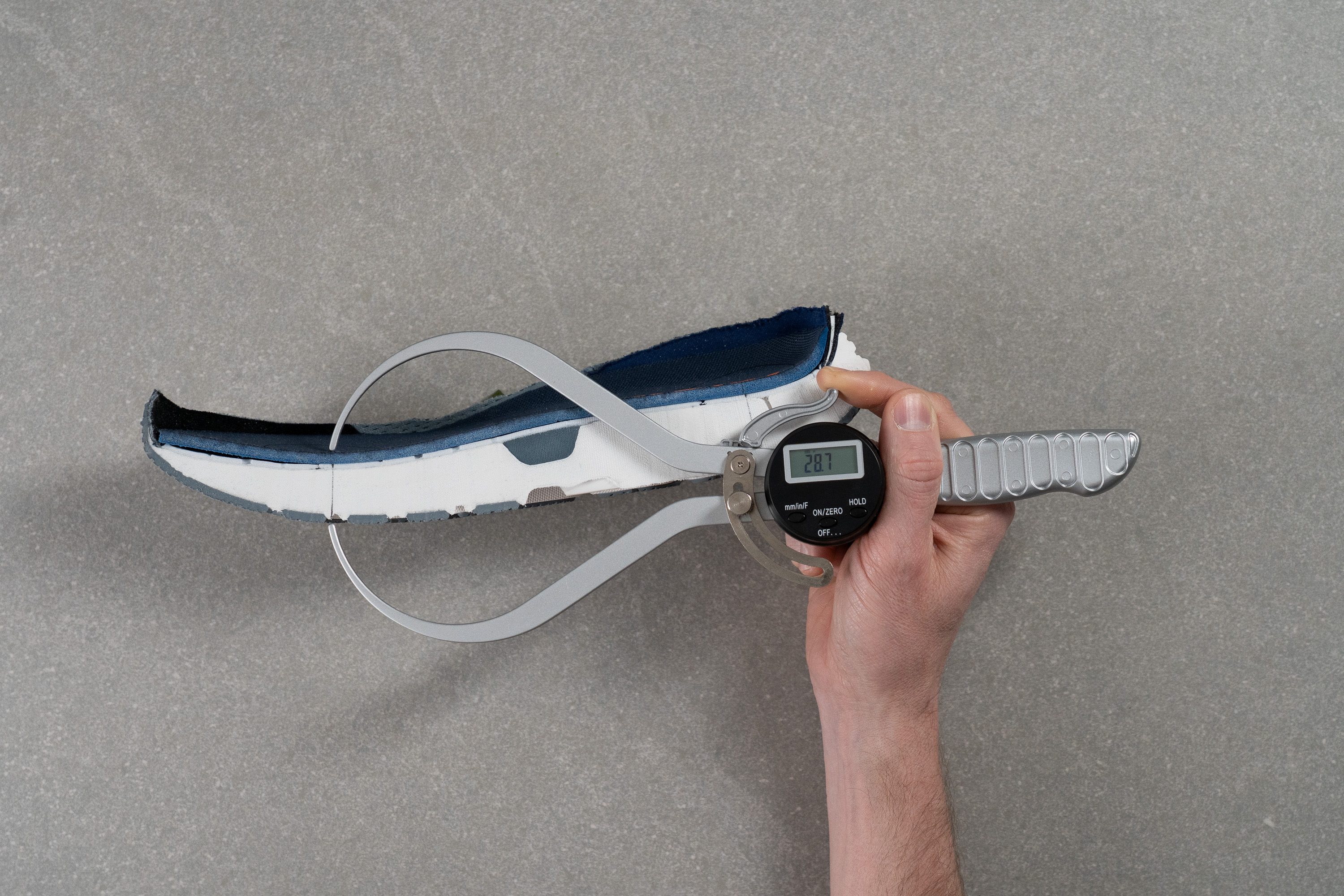
| Gaviota 6 | 28.7 mm |
| Media | 27.2 mm |
Drop
Esta mediasuela hace que el drop sea de 7,3 mm, que es una cifra acertada desde el punto de vista de la estabilidad, y también ayuda a ofrecerles sujeción a los runners con distintas técnicas de carrera.
En este caso, el resultado es más parecido a lo que indica la marca. HOKA dice que el drop es de 6 mm, así que la diferencia es de solo 1,3 mm.
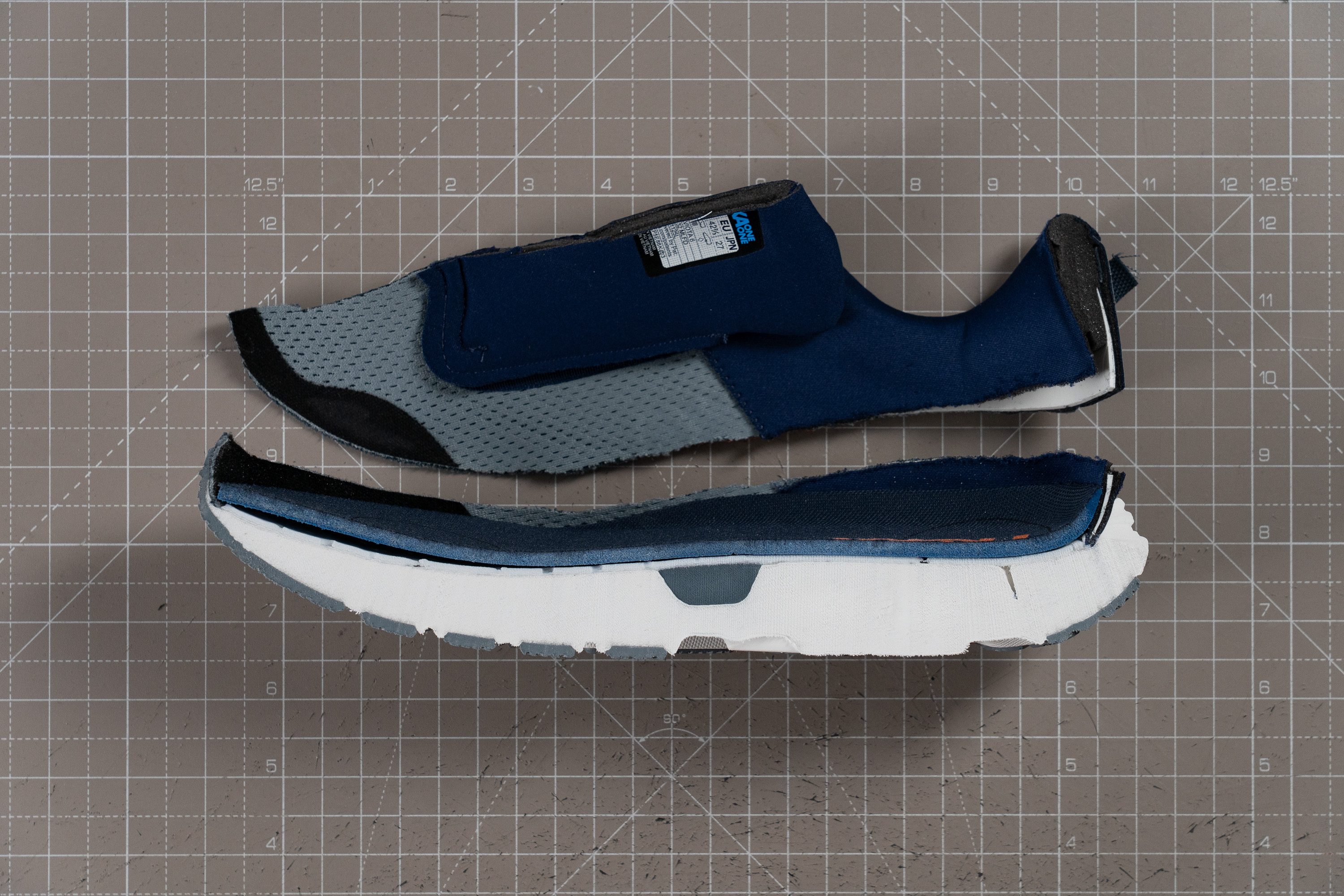
| Gaviota 6 | 7.3 mm |
| Media | 8.4 mm |
Dureza de la mediasuela
Las zapatillas de running son cada vez más blanditas, y las Gaviota 6 no se iban a quedar atrás. Aunque se centran en la estabilidad, la espuma CMEVA obtuvo un resultado de solo 32,6 AC cuando la analizamos con nuestro durómetro Asker C. Esto las hace bastante más blanditas que las Gaviota 5, que obtuvieron un resultado de 36,6 AC en esta misma prueba.
Es normal que esto te preocupe, porque al final las mediasuelas firmes son más estables por naturaleza. Pero tranqui, porque en nuestras pruebas de uso sentimos una buena sujeción, y las zapatillas nos parecieron más cómodas bajo los pies gracias a esta formulación actualizada de la espuma. Personalmente, a nosotros nos parece un cambio a mejor.
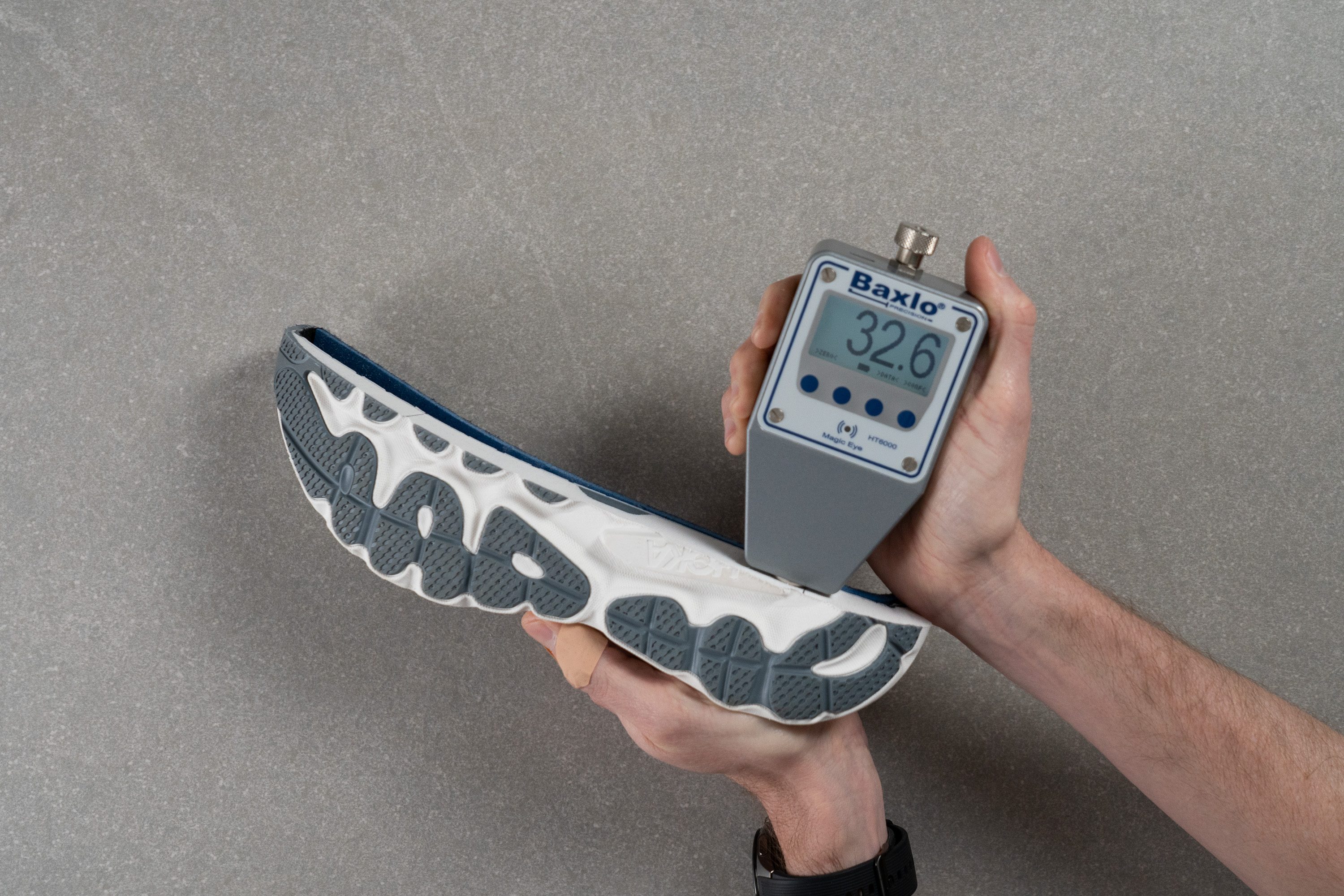
| Gaviota 6 | 32.6 AC |
| Media | 35.4 AC |
Rocker
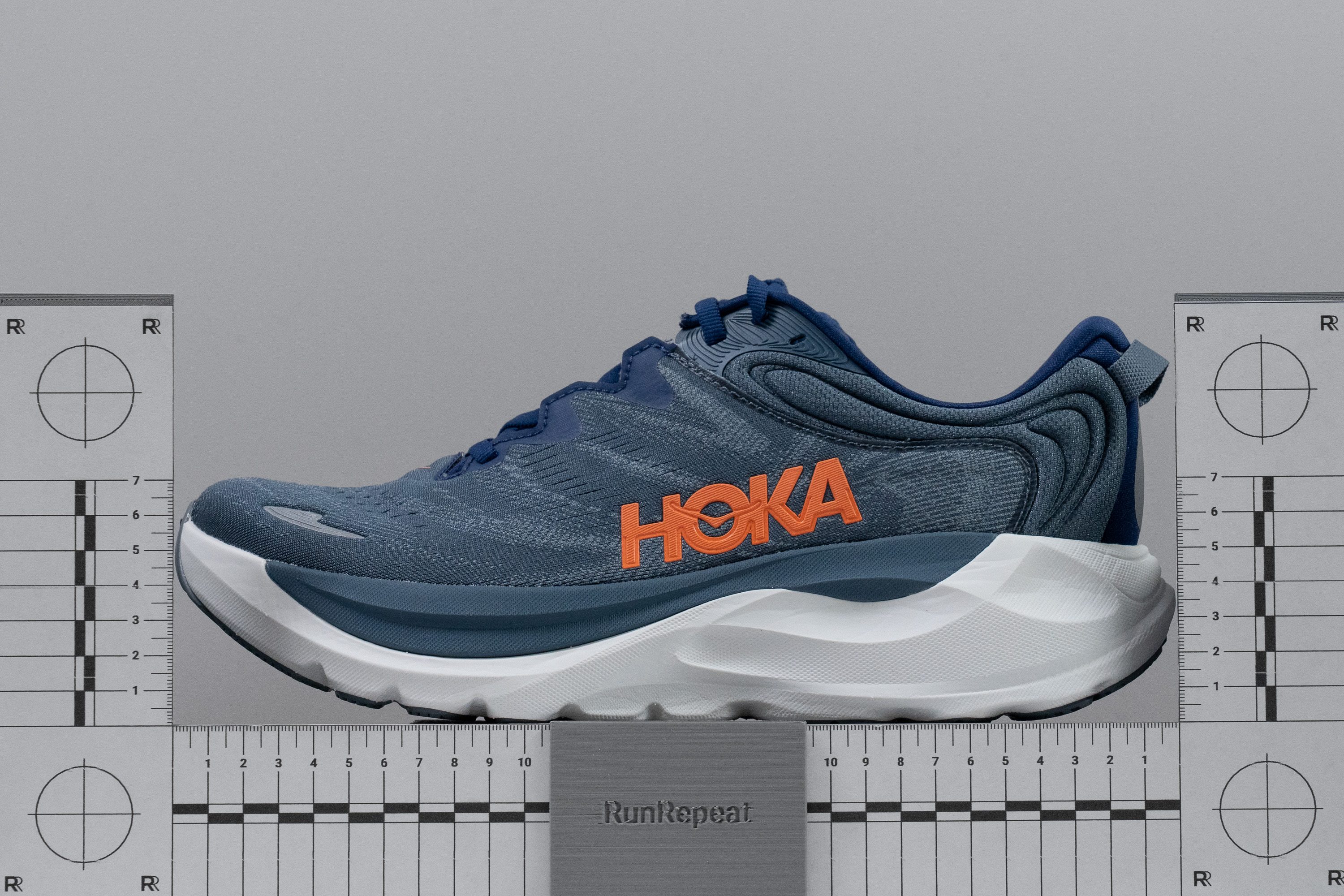
Las HOKA Gaviota 6 tienen un rocker más pronunciado que el de la versión 5, otro cambio de diseño para ir de la mano con las tendencias actuales del mercado. Utilizan la geometría Late Stage Meta-Rocker de HOKA, que ayuda a aportar un poco más de impulso hacia adelante en cada paso.
Esa ayuda extra nos encanta, sobre todo teniendo en cuenta el limitado rebote de la espuma CMEVA, ya que hace que las zapatillas se sientan un poco más dinámicas incluso con su moderado retorno de energía.
Tallaje y ajuste
Talla
Las HOKA Gaviota 6 tallan bien (73 votos).
Longitud interna
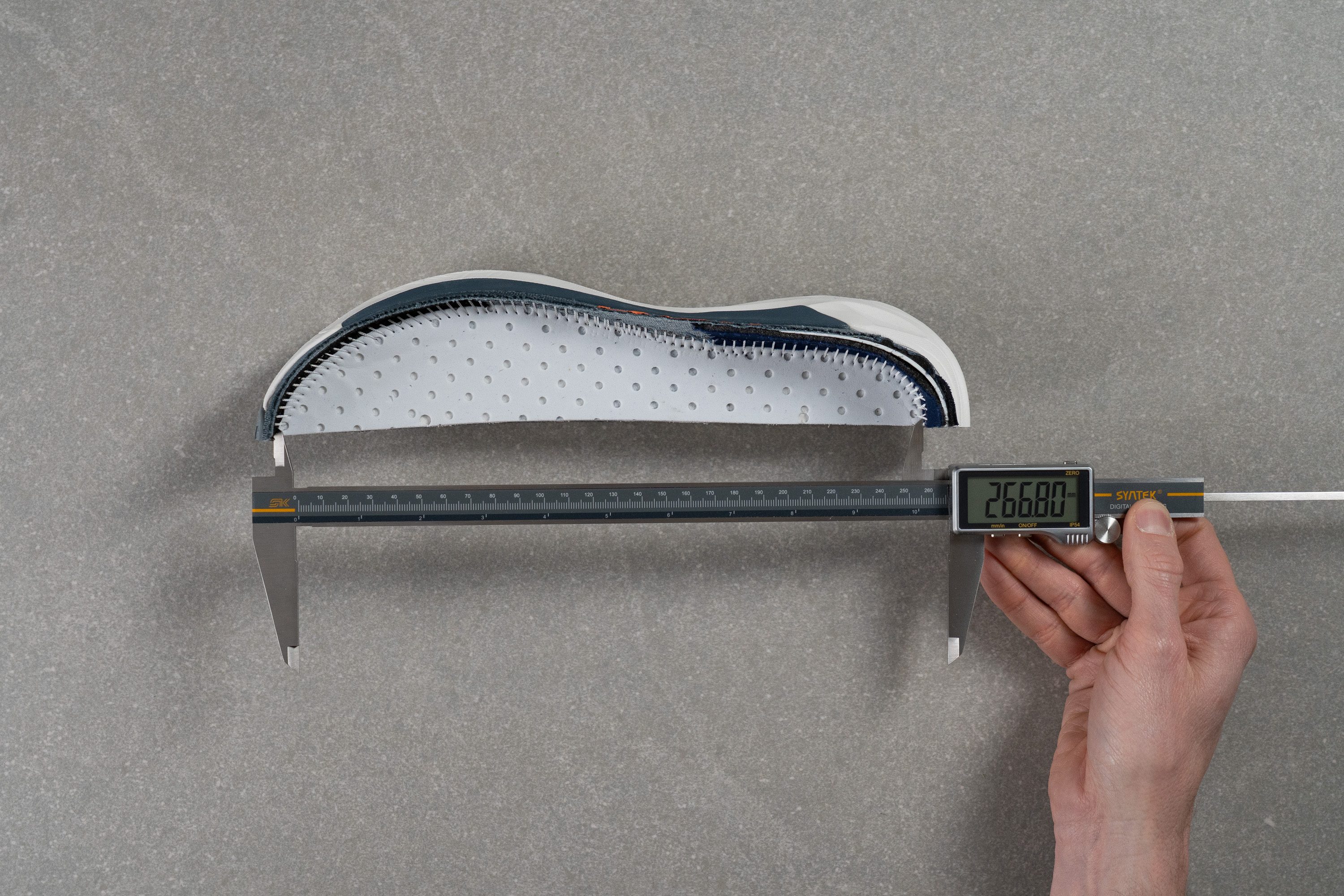
| Gaviota 6 | 266.8 mm |
| Media | 269.4 mm |
Anchura / Ajuste
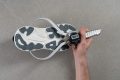
Las zapatillas de HOKA suelen tener un ajuste bastante ceñido, pero según los datos de nuestro laboratorio, la línea Gaviota ha sido constantemente una excepción, y la versión 6 nos lo ha vuelto a demostrar.
En cuanto nos las pusimos, el ajuste nos pareció bastante espacioso, y nuestras mediciones lo confirmaron: en su punto más ancho, estas zapatillas miden 97,2 mm.
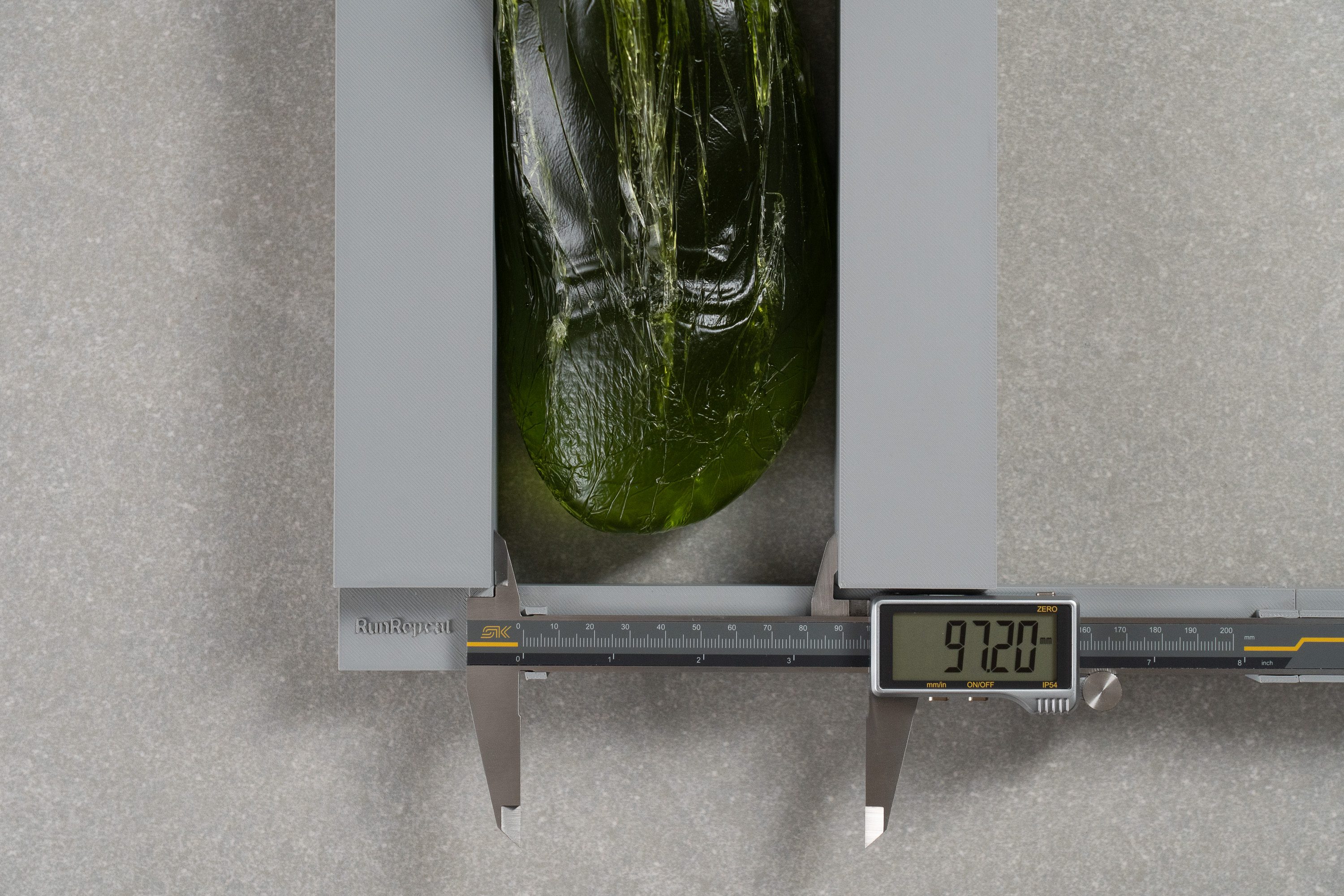
| Gaviota 6 | 97.2 mm |
| Media | 95.2 mm |
Anchura de la parte delantera
Después medimos la anchura de la zona de los dedos para comprender mejor el espacio disponible en el antepié. Fieles a la reputación de la Gaviota, también son más anchas de lo habitual en este punto con 76,7 mm.
Además, HOKA ha sacado estas zapatillas en 3 anchuras distintas. Pero claro, su disponibilidad depende del color, ya que no todas las versiones están disponibles en tallas anchas.
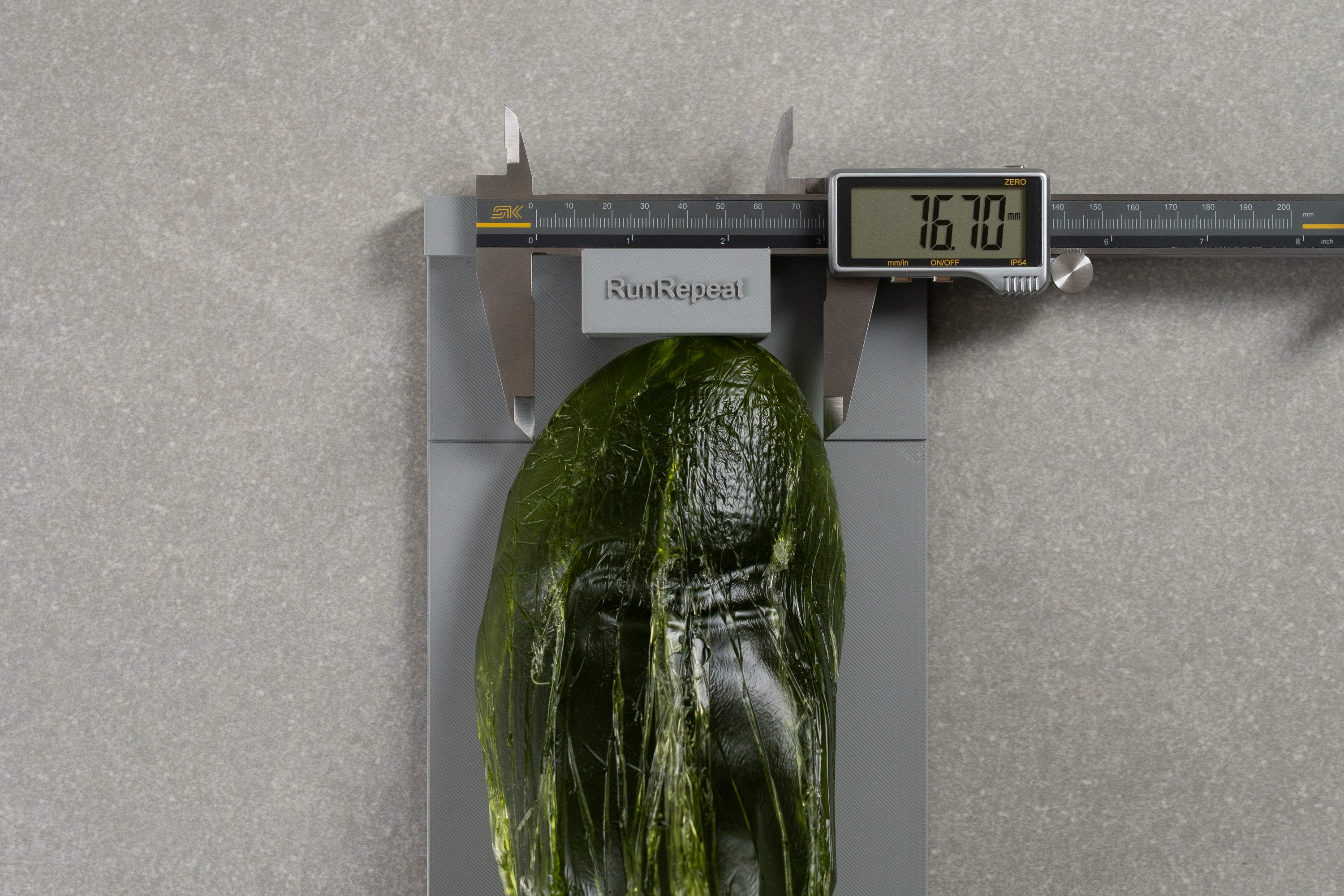
| Gaviota 6 | 76.7 mm |
| Media | 73.2 mm |
Altura de la parte delantera
También tienen mucho espacio vertical para que los dedos se muevan de forma natural.
Nunca sentimos ninguna molestia y la altura de 28,2 mm confirma que estas zapatillas no te van a estrujar los dedos ni si te las pones durante todo el día, tanto si sales a correr con ellas y a pasear como si te las pones para hacer recados.
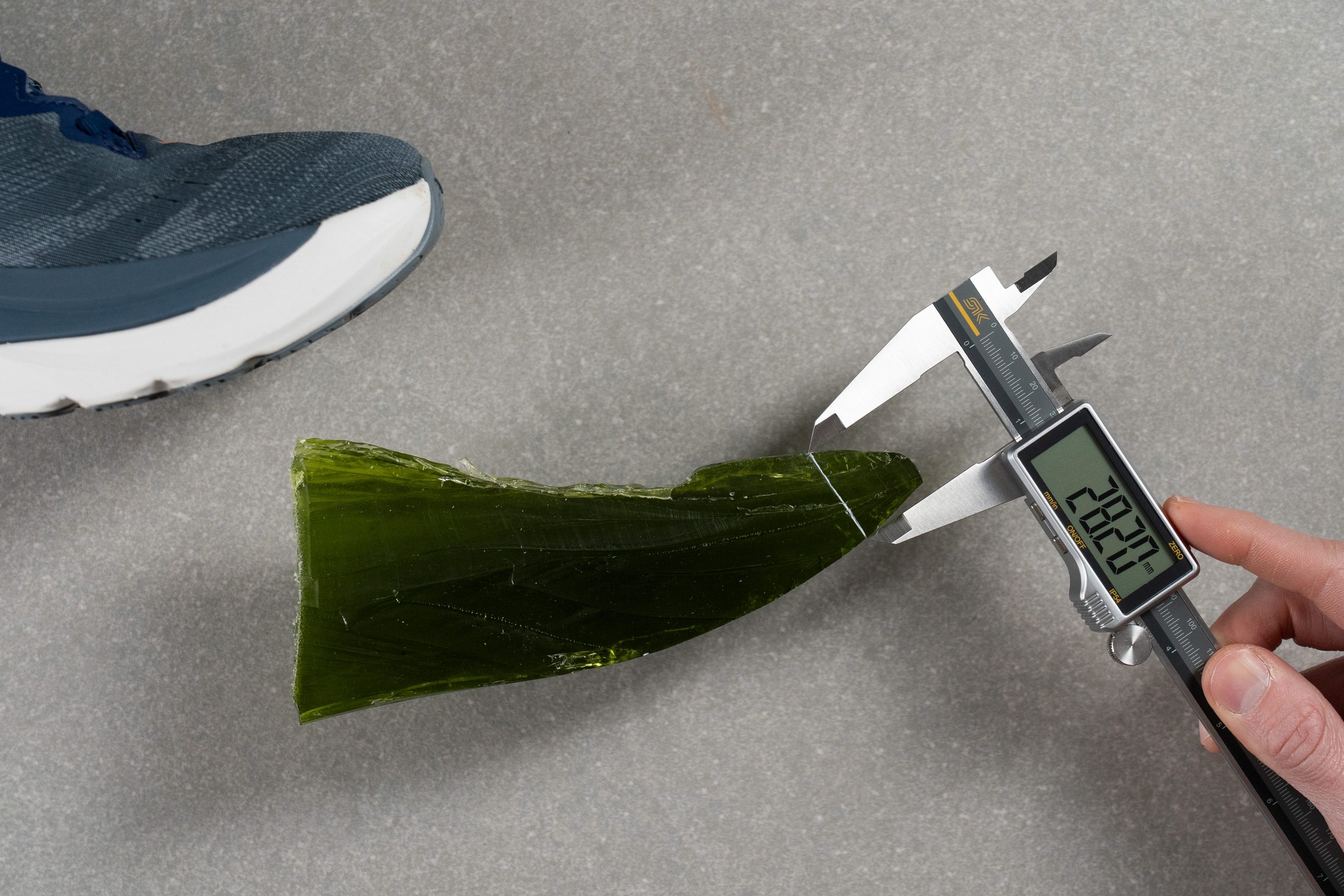
| Gaviota 6 | 28.2 mm |
| Media | 27.0 mm |
Tracción / Agarre
Traction test
Una de las cosas que nos esperábamos que HOKA mejorase es la tracción, ya que las Gaviota 5 se llevaron solo un 0,46 en nuestra prueba SATRA TM144. Por suerte, la marca mejoró la suela exterior, así que las Gaviota 6 obtuvieron un 0,65 en esta misma prueba.
Este resultado nos deja claro que ha habido una mejora y que el agarre es estupendo, así que estas zapatillas nos ofrecieron una tracción fiable incluso si el cielo estaba encapotado.
| Gaviota 6 | 0.65 |
| Media | 0.53 |
Diseño de la suela exterior
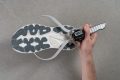
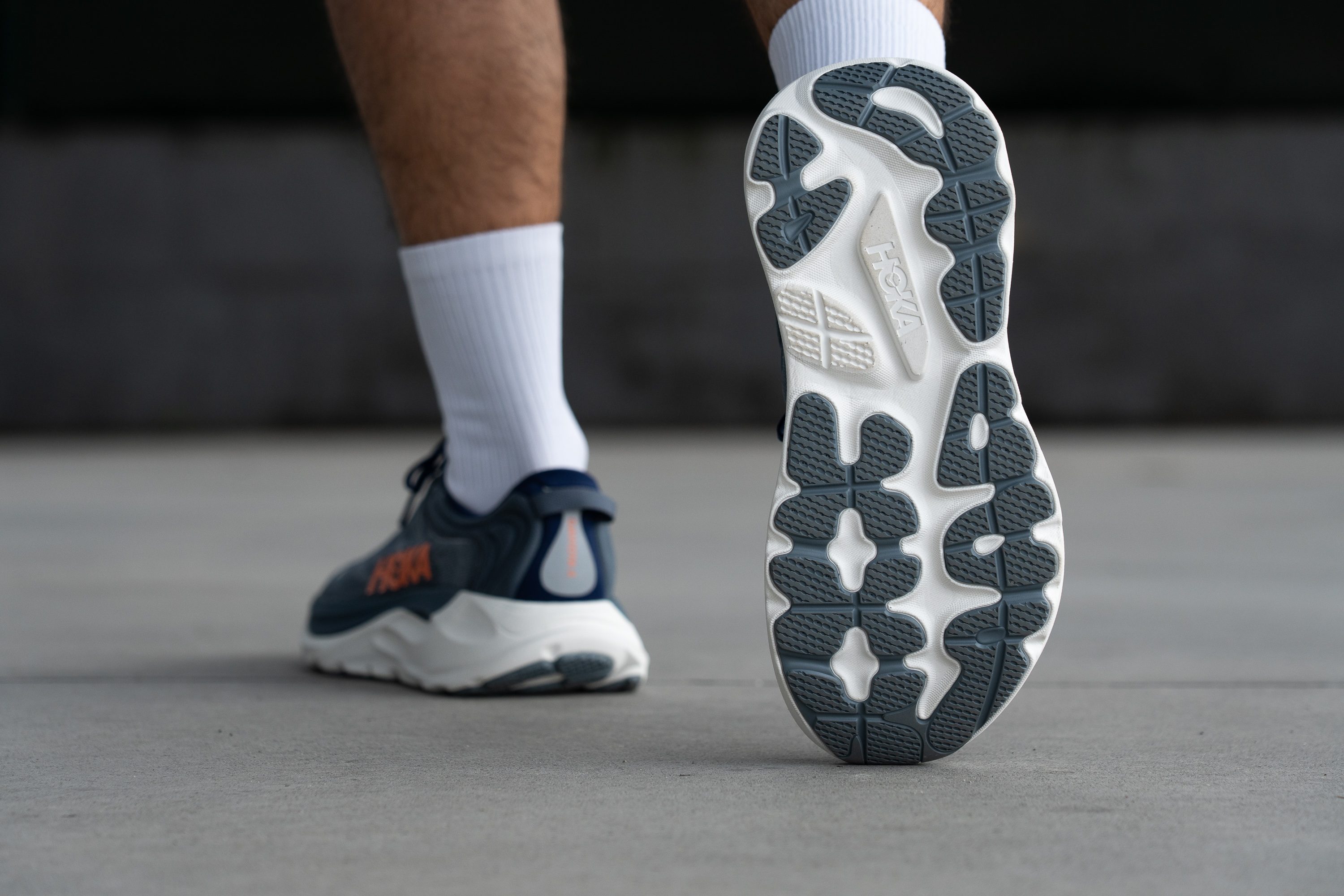
Descubrimos que la suela exterior de las Gaviota 6 combina espuma blanca expuesta en el mediopié con varios parches de caucho oscuro. Sin duda, estamos ante ese diseño tan conocido que hemos visto en varios modelos de HOKA, como las Clifton 10.
Sin embargo, las Gaviota 6 tienen una cobertura de caucho un poco más amplia para proteger las zonas clave, lo que ayuda a reducir el desgaste adicional que suele aparecer en las zapatillas de estabilidad que utilizan las personas con pronación.
Flexibilidad / Rigidez
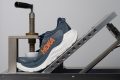
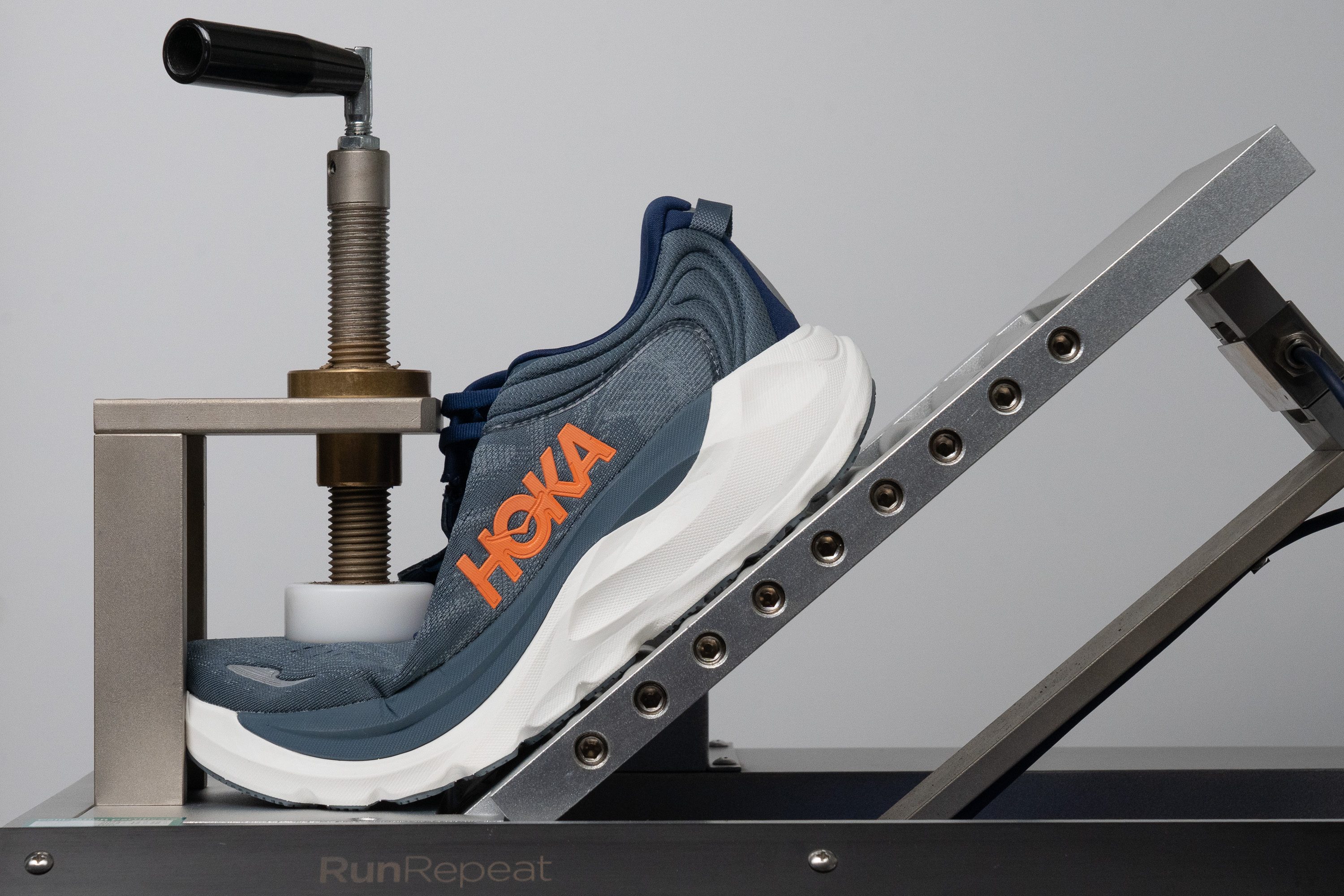
La estructura H-Frame en la mediasuela hace que las Gaviota 6 sean más rígidas de lo que nos esperábamos para unas zapatillas tan altas y con una espuma tan blanda. En nuestra prueba, necesitamos 19,0 N de fuerza para doblarlas, que es más que la media.
| Gaviota 6 | 19.0N |
| Media | 15.5N |
Peso
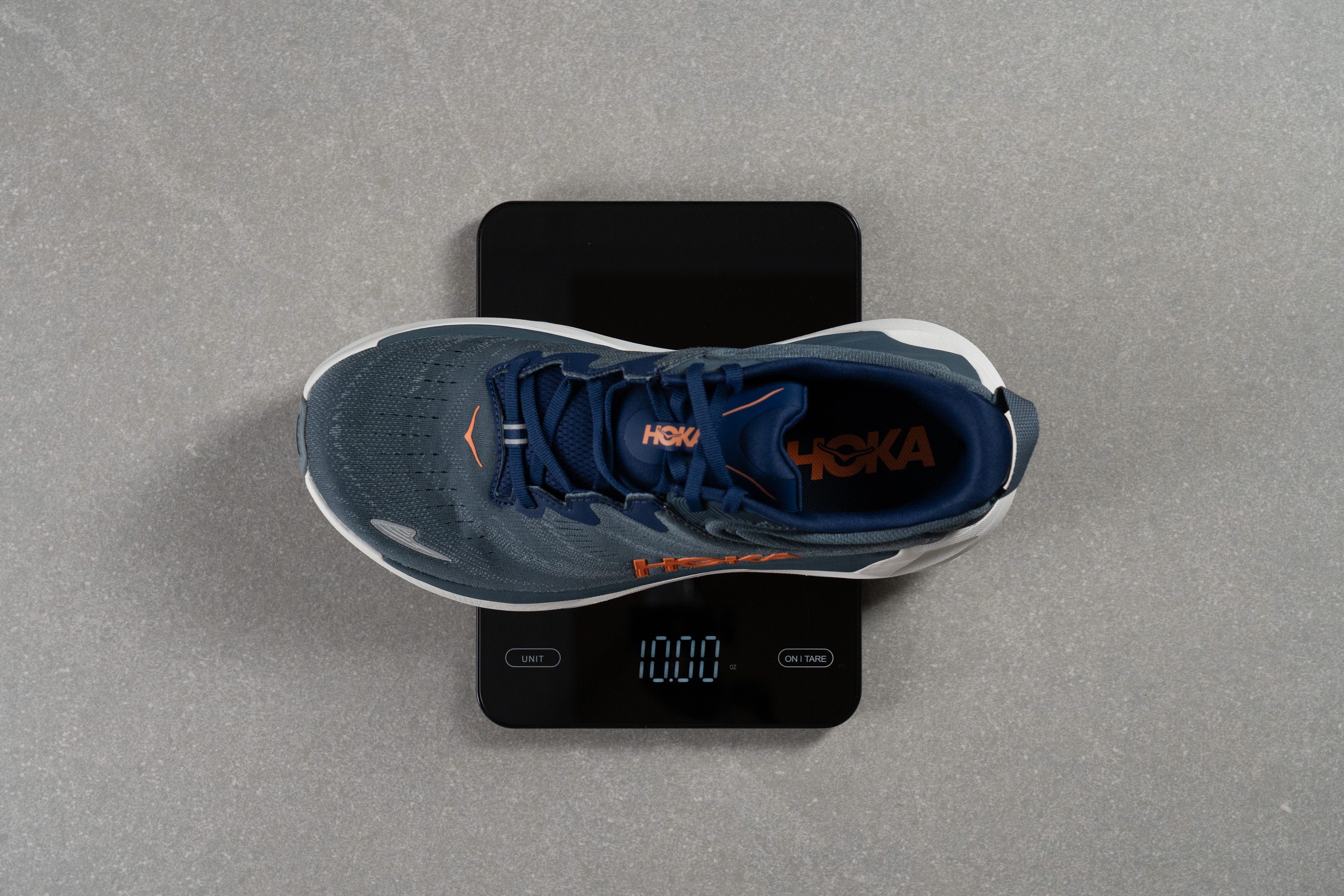
Aquí vimos otra mejora en comparación con la versión 5. Las Gaviota 6 son, aproximadamente, un 5 % más ligeras con sus 283 g. Incluso así, están lejos de sentirse tan ligeras como las Arahi 8, pero sigue siendo un peso razonable teniendo en cuenta su diseño.
Sinceramente, no nos esperábamos que este modelo fuese a ser ligero, pero cambiar a una espuma supercrítica podría reducir su peso fácilmente en un 10 % más o menos. HOKA, ¡dale una vuelta!
| Gaviota 6 | 10.0 oz (283g) |
| Media | 9.2 oz (261g) |
Transpirabilidad
Breathability test
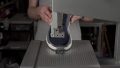
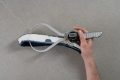
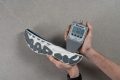
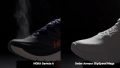
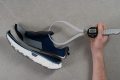
Cuando salimos a correr con ellas, sentimos que el upper de las Gaviota 6 no era de los más transpirables que hemos probado. Cuando volvimos al laboratorio, encendimos nuestra máquina de humo para ver qué estaba pasando.
Cogimos nuestra pieza en 3D, que la diseñamos específicamente para esta prueba, y vimos que el flujo de aire era estándar. No vamos a decir que es malo, pero está lejos de ser impresionante, así que les dimos un 3/5.
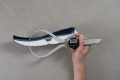
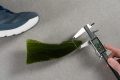
Cuando pusimos un cacho del upper frente a la luz, vimos que claramente prioza la sujeción. De hecho, el resultado anterior nos empieza a tener más sentido después de ver lo grueso que es el material.
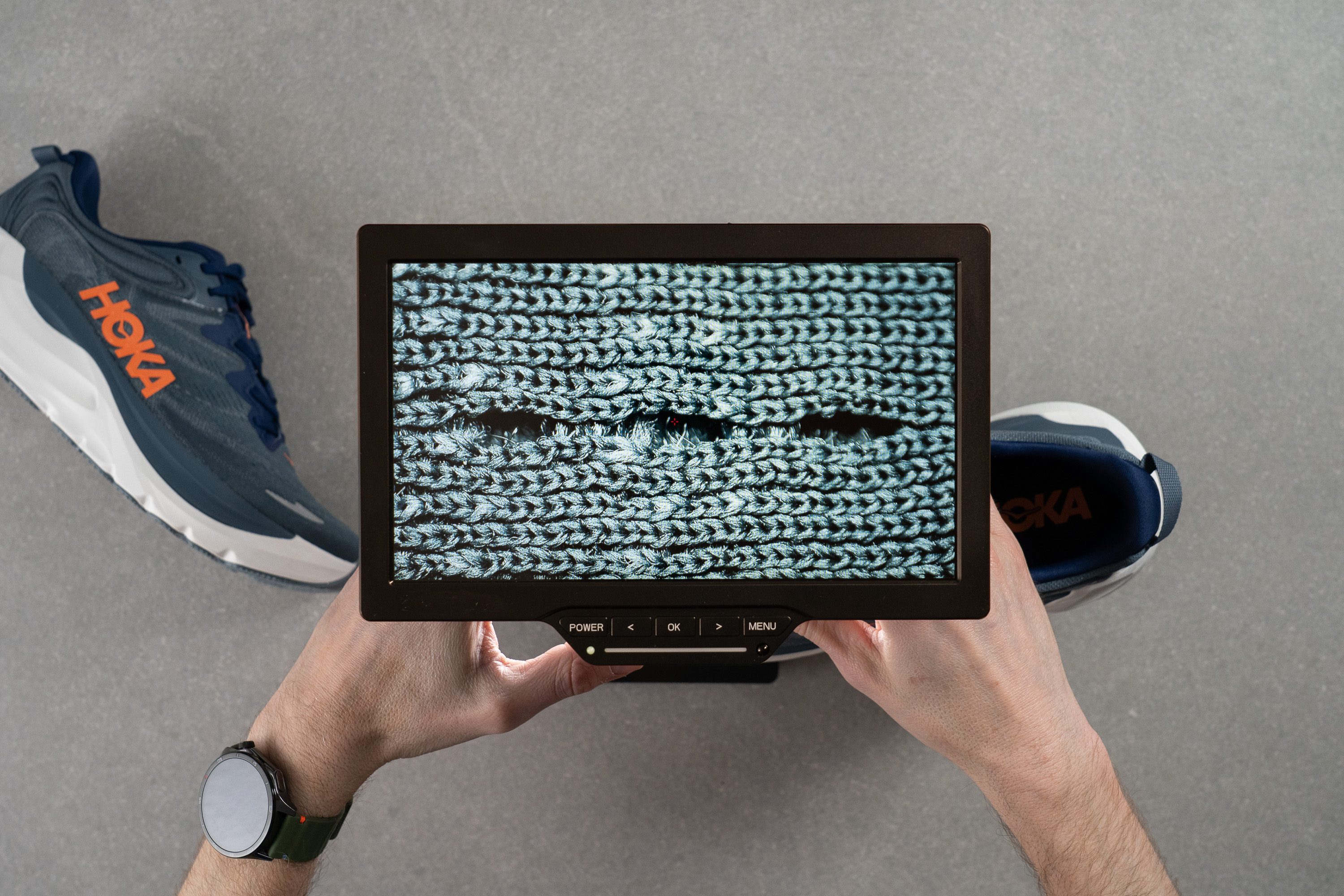
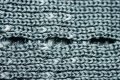
Cuando cambiamos a nuestro microscopio digital, nos quedó claro que el aire no tiene mucho espacio para escaparse.
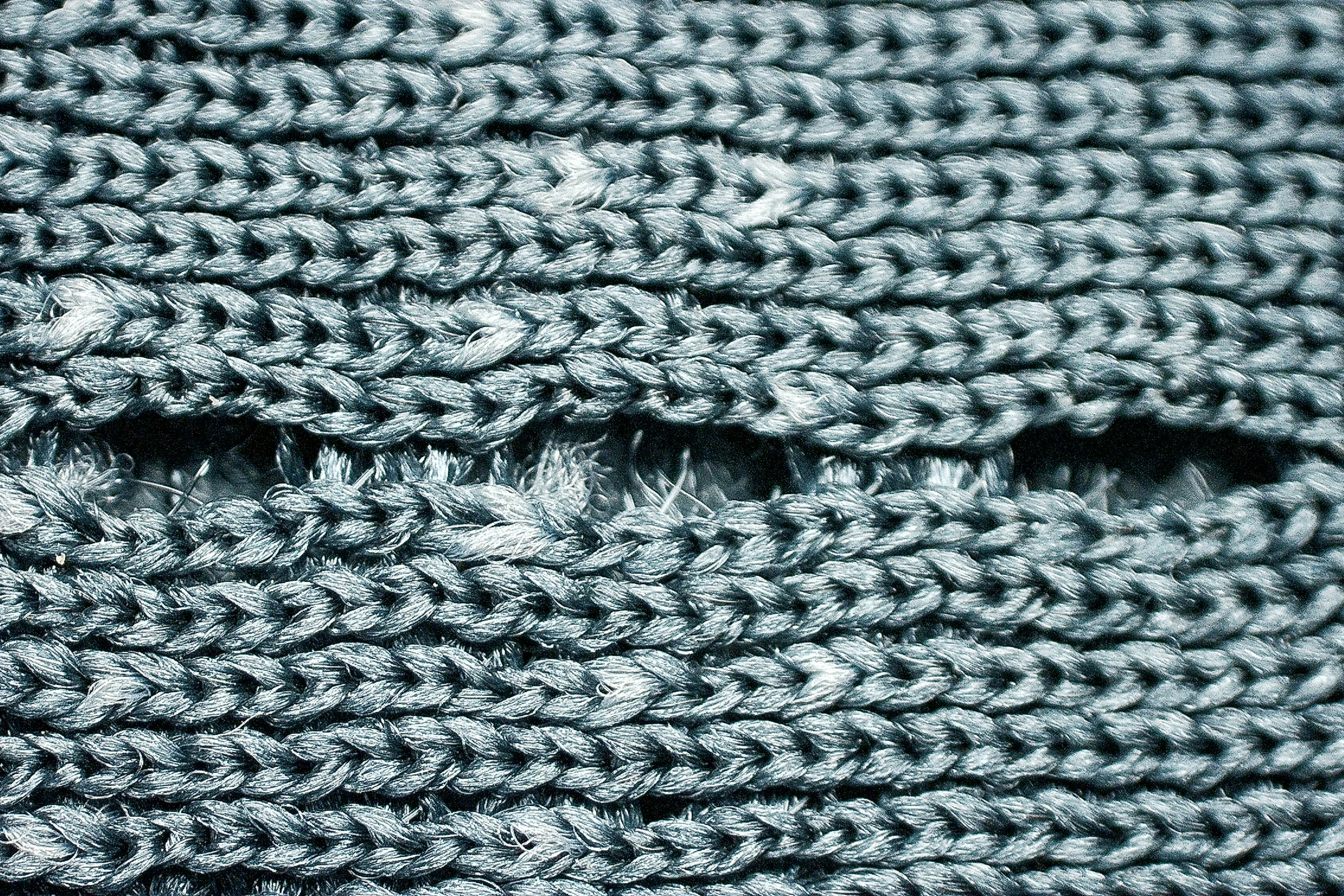
Hay algunos agujeritos para que el aire entre y salga, lo que pasa es que son pequeñitos y vienen acompañados de otra capa que restringe el flujo de aire.
En general, el upper de malla estructurada se centra en ser cómodo y estable. La transpirabilidad tiene un papel más secundario, aunque sigue siendo suficiente para la mayoría de las épocas del año.
| Gaviota 6 | 3 |
| Media | 3.6 |
Estabilidad
Prueba de estabilidad lateral
HOKA introdujo el H-Frame en las Gaviota 5, y sus resultados en cuanto a estabilidad fueron excelentes, por lo que no nos sorprendió verlo otra vez en las Gaviota 6. Combinado con una base anchísima y una alta rigidez, este diseño ofrece una sujeción excepcional sin depender de soluciones obsoletas, como pueden ser los refuerzos de la cara interna.
Rigidez torsional
La rigidez torsional es claramente alta, pero la verdad es que, teniendo en cuenta lo imponente que es su estructura, nos esperábamos algo más que 17,7 Nm. Pero bueno, son buenas noticias para cualquiera que quiera utilizar este par para las tiradas fáciles a ritmos bajos o como unas sneakers.
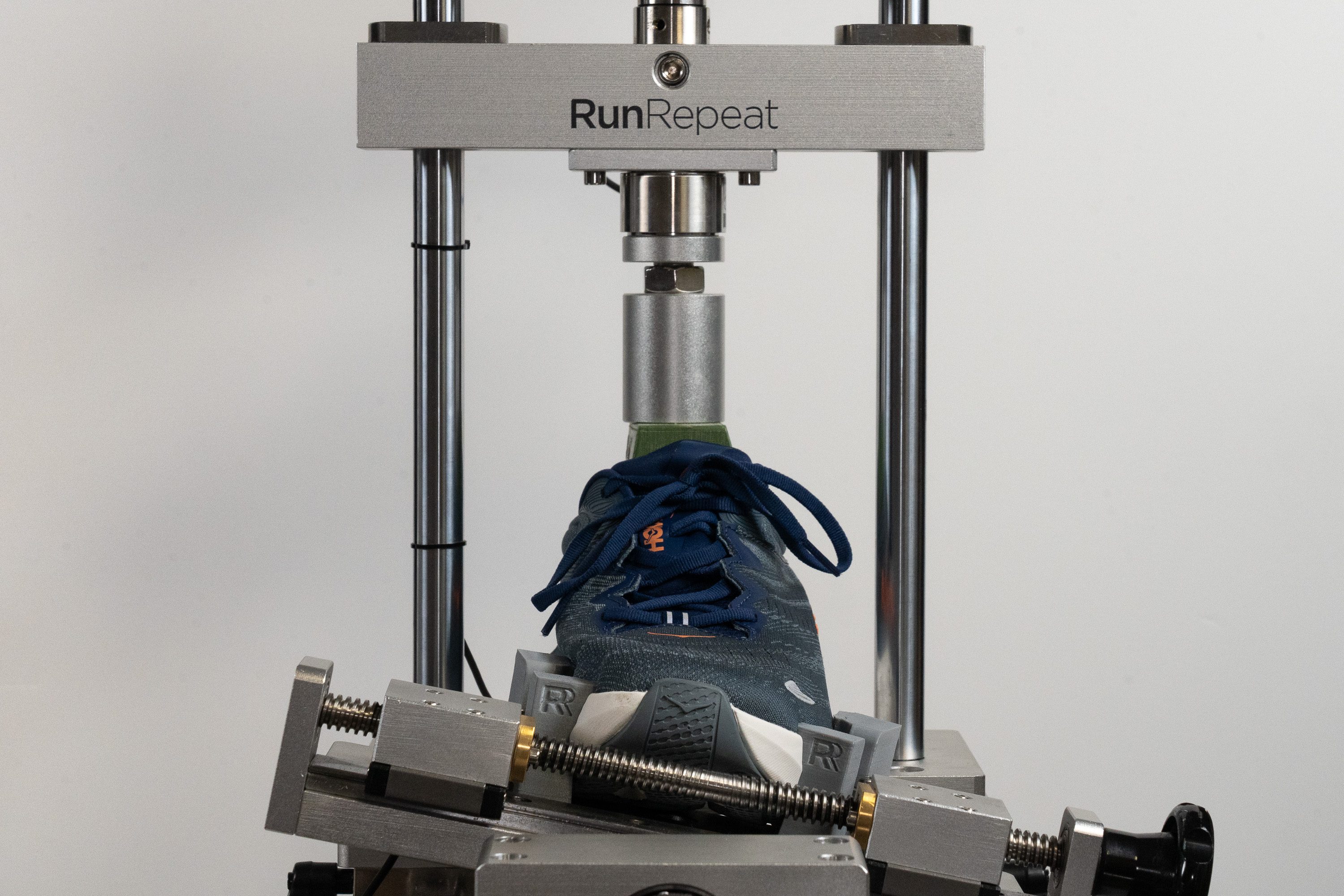
| Gaviota 6 | 17.7 Nm |
| Media | 14.3 Nm |
Rigidez del contrafuerte del talón
El contrafuerte del talón es un poquito más rígido (4/5) que lo que solemos ver en la mayoría de las zapatillas de entrenamiento diario. Pero bueno, la diferencia es pequeña, y todo el acolchado que tiene ayuda a que sea cómodo al correr.
| Gaviota 6 | 4 |
| Media | 3 |
Anchura de la mediasuela - antepié
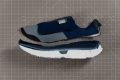
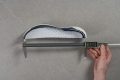
Cuando medimos la anchura de la mediasuela en el antepié, nuestro calibre marcó 120,0 mm, que es un montón. Esto es justo lo que estamos buscando en unas zapatillas de estabilidad, ya que una plataforma ancha ayuda a reducir el colapso lateral sea cual sea tu técnica de carrera.
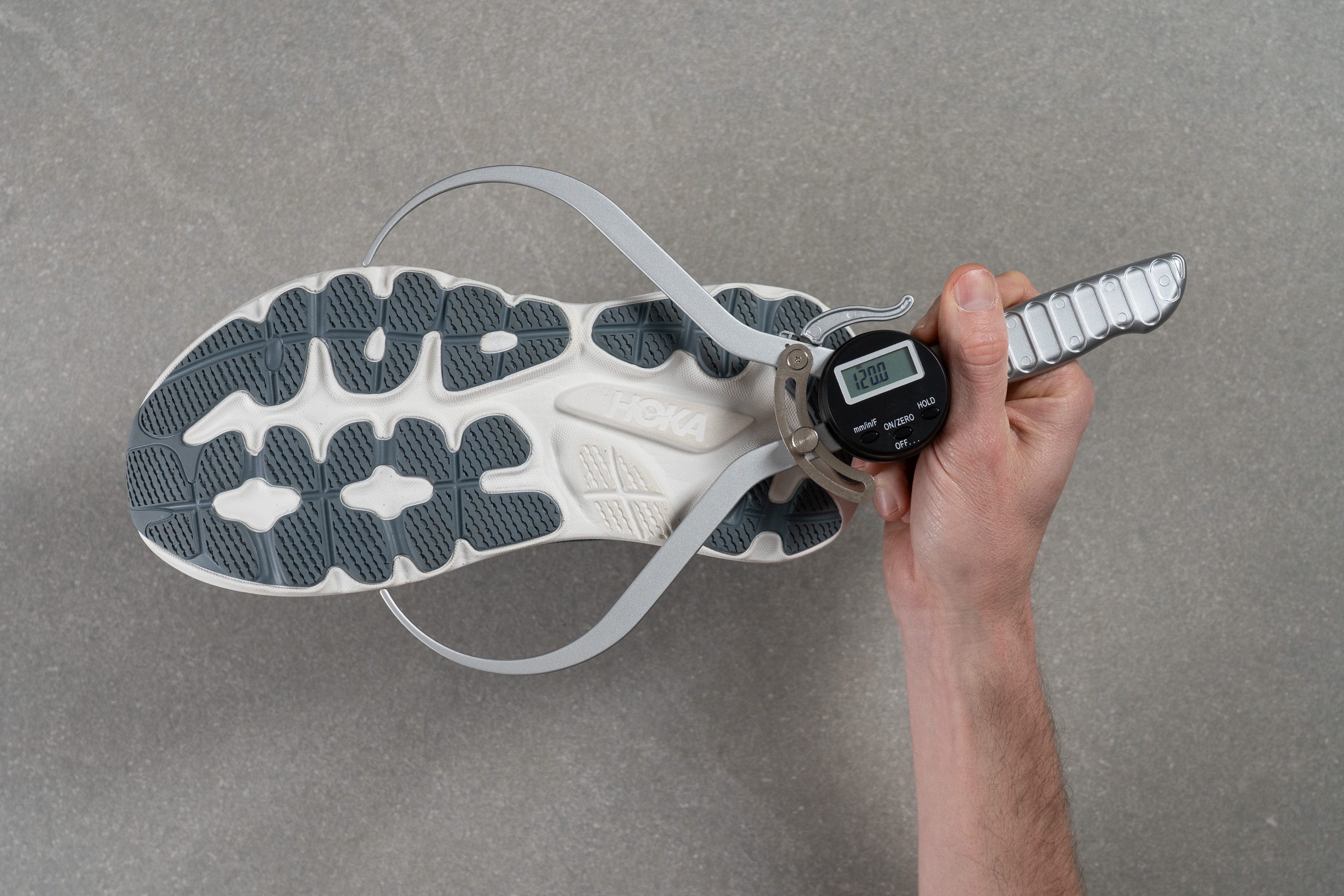
| Gaviota 6 | 120.0 mm |
| Media | 115.1 mm |
Anchura de la mediasuela - talón
El mediopié presume del mítico diseño de HOKA, ya que tiene una plataforma muy amplia, pero lo que más nos llamó la atención fue el talón. Con 105,6 mm de ancho, es uno de los más anchos que hemos medido.
Como tienen esta base tan amplia, estas zapatillas no se sienten especialmente ágiles al correr. Al final, mucha estabilidad y sujeción hacen que las transiciones rápidas y los movimientos ágiles se queden fuera de la ecuación.
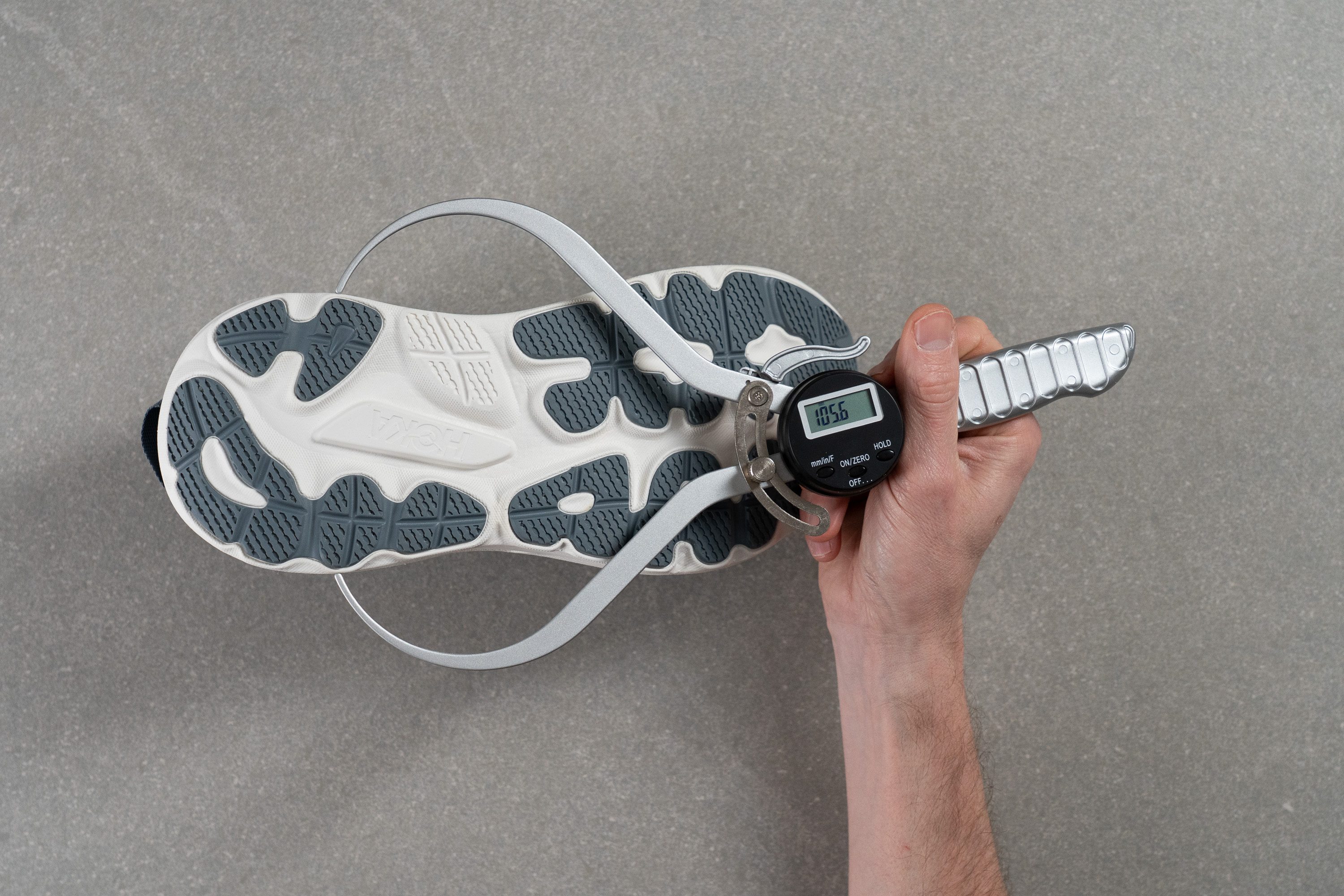
| Gaviota 6 | 105.6 mm |
| Media | 91.1 mm |
Durabilidad
Durabilidad de la parte delantera
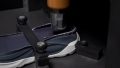
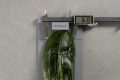
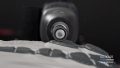
Las Gaviota 6 aguantaron bien la caña que les metió el Dremel y se llevaron un 3/5 en durabilidad. Es un resultado respetable que nos dice que están hechas para durar, sobre todo si tenemos en cuenta que los modelos para asfalto suelen estar menos expuestos al desgaste que los de trail.
| Gaviota 6 | 3 |
| Media | 2.6 |
Durabilidad del acolchado del talón
El acolchado del talón también nos dejó con buen sabor de boca, ya que se llevó un 4/5 en nuestra prueba. Nos ha parecido cómodo, está bien acabado y tiene una buena durabilidad.
| Gaviota 6 | 4 |
| Media | 3.4 |
Durabilidad de la suela
Nuestra última prueba de durabilidad nos hizo darles la vuelta a las zapatillas y centrarnos en su caucho. Terminó con un desgaste razonable de 0,9 mm, así que estamos contentos con el resultado.
Esto sugiere que la suela exterior debería ofrecer una durabilidad fiable. Pero claro, en parte, esto dependerá de tu técnica de carrera, sobre todo si sueles desgastar las zonas donde la cobertura de caucho es mínima y está la espuma expuesta.
| Gaviota 6 | 0.9 mm |
| Media | 1.1 mm |
Grosor de la suela
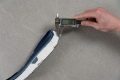
La suela exterior tiene 3,3 mm de grosor, lo que nos deja claro que el diseño es equilibrado. Ofrece una protección sólida sin añadir un peso excesivo ni hacer que la pisada se sienta demasiado firme.
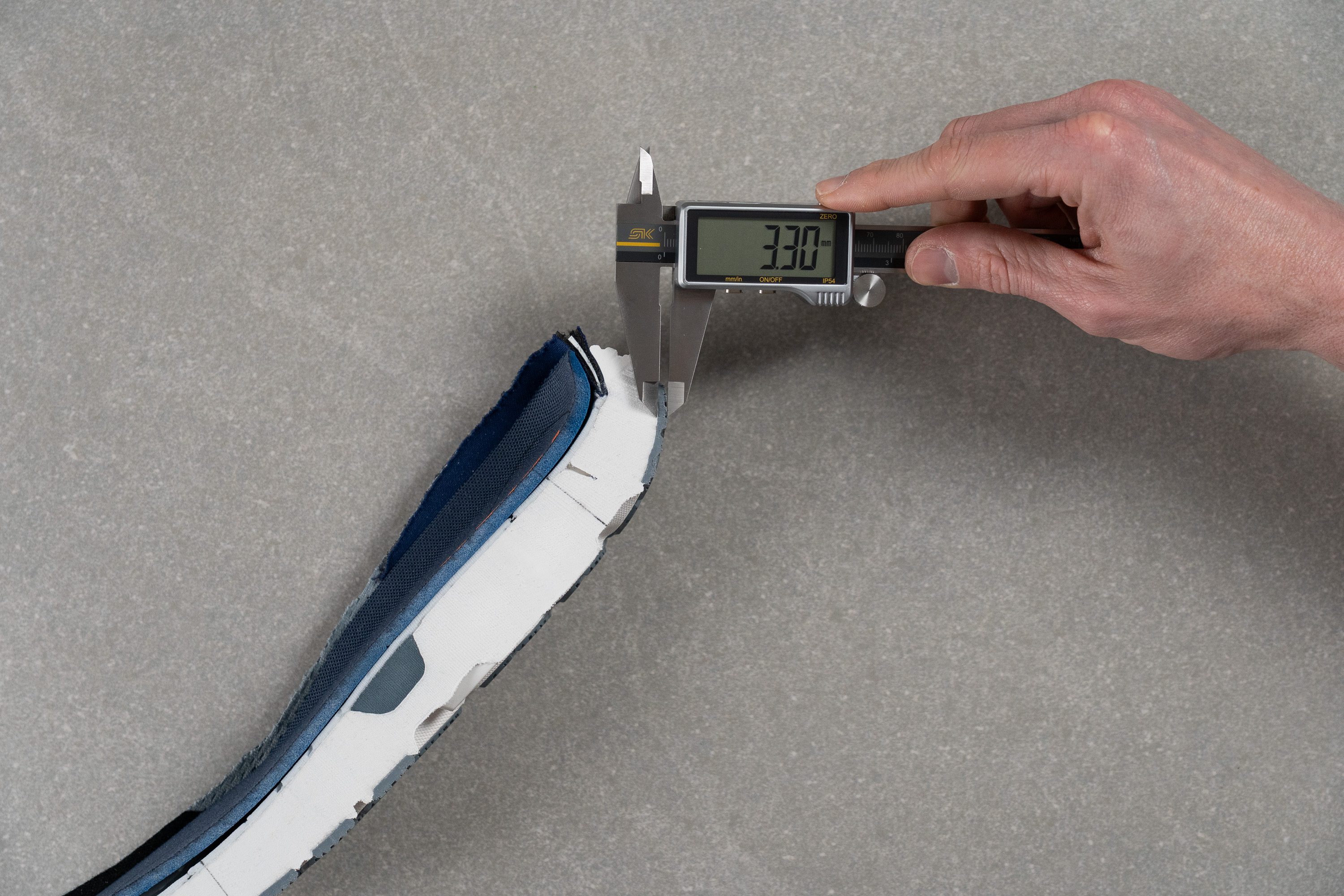
| Gaviota 6 | 3.3 mm |
| Media | 3.1 mm |
Varios
Grosor de la plantilla
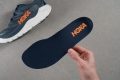
La plantilla ofrece 4,8 mm de amortiguación, que es bastante estándar.
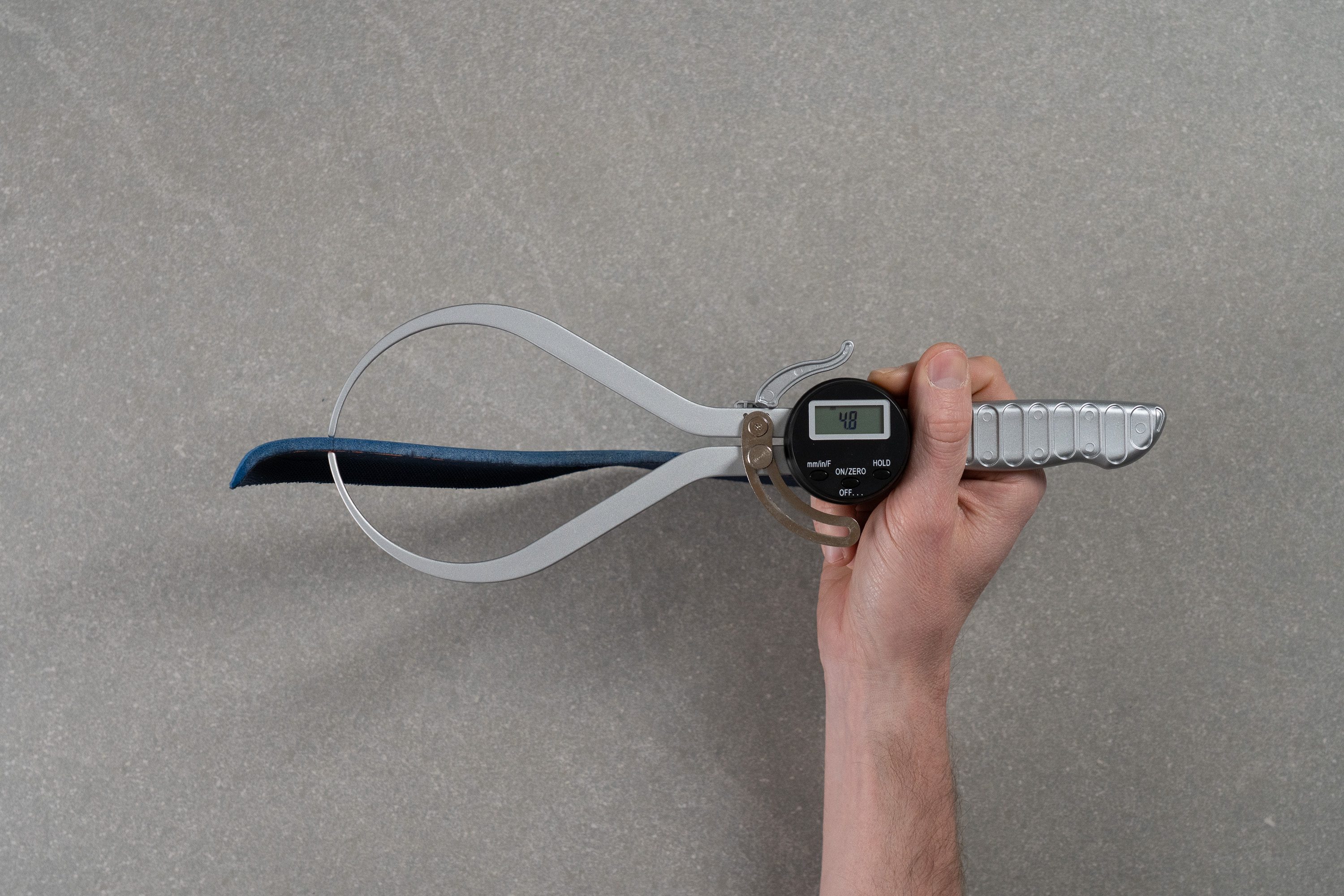
| Gaviota 6 | 4.8 mm |
| Media | 4.4 mm |
Plantilla extraíble
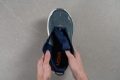
Los corredores que necesitan utilizar sus propias plantillas no tendrán problema con las Gaviota 6. La plantilla que traen es extraíble y las zapatillas tienen bastante espacio interior.
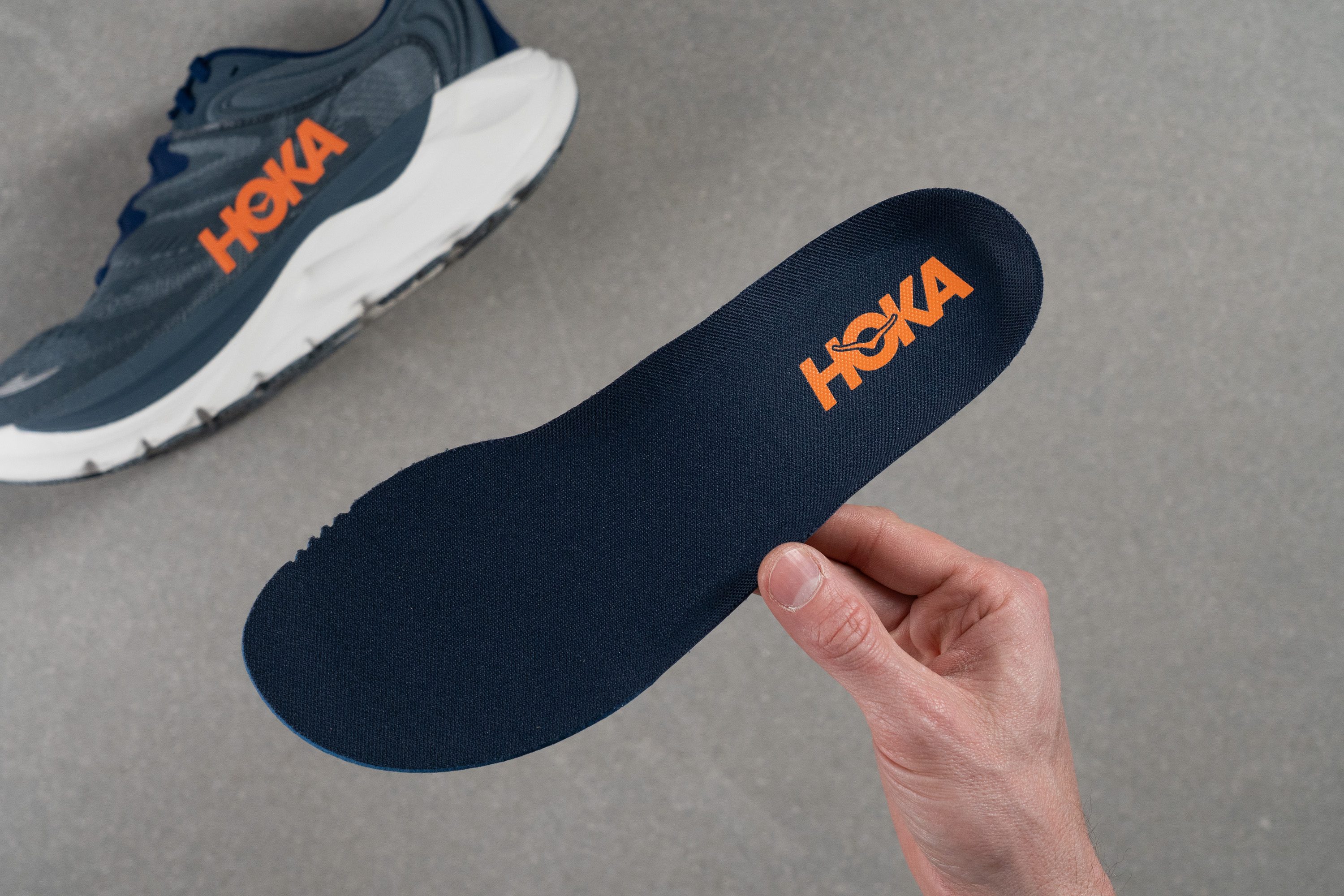
| Gaviota 6 | Sí |
Elementos reflectantes
HOKA, te queremos dar las gracias por ponerles elementos reflectantes a las Gaviota 6. ¡Es un detalle muy útil que nos encanta!
| Gaviota 6 | Sí |
Acolchado de la lengüeta
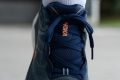
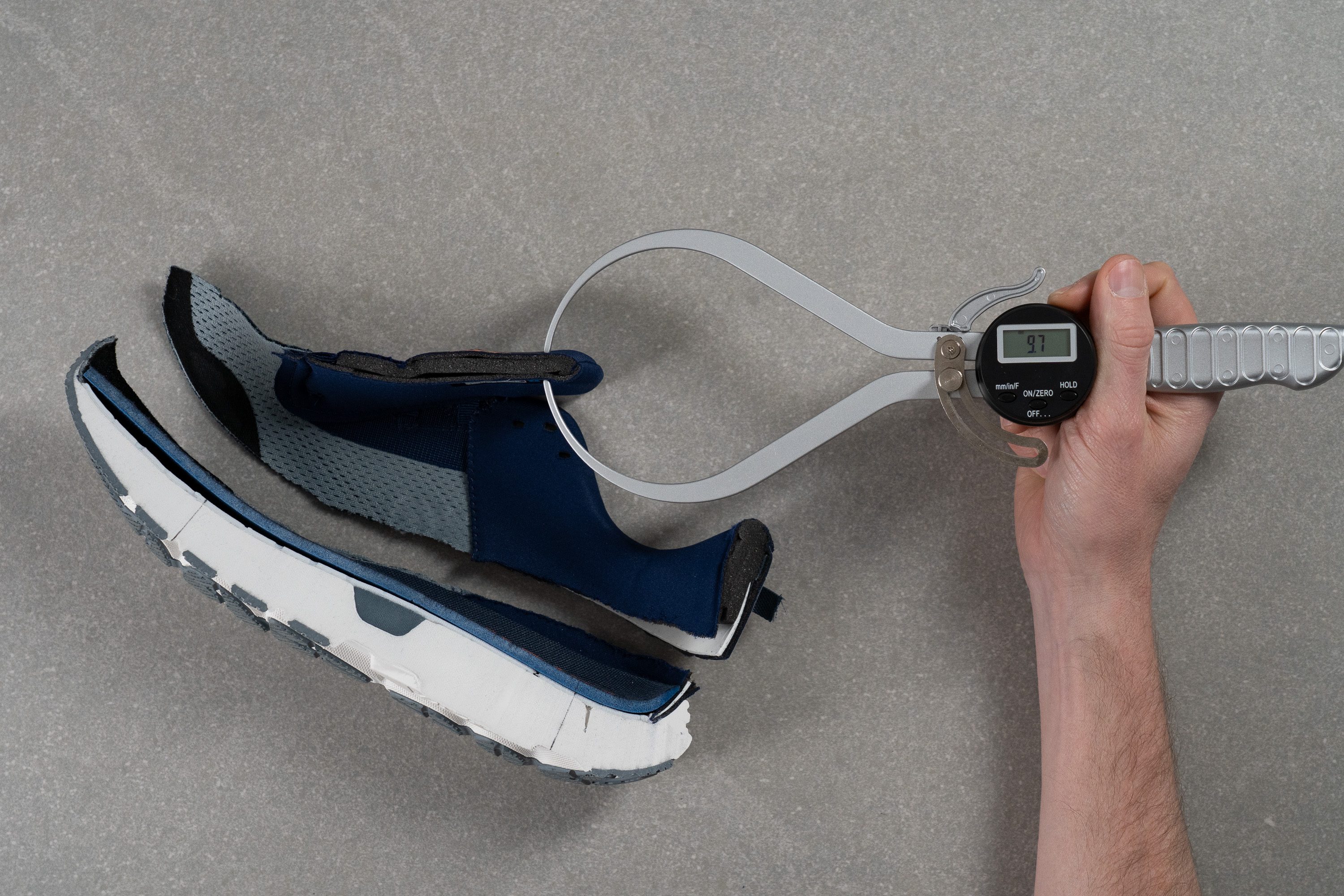
Las HOKA Gaviota 6 tienen un sistema interno de cordones tipo ghillie que mejora el ajuste en el mediopié, a la vez que mantiene la presión distribuida de manera uniforme por todo el upper.
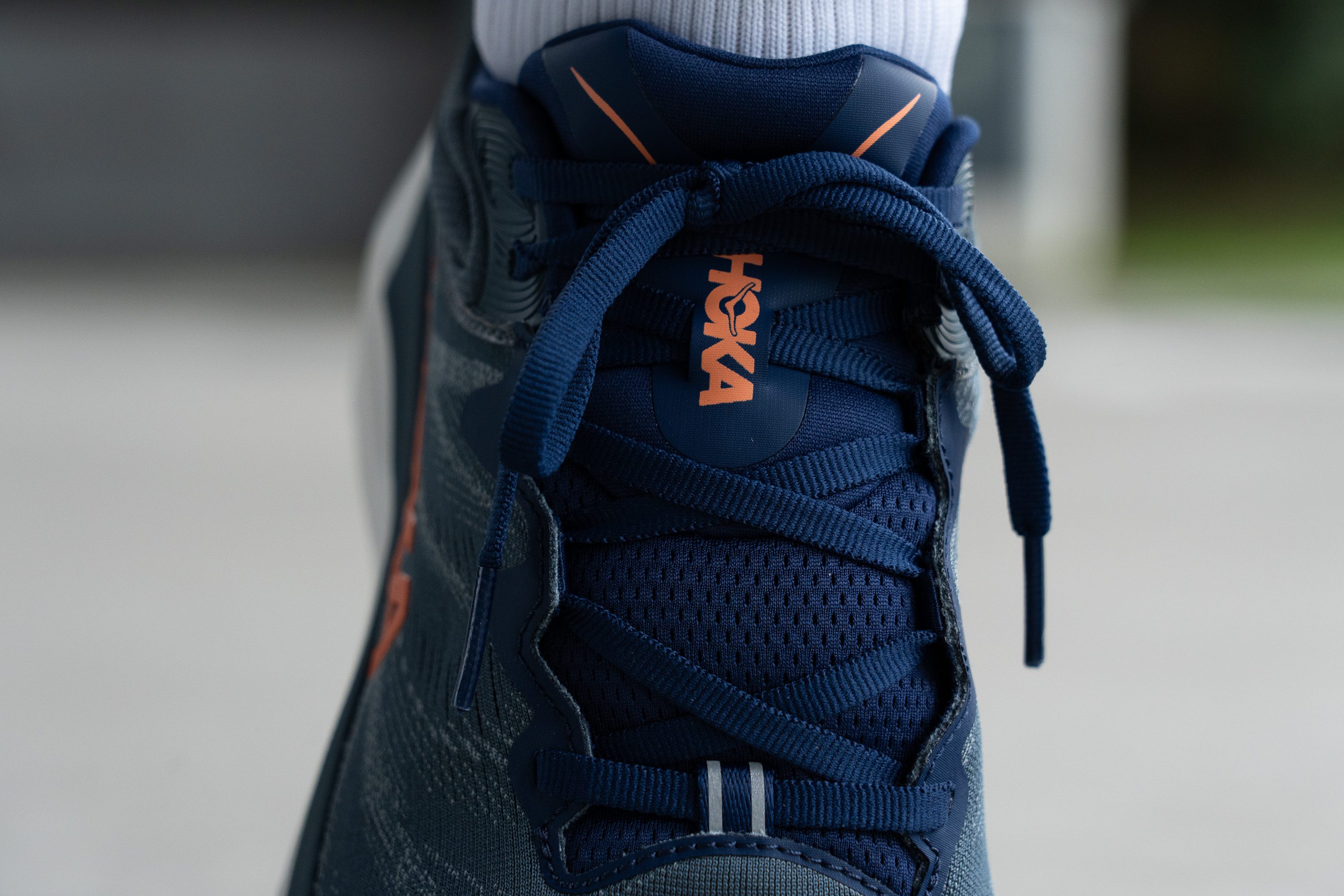
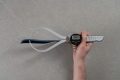
Además, la lengüeta tiene un generoso grosor de 9,7 mm, así que además de ser muy cómoda, también reduce el riesgo de presión por los cordones. Por lo tanto, estas zapatillas nos parecen ideales para los runners que priorizan la amortiguación y la estabilidad, y que quieren un par que ponerse de la mañana a la noche.
| Gaviota 6 | 9.7 mm |
| Media | 5.8 mm |
Lengüeta: tipo de refuerzo
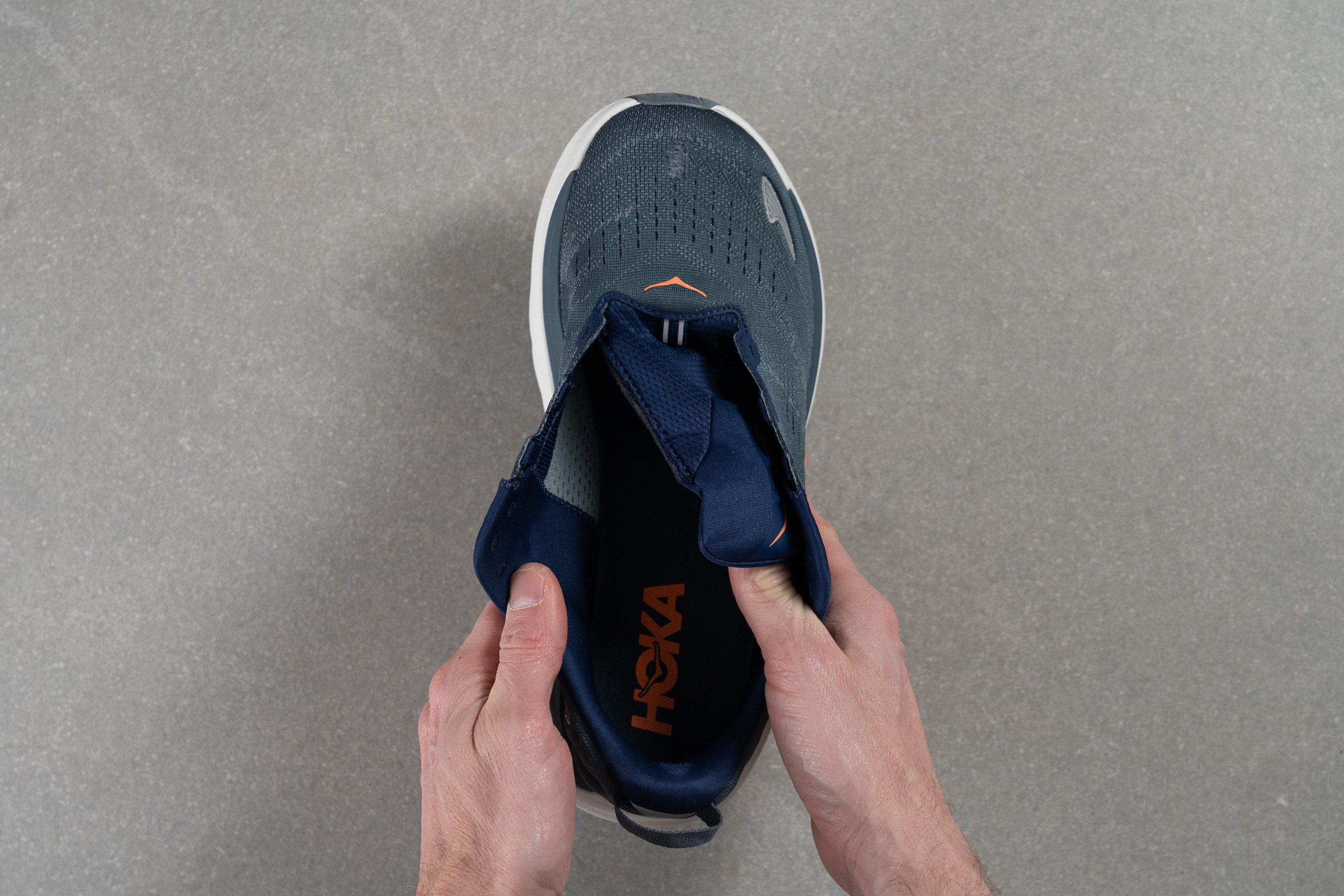
Una desventaja evidente de las Gaviota 6, sobre todo teniendo en cuenta que valen una pasta, es que su lengüeta no está reforzada. Aunque no se mueve tanto de su sitio, unas zapatillas que cuestan un ojo de la cara deberían incluir esta característica sí o sí.
| Gaviota 6 | Ninguno |
Tirador del talón
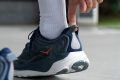
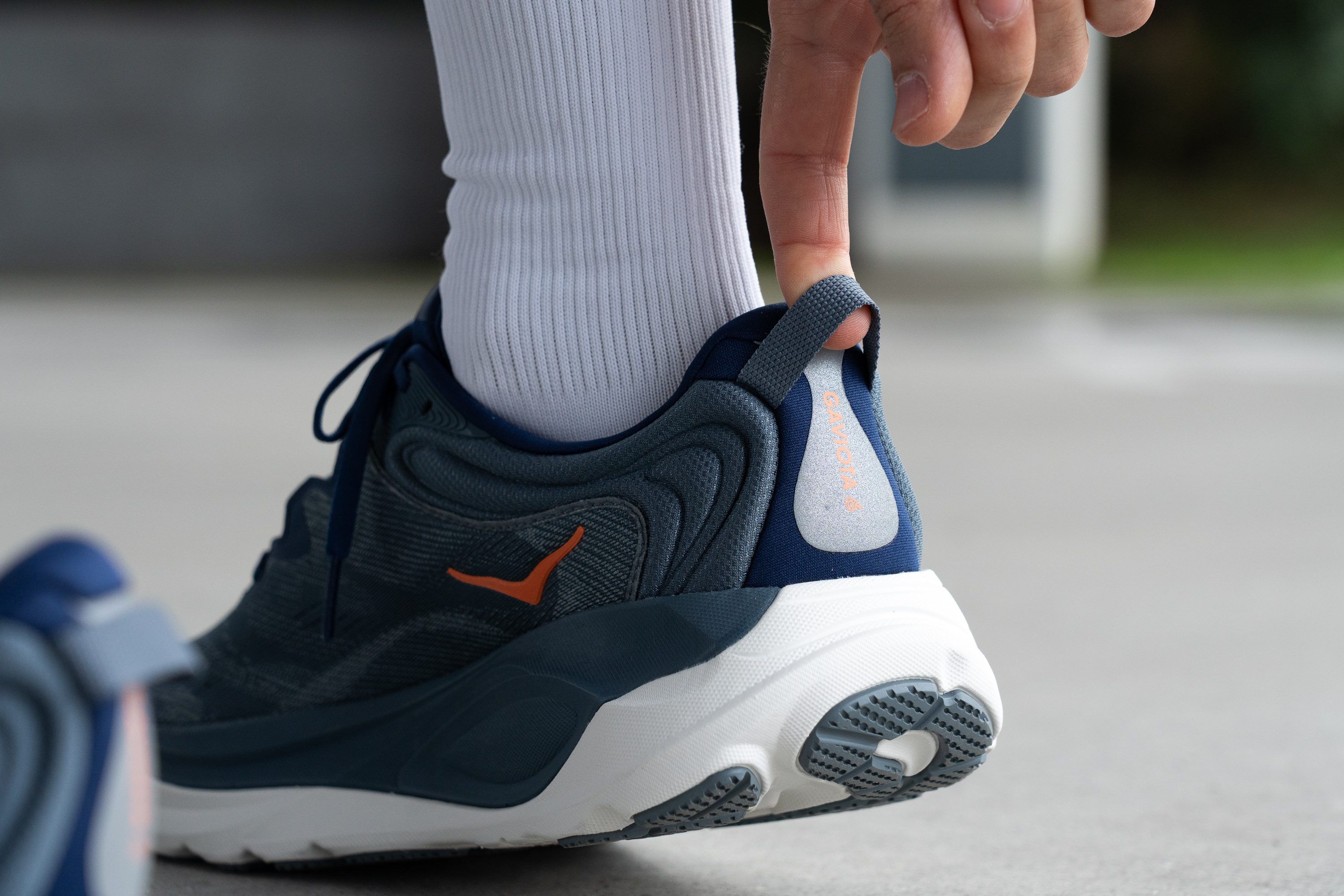
El talón tiene un tirador muy resistente que está agarrado al cuello de esta misma zona y reforzado por los paneles del upper que lo rodean.
Cuando nos pusimos las zapatillas, descubrimos que su diseño horizontal hace que sea más fácil de agarrar, al mismo tiempo que se conecta de una forma tan limpia a la estructura acolchada del talón y al diseño general de las zapatillas.
| Gaviota 6 | Tirador circular |
Precio
Las Gaviota 6 siguen siendo una opción de gama alta de HOKA dentro de la categoría de estabilidad, pero que sigan teniendo CMEVA en lugar de una espuma más moderna hace que su precio sea más difícil de justificar. Además, son un poco más caras que las Gaviota 5, que salieron en 2023 pero, en parte, esto puede ser por la inflación.
Incluso así, son unas zapatillas caras, de eso no hay duda, y creemos que muchos corredores pueden durar a la hora de comprárselas por el rendimiento limitado que ofrecen.
| Gaviota 6 | $180 |