
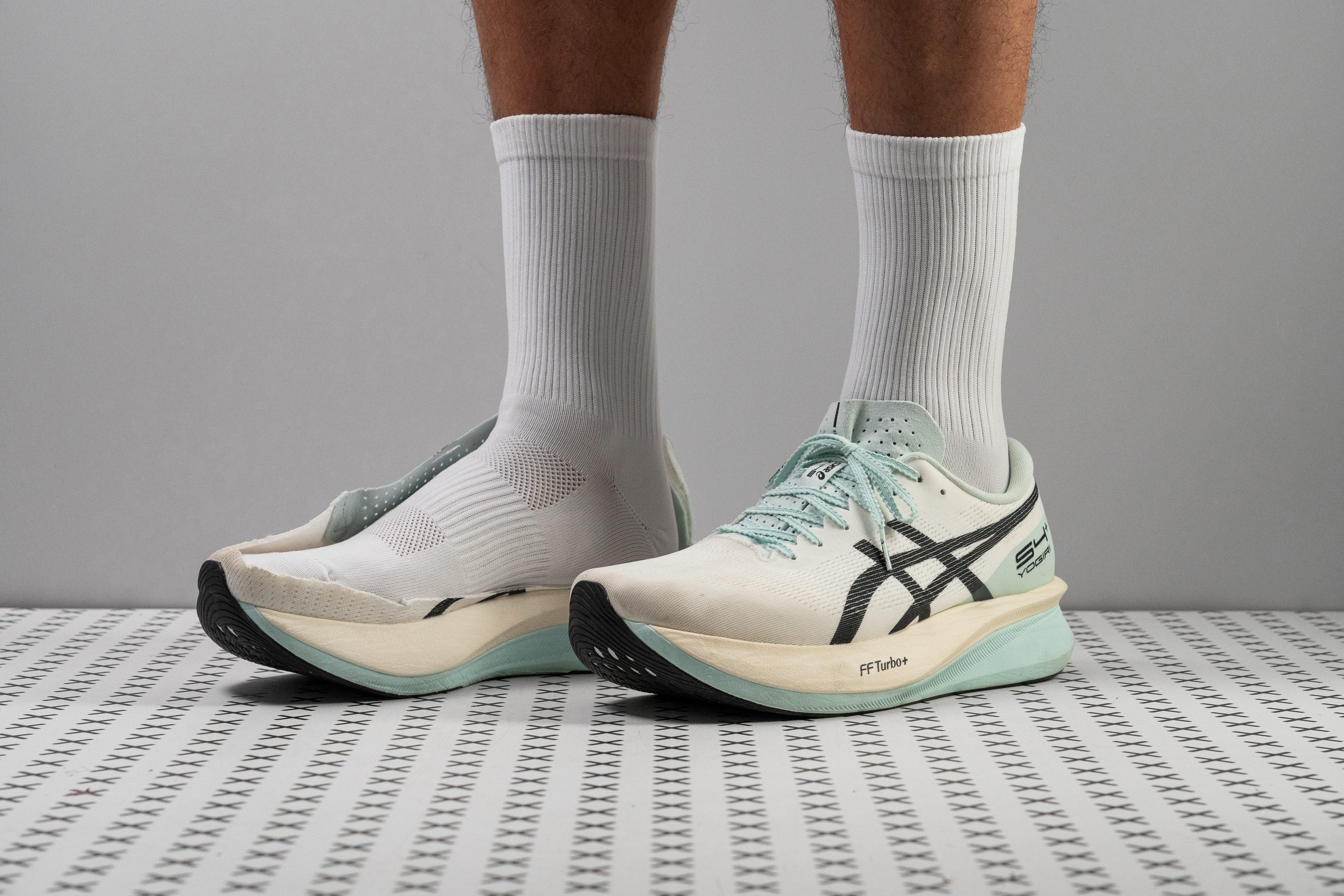


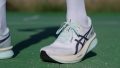



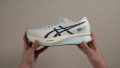
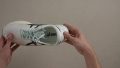
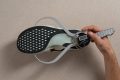
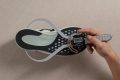



Nuestra conclusión
- Tiradas diarias / rodajes 59
- Tempo 75
- Competición 71
- Estabilidad 85
Pros
- Placa de carbono de extensión completa
- Muy estables para un modelo que se centra en la competición
- Muy buena tracción
- Rinden bien con el frío
- Se adaptan bien a los talonadores
- Sirven para entrenamientos de intervalos
- Heredan algunas características de las Metaspeed
- Más baratas que la mayoría de las zapatillas de competición
- Ideales para principiantes
Contras
- No son realmente unas superzapatillas
- La pisada se siente firme
- Transpirabilidad muy limitada
- Precio poco acertado
Comparativa
Las zapatillas de running más parecidas
+ + Añadir unas zapatillas | |||||
|---|---|---|---|---|---|
| Nuestra puntuación | 74 Buenas | 83 Geniales | 88 Magníficas | 88 Magníficas | |
| Precio | 210 € | 250 € | 180 € | 250 € | |
| Ritmo | Tempo / seriesCompetición | Competición | Tempo / series | Competición | |
| Absorción de impactos | Alta | Alta | Alta | Alta | |
| Retorno de energía | Alto | Alto | Alto | Alto | |
| Tracción | Alta | Alta | Moderada | Alta | |
| Sujeción arco del pié | Neutral | Neutral | Neutral | Neutral | |
| Peso laboratorio Peso marca | 8.3 oz / 235g 8.3 oz / 235g | 9.1 oz / 257g 8.2 oz / 232g | 8.7 oz / 248g 8.6 oz / 244g | 6.5 oz / 183g 6.4 oz / 181g | |
| Ligero | ✓ | ✗ | ✓ | ✓ | |
| Drop laboratorio Drop marca | 8.5 mm 6.0 mm | 6.0 mm 2.0 mm | 9.6 mm 8.0 mm | 6.5 mm 5.0 mm | |
| Técnica de carrera | TalónMedio/antepié | Medio/antepié | TalónMedio/antepié | Medio/antepié | |
| Talla | Tallan bien | Tallan bien | Tallan bien | Tallan un poquito pequeño | |
| Rigidez de la mediasuela | - | - | Equilibrada | - | |
| Diferencia de la rigidez de la mediasuela en frío | Pequeña | Pequeña | Pequeña | Pequeña | |
| Durabilidad de la parte delantera | Decente | Decente | Buena | Buena | |
| Durabilidad del acolchado del talón | Alta | Media | Alta | Alta | |
| Durabilidad de la suela exterior | Decente | Mala | Buena | Buena | |
| Transpirabilidad | Baja | Alta | Media | Alta | |
| Anchura / ajuste | Media | Media | Estrecha | Estrecha | |
| Anchura de la parte delantera | Estrecha | Media | Media | Media | |
| Flexibilidad | Rígida | Rígida | Rígida | Rígida | |
| Rigidez torsional | Rígidas | Rígidas | Rígidas | Rígidas | |
| Rigidez del contrafuerte del talón | Flexible | Flexible | Rígido | Flexible | |
| Placa | Placa de carbono | Placa de carbono | Placa de carbono | Placa de carbono | |
| Con rocker | ✓ | ✓ | ✓ | ✓ | |
| Talón laboratorio Talón marca | 36.9 mm 40.0 mm | 37.9 mm 39.5 mm | 39.7 mm 40.0 mm | 39.1 mm 39.5 mm | |
| Antepié laboratorio Antepié marca | 28.4 mm 34.0 mm | 31.9 mm 37.5 mm | 30.1 mm 32.0 mm | 32.6 mm 34.5 mm | |
| Anchuras disponibles | Estándar | Estándar | EstándarAncho | EstándarAncho | |
| Compatibles con plantillas personalizadas | ✓ | ✓ | ✓ | ✓ | |
| Estación | Todas las estaciones | VeranoTodas las estaciones | Todas las estaciones | VeranoTodas las estaciones | |
| Plantilla extraíble | ✓ | ✓ | ✓ | ✓ | |
| Clasificación | #342 14% inferior | #177 Top 45% | #48 Top 12% | #56 Top 14% | |
| Popularidad | #392 2% inferior | #335 16% inferior | #27 Top 7% | #172 Top 43% |
Who should buy
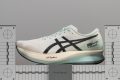
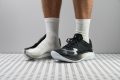
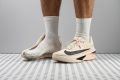
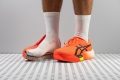
The ASICS S4+ Yogiri is an entry-level option in the carbon-plated category, and based on our lab testing and runs, it targets:
- Beginners or heel strikers searching for their first carbon shoe, as we found the ride stable in our runs.
- Runners who are not ready for full super shoes due to price or stability concerns.
- Those who want the feel of a carbon plate without needing top-tier energy return, which we discovered is exactly the gap this shoe fills.
Who should NOT buy
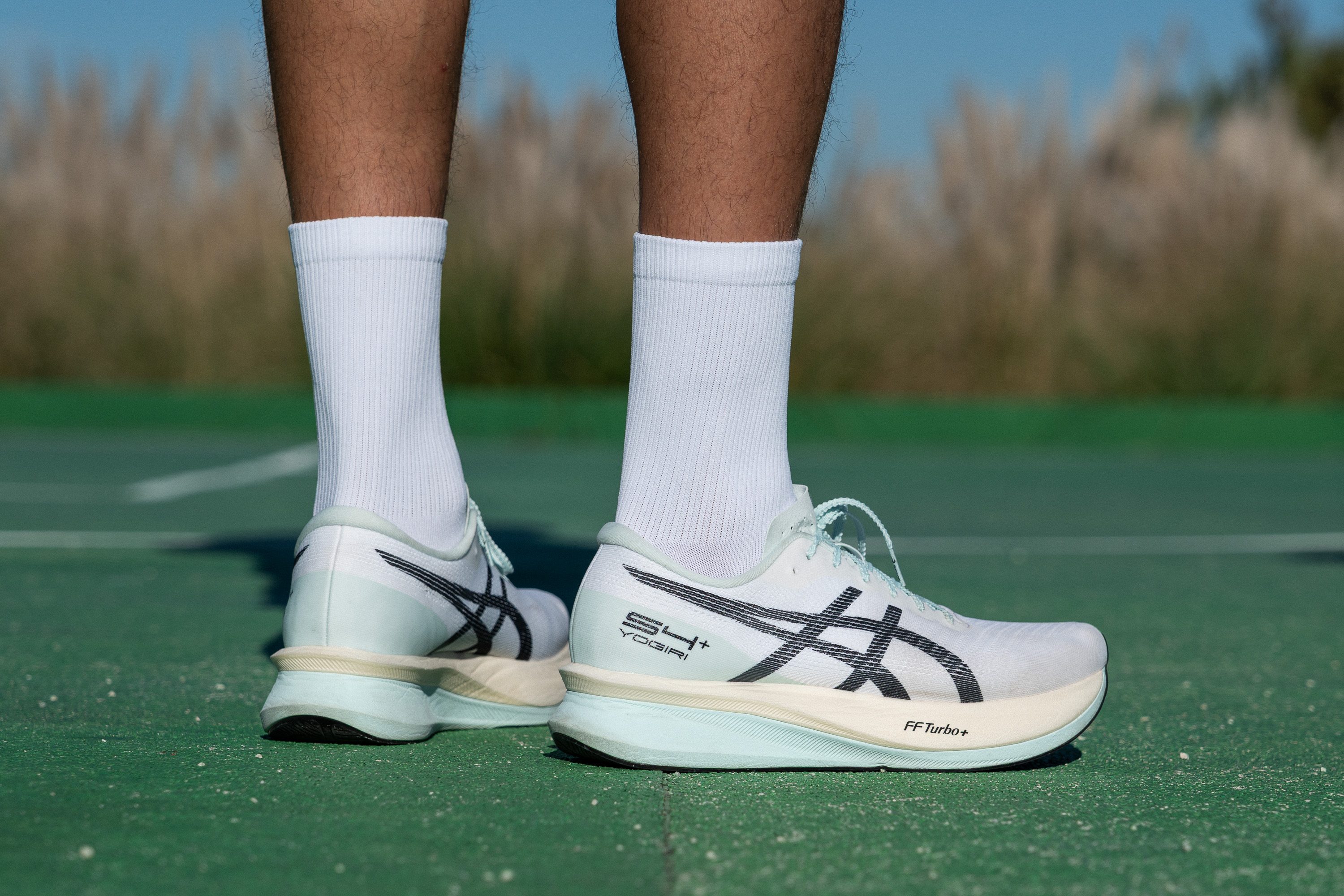
From our perspective, we do not recommend the S4+ Yogiri as a primary racing shoe. In our lab tests and runs, its firm ride and modest energy return lag behind every real super shoe. ASICS’ own Metaspeed Sky Tokyo and Metaspeed Edge Tokyo deliver clearly higher performance for slightly more money. And for beginners, the Saucony Endorphin Pro 4 is a better pick.
In our opinion, it also falls short as a carbon-plated super trainer. Its limited versatility and narrow speed range make it hard to recommend, and we firmly believe there are better options available, like the Nike Zoom Fly 6.
Amortiguación
Shock absorption
Shock absorption sits at an average level in both ends of the shoe, with 130 SA in the heel and 108 SA in the forefoot. It’s not a standout result for a racing shoe, and it further highlights the downsides of pairing FF Turbo+ with FlyteFoam.
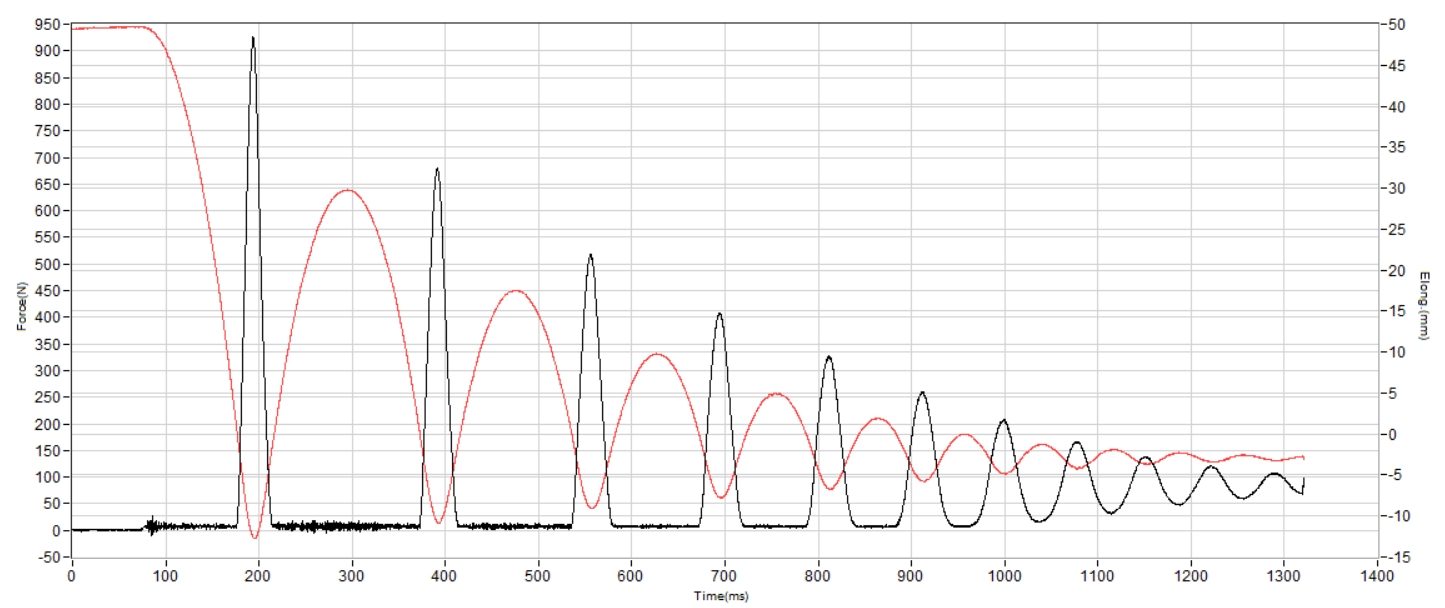
| S4+ Yogiri | 130 SA |
| Media | 131 SA |
Energy return
For us, the biggest drawback of this shoe is energy return. With just 60.5% in the heel and 65.2% in the forefoot, the S4+ Yogiri is not very impressive for being a competition running shoe.
FF Turbo+ is PEBA-based and proved in our lab to be a top-tier foam, but FlyteFoam delivers very poor bounce. It’s hard to justify its presence in a €210 shoe, especially when we measured only 44.2% energy return in FlyteFoam-only models like the ASICS Gel Pulse 15.
| S4+ Yogiri | 65.2% |
| Media | 61.5% |
Altura de la suela en la zona del talón
The S4+ Yogiri packs a 36.9 mm heel stack, putting it very close to the 40 mm limit set by World Athletics. That said, it hardly matters, as runners chasing serious competition are far more likely to line up in the Metaspeed series instead.
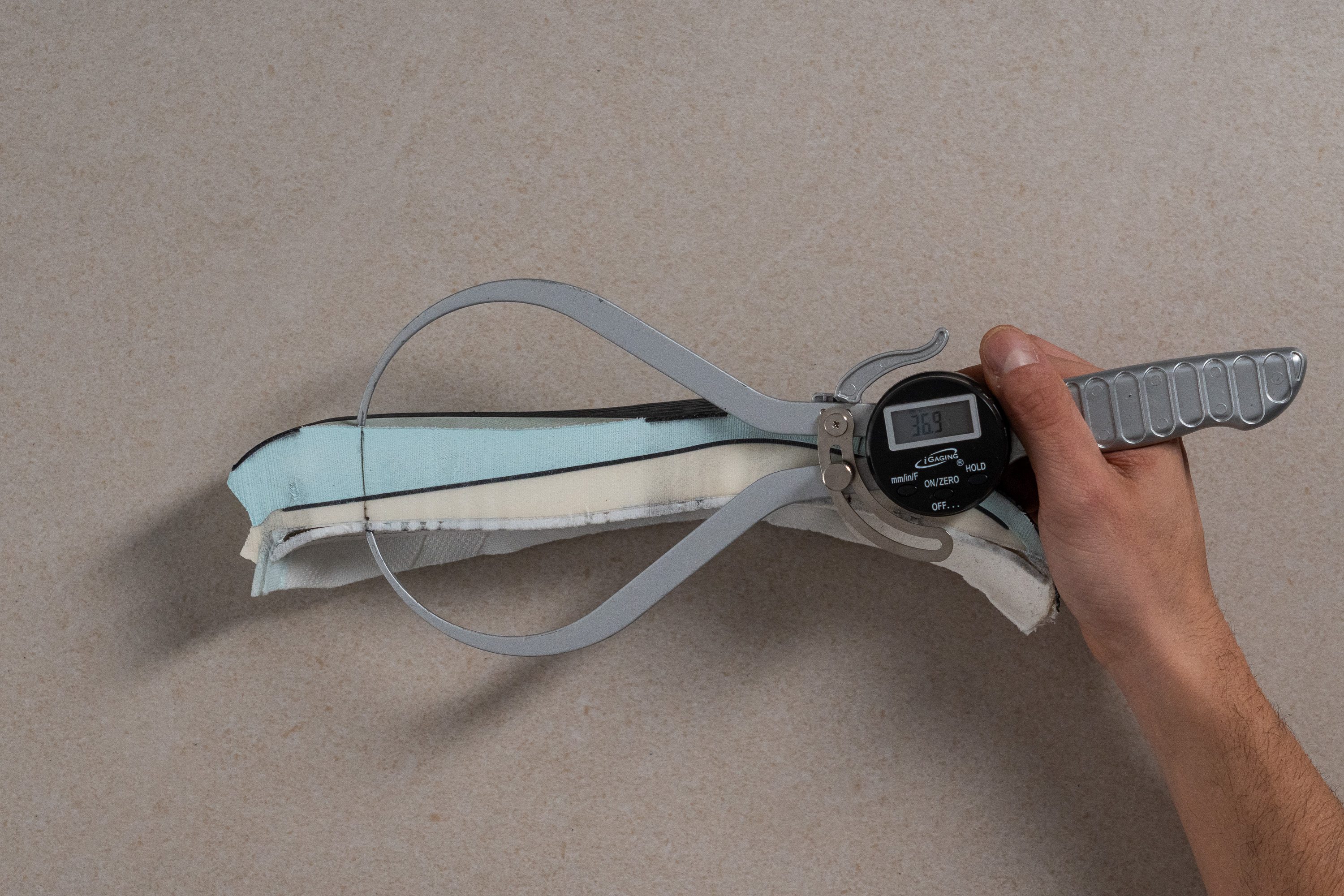
| S4+ Yogiri | 36.9 mm |
| Media | 35.6 mm |
Altura de la suela en el antepié
The forefoot measures 28.4 mm, delivering solid cushioning without pushing into extreme heights that could hurt stability and compromise one of the shoe’s most appealing strengths.
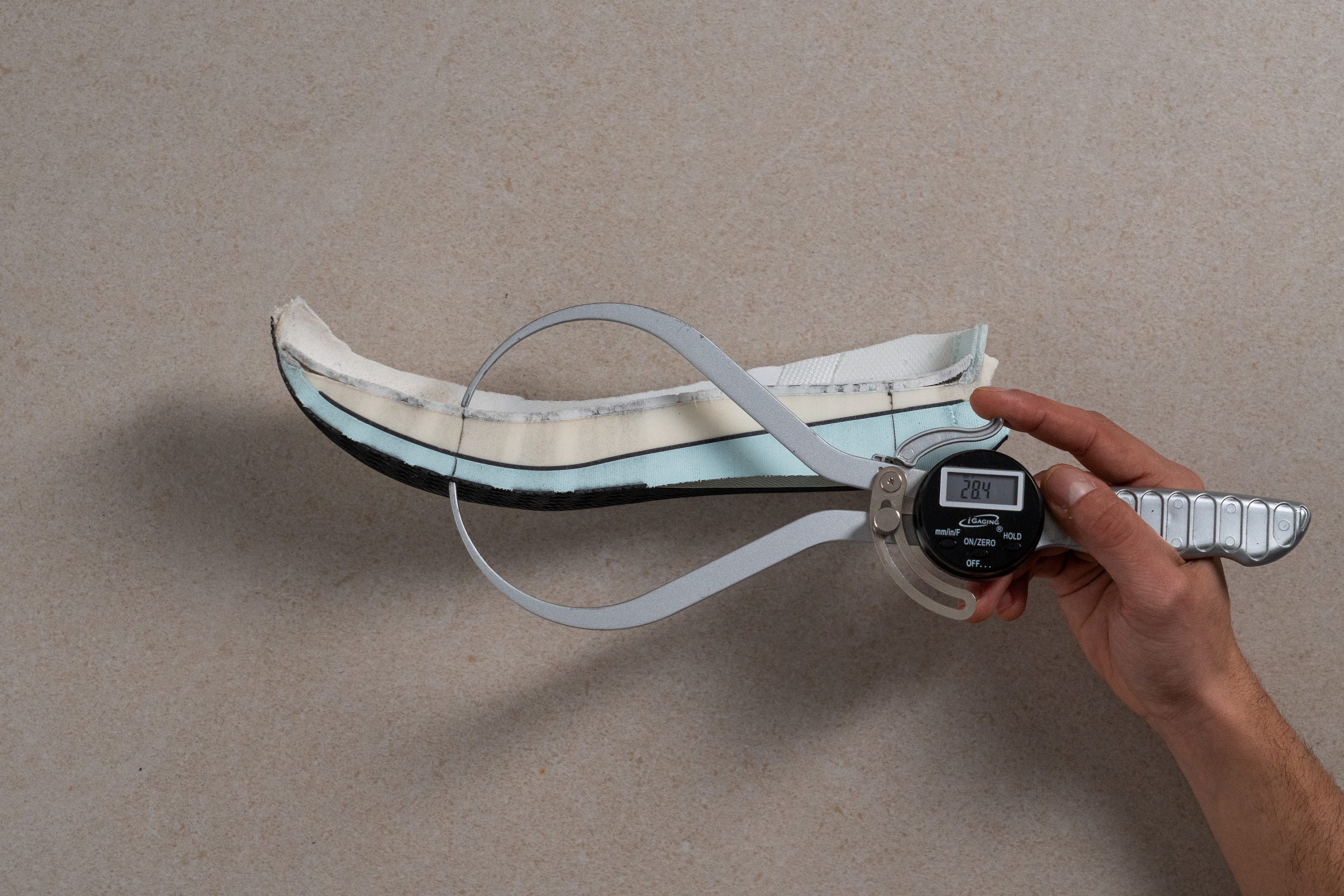
| S4+ Yogiri | 28.4 mm |
| Media | 27.2 mm |
Drop
ASICS clearly positions this model as an entry-level option for carbon-plated shoes, which explains the higher drop compared to the Metaspeed series. The S4+ Yogiri features an 8.5 mm offset that better accommodates heel strikers.
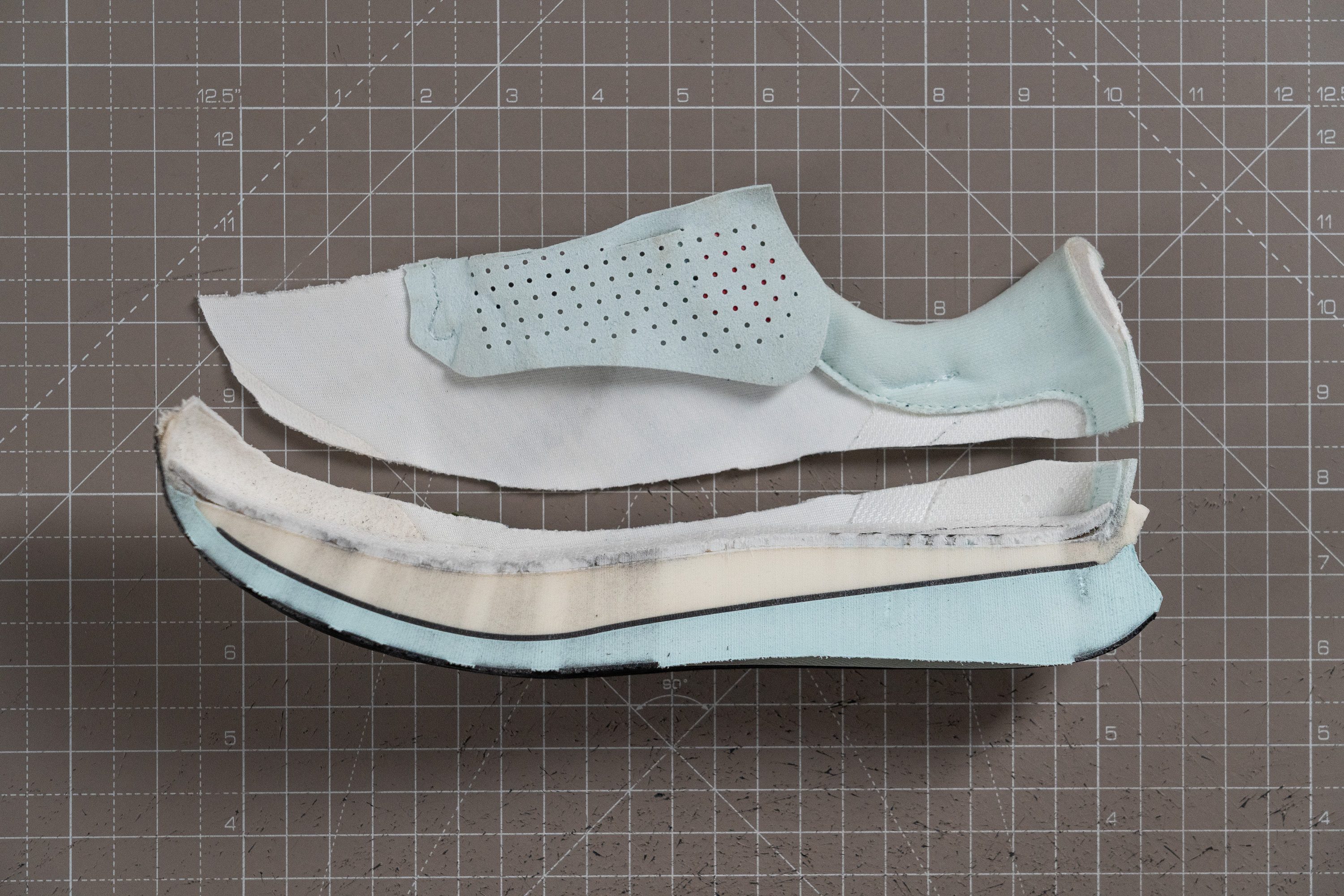
| S4+ Yogiri | 8.5 mm |
| Media | 8.4 mm |
Midsole softness
This shoe delivers a firm ride, we felt it from the first step. You really need to be comfortable with that feel, as it sits at the complete opposite end of the ultra-soft Metaspeed Ray.
Most of that firmness comes from the EVA-based FlyteFoam. We measured 22.9 HA on our durometer, and we found it neither bouncy nor comfortable. We believe FF Blast+ would have been a better option here, while FF Blast Max would have been the ideal choice.
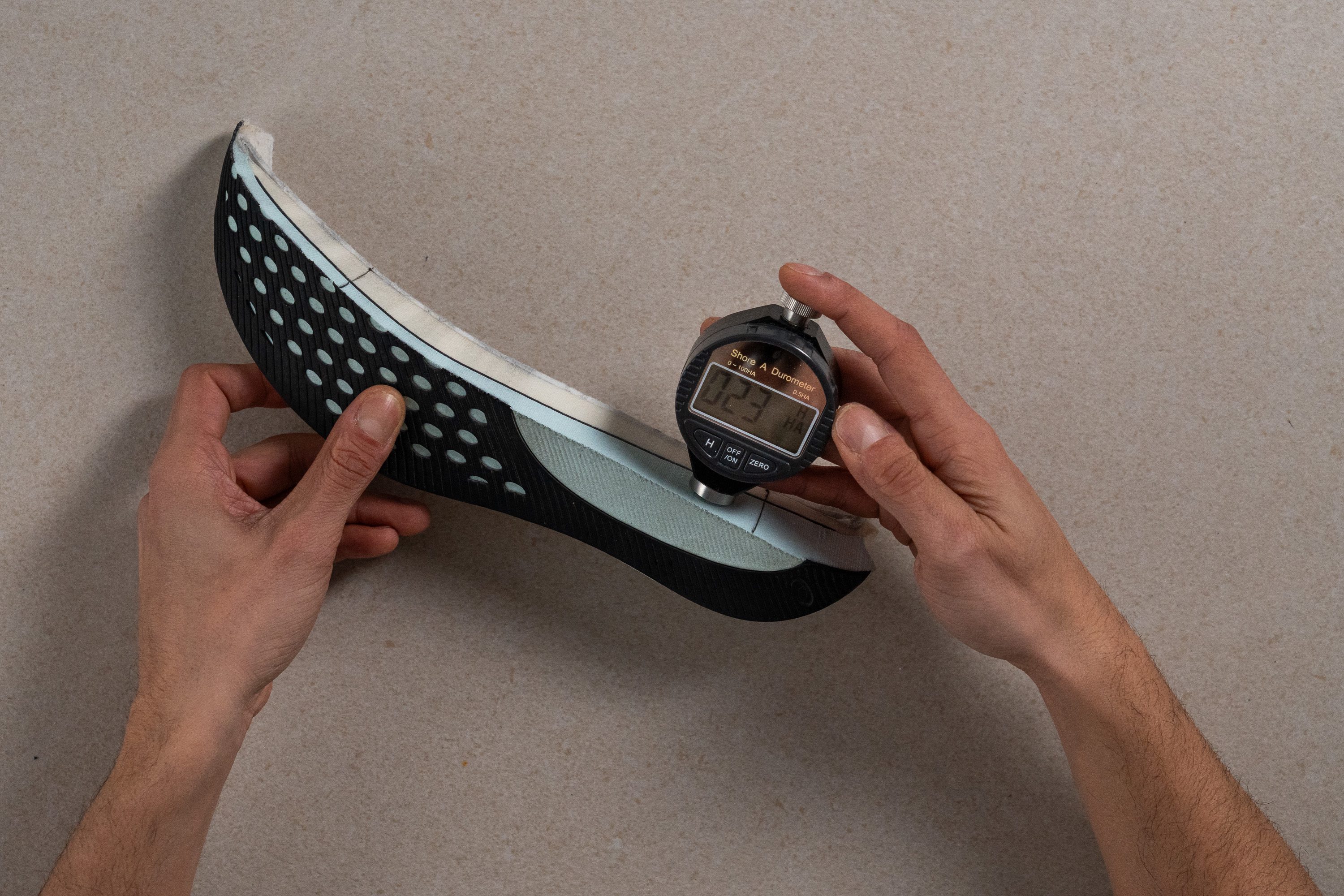
| S4+ Yogiri | 22.9 HA |
| Media | 20.1 HA |
Rocker
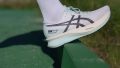
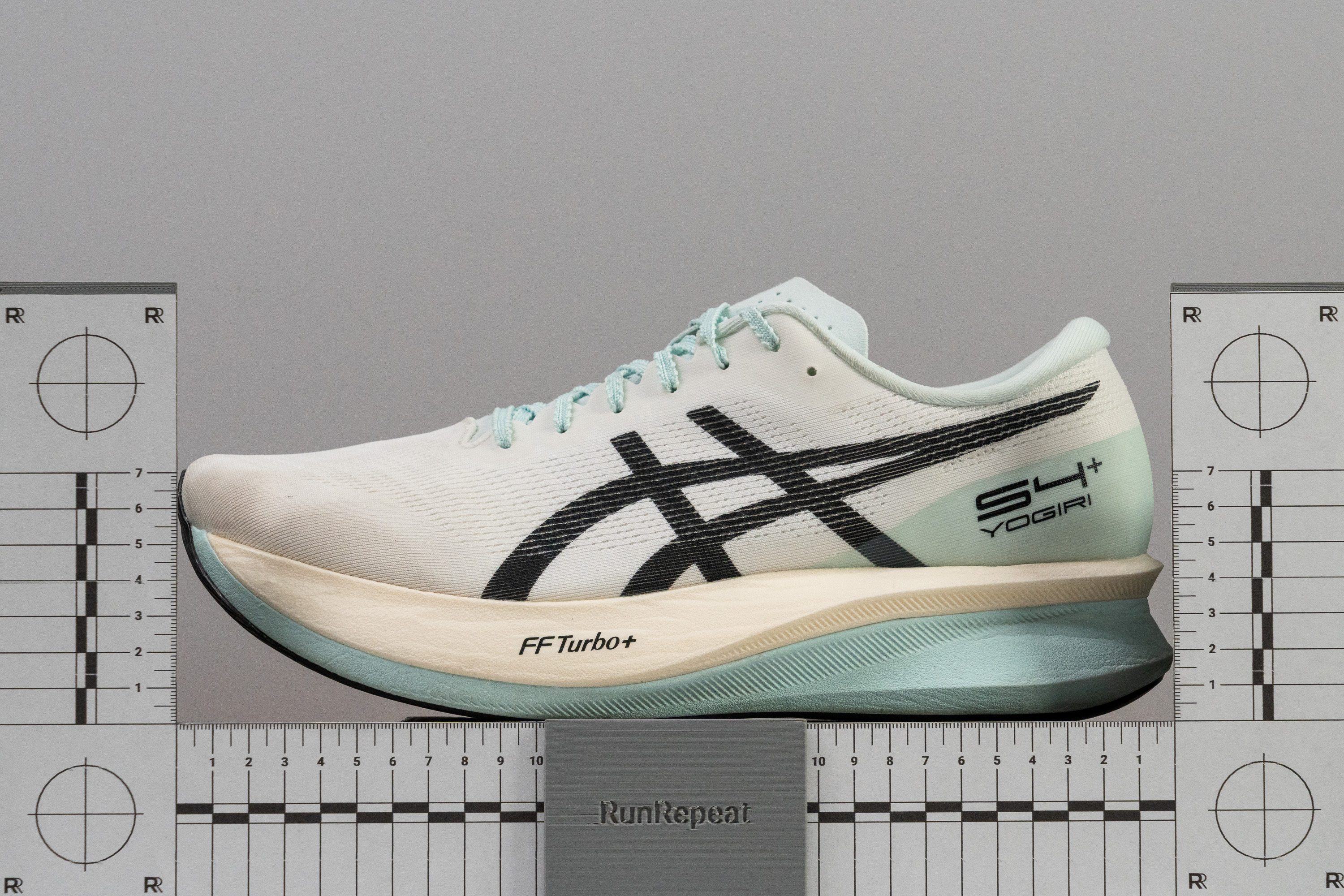
The side profile of the S4+ Yogiri follows modern racing shoe norms, with a clear toe spring and minimal heel curvature. Still, thanks to the plate shape and the higher drop, heel strikers remain well supported.
Placa
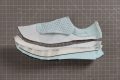
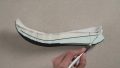
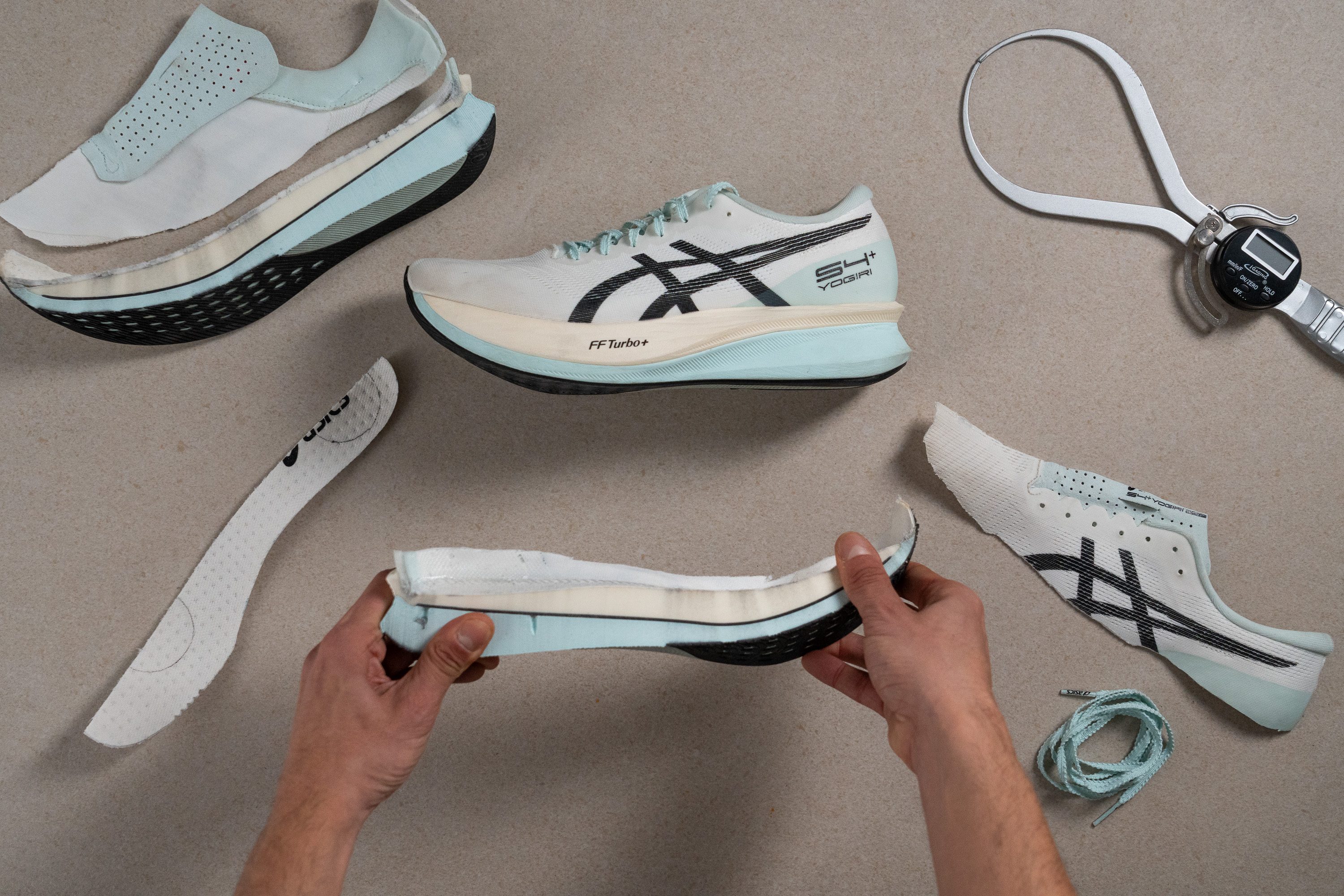
The ASICS S4+ Yogiri uses a very stiff, full-length carbon plate that's inherited from the Metaspeed Edge series, featuring a slightly inclined rear and midfoot section that helps smooth transitions, especially for rearfoot strikers.
Tallaje y ajuste
Talla
Las ASICS S4+ Yogiri tallan bien (34 votos).
Anchura / Ajuste
When we first tried the S4+ Yogiri, we immediately felt that the toebox design leaned much more toward pure racing than daily training.
Later, we made a gel mold of the shoe and measured a width of 93.0 mm, which is clearly narrower than the average running shoe.
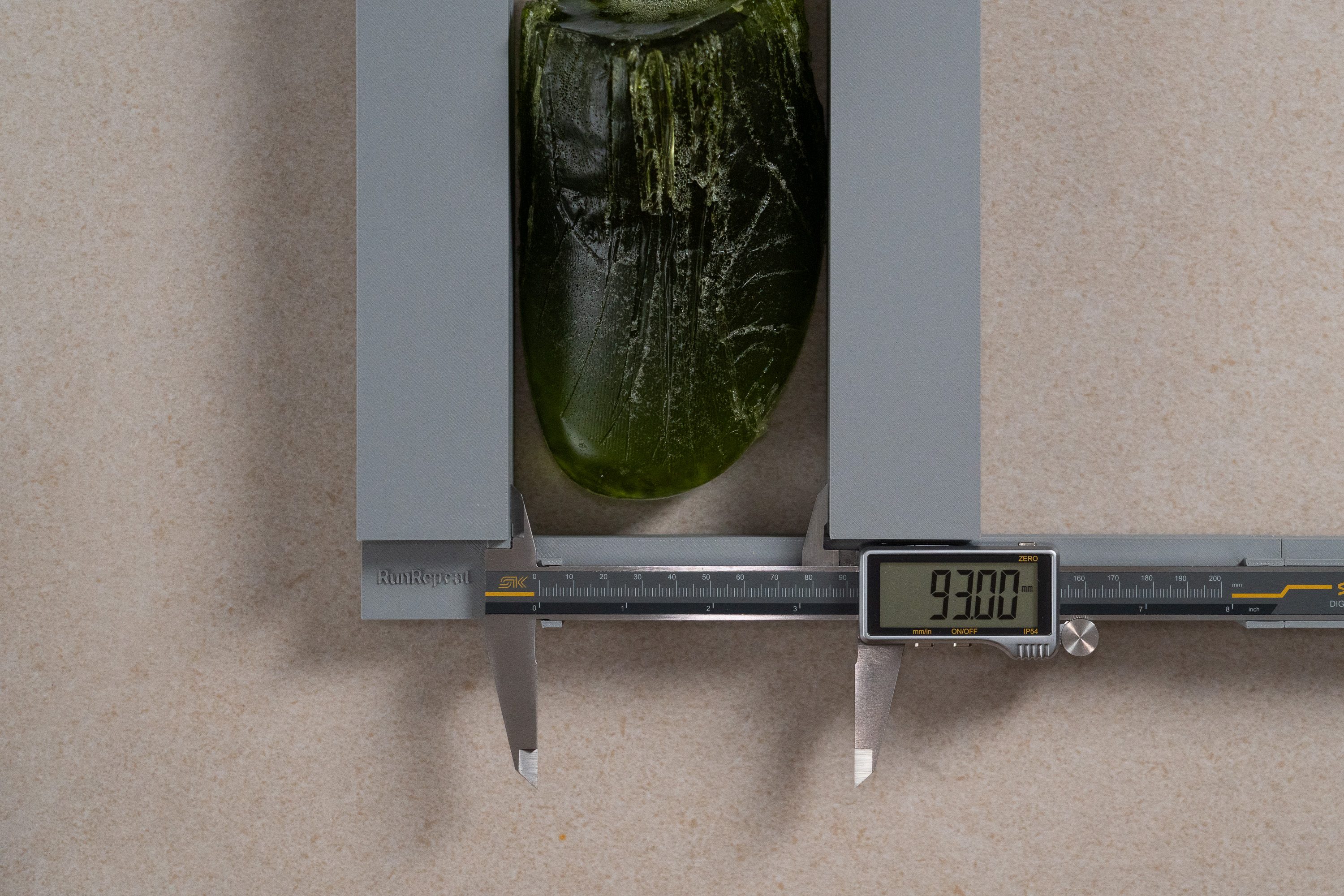
| S4+ Yogiri | 93.0 mm |
| Media | 95.2 mm |
Anchura de la parte delantera
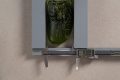
Our second measurement fully confirmed what we felt in the S4+ Yogiri, dropping to just 70.5 mm in the big toe area. That’s clearly not good news for runners with wider feet.
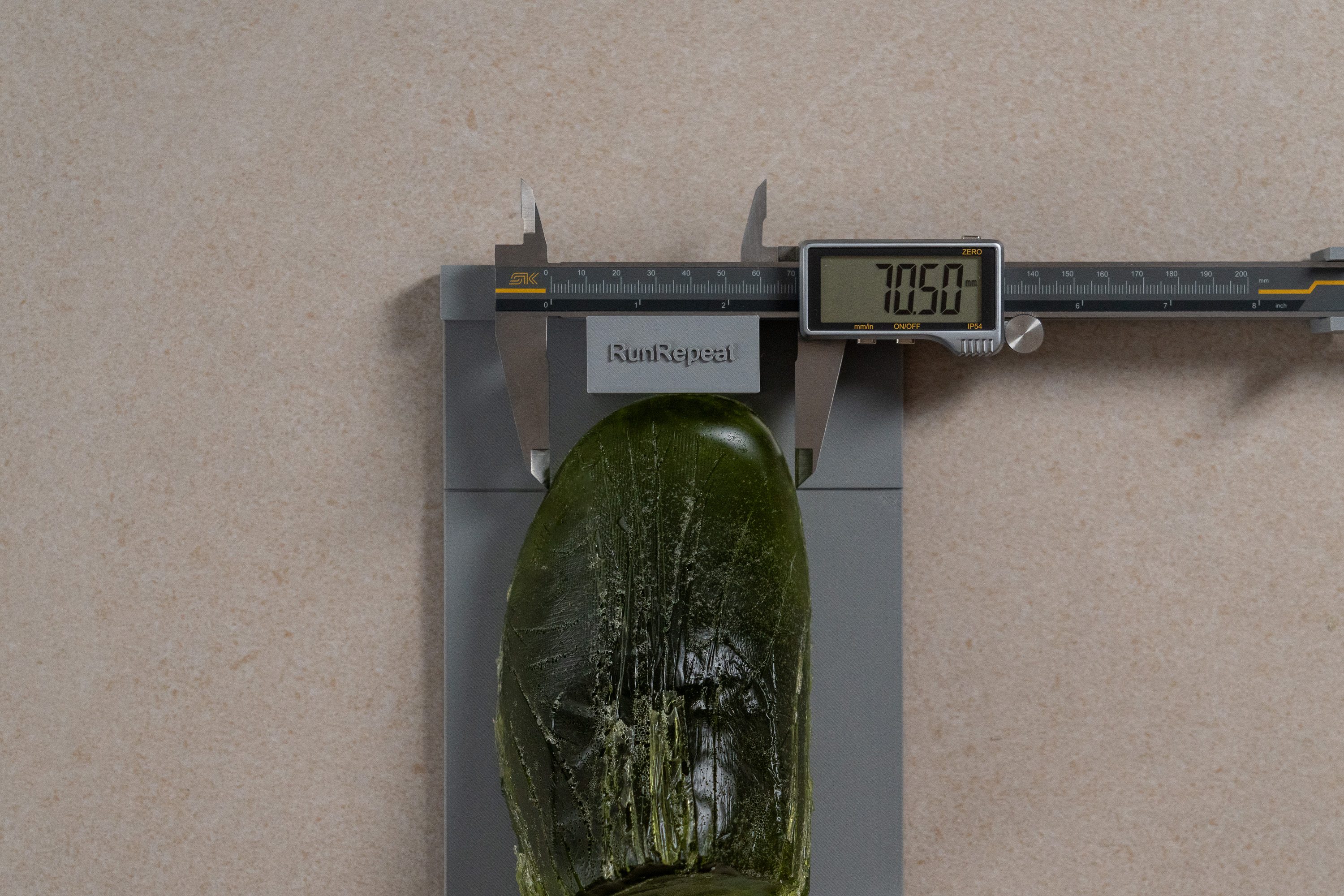
| S4+ Yogiri | 70.5 mm |
| Media | 73.2 mm |
Altura de la parte delantera
When it comes to toebox height, the S4+ Yogiri follows the familiar ASICS approach from the past three years.
The rounded toe cap provides enough vertical room for the toes to move comfortably.
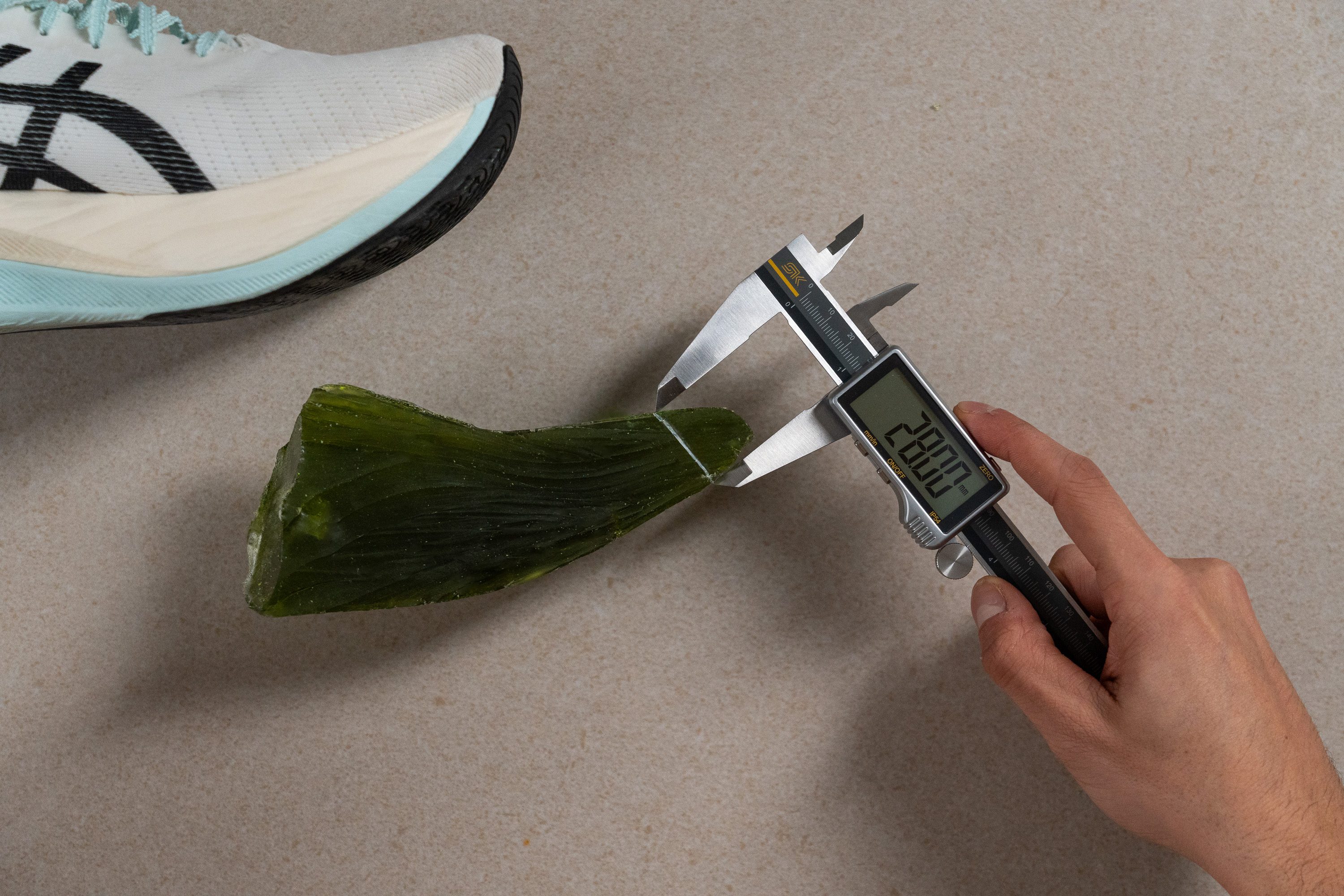
| S4+ Yogiri | 28.0 mm |
| Media | 27.0 mm |
Tracción / Agarre
Traction test
While there’s still room for improvement in the midsole, the outsole tells a completely different story. It’s outstanding. We tested it in the lab and recorded an incredible 0.93 score, breaking the previous 0.90 barrier and making it the grippiest road shoe we’ve ever measured at the time of this writing.
So how did ASICS pull this off? It comes down to the excellent ASICSGRIP rubber. As you can see, many of the highest-ranking shoes in our traction tests use this compound, and the S4+ Yogiri packs even more of it than the Metaspeed series, resulting in superb grip on both dry and wet surfaces.
| S4+ Yogiri | 0.93 |
| Media | 0.53 |
Diseño de la suela exterior
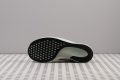
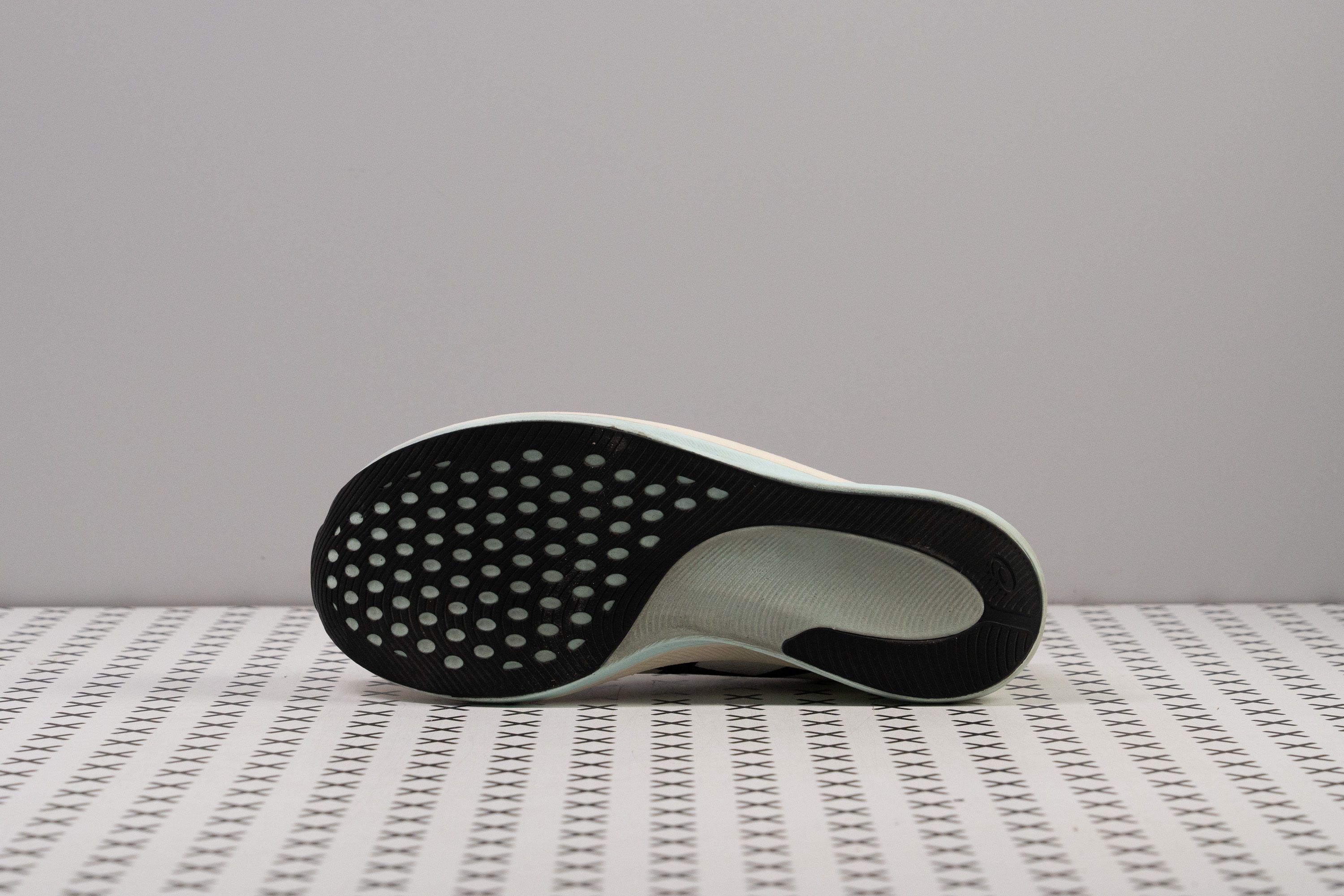
Because this shoe targets newer runners and heel strikers, ASICS added more rubber across the entire outsole, especially under the heel and midfoot. We found that the extra ASICSGRIP reduces exposed foam, increasing weight slightly but clearly boosting traction and durability.
Flexibilidad / Rigidez
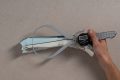
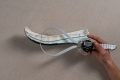
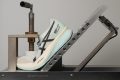
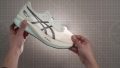
The full-length carbon plate and the firm foam work together to create a stiff ride, which we confirmed with a 20.0 N result in our 30-degree bend test.
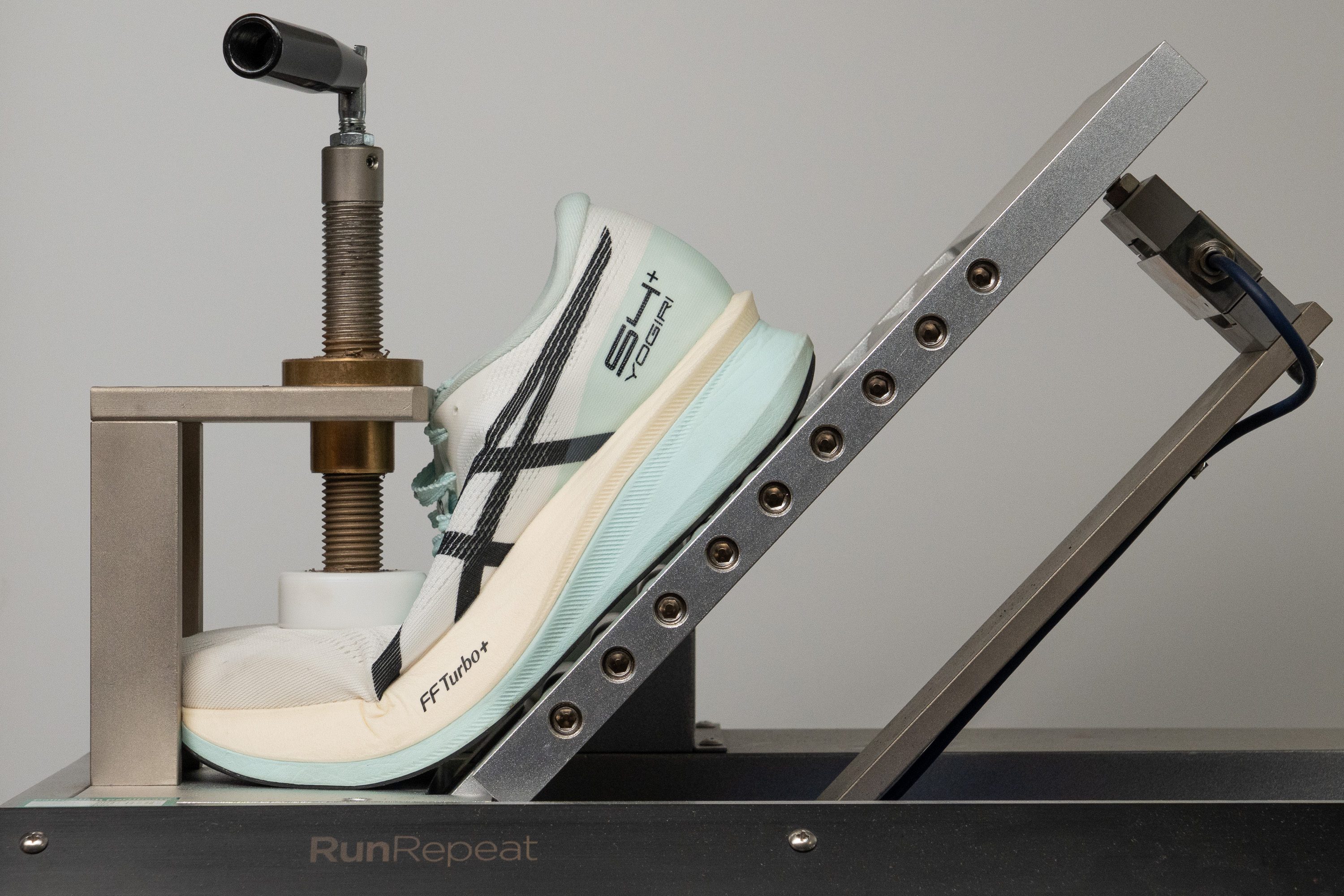
| S4+ Yogiri | 20.0N |
| Media | 15.5N |
Peso
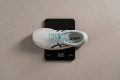
The ASICS S4+ Yogiri is slightly heavier than most super shoes for two clear reasons. First, the EVA-based FlyteFoam layer adds more weight than PEBA or A-TPU premium foams. Second, the outsole uses more rubber, which also increases mass.
Even so, the final weight stays reasonable at 8.3 oz or 235g. It’s heavier than all top-end shoes, but considering the materials, cheaper price and design choices, the weight feels justified.
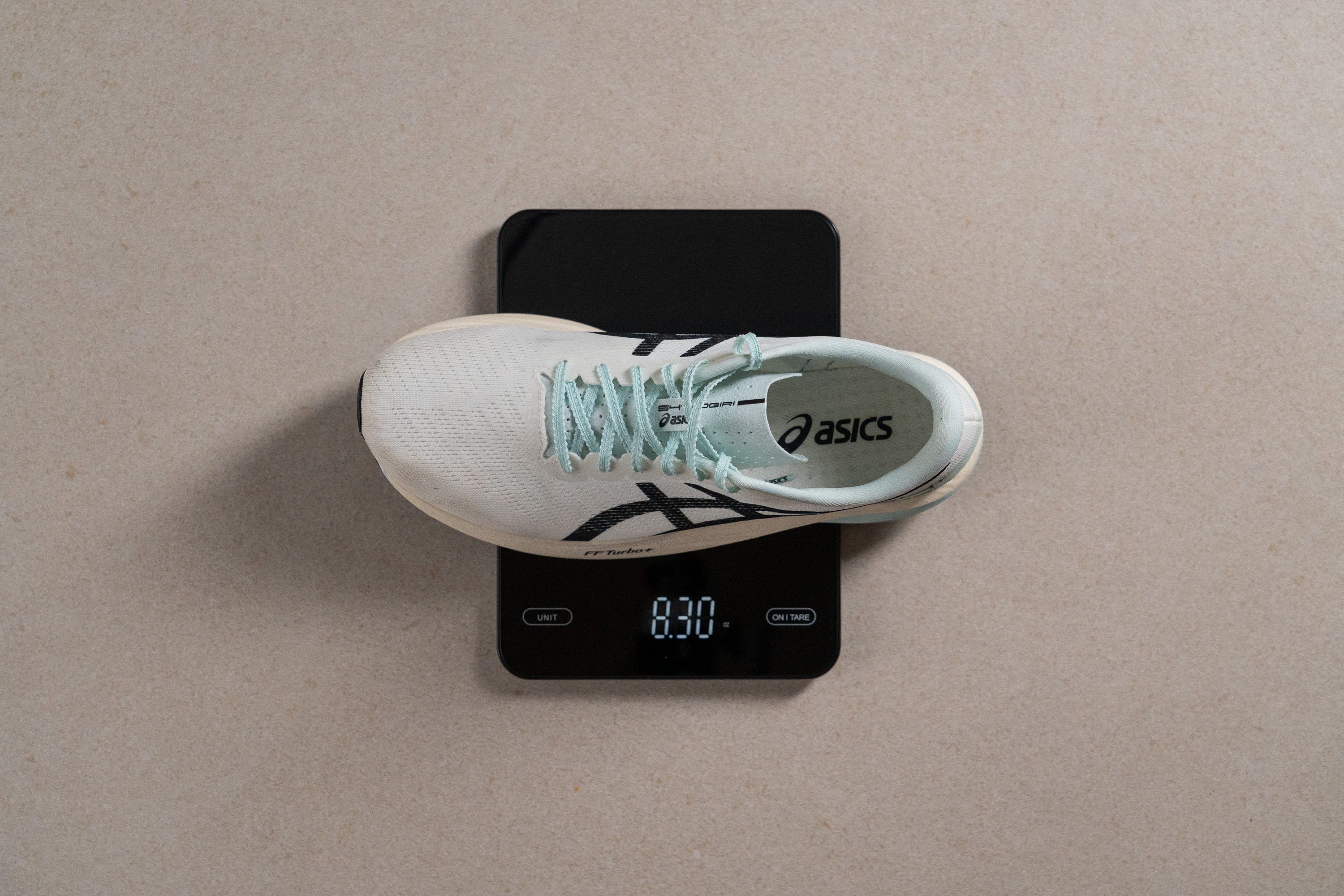
| S4+ Yogiri | 8.3 oz (235g) |
| Media | 9.2 oz (261g) |
Transpirabilidad
Breathability test
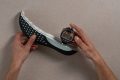
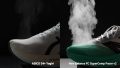
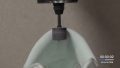
The upper uses an engineered mesh that did not look very breathable at first glance, so we decided to test it right away using our full set of lab tools.
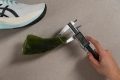
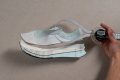
We started by feeding smoke directly into the toebox with a custom 3D-printed adapter, allowing us to control airflow precisely. Ventilation was clearly poor, which led us to score it just 2/5.
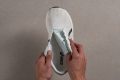
Next, we moved the upper against a strong light source and found that the tongue was the only area letting noticeable light through. The rest of the upper is simply too thick.
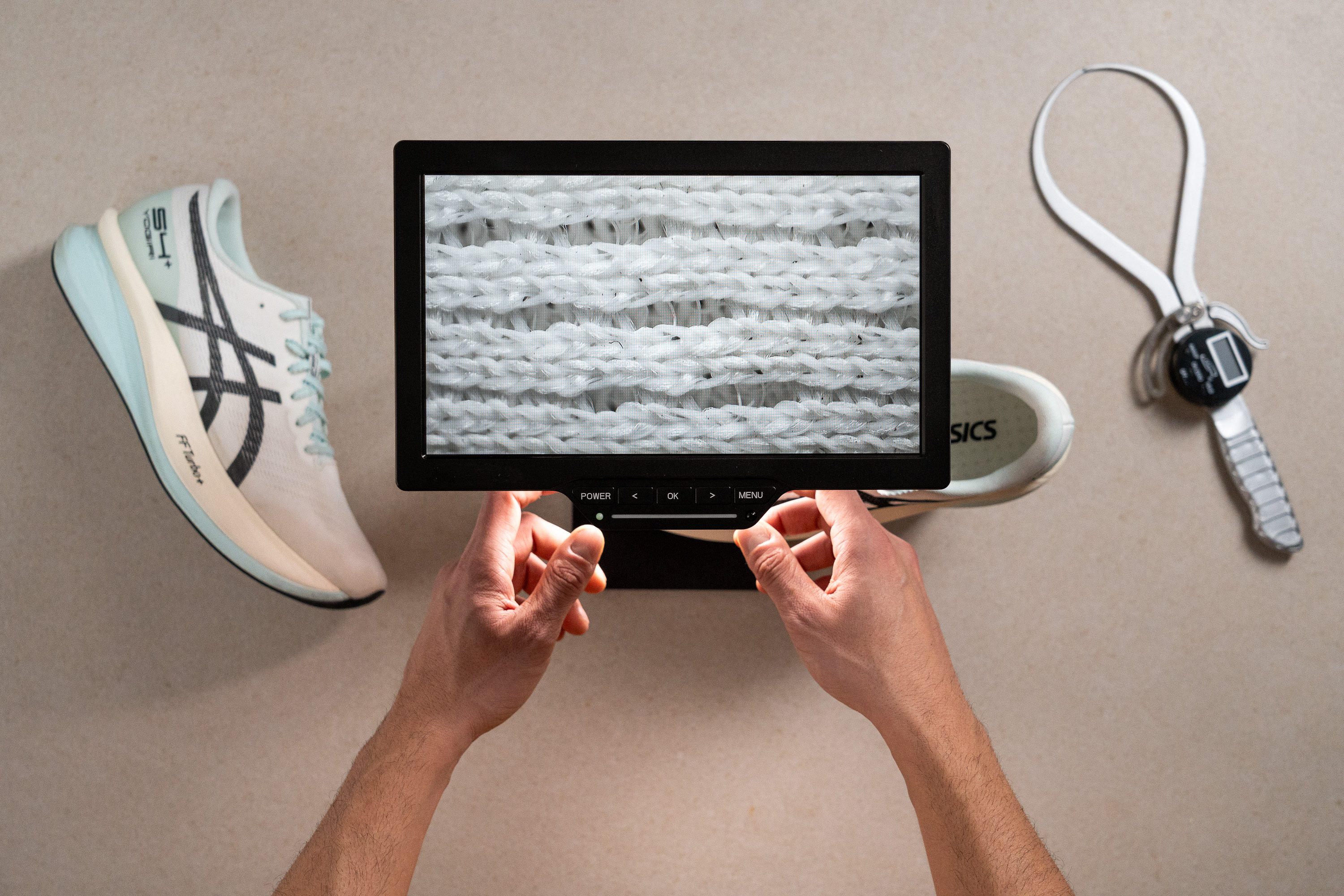
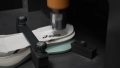
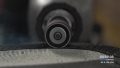
We then confirmed these results under our digital microscope.
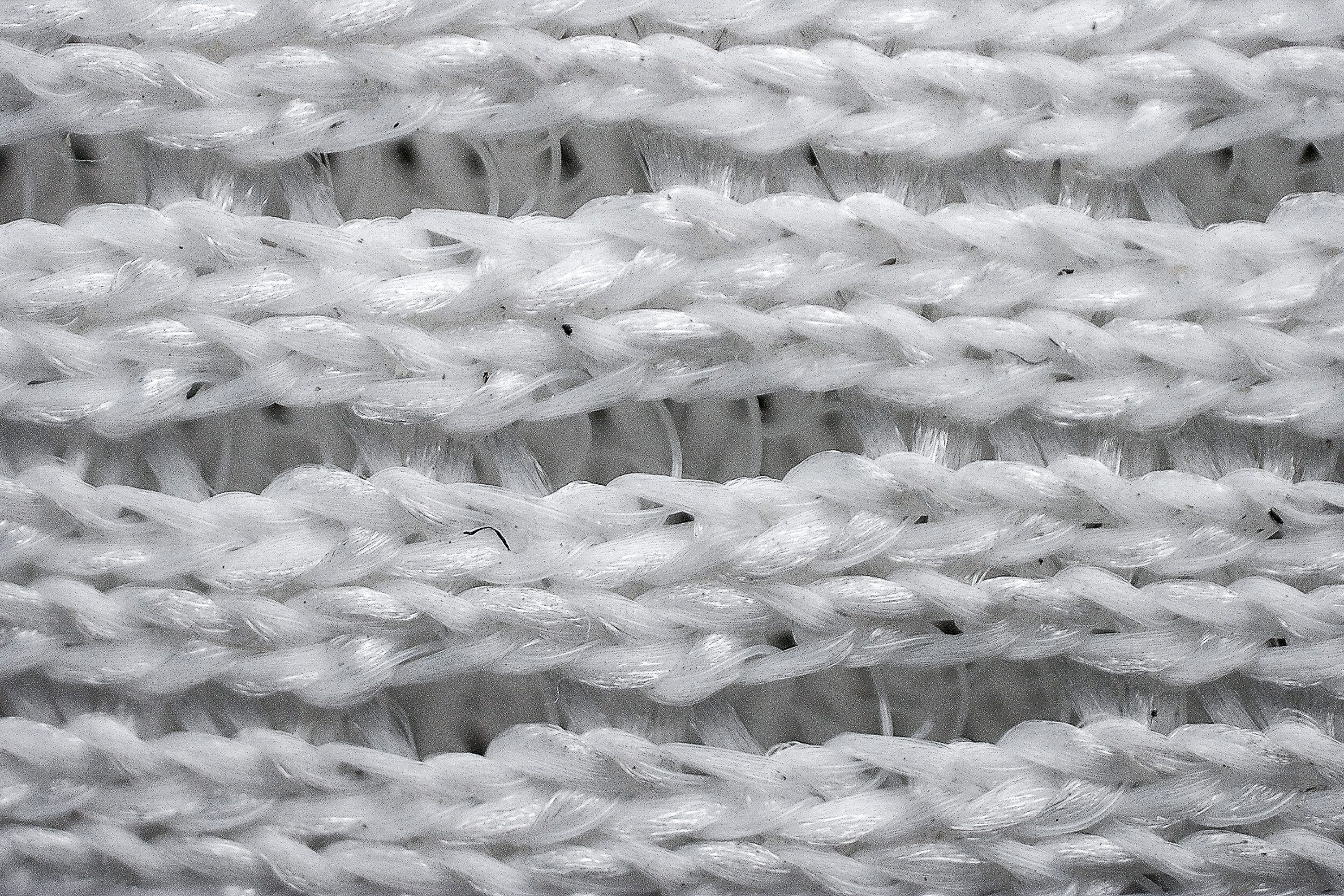
The tightly packed yarns leave very little space for air to move, making airflow highly restricted.
In our opinion, a racing shoe like the S4+ Yogiri should prioritize breathability, even if that means giving up some durability. ASICS clearly chose a different direction with this upper.
| S4+ Yogiri | 2 |
| Media | 3.6 |
Estabilidad
Prueba de estabilidad lateral
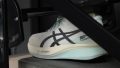
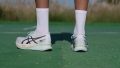
The S4+ Yogiri is far from a true stability shoe, but it stands out as one of the more stable racing models thanks to its firm foam. This reinforces ASICS’ intent to position it as an accessible entry point into the competition category.
Torsional rigidity
With a full-length carbon fiber plate, it came as no surprise that torsional rigidity scored a 5 out of 5, resulting in an extremely stiff feel.
| S4+ Yogiri | 5 |
| Media | 3.6 |
Rigidez del contrafuerte del talón
The heel counter offers more structure than a daily trainer but less than a true super shoe. This is another clear sign that ASICS aimed to add a touch of stability without going too far.
| S4+ Yogiri | 2 |
| Media | 3 |
Anchura de la mediasuela - antepié
The S4+ Yogiri has compact dimensions and feels very agile, which makes it a solid option for track workouts and one of the reasons why it can be more interesting for many as a training tool than a pure racing weapon.
In the forefoot, we measured a below-average width of 110.7 mm.
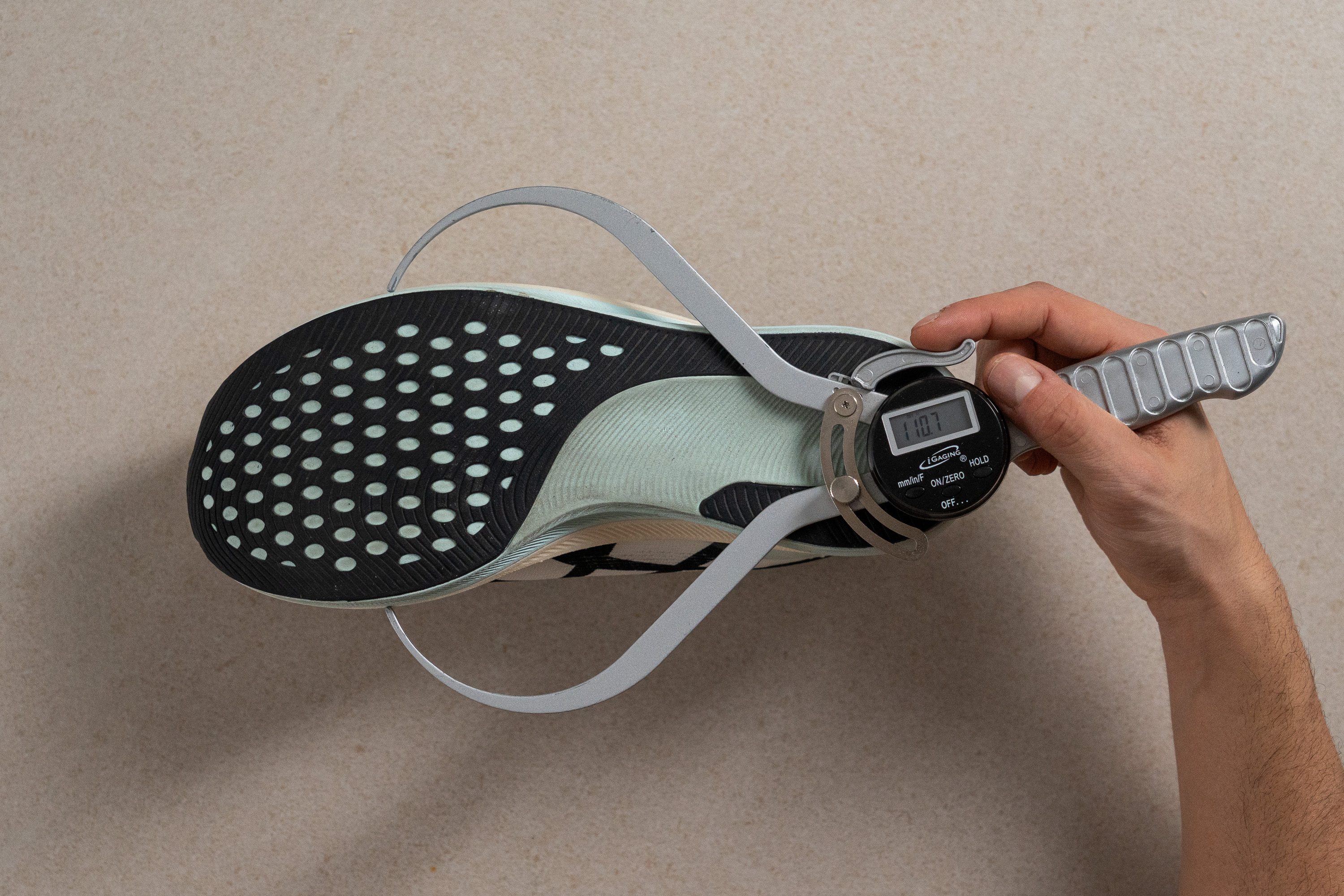
| S4+ Yogiri | 110.7 mm |
| Media | 115.1 mm |
Anchura de la mediasuela - talón
The heel is clearly aggressive at just 77.3 mm, showing that the Japanese designers drew heavy inspiration from the Metaspeed series when shaping the midsole. That said, the firmer foam makes heel striking more manageable here, unlike in many other super shoes where it’s strongly discouraged.
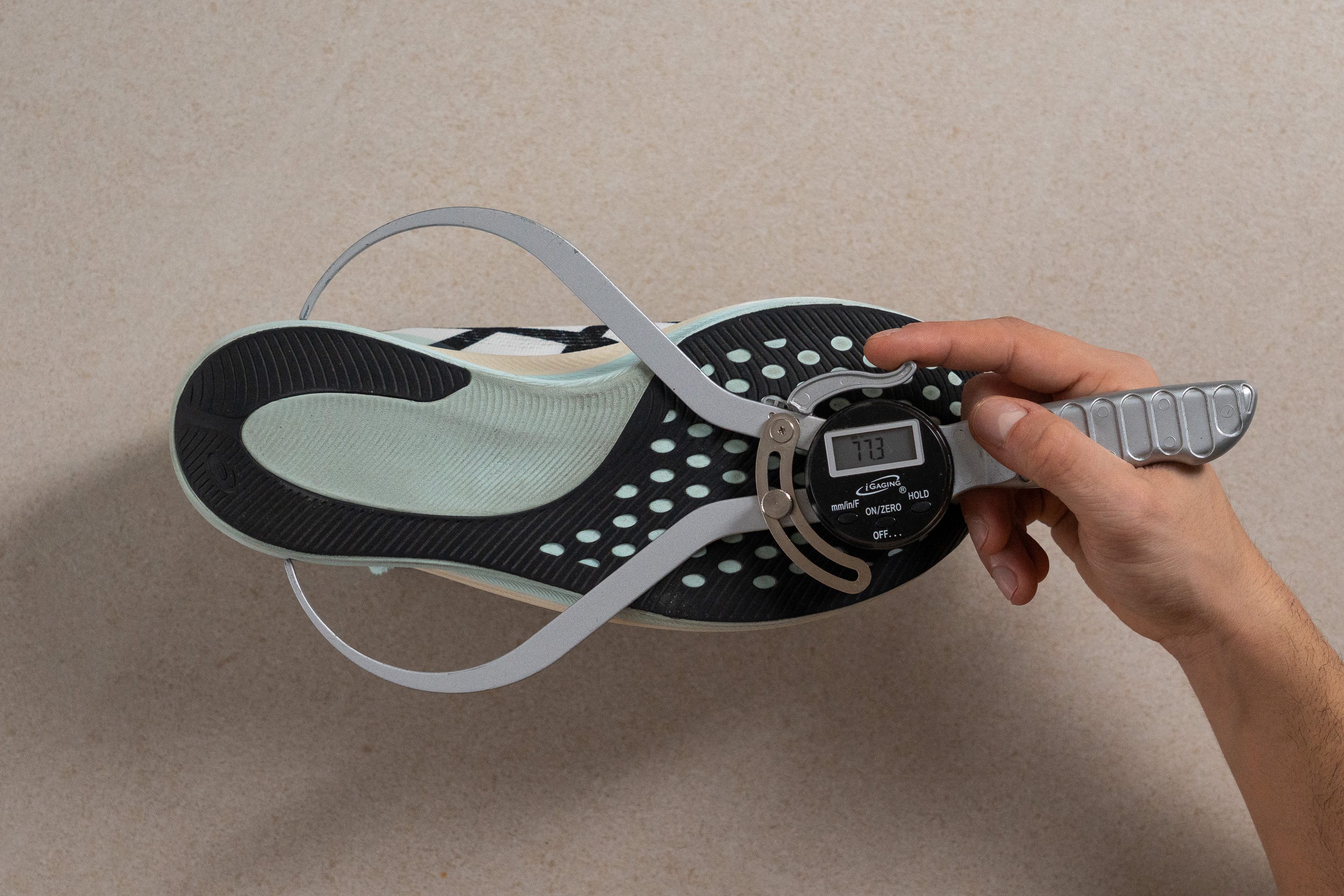
| S4+ Yogiri | 77.3 mm |
| Media | 91.1 mm |
Durabilidad
Durabilidad de la parte delantera
The benefit of using a denser upper than most racing shoes is clear in durability, as it scored 3/5 instead of the usual 1/5 we often see in this category.
| S4+ Yogiri | 3 |
| Media | 2.6 |
Durabilidad del acolchado del talón
The heel also held up well in our Dremel test, earning a strong 4/5 score, which points to solid durability in this high-wear area.
| S4+ Yogiri | 4 |
| Media | 3.4 |
Durabilidad de la suela
ASICSGRIP rubber truly stands out for traction, but durability is not world class. After our Dremel test, we measured 1.4 mm of wear, which is clearly higher than average.
| S4+ Yogiri | 1.4 mm |
| Media | 1.1 mm |
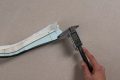
Grosor de la suela
ASICS kept the rubber thin to save weight, which makes sense for a competition-focused shoe. We measured just 1.5 mm, clearly on the thin side, but that trade-off feels justified, as adding more rubber would only make the shoe heavier.
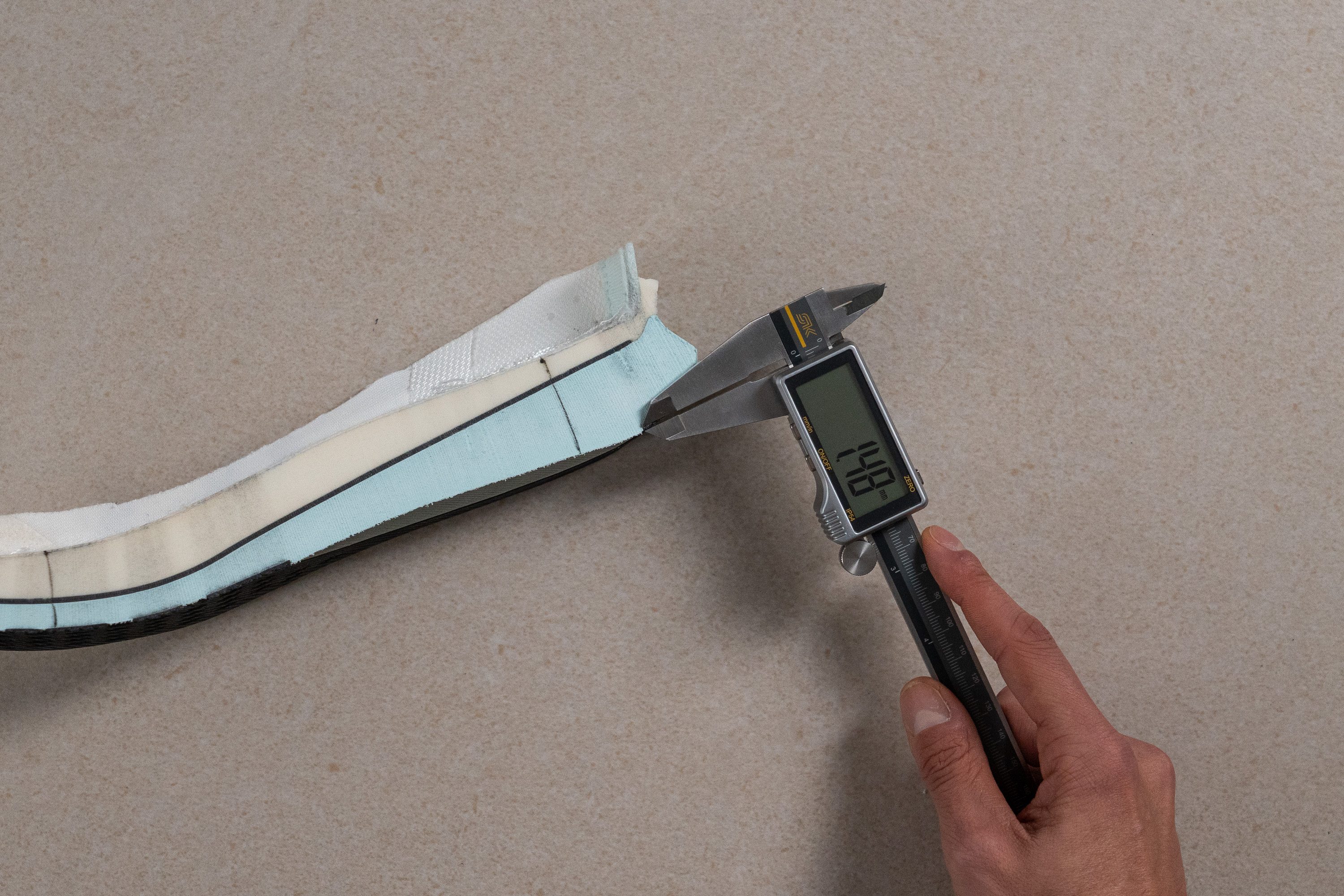
| S4+ Yogiri | 1.5 mm |
| Media | 3.1 mm |
Varios
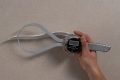
Grosor de la plantilla
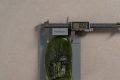
The insole is also quite thin, measuring just 3.1 mm.
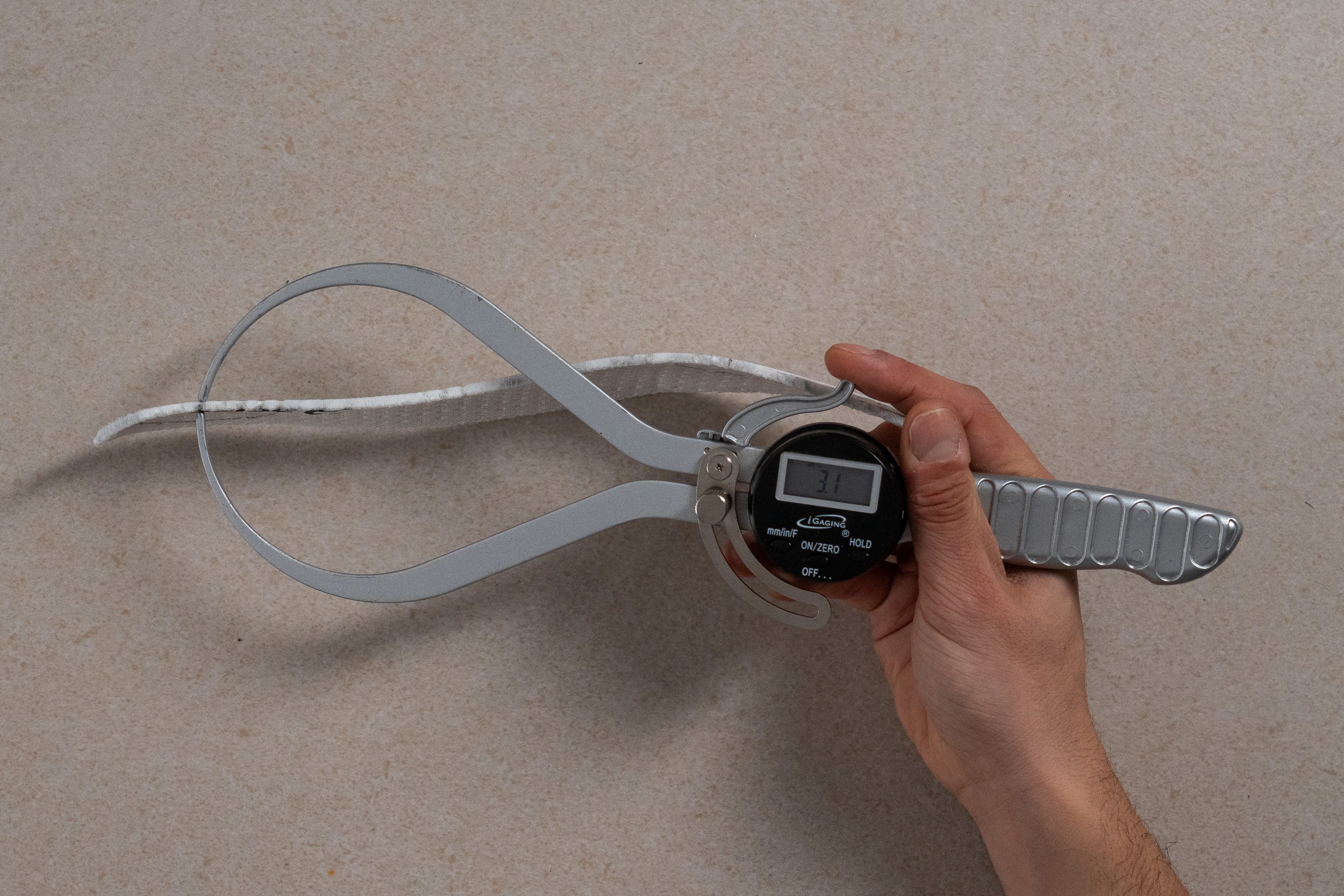
| S4+ Yogiri | 3.1 mm |
| Media | 4.4 mm |
Plantilla extraíble
It’s nice to see that ASICS added a few premium touches to the S4+ Yogiri, like a perforated insole that helps improve ventilation inside the shoe (which is much needed) while also shaving off some weight.
| S4+ Yogiri | Sí |
Elementos reflectantes
The upper has no reflective elements, and it’s actually rare to find a competition shoe that includes them, like the Mizuno Wave Rebellion Pro 3.
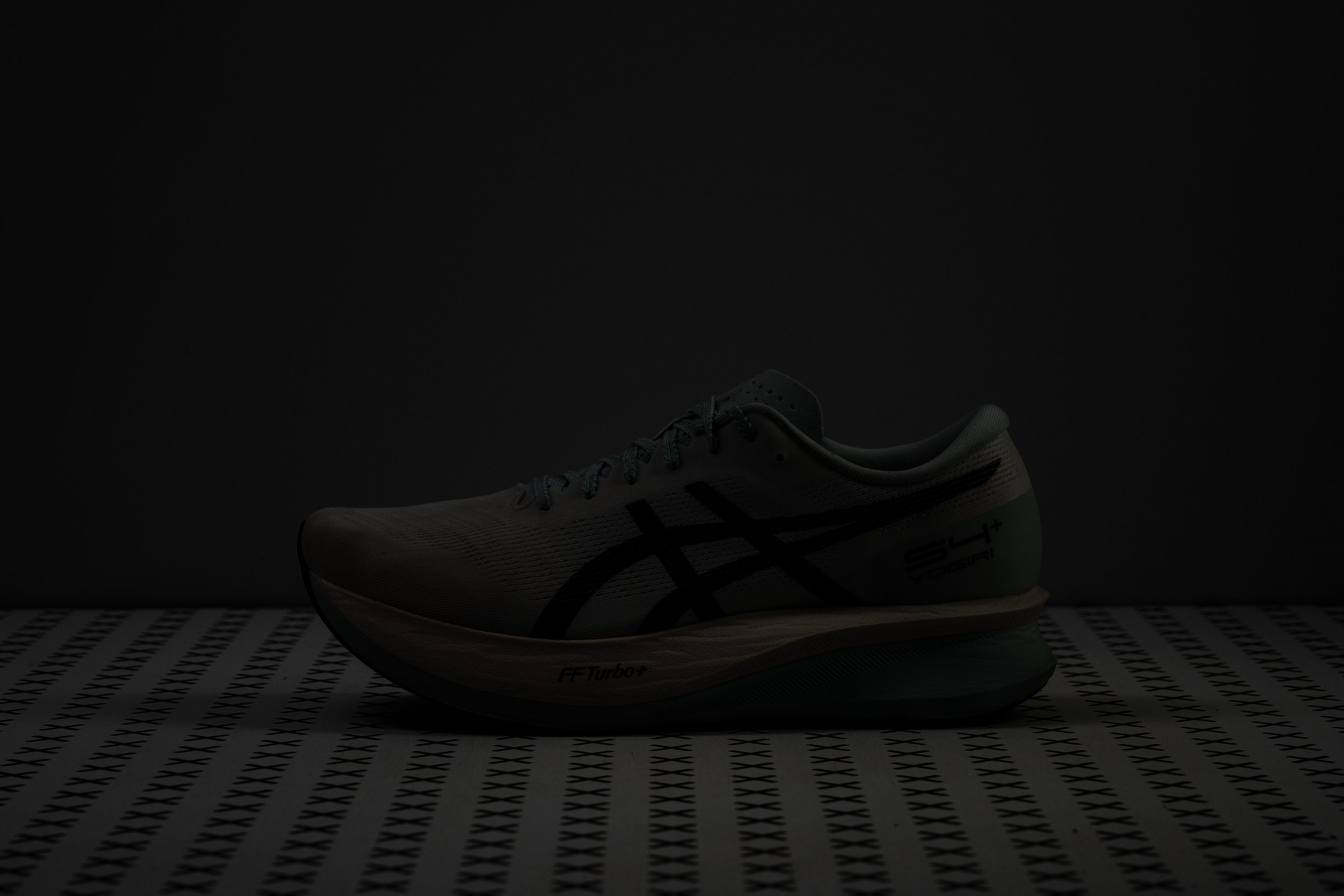
| S4+ Yogiri | No |
Acolchado de la lengüeta
Despite being a lower-priced competition shoe, ASICS added some premium touches that we noticed right away in our testing, like the textured laces borrowed from the Metaspeed series. It’s a welcome detail, especially when some much pricier shoes from other brands like adidas or Mizuno still come with average laces.
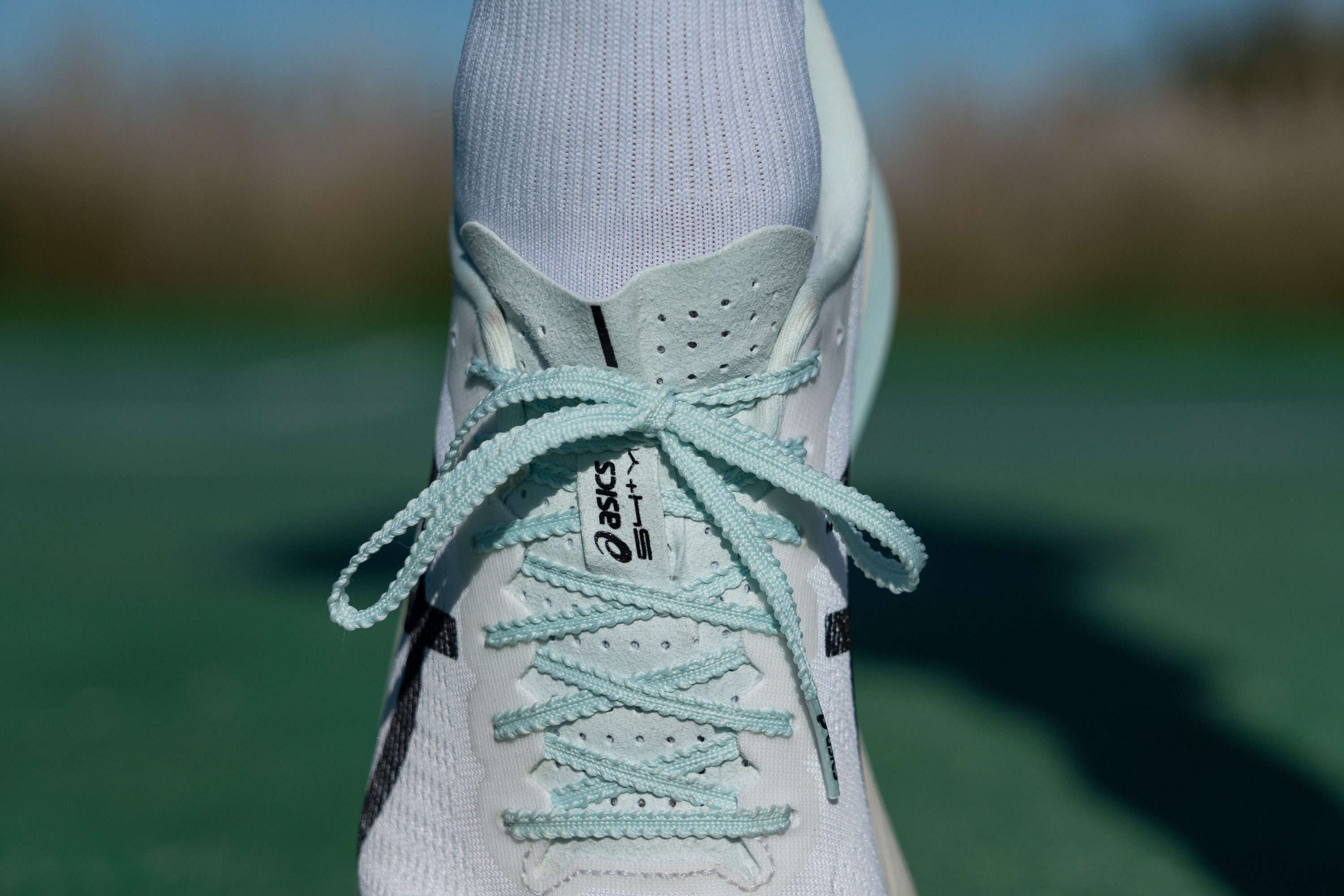
The tongue also leans fully into performance and skips comfort. We measured just 0.7 mm of padding, paired with heavy perforations to save weight and help offset the poor breathability of the toebox.
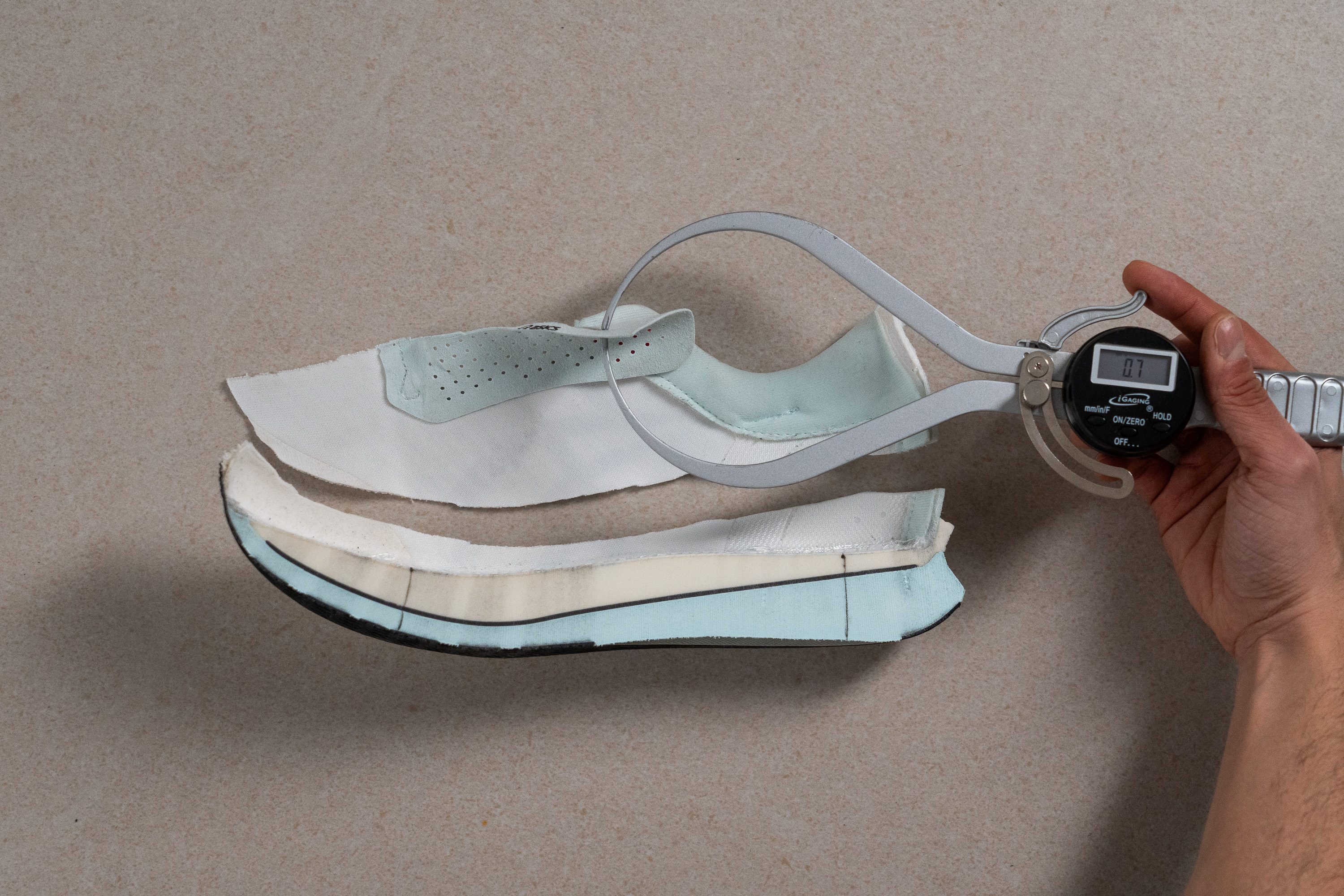
| S4+ Yogiri | 0.7 mm |
| Media | 5.8 mm |
Lengüeta: tipo de refuerzo
The tongue isn’t gusseted, and while that makes sense in the Metaspeed line due to the extreme focus on weight savings, we think adding a gusset here would have been a welcome improvement.
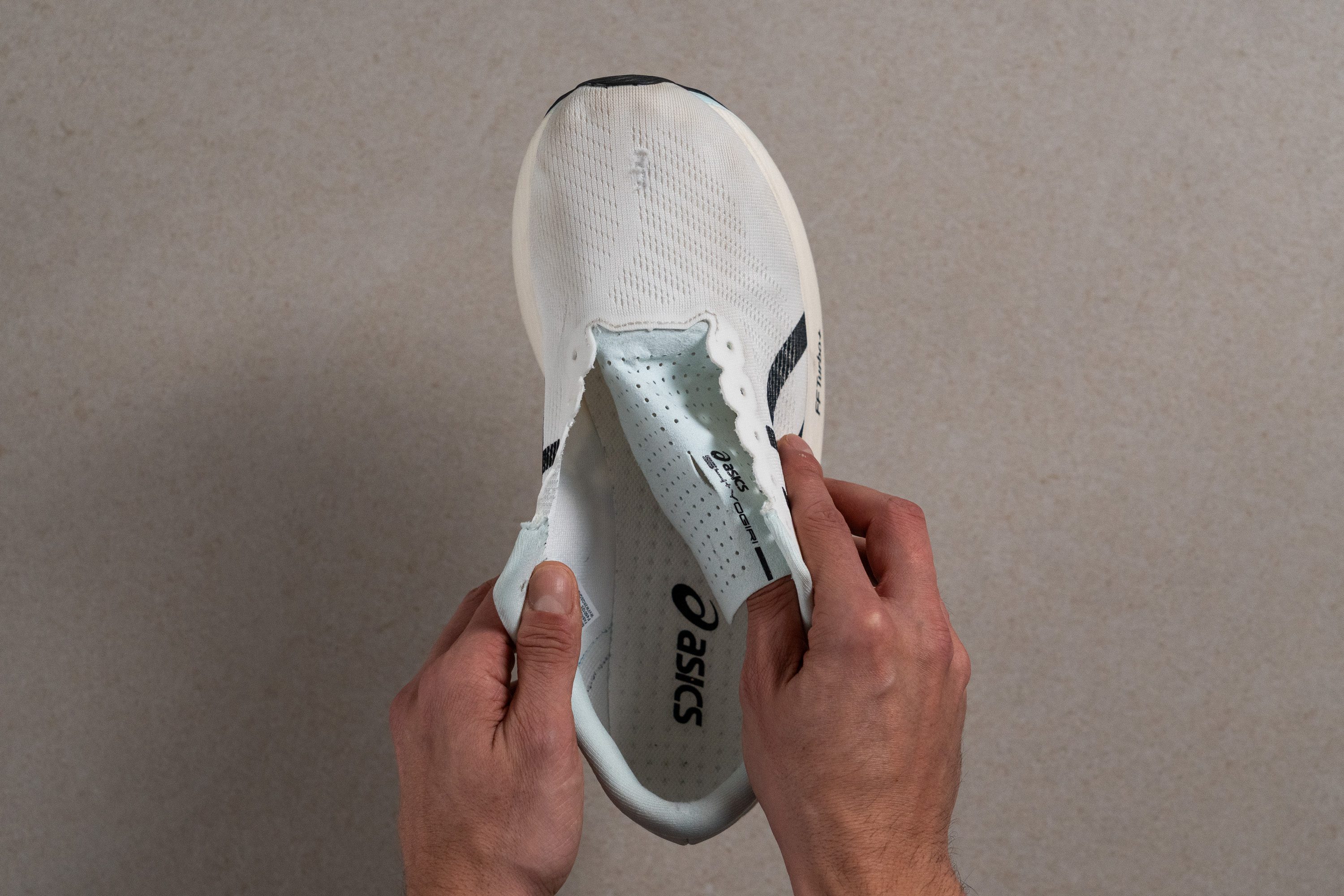
| S4+ Yogiri | Ninguno |
Tirador del talón
The heel closely mirrors the Metaspeed series design and skips a heel tab, but it adds a bit more structure, which results in better heel support overall.
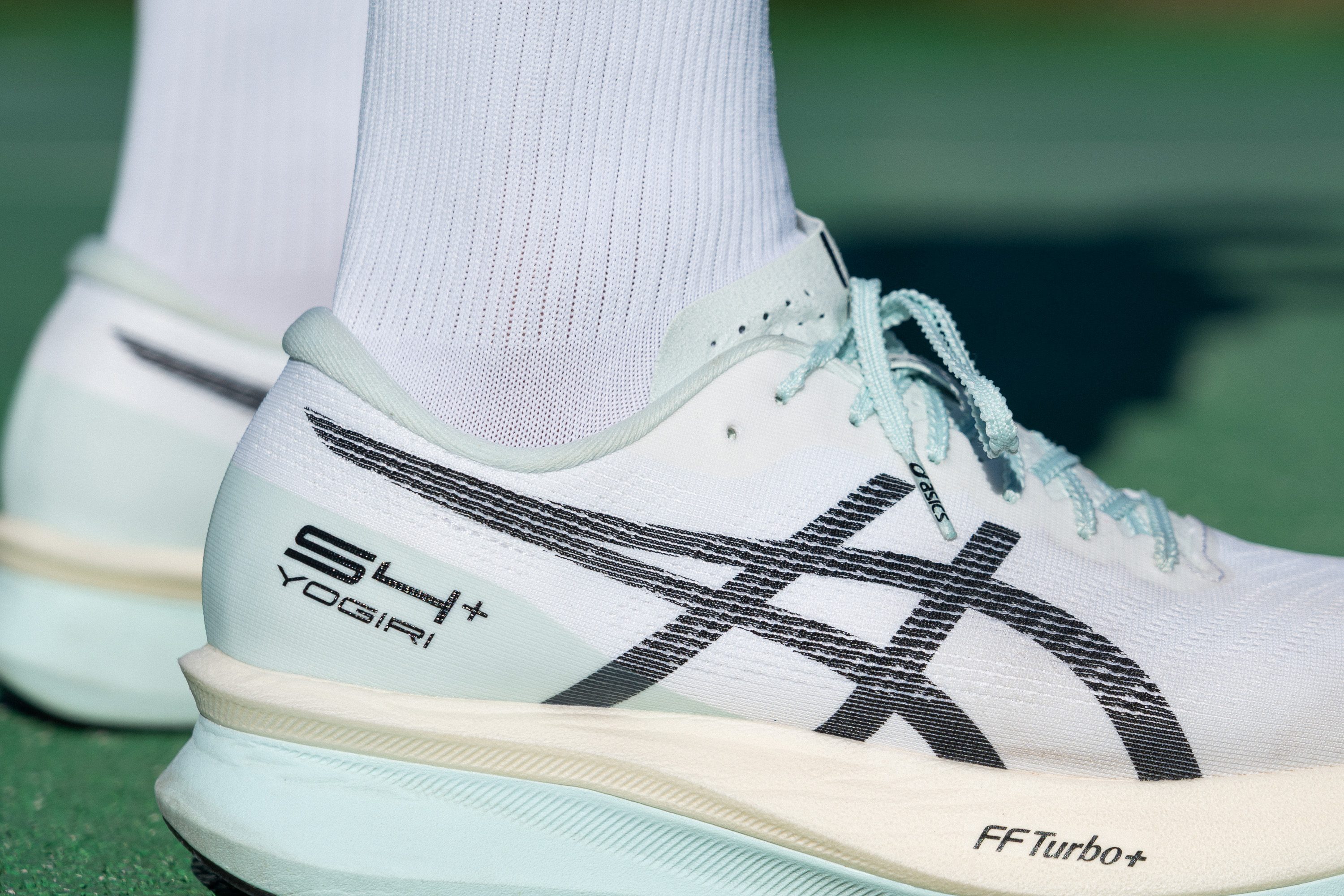
| S4+ Yogiri | Ninguno |
Precio
The ASICS S4+ Yogiri sits in an awkward price spot. On one hand, you can find shoes like the Saucony Endorphin Speed 5 that are faster and cost less. On the other hand, if you specifically want a race-oriented shoe with a carbon plate, this is the cheapest option right now. Most carbon-plated shoes are either much more expensive or designed mainly as super trainers, which can make the S4+ Yogiri even look affordable.
But if we have to pick a side, we’d say it leans expensive. In a racing shoe, energy return should be a key factor, and here it falls short.
| S4+ Yogiri | $200 |