5 Best Nike Workout Shoes in 2026
We buy shoes ourselves. We earn commissions when you buy through us, at no extra cost. Why trust us
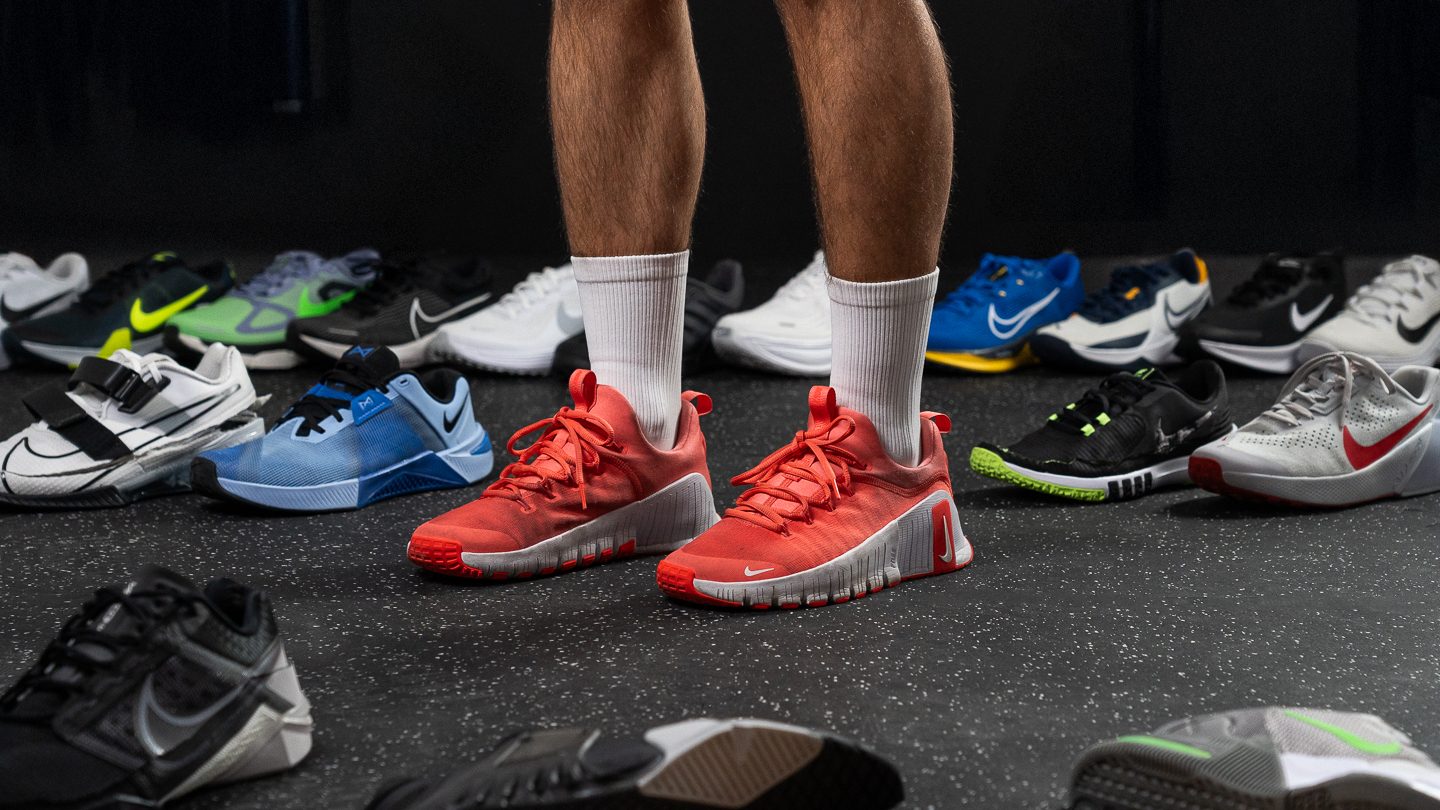
Whether you need a new pair that can handle your high-impact workouts or all-around gym shoes for studio fitness classes, Nike offers some of the best-rated workout shoes on the market. The Swoosh models have cutting-edge technologies to ensure smoother forward motions during workouts.
Whatever training style and specific fitness needs you have, there’s an ideal pair of Nike workout shoes that fits the way you prefer to train.
Here at RunRepeat, we want to help you choose your workout shoes. To do that, we’ve personally tested and reviewed Nike workout shoes. After hours of performance tests in the gym and in the lab, we’ve highlighted our top favourites in different categories.
How we test Nike workout shoes
Picking the best Nike workout kicks on the list requires a meticulous testing process. That means putting in hours in the gym, executing a wide range of workouts and cardio exercises, and highlighting how each model performs in the real world. We also double-check the materials used in our shoe lab.
To ensure 100% honesty in all our reviews, we do the following:
- Buy the Nike workout shoes from our own pocket. This ensures our impartiality.
- Use the shoes for a broad range of workout activities, from low-intensity to high-intensity training regimens, weightlifting, deep stretches, or 30+ minutes on the treadmill.
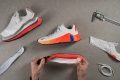
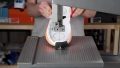
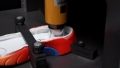
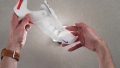
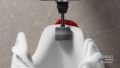
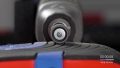
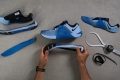
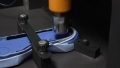
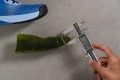
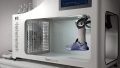
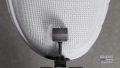
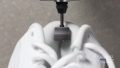
- We put the shoes under a microscope—figuratively and literally—because we test them inside our lab. This also includes cutting the shoes into pieces. We then write our reviews based on the data we collected during the wear tests and lab tests.
Best Nike workout shoes overall

What makes it the best?
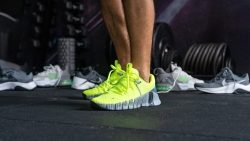
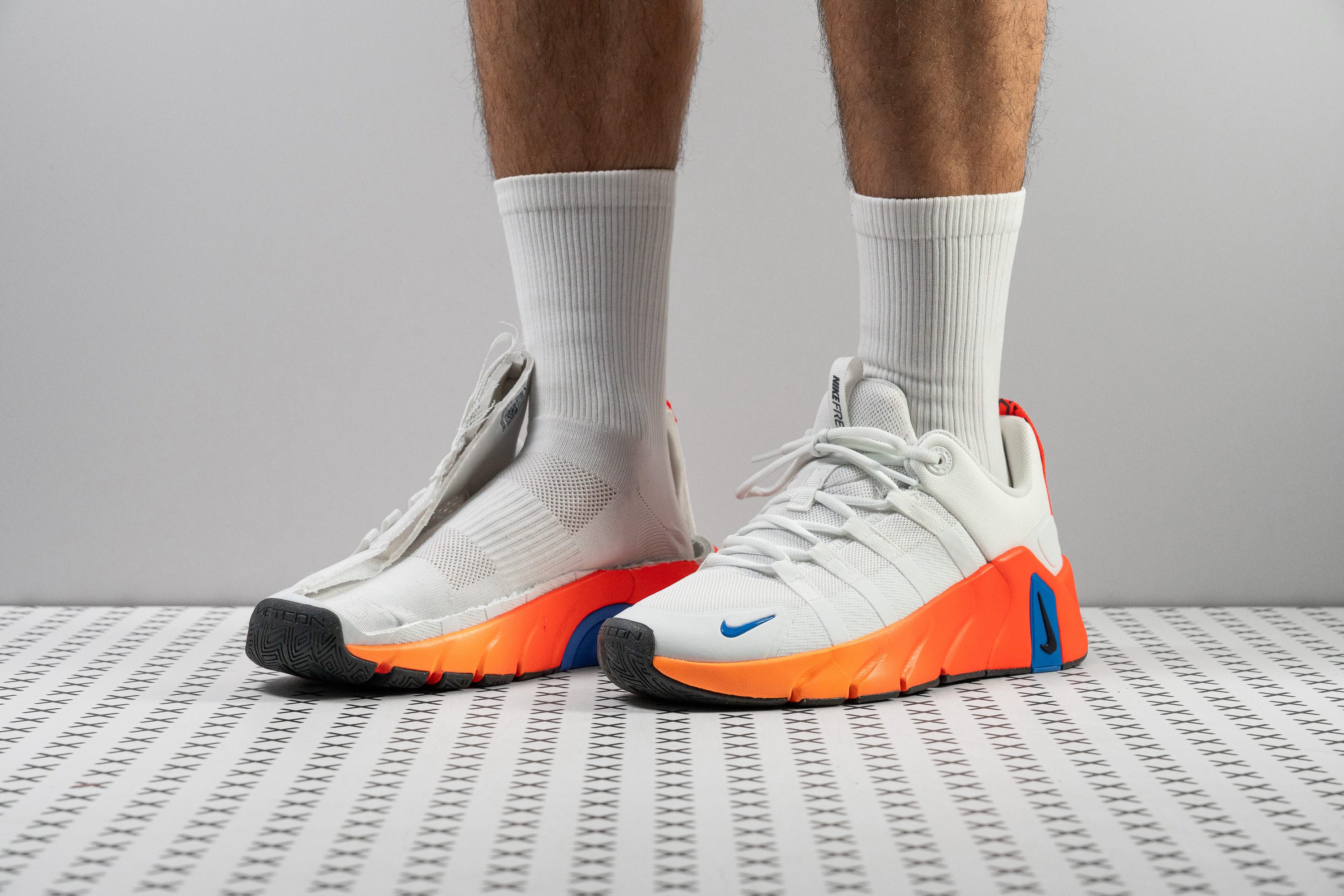
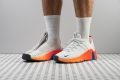
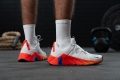
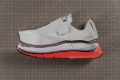
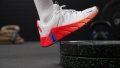
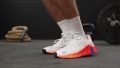
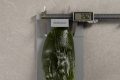
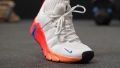
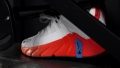
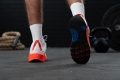
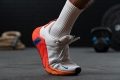
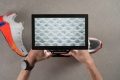
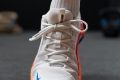
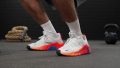
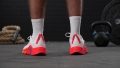
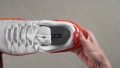
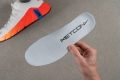
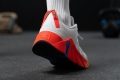
We found the ultimate Nike workout shoe in our training and lab sessions: the Free Metcon 7. Staying true to the brand’s Free and Metcon series, this pair seamlessly combines flexibility and stability. The icing on the cake? It’s in a joint-protecting package!
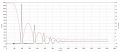
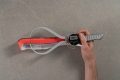
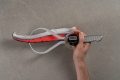
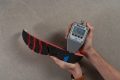
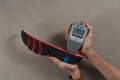
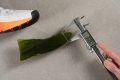
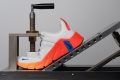
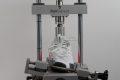
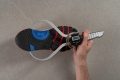
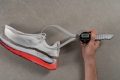
Starting with the Free side, FM7 offers minimal resistance to bending! Our flex test validates that it’s 13% more pliable than average. No matter what exercise or stretches we try, FM7 follows easily.
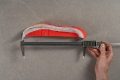
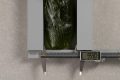
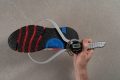
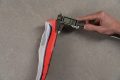
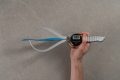
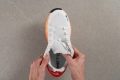
Balancing all the adaptability is a supportive midsole, offering secure lockdown care of the stiff heel (4/5) and extended sidewalls. Our calliper also reveals a wide 116.0/95.9 mm base to keep us stable. On foot, we felt secure even during lifting and sudden changes in movement.
The FM7 offers a zero-pain experience, evidenced by its shock absorption scores of 118 SA in the heel and 74 SA in the forefoot. Whether we perform box jumps or jogs, our muscles never felt too bruised.
However, the light upper doesn’t bode well with slashing and rubbing, so we recommend avoiding rope climbs and other similar workouts to prolong the shoe’s life.
Pros
- Top-level impact protection
- Firm and planted base for moderate lifting
- Flexible Nike Free forefoot
- Predictable medium-width fit
- Good traction on common gym surfaces
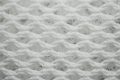
- Excellent breathability
- Great outsole durability
Cons
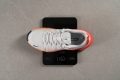
- Got heavier than average
- Can be hard to put on
Best Nike workout shoes for weightlifting


What makes it the best?
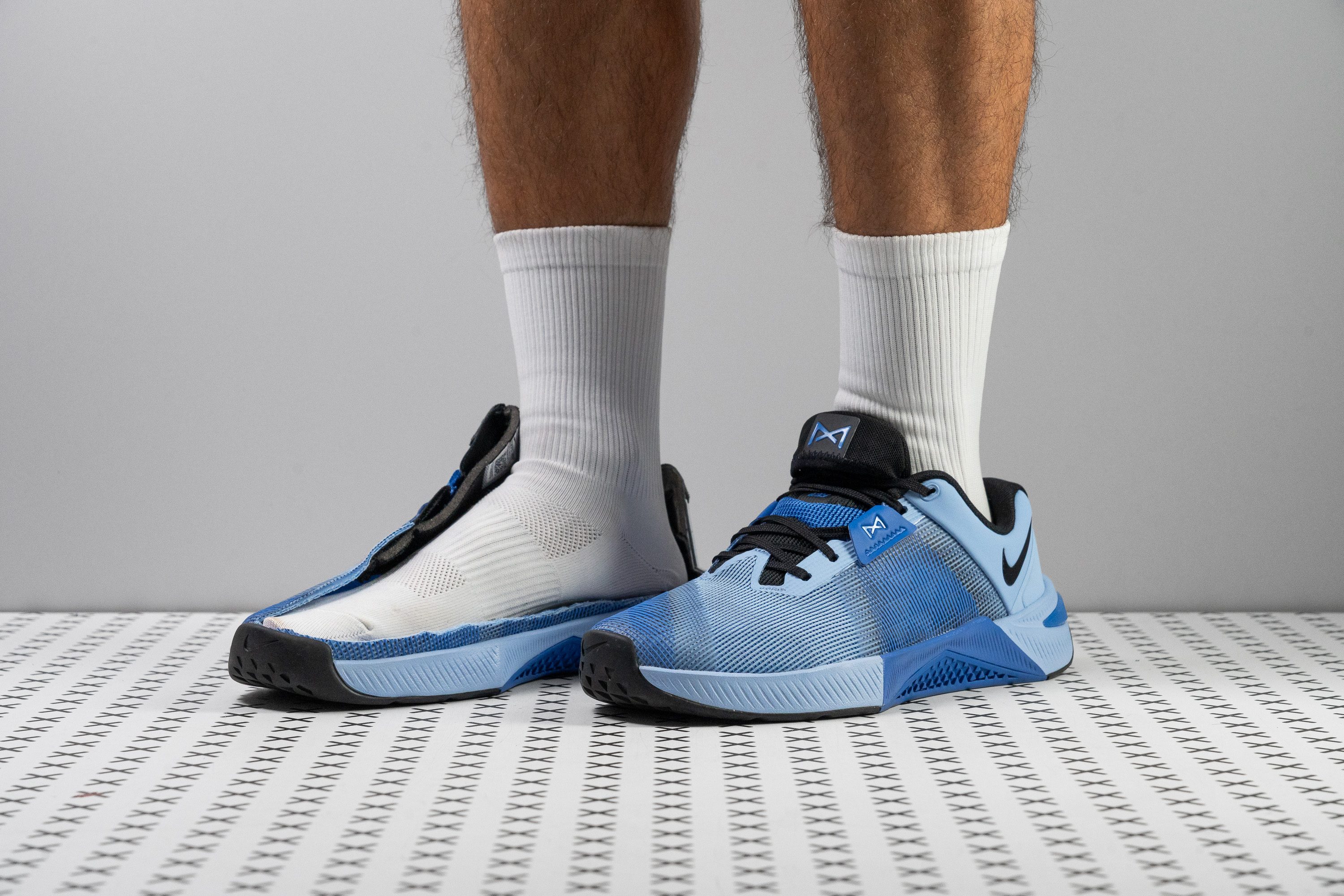
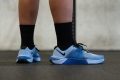
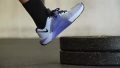
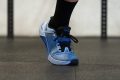
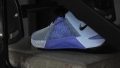
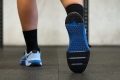
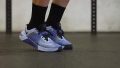
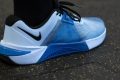
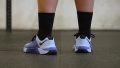
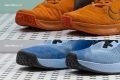
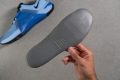
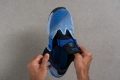
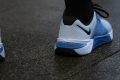
We worked out using Nike trainers and found the Metcon 10 to be the most suitable for weightlifting. Our lab results agree that it has a vast and supportive platform geared towards lifting, adaptability for comfort, and a grippy outsole for that confidence boost.
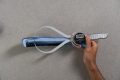
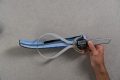
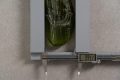
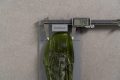
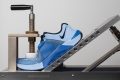
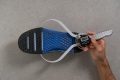
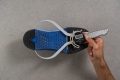
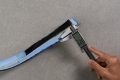
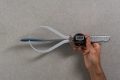
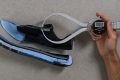
While most weightlifting shoes have an elevated heel for assistance, we don’t find the need for it in the Metcon 10. It’s wide and stable enough to handle heavy squats and Olympic lifts. Upon measuring with our calliper, it offers 4.4/3.1 mm extra space in the forefoot and heel vs. the average for better balance.
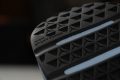
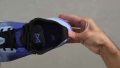
Furthering stability is the locked-in fit of the midfoot band and sturdy eyelets that keep our feet securely planted. The upper ensures a firm foothold without taking away comfort by providing enough padding. In the heel lies a sturdy Hyperlift plastic for extra support when lifting heavier loads.
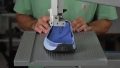
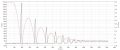
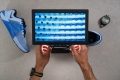
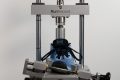
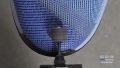
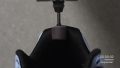
What boosts our confidence to lift more is the unwavering outsole that promotes safe and steady jumps and jerks. This allows us to focus more on our form rather than diverting our attention to worrying about slips. Our traction test backs us up with a friction coefficient that’s 11.8% above average.
We warn caution that Metcon 10 has very little breathing room. Those seeking a high level of airflow should go for another pair.
Pros
- More versatile Metcon overall
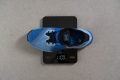
- One of the lightest Metcons ever!
- ReactX adds shock absorption and energy return
- Increased forefoot flexibility
- Still amazingly stable for weightlifting
- Fantastic upper durability (even for rope climbs)
- Great grip on gym floors
- Highly secure foot lockdown
- Accommodating fit and toebox
- Handy Lace Tuck
Cons
- Outsole could be more durable
- Limited breathability for longer workouts
Best minimalist Nike workout shoes
What makes it the best?
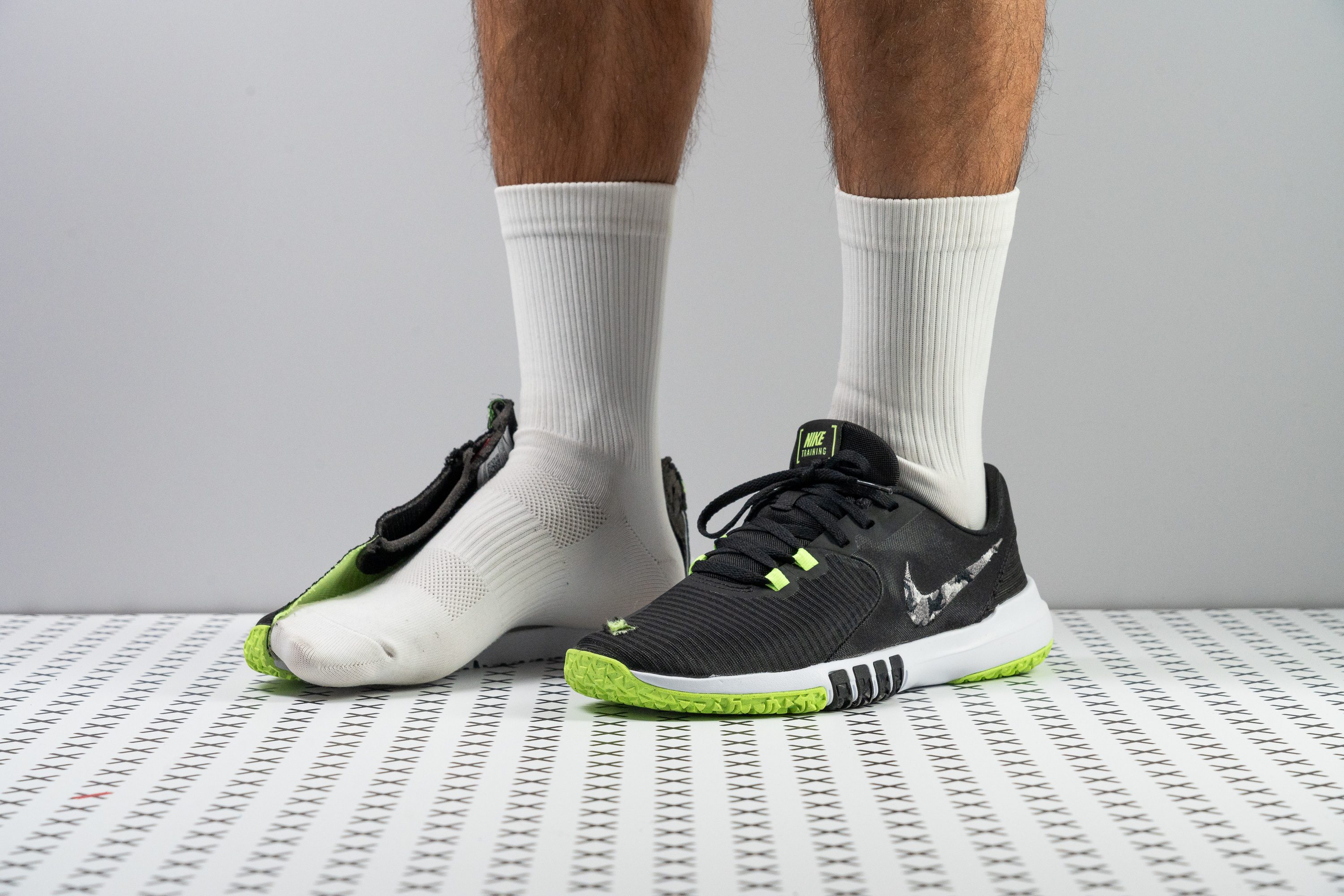
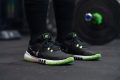
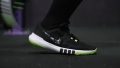
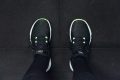
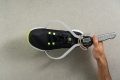
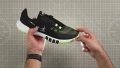
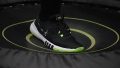
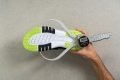
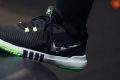
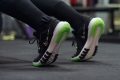
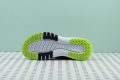
It was such a pleasure to work out in the Nike Flex Control 4 because it just felt so nice on foot because of its immense flexibility and dependable ventilation. This shoe also helped us be quick on our feet. Because of all these benefits, we consider the Flex Control 4 as the best minimalist shoe from Nike.
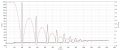
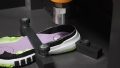
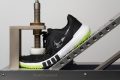
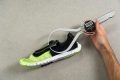
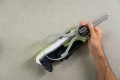
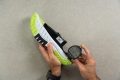
While working out, we felt this shoe moving quite smoothly with our feet regardless of the angle of our steps and stances. Such flexibility was confirmed when we manually assessed this shoe in the lab. After twisting and squeezing them, both the shoe’s base and heel counter were scored a 2 out of 5 for rigidity.
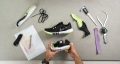
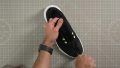
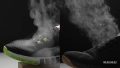
Breathability was one benefit that we were particularly thankful for. Nobody wants soaking wet socks after every workout, right? In the lab, we dissected the shoe and placed the upper material on top of a light source. The light easily passed through the many ventilation holes all over the upper. We scored this shoe a 3 out of 5 for ventilation.
The midsole tooling is on the firmer side, and we loved how it made us move faster because of its springiness.
It’s just regrettable that the Flex Control 4 is not that supportive for more serious weightlifting. We felt our feet being forced forward when we lifted heavier weights. Not only did this create instability, it also made our toes rammed and quite uncomfortable, as well.
Pros
- Comfortable in-shoe feel
- Feels nimble and agile
- Lighter than average
- Very flexible
- Foot feels planted
- Budget-friendly
- Good grip
- Simple aesthetics
- True to size
Cons
- Durability issues
- Not for serious workouts
Best lightweight Nike workout shoes
What makes it the best?
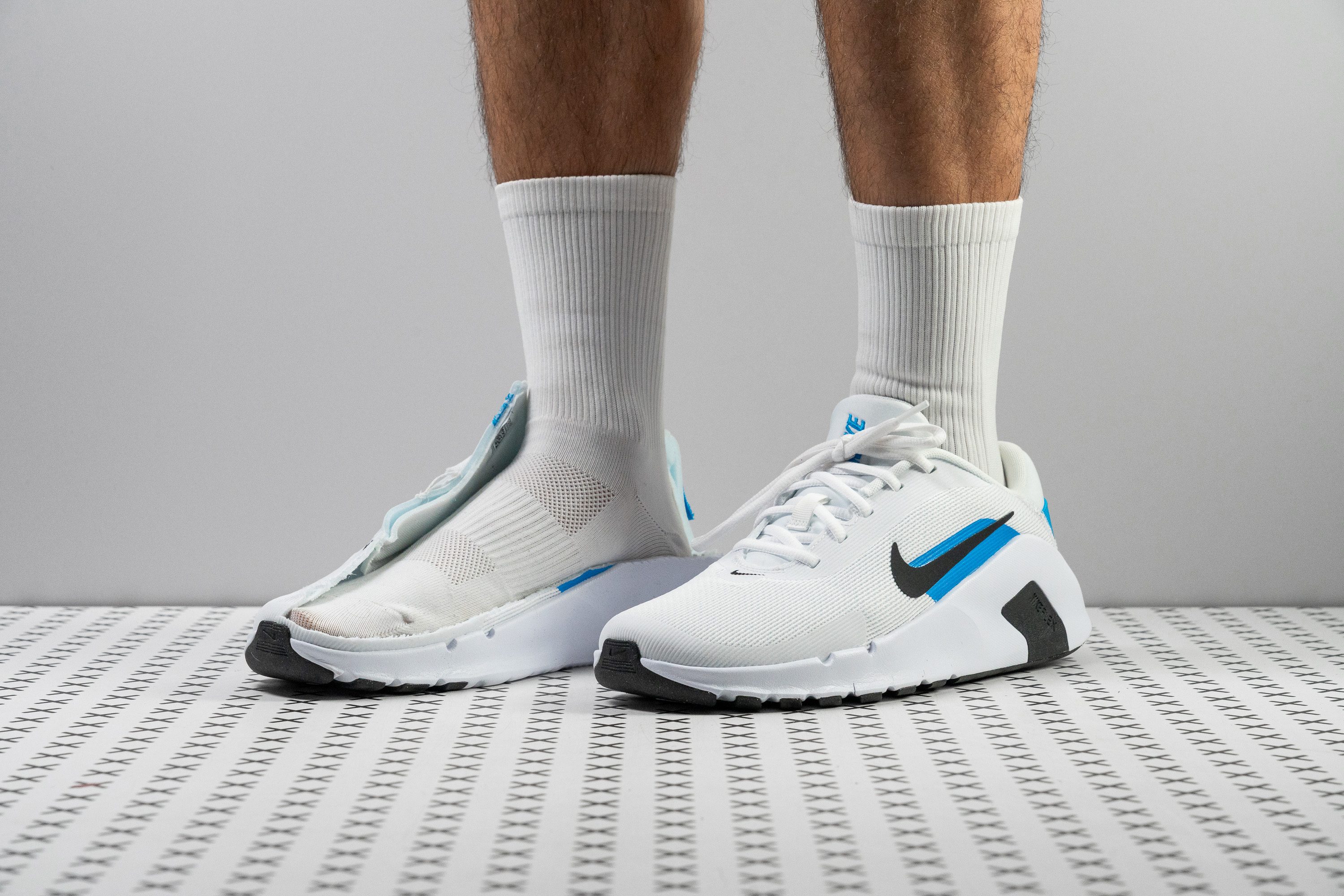
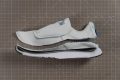
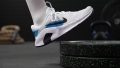
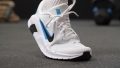
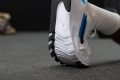
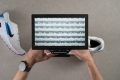
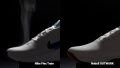
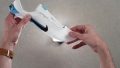
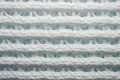
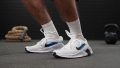
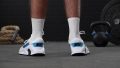
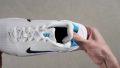
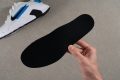
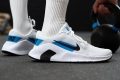
The work we put in the gym tells us that a good workout shoe delivers ample cushioning and freedom of movement. Our lab work reveals the Nike Flex Train excels in these aspects without weighing us down, giving us the confidence to name it the best lightweight trainer among Nike workout shoes.
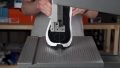
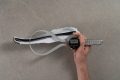
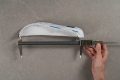
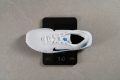
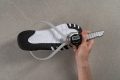
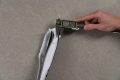
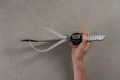
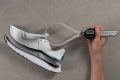
Flex Train is all about agility, with its low 9.1 oz (258g) figure making lifting, jumping, or walking feel easy. Compared to the average trainer, it’s 15% lighter!
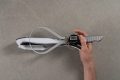
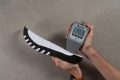
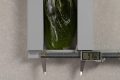
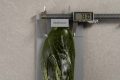
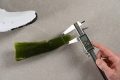
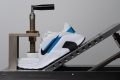
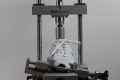
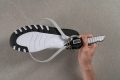
The shoe’s high flexibility accommodates effortless movement, while the broad 116.3 mm forefoot prevents us from moving excessively and uncontrollably. We accomplished burpees and planks without much resistance, as our bend test confirms it’s 20% more flexible than average.
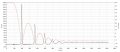
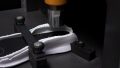
The platform offers a good mix of balance and comfort. It feels more ground-connected up front, with an average height of 17.0 mm. Meanwhile, the 26.8 mm heel exceeds the average, along with strong impact protection of 104 SA that can take repetitive landings easily.
However, we only advise this trainer for cardio and similar exercises. Those who lift occasionally could benefit from a more stable and supportive shoe.
Pros
- Great entry-level cross-trainer
- High shock absorption
- Firm and stable base for easy lifting
- Solid medium fit with a wide option
- Exceptionally flexible forefoot
- Lighter than average
- Great durability for the price
Cons
- Lacks lateral support
- Low toebox height
Nike workout shoes with the best shock absorption




What makes it the best?
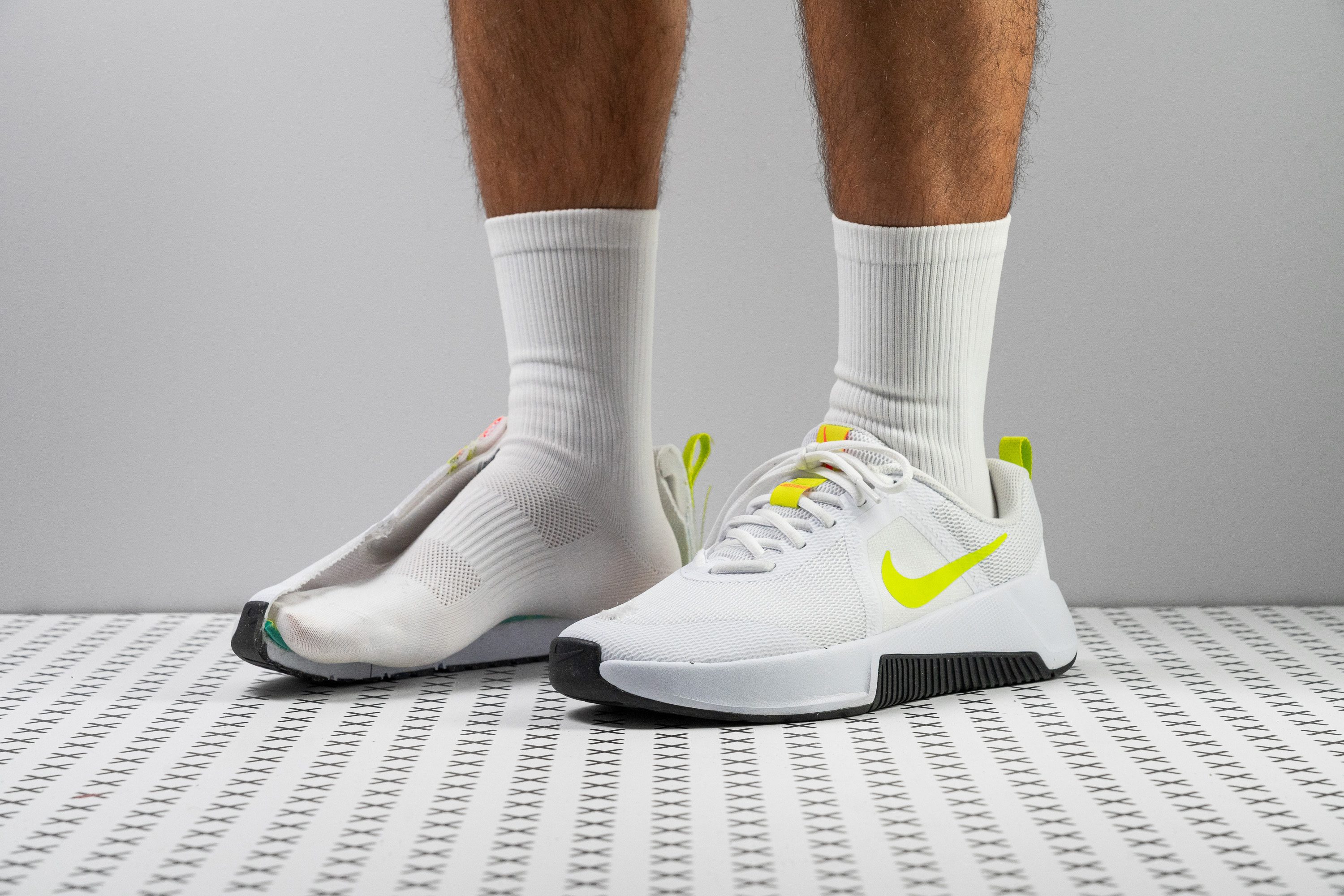
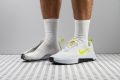
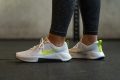
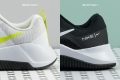
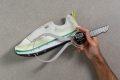
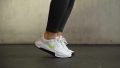
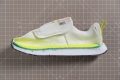
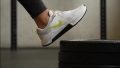
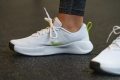
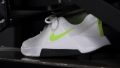
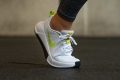
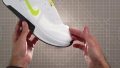
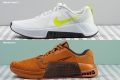
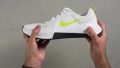
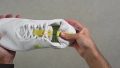
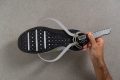
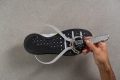
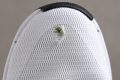
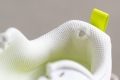
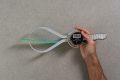
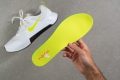
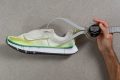
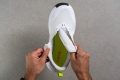
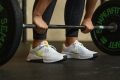
We can assure through countless hours in the gym and the lab that the Nike MC Trainer 3 is versatile and comfortable. It effectively protected our joints through its heavenly cushioning and soothed our feet with its divine breathability. Among Nike workout shoes, it stands out in shock absorption.
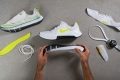
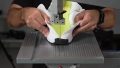
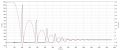
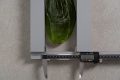
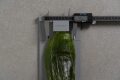
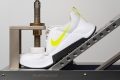
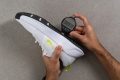
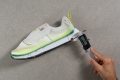
Every time we landed on our feet, we could barely feel the impact thanks to the generous cushioning, confirmed by our calliper with an above-average stack height of 30.6/21.8 mm. Its pillowy touch was confirmed with superior shock absorption scores of 97 SA (heel) and 83 SA (forefoot), both exceeding our current lab averages.
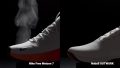
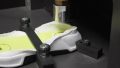
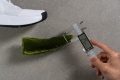
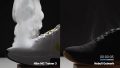
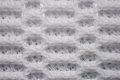
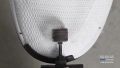
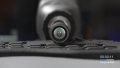
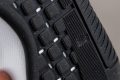
The delicate upper kept our feet well-aerated even inside stuffy gyms. Smoke instantly escaped when we pumped it in, earning a remarkable 5/5 breathability score. Our microscope explains why: the shoe is dotted with countless ventilation holes!
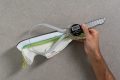
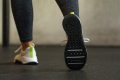
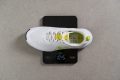
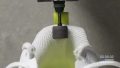
MC Trainer 3 has a light and loose build that makes moving effortless. Jumping feels easy because it’s only 10.4 oz (296g), weighing just below the average. Meanwhile, it’s fluid enough to bend with our feet during planks and burpees because of the deep grooves in the outsole.
While we felt fairly planted during workouts, we recommend more supportive shoes for people with severe overpronation or those who are into more serious weightlifting.
Pros
- Fantastic value for money
- Highly breathable
- Doesn't drag the foot down
- Better cushioned than v2
- Heel bevel is better for running and walking
- Decent stability for moderate workouts
- Good flexibility for lunges and planks
- Accommodating toebox
- Comfortable padded interiors
Cons
- Not for flat and wide feet (narrow midfoot)
- Upper lacks wear resistance
- Weak outsole grip
Nike is a well-respected brand in the workout footwear market and is known for producing shoes that are comfortable, supportive, and performance-focused. Whether you're a seasoned athlete or a beginner, Nike has a workout shoe that is designed to meet your needs and help you perform your best.
Getting the best Nike workout shoe: 6 things to consider
When buying Nike workout shoes, there are several key factors to consider to ensure that you find a pair that is right for you:
|
1. Type of workout 2. Comfort and fit 3. Support 4. Cushioning 5. Traction/grip 6. Style |
Type of workout
Consider the type of workout you'll be doing and look for a pair of Nike shoes that are designed for your specific needs. Nike offers shoes for a variety of different workout types.
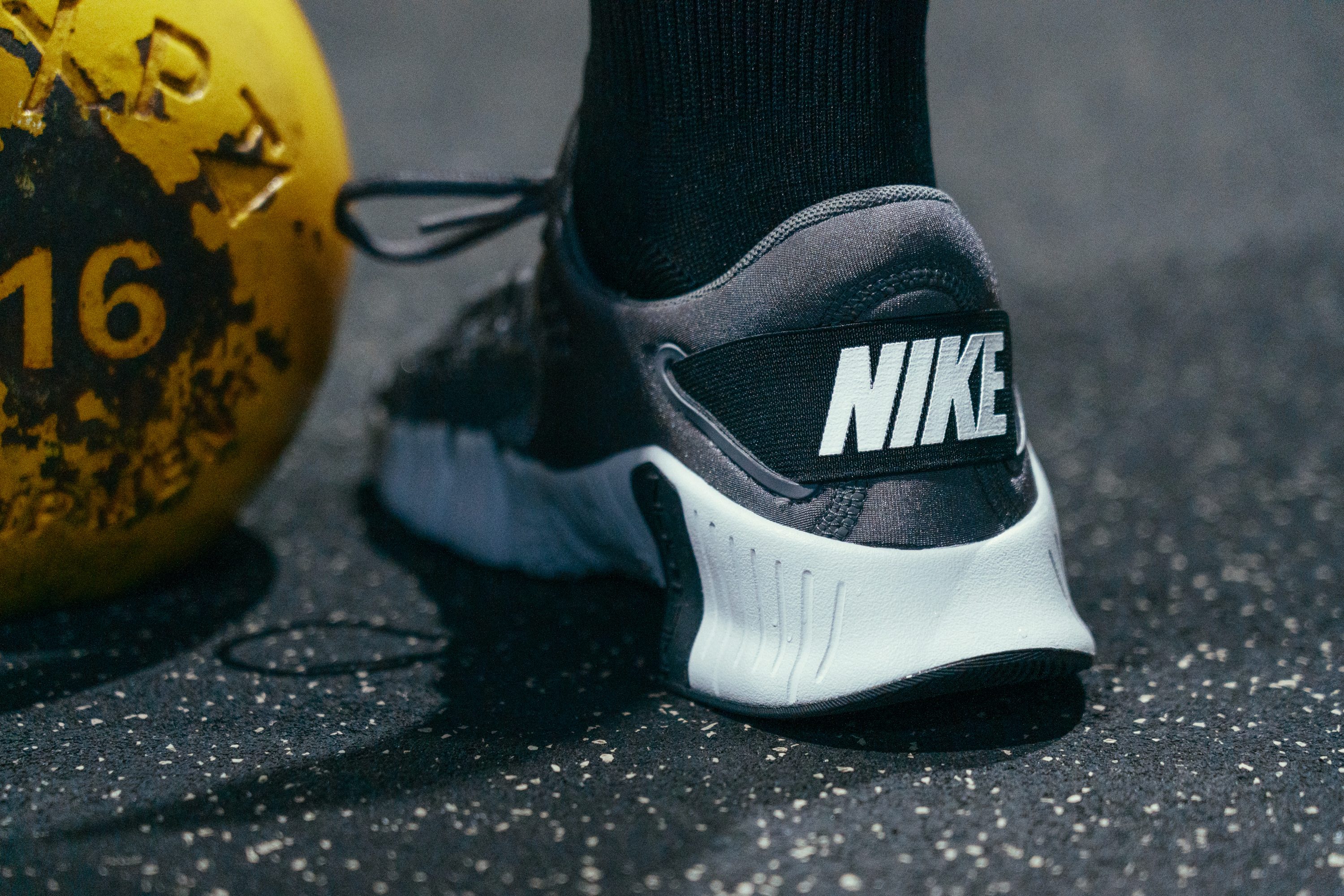
There are shoes like the Nike Free Metcon that come with a wide and firm heel to keep you planted when lifting.
Shoes like the Nike SuperRep are more oriented toward high-impact exercises. They feature added cushioning and technologies like Zoom Air bags that keep you bouncy on your toes.
If you are into agility, running, and balance training, you will appreciate shoes like Nike Free and Nike Flex. They are lightweight, low-profile, and super flexible.
Comfort and fit
An ideal fit feels like this:
- secure heel (no heel slips)
- snug midfoot (no wobbling side-to-side)
- spacious toebox (there is enough room for your toes to splay naturally)
Because Nike shoes are built on different lasts than other brands, there is a chance that you won't have the same size as you do in another brand of workout shoes.
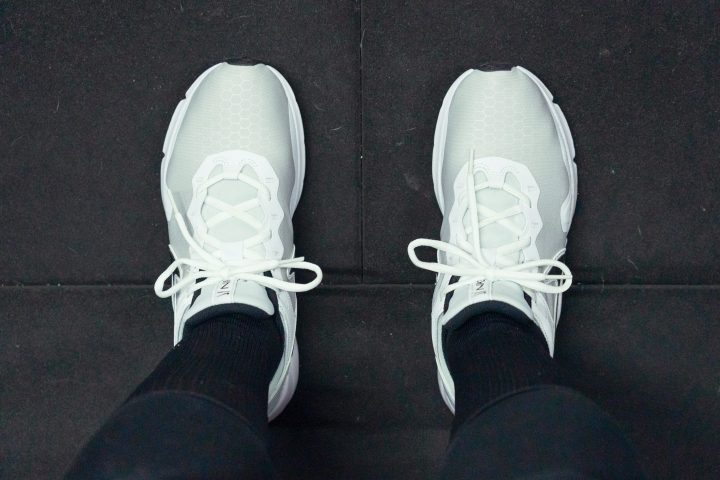
We recommend measuring your current foot length accurately and checking with Nike's official size chart to improve your chances of getting the right fit.
| TIP: When purchasing online, order from shops with a free return policy. That way you can order one Nike shoe in 2-3 sizes and send the ones that didn't work back at no cost. |
Support
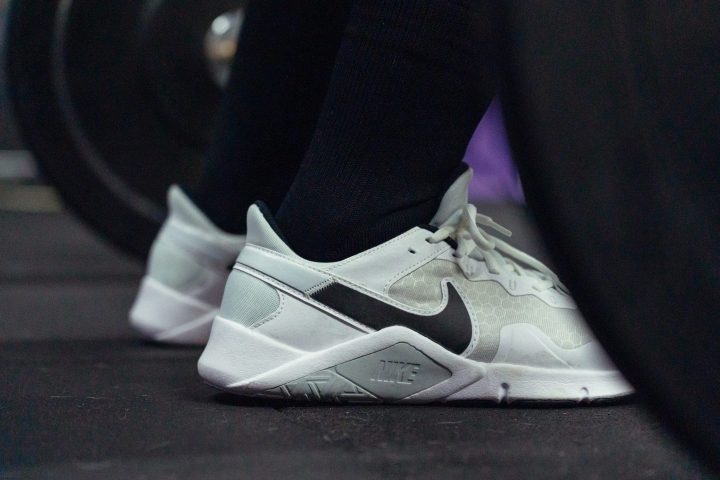
Some workout routines involve a lot of agile side-to-side movements. You want to make sure that your future Nike trainer offers enough support on the sides to prevent the foot from spilling over the edge of the sole.
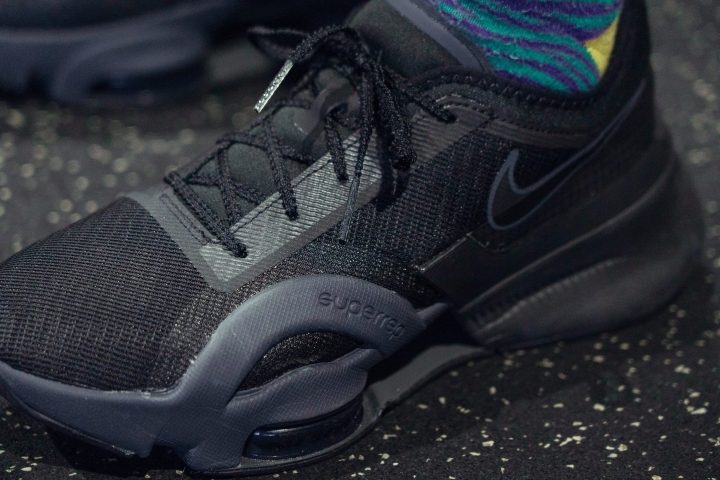
Look for shoes that have reinforced sidewalls made of TPU (hard plastic) or very dense foam.
Cushioning
Choose a pair of Nike shoes that provide good cushioning to help reduce impact during your workout. Especially if you do lots of jumping. Look for shoes that feature technologies like Nike React, Zoom Air, or Air Max.
In our lab, we measure the shock absorption of all Nike workout shoes in both the heel and the forefoot, following the ASTM F1976 protocol. Our data shows that shoes with SA readings of 80-95 provide good impact protection that is versatile enough for most workouts. Meanwhile, shoes with higher SA are better cushioned (best for cardio), and those with lower SA are firmer, more grounded, and stable (best for weightlifting).
Traction
Most workout shoes from Nike don't have a full-length rubber outsole. That's because they are meant to be used indoors and on gym surfaces that aren't very abrasive (like rubber).
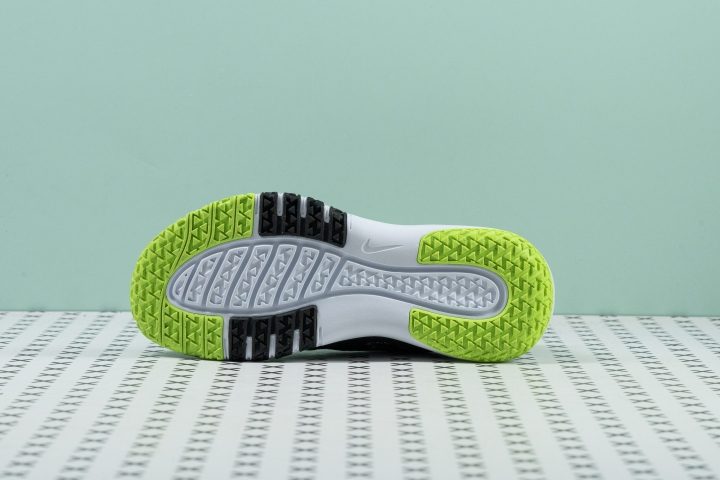
You will only see pieces of rubber in the areas where traction is most needed during a typical workout.
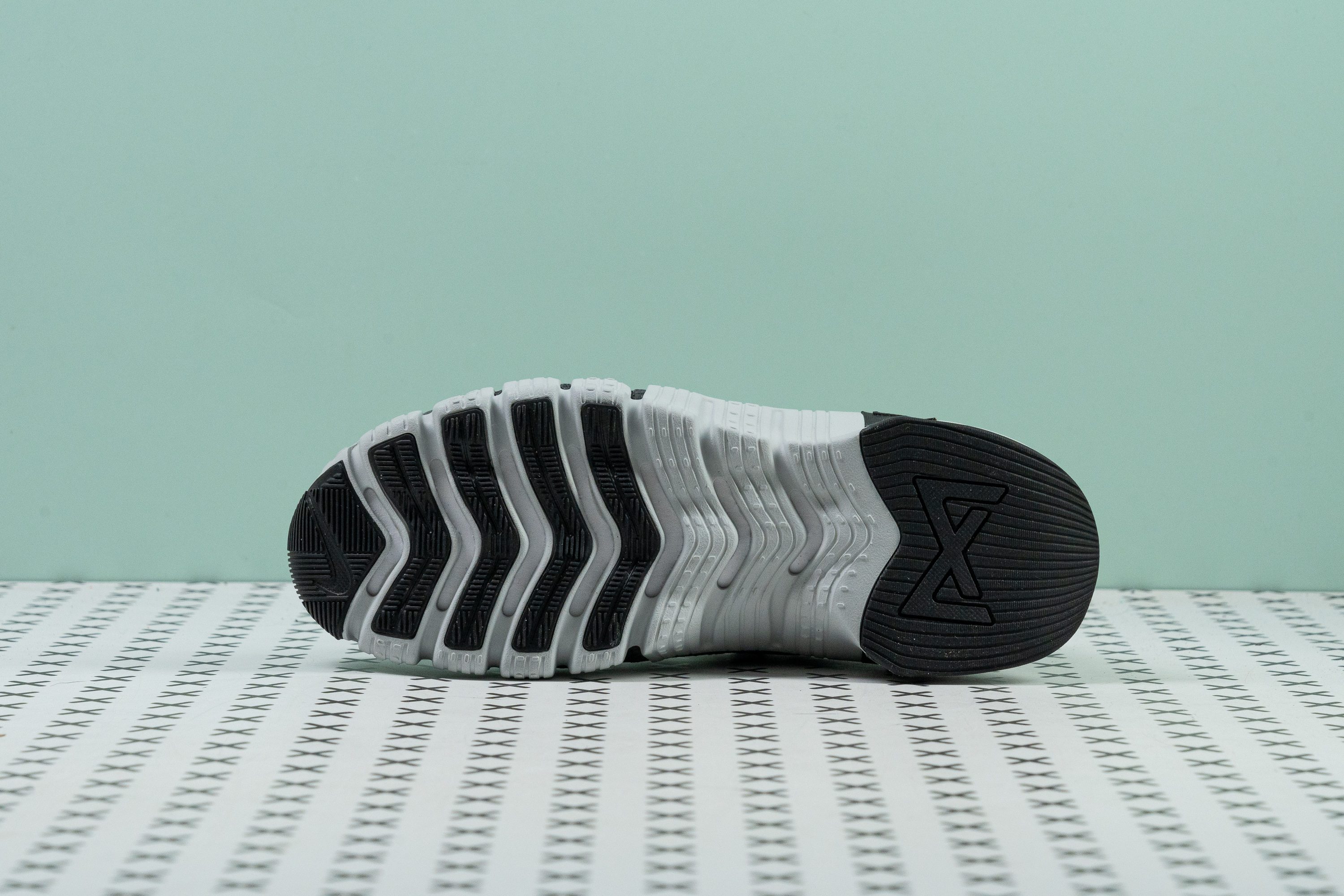
But if you are going to train outdoors a lot, go for a pair of shoes with full-length rubber outsoles. On demanding surfaces like concrete, the Nike Metcon Crossfit shoe is going to be more lasting.
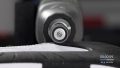
We go hard on testing the gripping capacity of all workout shoes in our lab. Following the SATRA TM144 standard, our machine performs a stopping foot motion and measures each shoe's coefficient of friction (CoF) in the forefoot (because that's where grip matters the most when working out).
A CoF of at least 0.30 implies solid traction for a training shoe.
Style
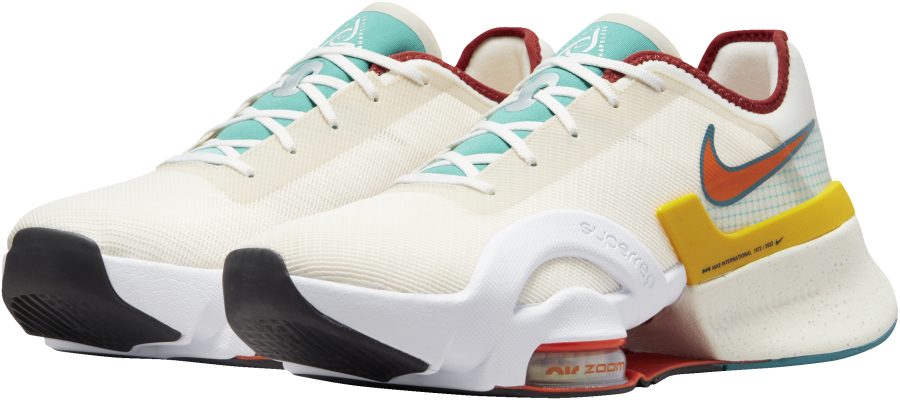
Finally, consider your personal style preferences and choose a pair of Nike shoes that you love the look of and that you'll feel good wearing to the gym. Luckily, Nike has an excellent reputation for their aesthetically pleasing colour combinations.
Frequently asked questions about Nike workout shoes
Can I run in my Nike workout shoes?
Yes, you can run in Nike workout shoes. Nike offers a range of athletic footwear that is designed for running, and many of its workout shoes are suitable for running. However, it's important to consider the type of running you'll be doing and choose a pair of Nike shoes that are designed for your specific needs.
For example, if you're a serious runner who covers long distances, you'll want to look for a pair of Nike running shoes that provide good cushioning and support. On the other hand, if you're a casual runner who only runs a few miles at a time, you may be able to get away with wearing a pair of Nike workout shoes that are designed for high-intensity training.
Likewise, Nike's flagship running shoe, the Pegasus, is going to be great for treadmill runs at the gym. However, it is going to be too soft and unstable for any other workout bit (lifting, aerobics, box jumps, etc.)
Similar buying guides