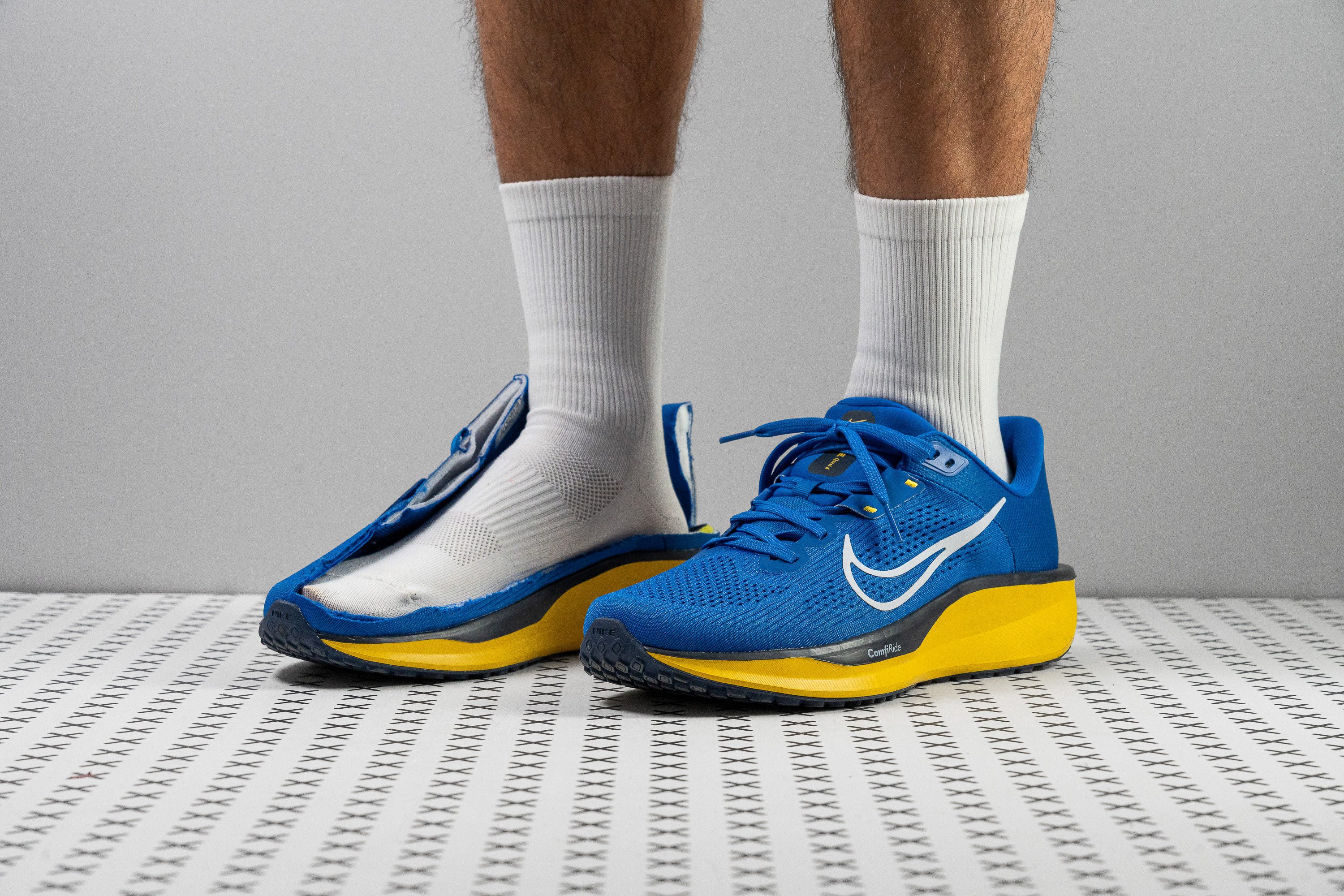
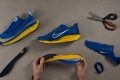

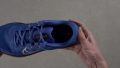
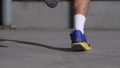
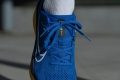
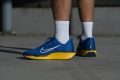
Our verdict
- Daily running 82
- Tempo 44
- Race 30
- Stability 82
Pros
- Affordable and beginner-friendly
- Solid cushioning for heel strikers
- Versatile for everyday use
- Classic, easy-to-run geometry
- Wide forefoot base improves stability
- Strong durability in all tests
- Improved grip from version 5
- Comfortable upper
Cons
- Modest energy return and firm foam
- Steep heel-to-toe drop
- Slight weight increase
- Minor price bump
Awards
- Top pick in best Nike walking shoes
- Top pick in best cheap Nike running shoes
- Top 25% most popular running shoes
Comparison
The most similar running shoes compared
+ + Add a shoe | |||||
|---|---|---|---|---|---|
| Our score | 78 Good | 79 Good | 68 Decent | 78 Good | |
| Price | $85 | $85 | $180 | $140 | |
| Pace | Daily running | Daily running | Daily running | Daily runningTempo | |
| Shock absorption | Low | Moderate | Moderate | Moderate | |
| Energy return | Low | Moderate | Moderate | Moderate | |
| Traction | Moderate | High | High | High | |
| Arch support | Neutral | Neutral | Neutral | Neutral | |
| Weight lab Weight brand | 10 oz / 283g 10.4 oz / 295g | 8.7 oz / 247g 8.8 oz / 250g | 10.2 oz / 289g 10.2 oz / 288g | 8.6 oz / 244g 8.6 oz / 244g | |
| Lightweight | ✗ | ✓ | ✗ | ✓ | |
| Drop lab Drop brand | 12.0 mm 10.0 mm | 8.7 mm 10.0 mm | 10.8 mm 6.0 mm | 11.3 mm 8.0 mm | |
| Strike pattern | Heel | HeelMid/forefoot | Heel | Heel | |
| Size | True to size | - | True to size | Slightly small | |
| Midsole softness | Firm | Balanced | Firm | Balanced | |
| Difference in midsole softness in cold | Small | Small | Small | Small | |
| Toebox durability | Decent | Decent | Decent | Decent | |
| Heel padding durability | Good | Good | Decent | Good | |
| Outsole durability | Decent | Decent | Good | Good | |
| Breathability | Moderate | Warm | Moderate | Breathable | |
| Width / fit | Medium | Medium | Medium | Medium | |
| Toebox width | Medium | Narrow | Medium | Medium | |
| Stiffness | Moderate | Flexible | Moderate | Moderate | |
| Torsional rigidity | Flexible | Flexible | Moderate | Moderate | |
| Heel counter stiffness | Moderate | Moderate | Moderate | Stiff | |
| Rocker | ✗ | ✓ | ✓ | ✗ | |
| Heel lab Heel brand | 35.2 mm | 28.6 mm | 35.9 mm 30.0 mm | 36.5 mm 36.0 mm | |
| Forefoot lab Forefoot brand | 23.2 mm | 19.9 mm | 25.1 mm 24.0 mm | 25.2 mm 28.0 mm | |
| Widths available | Normal | Normal | NormalWide | Normal | |
| Orthotic friendly | ✓ | ✓ | ✓ | ✓ | |
| Season | All seasons | All seasons | All seasons | SummerAll seasons | |
| Removable insole | ✓ | ✓ | ✓ | ✓ | |
| Ranking | #453 Bottom 31% | #252 Bottom 37% | #382 Bottom 5% | #269 Bottom 33% | |
| Popularity | #159 Top 25% | #245 Bottom 39% | #131 Top 33% | #113 Top 28% |

Who should buy
Based on our testing, the Nike Quest 6 is a strong choice for:
- Beginners who want an affordable, dependable running shoe for daily use.
- Heel strikers who need solid cushioning without going over the 100-dollar mark.
- Runners looking for a mix of versatility and comfort at a budget-friendly price.
Who should NOT buy
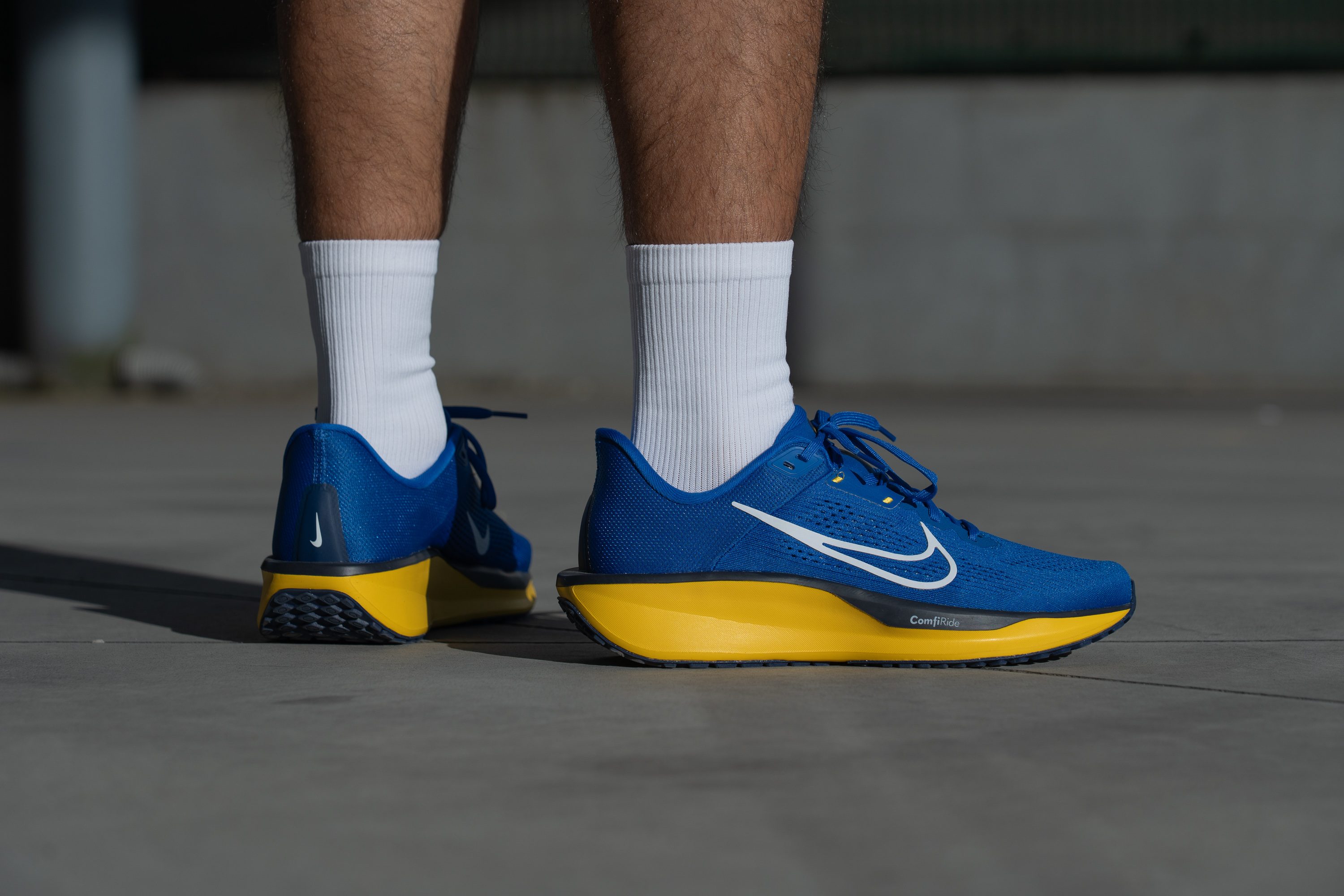
The steep 12 mm drop may feel higher than expected for some runners, and we consider there are many interesting alternatives, such as the New Balance Fresh Foam 680 v8 or the ASICS Gel Contend 9.
We also found that shock absorption remains limited, especially for forefoot strikers. From our perspective, this creates a less forgiving feel during longer runs, and we suggest here a solid alternative: the New Balance Fresh Foam X Evoz v4.
Cushioning
Shock absorption
The Nike Quest 6 remains a cheap running shoe, so its shock absorption is naturally limited, especially in the forefoot.
This is common in shoes at this price, since they’re designed more for casual or occasional runs than long-distance efforts, plus the budget doesn't allow for an advanced foam. For that purpose, the 109 SA / 83 SA results should work well for most runners and it's a small improvement over the 108 SA / 72 SA of the Quest 5.
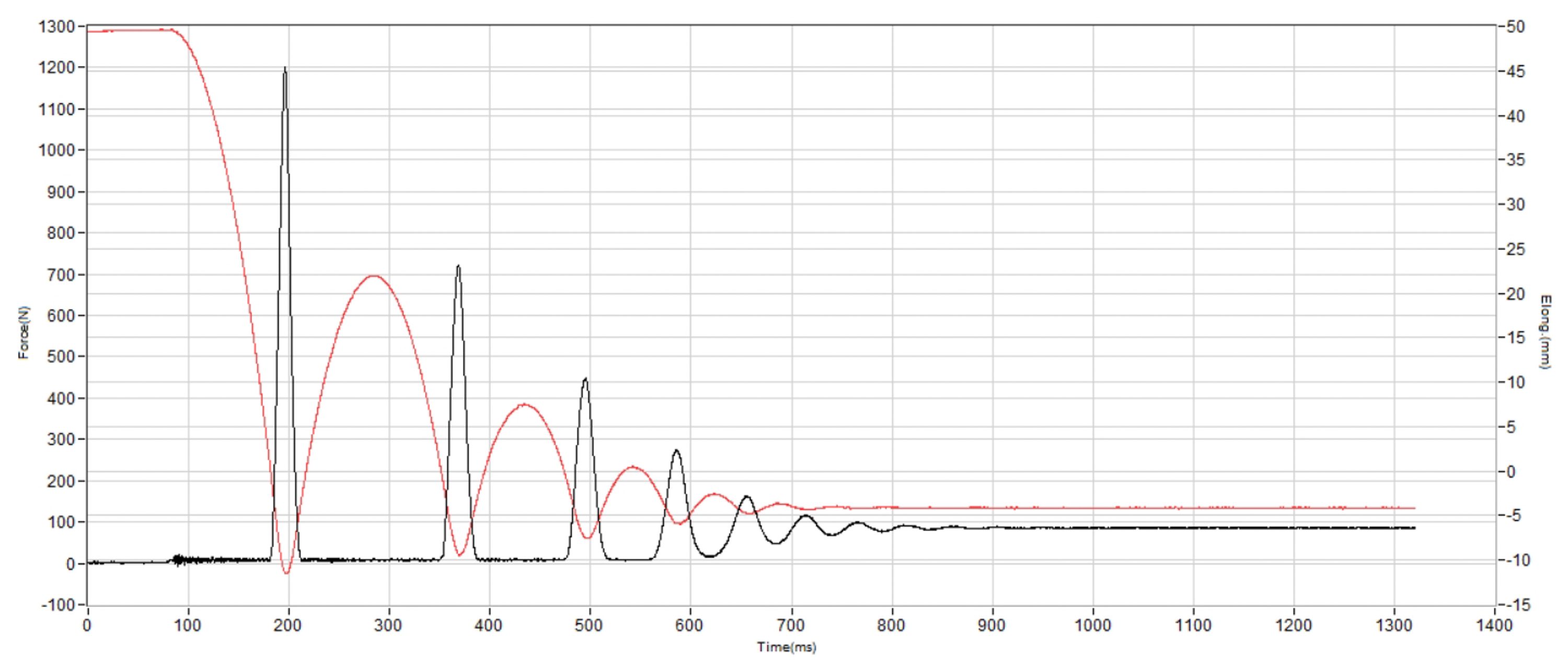
| Quest 6 | 109 SA |
| Average | 131 SA |
Energy return
We’ve tested ComfiRide foam in other Nike models, so we didn’t expect standout energy return as we really know that EVA has clear limits. Still, for such a low-priced shoe, the 50.8% rebound feels modest but reasonable.
| Quest 6 | 51.3% |
| Average | 61.5% |
Heel stack
You probably noticed that shock absorption in the heel is noticeably higher than in the forefoot, which usually hints at a steep heel-to-toe drop. But let’s confirm it with exact measurements.
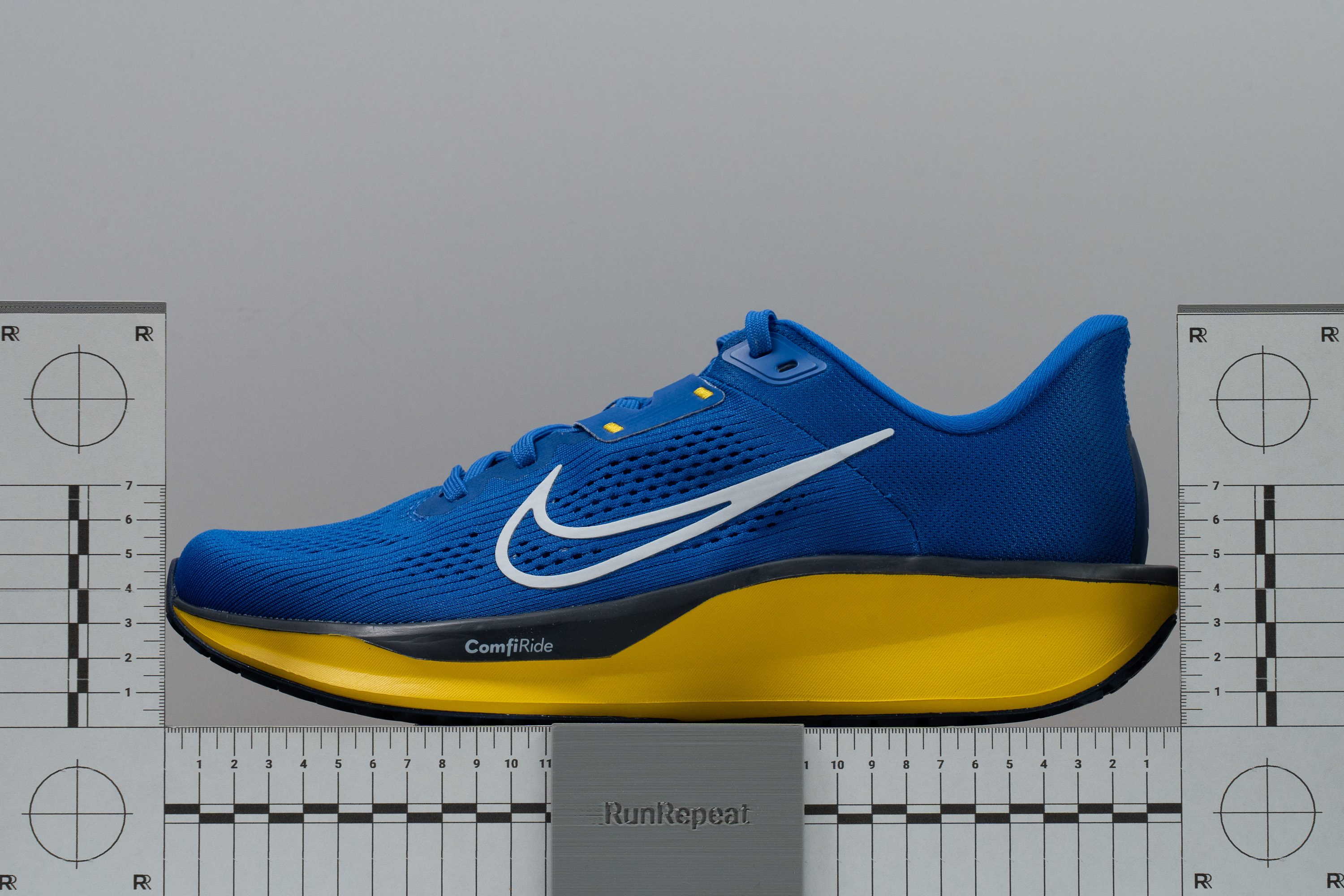
Starting with the rearfoot, we found 35.2 mm. That’s quite generous for a low-priced shoe and makes the Quest 6 an appealing option for heel strikers who want a high stack height without spending much.
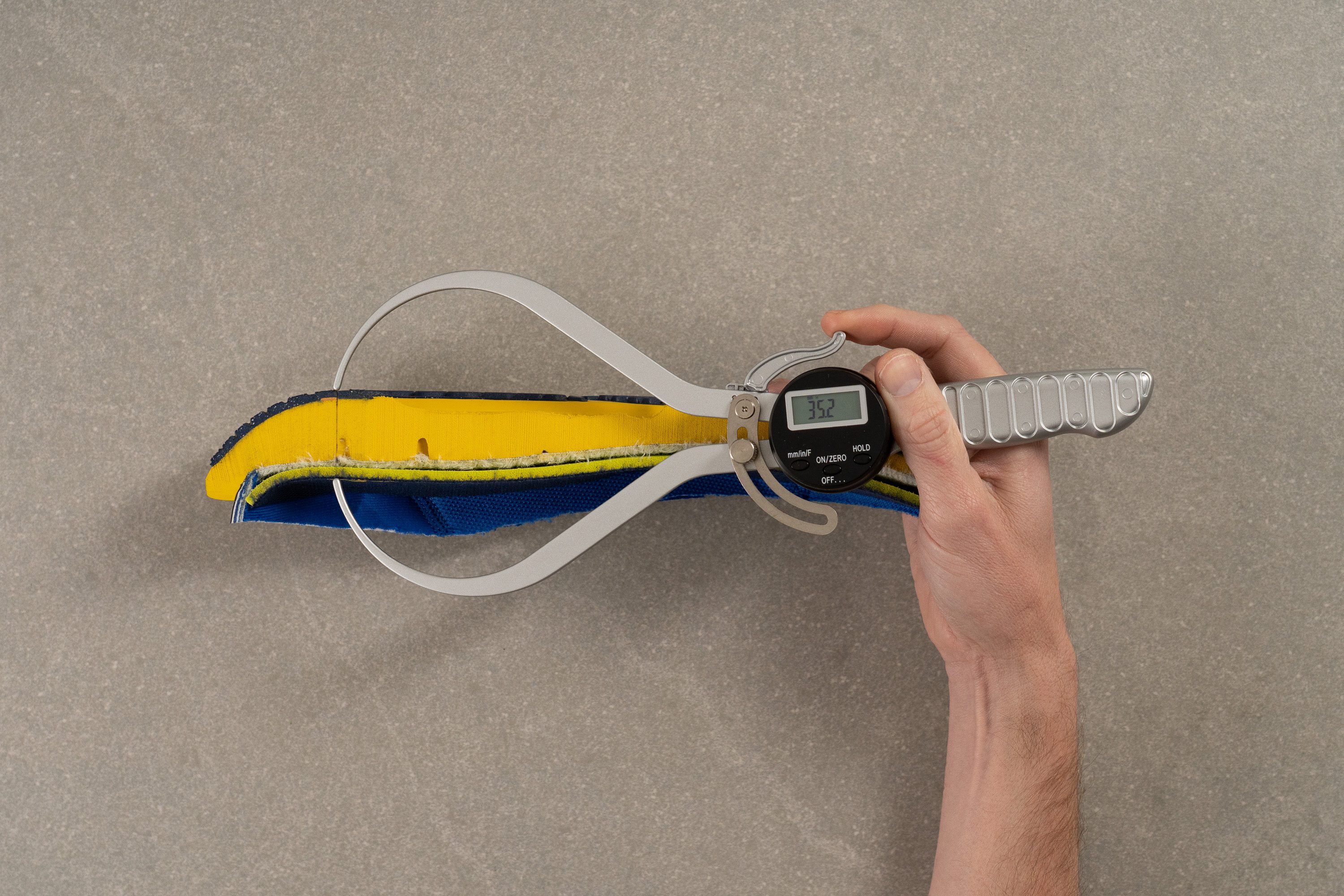
| Quest 6 | 35.2 mm |
| Average | 35.6 mm |
Forefoot stack
The forefoot measures just 23.2 mm, which leaves a modest amount of foam underfoot.
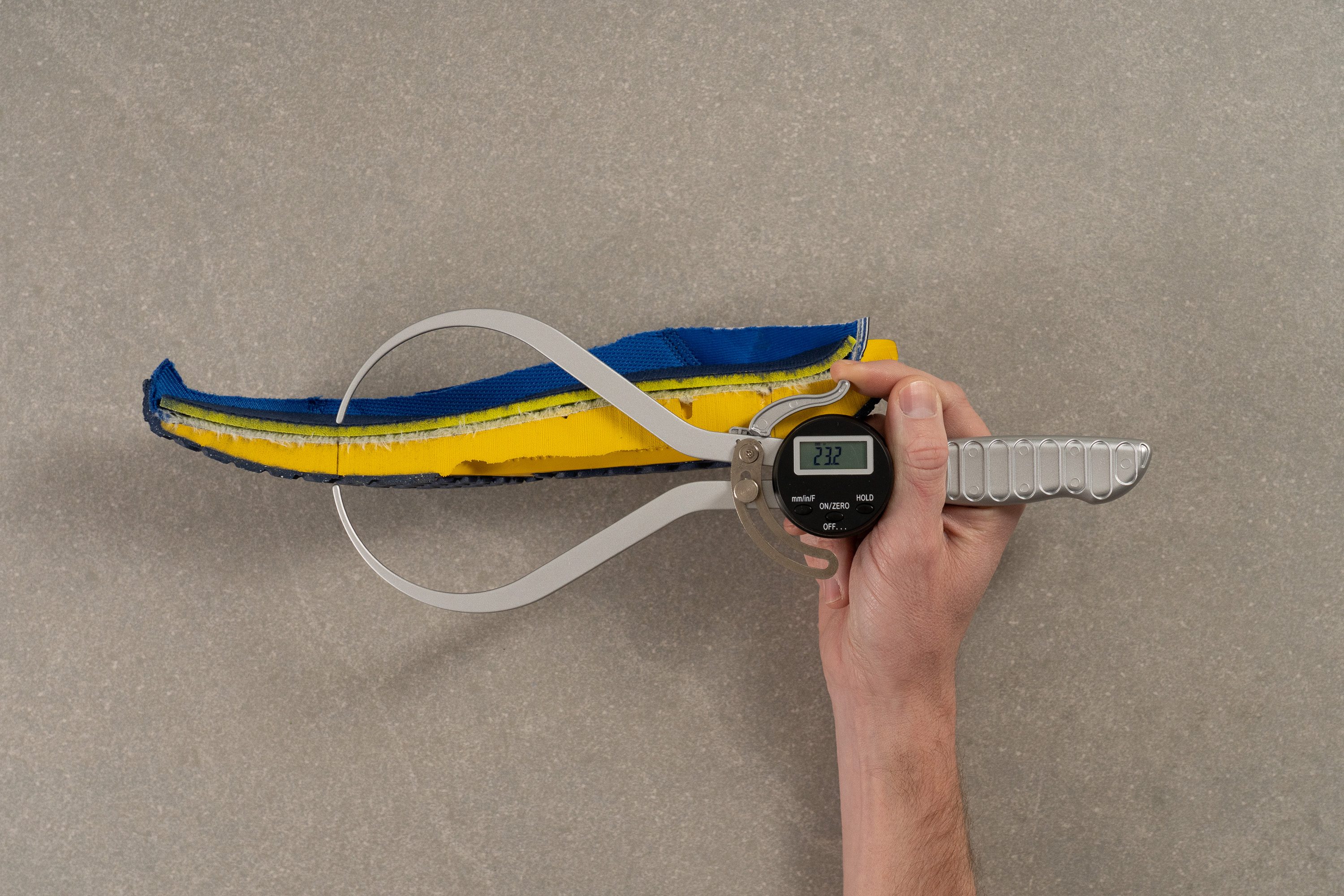
| Quest 6 | 23.2 mm |
| Average | 27.1 mm |
Drop
The forefoot is noticeably thinner than the heel, giving the shoe the familiar geometry seen in many Nike daily trainers. In fact, we found that Nike clearly built the Quest 6 for heel strikers, as it delivers a substantial 12.0 mm drop from heel to toe.
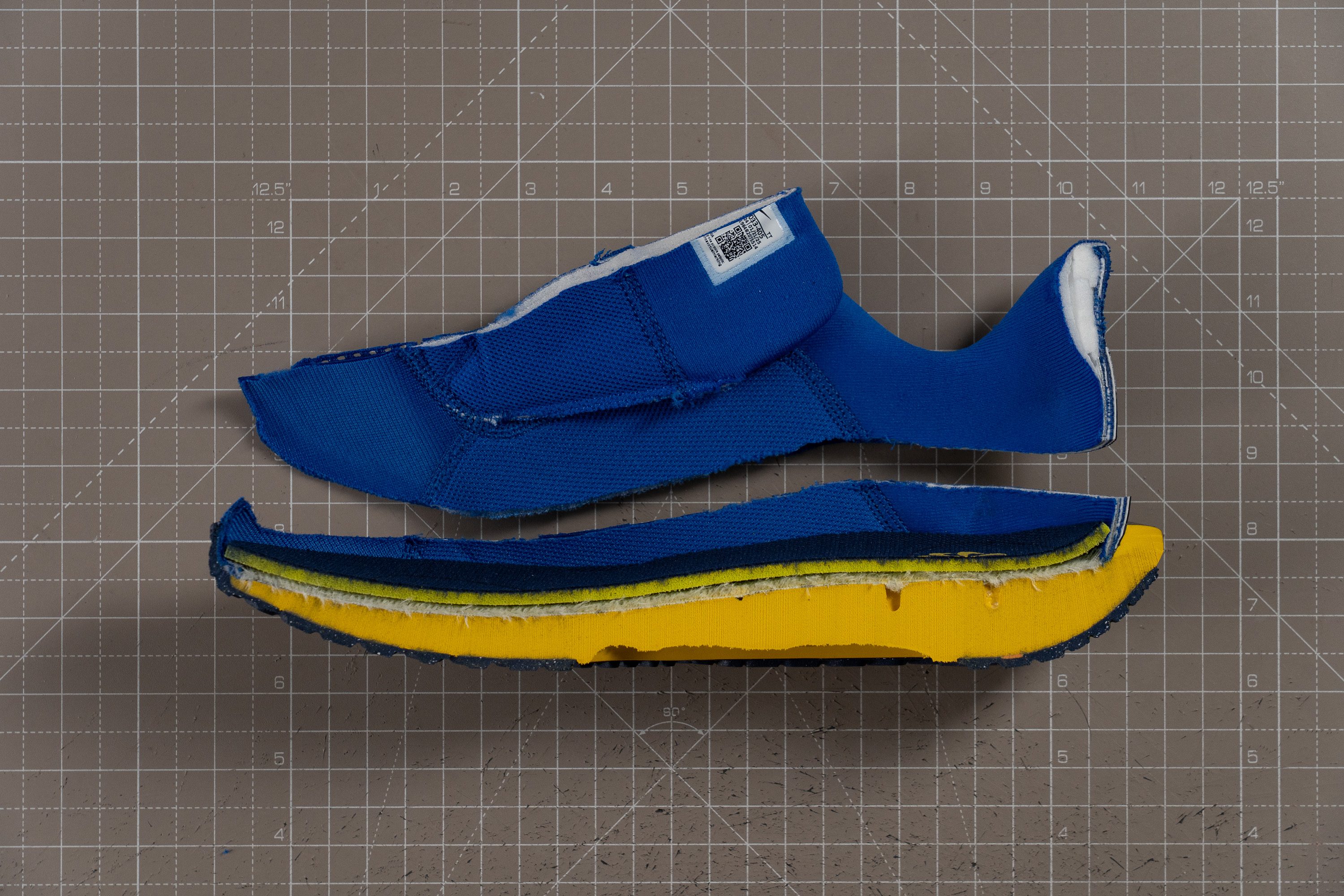
| Quest 6 | 12.0 mm |
| Average | 8.4 mm |
Midsole softness
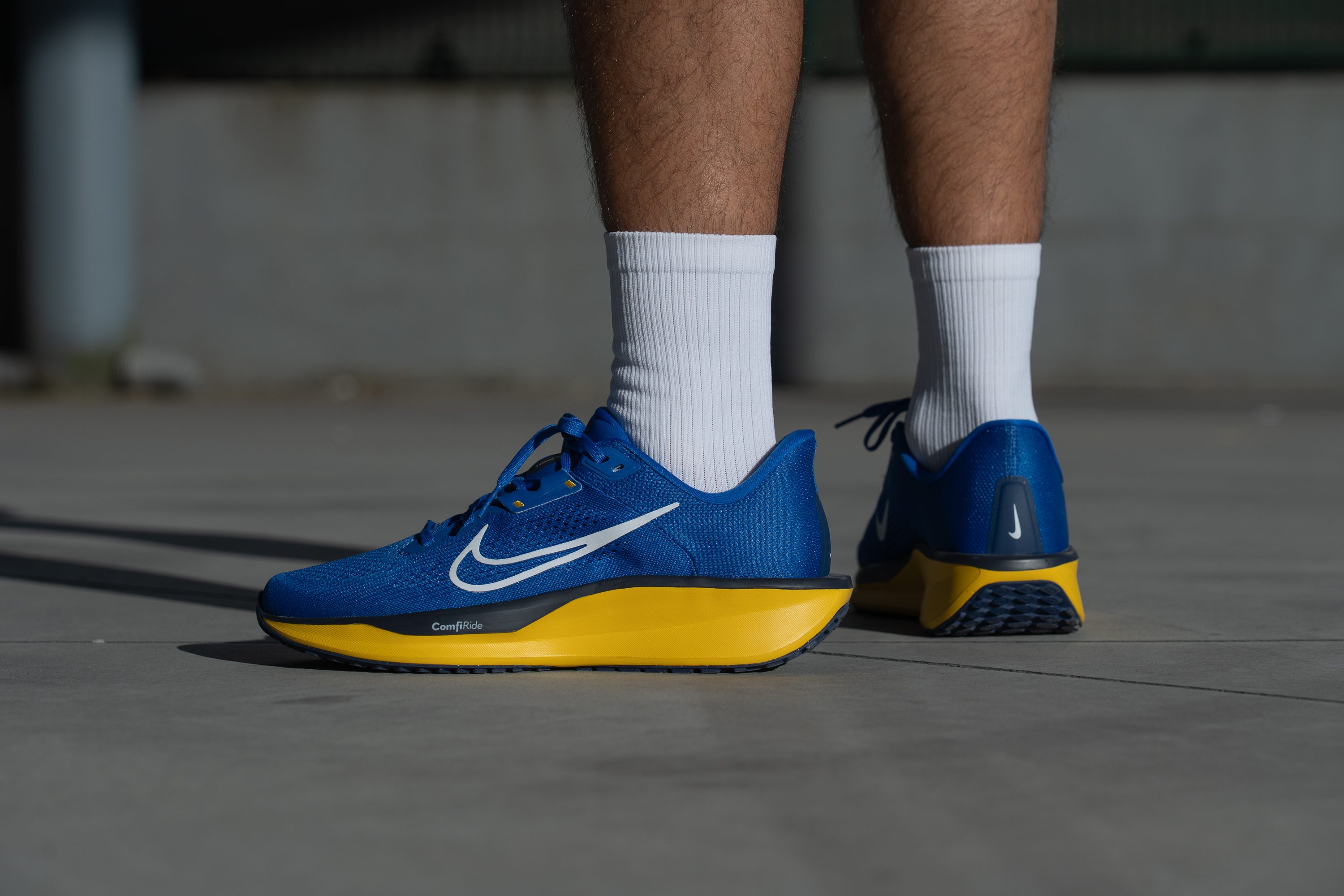
Nike used its EVA-based ComfiRide foam for the Quest 6, a material the brand often includes in budget-friendly models like the Journey Run.
We discovered during our runs that it feels noticeably firm, so it doesn’t deliver the cloud-like comfort of higher-priced shoes and instead provides a more stable, grounded ride. After testing it in the lab, we confirmed this with a 42.6 AC measurement.
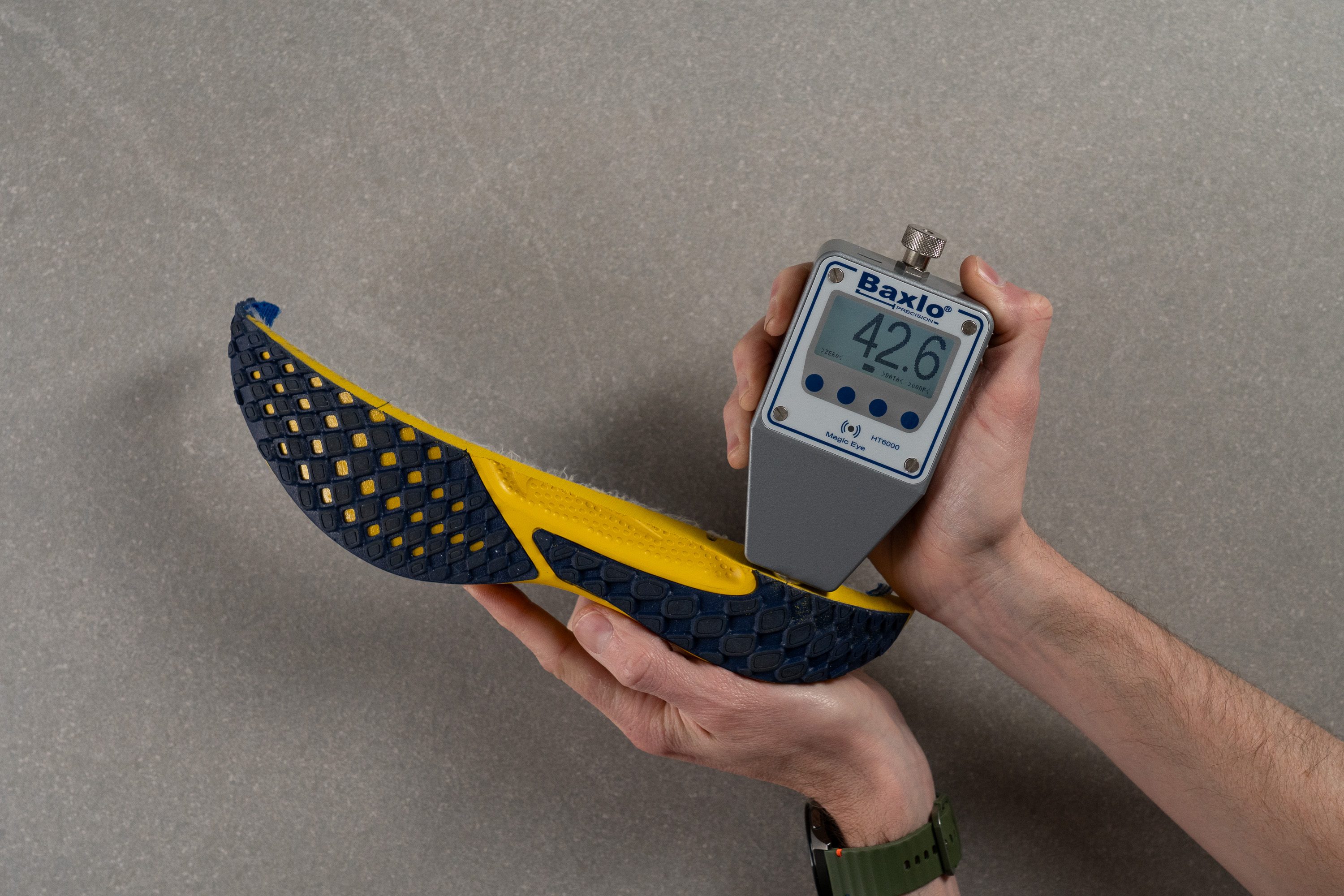
| Quest 6 | 42.6 AC |
| Average | 35.4 AC |
Rocker
The low forefoot stack allows to keep the shoe in a classic shape without a pronounced rocker. For beginners, this works really well, making the Quest 6 comfortable for daily wear and smooth enough for easy runs.
Size and fit
Size
Nike Quest 6 fits true to size (62 votes).
Width / Fit
The Nike Quest 6 comes only in a regular width, so this is it—either it fits you well or it doesn’t, as there’s no wide option available.
After we created our gel mold, we took three measurements. The first came in at 94.1 mm, which sits close to the average and should work for most runners.
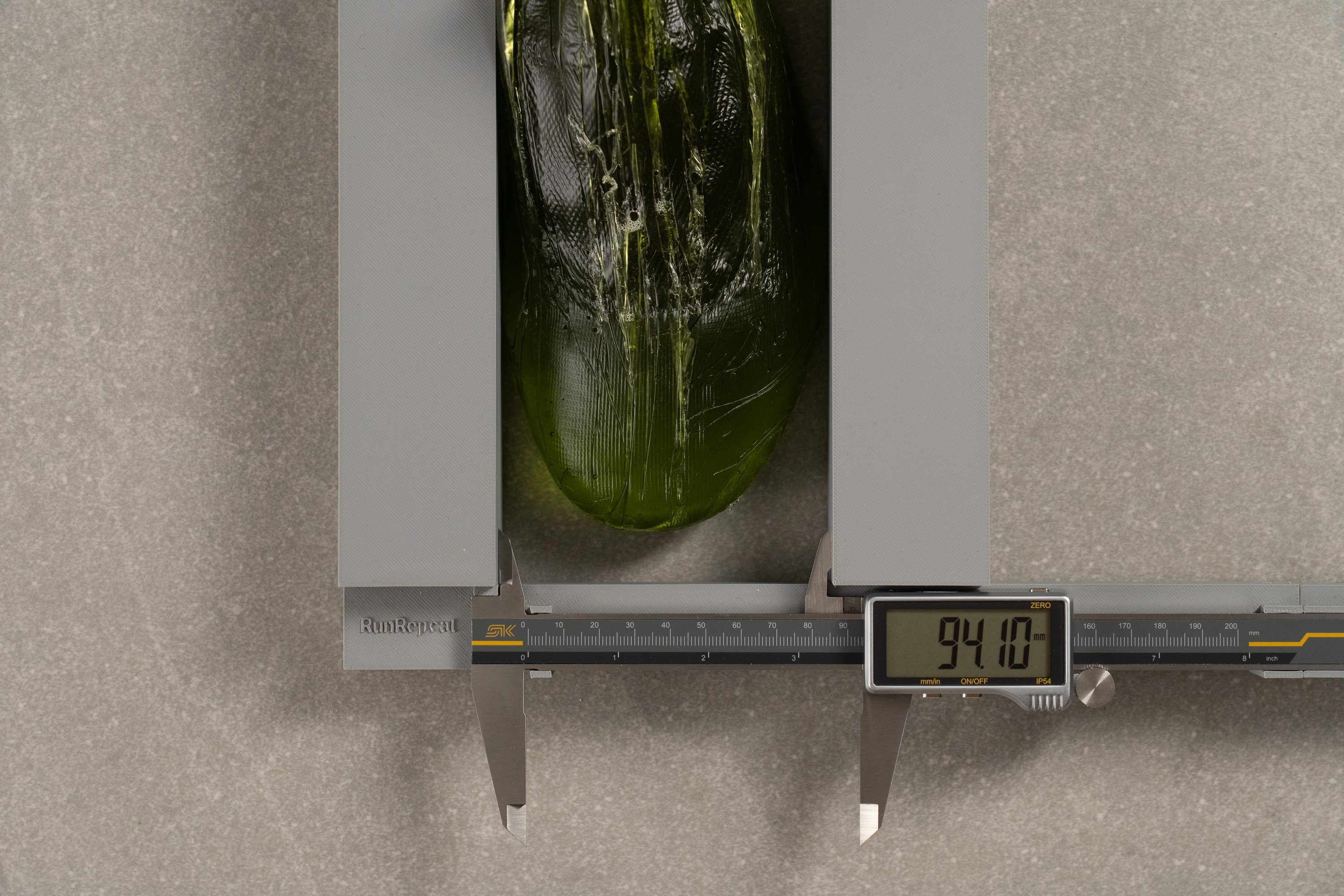
| Quest 6 | 94.1 mm |
| Average | 95.2 mm |
Toebox width
The second measurement focused on the toebox, which is usually the most important area for most runners. We found a similar result to the first compared to the average, with a 72.7 mm reading that doesn’t stand out and follows what we jokingly call a “Pareto fit” aiming to suit around 80% of runners.
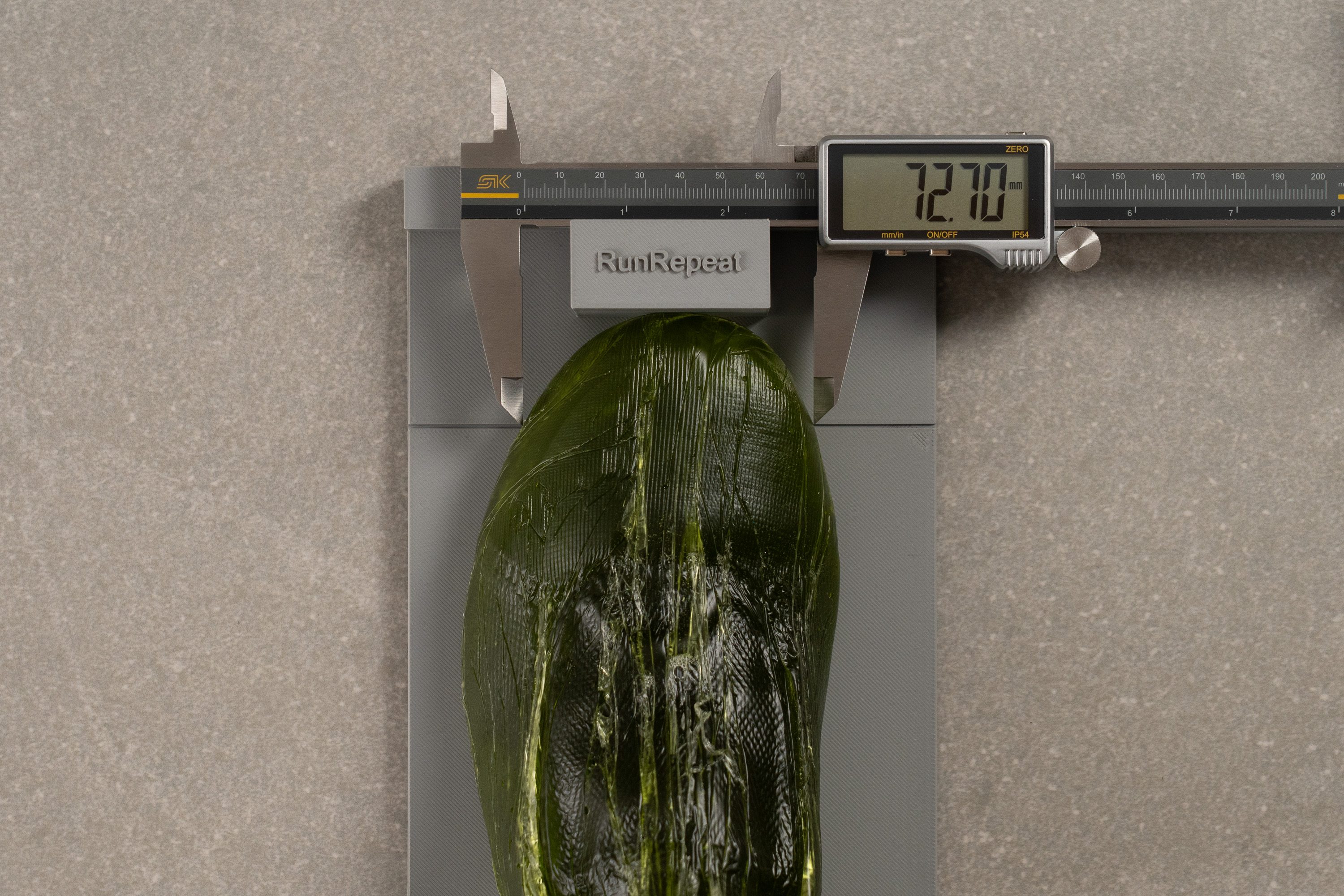
| Quest 6 | 72.7 mm |
| Average | 73.2 mm |
Toebox height
We also found the toebox height comfortable at 26.1 mm.
No one should feel unwanted pressure in the Quest 6, especially since it’s not designed for long-distance runs in the first place.
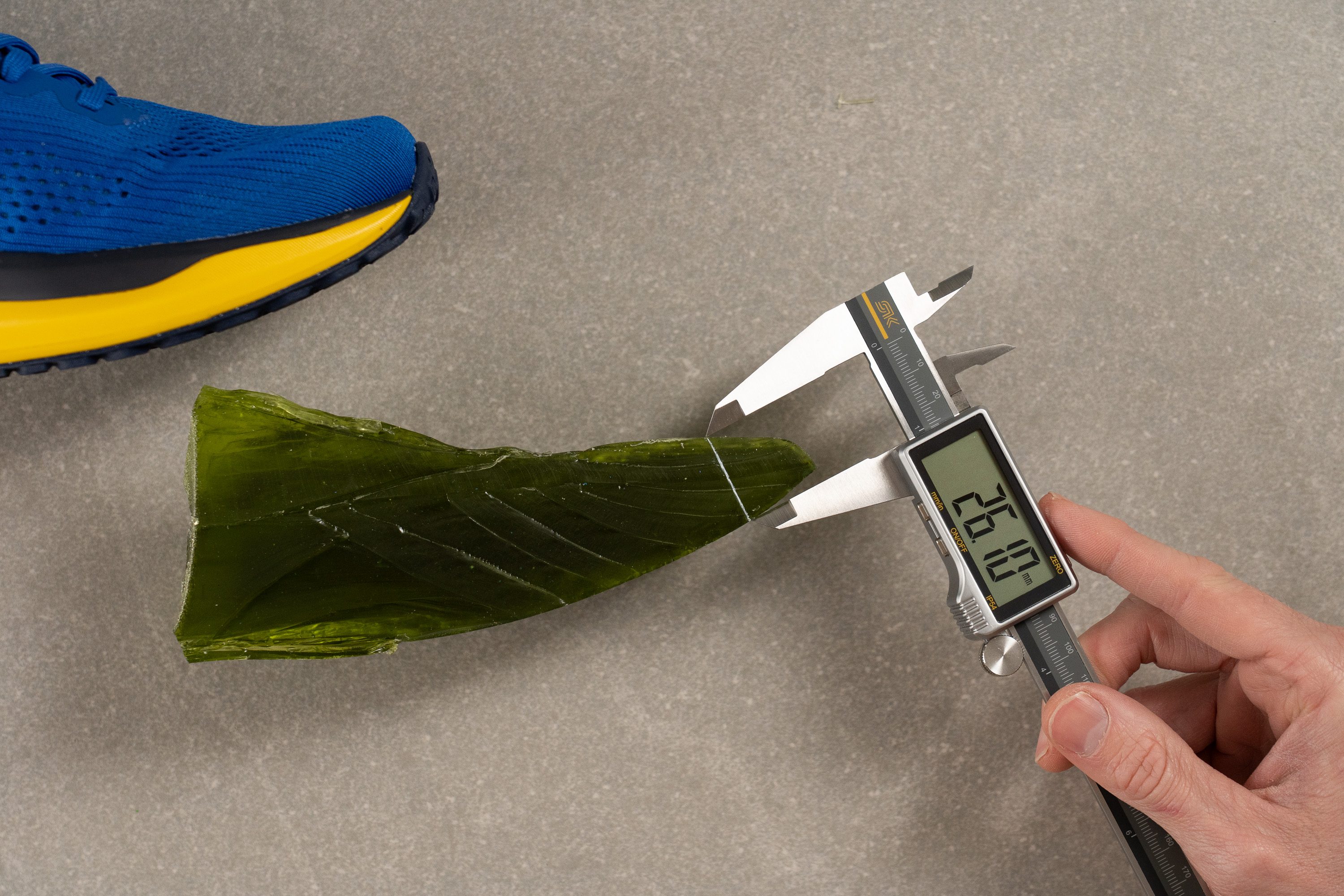
| Quest 6 | 26.1 mm |
| Average | 27.0 mm |
Traction / Grip
Traction test
Nike is often seen as a brand with a weak reputation for traction, but we discovered that they are clearly working to improve it. And the Quest 6 is a strong step forward, because a 0.44 score gives solid grip on dry surfaces and decent grip on wet ones, easily beating the poor 0.11 result of the Quest 5.
| Quest 6 | 0.44 |
| Average | 0.53 |
Outsole design
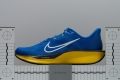
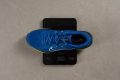
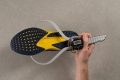
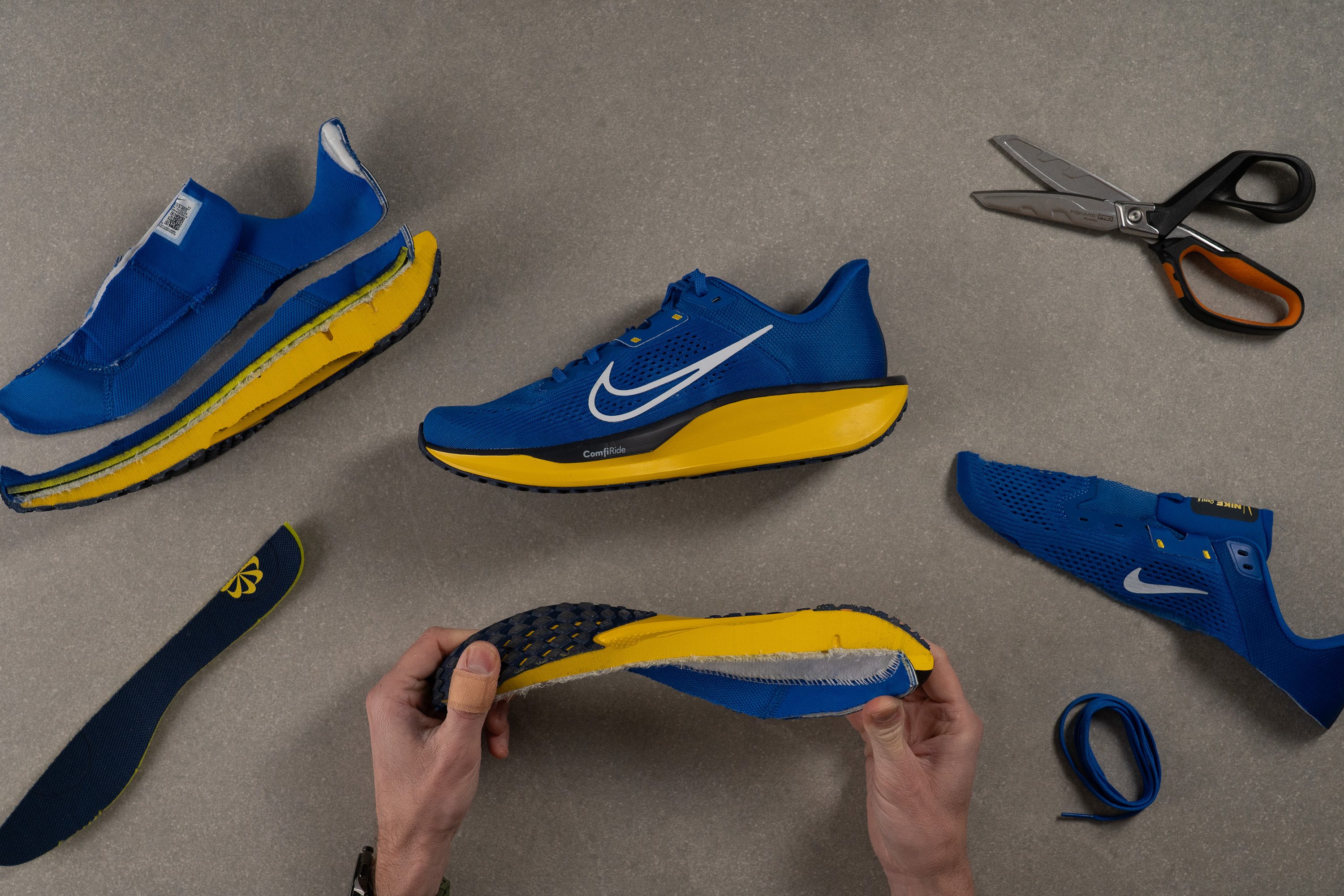
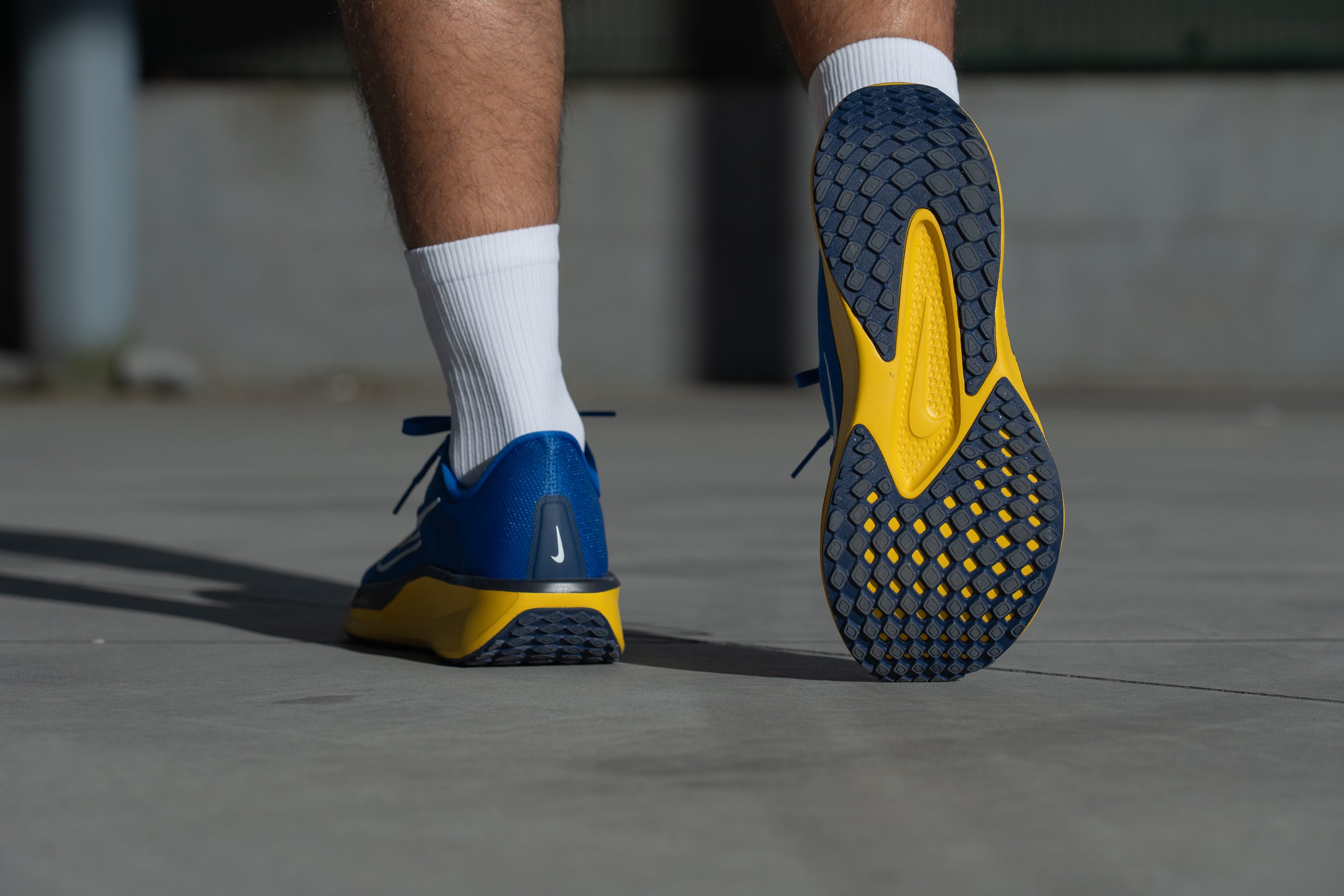
The Nike Quest 6 uses two rubber patches placed across the forefoot and heel. These patches use small lugs arranged in the classic waffle-inspired pattern from Nike shoes, while the midfoot features a large cutout that exposes the foam and reduces weight.
Flexibility / Stiffness
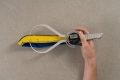
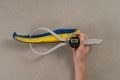
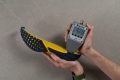
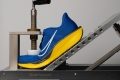
Despite the low forefoot stack, the absence of flex grooves and the thick rubber layer make the Quest 6 slightly stiffer than expected for this category, and it reached 14.6N in our lab test.
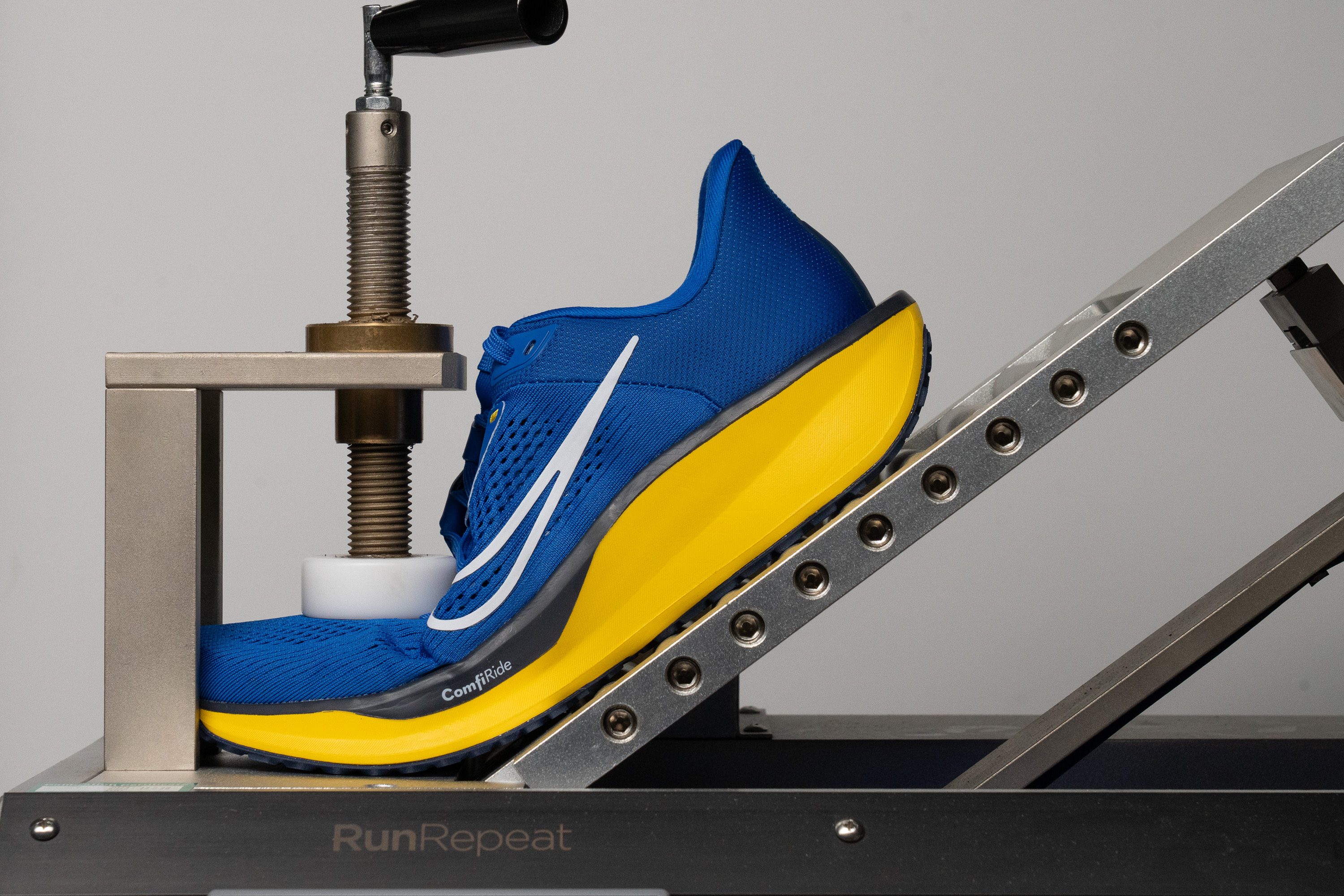
| Quest 6 | 14.6N |
| Average | 15.5N |
Weight
The added cushioning and durability in the Quest 6 come with a slight weight increase over version 5. It now measures 10.0 oz or 283g, which remains reasonable for this category of cheap shoes, though we hope this becomes the upper limit for future Quest models.
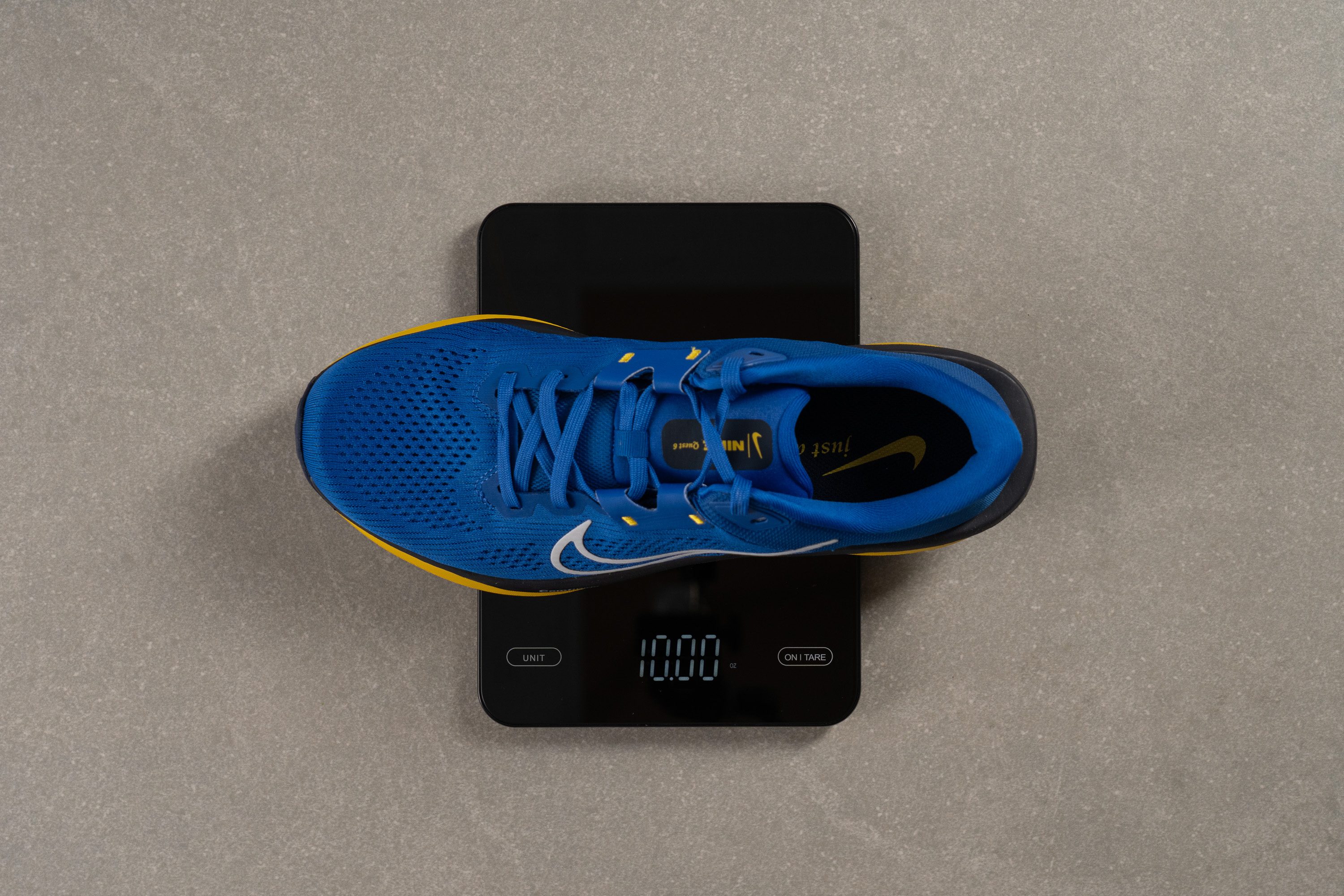
| Quest 6 | 10.0 oz (283g) |
| Average | 9.2 oz (261g) |
Breathability
Breathability test
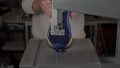
The upper of the Quest 6 looks highly ventilated at first glance and feels quite good for a budget shoe, which usually comes with simpler materials.
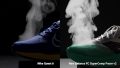
However, when we tested airflow with our smoke machine, we discovered that ventilation is more limited than expected. In the end, we rated it 3/5.
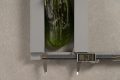
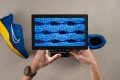
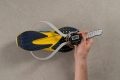
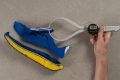
Using a powerful light behind the upper helped us examine the material thickness and the effectiveness of the ventilation holes. Here, it’s clear that Nike focused more on durability and comfort than airflow.
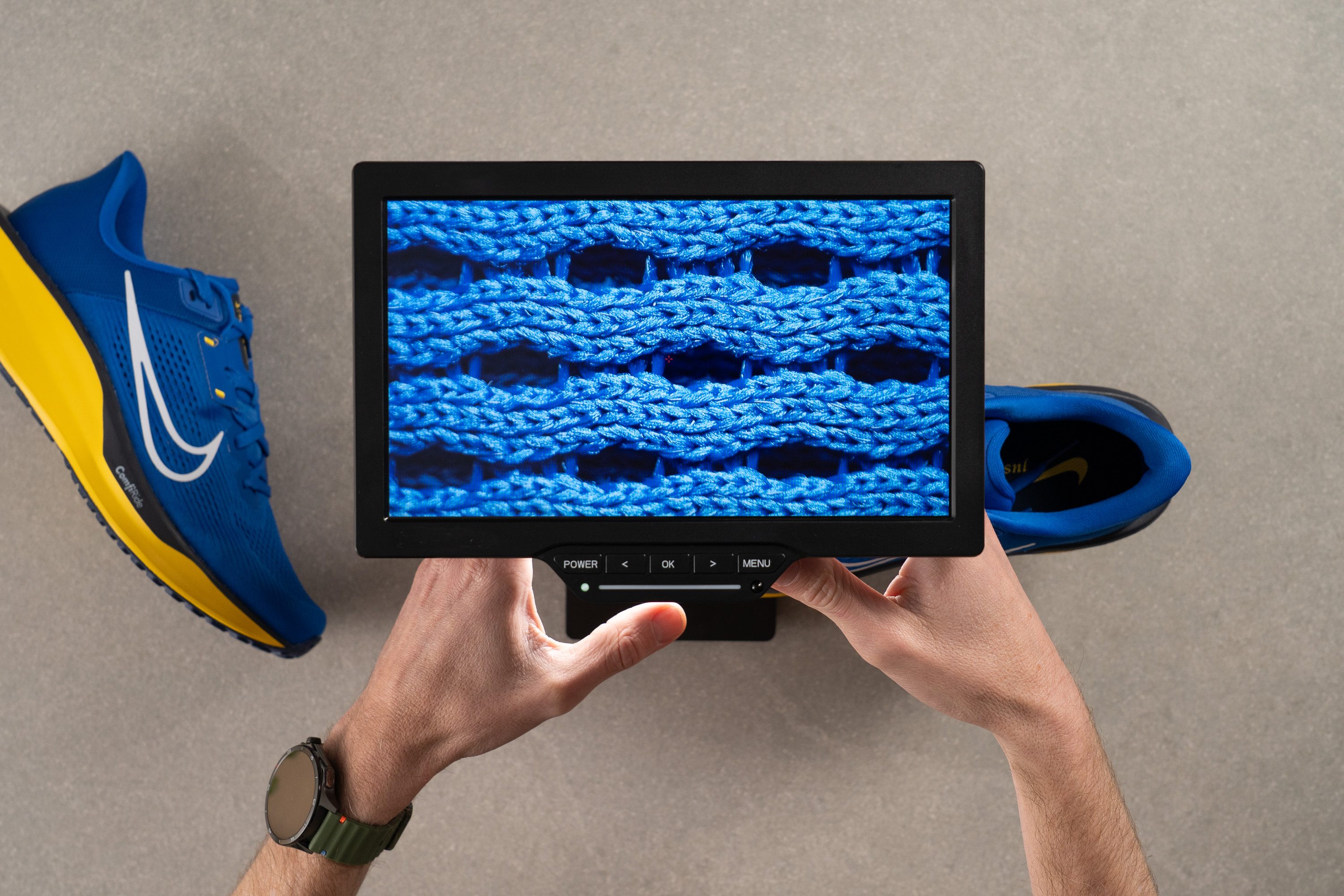
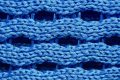
Our microscope test confirmed this, showing large ventilation holes that are mostly blocked by a secondary layer.
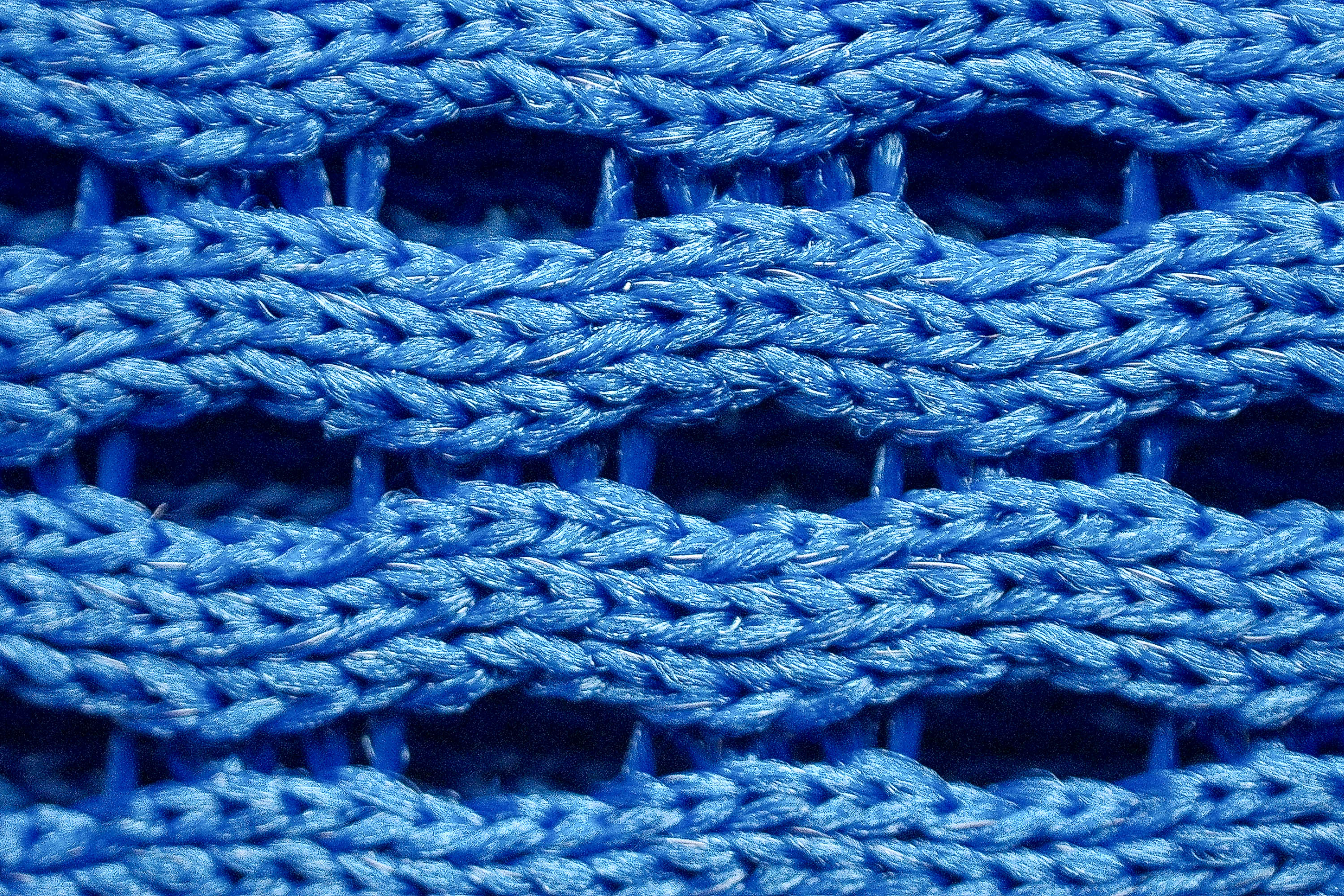
We would have liked a bit more airflow, but overall, the Quest 6 delivers a solid upper for its price. It’s comfortable, nicely built, and suitable for most of the year.
| Quest 6 | 3 |
| Average | 3.6 |
Stability
Lateral stability test
The Nike Quest 6 is a fully neutral running shoe, and we don’t think it’s a solid choice for runners who need added stability. However, thanks to its firmer foam and wide forefoot base, we believe most neutral runners will get enough support for daily runs.
We also liked how the exaggerated heel bevel smooths the transition for runners who land on their heel first.
Torsional rigidity
One thing we loved about the Quest 6 is that it feels very flexible from a torsional standpoint. After we found it a bit stiff in our 30-degree bend test, we discovered this low torsional result at just 12.9 Nm, which helps the shoe stay adaptable and comfortable for all-day use.
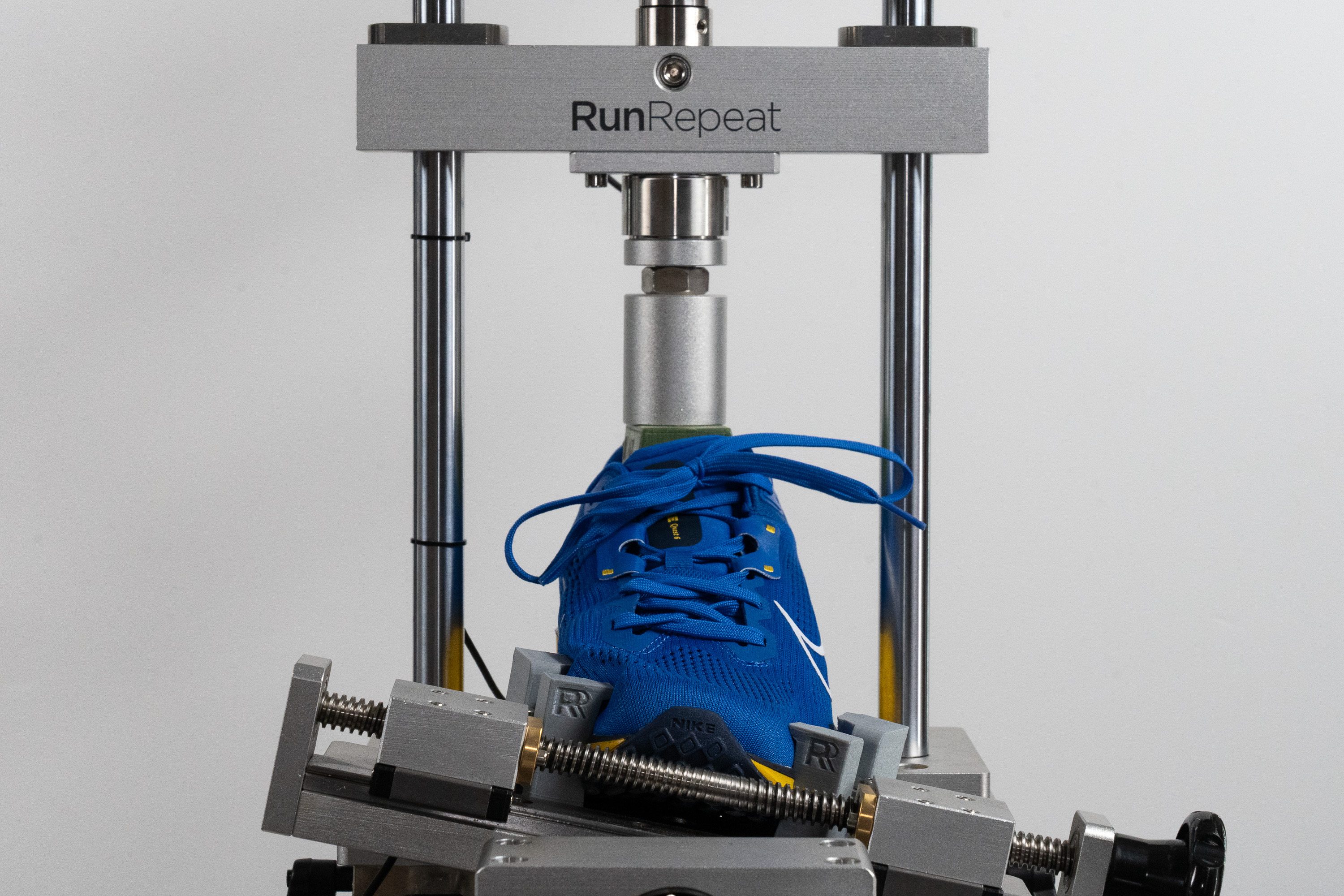
| Quest 6 | 12.9 Nm |
| Average | 14.3 Nm |
Heel counter stiffness
The heel counter follows a safe, familiar design from Nike, offering a touch of support and plenty of comfort. For us, it's the usual 3 out of 5.
| Quest 6 | 3 |
| Average | 2.9 |
Midsole width - forefoot
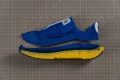
One of the changes Nike made from the Quest 5 is a redesigned midsole with a wider net base.
The previous model measured 107.2 mm in this area, while here we recorded 117.1 mm. This is a major shift between generations and helps the toe-off feel much more neutral.
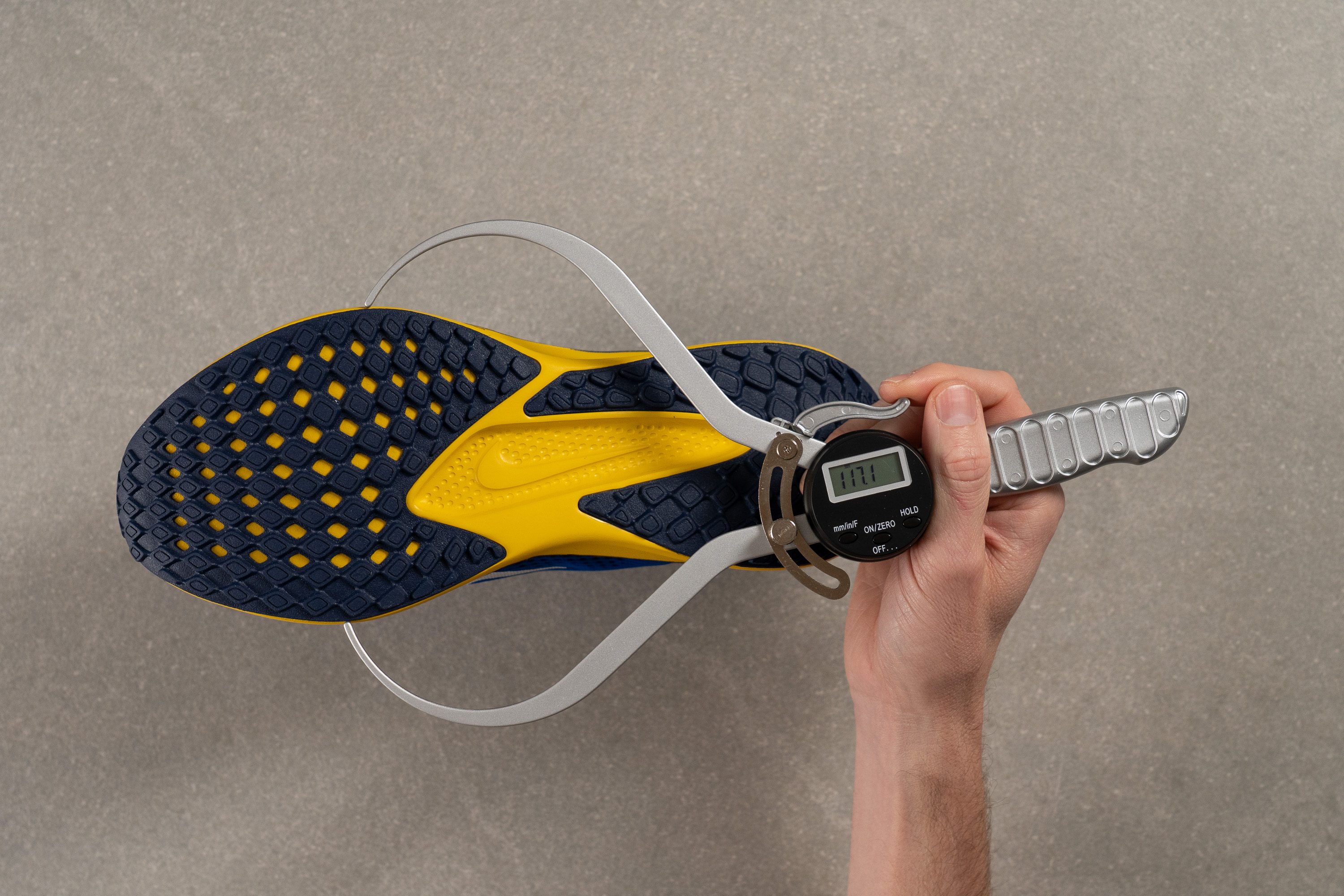
| Quest 6 | 117.1 mm |
| Average | 115.1 mm |
Midsole width - heel
The heel also grew slightly, going from 86.2 mm to 88.6 mm, which keeps the design moderate and brings it closer to the average shoe. A touch more width could be helpful here, especially since this model is clearly tailored for rearfoot strikers.
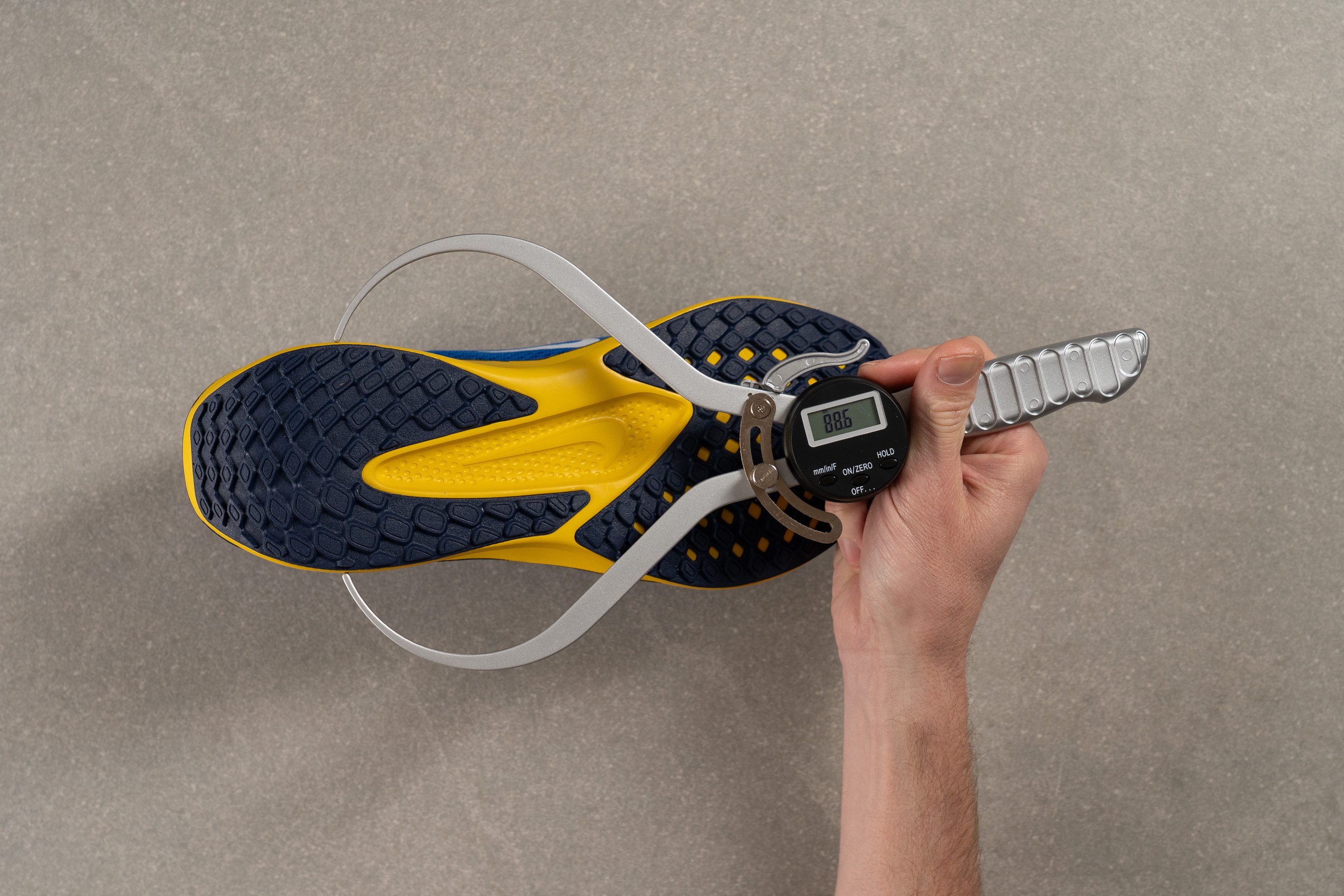
| Quest 6 | 88.6 mm |
| Average | 91.1 mm |
Durability
Toebox durability
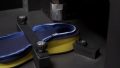
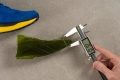
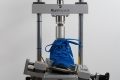
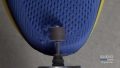
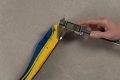
Our first durability test pits our Dremel (5K RPM and 2N of force) against the engineered mesh of the upper, and it’s 1-0 for the Quest 6. The multi-layer mesh handled the challenge well, and a 3/5 result is a solid outcome.
| Quest 6 | 3 |
| Average | 2.6 |
Heel padding durability
Now it’s 2-0, as the heel padding performed exceptionally well and earned a perfect 5/5. Let’s see if the Quest 6 can keep a clean sheet.
| Quest 6 | 5 |
| Average | 3.4 |
Outsole durability
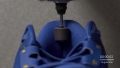
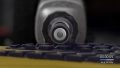
Our last Dremel focuses on outsole durability, and with only 1.0 mm of wear, we were pleased to see that the Quest 6 shows solid resistance to abrasion from top to bottom. So it’s a 3-0 for durability against our tool.
| Quest 6 | 1.0 mm |
| Average | 1.1 mm |
Outsole thickness
Nike understands the paradox of running shoes: most runners expect a budget model to last longer than a premium one. To help with that, they added a generous 3.8 mm of rubber to the outsole, giving the Quest 6 noticeably more lifespan than many pricier shoes.
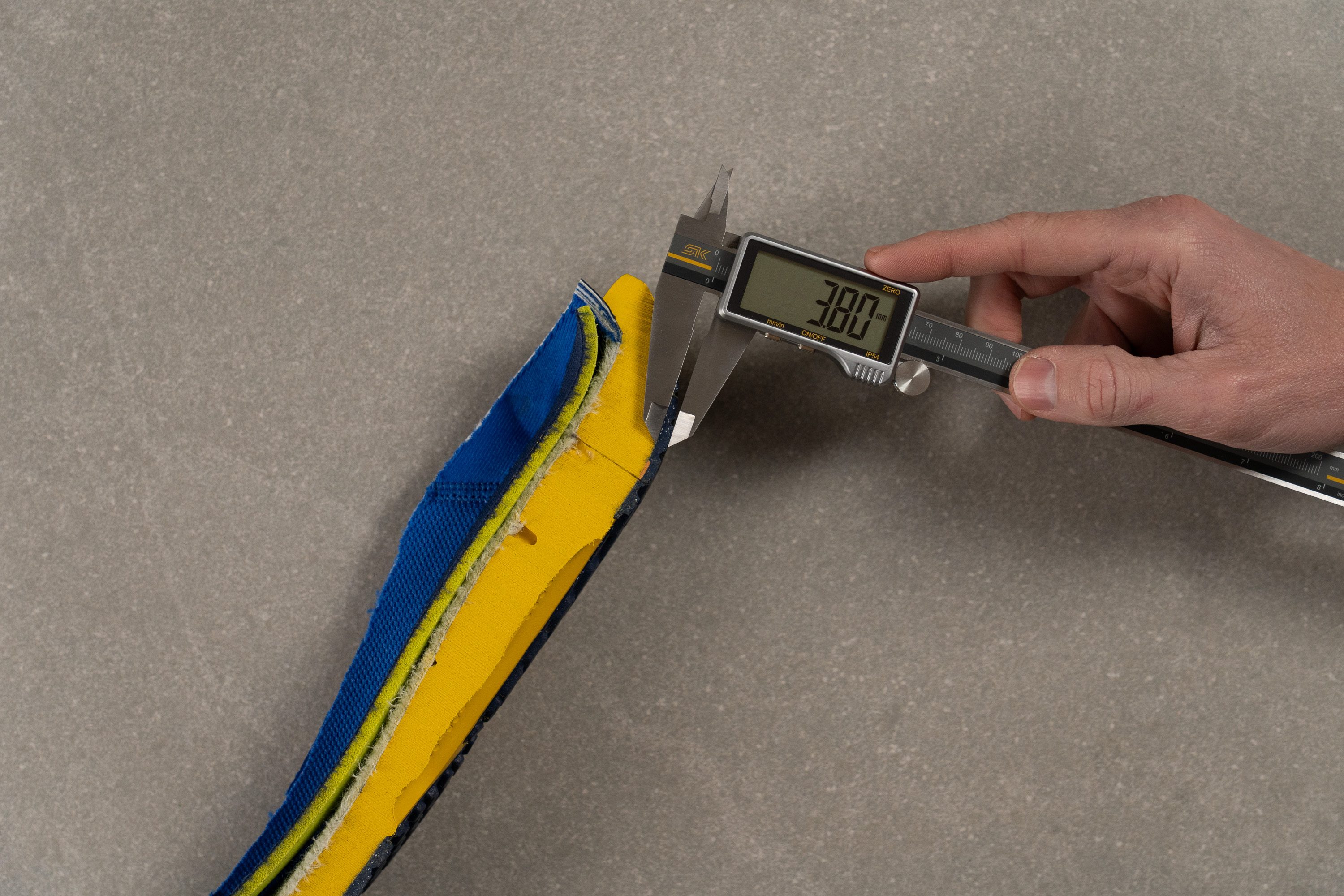
| Quest 6 | 3.8 mm |
| Average | 3.1 mm |
Misc
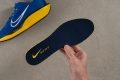
Insole thickness
The insole comes with 4.1 mm of thickness, which is around the average.
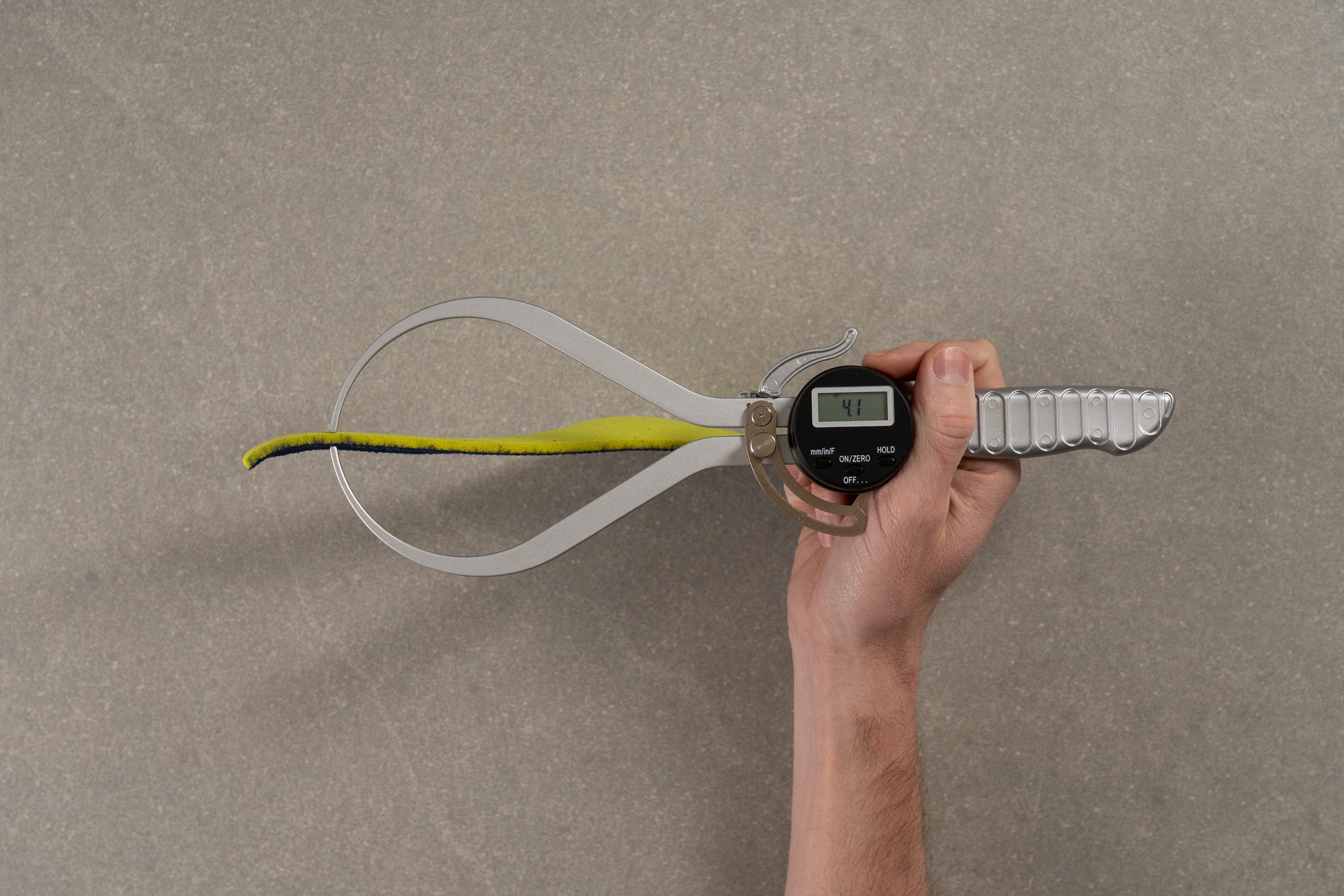
| Quest 6 | 4.1 mm |
| Average | 4.4 mm |
Removable insole
If you want to swap the included insole for one of your choice, you can. And why not—a better one may add a bit of support or extra bounce.
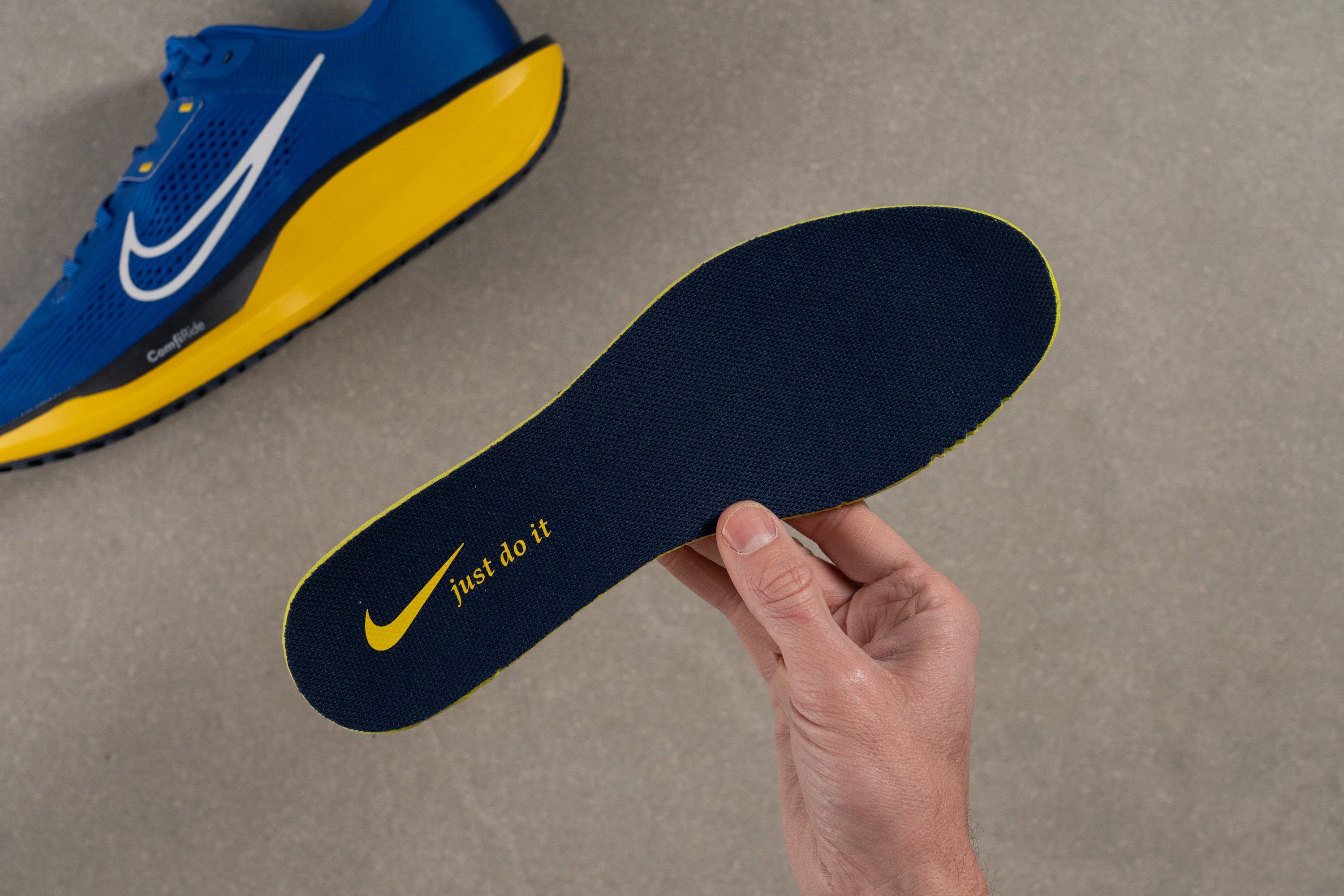
| Quest 6 | Yes |
Reflective elements
There are no reflective elements, but as with most budget-friendly shoes, we weren’t expecting them to be included.
| Quest 6 | No |
Tongue padding
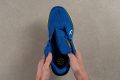
We liked that Nike added a tongue loop to keep everything centered, and the lacing system feels solid and dependable. It also uses what Nike calls the Midfoot Fit Band on each side, which adds security by pulling the foot in as you tighten the laces.
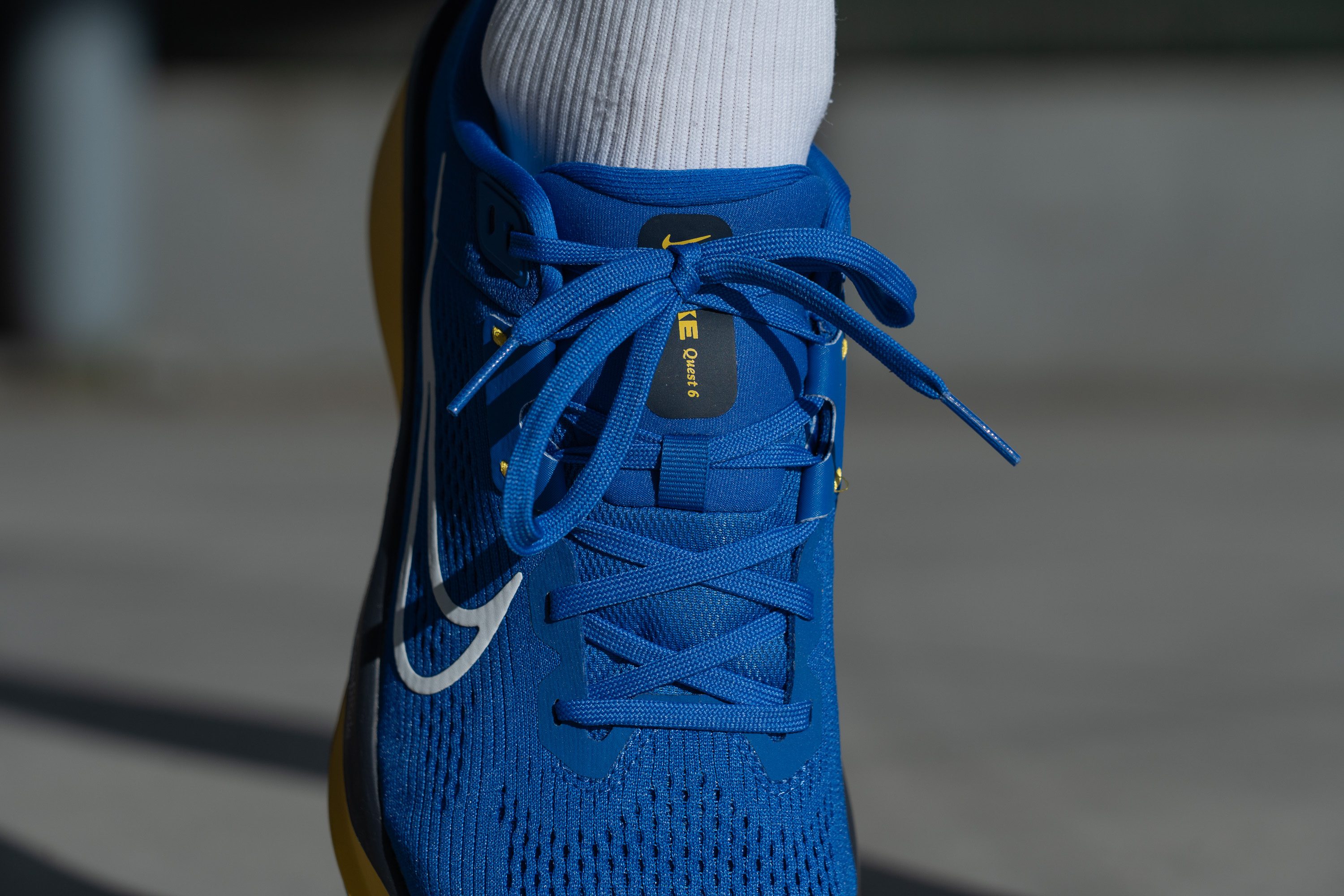
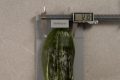
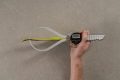
What really surprised us is that the tongue looks ultra-plush, yet our calipers showed only 5.8 mm of padding, proving why precise measurements matter more than initial impressions. But still, it's really comfortable and strikes a good balance between padding and weight.
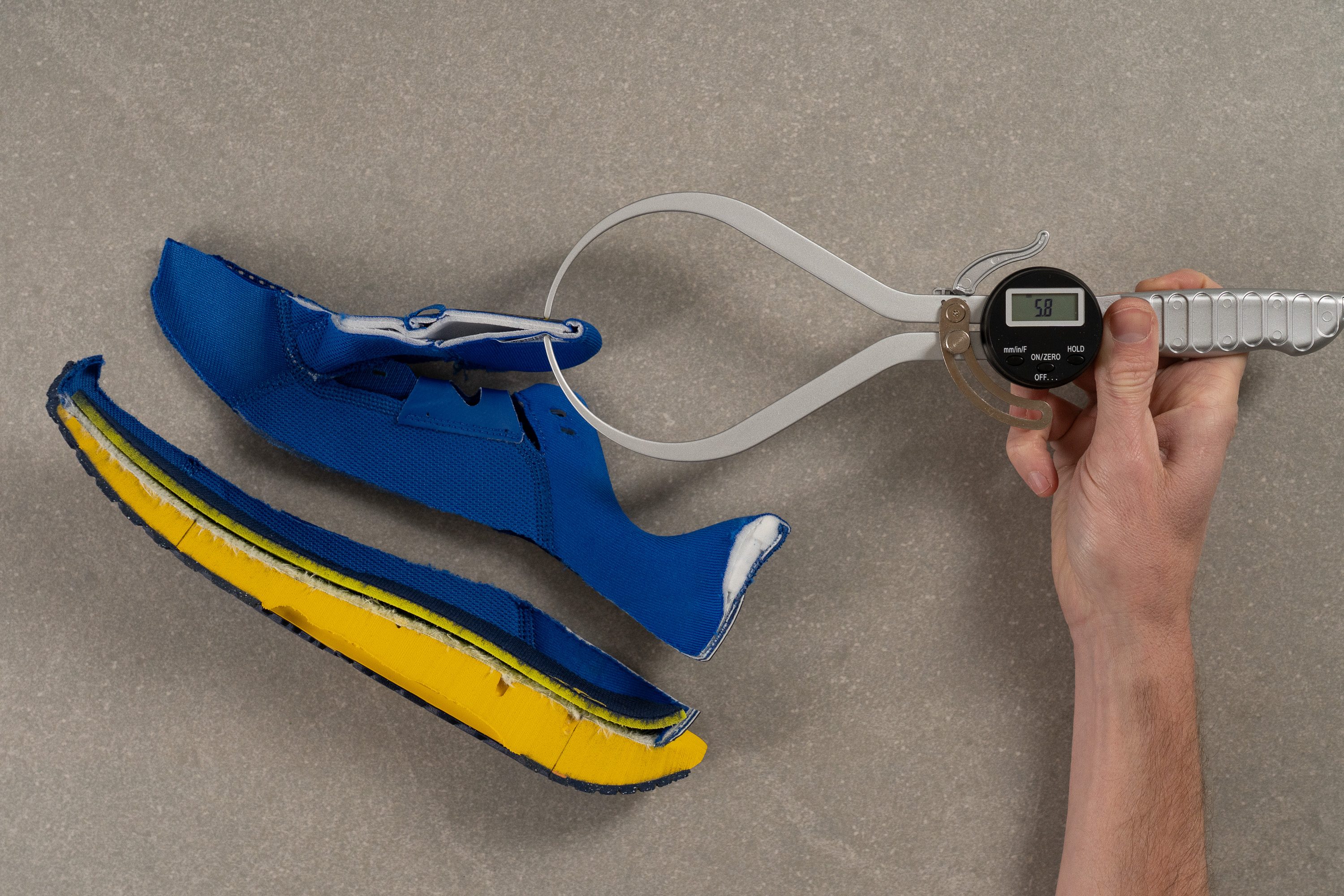
| Quest 6 | 5.8 mm |
| Average | 5.8 mm |
Tongue: gusset type
The tongue isn’t attached to the sides, which is completely expected for a shoe positioned in this lower price bracket.
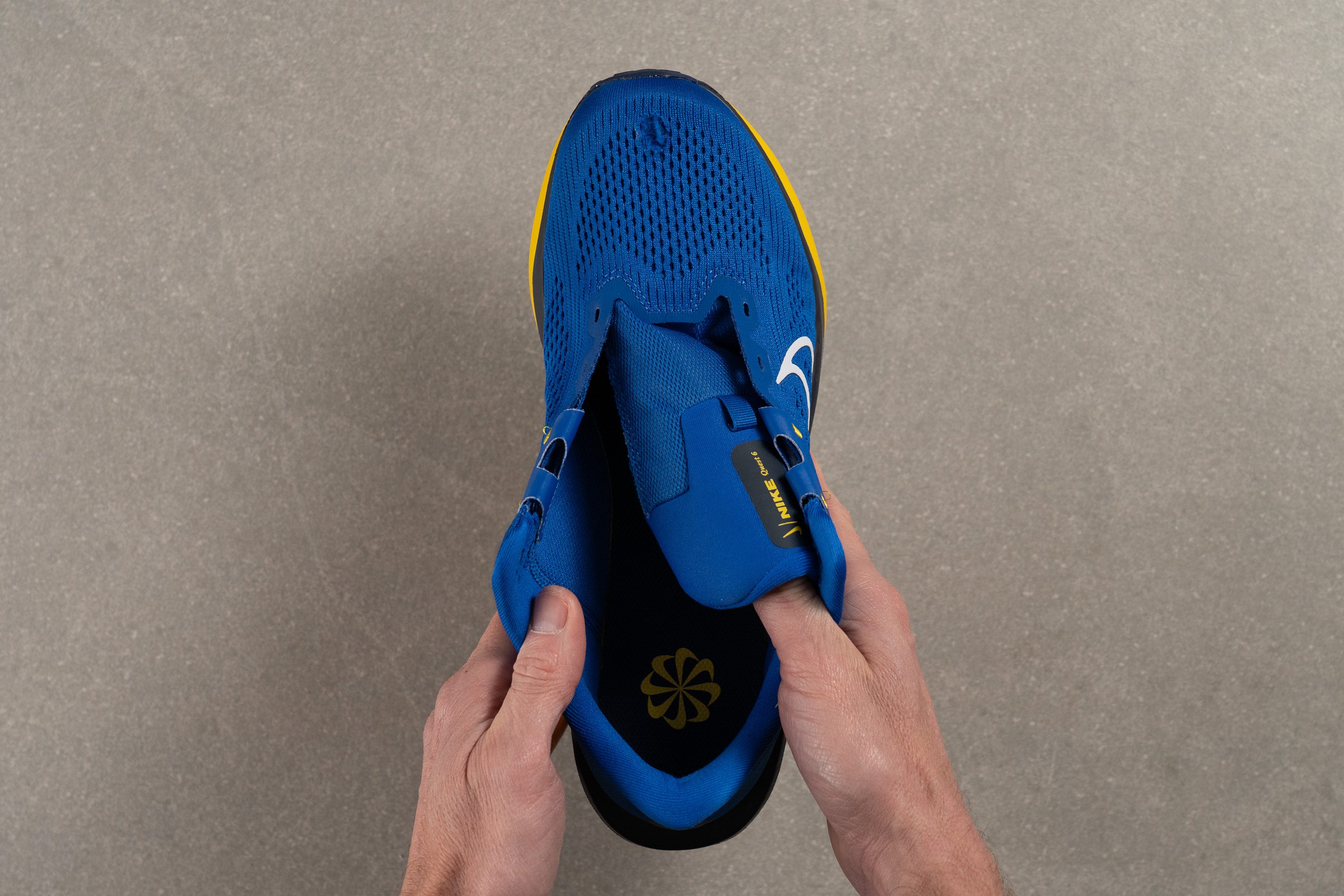
| Quest 6 | None |
Heel tab
The Quest 6 keeps costs down by skipping non-essential features, which likely explains the absence of a heel tab.
| Quest 6 | None |
Price
There’s a small price increase in the Quest 6, though it feels fair once you factor in inflation. It still lands comfortably under 100 dollars and delivers the kind of solid, basic features you’d expect from an entry-level trainer.
| Quest 6 | $85 |
| Average | $158 |