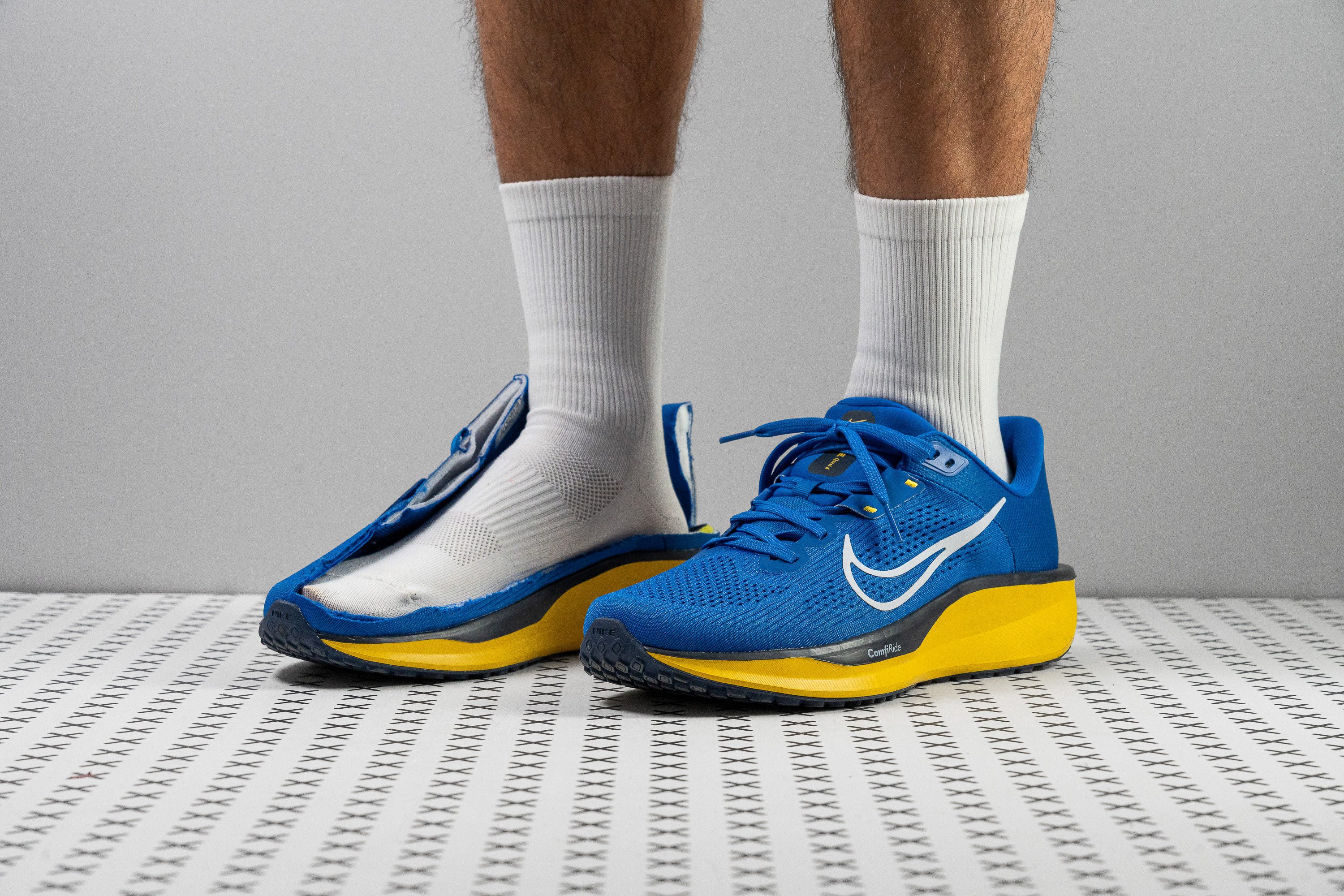
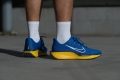
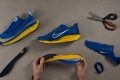
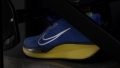
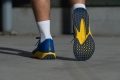
Nuestra conclusión
- Tiradas diarias / rodajes 82
- Tempo 44
- Competición 30
- Estabilidad 82
Pros
- Baratas y adecuadas para principiantes
- Buena amortiguación para los talonadores
- Versátiles para el uso diario
- Geometría clásica con la que puedes correr fácilmente
- La base ancha en el antepié mejora la estabilidad
- Muy duraderas en general
- Mejor agarre que la versión 5
- Upper cómodo
Contras
- Retorno de energía modesto y espuma firme
- Drop alto
- Pesan un poquito más que antes
- Son un poquito más caras
Premios
- Entre mejores zapatillas Nike para caminar
- Entre mejores zapatillas Nike de running baratas
- Top 25% más vendidas zapatillas de running
Comparativa
Las zapatillas de running más parecidas
+ + Añadir unas zapatillas | |||||
|---|---|---|---|---|---|
| Nuestra puntuación | 78 Buenas | 78 Buenas | 79 Buenas | 68 Decentes | |
| Precio | 80 € | 150 € | 90 € | 180 € | |
| Ritmo | Correr a diario | Correr a diarioTempo / series | Correr a diario | Correr a diario | |
| Absorción de impactos | Baja | Moderada | Moderada | Moderada | |
| Retorno de energía | Bajo | Moderado | Moderado | Moderado | |
| Tracción | Moderada | Alta | Alta | Alta | |
| Sujeción arco del pié | Neutral | Neutral | Neutral | Neutral | |
| Peso laboratorio Peso marca | 10 oz / 283g 10.4 oz / 295g | 8.6 oz / 244g 8.6 oz / 244g | 8.7 oz / 247g 8.8 oz / 250g | 10.2 oz / 289g 10.2 oz / 288g | |
| Ligero | ✗ | ✓ | ✓ | ✗ | |
| Drop laboratorio Drop marca | 12.0 mm 10.0 mm | 11.3 mm 8.0 mm | 8.7 mm 10.0 mm | 10.8 mm 6.0 mm | |
| Técnica de carrera | Talón | Talón | TalónMedio/antepié | Talón | |
| Talla | Tallan bien | Tallan un poquito pequeño | - | Tallan bien | |
| Rigidez de la mediasuela | Firme | Equilibrada | Equilibrada | Firme | |
| Diferencia de la rigidez de la mediasuela en frío | Pequeña | Pequeña | Pequeña | Pequeña | |
| Durabilidad de la parte delantera | Decente | Decente | Decente | Decente | |
| Durabilidad del acolchado del talón | Alta | Alta | Alta | Media | |
| Durabilidad de la suela exterior | Decente | Buena | Decente | Buena | |
| Transpirabilidad | Media | Alta | Baja | Media | |
| Anchura / ajuste | Media | Media | Media | Media | |
| Anchura de la parte delantera | Media | Media | Estrecha | Media | |
| Flexibilidad | Moderada | Moderada | Flexible | Moderada | |
| Rigidez torsional | Flexibles | Moderadas | Flexibles | Moderadas | |
| Rigidez del contrafuerte del talón | Moderado | Rígido | Moderado | Moderado | |
| Con rocker | ✗ | ✗ | ✓ | ✓ | |
| Talón laboratorio Talón marca | 35.2 mm | 36.5 mm 36.0 mm | 28.6 mm | 35.9 mm 30.0 mm | |
| Antepié laboratorio Antepié marca | 23.2 mm | 25.2 mm 28.0 mm | 19.9 mm | 25.1 mm 24.0 mm | |
| Anchuras disponibles | Estándar | Estándar | Estándar | EstándarAncho | |
| Compatibles con plantillas personalizadas | ✓ | ✓ | ✓ | ✓ | |
| Estación | Todas las estaciones | VeranoTodas las estaciones | Todas las estaciones | Todas las estaciones | |
| Plantilla extraíble | ✓ | ✓ | ✓ | ✓ | |
| Clasificación | #453 31% inferior | #269 33% inferior | #252 37% inferior | #382 5% inferior | |
| Popularidad | #159 Top 25% | #113 Top 28% | #245 39% inferior | #131 Top 33% |

Quién debería comprárselas
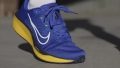
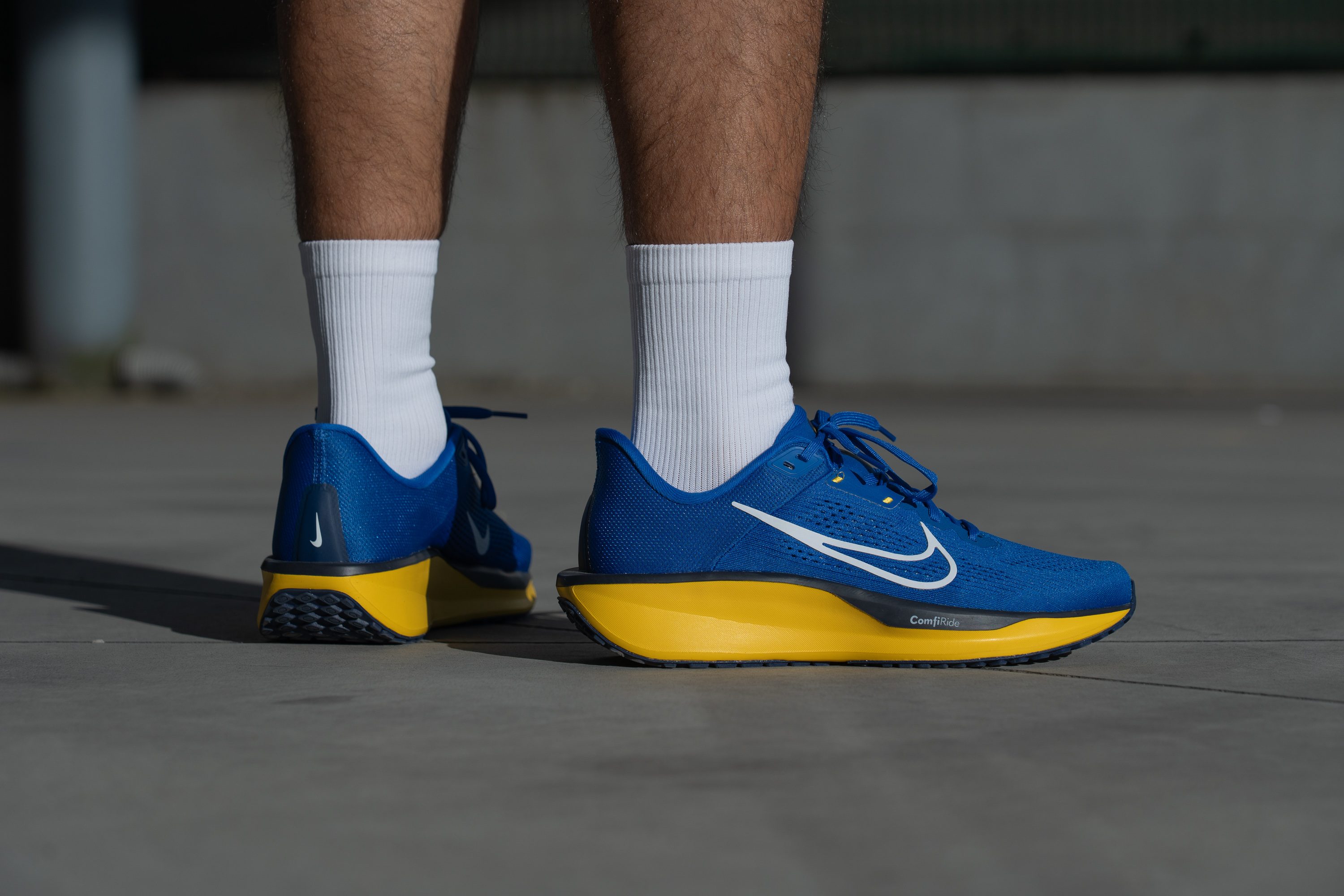
Según nuestras pruebas, las Nike Quest 6 son una opción estupenda para:
- Los principiantes que están buscando unas zapatillas de running asequibles y confiables para el uso diario.
- Los talonadores que necesitan una buena amortiguación pero que no se quieren gastar un ojo de la cara.
- Los runners que están buscando un modelo que combine versatilidad y comodidad a un precio accesible.
Quién NO debería comprárselas
Su alto drop de 12 mm puede sentirse más alto de lo esperado para algunos corredores. Hay muchas alternativas interesantes, como las New Balance Fresh Foam 680 v8 o las ASICS Gel Contend 9.
También descubrimos que la absorción de impactos de este modelo sigue siendo limitada, y más para los corredores de metatarsos. Personalmente, nosotros creemos que esto lo hace menos cómodo para las distancias largas, así que te vamos a dejar por aquí una alternativa sólida: las New Balance Fresh Foam X Evoz v4.
Amortiguación
Shock absorption
Las Nike Quest 6 siguen siendo unas zapatillas de running económicas, por lo que su absorción de impactos es naturalmente limitada, sobre todo en el antepié.
Esto es algo muy común para las zapatillas de este precio, ya que están diseñadas para correr de forma casual o esporádica, y no para las distancias largas. Bueno, y además de que su precio no deja que tengan una espuma avanzada tampoco. Vamos, que si las vas a usar para salir de vez en cuando, su absorción de impactos de 109 SA / 83 SA debería irles bien a la mayoría de los corredores, además de que también supone una pequeña mejora con respecto a los 108 SA / 72 SA de las Quest 5.
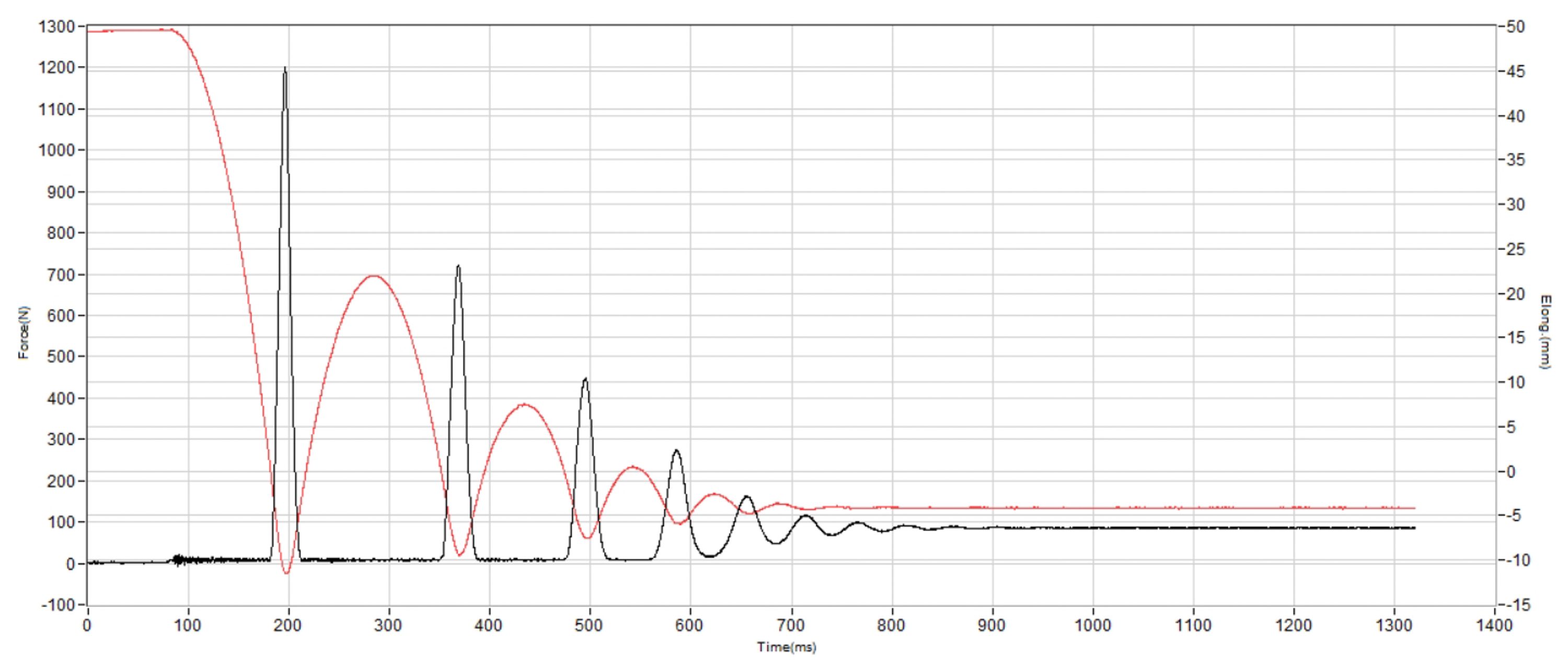
| Quest 6 | 109 SA |
| Media | 131 SA |
Energy return
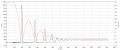
Ya habíamos analizado la espuma ComfiRide en otros modelos de Nike, así que no nos esperábamos un retorno de energía alto; en RunRepeat somos los primers en ser conscientes de que la EVA tiene unos límites muy claros. Incluso así, para unas zapatillas tan baratas, un rebote del 50,8 % es modesto pero razonable.
| Quest 6 | 51.3% |
| Media | 61.5% |
Altura de la suela en la zona del talón
Probablemente hayas notado que la amortiguación del talón es bastante más alta que la del antepié, pero a nosotros no nos llega con echarle un vistazo, así que cogimos nuestro calibre.
Empezando por el talón, mide 35,2 mm. La verdad es que es un resultado bastante generoso para unas zapatillas asequibles, así que hace que las Quest 6 sean una opción estupenda para los talonadores que quieren una suela sólida que no les valga un riñón.
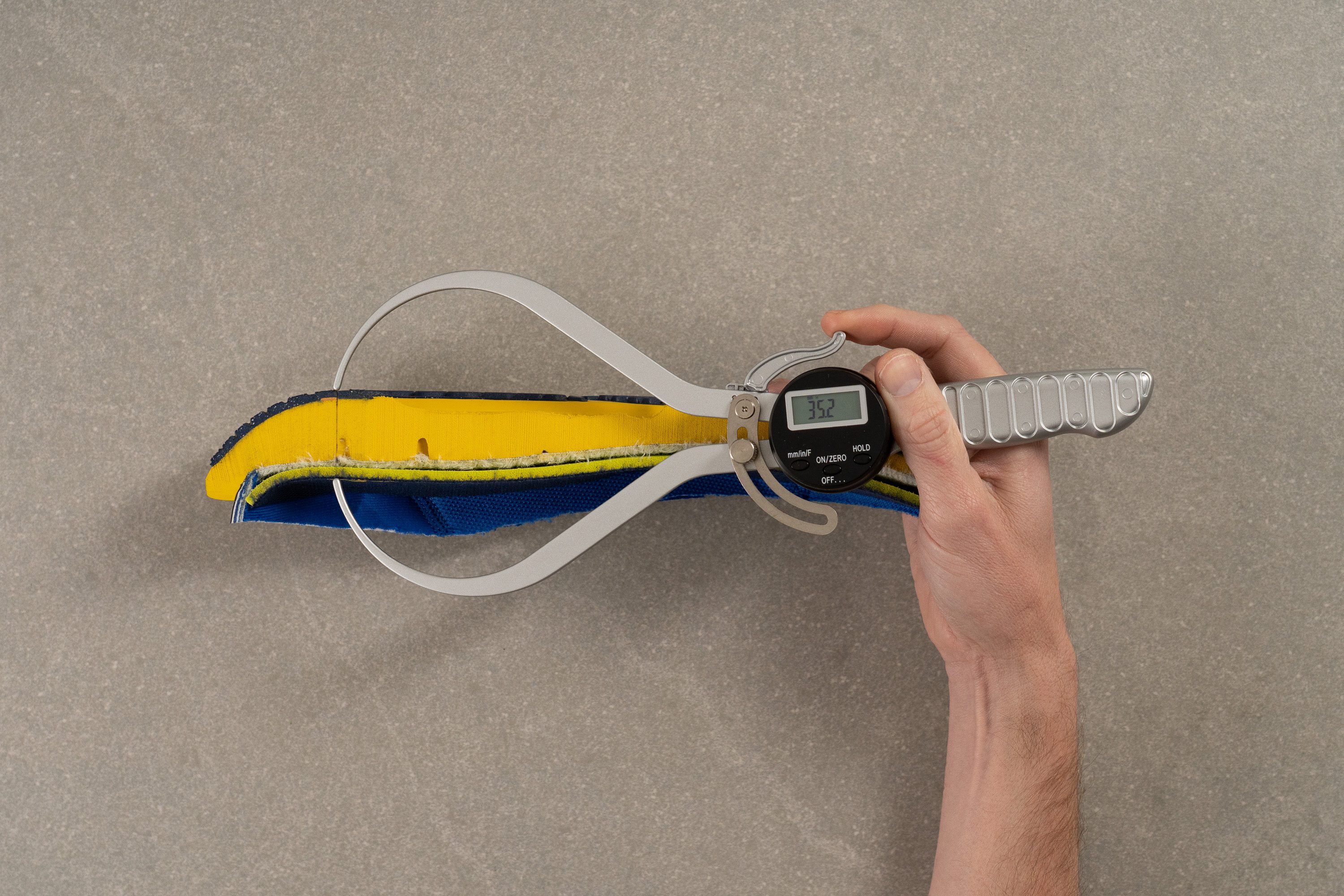
| Quest 6 | 35.2 mm |
| Media | 35.6 mm |
Altura de la suela en el antepié
La parte delantera mide solo 23,2 mm, así que no hay mucha espuma bajo los dedos.
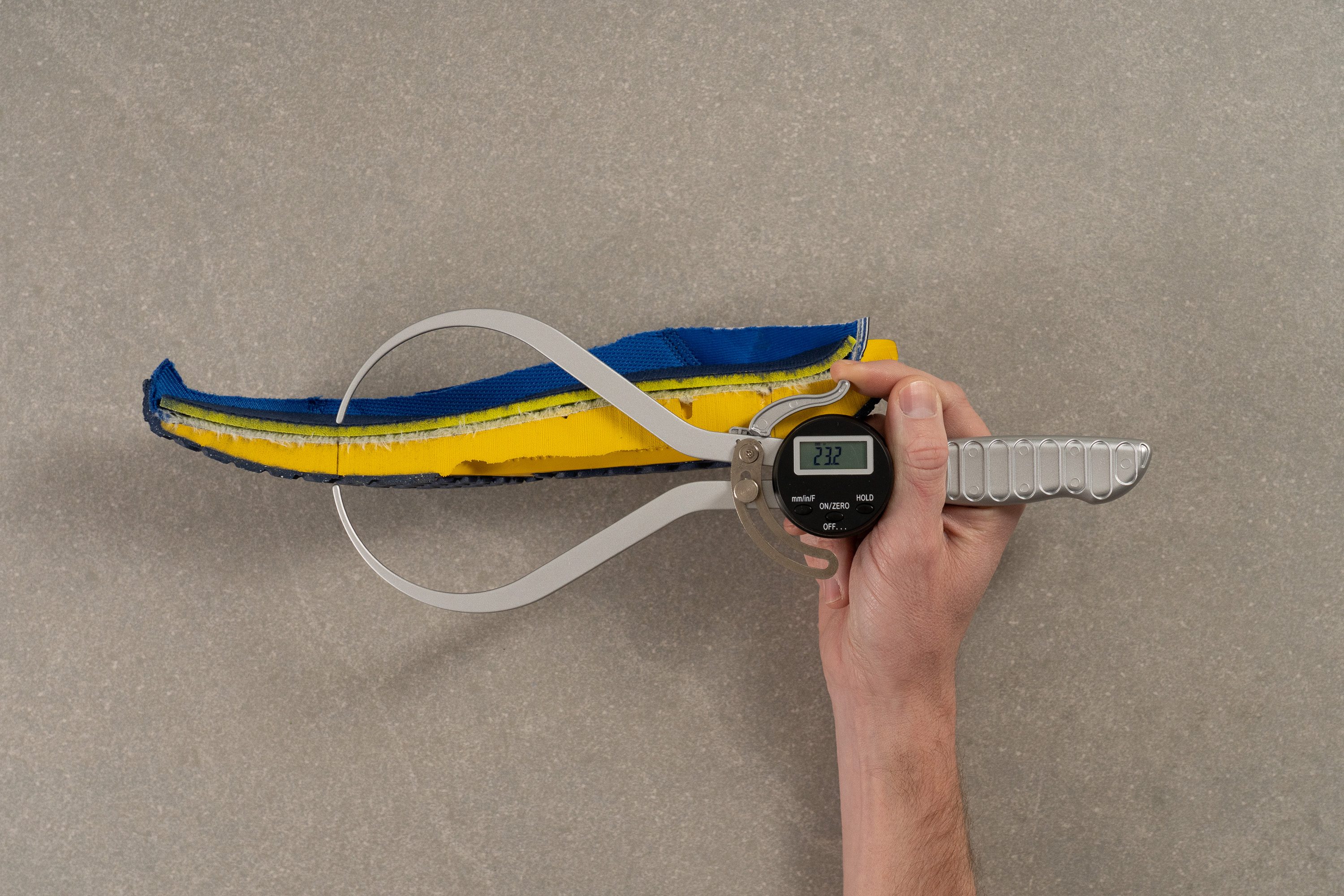
| Quest 6 | 23.2 mm |
| Media | 27.1 mm |
Drop
La parte delantera del pie es bastante más finita que el talón, lo que hace que este modelo tenga ese diseño tan conocido que hemos visto en muchas zapatillas de entrenamiento diario de Nike. De hecho, descubrimos que la marca diseñó claramente las Quest 6 para los talonadores, ya que su drop alcanza los 12,0 mm.
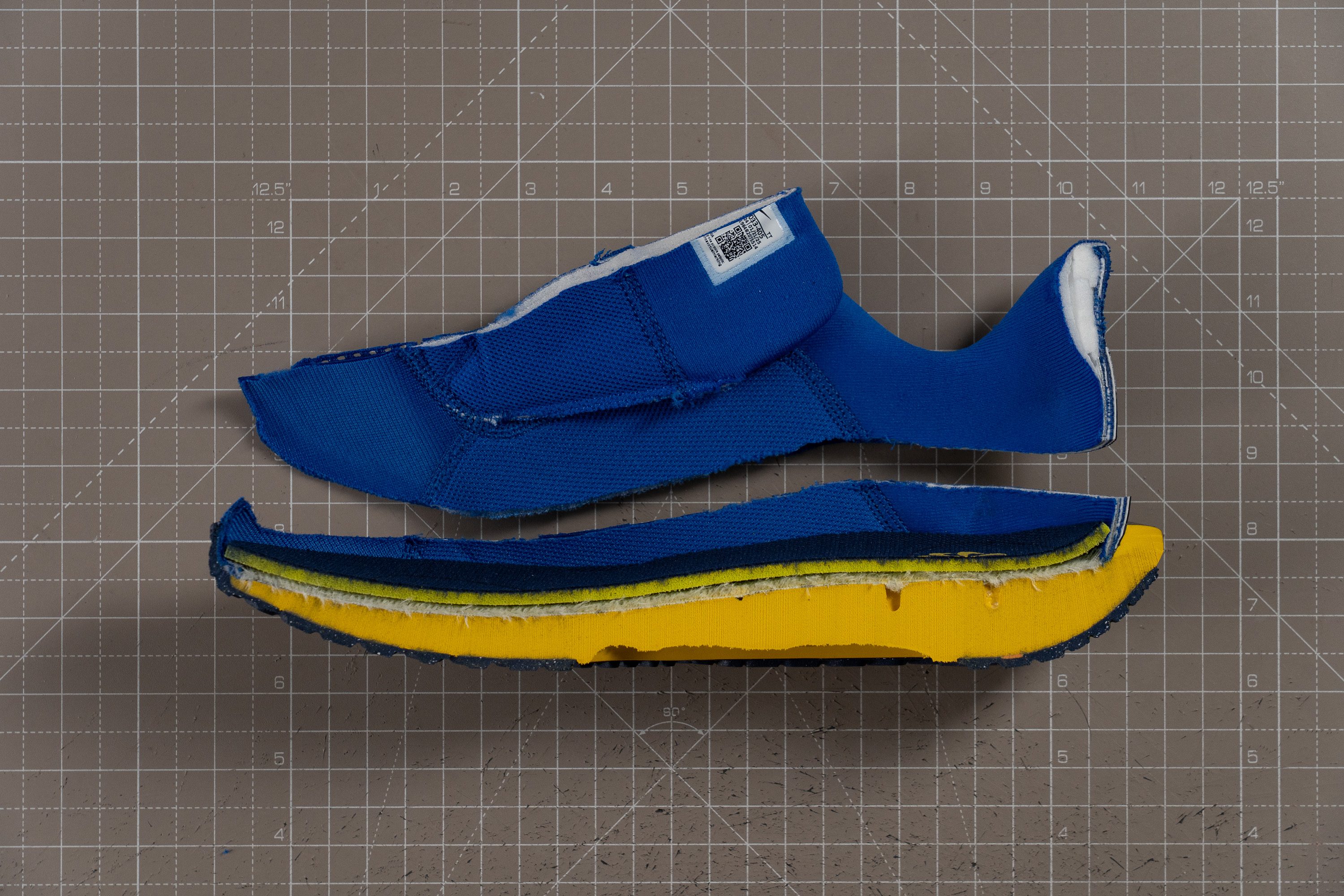
| Quest 6 | 12.0 mm |
| Media | 8.4 mm |
Dureza de la mediasuela
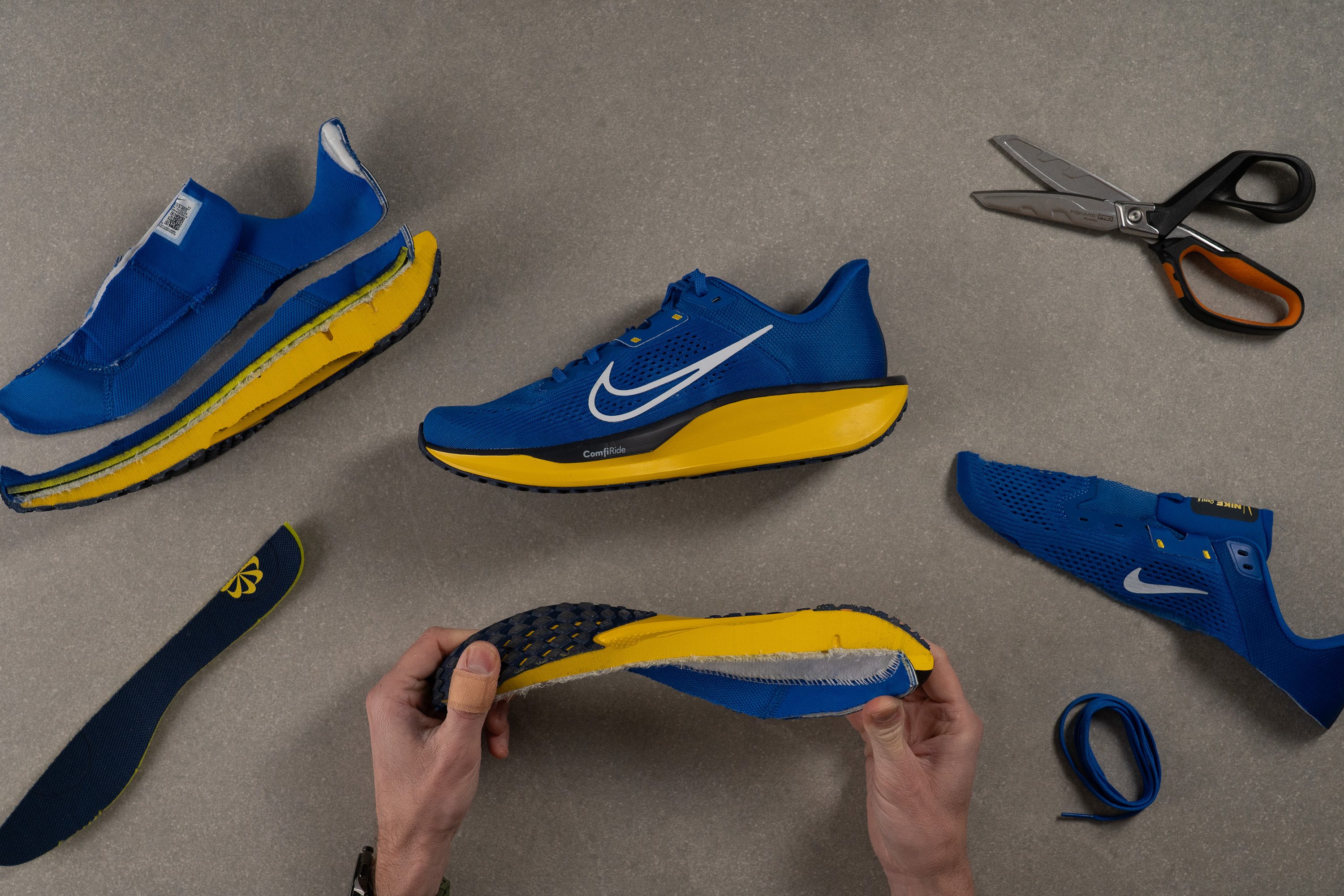
Nike utilizó su espuma ComfiRide de EVA para las Quest 6, un material que la marca suele incluir en modelos económicos como las Journey Run.
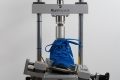
En nuestras pruebas de uso, descubrimos que este modelo se siente bastante firme, por lo que no ofrece esa comodidad mullida de las zapatillas más caras, sino una sensación más estable y en contacto con el suelo. Después de analizarlo en el laboratorio, lo confirmamos cuando el durómetro marcó 42,6 AC.
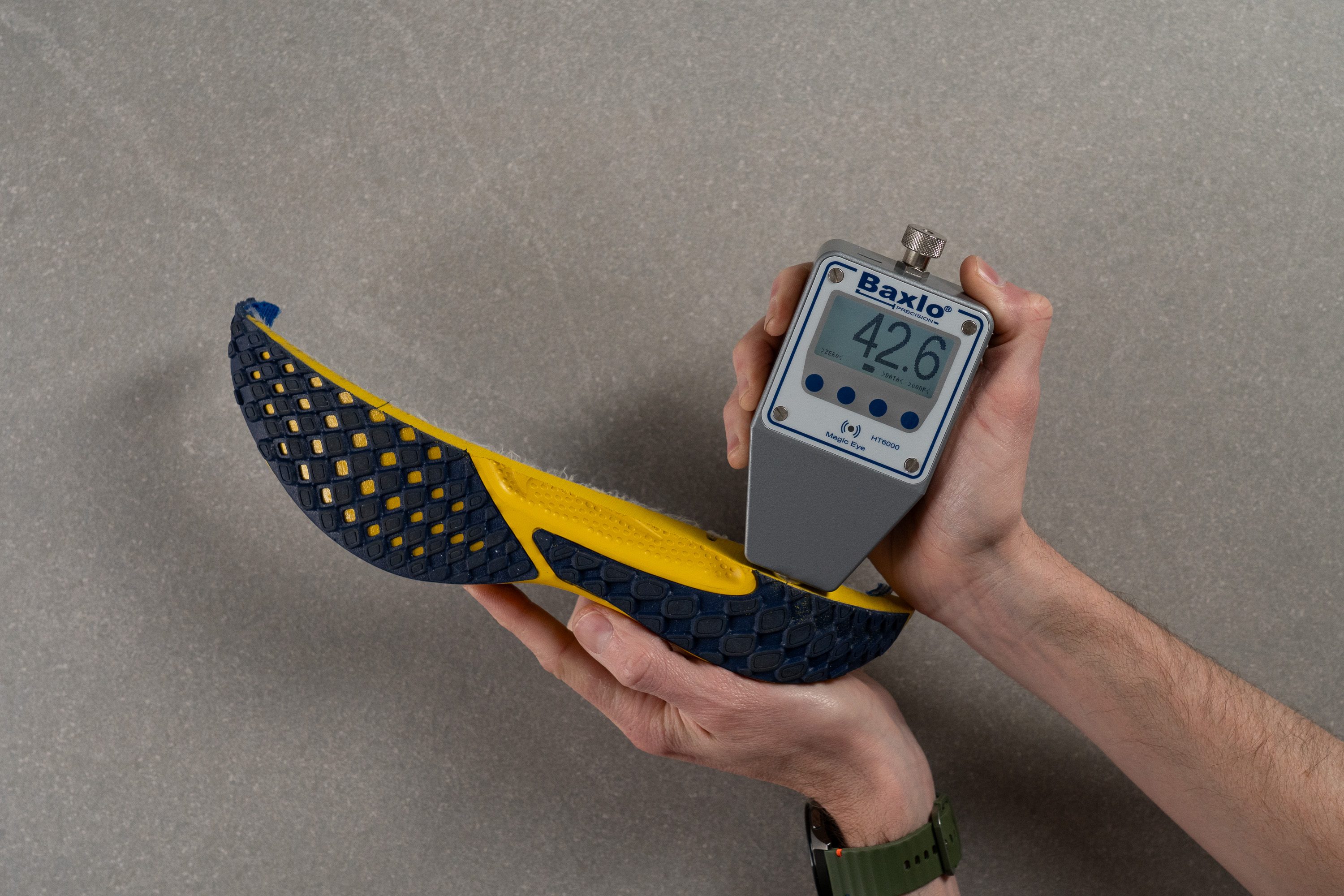
| Quest 6 | 42.6 AC |
| Media | 35.4 AC |
Rocker
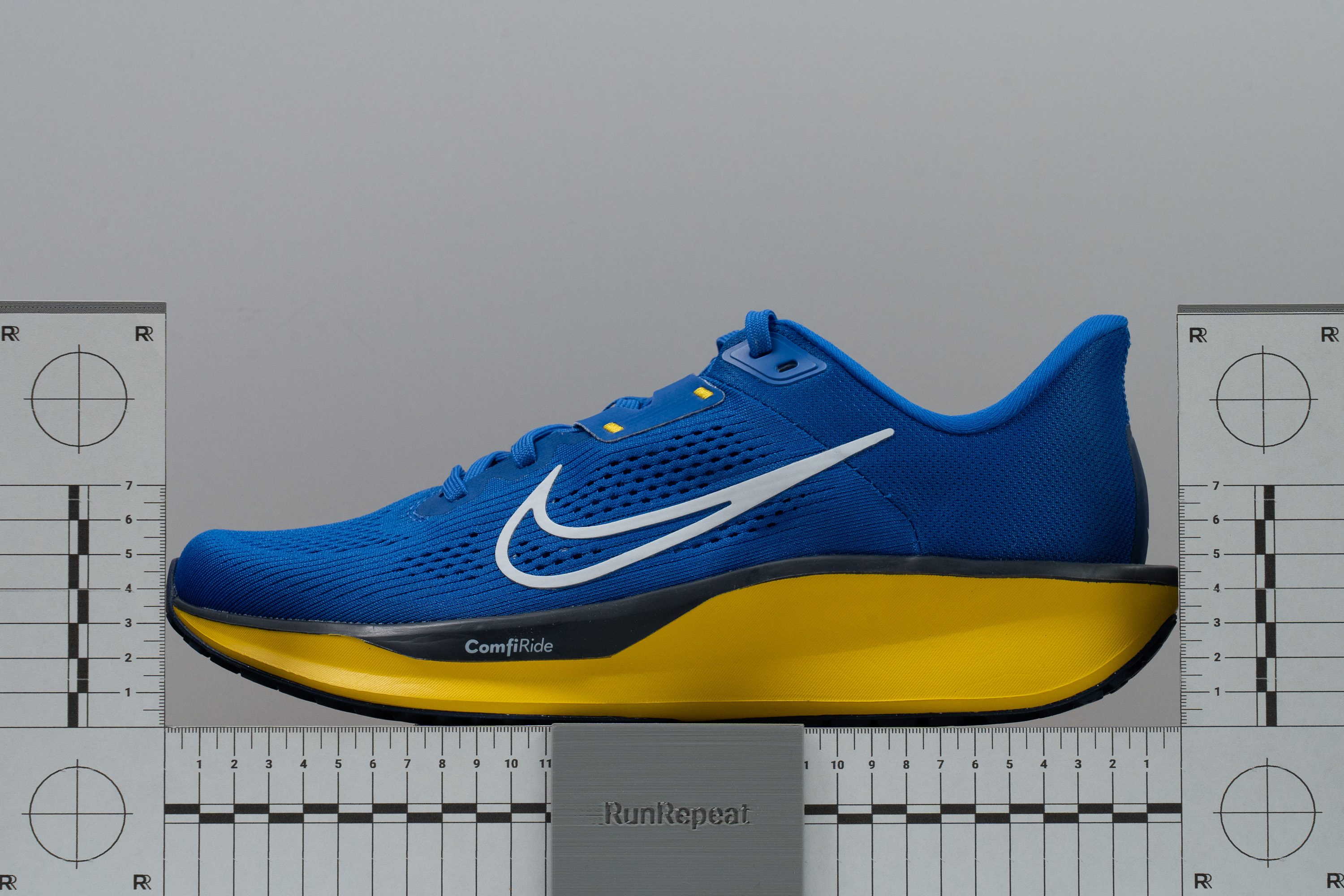
Que el antepié sea tan bajito ayuda a que las zapatillas mantengan esa sensación clásica, así que no tienen un rocker pronunciado. Esto es ideal para los principiantes, ya que hace que las Quest 6 sean cómodas para el uso diario y también para las tiradas fáciles.
Tallaje y ajuste
Talla
Las Nike Quest 6 tallan bien (62 votos).
Anchura / Ajuste
Las Nike Quest 6 solo están disponibles en una anchura estándar, no hay más. Vamos, que o te quedan bien o no, porque no las tienes en versión ancha.
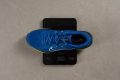
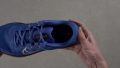
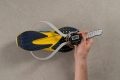
Después de hacer nuestro molde de gel, tomamos tres medidas. La primera fue de 94,1 mm, lo que se acerca a la media y debería irles como anillo al dedo a la mayoría de los corredores.
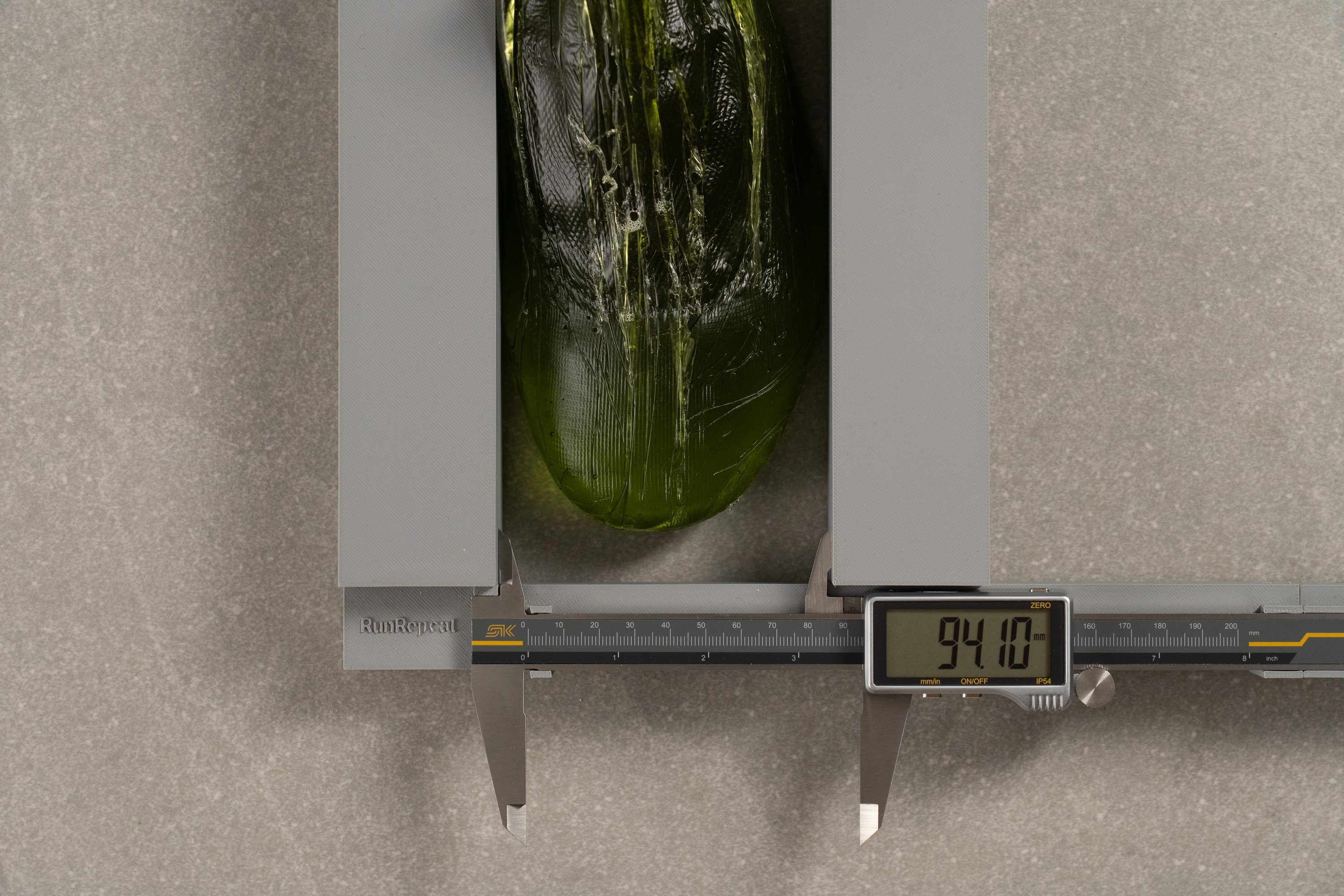
| Quest 6 | 94.1 mm |
| Media | 95.2 mm |
Anchura de la parte delantera
La segunda se centró en la parte delantera, que suele ser la zona más importante para la mayoría de los corredores. El resultado fue parecido al primero si lo comparamos con la media, ya que nuestro calibre marcó 72,7 mm. Vamos, que no es nada del otro mundo. Nosotros lo llamamos el ajuste Pareto, porque se adapta al 80 % de los corredores aproximadamente.
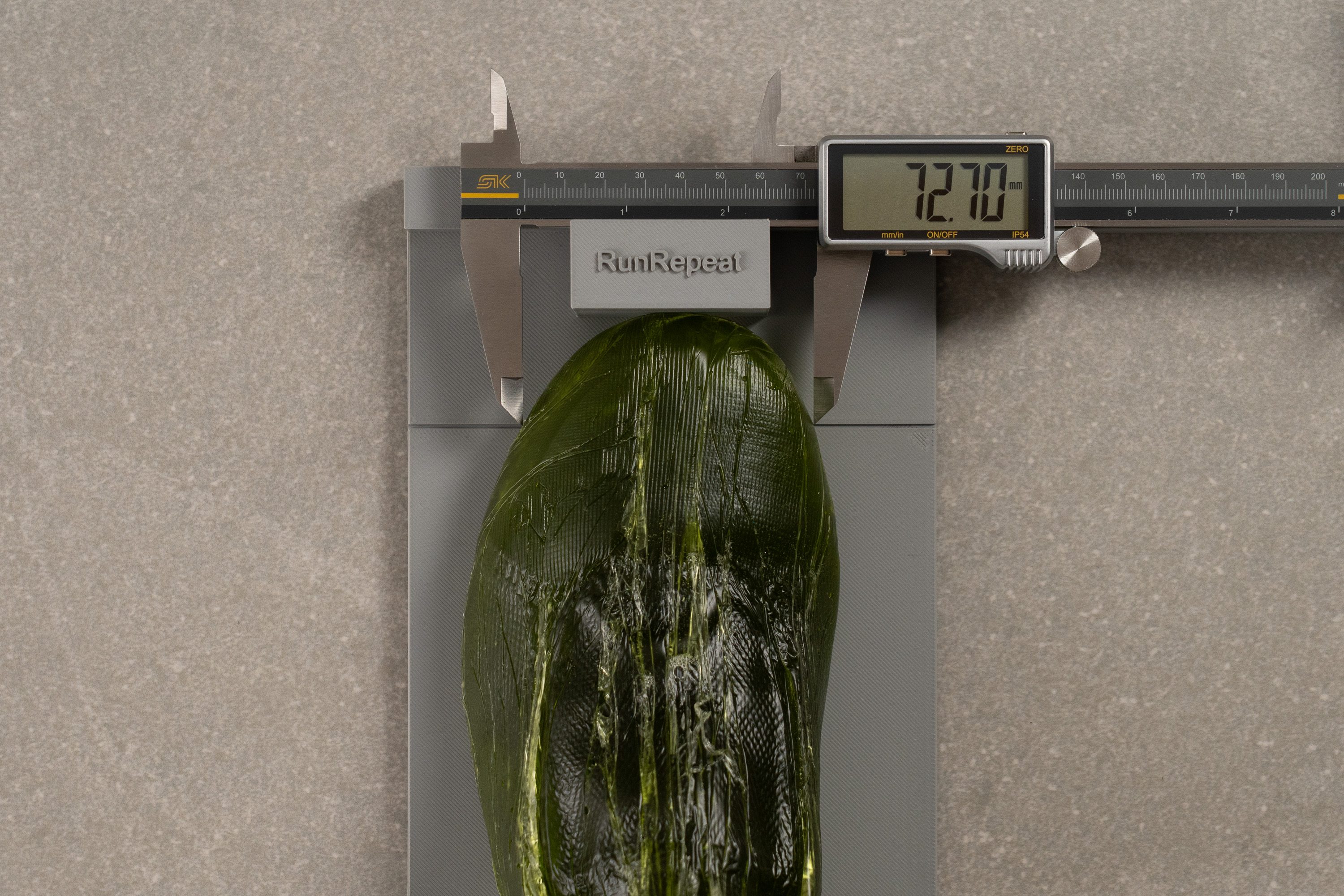
| Quest 6 | 72.7 mm |
| Media | 73.2 mm |
Altura de la parte delantera
La altura de la parte delantera, de 26,1 mm, nos pareció bastante cómoda.
Nadie debería sentir presión en los dedos con las Quest 6, sobre todo porque no están diseñadas para las distancias largas.
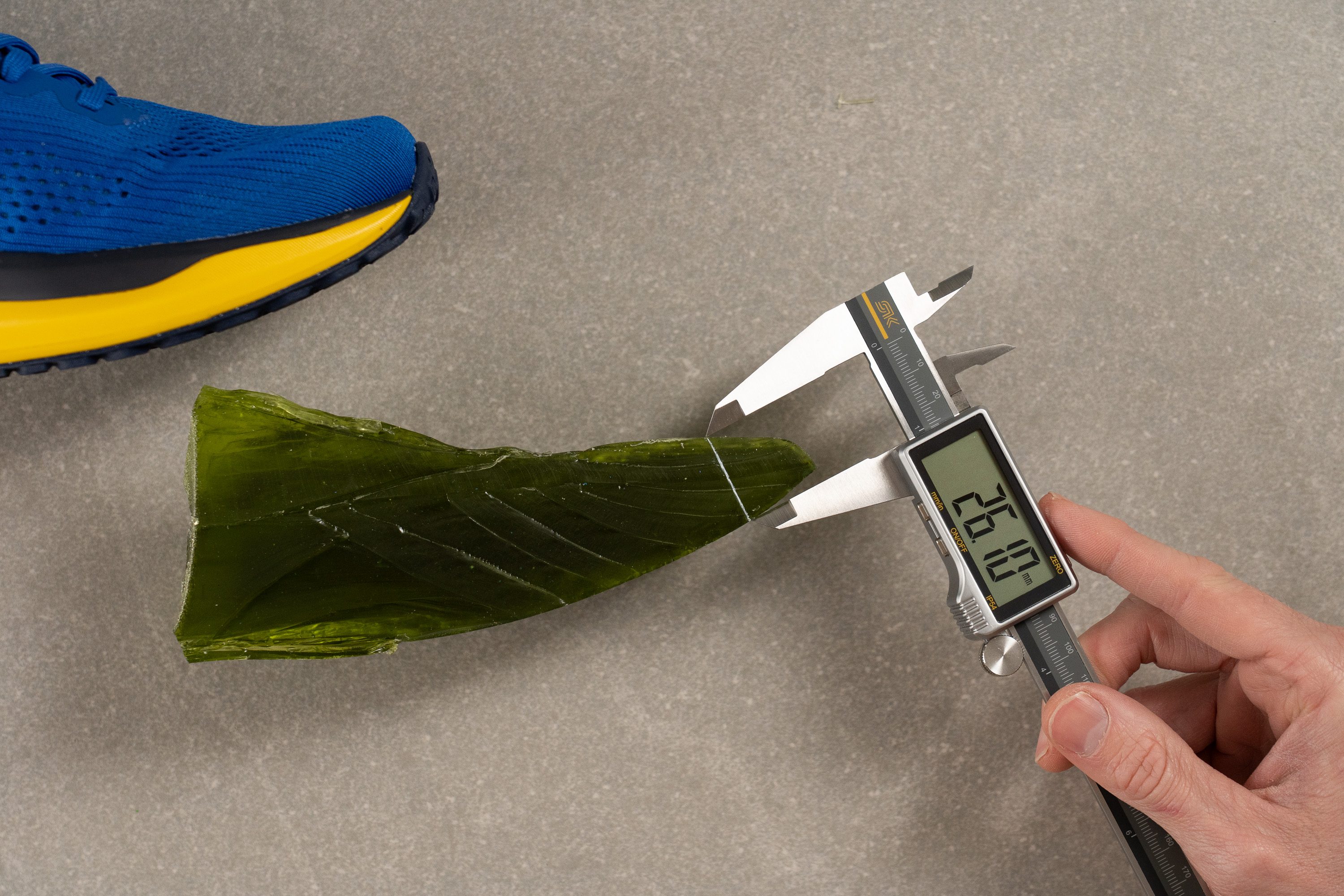
| Quest 6 | 26.1 mm |
| Media | 27.0 mm |
Tracción / Agarre
Traction test
Cuando hablamos de tracción, Nike no destaca por su reputación, pero tenemos que romper una lanza a su favor, ya que últimamente está trabajando para mejorar en este aspecto. Y las Quest 6 representan un gran paso hacia adelante, ya que se llevaron un 0,44 en nuestra prueba de tracción. Vamos, que ofrecen un agarre sólido en superficies secas y... son decentes en las zonas mojadas. Ah, además superan fácilmente el terrible 0,11 que las Quest 5 se llevaron en esta prueba.
| Quest 6 | 0.44 |
| Media | 0.53 |
Diseño de la suela exterior
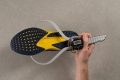
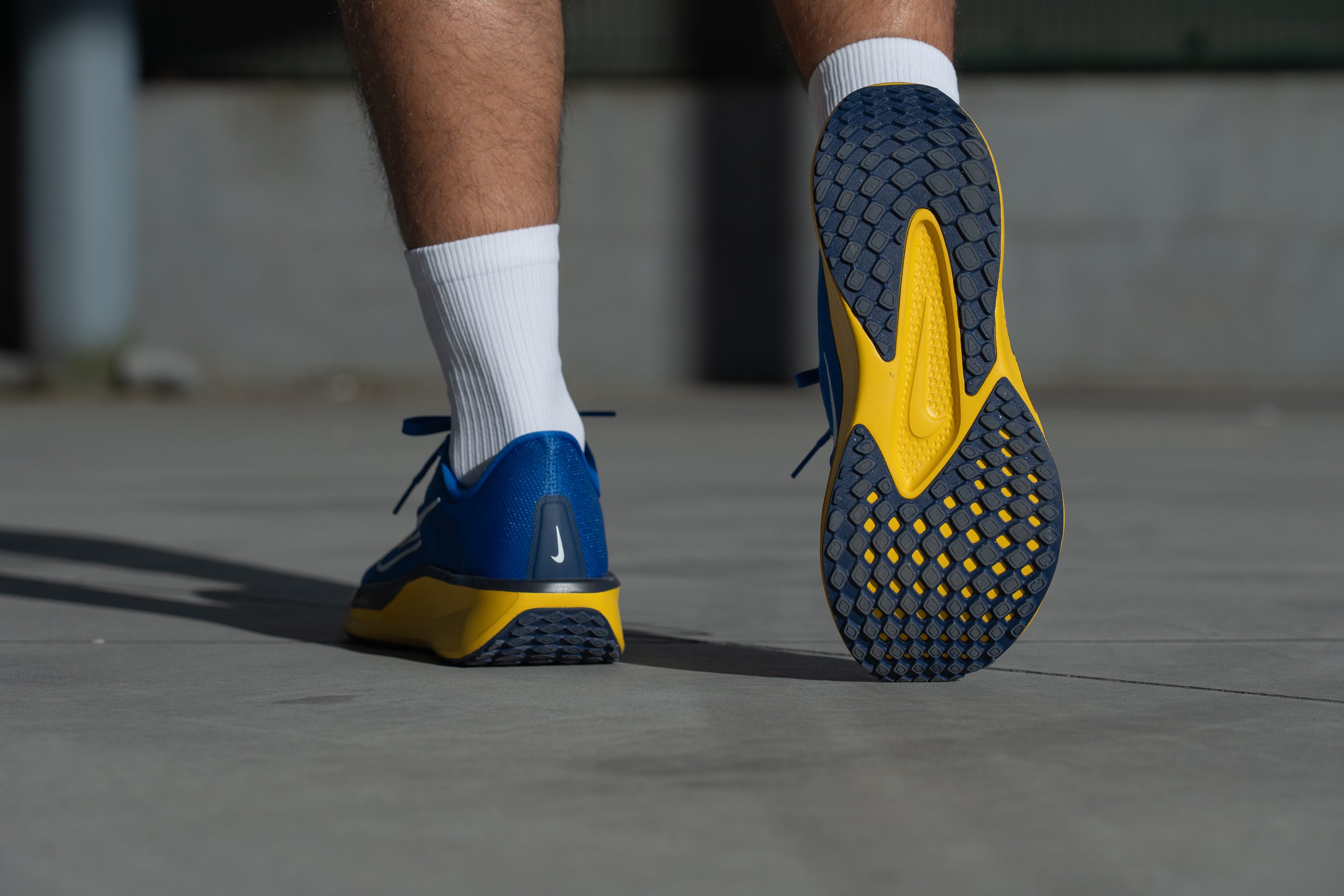
Las Nike Quest 6 tienen 2 parches de caucho: uno en el antepié y otro en el talón. Ambos tienen tacos pequeñitos con el mítico diseño tipo gofre del Swoosh. Por otro lado, el mediopié tiene una gran apertura que deja expuesta la espuma y reduce el peso.
Flexibilidad / Rigidez
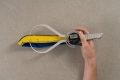
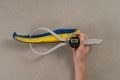
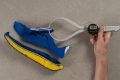
Incluso con su antepié bajito, como las Quest 6 no tienen cortes en la zona del antepié pero sí presumen de una capa gruesa de caucho... son un poquito más rígidas de lo que nos esperábamos para esta categoría. Necesitamos 14,6 N de fuerza para doblarlas en el laboratorio.
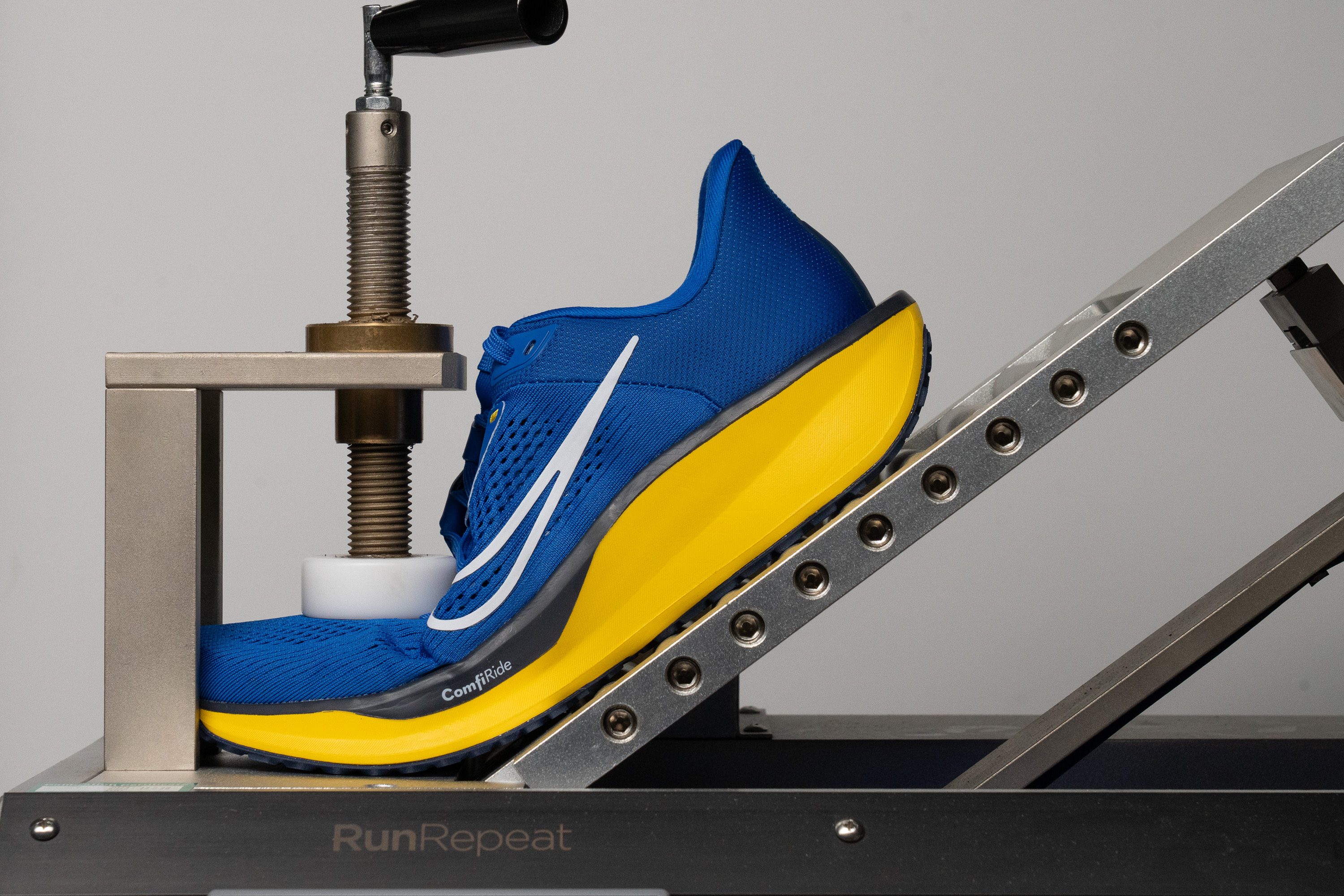
| Quest 6 | 14.6N |
| Media | 15.5N |
Peso
La amortiguación y durabilidad extra de las Quest 6 vienen acompañadas de un ligero aumento de peso en comparación con la versión 5. Ahora pesan 283 g, que sigue siendo razonable para esta categoría de modelos económicos, aunque esperamos que este sea el límite para las futuras Quest.
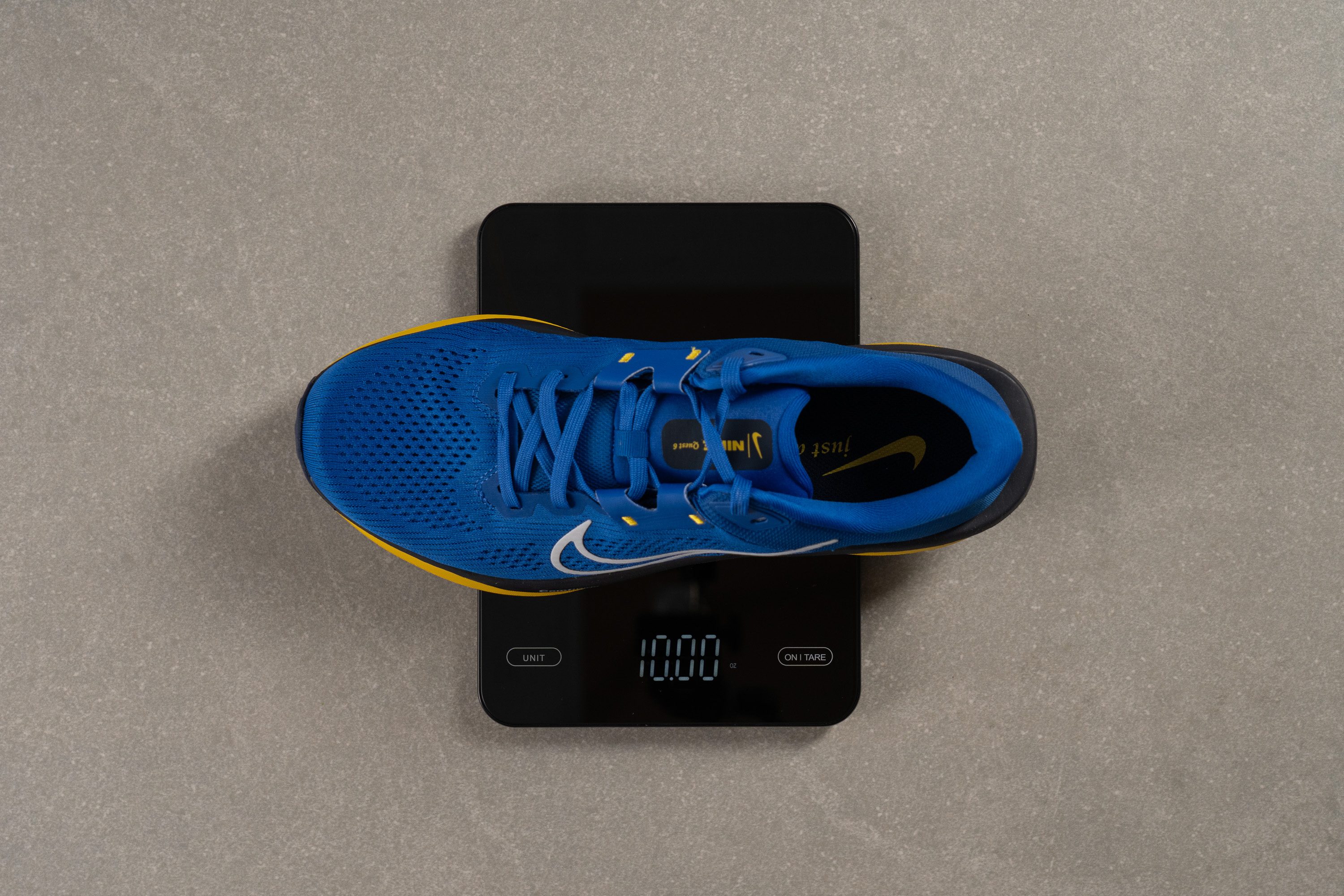
| Quest 6 | 10.0 oz (283g) |
| Media | 9.2 oz (261g) |
Transpirabilidad
Breathability test
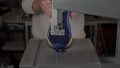
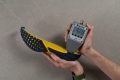
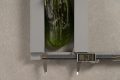
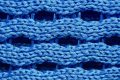
El upper de las Quest 6 parece muy transpirable a primera vista, y la verdad es que, para ser unas zapatillas baratas, no está nada mal (porque normalmente se utilizan materiales más simples).
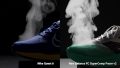
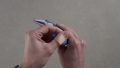
Sin embargo, en nuestra prueba de humo descubrimos que su transpirabilidad no es tan buena como parece, así que les dimos un 3/5.
Usar una luz potente detrás del upper nos ayudó a examinar el grosor del material y la eficacia de los agujeritos para el flujo de aire. Fue en este momento cuando nos quedó claro que Nike priorizó la durabilidad y la comodidad, dejando la transpirabilidad en un segundo plano.
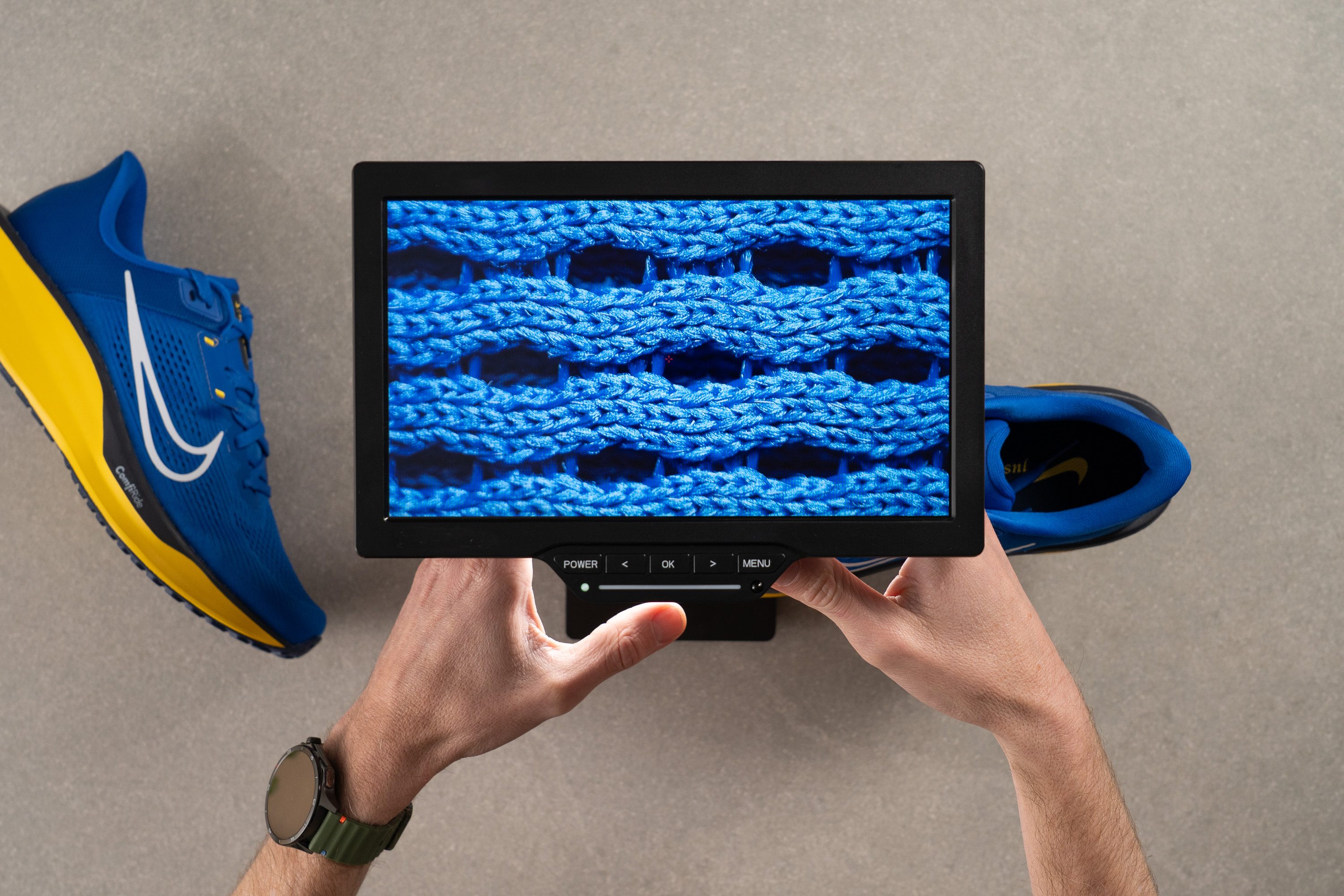
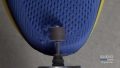
Nuestro microscopio lo confirmó, mostrando grandes agujeros para el flujo de aire que, en su mayor parte, están bloqueados por una capa secundaria.
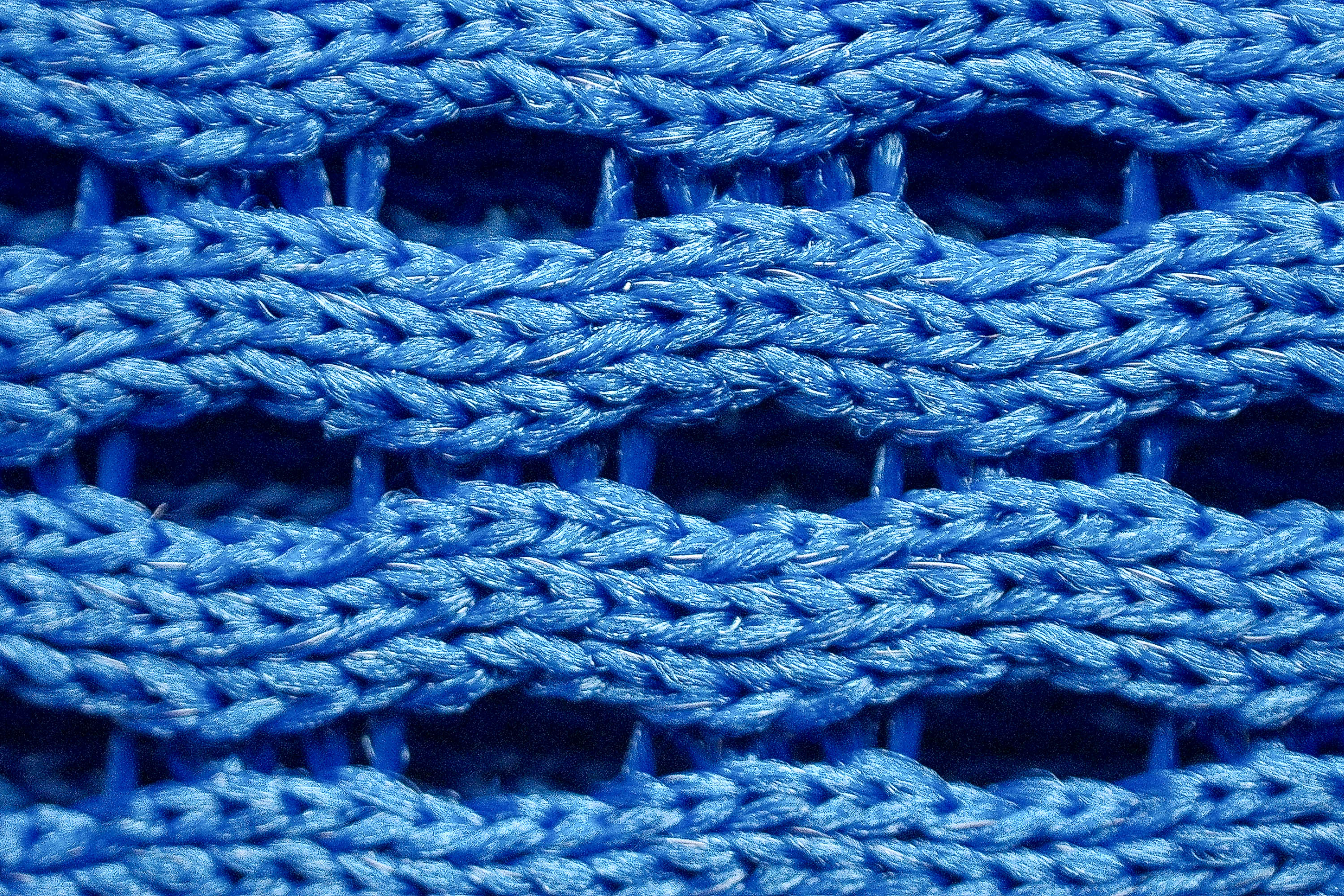
Nos habría gustado que el flujo de aire fuese un poco mejor pero, en general, las Quest 6 tienen un upper sólido para su precio. Son cómodas, están bien diseñadas y son adecuadas para la mayor parte del año.
| Quest 6 | 3 |
| Media | 3.6 |
Estabilidad
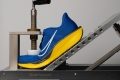
Prueba de estabilidad lateral
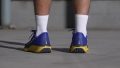
Las Nike Quest 6 son unas zapatillas de running completamente neutras, y no creemos que sean una buena opción para los corredores que necesiten un extra de estabilidad. Sin embargo, gracias a su espuma firme y a su base ancha en el antepié, creemos que la mayoría de los corredores neutros disfrutarán de la sujeción suficiente para entrenar a diario.
También nos gustó cómo el pronunciado biselado del talón suaviza las transiciones de los talonadores.
Rigidez torsional
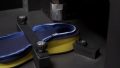
Una de las cosas que más nos gustó de las Quest 6 es que se sienten muy flexibles torsionalmente. Aunque en nuestra prueba de flexión de 30 grados nos parecieron un poquito rígidas, cuando analizamos su rigidez torsional, nuestra máquina marcó solo 12,9 Nm, haciéndolas más cómodas para que las puedas llevar puestas durante todo el día.
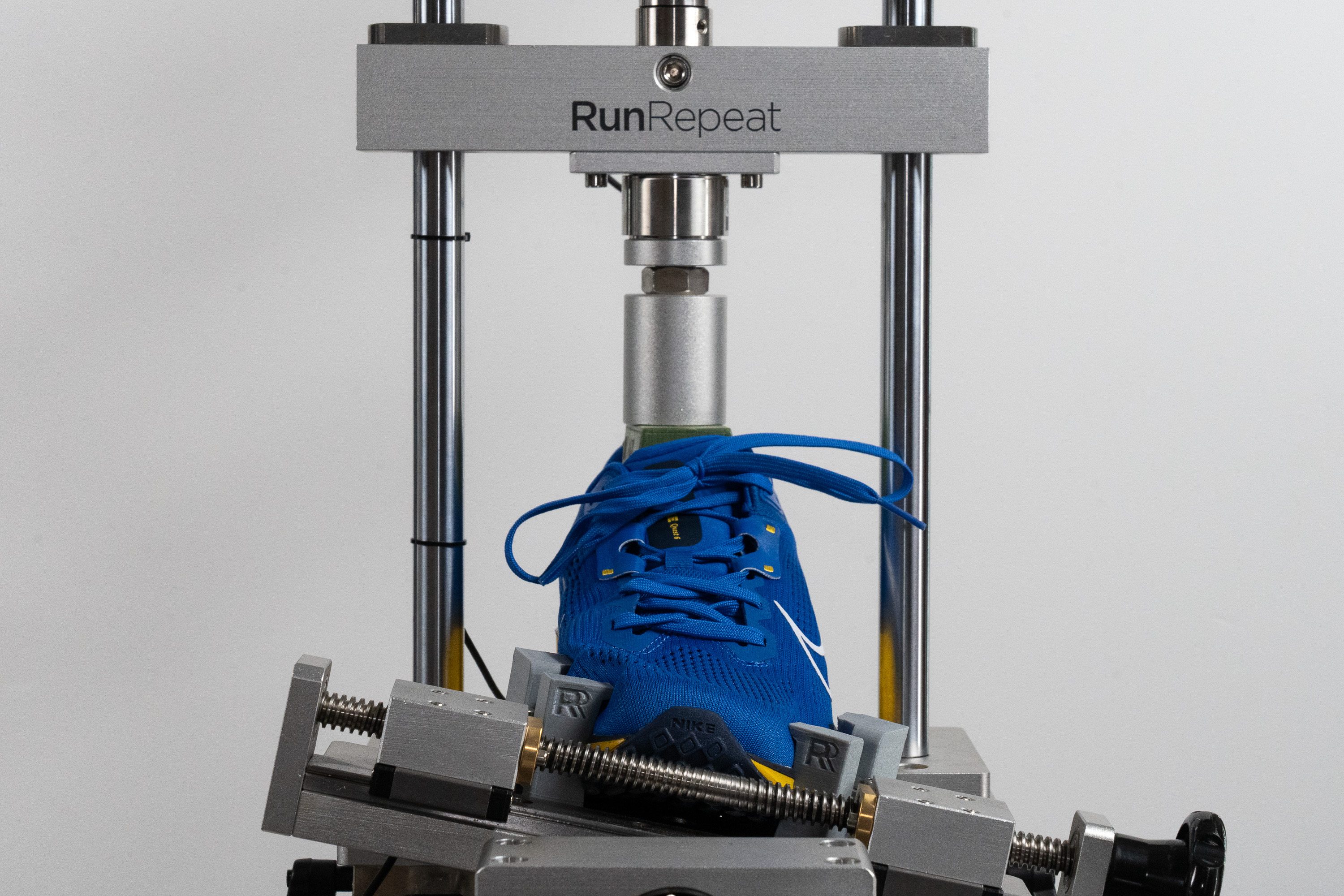
| Quest 6 | 12.9 Nm |
| Media | 14.3 Nm |
Rigidez del contrafuerte del talón
Nike no se la jugó con el diseño del contrafuerte del talón de este modelo, que nos ofrece un poquito de sujeción pero un montón de comodidad. Vamos, que se llevó un 3/5, así que todo correcto.
| Quest 6 | 3 |
| Media | 2.9 |
Anchura de la mediasuela - antepié
Una de las cosas que Nike cambió de las Quest 5 es que este nuevo modelo presume de una mediasuela rediseñada con una base más ancha.
El modelo anterior medía 107,2 mm de ancho en esta zona, mientras que este consigue llegar a 117,1 mm. Es un cambio importante entre generaciones, la verdad, y ayuda a que el despegue del pie se sienta mucho más neutro.
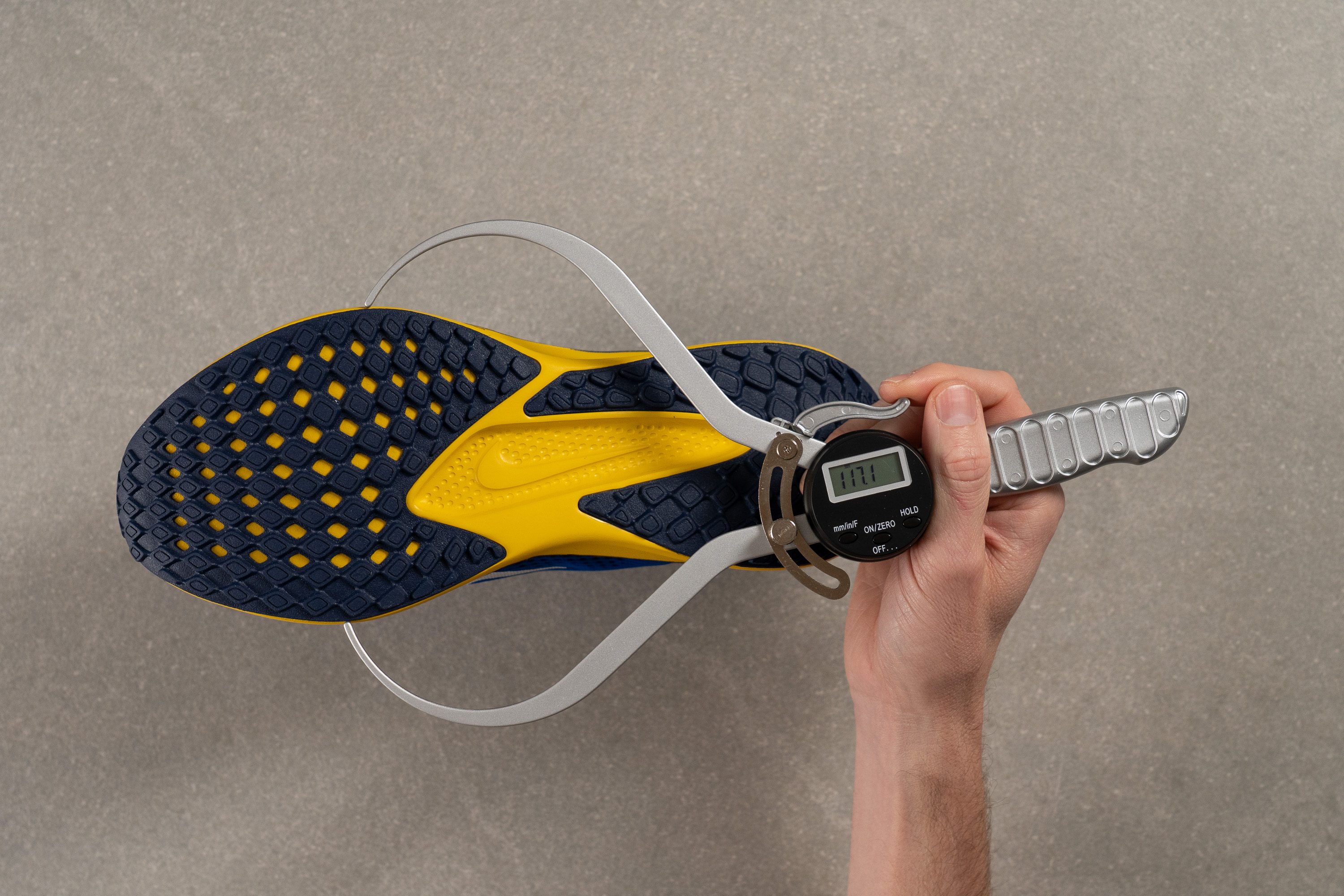
| Quest 6 | 117.1 mm |
| Media | 115.1 mm |
Anchura de la mediasuela - talón
El talón también es un poquito más ancho, pasando de 86,2 mm a 88,6 mm, lo que mantiene un diseño moderado y lo acerca a la media de su categoría. La verdad es que un poquito más de anchura no nos vendría nada mal, sobre todo porque este modelo está claramente diseñado para los talonadores.
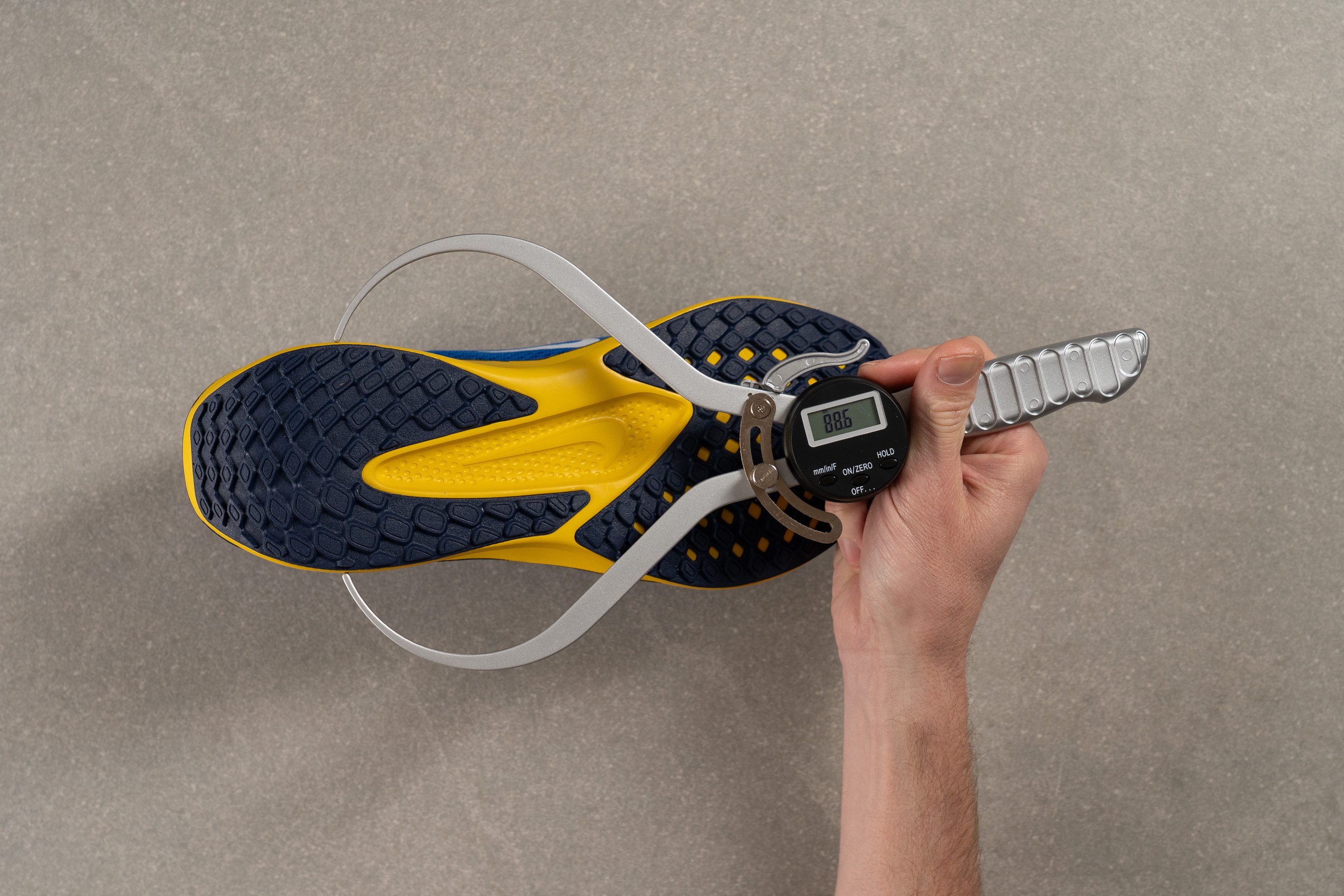
| Quest 6 | 88.6 mm |
| Media | 91.1 mm |
Durabilidad
Durabilidad de la parte delantera
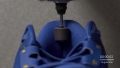
Nuestra primera prueba de durabilidad enfrenta a nuestro Dremel (a 5000 RPM y con 2 N de fuerza) contra la malla técnica del upper, y parece que las Quest 6 se han llevado este asalto. La malla, que tiene varias capas, se las apañó para llevarse un sólido 3/5.
| Quest 6 | 3 |
| Media | 2.6 |
Durabilidad del acolchado del talón
Y ahora van 2-0, ya que el acolchado del talón nos mostró un rendimiento excepcional al llevarse un 5/5 perfecto.
| Quest 6 | 5 |
| Media | 3.4 |
Durabilidad de la suela
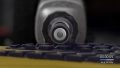
Nuestro último test con el Dremel se centra en la durabilidad de la suela exterior, y con unos daños de solo 1,0 mm de profundidad, estamos encantados de poder decirte que las Quest 6 tienen una especia de armadura. Así que, sí, el resultado final es un 3-0 como la copa de un pino en durabilidad.
| Quest 6 | 1.0 mm |
| Media | 1.1 mm |
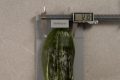
Grosor de la suela
Nike entiende la paradoja de las zapatillas de running: la mayoría de los corredores espera que un modelo económico dure más que uno de gama alta. Para ayudarles con eso, añadió unos generosos 3,8 mm de caucho a la suela exterior, lo que les da a las Quest 6 una durabilidad bastante más alta que la de muchos modelos más caros.
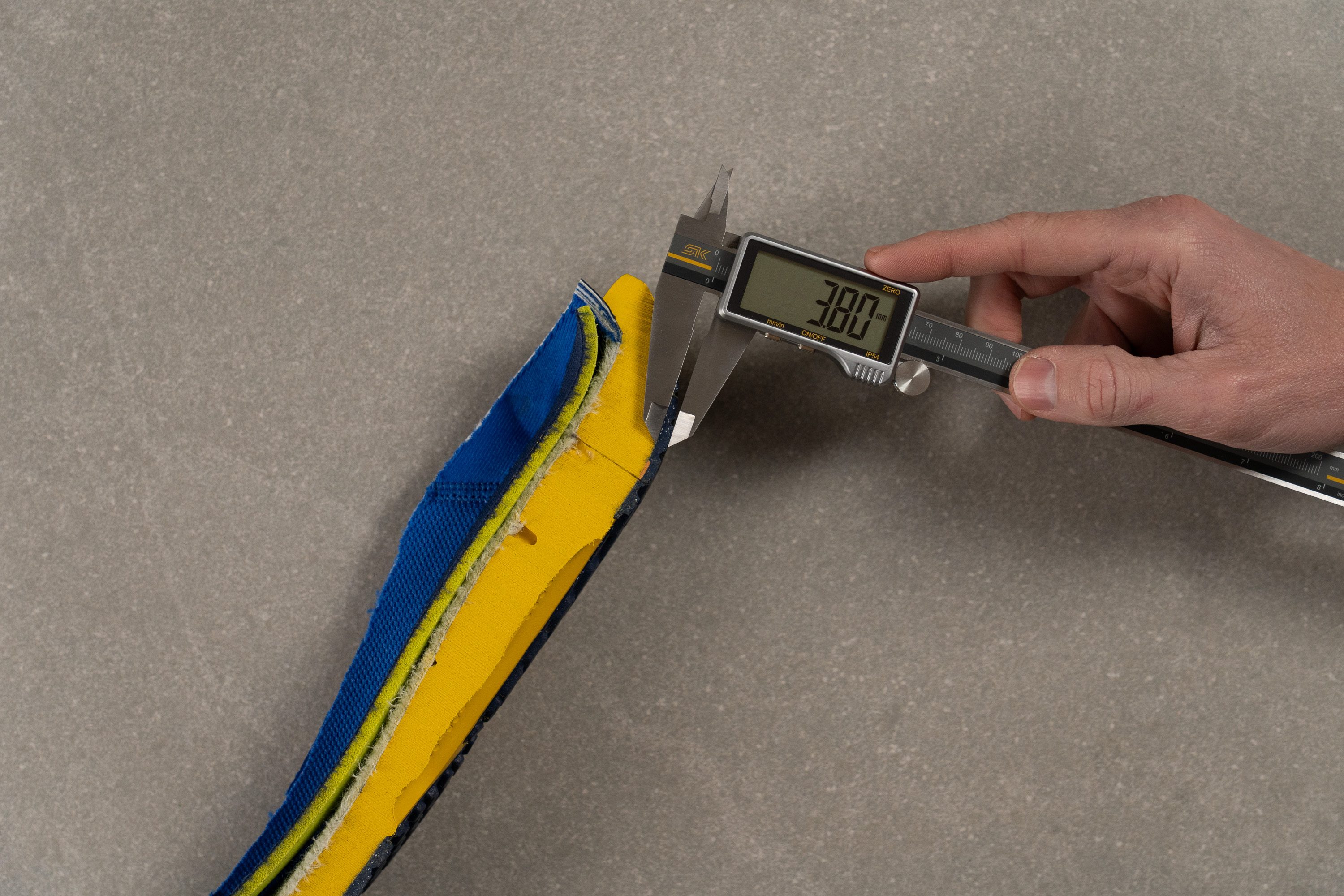
| Quest 6 | 3.8 mm |
| Media | 3.1 mm |
Varios
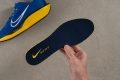
Grosor de la plantilla
La plantilla tiene un grosor de 4,1 mm, que es un resultado cercano a la media.
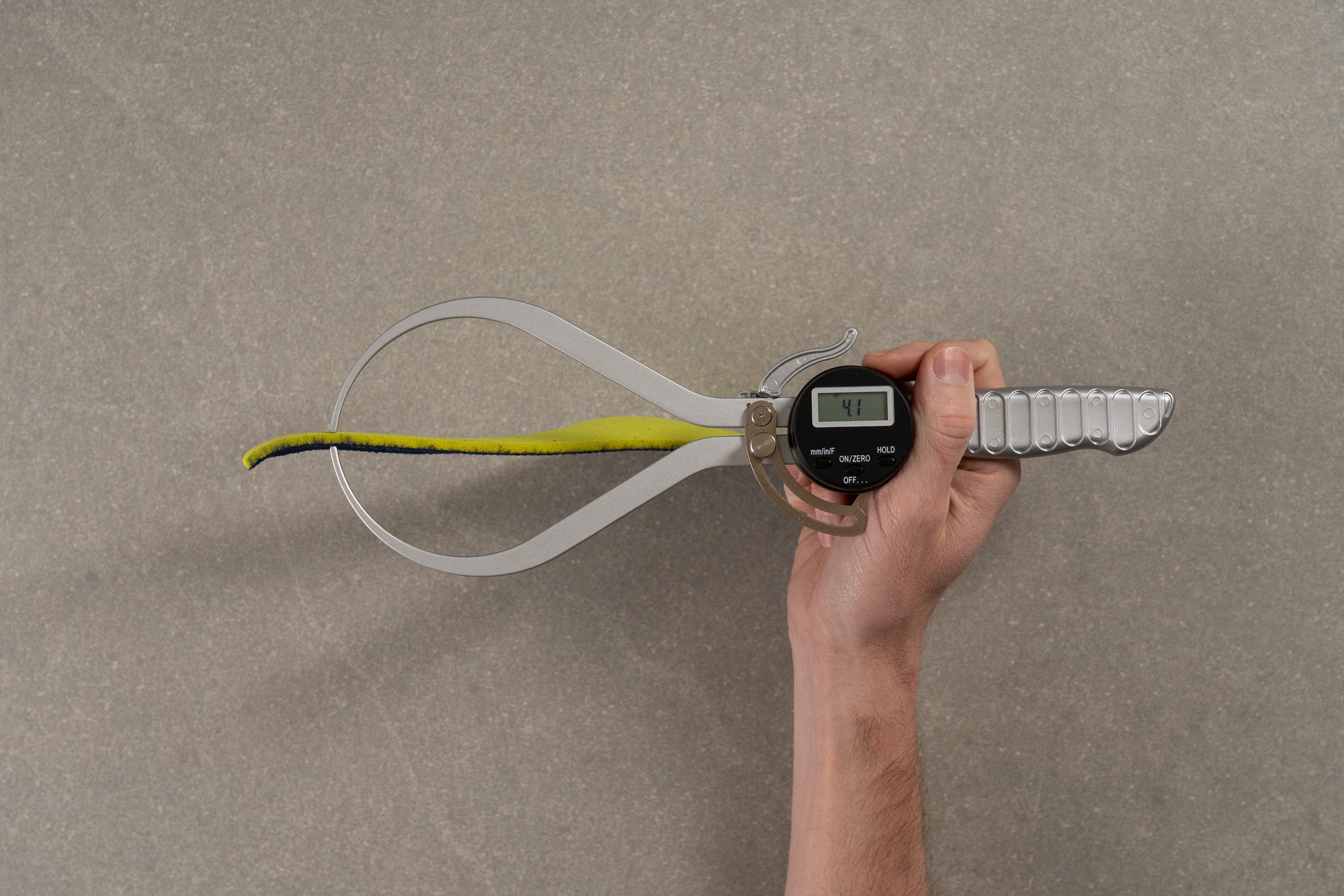
| Quest 6 | 4.1 mm |
| Media | 4.4 mm |
Plantilla extraíble
Si quieres cambiar la plantilla que trae este modelo por otra que te guste, no tendrás problema. De hecho, hasta puedes probar con una que te ofrezca un poquito más de sujeción o rebote.
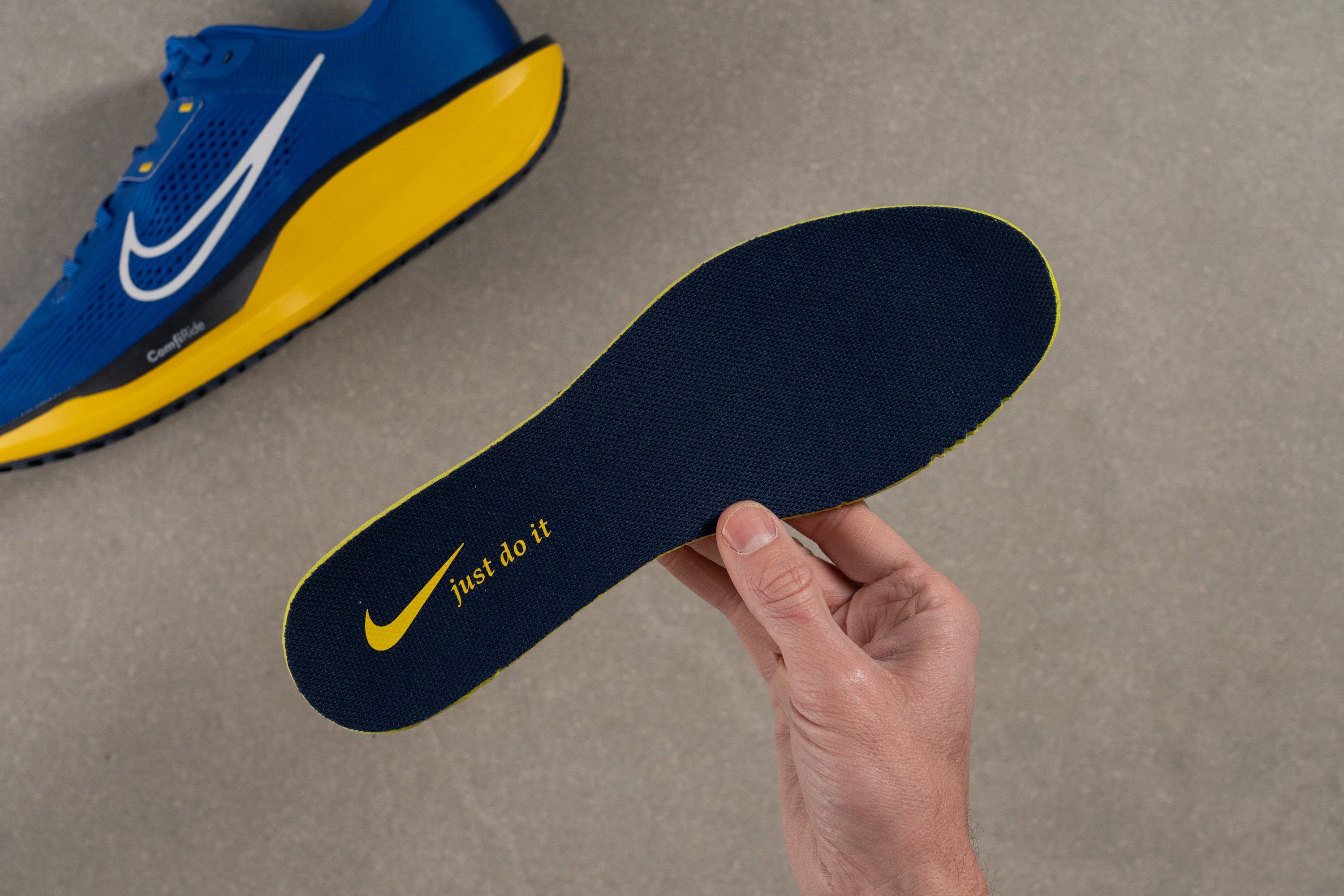
| Quest 6 | Sí |
Elementos reflectantes
No tienen elementos reflectantes, pero como pasa con la mayoría de los modelos económicos, tampoco nos esperábamos lo contrario.
| Quest 6 | No |
Acolchado de la lengüeta
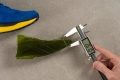
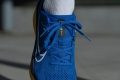
Nos gustó que Nike les pusiese un lacito en la lengüeta a estas zapatillas para que no se mueva de su sitio, y la estructura de los cordones nos pareció sólida y confiable. También presumen de lo que la marca llama Midfoot Fit Band a cada lado, que mejora la seguridad al cerrarse sobre los pies cuando aprietas los cordones.
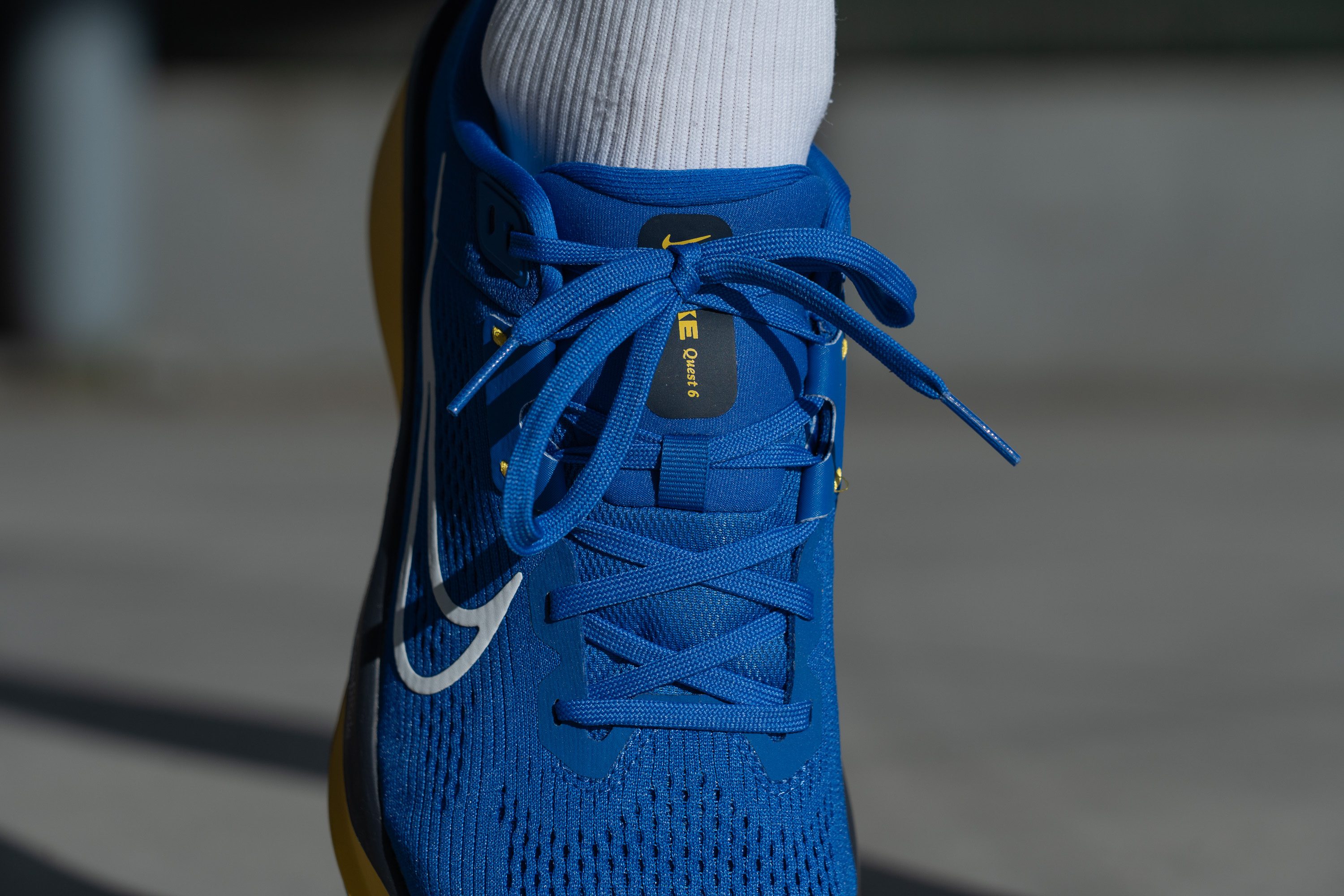
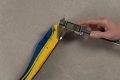
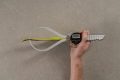
Lo que sí que nos sorprendió es que parece que la lengüeta está acolchadísima, pero nuestros calibres marcaron solo 5,8 mm cuando medimos su grosor. Esto nos demuestra, una vez más, por qué es tan importante coger el calibre y ponerse a medir en vez de fiarse solo de las primeras impresiones. Pero bueno, que este modelo sigue siendo muy cómodo y consigue ofrecer un buen equilibrio entre amortiguación y peso.
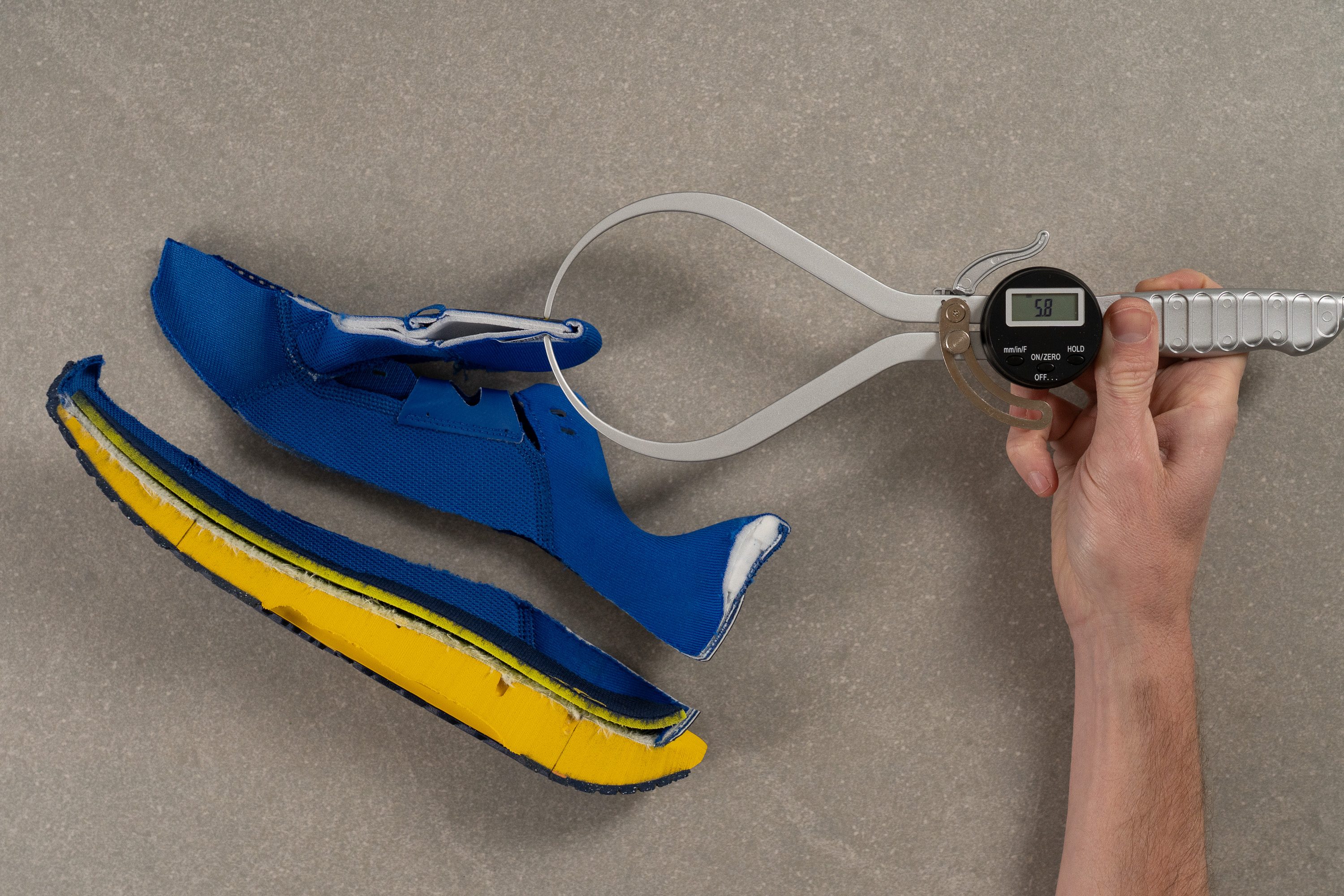
| Quest 6 | 5.8 mm |
| Media | 5.8 mm |
Lengüeta: tipo de refuerzo
La lengüeta no está unida a los laterales, cosa que nos parece totalmente razonable en unas zapatillas que están dentro de un rango de precios más bajo.
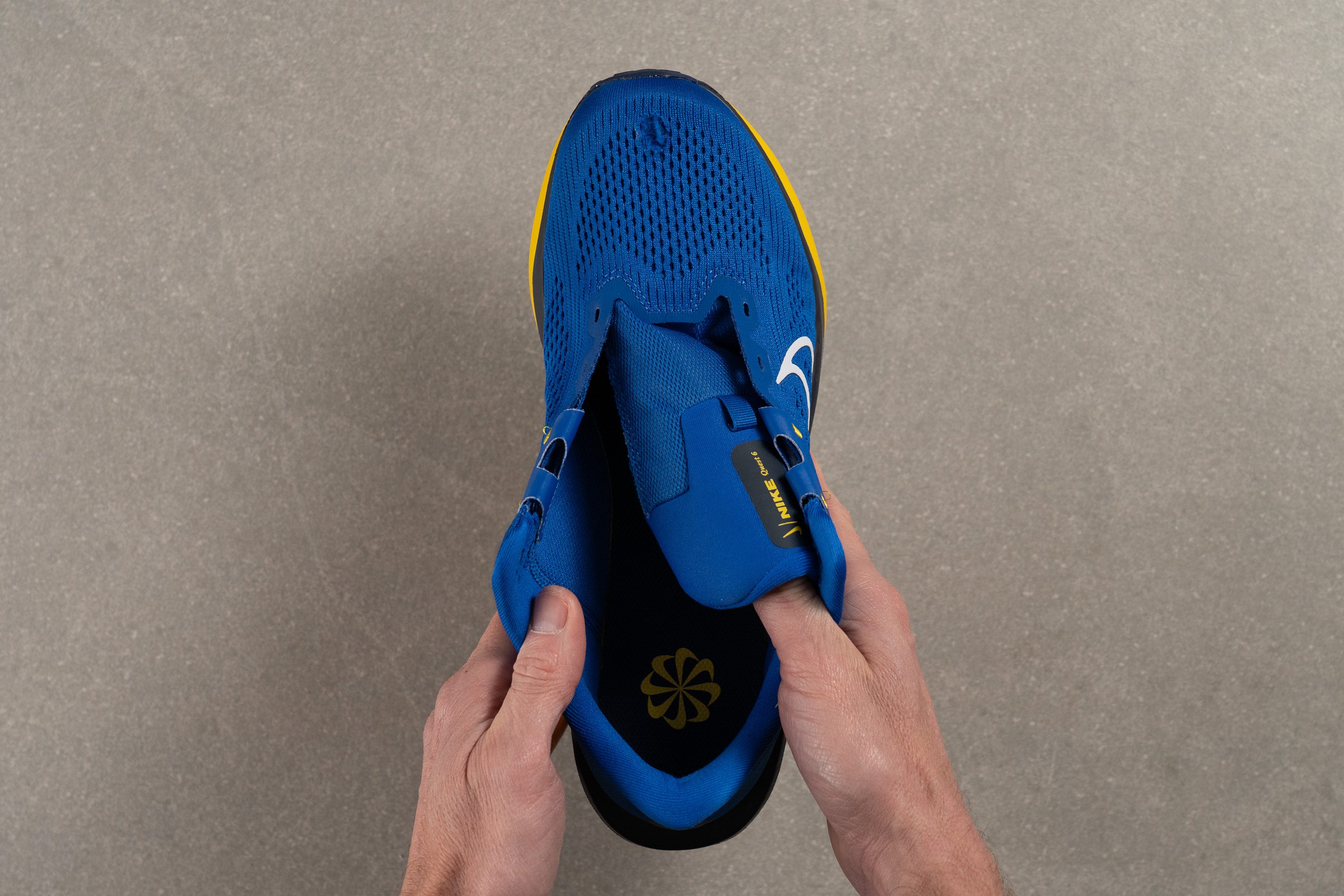
| Quest 6 | Ninguno |
Tirador del talón
Las Quest 6 recortan en lo que pueden para ser asequibles, cosa que explica por qué no tienen un tirador en el talón.
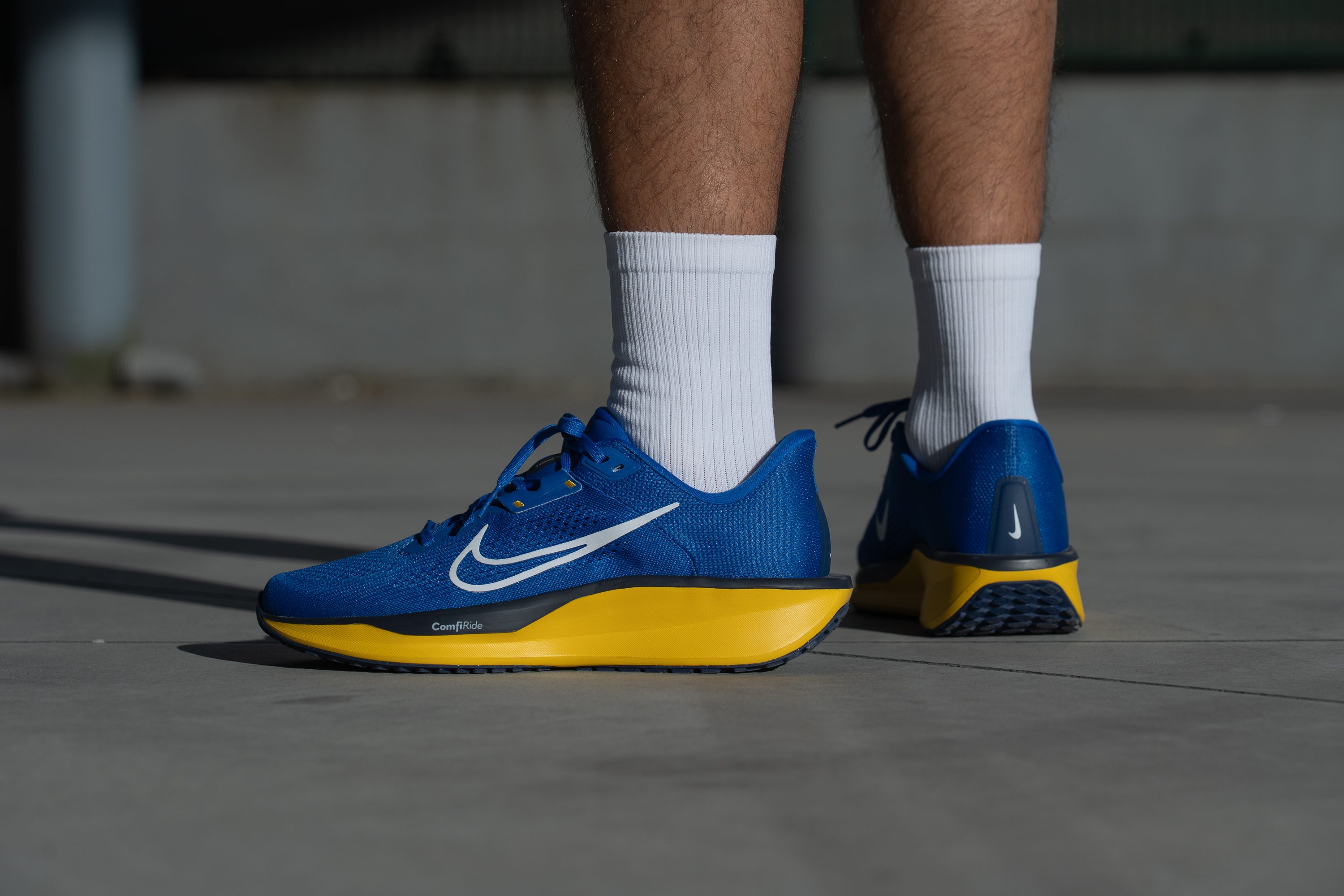
| Quest 6 | Ninguno |
Precio
Las Quest 6 son un poquito más caras, pero bueno, es normal teniendo en cuenta la inflación. Incluso así, siguen sin pasarse de listas, y vienen con esas ventajas sólidas y básicas que se esperan de unas zapatillas de entrenamiento de nivel inicial.
| Quest 6 | $85 |