7 Best Nike Sneakers in 2026

We buy shoes ourselves. We earn commissions when you buy through us, at no extra cost. Why trust us
Choosing the best Nike sneakers may seem like an impossible task. It gets a bit easier when you know you can choose more than one. We look at them all, though, in this article, while analyzing the durability, breathability, shock absorption, energy return, and other features.
You may be curious about the best performers only! Worry not because we highlighted them here. Of course, we thoroughly tested each one before we selecting these top picks. Thus, our recommendations are based on countless hours of testing, both in the streets and in our lab!
How we test Nike sneakers
Our testing process is unbiased and transparent. Here's how we go about it:
- We purchase all the Nike sneakers with our money. We do not have promotional contracts with the brands or brand ambassadors. We value honesty and standardized testing more than free stuff.
- We wear-test Nike sneakers both indoors and outdoors. We do so until we completely understand their comfort, durability, and looks, among other features.
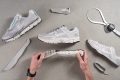
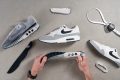
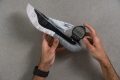
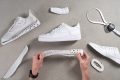
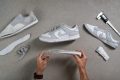
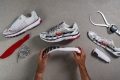
- We go the extra mile by dissecting the sneakers into pieces and measuring over 30 parameters. Thanks to this lab data, all our experiences are backed up by numbers.
- We publish the reviews, including our lab data. This allows you to easily compare Nike sneakers and find the one that delivers what you need.
Best Nike sneakers overall













What makes it the best?
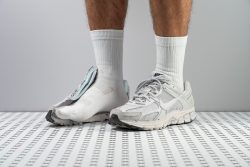
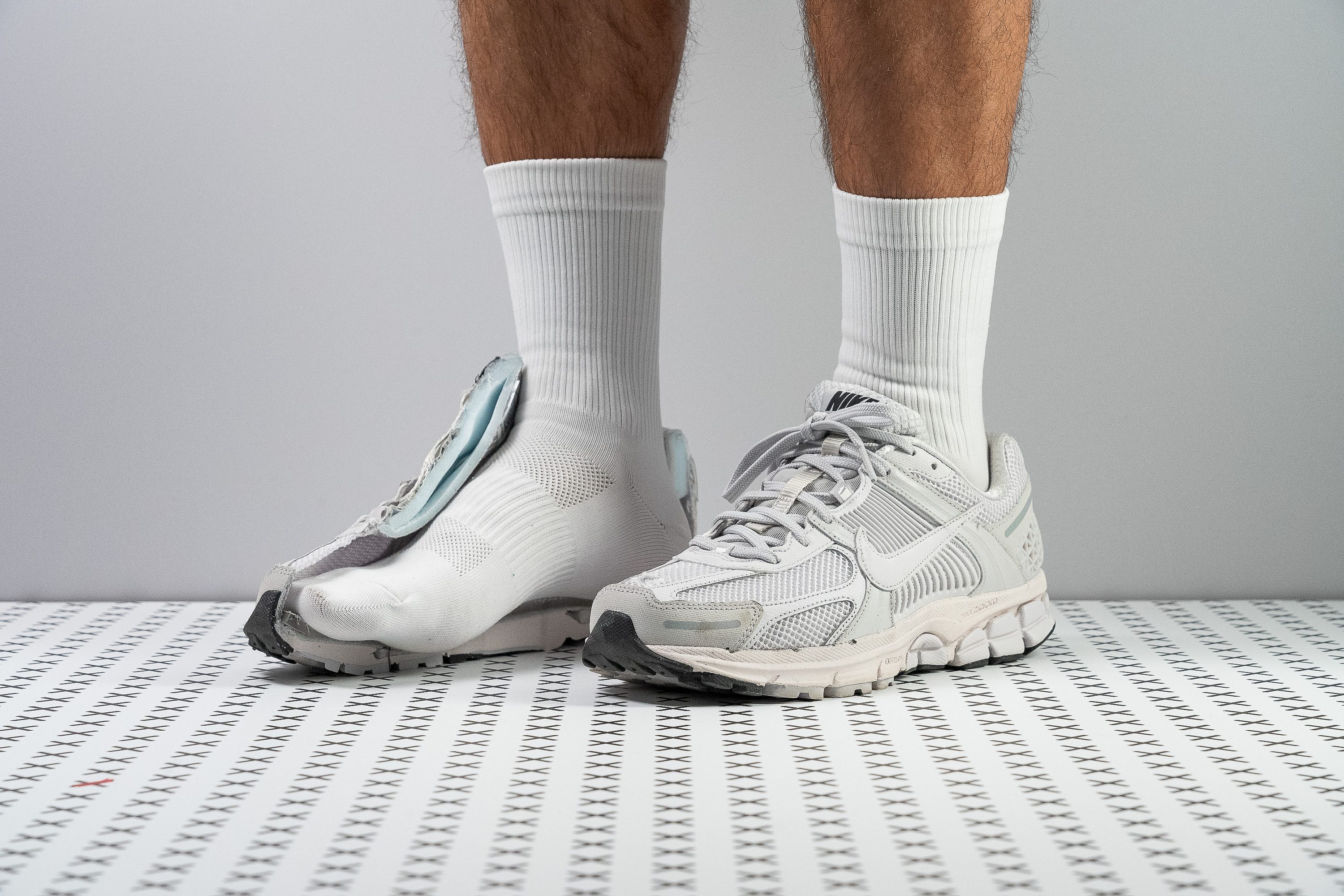
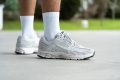
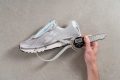
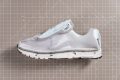
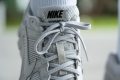
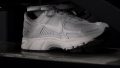
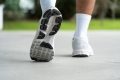
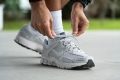
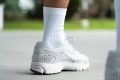
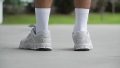
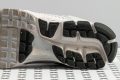
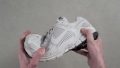
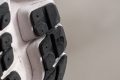
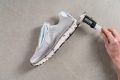
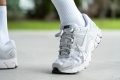
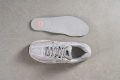
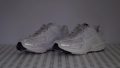
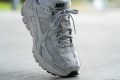
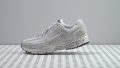
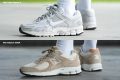
Being a running shoe in its past life, the Zoom Vomero 5 delivers comfort throughout our wear tests and stands out with a responsive and enjoyable ride due to its Zoom Air units. It brings an ultra-breathable experience that can handle even the most scorching days and remains light and loose on foot even during long hours. Among the Nike sneakers we tested in the lab, Vomero 5 undoubtedly tops our list.
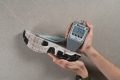
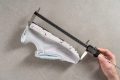
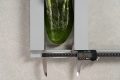
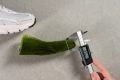
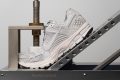
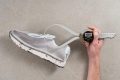
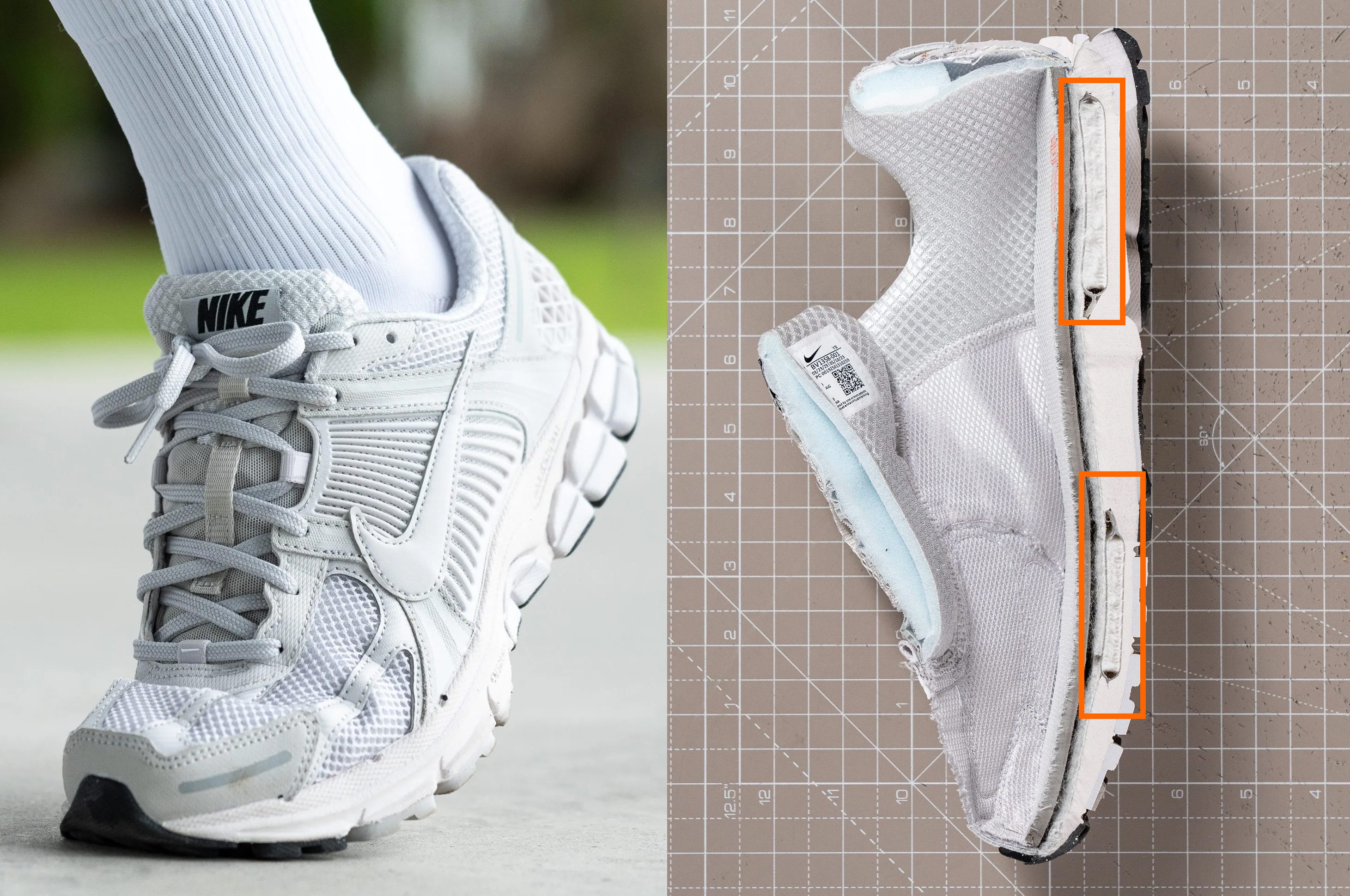
Without standing too tall, Vomero 5 impressively brings a well-cushioned and comfortable feeling. Our cut-in-half shoe reveals a firm CushIon foam which measures 51.3 AC, 7% firmer than average. Two Zoom Air units sit under the heel and the ball of the foot, further making the ride more pleasantly responsive and effortless.
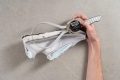
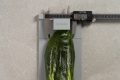
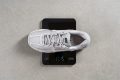
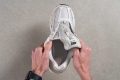
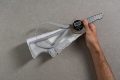
Our strolls feel light and fuss-free thanks to the sneaker’s airy and fluid construction. Our scales reveal it’s 11.1 oz (316g), 21.2% below average. Meanwhile, our bend test confirms it’s as flexible as the average lifestyle sneaker.
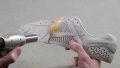
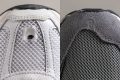
Adding to its weightlessness is the ultra-thin mesh upper that prevents any heat and sweat from building up inside the shoe. As our lab confirms with a perfect score, Vomero 5 offers exceptional breathability.
However, the high level of ventilation sacrificed the durability of the upper. This is a concern for those who damage this part of their sneakers quickly.
Pros
- Nostalgic 2000s aesthetic
- Excellent breathability for summer
- Cushioned like a running shoe
- Lighter than average
- Very comfy in-shoe feel
- Flexible and forgiving on foot
- Wear-resistant outsole and inner lining
- Better lockdown with a gusseted tongue
Cons
- Mesh is easy to tear
- Not for flat feet/overpronation
- Can be slippery on wet
- Pricey
Best classic Nike sneakers







What makes it the best?
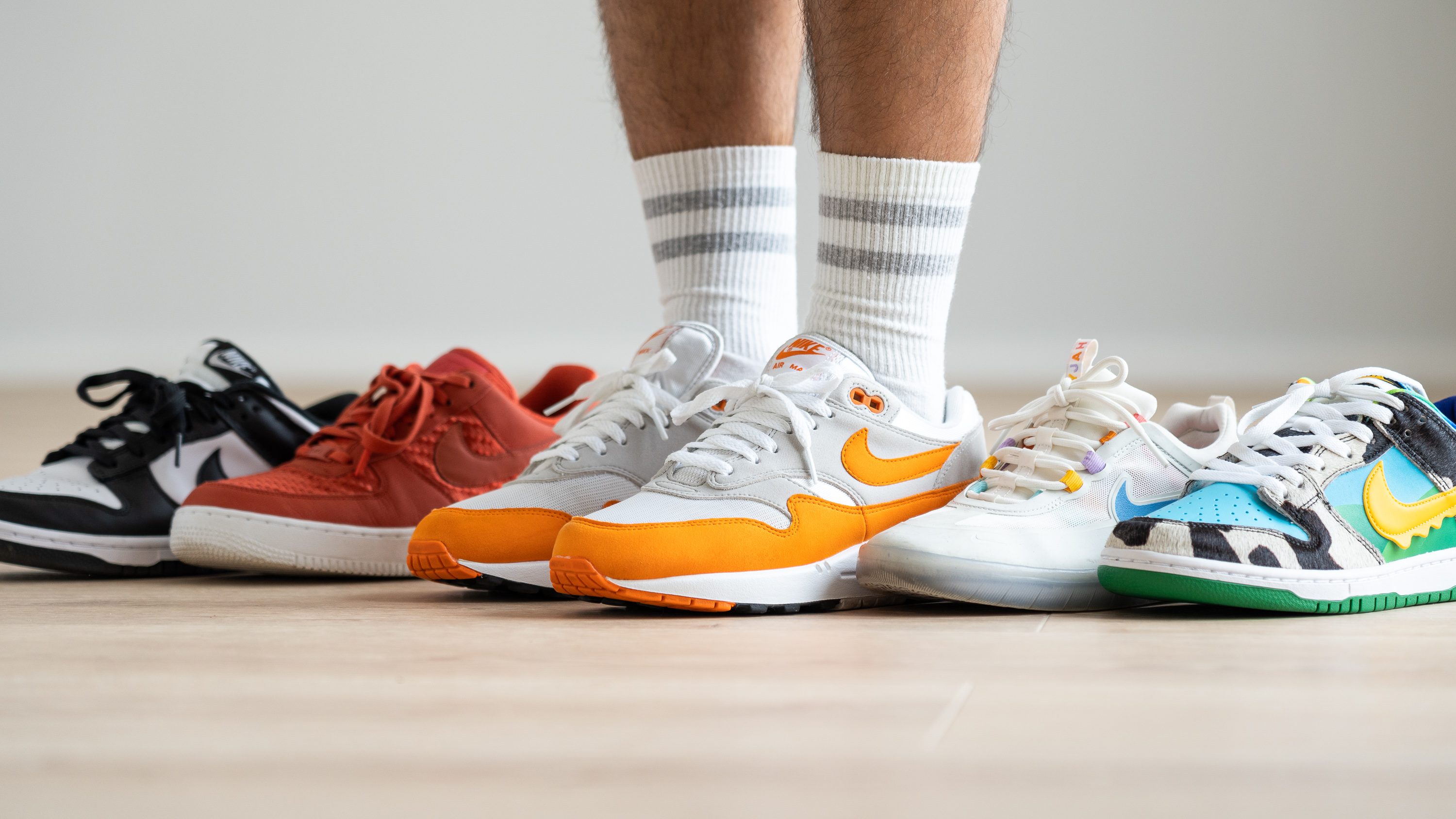
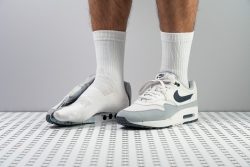
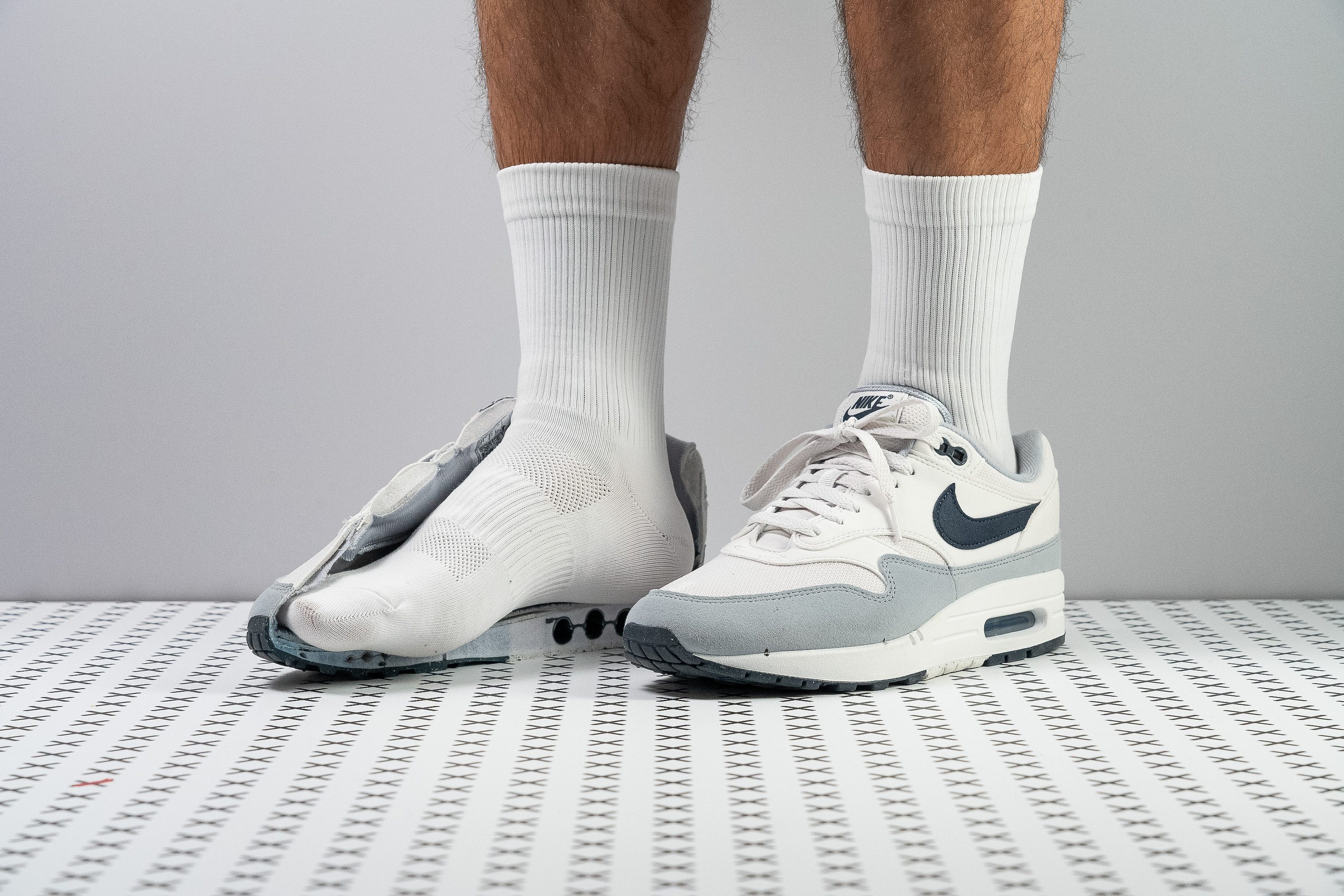
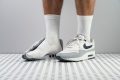
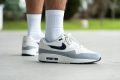
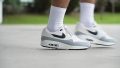
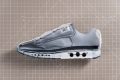
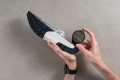
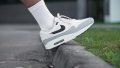
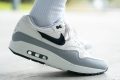
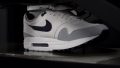
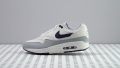
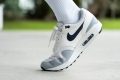
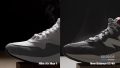
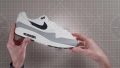
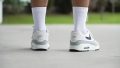
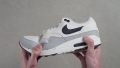
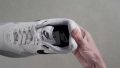
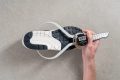
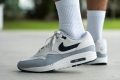
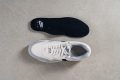
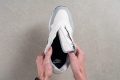
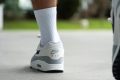
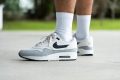
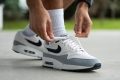
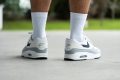
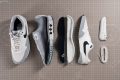
Even after countless releases since its debut in 1987, the Air Max 1 is an all-time favorite boasting a timeless silhouette with the first-ever visible Air Max. After extensive lab and wear tests, it remains our best classic Nike sneaker because of its enduring appeal across generations. Notably, it’s one of the rare fashion-statement sneakers that prioritize comfort and durability at an affordable $140 price point.
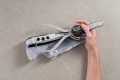
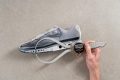
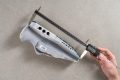
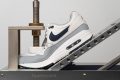
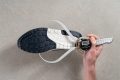
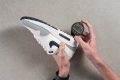
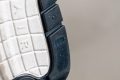
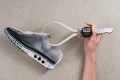
Our research reveals the Air Max units in the heel and forefoot are not only for show, they make our landings gentler and add some spring to each step. It’s exceptionally cushioned for long hours of wear with its generous 32.3/20.1 mm stack measuring 27.2% softer than the average sneaker, as per our durometer.
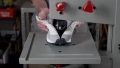
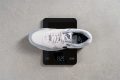
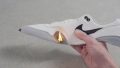
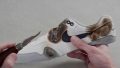
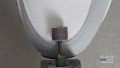
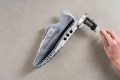
We put the legendary sneakers to the test to see if they are as tough as they look. AM1 shined in all our durability tests, taking the abuse of our Dremel with insignificant damage compared to the average in the toebox (4/5), heel (4/5), and outsole areas (20% less damage). As a closet mainstay, this Nike sneaker prioritizes longevity. Surprisingly, it feels light on foot even with all the foam and protection. Our scales confirm it’s only 13.3 oz (378g).
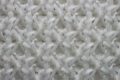
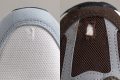
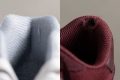
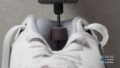
However, its tightly knit upper sacrificed ventilation. AM1 is more suitable for cold weather with its low 2/5 breathability score.
Pros
- Historical silhouette (first-ever visible Air Max)
- Responsive Air Max cushioning
- Comfortable for all-day wear
- Very supportive construction
- Extraordinary durable
- Lighter than expected
- True to size and fit
- Great outsole grip
Cons
- Lacks breathability
- Really stiff platform
- Cheap materials (fake leather and suede)
Best futuristic Nike sneakers







What makes it the best?
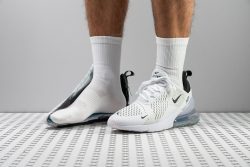
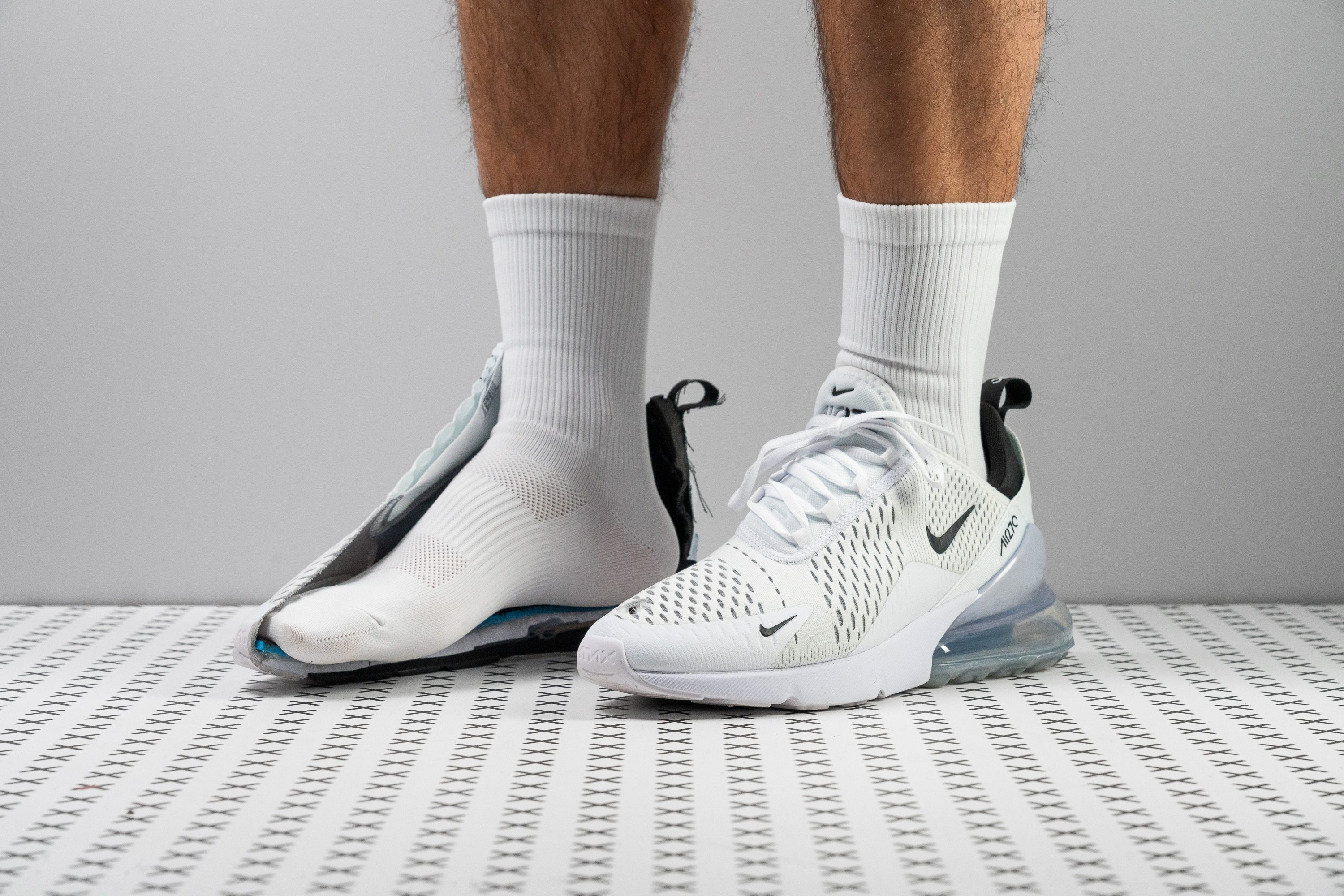
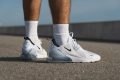
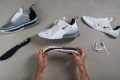
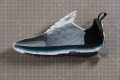
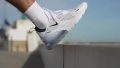
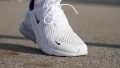
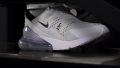
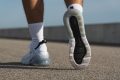
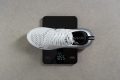
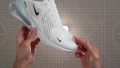
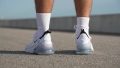
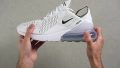
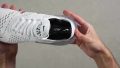
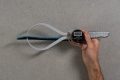
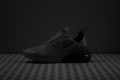
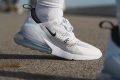
After extensive research and testing of various Nike sneakers, one model stood out as being ahead of its time: the Nike Air Max 270. It's the inaugural lifestyle sneaker from the iconic line which gives a glimpse of the Air technology. With a vast selection of trendy colorways, it caters to every style and personality while offering lasting comfort.
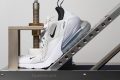
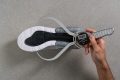
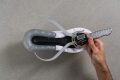
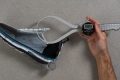
AM70 offers unmatched impact protection with its stacked 36.4/20.3 mm midsole. We felt like we could walk in it all day long. It features two foam densities, both firmer than average, to enhance stability. However, the overall ride feels much softer thanks to the massive heel Air unit.
The shoe feels light on the foot, not only in terms of weight but also in terms of flexibility as it barely resisted our foot-bending. This makes it highly versatile and a comfortable place to be in for long hours. Our scales show it’s 23.5% lighter than average. Our bend test also confirms it’s 33.6% more bendable than average.
However, its forefoot is way narrower than average. Those with wide or broad feet should find a more accommodating sneaker.
Pros
- All-day comfort
- Fun and springy ride
- Incredibly lightweight
- Flexible structure
- Practical booty-like construction
- Perfect for active people
- Cool Nike Air technology
- Trendy futuristic vibe
Cons
- Upper lacks durability
- Not for people with wide feet
- Can be slippery on wet
Nike sneakers with the best leather











What makes it the best?
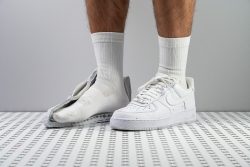
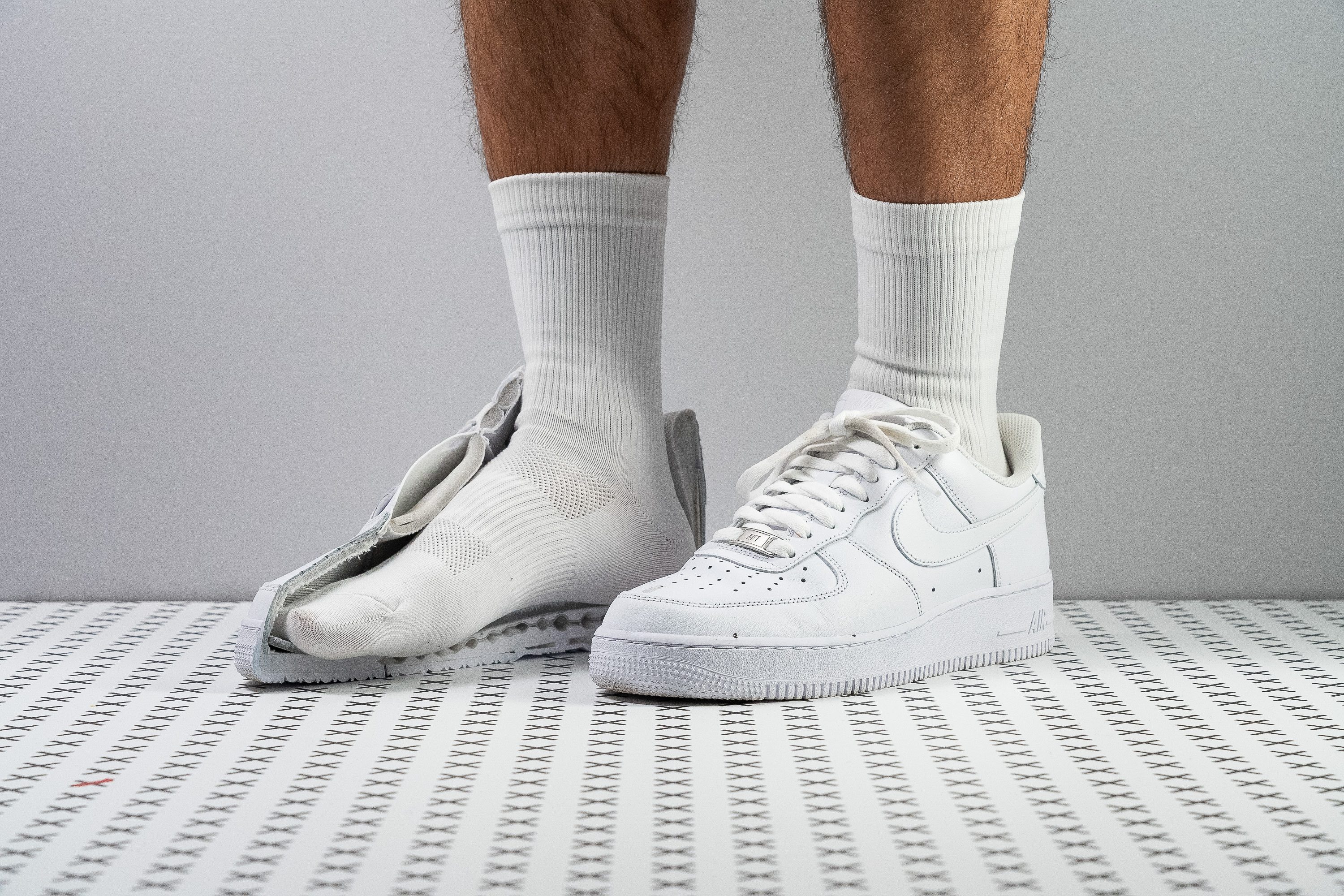
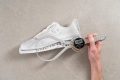
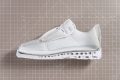
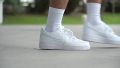
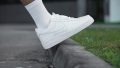
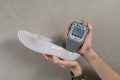
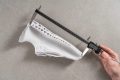
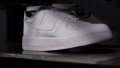
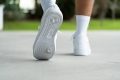
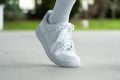
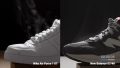
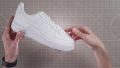
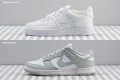
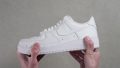
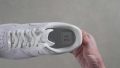
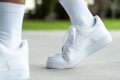
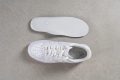
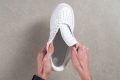
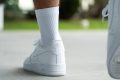
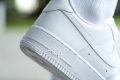
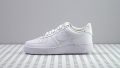
From the basketball scene to the streets and our closets, the Air Force 1 07’s iconic silhouette is everywhere. Its clean, classic look makes it versatile for any outfit or occasion, while its quality and sturdy construction promise stability and durability. Remaining an effortless fashion statement since the 80’s, it’s our top leather Nike sneaker in the lab.
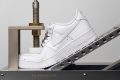
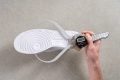
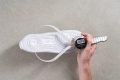
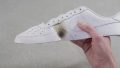
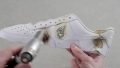
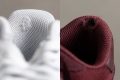
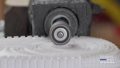
Combining style and purpose, the high-quality upper not only looks good but it’s very protective too. The major panels didn’t melt away in our torch test, confirming the leather’s authenticity. The toebox also proved itself durable in our Dremel test with the highest 5/5 score.
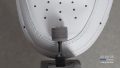
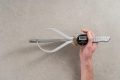
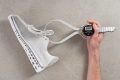
The whole shoe feels structured and the midsole shows unwavering rigidity, holding us firmly in place. In our manual assessments, both the heel and torsional rigidity maxed out stiffness with 5/5. It was relentless even in our bend test, emerging 40.7% stiffer than average.
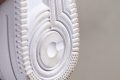
The shoe’s sturdy construction and moderate stack contribute to our solid footing. The platform has the Air Max unit, wrapped in a moderately soft 40.1 AC foam, that adds some cushioning. However, these plush elements are inside a solid construction making the overall ride firm, therefore enhancing stability.
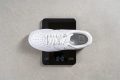
The downside of all these tough elements is that AF 1 tips the scales to a bulky 16.4 oz (465g), 16.0% heavier than average. Those who prefer lighter and comfier shoes should look further.
Pros
- Crisp and classic look
- Can be dressed up or down
- Great leather quality for the price
- Responsive Air cushioning
- Highly stable and supportive
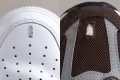
- Decent airflow for a leather shoe
- Reasonably priced
- Can last for years
- Good outsole traction
Cons
- Quite heavy
- Creases easily
- Not for all-day wear
- Arduous break-in period
Best basketball-inspired Nike sneakers









What makes it the best?
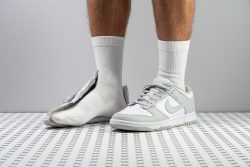
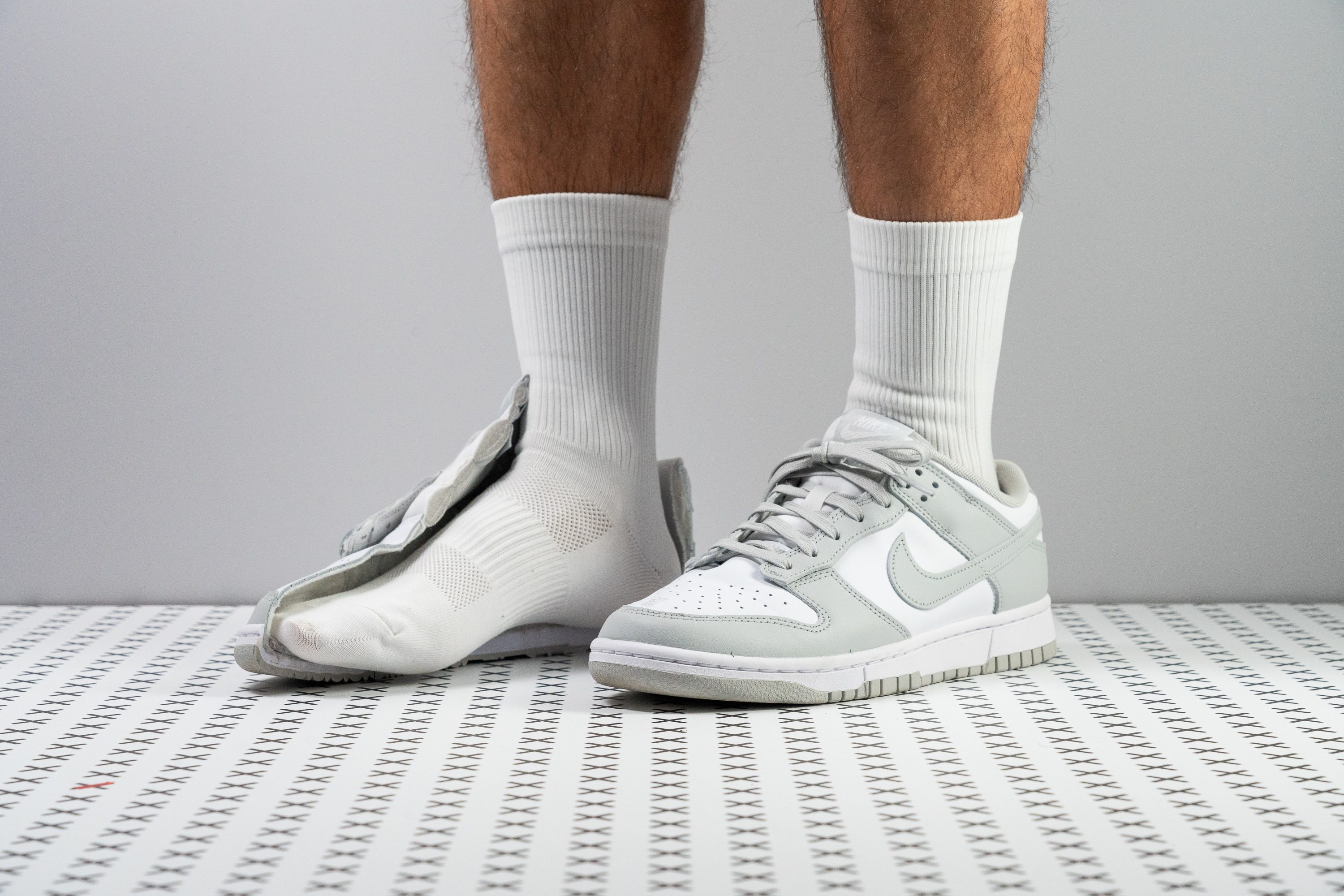
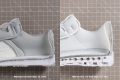
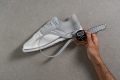
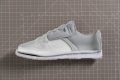
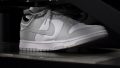
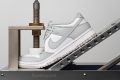
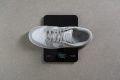
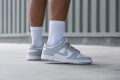
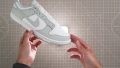
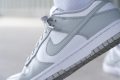
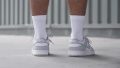
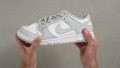
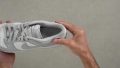
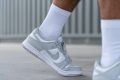
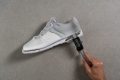
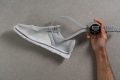
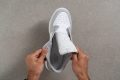
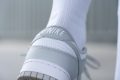
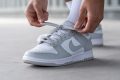
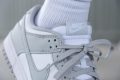
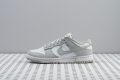
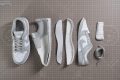
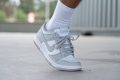
With its classic retro look and all-leather (or suede) build, the Nike Dunk Low evolved from being a basketball shoe to a fashion statement. As its name suggests, it sports a low platform with a grippy outsole that delivers stability in our tests. Among the Nike sneakers we’ve lab-tested, Dunk Low is our top basketball-inspired pick.
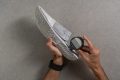
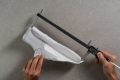
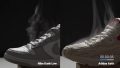
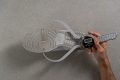
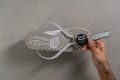
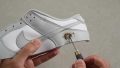
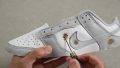
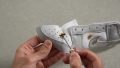
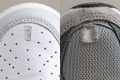
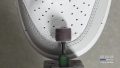
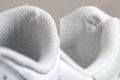
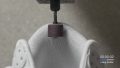
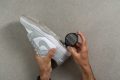
With many colorways, the Dunk easily became a closet staple for many decades. Other than its aesthetic appeal, its high-quality construction proved to be genuine in our lab. Using our butane torch and leather scratch awl, we checked the upper panels, the top overlays, and the Swoosh logo, which all proved to be genuine as they remained intact. Plus, they serve as an effective shield, rating a high 4/5 durability score in our Dremel test.
Underfoot, we had a really good sense of the ground below for quicker adaptation. Other than its modest stack, the kick also features a firm midsole foam. When combined, these elements deliver a firm and surefooted ride.
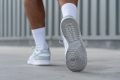
Further improving our control is the grippy base, a feature the Dunk inherits from its roots. Even as we walked through slippery surfaces, this sneaker kept us safe.
However, because of its firm platform, we don’t recommend being on foot for hours with this pair. Extended periods of standing and walking require more cushioning for better comfort.
Pros
- Retro basketball aesthetics
- Real leather (suede) upper
- Excellent durability for the price
- Low and grounded platform (loved by skaters)
- Very stable and supportive
- Surprisingly flexible in the forefoot
- True to size and fit
- Extra eyelets
Cons
- Needs breaking in
- Firm and rigid sole
- Not for all-day wear
Nike sneakers with the best shock absorption




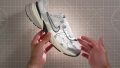

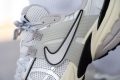
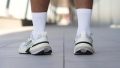
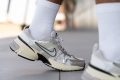


What makes it the best?
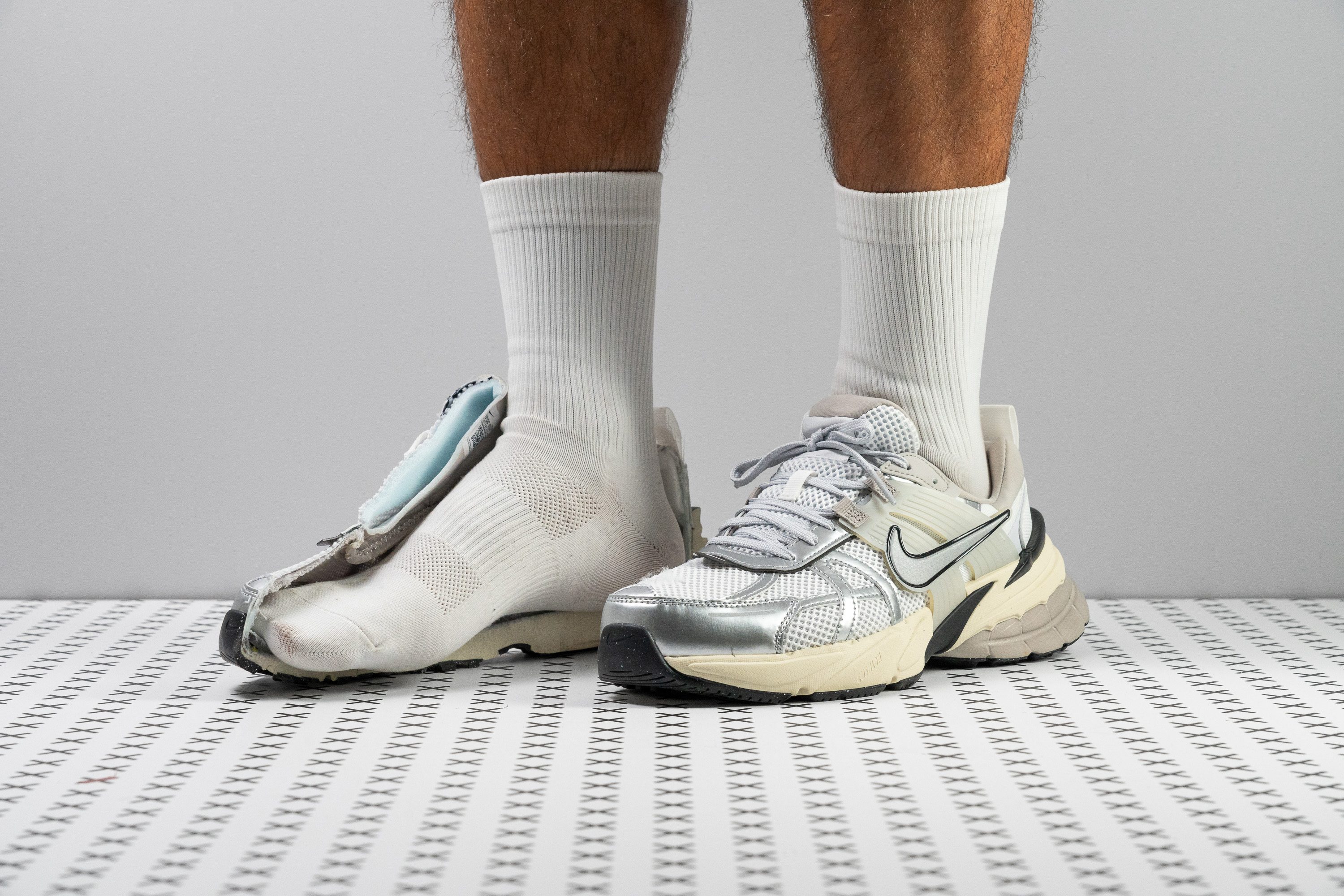
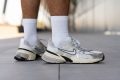
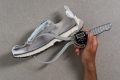
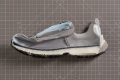
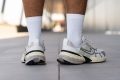
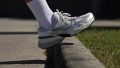
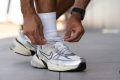
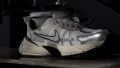
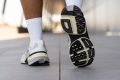
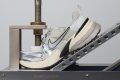
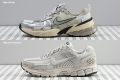
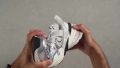
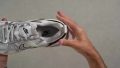
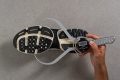
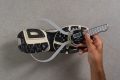
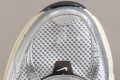
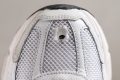
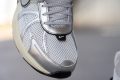
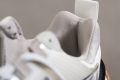
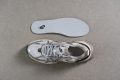
The Nike V2K Run offers well-cushioned strides that erase any trace of the ground during our walks around town, making it our best shock-absorbing Nike sneaker. Our lab analysis validates the comfortable yet stable support we experienced through the subtle stiff elements in its light and flexible build.
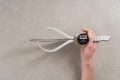
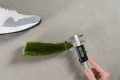
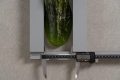
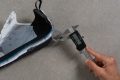
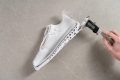
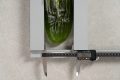
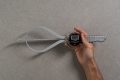
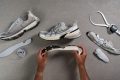
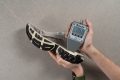
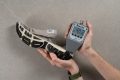
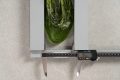
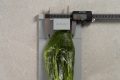
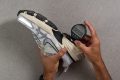
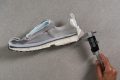
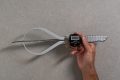
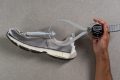
We felt pretty tall in these shoes, and our precise caliper measurements reveal an above-average stack height of 33.9/21.2 mm. We measured the heel portion’s shock absorption and got a 123 SA reading, a whopping 41.4% above average! This result proves our feet will be well taken care of during long hours of walking and standing.
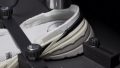
The heel is wrapped with a firmer foam to keep us surefooted. In addition, it measures notably wide at 95.8 mm compared to the 83.6 mm average. The midsole also features a stiff TPU cage in the midfoot to prevent excessive movements.
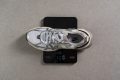
Despite its effective stabilizers, V2K Run feels natural on foot. It weighs only 11.1 oz (315g), 19.4% below average, and emerged 27.5% more flexible than average in our bend test. These features make it feel effortless to move around in the shoe.
Note that this is primarily offered as a women’s sneaker, so men’s sizes and colorways are limited.
Pros
- Fantastic cushioning for all-day wear
- Highly responsive and lively ride
- Surprisingly stable and supportive
- Comfortable in-shoe feel
- Excellent breathability for summer
- Secure lockdown and heel hold
- Notably lighter than average
- Reliable outsole grip
Cons
- Limited men's sizes and colors
- Pronounced toebox tapering
Best budget Nike sneakers








What makes it the best?
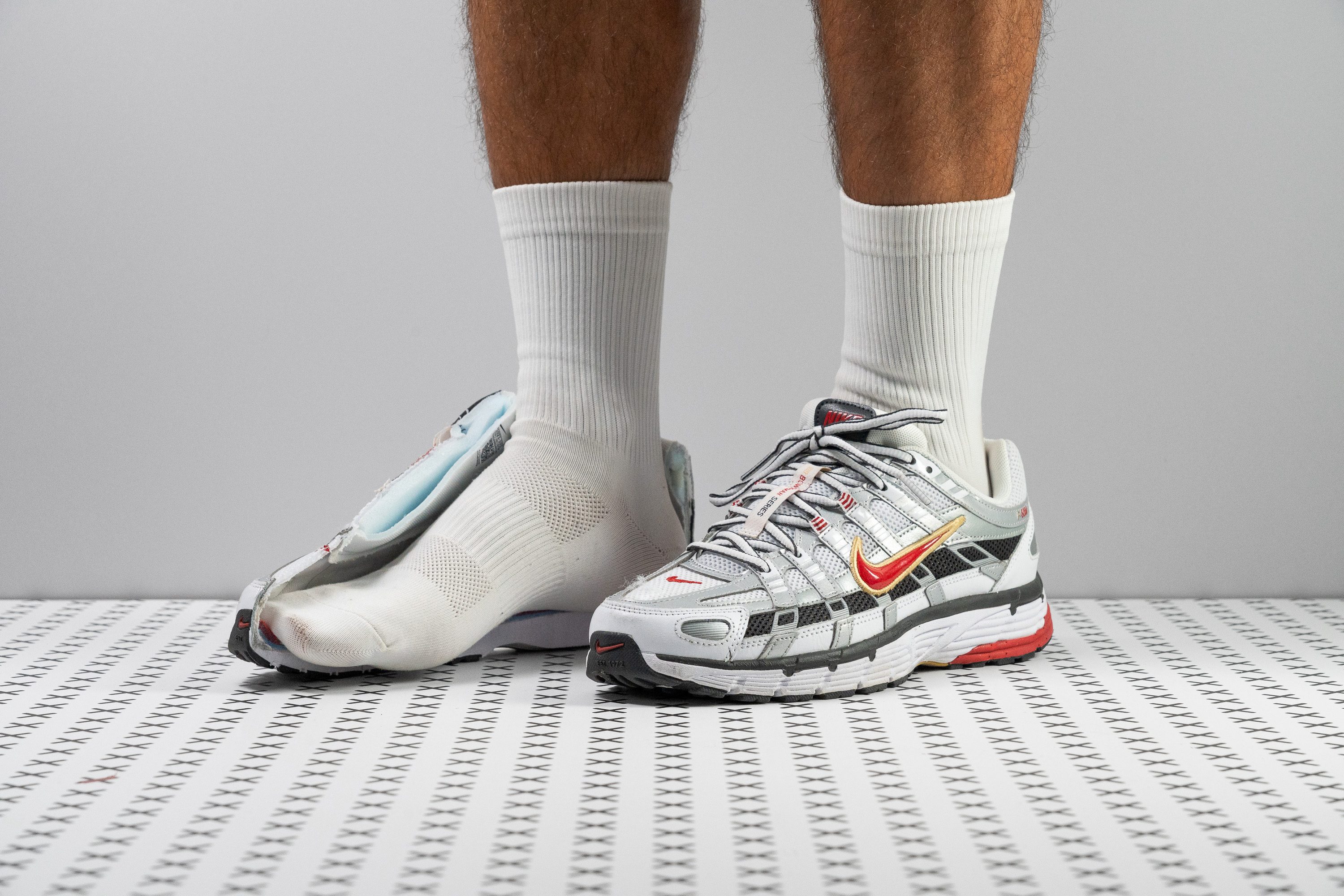
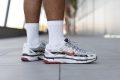
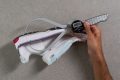
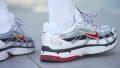
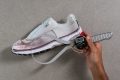
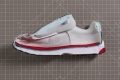
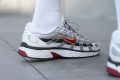
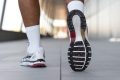
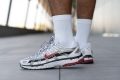
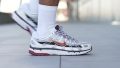
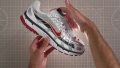
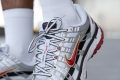
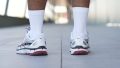
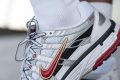
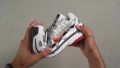
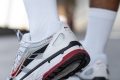
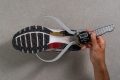
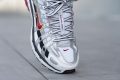
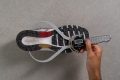
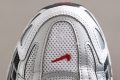
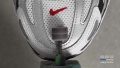
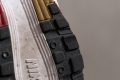
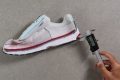
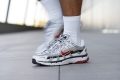
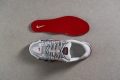
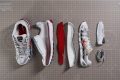
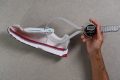
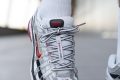
From looks to comfort to durability and even price, the P-6000 just hits the spot. Its plush nature and quality construction are out of this world and we’re truly impressed in and out of the lab. It’s hard to believe it only retails $100 vs. the $236 average Nike sneaker we’ve tested. Both foot-friendly and wallet-friendly, it’s undoubtedly our best-budget Nike sneaker.
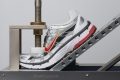
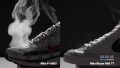
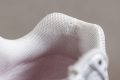
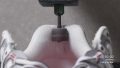
P-6000 has the trendiest Y2K vibes and steals the scene, making every street our runway. It looks good in any colorway and stole our hearts with its immense breathability. Our feet stayed fresh thanks to the shoe’s excellent airflow, earning a perfect 5/5 in our smoke test. It also aced our abrasion test, a rare achievement in our lab.
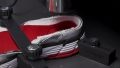
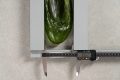
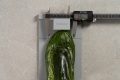
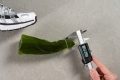
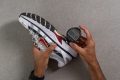
Walking in the P-6000 is a cloudlike experience—from its light 10.3 oz (292g) build, to its plush 20.4 HA cushion, and its generous 16.9 mm tongue. For reference, the average sneaker is 26.4% heavier, 30.4% firmer, and the tongue is 79.6% thinner, emphasizing the P-6000’s commitment to comfort. Further adding to its lightweight ride is its flexible build, emerging 41.4% more adaptive than average in our bend test.
However, the midsole has no additional technologies for a peppy ride. Honestly, we’re not complaining since the shoe already offers so much for its price.
Pros
- Incredibly comfortable for all day wear
- Amazingly lightweight yet padded
- Soft and flexible yet slightly bouncy ride
- Trendiest Y2K vibes
- Great for summer
- Compliment magnet in any colorway
- Affordable
Cons
- Not the best for winter
- No midsole technologies
As of 2025, Nike was valued at 29.4 billion U.S. dollars. A giant in the sneaker industry, Nike has been doing well, and a part of that success is surely attributed to their sneaker lines, many of which have been on the market for years, with new releases keeping the classic style and appeal, and changing only minor things.
Here, we won’t analyze each sneaker model or line separately, but we will look at all of them by analyzing the features: durability, breathability, toebox width, shock absorption, and so on.
A I R : the most recognizable Nike sneaker feature
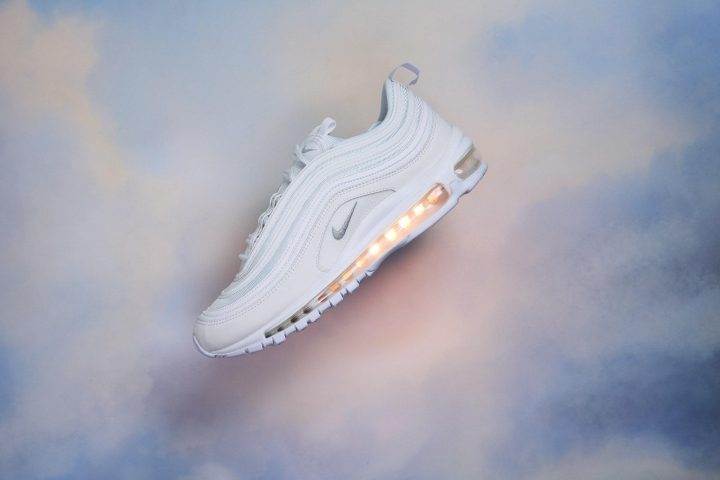
Nike Air technology is seen as pressurized air bags placed in the soles.
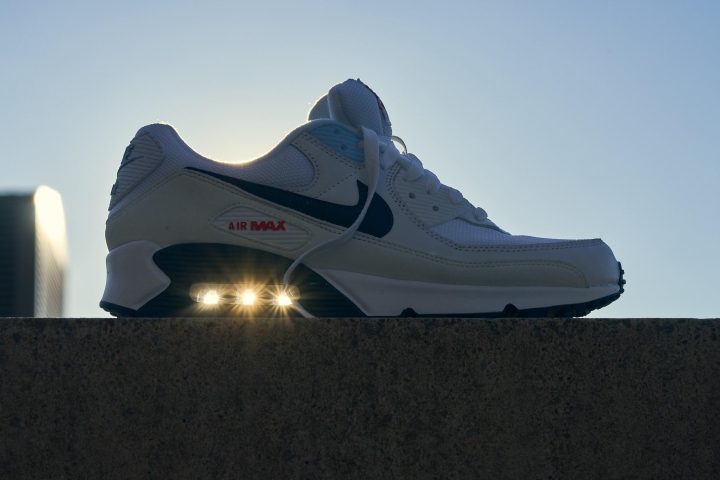
They are lightweight and a recognizable part of the Nike cushioning system.
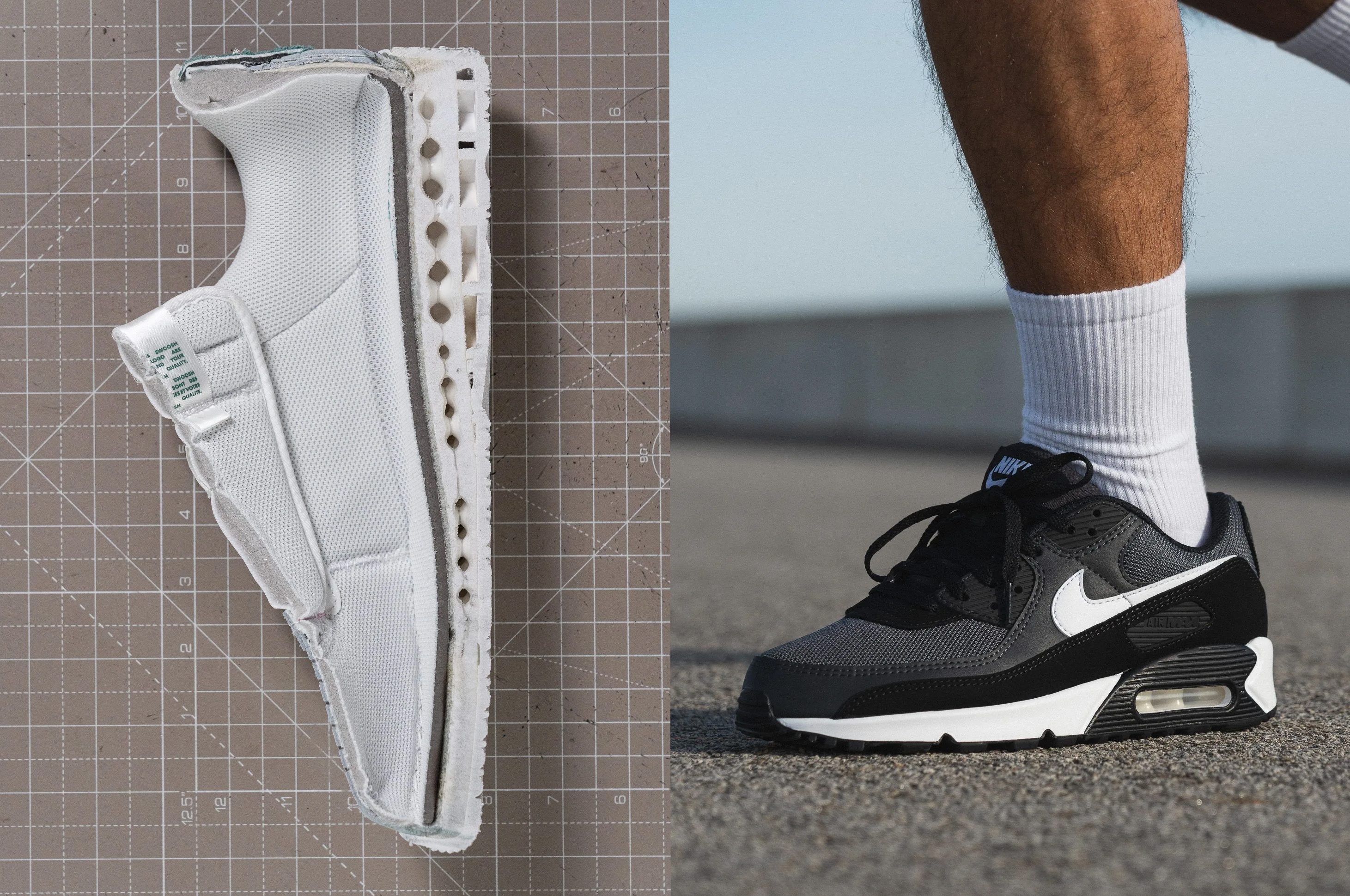
Air Max pockets are often visible and they are larger than Nike Air. Based on our lab data, on average, sneakers with larger air pockets offer higher shock absorption.
Zoom Air is usually found in performance shoes, and these pockets are reinforced with tight fibers, which improve the overall explosiveness.
Shock absorption and energy return of Nike sneakers
These terms might sound too technical if you’re looking for Nike sneakers to put on the shelf for your social media posts, or if you care more about styling than functionality. However, if you often spend the whole day in the same pair of sneakers and, especially if you’re active throughout the day, shock absorption and energy return are very important.
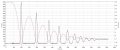
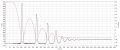
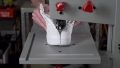
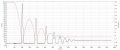
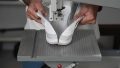
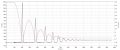
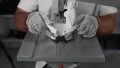
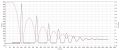
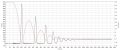
In the video above, you can see how we test shock absorption and energy return of Nike sneakers (ASTM F1976-13 methodology).
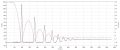
Shock absorption is THE feature to look for if you prioritize comfort. This is because it explains how good the midsole is at dampening the impact; every time your leg hits the ground, the midsole has to deal with the impact forces, or your legs will do it. Compare walking in high-stacked cushioned sneakers and barefoot. You can’t stomp and heel strike while barefoot; that’s why the midsole comes between your legs and the ground.
The higher the shock absorption, the better, because it means the sneakers will be comfortable for prolong periods of time, not just straight out of the box. The same applies to energy return, the higher the better, if you’re quite active when wearing the sneakers.
Energy return tells us how much energy is returned and not dissipated as heat or spent on deformation. The highest energy return is found in race running shoes because runners need the most explosive rides on the competition day. We don’t recommend sneakers with very low energy return or shock absorption.
Comfort in Nike sneakers
While on the topic of comfort, next to shock absorption, we have to talk about 3 more things: midsole softness, insole thickness, and tongue thickness. All of these can be deal breakers for many, depending on the values.
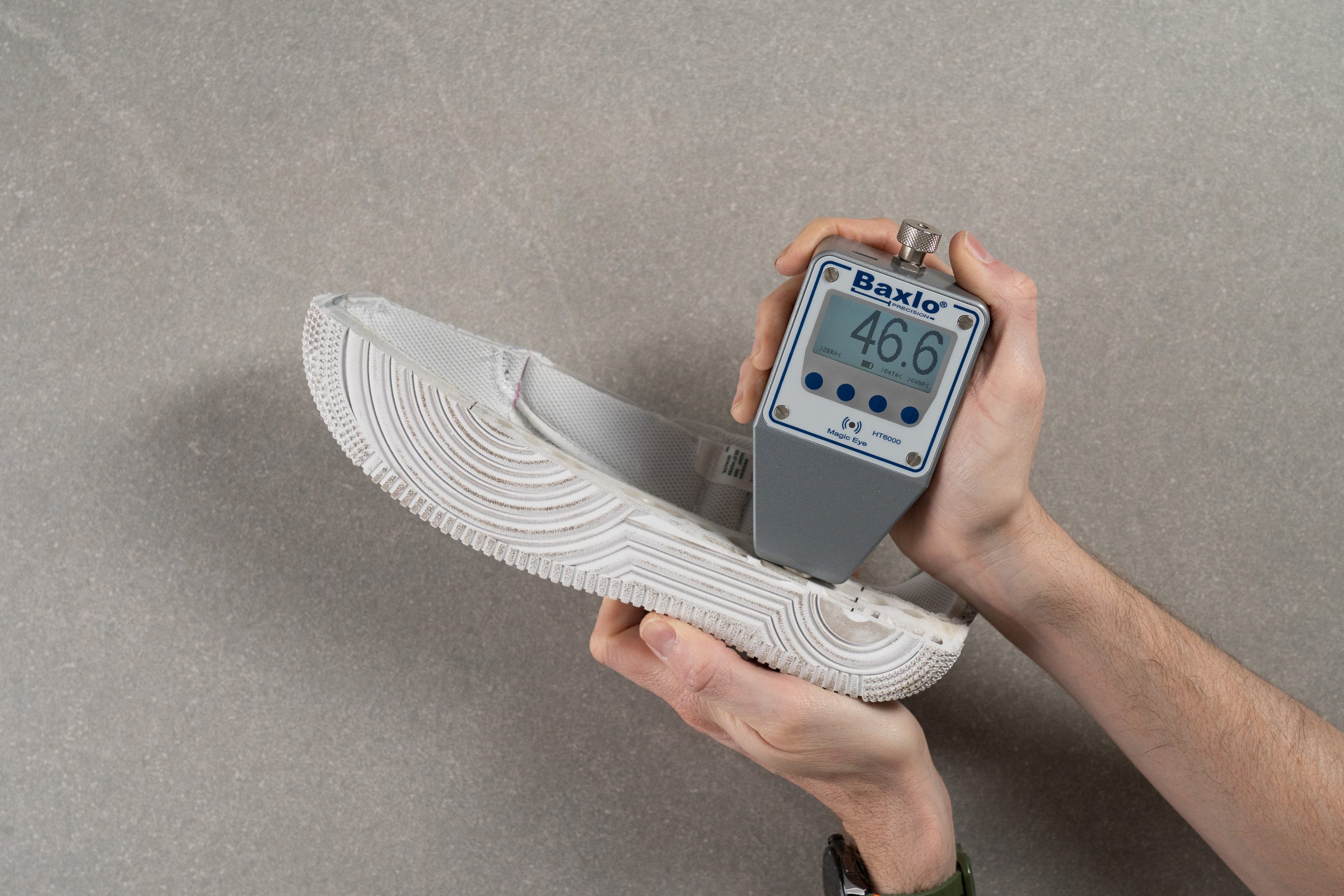
While we always recommend looking at shock absorption for comfort levels, midsole softness is still important for many, as they may want to stray away from overly plush foams or very firm platforms.
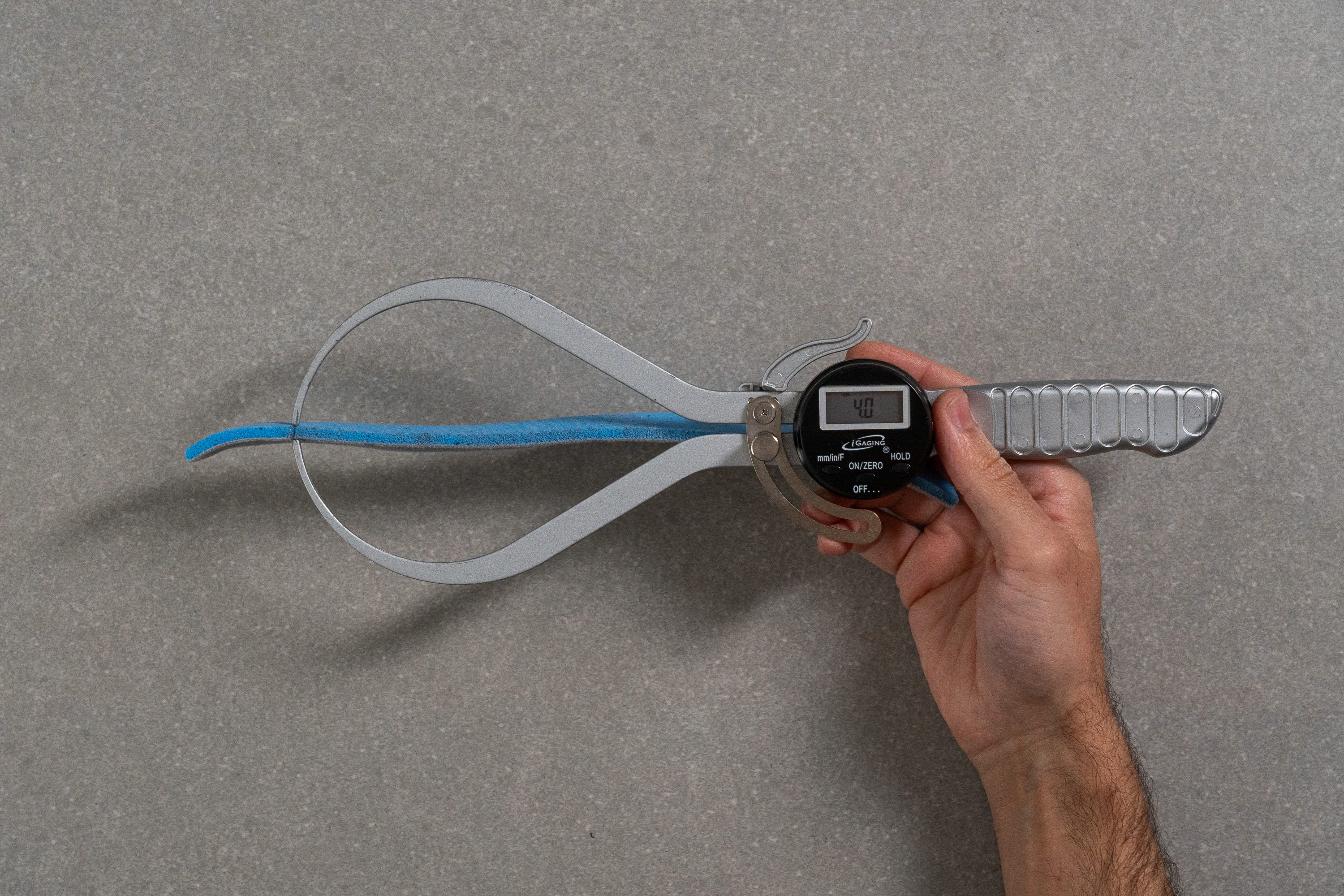
Midsole softness is measured in the midsole. What also affects the overall comfort and softness is the insole.
And finally, the thickness of the tongue may make your instep sweat more but it can also prevent a lace bite, which is why it is also here, under Comfort.
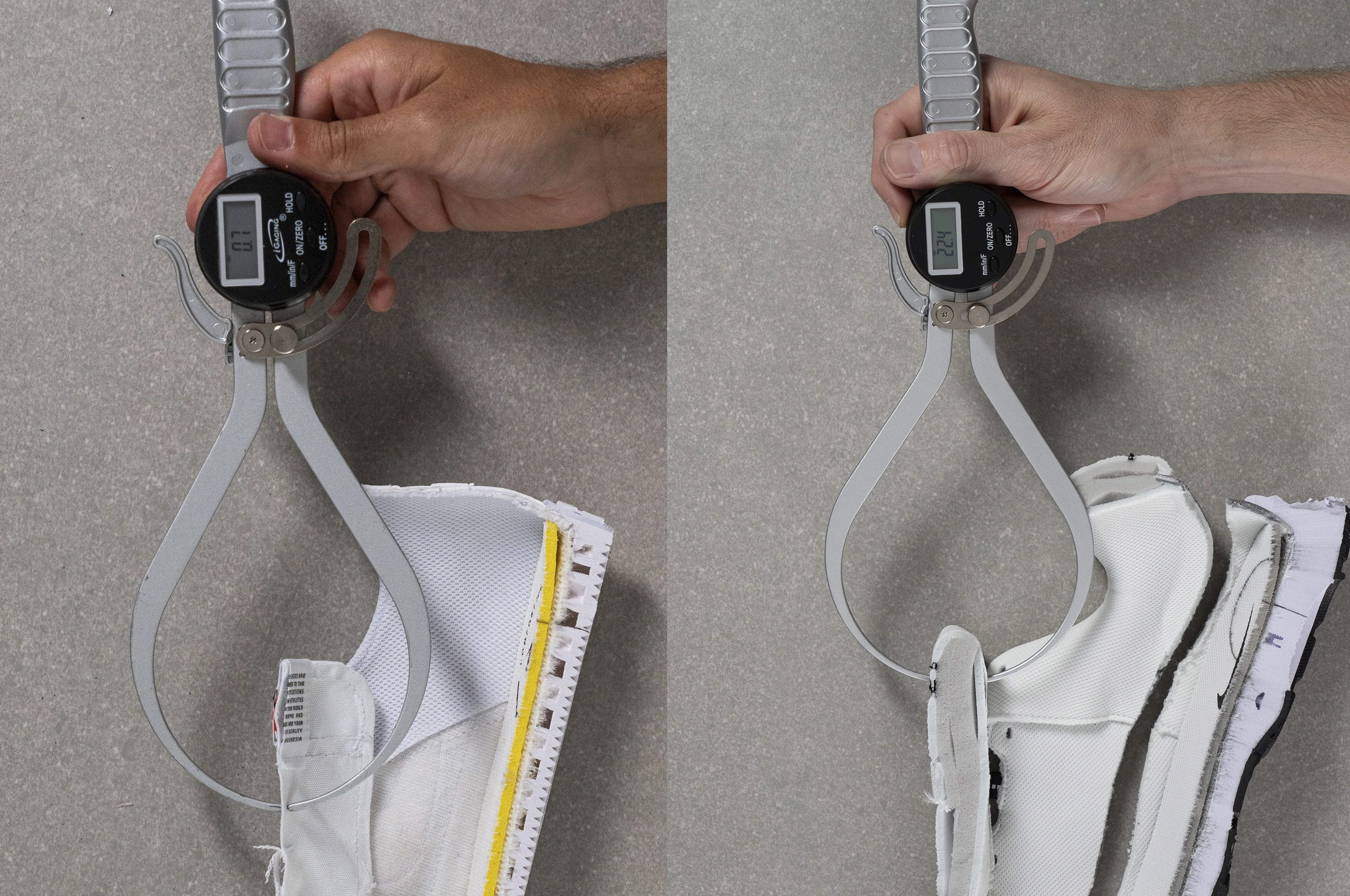
When it comes to travel and comfort, many opet for Nike Motiva. Although technically a walking shoe and not a sneaker, it might be worth checking out! It’s worth noting that it has above-average shock absorption and energy return!
Do Nike sneakers run small?
Depends on the model. We list the section Size in every review we publish if there are enough votes. These votes are added by people like you who wore the sneaker and shared their impressions. However, if you’re not sure which size to get, unless stated otherwise in our reviews, we recommend using Nike size chart.
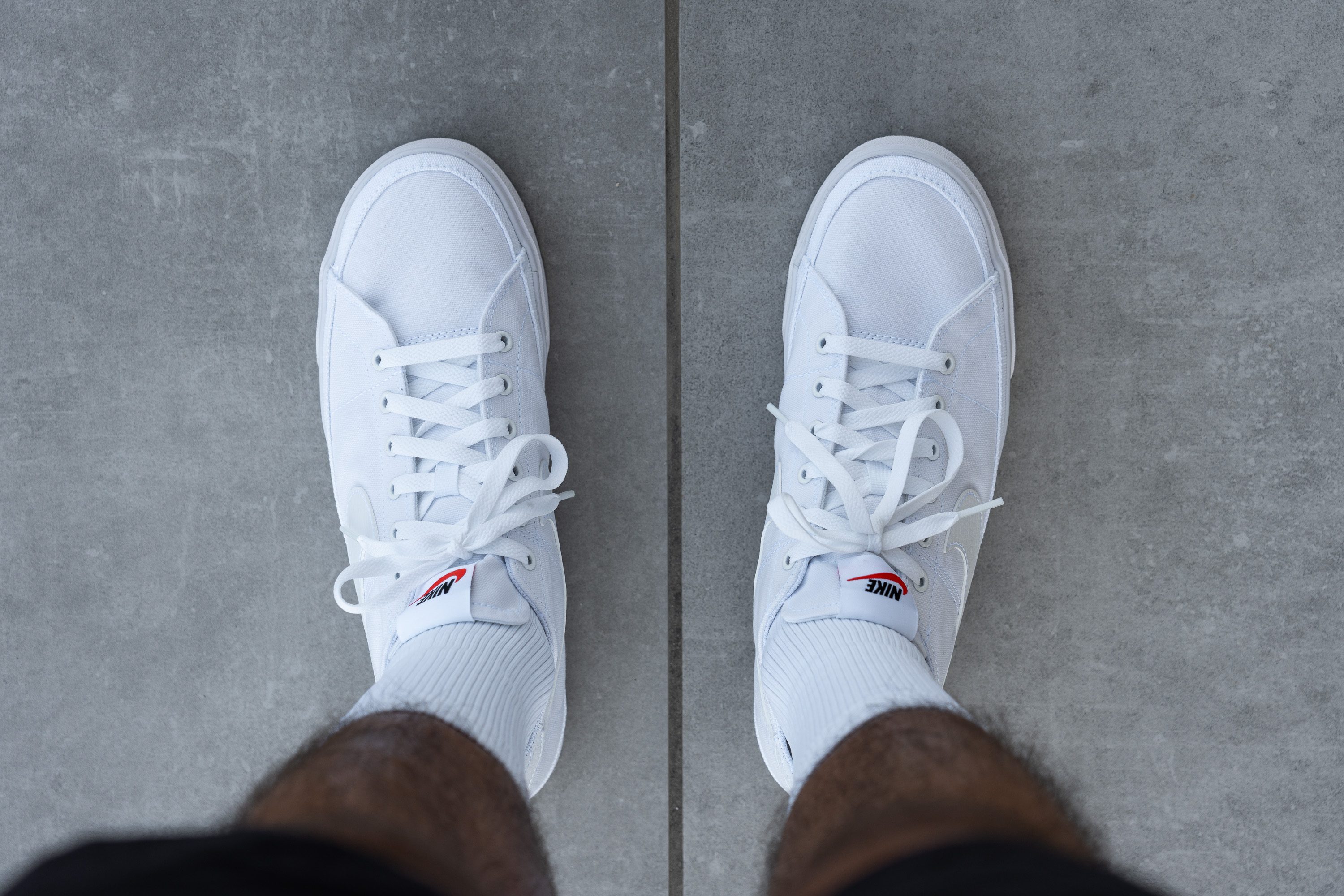
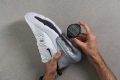
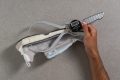
If you have specific needs, like a wider or a higher toebox, look at our fit lab test results. We basically make a gel mold of the Nike sneaker’s interiors which allows us to accurately measure the width of the sneaker, the width of the toebox, and the height of the toebox.
These 3 measurements are great when you know where you need some extra space. You can, for example, easily look for less pointy toeboxes (look for smaller differences between the width and the toebox width).
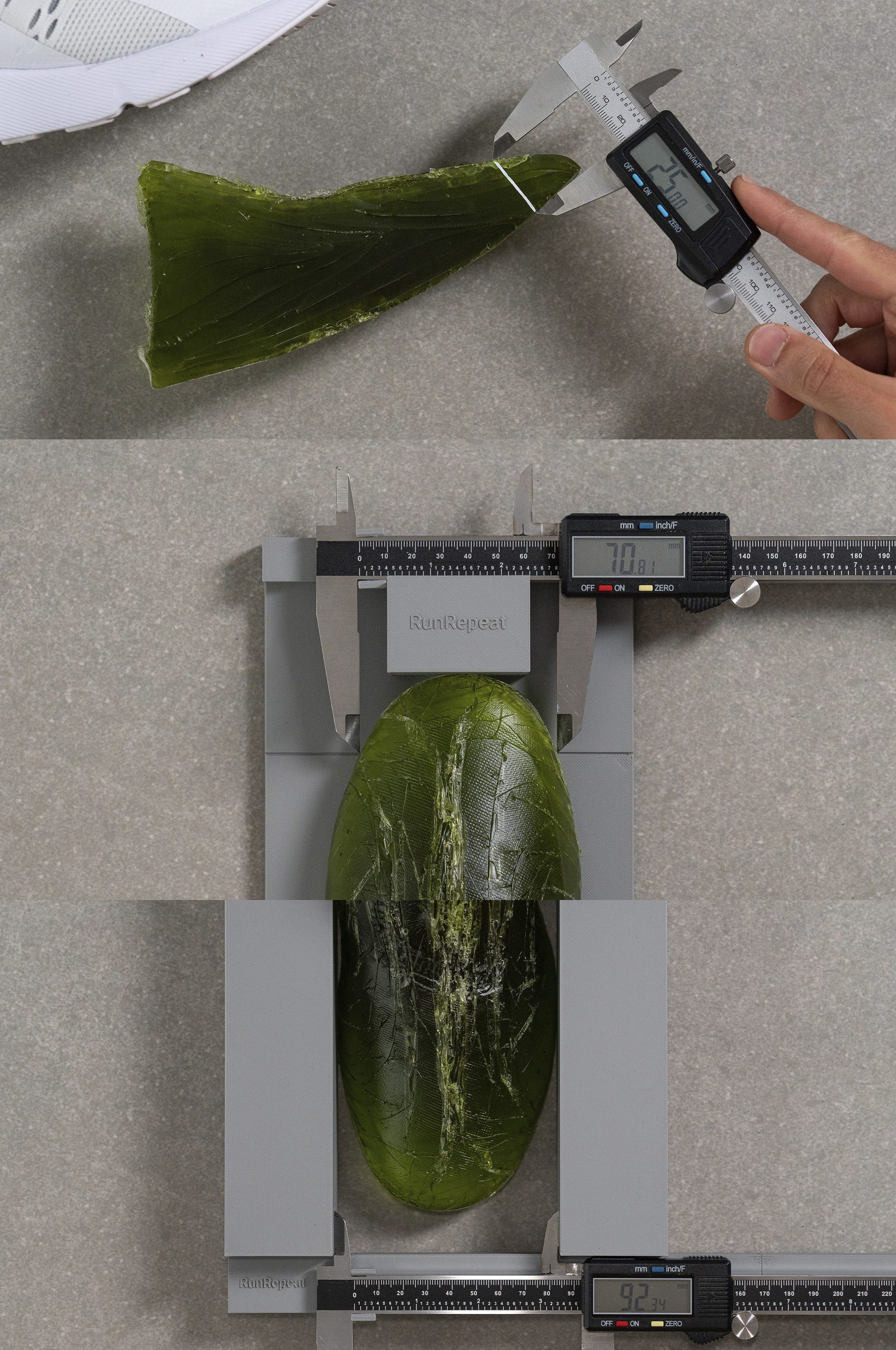
Keep in mind that all of these measurements are done on sneakers bought in US 9, regular width.
Nike sneakers with the best traction
Traction is never a trending topic for those who live in warm climates and wear sneakers in dry weather. However, if you do plan to wear sneakers in rain, snow, and especially on wet, slick surfaces like tiles or on cobblestone, we recommend paying attention to the traction lab tests and results.
In our lab, we test the traction by pressing the sneaker using a force of 500N and at a 7-degree angle against the wet concrete slab. The test is done in so-called critical conditions, meaning the concrete is wet, because that’s what we actually care about: how the Nike sneakers grip in wet conditions.
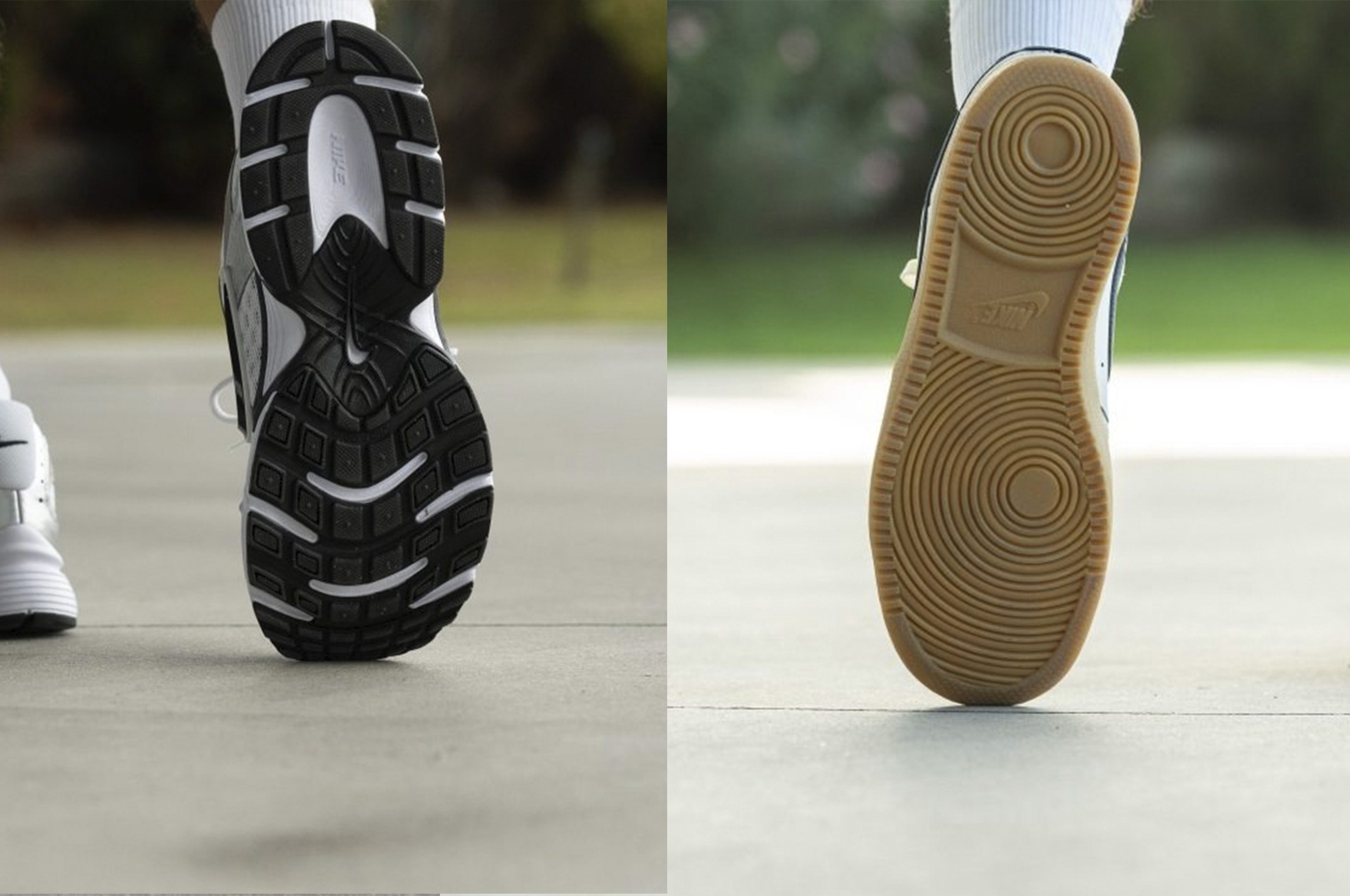
The result of this test is a dynamic coefficient of friction; the higher it is, the better. Overall, anything higher than 0.45 is considered great traction, which means the sneakers won’t slip on wet surfaces. 0.25-0.45 is moderate traction, superb in dry conditions, may slip in wet conditions. Lower than 0.25 is low traction, which means you should not wear those sneakers when it starts raining.
Breathability of Nike sneakers: summer and winter picks
Sweaty feet are something to avoid, just like frozen toes. We’re here to make the distinction between the sneakers that are great for summer or great for winter.
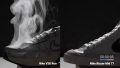
We perform a breathability test by pumping smoke into the toebox. Looking at what happens allows us to assign a 1-5 breathability rating to each sneaker. A 1/5 rating is perfect for winter and 5/5 for summer. Anything in between can be easily tweaked with socks of different thicknesses or materials.
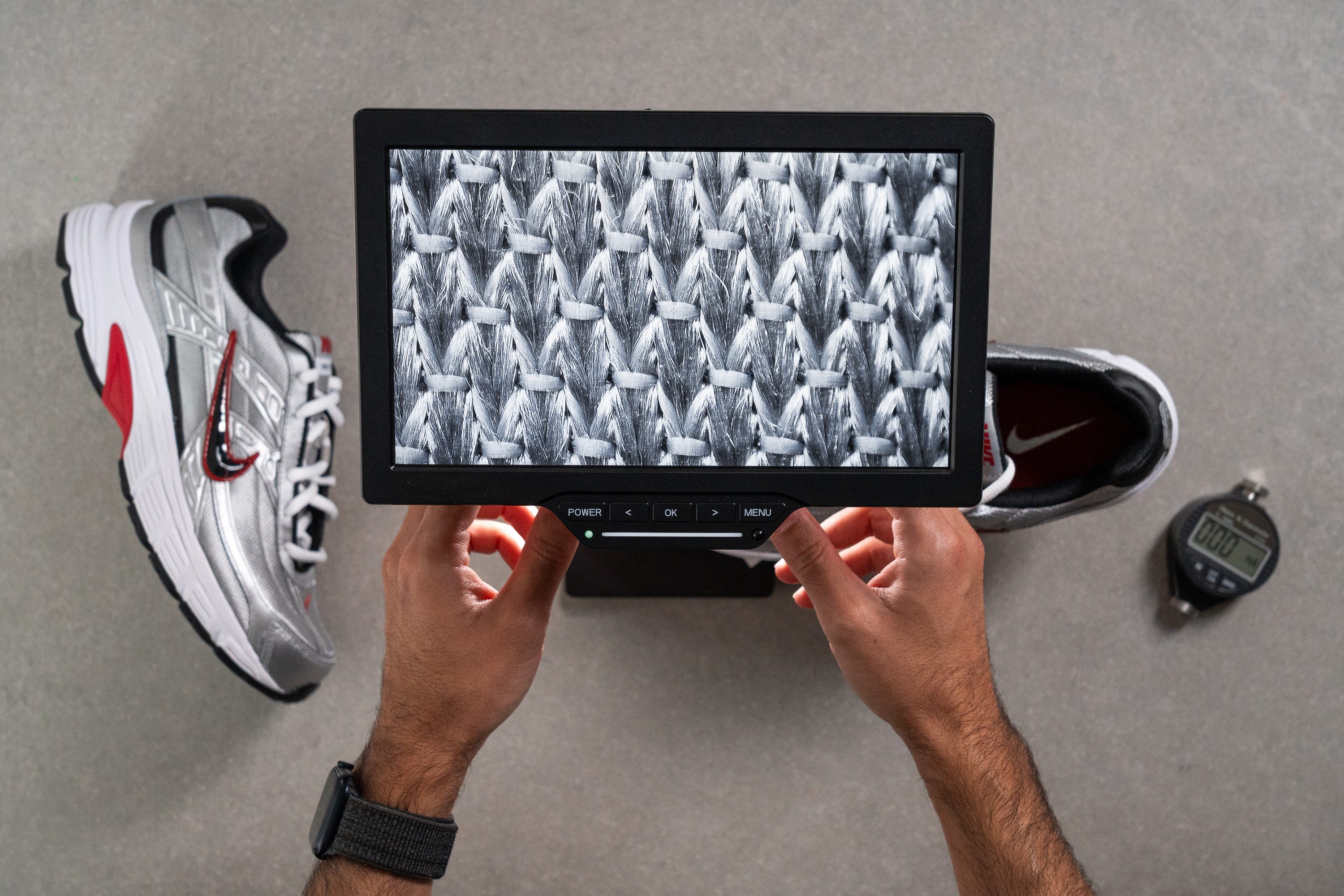
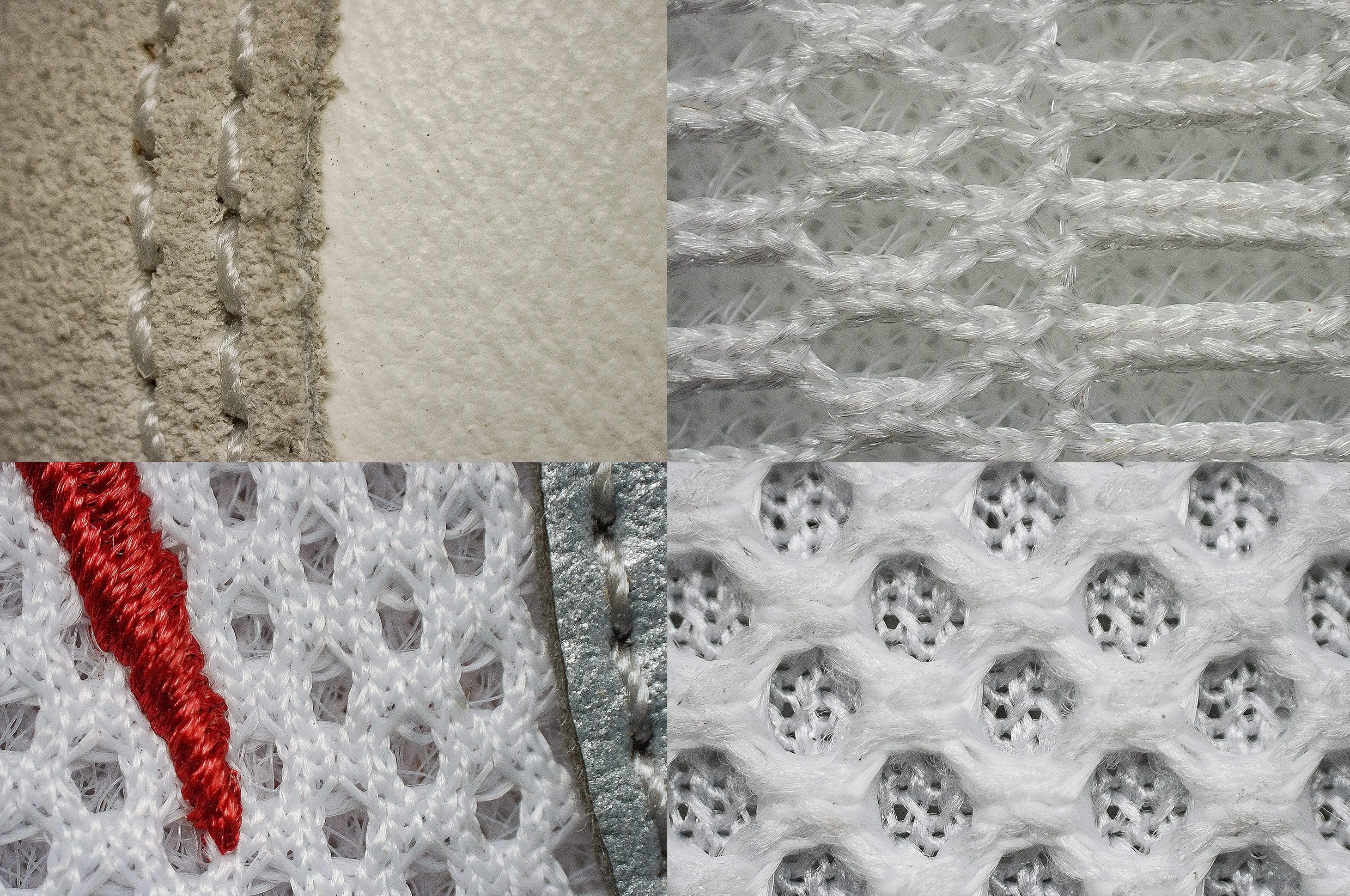
To better understand different breathability ratings, we also look at the upper under the microscope. Usually, we notice whether the ventilation holes are real or fake, double layers, or an interesting, colorful combination of polyester threads.
Leather: is it real or fake?
Investing in Nike sneakers sometimes costs a lot and most of us want to know what exactly we are paying for. When it comes to upper materials, we are curious about leather and suede: are they real or fake?
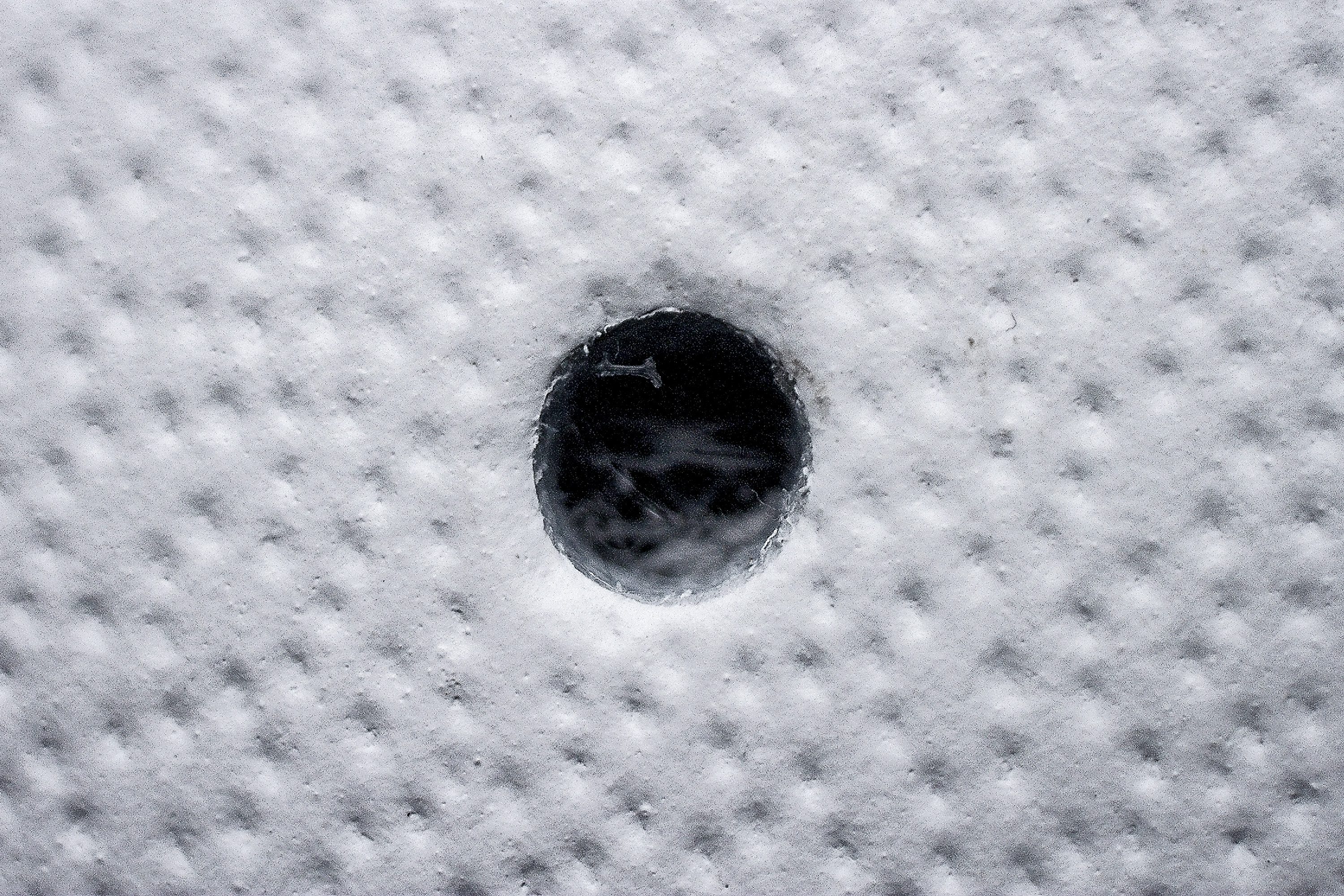
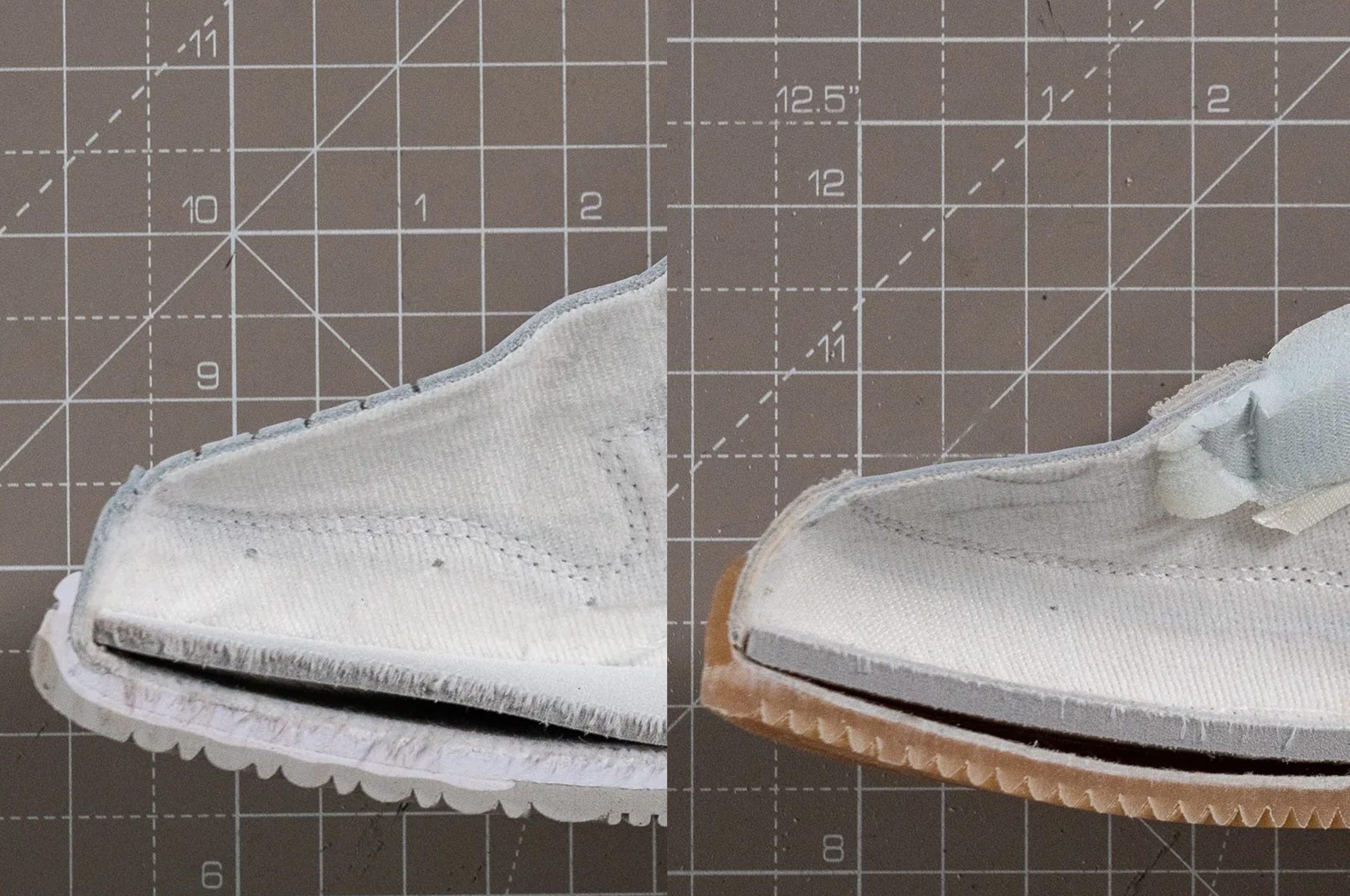
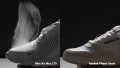
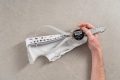
This is how real leather burns (in Nike Air Force 1 07). It becomes dry, we can scratch it, and it smells like burnt hair
Fake leather, on the other hand, used for this swoosh sign, bursts into flames abruptly and then becomes like a glue
Note: Some Nike models feature a combination of real and fake materials. We note what the majority of the sneaker is made of.
Durability of Nike sneakers
While on the topic of materials, you may be thinking: “it doesn’t matter whether the leather is real or fake, but how durable it is.” Fortunately, this is exactly what we test!
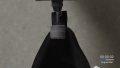
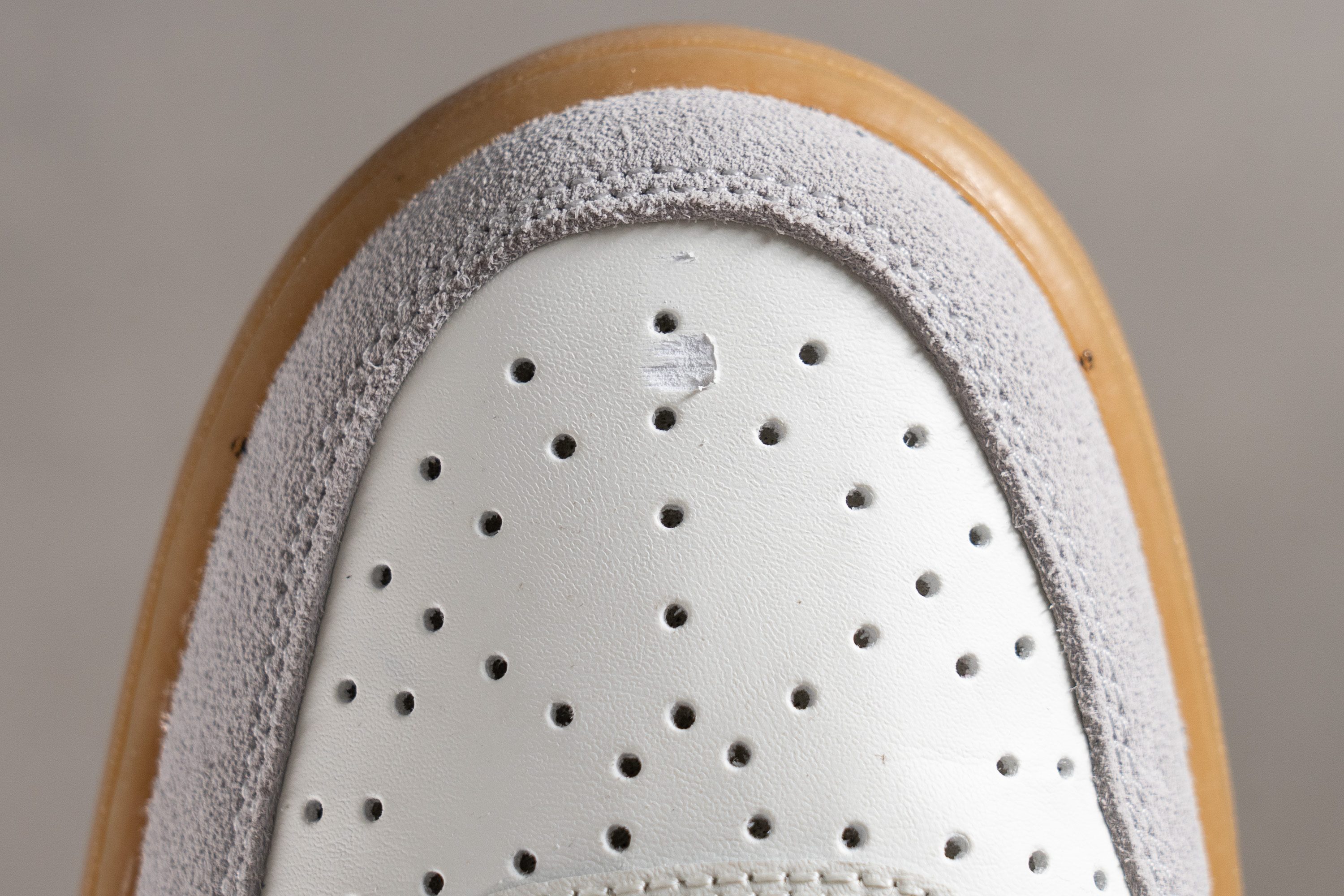
We use a Dremel to intentionally damage the toebox. The worse the damage, the less durable the toebox! We use a 1-5 rating scale and assign 5/5 only to very durable toeboxes (and 1/5 to very non-durable ones).
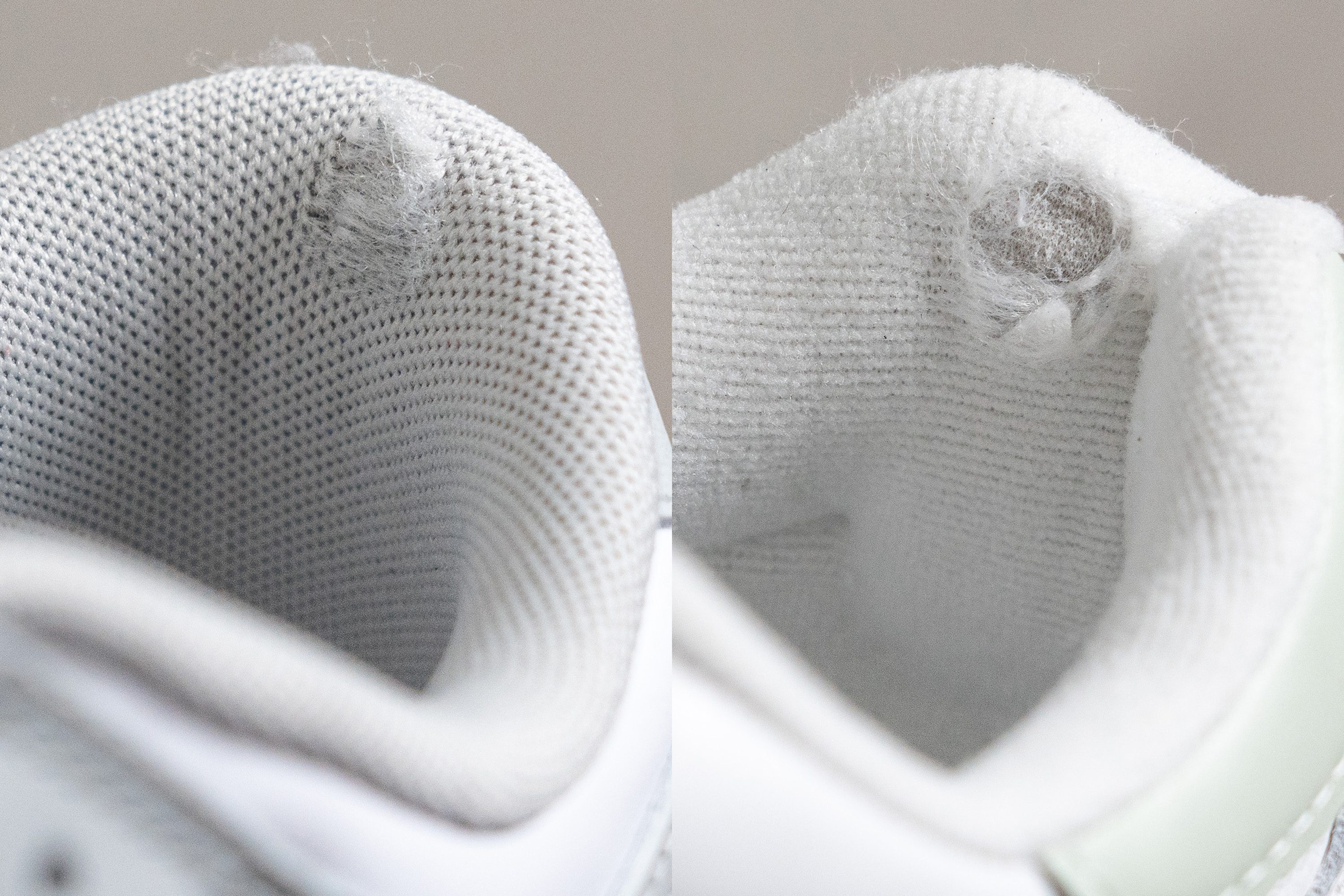
Another durability test we perform is at the heel because it’s the part of the sneaker that often shows signs of premature wear and tear from people collapsing and squishing the heel when putting the shoe on (not using a shoe horn), heel slipping, or different heel shapes.
Again, we assign a 1-5 durability rating, so you can find models that have the most durable heel areas easily.
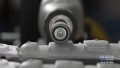
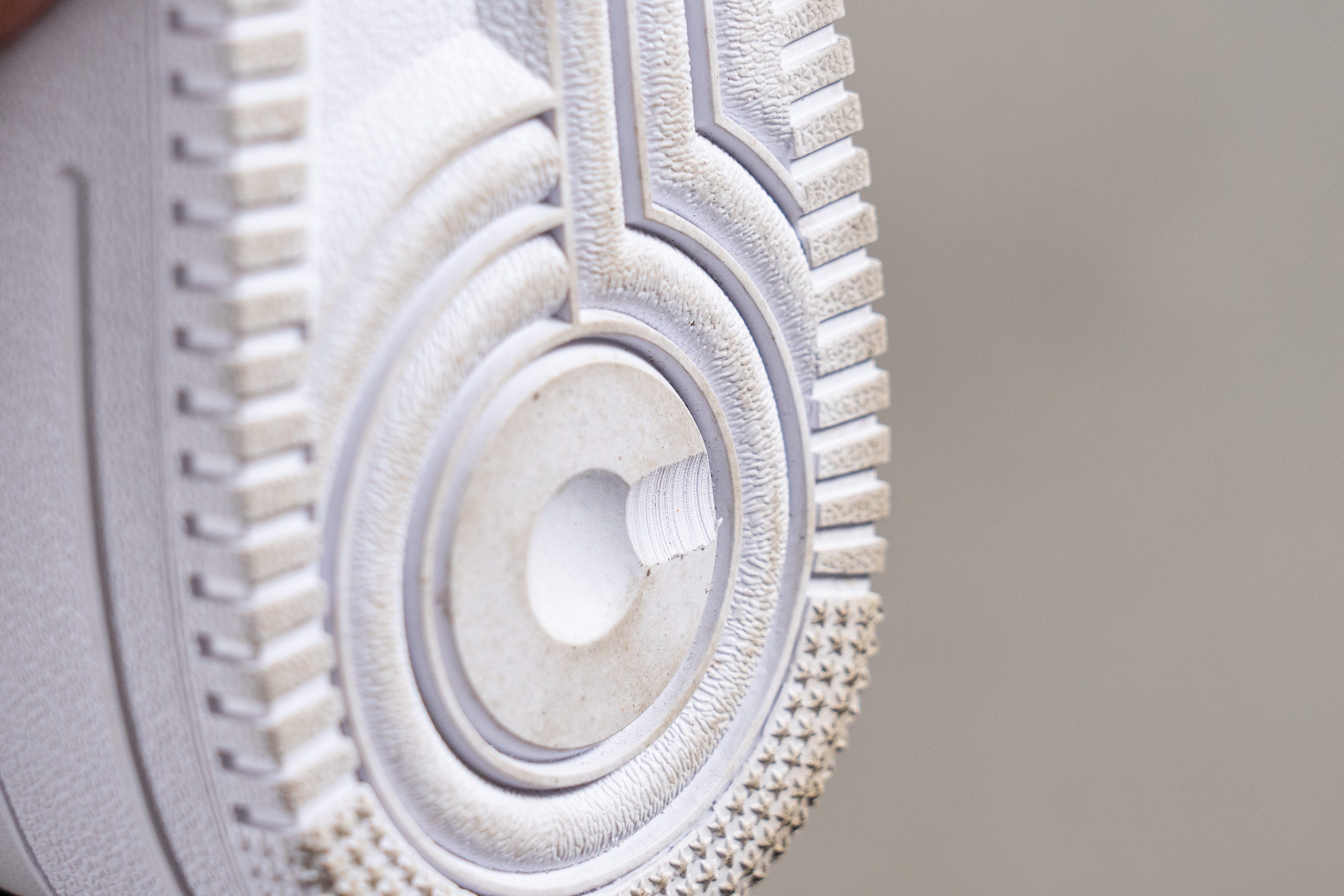
Last but not least, we test the durability of the outsole. We also use a dremel, but when it comes to assessing the damage, we don’t do it, because we have a tool (tire tread gauge) that measures the depth of the dent precisely.
The damage can vary wildly!
| We also loved this story about 61,280 floating Nike shoes and how their durability impressed scientists. To be fair, those shoes were not met with a Dremel but with salt water, seaweed, and barnacles! What started as an accidental spill of 61k shoes ended up as a part of ocean studies, and it had a long-lasting effect on oceanographic education. |
Height-boosting or ground feel? Stack height lab data
Stack height tells us how cushioned sneakers are, and, looking at extremes, it can go 2 ways: offering significant height, which some may use as height-boosting features, or offering very little, which would classify the sneakers as minimalist.
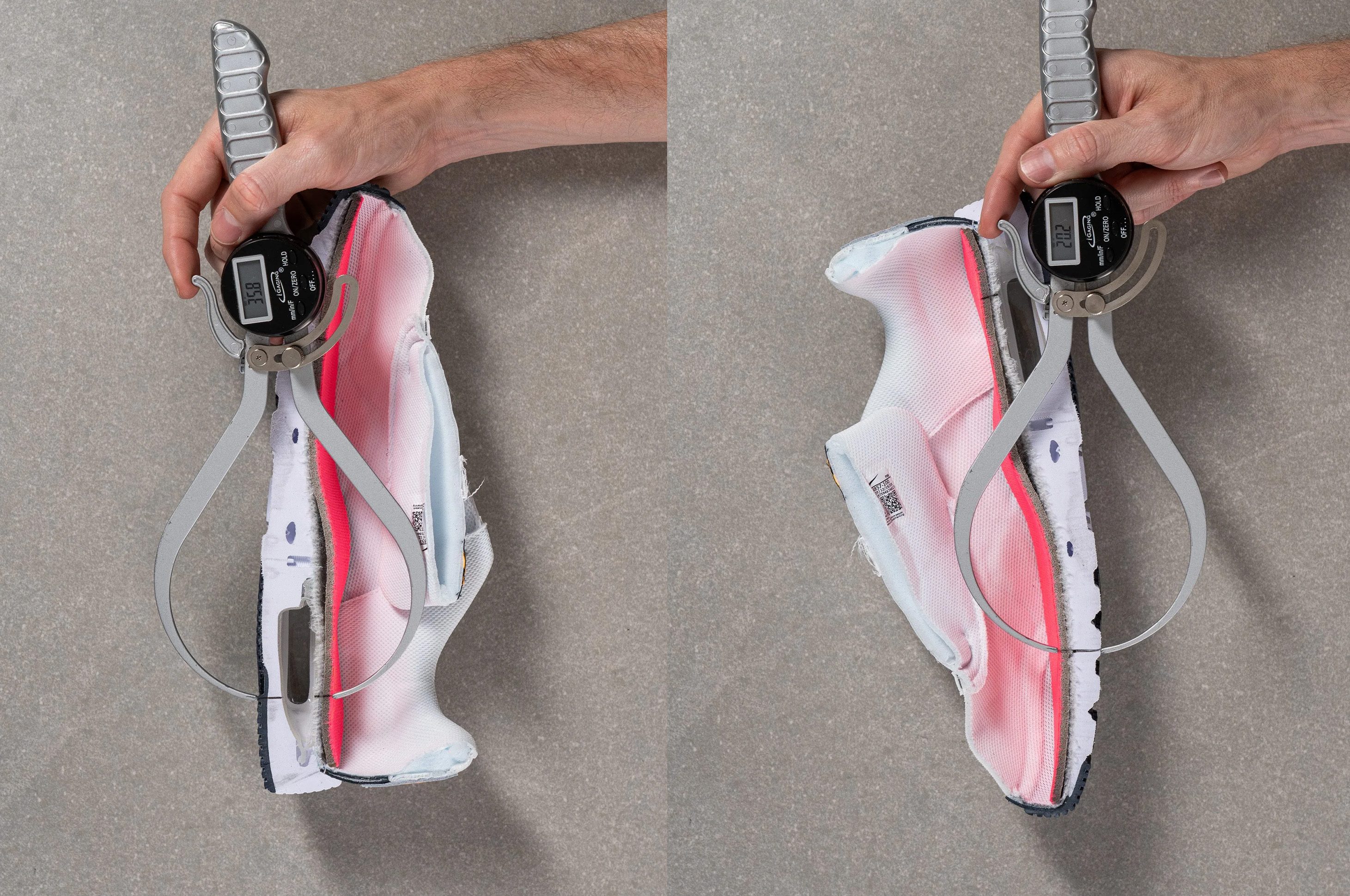
Nike isn’t really into the barefoot movement but there are a few low-to-the-ground models you can look at.
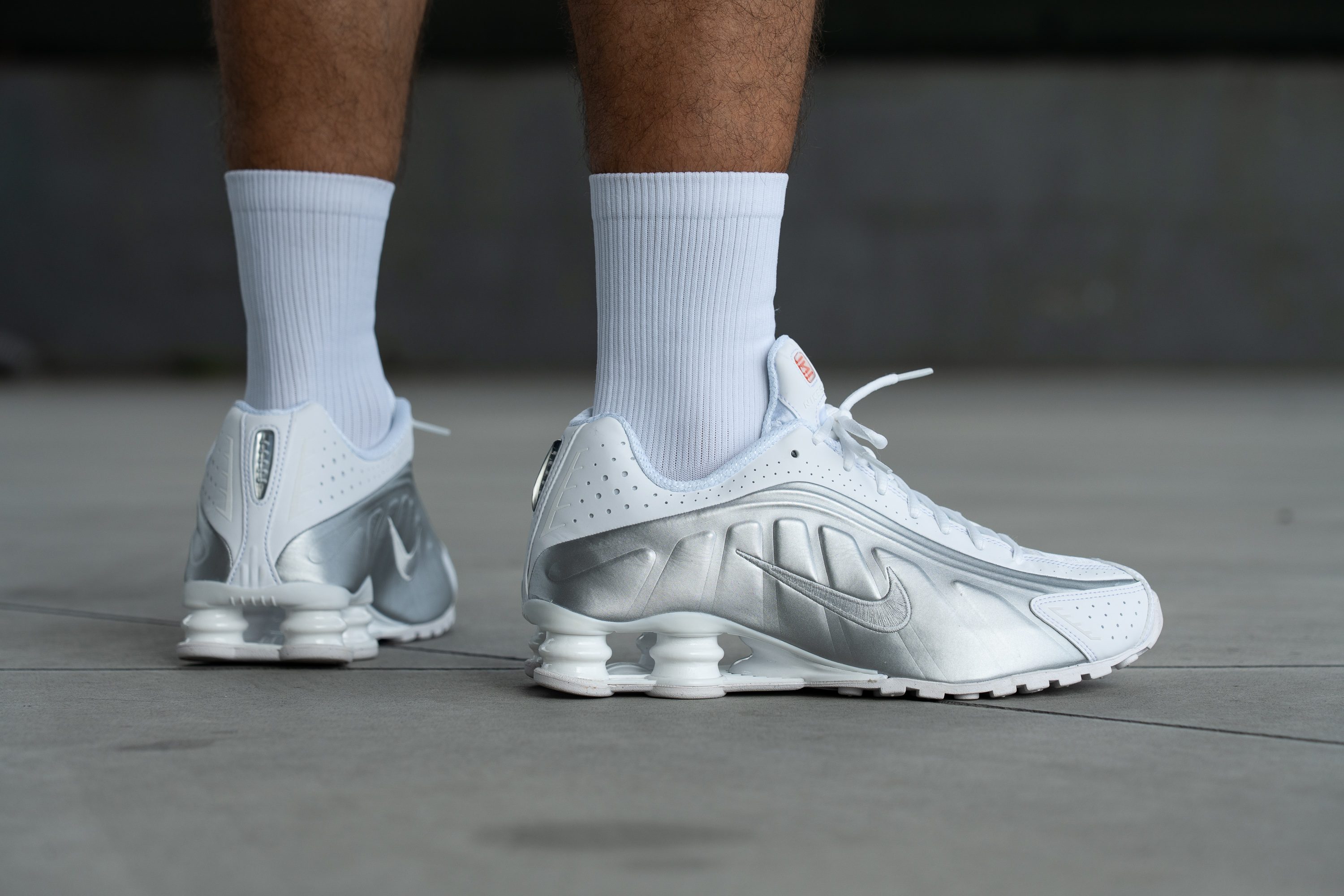
The trouble with high-stacked Nike sneakers is that they can become quite heavy. The heavier the shoes, the higher the chances of experiencing foot/leg fatigue. So, weight is also important, which is why we cover it below.
Finding lightweight Nike sneakers
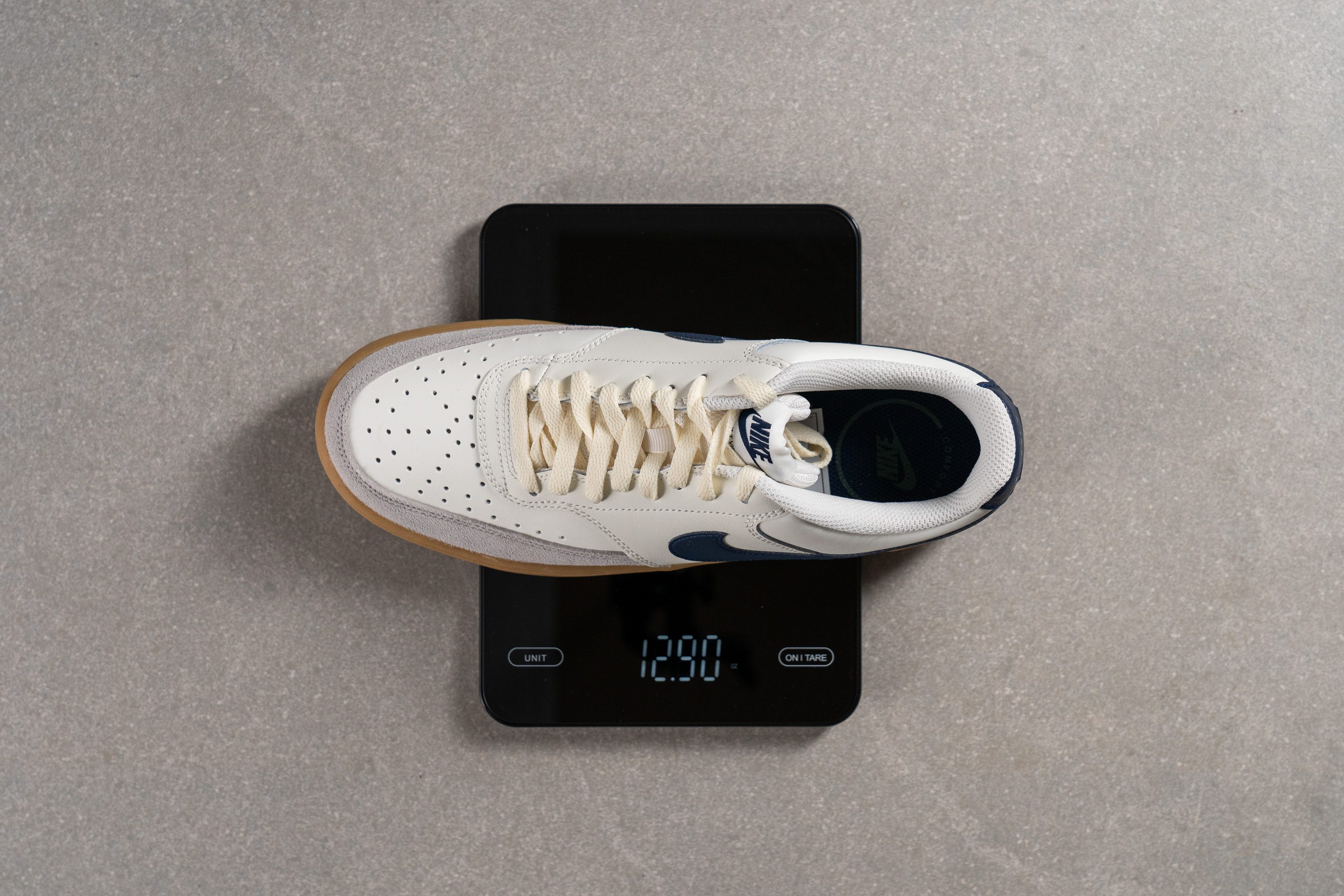
When wearing sneakers for a short period of time, some extra weight is not an issue. But, if you plan to rock them around the town, travel in them, or simply walk a lot, weight matters. When sneakers are made of leather or have a lot of padding, they are usually “evenly” heavy. But, when the midsole is thick and the upper is made of canvas, we usually experience them as “bottom heavy”.
Finding cheap Nike sneakers
Finding good deals on Nike sneakers may be challenging. Fortunately, we made a dedicated Deals page which lists the best sneaker deals!
Some Nike sneakers are budget-friendly from the moment they are released. But it always feels good to find a deal when it’s a pricey pair. For that, we can look at the MSRPs of Nike sneakers. MSRP is the manufacturer’s suggested retail price, or how much the sneakers cost once they are released.

Where are Nike sneakers manufactured?
Nike sneakers tested in our lab were manufactured in Indonesia, Vietnam, and India.
Similar buying guides