7 Best Treadmill Walking Shoes in 2026

We buy shoes ourselves. We earn commissions when you buy through us, at no extra cost. Why trust us
Be it a regular walking session or an intensive 12-3-30 workout, a comfortable pair of treadmill shoes will not only make your walking more effective but more enjoyable too!
While there are no strict rules regarding the type of footwear you should wear on a treadmill, certain features make some shoes a better fit than others. We gathered the creme of the crop in the top picks below to ease your search.
P.S. Be sure to scroll down for practical advice on choosing the best treadmill walking shoe for you.
How we test treadmill walking shoes
Our testing process starts even before the shoe gets to our lab as we purchase all tested shoes with our own funds to avoid bias or brand loyalty.
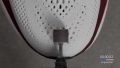
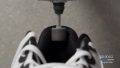
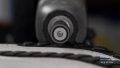
Then we obviously check how each tested pair feels and performs on a treadmill - its ride, fit, comfort, etc. But this only gives us a general understanding the shoe – the real test begins when we grab a dozen of tools to take it apart!
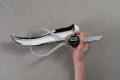
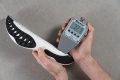
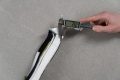
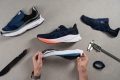
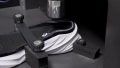
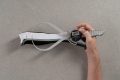
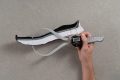
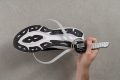
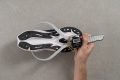
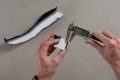
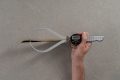
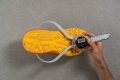
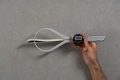
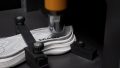
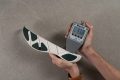
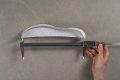
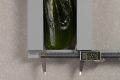
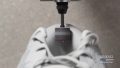
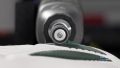
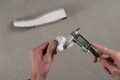
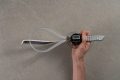
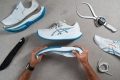
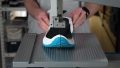
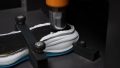
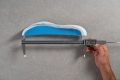
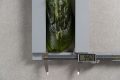
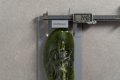
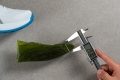
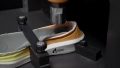
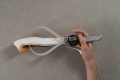
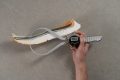
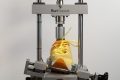
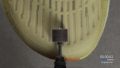
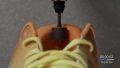
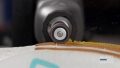
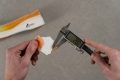
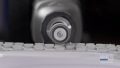
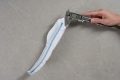
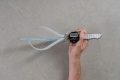
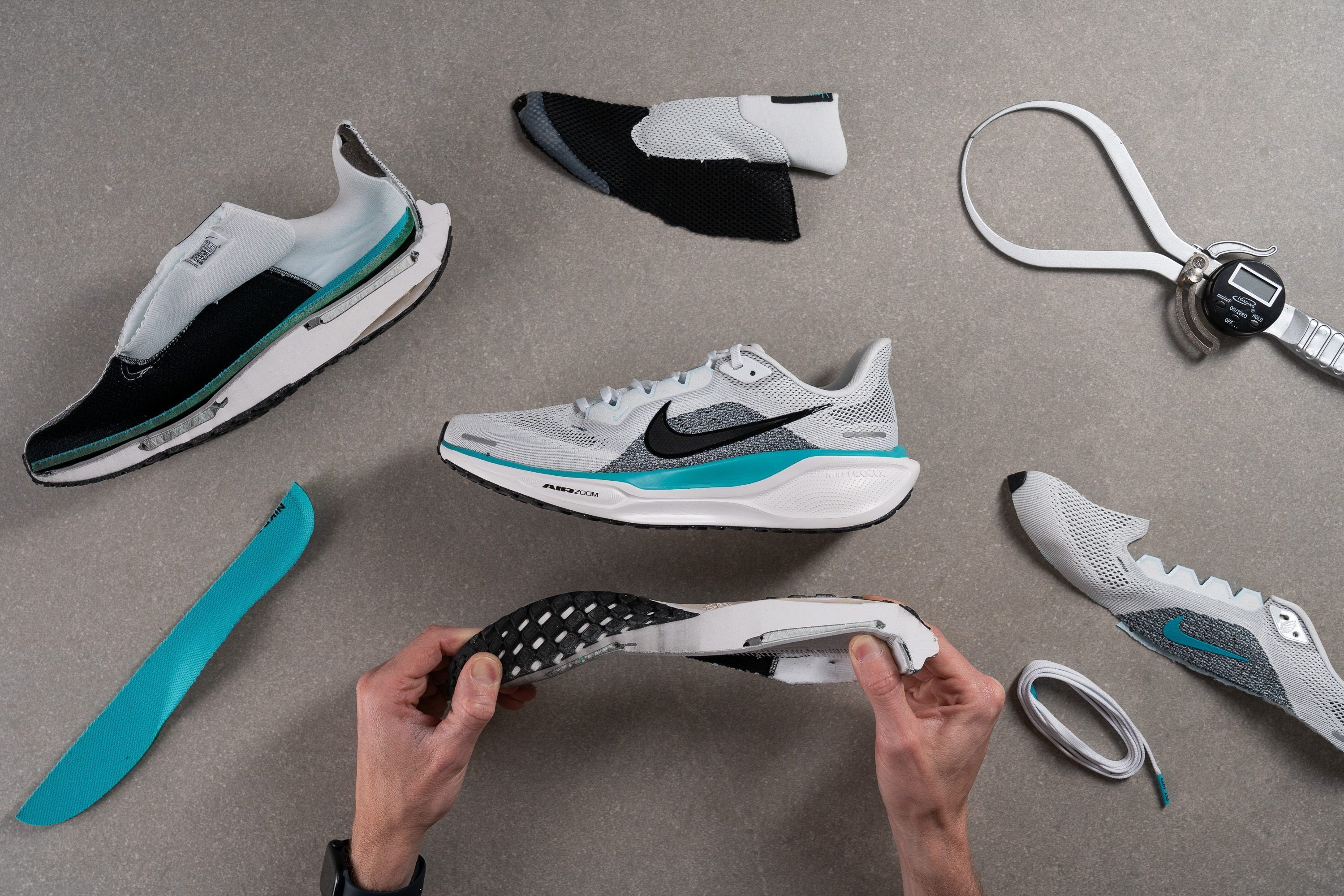
We use calipers, durometers, shoe stiffness testers, Dremels, and even some specialized machinery to check every empirical data point of the shoe. This allows us to retrieve objective and comparable parameters like stack height, shock absorption, toebox space, durability, breathability, and many others to make the most comprehensive review of each shoe.
In the end, we list the best options in our top picks for your convenience.
Best treadmill walking shoes overall



What makes it the best?
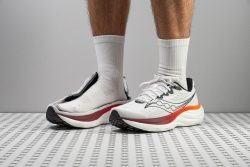
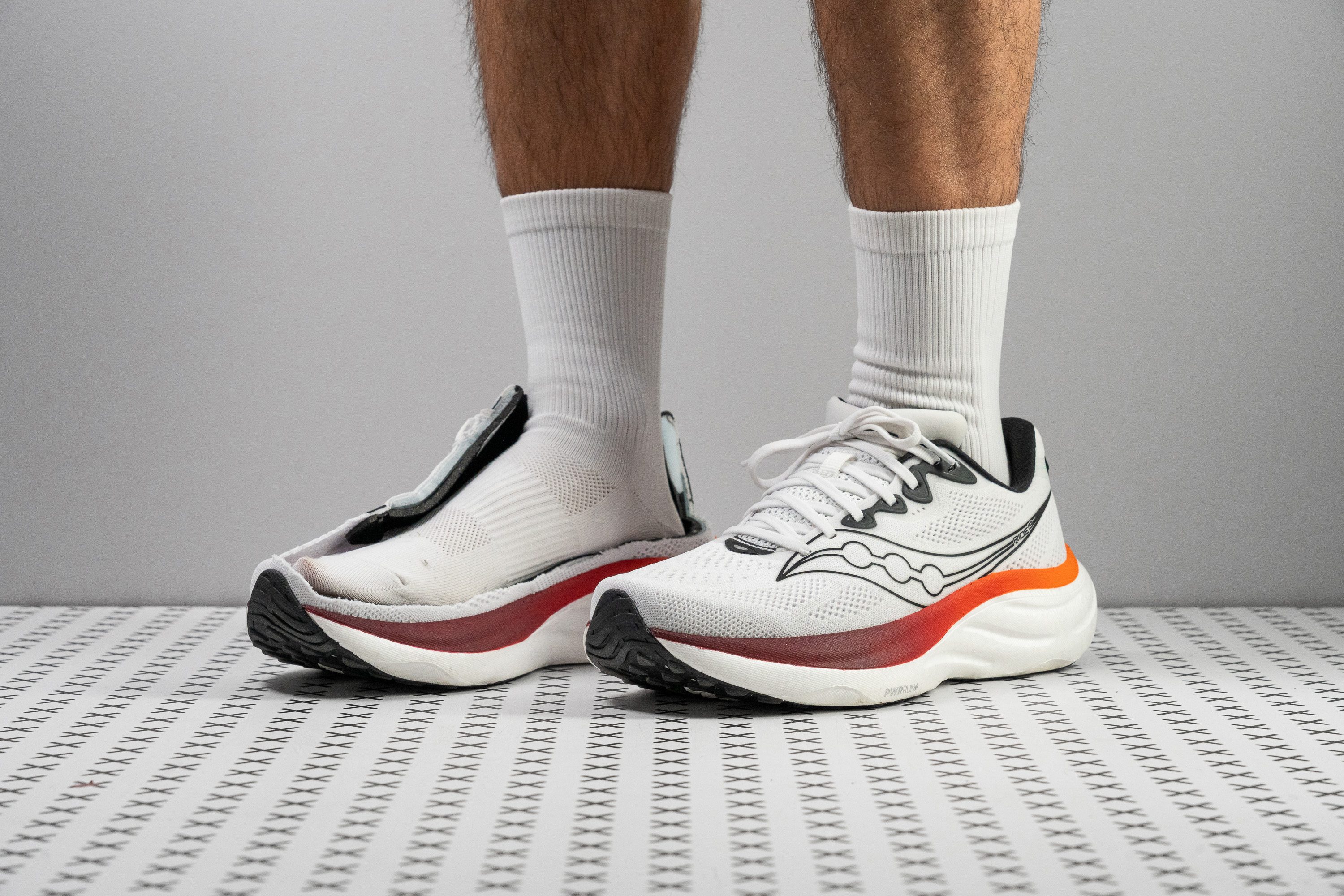
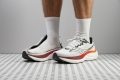
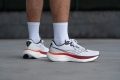
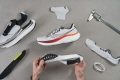
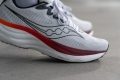
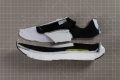
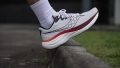
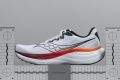
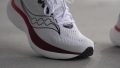
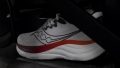
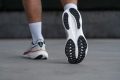
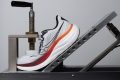
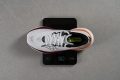
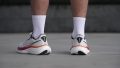
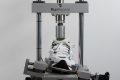
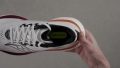
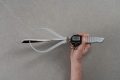
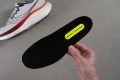
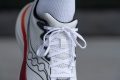
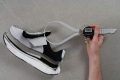
The Saucony Ride 19 is our top treadmill walking shoe because it blends comfort and bounce into one, making our indoor strolls more enjoyable. Our lab tests confirm its lightness and dependable stability, making it easy on the feet.
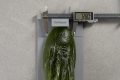
The cushion felt plush, and we measured the stack height at an above-average 38.7/30.2 mm. Testing for the heel cushion, shock absorption is strong at 132 SA, while energy return reaches 66.7%, creating a more effortless ride.
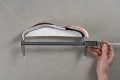
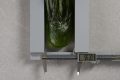
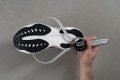
The comfort we felt was balanced with support. The base is impressively wide and effectively keeps us well-planted. In our manual test, we rated the heel counter with the highest 5/5 stiffness. Meanwhile, our caliper verifies the base is massive at 127.1/100.7 mm.
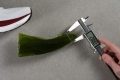
Despite its bulk, the scales and its feel on foot say otherwise. Weighing 9.8 oz (278g), it’s 5% below the average walking shoe, making it feel more comfortable for prolonged wear.
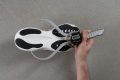
Unfortunately, Ride 19 is longitudinally stiff. While it contributes to stability, those who prefer smoother transitions and a natural feel won’t enjoy this pair.
Pros
- High energy return
- Even more foam underfoot than v18
- Excellent durability overall
- Keeps its dependable DNA
- Outstanding breathability
- Wide and stable platform
- XT-900 rubber delivers good grip
- Secure fit with semi-gusseted tongue
- Excellent value
- Clean, improved aesthetics
Cons
- Heavier than previous version
- Limited rubber coverage
- Minor price increase
Treadmill walking shoes with the best shock absorption

What makes it the best?
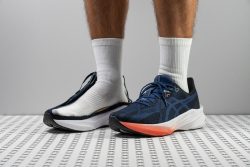
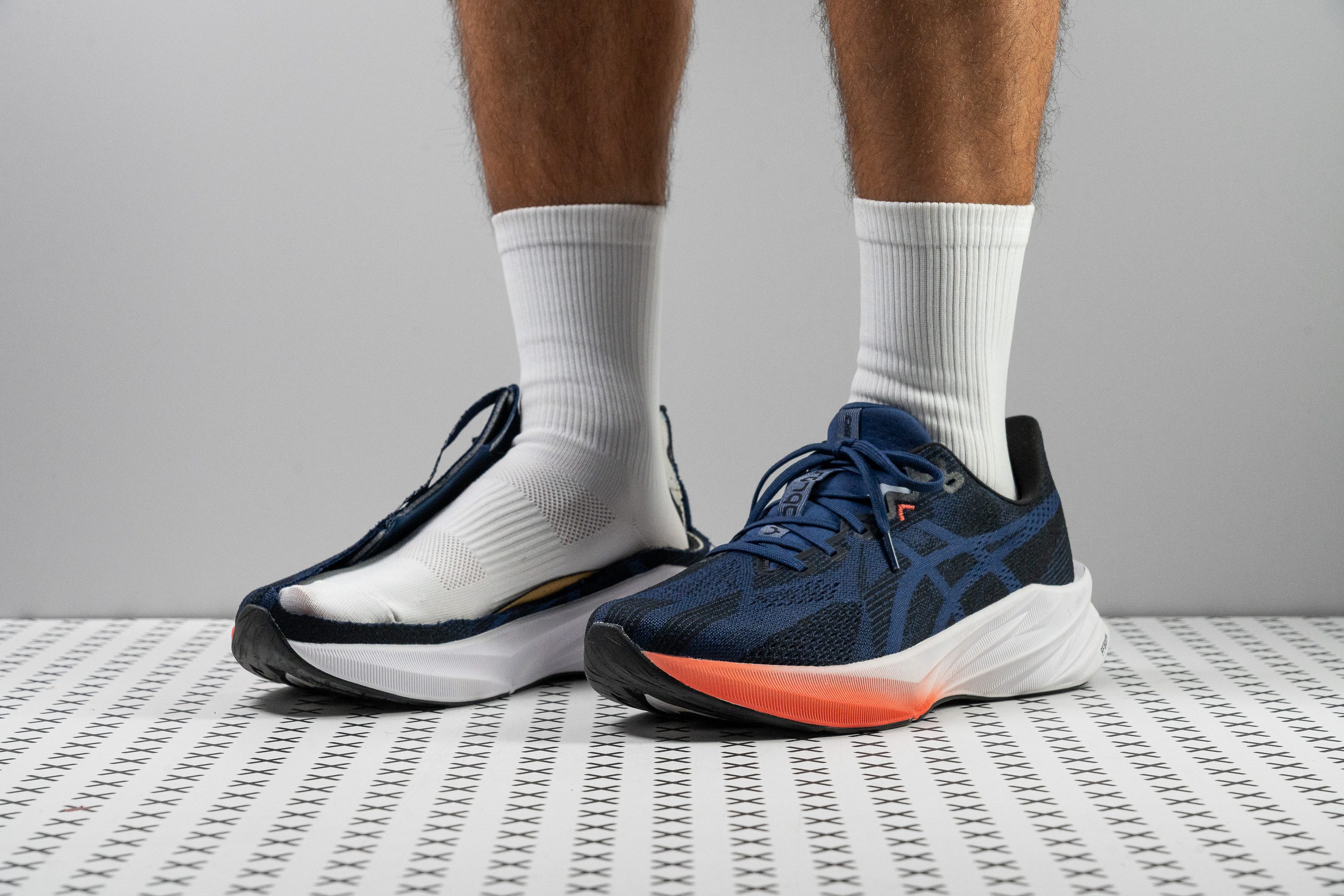
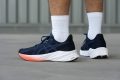
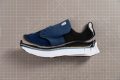
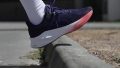
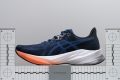
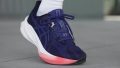
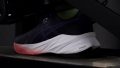
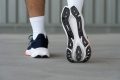
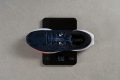
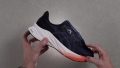
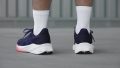
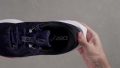
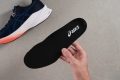
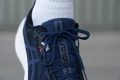
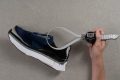
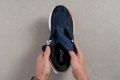
The ASICS Dynablast 5 is our top shock-absorbing treadmill walking shoe because it offers a well-protected and comfortable ride. Our lab tests show that despite its tall stack, it maintains good flexibility and light weight. Meanwhile, its breathable upper ensures a pleasant experience for longer-than-planned strolls.
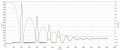
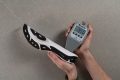
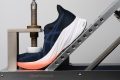
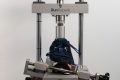
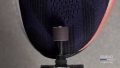
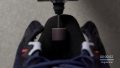
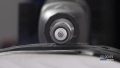
The cushioned ride is thanks to Dynablast 5’s above-average 39.4/31.8 mm stack. It erases the ground feel completely and lessens the strain on our muscles, which we further validated with its impressive 156 SA shock absorption rating. For reference, it's able to absorb 20.0% more stress than average, helping our legs stay fresh.
Dynablast 5 feels easy because of its surprisingly light and natural feel. Our scales confirm it’s only 9.3 oz (264g), staying 8.3% below the average walking shoe despite its generous cushioning. Its flexibility enhances its effortless feel as it flows with our movement. True enough, it emerged 5.8% more malleable than average.
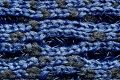
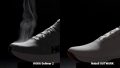
The jacquard mesh upper excels in comfort too, offering a well-ventilated space so that indoor sessions don’t feel suffocating. In our breathability test, the smoke we pumped in escaped steadily, so we awarded it a high 4/5 rating.
However, its low-volume toebox causes discomfort to wide feet or when wearing thicker socks. If more room is needed up front, we suggest opting for a more accommodating pair.
Pros
- World-Class shock absorption
- Maximalist cushioning at an affordable price
- Ideal for beginners
- High durability ratings
- Exceptional value
- Stable forefoot platform
- Drop suits all footstrikes
- Breathable upper
- Can handle long runs with ease
Cons
- Moderate-to-low energy return
- Heavier than Novablast 3
- Low volume toebox
Treadmill walking shoes with the best stability



What makes it the best?
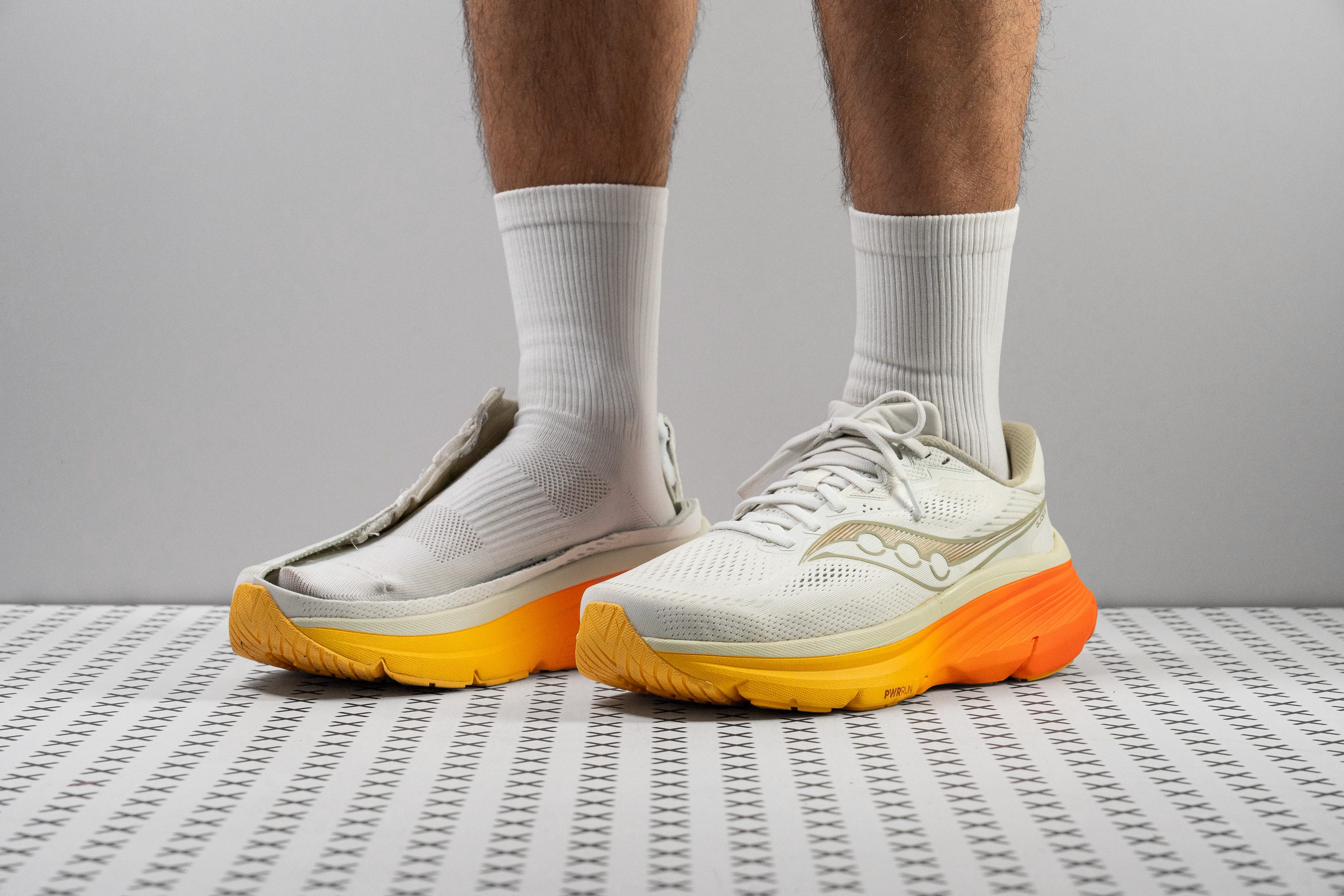
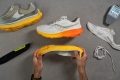
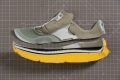
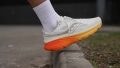
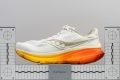
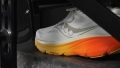
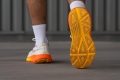
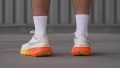
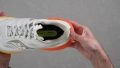
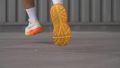
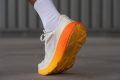
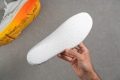
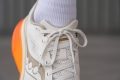
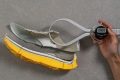
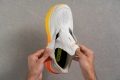
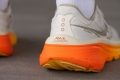
The Saucony Guide 19 offers a reassuring yet forgiving experience like no other. We discovered in the lab that it features the CenterPath technology and other supportive elements like a wide base and midsole sidewalls, making it our best stability treadmill walking shoe. Surprisingly, the surefootedness we experienced comes with a superbly cushioned yet flexible midsole.
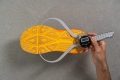
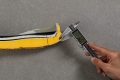
The innovative CenterPath delivers a well-planted sensation. It combines an extra-wide base with supportive sidewalls. Our caliper confirms the 120.0/104.2 mm landing platform is much wider than the 112.1/90.6 mm average.
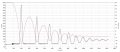
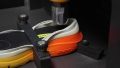
Amazingly, the stable platform offers a cloudlike touch, proven by its high 144 SA rating in the heel. It also rises to an above-average 37.4/31.4 mm stack, cushioning each landing delightfully.
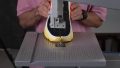
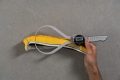
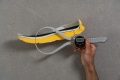
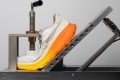
The shoe’s malleable build also adds comfort and ease. Our bend test shows the midsole is 19% more flexible than the average walking shoe, making it suitable for long hours of wear.
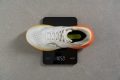
Unfortunately, fatigue will set in for those who are used to ultra-light shoes. Weighing 10.5 oz (298g), we cannot recommend this shoe to those seeking a lightweight pair.
Pros
- Top-tier breathability
- Massive platform delivers excellent support
- Flexible feel despite being a stability shoe
- Excellent outsole durability
- Softer foam improves daily comfort
- Secure lockdown
- Keeps the same price
- Improved aesthetics
- Well-designed rocker for smooth transitions
- Perfect for midfoot strikers
Cons
- Needs to lose weight
- Not for extreme heel strikers
- PWRRUN starts to feel dated
Best shoes for treadmill walking and gym use

What makes it the best?
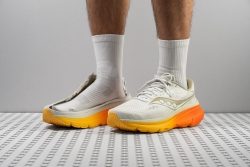
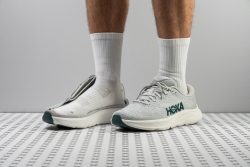
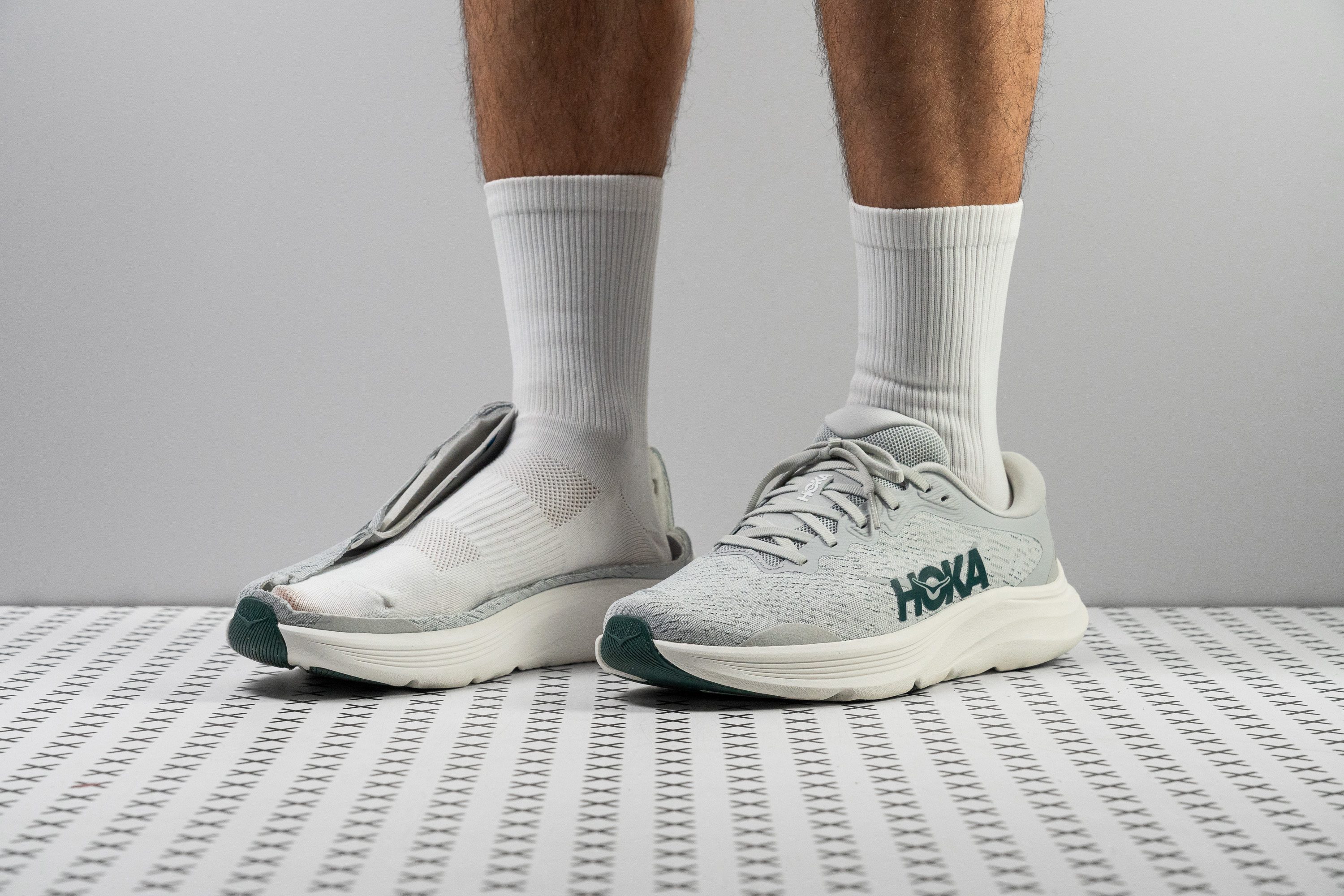
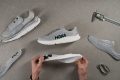
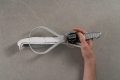
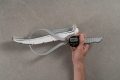
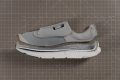
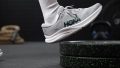
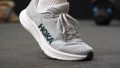
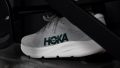
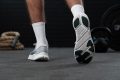
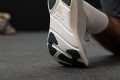
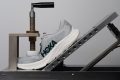
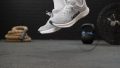
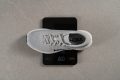
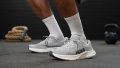
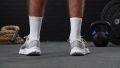
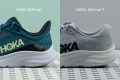
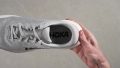
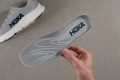
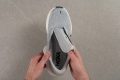
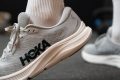
We found the HOKA Solimar 2 very versatile during our wear tests. Walking and working out in this pair feels easy, and our lab tests confirm its light yet well-cushioned build. Its stable ride feels reassuring, especially when performing various exercises, making it our top treadmill walking shoe for the gym.
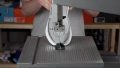
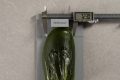
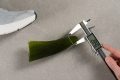
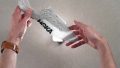
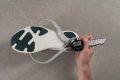
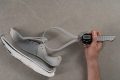
We found the Solimar 2 to have sturdy lateral support because of its stiff yet padded heel counter, earning a 4/5 stiffness score in our assessment. Besides this, the base runs wider than average, reaching 116.3/91.7 mm.
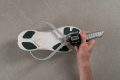
Solimar 2’s versatility is further enhanced by its low weight. Our scales show it’s only 8.0 oz (227g), which is 21% lighter than the average walking shoe. Feeling far from a burden on the foot, it encourages us to get our step count in.
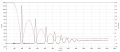
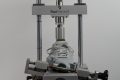
We also measured impressive shock absorption for a gym trainer, scoring 108 SA in the heel and 90 SA under our toe joints. It was pure joy in our walking sessions as the platform kept our joints and muscles happy.
However, the support it offers is only up to bodyweight and light dumbbell workouts. Those engaged in heavier lifting routines should go for a more dedicated lifting trainer.
Pros
- Well-cushioned for high-impact workouts
- Exceptionally lightweight
- Stable for cardio and bodyweight training
- True medium-width fit with wide options
- Generously padded interiors
- Durable for indoor use
- Good grip for gym surfaces
Cons
- Not for weightlifting
- Limited forefoot flexibility
Best lightweight treadmill walking shoes



What makes it the best?
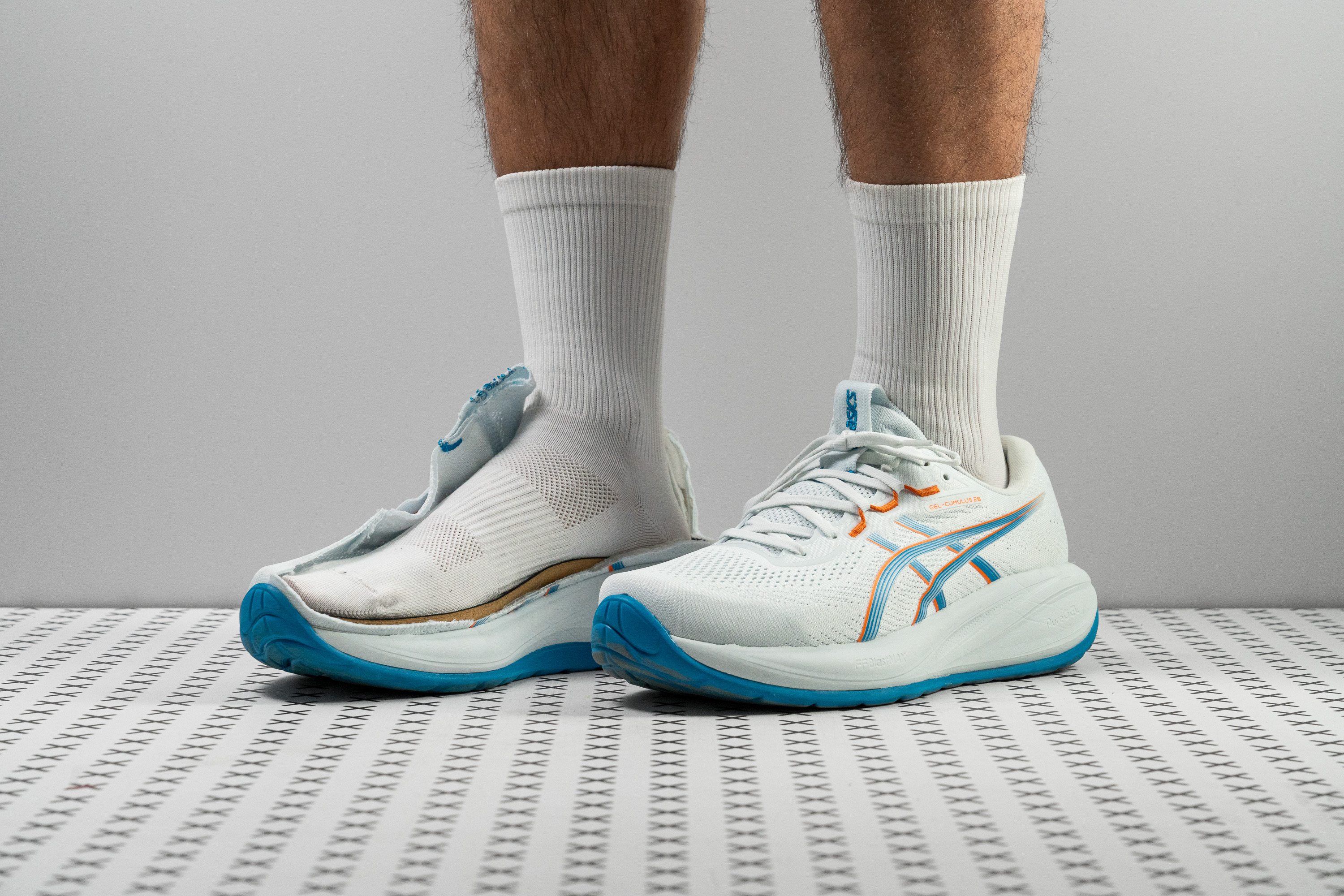
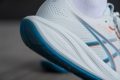
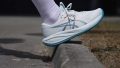
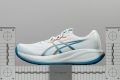
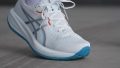
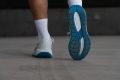
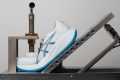
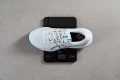
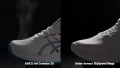
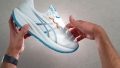
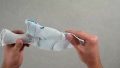
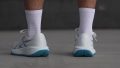
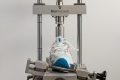
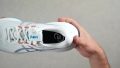
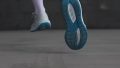
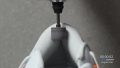
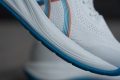
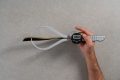
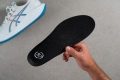
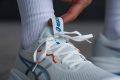
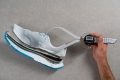
Staying true to its name, the ASICS Gel Cumulus 28 is designed for a freeing and natural experience, and our feet can confirm it’s the best lightweight treadmill walking shoe. Besides its actual weight, it feels even kinder on foot because of its flexibility and exceptional muscle protection, which we validated in the lab.
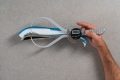
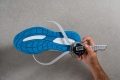
Our scales confirmed its weightless sensation at 8.9 oz (252g), making it 13% lighter than the average walking shoe.
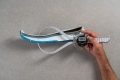
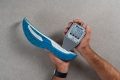
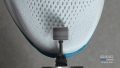
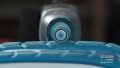
It also doesn’t offer much resistance to movement, which adds to its natural feel. When we bent it to 30 degrees, it needed 13.7N of force to do so, which is at par with the average walking shoe we’ve tested.
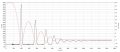
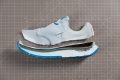
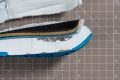
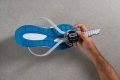
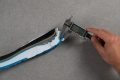
To top it all off, we could stay on the treadmill for hours on end with its plush midsole. We measured a towering stack height of 42.8/29.5 mm. Yet what truly deepens its comfort is its strong shock absorption of 139 SA in the heel, making it 25% more protective than average.
However, note that its 13.3 mm drop is very steep and may feel excessive to some. The average is only around 10.6 mm for walking shoes.
Pros
- Plush cushioning
- Smooth and stable heel landings
- Comfortable and refined upper
- Excellent for rearfoot strikers
- Low weight for its size
- Fairly priced
- Roomier toebox than previous version
- Flexible despite massive stack height
- Premium knit tongue
Cons
- Low energy return despite foam upgrade
- Outsole durability is a real concern
- Drop can be too high
- Maybe it's time to ditch PureGEL?
Best treadmill walking shoes for wide feet






What makes it the best?
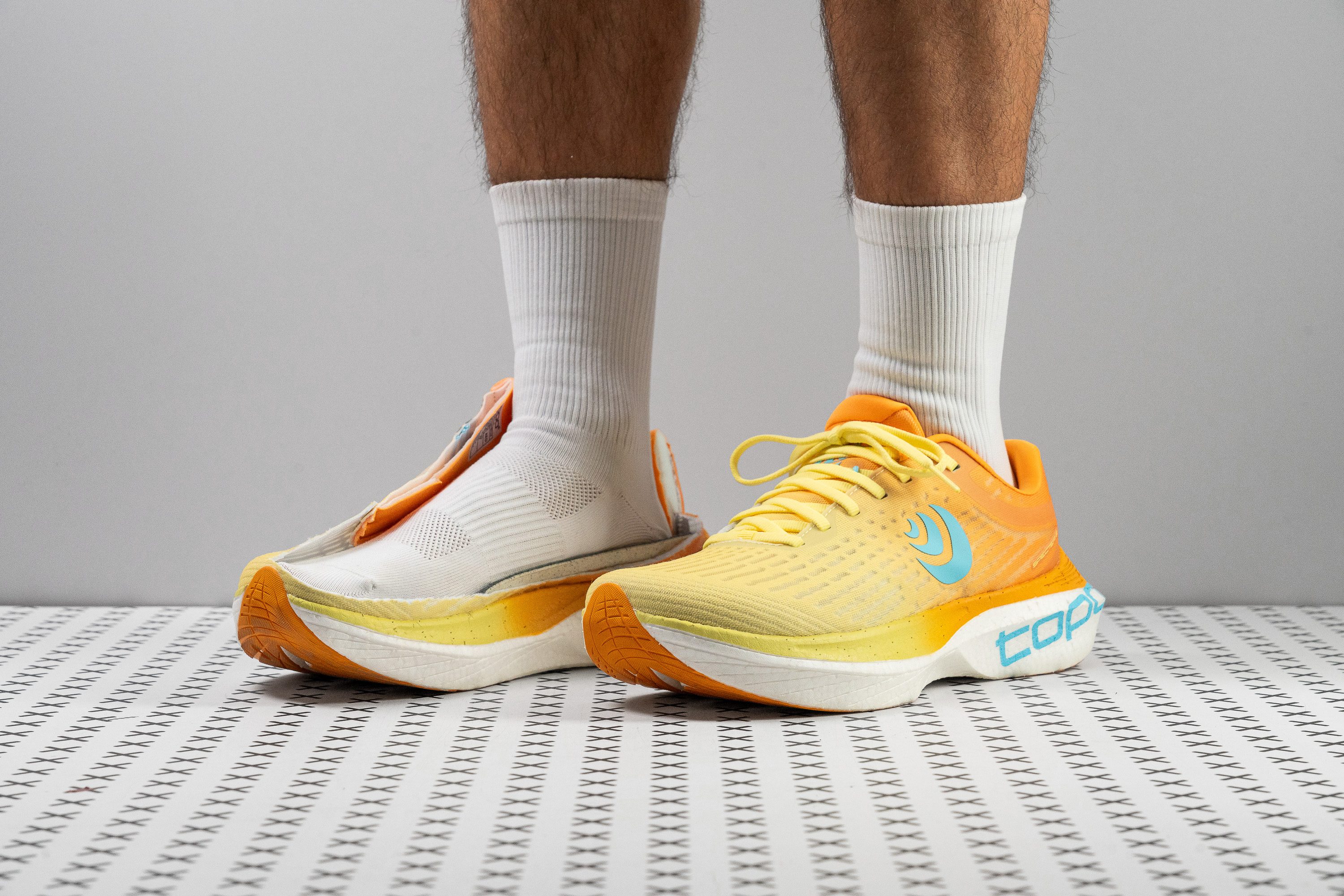
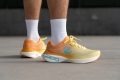
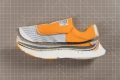
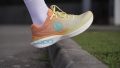
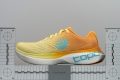
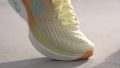
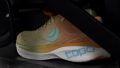
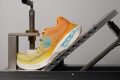
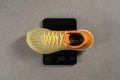
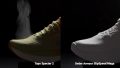
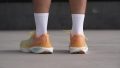
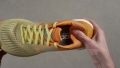
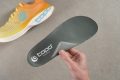
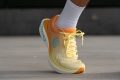
The Topo Specter 2 graced our indoor strolls with its forgiving fit and light, breathable build. It seamlessly blends a compact and agile midsole with a roomy toebox. Backed up by our lab results, it’s our top treadmill walking shoe for wide feet.
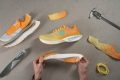
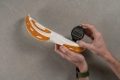
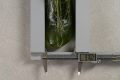
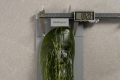
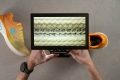
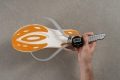
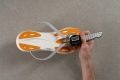
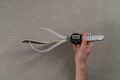
Its design focuses on comfort, as validated by our gel testing. We took out the mold and measured the widest part to be 97.6 mm, 2.4 mm above average. Plus, its toebox reached above-average dimensions of 80.2 mm in width and 31.8 mm in height, making it suitable for voluminous or swollen feet.
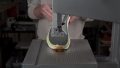
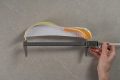
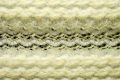
Thankfully, its broad dimensions didn’t weigh the shoe down. Our scales confirmed its nimble feel with a below-average 8.4 oz (238g) figure. Its weightless feel is further enhanced by strong ventilation, earning a high 4/5 in breathability in our smoke test. We were never burdened by Specter 2 in our indoor sessions.
We attribute Specter 2’s agility to its moderate 36.0/29.2 mm stack and its narrow 110.5/86.5 mm midsole. However, those who need a wider platform for stability won’t suit this pair.
Pros
- Versatile for multiple paces and distances
- Lightweight construction
- Excellent room for toe splay
- Agile, nimble ride
- Generous toebox height
- Works especially well for midfoot strikers
- Reasonable price for its features
- Dependable traction
Cons
- Midsole feel may be too firm for some
- Doesn't work for narrow feet
- Non-gusseted tongue
- Heel padding durability should be better
Best budget treadmill walking shoes

What makes it the best?
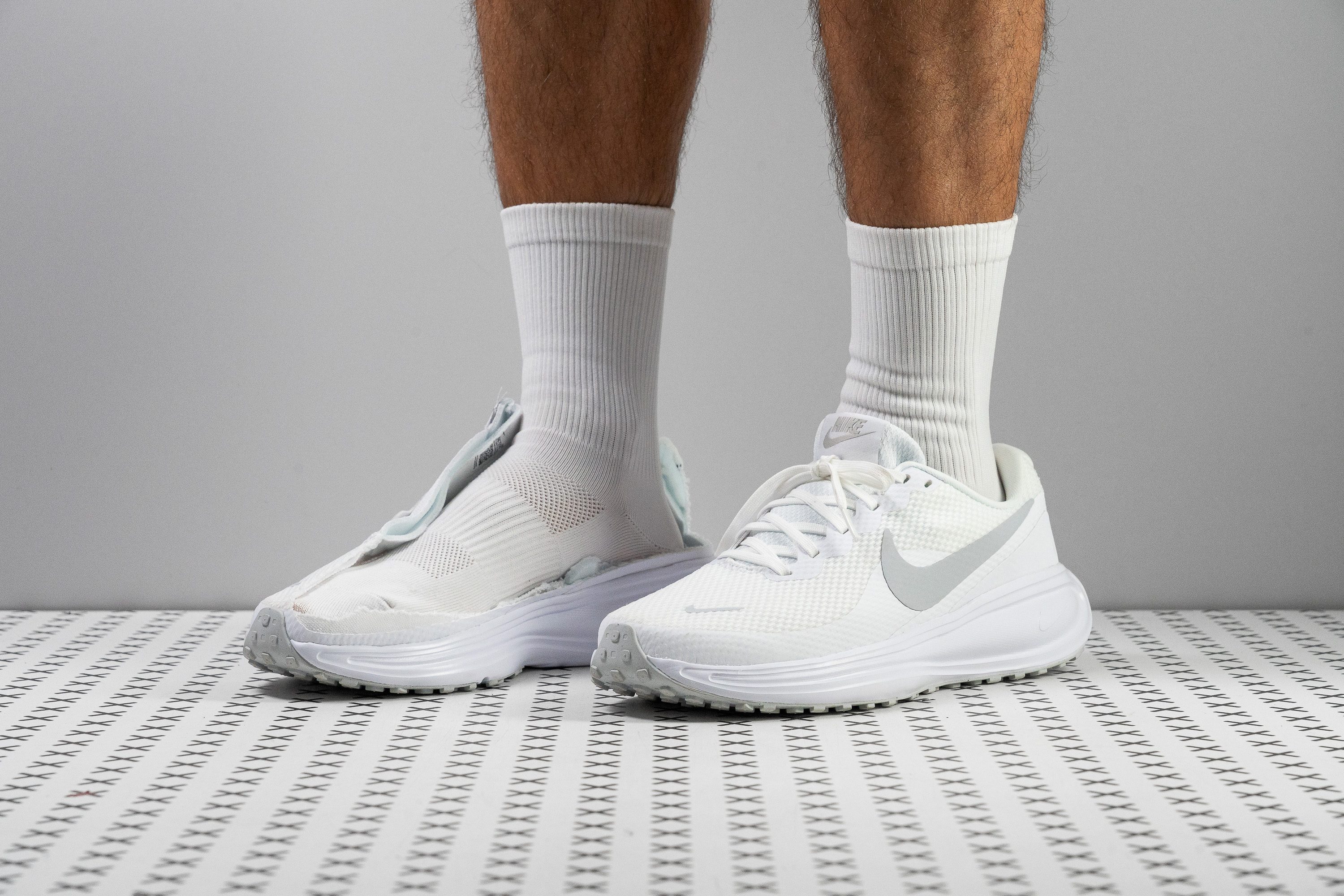
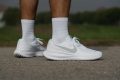
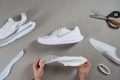
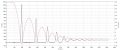
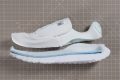
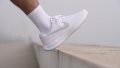
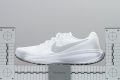
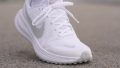
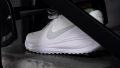
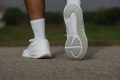
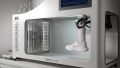
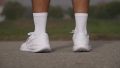
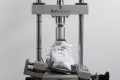
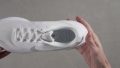
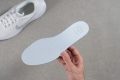
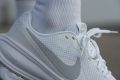
During our walks, the Nike Revolution 8 felt so kind to our feet! We were surprised to discover it only costs $70, way below the $125 average price of walking shoes. For its price, it offers a versatile experience through its light, low, and flexible midsole, which we confirmed in the lab. Undoubtedly, it’s our best budget treadmill walking shoe.
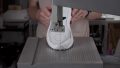
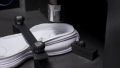
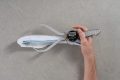
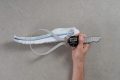
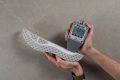
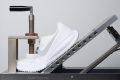
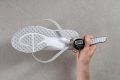
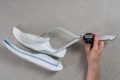
The shoe has a natural feel that makes it so comfortable for walking. It offers low resistance to bending, validated by our flex test when it showed Revolution 8 needs 33% less force than average to reach 30 degrees. Because it adapts so easily, it feels less tiring to move as one with the shoe.
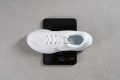
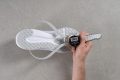
Further elevating a natural and relaxed sensation is its minimal 9.3 oz (264g) construction, making it 9% lighter than average. We attribute its low figure and fluid nature to its low profile of 31.8/23.0 mm. In the realm of maximalists, it’s refreshing to see a ground-connected trainer.
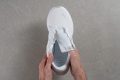
However, its toebox also has a compact build, which may cause unwanted pressure to those with broad feet. If a roomy fit is a must, then we suggest skipping the Revolution 8.
Pros
- Improved energy return
- Affordable price with strong value
- Much lighter than version 7
- Trustworthy grip
- Solid durability
- Padded heel for extra comfort
- Flexible and comfortable for everyday use
- Ideal for heel strikers
- Keeps the same price despite upgrades
Cons
- Lacks forefoot cushioning
- Still a narrow fit
- Low forefoot shock absorption
How to choose the best shoes for treadmill walking
To narrow down your choices, we recommend considering the following factors:
- Activity: Do you need a shoe for treadmill walking only or do you incorporate some running as well? Or maybe you want to use the same shoe for other types of gym activities?
- Condition: Do you have any foot conditions or discomfort that calls for more supportive shoes? Flat feet, overpronation, plantar fasciitis, heavier weight, Achilles pain, etc.?
- Size and fit: Do you prefer a snugger fit or could use as much toe space as possible? Or perhaps you have some bunions to accommodate?
- Price: Need to find a solid shoe on a tight budget? Or willing to invest in some cutting-edge cushioning technologies?
Whichever your answer is, we are here to guide you in your search!
Shoes for treadmill walking and walking/running intervals
Walking and running at an easy pace have a lot in common. That's why most road running shoes double as fantastic companions for treadmill walking! There are hundreds of well-cushioned, light, and breathable daily running shoes to choose from.
Both activities require similar shoe features, such as good cushioning and energy return.
We test both shock absorption (SA) and energy return (%) in our lab.
Even though treadmill surfaces are significantly less jarring on the joints than concrete, they never absorb 100% of the impact. Especially if you mix in some running. We found that at least 100 SA in the heel is great for lowering the stress on your feet and legs during those long 30-60 minute sessions.
The amount of energy that the shoe rebounds back to you is important for the overall experience as well. Shoes with an energy return of 55% or less can feel rather flat, while shoes with a higher percentage make the ride springy and dynamic.
Shoes for treadmill walking and gym workouts
If treadmill walking is only part of your gym routine and you don’t want to buy several shoes for different activities, it makes sense to choose a more versatile trainer to hit them all.
Whether it’s bodyweight cardio or a strength training session with dumbbells, you need a more grounded, stable, and supportive shoe.
1. Less cushioning: You want to hit a sweet spot between sufficient cushioning for walking and groundedness for working out. Try choosing from the heel stack range of 30-35 mm.
2. Firmer cushioning: A balanced or moderately firm type of midsole (35-42 AC) is most suitable for this use case. Not too much compression for training, but forgiving enough for walking.
3. Wider heel: The shoe’s midsole should be broad enough (at least 85 mm in the heel) to keep you surefooted for both activities. This offers a solid base for steady landings when walking and a planted stance when training.
But please keep in mind that you will need a proper cross-trainer or even a lifting shoe if you engage in heavy lifting. Squats and overhead presses are not only less effective in cushioned shoes but can even lead to injury!
Shoes to avoid on the treadmill
Hundreds of athletic shoes can be used on a treadmill without an issue. However, there are a few categories that you definitely want to avoid:
1. Flat and stiff training shoes
Designed for rigorous strength training and weightlifting, these sturdy trainers lack the cushioning, lightness, and flexibility needed for walking. Wearing them on a treadmill feels clunky and bumpy, especially on the incline.
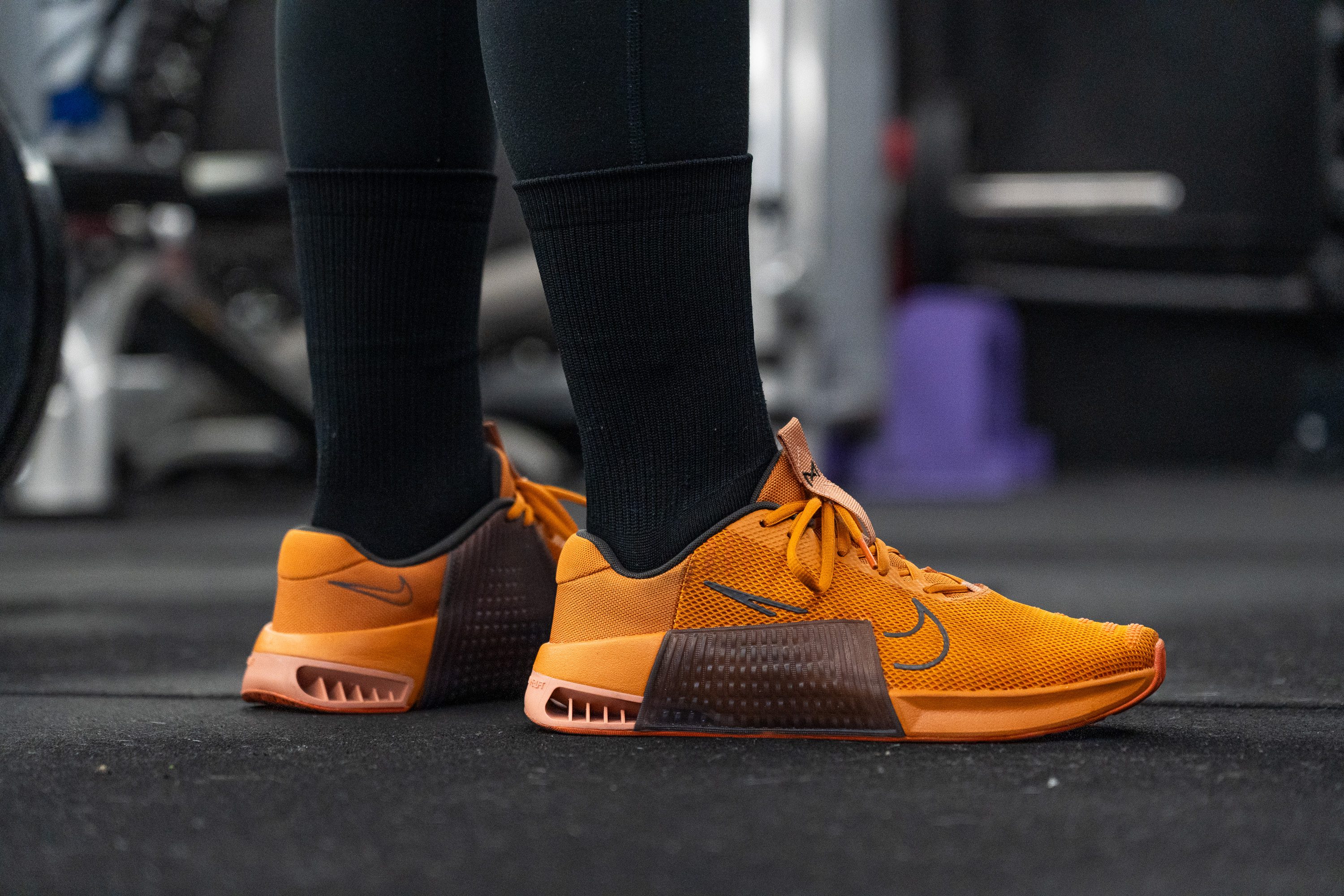
But on a positive note, some cross-trainers prove to be forgiving enough for short bouts of treadmill use (i.e. warm-up or cool-down walks). But that’s only because they made some sacrifices for stability and have more versatile designs.
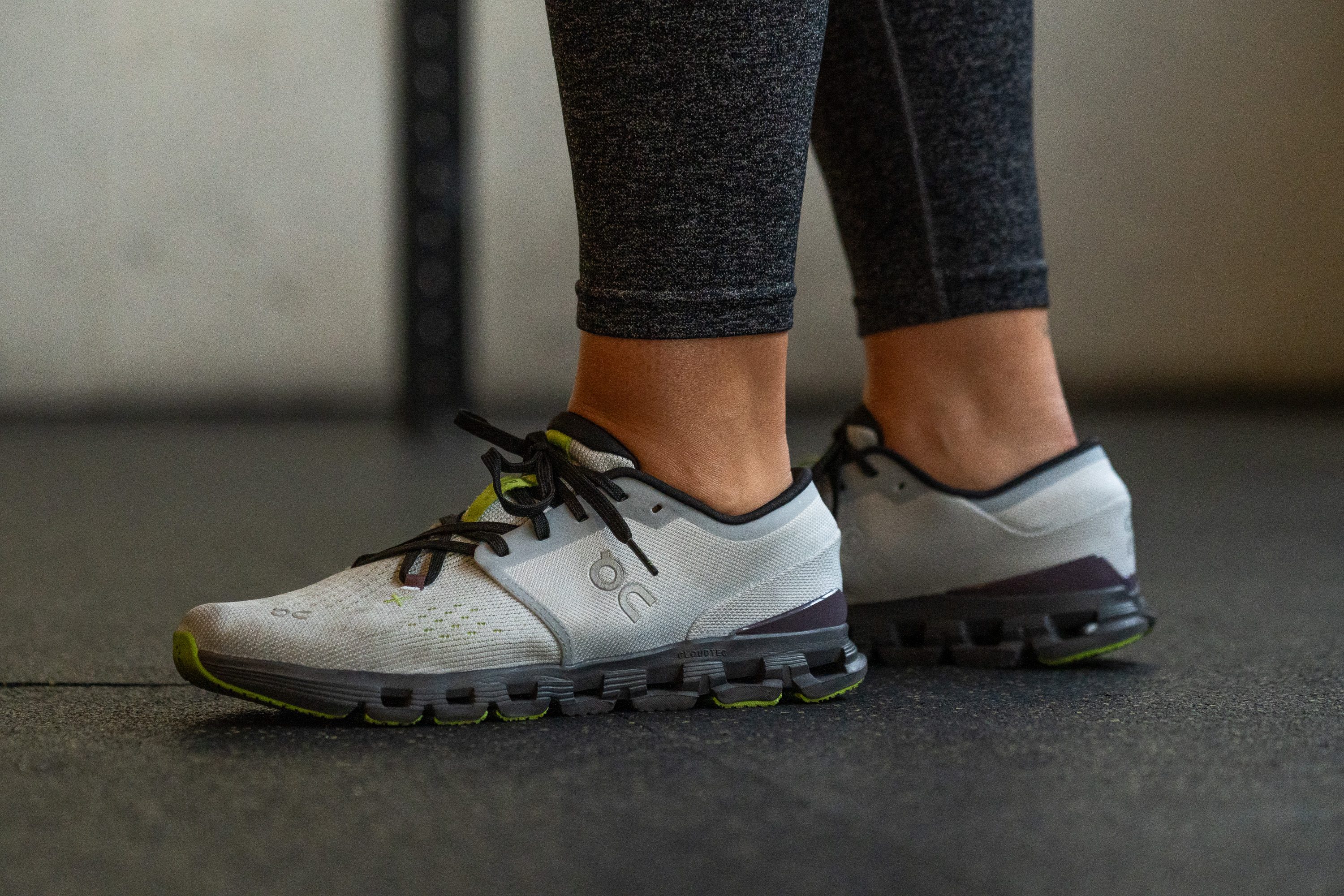
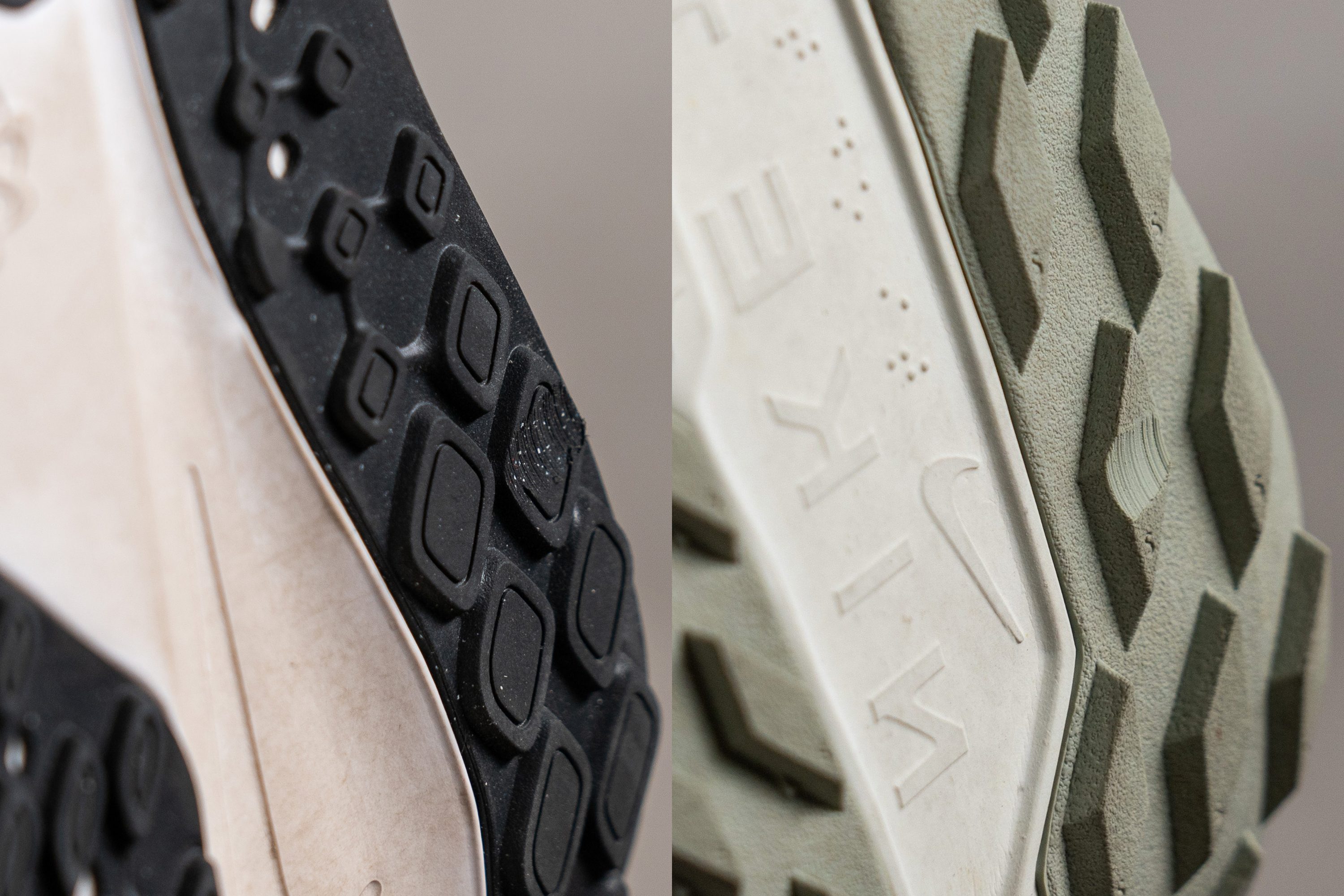
2. Trail shoes with prominent lugs (3+ mm)
Having a good outsole grip is important, especially when an incline is involved. However, deep lugs don’t make the grip more effective on the treadmill surface - they are meant to bite soft ground and mud outdoors, and not the rubbery treadmill belt!
These treads not only hurt the foot on smooth and hard surfaces but also damage the machine.
3. Warm or even waterproof shoes
If you intend to have long treadmill sessions indoors (at least 30 minutes), you are sure to built some heat! And if you don’t want to end up with hot spots, blisters, or smelly feet, we highly recommend choosing breathable shoes.
But how do you know which ones are better aerated?
We perform several lab tests to check the shoe’s ventilation capacity and one of them involves pumping smoke through the shoe’s toebox. In more breathable shoes, the smoke will pass through the pores faster and in greater amounts per second.
Based on this, we rate each tested shoe’s breathability on a 1-5 scale where 5 stands for the highest breathability level.
Consider your foot conditions (if any)
Whether you have a diagnosed foot health condition or simply prefer supportive footwear, you should look for specific features that make a shoe suitable for your case.
Having spent hundreds of hours researching various foot conditions over the years, we were able to put a finger on the recommended shoe features for each one:
Flat feet and overpronation
A flat foot implies a collapsed arch which also results in excessive inward rolling of the foot (overpronation). To restore proper foot and ankle alignment, some shoes are equipped with the necessary arch support and stabilizing technologies. Learn more in our guide on waking shoes for flat feet.
Plantar fasciitis
The heel pain caused by the plantar fascia inflammation requires a well-cushioned (but NOT plush) shoe with a higher heel-to-toe drop (8 mm or more) and a stable platform.
Shoes with these features are not a remedy by any means, but they are less likely to aggravate the pain as you clock up those treadmill miles.
Heavy weight
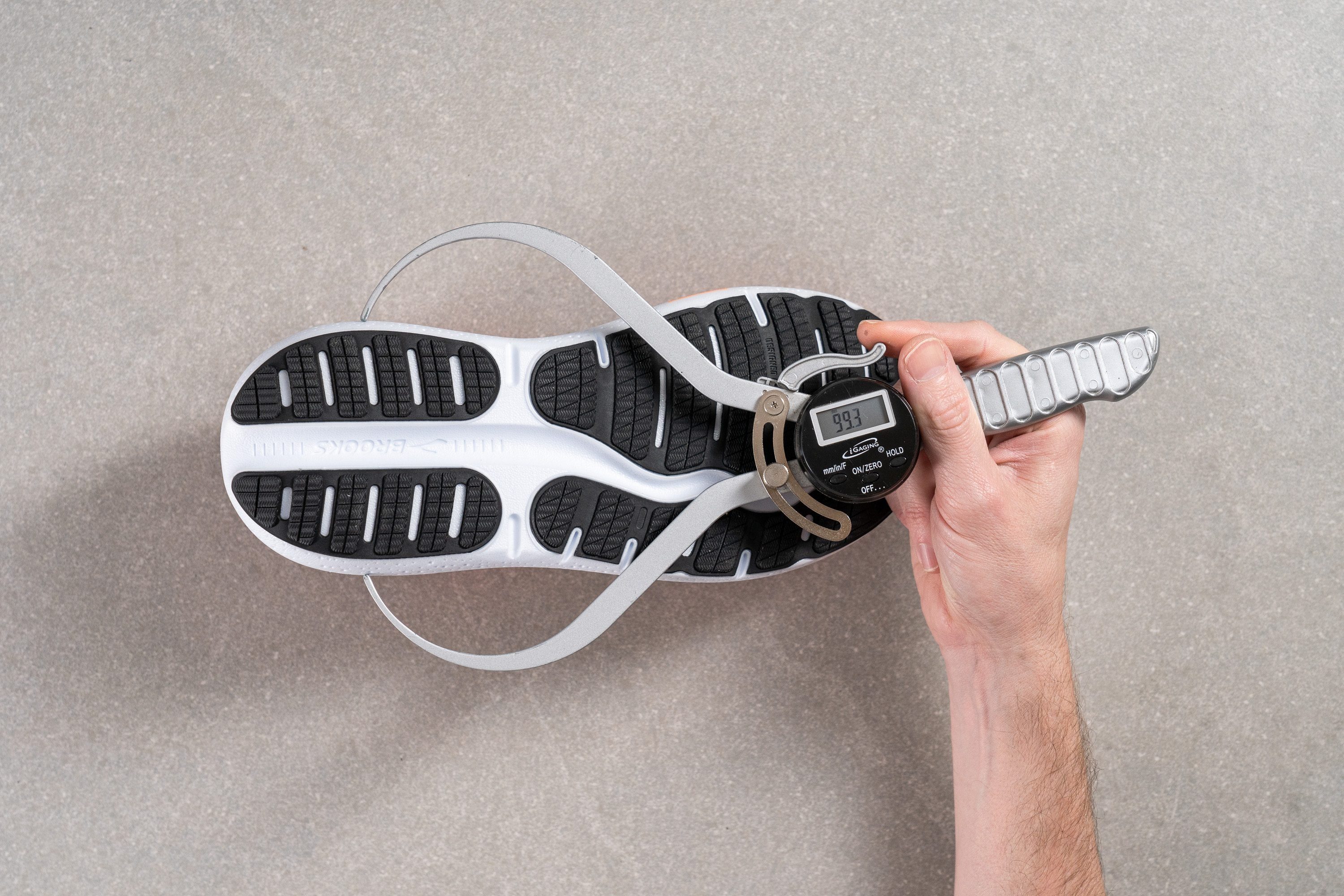
A heavier person will benefit from thick-foamed but not overly soft cushioning with great shock absorption and a wide-set heel (at least 90 mm in the widest part).
Knee pain
There are many reasons for knee pain; it’s best to consult your doctor for more nuanced footwear advice. But the general recommendation is to choose a walking shoe with a lower drop (5 mm or less) as it helps to take the load off the knees and hips.
However, there are two sides to the coin because a lower drop puts more pressure on your feet and Achilles tendons, forcing them to work harder, especially on the incline.
Achilles pain
As stated above, you want a higher drop to minimize the strain on the Achilles tendon. That’s why a higher drop of 9 mm or more is strongly recommended for this condition.
Getting the right size and fit in your treadmill shoes
But even if your treadmill shoe has all the right cushioning and support, it can be overshadowed by the wrong size and fit. This section suggests a few tips to help you avoid discomfort, blisters, and online returns.
Size
Studies show that a vast majority of people (between 63% and 72%) wear shoes that do not accommodate either their foot length or width! This is not only a source of foot discomfort and pain but also a potential cause of foot disorders.
Adults hardly ever measure their foot length, assuming that it doesn’t change. But it does! Especially during pregnancy or weight gain. That’s why we recommend that you follow these 3 easy steps to measure your current foot length precisely.
Once you have the number, put it into our shoe size calculator below and select the brand. Because footwear manufacturers don’t follow the same approach to shoe sizing, there is a chance that you need different sizes in different brands. Our tool contains the data from 40+ popular athletic brands for your convenience.
Also, be sure to check the Size and fit section in our shoe reviews to find out if your shoe of choice requires sizing up or down from the brand’s regular size.
Fit
Unfortunately, getting the correct shoe size does not always guarantee the correct fit (or width). Even if you got the shoe in a standard medium width.
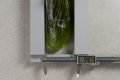
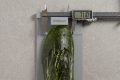
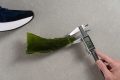
Given the sizable differences in shoe and toebox shapes, we now rely on our gel-molding process to measure each shoe’s internal space. The substance takes the shoe’s shape and freezes solid, allowing us to measure its dimensions precisely with a digital caliper.
You might be surprised, but the gel molds below were taken from two different shoes in the same size and width (men's US 9, regular D width)! Based on the data we collected from hundreds of walking and running shoes, the width range goes from 90 to 100 mm in the widest part of the shoe!
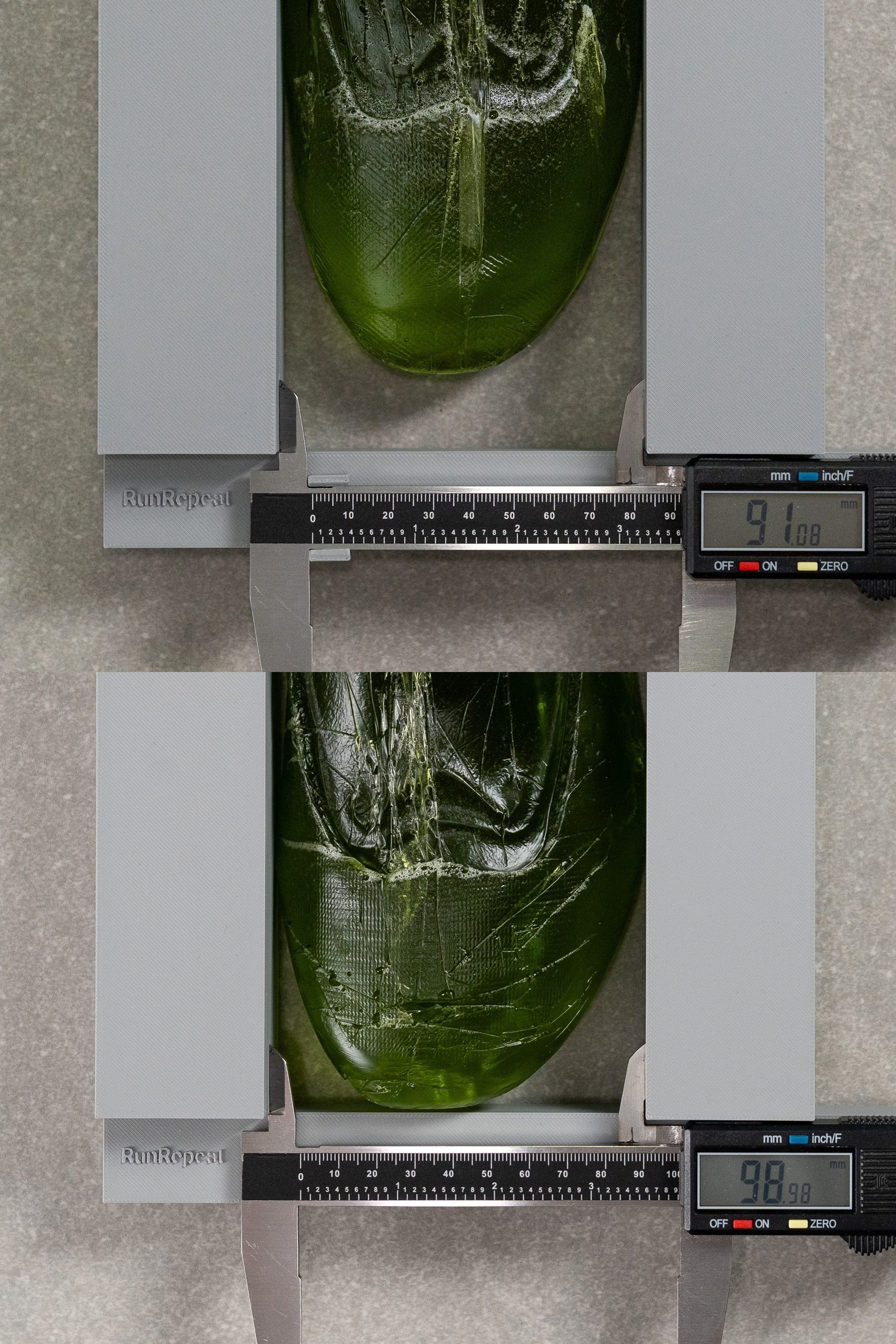
Thus, we recommend choosing the following widths for different foot types:
- Narrow: 93 mm or less
- Medium: 93 mm - 98 mm
- Wide: 98 mm or more
We also take the width measurement in the big toe area to check if the shoe’s toebox is tapered or rounded. The smaller the number, the pointier the toe. Conversely, the biggest measurements point to the rounded shape.
Cheap treadmill walking shoes
You don’t need the fanciest cushioning technologies to get your daily miles on a treadmill! Especially if you are an entry-level gym goer or do some treadmill walking as a complementary gym activity.
Having tested hundreds of affordable walking and running shoes, we can confirm that many of them tick all the essential boxes of a comfortable treadmill shoe.
The overview below shows the best-rated models with a retail price of $100 or less.
Similar buying guides