7 Best Mizuno Running Shoes in 2026

We buy shoes ourselves. We earn commissions when you buy through us, at no extra cost. Why trust us
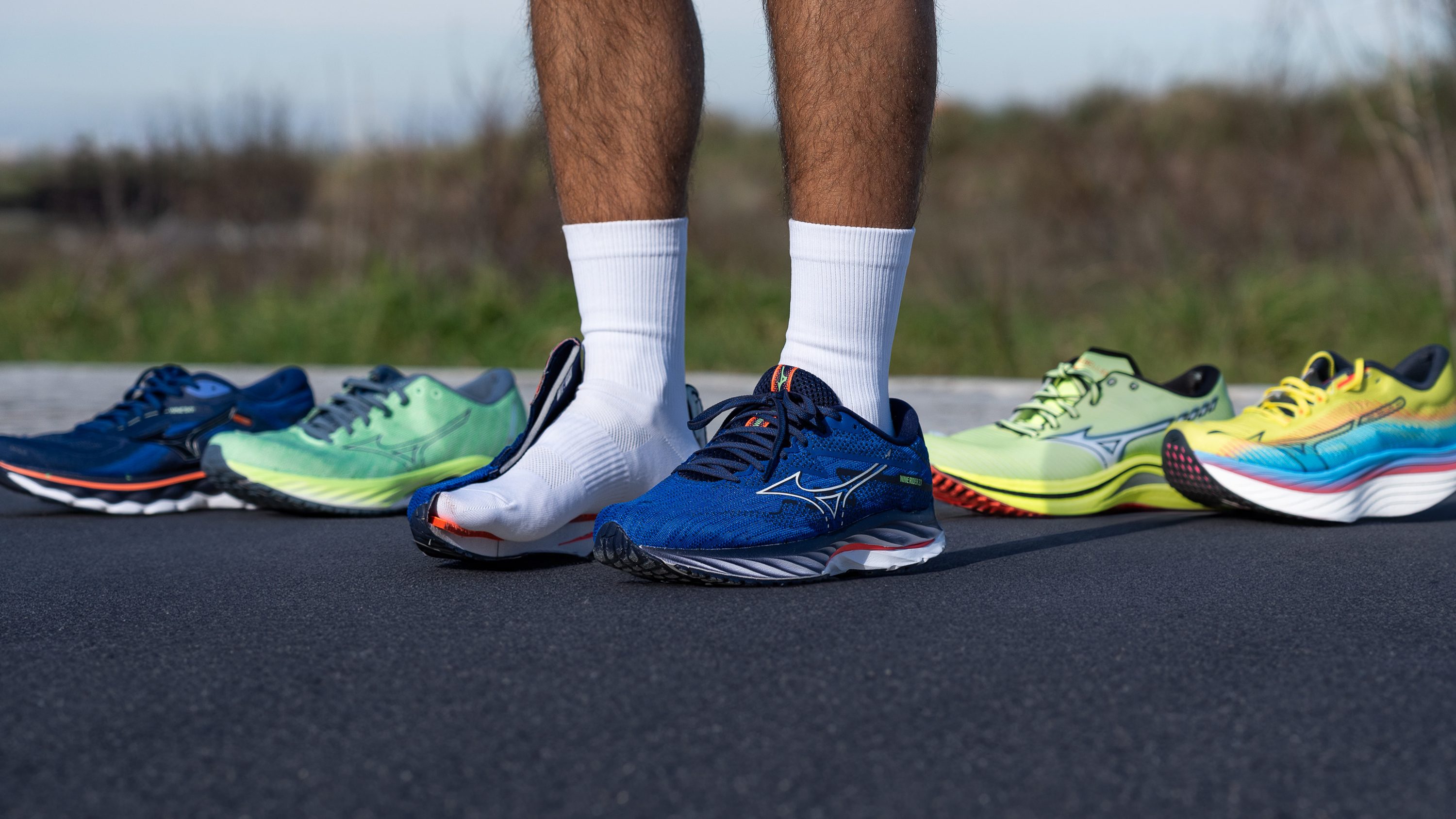
Mizuno has always been known for their durable, long-distance running shoes. But because we know that different runners need different shoes, we’ve selected some of the best choices from different categories and we based our decisions on our test runs and lab tests.
Whether it’s for flat feet, premium cushioning, new PBs, or just the best Mizuno shoe overall, we’ve got our top picks ready for you.

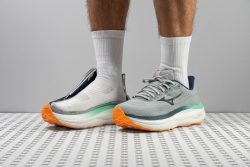
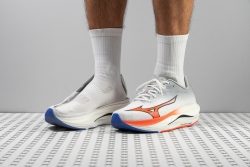
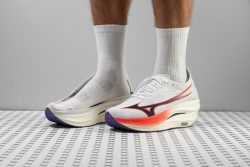
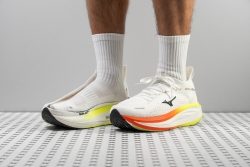
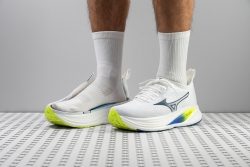
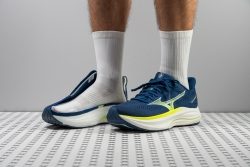
How we test Mizuno running shoes
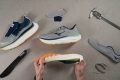
We’ve tested tons of Mizuno shoes to pick the greatest. We start with buying the shoes and end with publishing the reviews that combine our experience with the shoes and our lab data:
- For transparency, we pay for the shoes with our own money. We don't want any brand telling us what we're allowed to publish or what we must write.
- Our runs with each pair are done in varying conditions. We take them to roads and trails, and we assess their comfort, durability, fit, and overall performance.
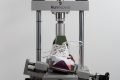
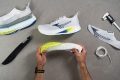
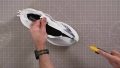
- We take the shoes to the lab where we use our lab tools to test and measure the shoes' flexibility, energy return, platform width, outsole thickness, breathability, durability, etc.
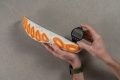
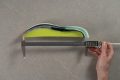
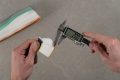
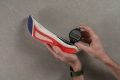
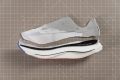
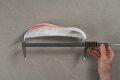
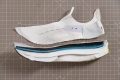
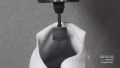
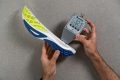
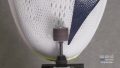
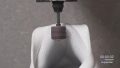
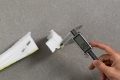
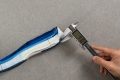
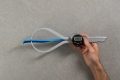
- We then cut Mizuno running shoes into pieces. This allows us to measure the heel stack height and forefoot stack height accurately and to stick the durometer into the foam - the only way to properly measure the softness of the foam.
Best Mizuno running shoes overall


What makes it the best?
The Mizuno Wave Rider 30 has a well-cushioned platform that securely delivers stability through its Wave Plate, which we saw in the lab. On foot, it feels very comfortable and secure by increasing its stack height and grip. We find it to be a highly reliable workhorse, making it our best Mizuno running shoe.
The midsole features a generous 42.8/33.7 mm stack for cushioned landings, with comfort driven by impressive shock absorption levels of 152 SA in the heel and 127 SA in the forefoot. This trainer is now more suitable for long runs.
To enhance stability, the full-length Wave plate offers subtle support, especially in the front half of the shoe. We also measured the 117.2 mm forefoot to be wider than average, which helps us find our balance.
Rain or shine, we enjoyed confidence-inspiring traction. Our wet-condition test backs us up with a high 0.73 rating, making it 37% grippier than average.
However, we found this shoe ideal for easy and relaxed days. Those who prefer a more dynamic ride should go for shoes with greater energy return scores.
Pros
- Modernizes the Wave Rider experience
- Excellent cushioning for long miles
- Stable ride despite taller platform
- Improved grip compared to previous version
- Clear design upgrade
- Softer foam
- Minimal weight gain despite higher stack
- Secure fit with gusseted tongue
- Good choice for bigger runners
- Interesting shoe for those with hallux rigidus
Cons
- Maybe too much stack height?
- Ride feels less natural than before
- Durability falls short of expectations
- Responsive... not at all!
Best Muzino running shoes for daily training












What makes it the best?
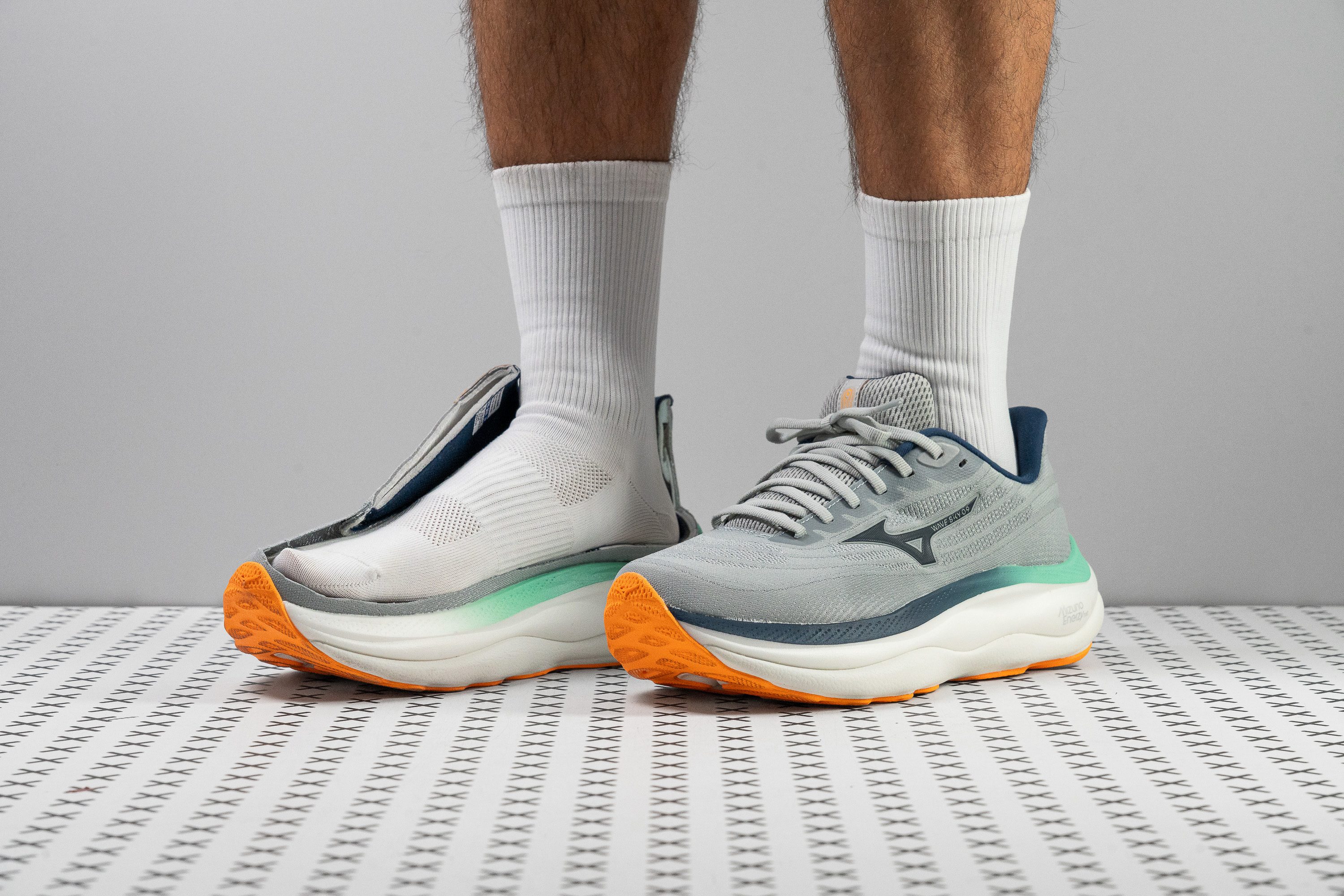
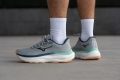
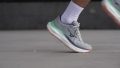
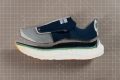
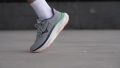
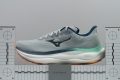
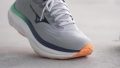
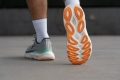
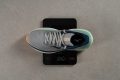
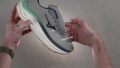
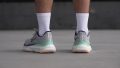
We tested Mizuno running shoes in and out of the lab and found the Wave Sky 9 as the perfect companion to gobble up the miles without leg fatigue. Lab tests show the numbers, but our feet can confirm it’s Mizuno’s best daily trainer because of its ultra-soft, cloud-like cushion, strong ventilation, and durable build.
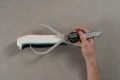
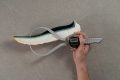
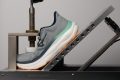
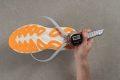
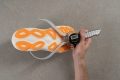
Our caliper reveals a sky-high 44.3/38.1 mm stack, much taller than the 34.8/26.2 mm average. It has generous cushioning for us to finish long runs comfortably. Given its 6.2 mm offset, it’s more suitable for midfoot and forefoot runners. Testing for the forefoot’s ability to reduce impact, we recorded a strong shock absorption score of 145 SA, making it 36.8% more protective than average.
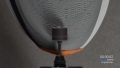
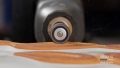
The Smooth Stretch Woven upper feels plush yet airy. In our smoke test, a steady stream of vapor escaped, so we gave it a solid 4/5 in breathability. Surprisingly, the strong ventilation doesn’t affect its wear resistance. It withstood our Dremel test bravely, earning a remarkable 4/5 score. Even the inner lining emerged untouched, earning the maximum 5/5 durability score.
However, because of its plush and stacked midsole, this shoe is only suitable for neutral runners. Those looking for extra support should check stability shoes.
Pros
- Premium-level shock absorption
- Soft midsole
- Ideal for forefoot/midfoot strikers
- High quality upper
- Excellent grip even on wet
- Unmatched overall comfort
- High breathability
Cons
- Overpriced for a daily beater
- Downgraded energy return
- Stiff midsole for a daily trainer
Best Mizuno super trainers




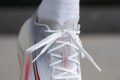
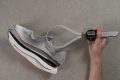
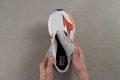
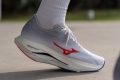
What makes it the best?
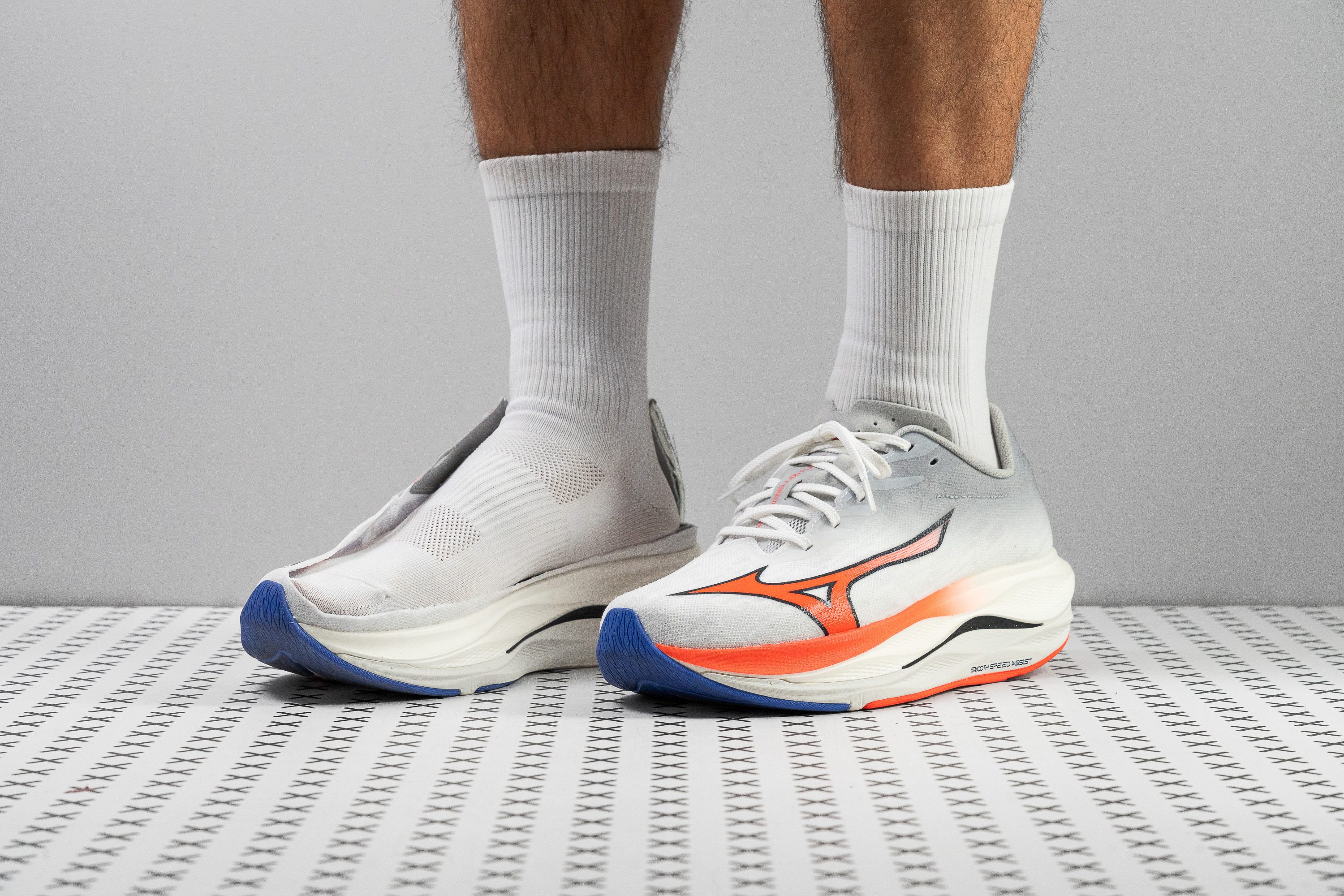
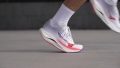
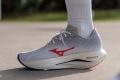
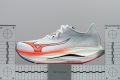
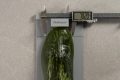
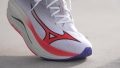
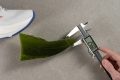
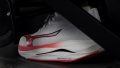
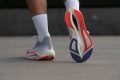
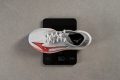
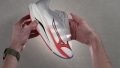
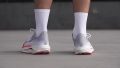
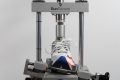
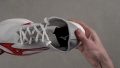
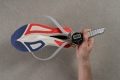
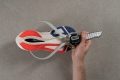
The Mizuno Wave Rebellion Flash 3 is a speedy shoe with a unique geometry and underfoot sensation. Our lab tests validate its electric persona through its energetic midsole and Wave Plate, without sacrificing comfort and flexibility for daily runs. Its light build and awesome impact protection made our runs more enjoyable, making it our best Mizuno running super trainer.
WRF3 infuses power with each stride, courtesy of the bouncy cushioning, which our lab test verifies with high energy return rates of 68.1% in the heel and 65.6% in the forefoot. Meanwhile, the Wave Plate nestled in the midsole offers snappiness without the rigidity.
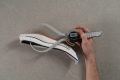
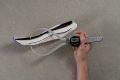
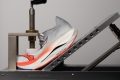
Our feet couldn’t deny its effortless feel, and our bend test shows it needs 11.7% less force than average to reach 30 degrees. That’s actually forgiving for a plated shoe, making it compatible for training sessions. Additionally, its weightlessness is enhanced by its actual low 8.6 oz (244g) figure, 7.6% below average.
With every takeoff, a divine cushioning awaits. In our shock absorption test, WRF3 scored an impressive 170 SA in the rear and 122 SA up front, meaning it’s able to absorb impact better than average, keeping our legs fresh.
Unfortunately, landing on the heel feels funky because of the trainer’s unique design. We think it suits midfoot runners best.
Pros
- Amazing shoe for midfoot strikers
- Fiberglass plate mixes propulsion and flexibility
- High stack
- Outstanding grip
- High stack fore- and mid-foot for cushioning
- Safe for night runs due to reflective details
- Versatile shoe for daily runs and tempo workouts
- Performs well in cold weather
Cons
- Not for heel strikers
- Bad fit for wide feet runners
- Tongue should be gusseted
Best Mizuno running shoes for racing










What makes it the best?
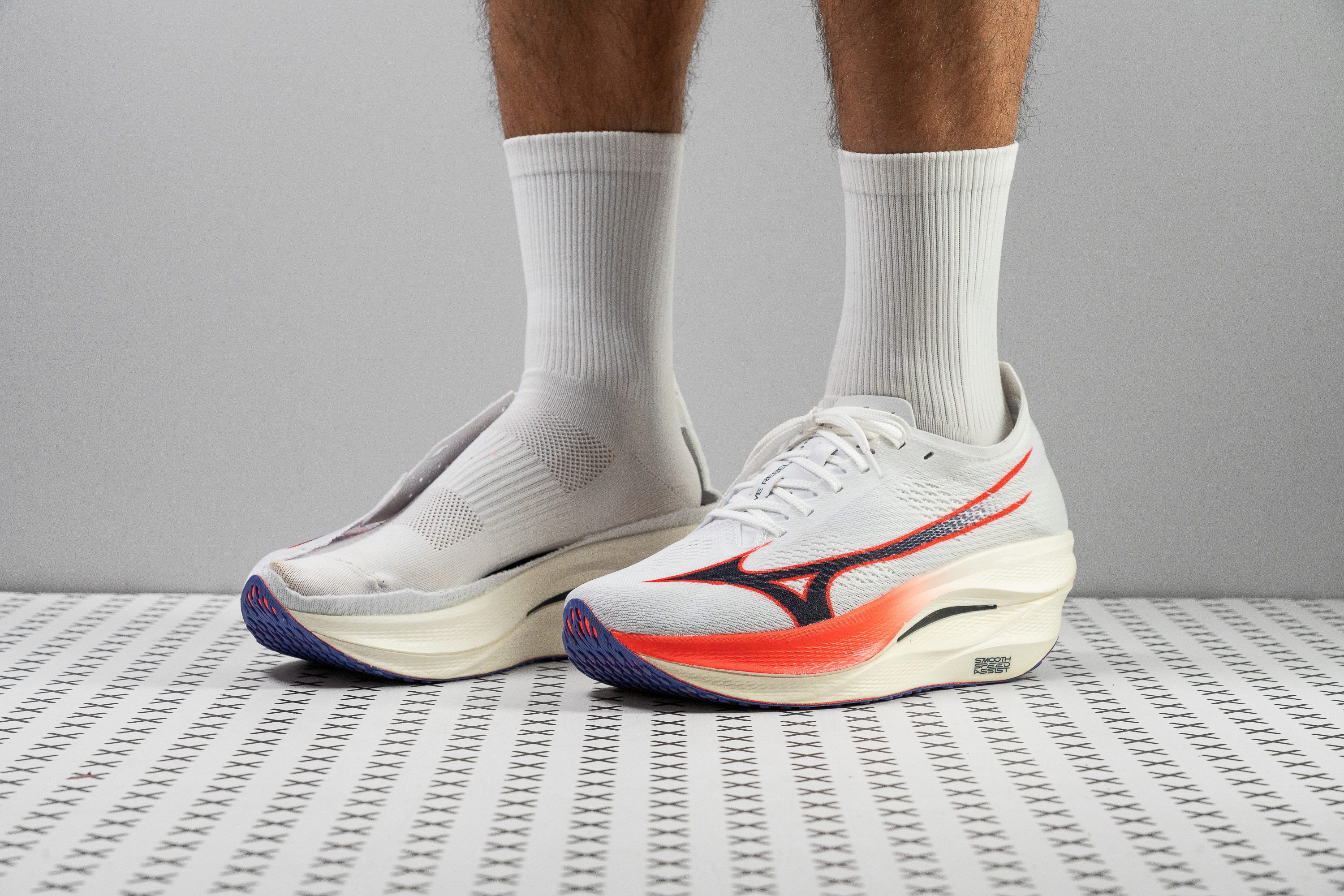
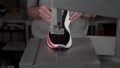
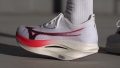
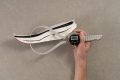
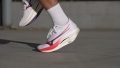
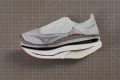
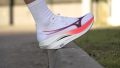
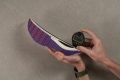
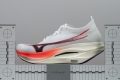
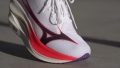
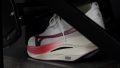
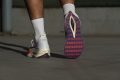
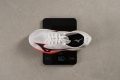
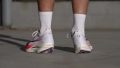
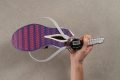
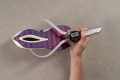
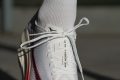
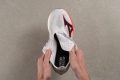
Already in its name, Wave Rebellion Pro 3 is a one-of-a-kind rebel racer. With its unconventional geometry, crazy stack height, and light build, it delivers a uniquely enjoyable ride. Through our runs and lab tests, we discovered it's insanely responsive and is the best Mizuno race shoe for a niche market—fast and technical midfoot strikers.
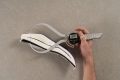
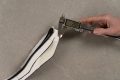
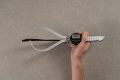
At first glance and slip-on, this racer immediately stands out with its innovative design. Featuring an ultra-thick midfoot foam for comfort, it boasts the SMOOTH SPEED ASSIST technology that amplifies forward momentum. To stay within the 40-mm race-legal limit, the heel has less foam at 39.9 mm. The forefoot measures 34.5 mm, while the midfoot edges towards a staggering 61.0 mm!
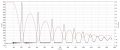
We tested for the foam’s energy return and recorded above-average scores of 66.3% in the heel and 69.1% in the forefoot. In between these layers is the nylon Wave Plate for extra snappiness.
Meanwhile, every landing feels highly cushioned, with unmatched shock absorption ratings of 184 SA in the heel and 126 SA in the forefoot.
Despite its monstrous size, this racer is astonishingly light at 8.0 oz (227g), 16.3% below average.
Because of its bizarre geometry, this shoe is ideal only for a target niche: midfoot strikers. We advise forefoot and heel strikers to find a shoe that works with their natural stride.
Pros
- Record-breaking shock absorption
- Improved TPEE-based foam
- Strong traction
- Ideal for midfoot strikers
- Excellent performance in cold weather
- Yes, it's World Athletics legal!
- Great for marathon racing
- Unique look and feel
- Fantastic breathability
Cons
- Suited only to a specific footstrike
- Energy return still lags behind top rivals
- Heavier than most super shoes
- Needs better laces
Mizuno running shoes with the best shock absorption



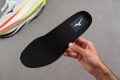

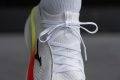
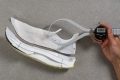
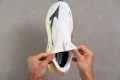
What makes it the best?
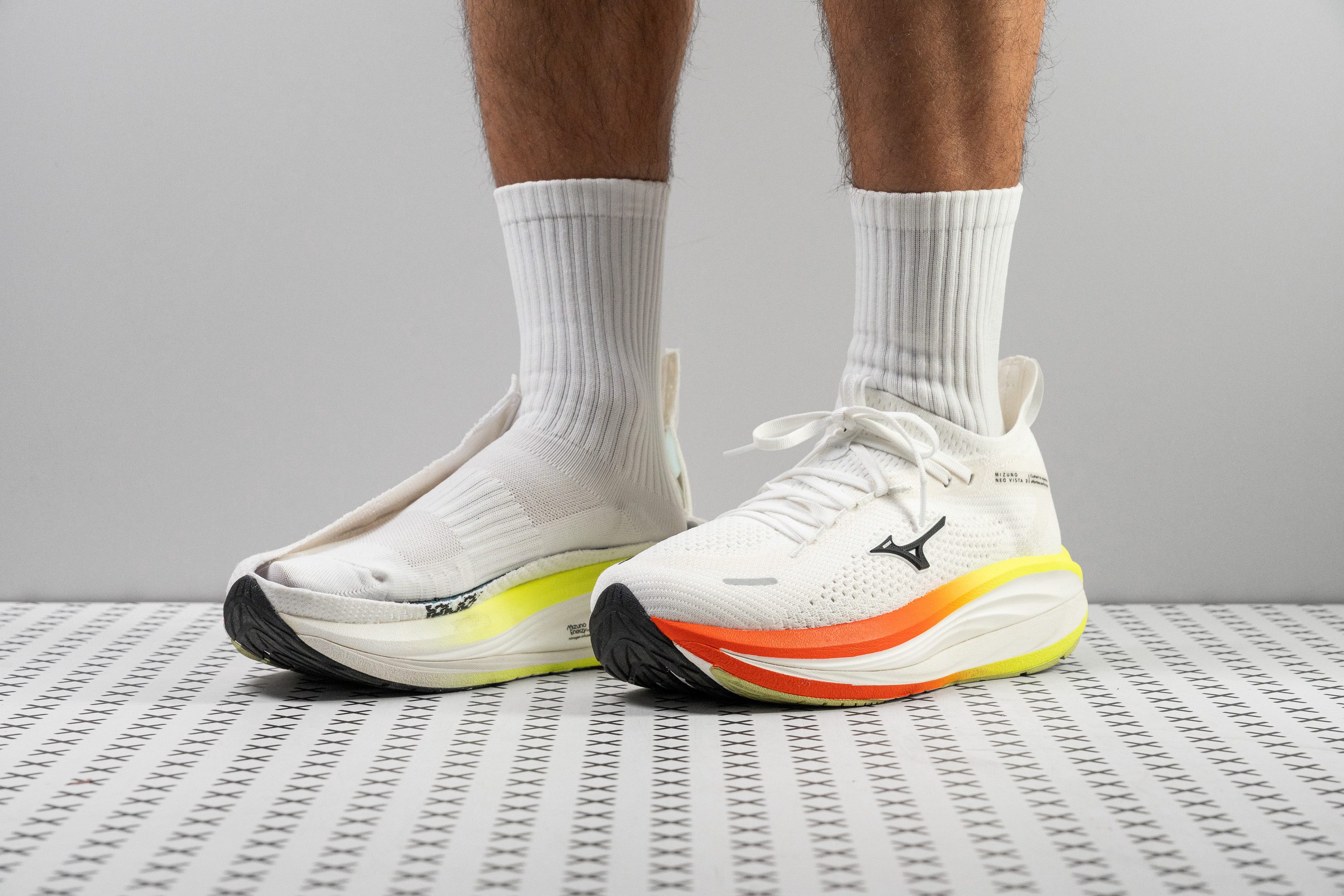
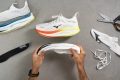
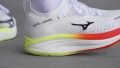
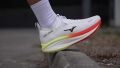
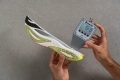
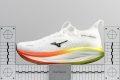
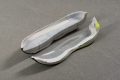
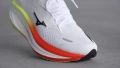
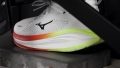
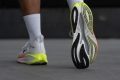
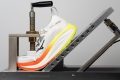
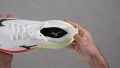
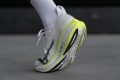
The Neo Vista 3 is all about protecting our joints and preventing fatigue with its ultra-padded yet light construction. Further tests in the lab confirm our impression: it offers superior shock absorption among Mizuno running shoes with its maximalist stack, airy build, and flexible midsole. It offers a rare mix of lightness and cushioning that is pure magic.
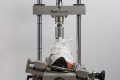
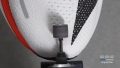
No matter how many miles we log, we can run in zen mode thanks to this shoe’s luscious midsole. Its ultra-soft nature enhances its comfort. Testing for its shock absorption, it made our jaws drop and led the pack with 167 SA in the heel and 133 SA in the forefoot! We find it to be a top choice for relaxed or long runs.
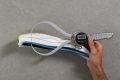
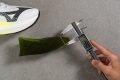
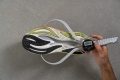
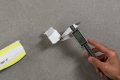
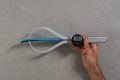
The Neo Vista 3 is packed with lots of foam underneath, and our caliper reveals it’s a massive 43.5/35.0 mm. Its forefoot stack height is around the average heel cushion in our lab!
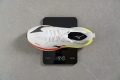
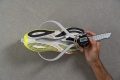
It prevents the build-up of fatigue because of its surprisingly light build. At 9.4 oz (266g), it weighs near-average despite its maximalist nature. It also has a bendable midsole that boosts comfort for all-day wear, scoring at par with average. Not only that, it has a very pronounced rocker that keeps forward transitions silky smooth.
Unfortunately, the plush foam comes at the expense of stability. Those who don’t want the heavy sinking feeling should check out another shoe.
Pros
- Exceptionally plush cushioning
- Top-level shock absorption
- Better heel lockdown than before
- Breathable knit upper
- Stable for a max-cushion trainer
- Long-lasting outsole rubber
- Dries quickly after sweaty runs
- Reasonable weight
- Fully redesigned Wave Plate
- Ideal partner for long runs
Cons
- Lacks the expected bounce
- Expensive for its performance
- Rocks can get trapped
- Overpriced
Best lightweight Mizuno running shoes

What makes it the best?
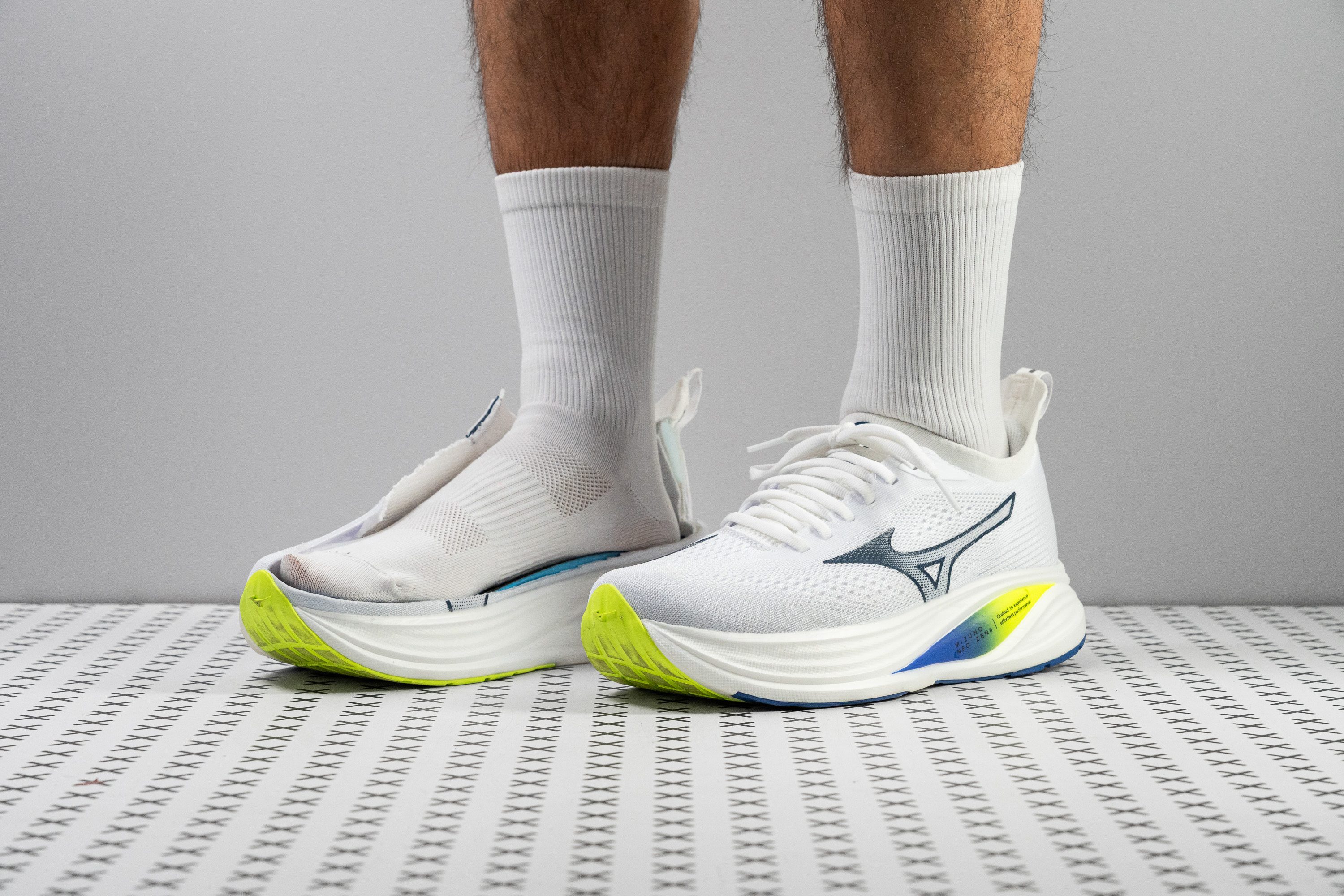
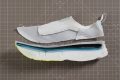
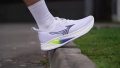
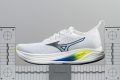
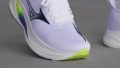
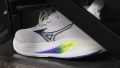
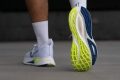
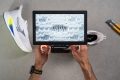
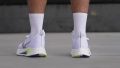
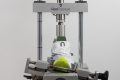
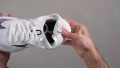
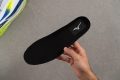
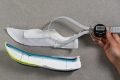
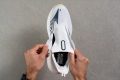
Our minds can stay in zen mode in the Mizuno Neo Zen 2 because it blends maximum height and impact protection with a low figure and flexibility. Truly, Neo Zen 2 elevates comfort to the next level and stands out in the lab as the best lightweight Mizuno running shoe.
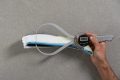
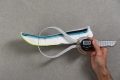
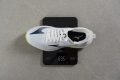
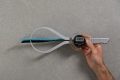
We took the Neo Zen 2 to our scales and were in awe of its surprisingly light build. At 8.4 oz (237g), Neo Zen 2 is 10.2% below average, while visually looking bulky.
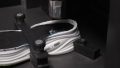
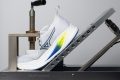
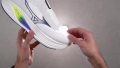
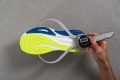
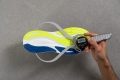
Furthermore, its weightless sensation and natural feel are enhanced by its fluid build. In our bend test, it's 13.6% more flexible than average, increasing comfort for long, slow miles.
The shoe is obviously high-stacked, and our caliper confirms a skyscraper build of 39.9/34.9 mm, leaving all foot strikers with bottomless cushioning. Its ultra-soft touch enhances its comfort. Testing for shock absorption, the heel returned 143 SA and the forefoot 132 SA. For reference, both exceed their respective averages by 10.0% and 23.4%.
But of course, there is a downside. The second version of the Neo Zen received a downgrade in energy return. Neo Zen fans expecting to find the spark and liveliness of V1 won’t find that here.
Pros
- Massive shock absorption for long runs
- Interesting knit/mesh combo upper
- Ideal for easy long runs
- Improved stability
- Low weight for a max-cushioned trainer
- Flexible ride with smooth transitions
- Knit tongue does not move at all
- Interesting option for midfoot strikers
Cons
- Major downgrade in energy return
- Poor upper durability
- Only for narrow feet
- Not as fun anymore
Muzino running shoes with the best stability
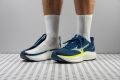
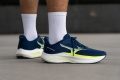
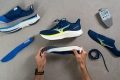
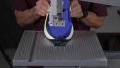

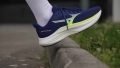
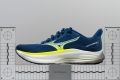



What makes it the best?
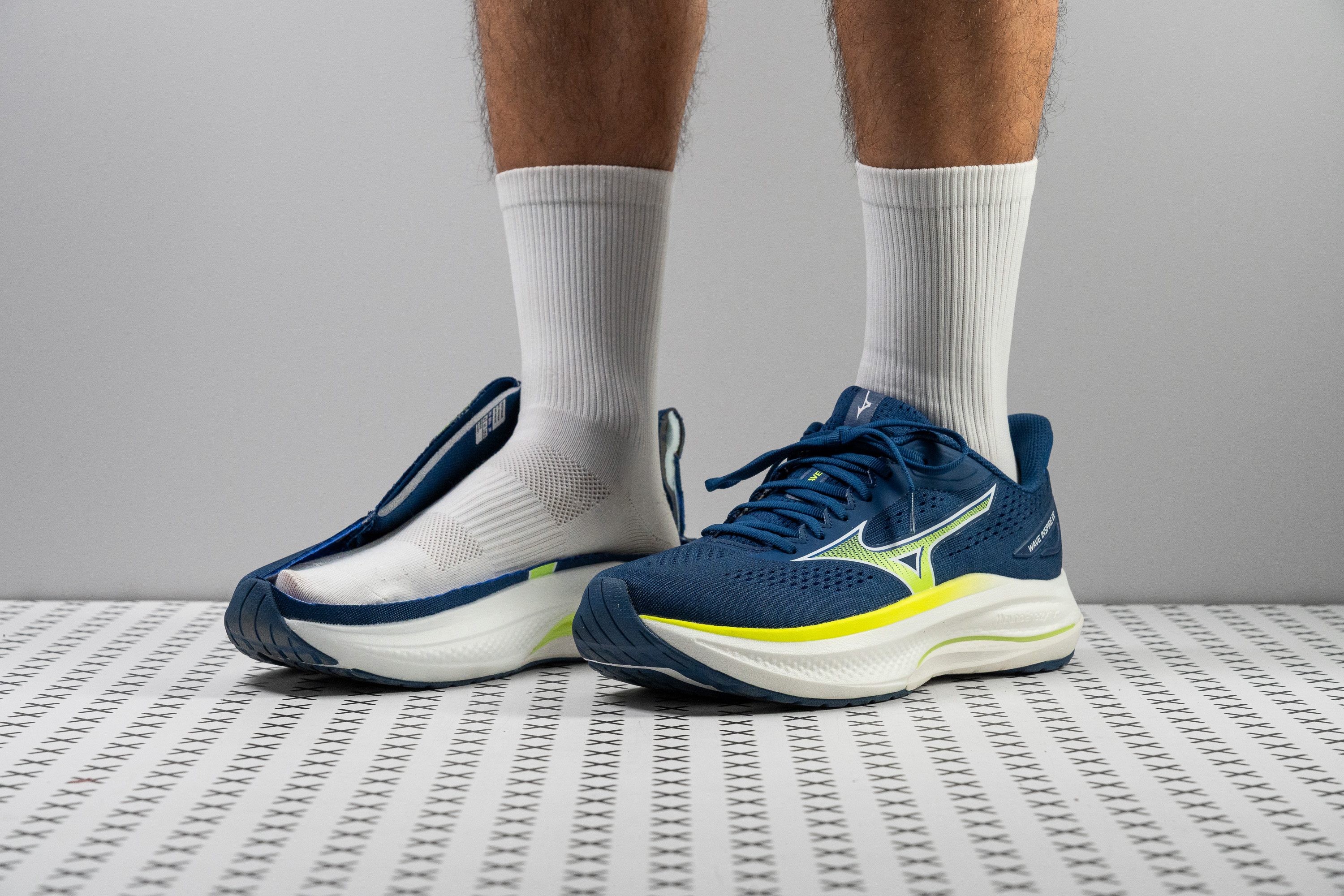
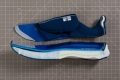
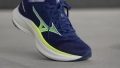
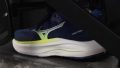
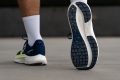
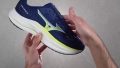
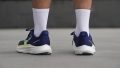
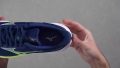
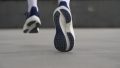
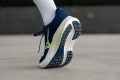
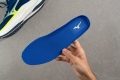
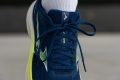
We went on actual runs and took apart Mizuno running shoes in search of the best stability shoe—and we found the 22nd Wave Inspire leads the pack. It strikes the equilibrium between comfort and support. It has elements that subtly guide us, allowing us to stride naturally. Plus, its stellar X10 rubber outsole is a perfect mix of durability and traction.
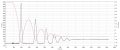
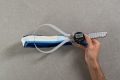
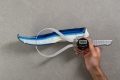
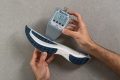
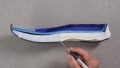
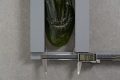
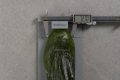
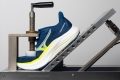
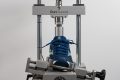
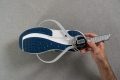
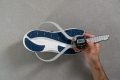
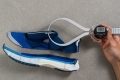
The main stability features are the vast 96.2 mm heel and the Wave plate. The extra width ensures safe landings without adding intrusive elements. Meanwhile, the partial Wave plate’s positioning under our midfoot and heel feels extra supportive. It prevents ankle rolls and excessive lateral movements without stiffening the ride, proven by its 3/5 torsional rigidity mark.
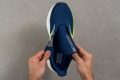
Unlike most stability shoes, WI22 highlights comfort. Its loose build allows us to move freely. In our flex test, it takes 14% less force to bend vs. the average—impressive considering the support it delivers. Underfoot, it offers impressive shock absorption, particularly in the forefoot with 115 SA.
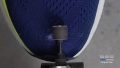
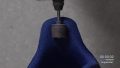
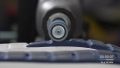
Completing this package is a robust outsole that barely showed signs of wear after our runs and displayed reliable traction on wet pavements. It scored a solid 0.55 score in our friction test and showed a minimal 0.5 mm dent in our Dremel test.
However, the midsole fell short in responsiveness. While it prioritizes support, it lacks the energy and liveliness for those chasing a more exciting ride.
Pros
- Excellent outsole durability
- Softer Enerzy NXT foam
- Improved forefoot shock absorption
- New drop offers more versatility
- Smooth ride without excess rigidity
- Dependable for daily mileage
- Stable heel platform
- Keeps the same price
- Good for long walks
Cons
- Low bounce
- A bit heavy for its size
- Only suitable for mild pronation
Mizuno is like an underdog in the running shoe world. The company is 120 years old and, when it comes to marketing shoes, their advertising is seriously behind other big brands, and yet, we’re talking about their shoes, and they definitely managed to stir the waters with the radically designed competition shoes.
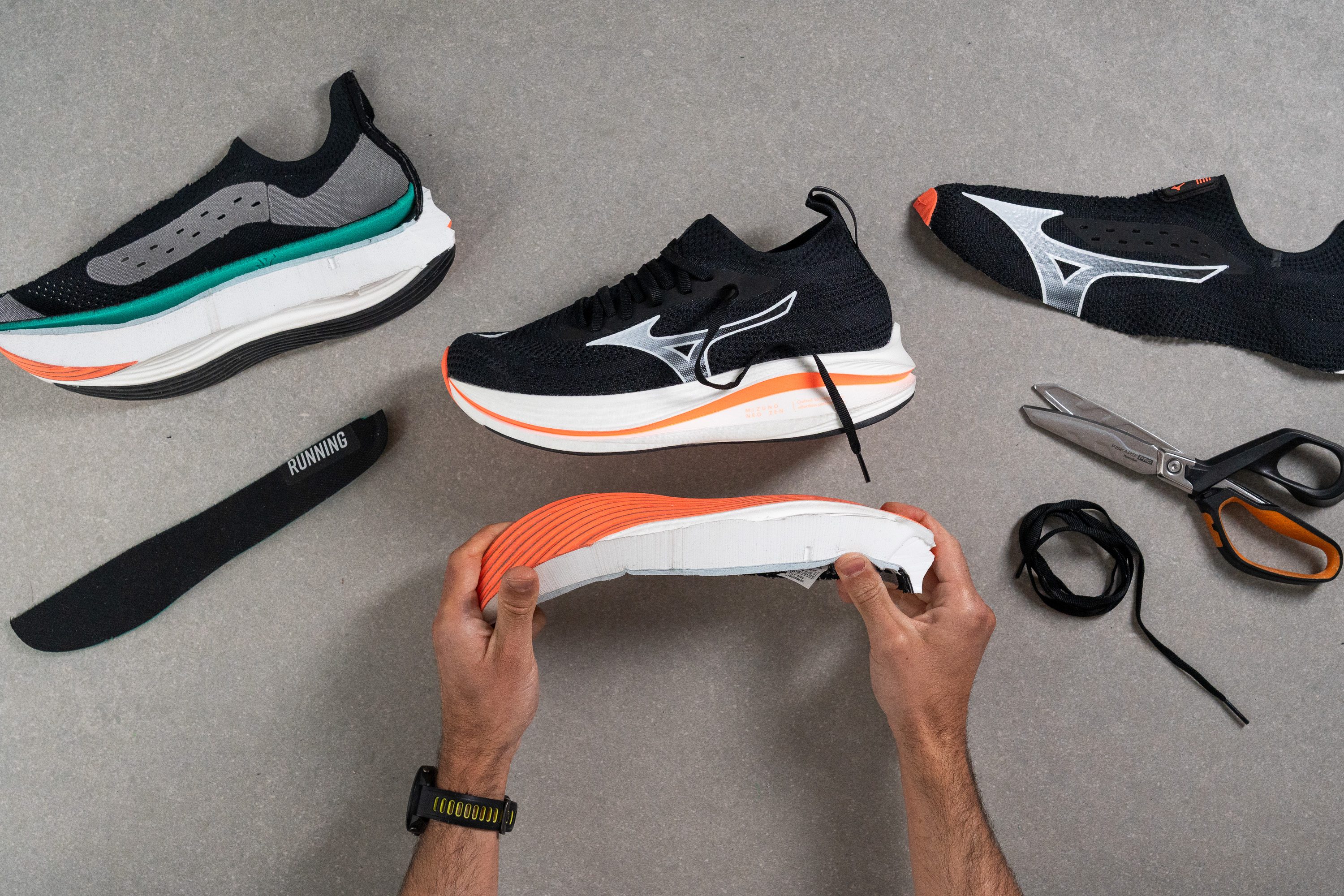
Mizuno daily trainers
If you’re looking for a daily beater, Mizuno has plenty to offer. There are different models available, and they keep getting updates in the form of new releases, like Rider, Inspire, and Sky. What Mizuno is known for is the Wave plate.
It distributes the impact and helps with stability. When there’s no plate, it helps to cut the shoe in half to uncover a dual-density midsole, a firmer and a softer compound sandwiched together! If you want to get nerdy and learn more about Mizuno's foams, head over to the Mizuno Enerzy (TPE), Mizuno Enerzy Lite (Nylon), Mizuno Enerzy Lite+ (PEBA) and Mizuno Enerzy XP (PEBA / TPEE) sections of our Ultimate guide on running shoe foams.
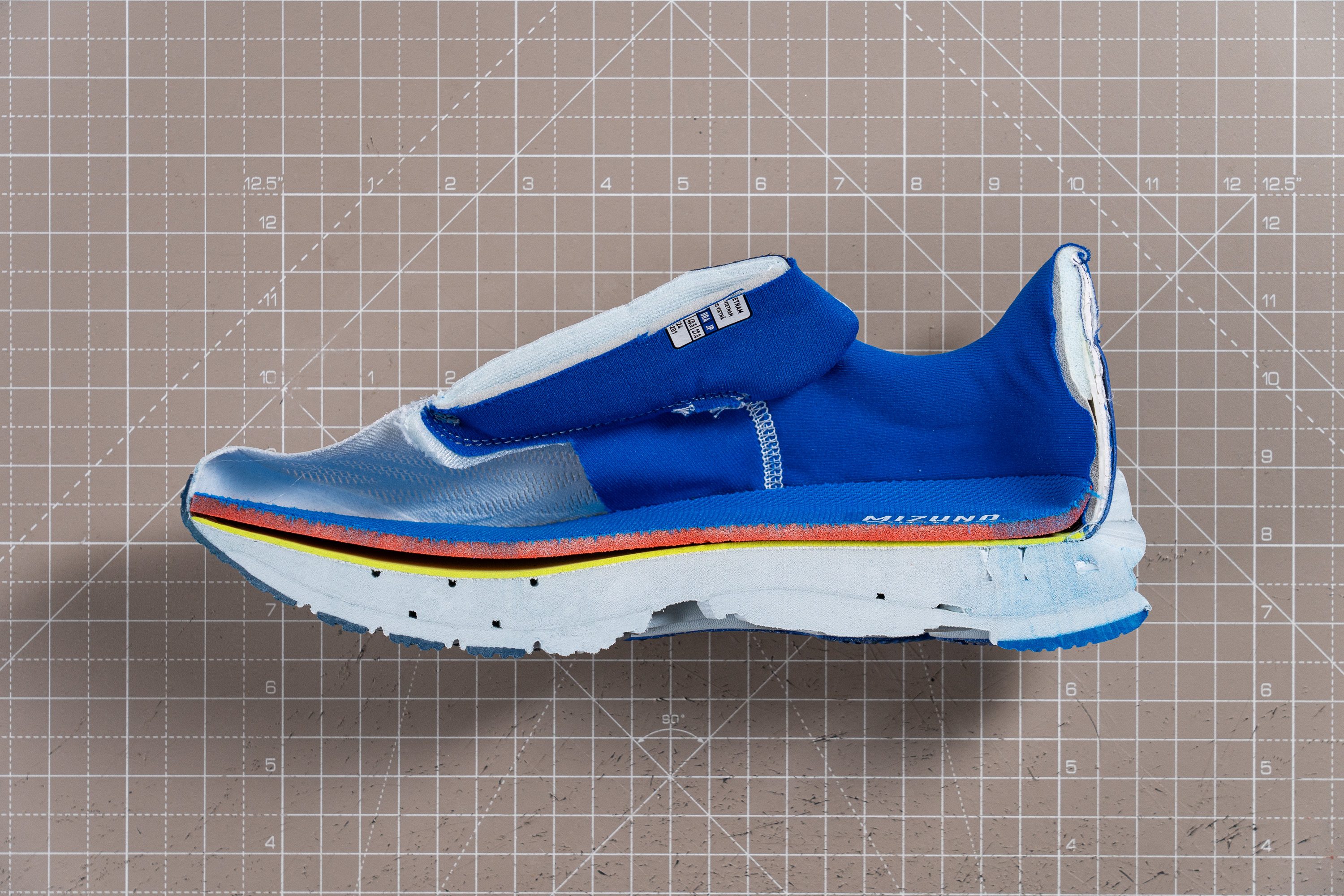
Mizuno is known for the stability that their shoes offer to those who overpronate.
Mizuno race shoes
In case you’re looking for competition shoes from Mizuno, you may be surprised by their bizarre geometry. That is one extreme heel bevel!
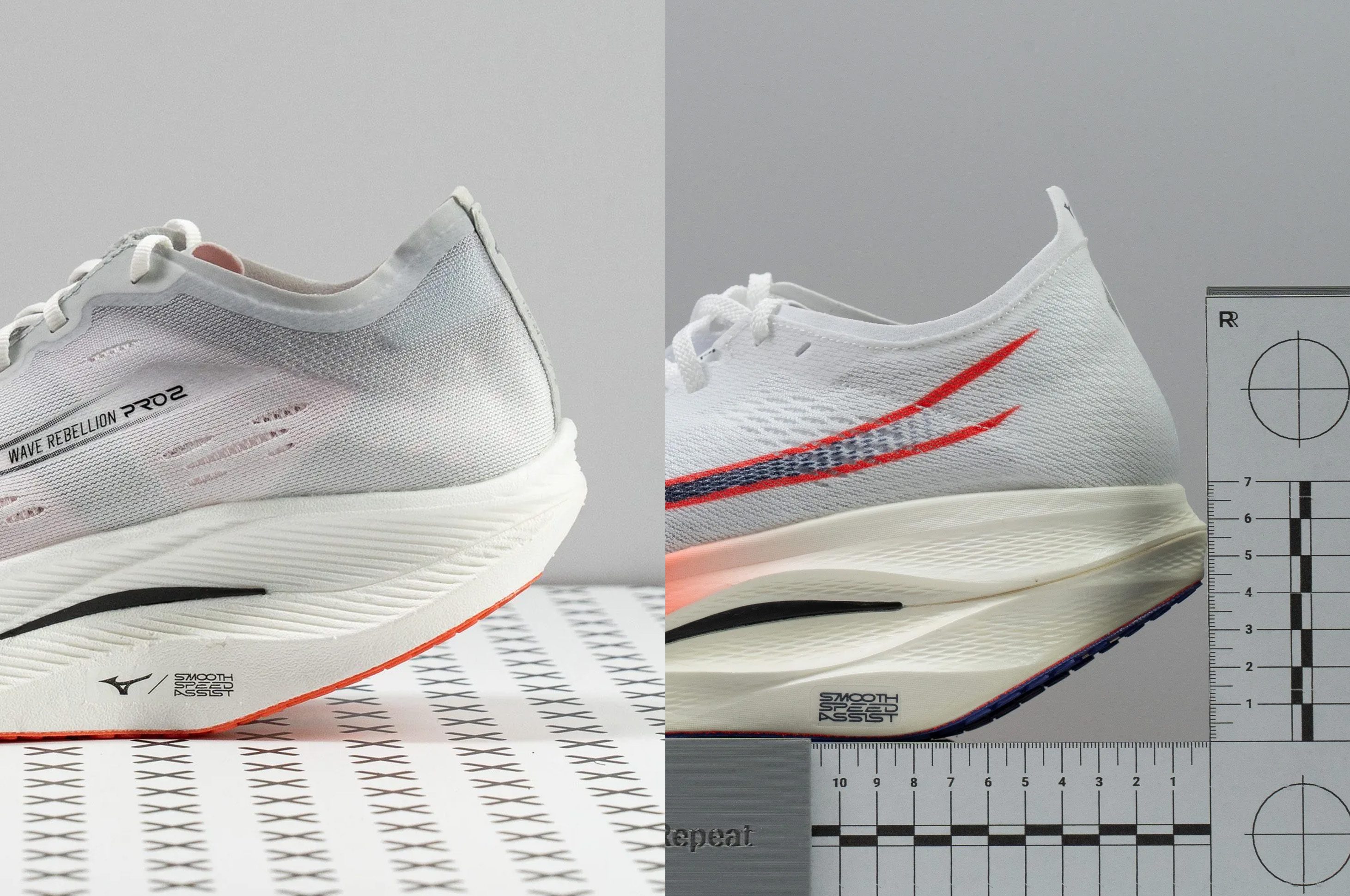
In our lab, we often take the rocker photo to discuss how aggressive the rocker is and what it means, but Wave Rebellion models certainly added more to the picture. Next to the unique looks and ride, you should also be prepared because the design makes the shoes best for midfoot strikers.
These shoes also struggle with stability, sub-par energy return (compared to the other race shoes on the market in the same price range), and, in some cases, we expected them to weigh less. We recommend reading the full reviews to learn more.
Energy return and shock absorption in Mizuno running shoes
Is Energy NXT foam that good? Are Mizuno running shoes so responsive? Let’s have a look.
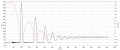
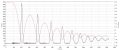
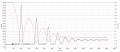
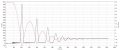
In the lab, we test the energy return and shock absorption at the same time. Energy return tells us how responsive Mizuno running shoes are, and the higher the energy return (in percentages), the better. The highest energy return is documented in competition running shoes.
| The average energy return of Mizuno running shoes we’ve tested so far sits at 56.6% and shock absorption at 147 SA. |
Shock absorption, on the other hand, tells us how protective the midsole is, which becomes even more important on long runs (half marathons, marathons, ultras). Again, the higher it is, the better.
The combination of the moderate-to-high energy return is the best if you want to avoid premature fatigue and your legs doing the job that the midsole can take care of.
For context, an energy return of 65 or more is considered high, 55-65 is moderate and below 55 it is low. Shock absorption is high when above 130 SA, moderate when in the 110-130 SA range, and low when below 110 SA.
Traction in Mizuno road shoes
We may cover many technical aspects of shoes, but it won’t matter how responsive the midsole is or how durable the heel padding is if you end up slipping and sliding when the surface (asphalt, concrete, tiles) gets wet. So, we have to turn to our specialized machine that tests traction.
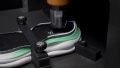
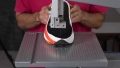
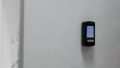
This test follows SATRA TM144 methodology, which means we use a 500N force to press the shoes against a wet surface at a 7-degree angle to replicate the real-life running conditions. We see the result on the digital display and it’s given as a dynamic coefficient of friction. The higher it is, the better, especially for running in wet conditions.
High traction is found in running shoes with high-quality rubber and outsoles with a higher rubber coverage (exposed midsole is far from ideal). Anything higher than 0.45 is considered great for both wet, slick, and dry surfaces. A dynamic coefficient of traction in the 0.25-0.45 range means that the shoe may slip on some wet surfaces but is generally considered OK. Lower than 0.25 is not safe, not even for dry areas.
Pumping Mizuno shoes full of smoke: breathability lab data
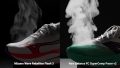
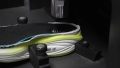
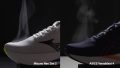
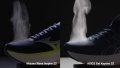
Why would we pump the shoes full of smoke? To test their breathability, of course. We even use a custom 3D printed cast that directs smoke directly to the toebox. Then, we turn on the smoke machine and watch the smoke come out: how quickly it starts passing through, where, and at what pace.
Based on what we see, we assign a 1-5 breathability score, where 1/5 is the least breathable (winter-friendly) and 5/5 is the most breathable (summer-friendly).
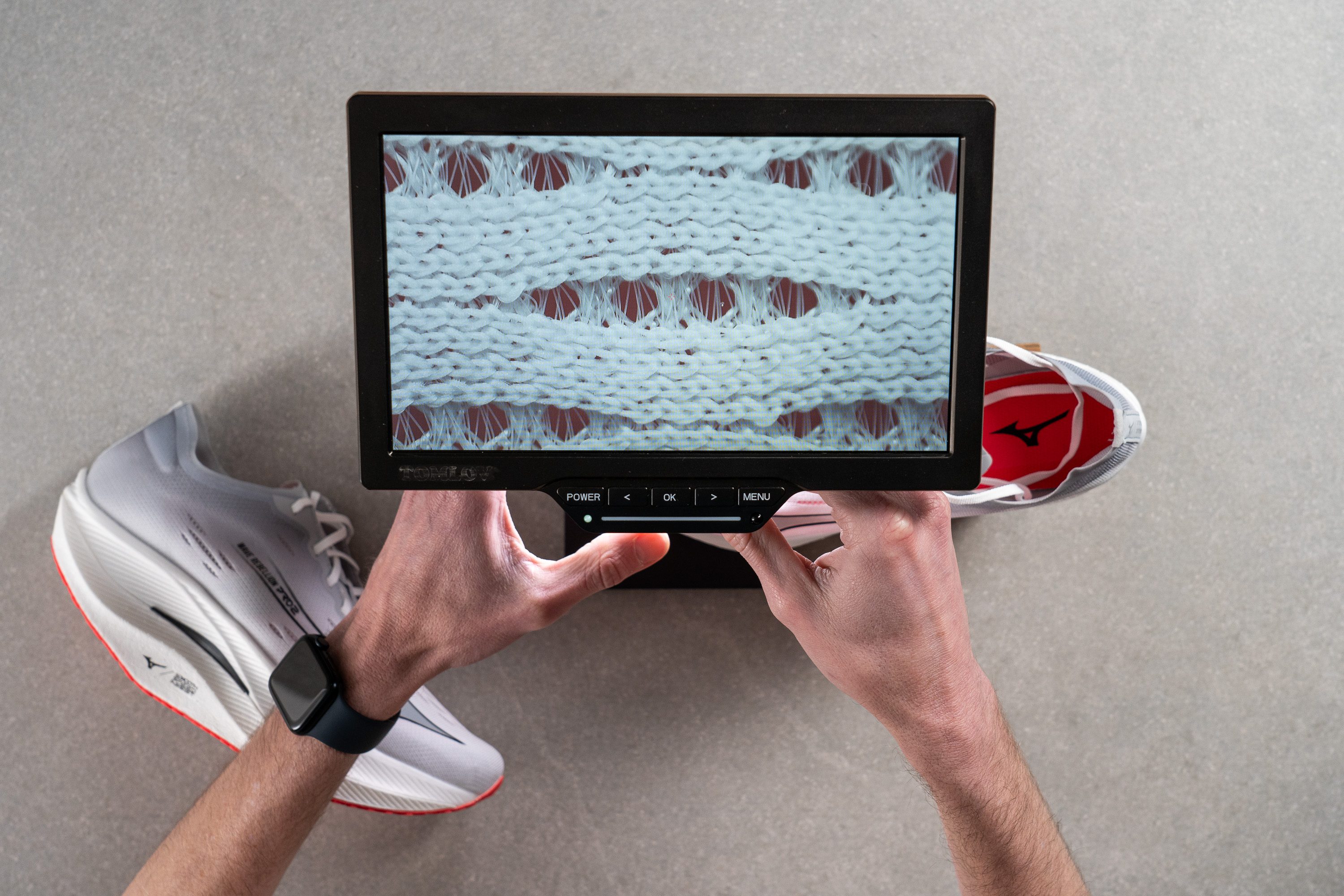
We also look at the uppers under the microscope and the flashlight to better understand what’s happening. This allows us to understand the material structure and overlays.
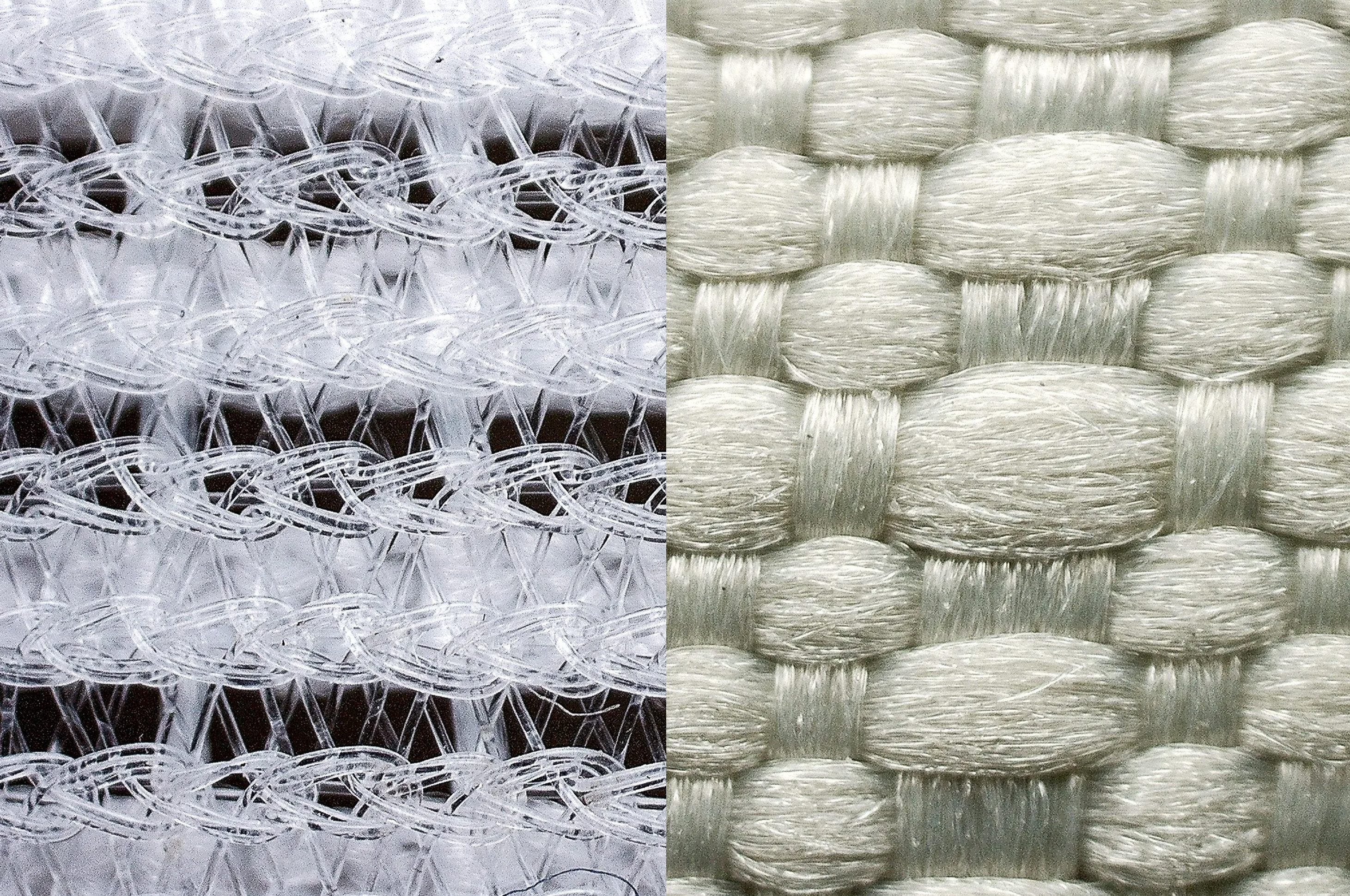
Interestingly, Mizuno shoes usually score in the 2-4 range on our breathability tests.
Most durable Mizuno running shoes
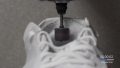
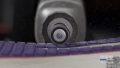
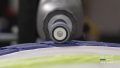
We test the durability of running shoes in 3 areas: the outsole, the toebox, and the heel padding. In all 3 cases, we use a Dremel. The tests are standardized, which means that all running shoes, regardless of the brand or purpose, are tested under the same conditions: the same force, the same RPMs, and the same time duration. Additionally, we keep the temperature and humidity at constant levels in our lab.
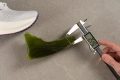
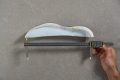
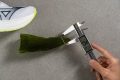
Once the outsole durability test is done, we use a tire tread gauge to measure the depth of the dent (damage). The deeper the damage, the less durable the outsole.
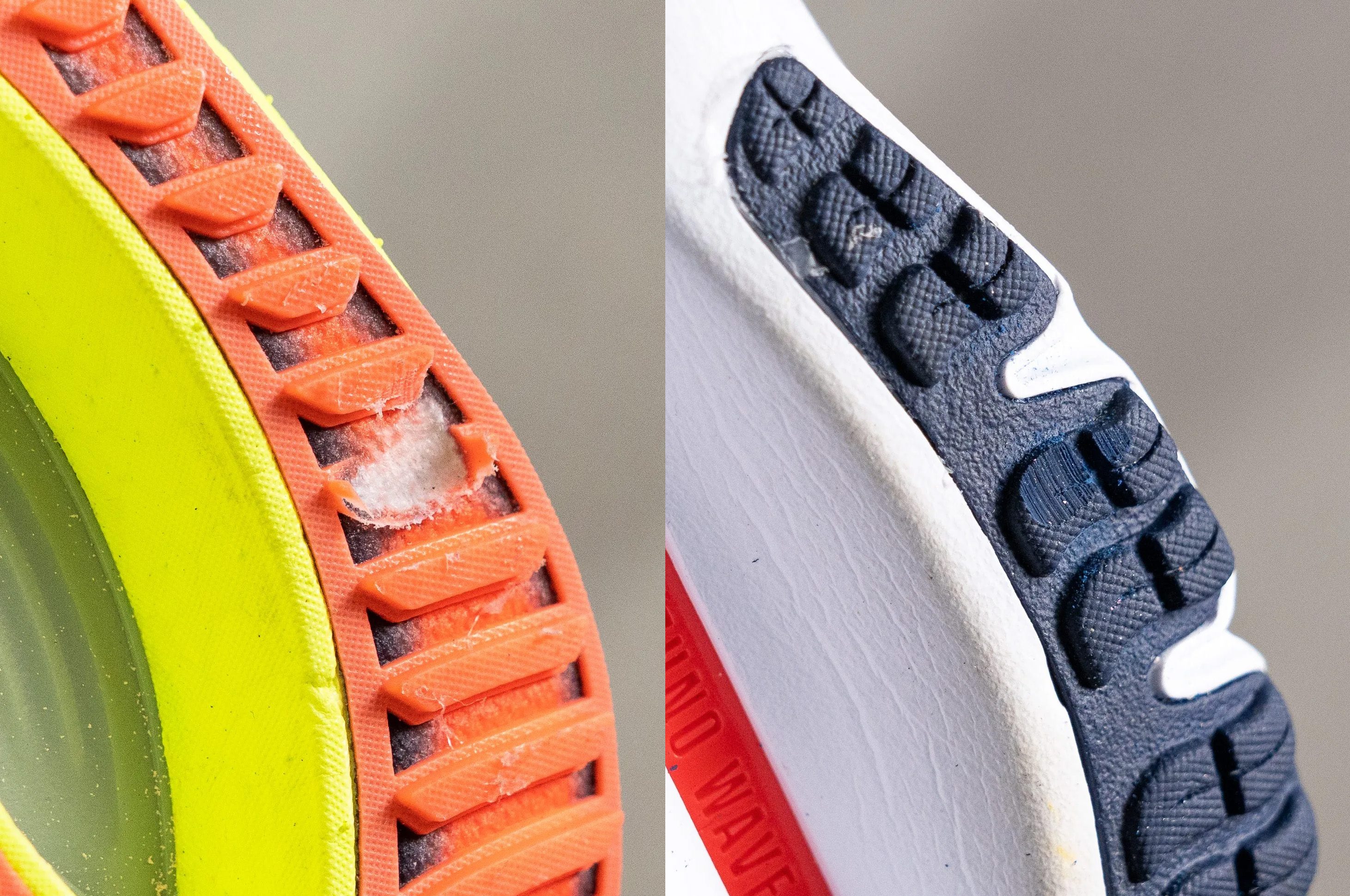
We also add the outsole thickness to the equation because the thicker it is, the more you have “room” to destroy it.
But, when doing the durability tests on the toebox and heel padding, due to the nature of the material (textile/mesh/knit and not hard rubber), we can’t use a tire tread gauge, so we assess the damage on a 1-5 scale. The higher the number, the more durable the area.
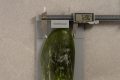
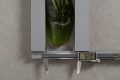
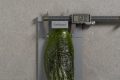
The worst toebox durability ratings are assigned to the uppers which end up with a hole in them. The one above scored 2/5.
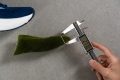
The durability of the heel padding is especially important for runners with Haglund’s deformity or who don’t use a shoe horn when putting the shoes on. The shoe above got a 3/5 score for the heel padding durability.
Least durable Mizuno running shoes
The same tests stand here (as above), but we can sort the shoes by the lowest durability ratings.
Heel drop: what to pay attention to
If you’re a beginner, there’s no need to overthink this. You can stick to running shoes with a heel drop in the 8-12 mm range. Advanced runners usually want to dive deeper.
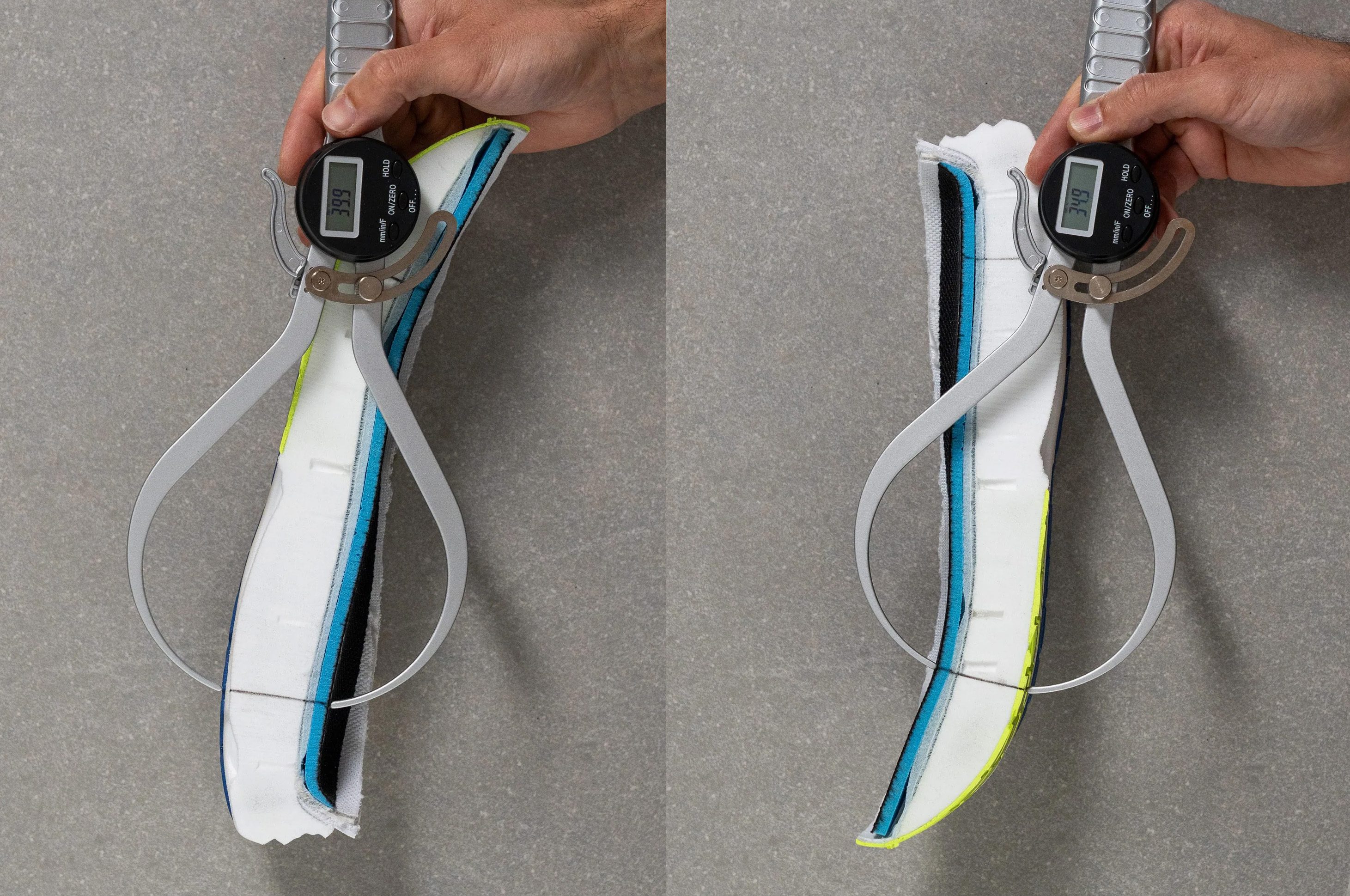
Heel-to-toe drop is important in case you a) are injured or recovering from an injury, or b) are planning to buy a shoe that has a heel drop that’s 4 mm or more higher/lower than what they’re currently running in.
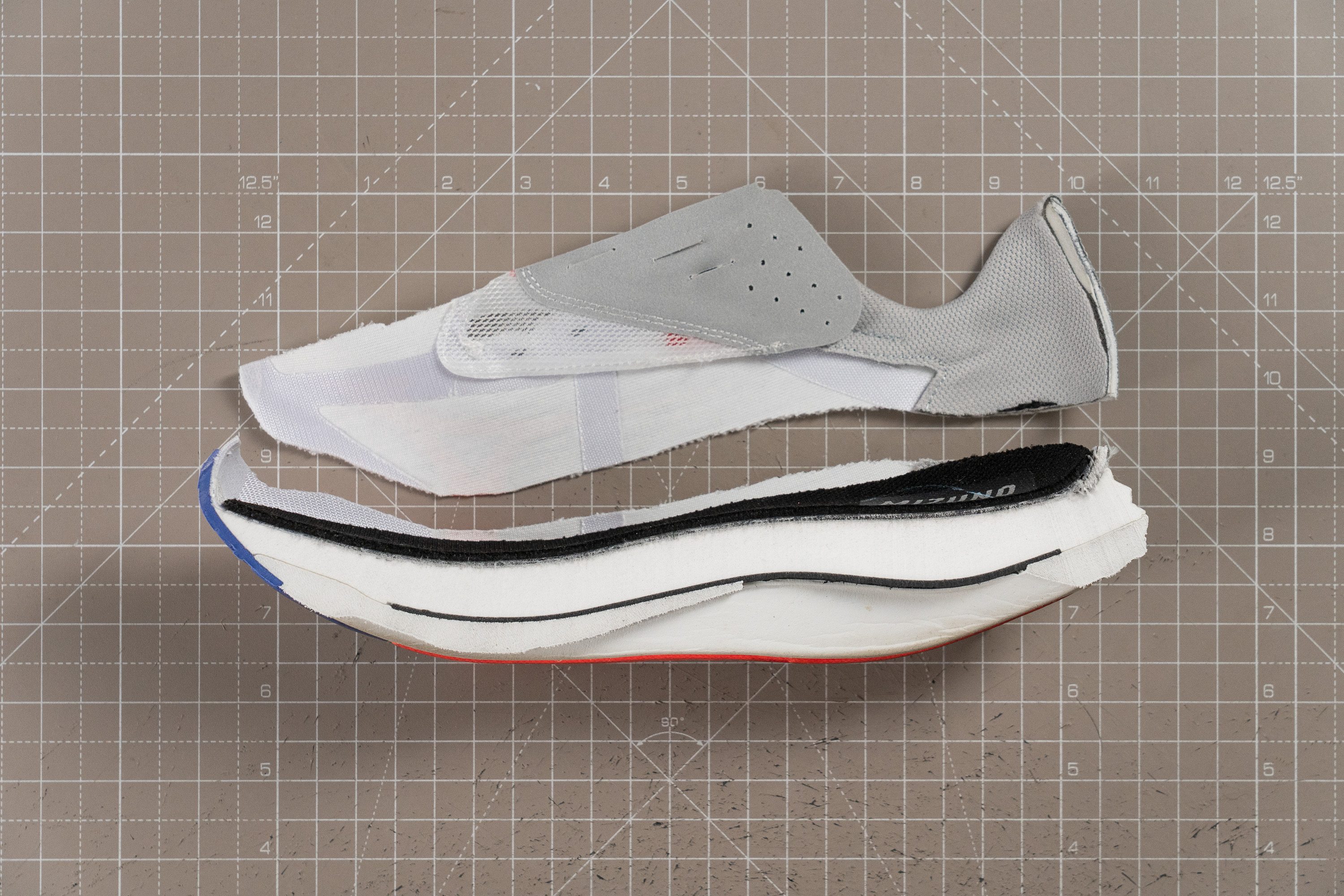
Lower drop utilizes lower leg muscles and higher drop utilizes higher leg muscles. Additionally, the difference in drop that’s 4 mm or higher is considered significant and runners should exercise caution. An adaptation period is needed so that the transition is smooth and without strain, fatigue, or injury.
How do Mizuno running shoes fit?
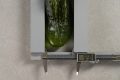
Depends on the model. Fortunately, this is something we quantify in the lab by measuring the width of the toebox, the width of the shoe, and the height of the toebox. We can do this thanks to the gel molds of shoes’ interiors that we make for all the shoes that go through our lab.
Once the gel has frozen inside the shoe, we take the mold out and are ready to start measuring.
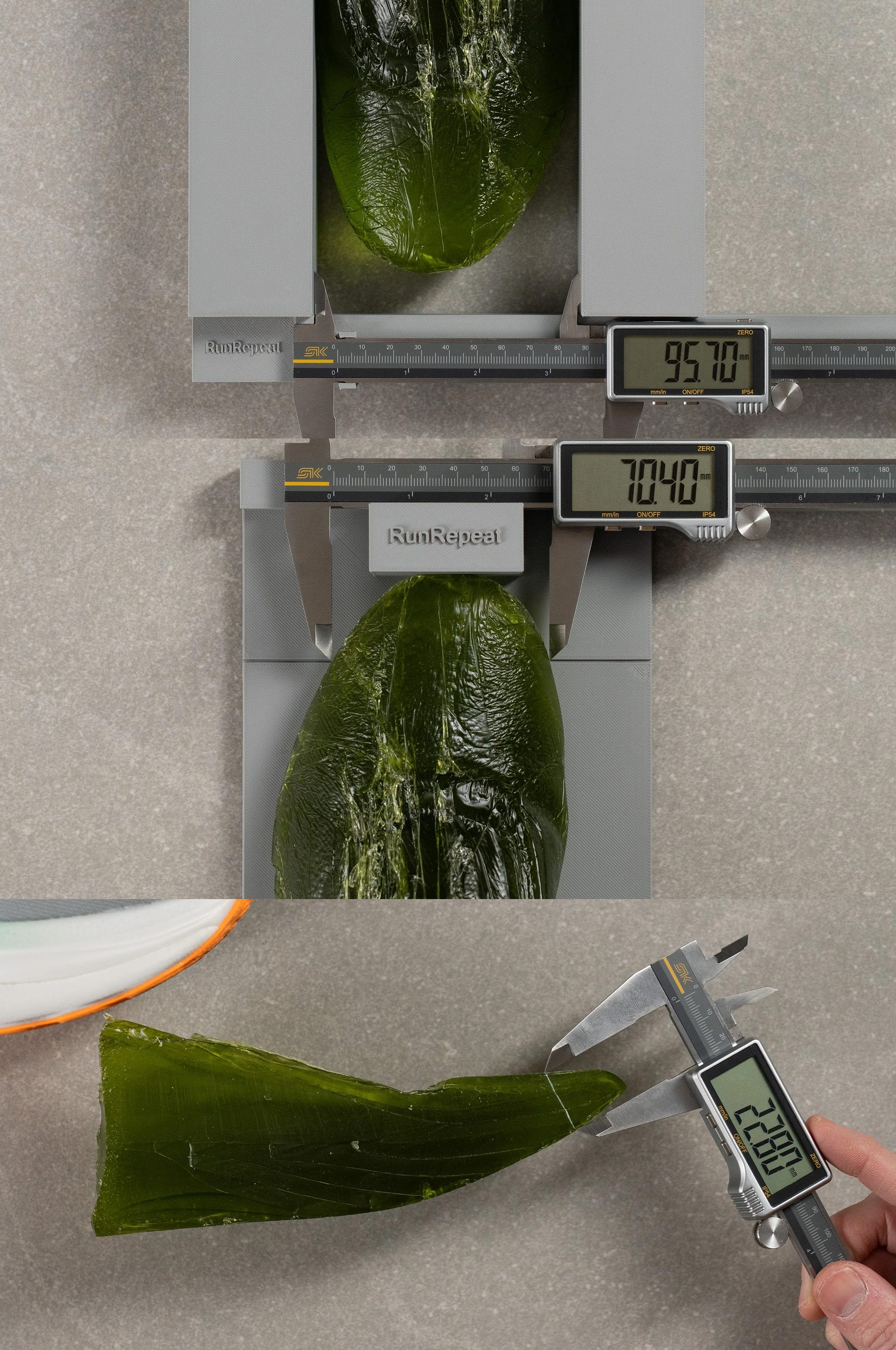
Having access to all 3 measurements allows runners to find shoes that offer more or less room exactly where they need it. Runners with big toes pointing up or simply high-volume feet will look at toebox height, while those with wide forefoot who love to splay the fingers and not get them cramped will look for a wider toebox.
If you’re still in doubt about the sizing, head over to the Mizuno size chart.
Similar buying guides