
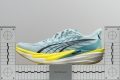
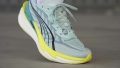
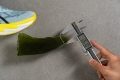
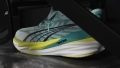
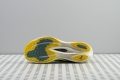
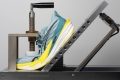


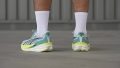
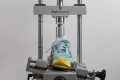
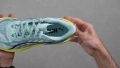
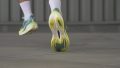



Nuestra conclusión
- Tiradas diarias / rodajes 85
- Tempo 86
- Competición 74
- Estabilidad 73
Pros
- Ágiles
- Tracción y durabilidad de la suela excelentes
- Antepié ágil y divertido
- Buena transpirabilidad
- Placa de carbono que proporciona reactividad
- Precio razonable
- Buena conexión con el suelo al correr
- Más ligeras que las v3
Contras
- Placa rígida que las hace un poquito menos cómodas
- Retorno de energía bajo en el talón
- La durabilidad del upper decepcionará a muchos corredores
Premios
- Entre zapatillas de running con la mejor tracción
- Top 29% entre zapatillas de running
- Top 29% entre zapatillas de running neutras
- Top 20% más vendidas zapatillas de running
Comparativa
Las zapatillas de running más parecidas
+ + Añadir unas zapatillas | |||||
|---|---|---|---|---|---|
| Nuestra puntuación | 85 Geniales | 85 Geniales | 85 Geniales | 79 Buenas | |
| Precio | 170 € | 110 € | 165 € | 65 € | |
| Ritmo | Tempo / seriesCorrer a diario | Correr a diario | Correr a diario | Correr a diario | |
| Absorción de impactos | Alta | Moderada | Alta | Moderada | |
| Retorno de energía | Alto | Moderado | Bajo | Moderado | |
| Tracción | Alta | Alta | Alta | Alta | |
| Sujeción arco del pié | Neutral | Neutral | Neutral | Neutral | |
| Peso laboratorio Peso marca | 8.7 oz / 247g 8.6 oz / 245g | 9.1 oz / 258g 9.1 oz / 259g | 9.1 oz / 258g 9.3 oz / 264g | 9.3 oz / 264g 9.5 oz / 270g | |
| Ligero | ✓ | ✗ | ✗ | ✗ | |
| Drop laboratorio Drop marca | 7.0 mm 8.0 mm | 8.3 mm 8.0 mm | 7.0 mm 5.0 mm | 8.8 mm 10.0 mm | |
| Técnica de carrera | Medio/antepié | TalónMedio/antepié | Medio/antepié | TalónMedio/antepié | |
| Talla | Tallan bien | Tallan bien | Tallan un poquito pequeño | Tallan un poquito pequeño | |
| Rigidez de la mediasuela | Equilibrada | Blanda | Equilibrada | Firme | |
| Diferencia de la rigidez de la mediasuela en frío | Pequeña | Pequeña | Pequeña | Normal | |
| Durabilidad de la parte delantera | Mala | Decente | Decente | Buena | |
| Durabilidad del acolchado del talón | Baja | Alta | Baja | Alta | |
| Durabilidad de la suela exterior | Buena | Buena | Buena | Decente | |
| Transpirabilidad | Media | - | Baja | Media | |
| Anchura / ajuste | Media | Media | Media | Media | |
| Anchura de la parte delantera | Estrecha | Media | Ancha | Media | |
| Flexibilidad | Rígida | Flexible | Moderada | Flexible | |
| Rigidez torsional | Moderadas | Flexibles | Flexibles | Moderadas | |
| Rigidez del contrafuerte del talón | Moderado | Flexible | Flexible | Rígido | |
| Con rocker | ✗ | ✗ | ✓ | ✗ | |
| Talón laboratorio Talón marca | 33.6 mm 38.0 mm | 33.2 mm 30.0 mm | 34.6 mm 35.0 mm | 31.8 mm 33.0 mm | |
| Antepié laboratorio Antepié marca | 26.6 mm 30.0 mm | 24.9 mm 22.0 mm | 27.6 mm 30.0 mm | 23.0 mm 23.0 mm | |
| Anchuras disponibles | EstándarAncho | EstándarAnchoExtra Ancho | EstándarAncho | EstándarAnchoExtra Ancho | |
| Compatibles con plantillas personalizadas | ✓ | ✓ | ✓ | ✓ | |
| Estación | Todas las estaciones | - | Todas las estaciones | Todas las estaciones | |
| Plantilla extraíble | ✓ | ✓ | ✓ | ✓ | |
| Clasificación | #112 Top 29% | #104 Top 26% | #115 Top 29% | #233 41% inferior | |
| Popularidad | #77 Top 20% | #23 Top 6% | #104 Top 26% | #37 Top 10% |
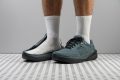

Quién debería comprárselas
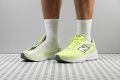
Las PUMA Deviate Nitro 4 son una opción estupenda para:
- Los corredores de mediopié o de metatarsos que están buscando unas superzapatillas de entrenamiento ágiles con una suela de altura moderada.
- Los runners que conocen las superzapatillas de PUMA y quieren un modelo de entrenamiento diario duradero.
- Los deportistas enamorados de los modelos con placa de carbono que quieren un solo par para las tiradas diarias y los entrenamientos más rápidos.
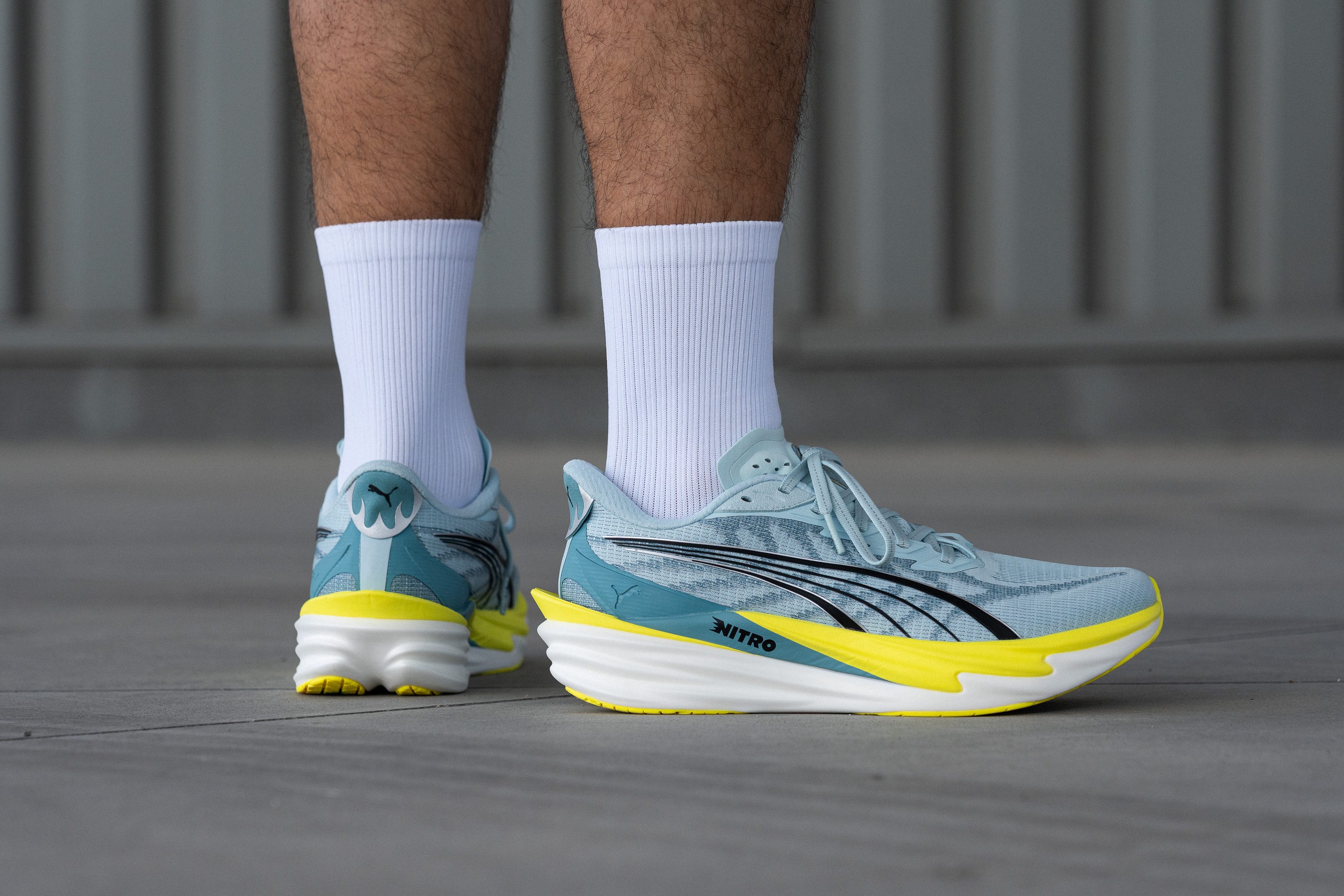
Quién NO debería comprárselas
Creemos que las Deviate Nitro 4 no les van a gustar a los runners que prefieren las zapatillas flexibles. En nuestras pruebas de laboratorio, vimos que la placa de fibra de carbono PWRPLATE se encargó de que fuesen extremadamente rígidas. A estos corredores les recomendamos las PUMA Velocity Nitro 4, que son más blanditas, económicas y versátiles, o las Saucony Endorphin Speed 5, que probablemente serán la elección más segura gracias a su placa de nailon flexible y a su espuma Pebax reactiva.
Por otro lado, la amortiguación nos supo a poco en las distancias largas, sobre todo si las comparamos con las altísimas superzapatillas de entrenamiento actuales. Durante nuestras pruebas, modelos como las ASICS Superblast 3 o las adidas Adizero EVO SL cuidaron más de nuestros pies.
Amortiguación
Shock absorption
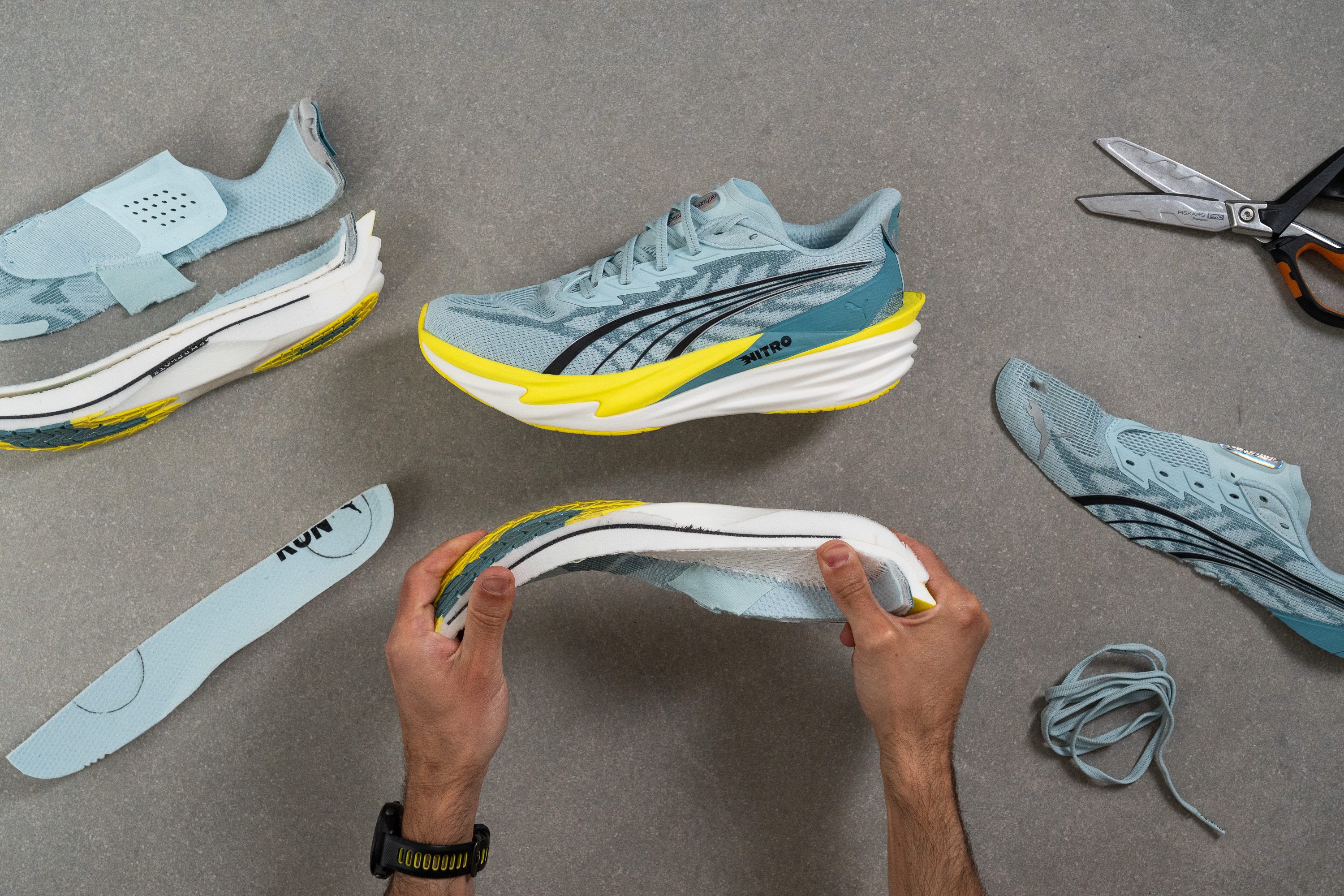
La serie Deviate Nitro nunca se ha centrado en la máxima amortiguación (para eso, PUMA ya tiene las MagMax Nitro 2), y nuestra prueba de absorción de impactos nos dio toda la razón.
Con 130 SA en el talón y 102 SA en el antepié, ofrecen una protección sólida para el entrenamiento diario e incluso para las distancias largas si pesas poco. Personalmente, creemos que este diseño tan equilibrado ayuda a que sean más versátiles, en vez de una opción especializada diseñada para un único propósito.
| Deviate Nitro 4 | 130 SA |
| Media | 131 SA |
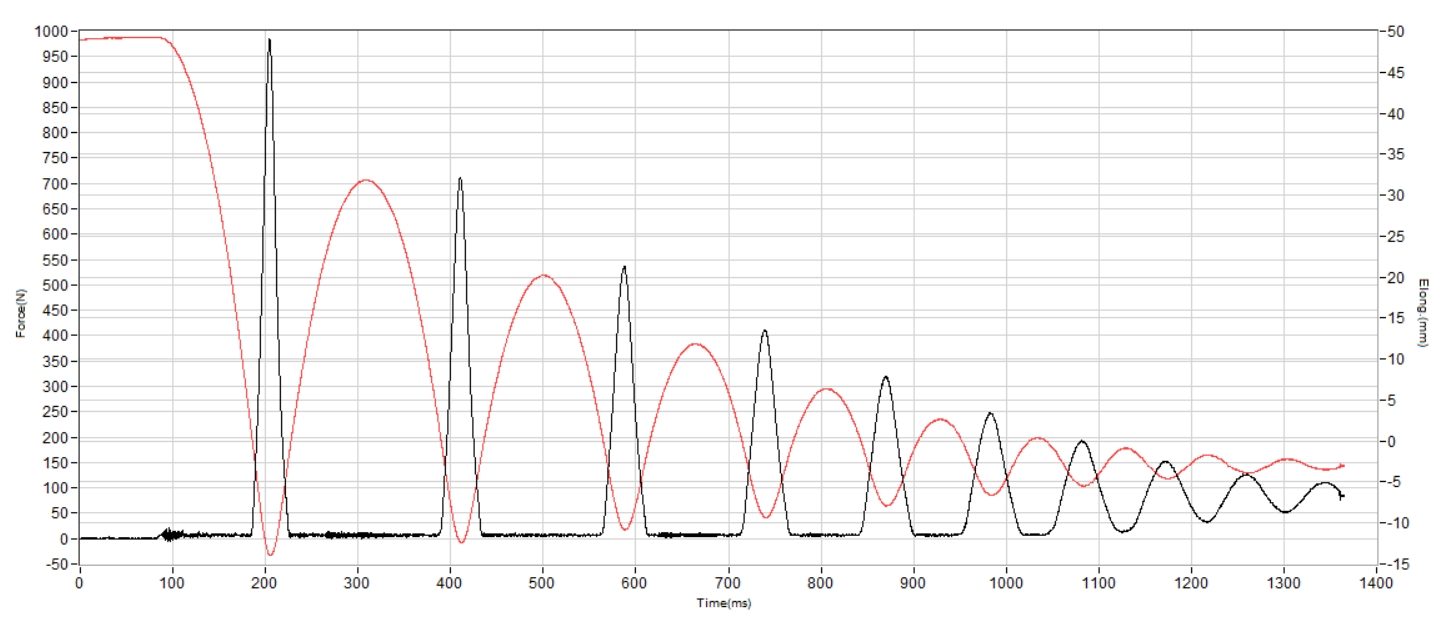
Energy return
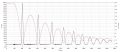
Los resultados de nuestra prueba de retorno de energía fueron muy agridulces. El 70,0 % en el antepié nos dejó contentísimos, pero el talón no consiguió más que un decepcionante 58,1 %.
¿Que por qué? Pues por la mediasuela de doble densidad. Este modelo utiliza dos versiones de espuma Nitro: una capa de PEBA pura que se centra en el antepié, y una mezcla de PEBA+EVA más concentrada en el talón. Durante nuestras pruebas de uso, notamos la diferencia hasta en el primer paso.
| Deviate Nitro 4 | 70.0% |
| Media | 61.4% |
Altura de la suela en la zona del talón
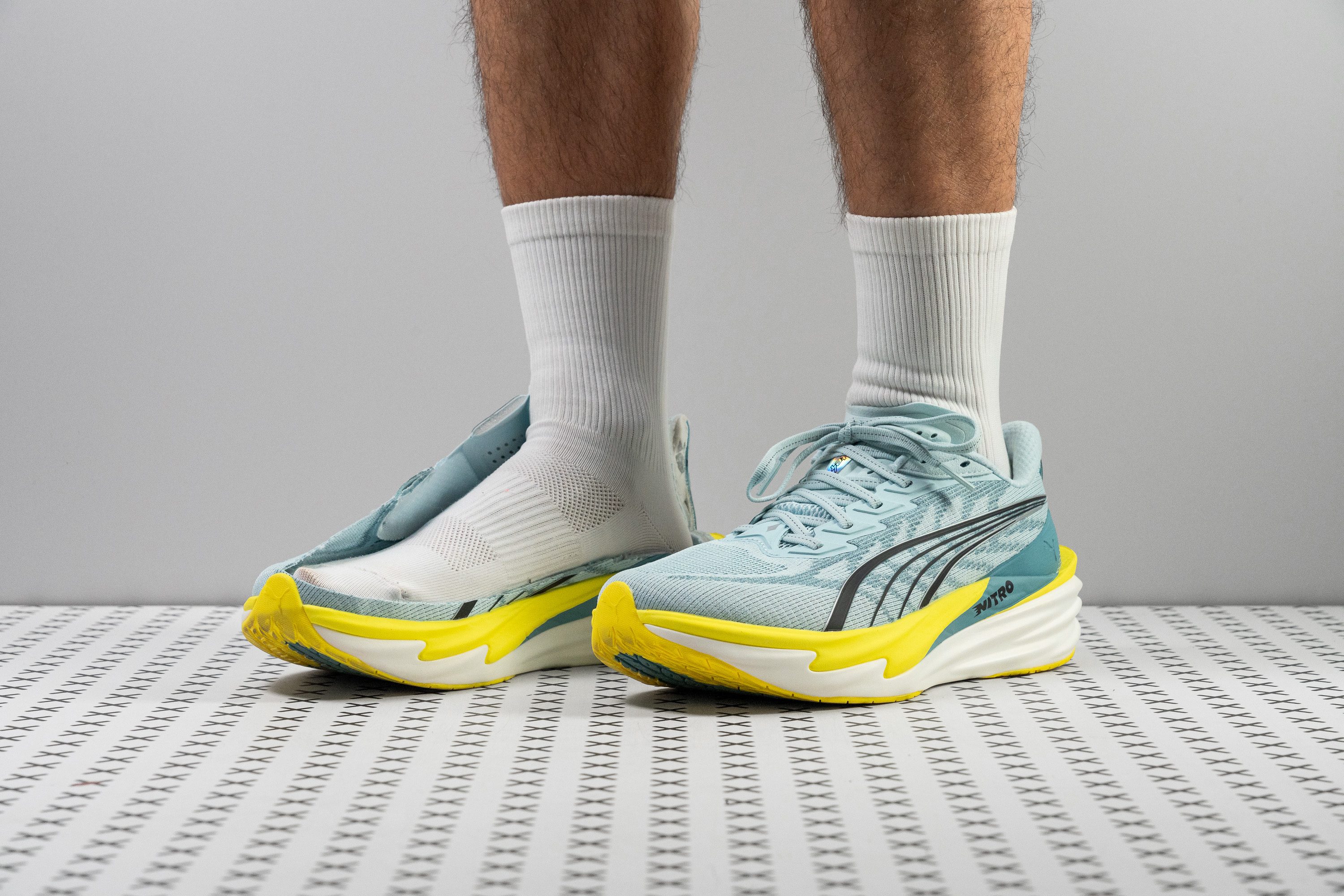
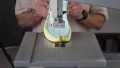
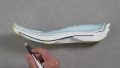
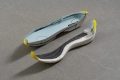
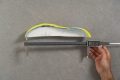
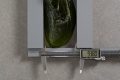
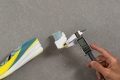
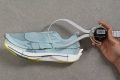
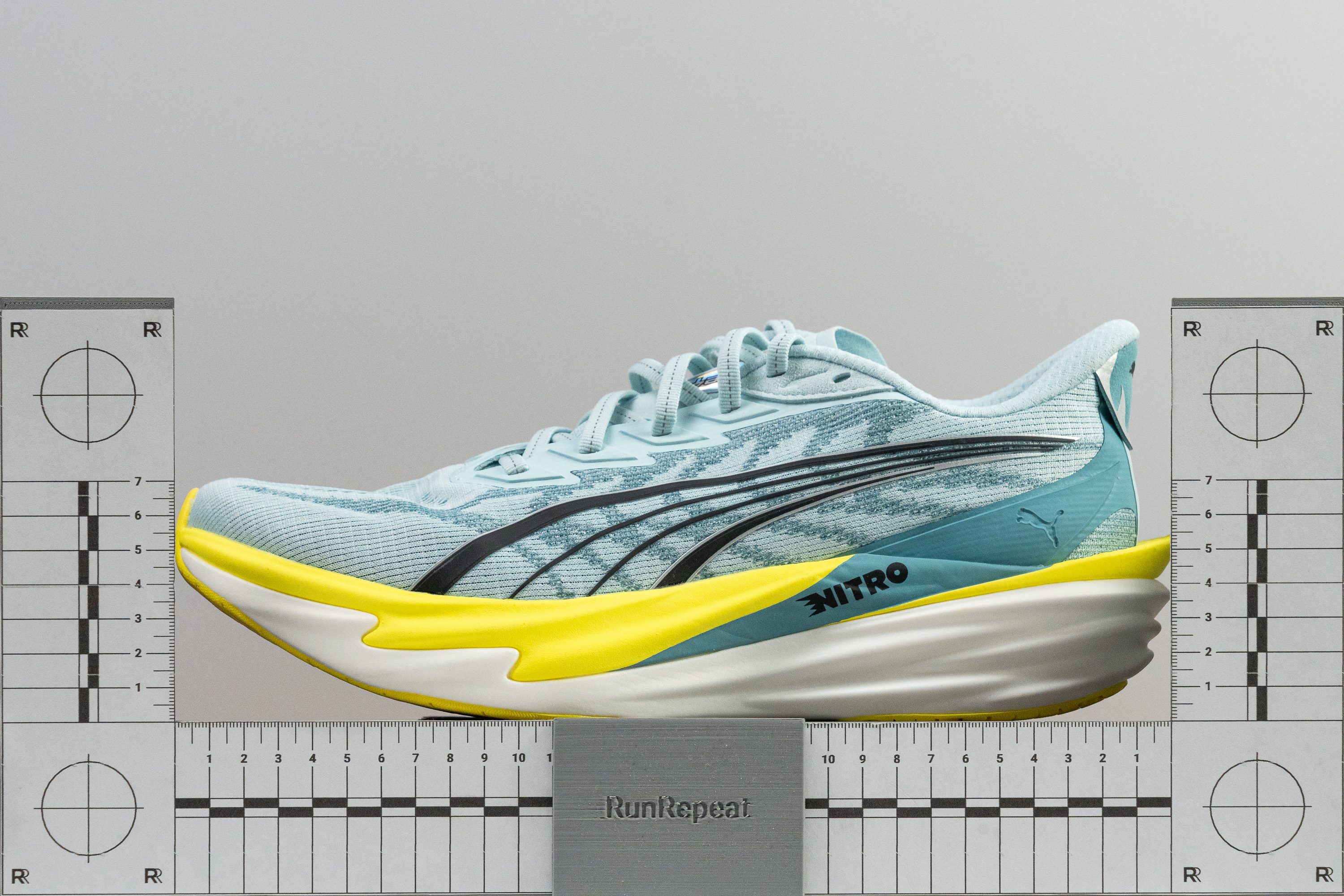
PUMA dice que la altura de la suela de estas zapatillas en el talón es de 38 mm pero, sinceramente, en los pies se sienten más bajas, y nuestro calibre lo confirmó. Cuando volvimos al laboratorio, cortamos las zapatillas por la mitad y las medimos nosotros mismos, y resulta que el calibre marcó solo 33,6 mm. Sin duda, esto hizo que los resultados de nuestra prueba de absorción de impactos nos parecieran incluso más impresionantes.
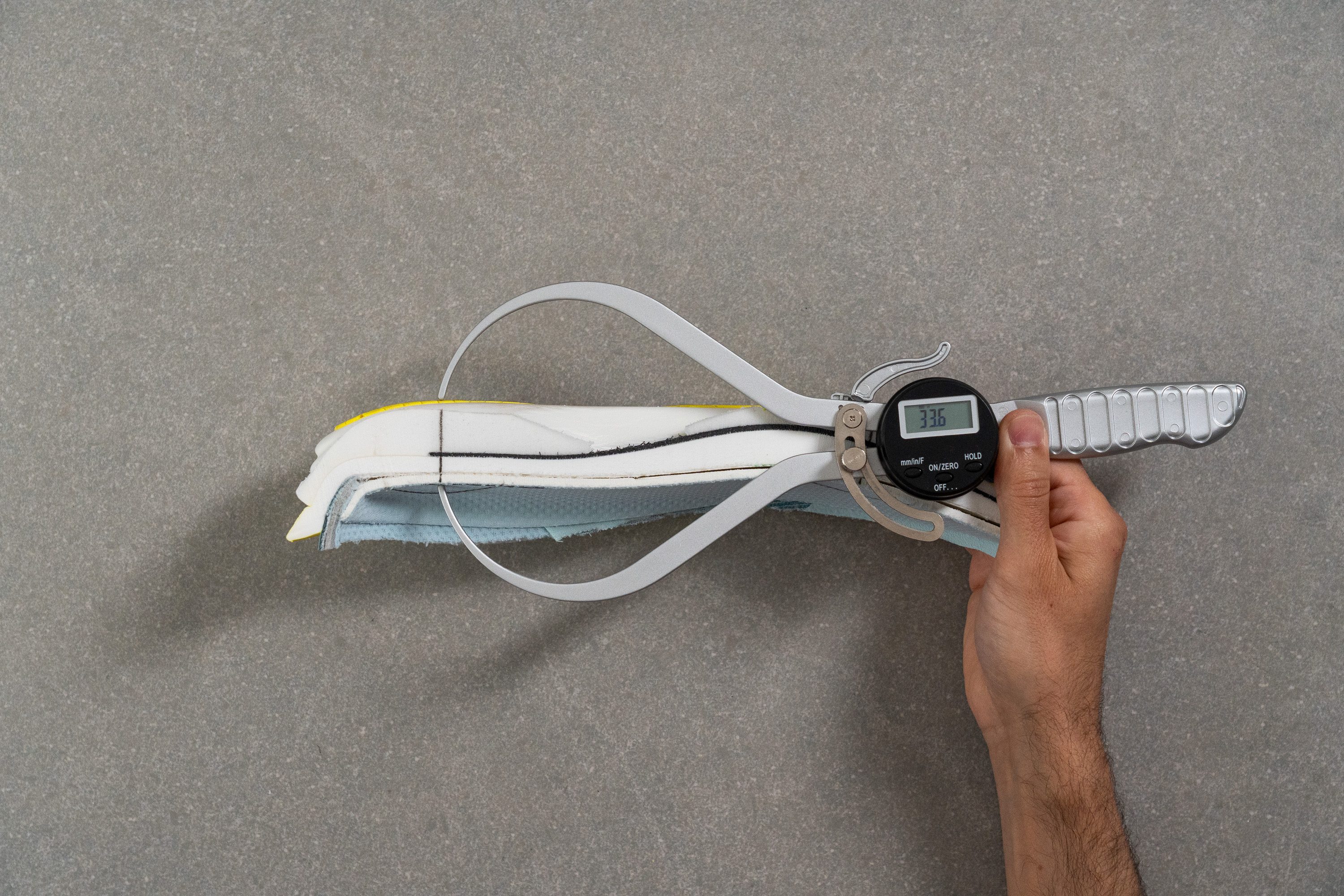
| Deviate Nitro 4 | 33.6 mm |
| Media | 35.5 mm |
Altura de la suela en el antepié
El antepié está cerca de la media actual de nuestro laboratorio con sus 26,6 mm, lo que hace que las Deviate Nitro 4 sean una opción estupenda para los runners que están buscando una combinación equilibrada de amortiguación y conexión con el suelo, sin el diseño voluminoso y pesado de las zapatillas maximalistas.
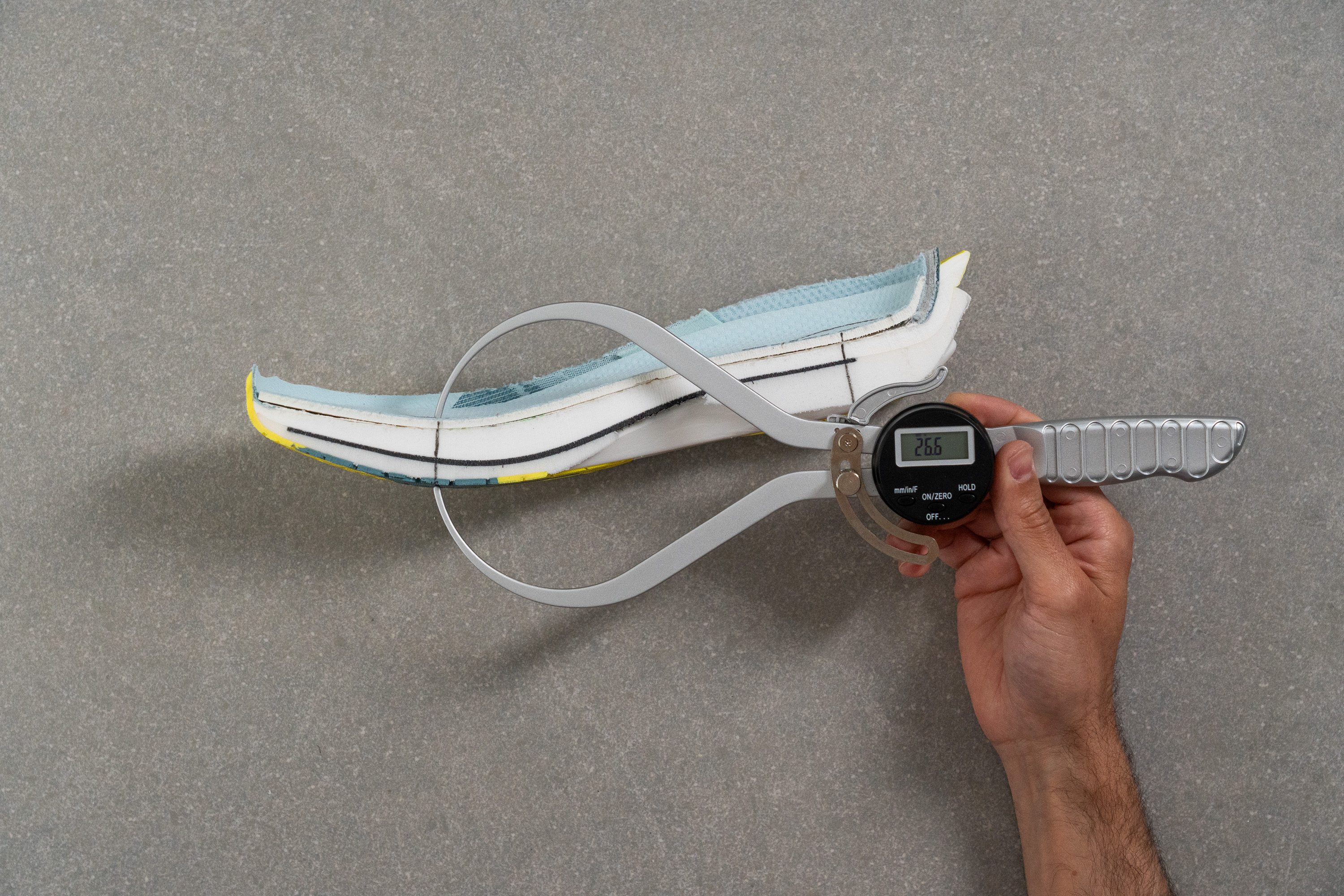
| Deviate Nitro 4 | 26.6 mm |
| Media | 27.1 mm |
Drop
PUMA dice que el drop de este modelo es de 8,0 mm, y a nosotros nos dio 7,0 mm, que es una diferencia muy pequeña.
Es imposible sentir esta diferencia al correr, así que estas zapatillas se siguen adaptando bien a cualquier técnica de carrera. Pero como tienen un retorno de energía tan bajo en el talón, los corredores de mediopié y de metatarsos disfrutarán más de ellas.
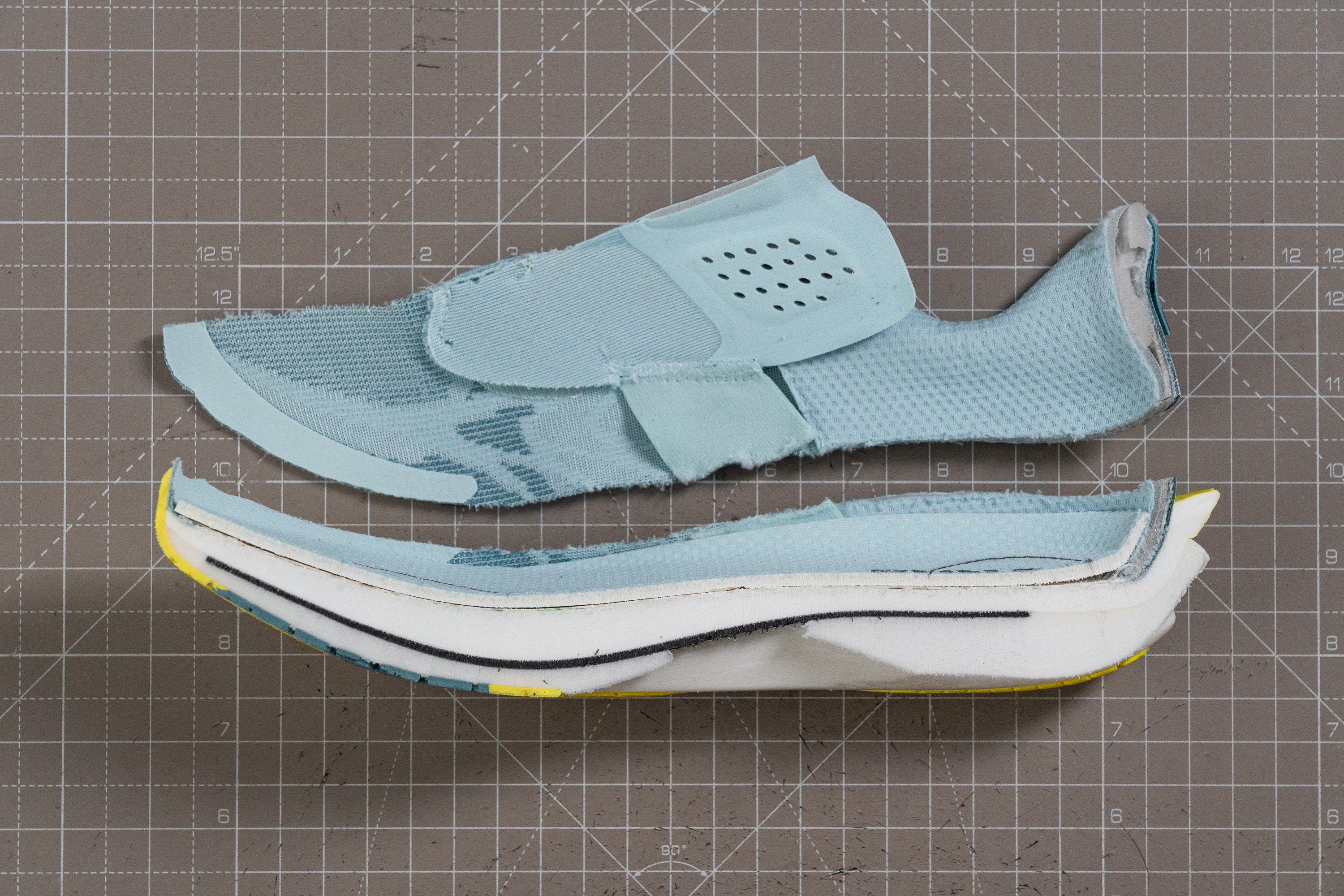
| Deviate Nitro 4 | 7.0 mm |
| Media | 8.4 mm |
Dureza de la mediasuela
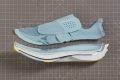
El diseño de espuma doble de las PUMA Deviate Nitro 4 combina dos niveles de suavidad diferentes.
La capa principal está más cerca del suelo y obtuvo un resultado de 33,2 AC en nuestro durómetro, consiguiendo un equilibrio estupendo. La verdad es que tiene todo el sentido, ya que está en contacto directo con el suelo y ayuda a que la pisada sea más estable.
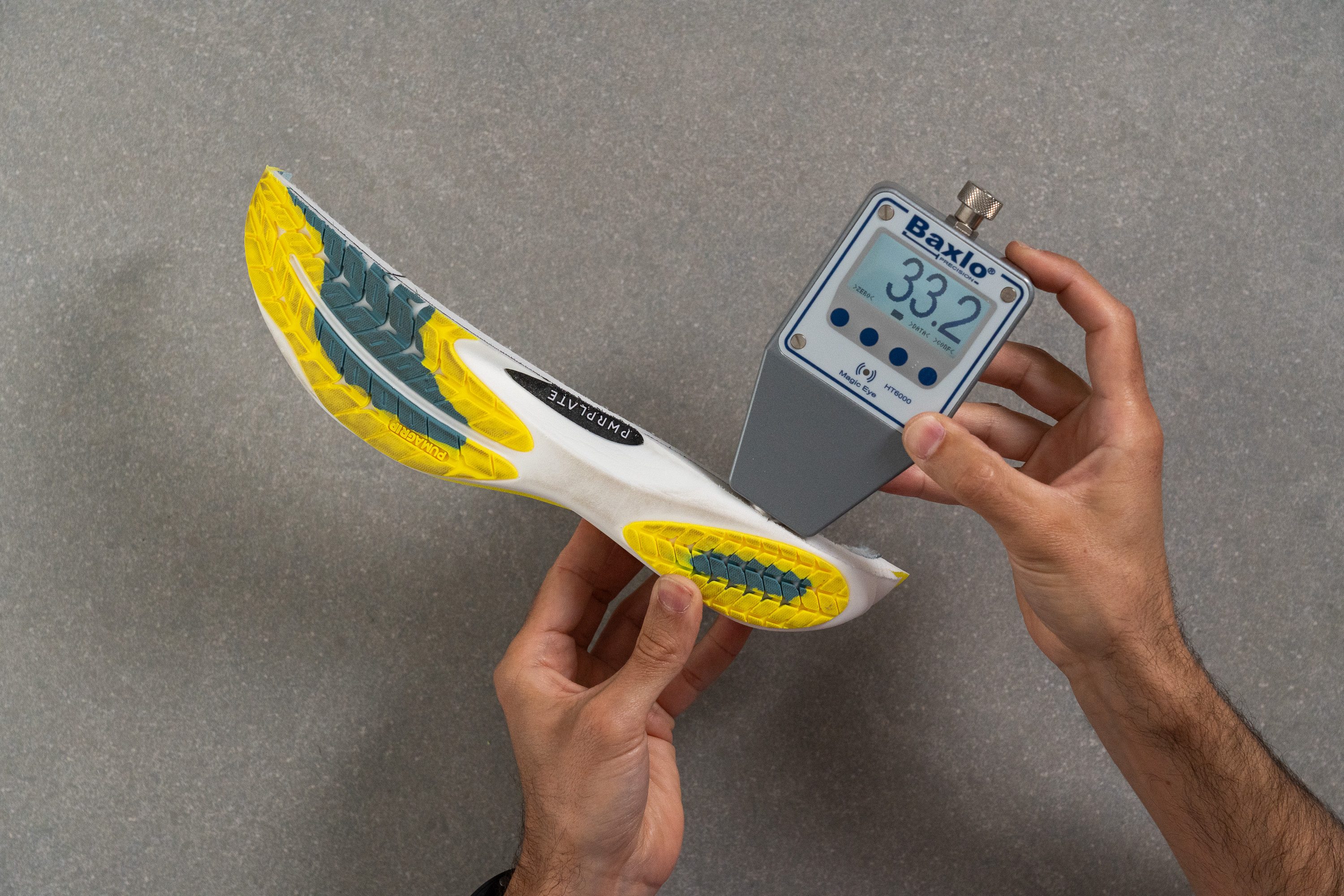
| Deviate Nitro 4 | 33.2 AC |
| Media | 35.5 AC |
Rocker
Las PUMA Deviate Nitro 4 siguen la filosofía típica de la marca, evitando los rockers exagerados, cosa que les va a encantar a los runners fans de las mediasuelas sin diseños excesivamente curvados.
Como la altura de la mediasuela de este modelo es moderada, nos parece que la marca ha acertado con esta decisión, manteniendo una geometría más natural y controlada.
Placa
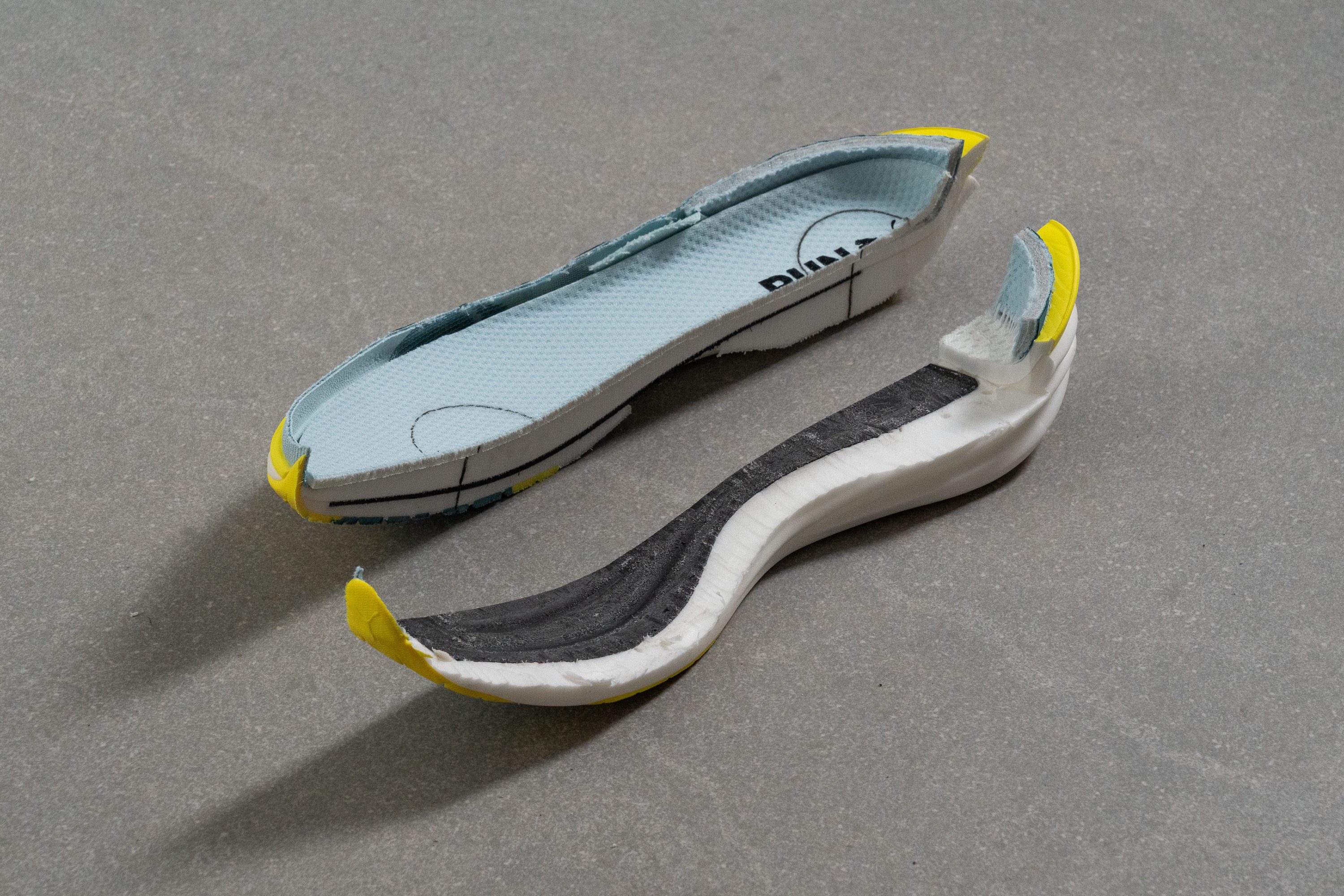
Las Deviate Nitro 4 presumen de una placa de fibra de carbono PWRPLATE colocada entre sus dos capas de espuma, igual que las superzapatillas modernas. Como el material es rígido, los runners pueden esperar una sensación más estructurada y firme bajo los pies, separándose de los modelos de entrenamiento tradicionales o de los que tienen placas de nylon.
Eso sí, aunque se llama igual que la PWRPLATE de las Deviate Nitro Elite 4, que son unas zapatillas de competición, es una versión distinta. Nos pareció menos agresiva, y no tiene ni la forma ni la geometría extrema de su compañera de élite.
Tallaje y ajuste
Talla
Las PUMA Deviate Nitro 4 tallan bien (36 votos).
Longitud interna
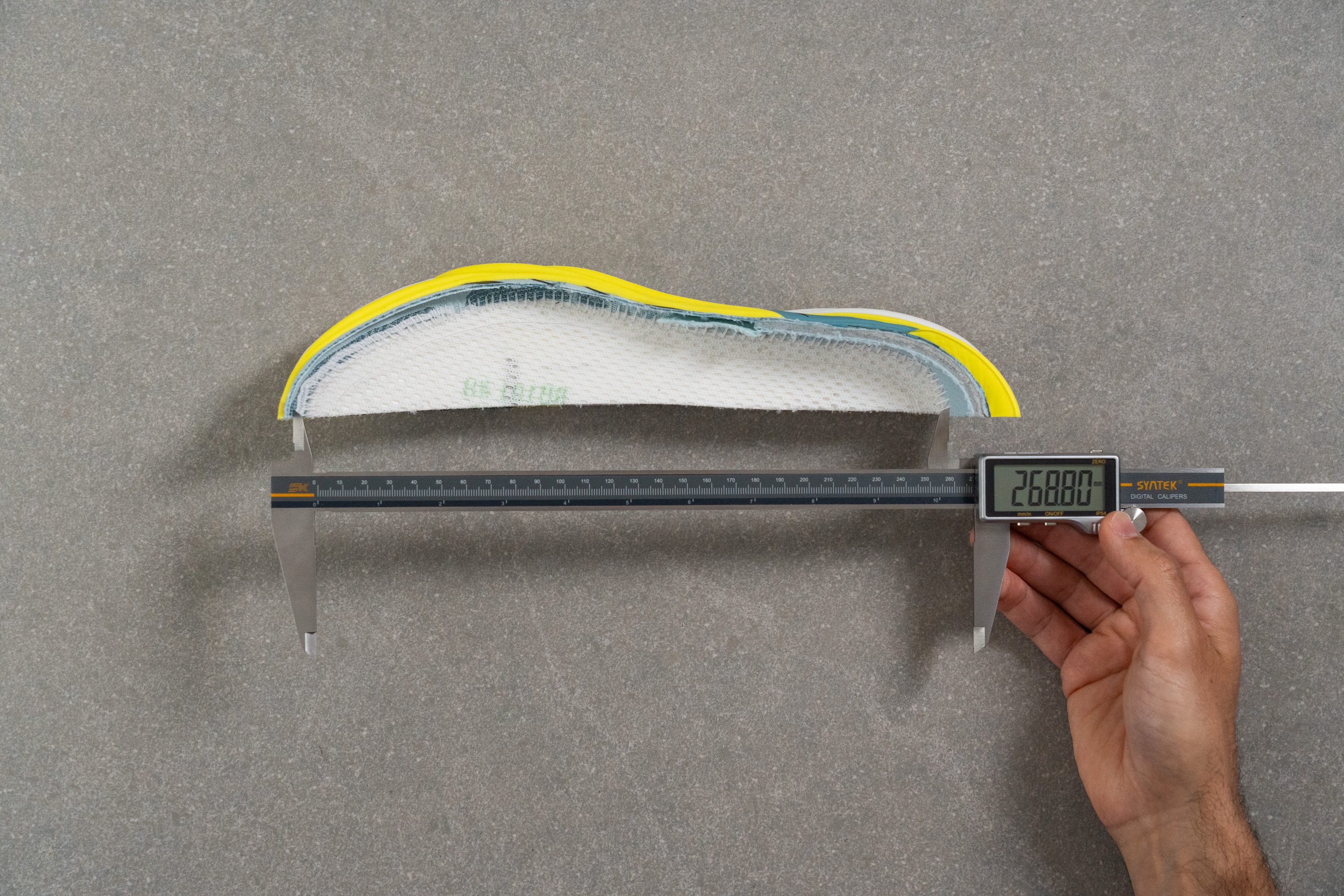
| Deviate Nitro 4 | 268.8 mm |
| Media | 269.4 mm |
Anchura / Ajuste
Antes dijimos que estas zapatillas son fieles a la filosofía de diseño de PUMA al no tener un rocker agresivo. Pues resulta que su ajuste también sigue el enfoque típico de la marca, con un diseño ceñido y centrado en el rendimiento.
Nuestro calibre marcó 93,8 mm en su punto más ancho, lo que ayuda a lograr un ajuste muy seguro. Sin embargo, a los corredores que prefieren diseños más espaciosos o adecuados para pies anchos a lo mejor no les gustan tanto.
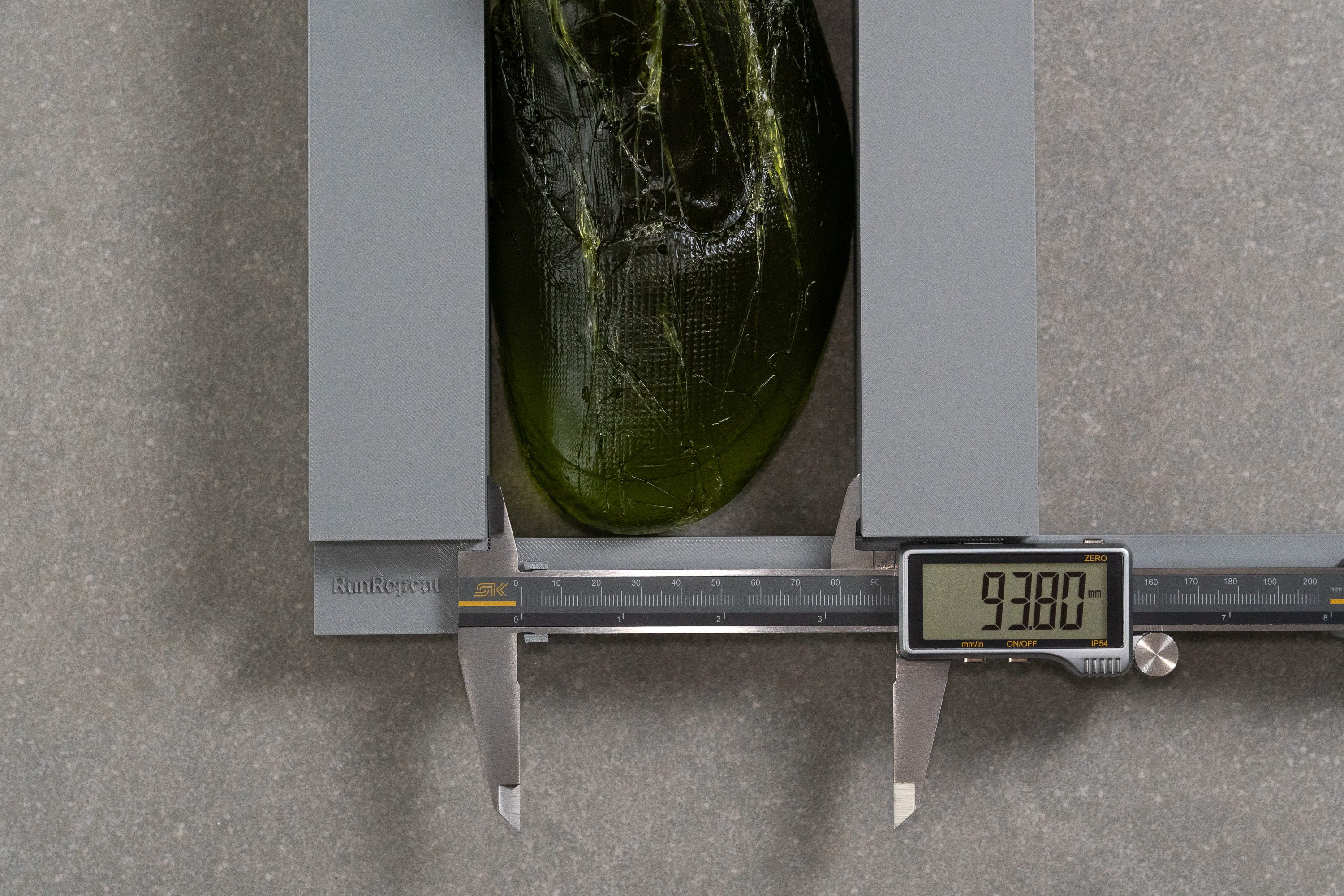
| Deviate Nitro 4 | 93.8 mm |
| Media | 95.2 mm |
Anchura de la parte delantera
En la zona de los dedos, nuestro calibre marcó 70,6 mm, dejándonos claro que estas zapatillas están claramente diseñadas para un tipo específico de corredor. Personalmente, no creemos que sean una buena opción para las personas con pies anchos.
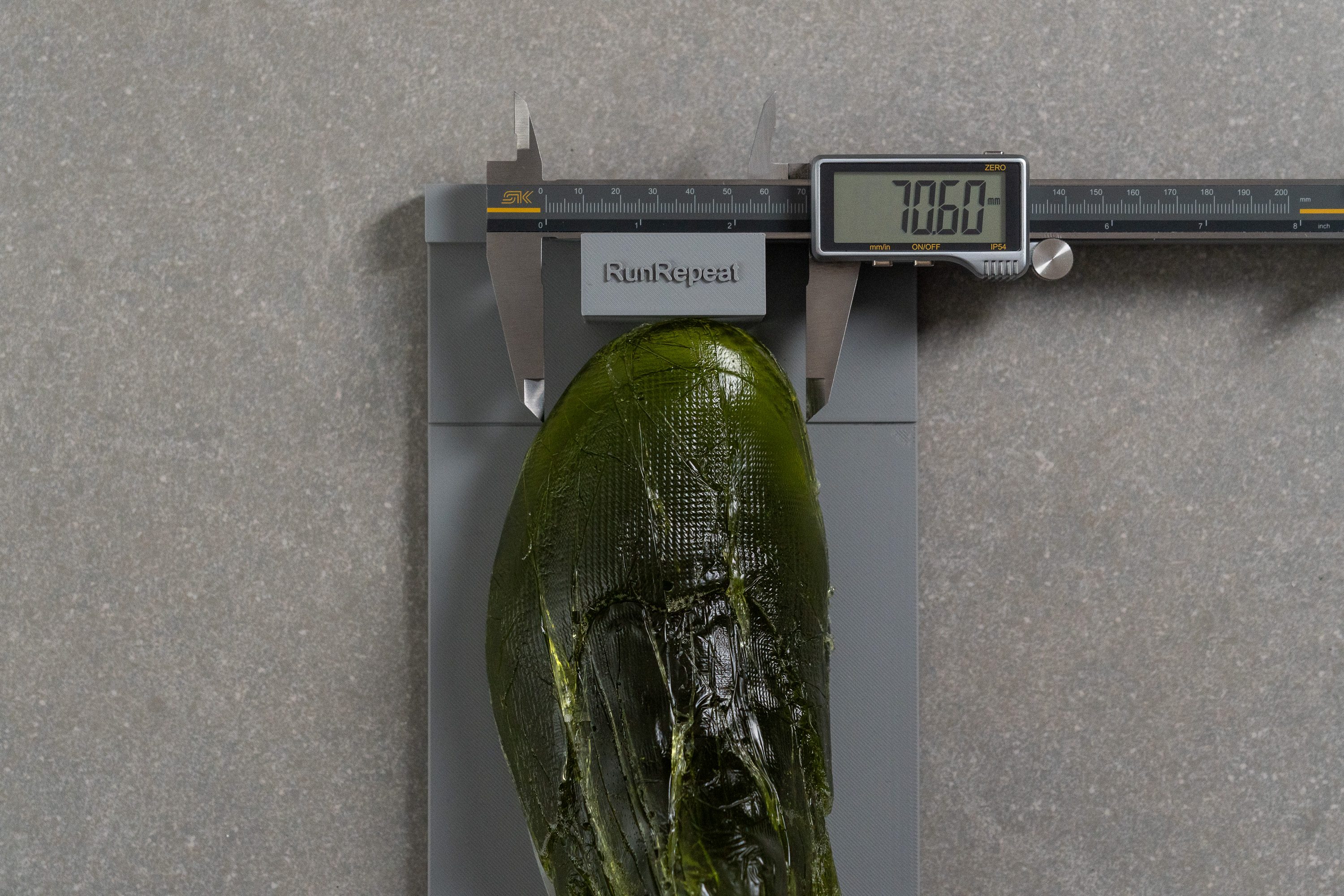
| Deviate Nitro 4 | 70.6 mm |
| Media | 73.2 mm |
Altura de la parte delantera
Cuando medimos la altura de la zona de los dedos de las Deviate Nitro 4, nuestro calibre marcó 26,1 mm.
Ese resultado es mucho menos extremo y debería adaptarse sin problema a la mayoría de los corredores.
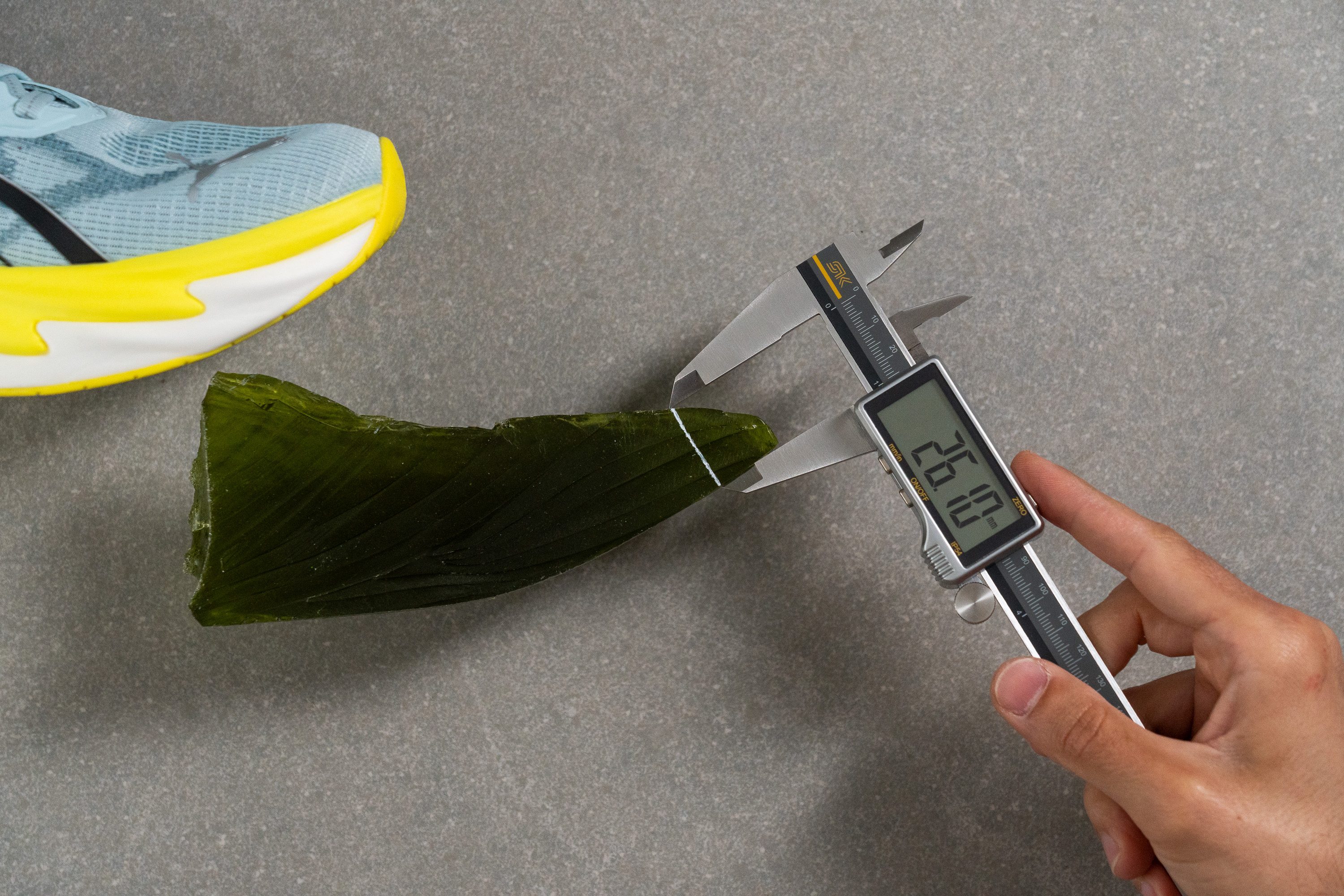
| Deviate Nitro 4 | 26.1 mm |
| Media | 27.0 mm |
Tracción / Agarre
Traction test
PUMA dio en el clavo con su compuesto PUMAGRIP, ya que sigue siendo uno de los mejores cauchos para la suela exterior del mercado. Ya lo hemos comprobado en montones de pruebas de tracción con otros modelos de PUMA, y las Deviate Nitro 4 volvieron a llevarse un resultado sobresaliente al obtener un 0,77 en nuestra prueba.
La verdad es que es un resultado excelente que nos asegura que el agarre va a ser fiable prácticamente haga el tiempo que haga.
| Deviate Nitro 4 | 0.77 |
| Media | 0.53 |
Diseño de la suela exterior
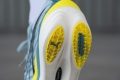
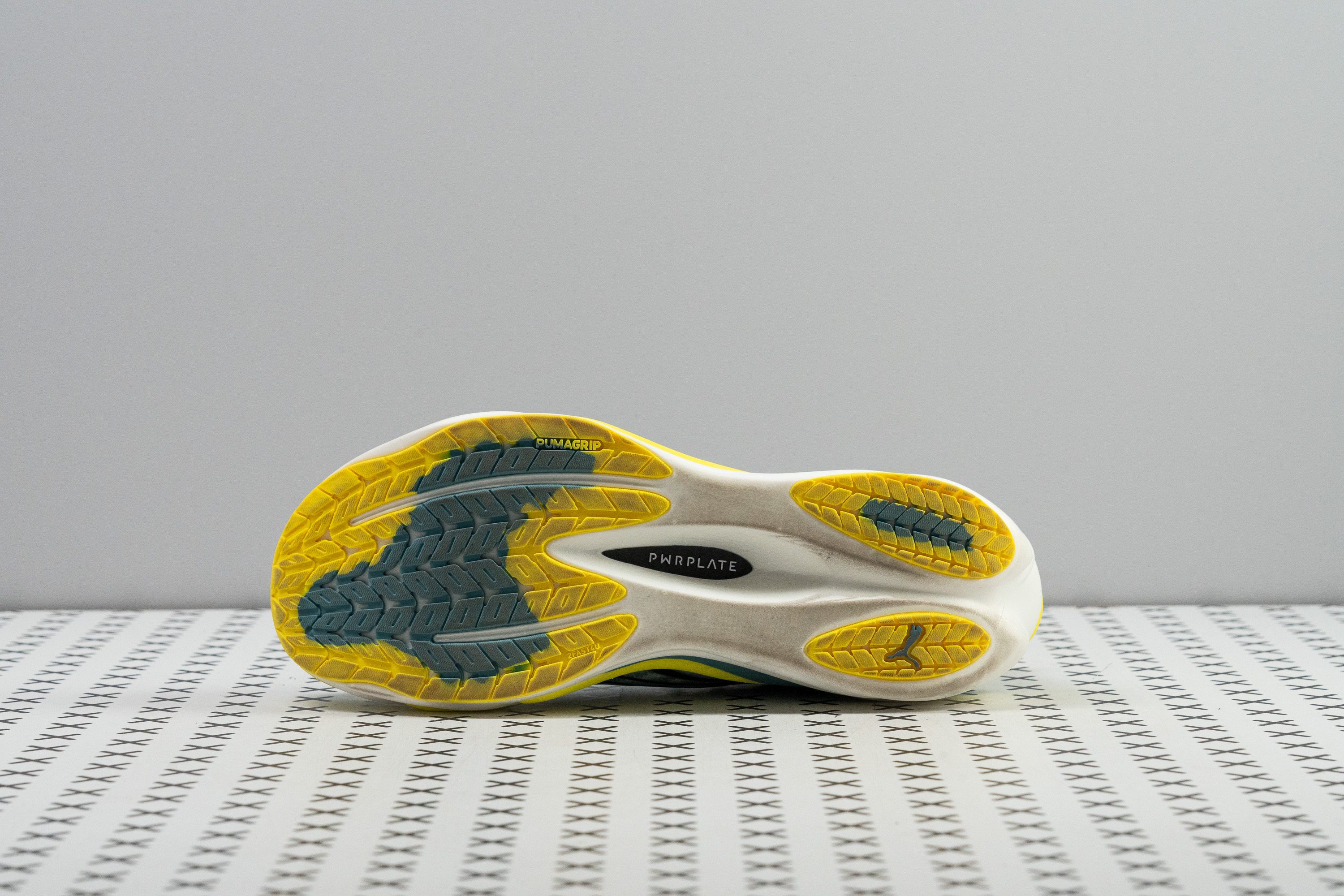
La suela exterior de las PUMA Deviate Nitro 4 tiene un montón de caucho PUMAGRIP, y la verdad es que estamos contentísimos con eso, ya que a la marca le habría sido fácil reducir la cantidad de caucho para que fuesen más ligeras. Sin embargo, la marca claramente le dio prioridad a la durabilidad y a la versatilidad para entrenar.
El talón también está bien protegido, y la suela exterior tiene un diseño inspirado en un mapa de isobaras que imita, a nivel visual, la distribución de las fuerzas de impacto en los aterrizajes y despegues. ¡La verdad es que nos parece chulísimo!
Flexibilidad / Rigidez
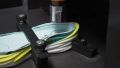
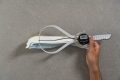
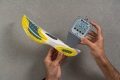
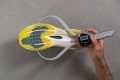
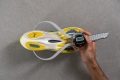
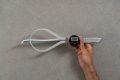
La placa de fibra de carbono PWRPLATE aumenta un montón la rigidez de las Deviate Nitro 4, y en nuestras pruebas, la verdad es que nos costó muchísimo doblarlas. De hecho, la máquina de nuestro laboratorio marcó 22,7 N cuando las doblamos 30 grados, un resultado altísimo que hasta supera al de muchas superzapatillas para maratón.
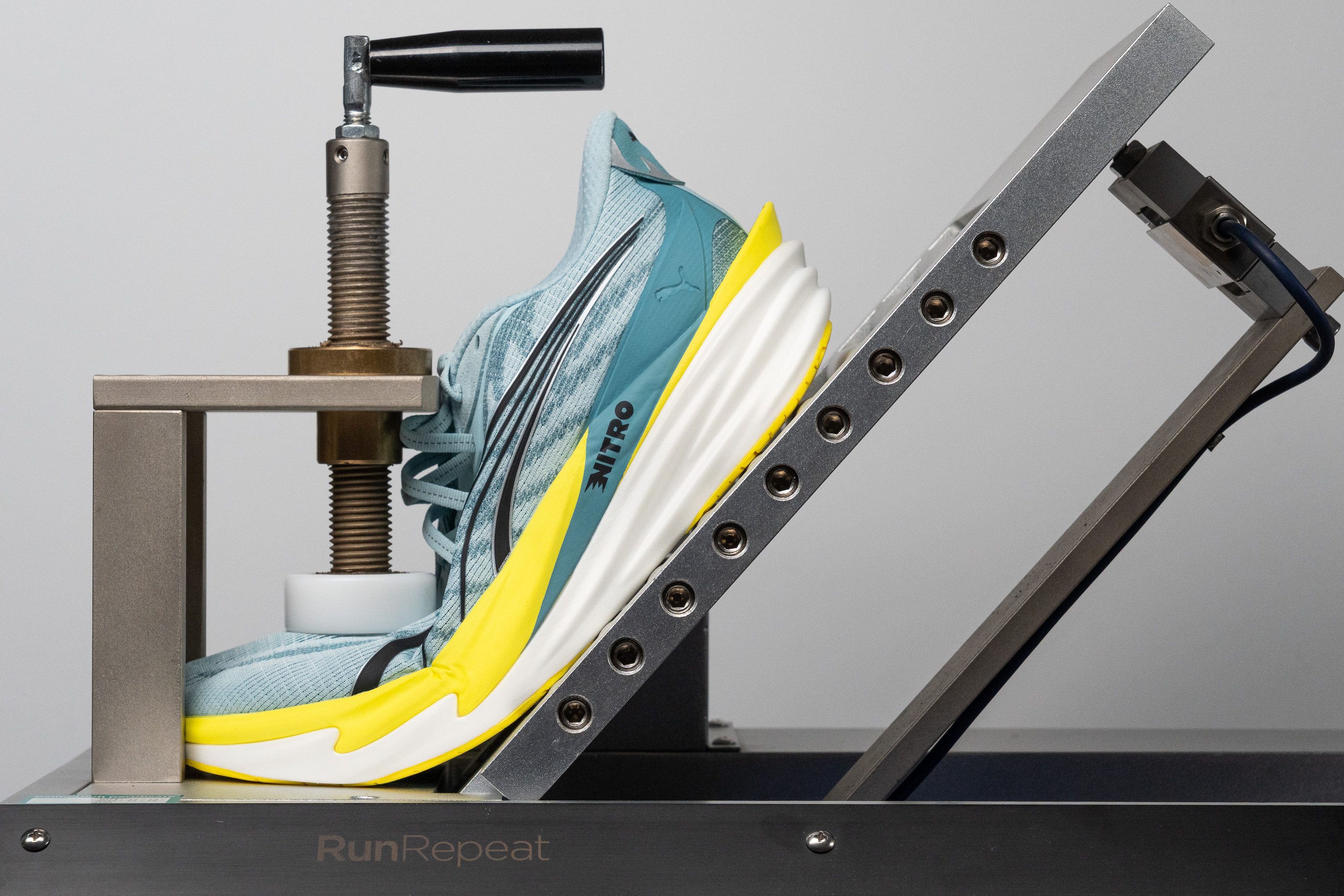
| Deviate Nitro 4 | 22.7N |
| Media | 15.5N |
Peso
El peso de estas zapatillas es bastante razonable, con 247 g.
Es un 8 % menos que la generación anterior aunque, sinceramente, seguimos pensando que PUMA podría incluso reducirlo un poquito más sin tener que hacer grandes sacrificios.
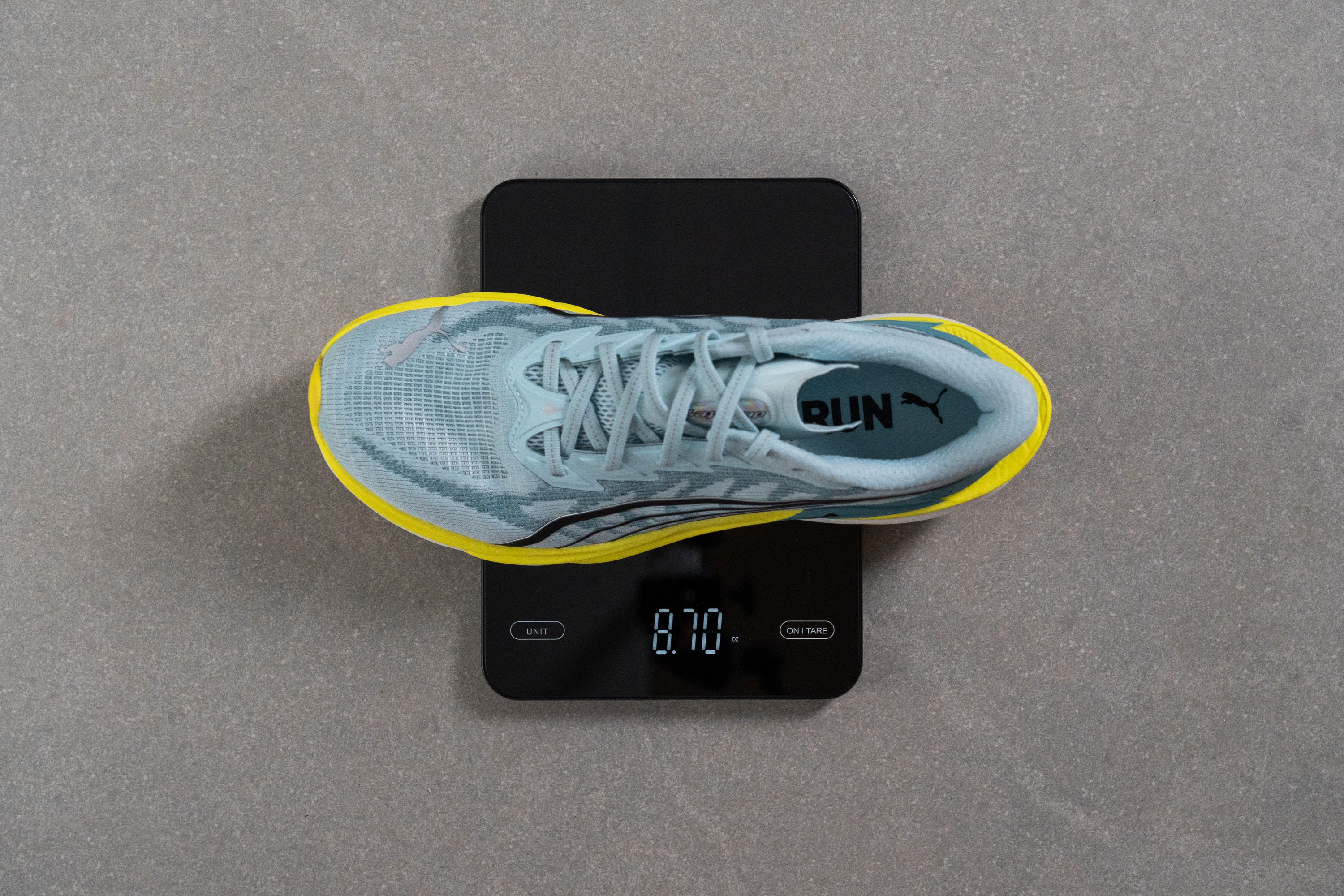
| Deviate Nitro 4 | 8.7 oz (247g) |
| Media | 9.2 oz (261g) |
Transpirabilidad
Breathability test
ActualizadoLa marca ha rediseñado el upper de estas zapatillas, cambiando la estructura de knit por una malla de ingeniería que obtuvo un resultado excelente en nuestra prueba de transpirabilidad.
Con un sólido resultado de 71 BR en nuestra prueba de transpirabilidad, en la que las zapatillas están 3 horas dentro de una cámara con control de temperatura, nos han demostrado que gestionan mucho mejor la humedad, aunque tampoco es nada del otro mundo.
| Deviate Nitro 4 | 71 BR |
| Media | 75 BR |
Potencial de secado
NuevoAunque la transpirabilidad no está nada mal, donde más destacan estas zapatillas es en el potencial de secado.
Durante la misma prueba de 3 horas, medimos cuánta humedad se evapora de las zapatillas con el tiempo, y obtuvimos un resultado excepcional del 63 %. Es una cifra excelente que destaca la capacidad de estas PUMA para evitar que la humedad se acumule en los esfuerzos prolongados.
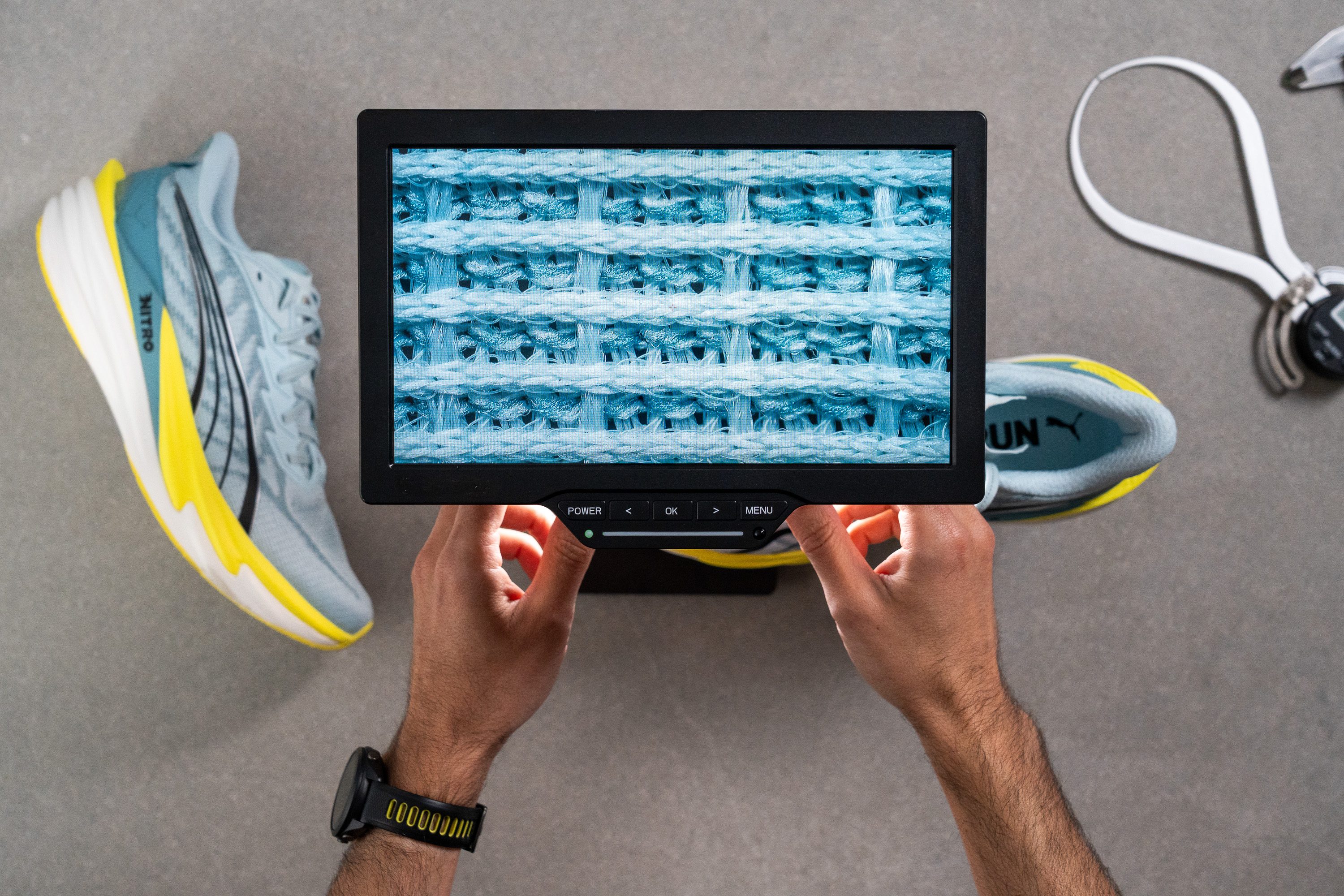
| Deviate Nitro 4 | 63% |
| Media | 53% |
Estabilidad
Prueba de estabilidad lateral
Las PUMA Deviate Nitro 4 son, sin duda, unas zapatillas de running neutras, y no se las recomendaríamos a los runners que tengan problemas de pronación. Su placa de carbono mejora la estabilidad, pero la espuma mullida y la plataforma, que es relativamente estrecha, hacen que la pisada sea ágil y divertida y que se adapte mejor a los corredores neutros.
Rigidez torsional
La placa de carbono aumenta la rigidez, sobre todo, a nivel longitudinal, ya que este modelo obtuvo un resultado casi estándar de 14,5 Nm en nuestra prueba de rigidez torsional.
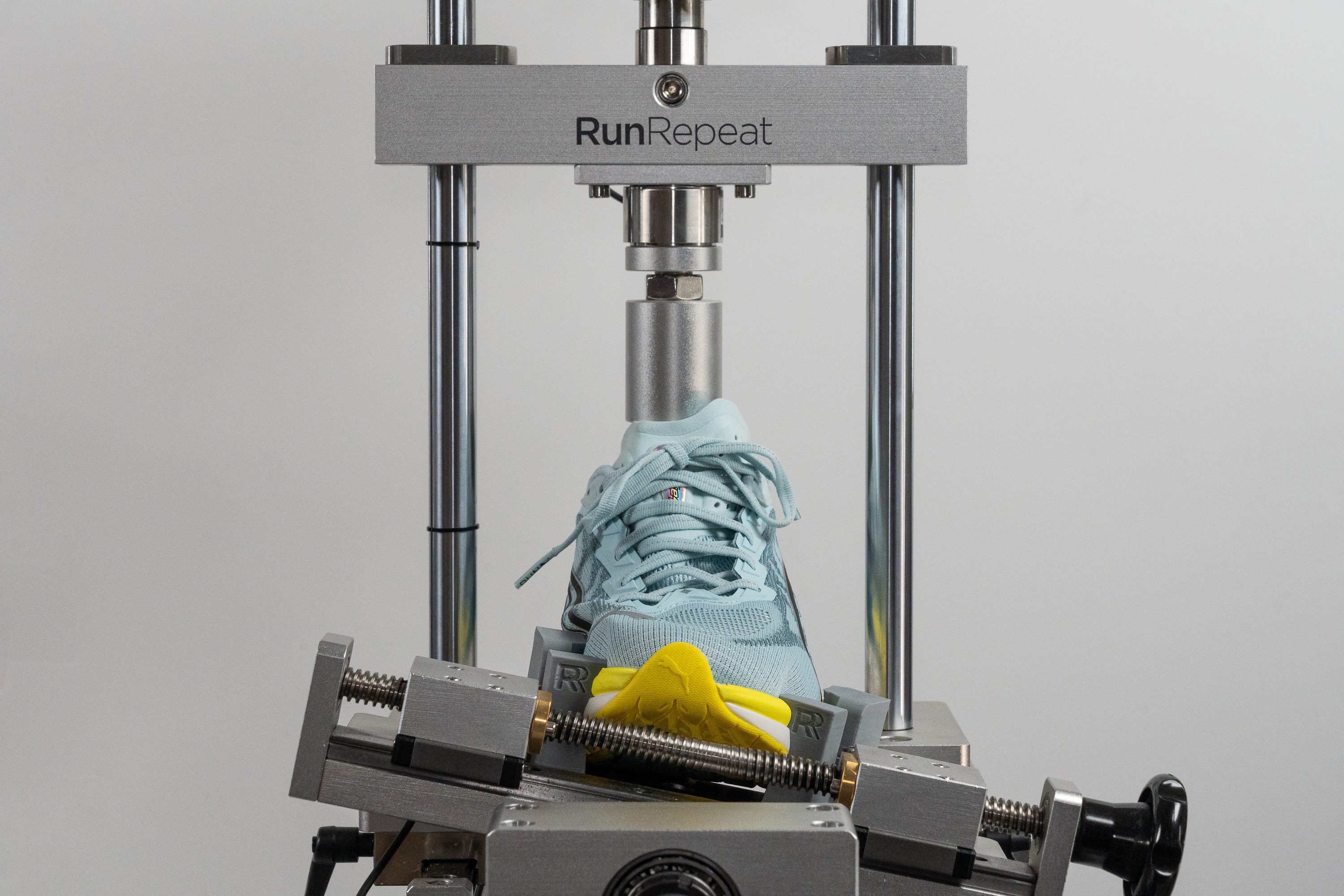
| Deviate Nitro 4 | 14.5 Nm |
| Media | 14.4 Nm |
Rigidez del contrafuerte del talón
El contrafuerte del talón se llevó un moderado 3/5, dejándonos claro que tienen un diseño bien equilibrado que consigue proporcionar una cantidad moderada de rigidez y control sin sentirse excesivamente rígido, muy de la mano con lo que nos esperábamos de un modelo de entrenamiento diario.
| Deviate Nitro 4 | 3 |
| Media | 3 |
Anchura de la mediasuela - antepié
En nuestra opinión, las PUMA Deviate Nitro 4 se diferencian de muchas de sus competidoras más modernas, que tienen mediasuelas enormes, al ofrecer una pisada ágil y más conectada con el suelo.
Vamos, que evitan los extremos tanto con respecto a la suela como en cuanto a la anchura general, que son las modas que dominan el mercado actual. Personalmente, creemos que esto es lo que hace que salir a correr con estas zapatillas sea tan agradable.
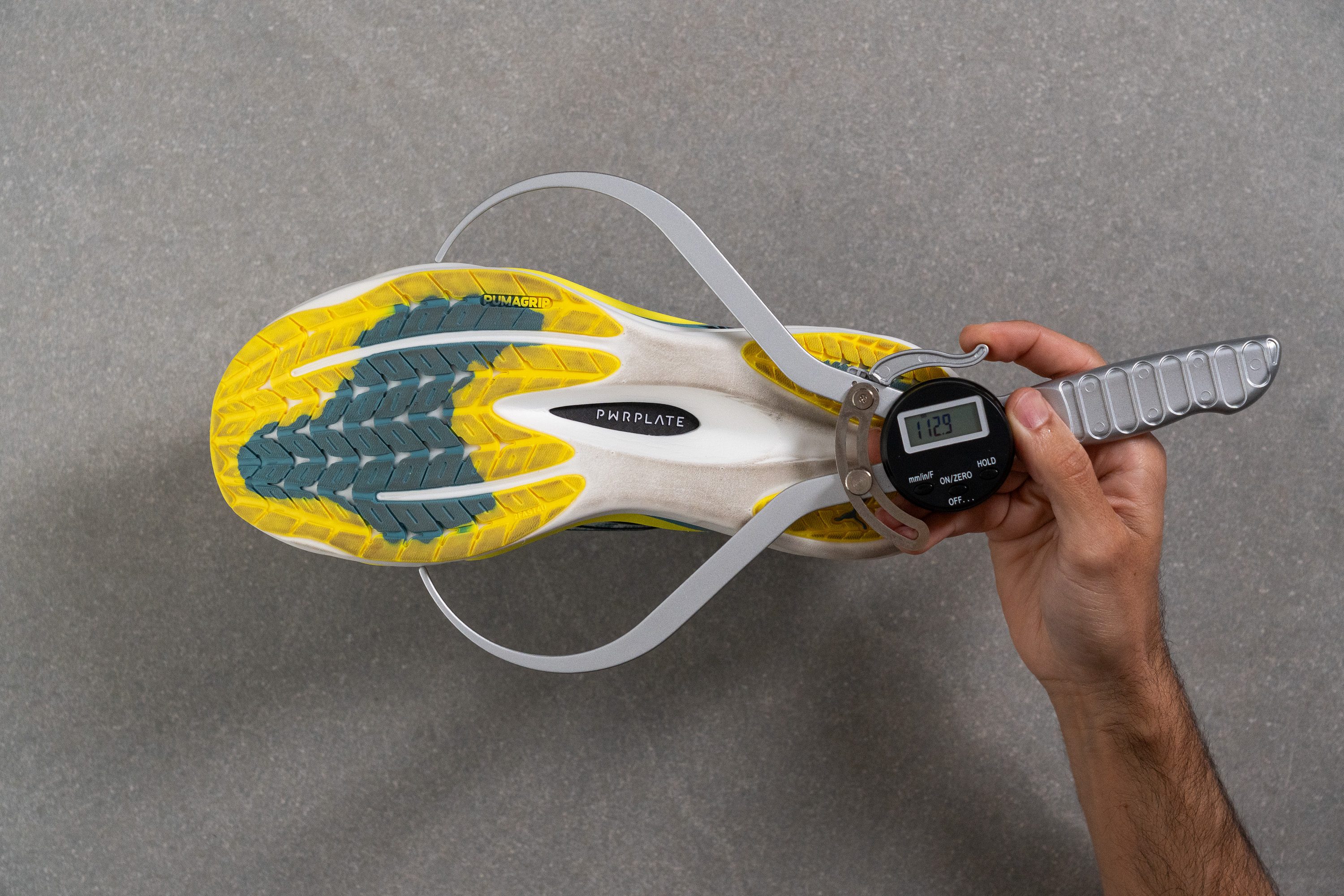
| Deviate Nitro 4 | 112.9 mm |
| Media | 115.1 mm |
Anchura de la mediasuela - talón
El talón tiene una anchura de solo 85,4 mm, que está claramente por debajo de la media actual de nuestro laboratorio y, sin duda, nos deja claro cuál es el público objetivo de este modelo. Los runners que prefieren las sensaciones más clásicas y ágiles bajo los pies, con menos control incorporado, probablemente estarán encantados con las Deviate Nitro 4.
Eso sí, en el talón, la sujeción es bastante limitada, para que lo tengas en cuenta.
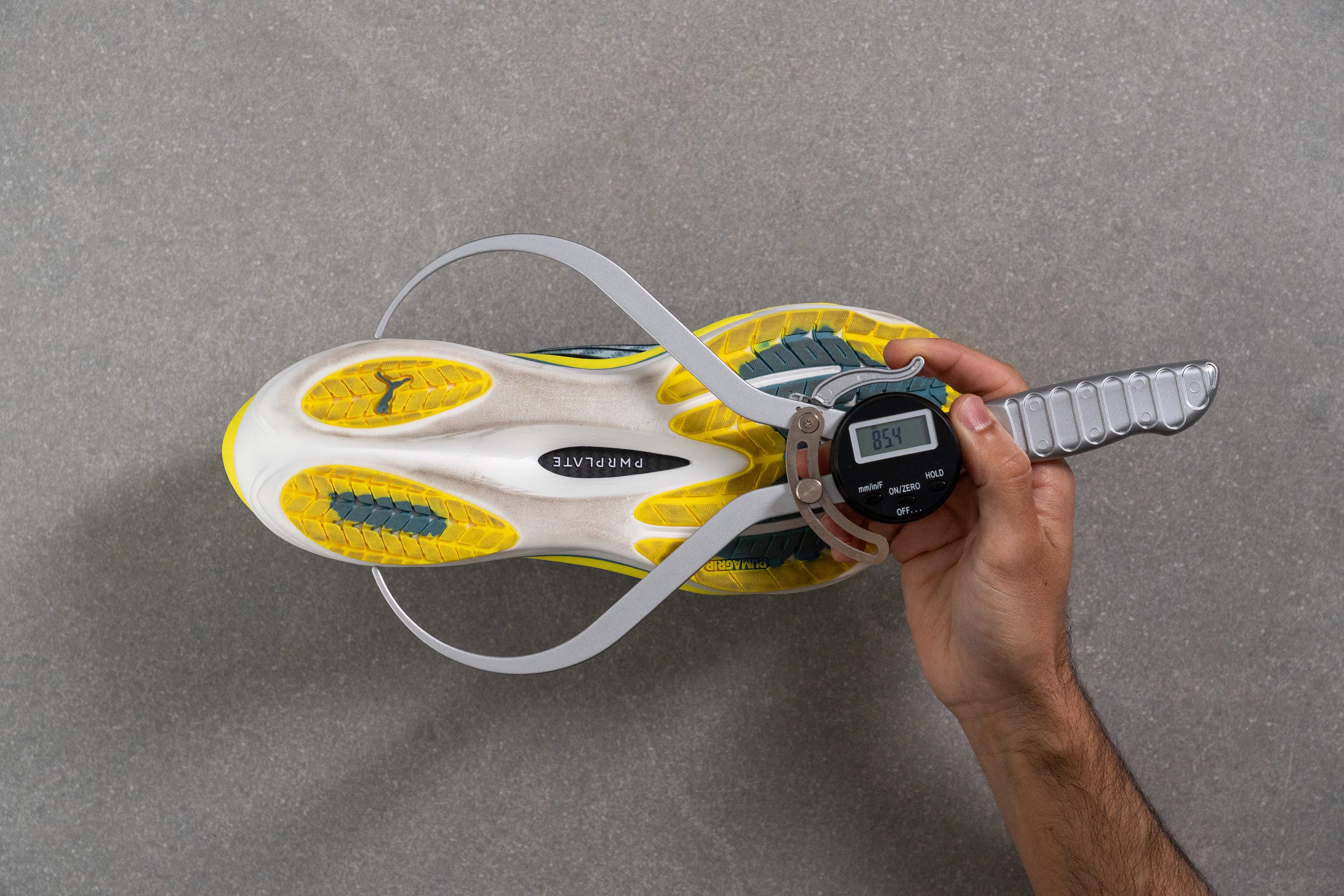
| Deviate Nitro 4 | 85.4 mm |
| Media | 91.1 mm |
Durabilidad
Durabilidad de la parte delantera
PUMA eligió utilizar un upper de malla ultraligero que, claramente, ayudó a reducir el peso de este modelo en comparación con la versión 3, pero claro, esto también nos deja con una decepcionante durabilidad de la zona de los dedos. Vamos, que no pudimos darle más que un 1/5.
| Deviate Nitro 4 | 1 |
| Media | 2.6 |
Durabilidad del acolchado del talón
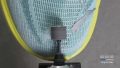
El forro del talón nos pareció comodísimo, pero también es muy frágil. Nuestro Dremel se lo comió con patatas, así que le dimos otro 1/5 en durabilidad.
| Deviate Nitro 4 | 1 |
| Media | 3.4 |
Durabilidad de la suela
El caucho PUMAGRIP no suele decepcionar, y estas zapatillas lo tienen claro.
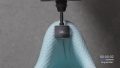
Aunque le dimos mucha caña con nuestro Dremel, perdió solo 0,6 mm de material, dejándonos claro que la suela puede presumir de una durabilidad a largo plazo excelente. Además, esto ayuda a compensar un poco la falta de resistencia al desgaste del upper.
| Deviate Nitro 4 | 0.6 mm |
| Media | 1.1 mm |
Grosor de la suela
Con un grosor de 3,3 mm, la suela exterior de las Deviate Nitro 4 tiene caucho suficiente para que no te tengas que preocupar de su durabilidad a largo plazo.
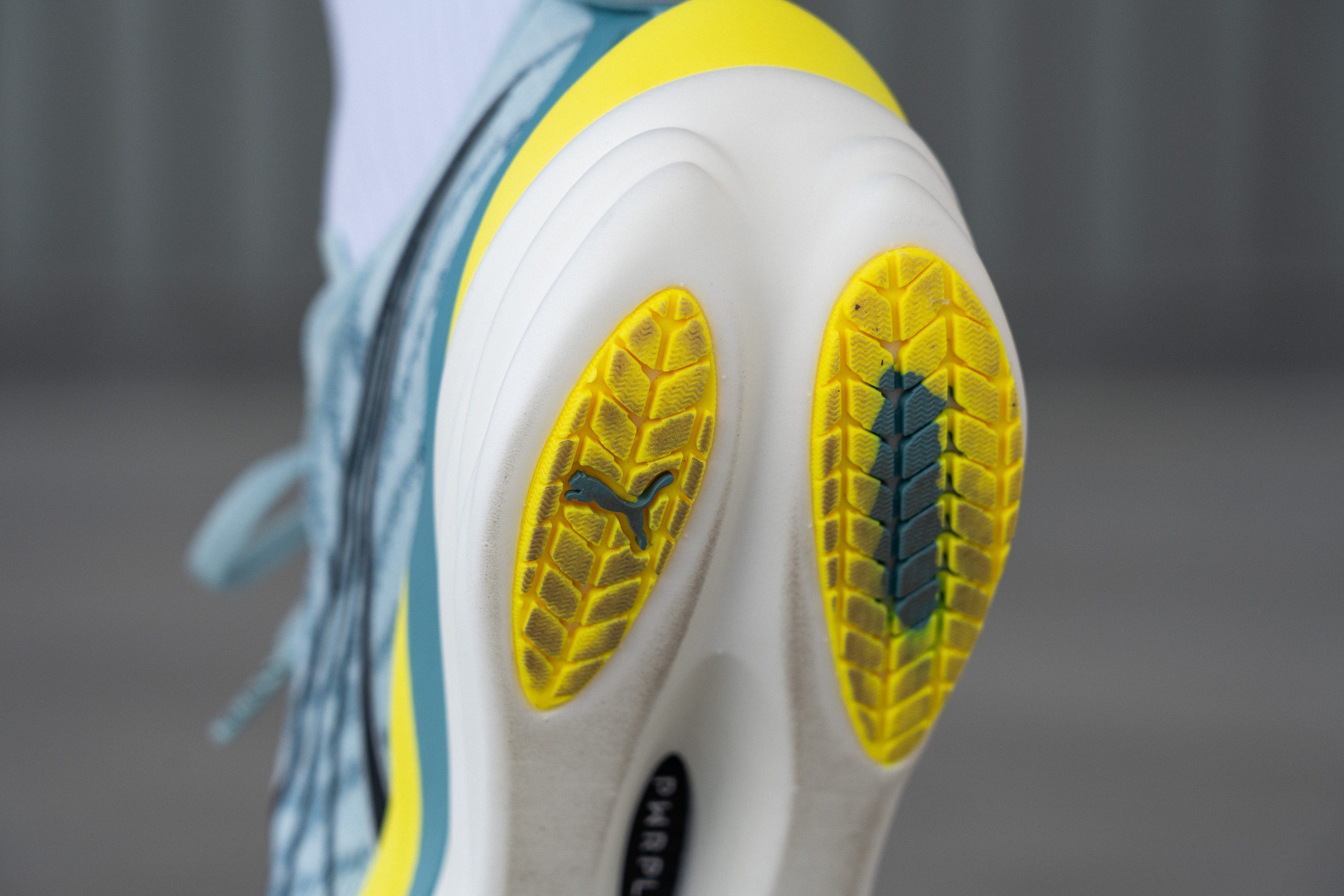
Por otro lado, también creemos que PUMA puede recurrir a esta zona para reducir un poco el peso de las próximas versiones. Hacer la suela exterior sobre 1 mm más finita podría hacer que las zapatillas fuesen más ligeras y que tuviesen una mejor conexión con el suelo, manteniendo al mismo tiempo una buena durabilidad.
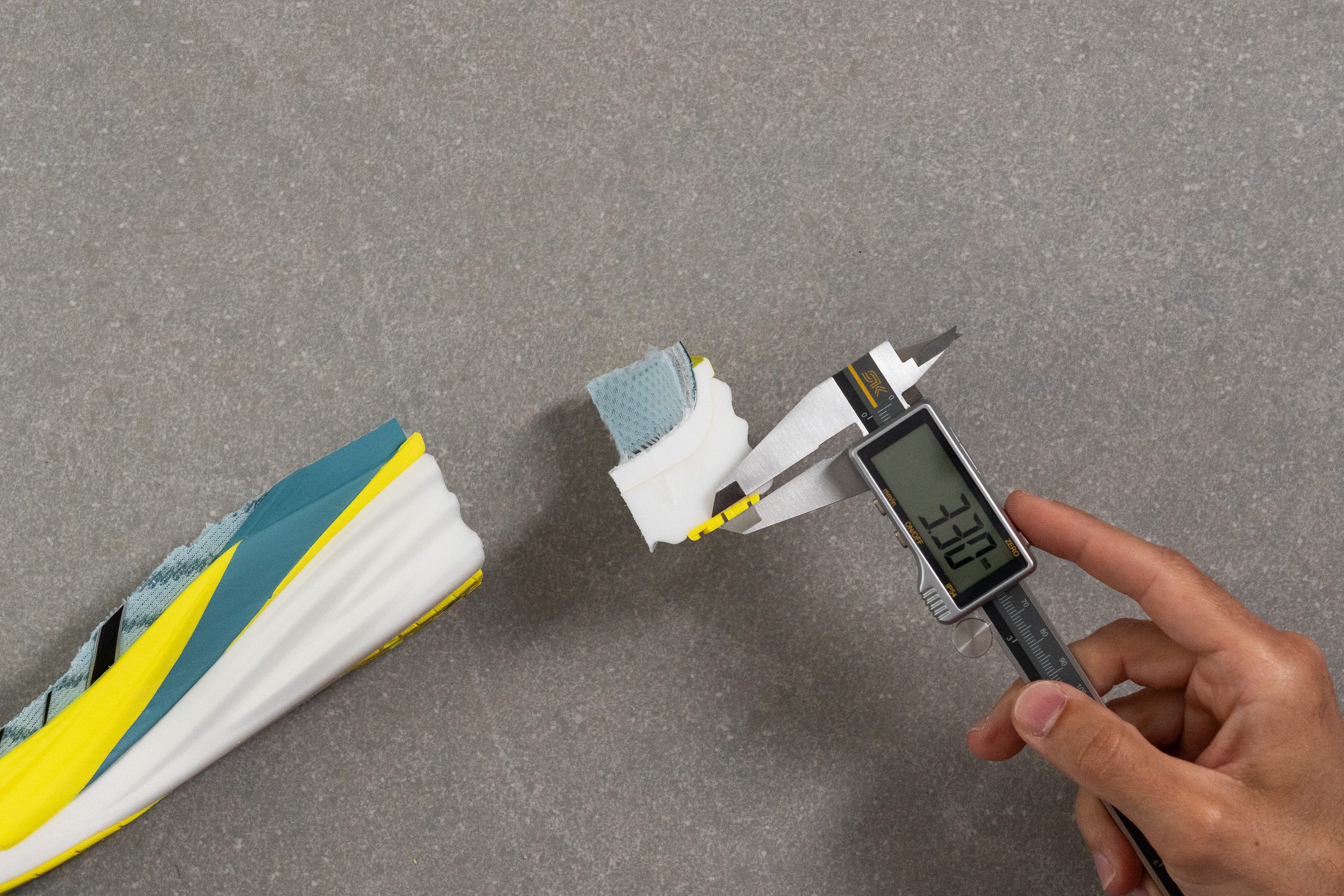
| Deviate Nitro 4 | 3.3 mm |
| Media | 3.1 mm |
Varios
Grosor de la plantilla
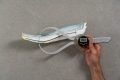
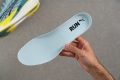
Los 3,5 mm de la plantilla de este modelo la hacen un poquito más finita que la media de nuestro laboratorio.
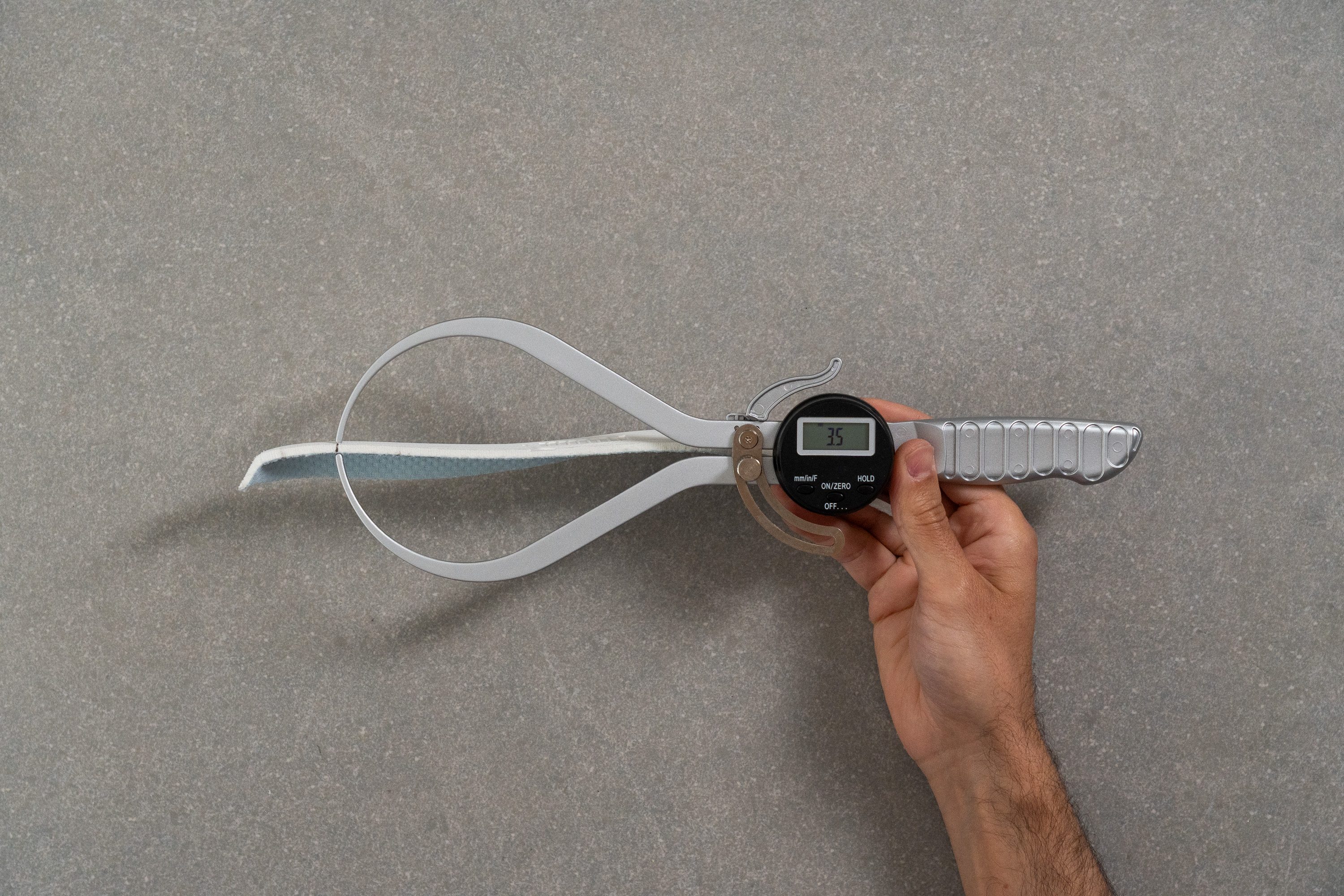
| Deviate Nitro 4 | 3.5 mm |
| Media | 4.4 mm |
Plantilla extraíble
La plantilla se siente un poquito más premium de lo que solemos ver en las zapatillas de tempo, pero la puedes cambiar si quieres.
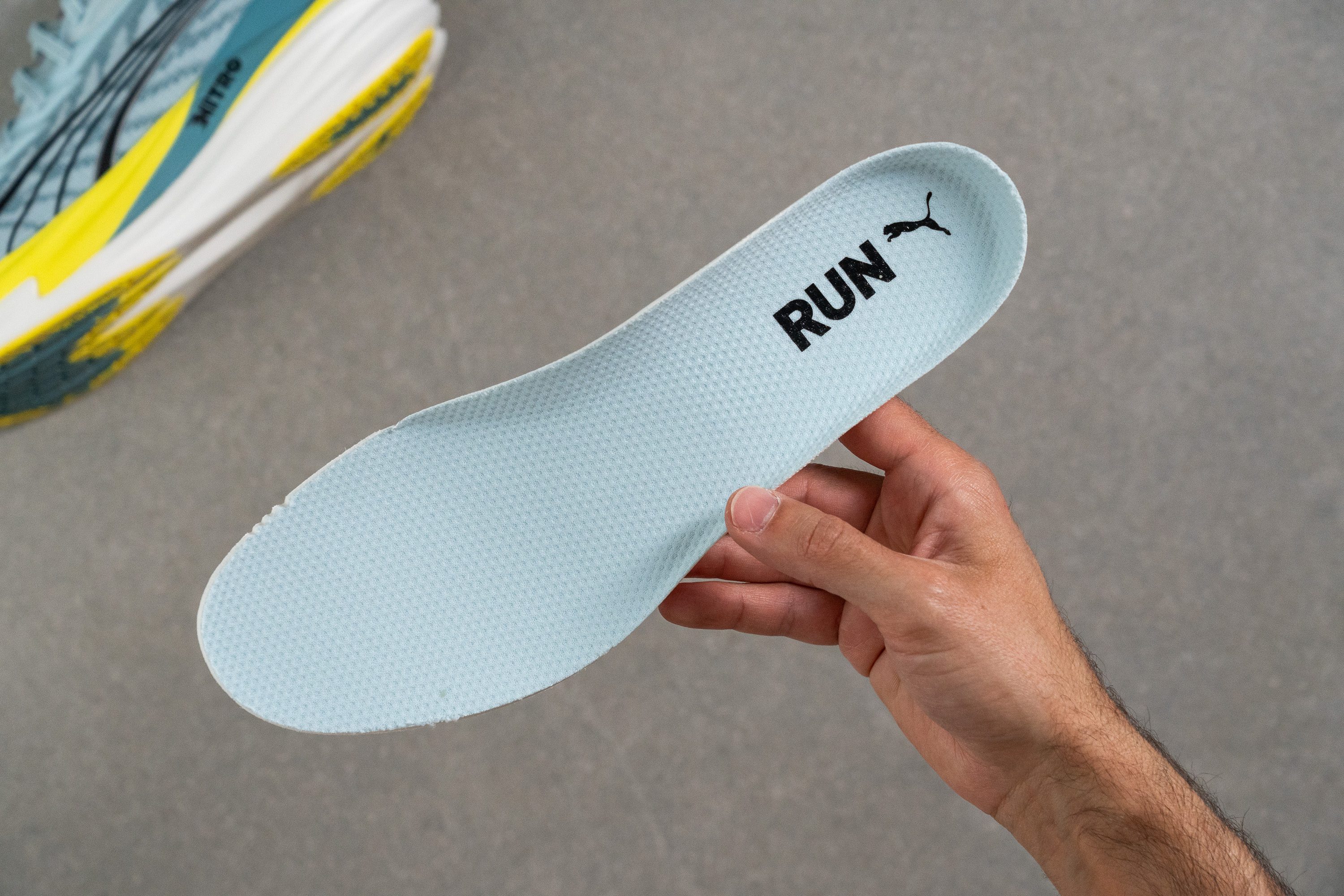
| Deviate Nitro 4 | Sí |
Elementos reflectantes
Las PUMA Deviate Nitro 4 tienen varios elementos reflectantes. ¡Mira qué chulos son los de la zona del talón!
| Deviate Nitro 4 | Sí |
Acolchado de la lengüeta
Nos gustó el sistema de ojales de las PUMA Deviate Nitro 4 porque ofrece un ajuste seguro y listo para competir. Los cordones planos funcionan muy bien, y el ojal extra está más atrás, cerca del tobillo, así que es ideal para los corredores que necesitan un ajuste incluso más ceñido.
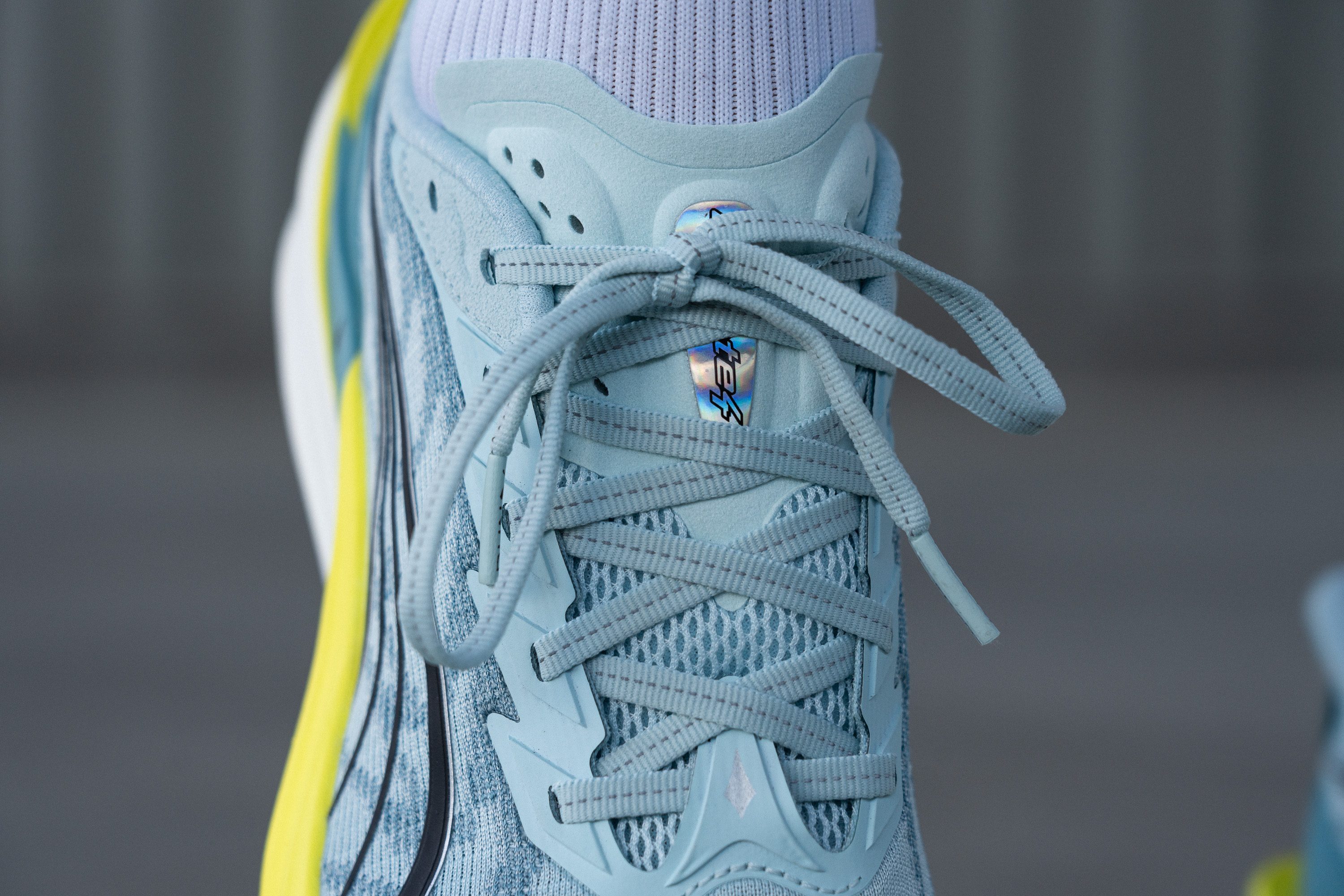
PUMA consiguió que la lengüeta tuviese la misma personalidad que las zapatillas. Está menos acolchada que la de un modelo de entrenamiento diario, pero es bastante más mullida que la de unas zapatillas de competición puras y duras, presumiendo de un grosor equilibrado de 5,5 mm según nuestro calibre.
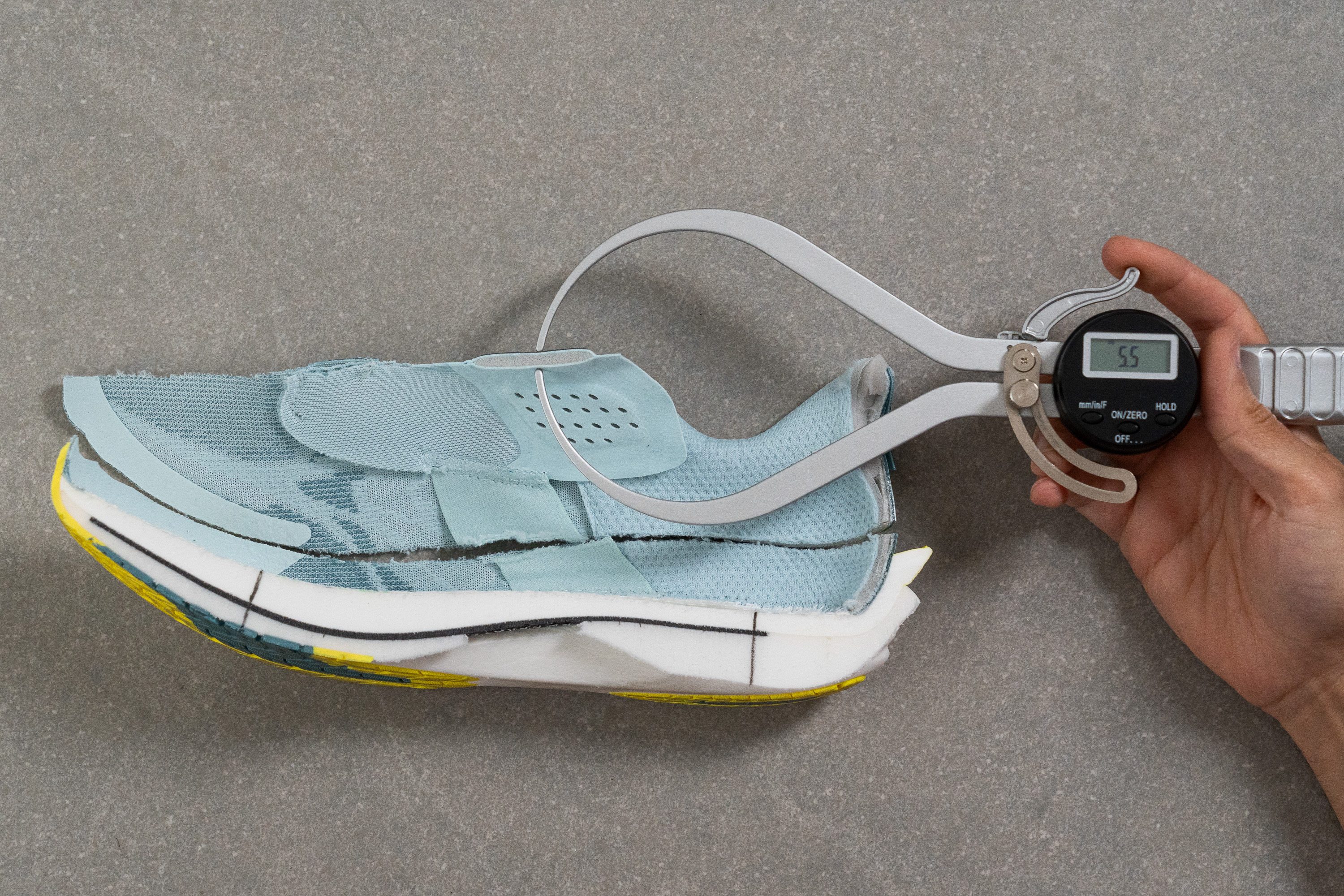
| Deviate Nitro 4 | 5.5 mm |
| Media | 5.8 mm |
Lengüeta: tipo de refuerzo
La lengüeta tiene un diseño semirreforzado estupendo para el espíritu velocista de estas zapatillas, creando un ajuste seguro y listo para competir. Eso sí, nos dio la sensación de que sus bordes no estaban del todo acabados, y teniendo en cuenta lo que cuestan... este detalle de calidad no se puede pasar por alto.
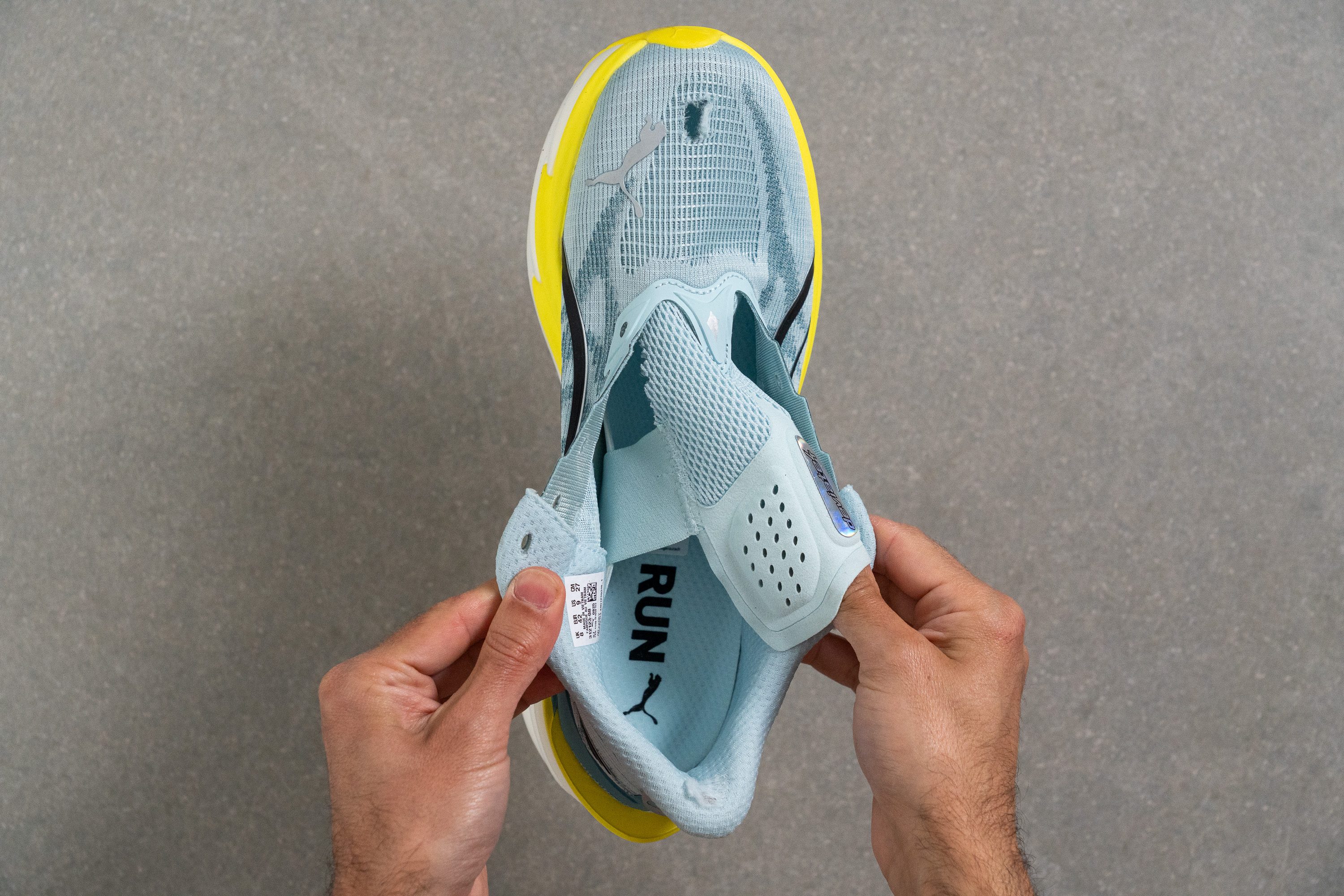
| Deviate Nitro 4 | Ambos lados (semi) |
Tirador del talón
PUMA y adidas han mantenido una intensa rivalidad desde que los hermanos Dassler se separaron hace ya muchos años, pero es que incluso hoy en día... parece que no se quitan el ojo de encima.
Pues mira, resulta que el talón de las Deviate Nitro 4 tiene un diseño extendido que hace que sea fácil de agarrar, pero también presume de un tirador que, si lo levantas, tiene un pequeño mensaje oculto... cosa que se parece bastante a lo que hizo adidas en las Adizero Adios Pro 4.
| Deviate Nitro 4 | Talón extendido |
Precio
Las Deviate Nitro 4 tienen un precio bastante justo en el mercado actual, así que están un paso por encima de las zapatillas de entrenamiento diario estándar, pero todavía están por debajo de lo que cuestan las superzapatillas de entrenamiento premium.
También creemos que PUMA debería parar de subirles el precio a las futuras versiones, ya que este modelo se está acercando peligrosamente al límite de los 200 €.
| Deviate Nitro 4 | $170 |