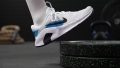

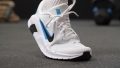
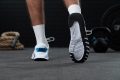
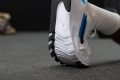


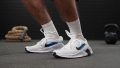
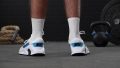

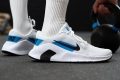
Nuestra conclusión
- Entrenamiento funcional / HIIT 82
- Cardio 83
- Halterofilia 74
Pros
- Zapatillas de entrenamiento funcional ideales para principiantes
- Absorción de impactos alta
- Base firme y estable para levantamiento de pesas
- Ajuste medio sólido con opciones anchas
- Antepié muy flexible
- Más ligeras que la media
- Buena durabilidad para su precio
Contras
- Poca sujeción lateral
- La parte delantera no es muy alta
Premios
- Entre mejores zapatillas Nike de entrenamiento general
- Entre mejores zapatillas Nike de entrenamiento
- Top 29% más vendidas zapatillas para el gimnasio
Comparativa
Las zapatillas para el gimnasio más parecidas
+ + Añadir unas zapatillas | |||||
|---|---|---|---|---|---|
| Nuestra puntuación | 79 Buenas | 86 Geniales | 90 Magníficas | 84 Geniales | |
| Precio | 80 € | 145 € | 150 € | 80 € | |
| Uso | EntrenamientoEntrenamiento funcionalGimnasioHIITSaltar a la combaCardio | CrossFitEntrenamientoEntrenamiento funcionalGimnasioHIITSaltar a la combaCardio | EntrenamientoEntrenamiento funcionalGimnasioHIITSaltar a la combaCardio | EntrenamientoEntrenamiento funcionalGimnasioHIITSaltar a la combaCardio | |
| Absorción de impactos | Alta | Moderada | Alta | Alta | |
| Retorno de energía | Bajo | Moderado | Alto | Moderado | |
| Tracción | Baja | Baja | Alta | Baja | |
| Drop laboratorio | 9.8 mm | 6.4 mm | 6.8 mm | 8.8 mm | |
| Altura de la suela en la zona del talón laboratorio | 26.8 mm | 24.1 mm | 29.2 mm | 30.6 mm | |
| Antepié | 17.0 mm | 17.7 mm | 22.4 mm | 21.8 mm | |
| Peso laboratorio | 9.1 oz / 258g | 10.5 oz / 298g | 8.1 oz / 230g | 10.4 oz / 296g | |
| Ligero | ✓ | ✓ | ✓ | ✓ | |
| Transpirabilidad | Media | Media | Alta | Alta | |
| Anchura / ajuste | Media | Ancha | Estrecha | Ancha | |
| Anchura de la parte delantera | Media | Ancha | Media | Media | |
| Talla | Tallan bien | Una talla entera más pequeñas | - | Tallan un poquito pequeño | |
| Rigidez de la mediasuela | Firme | Firme | Equilibrada | Firme | |
| Flexibilidad | Flexible | Flexible | Flexible | Moderada | |
| Rigidez torsional | Moderadas | Moderadas | Moderadas | Firmes | |
| Rigidez del contrafuerte del talón | Flexibles | Flexibles | Flexibles | Moderadas | |
| Durabilidad de la parte delantera | Decente | Mala | Mala | Mala | |
| Durabilidad del acolchado del talón | Alta | Media | Alta | Baja | |
| Durabilidad de la suela exterior | Buena | Buena | Decente | Decente | |
| Anchura de la mediasuela - antepié | Ancha | Estándar | Ancha | Ancha | |
| Anchura de la mediasuela - talón | Estándar | Estándar | Estándar | Ancha | |
| Anchura disponible | EstándarAnchoExtra Ancho | EstándarAncho | Estándar | Estándar | |
| Grosor de la plantilla | Estándar | Muy gruesa | Estándar | Estándar | |
| Grosor de la suela | Estándar | Estándar | Fina | Estándar | |
| Dureza de la suela | - | - | - | Dura | |
| Tirador del talón | Ninguno | Ninguno | Ninguno | Tirador circular | |
| Lengüeta: tipo de refuerzo | Ninguno | Ambos lados (completo) | Ambos lados (completo) | Ninguno | |
| Acolchado de la lengüeta | Estándar | Estándar | Estándar | Estándar | |
| Ranking | #29 25% inferior | #11 Top 29% | #5 Top 13% | #18 Top 47% | |
| Popularity | #11 Top 29% | #17 Top 44% | #12 Top 31% | #10 Top 26% |

Quién debería comprárselas
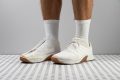
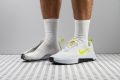
Creemos que las Nike Flex Train son una opción estupenda si acabas de empezar en el gimnasio y/o si:
- Necesitas unas zapatillas versátiles con las que hacer un poco de todo.
- Te centras en el HIIT, cardio, en las máquinas y en los entrenamientos de fuerza con pesos bajos.
- Quieres un par duradero que no cueste una pasta.
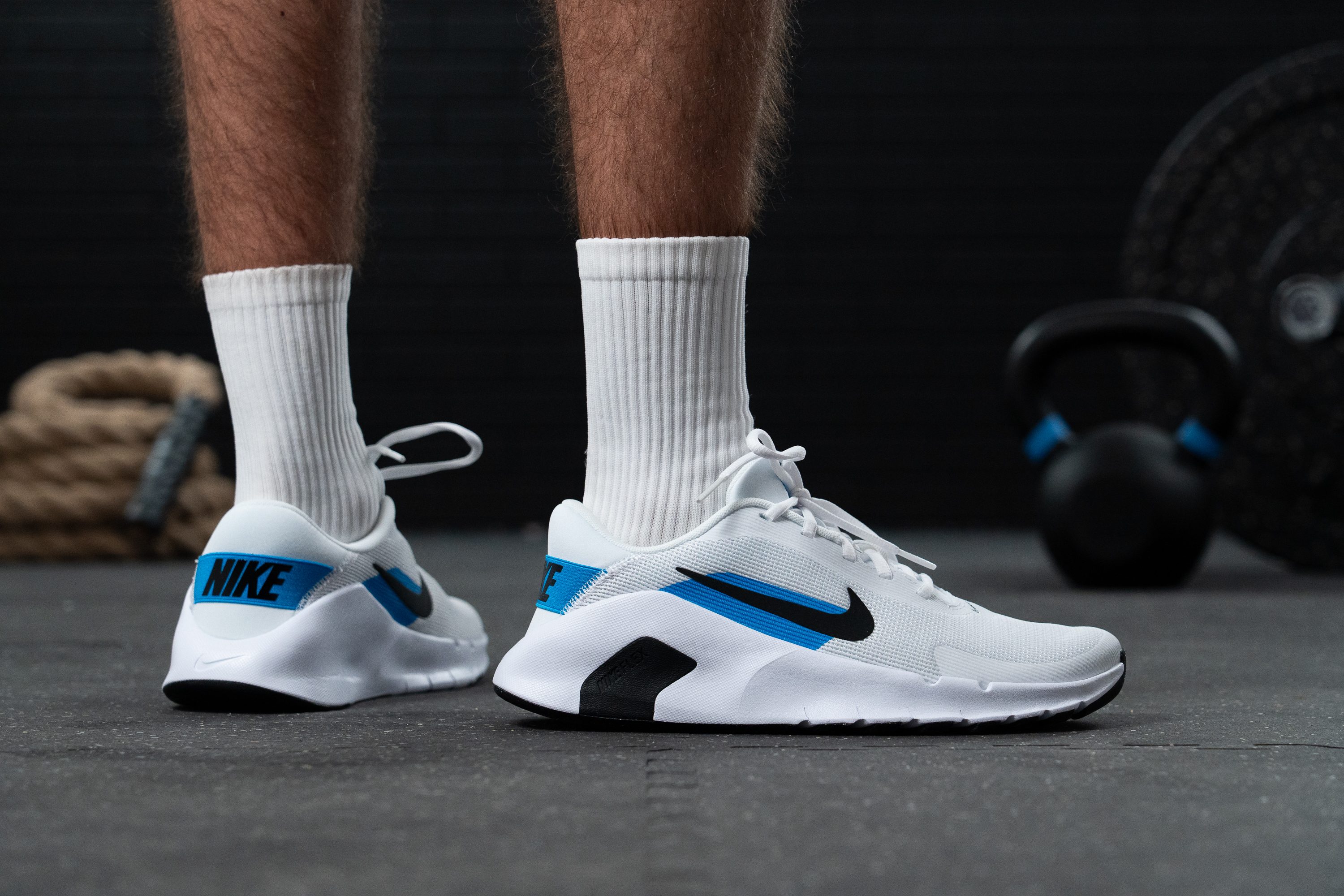
Quién NO debería comprárselas
Si tienes sobrepronación de moderada a severa o simplemente quieres más estabilidad lateral, incluso en unas zapatillas baratas, las Nike MC Trainer 3 son una alternativa estupenda. De hecho, parecen la versión más barata de las Nike Metcon.
Y si no te importa pagar un poquito más por tus zapatillas para el gimnasio para disfrutar de un mejor rendimiento general y poder levantar más peso, no te pierdas las Nike Free Metcon 7.
Amortiguación
Shock absorption
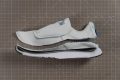
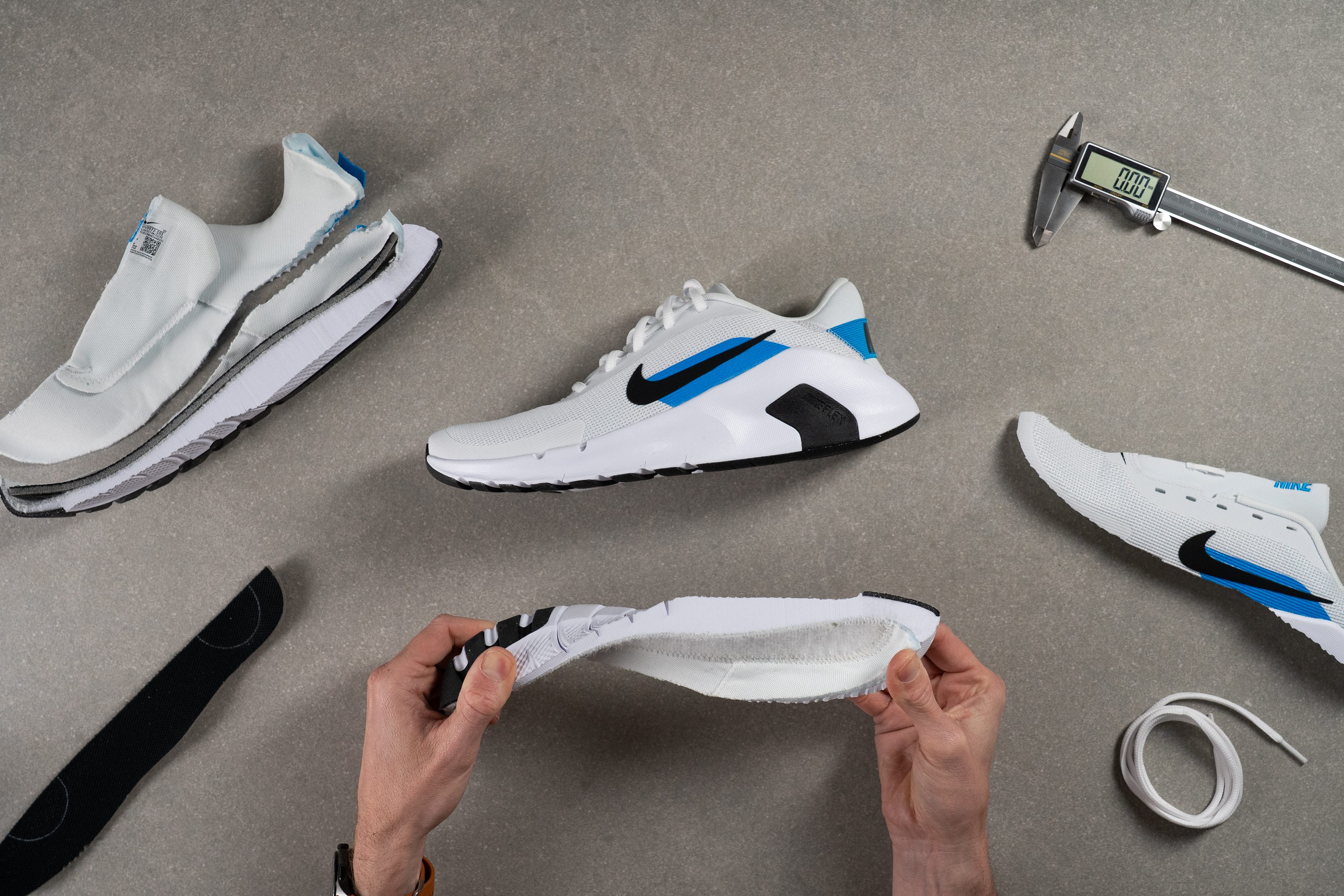
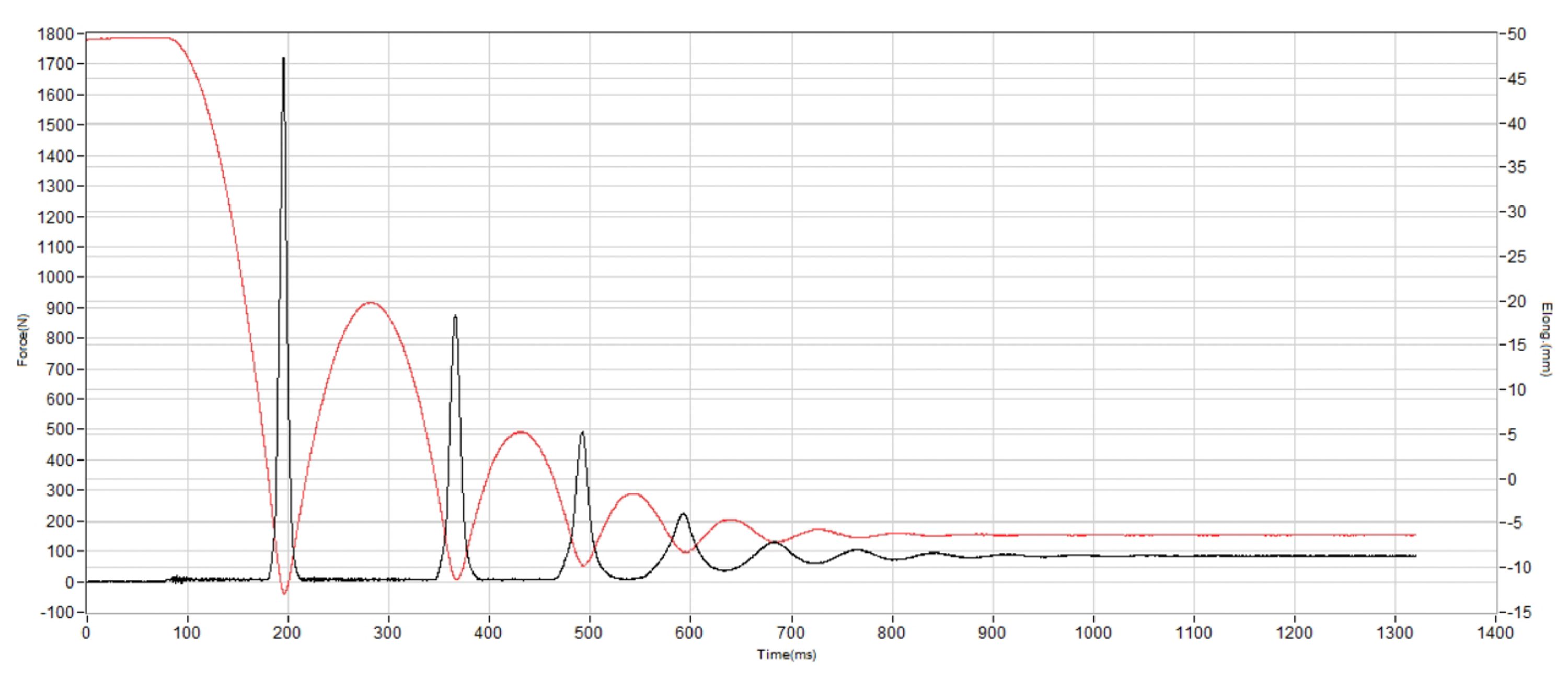
Parece que las Nike Flex Train son una versión económica de las Nike Free Metcon 7 y, del mismo modo que ellas, ofrecen una mejor protección contra impactos que la media, sobre todo en la zona del talón.
Cuando la analizamos, nuestra máquina marcó 104 SA en el talón y 58 SA en el antepié. Sin duda, esto nos indica que estaremos más protegidos que con otros modelos de entrenamiento funcional, dentro de su gama de precios, en los aterrizajes al hacer ejercicios pliométricos.
Si prefieres una mejor amortiguación en la zona de los metatarsos (para cardio y ejercicios aeróbicos), las Nike MC Trainer 3 obtuvieron una puntuación más alta en el antepié: 83 SA.
| Flex Train | 104 SA |
| Media | 83 SA |
Energy return
Además de asegurarse de que cada aterrizaje fuese seguro, la mediasuela de las Frex Train también ofrece un toque de rebote. A ver, tampoco es nada loco, ya que su retorno de energía sigue estando por debajo de la media con un 49,3 % en el talón y un 49,6 % en el antepié, pero es lo justo y necesario para que tu pisada no sea aburrida.
| Flex Train | 49.6% |
| Media | 55.8% |
Altura de la suela en la zona del talón
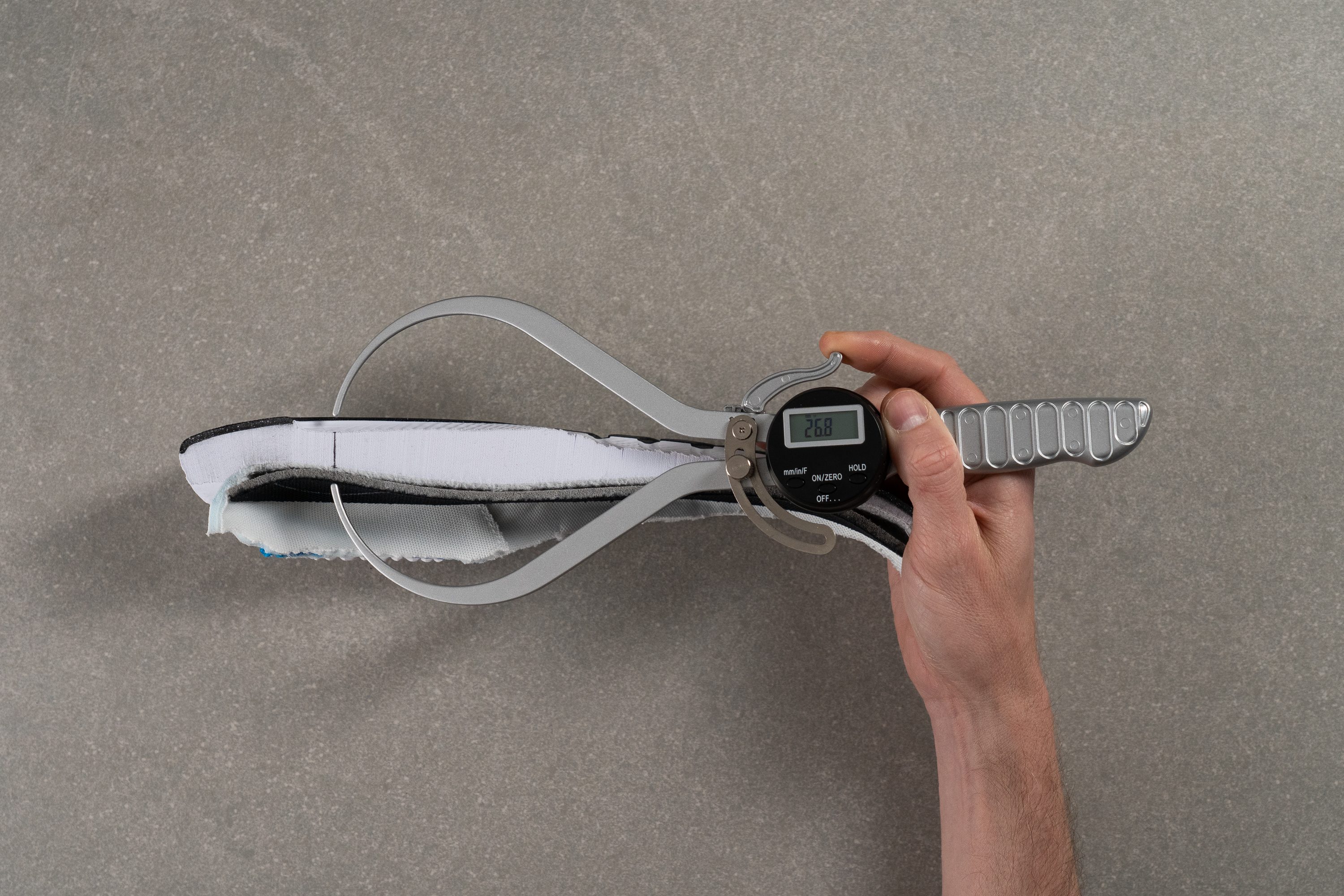
Aunque nuestro calibre nos dijo que la suela es un poquito más alta que la media en el talón, con 26,8 mm, la verdad es que en los pies no se siente excesivamente alta tampoco.
| Flex Train | 26.8 mm |
| Media | 24.1 mm |
Altura de la suela en el antepié
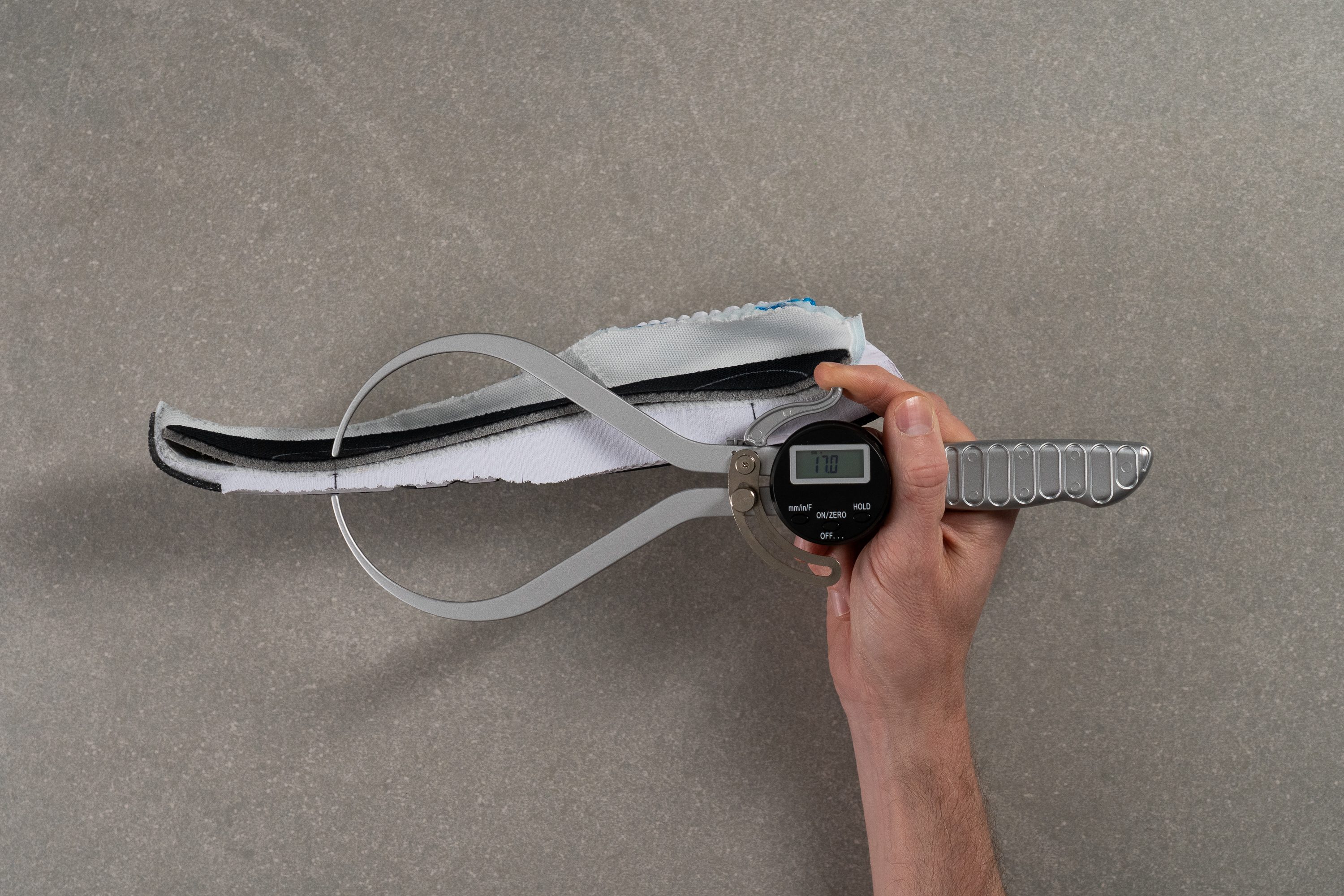
La altura de la suela en el antepié es estándar: 17,0 mm.
| Flex Train | 17.0 mm |
| Media | 17.7 mm |
Drop
El drop de estas zapatillas sí que es un poquito más alto que la media, ya que alcanza 9,8 mm. Este diseño es estupendo para las personas que acaban de empezar en el gimnasio, ya que se parece mucho al de la mayoría de las zapatillas de running y sneakers del mercado.
También es más cómodo para entrenar en la cinta de correr y en la elíptica, así como para clases con ejercicios aeróbicos, ya que ejerce menos tensión en el tendón de Aquiles y en las pantorrillas.
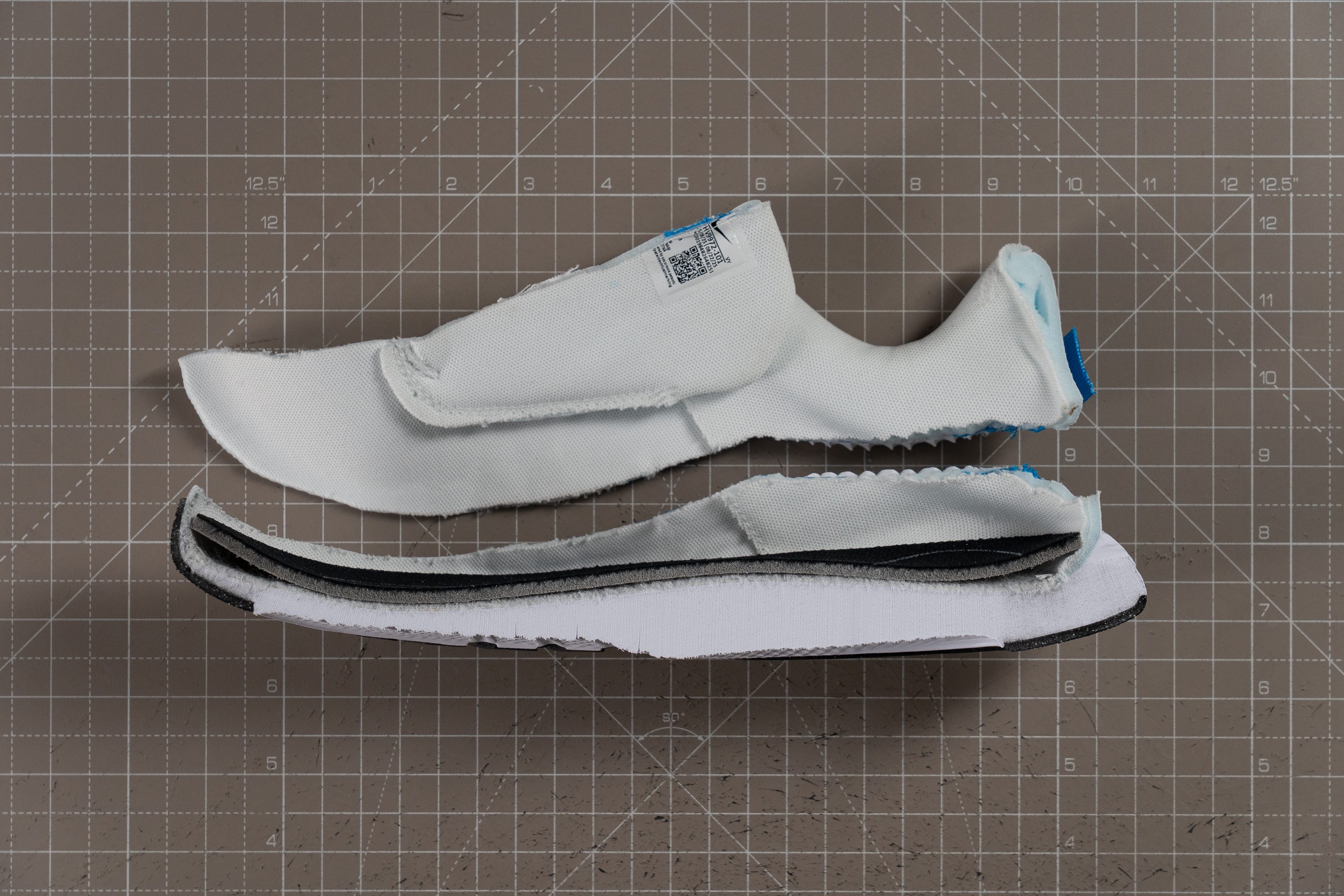
| Flex Train | 9.8 mm |
| Media | 6.4 mm |
Dureza de la mediasuela
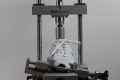
Las Nike Flex Train tienen una mediasuela hecha totalmente de espuma EVA firme.
No se comprime fácilmente gracias a su alta dureza de 48,5 AC, cosa que hace que se sienta estable bajo los pies.
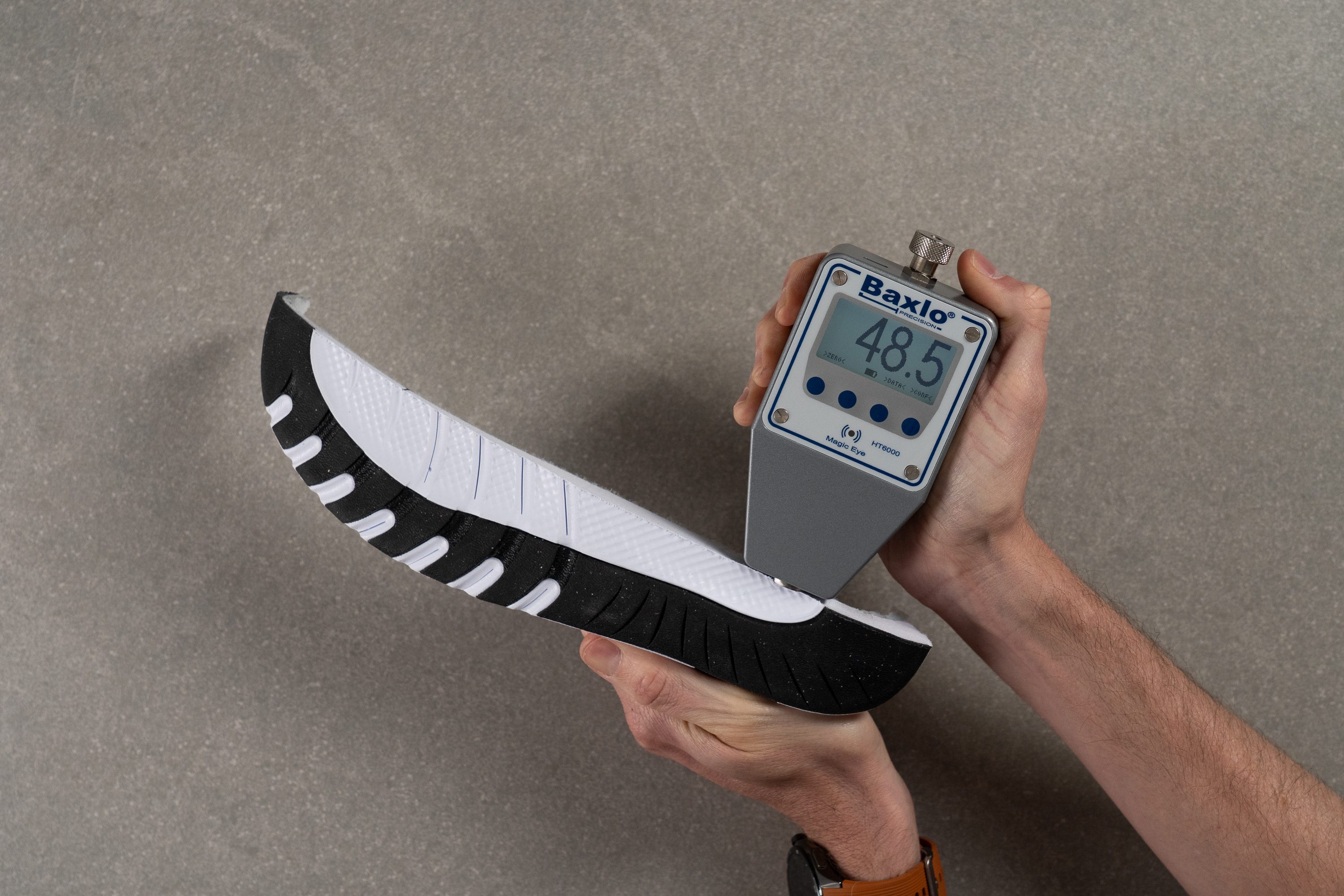
| Flex Train | 48.5 AC |
| Media | 48.8 AC |
Tallaje y ajuste
Talla
Las Nike Flex Train tallan bien (57 votos).
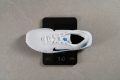
Longitud interna
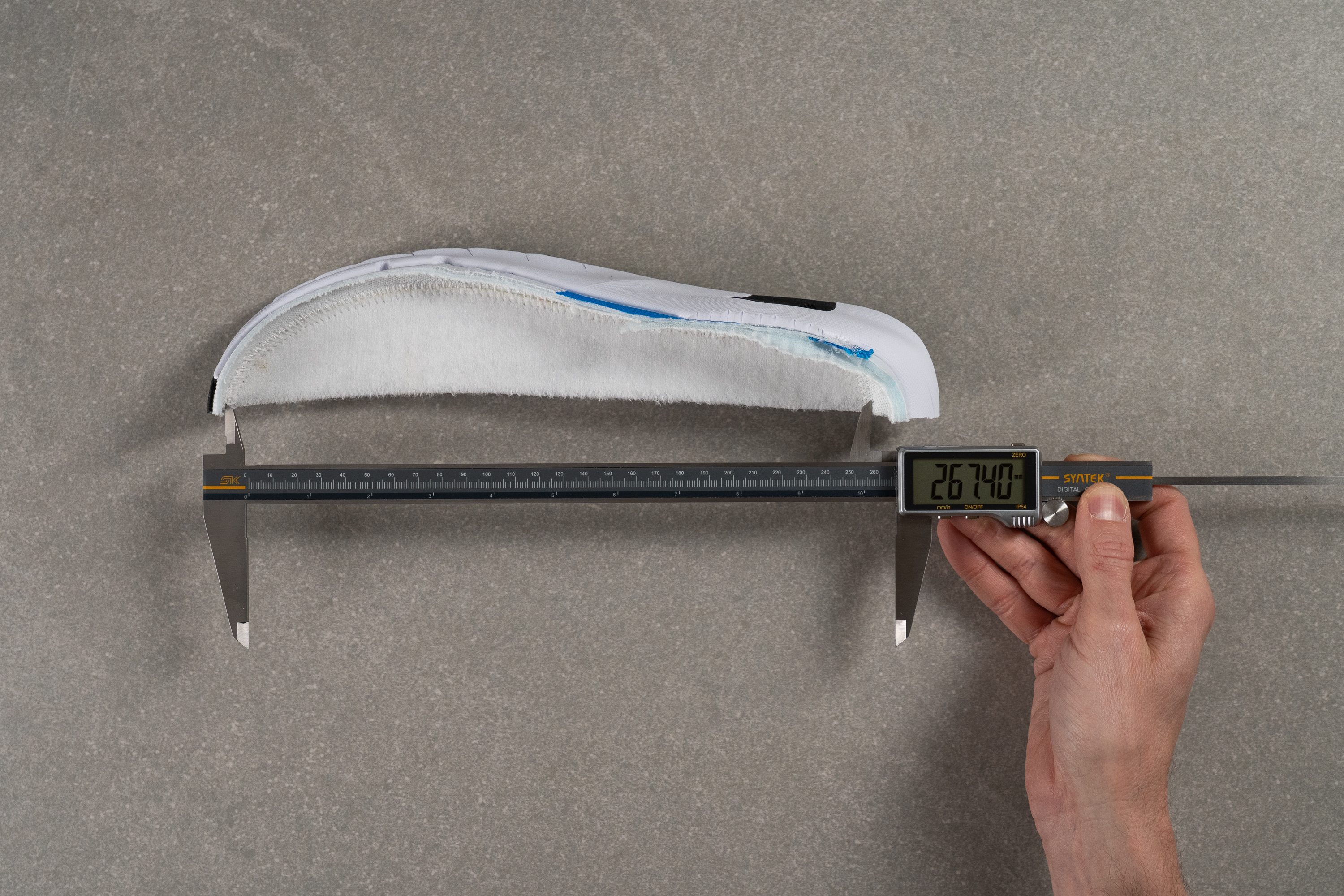
| Flex Train | 267.4 mm |
| Media | 268.7 mm |
Anchura / Ajuste
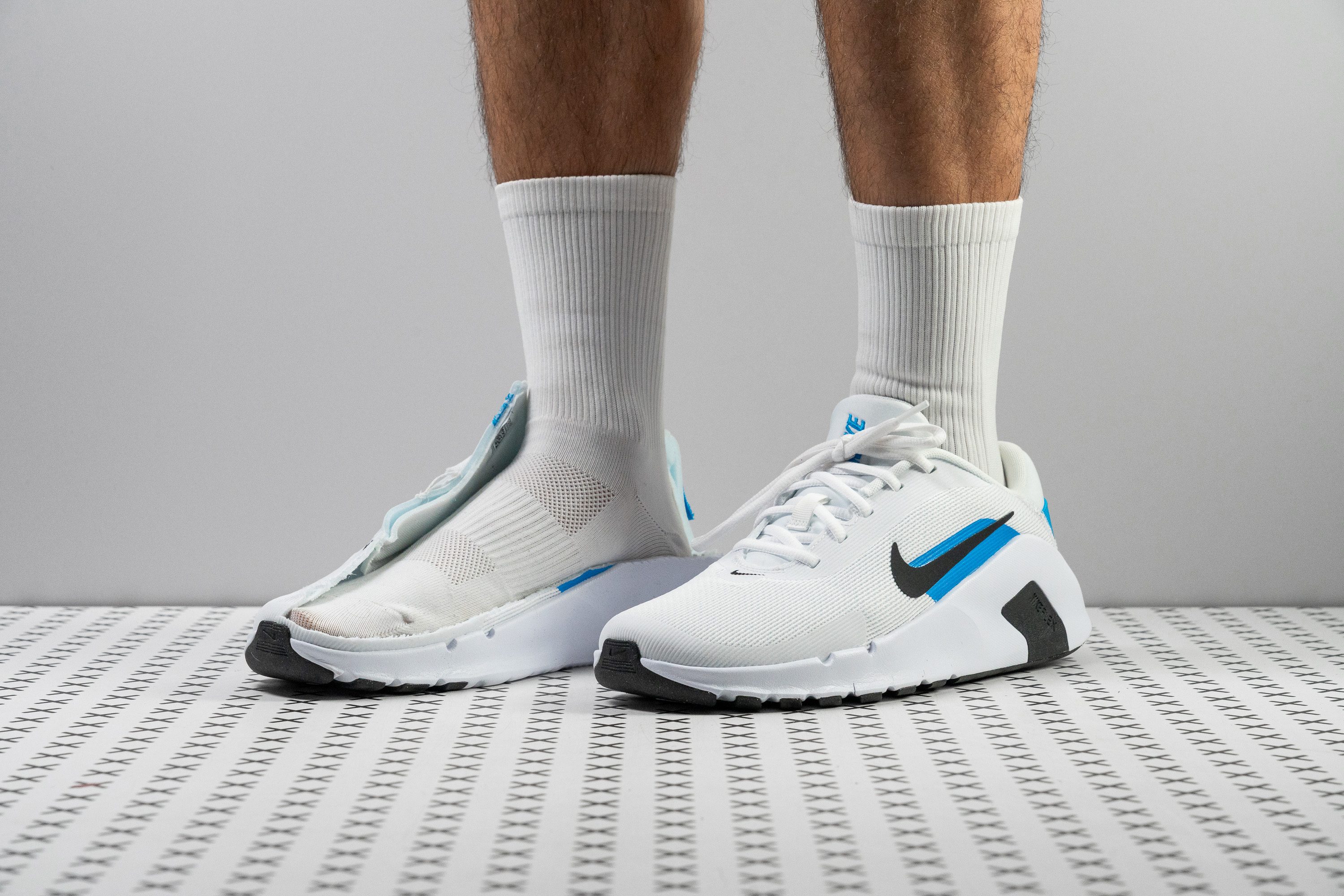
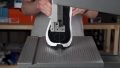
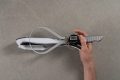
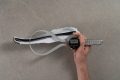
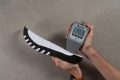
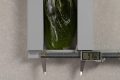
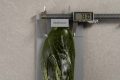
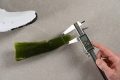
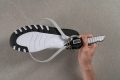
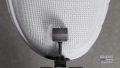
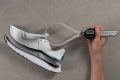
Creamos una réplica de gel del interior de las Frex Train para poder analizar mejor su ajuste.
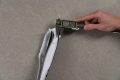
Cuando medimos el punto más ancho de nuestro gel solidificado con un calivre digital, marcó un resultado bastante ancho: 97,6 mm.
Y si necesitas incluso más espacio en la zona de los dedos, no te preocupes, que tienes estas zapatillas de entrenamiento disponibles en versión ancha.
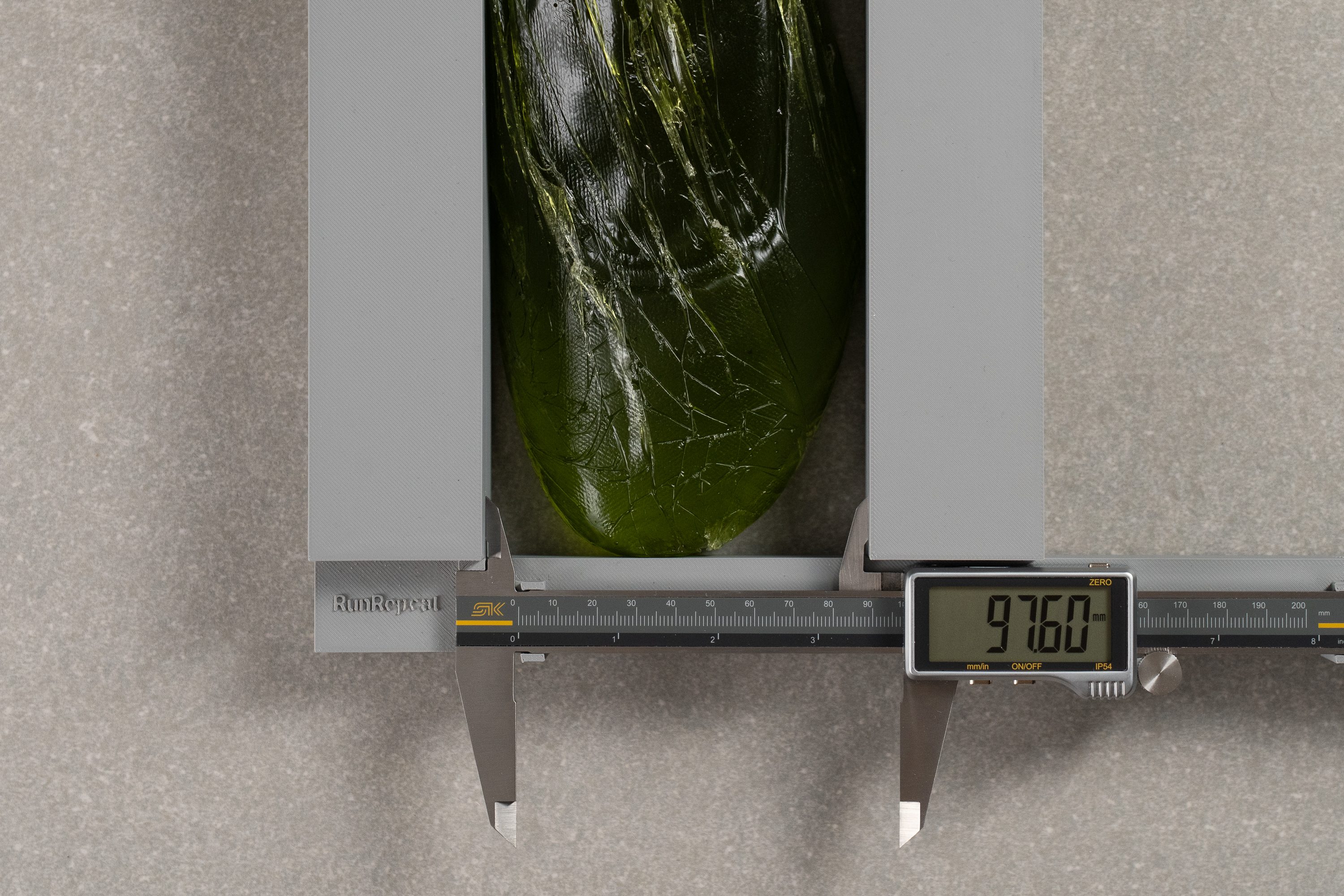
| Flex Train | 97.6 mm |
| Media | 96.2 mm |
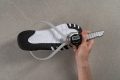
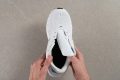
Anchura de la parte delantera
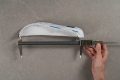
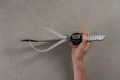
Cuando analizamos la parte delantera, no vimos que se estrechase muchísimo hacia la punta. Nuestro calibre nos dio toda la razón, ya que marcó 73,7 mm en la zona del dedo gordo.
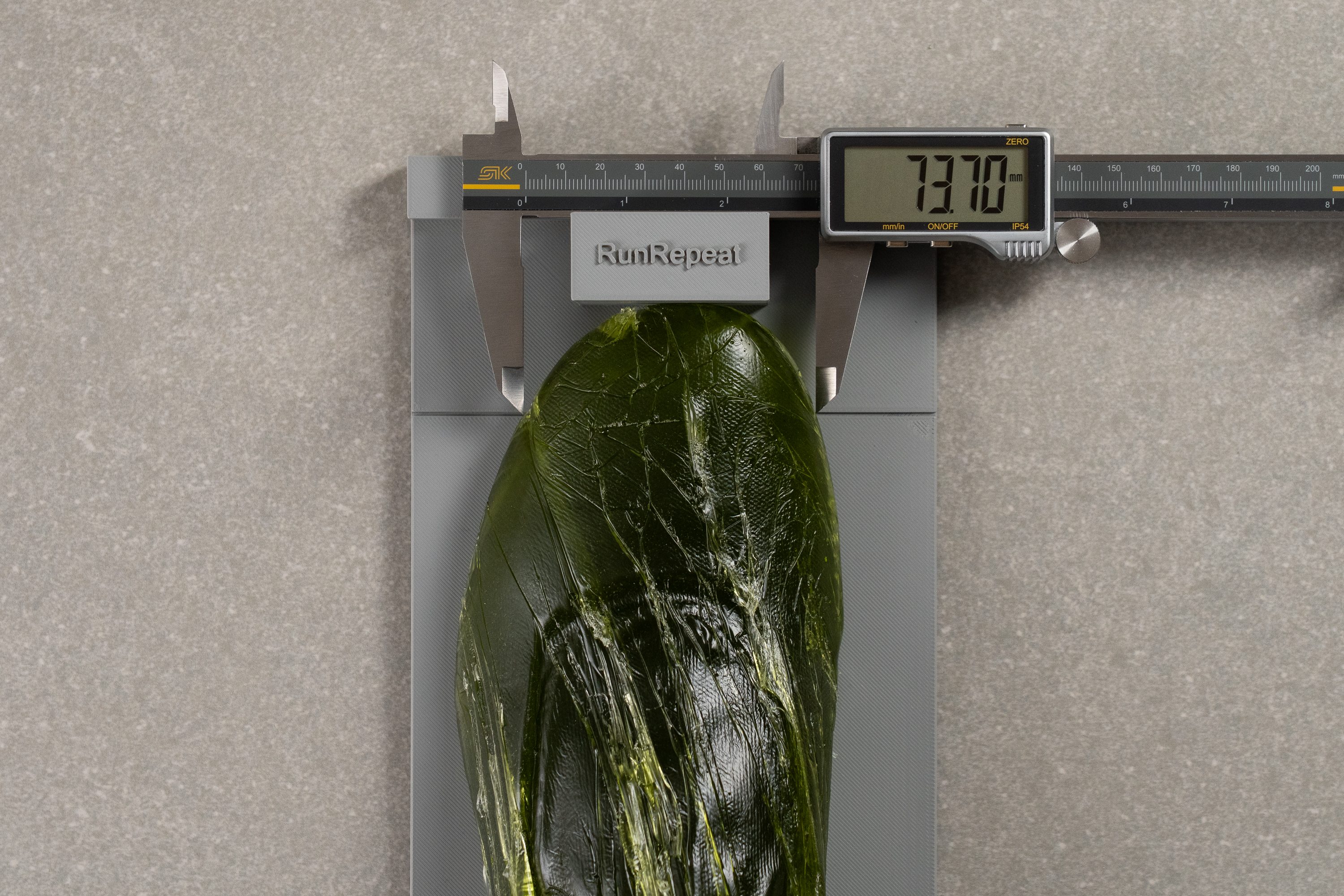
| Flex Train | 73.7 mm |
| Media | 73.4 mm |
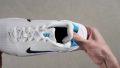
Altura de la parte delantera
Eso sí, puede que sientas que estas Nike son un poco ceñidas en la zona de los dedos, pero eso es porque su volumen vertical es bastante limitado.
Con una altura de 25,3 mm, inferior a la media, el material del upper de estas zapatillas está bastante cerca del pie.
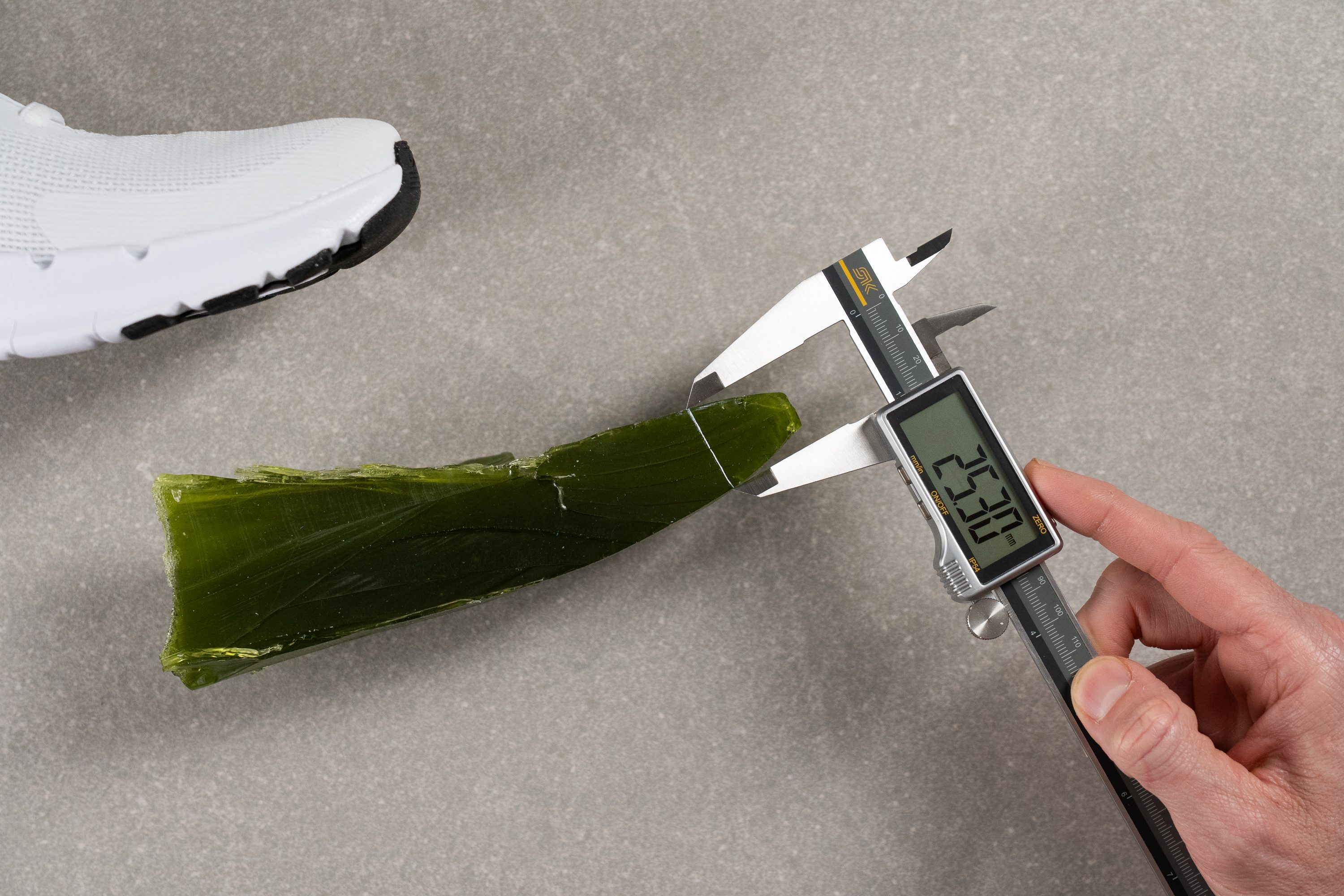
| Flex Train | 25.3 mm |
| Media | 27.2 mm |
Tracción / Agarre
Traction test
Con un coeficiente de fricción moderado de 0,27, descubrimos que las Nike Flex Train ofrecen agarre suficiente para que no tengas problema en el gimnasio. Su tracción estándar hace que no te resbales al aterrizar de los saltos al cajón, en los movimientos aeróbicos multidireccionales y en otros ejercicios dinámicos.
Pero si tu prioridad número 1 es el agarre, mucho ojo, porque no son las zapatillas con la mejor tracción del mercado.
| Flex Train | 0.27 |
| Media | 0.34 |
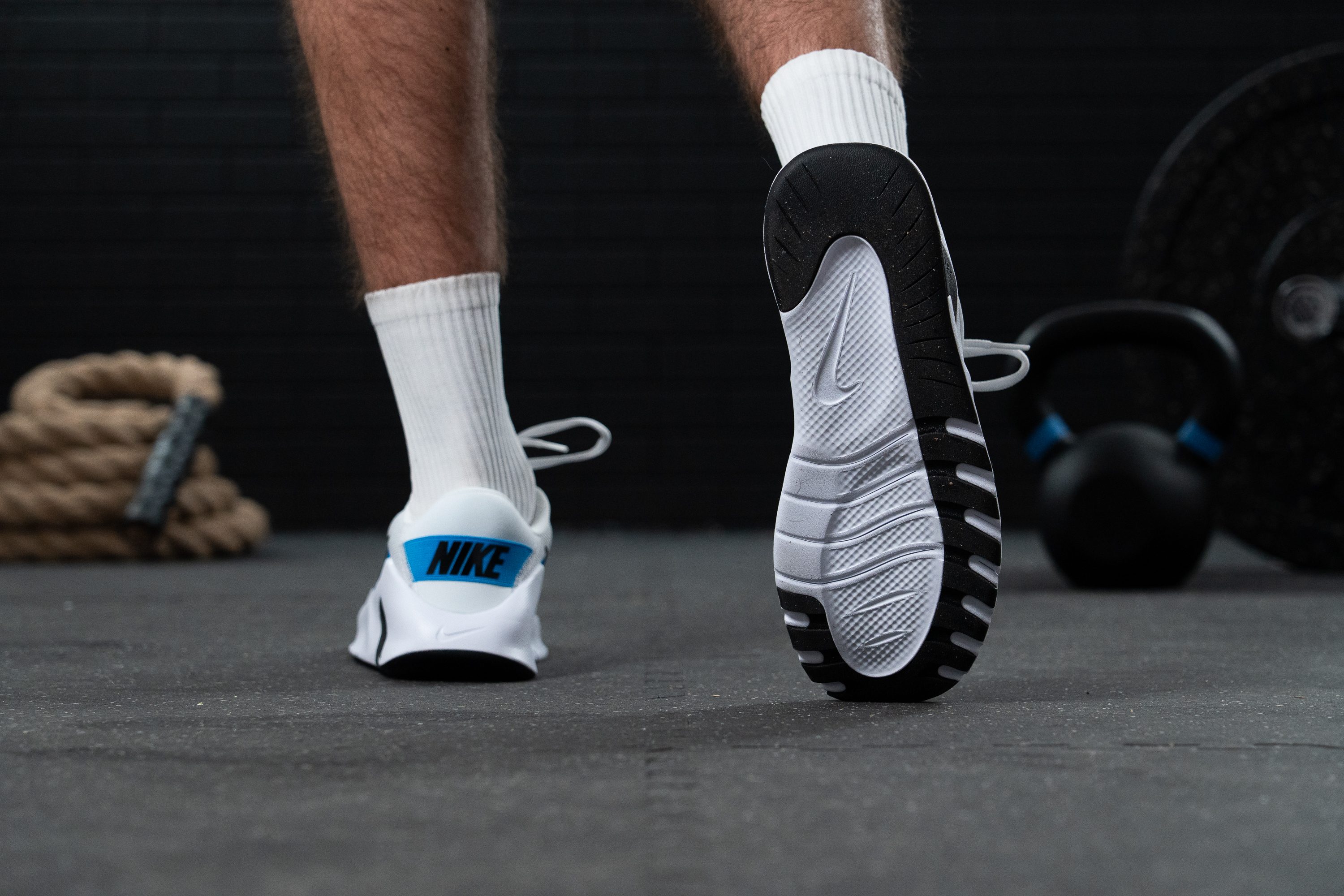
Diseño de la suela exterior
La poca cobertura de caucho de estas zapatillas nos explica por qué su tracción es limitada. Al final, este material solo cubre zonas estratégicas alrededor del perímetro de la plataforma.
Además, la suela tiene cortes profundos en la zona del mediopié y otros más finitos en el antepié que mejoran la flexibilidad.
Flexibilidad / Rigidez
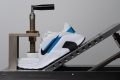
Las Nike Flex Train tienen Flex en su nombre, ¡así que los cortes de su mediasuela no podían no ser flexibles!
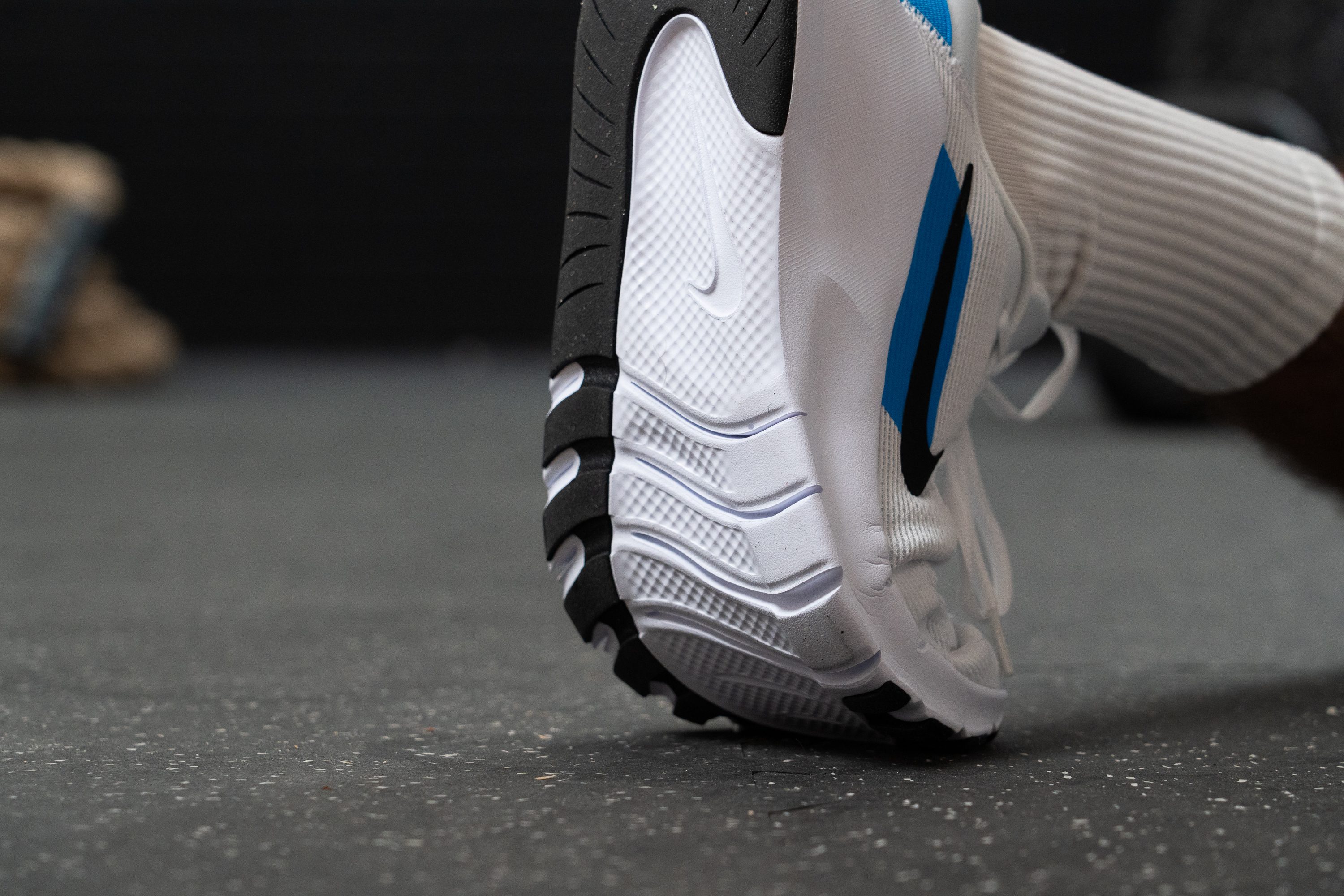
Cuando fijamos la parte delantera de las zapatillas en muestra máquina, vimos que solo se necesitaban 8,4 N de fuerza para doblarlas 30 grados.
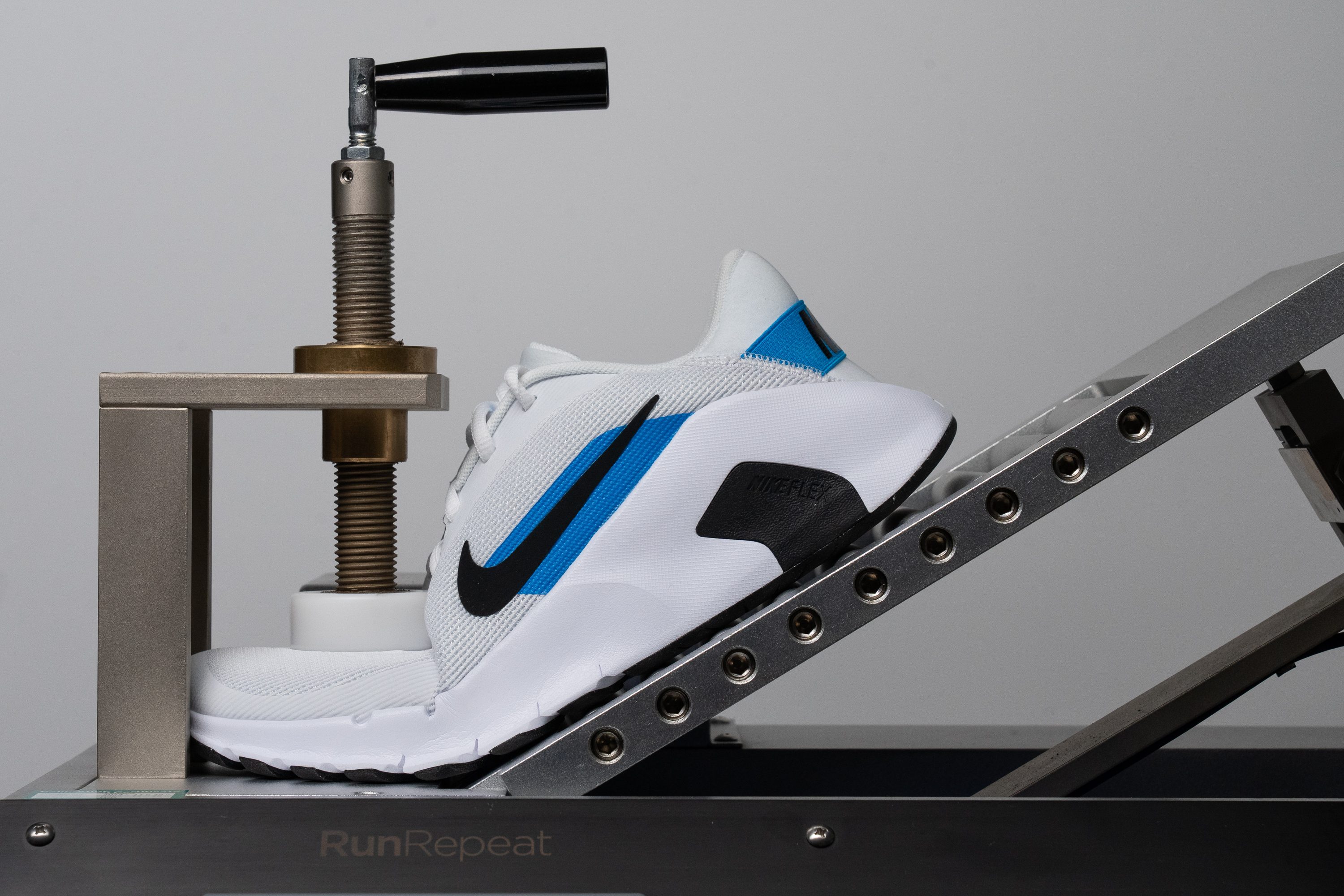
| Flex Train | 8.4N |
| Media | 10.3N |
Peso
Como tienen un diseño sencillo pero no presumen de componentes de estabilización voluminosos, las Flex Train son bastante ligeras para ser unas zapatillas de entrenamiento (dejando de lado los modelos minimalistas).
Aunque nos las compramos en una talla 9 estadounidense de hombre, pesan menos que la media. ¡Sus 258 g las hacen las más ligeras dentro de su rango de precios!
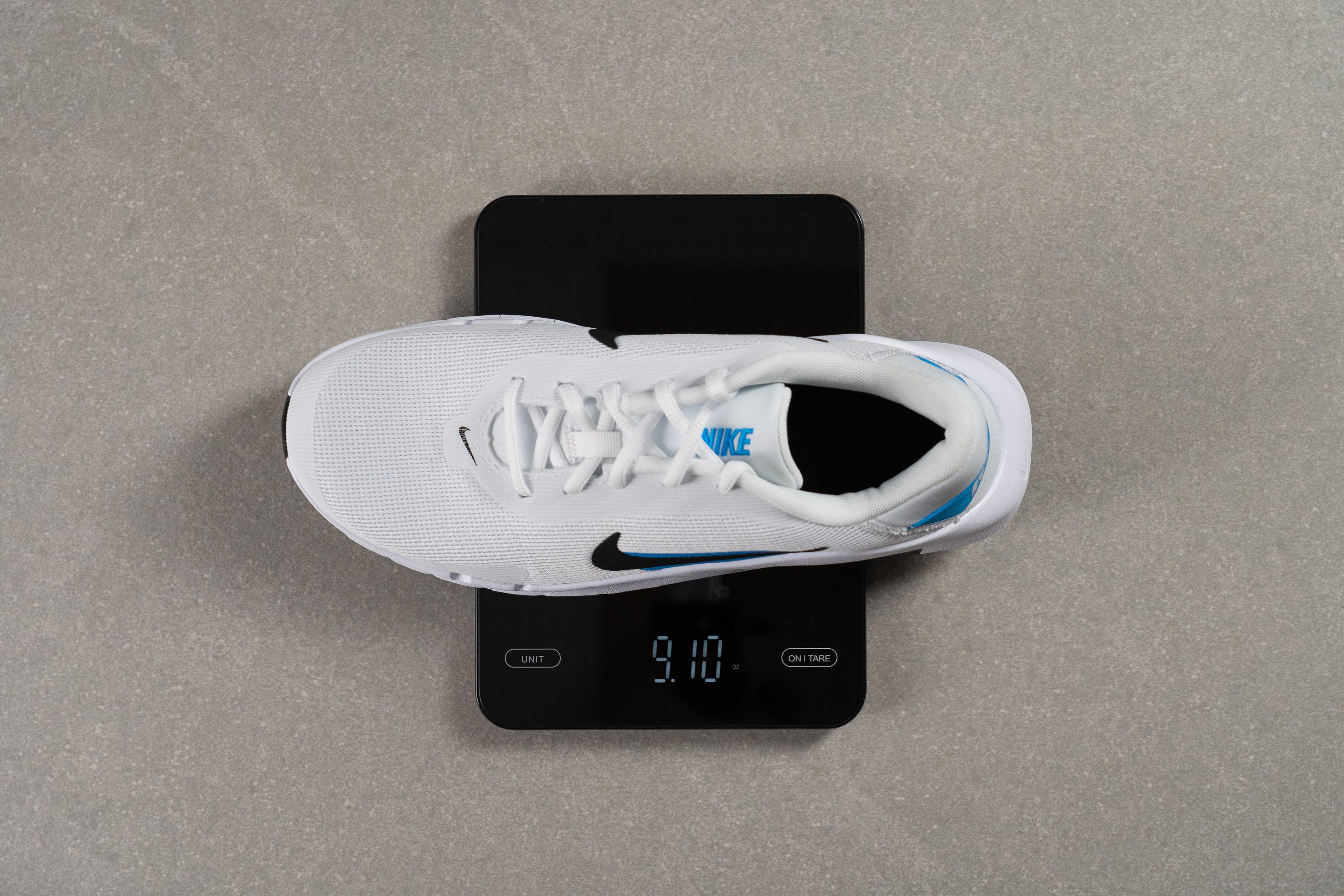
| Flex Train | 9.1 oz (258g) |
| Media | 10.7 oz (303g) |
Transpirabilidad
Breathability
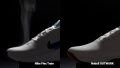
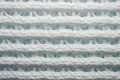
The Nike Flex Train employs a rather porous mesh to help release sweat and maintain airflow inside the shoe.
But as our smoke-pumping test showed, its ventilation capacity is only moderate as the flow is partially blocked by an interior lining beneath the mesh.
That's why it looks only semi-transparent in our light test.
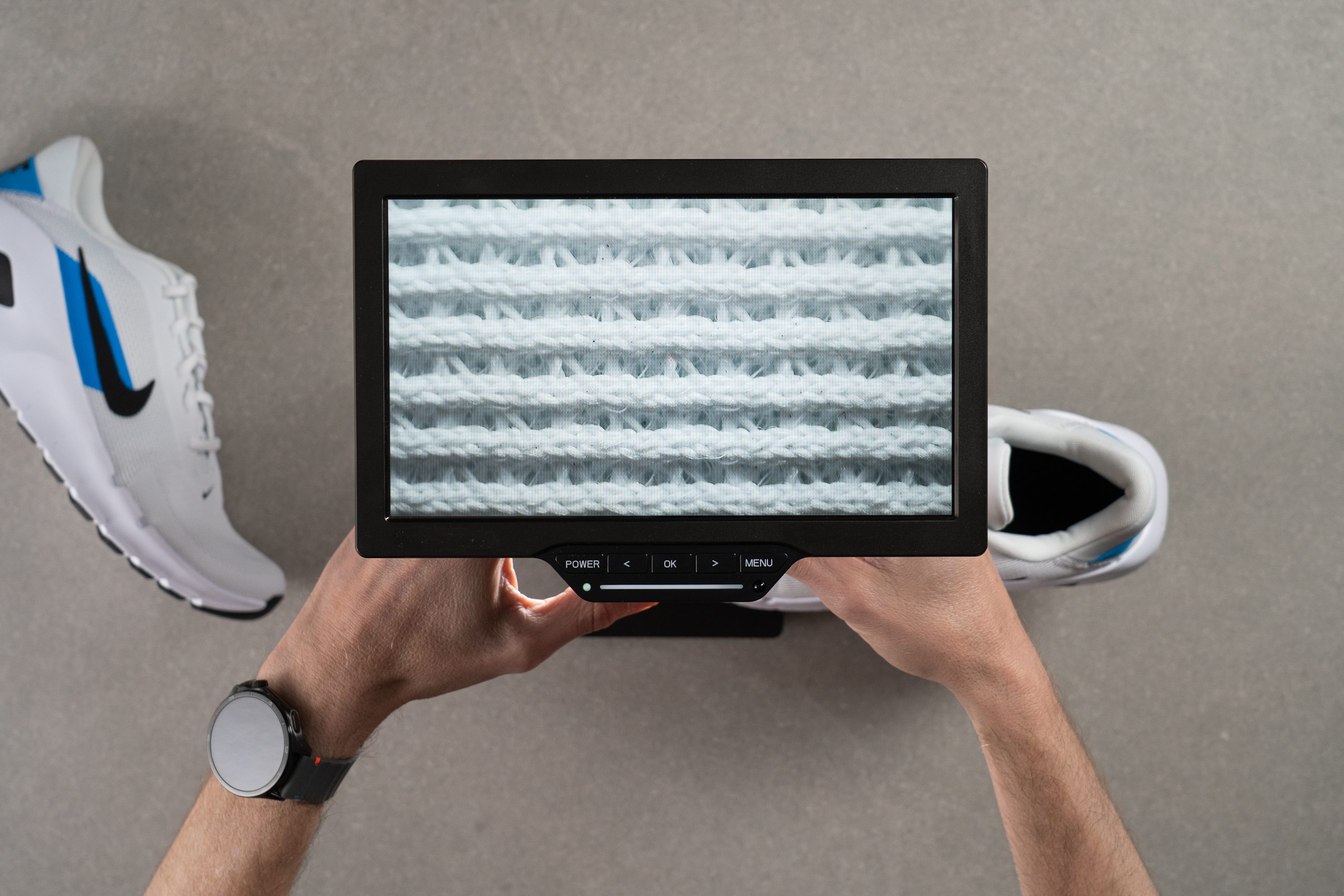
Yet, examining the mesh itself, we found the pores to be fairly open, which put our breathability score in the middle range at 3 out of 5.
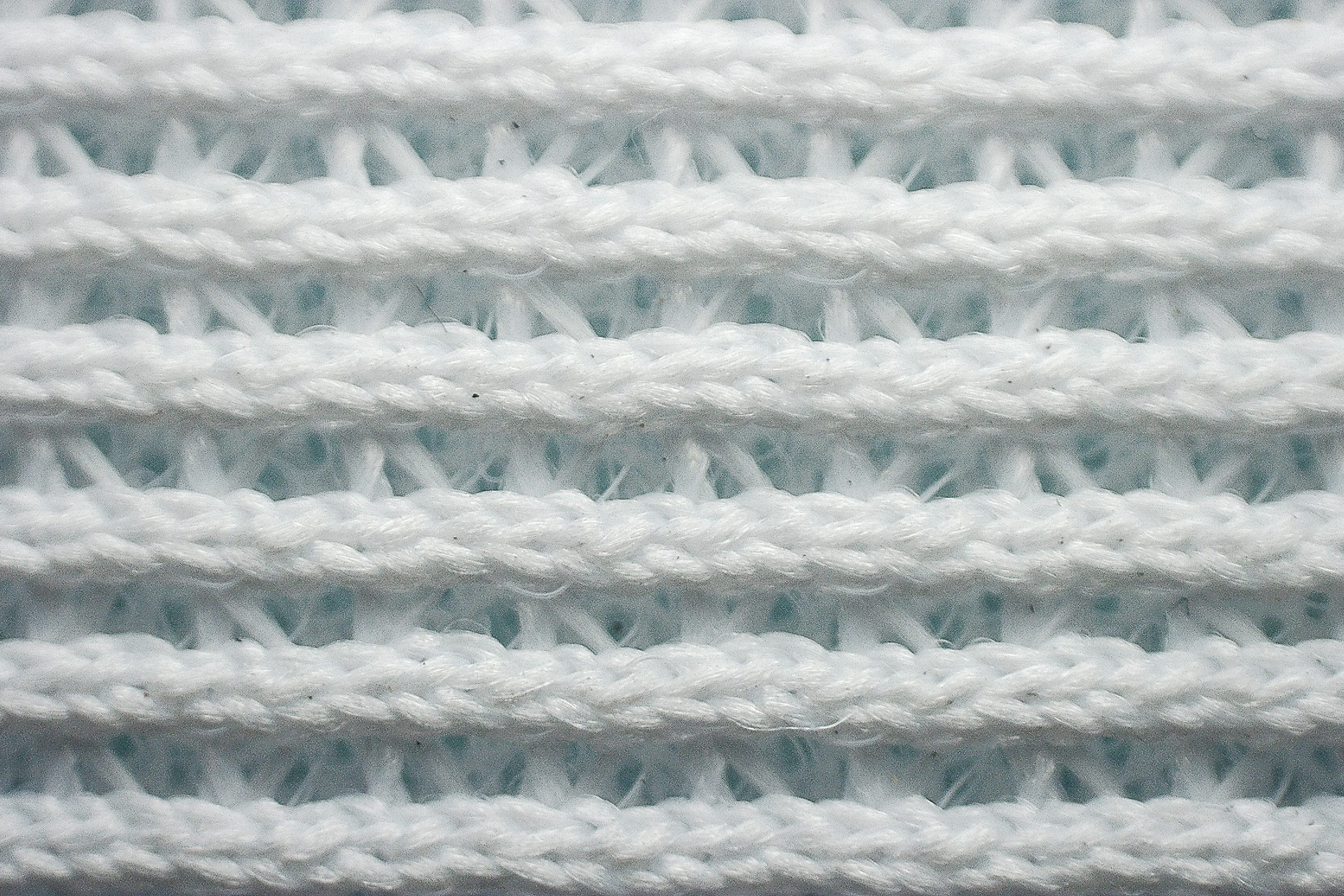
| Flex Train | 3 |
| Media | 3.6 |
Estabilidad
Prueba de estabilidad lateral
Gracias a nuestra prueba de estabilidad lateral, nos quedó claro que las Flex Train no son las zapatillas de entrenamiento cruzado más estables del mercado.
Aunque su mediasuela tiene unas paredes laterales bastante altas en el talón, sentimos que dejaban que los pies se nos inclinasen demasiado hacia dentro.
Y aunque la base nos pareció estable para los entrenamientos de fuerza entre fáciles y moderados, la sujeción lateral de estas Nike nos supo a poco.
Rigidez torsional
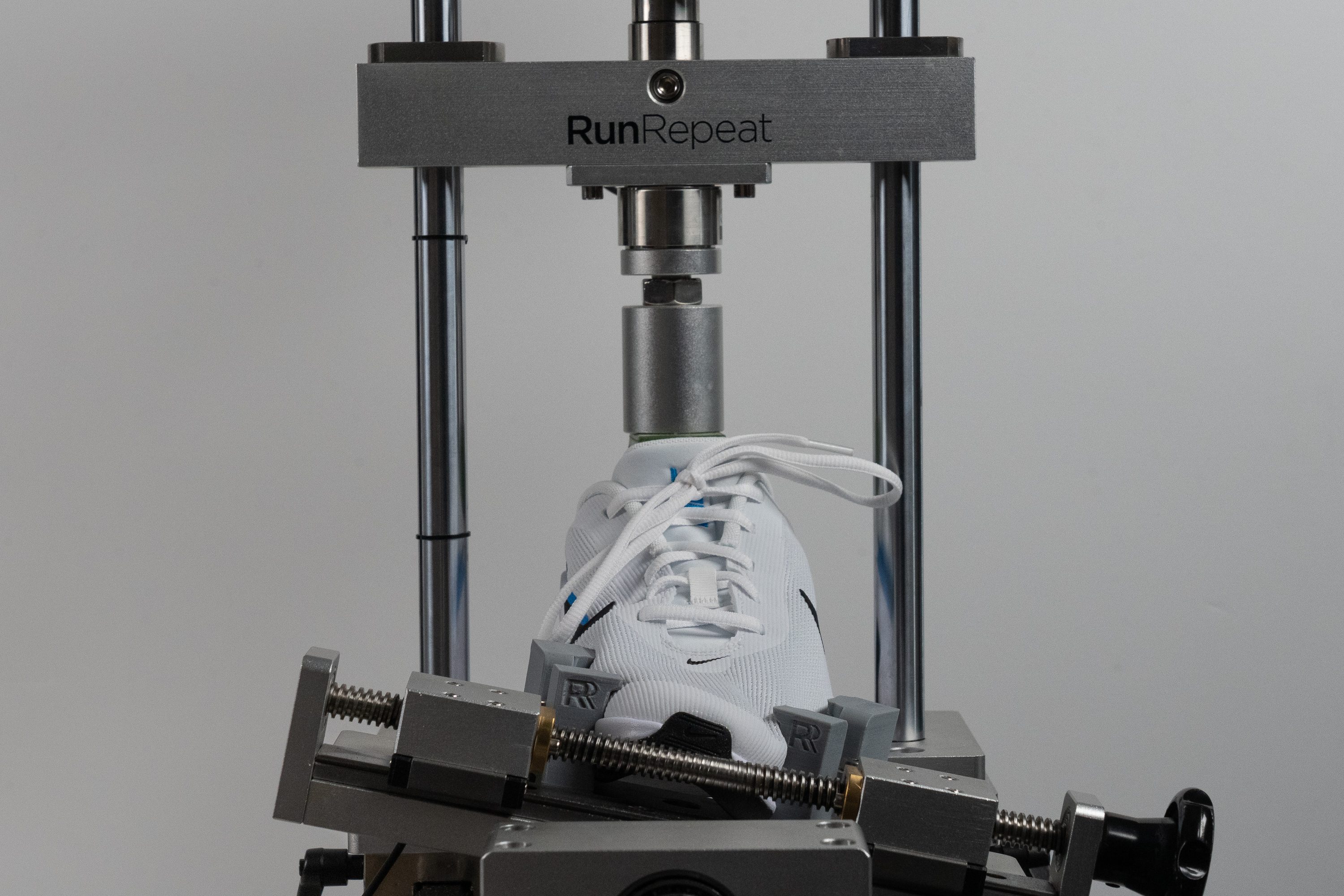
| Flex Train | 15.6 Nm |
| Media | 13.8 Nm |
Rigidez del contrafuerte del talón
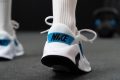
Decir que tienen "una banda elástica alrededor del talón” no hizo que nos sintiésemos muy seguros, y nuestra prueba manual nos demostró que no ayuda mucho ni al cierre ni a la estabilidad en esta zona.
Al poder doblar y comprimir fácilmente el contrafuerte del talón de las Flex Train, le dimos un 2/5 en rigidez.
| Flex Train | 2 |
| Media | 2.8 |
Anchura de la mediasuela - antepié
Por suerte, la base ancha de estas zapatillas ayuda a compensar, parcialmente, la falta de sujeción del upper. Según nuestro calibre, la plataforma supera la media con una anchura de 116,3 mm.
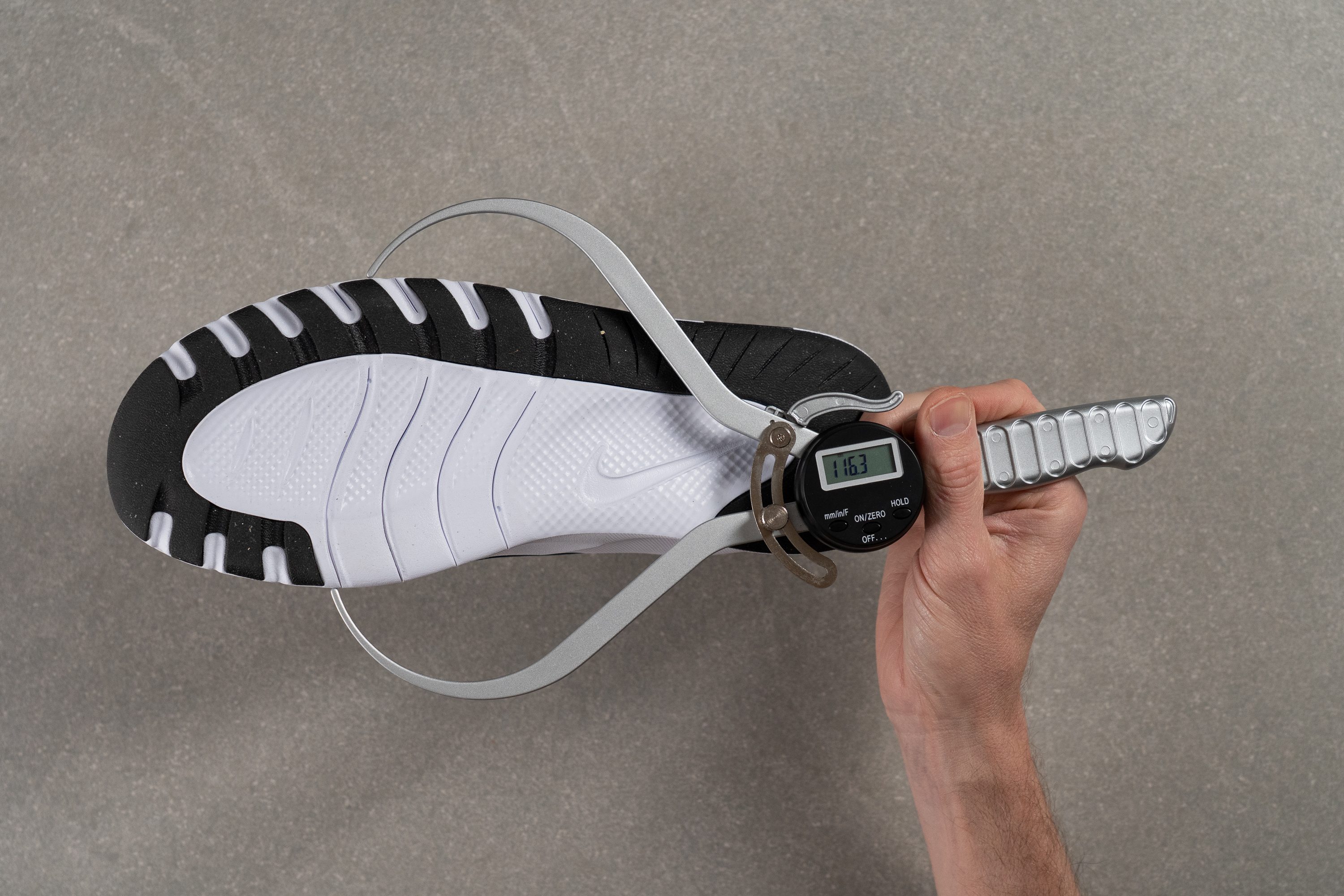
| Flex Train | 116.3 mm |
| Media | 112.0 mm |
Anchura de la mediasuela - talón
El talón, por otro lado, está a la par con el estándar de esta categoría con sus 87,7 mm.
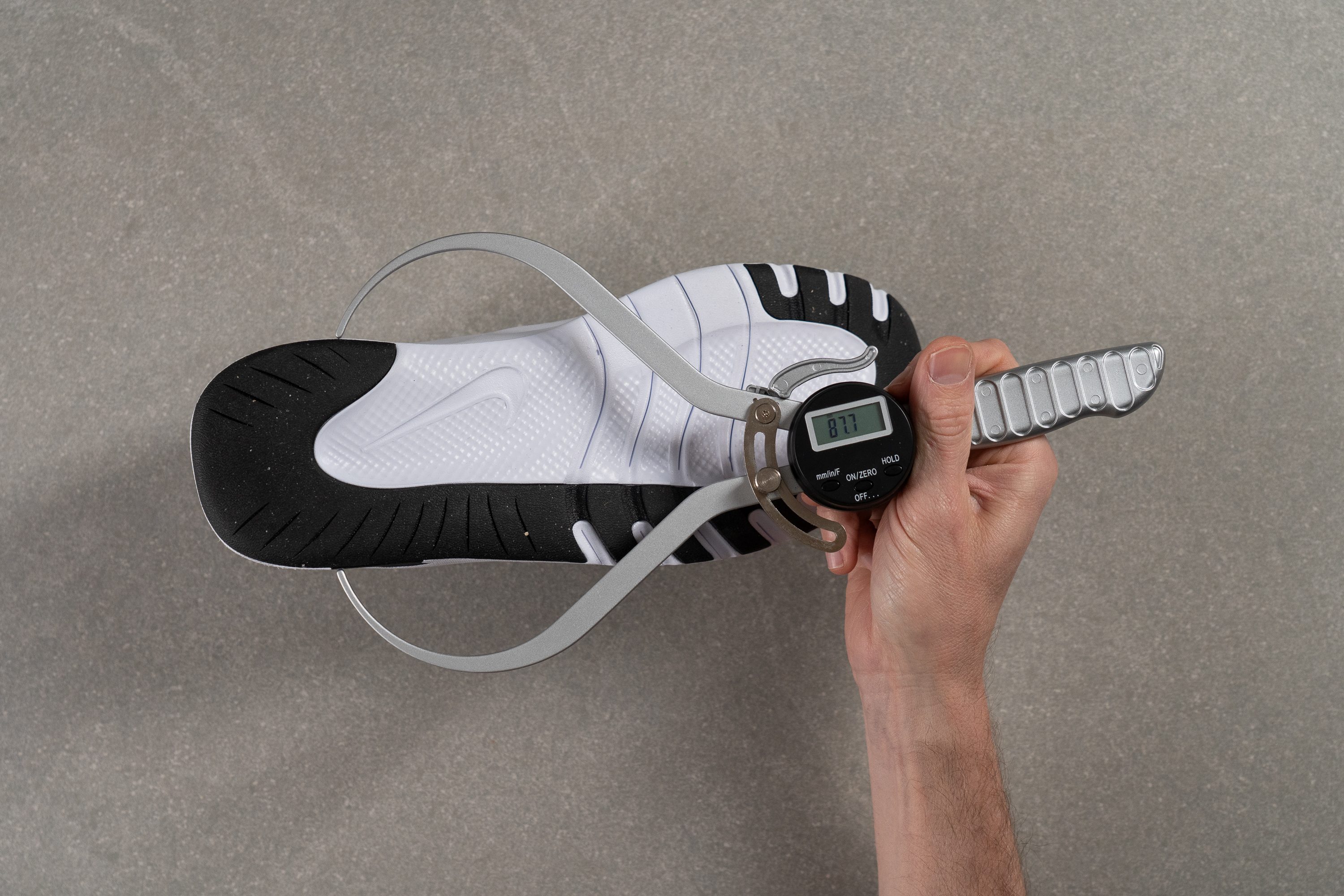
| Flex Train | 87.7 mm |
| Media | 86.9 mm |
Durabilidad
Durabilidad de la parte delantera
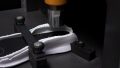
Hay una capita sintética muy finita en la zona de los dedos, pero no le ofrece prácticamente nada de protección extra al upper de las Flex Train. La mayor parte de la malla de estas zapatillas está totalmente expuesta al desgaste.
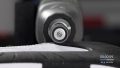
Aunque no nos lo esperábamos, en nuestra prueba Dremel nos quedó claro que el upper de estas Nike es bastante resistente a la abrasión, ya que se llevó un 3/5 en nuestra prueba de durabilidad en la parte delantera. Vamos, que si te las pones solo para el gimnasio y evitas las superficies abrasivas, deberíante durarte bastante tiempo.
| Flex Train | 3 |
| Media | 2.7 |
Durabilidad del acolchado del talón
El acolchado interno del talón aguantó incluso mejor el tipo, así que le dimos un alto 4/5 en durabilidad.
| Flex Train | 4 |
| Media | 3.1 |
Durabilidad de la suela
El caucho de la suela tampoco nos decepcionó, ya que perdió solo 0,8 mm de material después de nuestra prueba con el Dremel. La verdad es que, teniendo en cuenta lo que cuestan estas zapatillas, ¡es un resultado excelente!
| Flex Train | 0.8 mm |
| Media | 1.1 mm |
Grosor de la suela
Una suela exterior de 3,2 mm de grosor le siguió sumando puntos a la prometedora durabilidad de estas Nike.
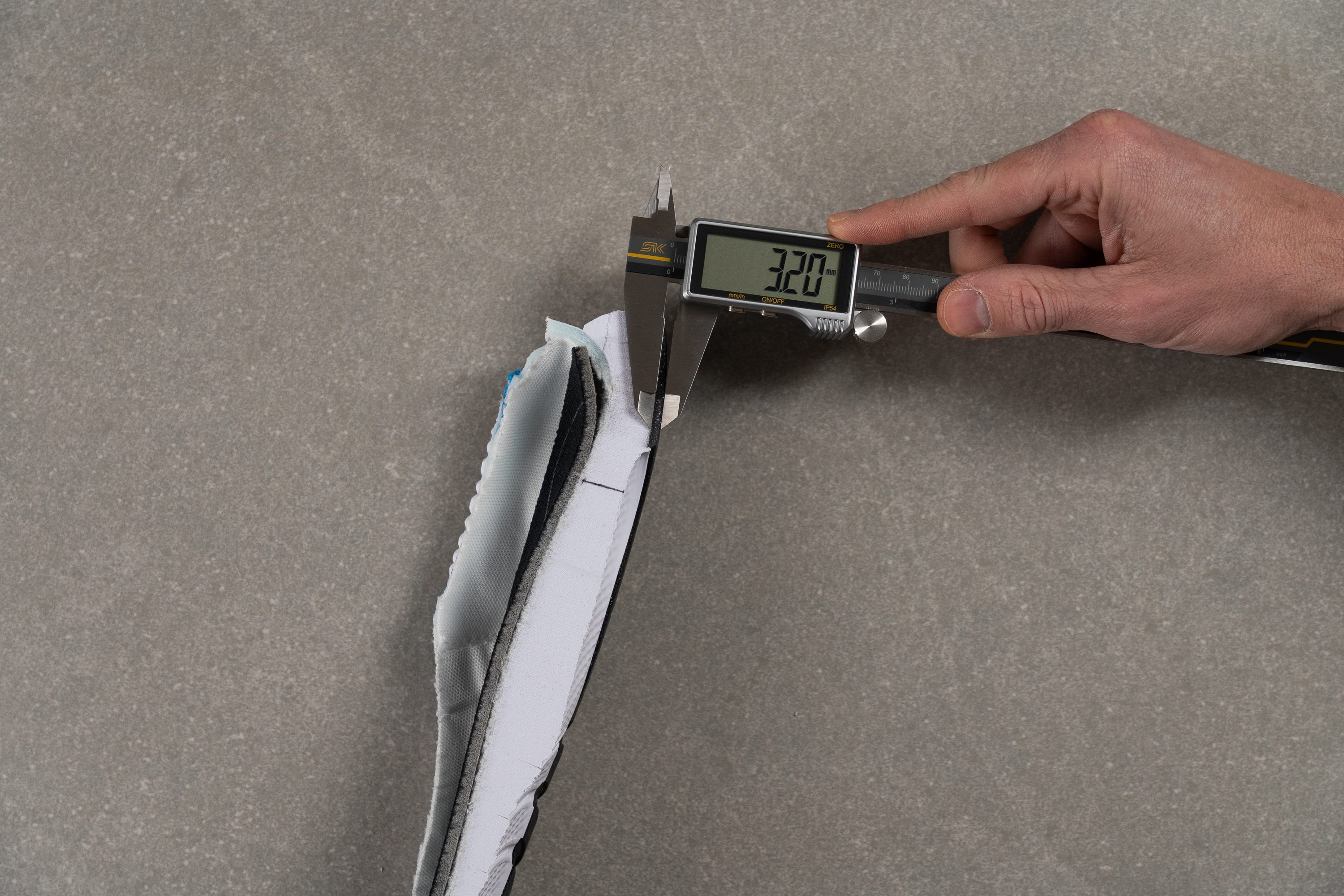
| Flex Train | 3.2 mm |
| Media | 3.5 mm |
Varios
Grosor de la plantilla
El acolchado interno de las Flex Train es moderado pero suficiente. Su plantilla tiene un grosor de 3,4 mm, así que está cerca de la media de esta categoría.
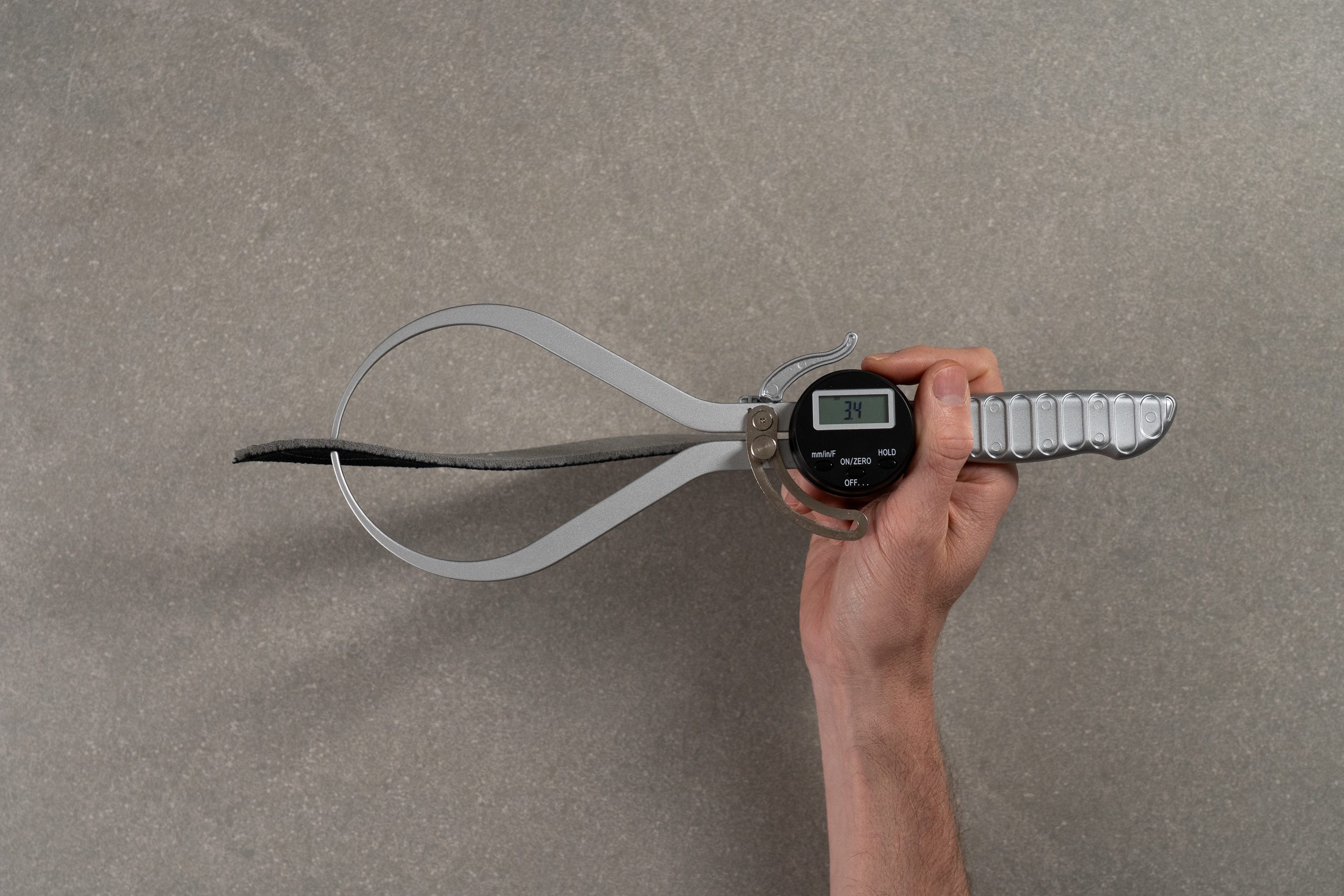
| Flex Train | 3.4 mm |
| Media | 4.0 mm |
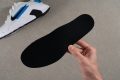
Plantilla extraíble
Puedes quitarles la plantilla si quieres o si lo necesitas sin problema.
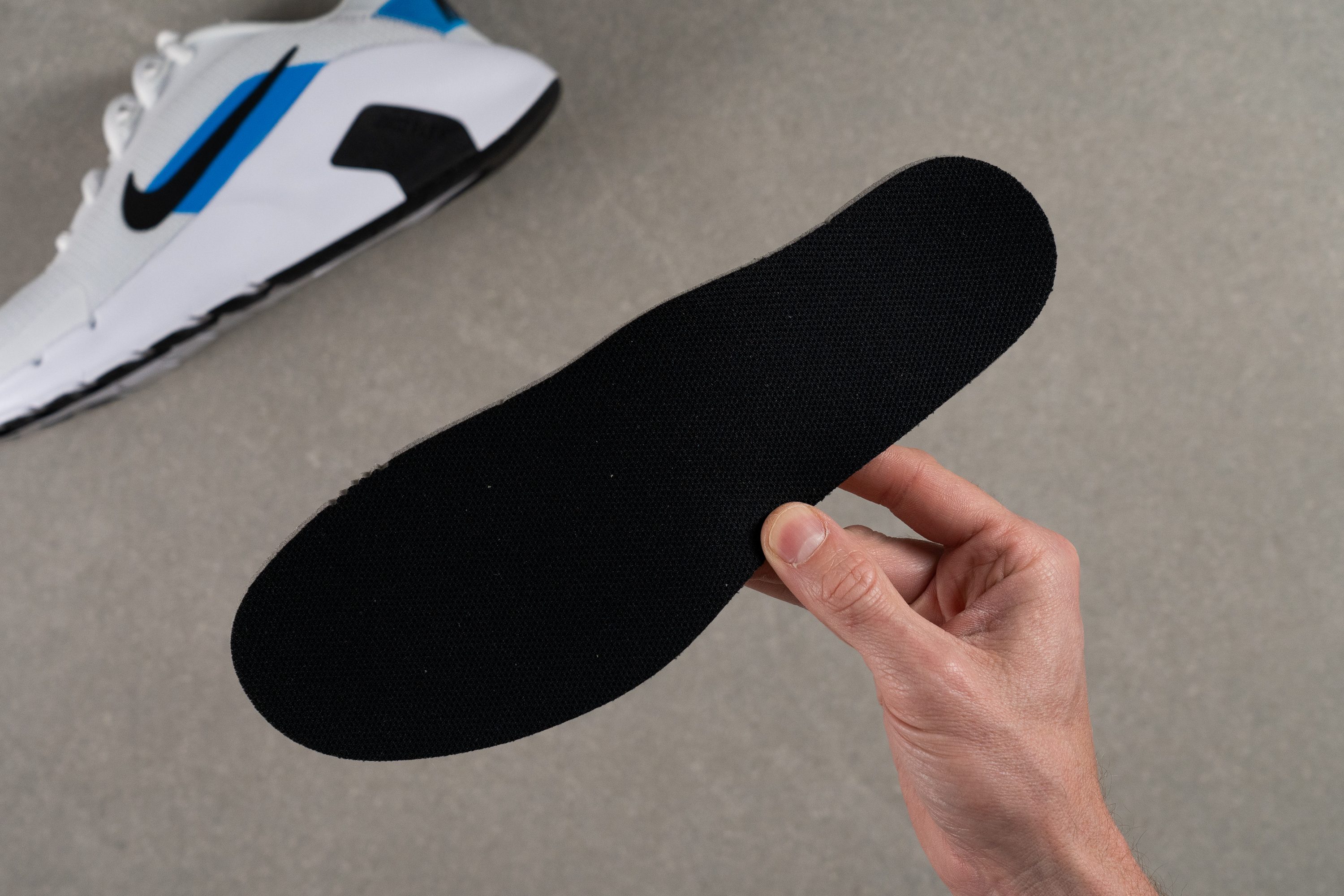
| Flex Train | Sí |
Acolchado de la lengüeta
Por otro lado, el acolchado de la lengüeta es más finito de lo normal, ya que su grosor es de solo 4,0 mm, así que a lo mejor no es suficiente para reducir la presión de los cordones si te los atas demasiado fuerte.
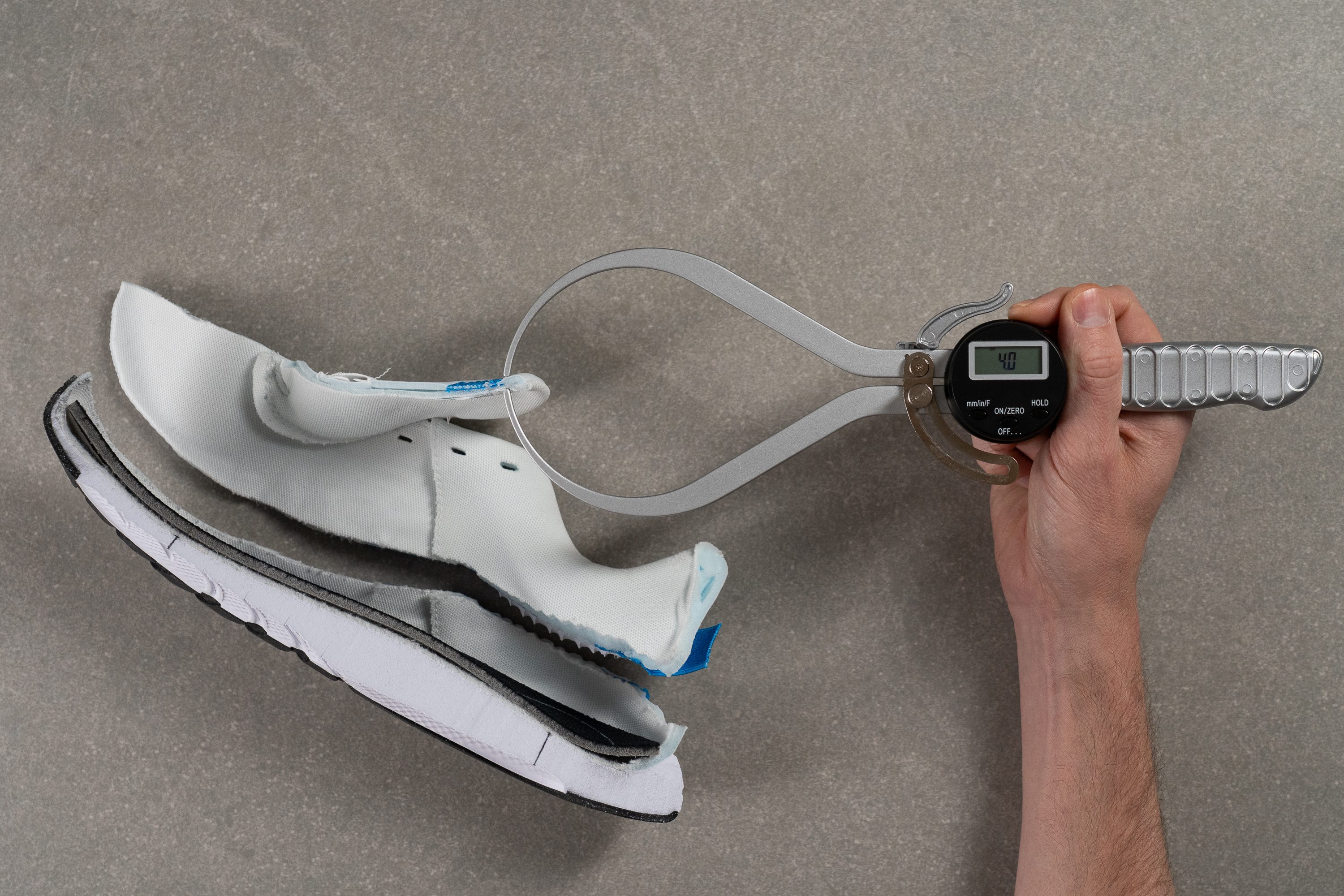
| Flex Train | 4.0 mm |
| Media | 6.0 mm |
Lengüeta: tipo de refuerzo
Como no está reforzada, puede ser que la lengüeta se mueva un poquito.
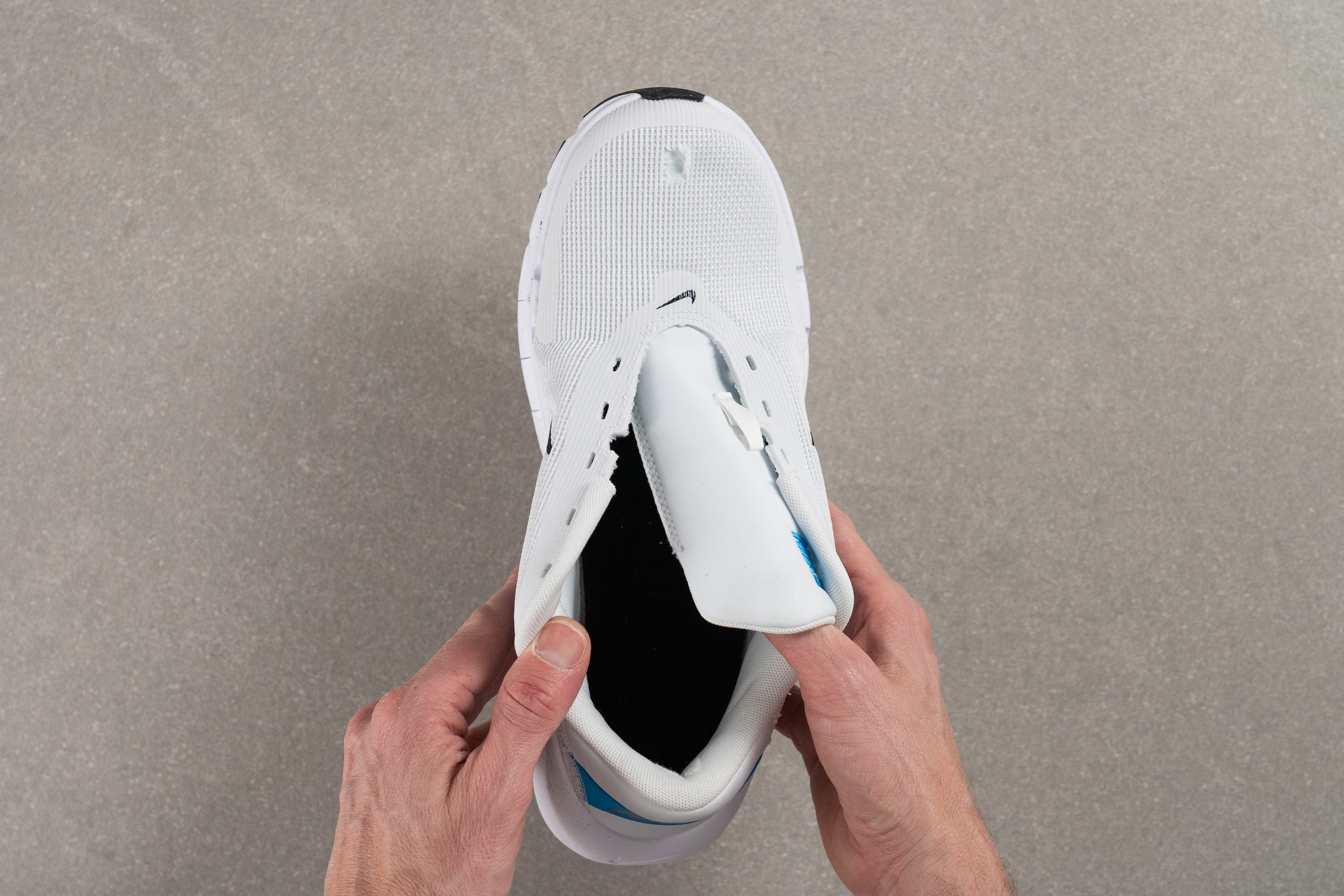
| Flex Train | Ninguno |
Tirador del talón
Estas Nike no tienen tiradores.
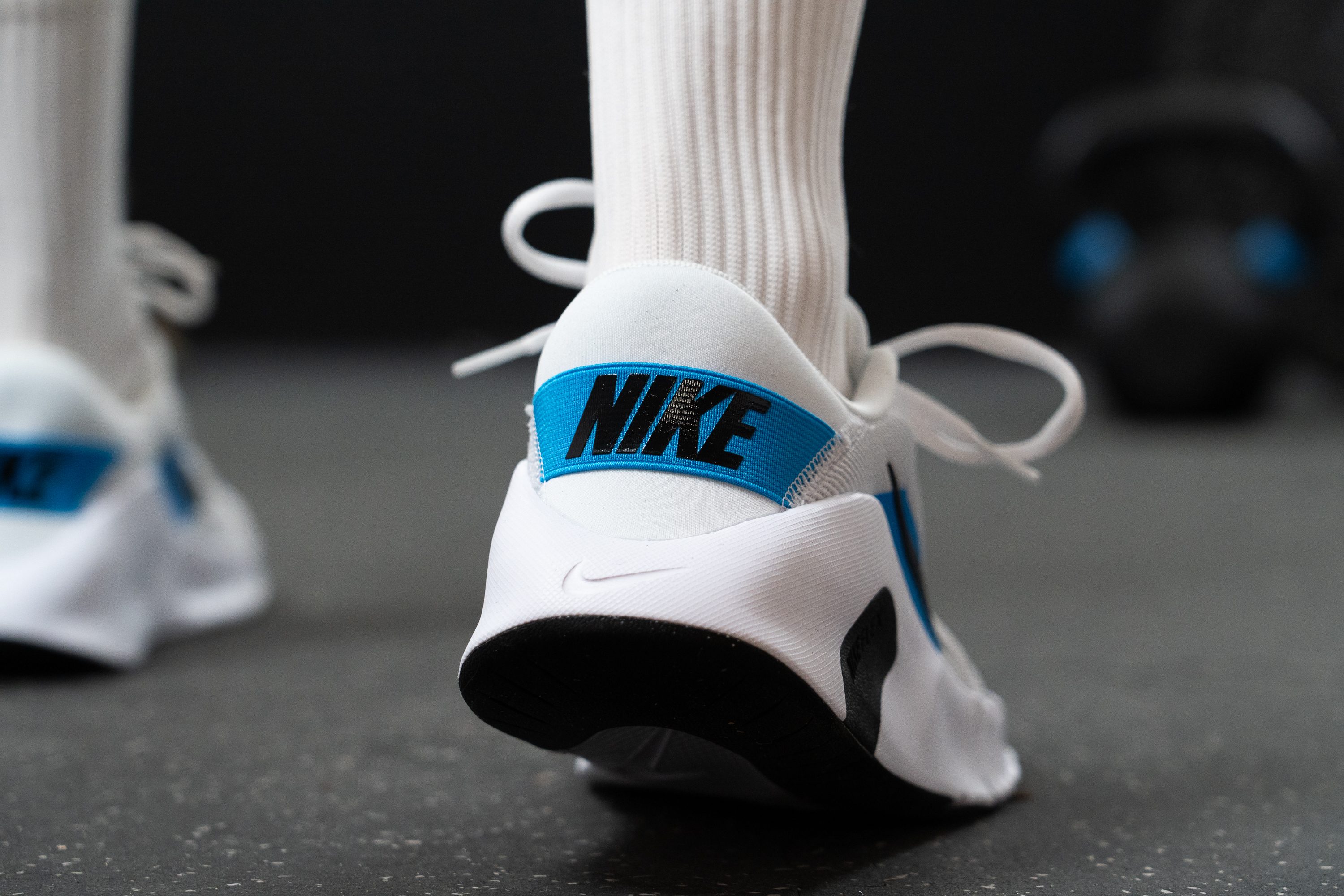
| Flex Train | Ninguno |
Precio
Las Nike Flex Train vienen con todo lo básico a un precio muy bajo, y la verdad es que nos han parecido unas zapatillas de entrenamiento perfectas si estás buscando una opción económica.
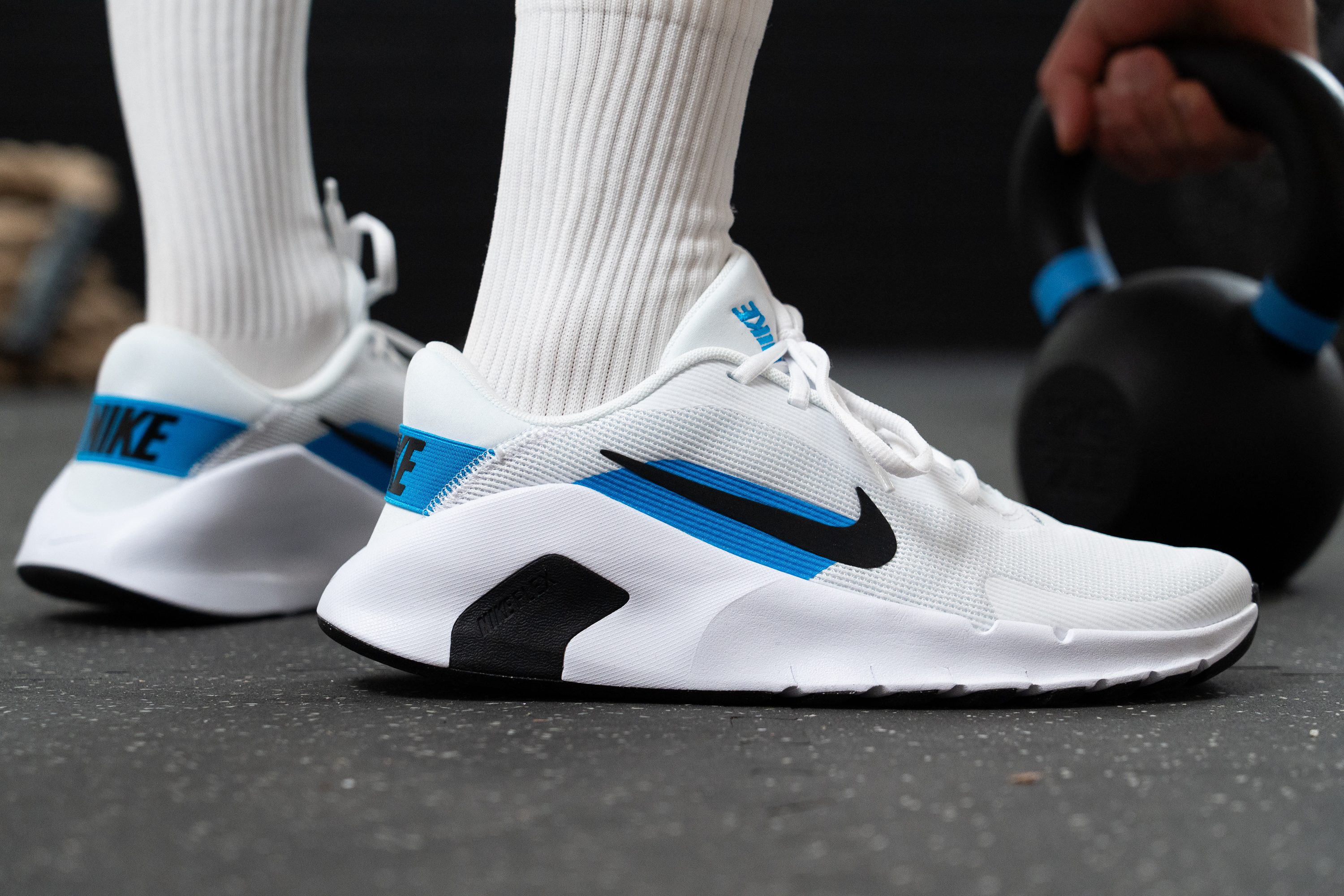
| Flex Train | $80 |