

Nuestra conclusión
- Tiradas diarias / rodajes 85
- Tempo 39
- Competición 26
- Estabilidad 94
Pros
- Plataforma más ancha que mejora la estabilidad general
- Muy buena relación calidad-precio
- Ideales para los talonadores
- Suela exterior muy duradera
- Ajuste cómodo con tallas anchas disponibles
- La mejor versión de las GT 1000 hasta la fecha
- No son más caras
- Pisada predecible para las tiradas diarias
- También se adaptan sin problemas al uso diario
Contras
- Les falta rebote
- No son las mejores para las distancias largas
- Malla de la parte delantera con una durabilidad decepcionante
- Son un poquito más caras
Premios
Comparativa
Las zapatillas de running más parecidas
+ + Añadir unas zapatillas | |||||
|---|---|---|---|---|---|
| Our score | 83 Great | 85 Geniales | 86 Geniales | 79 Buenas | |
| Price | 130 € | 140 € | 160 € | 160 € | |
| Ritmo | Correr a diario | Correr a diario | Correr a diario | Correr a diario | |
| Absorción de impactos | Moderada | Alta | Alta | Alta | |
| Retorno de energía | Bajo | Moderado | Moderado | Moderado | |
| Tracción | Alta | Alta | Alta | Alta | |
| Sujeción arco del pié | Estabilidad | Estabilidad | Estabilidad | Estabilidad | |
| Peso lab Peso brand | 9.8 oz / 278g 9.8 oz / 278g | 10.4 oz / 296g 10.5 oz / 298g | 10.4 oz / 295g 10.6 oz / 300g | 9.8 oz / 278g 10 oz / 284g | |
| Drop lab Drop brand | 9.9 mm 8.0 mm | 10.1 mm 10.0 mm | 10.2 mm 10.0 mm | 10.3 mm 8.0 mm | |
| Técnica de carrera | HeelMid/forefoot | Talón | Talón | Talón | |
| Talla | - | Tallan un poquito pequeño | Tallan bien | Tallan bien | |
| Rigidez de la mediasuela | Equilibrada | Equilibrada | Equilibrada | Blanda | |
| Diferencia de la rigidez de la mediasuela en frío | Normal | Pequeña | Pequeña | Pequeña | |
| Durabilidad de la parte delantera | Mala | Decente | Decente | Decente | |
| Durabilidad del acolchado del talón | Alta | Alta | Alta | Alta | |
| Durabilidad de la suela exterior | Buena | Buena | Buena | Buena | |
| Transpirabilidad | Media | Media | Media | Alta | |
| Anchura / ajuste | Media | Media | Media | Media | |
| Anchura de la parte delantera | Media | Media | Media | Estrecha | |
| Flexibilidad | Moderada | Moderada | Moderada | Moderada | |
| Rigidez torsional | Moderadas | Moderadas | Moderadas | Flexibles | |
| Rigidez del contrafuerte del talón | Moderado | Moderado | Rígido | Moderado | |
| Heel lab Heel brand | 35.0 mm 36.0 mm | 36.1 mm 38.0 mm | 36.1 mm 37.0 mm | 38.0 mm 39.0 mm | |
| Forefoot lab Forefoot brand | 25.1 mm 28.0 mm | 26.0 mm 28.0 mm | 25.9 mm 27.0 mm | 27.7 mm 31.0 mm | |
| Widths available | EstándarAnchoExtra Ancho | EstrechoEstándarAnchoExtra Ancho | EstrechoEstándarAnchoExtra Ancho | EstándarAnchoExtra Ancho | |
| Compatibles con plantillas personalizadas | ✓ | ✓ | ✓ | ✓ | |
| Estación | Todas las estaciones | Todas las estaciones | Todas las estaciones | VeranoTodas las estaciones | |
| Plantilla extraíble | ✓ | ✓ | ✓ | ✓ | |
| Ranking | #171 Top 43% | #113 Top 28% | #79 Top 20% | #240 40% inferior | |
| Popularity | #186 Top 47% | #52 Top 13% | #5 Top 2% | #83 Top 21% |


Quién debería comprárselas
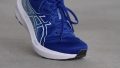
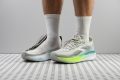
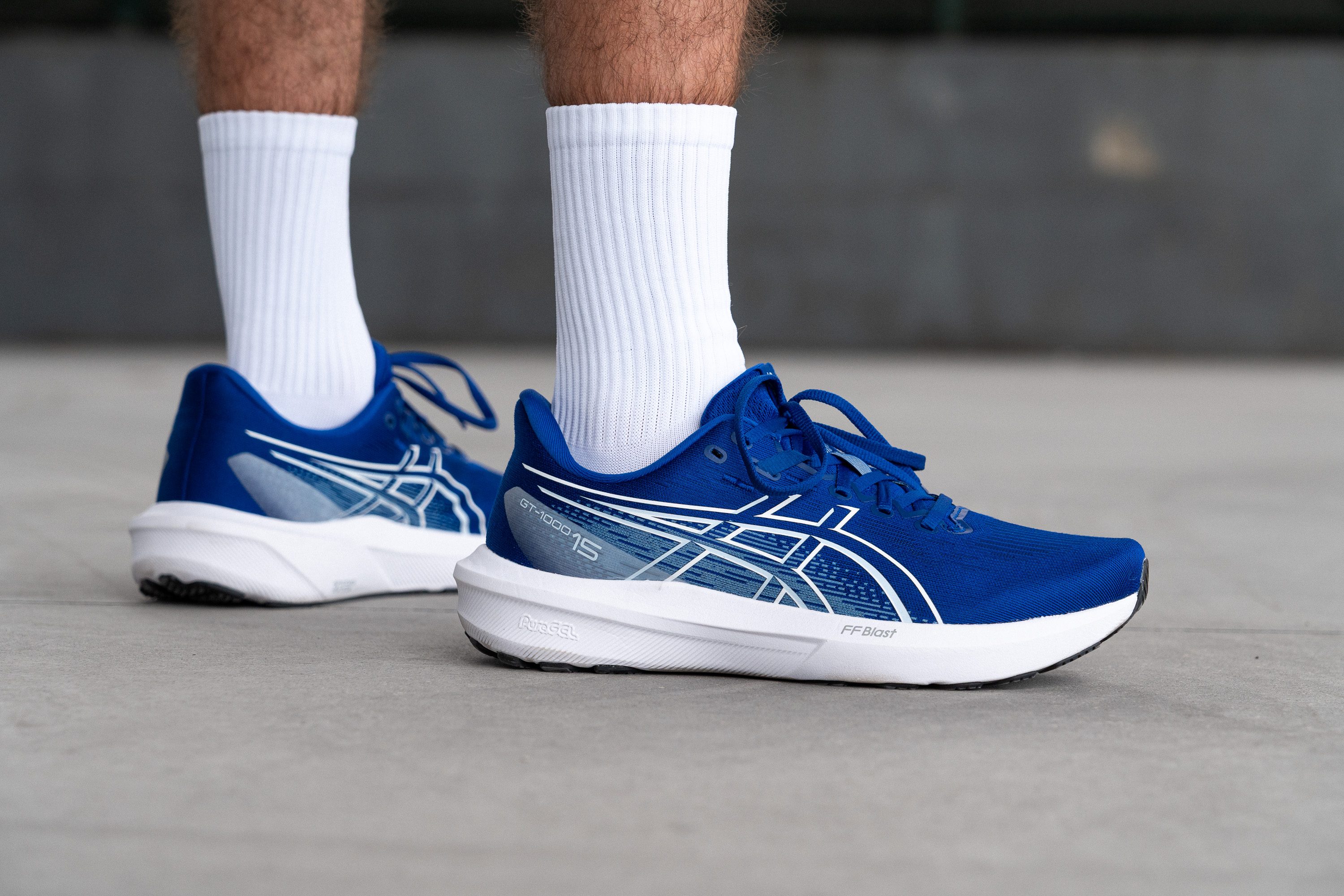
En nuestra opinión, las ASICS GT 1000 15 son una opción estupenda para:
- Los corredores que buscan unas zapatillas de estabilidad asequibles que ofrezcan una sujeción fiable sin sacrificar la comodidad.
- Quienes quieran renovar sus antiguas GT 1000, ya que hemos comprobado que esta es la mejor versión hasta la fecha.
- Los runners con pronación neutra que quieren una pisada un poco más guiada en unas zapatillas de entrenamiento fiables con una buena relación calidad-precio.
- Los talonadores que buscan unas zapatillas duraderas para acumular kilómetros, con una suela muy duradera y una pisada estable.
Quién NO debería comprárselas
Las GT 1000 15 siguen siendo unas zapatillas más orientadas a las distancias cortas. Según nuestra experiencia, su amortiguación moderada también se adapta mejor a los corredores de menor peso, así que quienes busquen una mayor protección contra los impactos quizá prefieran dar el salto a las ASICS GT 2000 14 y su espuma FF Blast Max.
También comprobamos que su escaso retorno de energía limita su versatilidad, con una pisada que puede resultar algo apagada al aumentar el ritmo. Si buscas unas zapatillas polivalentes más reactivas y no necesitas un alto nivel de estabilidad, las Saucony Endorphin Azura son una alternativa interesante. O a lo mejor puedes probar las Saucony Tempus 2.
Amortiguación
Shock absorption
Las ASICS GT 1000 15 apenas mejoran la absorción de impactos con respecto a sus predecesoras, con un aumento del 2 %... que prácticamente no cambia el carácter general de las zapatillas.
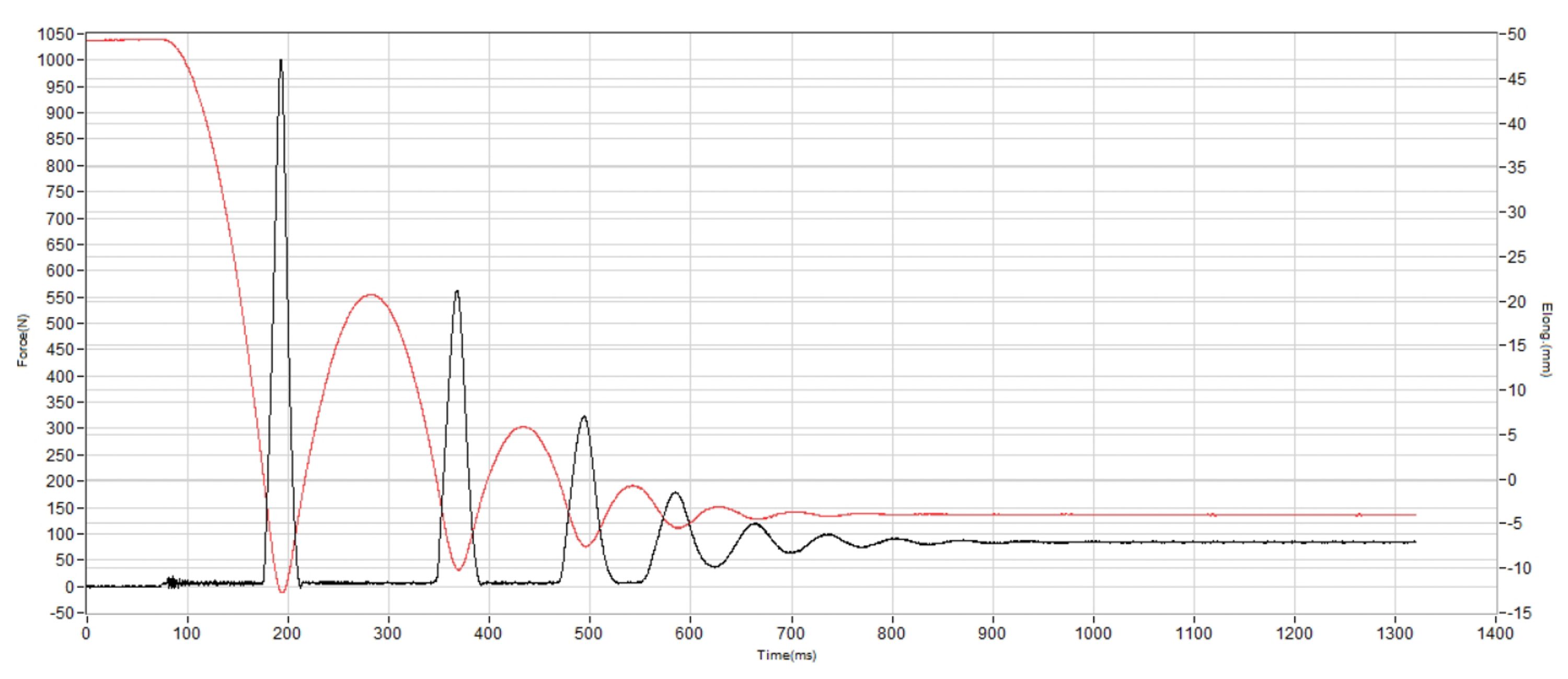
| GT 1000 15 | 125 SA |
| Media | 131 SA |
Energy return
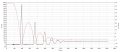
Aunque la absorción de impactos mejoró un poco, nuestras pruebas revelaron un retorno de energía aún menor que el de la versión anterior.
Con solo un 49,9 % en el talón y un 49,6 % en el antepié, las GT 1000 15 carecen del rebote y la reactividad necesarios para correr a ritmos más rápidos, por lo que son mucho más adecuadas para las tiradas diarias o para los corredores que no buscan mejorar su velocidad.
| GT 1000 15 | 49.6% |
| Media | 61.5% |
Altura de la suela en la zona del talón
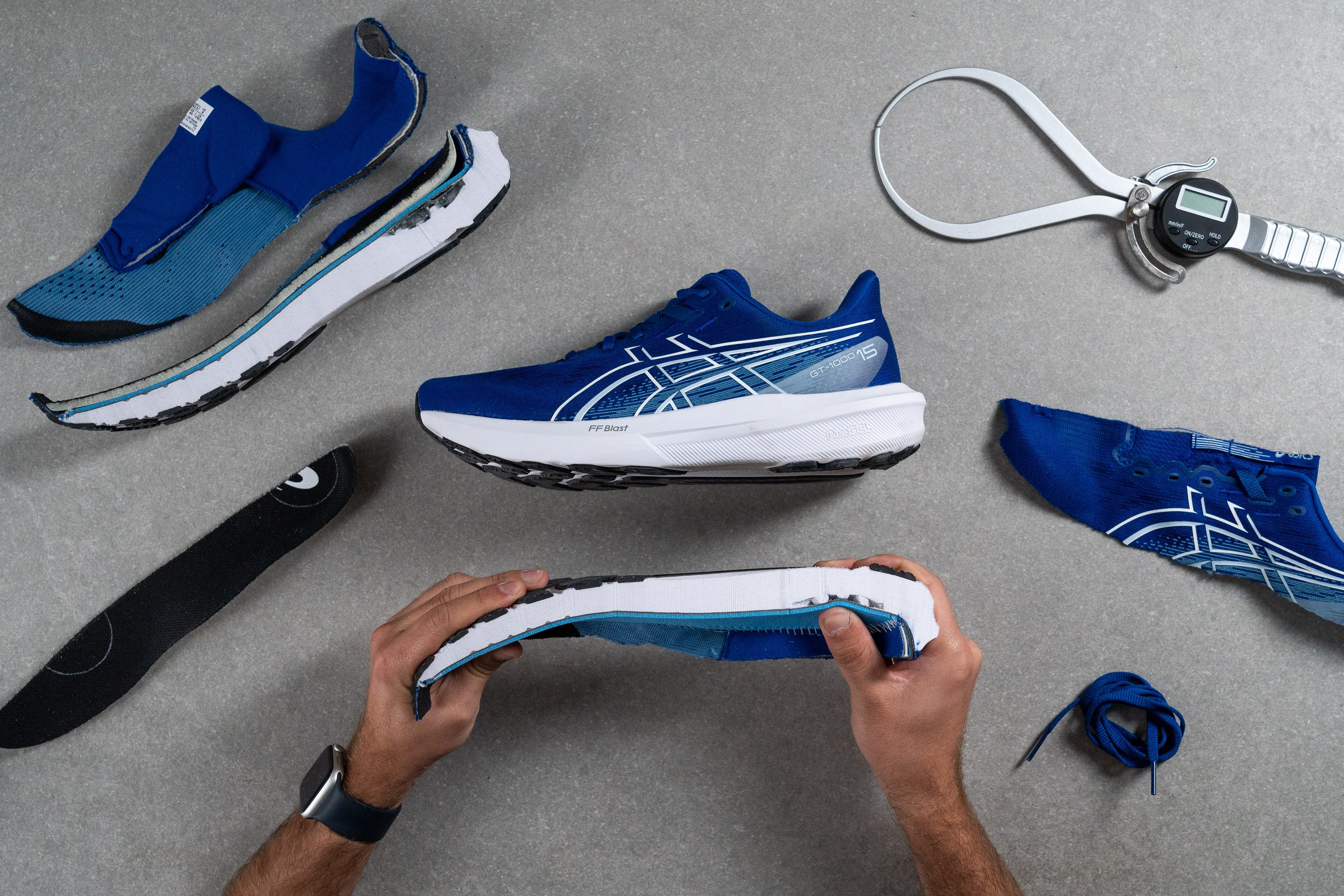
Una de las principales razones por las que las GT 1000 15 siguen siendo unas zapatillas de entrenamiento con amortiguación moderada es la altura de su suela. ASICS la ha mantenido deliberadamente en un rango adecuado para principiantes, y creemos que ha sido una decisión acertada para unas zapatillas que siguen atrayendo a los corredores ocasionales y a quienes están empezando a correr.
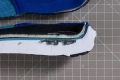
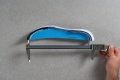
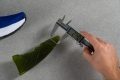
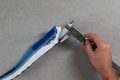
Con nuestro calibre digital, medimos 35,0 mm en el talón, lo que confirma que pertenecen a la categoría de amortiguación moderada y no a la de amortiguación máxima.
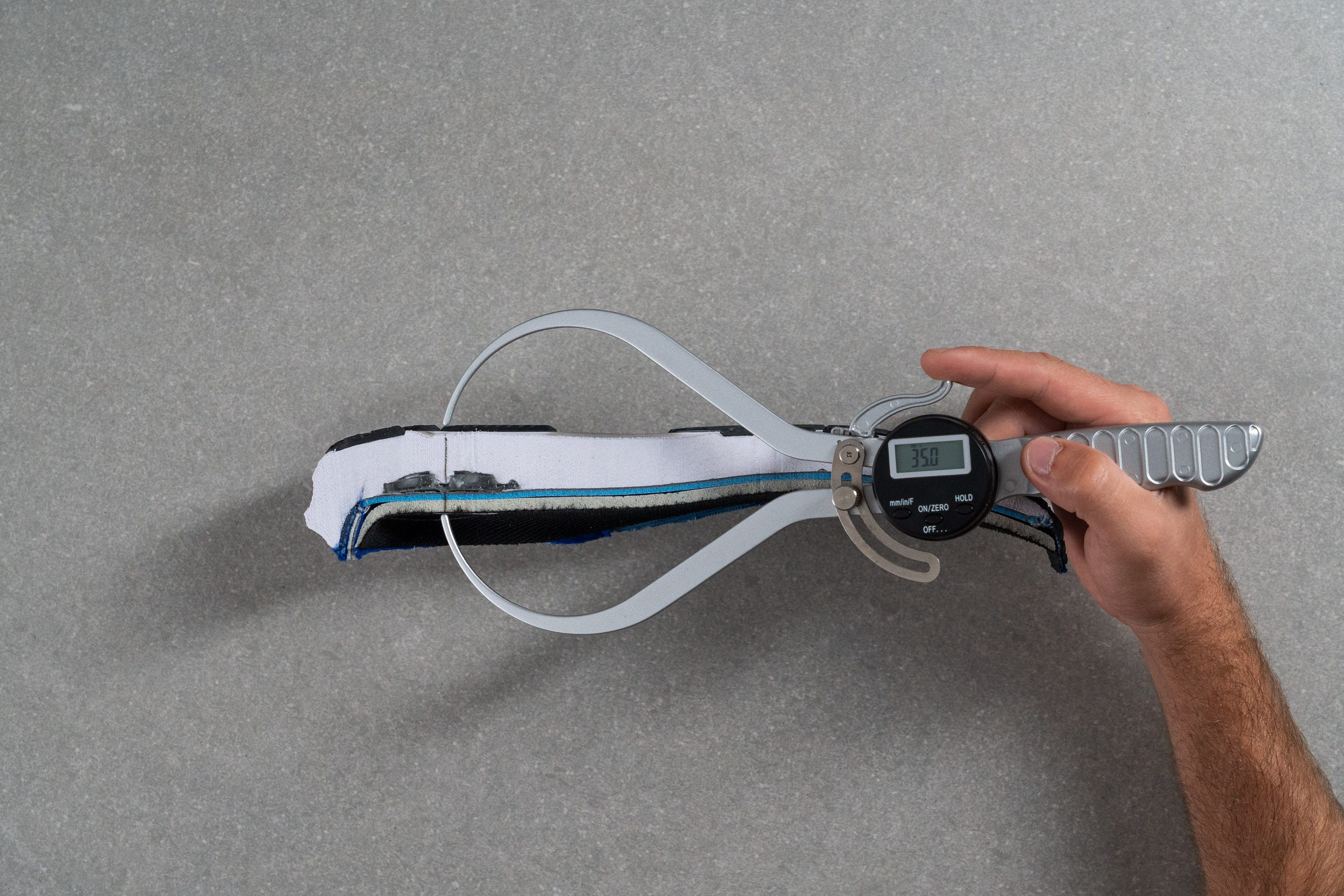
| GT 1000 15 | 35.0 mm |
| Media | 35.6 mm |
Altura de la suela en el antepié
En el antepié pasa lo mismo, donde medimos solo 25,1 mm.
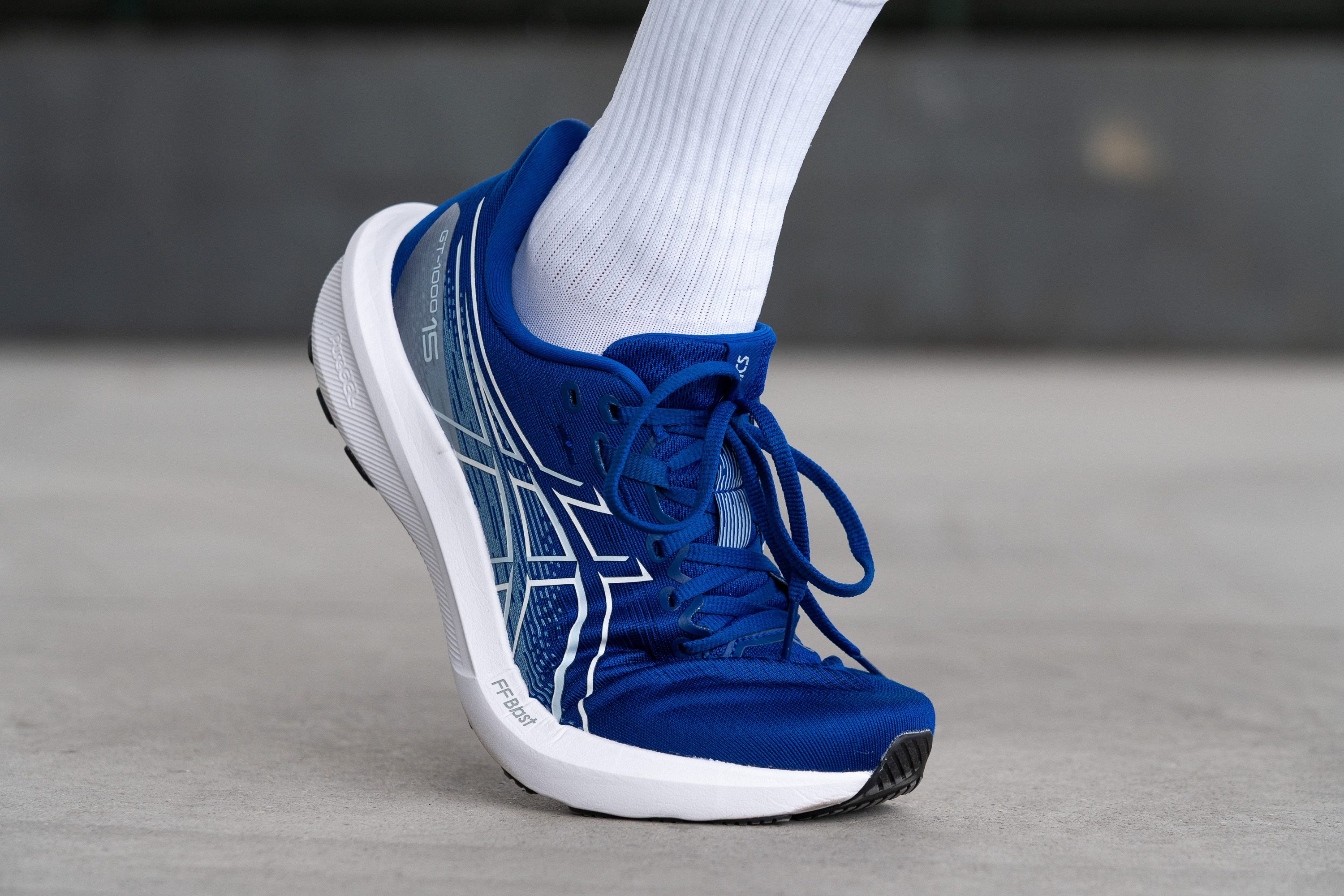
De hecho, aquí es aún más evidente, ya que la altura de la suela en el antepié está un poquito por debajo de la media actual.
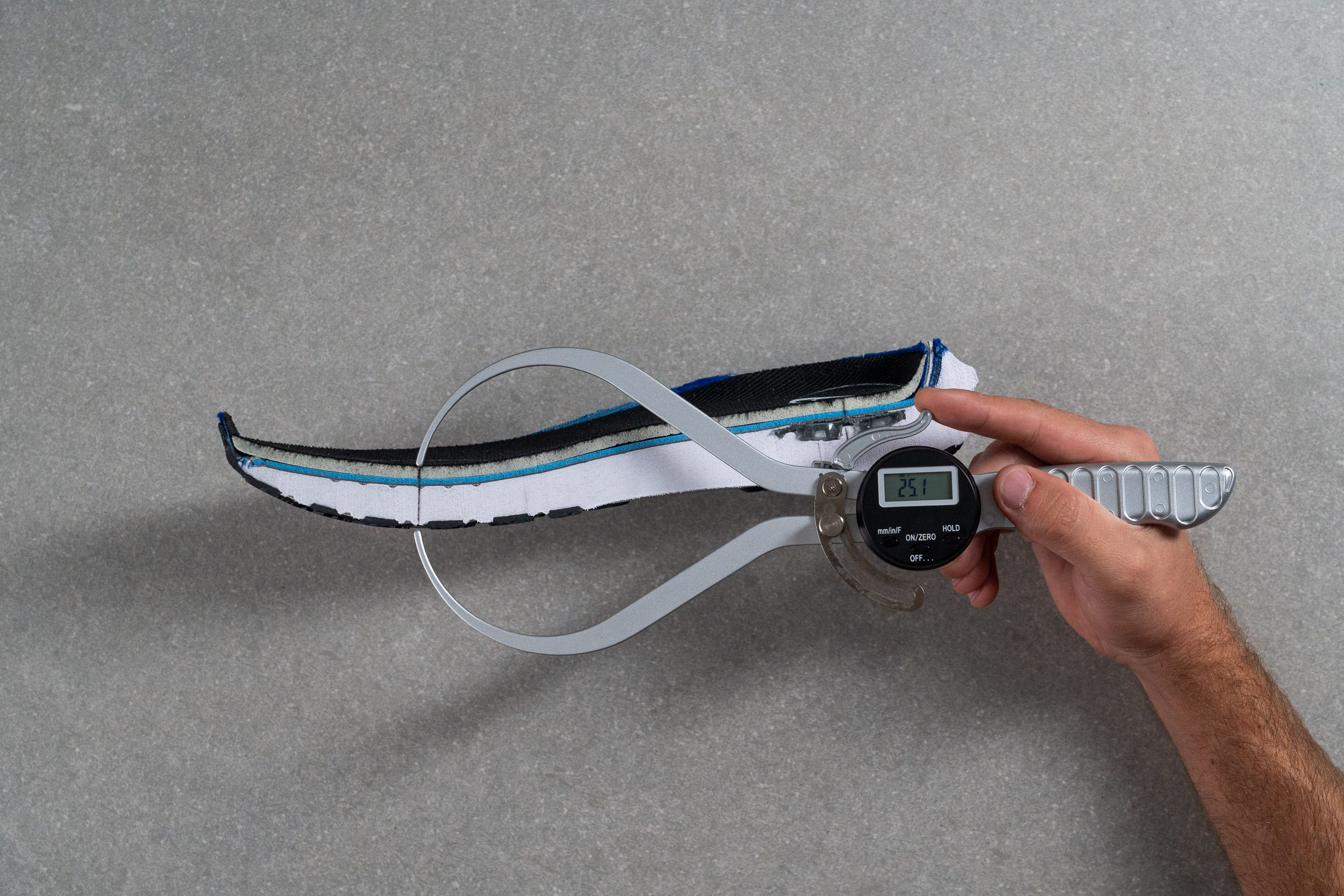
| GT 1000 15 | 25.1 mm |
| Media | 27.1 mm |
Drop
Aunque ASICS anuncia un drop de 8 mm, nuestras mediciones mostraron un resultado ligeramente distinto. Medimos un drop de 9,6 mm, algo superior a la cifra oficial.
Con casi 10 mm de diferencia entre el talón y el antepié, las GT 1000 15 tienen una geometría que, en nuestra opinión, es especialmente atractiva para los talonadores.
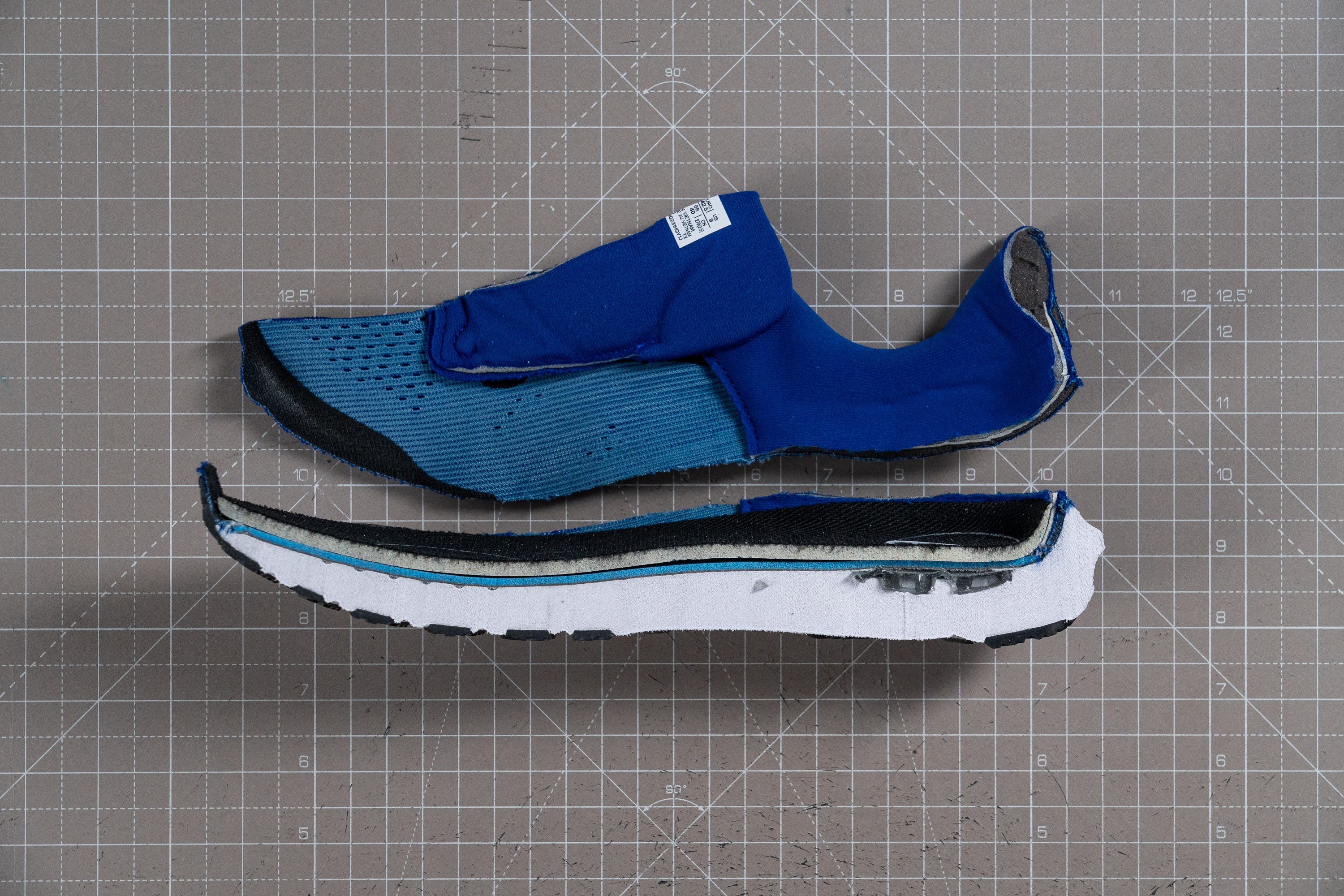
| GT 1000 15 | 9.9 mm |
| Media | 8.4 mm |
Dureza de la mediasuela
ASICS introdujo la espuma FF BLAST en las GT 1000 14, así que nos esperábamos que esta actualización mantuviera la misma mediasuela. Según nuestra experiencia, la marca suele mantener sus compuestos de espuma durante 3 o 4 años antes de introducir una mejora importante.
Tras nuestras pruebas, confirmamos que la formulación es exactamente la misma que la de la versión anterior. Nuestro durómetro marcó 33,6 AC, un resultado cercano a la media actual de nuestro laboratorio. Esto se traduce en una pisada bien equilibrada, ni especialmente blanda ni firme, y creemos que algunos corredores incluso podrían encontrarla más mullida de lo esperado para unas zapatillas de entrenamiento centradas en la estabilidad.
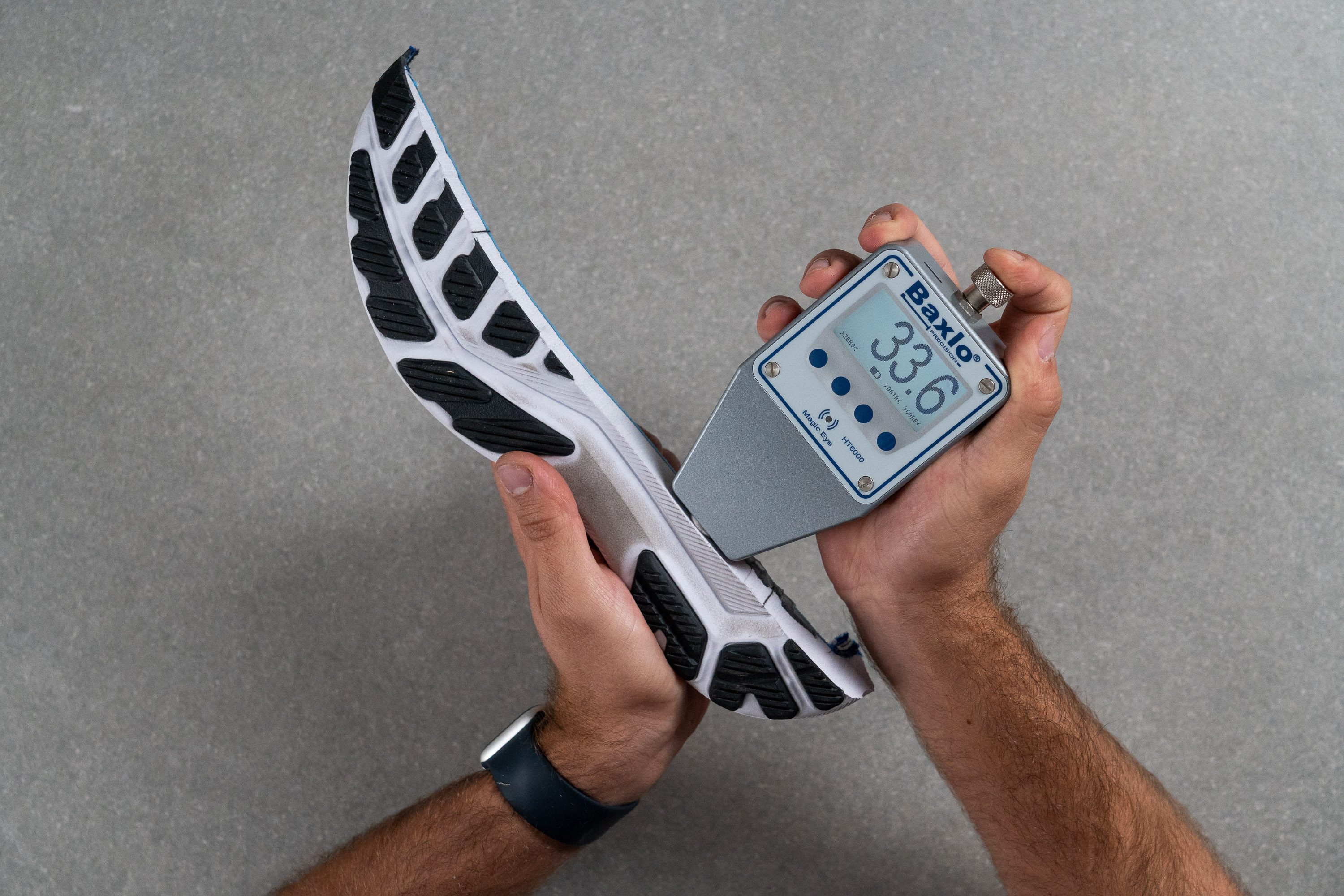
| GT 1000 15 | 33.6 AC |
| Media | 35.4 AC |
Rocker
Otro aspecto que no ha cambiado es que no tienen un rocker pronunciado.
Como la suela tiene una altura moderada y las zapatillas tienen un diseño flexible por naturaleza, creemos que este enfoque encaja perfectamente con las GT 1000 15. Les ayuda a mantener esa versatilidad para un uso sin prisas y esa comodidad durante todo el día que las hace igual de adecuadas para los runners que para un uso casual.
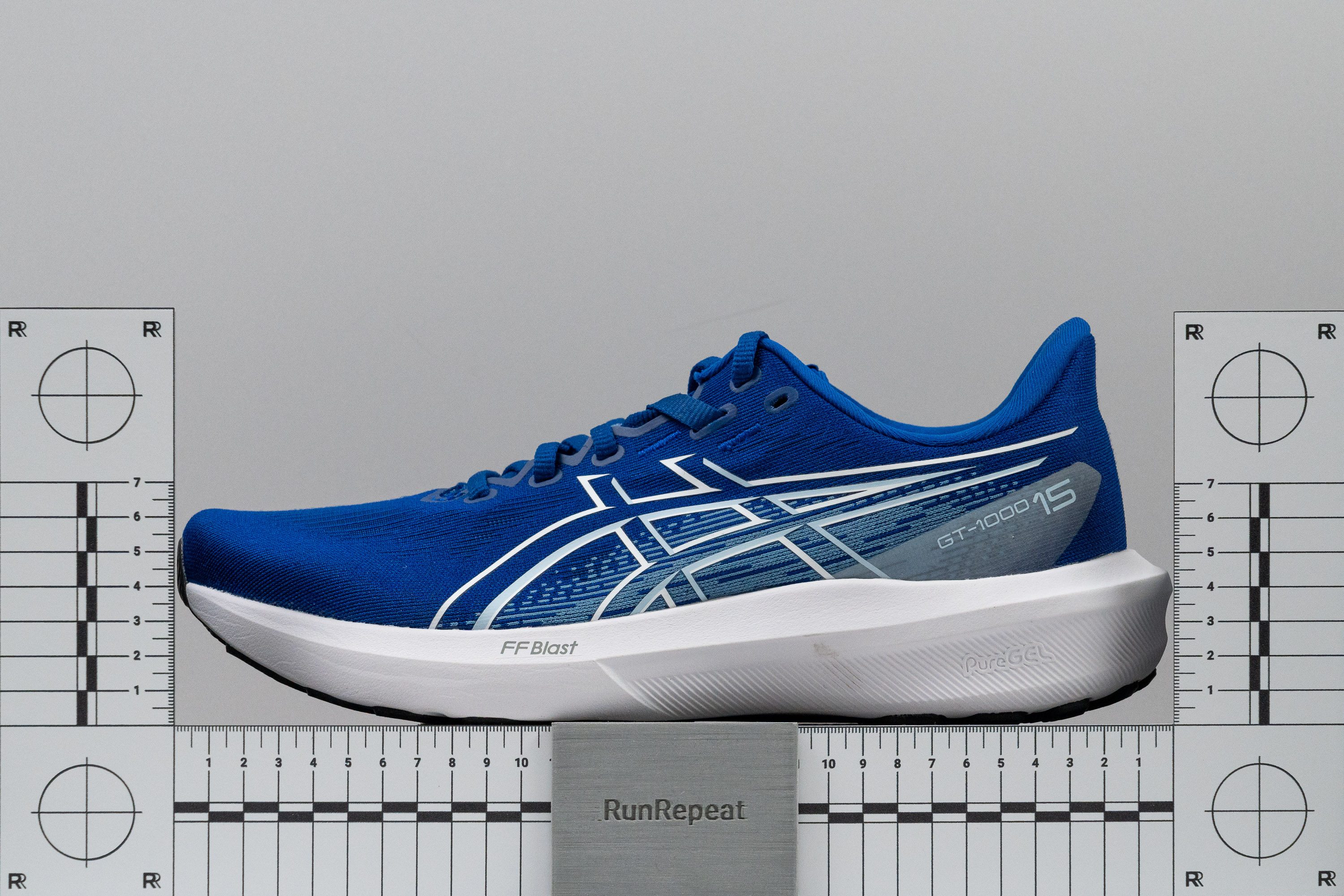
PureGEL
ASICS también mantiene la pieza de PureGEL en el talón. Aunque ayuda a suavizar los aterrizajes y aporta un extra de comodidad en el momento del impacto, también le resta algo de reactividad a la pisada, ya que este material ofrece muy poco retorno de energía.
Como ya hemos comentado al analizar otras zapatillas de running con PureGEL, seguimos sin estar del todo convencidos de que compense este sacrificio.
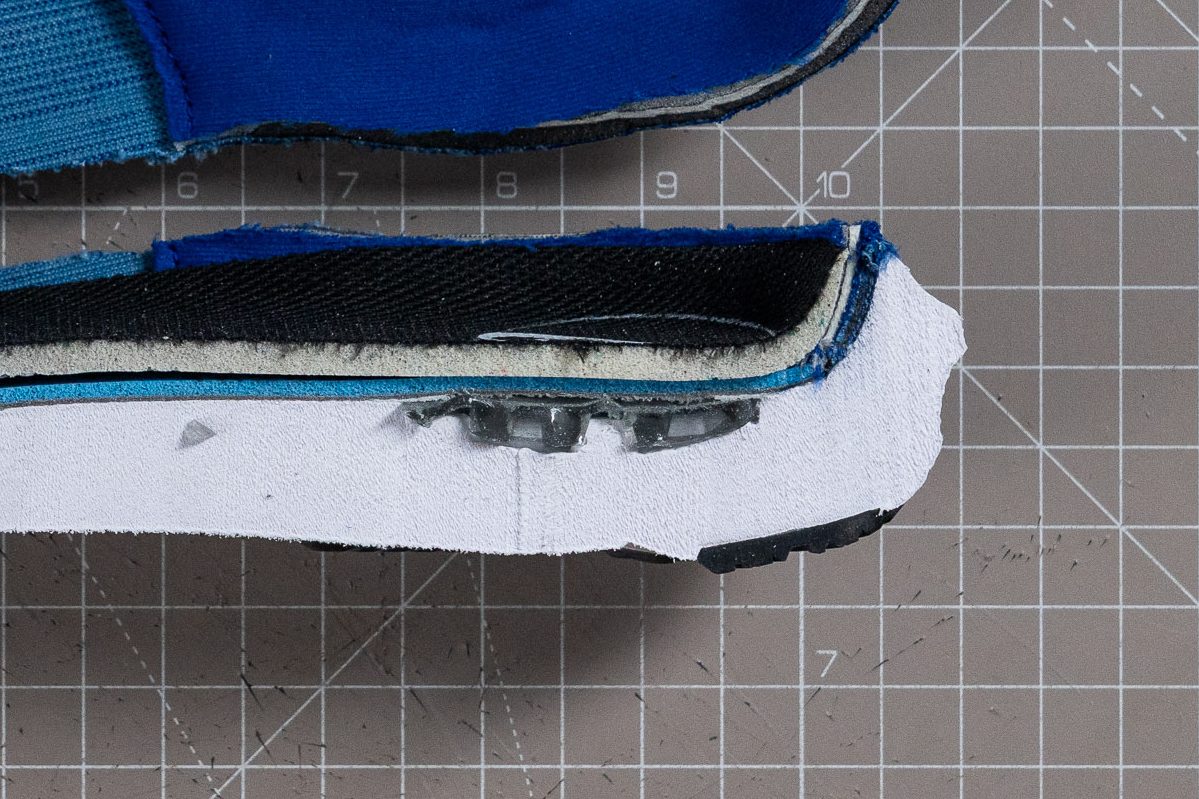
Tallaje y ajuste
Talla
Longitud interna
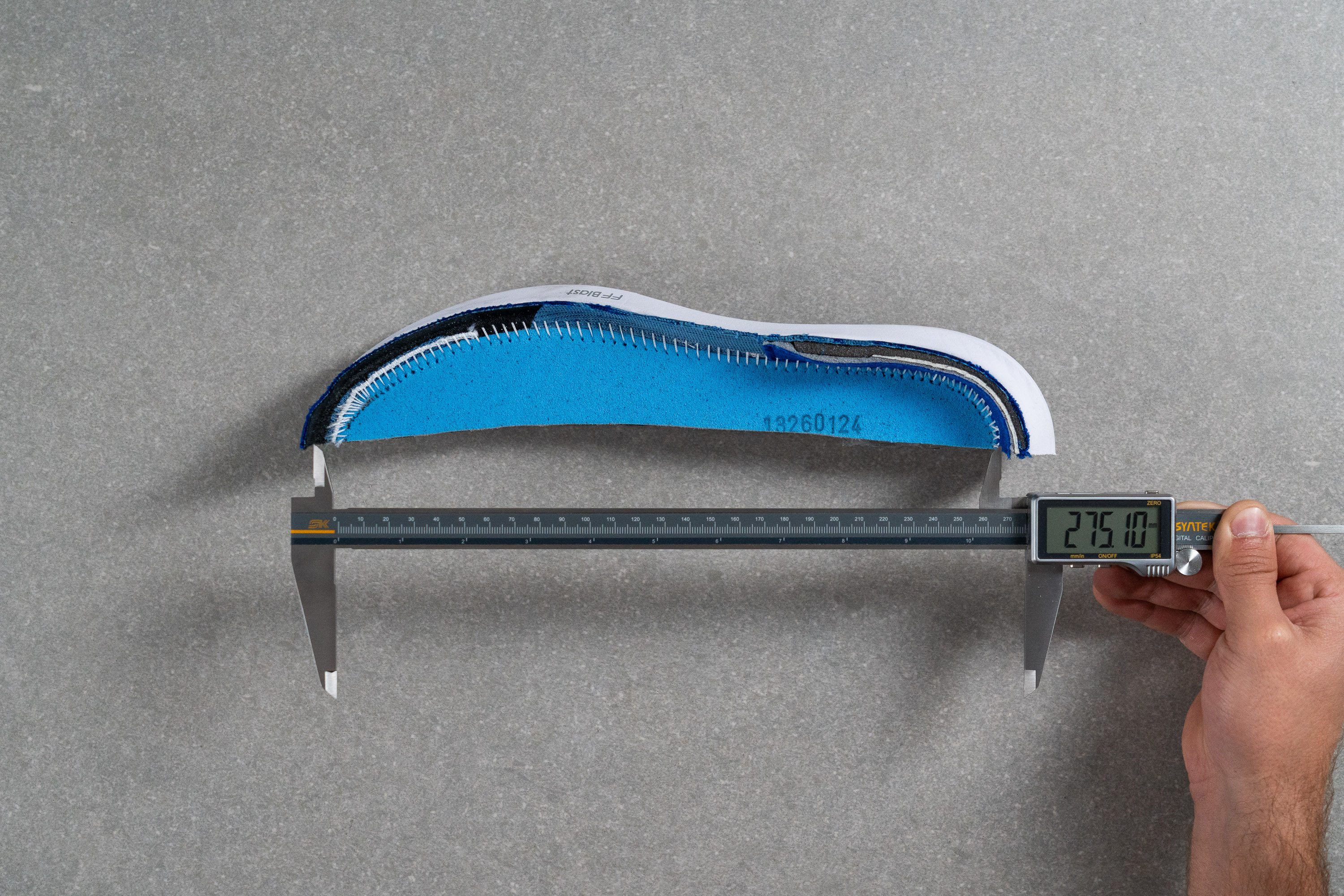
| GT 1000 15 | 275.1 mm |
| Media | 269.3 mm |
Anchura / Ajuste
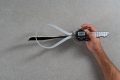
La línea GT 1000 lleva tiempo ofreciendo un ajuste sorprendentemente espacioso para lo habitual en ASICS, y nuestras mediciones confirman que esta característica se mantiene intacta en la versión 15.
Con nuestro calibre digital, medimos 96,9 mm en la parte más ancha del antepié, un resultado claramente superior a la media actual de nuestro laboratorio. Además, cabe señalar que ASICS suele ofrecer estas zapatillas en tallas anchas, aunque la disponibilidad varía según el país.
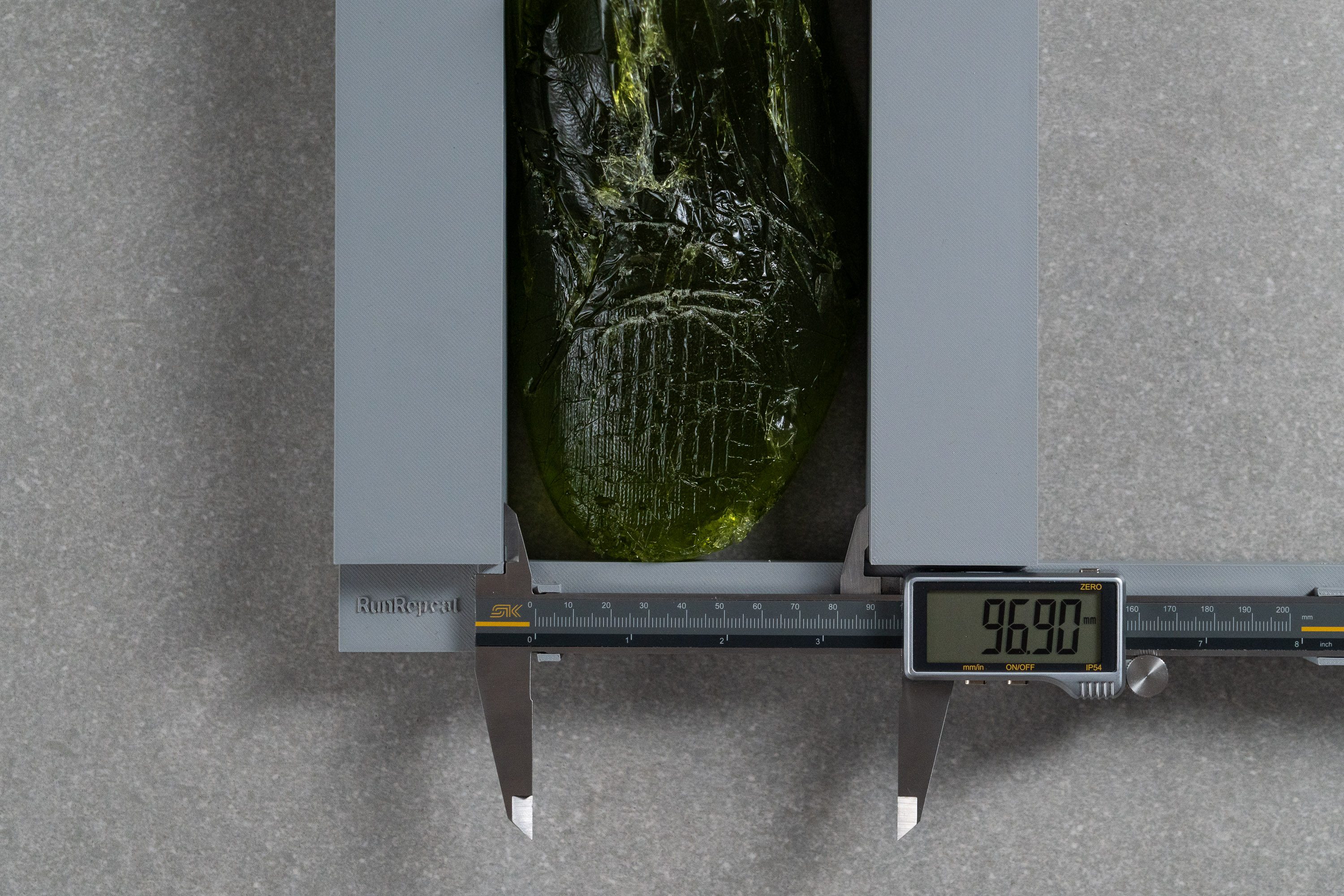
| GT 1000 15 | 96.9 mm |
| Media | 95.2 mm |
Anchura de la parte delantera
Como comentamos antes, las GT 1000 15 pueden considerarse relativamente anchas... para ser unas ASICS. Sin embargo, están lejos de tener un diseño que siga la forma del pie, como el de las Altra Provision 8, y los 73,3 mm que medimos en la parte delantera reflejan claramente esa diferencia.
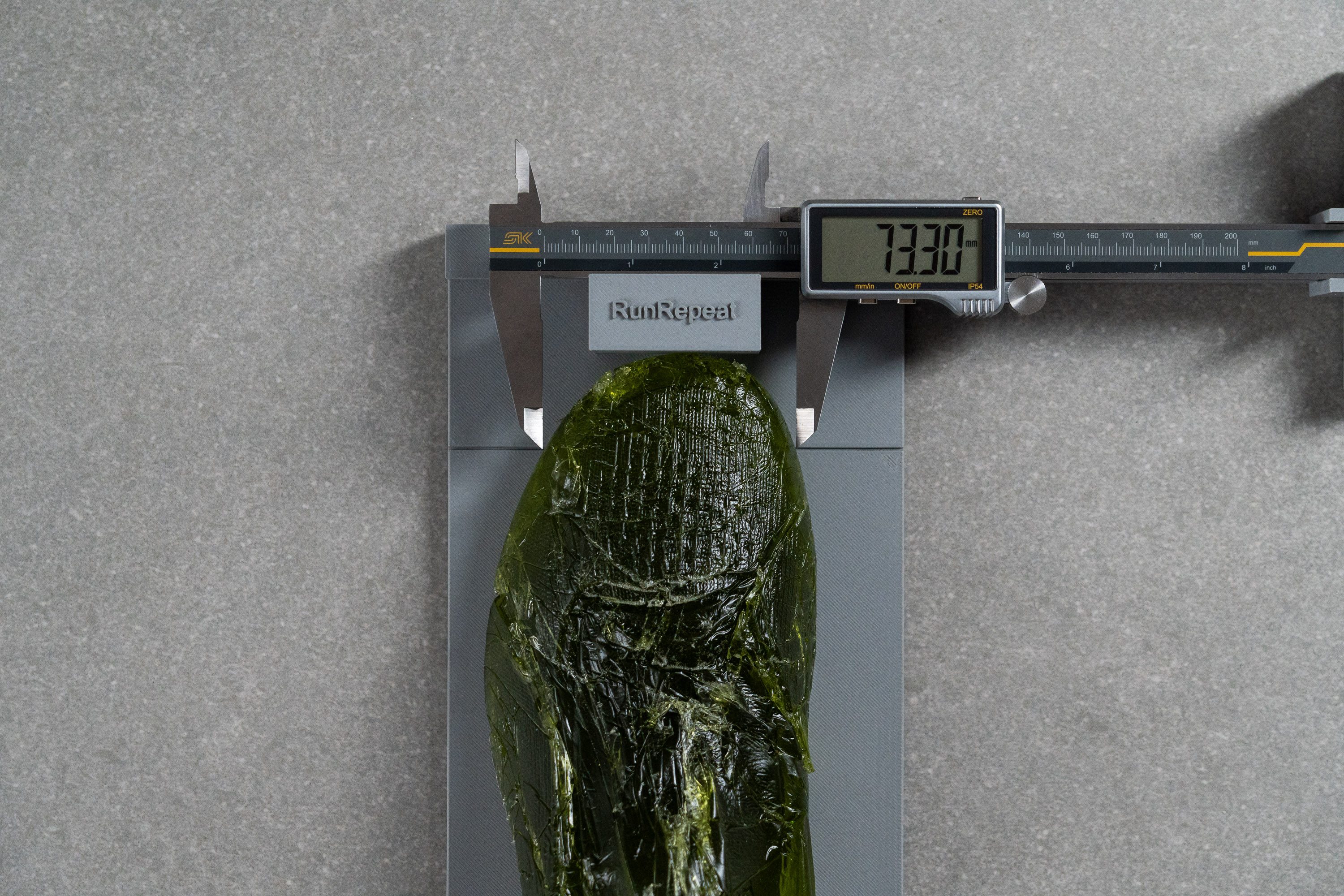
| GT 1000 15 | 73.3 mm |
| Media | 73.2 mm |
Altura de la parte delantera
Tomamos una última medida, analizando el espacio vertical en lugar de la anchura.
Con 27,4 mm, las GT 1000 15 ofrecen un ajuste pensado para la comodidad, con suficiente espacio por encima de los dedos para no apretarlos, pero sin la sensación de holgura excesiva o falta de sujeción de algunos diseños más espaciosos.
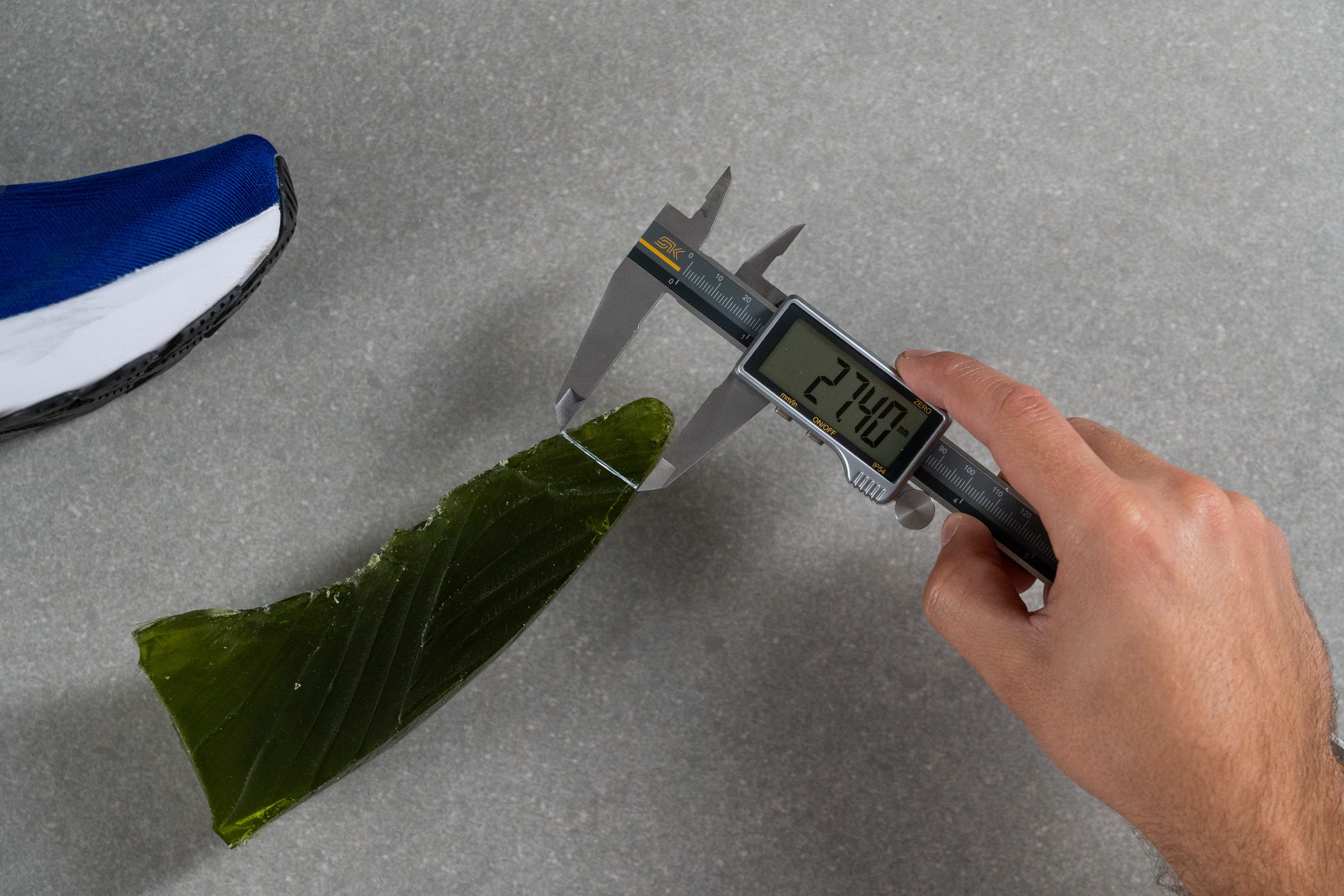
| GT 1000 15 | 27.4 mm |
| Media | 27.0 mm |
Tracción / Agarre
Traction test
Las GT 1000 15 ofrecen un agarre fiable, aunque que no tengan caucho ASICSGRIP a lo largo de toda la suela se hizo evidente en nuestra prueba SATRA TM144. Obtuvieron una puntuación estándar de 0,52, que, en nuestra opinión, se traduce en una tracción segura en superficies secas y un agarre fiable en mojado.
| GT 1000 15 | 0.51 |
| Media | 0.53 |
Diseño de la suela exterior
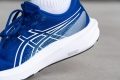
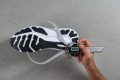
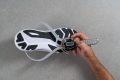
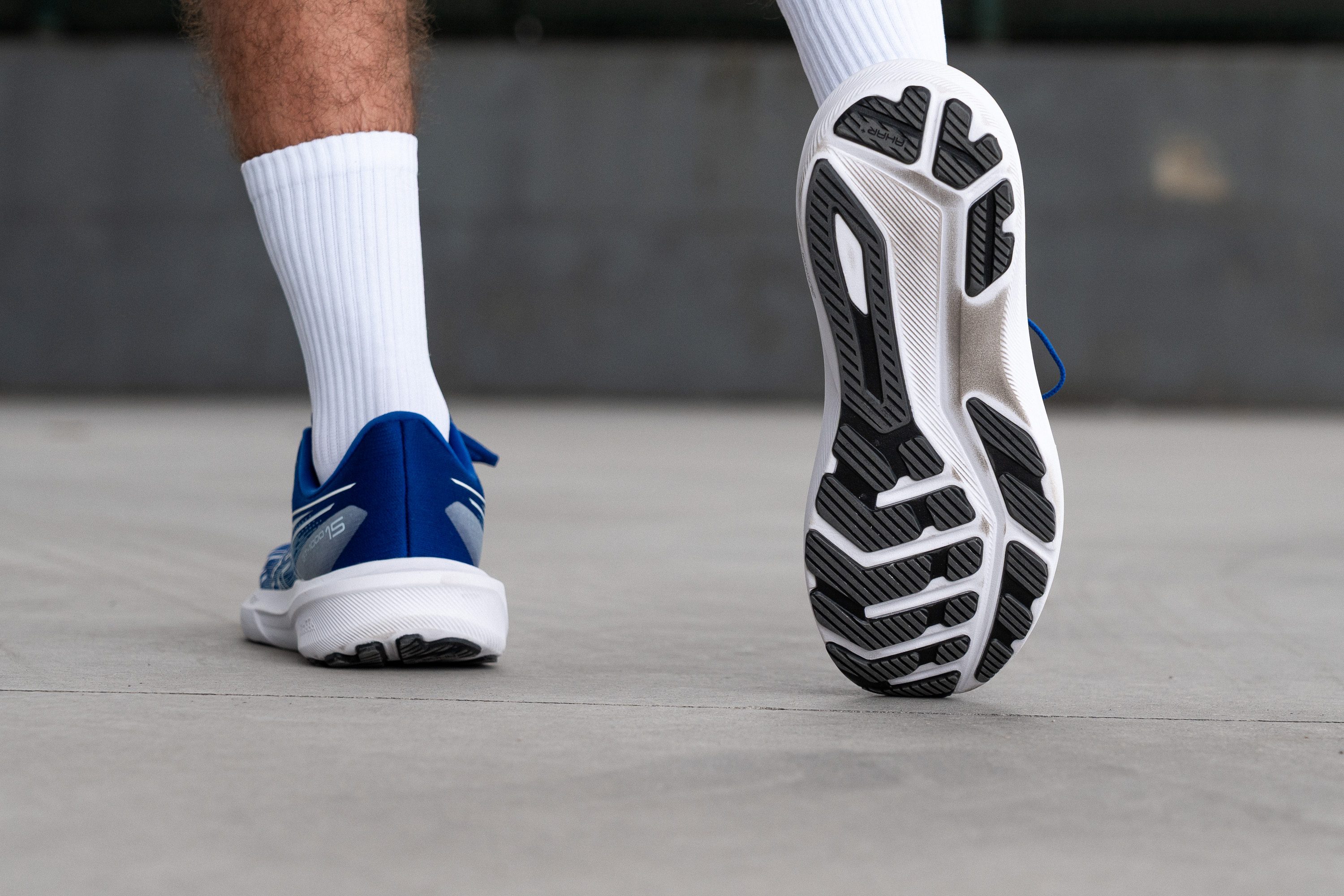
Una de las principales razones para elegir la versión 15 en lugar de unas GT 1000 14 rebajadas es la mejora de la suela. ASICS ahora utiliza el caucho AHARPLUS desde el talón hasta la punta, mientras que la versión anterior lo reservaba para el talón y empleaba el compuesto AHAR LO, menos duradero, en el resto de la suela.
La suela tiene una buena cobertura de caucho, tanto bajo el talón como en el antepié. Sin embargo, ASICS sigue dejando una amplia zona de espuma expuesta en el mediopié. Aunque esto ayuda a reducir el peso y aumentar la flexibilidad, se pueden quedar las piedrecillas y la tierra atascadas, o desgastarse antes en el caso de los corredores que suelen apoyar esa parte en el suelo.
Flexibilidad / Rigidez
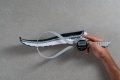
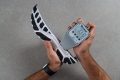
Nos alegró comprobar que las ASICS GT 1000 15 siguen siendo muy flexibles, ya que solo necesitaron 12,6 N de fuerza en nuestra prueba de flexión. Por eso son cómodas para caminar y para las tiradas fáciles, sin la sensación de rigidez que suele asociarse a las zapatillas de estabilidad más estructuradas.
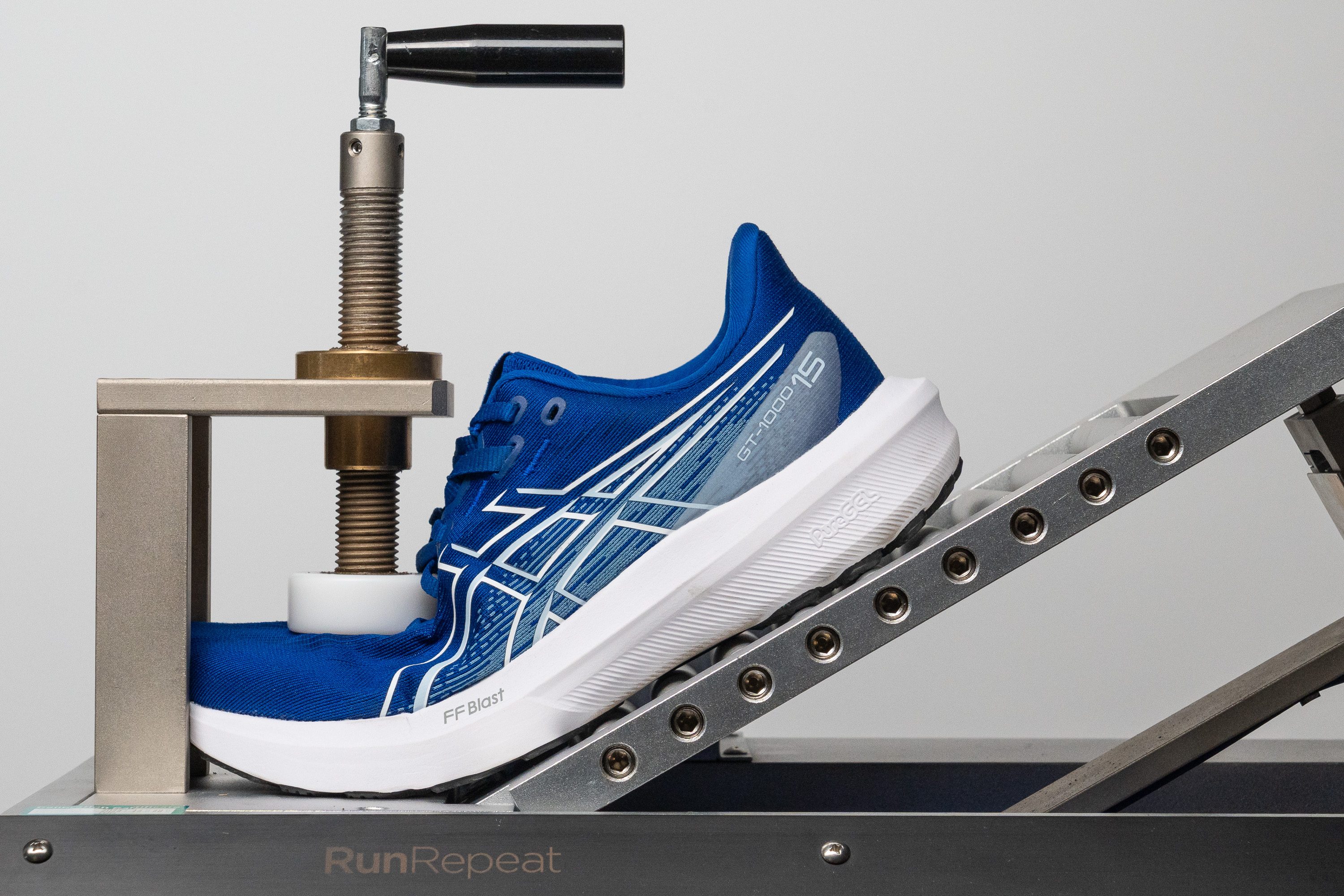
| GT 1000 15 | 12.6N |
| Media | 15.5N |
Peso
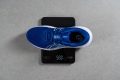
Las mejoras de la suela aumentan ligeramente el peso hasta los 278 g, pero la diferencia es tan pequeña que nos fue imposible notarla al correr.
Dicho esto, en nuestra opinión, las GT 1000 15 siguen siendo algo pesadas para la altura de su suela y sus características, aunque no nos sorprende teniendo en cuenta que no utilizan una espuma EVA supercrítica moderna.
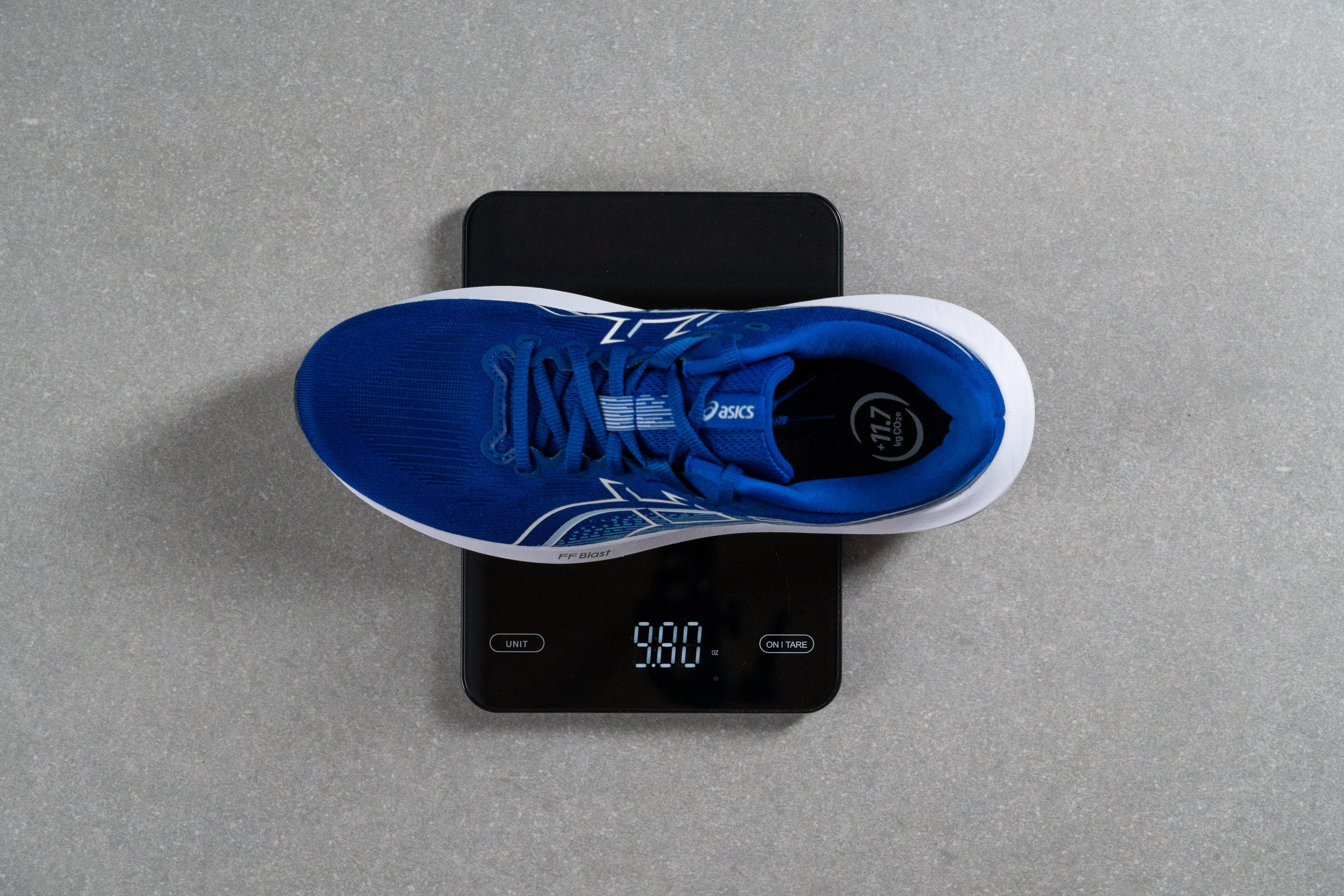
| GT 1000 15 | 9.8 oz (278g) |
| Media | 9.2 oz (261g) |
Estabilidad
Prueba de estabilidad lateral
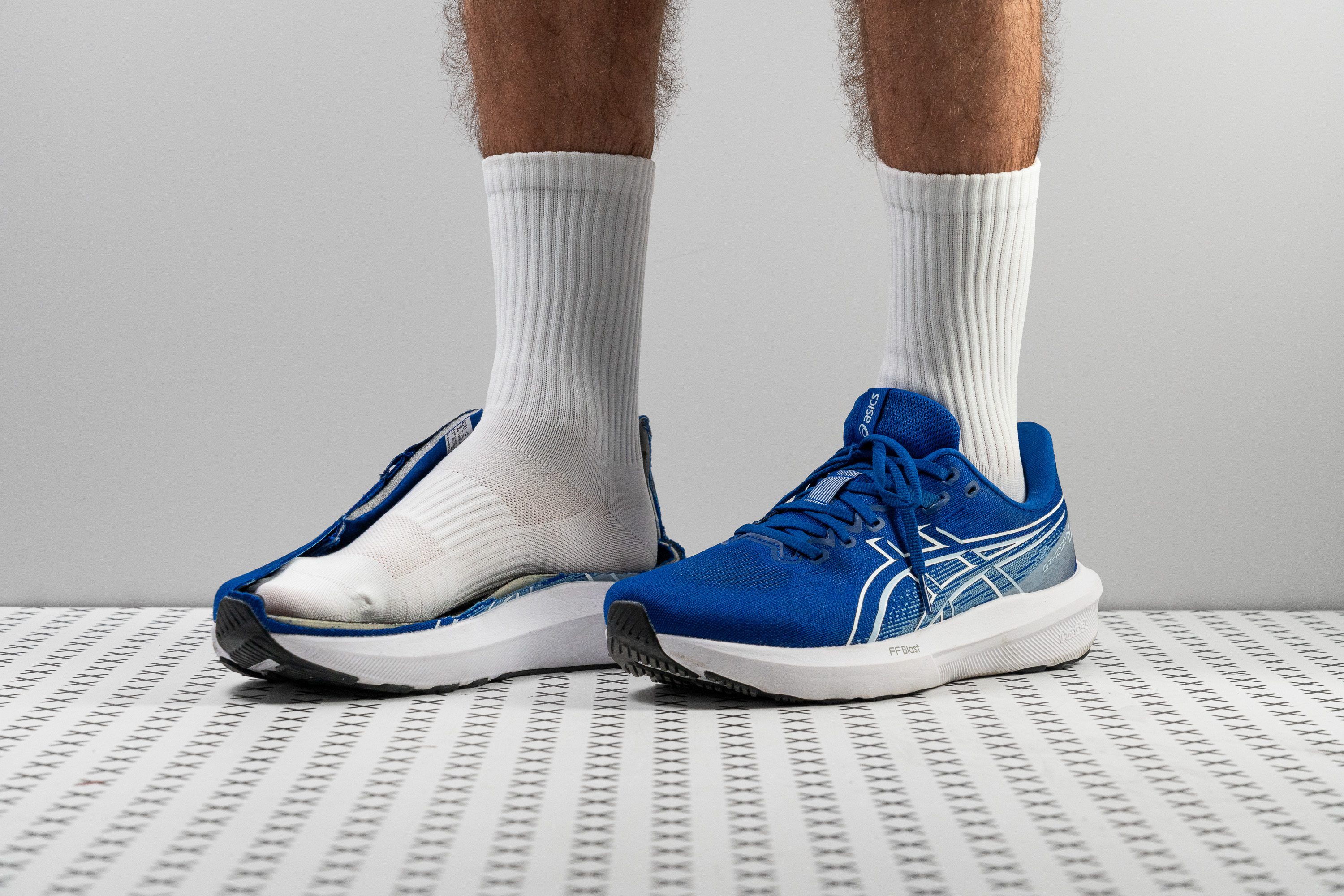
La tecnología más destacada de las GT 1000 15 es el 3D GUIDANCE SYSTEM, que las convierte de unas zapatillas de entrenamiento convencionales en una opción verdaderamente centrada en la estabilidad.
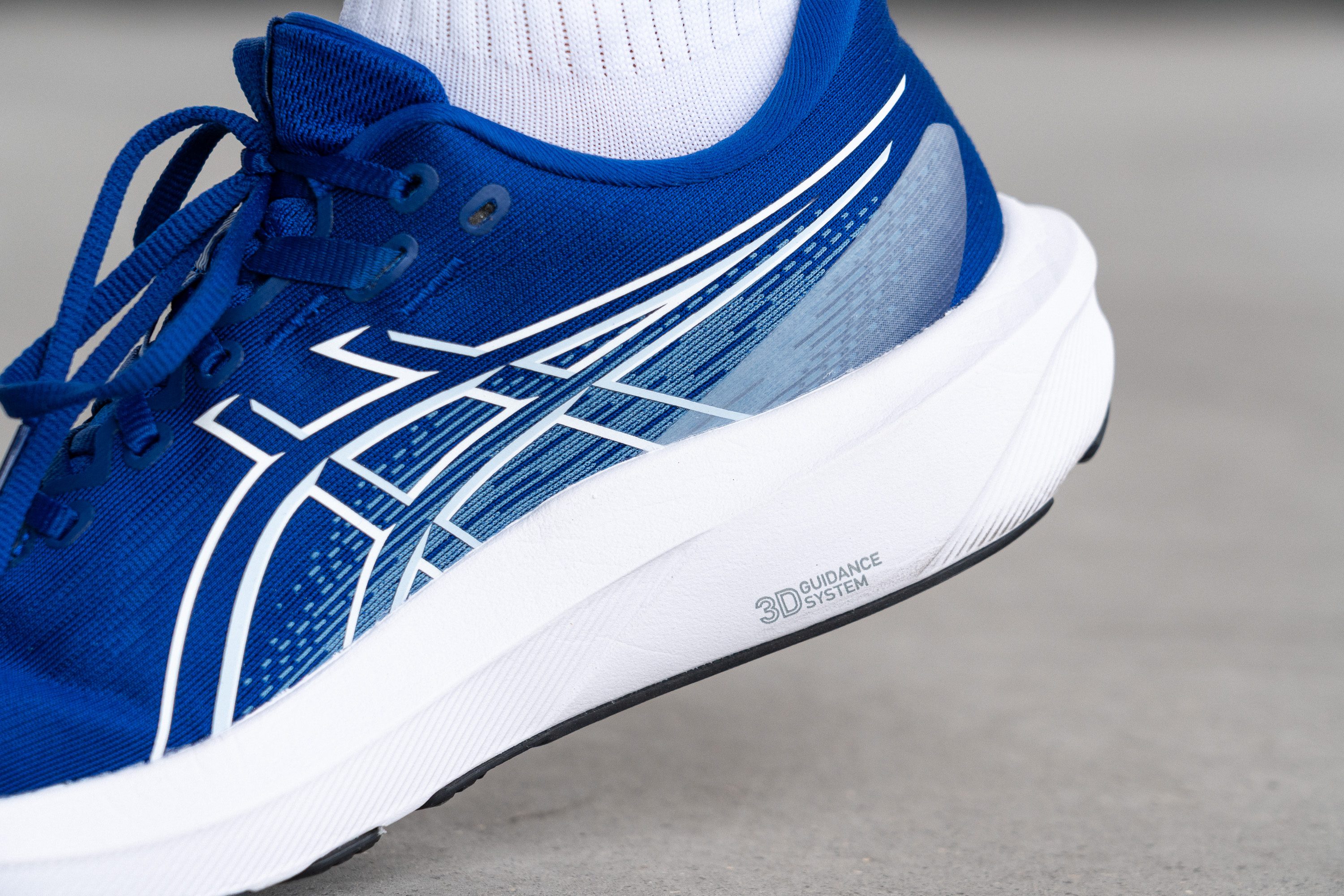
Según nuestras pruebas, las GT 1000 15 siguen ofreciendo la pisada estable y predecible que ha definido a esta serie durante años. Creemos que funcionan especialmente bien para los corredores con pronación neutra que buscan un poco más de sujeción, y también proporcionan una pisada lo suficientemente guiada para quienes tienen una sobrepronación leve o moderada.
Rigidez torsional
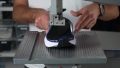
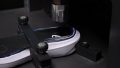
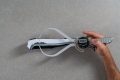
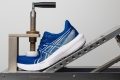
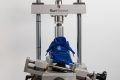
Como nos esperábamos, las GT 1000 15 tienen una rigidez torsional moderada, una característica que contribuye de forma importante a mejorar la estabilidad lateral. Sin embargo, están lejos de ser demasiado rígidas, ya que nuestra máquina de pruebas, diseñada a medida, marcó un resultado razonable de 14,0 Nm.
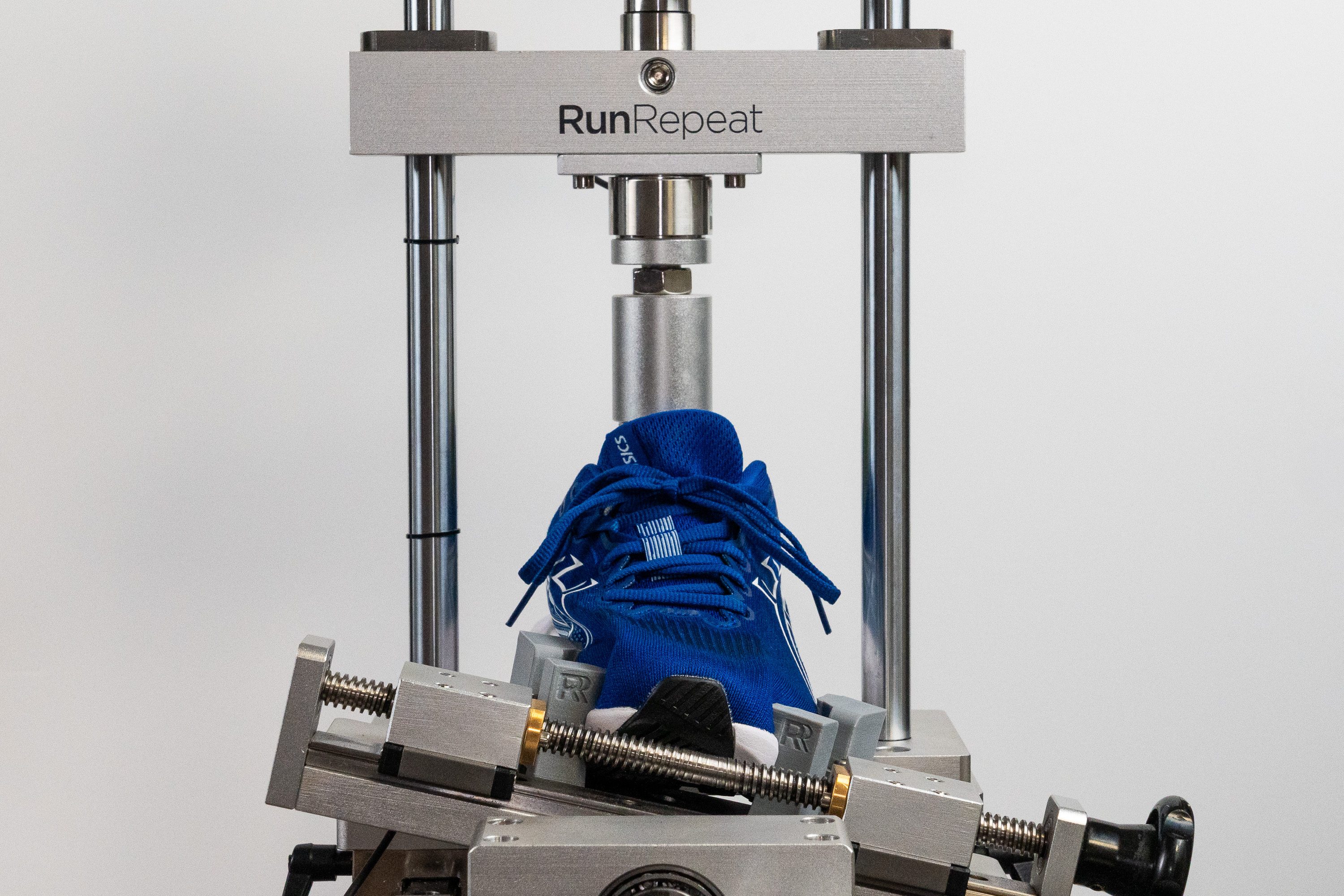
| GT 1000 15 | 14.0 Nm |
| Media | 14.3 Nm |
Rigidez del contrafuerte del talón
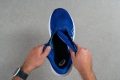
También comprobamos que ASICS busca deliberadamente que las GT 1000 15 ofrezcan unas sensaciones más cercanas a las de unas zapatillas de entrenamiento neutras que a las de unas con mucha sujeción, como las Kayano. El contrafuerte del talón ofrece una resistencia moderada, con una puntuación de 3/5 en nuestra evaluación manual, lo que contribuye a una experiencia más cómoda.
| GT 1000 15 | 3 |
| Media | 2.9 |
Anchura de la mediasuela - antepié
Una de las cosas que más nos gustan de las pruebas de laboratorio es que nos ayudan a explicar lo que sentimos al correr. Durante nuestros primeros kilómetros con las GT 1000 15, notamos enseguida que eran más estables que la versión 14, pese a que ambas parecían muy similares a primera vista. Al llevarlas al laboratorio, el motivo nos quedó claro.
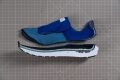
Aunque la espuma y su nivel de blandura no han cambiado, la base se ha ensanchado bastante. Comprobamos que ASICS ha apostado de lleno por las bases anchas, ahora habituales en las zapatillas de estabilidad, aumentando la anchura del antepié de 113,6 mm a unos impresionantes 119,4 mm.
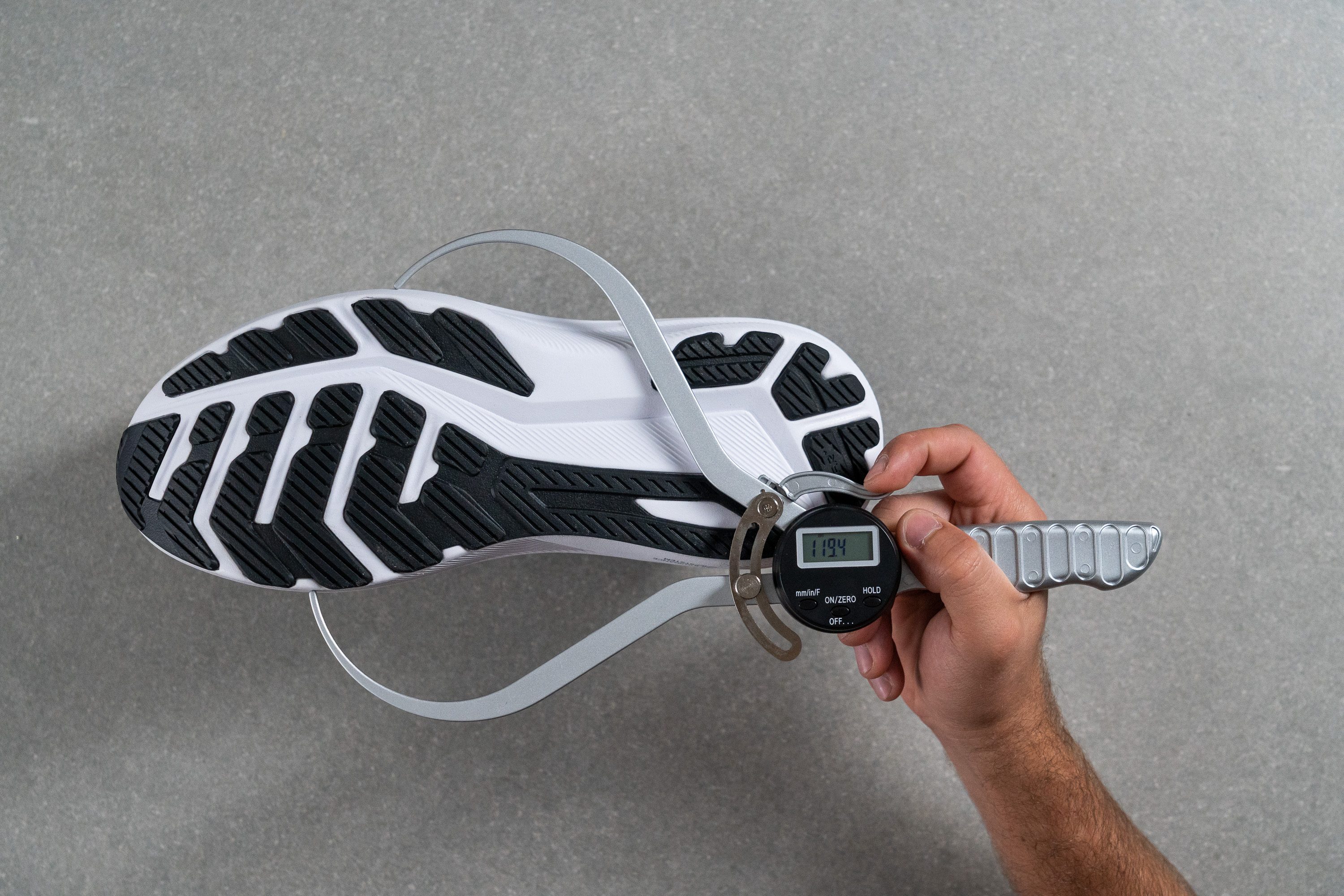
| GT 1000 15 | 119.4 mm |
| Media | 115.1 mm |
Anchura de la mediasuela - talón
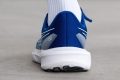
El talón sigue el mismo camino: se ensancha hasta los 99,8 mm y ofrece también una base de apoyo excepcionalmente amplia.
De hecho, no pudimos evitar preguntarnos si ASICS se había pasado un poco, ya que a algunos corredores esta anchura podría parecerles excesiva.
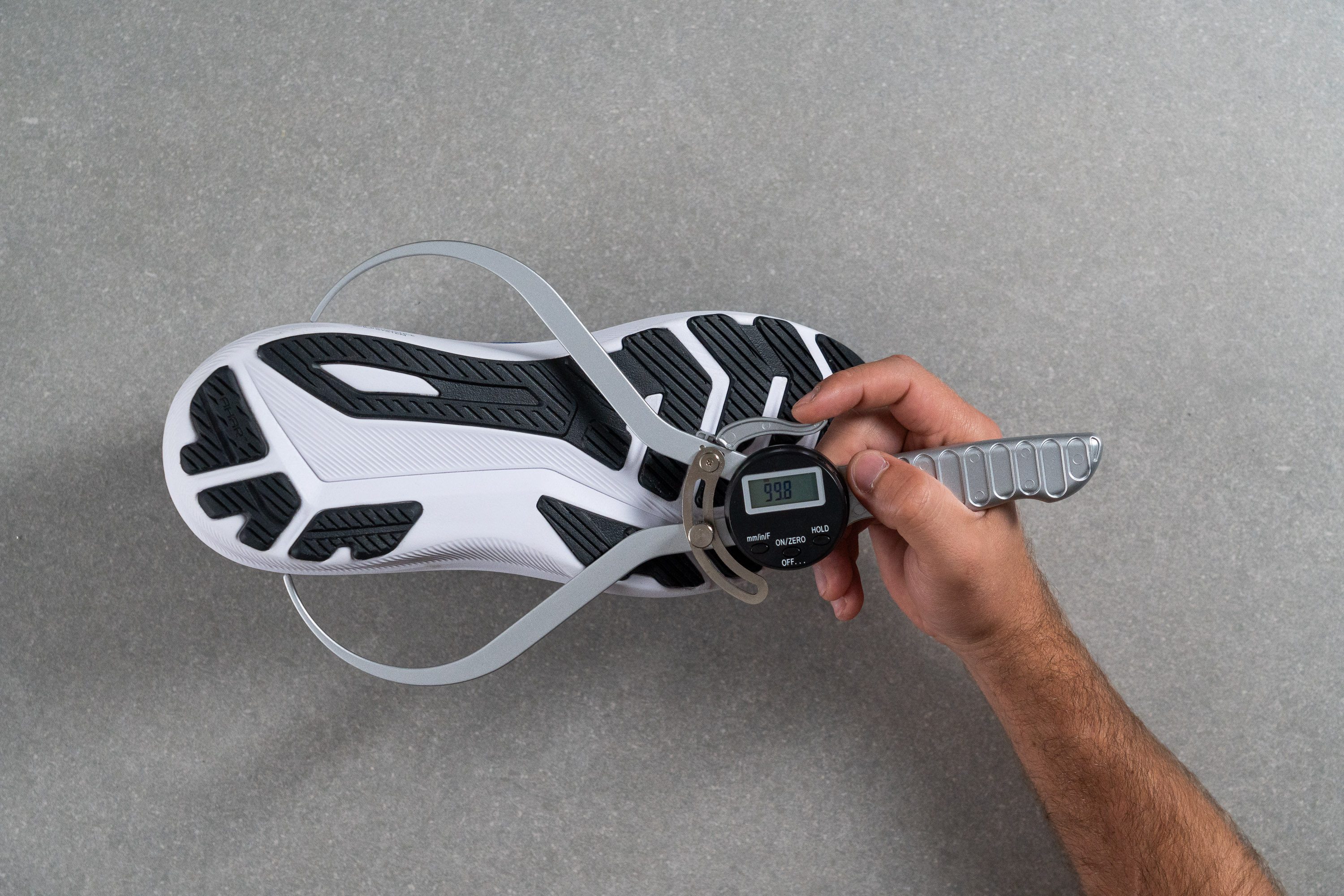
| GT 1000 15 | 99.8 mm |
| Media | 91.1 mm |
Durabilidad
Durabilidad de la parte delantera
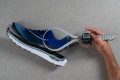
El nuevo upper de malla técnica nos impresionó por su comodidad desde la primera salida. Sin embargo, esa sensación de suavidad y amplitud tiene un precio, ya que el material obtuvo una baja puntuación de 1/5 en nuestra primera prueba de durabilidad.
| GT 1000 15 | 1 |
| Media | 2.6 |
Durabilidad del acolchado del talón
Por suerte, el acolchado del talón nos ayudó a compensarlo, con una buena puntuación de 4/5 en nuestra segunda prueba de resistencia al desgaste. Es un resultado claramente mejor que el que vimos en la parte delantera.
| GT 1000 15 | 4 |
| Media | 3.4 |
Durabilidad de la suela
Que haya caucho AHARPLUS por toda la suela supone una mejora importante para las GT 1000 15, y nuestras pruebas de resistencia lo confirman claramente.
En nuestra tercera prueba con el Dremel, la suela obtuvo un resultado excelente, ya que solo perdió 0,5 mm de material, lo que sugiere que estas zapatillas están hechas para aguantar muchísimos kilómetros.
| GT 1000 15 | 0.5 mm |
| Media | 1.1 mm |
Grosor de la suela
Con una suela de unos generosos 4,0 mm de grosor y un resultado excelente en nuestra prueba de resistencia, las GT 1000 15 están hechas para durar.
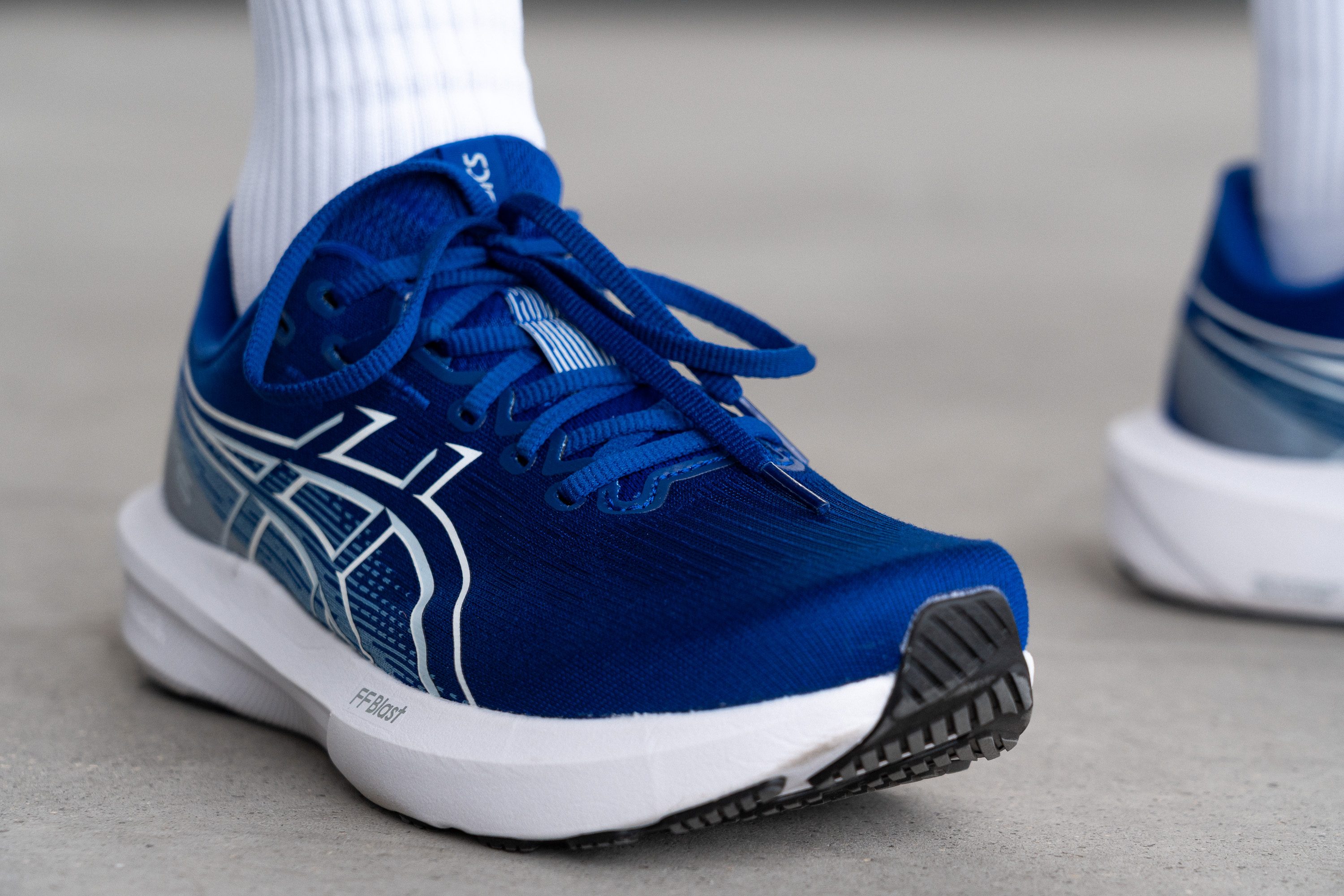
Son una excelente opción para los corredores hartos de que sus zapatillas se desgasten en apenas unos meses, ya que la durabilidad de la suela es claramente uno de sus puntos fuertes.
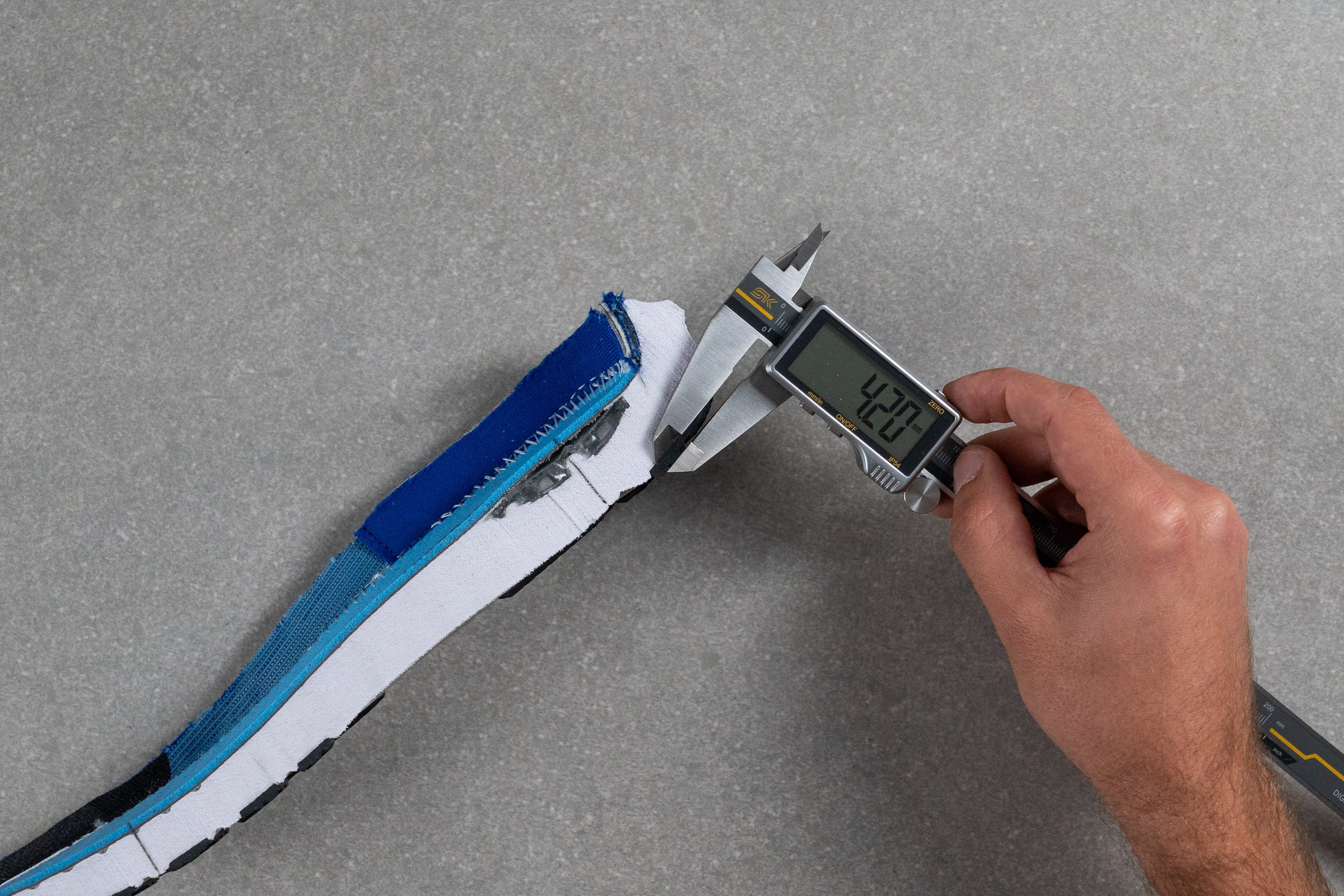
| GT 1000 15 | 4.0 mm |
| Media | 3.1 mm |
Varios
Grosor de la plantilla
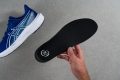
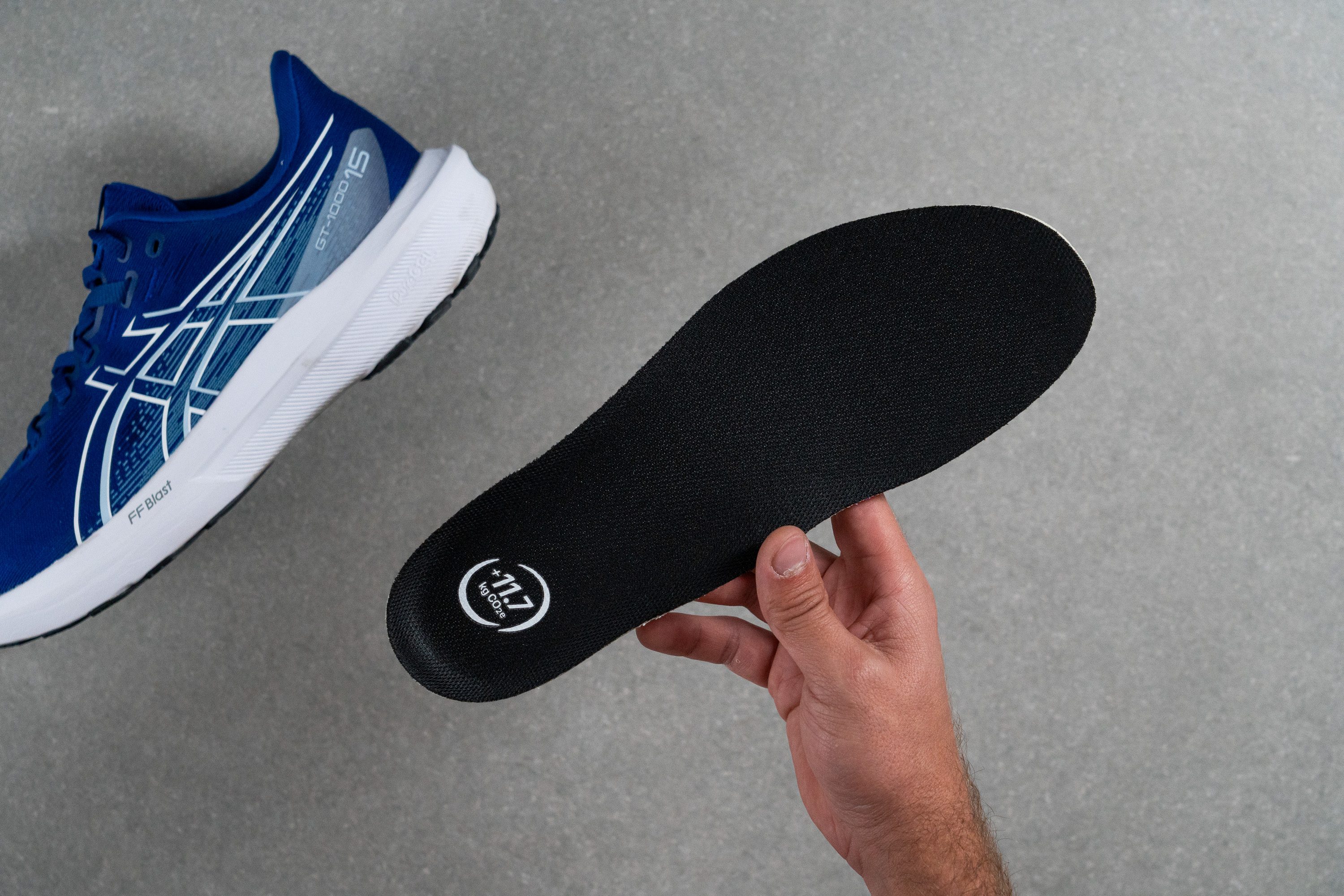
Las GT 1000 15 tienen una plantilla ligeramente más gruesa que la media, con 4,8 mm según nuestras mediciones en el laboratorio.
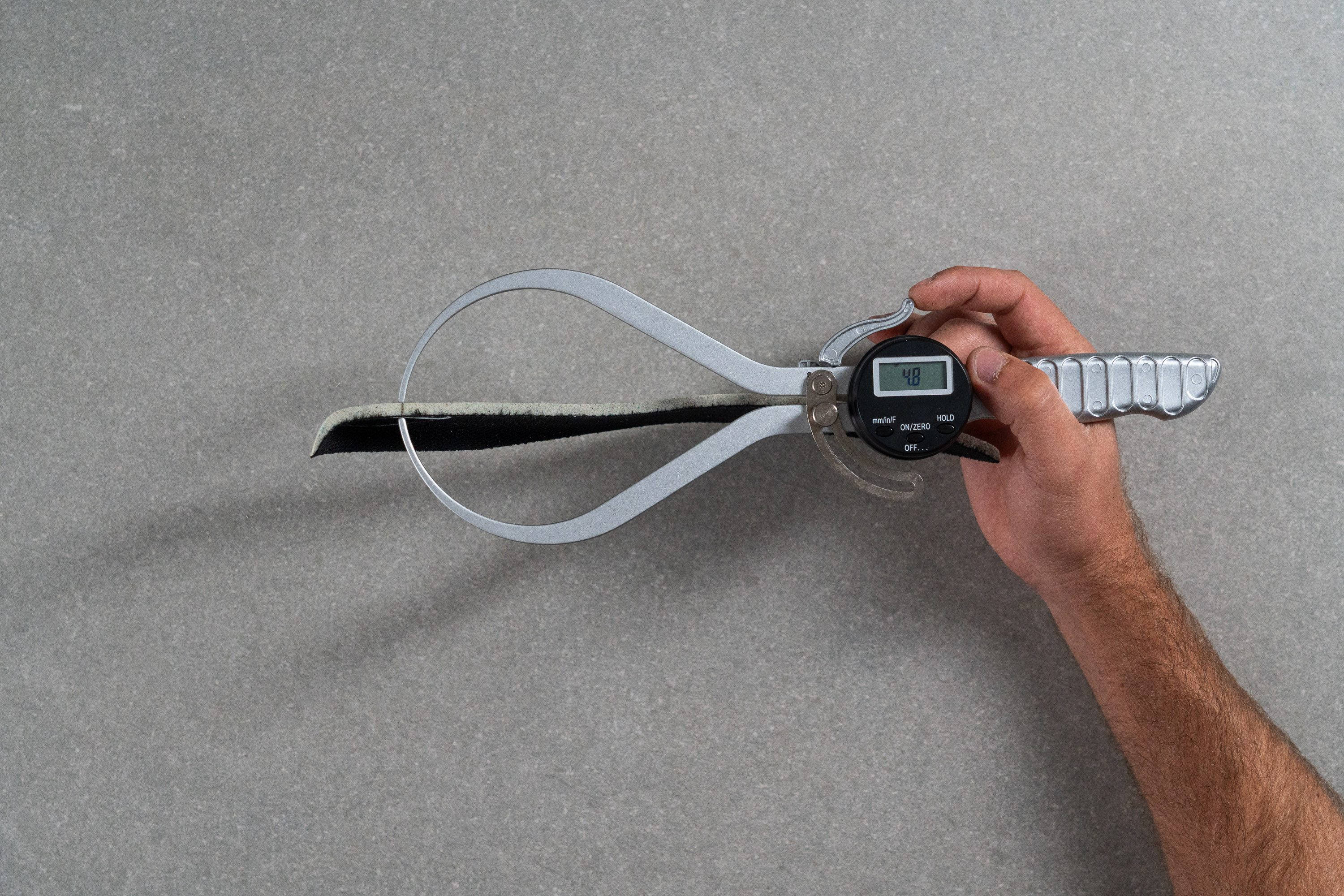
| GT 1000 15 | 4.8 mm |
| Media | 4.4 mm |
Plantilla extraíble
Si la plantilla que traen no te va bien, cambiarla es sencillo. Es fácil de quitar y las zapatillas son compatibles con la mayoría de las plantillas de otras marcas.
| GT 1000 15 | Sí |
Elementos reflectantes
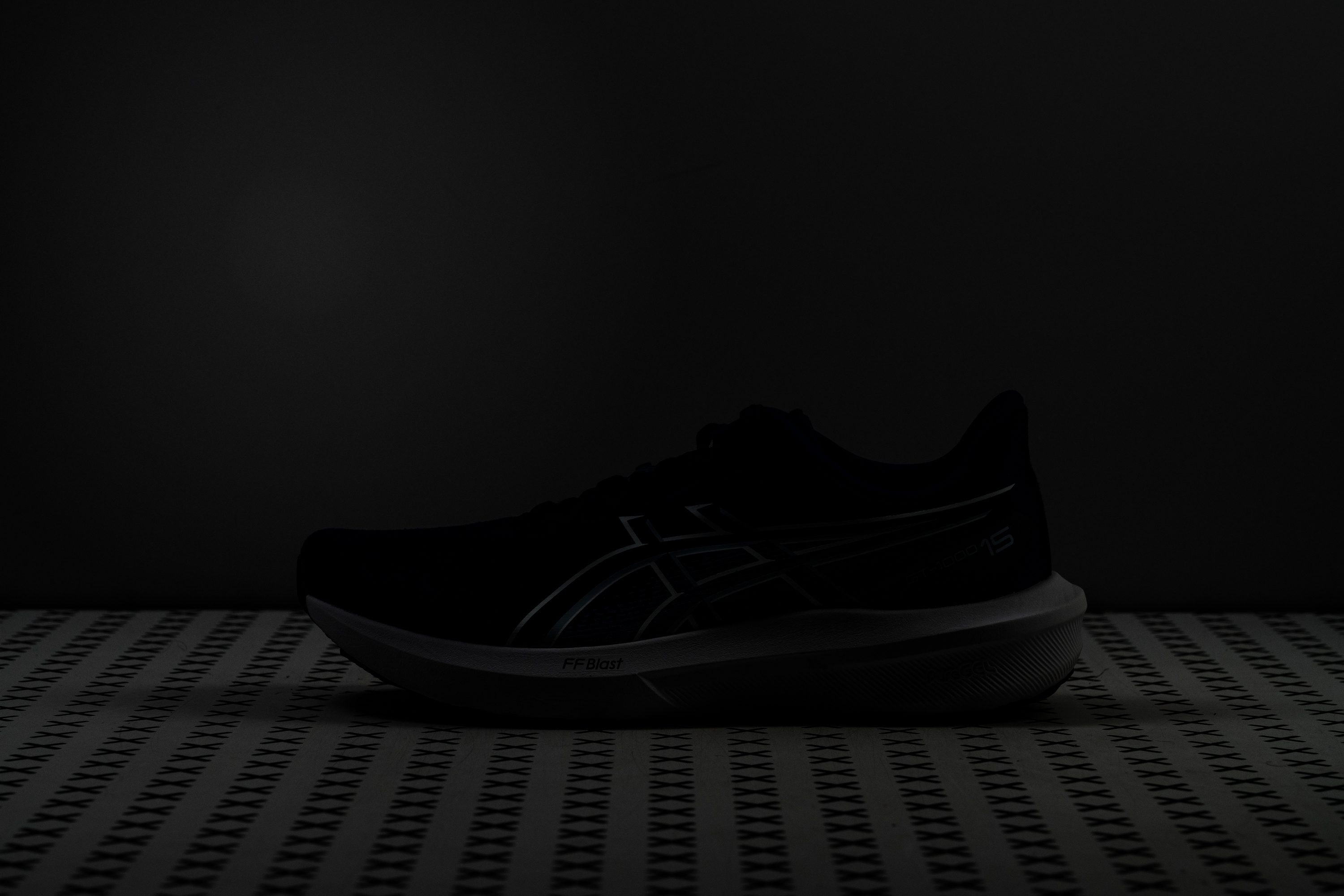
Por desgracia, ASICS decidió no incluir ningún elemento reflectante en las GT 1000 15.
| GT 1000 15 | No |
Acolchado de la lengüeta
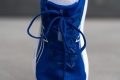
ASICS suele optar por la sencillez en su gama más asequible, y las GT 1000 15 siguen la misma fórmula. Utilizan cordones tradicionales con ojales perforados y reforzados, que ofrecen una sujeción sencilla pero fiable.
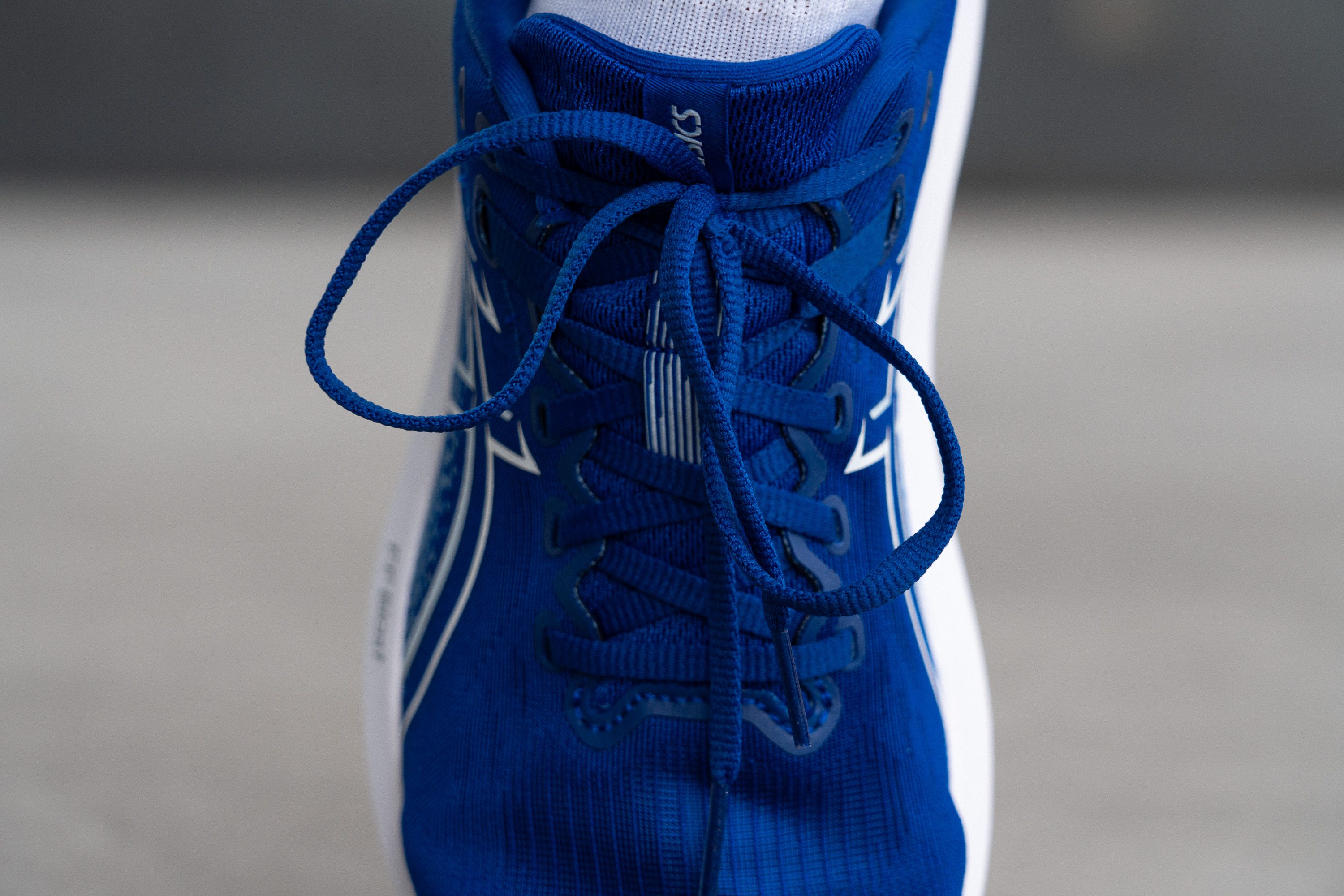
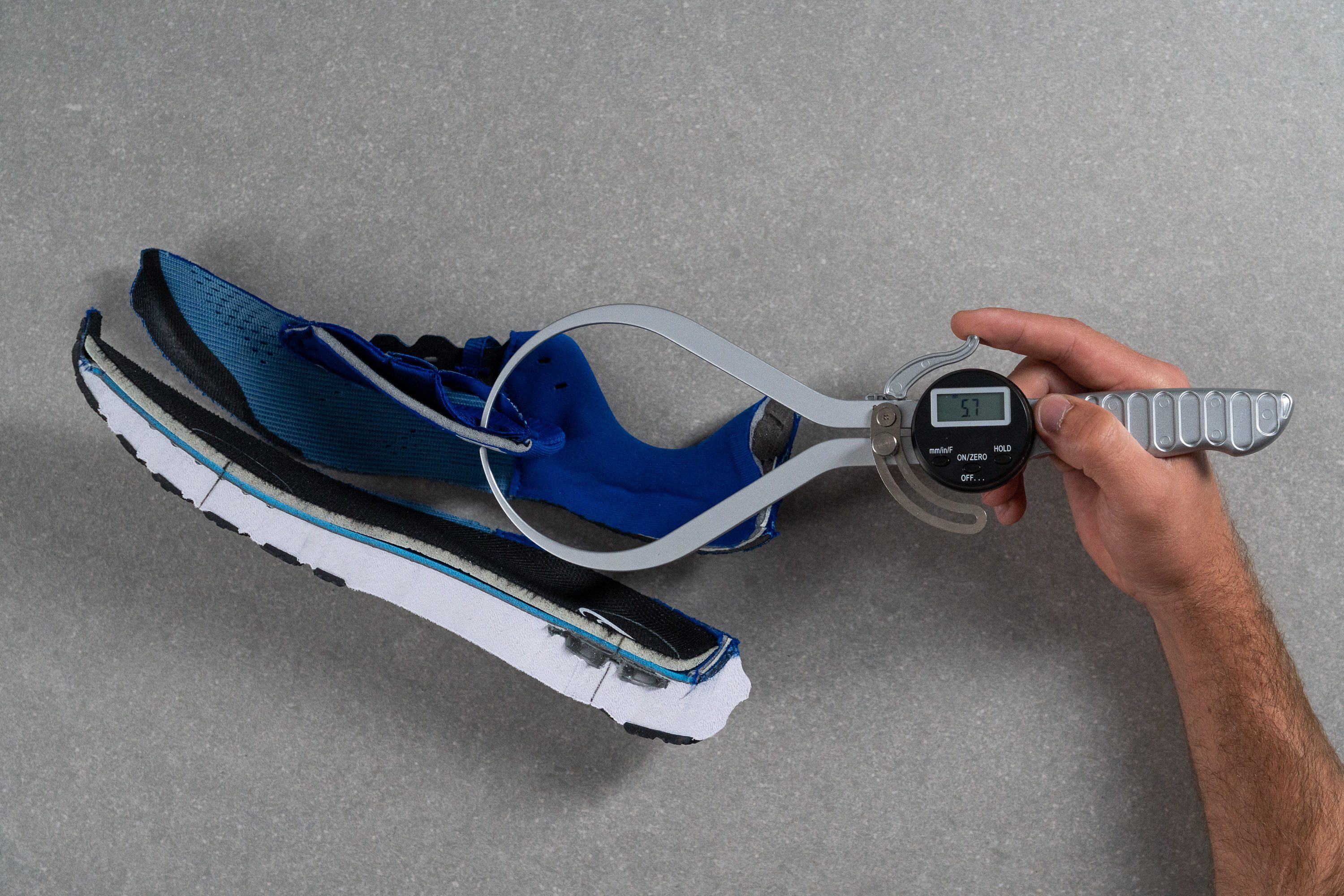
La lengüeta también está bien equilibrada. Con 5,7 mm de grosor, tiene algo menos de acolchado que la versión anterior (8,1 mm), pero sigue ofreciendo mucha comodidad, hasta si las llevas puestas durante todo el día.
| GT 1000 15 | 5.7 mm |
| Media | 5.8 mm |
Lengüeta: tipo de refuerzo
La lengüeta unida a los laterales es otra característica que suele faltar en las zapatillas más económicas de ASICS, y las GT 1000 15 no son una excepción.
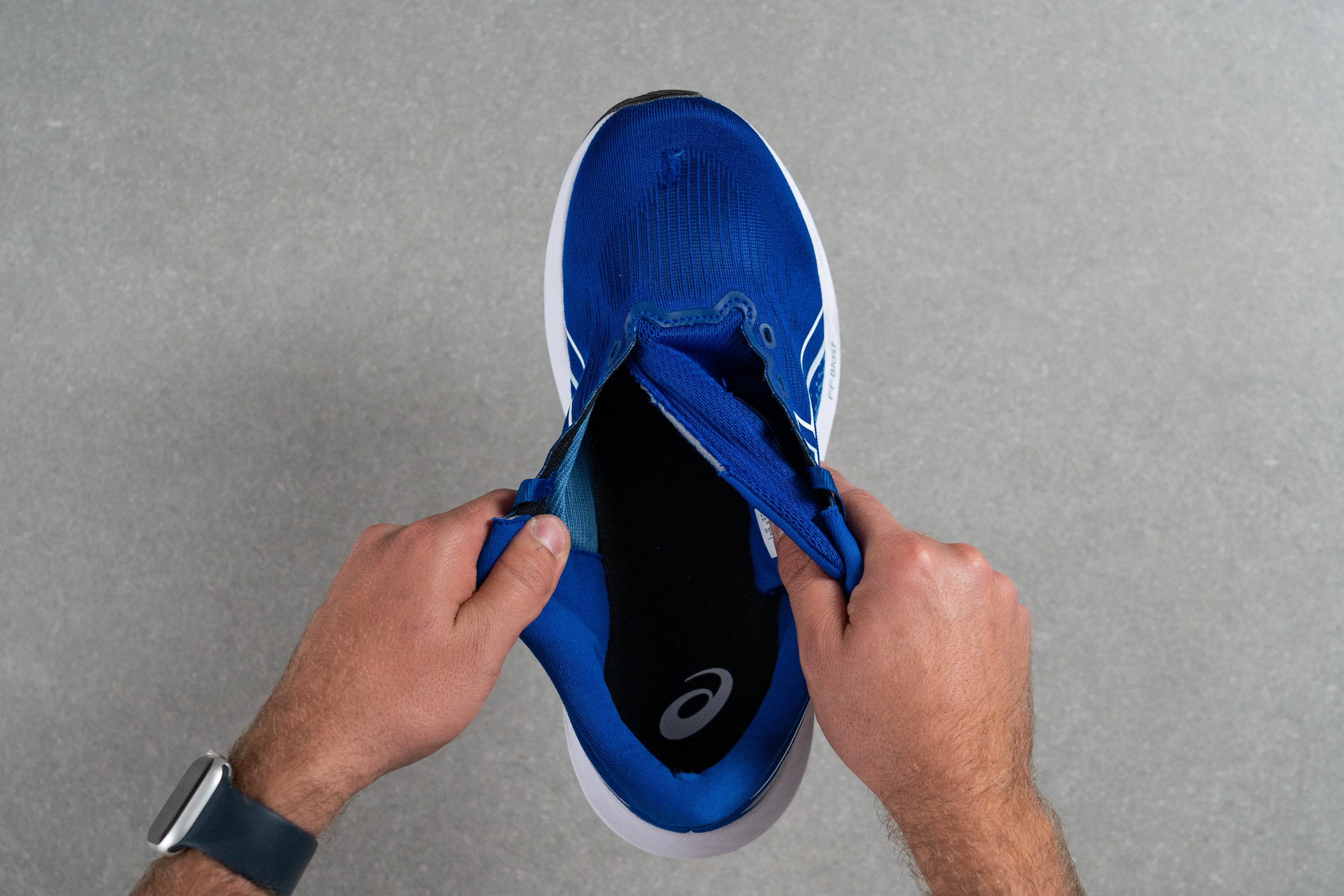
| GT 1000 15 | Ninguno |
Tirador del talón
En la versión 15 también desaparece el tirador que sus predecesoras tenían en el talón. En su lugar, ASICS ha optado por un diseño mucho más sencillo, sin ningún tirador que te ayude a calzarte.
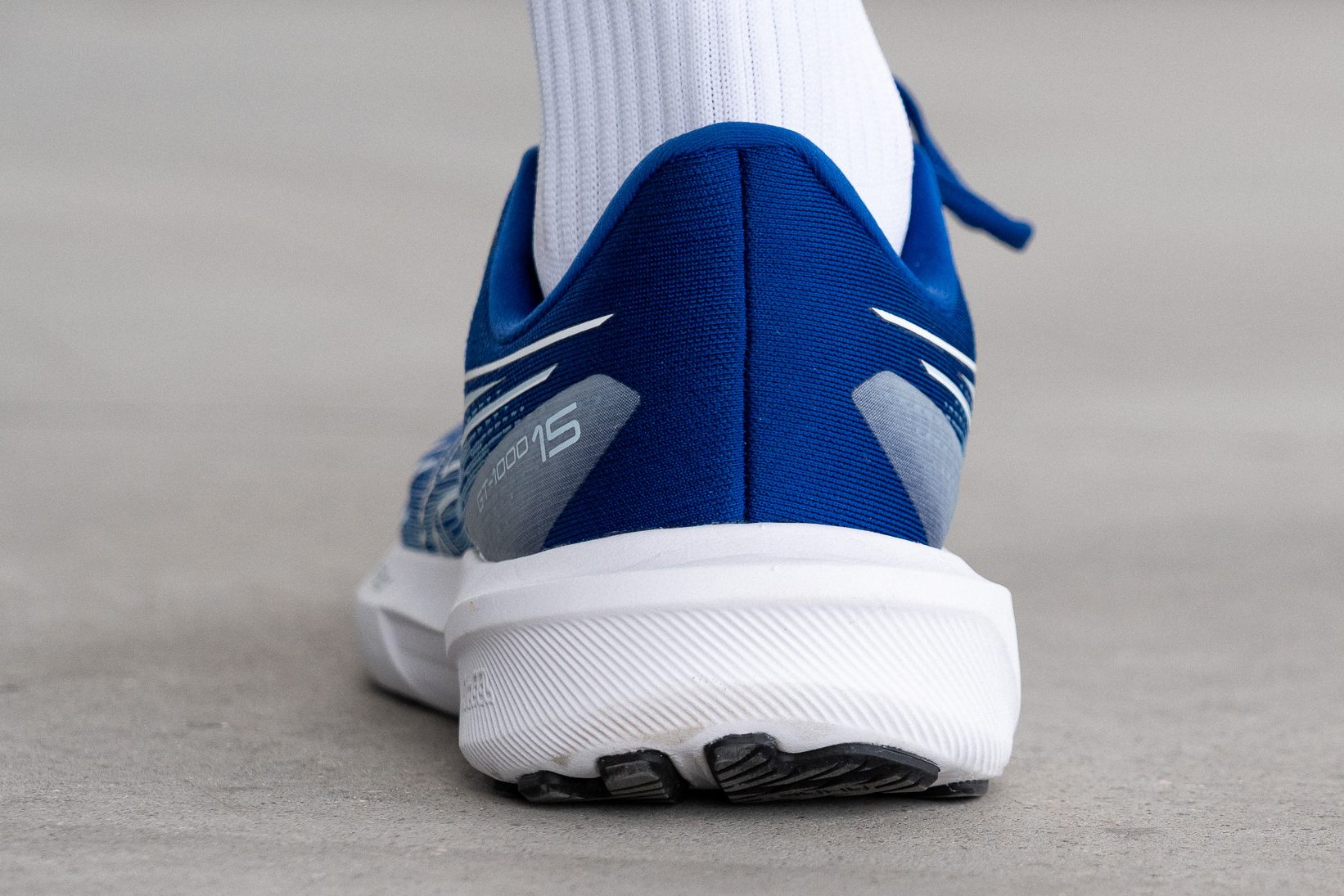
| GT 1000 15 | Ninguno |
Precio
Una de las cosas que más nos gustan es que el precio no haya subido. A pesar de tener caucho AHARPLUS por toda la suela y de un año lleno de subidas de precios en el mercado de las zapatillas de running, ASICS ha conseguido no cambiar el de las GT 1000 15.
Siguen siendo una de las opciones más asequibles en la categoría de estabilidad y mantienen una excelente relación calidad-precio. Creemos que esa es una de las principales razones por las que la serie GT 1000 sigue vendiéndose bien y por las que, casi con toda seguridad, la versión 16 llegará a las tiendas el año que viene.
| GT 1000 15 | $115 |