7 Running Shoes With The Best Traction in 2026

We buy shoes ourselves. We earn commissions when you buy through us, at no extra cost. Why trust us
We all want to avoid investing in a new pair of running shoes and ending up slipping at the first hint of rain or when the surface becomes slicker. Hearing about other people's experiences can be valuable, but only to a point. Many forget to check how many factors changed or remained the same in those experiences, from rubber coverage and outsole design to foot strike, pronation, and the surface type. All this led us to start testing the traction in the lab. A standardized test and comparable results are a runner’s dream come true.

How we test running shoes with the best traction
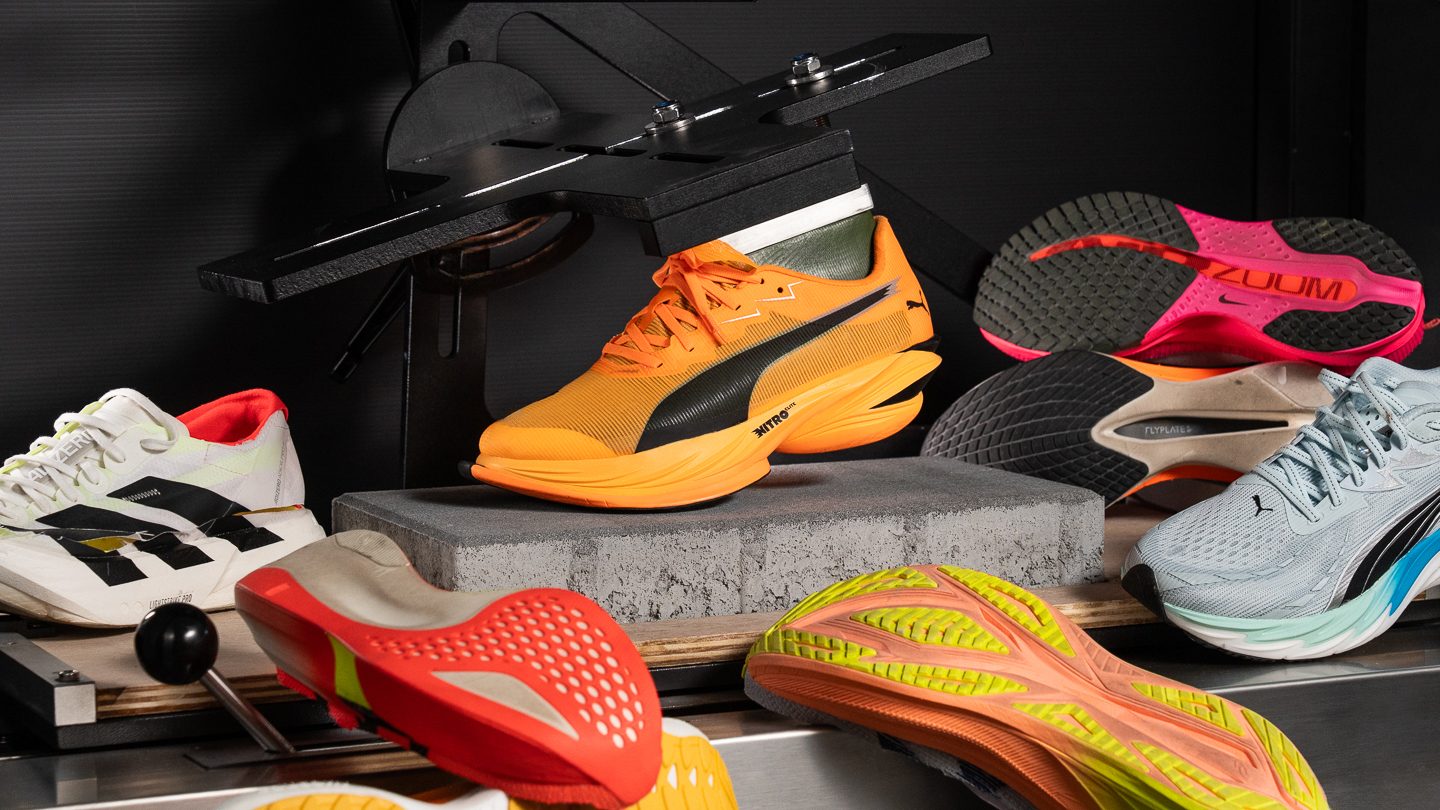
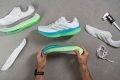
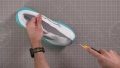
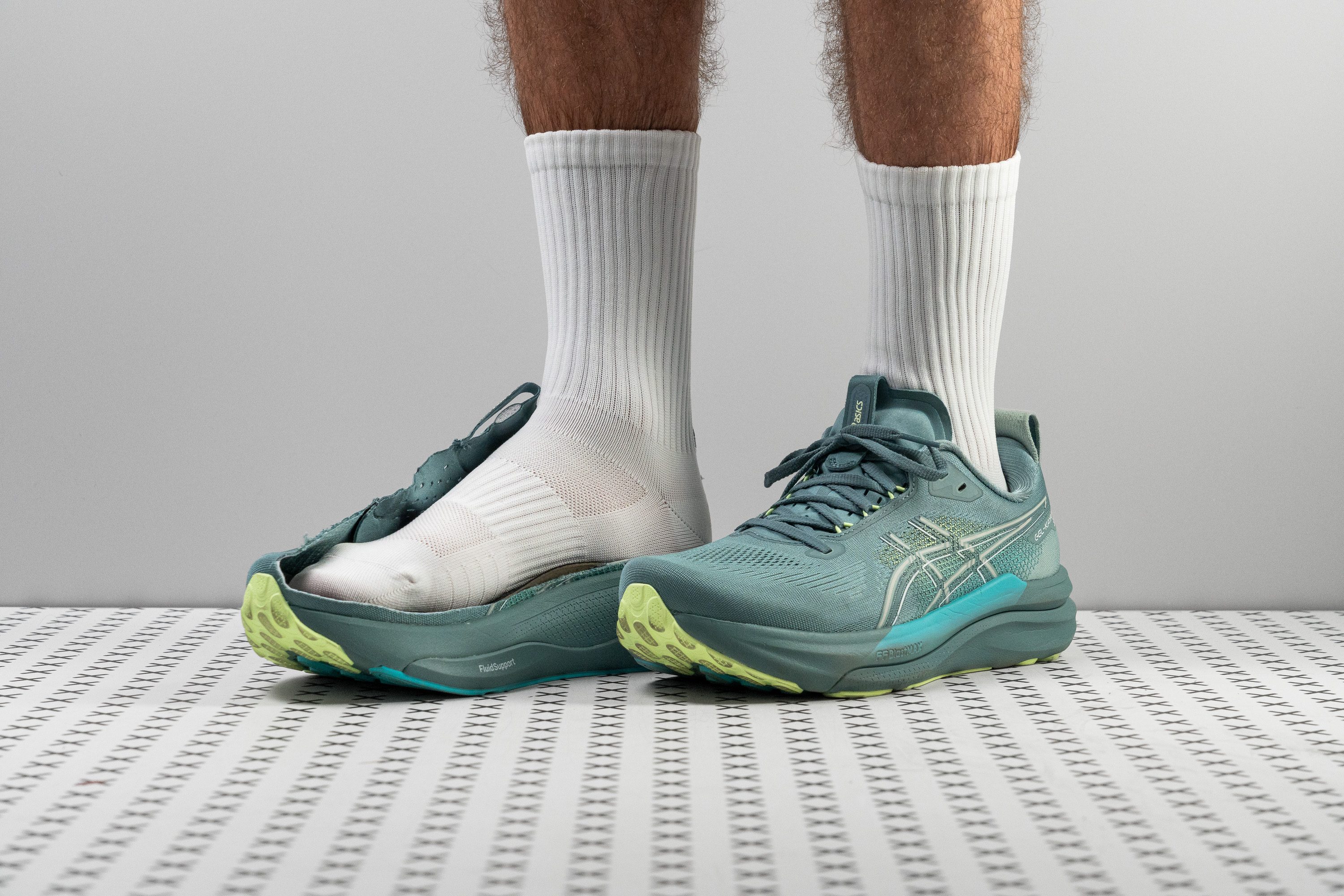
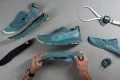
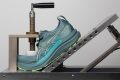
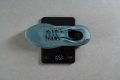
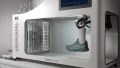
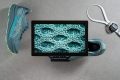
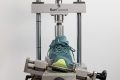
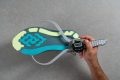
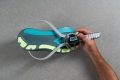
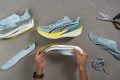
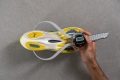
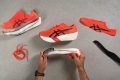
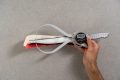
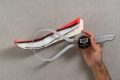
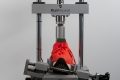
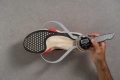
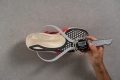
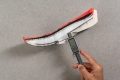
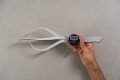
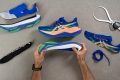
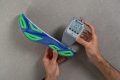
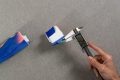
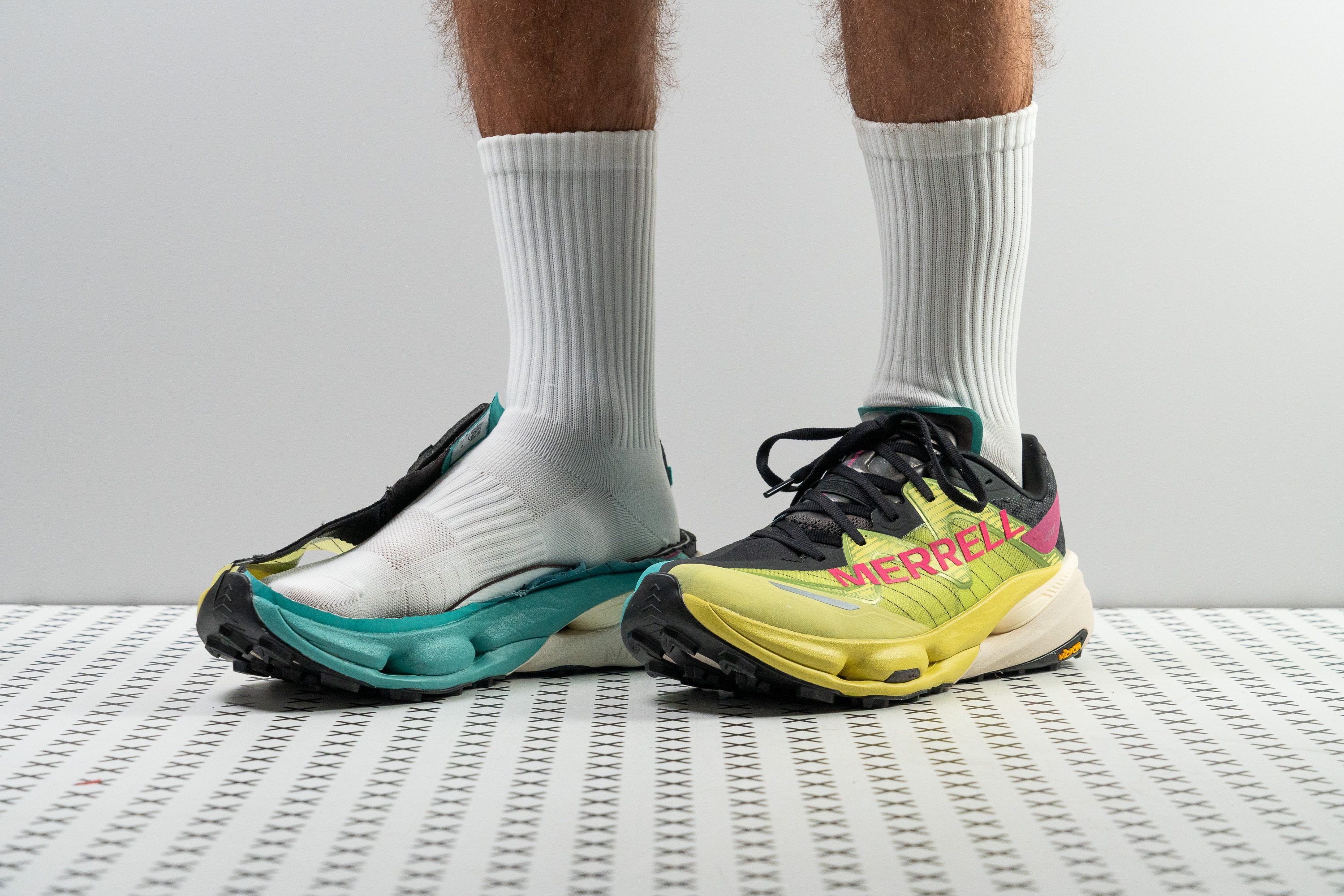
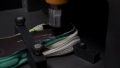
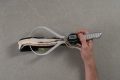
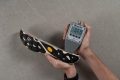
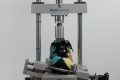
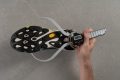
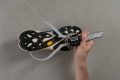
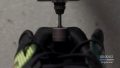
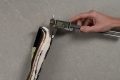
Every running shoe that enters the lab has been chosen by us and paid for with our money. Our testers run in the shoes to get a personal feel of them, and then the shoes are taken to the lab, where we perform a battery of tests. To do the tests, we have to cut the running shoes in half, remove their upper, and tear them into smaller pieces.
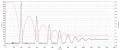
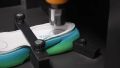
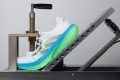
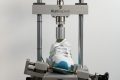
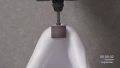
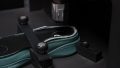
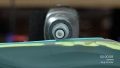
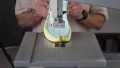
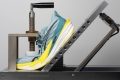
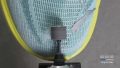
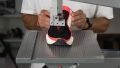
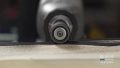
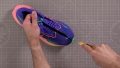
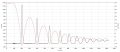
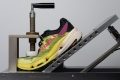
When it comes to traction, we follow the SATRA TM144 methodology. We measure a dynamic coefficient of friction by pressing the shoe with a 500N force at a 7 degree angle against the wet surface. If you often run in wet weather, you want the CoF to be higher than 0.45.
Once we’re done testing, we publish all the results on our website. These results allow you to compare the shoes and allow us to present the shoes that perform the best.
Running shoes with the best traction overall
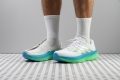
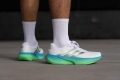
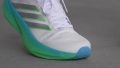
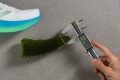
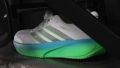
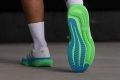

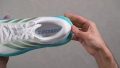
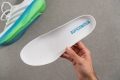
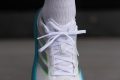
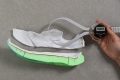
What makes it the best?
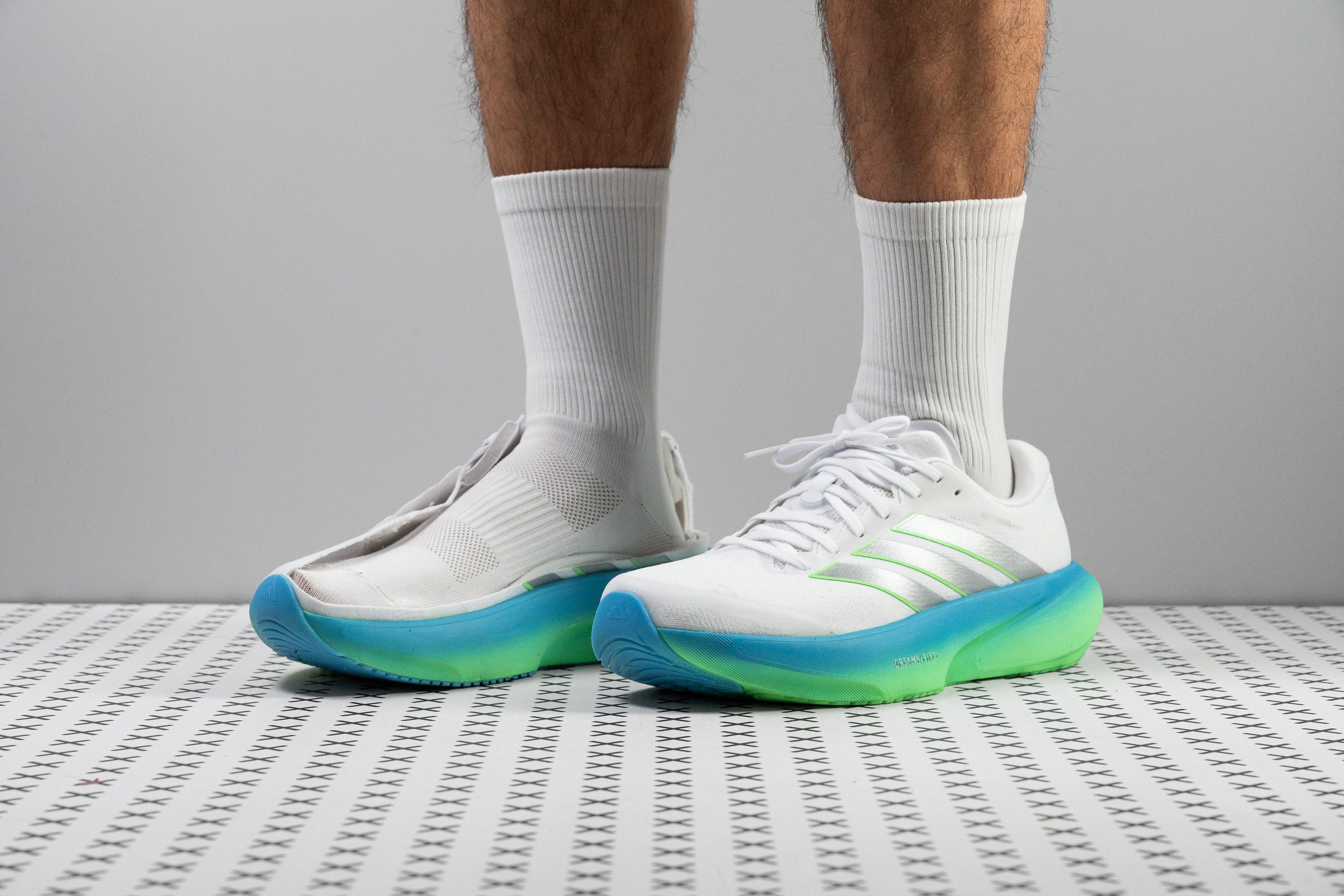
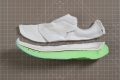
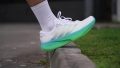
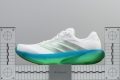
The adidas Supernova Rise 3 is a comfort-focused trainer, driven by its plush and spacious midsole. It’s loaded with supportive features that keep every touchdown stable—especially when its LIGHTTRAXION outsole delivers record-breaking grip in our lab tests. Ultimately, it’s our best high-traction running shoe.
The Supernova Rise 3 inspires confident footing, rain or shine. In our wet-condition test, we recorded an outstanding 0.94 friction score, making the rubber significantly grippier than average! At this rate, slips are out of the picture.
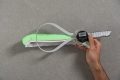
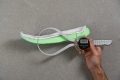
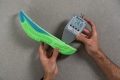
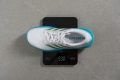
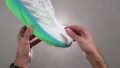
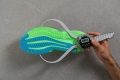
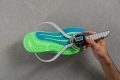
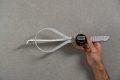
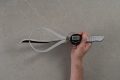
Further enhancing a well-planted sensation are the extra-wide platform and unyielding midsole. Our calliper verifies the landing base is wide at 116.4/93.3 mm. Meanwhile, the shoe is resistant to twisting, backed up by its 4/5 torsional rigidity score in our manual test.
Despite its moderate 35.0/27.2 mm stack height, it takes away the harshness of the ground and reduces landing impact with its high 140 SA rating in the heel and 112 SA score in the forefoot in our shock absorption test. Racking up the miles feels easy in this pair!
However, this shoe is ideal for recovery days. It lacks the spark and versatility for faster paces. Running race pace or tempo effort in this trainer will require more effort from the leg muscles.
Pros
- More cushioning underfoot
- Crazy GOOD grip
- Roomy fit for high-volume feet
- Softer midsole feel
- Modernised design
- Comfort upgrade from Primeweave upper
- Accommodates all footstrikes
- Really solid value
- Improved stability
Cons
- Weak heel padding durability
- Energy return lower than v2
- Not as flexible as before
High traction running shoes with the best stability


What makes it the best?
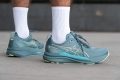
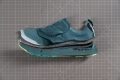
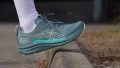
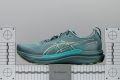
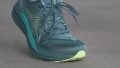
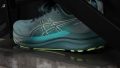
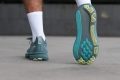
The ASICS Gel Kayano 33 is all about keeping our footing steady. Lab evaluations show that from its dependable grip to the presence of the FluidSupport system, along with other guiding features, it’s impossible to lose our balance in this shoe. GK33 leaves a good impression with its thick outsole that’s hard to wear down.
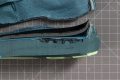
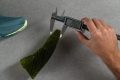
We unpacked the midsole and discovered the FluidSupport System, which includes a firmer foam that serves as a stabiliser. With sturdy sidewalls and a massive platform, our footing remains centred. Our calliper shows it’s broader than average at 120.7/97.1 mm.
Another feature that helps us stay in control is its confidence-inspiring traction. In our wet-condition test, the Hybrid ASICSGRIP rubber generated an unbelievably high 0.93 score, making it a whopping 80% grippier than average. We moved through wet pavements wholeheartedly without losing balance.
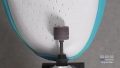
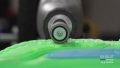
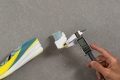
We also had no worries of premature wear, as we measured the rubber to be 4.0 mm thick. It also didn’t melt away easily in our Dremel test.
Unfortunately, what GK33 can’t offer is a dynamic ride. Runners looking for a responsive shoe should go for trainers with higher energy output.
Pros
- Softest-ever Kayano
- More natural support without sacrificing stability
- Dependable durability
- Premium-grade comfort
- Avoids a price hike
- Improved lacing system
- Refined, modern outsole
- Works for all footstrikes
- Finally a foam upgrade
Cons
- But still delivers low energy return
- Less stable for extreme overpronators
- Feels heavy
Best tempo shoes with high traction
What makes it the best?
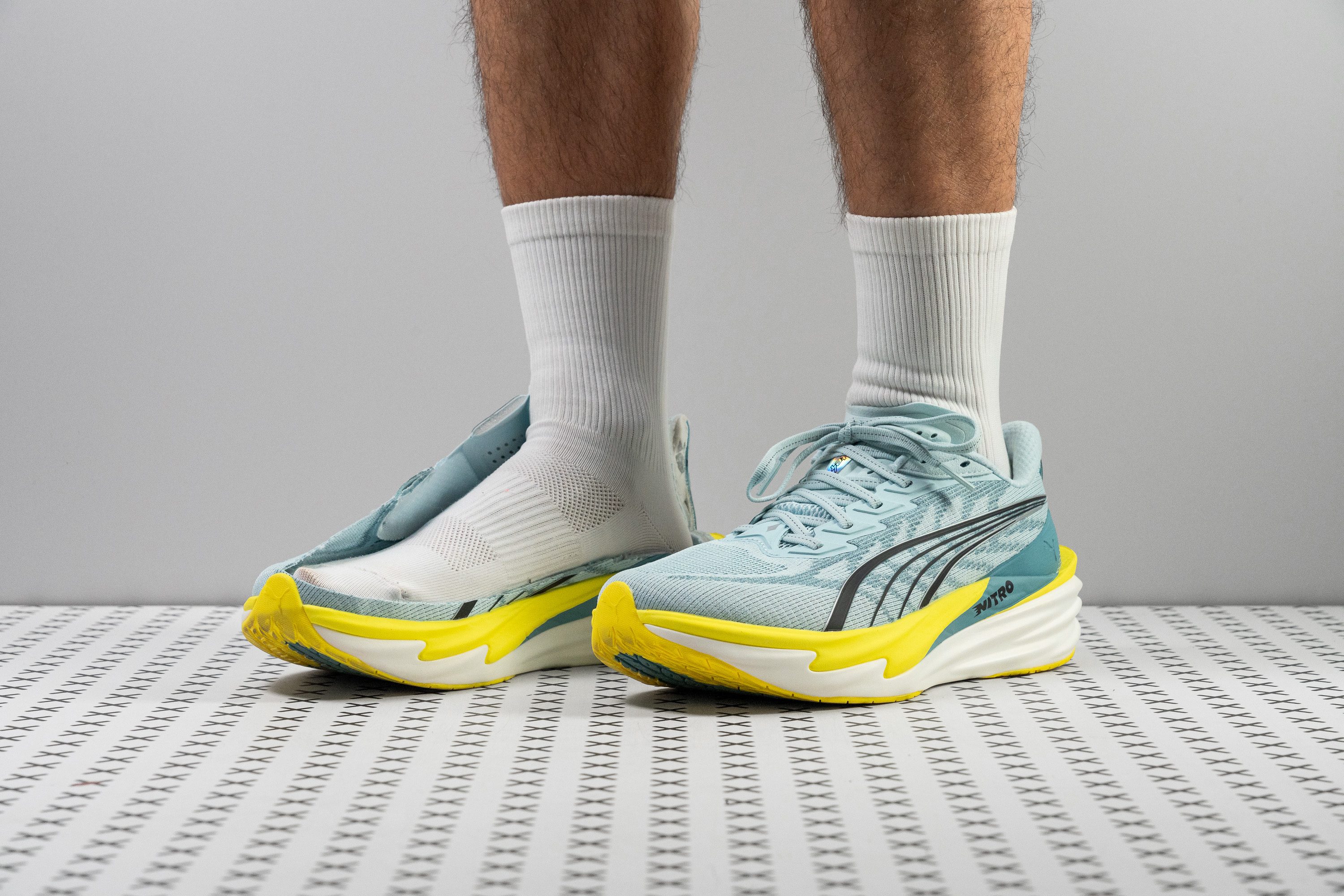
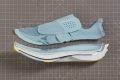
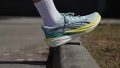
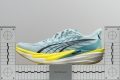
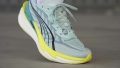
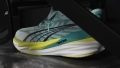
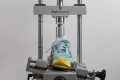
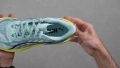
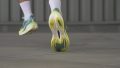
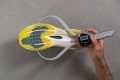
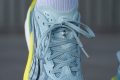
With its powerful grip and mighty speed, the PUMA Deviate Nitro 4 infused our runs with excitement. It ensures controlled footing through its superior PUMAGRIP compound, which performed remarkably in the lab. Meanwhile, its midsole is the perfect blend of comfort and responsiveness, making it our best tempo shoe in the high-traction running category.
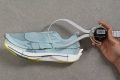
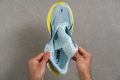
Testing for DN4’s energy return, the forefoot generated an impressive 70%! Moreover, it integrates a carbon plate into the midsole, which gives it an edge compared to other trainers when picking up the pace. It felt snappy underfoot, evidenced by its 45% higher stiffness than average in our bend test.
The dynamic ride is complemented by gentleness when our feet hit the pavement. We measured good shock absorption levels of 130/102 SA despite its moderate 33.6/26.6 mm stack height.
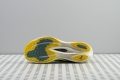
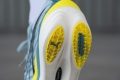
The PUMAGRIP rubber in the outsole is ready for all weather conditions, proving its exceptional traction with a high friction rating of 0.77 in our lab test. Compared to the average, it’s 48% grippier! Plus, it will last multiple training blocks since it’s 45% sturdier than average.
However, the heel only scored 58% in our energy test, so this shoe only feels exciting for midfoot and forefoot strikers.
Pros
- Agile ride
- Excellent outsole grip and durability
- Forefoot feels lively and fun
- Solid breathability
- Carbon plate adds snappy feel
- Reasonable price
- Ride feels connected instead of oversized
- Lighter than v3
Cons
- Stiff plate kills some comfort
- Heel energy return is a letdown
- Upper durability will disappoint many runners
Best race shoes with high traction

What makes it the best?
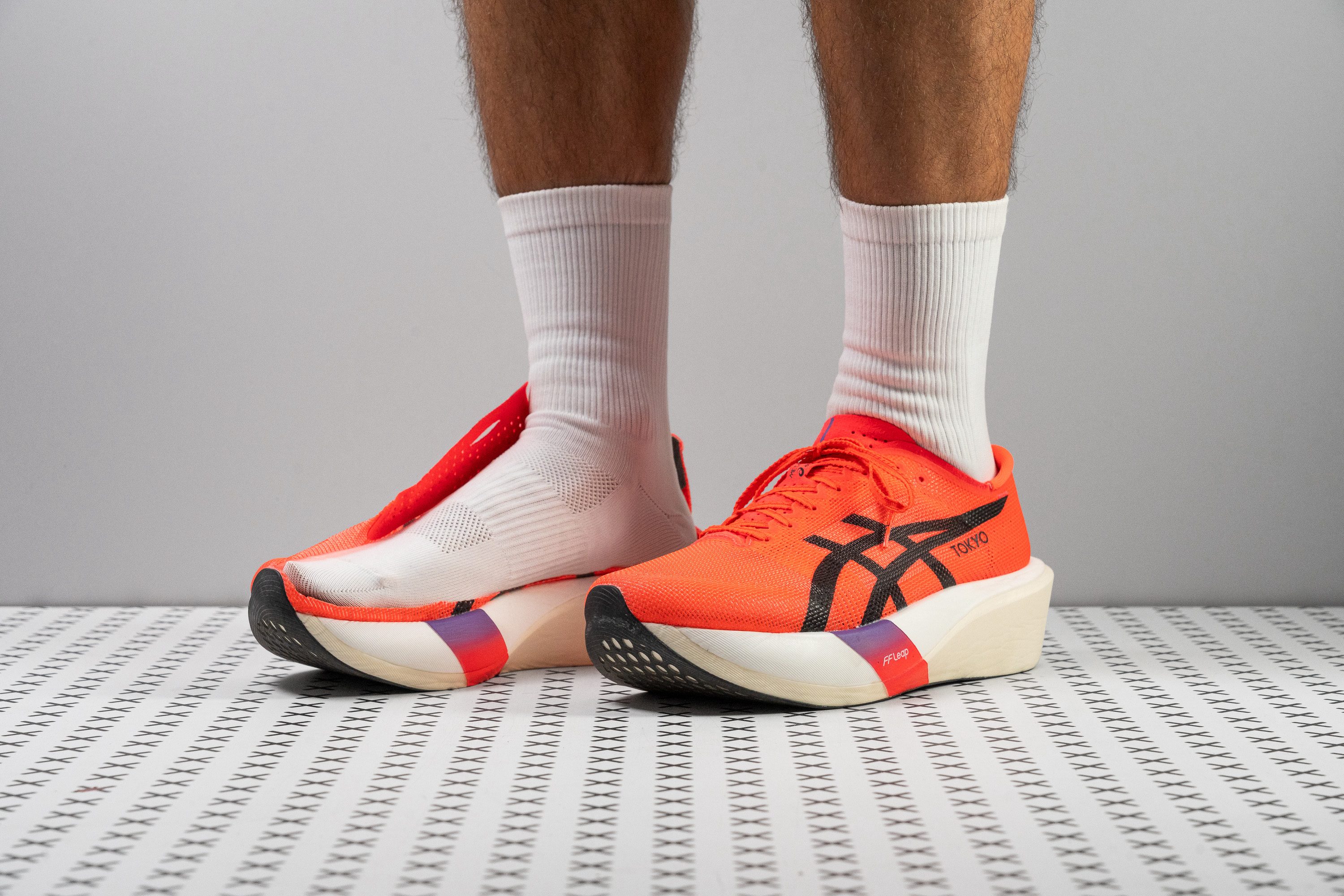
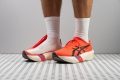
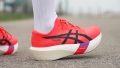
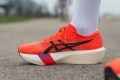
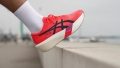
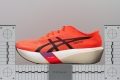
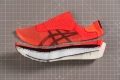
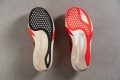
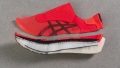
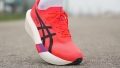
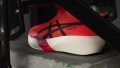
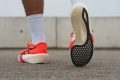
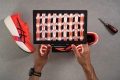
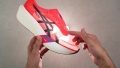
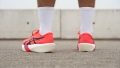
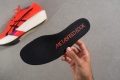
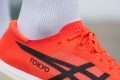
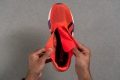
The ASICS Metaspeed Edge Tokyo brought us to the top of our game as it sustains lightning speed and deep cushioning, regardless of weather conditions. We discovered through our lab tests and runs that its midsole oozes comfort and bounce. All these features are wrapped in an unbelievably lightweight package and supported by an unmatched grip below. No doubt, it claims the top spot for racing among high-traction running shoes.
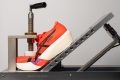
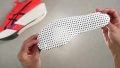
This supershoe can blaze through any distance, fueling us with boundless energy and unmatched speed courtesy of its curved plate and FF Leap foam. The midsole returned massive energy scores of 78.3% in the heel and 76.8% in the forefoot, both exceeding their respective averages by a mile. The power combination of these two features didn’t go unnoticed in our runs.
Its state-of-the-art foam gives a luxurious feel, featuring a stack height of 38.9/32.0 mm. We checked for shock absorption and recorded elite scores of 146/132 SA. It spoils our legs with gentle landings, ensuring we’re protected from the harshness of hard miles.
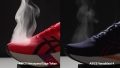
Rain or shine, the ASICSGRIP rubber shines with unwavering traction, allowing us to just focus on the race. Scoring 0.74 in our wet-condition test, it’s 48.0% grippier than average.
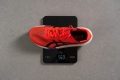
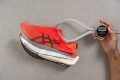
Despite everything it offers, this shoe is only 5.6 oz (159g), 39.8% below average, ranking among the lightest super shoes we’ve encountered!
Unfortunately, the shoe feels best when landing on its sweet spot. It’s highly unstable, so those who need more guidance should find another racer.
Pros
- Light as a feather
- Excels at any distance, from 5K to the marathon
- Elite-level traction
- New FF Leap midsole is super responsive
- More stable than the Metaspeed Sky Tokyo
- Plush forefoot
- Excellent upper
- Classic rolling feel from curved plate
- Better than Metaspeed Edge Paris in every way
Cons
- Price increase
- Narrow fit
- Not stable
Best running shoes with high traction for beginners


What makes it the best?
After conducting runs and lab tests, we conclude that the PUMA Velocity Nitro 5 is the best entry shoe for beginners in the high-traction running category. It feels comfortable whether we go fast or slow, with its ideal mix of lightness, flexibility, shock absorption, and energy return. Moreover, it features the super-grippy PUMAGRIP outsole.
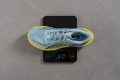
Agility skyrockets with VN5’s minimal figure. Our scales show it’s only 8.4 oz (238g), making it 8% lighter than average. Moreover, our bend test confirms its effortless feel, as it emerged 40% more flexible than average.
When we want to push the pace, the midsole reacts quickly, offering strong energy return of 64.0% in the heel and 69.3% in the forefoot. Meanwhile, each landing is taken care of by the impact-absorbing midsole, proven by good shock absorption scores of 129 SA in the heel and 101 SA in the forefoot.
The PUMAGRIP in the outsole is a highly dependable rubber, and it proves its stellar status with a solid 0.78 friction score in our traction test. For context, that’s 47% grippier than average.
However, the shoe is not the most stable option out there. Runners who need more support should go for a pair with more reinforcement.
Pros
- Responsive and fun
- Improved traction on wet and dry surfaces
- Strong energy return
- Flexible, natural running experience
- Secure lockdown
- Good durability from top to bottom
- Impressive value for the price
- Lightweight
- Can handle tempo work with ease
- Comfort upgrade
Cons
- Slightly lower energy return
- Small weight increase
- Not for wide feet
Best super trainers with high traction


What makes it the best?
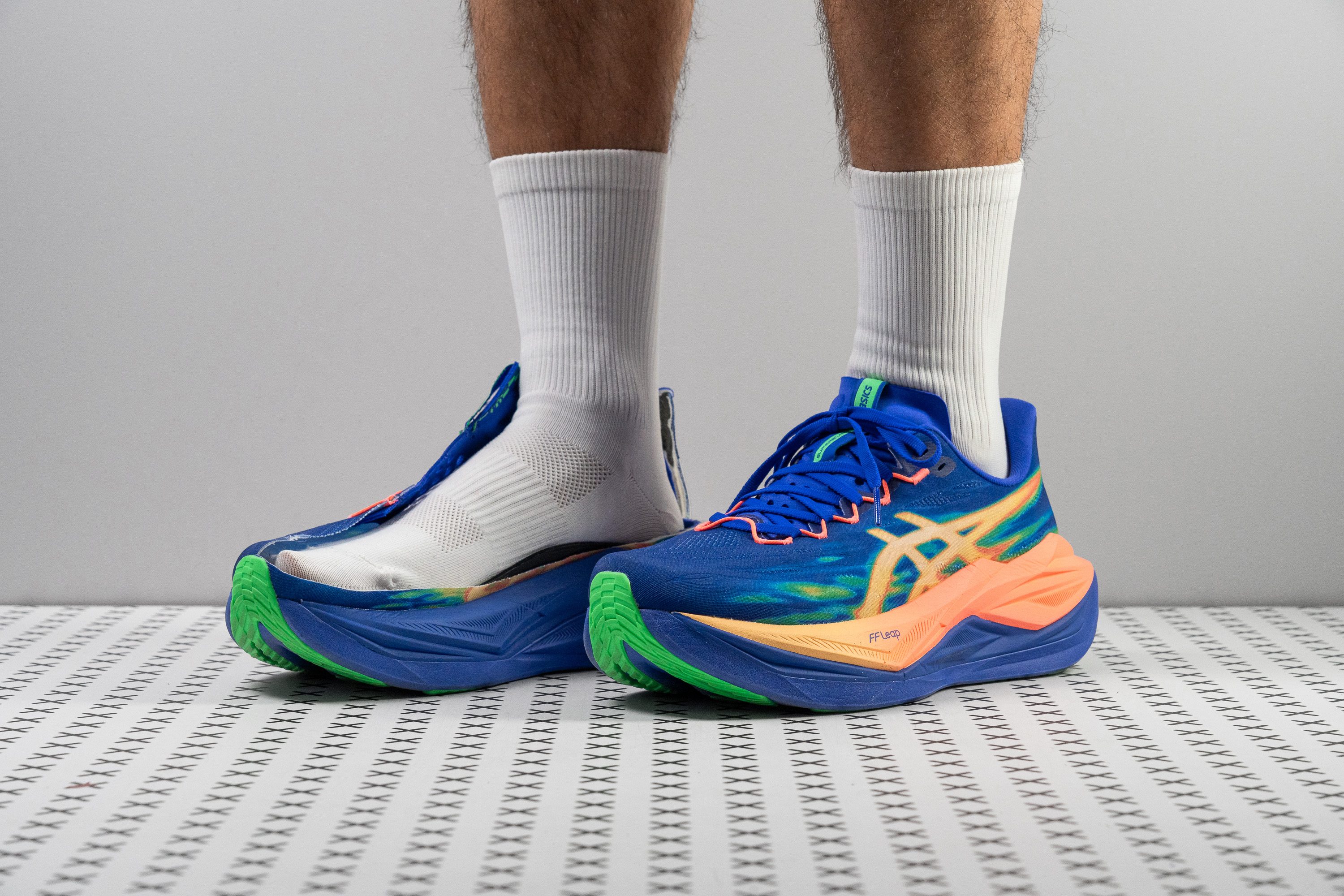
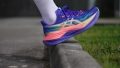
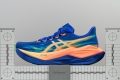
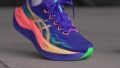
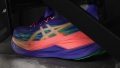
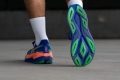
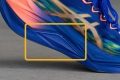
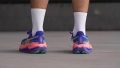
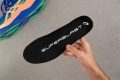
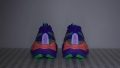
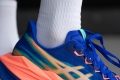
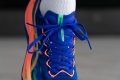
The ASICS Superblast 3 is one of the fastest, comfiest, and grippiest shoes out there! It’s hard to run out of superlatives for this high-performance shoe. Its elite lab scores prove it deserves its super trainer status among high-traction running shoes.
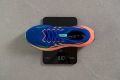
Superblast 3 is a powerhouse shoe that just keeps on giving. It offers boundless energy return from mile 1 to the last, assisting us in smooth forward transitions. We recorded massive responsiveness scores of 67.8% in the heel and 67.5% in the forefoot, proving its dynamic ride. Moreover, its 8.3 oz (235g) build is exceptionally light for its size, boosting both agility and comfort.
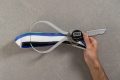
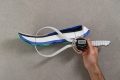
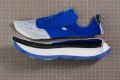
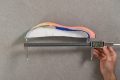
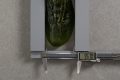
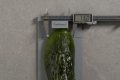
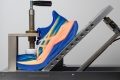
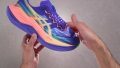
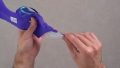
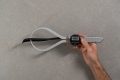
Superblast 3 has a mega-stacked midsole, with calliper measurements reaching 45.8/37.7 mm! To further cushion our landings, the foam offers heavenly impact protection, validated by its 154/153 SA shock absorption scores in the heel and forefoot, respectively.
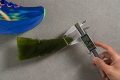
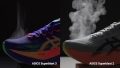
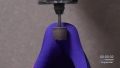
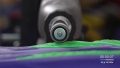
In the outsole, the ASICSGRIP rubber shows strong slip and wear resistance. In our traction test, we measured one of the highest we’ve ever seen at 1.05, making it 100% grippier than average! It also exceeded expectations for durability, with its minimal 0.5 mm damage in our Dremel test. The Superblast 3 assures us it can last many training blocks.
However, it comes with a high price tag of £180. Runners seeking more accessible trainers can check other high-performance shoes.
Pros
- Exceptional shock absorption
- Improved energy return
- Softer FF Leap foam
- Lightweight despite maximal stack height
- Best traction we've seen to date
- Solid durability from top to bottom
- Keeps a very stable underfoot feel
- Versatile for multiple paces
Cons
- FF Blast+ limits energy return
- Unexpected price bump
- Limited toebox breathability
High traction running shoes with the best breathability

What makes it the best?
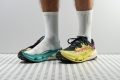
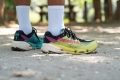
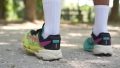
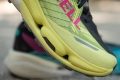
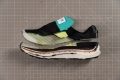
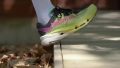
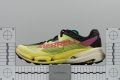
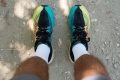
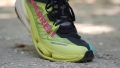
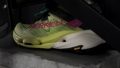
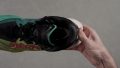
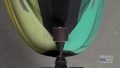
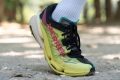
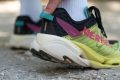
The Merrell MTL SpeedArc Peak is a work of art, offering lasting comfort and speed without compromising underfoot control. Its Vibram rubber stood out in lab tests with its tenacious grip, while its MATRYX upper impressed us with its ability to keep our feet dry, making it our best breathable high-traction running shoe.
The MATRYX upper posted a strong breathability score of 79 BR in our 3-hour climate-controlled test, meaning it’s able to pull sweat away from our feet 11% better than average. This result tells us it can take long runs since it reduces the risk of blisters and discomfort.
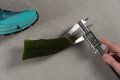
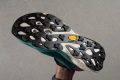
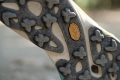
Rain or shine, the MTL SpeedArc Peak delivers impressive underfoot control. Its Vibram Megagrip Elite rubber proved to be one of the best in the industry, with a superb 1.02 rating in our traction test. At this level, it’s 52% superior to the average trail shoe. It also has 3.7 mm lugs that grip the ground firmly. It features butterfly and chevron shapes to serve their respective purposes: multi-directional control and braking on descents and ascents.
The heel cushion offers both impact protection and bounce that keeps the miles rolling by. Comfort is truly felt in this area, proven by its high 135 SA score in our shock absorption test. Meanwhile, it offers a nice spring, evidenced by its 61.9% energy return score.
However, gaining access to this premium shoe requires deep pockets. If £260 is too much, we advise checking out more affordable pairs.
Pros
- Exceptional traction across varied terrain
- Breathable, quick-drying upper
- Most responsive Merrell to date
- Secure fit
- Nimble design excels during fast trail runs
- Premium materials from heel to toe
- Balanced carbon plate design
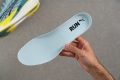
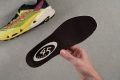
- Premium TPEE insole
- Moderate rocker is suitable even for beginners
- Bold two-colour design
- Bold two-colour design
Cons
- High price hurts value
- Heavy build compared to most rivals
- Low forefoot cushioning
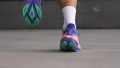
High traction is of great importance to runners who live in a wet climate or often run in rainy and snowy conditions. Rain, slush, snow, whatever makes the roads wet and slippery. Add occasional slick areas to that equation (e.g., mall stairs, tiles around fountains), and you really need a superb grip.
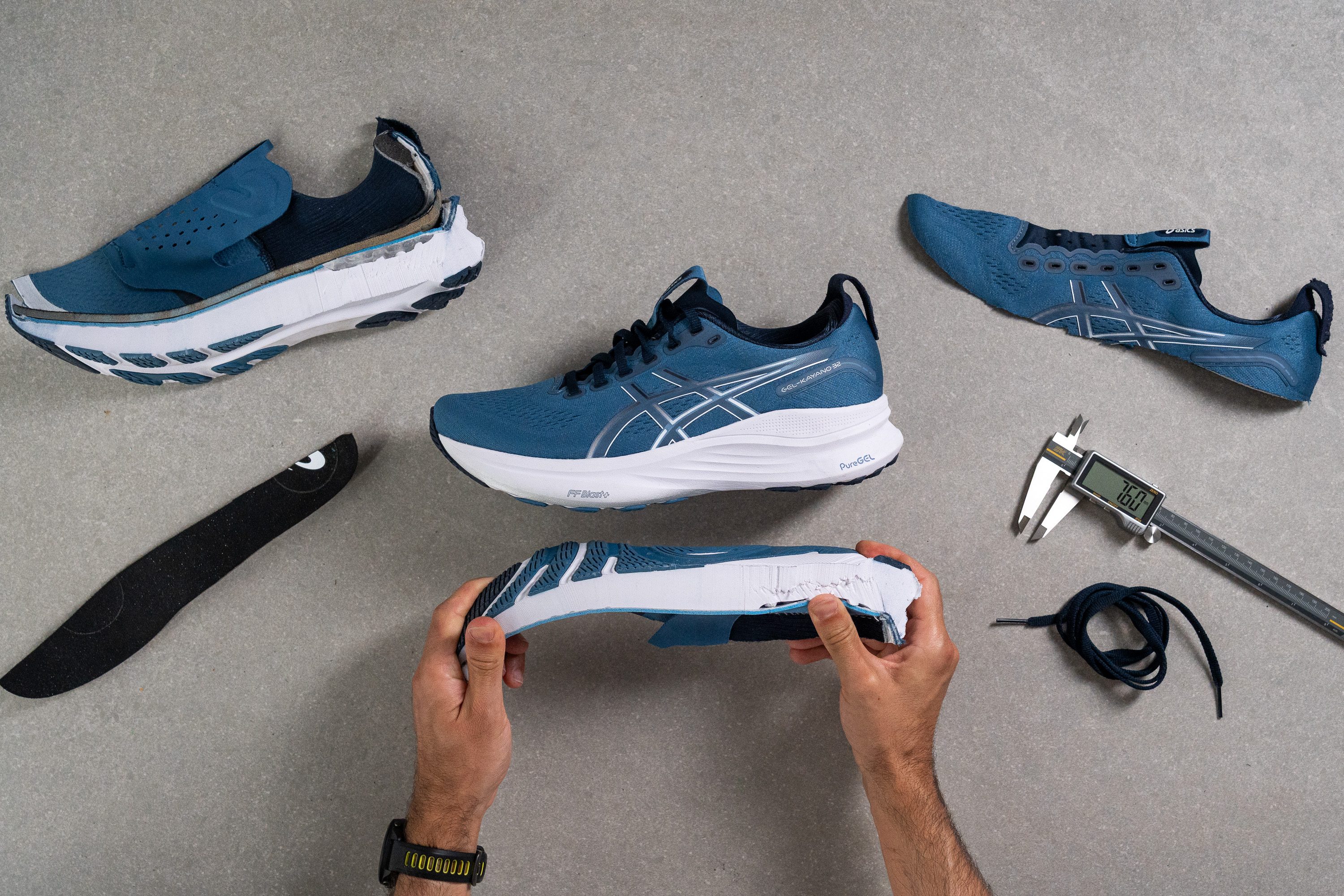
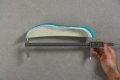
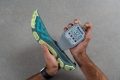
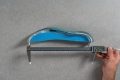
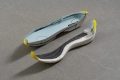
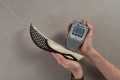
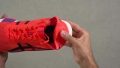
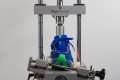
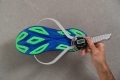
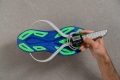
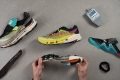
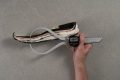
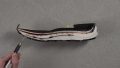
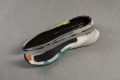
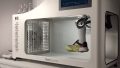
As seen in the image above, we have to tear the shoes into pieces to test everything. This allows us to get a complete picture of traction and shoes overall.
4 things to know about running shoes with high traction
We back everything with our lab data. But, as a starting point, we recommend getting familiar with these features of running shoes with high traction:
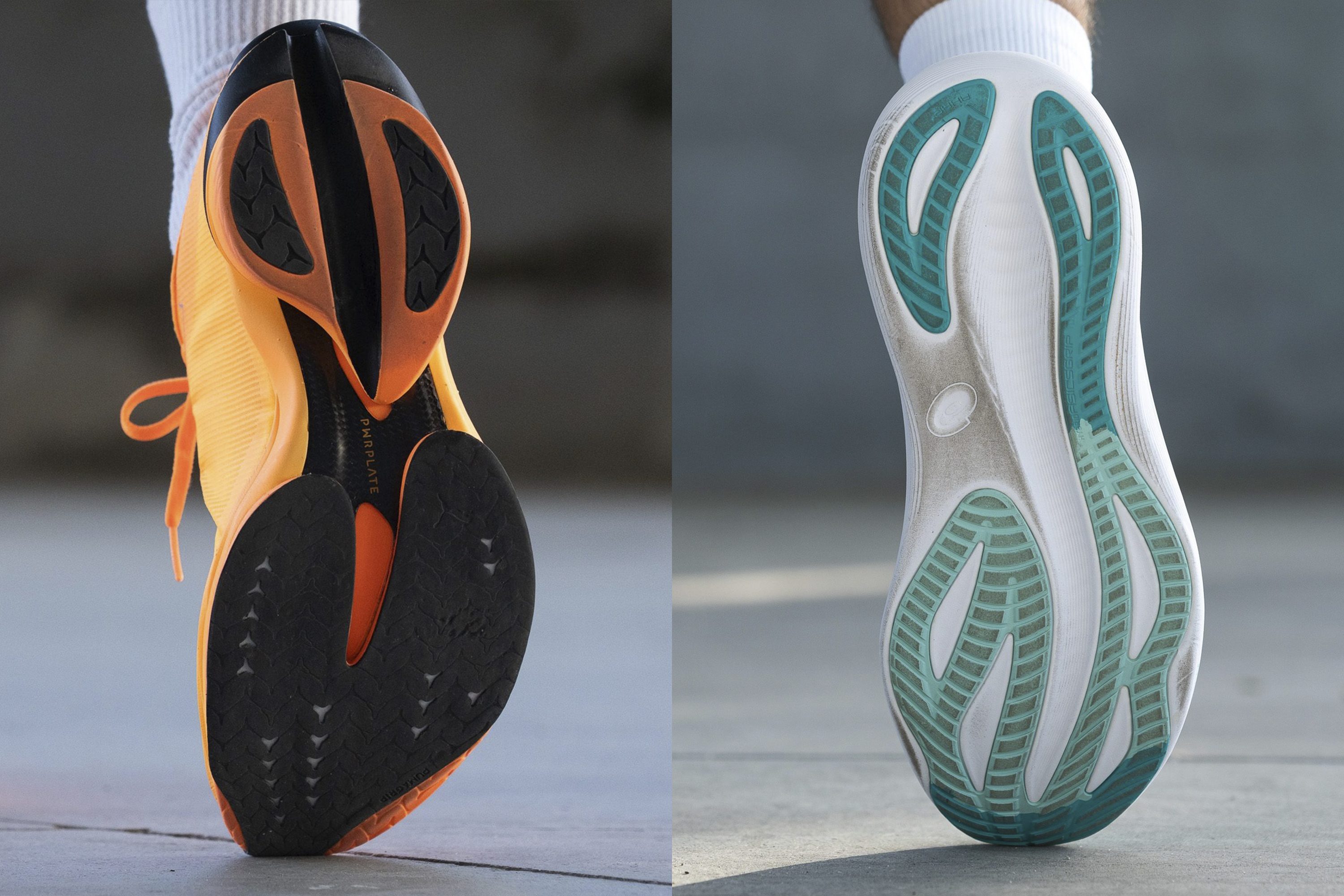
- You can recognise them in the shop only if you memorised the rubber compounds that perform highly on the traction test. It is, however, recommended to look for rubber outsoles, which means no exposed midsole or as little as possible. Also, new premium rubber is grippier than rubberized EVA outsoles.
- Thicker (and more durable) outsoles will last longer, which means they will be able to provide traction for longer. A thin outsole that quickly reveals foam beneath the rubber is a bad choice.
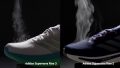
- Some running shoes are so grippy you may hear them while running or they may even feel like they are working against you, as if they were kind of stopping you in place. This is a great sign.
- On average, running shoes with high traction are more expensive than the rest of the running shoes. This is related to many other features that are present in such shoes, but still, it’s good to be prepared.
Getting the lab data for traction of running shoes
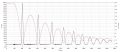
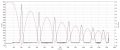
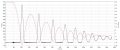
When testing the traction in our lab, we are actually measuring the dynamic coefficient of friction (CoF). This number tells us how good the running shoe is when it comes to traction. Lower than 0.25, and we consider it unsafe even for dry surfaces, between 0.25 and 0.45, it has a good grip on dry terrain, and shoes with CoF higher than 0.45 are considered to excel on dry, slick and wet surfaces.
When doing this test, we follow the SATRA TM144 methodology. Here’s what that means:
- We press the shoe with a force of 500N against the sliding surface at a 7-degree angle. This mimics the real-life contact with the ground that happens during the gait
- We test the traction at the forefoot. In other categories, where the main movement and activity happen at the heel, we test it at the heel.
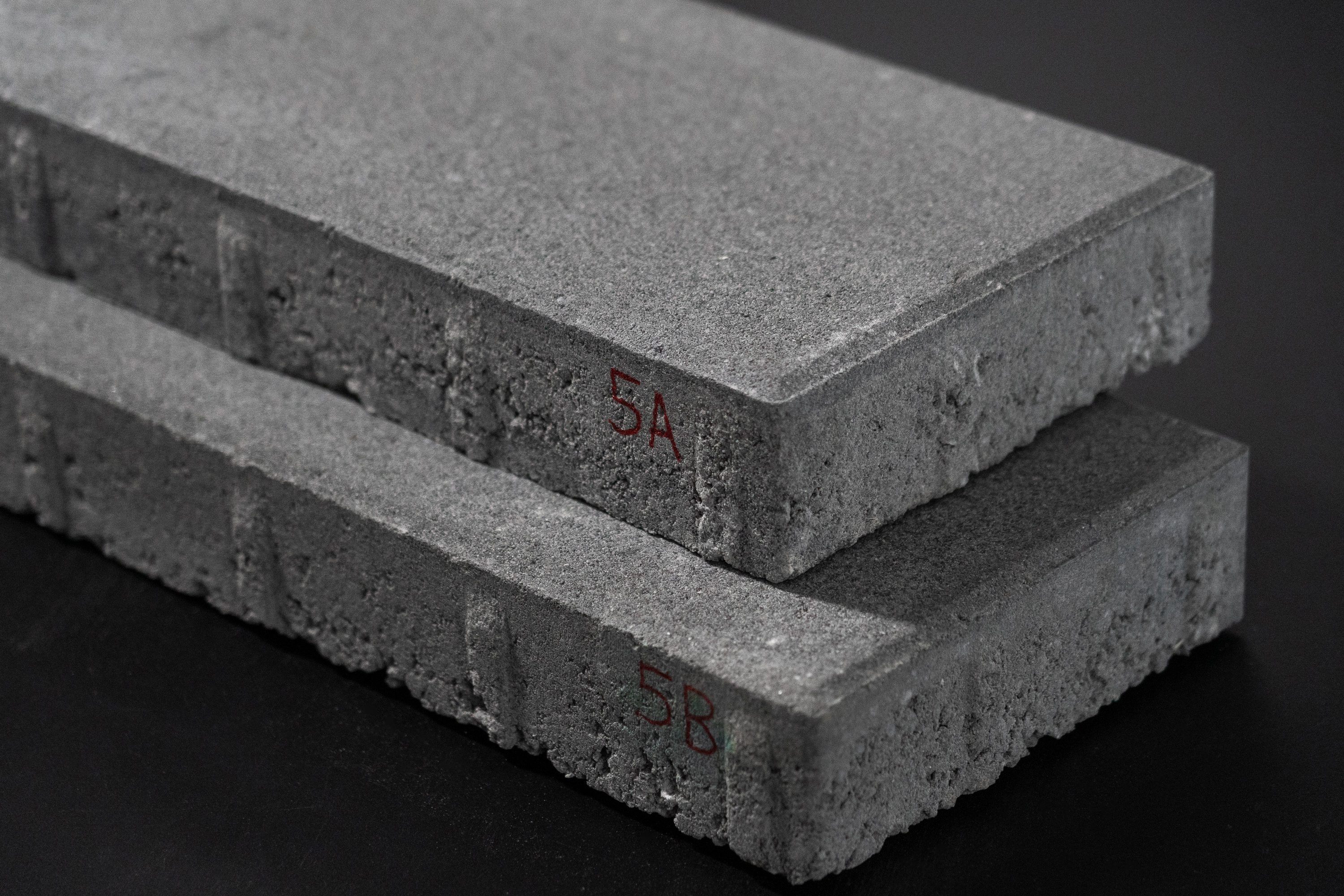
- The surface we perform this test on is a concrete slab. We regularly replace old slabs with new ones to avoid inconsistent results due to their wear and tear.
The role of outsole durability, outsole thickness, and rubber coverage
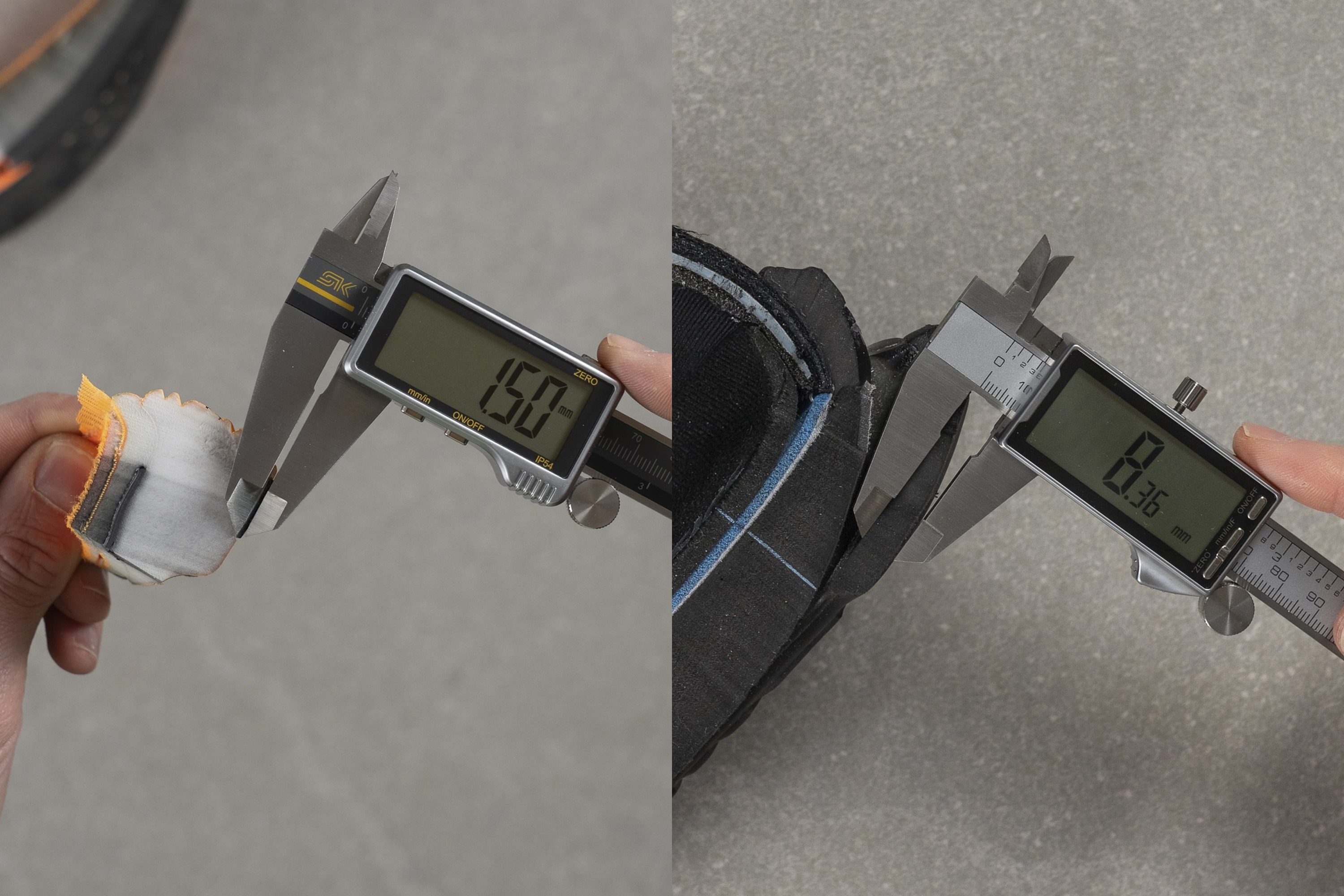
Previously, we thought that softer rubber is stickier and less durable, while harder rubber is more durable and less grippy. Things have changed. Today, we have premium compounds that deliver superb grip while remaining highly durable. What makes this relation so weak? Well, we have to take into account the outsole material (compound type), the thickness of the outsole, and its coverage.
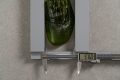
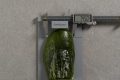
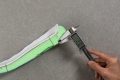
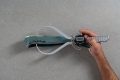
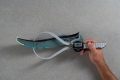
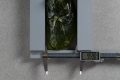
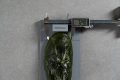
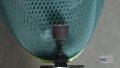
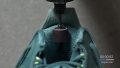
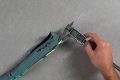
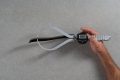
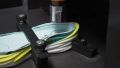
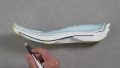
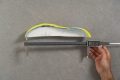
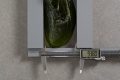
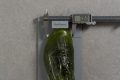
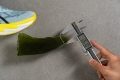
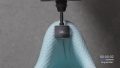
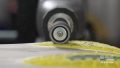
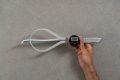
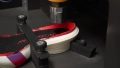
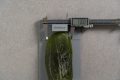
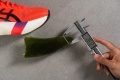
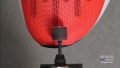
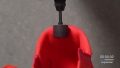
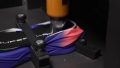
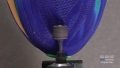
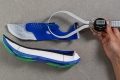
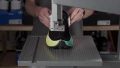
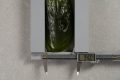
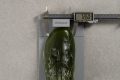
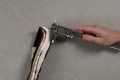
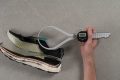
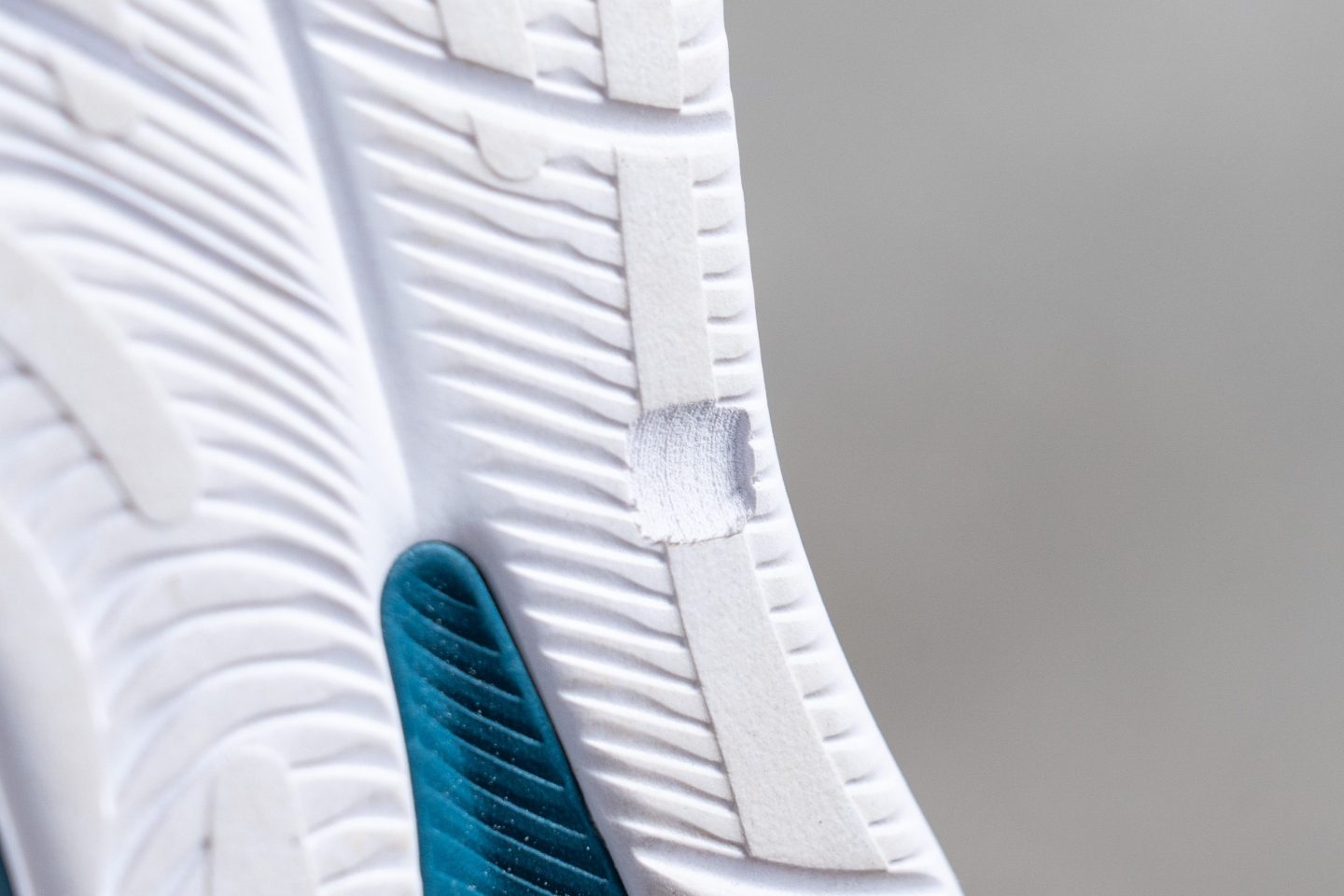
Once our dremel is done, we use a tyre tread gauge to measure the depth of the hole.
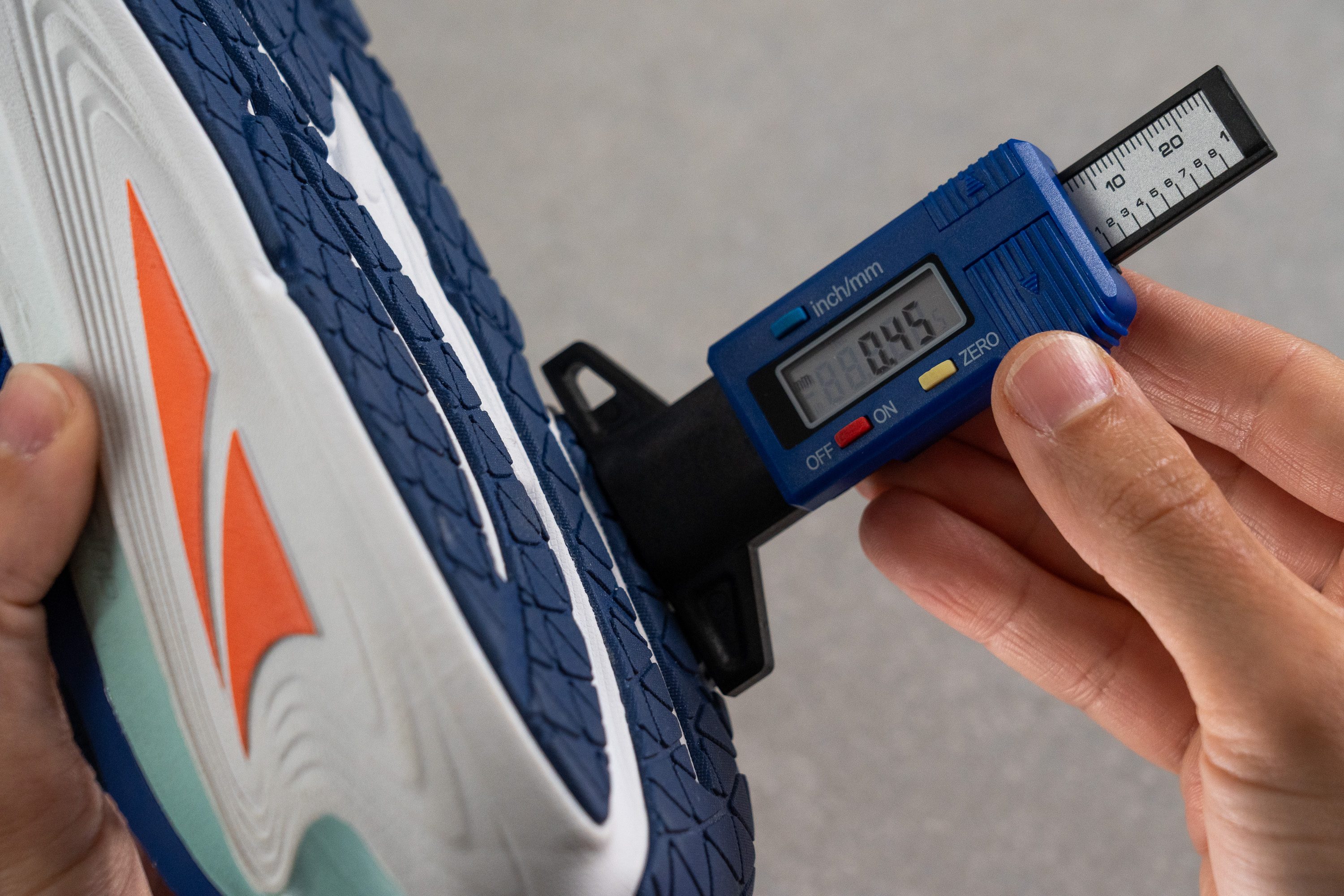
Deeper hole = less durable outsole. Here, it’s obvious that the outsole will last longer if there’s more of it. But not many shoes can afford that, especially race ones, where light weight is the goal.
And finally, we get to the outsole coverage. Looking at the outsole design, it’s easy to notice that some outsoles are almost fully covered with rubber, some have it only at the forefoot, and some are in-between. Obviously, the greater the coverage (where you land), the better the grip! More ground contact is what we’re looking for.
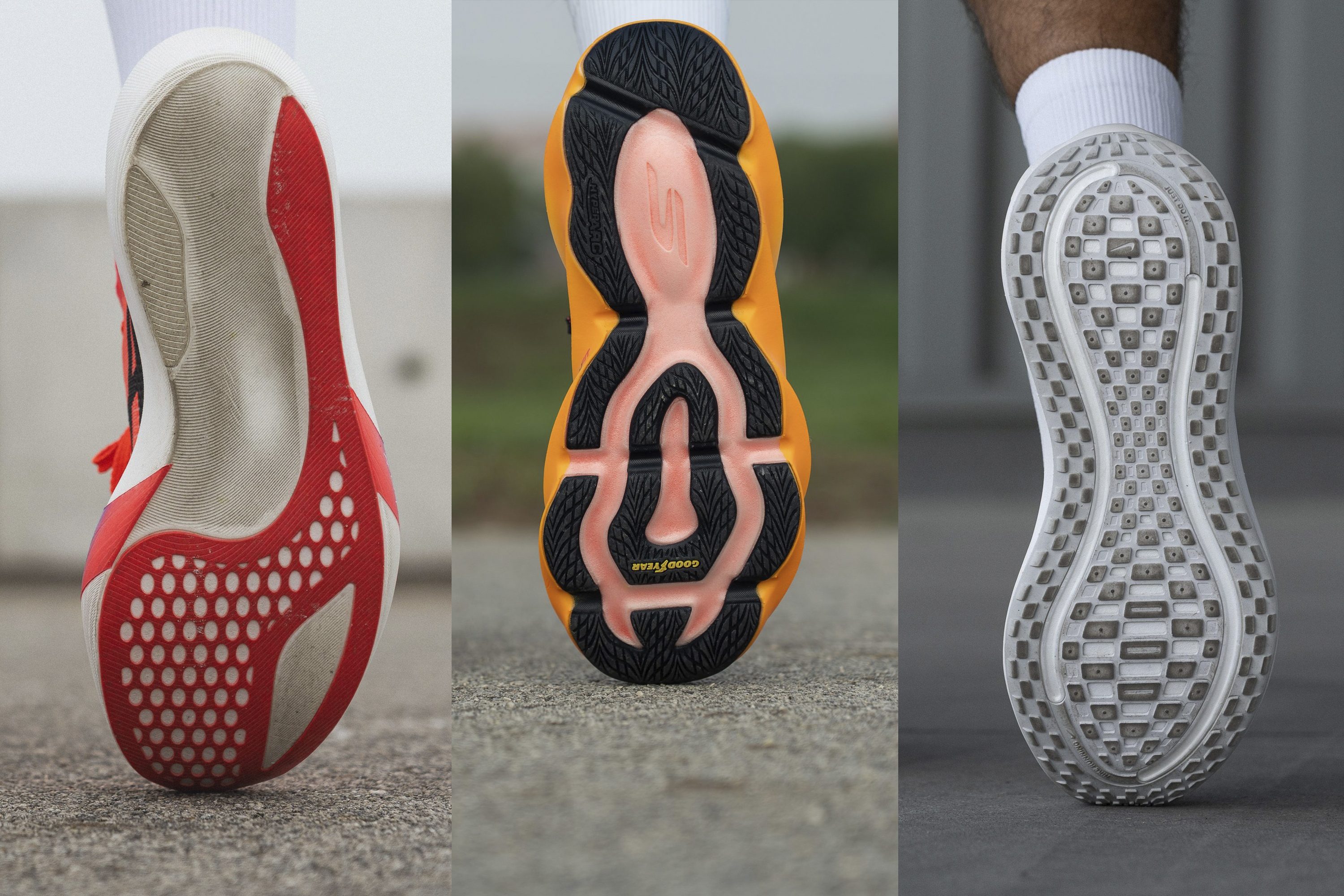
The sooner you destroy the outsole, the sooner you’ll experience slipping (traction will worsen).
Rubber or rubberized outsole: what to expect
Given that the traction depends on what’s at the bottom of the running shoe, we have to focus on 2 main options. Running shoes can have a rubber outsole, which means they have a proper rubber layer at the bottom. They can also have a rubberized EVA outsole, which is a blend of EVA foam and rubber.
To compensate for this low durability, brands have to make rubberized outsoles thicker.
Based on our lab data, running shoes with rubber outsoles score higher on the traction test. Rubberized outsoles offer more flexibility and a quieter ride, but they fall short in durability. In order to cut weight and increase shoe flexibility, you may also find exposed midsole on some outsoles.
While the rubberized outsole and exposed midsole may look similar, the rubberized outsole performs better in terms of traction and durability.
Outsole design for wet weather
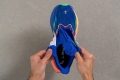
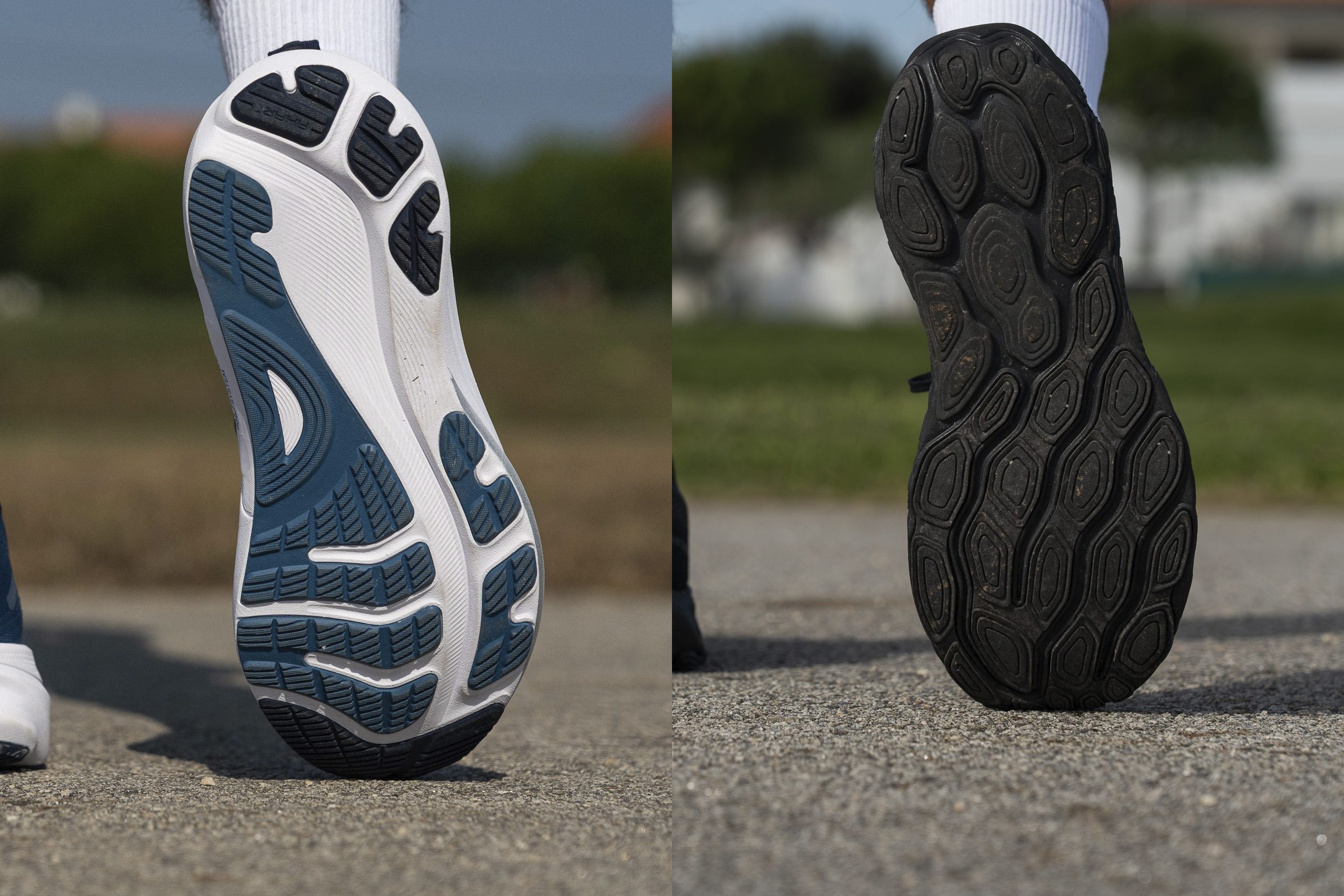
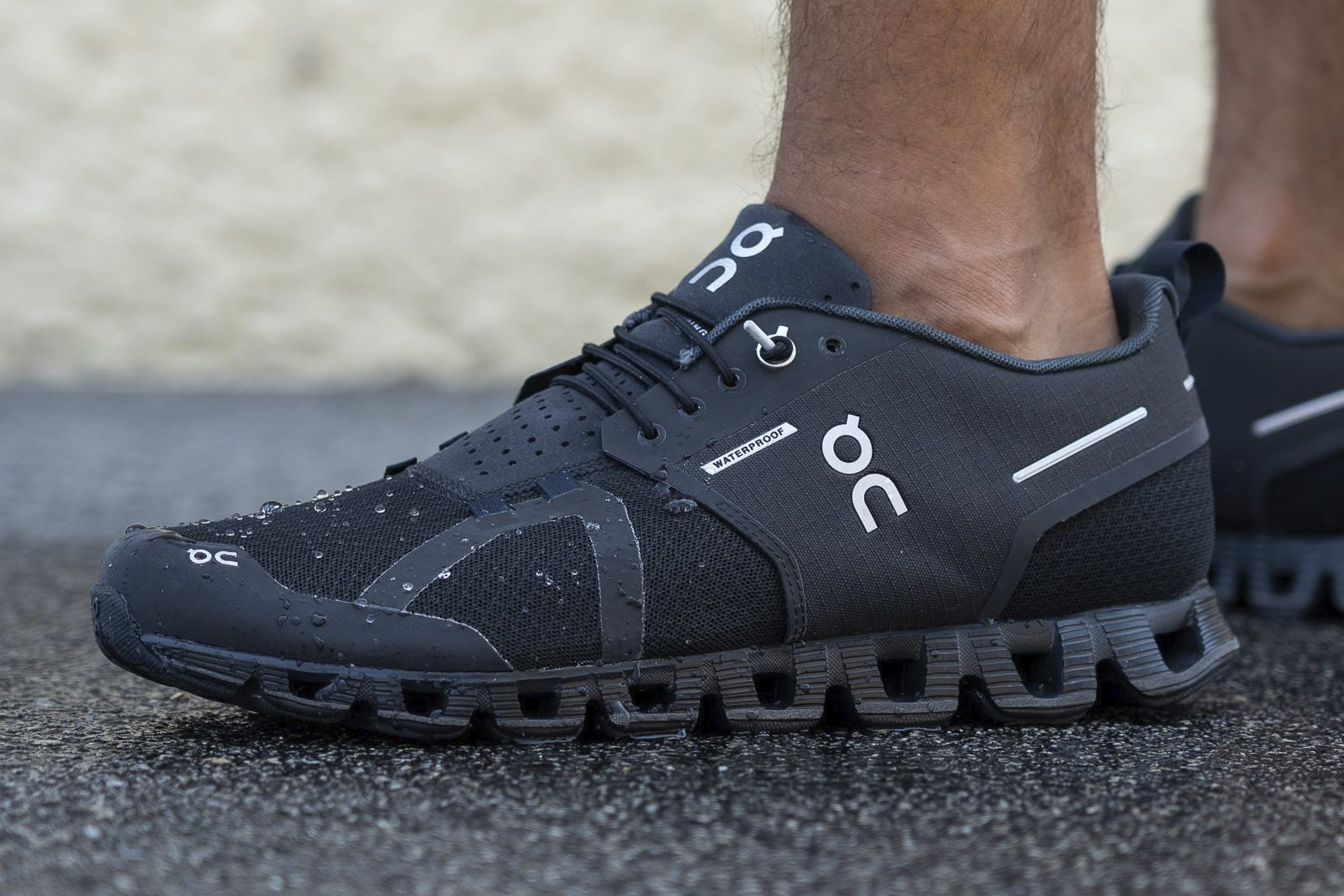
Dealing with a lot of rain on the roads means your outsoles actually have to channel water and keep you safe. Outsoles made for such weather should have grooves and channels, just like car tyres do when they are made for wet terrain. And they should score high on the traction test!
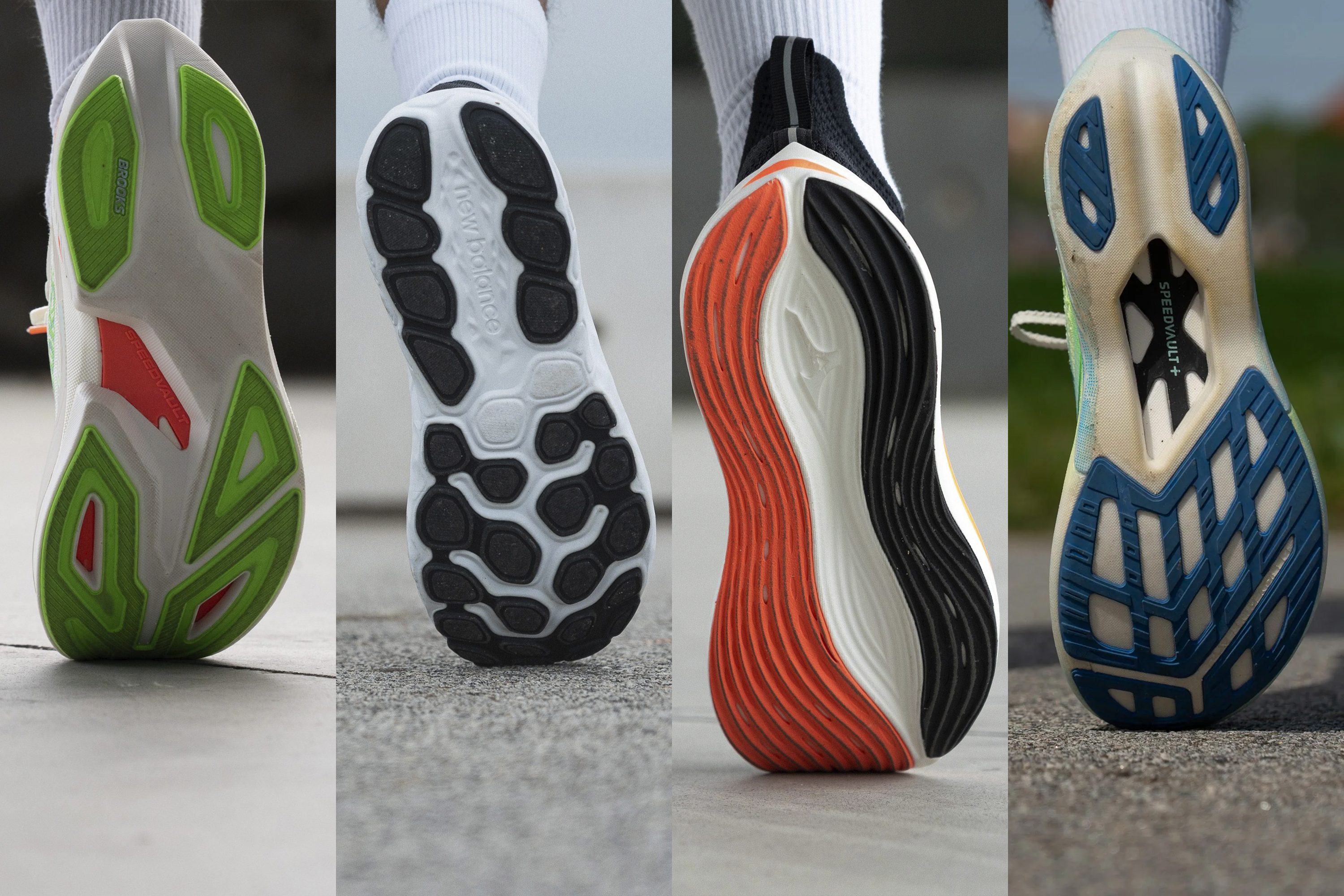
Still, it’s not easy to eyeball the traction of the outsole. Given that it depends heavily on the material (the rubber compound used), we urge runners to always check the lab data.
If you plan to run in wet weather, there are other things to take into consideration, like breathability, water resistance levels, and price. We covered this in great detail in our guide about the best waterproof shoes.
Running shoe brands with the best traction
It’s always tricky to present data in averages, because there will be running shoes that perform excellently and poorly; however, the averages still tell a story. In the case of running shoes and their traction, analysing our lab data, we’ve discovered that PUMA, ASICS, and Altra make the shoes with the highest traction. On the other hand, Nike, for example, took the last spot.
|
If you want to learn more about our analysis, read about it in our guide on outsoles. |
While brands can have their own rubber compounds and technologies, they can also collaborate with Vibram. Having a Vibram outsole is like having a Gore-Tex membrane, it’s the most known name in the world. Vibram is significantly more present in the trail world (trail running and hiking), though.
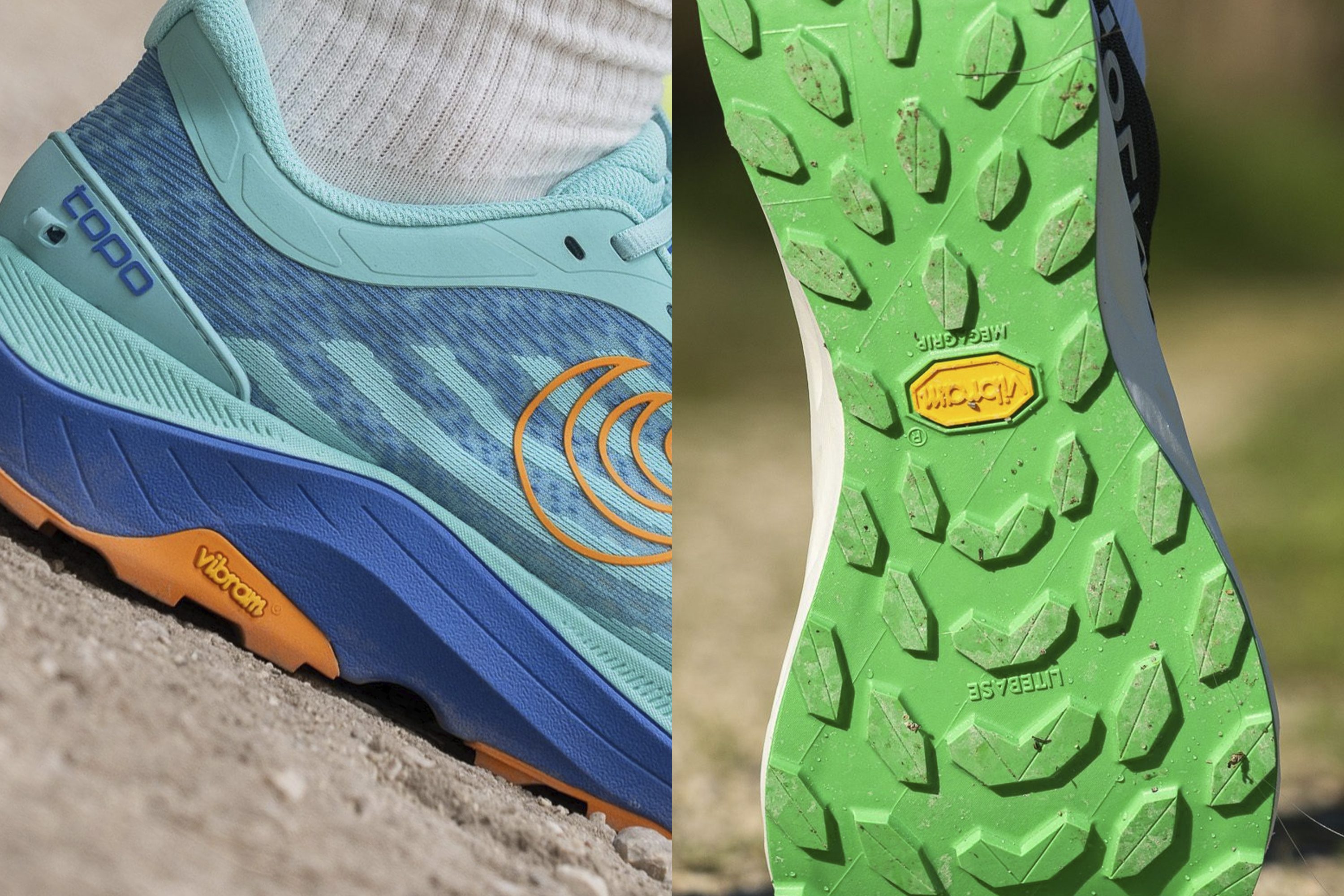
Brands like La Sportiva, NNormal, Merrell, HOKA, Topo, etc. offer shoes with Vibram outsoles. The good thing is, if you decide to find shoes with a Vibram outsole, you won’t be able to miss it. The logo is always present, just like already-mentioned Gore-Tex.
Price of running shoes with the best traction
We already saw that traction is not a standalone feature that is correlated with 1 shoe feature only. So, looking at the average prices is tricky, because what also comes into play are: type of foams which includes shock absorption and energy return, outsole thickness and weight of the shoe,… this all plays a role in the overall price.
However, if we wanted to have a look at the shoes with high traction as a group, we’d find out that their price averages at £160. The average price of running shoes with moderate traction sits at £130 and with low traction at £70.
The good thing is, these prices are manufacturer’s suggested retail prices, which means it’s how much they retail for, once released. If you want to find a good discount, head over to our dedicated Deals page.
Similar buying guides