7 Trail Running Shoes With The Best Traction in 2026

We buy shoes ourselves. We earn commissions when you buy through us, at no extra cost. Why trust us
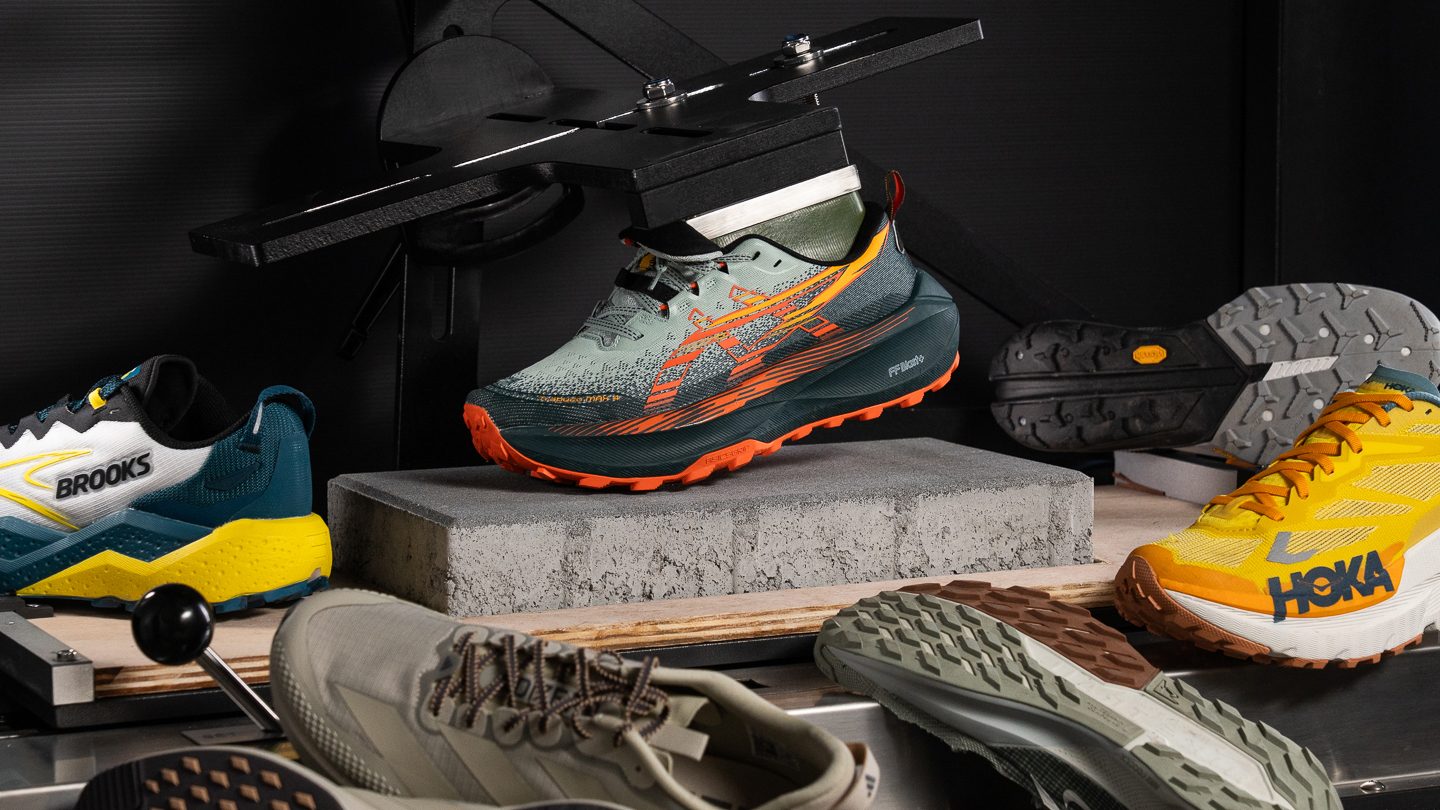
Which outsoles are the grippiest of them all? How to figure out which shoes are OK for dry surfaces and which ones will not let you down in mud or on wet flat boulders? We answer all of these by looking at the results of the traction test. Welcome to our nerd place, where we examine traction in the proper way: objectively and transparently.

How we test trail running shoes with the best traction
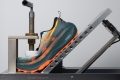
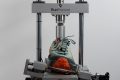
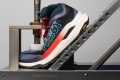
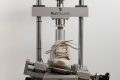
Testing running shoes has to be standardised, and that’s where our lab enters the scene. This standardisation means that each trail shoe is given the same treatment: when testing the traction, we always use the same force (500N), the same shoe angle (7 degrees), the same number of repetitions, and the same surface. The result is a dynamic coefficient of friction and the higher it is, the better. Especially if you plan to run on wet surfaces.
We also test trail shoes outside the lab to understand their comfort, fit, and performance, from a perspective that the lab can not offer.
All of that would make no sense if we were biased and allowing brands to influence our shoe choices or what we publish. That’s why we don’t do it. We also buy all the trail running shoes from our own pocket. And we don’t allow brand ambassadors to join the team.
Best trail running shoes with high traction overall



What makes it the best?
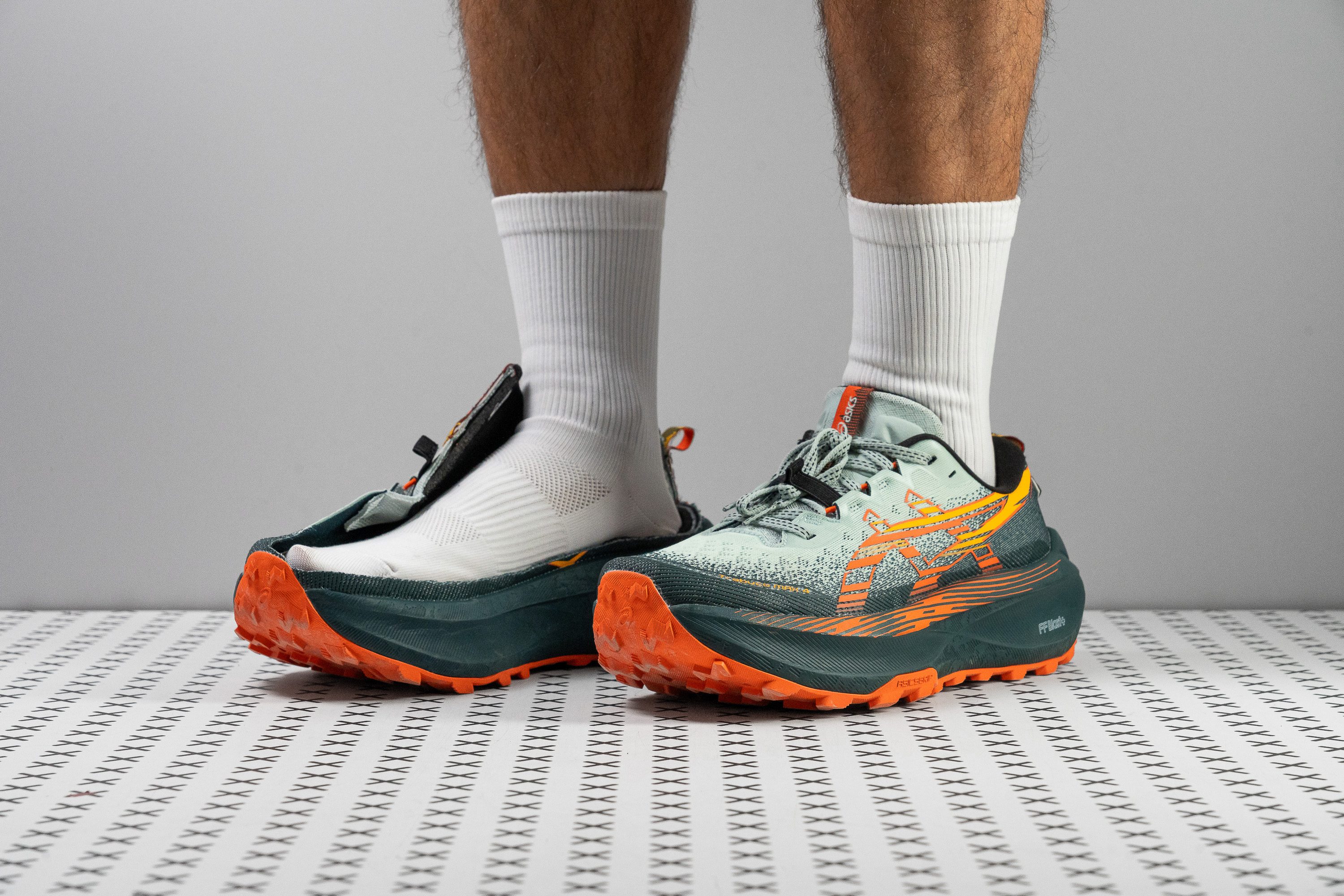
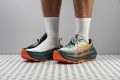
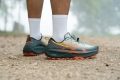
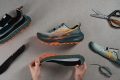
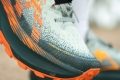
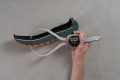
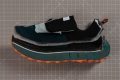
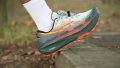
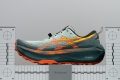
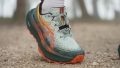
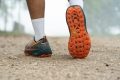
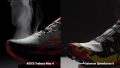
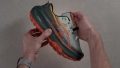
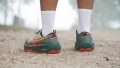
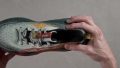
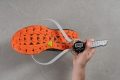
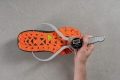
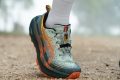
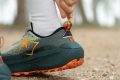
Seeing that the ASICS Trabuco Max 4 features ASICSGRIP rubber, we already had high expectations. A combination of outdoor runs and lab tests further solidified its status as the best high-traction trail running shoe. Besides its unmatched grip, it offers solid stability in its comfortably cushioned midsole.
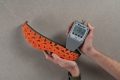
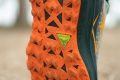
We evaluated the ASICSGRIP rubber in our wet-condition test and recorded a massive friction score of 0.81, making it 35.0% grippier than average! Moreover, its 3.1 mm lugs enhanced our control across a wide range of surfaces.
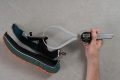
The midsole is long-distance ready, reaching a sky-high 39.2/33.2 mm stack height. Very few trail shoes come close to these figures. Moreover, it performed well in our shock absorption test with high ratings, particularly its forefoot with a 127 SA score.
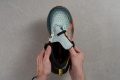
The shoe features tall sidewalls that stabilise our ankles and feet. It strongly resists twisting, which we proved in its 5/5 torsional rigidity score during our manual assessment.
However, the shoe is also stiff longitudinally, which loses the natural feel some runners prefer. Those who associate comfort with flexibility should look elsewhere because this shoe has very little give in all directions.
Pros
- Huge forefoot cushioning
- Full-length ASICSGRIP rubber
- Extremely stable despite its height
- Can handle any distance
- Handy tongue loop keeps laces quiet
- Well-padded, comfortable tongue
- Rockered shape for easy transitions
- Ideal for flat, easy trails
Cons
- Not ideal for heel strikers
- Questionable outsole durability
- Heavy build
- Tapered toebox
High-traction trail running shoes with the best energy return
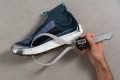
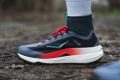
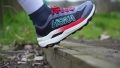
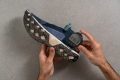

What makes it the best?
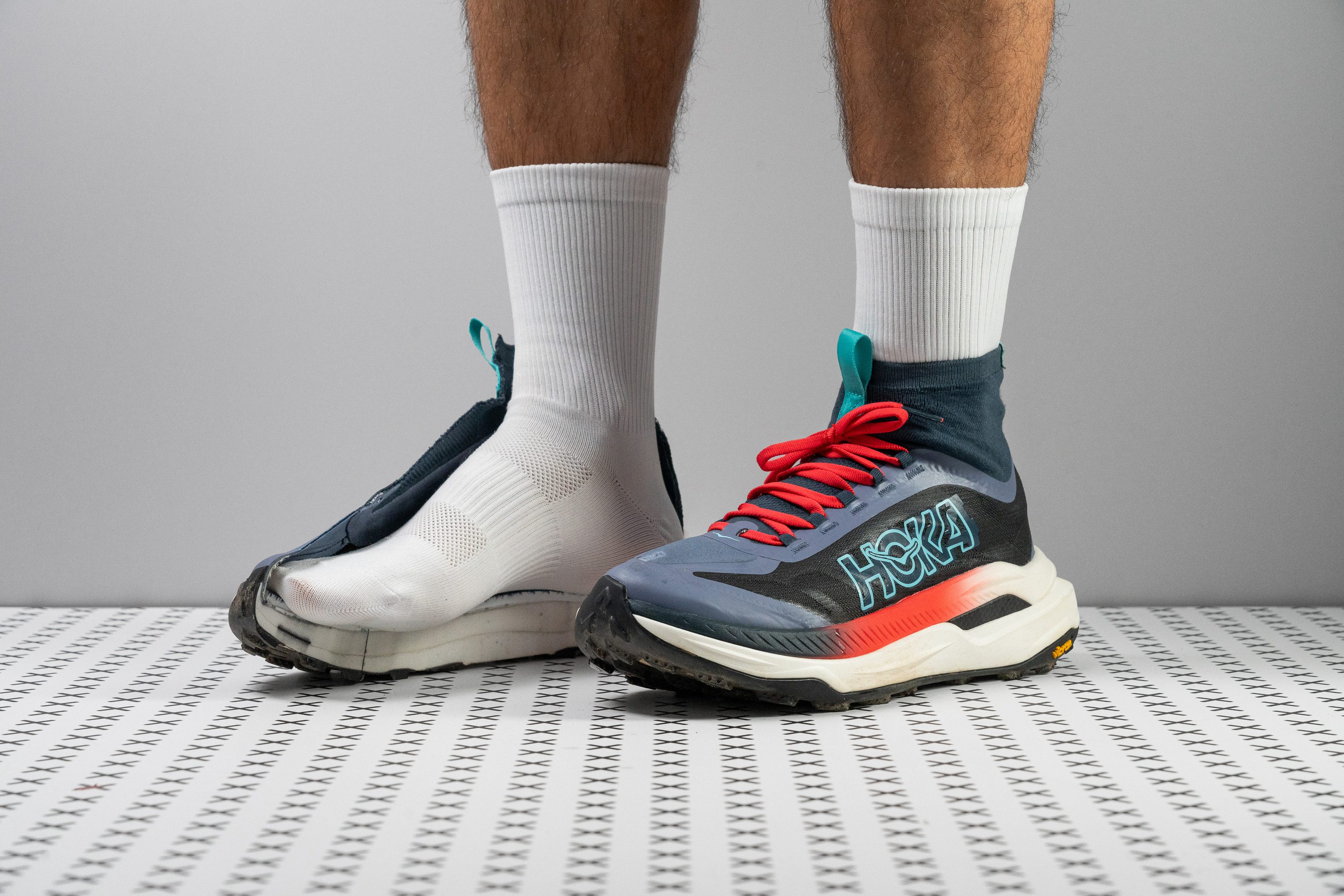
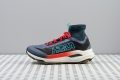
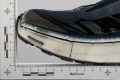
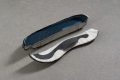
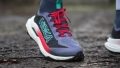
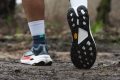
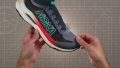
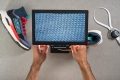
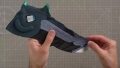
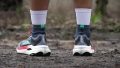
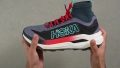
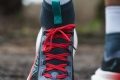
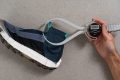
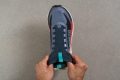
Our outdoor runs were filled with joy and excitement as the HOKA Tecton X 3 shows high performance and top speed. It features state-of-the-art materials such as the Vibram Megagrip rubber and an ultra-responsive and joint-protecting midsole, making it our high-traction trail running shoe with the best energy return.
Tecton X 3 pushes us forward with its strong power output, backed up by remarkable energy return scores of 69.9% in the heel and 70.2% in the forefoot. Moreover, it features a parallel dual-plate design, which adds snappiness to our strides and encourages quick turnover.
Every takeoff is fuelled with energy, while every landing is softened effectively. We measured an impressive stack height of 37.8/30.9 mm, protecting us from harsh elements underfoot. Moreover, the cushion itself absorbs the impact so that our legs feel fresh, backed up by high shock absorption scores of 139 SA in the heel and 120 SA in the forefoot.
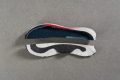
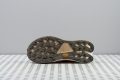
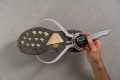
The outsole features the sticky Vibram Megagrip compound, making the Tecton X 3 race-ready for most environments. It features deep 4.0 mm Traction Lugs, which grip soft ground and rocks aggressively, ensuring controlled footing and balance.
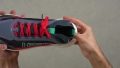
However, the super high ankle gaiter may disappoint runners who dislike a sock-like fit. Besides its enclosed feeling, it may be a hassle to wear. Those who prefer a more classic fit should find more suitable alternatives.
Pros
- A true supershoe for trails
- Ultra-grippy and durable Vibram outsole
- Fantastic energy return from PEBA foam
- Versatile for both long runs and ultra races
- Stability improvements
- Shields from debris effectively
- Premium MATRYX upper
- Designed to dominate ultra-distance events
- Secure fit
Cons
- Sky-high price tag
- Heavier than the Tecton X 2
- Absolutely not for wide feet
- New ankle gaiter may not work for everyone
Best lightweight trail running shoes with high traction



What makes it the best?
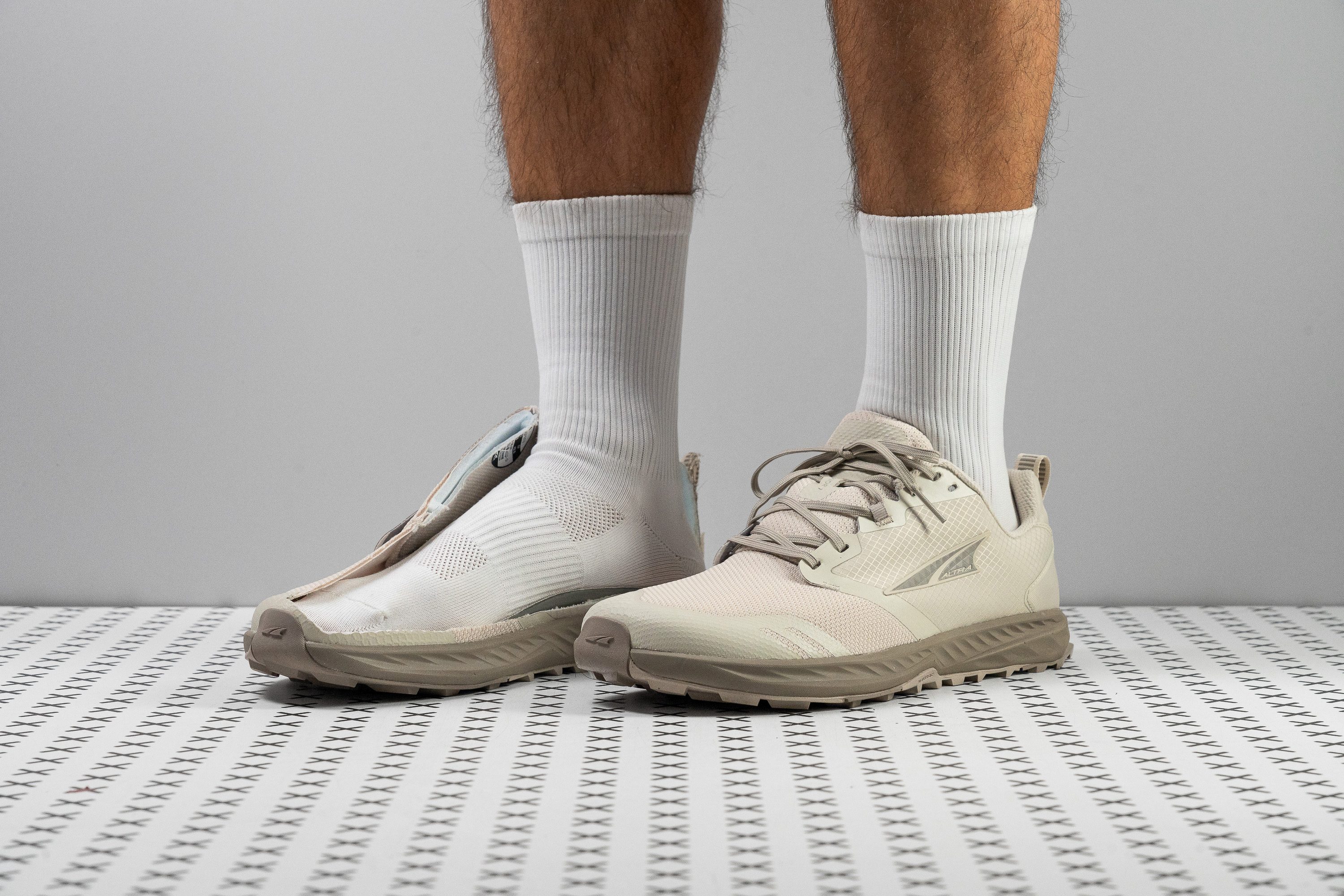
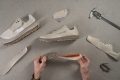
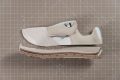
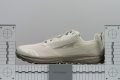
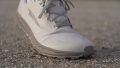
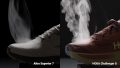
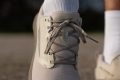
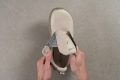
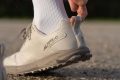
Light and airy on the foot and locked-in underfoot, the Altra Superior 7 offers lasting comfort on our runs without compromising our safety through its reliable traction. Lab results show it delivers dependable grip and durability, while keeping its construction flexible to boost comfort. In the high-traction trail running lineup, it’s our best lightweight shoe.
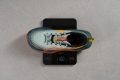
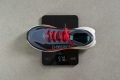
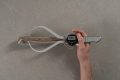
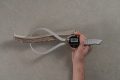
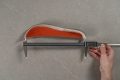
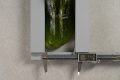
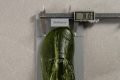
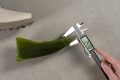
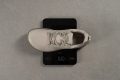
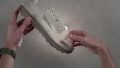
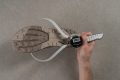
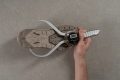
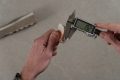
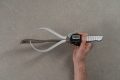
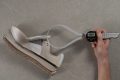
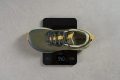
We measured the Superior 7’s weight and confirmed its minimal figure of 8.3 oz (235g). Compared to the average trail shoe, it’s 17% lighter! Its effortless sensation on foot is further magnified by its flexible midsole. Our bend test shows it’s 41% more malleable than average!
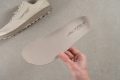
We attribute its agility to its heightened surface feedback, care of the low 20.6/20.0 mm platform.
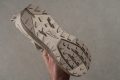
While the midsole itself doesn’t demand attention, the MaxTrac rubber’s strong bite is undeniable. Scoring 0.66 in our traction test, it’s reliable whether it rains or shines. Meanwhile, the 3.5 mm lugs work best on non-technical terrain.
With its aggressive 0.6 mm drop, Superior 7 feels demanding on the calves, ankles, and feet, which may limit its appeal to runners who are not yet used to zero-drop trainers. Those who feel more supported by shoes with a steeper offset should skip this pair.
Pros
- Excellent ground feel
- Flexible and natural underfoot
- Lightweight for a trail shoe
- Solid traction
- Good durability overall
- Excellent value
- Doubles as a hiking shoe
- True zero-drop design
- Gaiter attachment
Cons
- Not ideal for heel strikers
- Less roomy than other Altra shoes
- Low toebox height
- Foam feels really firm
High-traction trail running shoes with the best shock absorption


What makes it the best?
The ASICS Metafuji Trail 2 offers a seamless blend of springy takeoffs and cloudlike landings, made possible by its responsive and cushion-packed midsole. This dreamy shoe impressed us in many lab tests we conducted, proving its light build and generous comfort. We also found that it features the dependable ASICSGRIP outsole, making it our high-traction trail running shoe with the best shock absorption.
The super-sized midsole earns our seal of approval for long-distance running, backed up by sky-high stack measurements of 40.7/33.4 mm. Its height is hard to beat, yet its impact protection brought its plush sensation to another level. Scoring 144 SA in the heel and 134 SA in the forefoot, Metafuji Trail 2 leads the trail category in terms of shock absorption.
Despite its monstrous midsole, we remained agile thanks to the shoe’s minimal weight. Our scales show it’s only 9.0 oz (255g), making it 10% lighter than average. Moreover, the energetic midsole enhances its effortless feel, with solid scores of 61.2% in the heel and 64.1% in the forefoot.
We had high expectations upon seeing the ASICSGRIP rubber, and it did not disappoint with a remarkable 1.04 friction score in our traction test. We never lost our footing even in the rain since it’s 55% grippier than average.
Unfortunately, the toebox has limited room in all directions. Therefore, we can’t recommend it to those with wide feet or for ultra runners.
Pros
- Excellent bite across wet and dry surfaces
- Lightweight despite massive stack height
- Plenty of cushioning for ultra distances
- State-of-the-art upper
- Premium materials from heel to toe
- A clear improvement over version 1
- Ideal for gravel running
- Sock-like upper blocks debris
- Excellent choice for narrow-footed runners
- Excellent implementation of elastic laces
Cons
- Limited toebox space
- Insanely expensive
- Not for heel strikers
- Limited terrain versatility
Best high-traction trail running shoes for technical terrain

What makes it the best?
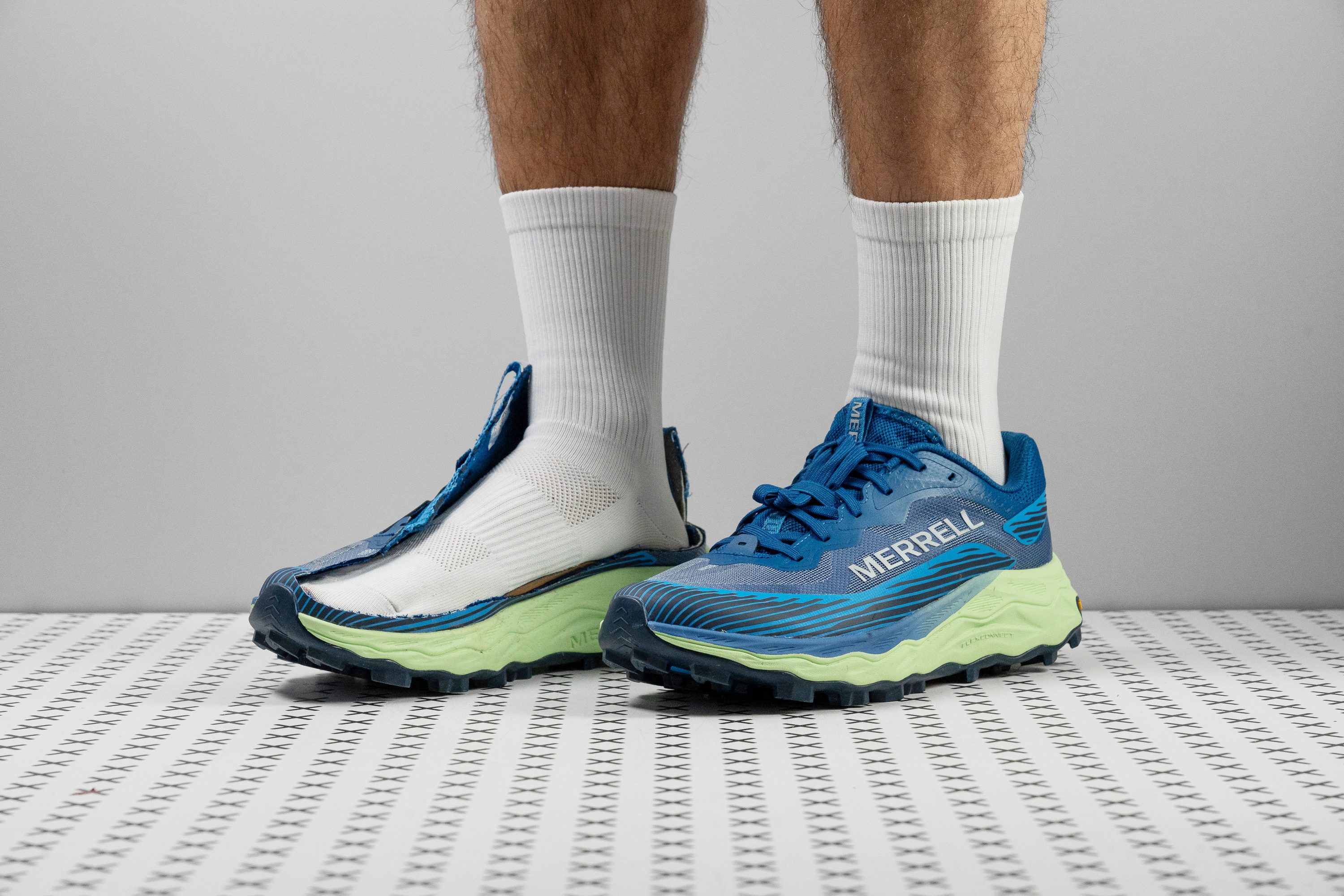
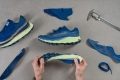
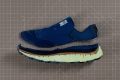
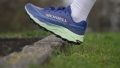
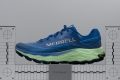
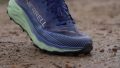
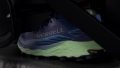
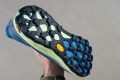
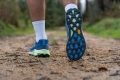
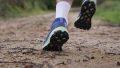
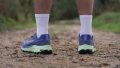
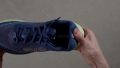
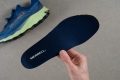
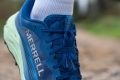
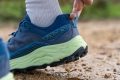
Through extensive runs, we've determined that the Merrell Agility Peak 6 stands out as the most suitable for technical terrain among high-traction trail running shoes. Boasting protective features in a light build, it’s truly one of a kind. Its trusty Vibram Megagrip outsole, with strategically positioned lugs, serves as our traction and defence against various elements encountered on the trails.
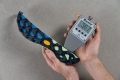
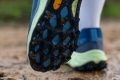
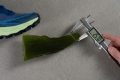
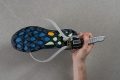
Impressively, the AP6 demonstrates outstanding grip in difficult and uneven surfaces such as mud and rocks, thanks to its deep and widely spaced 5.0 mm Traction Lugs. In our wet-condition test, it also scored a solid 0.64 friction score, indicating all-weather grip.
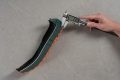
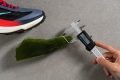
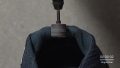
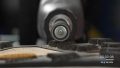
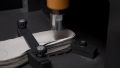
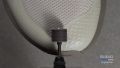
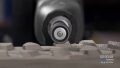
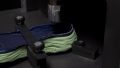
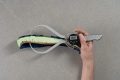
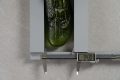
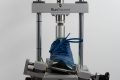
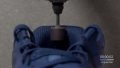
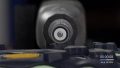
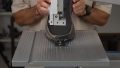
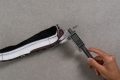
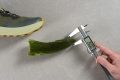
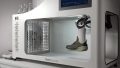
Following intensive testing against our unforgiving Dremel, the Vibram Megagrip rubber exhibits durability, showing a minimal 0.6 mm indentation compared to the average.
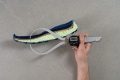
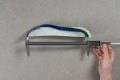
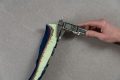
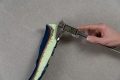
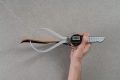
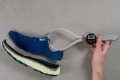
The heel is notably tall, measuring 36.1 mm, offering protection against impact and harsh objects. Our defence against sharp rocks and protruding roots is augmented by the rock plate in the mid-to-forefoot areas.
Despite all these features, it still manages to maintain a below-average weight of 9.8 oz (278g).
However, due to its pronounced heel and modest forefoot, the significant 11.5 mm heel drop may not be suitable for midfoot and forefoot strikers. Therefore, AP6’s appeal is limited to heel-strikers.
Pros
- Excellent Vibram outsole with Traction Lug tech
- Dependable for technical terrain
- Improved flexibility
- Secure fit
- Lighter than v5
- Good arch support
- Stable ride
- Upper mixes durability and ventilation
- Ideal for heel strikers
Cons
- FloatPro foam lacks energy return
- Narrow toebox limits toe splay
- Low shock absorption
- Misleading drop
Best high-traction trail running shoes for hiking





What makes it the best?
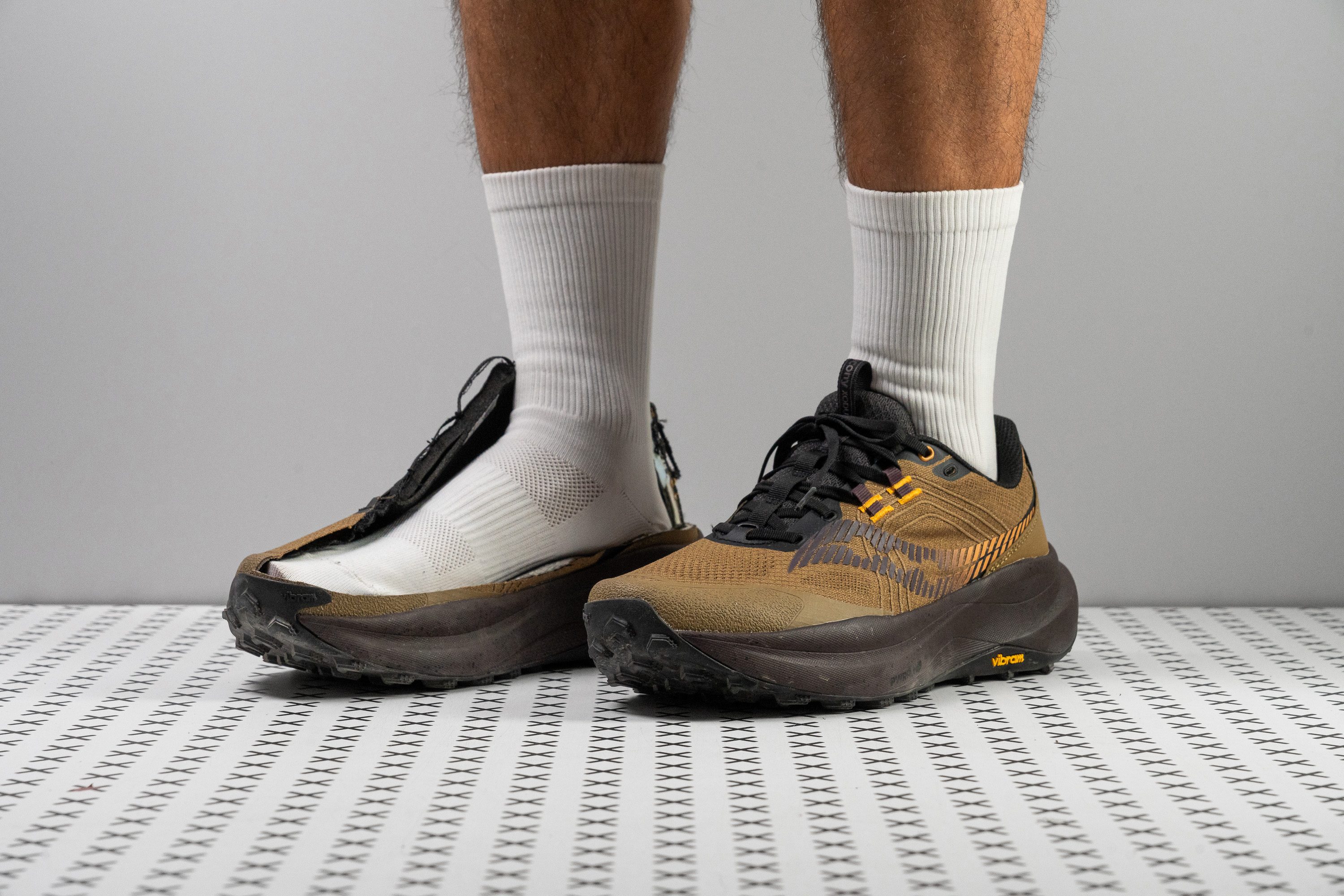
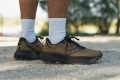
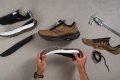
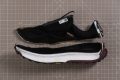
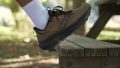
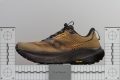
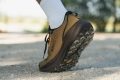
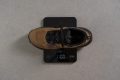
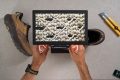
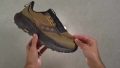
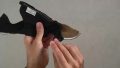
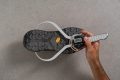
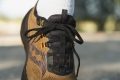
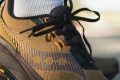
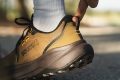
Spending miles on foot, we found that the Saucony Xodus Ultra 4 boasts immense comfort, stability, and unwavering traction, making it the best hiking shoe among high-traction trail running shoes. In the lab, we found that it has several discrete supportive features, providing us with precise control over our movements.
XU4 features the PWRRUN PB, known for its responsiveness and cushioned sensation, which is hard to ignore in our treks. Its generous foam reaches a stack height of 37.6/31.1 mm, with impressive shock absorption in the heel, scoring 127 SA. We noticed some spring in our steps, proven by the impressive energy return score of 64.9% in the rear.
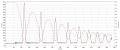
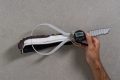
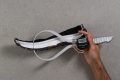
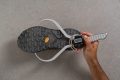
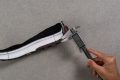
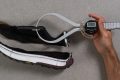
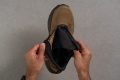
To stabilise our landings, we measured the base at a wide 116.7/97.3 mm. Furthermore, it offers high resistance to twisting with its maximum 5/5 torsional rigidity score. However, it has room for foot-bending with a near-average flexibility score of 15.3N, making it comfortable for easy days.
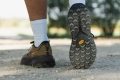
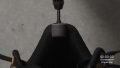
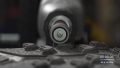
Underfoot is Vibram Megagrip outsole, studded with Traction Lugs, which keep us steady regardless of weather conditions. Every shift in movement and direction felt controlled, proven by its whopping 0.72 rating in our traction test. At this level, it’s 20.0% grippier than average.
However, comfort takes a step back when our feet start to swell. The toebox runs narrow, so we think it will also feel restrictive to those with broad feet.
Pros
- Amazing bounce from PWRRUN PB foam
- First Xodus Ultra with a Vibram outsole
- Stable platform underfoot
- Premium PWRRUN+ insole
- Works well for hiking too
- Full-length outsole coverage
- Excellent for ultras
- Fantastic traction on easy terrain
Cons
- Weight is becoming a real problem
- Tapered toebox fit
- Small price increase
- Weak heel padding durability
Best high-traction trail running shoes with a wide toebox

What makes it the best?
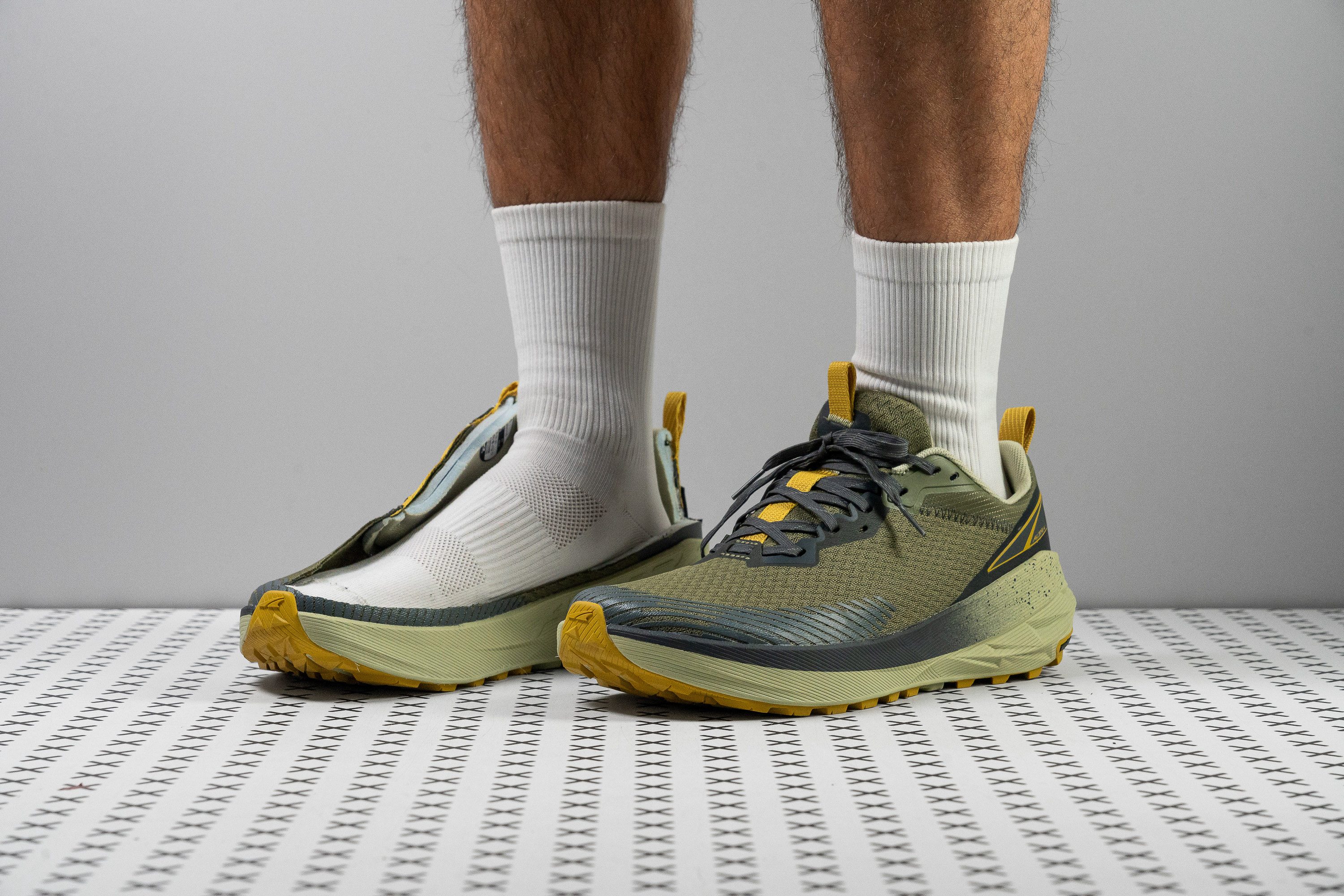
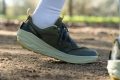
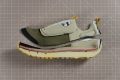
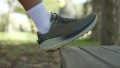
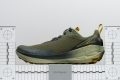
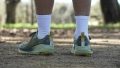
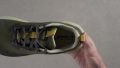
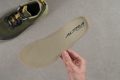
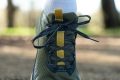
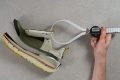
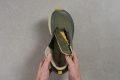
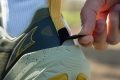
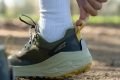
Those of us with wide feet truly enjoyed our runs with the Altra Experience Wild 2. It features a spacious fit and a flexible yet steady base. It boasts strong traction and generous dimensions in the lab, making it our high-traction trail running shoe with the best wide toebox.
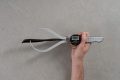
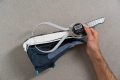
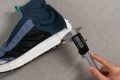
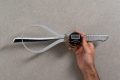
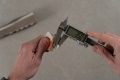
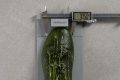
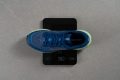
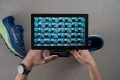
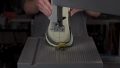
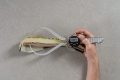
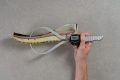
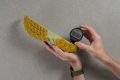
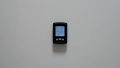
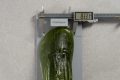
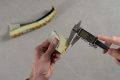
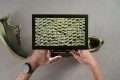
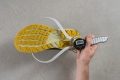
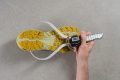
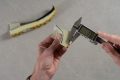
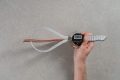
We created a gel mould to capture the roominess we felt. At the widest part of the toebox, our calliper records 83.3 mm, which is much more accommodating than the 74.6 mm lab average. Altra promises the Standard FootShape Fit, and it truly delivers.
Our balanced strides come from the tall midsole sidewalls and the grippy MaxTrac compound underneath. Testing the rubber in our traction test, it scored a dependable 0.59, along with 3.5 mm lugs that help us manoeuvre through the trails.
Because the midsole is so flexible, it also feels comfortable for hikes and walks. In our bend test, EW2 is 26.0% more pliable than average, enhancing its versatility.
However, we felt frustrated with the dull midsole when we tried to pick up the pace. We believe this shoe won’t match runners looking for a dynamic ride.
Pros
- Extremely roomy toebox
- Very stable ride, especially up front
- Beginner-friendly drop for Altra newcomers
- Flexible build with natural feel
- Impressive durability across the board
- Noticeably lighter than version 1
- Improved heel retention
- Better lacing system
- Same price as before
Cons
- Bad energy return
- Non-gusseted tongue
- Not for narrow feet
- Not for narrow feet
In trail running shoes, we often focus on the depth of the lugs, their shape, number, or overall design. However, traction also depends on the rubber compound itself. Some are grippier and stickier, others are not. That is exactly what we uncover further below.
What the lab traction test can (not) tell us
Testing the traction in the lab is great because this test is standardised. It’s repeatable, always under the same conditions. So here’s how it’s done.
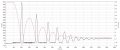
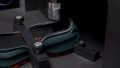
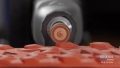
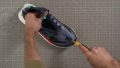
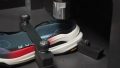
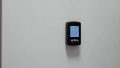
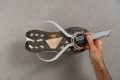
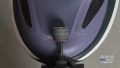
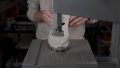
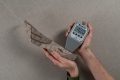
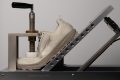
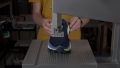
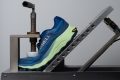
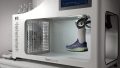
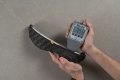
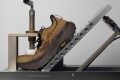
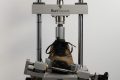
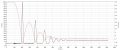
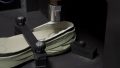
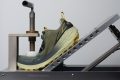
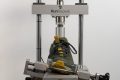
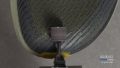
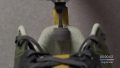
This machine allows us to press the shoe with a force of 500 N against a wet, sliding surface. The shoe is tilted at a 7-degree angle. All of this is done to mimic the real-life scenario. The surface is wet because we’re interested in what happens when the conditions get rough and because wet surfaces are where we mostly find out our shoes are not good enough.
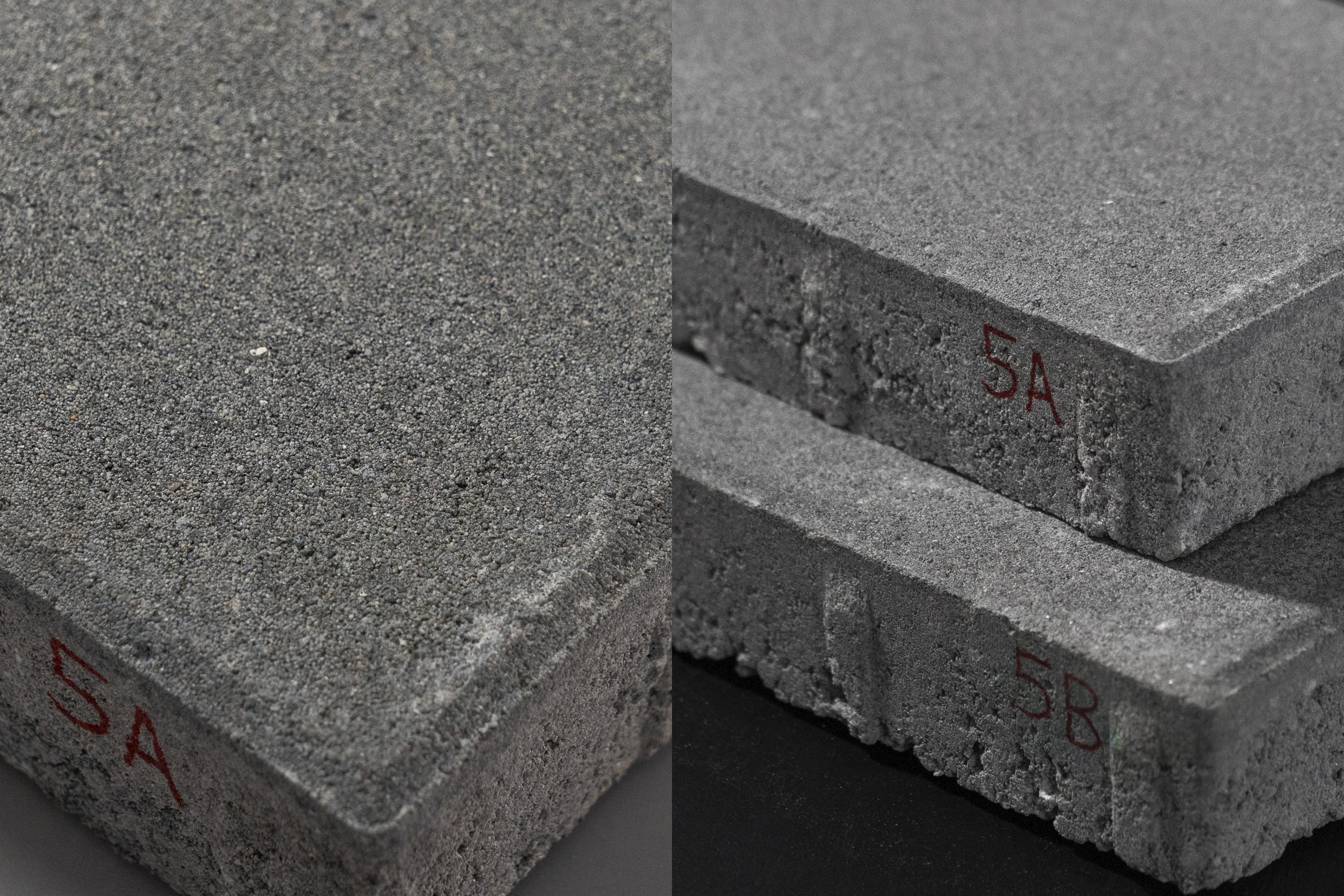
This test actually tells us how grippy the rubber itself is. As you know, for trail running, it’s also important to take into account the depth of the lugs, their distance from one another, shape and orientation, and so on. But the test done in compliance with SATRA TM144 protocol tells us how grippy the outsole is overall, which is why the test is done on the wet concrete.
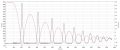
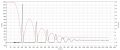
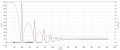
What we actually measure on this test is the so-called dynamic Coefficient of friction (CoF). The higher it is, the better the traction. Actually, anything equal or higher than 0.45 we consider high traction. Between 0.25 and 0.45 moderate, and below 0.25 is very low traction.
2 outsole features to pay attention to in trail running shoes with the best traction
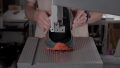
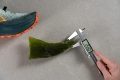
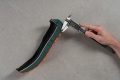
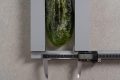
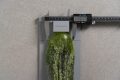
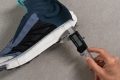
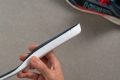
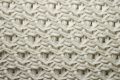
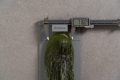
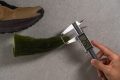
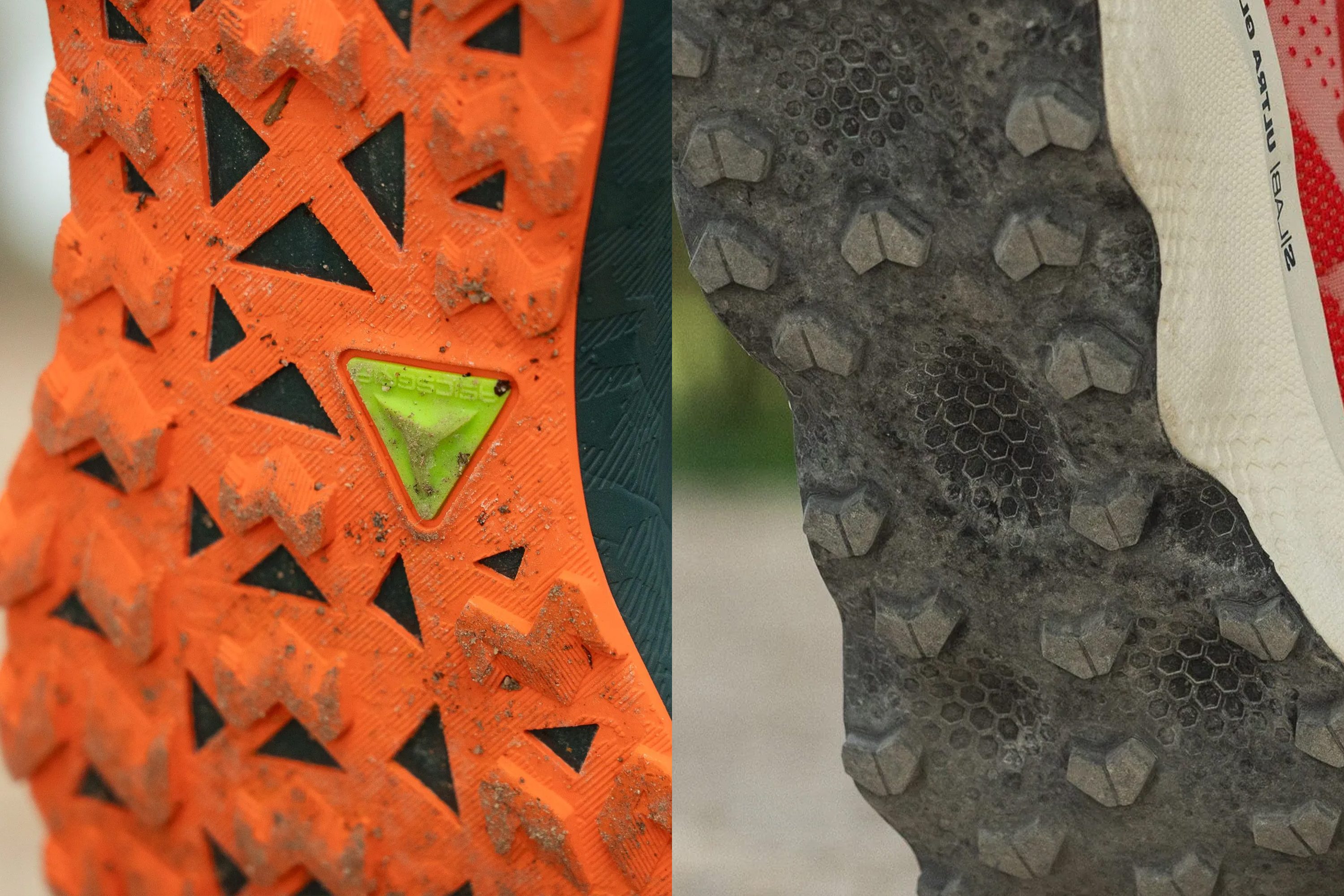
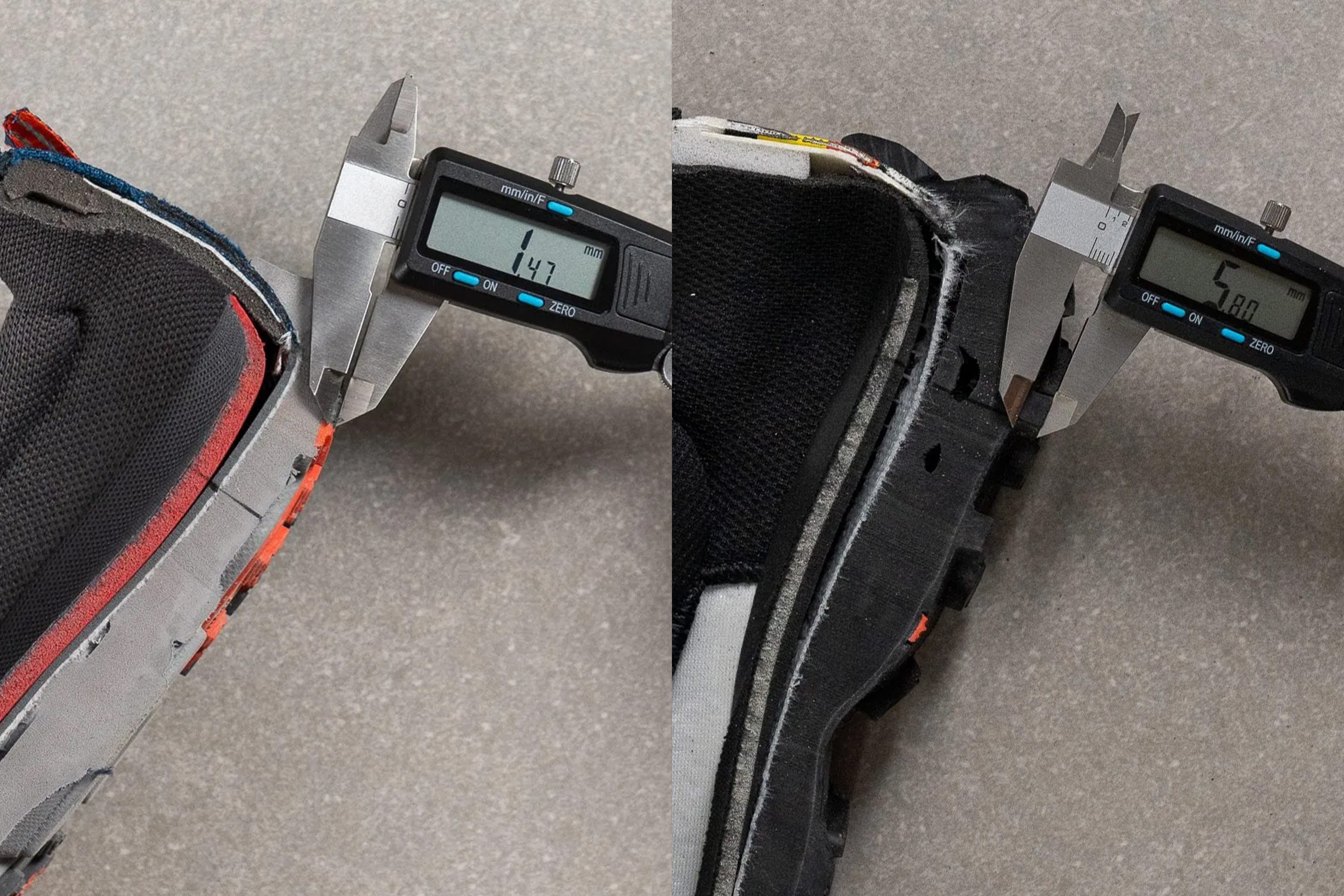
Having great traction does not mean too much if the rubber is not durable because it will just disappear too fast under your feet. In that case, a pair of trail shoes you invested in will be ready for retirement or for other terrain that was not the pair’s purpose. Here, we should look at 2 things: not just the durability of the rubber, but also the thickness of the lugs. The thicker they are, the more material there is to be subjected to wear and tear.
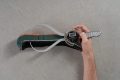
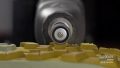
The deeper the dent, the less durable the outsole.
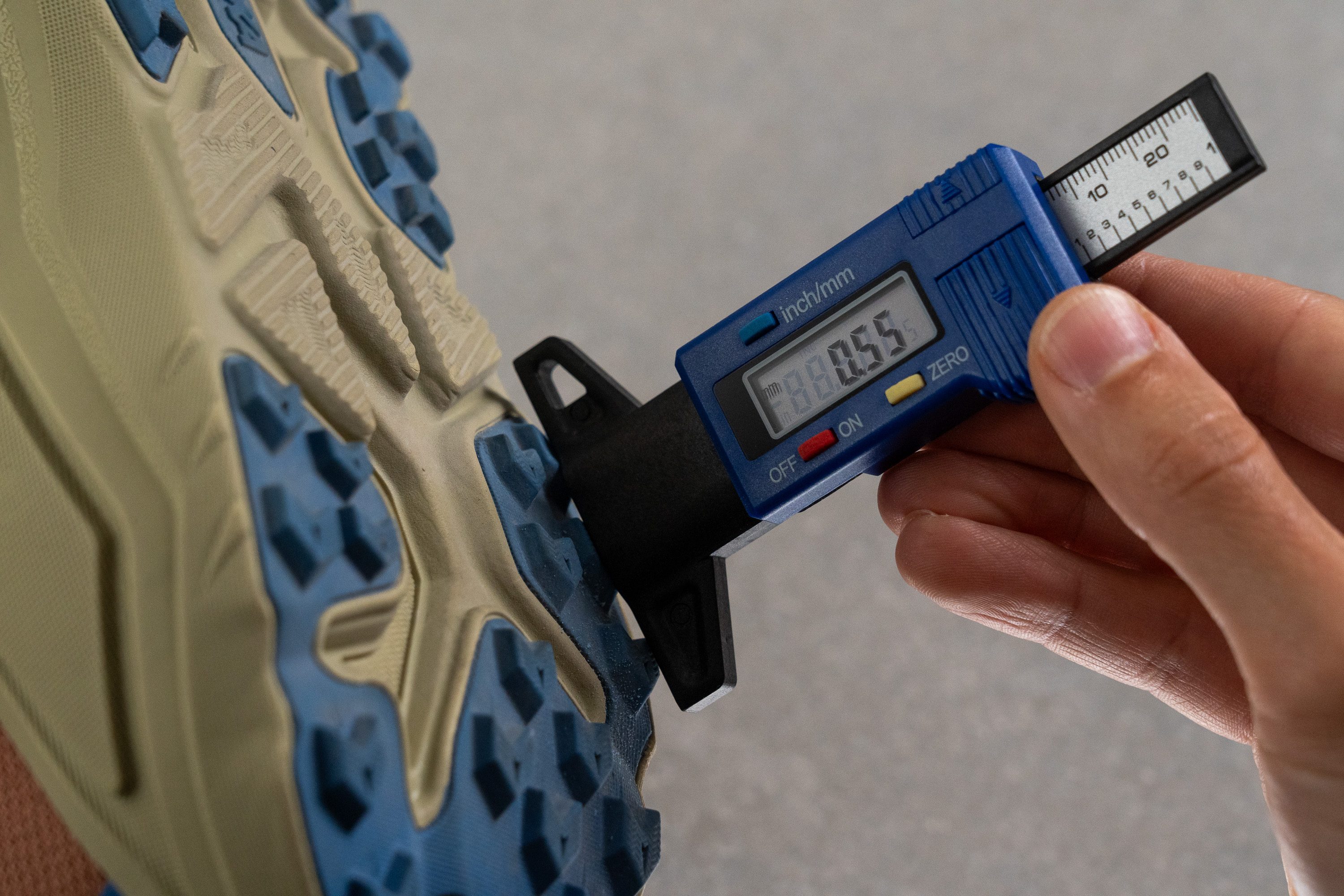
It is obvious that the thicker the lugs, the better! For trail shoes with very shallow lugs, we could also look at the outsole thickness as a way to ensure it’s still the rubber touching the ground, not an exposed midsole. But the traction in trail running shoes is about lugs, not flat rubber, so we will stick to the lug thickness.
Price of trail running shoes with high traction
Currently, the average price of trail running shoes is £140. When we group those with high traction, their average price sits at £170.
It’s comforting to know that the prices listed here are MSRPs or manufacturer’s suggested retail prices. Basically, this is how much the shoes cost when they were released. And who does not love a good discount? We, of course, made a page dedicated to running shoe deals.
Similar buying guides