







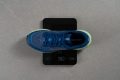


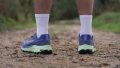
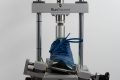
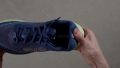



Our verdict
- Gravel 46
- Versatile 81
- Technical 89
Pros
- Excellent Vibram outsole with Traction Lug tech
- Dependable for technical terrain
- Improved flexibility
- Secure fit
- Lighter than v5
- Good arch support
- Stable ride
- Upper mixes durability and ventilation
- Ideal for heel strikers
Cons
- FloatPro foam lacks energy return
- Narrow toebox limits toe splay
- Low shock absorption
- Misleading drop
Awards
- Top pick in best trail running shoes
- Top pick in best mud running shoes
- Top 23% in Merrell running shoes
Comparison
The most similar running shoes compared
+ + Add a shoe | |||||
|---|---|---|---|---|---|
| Our score | 83 Great | 84 Great | 86 Great | 85 Great | |
| Price | £145 | £145 | £160 | £140 | |
| Trail terrain | Rocky / Technical terrainMud / Soft groundVersatile / Moderate terrain | Rocky / Technical terrainVersatile / Moderate terrain | Rocky / Technical terrainMud / Soft groundVersatile / Moderate terrain | Rocky / Technical terrainMud / Soft groundVersatile / Moderate terrain | |
| Shock absorption | Moderate | Moderate | Moderate | Low | |
| Energy return | Low | High | Moderate | Low | |
| Traction | High | High | High | - | |
| Arch support | Neutral | Neutral | Neutral | Neutral | |
| Weight lab Weight brand | 9.8 oz / 278g 9.8 oz / 278g | 10.8 oz / 306g 10.4 oz / 295g | 11.6 oz / 329g 12 oz / 340g | 10.4 oz / 296g 10.5 oz / 298g | |
| Drop lab Drop brand | 11.5 mm 6.0 mm | 7.1 mm 6.0 mm | 6.0 mm 4.0 mm | 14.1 mm 10.0 mm | |
| Strike pattern | Heel | Mid/forefoot | Mid/forefoot | Heel | |
| Size | True to size | Half size small | - | True to size | |
| Midsole softness | Balanced | Balanced | - | Firm | |
| Difference in midsole softness in cold | Small | Normal | Small | Small | |
| Plate | Rock plate | ✗ | ✗ | ✗ | |
| Toebox durability | Decent | Good | Good | Good | |
| Heel padding durability | Decent | Good | Decent | Decent | |
| Outsole durability | Good | Good | Decent | Decent | |
| Breathability | Moderate | Moderate | Warm | Warm | |
| Width / fit | Medium | Narrow | Medium | Medium | |
| Toebox width | Narrow | Narrow | Medium | Medium | |
| Stiffness | Moderate | Stiff | Stiff | Moderate | |
| Torsional rigidity | Moderate | Stiff | Stiff | Stiff | |
| Heel counter stiffness | Moderate | Moderate | Moderate | Stiff | |
| Lug depth | 5.0 mm | 5.5 mm | 5.0 mm | 5.8 mm | |
| Heel stack lab Heel stack brand | 36.1 mm 32.0 mm | 35.1 mm 37.0 mm | 37.0 mm 29.0 mm | 36.5 mm 32.0 mm | |
| Forefoot lab Forefoot brand | 24.6 mm 26.0 mm | 28.0 mm 31.0 mm | 31.0 mm 25.0 mm | 22.4 mm 22.0 mm | |
| Widths available | NormalWide | NormalWide | Normal | NormalWide | |
| Season | All seasons | All seasons | All seasons | Winter | |
| Removable insole | ✓ | ✓ | ✓ | ✓ | |
| Orthotic friendly | ✓ | ✓ | ✓ | ✓ | |
| Ranking | #169 Top 42% | #145 Top 36% | #102 Top 26% | #115 Top 29% | |
| Popularity | #154 Top 39% | #232 Bottom 42% | #401 Bottom 1% | #65 Top 17% |

Who should buy
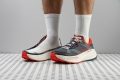
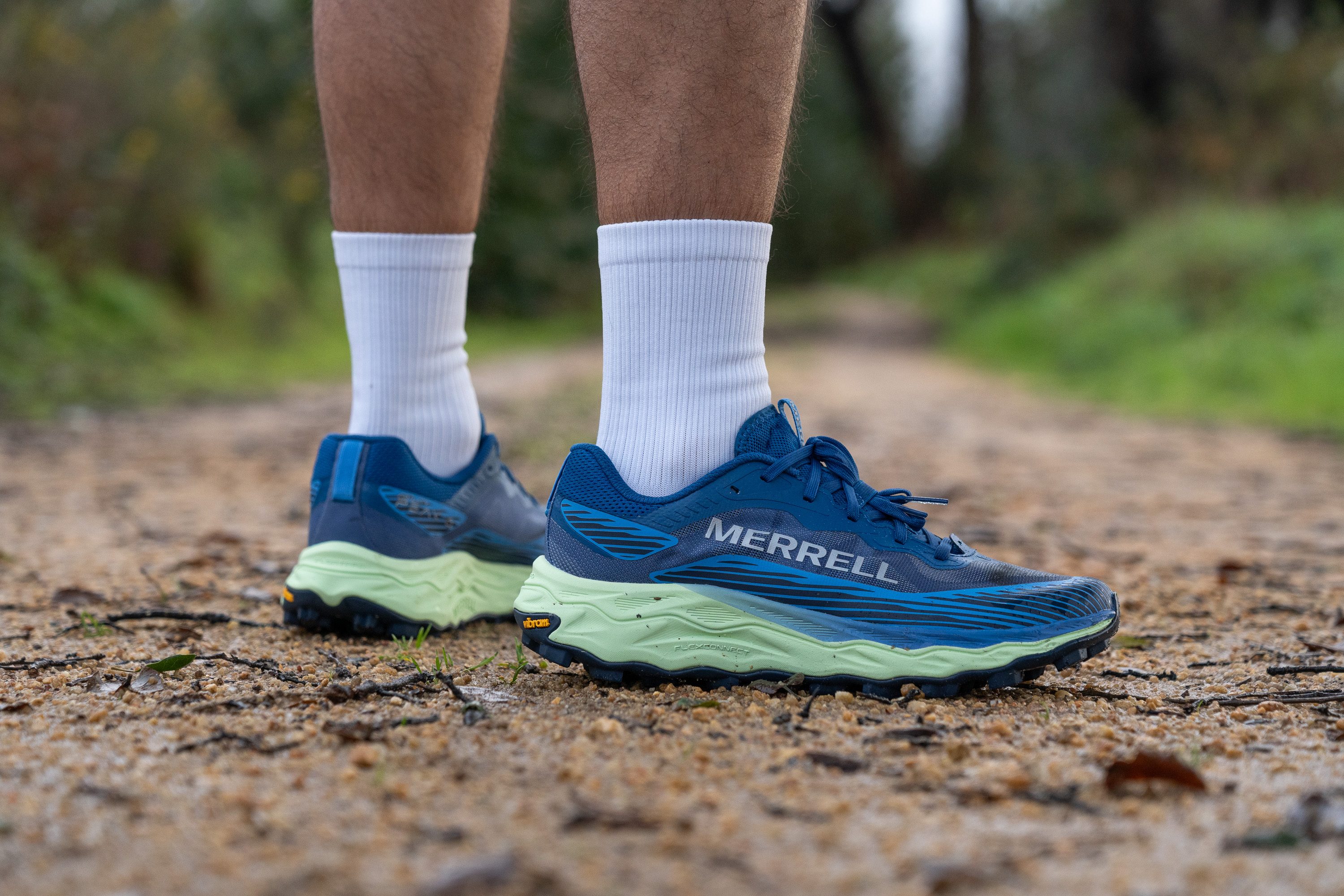
The Merrell Agility Peak 6 feels like an interesting choice for:
- Heel strikers who want a stable and dependable trail shoe, especially for mixed mountain terrain.
- Runners already familiar with the Agility Peak look and feel who are comfortable upgrading for small refinements rather than major changes.
- Trail runners who spend most of their time on technical terrain, including muddy or uneven conditions where deep and spaced lugs matter most.
Who should NOT buy
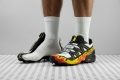
After testing the Agility Peak 6 in the lab, we found that energy return is the main limiting factor. If you enjoy a lively, spring-loaded ride or care deeply about foam innovation, we do not recommend it. The HOKA Mafate 5 or Saucony Peregrine 15 deliver a more dynamic feel.
We also believe the tapered toebox can be restrictive. In our experience, runners who prefer a roomier forefoot or who have wide feet may struggle here. From our perspective, a better match would be the more accommodating Inov8 Trailtalon.
Cushioning
Shock absorption
We hoped Merrell would update the cushioning in the sixth edition of the Agility Peak. However, that did not happen.
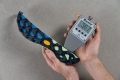
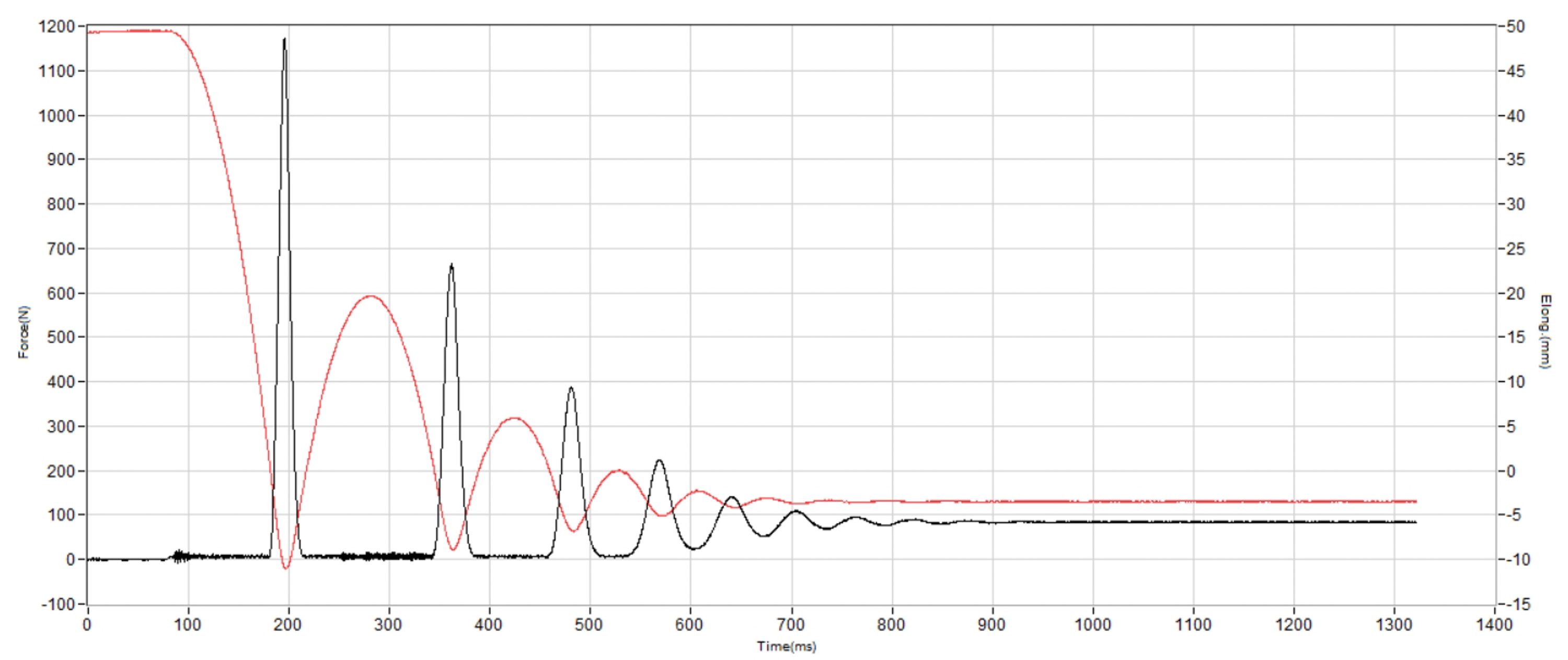
In fact, we measured lower shock absorption than in its predecessor, recording 116 SA in the heel and 85 SA in the forefoot in the ASTM F1976 test.
| Agility Peak 6 | 116 SA |
| Average | 122 SA |
Energy return
If Merrell asked us to change just one thing on the Agility Peak 6, it would be the FloatPro foam.
Despite the appealing name, it's an outdated and cheap EVA with limited energy return. We measured just 41.9% in the heel during testing, with the forefoot only slightly better at 47.0%.
| Agility Peak 6 | 47.0% |
| Average | 59.7% |
Heel stack
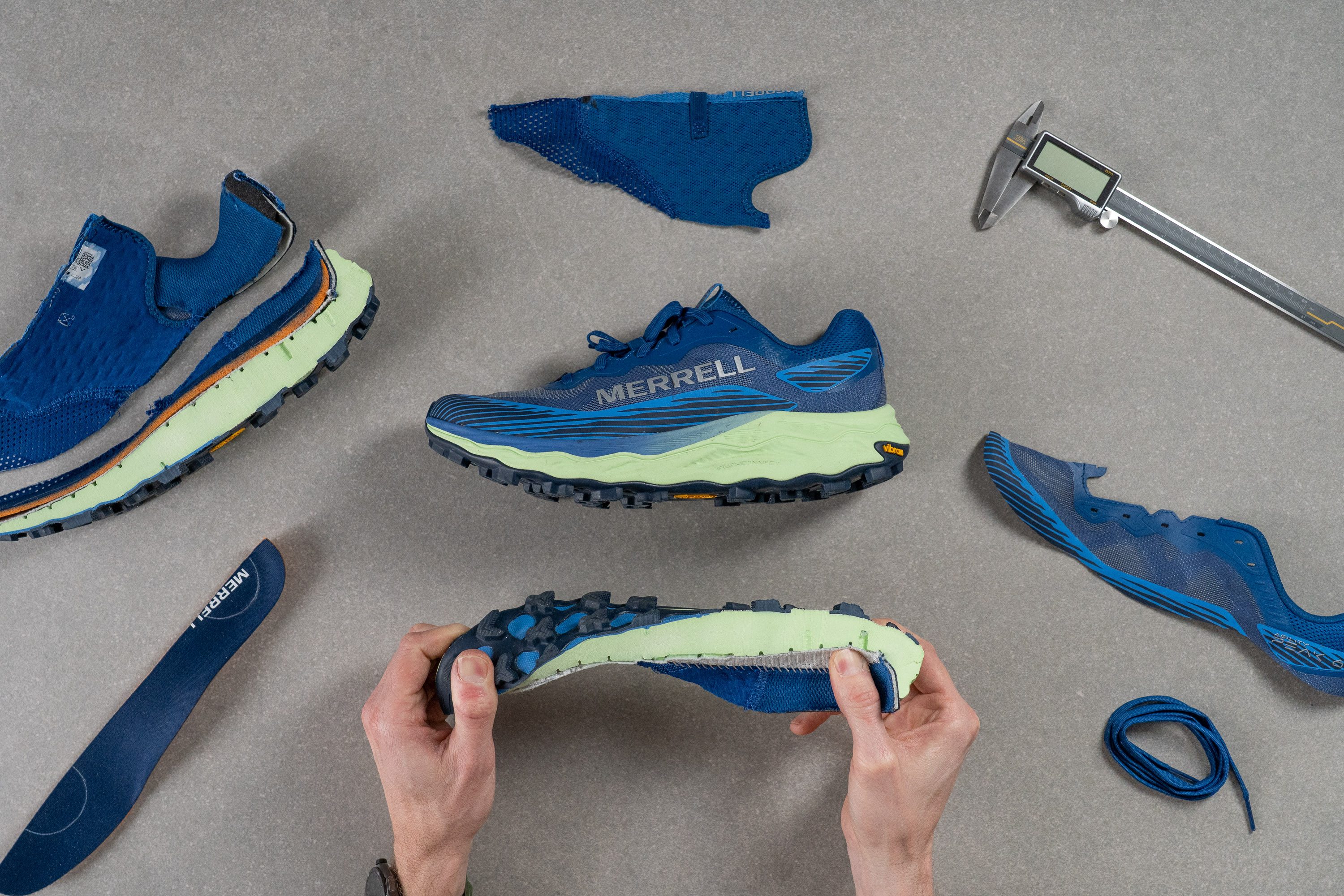
Consistent with the reduced shock absorption, we measured less stack height than in the Merrell Agility Peak 5. This version comes in at 36.1 mm under the heel, which remains higher than average and likely adds versatility compared to the previous generation.
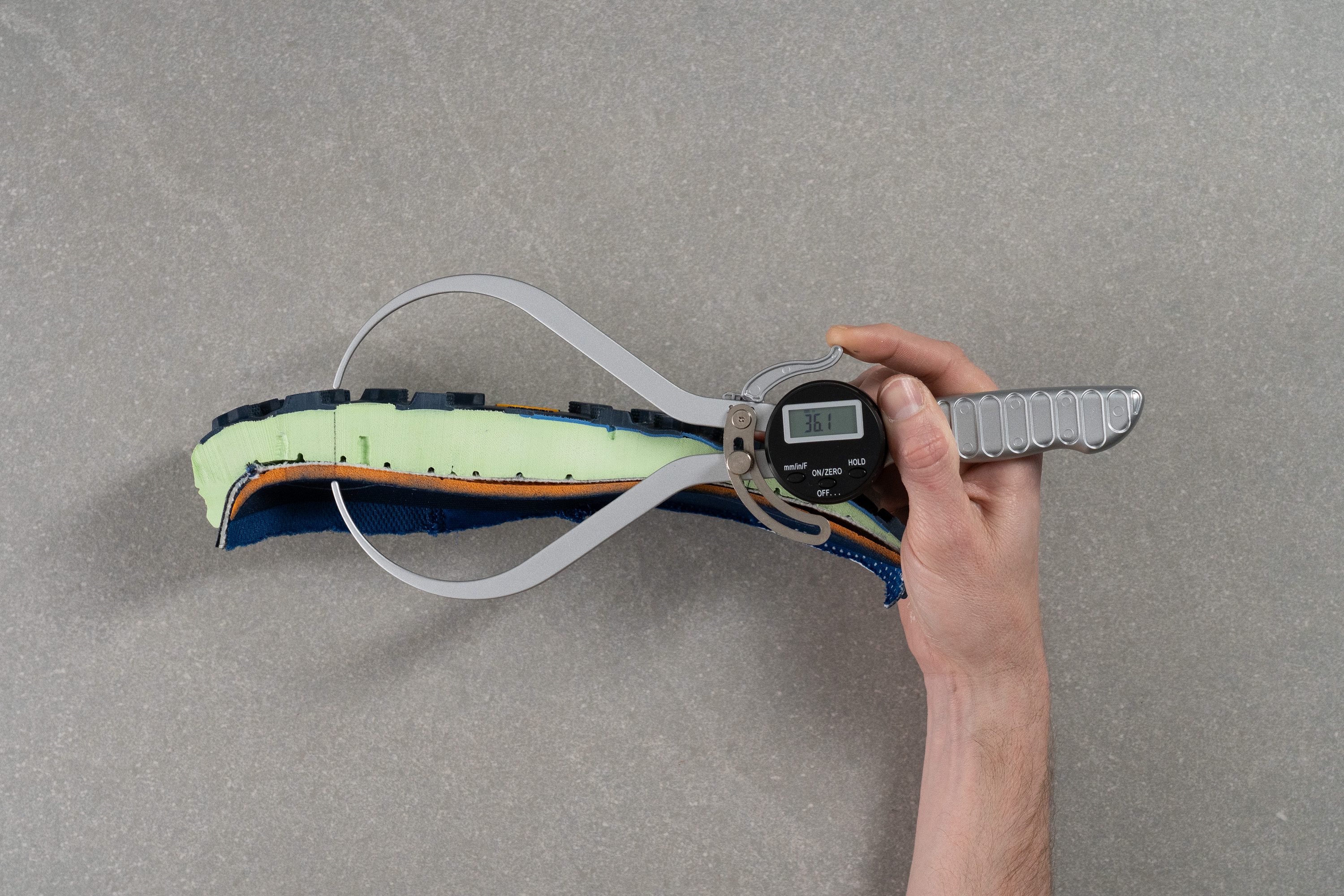
| Agility Peak 6 | 36.1 mm |
| Average | 33.0 mm |
Forefoot stack
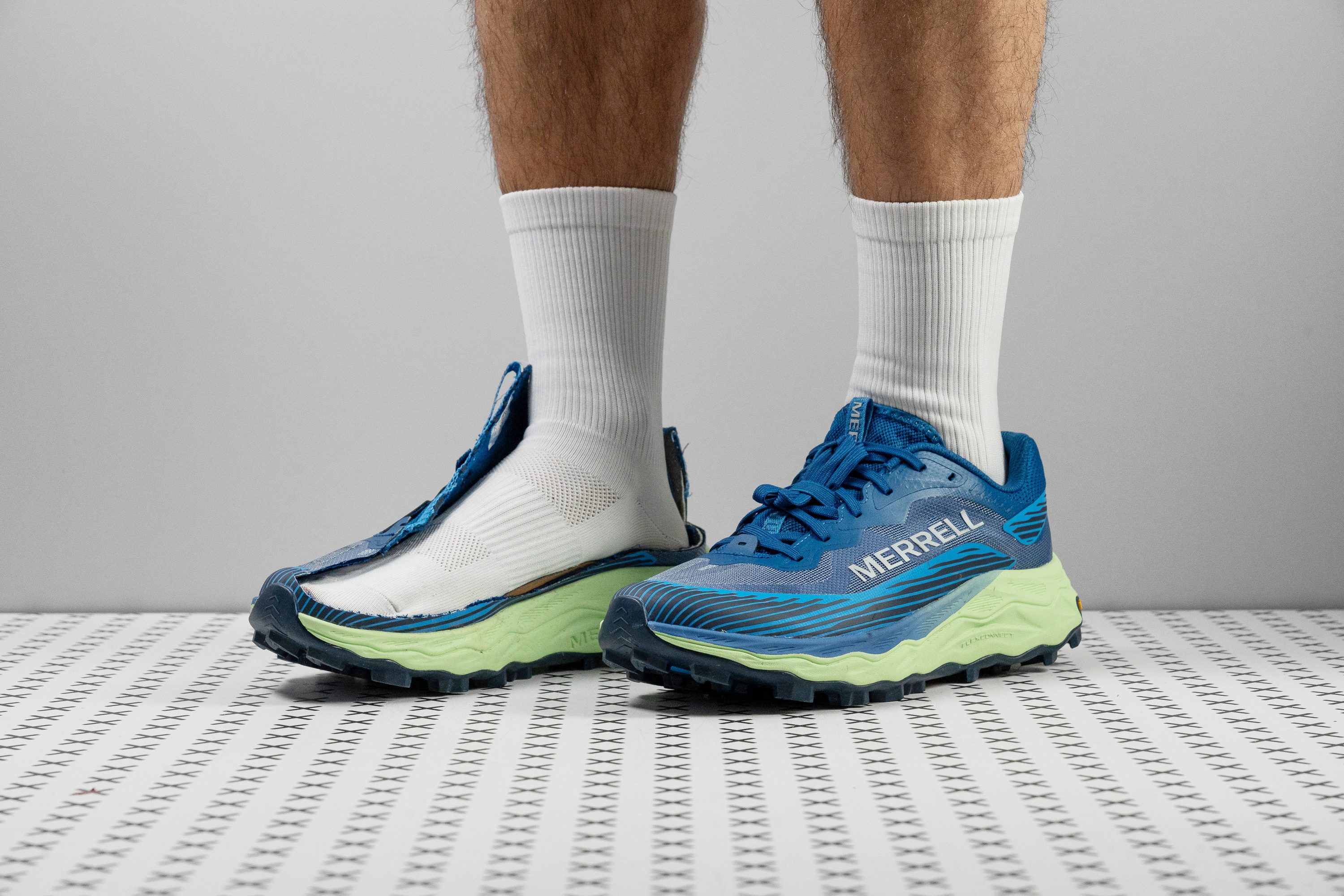
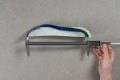
As is clear from our photos, the forefoot is noticeably thinner than the heel. Therefore, it was no surprise that we measured just 24.6 mm in this area.
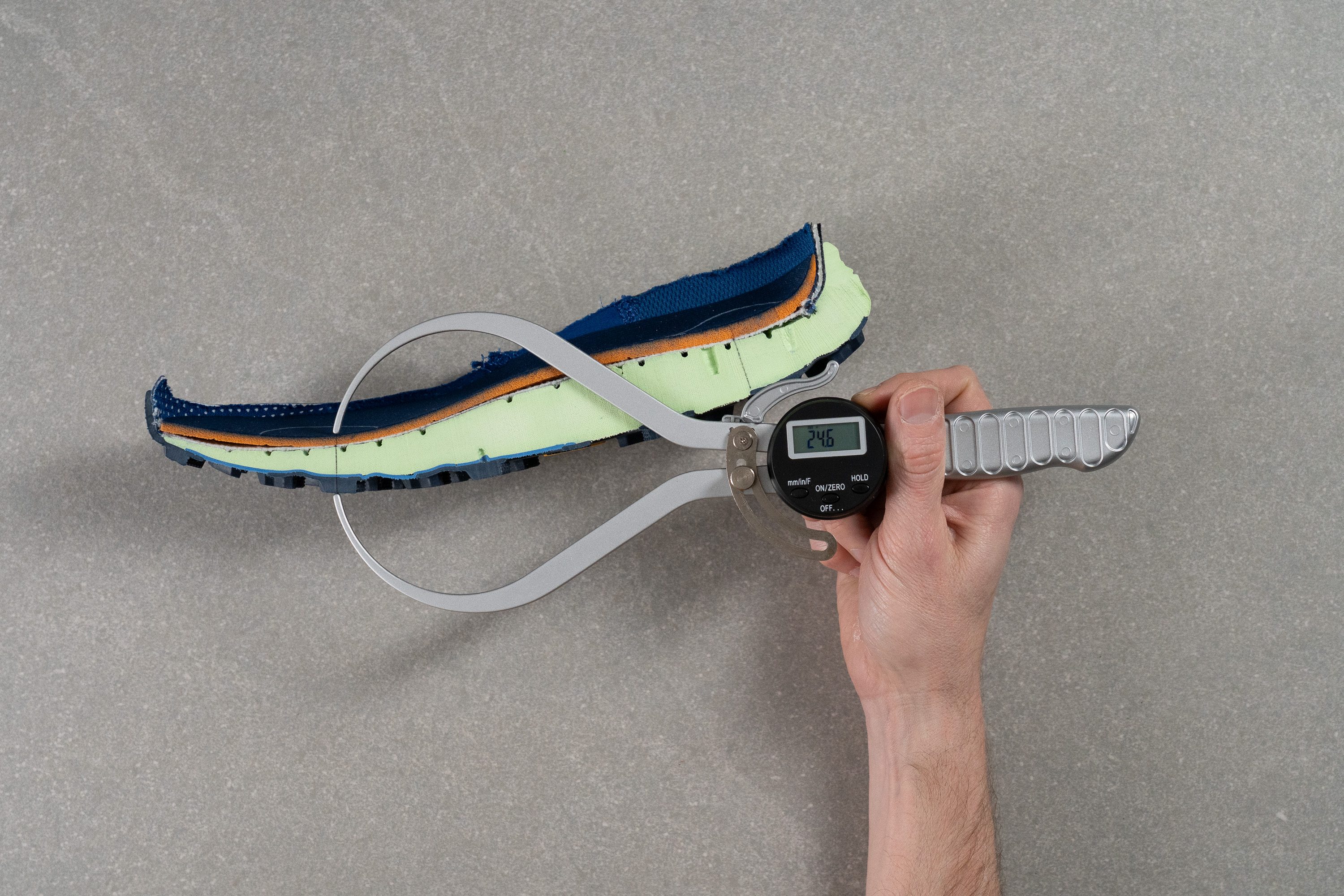
| Agility Peak 6 | 24.6 mm |
| Average | 25.7 mm |
Drop
As a result of the previous two measurements, the drop is higher than what Merrell states.
We measured 11.5 mm using the same World Athletics reference points we apply to every shoe, far from the official spec. To be fair, the ride clearly matches a high-drop setup.
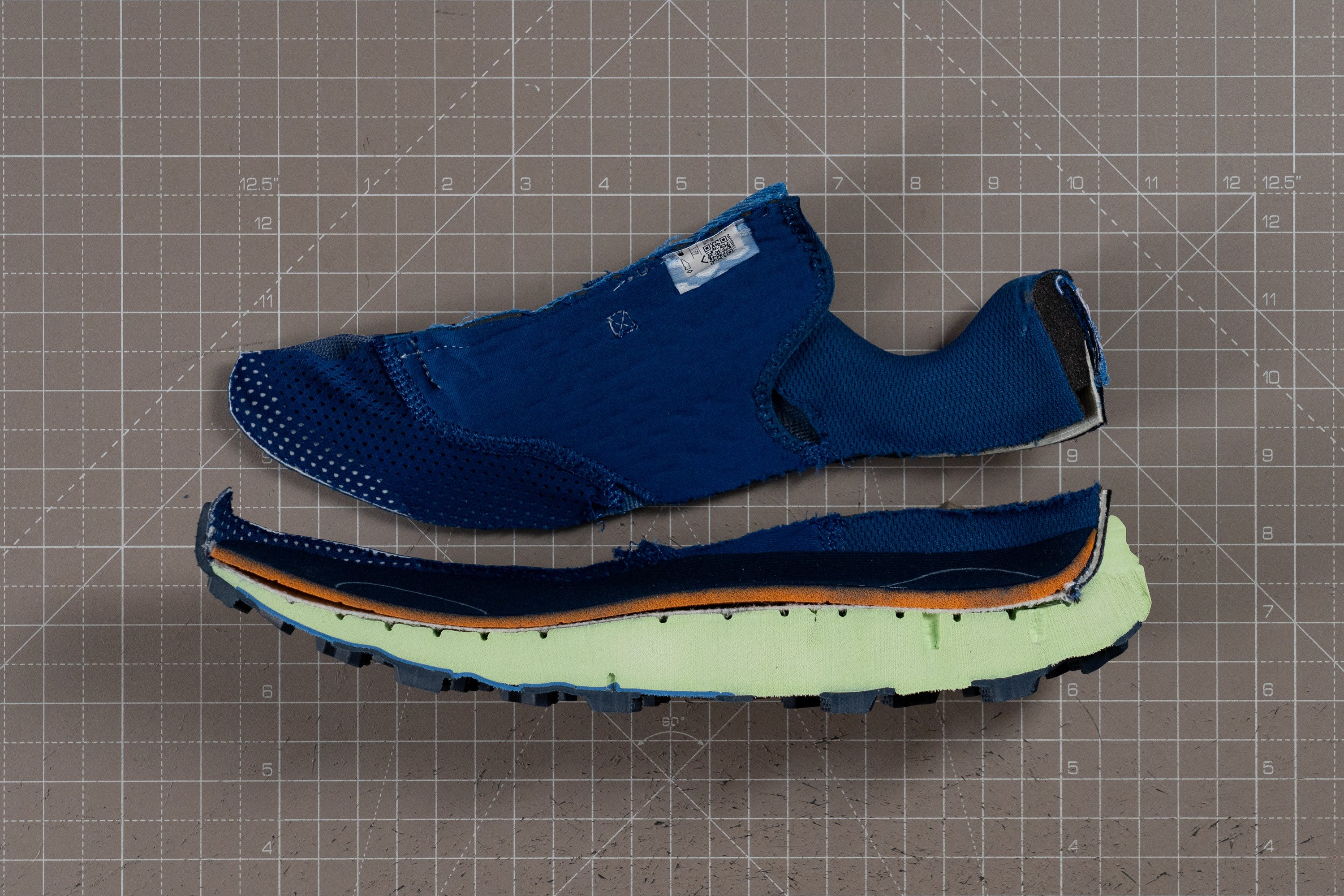
| Agility Peak 6 | 11.5 mm |
| Average | 7.2 mm |
Midsole softness
The EVA-based FloatPro is not meant to deliver high energy return or a soft feel underfoot. Instead, it focuses on durability and stability, so those traits matter more if you want to get along well with the Agility Peak 6.
We measured the foam softness at 36.7 AC, which sits around the average for trail shoes. However, the ride feels noticeably firm due to the deep lugs and the presence of a forefoot rock plate.

| Agility Peak 6 | 36.7 AC |
| Average | 38.1 AC |
Rocker
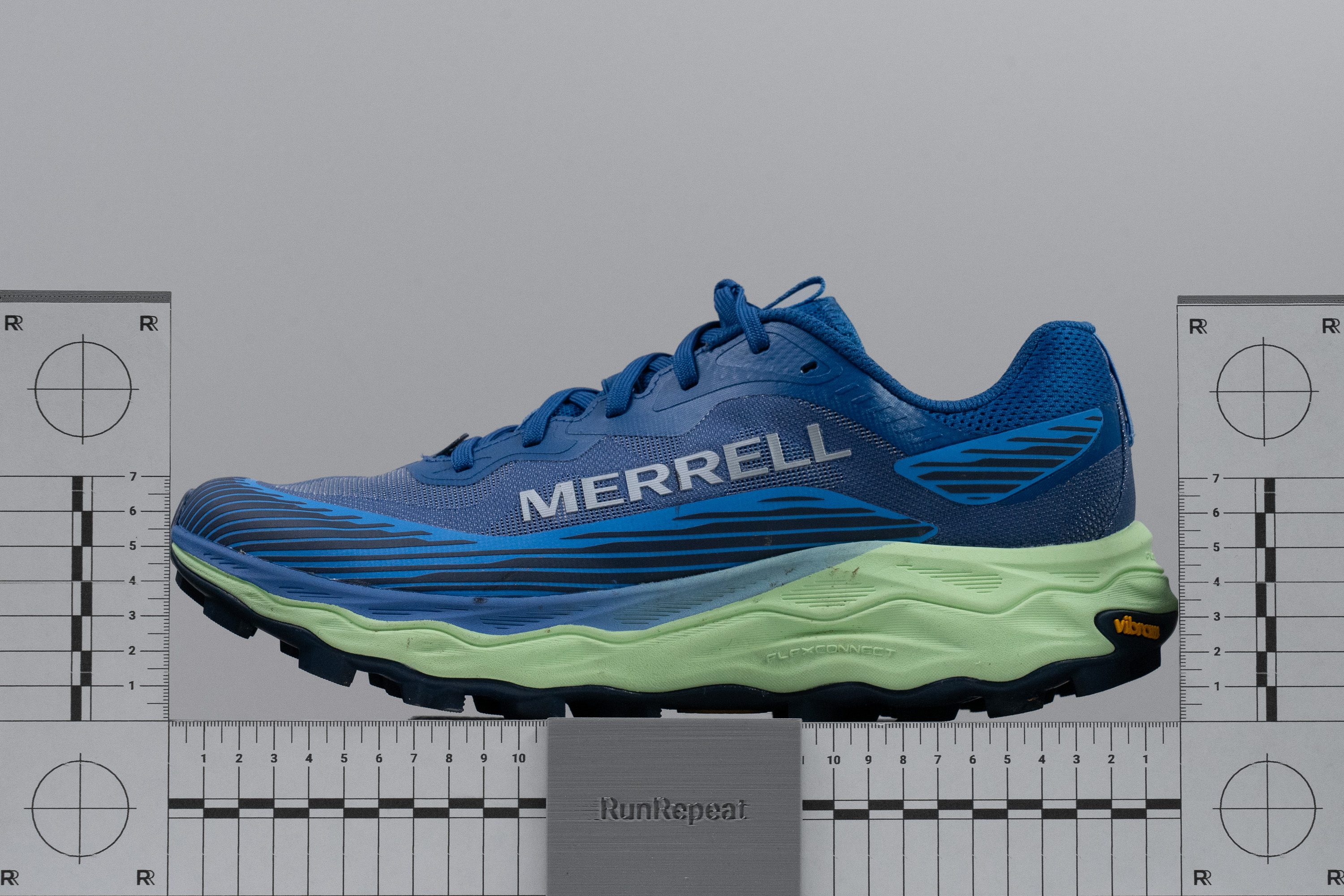
Running shoes keep getting more rockered year after year, and the Merrell Agility Peak 6 is a clear example. The forefoot curves up much more than before, and the heel follows the same trend. It feels smooth underfoot, although for some runners it may already be a bit too much and a sign for Merrell not to push this further.
Plate
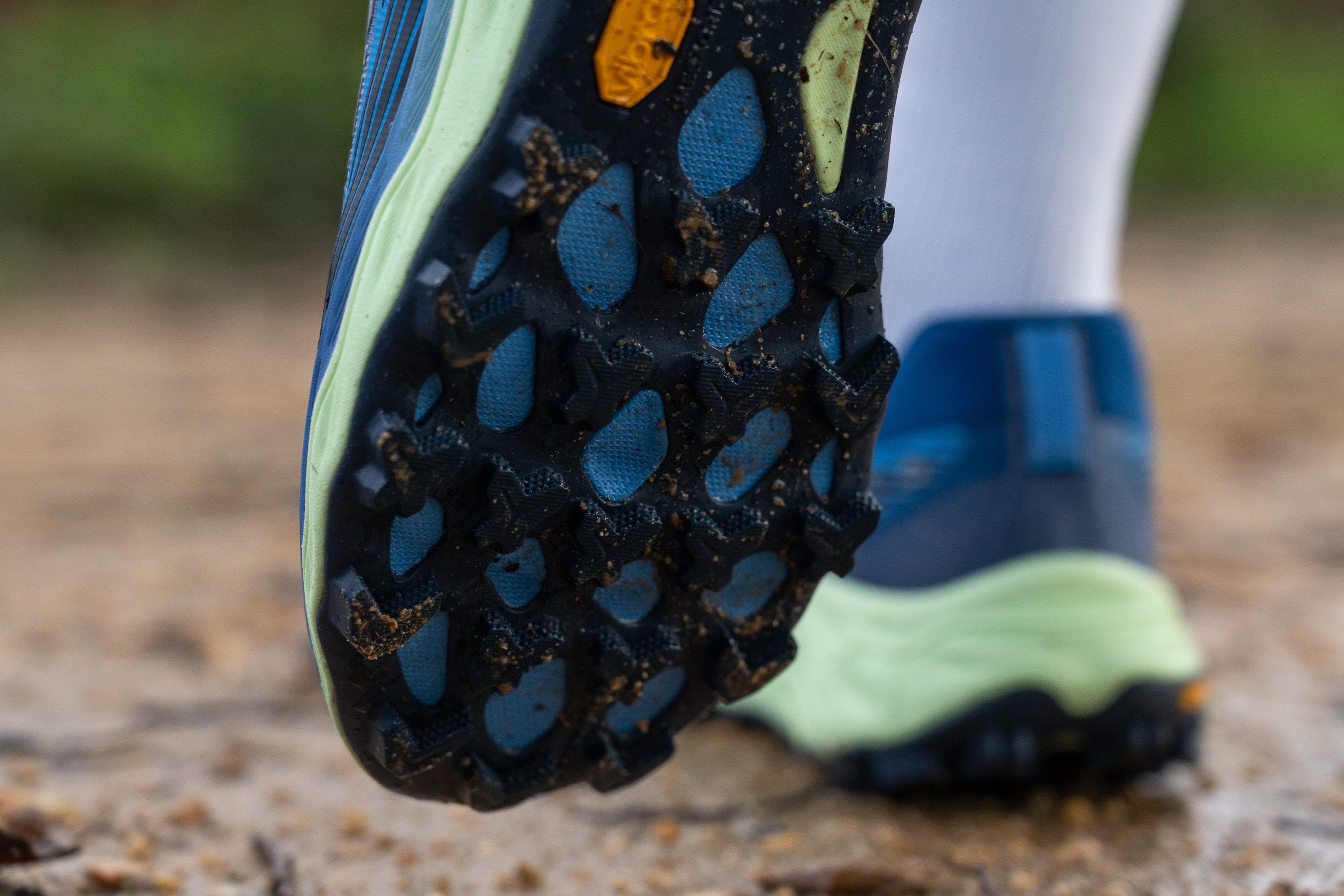
As a trail shoe built to handle moderate and even highly technical terrain, it is no surprise that Merrell keeps a rock plate in the forefoot. With the large outsole cutouts, that added protection becomes even more critical to shield the foot from sharp rocks and uneven ground.
Size and fit
Size
Merrell Agility Peak 6 fits true to size (17 votes).
Internal length
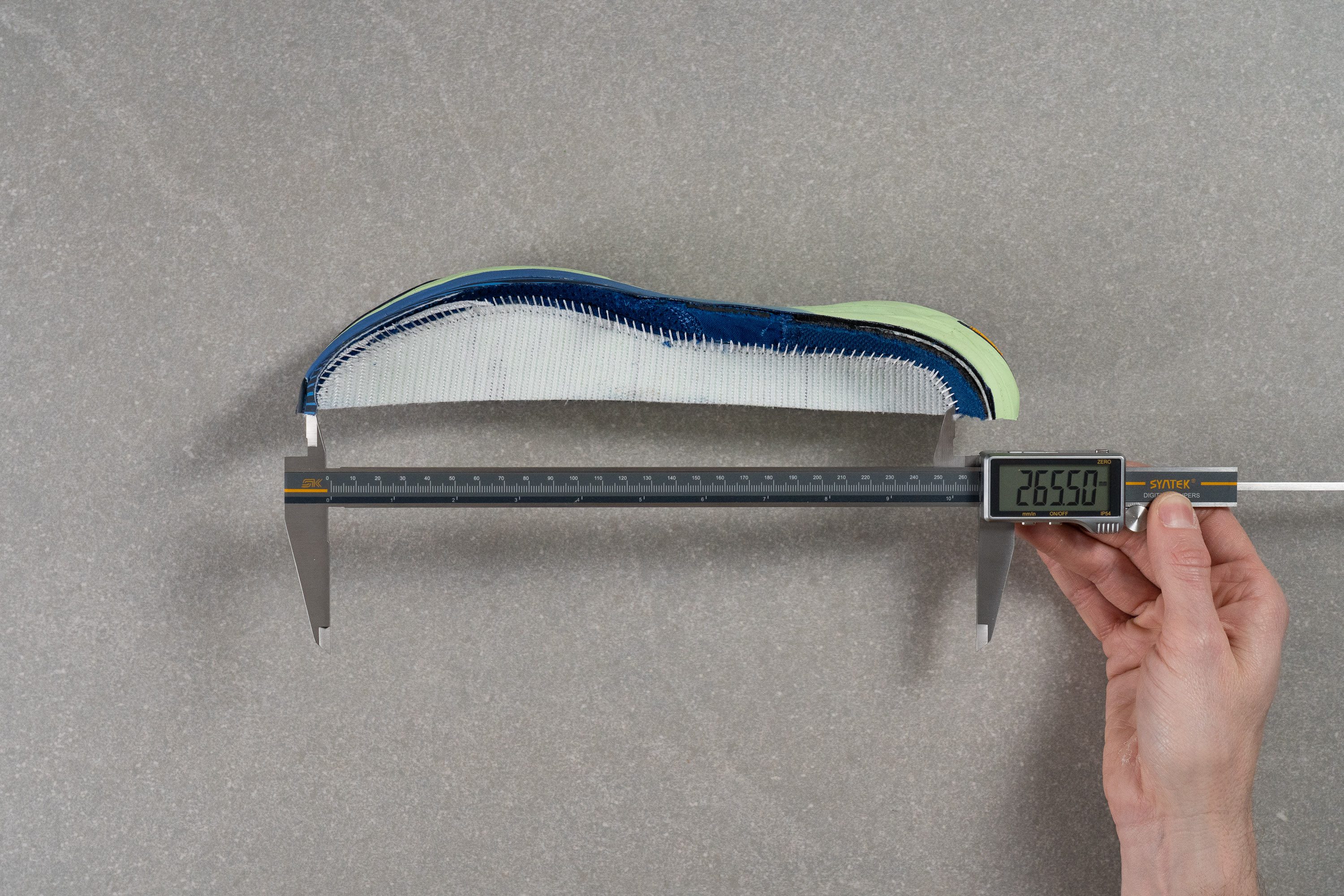
| Agility Peak 6 | 265.5 mm |
| Average | 269.2 mm |
Width / Fit
Merrell is well known in our lab for delivering snug fits across its lineup, and we were curious to see whether the Agility Peak 6 changes that approach or keeps the same direction.
After making our usual gel mould of the interior, we began taking measurements. The first one came in at 94.3 mm, which is below average, but it does not tell the whole story. There is more to unpack.
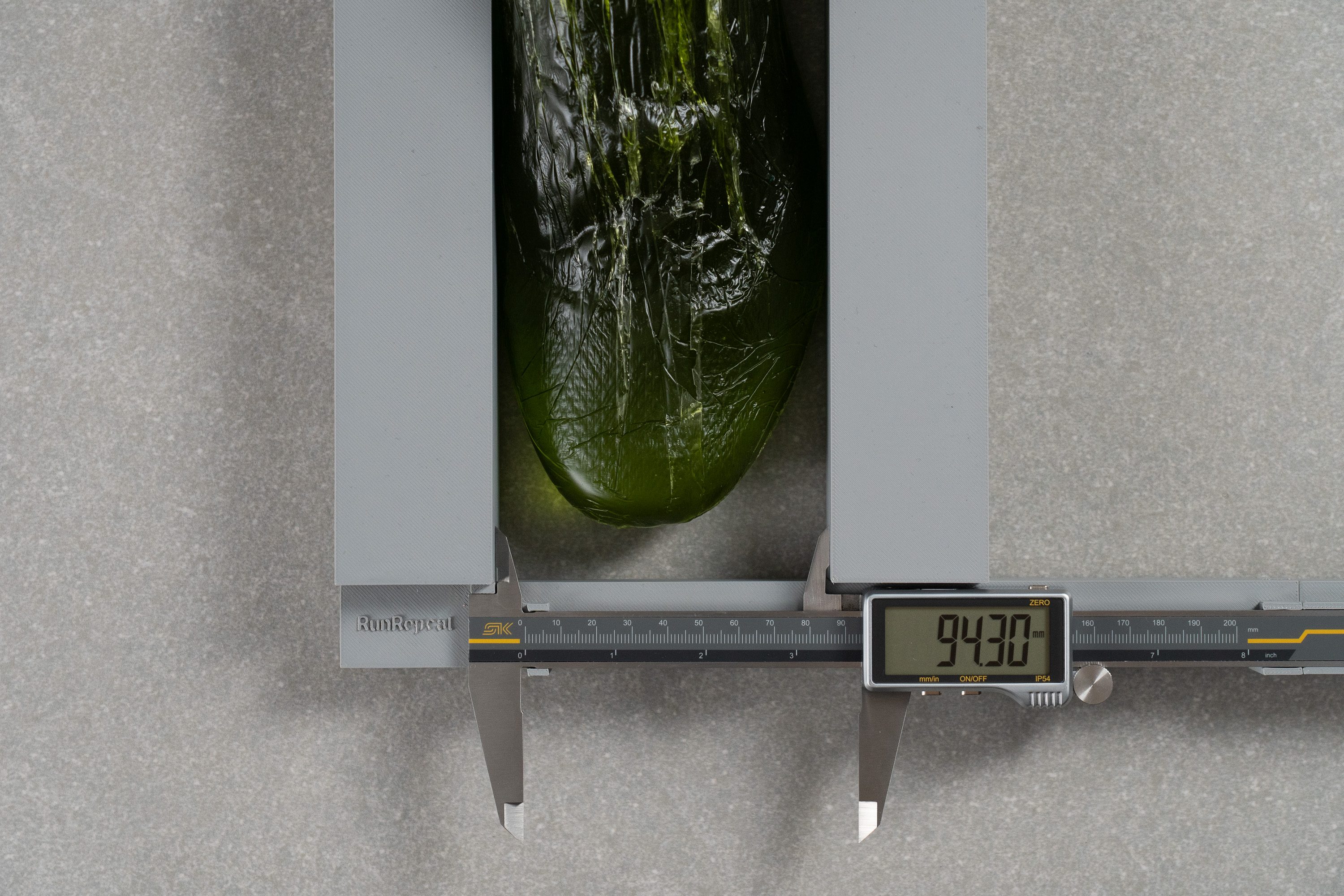
| Agility Peak 6 | 94.3 mm |
| Average | 95.7 mm |
Toebox width
Our measurement in the toebox reinforce the idea that this shoe leans toward a close fit.
With just 70.4 mm of width, the forefoot narrows sharply, limiting natural toe splay. As a result, it clearly favours runners with narrower feet over those needing extra room.
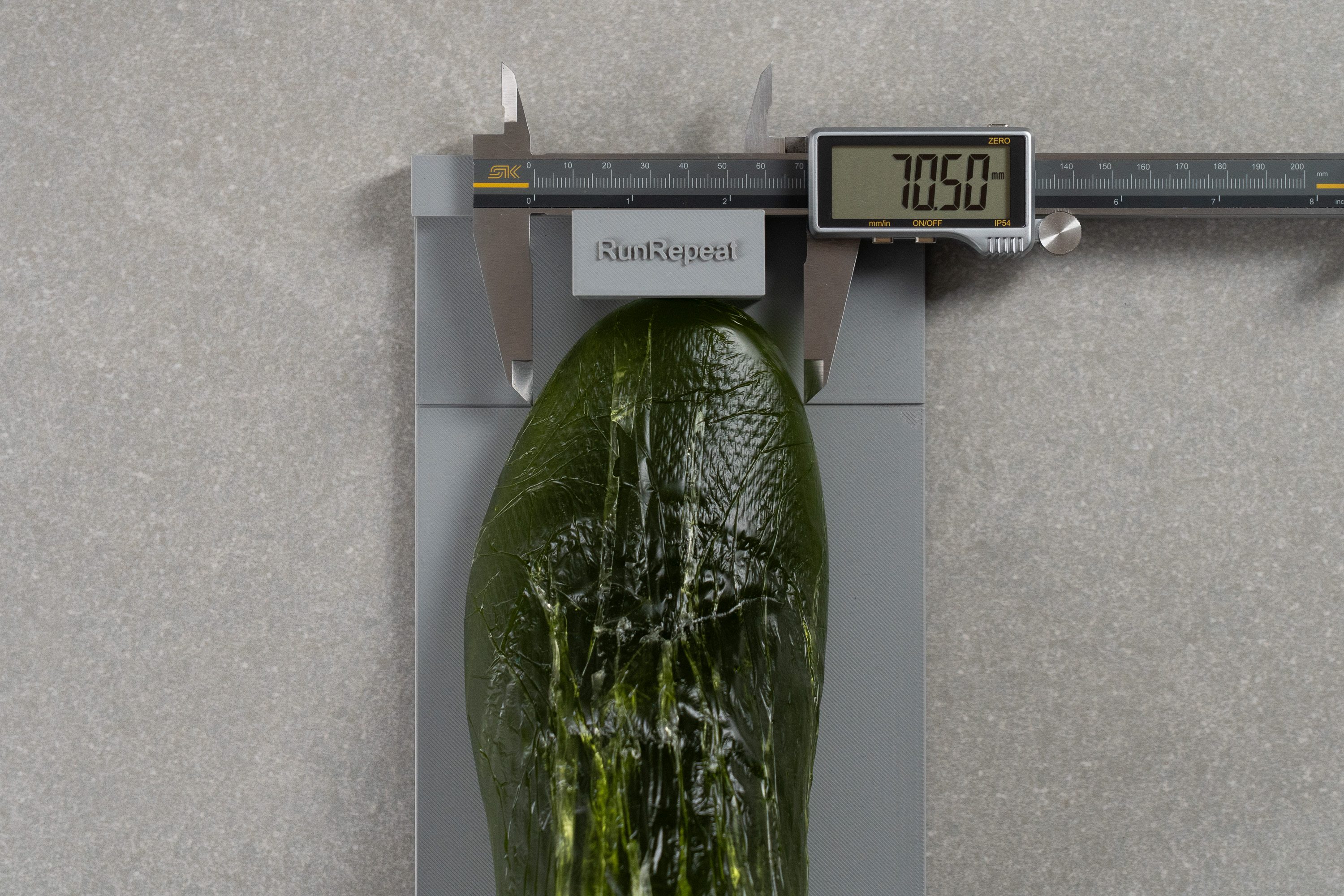
| Agility Peak 6 | 70.5 mm |
| Average | 74.3 mm |
Toebox height
We also measured a lower-than-average toebox height, which reinforces the overall snug fit of the shoe.
The main advantage of this close-fitting design is improved foot security, especially on twisty descents where any extra space inside the shoe can quickly become a problem.
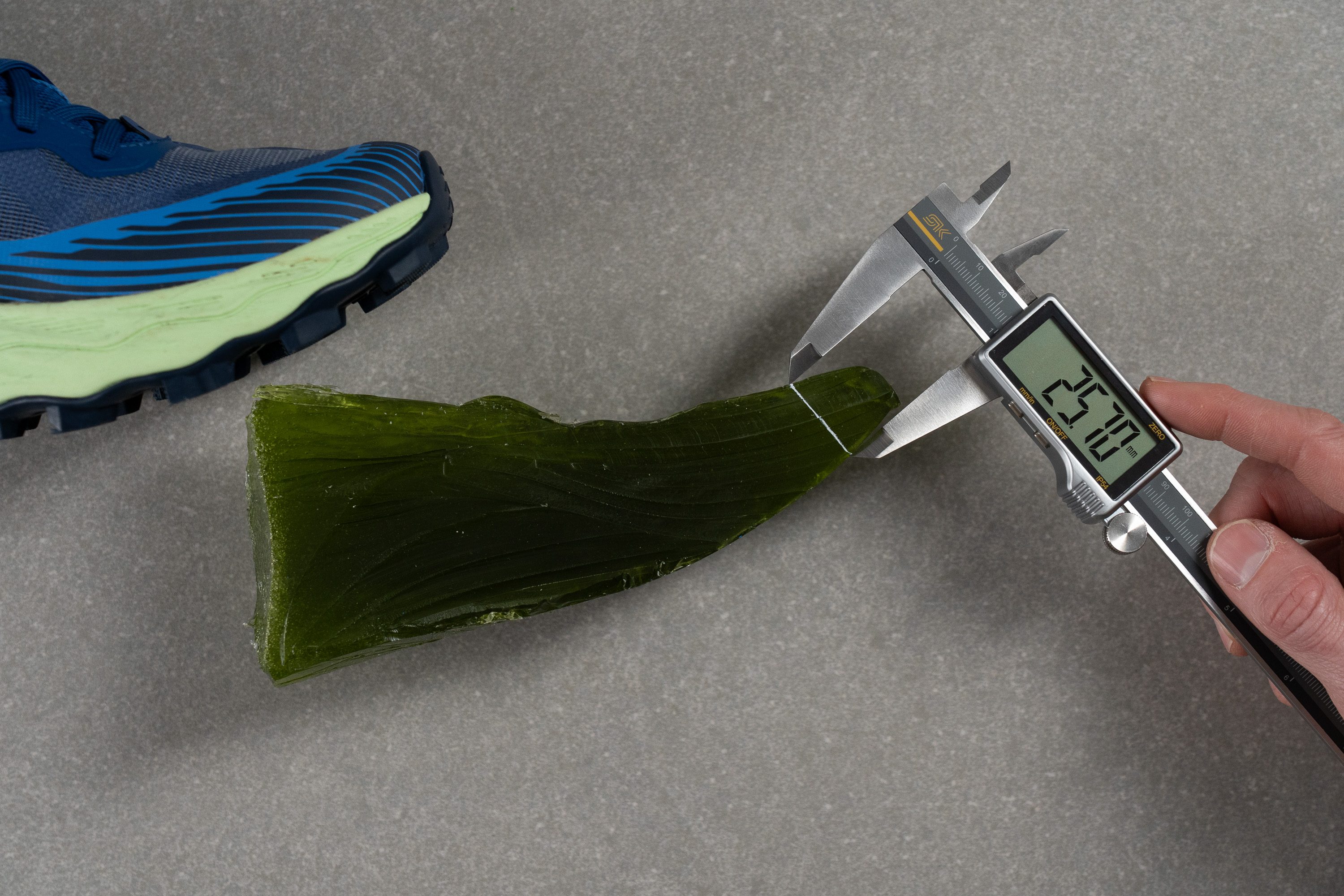
| Agility Peak 6 | 25.7 mm |
| Average | 27.0 mm |
Traction / Grip
Traction test
While energy return remains an issue for the Agility Peak line, we are happy to confirm that the outsole continues to be one of its strongest highlights. The partnership with Vibram carries on, and the Megagrip rubber delivers confident traction across many weather conditions.
In our SATRA TM144 test, the Vibram Megagrip compound achieved a strong 0.64 score. This is a very solid result and clearly supports its reputation for dependable grip.
| Agility Peak 6 | 0.64 |
| Average | 0.68 |
Lug depth
Built for adventurous runs on technical terrain, Merrell equips the shoe with deep 5.0 mm lugs that deliver excellent grip on rock and loose surfaces. And as a new feature for the series, now with Vibram's Traction Lug technology.
Because of this high depth, the Agility Peak 6 can feel harsh on short road sections or smooth dirt roads, but it truly shines when the terrain gets demanding. This is a trail shoe made for serious use.
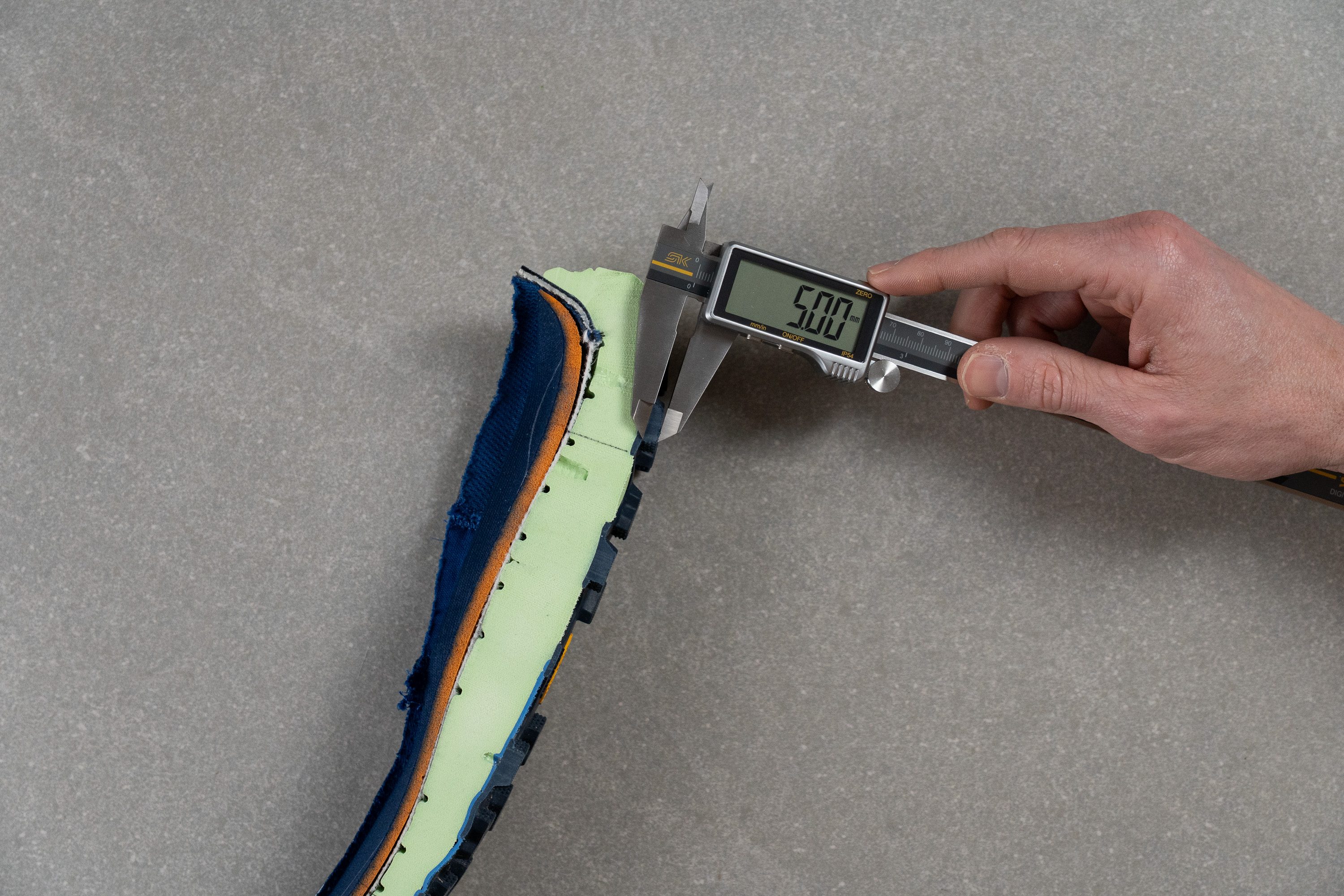
| Agility Peak 6 | 5.0 mm |
| Average | 3.5 mm |
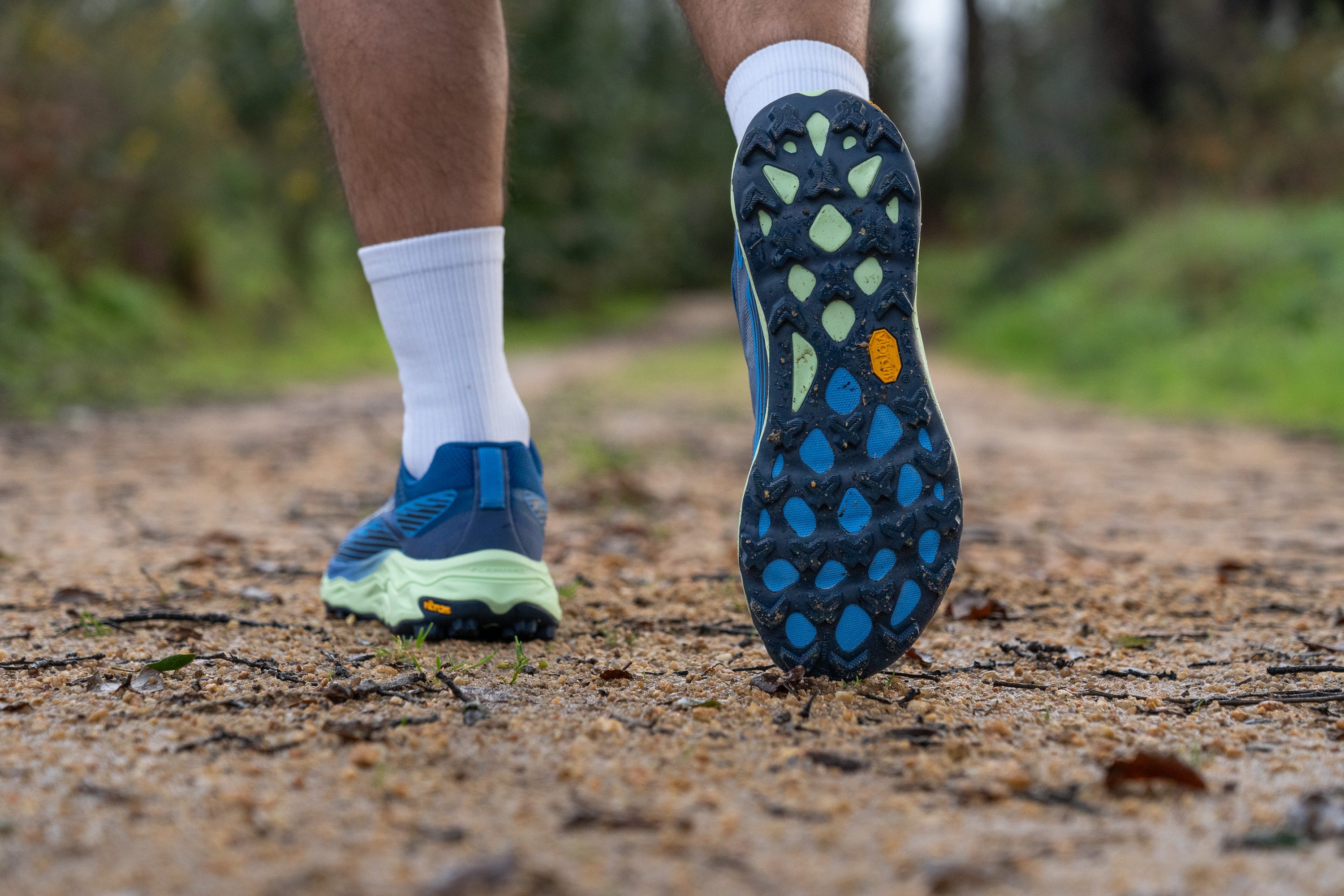
Outsole design
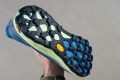
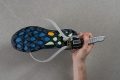
The lugs use rounded chevron and butterfly shapes, spread across the outsole with surprisingly large cutouts between them to reduce material coverage.
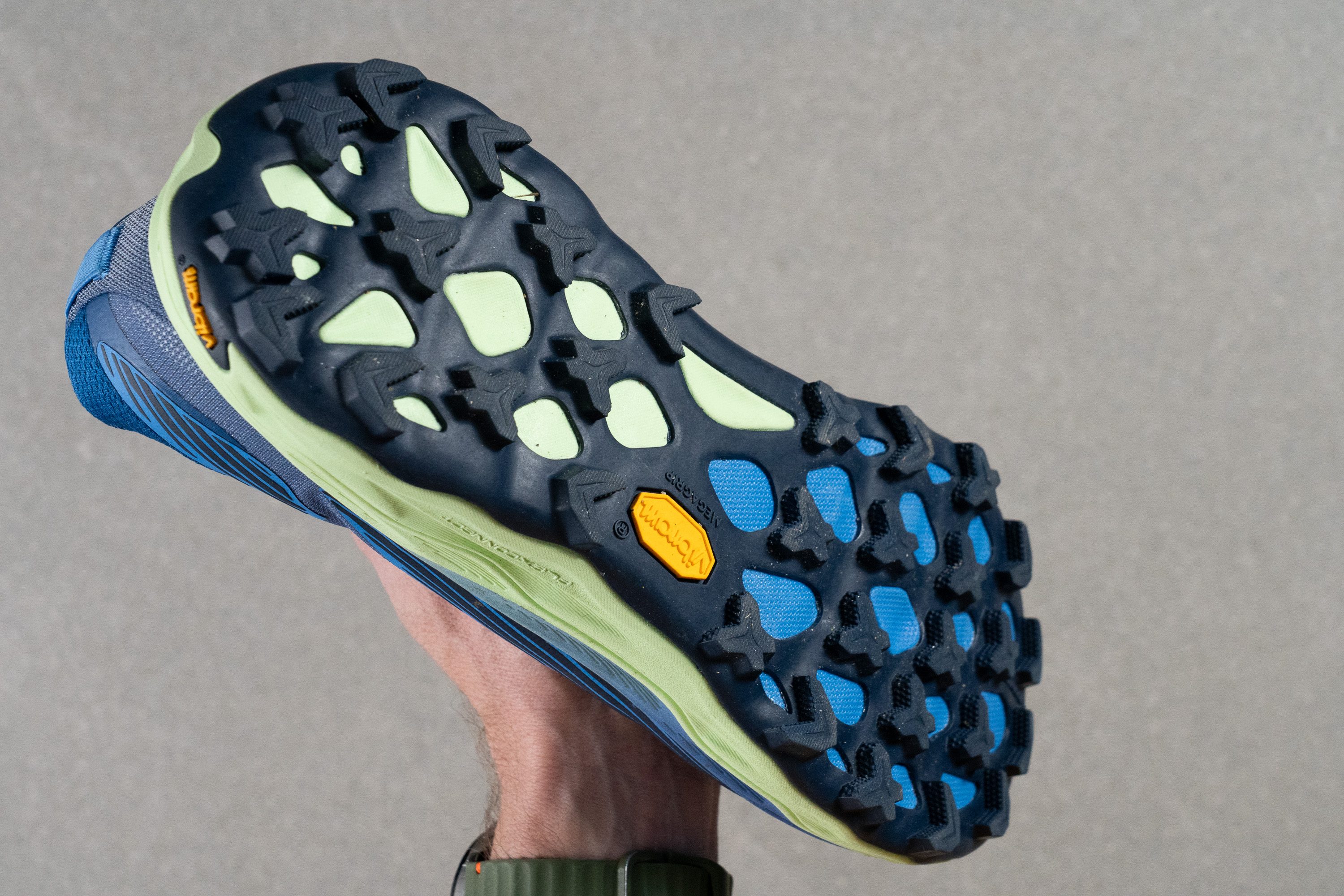
In the forefoot and heel, the lugs are more tightly packed, while the midfoot features larger exposed foam windows and lower lug density.
Flexibility / Stiffness
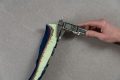
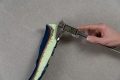
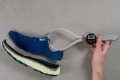
Those who felt the v5 was a bit stiff will be happy to hear that the outsole updates and redesigned FlexConnect grooves made a difference. This version is more flexible, posting a reasonable 14.3N score in our 30-degree bend test.
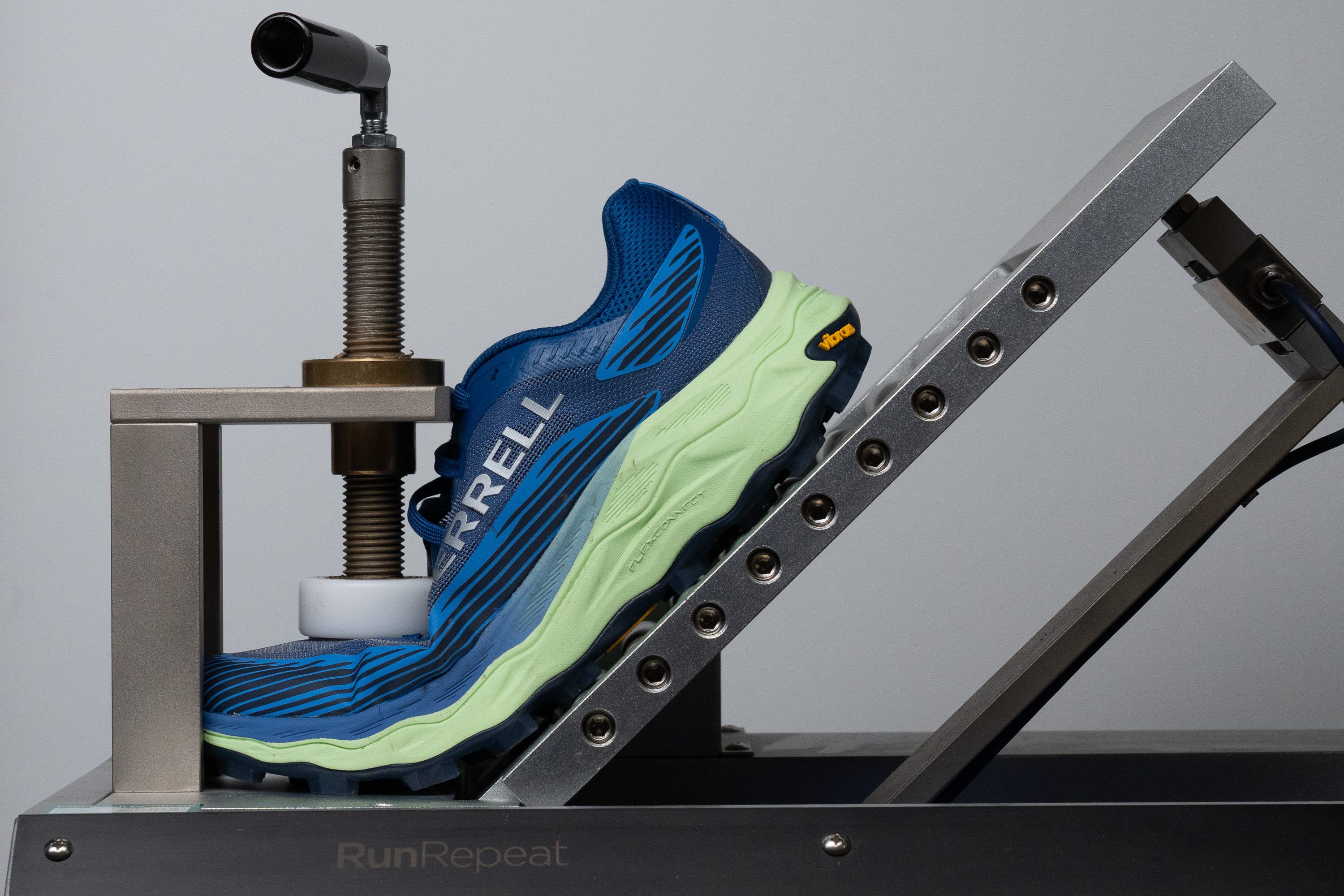
| Agility Peak 6 | 14.3N |
| Average | 14.8N |
Weight
We also hoped for a meaningful weight drop when reviewing its predecessor, and the Merrell Agility Peak 6 somewhat delivers. The reduction is real but modest, only 4%, which is positive yet barely noticeable underfoot.
As we noted earlier in this review, FloatPro feels dated. Moving to supercritical EVA could raise energy return by 5-10% and cut weight by 10-15%, possibly even more!
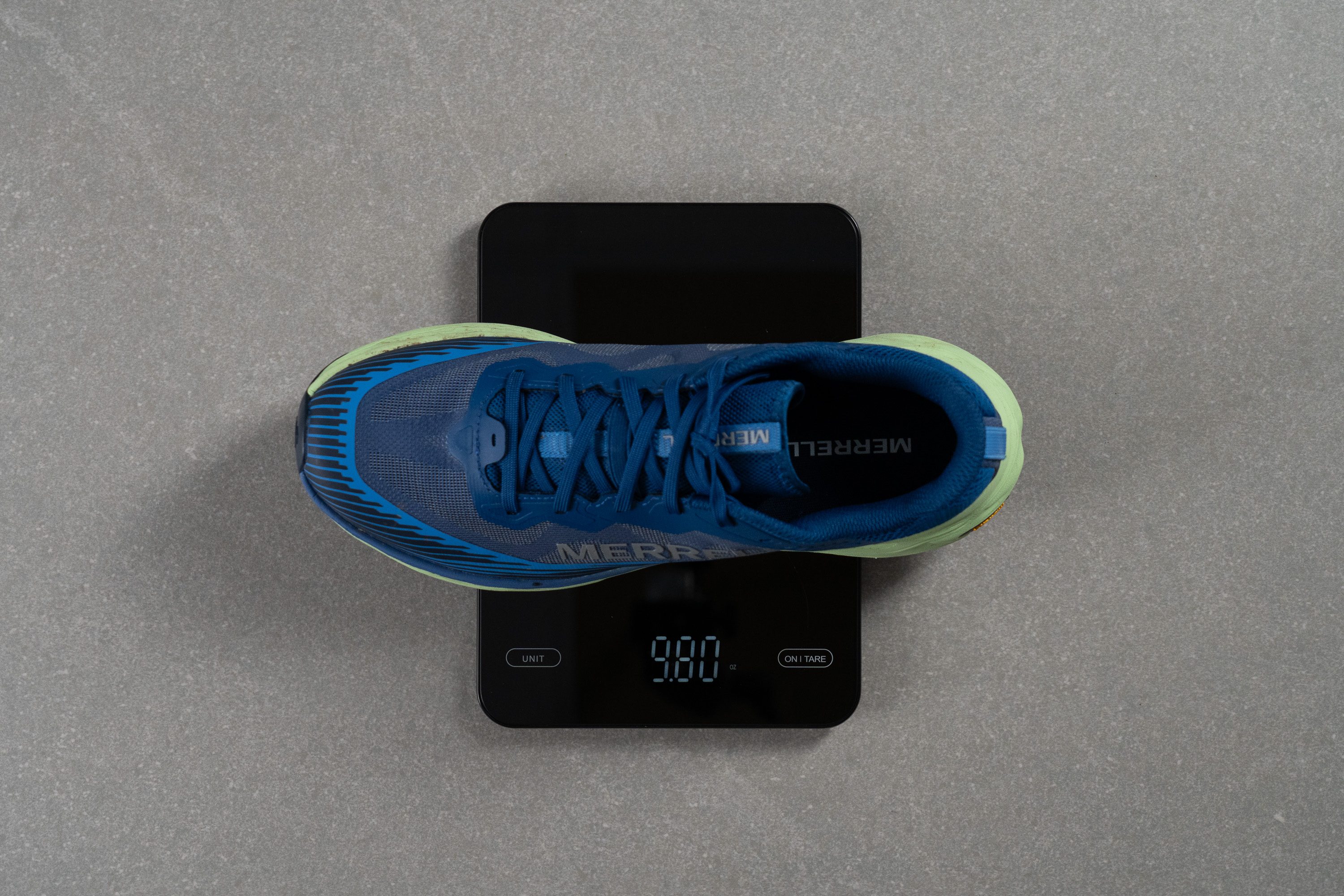
| Agility Peak 6 | 9.8 oz (278g) |
| Average | 10.1 oz (285g) |
Breathability
Breathability test
The Merrell Agility Peak 6 delivered slightly below-average breathability in our lab, earning a result of 62 BR.
While that's not enough for us to strongly recommend it for hot summer days, it still manages perspiration reasonably well and should keep feet comfortable during all-day hikes and trail runs in moderate temperatures.
| Agility Peak 6 | 62 BR |
| Average | 71 BR |
Drying potential
NewOn a more positive note, the Agility Peak 6 showed solid drying potential with a result of 54%. In other words, it was able to evaporate more than half of the moisture accumulated during our 3-hour test, helping prevent the shoe from becoming overly damp or noticeably heavier over time.
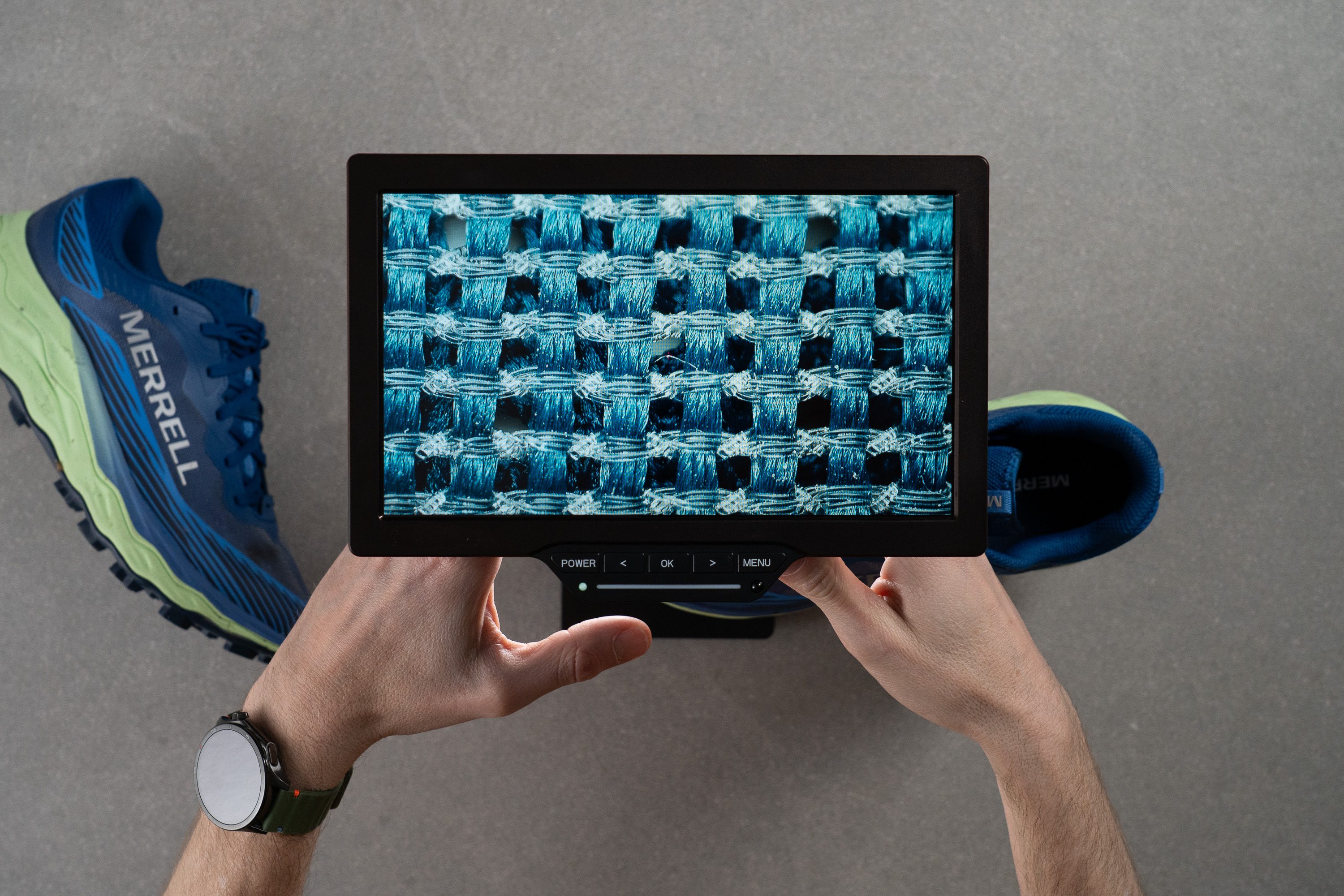
| Agility Peak 6 | 54% |
| Average | 51% |
Stability
Lateral stability test
Stability also sees a small improvement. We found a slightly wider platform that feels more comfortable on flat terrain, while still preserving the familiar confidence of the Agility Peak line when the trail turns technical.
Torsional rigidity
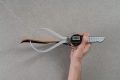
We already noted improved longitudinal flexibility, but we had not yet assessed torsional rigidity. Here, we also found a moderate result around average at 17.2 Nm.
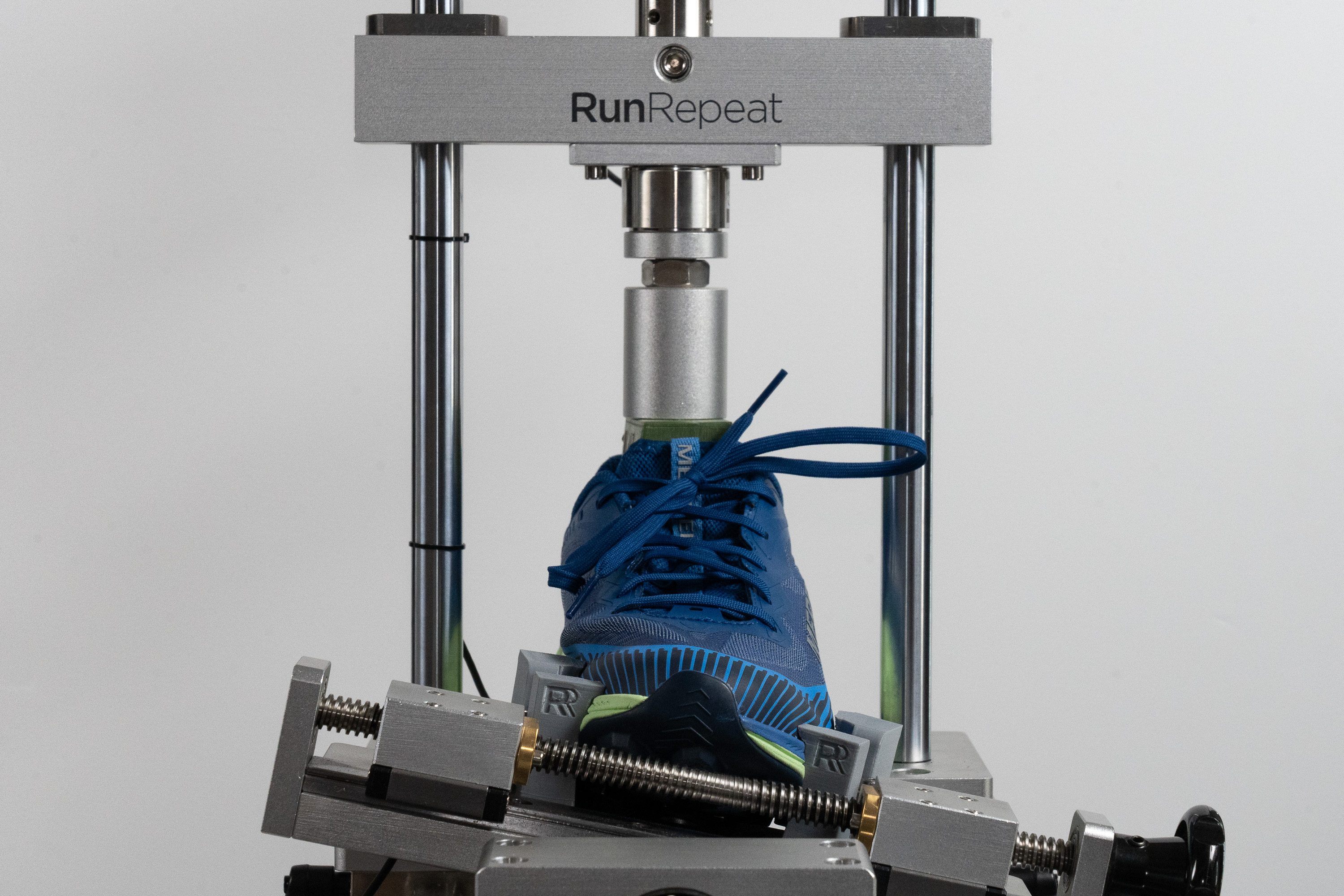
| Agility Peak 6 | 17.2 Nm |
| Average | 15.7 Nm |
Heel counter stiffness
The heel counter is also slightly more pliable, which improves comfort, especially during longer runs. It steps down one level to a 3/5 score, aligning with what we see in most trail shoes.
| Agility Peak 6 | 3 |
| Average | 2.9 |
Midsole width - forefoot
The midsole feels very familiar if you are used to the Agility Peak, but like many modern shoes, it has grown slightly wider. This year, we measured 115.5 mm, which sits above our current lab average.
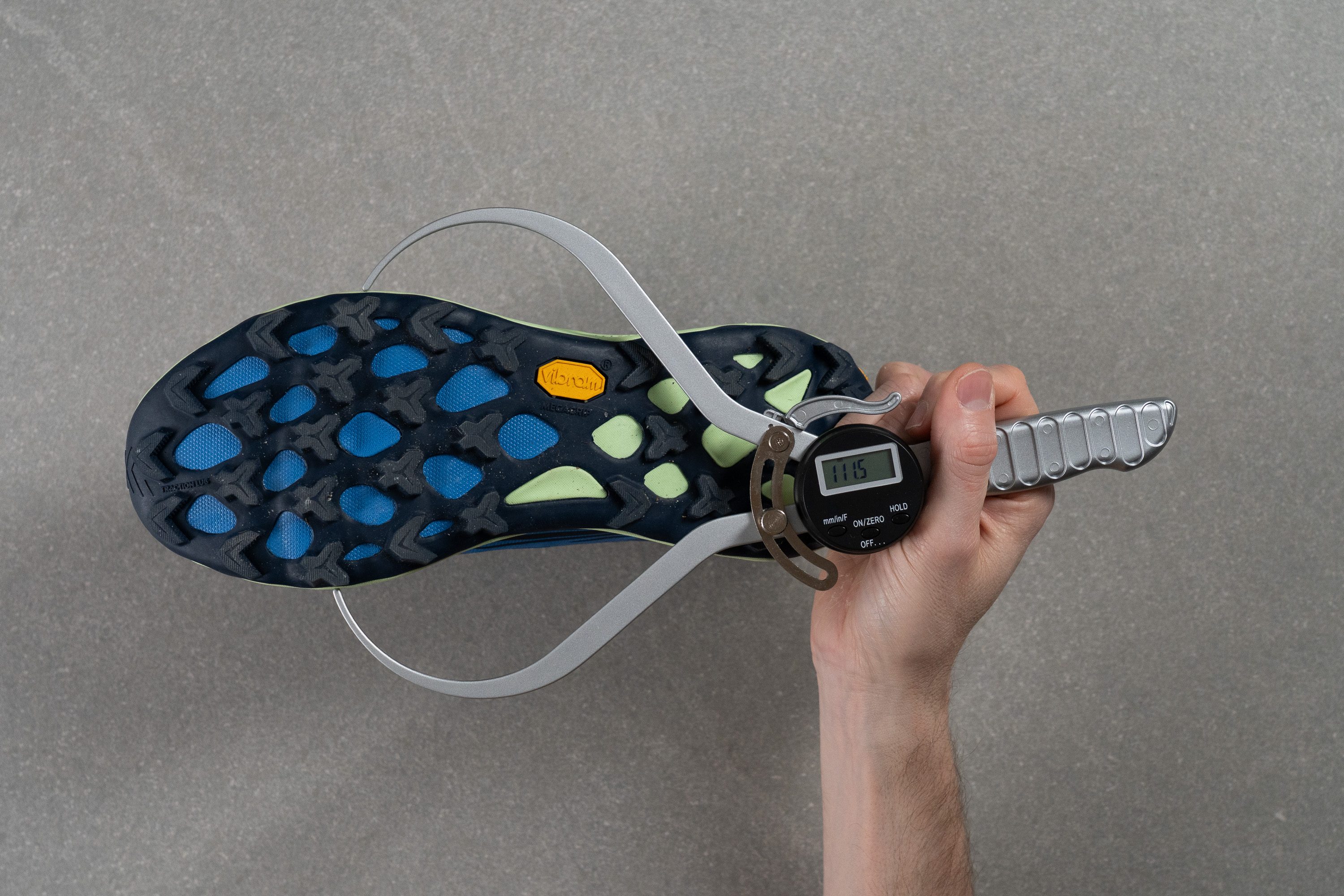
| Agility Peak 6 | 115.5 mm |
| Average | 114.3 mm |
Midsole width - heel
The heel is where the biggest change shows up, and where added stability is most noticeable. It jumps from 93.0 mm to a much broader 97.7 mm, which may start to feel like the upper limit for runners who prefer a nimble, agile ride.
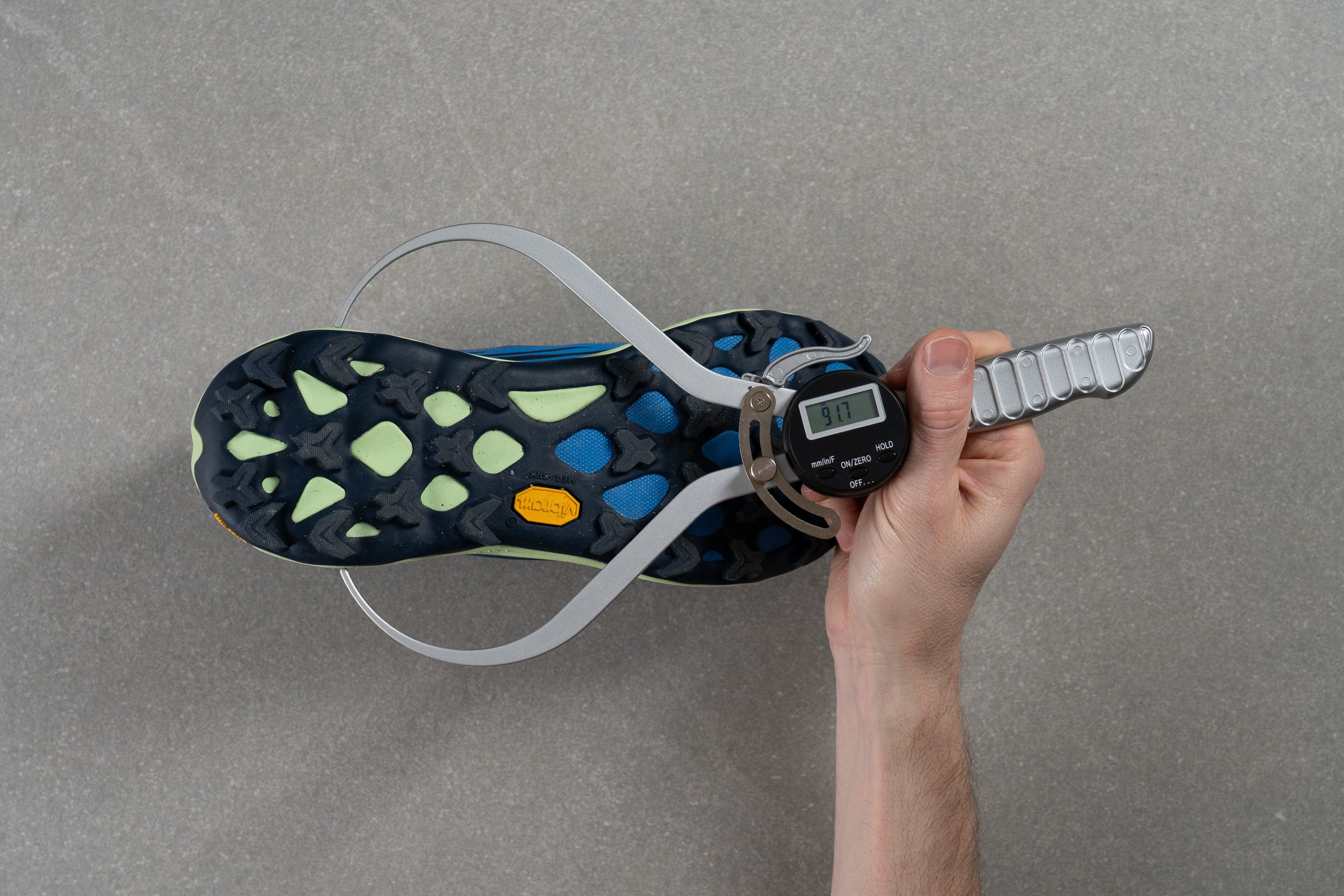
| Agility Peak 6 | 97.7 mm |
| Average | 90.5 mm |
Durability
Toebox durability
We liked the smart upper layout for ventilation, as it blends well-placed open zones with strong protection and denser mesh in the toebox. This approach allows the Agility Peak 6 to deliver solid airflow while still earning a durability score of 3/5.
| Agility Peak 6 | 3 |
| Average | 3.1 |
Heel padding durability
One area we truly hoped to see improved over version 5 was the heel padding durability, which scored just 2/5. Unfortunately, while it did not get worse, it also shows no real improvement.
| Agility Peak 6 | 2 |
| Average | 3.1 |
Outsole durability
So far, Vibram has never let us down with its Megagrip compound. It consistently scores above average in both traction and durability, and we saw the same here with a 0.6 mm result. It is easy to see why so many brands choose it and pay the royalties.
| Agility Peak 6 | 0.6 mm |
| Average | 0.9 mm |
Outsole thickness
The Agility Peak features 2.0 mm of outsole thickness, which is sufficient given the presence of a forefoot rock plate and deep lugs working together underneath.
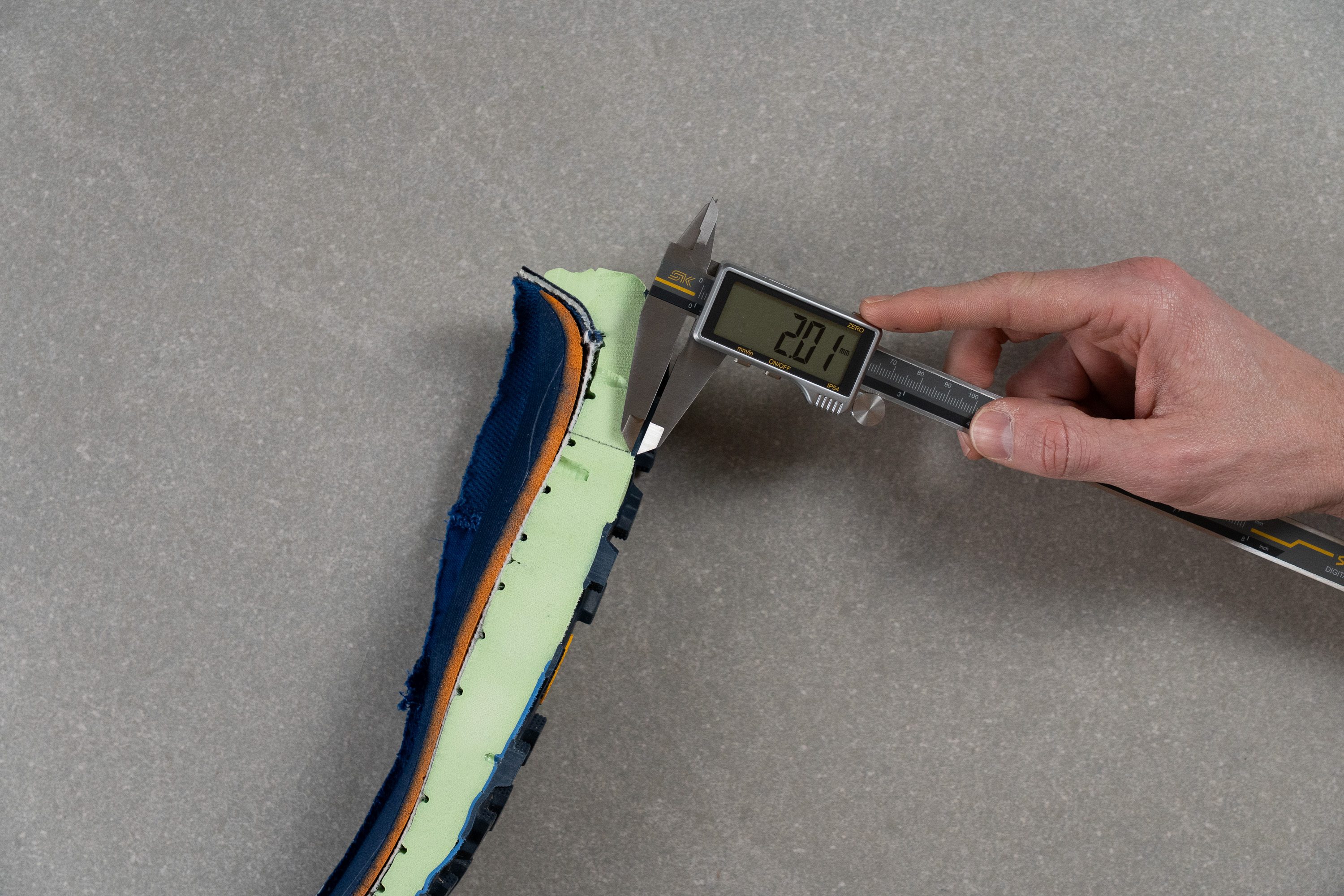
| Agility Peak 6 | 2.0 mm |
| Average | 1.9 mm |
Misc
Insole thickness
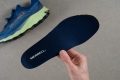
The insole of the Agility Peak 6 measures 5.4 mm at its thickest point in the heel, adding a noticeable layer of cushioning to the overall setup.
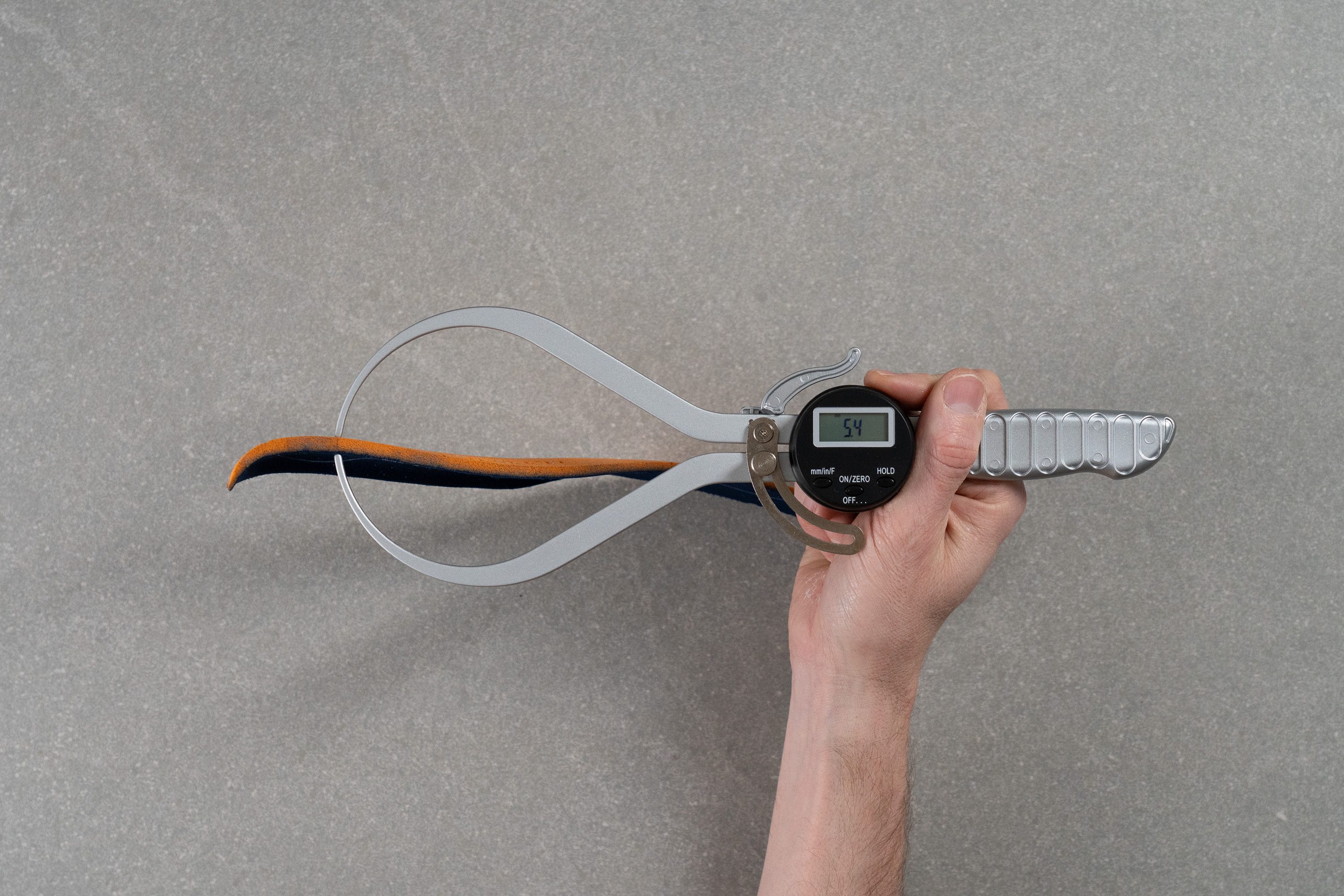
| Agility Peak 6 | 5.4 mm |
| Average | 4.6 mm |
Removable insole
You can remove the insole, but keep in mind that this one is 2 mm thicker in the heel than in the forefoot. Therefore, swapping it for a flat insole (which most out there are) will reduce the drop by 2 mm, something many runners may actually welcome...
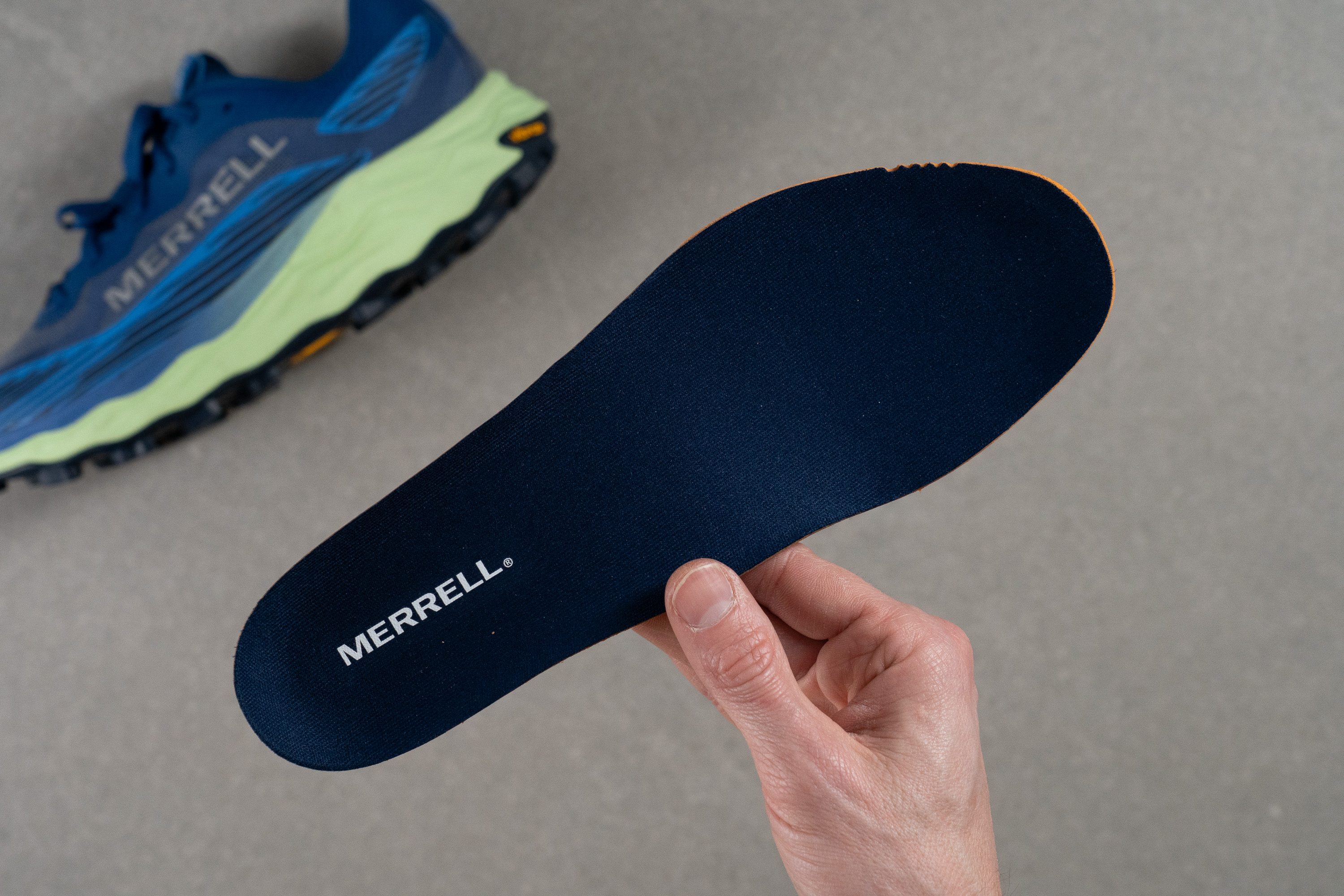
| Agility Peak 6 | Yes |
Reflective elements
We found no reflective elements on the Agility Peak 6, which is something Merrell could improve in version 7. Adding reflectivity would come with no downsides and would clearly enhance safety in low-light conditions.
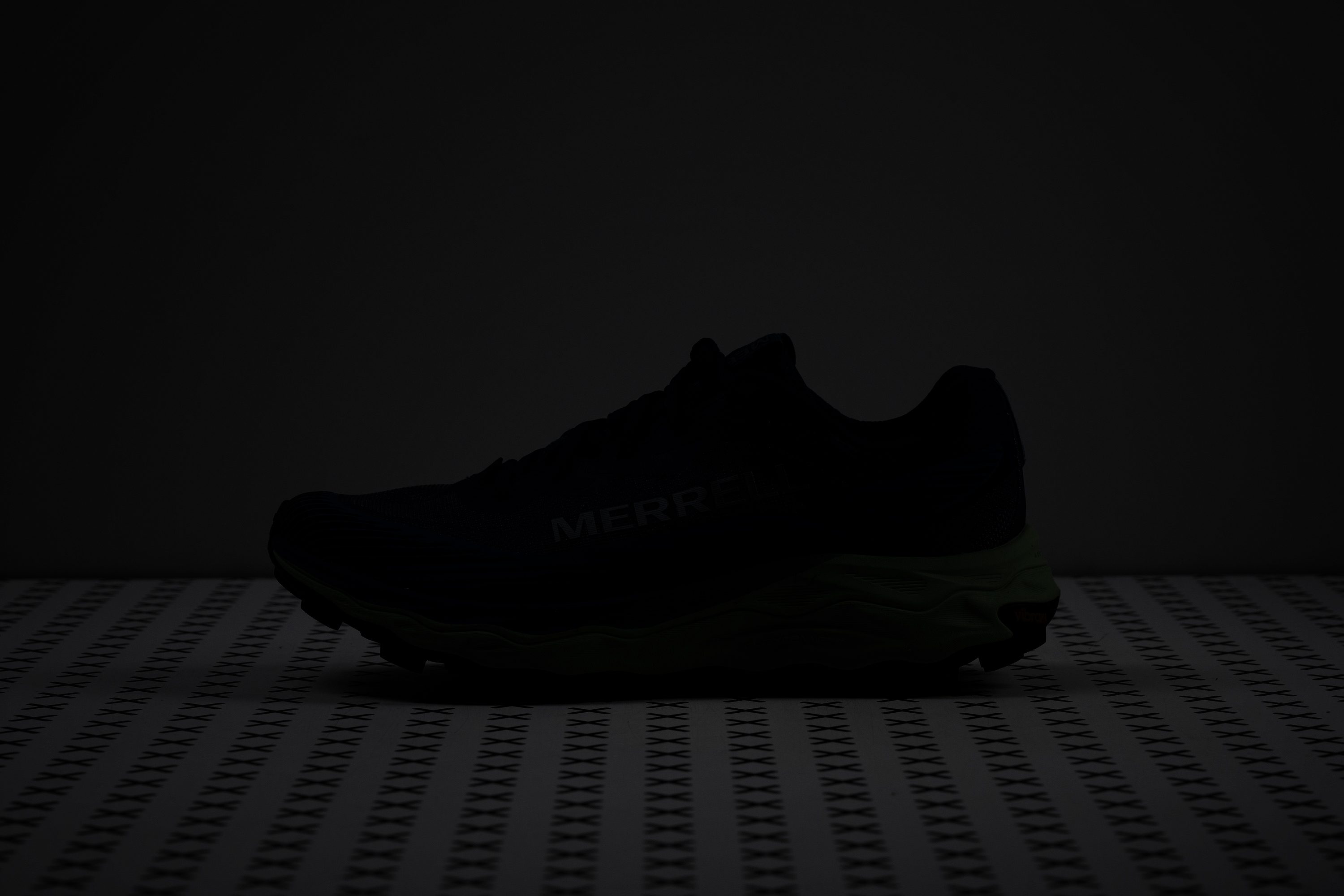
| Agility Peak 6 | No |
Tongue padding
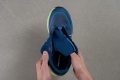
Merrell plays it safe with the lacing system, using thin laces that pass through punched eyelets reinforced by a solid TPU layer. This setup looks robust, and we see no reason to expect durability issues over time. And we loved the elastic band to keep them in place!
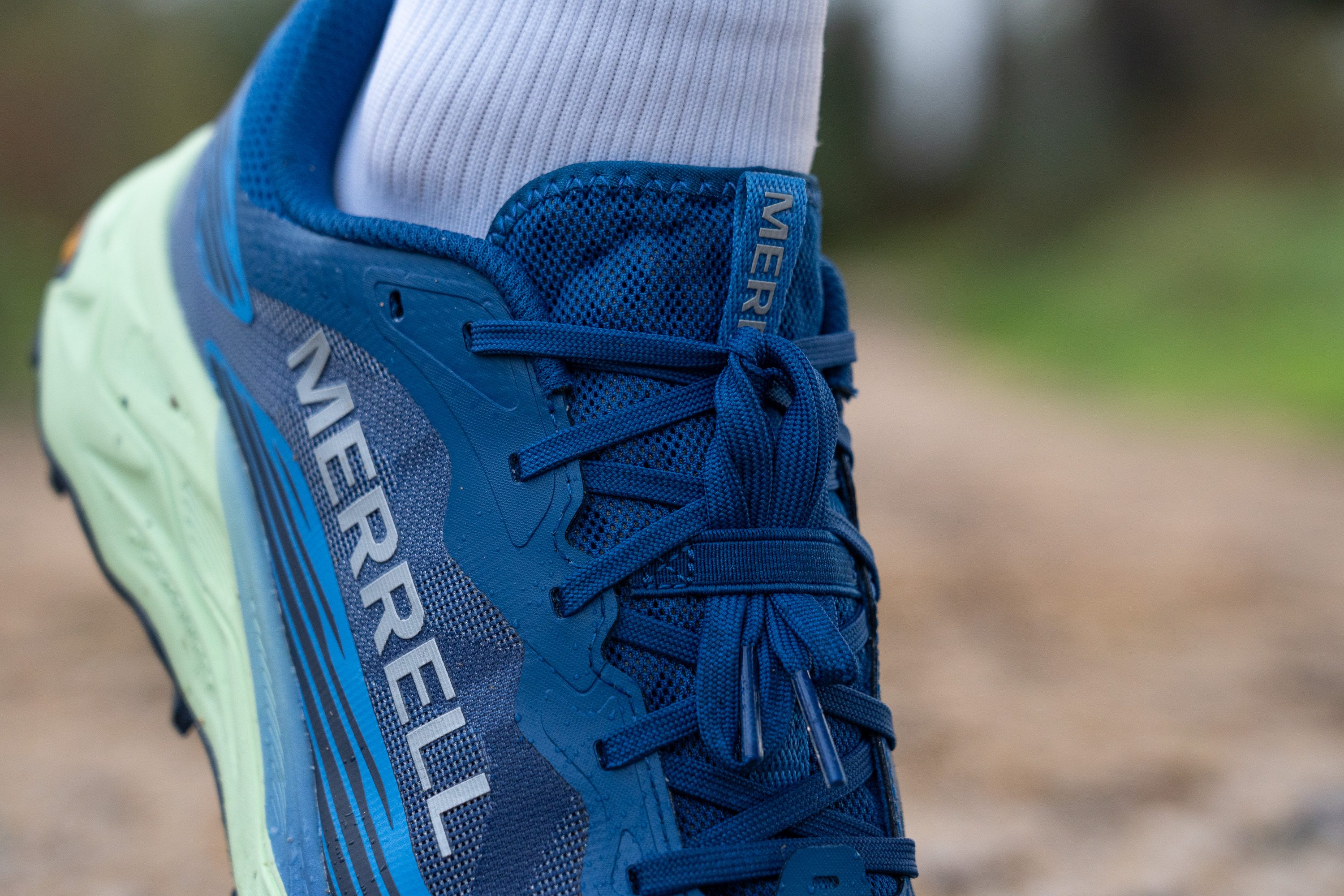
One clear trend in modern running shoes is the move toward thinner tongues, and Merrell follows that direction here. The Agility Peak 6 measures just 2.0 mm in tongue thickness, a value once limited to racing models. If you prefer a thick, padded tongue, this is worth noting.
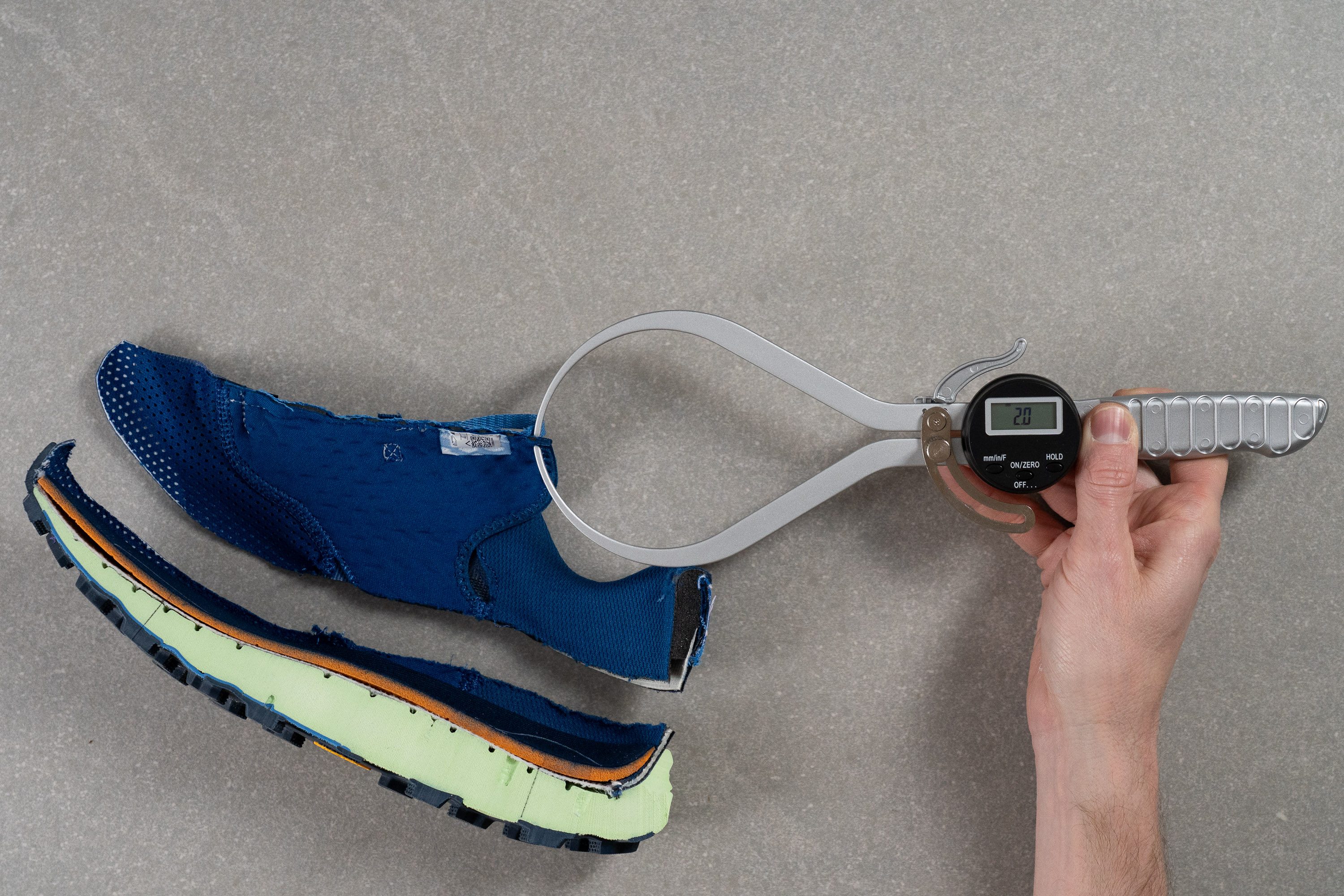
| Agility Peak 6 | 2.0 mm |
| Average | 6.4 mm |
Tongue: gusset type
The tongue follows proper trail shoe design and features a full gusset, which helps block debris and small rocks from entering the shoe.
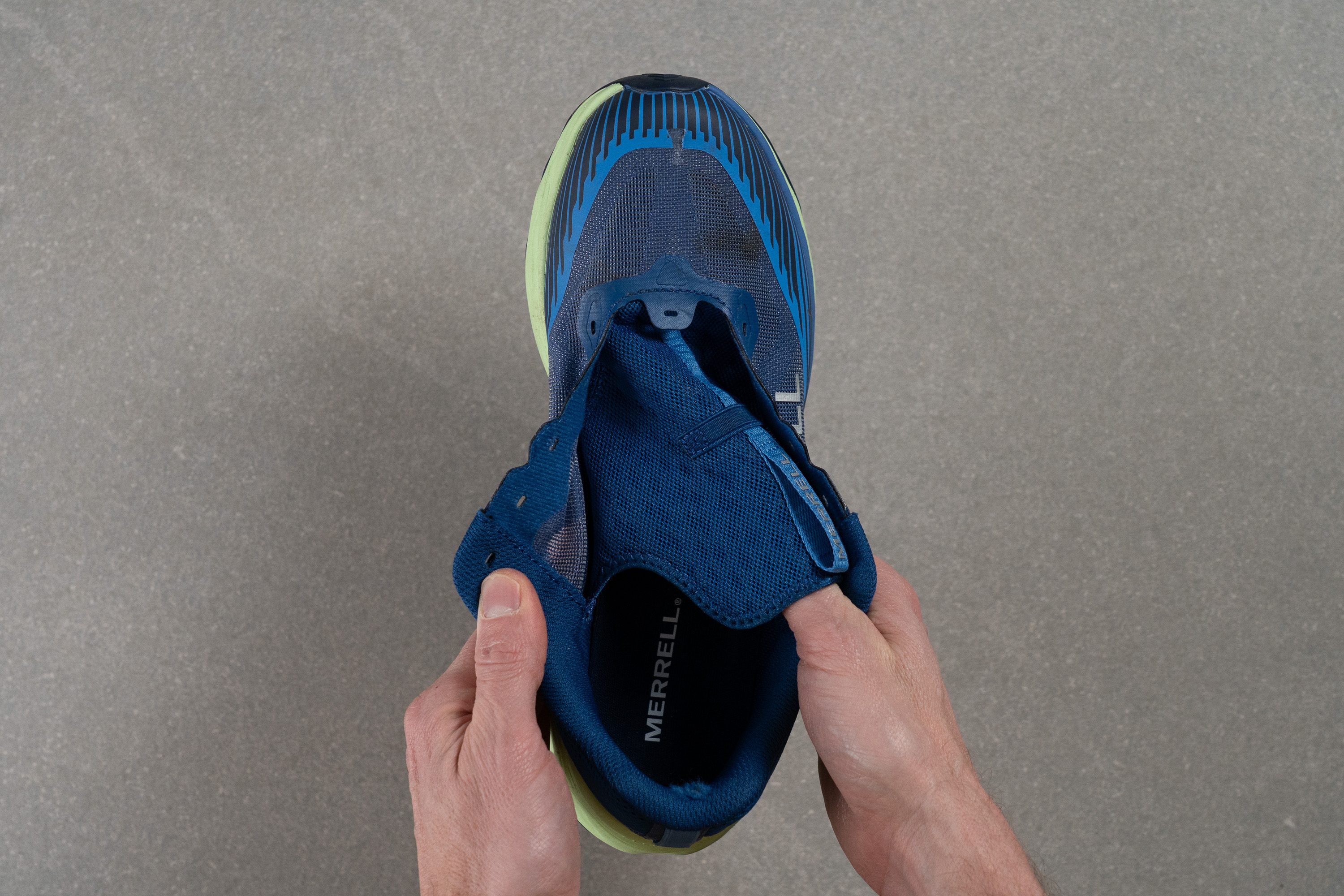
| Agility Peak 6 | Both sides (full) |
Heel tab
The heel retains a finger-loop heel tab that's much better than the one we found in the previous version, but the Velcro-based gaiter strap has been removed.
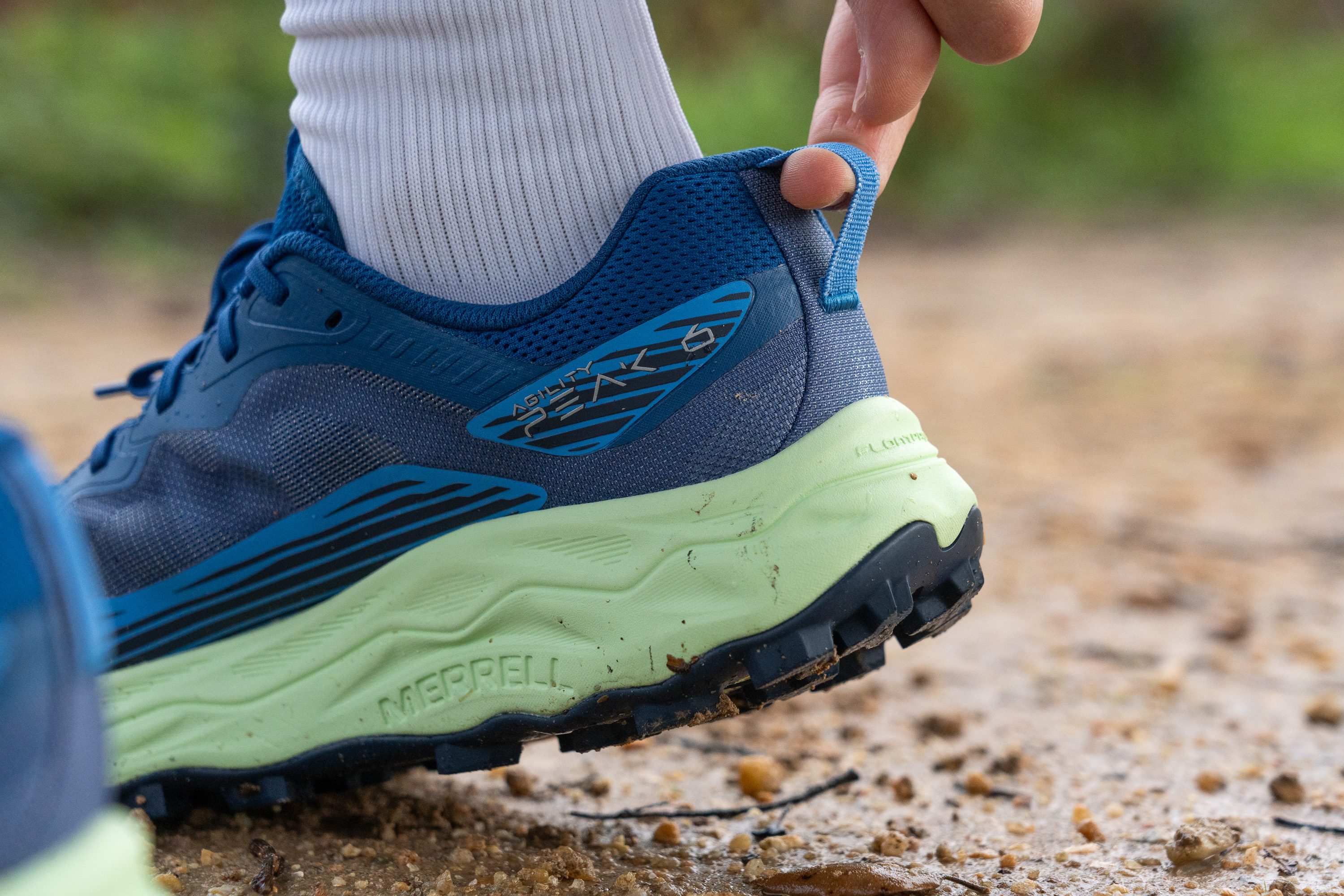
| Agility Peak 6 | Finger loop |
Price
The value of the Merrell Agility Peak 6 really depends on what you expect from the shoe. If performance is your main goal, it is not a good deal. However, if you prioritise Vibram grip and a secure feel on technical terrain, it suddenly becomes a strong option.
| Agility Peak 6 | $150 |