7 Best Barefoot Running Shoes in 2026
We buy shoes ourselves. We earn commissions when you buy through us, at no extra cost. Why trust us
The idea behind this guide is for you not to waste many an hour researching barefoot running shoes but to find all you want to know and all you didn’t even realize you wanted to know exactly here, in one place. We cover everything, from scientific research and myth-busting to the lab data on barefoot running shoes and FAQ.

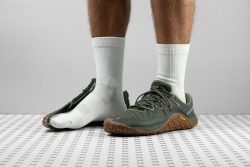
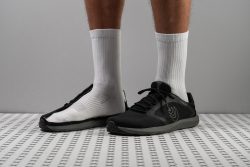
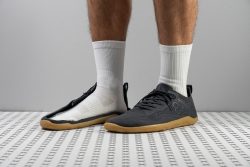
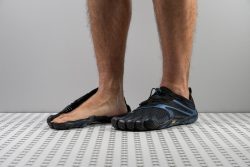
How we test barefoot running shoes
Our testing is standardised which means we treat all the shoes the same in the lab. Barefoot running shoes, like any other running shoes, are subjected to the same testing protocol:
- We buy them with our own money and the models we decide to test are chosen based on different criteria. Brands have no say here.
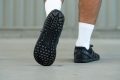
- We test barefoot running shoes outside the lab on the test runs. This allows us to get a first-hand experience and understand all the details about their performance, fit, and comfort.
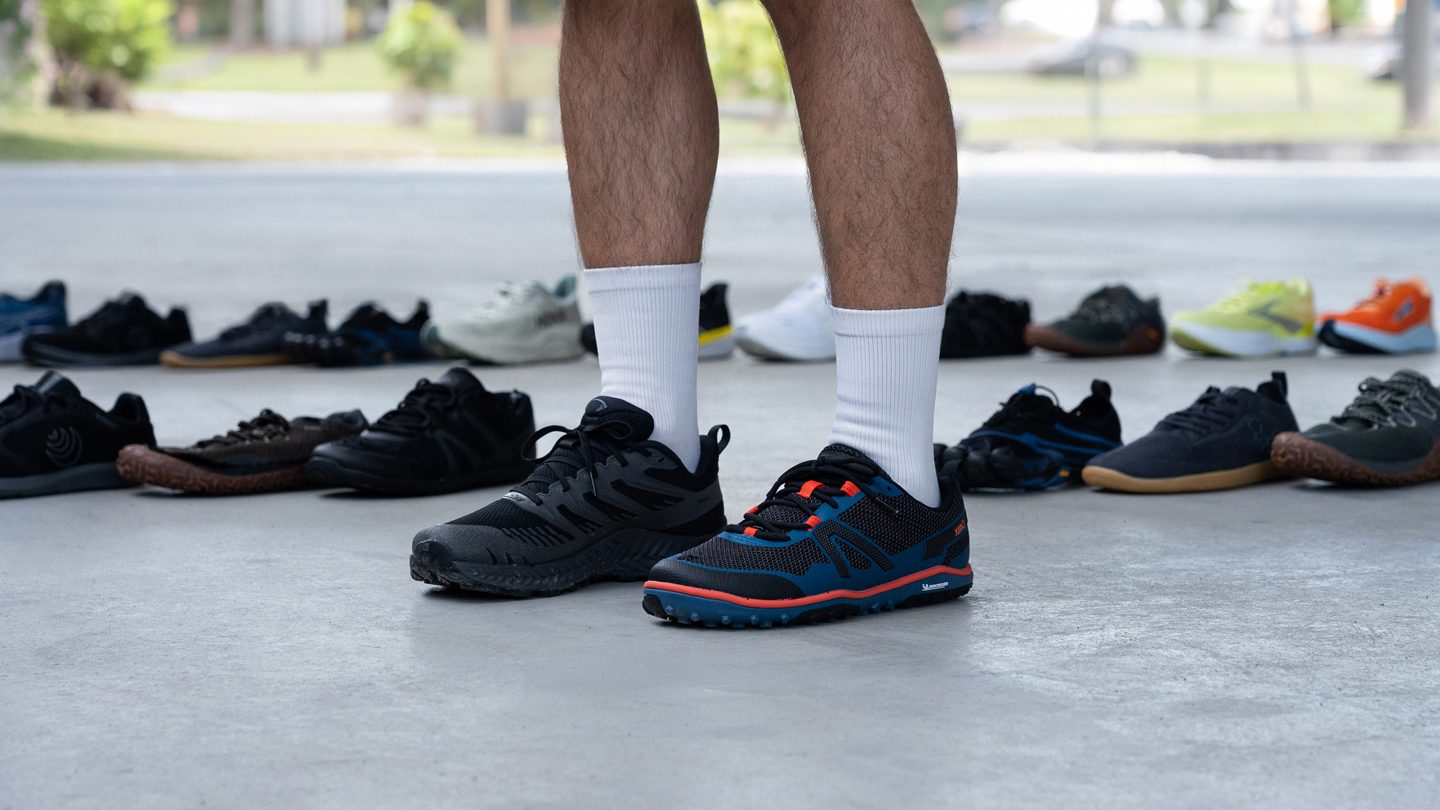
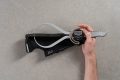
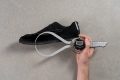
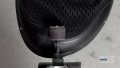
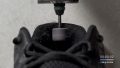
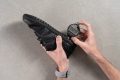
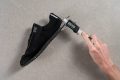
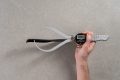
- Shoes are taken to the lab where they are submitted to dozens of different (standardised) tests. When it comes to barefoot running shoes, noone is buying them for their energy return or shock absorption. The cushioning is barely there. So, we focus on other features which make barefoot running shoes special: insane flexibility, both torsional and longitudinal, heel drop (is it actually zero drop or maybe closer to 1 cm?), what's the ground feel like, is the shoe as breathable as expected, and so on.
- We publish all the lab data on our website and, because the shoes are treated equally, you can use the data to compare the shoes.
- We hand-pick the best of the best and highlight them here.
Best barefoot running shoes


What makes it the best?
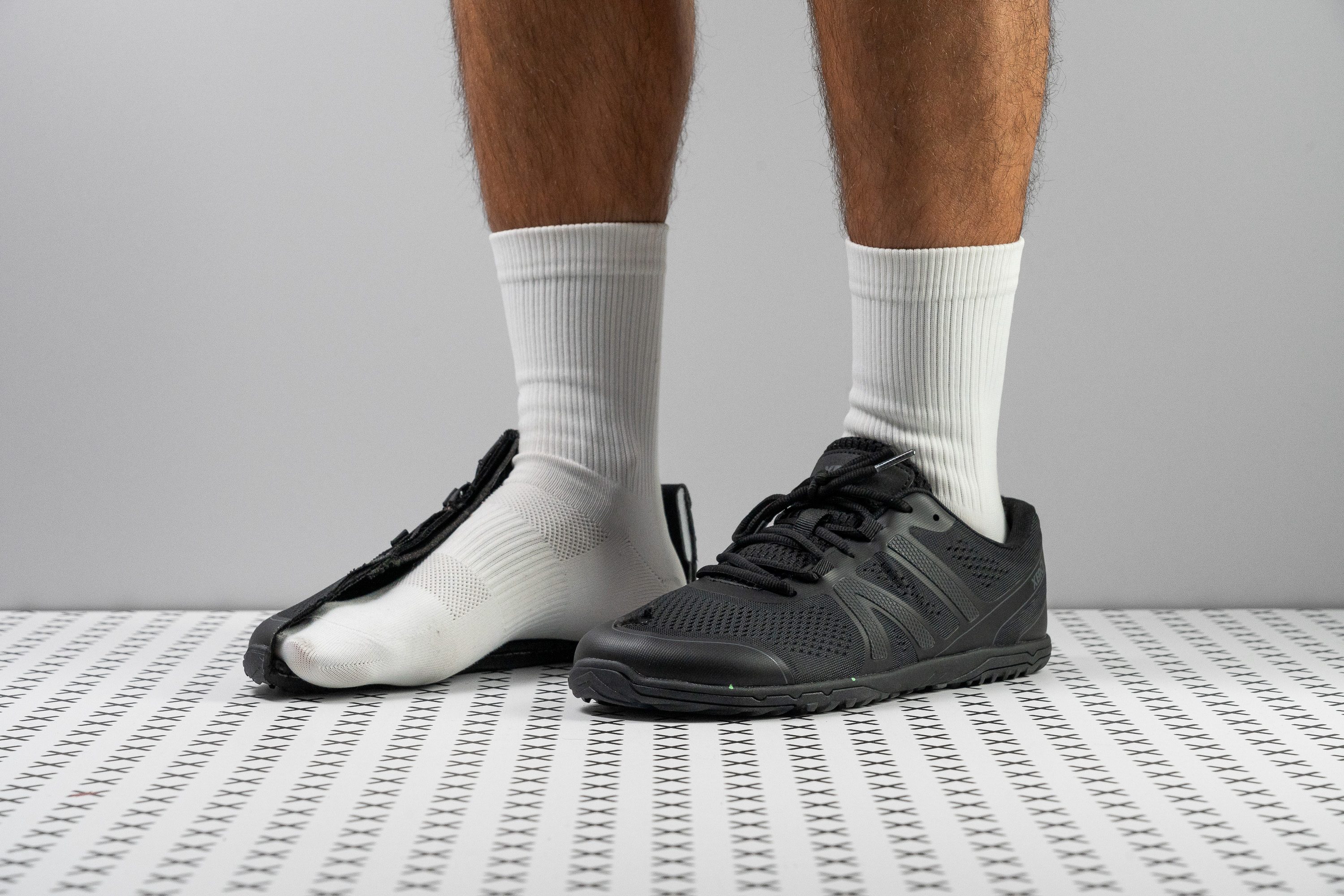
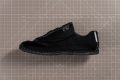
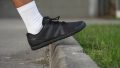
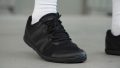
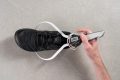
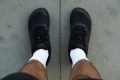
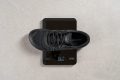
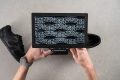
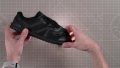
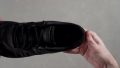
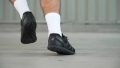
The Xero Shoes HFS II perfectly encapsulates minimalism, leading the barefoot running shoe category. Our lab numbers confirm what our feet experienced—this stripped-down trainer highlights a natural feel with its light, low, and loose build.
Weighing only 8.6 oz (244g), this shoe is definitely on the lighter end of the road-running shoe spectrum, as the average weight is 9.3 oz (264g). Its humble stack is what keeps the weight down.
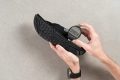
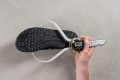
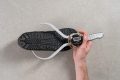
The shoe delivers high ground sensitivity with its barely-there 13.1/12.1 mm cushion. We found the platform has direct surface contact, further enhanced by its effectively zero drop (1.0 mm). Altogether, the HFS II promotes muscle engagement.
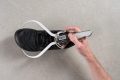
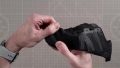
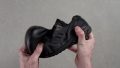
Honouring its HFS name, or highly flexible sole, our bend test reveals a flexibility score 62.6% above average, offering almost no resistance to our feet. It adapts to our natural strides, providing our feet with ample freedom—ideal for relaxed runs, gym workouts, and everyday walking.
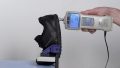
However, it’s quite flimsy and performed worse than average in our Dremel tests in the heel and outsole. We don’t recommend this shoe for off-road adventures. Those who prioritise long-lasting shoes should find alternatives.
Pros
- Anatomical toebox for natural toe splay
- Real minimalist design
- Reasonably priced
- Versatile for roads and light trails
- Amazing at gym workouts
- Ultra-flexible and easy to pack
- Full-length outsole coverage
- Superior ground feel
- Promotes feet strength
Cons
- Midsole lacks energy return
- Heavier than most minimalist shoes
- Durability still needs improvements
Best water-resistant barefoot running shoes


What makes it the best?
With its barely-there cushion, strong surface feedback, and ultra-flexible midsole, the Vivobarefoot Primus Trail III All Weather FG feels almost invisible on foot, backed up by lab data. We’re reminded of its presence when we stay dry during our encounters with dewy grass or light rain, making it our best water-resistant barefoot running shoe.
The upper effectively kept our feet warm and dry because of its weatherproof material. Underfoot, however, it allows us to soak in maximum surface feedback. We measured a very thin 11.3 mm cushion in the heel and forefoot, leading to a perfect 0.0 mm drop.
The ride feels ground-connected, proven by its ultra-low 29/31 SA ratings in our shock absorption test in the heel and forefoot, respectively. On foot, we could easily adapt to various surfaces.
Another element that boosts this shoe’s manoeuvrability and minimalist nature is its high flexibility. In our bend test, we found it to be a staggering 62% more pliable than average!
However, with its stripped-down construction, we found its heavy 10.5 oz (298g) puzzling. We expected it to be way lighter to further enhance the barefoot sensation.
Pros
- Excellent grip
- Comfortable for wide feet
- High-quality materials
- Strong outsole durability
- Solid construction feels premium
- Excellent flexibility for natural foot movement
- Water-resistant upper
- True barefoot feel for the trails
- Ideal for gravel roads and easy trails
- True 0-mm drop
Cons
- Should be lighter
- Heel padding durability is a concern
- High price
- Non-gusseted tongue
Best lightweight barefoot running shoes


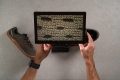
What makes it the best?
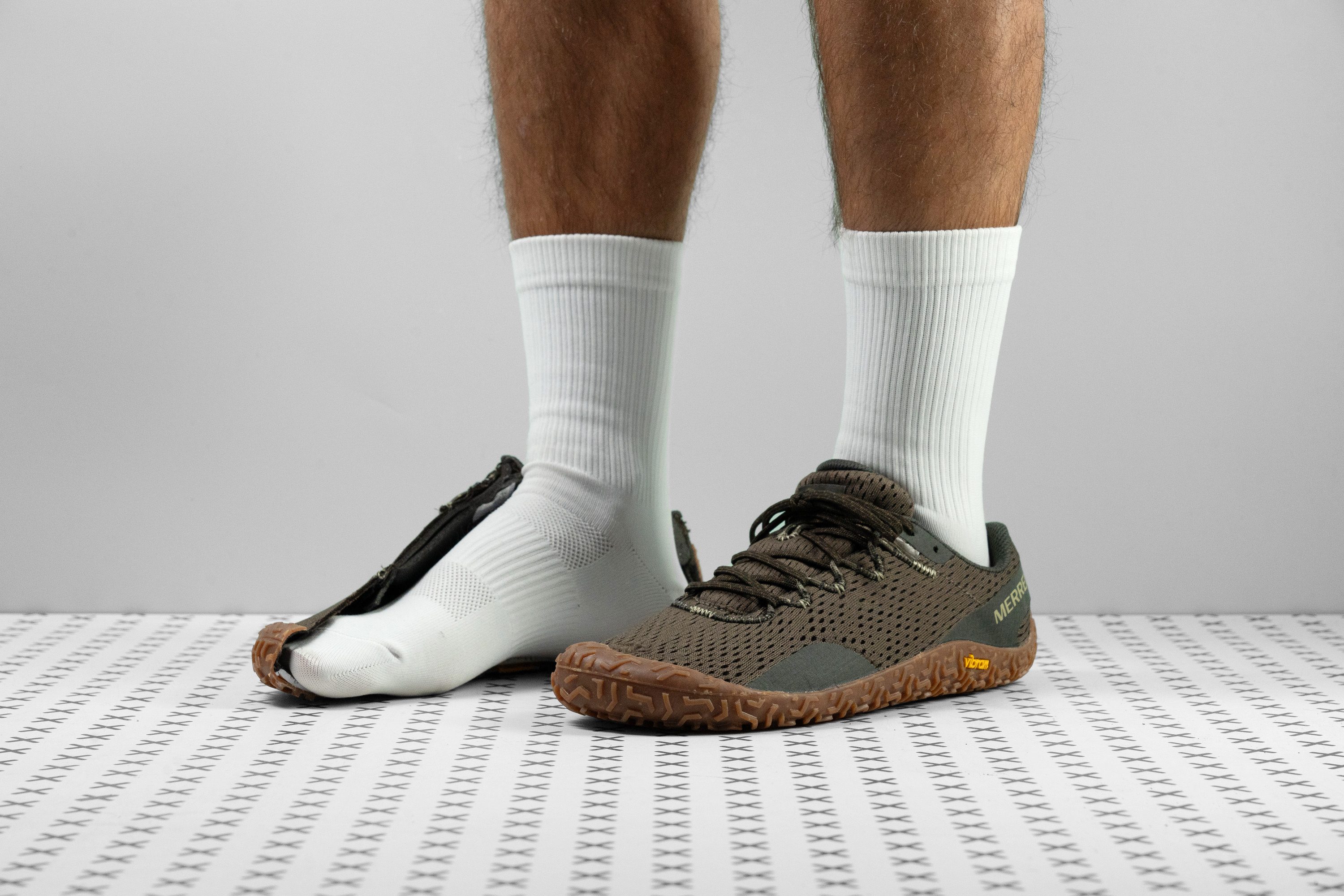
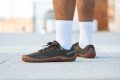
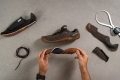
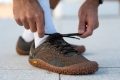
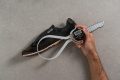
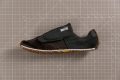
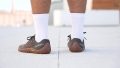
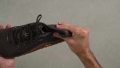
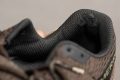
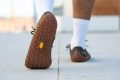
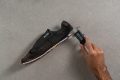
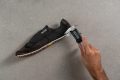
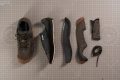
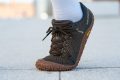
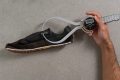
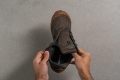
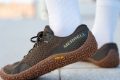
Among barefoot-style runners we assessed on foot and in the lab, the Vapour Glove 6 stands out as the lightest option.
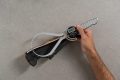
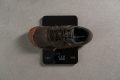
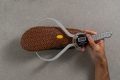
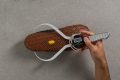
Offering the true barefoot experience, its feather-light 5.6 oz (159g) design is nearly half the weight of its trail counterparts (9.4 oz/267g). This featherweight quality is attributed to its barely-there 7.6-mm stack height, significantly lower than the trail shoe average. Its zero-drop configuration ensures maximum ground feedback, enabling us to feel even the slightest variations in terrain and adapt quickly. With minimal cushion separating our feet from the ground, stability is greatly enhanced.
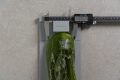
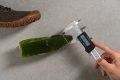
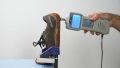
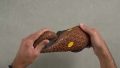
Complementing the barefoot sensation is the highly adaptable midsole, which effortlessly moves to our demands with minimal resistance. During our bend test, it demonstrated remarkable flexibility, requiring a mere 2.2N force to bend to a 90-degree angle—92.4% less than the average.
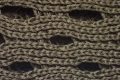
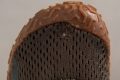
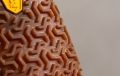
Beneath our feet lies a Vibram outsole with an aggressive maze-like pattern, ensuring steadfast traction, even in muddy conditions.
However, it's crucial to note that the VG6's stripped-down design may prove too harsh for runners accustomed to cushioned footwear.
Pros
- Foot-shaped toebox
- Exceptional ground feel
- Fairly priced at $90
- Super agile
- Extremely flexible design
- Maintains grip, even on wet surfaces
- Sockless ready
- Perfect for road running or tackling easy trails
- Versatile enough for hiking, walking, or even gym workouts
- Versatile enough for hiking, walking, or even gym workouts
Cons
- Overly spacious for those with narrow feet
- Outsole shows wear quickly
- The cushioned insole detracts from a true barefoot experience
Best barefoot running shoes for trail
What makes it the best?
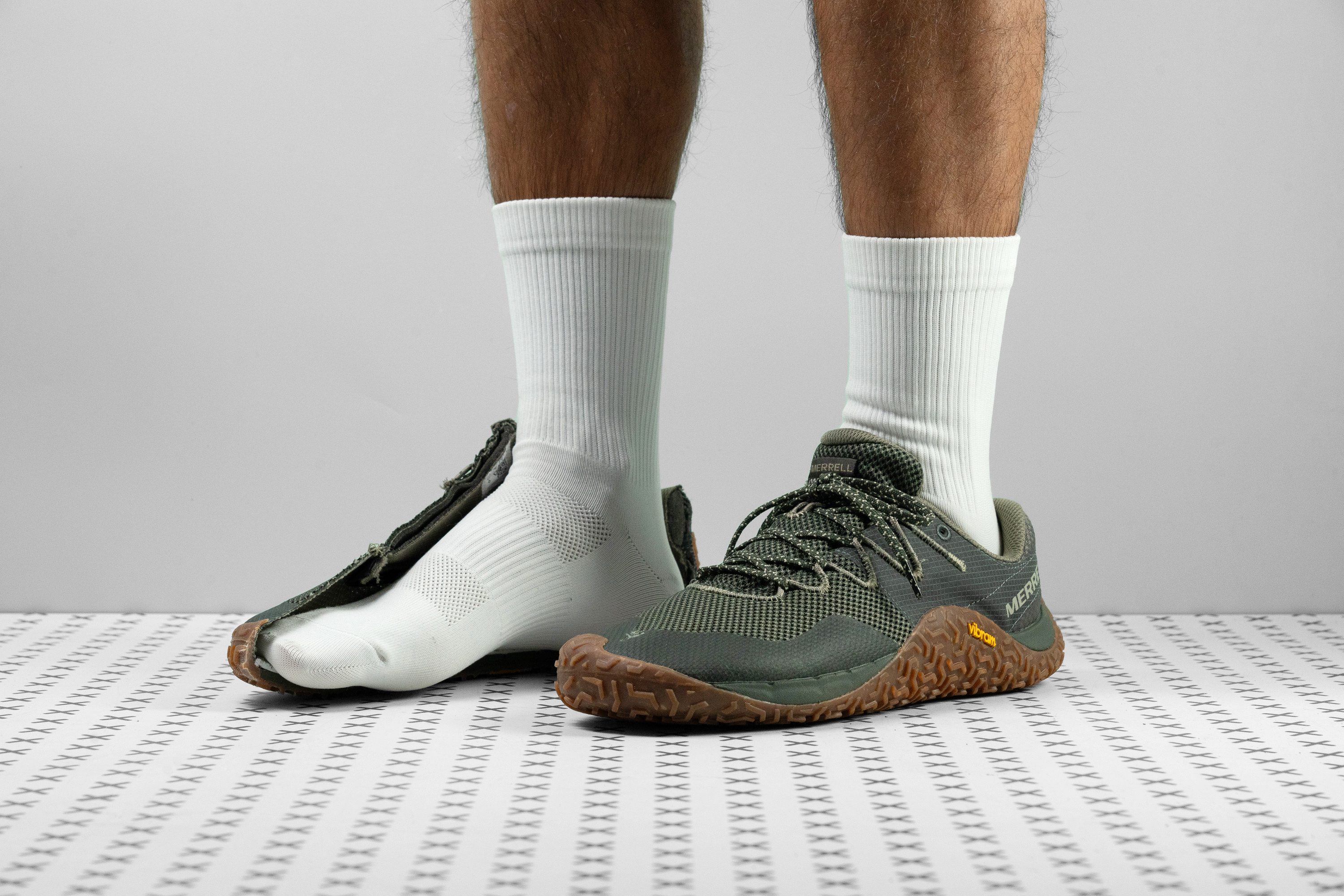
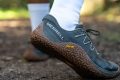
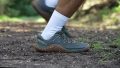
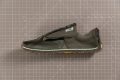
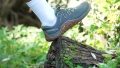
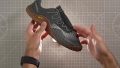
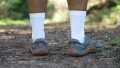
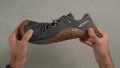
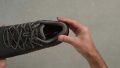
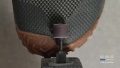
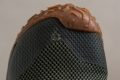
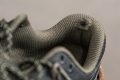
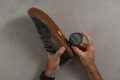
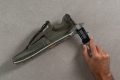
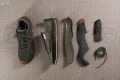
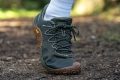
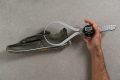
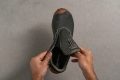
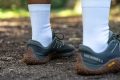
Our rigorous testing of Merrell's Vapour Glove 7, both in controlled laboratory environments and out on the trails, confirms its ability to provide an authentic zero-drop experience, embodying minimalism to maximise ground feel. With a flexible midsole and a grippy Vibram outsole, it exudes confidence and agility, securing its position as our top choice for trail running.
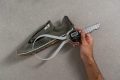
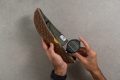
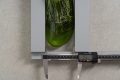
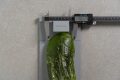
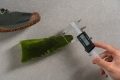
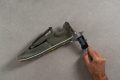
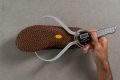
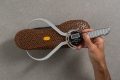
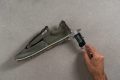
Measured with precision using our calliper, the low-to-the-ground stack registers at a mere 16.1/16.0 mm, significantly lower than the 32.2/24.3 mm average. This imperceptible drop intensifies the barefoot sensation. The FloatPro proved to be a dense foam, perfectly balancing support and muscle strengthening.
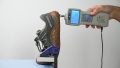
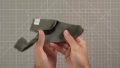
The non-resistant midsole facilitates natural strides, evident in the VG7's exceptional flexibility—our bend test revealed a score of 10.5N, making it 64.2% more flexible than the average trail shoe and suitable for extended walks and hikes.
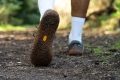
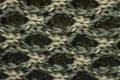
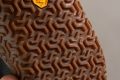
Beneath the foot lies the Vibram outsole, renowned for its exceptional grip and performance. Its maze-like tread pattern, 2.5 mm lugs, and softer-than-average 76.4 HC compound ensure unwavering traction.
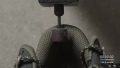
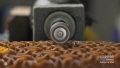
However, durability concerns arise with the outsole's soft rubber composition and a mere 1.8 mm thickness, resulting in a deeper 1.5 mm dent in our Dremel test compared to the 0.9 mm average. To prolong the lifespan of this exceptional pair, it's advisable to steer clear of rough asphalt and concrete surfaces.
Pros
- Authentic minimalist experience
- Genuine zero-drop design
- Provides a good amount of cushioning
- Doubles as hiking and walking shoe
- Sturdy and long-lasting upper
- Perfect for summer adventures
- Exceptionally flexible
- Super quick and agile on corners
- Ideal for both experts and beginners
Cons
- Completely unsuitable for winter conditions
- Outsole durability is a letdown
- Might be excessively narrow for some runners
Best barefoot running shoes with a wide toebox
What makes it the best?
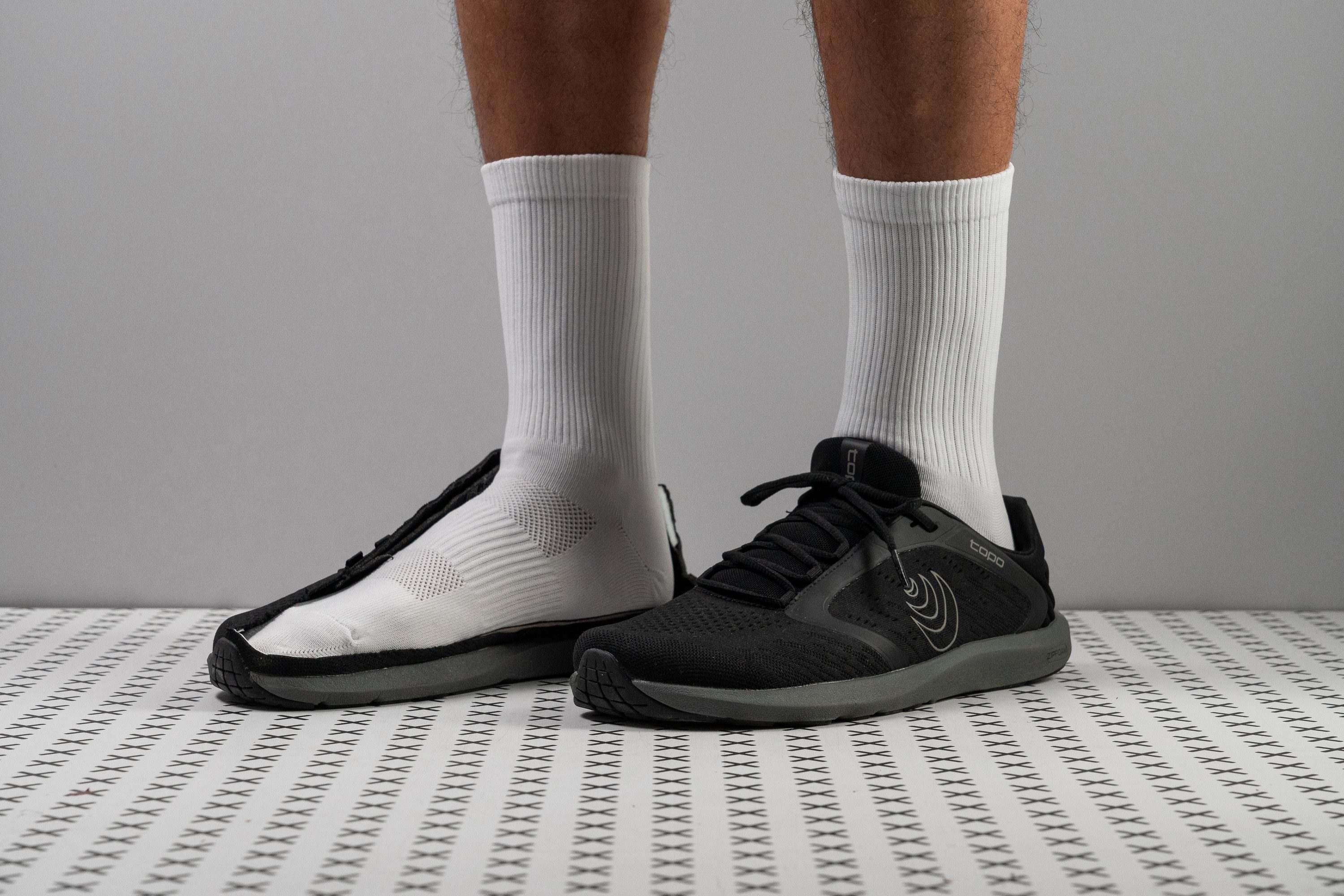
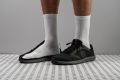
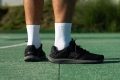
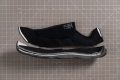
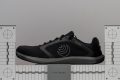
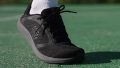
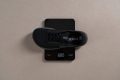
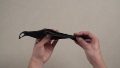
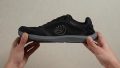
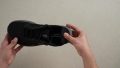
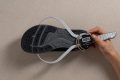
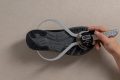
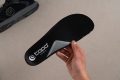
The Topo ST-5 embraces a straightforward minimalist design, combining a low profile with a light, fluid build. We immediately noticed its spacious room in our runs, yet lab tests verify that it’s the barefoot running shoe with the best wide toe box.
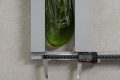
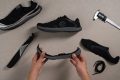
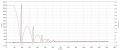
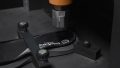
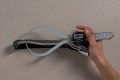
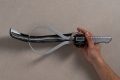
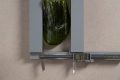
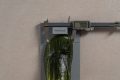
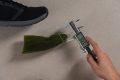
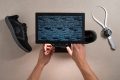
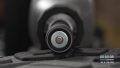
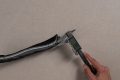
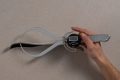
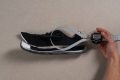
We created a gel mould to measure the interior of the shoe. At the widest part of the toebox, we recorded a massive 79.0 mm measurement, making it 7.9% above average. Truly, it features a foot-shaped design and welcomes broad feet with ease.
It offers direct ground contact through its low profile, which we measured at 13.7/13.9 mm. The resulting drop is -0.2 mm, which makes it ideal for runners who want to work on foot strength. We also verified its minimal cushioning, with low shock absorption scores of 50 SA in the heel and 39 SA in the forefoot.
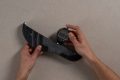
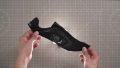
Because the platform is so thin, the ST-5 has virtually no resistance to our motions. Our bend test shows it’s a solid 74.5% more flexible than average, enhancing the barefoot sensation. Moreover, the shoe weighs only 6.8 oz (193g), 26.9% below average.
However, note that the ST-5 feels limited to runs under 1 hour because the minimal protection tyres our legs out easily.
Pros
- True minimalist design
- Exceptionally flexible
- Outstanding durability from top to bottom
- Very wide, foot-shaped toebox
- Lightweight
- Ideal for daily use or gym workouts
- Fair price
- Real zero-drop geometry
- Good grip
Cons
- Only for short distances
- Low energy return from EVA foam
- Too roomy for low-volume feet
Barefoot running shoes with the best durability

What makes it the best?
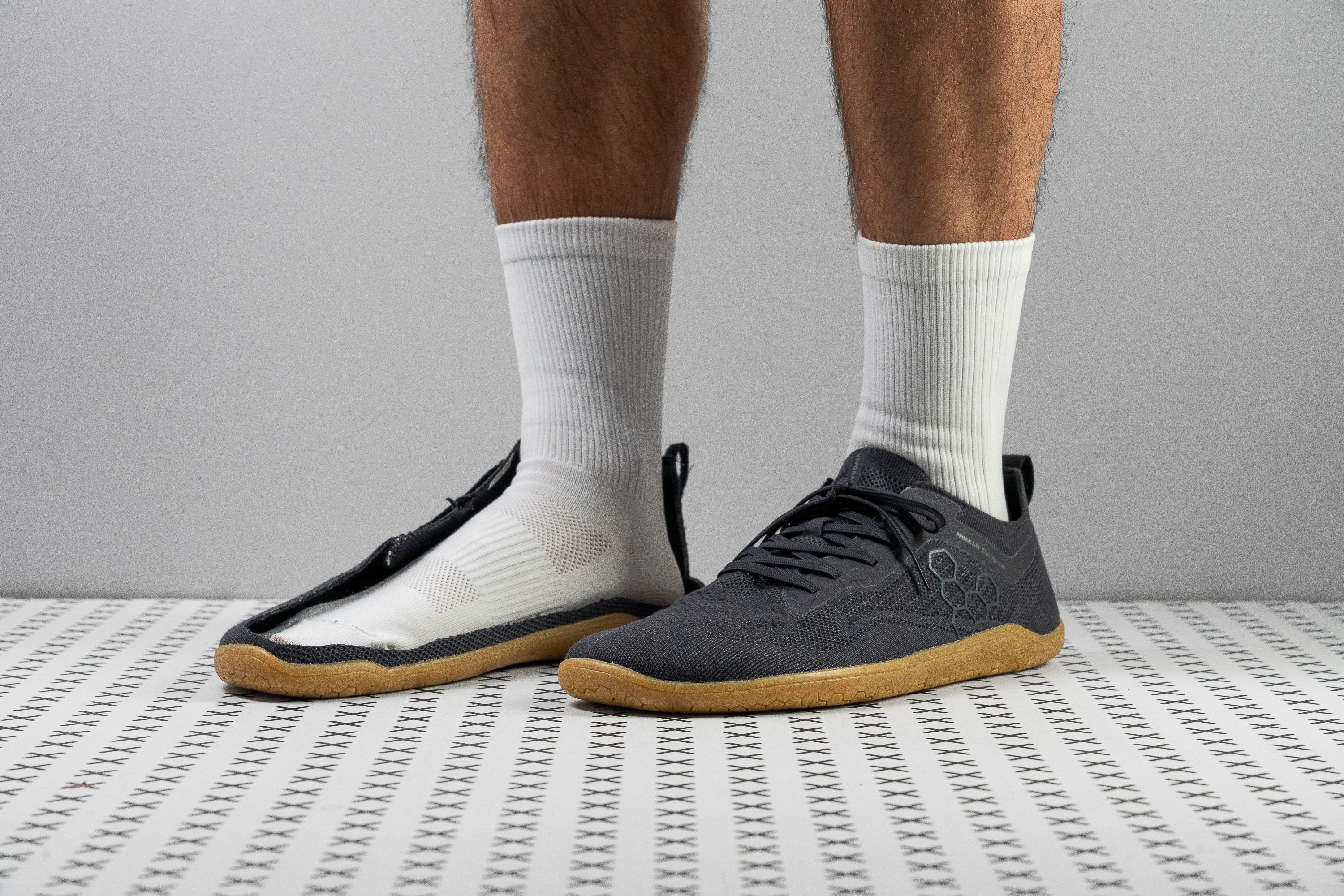
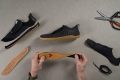
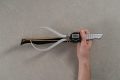
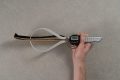
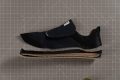
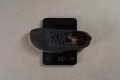
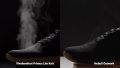
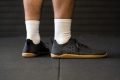
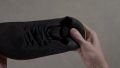
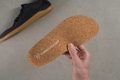
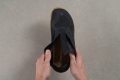
The Vivobarefoot Primus Lite Knit broke a lot of records in the lab—weight, flexibility, and ground feel. It truly feels like we have no shoes on, yet it’s our ultimate protector as it excels in our abrasion test across the board. Therefore, it’s our best durable barefoot running shoe.
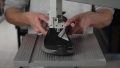
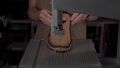
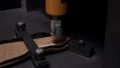
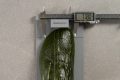
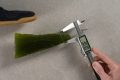
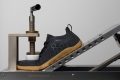
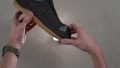
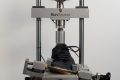
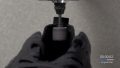
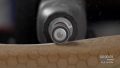
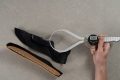
We placed the upper, heel padding, and outsole under our Dremel test, and this shoe excelled with a perfect 5/5 durability score in the first two areas, and sustained less damage than average in the outsole at only 0.9 mm. With its all-around longevity, we had no worries of premature wear.
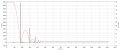
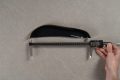
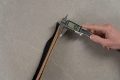
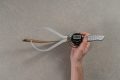
We measured the stack height to be a minimalist 8.5/8.5 mm, one of the lowest in the lab. Plus, it features a true zero drop that engages our natural biomechanics. Moreover, we recorded the lowest shock absorption we’ve seen to date, with only 17 SA in the heel and forefoot. For context, the averages are 79 SA and 61 SA, respectively.
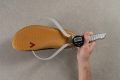
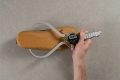
Because the platform is so grounded, it has virtually no resistance to bending. In our flex test, it emerged a whopping 75.7% more flexible than average, which heightens the barefoot sensation. Moreover, its weight is down to 8.3 oz (235g), making sure it doesn’t demand too much presence during our runs.
However, we can only recommend this pair to runners accustomed to zero-drop shoes and minimal shock absorption, as it offers a much harsher ride than usual.
Pros
- True barefoot-like experience
- Relaxed fit with a spacious toebox
- Super lightweight build
- Excellent upper and outsole durability
- Highly breathable
- Extremely flexible
- Solid grip on gym floors
Cons
- Overpriced for a barefoot shoe
- Lacks gusseted tongue for lockdown
Best barefoot running shoes with toe pockets

What makes it the best?
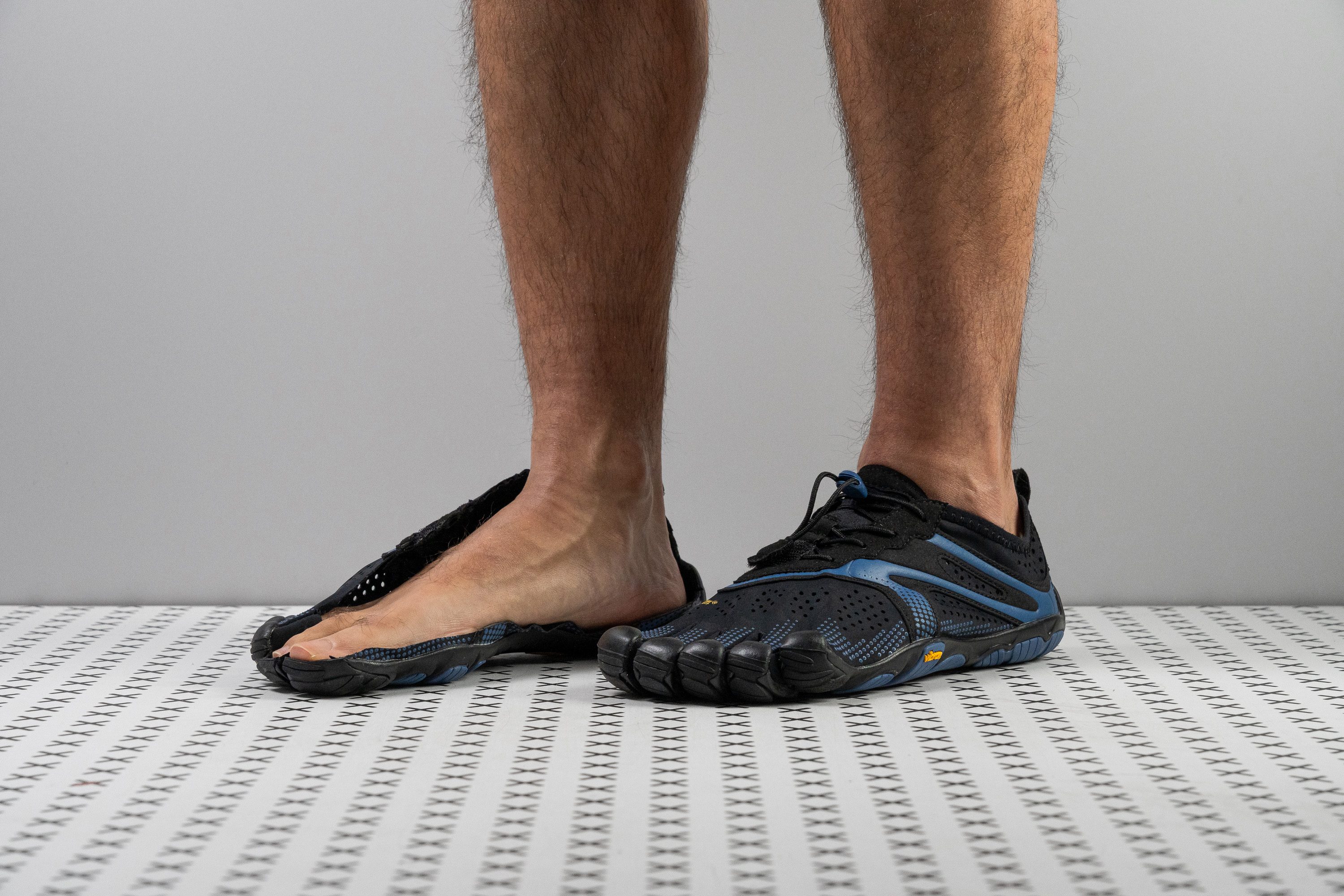
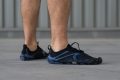
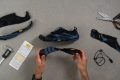
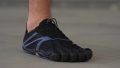
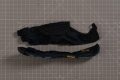
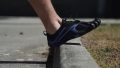
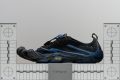
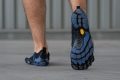
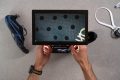
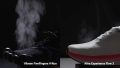
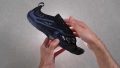
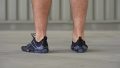
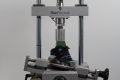
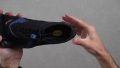
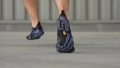
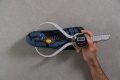
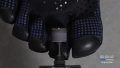
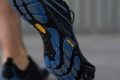
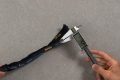
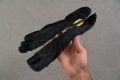
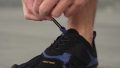
The Vibram FiveFingers V-Run flows as one with our feet. It disappears on foot with its astonishingly light weight and zero resistance to movement. Our lab work verifies it doesn’t feel like we have shoes on with its thin stack, zero drop, and barely-there impact protection. As its name “FiveFingers” suggests, it’s our top barefoot running shoe with toe pockets.
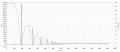
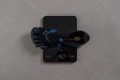
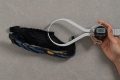
The FiveFingers V-Run is one of the most genuine barefoot running shoes we’ve ever tested, characterised by its wildly low 7.8/7.9 mm stack and -0.1 mm drop. We tested its shock absorption and recorded a very low 26 SA for both the heel and forefoot, which shows its heightened surface feel.
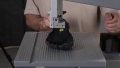
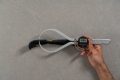
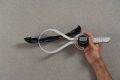
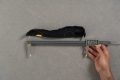
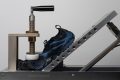
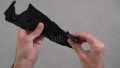
With such a thin cushion underneath and deep flex grooves in the outsole that follow our foot anatomy, the V-Run bends and twists freely. Our bend test shows it’s a record-breaking 94% more pliable than average, while our torsional rigidity test shows it’s 76% more forgiving than average. Plus, it virtually melts away on foot with its minimalist 4.6 oz (130g) figure, making it 50% lighter than average.
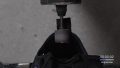
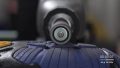
Despite its stripped-down construction, V-Run shows impressive durability. Our Dremel barely affected the upper and inner lining, scoring 5/5 and 4/5 respectively. Meanwhile, the outsole only sustained a 0.7 mm dent.
However, this shoe is very harsh on the joints and muscles and requires a lot of foot strength. Runners planning to use this pair should be familiar with minimalist shoes or should use it for walking first.
Pros
- Authentic barefoot experience
- Incredible flexibility and natural feel
- Exceptionally lightweight
- Impressive breathability
- True zero-drop geometry
- Versatile for multiple activities beyond running
- Ground feel is out of this world
- Promotes feet strength
- Single-pull quick-lacing system
Cons
- Demands strong feet, calves, and Achilles
- Toe pocket length will be long for some
- You'll definitely get some weird looks
Historical highlights of barefoot running (shoes)
Barefoot running shoes are shoes that allow runners to experience almost barefoot running, which means they have to be insanely flexible and to feature a wide toebox and no stabilising technologies. Basically, their purpose is to offer enough protection so that runners don’t literally run barefoot, but not so much of it that the shoes lose ground feel, flexibility, neutral design, etc.
There are a few events that put barefoot running or barefoot running shoes under the spotlight:
- Abebe Bikila won gold and set the world record in the 1960 Olympic marathon and he did so running barefoot! There were reports of him doing so because he could not find the shoes that fit.
- Zola Budd mainly trained barefoot and managed to break the 5,000m world record in 1985.
- Faith Kipyegon was training and racing barefoot while growing up. She won the 1500m title at the World Junior Cross Country Championships in 2011, running barefoot. Today, she is considered a queen of the track, being the only three-time Olympic champion in the 1500 metres.
- Vibram FiveFingers were introduced globally in 2006 with the idea to mimic barefoot movement and they did it so well that they made individual sections for the toes (therefore the name FiveFingers).
- Born to run by Christopher McDougall was published in 2009, and it had a huge impact on the world, promoting barefoot running, barefoot footwear, and ultrarunning.
So, historically, we had athletes running barefoot as a necessity because shoes (that fit them well) were not available, but with the release of the Born to run book, the barefoot approach became a movement. After that, people began discussing barefoot running and barefoot shoes as a way to strengthen foot muscles and walk or run more healthfully. Looking at Google Trends, we can see a clear spike when the book was released!
On one hand, we can say that this movement suffered a big blow, or we can say that it got even more popular when Vibram had to settle the class action lawsuit in 2014. It was huge news and many heard about the shoes and the movement only then. The company denied any wrongdoing. As a consequence, they had to stop making the claims of the shoes reducing injuries or strengthening foot muscles but they did not exit the barefoot/minimalist market. Even today, they are present and going strong among a very dedicated group of barefoot enthusiasts.
9 features of barefoot running shoes
Here’s what you can expect from this footwear:
- Barefoot running shoes offer a very good ground feel. This means their stack height is very low.
- Their heel-to-toe drop is 0 mm or very close to that.
- There are no stabilising technologies. There are no barefoot stability running shoes. To be classified as barefoot, no such technologies can be present.
- They are extremely flexible: both longitudinally and torsionally! You can twist them and roll them up.
- They offer enough room in the toebox for toesplay, which is why they are often too wide for those who change from cushioned to barefoot suddenly.
- They promote the natural feeling when running, which basically resembles running barefoot, but with some (limited) protection.
- Barefoot running shoes feel like comfortable socks that are easy to forget about. Many call them “extensions of the feet”.
- They ask for a gradual transition period that can be quite long (even a year, or more, depending on which shoes you’re coming from and how much time you have to build and honour the transition regime).
- They put significantly more stress on the foot muscles, ankles, and Achilles, which is why runners should be super cautious when transitioning to barefoot running shoes, especially if they have suffered from injuries in those areas.
Stack height and heel drop of barefoot running shoes
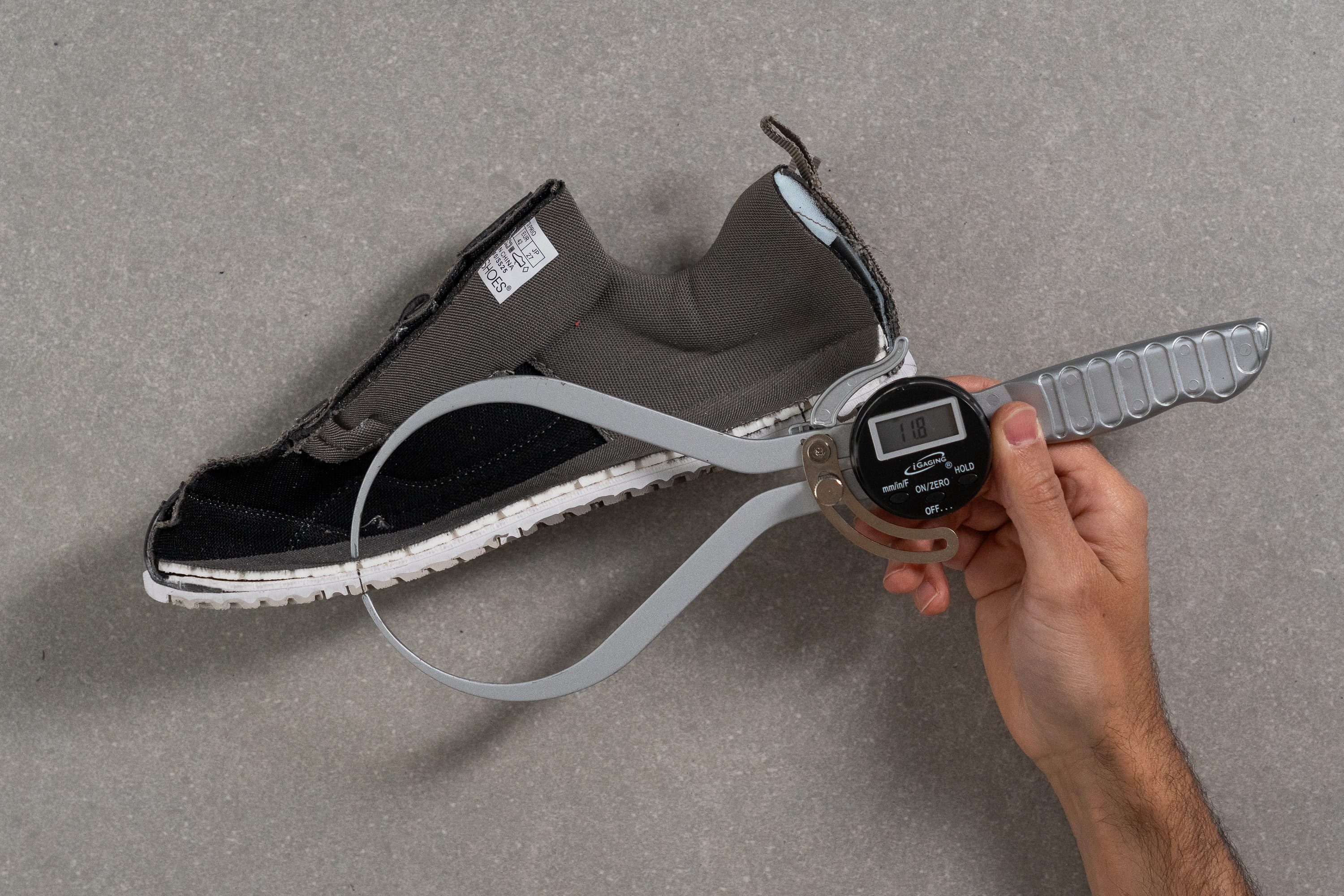
In order to proudly carry the barefoot name and to offer the maximal ground feel possible (of course, when not literally barefoot), these running shoes have to be very low to the ground. In our lab, we measure this so you can always rely on the numbers.
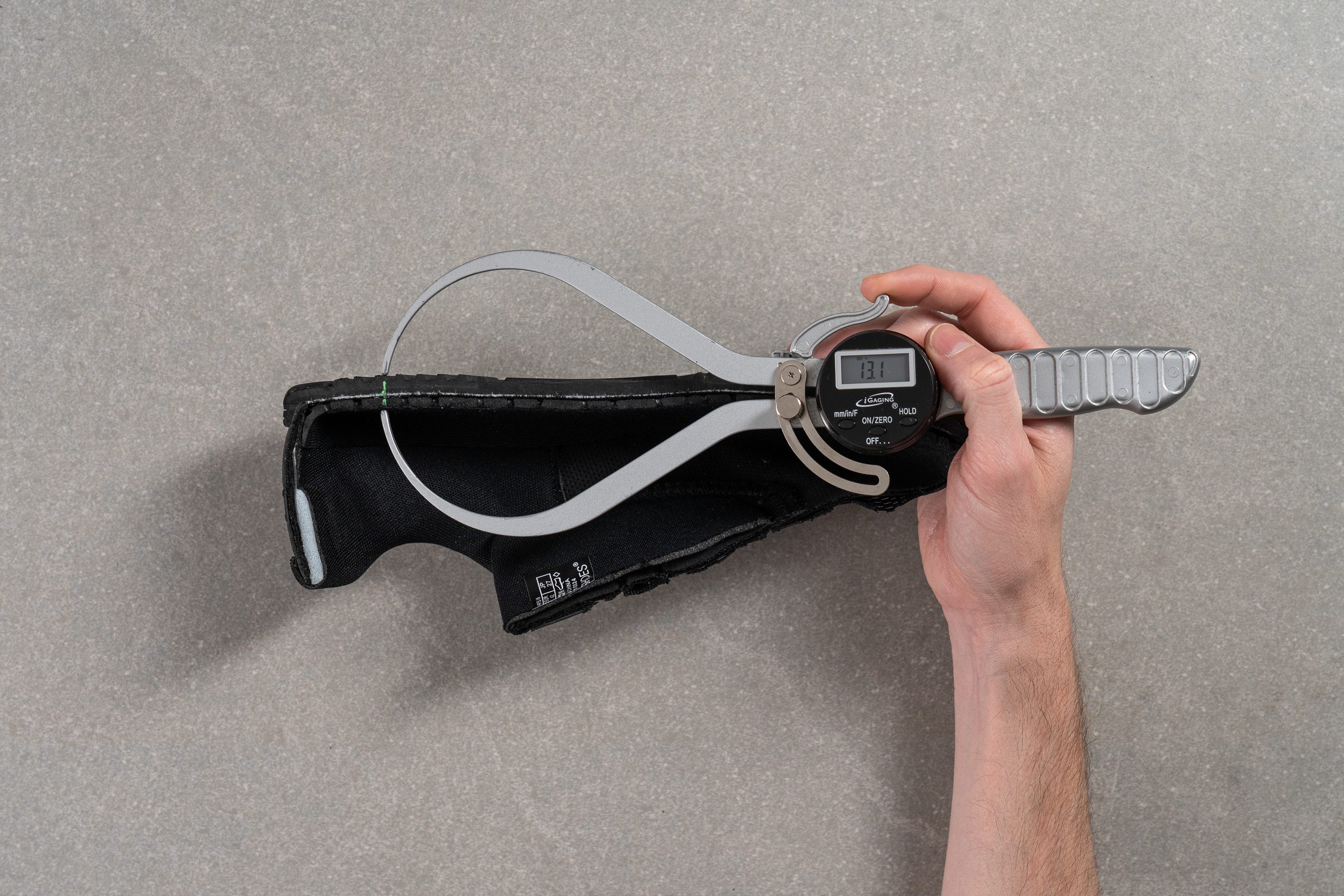
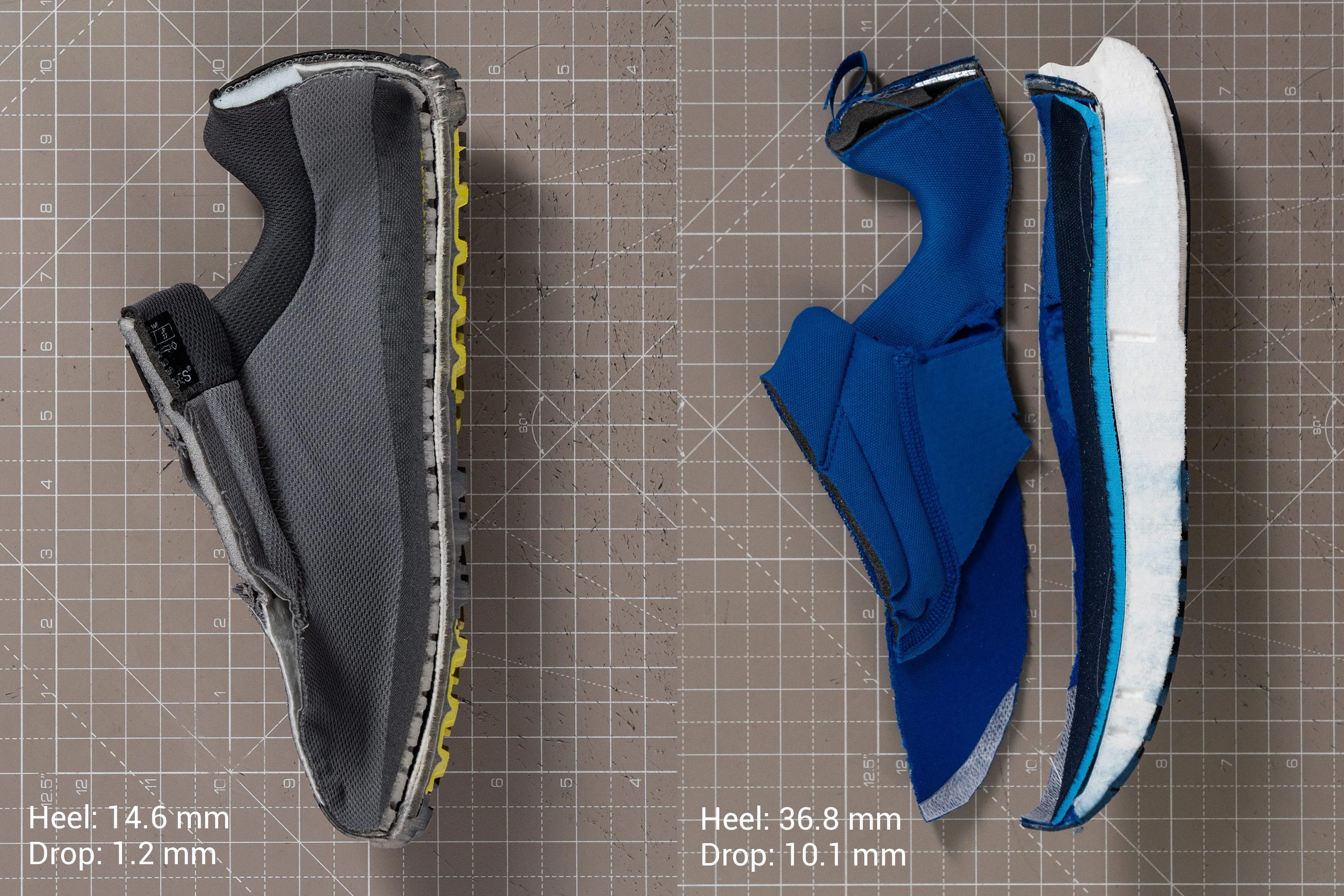
Knowing the stack heights allows us to calculate the heel drop. (Heel stack height) - (forefoot stack height) = (heel drop).
Having such a low (zero) heel drop is one of the things that makes the transition period longer than maybe expected. Most of the running shoes on the market today have a high drop, somewhere between 8 and 12 mm. If you decide to switch to 0 mm, it could be very dangerous, especially if done suddenly with no gradual increase in mileage (time spent in the shoes).
Due to having a zero drop, barefoot running shoes utilise the foot muscles, ankles, and Achilles the most. They do strengthen them, but also put most stress on them, which, if not ready, could aggravate an old injury or create a new one. As the heel drop grows, the “stress point” moves from the feet towards the hips. This way, high heel drop (10 or 12 mm, for example) utilises the hip muscles a lot.
|
The topic of heel to toe drop, along with brand’s mistakes and wrong official measurements, scientific research, the effect of sidewalks and rocker geometry, and other important details, was covered in our Ultimate guide on heel to toe drop. |
Say goodbye to protection: 2 times
Running in cushioned running shoes brings protection from 2 types of protection: 1. Given that there’s no ground feel, the shoes are easier on the feet as they don’t have to sense and deal (respond) with every little bump, crack, rock on the road or on the trail. 2. Cushioned running shoes have stack heights high enough to offer proper shock absorption. The higher the shock absorption, the less stress is sent to the legs because the midsoles deal with it.
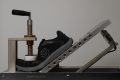
To test the shock absorption, we follow the ASTM F1976-13 protocol. We test it at the forefoot and at the heel. The result of the test is given in SA and the higher it is, the better. High shock absorption means that the midsole is able to dampen the impact well and, therefore, send significantly less stress to your legs.
Given that barefoot running shoes have minimal or no cushioning, their shock absorption is low. Legs have to do a lot of work! High shock absorption is a feature to wish for when running longer distances, which is why, runners using barefoot running shoes need even more time to adjust to them when building up the mileage! And they need to do it slowly because, on the long runs, all that stress builds up and may end up in foot pain, premature fatigue, or even an injury.
High flexibility of barefoot running shoes and what it means for runners
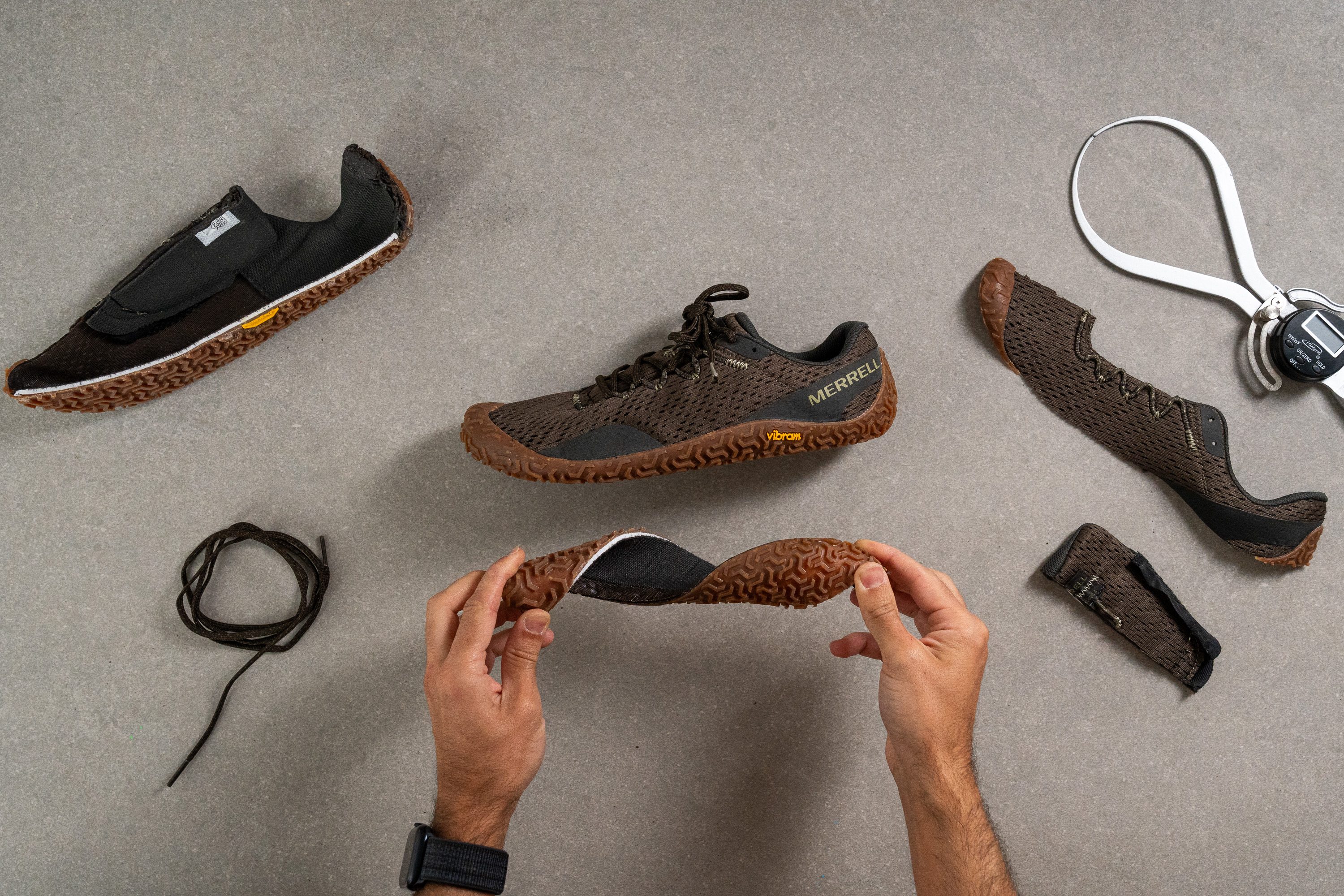
Barefoot running shoes are so flexible that you can twist them like a t-shirt you’re wringing. Likewise, you can bend them so much they curl up!

When it comes to torsional rigidity, we twist the shoe and assess how difficult it is to do so. We assign a 5/5 rating if the shoe resists a lot, meaning we can barely twist it, and 1/1 when the shoe is very flexible (or twistable).
For reference, the average stiffness of cushioned running shoes is 15.5N, while for barefoot running shoes it sits at 4N. When it comes to torsional rigidity, barefoot shoes average at 1.4 and cushioned shoes at 3.8.
Because of this, runners' stabilisers have to work extra to compensate for the lack of any stabilising technologies!
Toebox width in barefoot running shoes
Barefoot running shoes are so focused on the natural feel that they can’t cramp your toes.
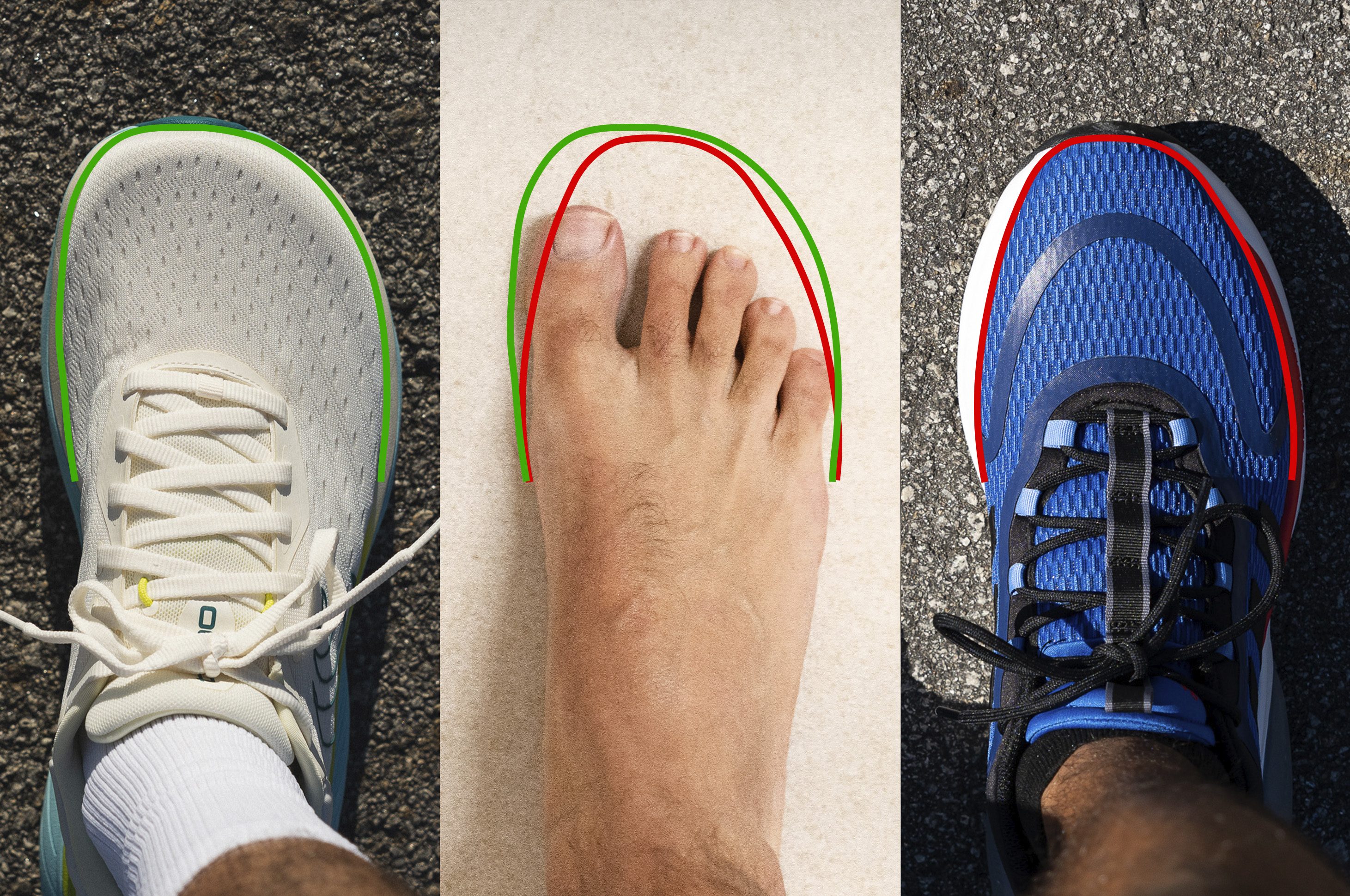
The idea is to feel as if you were running barefoot, with an added (very light) protection in the shape of the thin flexible midsole and thin upper.
To measure the width of the toebox and the shoe, we fill the shoe with a liquid that hardens in the freezer as a gel mould of the shoe’s interior. We measure the width where the mould is the widest and at the big toe.
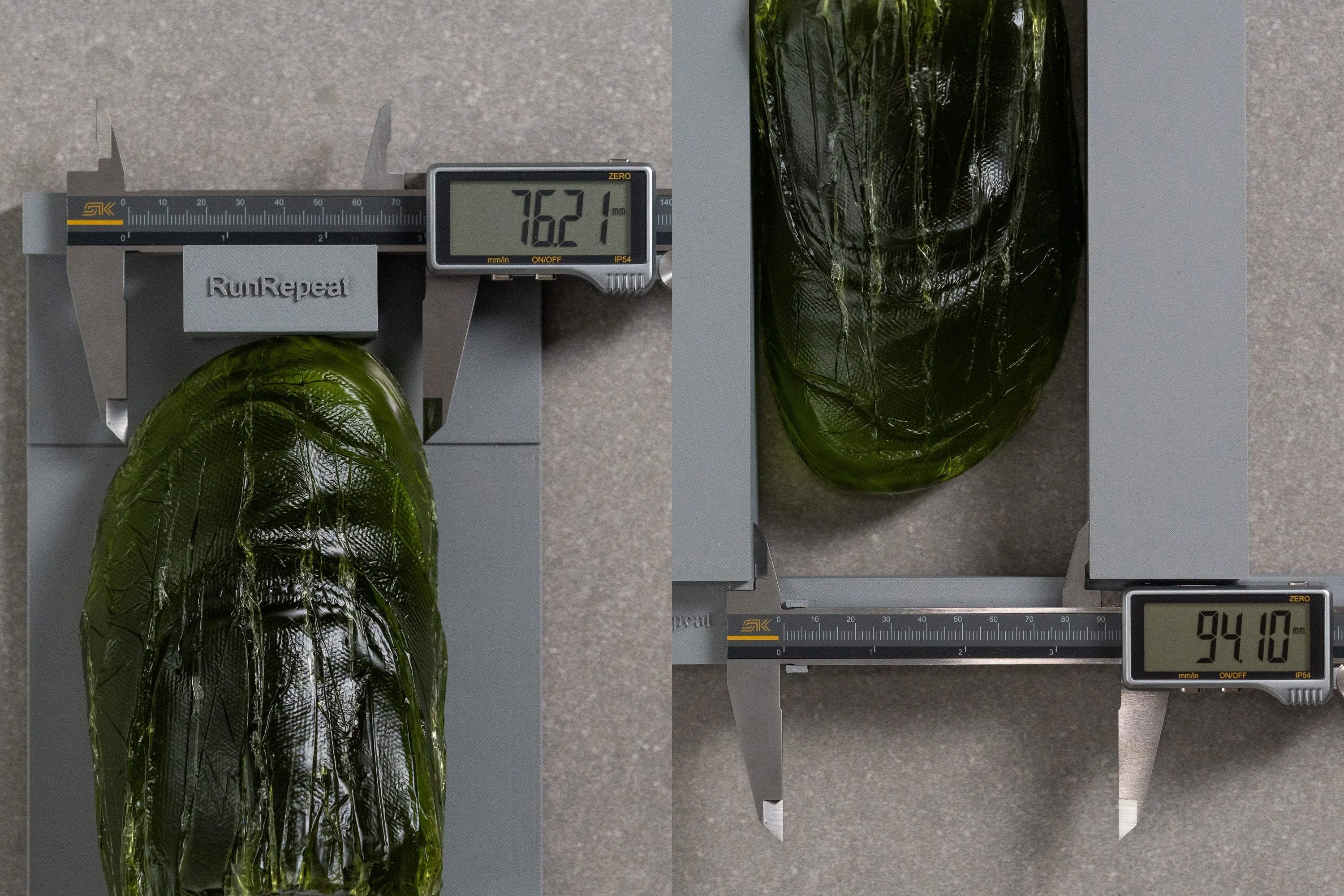
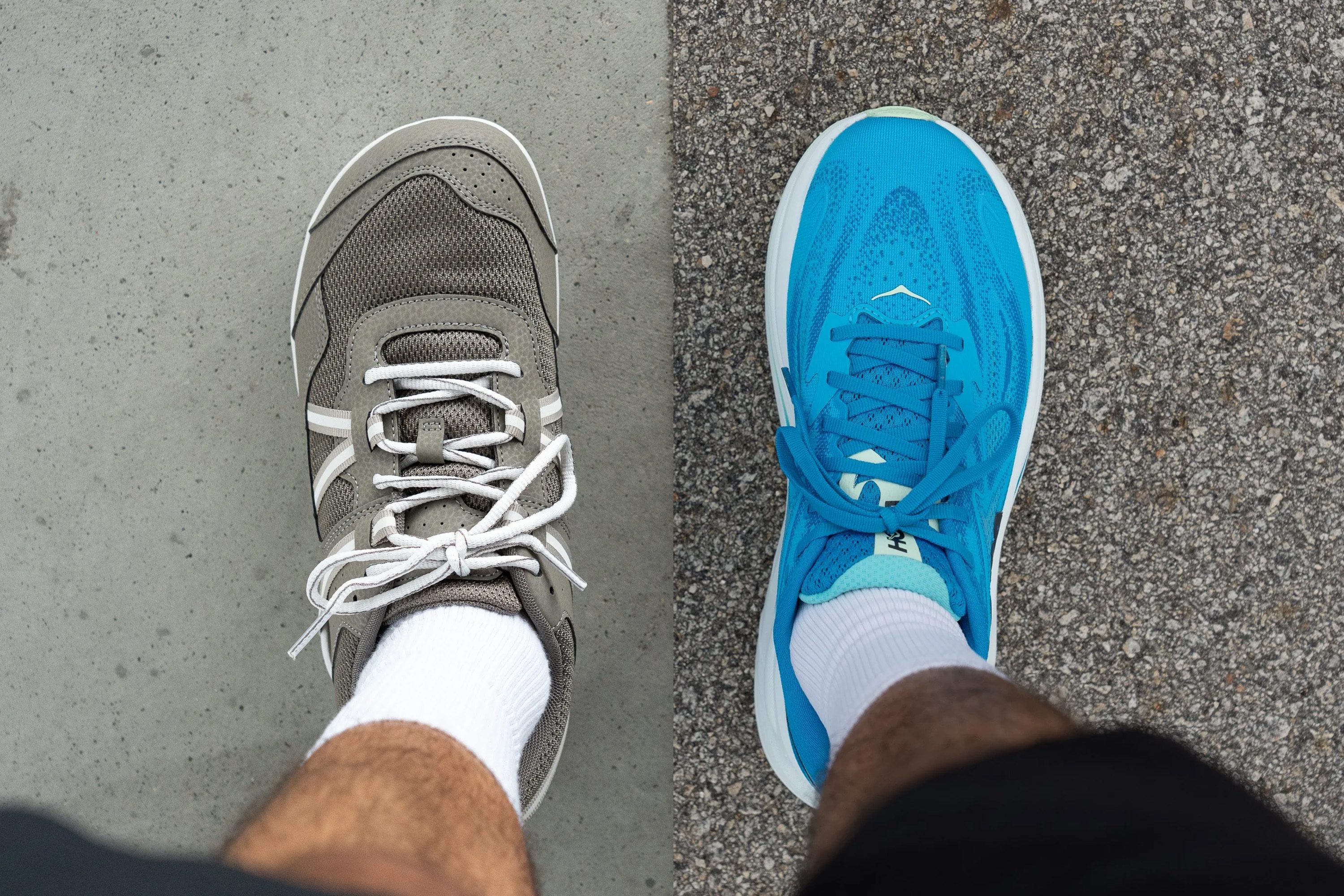
For reference, the average toebox width of cushioned running shoes is 73.3 mm, while the shoe width of barefoot running shoes averages at 76.8 mm.
Barefoot, minimalist, and traditional running shoes: what’s the difference?
When looking at the difference between barefoot, minimalist, and cushioned running shoes, the biggest difference is the amount of cushioning, and that means you can either get ground feel or protection.
Protection in this case is twofold: one is against sharp, uneven terrain, hard surfaces, and obstacles; the other is against impact forces. Each time we land on the ground, the midsole absorbs the impact forces and the better it is at that job, the less strain is sent to our legs. Given that barefoot (and minimalist) running shoes have no to only some cushioning, their shock absorption is bad. Cushioned running shoes, on the other hand, have enough midsole to offer good shock absorption. How good it is depends on the type of foam used.
When dealing with these comparisons, the tabular view seems to work the best. Let’s dig in:
|
Barefoot |
Minimalist |
Cushioned |
|
Zero drop |
Zero-to-low drop |
Often high, 8-12 mm |
|
Avg drop: 0.5 mm |
1.3 mm |
8.5 mm |
|
Minimal or no cushioning |
Can be cushioned |
Often high-stacked, 35mm+ at the heel |
|
Avg heel stack: 11.6 mm |
14.5 mm |
36.3 mm |
|
As flexible as it gets |
Flexible |
Can be quite stiff, especially if they feature plates (longitudinally stiff), or if they feature stabilising technologies (torsionally rigid) |
|
Avg stiffness: 4N Avg torsional: 1.4 |
3.6N 1.2 |
15.5N 3.8 |
|
No stabilising technologies |
No stabilising technologies |
Can feature stabilising technologies |
|
No rocker |
No rocker |
Rocker is often present |
|
No shock absorption |
Usually low shock absorption |
High shock absoption |
|
Avg shock abs: 24.5 SA |
46.6 SA |
131.4 SA |
|
Roomy toebox |
Roomy to moderate toebox |
Can be quite pointy |
|
Avg toebox width: 76.8 mm |
75.6 mm |
73.3 mm |
|
Maximal ground feel |
Good ground feel |
No ground feel |
|
Lightweight |
Lightweight |
Can be quite heavy |
|
Avg. weight: 8.1 oz (229g) |
7.9 oz (225g) |
9.4 oz (267g) |
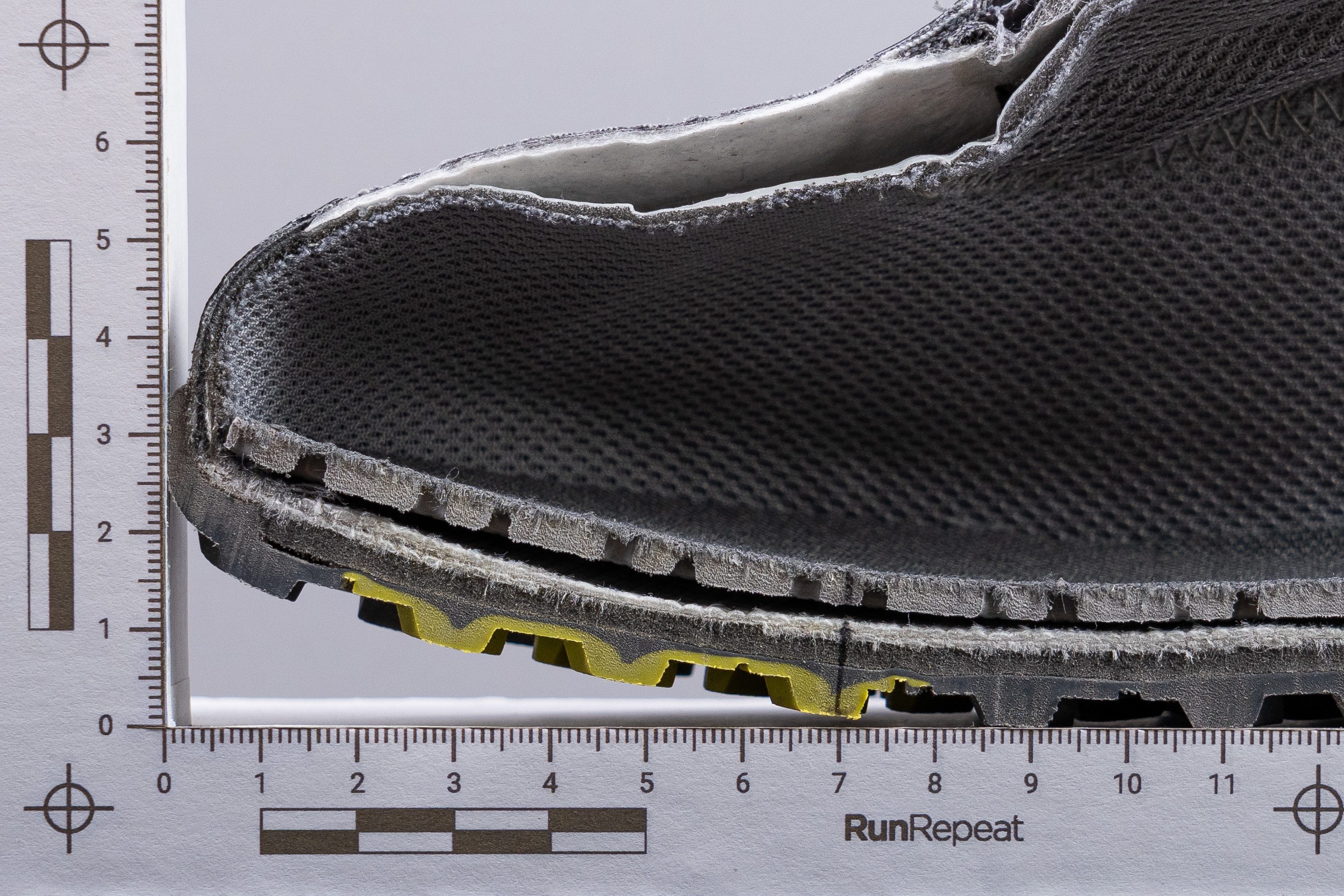
If these running shoes spark your interest, we suggest heading over to their dedicated pages: minimalist running shoes and Best cushioned running shoes.
Barefoot running shoes vs. zero-drop running shoes
This is often a source of confusion and one can see why. All barefoot running shoes are zero drop, but not all zero drop running shoes are barefoot. Does this help? If not, let’s elaborate further.
Zero-drop running shoes have a heel-to-toe drop of 0 mm. And that’s all we know about them. They can be cushioned, minimalist, or barefoot. Barefoot running shoes, on the other hand, don’t have other options when it comes to the heel drop, it has to be 0 mm or very close to it.
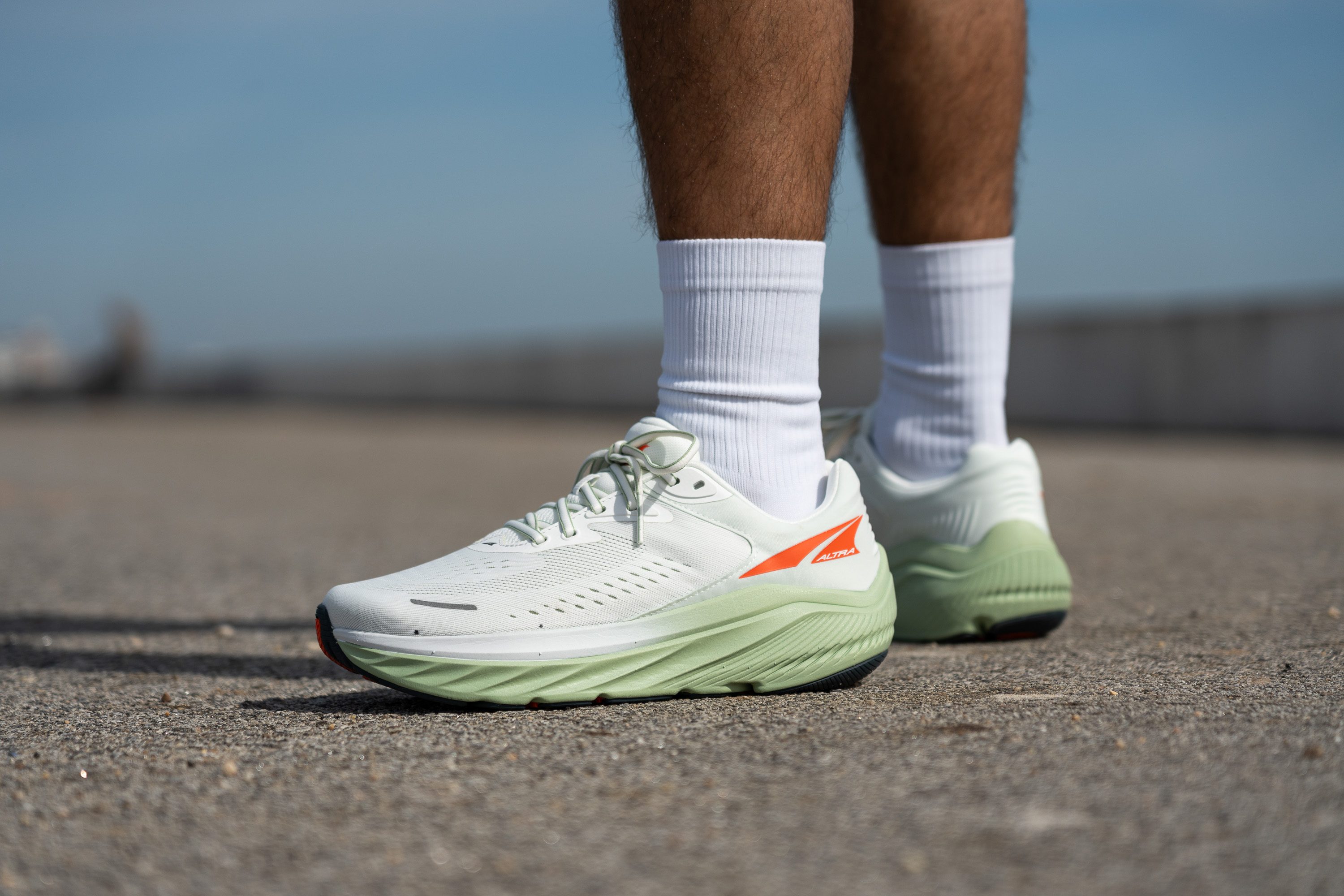
We have covered the topic of zero-drop running shoes in greater detail in this guide: Best zero drop running shoes.
Who barefoot running shoes are good for?
Barefoot running shoes are great for runners who want to:
- Work on strengthening the foot muscles and Achilles tendons
- Experience the highest levels of ground feel
- Feel as if they had no shoes on
- Experience the natural toe splay and the natural flexibility and movement
- Dedicate the time and effort to the gradual transition to barefoot running shoes.
|
CAUTION: if you are used to regular running shoes (high-stacked, cushioned) and have already experienced foot, ankle, Achilles, or calf injuries, you should be even more careful. Heal completely first. |
Who should NOT wear barefoot running shoes
Here are the runners who should avoid barefoot running shoes:
- Those with current injuries of the foot, Achilles, calves, or ankles
- Runners who are not patient and don’t have the time or willpower to slowly transition to barefoot running shoes
- Those who really love the plush feeling only the midsole can offer (and, therefore, do not want to feel every little crack, bump, or rock)
- Runners with severe overpronation or other foot conditions that would make running in barefoot running shoes very difficult or painful. It’s not impossible for them to transition to barefoot running shoes, but it would most likely have to involve help from a specialist who would make a proper assessment and later a specific training plan
- Runners who just don’t like the looks of the barefoot running shoes. Yeah, they are rarely good-looking.
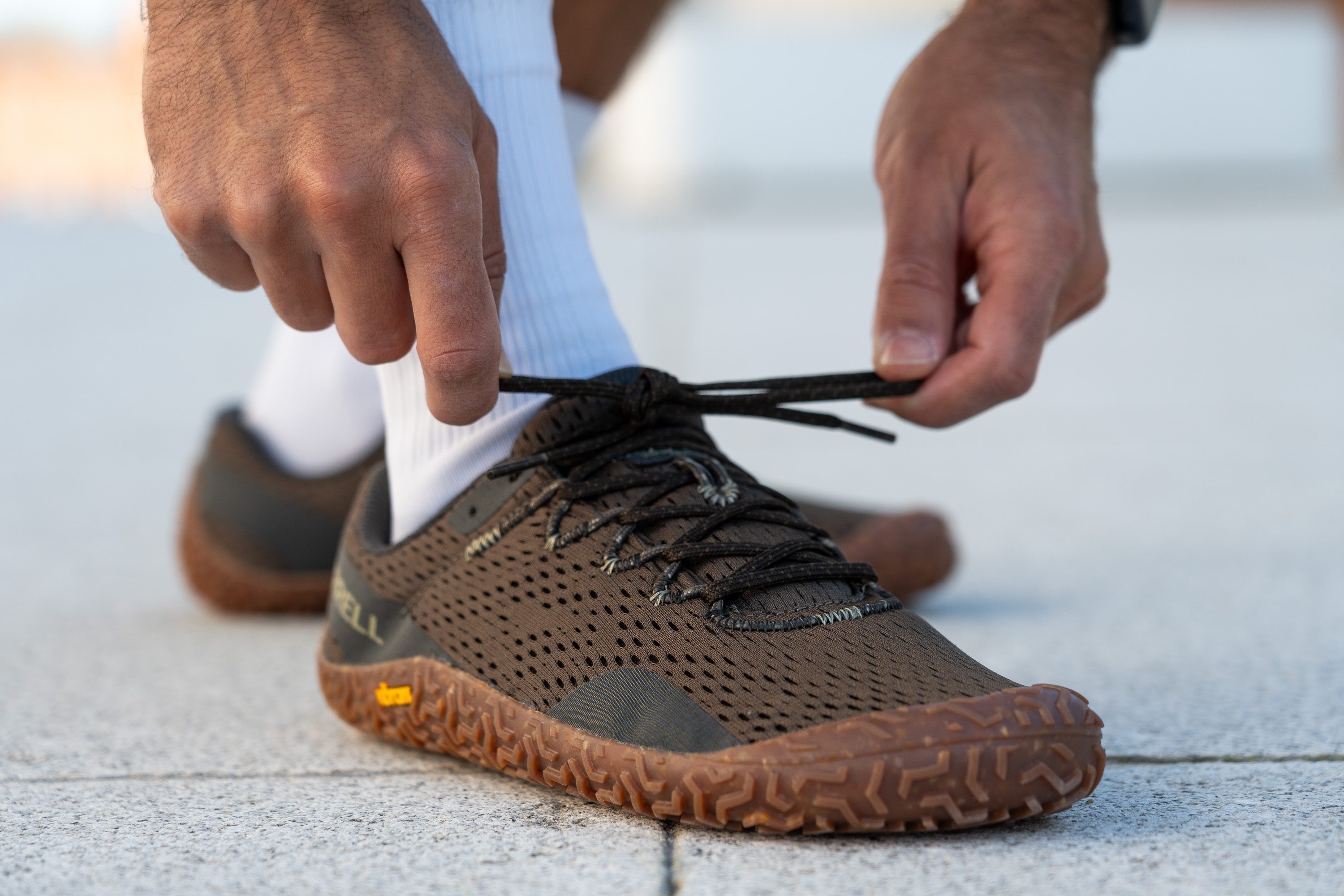
How long does it take to transition to barefoot running shoes
The transition period, how it looks and how long it lasts, depends on different factors. Here’s a short overview of what is actually happening and why.
|
Barefoot running shoe features |
How runners adapt |
|
No cushioning (minimal stack height) |
Because there’s no midsole that would cushion the landing and dampen the impact forces, runners can’t hit the ground with the heel. They are encouraged to land at the forefoot, which starts activating different muscle groups than they are used to |
|
Maximal ground feel |
All of a sudden, runners feel everything below their feet. Leaves, pebbles, cracks in the concrete, everything. This can be very tiring for the feet. |
|
Zero drop |
Zero drop puts the most pressure on the foot muscles and the Achilles tendons. Runners who are used to traditional running shoes (30mm+ cushioning and 8-12mm heel drop) are very not used to this because their shoes focus on utilising the thighs, hips, and glutei. |
|
No stabilising technologies |
Because there’s nothing that would support the feet while running, runners’ feet have to work more. They are on their own. There’s no stiff heel counter, no supportive uppers, no side walls, no sole flares, no medial posts. |
Given the severity of these changes, transitioning to barefoot running shoes has to be taken seriously. How long it will take depends on many factors:
- Which running shoes a runner is used to at the moment (how much cushioning, heel drop, etc.), the bigger the difference from the barefoot running shoes, the more time it will take to transition because its not the same when transitioning from 40 mm of heel stack height and 12 mm heel drop or from 20 mm of heel stack height and zero drop
- Current state of the runner (are they injured, are there any chronic conditions, what’s their pronation like), because those with chronic achilles tendinopathy will most likely experience the pain almost immediately, while those who are already forefoot striking will have an easier time adapting
- The motivation/dedication of the runner. This takes time and one should be ready for that.
- Runner’s goals. Is the goal to be able to run 5-10 miles in barefoot running shoes or to adapt enough so that they can run 100 miles?
There’s no clear answer because it depends on so many factors. Anecdotal evidence suggests anything from a few months to more than a year.
How to transition to barefoot running shoes
There’s no official protocol that covers all the factors here, as it is highly individual and depends on dozens of variables (explained in the chapter above). Here’s what is generally accepted as a good way to transition to barefoot running shoes:
- Start with smaller changes if you’re used to high-stacked cushioned running shoes with a high heel drop or if you have foot muscle, ankle, calf, or Achilles injuries. This means don’t go from 40mm stack height and 12mm drop to barefoot immediately, but consider going first for running shoes with 30mm stack and 8mm drop, then after a while, 20mm stack and 4mm drop. The numbers are examples only; it’s important to go lower gradually and find a shoe that fits you properly.
- If you feel ready to transition to the barefoot running shoes immediately (from your current shoes straight to the barefoot), do so, but take small steps:
- First, walk around the house in barefoot running shoes.
- Then, use them for your regular daily activities, like going to the supermarket, walking your dog, and similar. These have to be short and ideally done a few times a week.
- Keep increasing the walking mileage. Make sure that you are pain-free. Start running very short distances when you feel ready (there’s no discomfort/pain).
- Regardless of whether you are walking or running, bring a spare pair of running shoes with you that you can put on the moment you feel discomfort or pain. It’s important that you stop wearing the barefoot running shoes the moment something unpleasant happens.
- Even when you feel great after running, say 10 miles, make sure that your next run is not 25 miles. Keep making gradual progress. Always bring a spare pair of cushioned/high-drop running shoes with you.
- You can incorporate strengthening exercises in this adaptation period but make sure not to put too much stress on your feet and Achilles.
As always, we recommend seeing a specialist if you’re experiencing any sort of discomfort now or if it happens during this transition period. Play it safe and good luck!
LACK OF CONSENSUS: Scientific research on barefoot running shoes
To this day, we still don’t have strong evidence suggesting whether barefoot running prevents or causes injuries. What we know for certain is that barefoot running decreases the stride length and increases the stride rate, along with supporting the forefoot strike.
There are numerous studies done on the topic, but they more often focus on barefoot running rather than on running in barefoot running shoes. Regardless, we had a look at those as well.
We can conclude, as many experts in the field have already, that there is no consensus on whether barefoot running shoes are good or bad for you. This is because studies are not done properly. They don’t take into account the needed length of the transition period from cushioned running shoes to barefoot running shoes. They also don’t have a sample big enough or don’t track all the biomechanical and physical parameters.
Here are the studies we want to highlight in case you are curious about the conclusions and the evidence:
-
The Risks and Benefits of Running Barefoot or in Minimalist Shoes, Perkins et al., 2014.
-
Researchers reviewed 23 studies back in 2014 only to conclude that people who run barefoot tend to land more lightly, have a shorter ground contact time, make shorter and quicker steps, and put less stress on their knees. However, the research was limited and the conclusion was that the evidence was not strong enough to suggest which footwear choice is safer or better: barefoot, minimalist, or regular.
-
-
Effects of technological running shoes versus barefoot running on the intrinsic foot muscles, ankle mobility, and dynamic control: a novel cross-sectional research, García-Arrabé et al., 2024.
-
When comparing runners who regularly run in modern, highly cushioned running shoes with those who usually run barefoot, it was found that the barefoot runners have thicker and stronger foot muscles, thicker plantar fascia, and better ankle dorsiflexion ROM (better ankle range of motion when flexing the foot upward toward the shin).
-
-
The role of footwear in improving running economy: a systematic review with meta-analysis of controlled trials, Xu et al., 2025
-
Looking at 25 studies, it was concluded that running barefoot or in minimalist running shoes may be more energy-efficient than running in regular running shoes. However, it was also found that increasing the stiffness or cushioning could also improve running economy.
-
-
Does barefoot running cause injuries? Reed Ferber, Shari Macdonald; Running Mechanics and Gait Analysis
-
Some studies have shown that running barefoot or running with a forefoot strike results in decreased stride length and decreased range of motion at the hips, knee and ankle; increased stride rate; more plantar flexed ankle position at the ground contact (De Wit et al. 2000; Divert et al. 2005; Lieberman et al. 2010). Also, it was reported that running barefoot leads to a 54% decrease in the hip rotational forces, 36% decrease in knee flexion forces, and a 38% decrease in frontal plane knee forces (compared to shod running). What this actually means is that the results suggest that running in cushioned running shoes may reduce foot muscle development and ankle mobility compared to barefoot running.
-
There is not enough strong evidence to conclude whether running barefoot, or in minimalist shoes, or in cushioned running shoes is safer or better.
-
-
Influence of the Shod Condition on Running Power Output: An Analysis in Recreationally Active Endurance Runners, Jaén-Carrillo et al., 2022
-
41 endurance runners were tested while running barefoot and in cushioned running shoes. The results showed no difference in the overall power output, but differences were noted in terms of how that power was used: barefoot running resulted in better running effectiveness, higher leg stiffness, shorter ground contact time, shorter steps, and a faster step rate. No runner landed on the heel when running barefoot, but they did do that when running in cushioned running shoes. Running barefoot could improve running economy in endurance runners by increasing leg stiffness and running efficiency.
-
-
Foot bone marrow edoema after a 10-wk transition to minimalist running shoes, Ridge et al., 2013
-
10 out of 19 runners who took 10 weeks to transition to Vibram FiveFingers developed some degree of foot bone marrow edoema.
-
A Biomechanical Analysis of Barefoot versus Shod Distance Running, Picha et al., 2014
-
Analysing 13 studies in the barefoot-running realm revealed that all of them were limited and of low quality.
-
Immediate Effects of Manipulating Footwear or Cadence on the Lower Limb Biomechanics of Female Masters Runners, Esculier et al., 2022
-
20 female runners ran barefoot, in Merrell Vapour Gloves, Merrell Bare Access, and Brooks Pure Flow, and they ran with a 10% faster cadence. The study has shown that barefoot and minimalist running shoes decrease stress at the knee but increase it at the ankle. Runners preferred switching to a 10% faster cadence to also reduce the stress at the knee, rather than switching to minimalist/barefoot running shoes.
Are barefoot running shoes healthier?
It depends!
They allow runners to experience the greatest amount of ground feel, which is exactly what’s needed to strengthen the foot muscles. However, if someone transitions from cushioned running shoes to barefoot shoes abruptly, barefoot shoes will not be healthy for them. They may cause injuries due to the sudden change in cushioning, support, flexibility, and heel drop.
Do barefoot running shoes prevent injuries?
They don’t.
While they may “save” your hips or knees, because landing on the forefoot sends 36-54% less force to the hips and knees at every step, they will send a lot of stress to the Achilles tendons, ankles, and foot muscles. The forefoot strike puts much more load on the Achilles (59% of the force needed to rupture the Achilles tendon), which could lead to tendinopathy, a gastrocnemius or soleus muscle strain. They may reduce some injuries of the hips and knees, but increase the injury rate in the metatarsals, plantar fascia, and Achilles tendons (source).
How thin are barefoot running shoes?
Based on our lab data, the current heel stack height average is 11.6 mm. For reference, the average heel stack for all running shoes is 34.2 mm.
How do barefoot running shoes affect running biomechanics?
Barefoot running shoes shorten the stride length, increase the cadence, and encourage the forefoot strike. This also means that there’s a higher ankle plantar flexion and decreased range of motion at the hips and the knee (De Wit et al., 2000; Divert et al., 2005; Lieberman et al., 2010).
Can you run long distances in barefoot running shoes?
Some runners can.
But it takes a long time, for some runners, we’re talking about years, to get to a point where they can easily cover long distances in barefoot running shoes. The duration of the transition depends on the initial state of the runner (were there any injuries, compensations, which running shoes the runner was used to, etc.) and on how much time they can devote to the adaptation (to work on it daily, or weekly, and to recover and maybe even do strengthening exercises). This usually means cutting down on the built-up mileage and taking things slowly.

It's also important to note that even those who land at the forefoot in cushioned running shoes start landing at the heel when their feet get tired (at some point during an ultra). But they have the cushioning to save the day. Those running in barefoot running shoes don't have that luxury. Even more reason to prepare the legs for such a big challenge.
Should beginners run in barefoot running shoes?
No.
There’s a very small percentage of beginners who could do it and those are people who are already using barefoot footwear regularly. If you’re not one of those people, we recommend a lengthy transition period or starting with something cushioned.
Are barefoot running shoes good for the Achilles?
Again, it depends. They are good in terms of making the Achilles tendons stronger. This applies only to slow transitioning to barefoot footwear. Looking at the numbers, landing on the forefoot (which is promoted by barefoot footwear) puts a lot of stress on the Achilles: 59% of the force needed to rupture the Achilles tendon. Because of this, running in barefoot running shoes could lead to tendinopathy. But if done gradually, the tendons will become stronger.
Will barefoot running shoes make my feet wider?
Many runners have experienced widening of the toebox. Barefoot running shoes have wider toeboxes by default because, in order to promote the natural feeling when running, they have to allow for the toe splay. They don’t forcefully widen your feet but by allowing the toes to splay, they allow the forefoot to take as much space as needed. After a while, runners get used to this free feeling, and other toeboxes found in regular running shoes become too pointy.
Similar buying guides