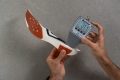
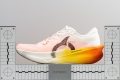
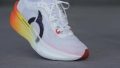
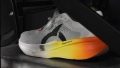
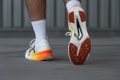

Our verdict
- Daily running 55
- Tempo 86
- Race 81
- Stability 59
Pros
- Outstanding performance-per-dollar ratio
- Lightweight and agile
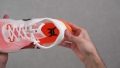
- Awesome upper
- Plush foam delivers cloud-like ride
- A-TPU premium insole
- Works well for 5K/10K races
- Strong heel shock absorption
- Ideal for heel strikers
- Ready for summer races
Cons
- Not the most stable ride
- Less energetic than many competitors
- Snug fit can feel restrictive
Comparison
The most similar running shoes compared
+ + Add a shoe | |||||
|---|---|---|---|---|---|
| Our score | 83 Great | 85 Great | 88 Superb | 86 Great | |
| Price | $130 | $265 | $250 | $275 | |
| Pace | CompetitionTempo | Competition | Competition | Competition | |
| Shock absorption | High | High | High | High | |
| Energy return | High | High | High | High | |
| Traction | High | High | High | High | |
| Arch support | Neutral | Neutral | Neutral | Neutral | |
| Weight lab Weight brand | 6.3 oz / 179g 6.2 oz / 177g | 7 oz / 198g 7.5 oz / 213g | 7.8 oz / 220g 7.4 oz / 210g | 6.8 oz / 193g 6.8 oz / 192g | |
| Lightweight | ✓ | ✓ | ✓ | ✓ | |
| Drop lab Drop brand | 12.0 mm 8.0 mm | 10.7 mm 8.0 mm | 10.0 mm 7.0 mm | 10.6 mm 7.0 mm | |
| Strike pattern | Heel | Heel | HeelMid/forefoot | Heel | |
| Size | Slightly large | True to size | Slightly small | - | |
| Midsole softness | Soft | Balanced | Balanced | Soft | |
| Difference in midsole softness in cold | Small | Small | Small | Small | |
| Toebox durability | Decent | Bad | Decent | Bad | |
| Heel padding durability | Decent | Decent | Good | Good | |
| Outsole durability | Decent | Decent | Good | Decent | |
| Breathability | Breathable | Moderate | Breathable | Breathable | |
| Width / fit | Narrow | Medium | Narrow | Medium | |
| Toebox width | Medium | Medium | Narrow | Narrow | |
| Stiffness | Stiff | Moderate | Stiff | Stiff | |
| Torsional rigidity | Moderate | Flexible | Moderate | Flexible | |
| Heel counter stiffness | Flexible | Flexible | Flexible | Moderate | |
| Plate | Carbon plate | Carbon plate | Carbon plate | Carbon plate | |
| Rocker | ✓ | ✓ | ✓ | ✓ | |
| Heel lab Heel brand | 38.7 mm 39.0 mm | 39.3 mm 40.0 mm | 39.6 mm 40.0 mm | 39.9 mm 40.0 mm | |
| Forefoot lab Forefoot brand | 26.7 mm 31.0 mm | 28.6 mm 32.0 mm | 29.6 mm 33.0 mm | 29.3 mm 33.0 mm | |
| Widths available | Normal | NormalWide | Normal | Normal | |
| Orthotic friendly | ✓ | ✓ | ✓ | ✓ | |
| Season | SummerAll seasons | All seasons | SummerAll seasons | SummerAll seasons | |
| Removable insole | ✓ | ✓ | ✓ | ✓ | |
| Ranking | #180 Top 45% | #104 Top 26% | #51 Top 13% | #88 Top 22% | |
| Popularity | #400 Bottom 1% | #17 Top 5% | #98 Top 25% | #62 Top 16% |

Who should buy
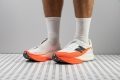
We think that the Ortuseight Solar 2.0 is interesting for:
- Budget-focused runners who want a carbon-plated racing shoe at around half the usual price.
- Newcomers to running who want to experience a super shoe feel without spending over $200.
- Heel strikers who prefer a high-drop competition shoe with a rolling ride.
Who should NOT buy
Coming at around half the price of usual super shoes brings one clear trade-off. We found in the lab that, despite the Pebax foam, the Solar 2.0 is less energetic than top-tier racers. If you want maximum race-day performance, there are better choices like the Nike Vaporfly 4 or the PUMA Fast-R Nitro Elite 3.
We also think the Solar 2.0 is not the best match for runners that dislike a snug fit, as the toebox can feel restrictive. For a more comfort-focused fit with elite performance, we recommend the New Balance FuelCell SuperComp Elite v5 instead.
Cushioning
Shock absorption
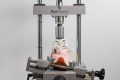
Long distances will not be a problem for the Ortuseight Solar 2.0, especially for heel strikers. We found an amazing result of 156 SA in the rear of the shoe, complemented by 113 SA in the forefoot, which is not as impressive but still offers plenty of protection for joints and muscles.
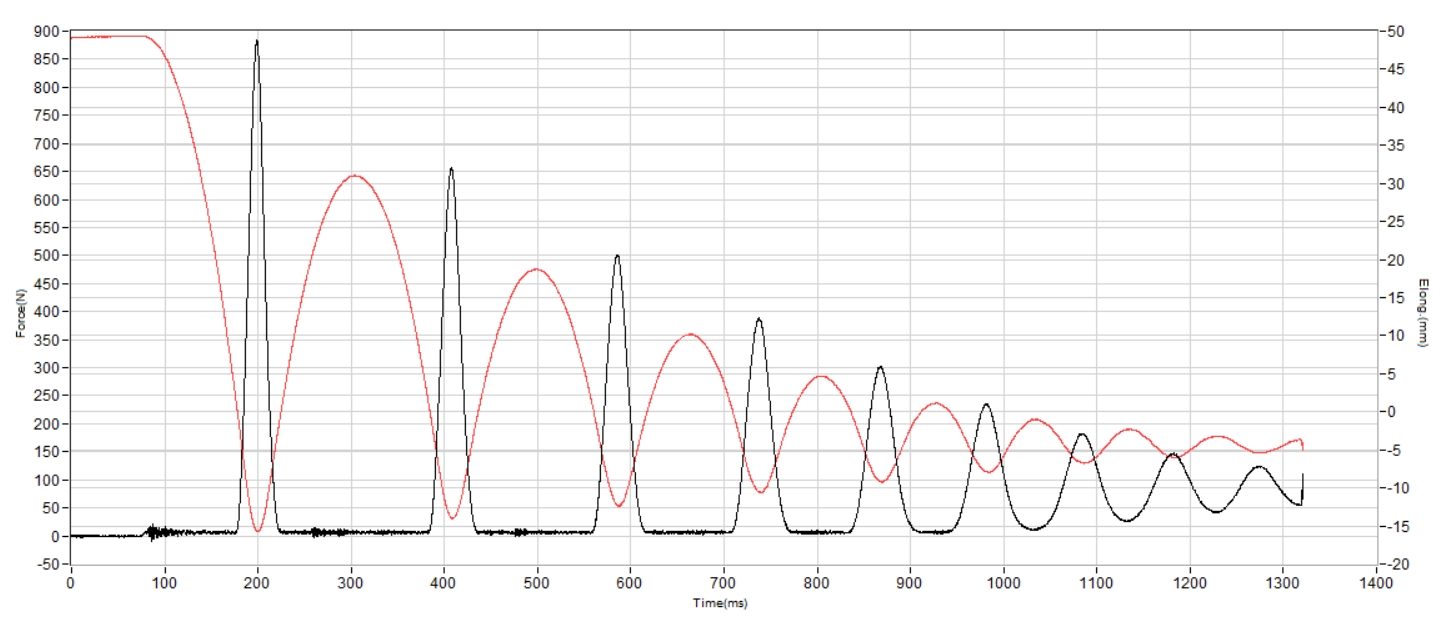
| Solar 2.0 | 156 SA |
| Average | 131 SA |
Energy return
Usually, we can mostly guess the energy return of a shoe before testing it based on our knowledge of foams and years of lab work. But the dual-density Cirrostratus was a complete unknown to us. However, we found before our review that it uses a Pebax foam, and that usually brings good news in the lab.
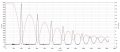
The heel was a bit disappointing with only 60.2% of bounce, but the shoe came alive in the forefoot with a much stronger 69.1%. It may fall slightly short of super shoe level, but it is still incredible when you factor in the amazingly low retail price of the Solar 2.0!
| Solar 2.0 | 69.1% |
| Average | 61.5% |
Heel stack
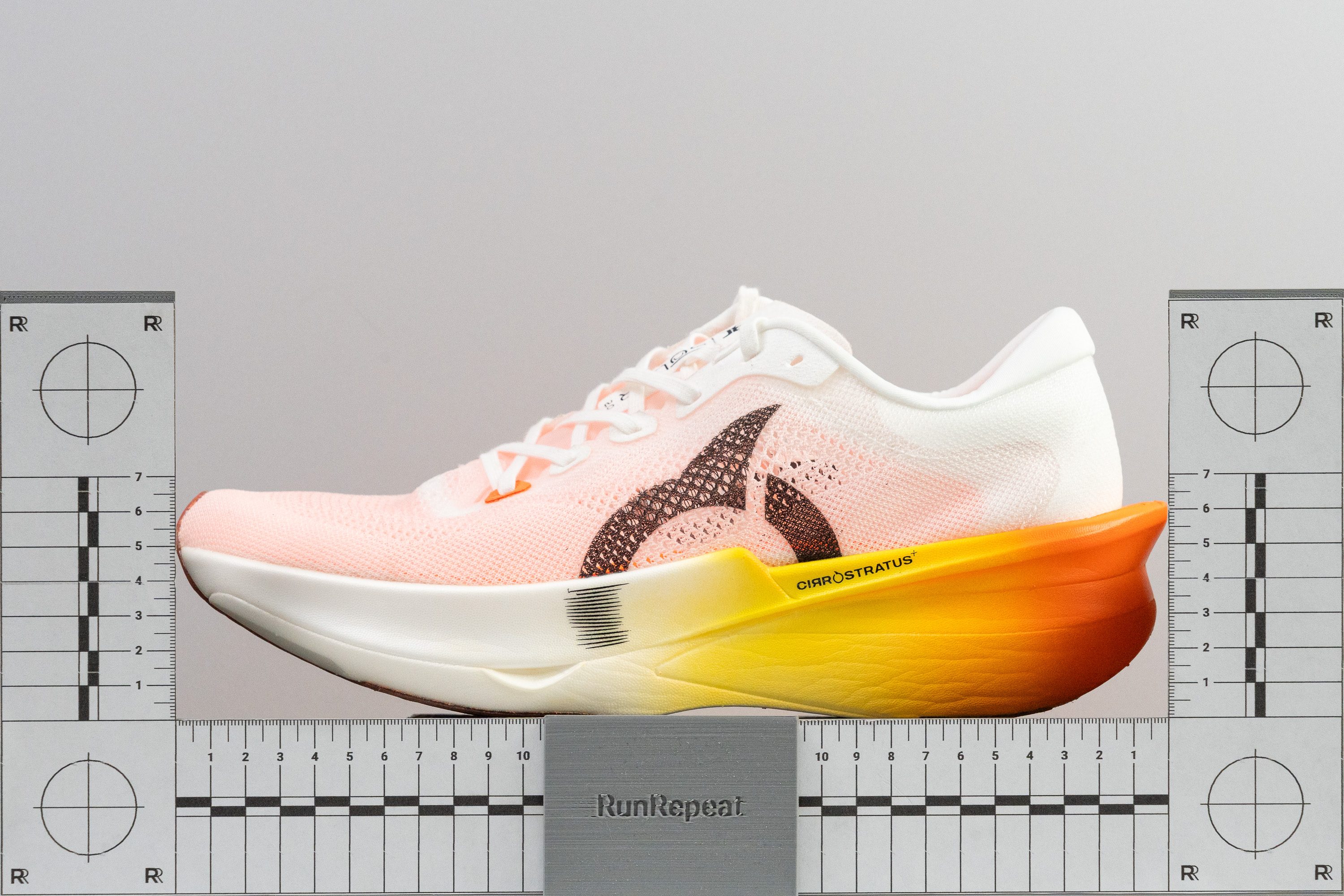
Boasting 38.7 mm of heel stack, we now better understand why this shoe ranked so high in our shock absorption test. It is simply ideal for those who want a huge block of foam with next-to-no ground feel.
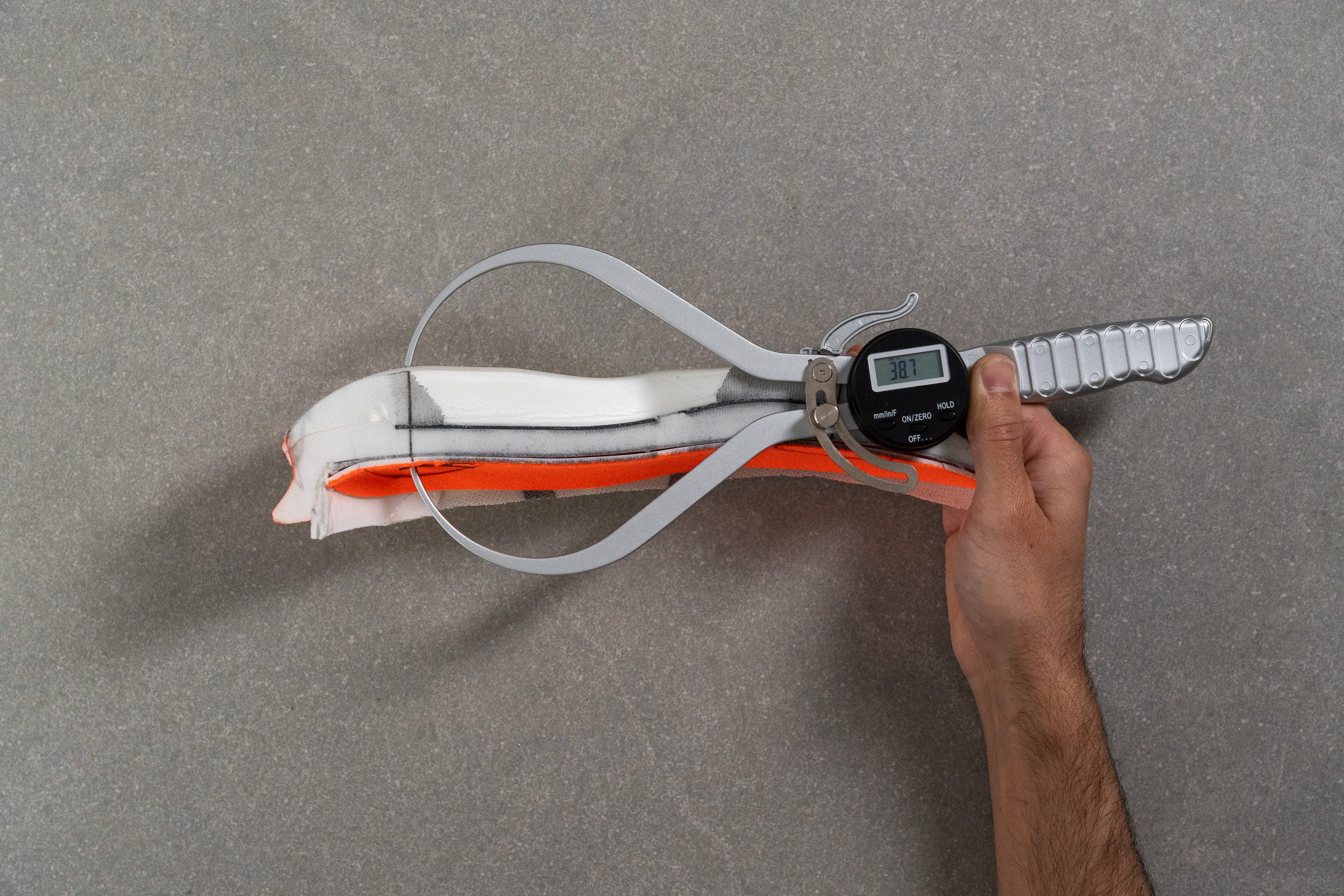
| Solar 2.0 | 38.7 mm |
| Average | 35.6 mm |
Forefoot stack
The forefoot comes in much leaner at only 26.7 mm, which also explains the big difference we found in our SA numbers. That may position this shoe as a better option from 5K to half marathon for forefoot strikers.
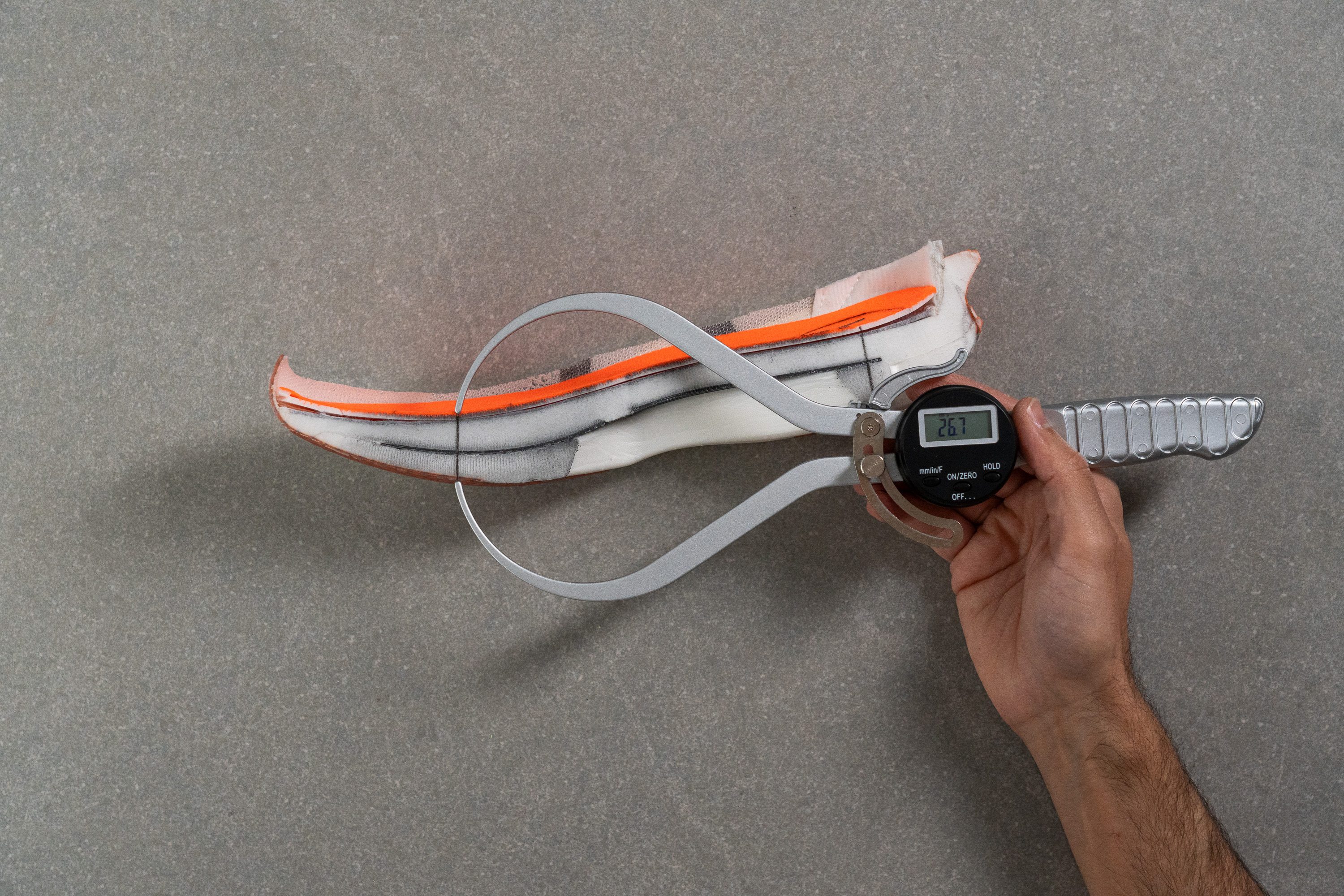
| Solar 2.0 | 26.7 mm |
| Average | 27.2 mm |
Drop
You may have already done the math and noticed that the drop is really high at 12.0 mm. Ortuseight declares 8 mm, but we believe the ride better reflects a shoe that feels closer to 10-12 mm.
This may be a concern for forefoot strikers, while for some heel strikers who enjoy the rolling feel of a high drop, it can be an amazing option.
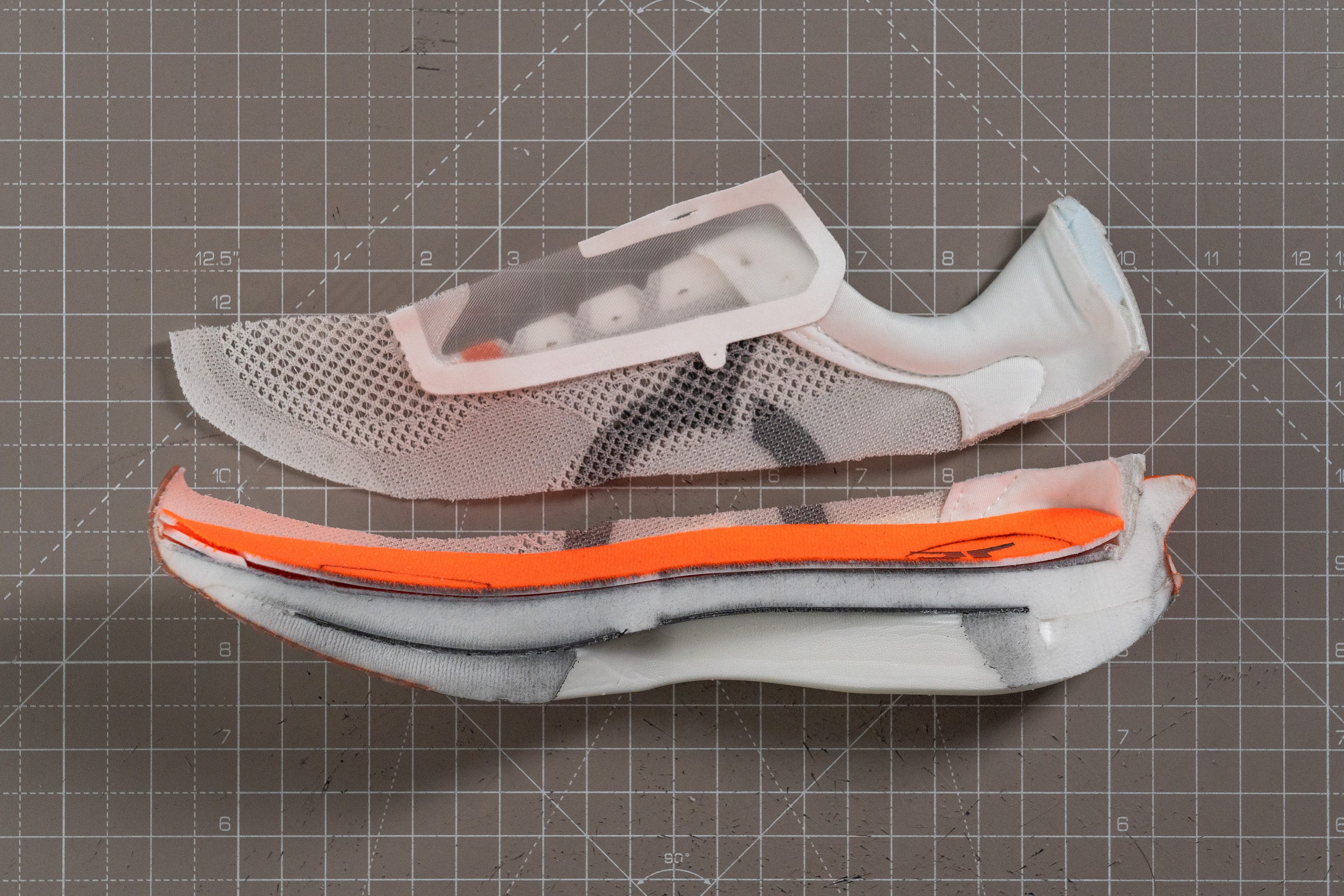
| Solar 2.0 | 12.0 mm |
| Average | 8.4 mm |
Midsole softness
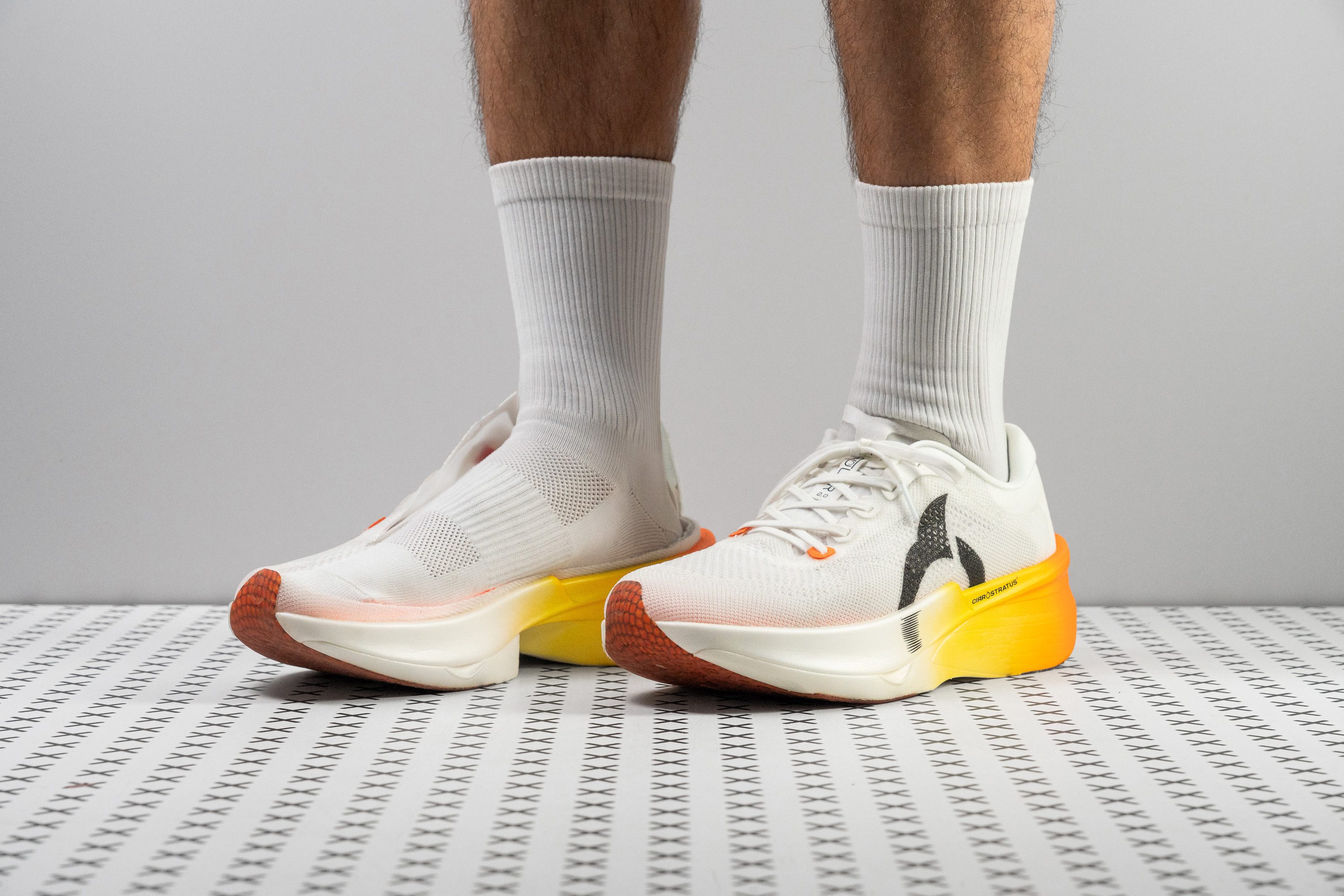
Back to the Cirrostratus foam, we were eager to take measurements with our Asker C durometer for one simple reason: cirrostratus is a type of cloud, so is this foam as soft as a cloud?
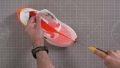
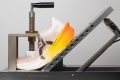
Through our testing, we had to take two measurements because the shoe comes with two foam slabs that vary in softness. The main one sits below the carbon plate and registers at 31.1 AC, which is indeed softer than the average.
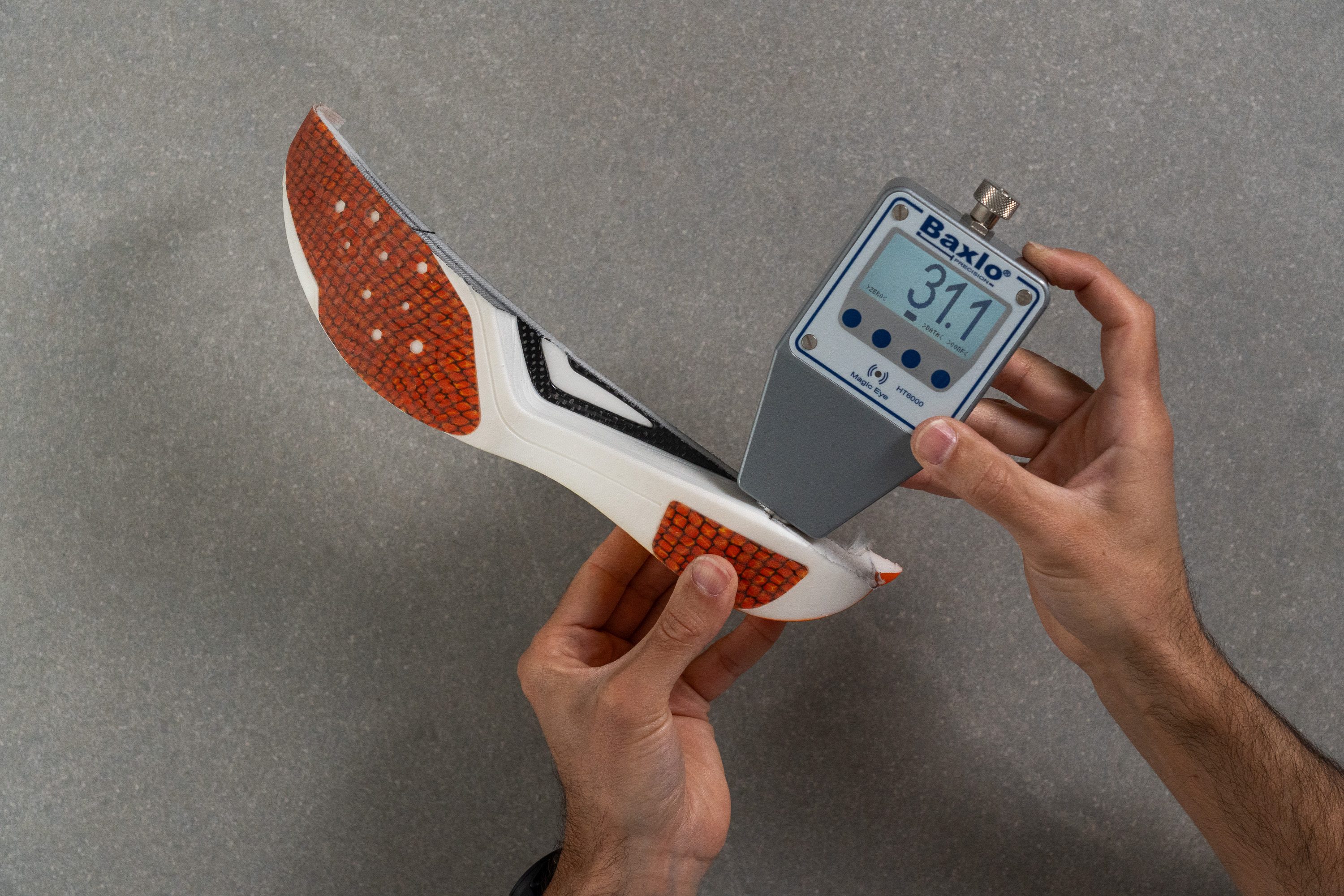
| Solar 2.0 | 31.1 AC |
| Average | 35.4 AC |
Rocker
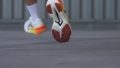
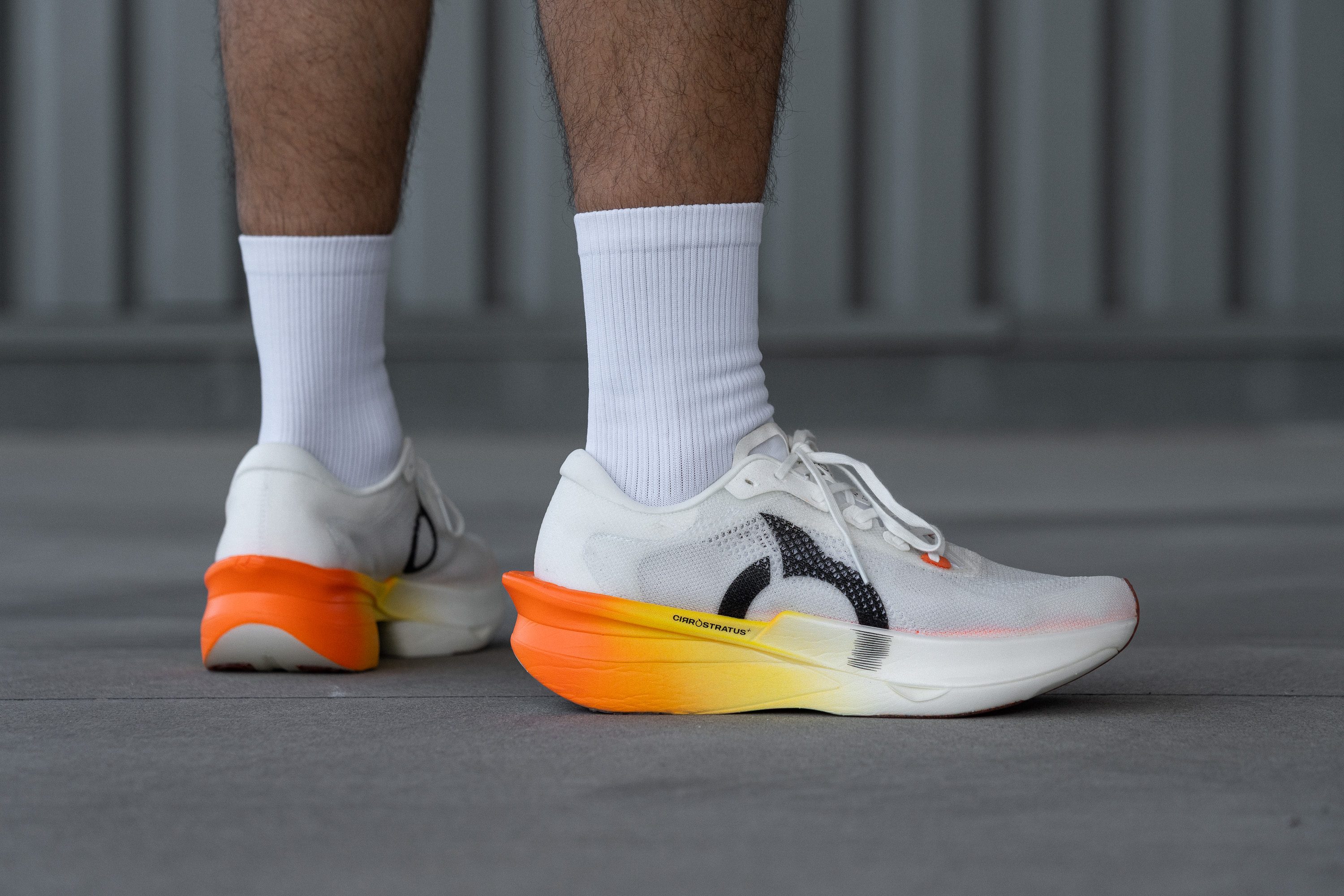
We noticed a clear rocker shape in the Ortuseight Solar 2.0, just like almost any other super shoe launched in the past year. The forefoot rises up to 5 cm, and the heel also features a clear curvature, with a design that draws clear inspiration from the Nike Alphafly 3.
Plate
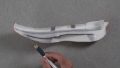
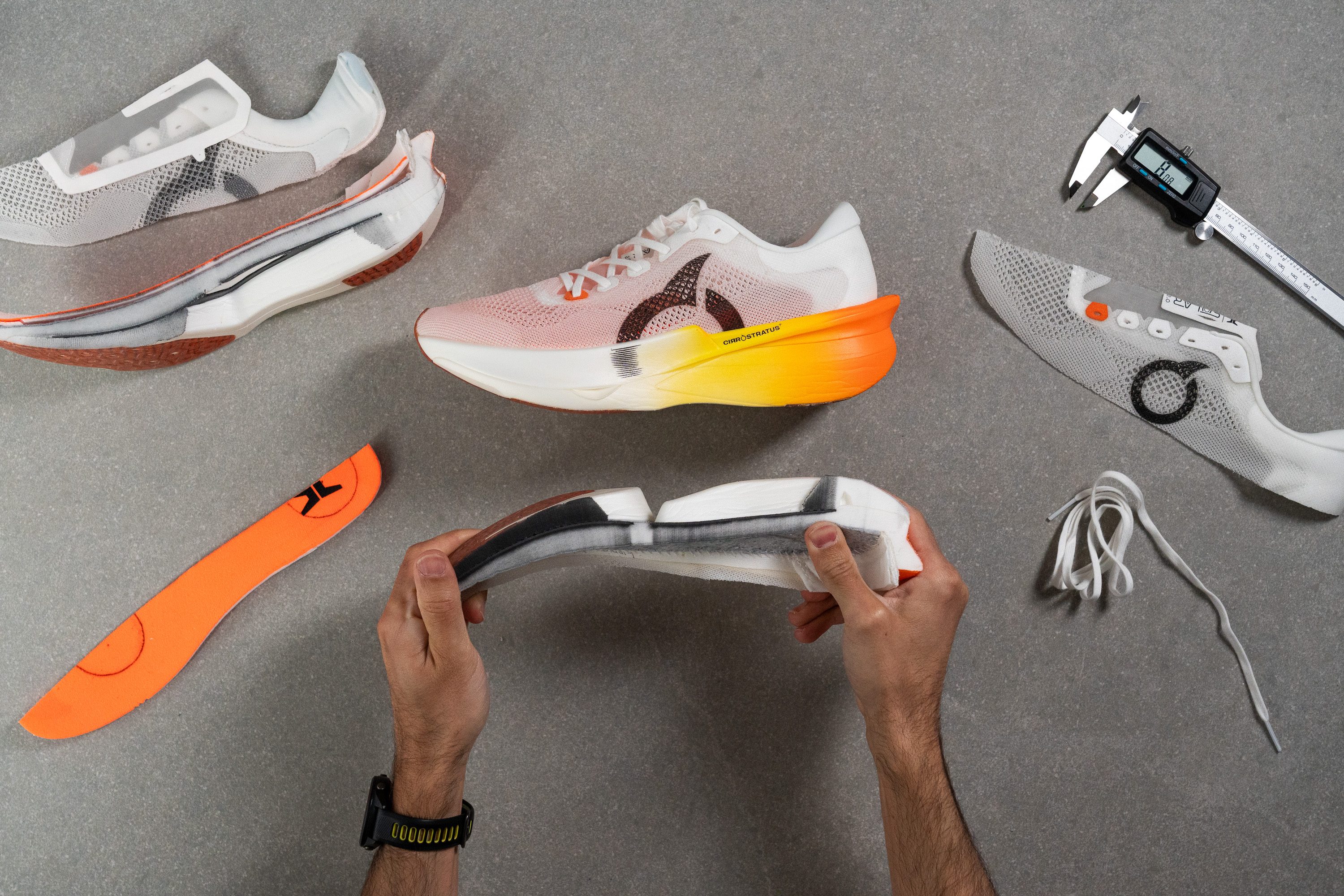
Instead of a classic plate, this one comes with a midfoot cutout and a forked forefoot to add some torsional flex. That could be an interesting feature for more unexperienced runners, who often benefit from a less rigid feel.
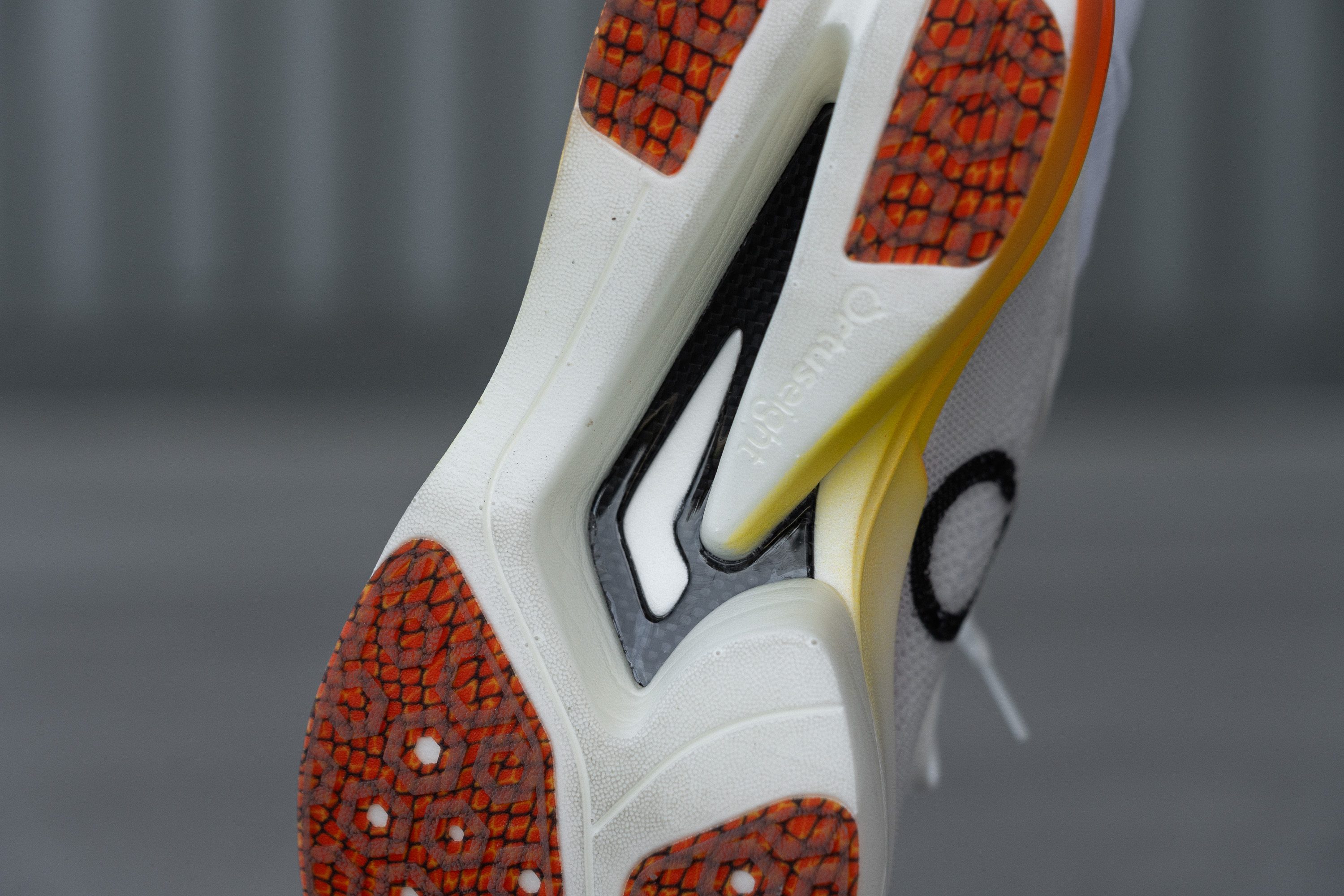
The plate follows the usual design found in most super shoes, but with a slightly less pronounced curvature. Due to the high drop, Ortuseight likely felt that more was not needed.
Size and fit
Size
Ortuseight Solar 2.0 fits slightly large (12 votes).
Internal length
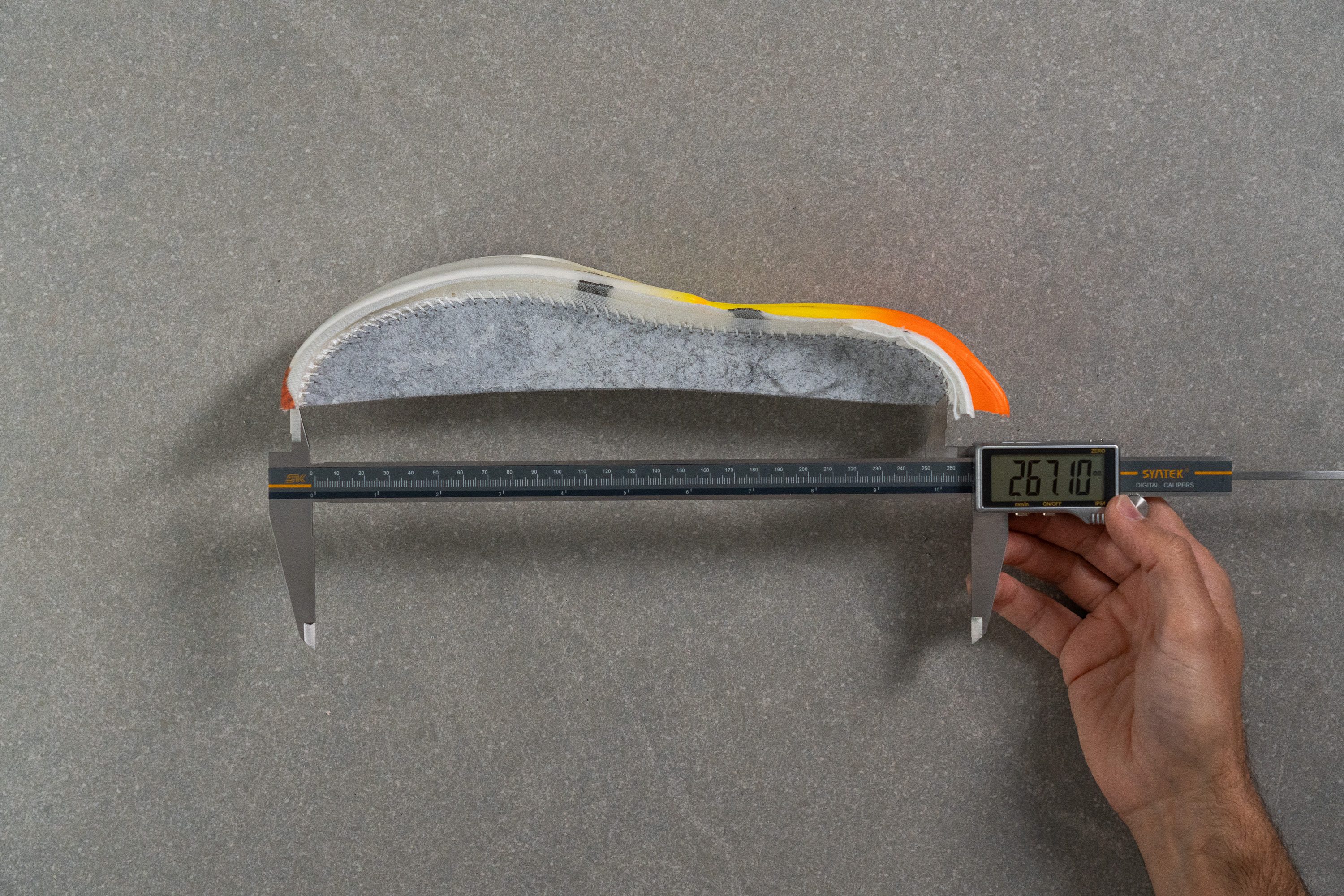
| Solar 2.0 | 267.1 mm |
| Average | 269.4 mm |
Width / Fit
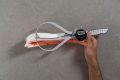
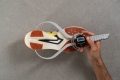
We did not need to take any measurements to understand that the Solar 2.0 is best suited for those who prefer a snug fit or runners with narrow feet, but we still went for it like with any other shoe.
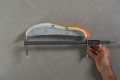
In our first reading, we found only 91.9 mm. That is notably below average, although not uncommon for super shoes, which often tend to fit snugly.
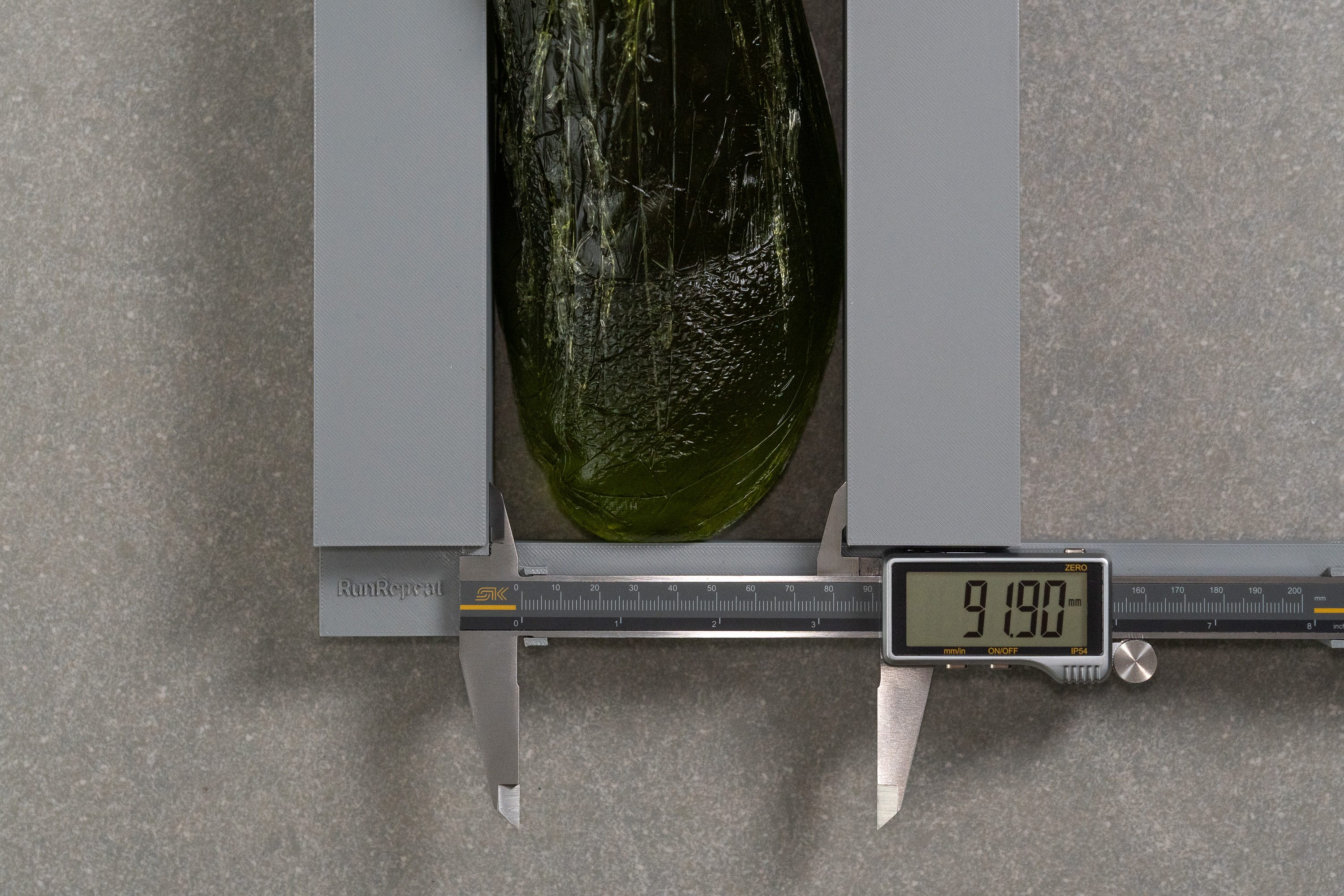
| Solar 2.0 | 91.9 mm |
| Average | 95.2 mm |
Toebox width
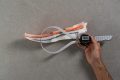
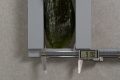
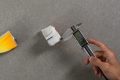
In our second reading, our digital calipers also reported a below-average result at 71.9 mm. That reinforces what we found earlier.
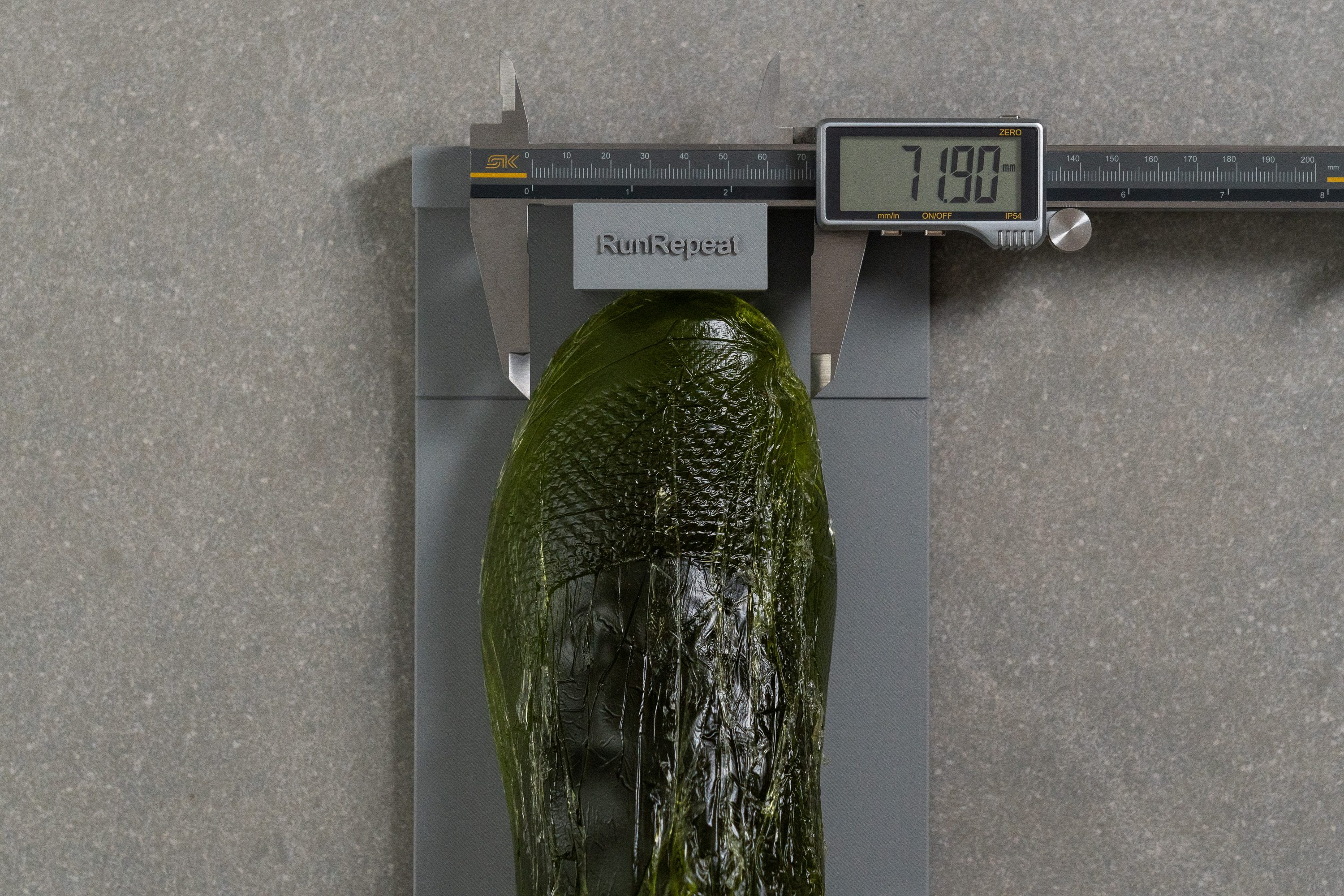
| Solar 2.0 | 71.9 mm |
| Average | 73.2 mm |
Toebox height
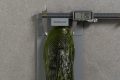
To conclude our fit assessments, we also took a measurement of our gel cast regarding toebox height.
Here we found more room at 28.8 mm, which could be critical for some runners planning to use the Solar 2.0 for a full marathon.
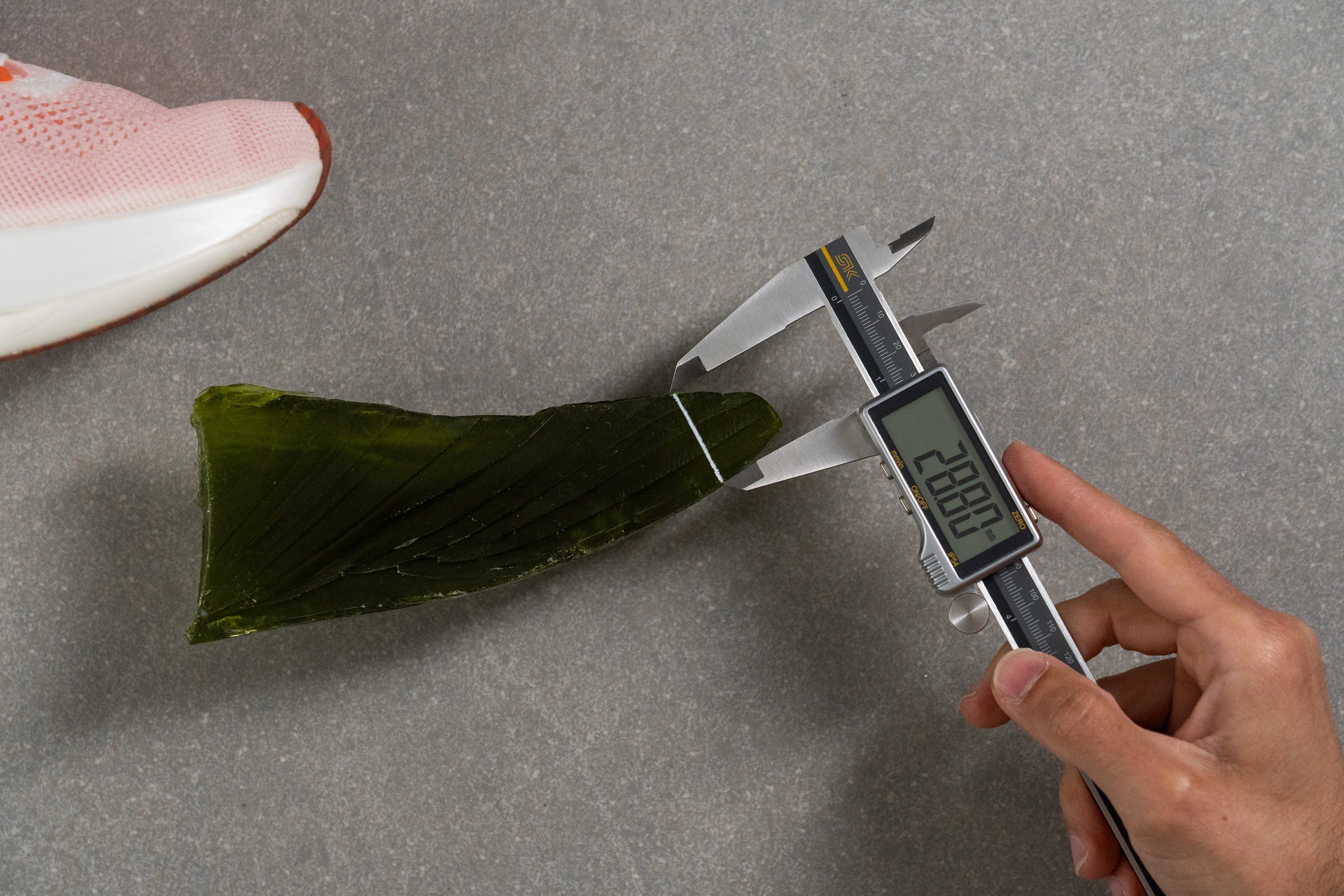
| Solar 2.0 | 28.8 mm |
| Average | 27.0 mm |
Traction / Grip
Traction test
One area where Asian brands are thriving is traction, and that is because CPU (Cast Polyurethane) outsoles are hugely popular in that continent. In fact, it is hard to understand why so many Western brands are still sticking with classic rubber.
In our test over wet concrete, the AR-30 CPU outsole did a very good job for such a lightweight material and scored 0.67, well above average.
| Solar 2.0 | 0.67 |
| Average | 0.53 |
Outsole design
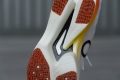
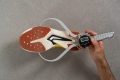
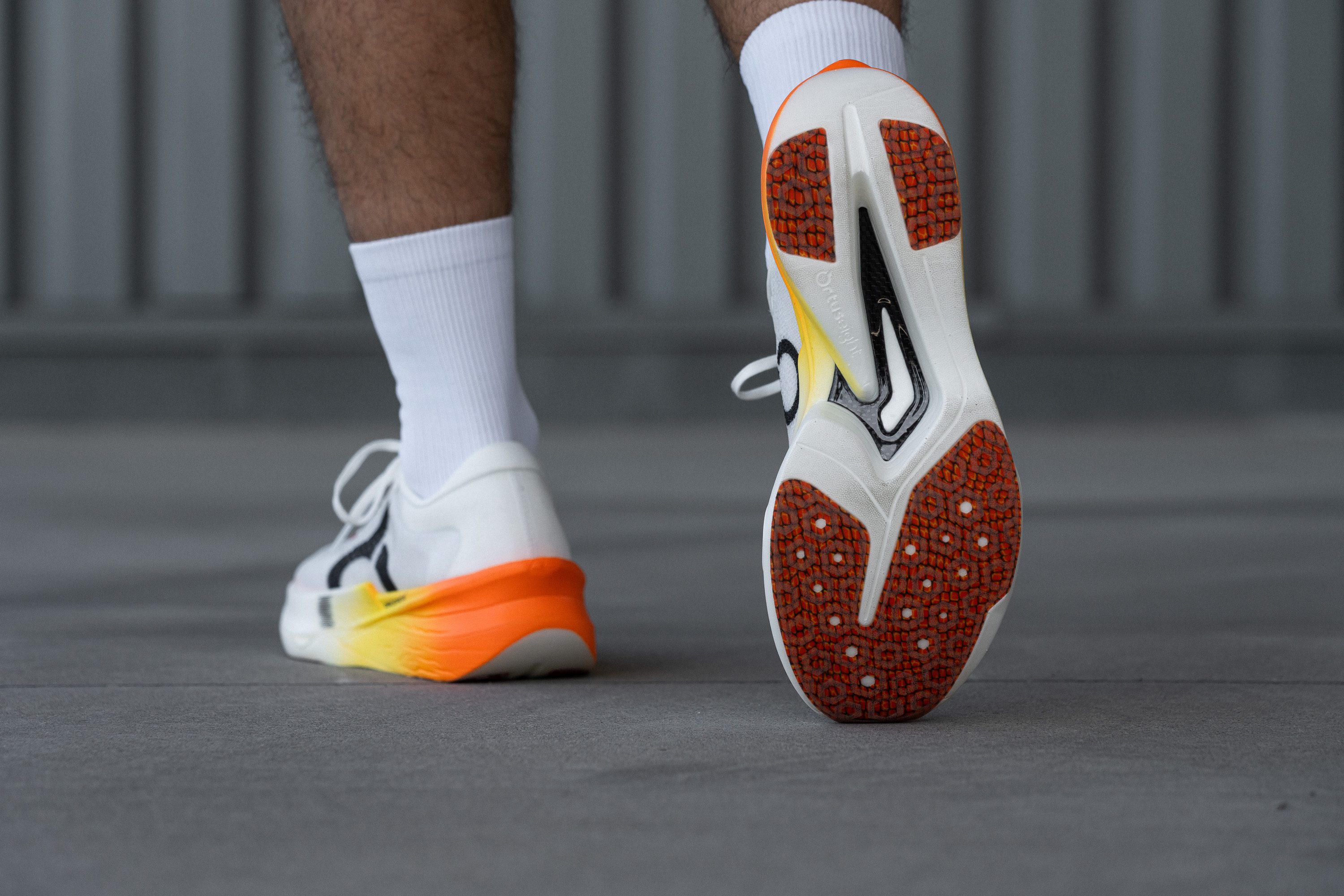
Thanks to the ultra-lightweight nature of the CPU material, Ortuseight used a very solid outsole coverage for a competition shoe without a serious weight penalty. There are some areas with exposed foam, but we believe the heel and forefoot are decently covered here.
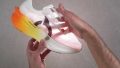
This photo also works well to showcase the aggressive cutout that starts on the medial side and extends to the heel, delivering a decoupled feel similar to the one made popular by the adidas Adios Pro 2 back in 2021.
Flexibility / Stiffness
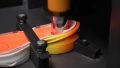
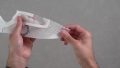
The carbon plate that sits between both layers of Cirrostratus foam is incredibly stiff from a longitudinal standpoint. It reached nothing less than 22.8N in our 30-degree bend test.
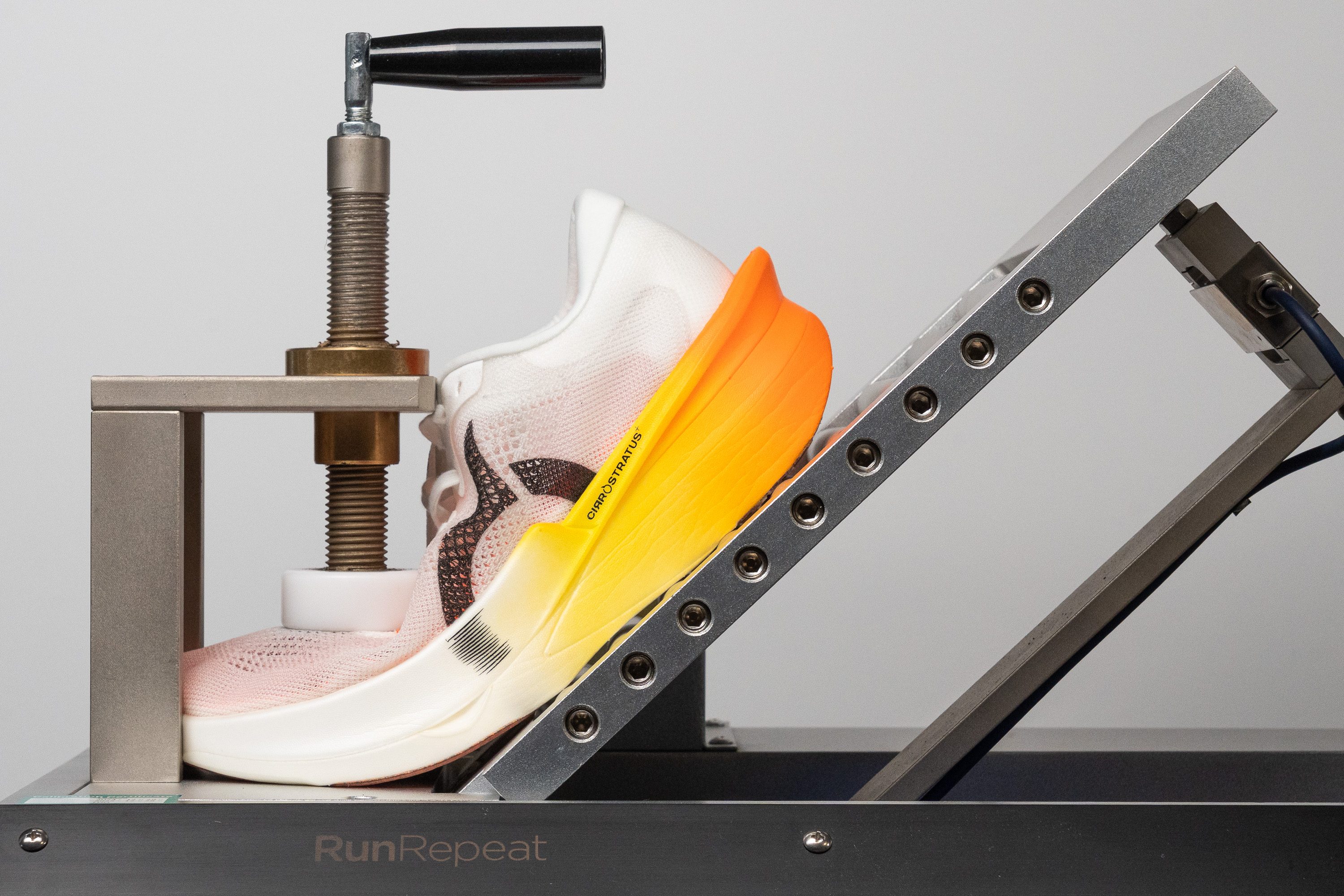
| Solar 2.0 | 22.8N |
| Average | 15.5N |
Weight
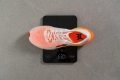
Another standout feature of the Solar 2.0 is its low weight. At only 6.3 oz or 179g, Ortuseight did a very good job cutting weight through multiple elements, such as a paper-thin upper and midsole cutouts, enabling it to be lighter than some serious competitors like the adidas Adizero Adios Pro 4 or the Saucony Endorphin Pro 5.
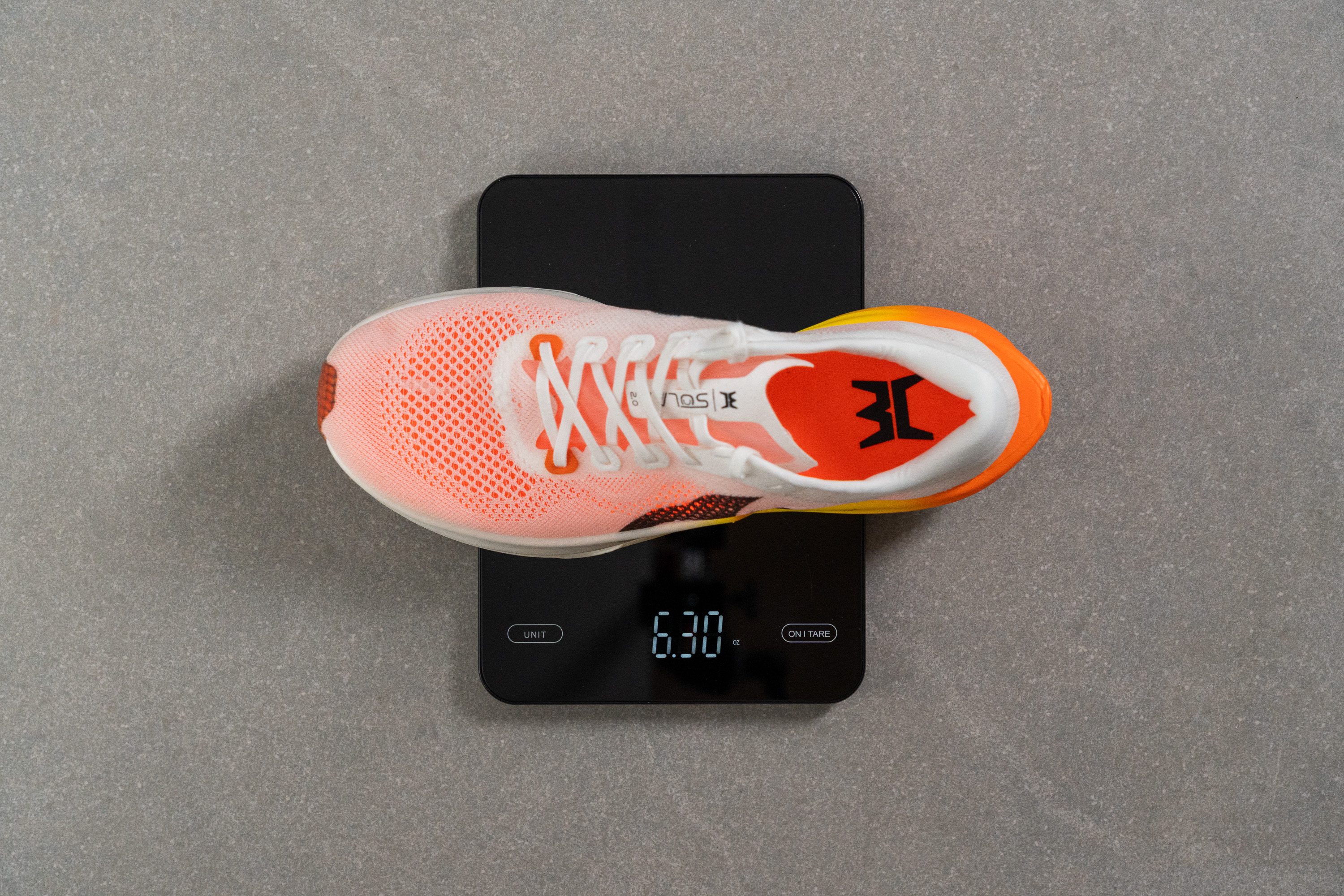
| Solar 2.0 | 6.3 oz (179g) |
| Average | 9.2 oz (261g) |
Breathability
Breathability test
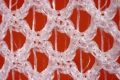
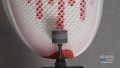
Right off the bat, we knew that the Solar 2.0 was going to excel in breathability, as the upper shows unbelievable transparency and huge ventilation holes.
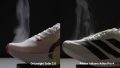
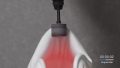
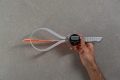
As expected, smoke escaped through the toebox with one of the most impressive performances we have ever seen here in the lab.
Ventilation is excellent from heel to toe, and it seems clear to us that Ortuseight wanted this shoe to perform well in hot and humid climates.
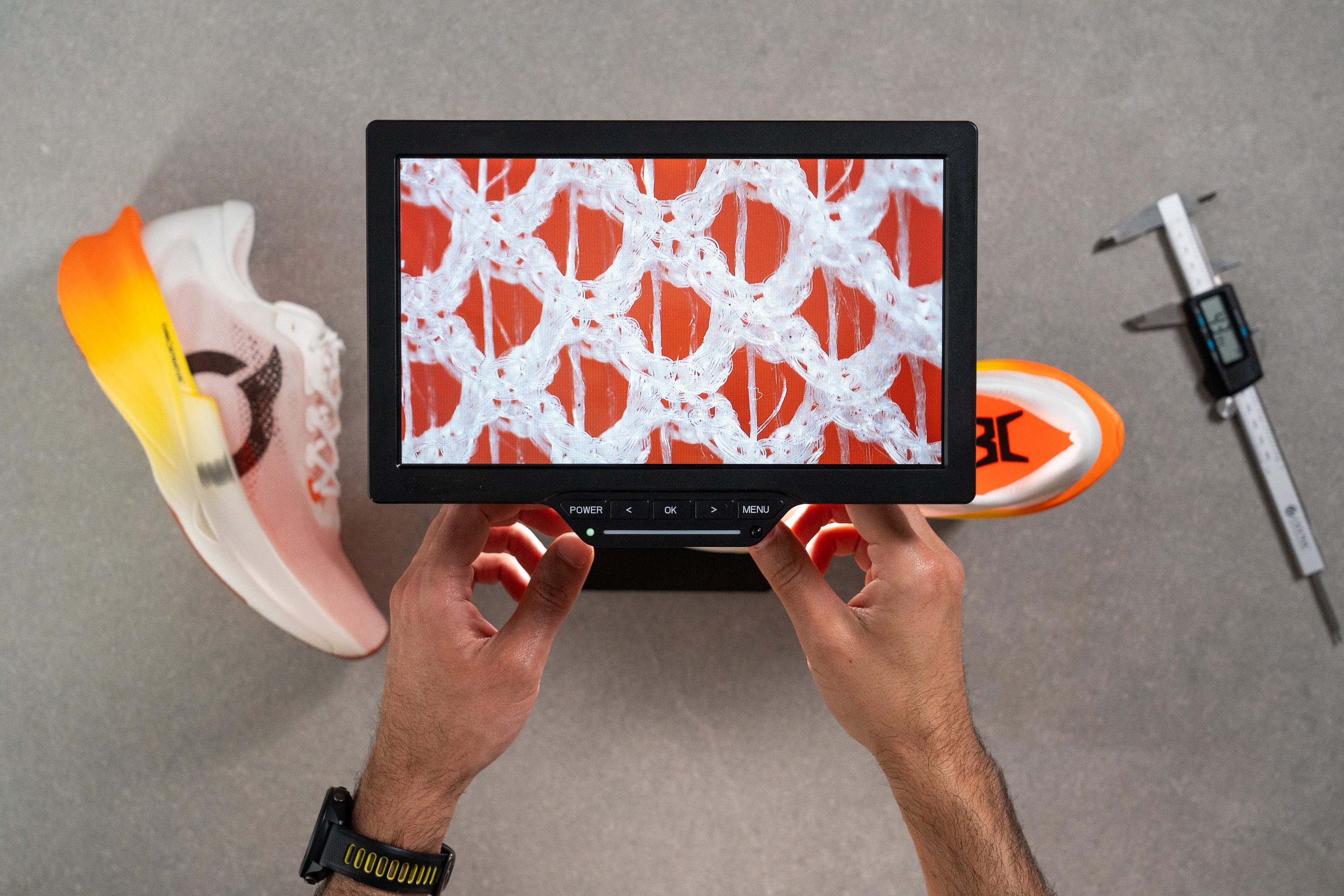
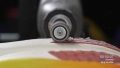
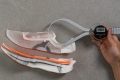
When we took a closer look with our digital microscope, we were able to see the massive ventilation holes in detail.
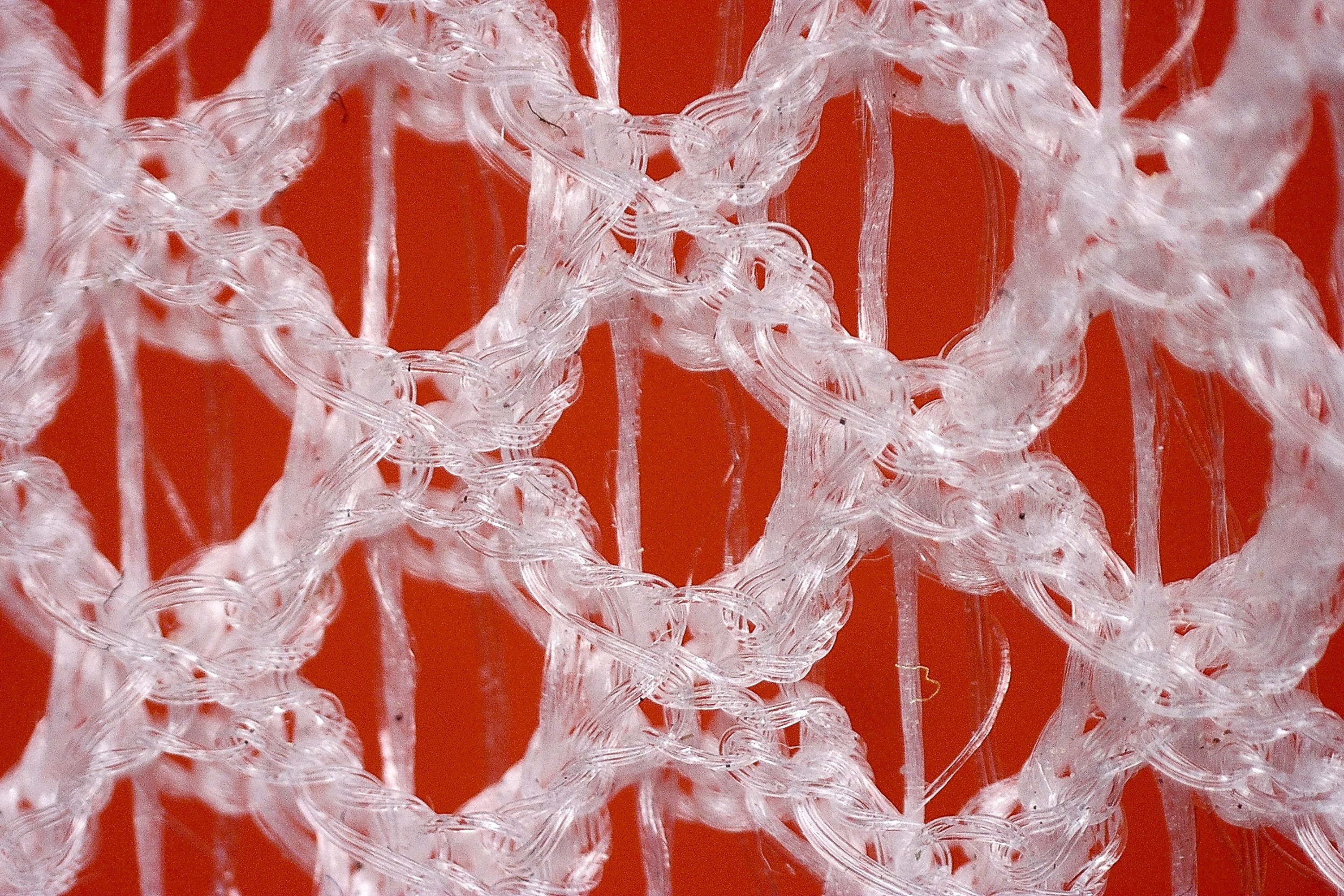
The upper is seriously impressive and reminded us a bit of the one used in the Brooks Hyperion Elite series for its design and structure.
We were also surprised to find serious padding in the heel area, much more than many super shoes that come at double the price. We can confidently say that... we were impressed!
| Solar 2.0 | 5 |
| Average | 3.6 |
Stability
Lateral stability test
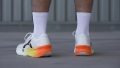
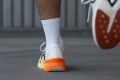
As expected, stability is simply not a strong point of the Ortuseight Solar 2.0. It has all the ingredients to be only suited for neutral runners: compact dimensions, plush foam, and a tall stack height.
Torsional rigidity
The forked carbon plate shows its more flexible nature here, as the Solar 2.0 scored only 14.0 Nm in our torsional rigidity test. If the carbon plate were not forked, the result would have been clearly higher.
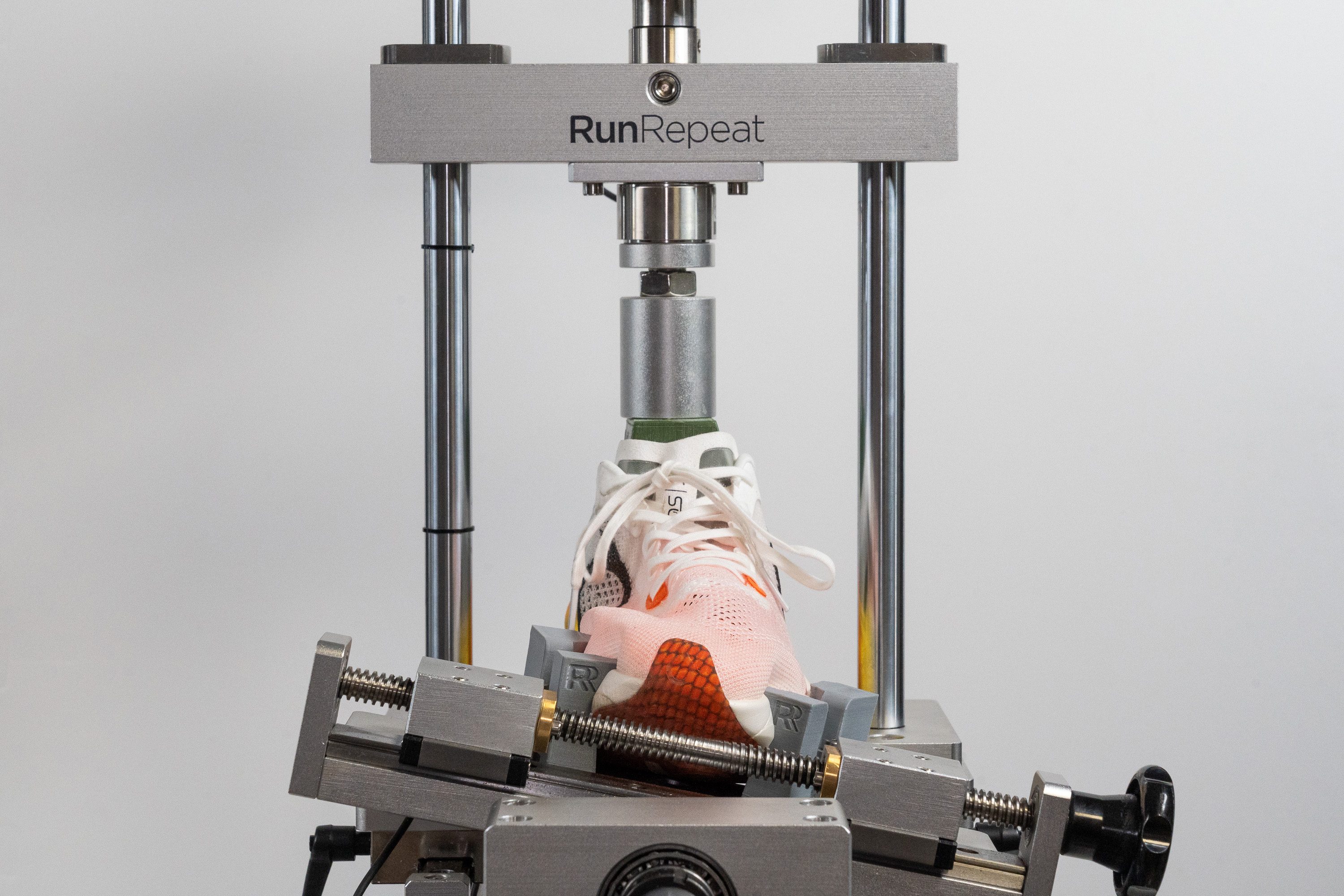
| Solar 2.0 | 14.0 Nm |
| Average | 14.3 Nm |
Heel counter stiffness
There is a bit more structure here than in the most aggressive designs, earning a 2 out of 5 in our manual evaluation. For beginners or heel strikers, it is a very smart decision that we believe works positively for this shoe.
| Solar 2.0 | 2 |
| Average | 3 |
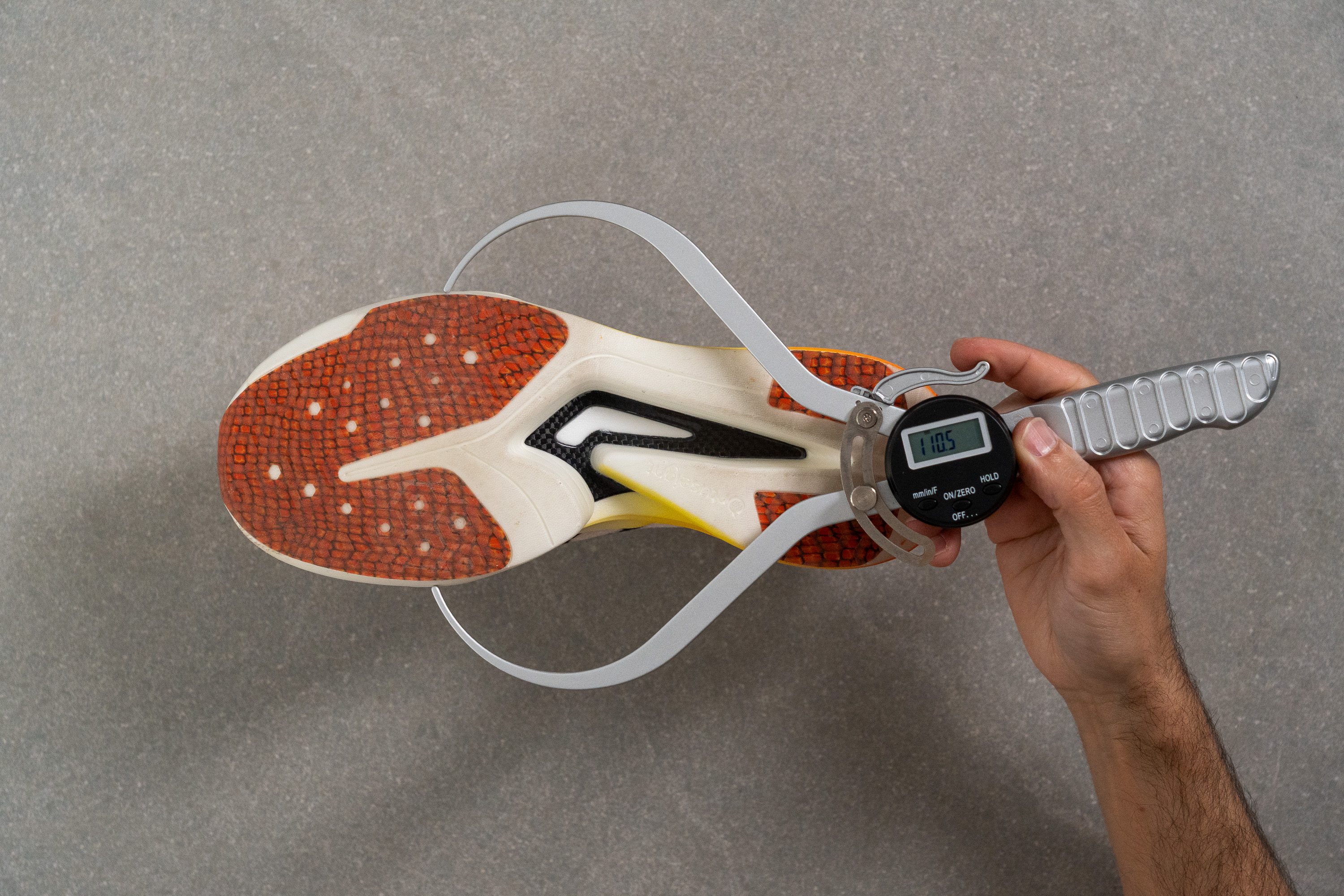
Midsole width - forefoot
We hinted before at the compact, aggressive dimensions of the Ortuseight Solar 2.0.
With only 110.5 mm in the forefoot area, this is a shoe that requires good running form, but it also rewards that with agility and a fast ride, making it ideal for short distances too.
| Solar 2.0 | 110.5 mm |
| Average | 115.1 mm |
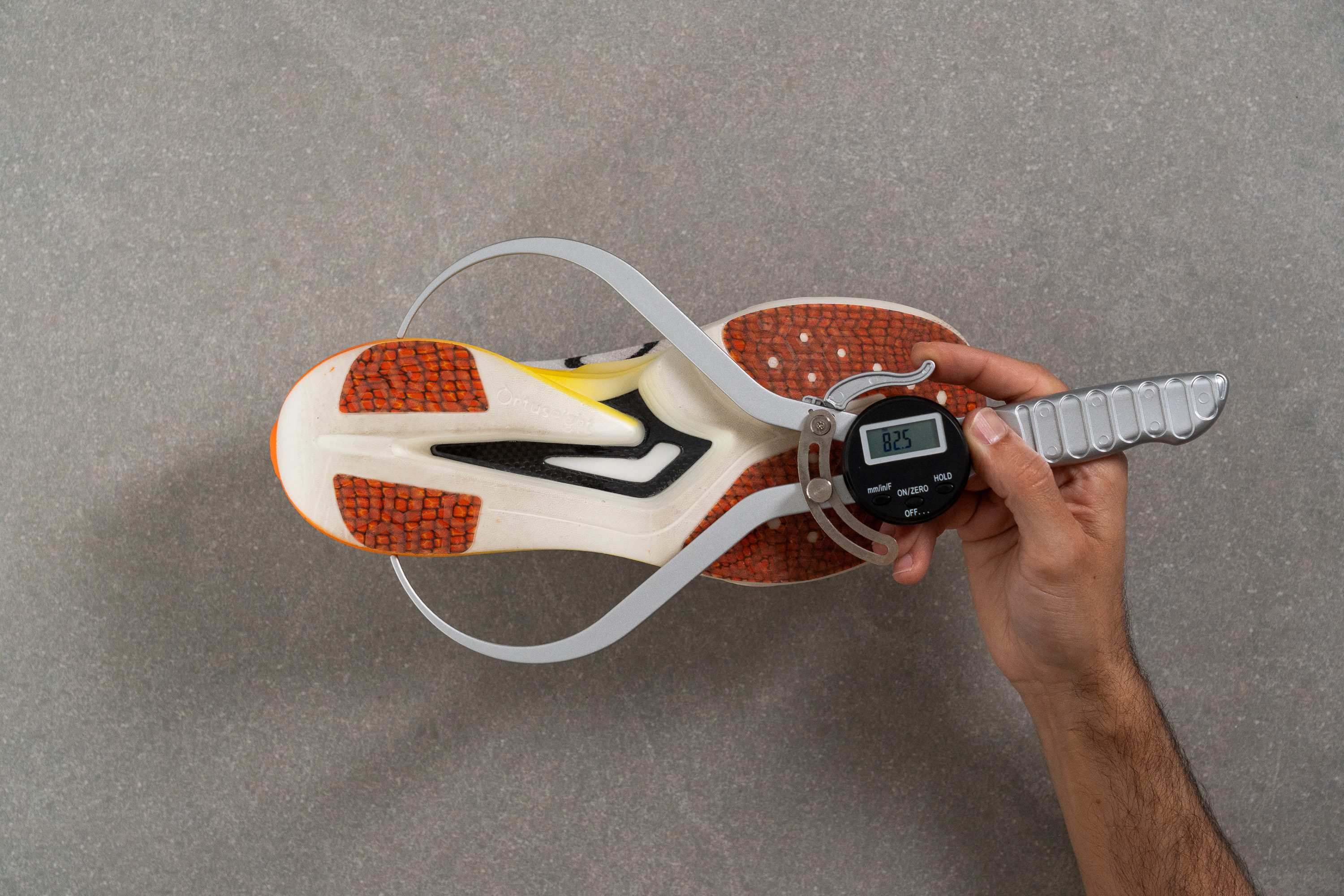
Midsole width - heel
The heel is even more extreme at only 82.5 mm, and it only makes more evident what we have been showing in the past few tests: those with pronation issues should skip the Solar 2.0.
| Solar 2.0 | 82.5 mm |
| Average | 91.1 mm |
Durability
Toebox durability
Usually, shoes with ultra-thin and airy uppers perform very poorly in this test. However, Ortuseight managed to deliver another impressive result here with a 3/5, outperforming most rivals.
| Solar 2.0 | 3 |
| Average | 2.6 |
Heel padding durability
The heel padding received the same 3/5 score in this test, which was a bit lower than expected, but it is not concerning from a durability standpoint.
| Solar 2.0 | 3 |
| Average | 3.4 |
Outsole durability
We found a slightly worse-than-average result with the outsole, but again this can be expected in a competition shoe. A result of 1.3 mm like this one is decent and could be improved, but we do not think it is a deal-breaker.
| Solar 2.0 | 1.3 mm |
| Average | 1.1 mm |
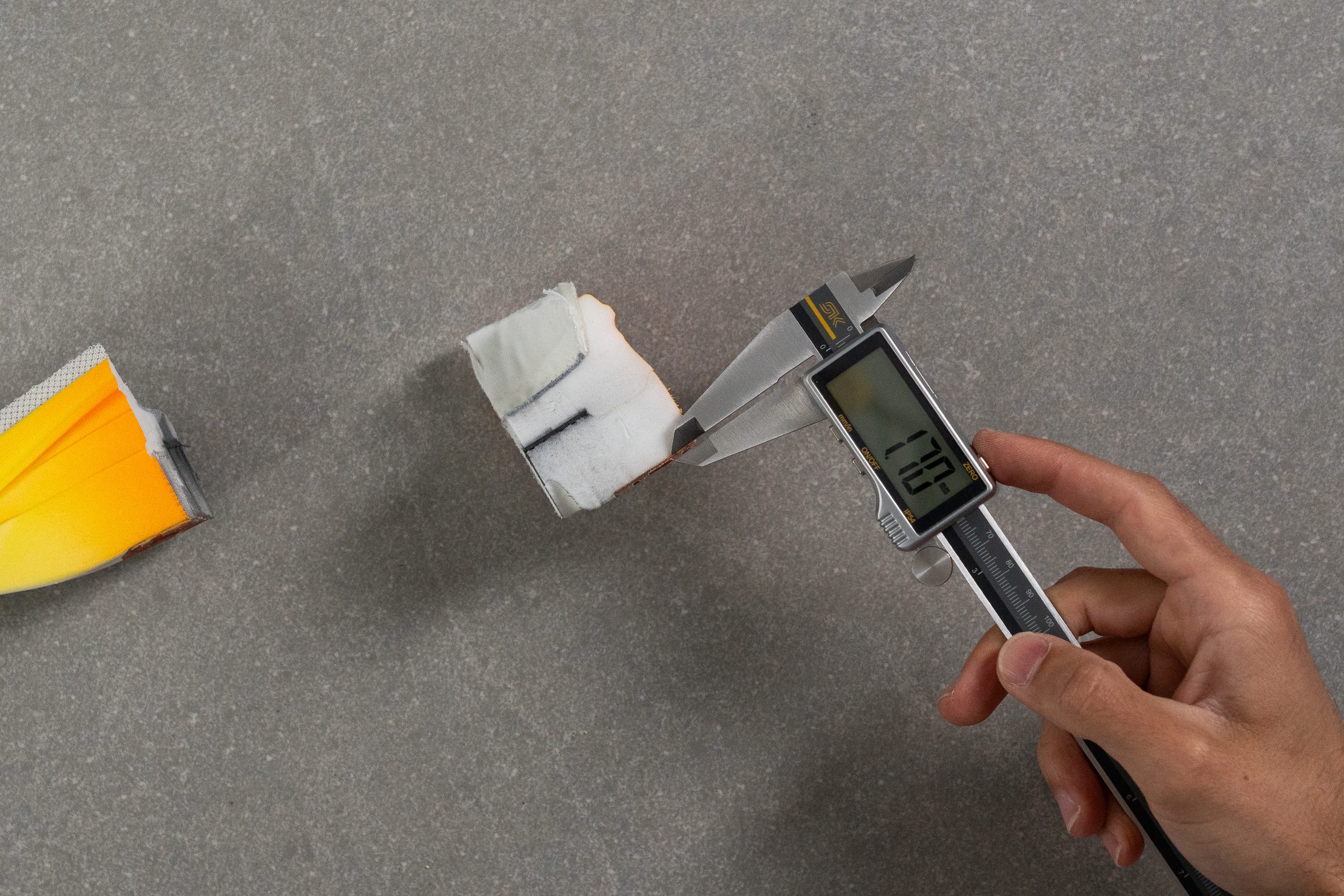
Outsole thickness
We found that the outsole has a thickness of 1.7 mm, which is notably less than most shoes but totally normal in a racing model.
| Solar 2.0 | 1.7 mm |
| Average | 3.1 mm |
Misc
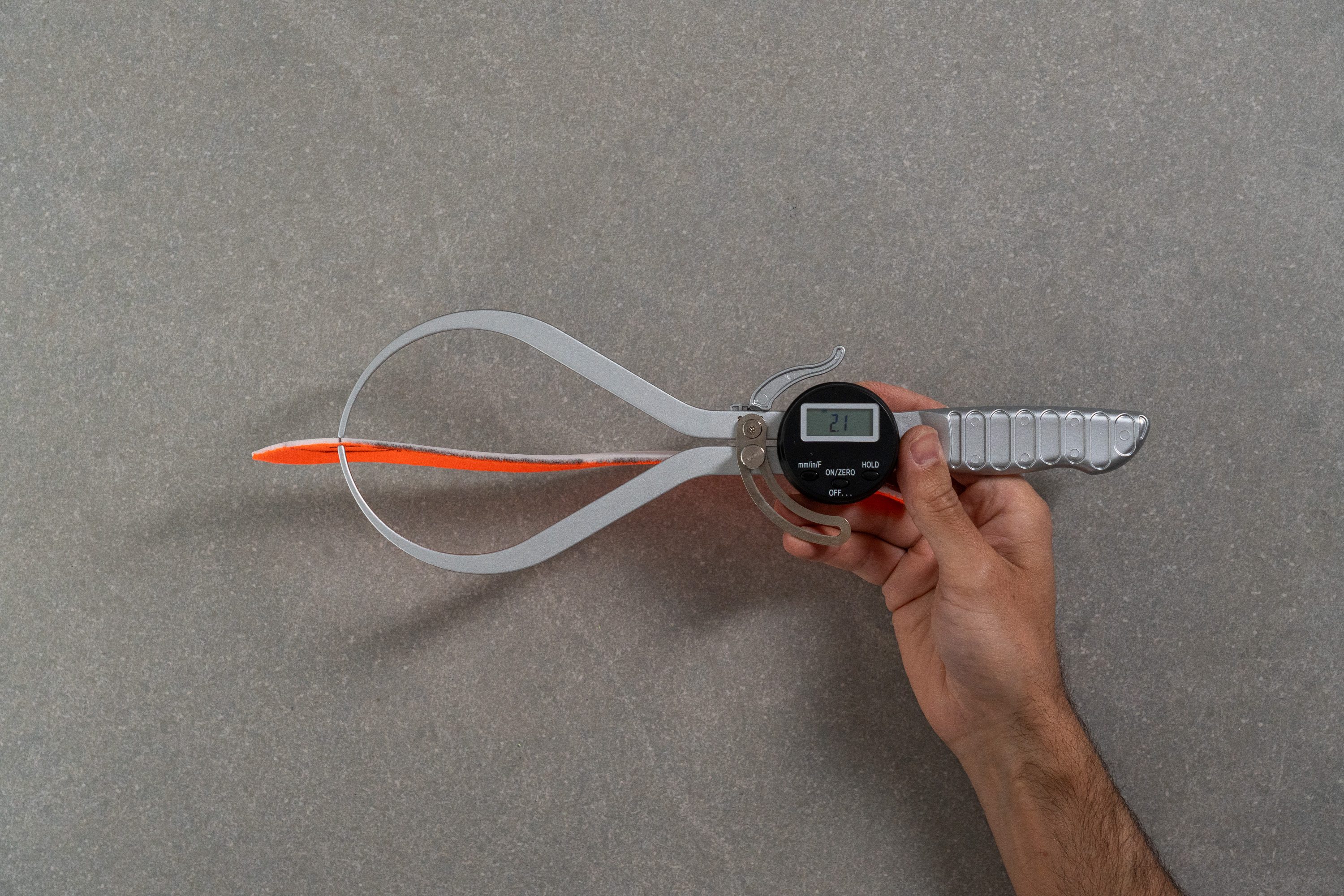
Insole thickness
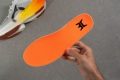
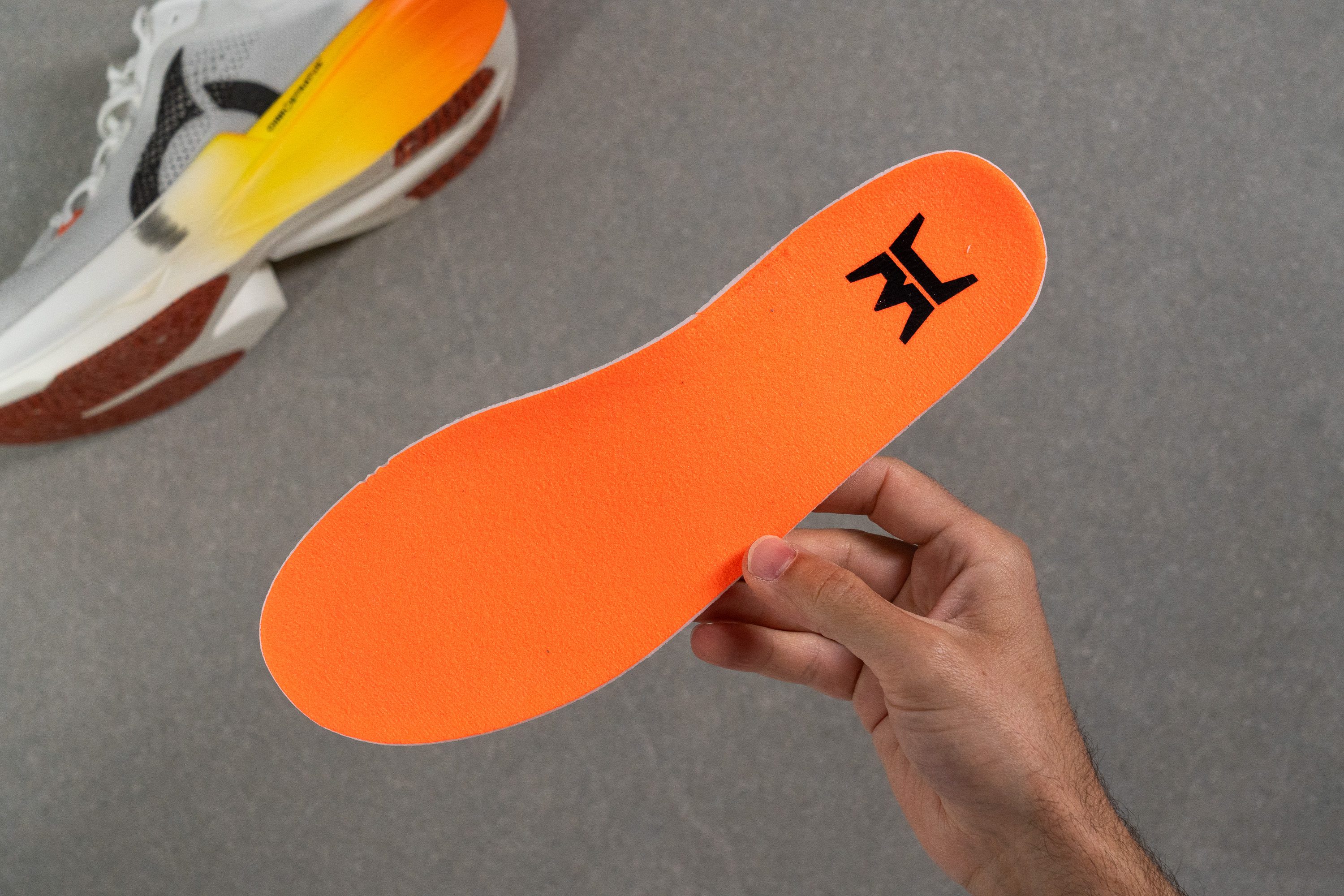
At only 2.1 mm thin, the insole is just as minimalist as many other parts of the shoe.
| Solar 2.0 | 2.1 mm |
| Average | 4.4 mm |
Removable insole
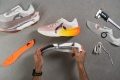
The insole is removable, but we do not recommend replacing it. It is made from A-TPU foam, so it adds a noticeable amount of bounce, and swapping it for a basic EVA insert would reduce energy return.
| Solar 2.0 | Yes |
Reflective elements
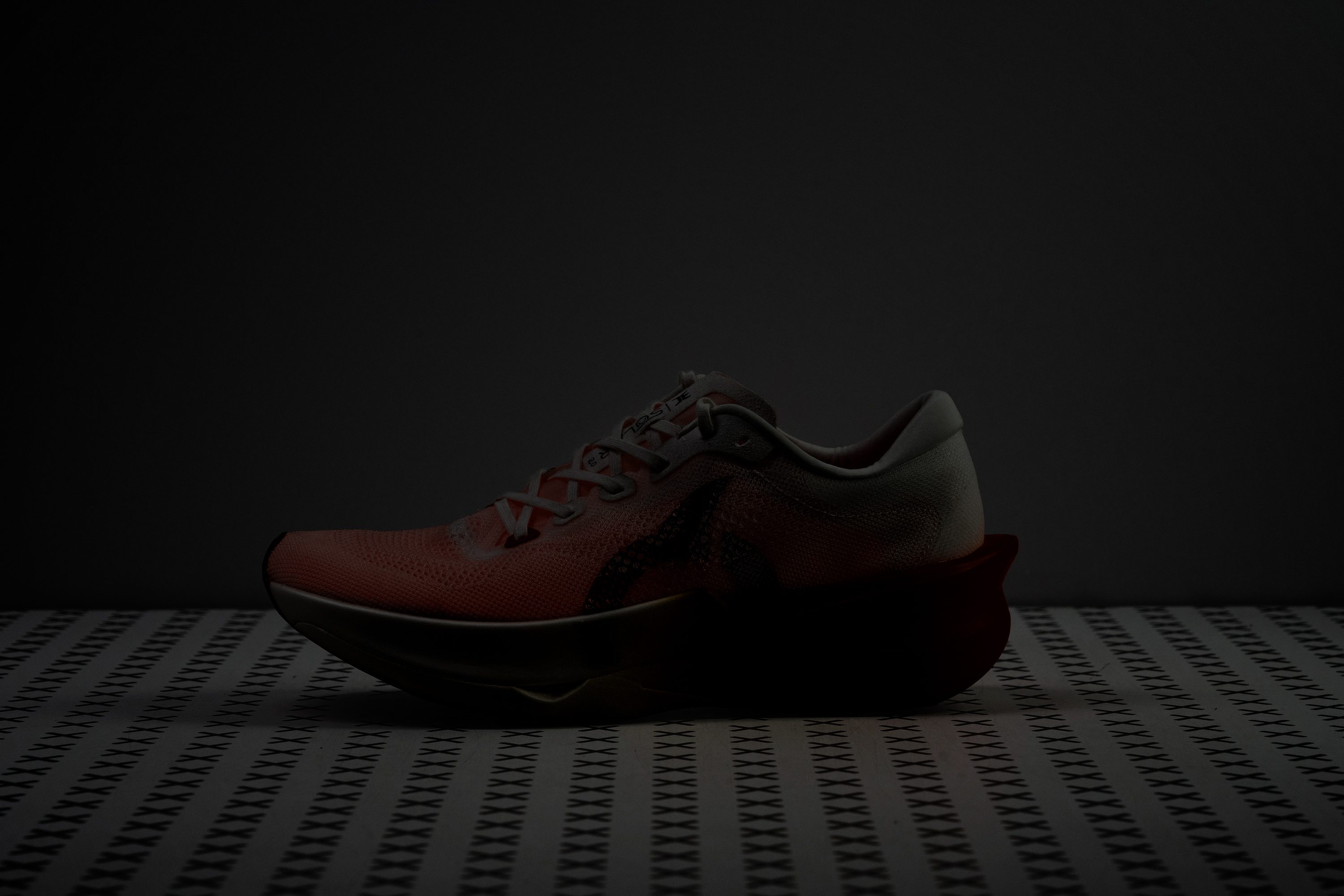
The Solar 2.0 comes with no reflective elements at all.
| Solar 2.0 | No |
Tongue padding
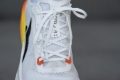
The lacing system of the Ortuseight Solar 2.0 features reinforced punched eyelets and flat laces. The laces perform well, but we believe it was a slight missed opportunity not to use the toothed style found on most super shoes. That would have added even more value to the package and an even stronger Vaporfly-like vibe.
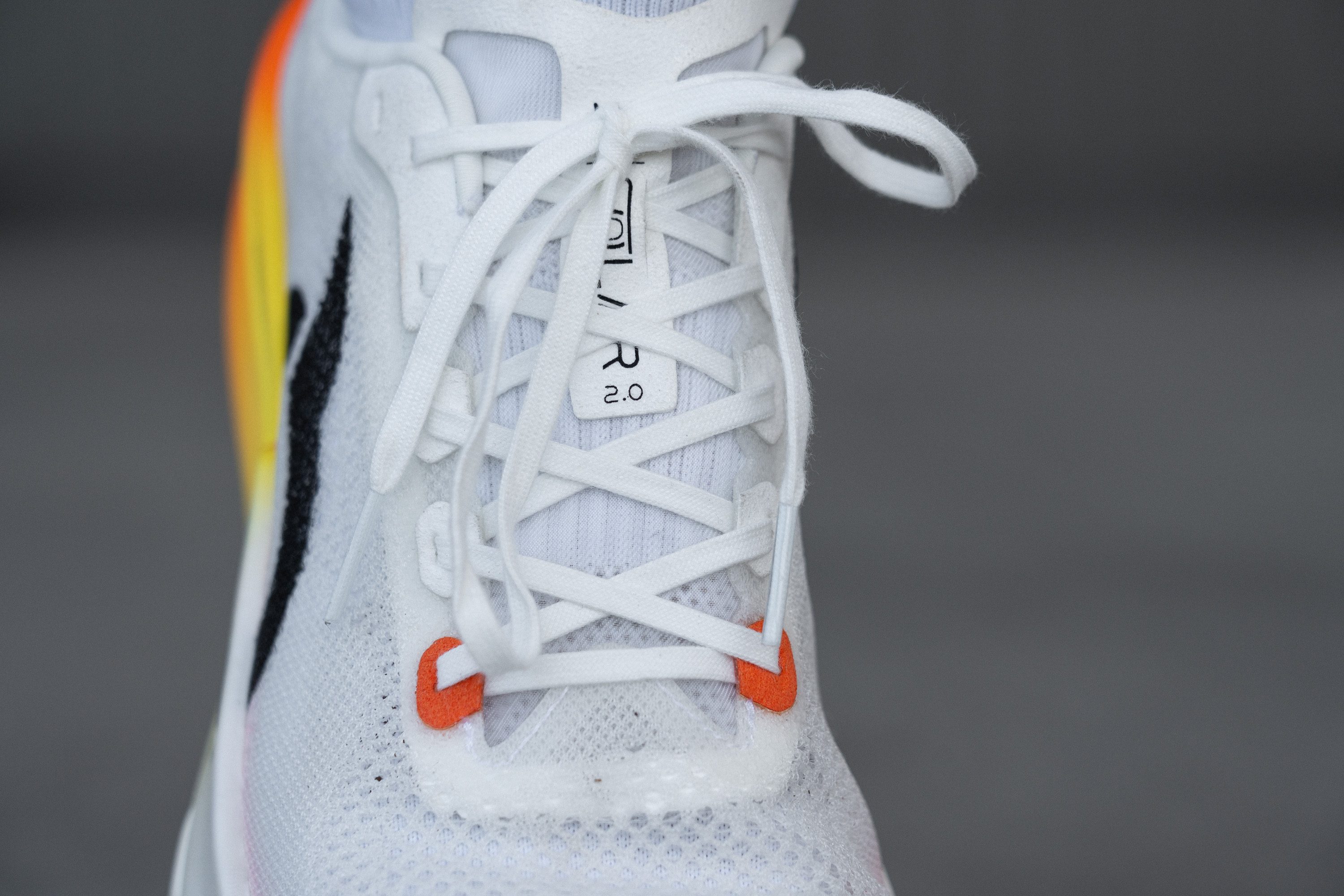
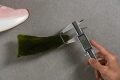
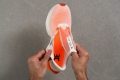
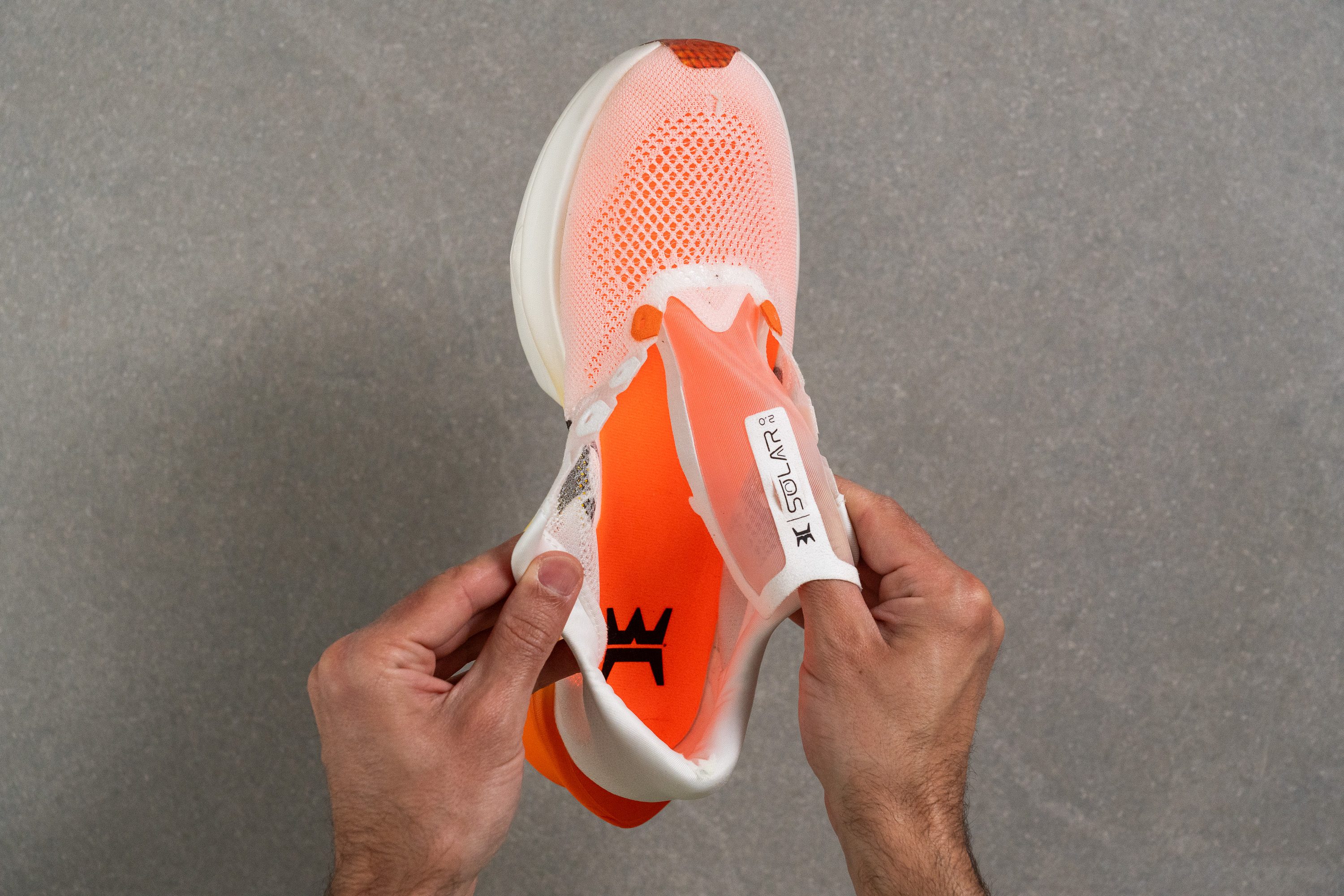
The tongue is incredible, though. At only 0.6 mm thin, we were amazed by its feather-light thinness. This works wonders to keep weight low, as we found earlier, but it also means you need to be extra careful and avoid overtightening the laces before long events like half marathons or marathons.
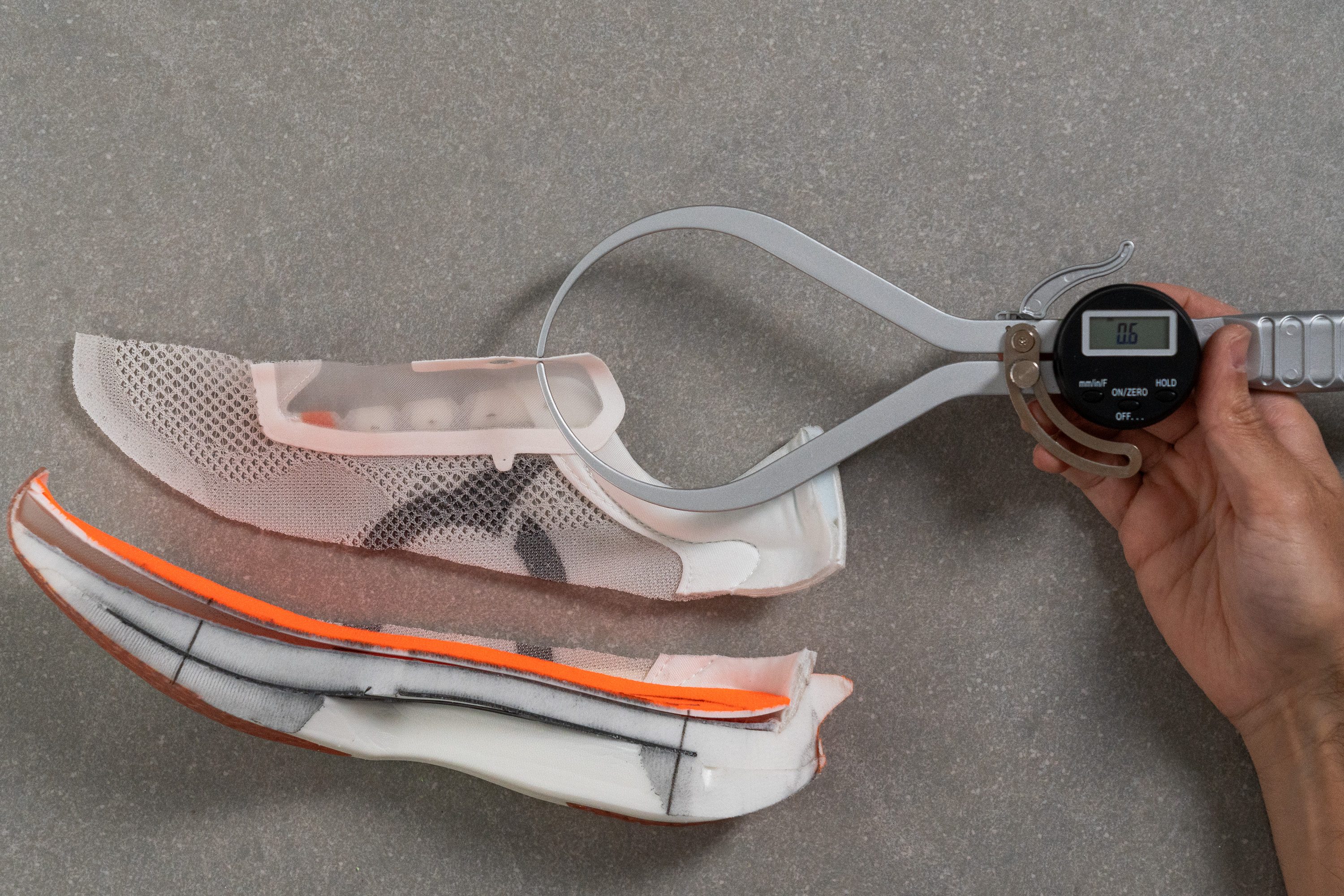
| Solar 2.0 | 0.6 mm |
| Average | 5.8 mm |
Tongue: gusset type
Like most super shoes, the tongue comes non-gusseted. This photo also shows how incredibly lightweight and paper-thin the tongue itself is. We were genuinely impressed!
| Solar 2.0 | None |
Heel tab
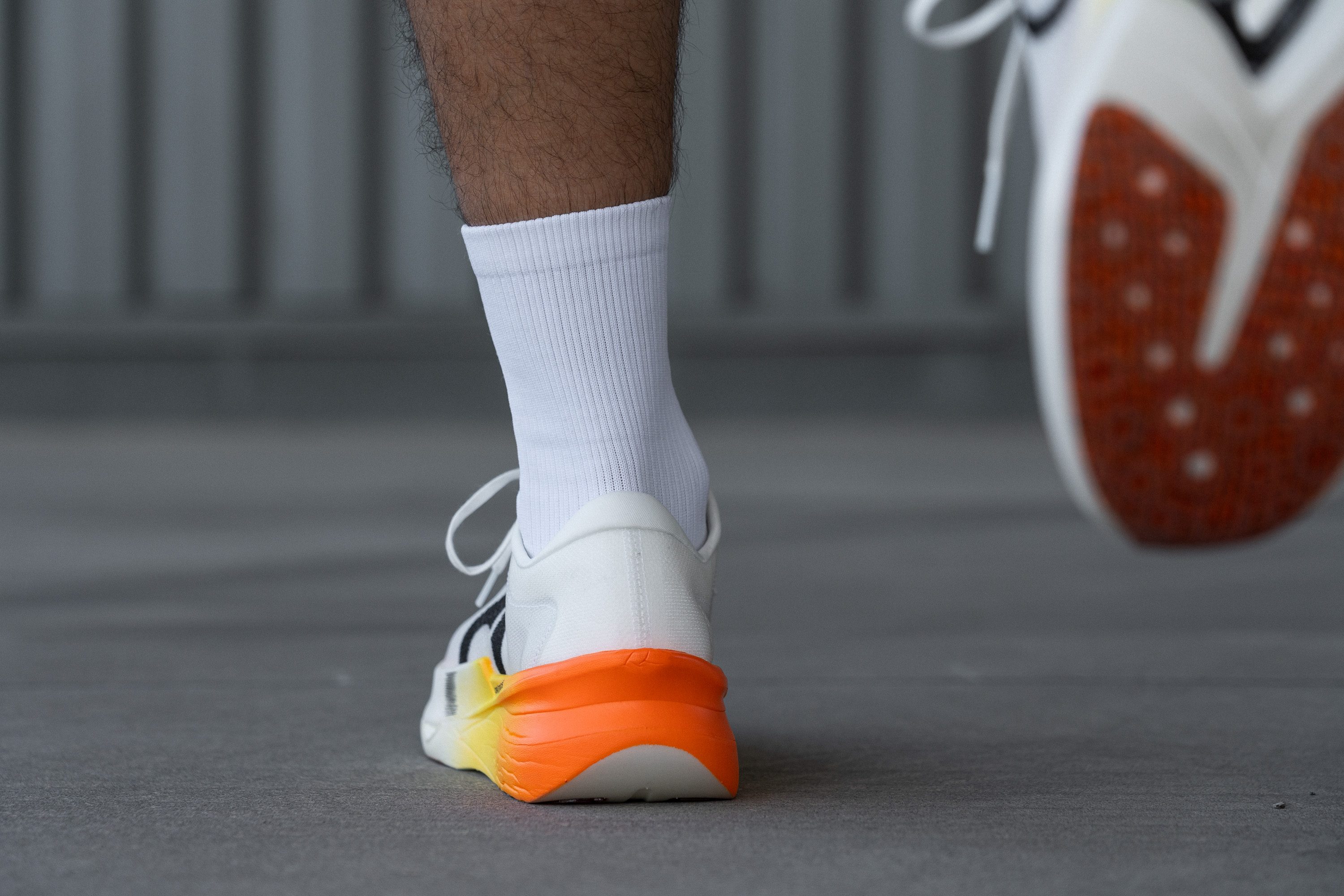
Ortuseight kept the heel design as minimalist and stripped-back as possible, with no graphics, overlays, or finger-loop tab at all.
| Solar 2.0 | None |
Price
If we had to choose one standout reason to buy the Ortuseight Solar 2.0, it would be the price. This shoe delivers an unbelievable performance-per-dollar ratio that mainstream brands simply cannot match.
Many brands are charging around twice as much for their super shoes! And sure, this one may miss a slight amount of bounce, but we really believe that budget-conscious runners will find the trade-off fully worthwhile.
| Solar 2.0 | $130 |
| Average | $158 |