

















Our verdict
- Daily running 55
- Tempo 87
- Race 92
- Stability 82
Pros
- Improved energy return
- Stable ride for a super shoe
- Amazing value
- Excellent outsole durability + great coverage
- Can work as a premium trainer too
- Ideal super shoe for heel strikers and beginners
- Foam got a bit softer
- Excellent stretchy knit tongue with pull tab
Cons
- Heavier than most super shoes
- Maybe a bit stiffer than it should
- Aggressive rocker won't work for everyone
Awards
- Top pick in best marathon running shoes
- Top pick in best running shoes for 5K and 10K races
- Top 8% in road running shoes
- Top 23% in Saucony running shoes
- Top 16% most popular running shoes
Comparison
The most similar running shoes compared
+ + Add a shoe | |||||
|---|---|---|---|---|---|
| Our score | 91 Superb | 86 Great | 94 Superb | 92 Superb | |
| Price | $225 | $180 | $200 | $300 | |
| Pace | Competition | TempoCompetition | Daily runningCompetition | Competition | |
| Shock absorption | High | High | High | High | |
| Energy return | High | Moderate | High | High | |
| Traction | High | High | High | High | |
| Arch support | Neutral | Neutral | Neutral | Neutral | |
| Weight lab Weight brand | 7.6 oz / 215g 7.3 oz / 206g | 7.1 oz / 201g 6.9 oz / 196g | 7.3 oz / 207g 7.7 oz / 218g | 6.1 oz / 173g 6 oz / 170g | |
| Lightweight | ✓ | ✓ | ✓ | ✓ | |
| Drop lab Drop brand | 8.7 mm 8.0 mm | 8.7 mm 7.0 mm | 8.8 mm 4.0 mm | 8.3 mm 8.0 mm | |
| Strike pattern | HeelMid/forefoot | HeelMid/forefoot | HeelMid/forefoot | Mid/forefoot | |
| Size | Slightly small | True to size | Slightly small | True to size | |
| Midsole softness | Balanced | Soft | Soft | Balanced | |
| Difference in midsole softness in cold | Small | Small | Small | Small | |
| Toebox durability | Bad | Bad | Decent | Bad | |
| Heel padding durability | Decent | Good | Good | Decent | |
| Outsole durability | Good | Good | Good | Bad | |
| Breathability | Moderate | Breathable | Moderate | Moderate | |
| Width / fit | Medium | Medium | Medium | Narrow | |
| Toebox width | Narrow | Medium | Medium | Medium | |
| Stiffness | Stiff | Moderate | Moderate | Stiff | |
| Torsional rigidity | Moderate | Moderate | Moderate | Moderate | |
| Heel counter stiffness | Flexible | Moderate | Flexible | Flexible | |
| Plate | Carbon plate | Carbon plate | Carbon plate | Carbon plate | |
| Rocker | ✓ | ✓ | ✓ | ✓ | |
| Heel lab Heel brand | 36.5 mm 39.5 mm | 35.3 mm 37.5 mm | 38.3 mm 40.0 mm | 38.5 mm 40.0 mm | |
| Forefoot lab Forefoot brand | 27.8 mm 31.5 mm | 26.6 mm 30.5 mm | 29.5 mm 36.0 mm | 30.2 mm 32.0 mm | |
| Widths available | NormalWide | NormalWide | NormalWide | Normal | |
| Orthotic friendly | ✓ | ✓ | ✓ | ✗ | |
| Season | All seasons | SummerAll seasons | All seasons | All seasons | |
| Removable insole | ✓ | ✓ | ✓ | ✗ | |
| Ranking | #22 Top 6% | #89 Top 23% | #5 Top 2% | #13 Top 4% | |
| Popularity | #61 Top 16% | #113 Top 29% | #97 Top 25% | #102 Top 26% |



Who should buy
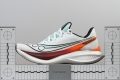
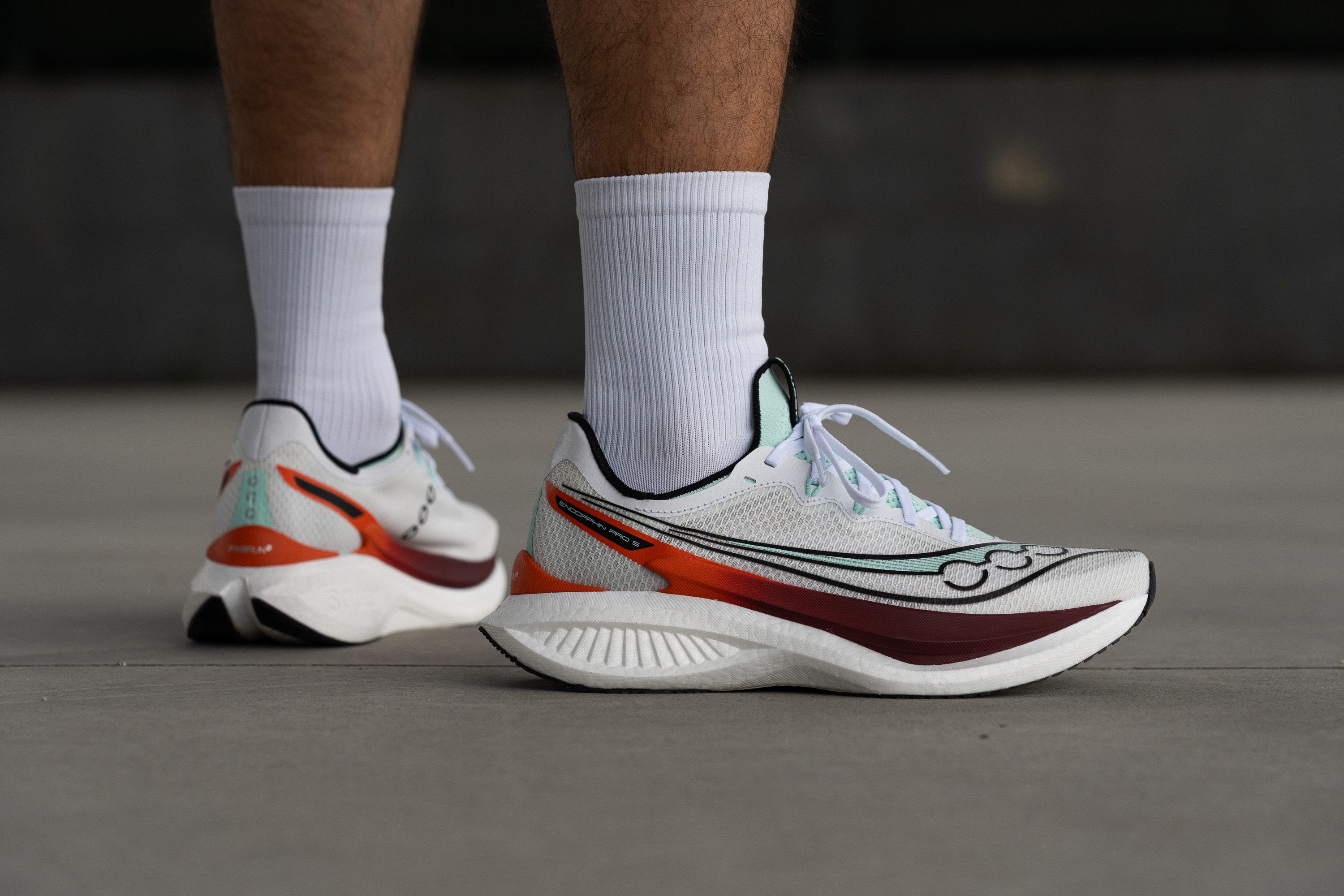
After testing the Endorphin Pro 5 in the lab and taking it out for several runs, we believe that it’s:
- The best super shoe for beginners or runners who feel uncomfortable with unstable designs.
- Ideal for those who want solid performance and a carbon plate without paying ultra-high prices.
- Great for runners who want a durable super shoe that can also handle interval sessions and fast-paced long runs.
- A very good marathon shoe for heel strikers.
Who should NOT buy
We think the Endorphin Pro 5 is not the best choice for runners chasing the ultimate super shoe. In our testing, it felt more control-focused than explosive. Instead, check the Saucony Endorphin Elite 2 or the PUMA Fast-R Nitro Elite 3.
We also believe its slightly heavy build can be an issue for some of you. Here in the lab, we reviewed models like the Nike Vaporfly 4 or the ASICS Metaspeed Ray that offer a more lightweight and agile experience.
Cushioning
Shock absorption
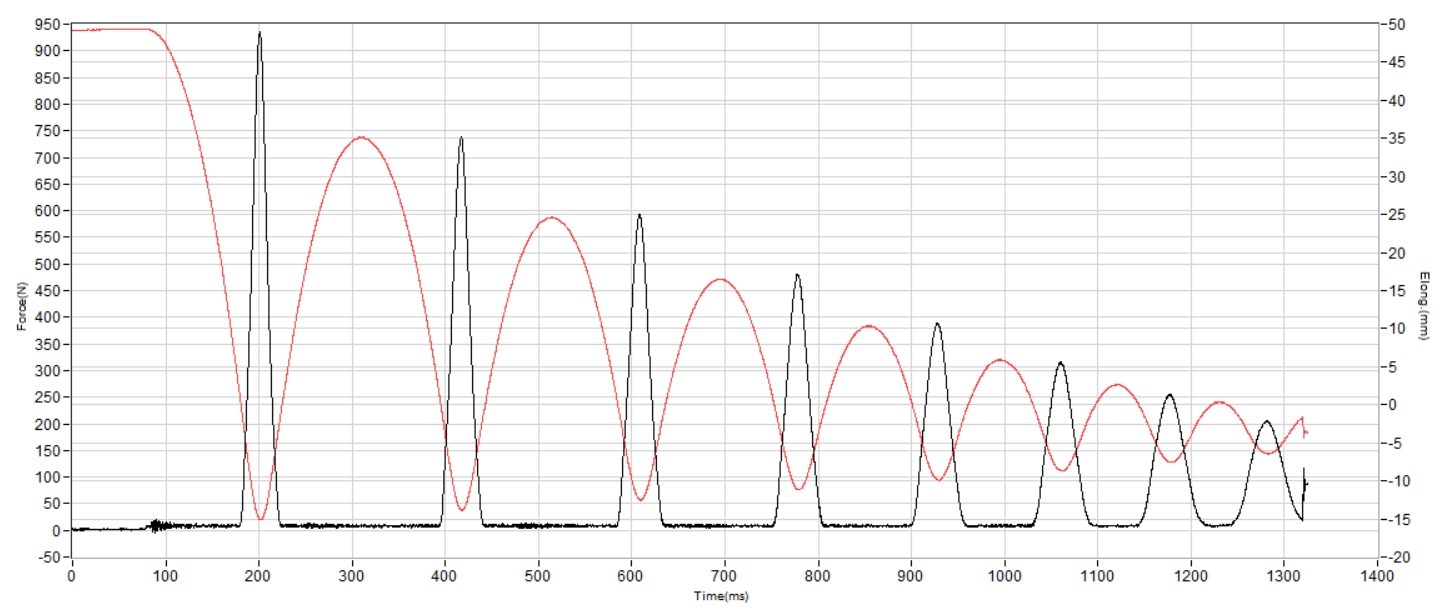
The shock absorption numbers we recorded for the Endorphin Pro 5 were solid, though not as high as some competitors. Still, 137 SA in the heel and 107 SA in the forefoot provide enough protection to handle all standard racing distances, including the marathon.
| Endorphin Pro 5 | 137 SA |
| Average | 131 SA |
Energy return
We measured energy return at 72.8% in the heel and 75.8% in the forefoot. This places the PWRRUN PB + PWRRUN HG combo it a step below top-tier super shoes like the adidas Adizero Adios Pro 4, but keep in mind that the Endorphin Pro 5 also comes at a lower price than most of its direct competitors.
It’s also worth noting that these figures represent a good improvement over the Endorphin Pro 4, which scored 71.7% and 71.5%, respectively.
| Endorphin Pro 5 | 75.8% |
| Average | 61.5% |
Heel stack
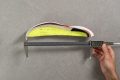
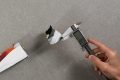
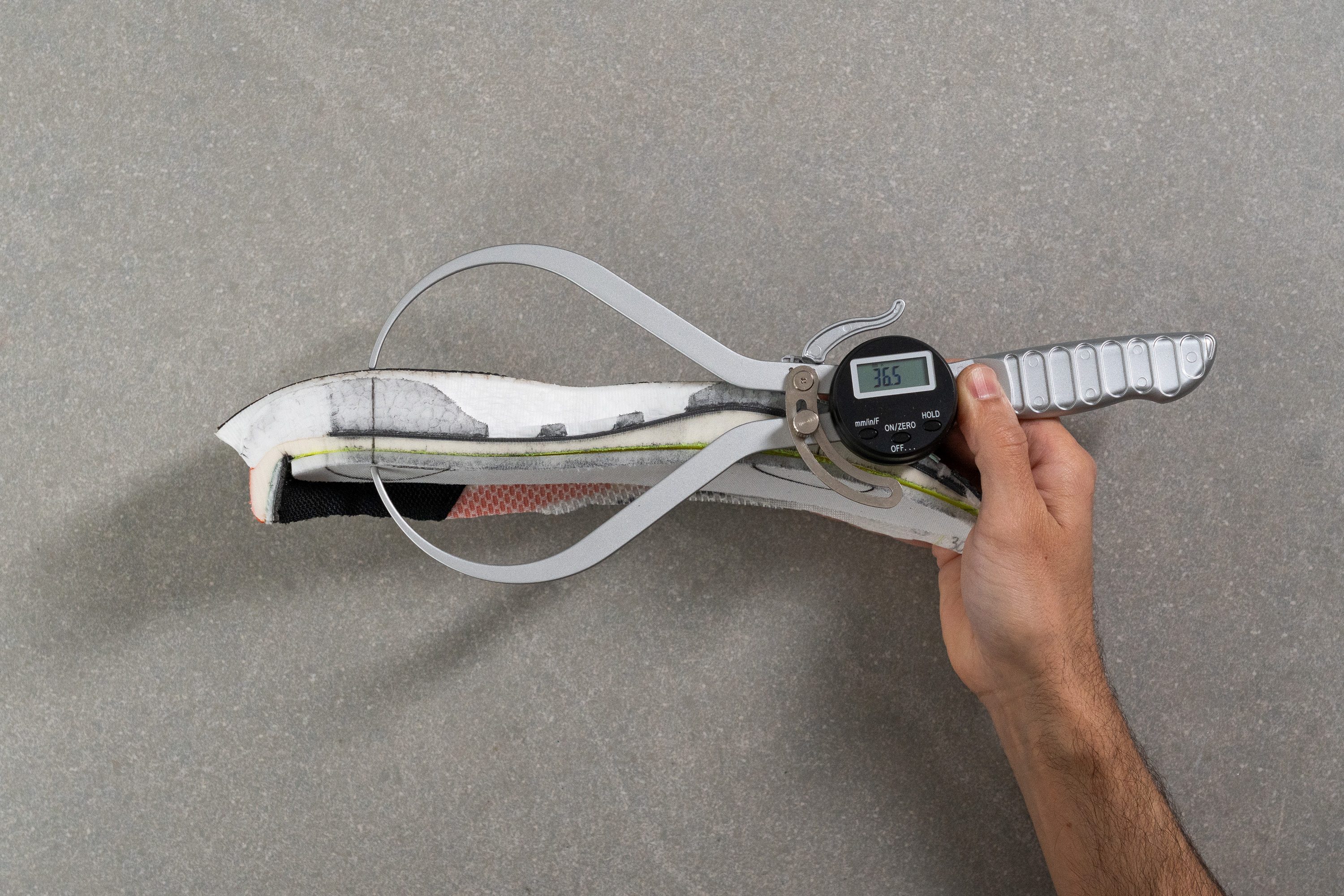
The heel features a stack height of 36.5 mm, which strikes a solid balance for racing distances from 5K to the marathon. It doesn’t push the World Athletics limit like some rivals and that explains why shock absorption wasn't off the charts, but being 3.5 mm lower is not especially noticeable anyway.
| Endorphin Pro 5 | 36.5 mm |
| Average | 35.6 mm |
Forefoot stack
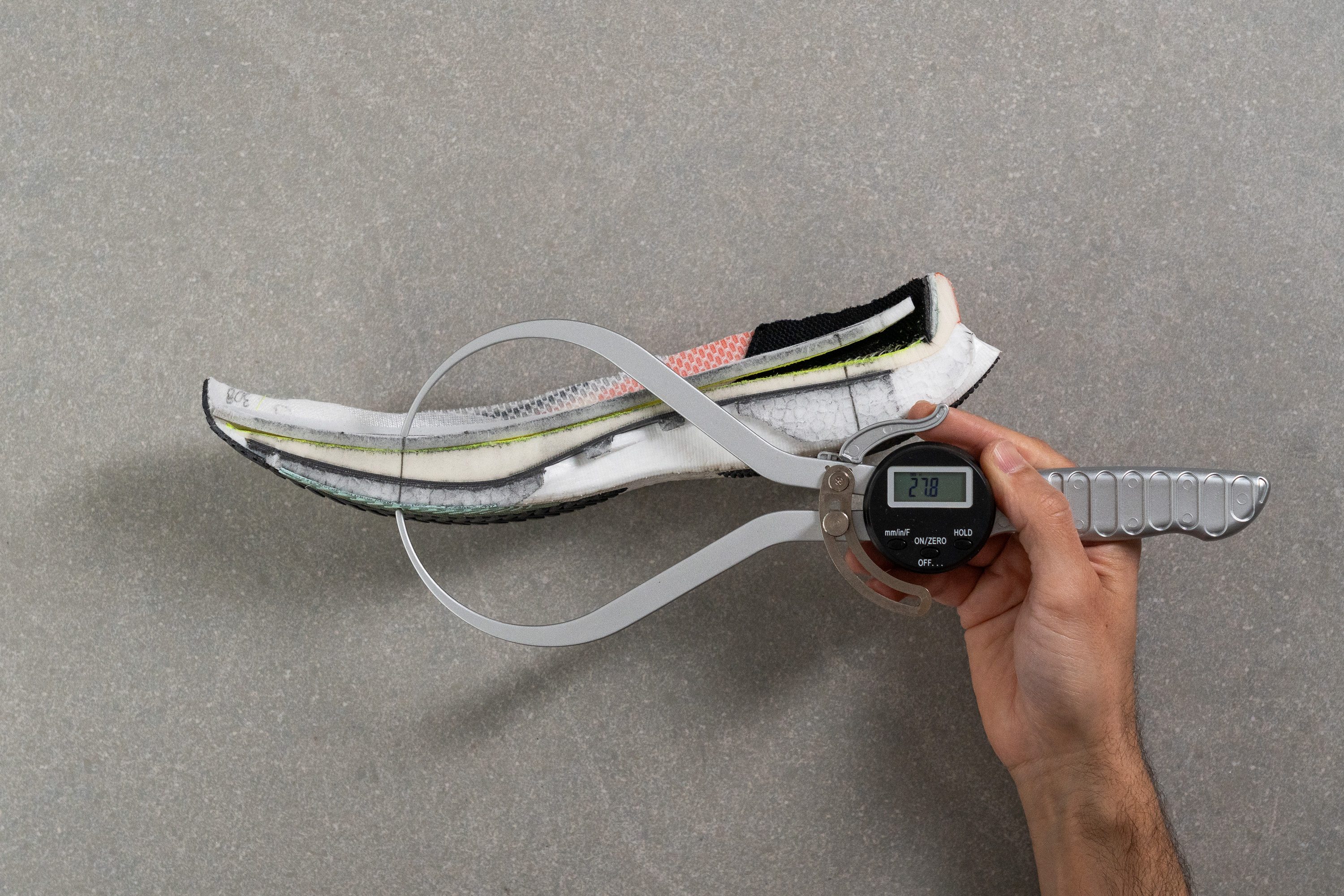
The forefoot reaches 27.8 mm. Again, not as maximal as some competition shoes like the ASICS Metaspeed Sky Tokyo, but it still packs plenty of superfoam underfoot and delivers enough cushioning to handle a tough marathon for almost any runner.
| Endorphin Pro 5 | 27.8 mm |
| Average | 27.1 mm |
Drop
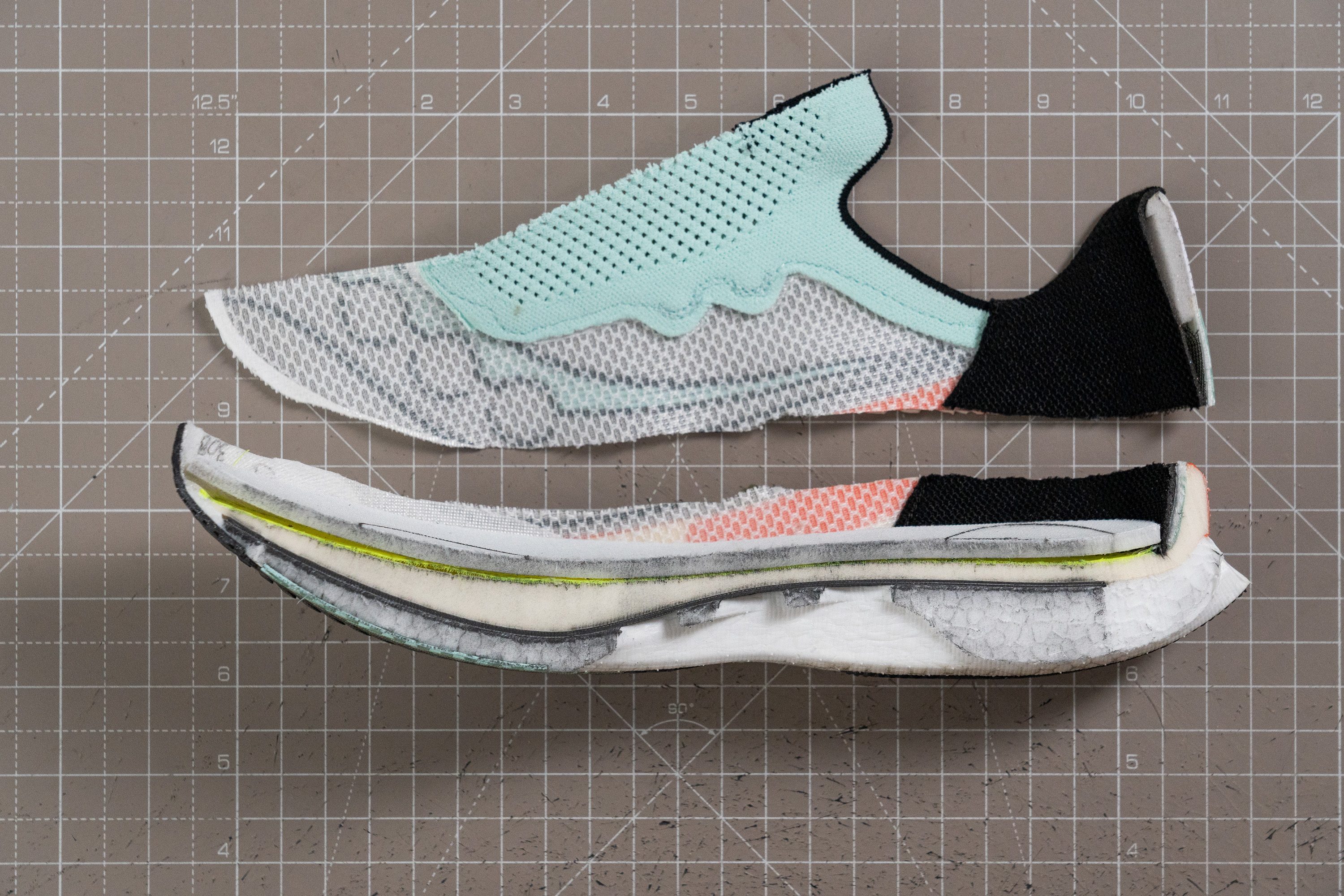
Another clear sign that Saucony aims to make this shoe as approachable as possible for all kinds of runners is the 8.7 mm drop, which strongly supports heel strikers while preserving the brand’s signature rolling-forward feel.
| Endorphin Pro 5 | 8.7 mm |
| Average | 8.4 mm |
Midsole softness
We know there are some critics that Saucony keeps using PWRRUN PB in this shoe, but we understand the decision. Sure, it may look slightly outdated since it dates back more than five years, yet it still stands as one of the best foams on the market, at least based on lab data.
The PWRRUN PB layer sits below the plate and is the foam that makes contact with the ground, which makes sense as beaded foams like this one or adidas' Boost perform exceptionally well in terms of durability. And what about its softness? Well, it leans soft at 33.3 AC, clearly showing that this formulation differs from the firmer one used in the Endorphin Azura.
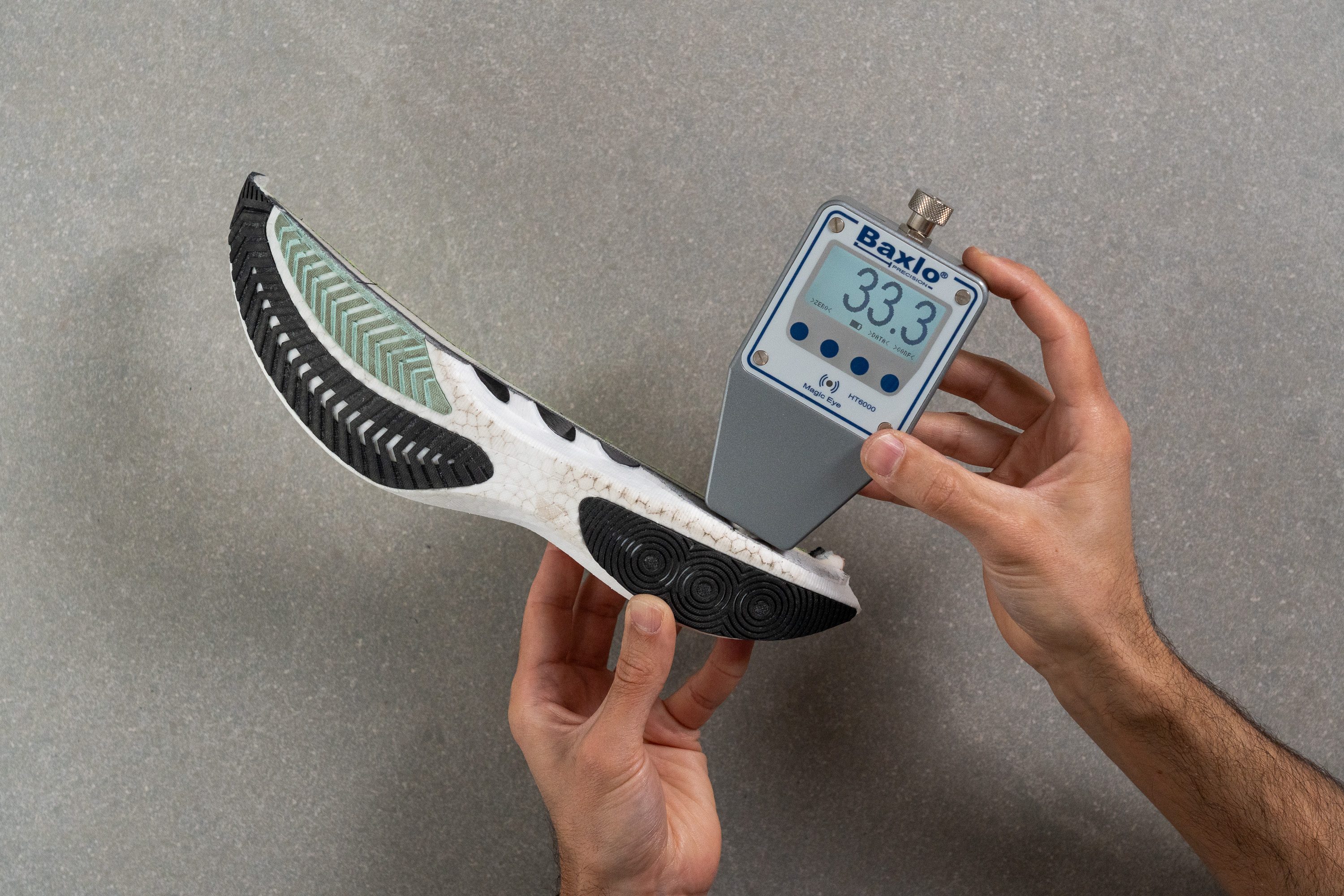
| Endorphin Pro 5 | 33.3 AC |
| Average | 35.4 AC |
Rocker
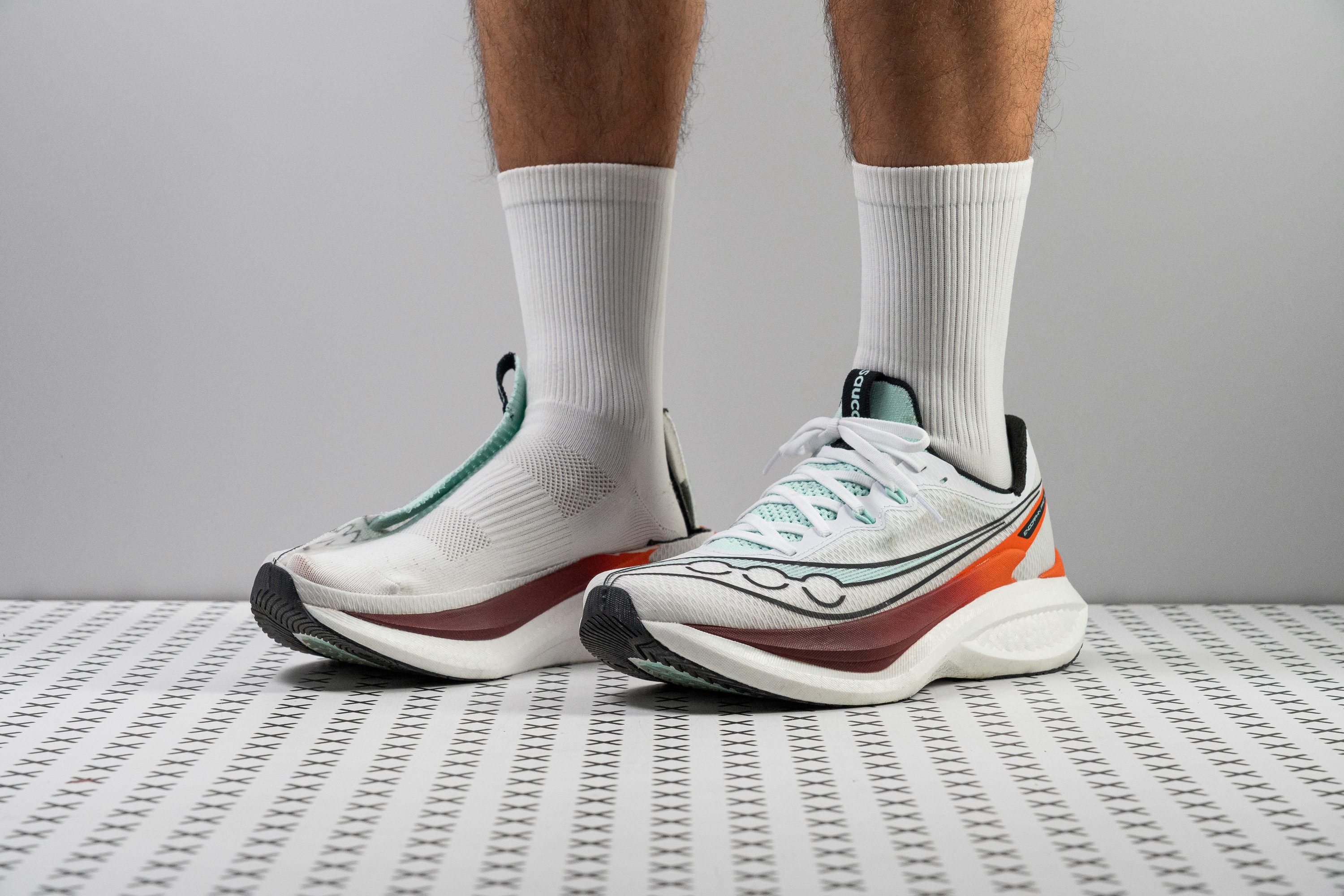
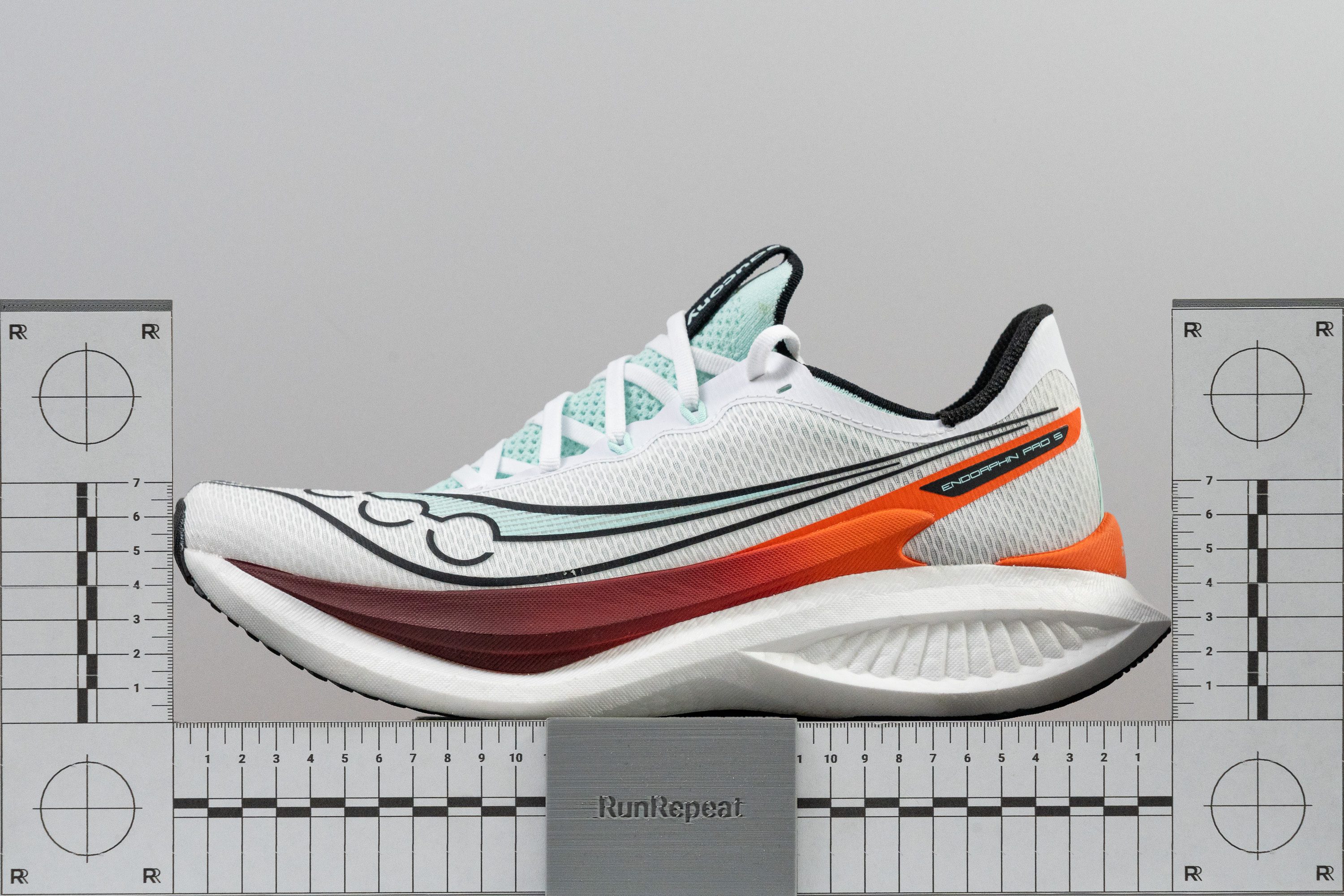
The Endorphin Pro 5 clearly showcases the signature Speedroll rocker from Saucony, with an aggressively curved geometry that promotes a strong rolling sensation. Runners who don’t enjoy that assisted ride won’t connect with this shoe, but that’s nothing new with Speedroll—it either feels natural and efficient or it simply doesn’t work at all.
Saucony also maintains a pronounced heel flare, which is very noticeable in this design and reinforces its focus on heel strikers, extending close to 2 cm from the calcaneus.
Plate
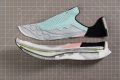
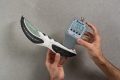
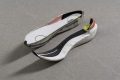
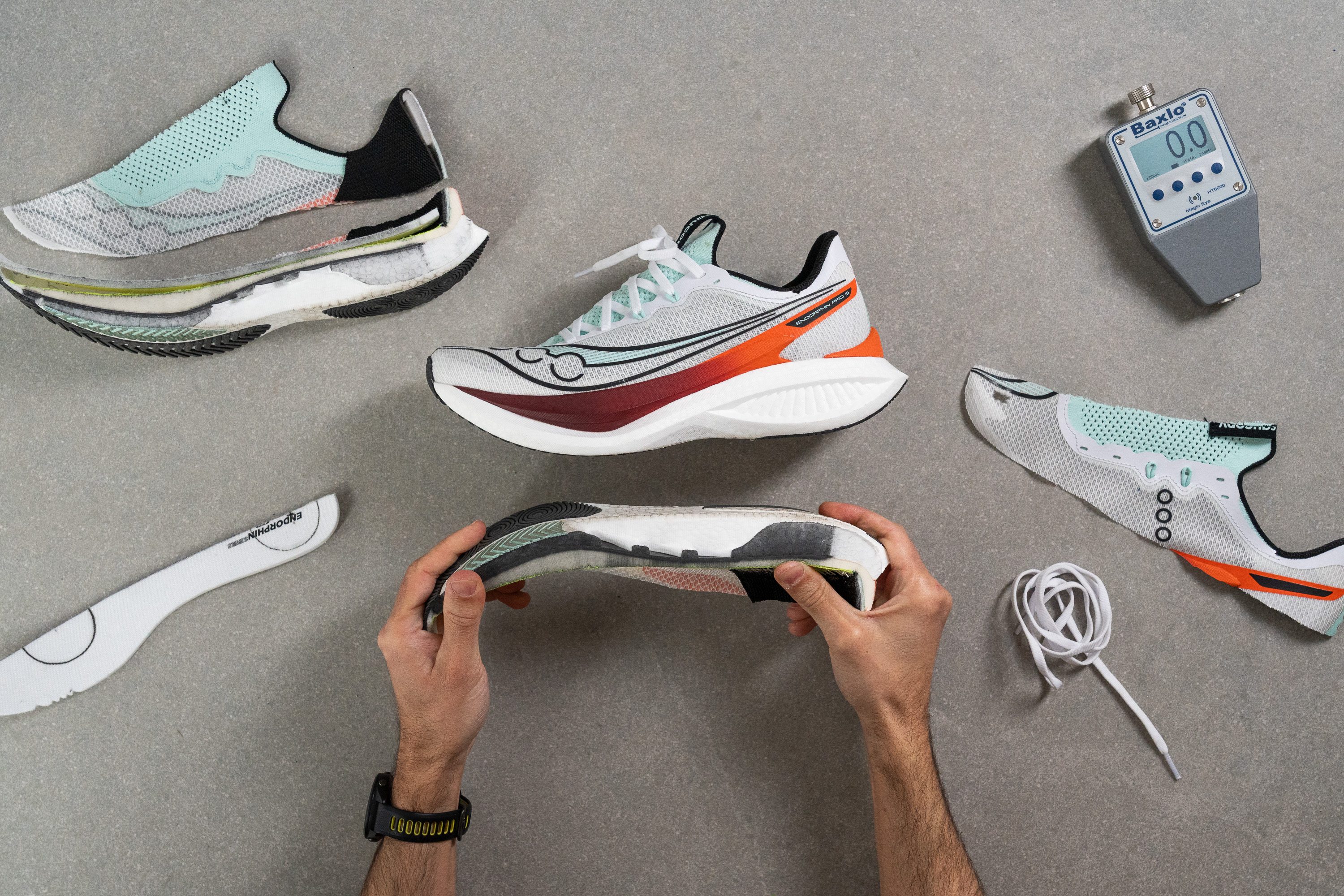
The Saucony Endorphin Pro 5 features a full-length carbon plate that runs from heel to toe, maintaining the familiar spoon-shaped geometry widely seen since the Vaporfly revolution. However, Saucony has introduced a major update here.
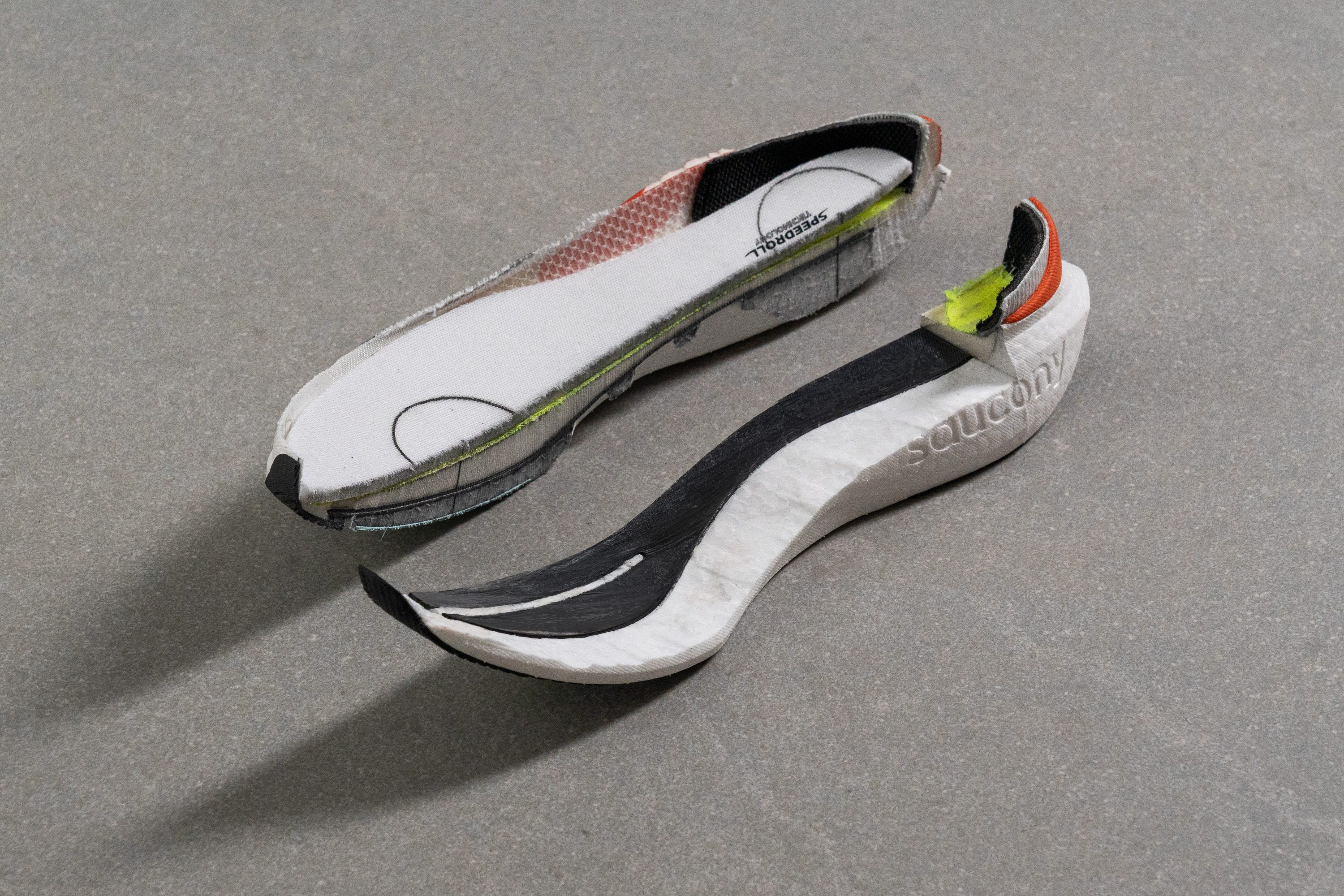
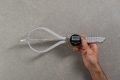
This plate uses a fork-like design with four curved prongs instead of a single solid piece. It aims to allow slightly more independent flex in the forefoot while preserving propulsion, although we still found it very stiff.
Size and fit
Size
Saucony Endorphin Pro 5 fits slightly small (38 votes).
Internal length
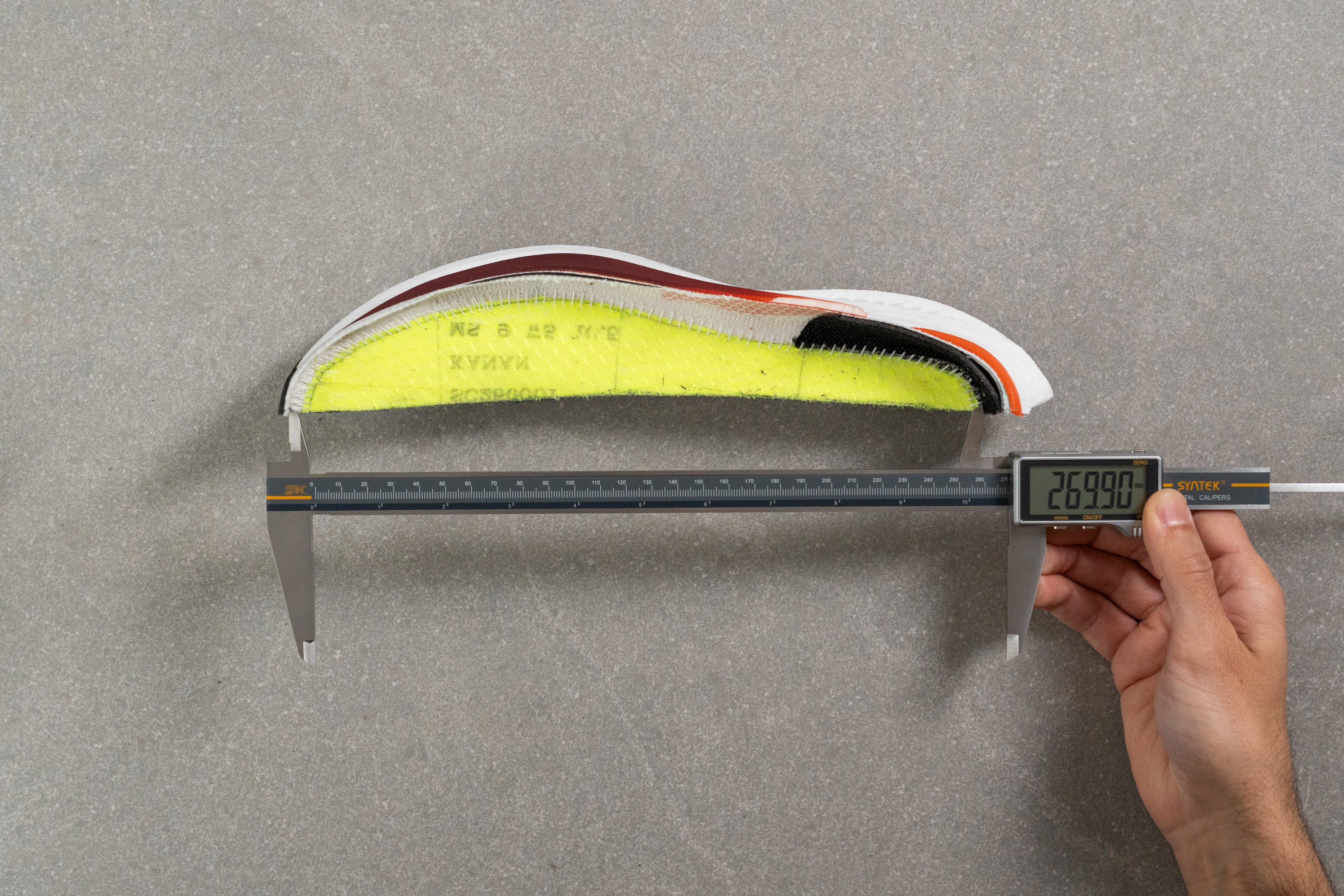
| Endorphin Pro 5 | 269.9 mm |
| Average | 269.3 mm |
Width / Fit
Those who dislike a very tight fit in the ball of the foot will appreciate the Endorphin Pro 5, as it’s one of the roomier super shoes in this area.
In our gel mold, we measured 95.2 mm of width, which is another strong sign that the shoe can work very well for runners looking for a premium training option for long runs or tempo runs. In fact, it’s even cheaper than some super trainers!
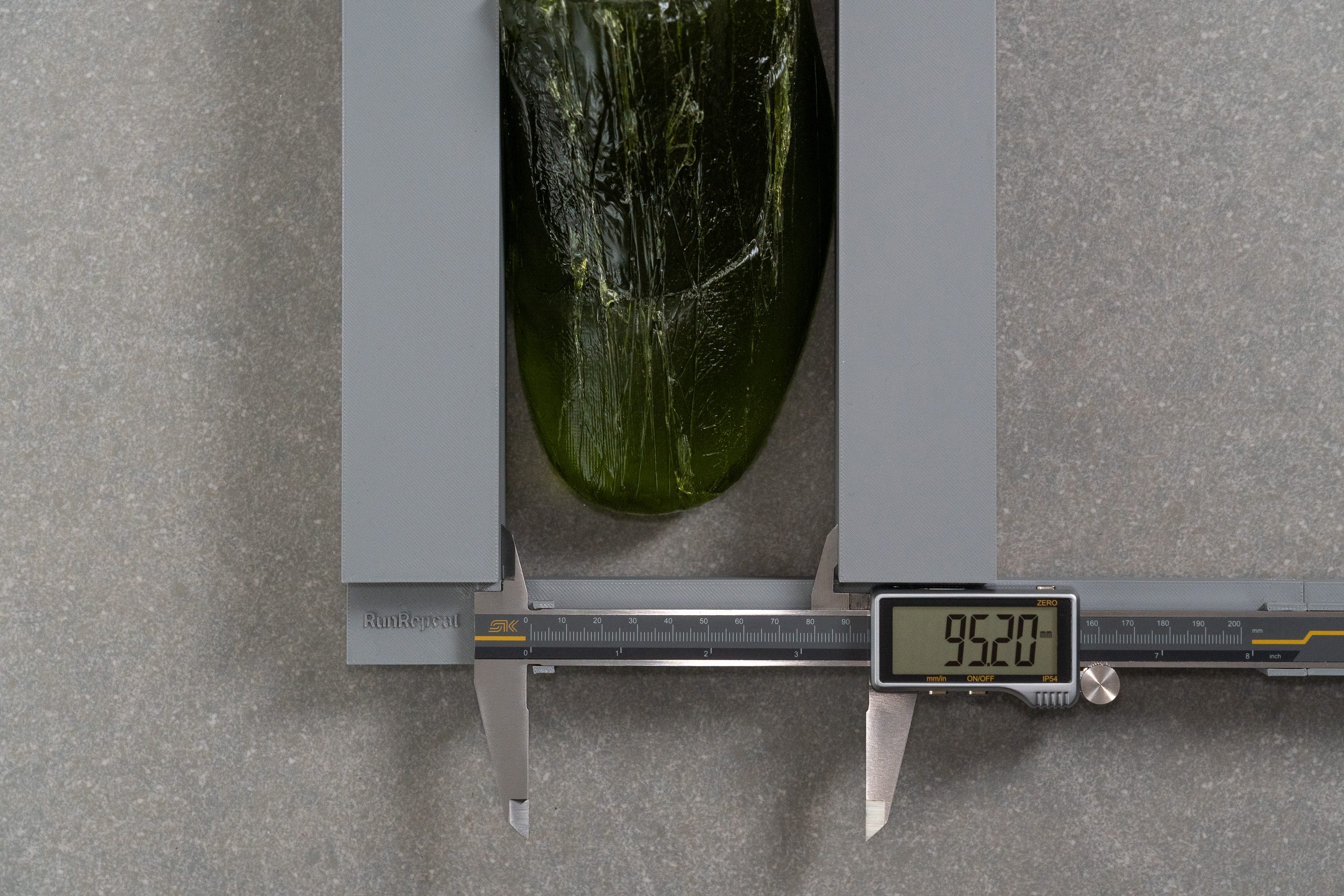
| Endorphin Pro 5 | 95.2 mm |
| Average | 95.2 mm |
Toebox width
While the first reading was clearly on the comfortable side for a competition shoe, the second one we took in the toebox at 69.3 mm leans more toward the usual super shoe fit... tight!
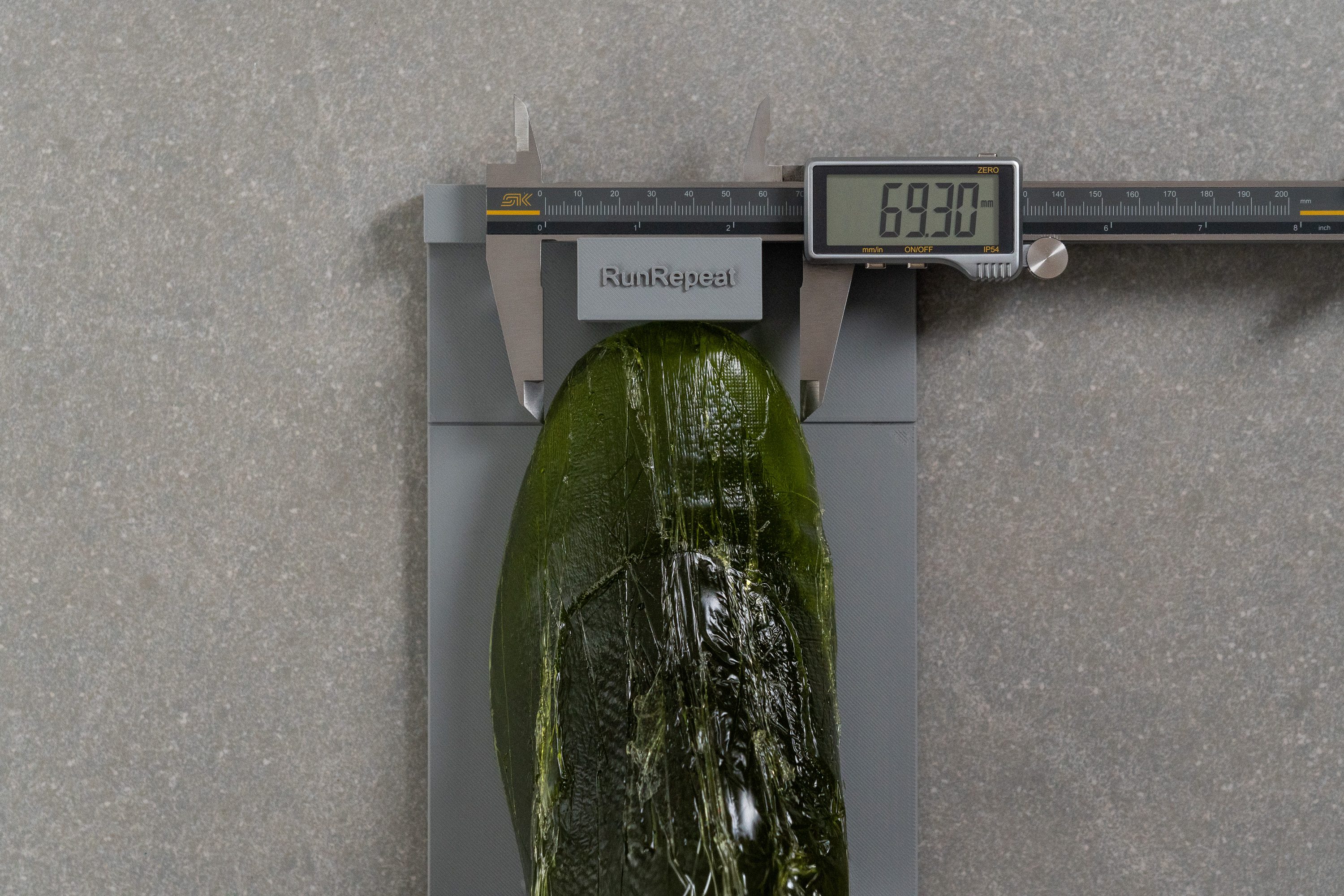
| Endorphin Pro 5 | 69.3 mm |
| Average | 73.2 mm |
Toebox height
Here we return to a comfort-oriented fit.
At 27.8 mm, the Endorphin Pro 5 offers a similar amount of vertical toe room to many daily trainers.
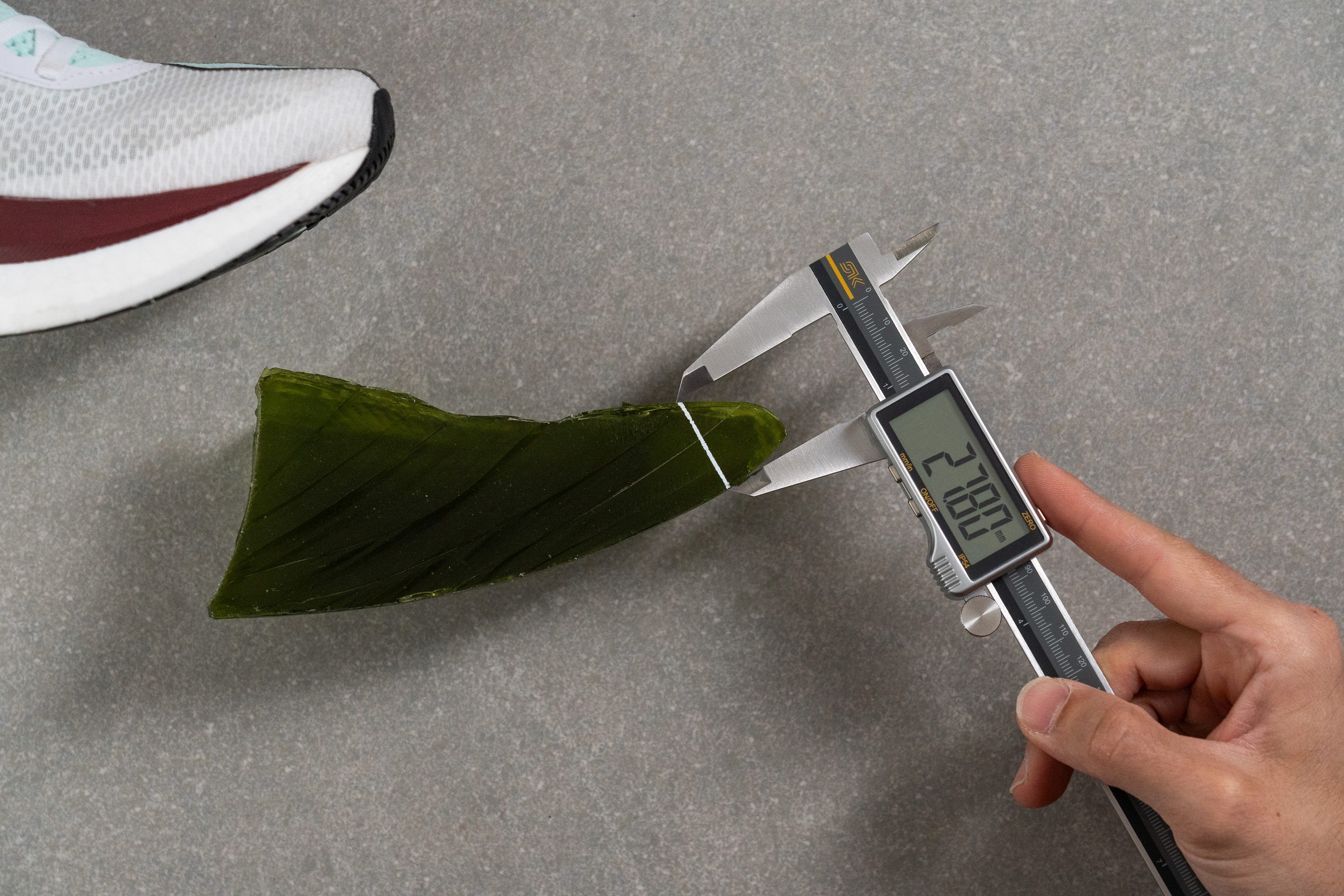
| Endorphin Pro 5 | 27.8 mm |
| Average | 27.0 mm |
Traction / Grip
Traction test
More good news, now from the outsole. The Endorphin Pro 5 scored 0.68 in our SATRA TM144 test on wet concrete, a clear improvement over the 0.52 recorded in version 4, and one less excuse to skip a run or race when it rains.
| Endorphin Pro 5 | 0.68 |
| Average | 0.53 |
Outsole design
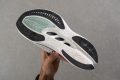
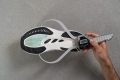
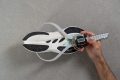
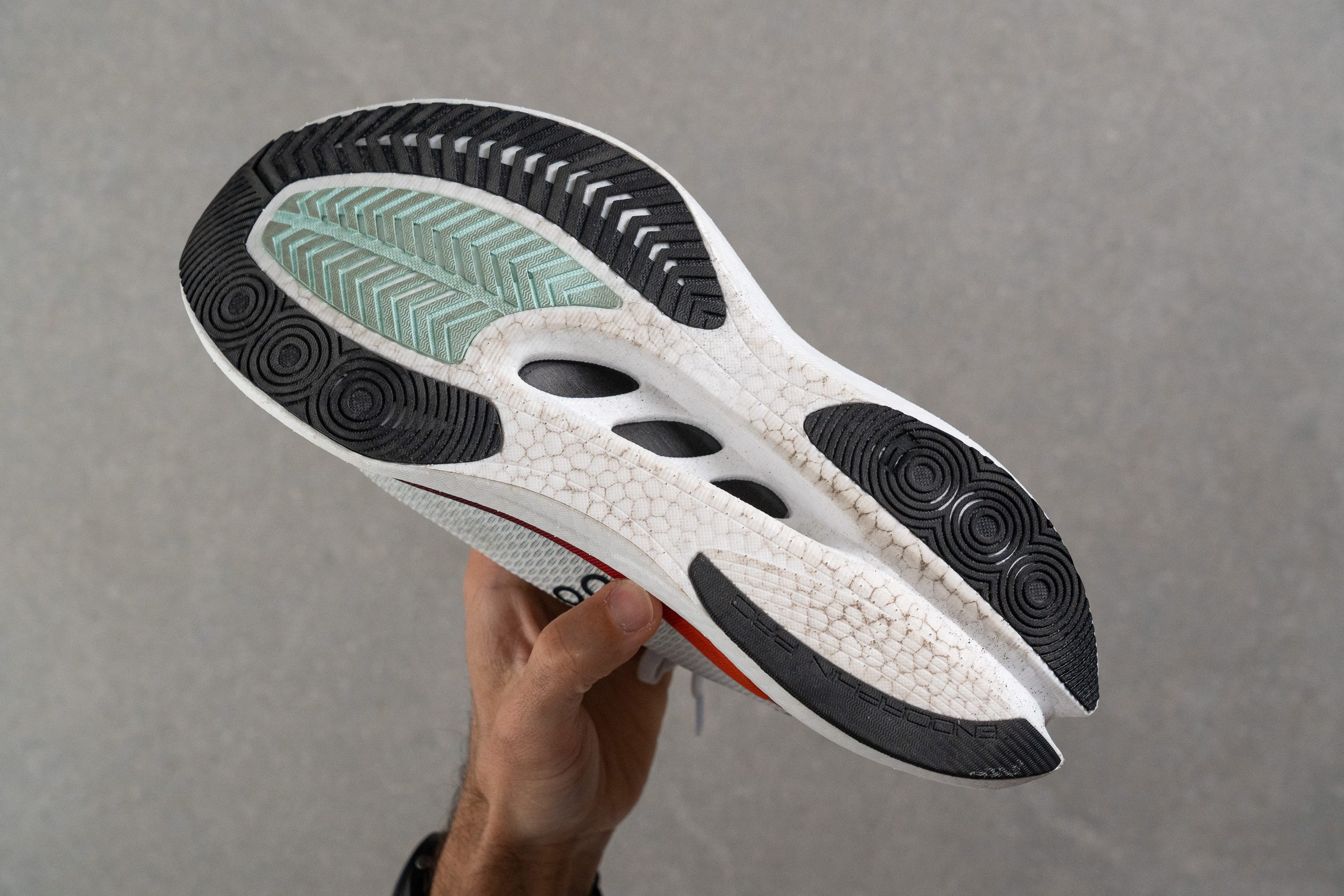
The outsole has been completely redesigned, yet it remains one of the super shoes with the best coverage available right now. We noted that three black rubber sections protect the edges with strong presence in the lateral heel, while a blue PWRTRAC piece reinforces the center of the forefoot.
Of course, this generous coverage comes with a weight cost. However, with the market full of more aggressive designs, we’re glad to see Saucony keep the Endorphin Pro 5 as a solid option for runners seeking added durability or those who are hard on outsoles.
Flexibility / Stiffness
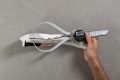
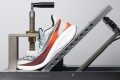
In our 30-degree bend test, the Endorphin Pro 5 required 26.1N, confirming the same ultra-stiff underfoot feel typical of carbon-plated shoes.
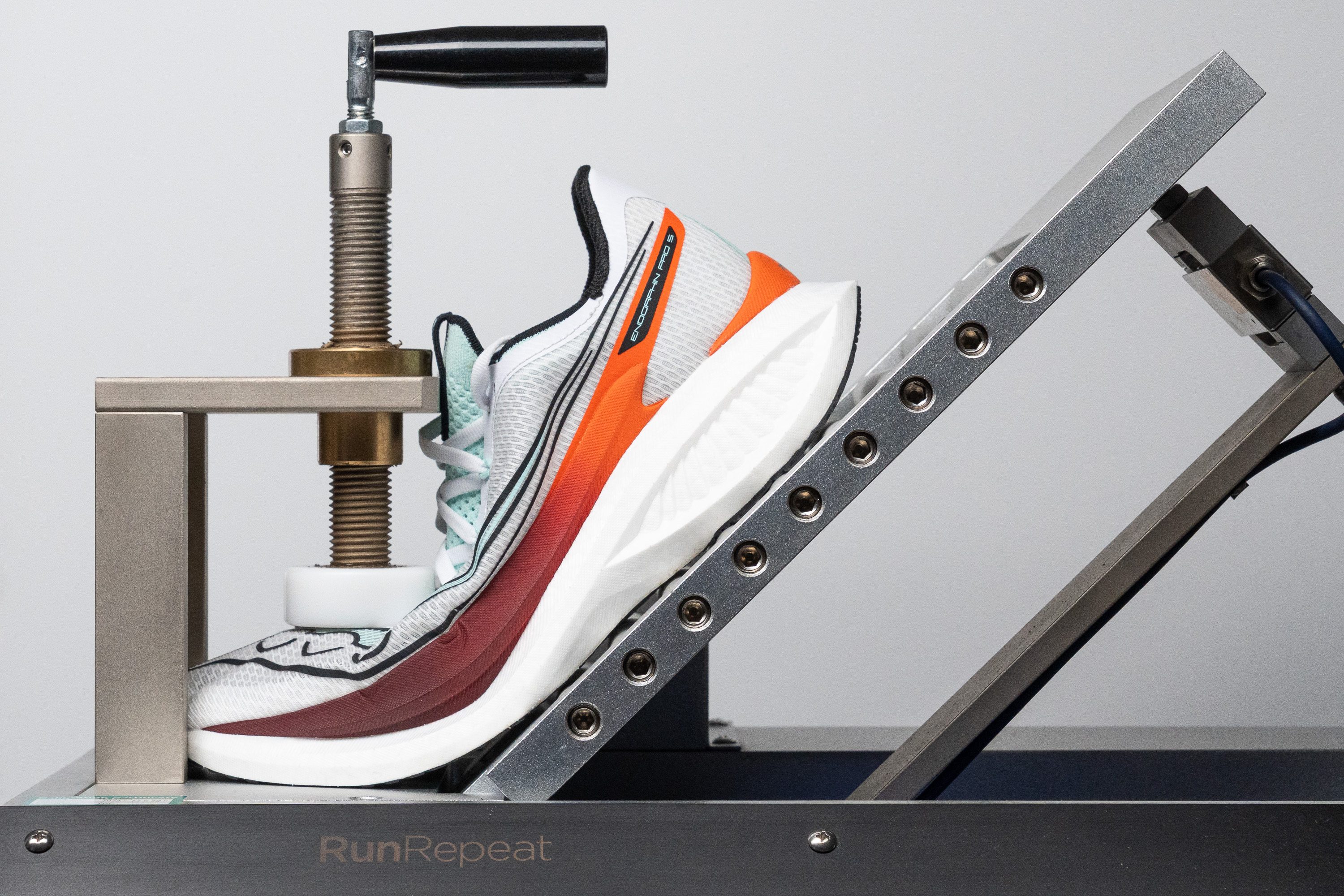
| Endorphin Pro 5 | 26.1N |
| Average | 15.5N |
Weight
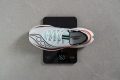
When we placed the Saucony Endorphin Pro 5 on our scale, it showed a 2% improvement over its predecessor, yet it still ranks among the heavier competition shoes at 7.6 oz or 215g.
Perhaps Saucony could consider switching to a GCPU outsole, as other brands are already doing with their newer models.
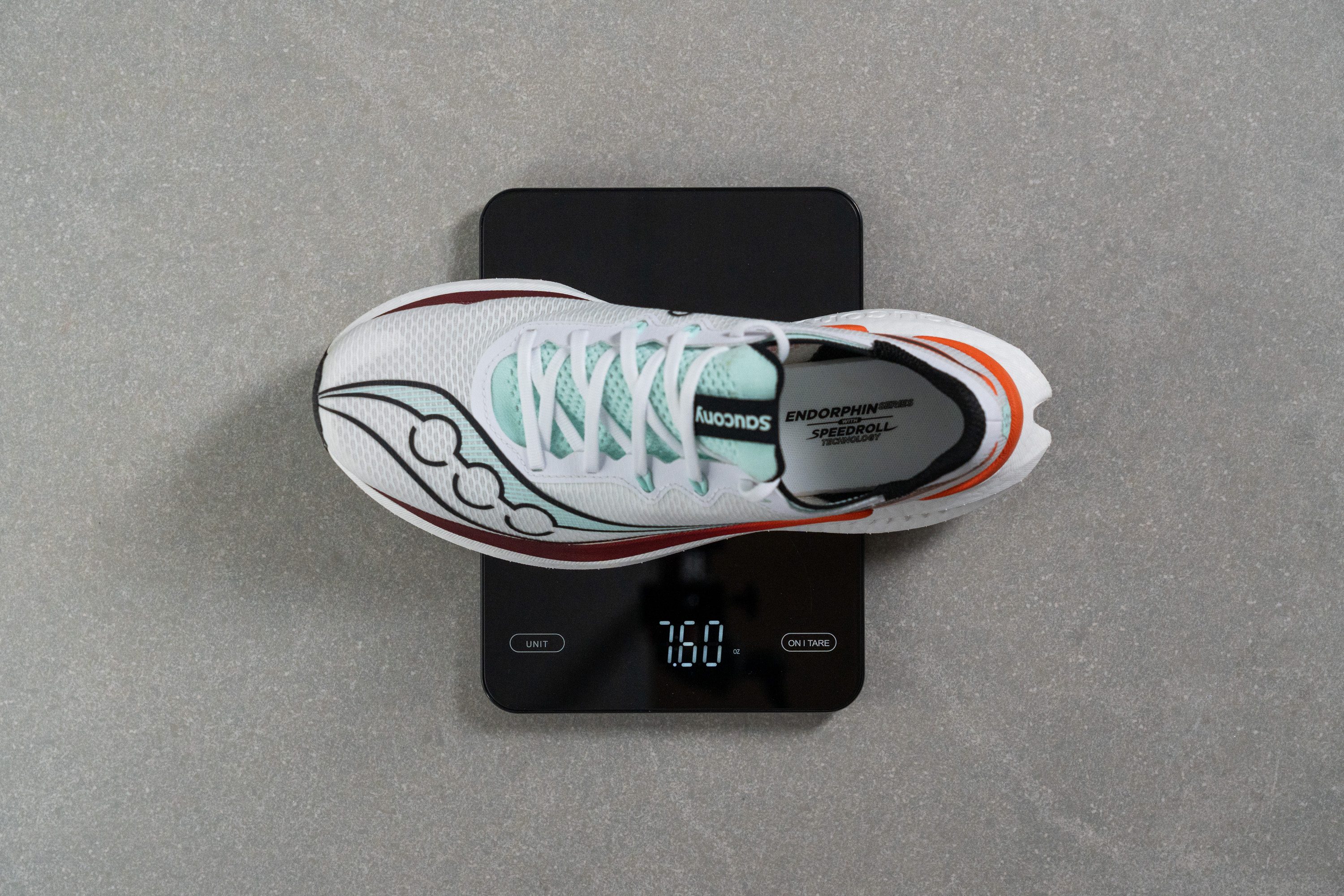
| Endorphin Pro 5 | 7.6 oz (215g) |
| Average | 9.2 oz (261g) |
Breathability
Breathability test
Saucony has impressed us with its uppers in recent years, delivering strong quality even in more affordable models, and the Endorphin Pro 5 is no exception.
In our first test, it showed solid airflow and earned a 3/5 score. That’s slightly below some super shoes, but we don’t see it as a real issue for racing. However, if you need excellent ventilation, check the Brooks Hyperion Elite 5 instead.
The upper feels very thin across almost the entire shoe, including the tongue. As a result, ventilation is consistent throughout, helping prevent heat buildup during longer efforts.
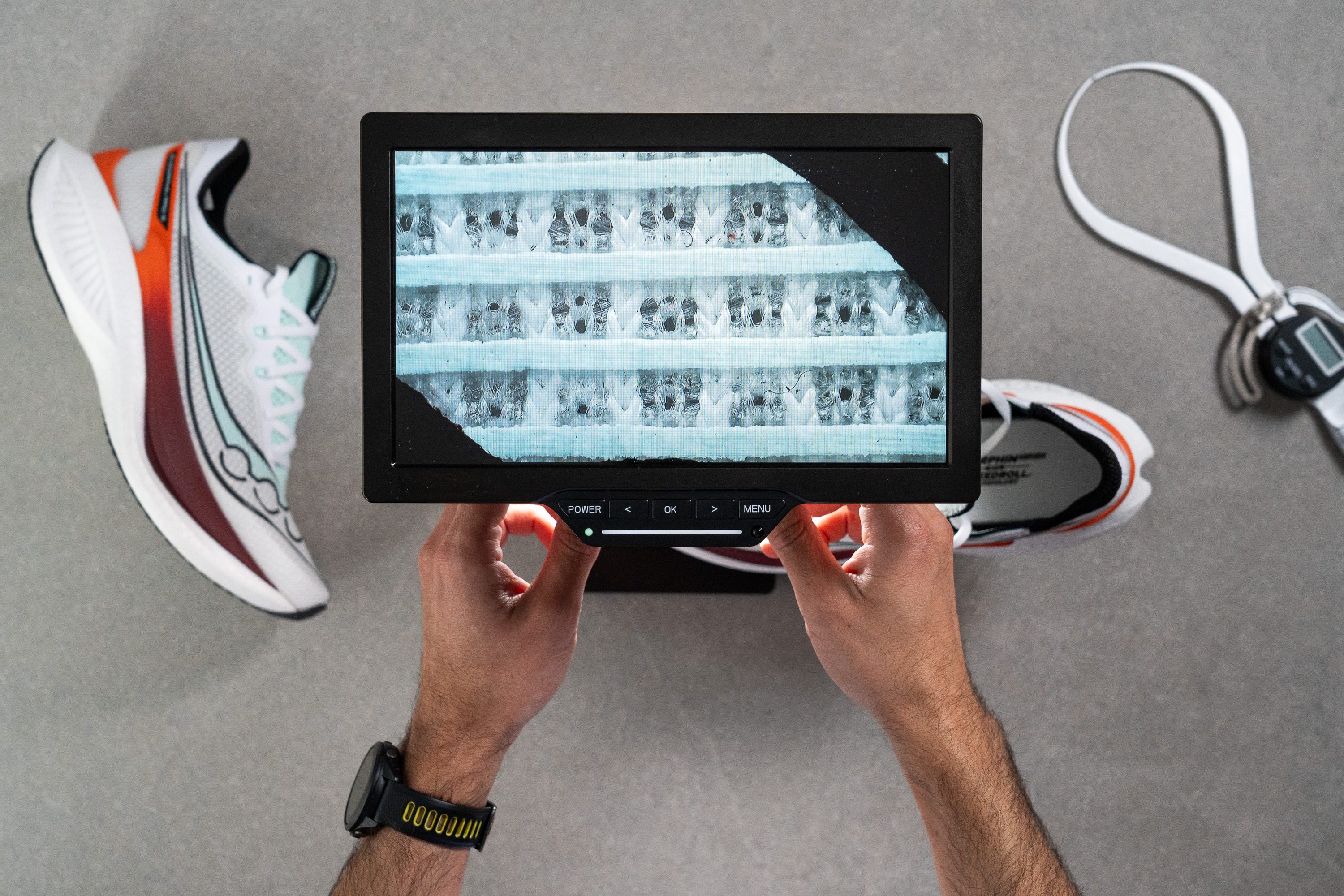
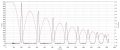
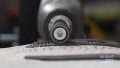
Under the microscope, we observed a highly open, structured mesh with visible channels and reinforced strands that create an impressive layout.
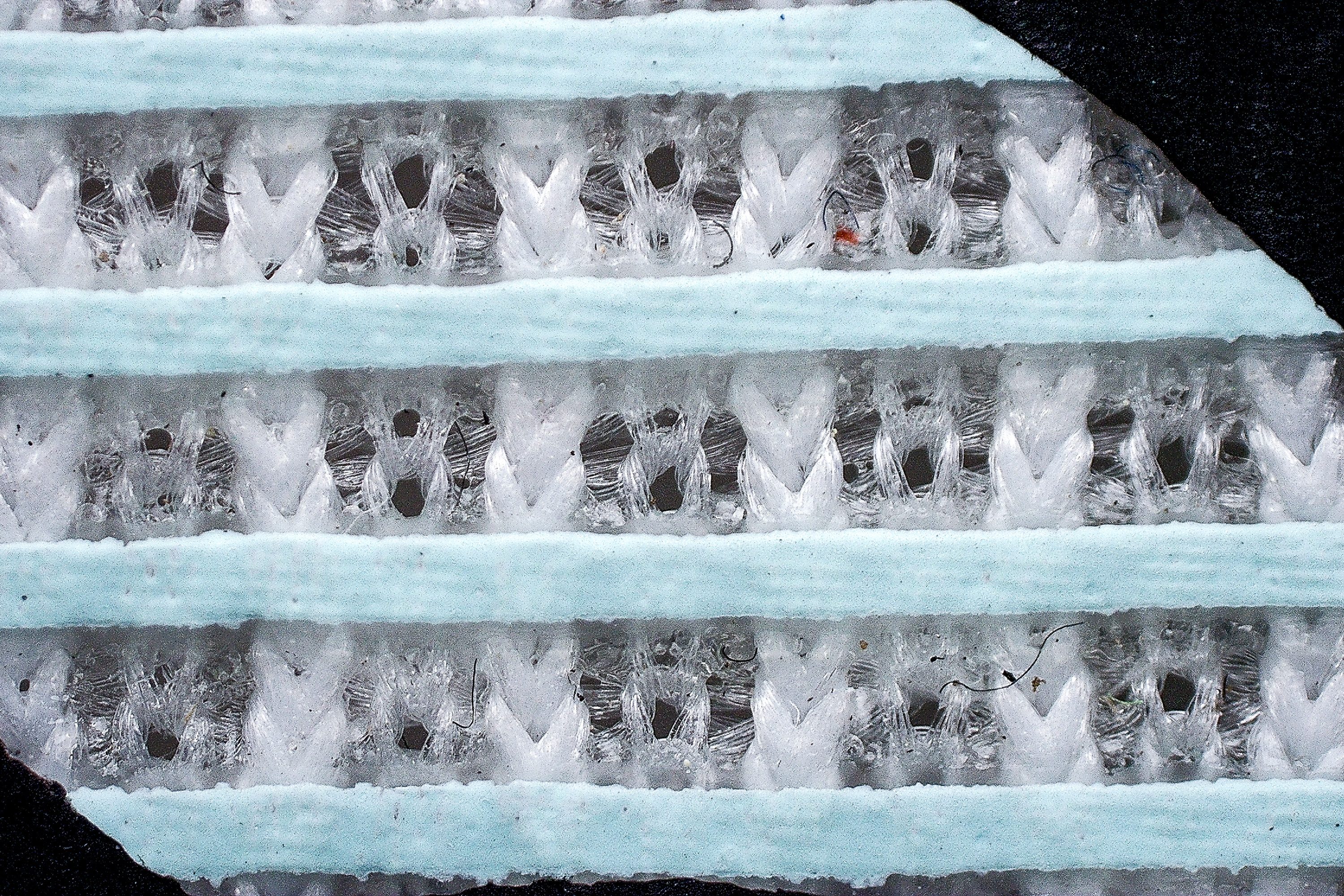
The pattern shows clear spacing for airflow while maintaining enough structure to hold the foot securely.
Saucony has also added extra padding around the heel, which is uncommon in this category. This should benefit runners who want to use the shoe not only for racing but also for training.
| Endorphin Pro 5 | 3 |
| Average | 3.6 |
Stability
Lateral stability test
One of the main appeals of the Endorphin Pro 5 is the supportive ride it delivers. This is especially noticeable for heel strikers, who often struggle in this area with super shoes, but midfoot and forefoot strikers will also find it stable.
If it weren’t for the high stiffness of its carbon plate, we really believe that the EP5 would feel more like a super trainer than a super shoe. That can be a positive or a drawback depending on what are you looking for...
Torsional rigidity
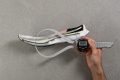
The forked plate allows some movement in the forefoot, yet we still found the Endorphin Pro 5 highly resistant to twisting, reaching 15.8 Nm on our custom-made torsional rigidity machine.
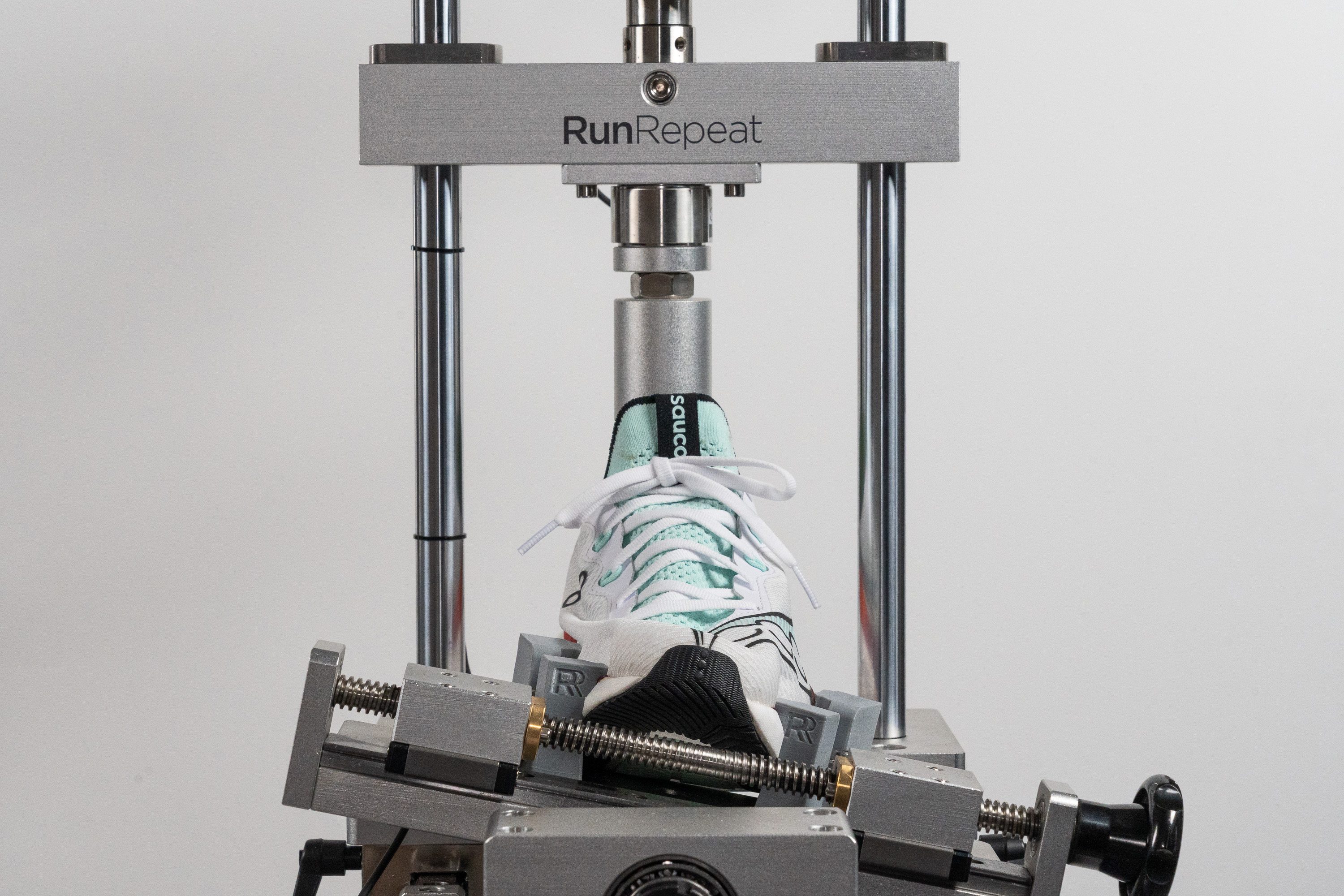
| Endorphin Pro 5 | 15.8 Nm |
| Average | 14.3 Nm |
Heel counter stiffness
The heel counter scored 2/5, whereas most super shoes usually come in at 1/5. As a result, this is another reason why the Endorphin Pro 5 feels more stable on heel landings compared to its rivals.
| Endorphin Pro 5 | 2 |
| Average | 3 |
Midsole width - forefoot
With version 4, Saucony made a clear design shift, increasing the forefoot width to 118.9 mm from 109.3 mm in version 3. This change marked a move away from the aggressive feel of earlier models, as the brand repositioned the Pro to leave space for the Elite and give it a new identity.
Version 5 follows that same direction and goes even further, reaching 120.1 mm, a width that resembles what we usually see in some stability shoes.
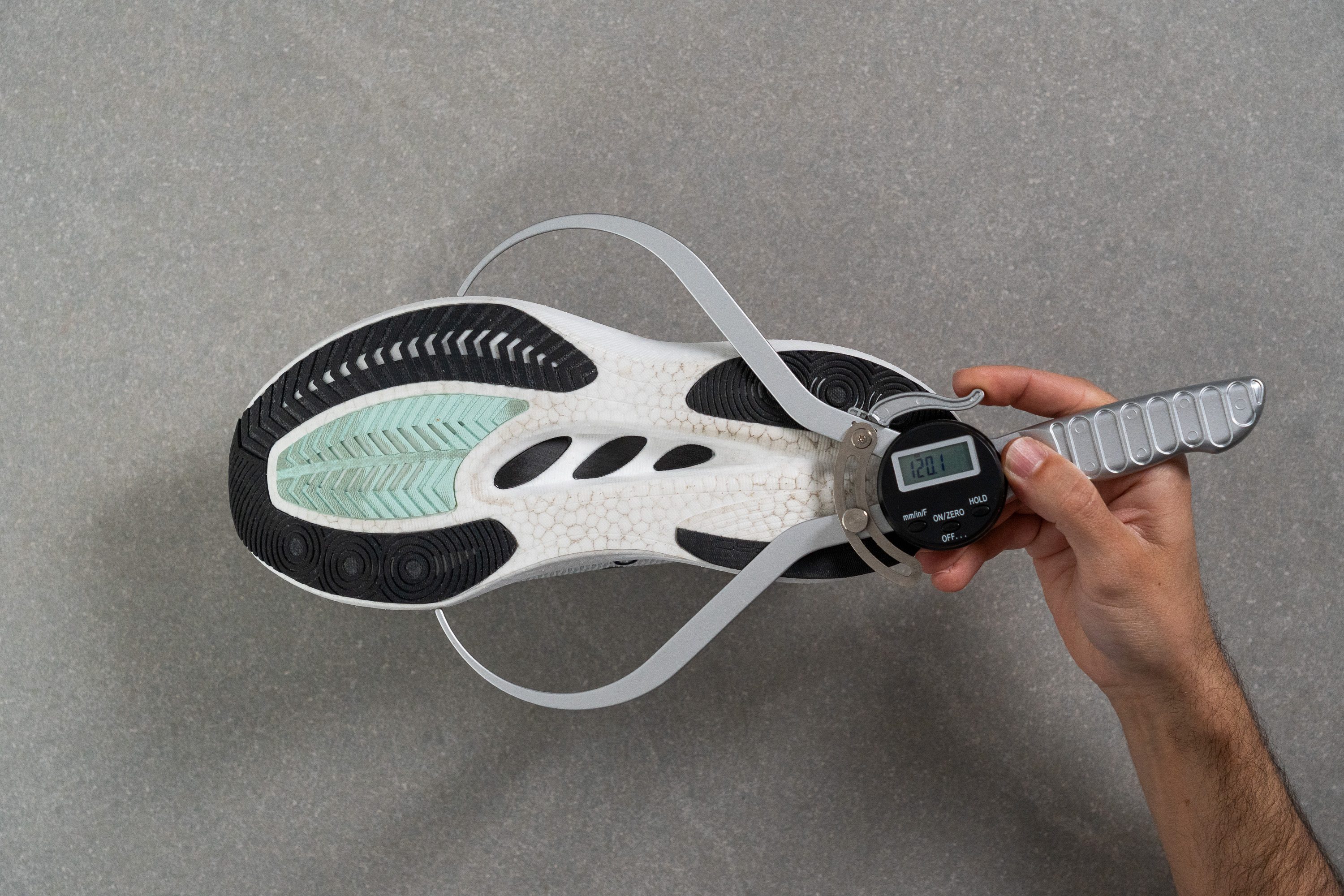
| Endorphin Pro 5 | 120.1 mm |
| Average | 115.1 mm |
Midsole width - heel
At 91.2 mm, the heel may not seem very impressive at first, but that’s only when compared to the average shoe. However, consider that the New Balance FuelCell SuperComp Elite v5 measures just 71.6 mm in this same area, or the 78.1 mm of the On Cloudboom Echo 3—there are many similar examples!
If you’re coming from a more extreme super shoe, this shoe feels way more stable underfoot. Saucony trades lower weight and some agility to deliver a more supportive platform.
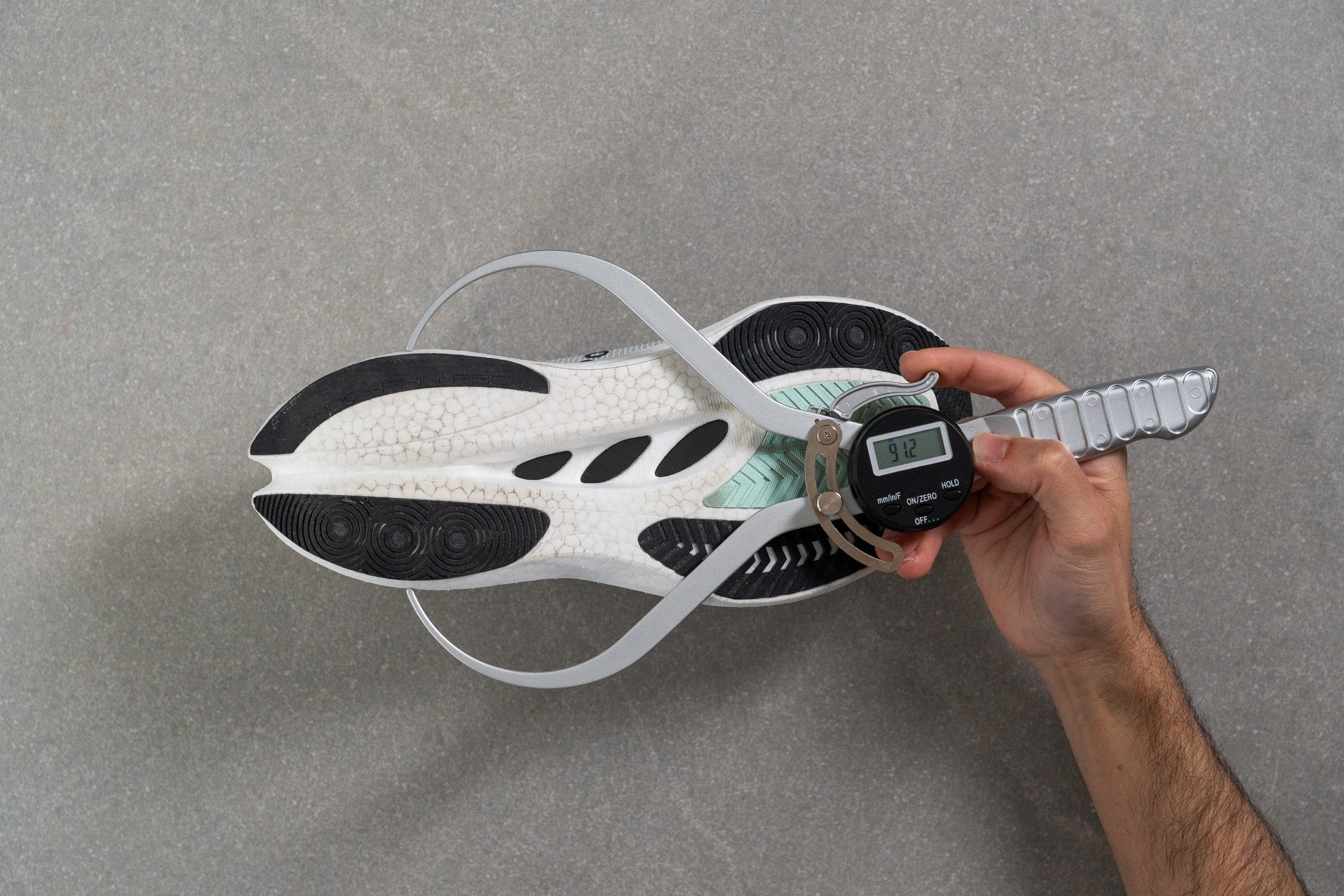
| Endorphin Pro 5 | 91.2 mm |
| Average | 91.1 mm |
Durability
Toebox durability
Razor-thin uppers often fall short in durability, and this was no exception, earning the expected 1 out of 5.
| Endorphin Pro 5 | 1 |
| Average | 2.6 |
Heel padding durability
The heel padding performed much better, reaching 3/5. It’s still not ideal, but it’s not a major concern.
| Endorphin Pro 5 | 3 |
| Average | 3.4 |
Outsole durability
While some super shoes have weak outsoles, that’s not the case with this Saucony.
It may carry a slight weight penalty, but we found that the durability result of 0.6 mm is simply outstanding and makes it ideal for runners who dislike super shoes that last only a few races. This is the opposite.
| Endorphin Pro 5 | 0.6 mm |
| Average | 1.1 mm |
Outsole thickness
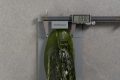
We found that the outsole of the Saucony Endorphin Pro 5 measures 1.6 mm in thickness, which may even feel slightly excessive given its durability and the fact that the shoe already leans toward the heavier side.
However, like in other areas, Saucony seems to have taken a more durability-focused approach, and we can’t fault that, as it makes the shoe a more interesting option for those who also want to use it for training.
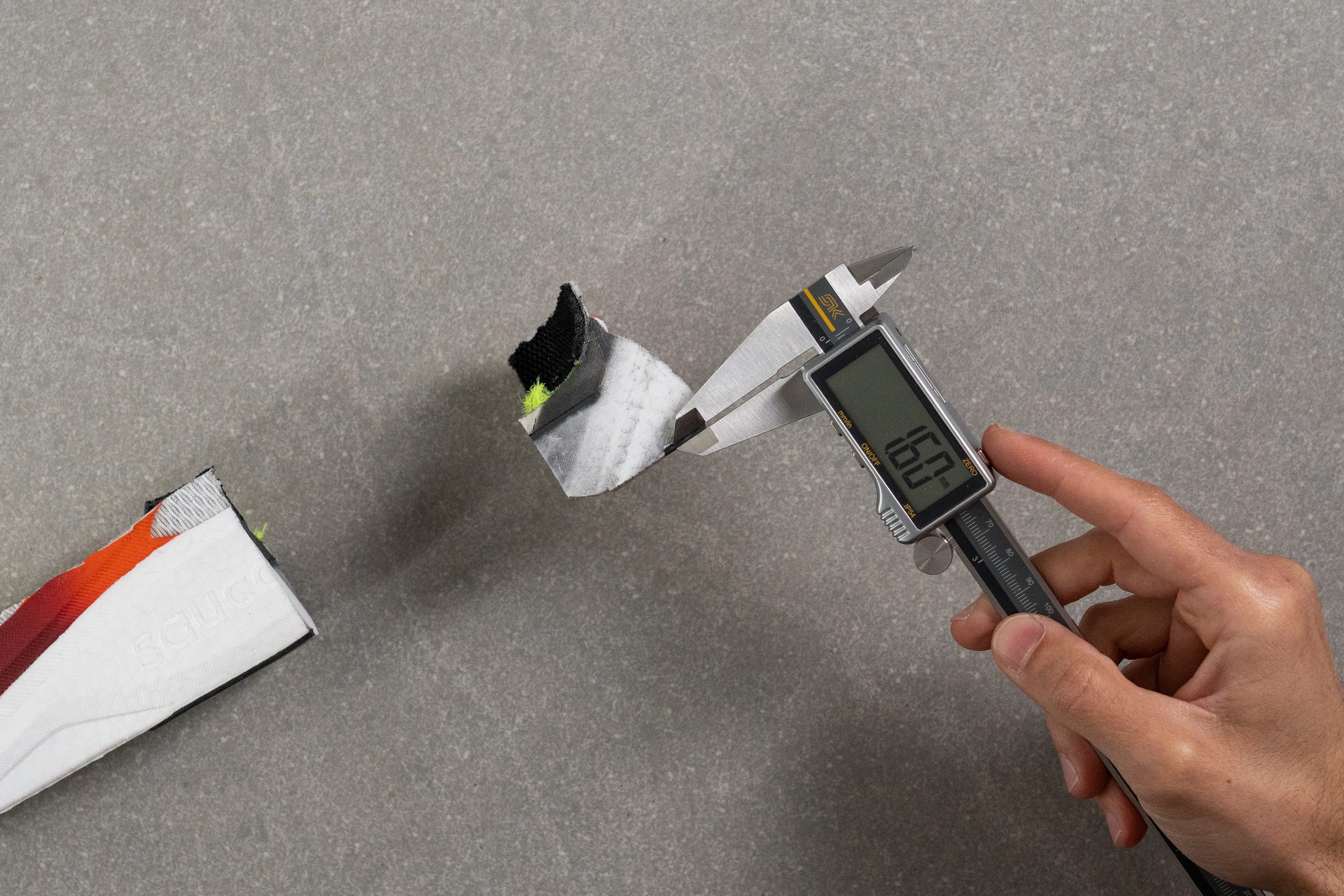
| Endorphin Pro 5 | 1.6 mm |
| Average | 3.1 mm |
Misc
Insole thickness
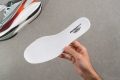
Racing models sometimes feature ultra-thin insoles, but that’s not the case with the Endorphin Pro 5. This one measures 4.3 mm, which may be another sign of why it feels like one of the less extreme super shoes.
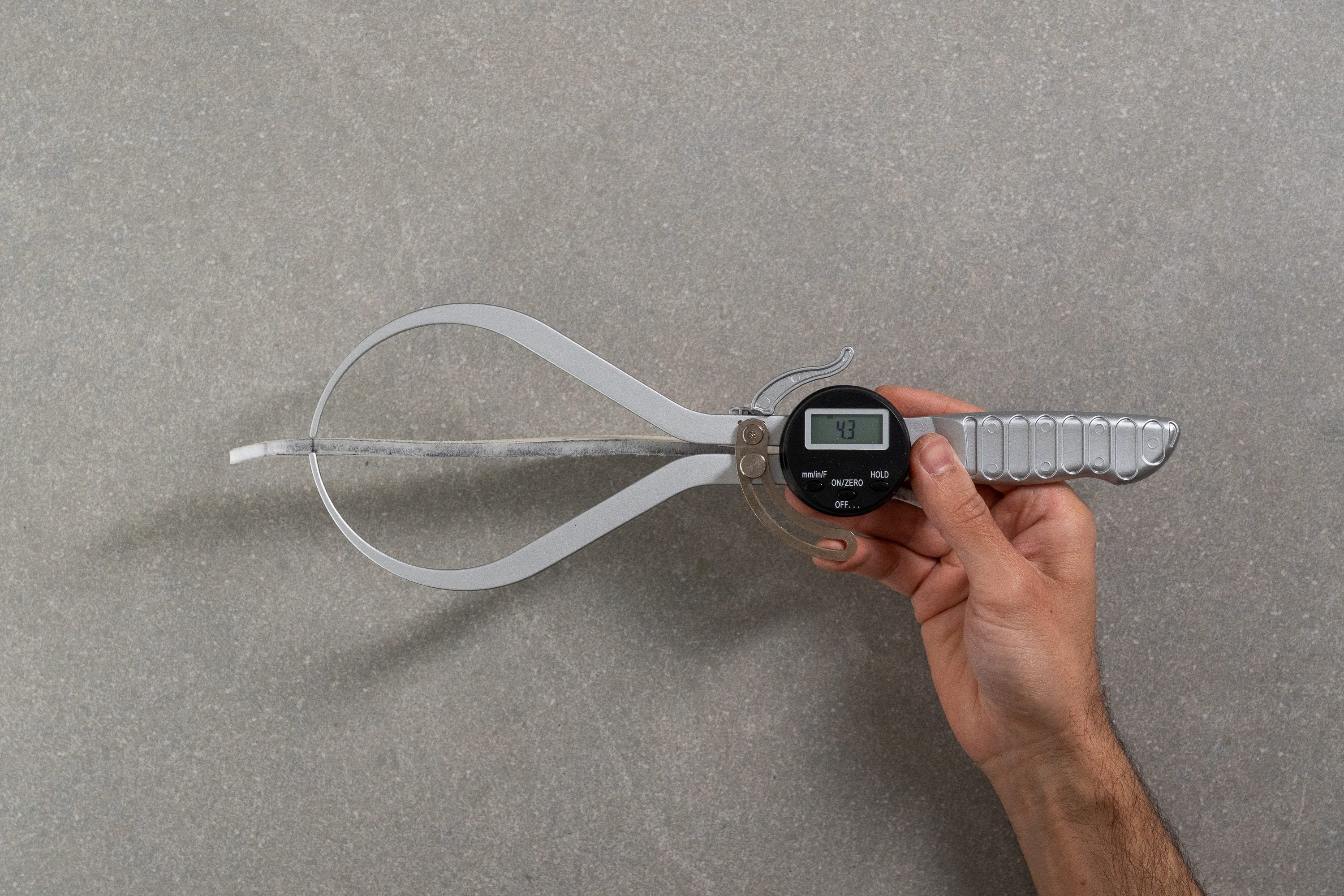
| Endorphin Pro 5 | 4.3 mm |
| Average | 4.4 mm |
Removable insole
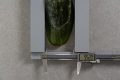
The insole in the Endorphin Pro 5 can be removed and replaced, as long as the alternative fits inside the shoe, which can sometimes be an issue with competition models.
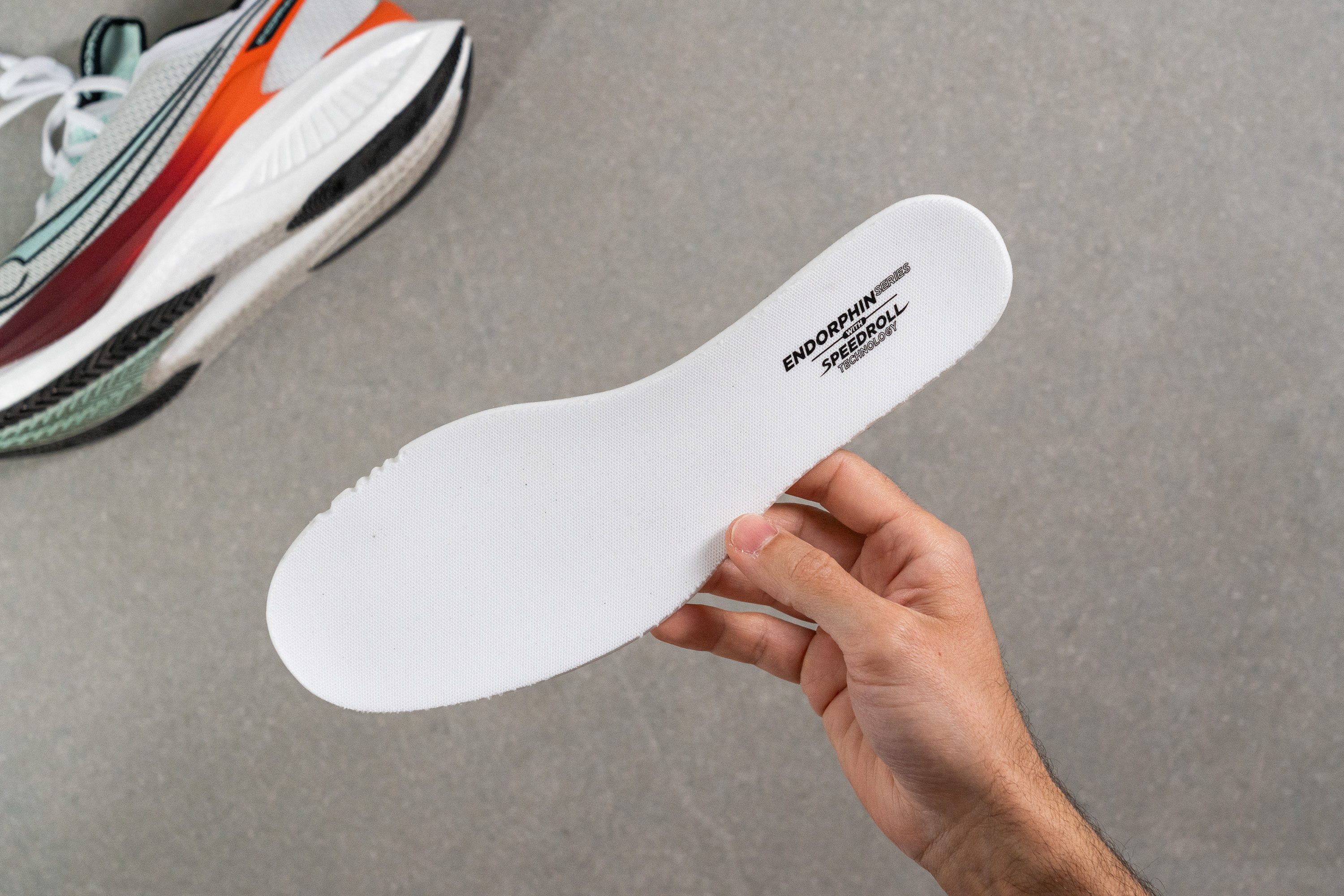
| Endorphin Pro 5 | Yes |
Reflective elements
No reflective elements on the Endorphin Pro 5, but that was entirely expected, as it’s the case with most competition shoes.
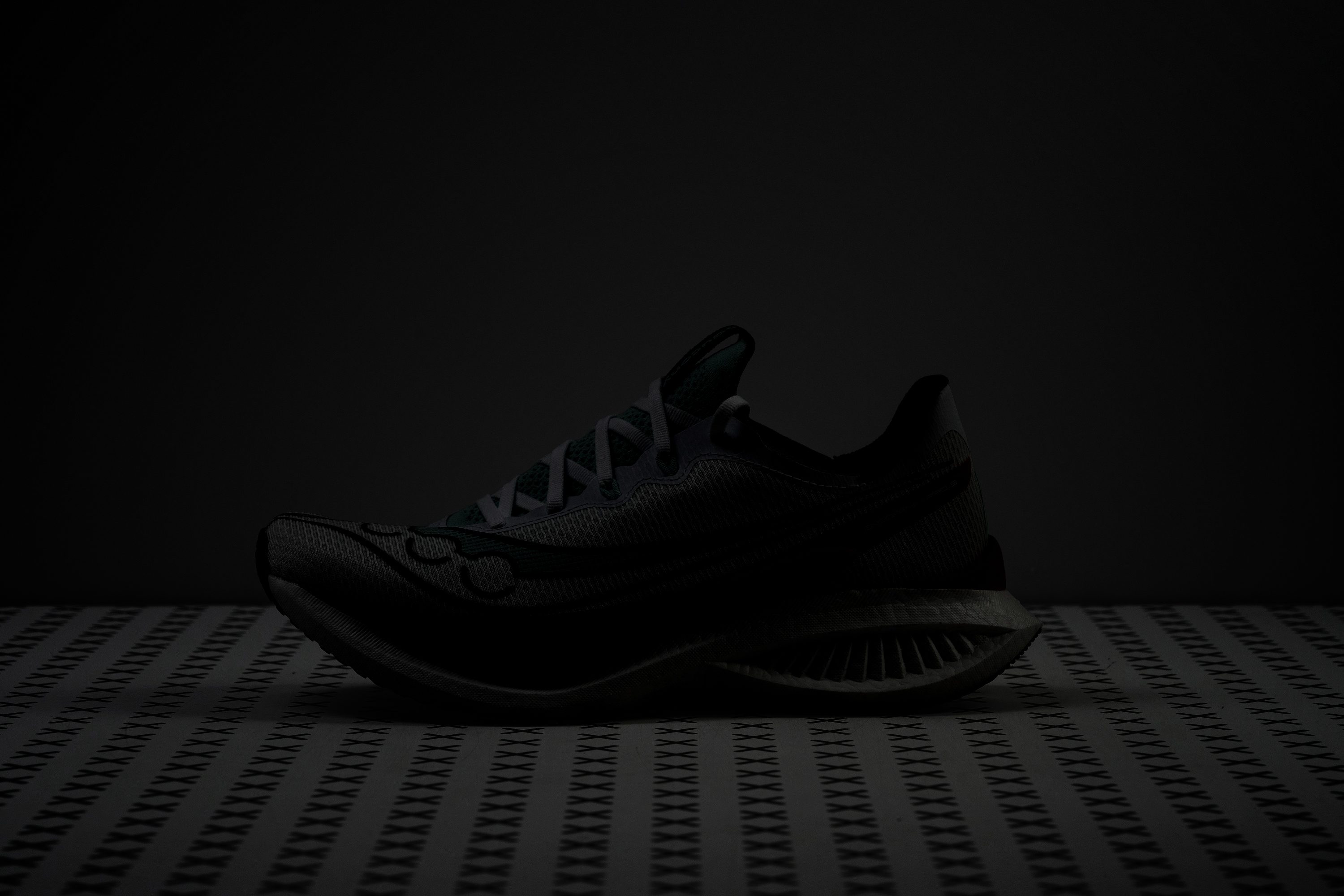
| Endorphin Pro 5 | No |
Tongue padding
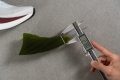
One of the biggest upgrades in this model comes from the new knit-based tongue. It’s really stretchy, and Saucony added a useful pull tab to help achieve the perfect lockdown. That said, we felt that it was slightly long and may sit higher than expected for some runners.
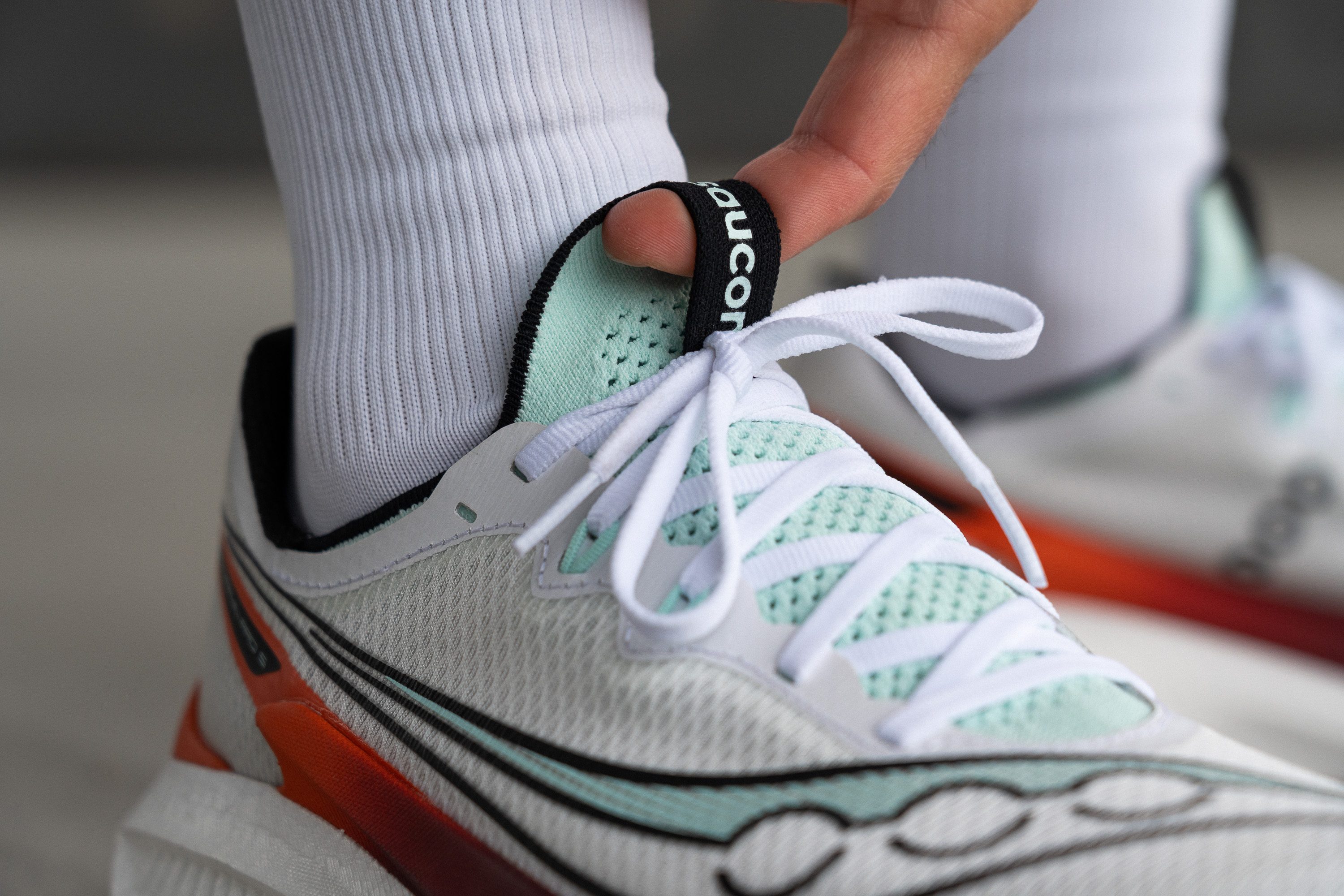
In terms of thickness, it measures a minimal 1.0 mm, which is very common in super shoes. So we expected this, but we were a bit disappointed to see that textured laces are still missing. It’s a simple and low-cost upgrade that would improve both fit and aesthetics, yet Saucony still avoids using it in their super shoes.
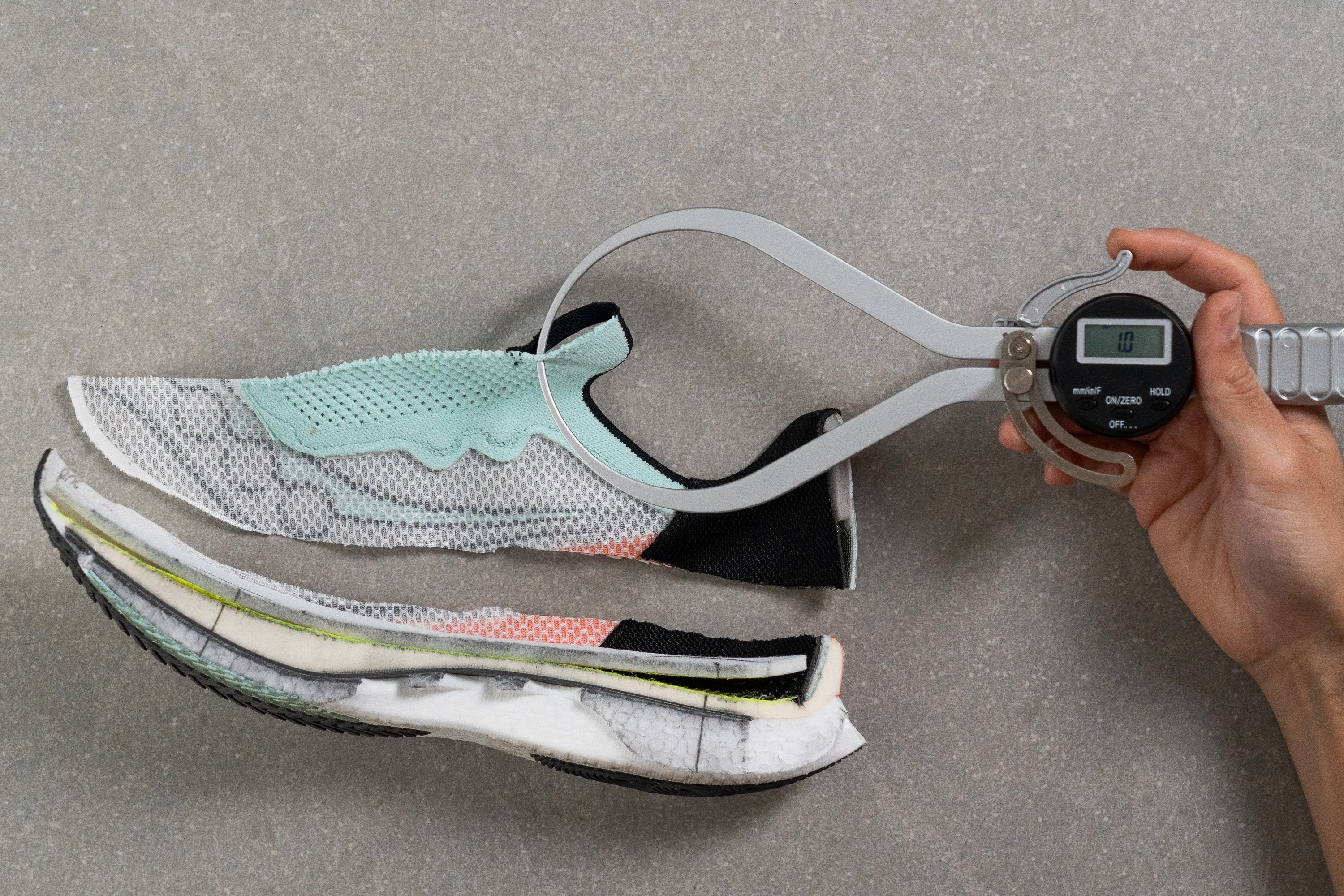
| Endorphin Pro 5 | 1.0 mm |
| Average | 5.8 mm |
Tongue: gusset type
The knit tongue of the Endorphin Pro 5 is attached to the sides, which is very common in this type of design. However, we wouldn’t describe it as a sock-like construction, as that typically requires a fully knit upper.
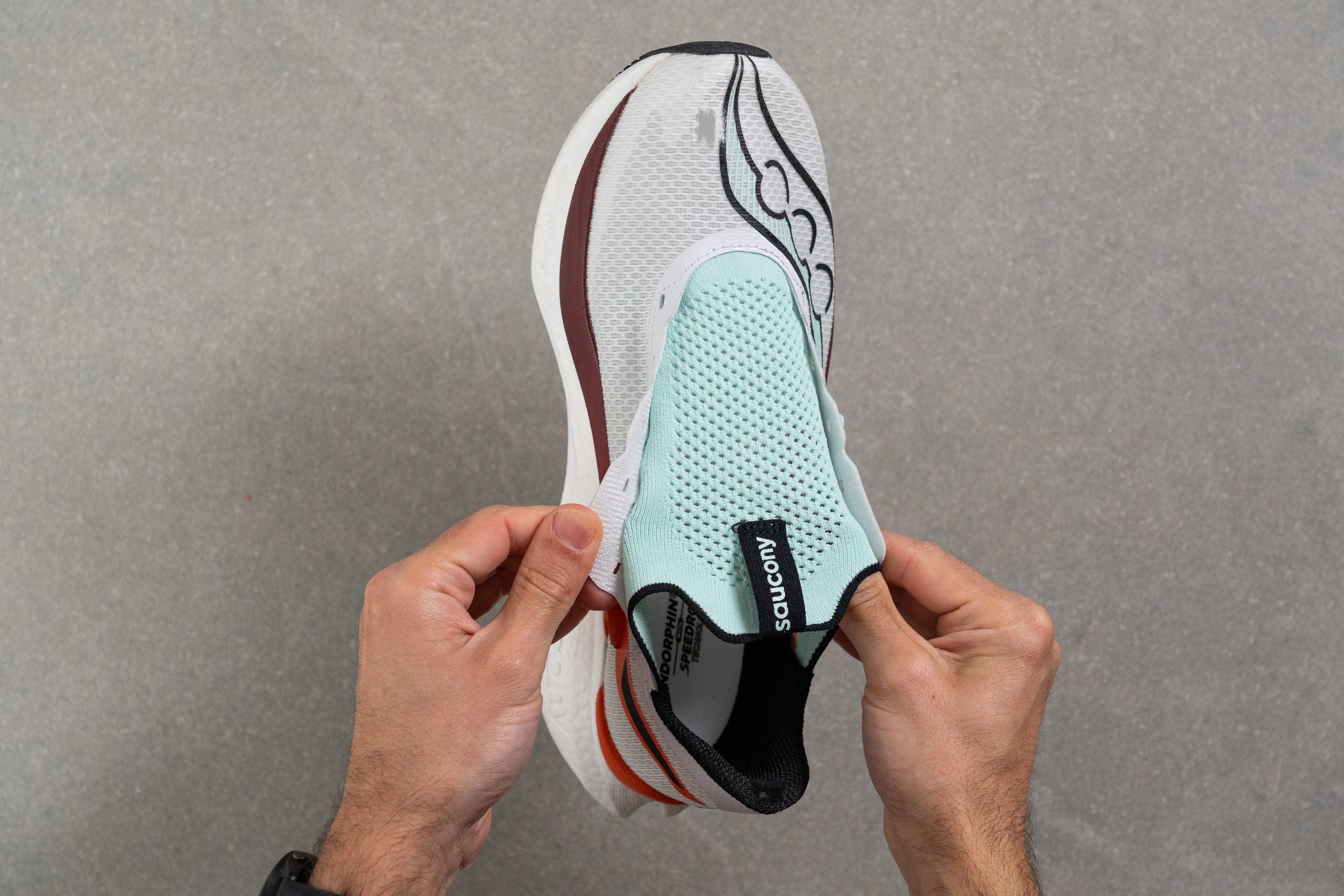
| Endorphin Pro 5 | Both sides (full) |
Heel tab
The Endorphin Pro 5 lacks a heel tab for a clean, streamlined look.
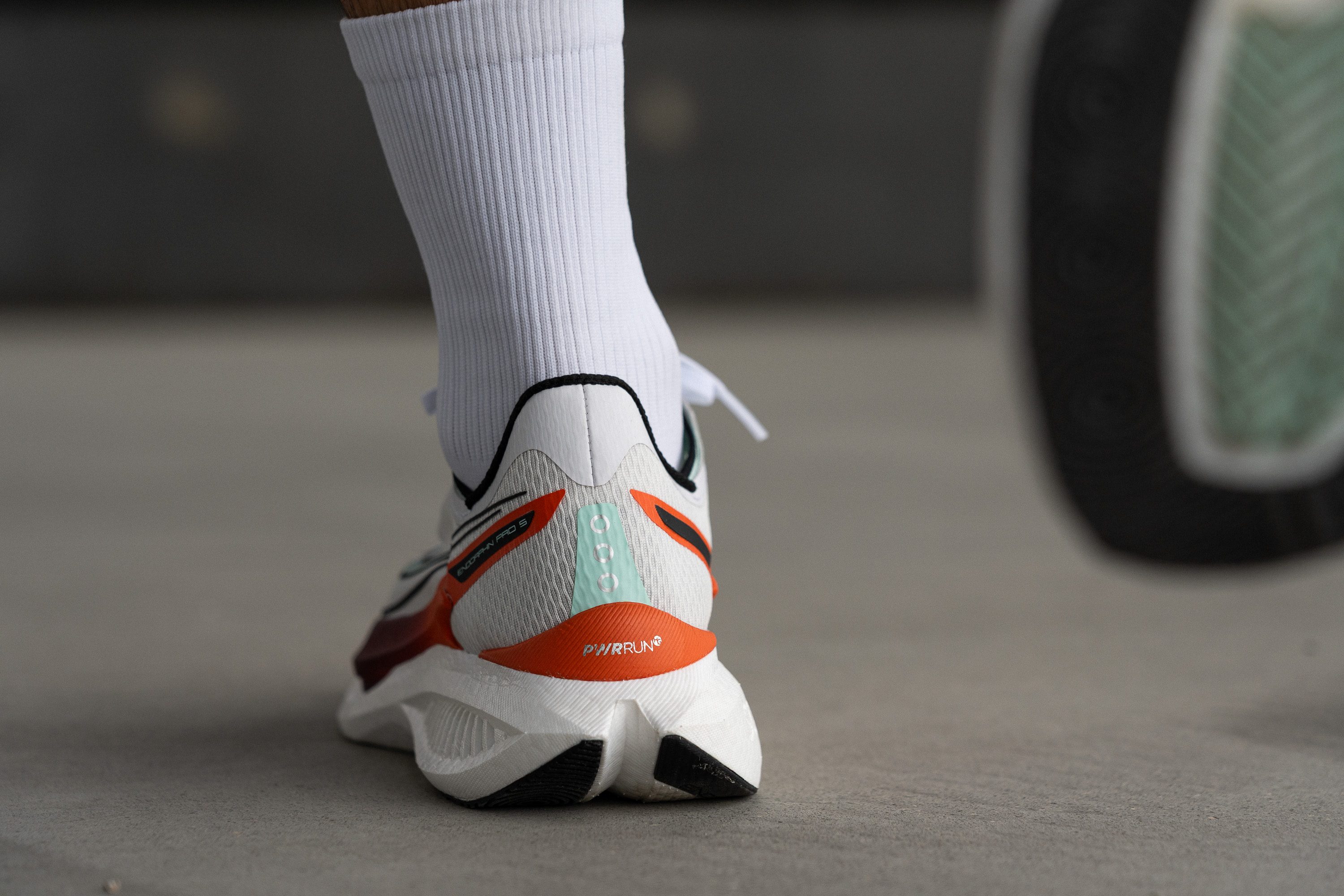
| Endorphin Pro 5 | None |
Price
Saucony keeps playing the value-driven card with the Endorphin Pro 5, and it continues to pay off. That’s why the brand has left the price unchanged for another year, and we believe it stands out as a strong option for runners looking to spend as little as possible while still getting a legit super shoe.
| Endorphin Pro 5 | $225 |
| Average | $158 |